Ottomans For Versatile Room Layouts
Ottomans For Versatile Room Layouts
-
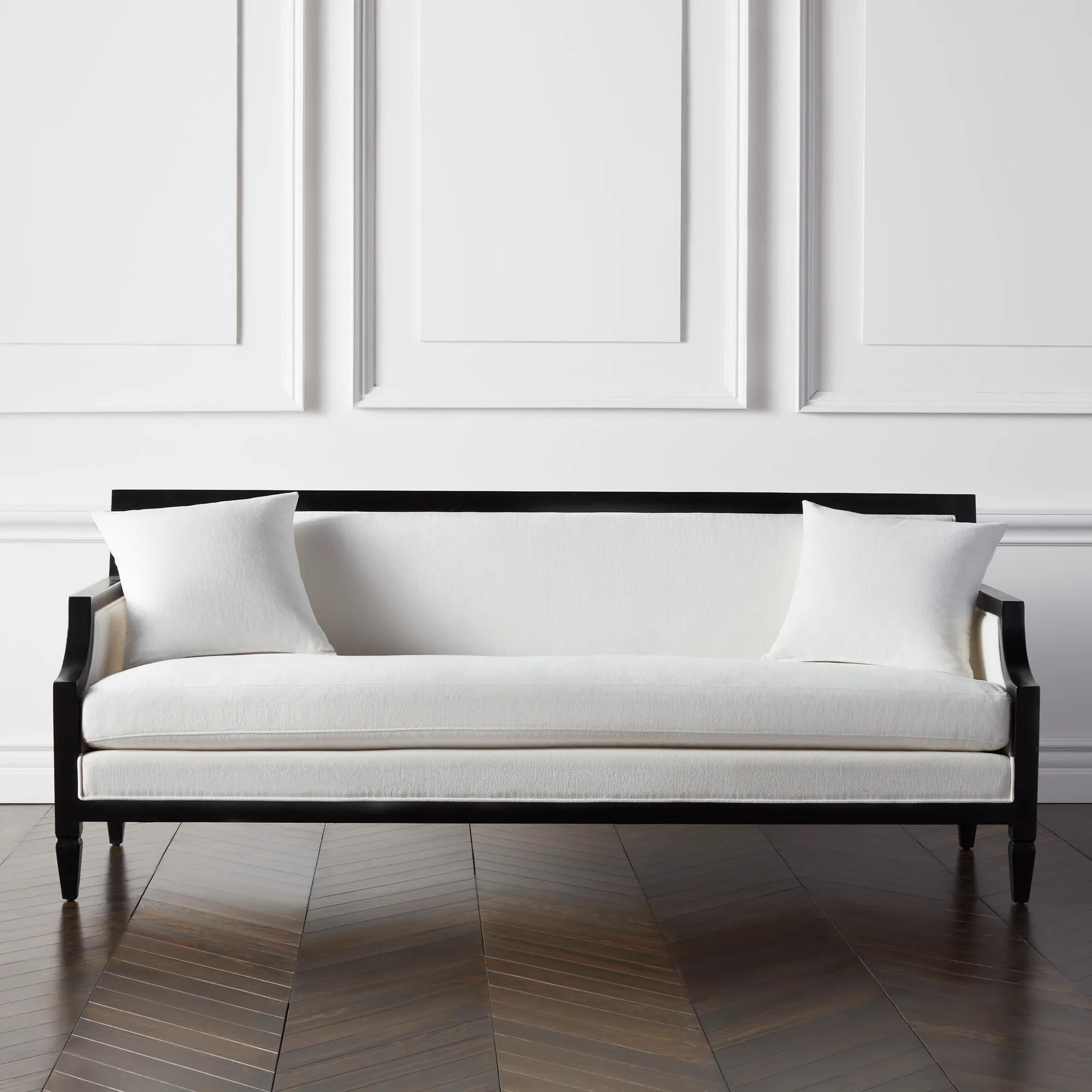
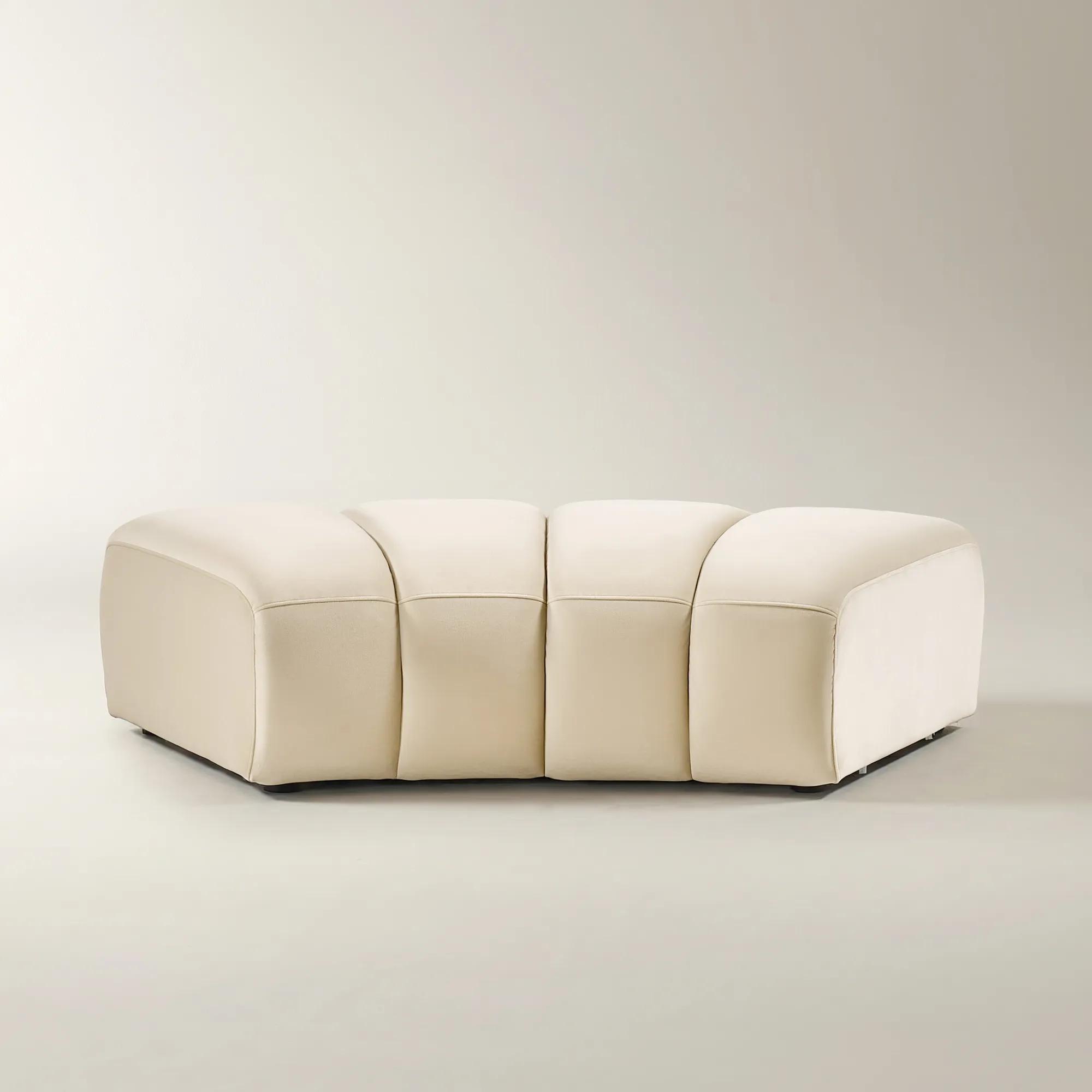 Jocelyn Channel-Tufted Oatmeal Velvet Ottoman$999
An oatmeal velvet ottoman featuring deep channel tufting, curved silhouette, and kiln-dried wood construction.
Add To Cart -

 Livia Taupe Outdoor Ottoman$1999
A taupe outdoor ottoman offering versatile comfort and contemporary style for relaxed lounging.
Add To Cart -
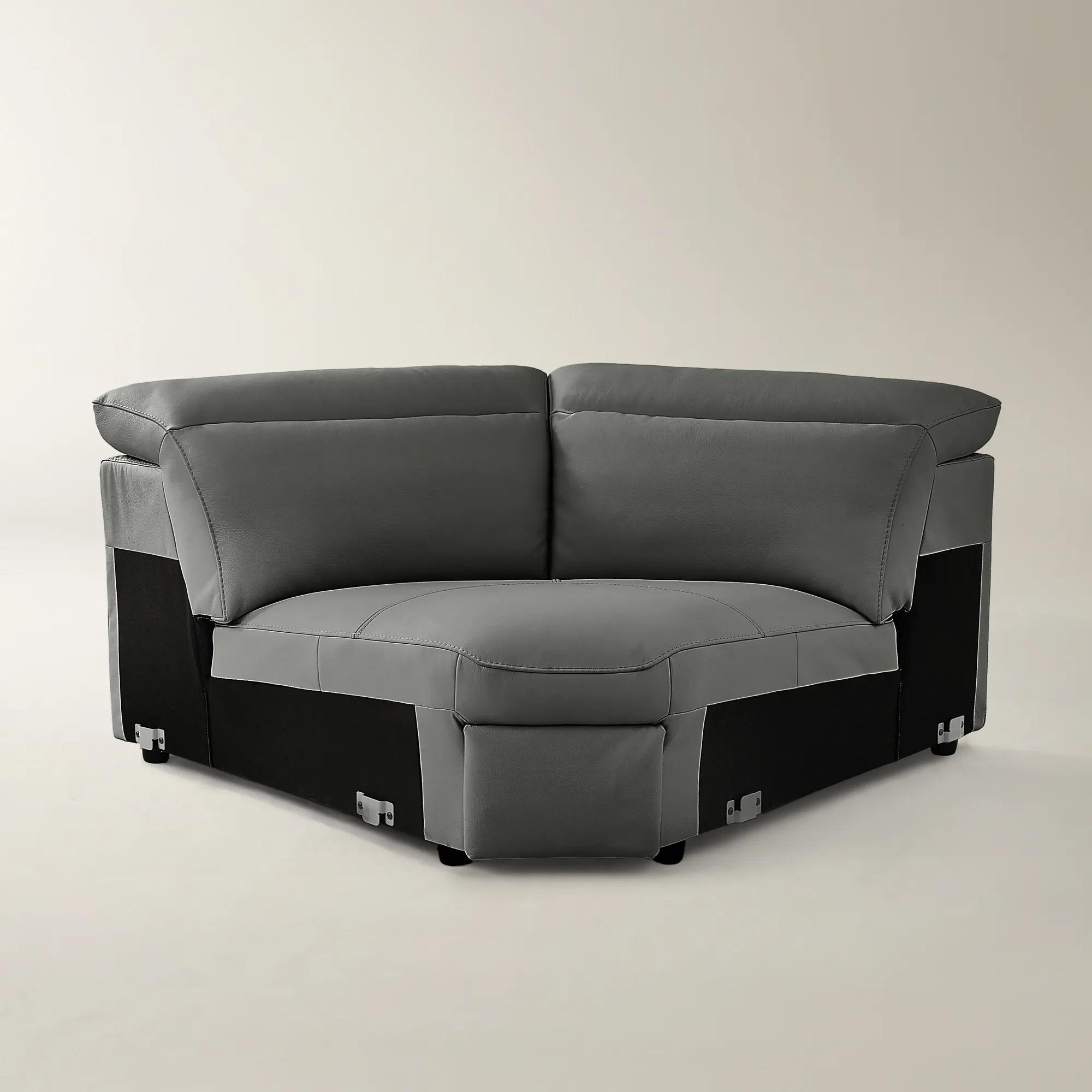
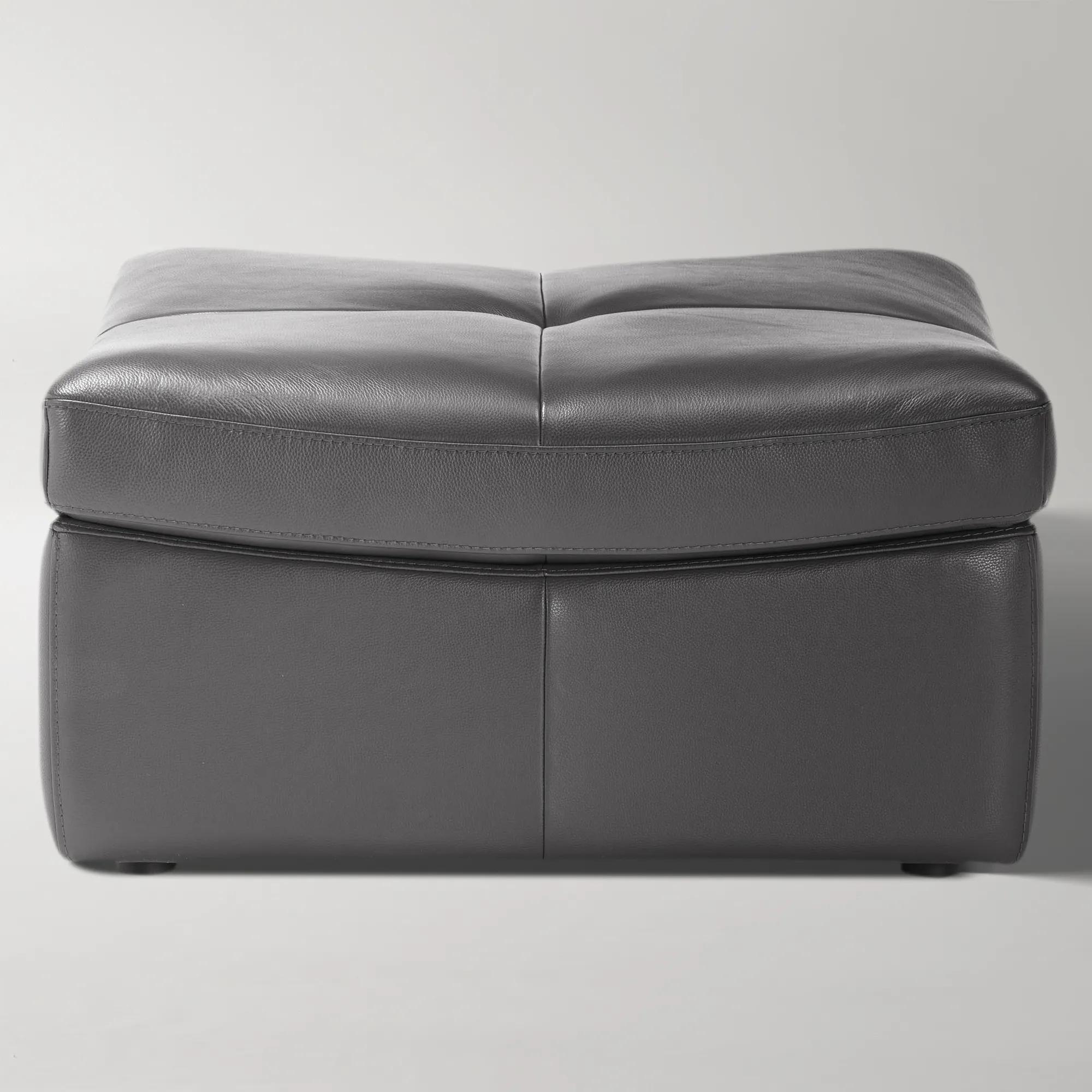 Convo Charcoal Leather Ottoman$849
A modular sectional in charcoal semi-aniline leather with kiln-dried hardwood frames and gently curved seats.
Add To Cart -
 Leopard Camel/Black Cow Hide Ottoman (18'')$799
A genuine cowhide pouf in camel and black leopard print with a removable cover and hidden zipper.
Add To Cart -
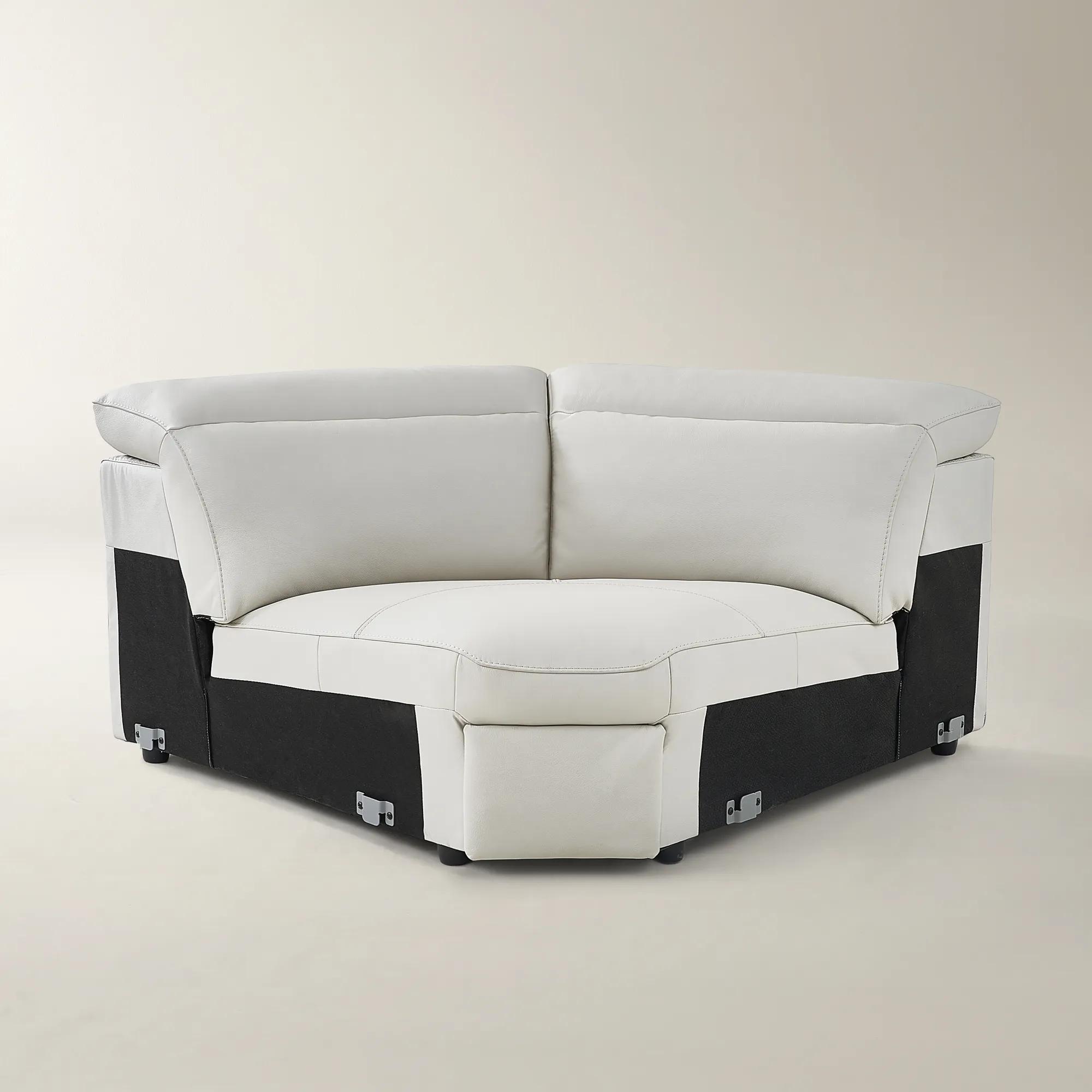
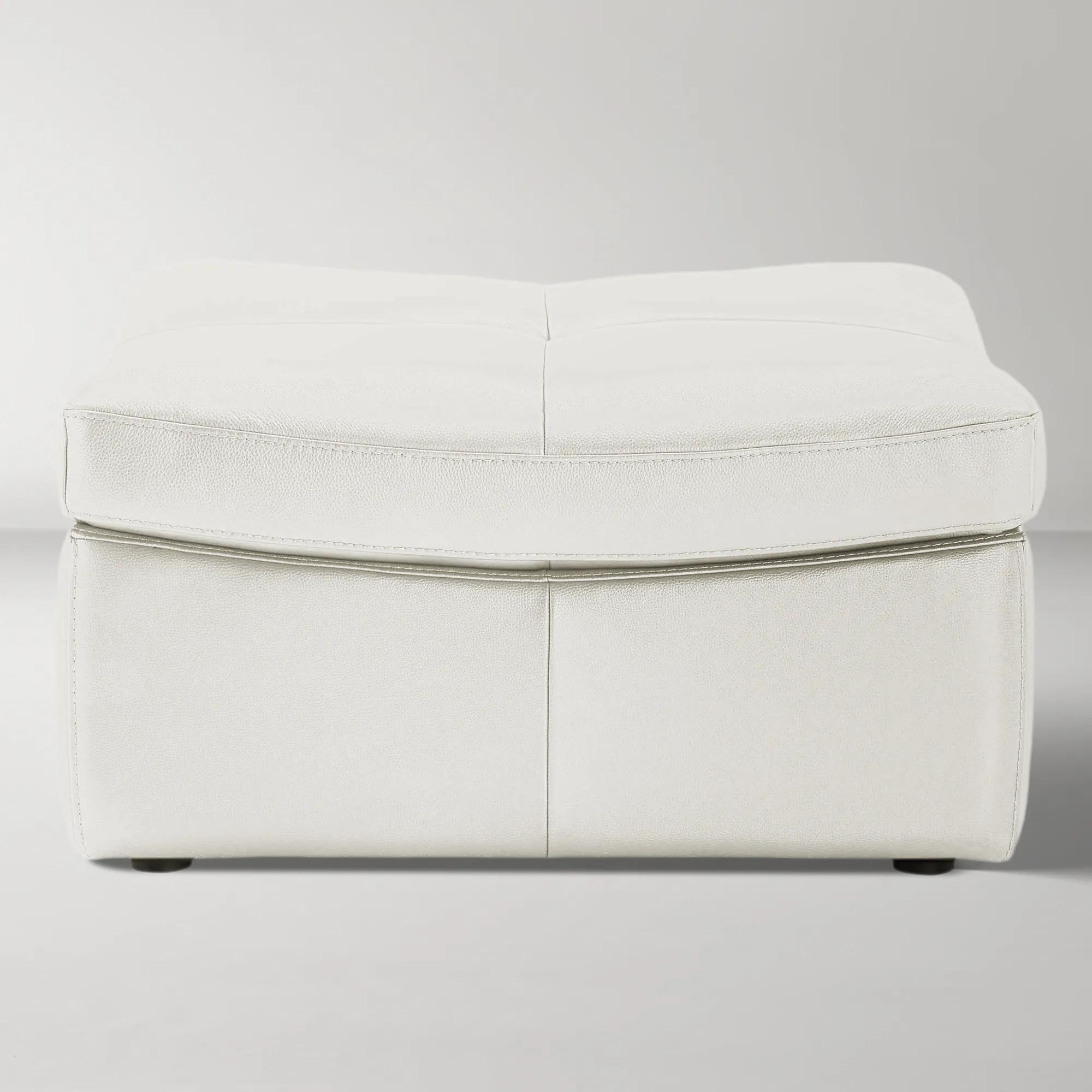 Convo White Leather Ottoman$849
A modular sectional with kiln-dried hardwood frame and charcoal semi-aniline leather upholstery for modern versatility.
Add To Cart -
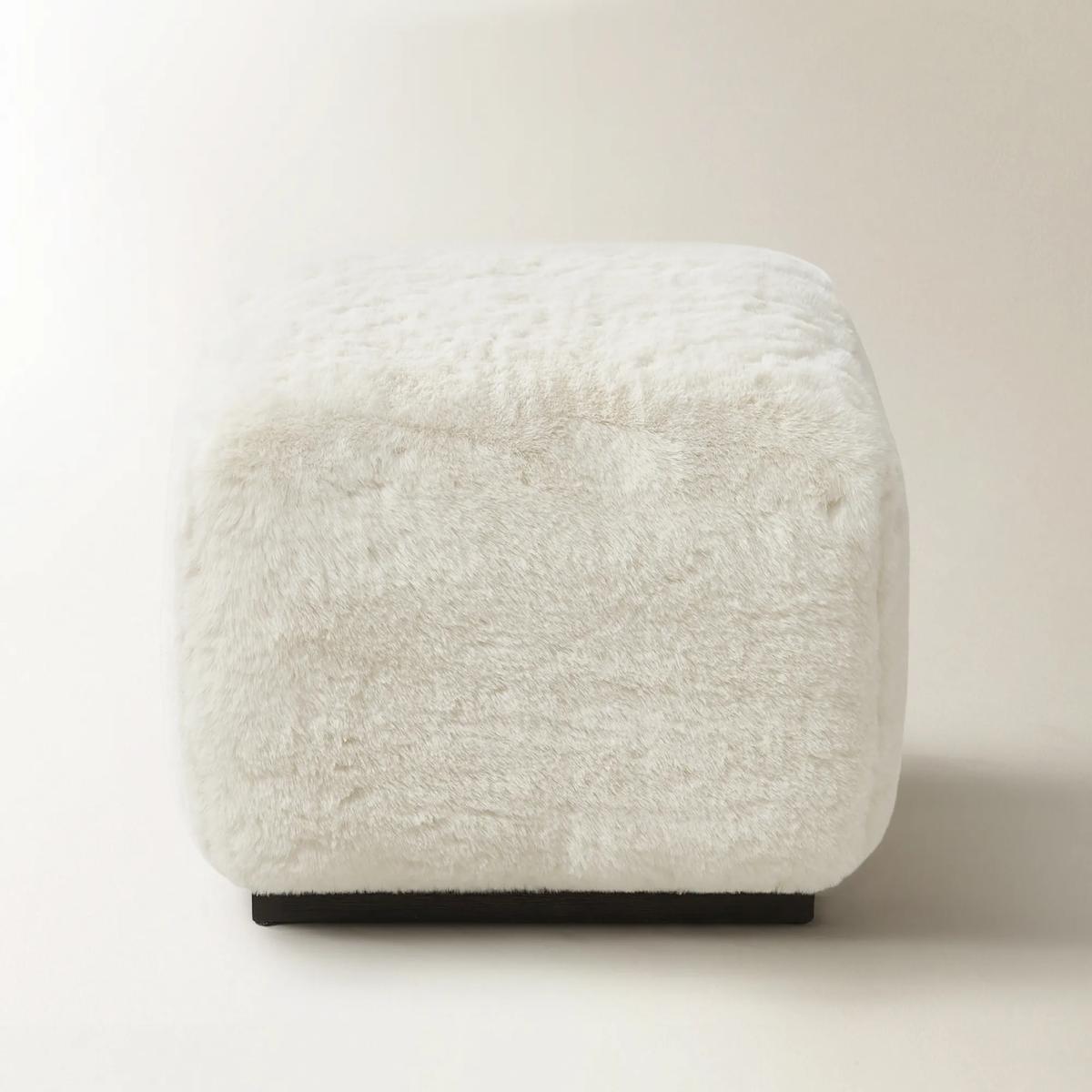
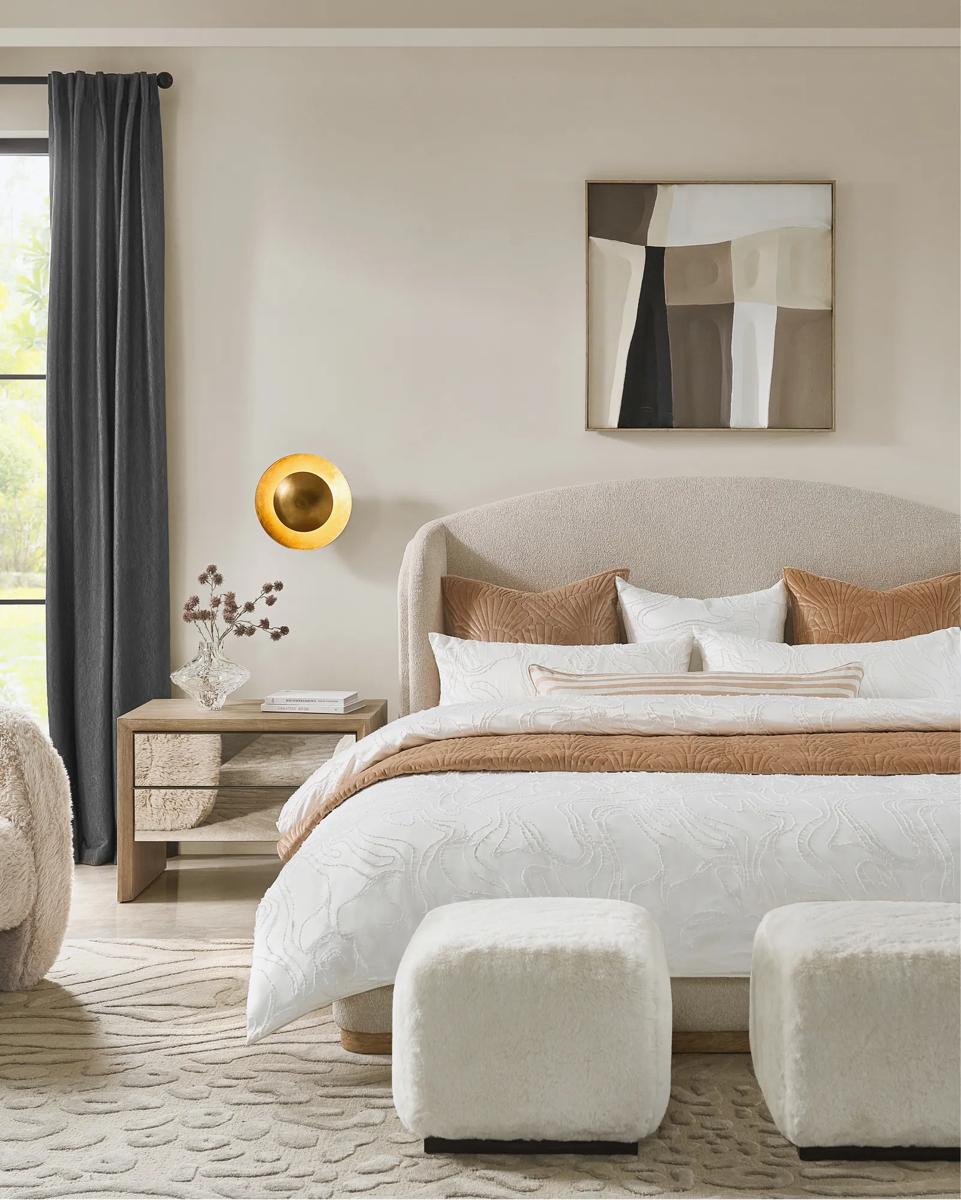 Lris Ivory Faux Fur Stool (21")$299
An ivory faux fur pouf with plush high-density foam and a sturdy, eco-friendly rubberwood base.
Add To Cart -
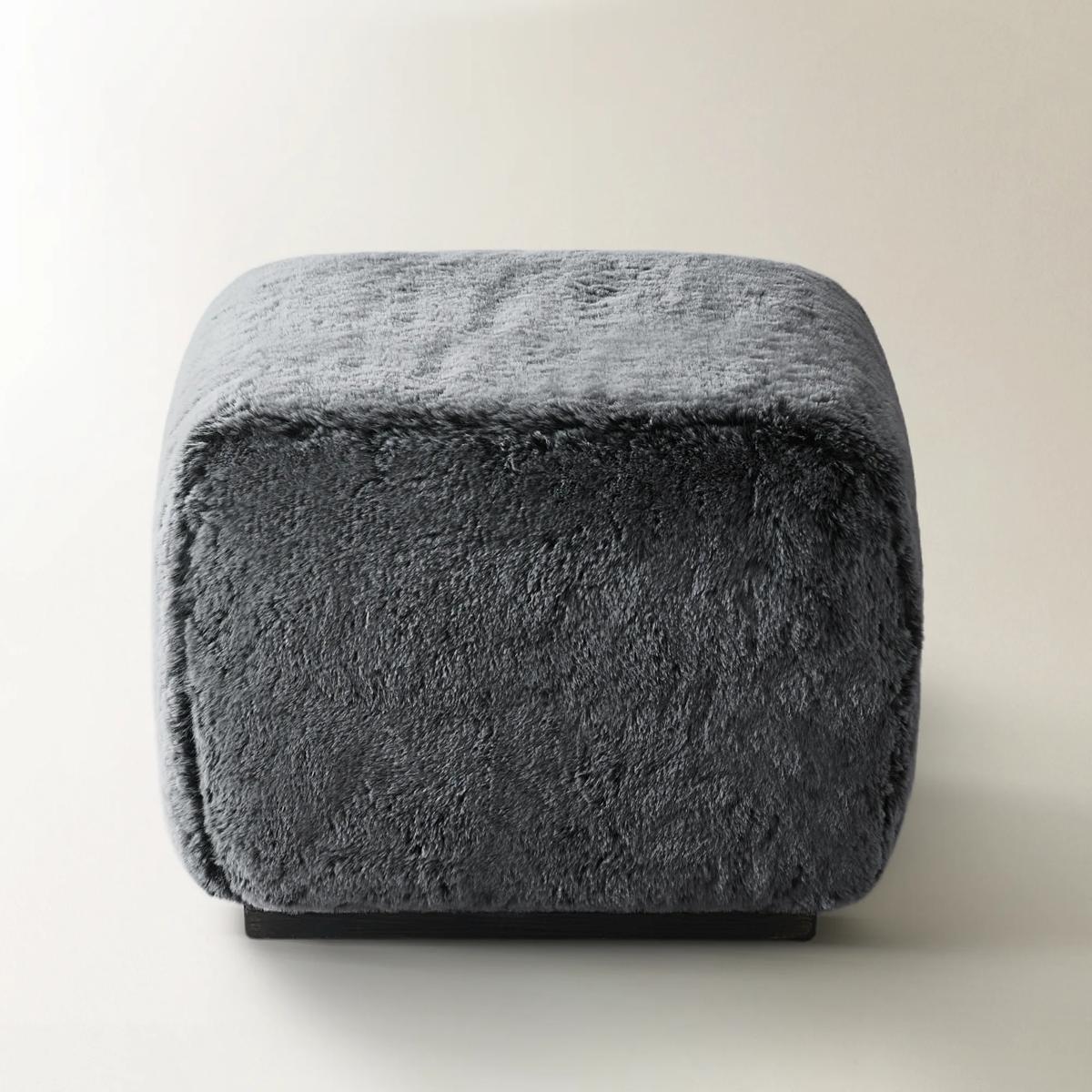
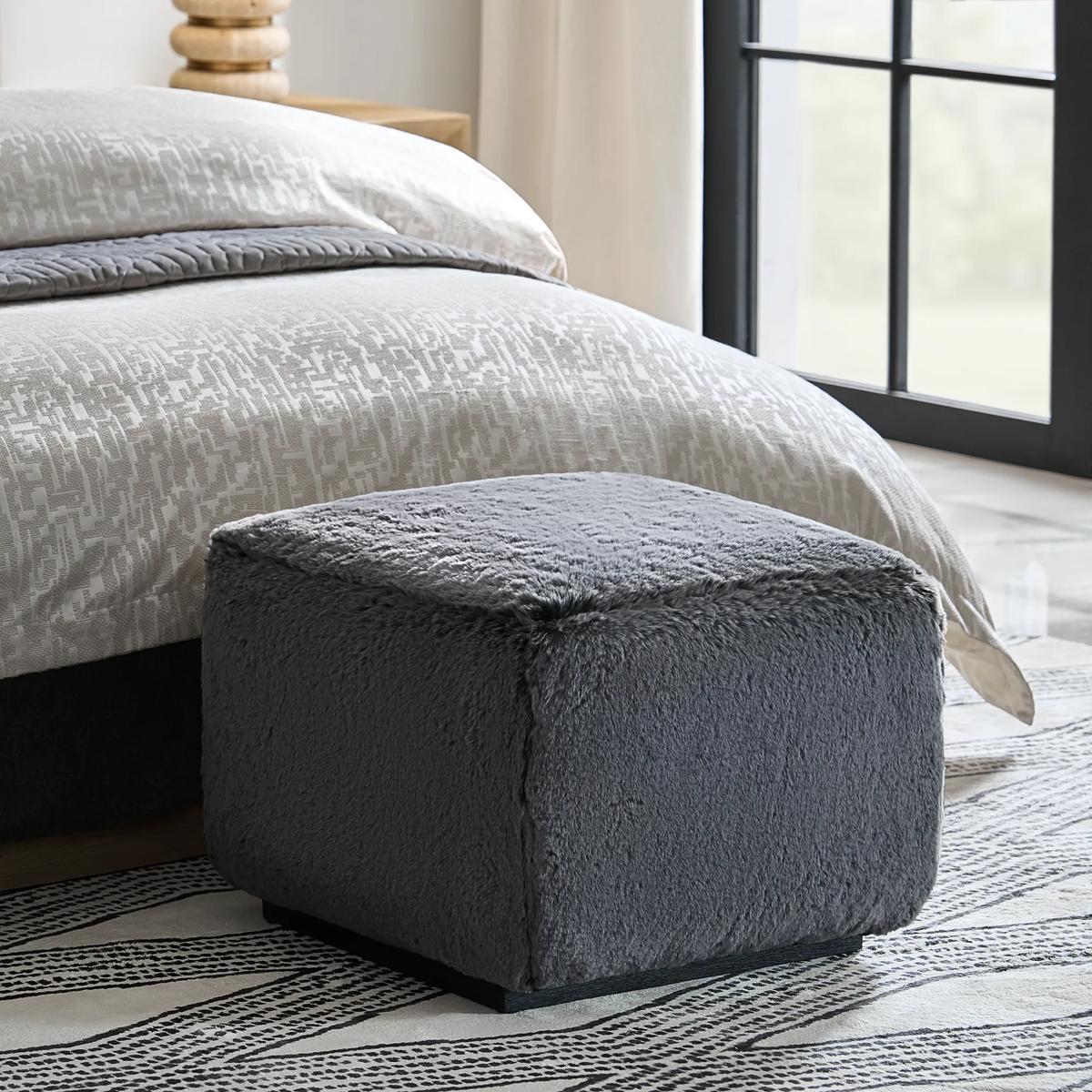 Lris Grey Faux Fur Stool (21")$299
A charcoal grey faux fur pouf with high-density foam and a sturdy rubberwood base for modern comfort.
Add To Cart -
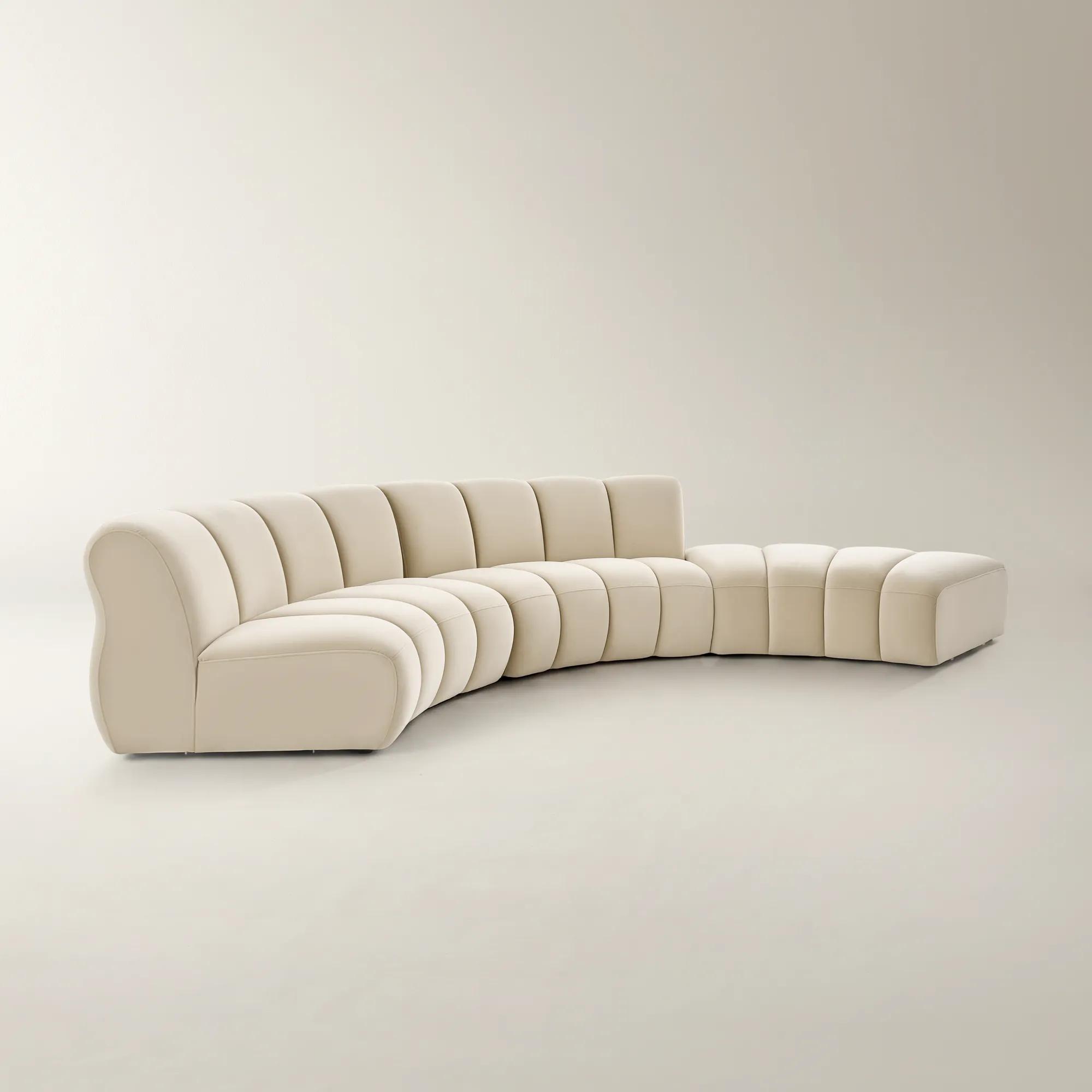 Jocelyn 3-Piece Channel-Tufted Oatmeal Velvet Sectional Sofa With Ottoman$3699
An oatmeal velvet sectional with deep channel tufting, curved silhouette, and modular design for versatile lounging.
Add To Cart -
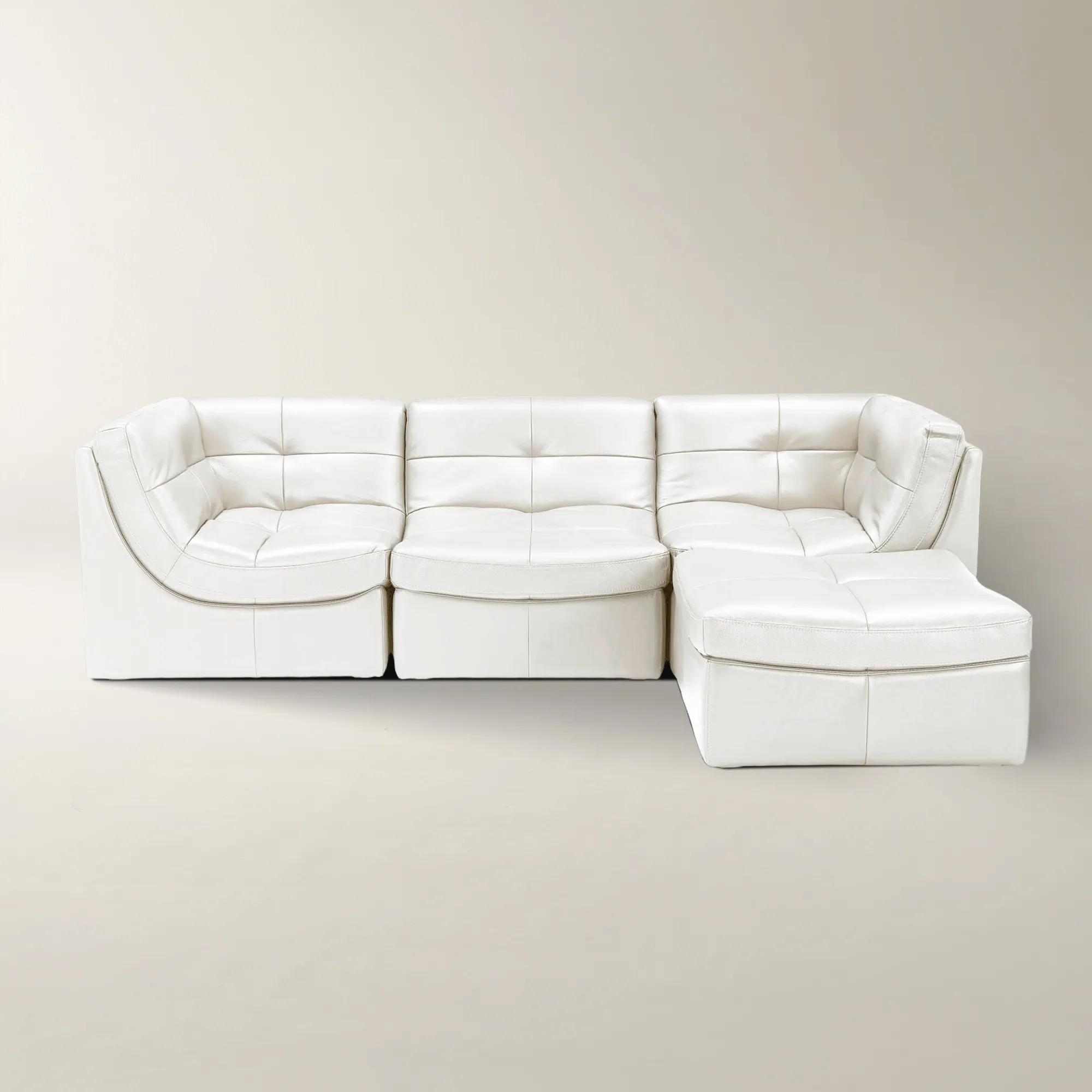
 Convo 4-Piece L-Shaped White Leather Sectional Sofa With Ottoman$4849
A modular sectional featuring gently curved seats and charcoal semi-aniline leather upholstery for modern versatility.
Add To Cart -
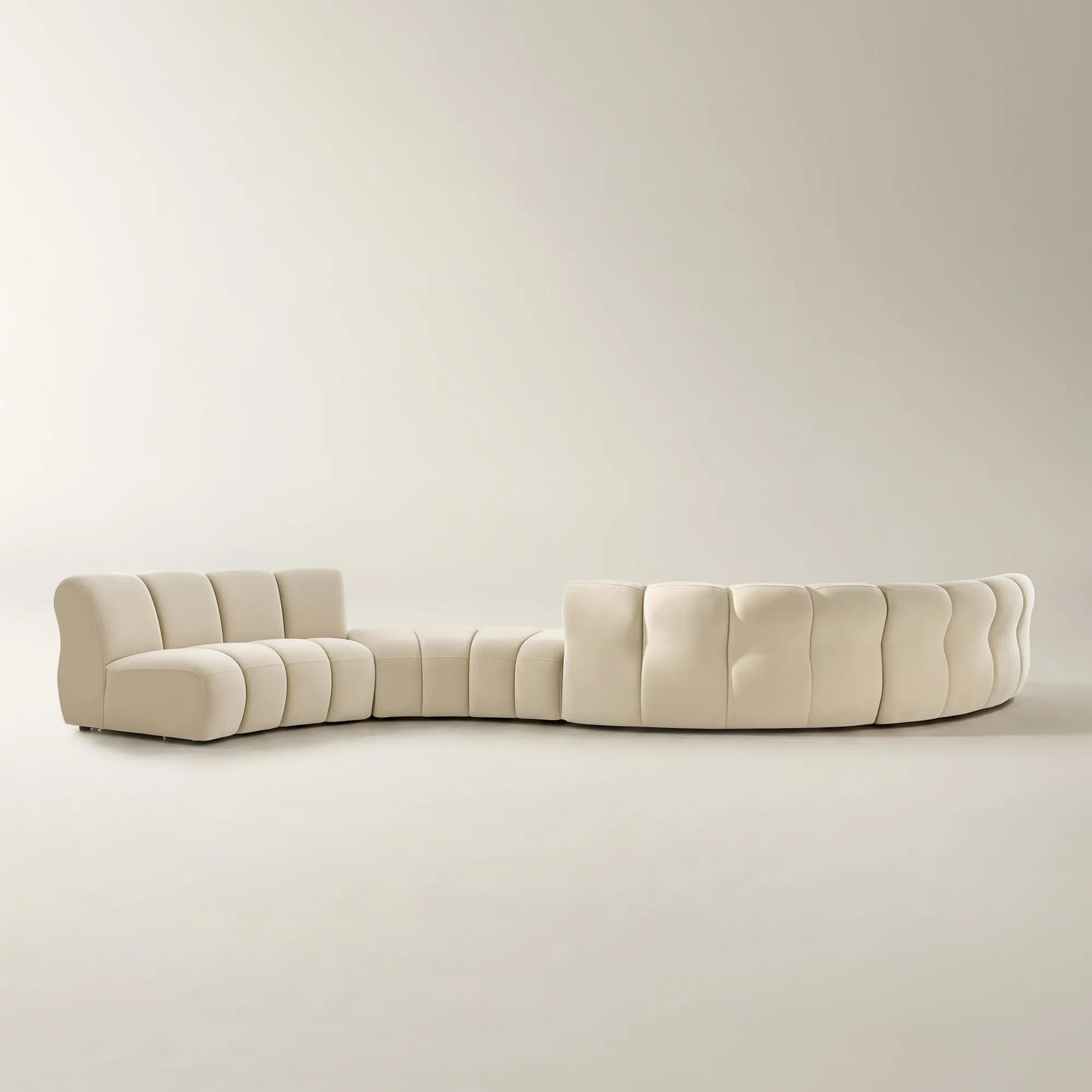 Jocelyn 4-Piece Channel-Tufted Oatmeal Velvet Sectional Sofa With Ottoman$4999
An oatmeal velvet sectional with deep channel tufting, curved silhouette, and modular design for flexible arrangements.
Add To Cart -
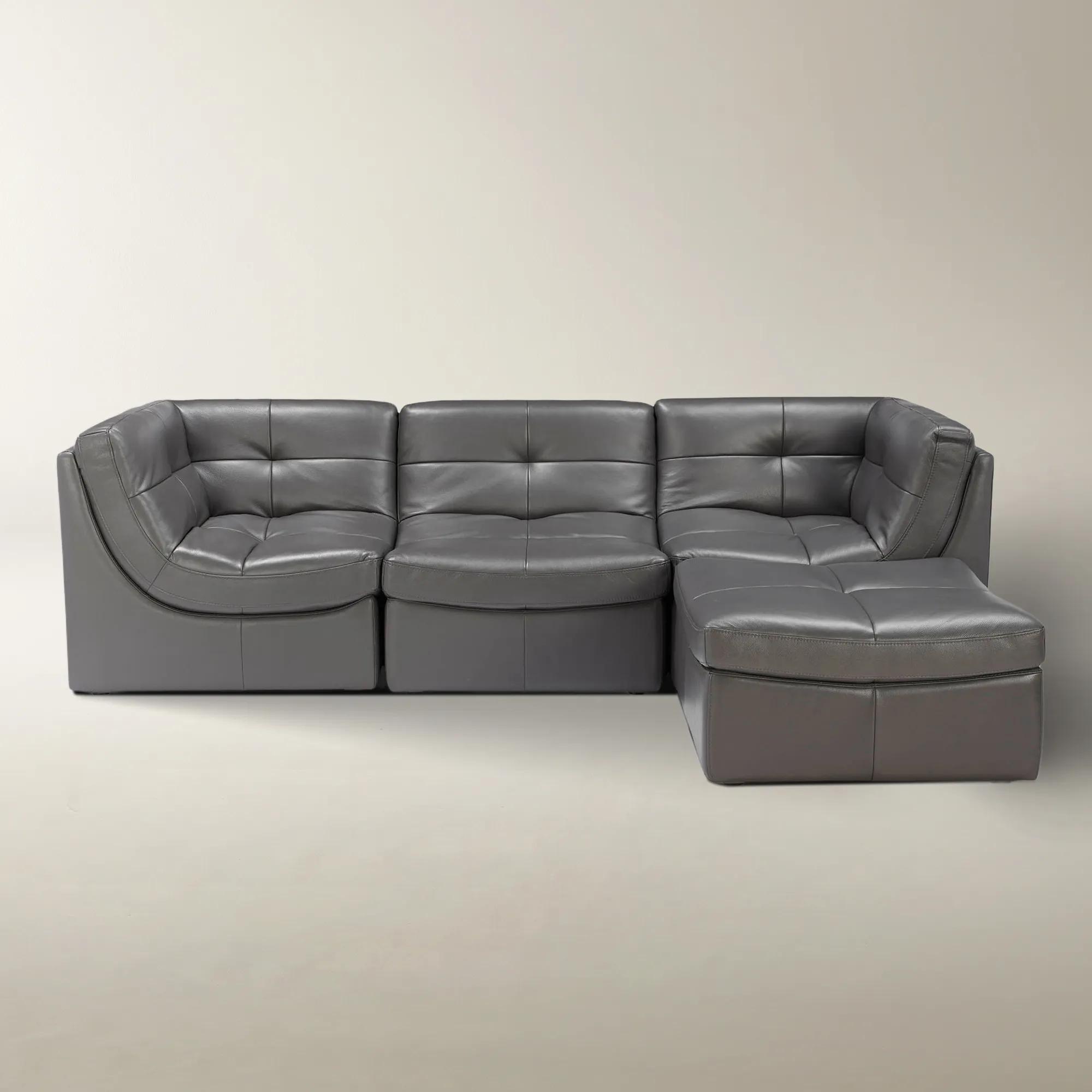
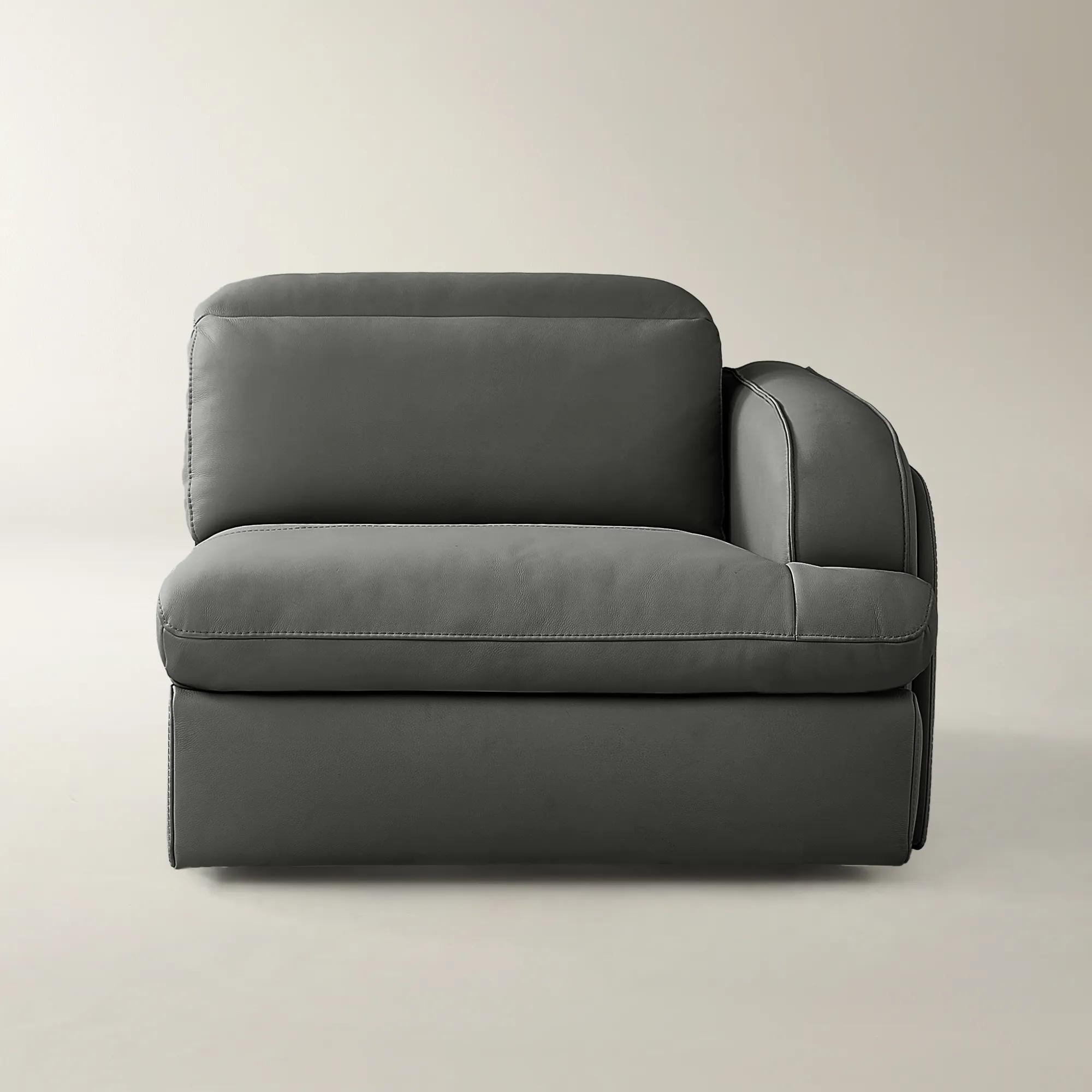
 Convo 4-Piece L-Shaped Charcoal Leather Sectional Sofa With Ottoman$4849
A modular charcoal leather sectional with kiln-dried hardwood frame and gently curved, blind-tufted seats.
Add To Cart

Ottomans For Versatile Room Layouts
Ottomans for versatile room layouts are the secret weapon of the design-obsessed—a masterstroke of form and function that transforms any space into a living work of art. Effortlessly adaptable, these sculptural pieces invite you to reimagine your surroundings with every occasion, offering endless possibilities for seating, style, and self-expression. Whether anchoring a glamorous conversation area or punctuating a daring vignette, each ottoman is an invitation to curate, layer, and luxuriate in your own signature aesthetic. With ottomans for versatile room layouts, every arrangement becomes a bold statement—because in a home that celebrates drama and detail, versatility is the ultimate luxury.
Ottomans for versatile room layouts bring a rare combination of sculptural presence and everyday adaptability to a living space. Depending on their construction, they can serve as footrests, occasional seats, upholstered coffee table alternatives, or concealed storage, allowing one silhouette to support several ways of living. A generously scaled ottoman can anchor a conversation area with the visual weight of a coffee table and the sumptuous character of upholstered furniture. Two smaller ottomans create a different rhythm: paired neatly in front of a sofa, they read as a considered composition; separated beside lounge chairs, they make the room feel more intimate. Shape plays an important role in that flexibility. Round ottomans introduce curves among angular sofas, media consoles, and architectural lines, while square designs bring definition to sectional seating arrangements. Rectangular ottomans offer a longer surface that can echo a sofa’s proportions or lend a tailored finish to the foot of a bed. Each shape changes how the surrounding furniture relates, whether the goal is an expansive entertaining area or a compact sitting room with several functions. An ottoman upholstered in luminous velvet can become the jewel of a neutral seating arrangement, while a richly textured weave adds depth without demanding a dramatic color contrast. Tufting, channeling, welted edges, and sculptural bases give these adaptable furnishings their decorative character. For rooms that shift between quiet evenings and lively conversation, smaller designs are often easier to reposition, provided their weight and construction suit frequent movement. Larger silhouettes establish a more permanent centerpiece while still offering multiple uses. When an ottoman doubles as a coffee table, a firm, level top and a stable tray help create a suitable surface for books or refreshments; deeply cushioned or heavily tufted tops may be less practical for that purpose. Occasional seating likewise depends on the design’s intended use and stated weight capacity, rather than appearance alone.
The most successful fit comes from the relationship between the ottoman, the surrounding seating, and the paths people take through the room. For use as a footrest, an ottoman generally feels comfortable when its top sits at or slightly below the sofa or chair’s seat height. Cushion softness matters as much as the listed measurement, since a plush seat compresses differently from a firm upholstered surface. A central ottoman should feel substantial enough to connect the seating group without overwhelming it; roughly half to two-thirds of the sofa’s width can be a useful starting proportion, rather than a fixed rule. Around 14 to 18 inches between the sofa and ottoman often provides convenient reach and legroom, while main walkways typically need more generous clearance, ideally about 30 to 36 inches where the room allows. Doors, drawers, reclining mechanisms, and storage lids also need space to open without colliding with nearby furniture. These practical relationships become especially important in an open living area, where the ottoman can define the conversation zone without creating a visual barrier. A round silhouette may soften the transition between a sofa and an accent chair; a pair of compact squares can separate when guests arrive and reunite afterward. Alongside a sectional, an appropriately sized ottoman can create a chaise-like lounging arrangement, although an ordinary freestanding design will not necessarily connect securely or align perfectly with the sofa. In a bedroom, a long ottoman at the foot of the bed adds a composed finishing layer and a place to sit, when rated for seating. In an entryway, a shallower profile can offer similar utility without dominating the passage. Homes where the main gathering space serves several purposes may also benefit from ottomans for family rooms, where upholstery, scale, and daily use deserve equal attention. The effect should feel intentional even as the arrangement changes: furniture that moves with the occasion while preserving the room’s sense of drama.
Materials and construction determine how beautifully an ottoman carries that versatility over time. Velvet offers saturated color and a light-catching surface, with a pile that can show shading or pressure marks as it is touched and used. Woven upholstery introduces a different kind of richness, from tightly textured surfaces to dimensional fabrics that invite a closer look. Durability depends on the particular fiber, weave, backing, and finish, so texture alone does not establish how well a fabric will withstand frequent use. Leather can develop distinctive character with wear, while faux leather has its own care requirements and should not be treated as interchangeable with genuine leather. In homes with children, pets, or regular entertaining, documented performance features and clear cleaning instructions are more useful than broad assumptions about a material. A sturdy frame, supportive cushioning, secure upholstery seams, and stable legs or bases all contribute to lasting function. Designs that will move frequently benefit from manageable weight and floor protection suited to the flooring; any fitted casters should be appropriate for the surface and secured before use when locking mechanisms are provided. Storage ottomans add another layer of possibility, concealing throws, games, or spare cushions beneath an elegant exterior. Their usefulness depends on the interior dimensions, lid clearance, and hinge design, not simply the overall size. Where children may have access, lid supports, closure mechanisms, and manufacturer safety guidance warrant particular attention. Everyday care should follow the upholstery label and manufacturer’s directions, including any restrictions on vacuuming, spot cleaning, or cleaning products. Prompt attention to spills, gentle treatment of decorative details, and protection from prolonged direct sunlight can help preserve the finish, subject to the material’s specific needs. A tray should be removed before the ottoman is moved, and storage contents should stay within any stated limits. These details allow the decorative vision and practical purpose to reinforce each other. Whether grounding a glamorous lounge or bringing softness to a tailored bedroom, an ottoman earns its place through proportion, texture, and the freedom to let a room become something different without losing its character.
FAQs
Ottomans are celebrated for their ability to transform a space with both style and function. They can serve as extra seating during gatherings, act as a coffee or cocktail table with the addition of a tray, provide hidden storage for blankets or books, and even define zones in open-plan living areas. Their adaptability makes them an essential element for anyone who loves to refresh their room layouts seasonally or entertain guests with ease.
Styling an ottoman is an opportunity to showcase your personality and elevate your decor. Layer a decorative tray atop a flat-surfaced ottoman to hold candles, floral arrangements, or art books. Pair two smaller ottomans together for a dynamic, flexible arrangement, or use a bold, textured ottoman as a statement piece to anchor your seating area. For a cozy touch, drape a luxe throw or place plush pillows nearby, inviting guests to relax and linger.
Ottomans make thoughtful gifts for new homeowners, newlyweds, or anyone starting a new chapter in their space. They’re especially appreciated by those who value both beauty and practicality—design enthusiasts, frequent hosts, or anyone looking to maximize comfort and storage in their home. An ottoman given as a gift offers the recipient a versatile, stylish canvas to express their unique taste.
The silhouette of an ottoman can dramatically impact the atmosphere of a room. Square ottomans lend balance and symmetry, perfect for structured, contemporary layouts. Rectangular ottomans offer ample surface area, ideal for larger sofas or as a unifying centerpiece. Round ottomans bring a soft, inviting energy and are excellent for smaller spaces or for creating a focal point with a touch of whimsy.
In luxury interiors, ottomans often feature sumptuous materials like velvet, leather, or faux fur, paired with details such as tufting, metallic accents, or sculptural legs. Mirror-finish trays, gleaming hardware, and intricate stitching add an extra layer of artistry. These elevated finishes not only enhance the tactile experience but also contribute to the room’s overall sense of drama and sophistication.