Neutral Tone Dining Arm Chairs
Neutral Tone Dining Arm Chairs
-
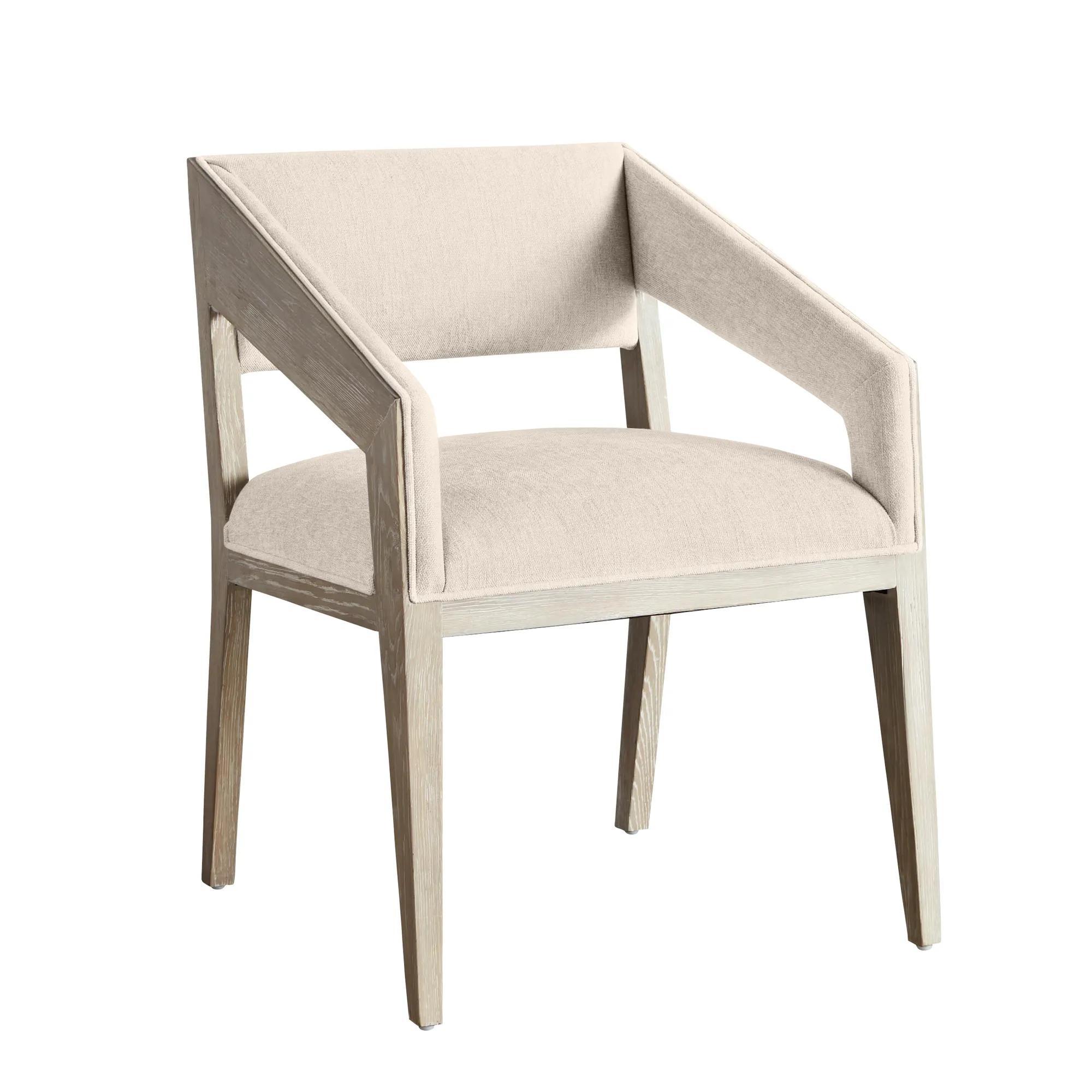
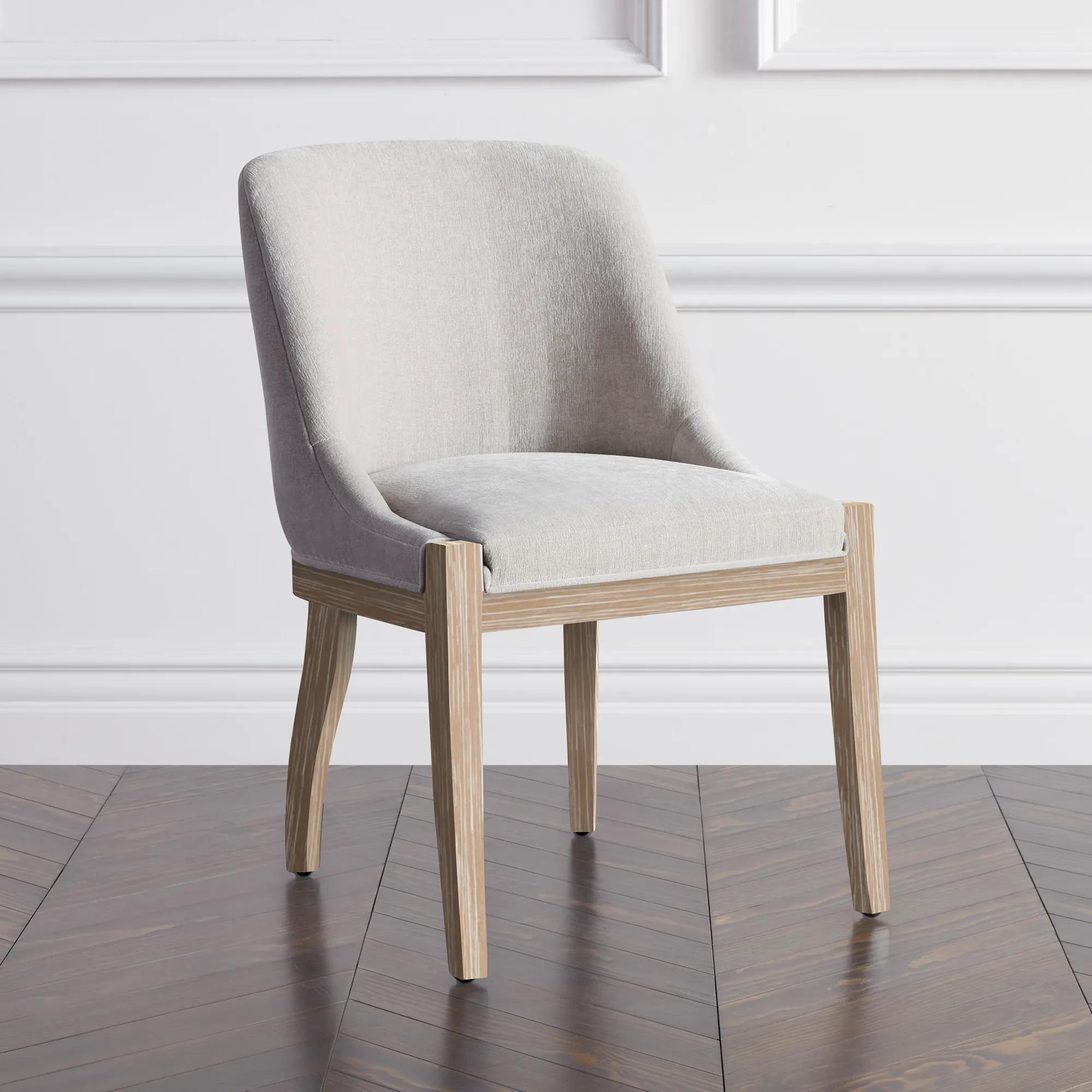
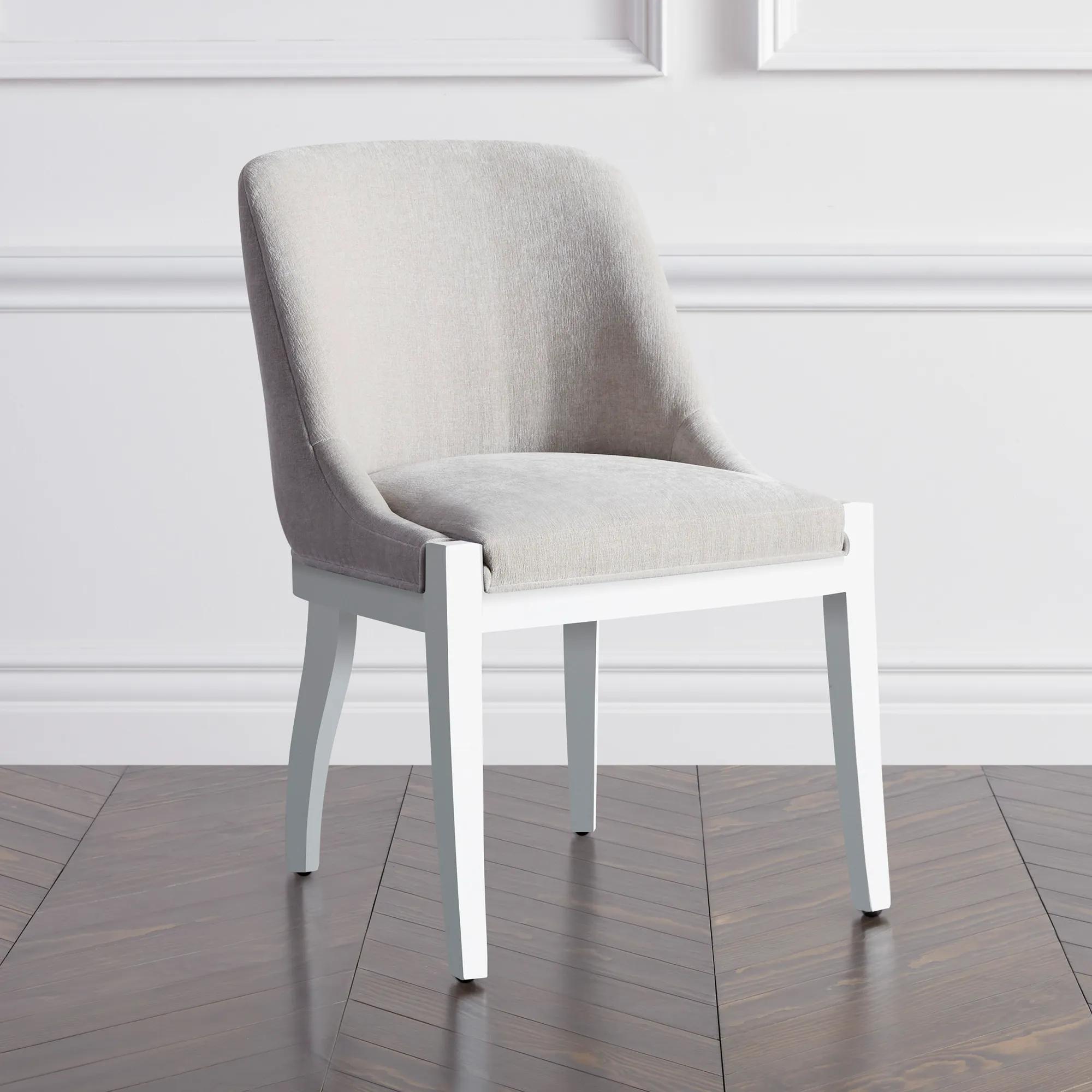
 Alric Dining Arm Chair$699
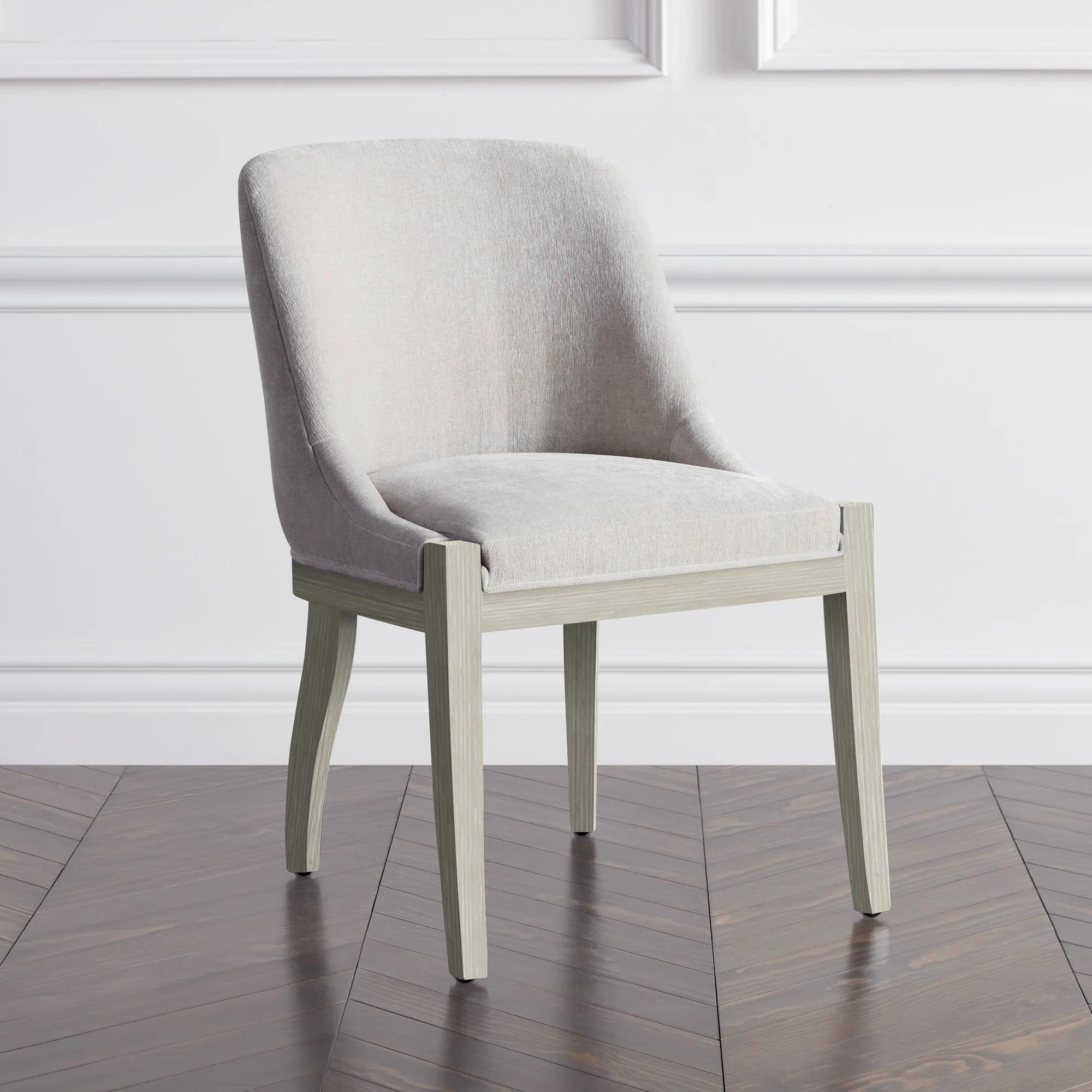
A modern armchair featuring solid oak frame, natural grey finish, and neatly tailored pearl grey linen upholstery.
Add To Cart -
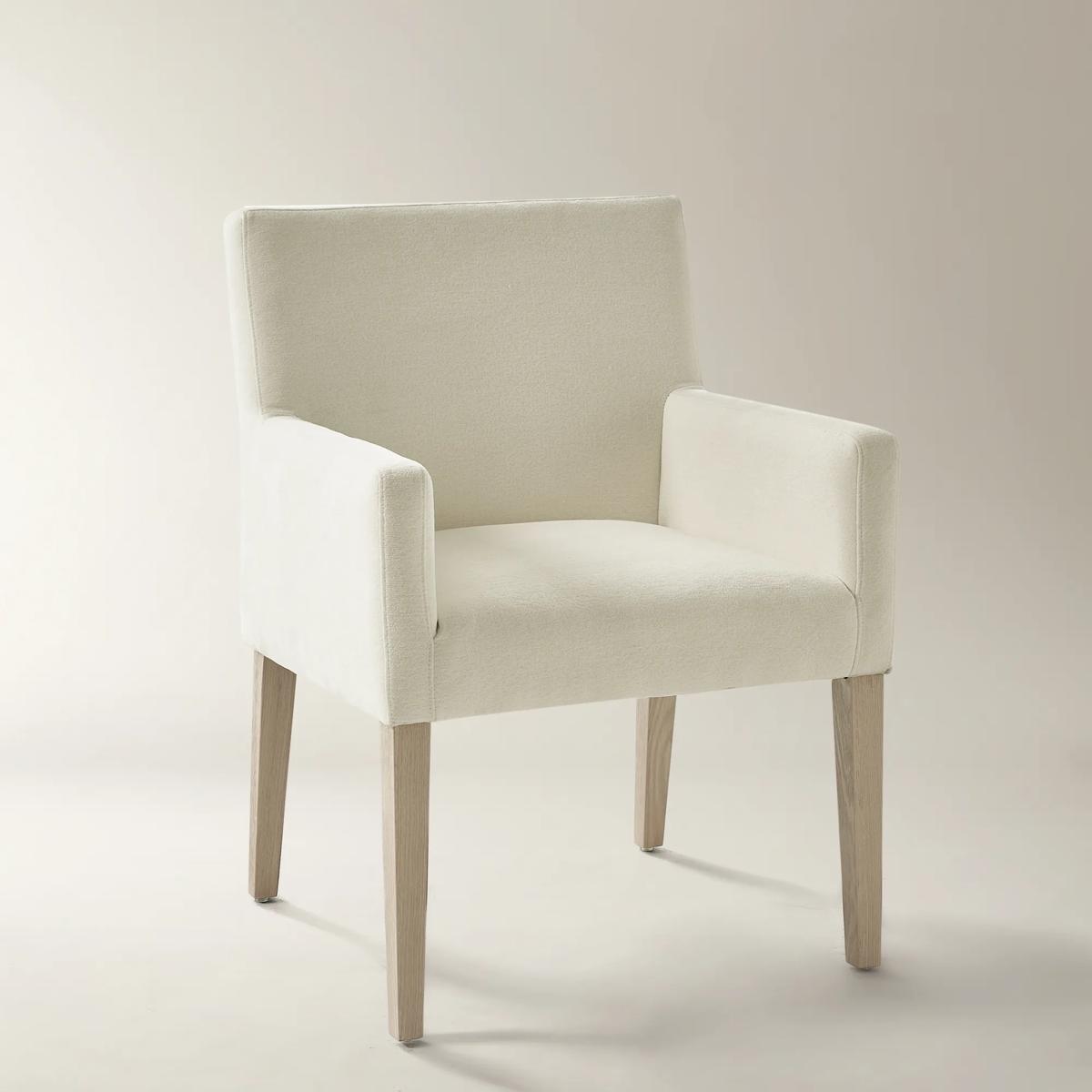
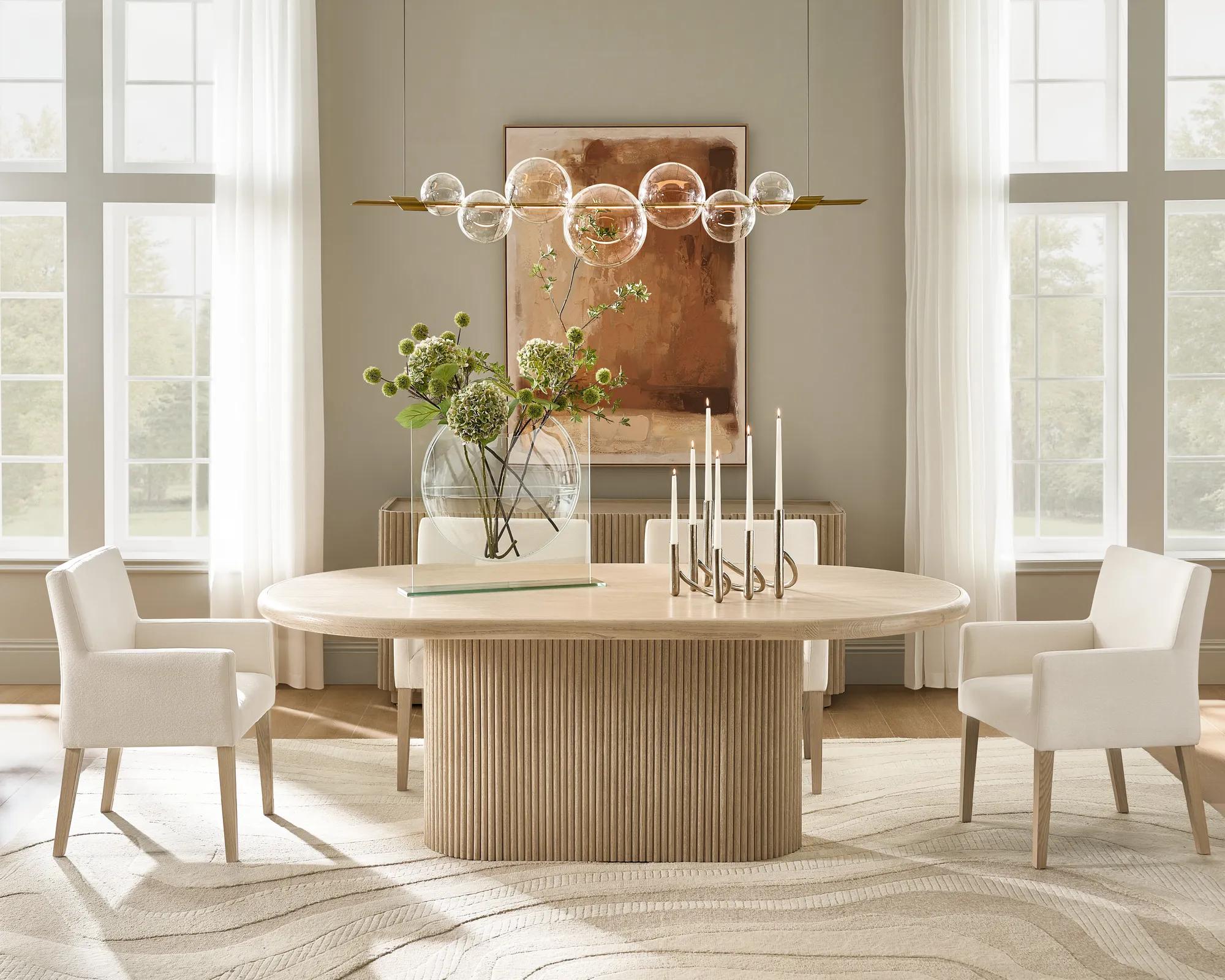 Stria Ivory Chenille Dining Chair Set Of 2$599
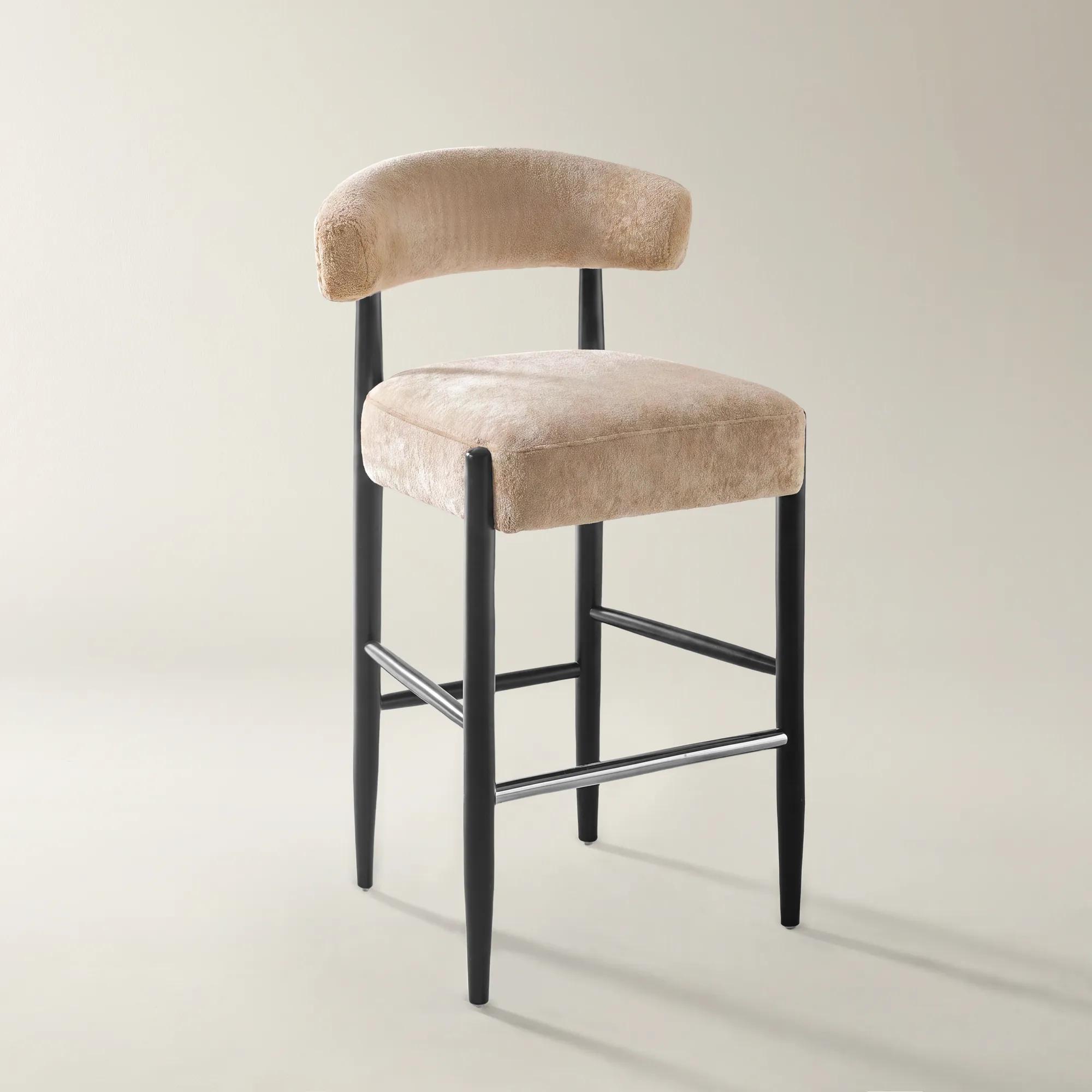
A pair of ivory chenille arm chairs with natural oak legs, offering plush comfort and modern elegance.
Add To Cart -
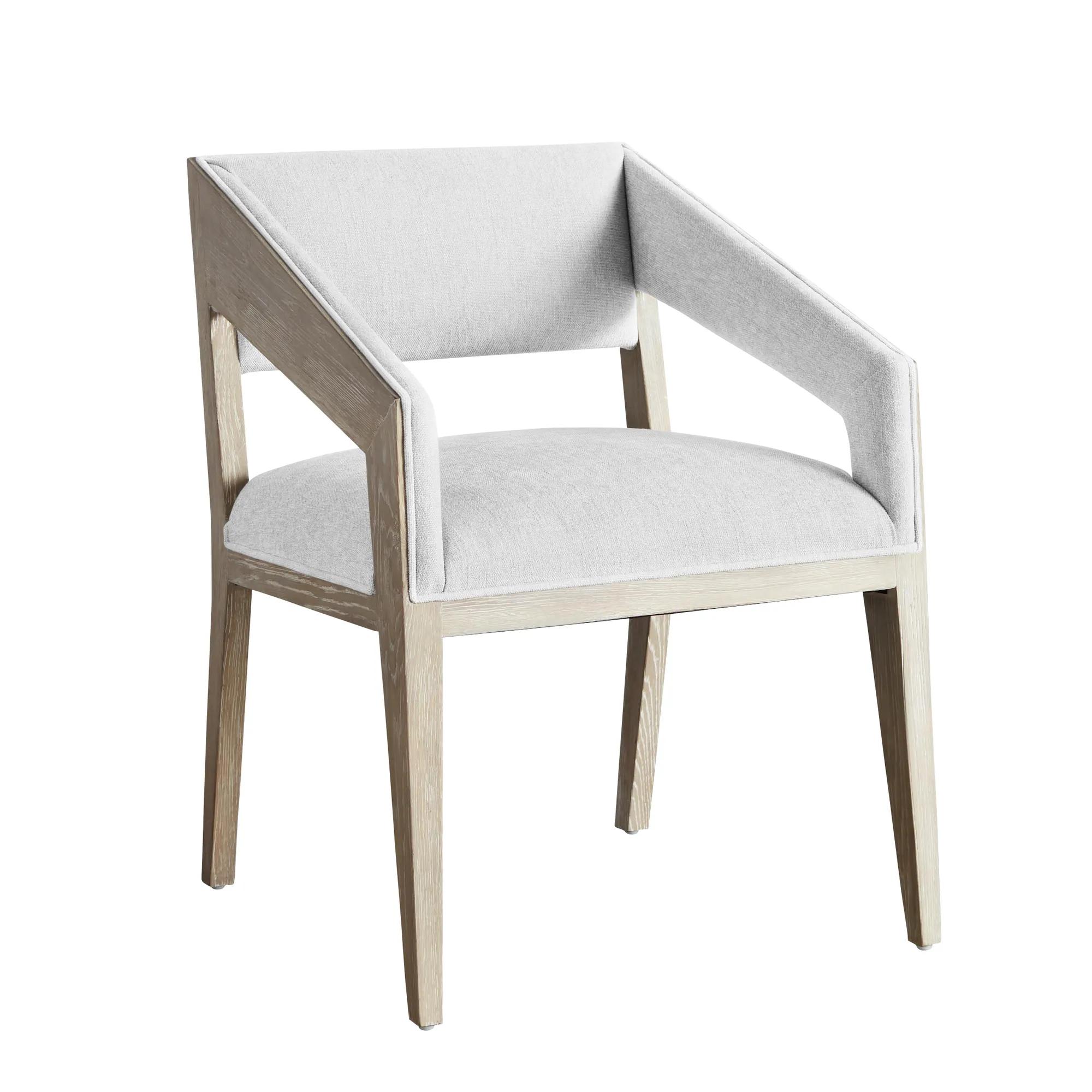 Alric Dining Arm Chair$699
A modern armchair featuring solid oak framing, natural grey finish, and neatly tailored pearl grey upholstery.
Add To Cart -
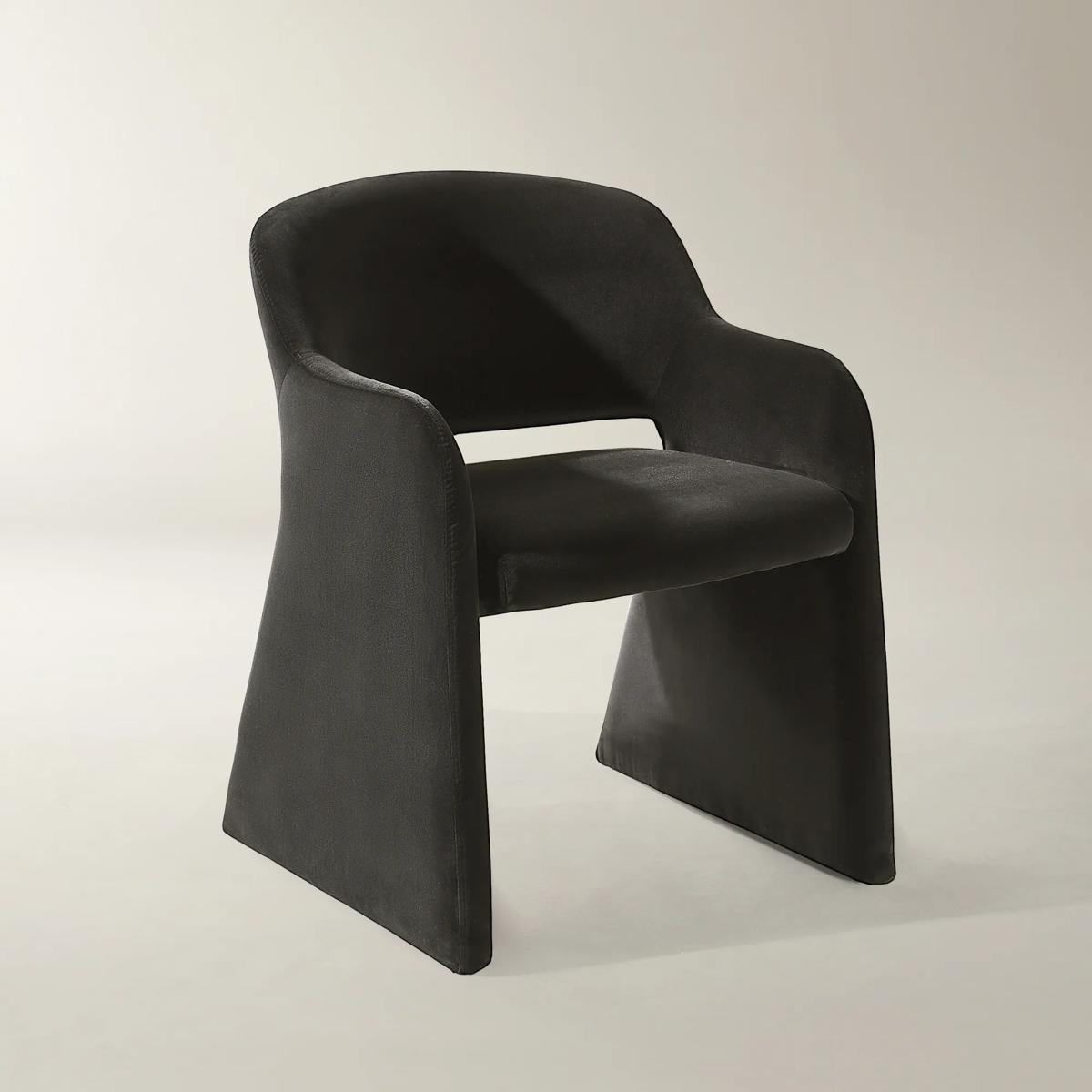 Elara Charcoal Velvet Dining Chair$449
A charcoal velvet armchair with sinuous curves, supportive embrace, and hand-crafted, reinforced construction.
Add To Cart -
 Stria Ivory Chenille Swivel Dining Chair With Oak Base$699
A sculpted ivory chenille dining chair with a solid oak base and smooth 360-degree swivel.
Add To Cart -
 Stria Roasted Pecan Velvet Swivel Dining Chair With Oak Base$699
A velvet swivel dining chair with a sculpted curved profile and warm solid oak base.
Add To Cart -
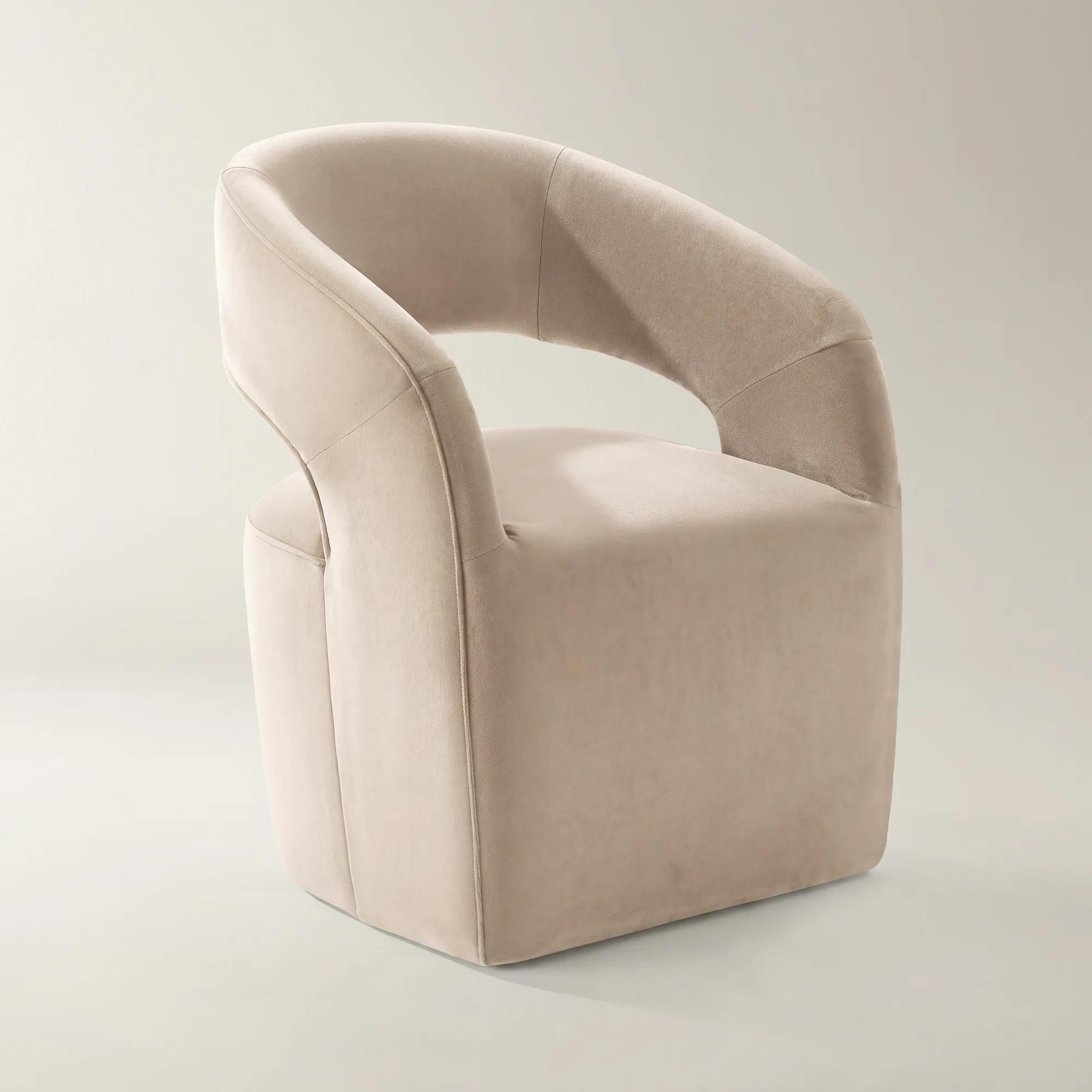
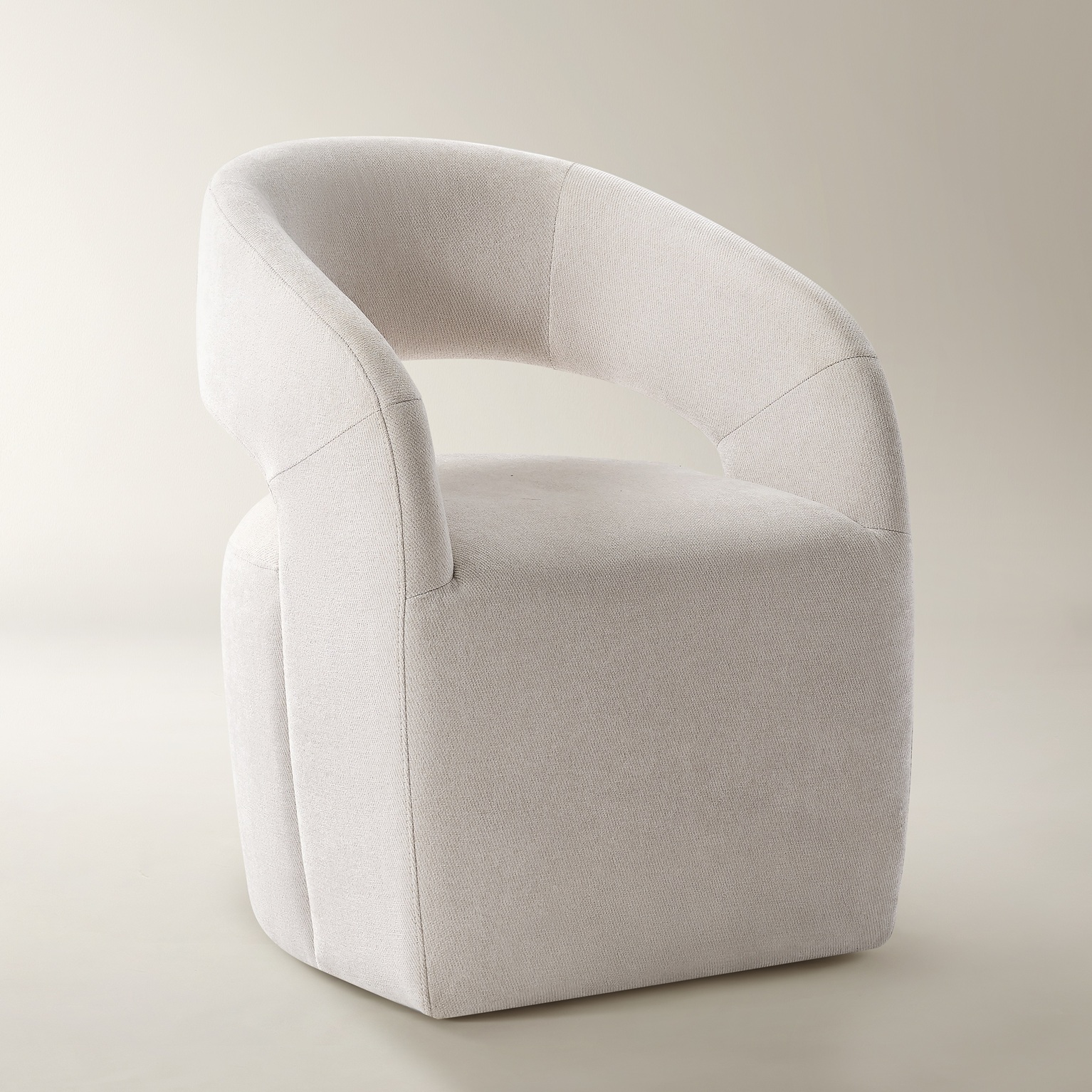 Harrison Simply Taupe Velvet Dining Chair$499
A sculptural dining chair in simply taupe velvet with a curved back, feather-blend seat, and modern elegance.
Add To Cart -
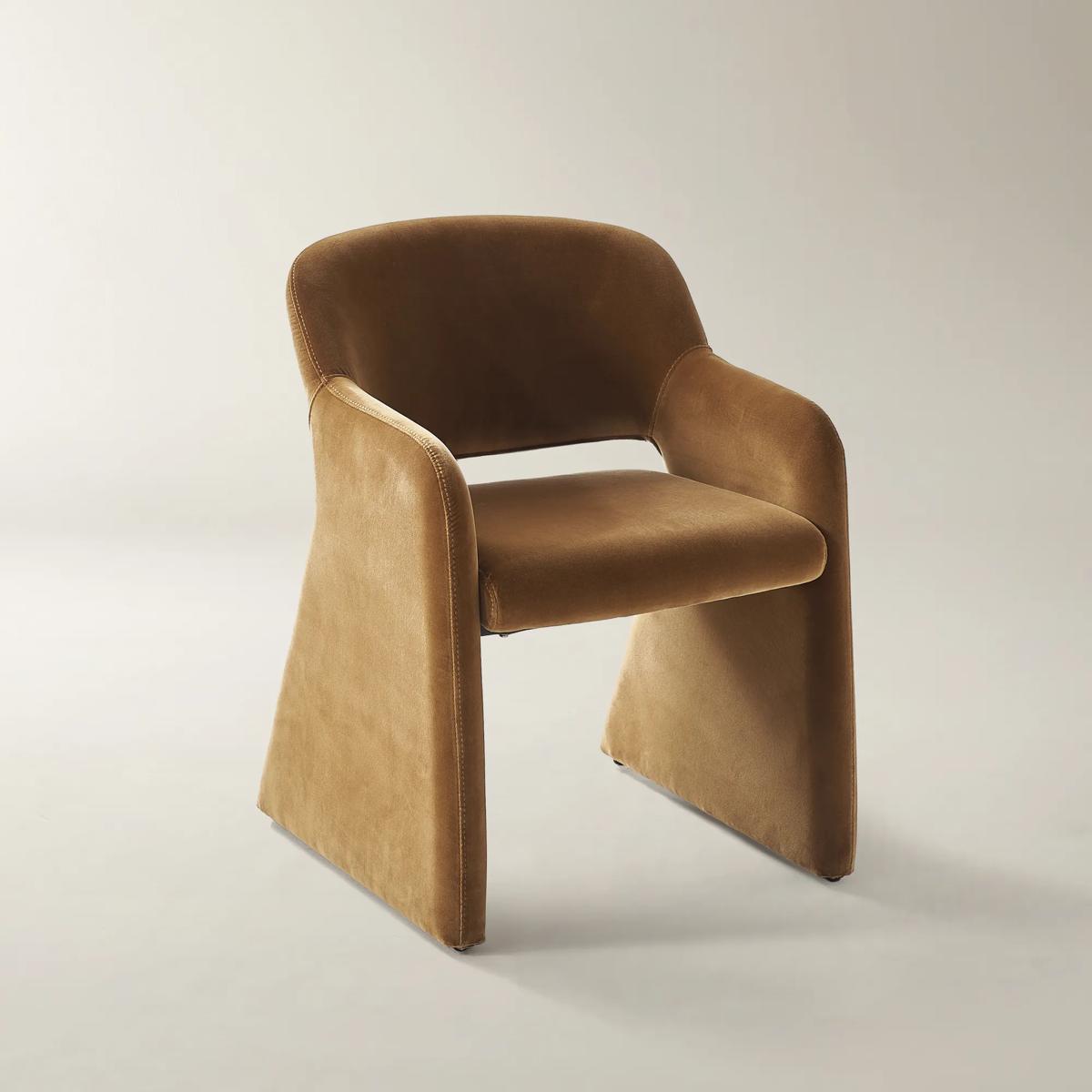
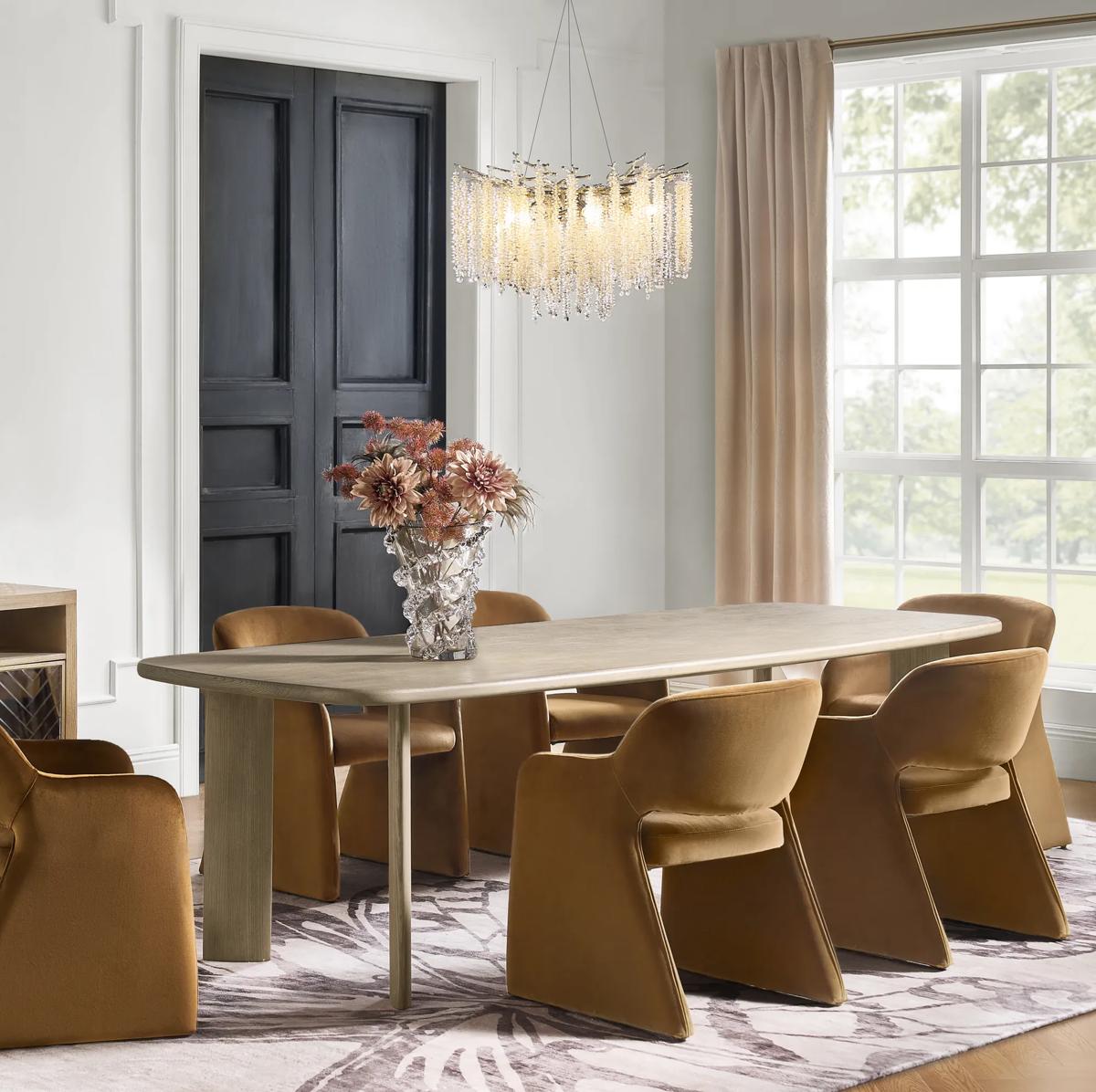 Elara Roasted Pecan Velvet Dining Chair$449
A sculptural armchair in mustard velvet with ergonomic curves, metal frame, and hand-crafted detailing.
Add To Cart -
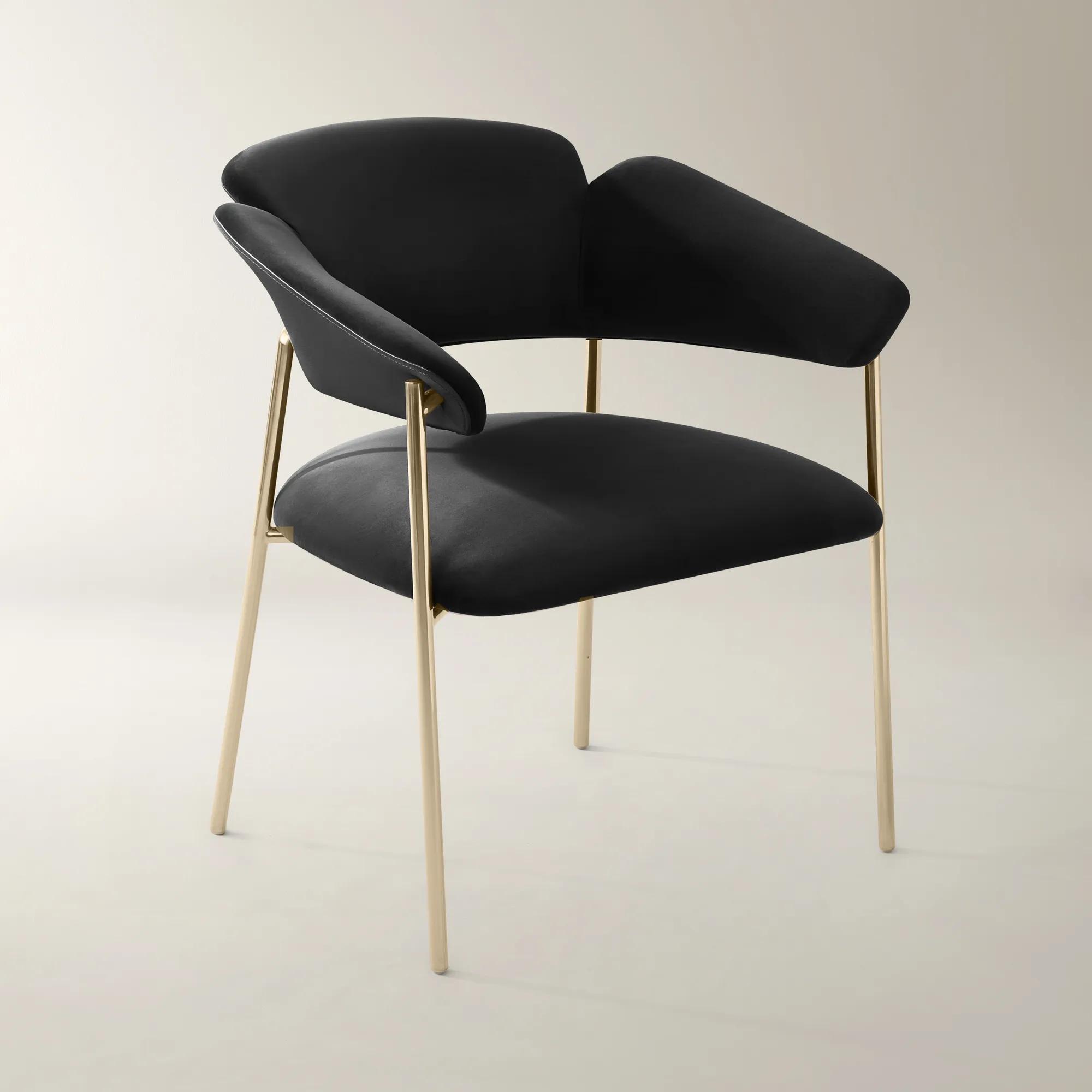 Odette Charcoal Velvet Dining Chair$499
A charcoal velvet chair featuring a wraparound open-back design, tonal faux leather accents, and gold metal legs.
Add To Cart -
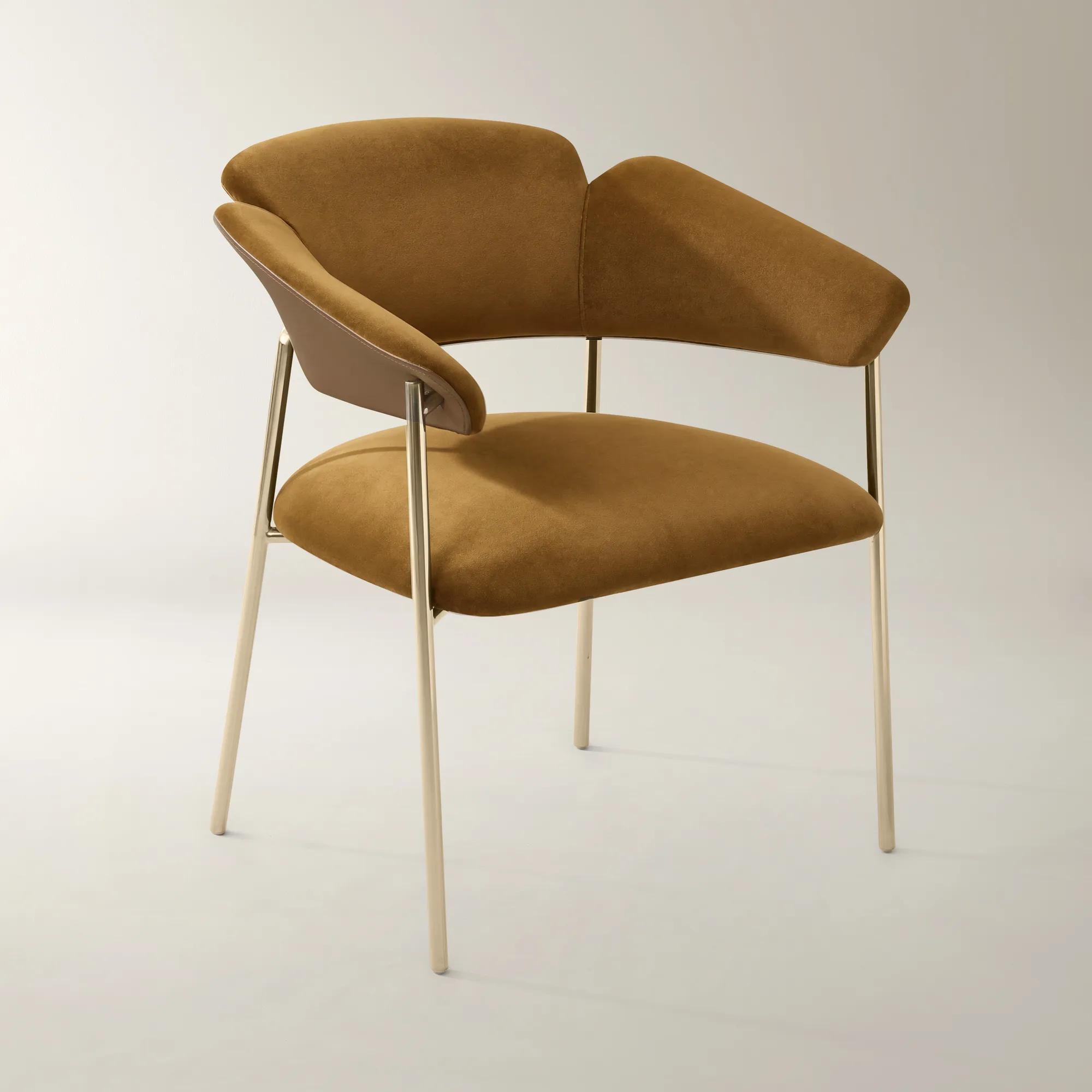 Odette Roasted Pecan Velvet Dining Chair$499
A sculptural dining chair featuring roasted pecan velvet, tonal faux leather accents, and gold stainless steel legs.
Add To Cart -
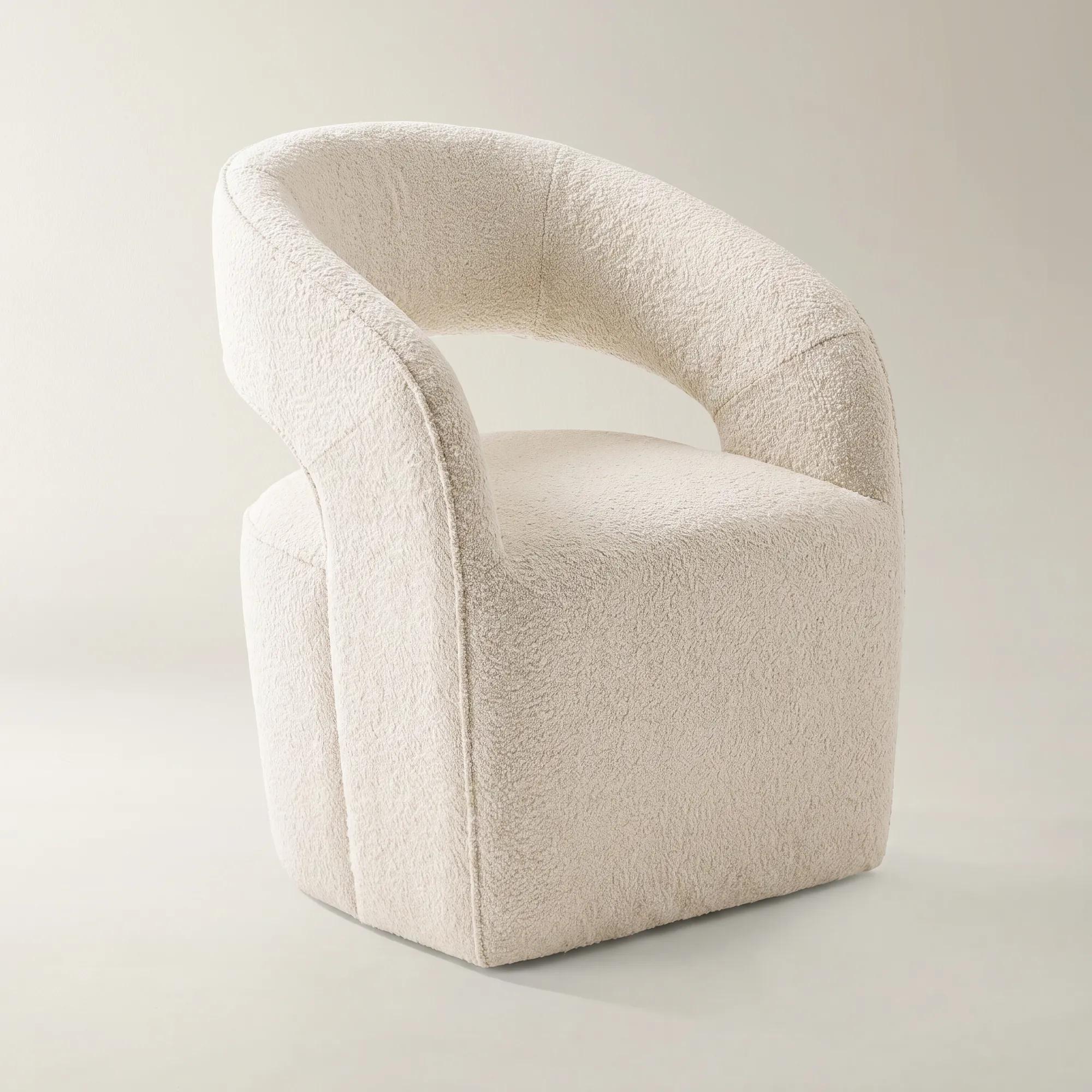 Harrison Utopia Sand Chenille Dining Chair$499
A sculptural dining chair upholstered in sand chenille with a curved back, feather-blend seat, and integrated arms.
Add To Cart -
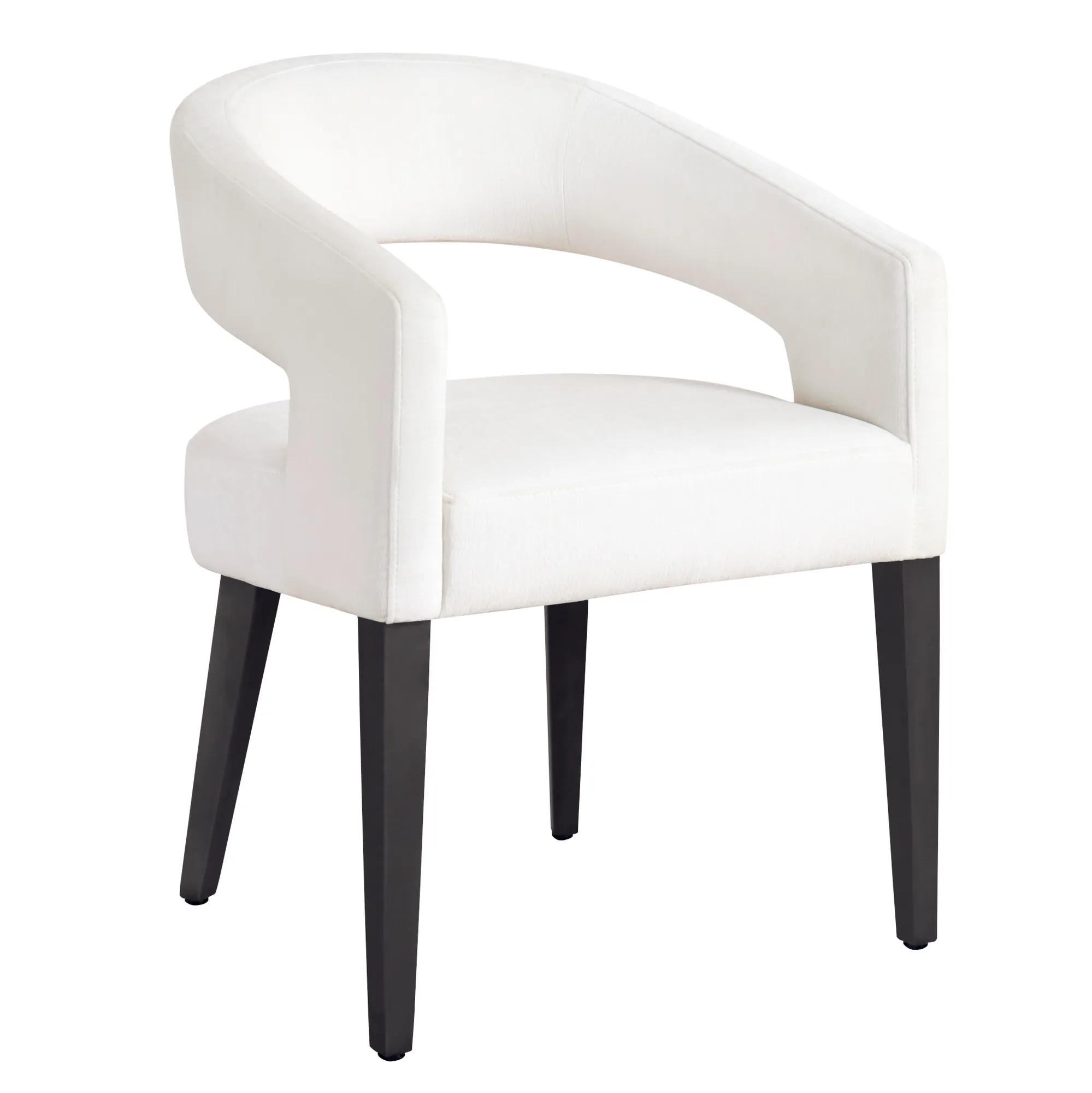
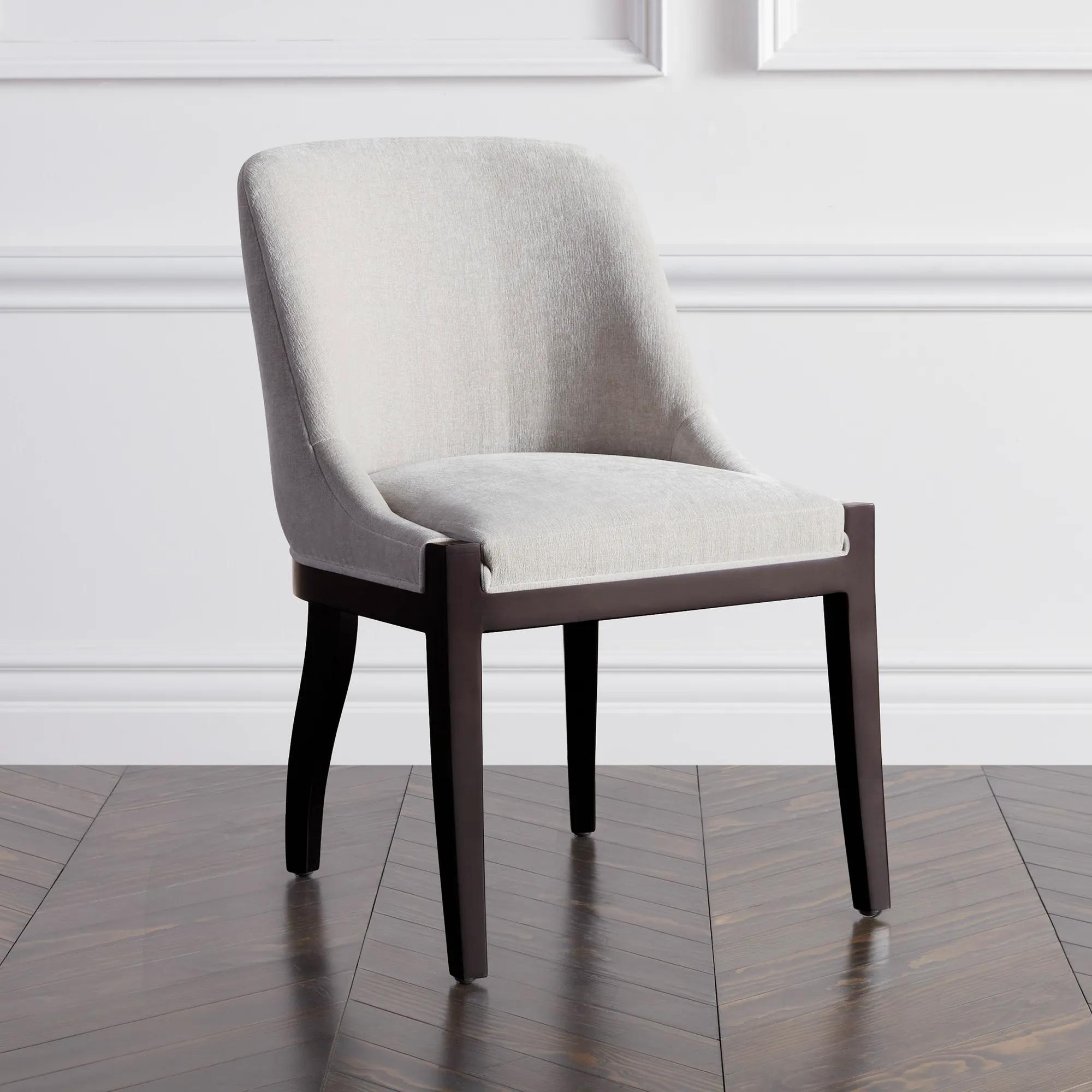
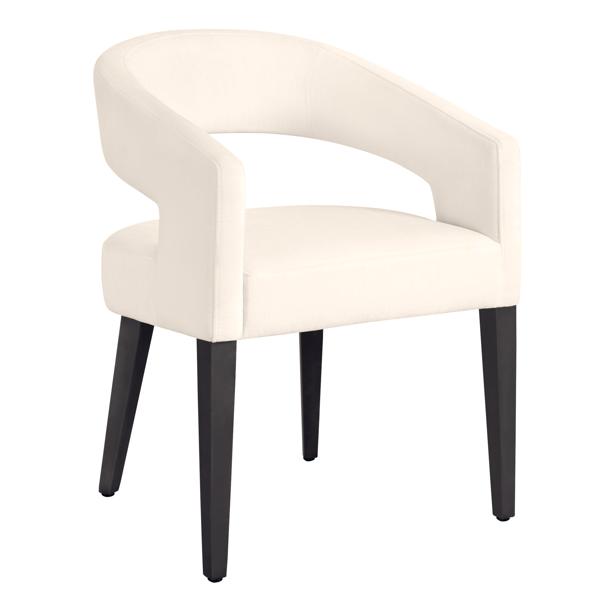 Philippa Dining Chair - Espresso$599
A curved dining chair featuring tailored upholstery, espresso-finished legs, and a sleek back cutout.
Add To Cart -
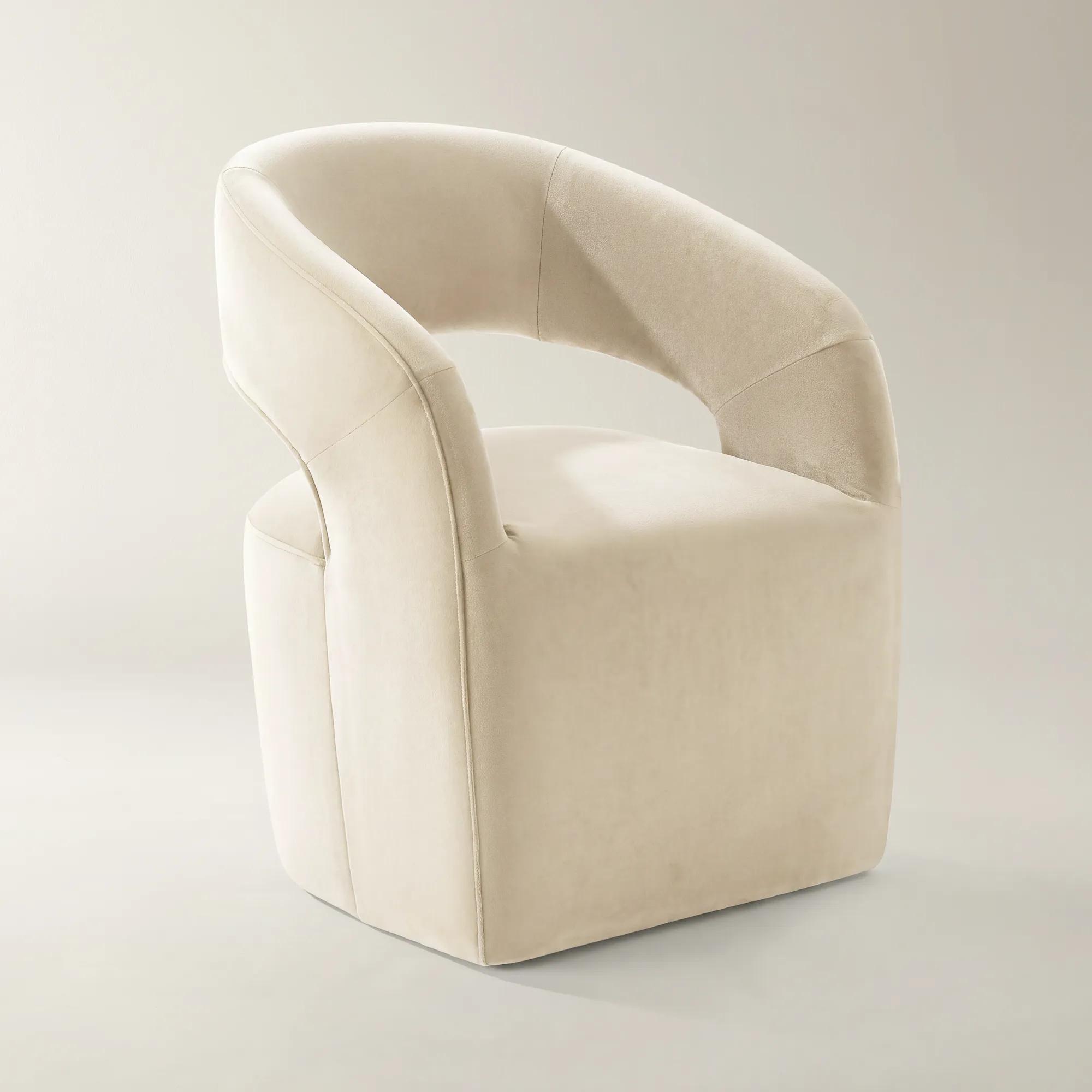 Harrison Oatmeal Velvet Dining Chair$499
A sculptural dining chair upholstered in oatmeal velvet with a curved back, feather-blend seat, and integrated arms.
Add To Cart -
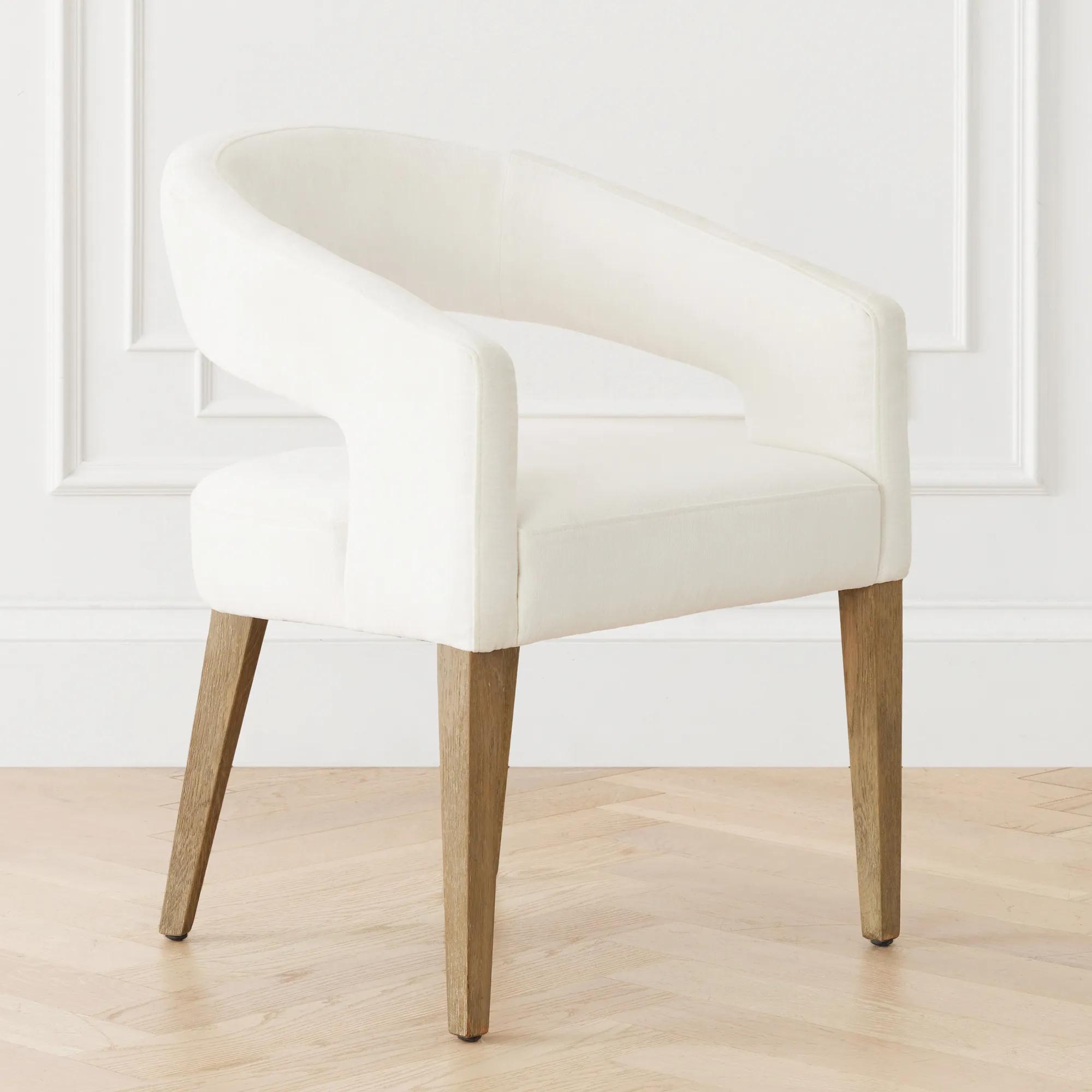 Philippa Dining Chair - Natural Grey$845
A modern dining chair featuring a curved silhouette, grey upholstery, and a kiln-dried hardwood frame.
Add To Cart -
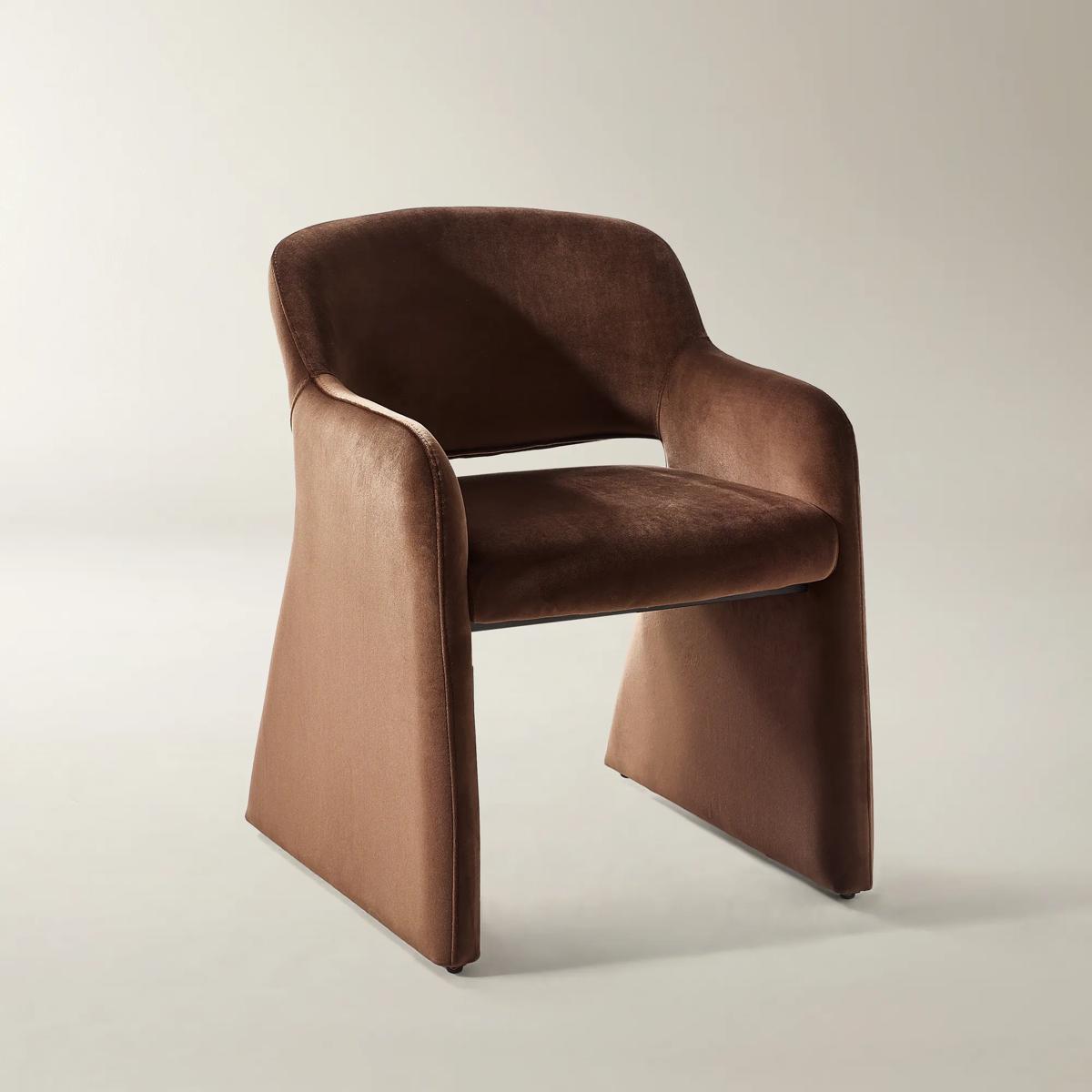
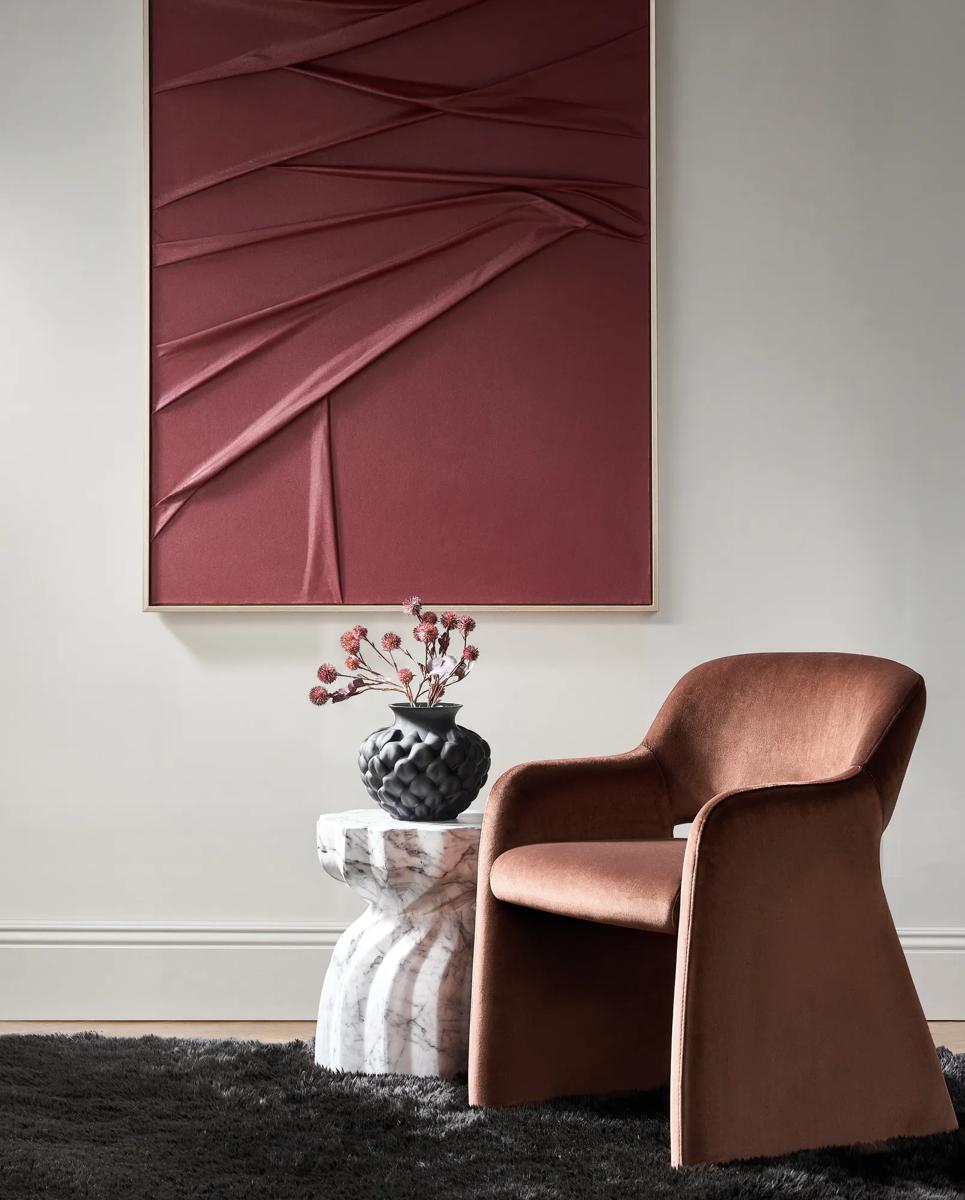 Elara Burnt Umber Velvet Dining Chair$449
A plush brown velvet armchair with sinuous curves, ergonomic support, and hand-crafted, reinforced details.
Add To Cart -
 Harrison Cream Chenille Dining Chair$499
A fully upholstered cream chenille chair with high-density foam cushioning for exceptional comfort and contemporary style.
Add To Cart -
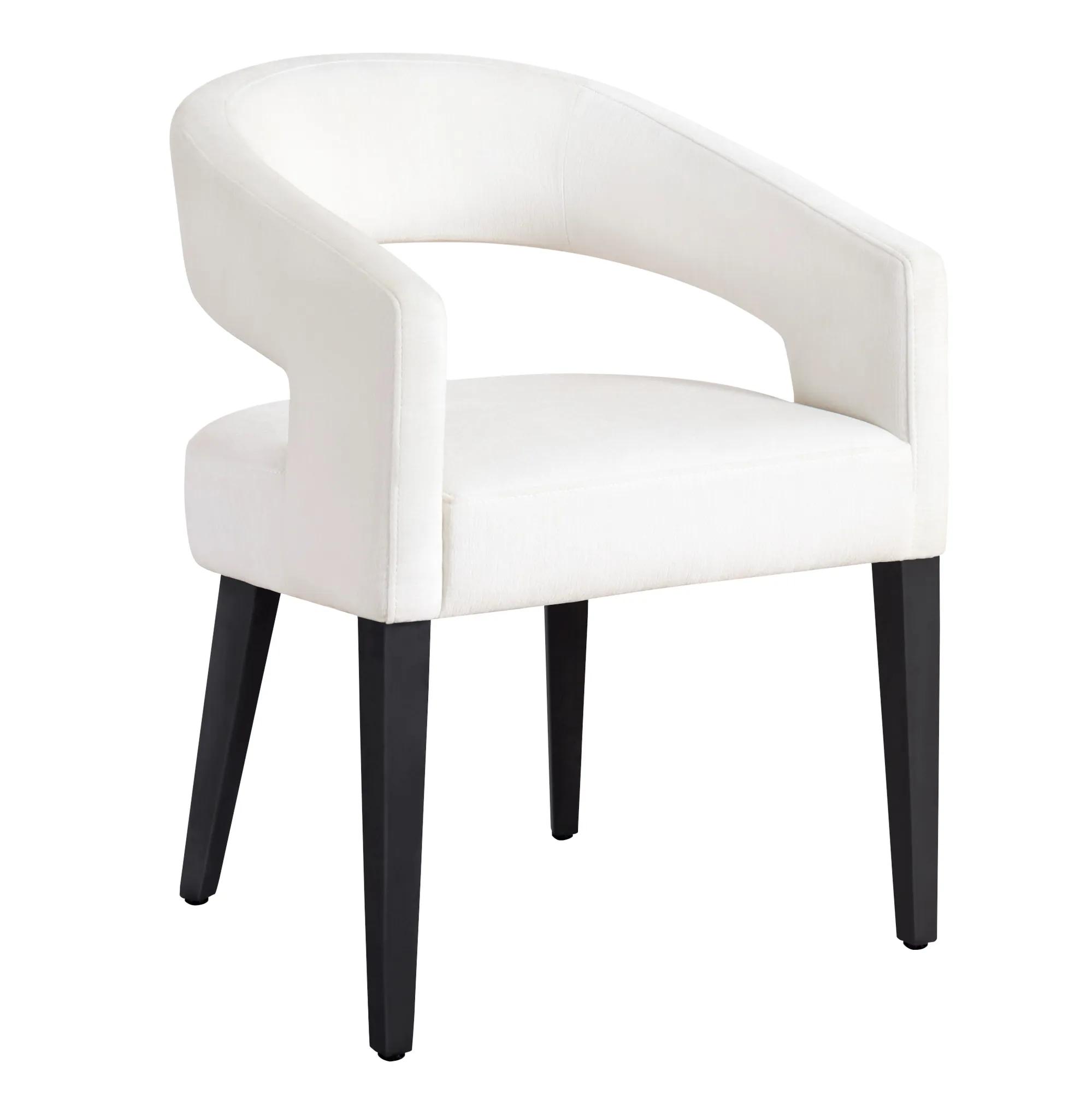
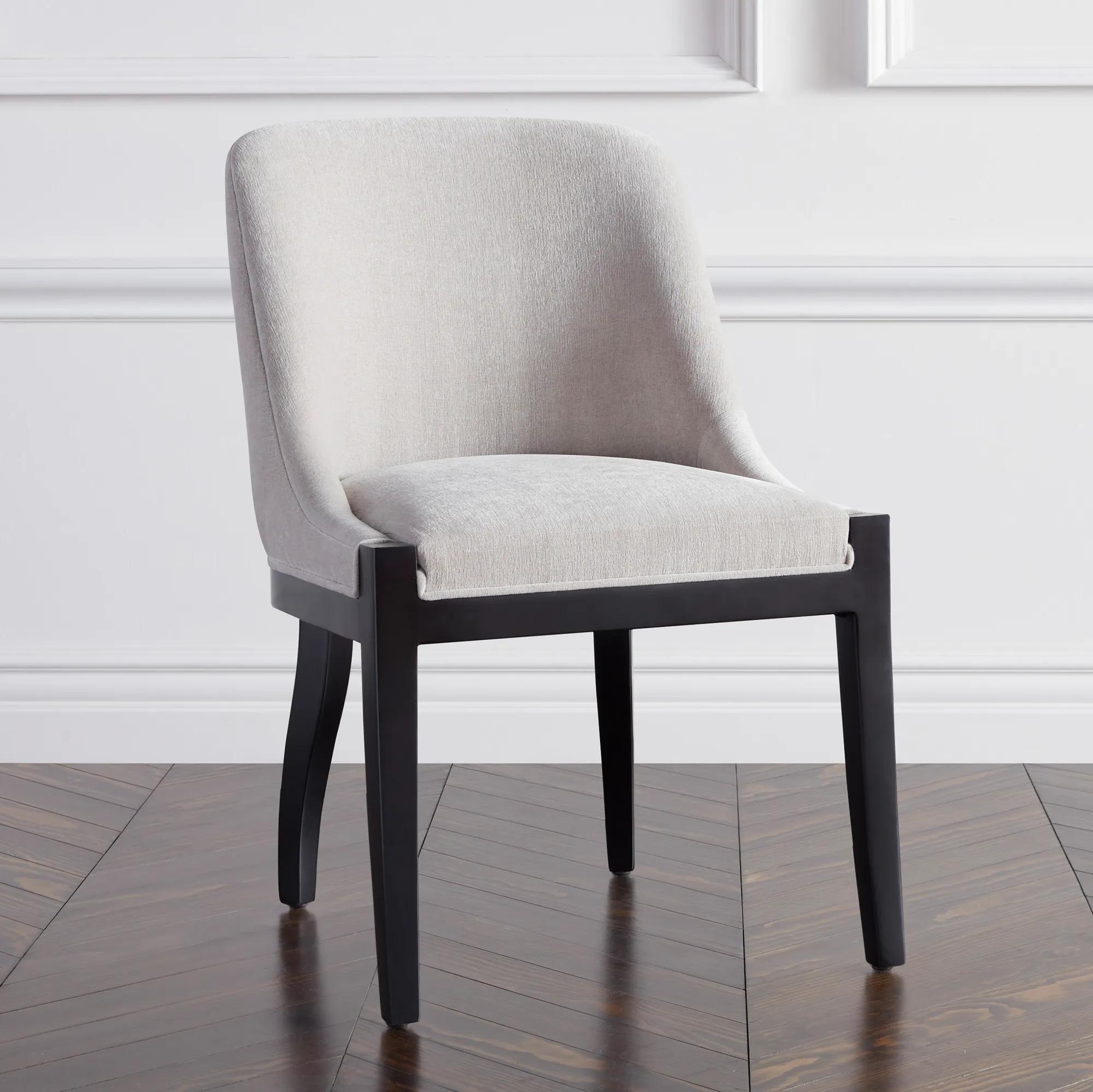
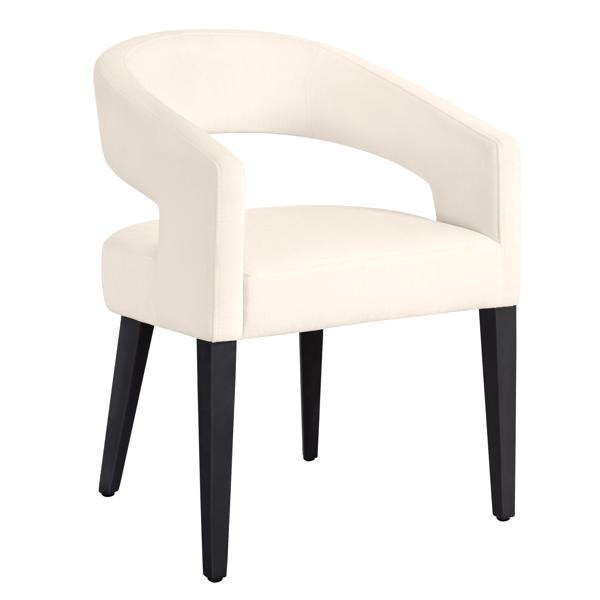 Philippa Dining Chair - Matte Black$599
A modern dining chair featuring a curved silhouette, matte black legs, and neatly tailored upholstery.
Add To Cart -
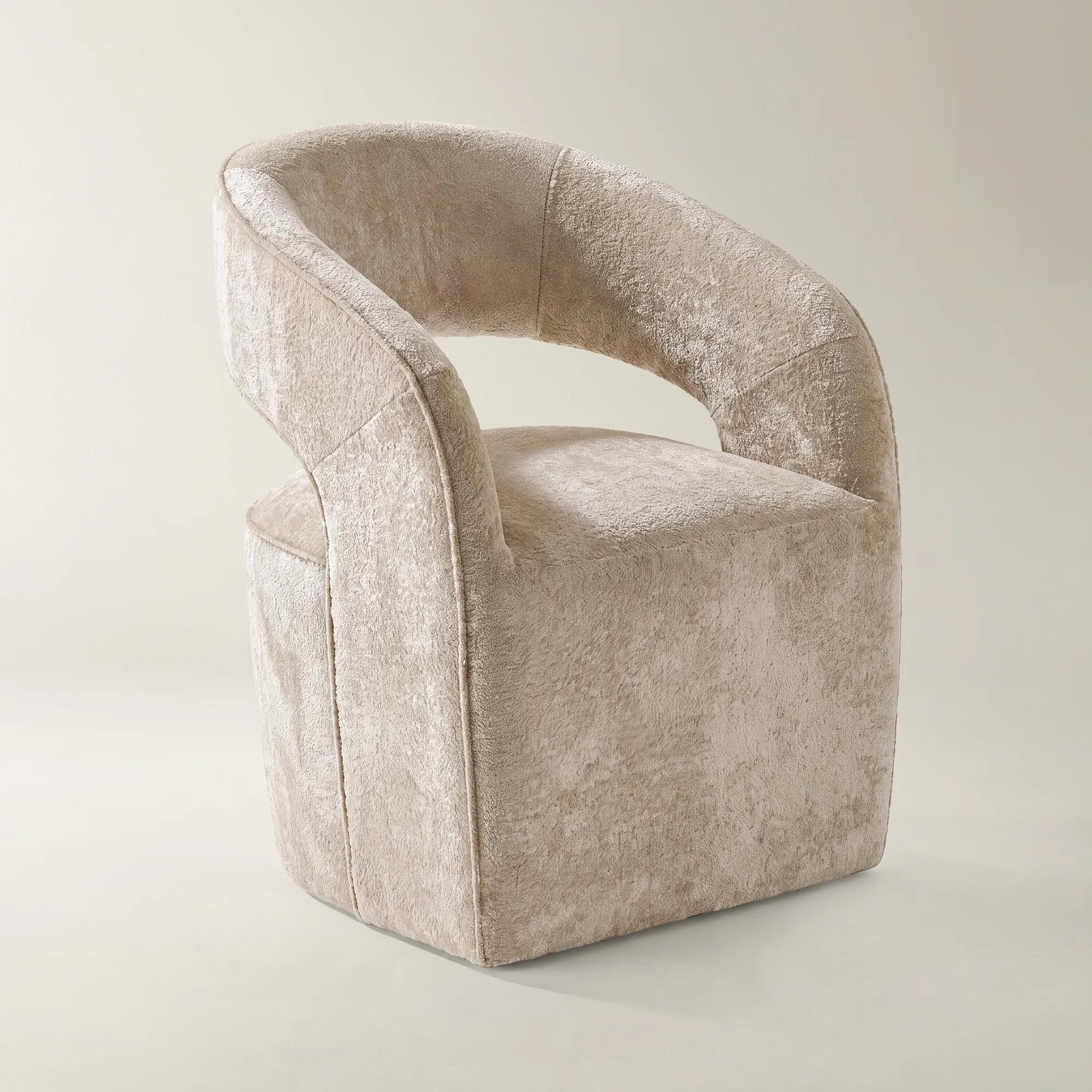 Harrison Light Brown Chenille Dining Chair$499
A sculptural dining chair upholstered in light brown chenille with a feather-blend cushion for plush comfort.
Add To Cart -
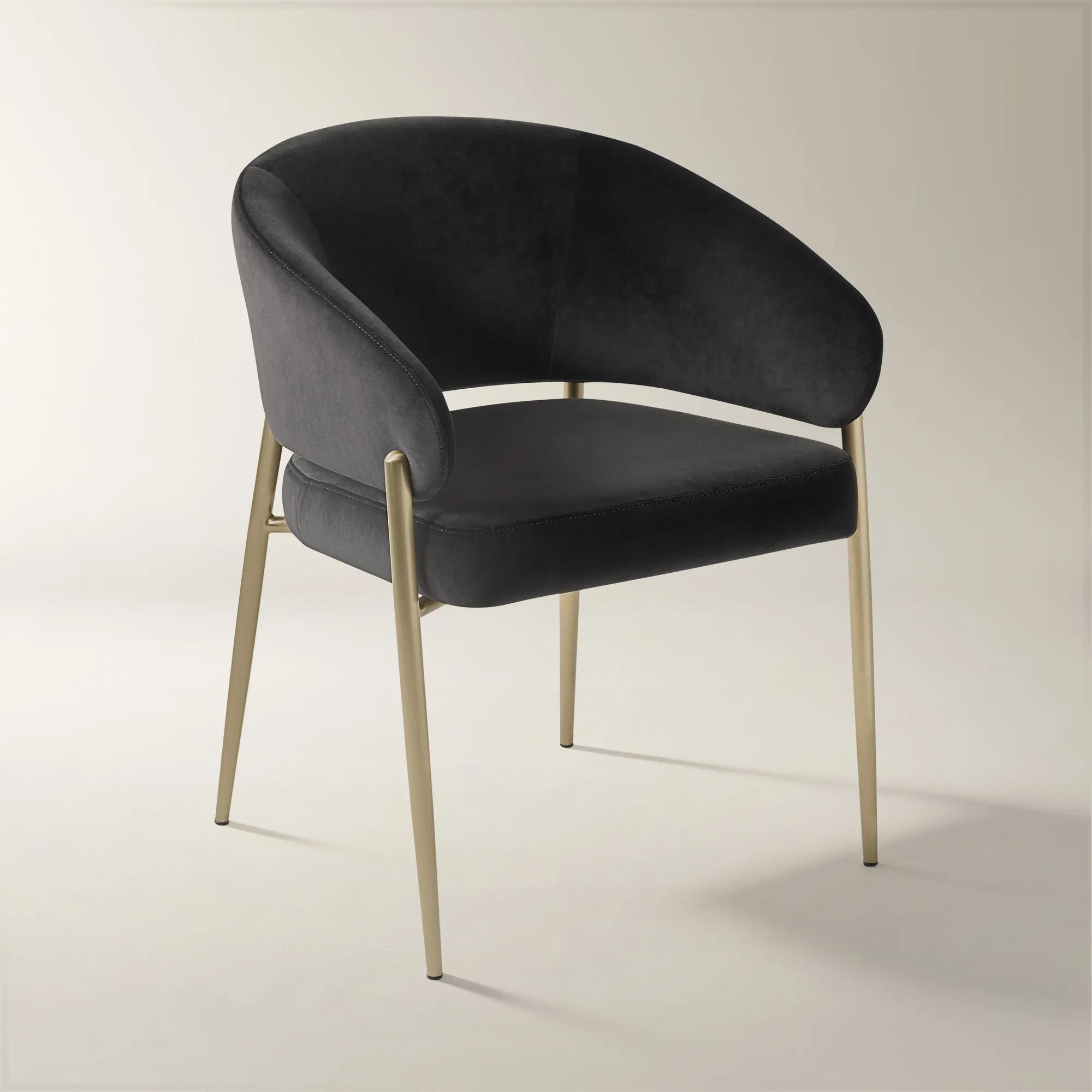 Nara Charcoal Velvet Dining Chair Set Of 2$599
A set of two charcoal velvet chairs featuring curved backs, plush upholstery, and brushed brass metal legs.
Add To Cart -
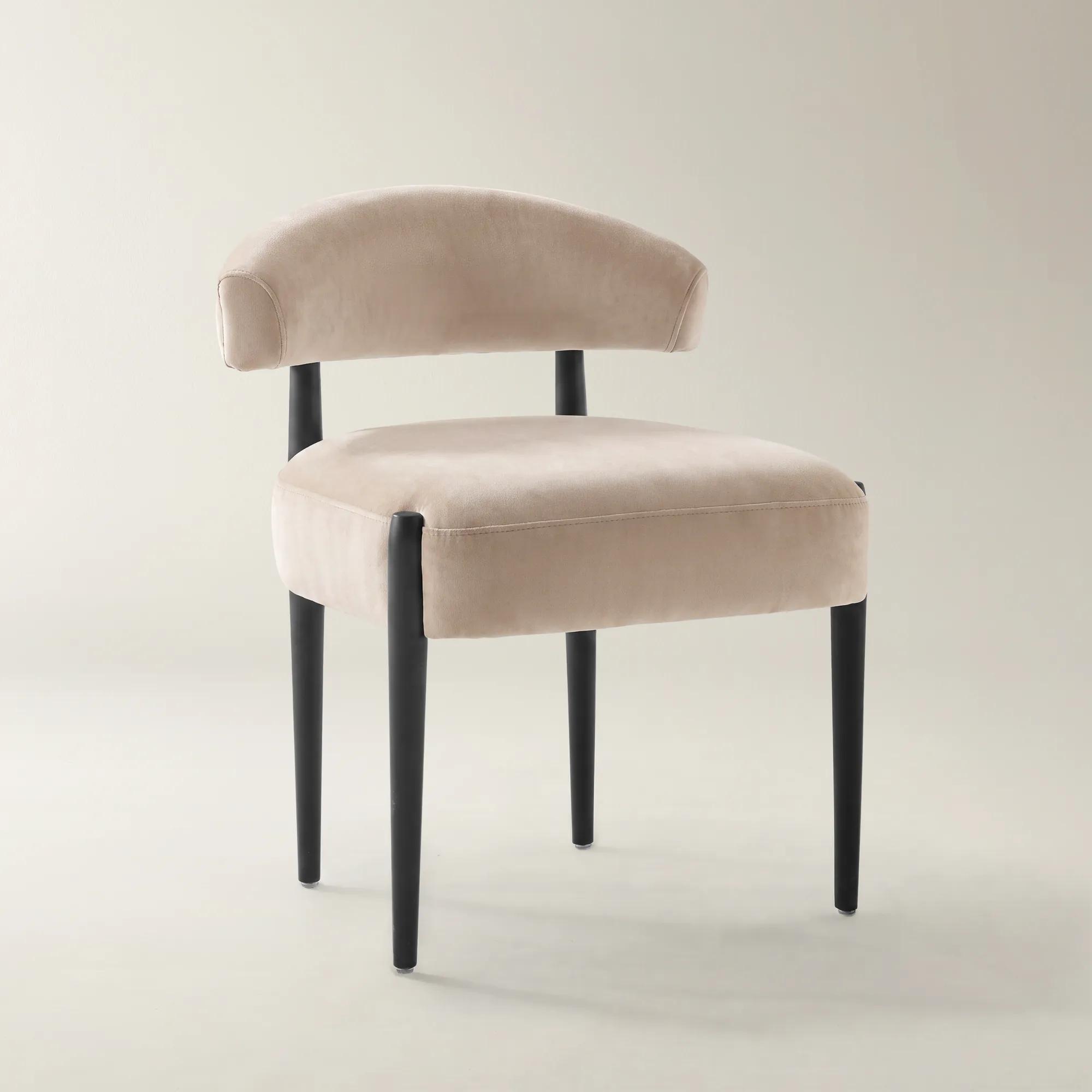
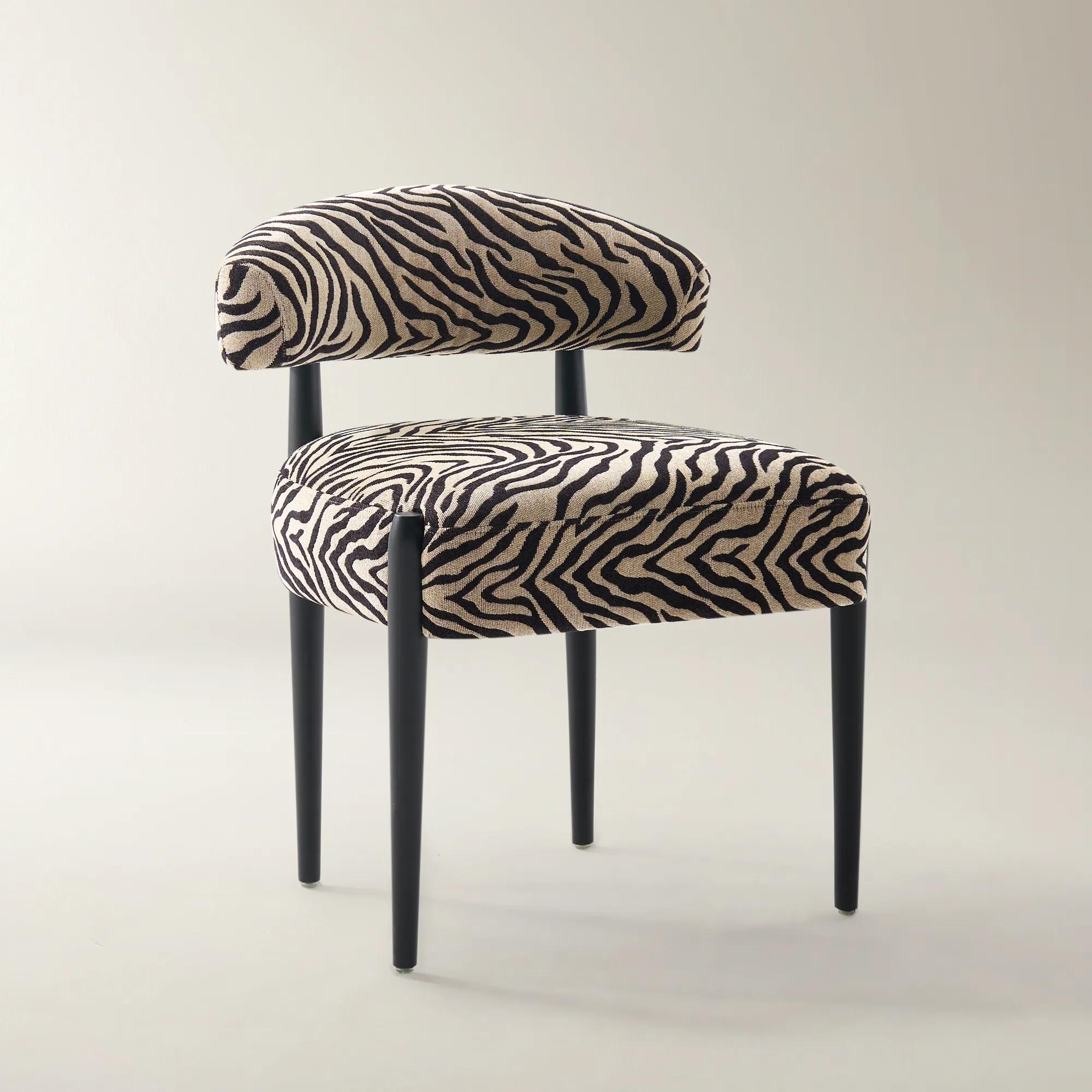 Anna Simply Taupe Velvet Dining Chair Set of 2$699
A taupe velvet dining chair featuring a tailored arched back, high-density foam cushioning, and rubberwood legs.
Add To Cart -
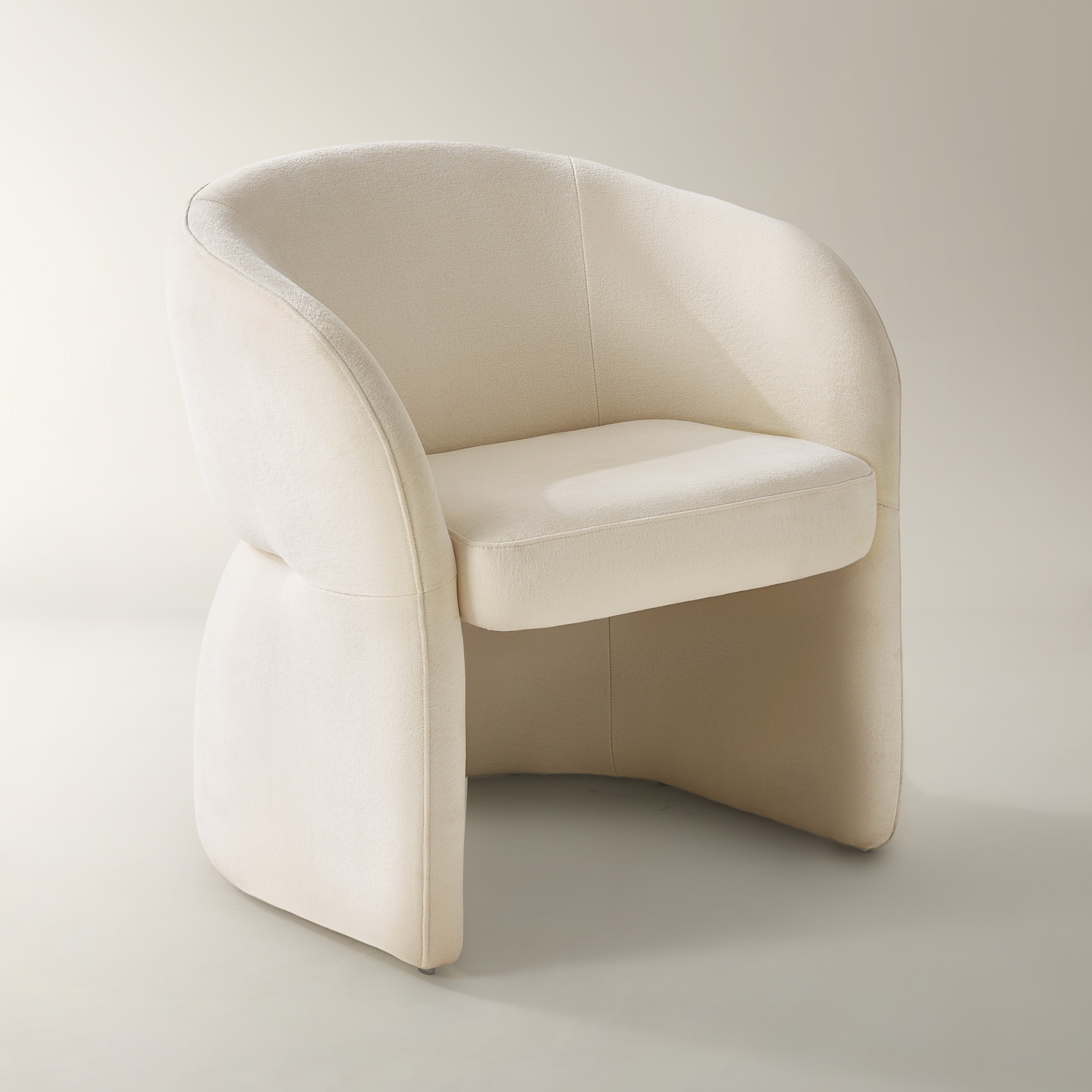
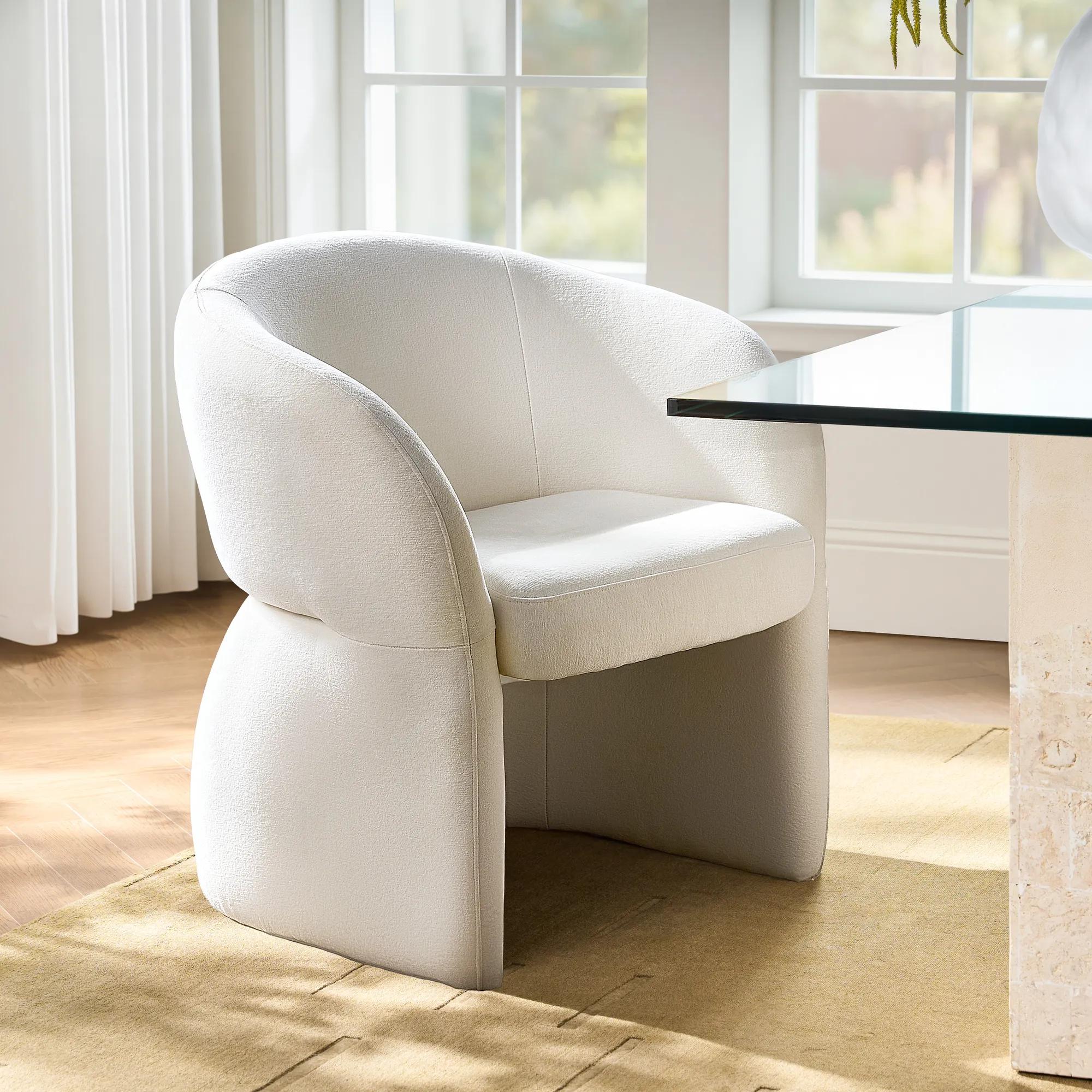 Sierra Oatmeal Velvet Dining Chair$599
An elegant accent chair in oatmeal velvet with gracefully arched arms, curved back, and plush cushioning.
Add To Cart -
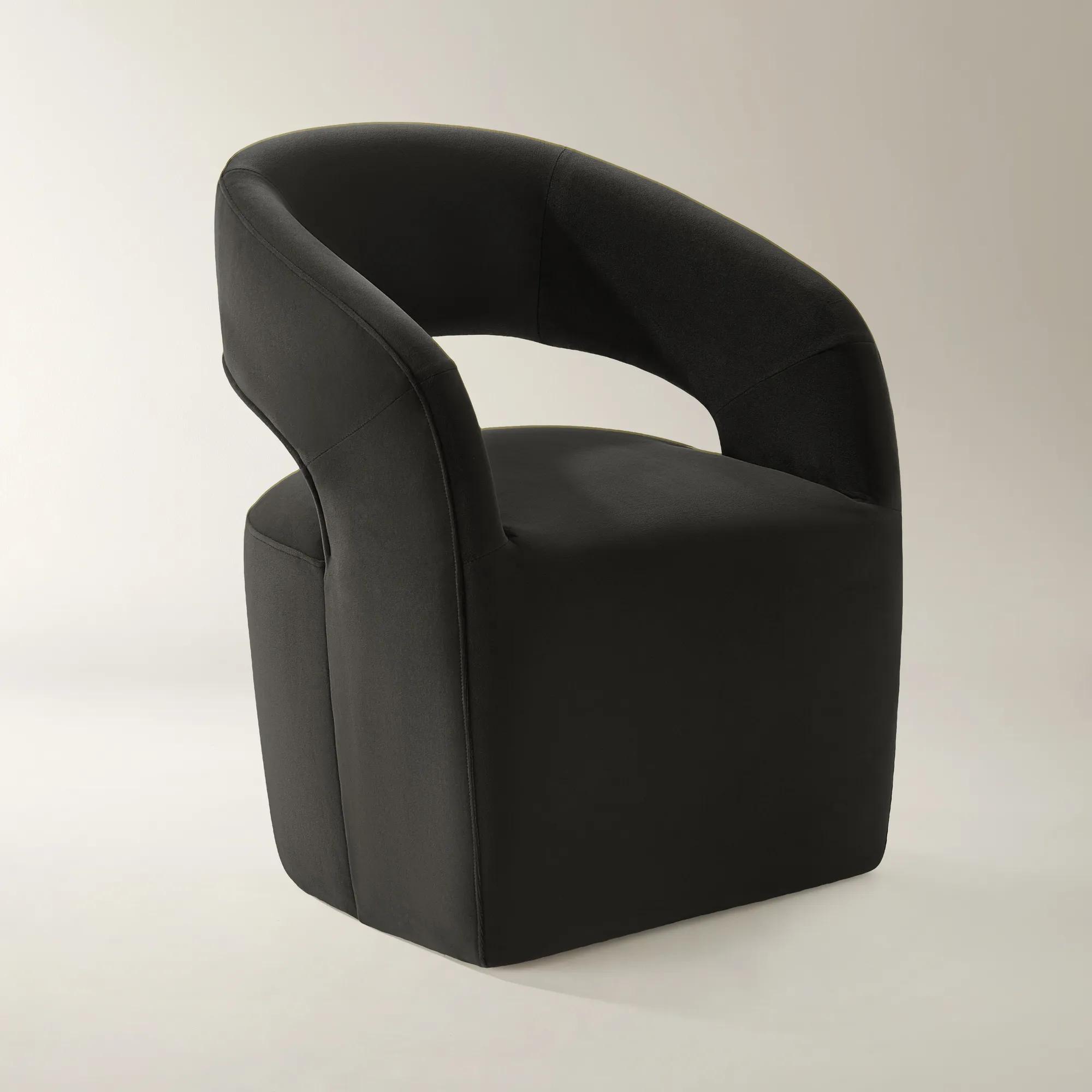 Harrison Charcoal Velvet Dining Chair$499
A sculptural dining chair upholstered in charcoal velvet with a continuous curved back and feather-blend comfort.
Add To Cart -
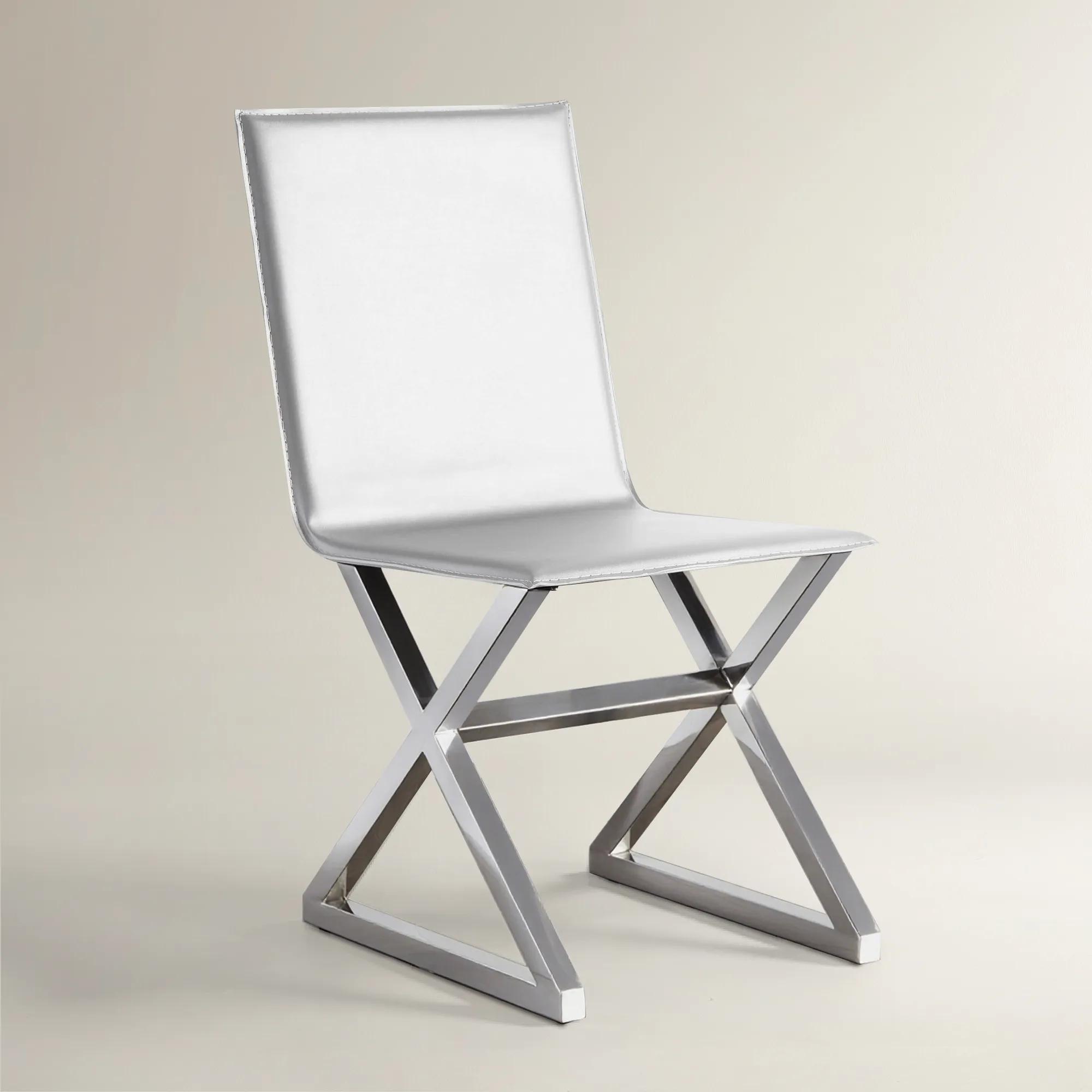
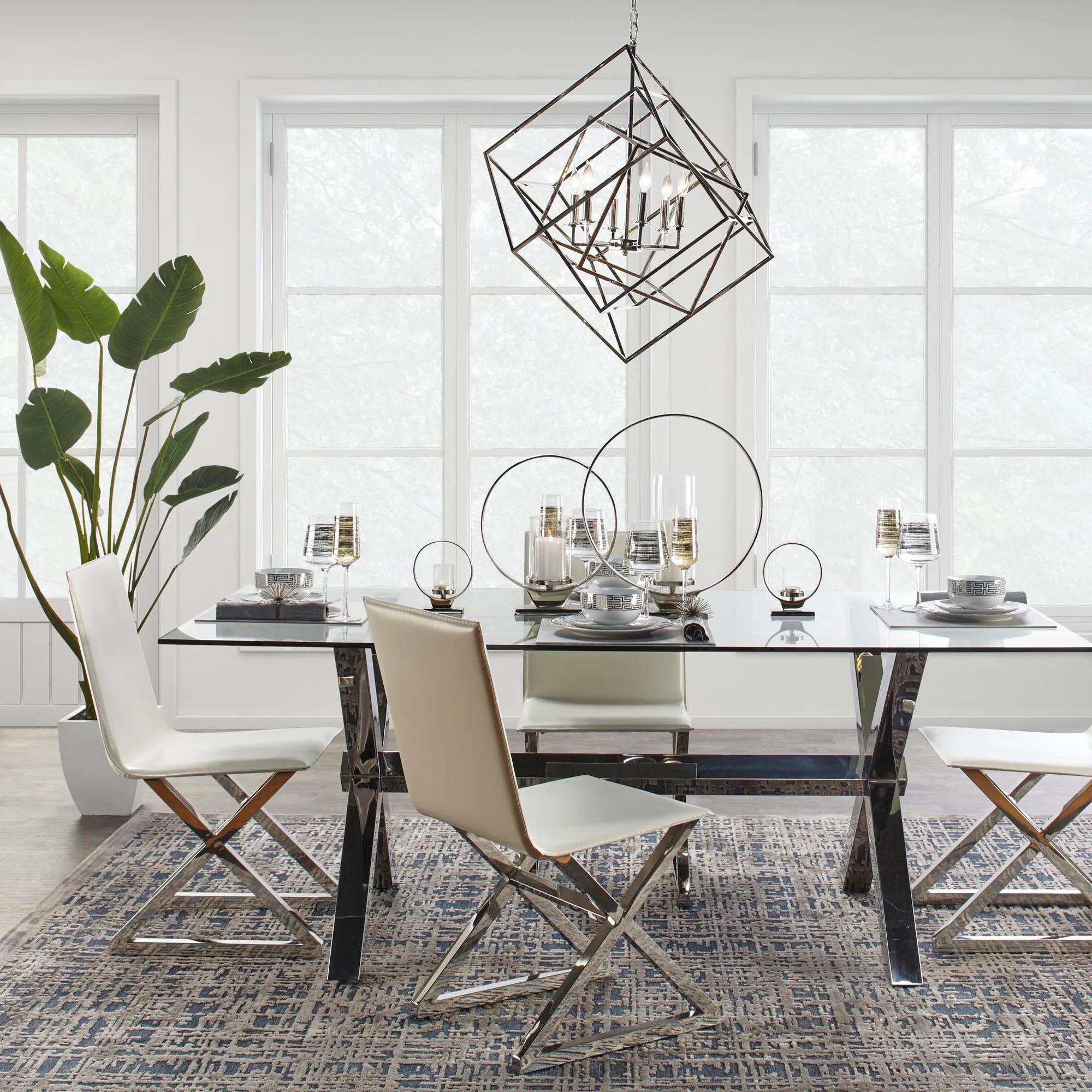 Axis Dining Chair - Set of 2$399
A contemporary dining chair set featuring white bonded leather upholstery and a polished stainless steel base.
Add To Cart -
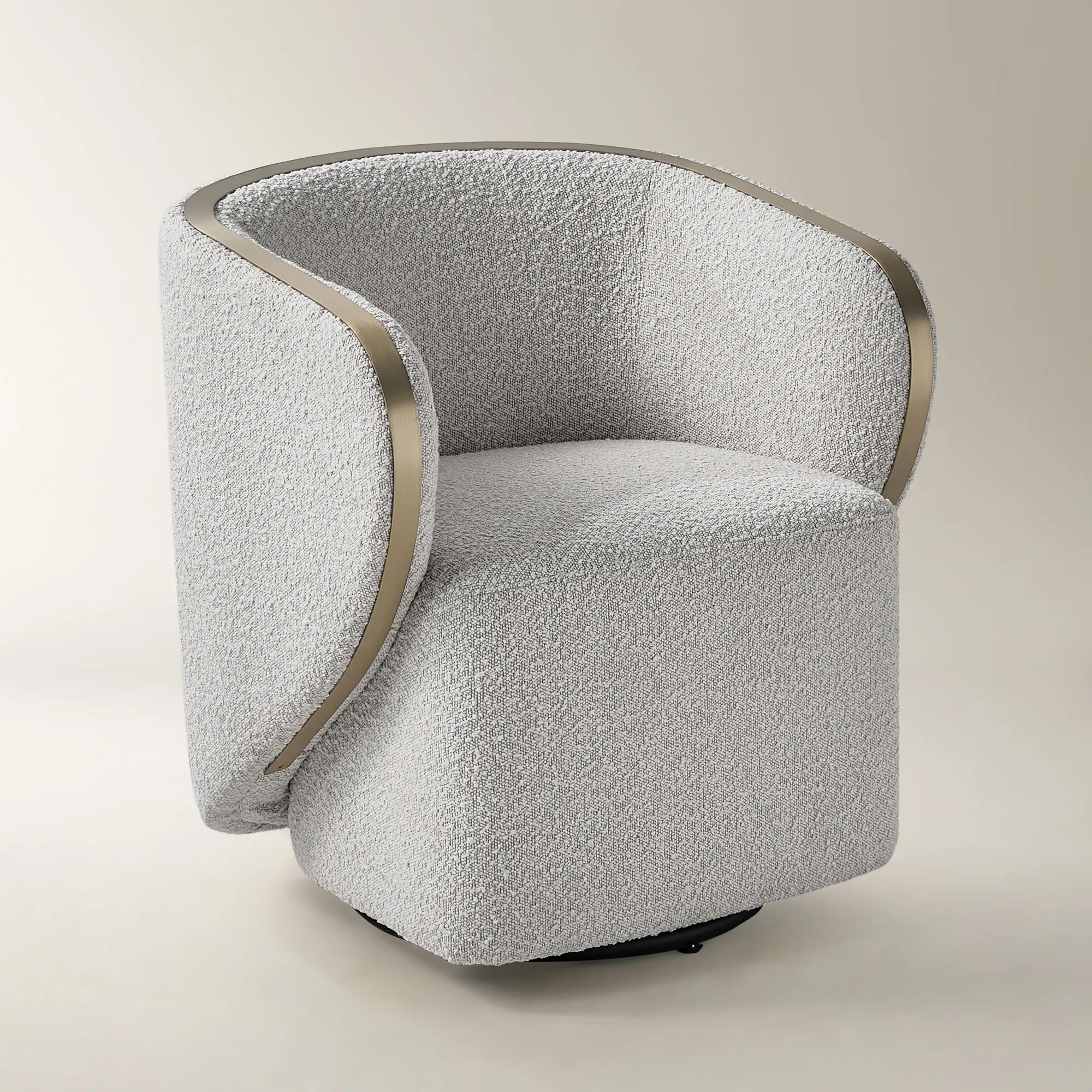 Nova Light Grey Performance Boucle Swivel Dining Chair$699
A sculptural light grey chair in water-repellent boucle with metallic trim and a smooth 360° swivel base.
Add To Cart

Neutral Tone Dining Arm Chairs
Elevate your dining experience with the timeless allure of neutral tone dining arm chairs—a symphony of subtlety and sophistication designed to anchor your space in effortless elegance. These pieces deliver more than mere seating; they invite conversation, linger in memory, and set the stage for gatherings both grand and intimate. With their understated palette, neutral tone dining arm chairs become the chameleons of design, harmonizing with any tablescape while exuding quiet confidence. Discover how refined textures and sculptural silhouettes can transform your dining room into a gallery-worthy retreat, where every meal is an occasion and every detail whispers luxury.
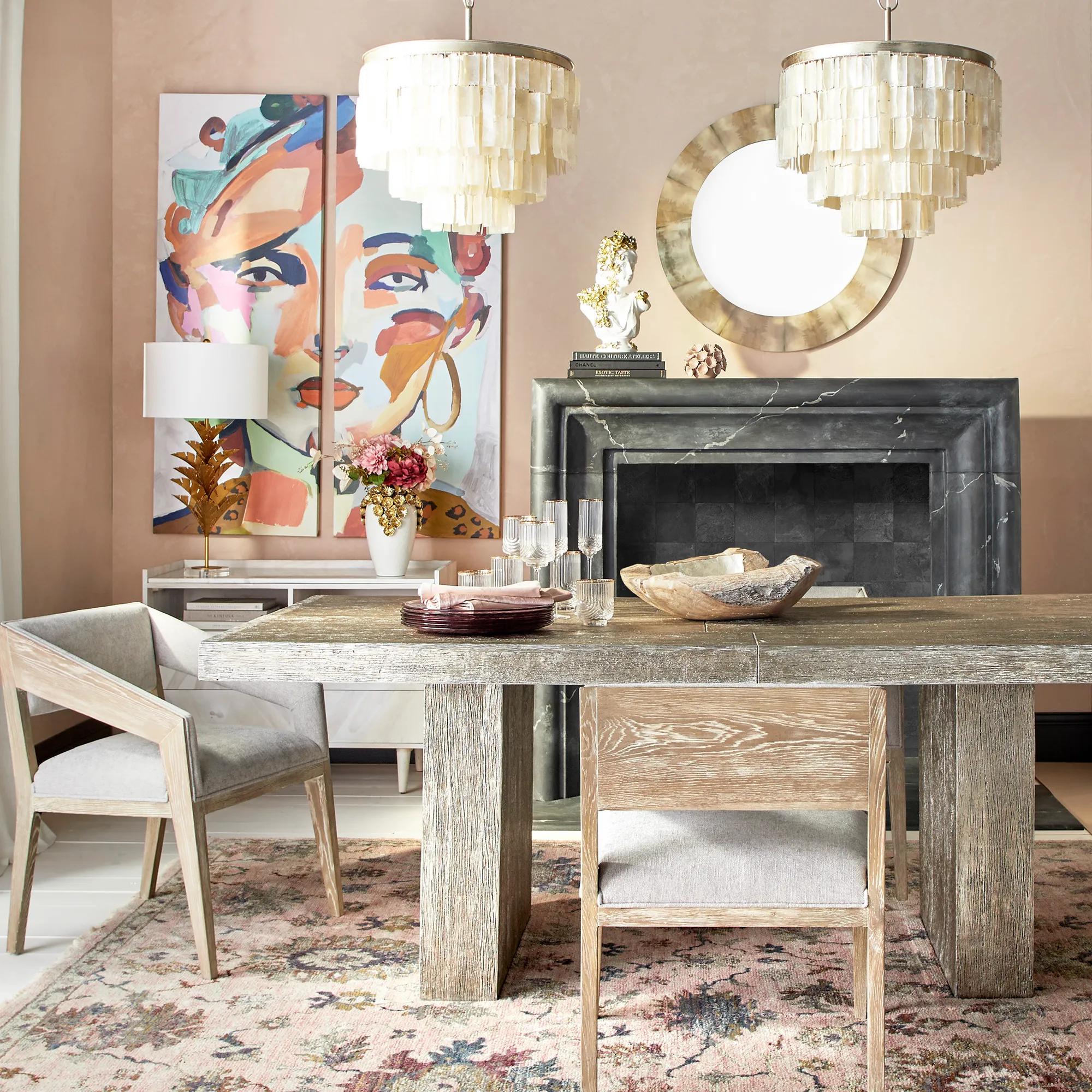
Neutral tone dining armchairs bring the comfort of supportive arms to the dining table in shades such as ivory, cream, oatmeal, beige, taupe, and soft gray. Their restrained palette creates room for expressive silhouettes, tactile upholstery, and gleaming finishes, making them a versatile choice for modern, transitional, and Scandinavian-inspired dining spaces. Neutral does not have to mean understated: a rounded back wrapped in textured fabric can feel sculptural, while a tailored seat framed by slender metal arms introduces a more architectural presence. Cream upholstery against a dark wood table creates a striking contrast; warm taupe beside pale oak gives the setting a softer, more tonal character. Undertones shape the effect. A beige with golden notes often sits comfortably alongside warm woods and brass accents, while a cooler gray can complement chrome, glass, and stone with blue or silver veining. In a room with richly patterned artwork or a dramatic chandelier, neutral dining armchairs provide a composed foundation without competing for attention. In a quieter setting, their curves, seams, and surface textures become the detail that draws the eye. Even within a single color family, a nubby weave and a smooth, velvet-like surface can create distinctly different moods. Daylight and artificial lighting also influence how pale upholstery appears, so fabric samples, when offered, are useful for comparing a chair’s tone with the table, flooring, and nearby curtains. The result is most convincing when the neutrals relate rather than match perfectly: ivory, sand, and mushroom can share a table beautifully when their undertones feel intentional. For a coordinated arrangement that allows different silhouettes, Neutral Fabric Dining Chairs can complement armchairs placed at the heads of the table. That combination gives the dining area a sense of hierarchy and occasion, with generous seats anchoring each end and a lighter rhythm along the sides. It also leaves space for personal expression through distinctive tableware, oversized florals, or a single luminous centerpiece.
The appeal of a dining armchair is as practical as it is visual: the arms offer a place to rest between courses, and an enveloping back can make a leisurely dinner feel more inviting. Comfort, however, depends on proportions rather than appearance alone. Seat height, seat depth, back angle, cushioning, and the distance between the arms all influence how naturally someone can sit close to the table. A deeply cushioned seat may feel sumptuous at first yet sit lower once occupied, while a firm, tailored seat can offer a more upright dining posture. As a general reference, approximately 10 to 12 inches between the top of the seat and the underside of the tabletop often provides comfortable legroom, but the table’s apron and the sitter’s proportions matter too. Arm height deserves particular attention because a chair that clears the tabletop may still catch on an apron beneath it. Comparing the highest point of the arms with the lowest obstruction helps determine whether the chair can tuck in or will remain partly extended. Overall width is equally important: sweeping arms make a dramatic outline, but they also require space between neighboring seats. Allowance for pulling chairs out, walking behind occupied seats, and opening nearby cabinetry keeps a dining room gracious rather than crowded. At a rectangular table, armchairs at the ends can deliver generous comfort without requiring the same footprint at every place setting; around a round table, a full set creates an intimate, embracing arrangement when spacing permits. Open-arm silhouettes can preserve sightlines in a smaller room, while upholstered sides give a larger dining area a more substantial presence. The chair’s relationship to the table base also matters. A pedestal may offer flexible positioning, whereas legs at the corners can limit where wide armchairs fit. Thoughtful proportions let the sculptural details remain the focus, with enough room for guests to settle in and enjoy the conversation.
Materials give neutral dining armchairs their lasting character, from the grain of a wood frame to the subtle sheen of upholstery. Wood can introduce organic depth beneath pale fabric, while a metal base can lend a crisp outline or a polished accent. Joinery, frame construction, upholstery attachment, and the suitability of the chair for its intended setting are more meaningful durability considerations than color alone. Fabric composition affects both appearance and upkeep: linen-rich upholstery may have an appealing irregular texture and a relaxed surface, while some synthetic blends offer a more uniform finish. Velvet can shift from light to shadow as its pile changes direction, bringing dimension to a single neutral shade. Textured weaves add richness, although prominent loops may be less suited to homes where pets are likely to catch them with their claws. Performance upholstery can be worth considering for frequently used dining spaces, but stain resistance, cleaning methods, and other properties should be confirmed in the fabric specifications rather than assumed from the label. Pale upholstery rewards consistent care. Gentle vacuuming with an appropriate upholstery attachment helps lift crumbs and dust, and spills are best blotted promptly with a clean cloth rather than rubbed into the fibers. The manufacturer’s care directions should govern cleaning products and methods; some fabrics tolerate water-based treatment, while others require solvent-based or professional care. Wood and metal components likewise benefit from finish-appropriate cleaning instead of a single cleaner applied everywhere. Protective floor glides suited to the flooring can reduce abrasion as chairs move, and periodically checking fasteners, where applicable, helps keep the frame secure. These details support chairs intended for daily breakfasts as well as celebratory dinners, extended conversations, and an occasional place to read at the table. For households that entertain often, a supportive back and comfortable arms can matter as much as a memorable silhouette. Neutral upholstery brings those qualities together with exceptional decorating flexibility, allowing the dining room to evolve through art, linens, and lighting while its seating retains a confident, beautifully composed presence.
FAQs
Neutral dining chairs are remarkably versatile, seamlessly complementing a wide range of design aesthetics. They shine in contemporary, transitional, and classic interiors, and can add a sense of calm to eclectic spaces. Their understated hues allow you to experiment with bold artwork, dramatic lighting, or richly textured rugs, all while maintaining a harmonious and sophisticated dining environment.
To elevate a dining room anchored by neutral chairs, layer in contrasting textures and striking accessories. Consider pairing your chairs with a sculptural table, metallic accents, or a statement chandelier. Soft throws, patterned cushions, or dining room chairs with skirts can add dimension and a touch of drama—creating a space that feels curated and inviting.
Absolutely. Neutral dining chairs set an inviting, elegant tone that makes guests feel instantly at ease. Their timeless palette provides the perfect backdrop for any tablescape, from festive holiday gatherings to intimate dinners. Their versatility ensures your dining space feels elevated yet welcoming, no matter the occasion.
Neutral dining chairs often feature luxurious fabrics such as linen, velvet, or cotton blends, paired with sturdy wood or metal frames. Some designs include tailored slipcovers or dining room chairs with skirts for added refinement. The combination of sumptuous textures and neutral tones creates a look that is both sophisticated and inviting.
Yes, neutral chairs effortlessly bridge the gap between formal and casual settings. Their understated elegance lends itself to grand dinner parties as well as relaxed family meals. By choosing the right silhouette and fabric—perhaps a plush, upholstered armchair for formality or a streamlined design for everyday use—you can tailor the mood of your dining room to fit any occasion.