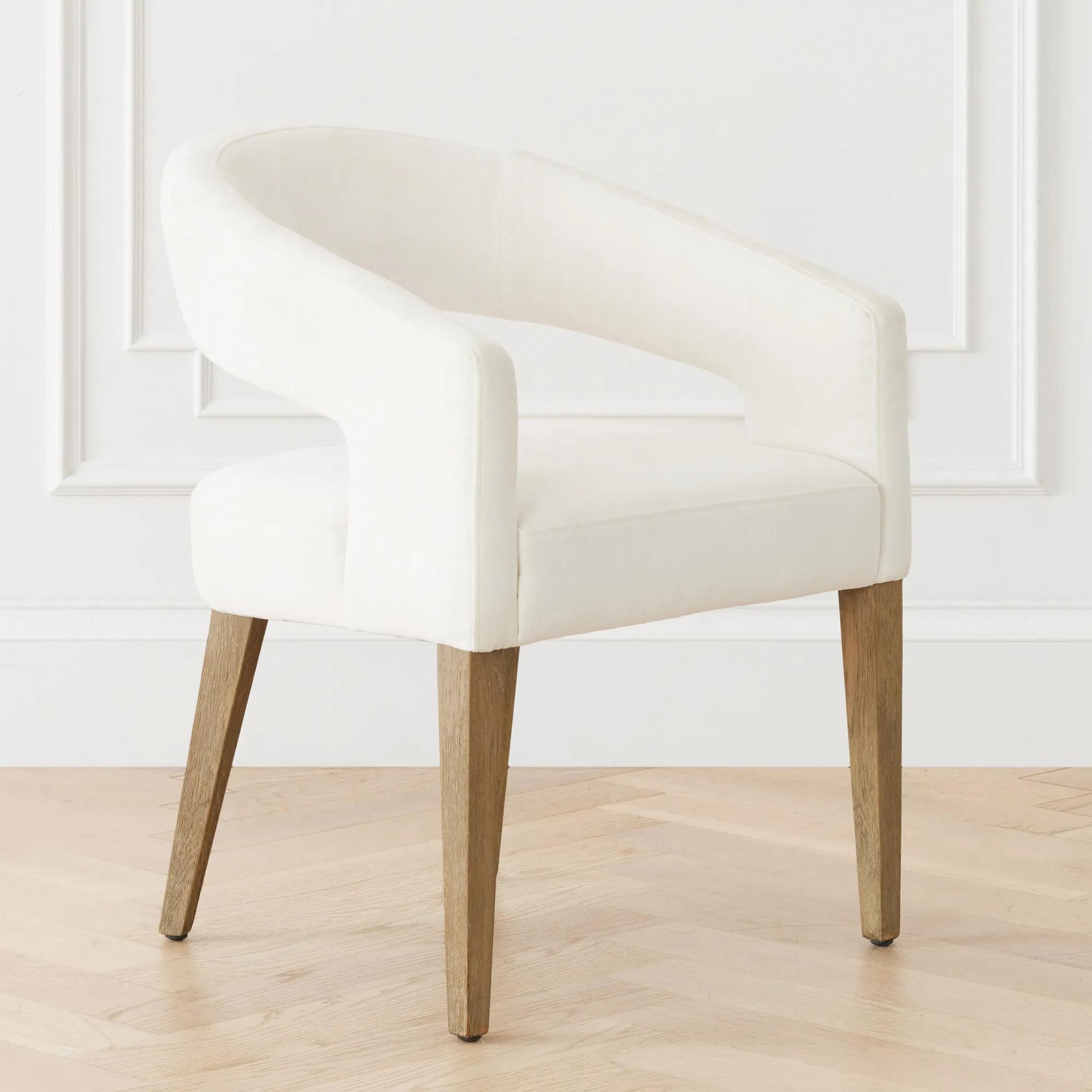
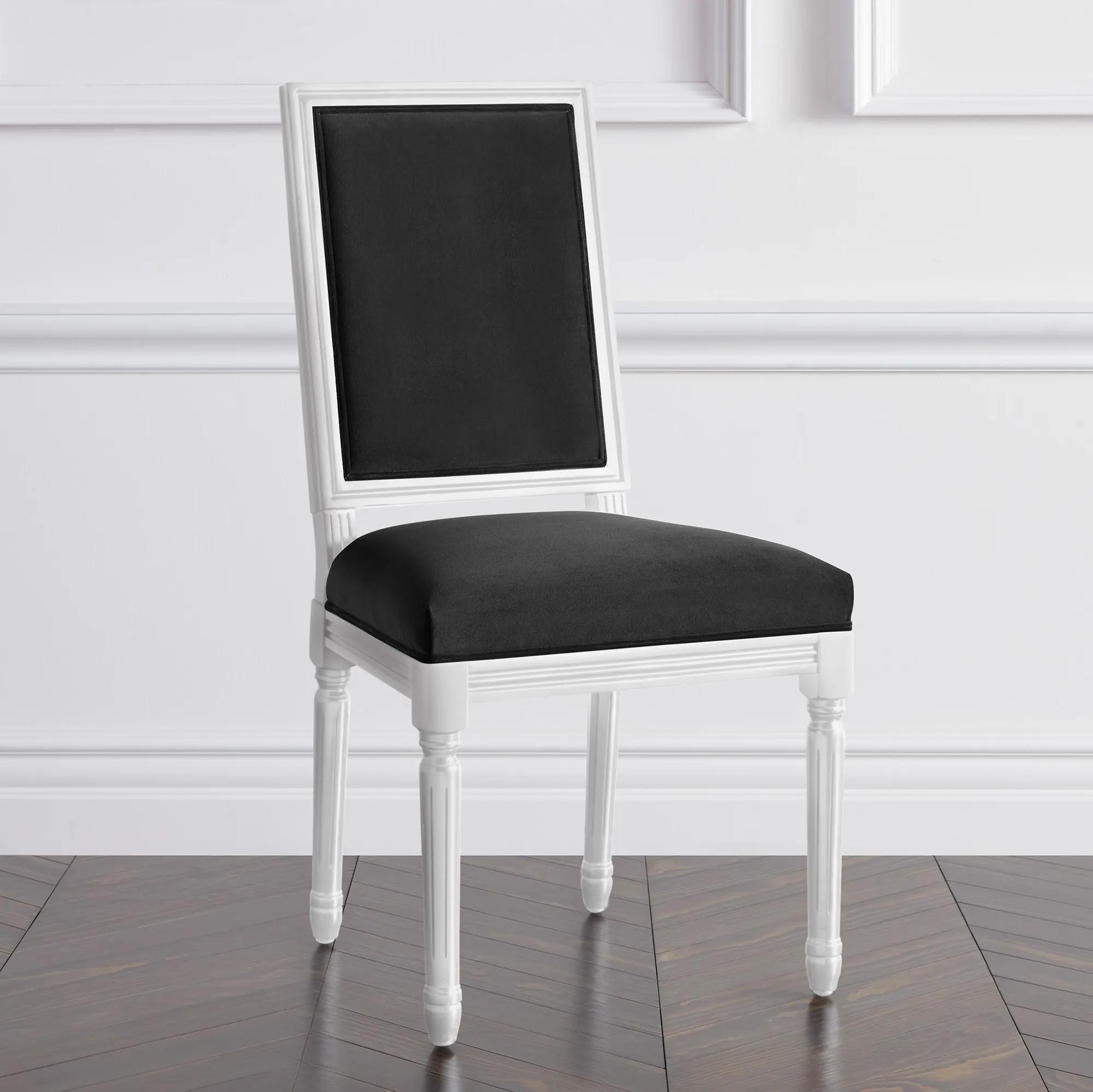
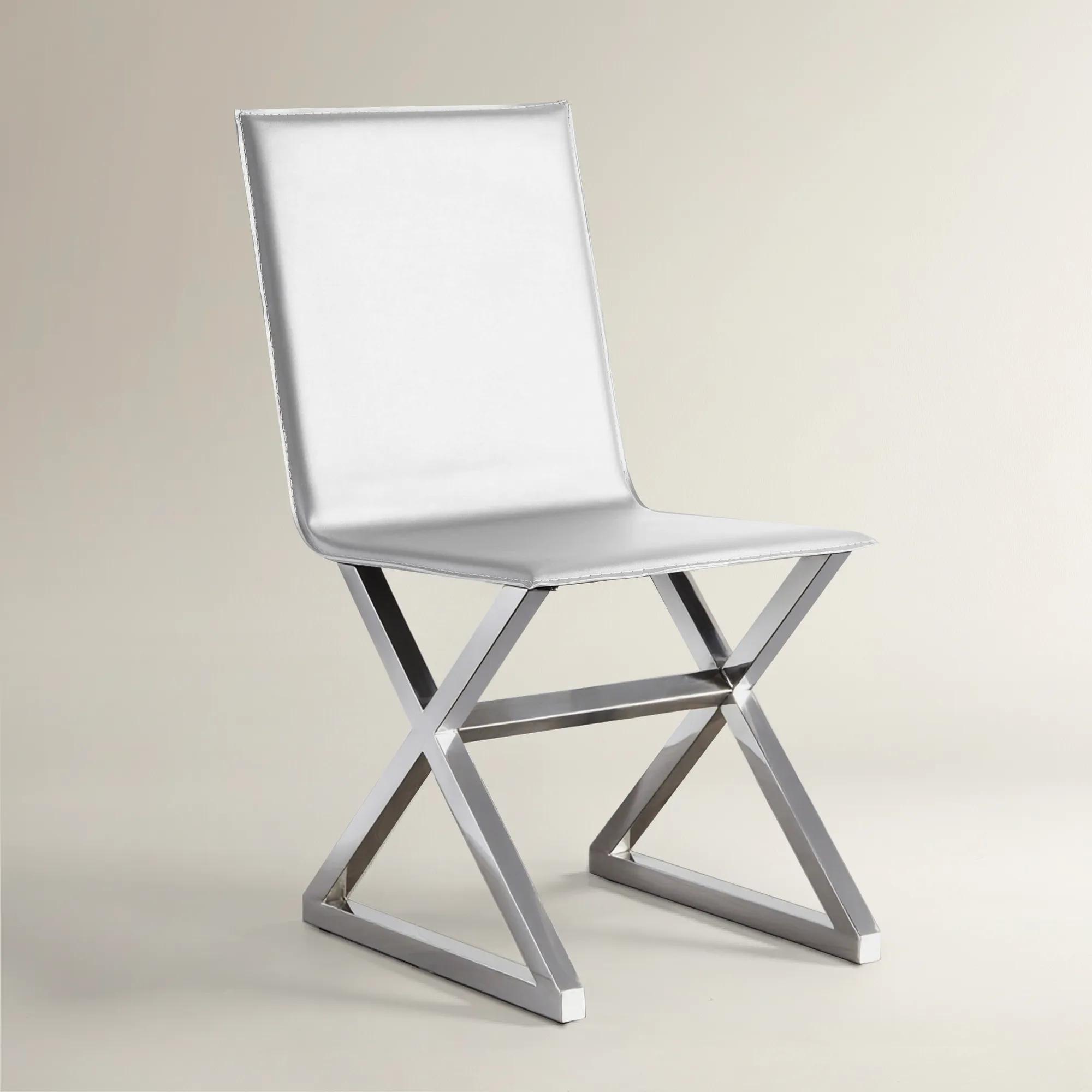
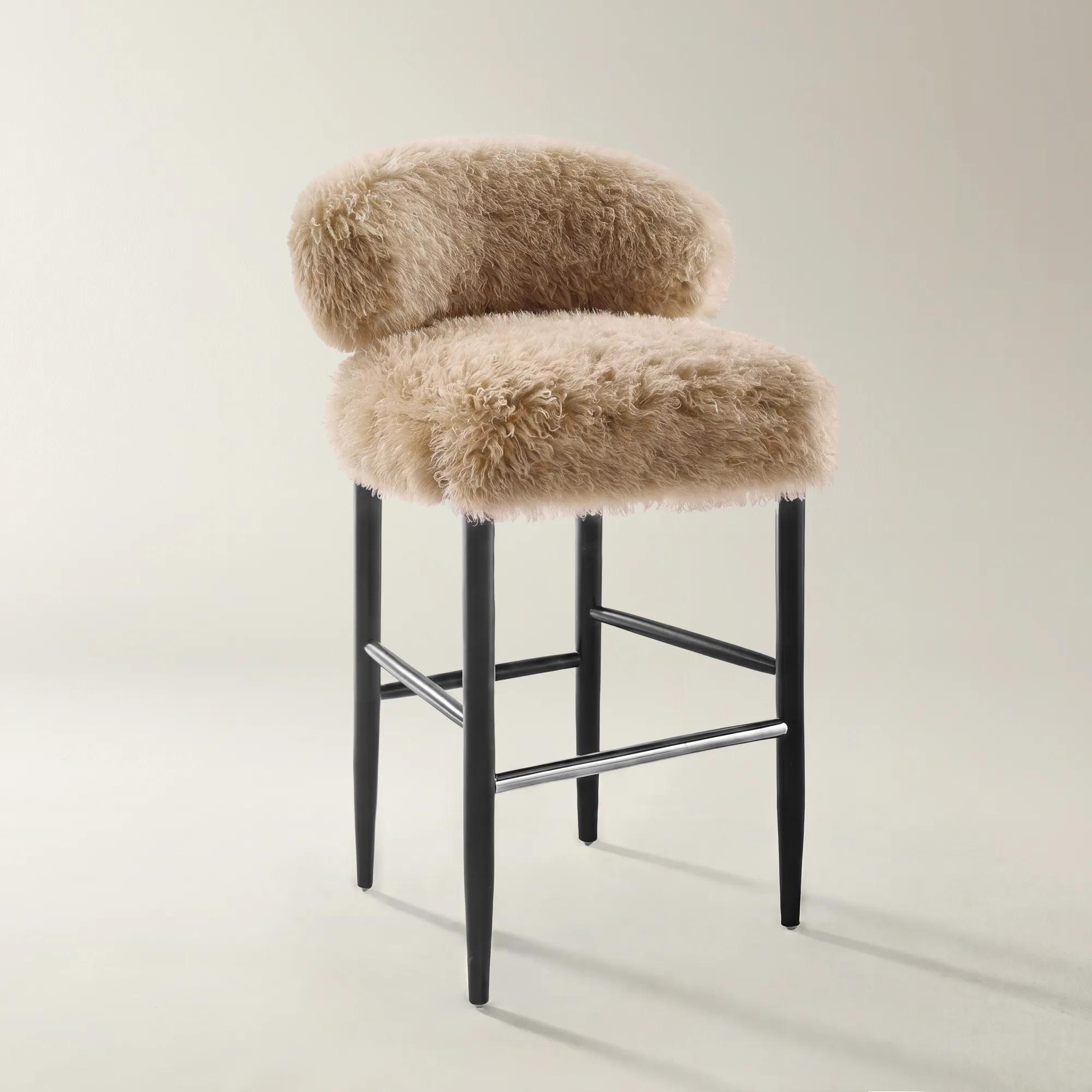
Neutral Fabric Arm Chairs
Neutral Fabric Arm Chairs
-
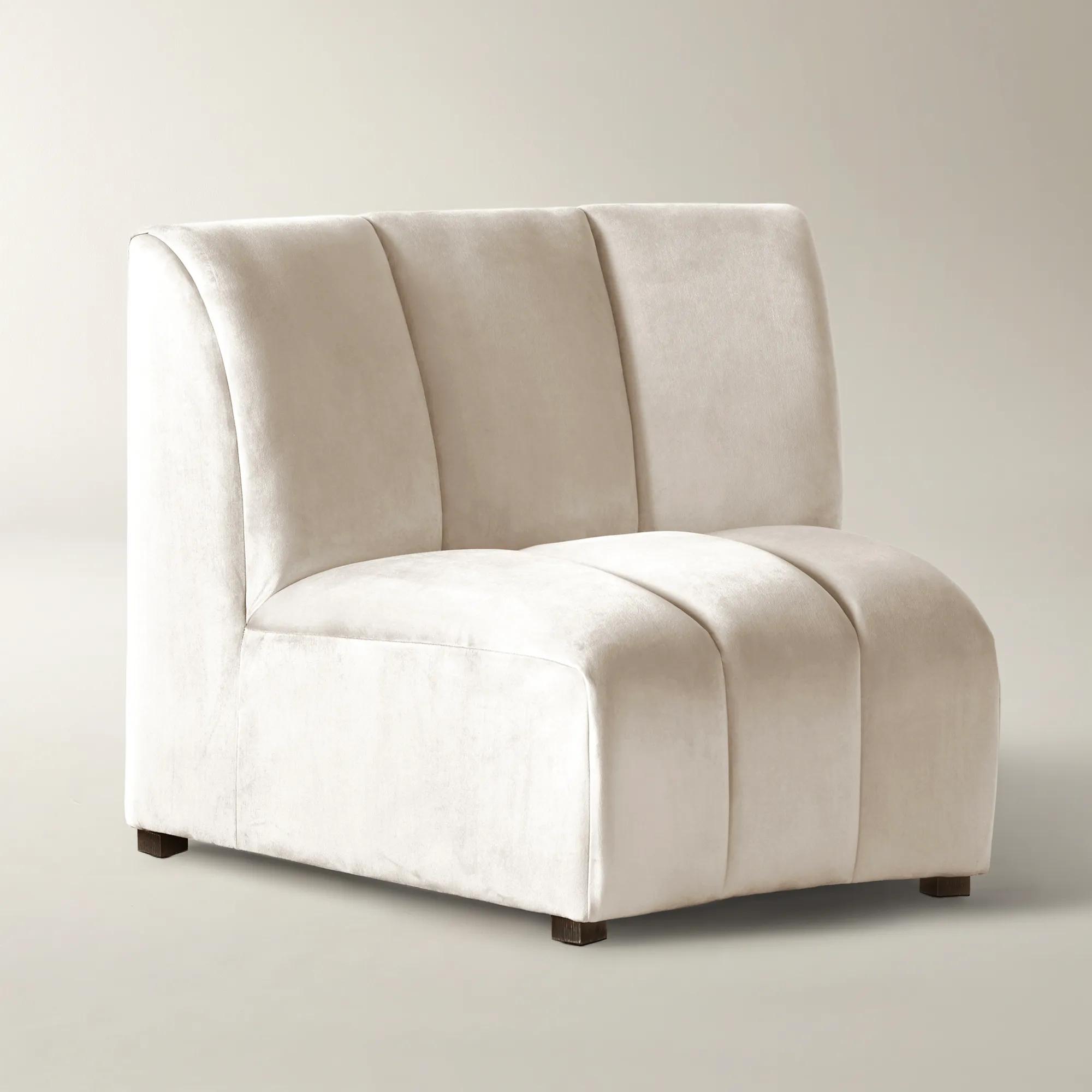 Jayce Channel-Tufted Ivory Velvet Armless Chair$949
A modern armless chair in water-repellent, stain-resistant Velvet Ivory with deep channel tufting and plush padding.
Add To Cart -
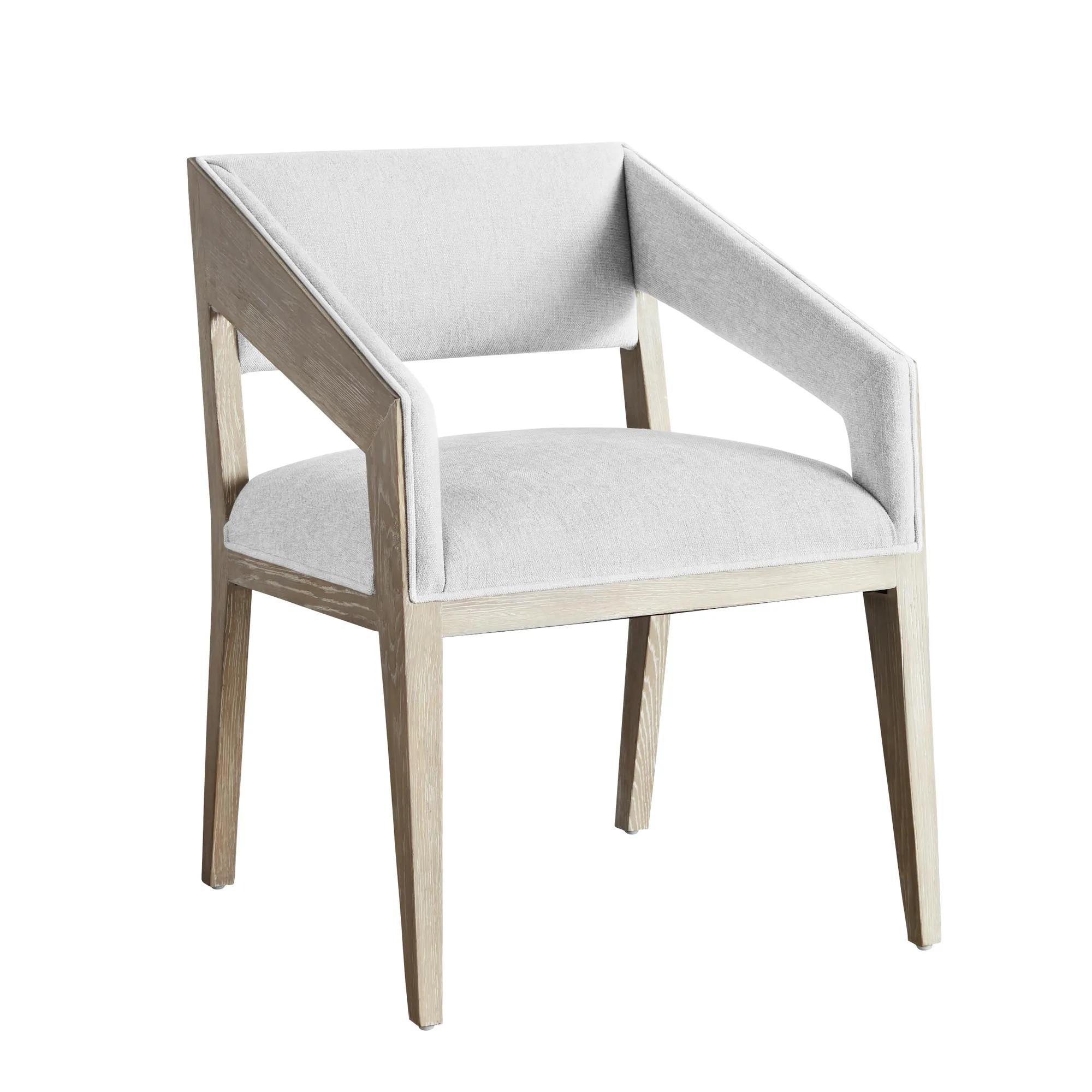
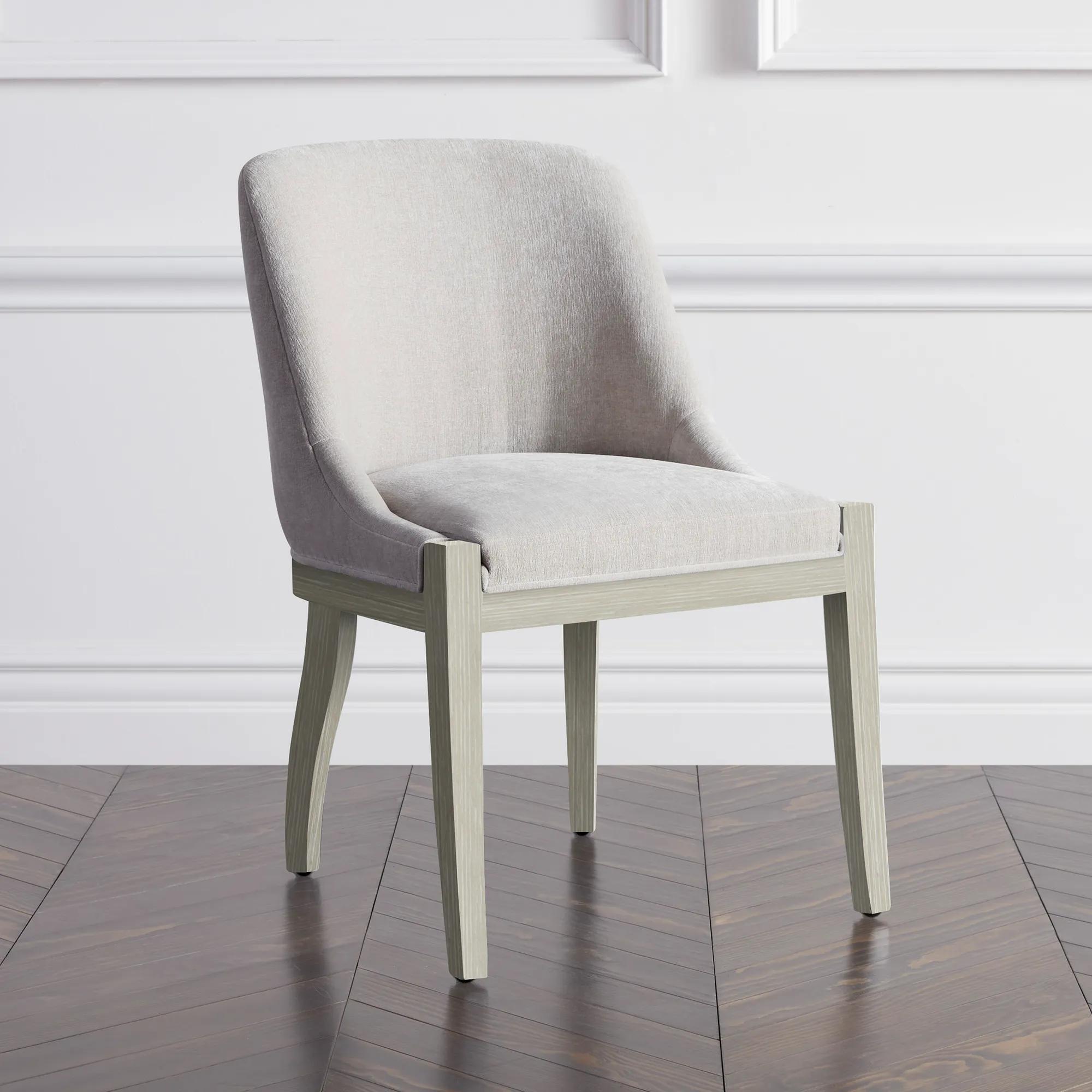
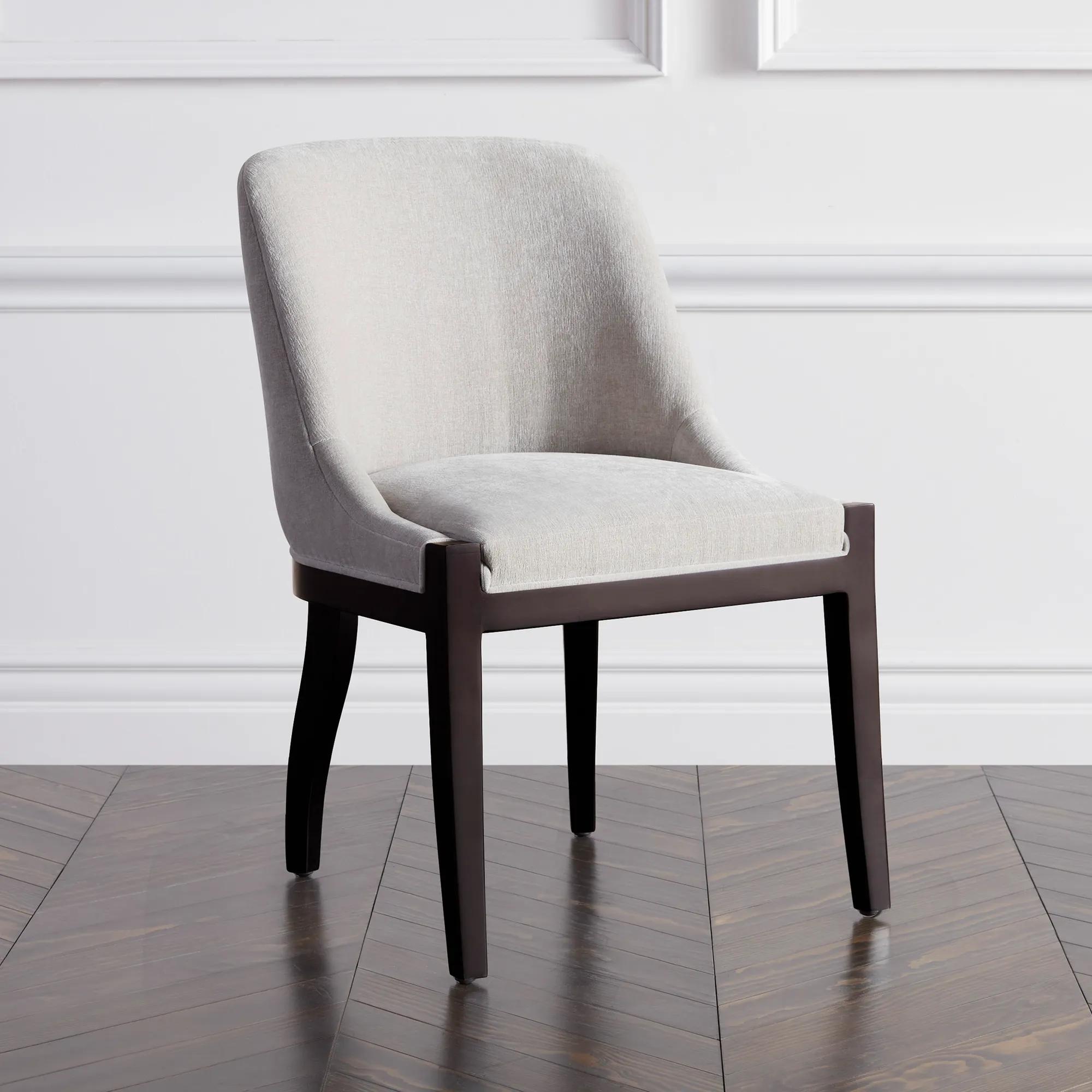
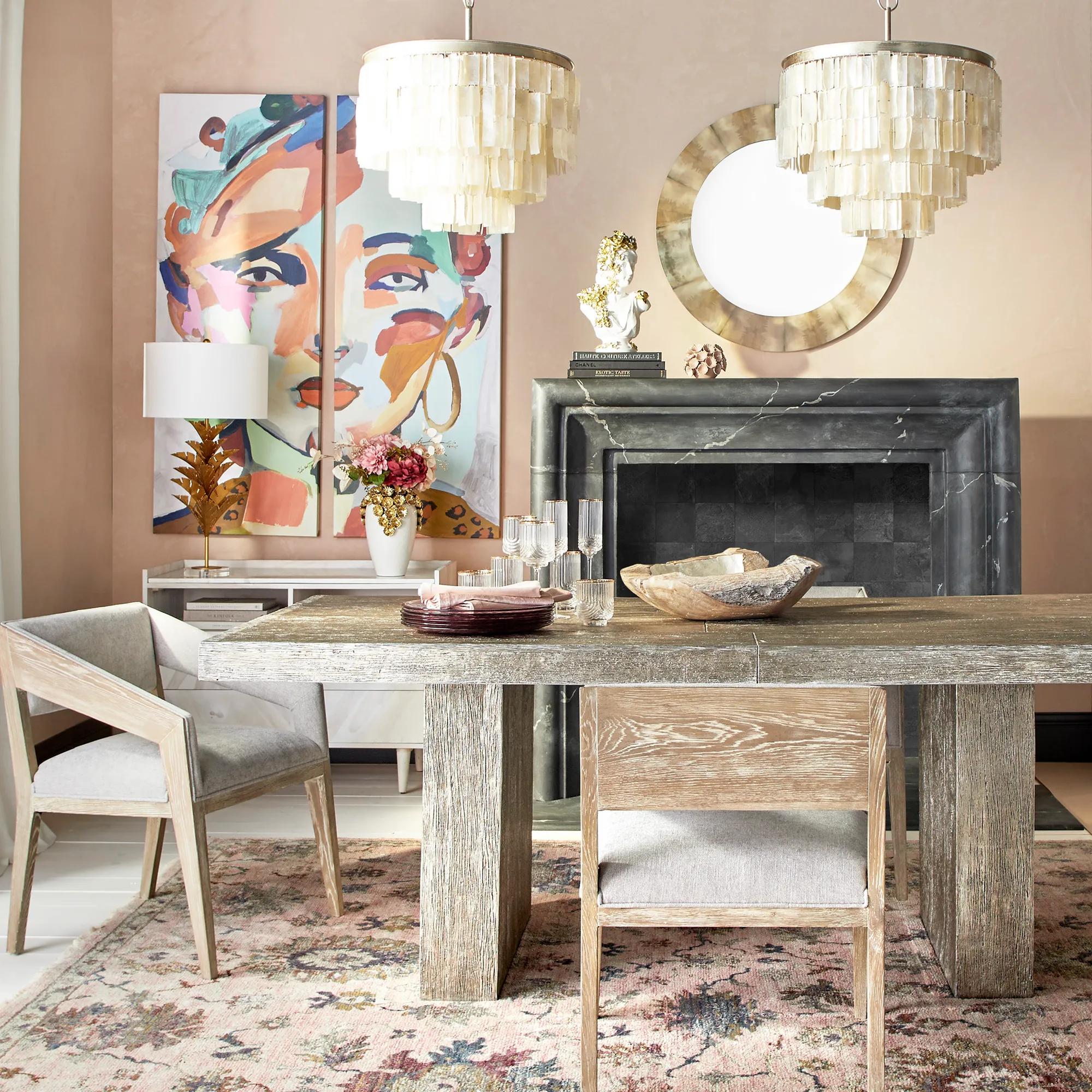 Alric Dining Arm Chair$699
A modern armchair featuring solid oak framing, natural grey finish, and neatly tailored pearl grey upholstery.
Add To Cart -
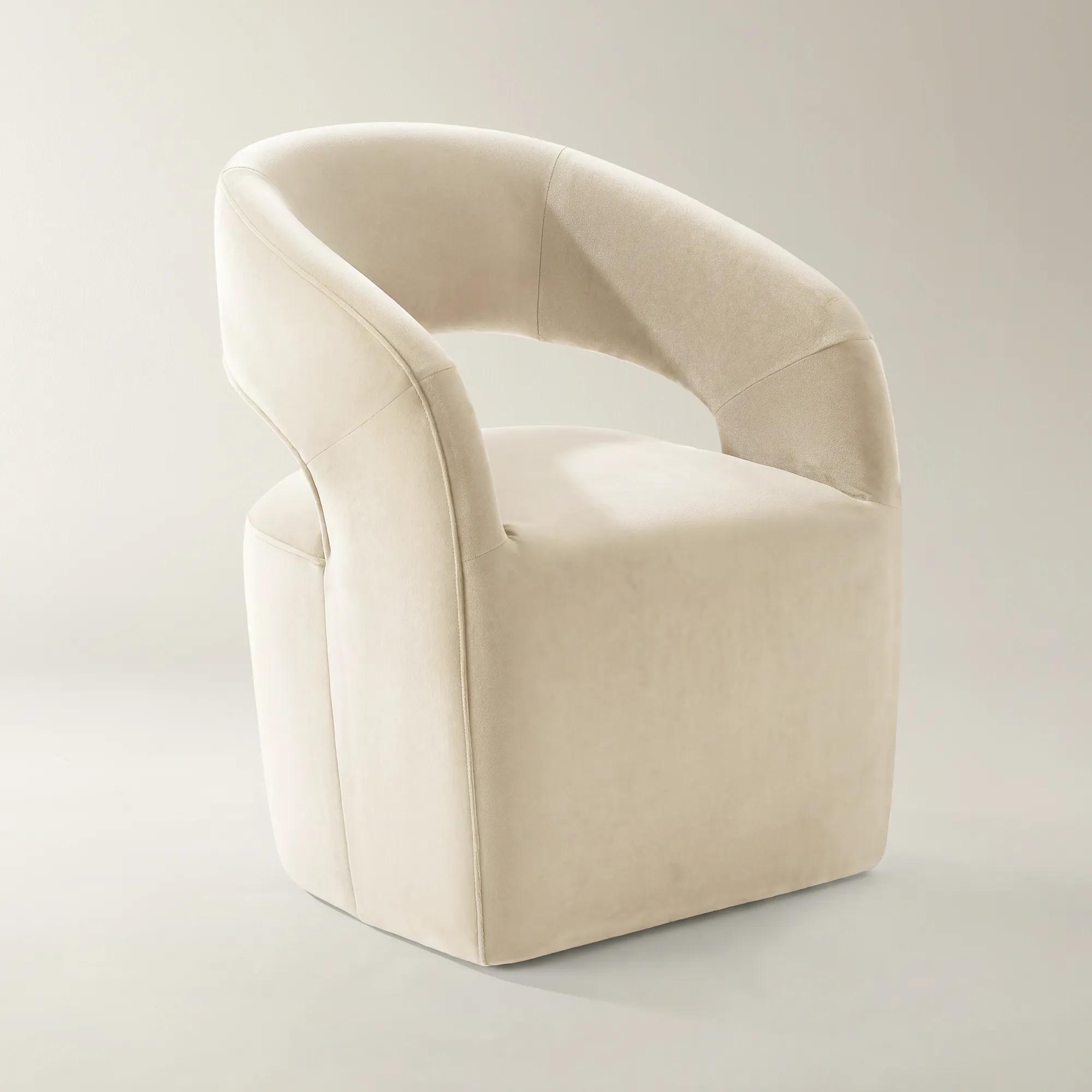
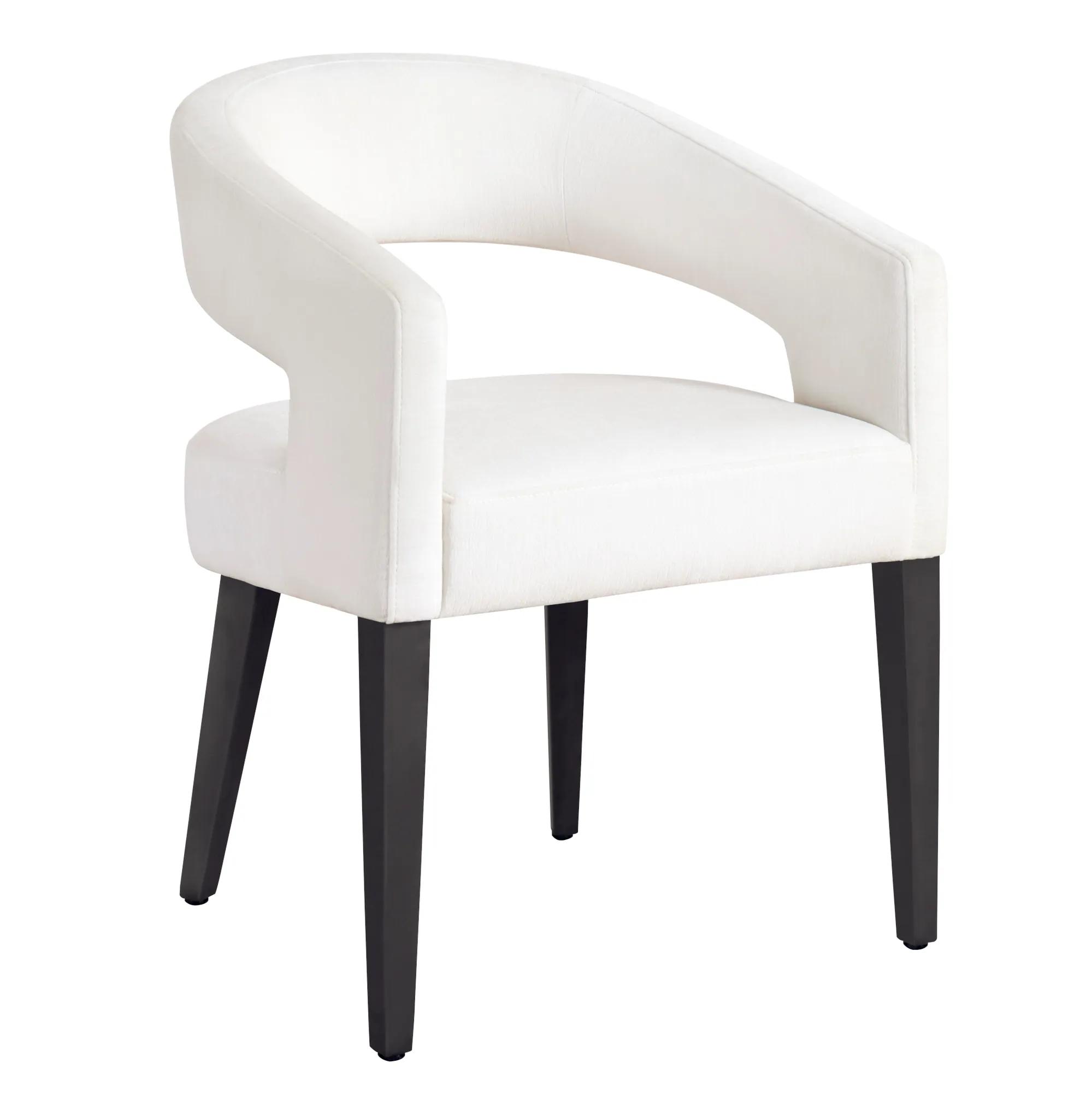
-2.jpg?w=1200&h=1200) Harrison Oatmeal Velvet Dining Chair$449
Harrison Oatmeal Velvet Dining Chair$449A sculptural dining chair upholstered in oatmeal velvet with a curved back, feather-blend seat, and integrated arms.
Add To Cart -
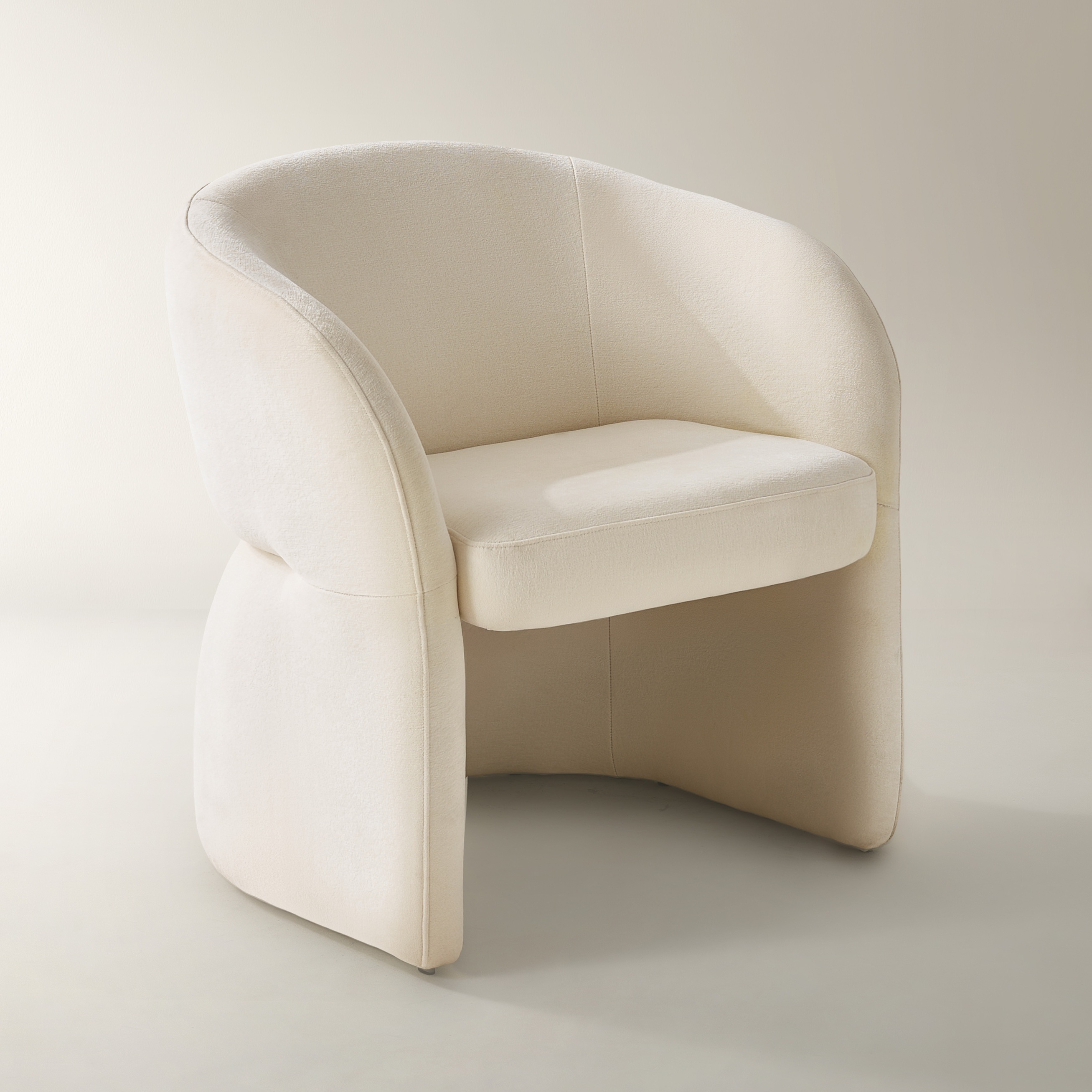
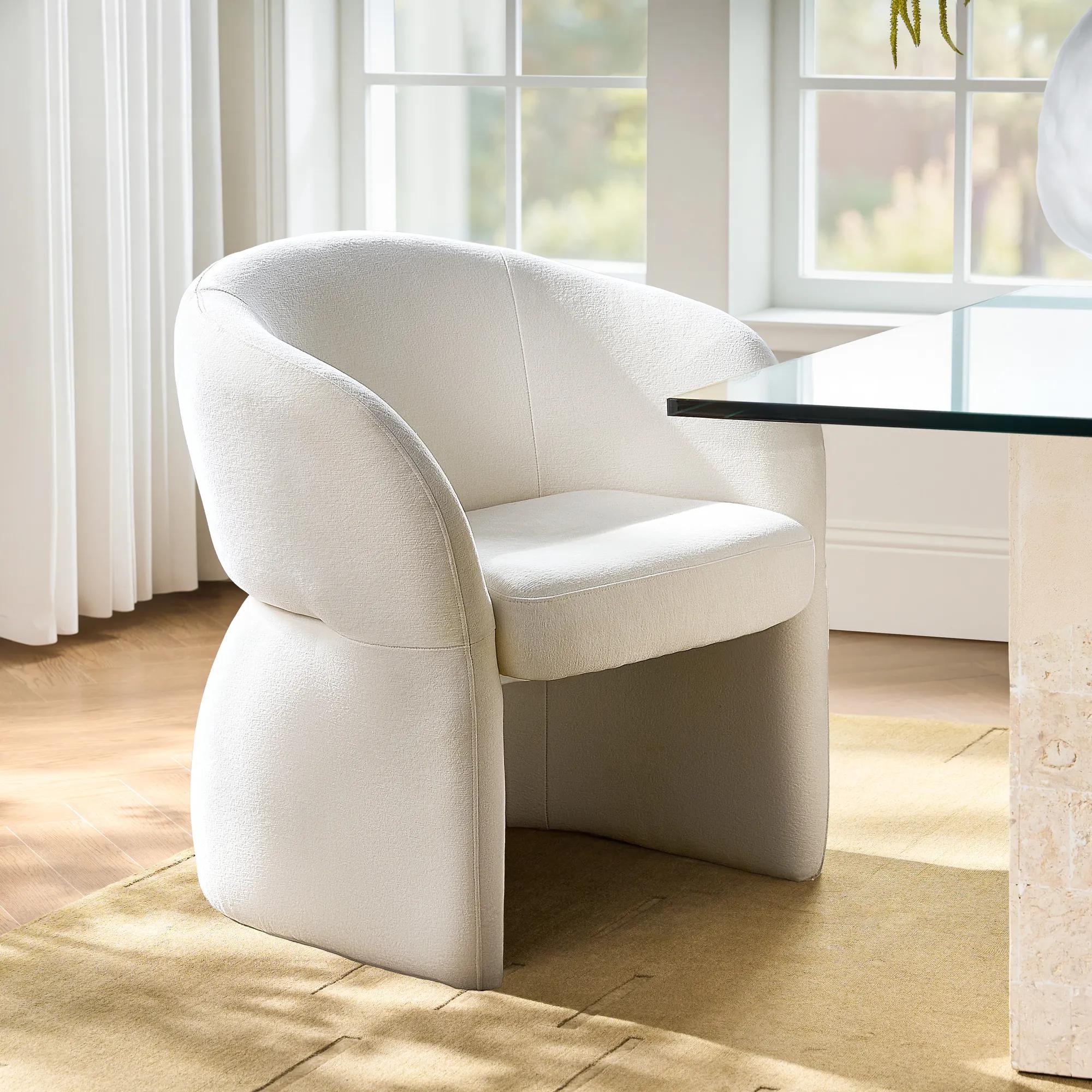 Sierra Oatmeal Velvet Dining Chair$499
An elegant accent chair in oatmeal velvet with gracefully arched arms, curved back, and plush cushioning.
Add To Cart -
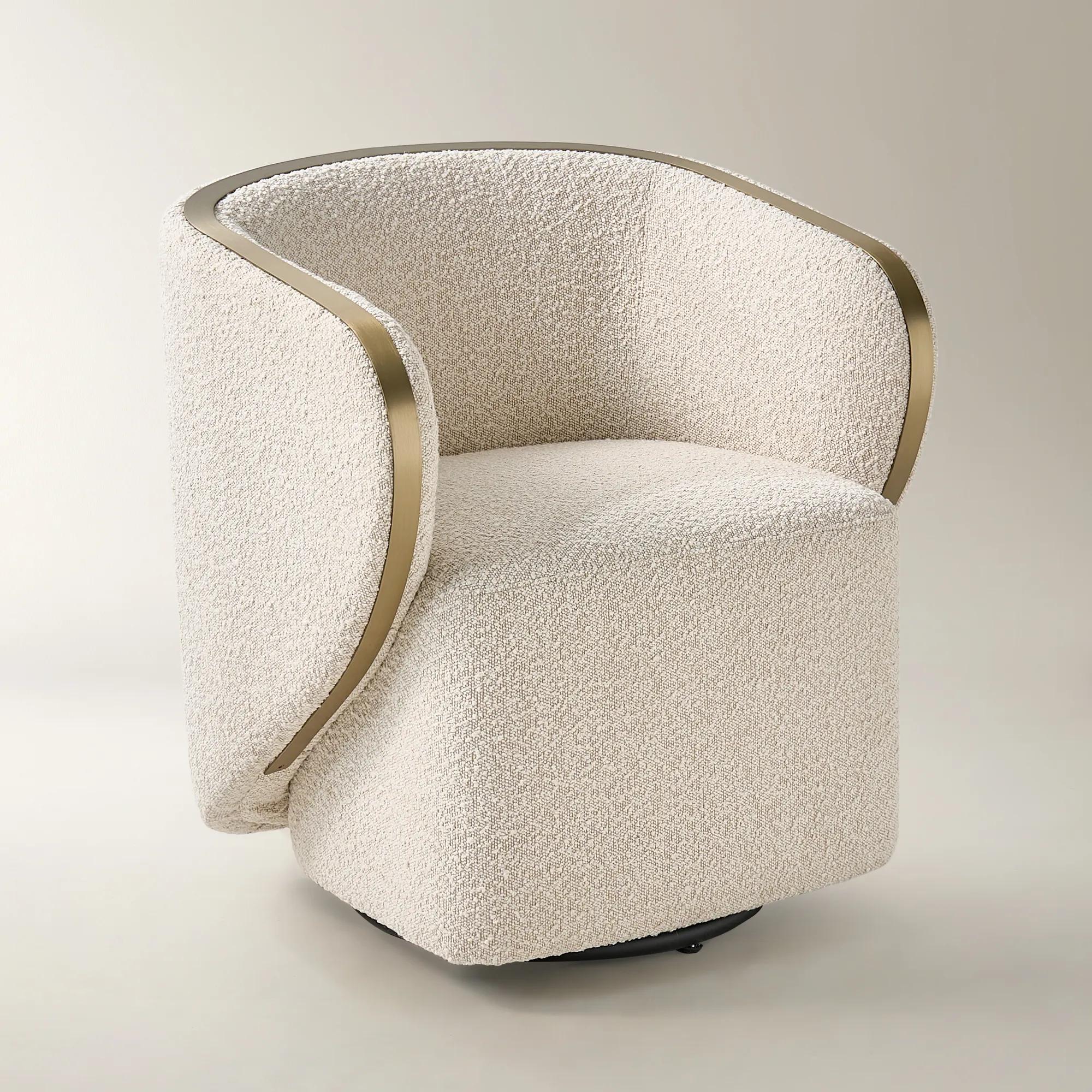 Nova Ivory Performance Boucle Swivel Dining Chair$599
An ivory boucle swivel chair featuring a sculptural wraparound silhouette and elegant metallic trim accents.
Add To Cart -
-6.jpg?w=1200&h=1200) Stria Roasted Pecan Velvet Swivel Dining Chair With Oak Base$599
Stria Roasted Pecan Velvet Swivel Dining Chair With Oak Base$599A khaki chenille swivel armchair with a handcrafted solid oak base and plush, modern comfort.
Add To Cart -
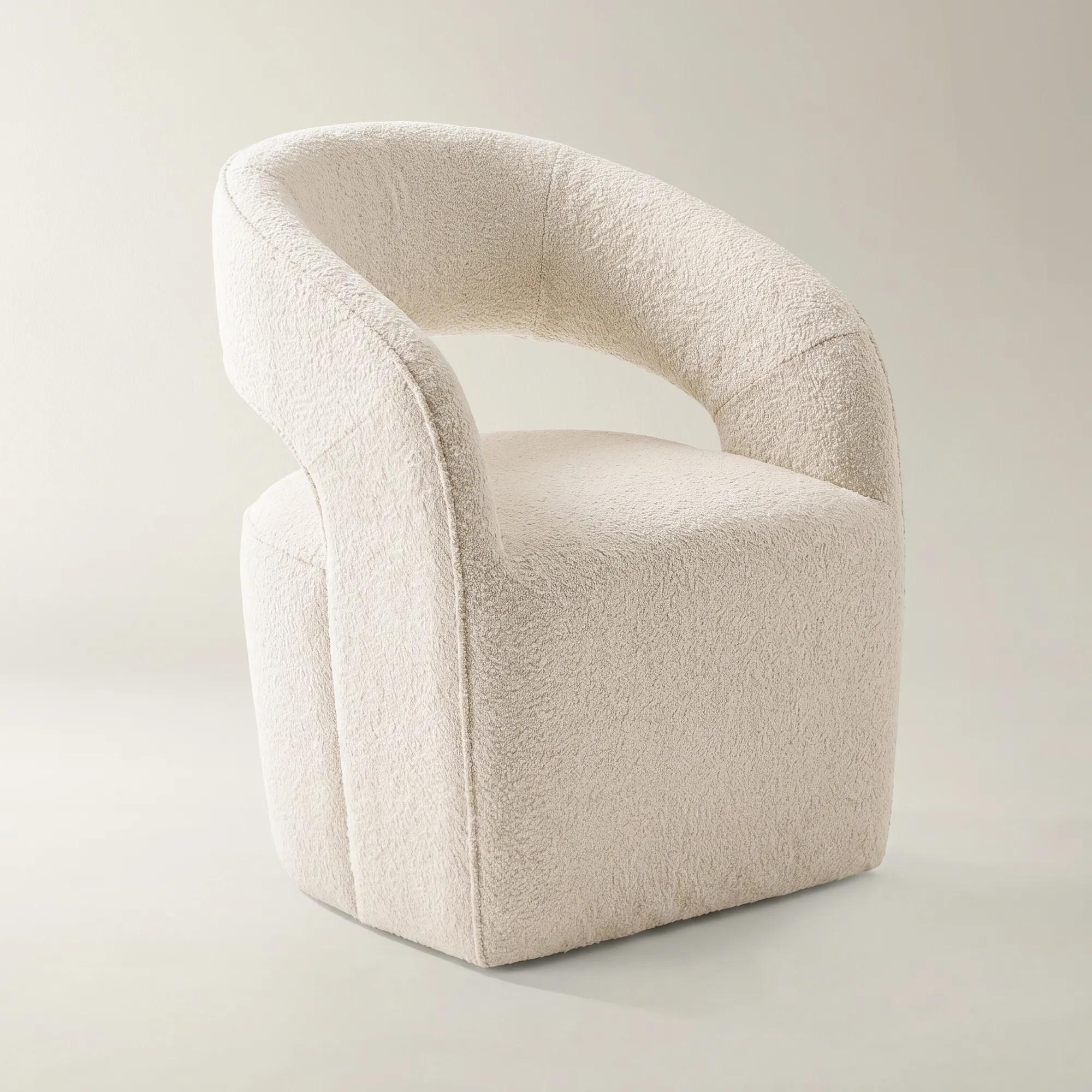 Harrison Utopia Sand Chenille Dining Chair$449
A sculptural dining chair upholstered in sand chenille with a curved back, feather-blend seat, and integrated arms.
Add To Cart -
.jpg?w=1200&h=1200)
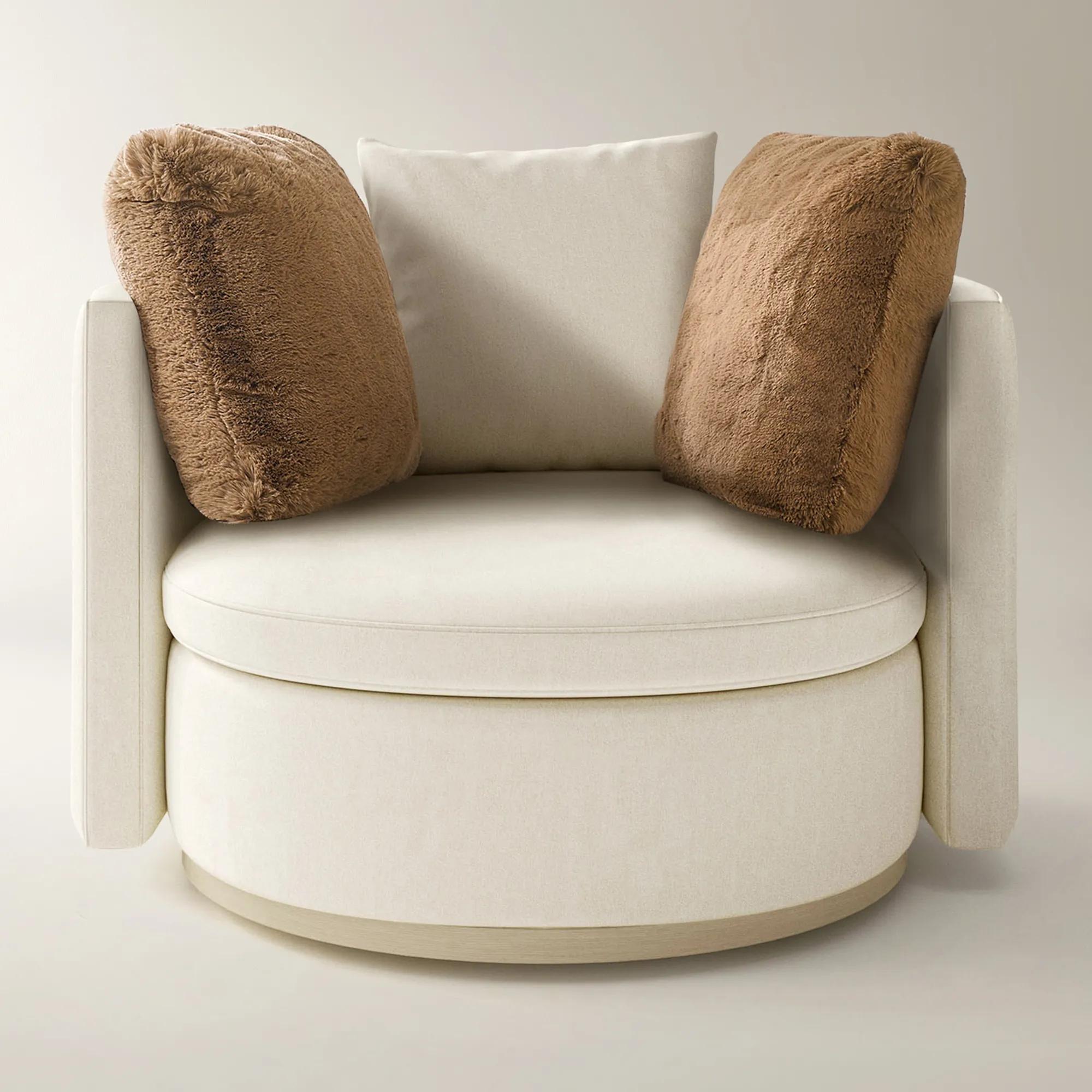 Stria Ivory Chenille Swivel Accent Chair$1399
An ivory chenille accent chair with triple-layer cushioning, ergonomic curves, and a smooth 360-degree swivel.
Add To Cart -
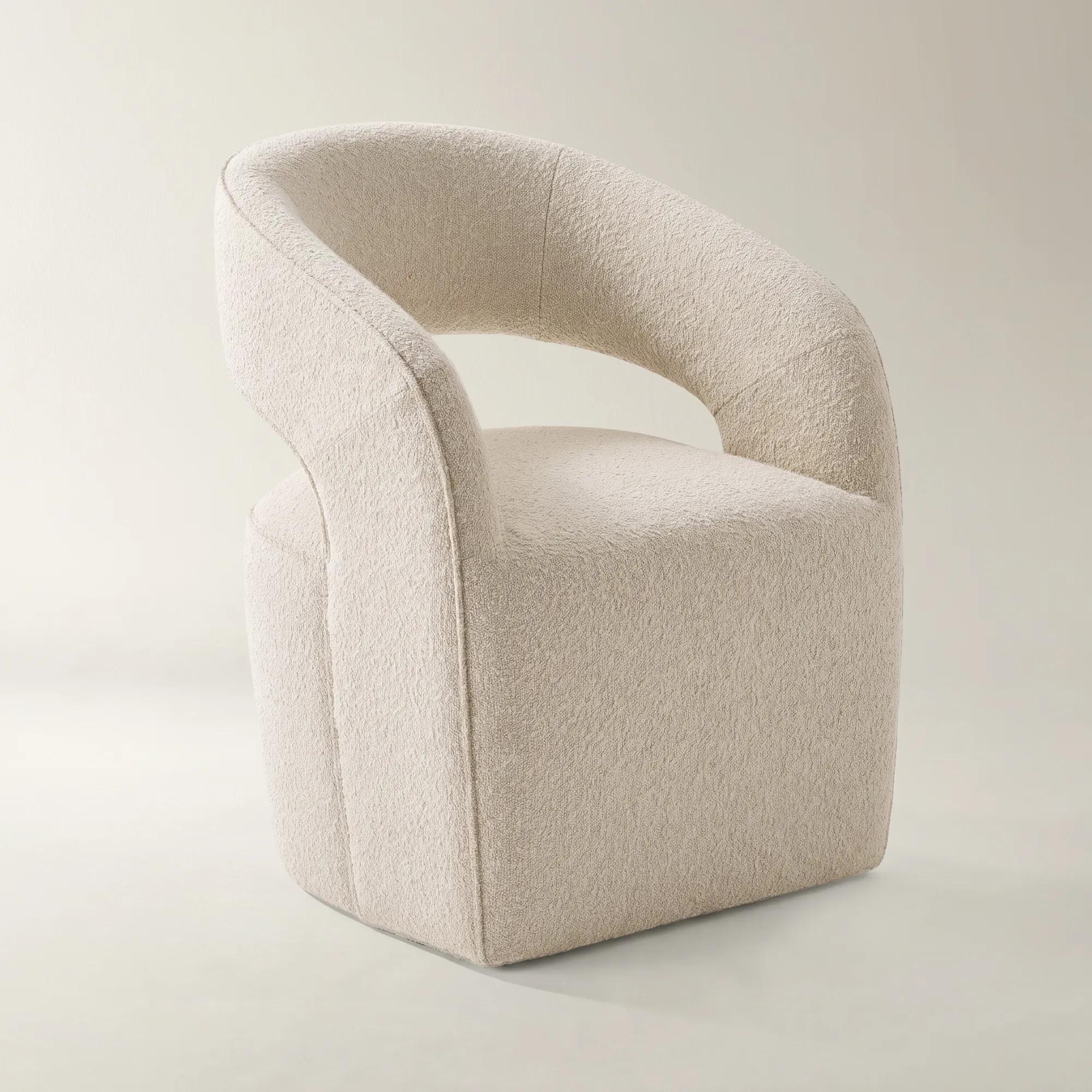 Harrison Ivory Performance Boucle Dining Chair$449
A sculptural dining chair in ivory performance boucle with a curved back, integrated arms, and feather-blend comfort.
Add To Cart -
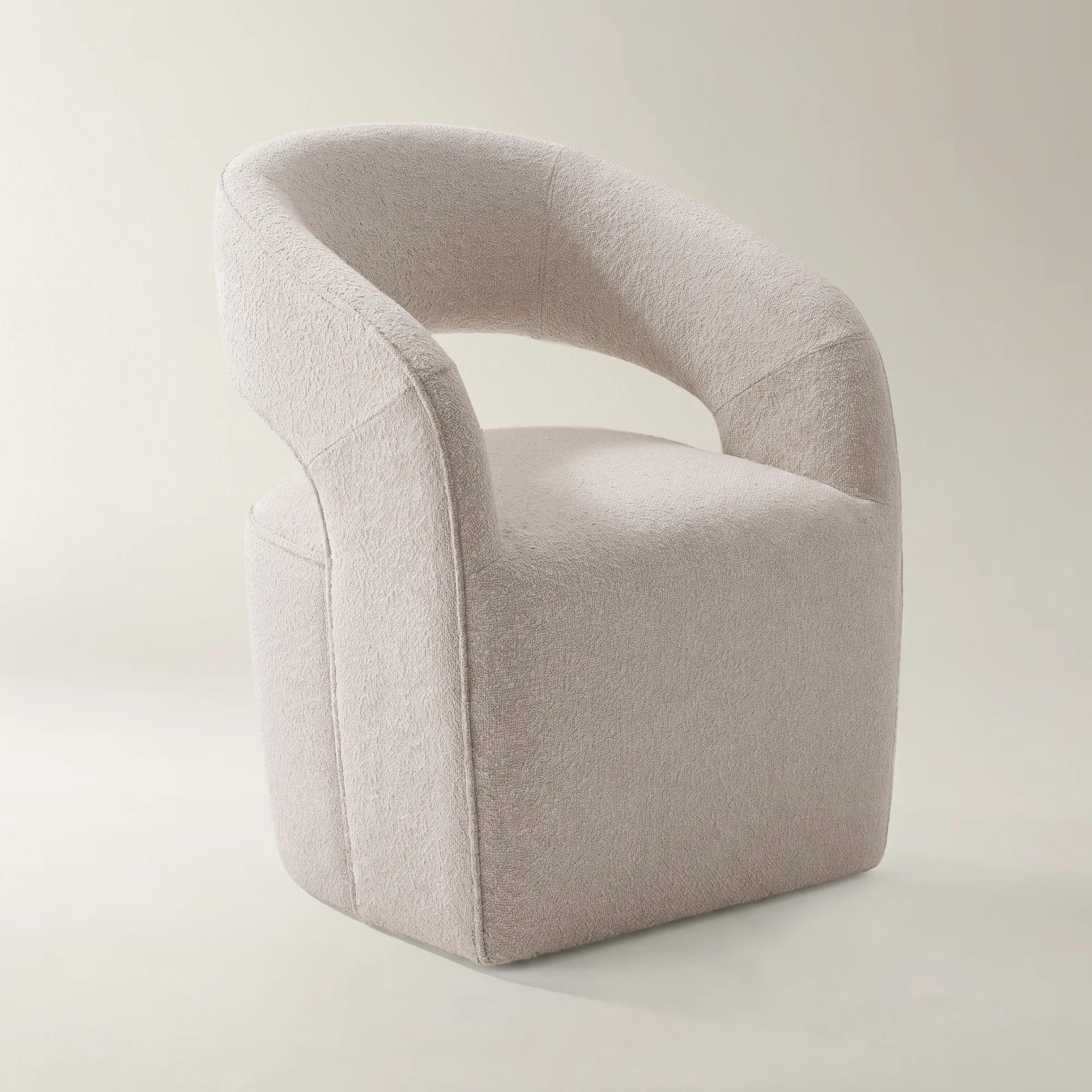 Harrison Ivory Performance Boucle Dining Chair$449
A sculptural dining chair in ivory performance boucle with a curved back, feather-blend seat, and modern elegance.
Add To Cart -
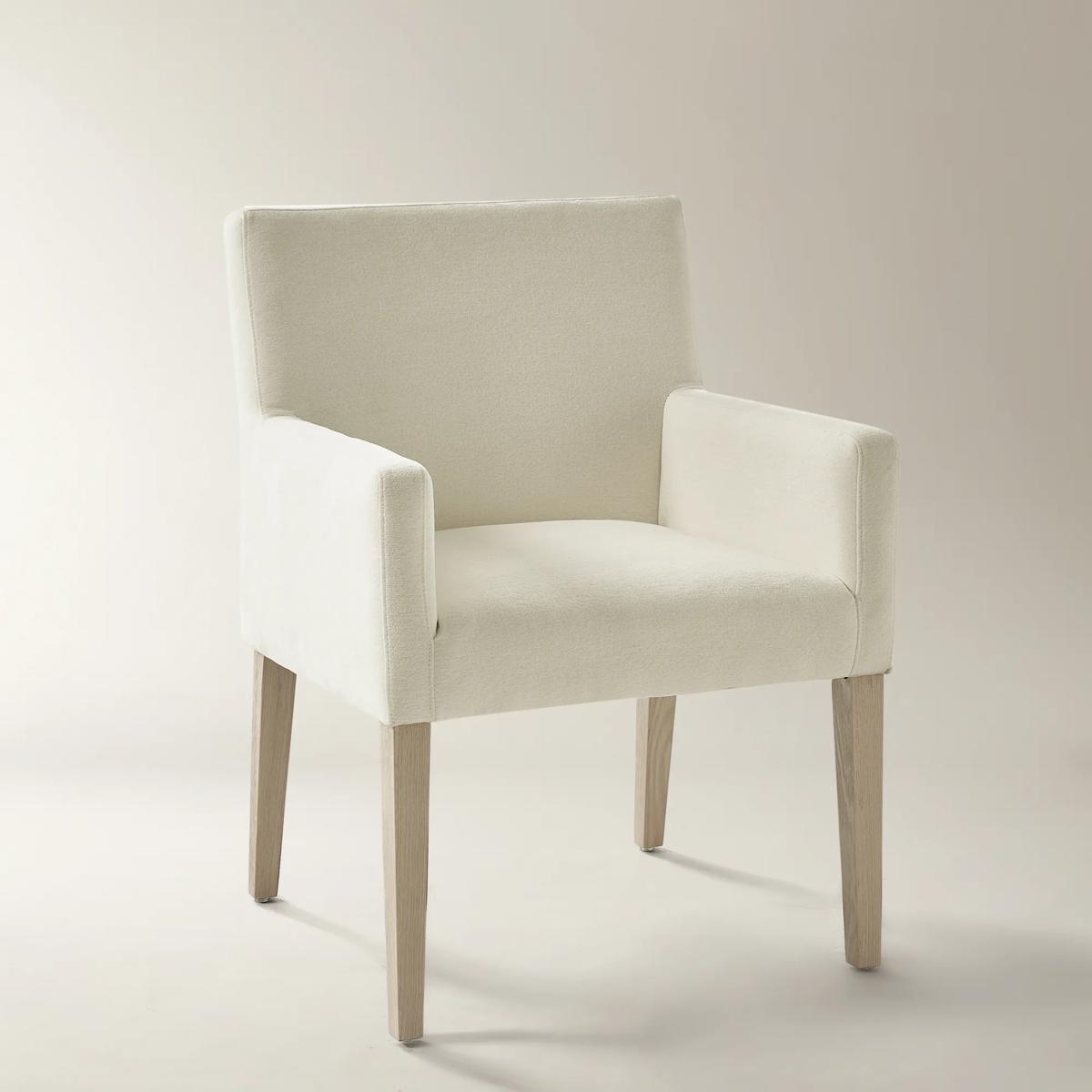
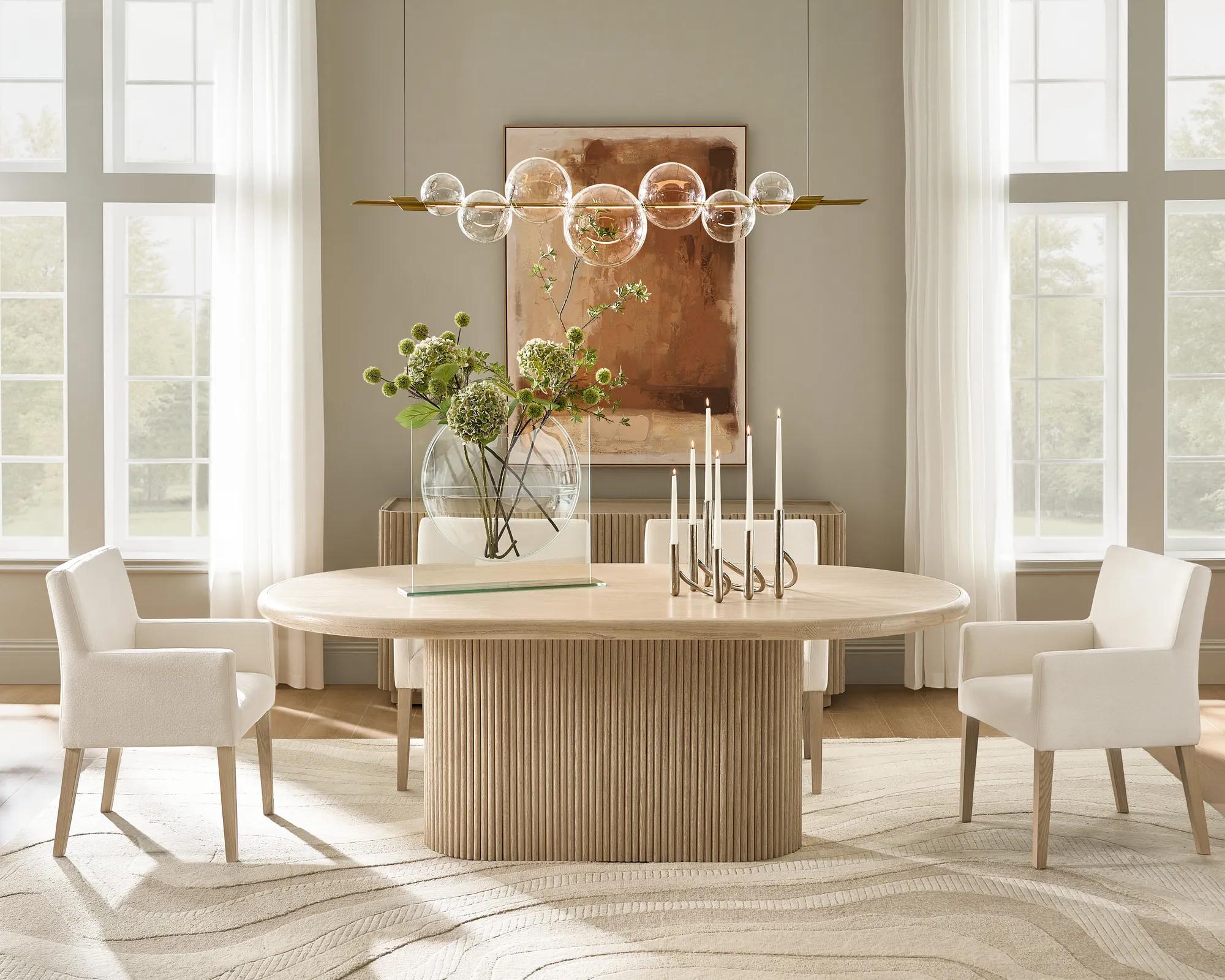 Stria Ivory Chenille Dining Chair Set Of 2$599
A pair of ivory chenille arm chairs with natural oak legs, offering plush comfort and modern elegance.
Add To Cart -
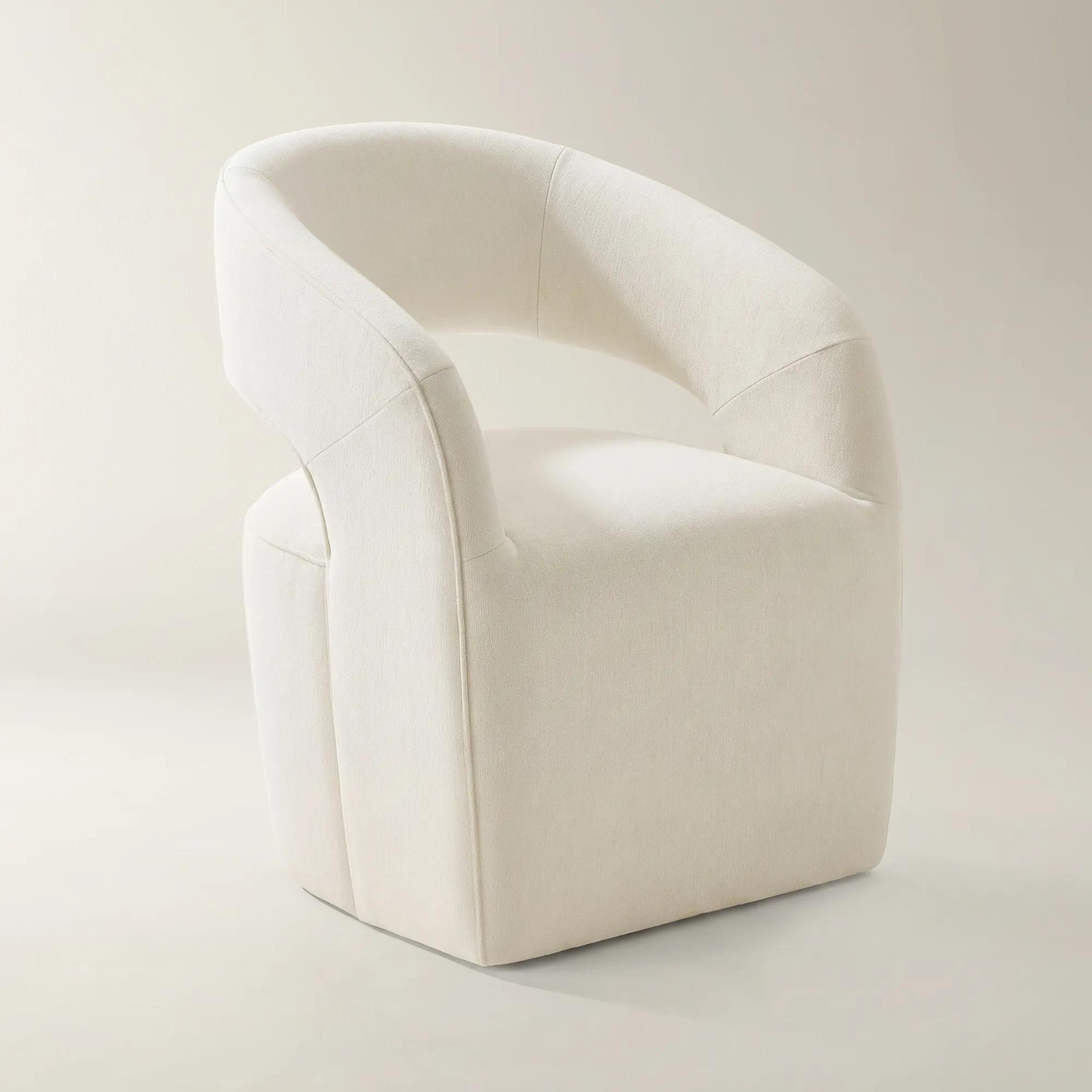 Harrison Ivory Performance Chenille Dining Chair$449
A sculptural ivory chenille chair featuring a continuous curved back, feather-blend comfort, and performance upholstery.
Add To Cart -
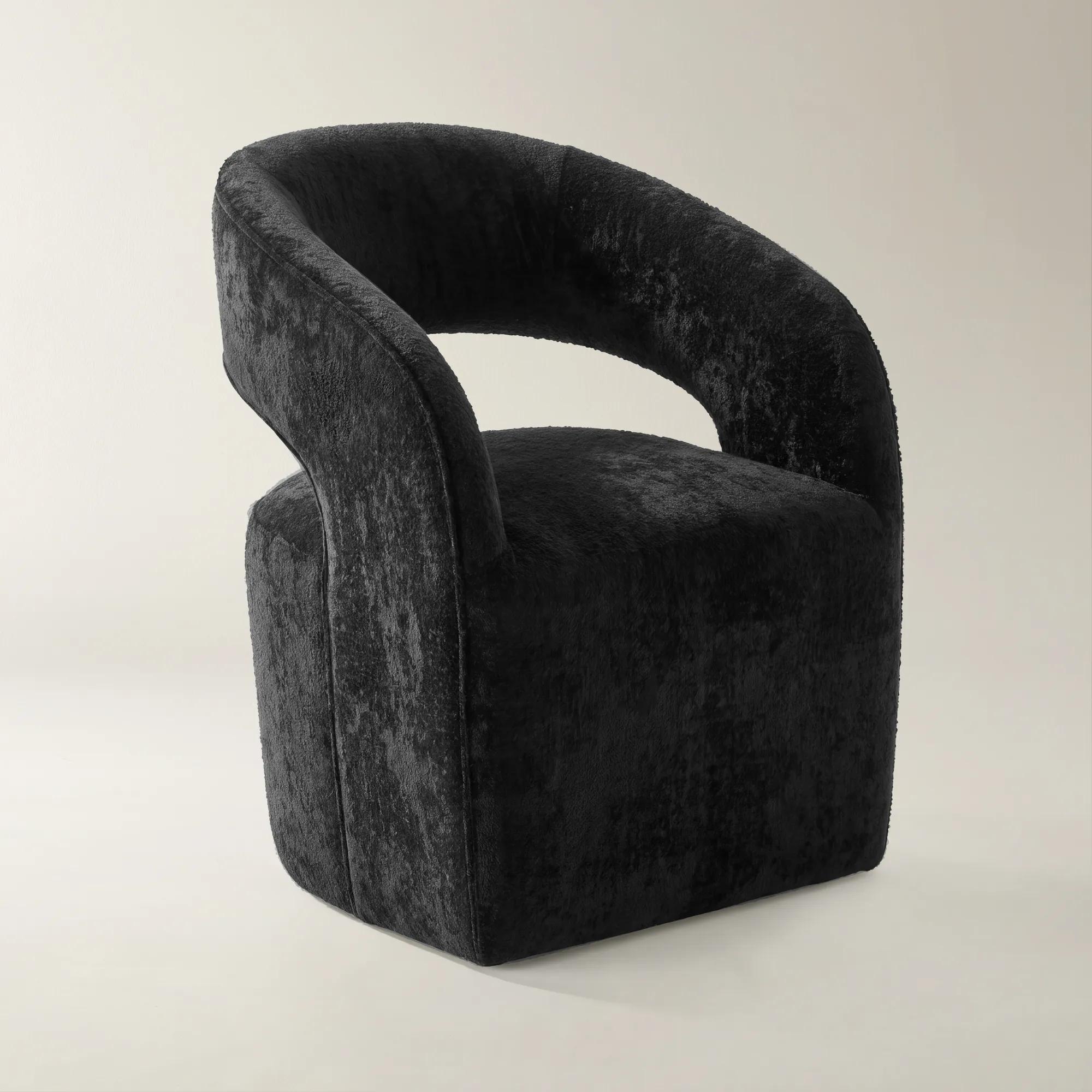 Harrison Black Chenille Dining Chair$449
A sculptural dining chair upholstered in charcoal chenille with a curved back, feather-blend seat, and integrated arms.
Add To Cart -
.jpg?w=1200&h=1200) Stria Ivory Chenille Swivel Dining Chair With Oak Base$599
Stria Ivory Chenille Swivel Dining Chair With Oak Base$599An inviting ivory chenille arm chair with a solid oak swivel base and hand-crafted details.
Add To Cart -
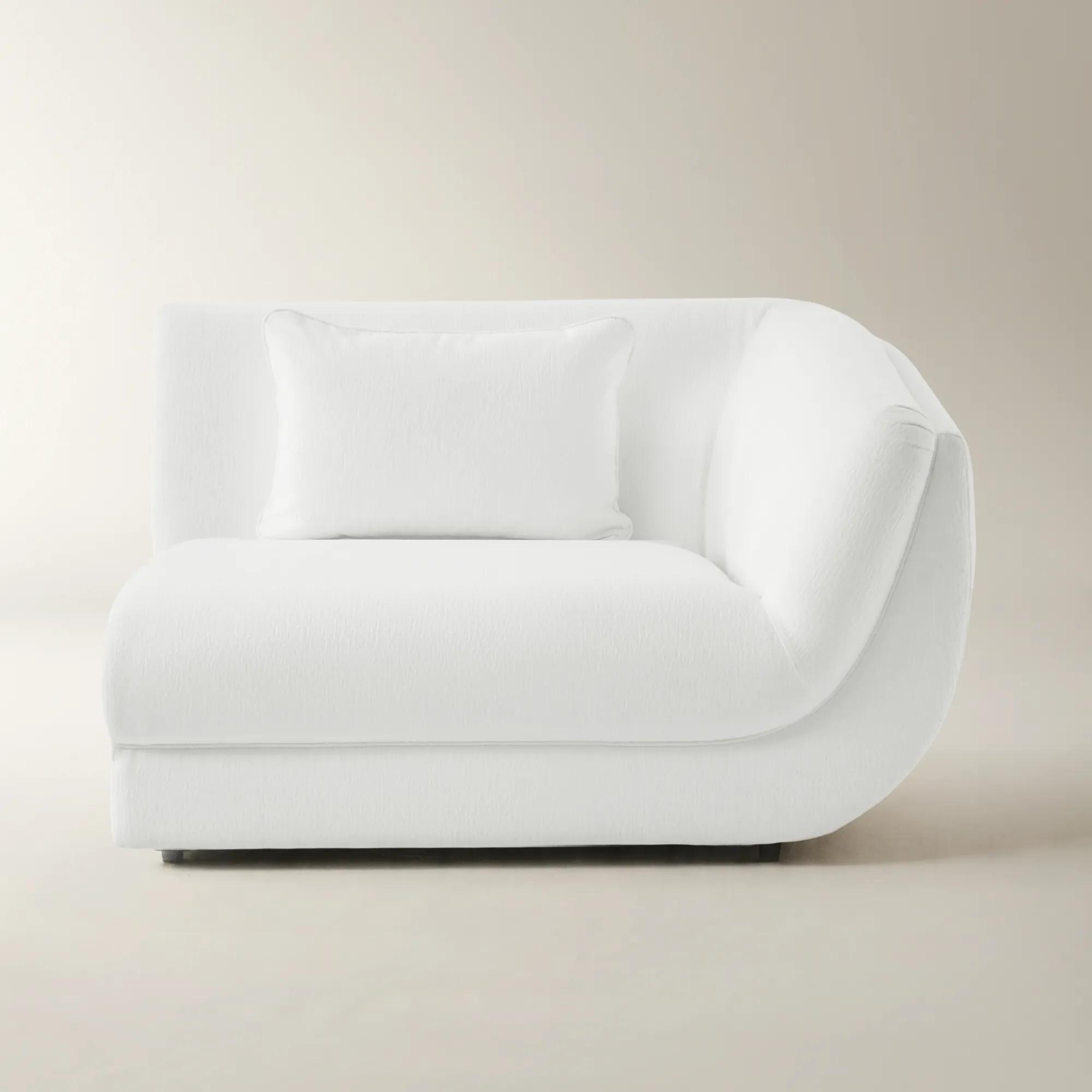 Curvia White Performance Chenille Indoor/Outdoor Right-Arm Chair$1349
A sculptural right-arm chair in white performance chenille, designed for plush comfort indoors or outdoors.
Add To Cart -
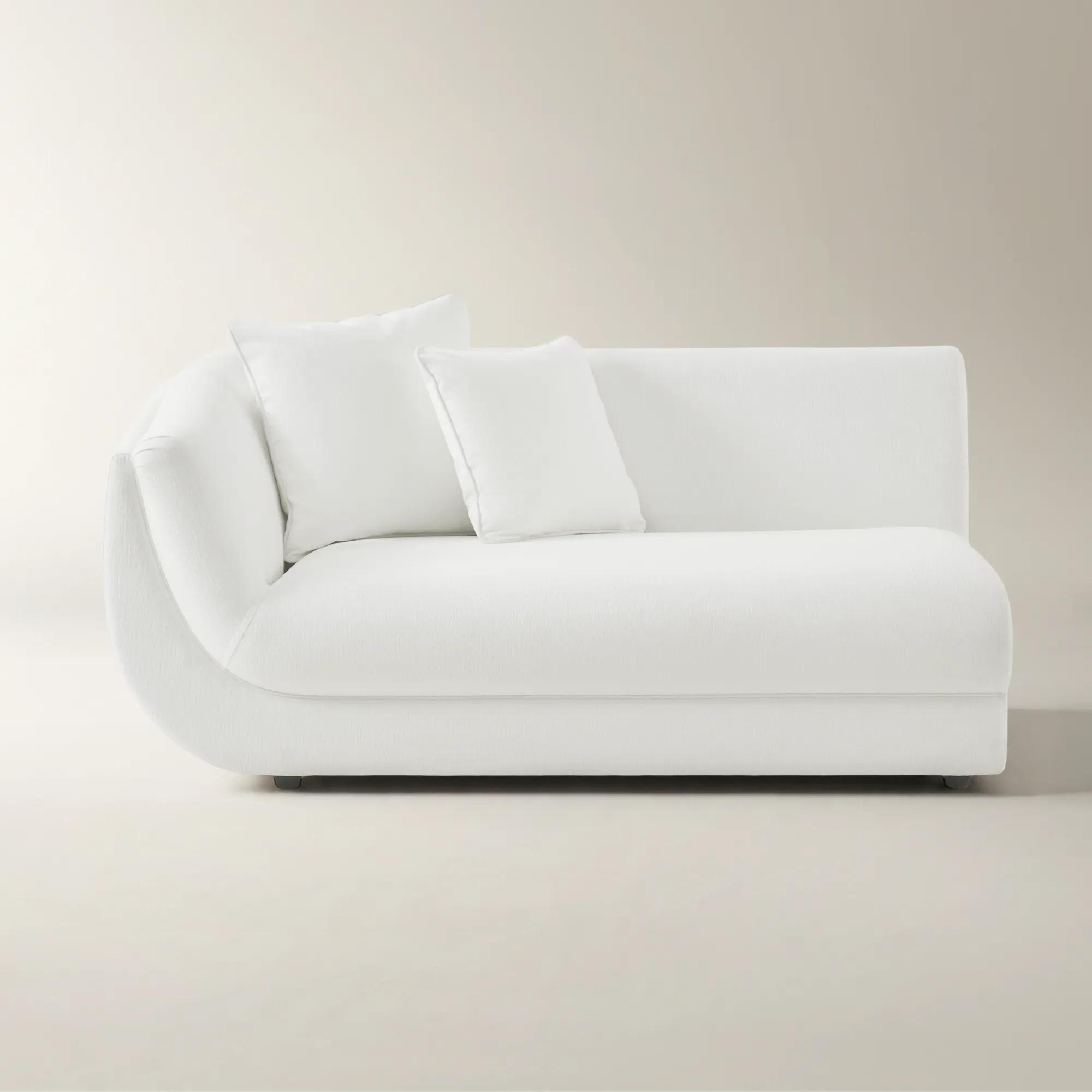
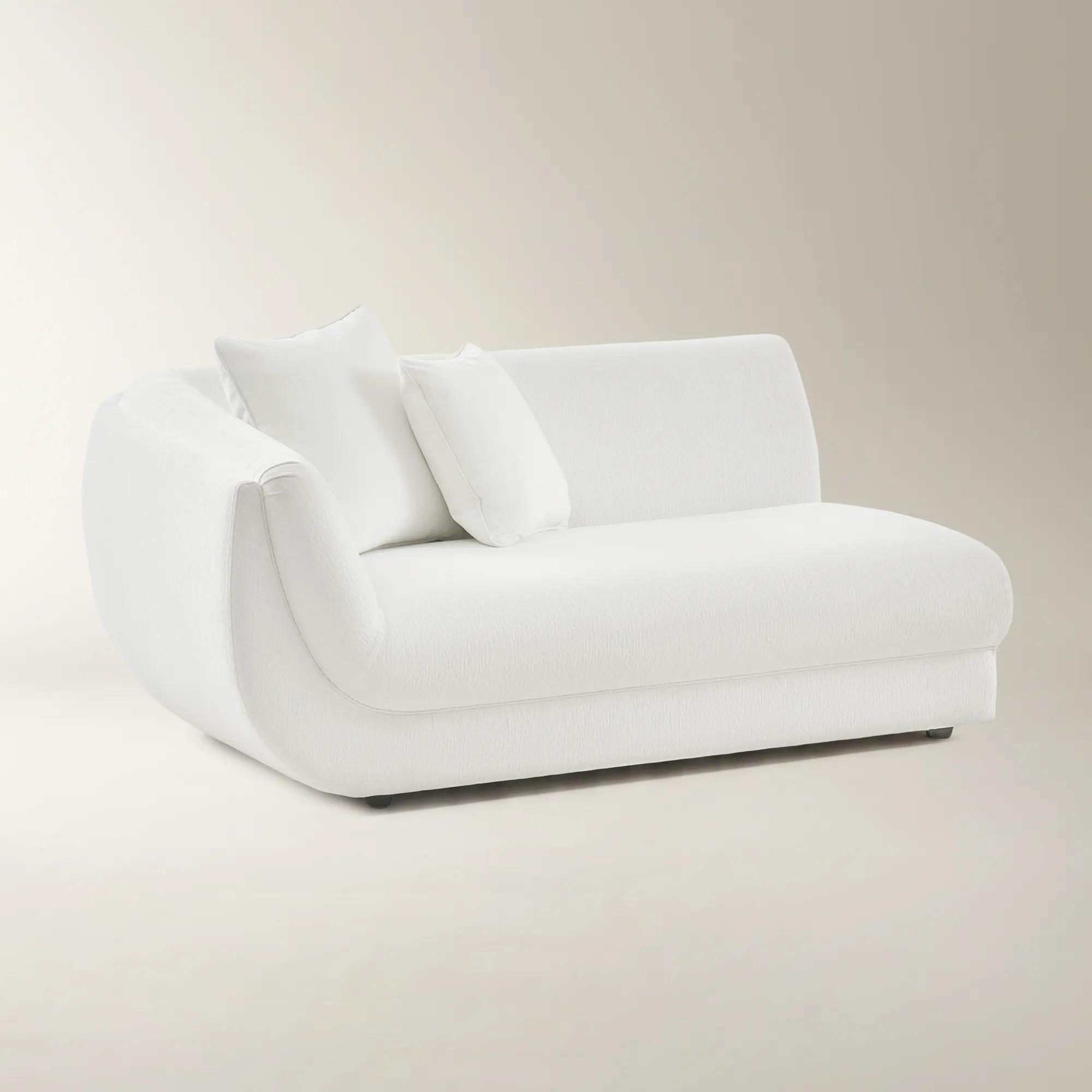 Curvia White Performance Chenille Indoor/Outdoor Grand Left-Arm Chair$1449
A sculptural left-arm chair in white performance chenille, designed for indoor or outdoor lounging comfort.
Add To Cart -
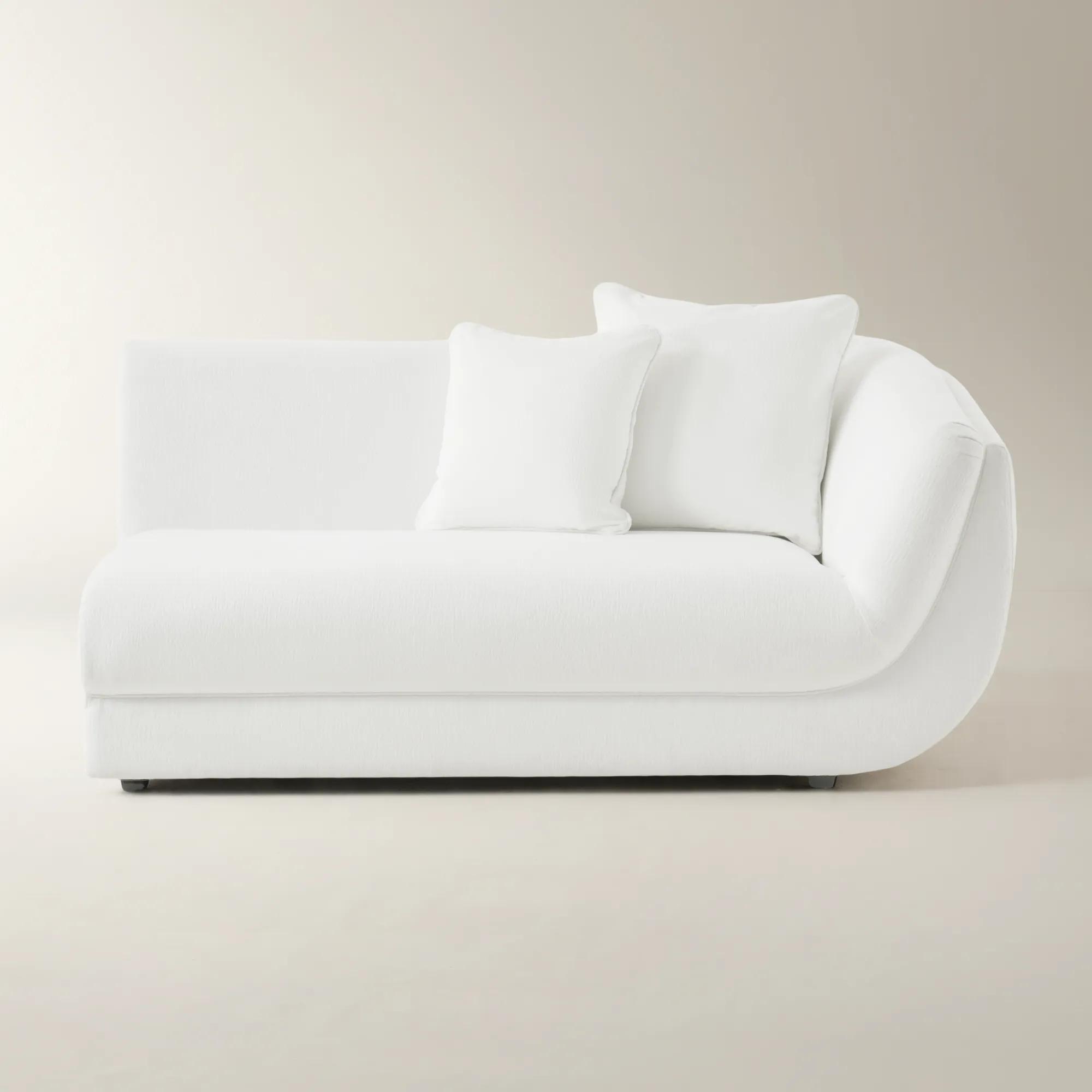 Curvia White Performance Chenille Indoor/Outdoor Grand Right-Arm Chair$1449
A sculptural white chenille chair featuring plush cushions, weather-resistant design, and indoor/outdoor versatility.
Add To Cart -
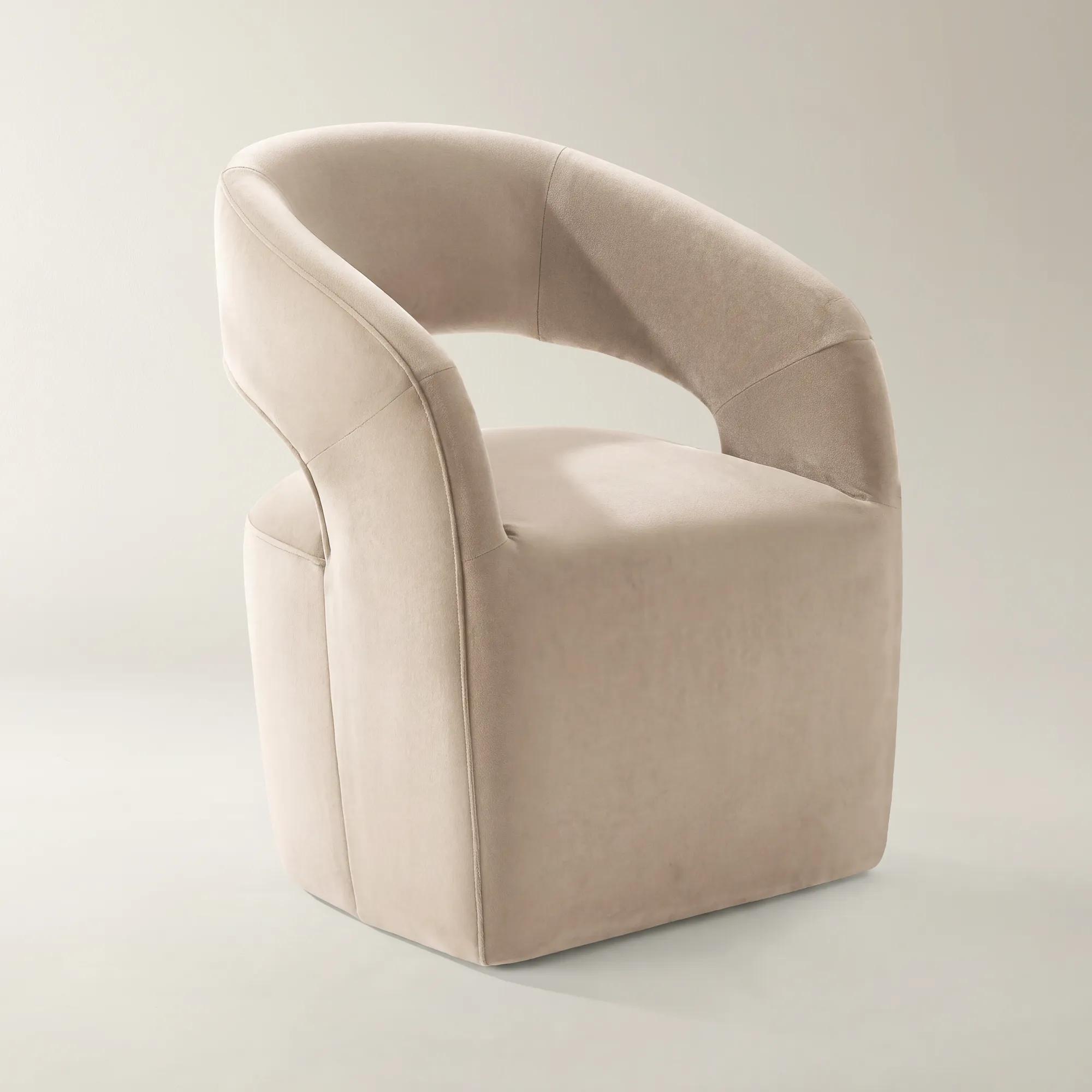 Harrison Simply Taupe Velvet Dining Chair$449
A sculptural dining chair in simply taupe velvet with a curved back, feather-blend seat, and modern elegance.
Add To Cart -
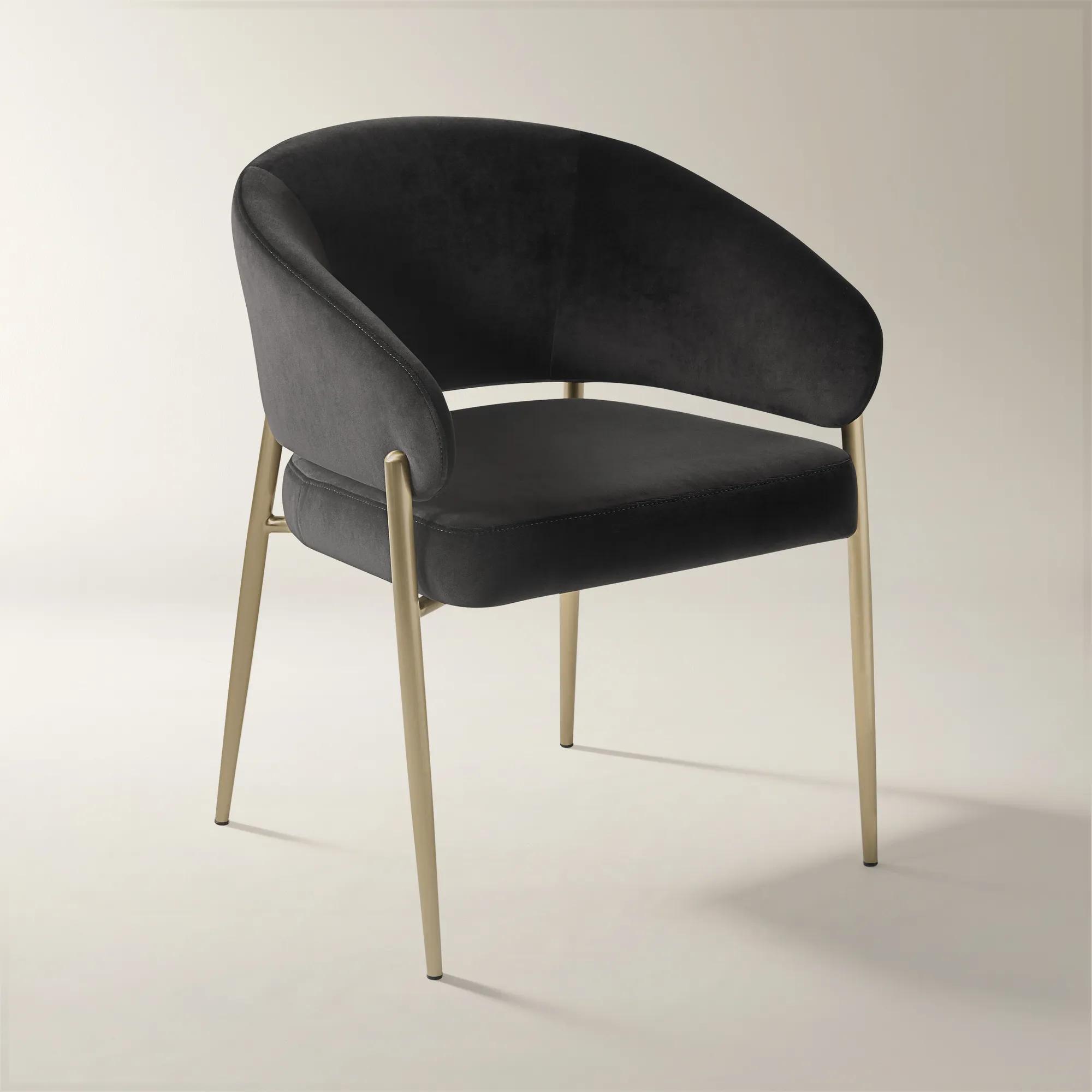 Nara Charcoal Velvet Dining Chair Set Of 2$599
A set of two charcoal velvet chairs featuring curved backs, plush upholstery, and brushed brass metal legs.
Add To Cart -
-0.jpeg?w=1200&h=1200)
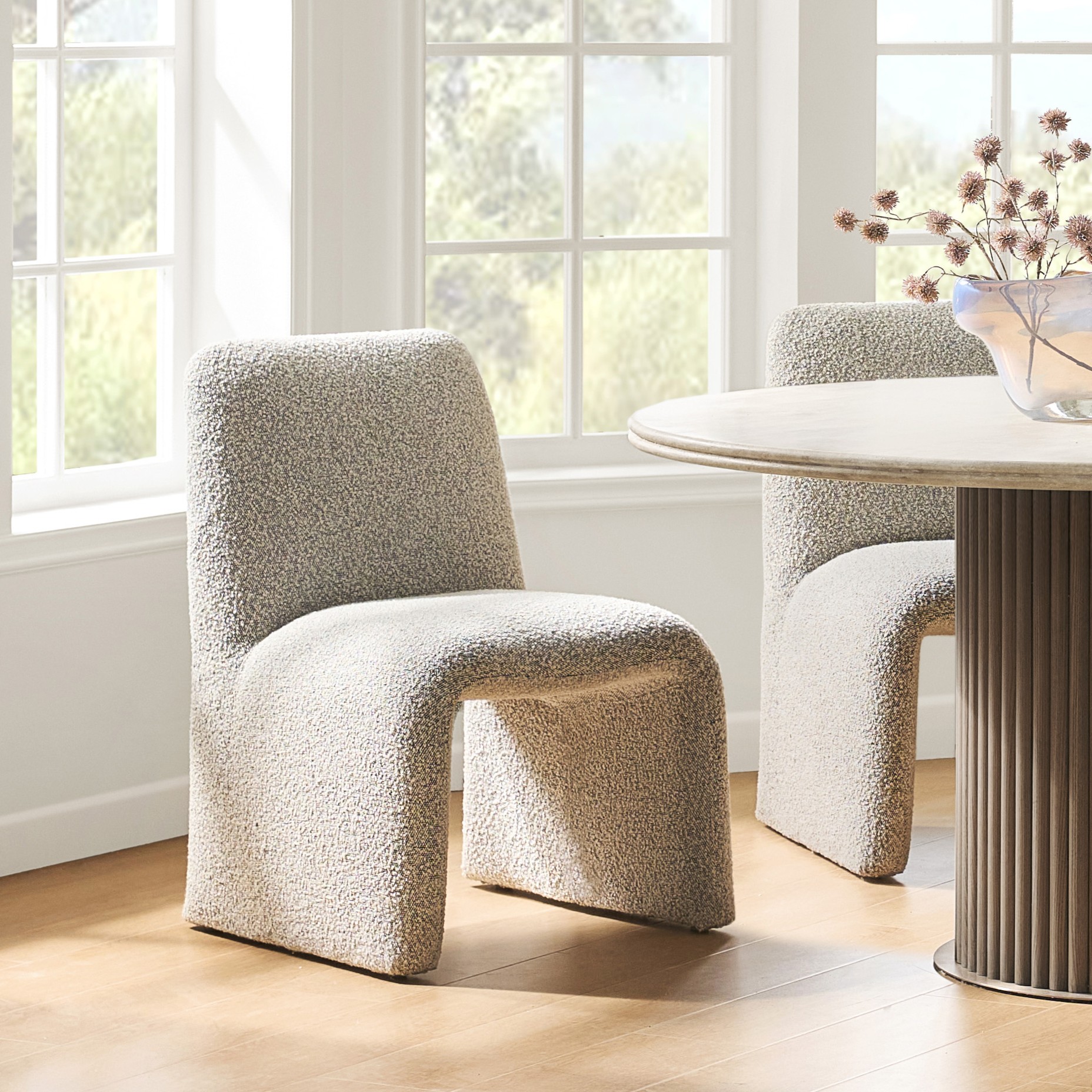 Cayenne Grey Boucle Dining Chair$399
A modern armless chair in grey boucle upholstery with a sleek metal frame and hand-crafted details.
Add To Cart -
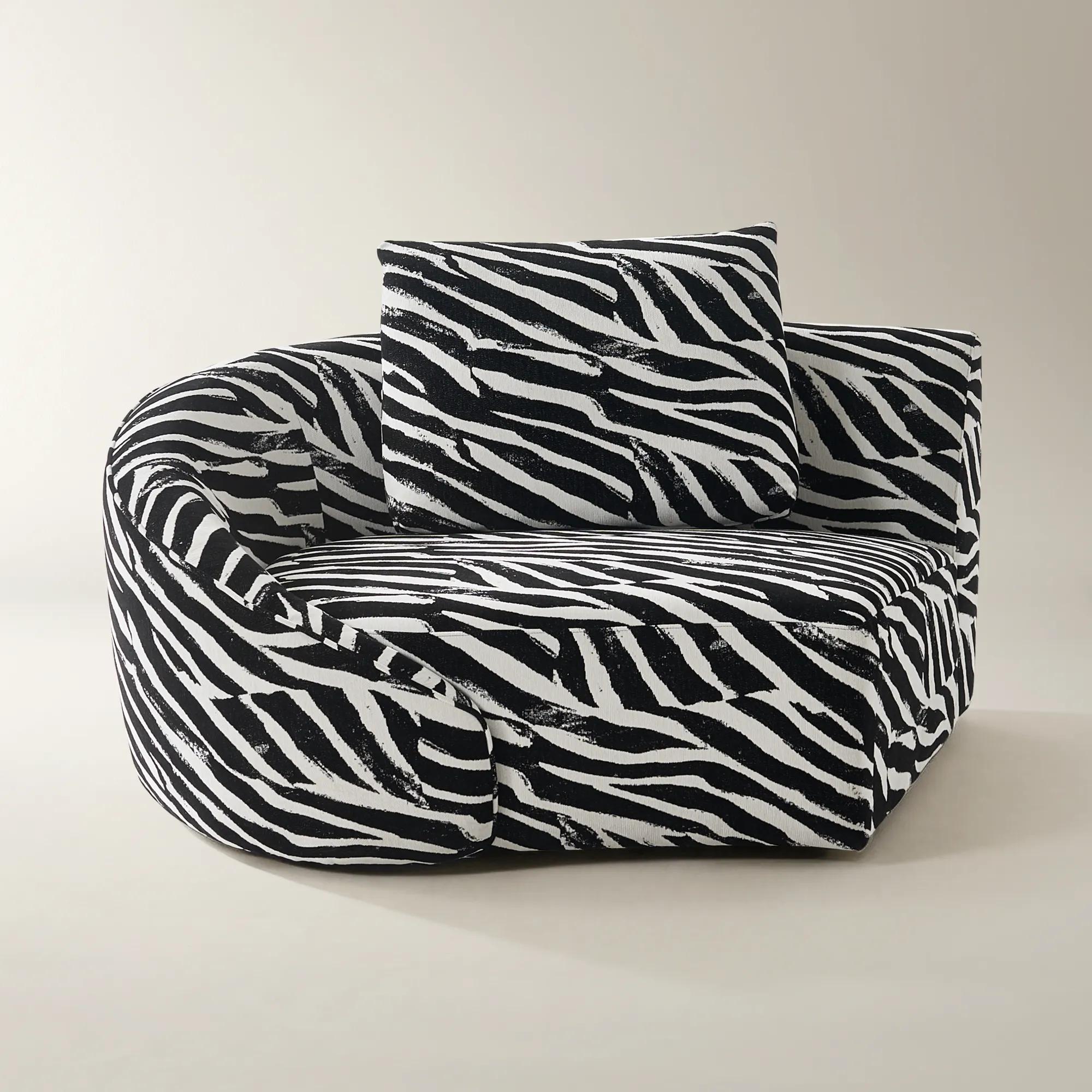
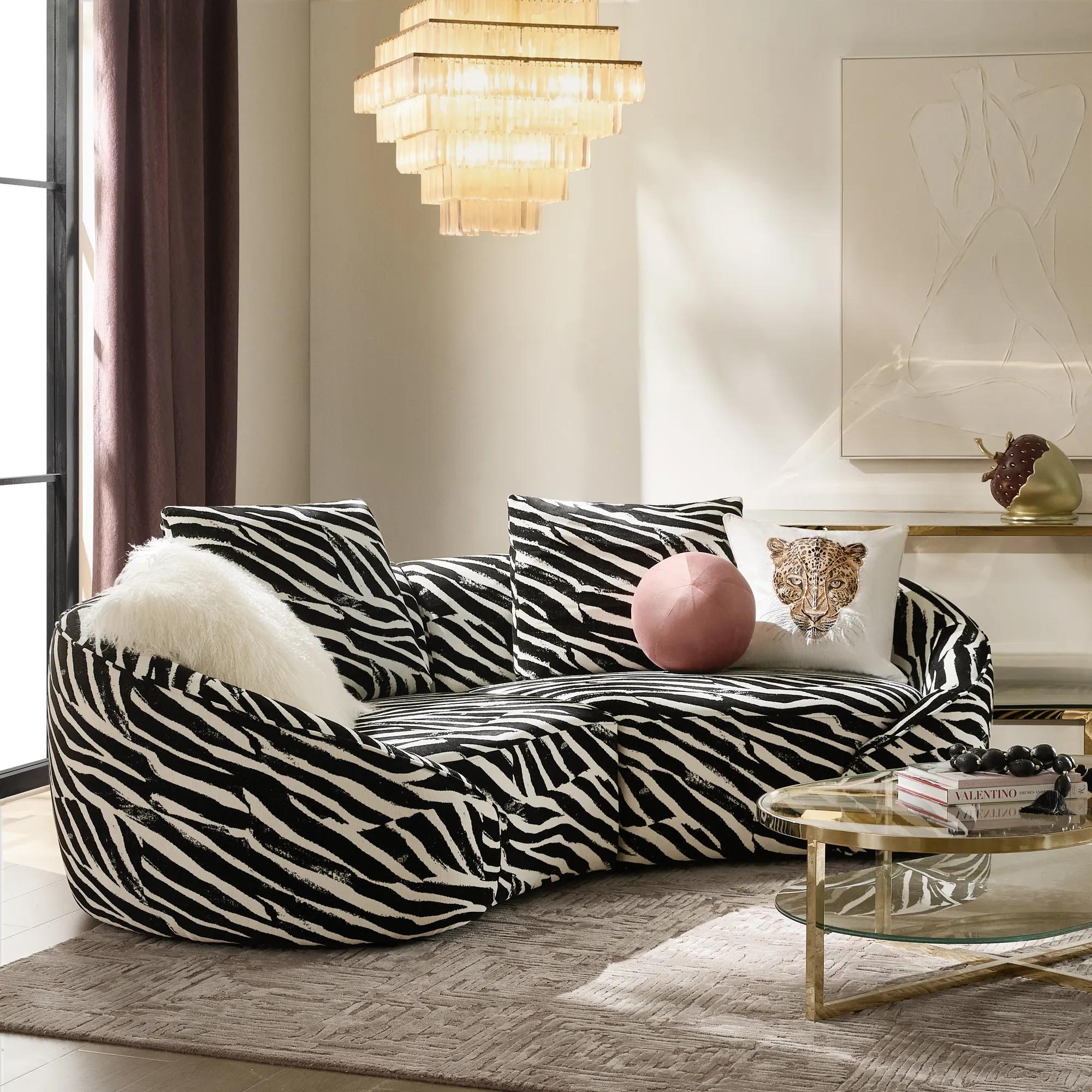 Irene White/Black Performance Chenille Left-Arm Chair$1399
A sculptural left-arm chair in black and white performance chenille with artisan hand-finished upholstery.
Add To Cart -
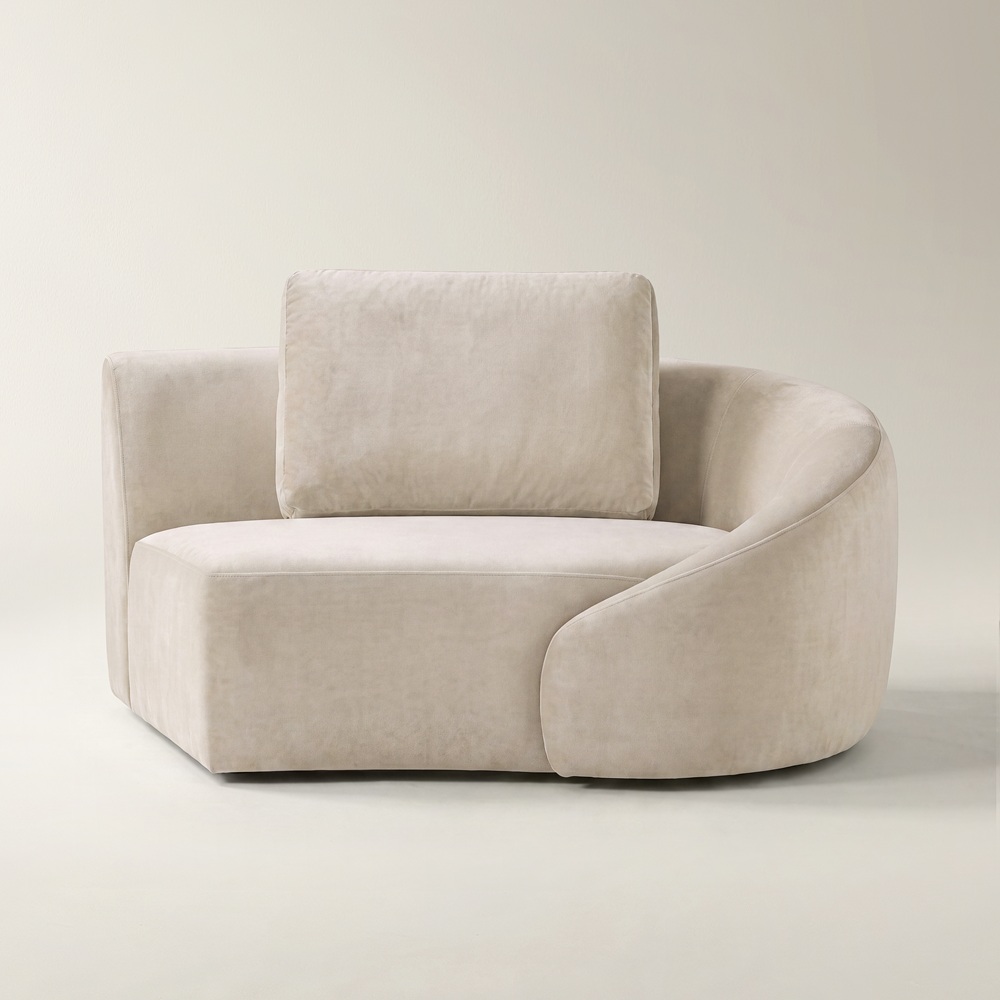
-10.jpg?w=1200&h=1200) Irene Oatmeal Velvet Right-Arm Chair$1299
Irene Oatmeal Velvet Right-Arm Chair$1299An oatmeal velvet right-arm chair featuring sculptural curves, high-resiliency foam, and artisan hand-finished upholstery.
Add To Cart -
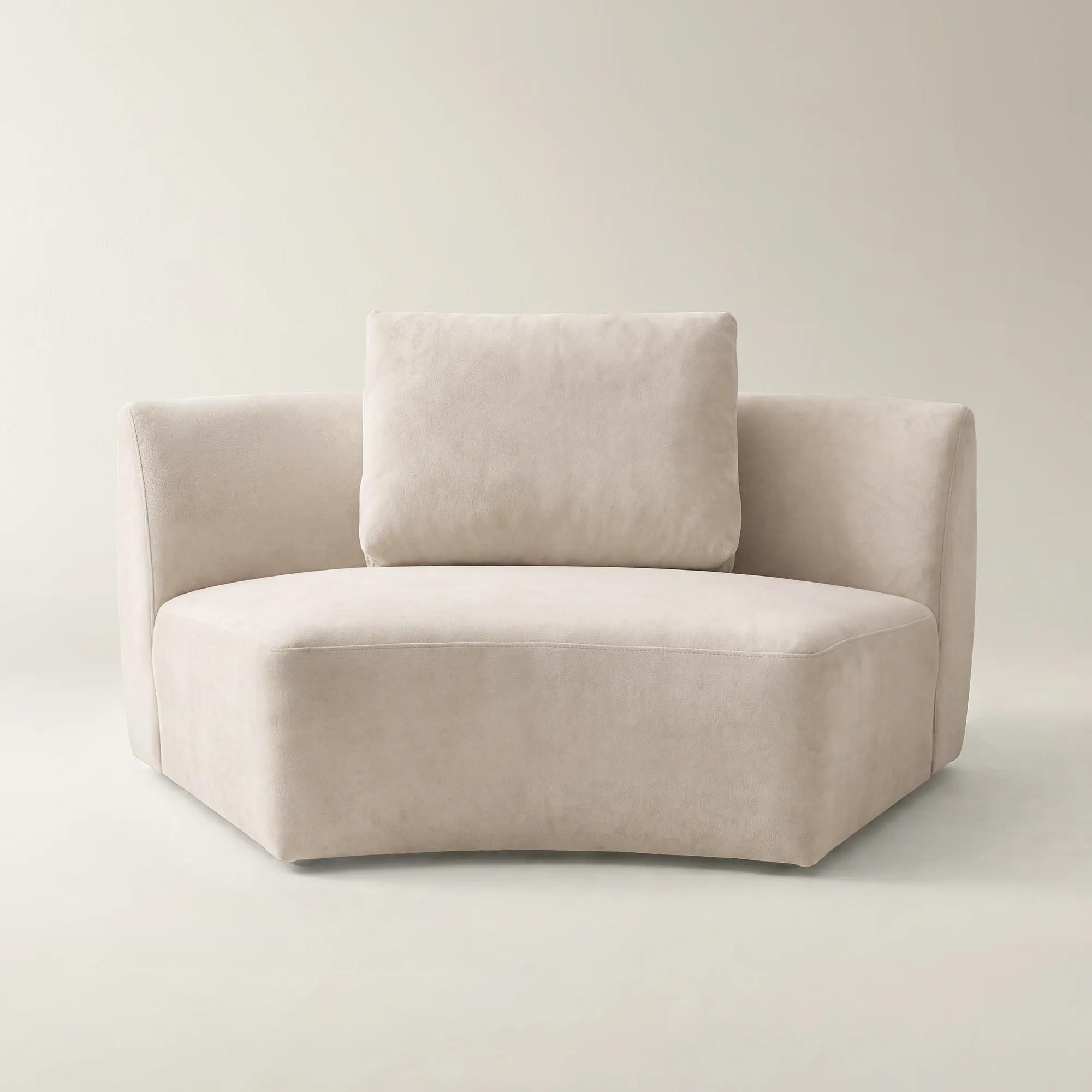
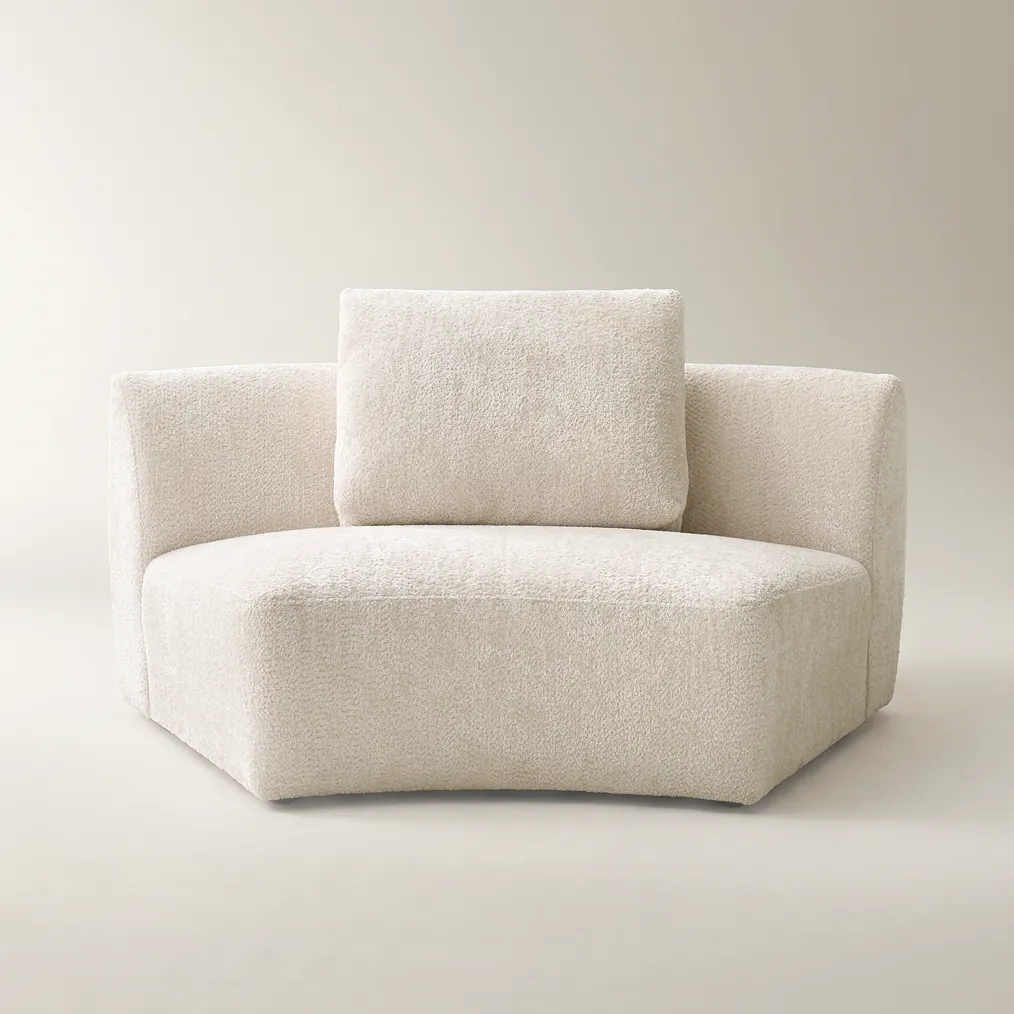 Irene Oatmeal Velvet Armless Chair$1049
An armless chair featuring oatmeal velvet upholstery, sculptural curves, and plush, high-resiliency foam cushions.
Add To Cart -
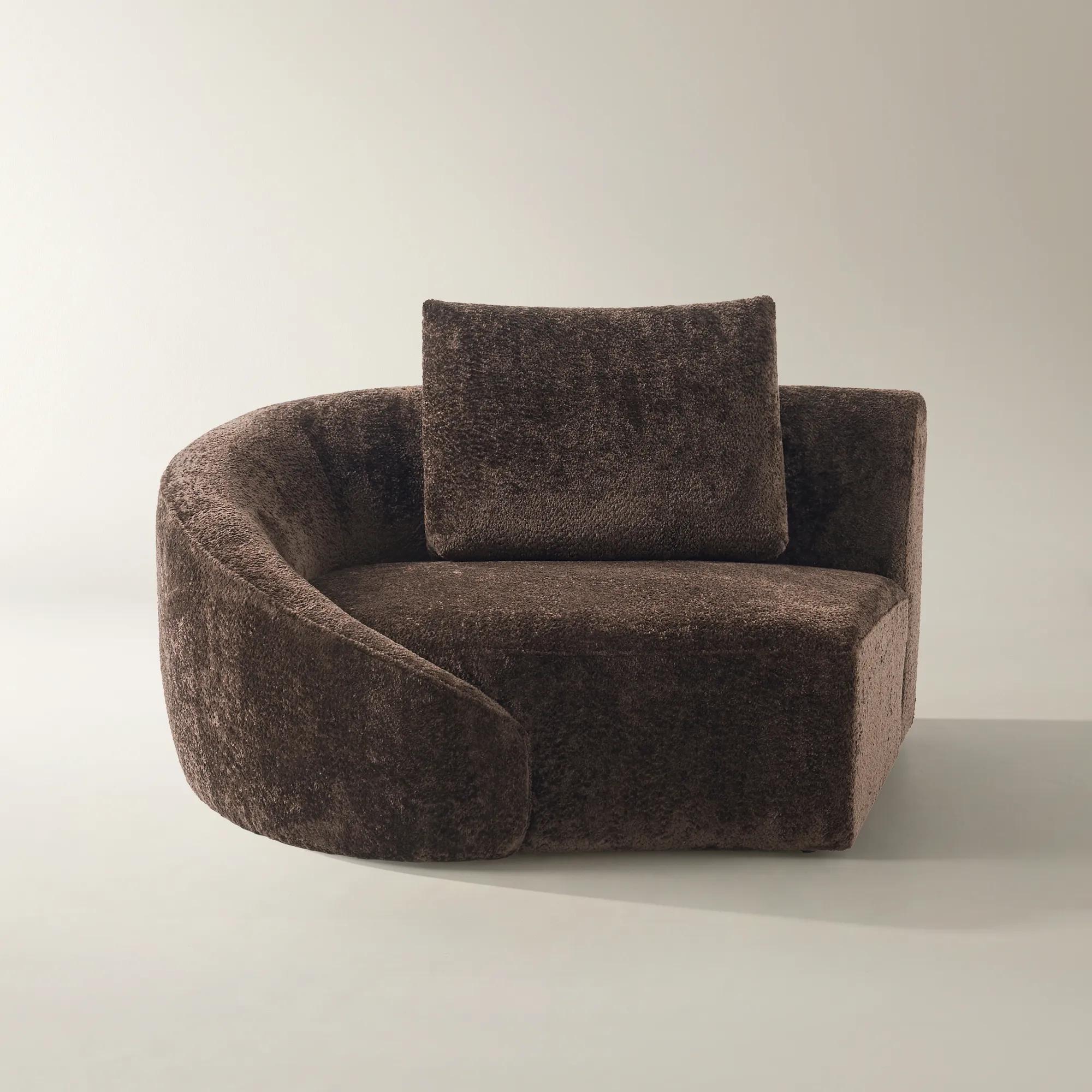
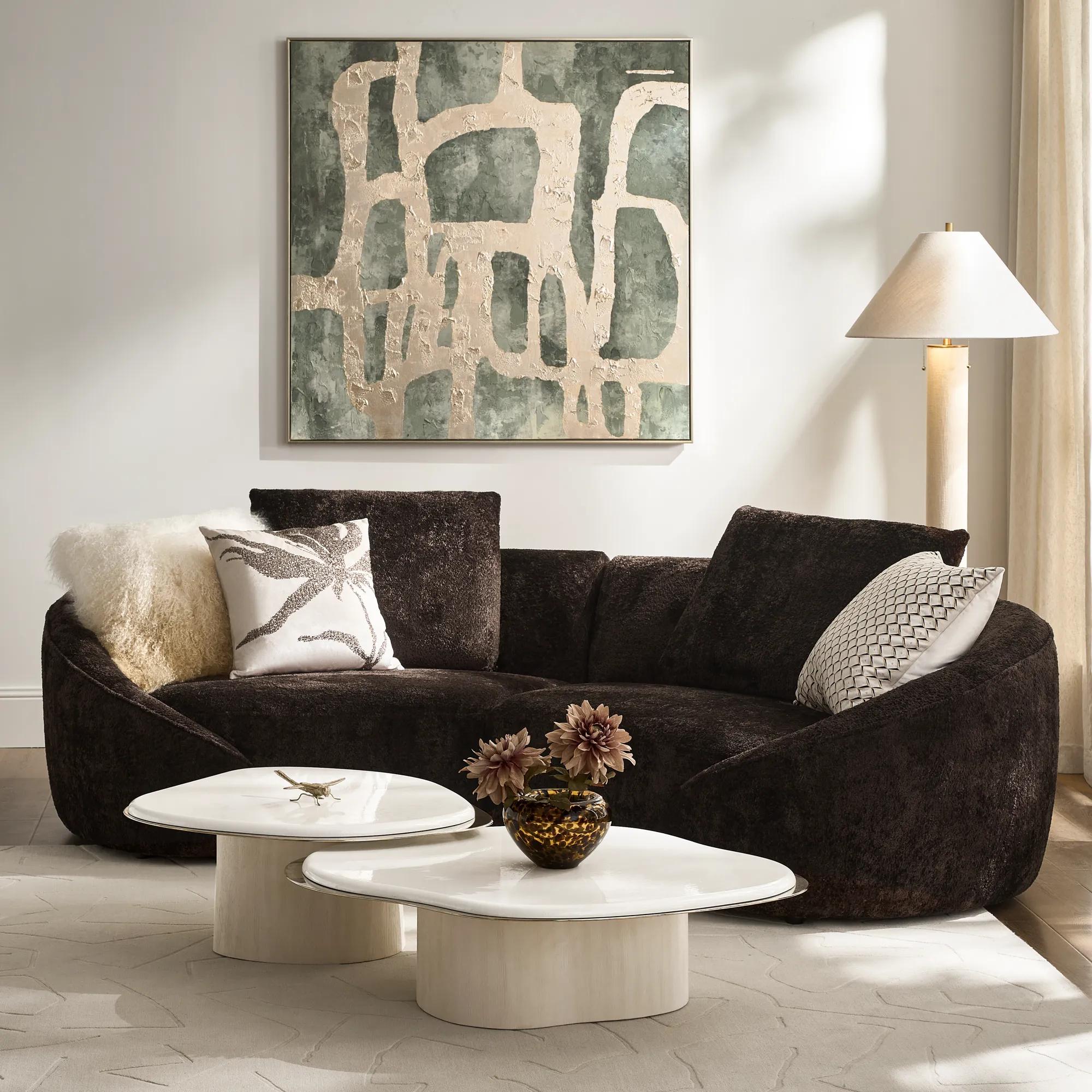 Irene Dark Chocolate Chenille Left-Arm Chair$1299
A sculptural left-arm chair in dark chocolate chenille, featuring plush upholstery and artisan hand-finished details.
Add To Cart

Neutral Fabric Arm Chairs
Neutral Fabric Arm Chairs invite a world of understated elegance into your living space, offering the perfect canvas for your personal style to unfold. Each piece exudes quiet confidence, blending soft hues and tactile fabrics to create a sanctuary of comfort and sophistication. Whether poised as a sculptural accent or gathered in conversation, these chairs ground your décor with effortless grace—inviting you to layer on drama, color, or texture as inspiration strikes. Transform any room into an oasis of calm where every detail whispers luxury and every moment feels artfully composed.
Neutral fabric armchairs are upholstered seats with armrests in shades such as ivory, cream, beige, taupe, greige, and gray, offering a composed foundation for expressive interiors. Their appeal lies in the balance of softness and presence: a pale, sculptural chair can command attention beside a dark sofa, while a pair of warm taupe armchairs can bring intimacy to an expansive living room. Neutral does not mean without character. A nubby weave catches light differently from smooth linen, and a softly rounded back creates a different mood than a sharply tailored silhouette. These subtle distinctions give neutral upholstered seating its depth, allowing texture, shape, and proportion to carry the drama. Cream and oatmeal often complement warm wood, aged brass, and earthy accents; cooler gray and stone tones can sit beautifully against polished metal, glass, and richly colored artwork. Undertones matter as much as the color name. A beige fabric with a pink cast may look quite different beside a golden rug, while a gray with blue undertones can appear more pronounced against warm white walls. Fabric swatches, when offered, make these relationships easier to assess in the room’s own light. Beyond color, arm shape establishes the chair’s visual rhythm. Slender arms keep the silhouette poised and open, broad upholstered arms lend substance, and curved barrel forms create an enveloping outline. Exposed legs reveal more floor and can make a compact seating area feel less crowded; a low, fully upholstered base gives the chair a grounded, architectural presence. In a bedroom, one generously proportioned armchair can define a private place to read. In a living room, two chairs angled toward a sofa create a welcoming conversation arrangement without requiring every piece to match. For anyone drawn to richly layered spaces, neutral fabric accent chairs provide room for bold art, luminous accessories, and patterned textiles to flourish. They also hold their own in quieter compositions, where a beautifully shaped back or dimensional weave becomes the focal point.
Fabric selection determines much of an armchair’s look, feel, and everyday practicality. Linen upholstery has a distinctive natural texture and relaxed elegance, though it can wrinkle and may call for more careful handling of spills. Cotton offers a soft hand, while blended fabrics combine fibers to achieve particular qualities of texture, structure, and wear. Polyester and other synthetic blends may offer useful resistance to abrasion or wrinkling, but performance varies by construction and finish. Bouclé brings a richly looped surface that gives even a simple silhouette visual dimension; those loops can also catch on pet claws or jewelry. Velvet introduces a more luminous effect, with a pile that shifts in appearance as it is brushed or viewed from different angles. In pale shades, that movement adds tonal richness without relying on a strong pattern. A fabric described as performance upholstery may have enhanced stain resistance, cleanability, or durability, but the designation does not mean every spill can be removed or every cleaning method is suitable. Manufacturer specifications and care directions remain essential. In a household where the living room hosts daily reading, conversation, and family gatherings, upholstery suited to frequent use deserves particular attention. Tightly woven surfaces may be less prone to snagging than open weaves, and subtly flecked neutrals can make small traces of everyday use less conspicuous than a uniform ivory surface. Frame construction, supportive joinery, suspension, and cushion materials also influence how well a chair retains its comfort and shape. Foam cushions generally create a more defined seat, while fiber or feather blends can deliver a softer feel and may need regular fluffing. Neither appearance nor fabric alone establishes durability. Routine care helps preserve the entire composition: gentle vacuuming with an appropriate upholstery attachment removes loose debris, and rotating or turning cushions can distribute wear when their design allows it. Spills are best addressed promptly according to the care label rather than with an improvised cleaner. Upholstery codes distinguish water-based cleaning, solvent-based cleaning, and vacuum-only care; removable covers are not necessarily machine washable. Keeping fabric away from prolonged direct sunlight can also help limit fading and uneven discoloration.
Proportion makes the difference between an armchair that simply occupies a corner and one that feels integral to the room. Overall width describes its footprint, but usable seat width determines how much space remains between the arms. Seat depth affects posture: a deep cushion encourages a relaxed lounge, while a shallower seat may better suit someone who prefers to sit upright with feet supported on the floor. Seat height, back height, and arm placement matter just as much, especially for readers, frequent hosts, or anyone who finds very low seating difficult to rise from. A supportive armrest should feel natural beneath the forearm rather than forcing the shoulders upward. In a reading arrangement, the relationship between chair, lamp, and side table deserves equal consideration; a tabletop within easy reach keeps a book or drink close without an awkward stretch. A broad chair may look magnificent beside a picture window, yet still need ample surrounding space for comfortable passage. Measuring doorways, hallways, stair turns, and the intended placement helps establish whether the scale works beyond the room itself. Swivel designs need clearance to turn without striking nearby furniture, while fixed chairs can create a more deliberate arrangement around a cocktail table. Neutral fabric armchairs are especially effective in open living areas, where repeating a related tone across separate seating zones creates continuity without a rigid matching suite. Pairing living room upholstery with neutral fabric dining chairs can carry that connection into the dining area while allowing each silhouette to serve its own purpose. An occasional armchair is not automatically suited to dining-table height, so function should remain as considered as the visual relationship. The finishing details can then be unapologetically expressive: a silk-look pillow against a textured back, a dark lacquer table beside creamy upholstery, or a large abstract canvas above a pair of tailored seats. With the right fabric, support, and scale, neutral armchairs bring enduring flexibility to a room while giving its most distinctive details space to shine.
FAQs
Neutral fabric arm chairs offer unparalleled versatility because their understated hues serve as a sophisticated foundation for any design style. Whether your aesthetic leans modern, classic, or eclectic, these chairs blend seamlessly while allowing you to layer in color, pattern, and texture through pillows, throws, and surrounding accents. Their timeless appeal ensures they remain relevant as your tastes and seasonal decor evolve.
To elevate a neutral fabric arm chair, play with contrasting textures and bold accessories. Drape a velvet or faux fur throw over the back for a touch of opulence, or add a sculptural side table in a metallic finish for a hint of glamour. Accent pillows in rich jewel tones or intriguing patterns can transform the chair into a true statement piece, while a dramatic floor lamp or artful rug nearby will complete the vignette.
Absolutely. The beauty of neutral fabric arm chairs lies in their ability to adapt—dress them up with luxe accessories in a formal living room, or keep the look relaxed with soft linens and natural textures in a cozy reading nook. Their refined silhouettes and subtle colorways effortlessly transition between entertaining guests and unwinding in solitude.
Neutral arm chairs are often upholstered in fabrics such as linen, polyester blends, or performance weaves. Linen offers a breezy, organic texture perfect for a laid-back yet elegant vibe, while polyester blends deliver durability and a smooth, tailored finish. Performance fabrics are ideal for high-traffic areas, resisting stains and maintaining their luxe appearance with minimal upkeep. Each fabric brings its own tactile and visual character to the piece.
A neutral fabric arm chair makes a remarkable and enduring gift for milestones like housewarmings, weddings, or anniversaries. Its timeless design and adaptable palette ensure it will be cherished for years to come, offering comfort and style as the recipient’s space and life evolve. It’s a gesture that combines practicality with a touch of luxury, making every day feel a little more special.