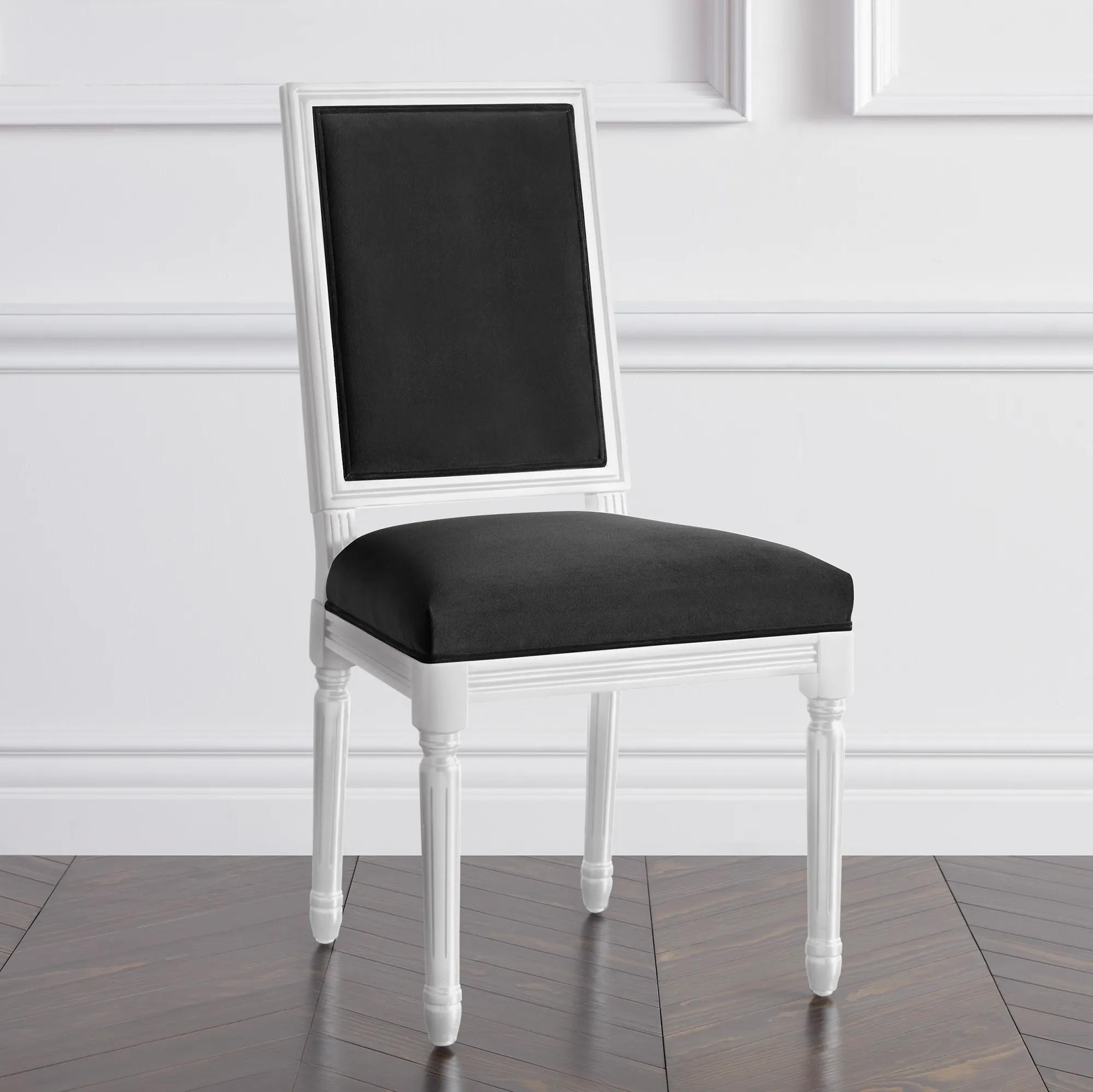
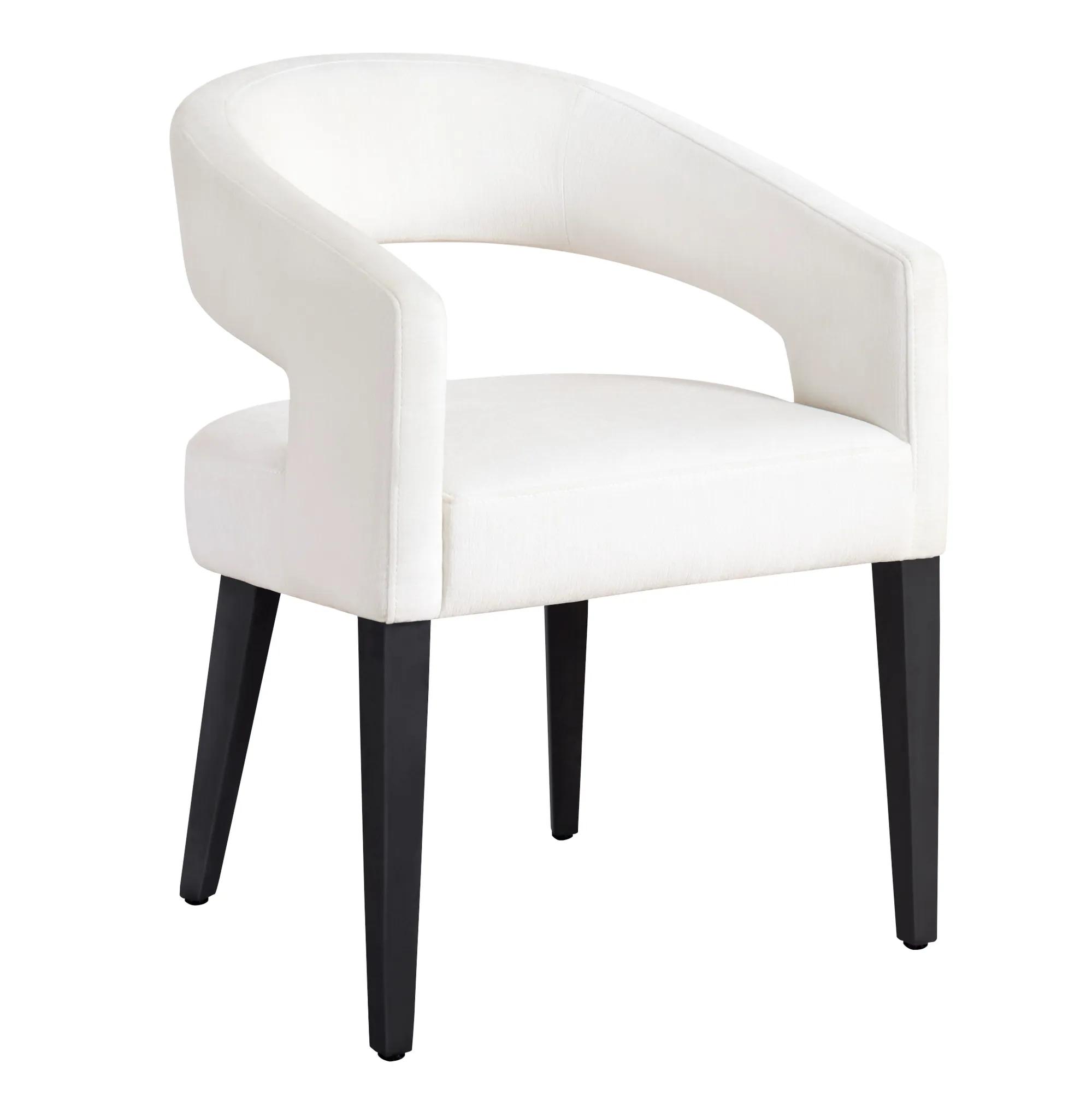
Neutral Color Fabric Chairs
Neutral Color Fabric Chairs
-
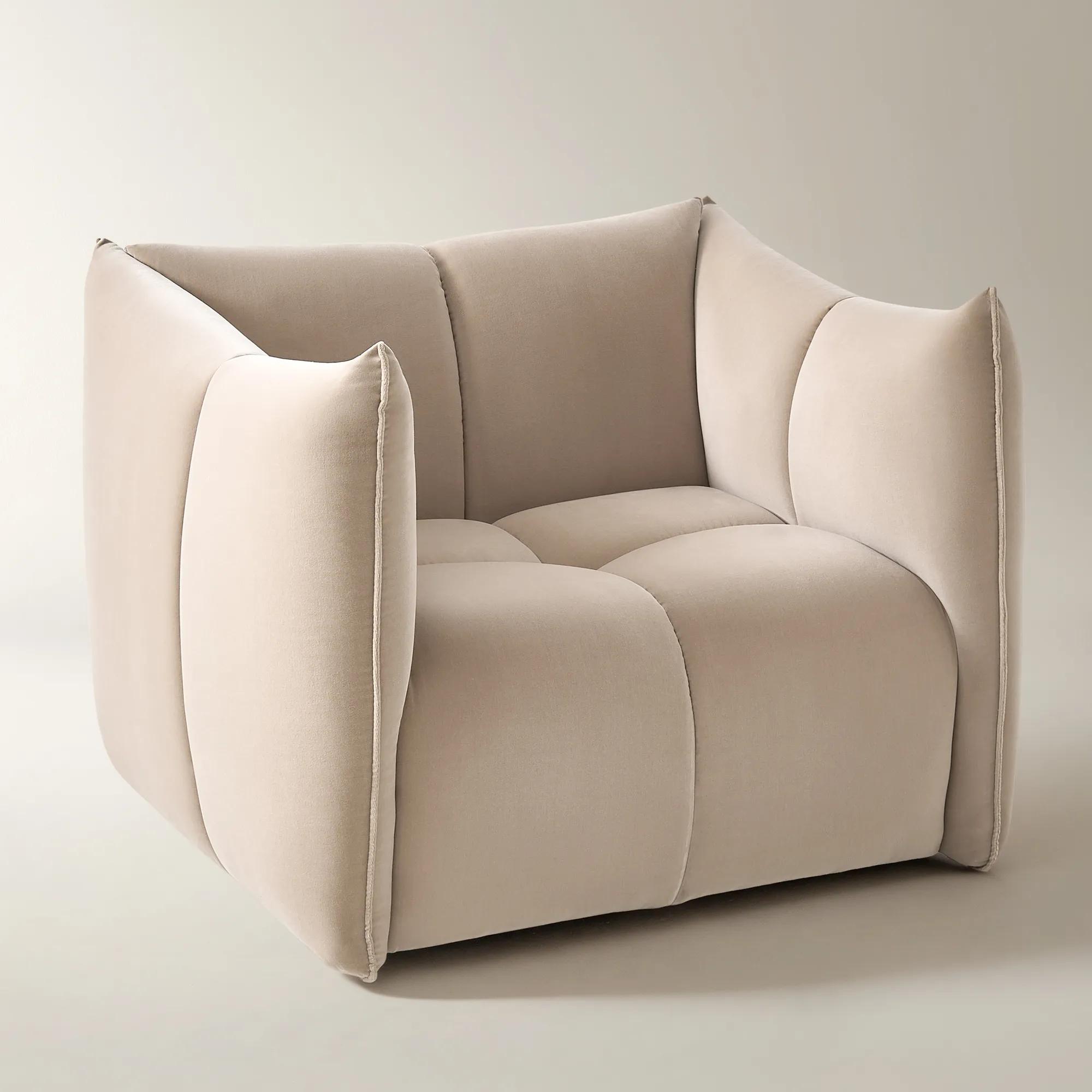 Reina Tufted Simply Taupe Velvet Swivel Chair$1099
A taupe velvet swivel chair with channel tufting, an architectural winged profile, and plush, sculpted comfort.
Add To Cart -
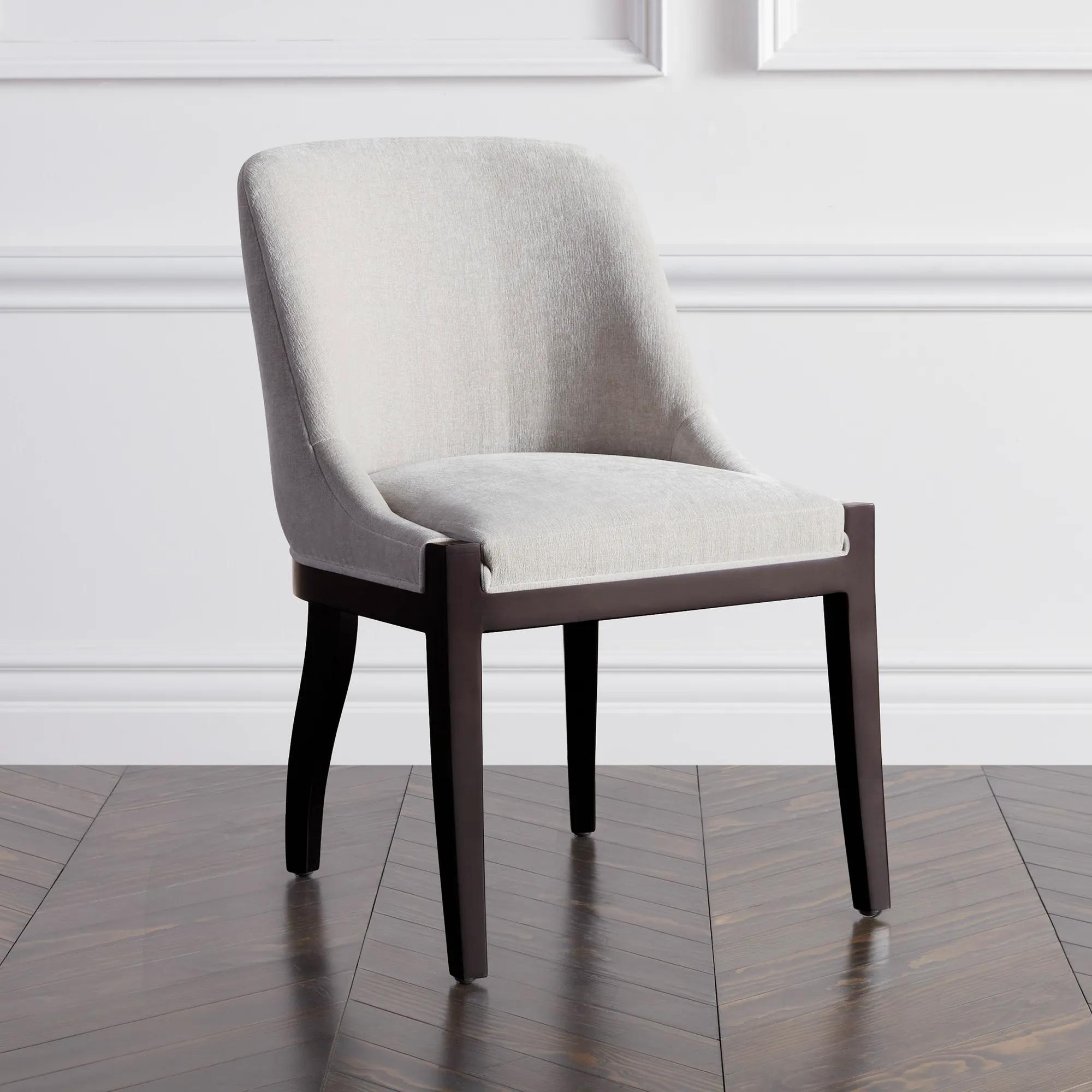
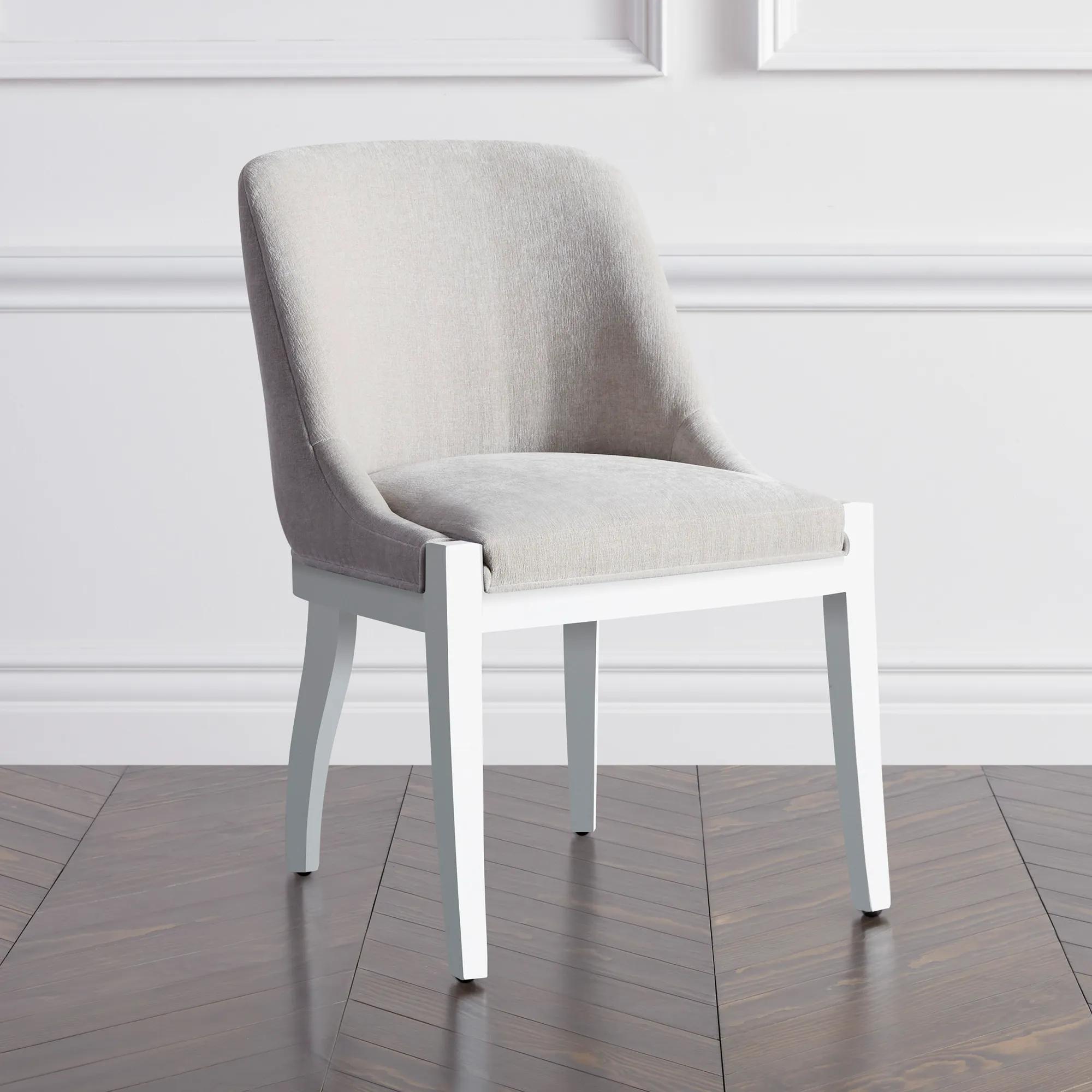
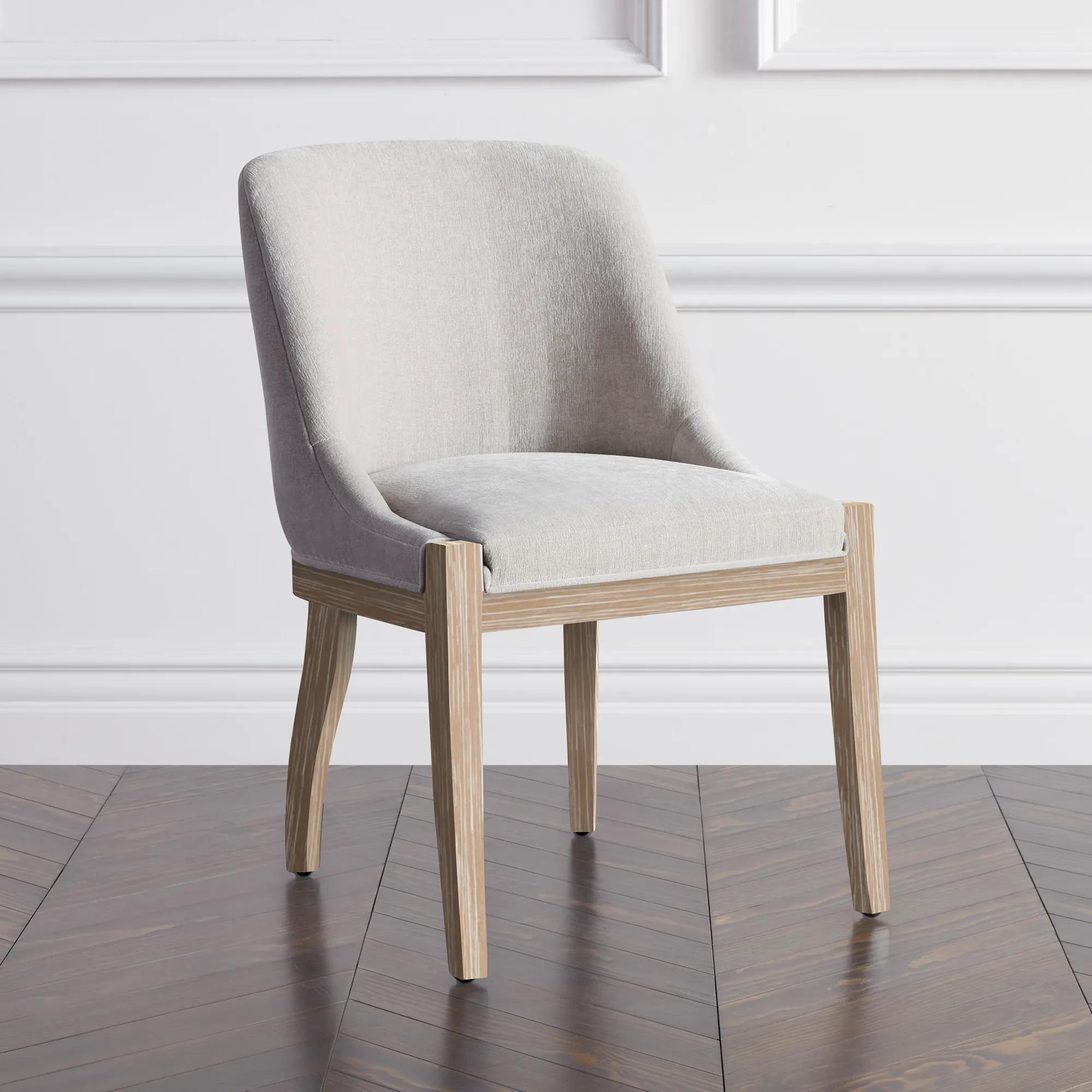
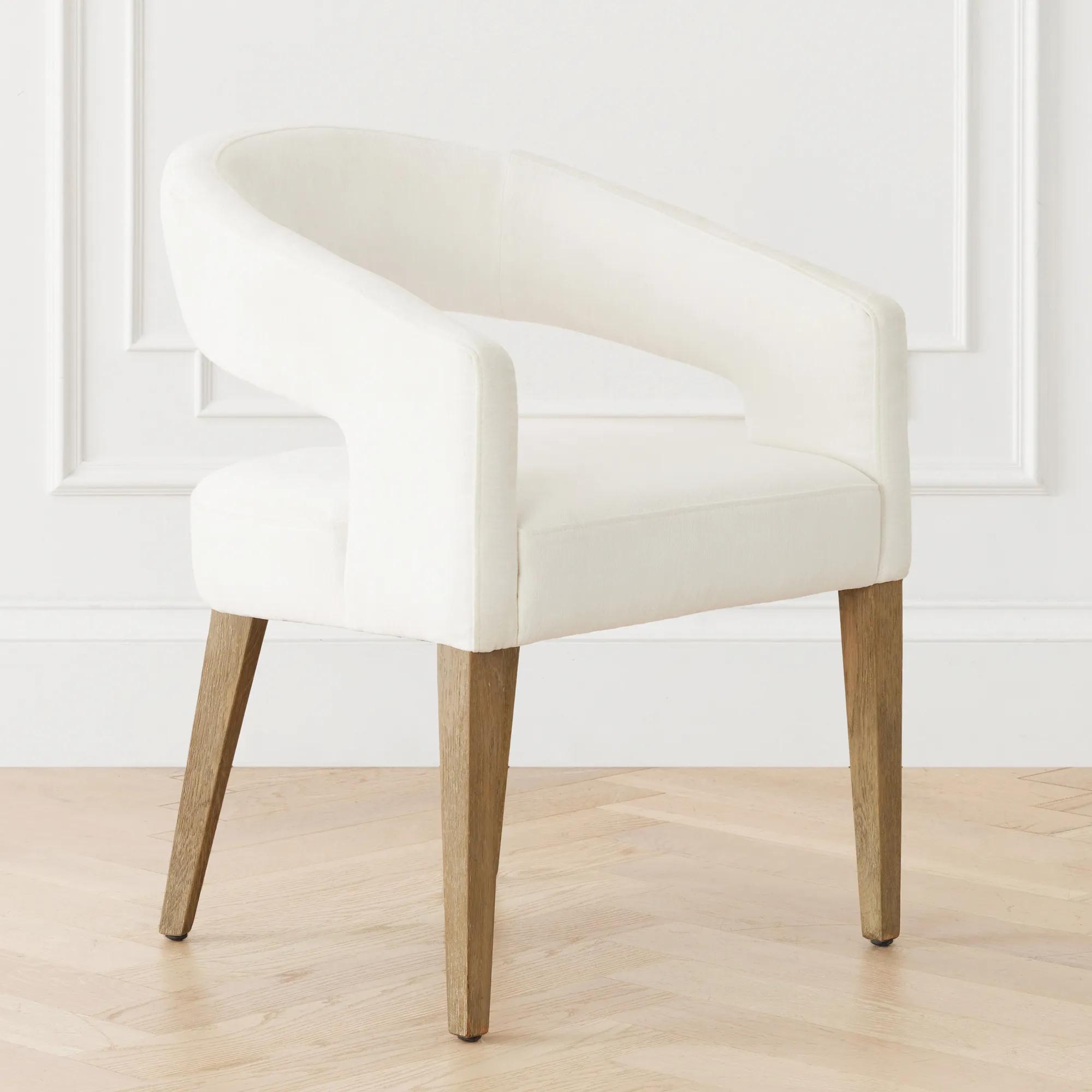 Philippa Dining Chair - Natural Grey$699
A curved grey dining chair featuring tailored chenille upholstery, a sleek back cutout, and sturdy hardwood frame.
Add To Cart -
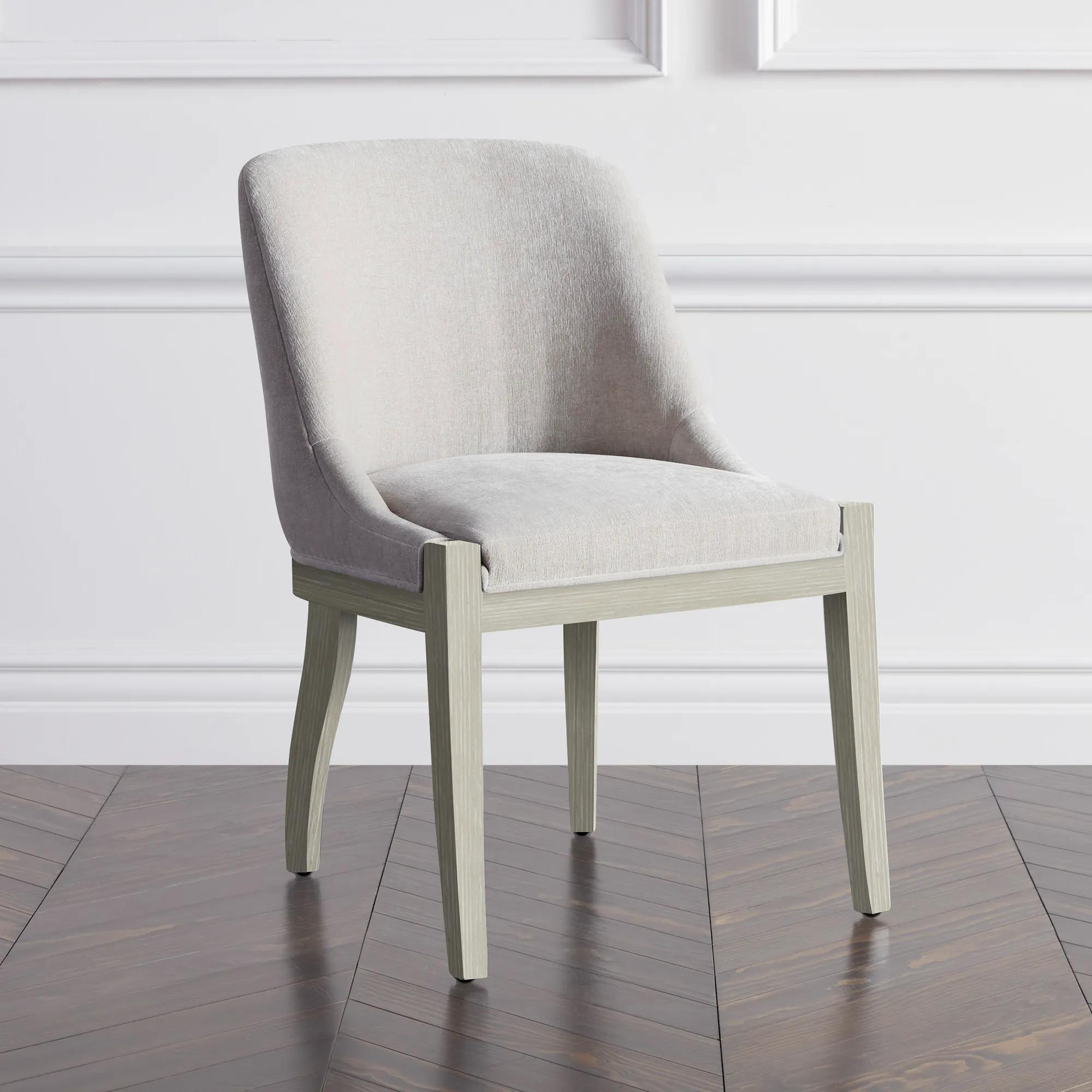 Lily Dining Chair - Natural Grey$649
A modern dining chair featuring kiln-dried hardwood, natural grey upholstery, and cushioned foam-and-fiber comfort.
Add To Cart -
 Lucia Ivory Performance Chenille Swivel Desk Chair$499
A beige texture weave desk chair featuring a brass-plated metal base and adjustable gas lift for comfort.
Add To Cart -
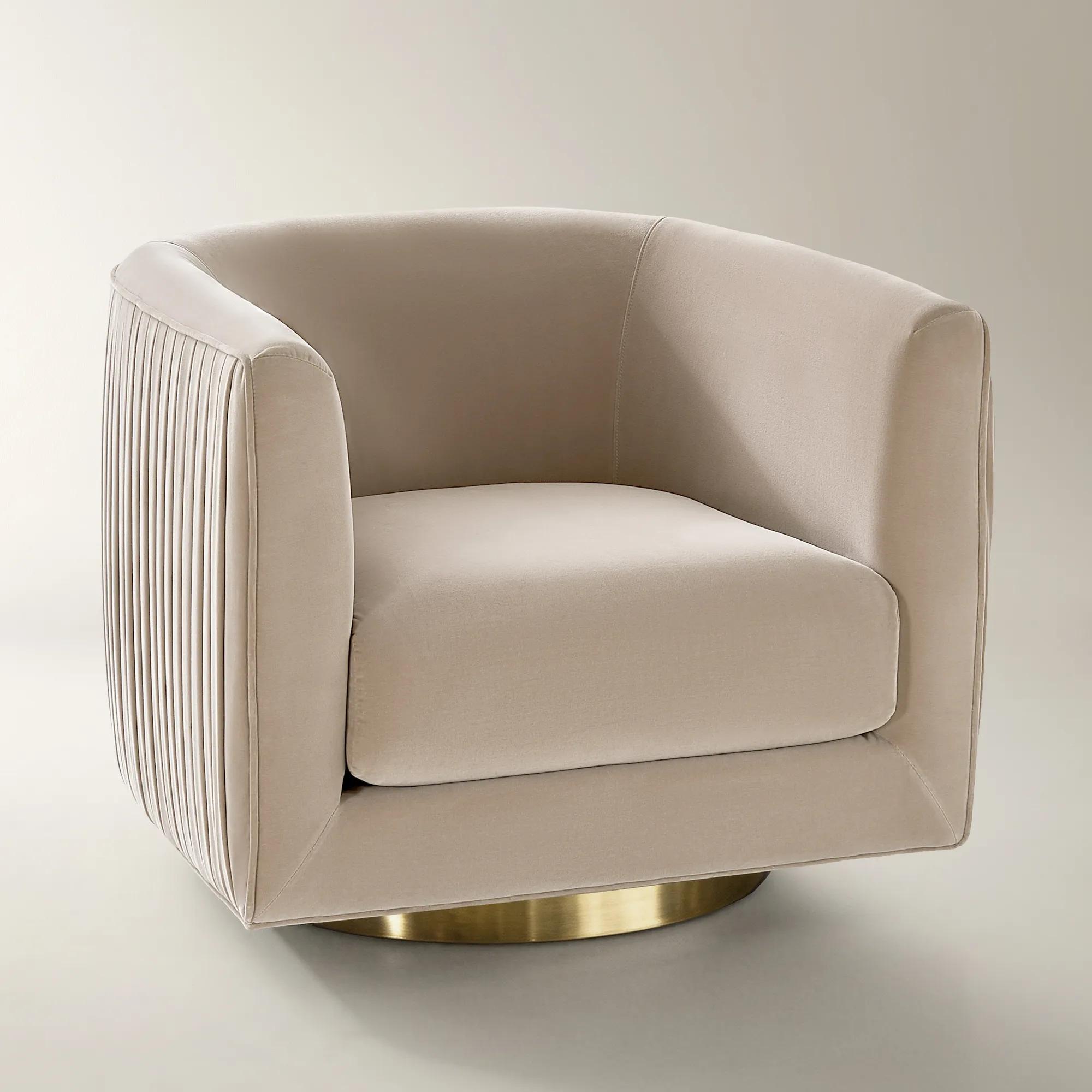 Lyssa Pleated Simply Taupe Velvet Swivel Accent Chair$1099
A softly curved taupe velvet accent chair featuring pleated detailing, 360° swivel, and a gold stainless steel base.
Add To Cart -
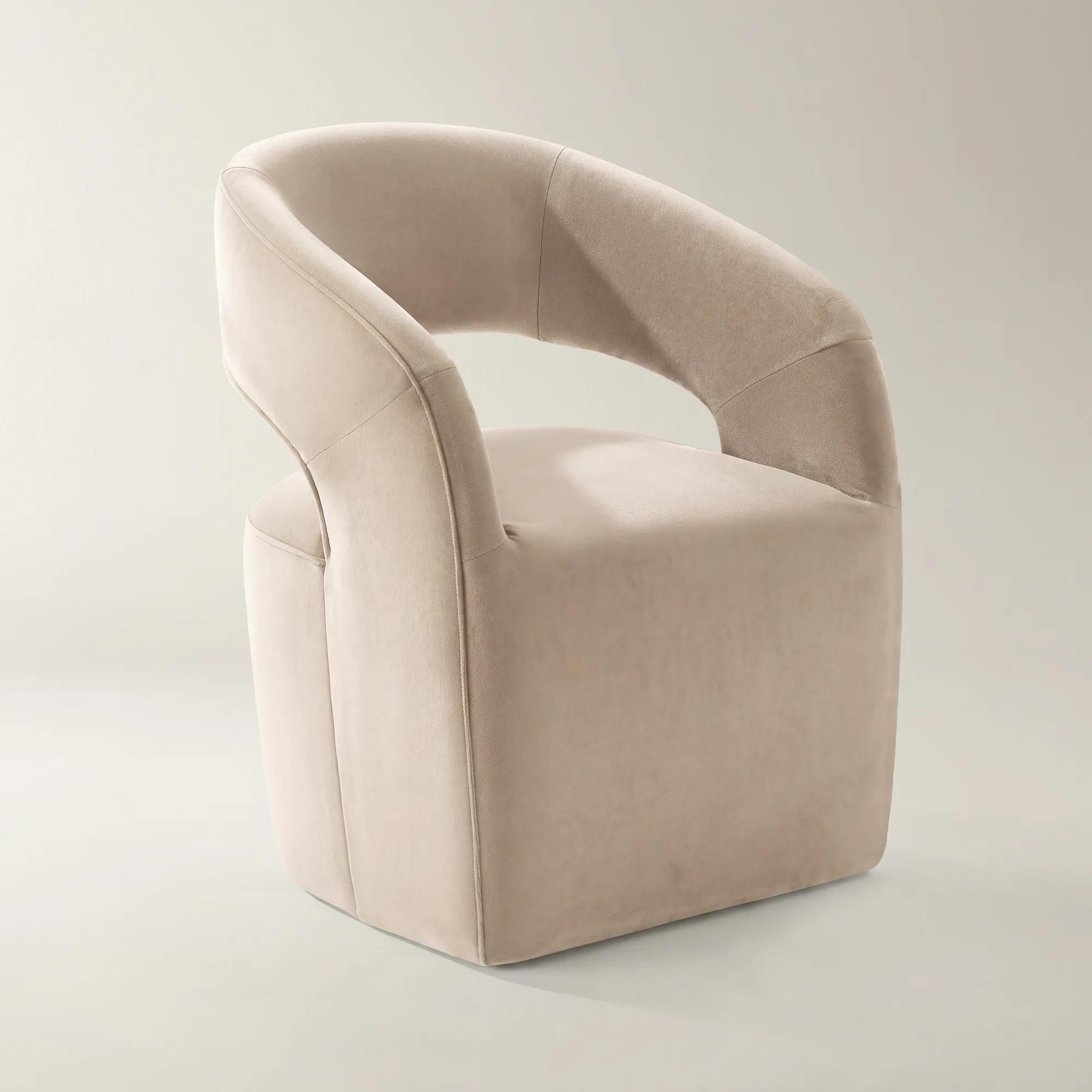
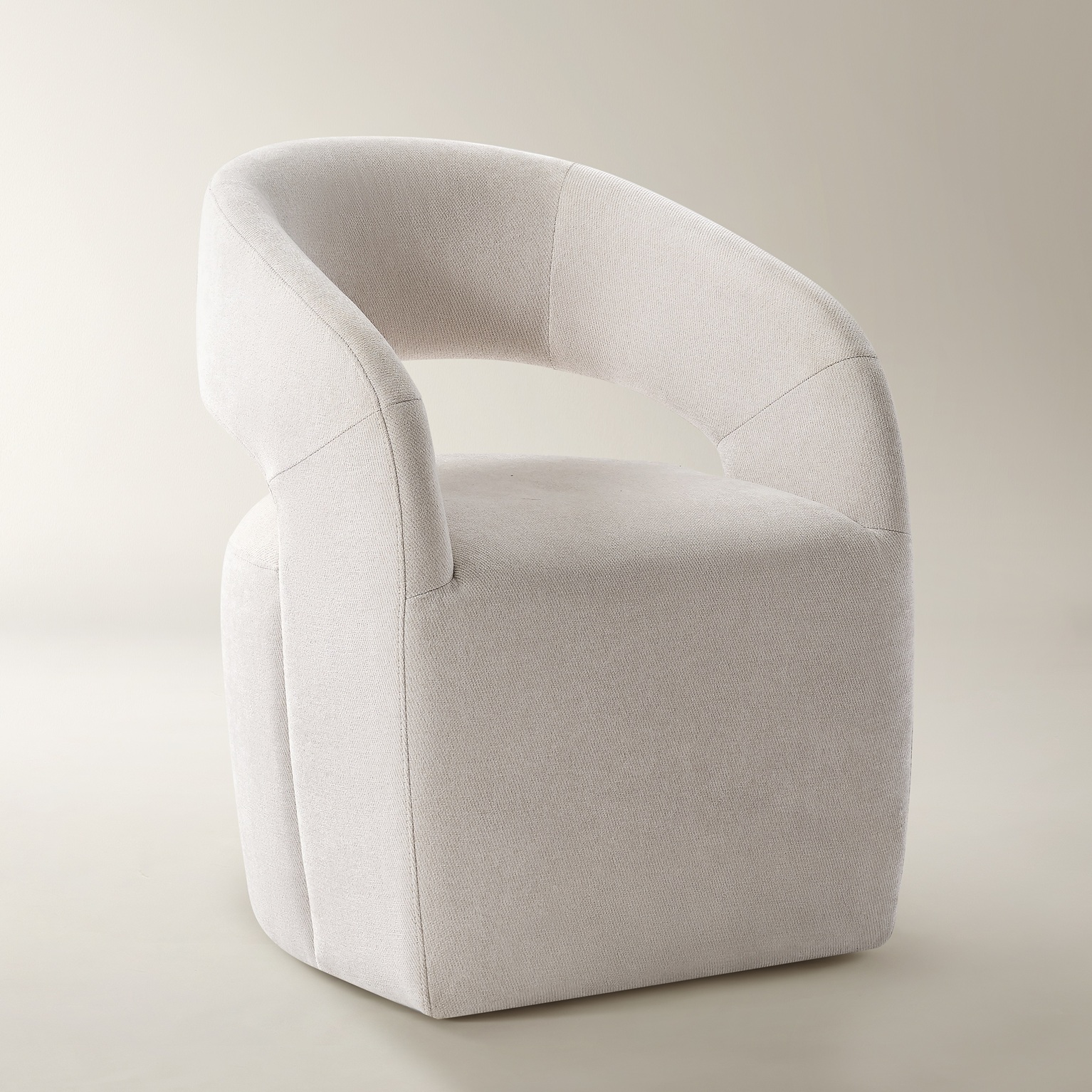 Harrison Simply Taupe Velvet Dining Chair$499
A sculptural dining chair in simply taupe velvet with a curved back, feather-blend seat, and modern elegance.
Add To Cart -
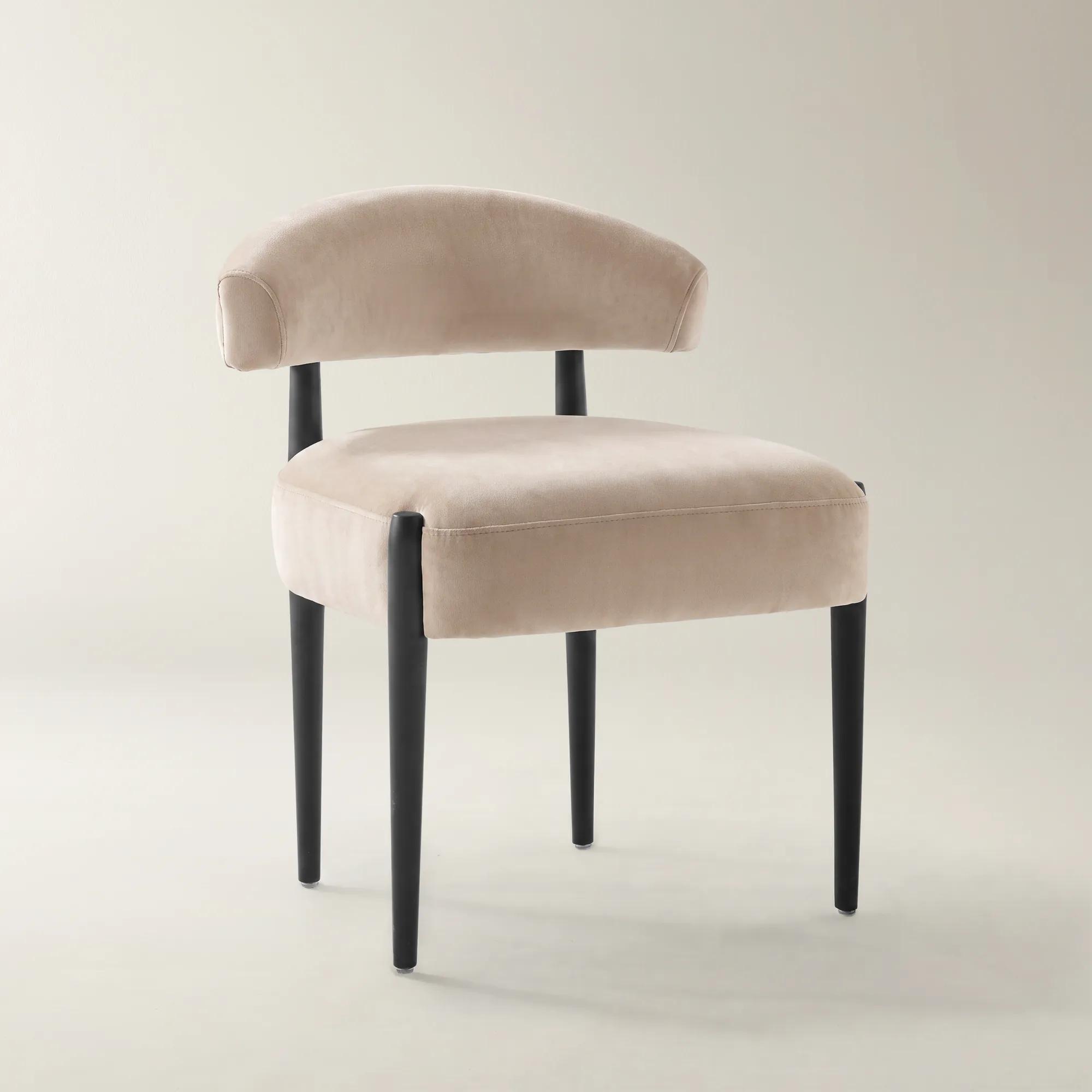
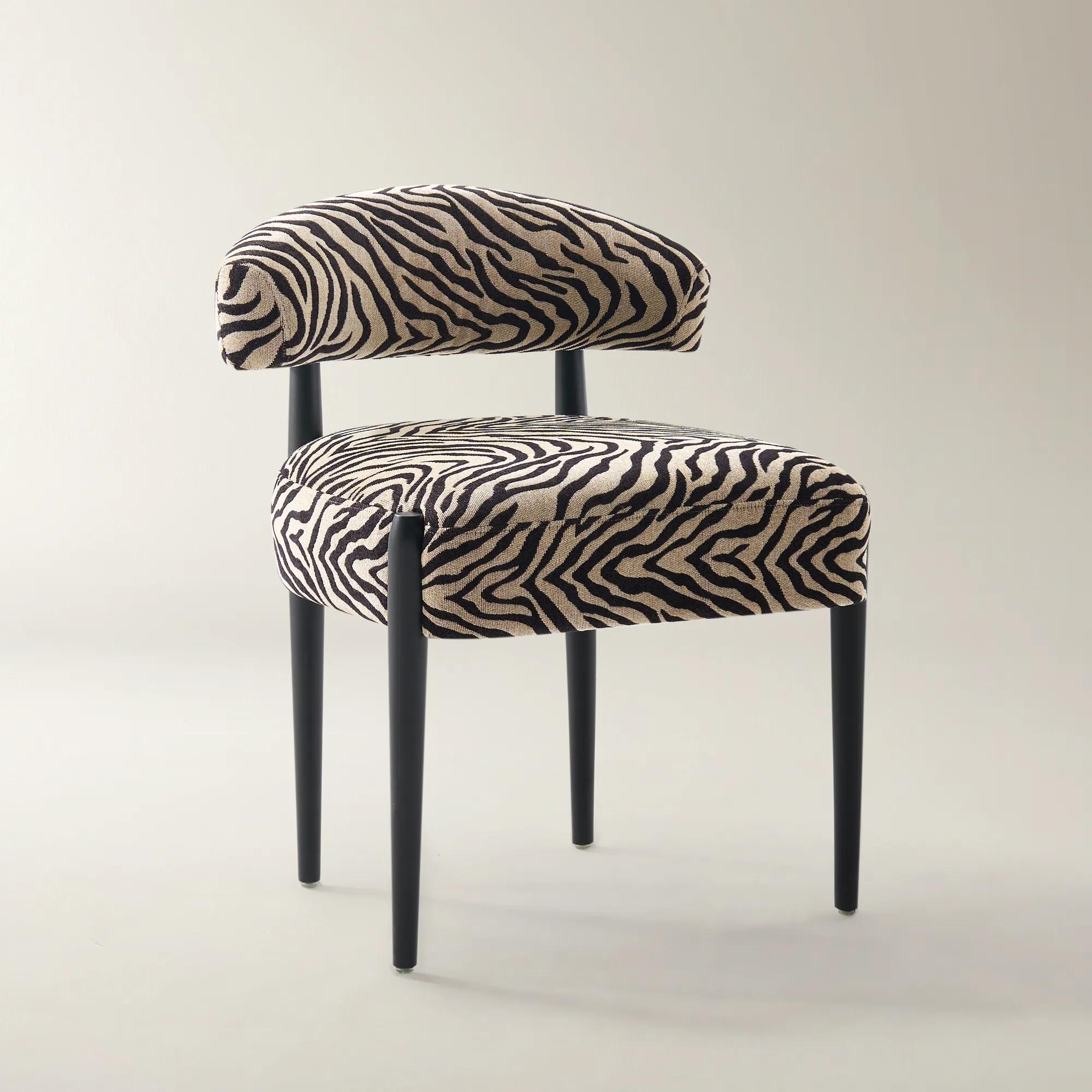 Anna Simply Taupe Velvet Dining Chair Set of 2$699
A taupe velvet dining chair featuring a tailored arched back, high-density foam cushioning, and rubberwood legs.
Add To Cart -
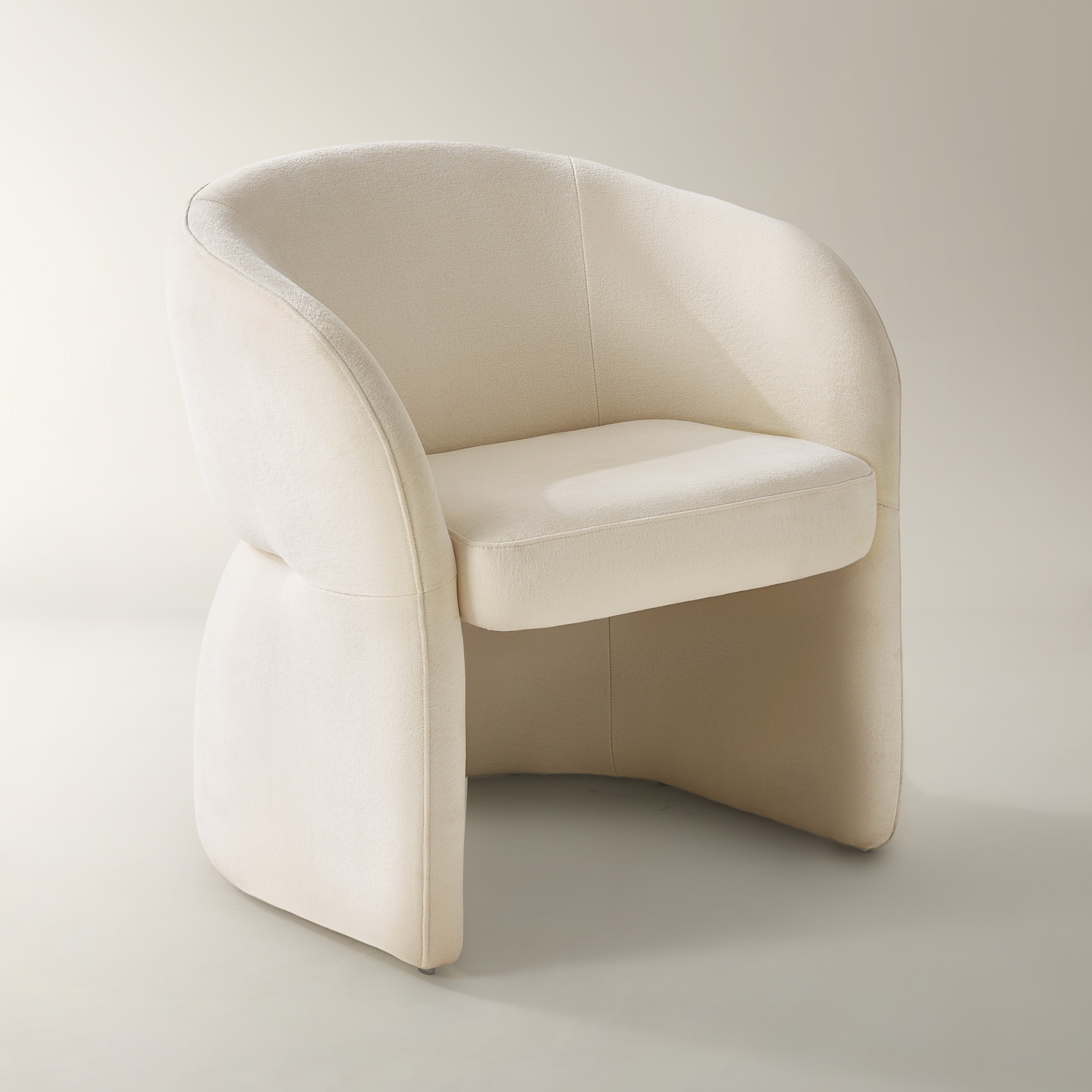
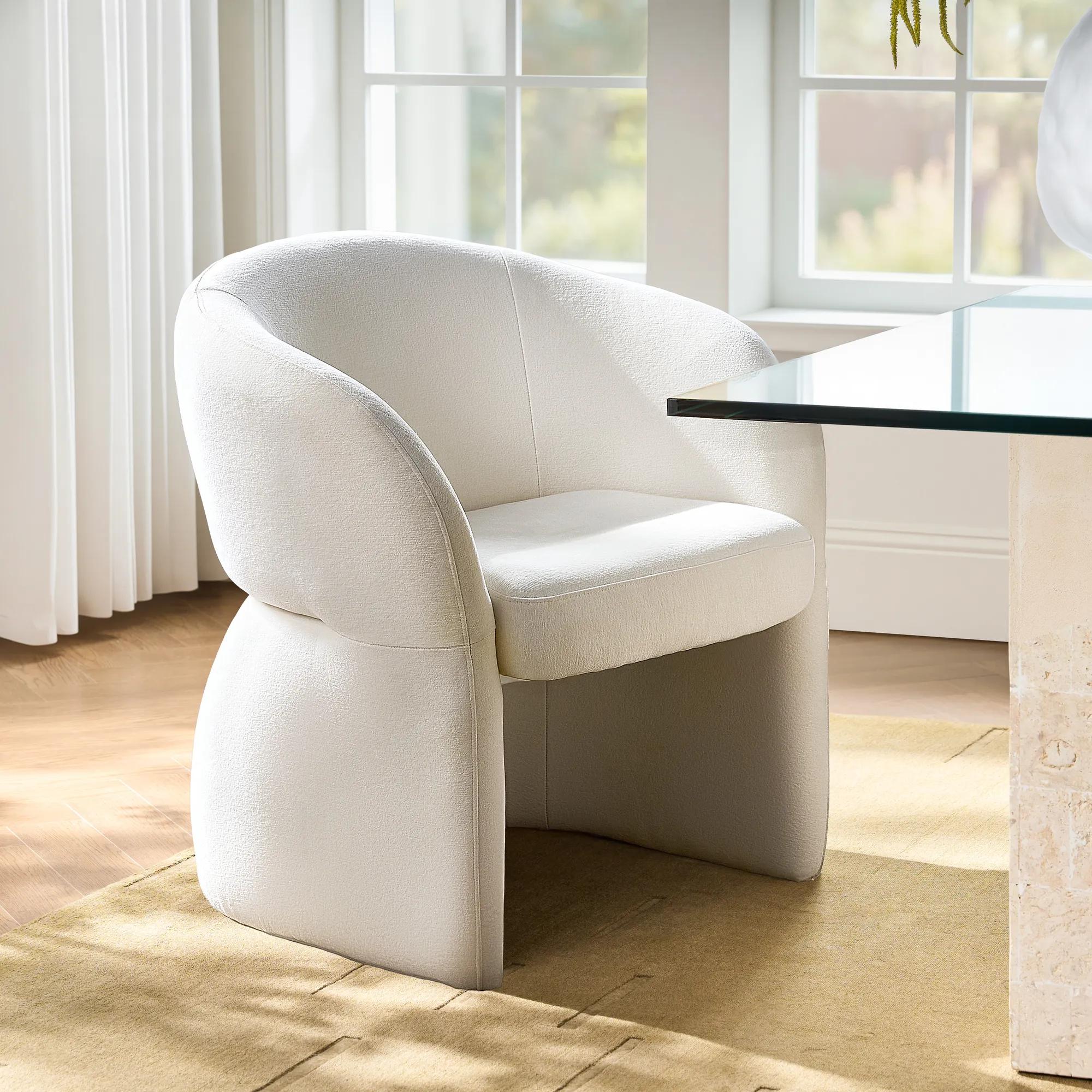 Sierra Oatmeal Velvet Dining Chair$599
An elegant accent chair in oatmeal velvet with gracefully arched arms, curved back, and plush cushioning.
Add To Cart -
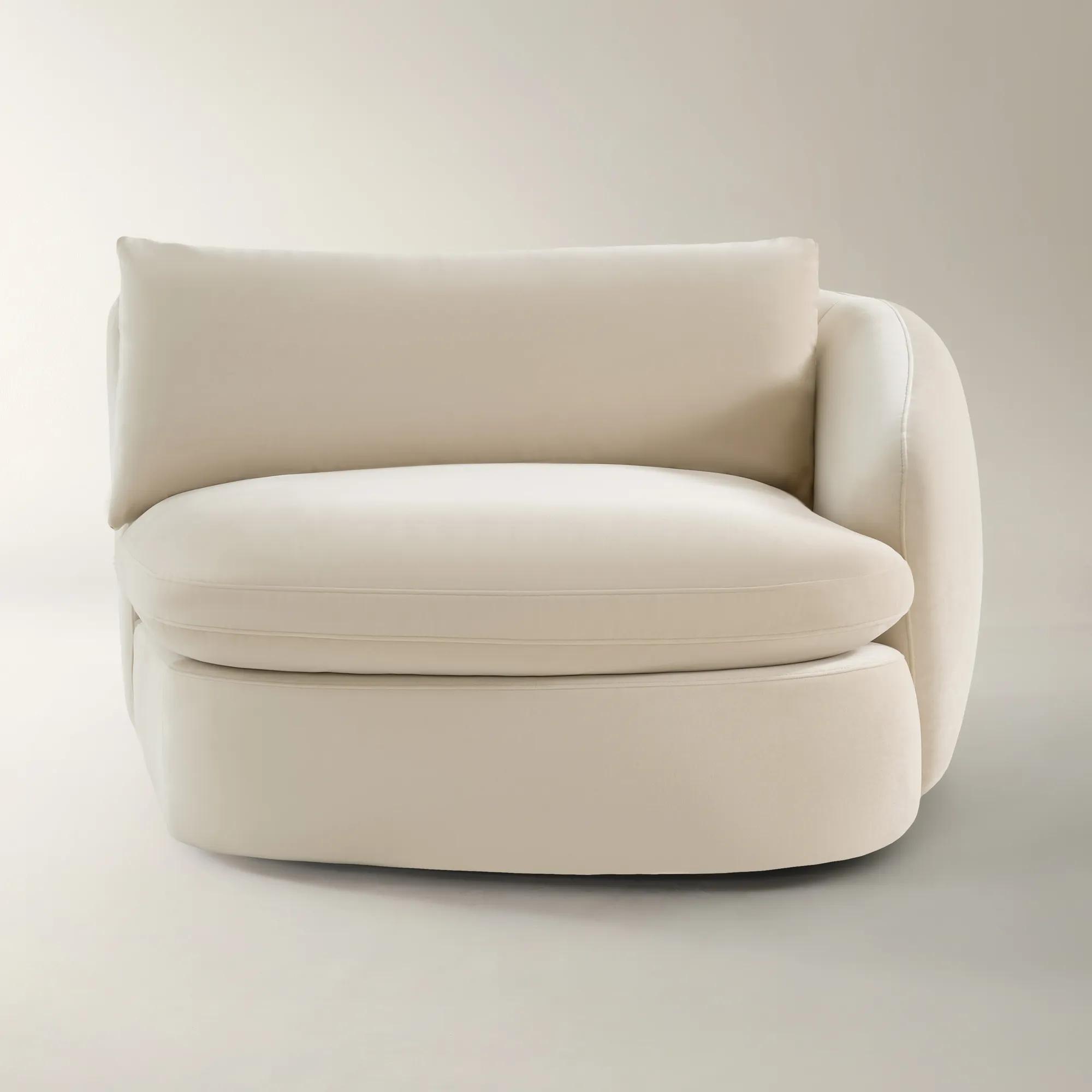
 Sabrina Oatmeal Velvet Right-Arm Chair$1399
A modular, curved seating piece in soft oatmeal velvet with plush feather-blend cushions and hand-built craftsmanship.
Add To Cart -
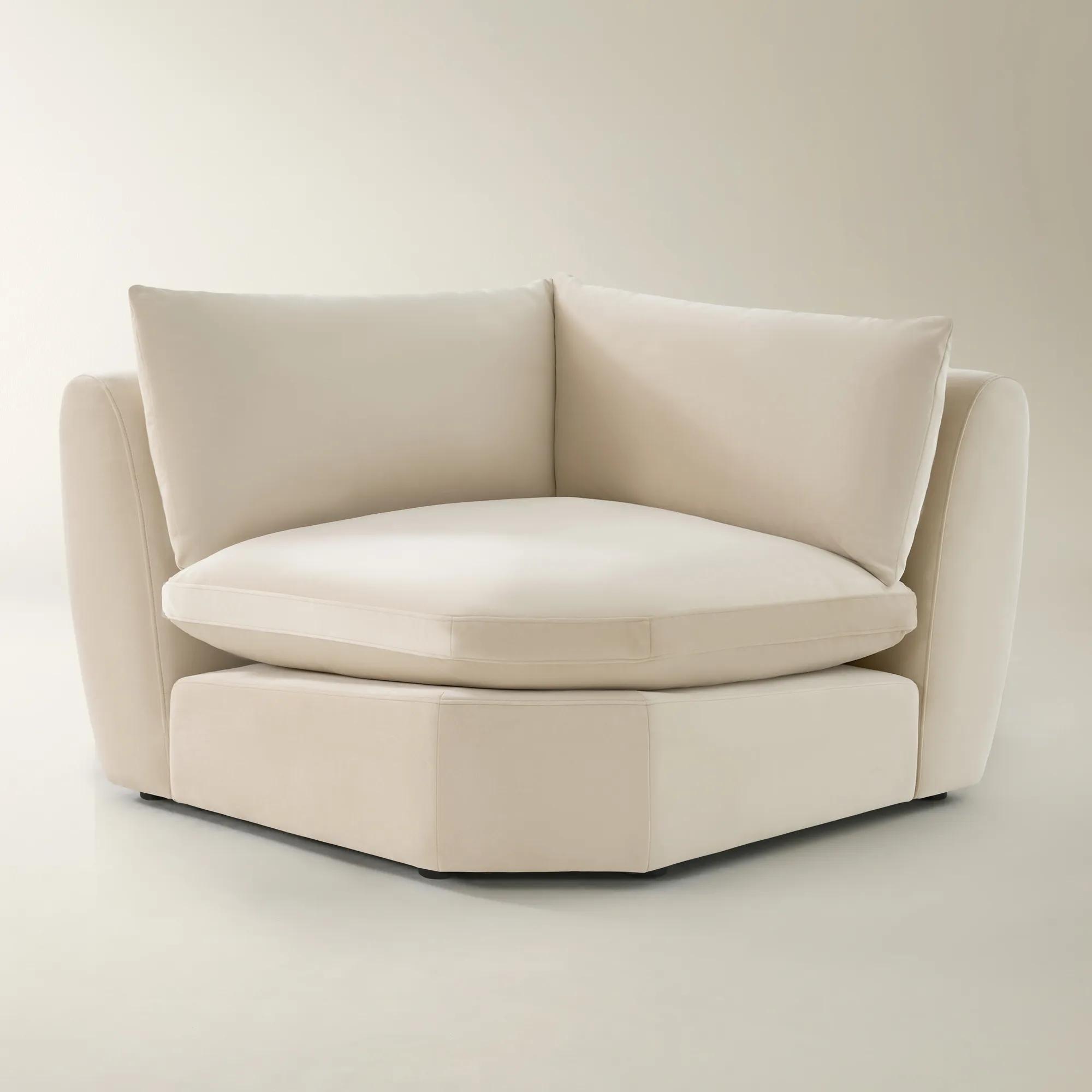 Sabrina Oatmeal Velvet Corner Chair$1299
A modular sectional component in soft oatmeal velvet with feather-blend cushions and a sculptural curved silhouette.
Add To Cart -

 Aria Pleated Swivel Chair$1349
A barrel-style swivel chair in kiln-dried hardwood, shown in Bella Velvet Pearl with pleated tailoring.
Add To Cart -
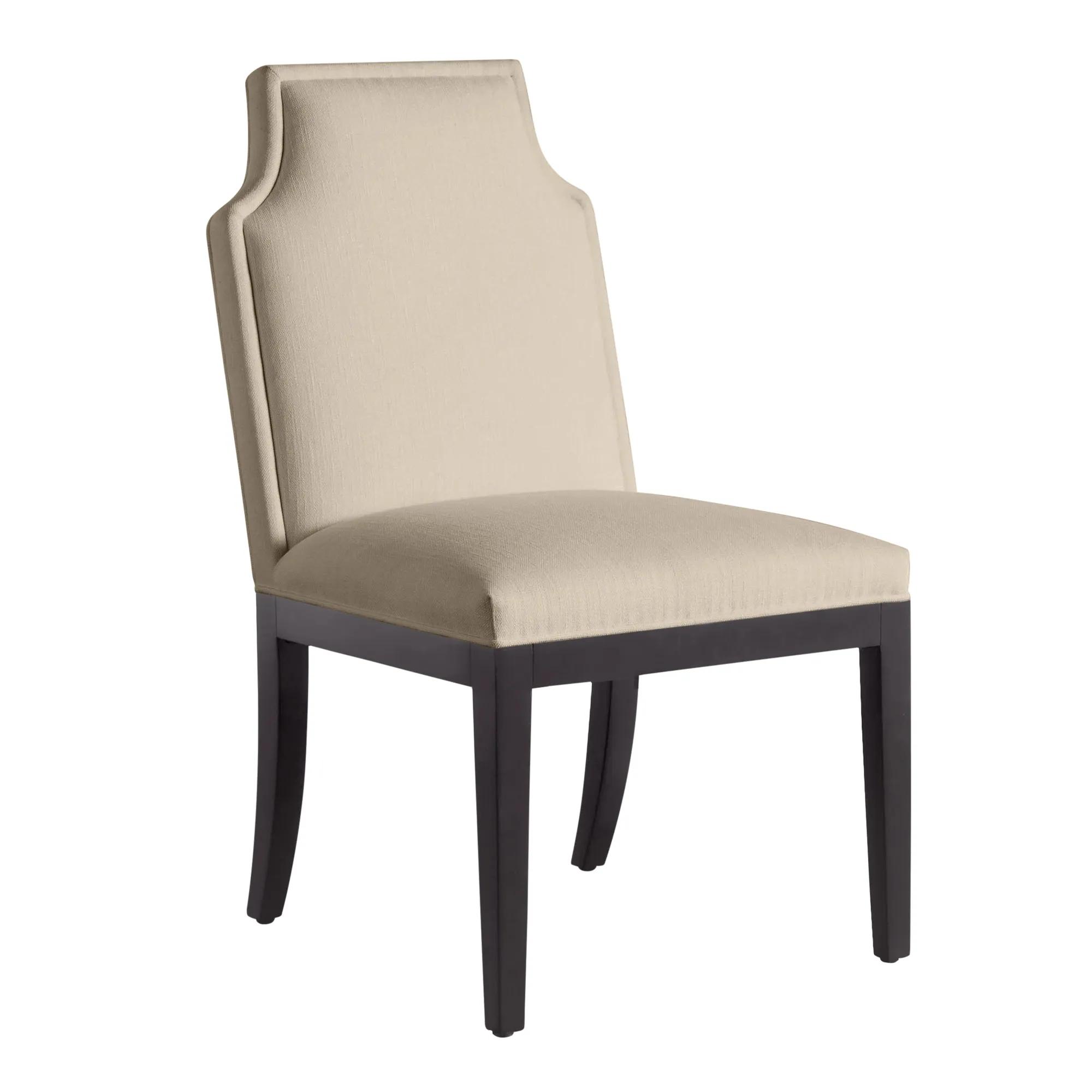
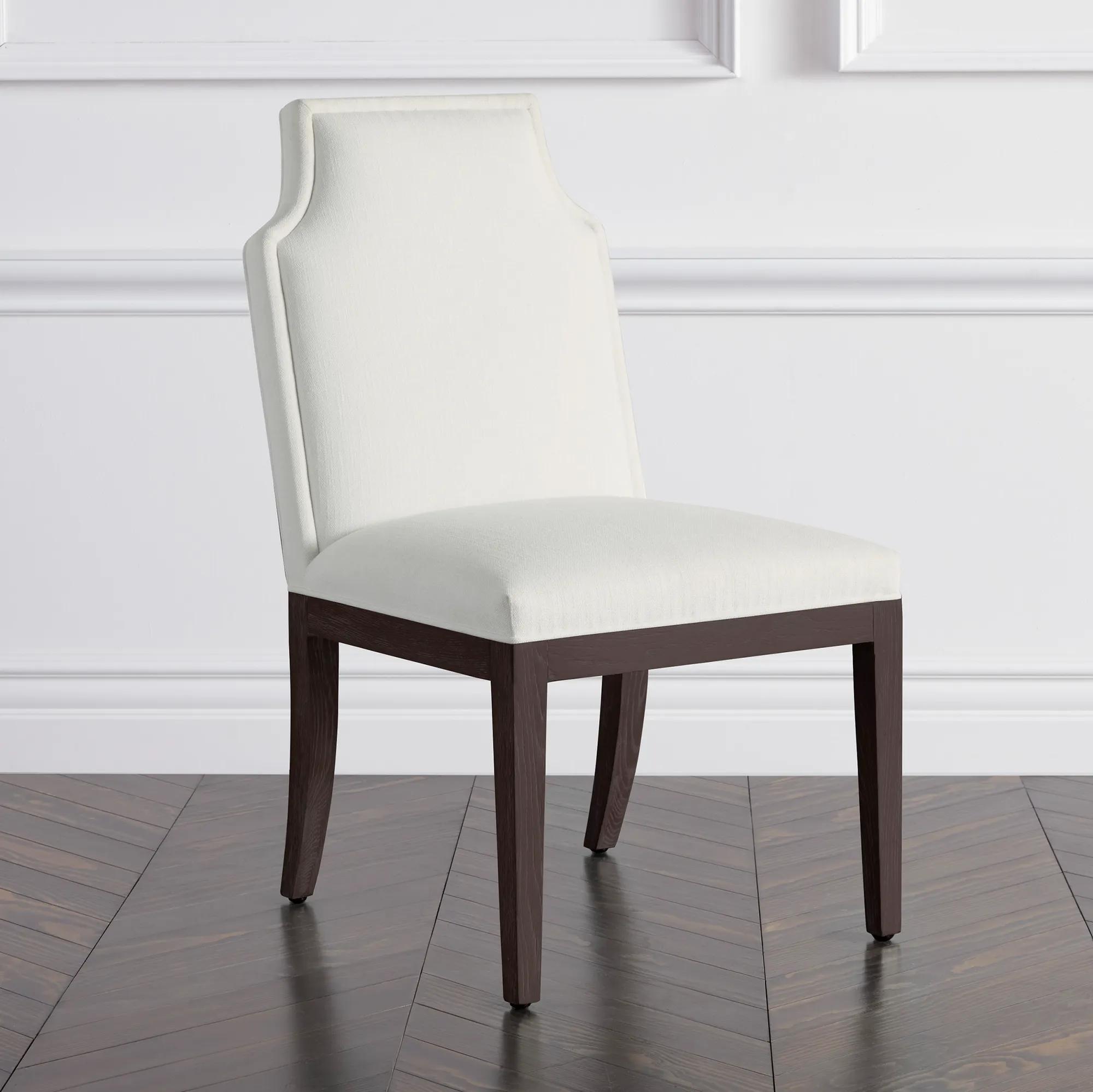 Jasmine Dining Chair - Espresso$649
A chic dining chair featuring a notched back, espresso legs, and plush upholstery for lasting comfort.
Add To Cart -
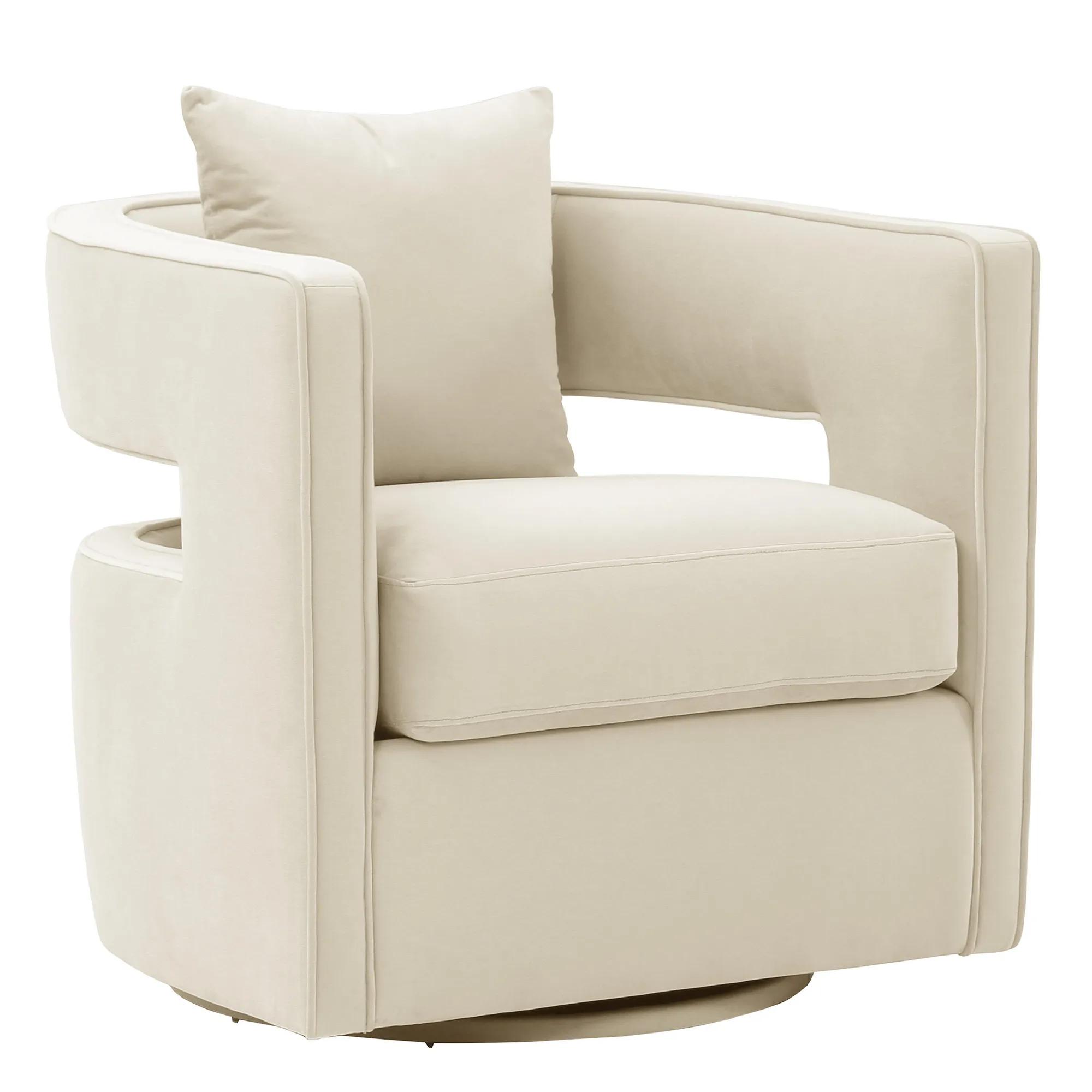
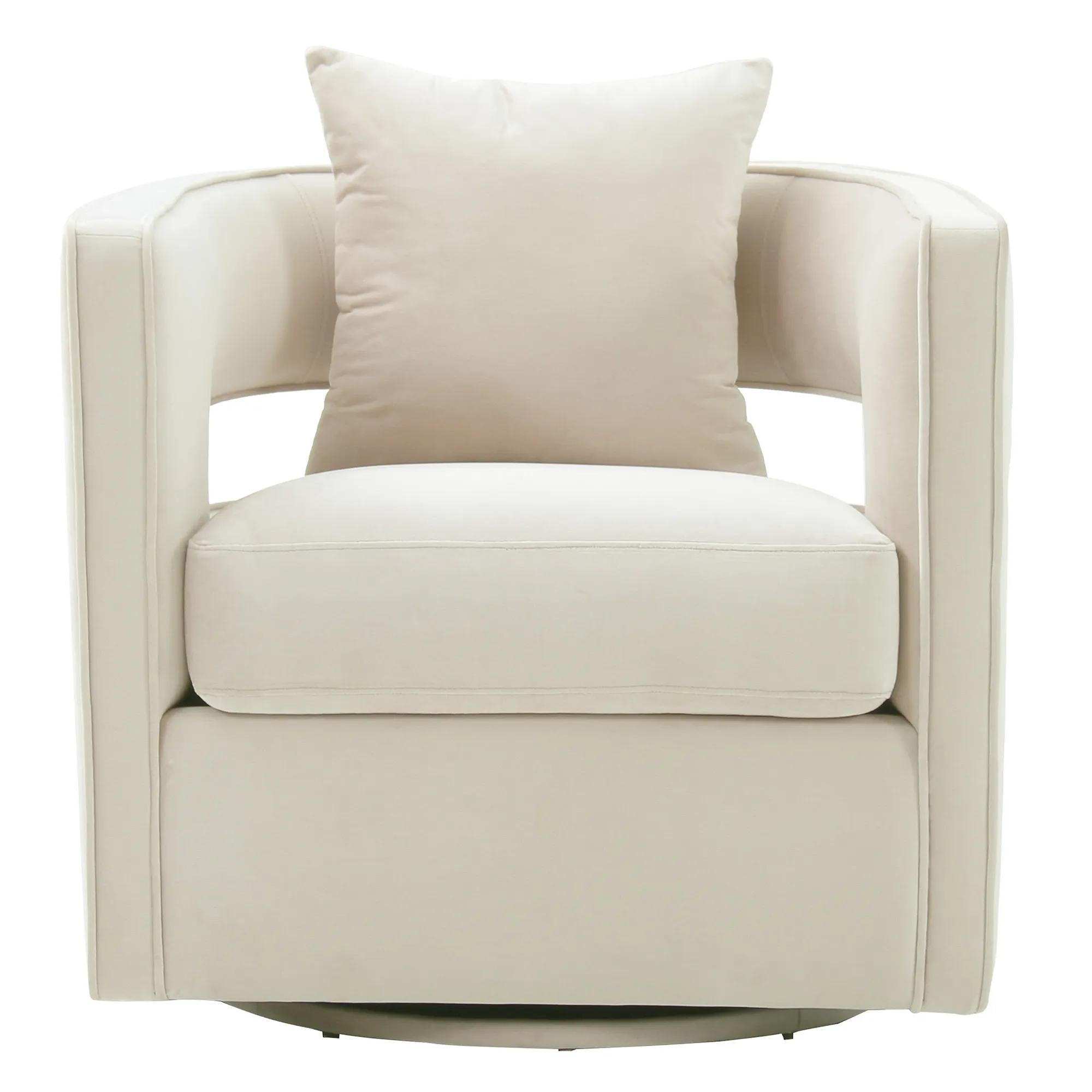 Lottie Cream Velvet Swivel Accent Chair$999
A glamorous cream velvet swivel chair featuring a barrel back, cutout arms, and plush foam cushioning.
Add To Cart -
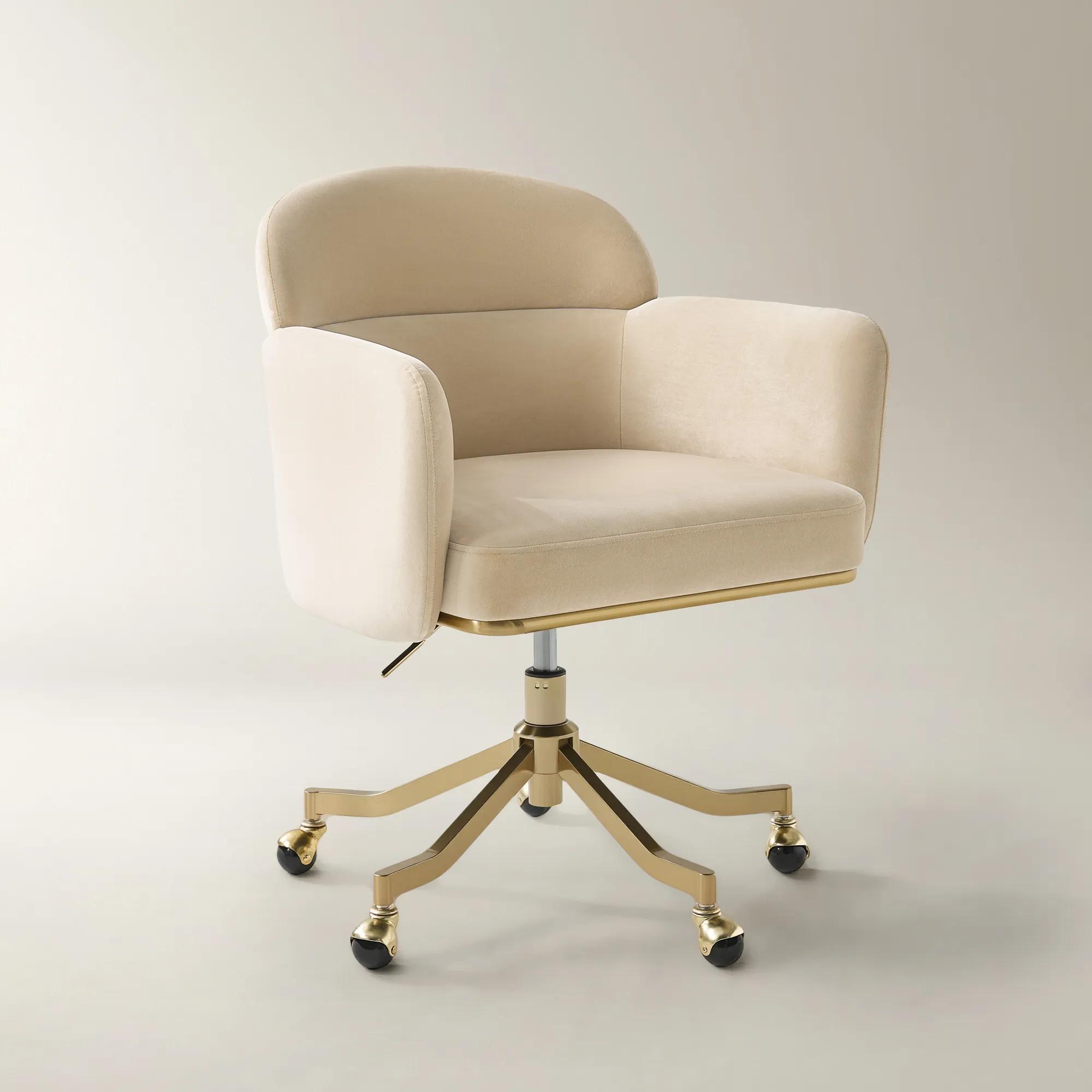 Paige Oatmeal Velvet Swivel Desk Chair$399
An oatmeal velvet swivel chair with adjustable height, ergonomic design, and a polished metal base with casters.
Add To Cart -
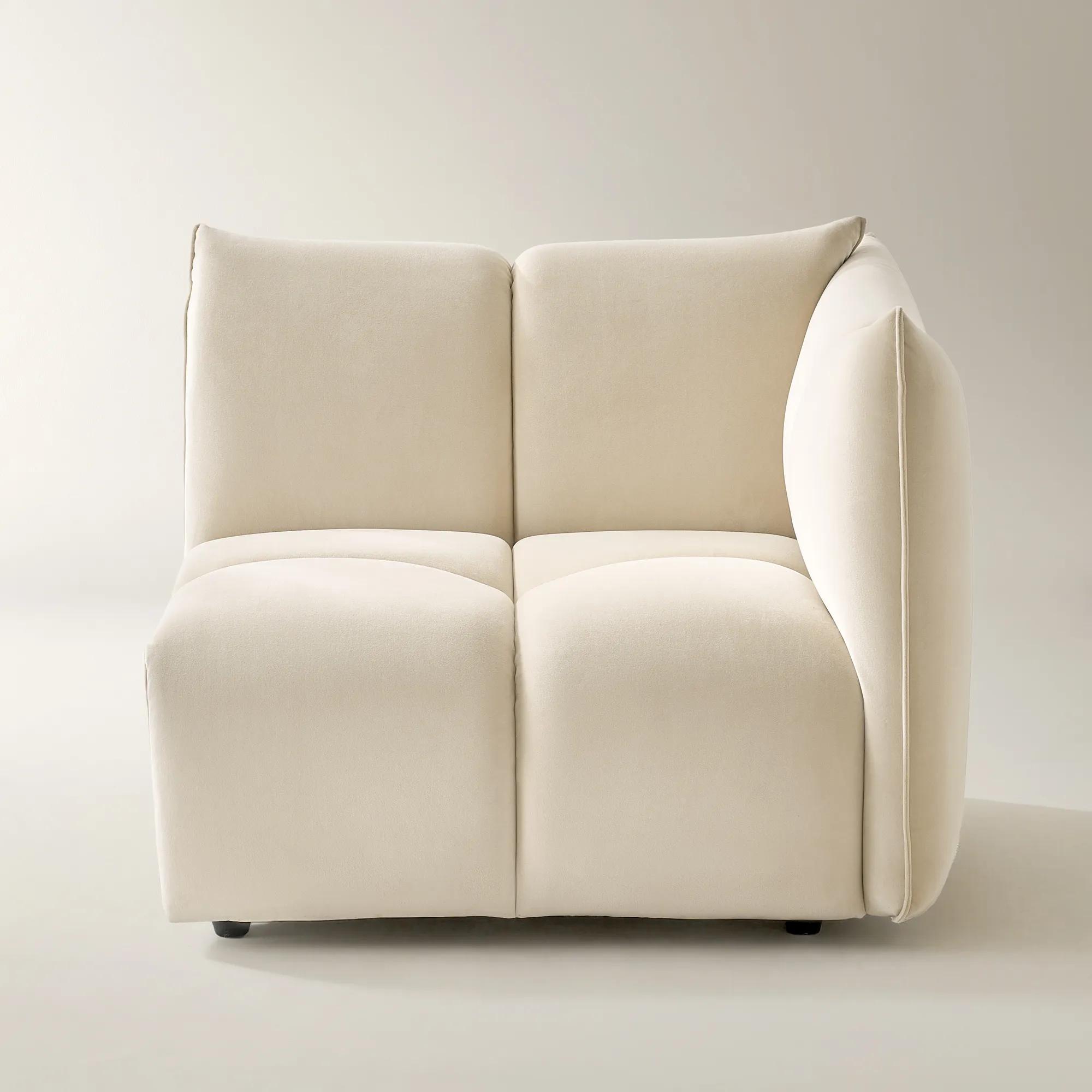
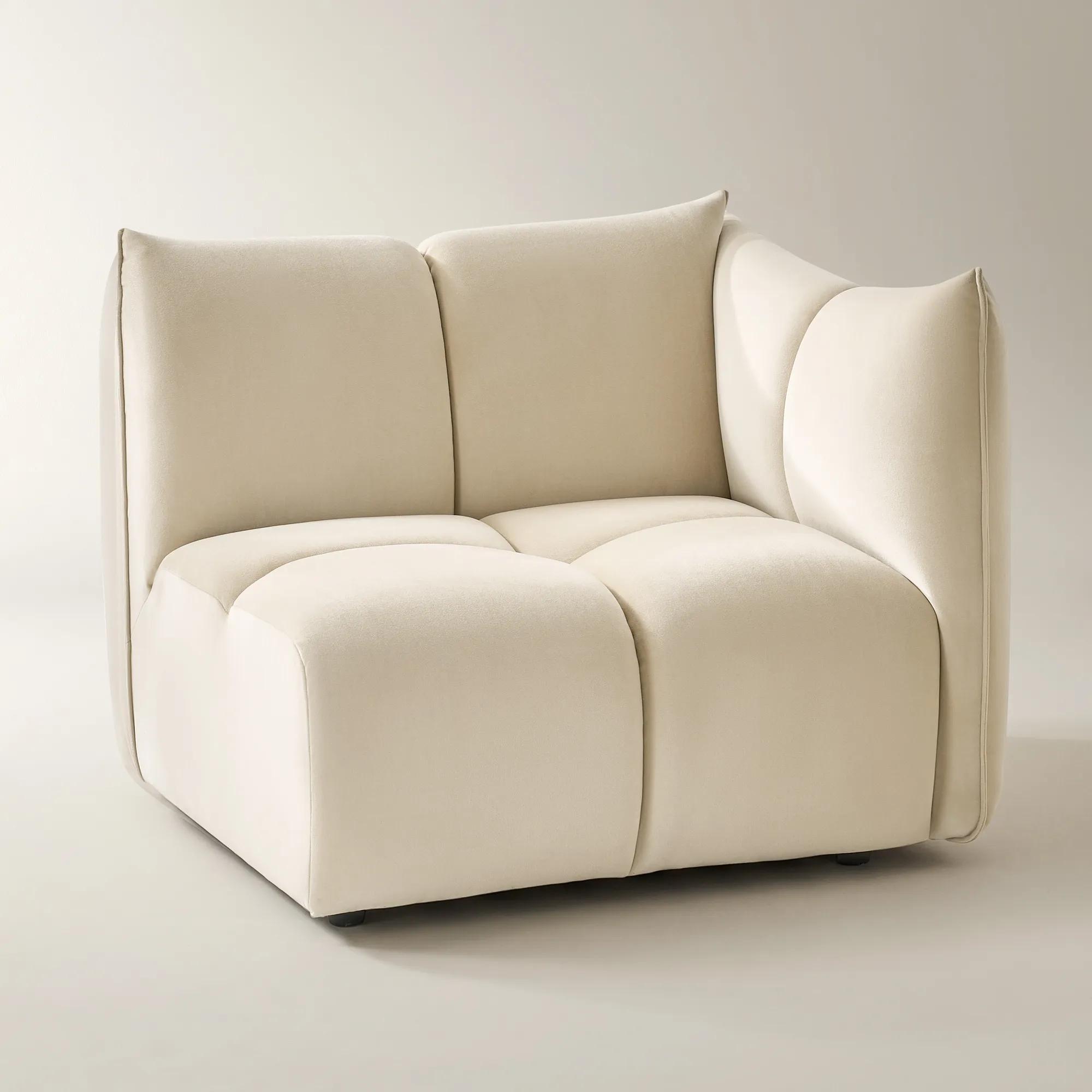 Reina Tufted Oatmeal Velvet Right-Arm Chair$899
A right-arm chair in oatmeal velvet featuring channel tufting, winged sides, and deep, plush seating.
Add To Cart -
 Harrison Cream Chenille Dining Chair$499
A fully upholstered cream chenille chair with high-density foam cushioning for exceptional comfort and contemporary style.
Add To Cart -
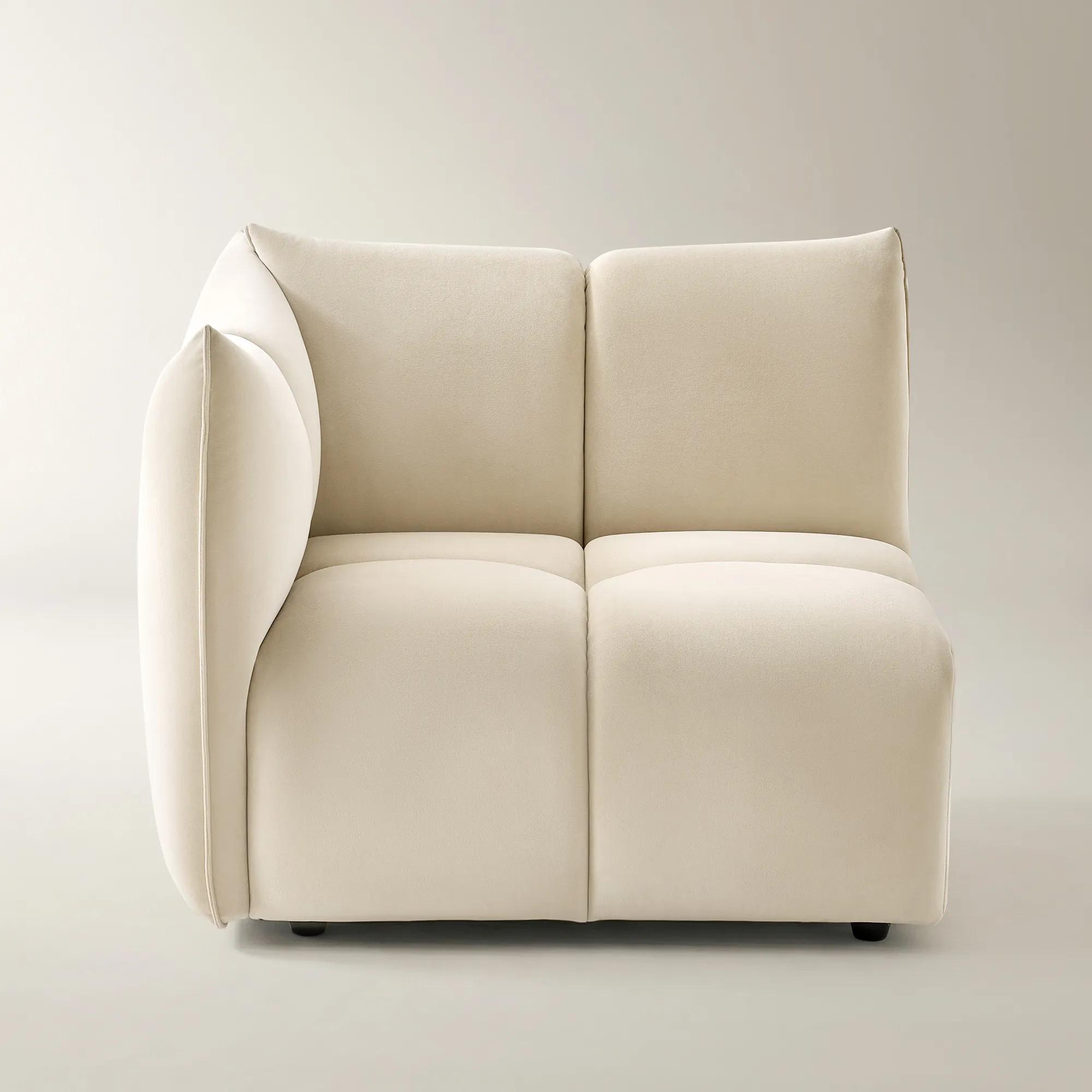 Reina Tufted Oatmeal Velvet Left-Arm Chair$899
A left-arm chair in oatmeal velvet featuring channel tufting, deep seating, and an architectural winged profile.
Add To Cart -
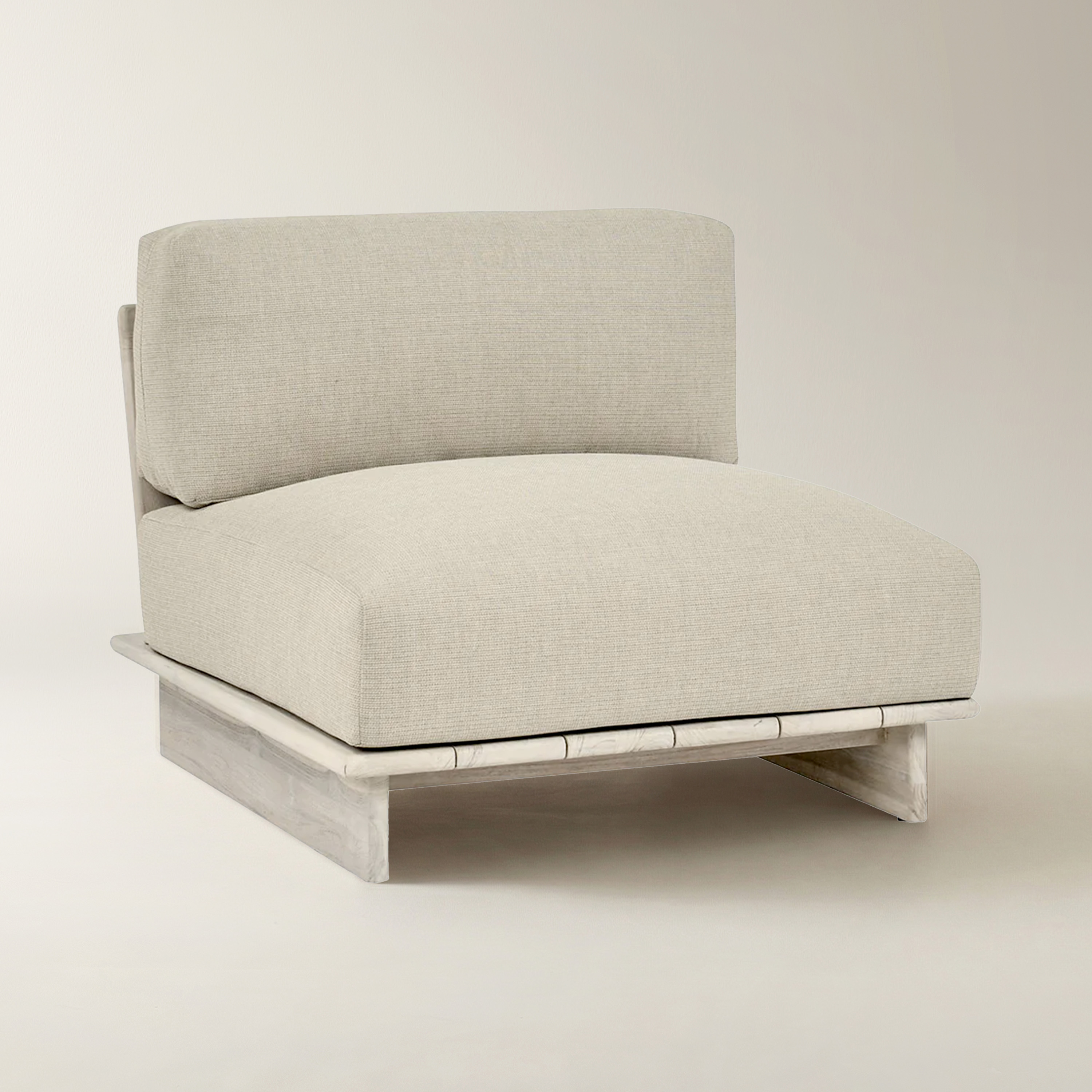 Livia Taupe Outdoor Armless Chair$2599
A taupe outdoor furniture component designed to complement modern exterior living spaces.
Add To Cart -
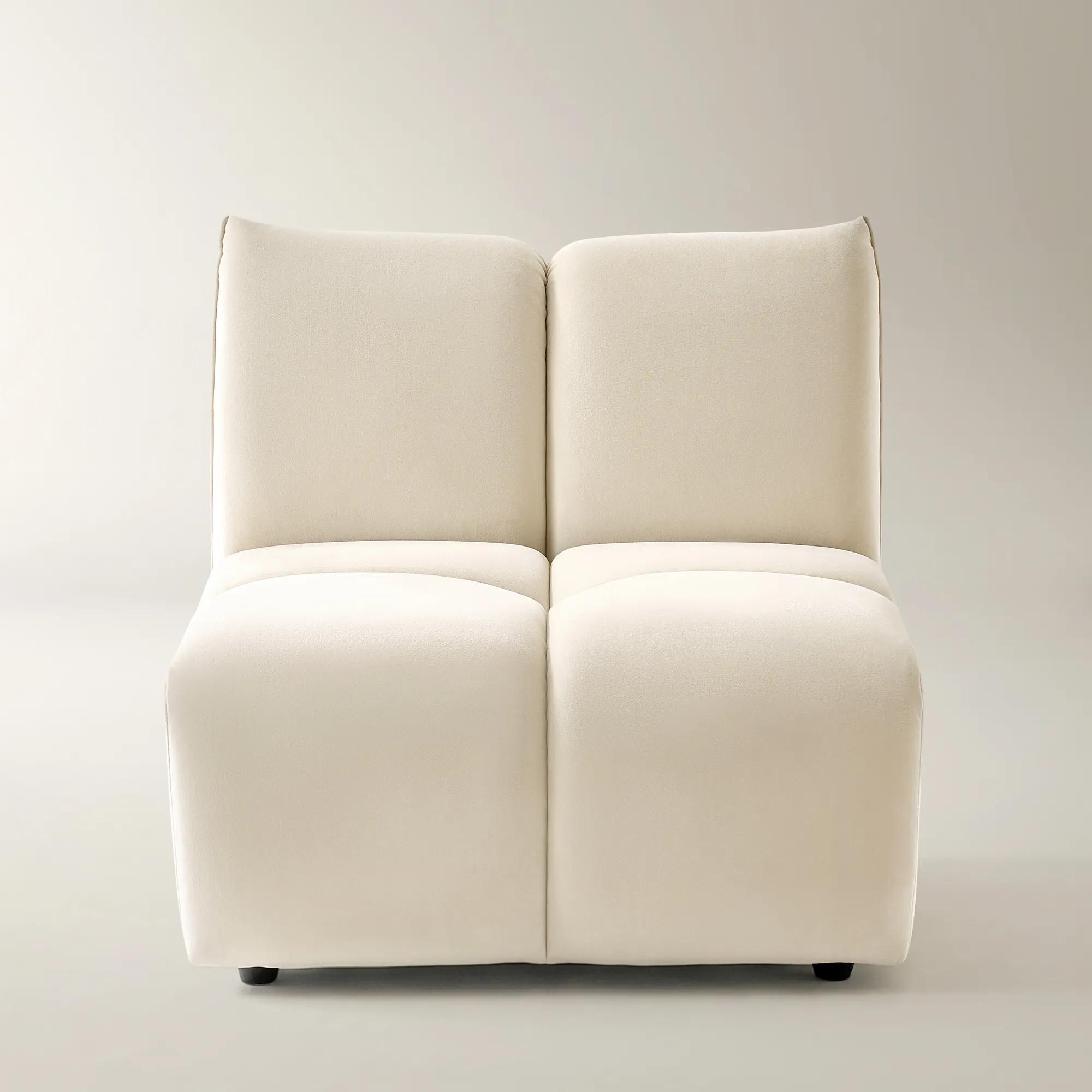
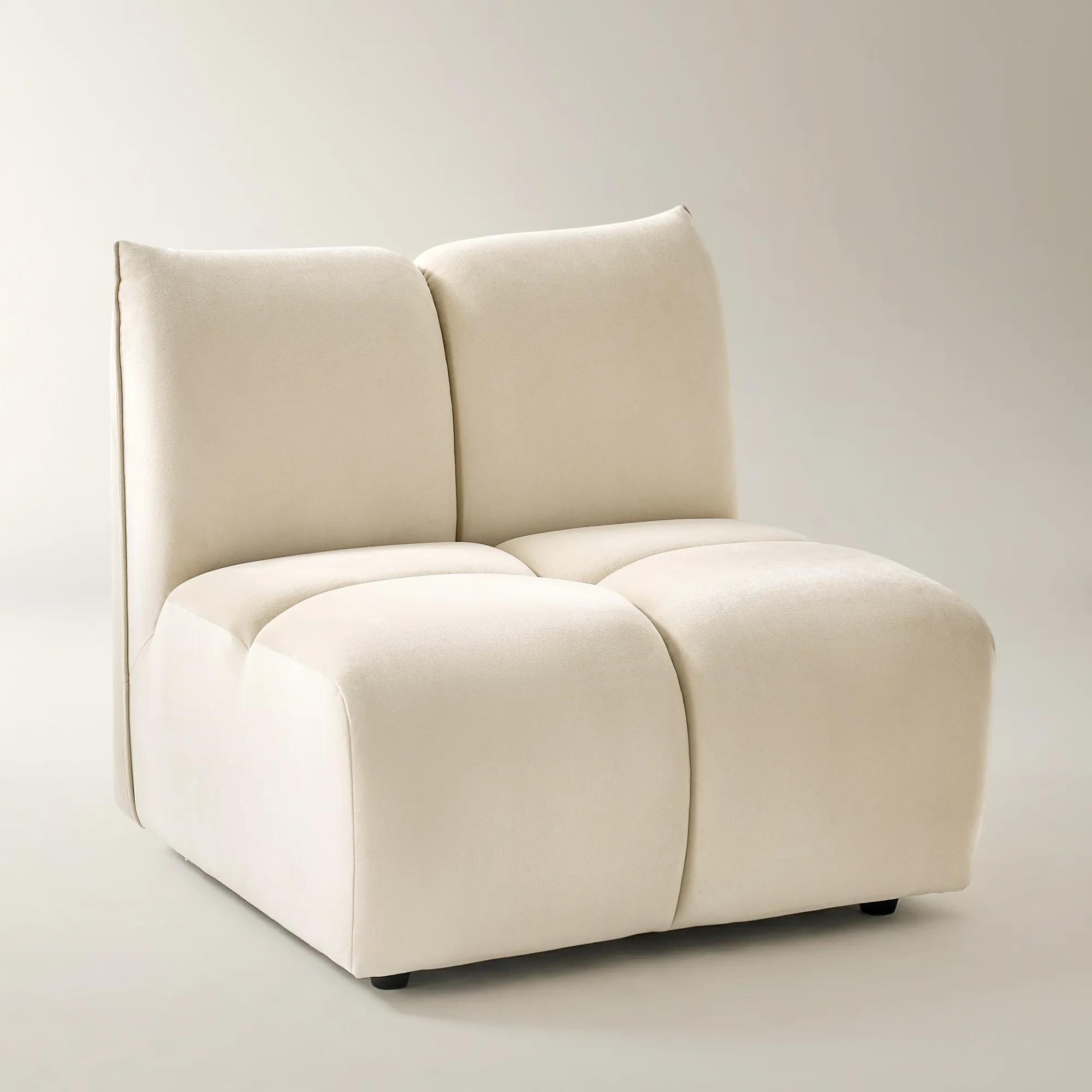 Reina Tufted Oatmeal Velvet Armless Chair$799
A plush oatmeal velvet armless chair featuring channel tufting, deep seating, and an architectural winged profile.
Add To Cart -
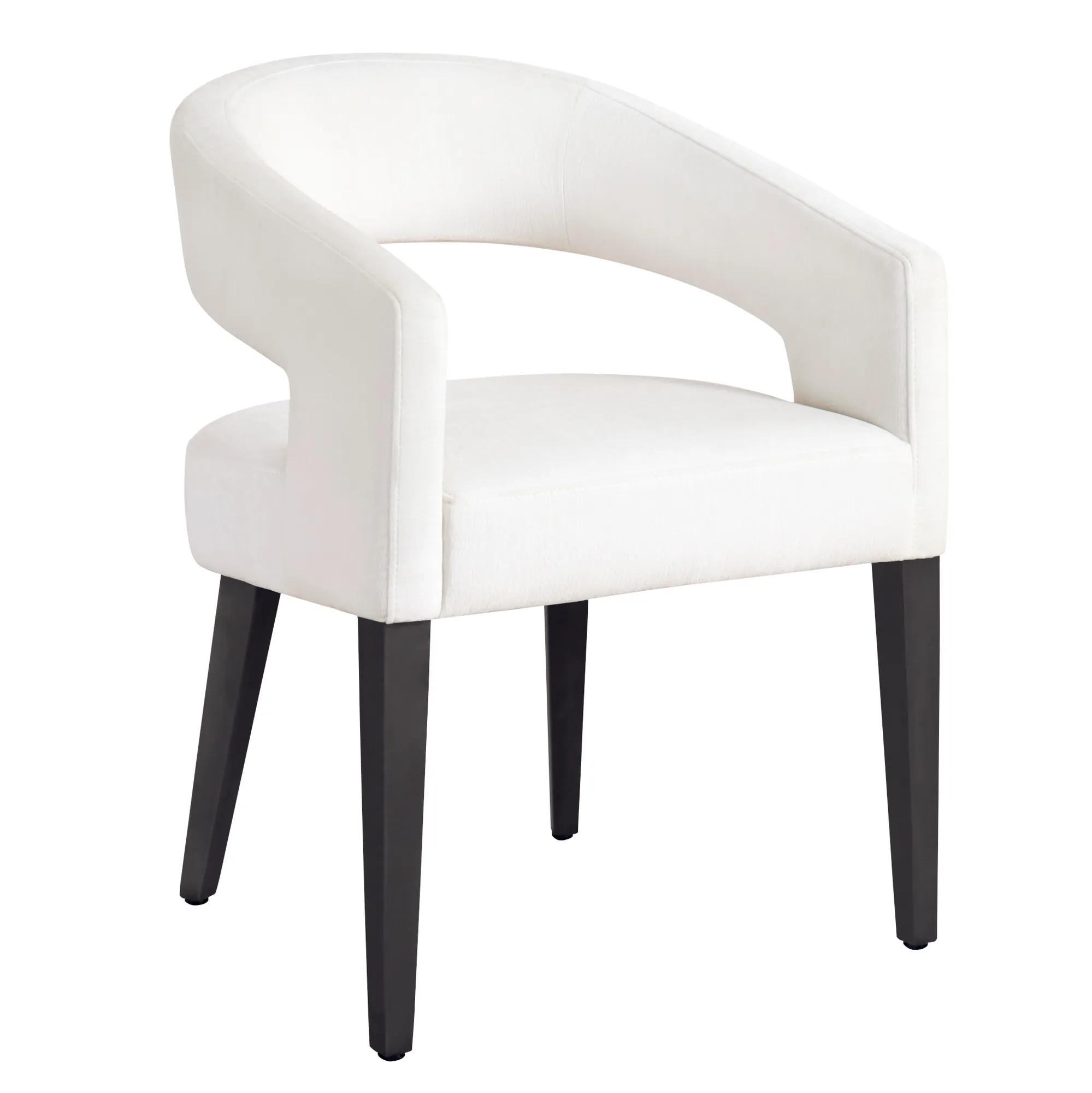
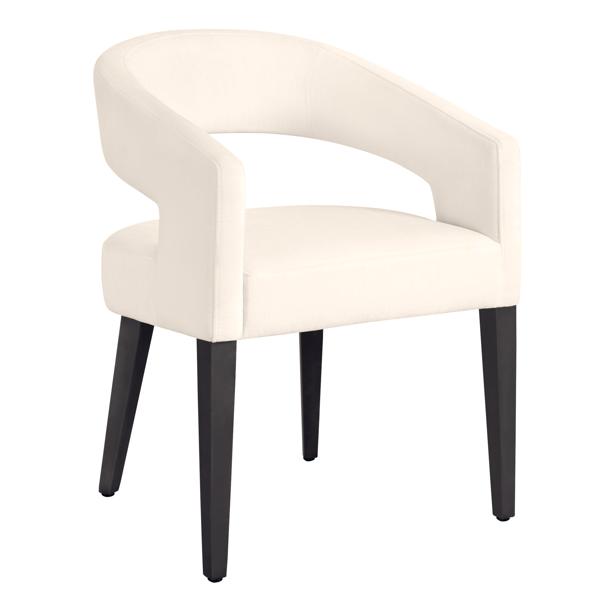 Philippa Dining Chair - Espresso$649
A modern dining chair featuring a curved silhouette, espresso legs, and neatly tailored chenille upholstery.
Add To Cart -
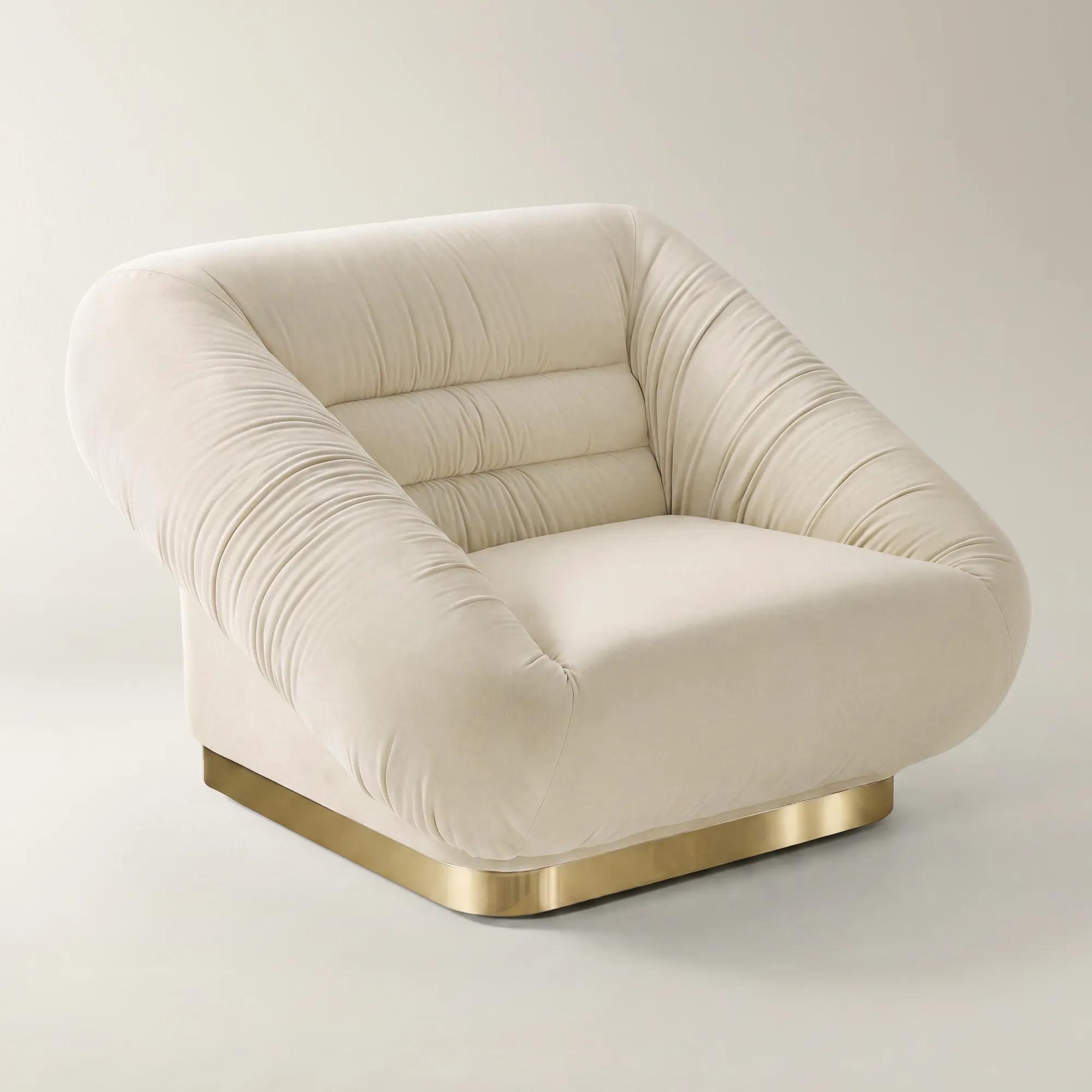
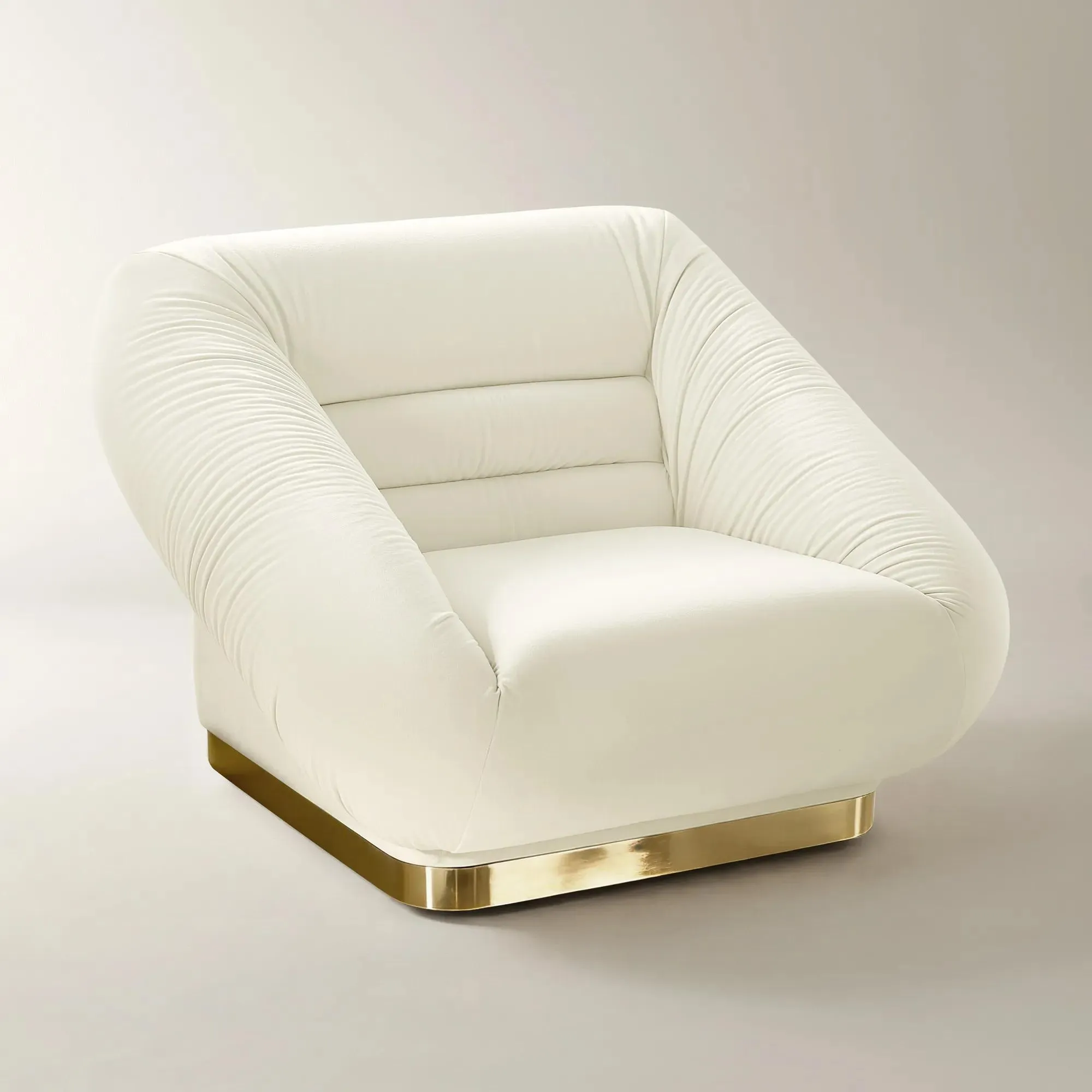 Dover Oatmeal Velvet Swivel Accent Chair$1299
A sculptural oatmeal velvet accent chair with gathered upholstery, a soft gold stainless steel base, and smooth 360-degree swivel functionality.
Add To Cart -
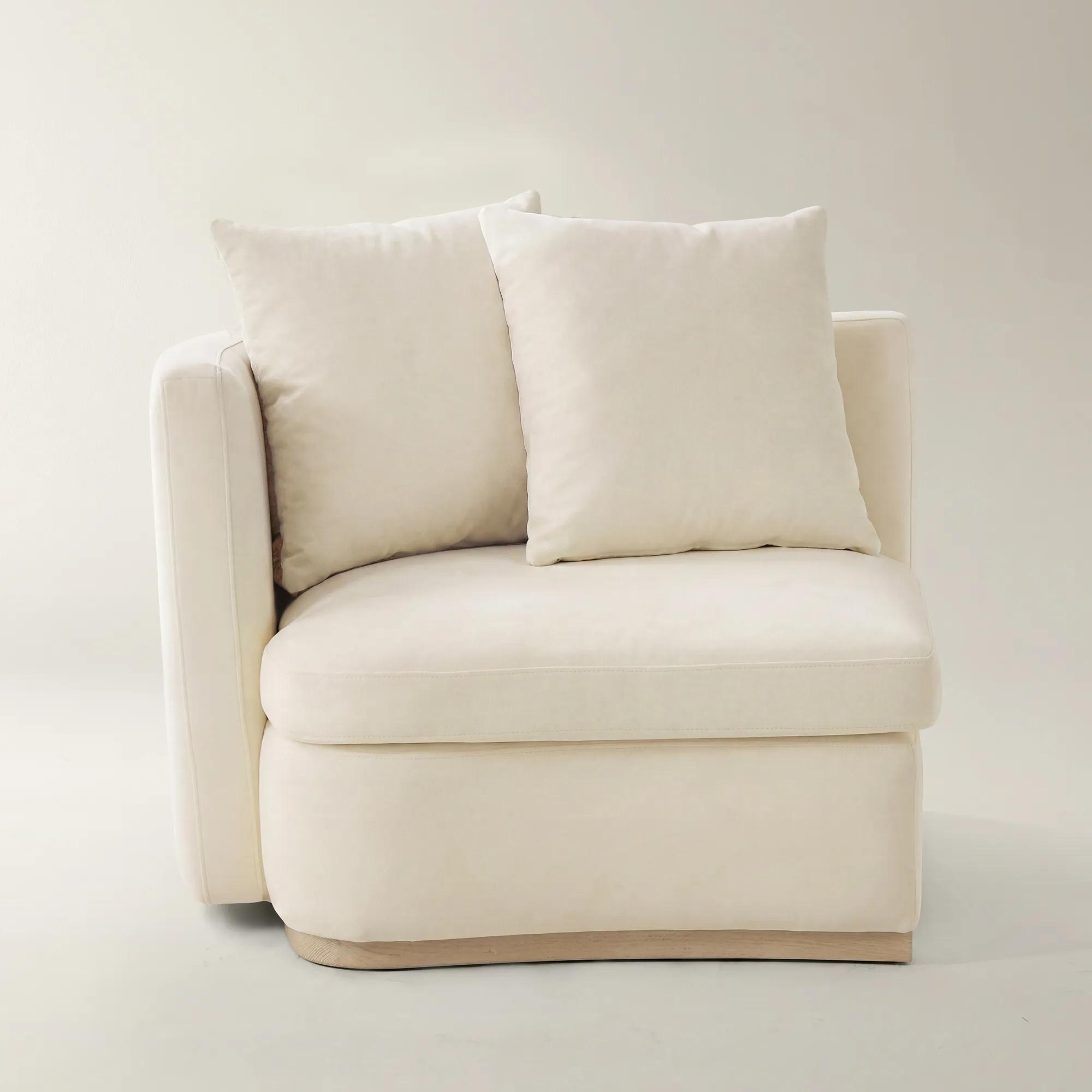 Stria Oatmeal Velvet Left-Arm Chair$1199
An oatmeal velvet chair with a kiln-dried wood frame, solid oak base, and layered down-blend cushioning.
Add To Cart -
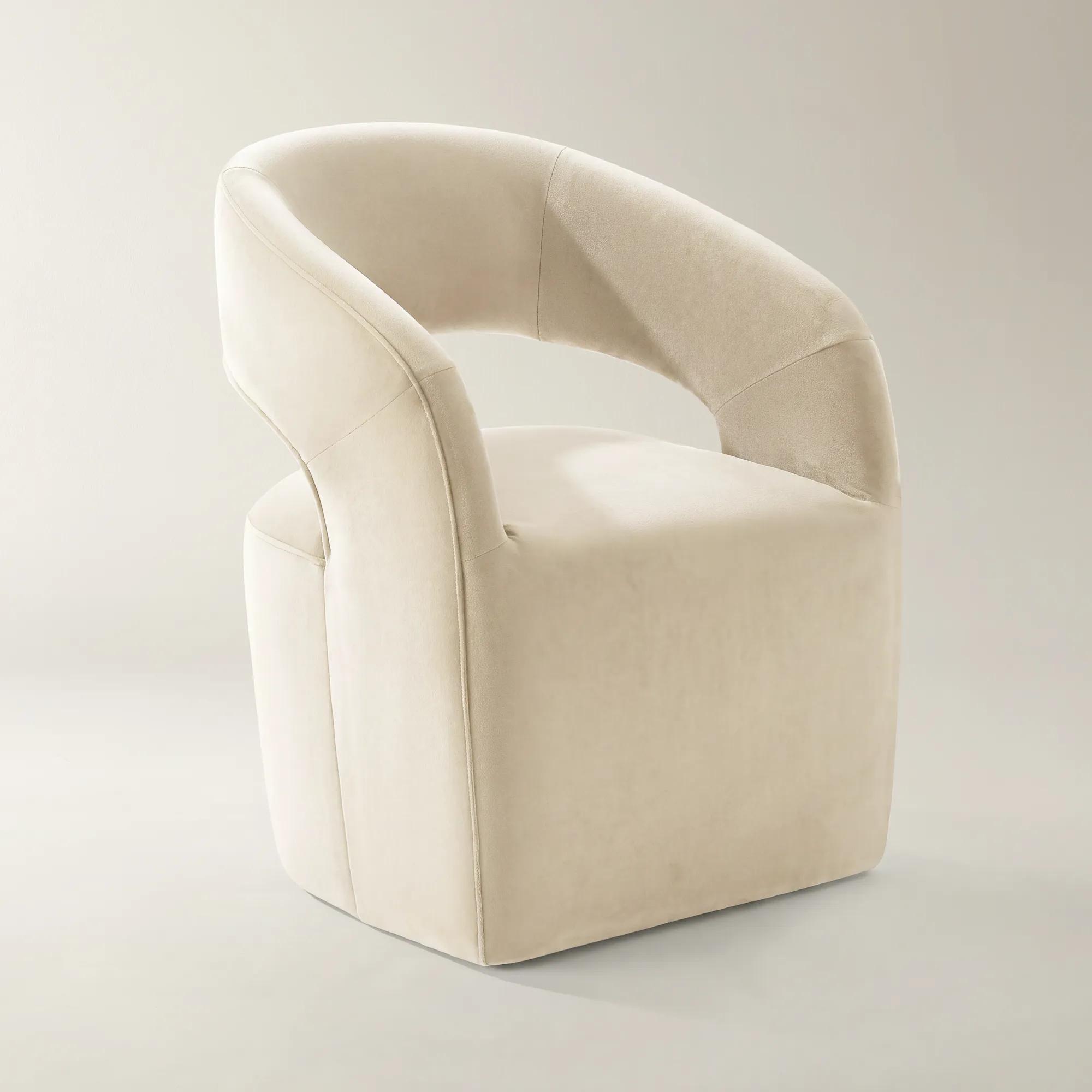 Harrison Oatmeal Velvet Dining Chair$499
A sculptural dining chair upholstered in oatmeal velvet with a curved back, feather-blend seat, and integrated arms.
Add To Cart -
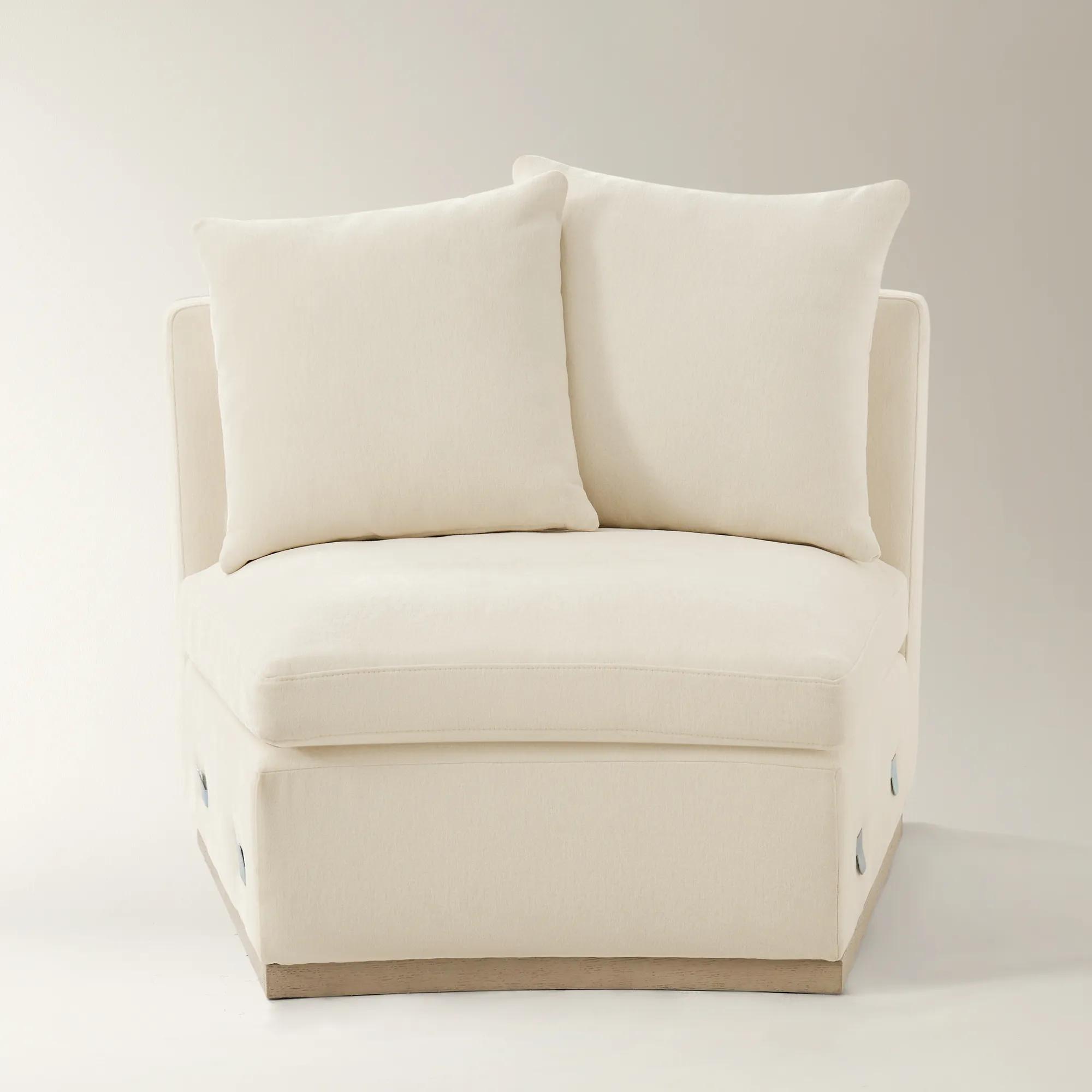
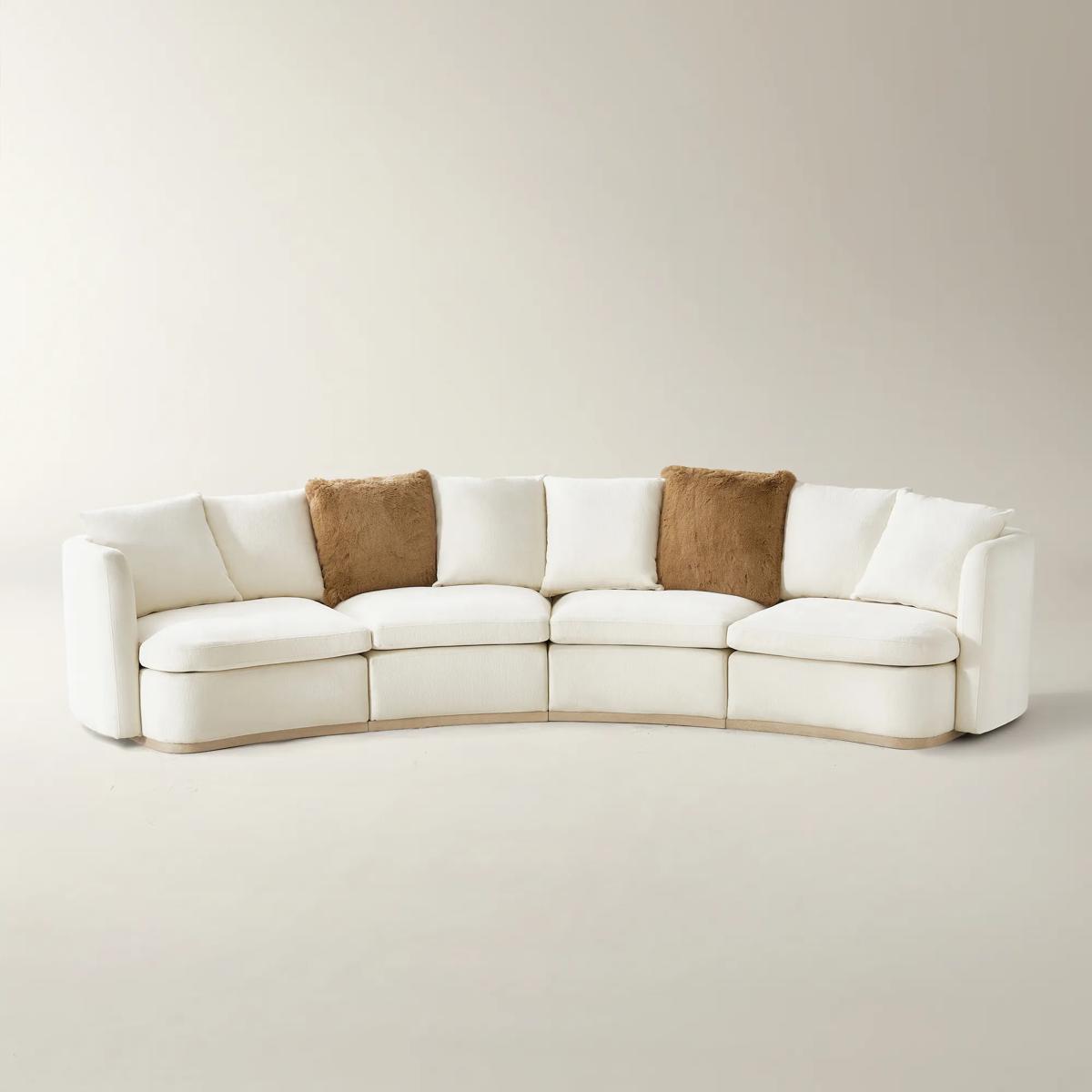 Stria Oatmeal Velvet Armless Chair$1099
A sculptural oatmeal velvet armless chair featuring layered cushioning, curved edges, and a kiln-dried wood frame.
Add To Cart

Neutral Color Fabric Chairs
Neutral color fabric chairs invite a sense of refined tranquility into any space, blending seamlessly with both daring statements and understated schemes. These versatile silhouettes offer more than mere seating—they become the canvas upon which your personal style unfolds. With their subtle hues and tactile fabrics, neutral color fabric chairs evoke effortless sophistication, softening bold vignettes or elevating serene retreats. Each piece whispers of timeless elegance, inviting you to curate a living environment where comfort meets cultivated artistry. Let your interiors breathe with the quiet confidence and enduring allure of neutral color fabric chairs.
Neutral color fabric chairs are upholstered seats in shades such as ivory, cream, beige, oatmeal, taupe, greige, and gray, spanning sculptural accent chairs, enveloping armchairs, and tailored dining chairs. Their appeal lies in the balance between visual versatility and tactile richness: a pale woven seat can soften a room filled with polished stone and glass, while a deeper mushroom or warm gray chair lends definition beside light walls. Neutral does not mean without character. A curved back, exaggerated arm, beautifully placed seam, or deeply textured upholstery gives these chairs a distinct presence without relying on saturated color. Cream and ivory often read luminous and refined; beige, sand, and oatmeal introduce an earthy warmth; taupe and greige bridge warm and cool finishes. The differences become especially noticeable beside existing furnishings. An ivory chair with a yellow undertone may feel harmonious near honey-toned wood but look markedly warmer against blue-gray upholstery. Fabric samples viewed beside the sofa, rug, and curtains offer a clearer sense of that relationship than an isolated screen image. Daylight and interior lighting can also change how a neutral reads, revealing pink, green, or silver undertones that are less obvious at first glance. For a more enveloping seat, Neutral Color Arm Chairs bring the palette into silhouettes that frame the body and give a seating arrangement a more substantial outline. Armless profiles create a lighter visual rhythm around a dining table or within a compact conversation area. A pair of matching chairs establishes symmetry across from a sofa, while a single rounded accent chair can introduce a deliberate sculptural note beside a fireplace or bookcase. The most compelling combinations need not match shade for shade. An oatmeal chair against ivory curtains, a pale gray rug, and a dark wood table creates dimension through subtle contrast, allowing the upholstery’s texture and the chair’s shape to carry the drama.
Fabric determines much of a neutral chair’s personality, as well as how it feels and wears in daily use. Linen and linen-blend upholstery often display a visible weave and slight surface variation, lending tailored forms an organic counterpoint. Cotton blends can offer a soft hand, while polyester and other synthetic blends may contribute resilience, depending on the construction and finish. Bouclé creates a more pronounced texture through its looped yarns, giving cream and beige upholstery a dimensional surface that feels especially expressive on rounded silhouettes. Velvet offers a different kind of richness: its directional pile catches light, so a taupe or gray chair may appear shaded in one area and luminous in another. That shifting surface is part of its character, although pressure marks and changes in nap may be noticeable. For frequently used seating, the useful details extend beyond the fabric name. Fiber content, weave density, seam construction, cushion composition, and frame design all contribute to the experience. A performance designation may indicate resistance to certain spills or stains, but the stated properties and care instructions matter more than the label alone; stain resistance does not mean stainproof. Homes with pets may favor a smoother, tightly woven surface over a pronounced loop that could catch a claw. Comfort is equally individual. A deep seat invites lounging but may leave a shorter person needing a back pillow, whereas a shallower seat and supportive back can feel more composed during conversation. Broad arms provide a generous resting place, though they also increase the chair’s overall footprint. In a reading corner, the relationship between seat depth, back angle, and a nearby footrest can matter more than an oversized silhouette. Around a dining table, a more upright posture and a seat height suited to the tabletop support longer meals without crowding the setting. Measuring overall width, depth, and height alongside usable seat dimensions helps distinguish a chair that simply fits the floor plan from one that feels comfortable in use. Arm height deserves particular attention when a chair needs to slide beneath a table, and doorways and tight turns matter before a substantial upholstered frame reaches its intended room.
Neutral upholstered chairs are especially effective in spaces that serve more than one purpose, where seating needs to feel inviting without visually dominating the room. In a living room, two ivory chairs with dark legs can echo the contrast of a black-framed mirror while keeping the conversation area luminous. A wheat-colored chair beside a bedroom dresser offers a place to sit while dressing and introduces softness among larger case pieces. At a dining table, fabric upholstery brings texture close to the body, making the setting feel more intimate than an arrangement composed entirely of hard surfaces. Scale keeps these moments convincing. A generous barrel chair needs room for its curve to be appreciated, while a slim, open-base silhouette allows more of the floor and rug to remain visible. A swivel design, when suited to the setting, can connect conversation with a view or television without requiring the chair to be repositioned. The surrounding finishes sharpen the effect: brushed metal adds a gleaming accent, dark wood creates depth, and a patterned rug gives pale upholstery a more expressive foundation. Everyday care preserves that composition as much as the original styling does. Routine vacuuming with an upholstery attachment, following the manufacturer’s directions, helps remove dust and debris before they settle into the weave. Spills call for prompt blotting rather than rubbing, with any cleaner selected according to the fabric’s care label and tested in a discreet area when permitted. Saturating upholstery can leave marks or affect the material beneath it, and removable cushion covers are not necessarily machine washable. Direct sunlight may fade fabric over time, while repeated contact with dark denim can transfer dye onto lighter seats. Where cushions are designed to be turned or rotated, doing so can help distribute wear. These considerations make the intended setting important: a chair for daily dining encounters different demands than an accent seat reserved for occasional conversation. With the right proportions, fabric, and level of support, a neutral chair becomes more than a color match—it contributes a tactile, beautifully defined place to settle into the room.
FAQs
Neutral color fabric chairs offer a timeless foundation that harmonizes with virtually any design style, from modern minimalism to eclectic maximalism. Their understated hues—such as ivory, beige, and taupe—allow for effortless layering with bold accents, metallic finishes, or vibrant artwork, making it easy to refresh your space as your tastes evolve.
Neutral dining chairs provide a chic backdrop that lets your creativity shine. Pair them with dramatic table linens, sculptural centerpieces, or gleaming dinnerware to set the mood for any occasion. For added texture and warmth, drape a plush throw or add a decorative seat cushion in a complementary shade.
Absolutely—neutral color fabric chairs are a thoughtful and enduring gift choice. Their classic appeal and adaptability ensure they will complement any recipient’s decor, making them ideal for housewarmings, weddings, or milestone celebrations where lasting style and comfort are appreciated.
Popular fabric choices include linen, velvet, chenille, and performance blends. Linen offers a relaxed, breathable texture; velvet brings a touch of glamour with its soft sheen; chenille adds plush comfort; and performance fabrics ensure durability for high-traffic areas. Each fabric enhances the neutral palette with its unique tactile and visual qualities.
In the colder seasons, neutral color chairs become inviting retreats, especially when paired with soft throws, faux fur accents, or layered rugs. Their calming tones reflect natural light, creating a warm, tranquil ambiance that encourages relaxation and togetherness—even as the world outside grows frosty.