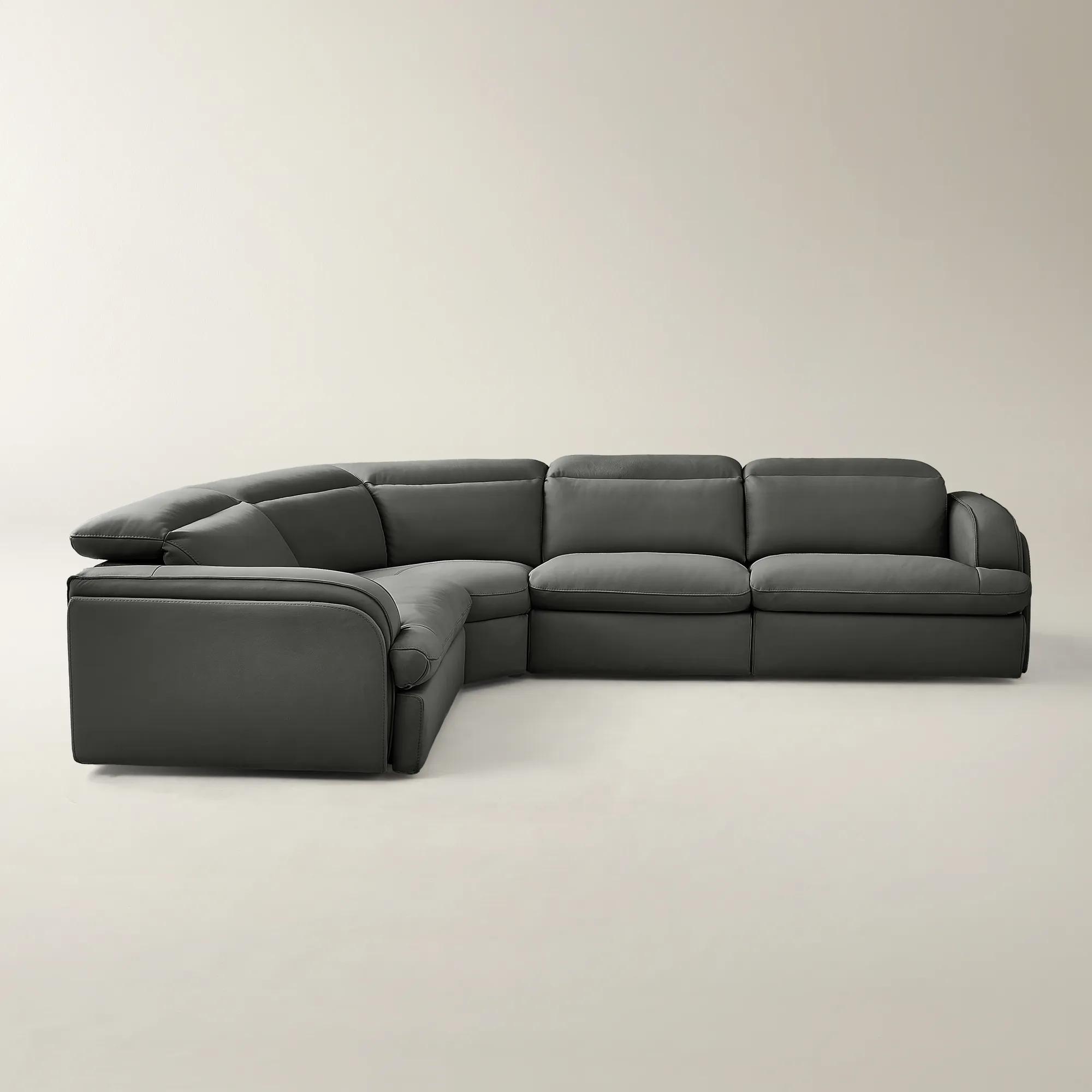
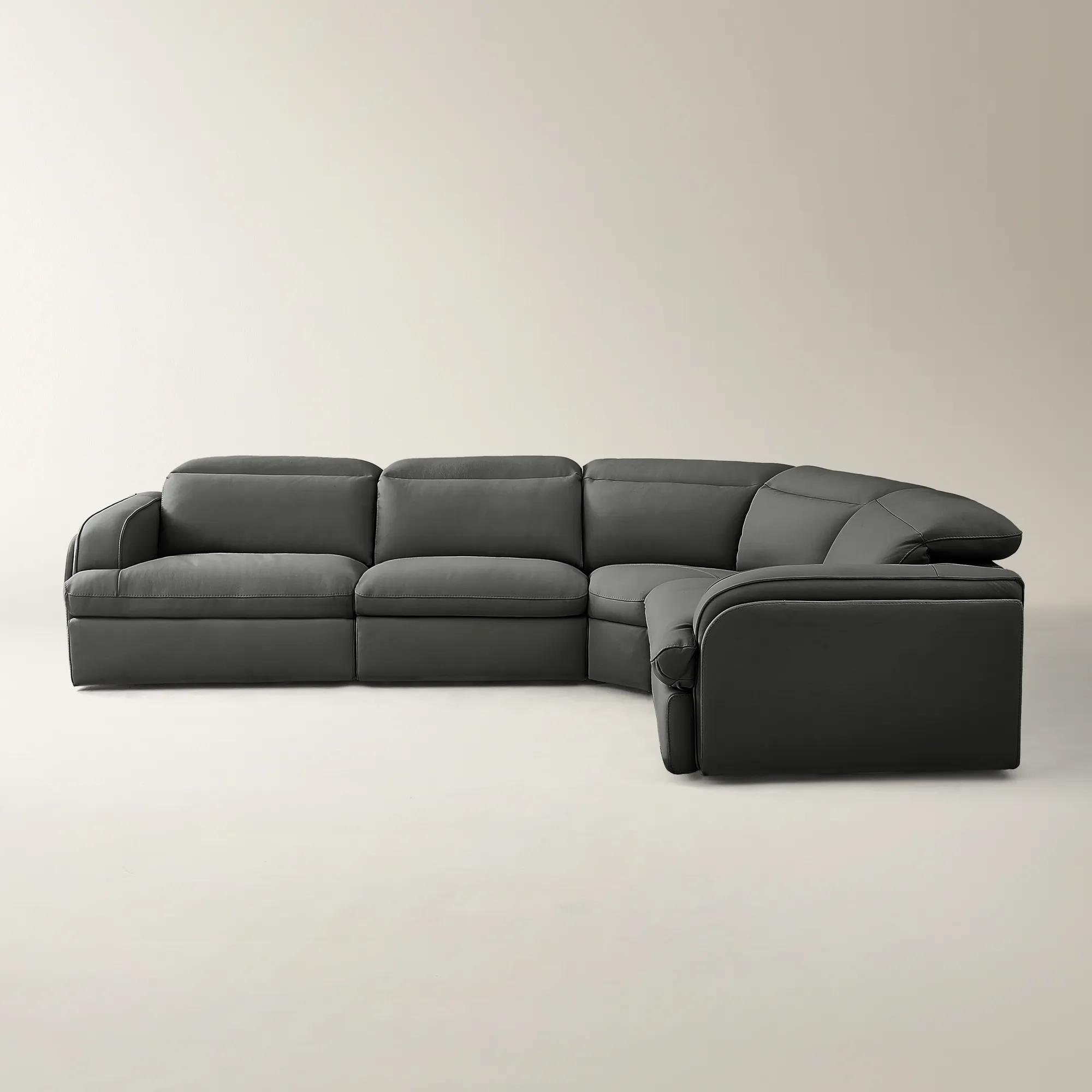
Neutral Color Sofas
Neutral Color Sofas
-
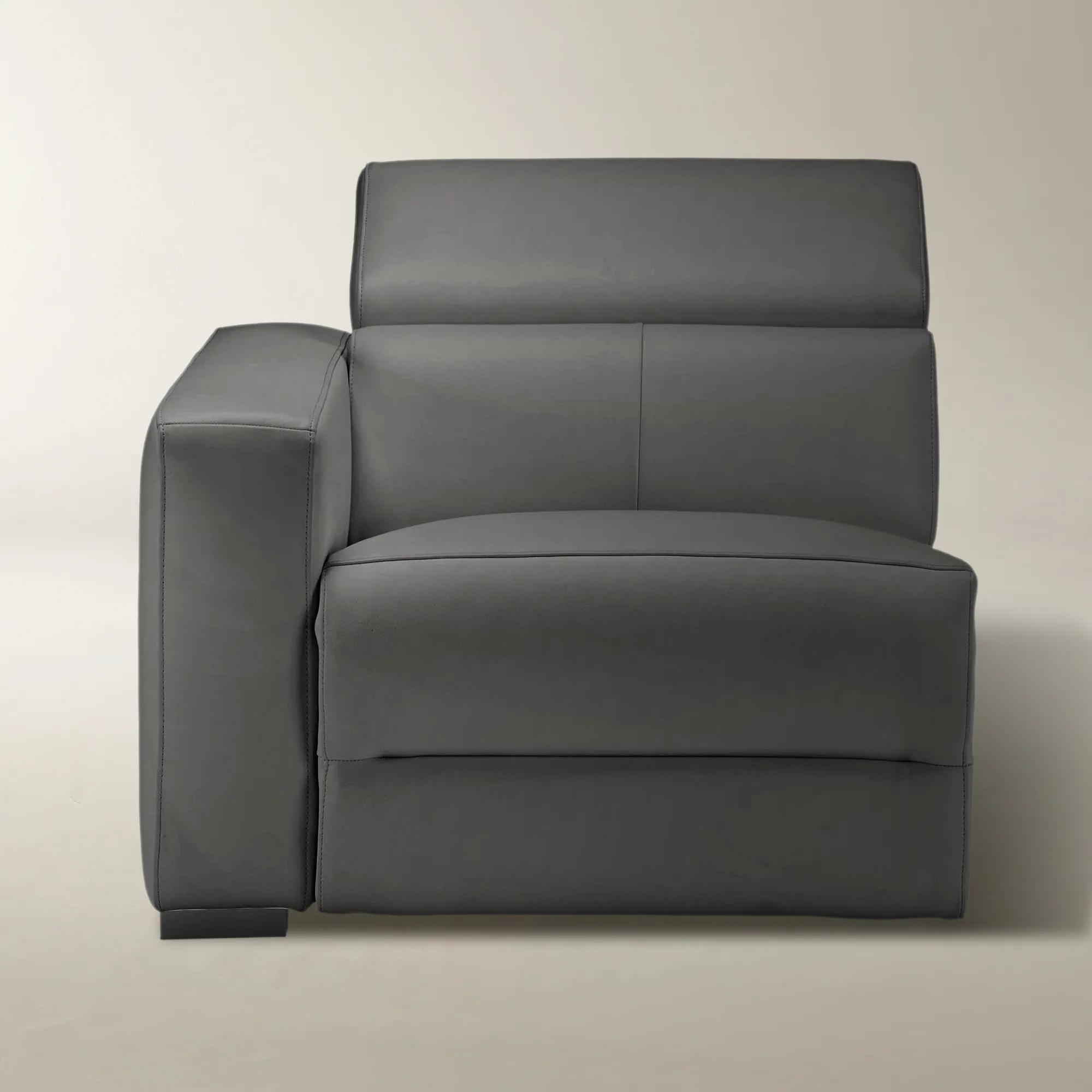
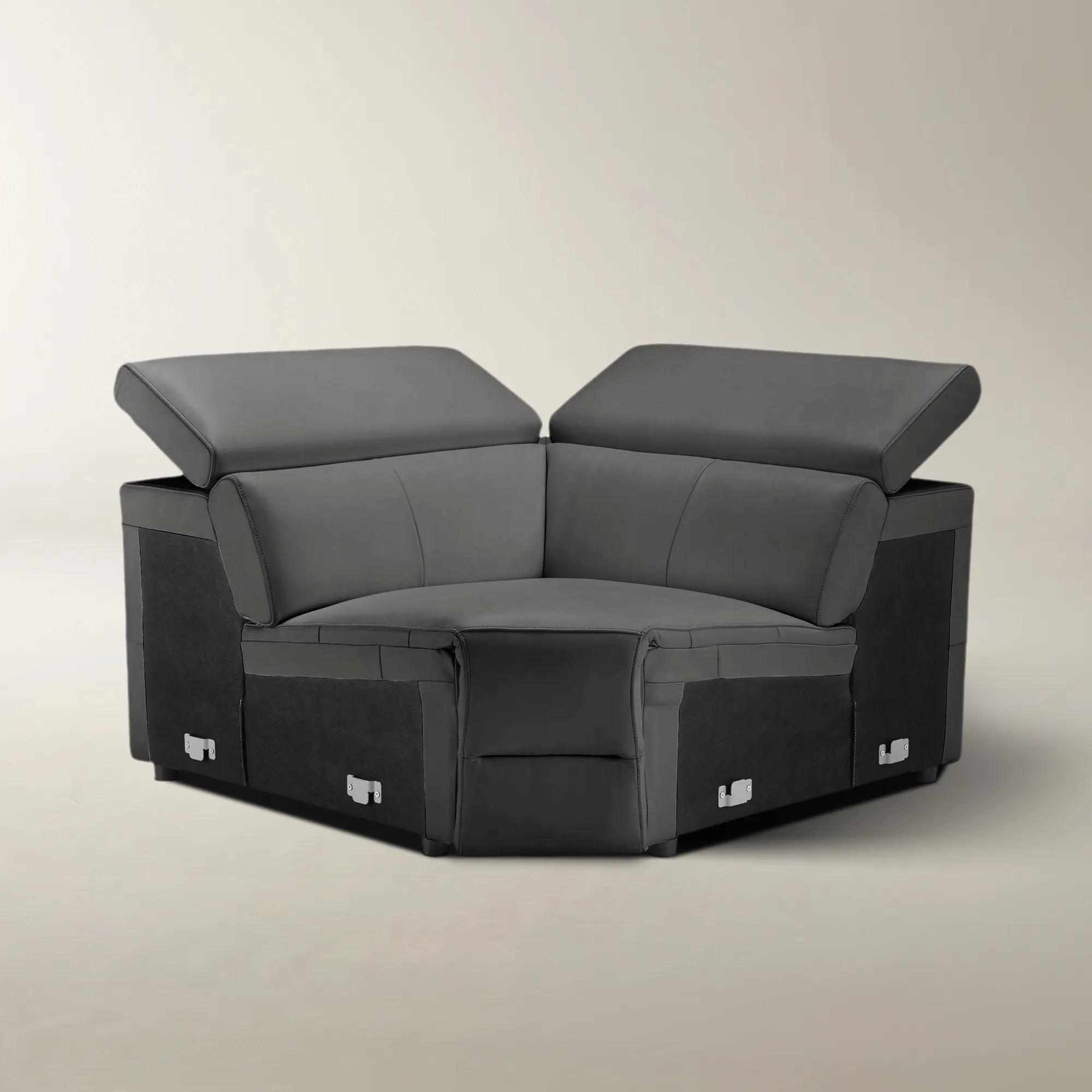
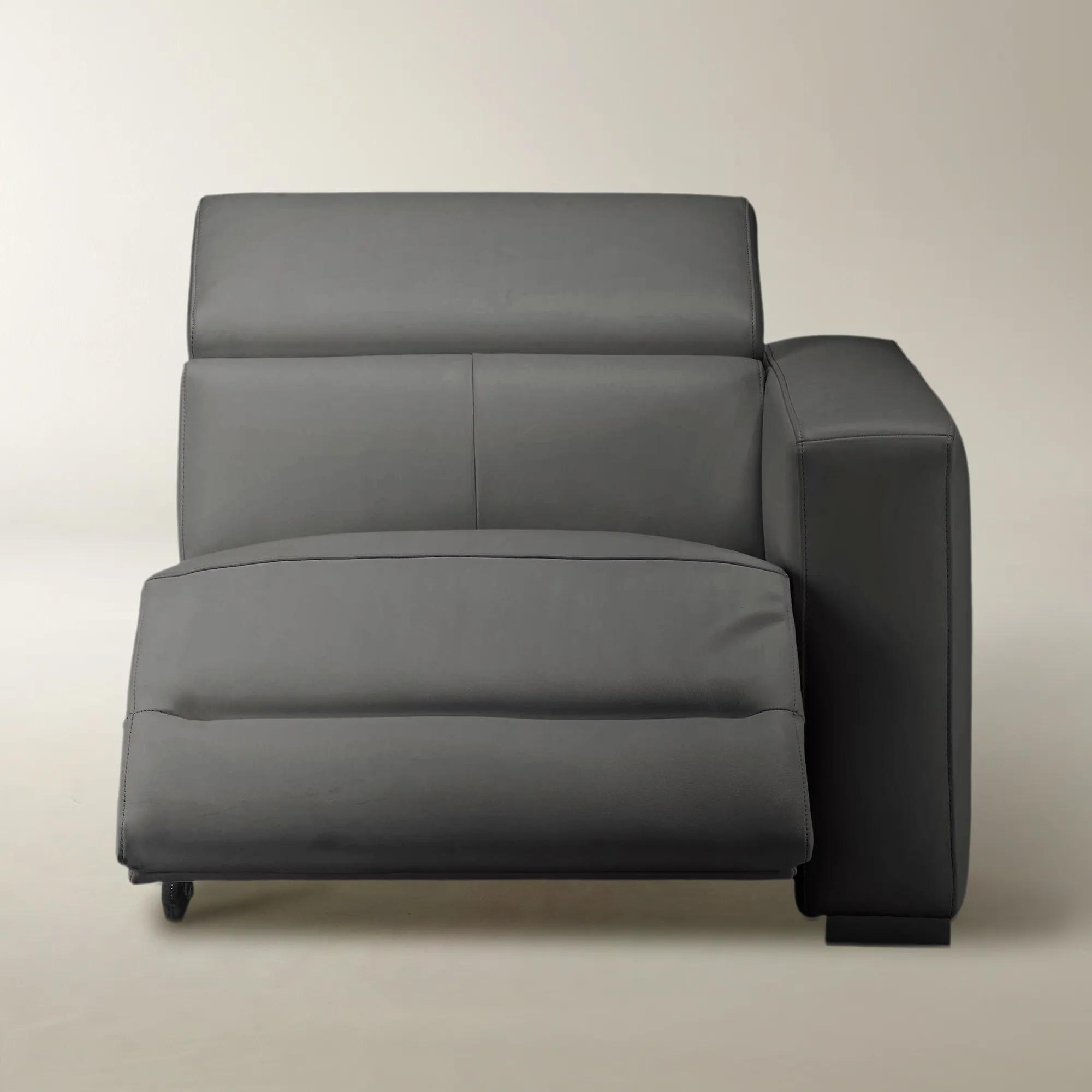
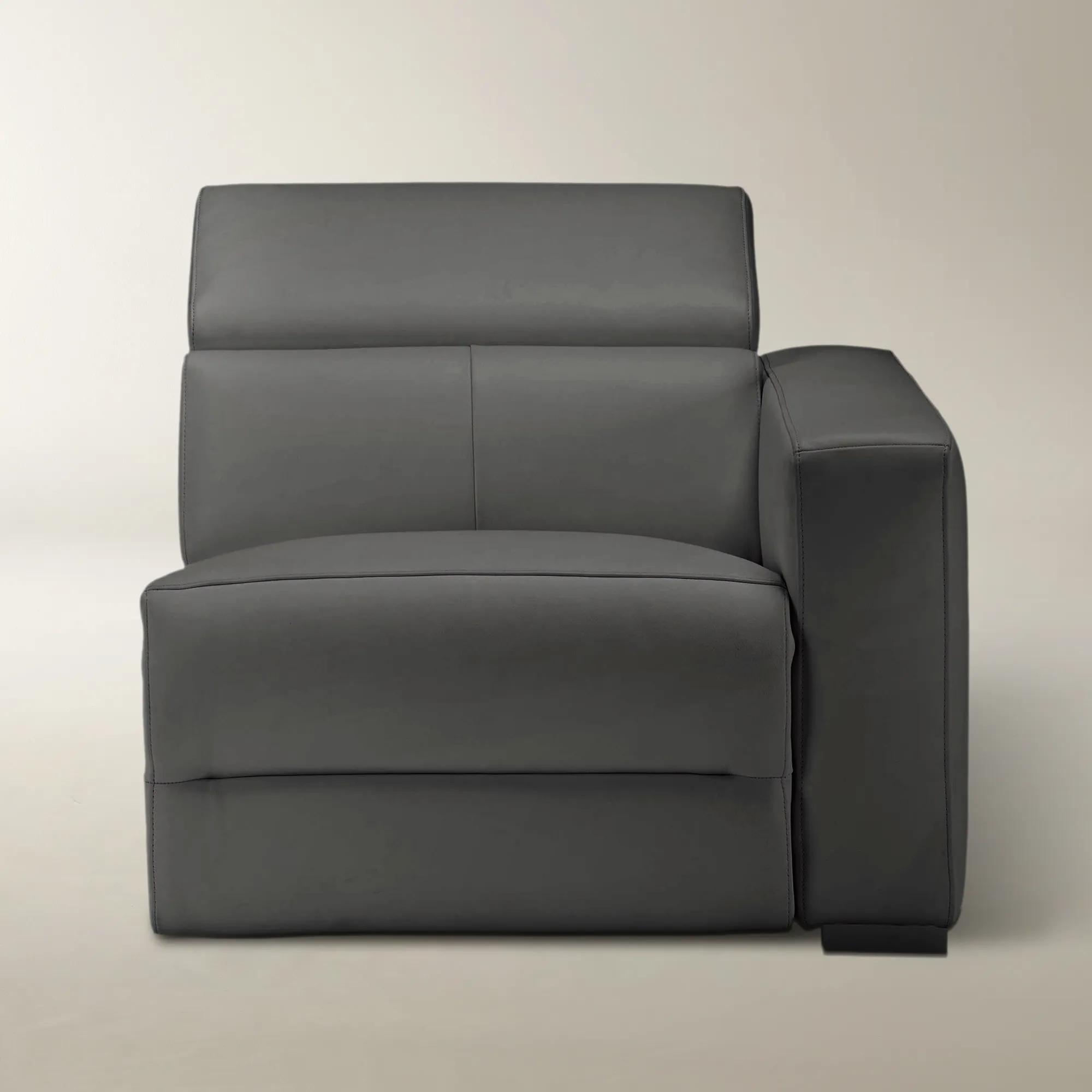
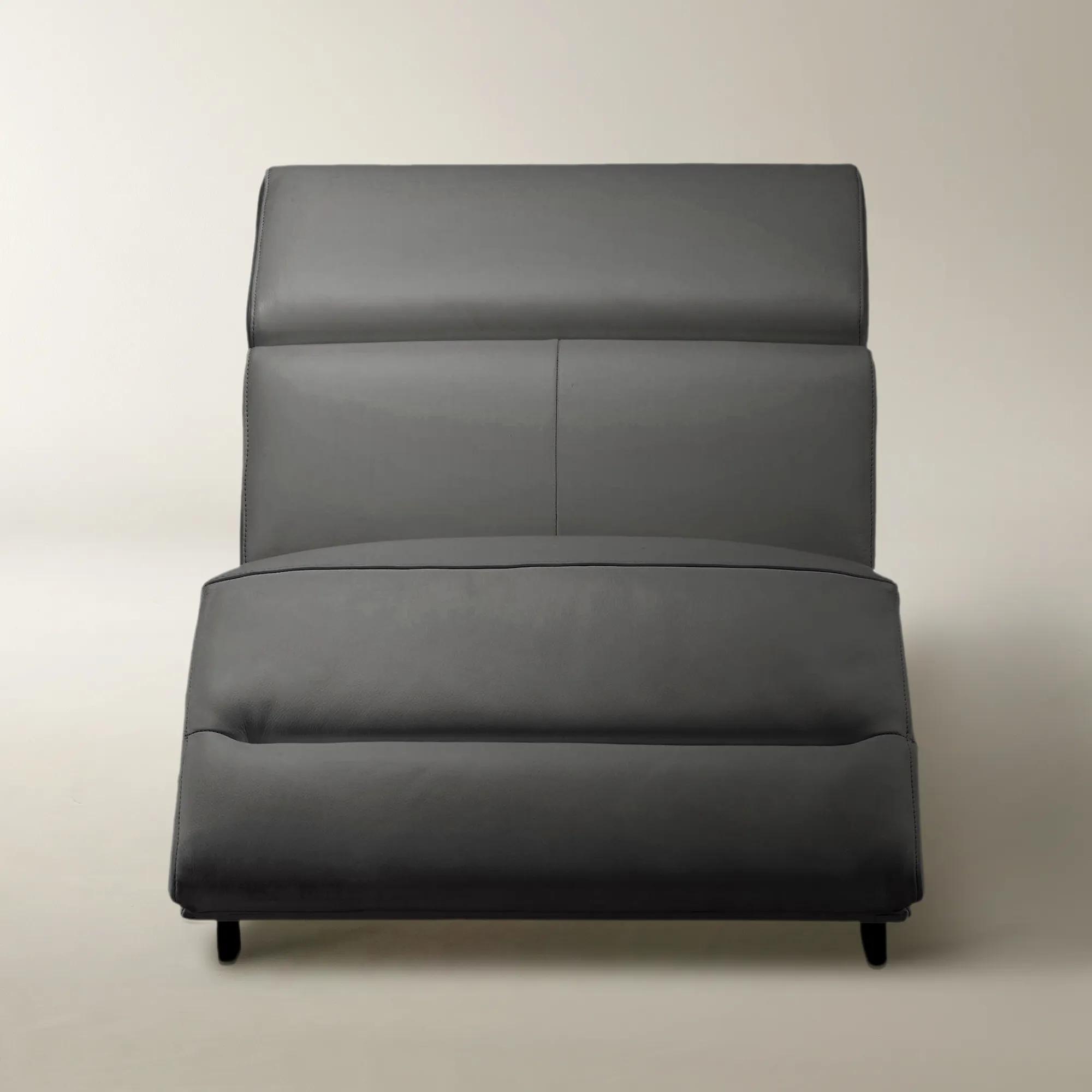
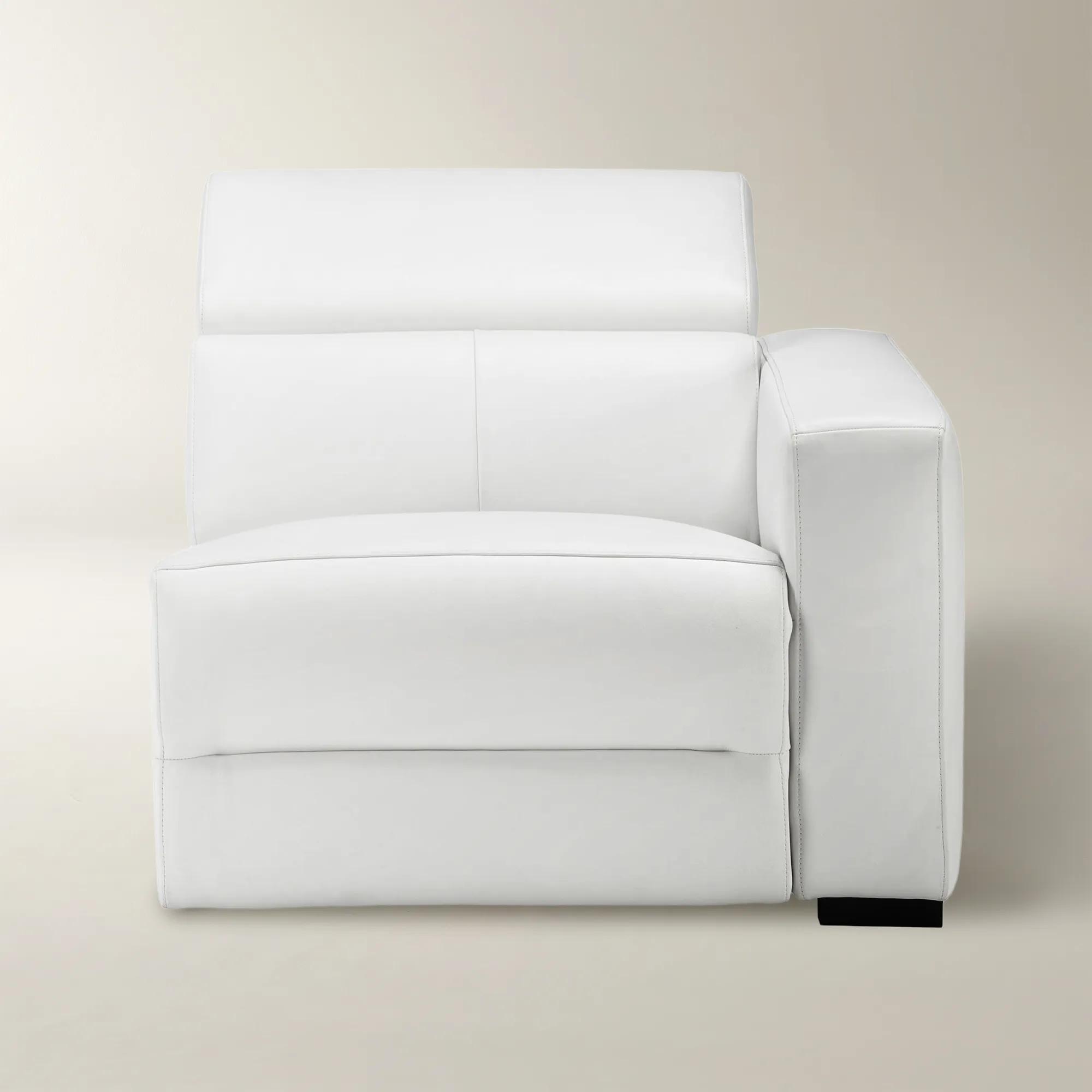
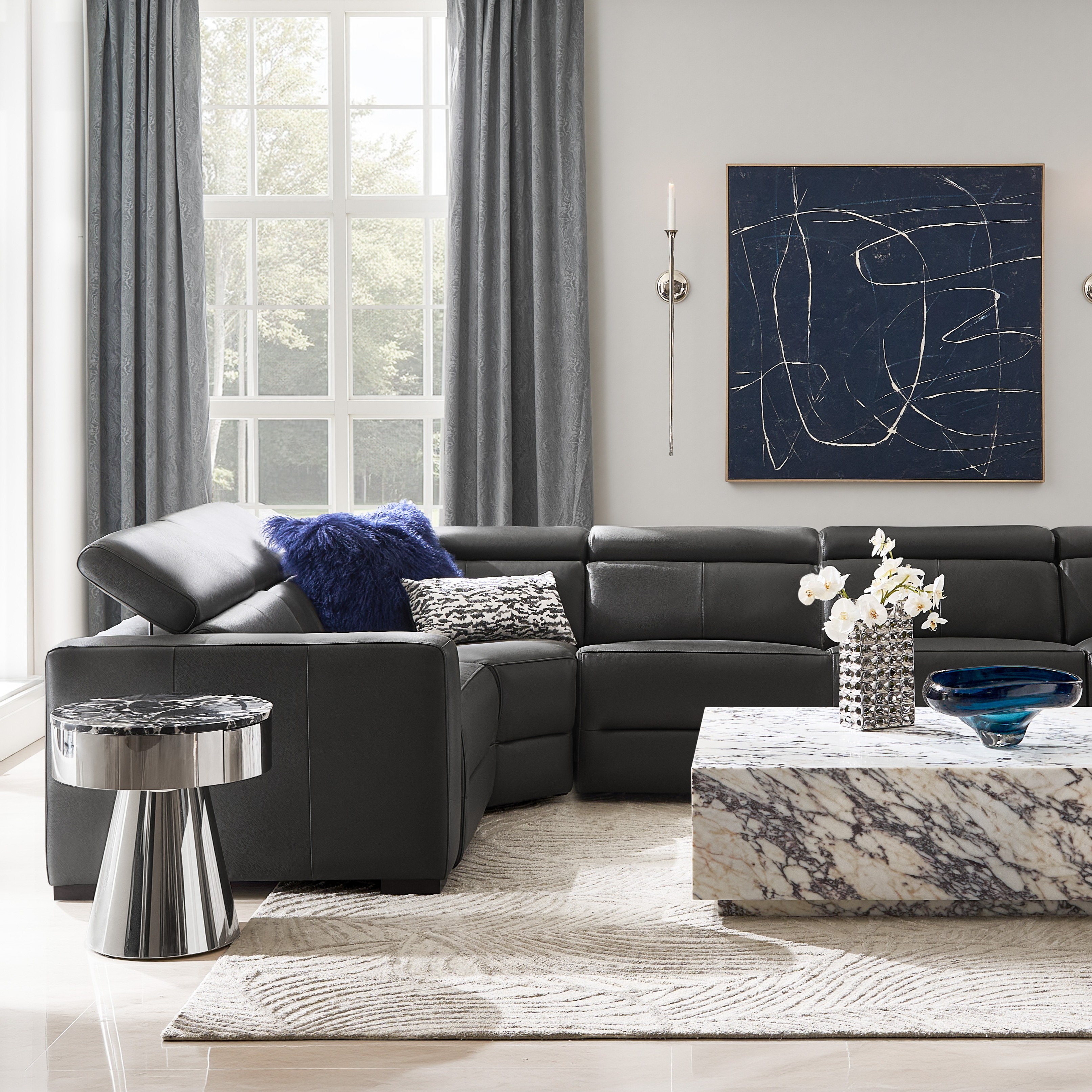 Verona Charcoal Leather Left Arm Chair$1299
A charcoal semi-aniline leather sectional with adjustable headrests, power-reclining seats, and kiln-dried hardwood frame.
Add To Cart -
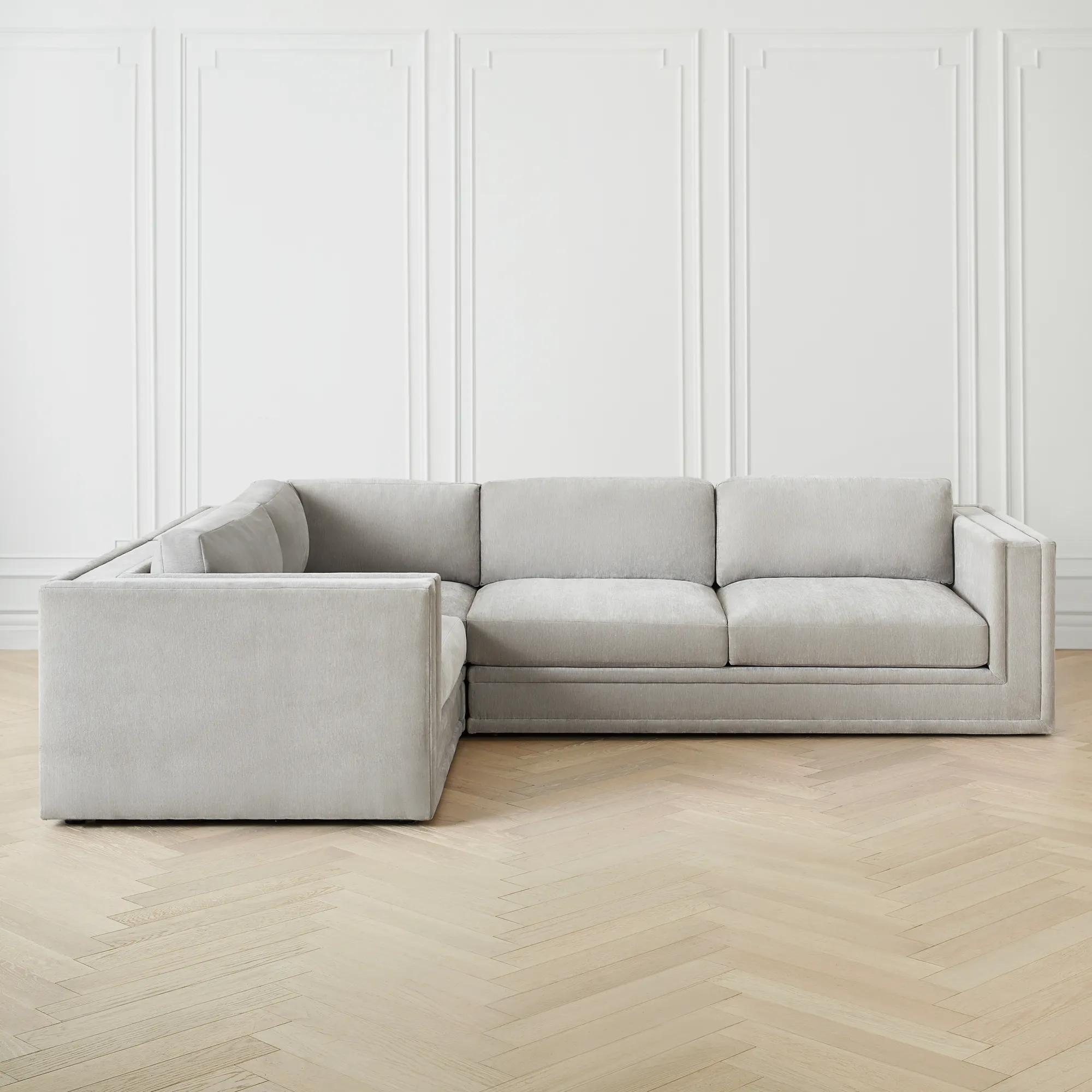 Luka Sectional - 3 PC$4599
A modern sectional featuring deep seating, high-density foam cushions, and hand-upholstered velvet in pearl.
Add To Cart -
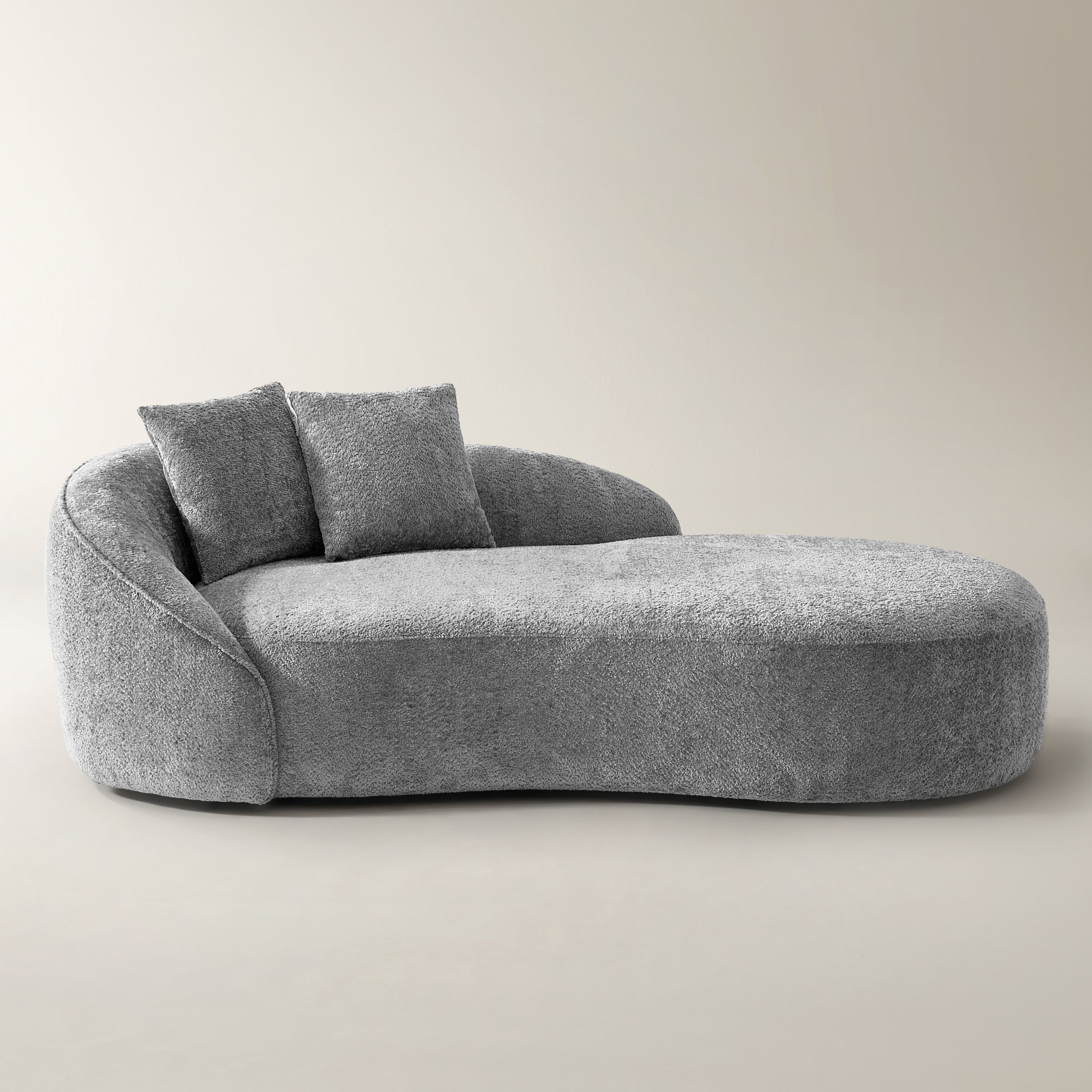 Irene Grey Chenille Chaise$1699
A sculptural chaise in light gray chenille with high-resiliency foam cushions and artisan hand-finished details.
Add To Cart -
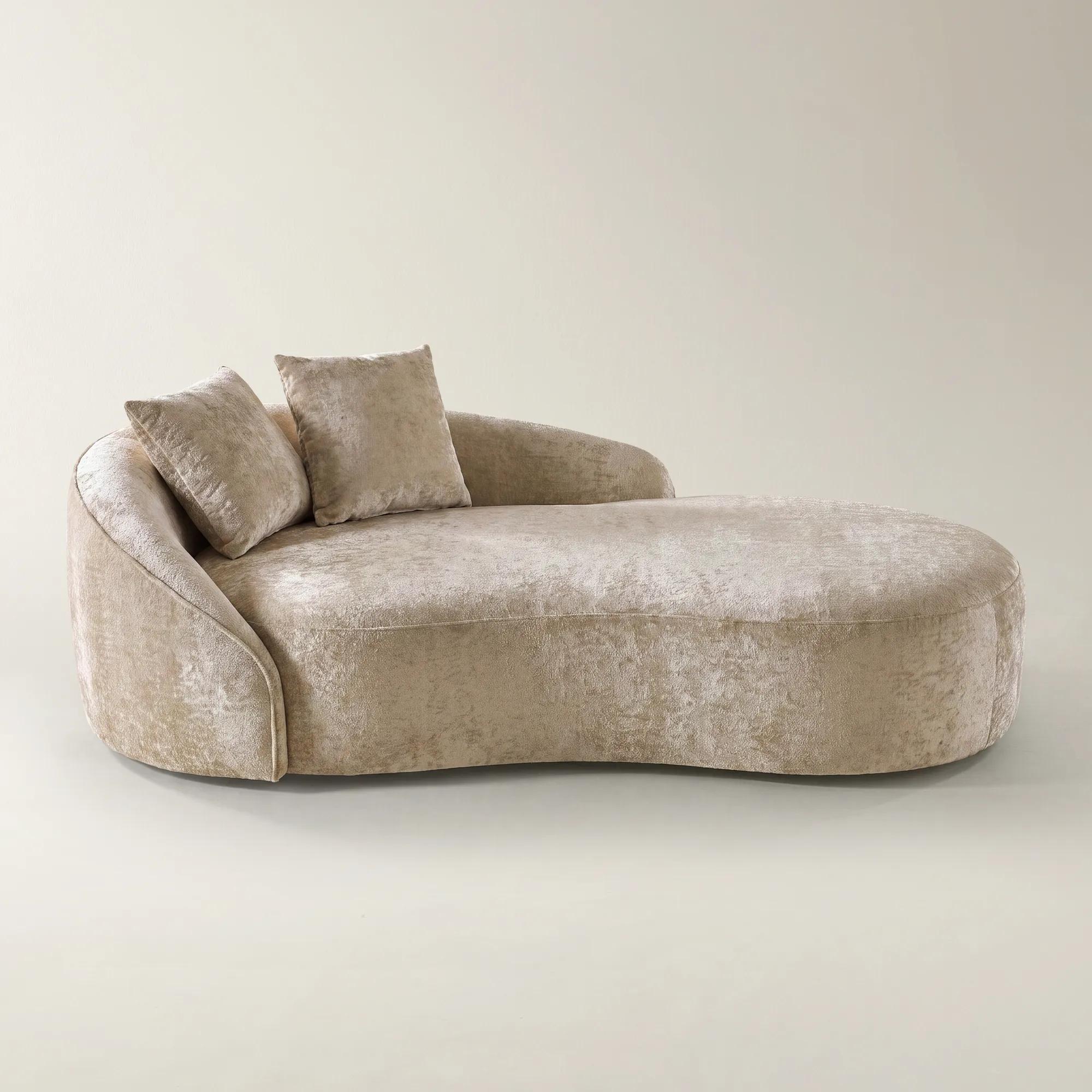 Irene Light Brown Chenille Chaise$1699
A sculptural light brown chenille chaise featuring hand-finished upholstery and high-resiliency foam cushions for lasting comfort.
Add To Cart -
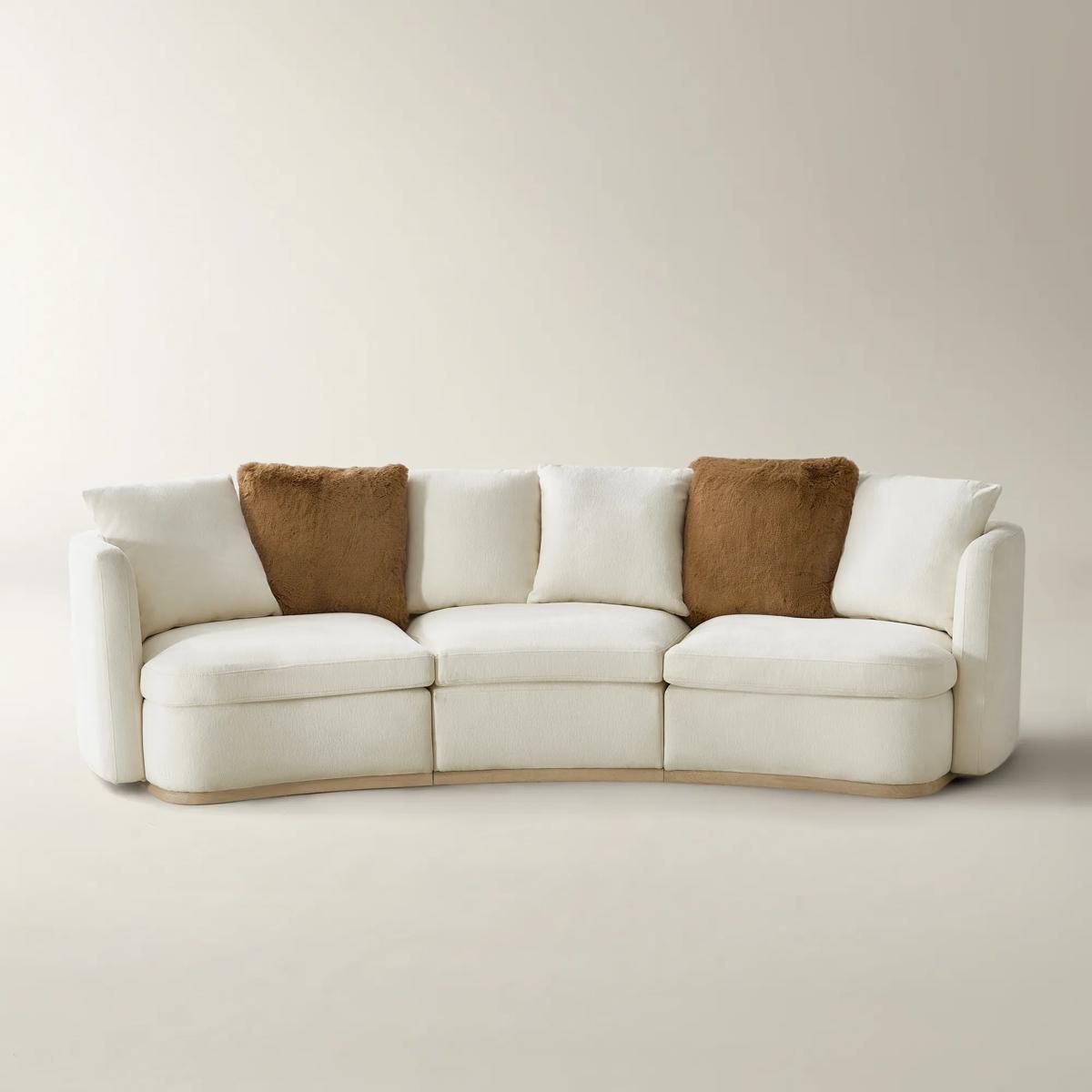 Stria 3-Piece Ivory Chenille Sectional Sofa$3099
An ivory chenille sofa featuring a sculptural curved design, triple-layer cushioning, and a kiln-dried oak frame.
Add To Cart -
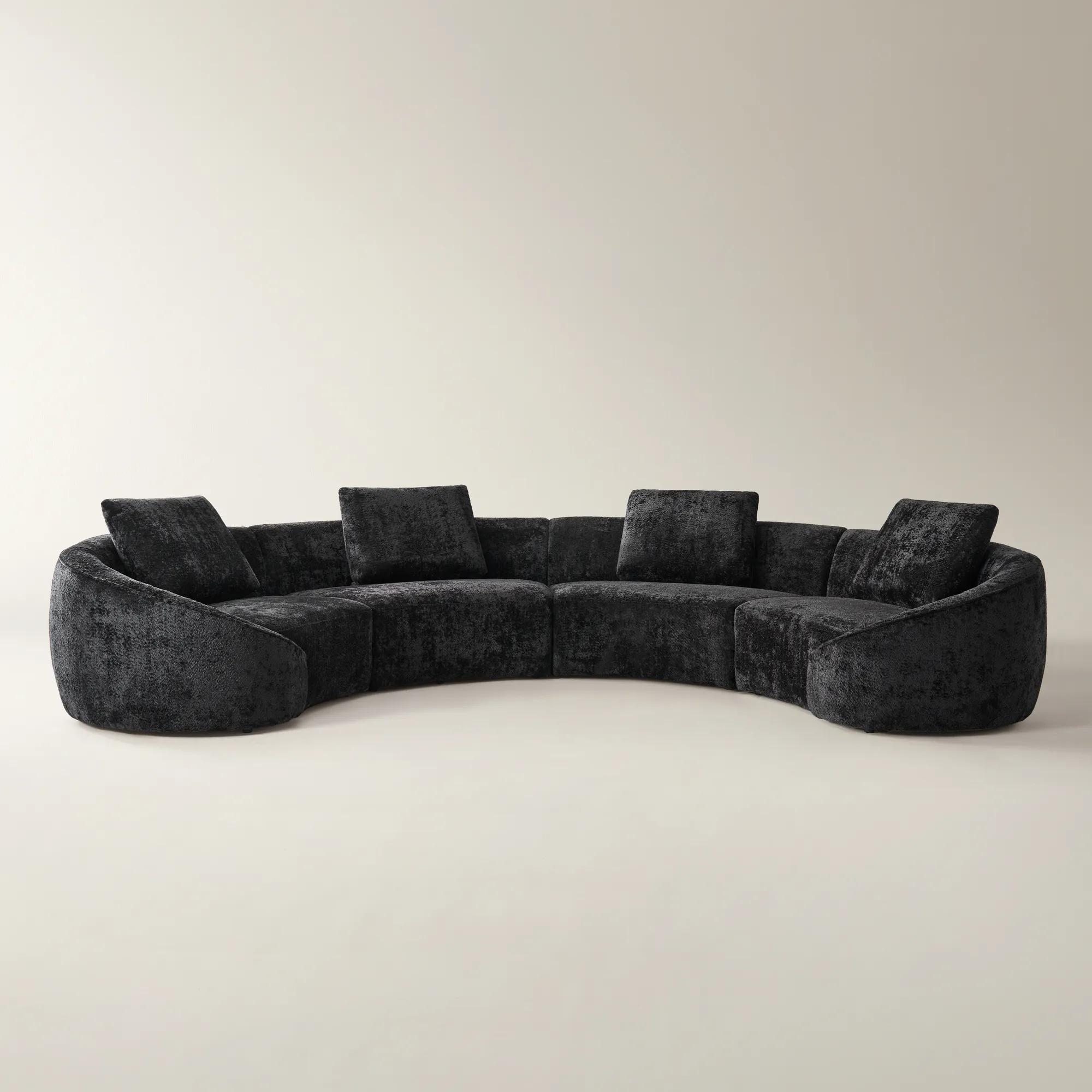 Irene 4-Piece Black Chenille Sectional$4599
A modern curved sectional upholstered in plush utopia sand chenille with high-density foam cushioning for comfort.
Add To Cart -
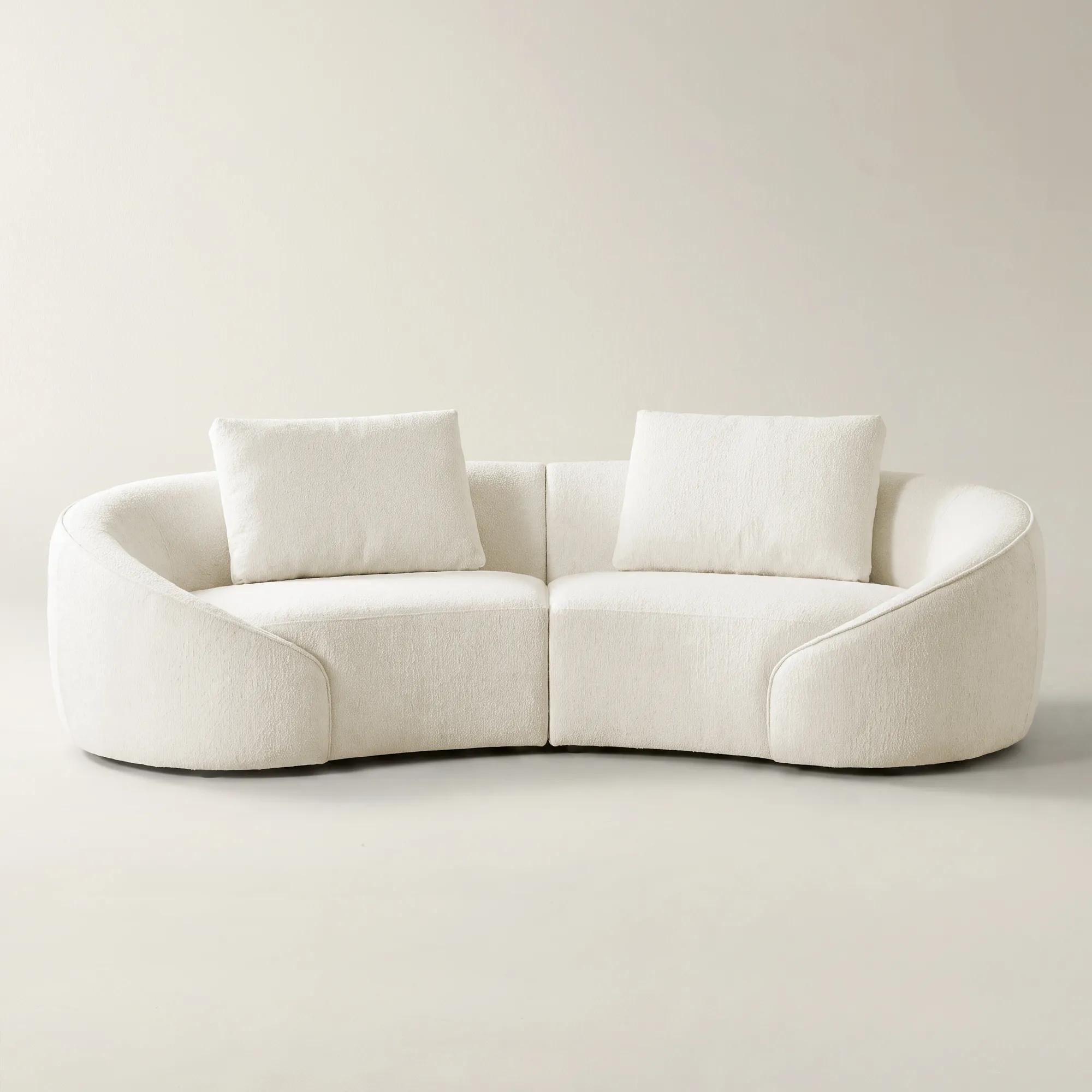
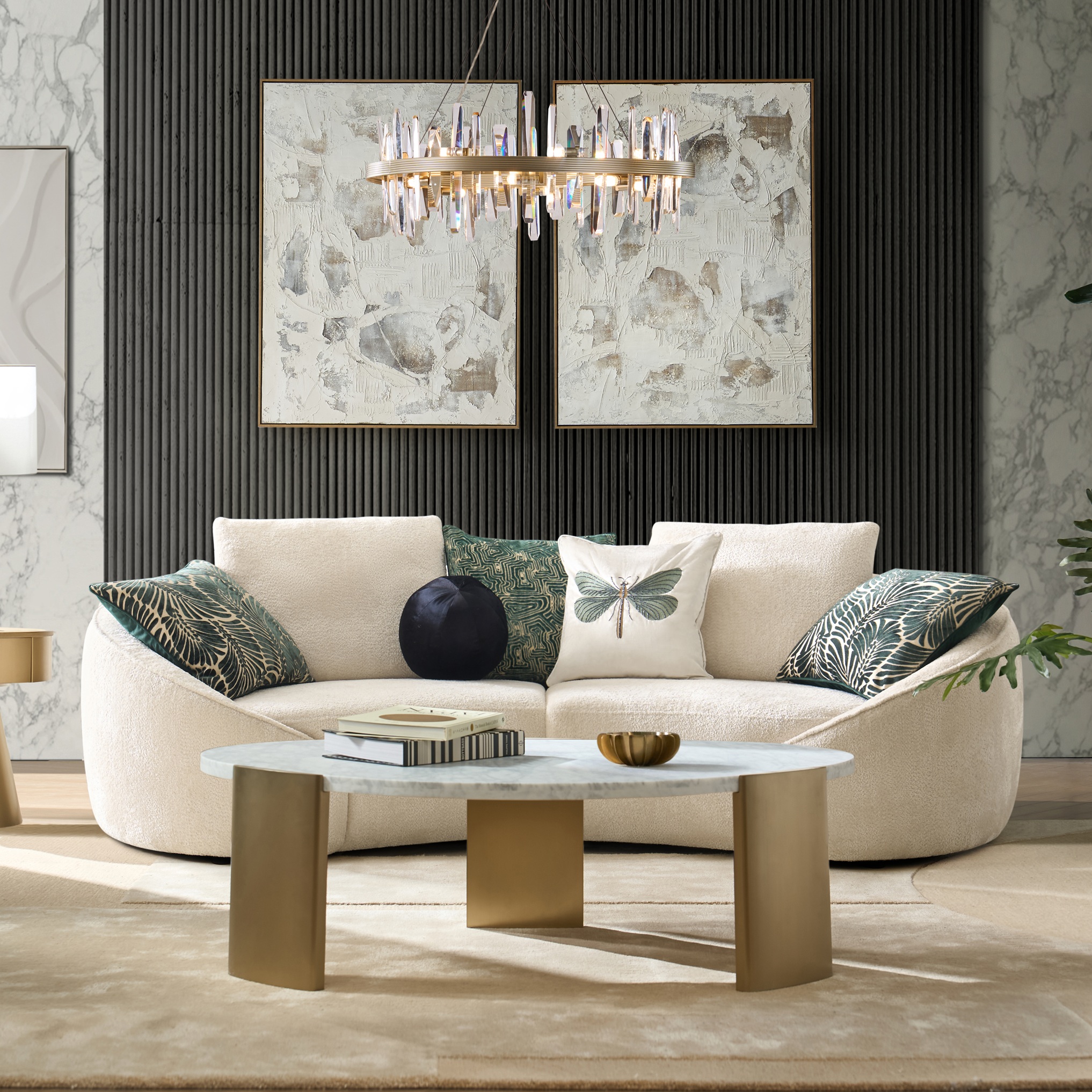 Irene 2-Piece Ivory Performance Chenille Sectional Sofa$2699
A sculptural ivory chenille sectional featuring performance upholstery, high-resiliency foam cushions, and artisan detailing.
Add To Cart -
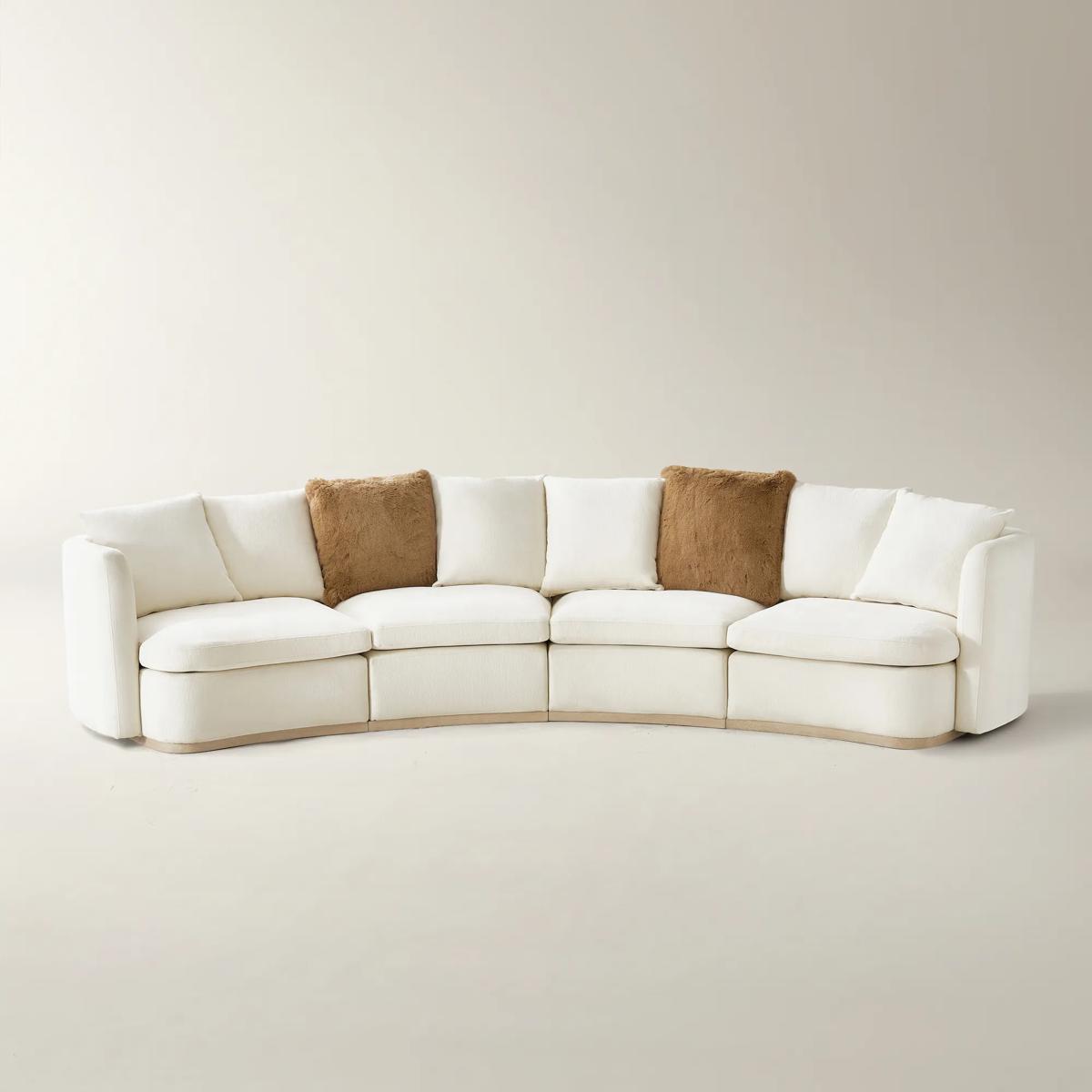
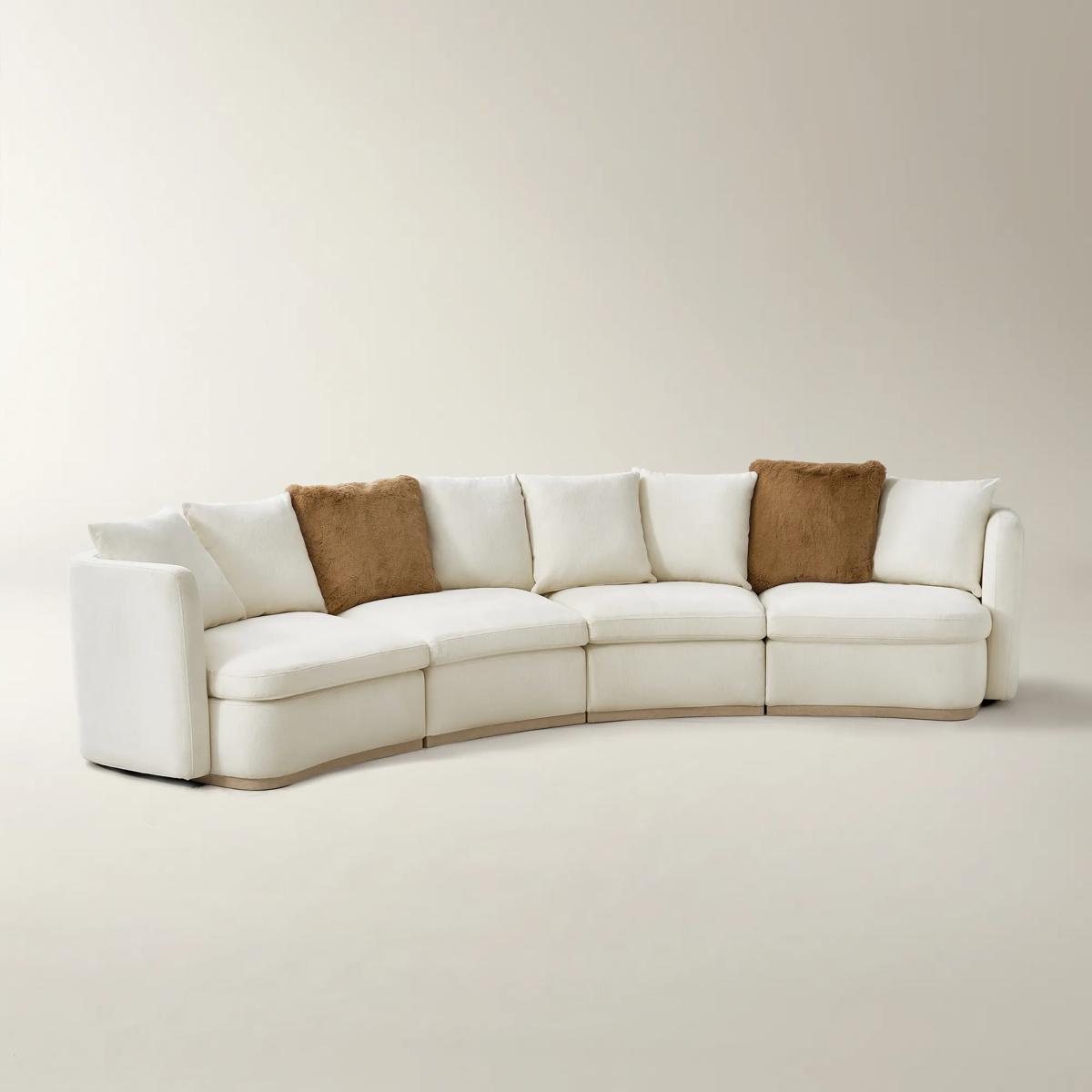 Stria 4-Piece Ivory Chenille Sectional Sofa$4099
An elegantly curved ivory chenille sectional with triple-layer cushioning and a kiln-dried solid oak frame.
Add To Cart -
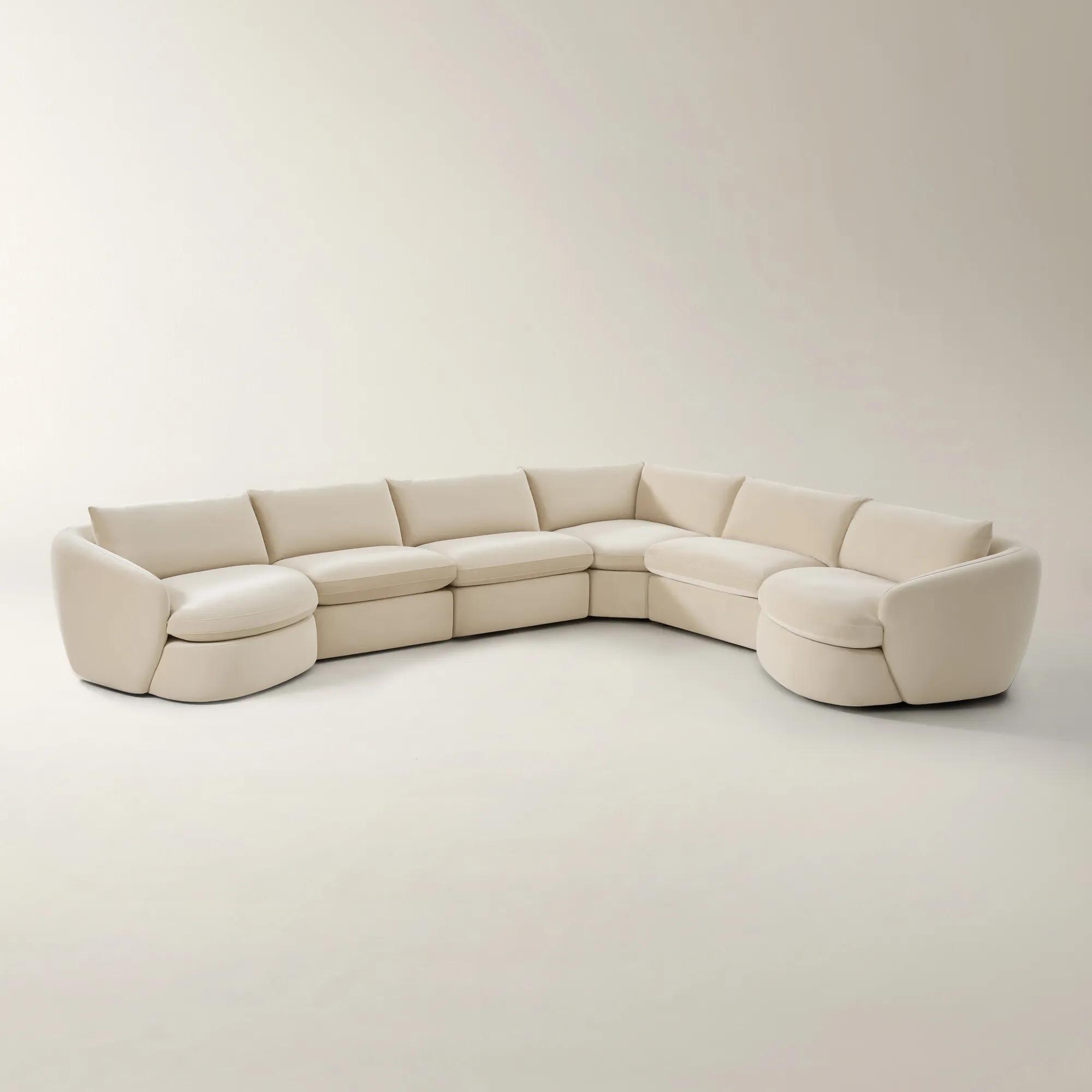
 Sabrina 6-Piece Oatmeal Velvet Sectional$6599
An inviting L-shaped sectional in soft oatmeal velvet with plush feather-blend cushions and modular design.
Add To Cart -
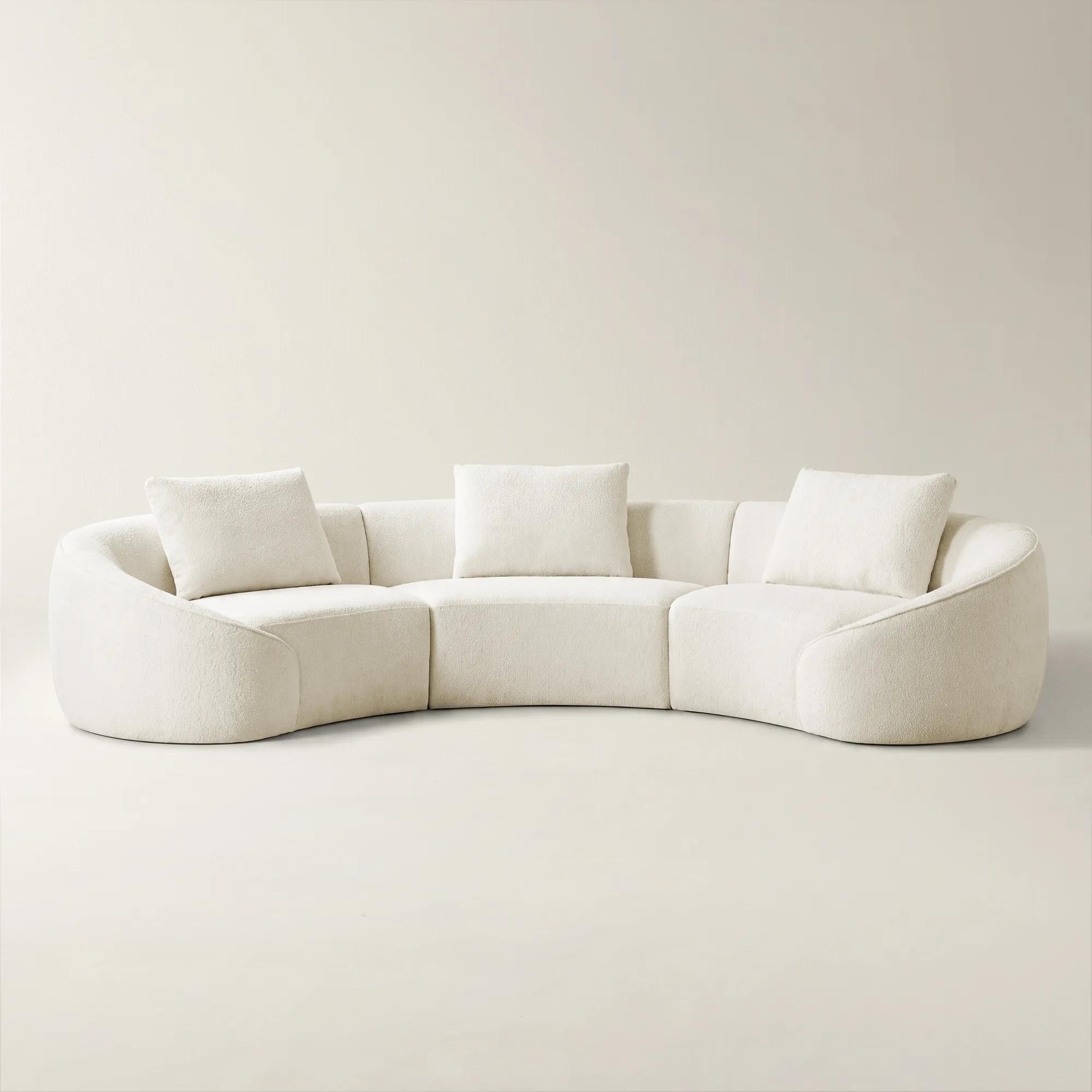
-7622206680239983900.webp?w=1200&h=1200) Irene 3-Piece Ivory Performance Chenille Sectional Sofa$3799
Irene 3-Piece Ivory Performance Chenille Sectional Sofa$3799An inviting ivory chenille sectional featuring sculptural curves, performance upholstery, and high-resiliency foam cushions.
Add To Cart -
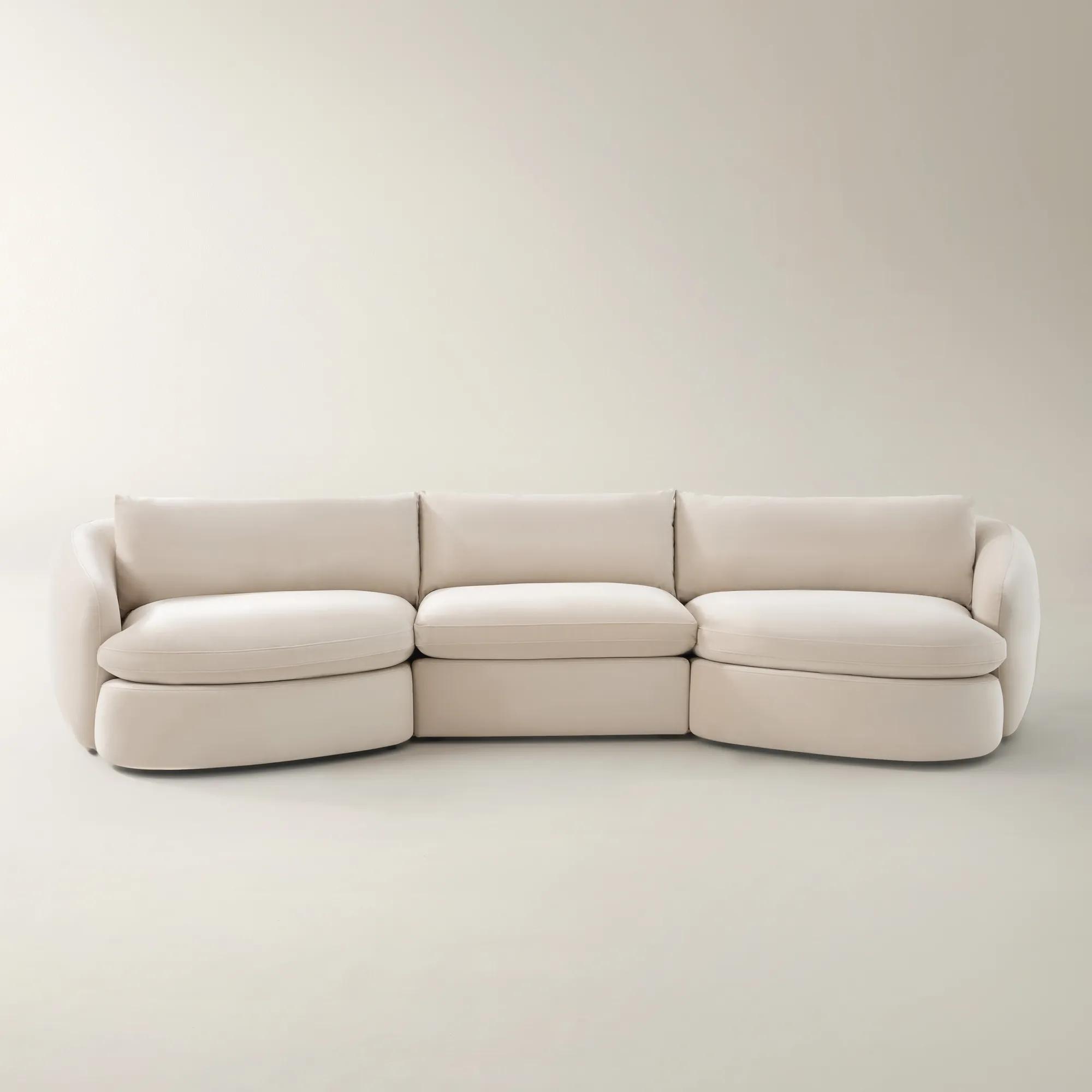 Sabrina 3-Piece Oatmeal Velvet Sectional$3599
A curved oatmeal velvet sofa featuring plush feather-blend cushions and modular design for customizable comfort.
Add To Cart -
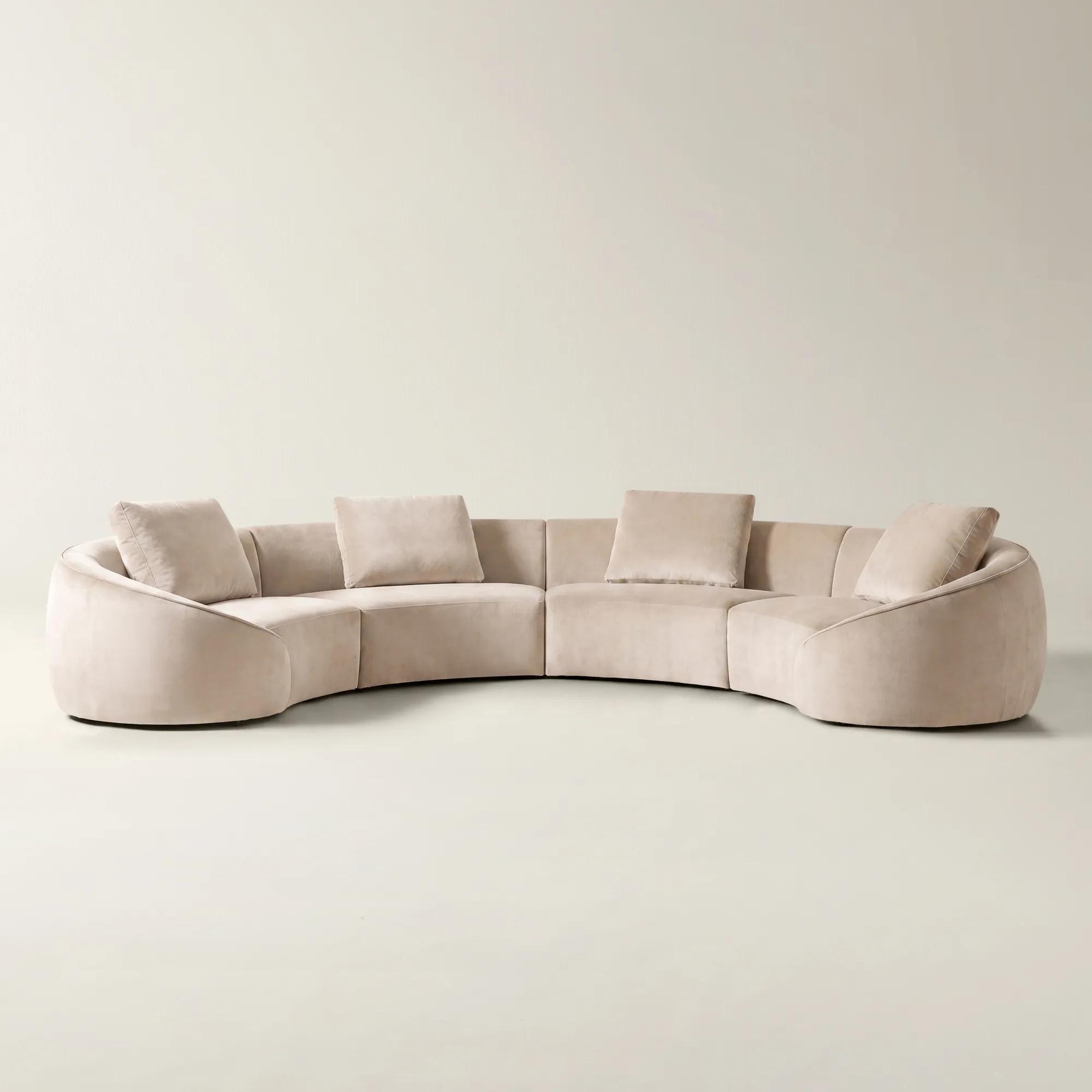 Irene 4-Piece Simply Taupe Velvet Sectional Sofa$4599
A sculptural taupe velvet sectional featuring high-resiliency foam cushions and hand-finished artisan upholstery.
Add To Cart -
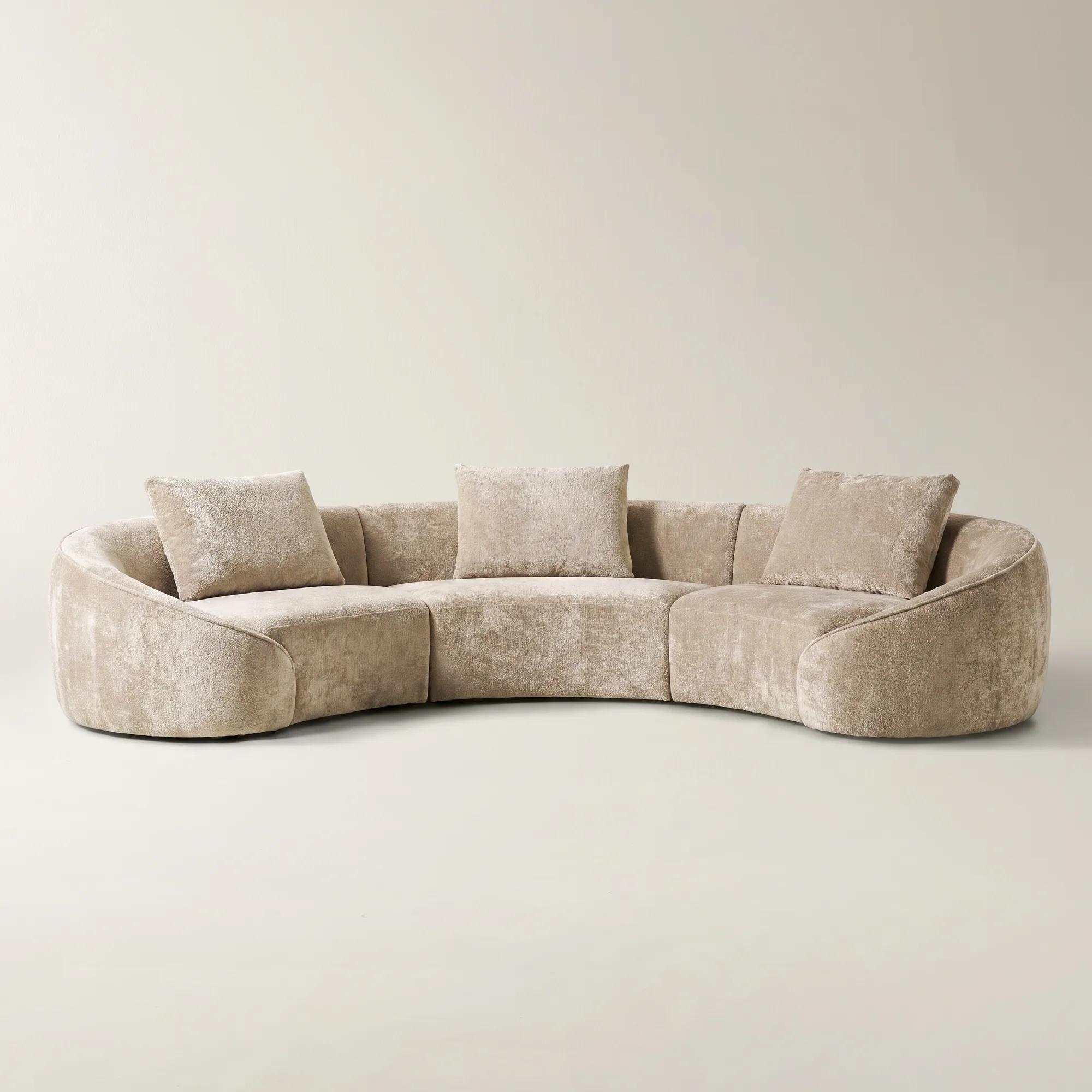 Irene 3-Piece Light Brown Chenille Sectional Sofa$3599
A sculptural light brown chenille sectional featuring high-resiliency foam cushions and artisan hand-finished upholstery.
Add To Cart -
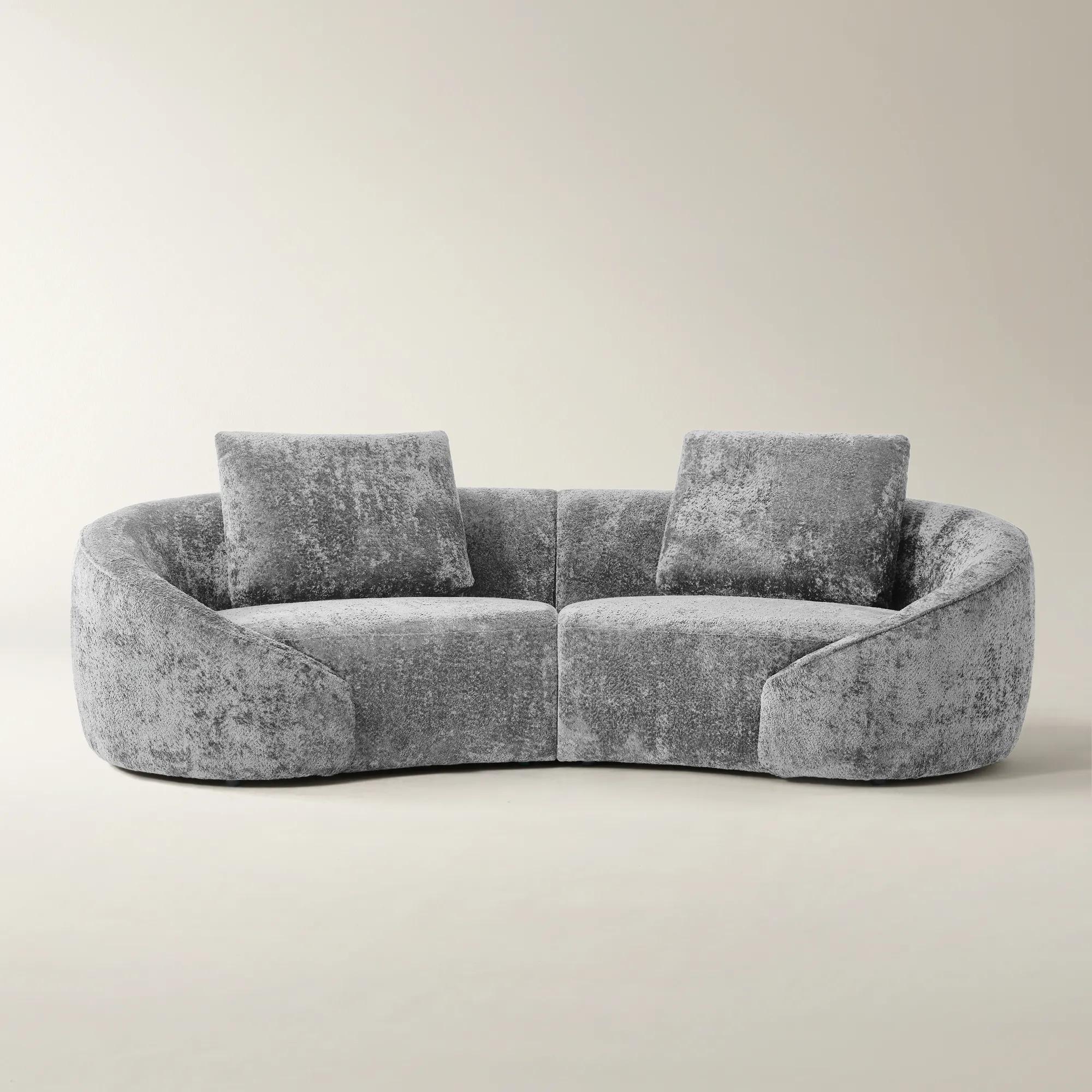 Irene 2-Piece Grey Chenille Sectional$2499
A modern curved sectional upholstered in plush Utopia Sand chenille with high-density foam cushioning for comfort.
Add To Cart -
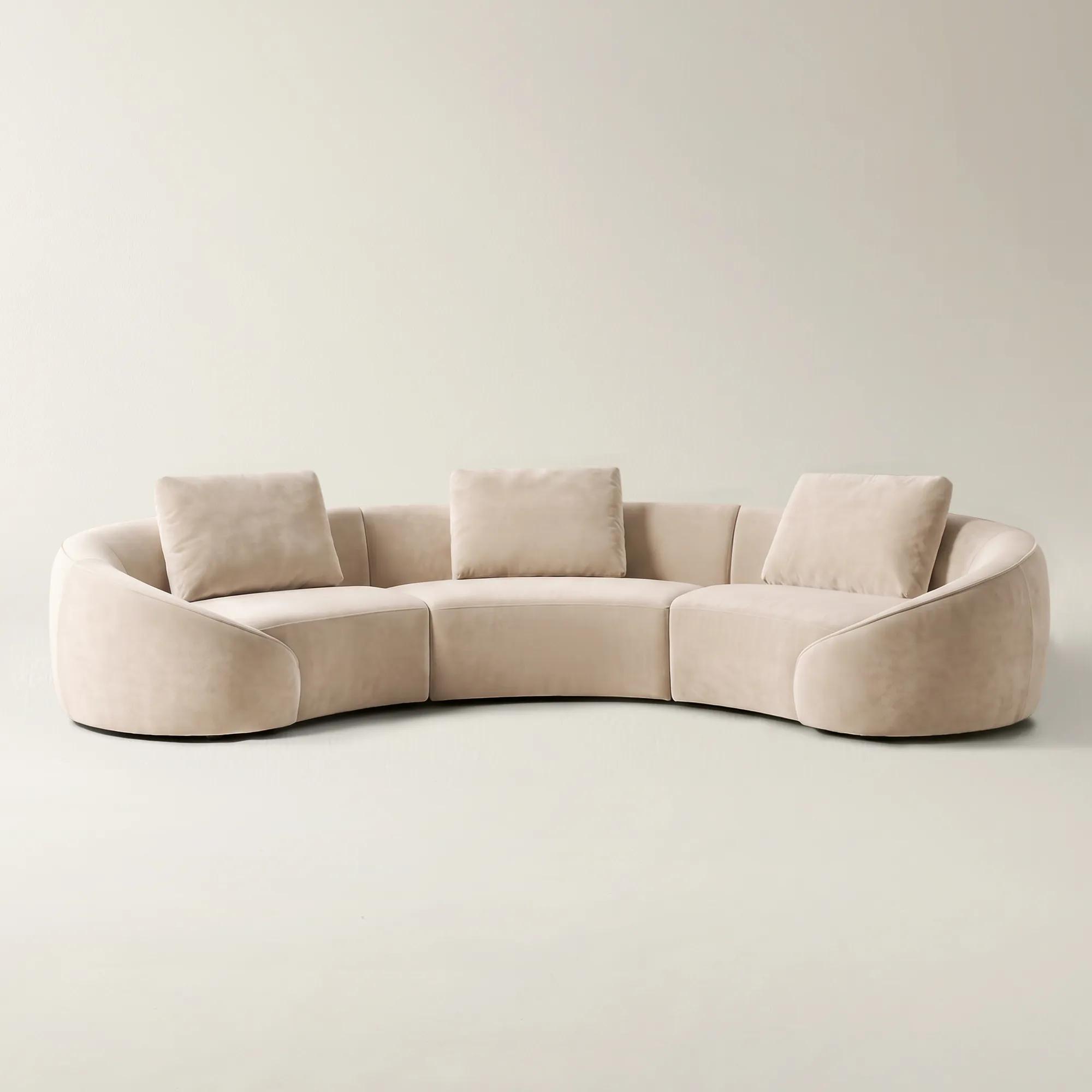 Irene 3-Piece Simply Taupe Velvet Sectional Sofa$3599
A sculptural, hand-finished sectional in simply taupe velvet with high-resiliency foam cushions and accent pillows.
Add To Cart -
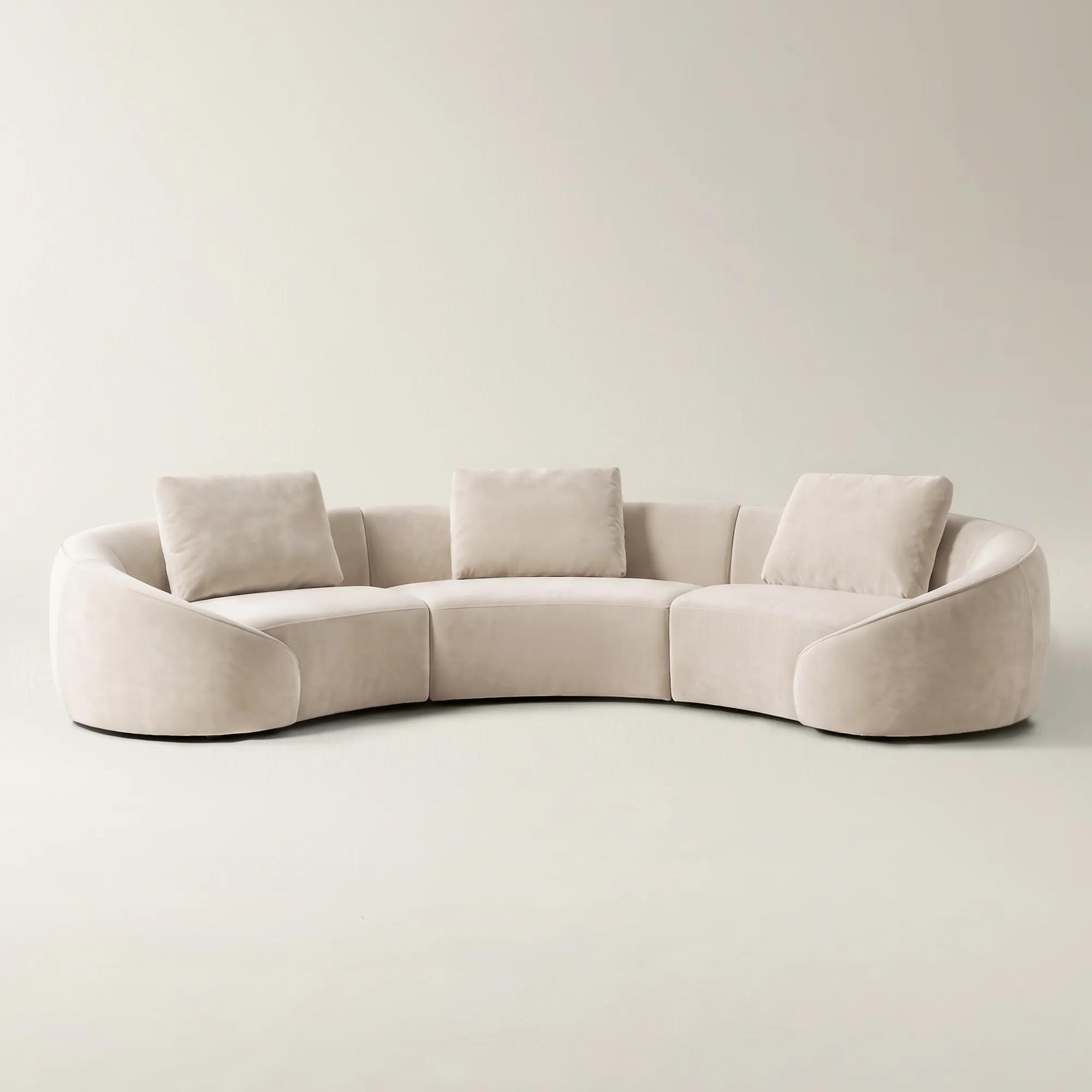 Irene 3-Piece Oatmeal Velvet Sectional Sofa$3599
An inviting oatmeal velvet sectional featuring sculptural curves, high-resiliency foam cushions, and artisan hand-finished upholstery.
Add To Cart -
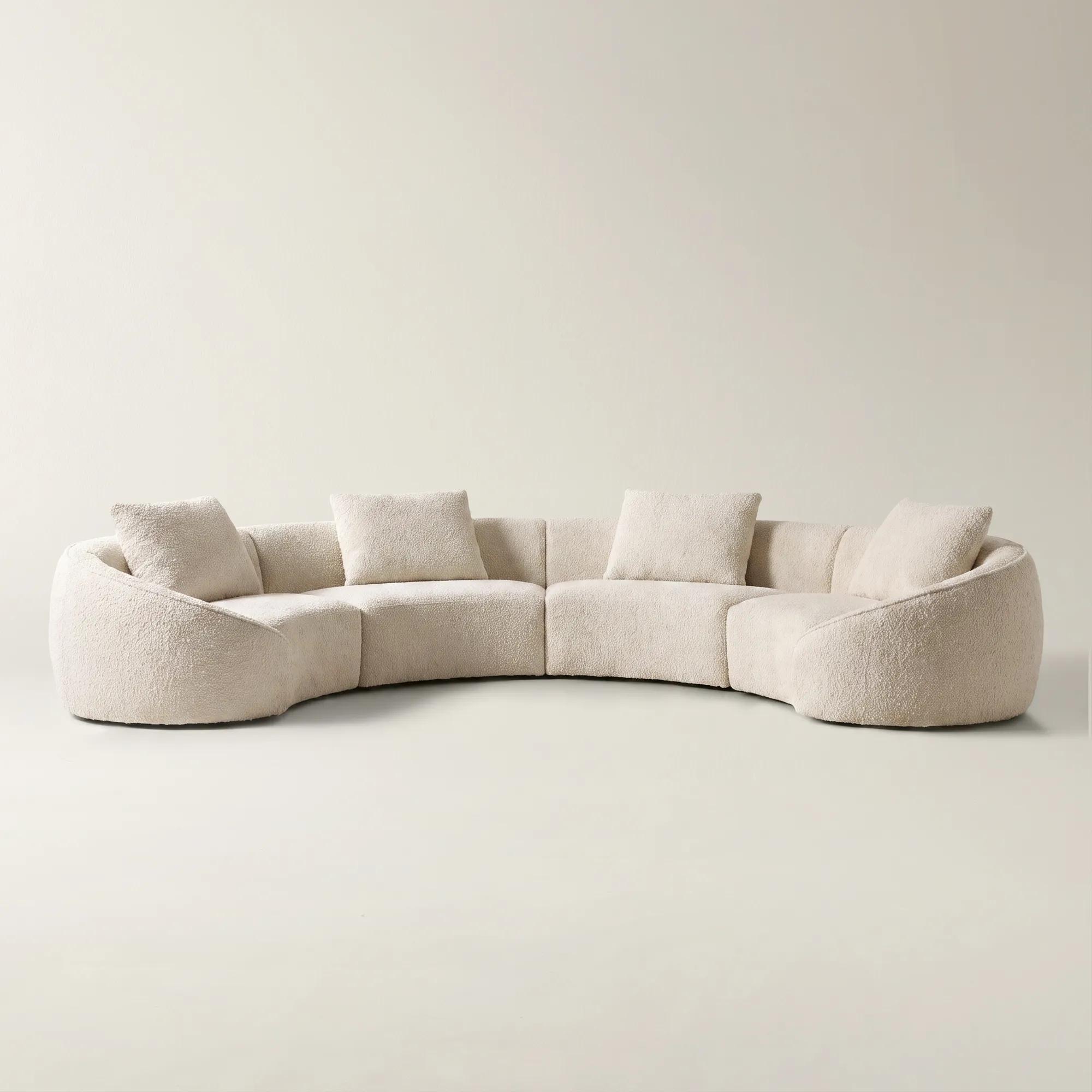
-3.png?w=1200&h=1200) Irene 4-Piece Ivory Performance Boucle Sectional Sofa$4799
Irene 4-Piece Ivory Performance Boucle Sectional Sofa$4799A sculptural ivory performance boucle sectional featuring hand-finished upholstery and high-resiliency foam cushions.
Add To Cart -
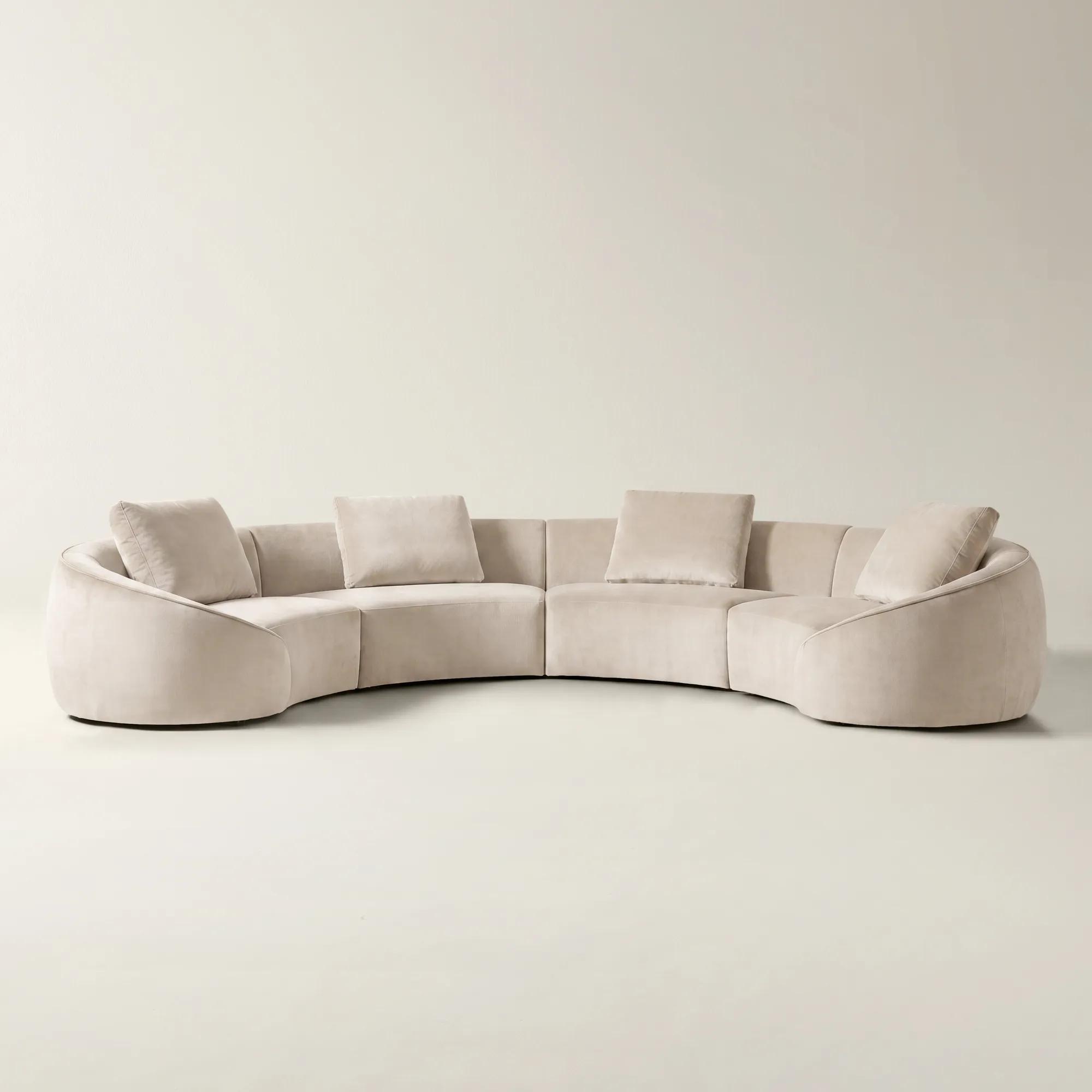 Irene 4-Piece Oatmeal Velvet Sectional Sofa$4599
A sculptural oatmeal velvet sectional featuring hand-finished upholstery, high-resiliency foam cushions, and modular design.
Add To Cart -
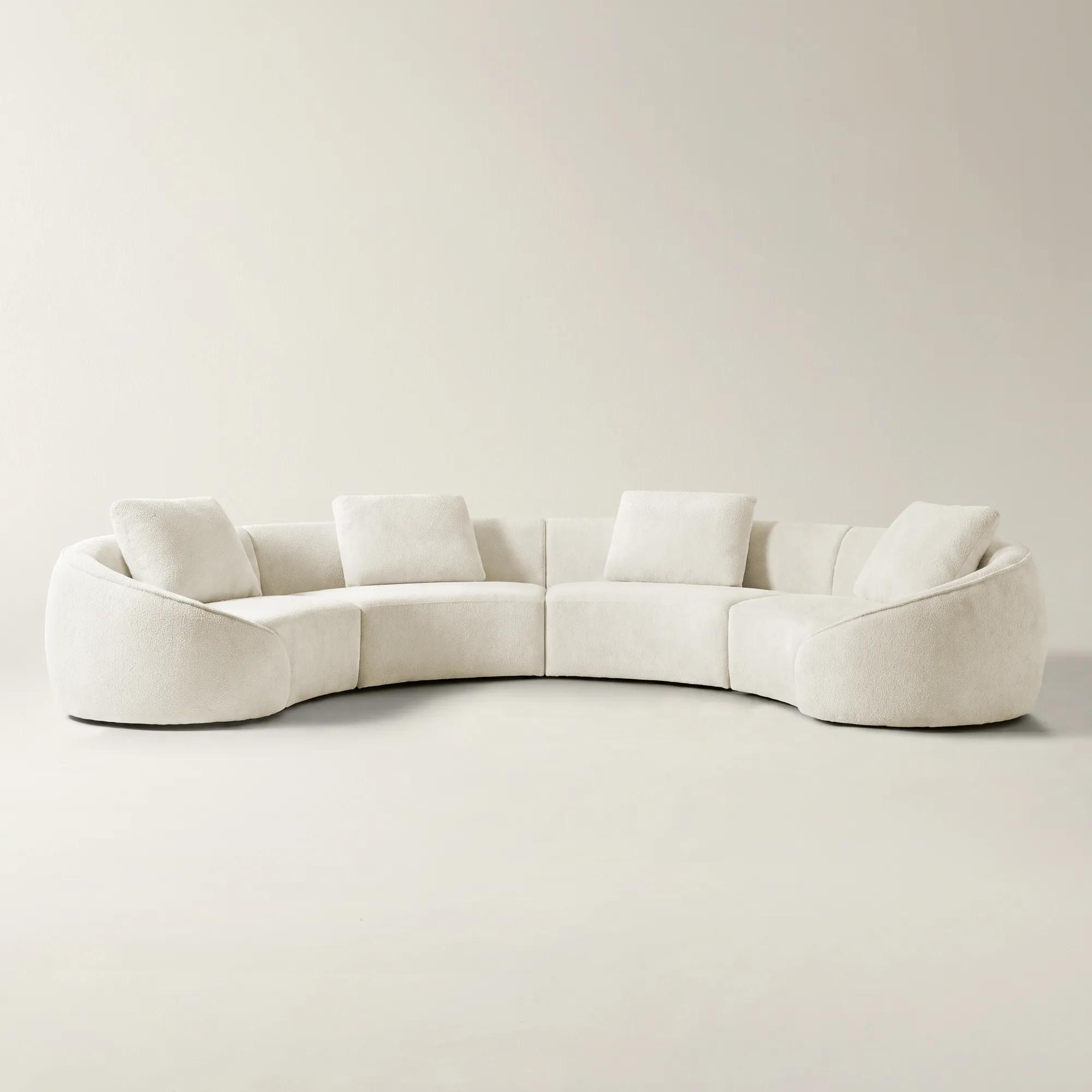 Irene 4-Piece Ivory Performance Chenille Sectional Sofa$4799
An inviting ivory chenille sectional featuring sculptural curves, performance upholstery, and artisan-crafted detailing.
Add To Cart -
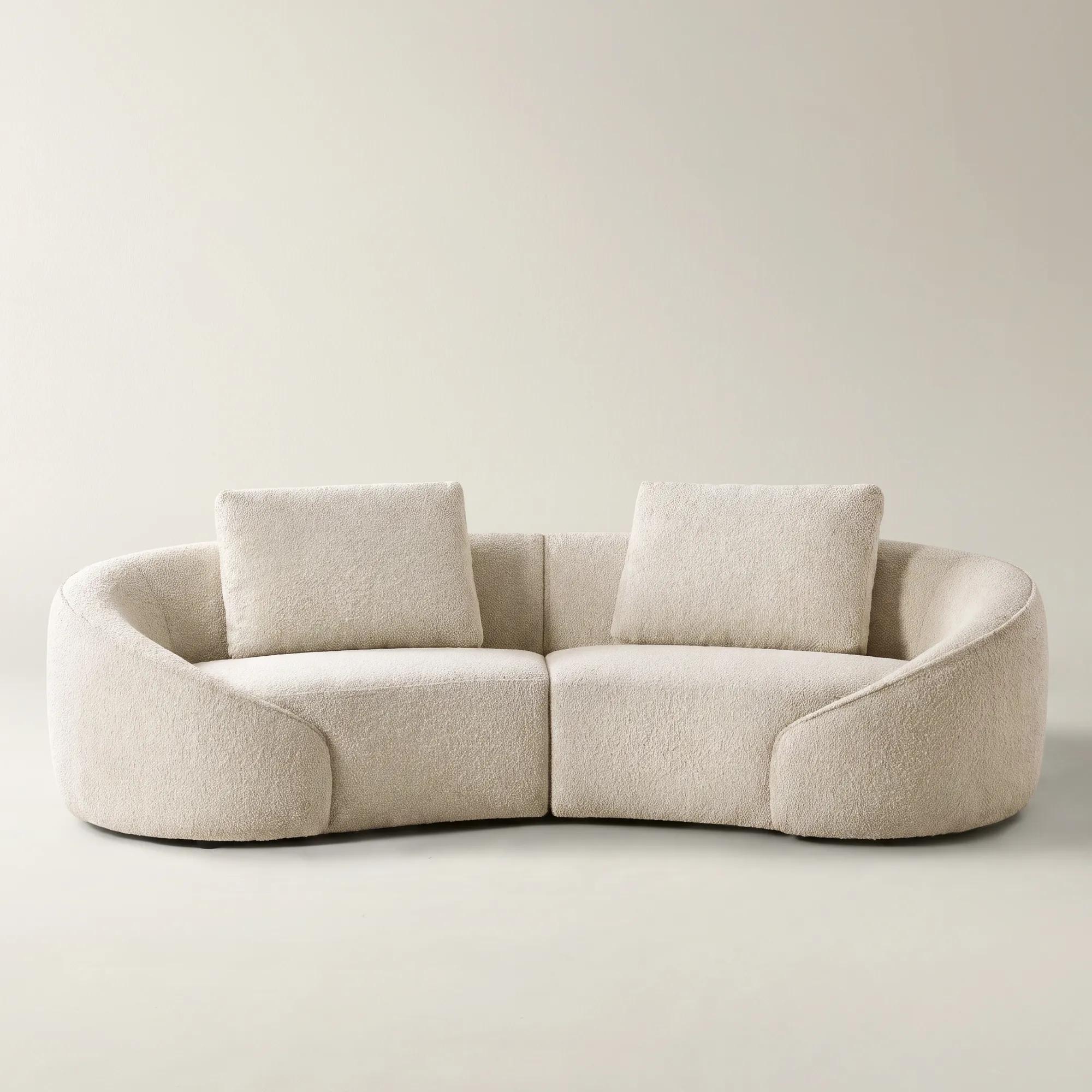
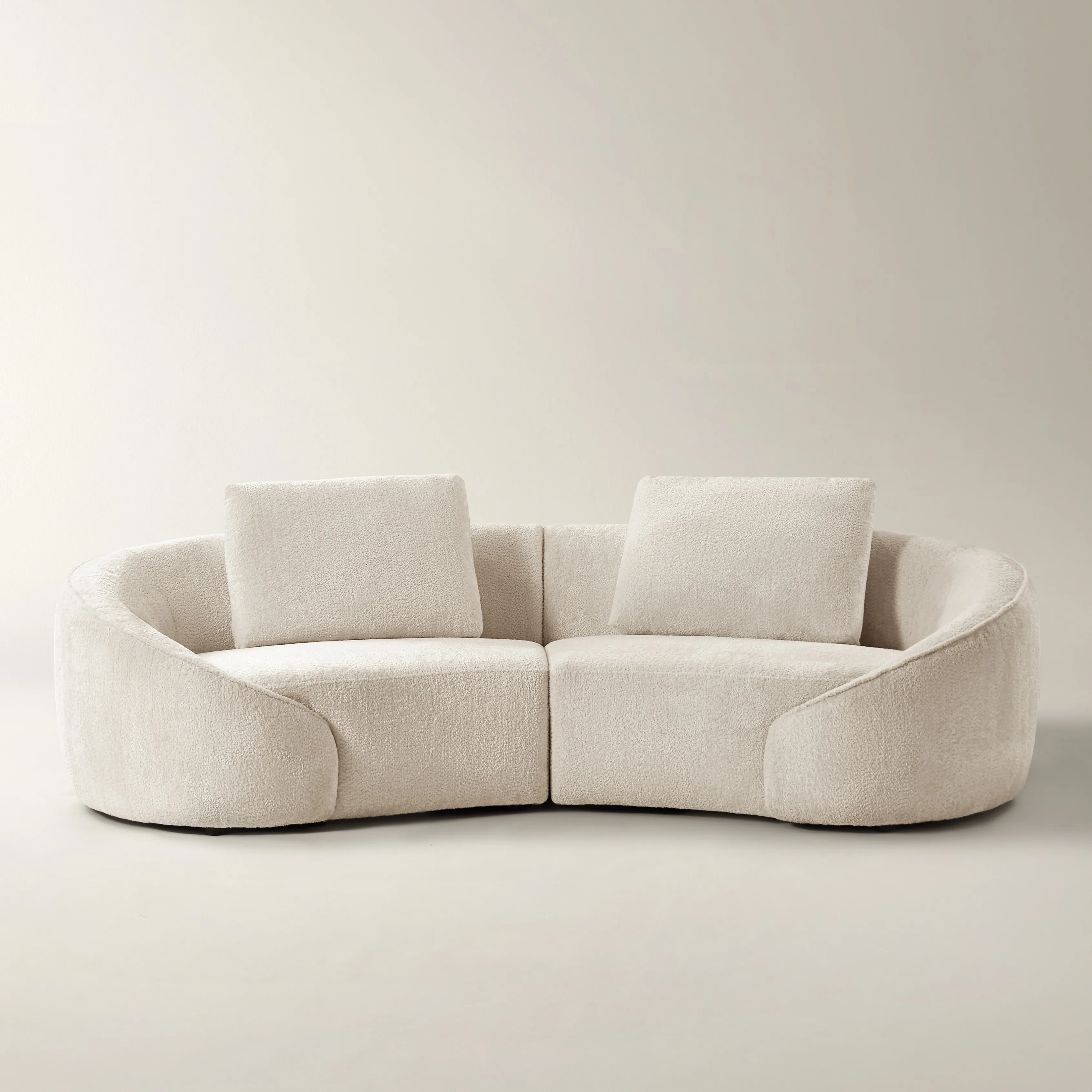
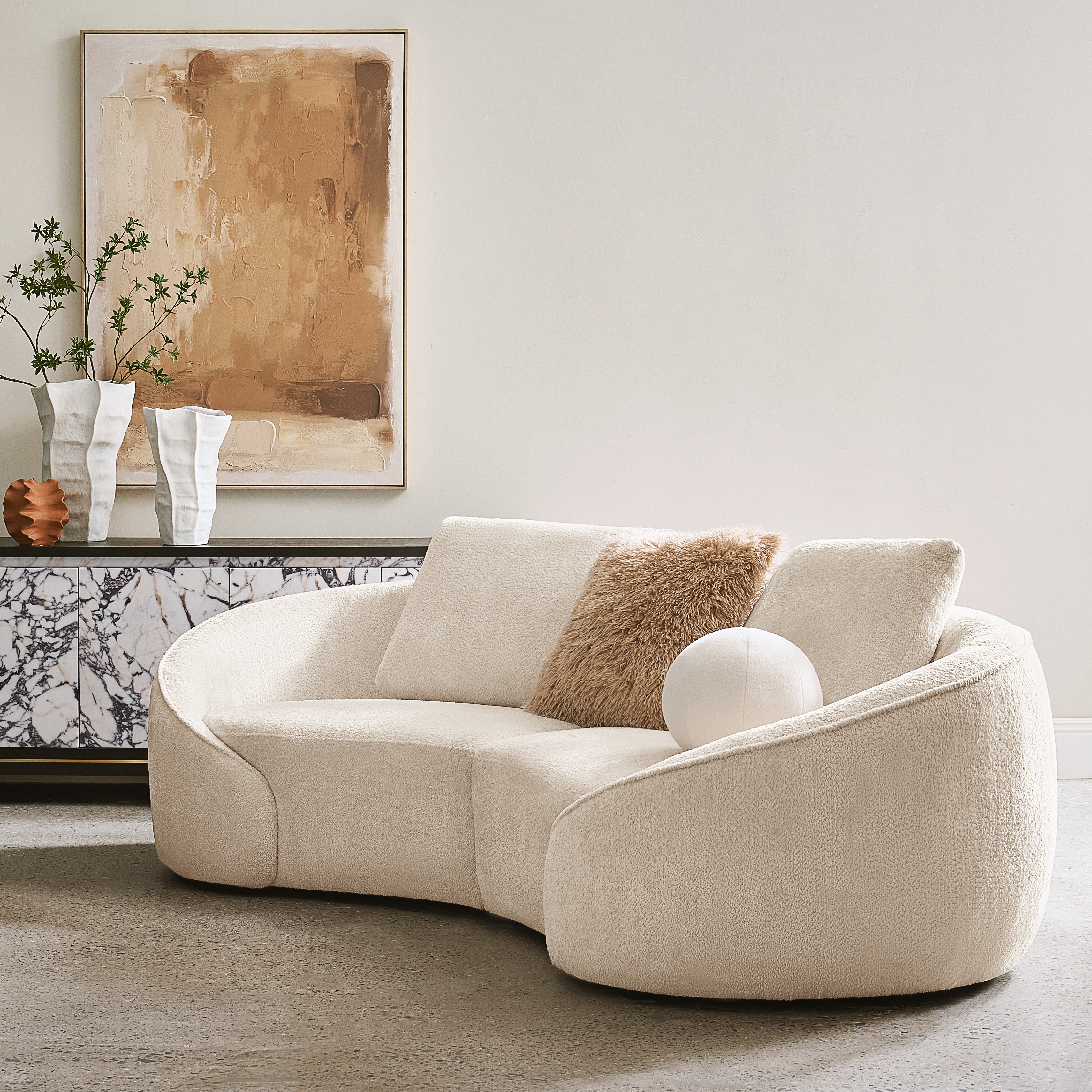 Irene 2-Piece Ivory Performance Boucle Sectional Sofa$2699
An inviting ivory performance boucle sectional featuring sculptural curves, high-resiliency foam, and artisan-tailored upholstery.
Add To Cart -
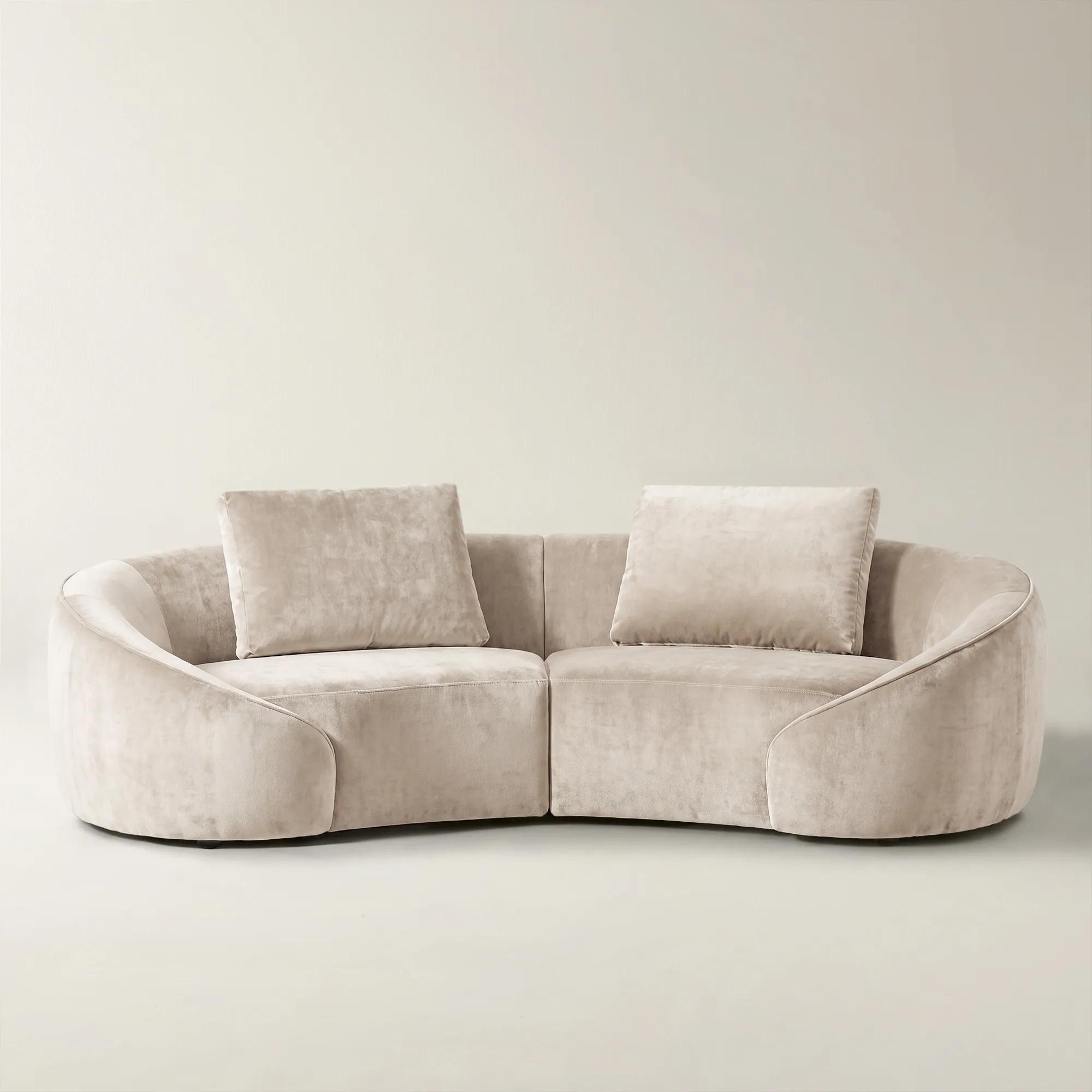
 Irene 2-Piece Oatmeal Velvet Sectional Sofa$2499
A sculptural oatmeal velvet sectional featuring hand-finished upholstery, high-resiliency foam cushions, and accent pillows.
Add To Cart -
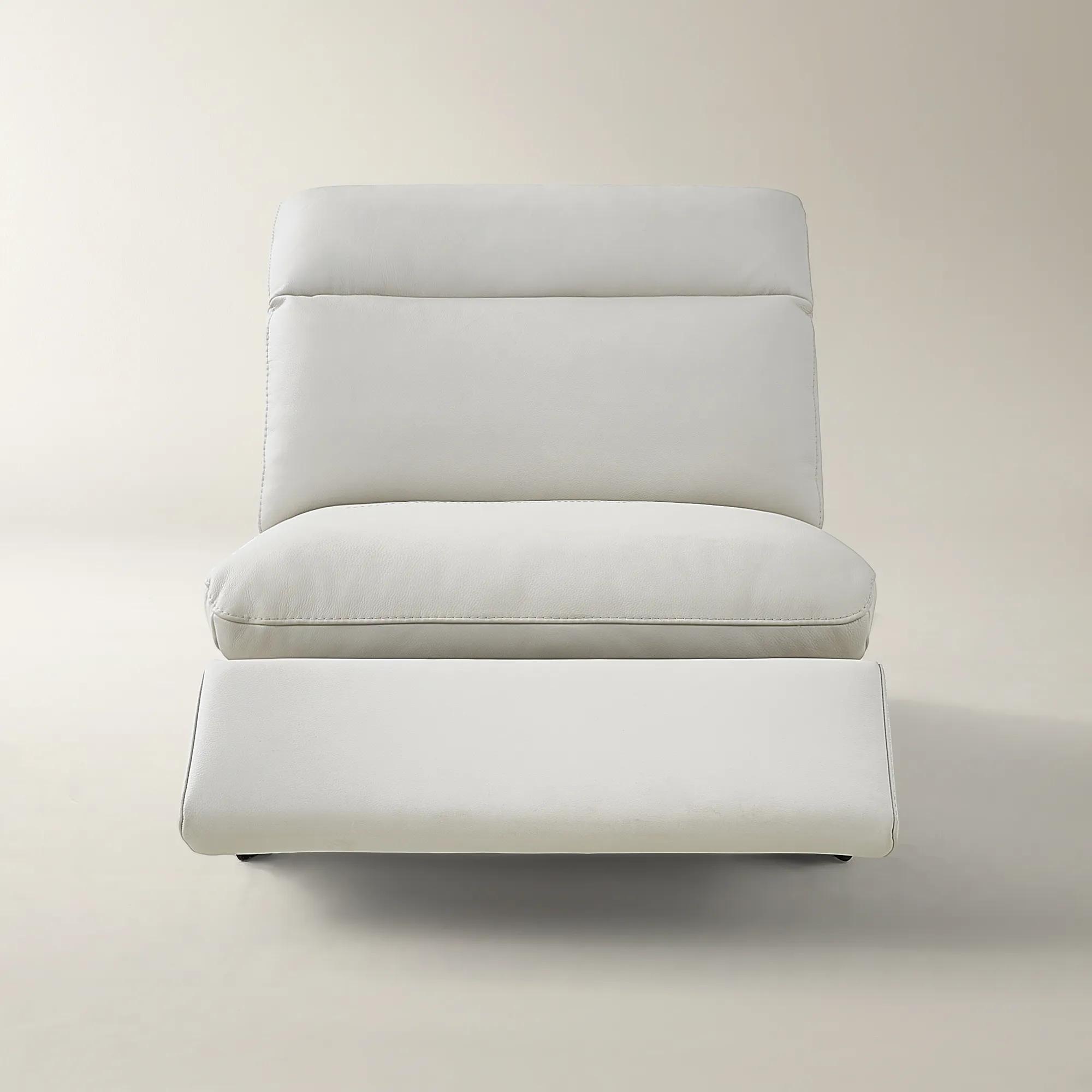
.jpg?w=1200&h=1200)
 Milo 3-Piece Reclining Ivory Performance Fabric Sectional Sofa$2999
Milo 3-Piece Reclining Ivory Performance Fabric Sectional Sofa$2999A modular, power-reclining sofa in beige textured polyester with plush feather-blend cushions for ultimate comfort.
Add To Cart -
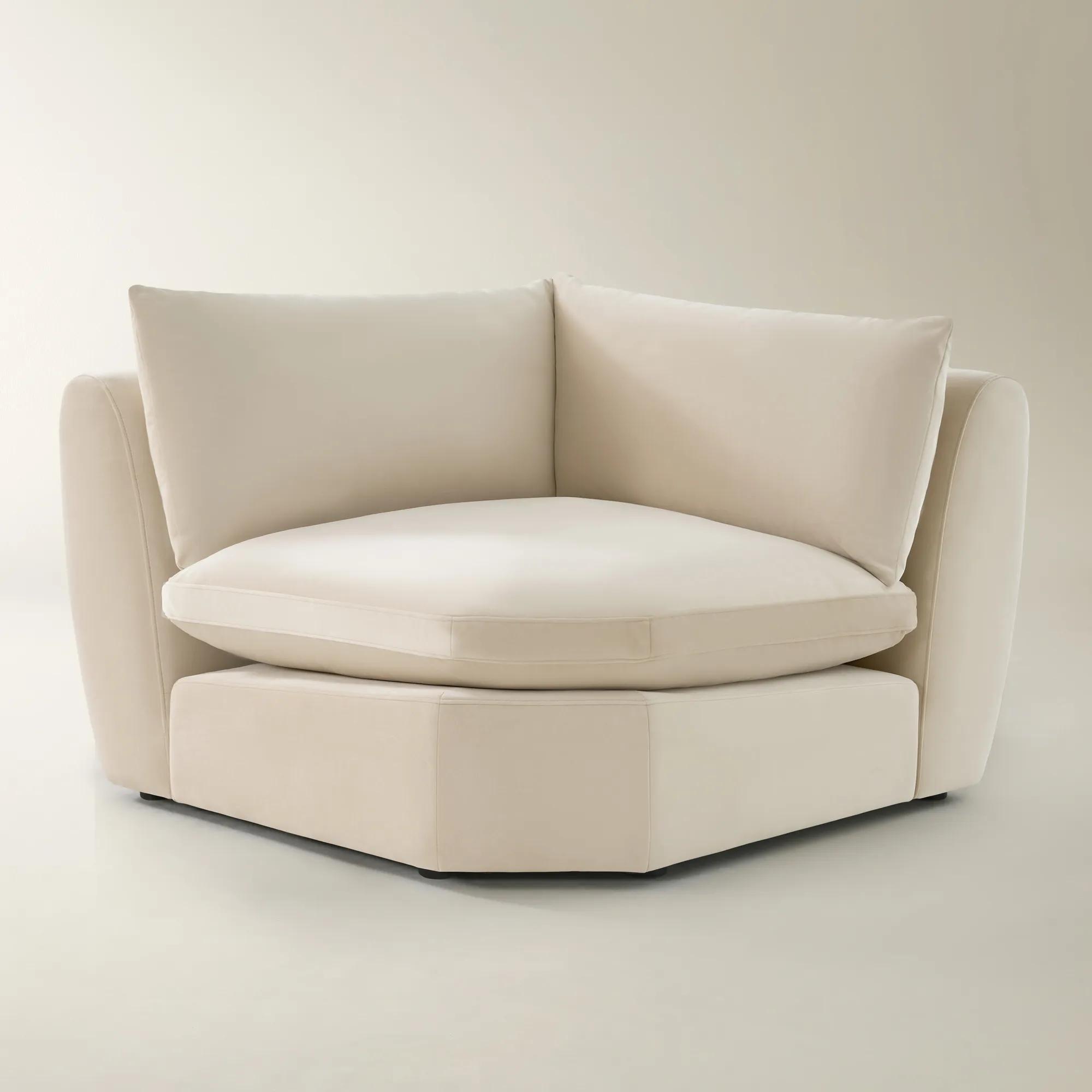 Sabrina Oatmeal Velvet Corner Chair$1090
A modular sectional component in soft oatmeal velvet with feather-blend cushions and a sculptural curved silhouette.
Add To Cart -
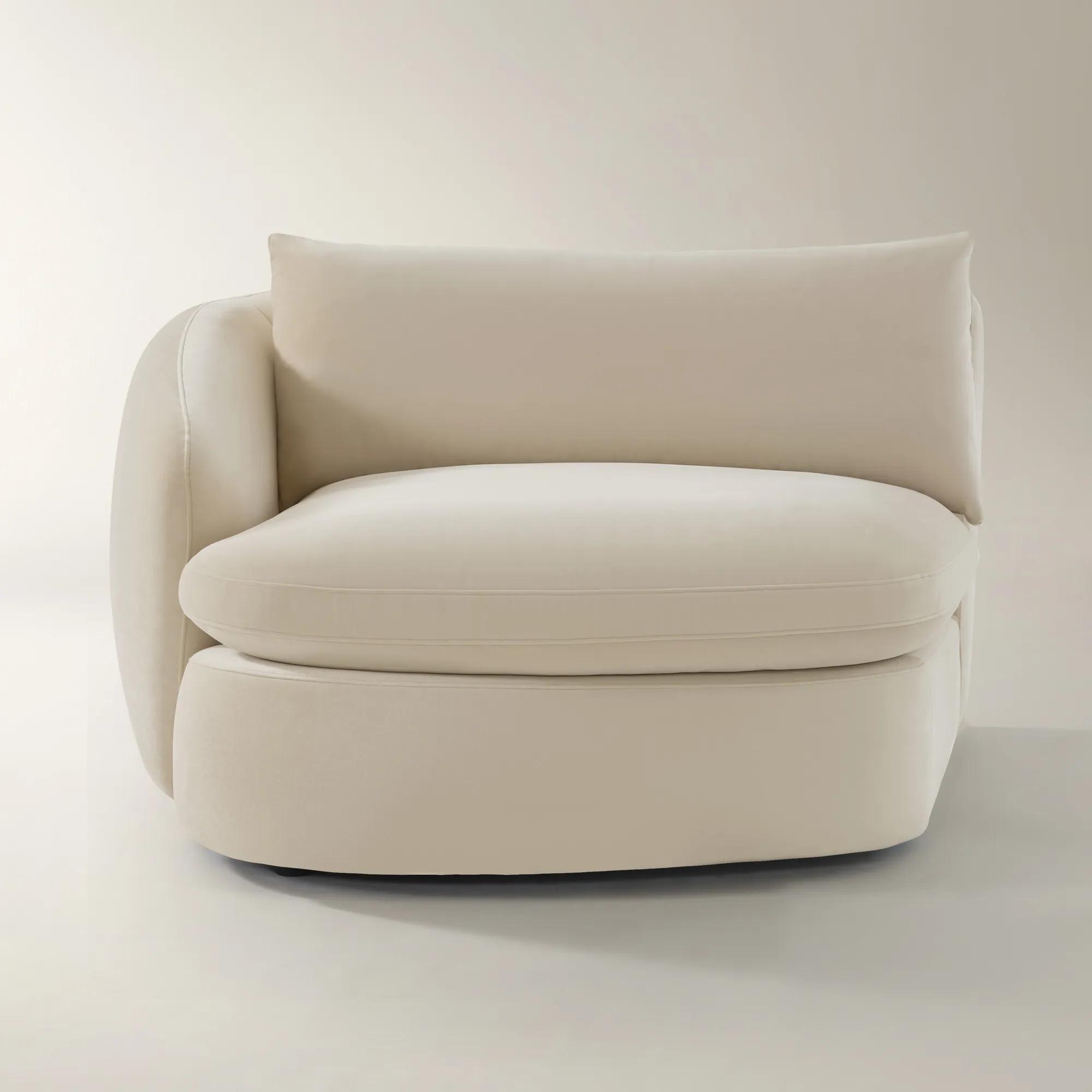
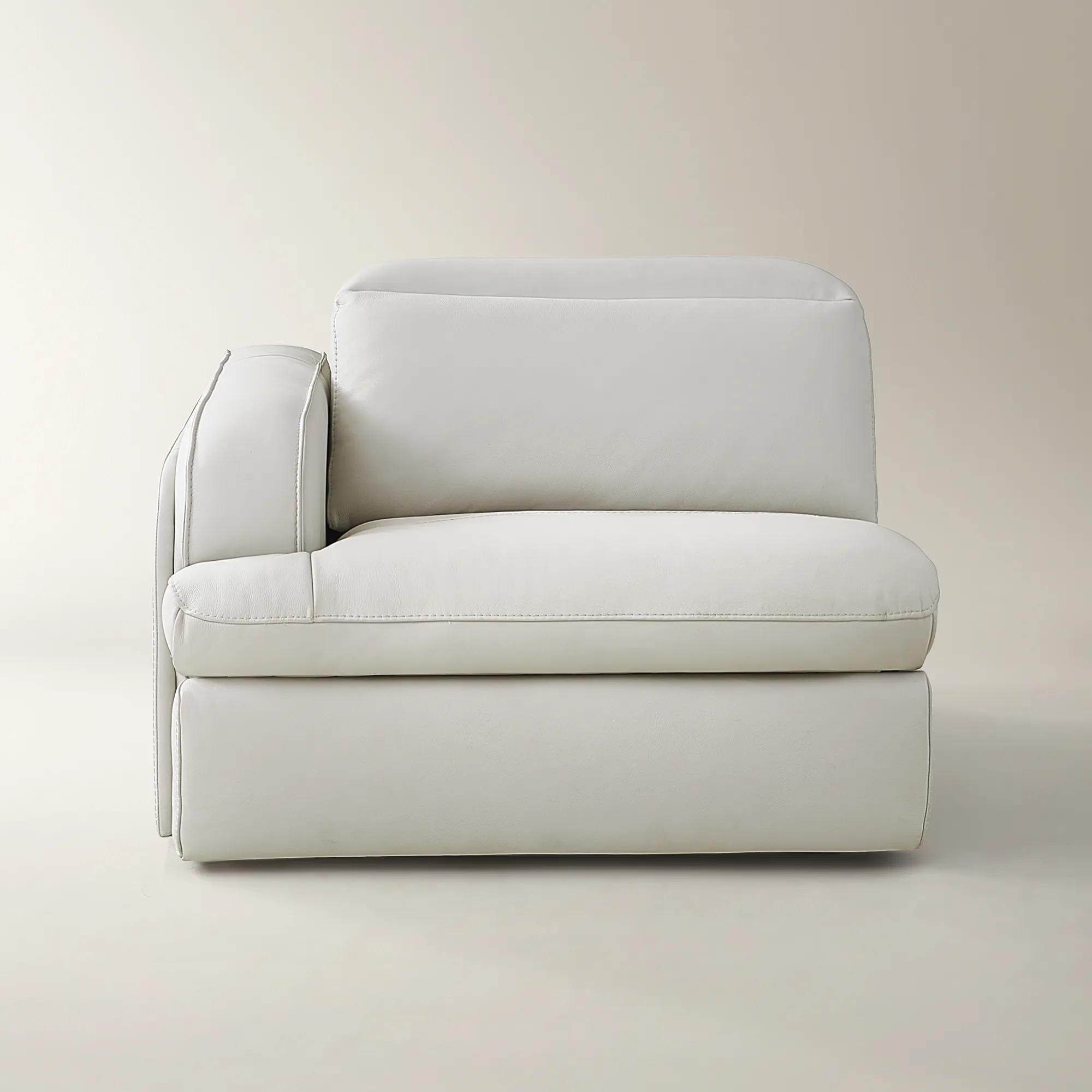
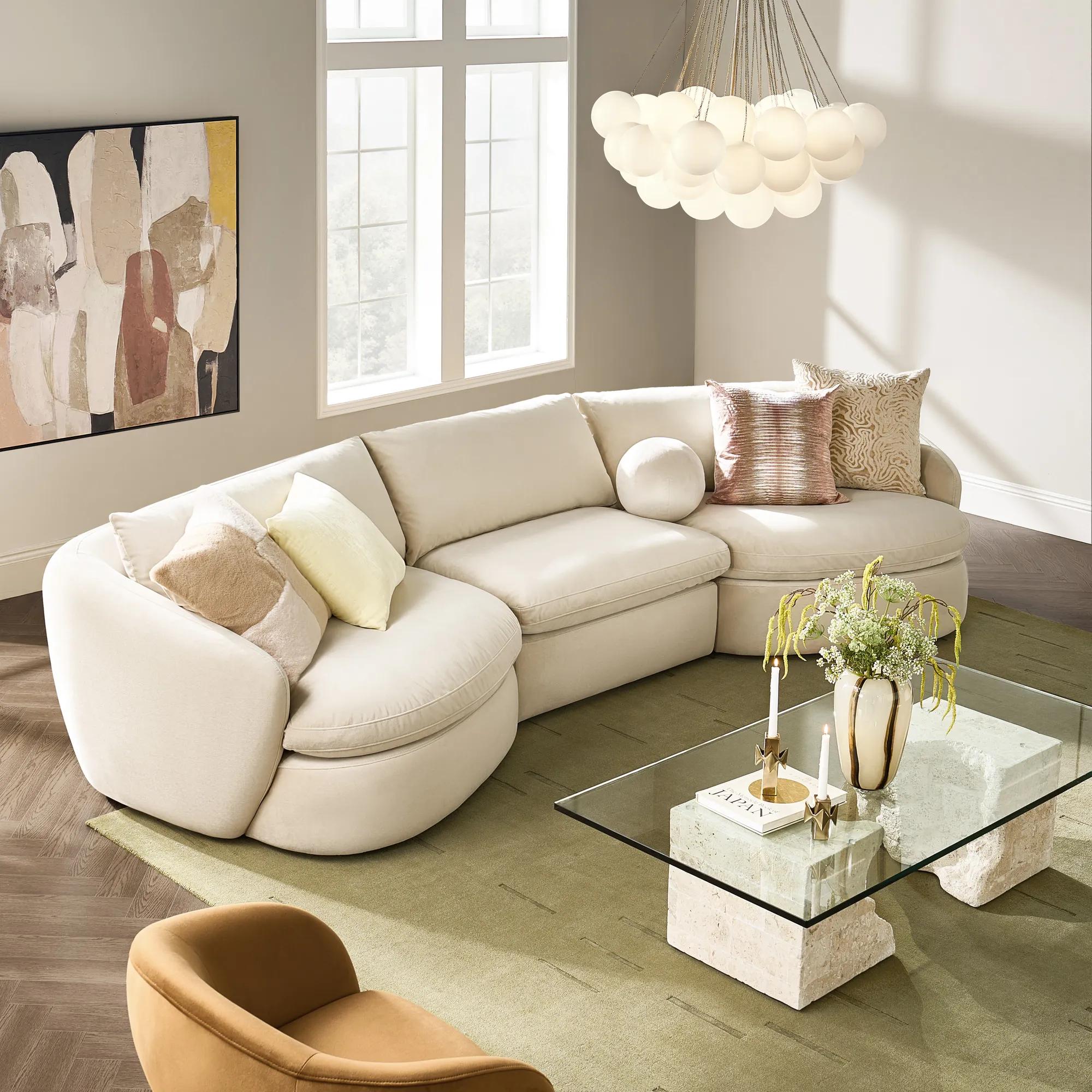 Sabrina Oatmeal Velvet Left-Arm Chair$1299
A modular, curved seating piece in soft oatmeal velvet with plush feather-blend cushions and hand-built craftsmanship.
Add To Cart

Neutral Color Sofas
Neutral color sofas are the ultimate canvas for self-expression—inviting you to layer, style, and transform your living space with effortless sophistication. Their versatile palette whispers of understated luxury, allowing every accent and artwork to shine while creating a serene foundation for bold design moments. Whether enveloped in creamy ivory, soft taupe, or misty grey, these pieces bring harmony and balance to any room, setting the stage for drama, comfort, and endless creativity. With neutral color sofas, your home becomes a gallery of possibility—every detail curated, every glance a work of art.
Neutral color sofas bring depth to a room through the details that deserve a closer look: the sweep of an arm, the texture of upholstery, the quiet contrast between a pale cushion and a dark wood floor. Far from disappearing into the background, an ivory, beige, taupe, or gray sofa can give a living space its most compelling silhouette. Cream shades lend softness to sculptural furniture and gleaming metallic accents, while sandy beige and warm taupe create a rich foundation for walnut, bronze, and earthy ceramics. Cooler grays introduce a more tailored mood alongside glass, polished metal, and graphic artwork. The distinction lies in the undertones. A beige with a golden cast feels different from one with a pink undertone, just as a blue-gray reads differently from a warmer, brown-based gray. Against existing flooring and wall colors, those subtle differences can shape the entire composition. Fabric samples viewed in daylight and under the room’s usual lamps offer a clearer impression than a color name alone. Texture adds another dimension: a softly lustrous surface catches light along the cushions, while a nubby weave creates delicate shadow and a more tactile presence. These are sofas for rooms with personality, whether the surrounding palette favors tonal restraint or saturated accents. An ivory sofa beneath oversized abstract art gives the artwork room to command attention; a taupe sofa beside a lacquered table allows contrasting finishes to shine. In an open living area, neutral upholstery can also connect the seating arrangement to neighboring dining furniture without requiring every finish to match. For a first home, an established family room, or a formal space made for conversation, the appeal is the same: a substantial, expressive centerpiece that welcomes evolving tastes. Pillows, art, and accent furniture can change around it, while the sofa continues to hold the room together with poise. Neutral does not have to mean understated; scale, texture, and form can supply all the drama a room needs.
The character of a neutral sofa comes as much from its upholstery and proportions as from its color. Velvet can give pale stone or champagne tones a luminous quality, with the direction of the pile creating visible shifts in shade. Those variations are part of its appearance rather than a perfectly uniform finish. Chenille offers a plush, tactile surface, while woven fabrics bring definition through yarn, pattern, and texture. Linen and linen blends can create a relaxed, softly tailored look, though their tendency to wrinkle and their care requirements depend on the fabric composition. Leather introduces a different kind of richness, with grain and finish influencing both its appearance and how it responds to everyday use. Smooth upholstery emphasizes clean lines; textured upholstery makes a broad expanse of neutral color feel layered and dimensional. Shape establishes the mood, too. A low profile can leave sightlines open beneath striking artwork, while a taller back creates a more enveloping place to sit. Slim arms devote more of the overall width to seating, whereas broad arms contribute a substantial architectural presence. Curved forms soften a room filled with angular tables and cabinetry, and tailored, straight-lined silhouettes bring definition to a more fluid arrangement. Comfort depends on how that shape meets the person using it. Seat height, usable seat depth, cushion firmness, and back support all matter, particularly in a room shared by people of different heights. A shallower seat may better support upright conversation, while a generous seat invites stretching out with a book or settling in for a film. For spaces centered on expansive lounging, neutral color deep sofas extend that relaxed sense of scale. Overall dimensions still need to suit the room: doors should open freely, nearby tables should remain within comfortable reach, and walkways should allow easy movement around the seating. Delivery access matters just as much as the final placement, including doorway widths, stair turns, elevators, and overhead clearance. A sofa feels truly considered when its visual presence, seating comfort, and footprint work together rather than competing for space.
Everyday life gives a sofa its real purpose, and a neutral palette benefits from upholstery chosen with that life in mind. A conversation room used mainly for entertaining has different demands from a living room that hosts afternoon snacks, pets, and nightly lounging. Pale fabrics can make a space feel expansive and luminous, but marks may be more noticeable than on midtone taupe or gray. A subtly varied weave can make small traces of daily use less conspicuous, though no color or texture replaces appropriate care. Where performance upholstery is specified, its stated properties and cleaning instructions are more useful than broad assumptions about stain resistance. Some treatments address particular spills, and even durable fabrics may be vulnerable to sharp claws, snagging, or harsh cleaning products. Construction deserves equal attention. Frame materials, joinery, suspension, and cushion composition all contribute to support and longevity; a soft first impression alone does not reveal how seating will perform over time. Foam, fiber, and feather-blend cushions offer different experiences, and some softer fills require regular fluffing to maintain their shape. Rotating or reversing cushions, when the design permits, can help distribute wear. Gentle vacuuming with an appropriate upholstery attachment removes loose debris before it settles into the fabric, while spills are best addressed promptly according to the manufacturer’s care directions. Blotting rather than rubbing helps avoid spreading a mark, and any approved cleaner should be tested in an inconspicuous area first. Prolonged direct sunlight may affect upholstery color, making placement and window treatments part of thoughtful long-term care. Around that practical foundation, styling can remain wonderfully expressive. A velvet pillow against a woven sofa introduces a change in sheen; a patterned rug brings movement beneath a calm expanse of color. Black accents sharpen cream upholstery, while brushed metallics and richly colored glass lend warmth and sparkle to gray or taupe. Leaving some upholstery visible allows the sofa’s proportions and finish to remain part of the composition. The result is a room with both polish and purpose: inviting enough for daily rituals, distinctive enough for memorable gatherings, and layered with details that make a neutral foundation feel deeply personal.
FAQs
Neutral color sofas are celebrated for their remarkable adaptability. Their understated hues—ranging from soft creams to warm taupes and elegant greys—effortlessly complement a wide spectrum of design styles, from classic to contemporary. This versatility allows you to refresh your space with new accents or seasonal décor without needing to replace your foundational furniture, making neutral sofas a lasting canvas for evolving tastes.
A neutral sofa can be transformed into a showstopping centerpiece with the right styling. Layer it with bold, textured throw pillows, drape a sumptuous faux fur or velvet blanket over one arm, and anchor the look with a statement rug beneath. Incorporate gleaming metallic accents on a nearby coffee table or sideboard to catch the light, and finish the scene with sculptural art or a dramatic chandelier overhead. The result is a space that feels both inviting and unapologetically expressive.
Absolutely. Many neutral sofas are crafted with performance fabrics that resist stains and wear, making them a practical yet luxurious choice for busy households. Their subtle tones can cleverly disguise minor mishaps, while their timeless design ensures your space remains chic and cohesive, even in the midst of everyday life with pets or children.
Neutral color sofas are available in a variety of sumptuous materials, each offering distinct tactile and visual appeal. Popular options include plush velvets for a touch of glamor, classic woven linens for breezy elegance, and durable chenilles that blend softness with resilience. Some designs also feature performance fabrics engineered for easy care, ensuring both beauty and longevity.
A neutral sofa acts as the perfect anchor for seasonal transformations. In winter, layer it with cozy throws, jewel-toned pillows, and metallic accents for warmth and richness. As spring approaches, swap in lighter textiles, airy patterns, and fresh botanicals to evoke a sense of renewal. This flexibility allows your living space to feel both current and personal, no matter the season.