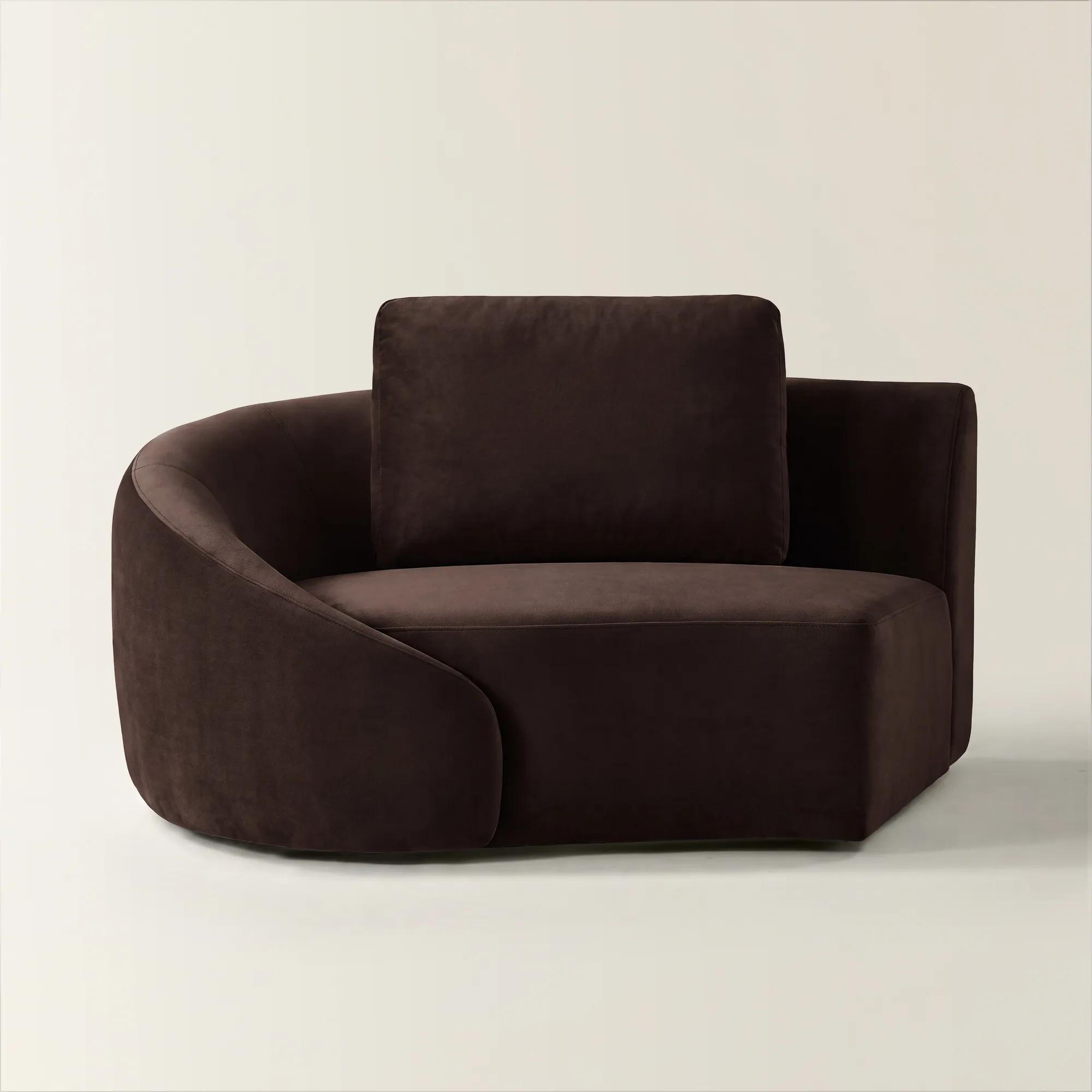
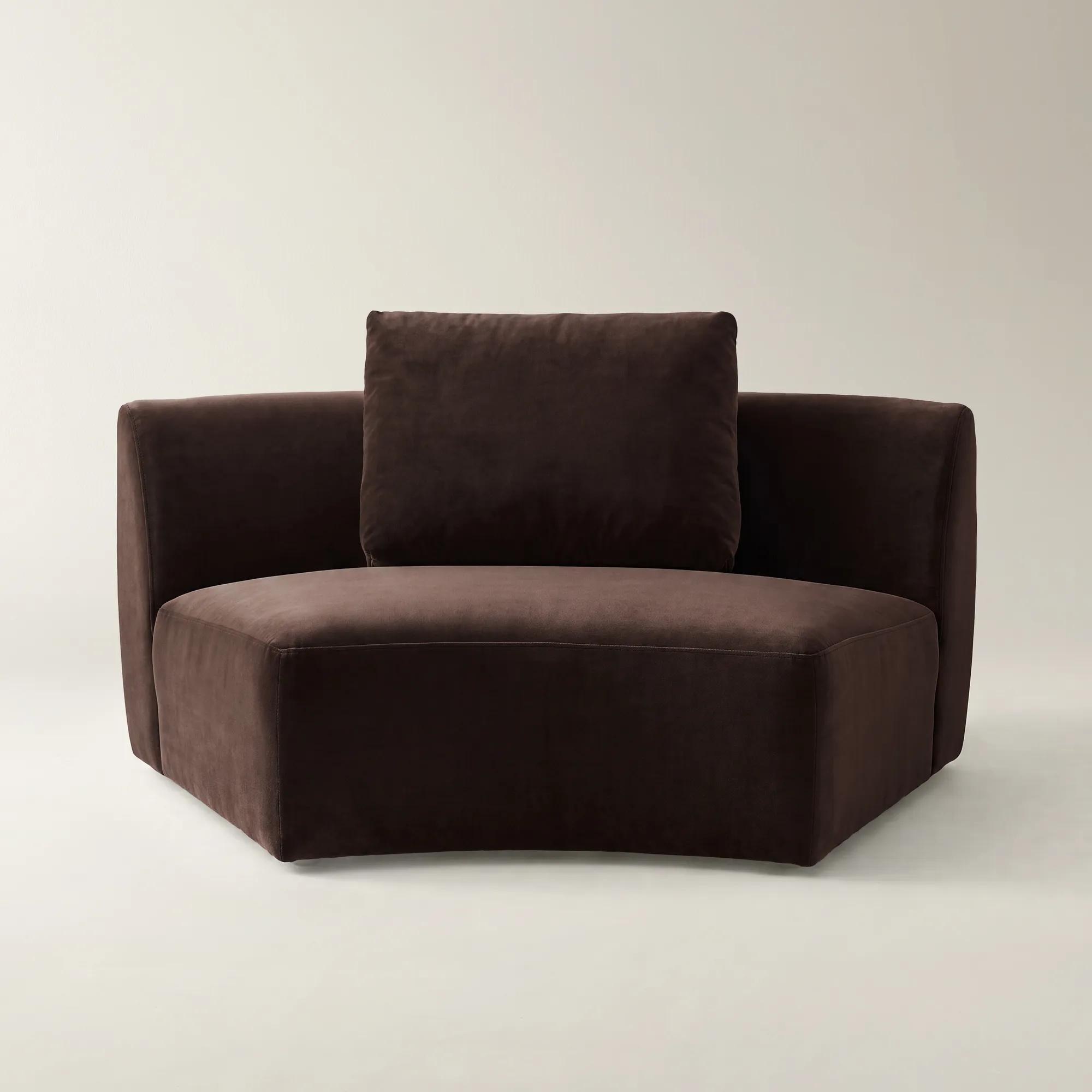
Natural Color Modern Sofas
Natural Color Modern Sofas
-
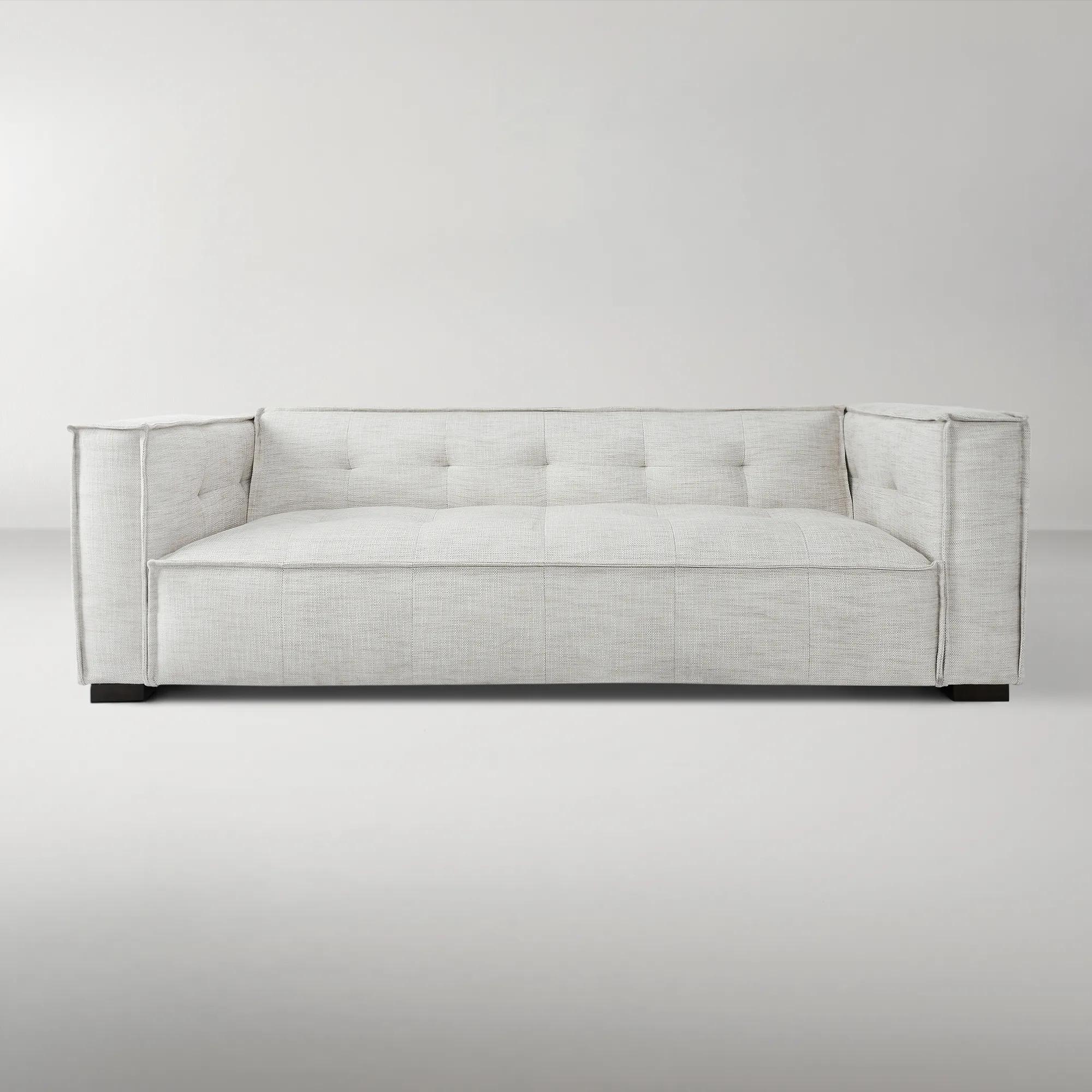
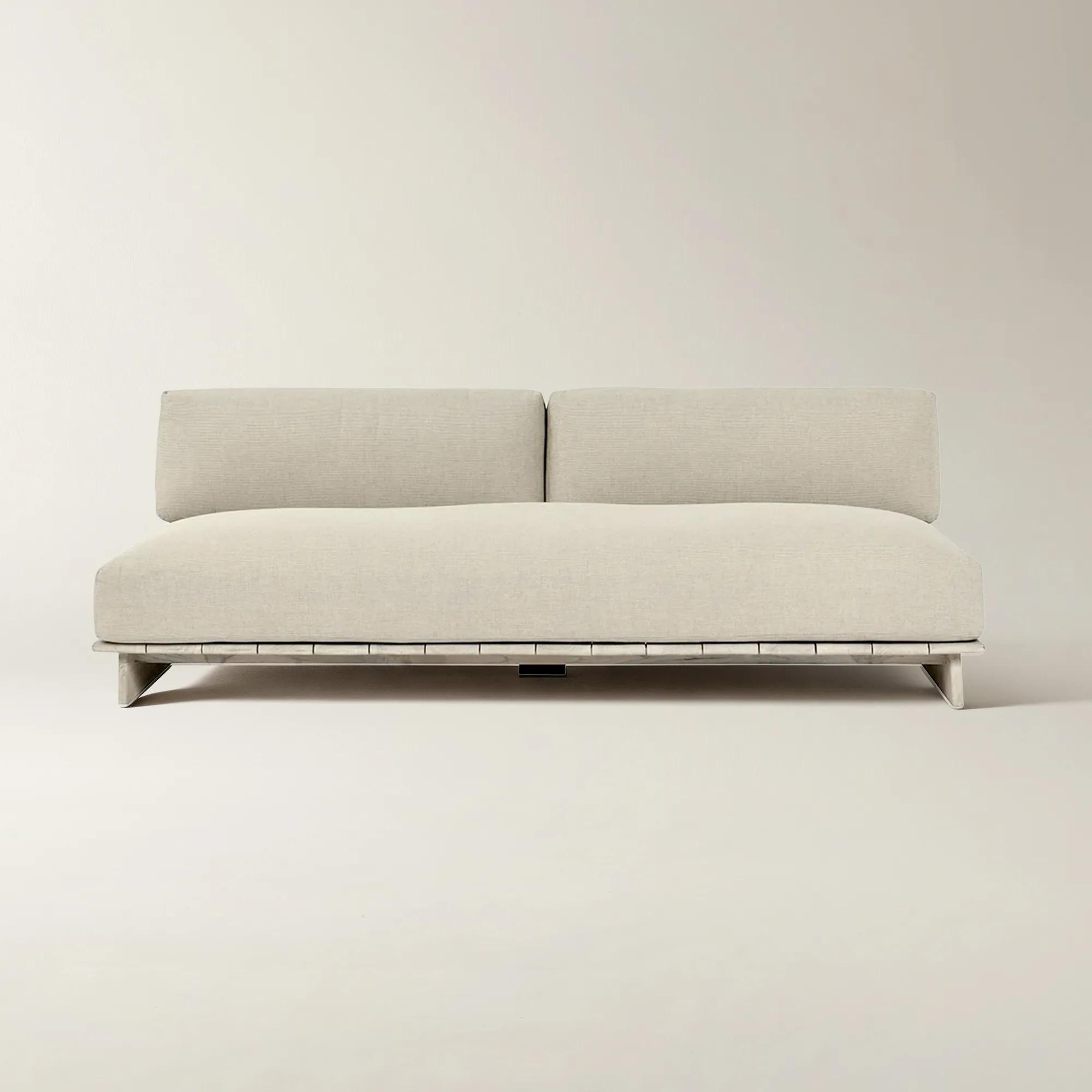
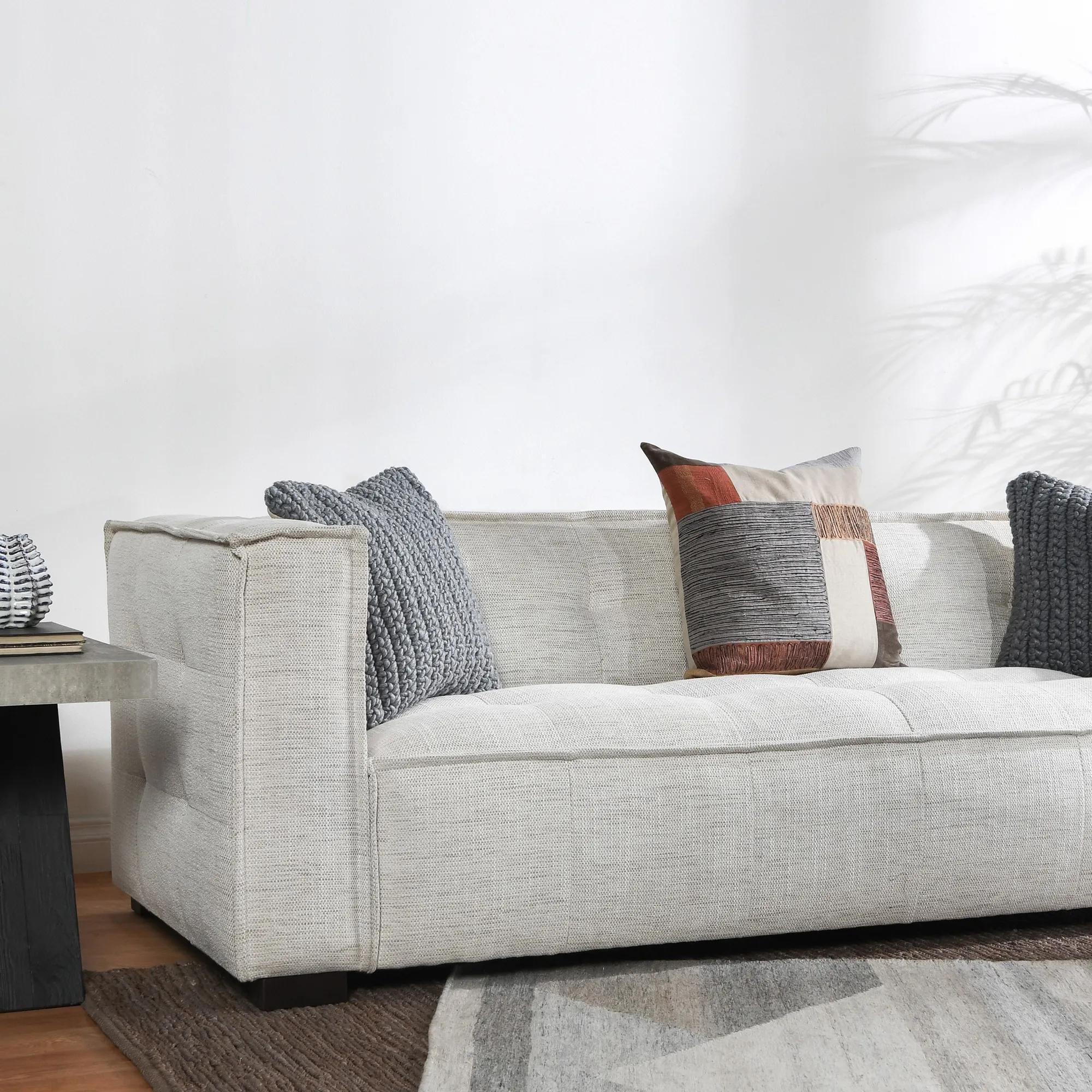 Element Box-Tufted Beige Sofa$2599
A transitional beige sofa handcrafted with a polyester blend and pine wood legs, seating up to four.
Add To Cart -
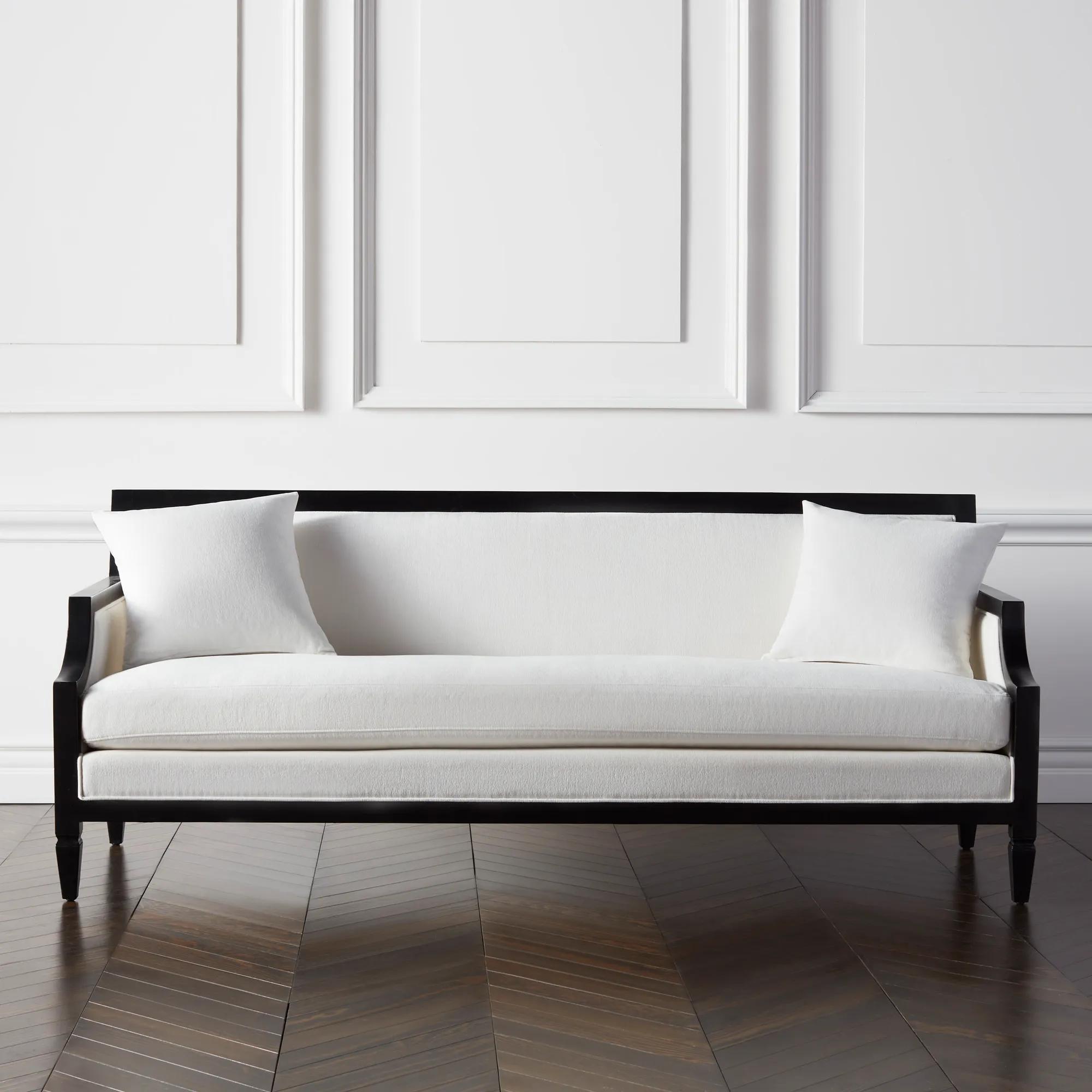
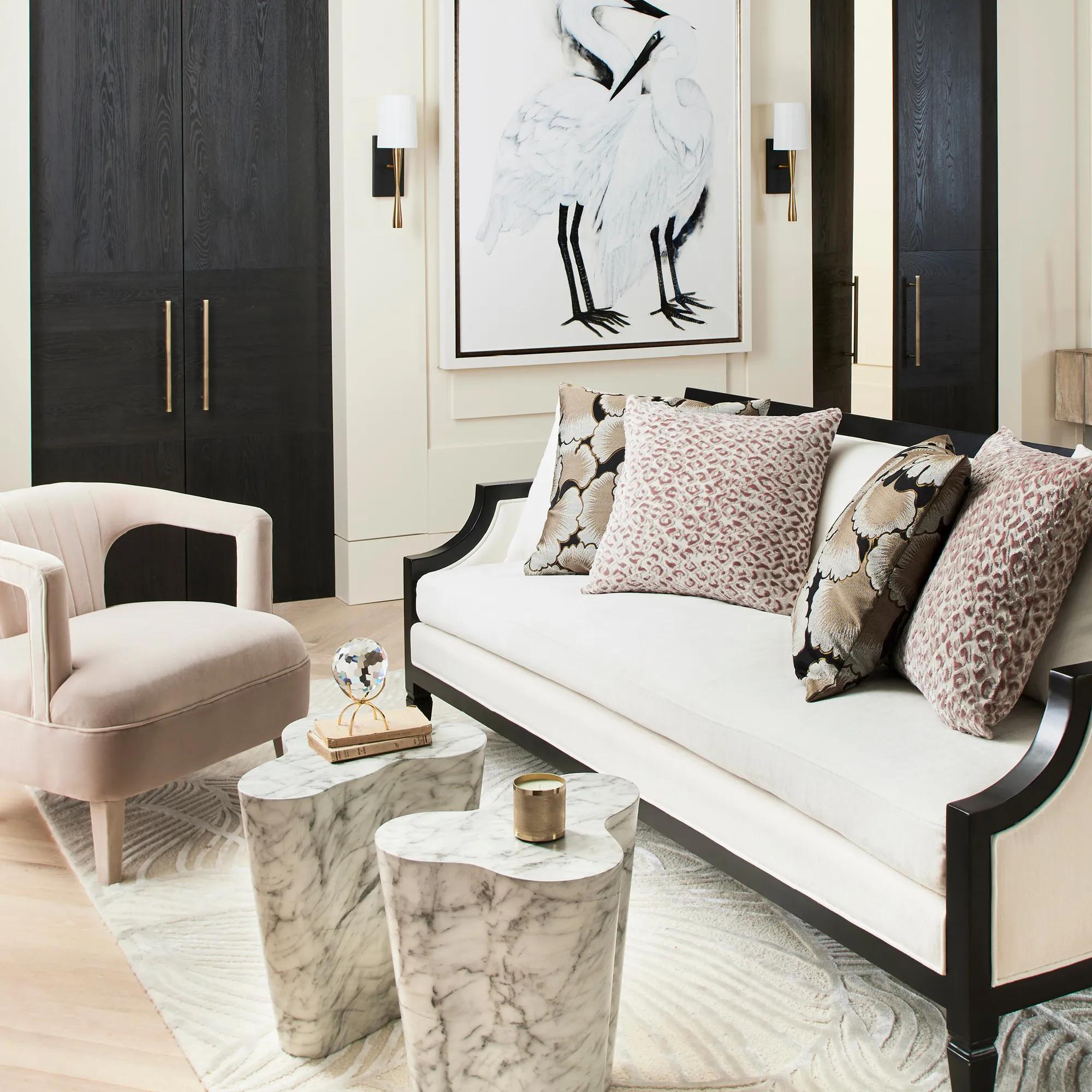 Kayla Sofa$3149
A plush, modern sofa featuring notched arms, matte black wood frame, and Kenley Chenille Snow upholstery.
Add To Cart -
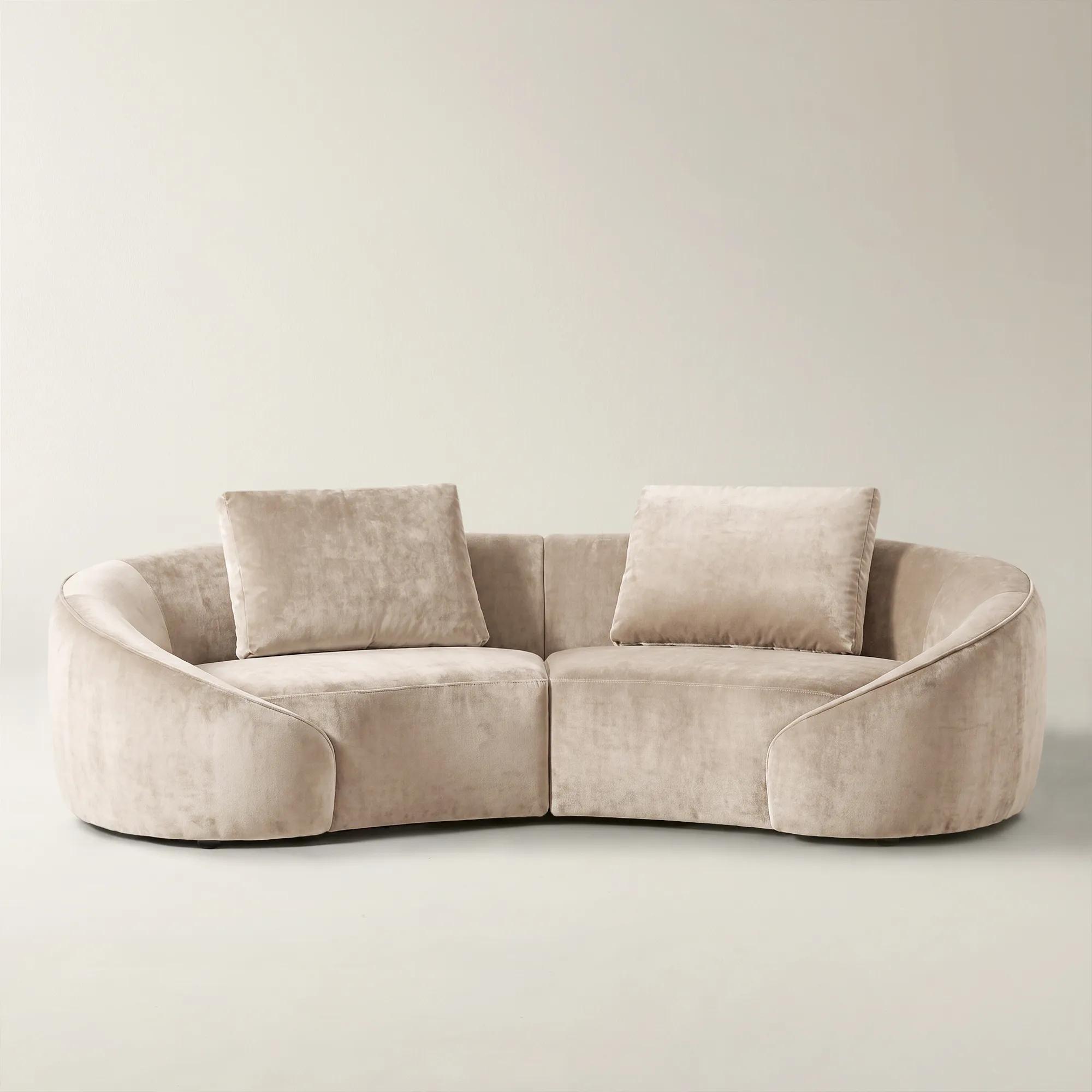
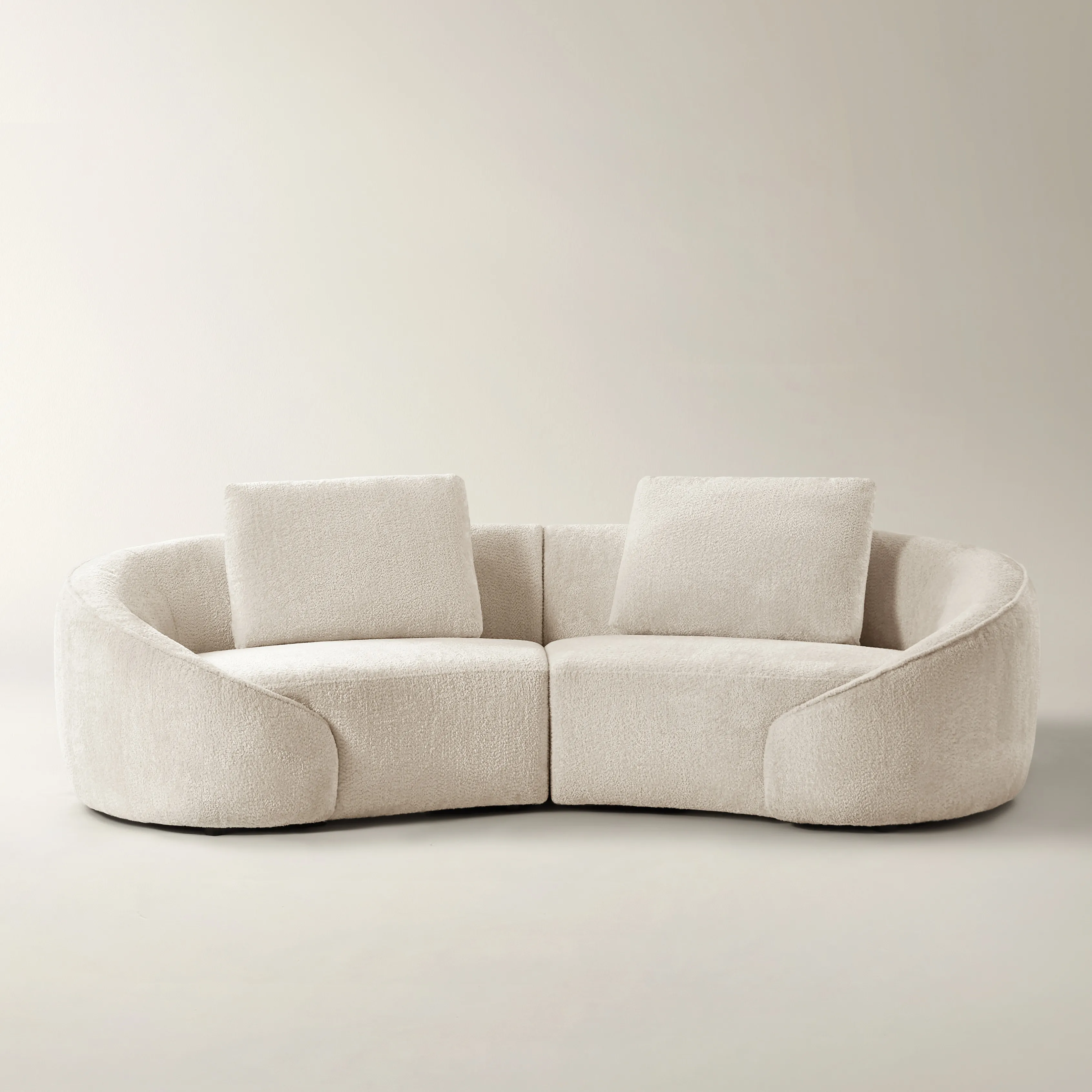 Irene 2-Piece Simply Taupe Velvet Sectional Sofa$2499
A sculptural taupe velvet sectional featuring high-resiliency foam cushions and artisan hand-finished upholstery.
Add To Cart -
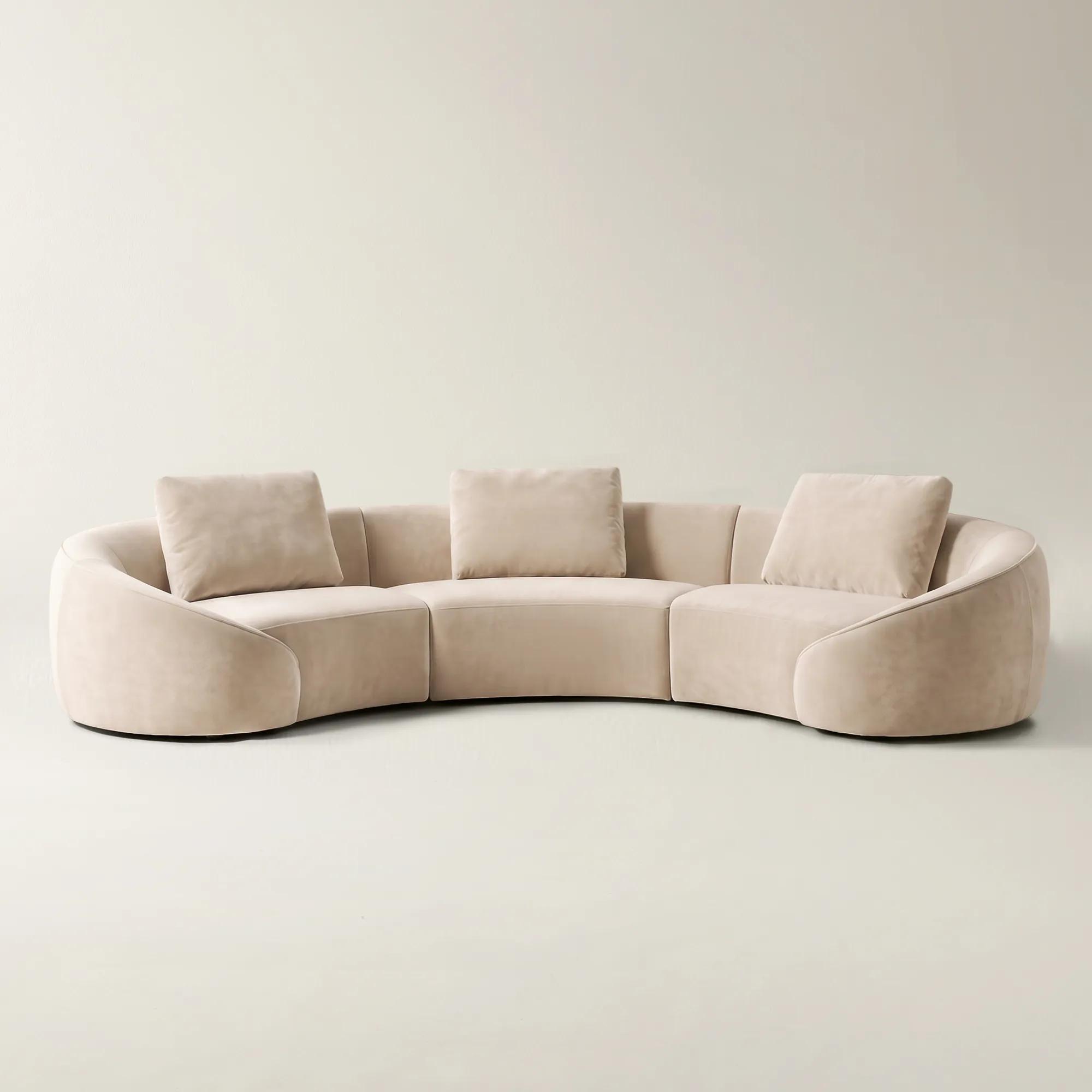
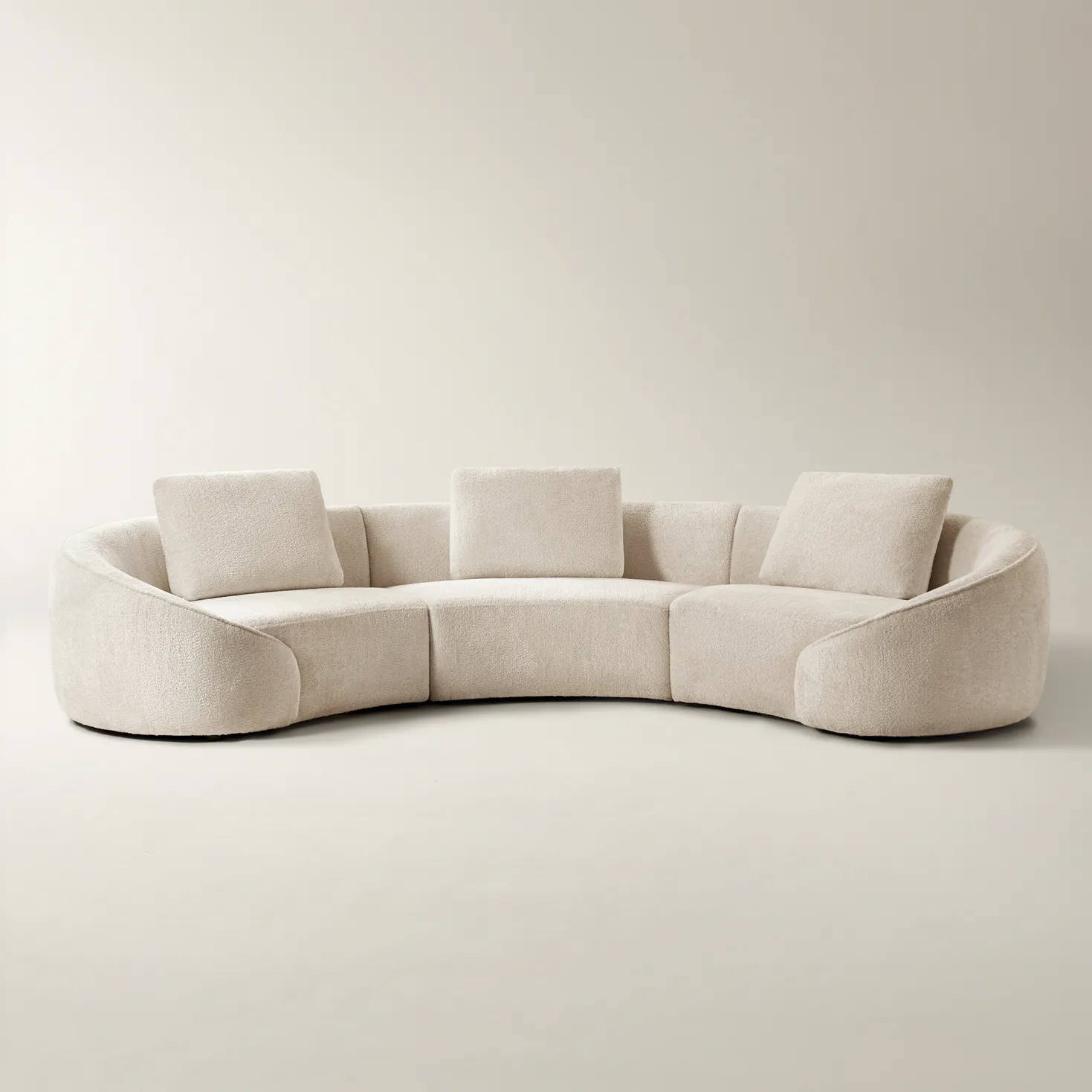 Irene 3-Piece Simply Taupe Velvet Sectional Sofa$3599
A sculptural, hand-finished sectional in simply taupe velvet with high-resiliency foam cushions and accent pillows.
Add To Cart -
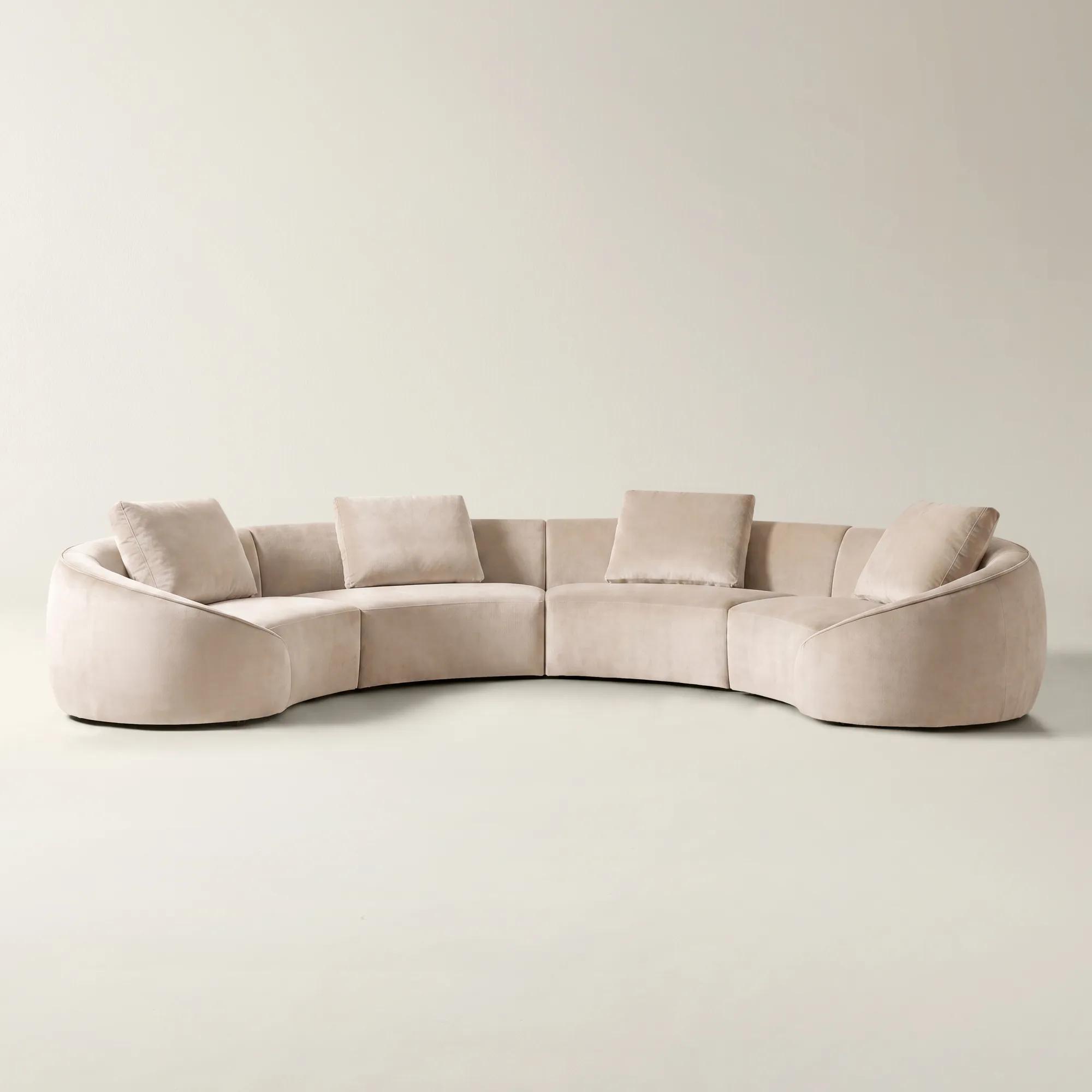 Irene 4-Piece Simply Taupe Velvet Sectional Sofa$4599
A sculptural taupe velvet sectional featuring high-resiliency foam cushions and hand-finished artisan upholstery.
Add To Cart -
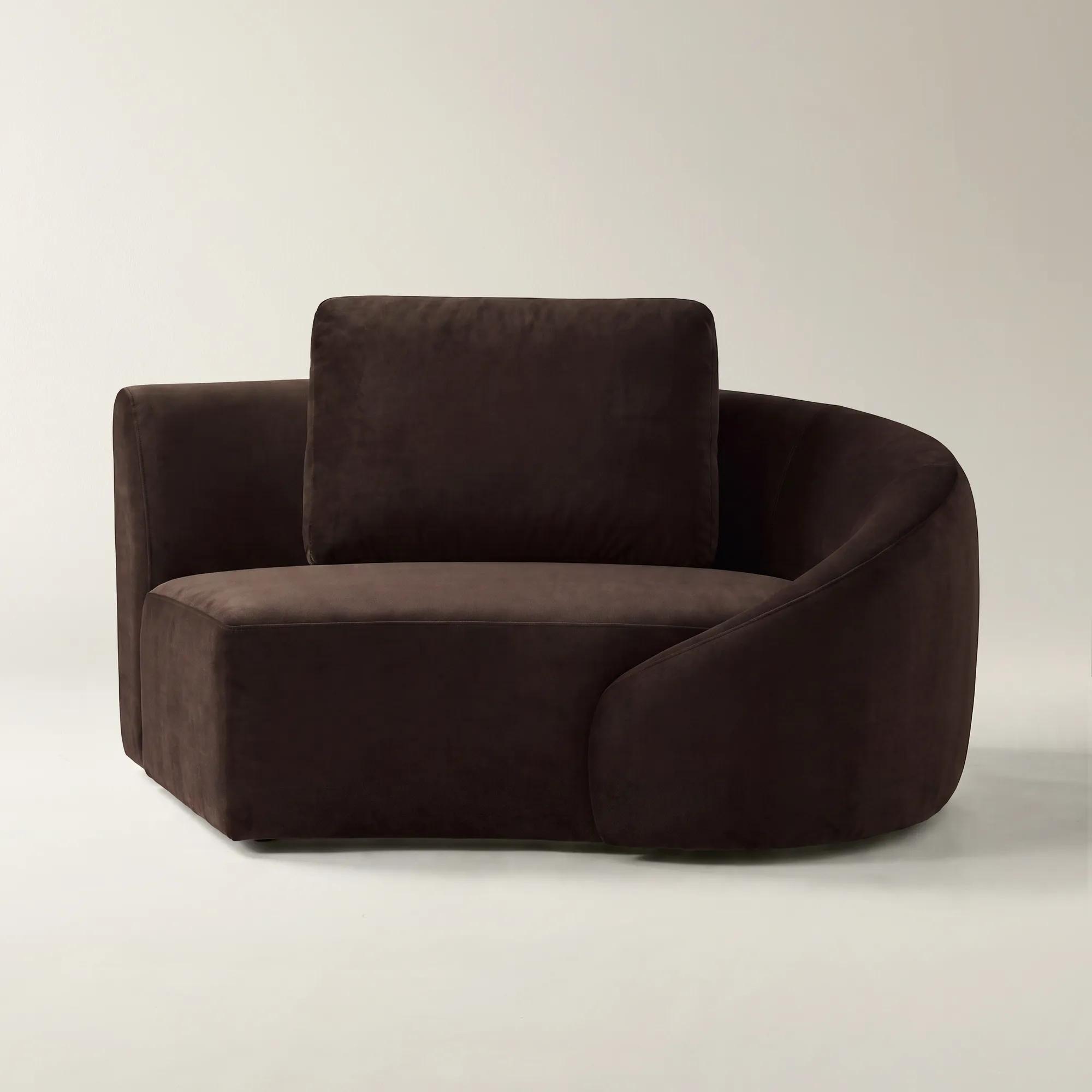
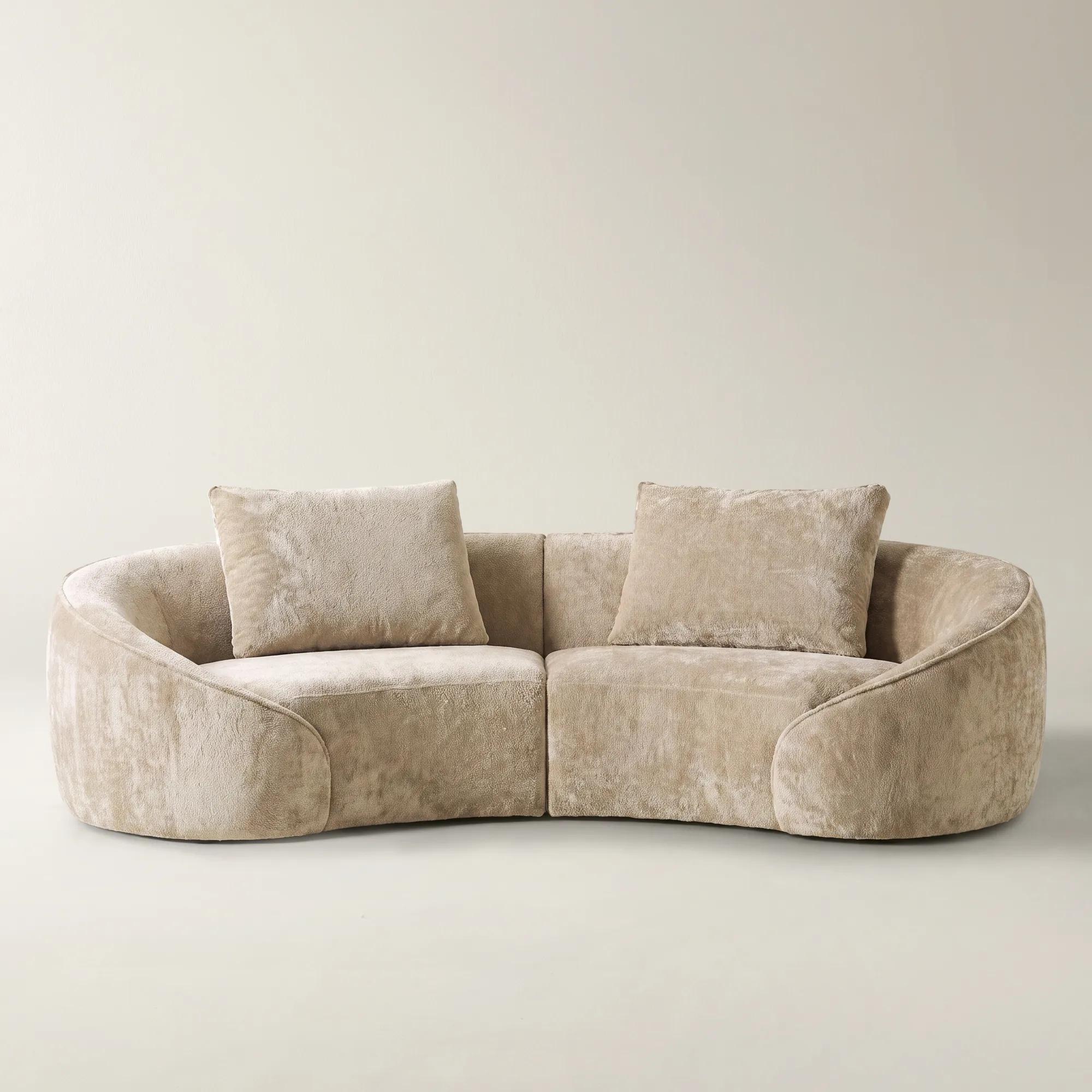 Irene 2-Piece Light Brown Chenille Sectional Sofa$2499
A sculptural light brown chenille sectional featuring high-resiliency foam cushions and artisan hand-finished upholstery.
Add To Cart -
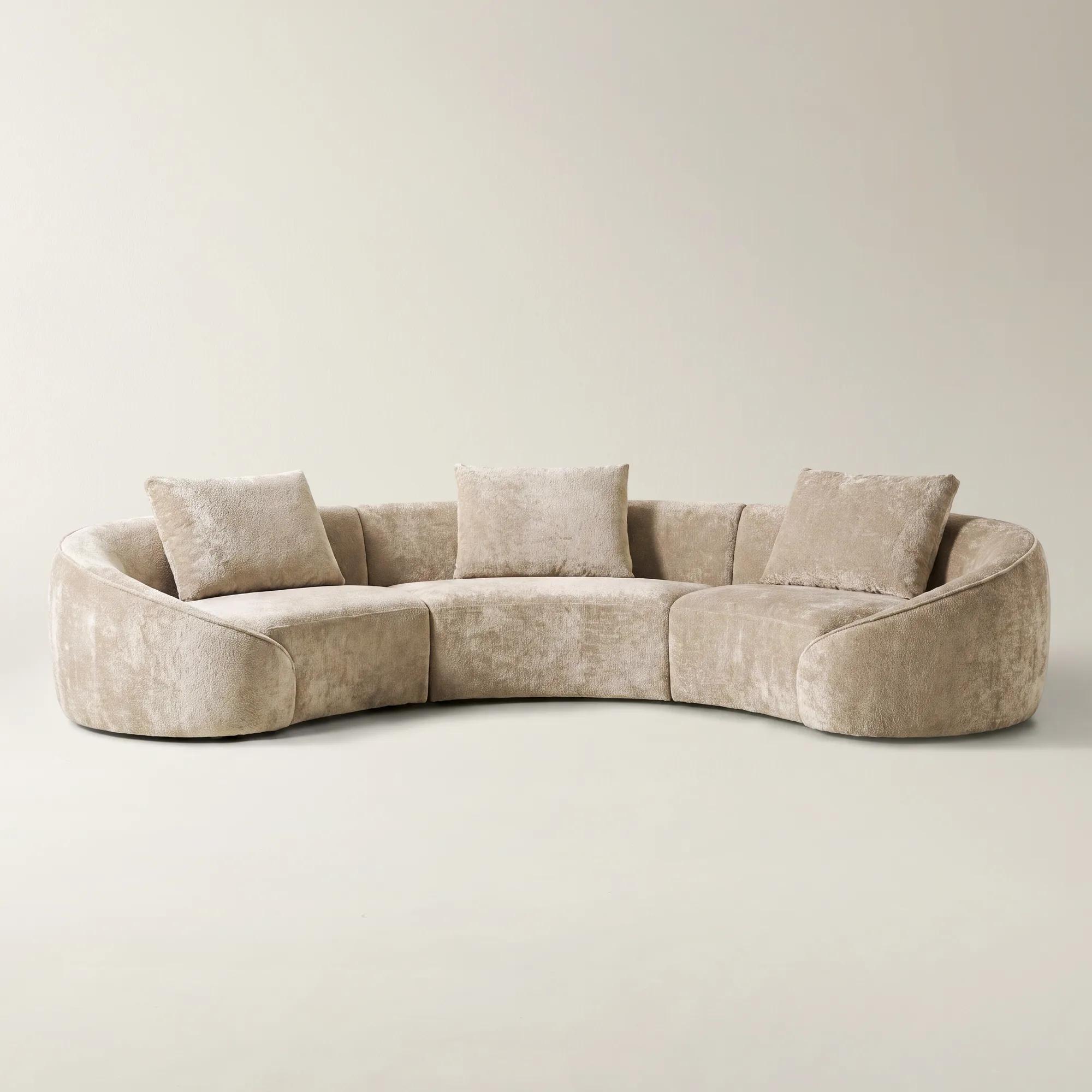 Irene 3-Piece Light Brown Chenille Sectional Sofa$3599
A sculptural light brown chenille sectional featuring high-resiliency foam cushions and artisan hand-finished upholstery.
Add To Cart -
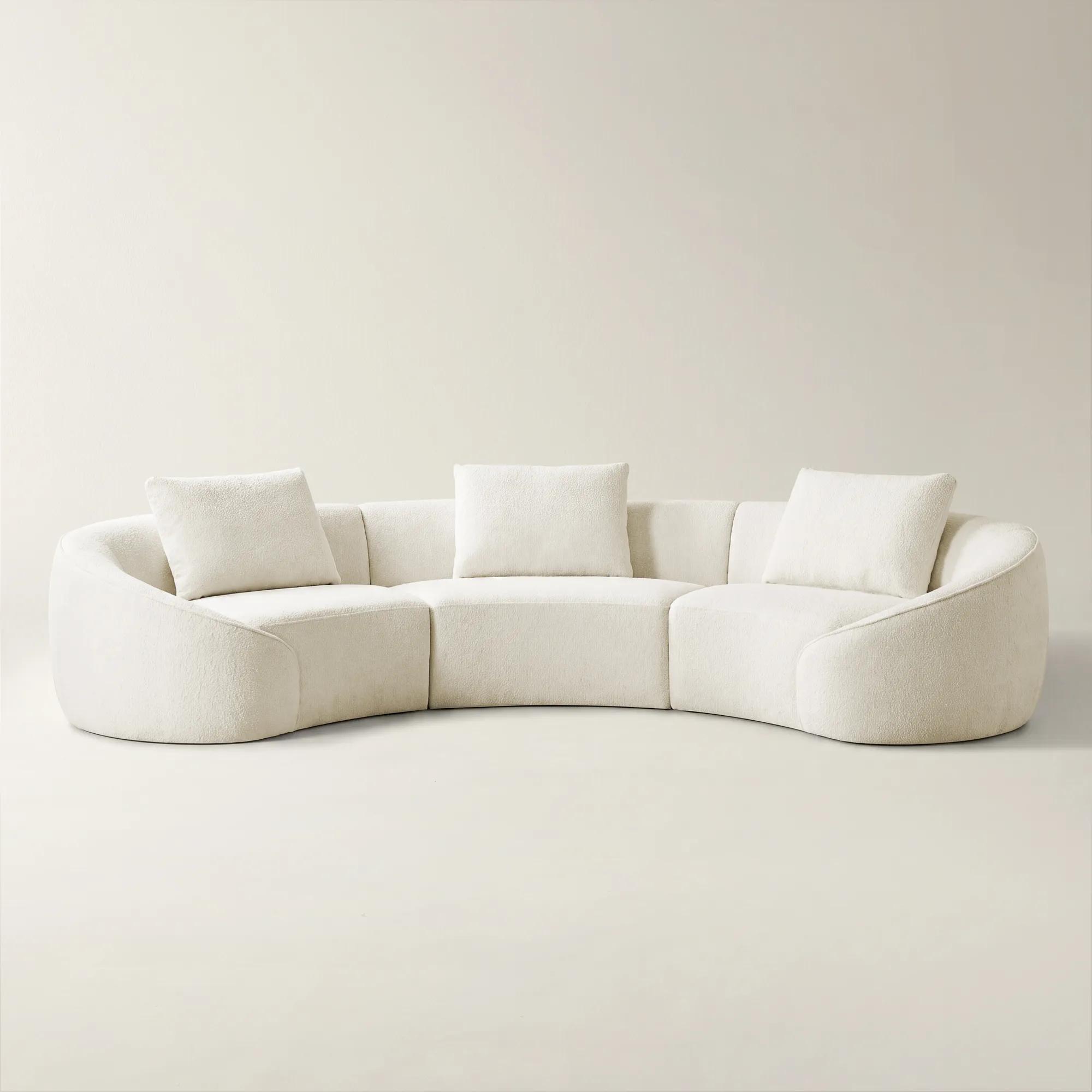 Irene 3-Piece Ivory Performance Chenille Sectional Sofa$3799
An inviting ivory chenille sectional featuring sculptural curves, performance upholstery, and high-resiliency foam cushions.
Add To Cart -
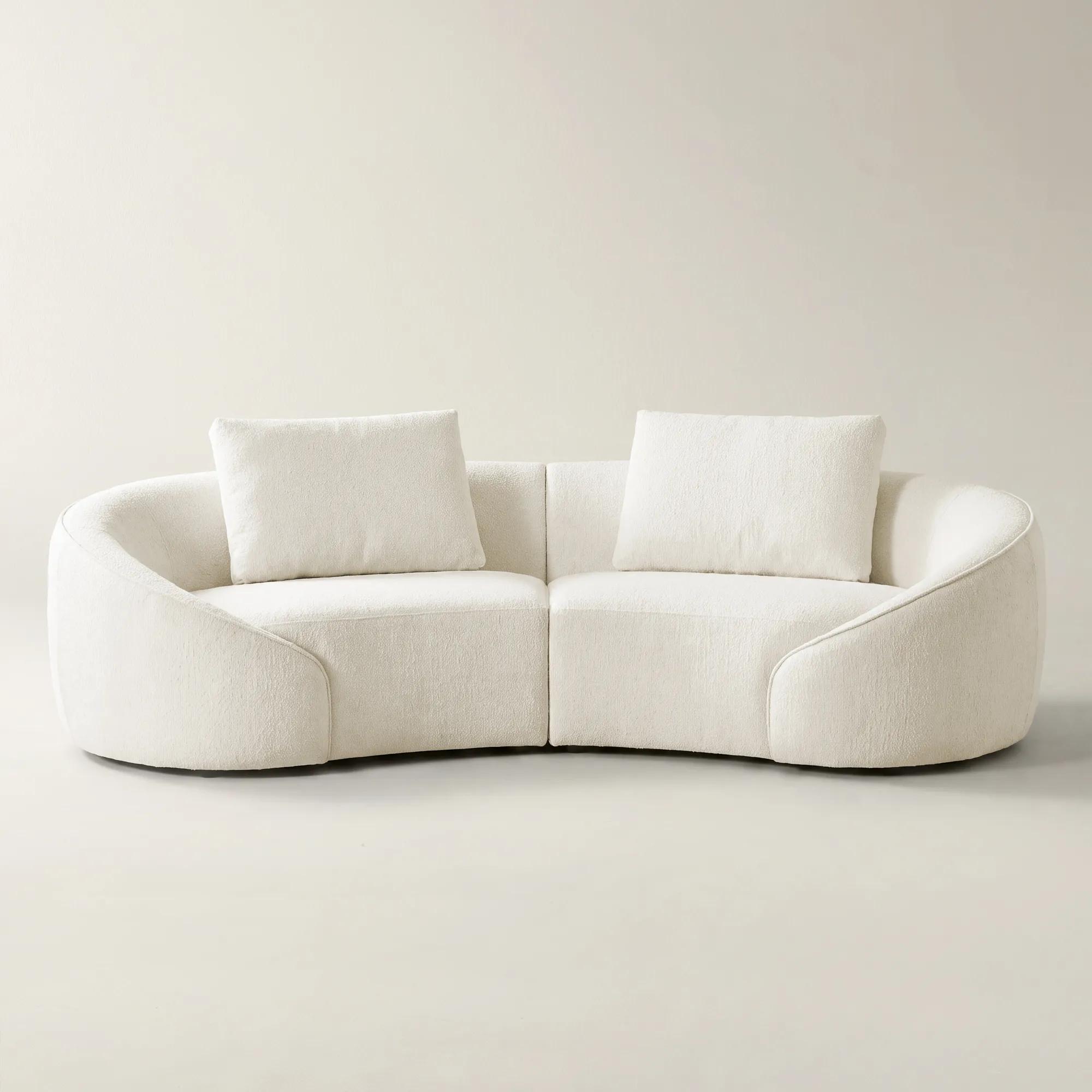
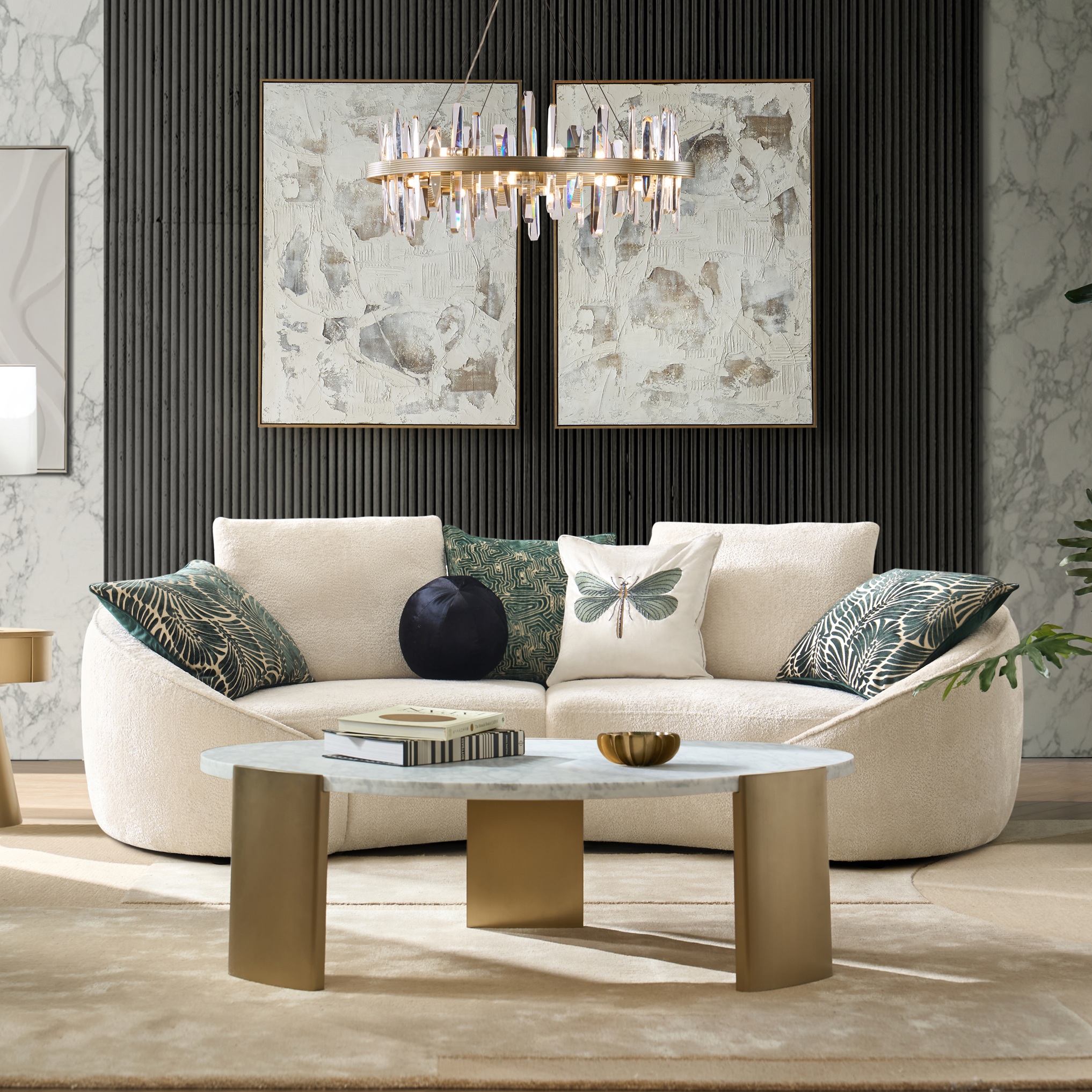 Irene 2-Piece Ivory Performance Chenille Sectional Sofa$2699
A sculptural ivory chenille sectional featuring performance upholstery, high-resiliency foam cushions, and artisan detailing.
Add To Cart -
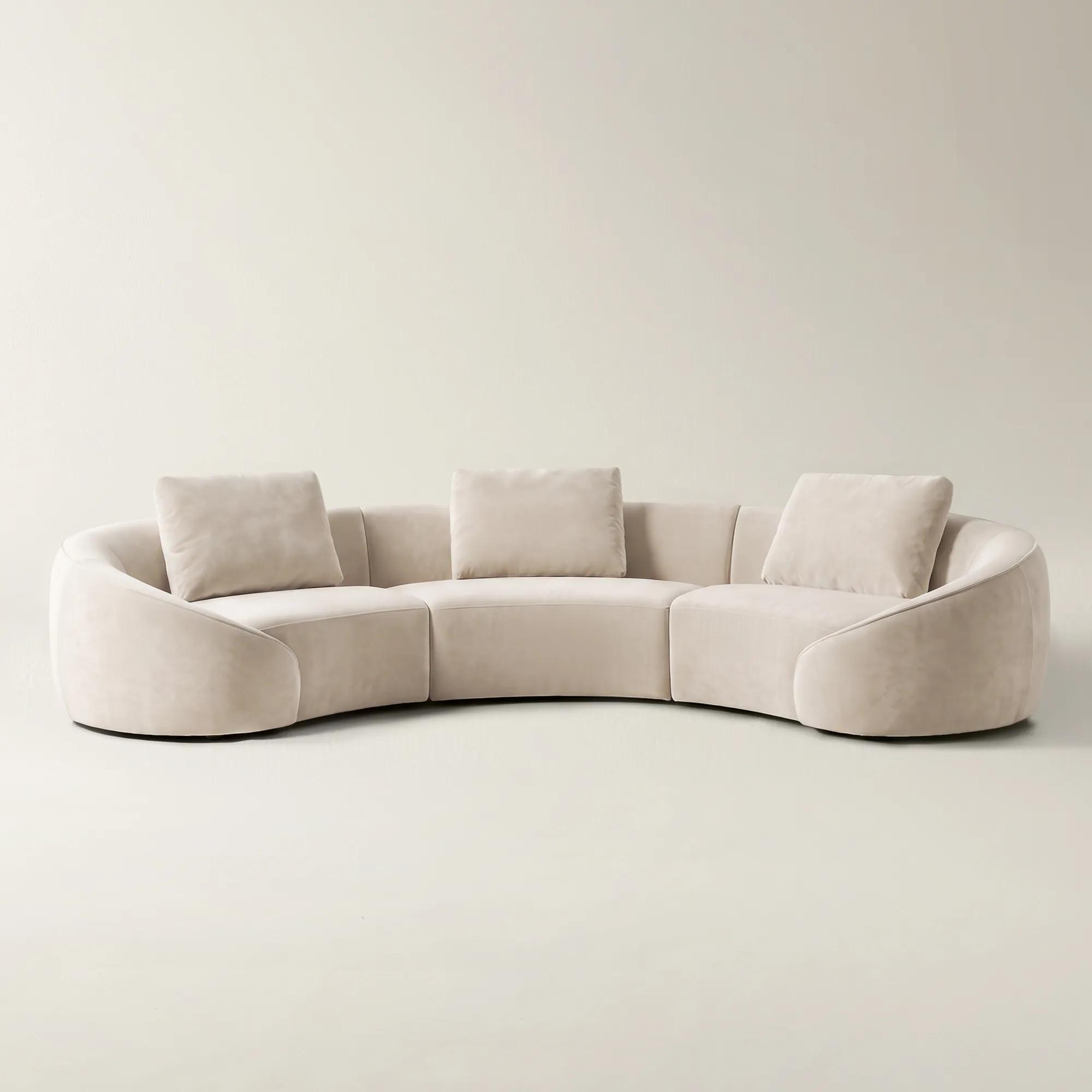 Irene 3-Piece Oatmeal Velvet Sectional Sofa$3599
An inviting oatmeal velvet sectional featuring sculptural curves, high-resiliency foam cushions, and artisan hand-finished upholstery.
Add To Cart -
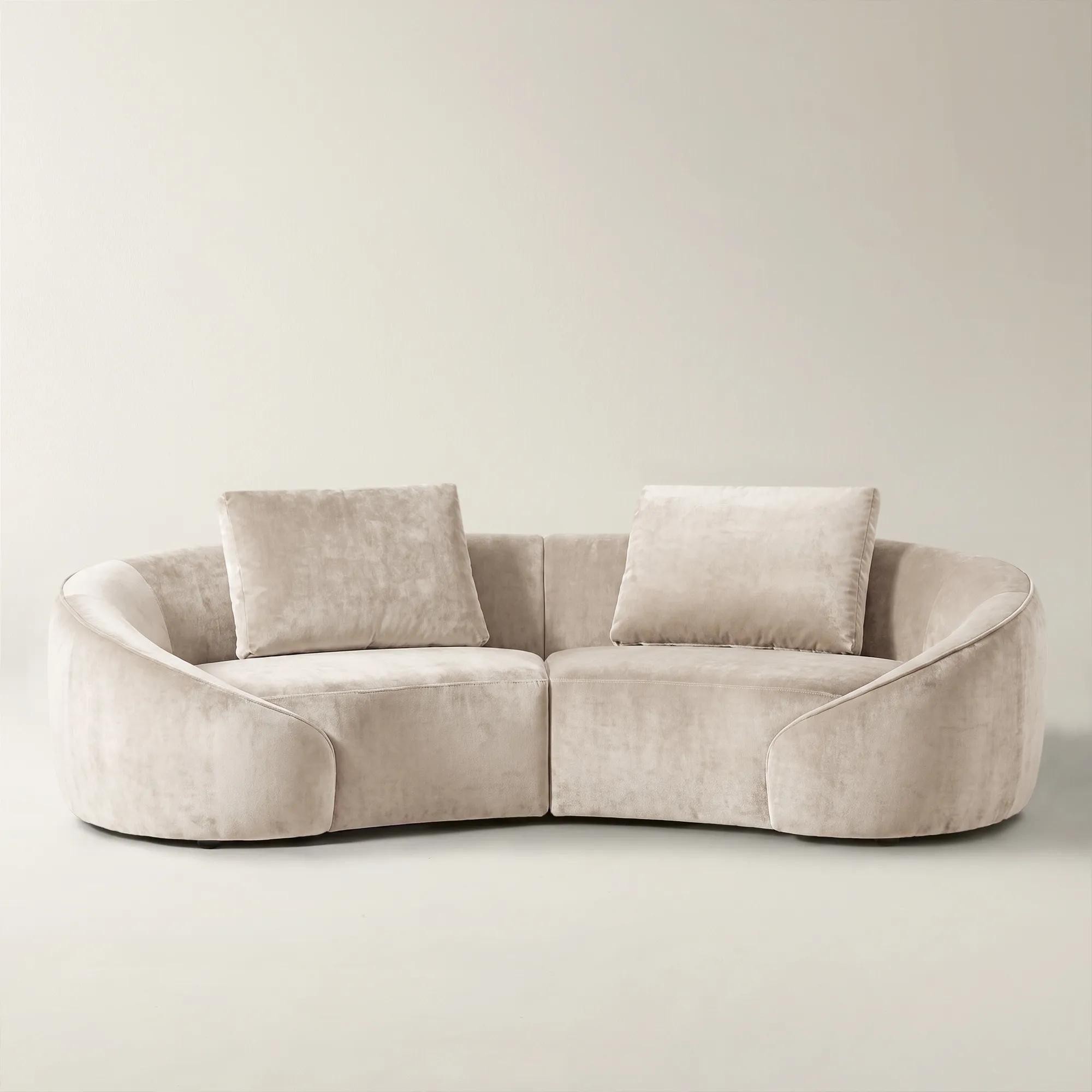 Irene 2-Piece Oatmeal Velvet Sectional Sofa$2499
A sculptural oatmeal velvet sectional featuring hand-finished upholstery, high-resiliency foam cushions, and accent pillows.
Add To Cart -
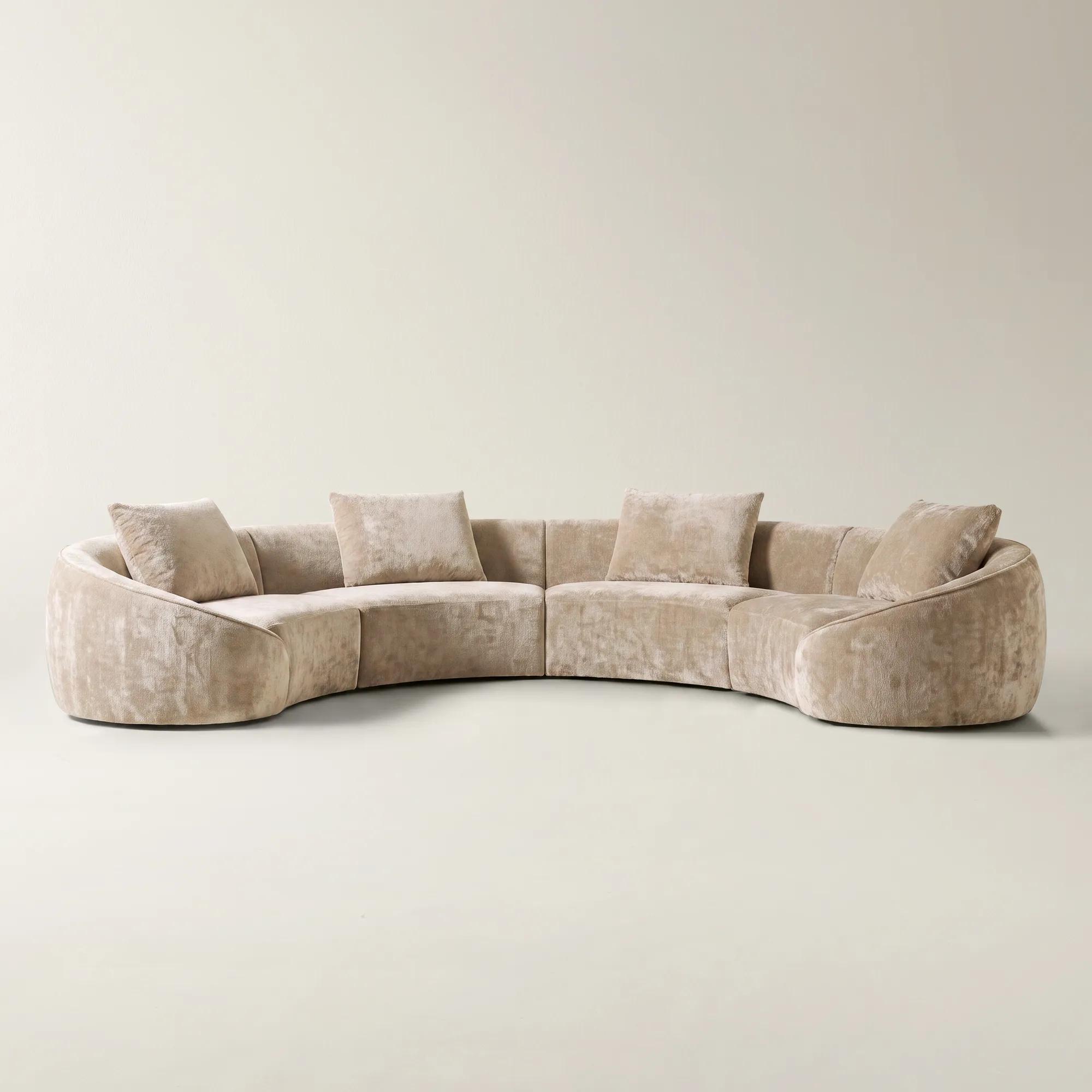
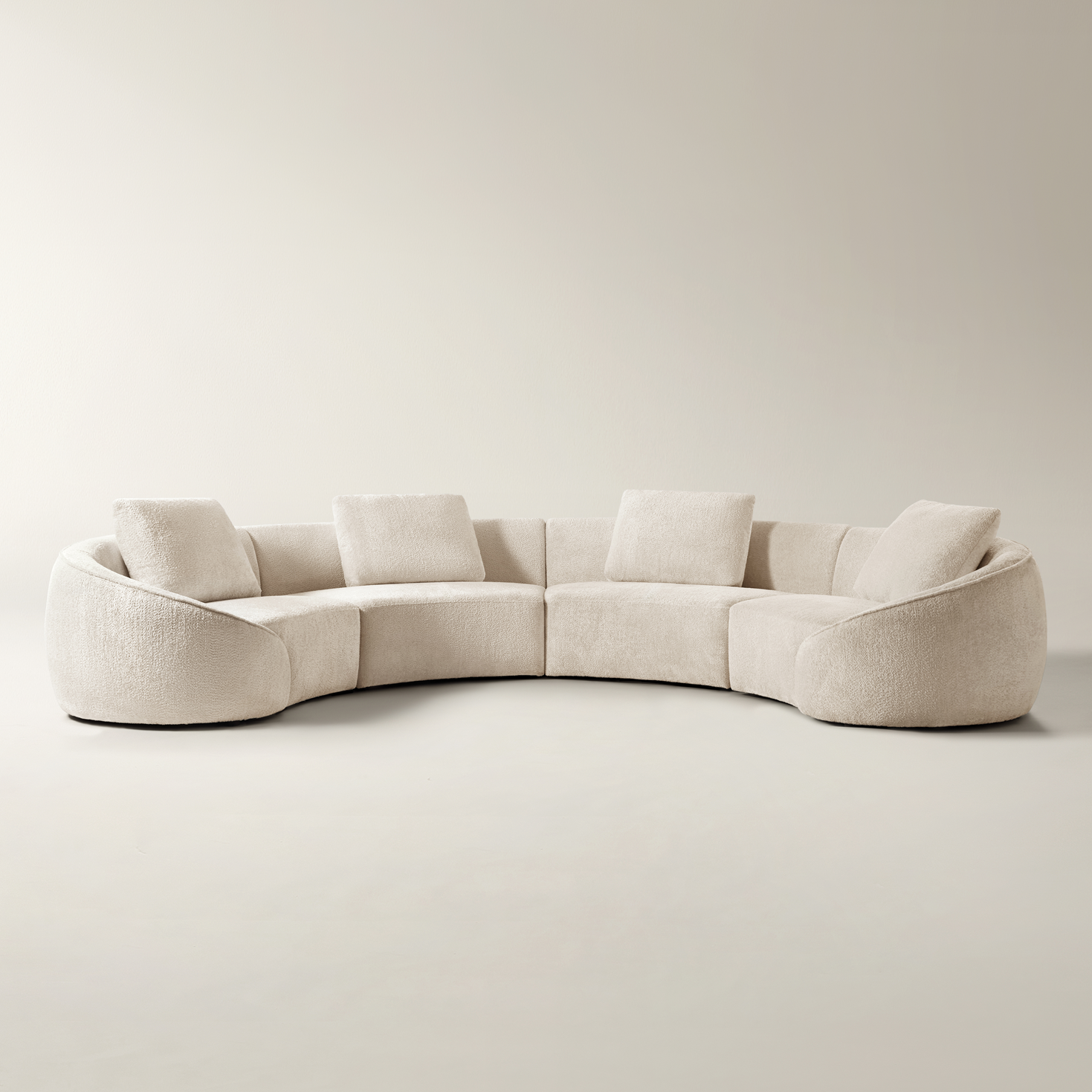 Irene 4-Piece Light Brown Chenille Sectional Sofa$4599
A sculptural light brown chenille sectional with high-resiliency foam cushions and hand-finished artisan detailing.
Add To Cart -
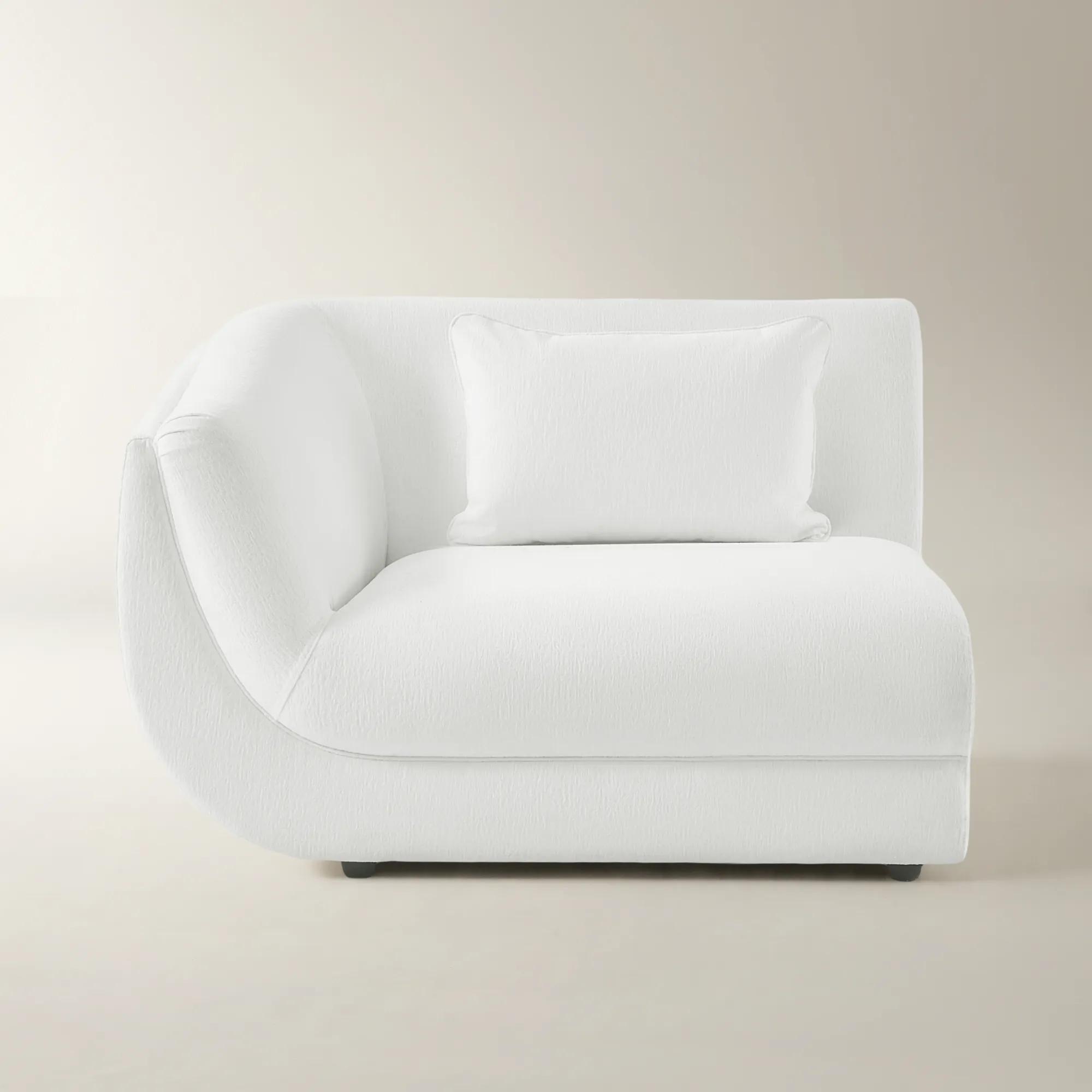
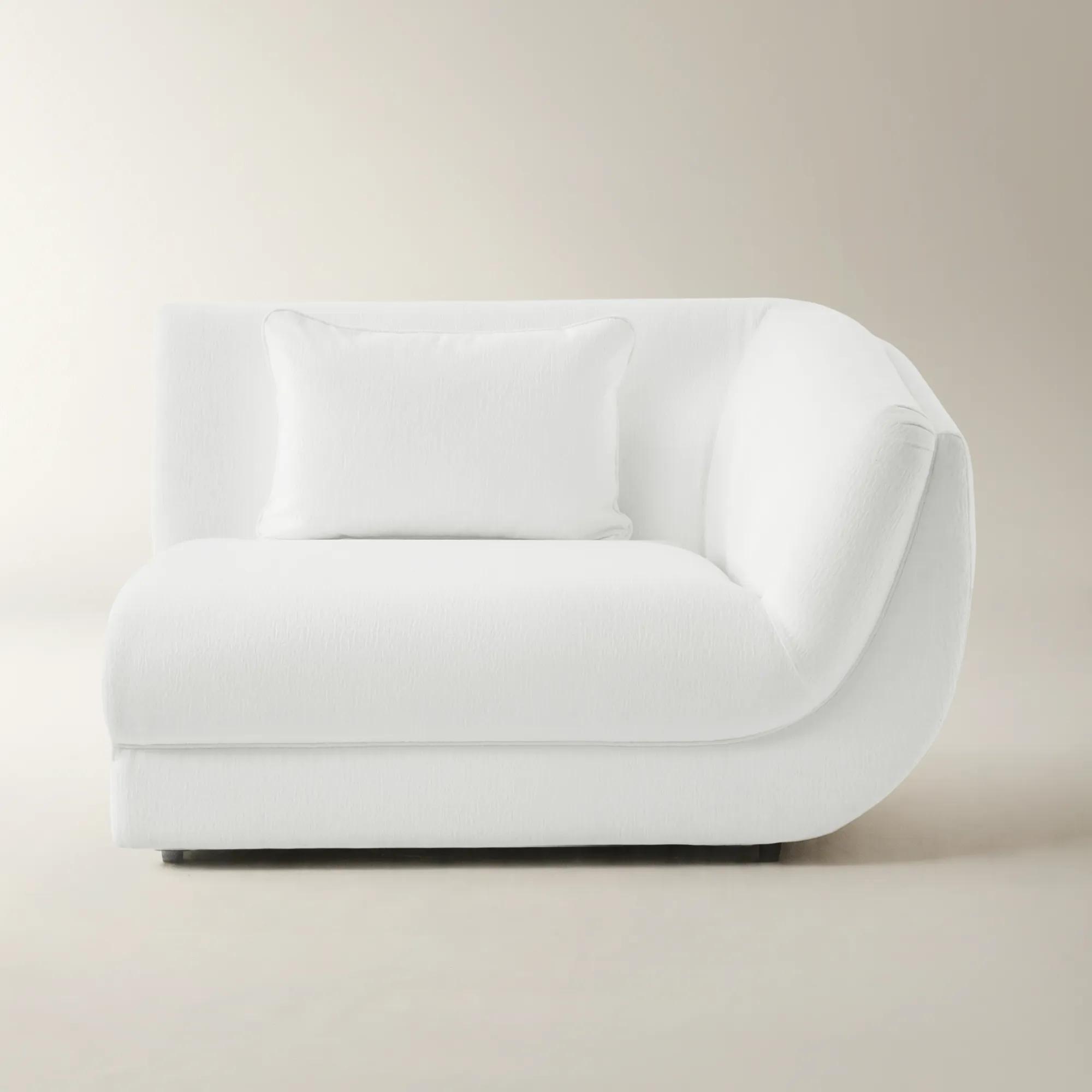
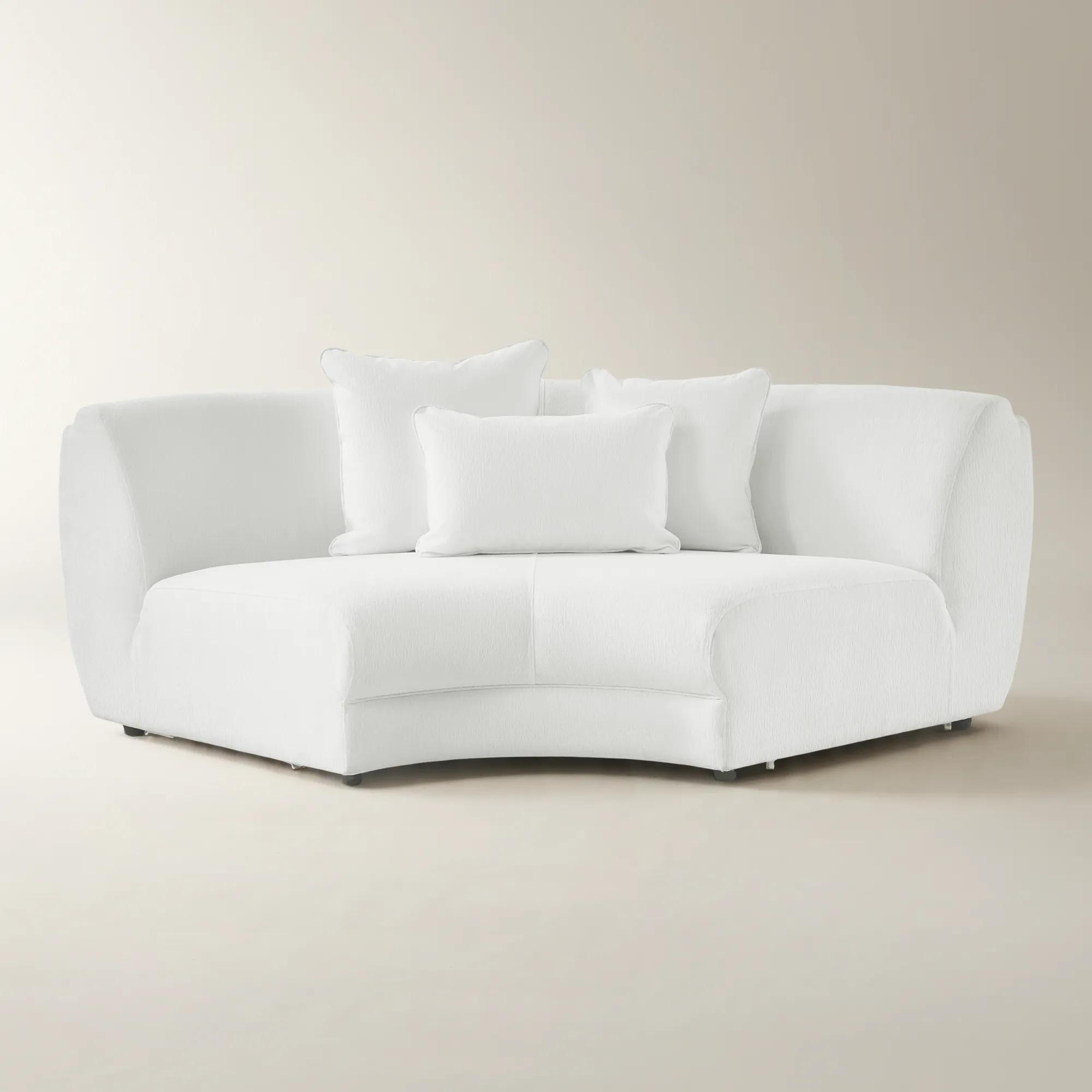
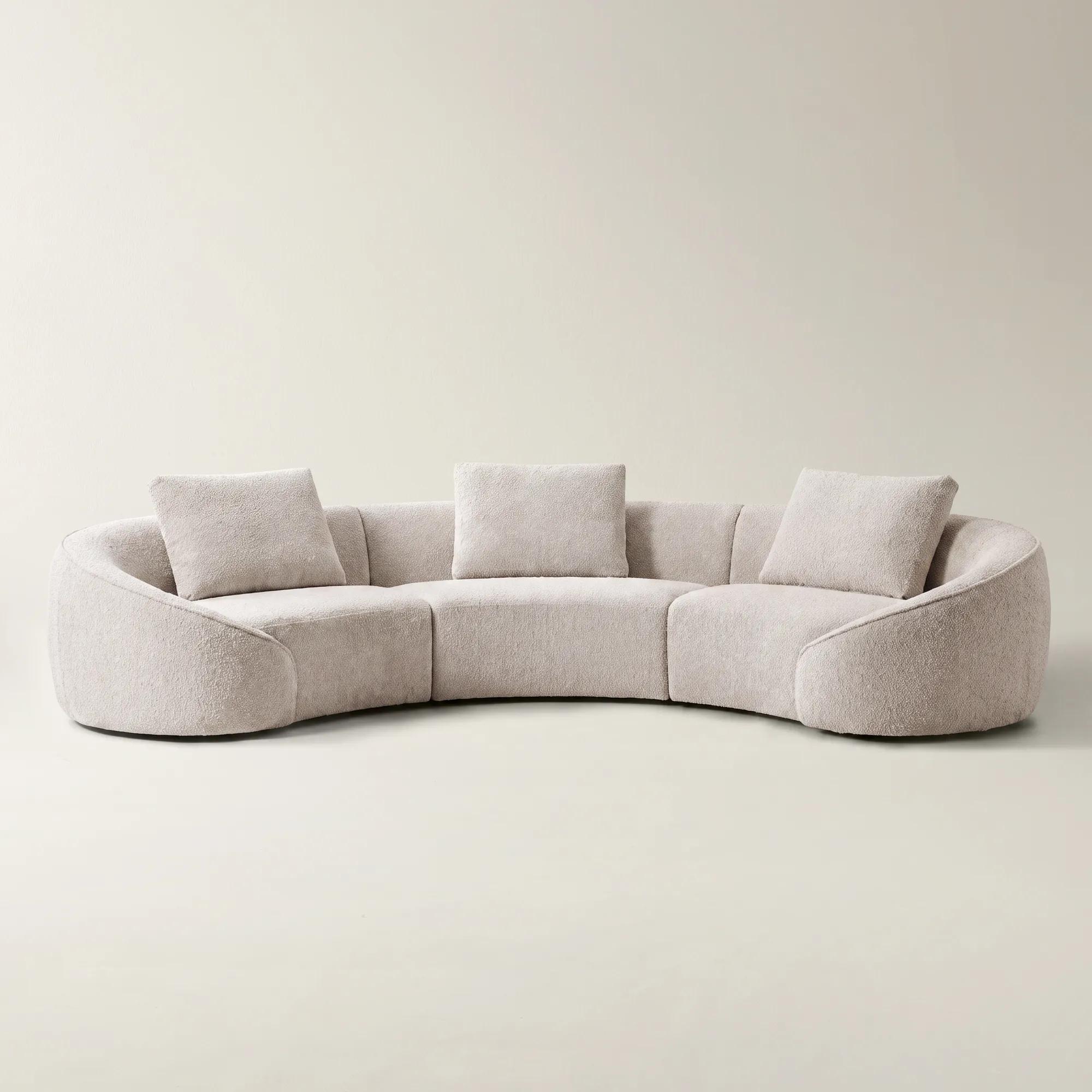 Irene 3-Piece Ivory Performance Boucle Sectional Sofa$3799
A sculptural ivory boucle sectional featuring performance upholstery, high-resiliency foam cushions, and artisan hand-finished details.
Add To Cart -
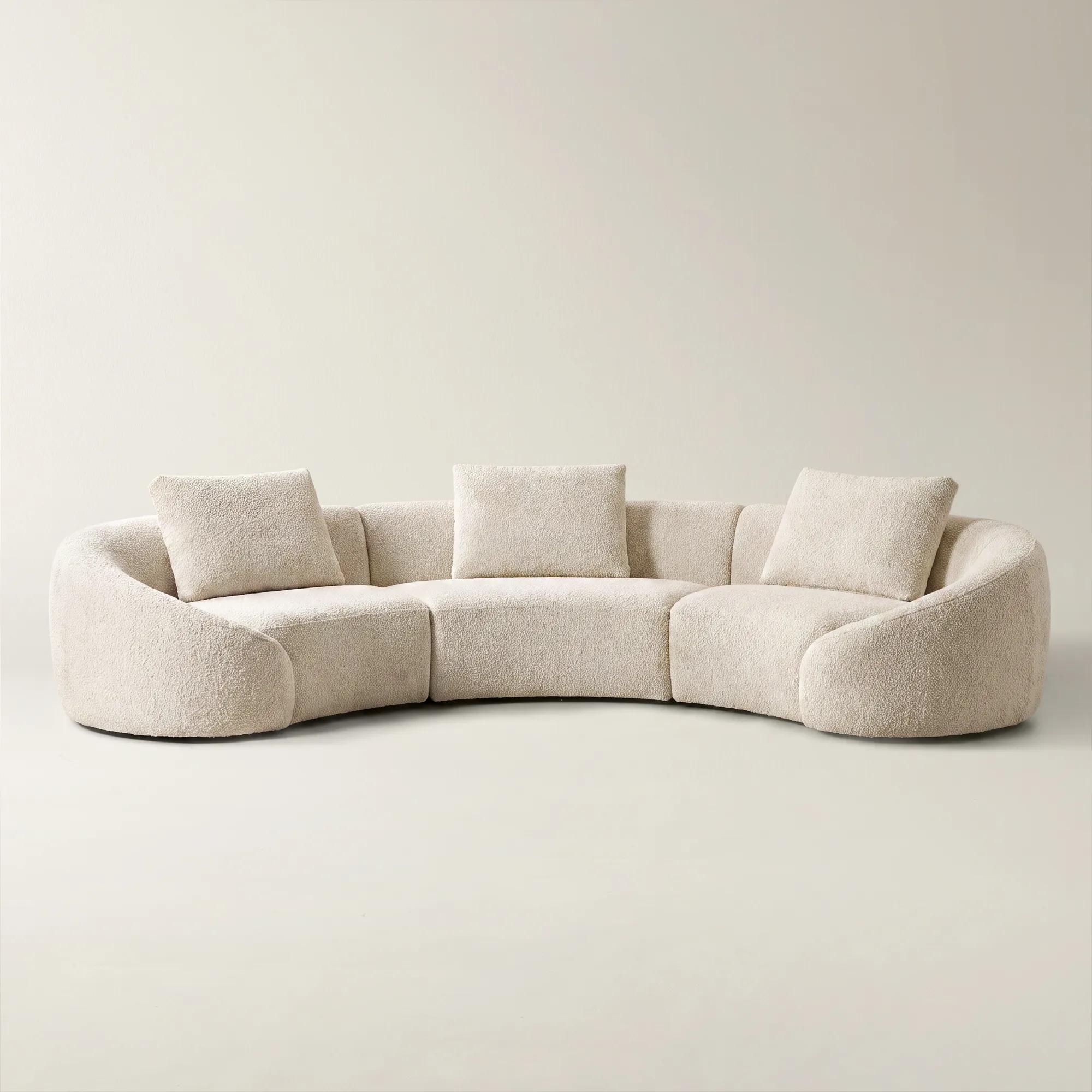 Irene 3-Piece Ivory Performance Boucle Sectional Sofa$3799
An inviting ivory performance boucle sectional featuring sculptural curves, high-resiliency foam, and artisan hand-finished upholstery.
Add To Cart -
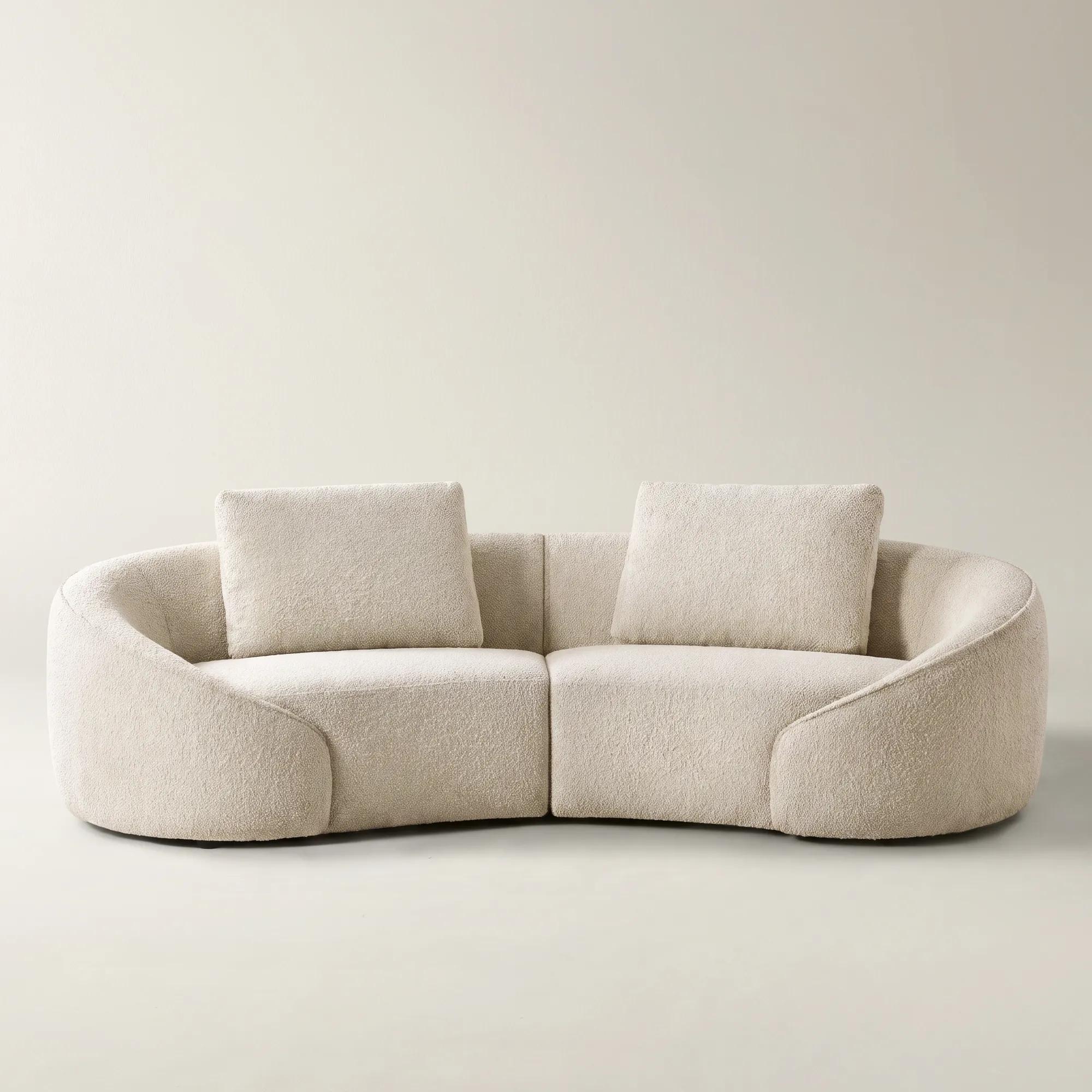
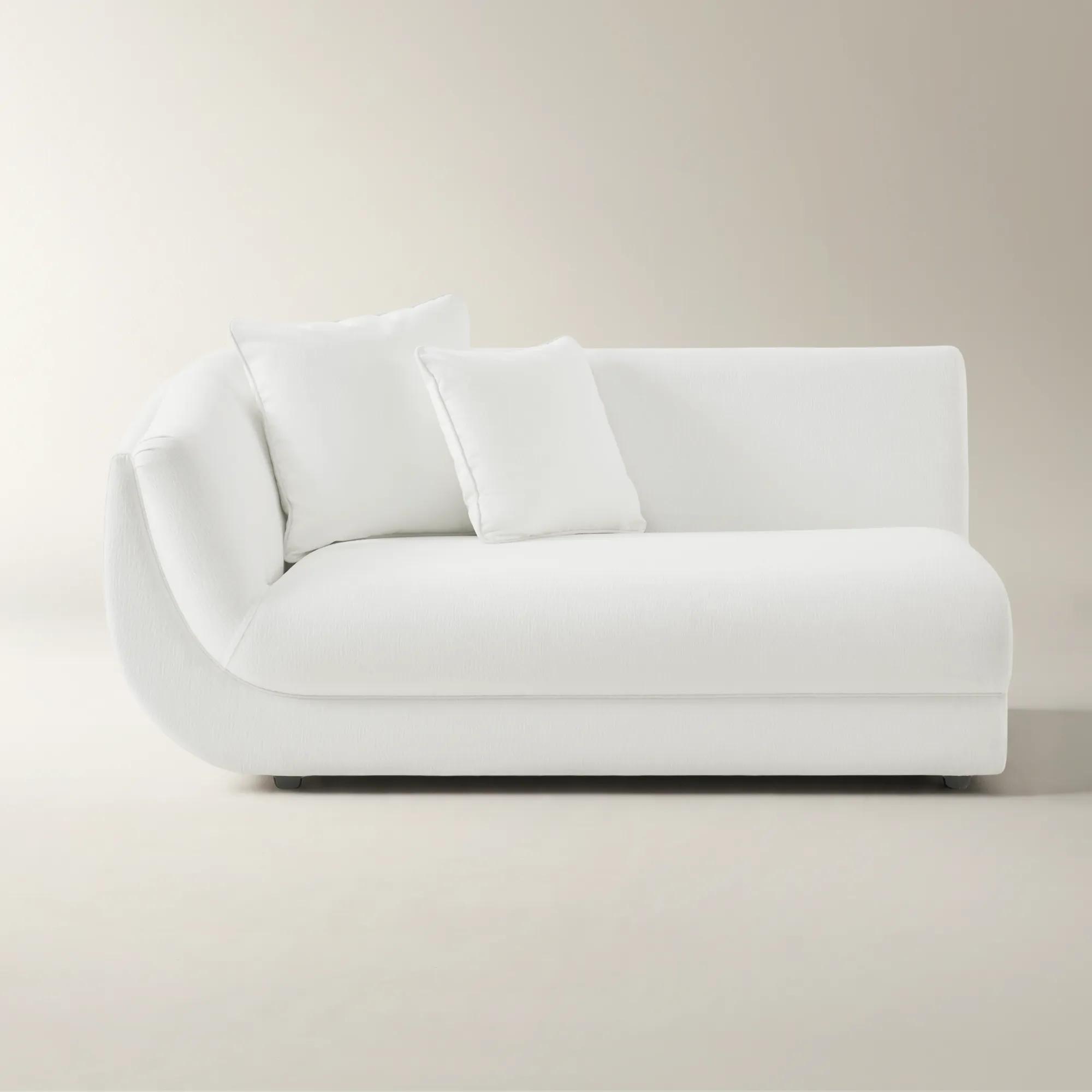
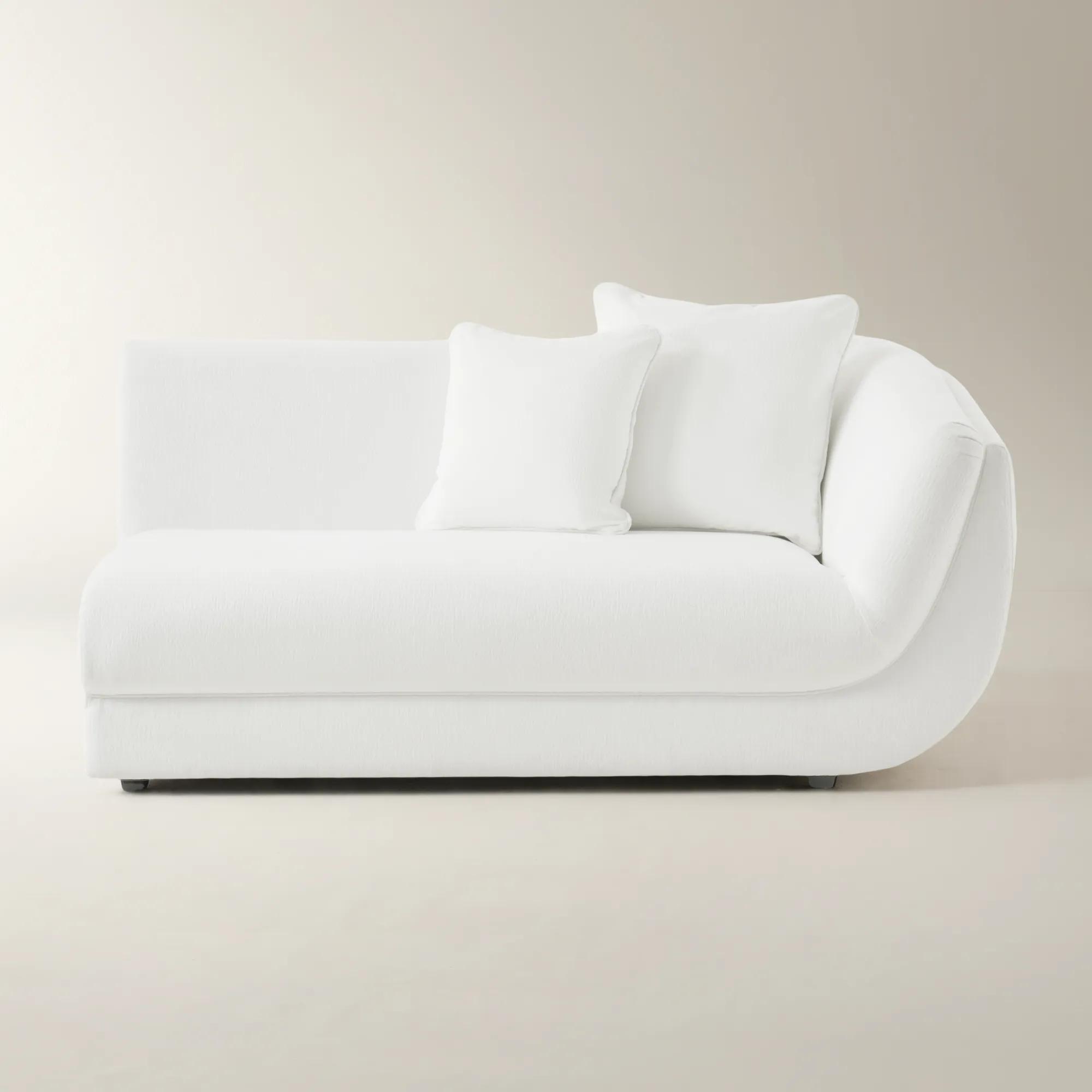
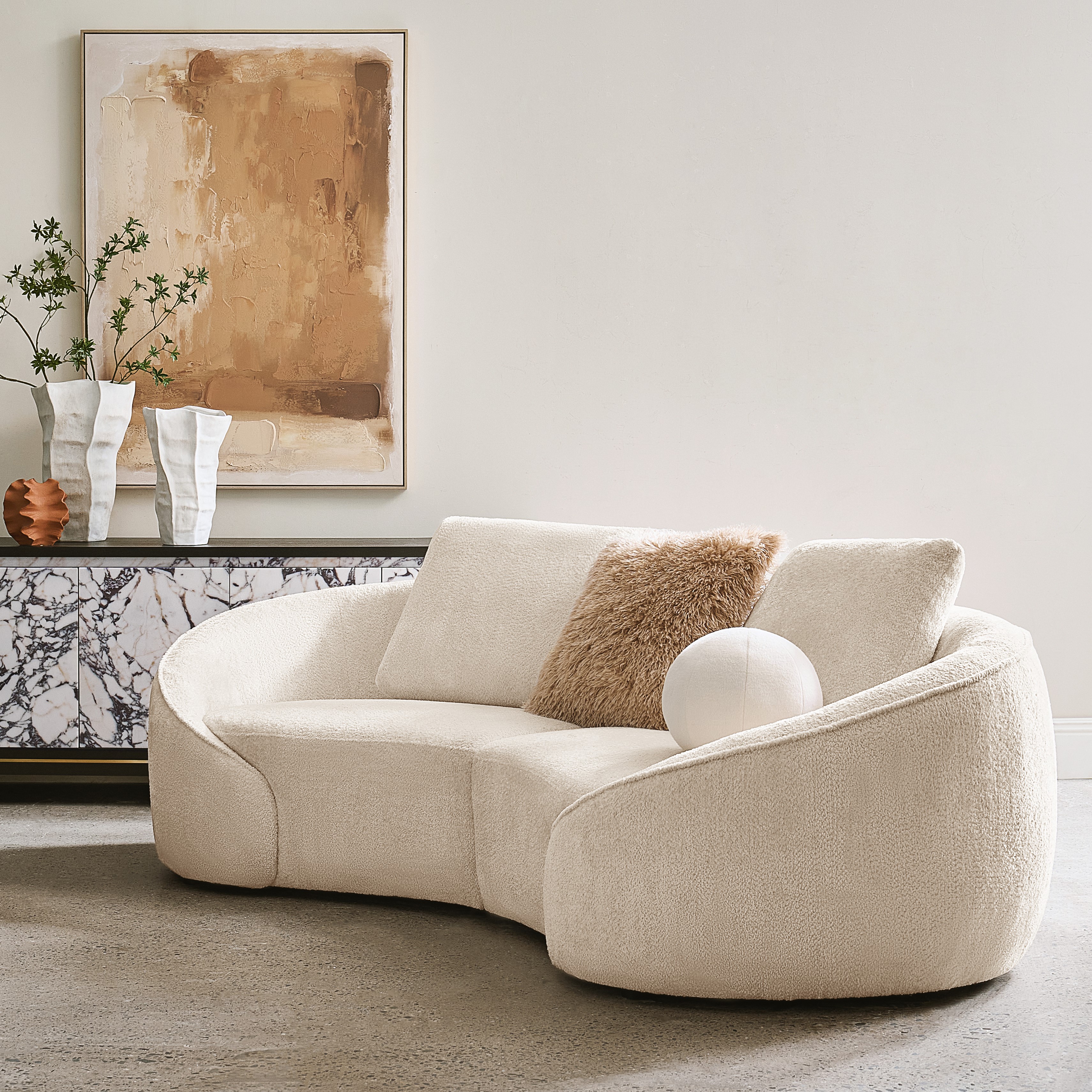 Irene 2-Piece Ivory Performance Boucle Sectional Sofa$2699
An inviting ivory performance boucle sectional featuring sculptural curves, high-resiliency foam, and artisan-tailored upholstery.
Add To Cart -
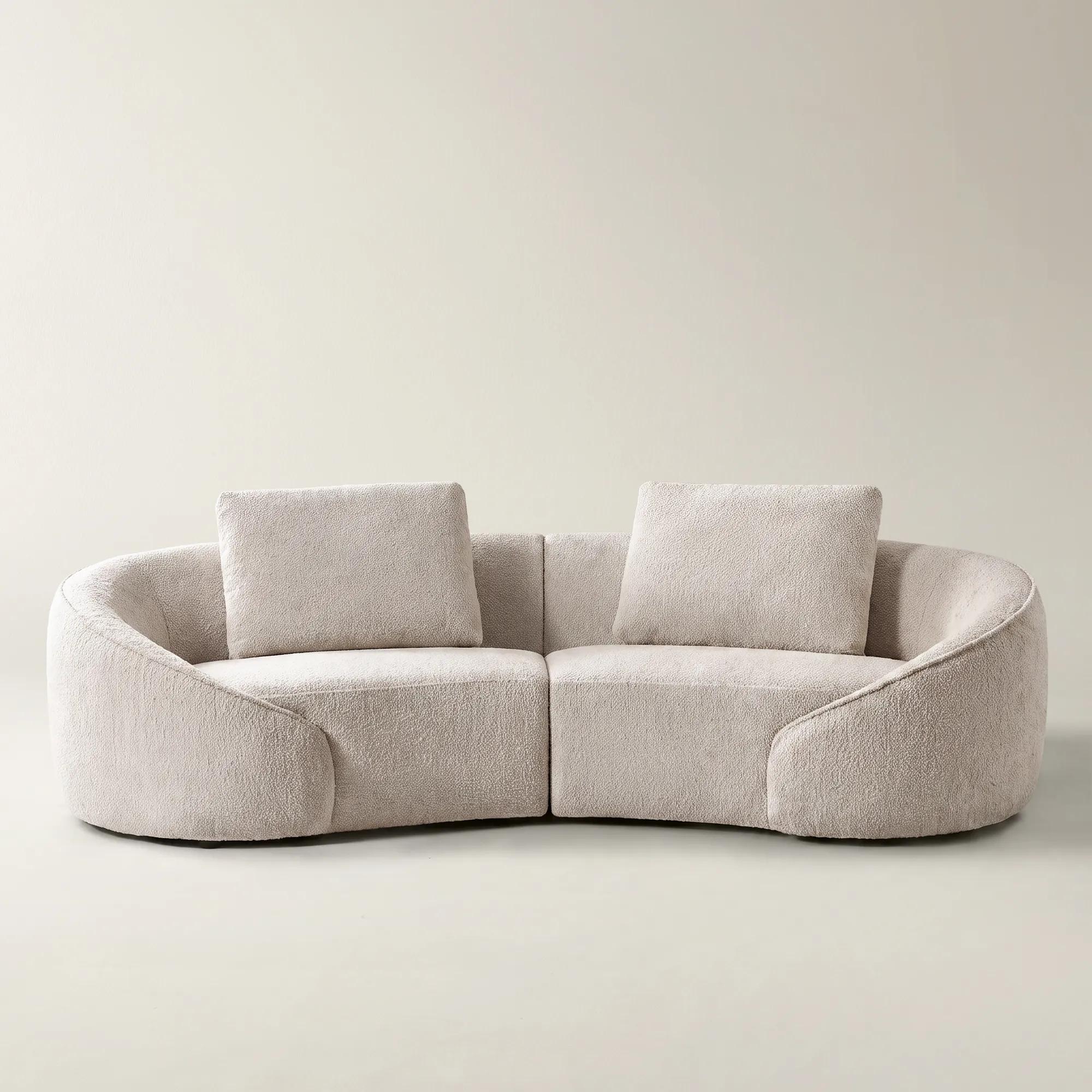 Irene 2-Piece Ivory Performance Boucle Sectional Sofa$2699
An inviting ivory performance boucle sectional featuring sculptural curves, high-resiliency foam, and artisan-tailored upholstery.
Add To Cart -
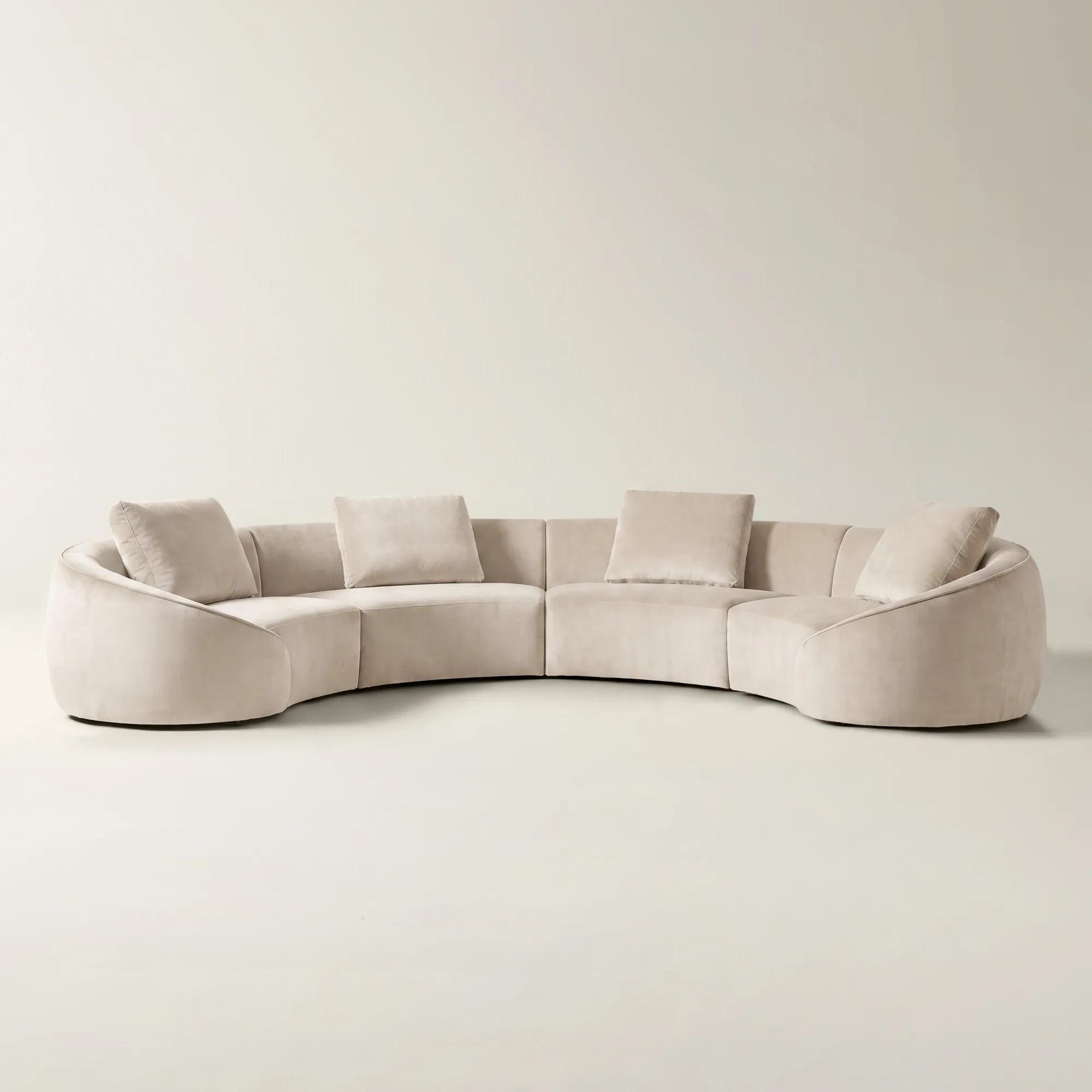 Irene 4-Piece Oatmeal Velvet Sectional Sofa$4599
A sculptural oatmeal velvet sectional featuring hand-finished upholstery, high-resiliency foam cushions, and modular design.
Add To Cart -
 Irene 2-Piece Utopia Sand Chenille Sectional$2699
A modern curved sectional upholstered in plush Utopia Sand chenille with high-density foam cushioning for comfort.
Add To Cart -
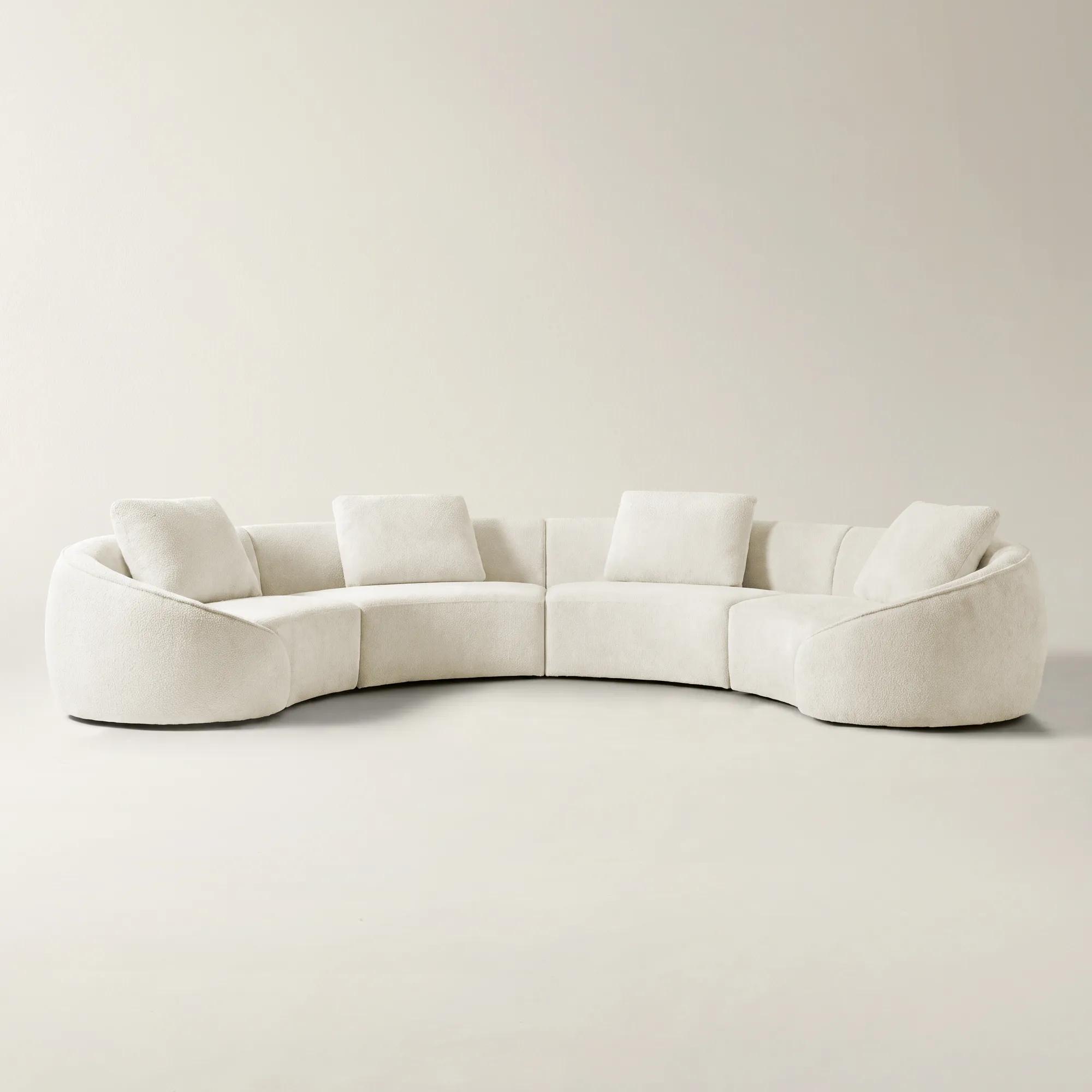 Irene 4-Piece Ivory Performance Chenille Sectional Sofa$4799
An inviting ivory chenille sectional featuring sculptural curves, performance upholstery, and artisan-crafted detailing.
Add To Cart -
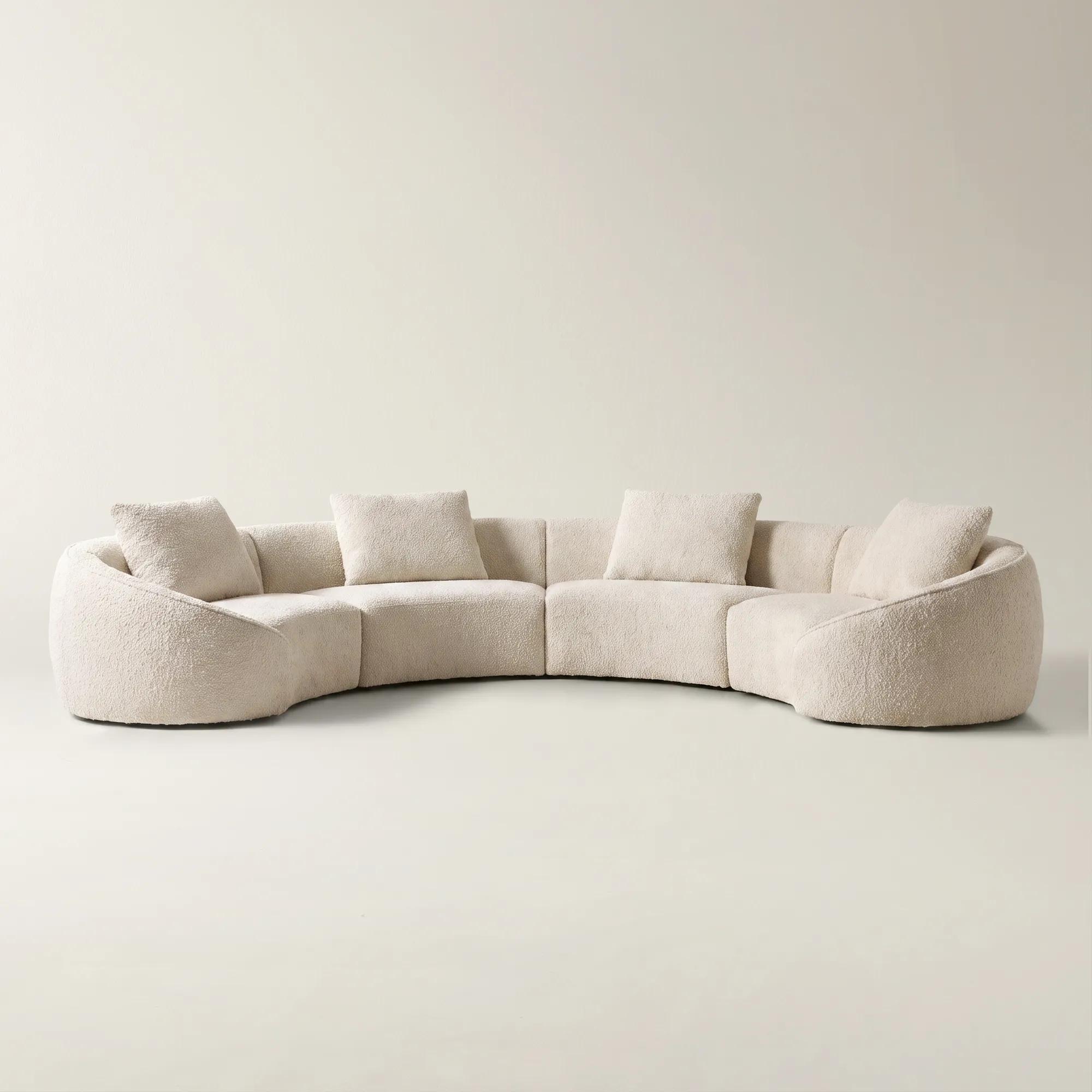 Irene 4-Piece Ivory Performance Boucle Sectional Sofa$4799
A sculptural ivory performance boucle sectional featuring hand-finished upholstery and high-resiliency foam cushions.
Add To Cart -
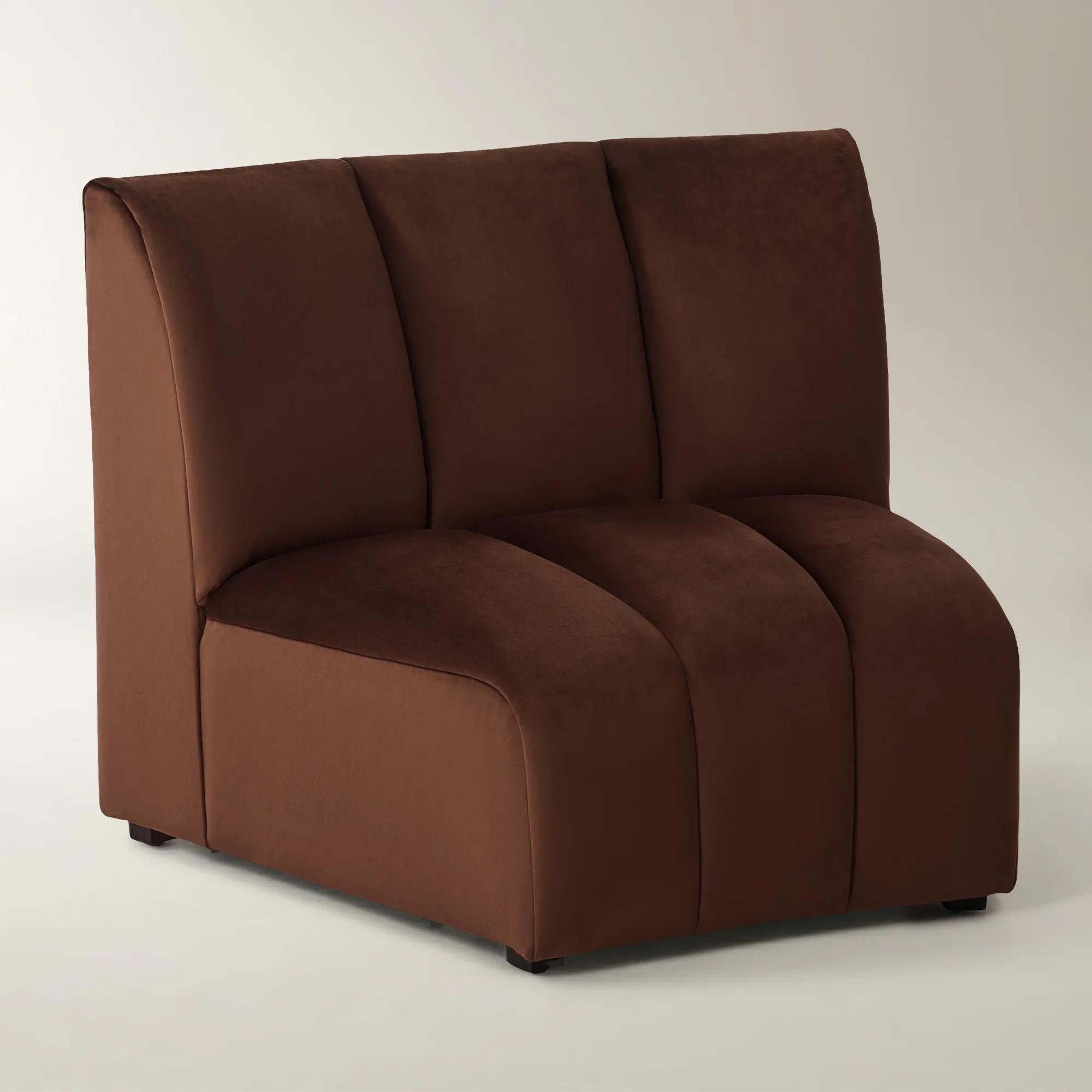
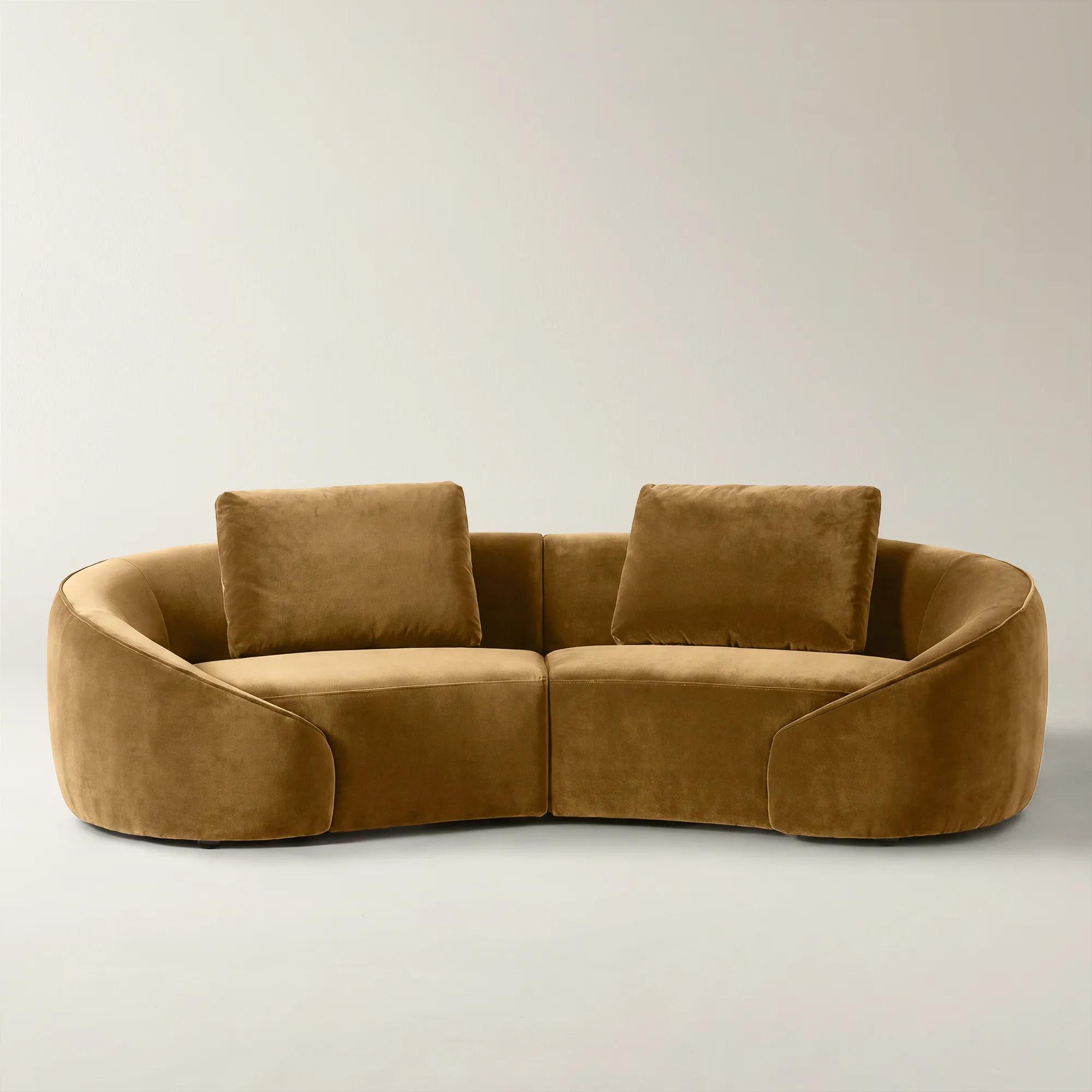 Irene 2-Piece Roasted Pecan Velvet Sectional Sofa$2499
A sculptural, hand-finished sectional in roasted pecan velvet with high-resiliency foam cushions and accent pillows.
Add To Cart -
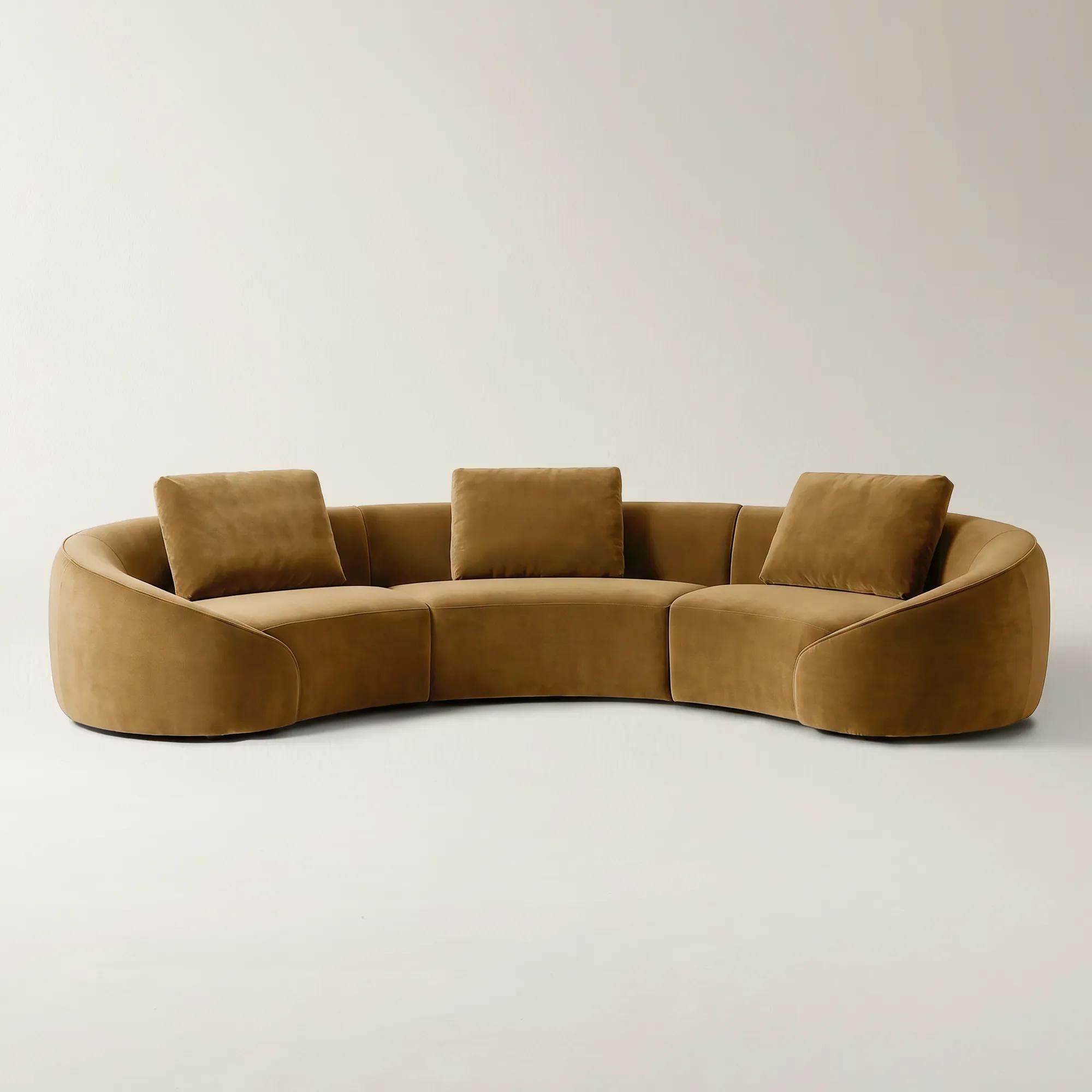 Irene 3-Piece Roasted Pecan Velvet Sectional Sofa$3599
A sculptural, hand-finished sectional in roasted pecan velvet with high-resiliency foam cushions and artisan detailing.
Add To Cart -
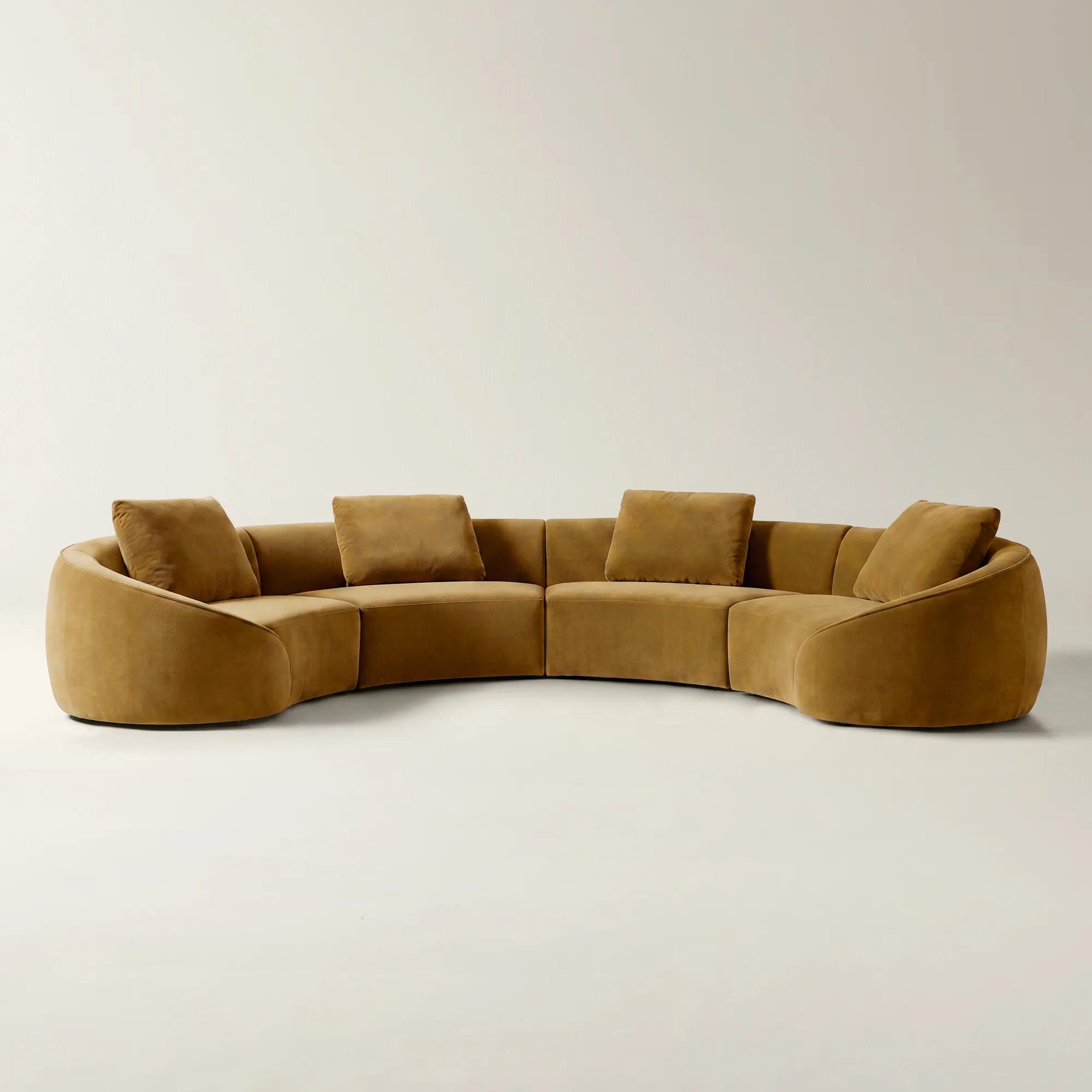 Irene 4-Piece Roasted Pecan Velvet Sectional Sofa$4599
A sculptural, hand-finished sectional sofa upholstered in roasted pecan velvet with high-resiliency foam cushions.
Add To Cart -
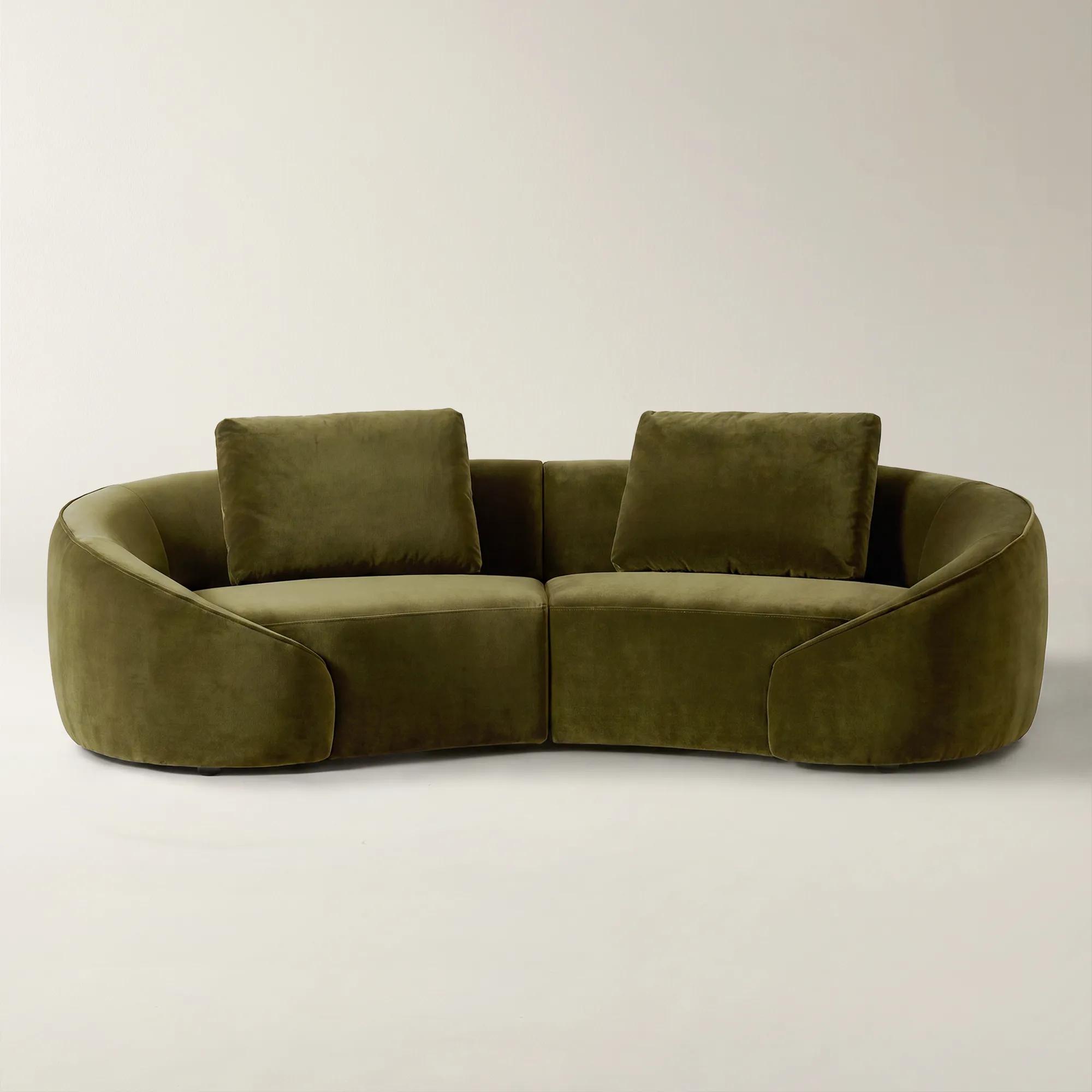 Irene 2-Piece Deep Olive Velvet Sectional Sofa$2499
A sculptural deep olive velvet sectional featuring high-resiliency foam cushions and artisan hand-finished upholstery.
Add To Cart

Natural Color Modern Sofas
Natural Color Modern Sofas invite an air of effortless sophistication into any living space, blending the serene beauty of organic hues with the sleek artistry of contemporary design. Each piece is a masterstroke—crafted to anchor your room in understated elegance while offering a versatile palette for bold expression. Whether you’re curating a tranquil retreat or setting the stage for glamorous gatherings, these sofas transform every moment into a scene worth savoring. Let your home radiate warmth and refinement as natural tones harmonize with modern silhouettes, creating an ambiance that feels both timeless and strikingly fresh.
Natural color modern sofas pair earthy, neutral upholstery—cream, ivory, beige, oatmeal, taupe, and soft brown—with contemporary silhouettes that emphasize proportion, clean lines, and sculptural shape. The result is seating with a composed presence: expressive enough to anchor a living room, yet subtle enough to let art, texture, and light share the spotlight. “Natural color” describes the upholstery palette, not necessarily the fiber content; a linen-colored sofa may be made with natural fibers, synthetic fibers, or a blend. That distinction matters when comparing appearance with everyday performance. Within this palette, small shifts in color create distinctly different moods. Warm cream brings a luminous softness to golden wood and brushed brass, while oatmeal introduces a gently textured look that feels especially rich alongside walnut, travertine, and woven accents. Mushroom and greige can bridge warm and cool finishes, making them useful in rooms that combine dark metal, pale stone, and layered wood tones. Undertones deserve attention because a beige that appears balanced in daylight may look more golden under warm evening lamps. When fabric samples are offered, viewing one beside the flooring, rug, and wall color throughout the day gives a more reliable impression than a screen alone. Shape adds another layer of expression. A curved back can lend a salon-like intimacy to a seating arrangement, while tailored track arms establish a crisp architectural outline. Low profiles preserve sightlines to oversized artwork or a dramatic window; exposed legs reveal more floor, giving the composition visual breathing room. A broad, upholstered base creates a more grounded, substantial effect. These differences allow neutral seating to suit both a polished entertaining space and a living room made for lingering. Against a natural-colored sofa, a bronze-toned pillow, an aubergine throw, or a large abstract painting takes on greater intensity. The upholstery becomes a deliberate foundation for personal expression rather than a retreat from color, allowing a room to feel layered, confident, and beautifully resolved.
Upholstery gives a natural color modern sofa much of its character, especially when the palette is restrained. A nubby bouclé creates dimension through its looped surface, turning soft ivory or oatmeal into something almost sculptural. A tightly woven fabric delivers a more tailored impression, while chenille brings tactile softness and velvet offers a luminous pile that shifts with the light. Linen and linen blends can introduce subtle slubs and a relaxed surface, though their tendency to crease and their cleaning requirements depend on the specific construction and fiber blend. Texture should complement the way the sofa will be used, not simply the way it photographs. In a household with pets, raised loops may be vulnerable to claws, making the weave and snag resistance worth examining. For frequent entertaining or daily family lounging, performance upholstery may offer useful stain resistance or easier cleaning, but the term does not mean stainproof, waterproof, or suitable for every cleaning method. The fabric’s stated properties and care instructions remain the best reference. Comfort and durability also depend on what lies beneath the upholstery. Frame construction, reinforced joints, suspension, and cushion materials work together to determine support and how the seat responds over time. Kiln-dried hardwood and well-constructed engineered wood can both be part of a durable frame; material names alone do not establish overall quality. Higher-density foam generally supports better shape retention than lower-density foam of comparable construction, while fiber or feather-blend wraps can soften the initial feel. Loftier cushions often need more frequent fluffing to maintain their intended outline. Reversible seat or back cushions, when included, allow rotation that can help distribute wear. A softly enveloping seat may appeal to someone who settles in for a long film, while firmer cushioning and a more upright back may better suit conversation or reading. The most satisfying choice brings those daily habits into harmony with the sofa’s visual presence, so its elegance remains comfortable rather than merely decorative.
Scale determines whether a sofa feels poised within a room or overwhelms it. Overall width is only one measurement: depth, back height, arm width, and usable seating space all affect the fit. Two sofas with the same exterior length can offer noticeably different sitting room when one has broad padded arms and the other has narrow, tailored sides. Seat depth is especially personal. Deeper seating invites curling up and reclining, while a shallower seat can make it easier to sit upright with feet supported on the floor; seat height, cushion compression, and the sitter’s proportions also influence comfort. Before choosing a size, mapping the footprint with painter’s tape can reveal whether a generous silhouette leaves enough room for door swings, accent tables, and comfortable circulation. Roughly 30 to 36 inches for a main walkway is a useful planning range where space allows, and approximately 14 to 18 inches between the sofa and coffee table often balances reach with legroom. Delivery deserves the same attention, including doorways, stair turns, elevators, and any removable legs specified in the furniture details. For an expansive gathering area or a layout that benefits from a chaise, Neutral Color Sectional Sofas offer a related seating format to consider. Once in place, natural-toned upholstery rewards consistent, fabric-appropriate care. Gentle vacuuming with an upholstery attachment helps remove loose dust and grit; spills should be blotted promptly rather than rubbed, with further treatment guided by the care label. Removable covers are not automatically machine washable, and any permitted cleaner should be tested in a concealed area first. Rotating cushions where the design allows, fluffing soft fills, and limiting prolonged direct sunlight can help preserve an even appearance. Styling can remain expressive without making the seat feel crowded: a textured throw within reach, a pair of substantial pillows, and a nearby lamp create an inviting setting for quiet evenings or conversation. In cooler months, deeper accent colors and plush textiles add richness without requiring a new foundation. A thoughtfully proportioned natural-colored sofa holds that changing composition together, bringing enduring softness and architectural presence to everyday life.
FAQs
Natural color modern sofas are remarkably versatile, harmonizing beautifully with a range of design aesthetics. They serve as a sophisticated anchor for minimalist and contemporary spaces, but are equally at home in bohemian, coastal, or even glam-inspired interiors. Their understated palette allows you to layer in bold textures, metallic accents, or vibrant artwork, making them a timeless addition to any curated room.
Autumn is the perfect time to accentuate a natural color sofa with rich, seasonal textures. Drape a chunky knit throw in deep ochre or rust, and add pillows in velvet or faux fur for a touch of opulence. Incorporate metallic or glass decor on a nearby coffee table to reflect the golden light of the season, creating a warm, inviting atmosphere that feels both elegant and cozy.
Absolutely—many natural color sofas are crafted with performance fabrics that resist stains and are easy to clean, making them a smart choice for lively households. Their neutral tones also help conceal minor marks and wear, ensuring your space remains effortlessly chic even as life unfolds around it.
Modern natural color sofas often feature high-quality materials such as linen, cotton, performance polyester, and plush chenille. Frames are typically constructed from kiln-dried hardwood for durability, while cushions may be filled with high-density foam or feather blends for sumptuous comfort. These elements combine to create seating that is as enduring as it is beautiful.
A natural color sofa acts as a blank canvas, inviting you to express your personality through artful layering. Experiment with bold area rugs, sculptural side tables, or dramatic lighting to create visual intrigue. Play with patterns and textures in your accent pieces, and don’t hesitate to mix in metallics or glass for an extra touch of glamour. The result is a living space that feels curated, personal, and uniquely yours.