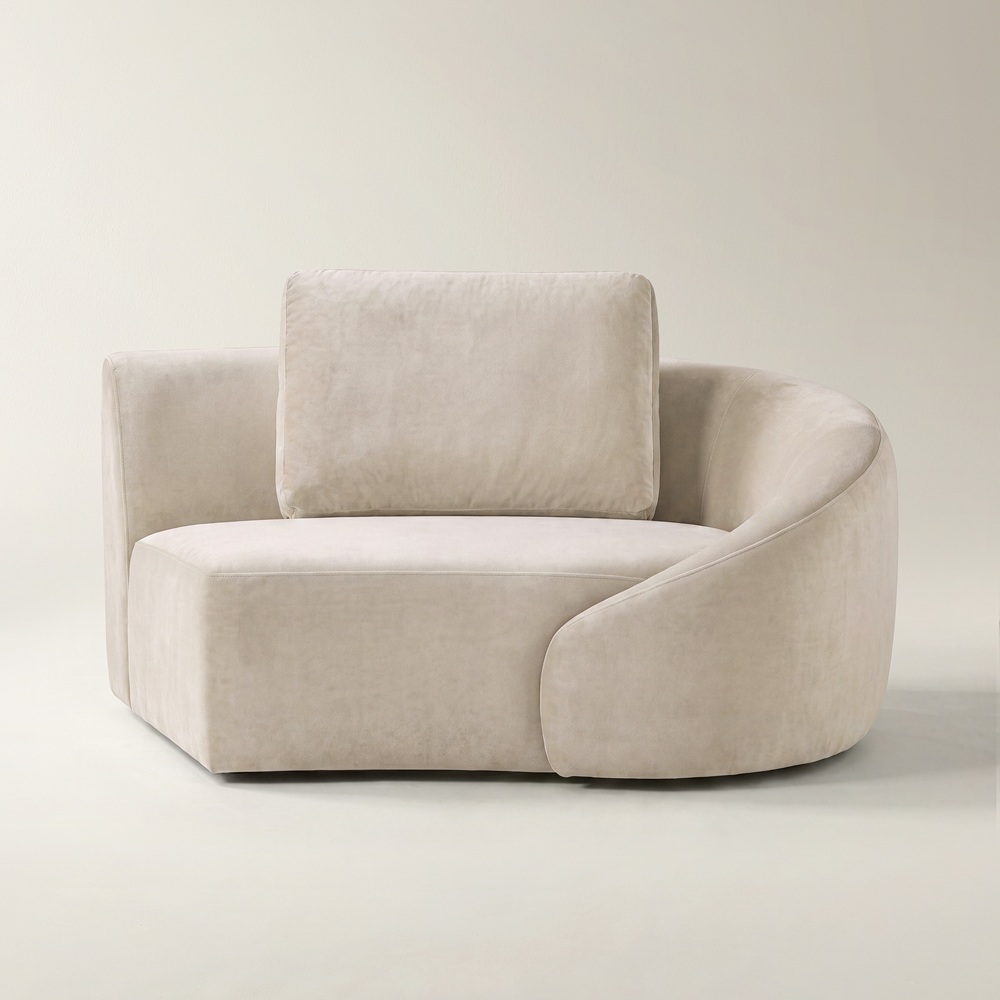
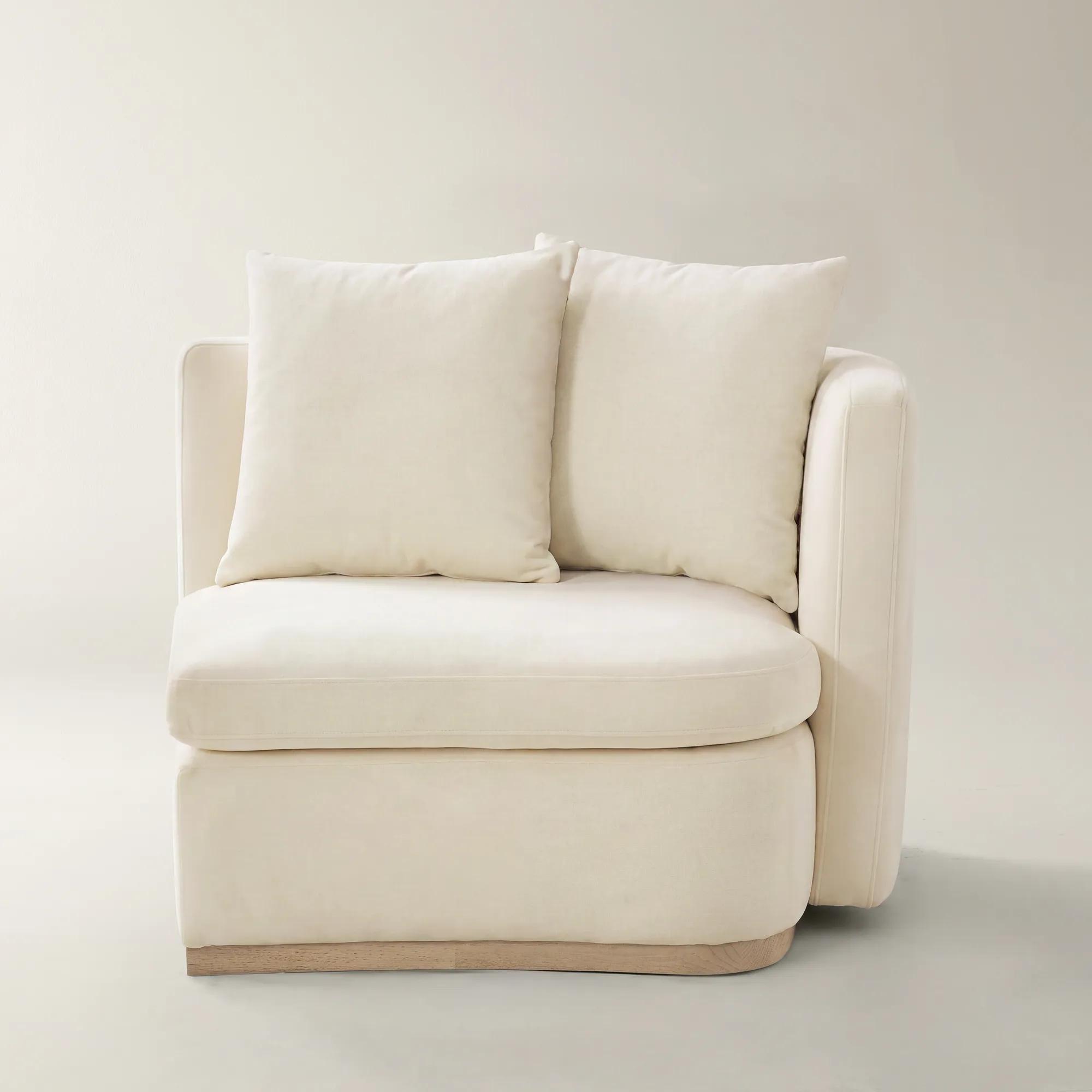
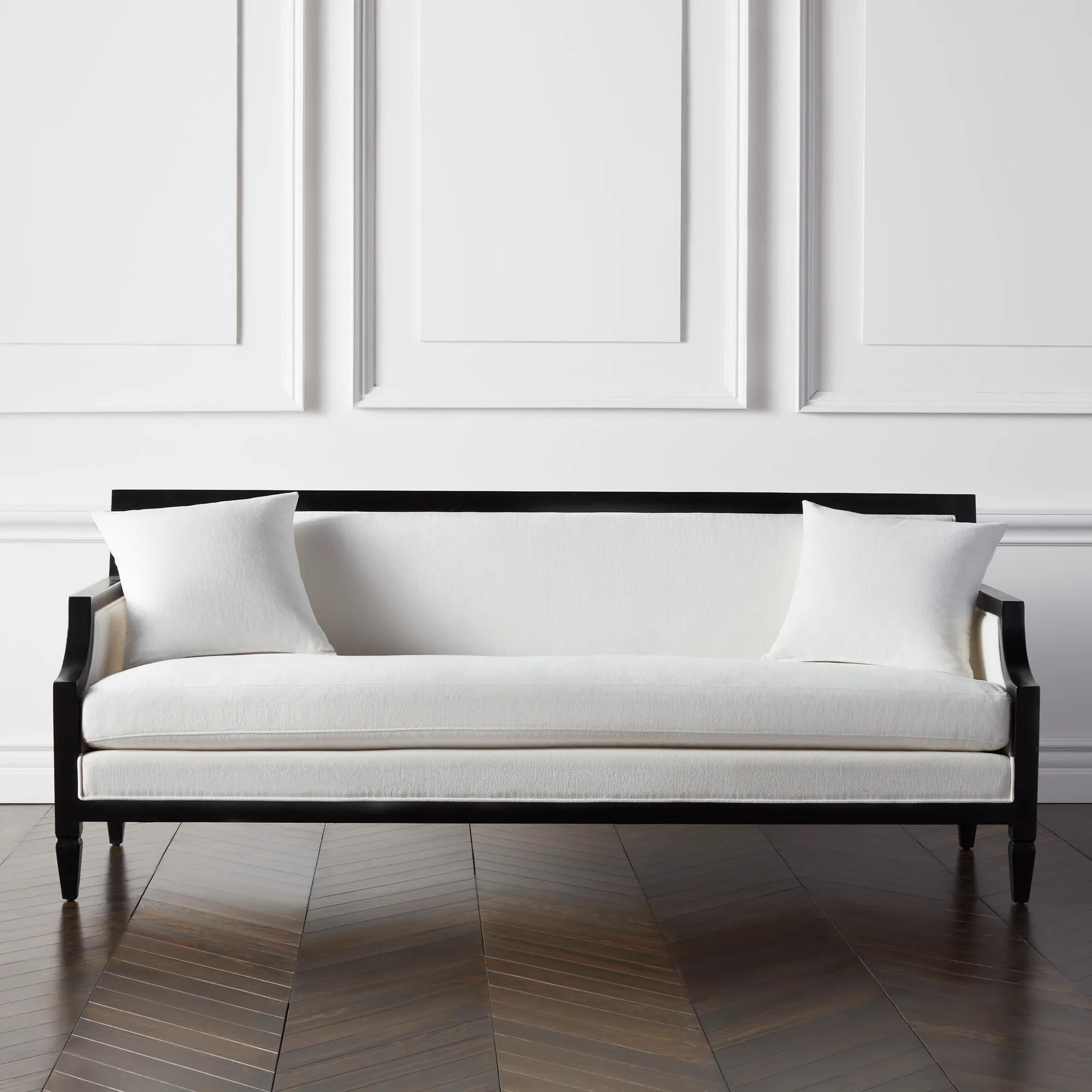
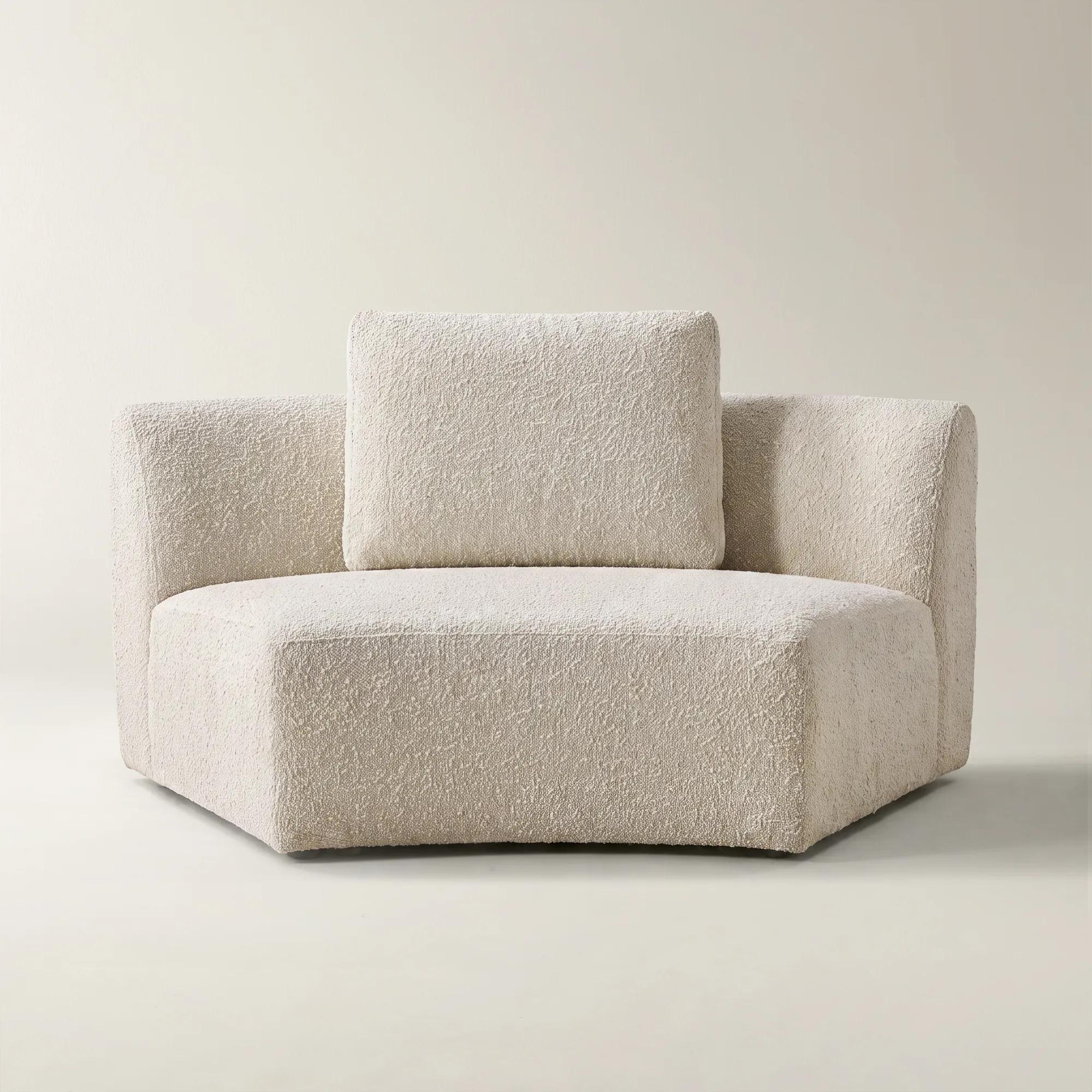
Neutral Fabric Sectional Sofas
Neutral Fabric Sectional Sofas
-
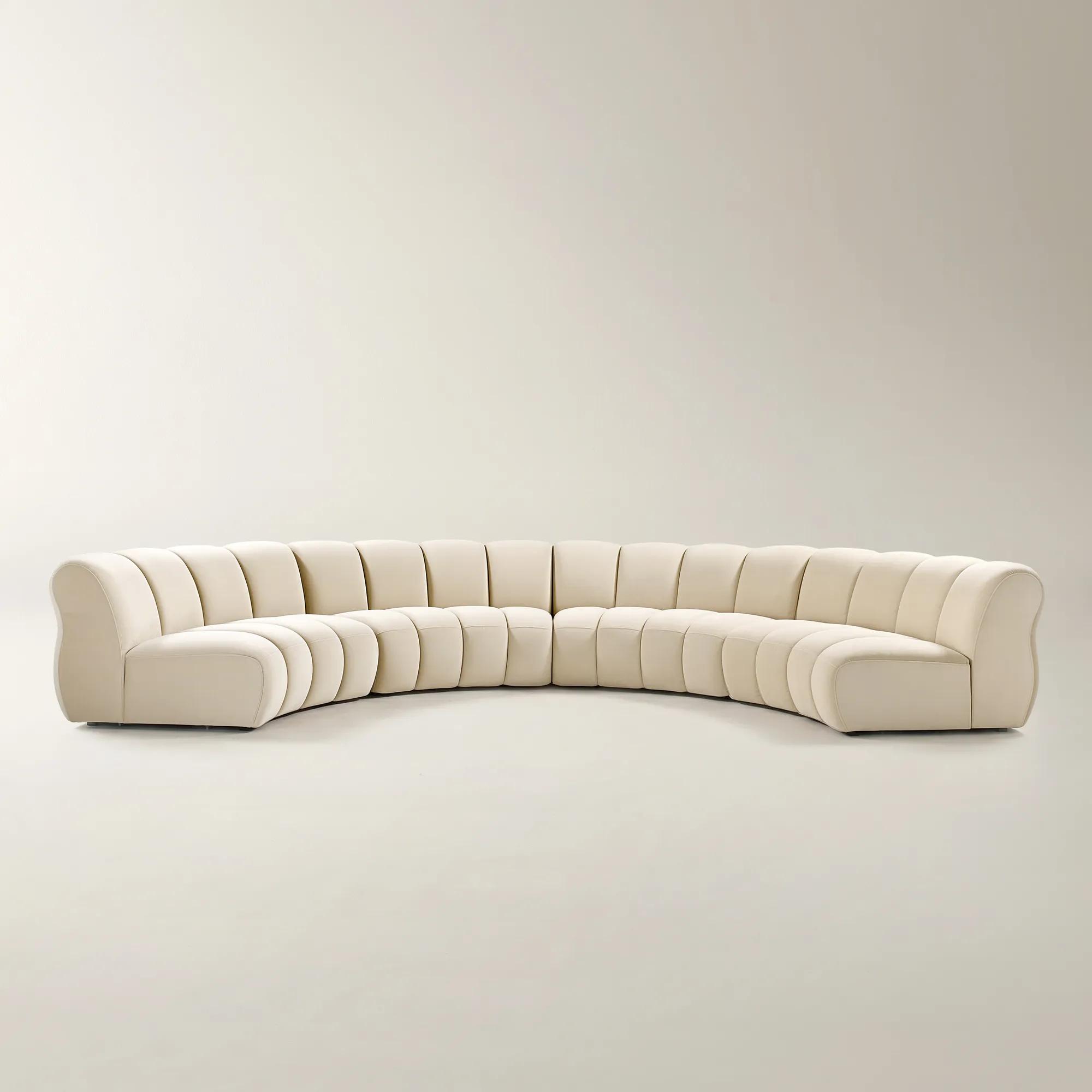
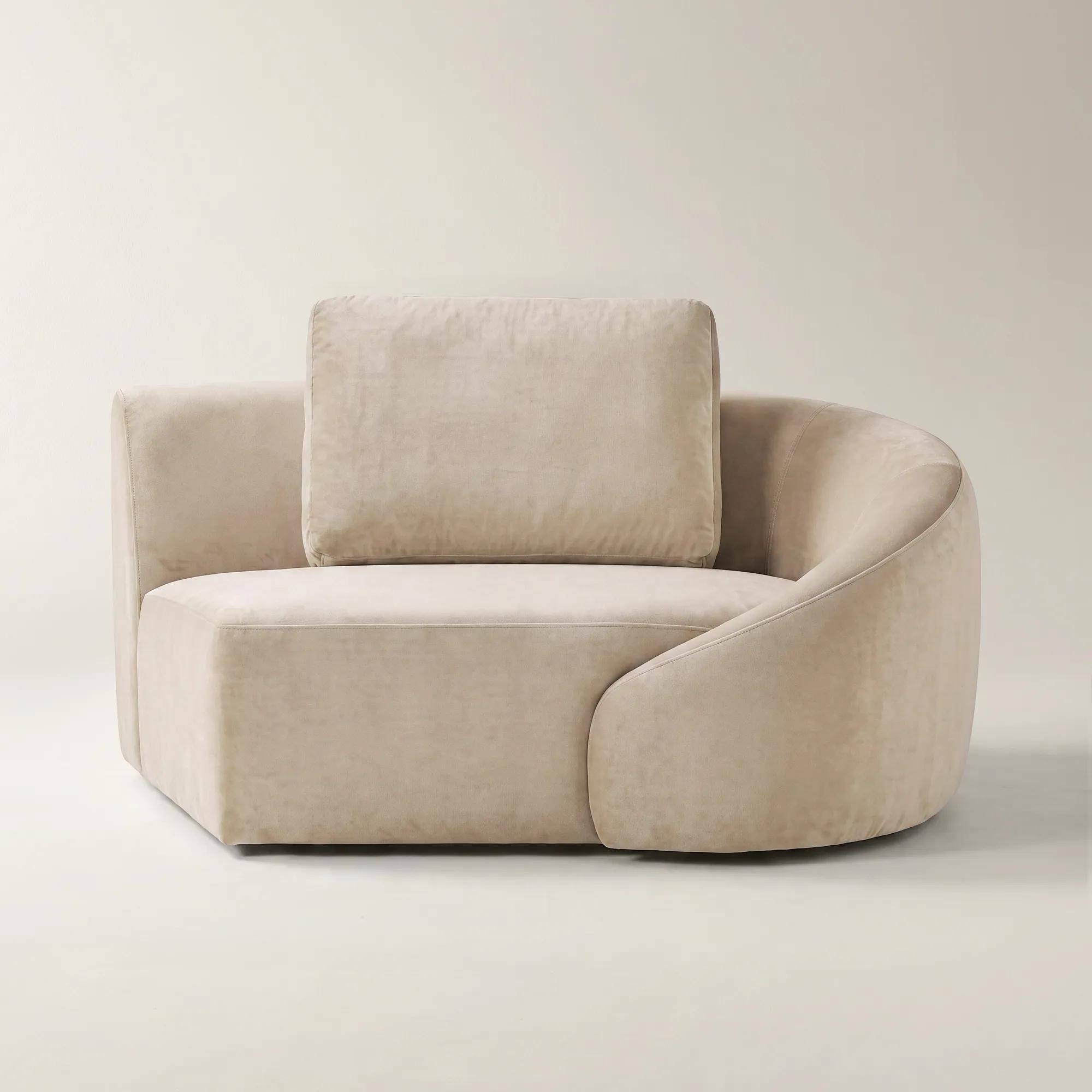
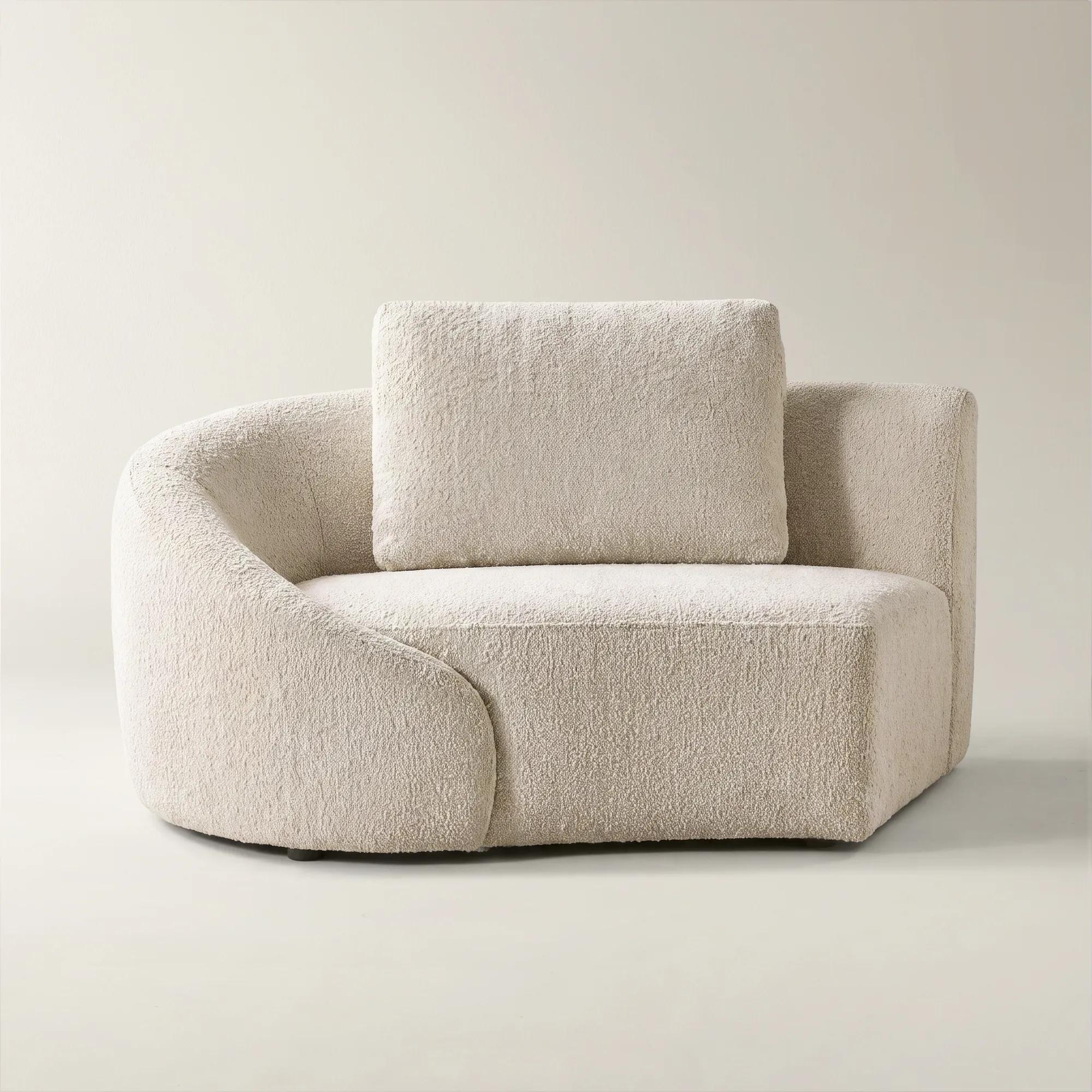
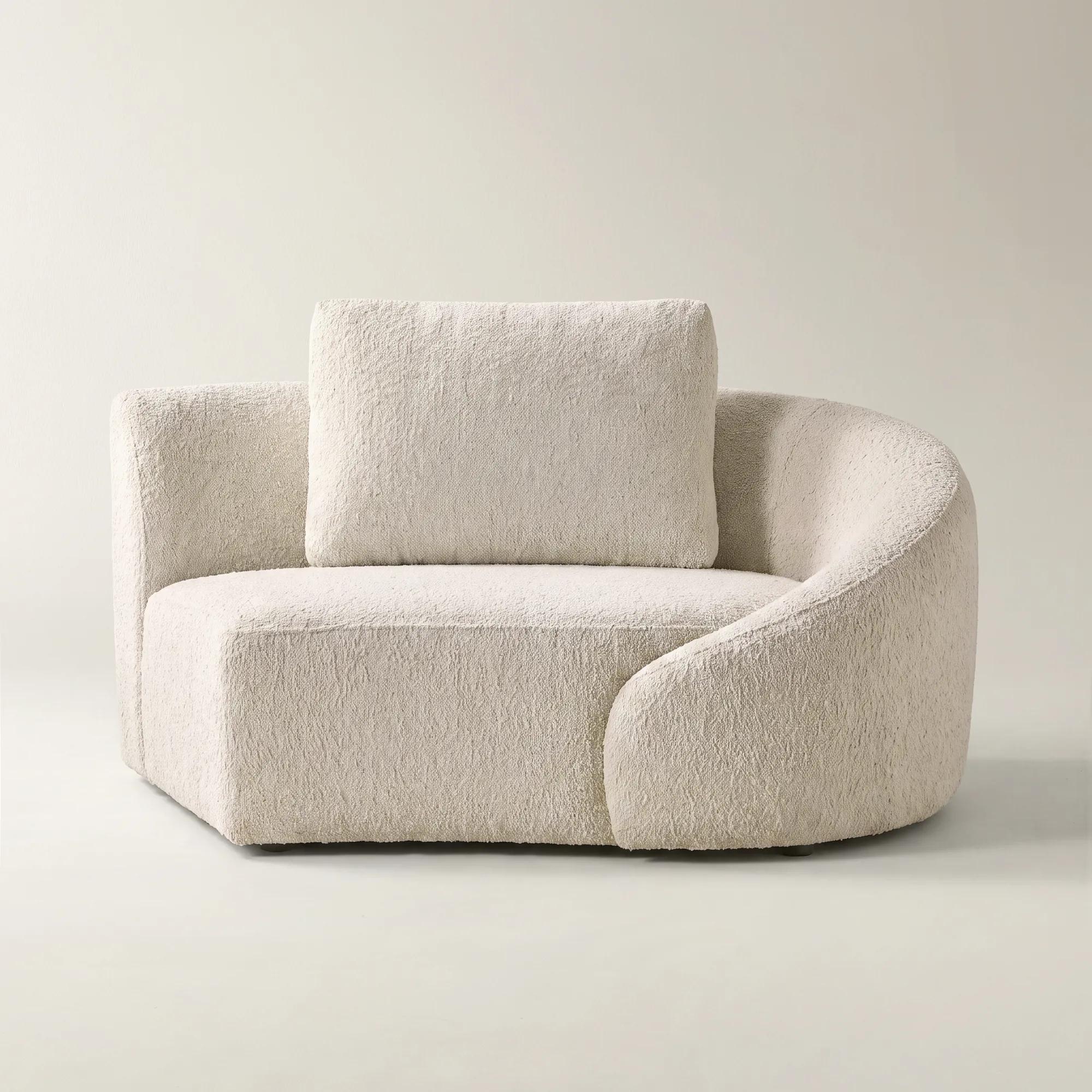
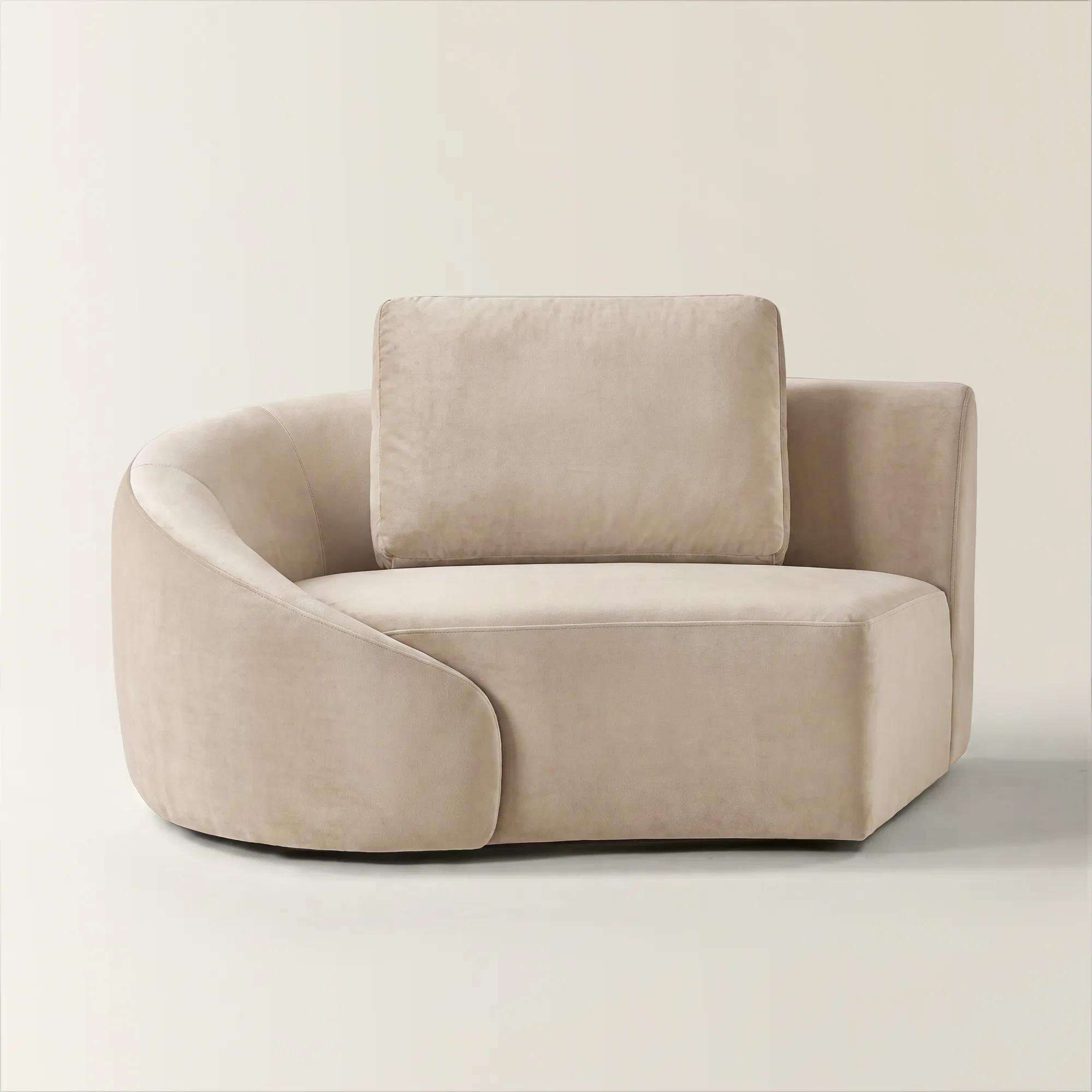
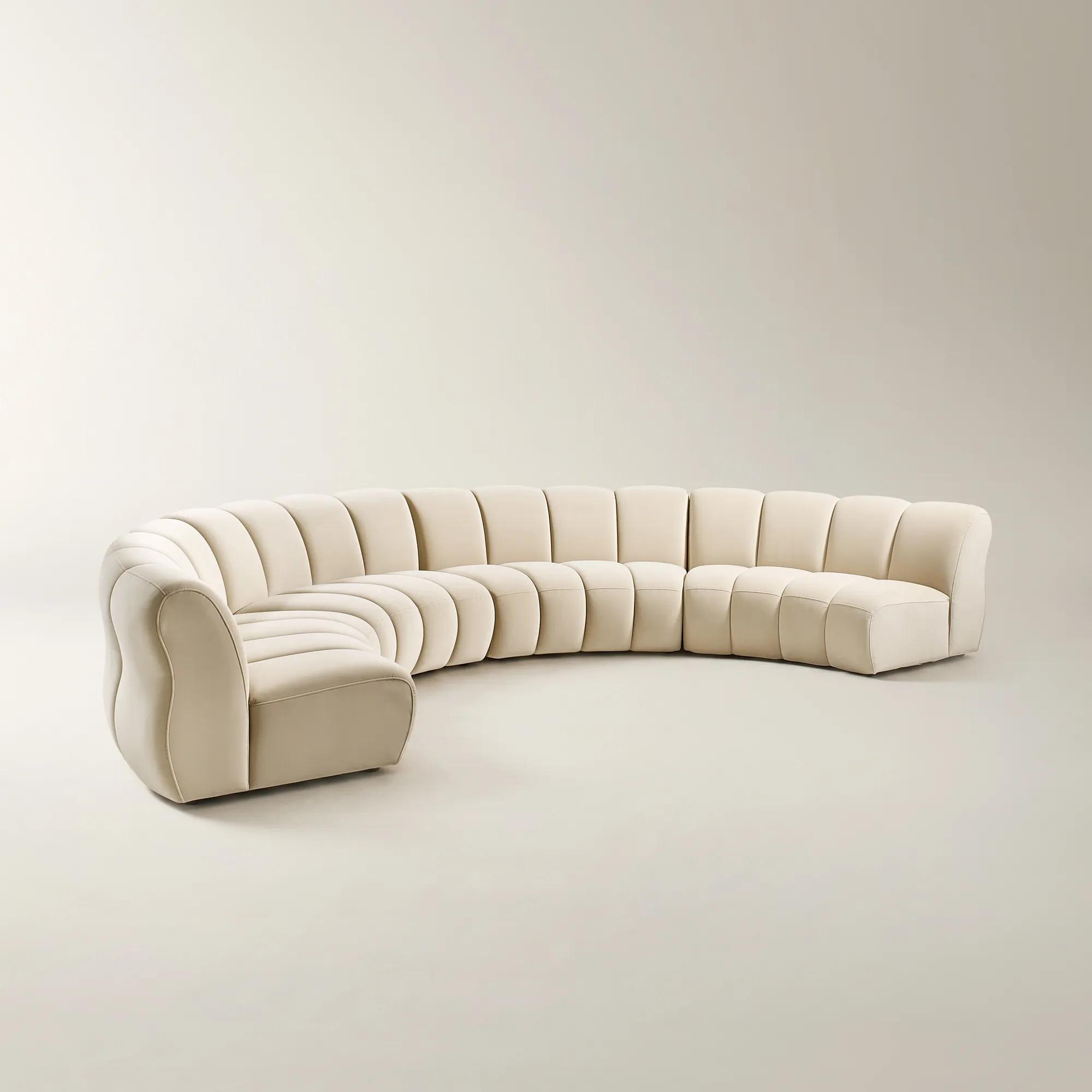 Jocelyn 4-Piece Channel-Tufted Oatmeal Velvet Sectional Sofa$4999
A beige velvet sectional sofa featuring deep channel tufting, curved contours, modular configurations, and plush foam cushioning.
Add To Cart -
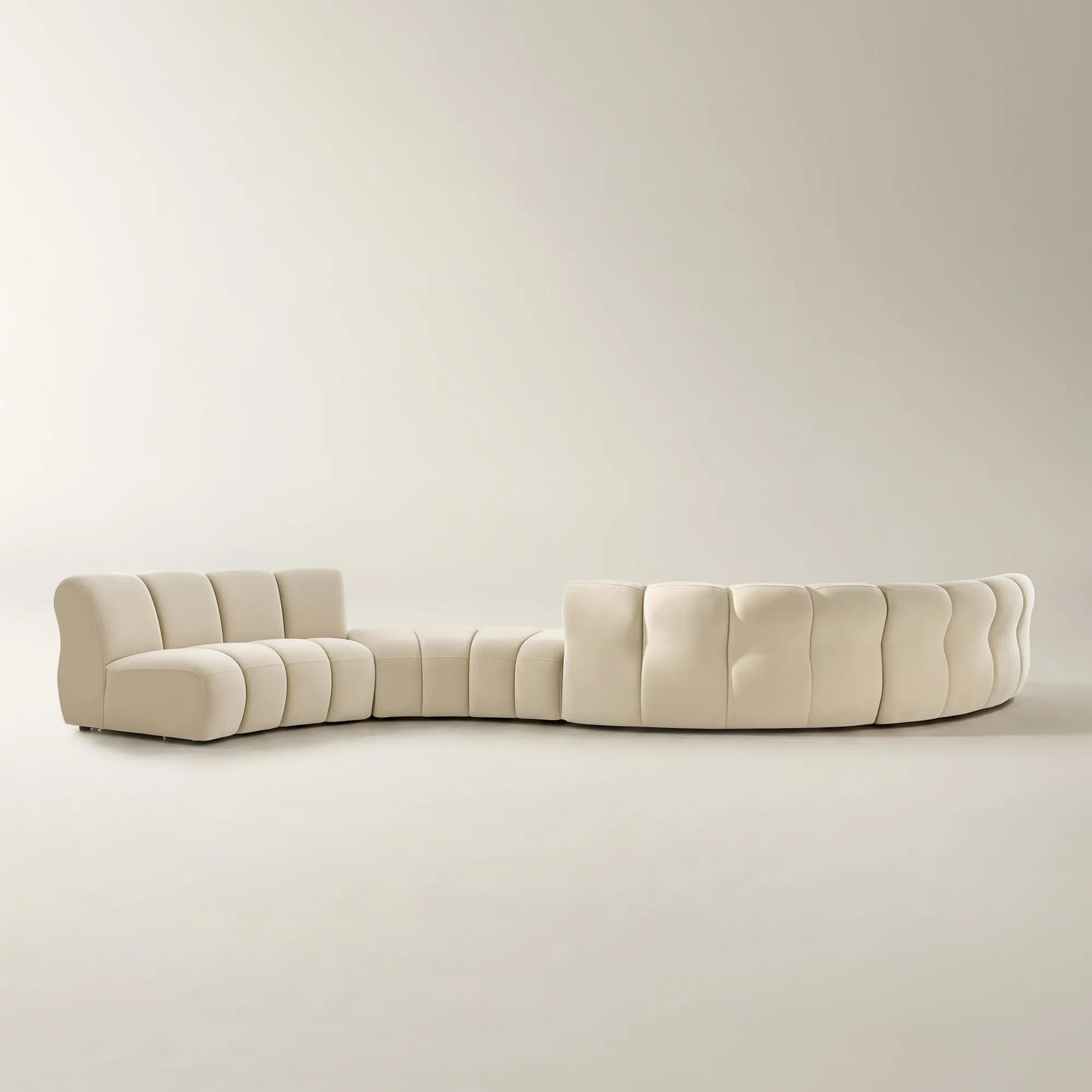 Jocelyn 4-Piece Channel-Tufted Oatmeal Velvet Sectional Sofa With Ottoman$4999
A beige velvet sectional sofa with deep channel tufting, curved modular seating, and a coordinating ottoman.
Add To Cart -
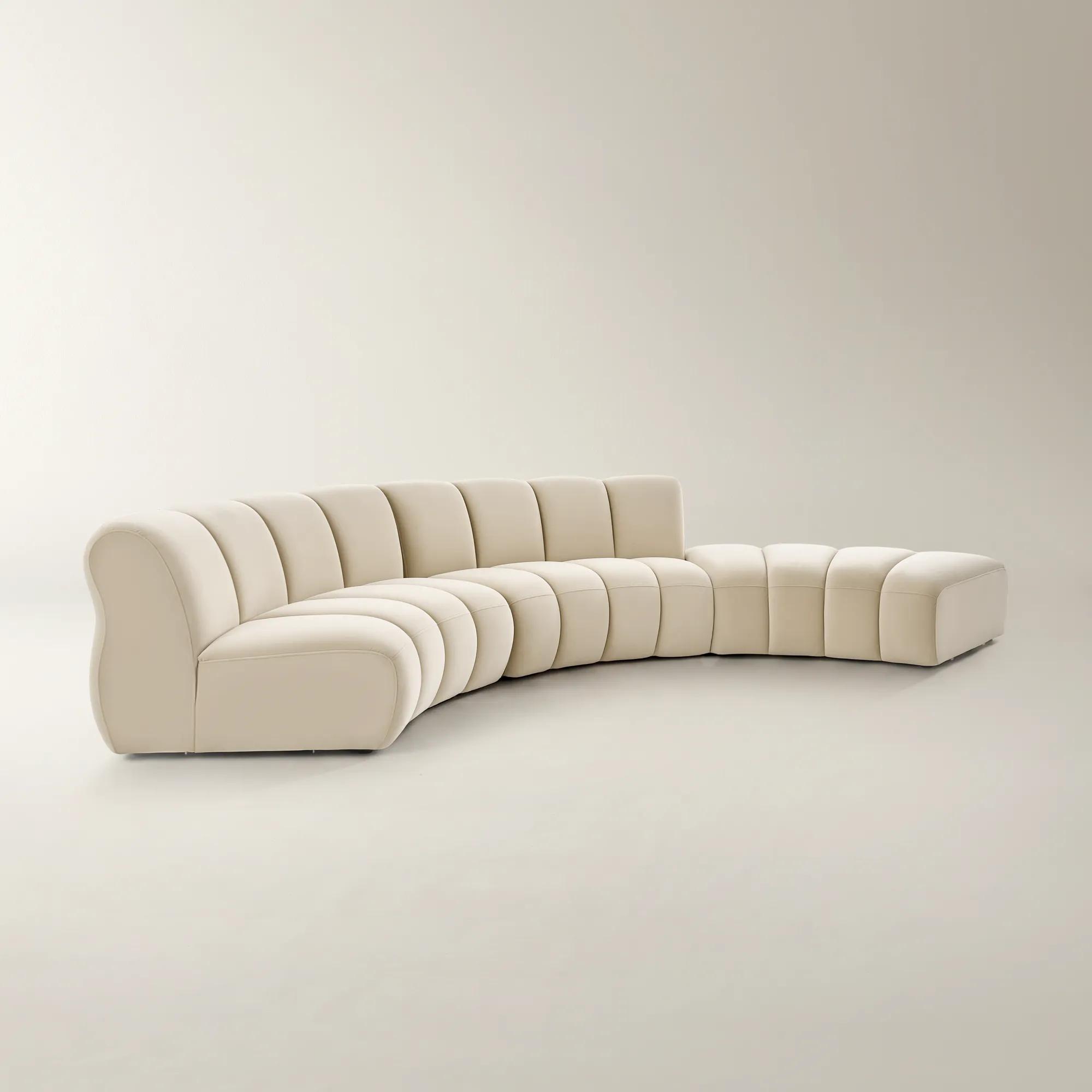 Jocelyn 3-Piece Channel-Tufted Oatmeal Velvet Sectional Sofa With Ottoman$3699
A beige velvet sectional sofa with deep channel tufting, curved modular design, resilient foam cushioning, and matching ottoman.
Add To Cart -
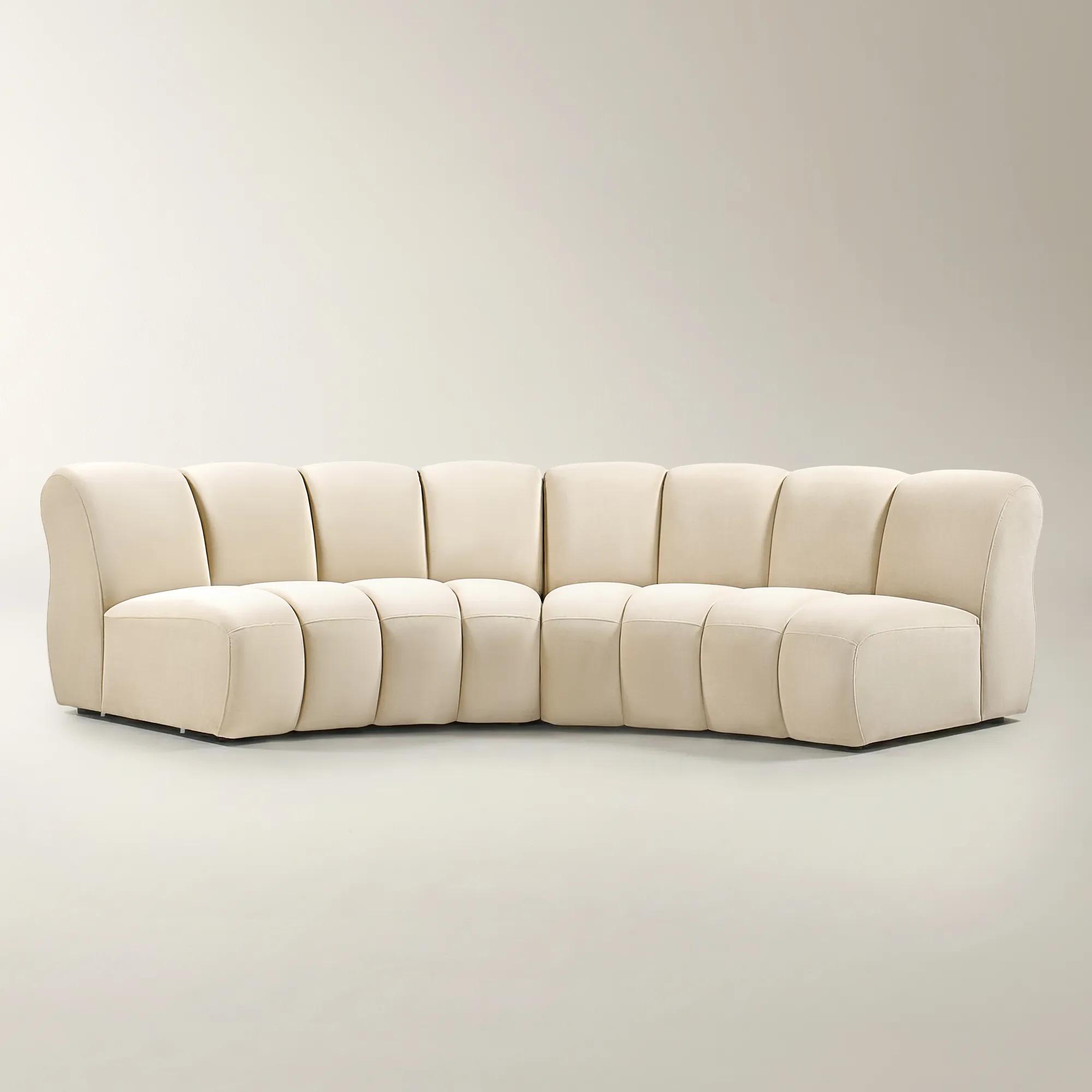
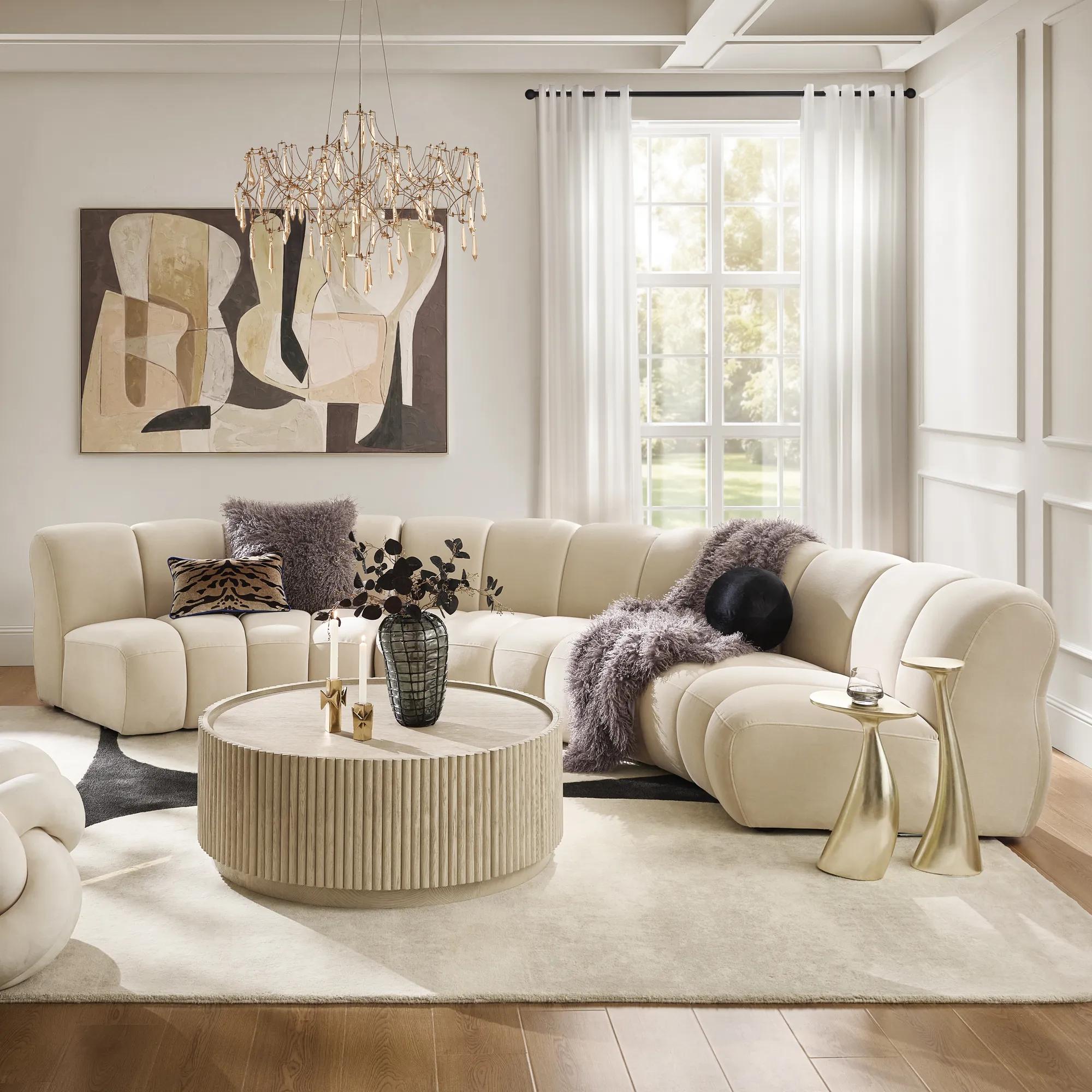 Jocelyn 2-Piece Channel-Tufted Oatmeal Velvet Sectional Sofa$2699
A modular sectional sofa in oatmeal velvet featuring deep channel tufting and a flowing curved silhouette.
Add To Cart -
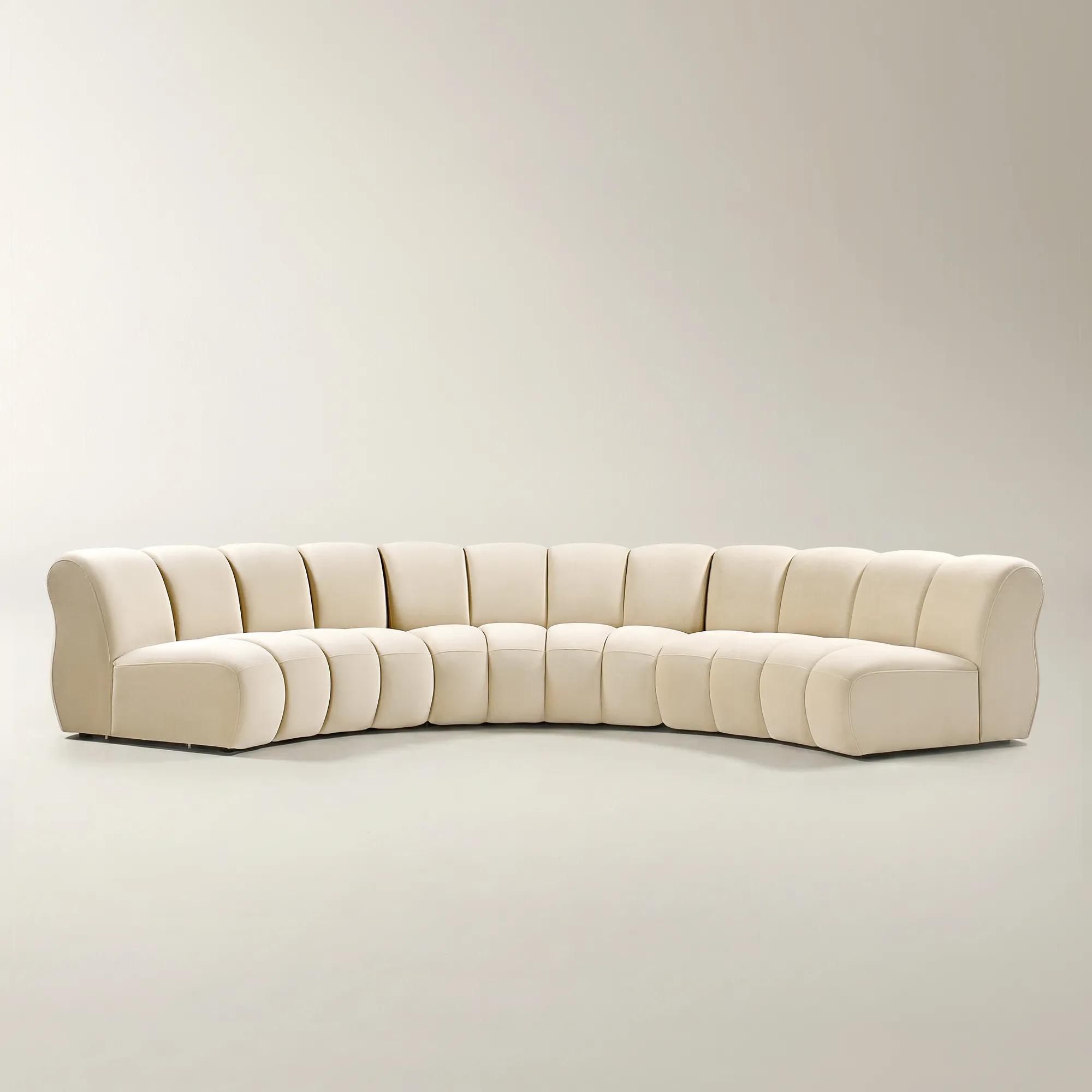
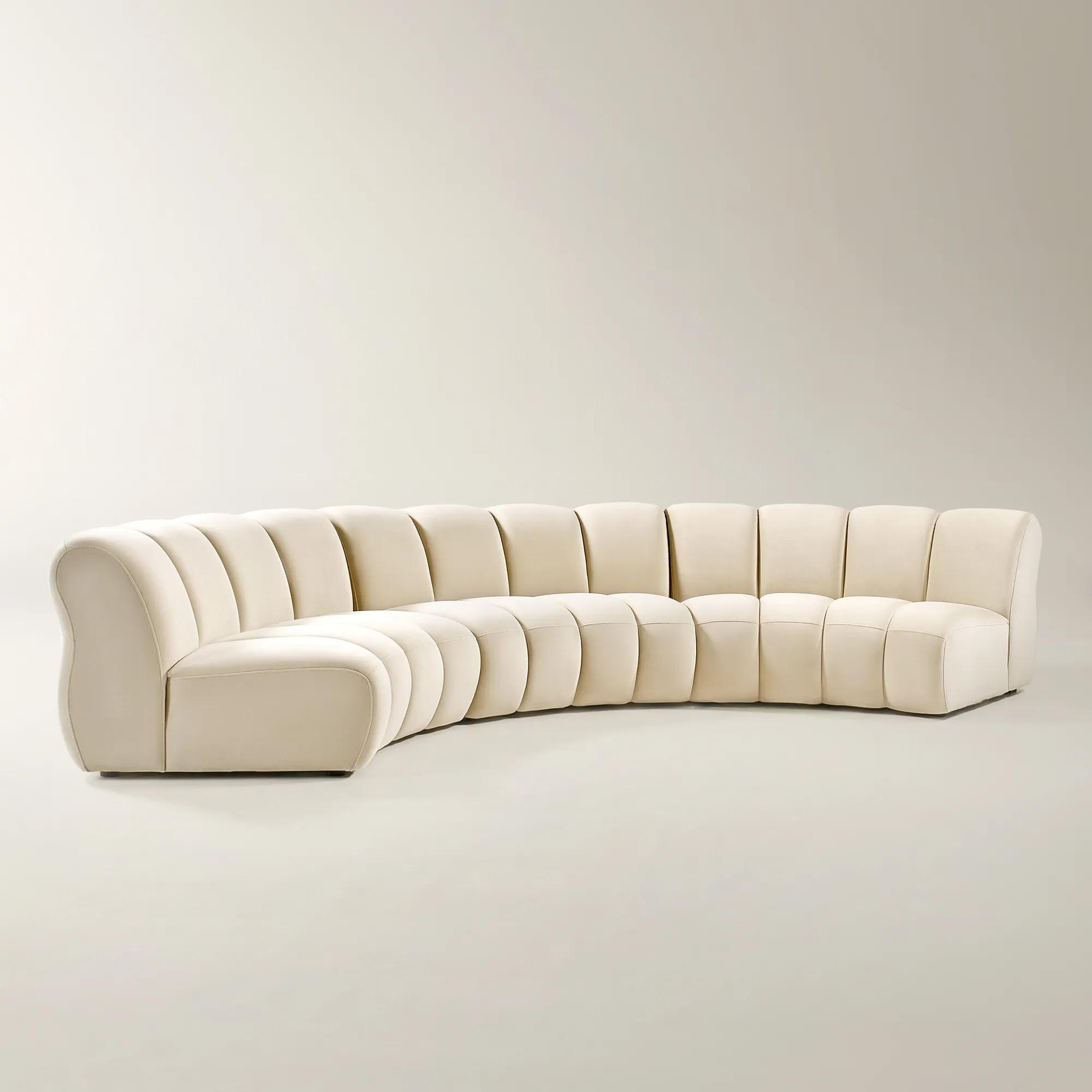 Jocelyn 3-Piece Channel-Tufted Oatmeal Velvet Sectional Sofa$4099
A curved modular sectional sofa in oatmeal velvet with deep channel tufting and plush foam cushioning.
Add To Cart -
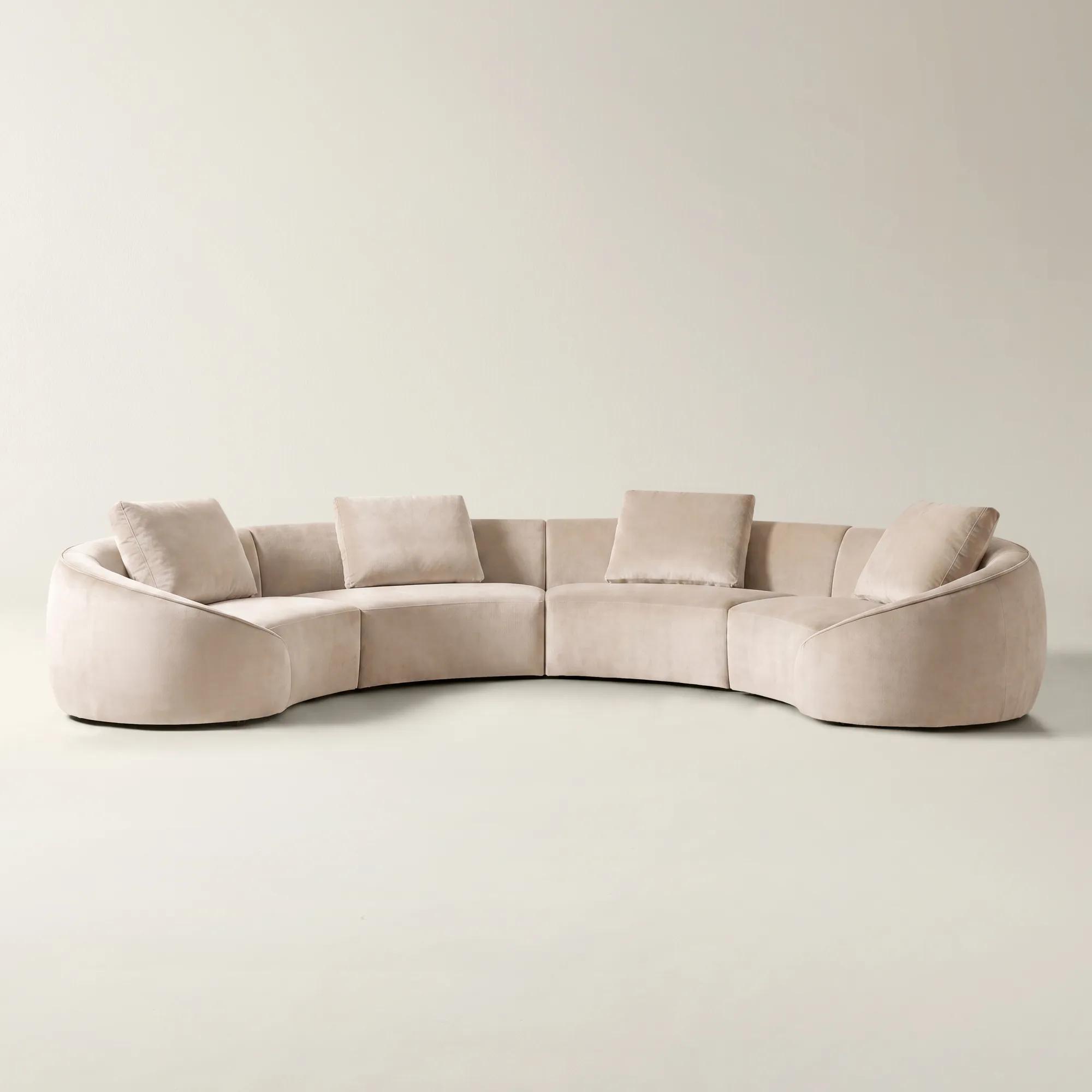 Irene 4-Piece Simply Taupe Velvet Sectional Sofa$4999
A sculptural taupe velvet sectional featuring high-resiliency foam cushions and hand-finished artisan upholstery.
Add To Cart -
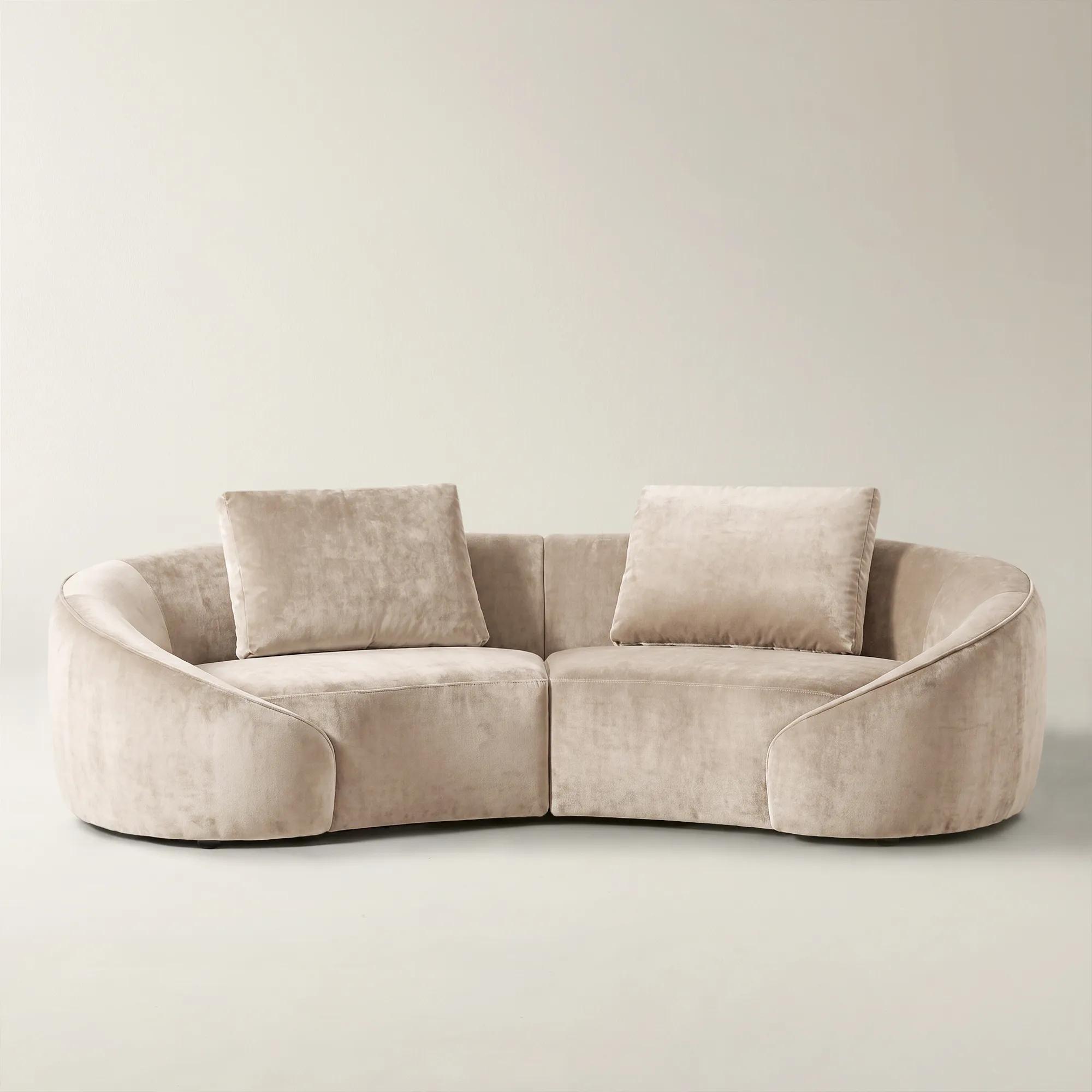
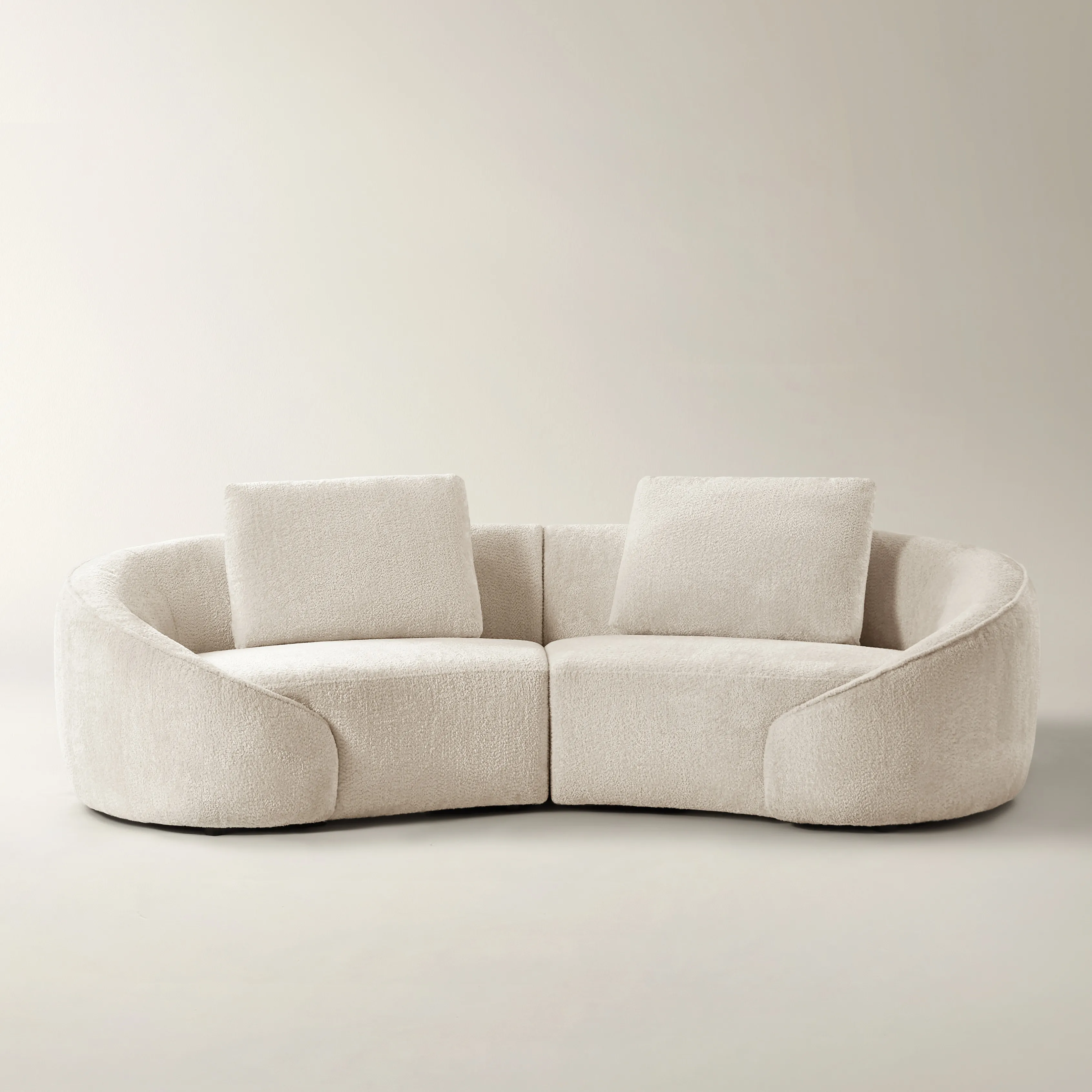 Irene 2-Piece Simply Taupe Velvet Sectional Sofa$2699
A sculptural taupe velvet sectional featuring high-resiliency foam cushions and artisan hand-finished upholstery.
Add To Cart -

 Reina 3-Piece Tufted Oatmeal Velvet Sectional Sofa$2499
A plush oatmeal velvet sectional featuring channel tufting, deep seating, and an architectural winged silhouette.
Add To Cart -
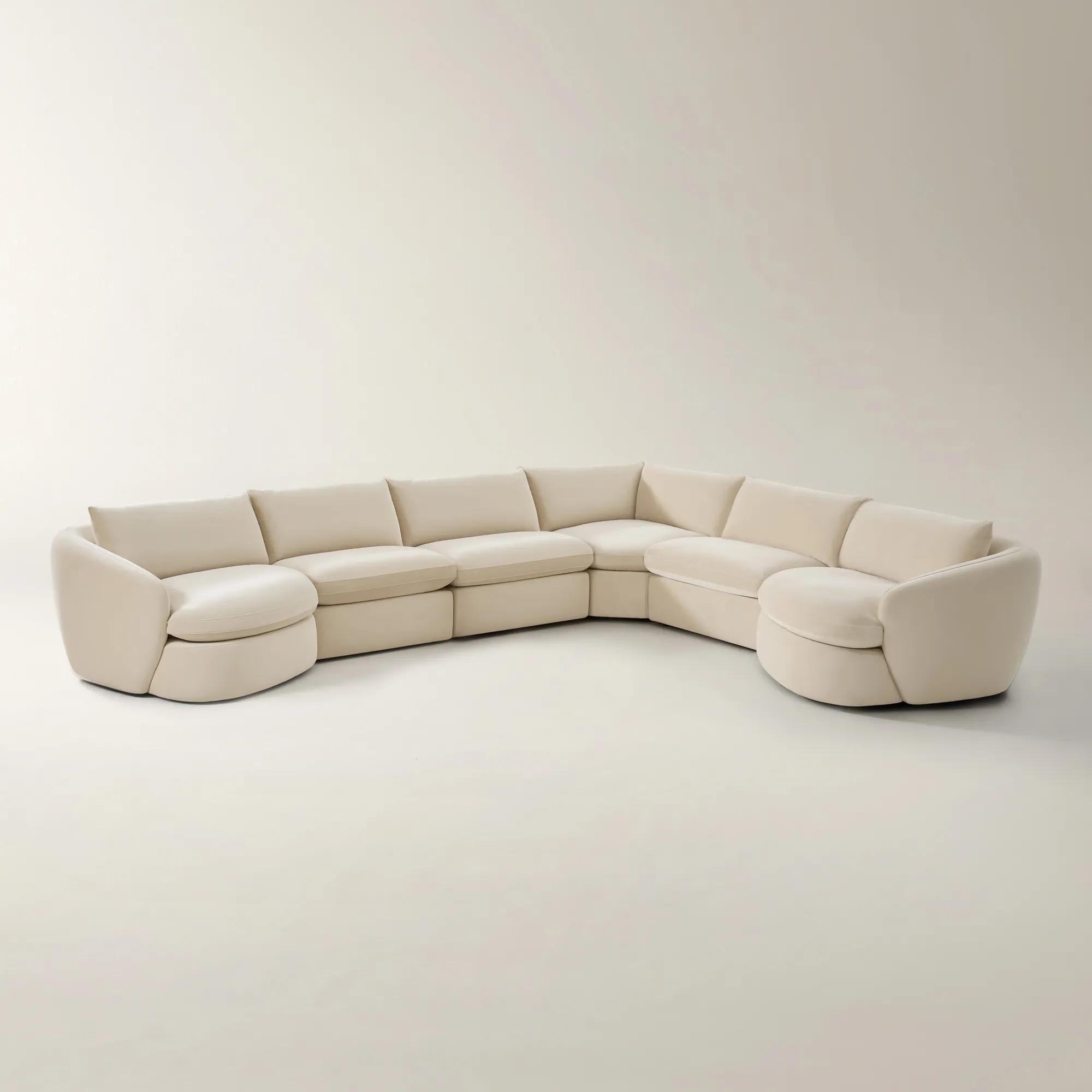
 Sabrina 6-Piece Oatmeal Velvet Sectional$6999
An inviting L-shaped sectional in soft oatmeal velvet with plush feather-blend cushions and modular design.
Add To Cart -
 Sabrina 5-Piece Oatmeal Velvet Sectional$5999
An inviting L-shaped sectional in soft oatmeal velvet with plush feather-blend cushions and modular design.
Add To Cart -
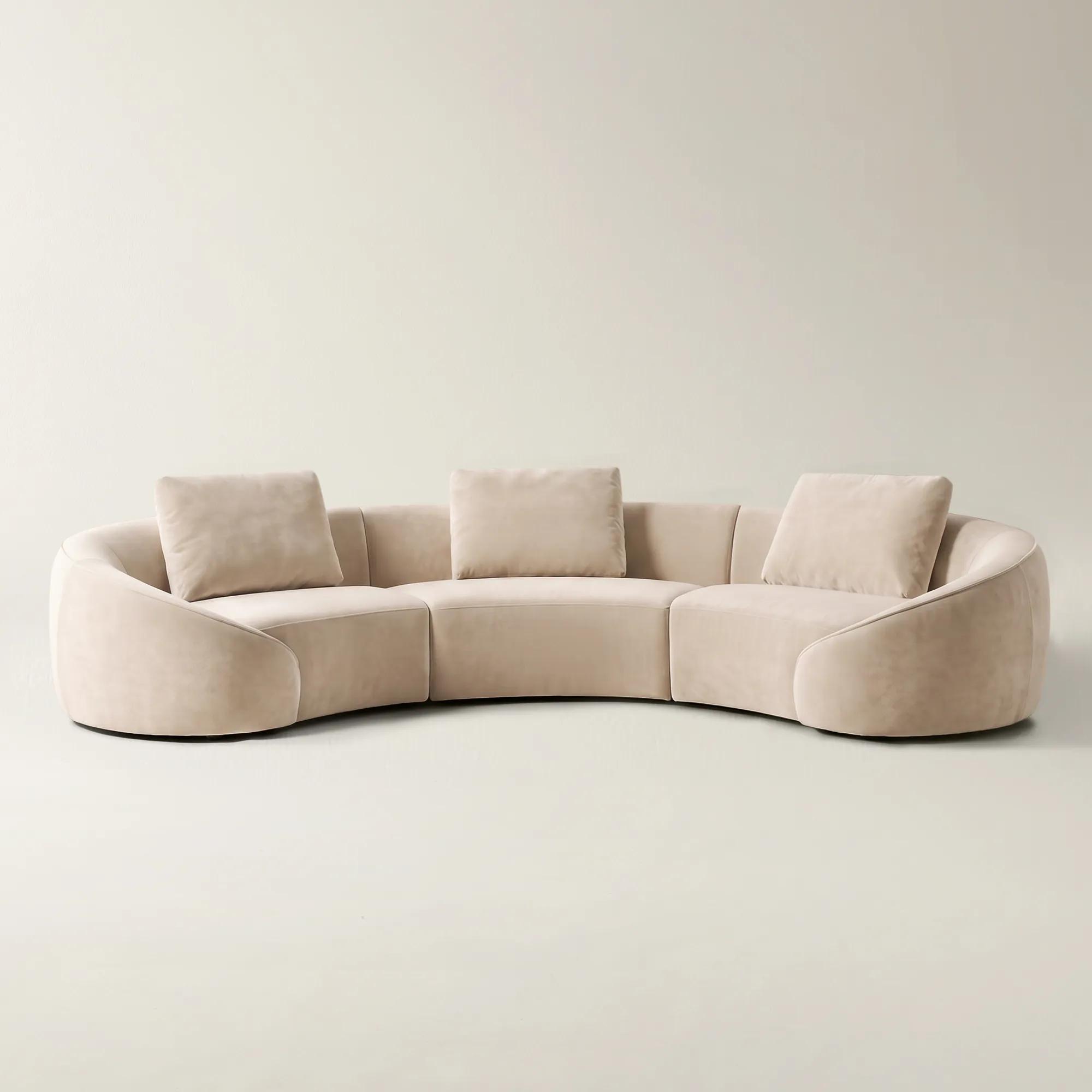
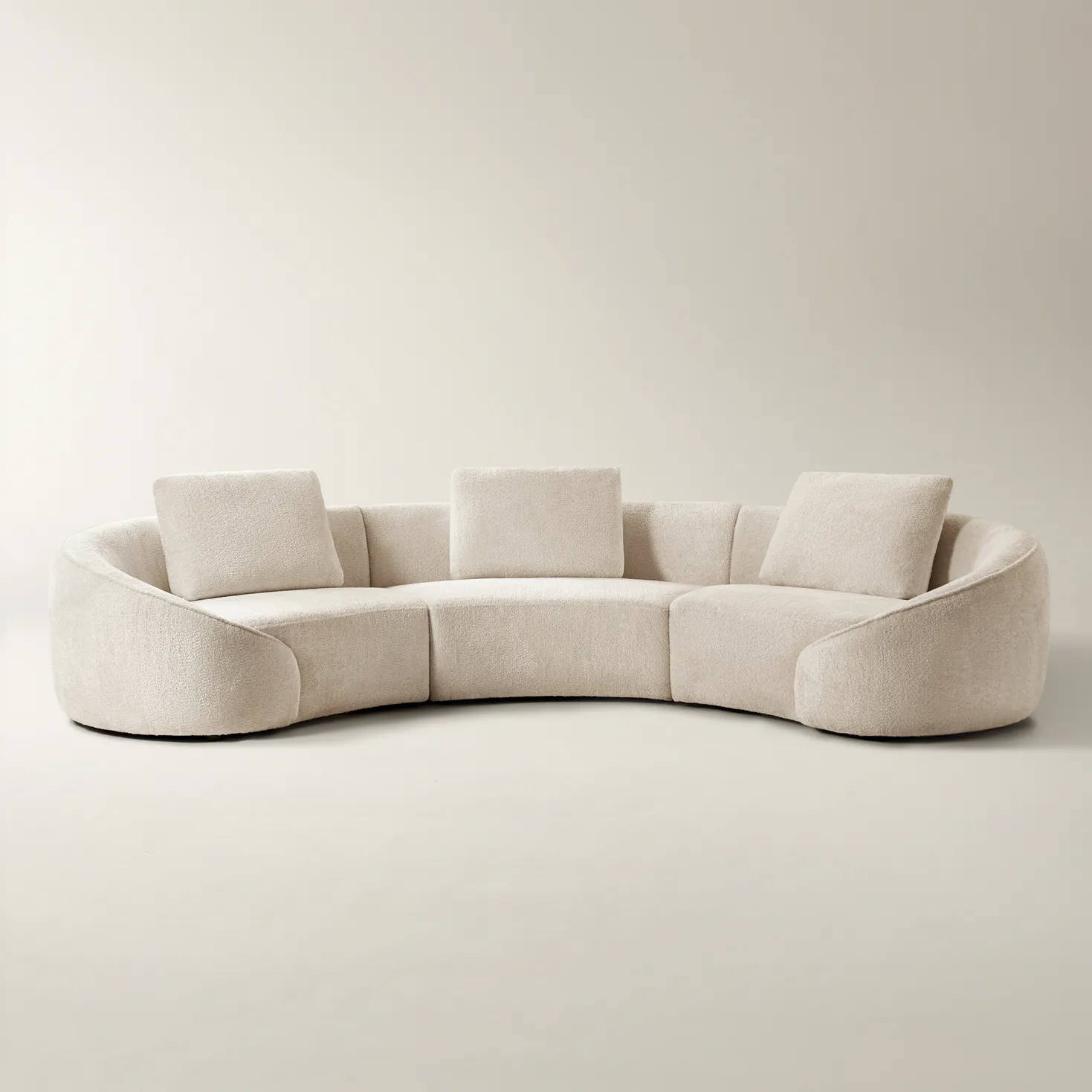 Irene 3-Piece Simply Taupe Velvet Sectional Sofa$3899
A sculptural, hand-finished sectional in simply taupe velvet with high-resiliency foam cushions and accent pillows.
Add To Cart -
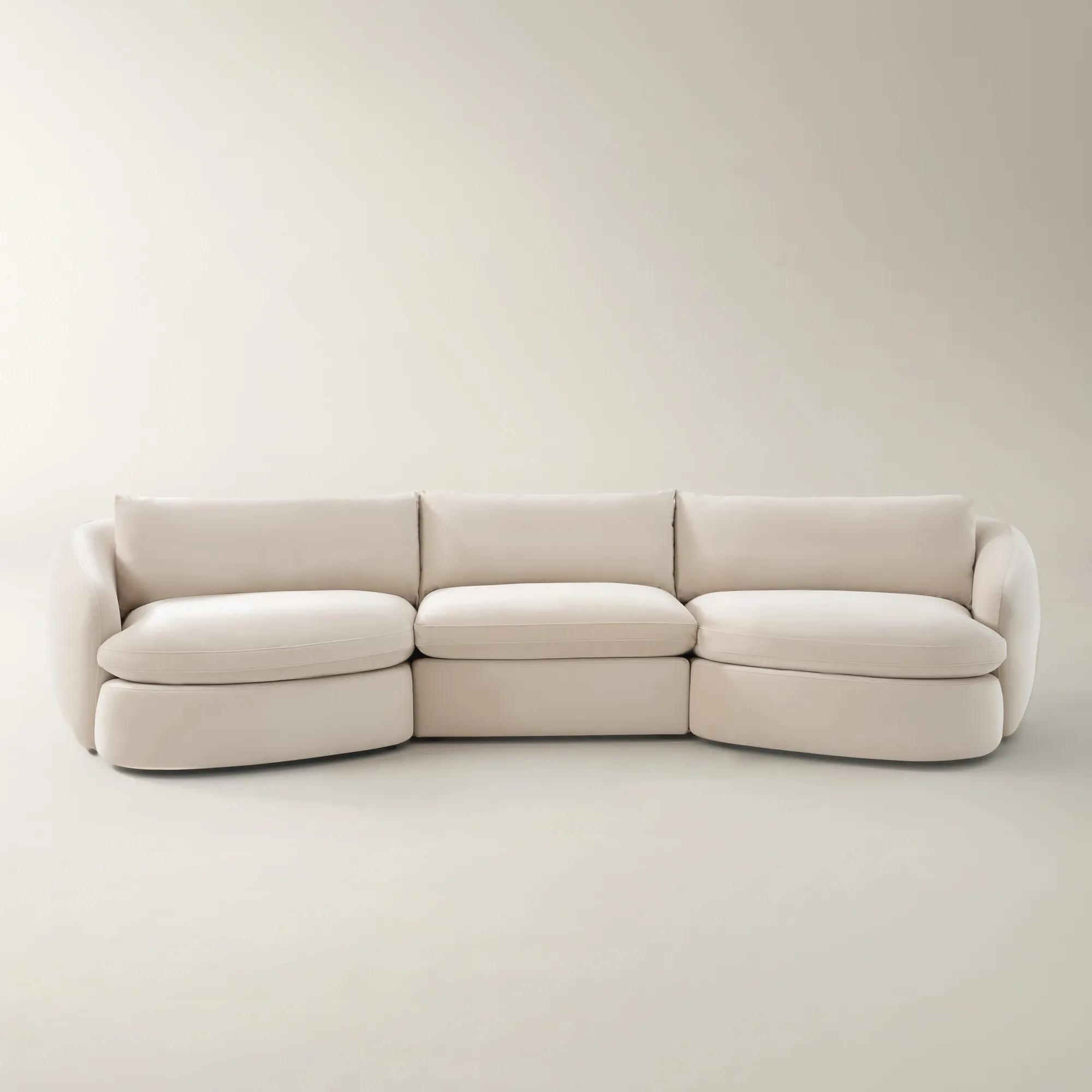 Sabrina 3-Piece Oatmeal Velvet Sectional$3699
A curved oatmeal velvet sofa featuring plush feather-blend cushions and modular design for customizable comfort.
Add To Cart -
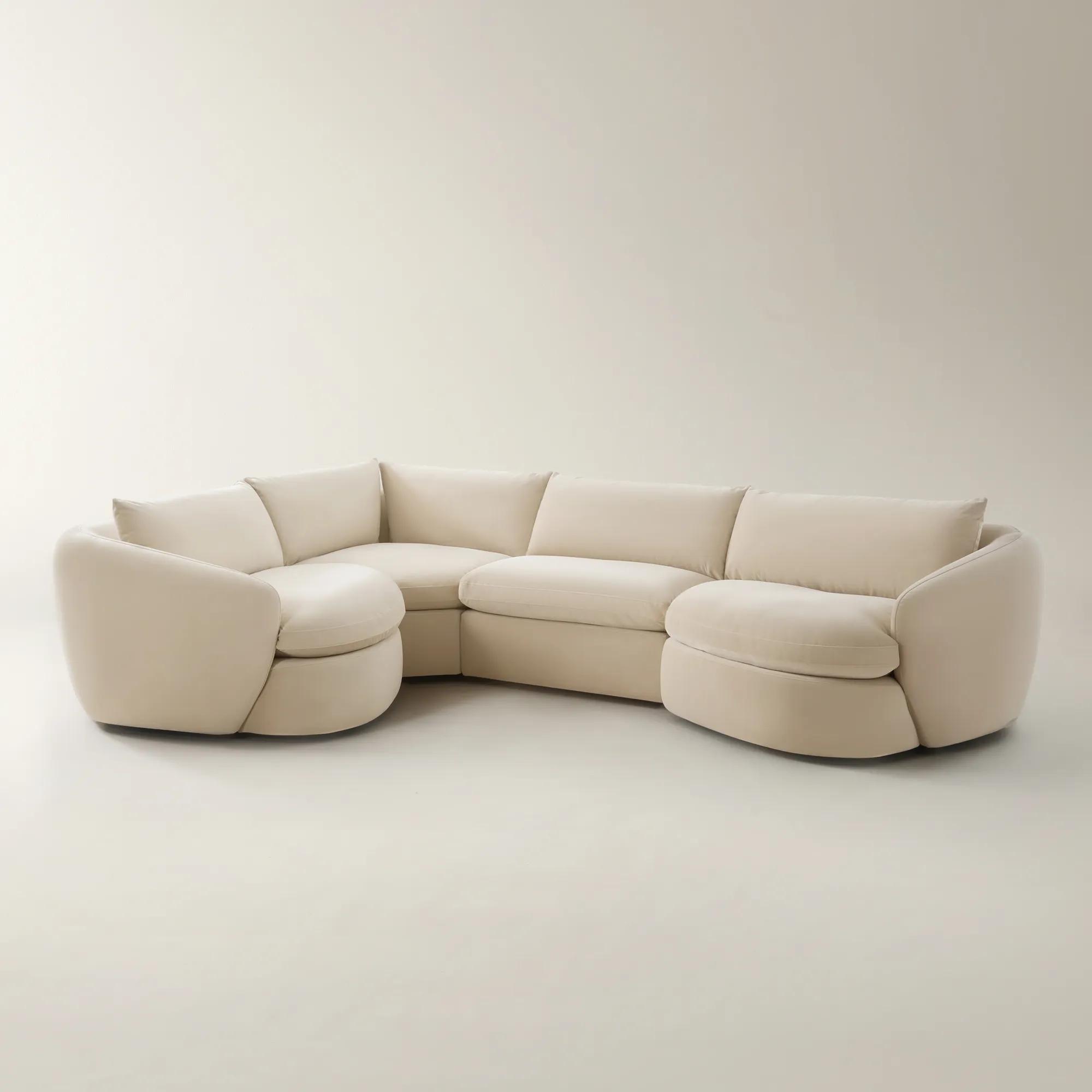 Sabrina 4-Piece Oatmeal Velvet Sectional With Left-Arm Chair$4999
An inviting L-shaped sectional in soft oatmeal velvet with feather-blend cushions and a modular, curved silhouette.
Add To Cart -
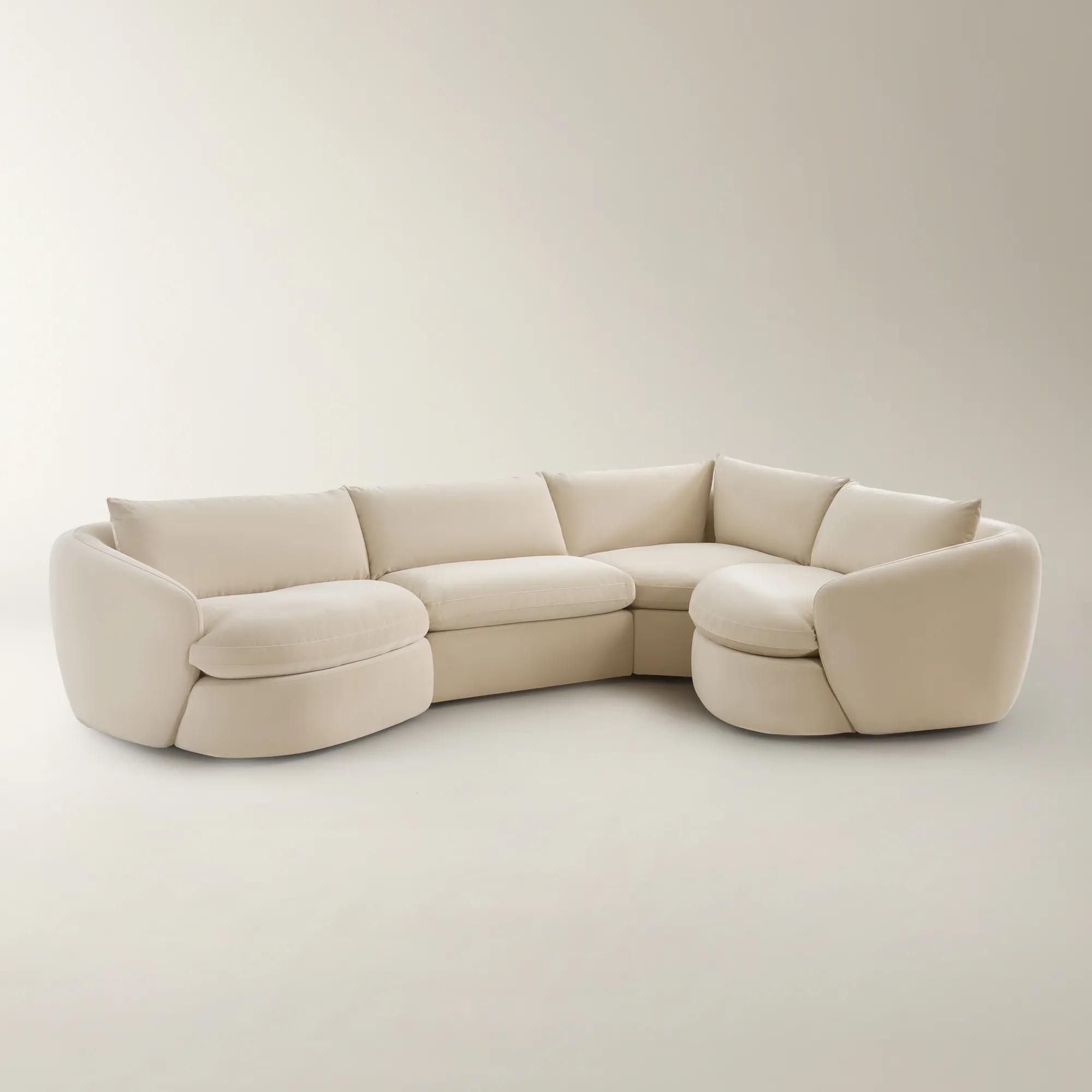 Sabrina 4-Piece Oatmeal Velvet Sectional With Right-Arm Chair$4999
An inviting L-shaped sectional in soft oatmeal velvet with plush feather-blend cushions and modular design.
Add To Cart -
 Frankie 6-Piece L-Shaped Ivory Velvet Sectional Sofa$5794
A six-piece L-shaped ivory velvet sectional sofa with power recliners, adjustable headrests, and tailored track arms.
Add To Cart -
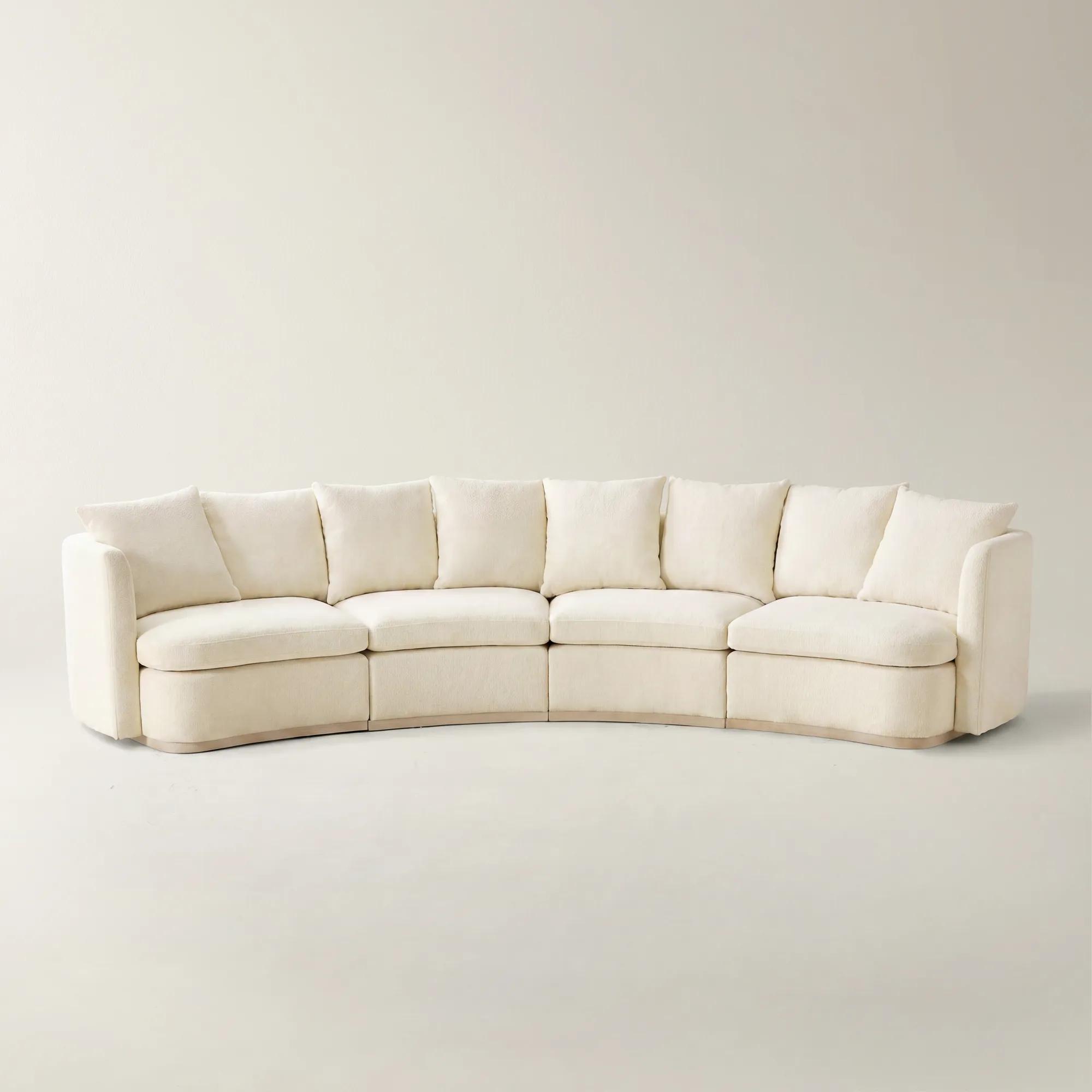
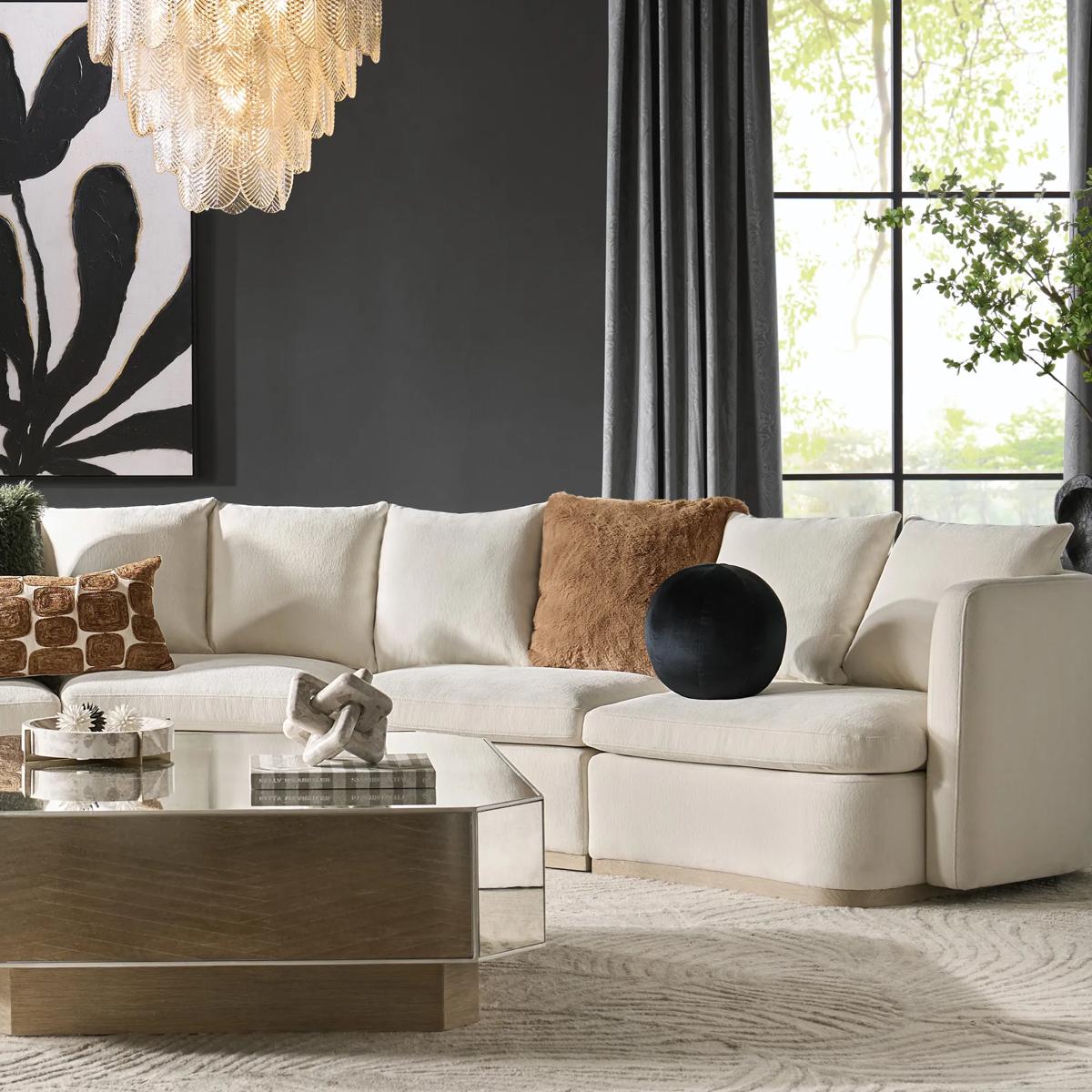 Stria 4-Piece Oatmeal Velvet Sectional Sofa$4499
A sculptural oatmeal velvet sectional with modular connectors, curved styling, and layered foam-down cushioning.
Add To Cart -
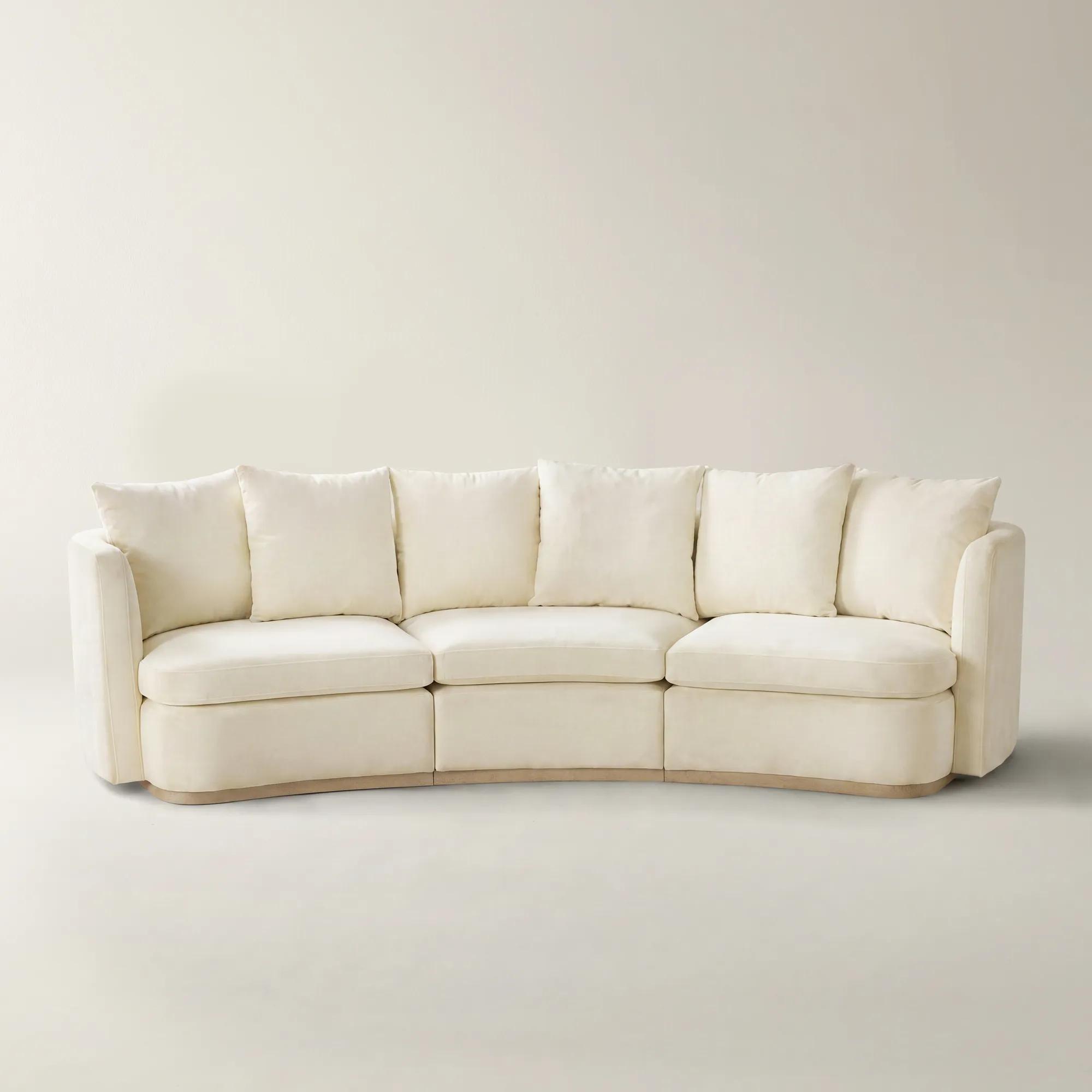 Stria 3-Piece Oatmeal Velvet Sectional Sofa$3399
A sculptural oatmeal velvet sectional with modular connectors, layered foam-and-down cushioning, and a kiln-dried wood frame.
Add To Cart -
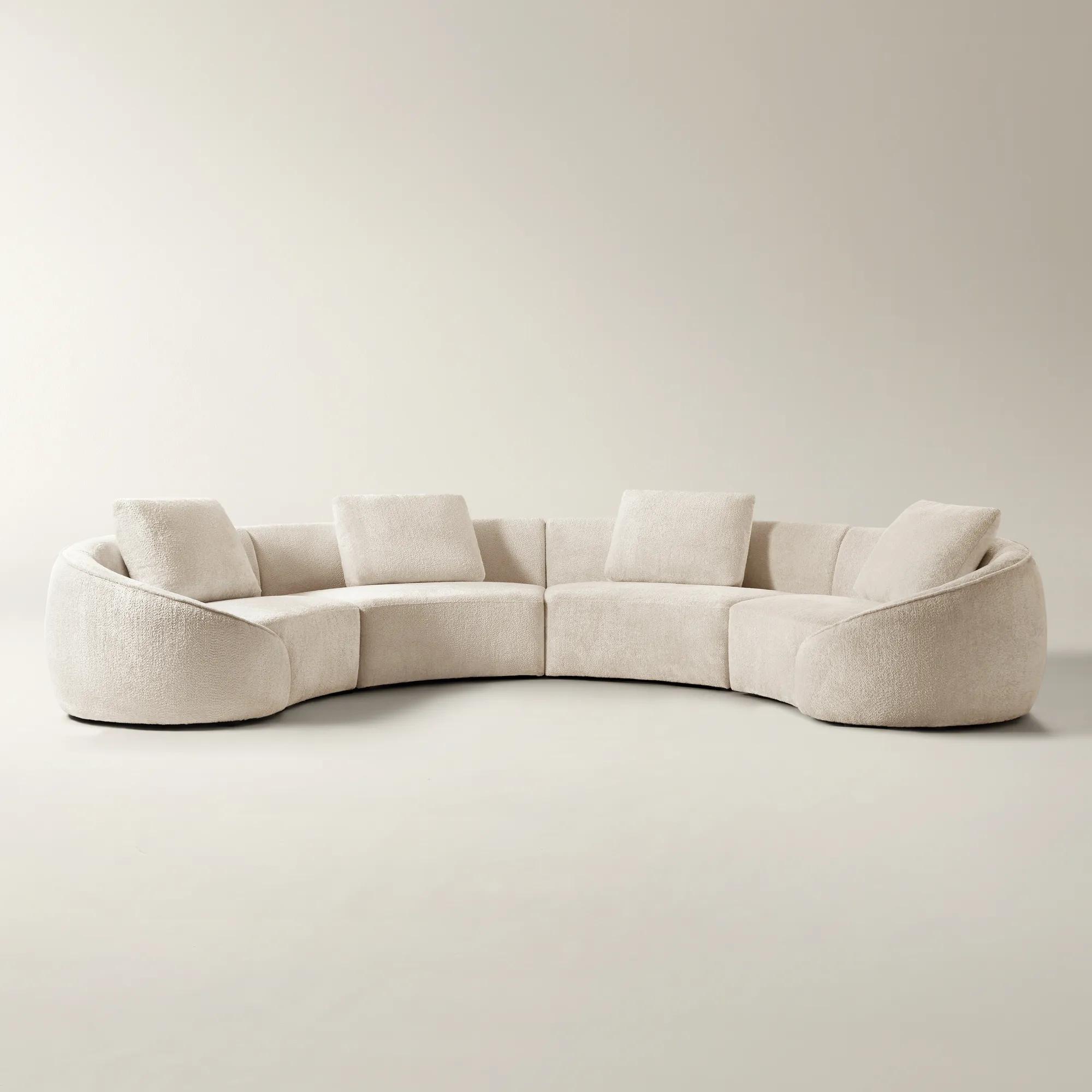
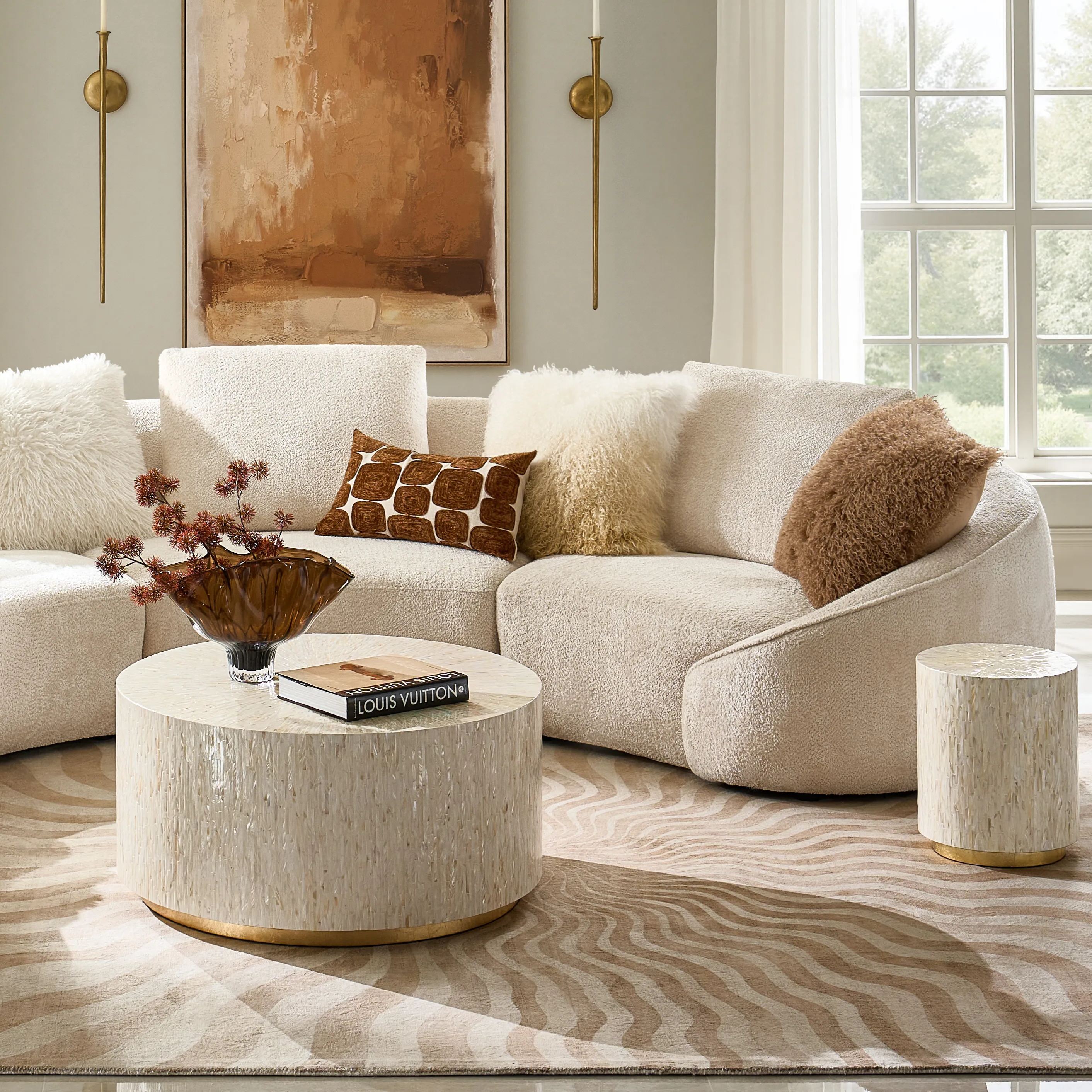 Irene 4-Piece Utopia Sand Chenille Sectional$4999
A modern curved sectional upholstered in plush Utopia Sand chenille with high-density foam cushioning for comfort.
Add To Cart -
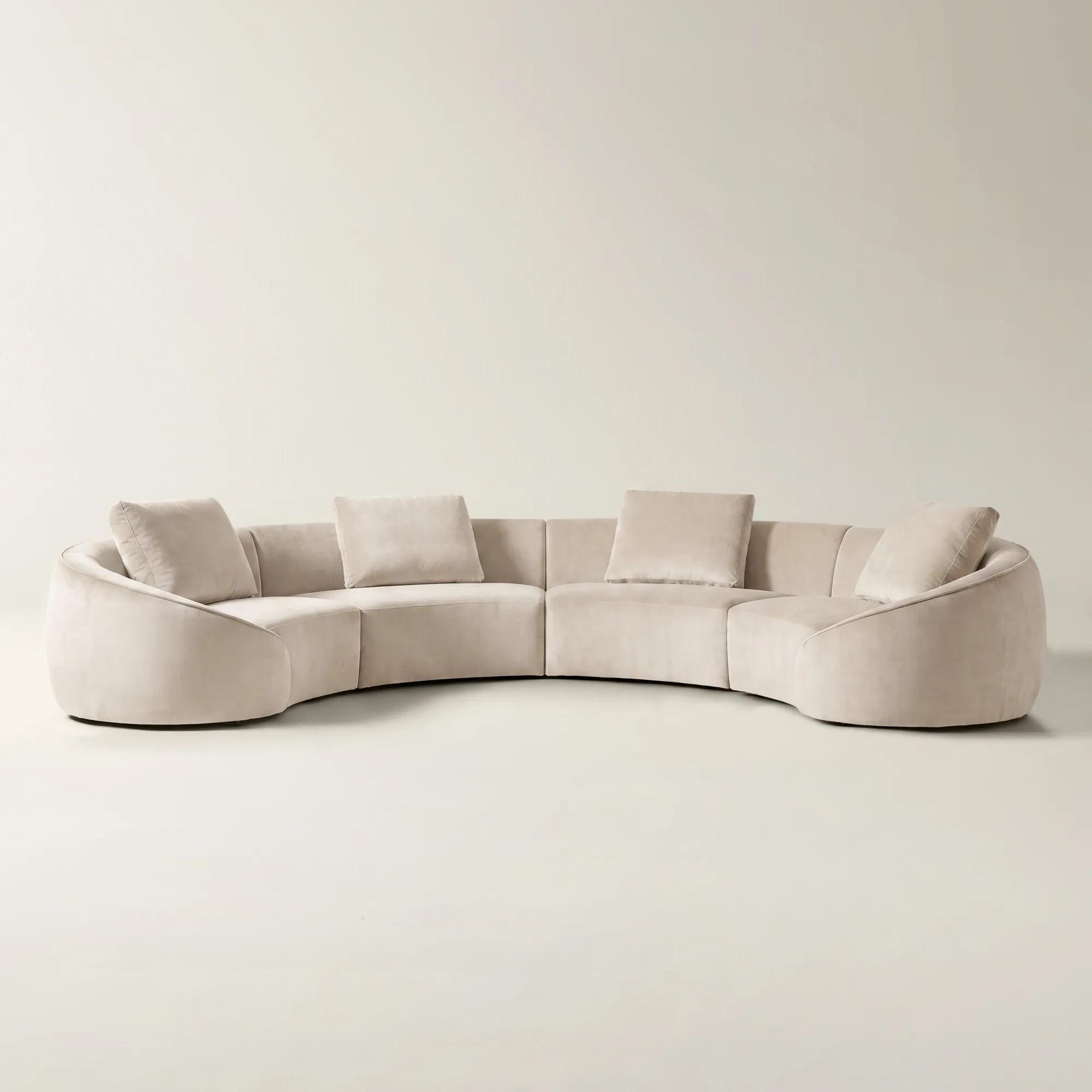
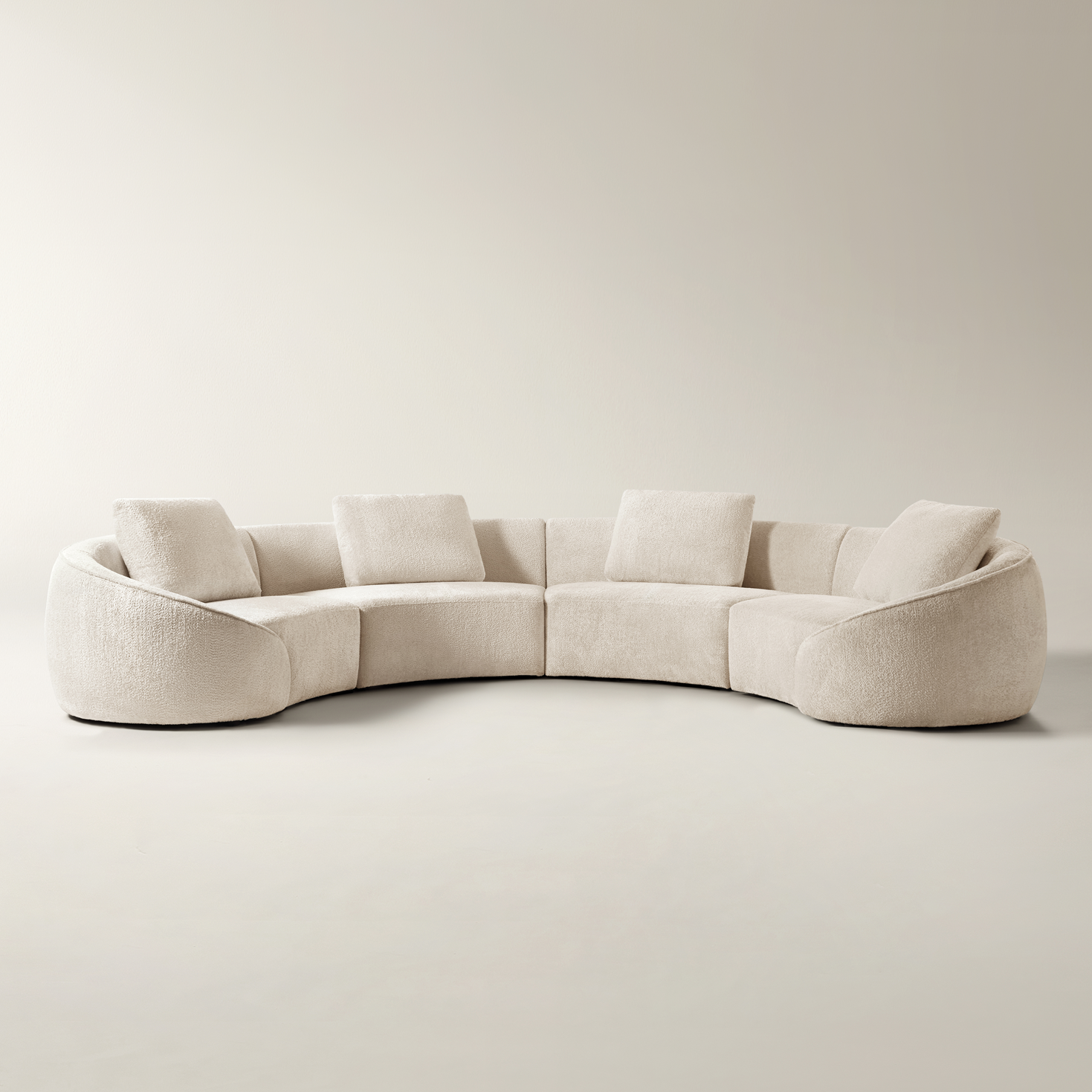 Irene 4-Piece Oatmeal Velvet Sectional Sofa$4999
A sculptural oatmeal velvet sectional featuring hand-finished upholstery, high-resiliency foam cushions, and modular design.
Add To Cart -
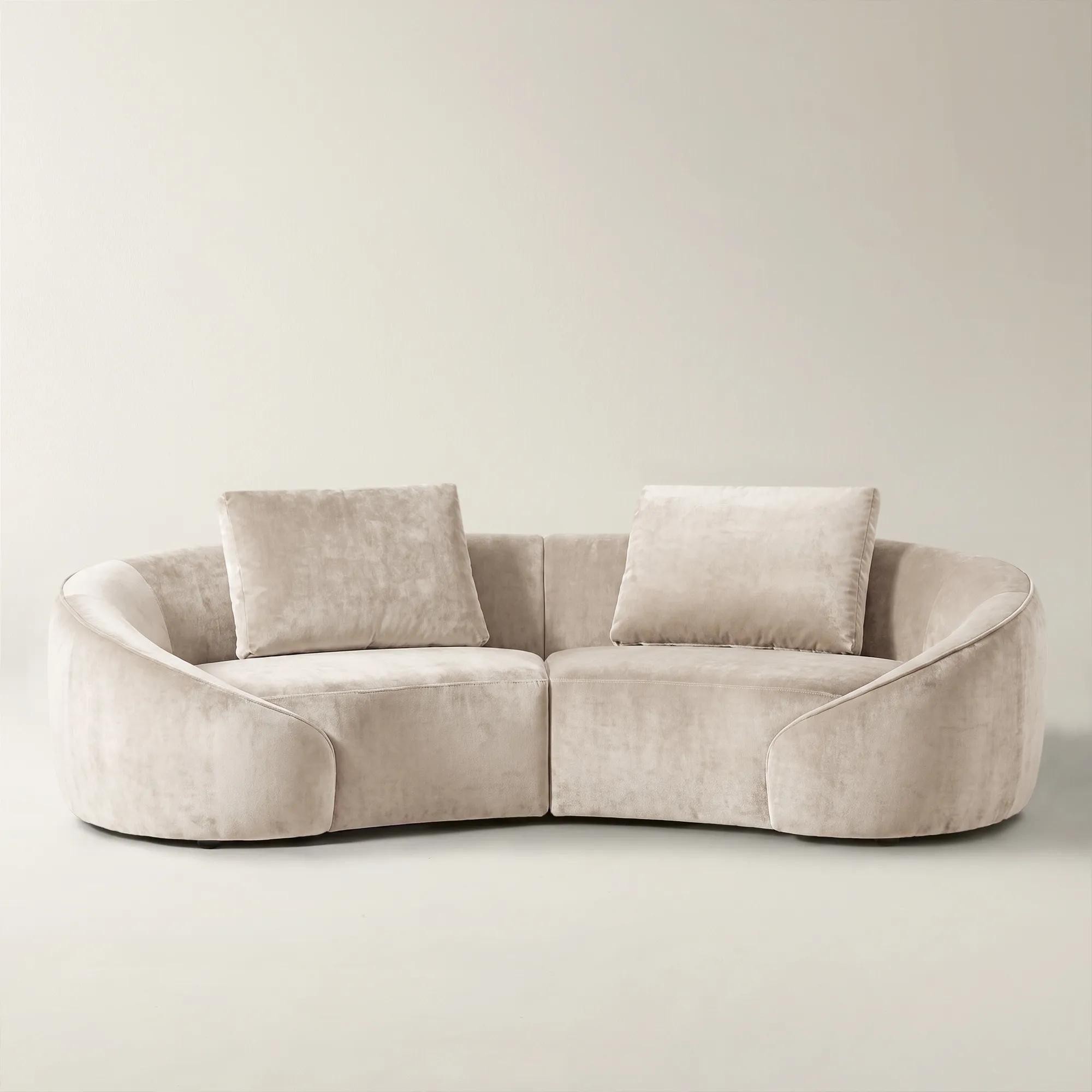 Irene 2-Piece Oatmeal Velvet Sectional Sofa$2699
A sculptural oatmeal velvet sectional featuring hand-finished upholstery, high-resiliency foam cushions, and accent pillows.
Add To Cart -
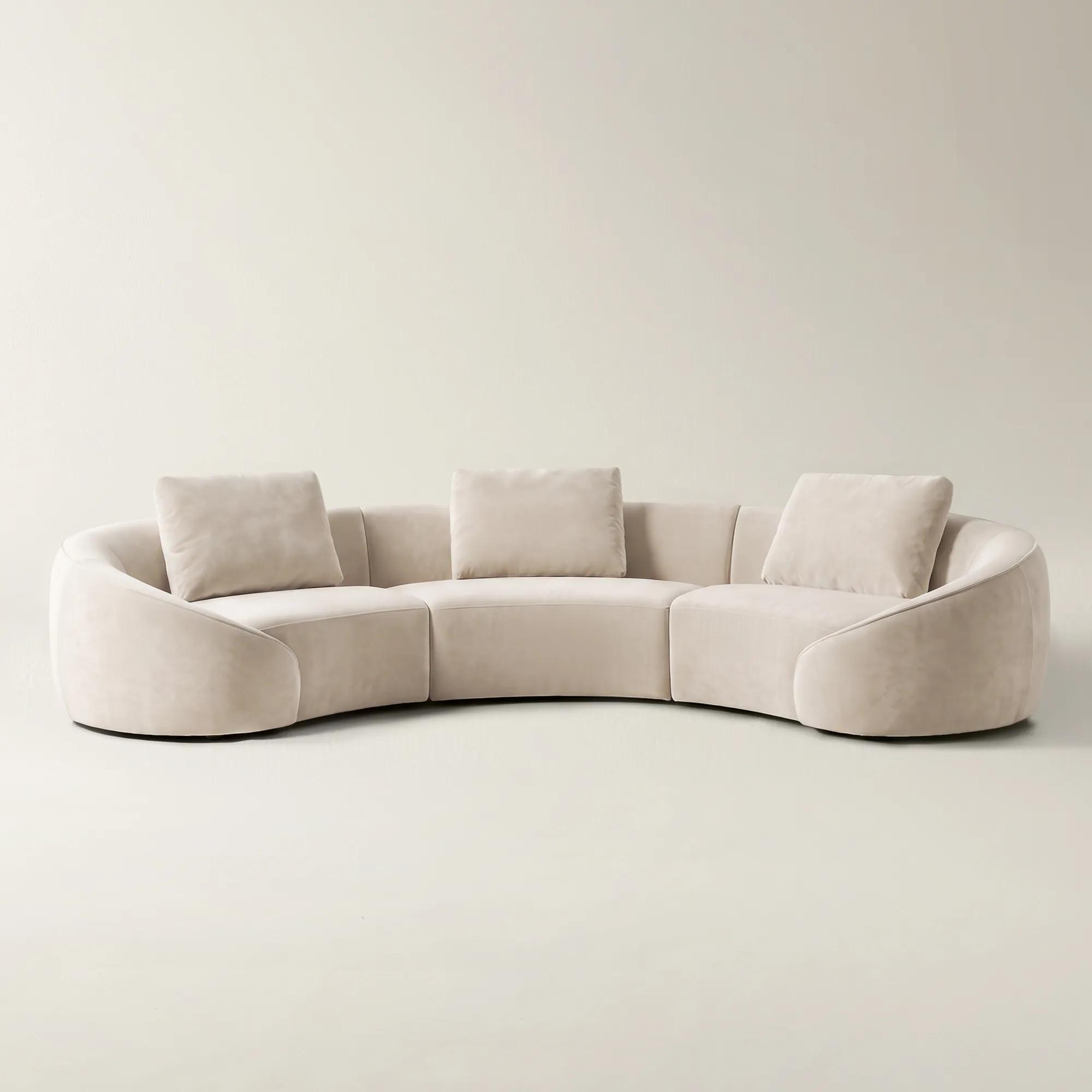 Irene 3-Piece Oatmeal Velvet Sectional Sofa$3899
An inviting oatmeal velvet sectional featuring sculptural curves, high-resiliency foam cushions, and artisan hand-finished upholstery.
Add To Cart -
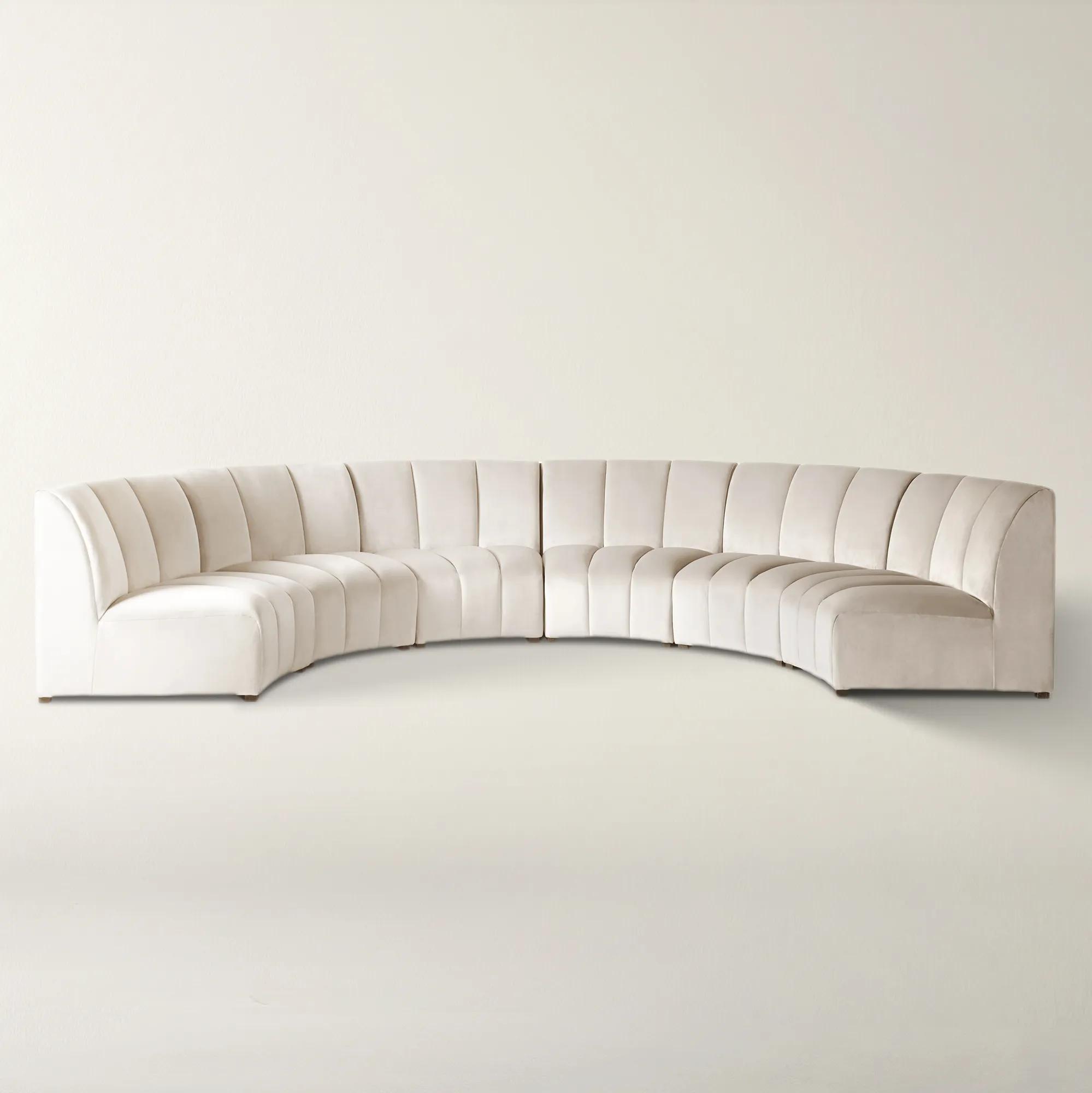 Jayce 6-Piece Channel-Tufted Ivory Velvet Sectional Sofa$5499
A modern curved sectional in stain-resistant Velvet Ivory with deep channel tufting and plush, structured cushions.
Add To Cart -
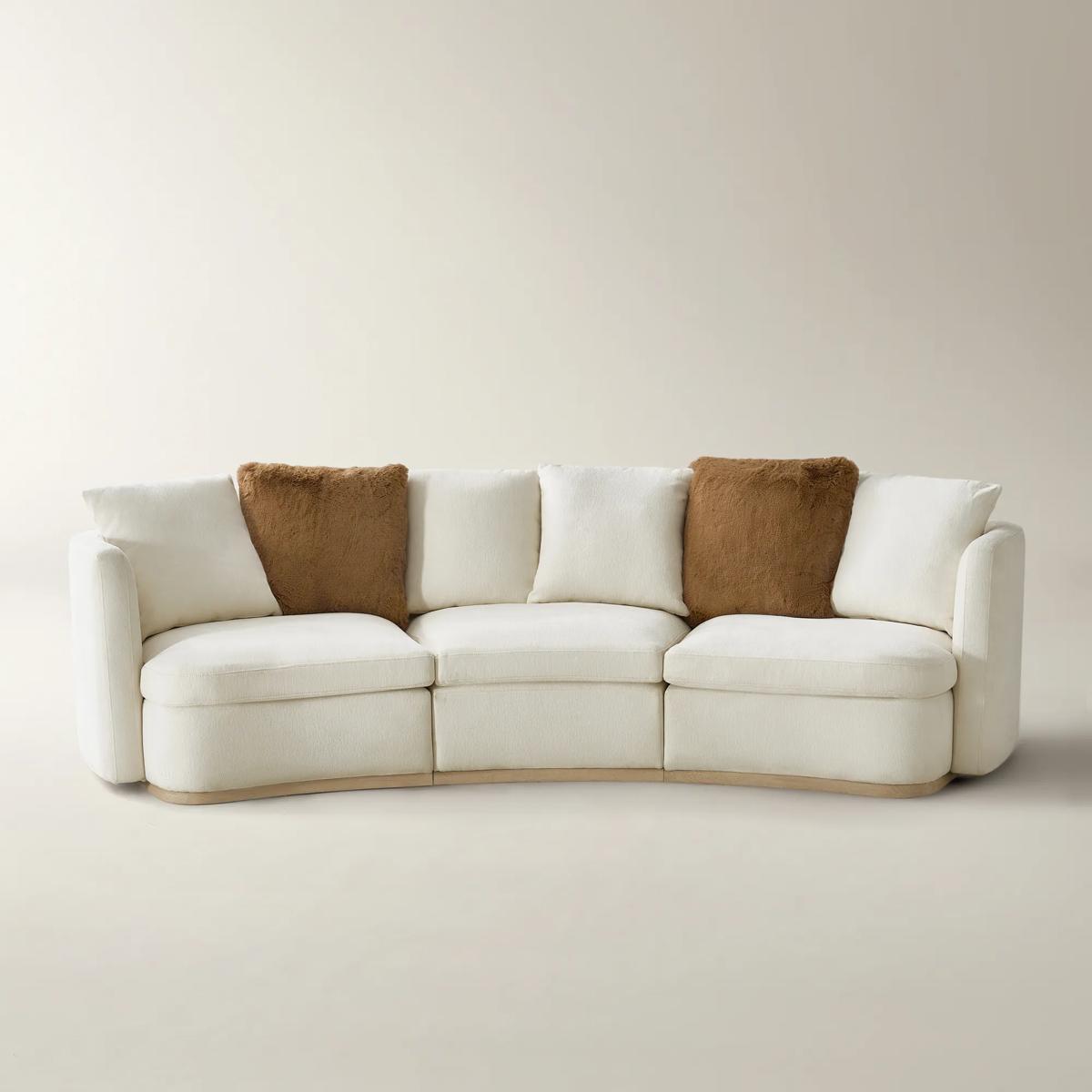 Stria 3-Piece Ivory Chenille Sectional Sofa$3399
An ivory chenille sofa featuring a sculptural curved design, triple-layer cushioning, and a kiln-dried oak frame.
Add To Cart -
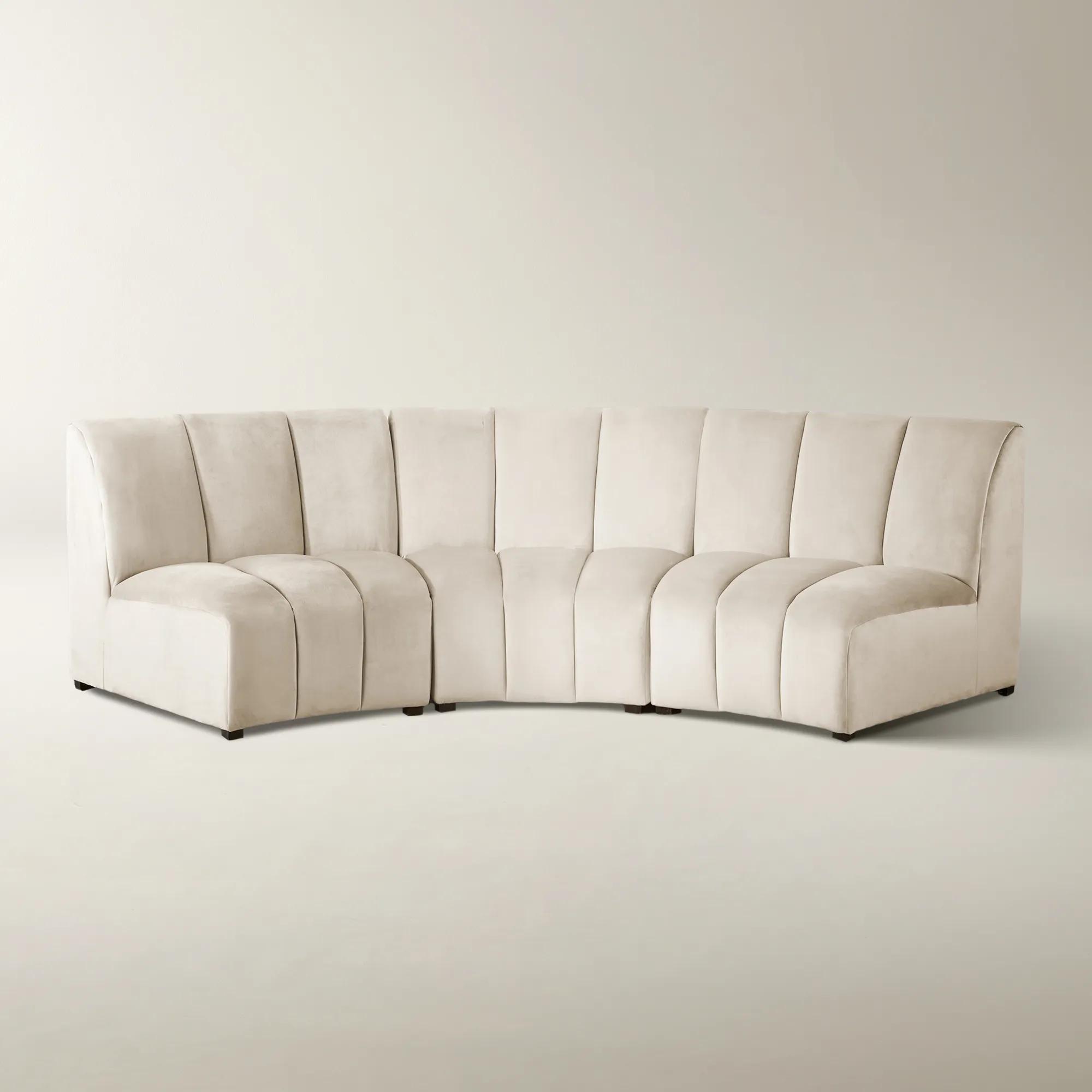
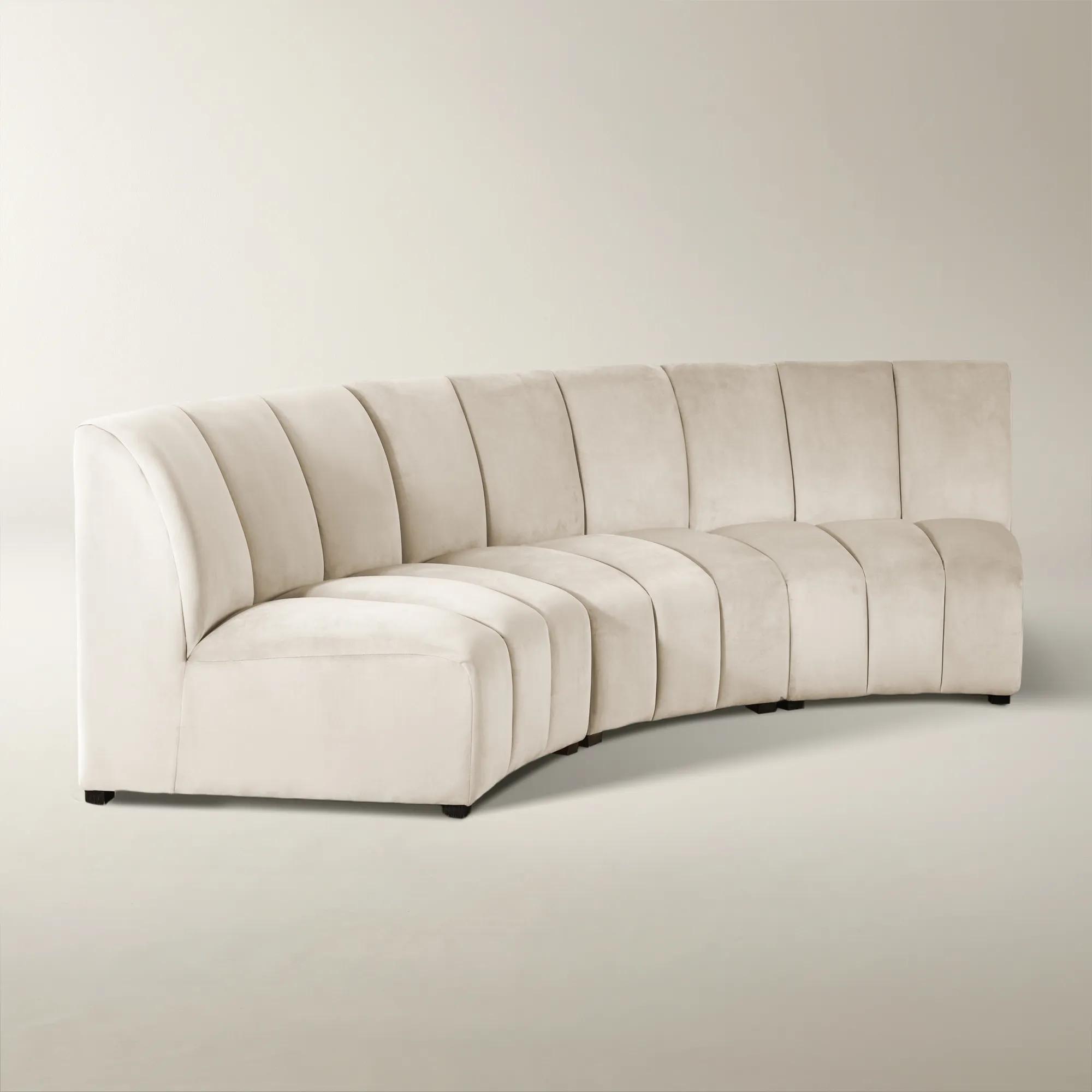 Jayce 3-Piece Channel-Tufted Ivory Velvet Sectional Sofa$2799
A modern curved sectional in stain-resistant Velvet Ivory with deep channel tufting and plush, structured cushions.
Add To Cart

Neutral Fabric Sectional Sofas
Neutral fabric sectional sofas invite effortless sophistication into your living space, transforming ordinary rooms into serene sanctuaries of style. Their understated palette—think creamy ivories, warm taupes, and soft greiges—serves as a canvas for self-expression, allowing every accent and accessory to shine. With sculptural silhouettes and sumptuous upholstery, these sectionals offer a harmonious blend of comfort and artistry. Whether your taste leans modern glam or timeless elegance, neutral fabric sectional sofas ground your room in refined tranquility while setting the stage for bold design moments. Indulge in the luxury of versatility and let your imagination take center stage.
Neutral fabric sectional sofas bring generous, connected seating to the living room, with upholstery in ivory, cream, beige, taupe, greige, or gray creating a versatile foundation for expressive interiors. Their appeal lies in the balance between presence and restraint: an expansive silhouette gives the room its center of gravity, while a quieter palette leaves space for sculptural lighting, richly patterned pillows, and art with unmistakable personality. Neutral does not mean colorless. An ivory weave can glow beside warm metallic accents; a mushroom tone can draw out the depth of dark wood; a pale gray fabric can sharpen the contrast of a black marble table. Texture gives these shades their character, whether through the subtle irregularity of a woven surface, the dimensional loops of bouclé, or the light-catching pile of velvet. Within the broader category of Neutral Modern Sofas, sectionals distinguish themselves through extended seating and configurations that help define how a room feels and functions. A chaise-ended silhouette creates an inviting place to stretch out without requiring a separate ottoman, while an L-shaped arrangement can establish a distinct conversation area within an open floor plan. More expansive U-shaped designs draw seating inward, lending larger rooms an intimate, lounge-like quality. The details shape the mood as much as the footprint. Slender track arms and tailored cushions create a composed architectural outline; broad arms and deeper seats suggest a more enveloping retreat. Raised legs reveal more floor and can lend visual lightness to a substantial piece, while a low, grounded base emphasizes its sculptural volume. For an interior layered with bold artwork and gleaming accessories, a neutral sectional offers balance without disappearing into the background. Its scale establishes the scene, and its upholstery becomes a canvas for everything around it.
The most satisfying sectional proportions reflect both the room’s architecture and the way its occupants spend time together. A household that gathers for movies may favor a deep chaise and generous cushions, while frequent conversation often feels more natural with supportive backs and seats that allow guests to sit upright comfortably. Seat depth, seat height, cushion firmness, and back height all influence that experience; overall width alone cannot describe how a sectional will feel. A deeper seat may suit someone who lounges with their feet tucked up, yet a shallower seat can be more comfortable for someone who prefers their feet resting on the floor. In a shared living space, those differences matter. An L-shaped sectional can frame a rug and coffee table beautifully, but its return should leave clear passage to adjoining rooms, windows, and frequently used storage. Allowing roughly 16 to 18 inches between the seat edge and a coffee table often keeps a drink within reach without crowding knees, although the final spacing should reflect the furniture’s proportions and household mobility needs. A chaise also changes circulation: its placement should complement the room rather than interrupt the natural route through it. Left-facing and right-facing descriptions can vary by retailer, making configuration diagrams especially important. Modular construction may offer opportunities to rearrange separate seating components, but not every sectional is designed for interchangeable layouts. Connection hardware and finished outer surfaces determine which arrangements are appropriate. Delivery access deserves equal attention, including doorway openings, stair turns, elevator dimensions, and the size of each individual component. In a compact apartment, a carefully proportioned chaise sectional can consolidate seating into one cohesive statement. In a broad living room, a larger configuration can create an inviting gathering place without lining every wall with furniture. The result should feel generous rather than crowded, with enough breathing room for the silhouette to register.
Fabric and cushion construction determine how that initial impression carries into daily life. Linen and linen-blend upholstery can offer beautiful texture and a relaxed, tailored appearance, though creasing and care requirements vary with the blend. Cotton blends can feel inviting and substantial, while polyester and other synthetic blends may contribute resilience and easier maintenance depending on their construction and finish. Velvet brings particular depth to neutral shades, with its pile shifting from luminous to shadowed as light moves across the surface. Bouclé creates a richly dimensional effect, although its loops may be vulnerable to snagging from pet claws or sharp objects. Performance upholstery can be worth considering in homes where snacks, children, or pets are part of the living room’s everyday rhythm, but the term does not guarantee identical protection across fabrics. Stain resistance, abrasion testing, cleaning requirements, and any treatment details provide more useful information than the label alone. No upholstery is entirely immune to wear, and a tightly woven surface may be more practical than an open weave in a busy household. Cushion fill adds another layer of distinction: supportive foam tends to provide a more defined seat, while fiber or feather blends can create a softer, more relaxed profile that may require regular fluffing. Removable cushions are not necessarily washable, and removable covers should only be laundered when the manufacturer explicitly permits it. Routine care begins with the upholstery label: gentle vacuuming with an appropriate attachment helps remove dust and debris, while prompt blotting with a clean, absorbent cloth can limit the spread of a spill. Cleaning products and methods should match the fabric’s designated care instructions, with any approved treatment tested in an inconspicuous area first. Rotating reversible cushions, when permitted, can help distribute wear; protecting upholstery from prolonged direct sunlight can help preserve its color. These practical details support the pleasure of living with a beautifully upholstered sectional. Layered with a tactile throw, a few generously scaled pillows, and a striking table, neutral fabric seating can remain visually composed while accommodating conversation, quiet reading, and the full choreography of daily life.
FAQs
A neutral fabric sectional sofa offers timeless versatility, allowing you to effortlessly layer in bold accents or seasonal decor. Its understated palette acts as a sophisticated backdrop, making it easy to refresh your space with new pillows, throws, or artwork. Neutral tones also create a calming, welcoming atmosphere that complements a wide range of interior styles, from modern glamour to classic elegance.
Personalize your neutral sectional by introducing a medley of textures and tones—think plush velvet pillows, metallic trays, or a dramatic patterned rug. Layering tactile elements and statement accessories adds depth and character, transforming your sectional into a curated focal point that reflects your individual taste. Consider adding sculptural lighting or bold wall art to complete the look.
Absolutely. Many neutral fabric sectionals are upholstered in performance fabrics designed to resist stains, spills, and everyday wear. Look for tightly woven textiles or fabrics with easy-clean finishes to ensure your sectional remains both beautiful and functional, even in active households with pets or children.
Neutral sectionals are often crafted from materials like linen, cotton, polyester blends, and performance weaves. Linen and cotton offer a natural, breathable feel with soft texture, while polyester blends and performance fabrics provide enhanced durability and stain resistance. Each fabric brings its own tactile and visual qualities, allowing you to choose the one that best suits your lifestyle and aesthetic preferences.
A neutral fabric sectional is the perfect canvas for seasonal transformation. In winter, drape it with a sumptuous faux fur throw and jewel-toned pillows for cozy warmth. When spring arrives, swap in airy linens and pastel accents for a fresh, uplifting vibe. The flexibility of a neutral base allows you to easily adapt your decor to reflect the mood and colors of each season.