Light Neutral Dining Chairs
Light Neutral Dining Chairs
-
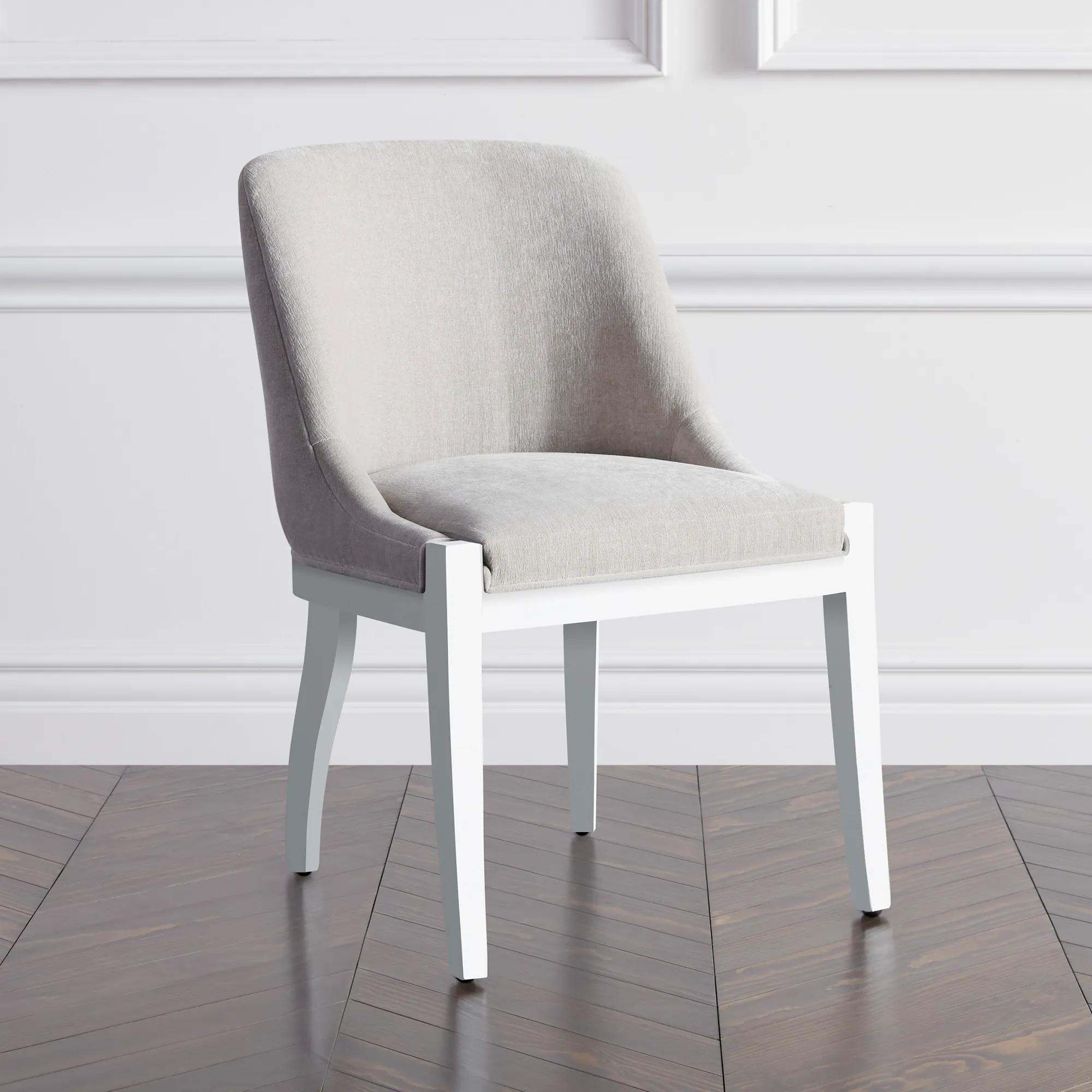
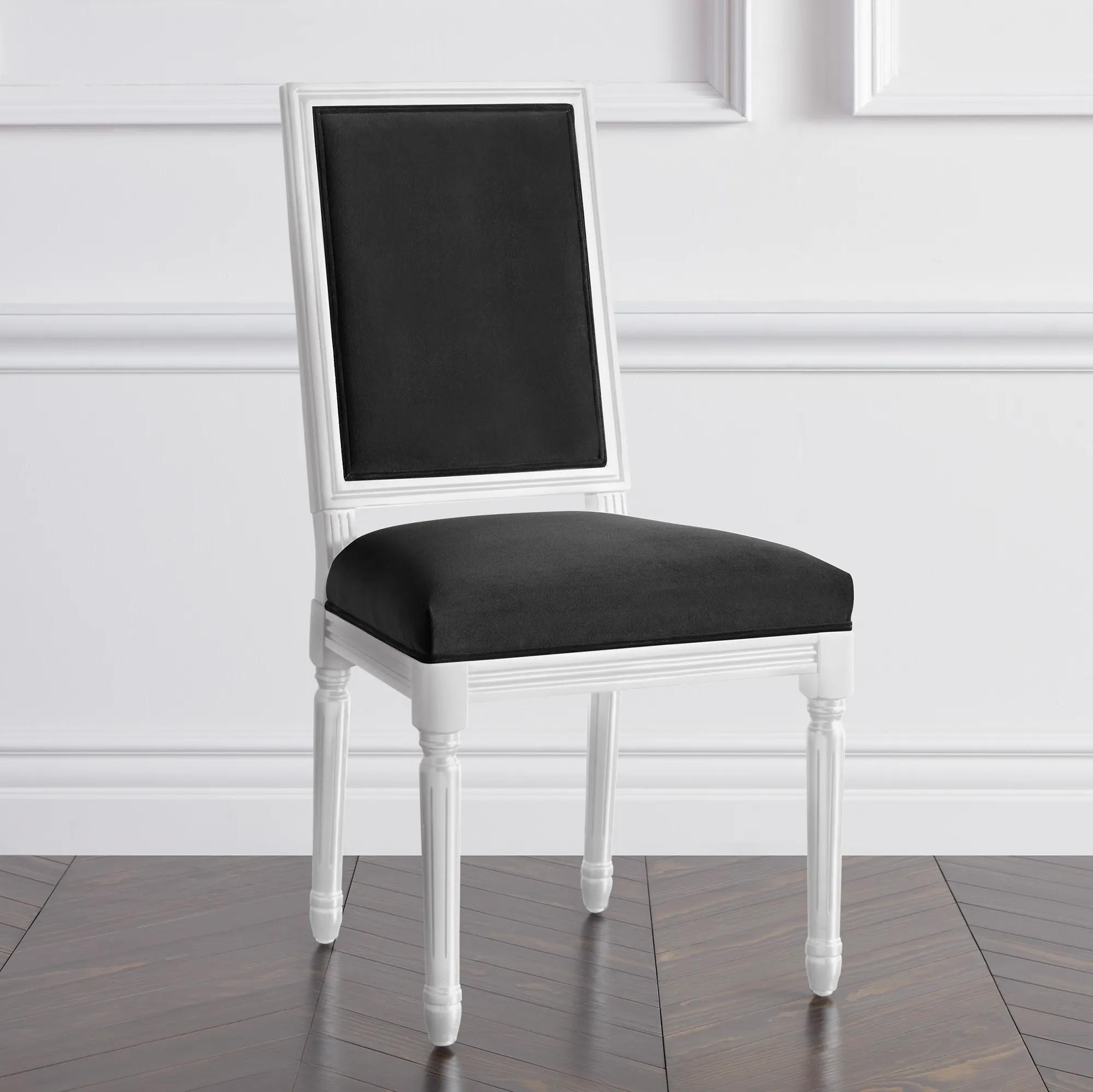
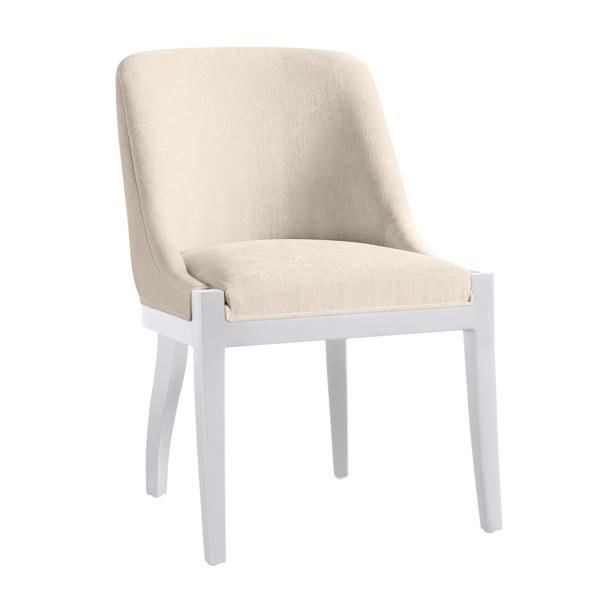 Lily Dining Chair - High Gloss White$649
A modern white dining chair featuring kiln-dried hardwood, high-gloss legs, and plush tailored upholstery.
Add To Cart -
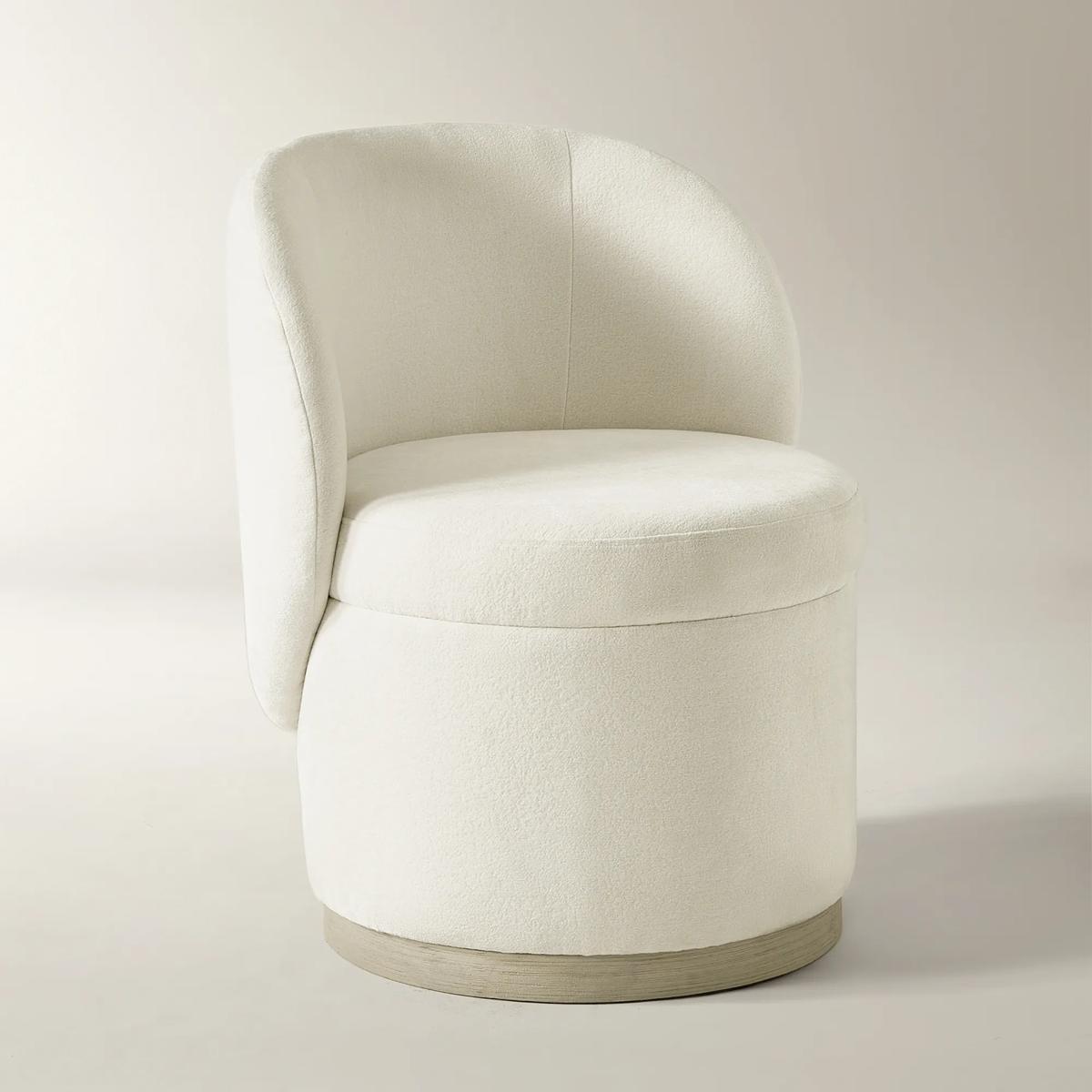 Stria Ivory Chenille Dining Chair With Oak Base$599
An ivory chenille chair featuring a plush, velvet-like finish and a handcrafted solid oak base.
Add To Cart -
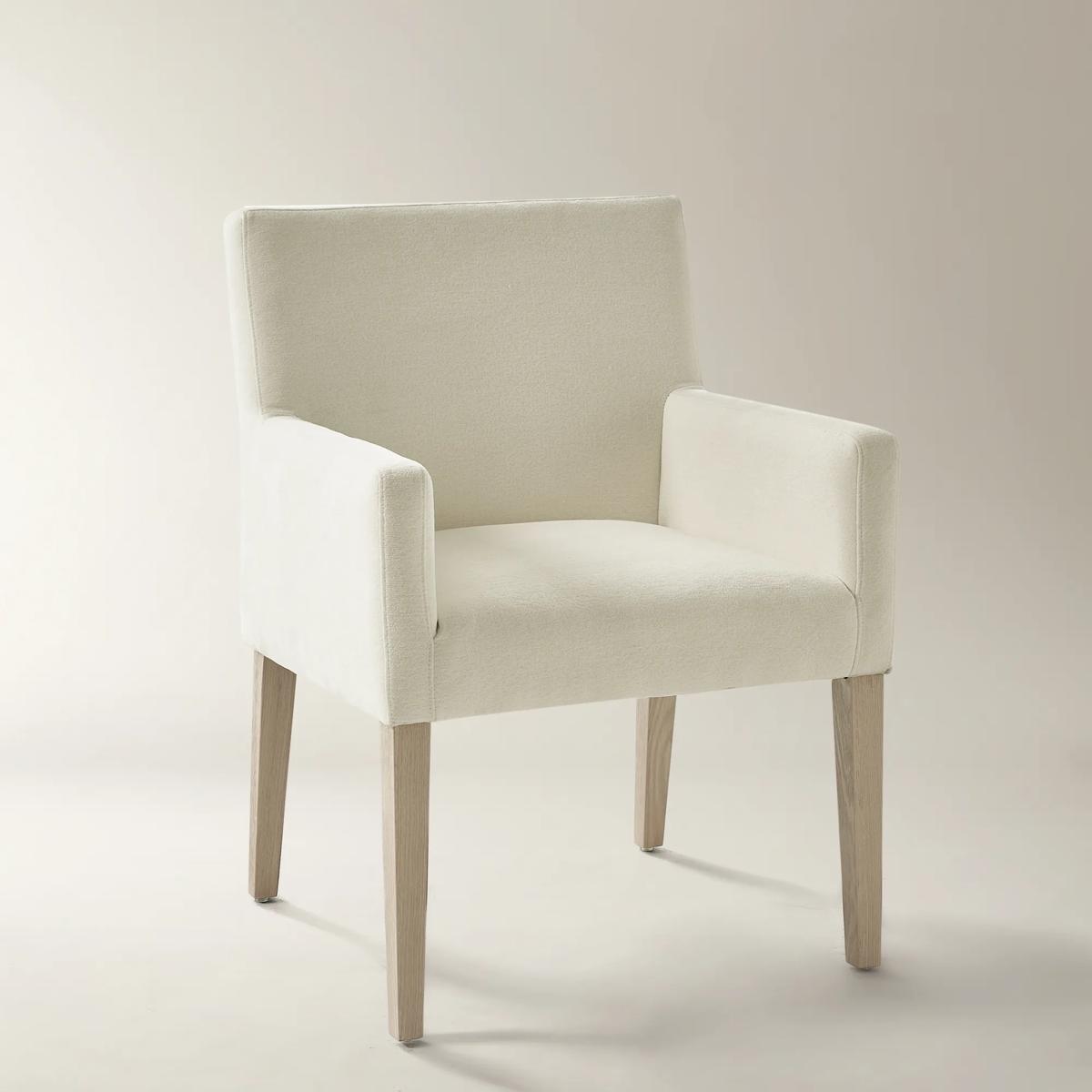
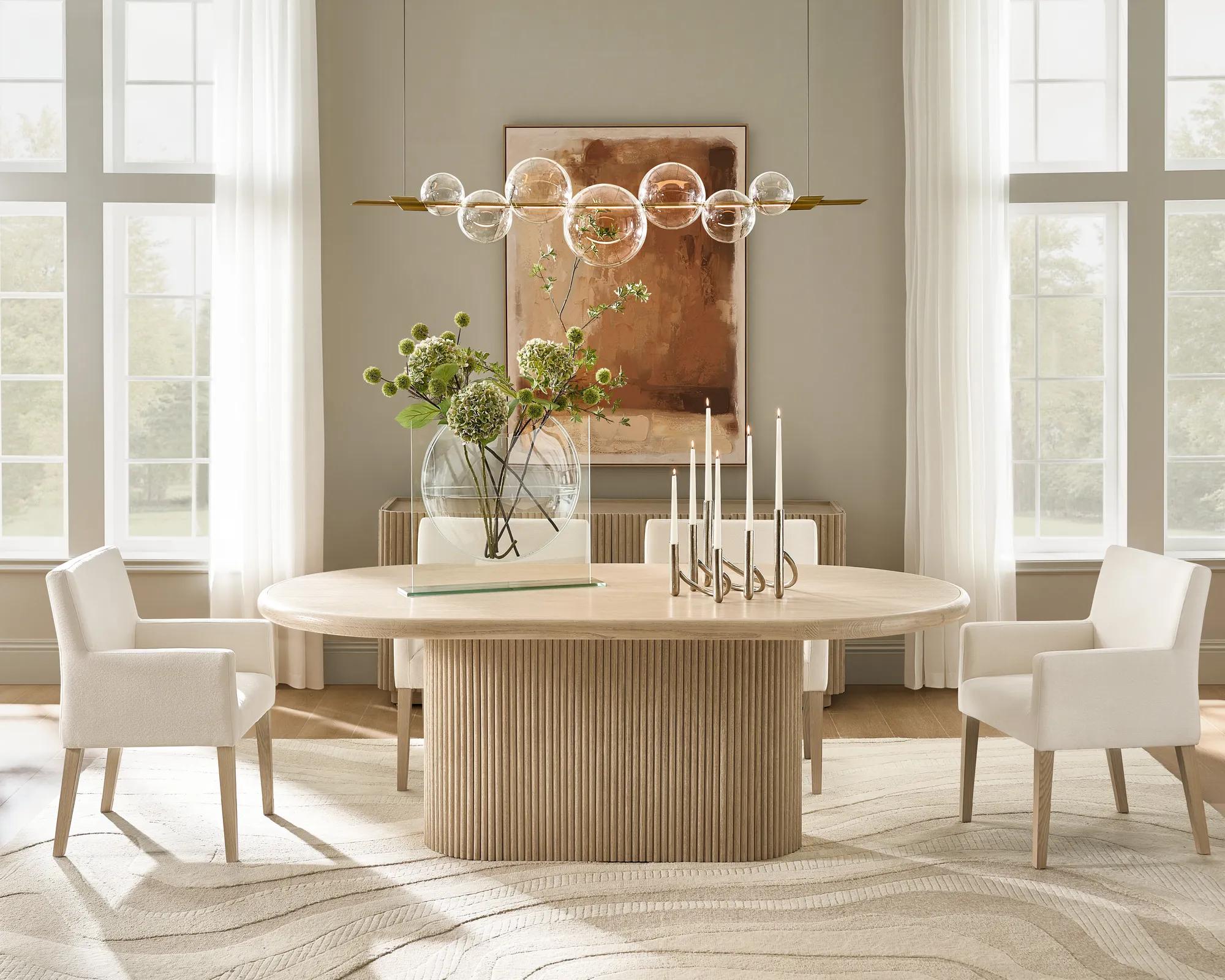 Stria Ivory Chenille Dining Chair Set Of 2$599
A pair of ivory chenille arm chairs with natural oak legs, offering plush comfort and modern elegance.
Add To Cart -
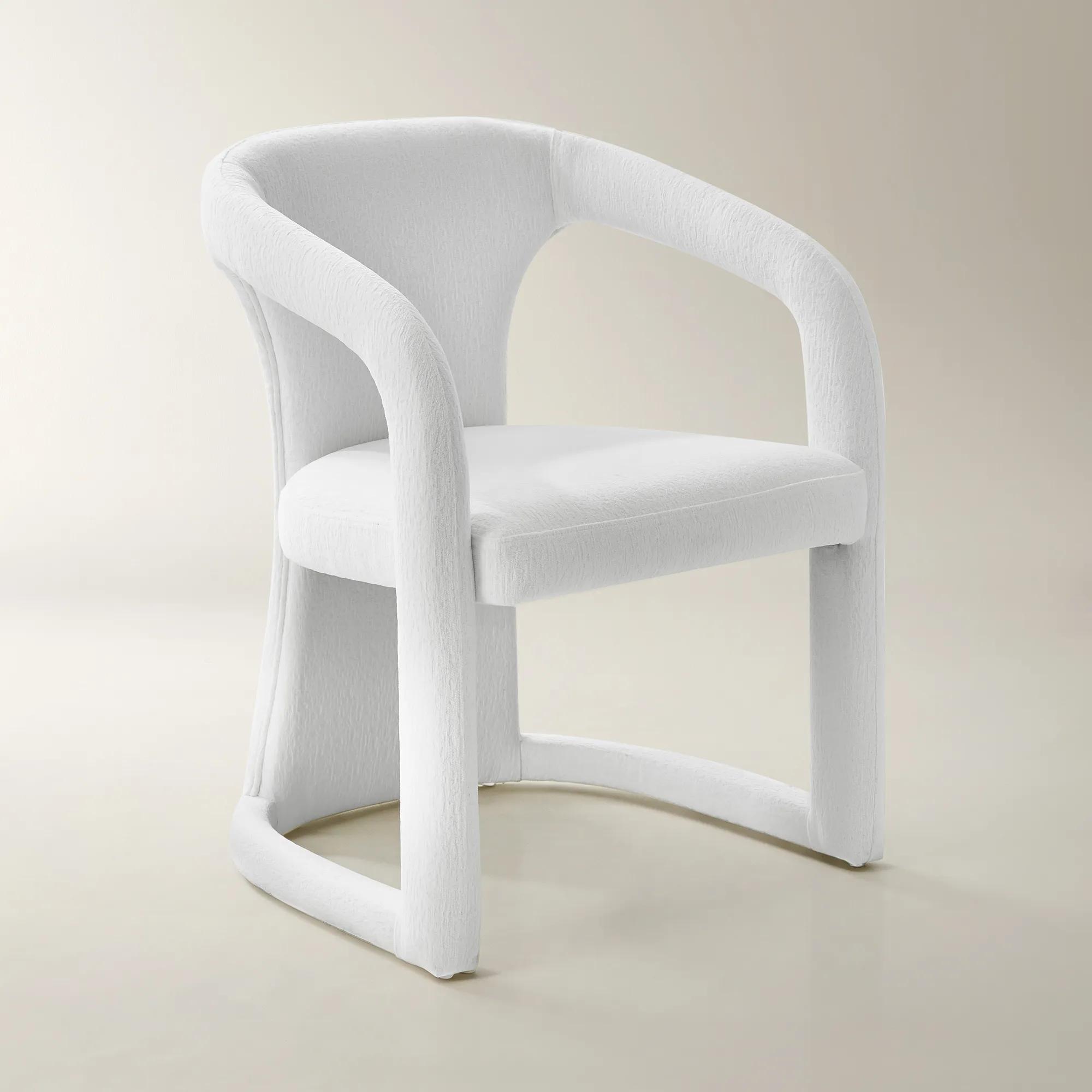
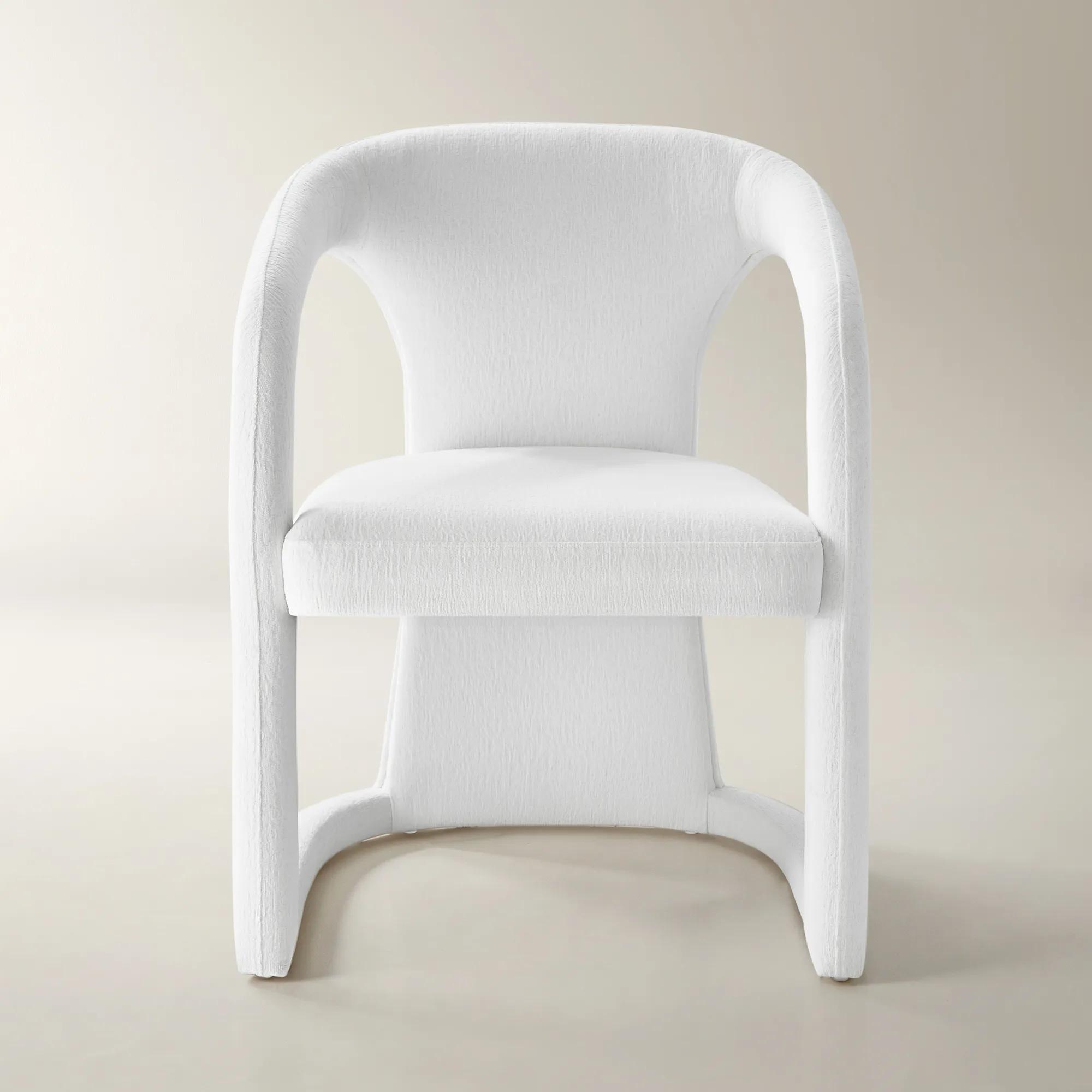 Arco White Performance Chenille Indoor/Outdoor Dining Chair$699
A sculptural white chenille dining chair with plush padding, moisture resistance, and indoor/outdoor versatility.
Add To Cart -
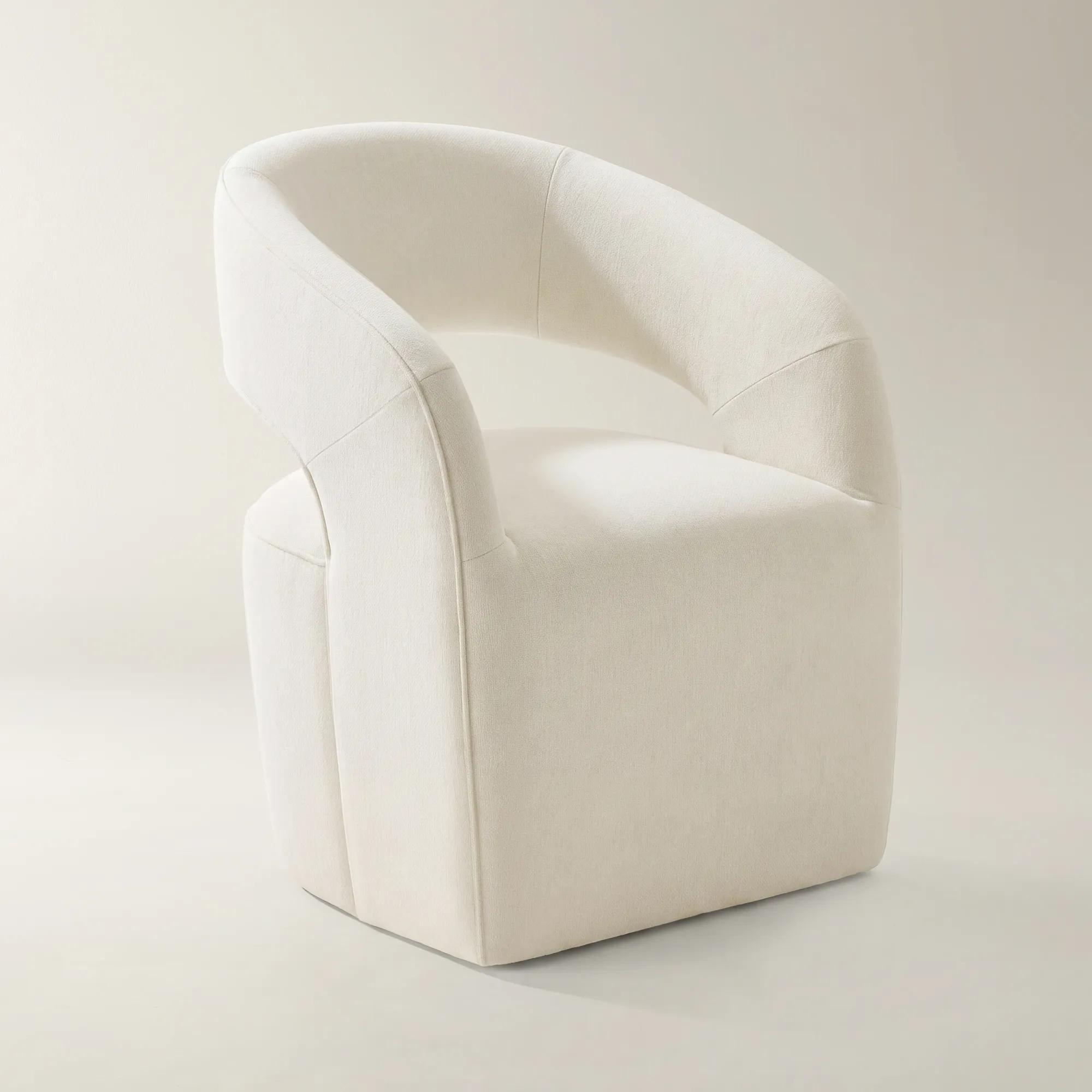
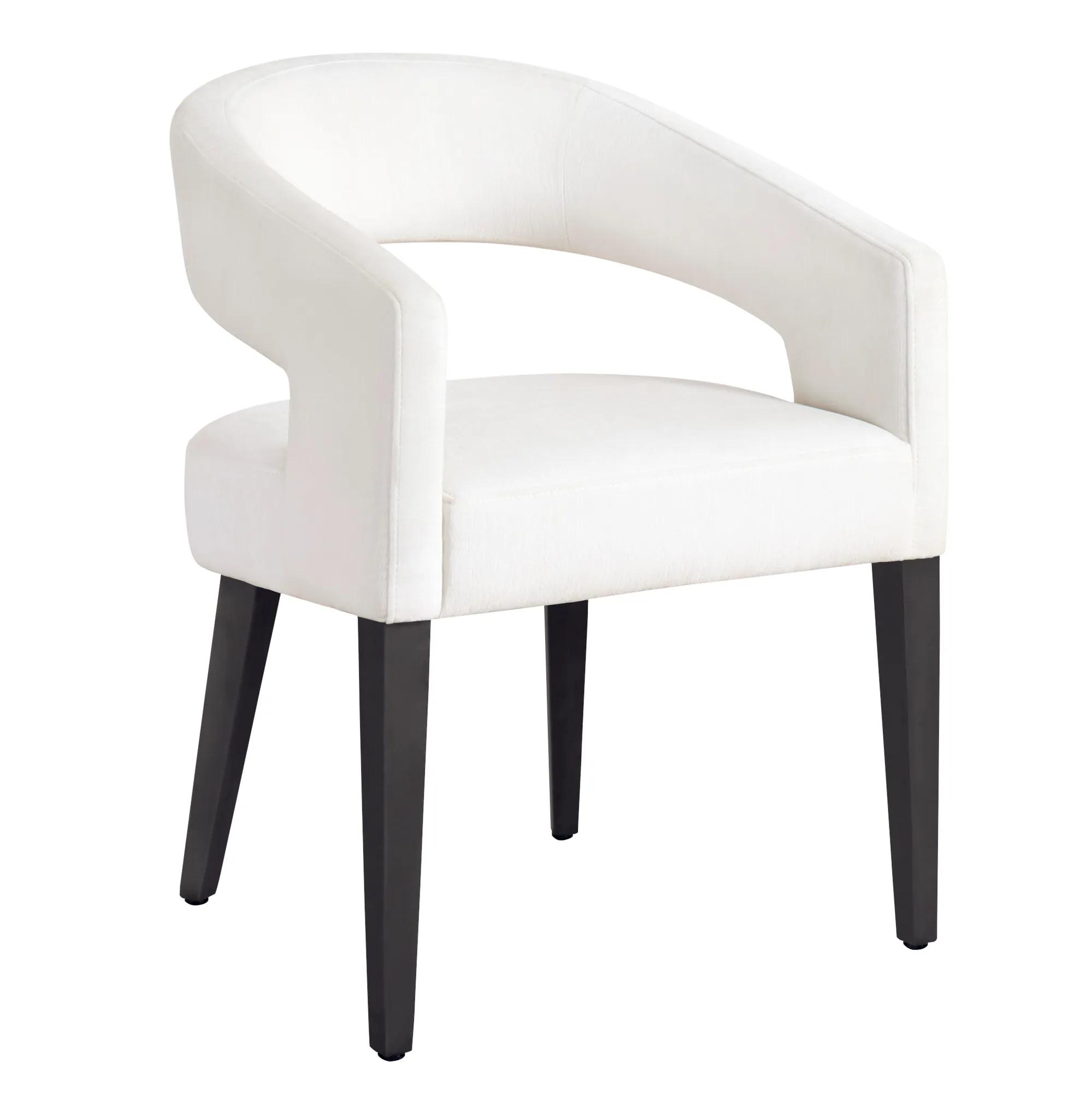
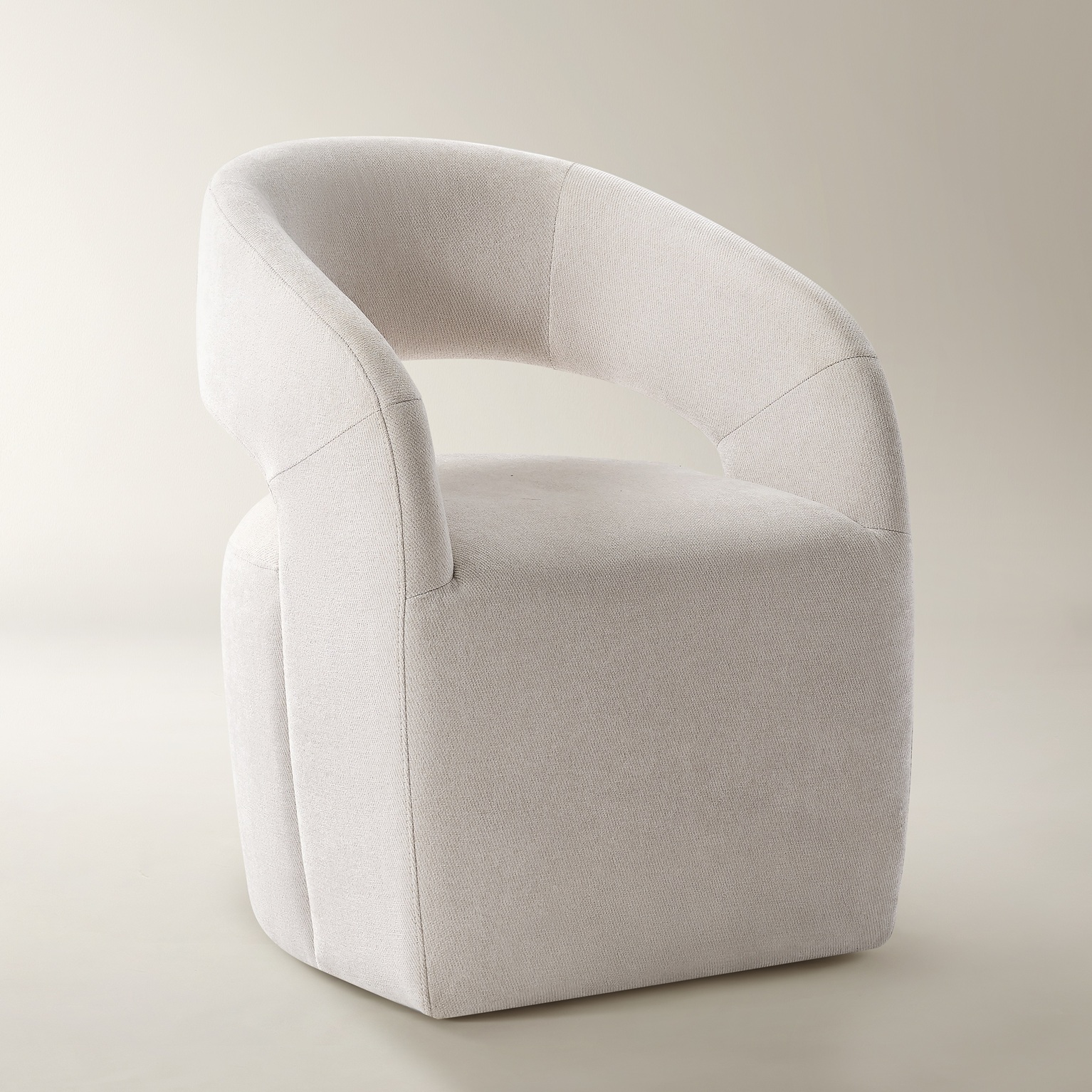 Harrison Ivory Performance Chenille Dining Chair$449
A sculptural ivory chenille chair featuring a continuous curved back, feather-blend comfort, and performance upholstery.
Add To Cart -
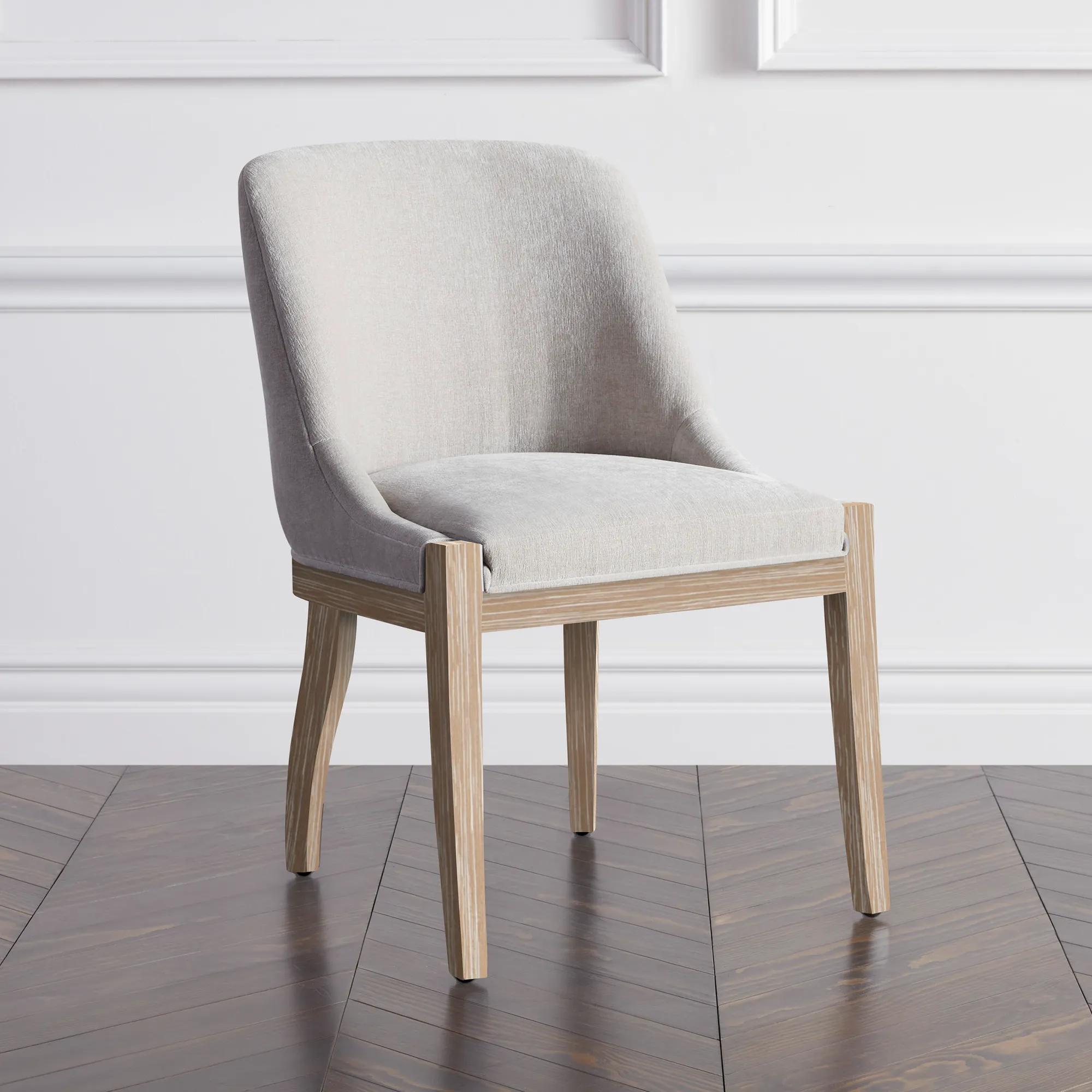
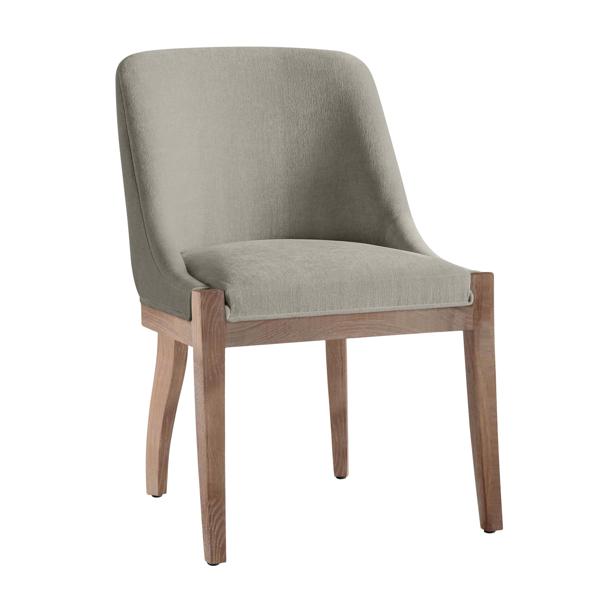 Lily Dining Chair - Wash Oak$649
A modern dining chair featuring a kiln-dried hardwood frame, wash oak legs, and plush tailored upholstery.
Add To Cart -
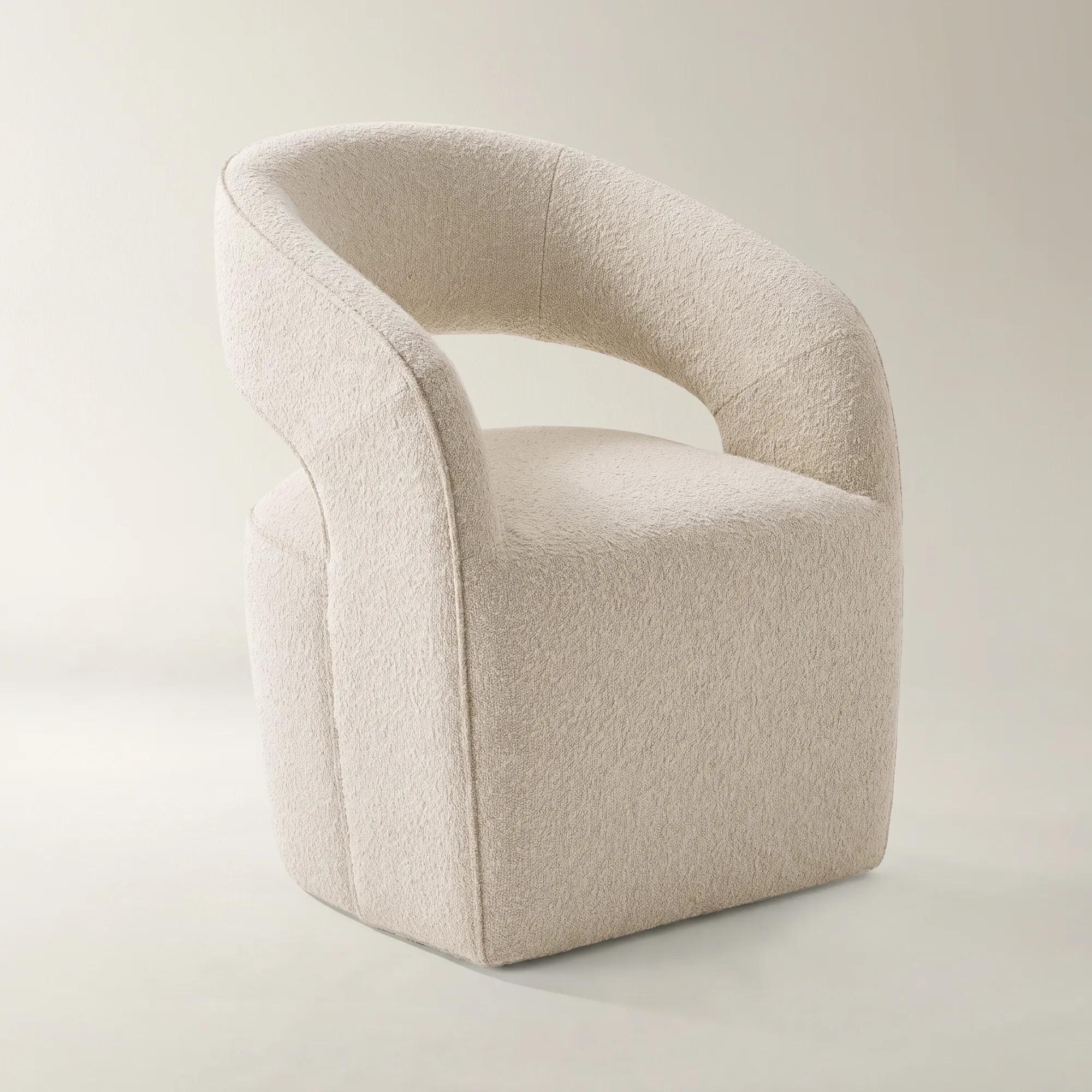 Harrison Ivory Performance Boucle Dining Chair$449
A sculptural dining chair in ivory performance boucle with a curved back, integrated arms, and feather-blend comfort.
Add To Cart -
 Harrison Cream Chenille Dining Chair$499
A fully upholstered cream chenille chair with high-density foam cushioning for exceptional comfort and contemporary style.
Add To Cart -
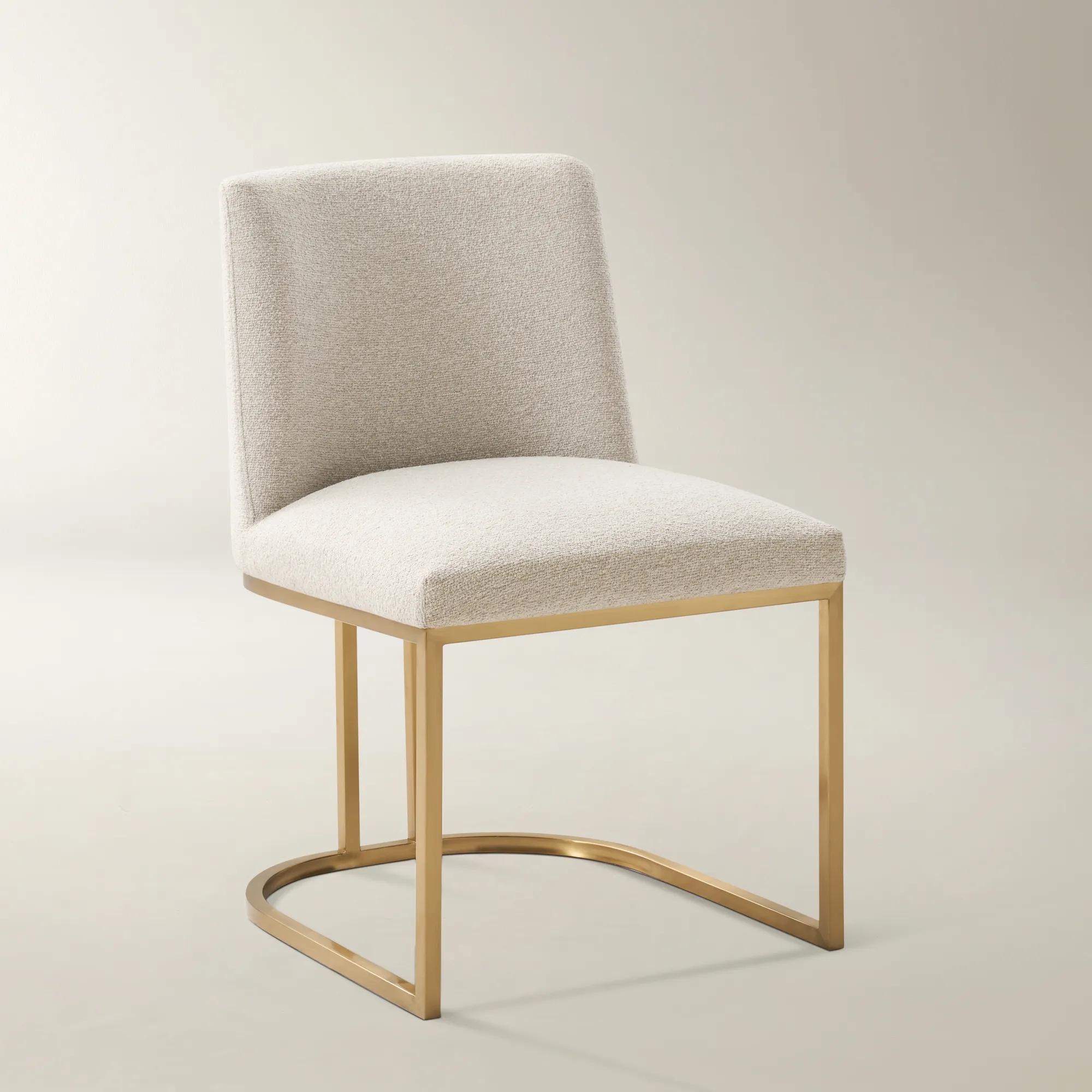 Bergen Ivory Boucle Dining Chair Set Of 2$549
An ivory boucle dining chair set featuring a curved backrest and brushed stainless steel frame for elegance.
Add To Cart -

 Alric Dining Chair$599
A modern dining chair featuring solid oak in a natural grey finish and neatly tailored upholstery.
Add To Cart -
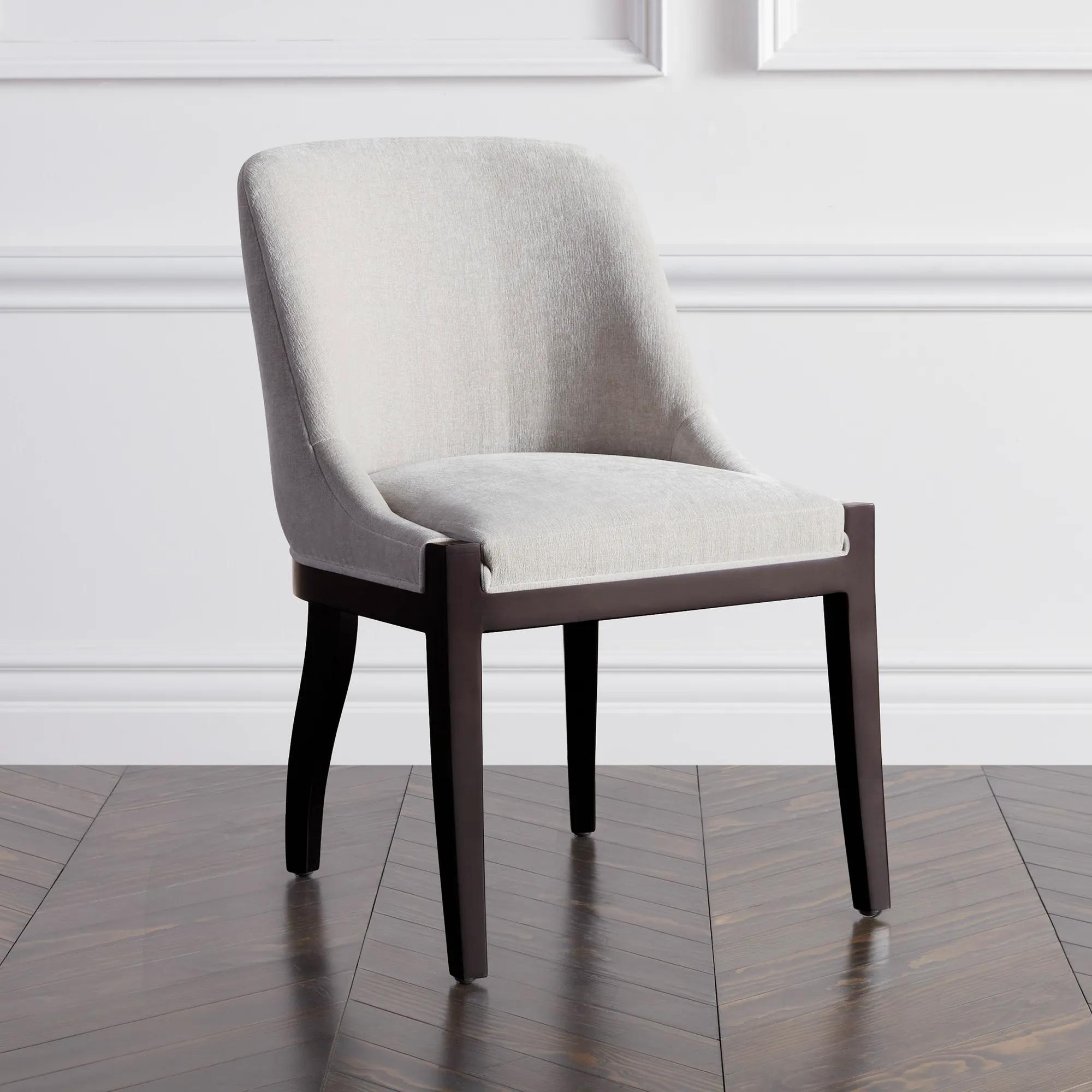
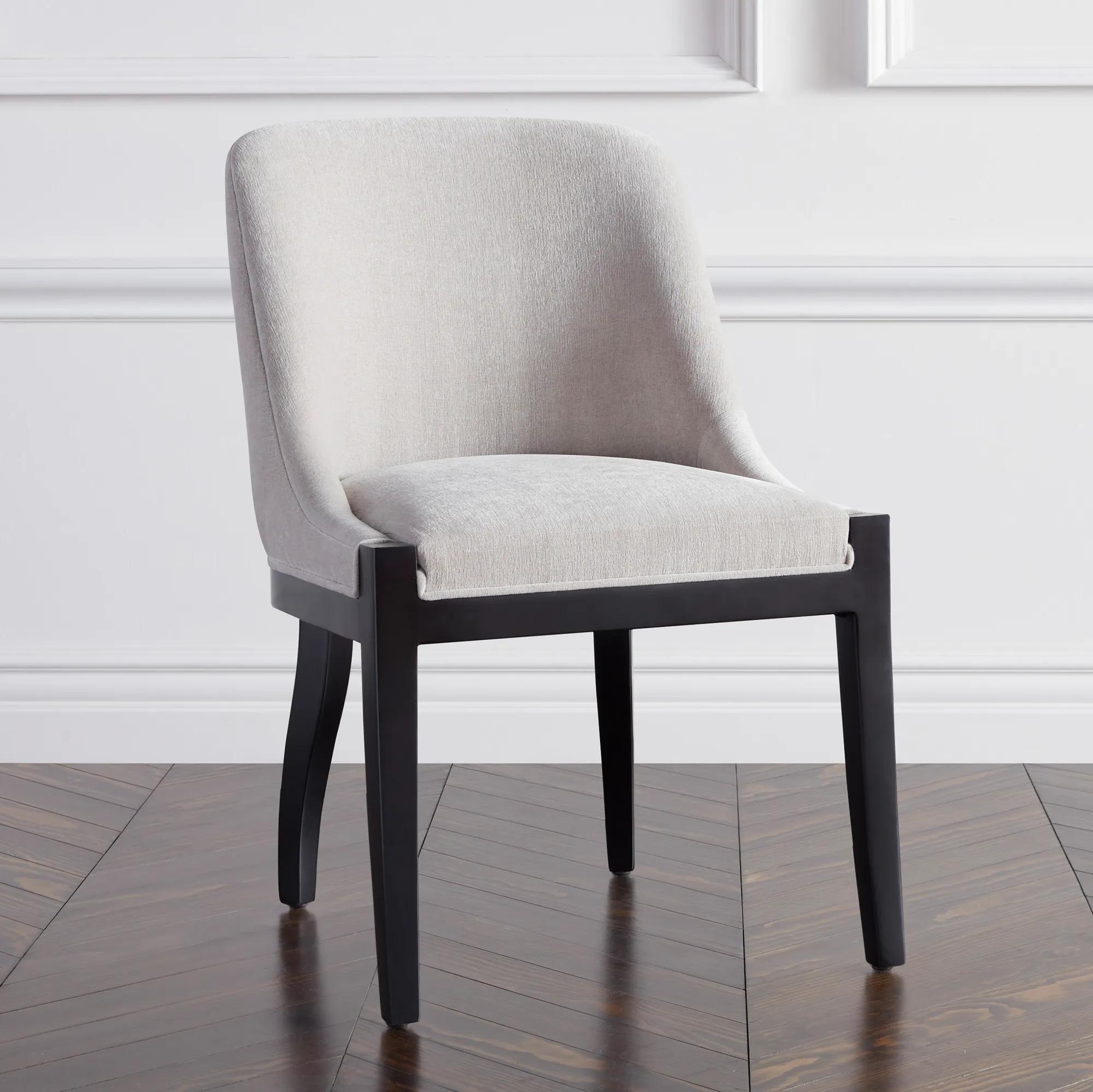
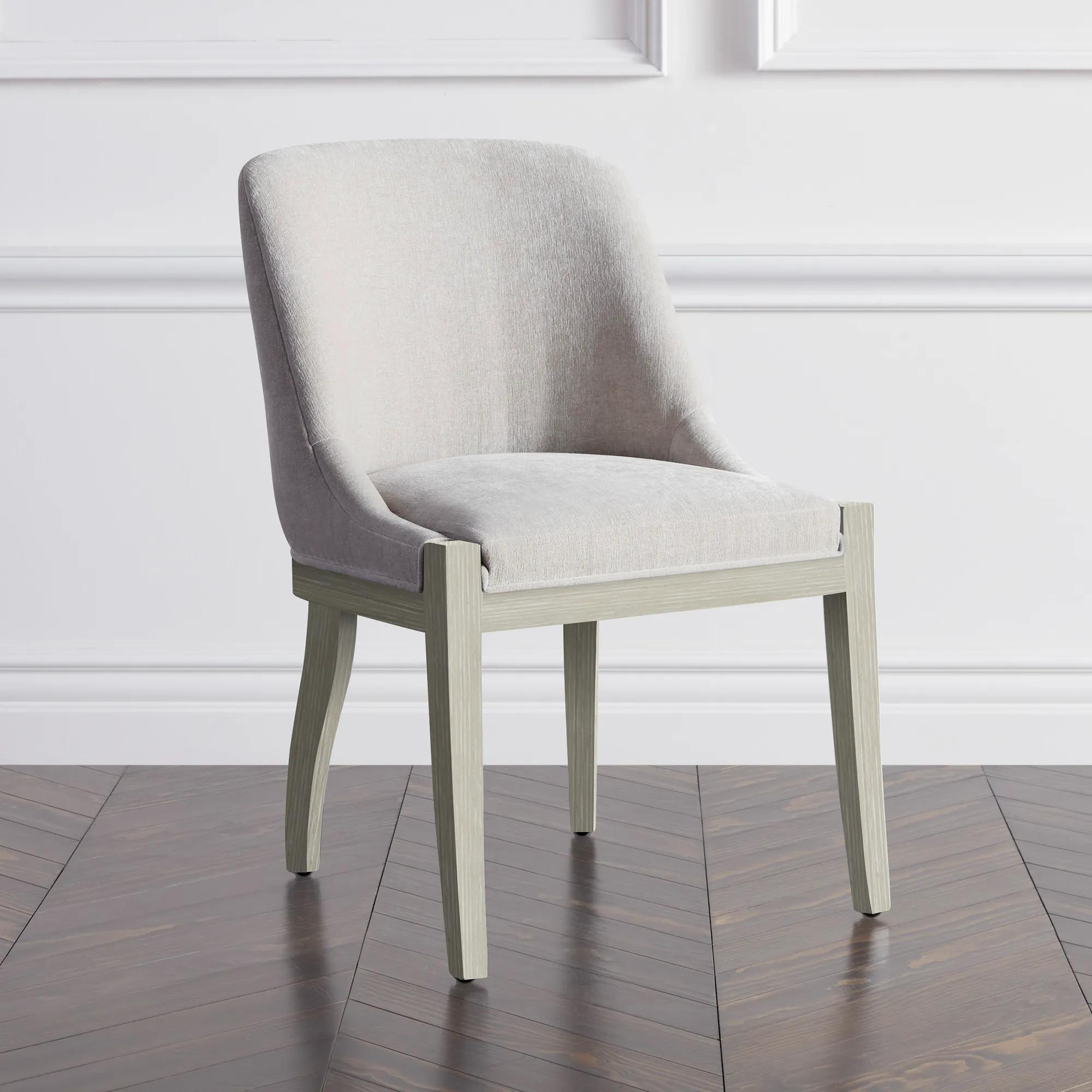 Lily Dining Chair - Natural Grey$649
A modern dining chair featuring kiln-dried hardwood, natural grey upholstery, and cushioned foam-and-fiber comfort.
Add To Cart -
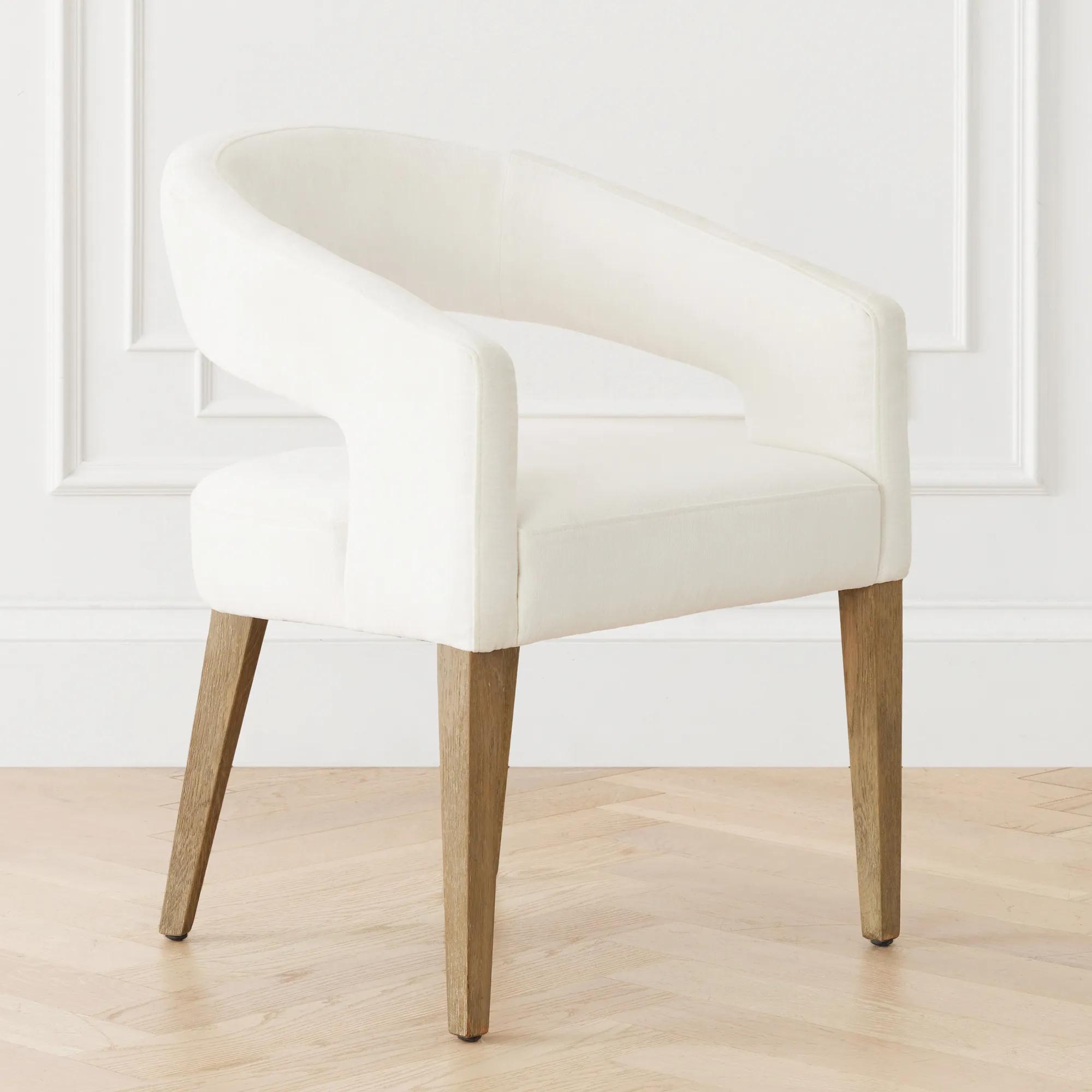 Philippa Dining Chair - Natural Grey$649
A modern dining chair featuring a curved silhouette, grey upholstery, and a kiln-dried hardwood frame.
Add To Cart -
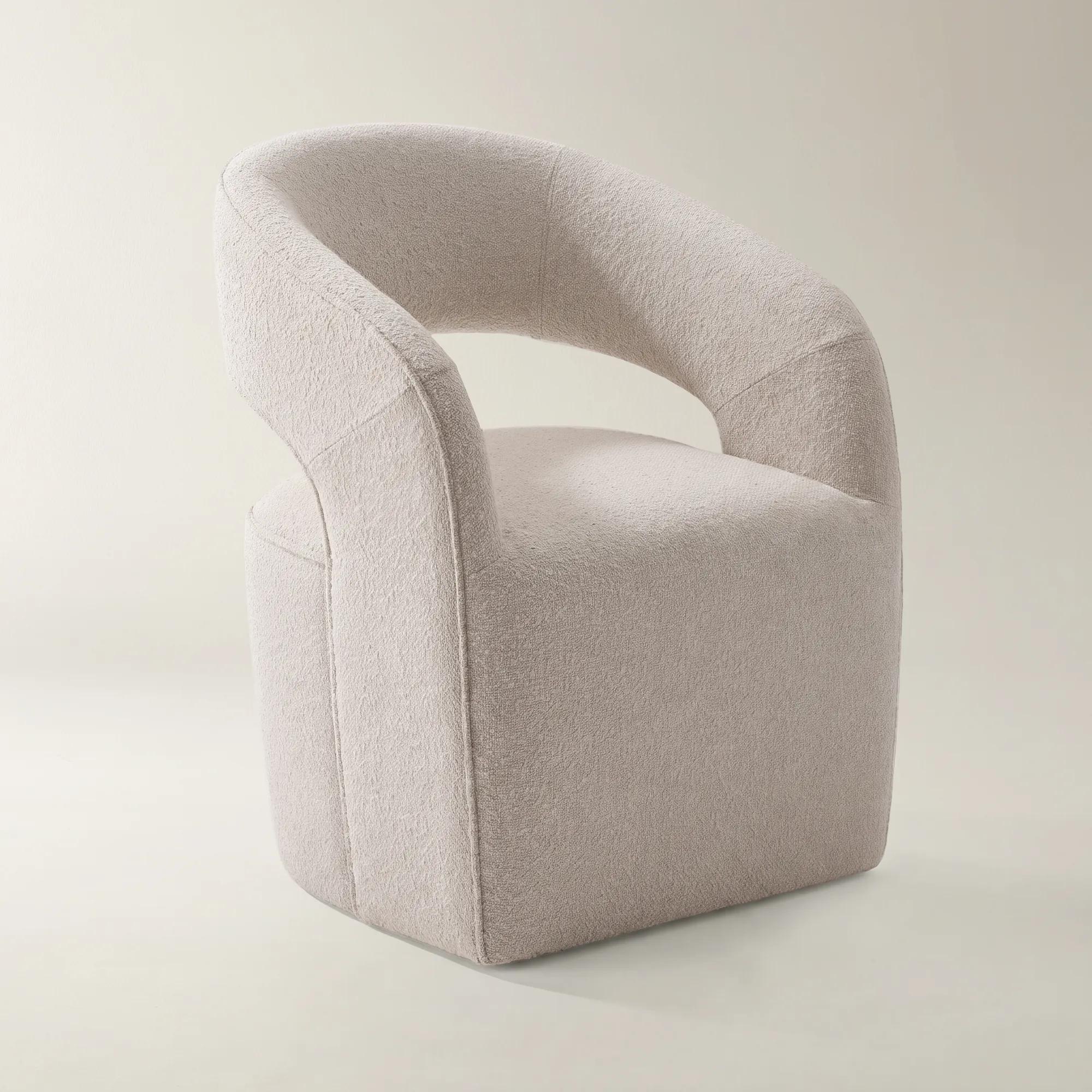 Harrison Ivory Performance Boucle Dining Chair$449
A sculptural dining chair in ivory performance boucle with a curved back, feather-blend seat, and modern elegance.
Add To Cart -
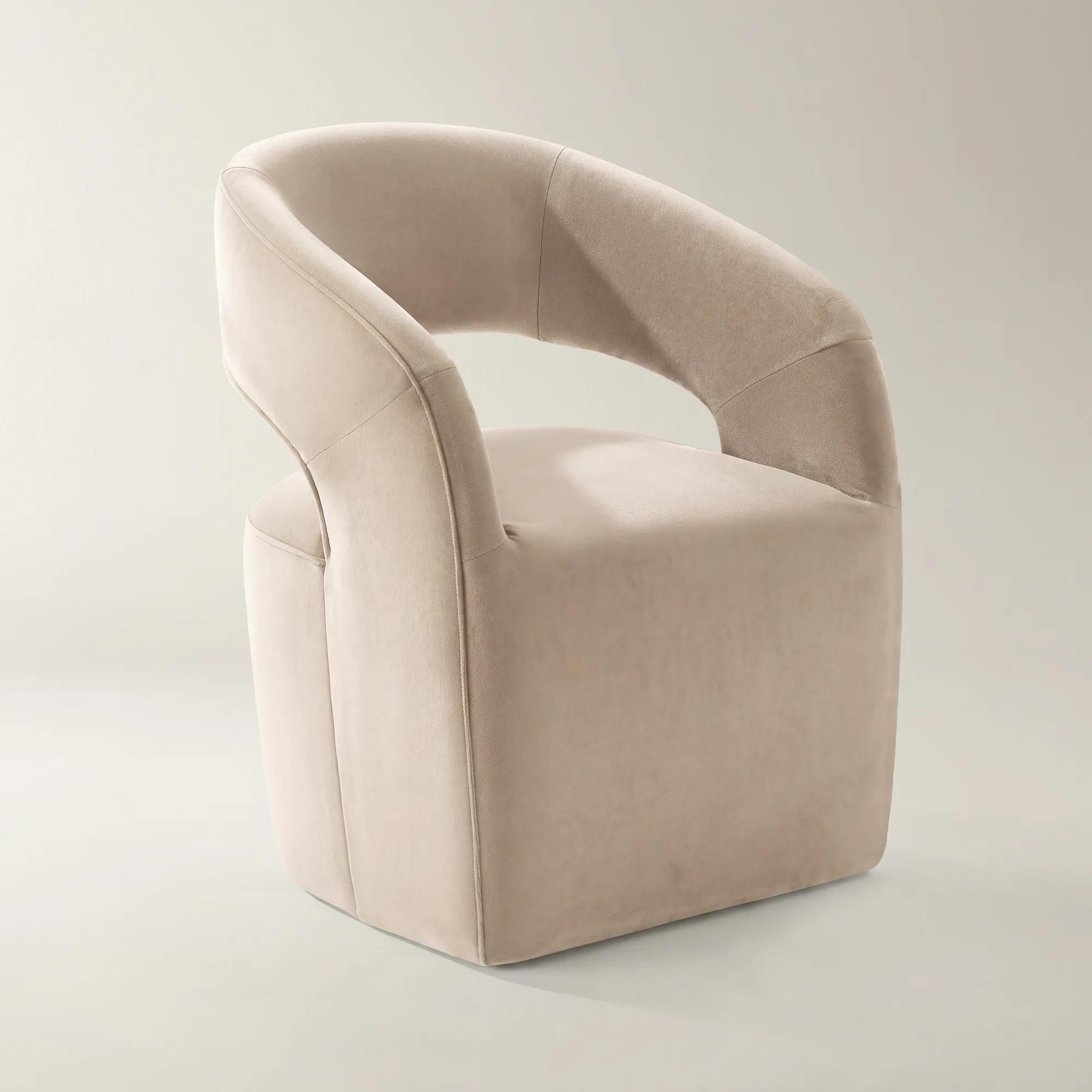 Harrison Simply Taupe Velvet Dining Chair$449
A sculptural dining chair in simply taupe velvet with a curved back, feather-blend seat, and modern elegance.
Add To Cart -
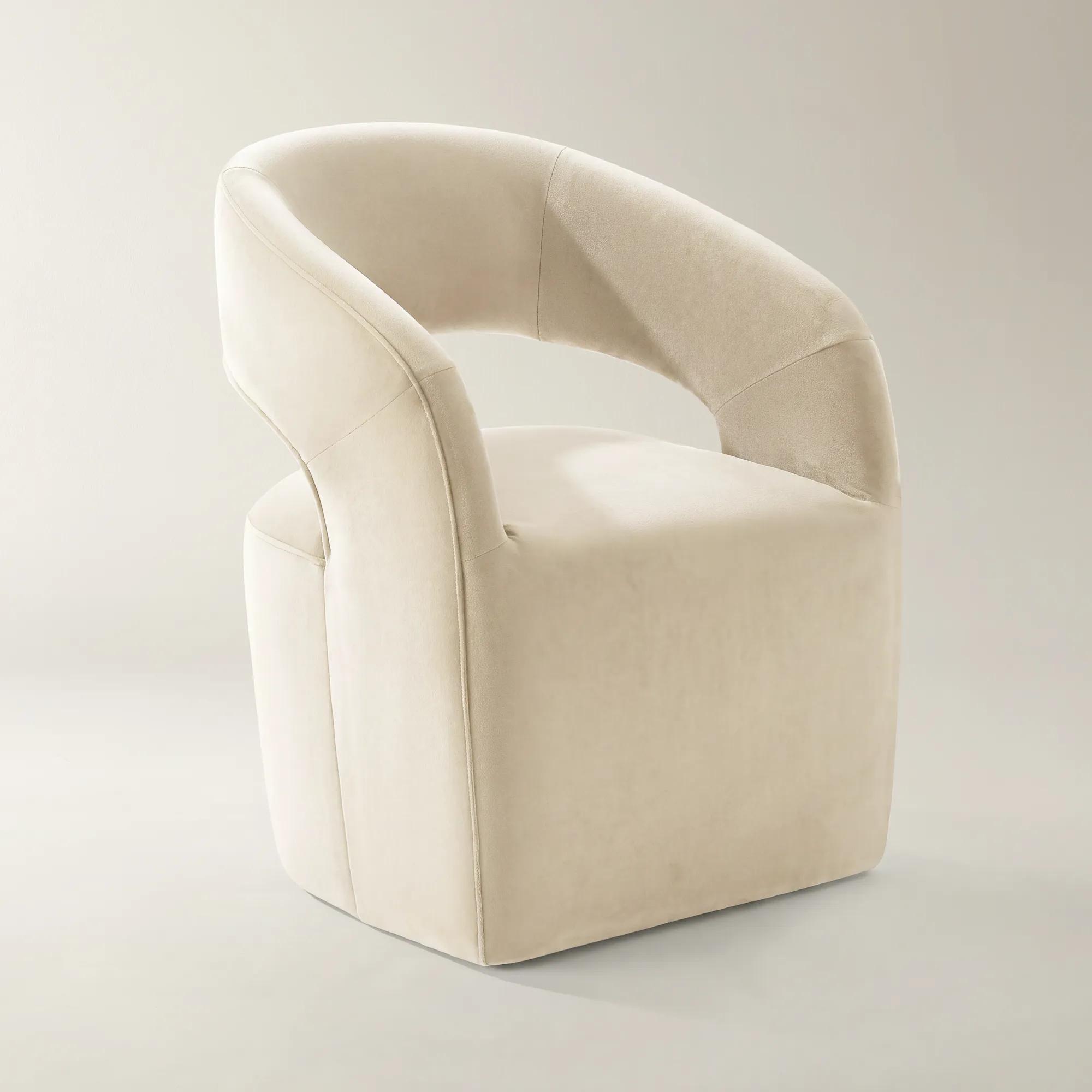 Harrison Oatmeal Velvet Dining Chair$449
A sculptural dining chair upholstered in oatmeal velvet with a curved back, feather-blend seat, and integrated arms.
Add To Cart -
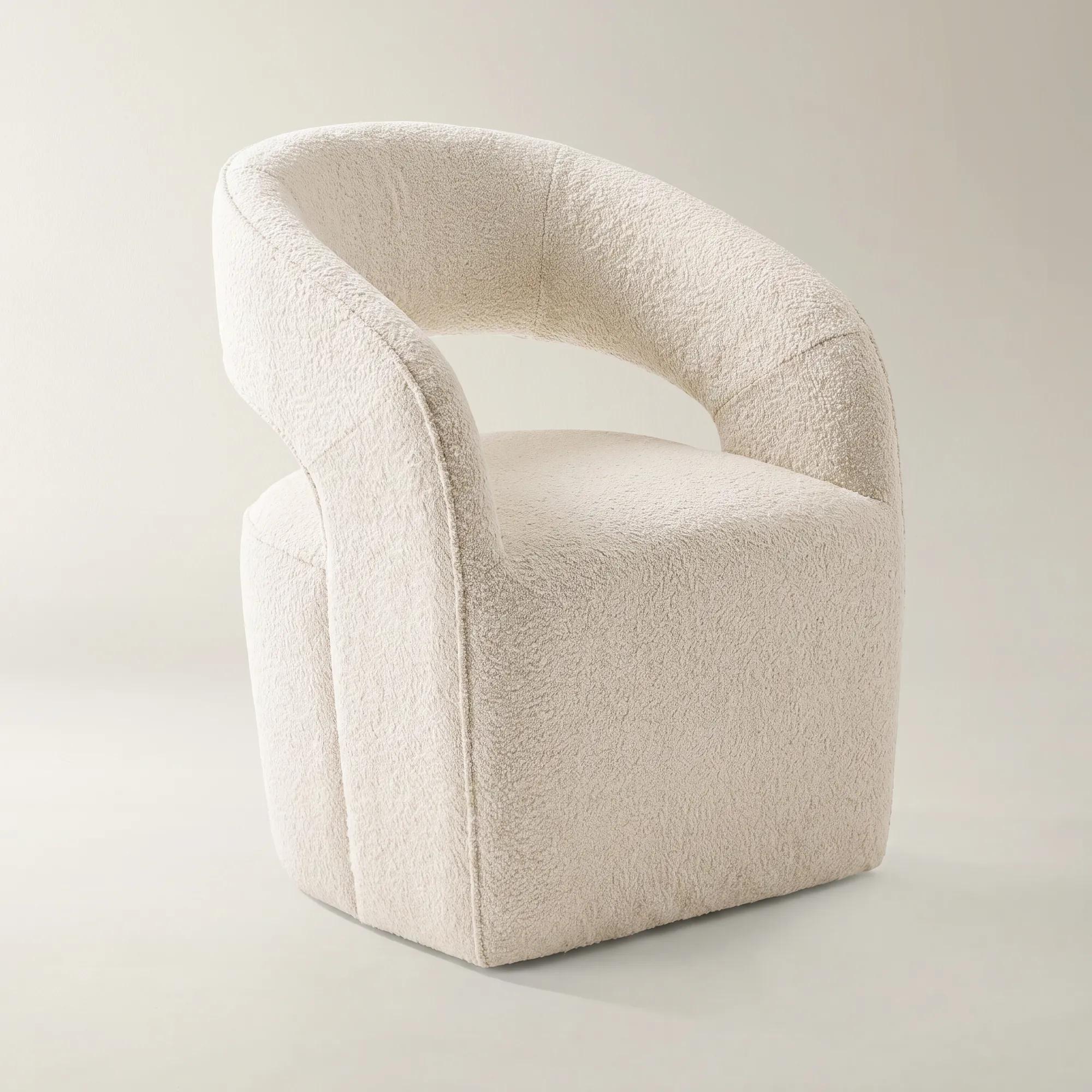 Harrison Utopia Sand Chenille Dining Chair$449
A sculptural dining chair upholstered in sand chenille with a curved back, feather-blend seat, and integrated arms.
Add To Cart -
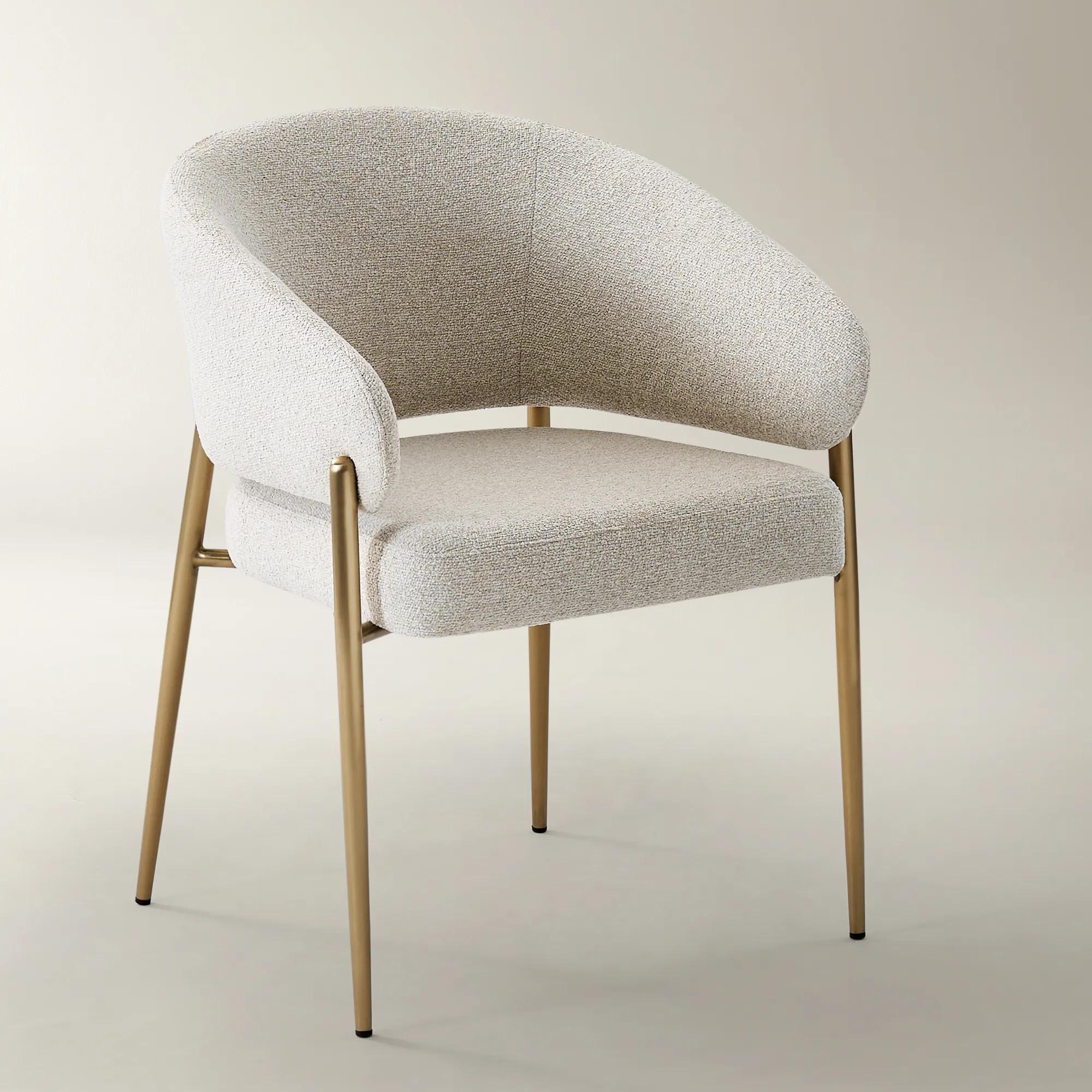
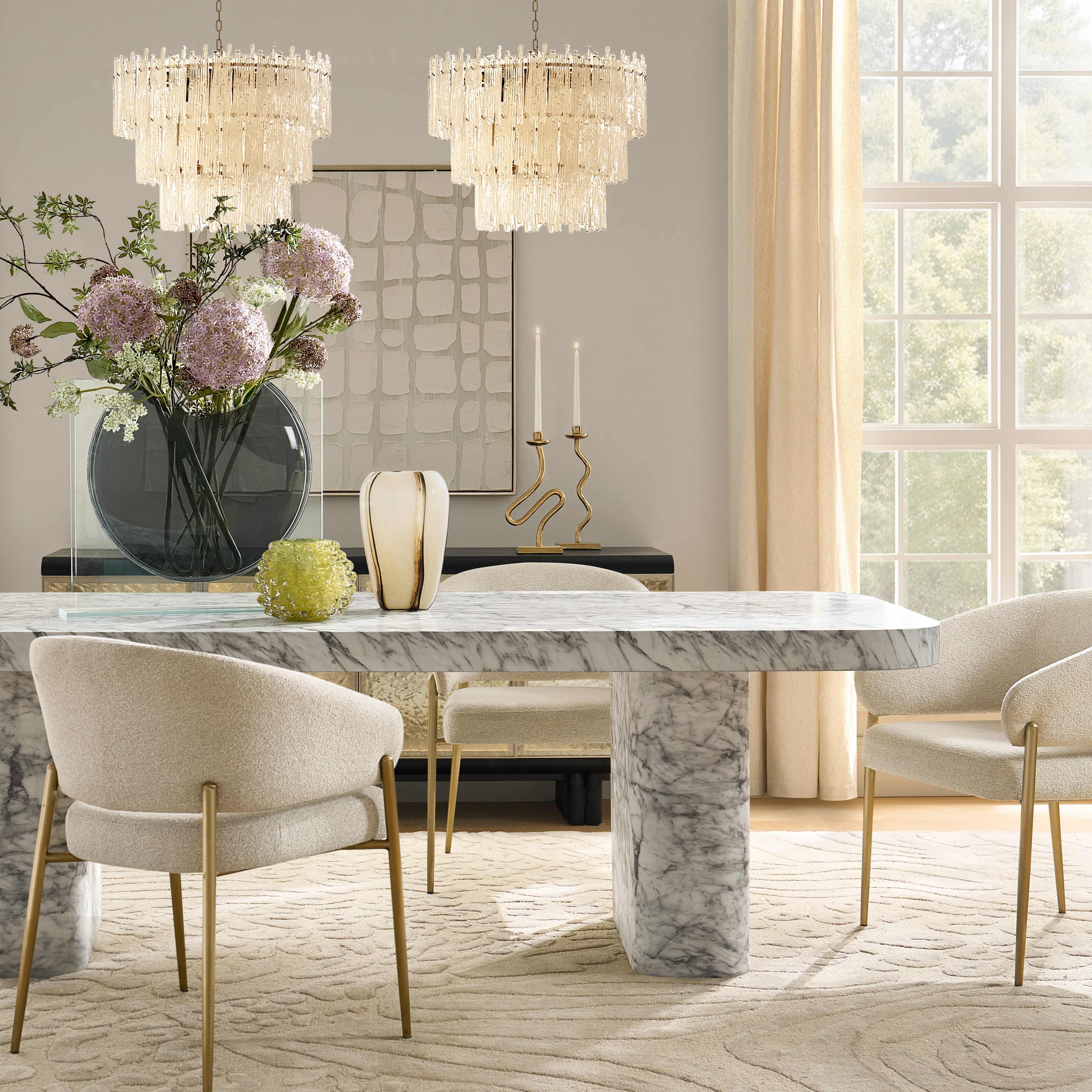 Nara Ivory Boucle Dining Chair Set Of 2$599
An ivory boucle dining chair set with a curved backrest and brushed stainless steel frame for modern elegance.
Add To Cart -
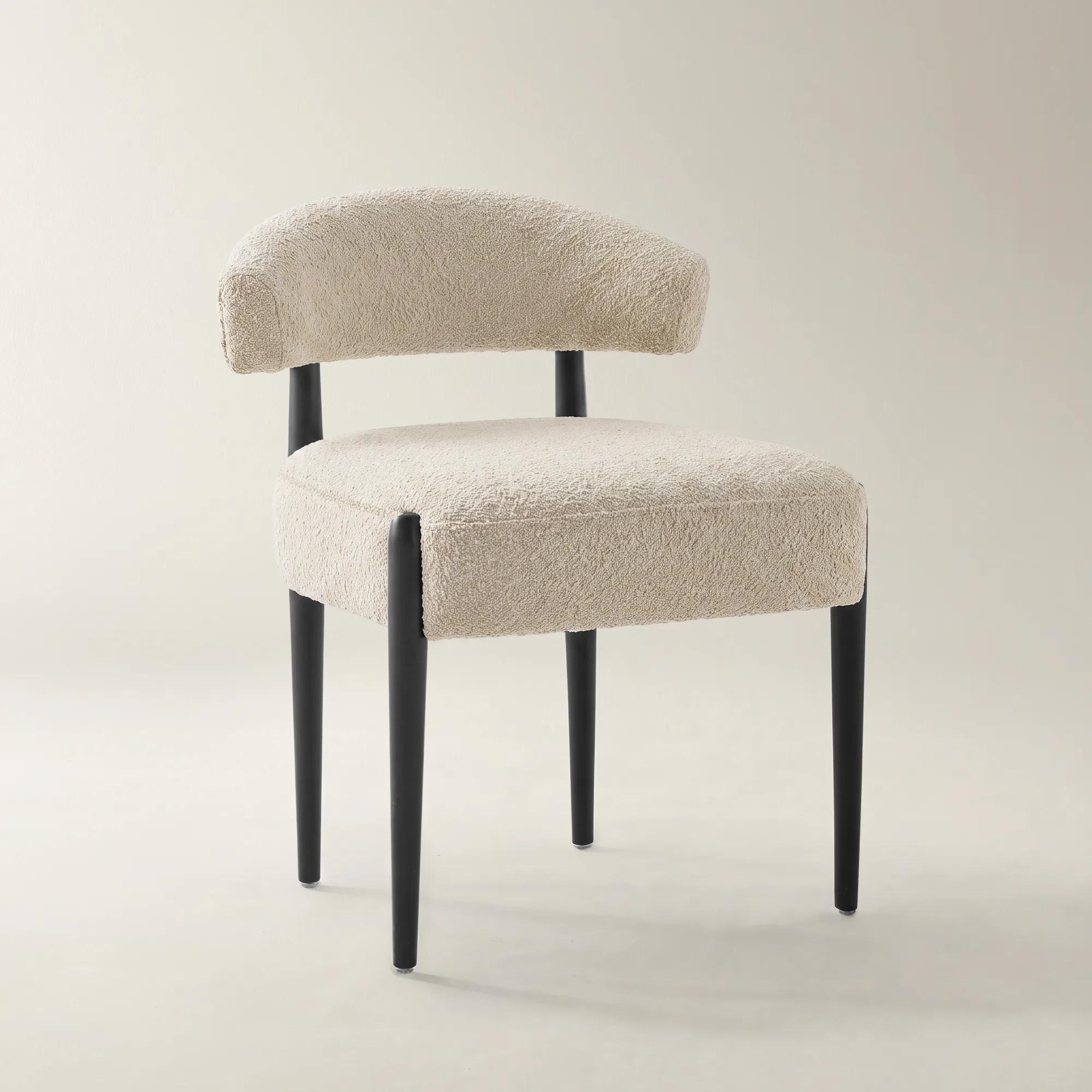
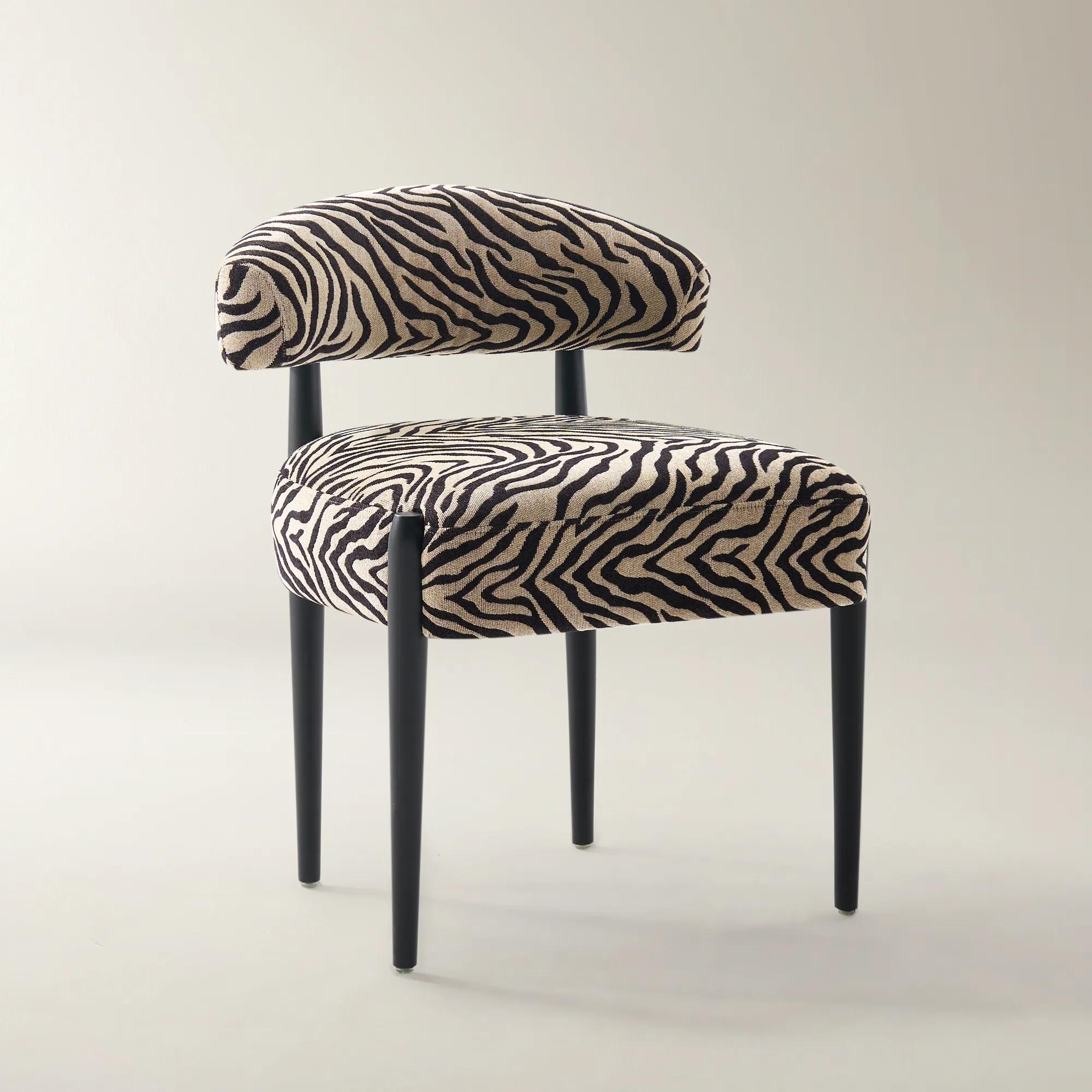 Anna Ivory Performance Boucle Dining Chair Set of 2$599
A pair of ivory performance boucle chairs with curved backs, cushioned comfort, and solid wood frames.
Add To Cart -
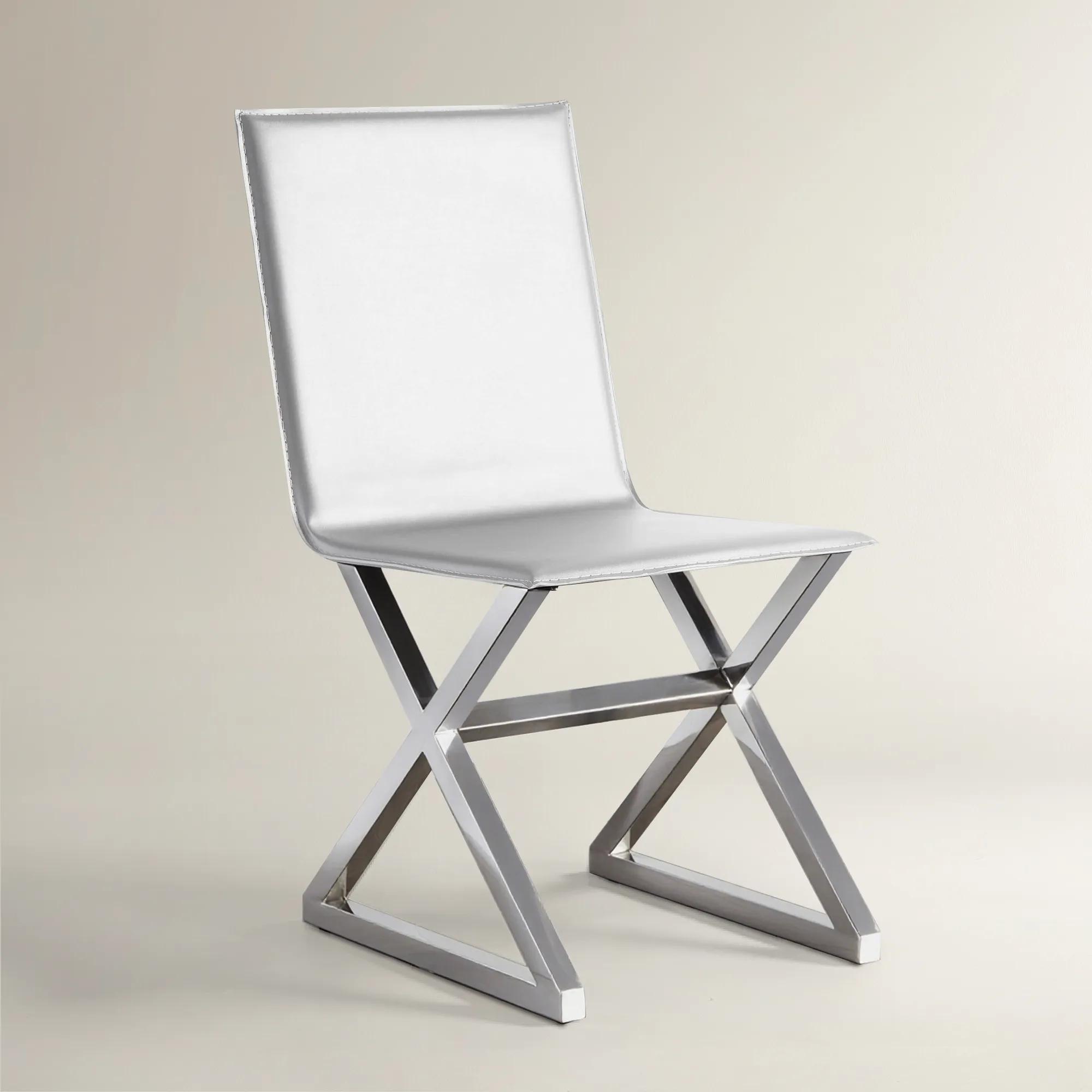
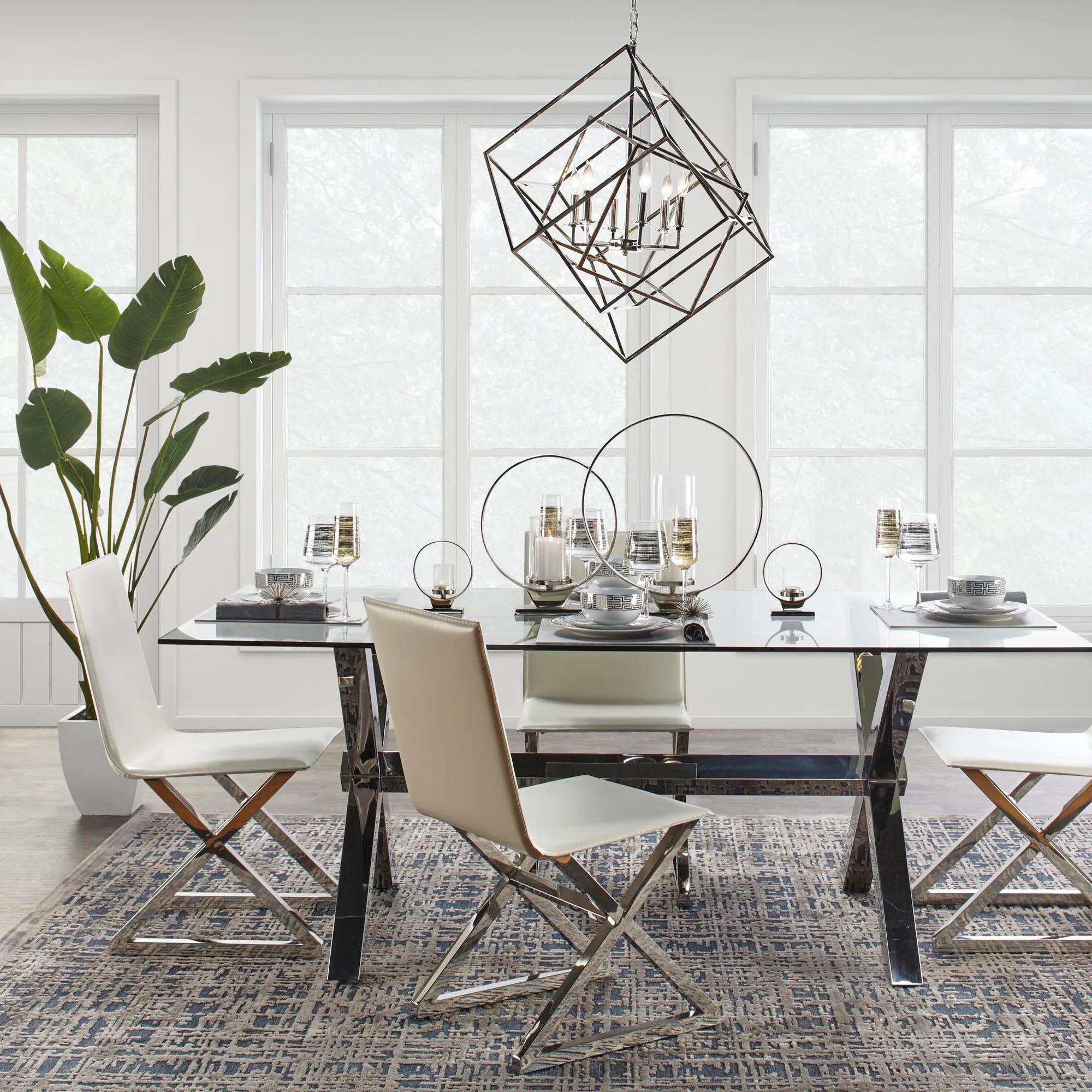 Axis Dining Chair - Set of 2$399
A contemporary chair set featuring white bonded leather upholstery and a polished stainless steel base.
Add To Cart -
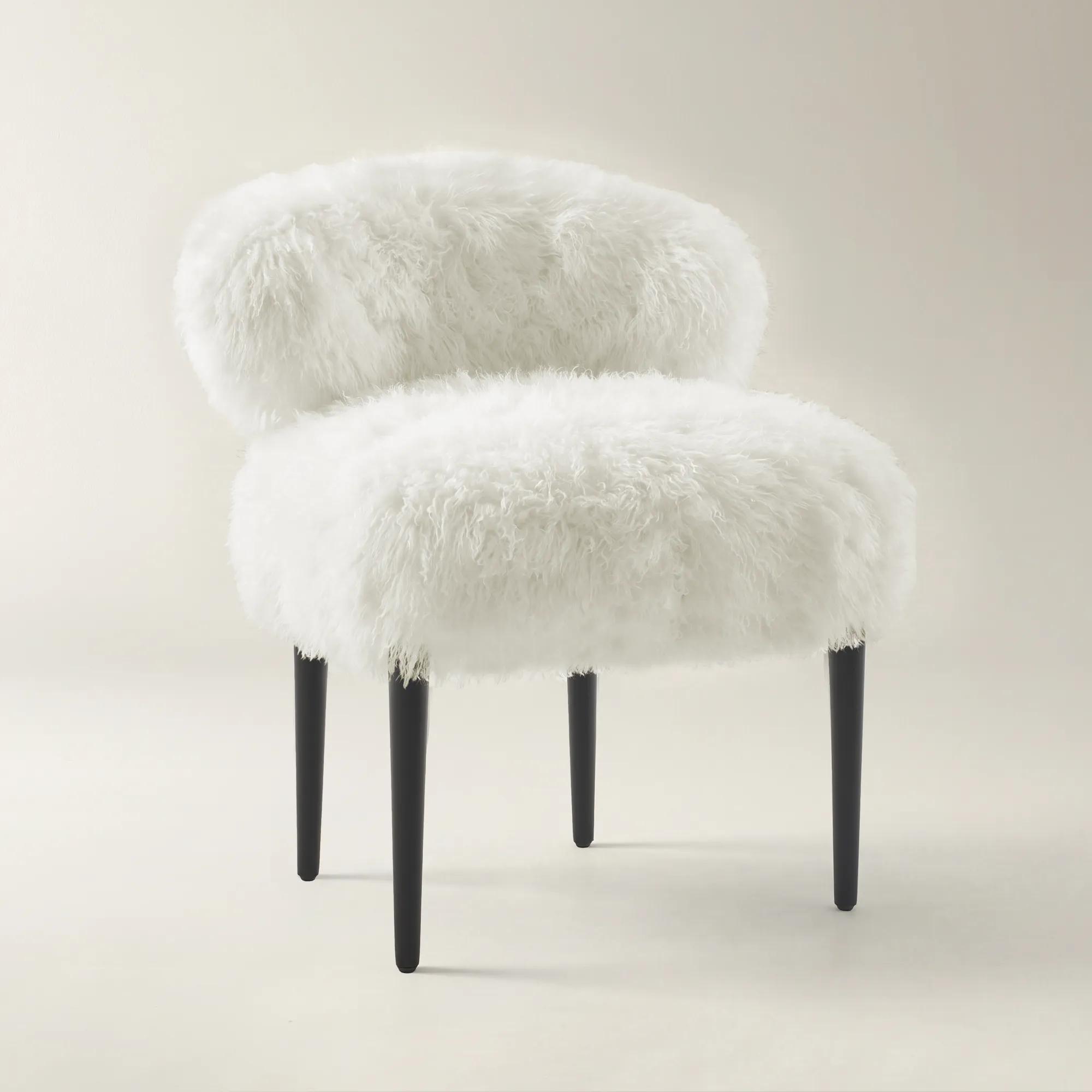 Anna Ivory Faux Fur Dining Chair Set of 2$699
A hand-upholstered ivory faux fur dining chair with a curved back, high-density foam cushioning, and rubberwood legs.
Add To Cart -
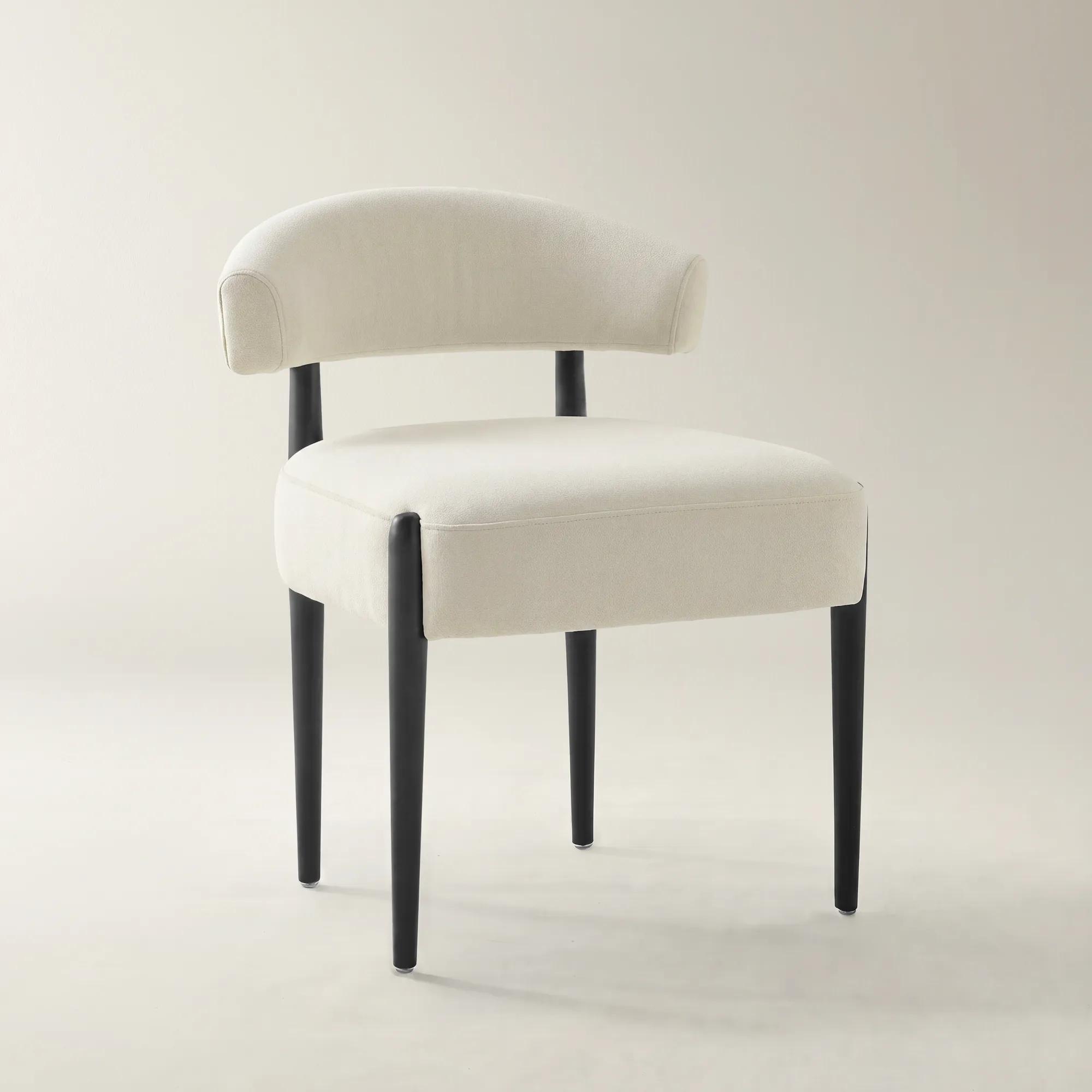 Anna Ivory Performance Chenille Dining Chair Set of 2$599
An ivory performance chenille chair pair featuring curved backs, high-density foam, and solid rubberwood legs.
Add To Cart -
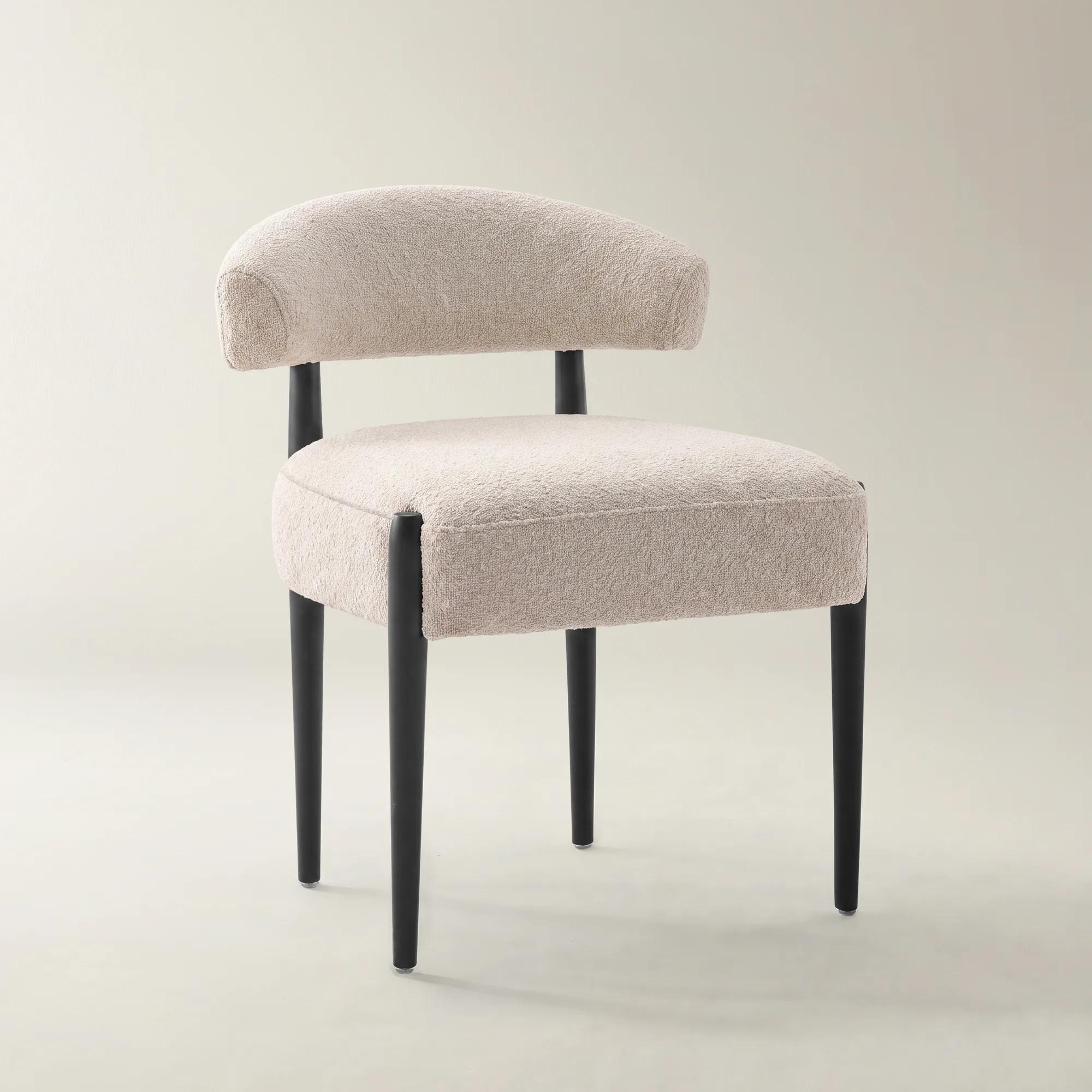 Anna Ivory Performance Boucle Dining Chair Set of 2$599
An ivory performance bouclé dining chair set with arched backs, high-density foam, and solid wood construction.
Add To Cart -
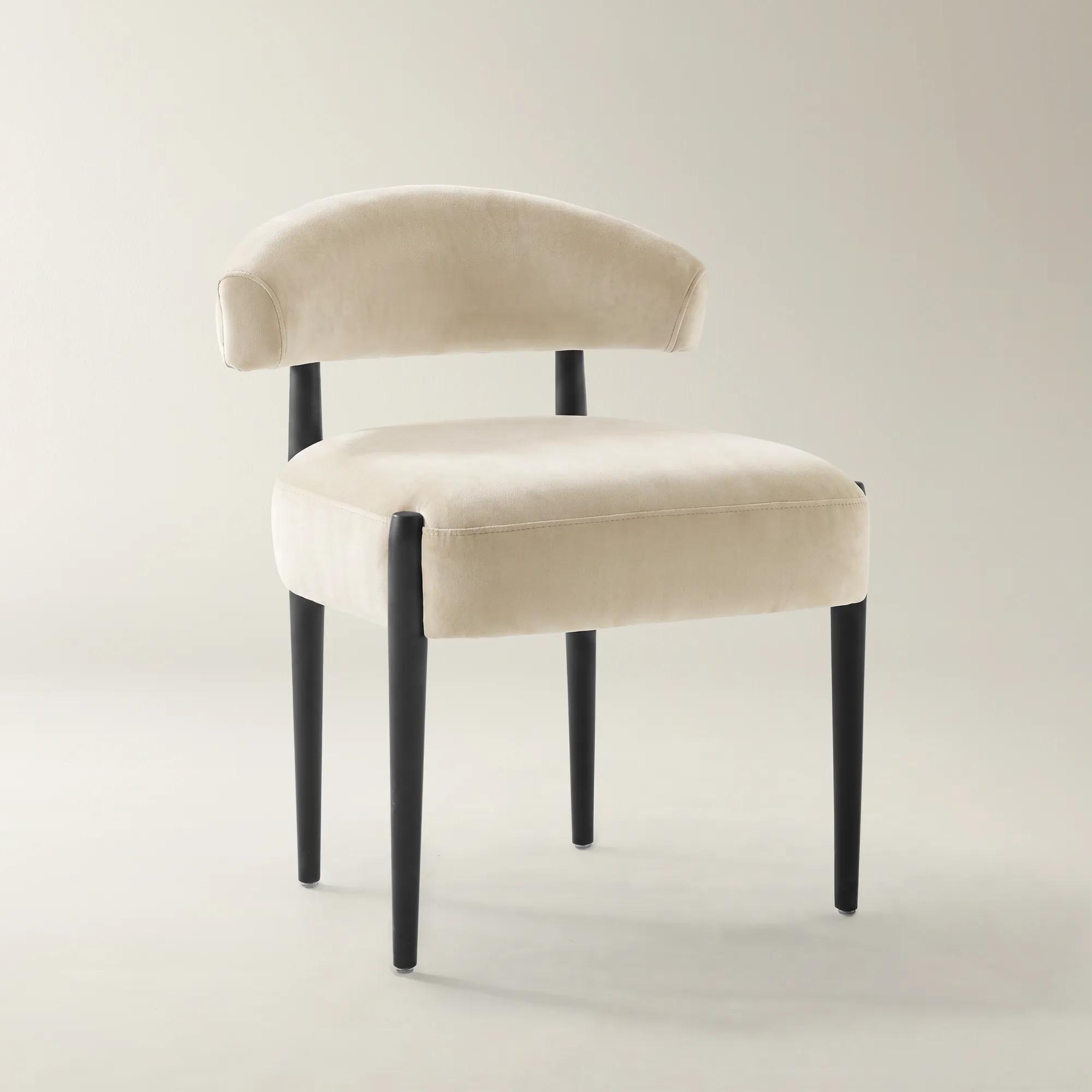 Anna Oatmeal Velvet Dining Chair Set of 2$599
A pair of oatmeal velvet dining chairs with arched backs, supportive foam cushioning, and rubberwood legs.
Add To Cart -
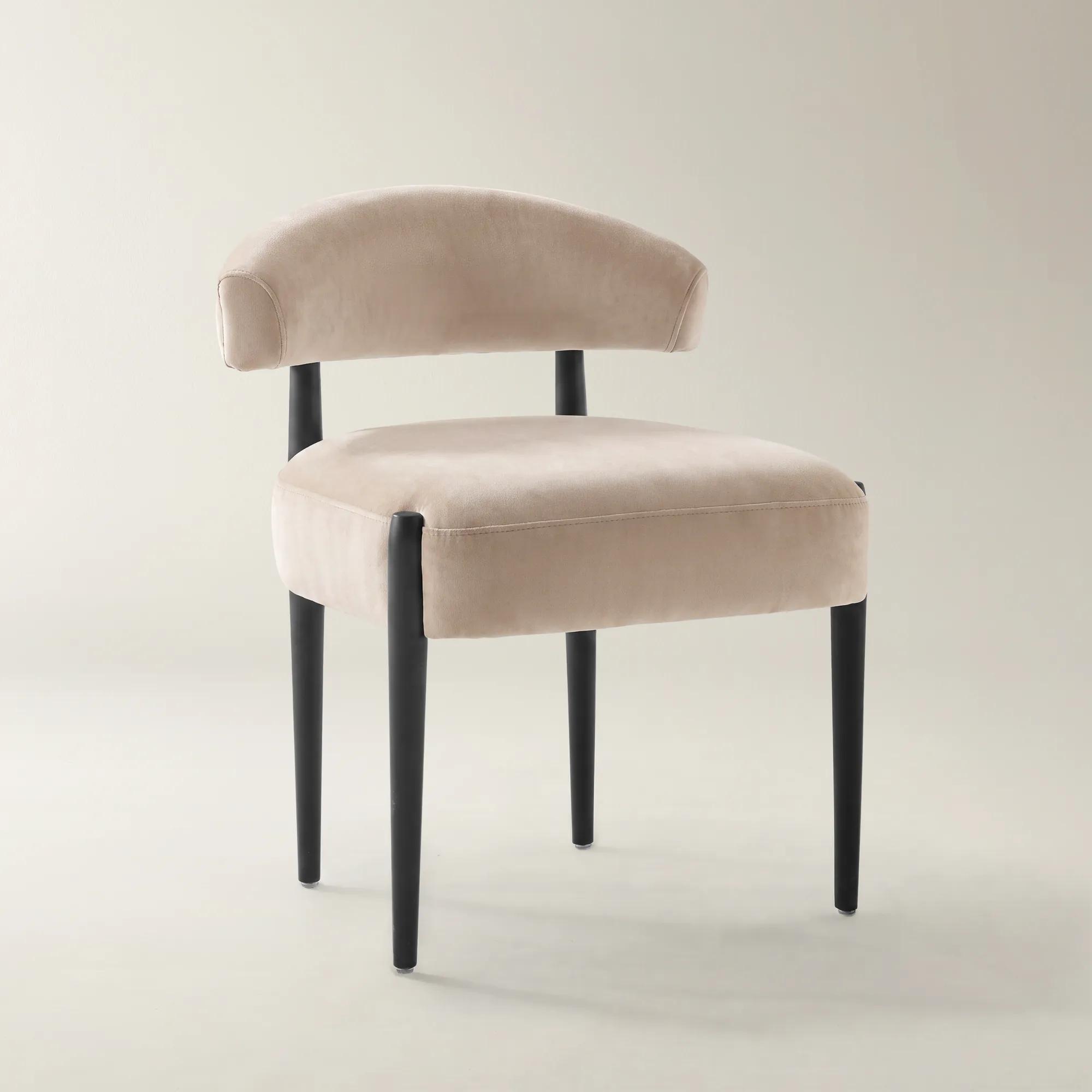 Anna Simply Taupe Velvet Dining Chair Set of 2$599
A taupe velvet dining chair featuring a tailored arched back, high-density foam cushioning, and rubberwood legs.
Add To Cart

Light Neutral Dining Chairs
Light Neutral Dining Chairs invite a breath of refined serenity into your dining space, transforming everyday gatherings into luminous occasions. These elegantly understated seats embody the art of subtle drama—effortlessly balancing sophistication and warmth. Bathed in creamy hues and soft taupes, each chair becomes a canvas for your culinary artistry and conversation, amplifying natural light while exuding timeless grace. With Light Neutral Dining Chairs, every meal is elevated—a celebration of calm, chic comfort that lets your personal style shine through in every exquisite detail.
Light neutral dining chairs bring ivory, cream, oatmeal, sand, and pale taupe to the dining room, creating a luminous foundation for expressive interiors. These shades give sculptural silhouettes room to shine: a curved back becomes more pronounced, a tailored seam draws the eye, and a richly textured seat adds dimension without competing with the table. Light upholstery against dark walnut or black legs creates a striking outline, while pale wood frames extend the softness of the fabric for a more tonal composition. Gleaming metal details introduce another kind of contrast, reflecting the light from a chandelier or the glow of candles across the tabletop. The effect depends as much on undertone as on color. Cream and sand often sit beautifully beside warm wood and brass, while cooler ivory and pale gray-taupe can complement marble, glass, and silver-toned accents. Because surrounding finishes influence how a neutral reads, fabric samples viewed beside the dining table offer a more reliable impression than a color name alone. Texture is equally important: an oatmeal weave can look relaxed and tactile, while a smooth cream upholstery gives the same silhouette a more tailored presence. In an open dining area, light neutral seating can connect neighboring furnishings without making every finish identical. In a dedicated dining room, it can frame a dramatic table, oversized artwork, or an elaborate light fixture with deliberate restraint. The broader palette of neutral upholstered dining chairs offers related possibilities for carrying that softness into a layered setting. Whether gathered around a round pedestal table for intimate dinners or arranged along a rectangular table for a generous gathering, light neutral chairs lend the room visual breathing space. Their appeal is not limited to formal entertaining; a beautifully proportioned chair can make breakfast, conversation, and an unhurried meal feel more considered. Pale upholstery also leaves room for expressive table linens, sculptural serving pieces, and colorful glassware, allowing the setting to change while the seating remains a cohesive backdrop.
Materials determine how that elegance feels in daily use. Linen and linen-blend upholstery can offer visible variation in the yarn and a softly textured surface, though appearance and care requirements depend on the complete fiber blend. Chenille brings a plush hand and subtle depth, while bouclé introduces a more pronounced, looped texture that emphasizes rounded forms. Velvet can give pale neutrals an especially dimensional finish, with the nap catching light differently across the seat and back. Tightly woven fabrics often suit a cleaner, more tailored look. For dining rooms shared with children or pets, performance upholstery may be worth considering, but the designation alone does not establish how a fabric will handle every spill. Stain resistance, cleanability, abrasion testing, and permitted cleaning methods are separate details; the specifications for each fabric matter more than a broad promise of durability. Looped surfaces may be more vulnerable to snagging from claws, and textured upholstery can collect crumbs within its weave. A dining chair also needs substance beneath its surface. Frame construction, secure joints, supportive cushioning, and the intended weight capacity all contribute to suitability for regular use. Hardwood, engineered wood, and metal can each serve different structural roles, so material names alone do not tell the whole story. Cushioning should feel supportive enough for a long dinner without making it difficult to rise from the table; a deeply plush seat may compress noticeably when occupied. Light fabrics benefit from consistent, appropriate care rather than aggressive cleaning after a stain has settled. A soft upholstery attachment can remove loose dust and crumbs, while fresh spills are generally best blotted gently rather than rubbed, subject to the manufacturer’s directions. Cleaning codes and care instructions should govern any use of water, solvent, or upholstery treatment. A discreet spot test helps reveal potential changes in color or texture. Wood and metal legs deserve their own finish-appropriate care, and suitable floor protectors can reduce scuffing as chairs move throughout the day.
Proportion gives light neutral dining chairs their place in the room as surely as color does. A slim armless silhouette can preserve sightlines around a smaller table, while an enveloping back or upholstered arm adds presence at the head of a larger one. Pale fabric may make a substantial chair appear visually lighter, but its actual footprint still determines whether everyone can sit and move comfortably. Many standard dining arrangements pair a table about 28 to 30 inches high with seats roughly 18 to 20 inches high, though the relationship between the occupied seat and the underside of the table is the more useful measure. Approximately 10 to 12 inches between the seat and tabletop is a common starting point; a deep apron can reduce usable legroom even when the overall table height seems suitable. Armchairs require particular attention because the arms may not slide beneath the apron. Around the table, about 24 inches of width per person is a common baseline, with broader upholstered chairs often needing more space so neighboring seats do not feel crowded. Table legs and pedestal bases also affect placement, especially at corners or where two chairs share one side. Behind the seating, approximately 36 inches between the table edge and a wall or obstruction can provide room to pull out a chair, while a frequently used passage may need more generous clearance. A rug should extend far enough beyond the tabletop for chair legs to remain supported when guests move back from the table; roughly 24 inches on each side is a useful starting point, adjusted to the chair’s depth and travel. These practical relationships preserve the pleasure of the setting: guests can settle in without negotiating crowded arms, and the chairs look composed when tucked away. For households where the dining table also hosts homework or occasional laptop use, back support and an easy-to-maintain surface become especially valuable, although dining seating is not a substitute for an adjustable task chair during extended work. With the right balance of tactile upholstery, considered construction, and generous fit, light neutral dining chairs give everyday meals a setting worthy of lingering.
FAQs
Light neutral dining chairs are remarkably versatile and complement a wide range of decor styles. Their soft hues and elegant silhouettes blend seamlessly with modern, transitional, and classic interiors. Whether your space is defined by contemporary minimalism, coastal serenity, or Hollywood Regency glamour, these chairs provide a luminous foundation that enhances both bold and understated design choices.
By reflecting natural and artificial light, light neutral dining chairs create an open, airy atmosphere that feels both inviting and elevated. Their gentle tones infuse the room with calm and sophistication, making the dining area feel more spacious and serene. This subtle radiance sets the stage for memorable gatherings and elevates everyday meals into special occasions.
Light neutral dining chairs often feature luxurious upholstery such as linen, boucle, or performance velvet, offering a rich tactile experience. Frames may be crafted from pale woods like oak or birch for warmth, or from metals in brushed or matte finishes for a modern edge. These materials are chosen for their durability, comfort, and ability to showcase the nuanced beauty of neutral tones.
Absolutely. Many light neutral dining chairs are designed with easy-to-clean fabrics and resilient finishes, making them both stylish and practical for active households. Choosing performance upholstery ensures that spills and daily wear can be managed with ease, allowing you to enjoy refined design without sacrificing everyday functionality.
Yes, the timeless elegance of light neutral dining chairs makes them ideal for use beyond the dining room. They can serve as chic accent seating in living rooms, bedrooms, or home offices, adding a touch of sophistication and versatility wherever they are placed. Their adaptable palette and graceful lines ensure they complement a variety of spaces throughout the home.