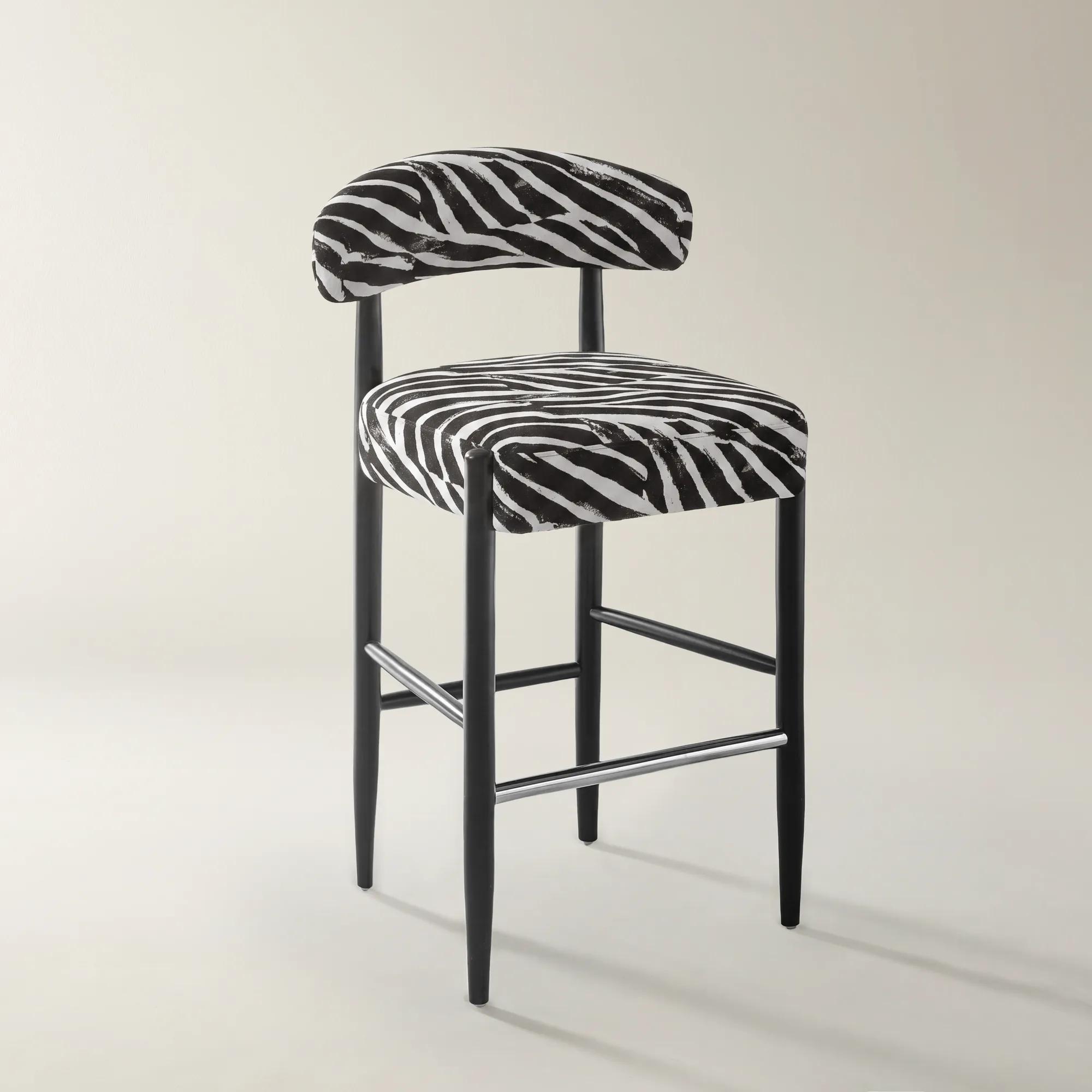
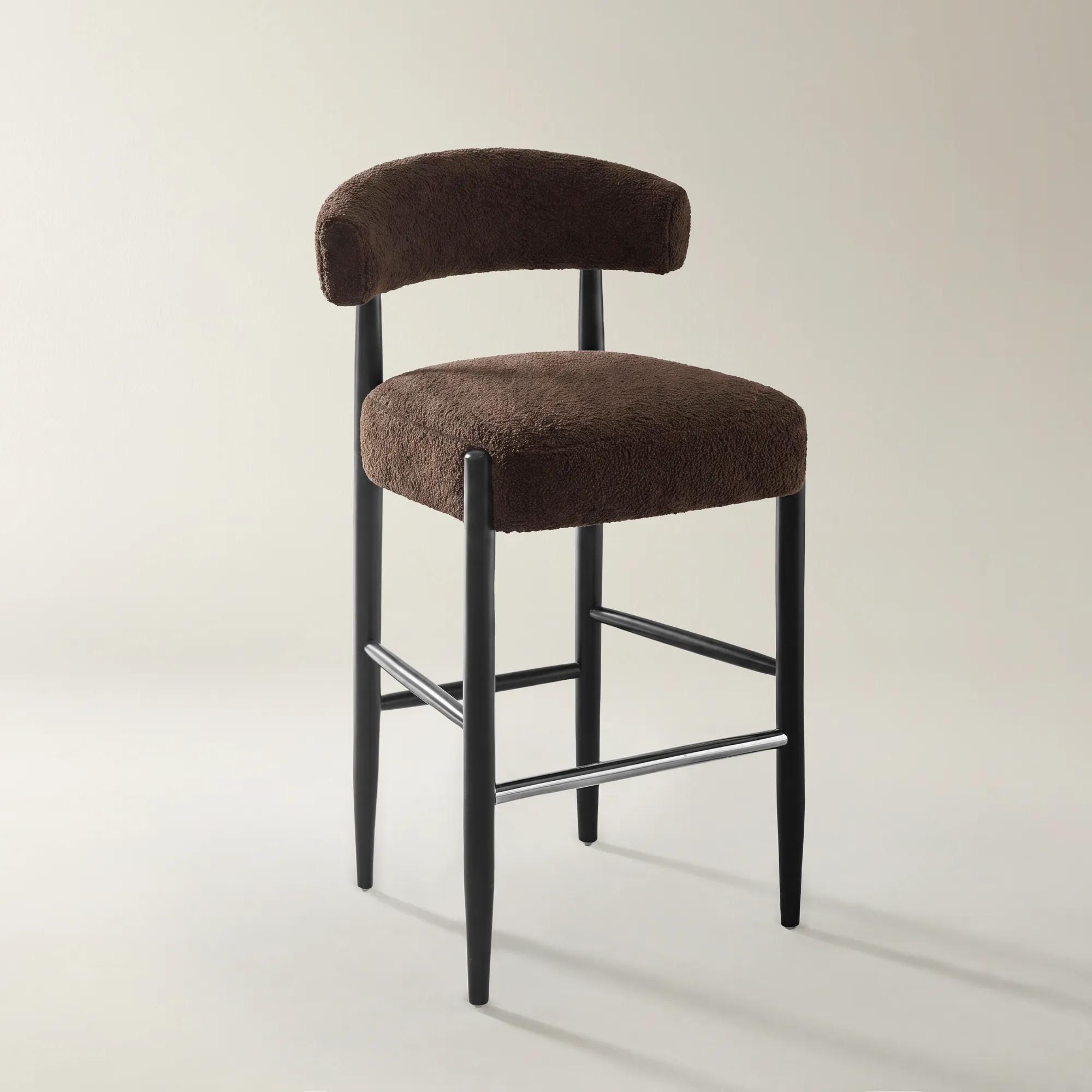
Black Armless Dining Chairs
Black Armless Dining Chairs
-
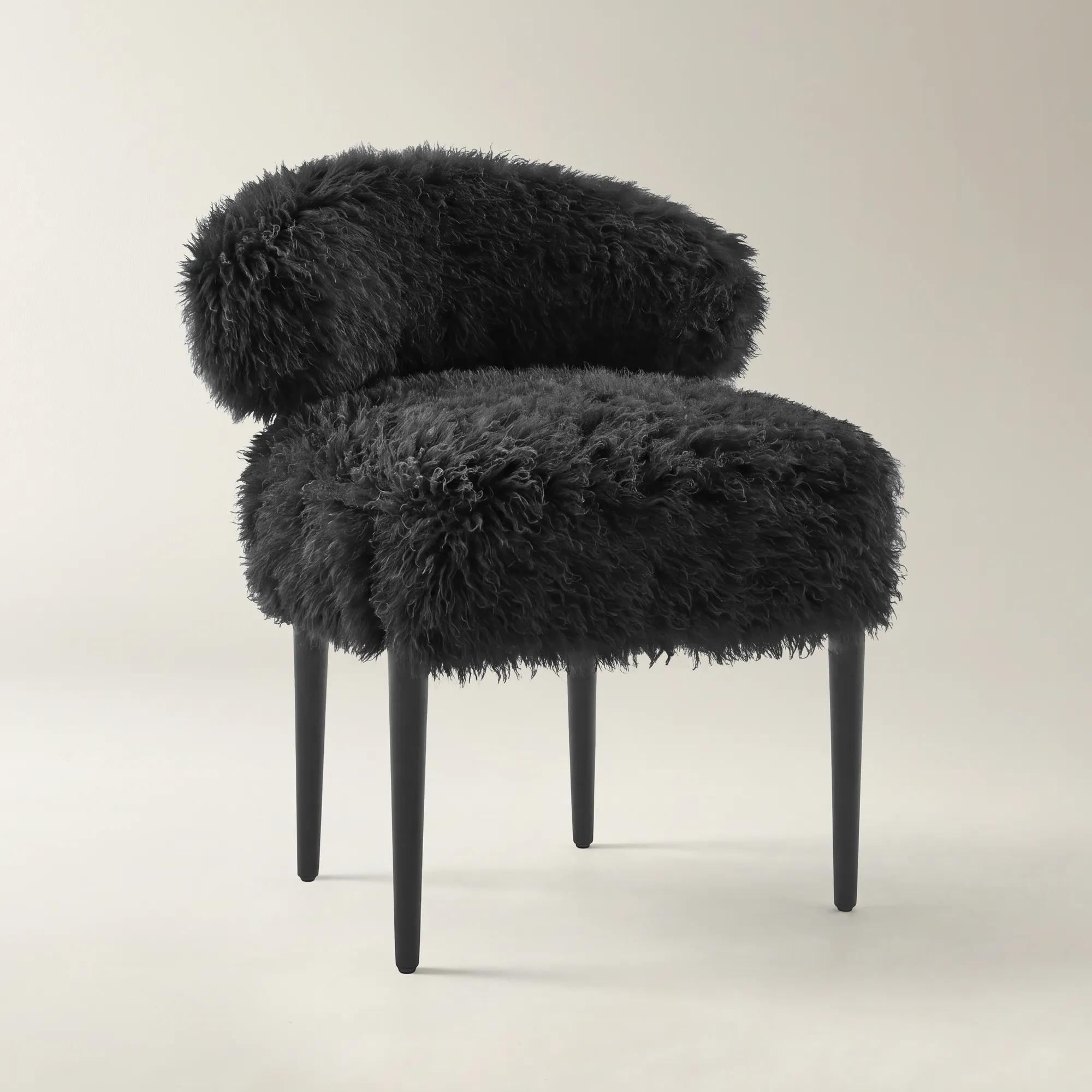
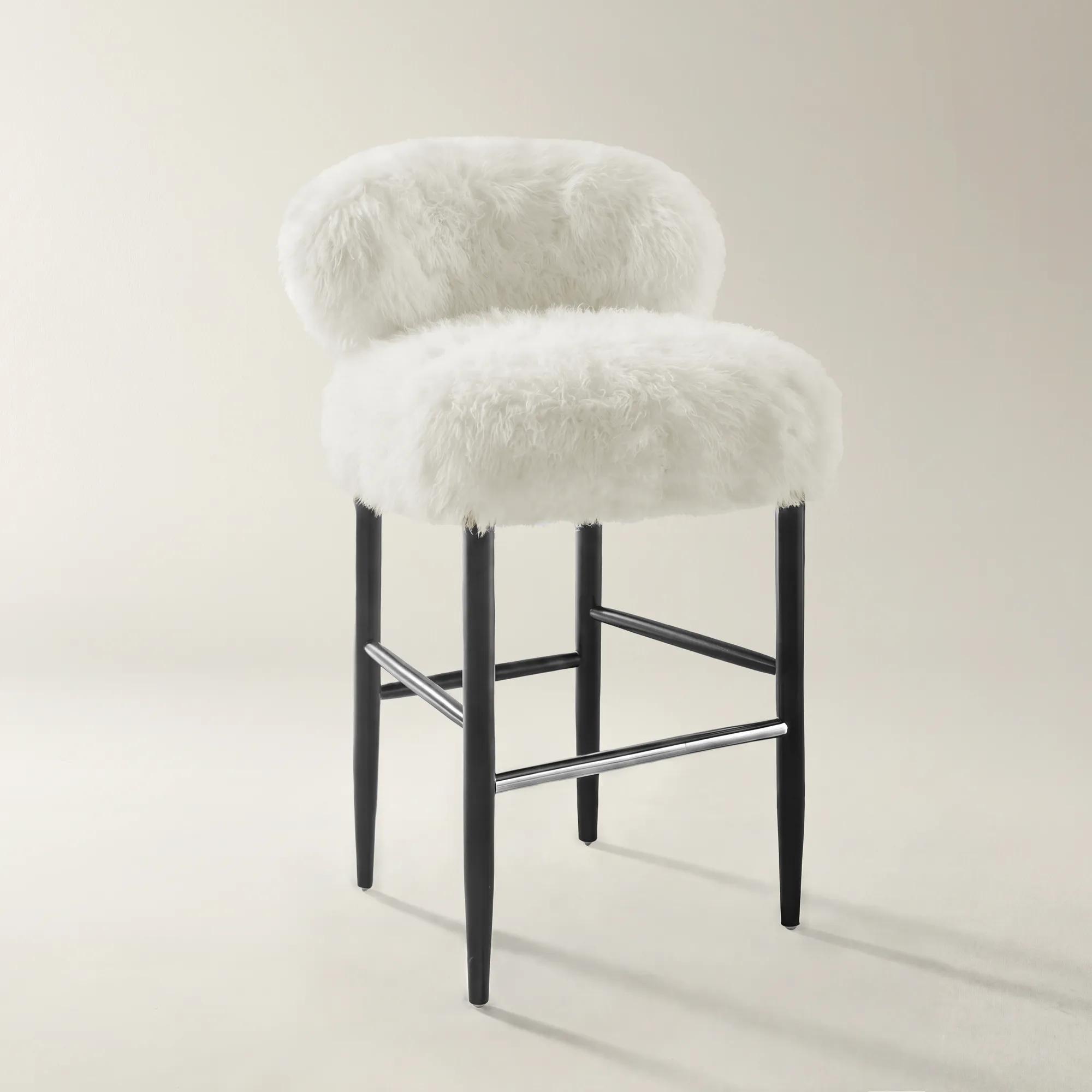
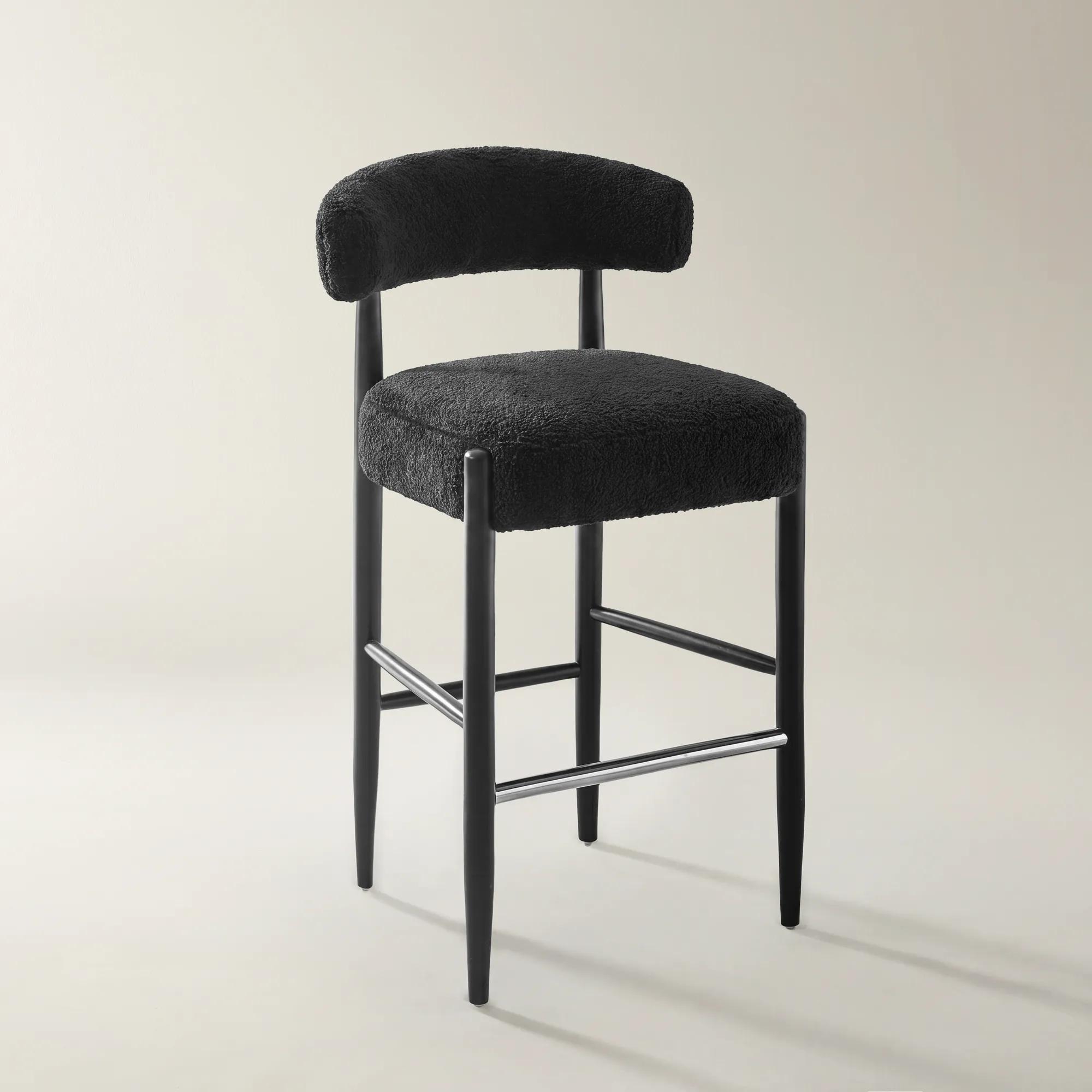
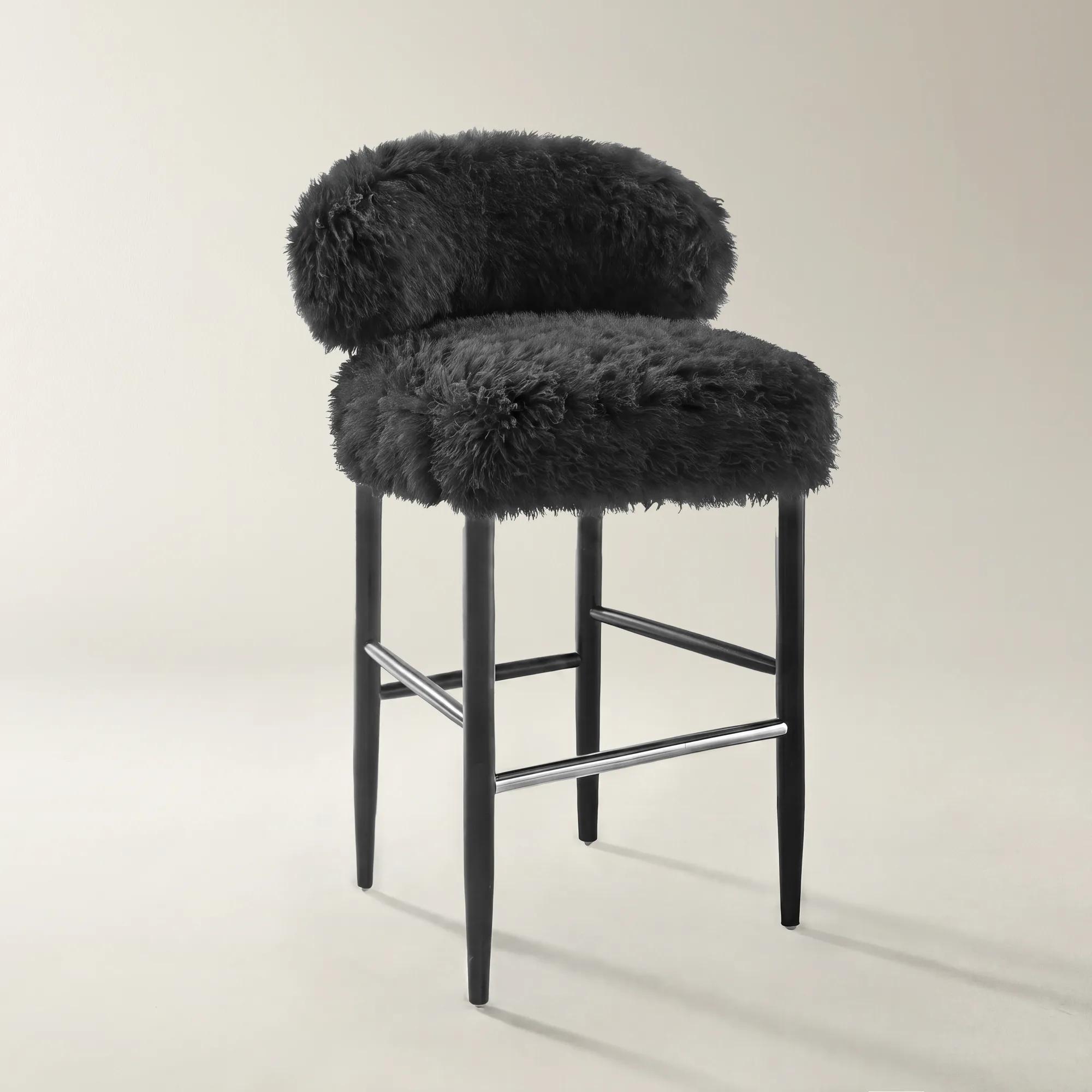
 Anna Black Faux Fur Dining Chair Set of 2$799
A black faux fur chair set with arched backs, foam cushioning, and solid wood legs.
Add To Cart -
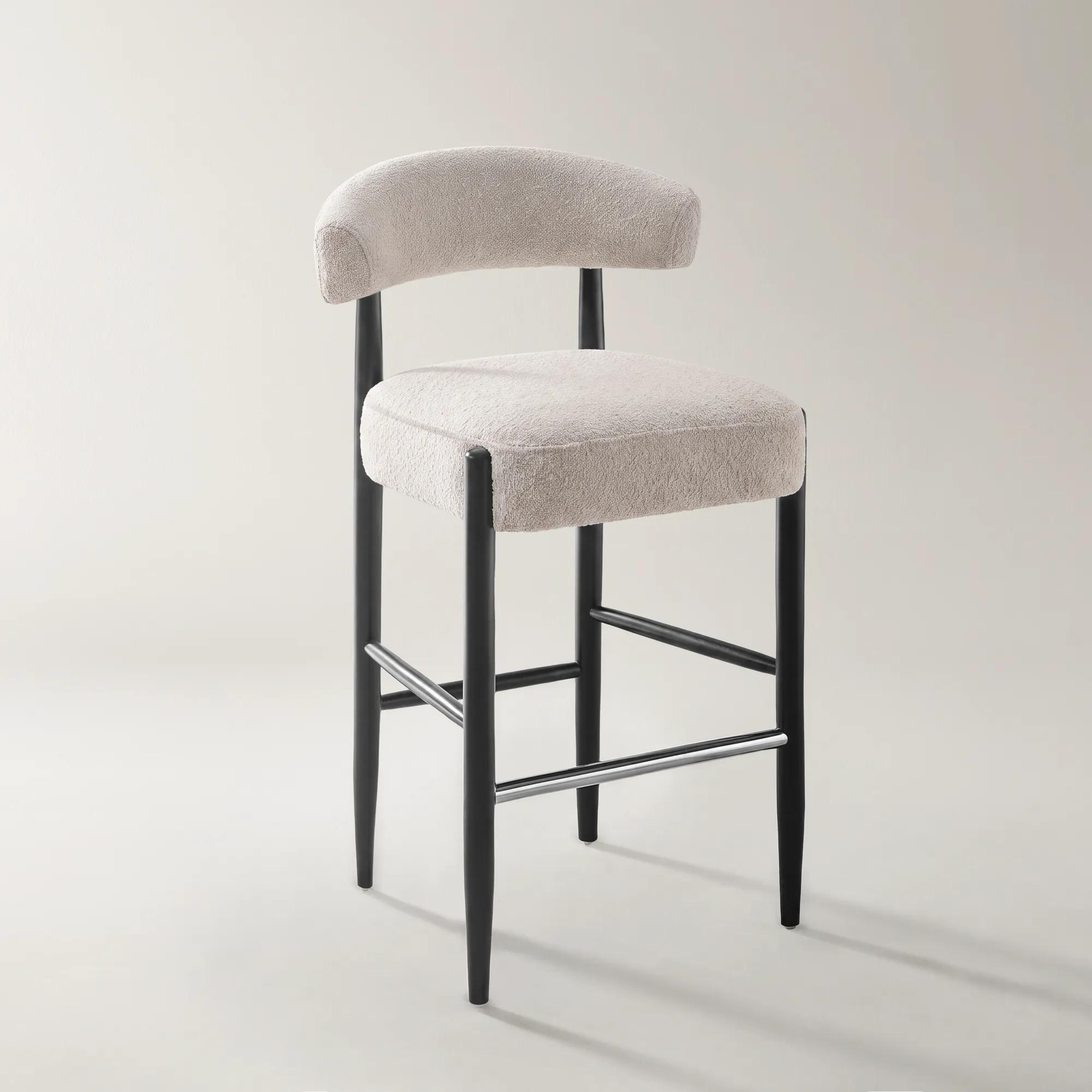
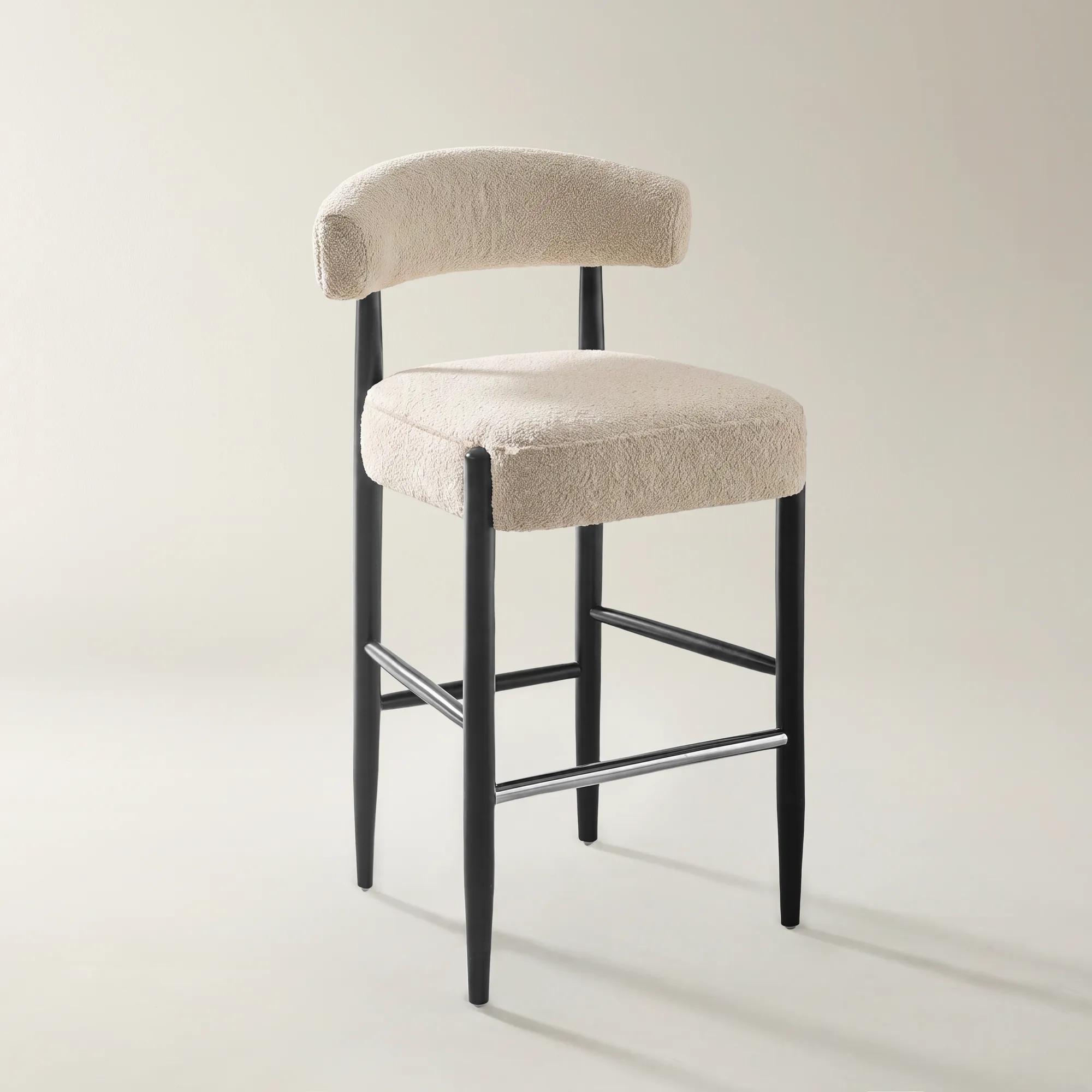
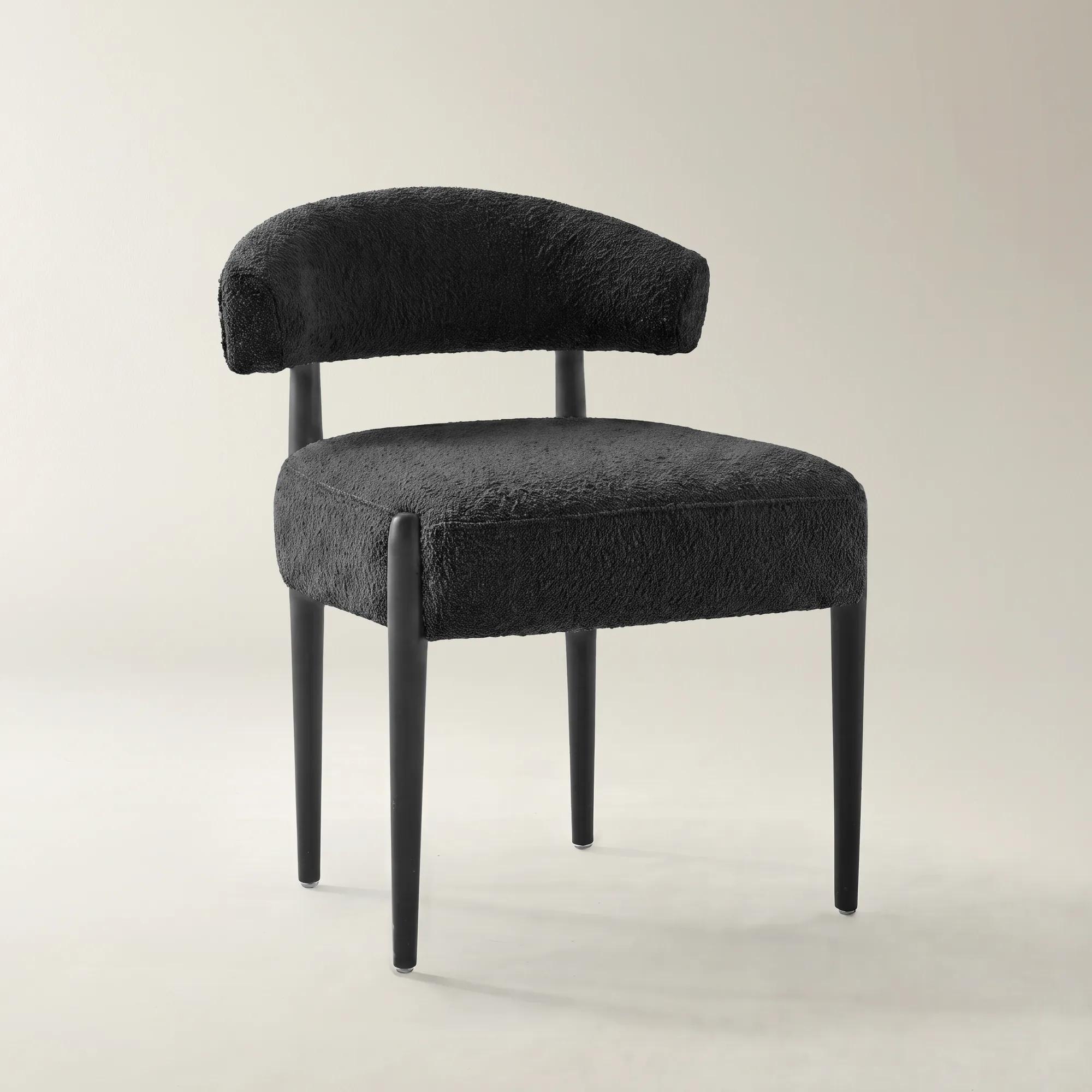 Anna Black Chenille Dining Chair Set of 2$699
A charcoal chenille dining chair set with curved backs, high-density foam cushioning, and rubberwood legs.
Add To Cart -
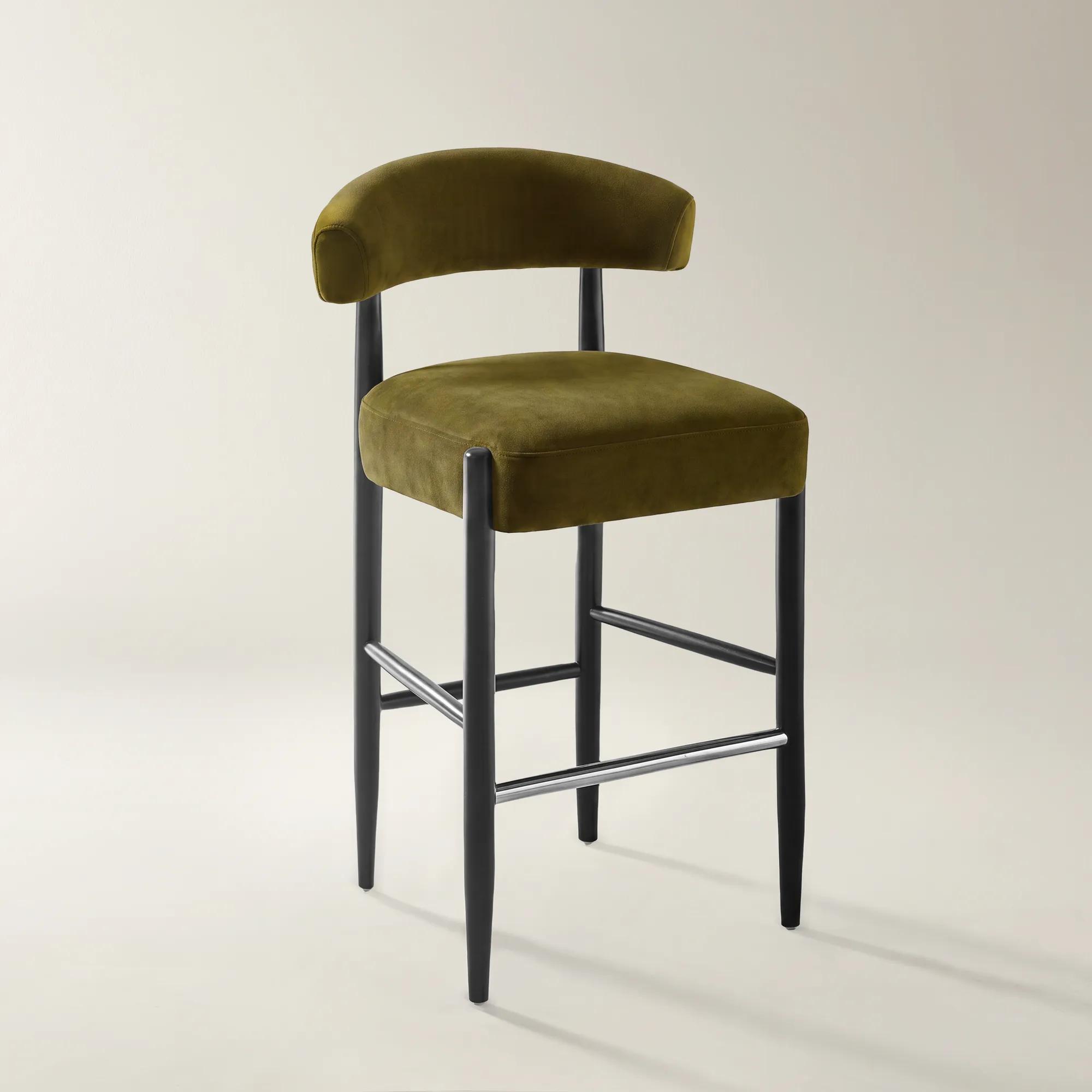
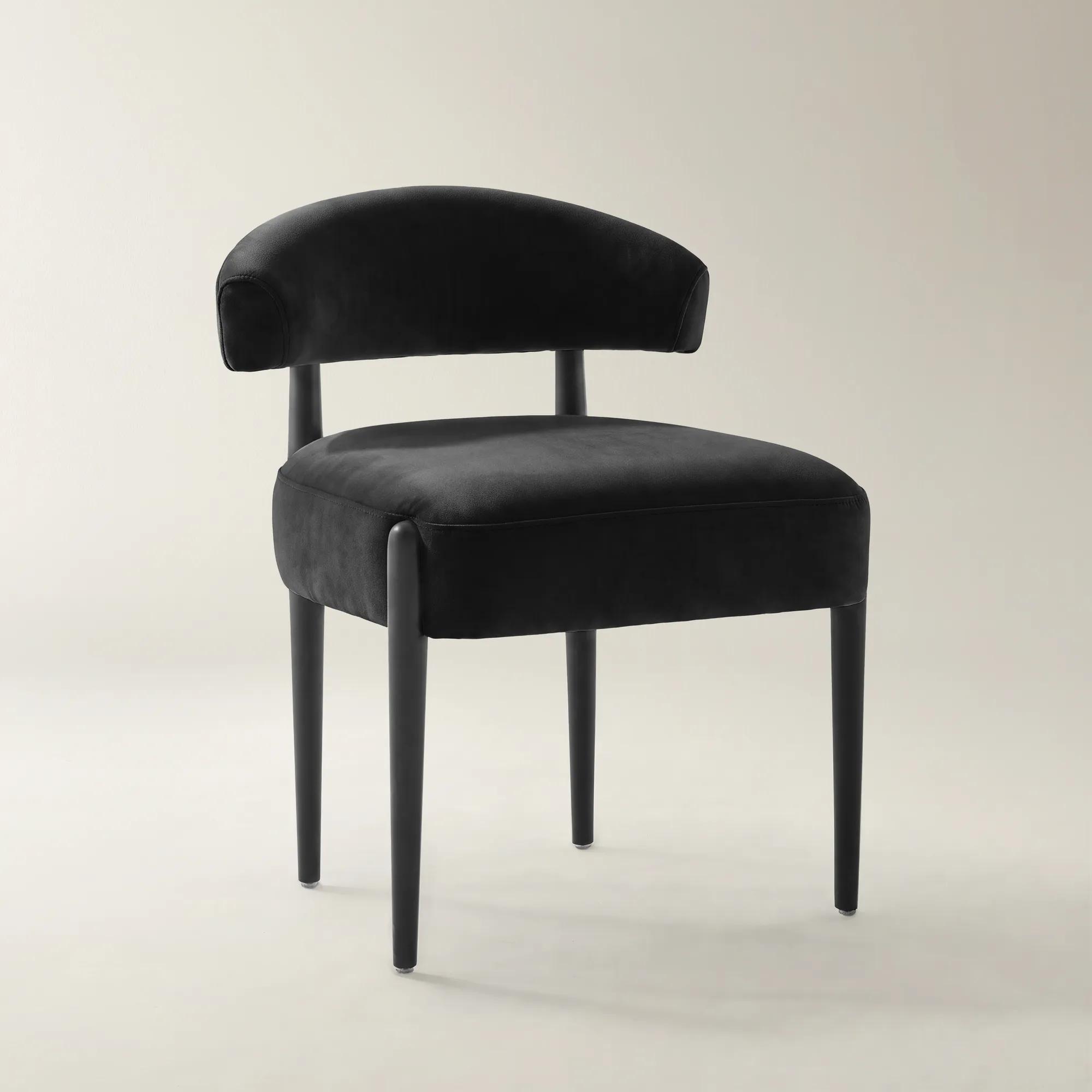 Anna Charcoal Velvet Dining Chair Set of 2$699
A charcoal velvet dining chair with an arched back, supportive foam cushioning, and solid rubberwood legs.
Add To Cart -
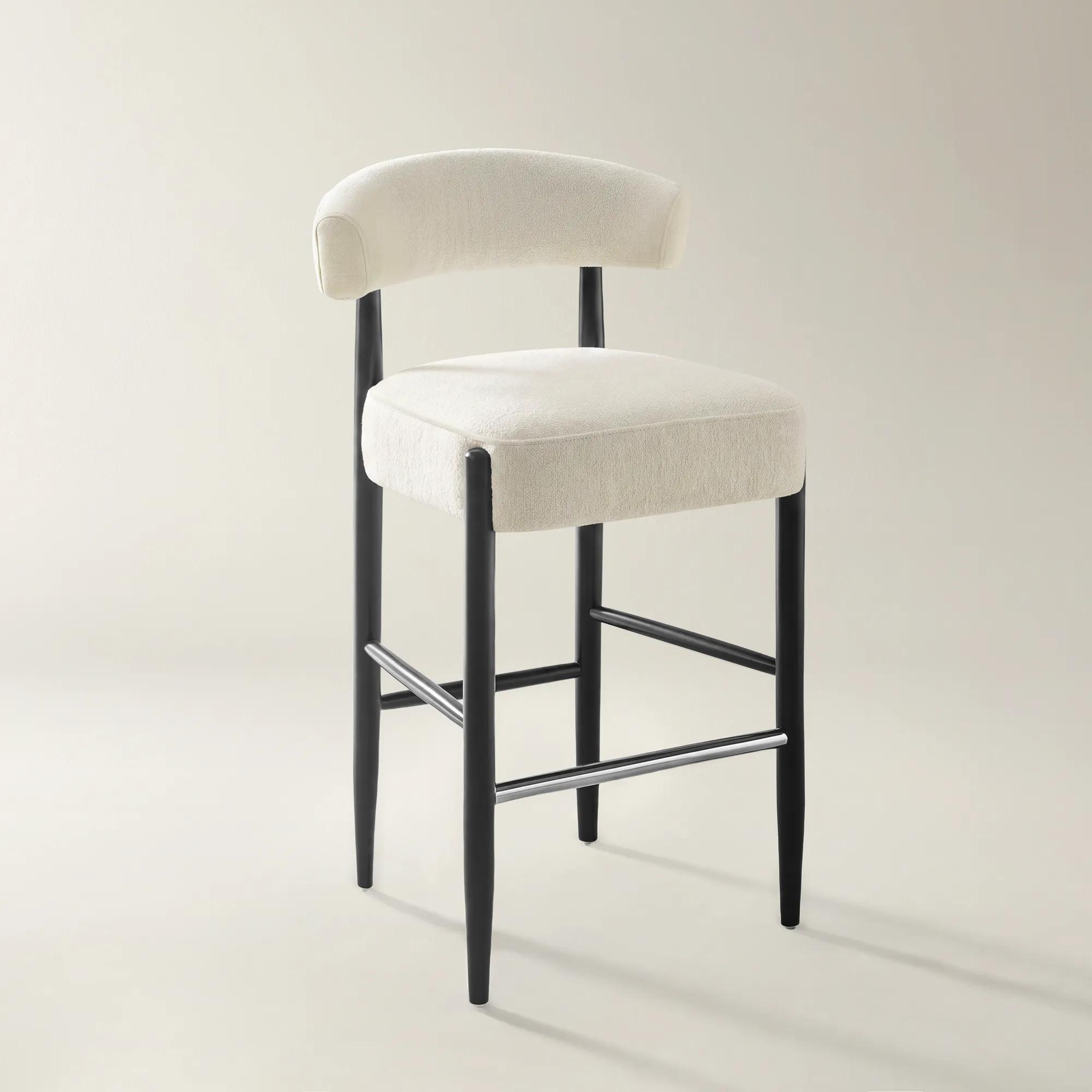
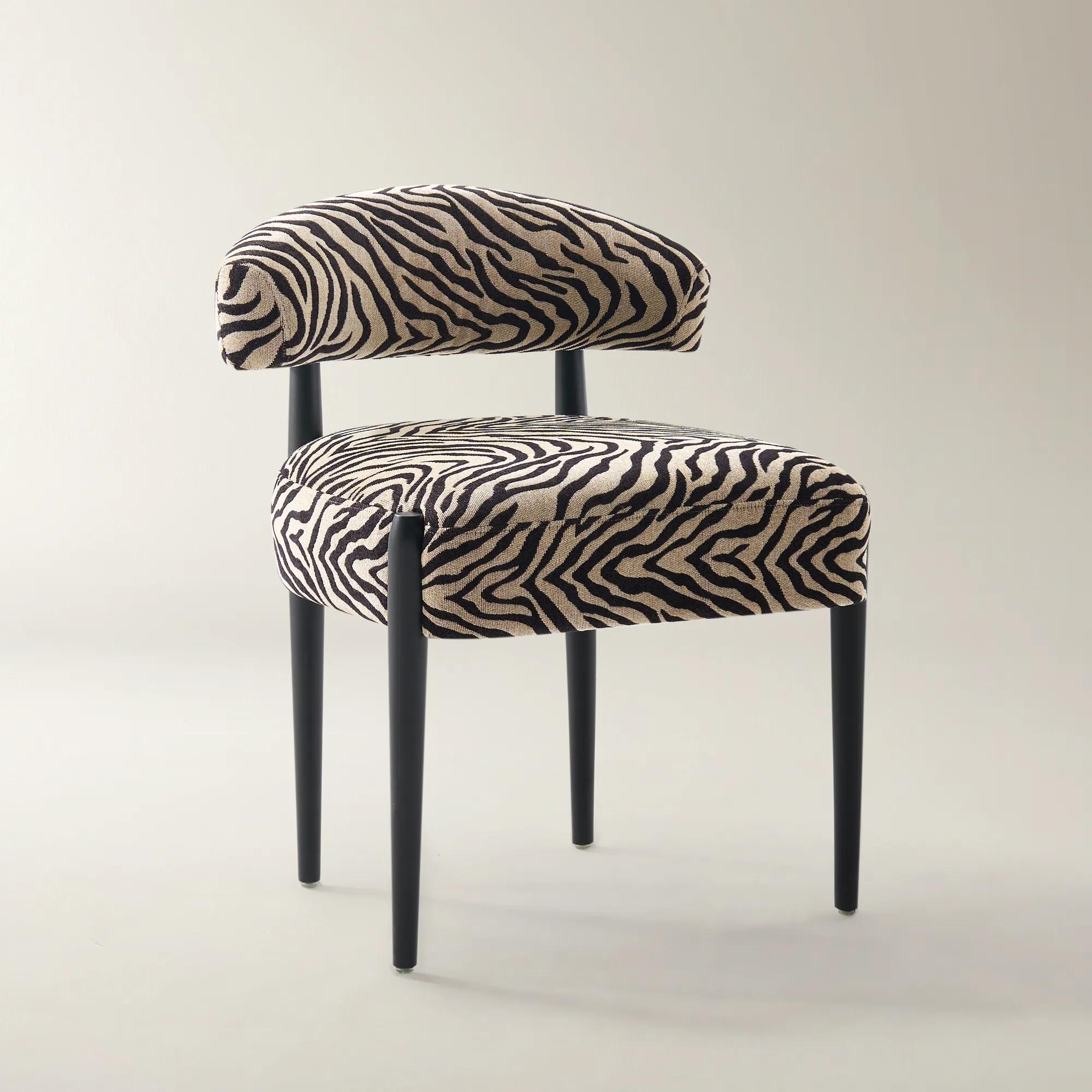
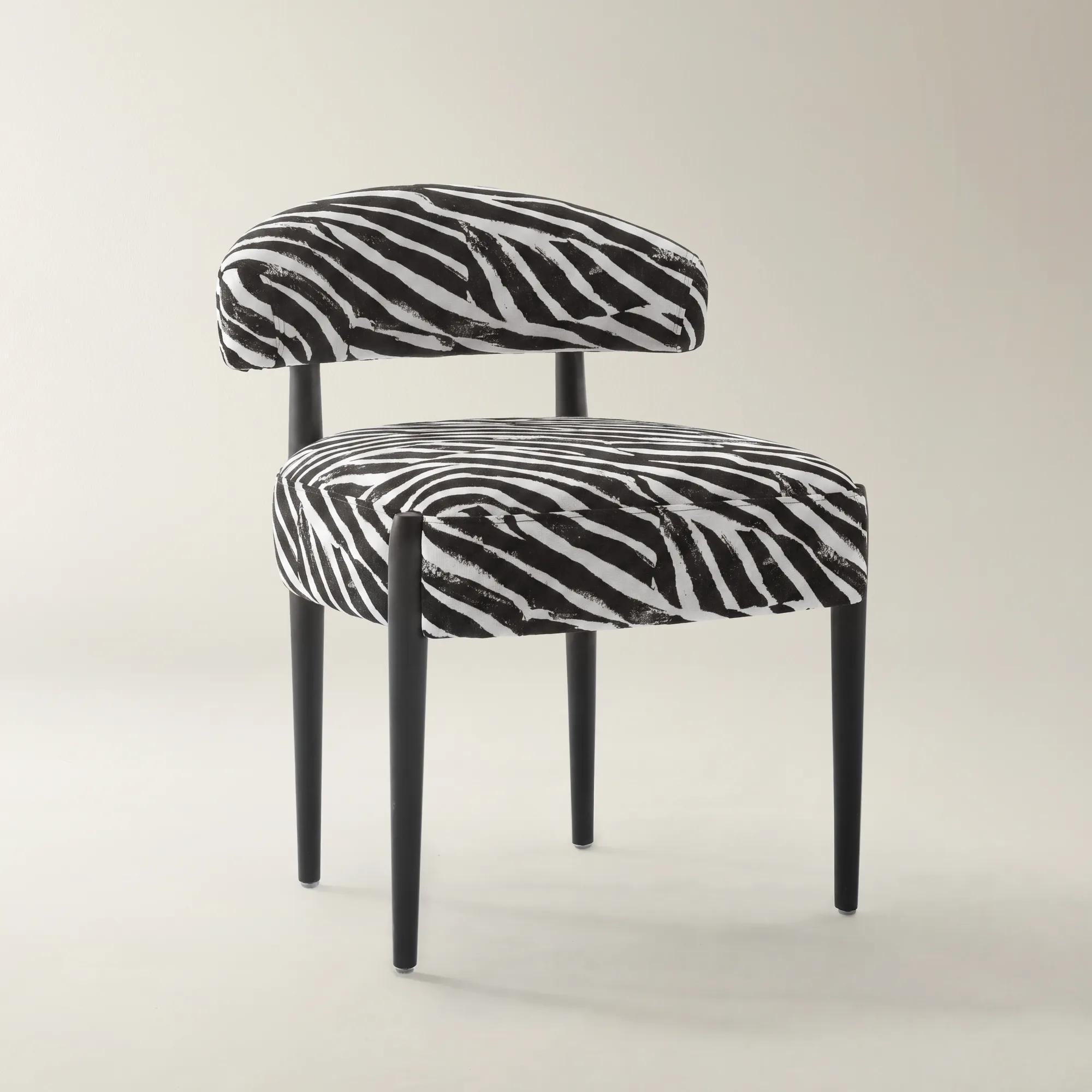 Anna White/Black Performance Chenille Dining Chair Set of 2$699
A black-and-white performance chenille chair set with arched backs, high-density foam, and solid rubberwood legs.
Add To Cart -
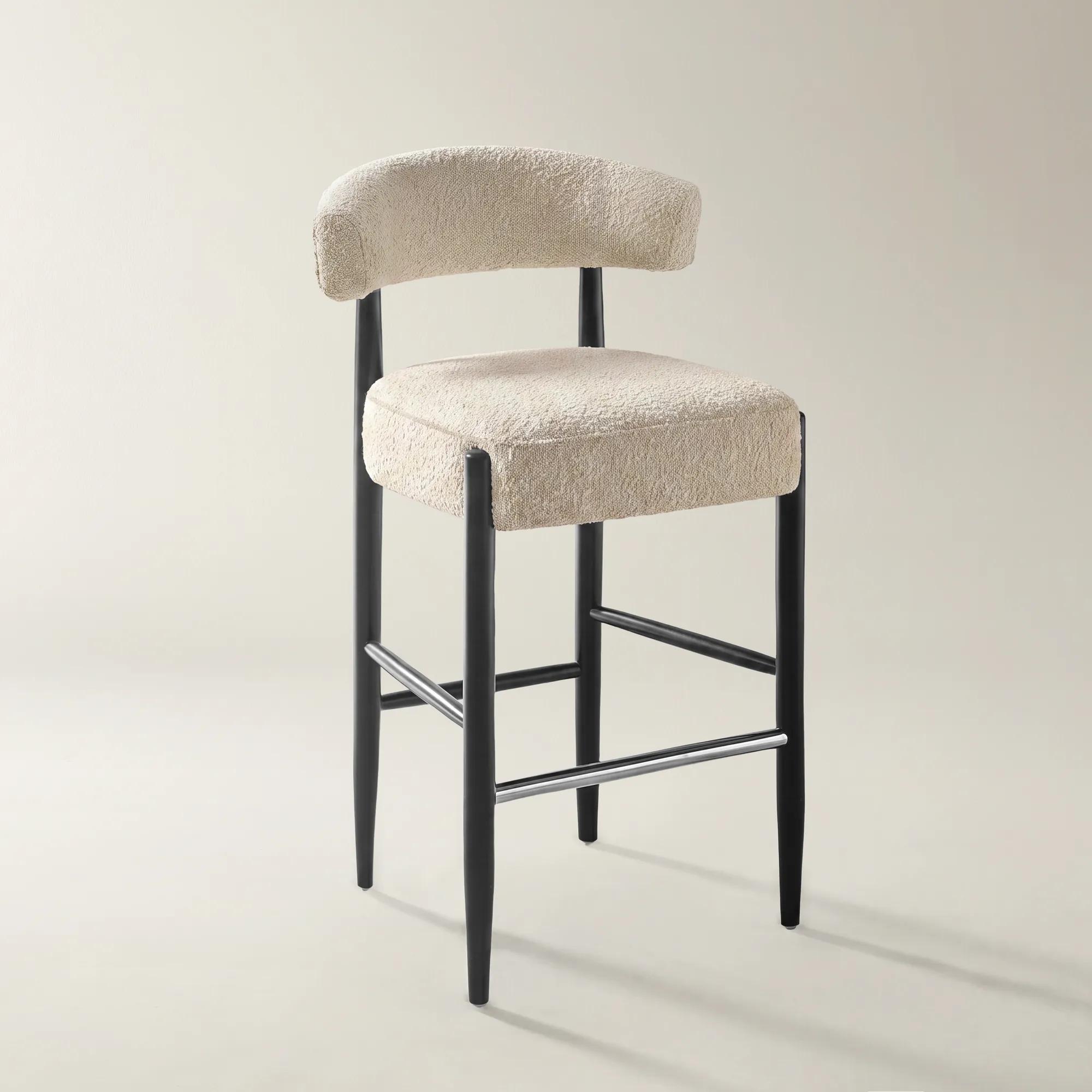
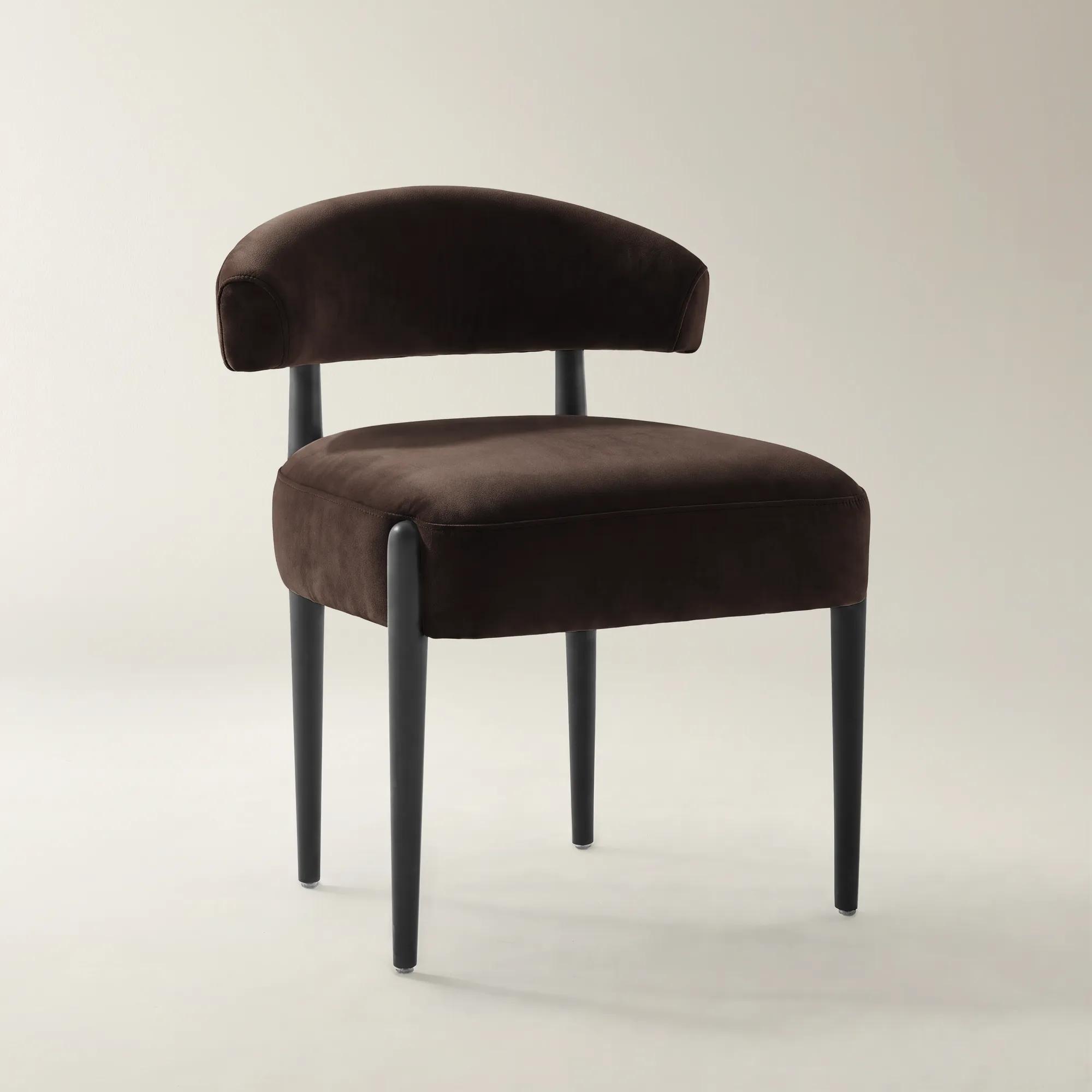 Anna Dark Chocolate Velvet Dining Chair Set of 2$699
A dark chocolate velvet dining chair set featuring an arched back, high-density foam, and solid wood construction.
Add To Cart

Black Armless Dining Chairs
Black armless dining chairs invite a sense of modern drama to your dining space, transforming every meal into a sophisticated affair. With their sleek silhouettes and inky allure, these chairs become more than just seating—they’re sculptural statements that command attention from every angle. Whether anchoring a glass-topped table or punctuating a bold tablescape, black armless dining chairs embody the art of effortless elegance, offering a versatile foundation for daring design moments and unforgettable gatherings. Let each chair paint your dining room with a touch of intrigue and undeniable style.
Black armless dining chairs bring a rich, defining outline to the dining room, pairing the depth of black with a silhouette that leaves the table’s architecture in view. Without projecting arms, these dining side chairs offer an open approach to the seat and can tuck neatly beneath a compatible table, creating a composed arrangement between meals. Their appeal extends from intimate breakfast settings to expansive dining rooms: black anchors pale stone, sharpens the grain of natural wood, and lends contrast to gleaming metal or glass. The effect depends as much on texture as color. Black velvet upholstery catches light across its pile, revealing subtle shifts from inky shadow to a softer sheen, while woven fabric creates a quieter, tactile surface. Smooth leather and faux leather introduce a tailored look, though their composition, care requirements, and aging characteristics differ. Painted or stained wood emphasizes the chair’s outline, and metal frames can create slender profiles with a distinctly architectural presence. A curved back lends softness to a rectangular table; an angular frame echoes more geometric furnishings. Details such as channel stitching, a sculpted back, or a polished leg can give an otherwise restrained form a more expressive character. Black also provides continuity when the surrounding room contains several finishes, allowing a dramatic chandelier, patterned rug, or oversized artwork to remain part of the same visual story. Matching chairs establish a deliberate rhythm around the table, while black side chairs paired with contrasting host chairs create a layered arrangement. For apartment dining areas, open-plan homes, and dedicated entertaining spaces alike, the attraction is a balance of visual presence and an unobstructed silhouette. An armless chair is not automatically narrow, however; a generous upholstered seat or flared back may occupy as much room as a more enclosed design. Overall dimensions, rather than the absence of arms alone, determine how comfortably the arrangement fits. The strongest composition gives each chair enough space to reveal its shape without crowding the table.
Comfort and proportion give that visual drama its staying power. Dining-height chairs commonly have seats approximately 18 to 20 inches from the floor, while standard dining tables are often about 28 to 30 inches high; the actual pairing matters more than either measurement alone. A seat-to-tabletop difference of roughly 10 to 12 inches is a useful starting point, with additional attention to any apron beneath the tabletop that could restrict thigh clearance. Cushion compression can also change the seated height. Counter-height and bar-height seating serve different surfaces and should not be treated as interchangeable with dining chairs. Around the table, approximately 24 inches of width per diner is a common planning allowance, although broader seats and relaxed entertaining may call for more. Table legs and pedestal bases influence placement, especially where a chair must slide between supports. Behind the seating, about 36 inches between the table edge and a wall or other obstruction is a common starting allowance for pulling chairs out, with more space desirable along frequently traveled paths. These proportions help distinguish an elegant arrangement from one that merely fits on paper. Seat depth, back angle, and cushioning deserve equal consideration. A deeply padded seat may feel inviting through a leisurely dinner, while a firmer seat can provide a more upright perch for breakfast or an afternoon at the table. Taller backs may offer more upper-back contact; lower backs preserve sightlines across an open room. Rounded seat edges and supportive contours can make a meaningful difference during extended sitting, though comfort remains personal. For households that use the dining table for meals, conversation, and occasional laptop work, supportive seating deserves priority alongside appearance. Durability depends on construction as well as material: secure joints, stable legs, well-attached upholstery, and a finish suited to regular use all contribute. Wood, metal, and upholstered frames each vary in quality, so construction details, stated weight capacity, and care instructions are more informative than material names alone. Chairs used daily benefit from thoughtful floor protection, particularly on wood or tile, with glides selected for the flooring and checked periodically for trapped grit.
The most compelling black dining chairs also suit the household’s routines, from a quiet dinner for two to a table filled with conversation. Upholstered seats add softness to the experience, but fabric choice should reflect the likelihood of spills, frequent use, and pets. Performance upholstery may offer specified resistance to staining or wear; it does not automatically mean that every spill, cleaning solution, or source of abrasion is harmless. Velvet can show changes in pile direction, while textured weaves may hold crumbs along seams. Smooth upholstery may simplify everyday wiping when the care instructions permit it, but faux leather and genuine leather require different treatments, and neither should be cleaned with an unapproved product. Painted wood and coated metal also need finish-appropriate care to help preserve their appearance. A soft cloth, prompt attention to spills, and cleaning methods specified for the material are sound foundations. Black can disguise some darker marks, yet pale lint, dust, and scratches may be conspicuous against its depth; the color is a design choice, not a substitute for maintenance. Placement away from prolonged direct sunlight can help limit uneven fading where the material is susceptible. Beyond care, black offers remarkable freedom to shape the room’s mood. Against a pale rug, the chairs read as sculptural outlines; beside a dark table, variations in sheen and texture keep the arrangement from becoming visually flat. Brushed metal accents introduce a subtle gleam, while a statement light overhead draws attention to the gathering space. A coordinated selection of Designer Armless Dining Chairs can extend that attention to silhouette and proportion across a complete dining setting. Whether the room calls for enveloping upholstery or a crisp exposed frame, black armless dining chairs bring definition without enclosing the table. Their lasting appeal lies in that balance: expressive enough to shape the room, considered enough to serve the daily rituals that make it feel personal.
FAQs
Black armless dining chairs are remarkably versatile, seamlessly complementing a range of aesthetics from modern glam to classic sophistication. Their sculptural profiles and striking hue anchor contemporary spaces, while their understated elegance allows them to blend beautifully with eclectic, transitional, or even art deco-inspired interiors. Whether set against a bold patterned rug or a sleek marble table, these chairs make a statement without overwhelming the room.
Absolutely. The streamlined design of armless dining chairs allows for greater visual flow, making them ideal for open-concept layouts. Their absence of arms creates less visual interruption, helping to maintain a sense of spaciousness while still providing defined seating areas. The dramatic black finish grounds the space, adding depth and cohesion to your overall design.
Black armless dining chairs provide a sophisticated canvas for seasonal décor. In the winter months, layer them with plush faux fur throws or jewel-toned seat cushions to evoke warmth and luxury. For spring and summer, pair them with fresh florals or metallic accents to create a vibrant, inviting atmosphere. Their timeless elegance allows for effortless transitions between seasons and occasions.
Yes, black armless dining chairs make an exceptional gift for new homeowners or newlyweds. Their versatile design and enduring style ensure they will remain a cherished part of any dining space for years to come. Gifting these chairs is a thoughtful way to celebrate new beginnings with a touch of artistry and sophistication.
Luxury black armless dining chairs often feature rich materials such as velvet, leather, or high-gloss lacquered finishes. Frames may be crafted from solid hardwoods or metal with elegant detailing. These materials are selected for their tactile appeal, durability, and ability to elevate the overall aesthetic of the dining area.