Neutral Tone Circular Wall Arts
Neutral Tone Circular Wall Arts
-
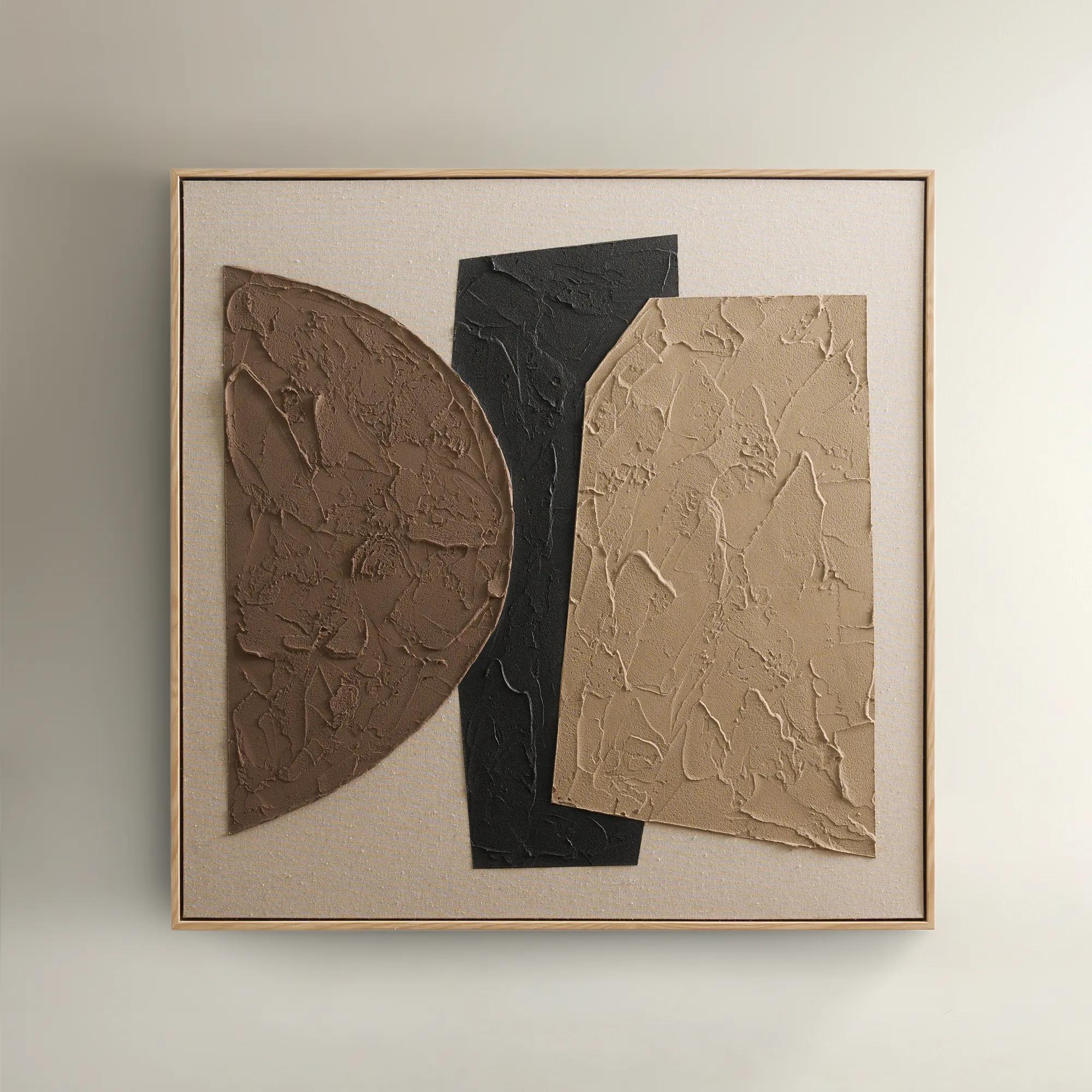
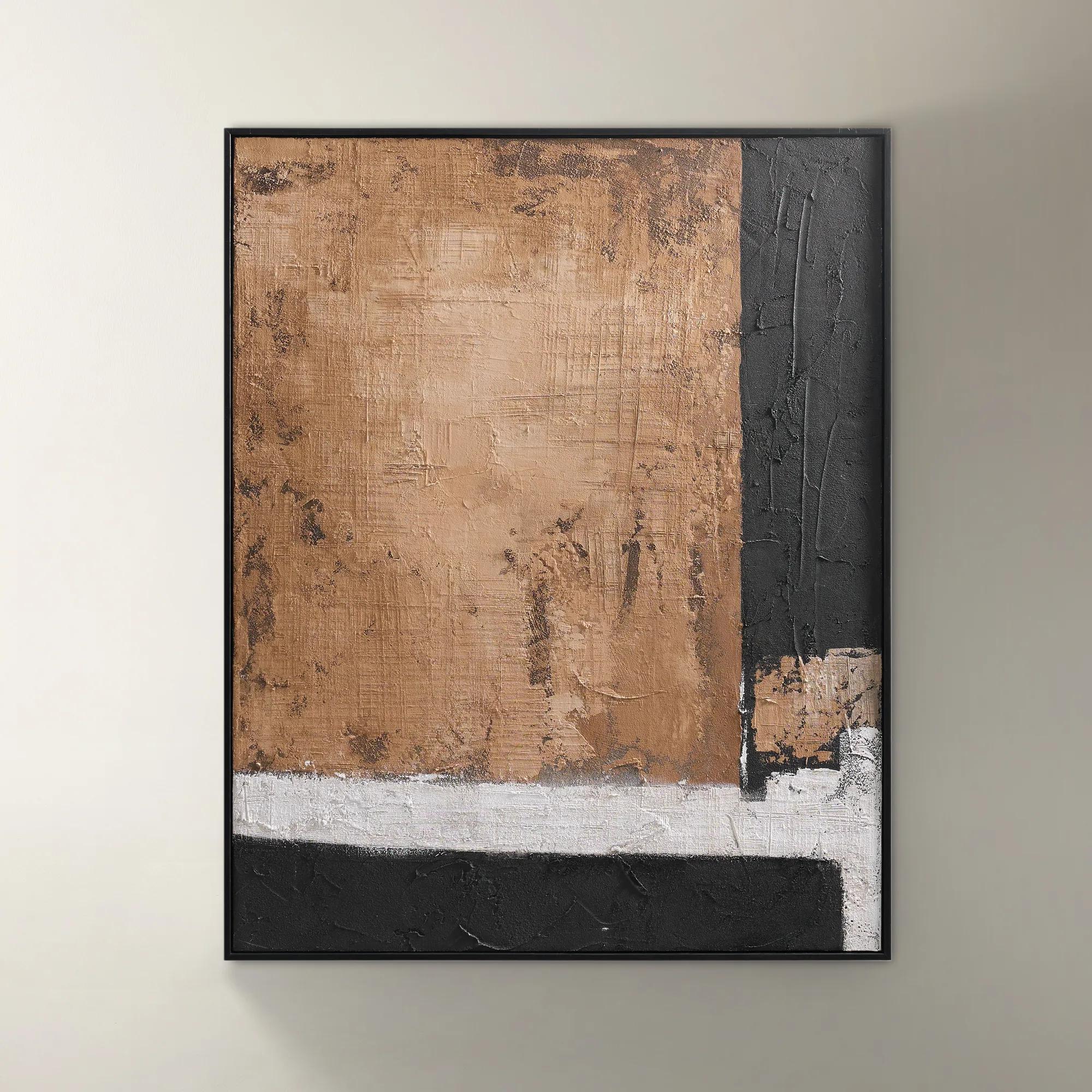 Drift Framed Painted Wall Art I 39.4" x 31.5"$299
A bold hand-painted abstract artwork featuring layered brown tones in a sleek black floater frame.
Add To Cart -
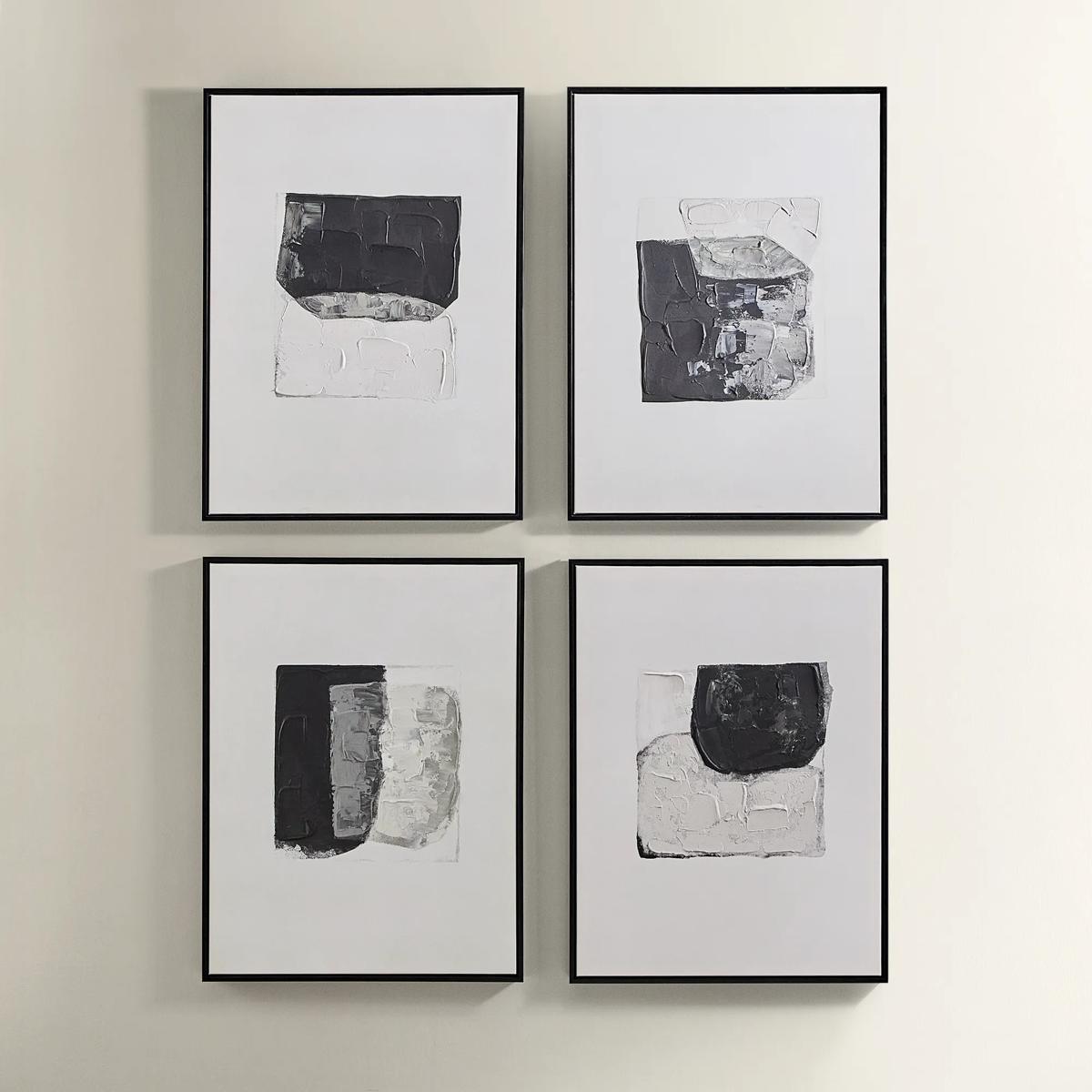
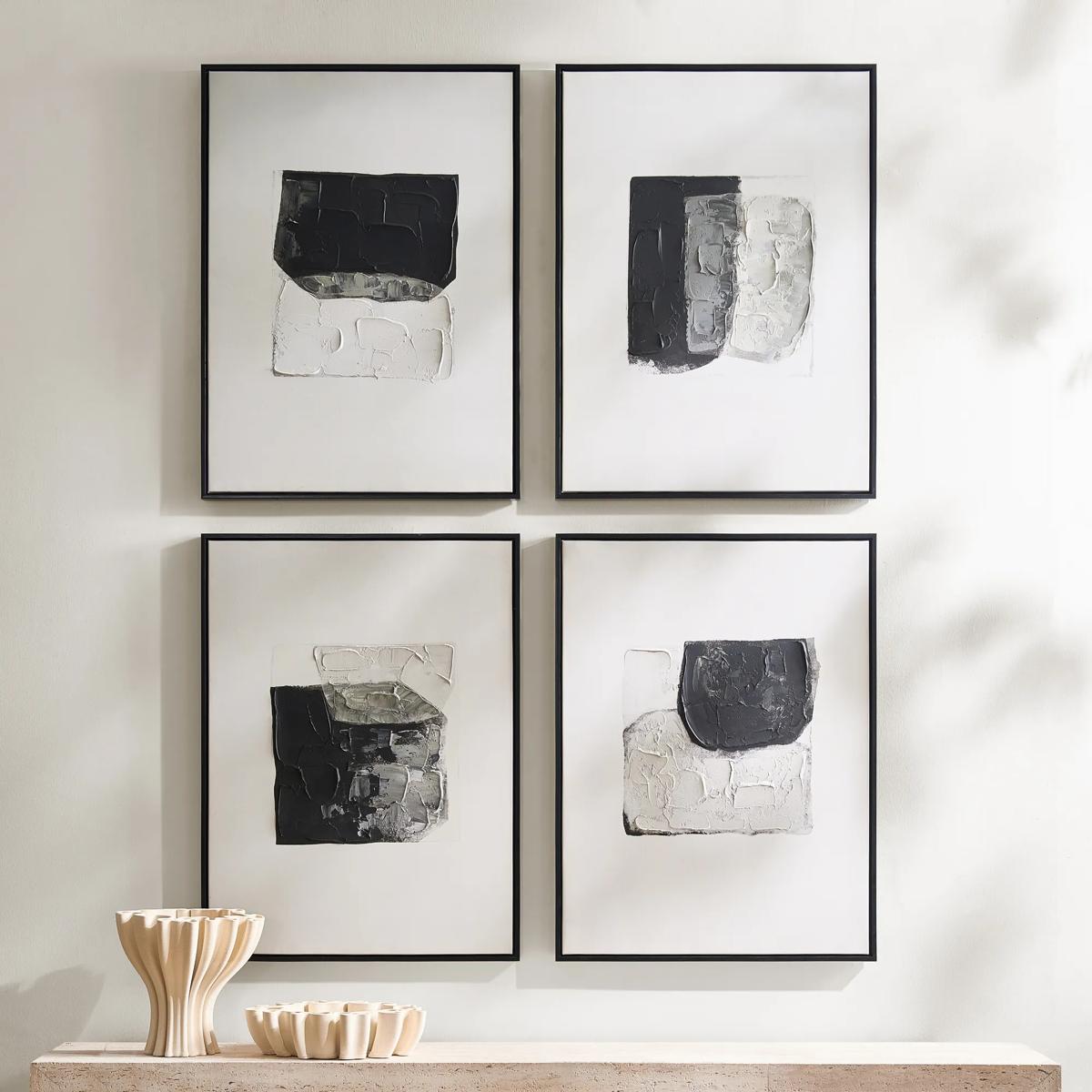 Shadows Framed Painted Wall Art Set of 4$299
A set of four hand-painted abstract canvases featuring black, white, and gold accents in black frames.
Add To Cart -
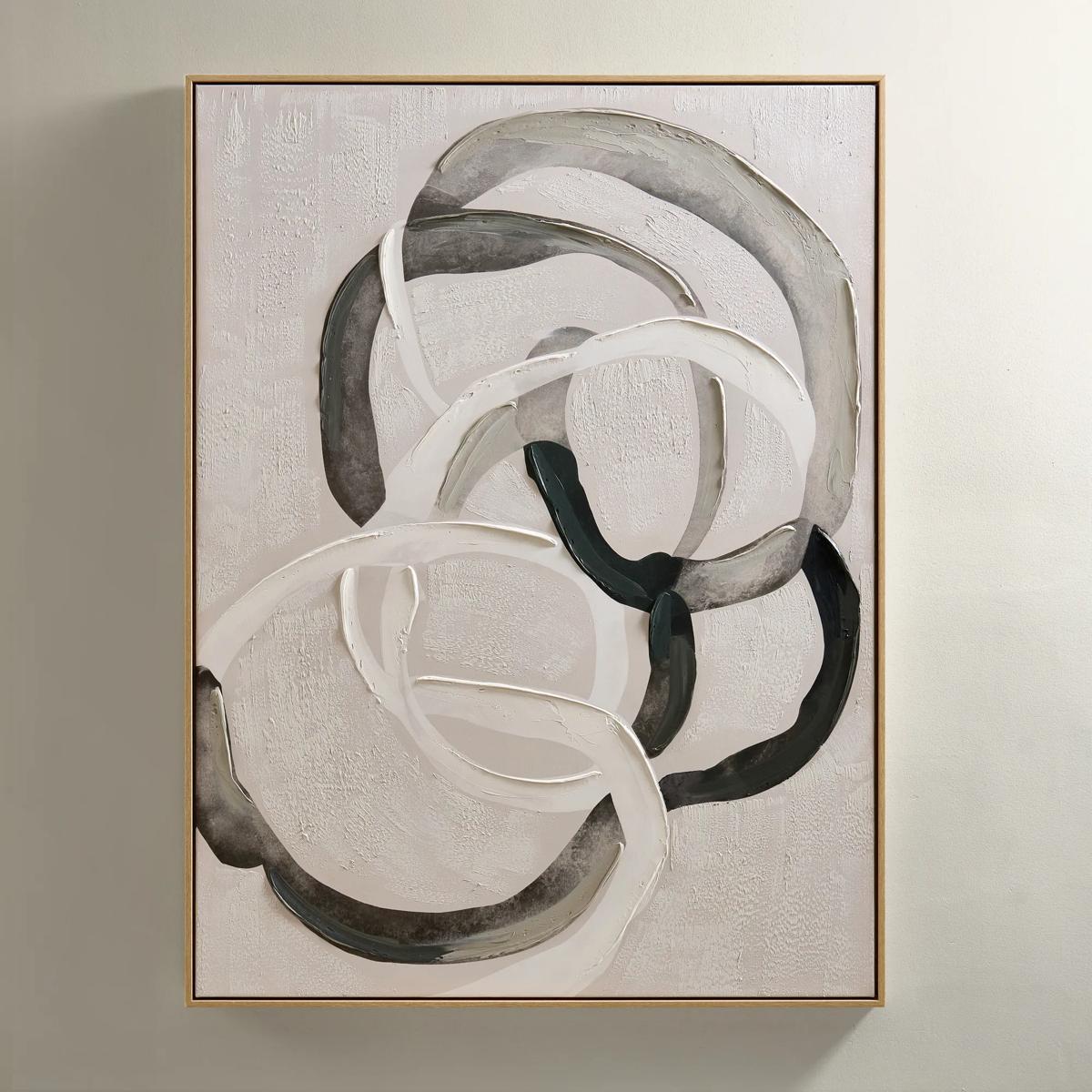
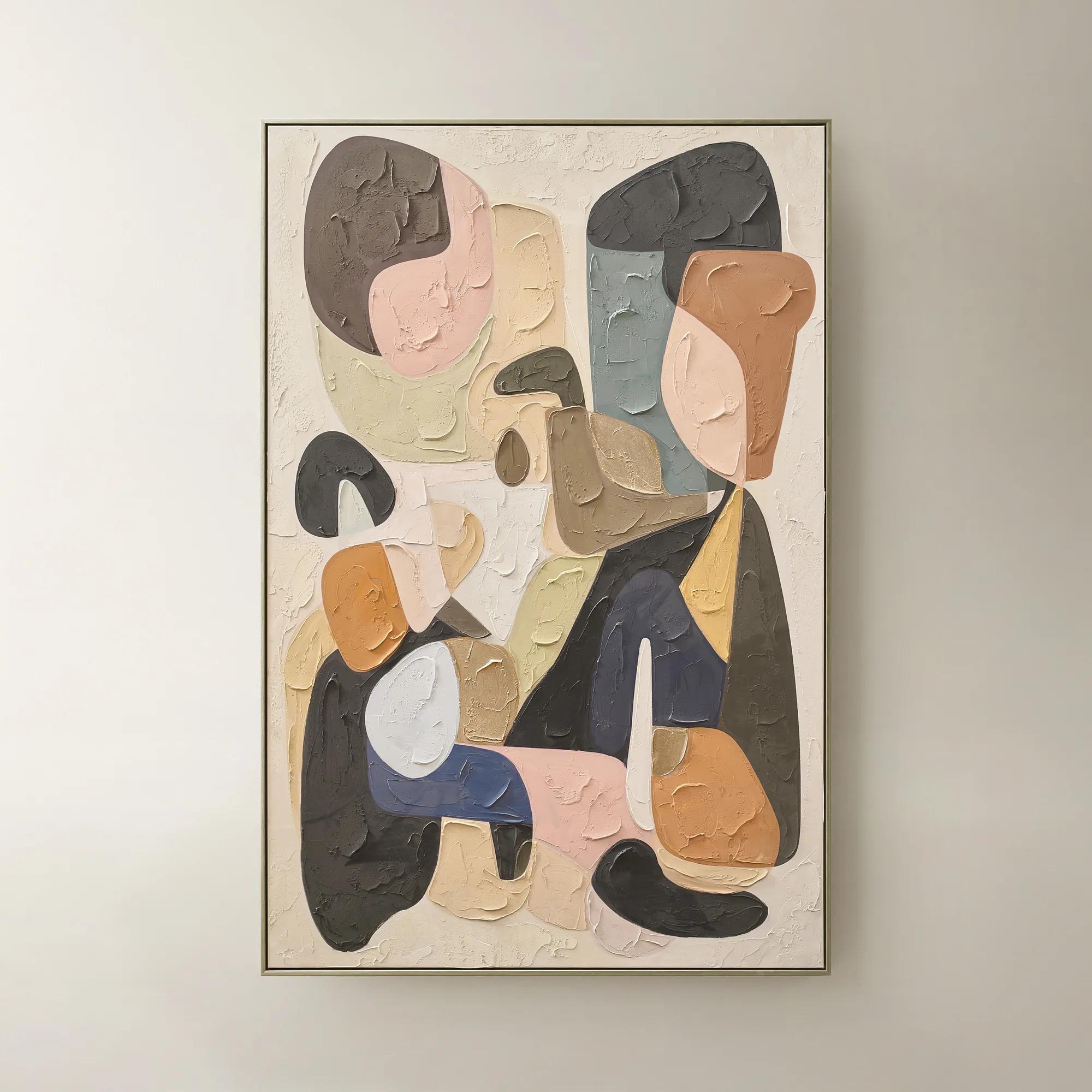
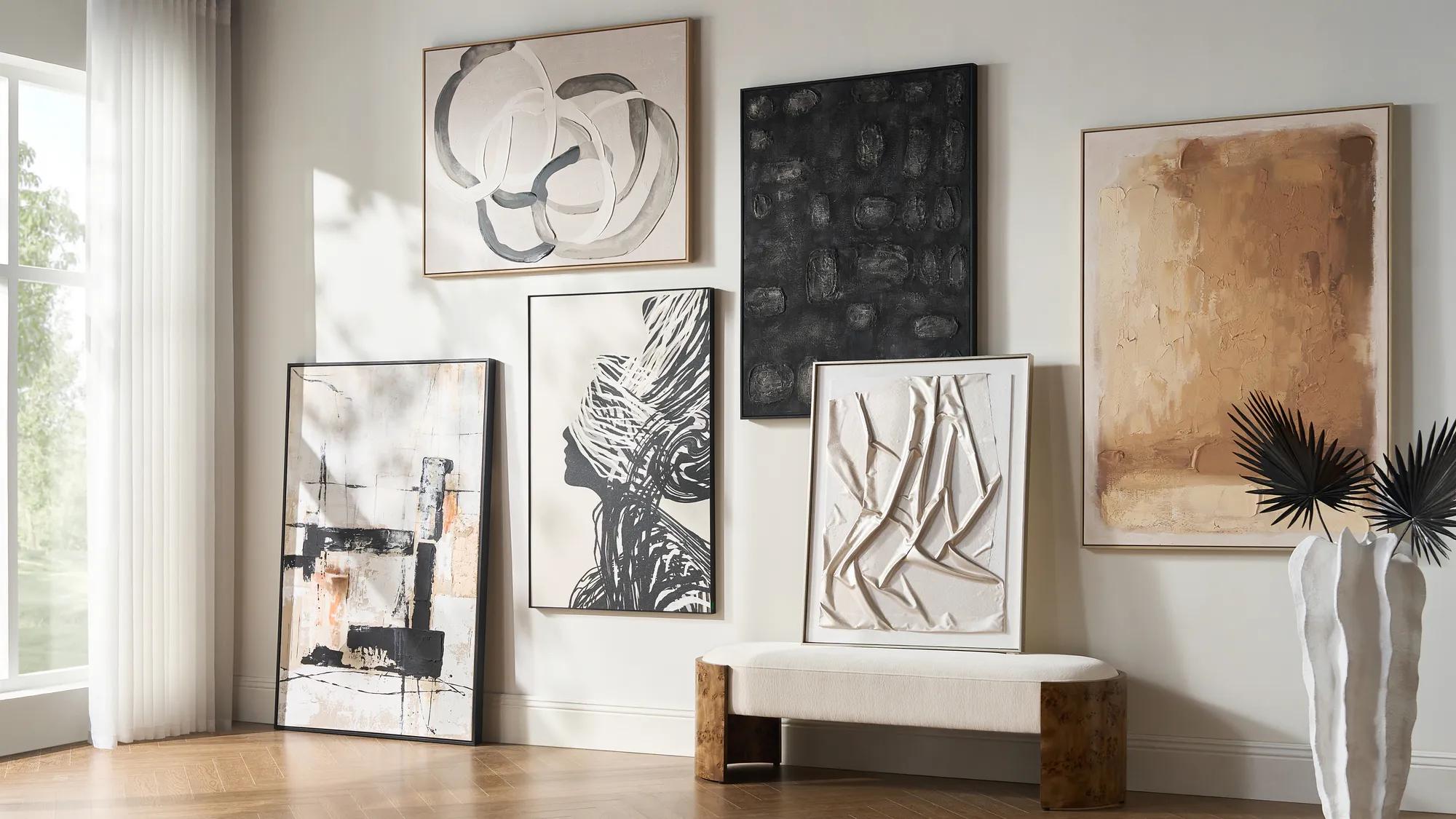 Round About Framed Painted Wall Art 39.25" x 47.25"$349
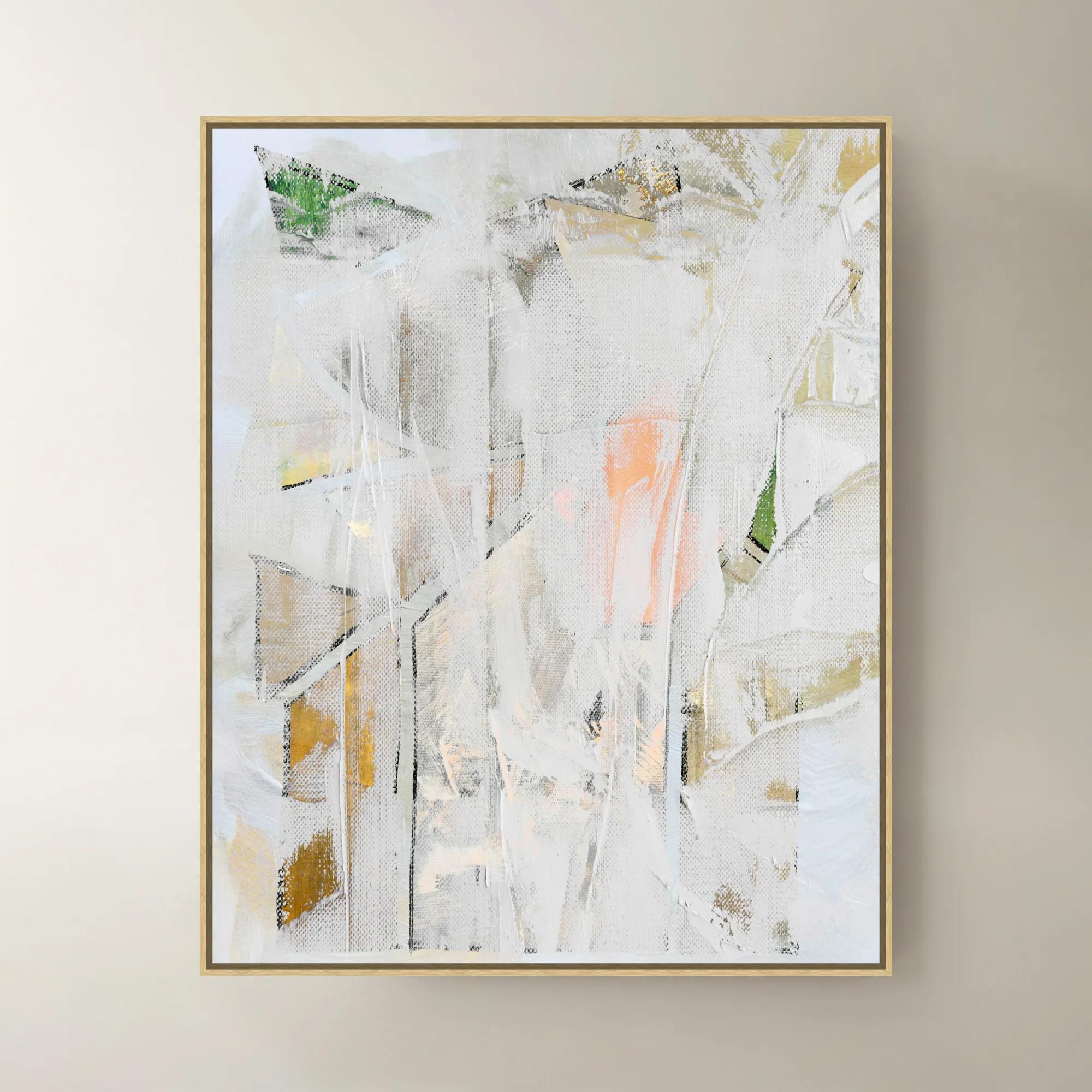
An abstract hand-painted canvas with tonal whites, charcoals, and taupes in a light wood floater frame.
Add To Cart -
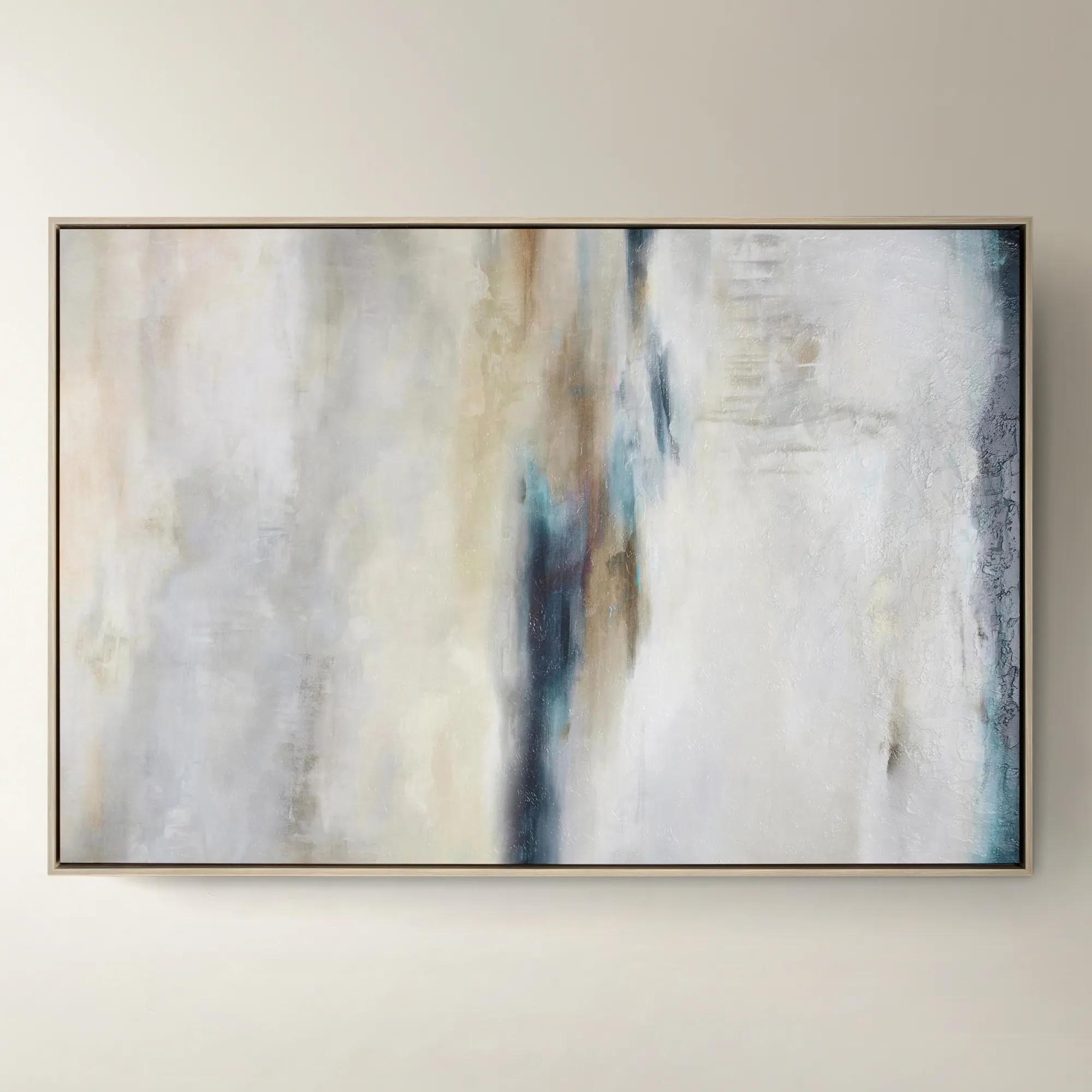
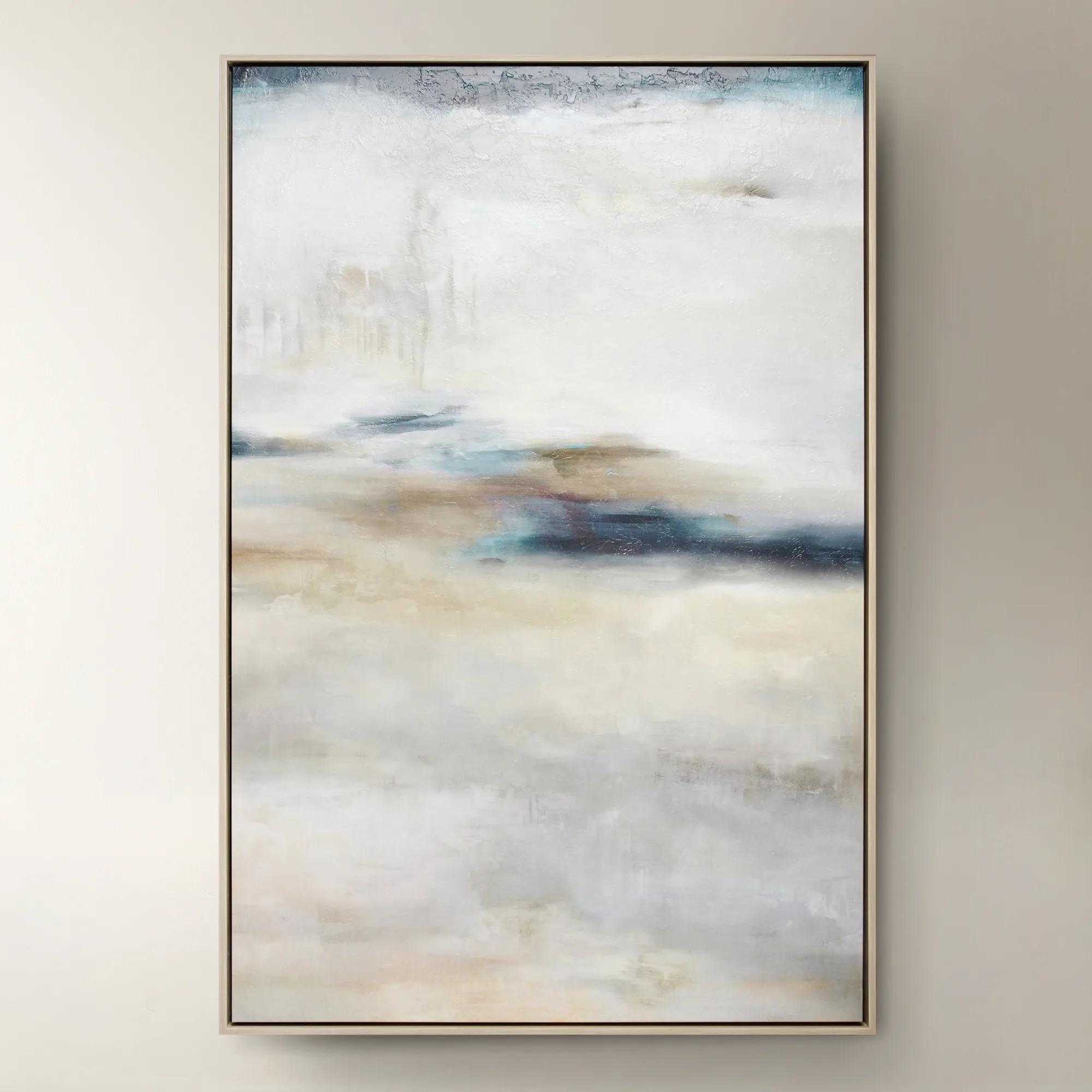 Forward Looking$1299
A softly layered abstract canvas print with a gel finish, set in a natural-hued floater frame.
Add To Cart -
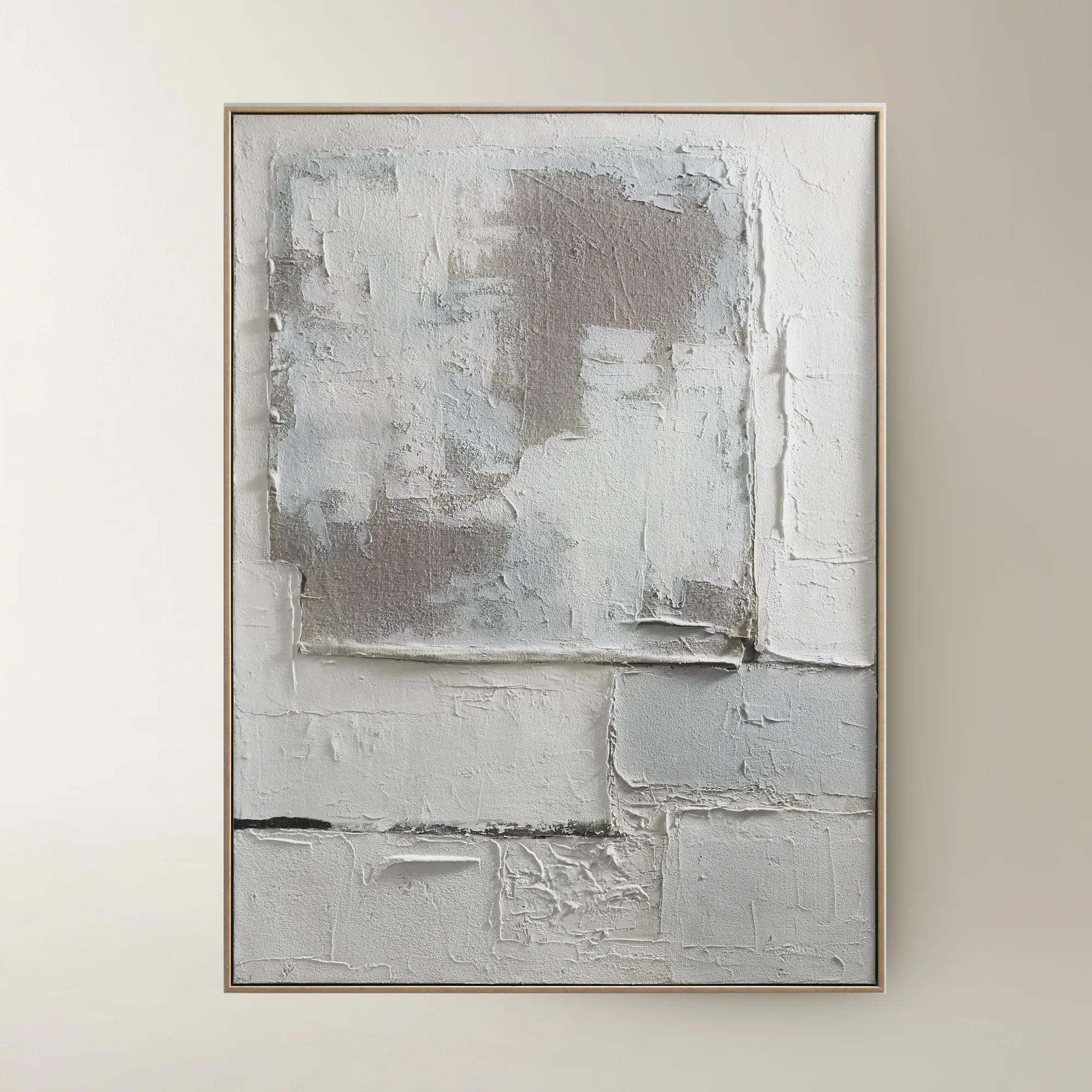
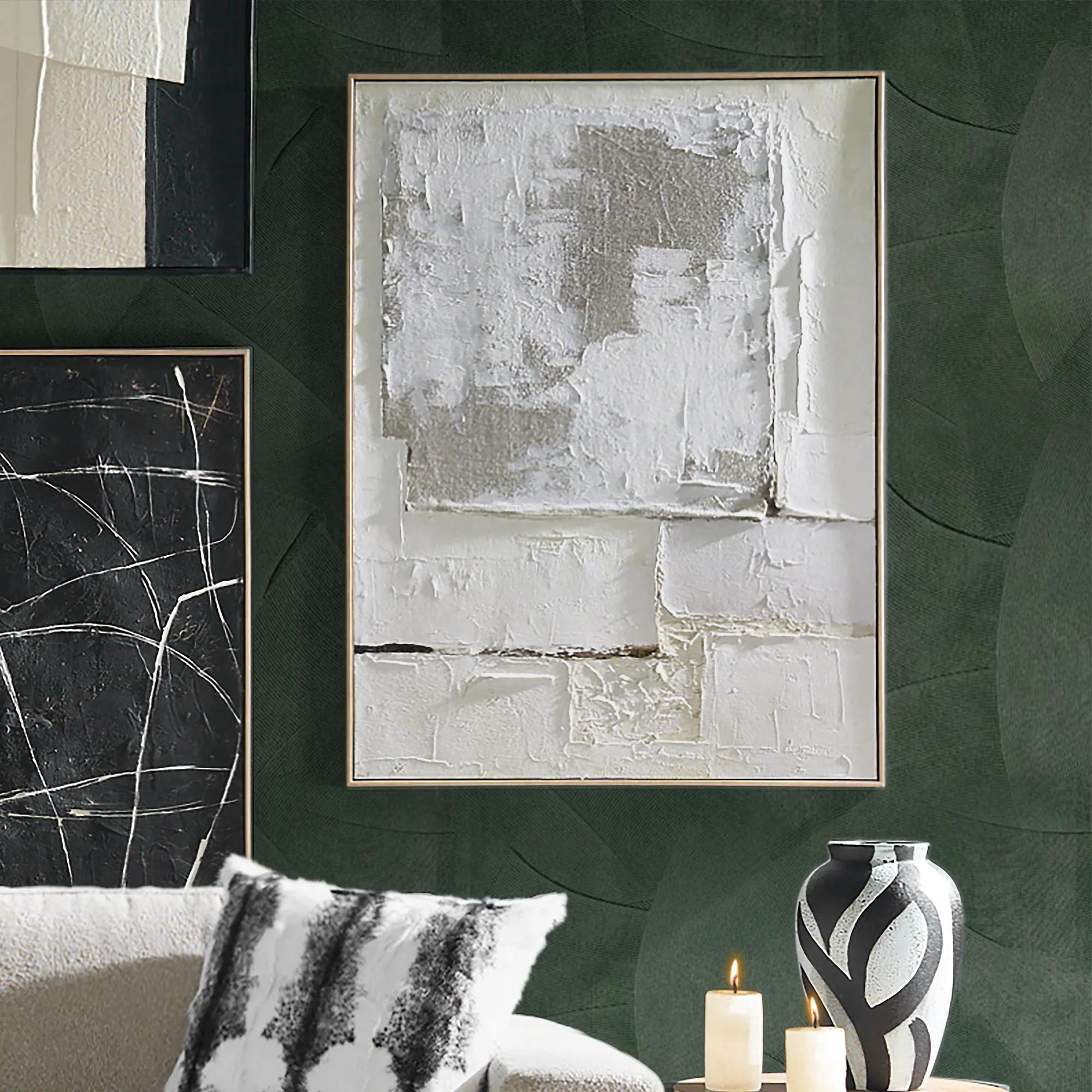 Marrow Painting$399
A hand-painted abstract canvas in subtle beige hues, elegantly framed in a warm beech wood floater.
Add To Cart -
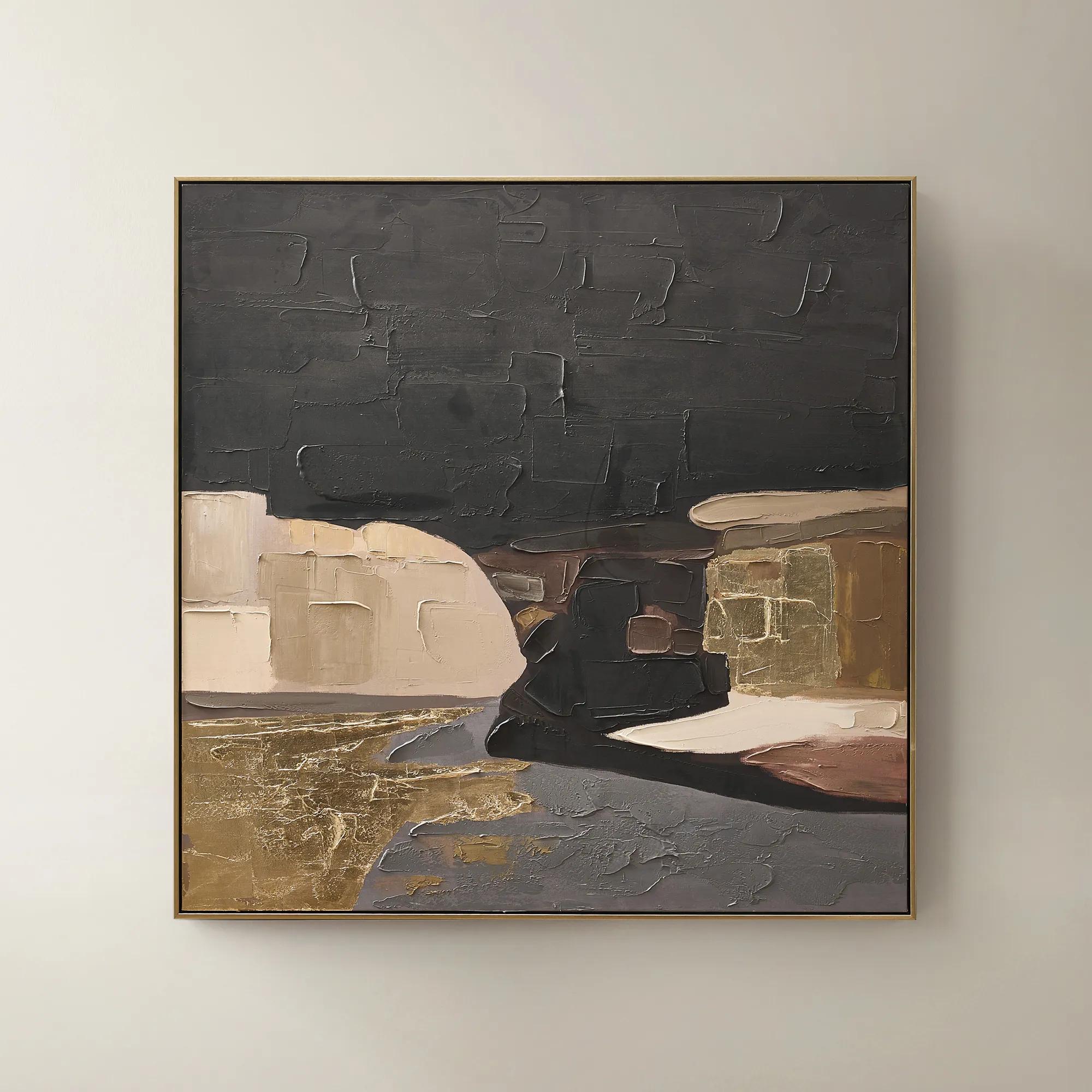 Obscured Light Framed Gold Leaf Painted Wall Art 48" x 48"$499
A hand-painted canvas with gold leaf accents and a black-gold frame in dramatic neutral tones.
Add To Cart -
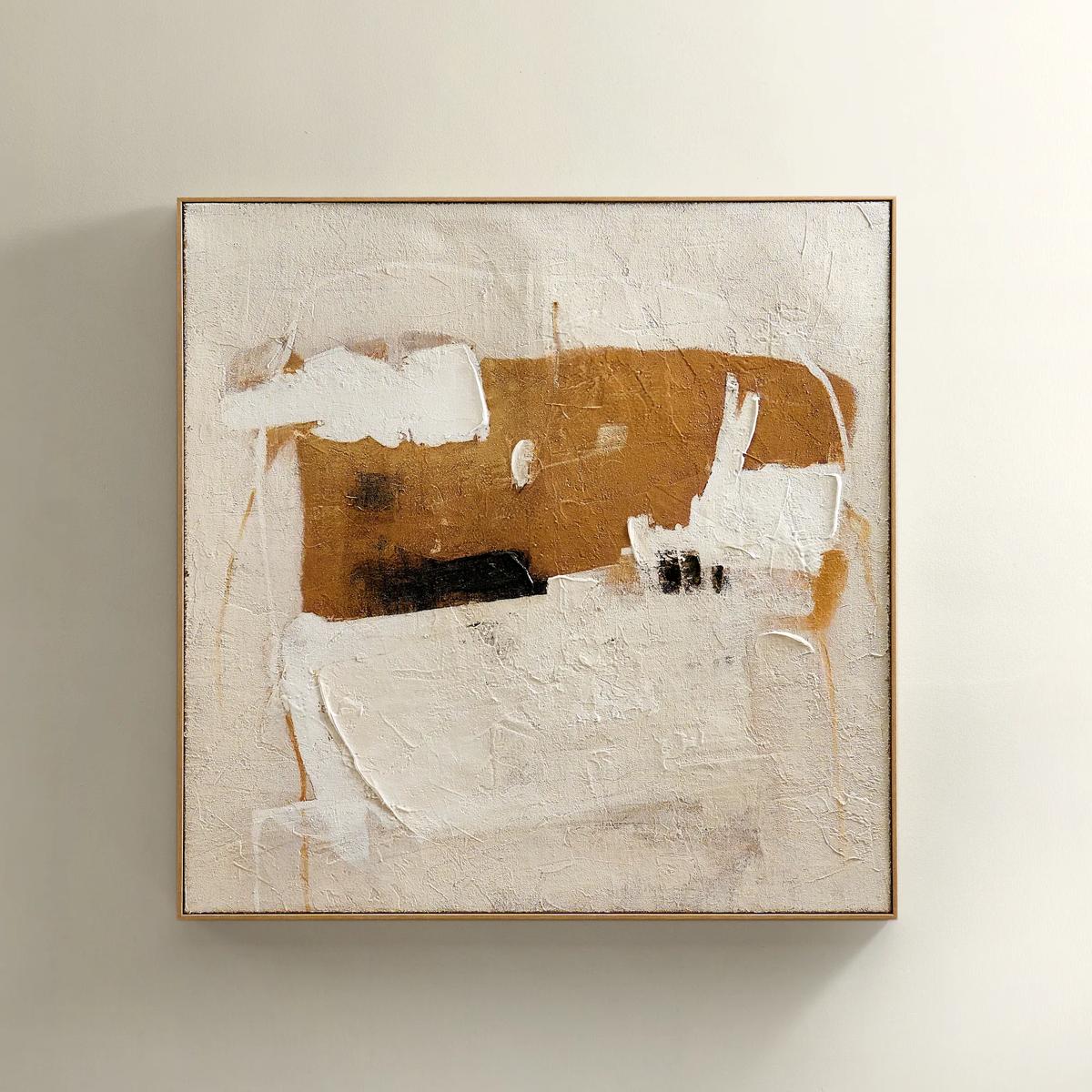
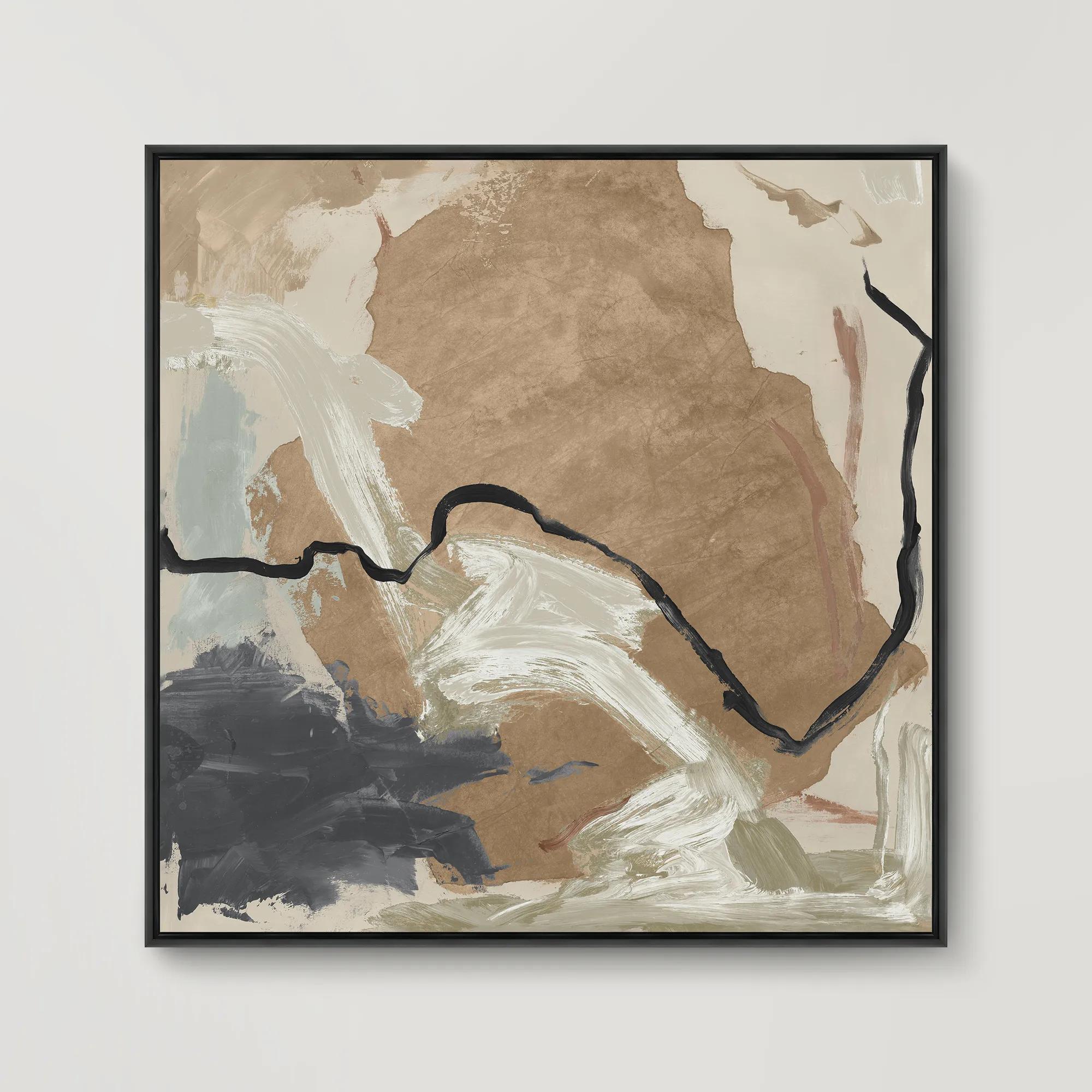
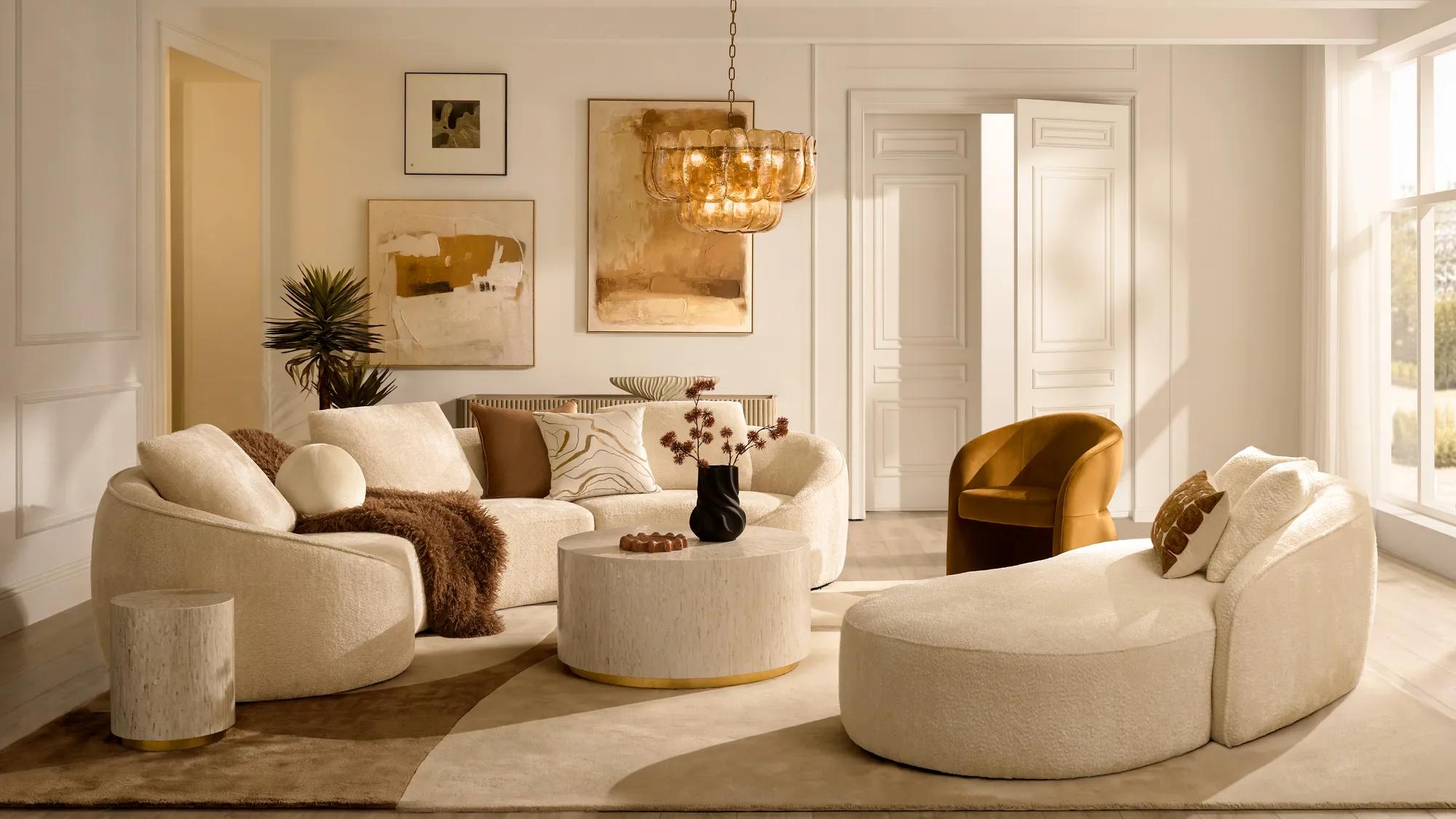 Instinct Framed Painted Wall Art 39.25" x 39.25"$349
An abstract hand-painted artwork featuring warm neutrals and black strokes on hessian with a light natural frame.
Add To Cart -
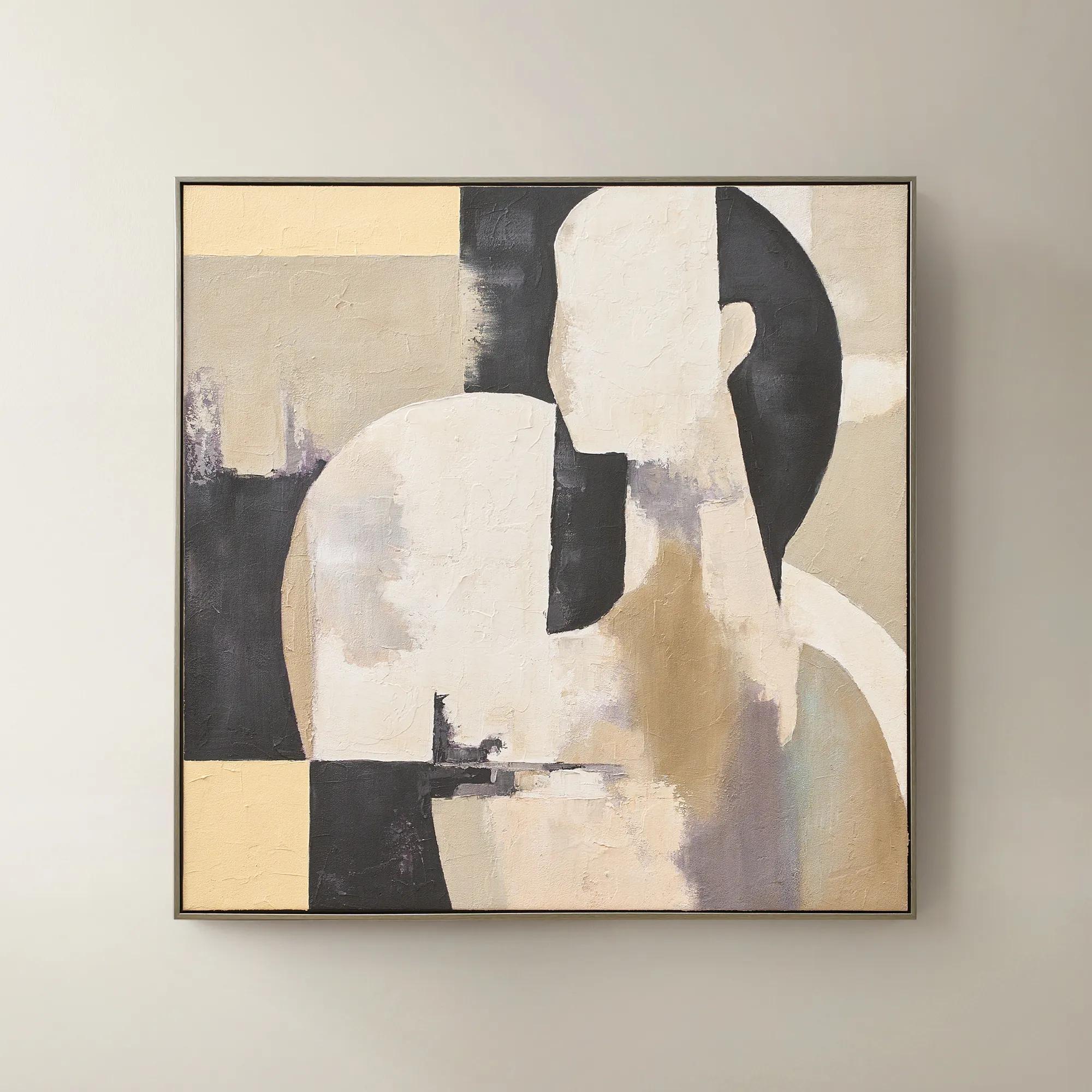 Afternoon Rest Framed Painted Wall Art 40" x 40"$399
A hand-painted abstract figure in buttercream, turtledove, and black hues framed in dark grey.
Add To Cart -
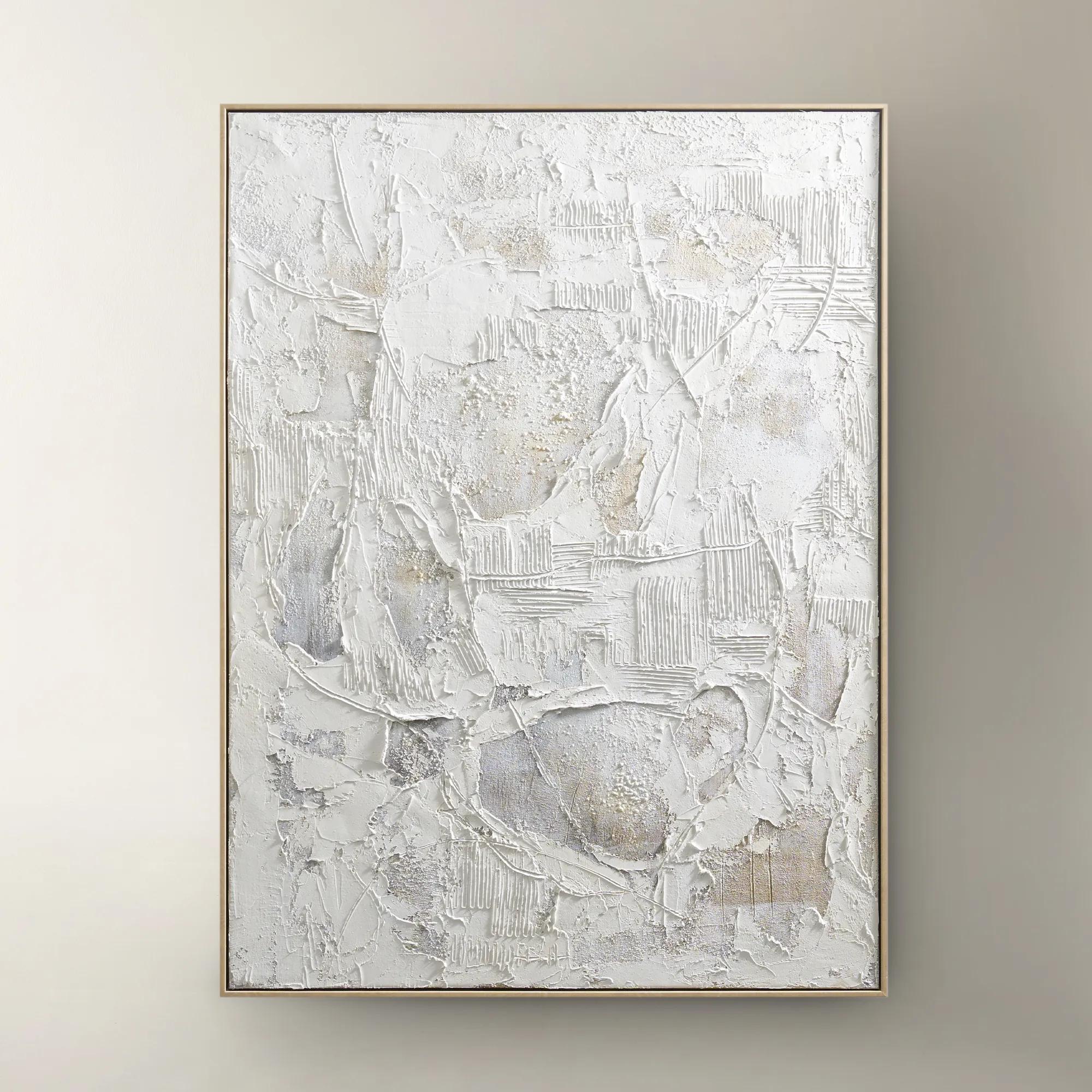 Stone Heritage Painting$399
A hand-painted canvas featuring textured white tones, elegantly framed in warm beech wood for refined appeal.
Add To Cart -
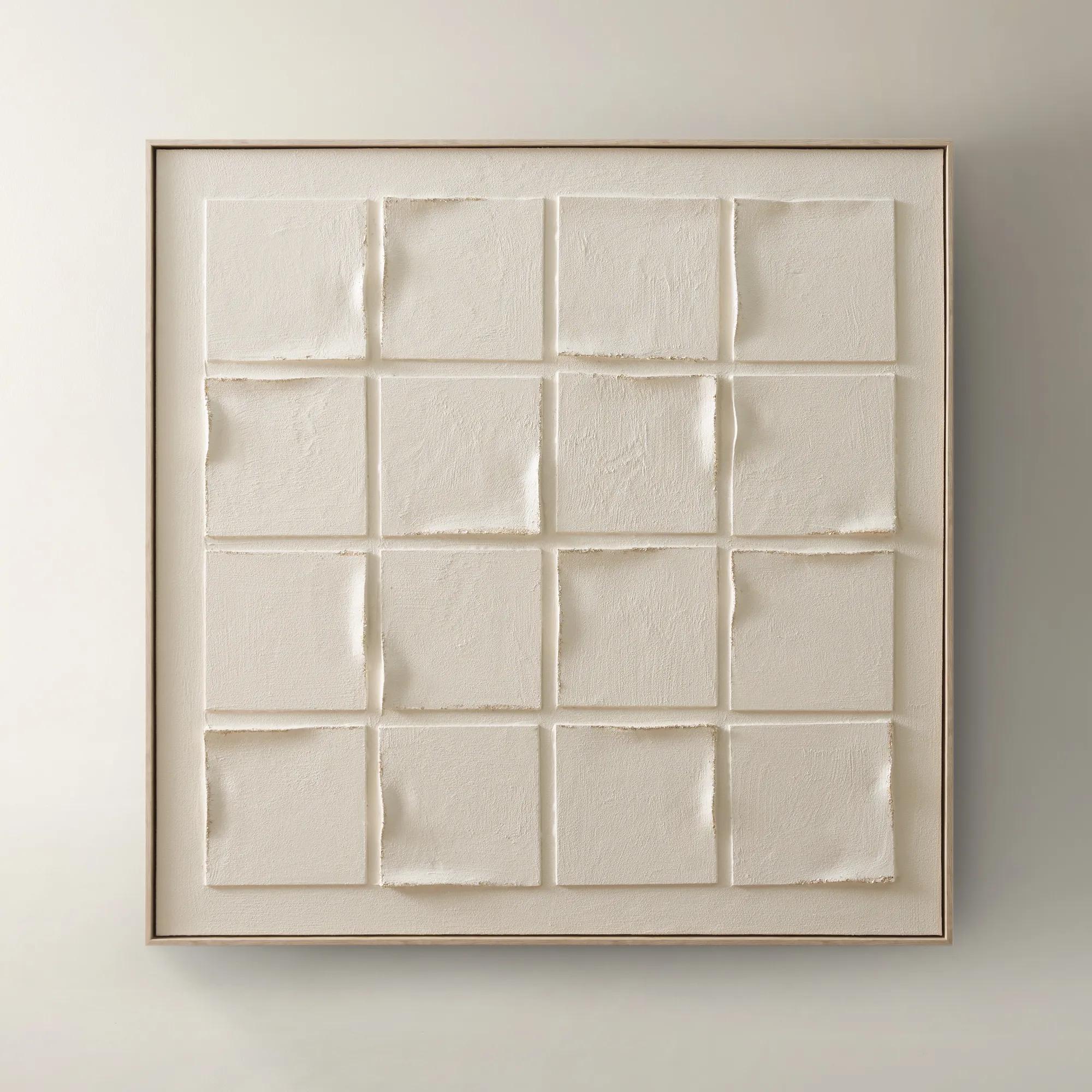 Gaze Framed Painted Wall Art 39.4" x 40"$329
A hand-painted canvas featuring subtle beige tones and textured depth in a warm whitewash floater frame.
Add To Cart -
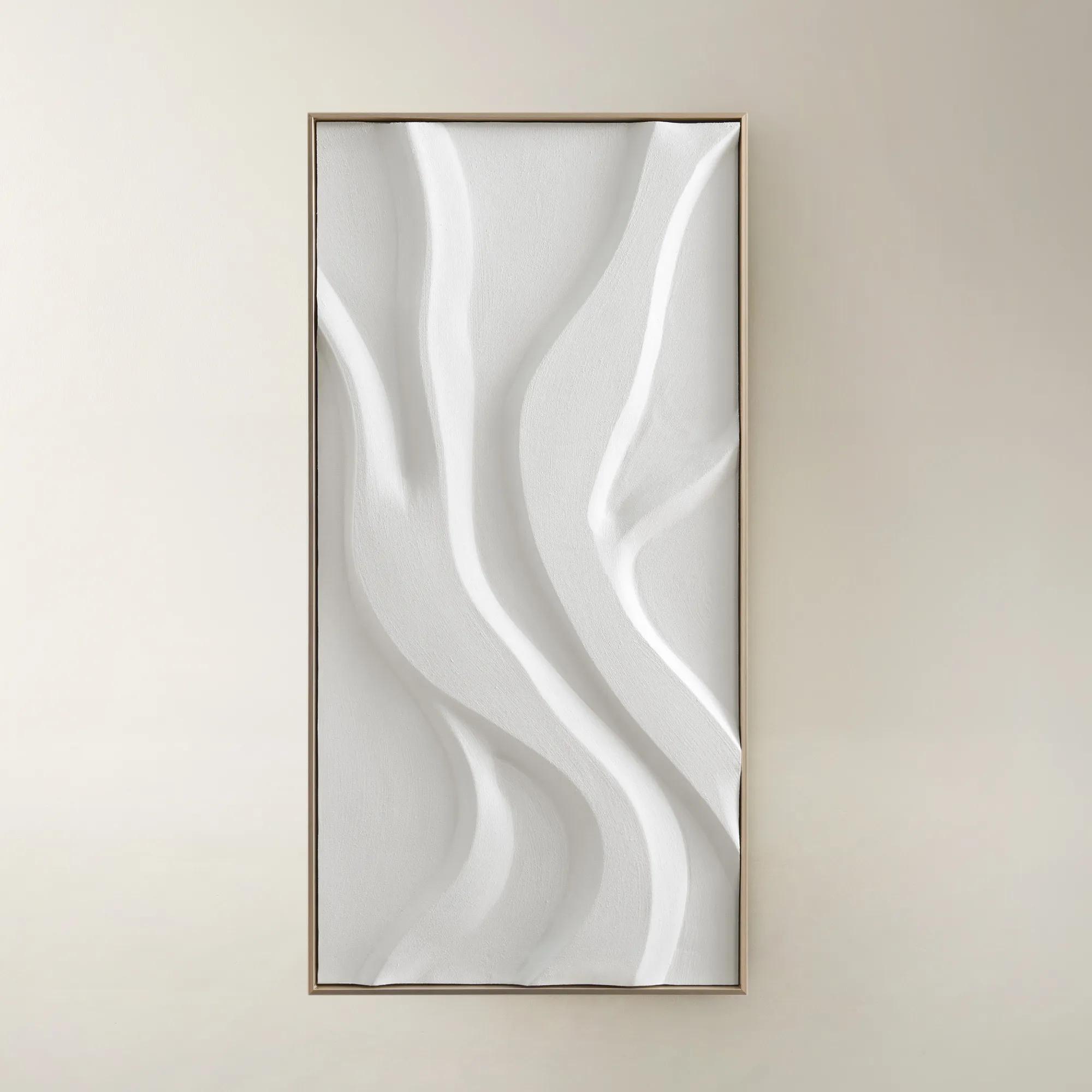
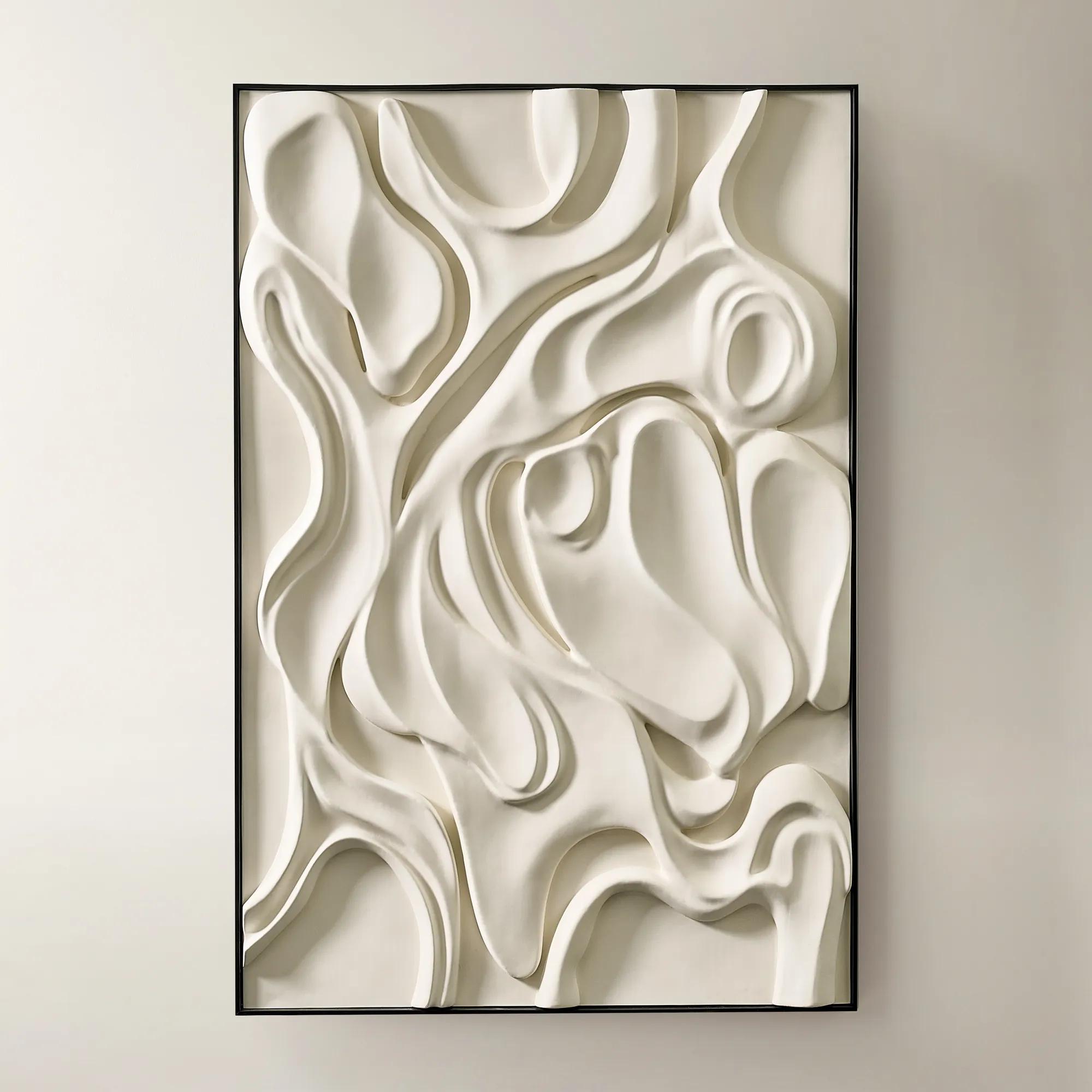 Overflow Alabaster Sculpted Resin Wall Panel 40" x 60"$699
An alabaster fiberglass resin wall panel with sculptural texture and a versatile black frame for modern spaces.
Add To Cart -
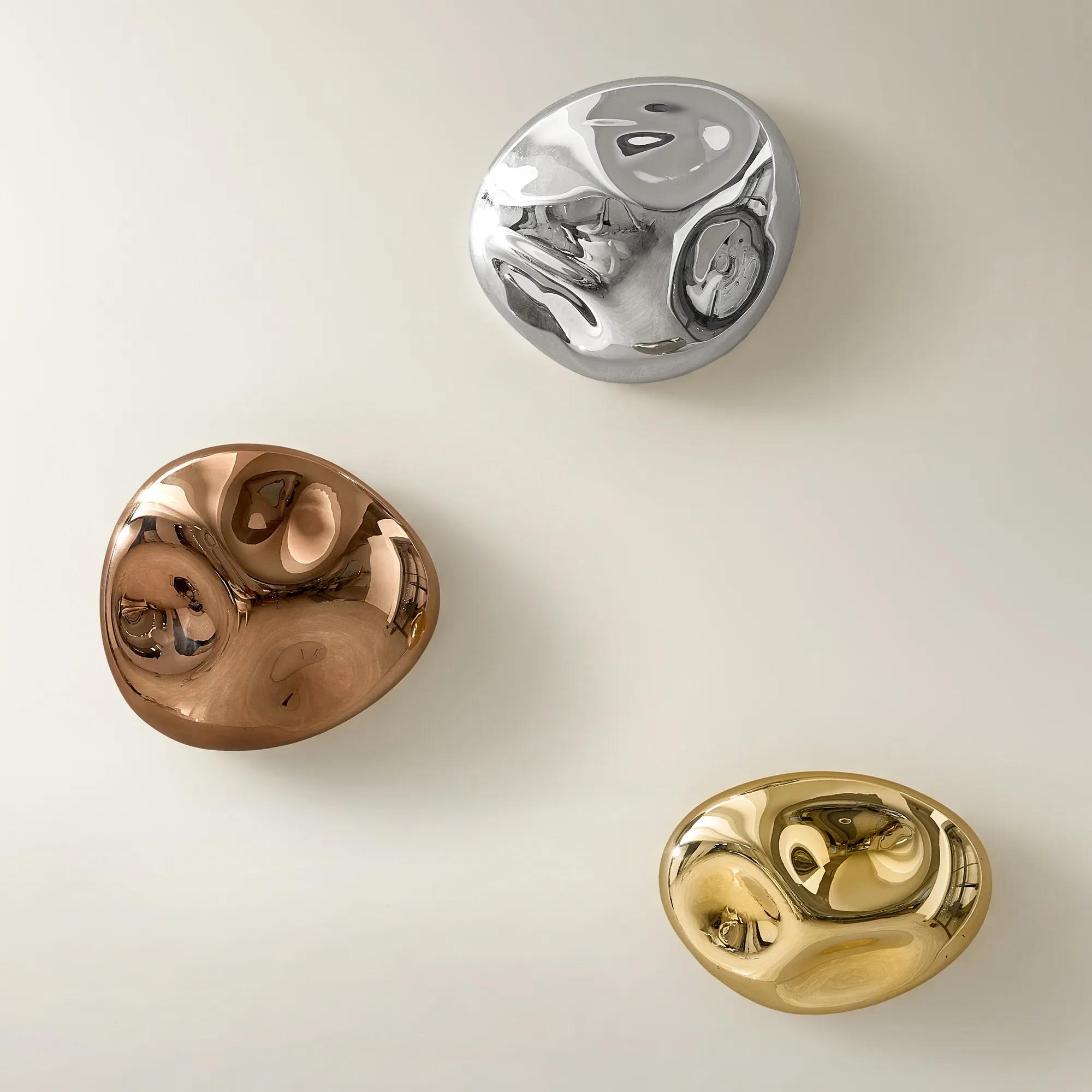
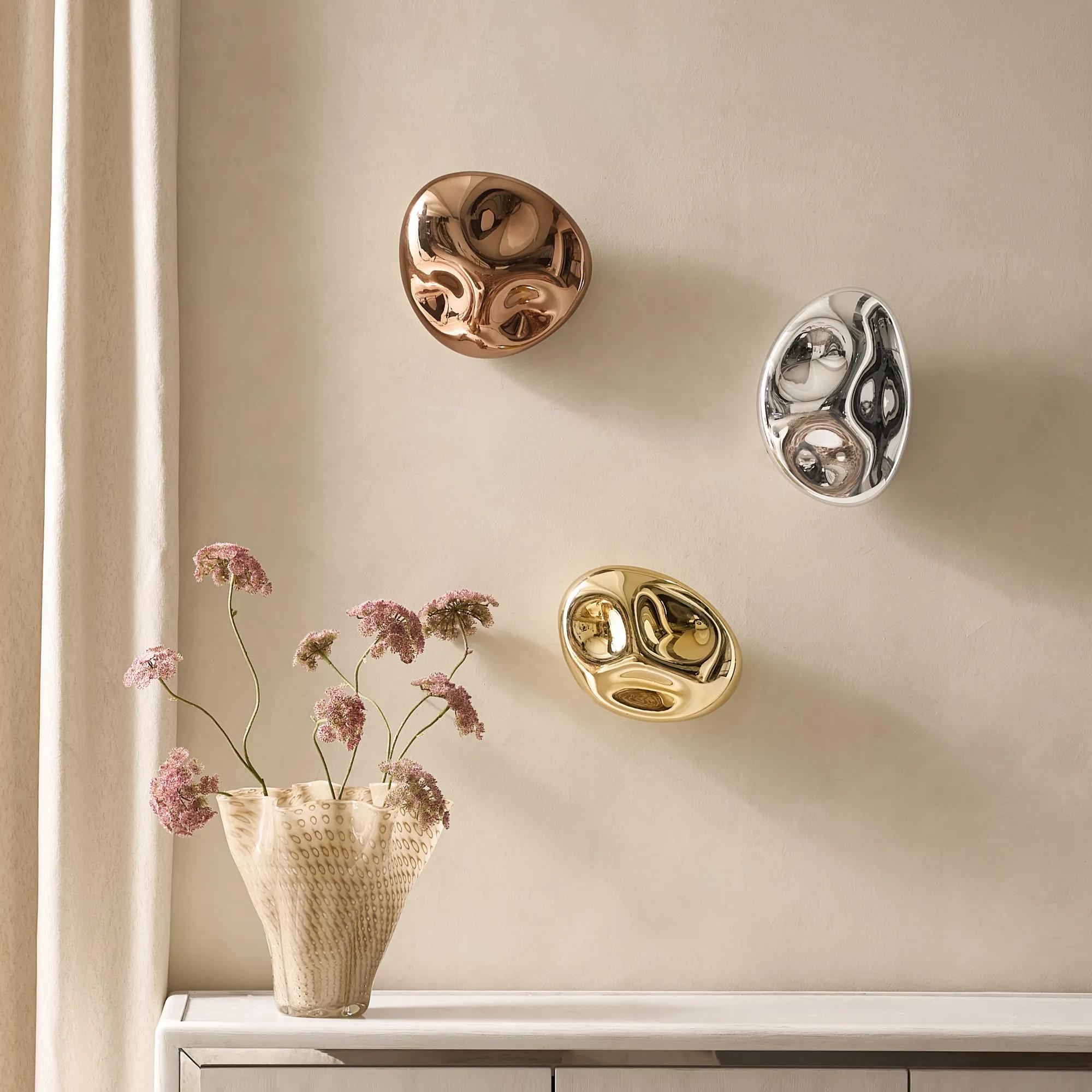 Nebula Electroplated Metallic Glass Wall Decor Set of 3$279
A set of three electroplated glass wall sculptures in polished silver, soft gold, and bronze tones.
Add To Cart -
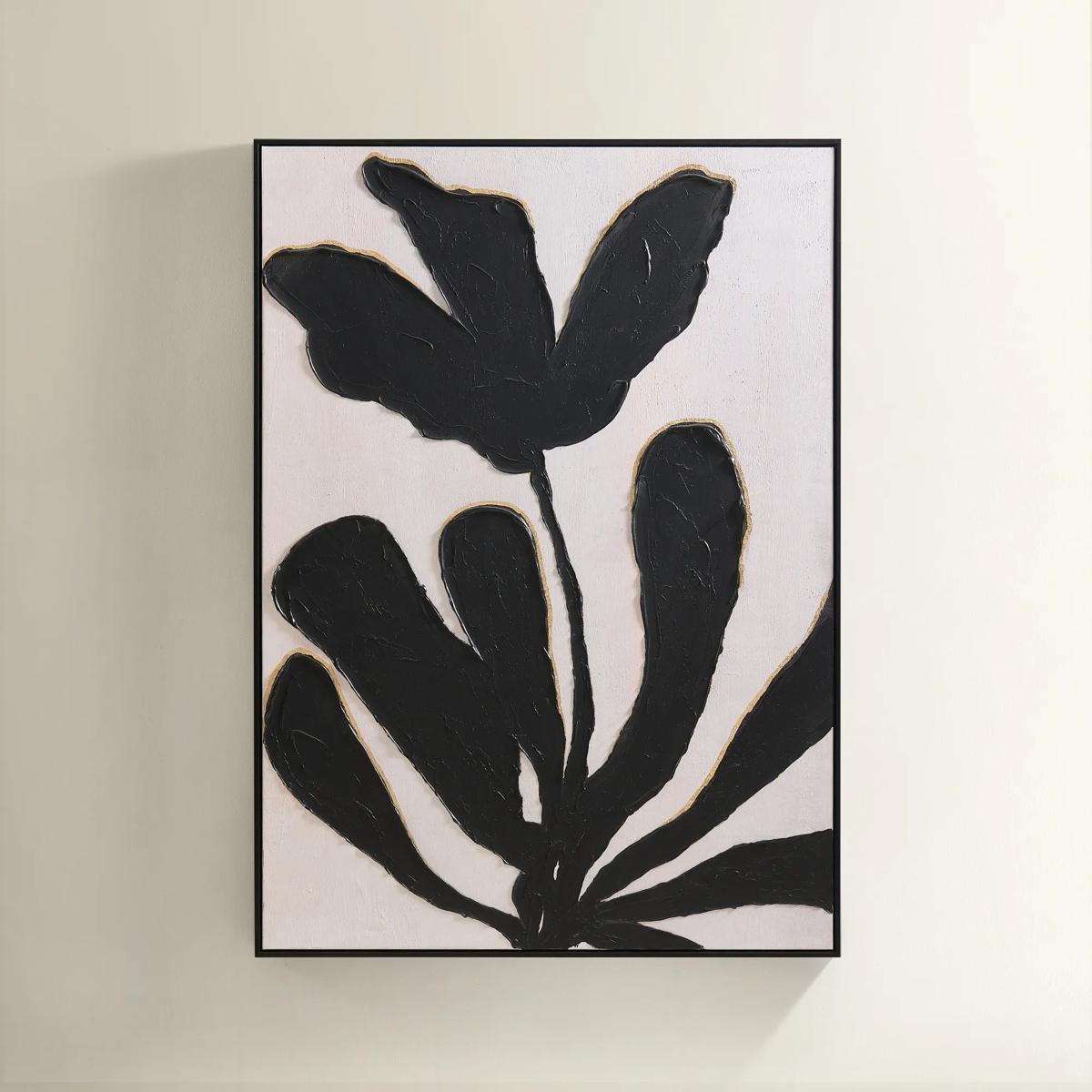
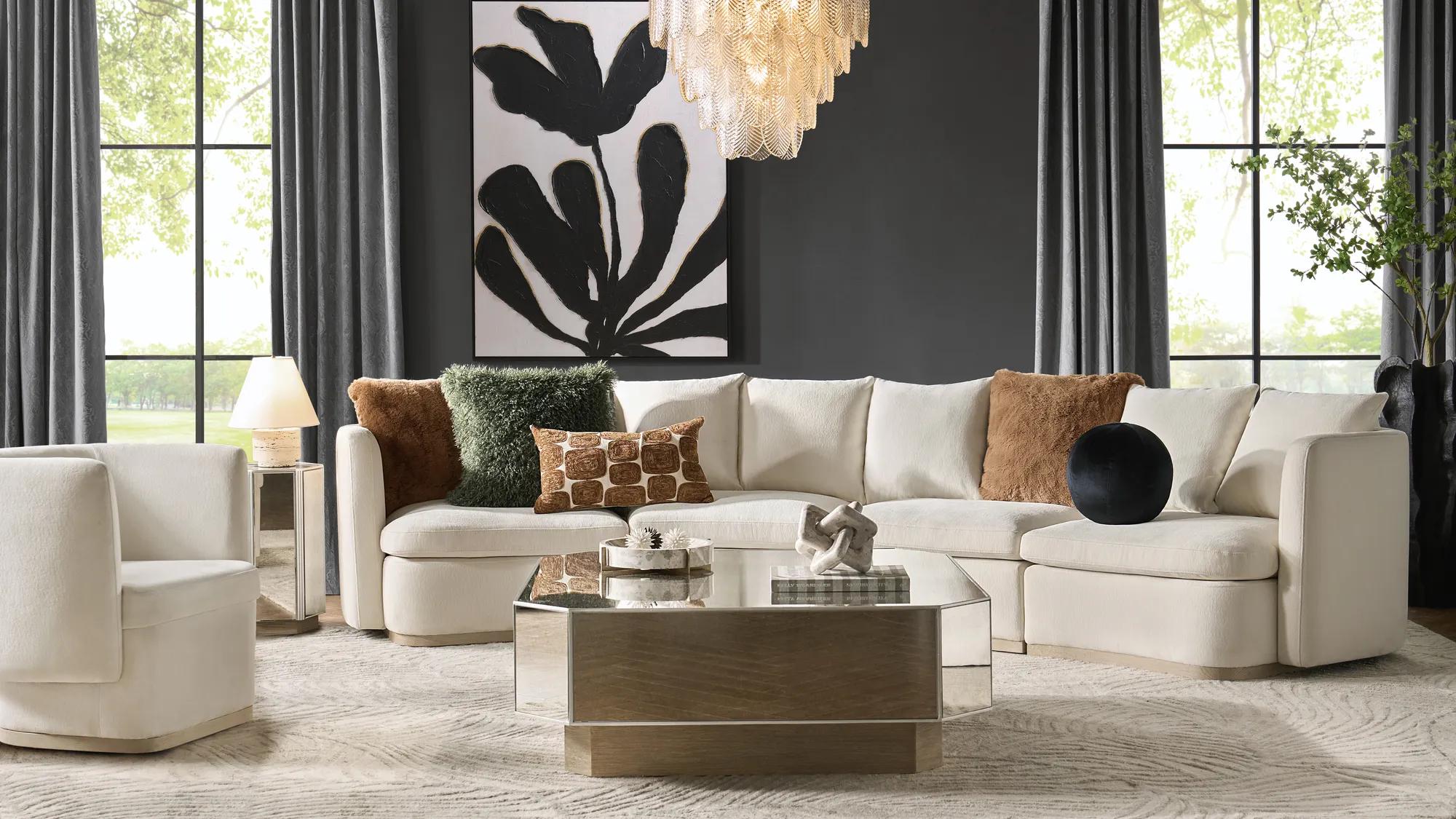 First Bloom Framed Painted Wall Art 39.25" x 55"$499
A hand-painted canvas featuring black abstract leaves and gold leafing on an ivory background in a black frame.
Add To Cart -
-0.jpeg?w=1200&h=1200) Ember Glow Framed Painted Wall Art 39.25" x 55"$499
Ember Glow Framed Painted Wall Art 39.25" x 55"$499A hand-painted abstract canvas blending ochre, terracotta, and golden clay hues in a light natural frame.
Add To Cart -
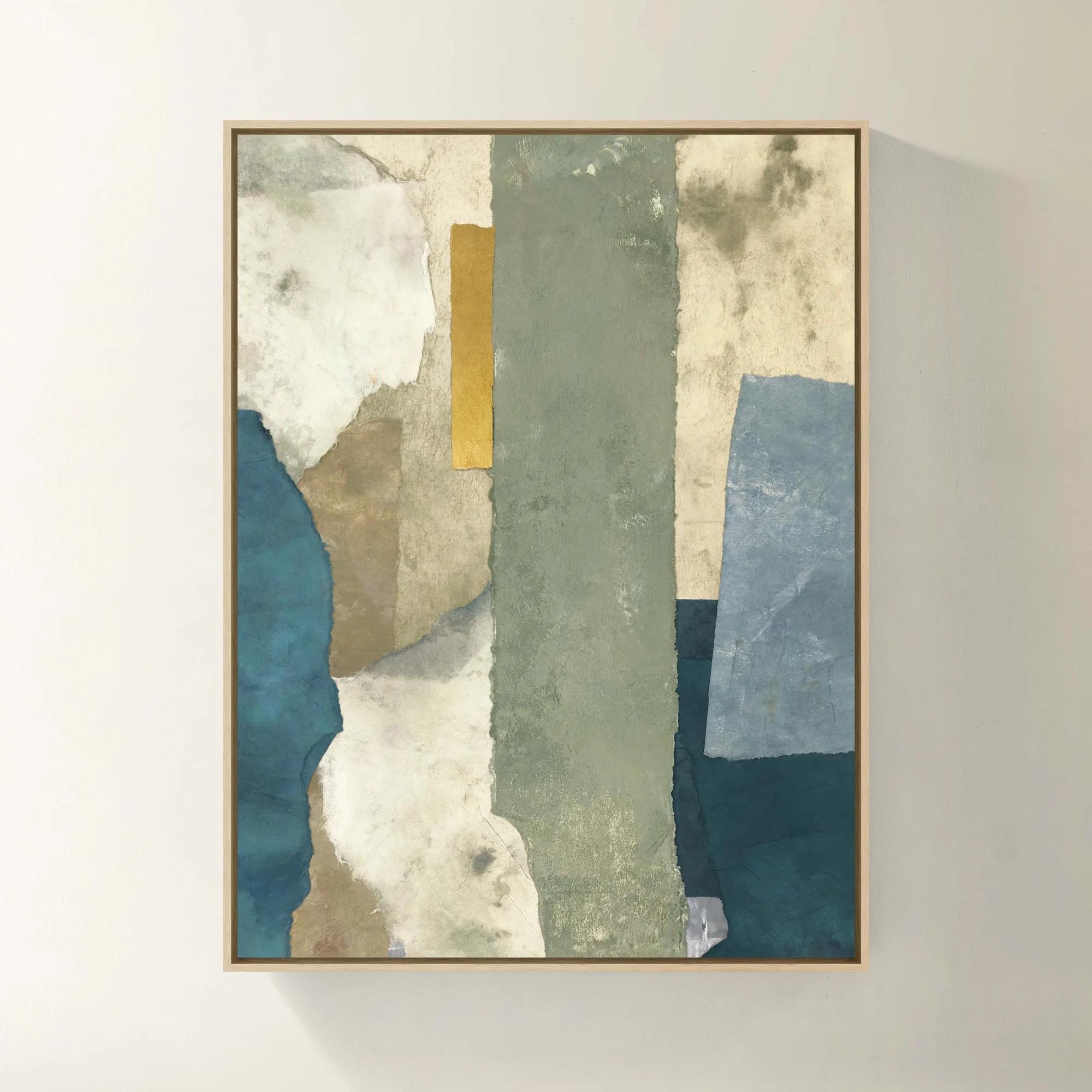 Earth Fragments II Framed Wall Art 30" x 40"$799
A gallery-wrapped canvas featuring gild accents and hand-applied gel, set in a natural floater frame.
Add To Cart -
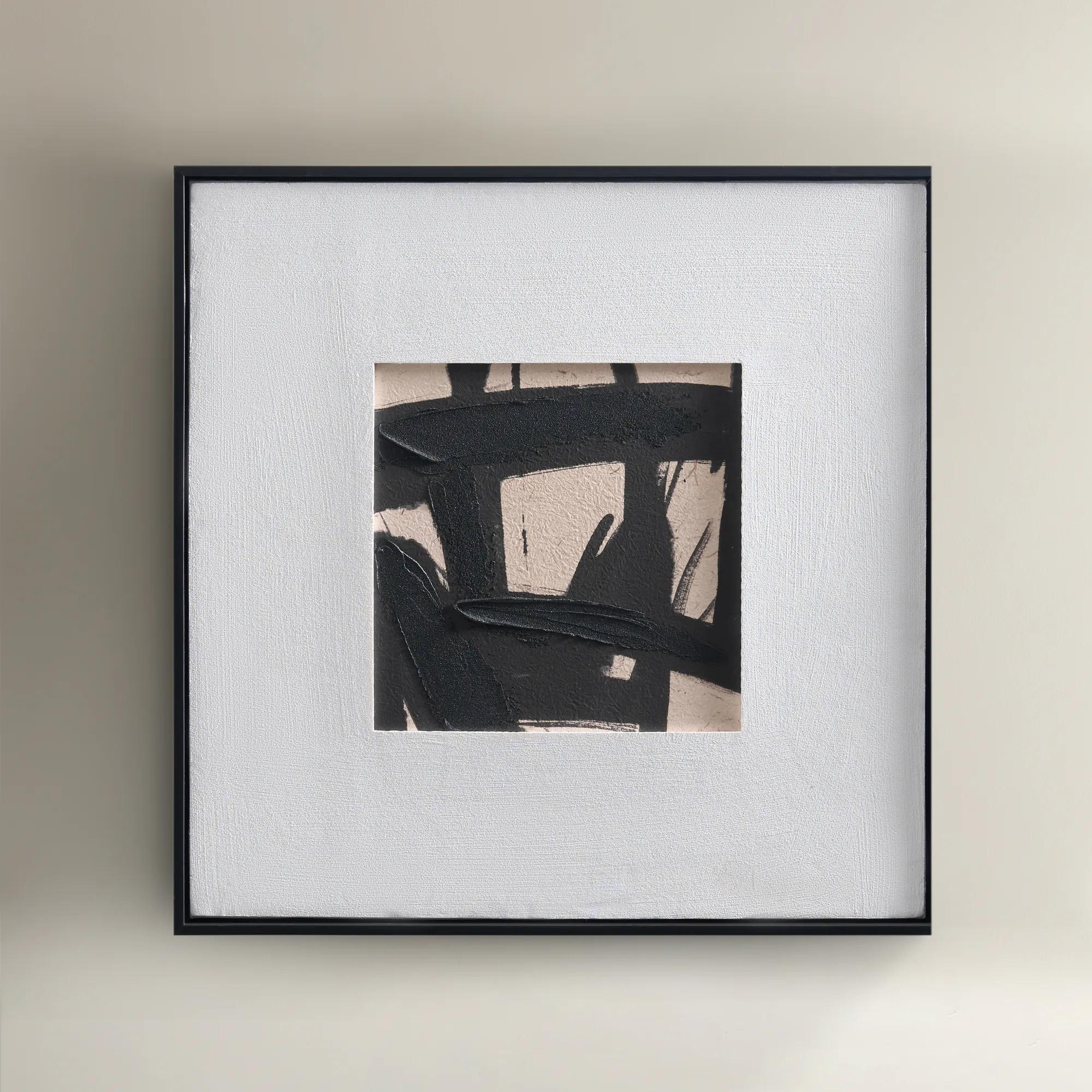
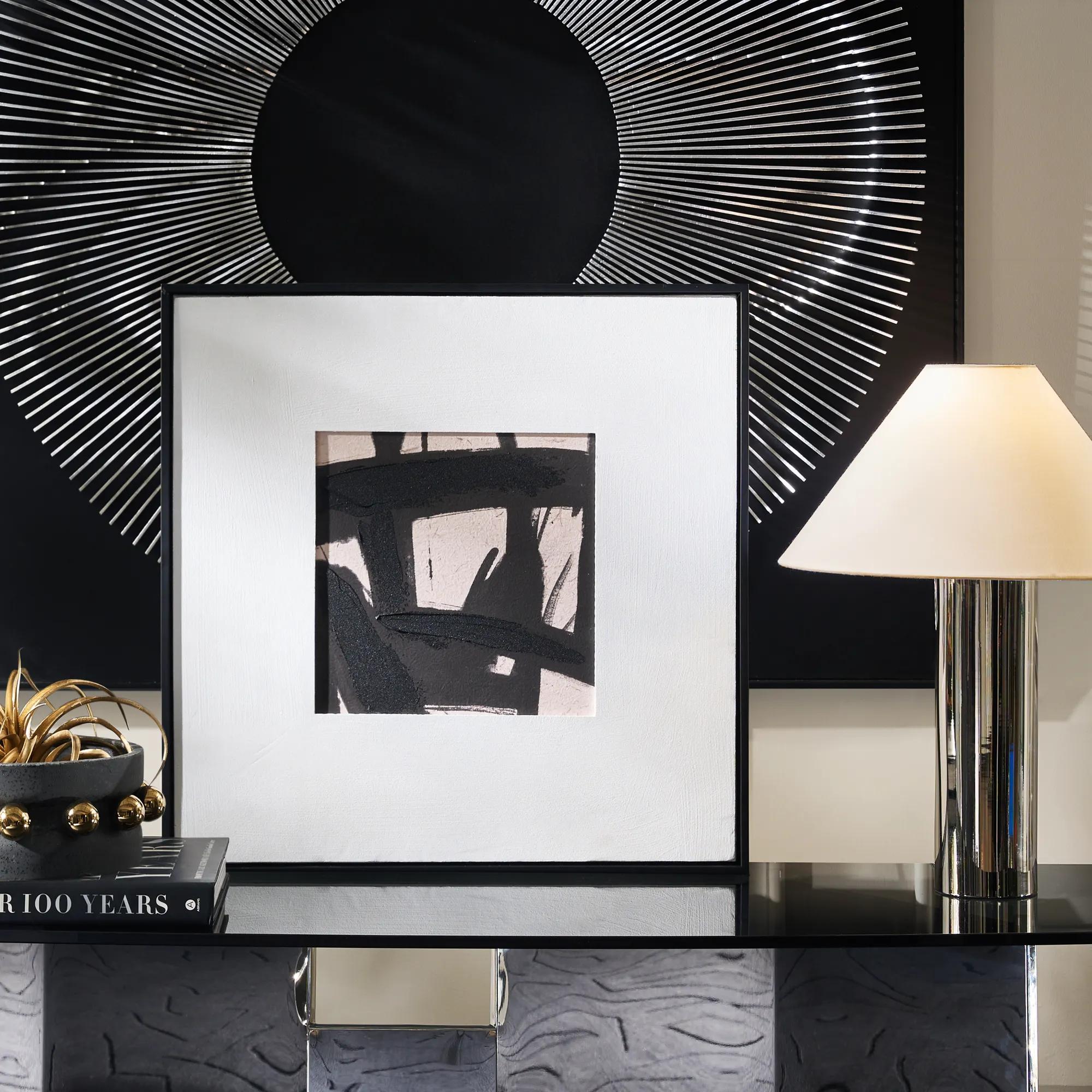 Ink Maze Painting$89
A hand-painted canvas featuring bold black and beige contrasts, set in a sleek black floater frame.
Add To Cart -
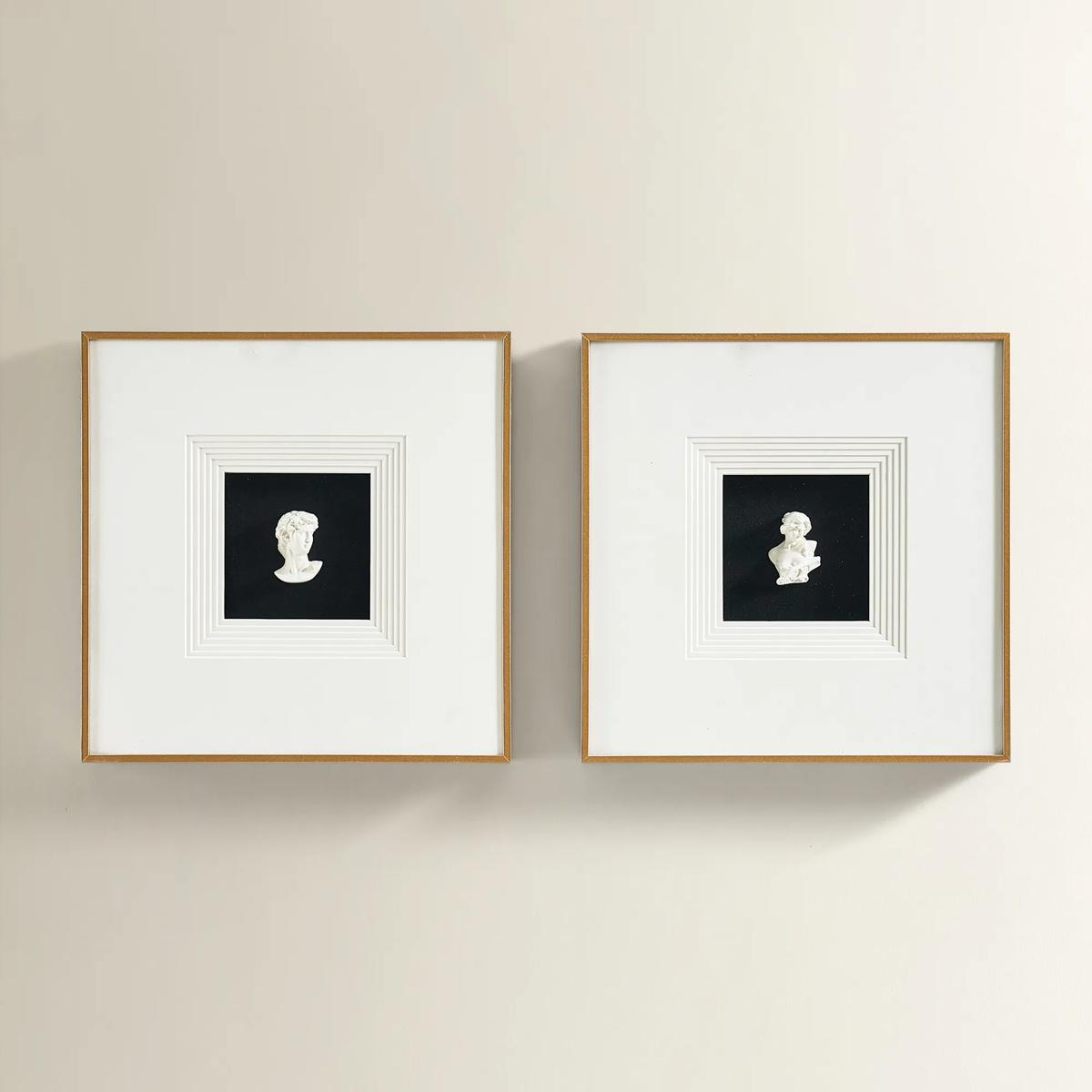
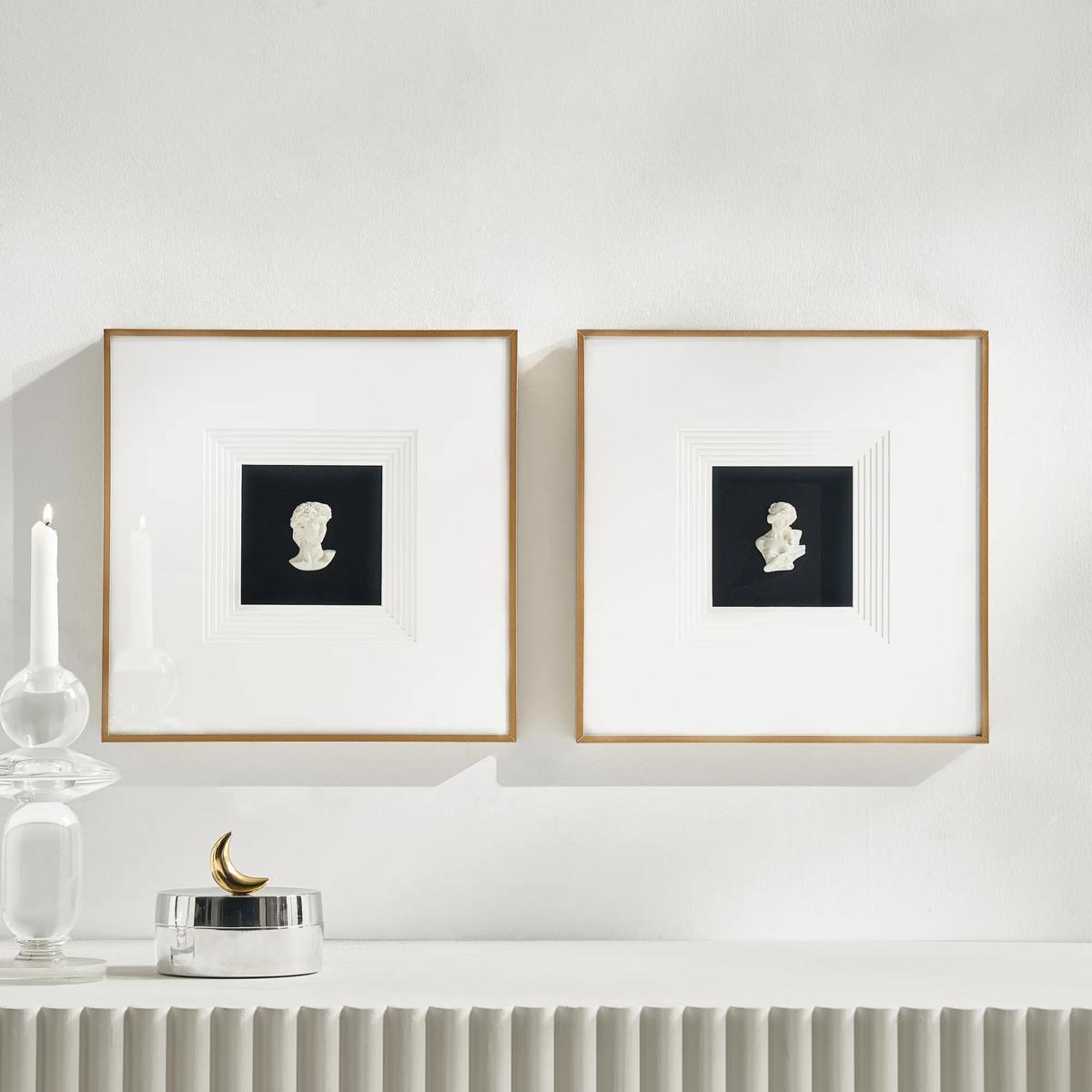 Classics Framed Plaster Wall Decor Set of 2$149
A set of two plaster portrait wall art pieces in black and ivory with sleek aluminum frames.
Add To Cart -
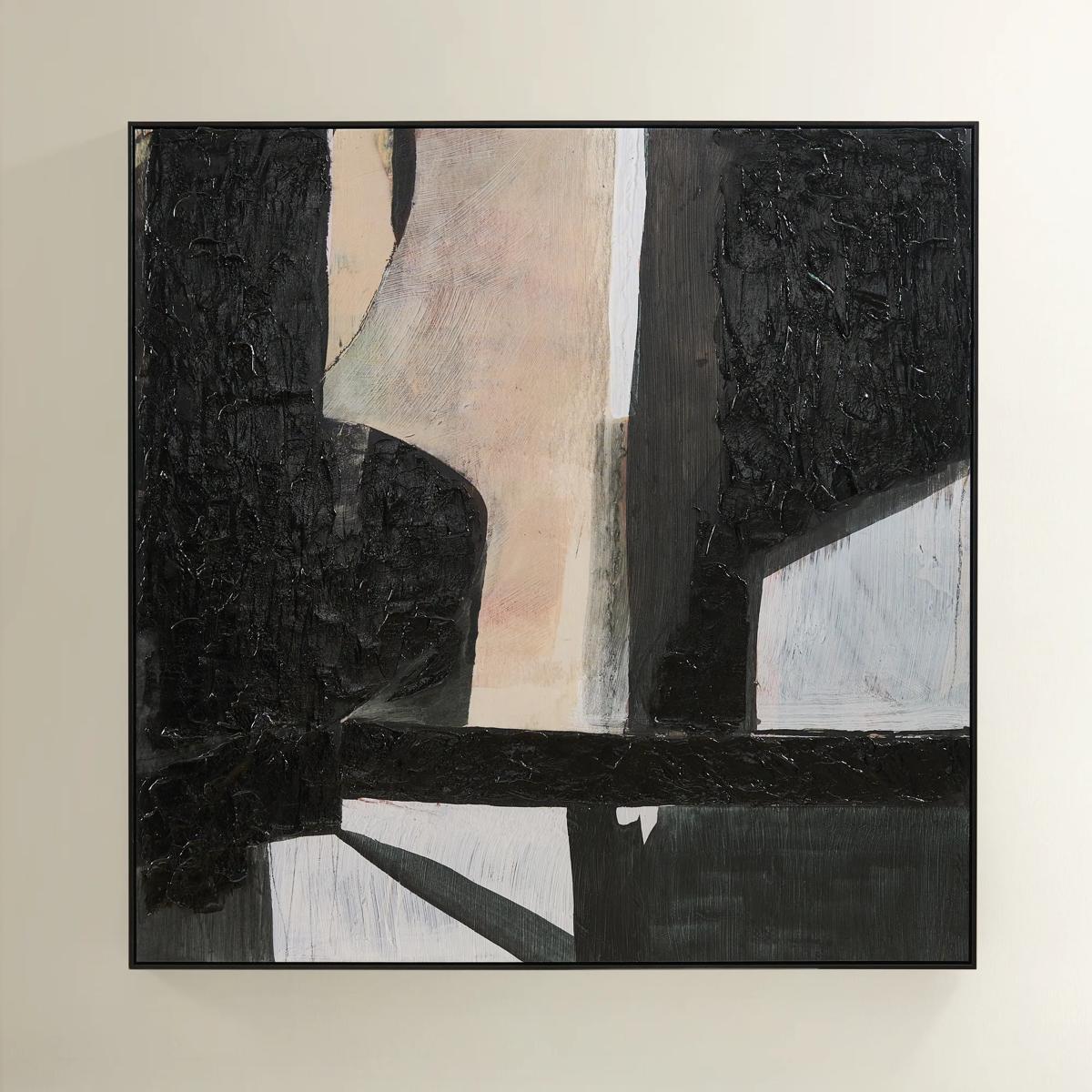 Grounded Painting$699
A hand-painted abstract canvas featuring black, cream, and earth tones in a sleek black floater frame.
Add To Cart -
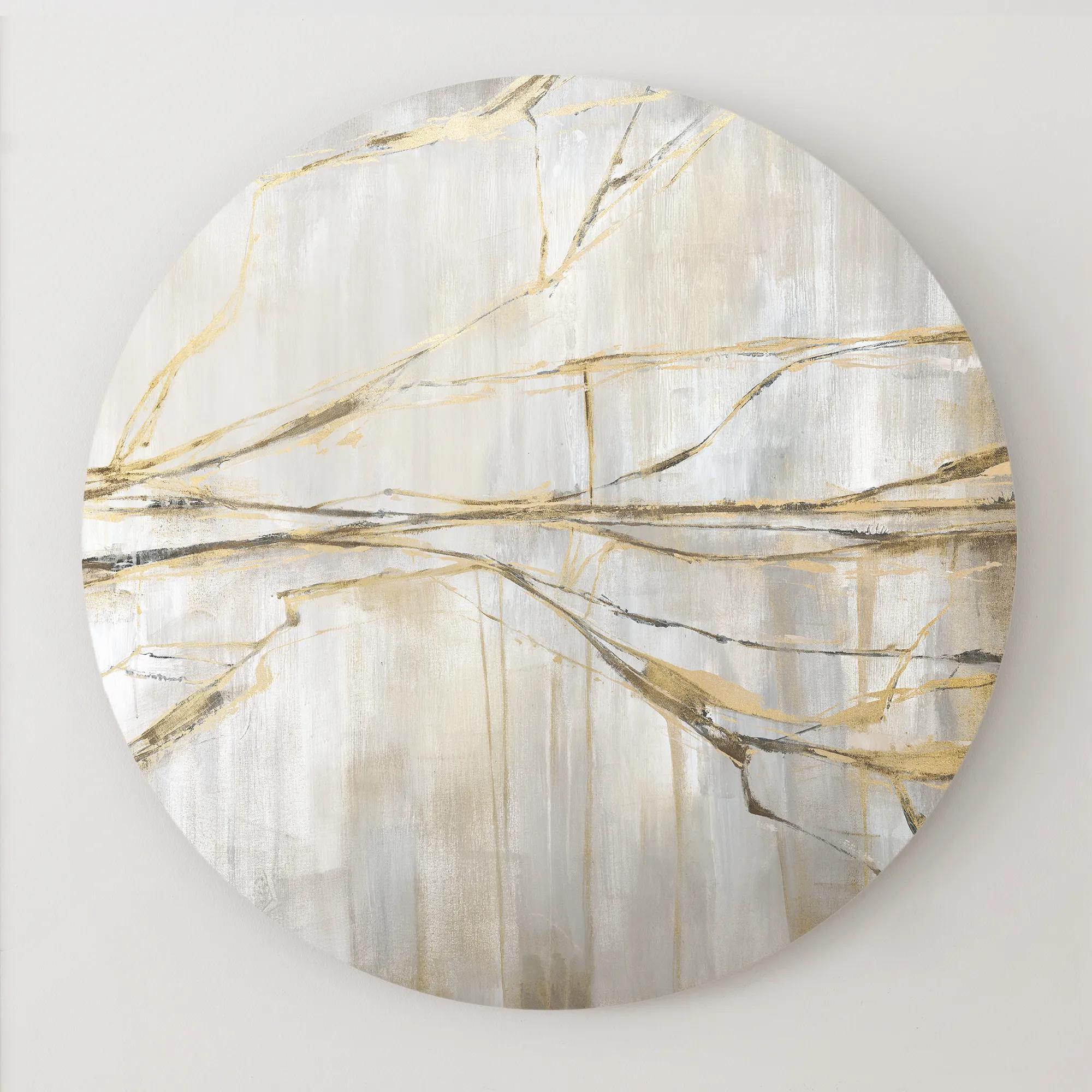
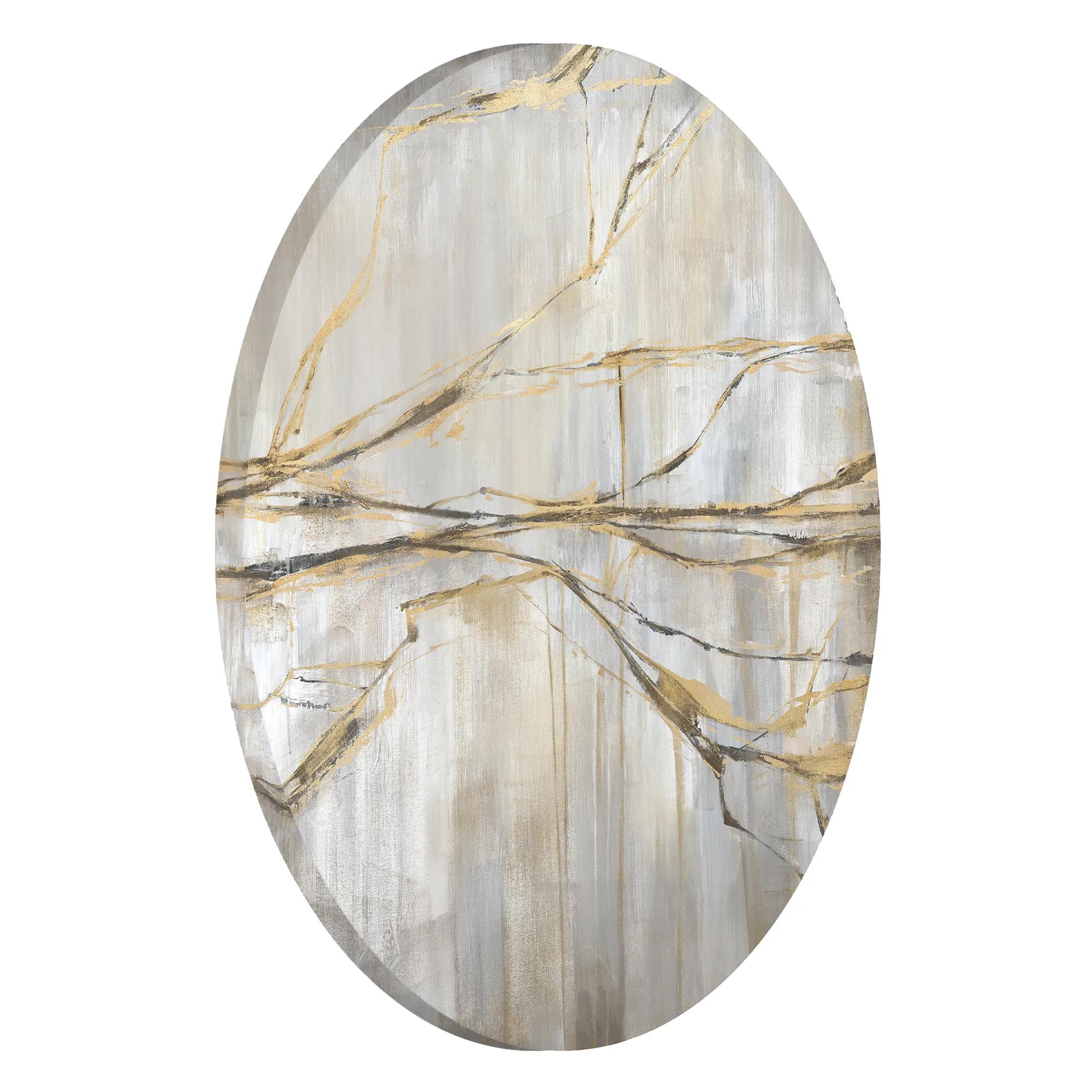 Lightening Crashes Round Wall Art 30"$899
A hand-textured circular linen canvas featuring a gallery-wrapped design for versatile wall display.
Add To Cart -
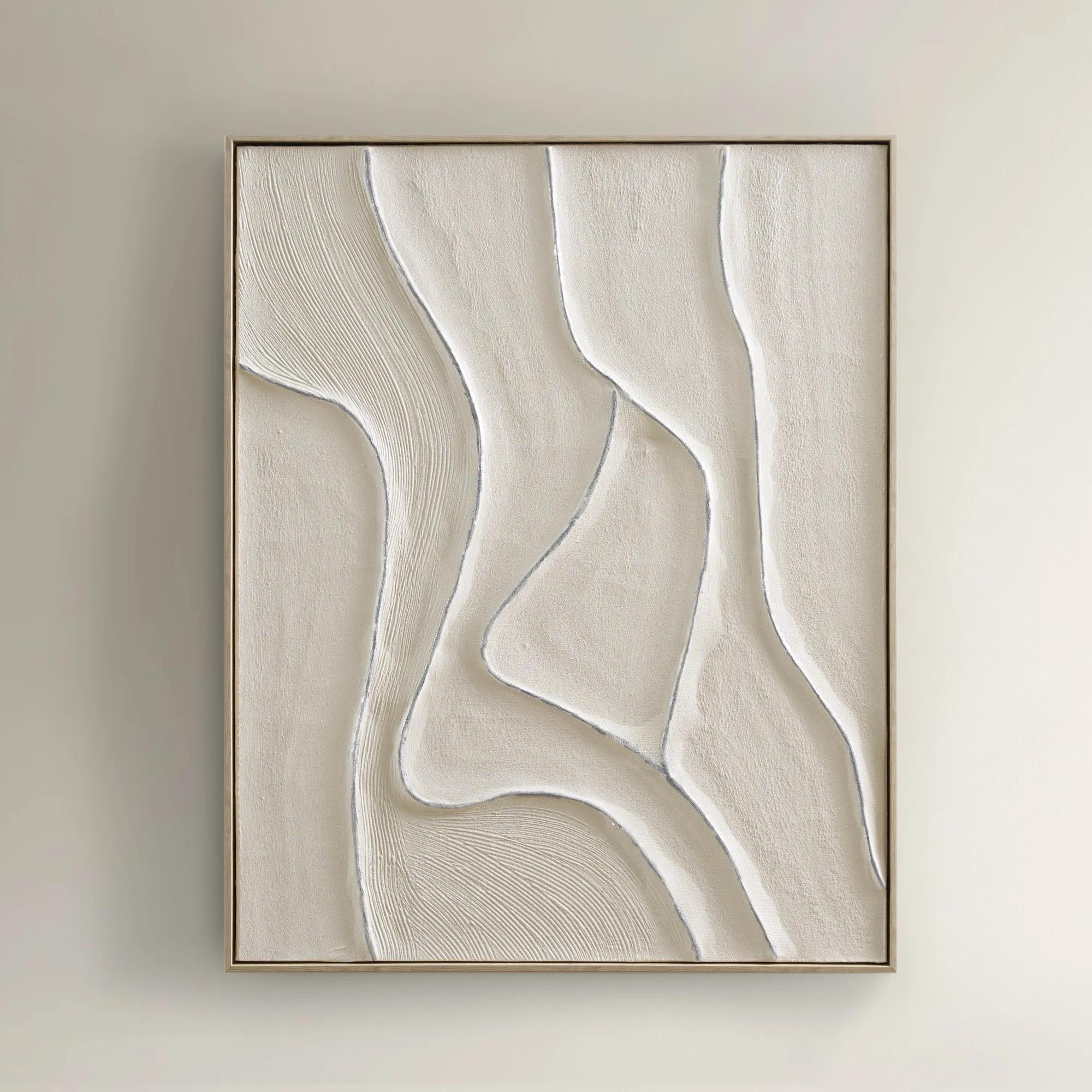
 Vivre Framed Painted Wall Art 39.25" x 31.5"$199
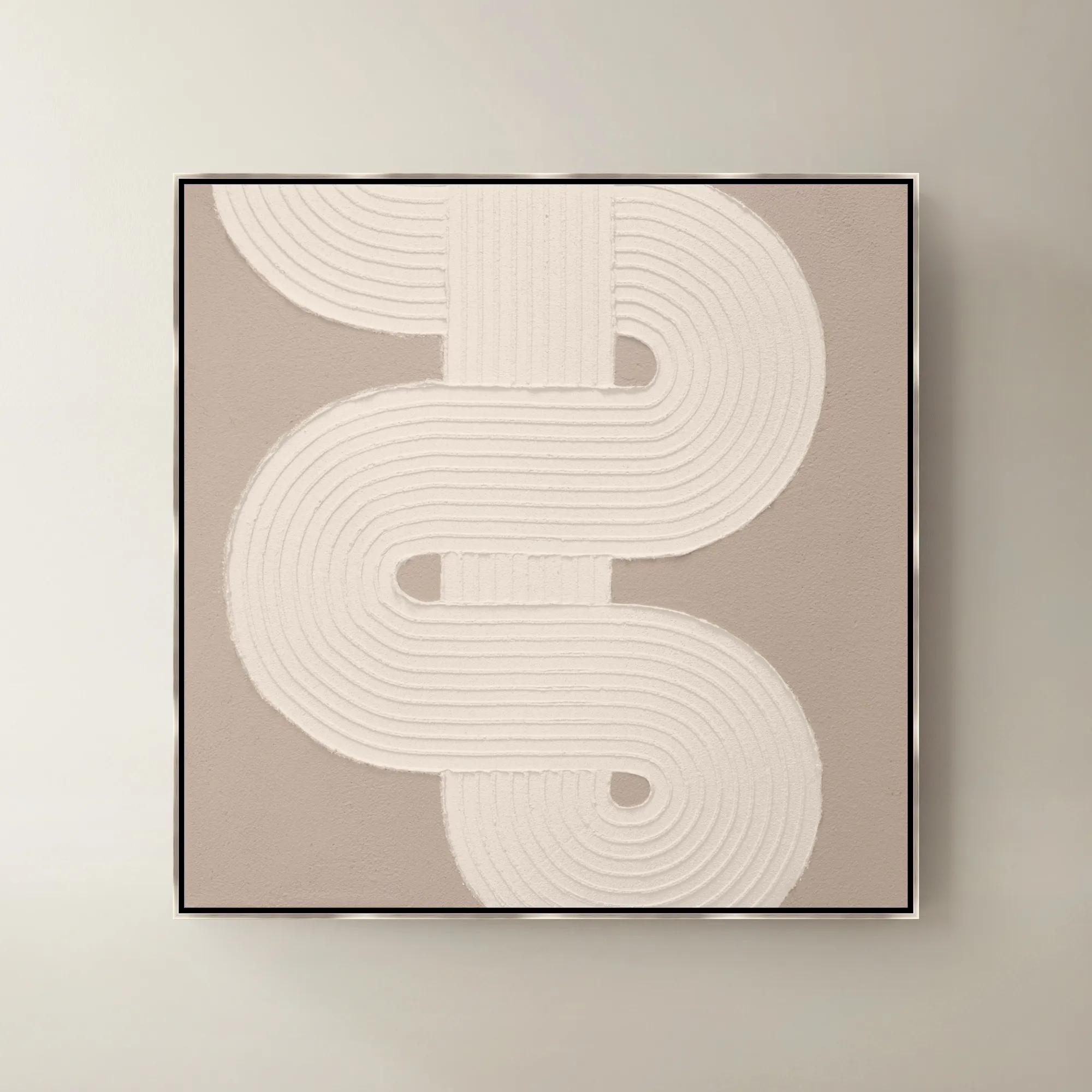
A hand-painted canvas featuring tranquil beige hues and flowing lines in a warm whitewash floater frame.
Add To Cart -
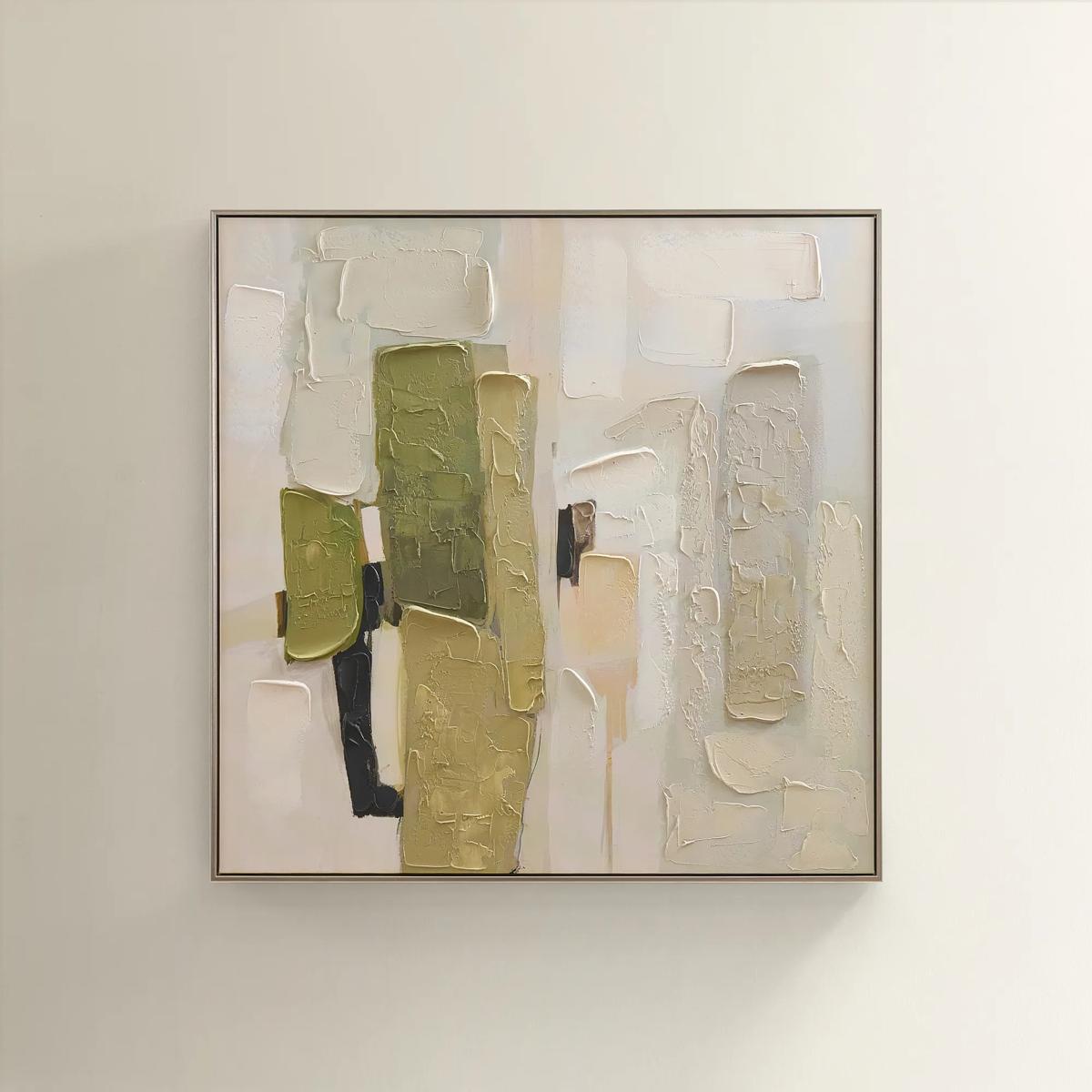
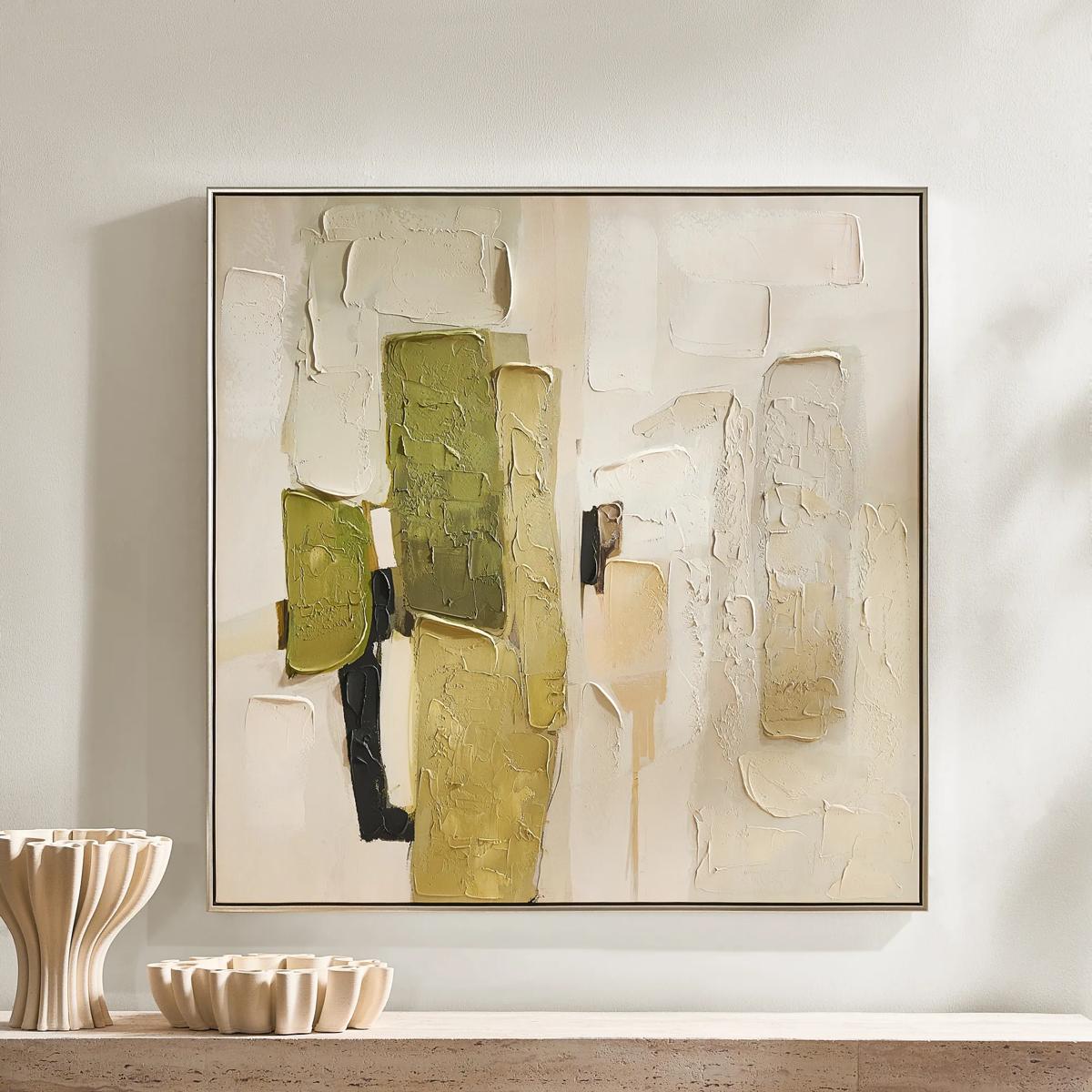 Verde Crush Framed Painted Wall Art 39.25" x 39.25"$349
A hand-painted abstract canvas featuring rich green tones, layered neutrals, and a champagne floater frame.
Add To Cart -
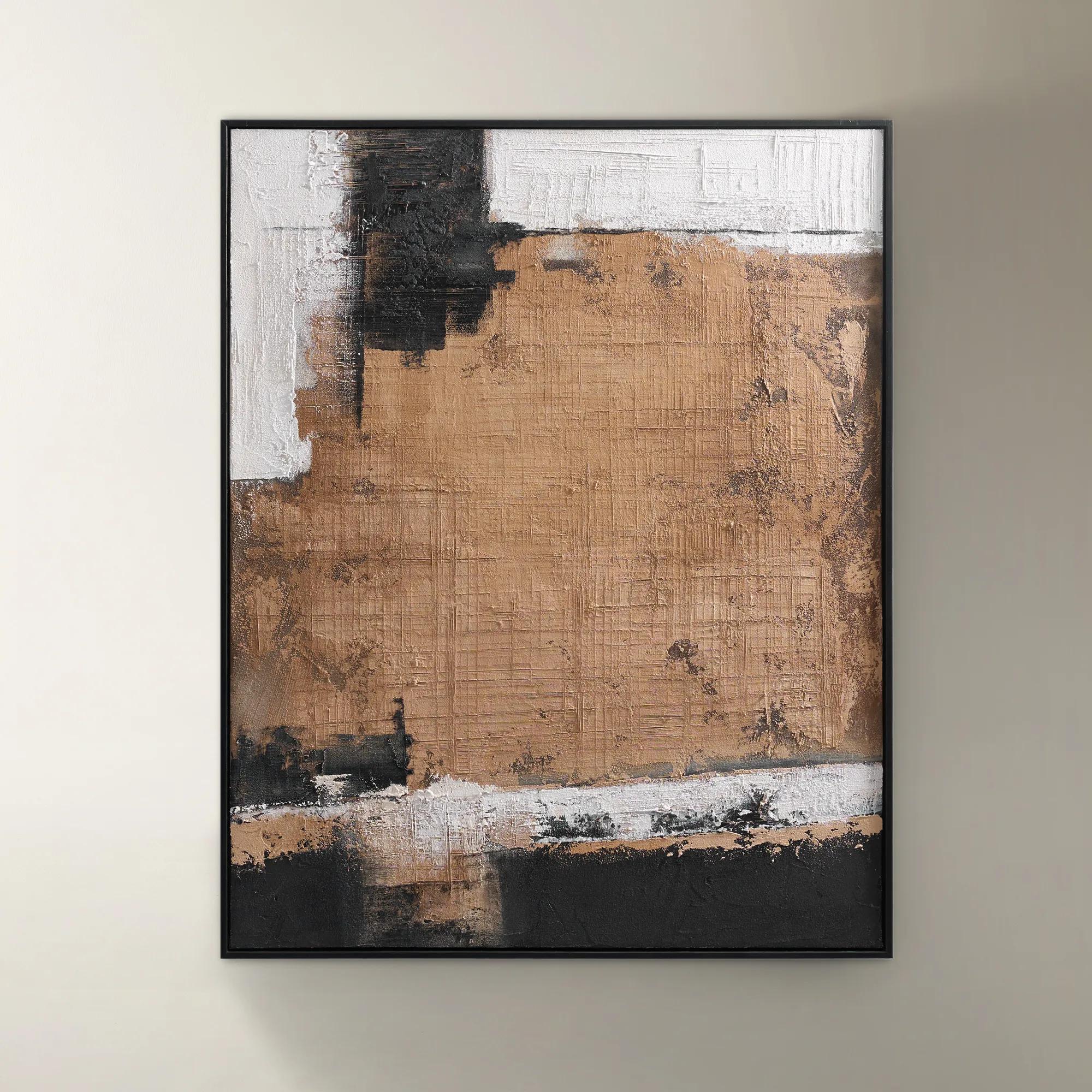
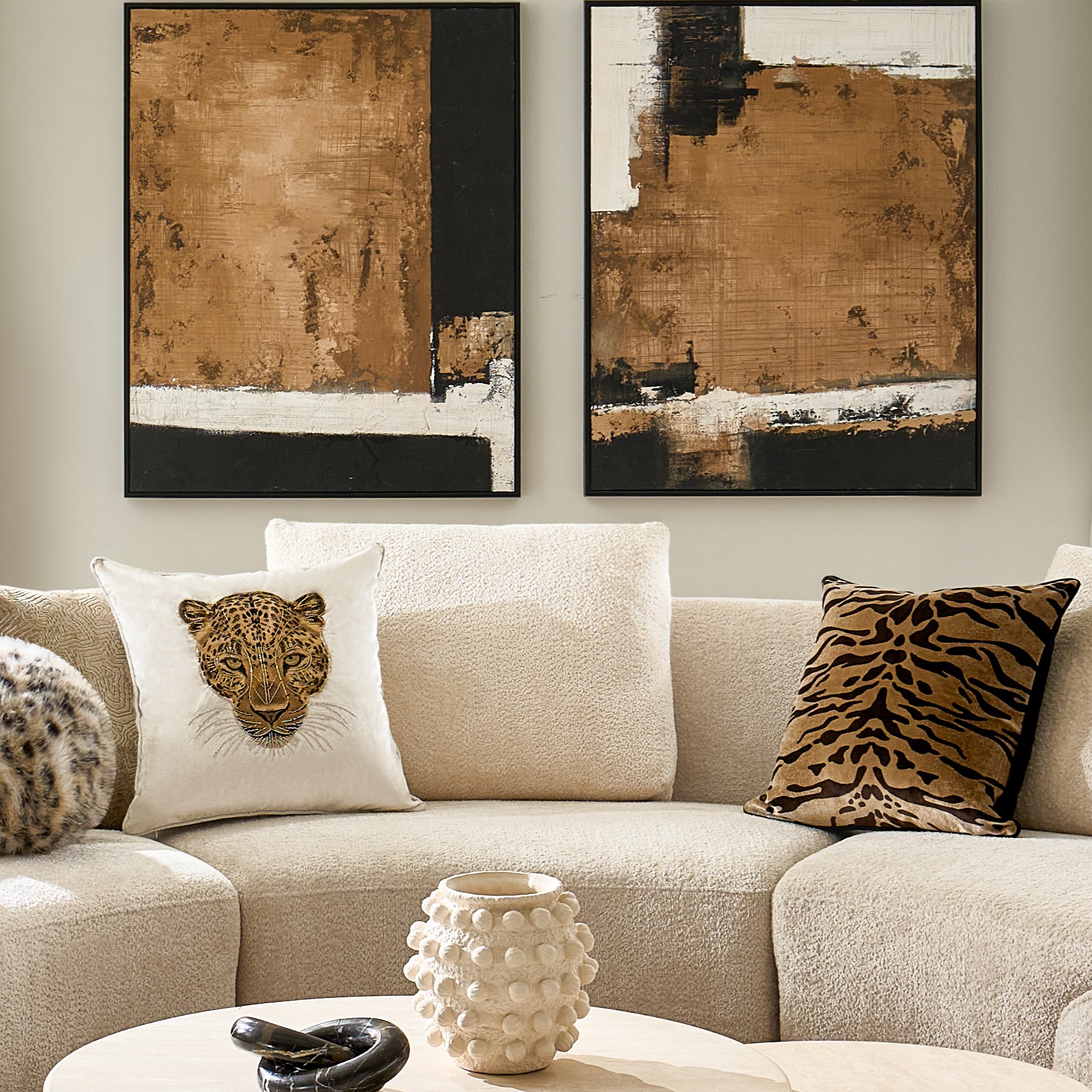 Drift Framed Painted Wall Art II 39.4" x 31.5"$299
A hand-painted canvas in brown, featuring bold texture and color interplay within a sleek black floater frame.
Add To Cart -
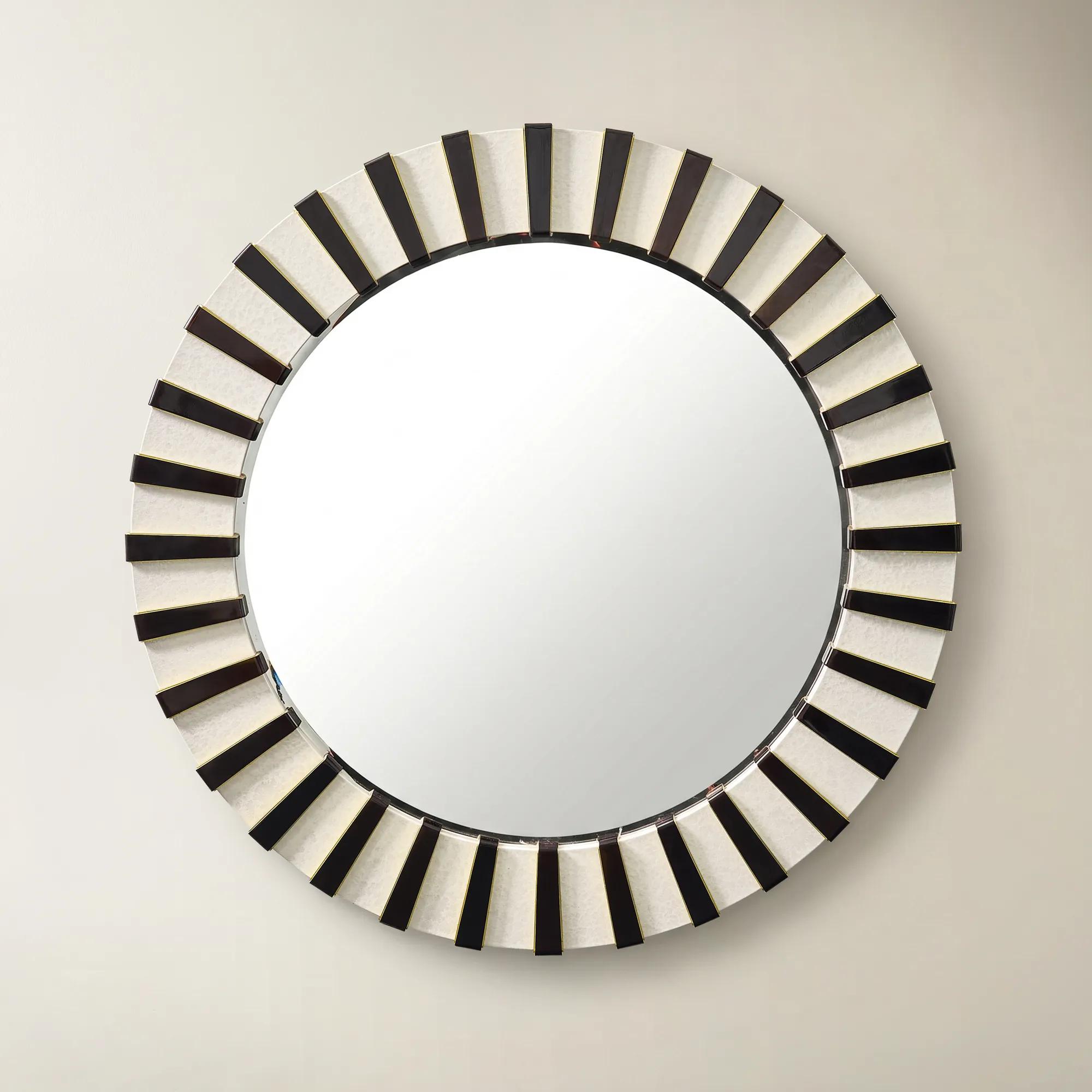 Regatta Opaline Pearl Black Gold Dimensional Round Wall Mirror 45"$849
A luminous wall mirror featuring an opaline pearl lacquered wood frame with black, gold, and raised resin accents.
Add To Cart -
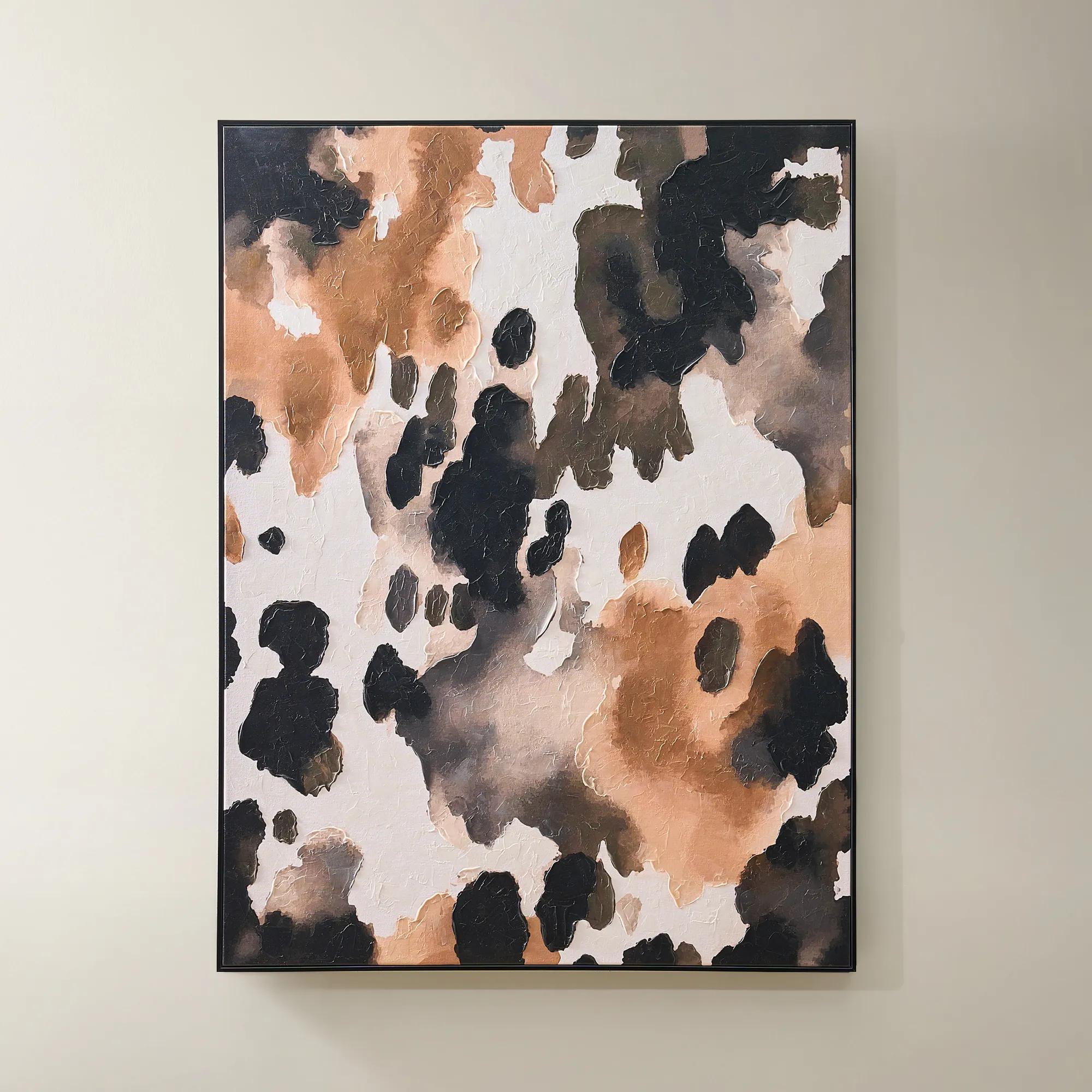
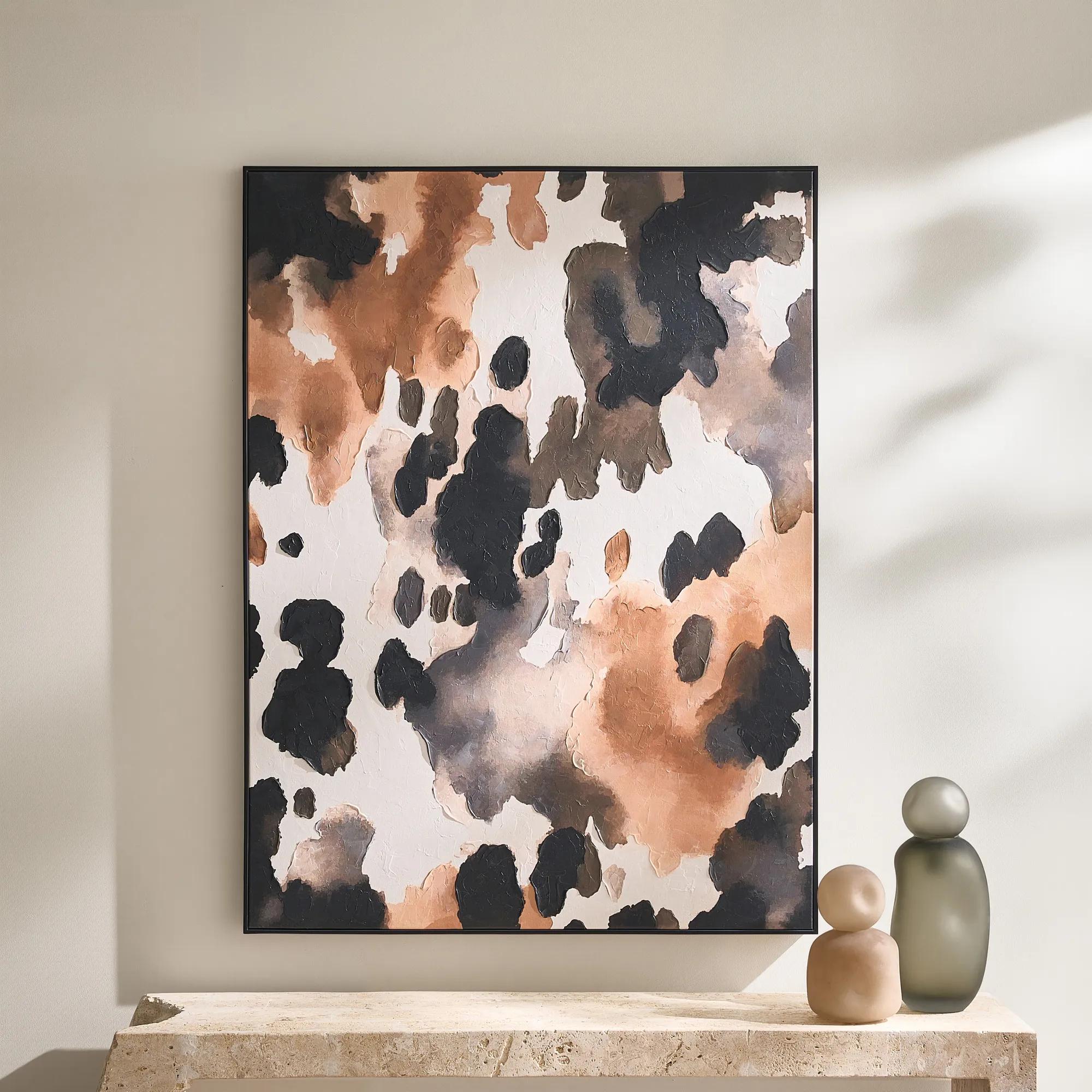 Wilder Framed Painted Wall Art 36" x 48"$499
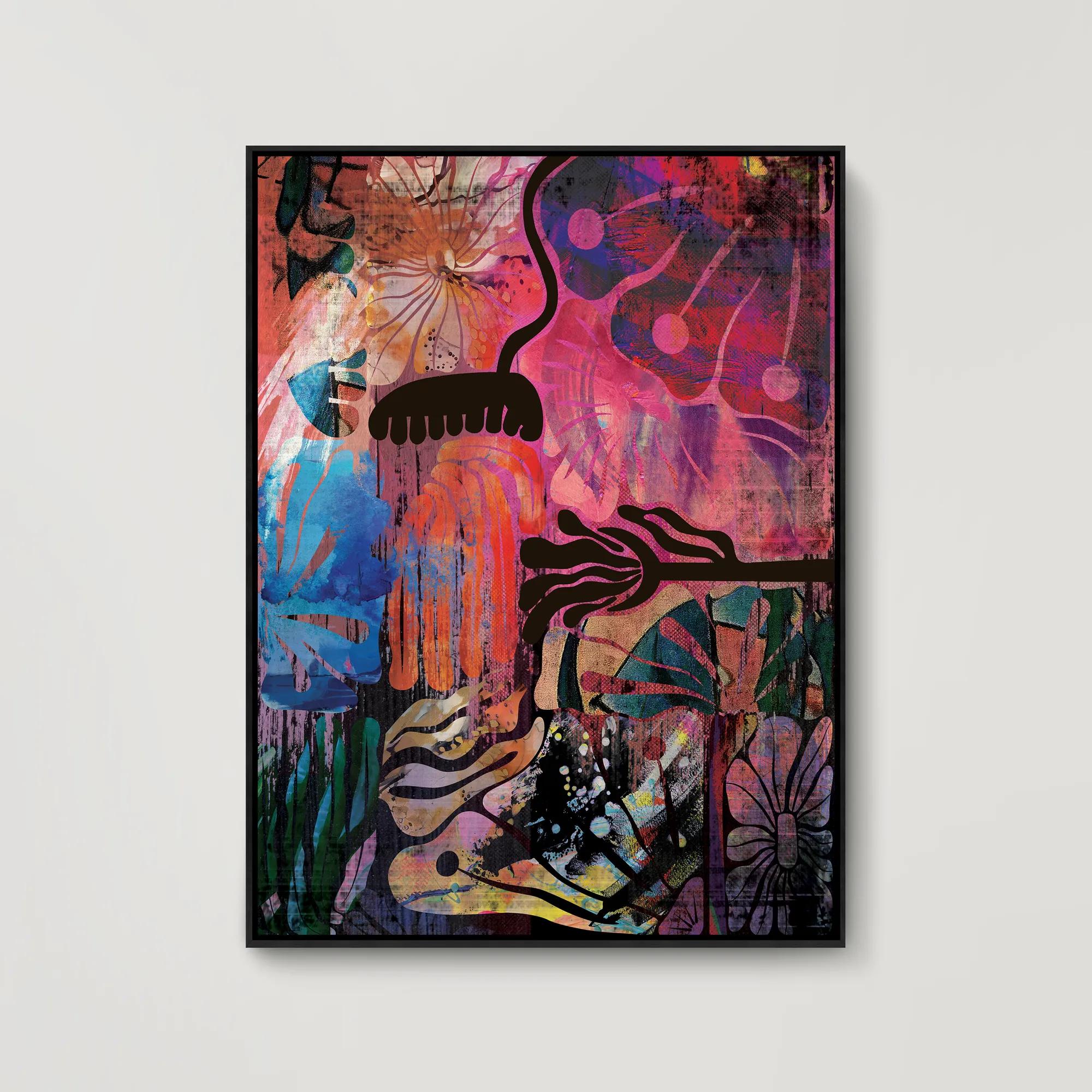
An abstract hand-painted canvas featuring inky black, taupe, ivory, and coral hues in a sleek black frame.
Add To Cart

Neutral Tone Circular Wall Arts
Neutral Tone Circular Wall Arts invite a sense of serene sophistication into your space, blending gentle palettes with sculptural geometry for a look that is both timeless and striking. Each piece becomes an artful punctuation—soft curves and muted hues working in harmony to create a gallery-worthy moment on your walls. Whether you’re curating a tranquil retreat or setting the stage for bold design statements, these circular masterpieces offer a canvas of subtle drama, elevating every room with effortless elegance. Let Neutral Tone Circular Wall Arts be the finishing touch that transforms your home into an oasis of refined artistry.
Neutral tone circular wall arts bring a sense of composure to a room while preserving the visual intrigue that makes a space feel collected rather than ordinary. Their rounded silhouettes soften the stronger geometry of sofas, consoles, case goods, and architectural lines, creating a graceful counterpoint wherever they hang. Within a restrained palette of ivory, cream, sand, taupe, greige, warm beige, charcoal, soft gray, and muted metallic, circular wall art can feel calming without disappearing into the background. The most compelling designs introduce dimension through woven fibers, layered canvas, carved wood, brushed metal, plaster-like finishes, mother-of-pearl detailing, raised texture, or subtle tonal pattern. In a modern living room, a neutral round wall accent can lend sculptural presence above a low-profile sofa or anchor a quiet seating arrangement. In a bedroom, it can enhance a serene, cocooning atmosphere, especially when paired with linen bedding, softly reflective lamps, and natural wood. Entryways, dining rooms, hallways, home offices, and dressing areas also benefit from the gentle rhythm of a circular form. For a layered seasonal palette that retains its warmth as the weather shifts, explore Neutral Summer Wall Arts. Neutral does not have to mean stark or colorless; the undertones matter. Cream and almond create a luminous, welcoming effect, while taupe and mushroom bring depth, and gray-beige lends a cooler, more contemporary edge. Soft gold, champagne, or aged silver accents can catch the light and introduce a touch of glamour without overwhelming the composition. Look for a tone that relates to the surrounding upholstery, flooring, artwork, or drapery, then allow the circular piece to become the detail that quietly completes the room’s story.
When choosing neutral tone circular wall arts, begin with scale and proportion. A small round accent can add polish to a narrow wall, beside a bookcase, above a bar cabinet, or within a gallery arrangement, while a larger design can command attention above a substantial console, bed, mantel, or sofa. As a general guide, artwork above furniture often feels most balanced when it spans roughly two-thirds to three-quarters of the furniture’s width, although an intentionally oversized piece can create a more dramatic, editorial effect. Take measurements of the wall and the available clearance before purchasing, including the height of nearby doors, windows, sconces, and cabinetry. A single circular work makes a poised statement, while a grouping of different sizes can create an organic constellation; repeat one or two materials or tones so the arrangement feels considered rather than scattered. Material is equally important. Textured canvas offers an artful, tactile presence and works beautifully in spaces that call for softness. Woven fiber and natural-looking accents add relaxed dimension to bohemian, organic, and transitional interiors. Metal brings a sharper, more sculptural finish, reflecting ambient light and giving neutral rooms a sophisticated gleam. Wood can introduce warmth and visible grain, while dimensional or hand-finished surfaces create shadows that change throughout the day. Consider how the wall receives light: a piece with raised texture will reveal more character near daylight, while reflective details can bathe an evening vignette in a subtle glow. For an especially polished installation, hang the center of the artwork at approximately eye level, generally about 57 to 60 inches from the floor, adjusting for the height of the furniture beneath it and the way the room is used. In a dining area or seated conversation space, the artwork may be positioned slightly lower so its texture and finish can be appreciated at close range.
These wall accents are an elegant choice for anyone drawn to expressive interiors with a quieter color story, including new homeowners, design enthusiasts, hosts refining a dining or entertaining space, and those furnishing a first apartment or refreshed office. They can also make thoughtful housewarming, wedding, anniversary, graduation, or holiday gifts because their neutral palette works with a wide range of personal styles and existing décor. When giving wall art, consider the recipient’s home in broad terms: a natural, tactile finish may suit someone who favors organic textures, while a gleaming metallic or layered abstract design may appeal to a more glamorous sensibility. Neutral circular wall arts are particularly useful in rooms that feel unfinished, visually heavy, or overly angular. They can break up a long blank wall, soften a dark wood arrangement, bridge contrasting finishes, or add a final note of texture to a monochromatic room. Pair them with sculptural vases, mirrored surfaces, plush upholstery, stone accessories, or a rug that echoes one of the artwork’s quieter tones. During the cooler months, these pieces bring warmth through texture and layered neutrals rather than seasonal motifs, allowing the room to remain refined long after temporary accents are put away. A well-chosen circular design does more than occupy empty wall space: it establishes balance, frames the mood of the room, and gives everyday surroundings the finish of a thoughtfully composed interior.
FAQ List
Neutral tone circular wall art is exceptionally versatile, complementing a wide range of interior styles from modern and contemporary to transitional and even bohemian. Its understated palette and sculptural form make it a natural fit for minimalist spaces seeking a touch of warmth, as well as more eclectic rooms that benefit from a serene, unifying element. Whether your home leans toward sleek sophistication or layered, collected charm, these pieces add a sense of balance and artistry.
To achieve a cohesive look, consider echoing the artwork’s tones and textures elsewhere in your space—through soft furnishings, decorative accents, or even lighting. Grouping multiple circular pieces together or pairing them with other organic shapes can enhance the sense of flow and unity. For a curated effect, explore options like wall art sets designed to complement each other, allowing you to layer visual interest while maintaining harmony.
Absolutely. These pieces are both distinctive and universally appealing, making them a thoughtful gift for housewarmings, weddings, or milestone celebrations. Their neutral palette ensures they’ll suit a variety of tastes and spaces, while the circular form adds a touch of symbolic unity and continuity—perfect for marking new beginnings or cherished relationships.
You’ll find neutral tone circular wall art crafted from a range of materials, including hand-textured canvas, wood, metal, and mixed media. Some designs feature subtle metallic accents, plaster finishes, or layered reliefs that add depth and dimension. These tactile elements enhance the artwork’s visual impact and invite a closer look, making each piece as intriguing up close as it is from afar.
Circular wall art introduces a sense of movement and softness, breaking up the linearity of walls and furniture. In neutral tones, it brings an atmosphere of calm and understated luxury, reflecting light and shadow in ways that subtly transform the mood throughout the day. Whether used as a statement piece or as part of a gallery arrangement, it helps create a welcoming, thoughtfully curated environment.
.jpeg?w=4217&h=4217)