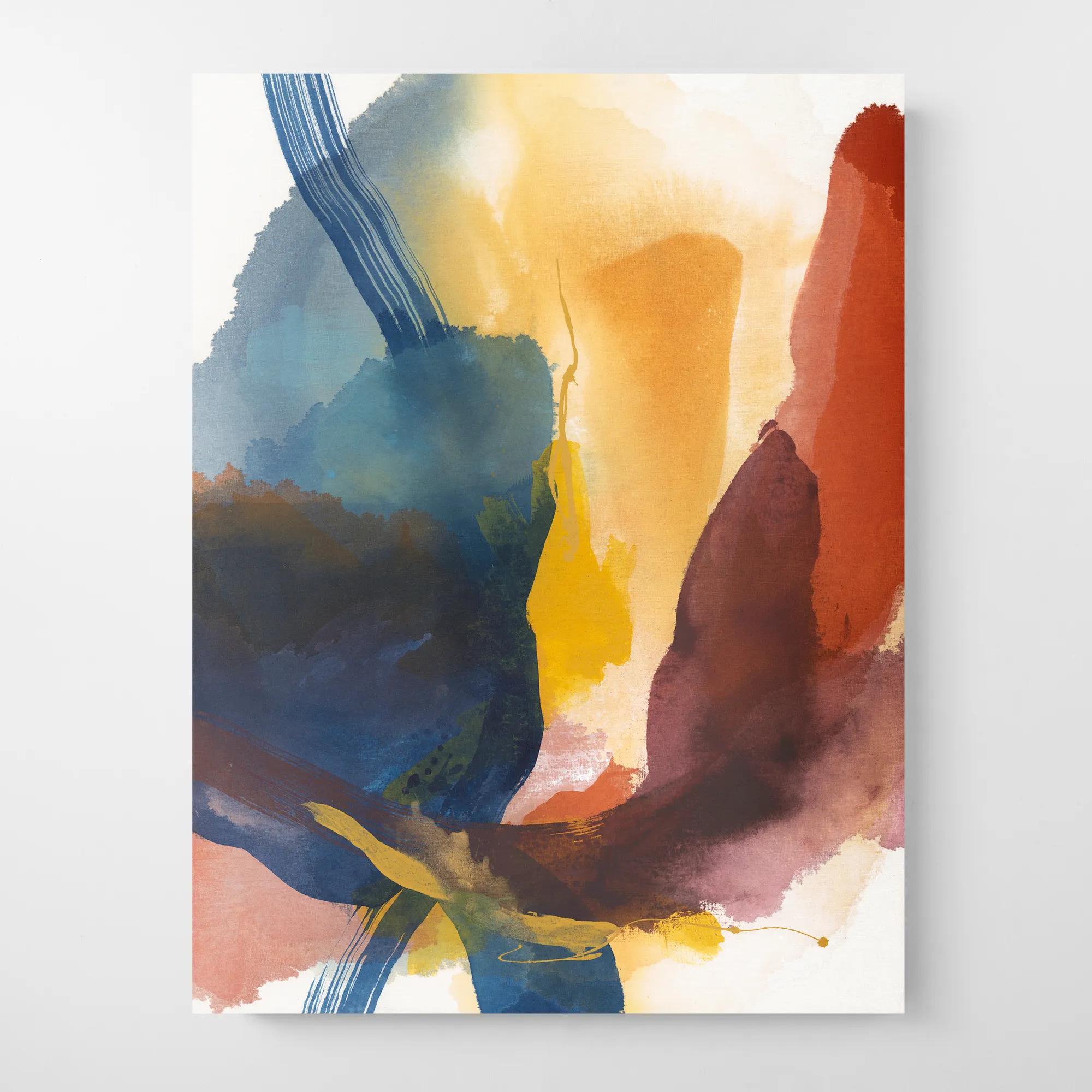
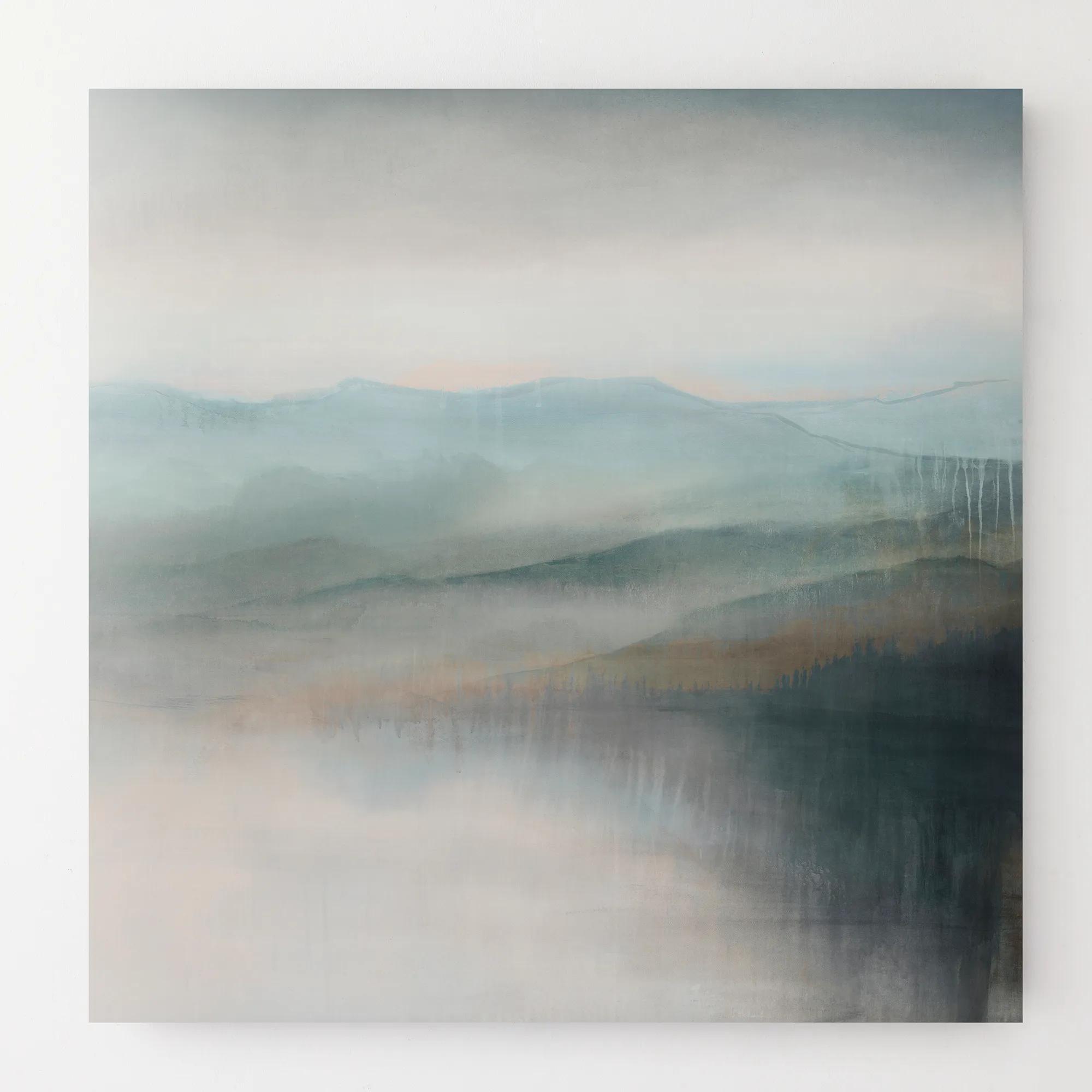
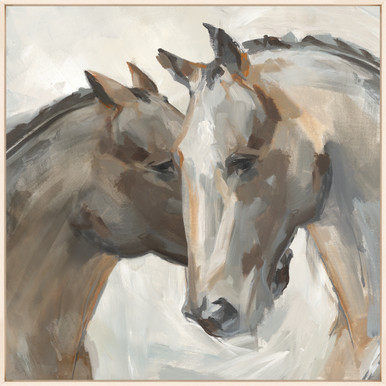
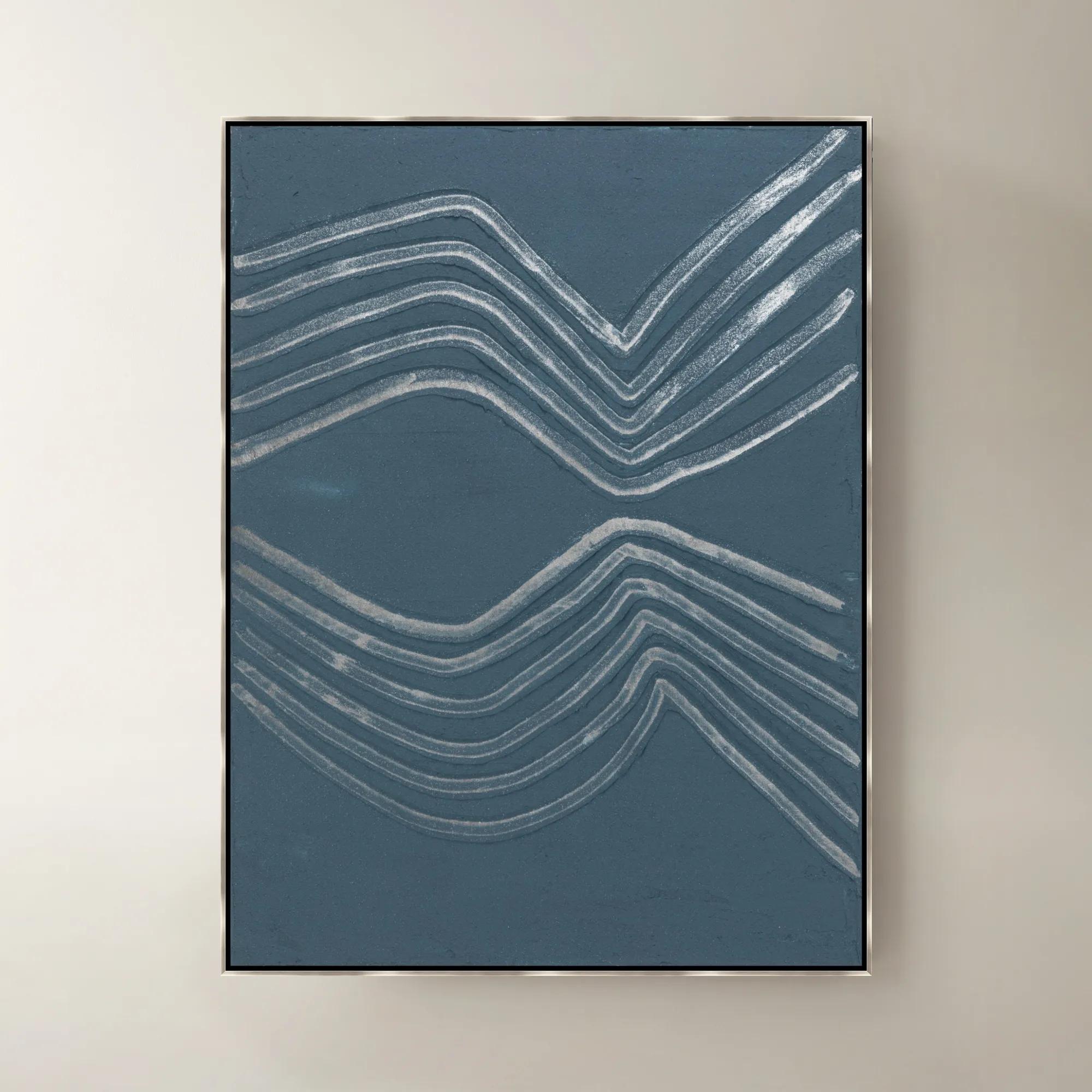
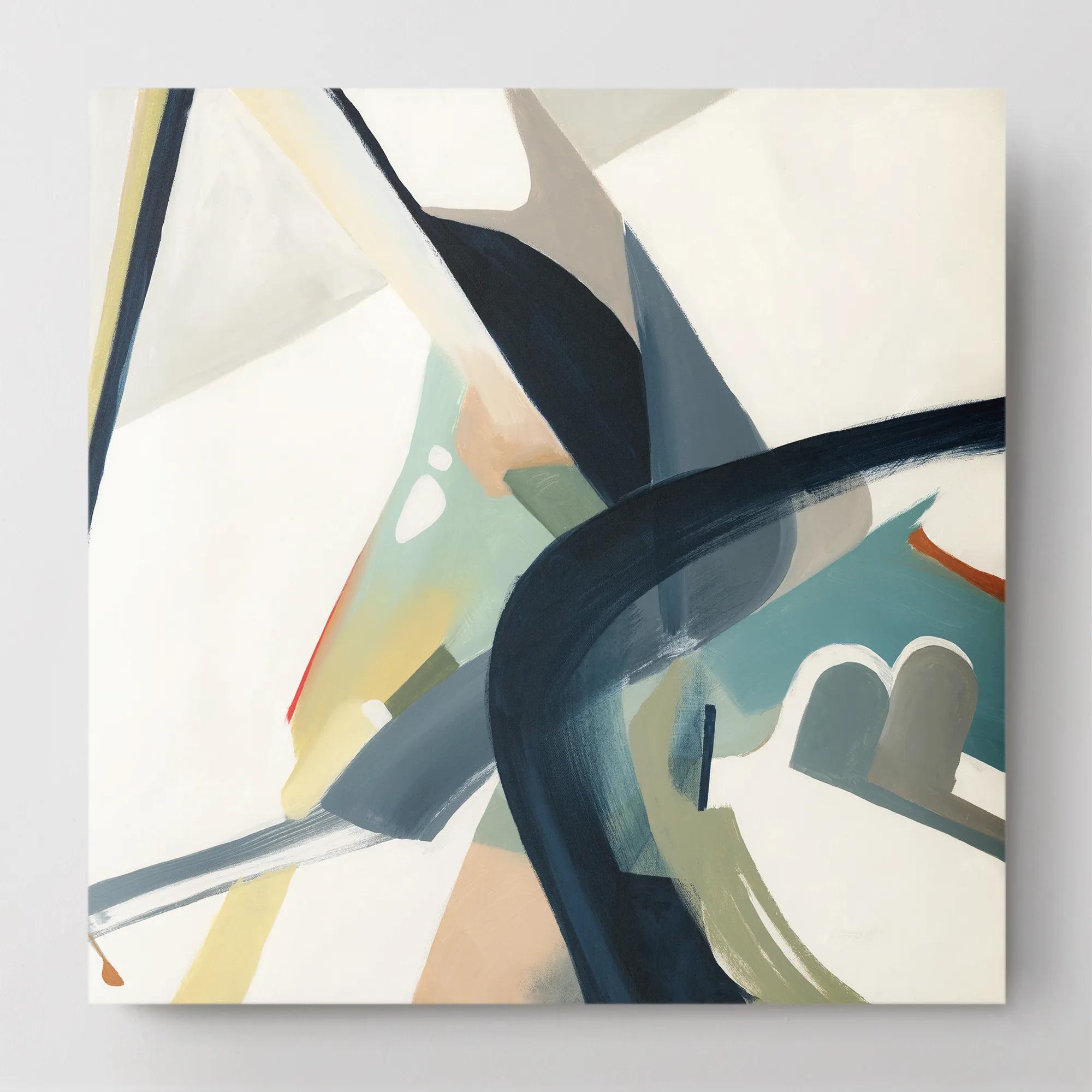
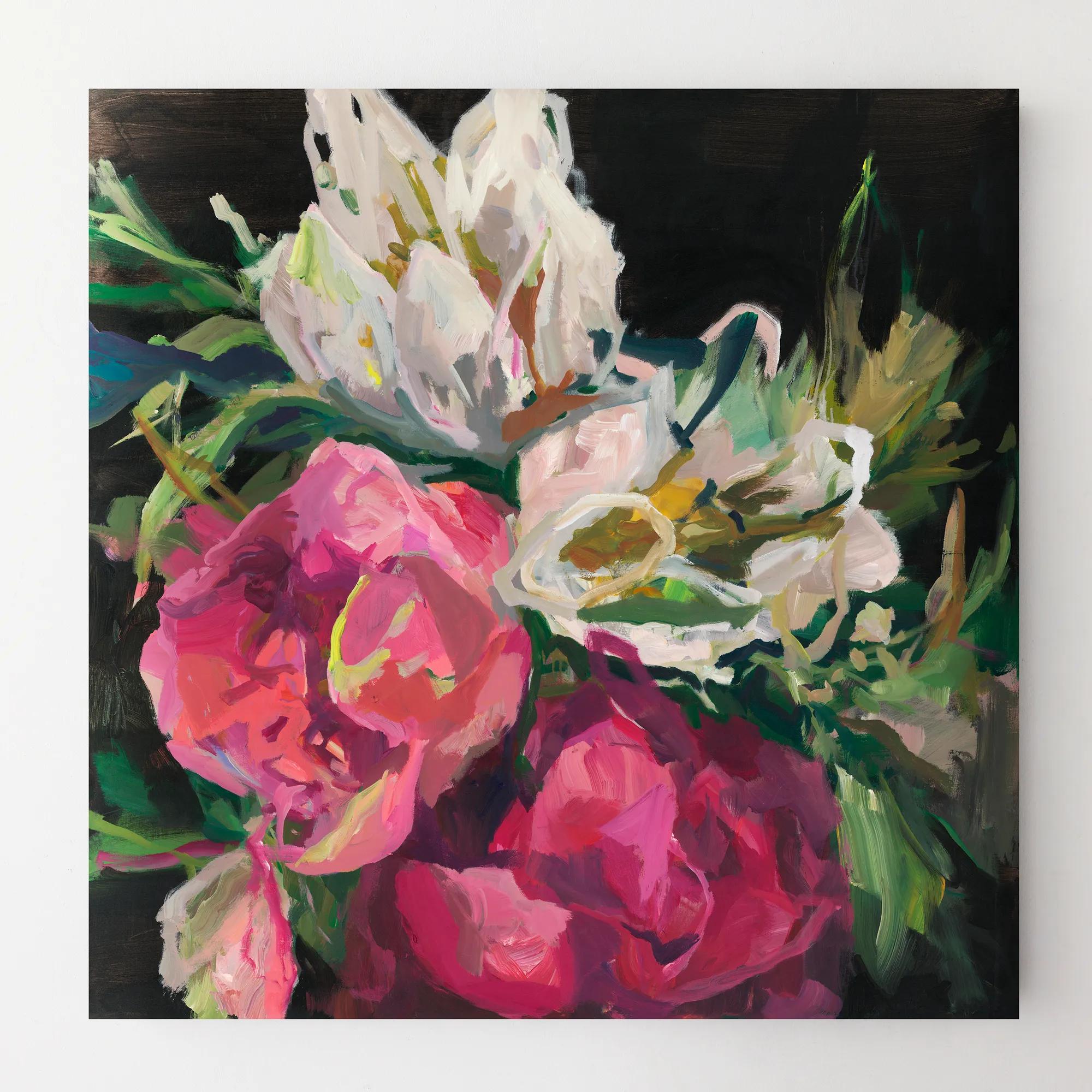
Neutral Tone Canvas Art Pieces
Neutral Tone Canvas Art Pieces
-
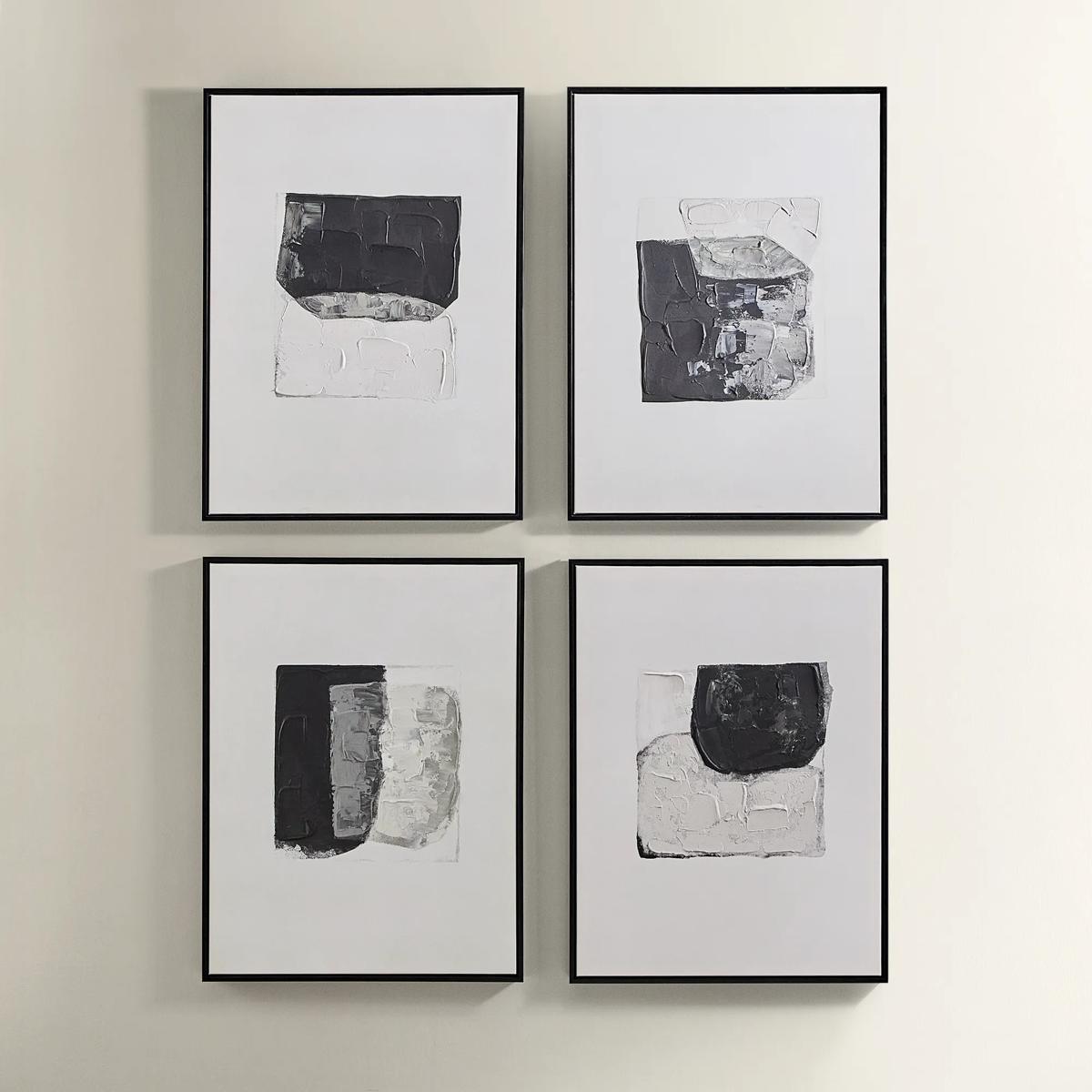
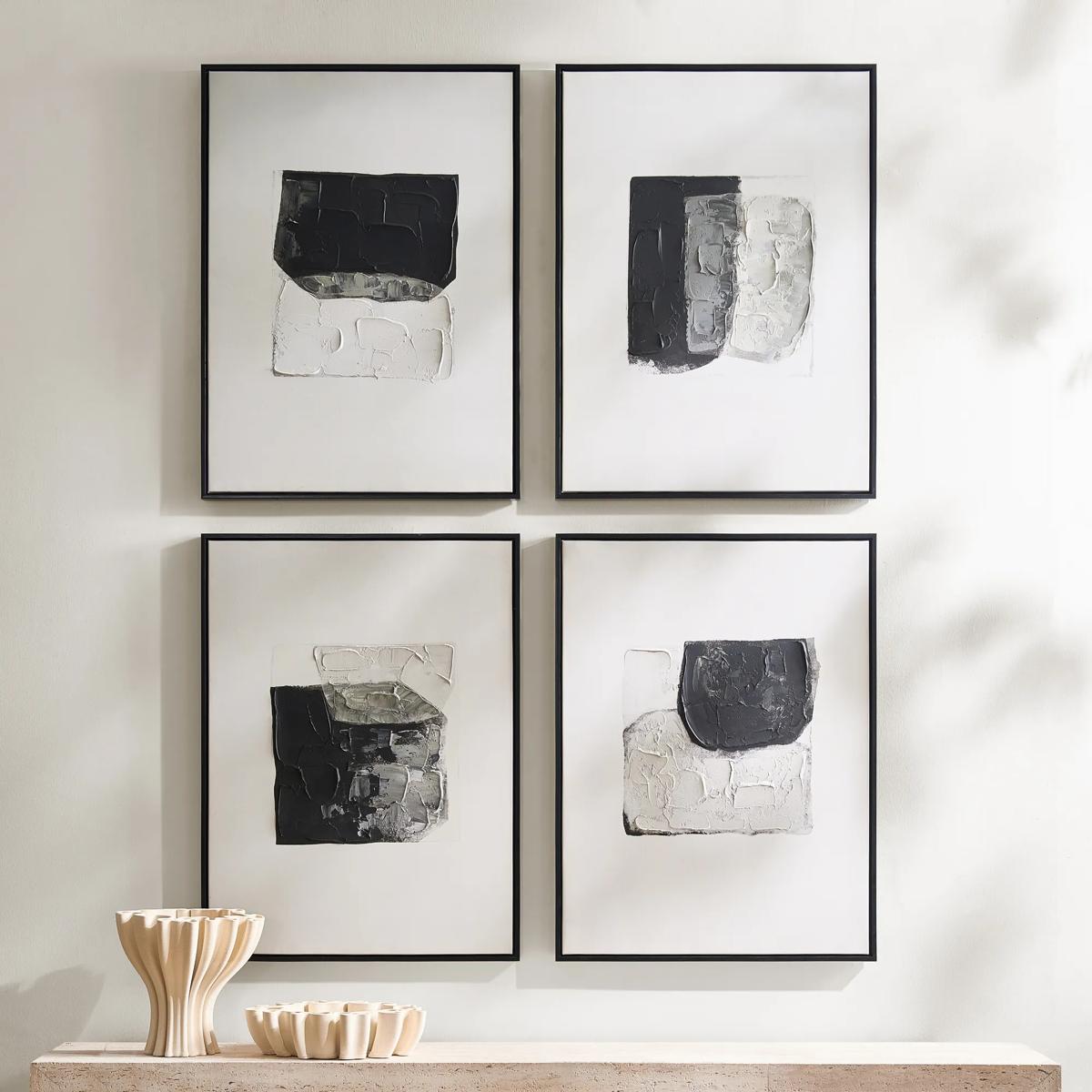 Shadows Framed Painted Wall Art Set of 4$299
A set of four hand-painted abstract canvases featuring black, white, and gold accents in black frames.
Add To Cart -
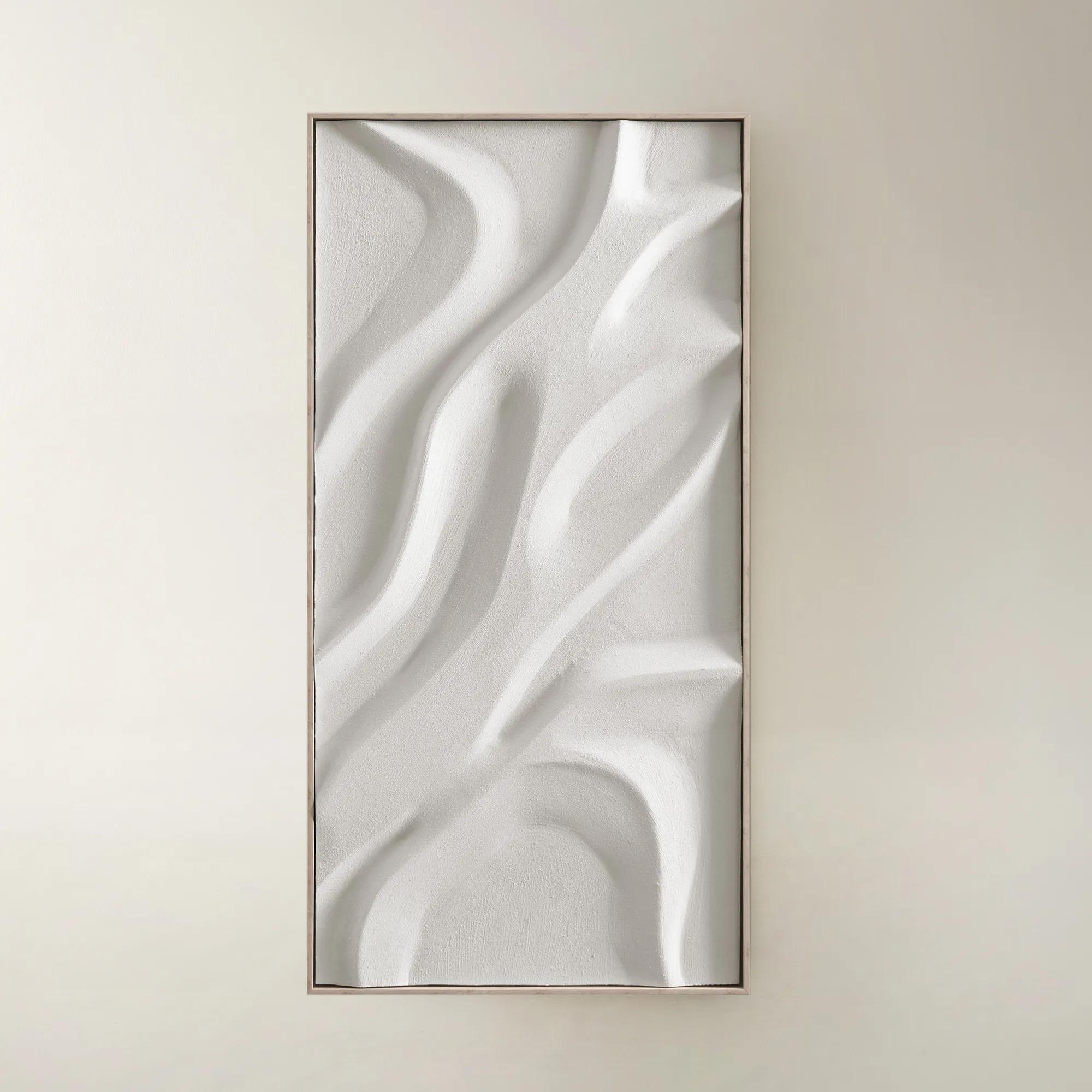
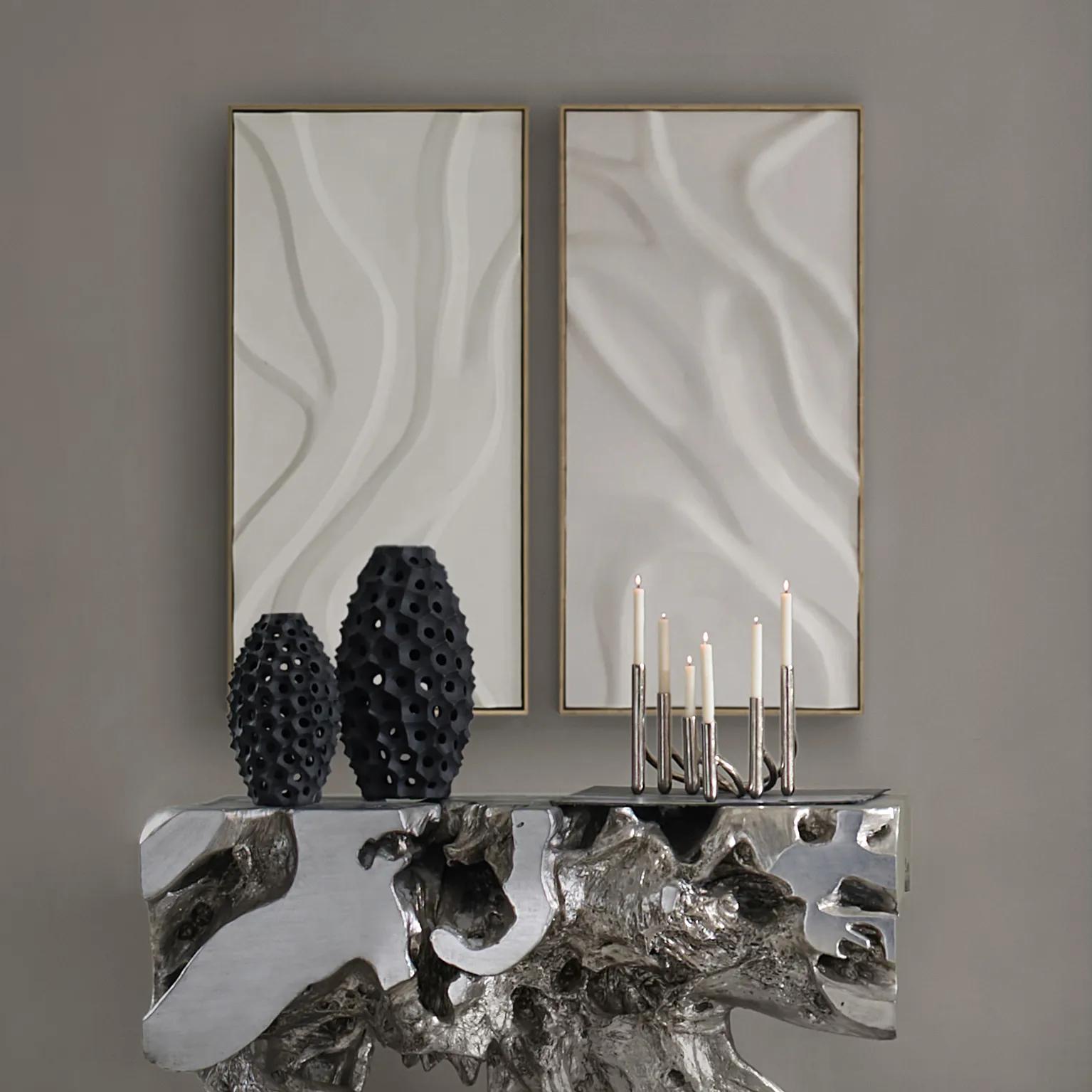 Au Lait Framed Painted Wall Art II 47.2" x 23.6"$199
A serene hand-painted canvas in beige, set in a warm whitewash floater frame for modern interiors.
Add To Cart -
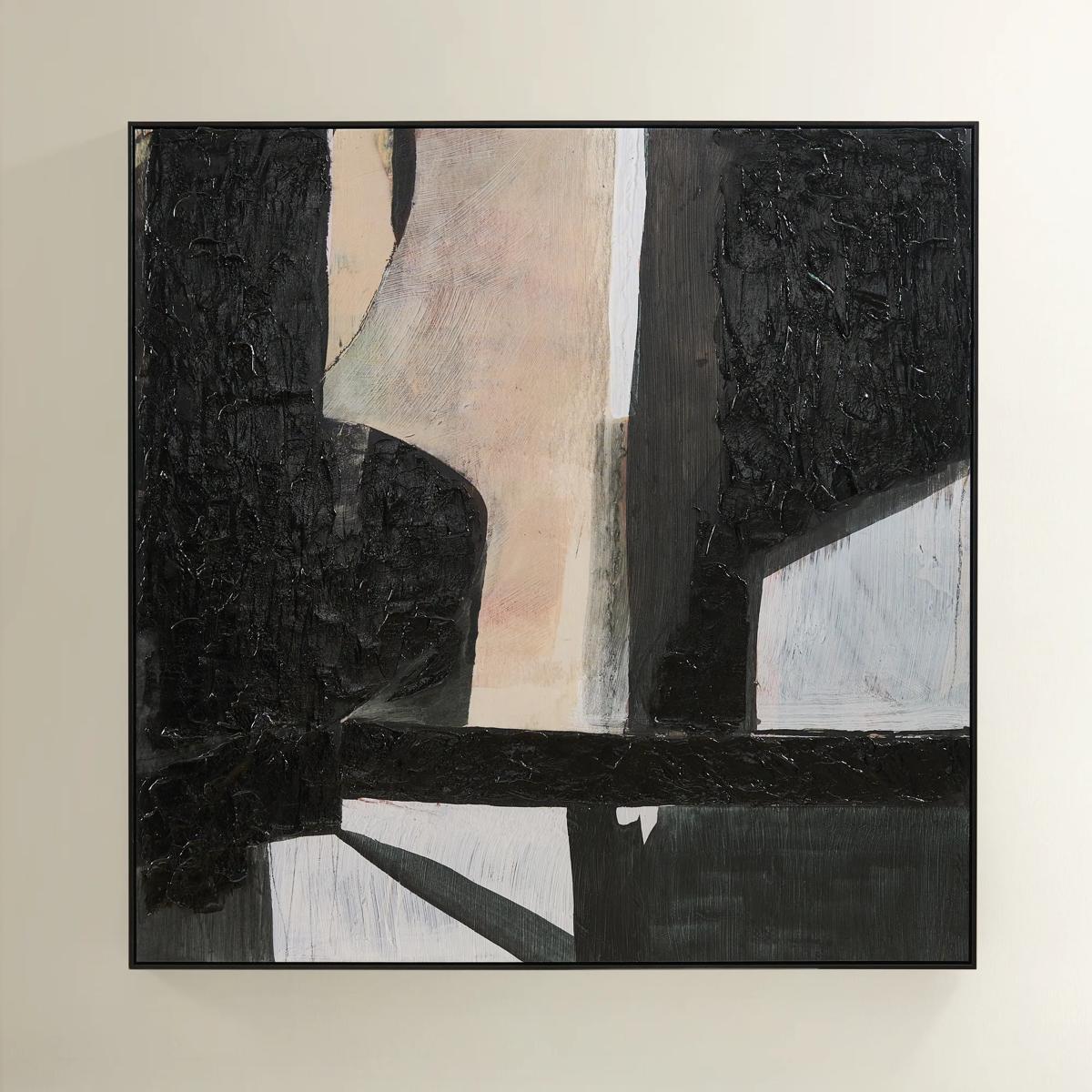 Grounded Painting$699
A hand-painted abstract canvas featuring black, cream, and earth tones in a sleek black floater frame.
Add To Cart -
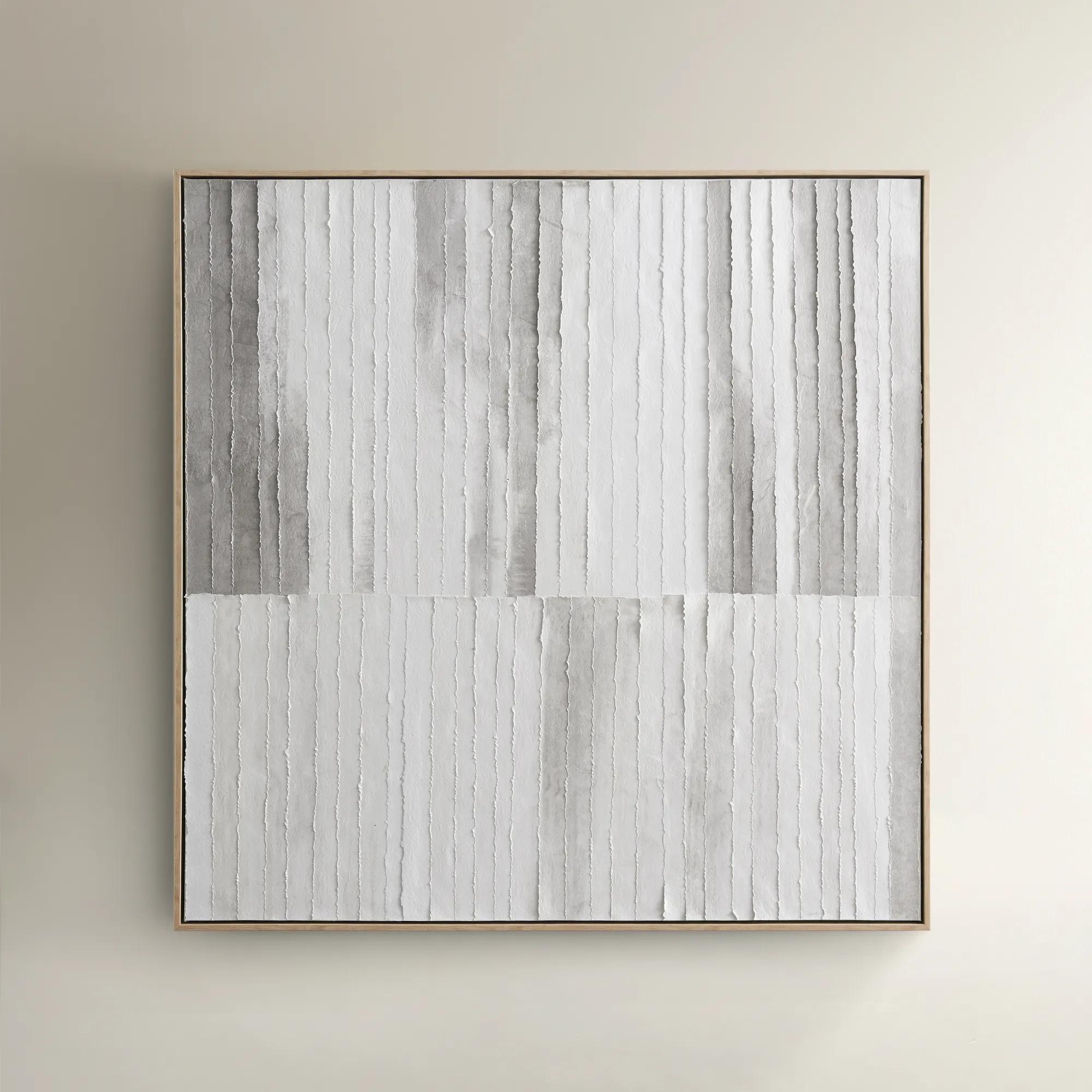
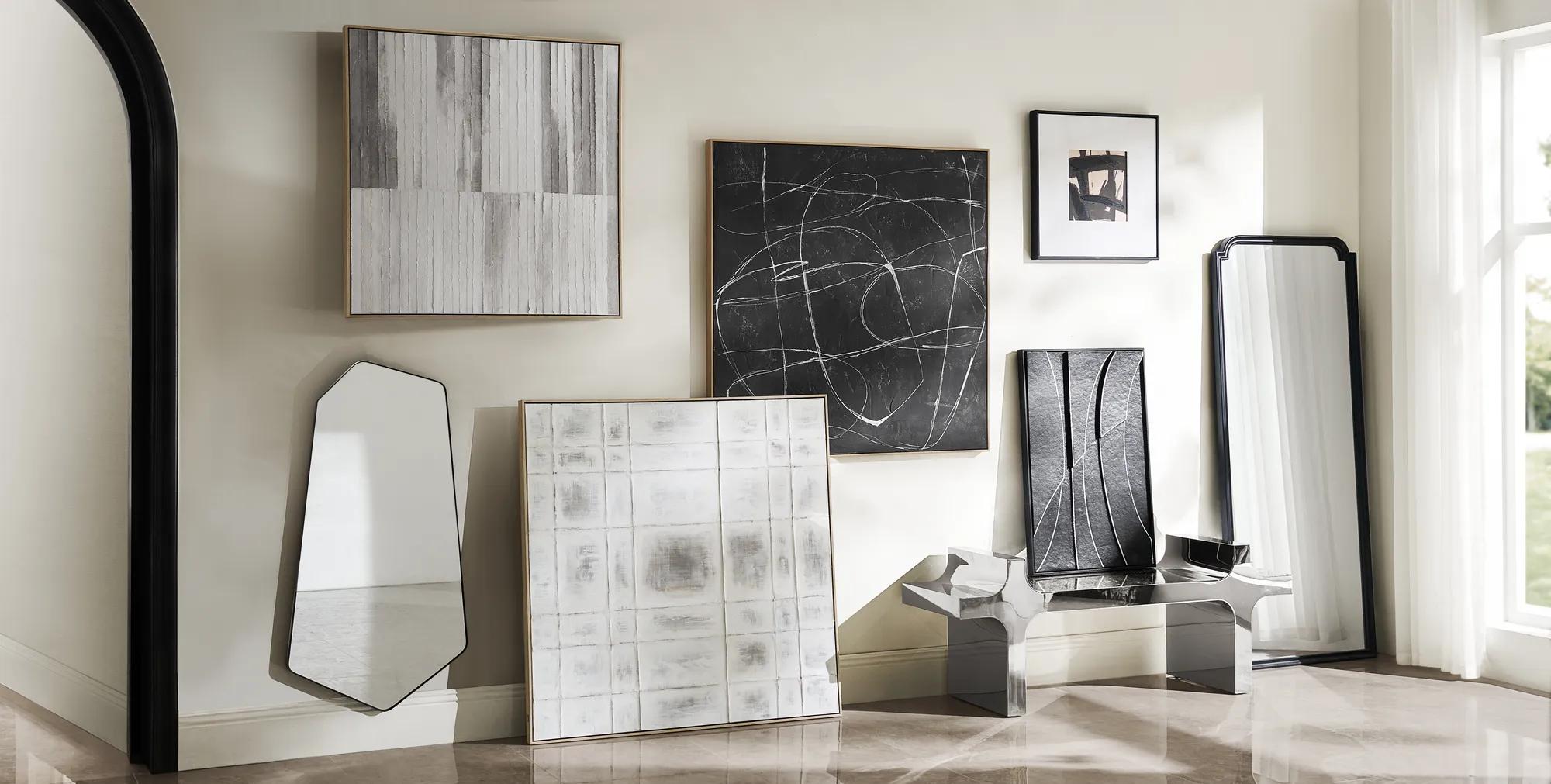 Morning Mist Paper Art$329
A hand-painted canvas featuring rhythmic grey lines in a textured, whitewashed floater frame for serene style.
Add To Cart -
-0.jpeg?w=1200&h=1200)
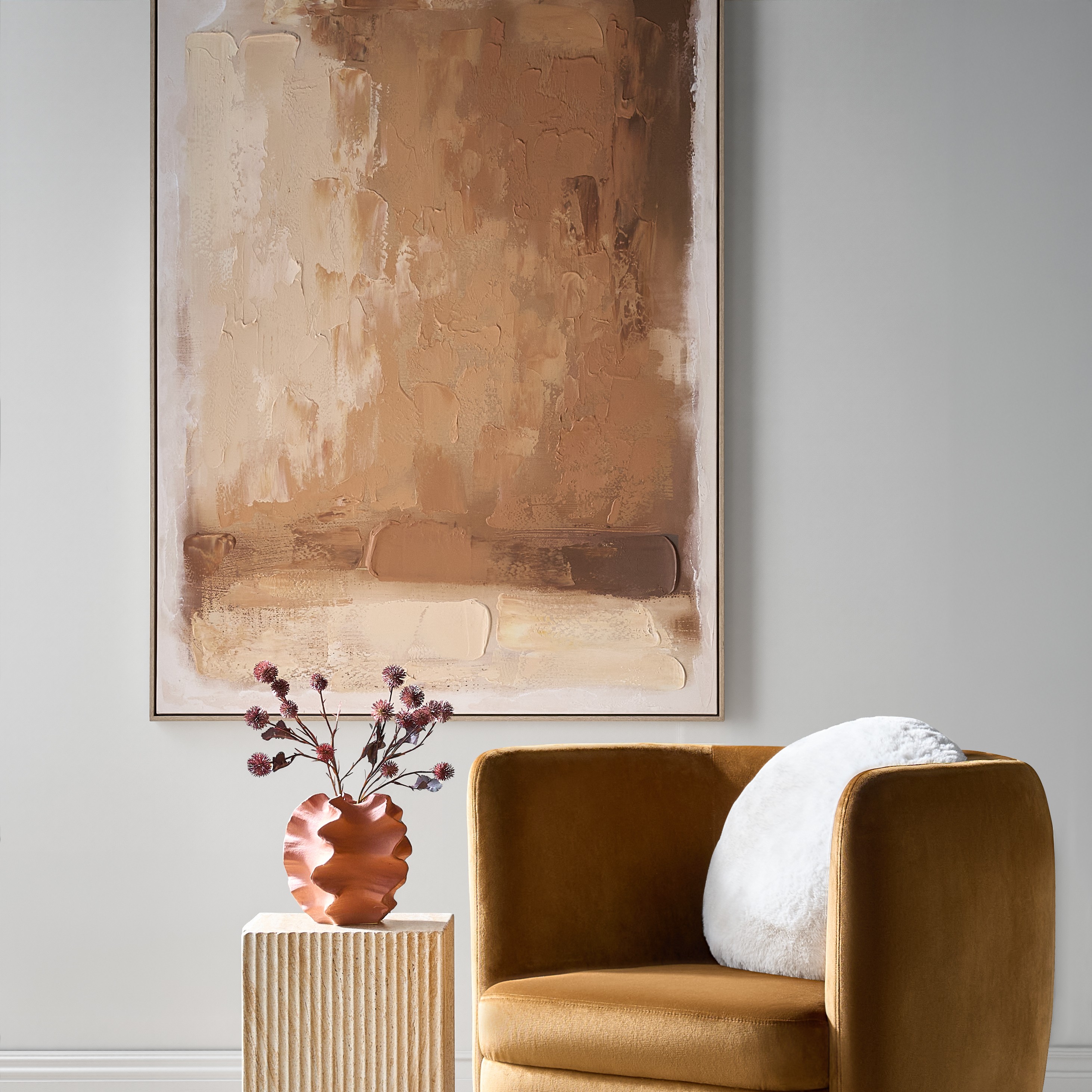 Ember Glow Framed Painted Wall Art 39.25" x 55"$499
A hand-painted abstract canvas blending ochre, terracotta, and golden clay hues in a light natural frame.
Add To Cart -
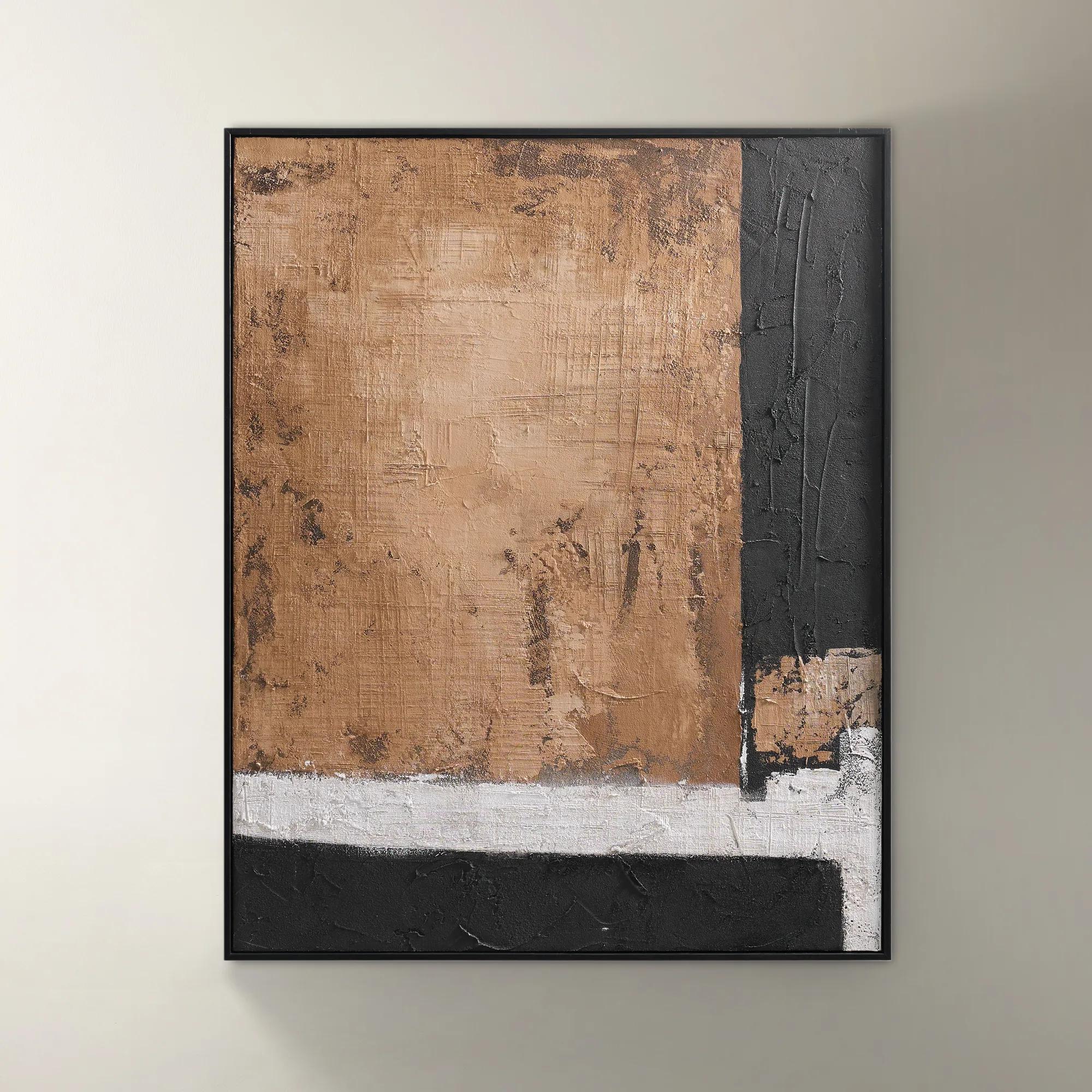 Drift Framed Painted Wall Art I 39.4" x 31.5"$299
A bold hand-painted abstract artwork featuring layered brown tones in a sleek black floater frame.
Add To Cart -
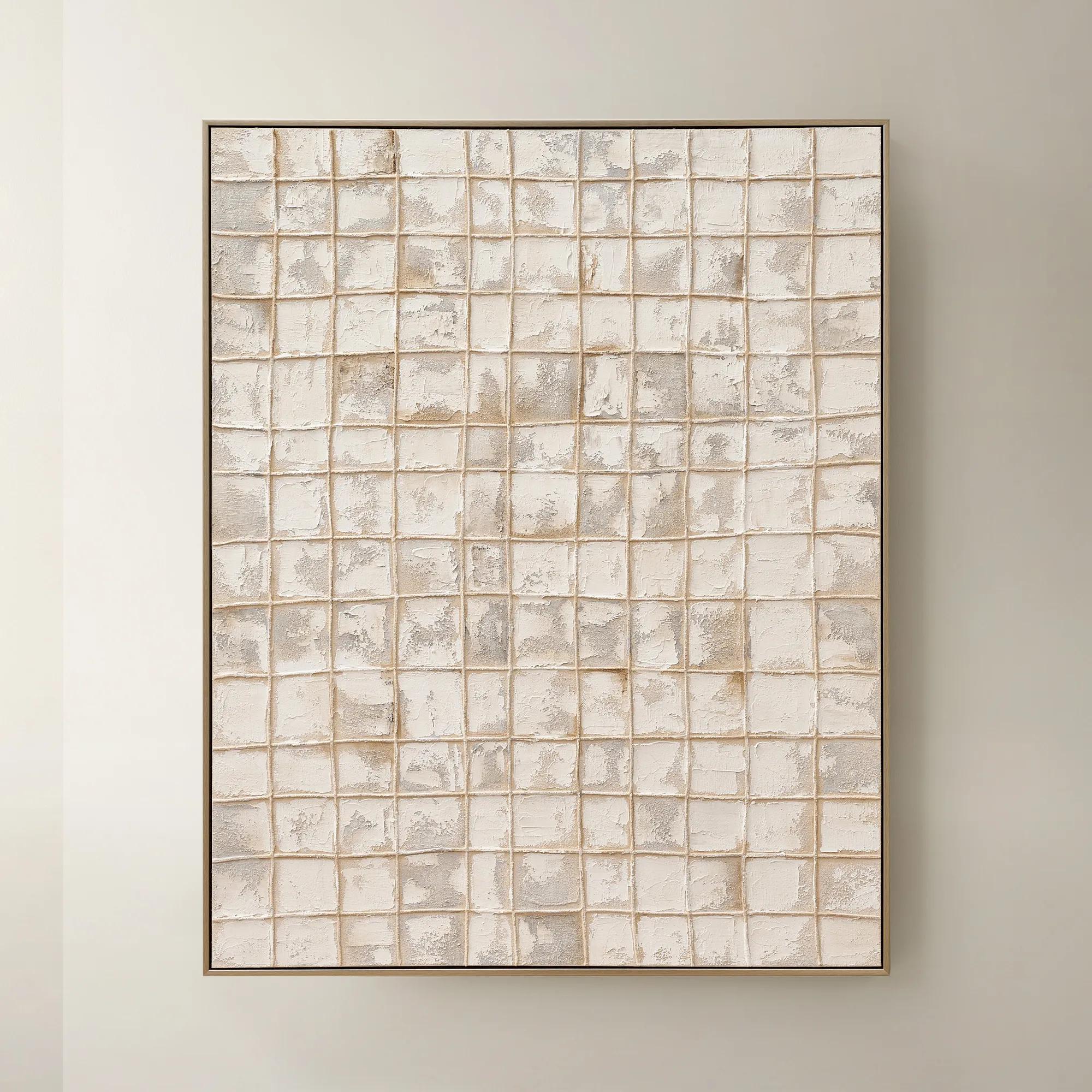
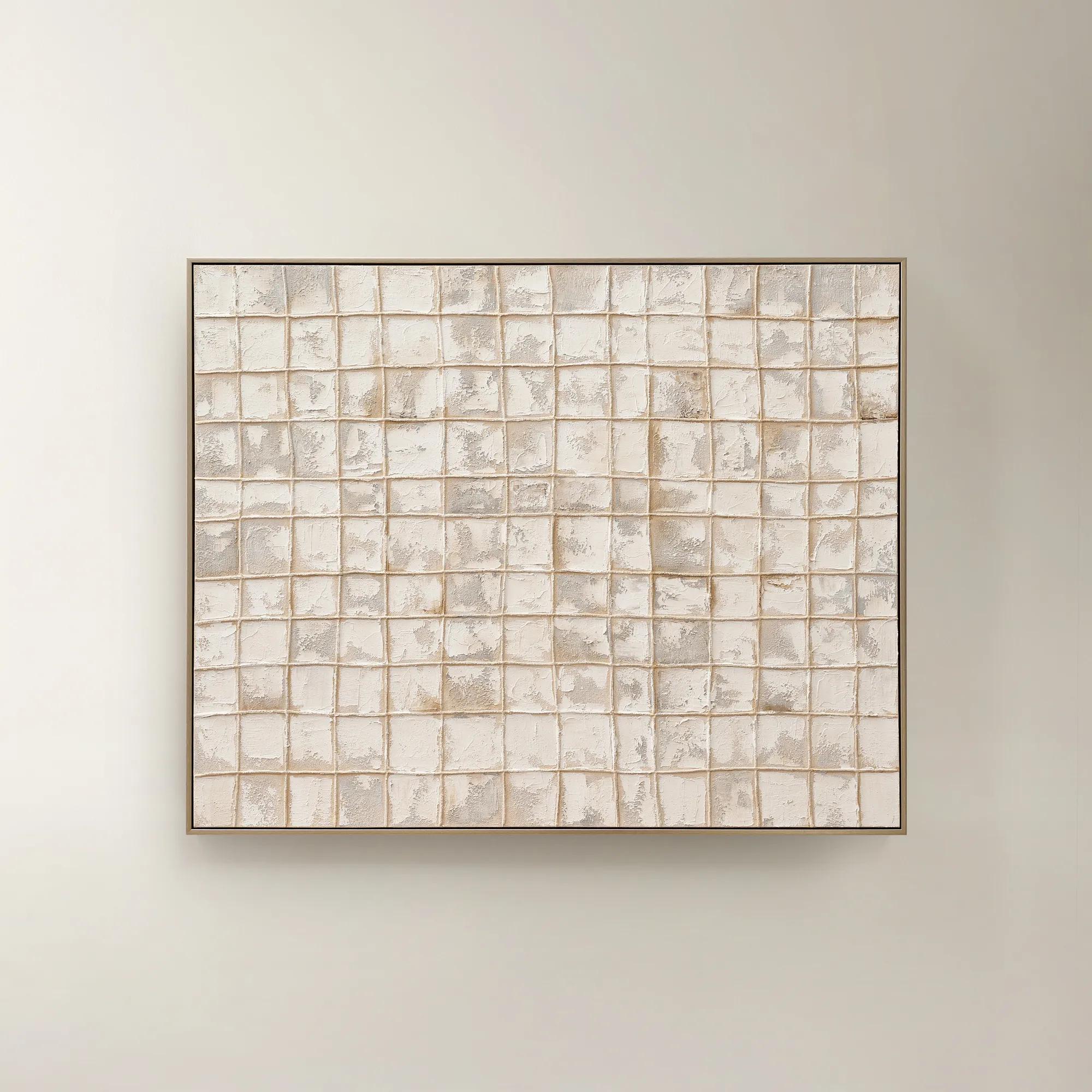 Painted Echos Framed Gold Leaf Wall Art 60" x 48"$699
A hand-painted abstract canvas with gold leaf accents and a champagne frame for modern, versatile display.
Add To Cart -
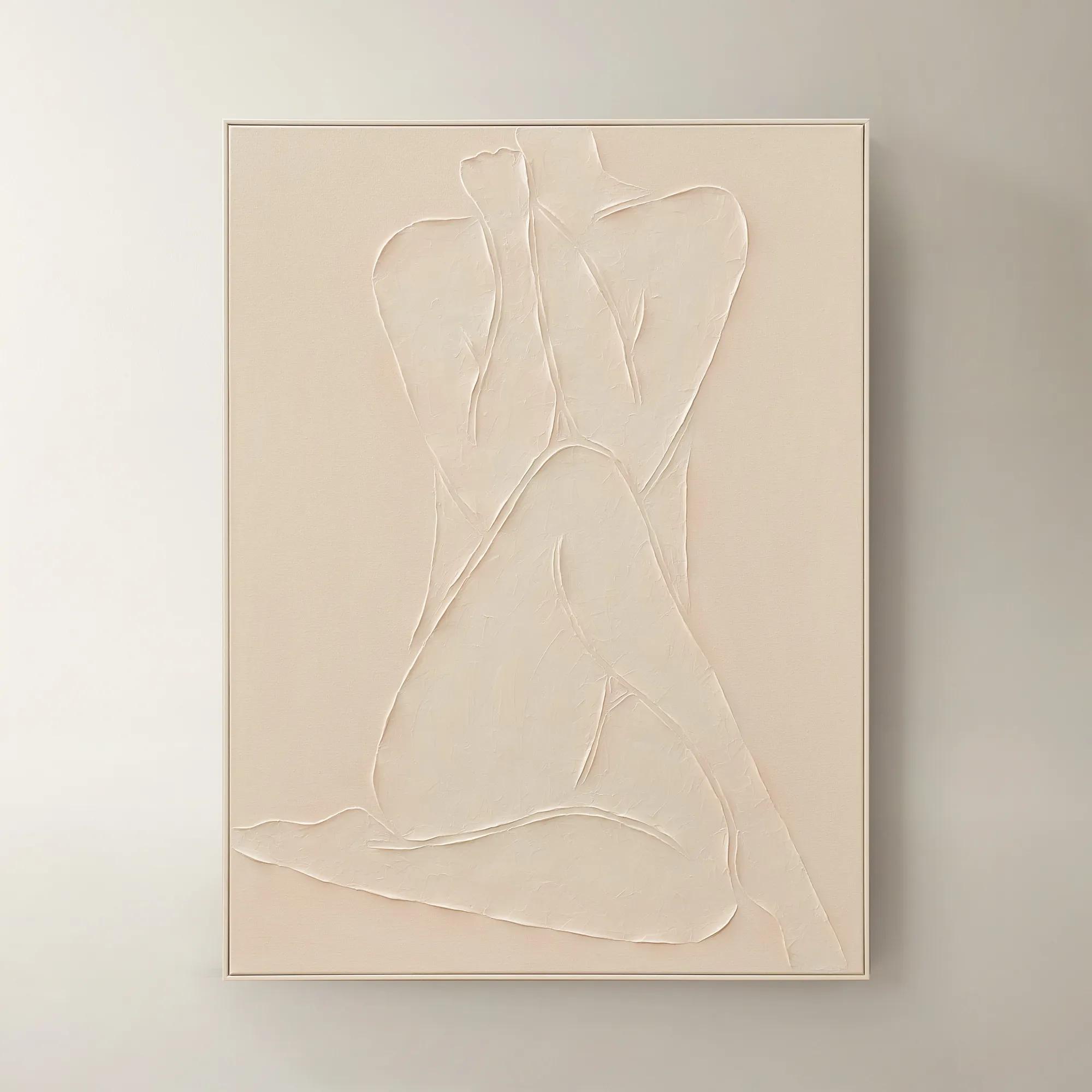
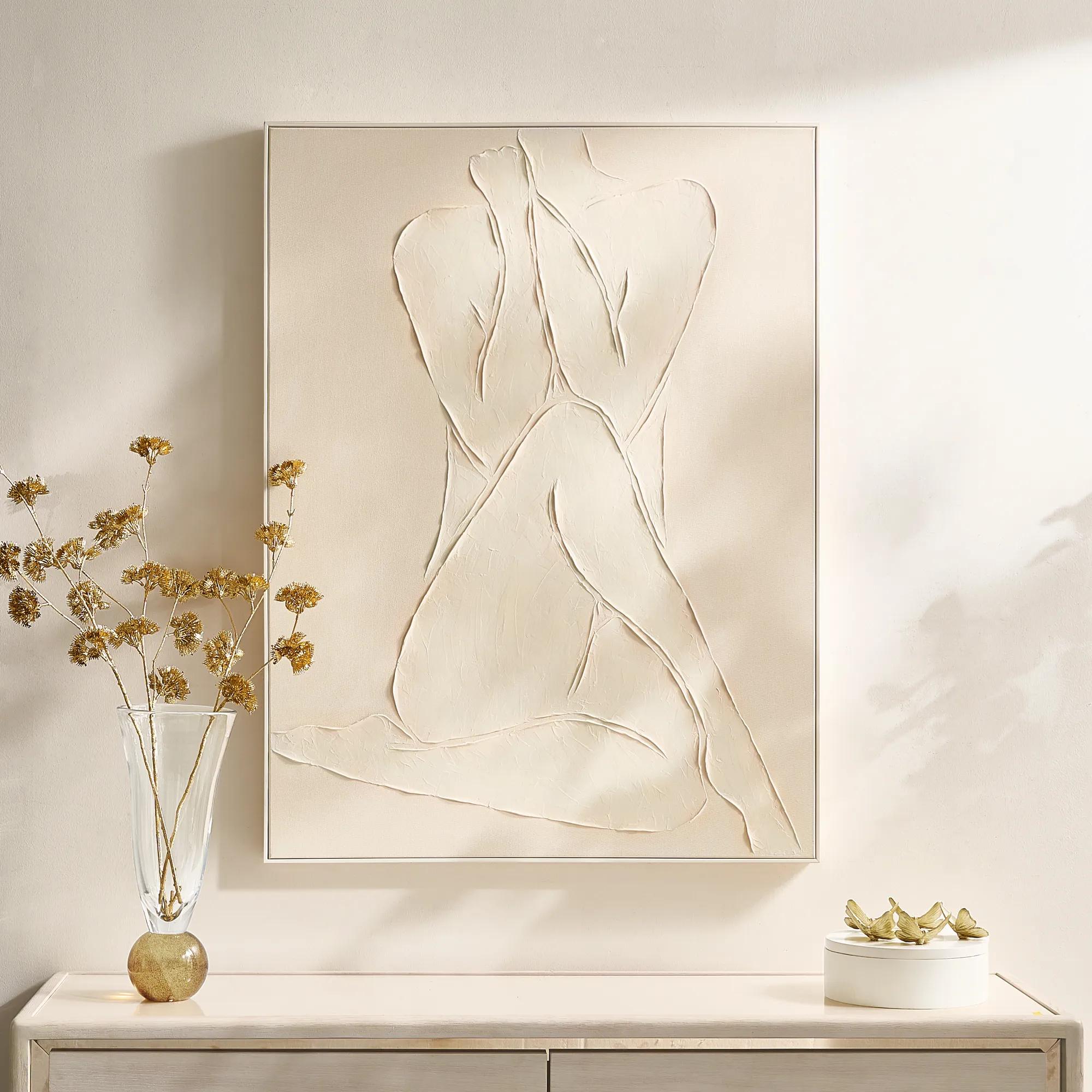 Modern Elegance Nude Ivory Framed Painted Wall Art 35.5" x 47.25"$599
A hand-painted ivory canvas in a white frame brings serene, modern artistry to any space.
Add To Cart -
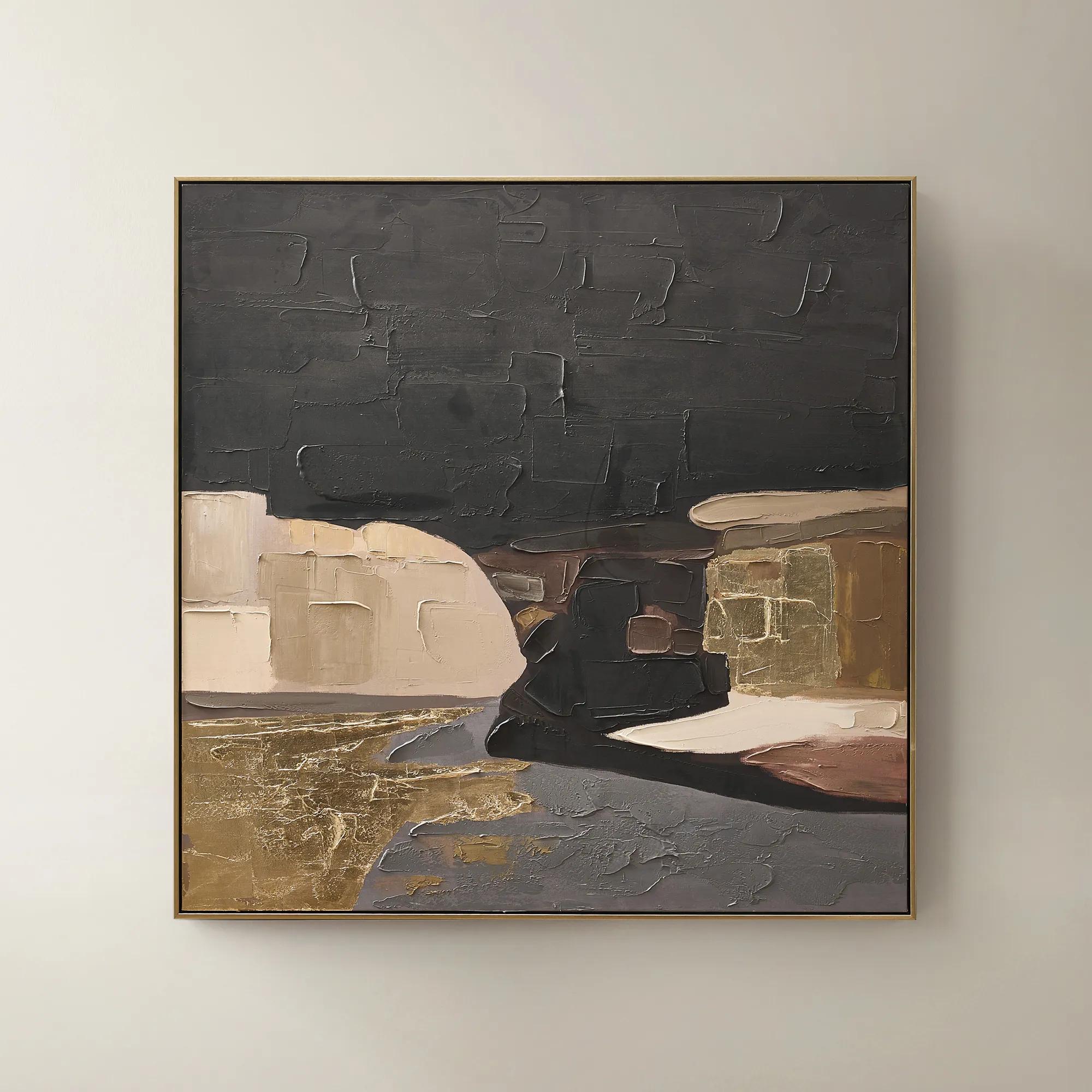 Obscured Light Framed Gold Leaf Painted Wall Art 48" x 48"$499
A hand-painted canvas with gold leaf accents and a black-gold frame in dramatic neutral tones.
Add To Cart -
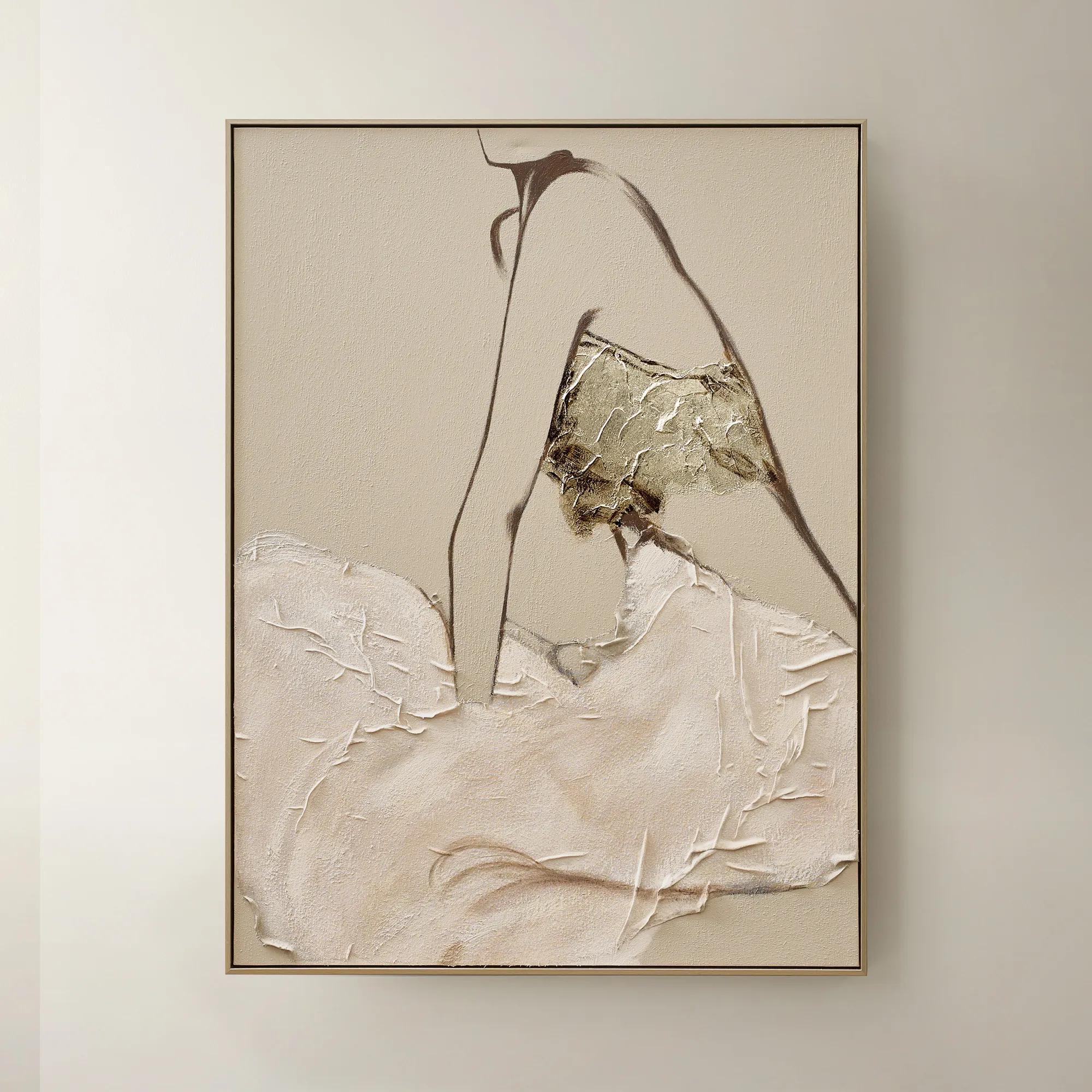 Quiet Pose Framed Painted Wall Art 36" x 48"$499
A hand-painted canvas in taupe and champagne tones features textural details and shimmering champagne leafing.
Add To Cart -
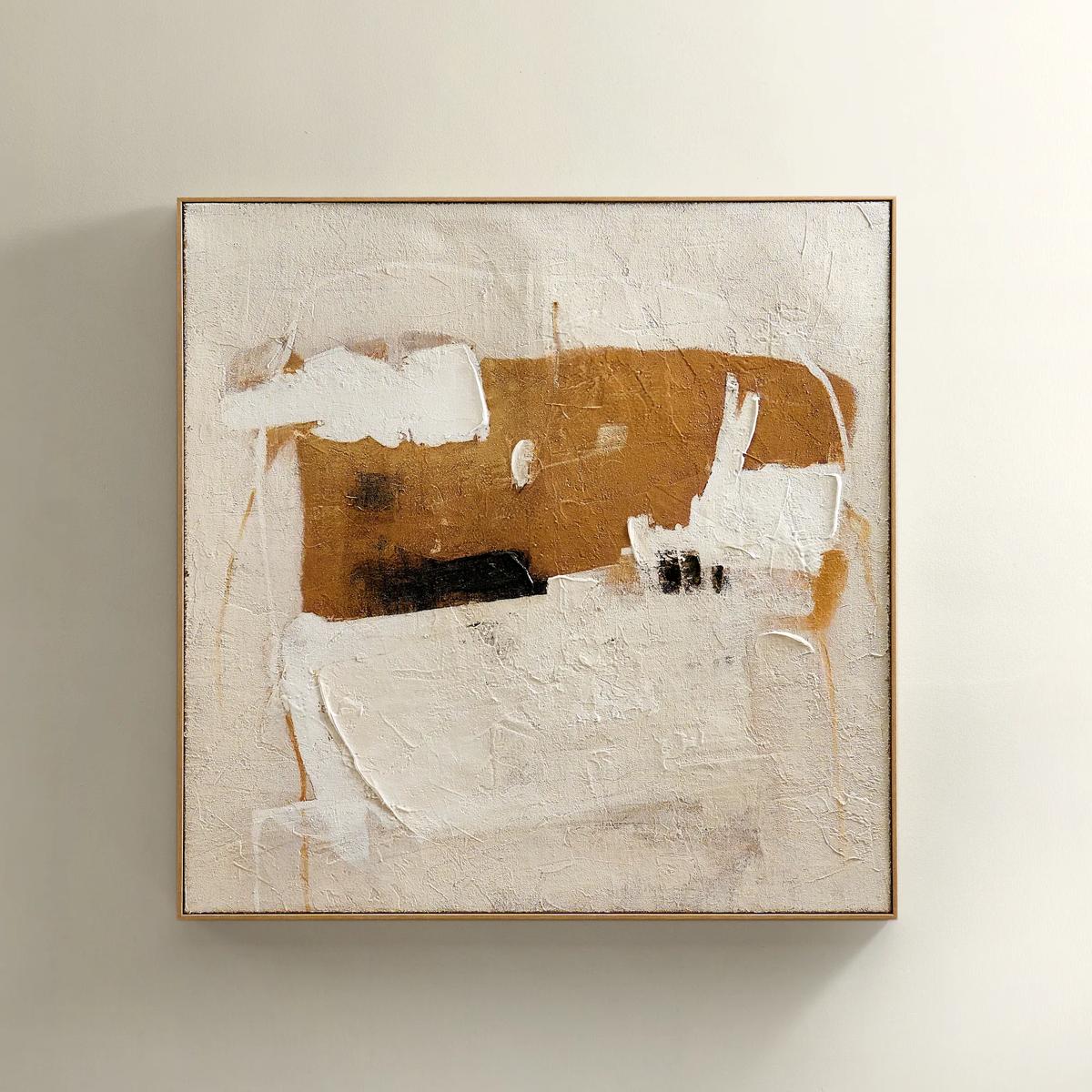 Instinct Framed Painted Wall Art 39.25" x 39.25"$349
An abstract hand-painted artwork featuring warm neutrals and black strokes on hessian with a light natural frame.
Add To Cart -
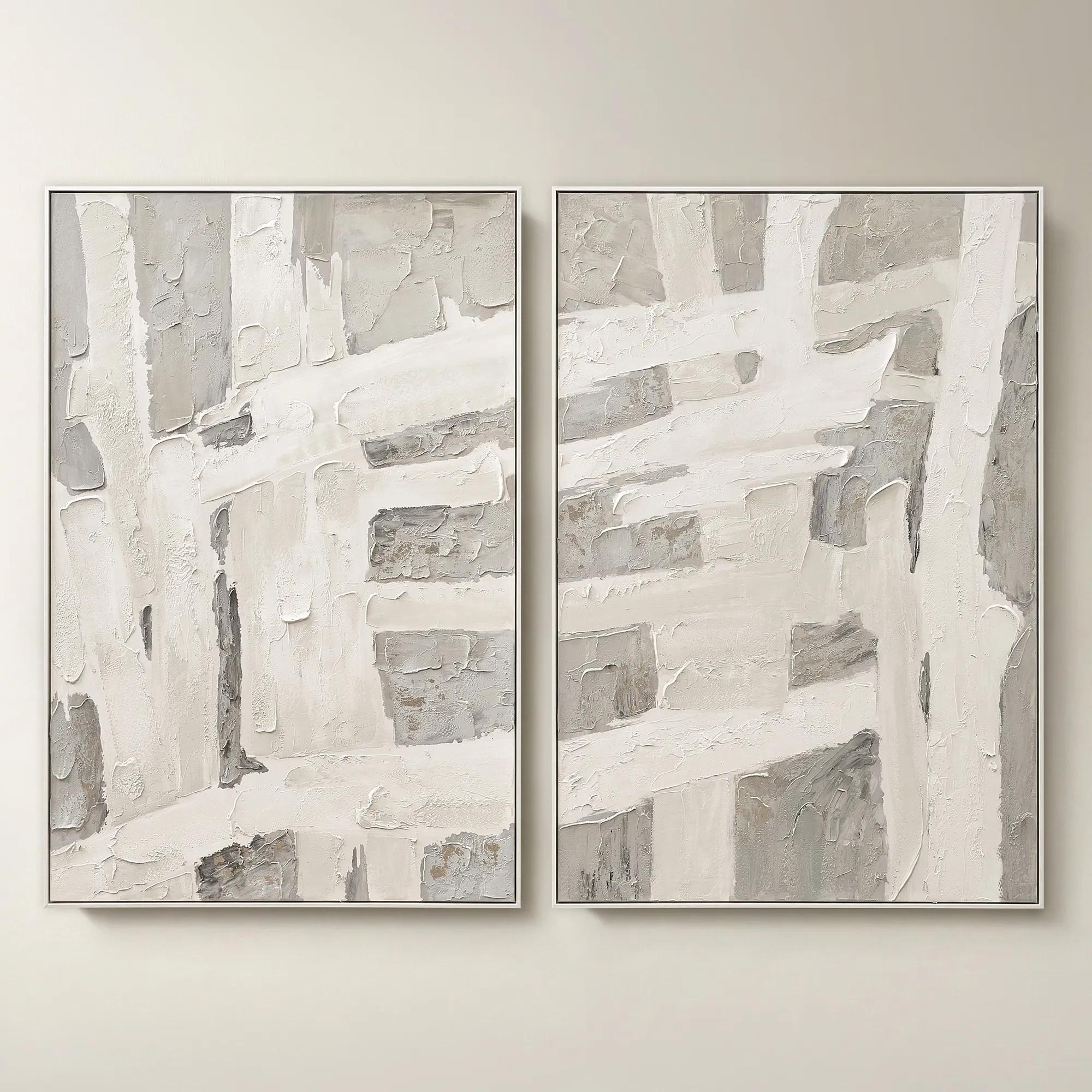 Traverse Framed Painted Wall Art 40" x 60" Set of 2$799
A hand-painted abstract diptych features champagne accents and soft grey, pearl, and alabaster tones in white frames.
Add To Cart -
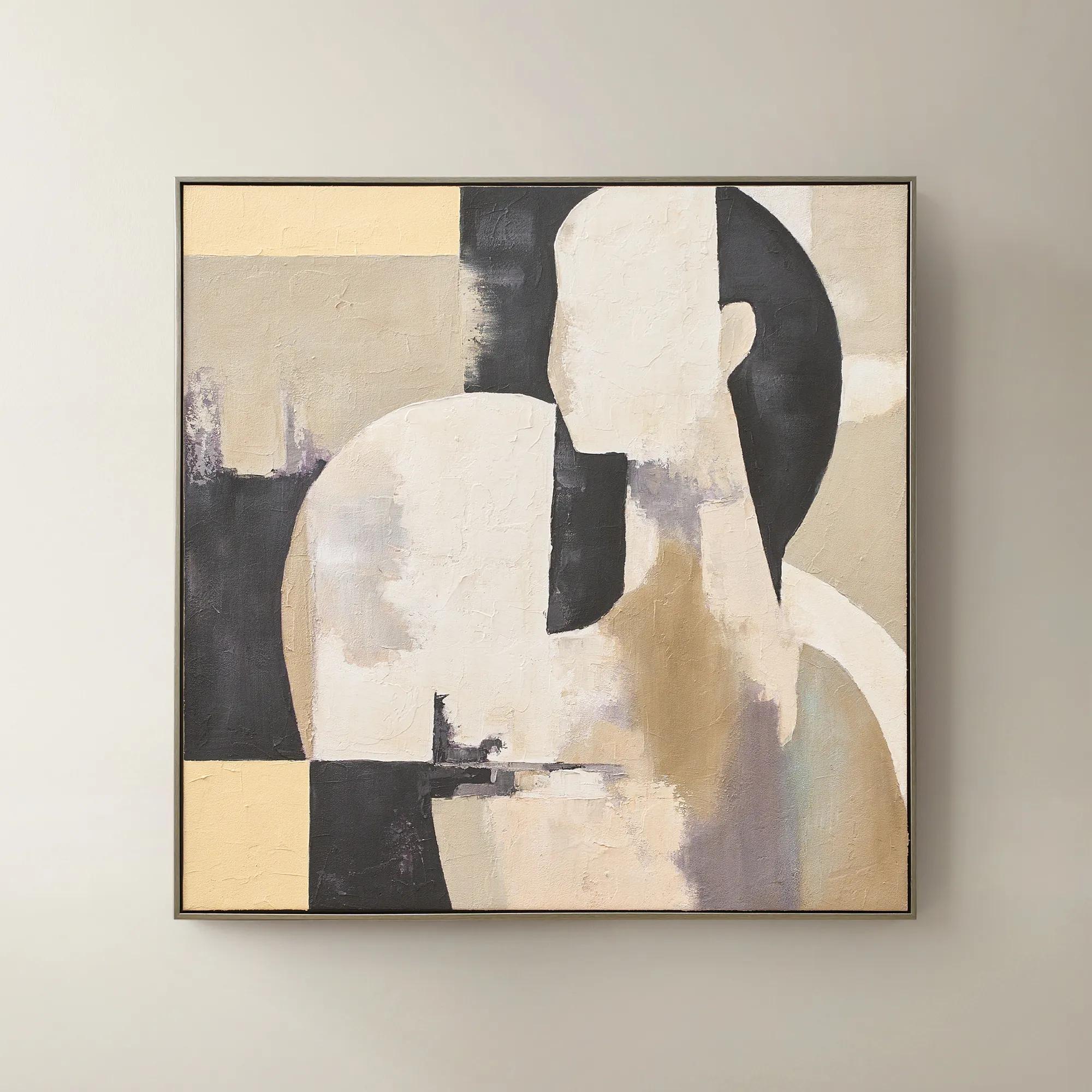 Afternoon Rest Framed Painted Wall Art 40" x 40"$399
A hand-painted abstract figure in buttercream, turtledove, and black hues framed in dark grey.
Add To Cart -
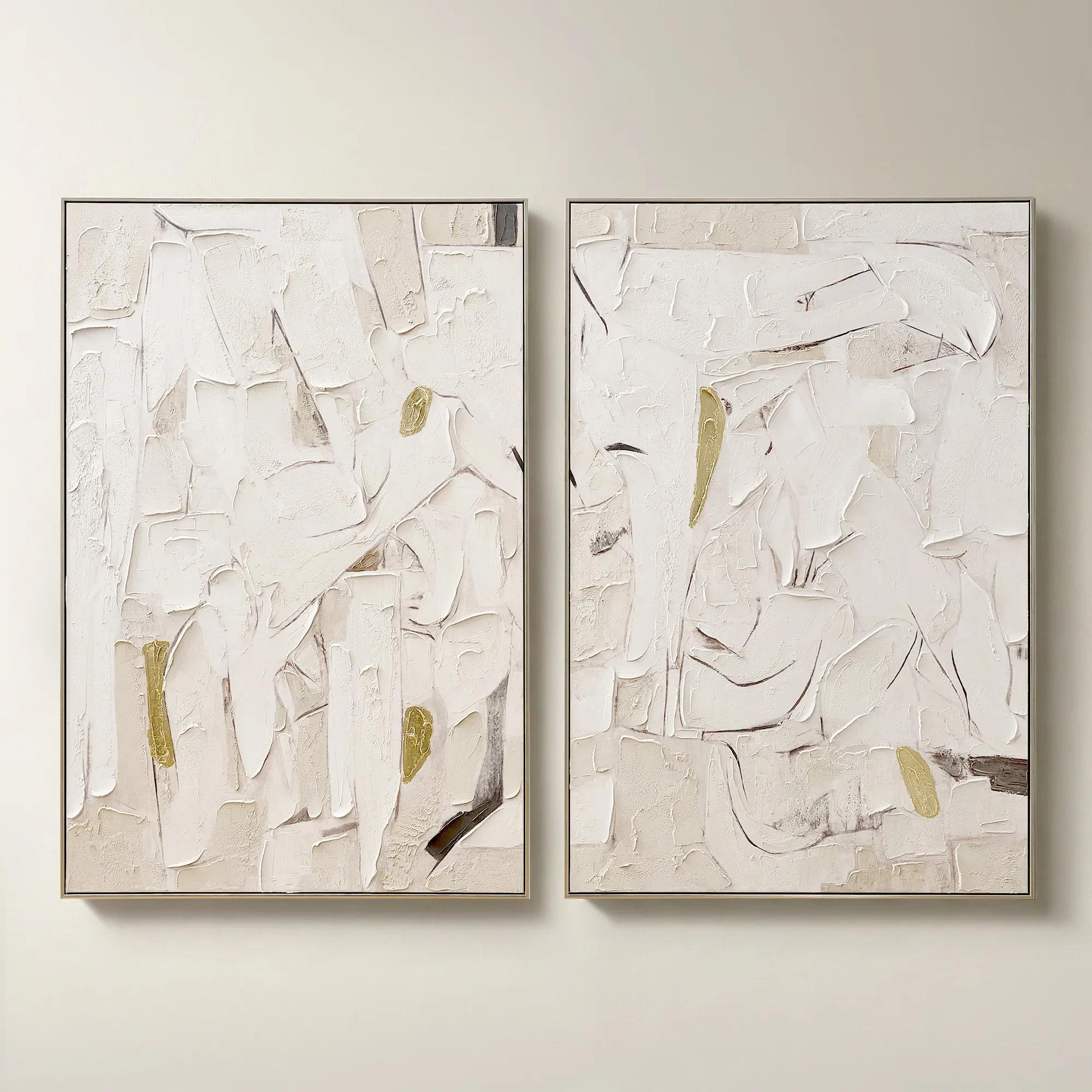 Beneath the Surface Framed Gold Leaf Painted Wall Art 40" x 60" Set of 2$799
A hand-painted abstract diptych featuring gold detailing and layered texture in alabaster and tawny hues.
Add To Cart -
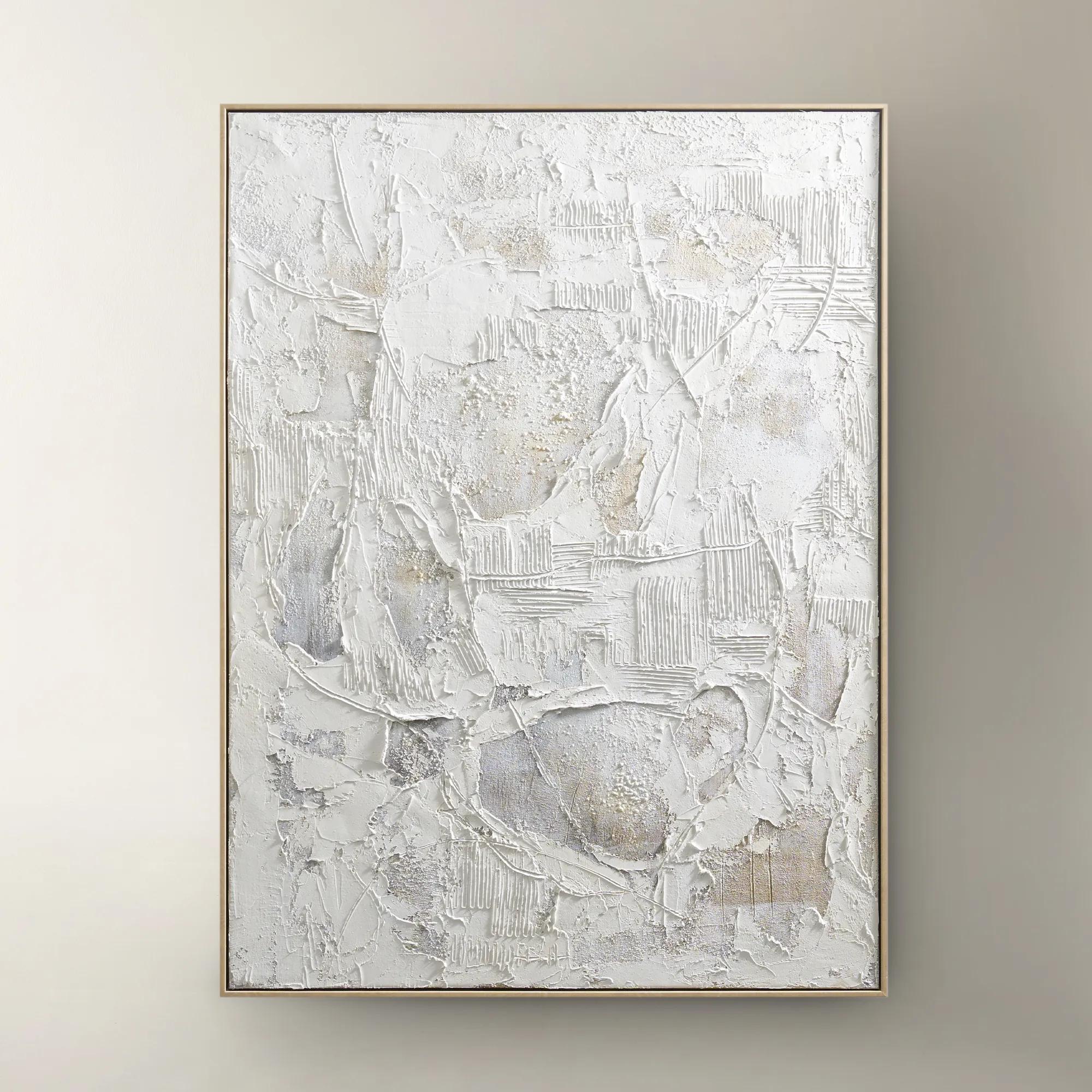 Stone Heritage Painting$399
A hand-painted canvas featuring textured white tones, elegantly framed in warm beech wood for refined appeal.
Add To Cart -
 Way Back When Framed Painted Wall Art 36" x 48"$499
A hand-painted cotton canvas in sepia, black, and ivory with abstract animal-inspired patterns and a slim black frame.
Add To Cart -
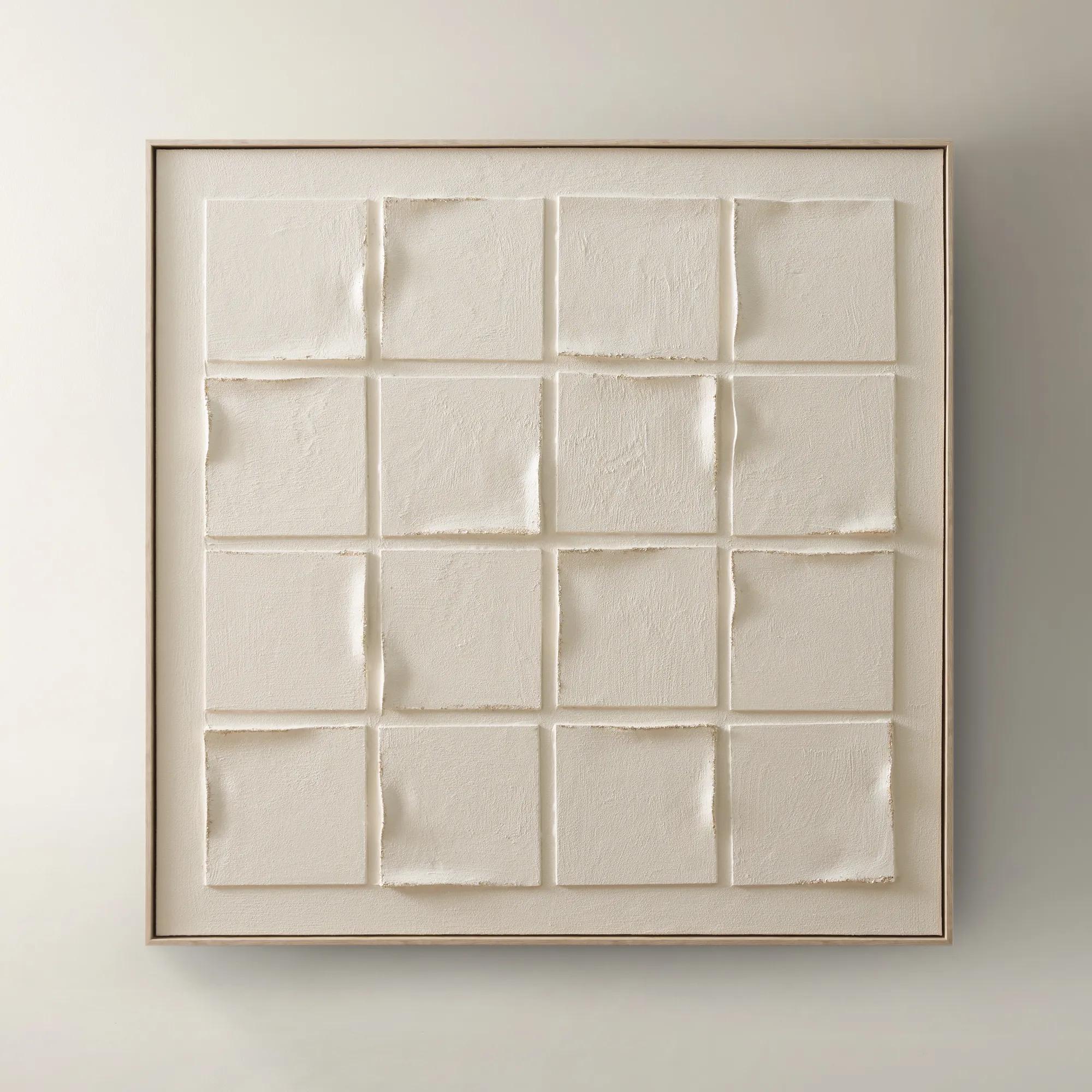 Gaze Framed Painted Wall Art 39.4" x 40"$329
A hand-painted canvas featuring subtle beige tones and textured depth in a warm whitewash floater frame.
Add To Cart -
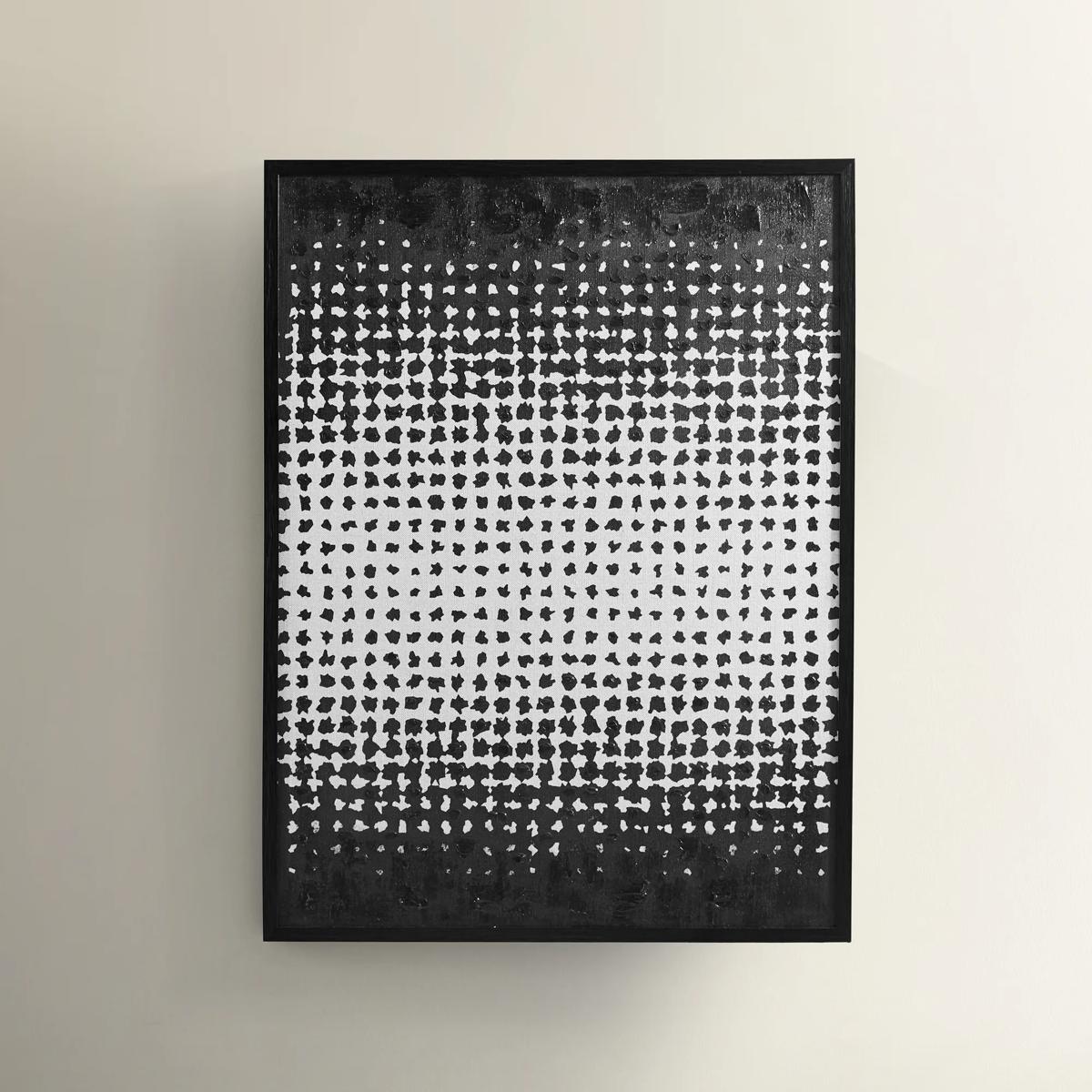
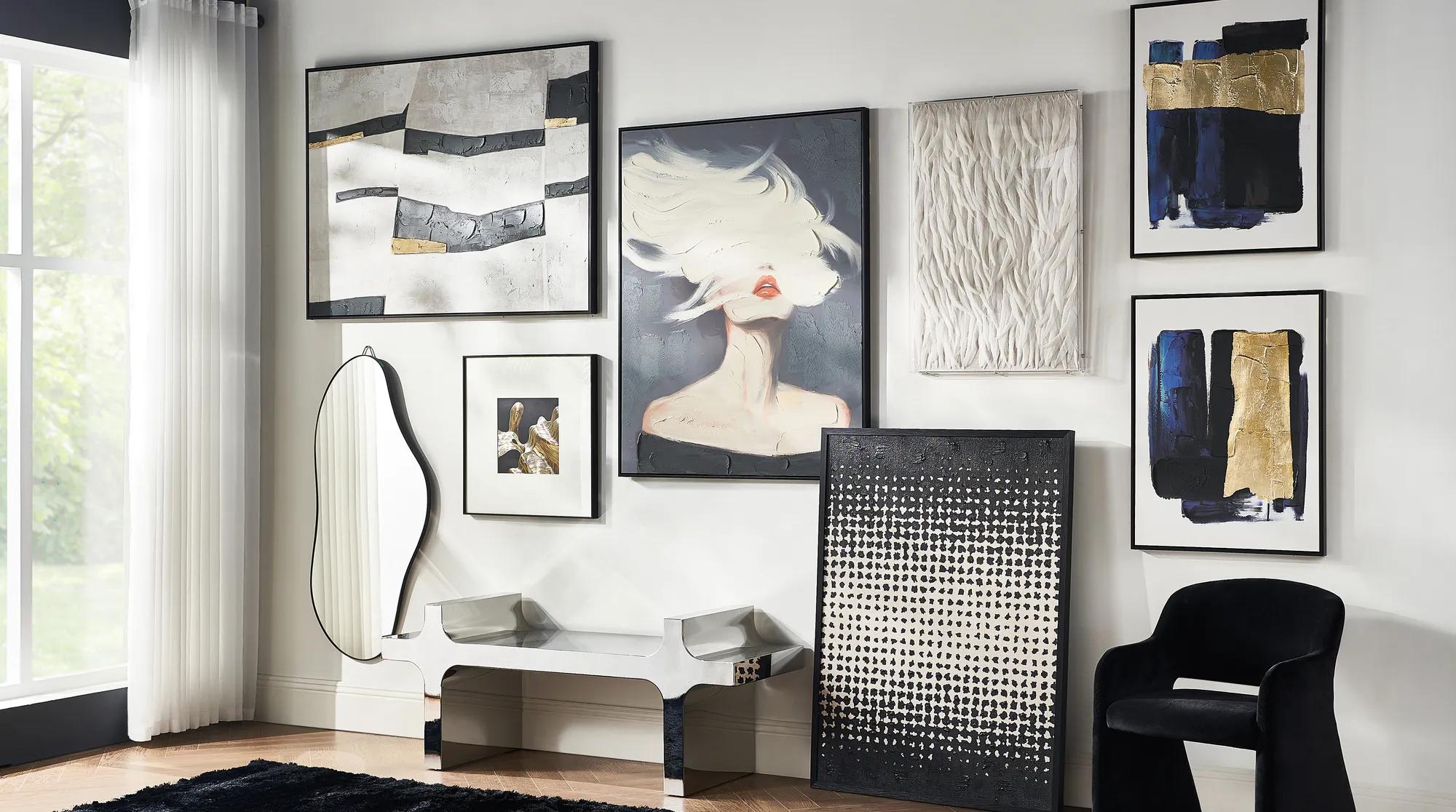 In Time Painting$399
A hand-painted linen canvas featuring cream and black dots in a modern, minimalist geometric pattern.
Add To Cart -
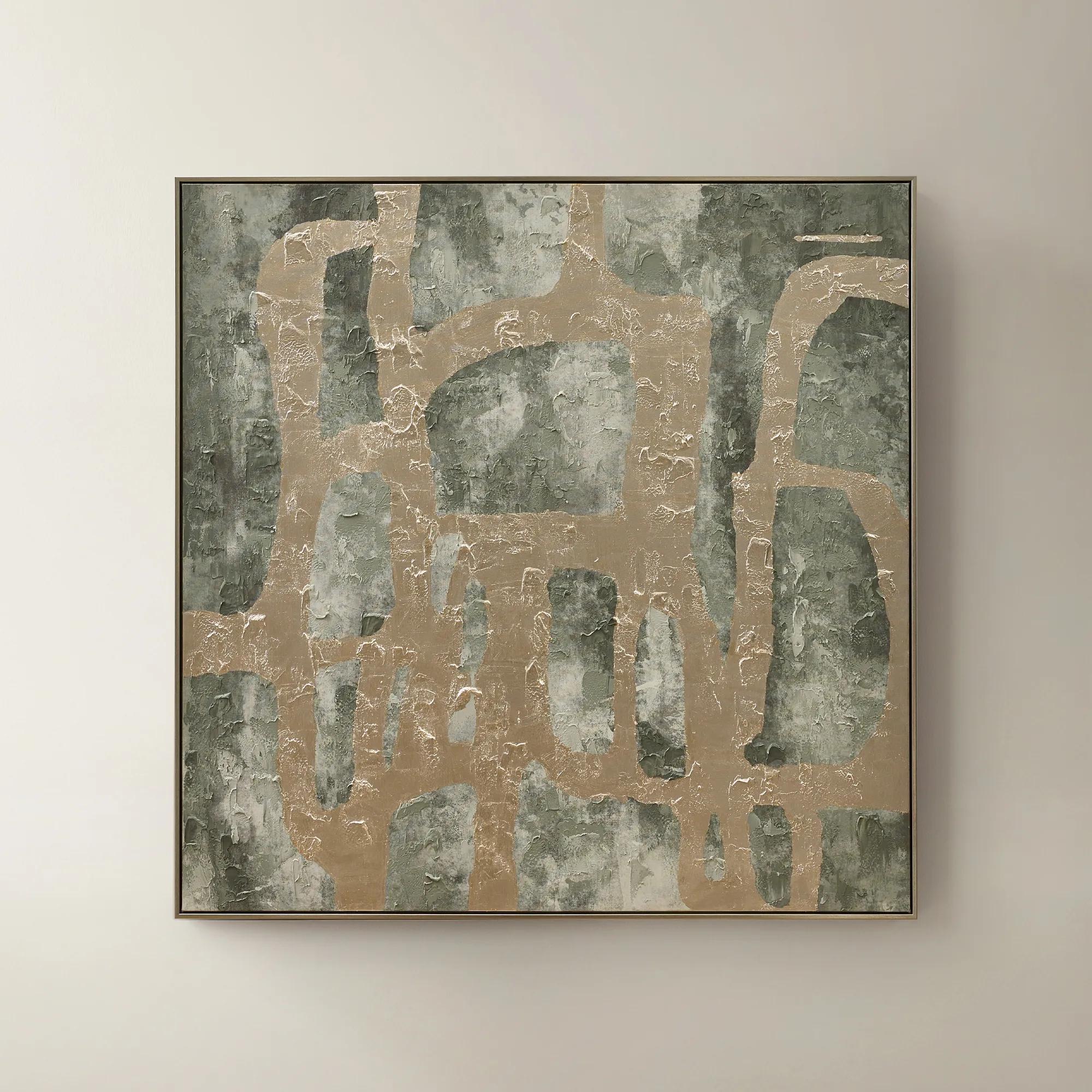 Illusions Framed Painted Wall Art 50" x 50"$599
A hand-painted canvas in sage and champagne tones with textural embellishments for modern, artful depth.
Add To Cart -
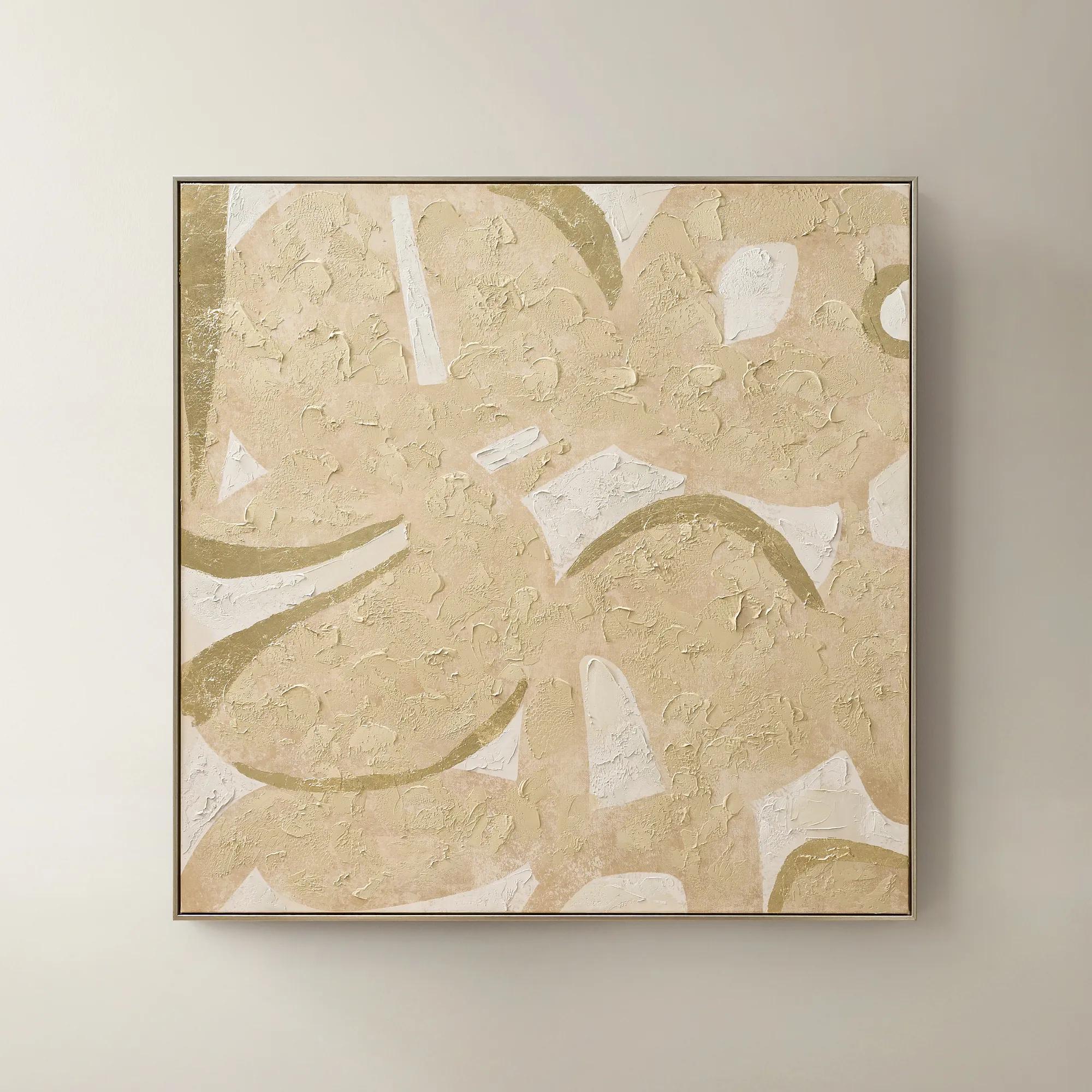
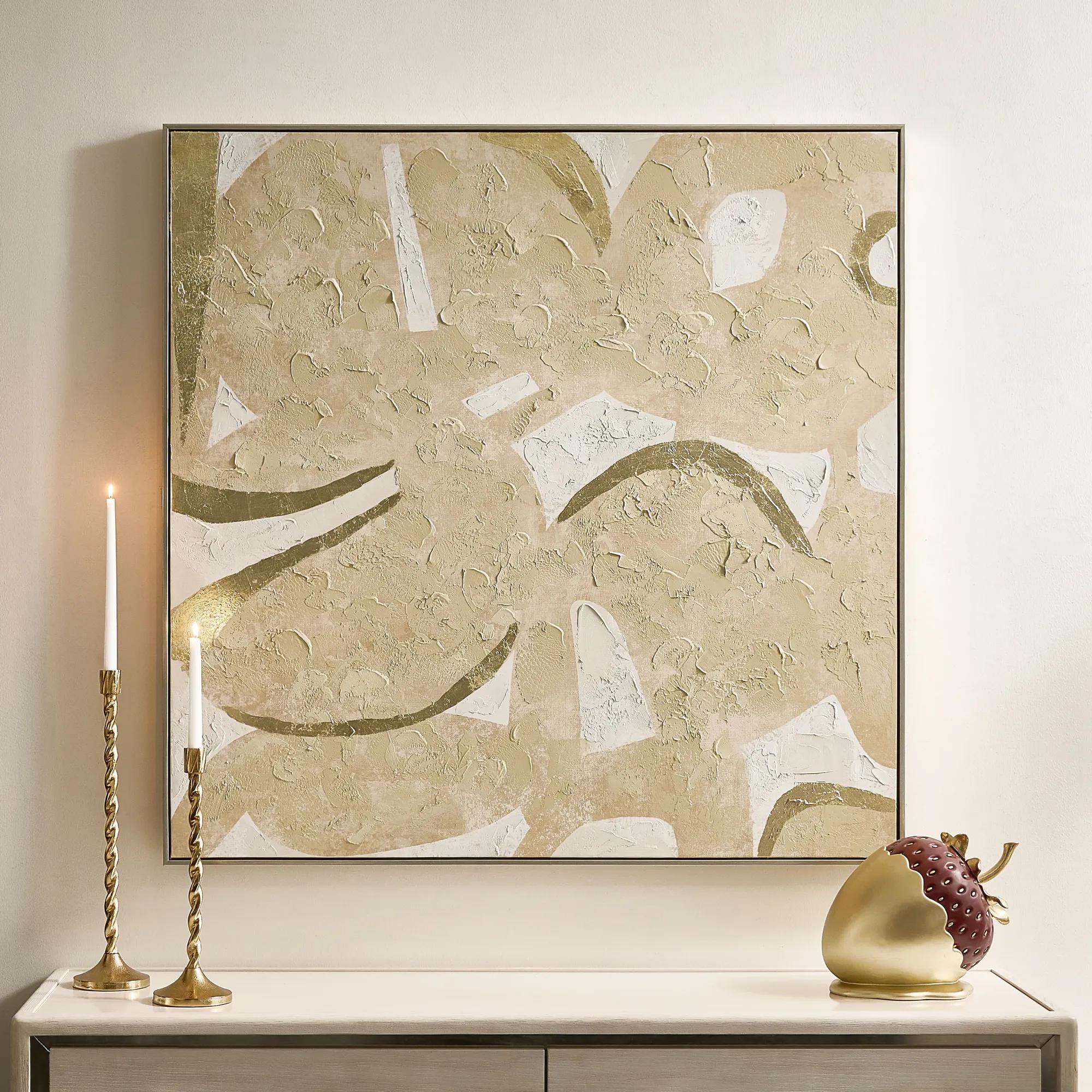 Golden Maize Framed Painted Wall Art 48" x 48"$399
A hand-painted canvas with champagne leafing and butter cream tones adds warmth and modern sophistication.
Add To Cart -
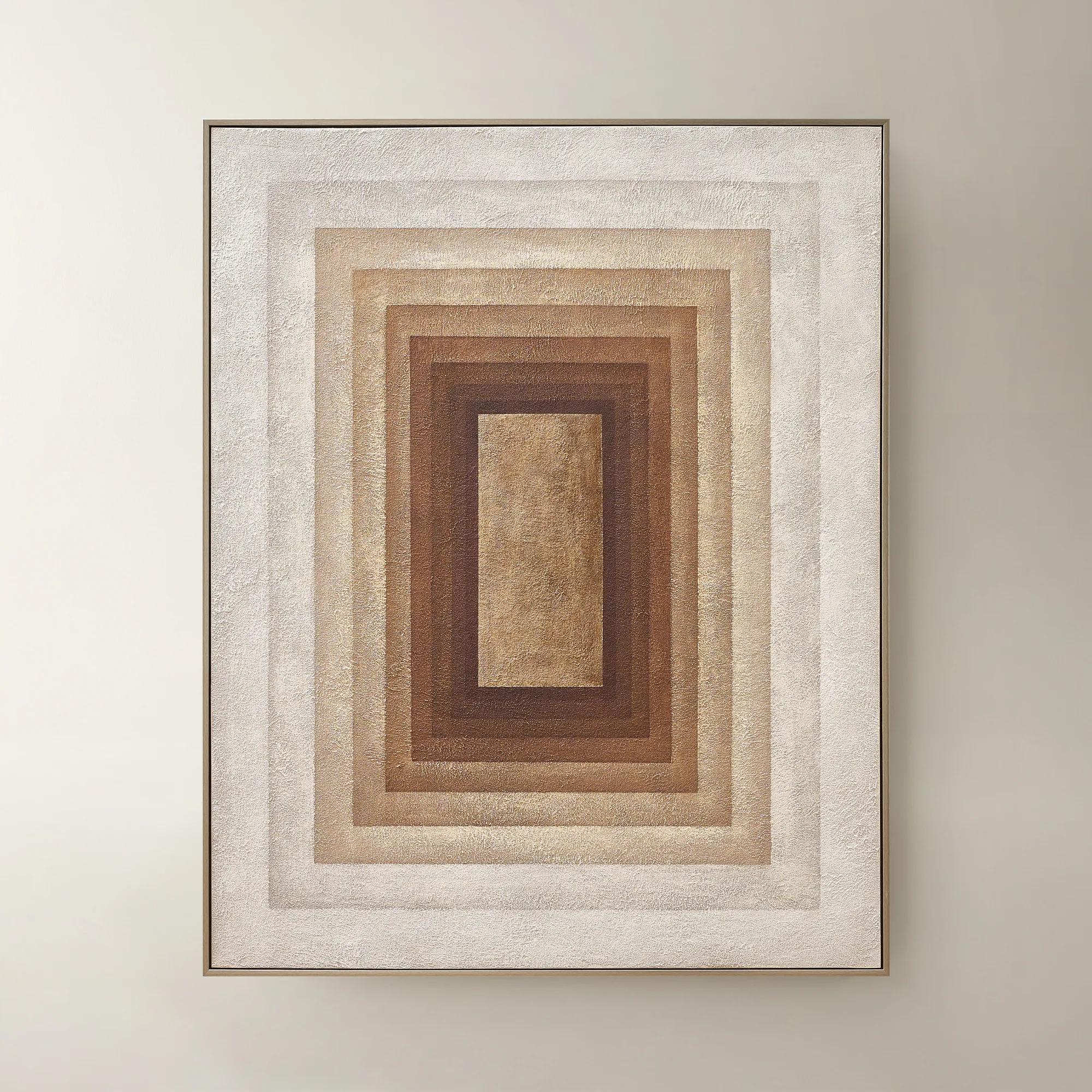 Monochrome Drift Framed Painted Wall Art 60" x 48"$699
A hand-painted abstract canvas with champagne leafing, featuring cocoa and gold tones in modern geometric design.
Add To Cart -
.jpeg?w=1200&h=1200)
.jpg?w=1200&h=1200) Shift Framed Painted Wall Art 39.4" x 59"$499
Shift Framed Painted Wall Art 39.4" x 59"$499A hand-painted canvas featuring bold black and beige contrasts with textured layers in a sleek black frame.
Add To Cart -
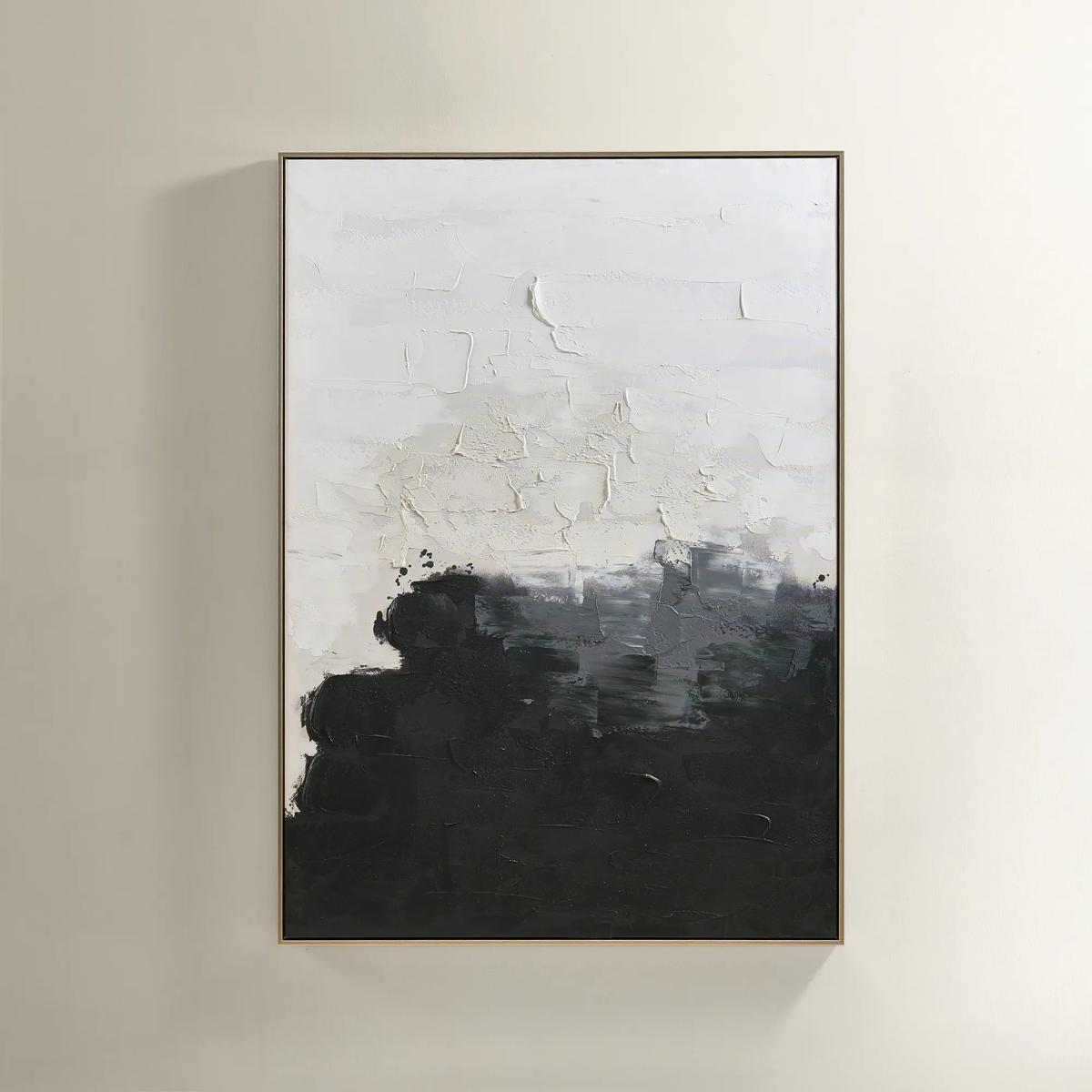
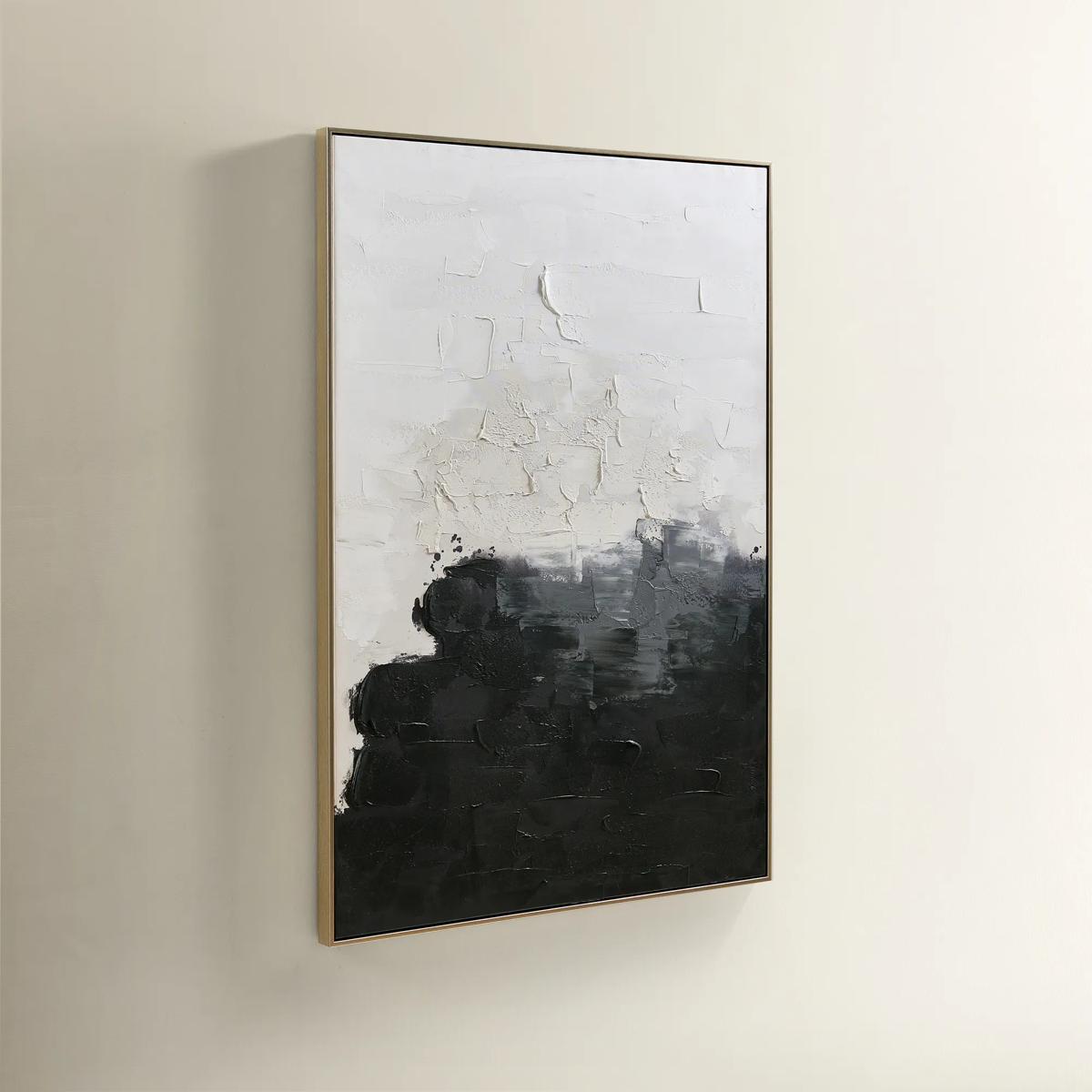 No Rush Painted Wall Art 39.25" x 55"$499
A hand-painted canvas featuring textured strokes of white, ivory, and charcoal in a natural wood frame.
Add To Cart -
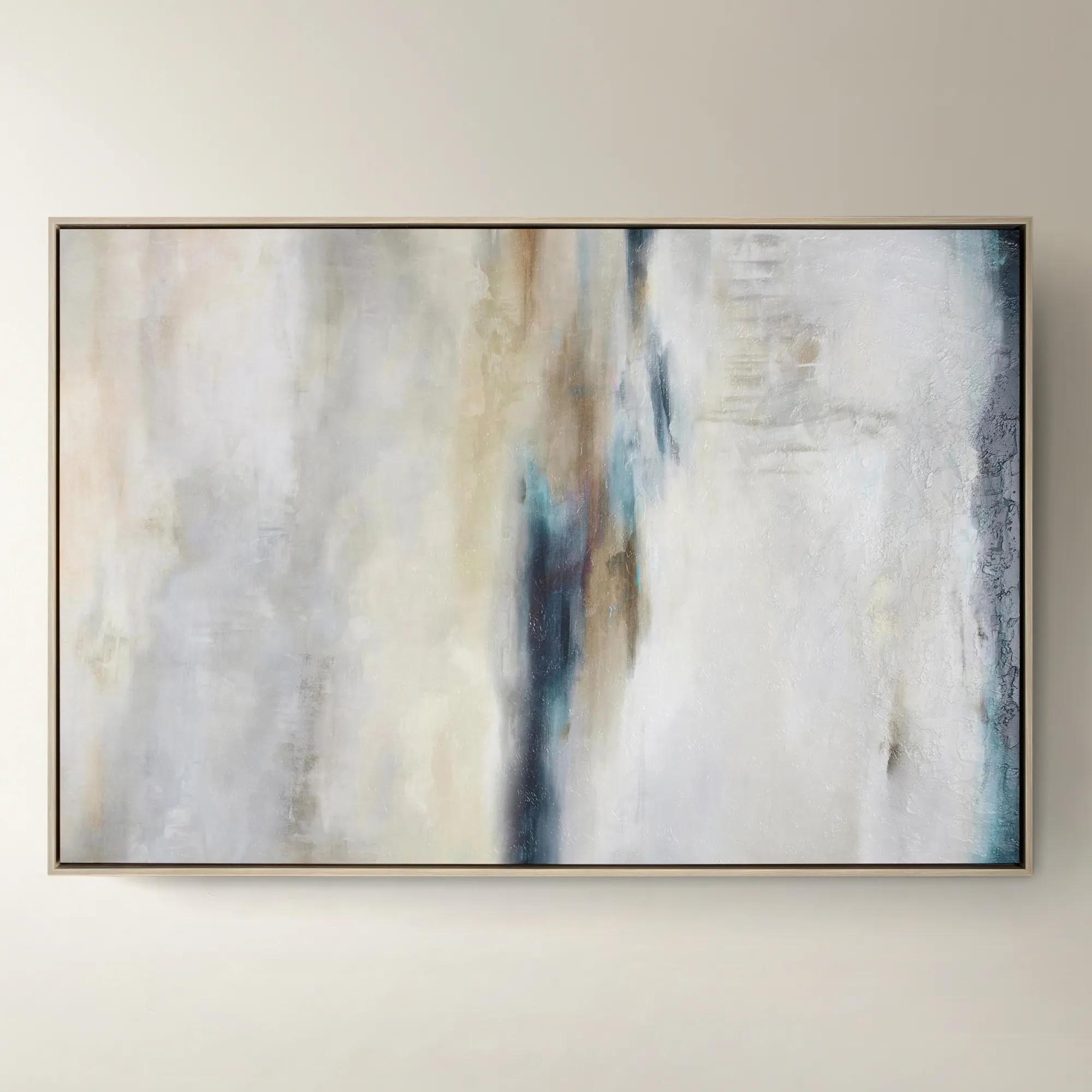
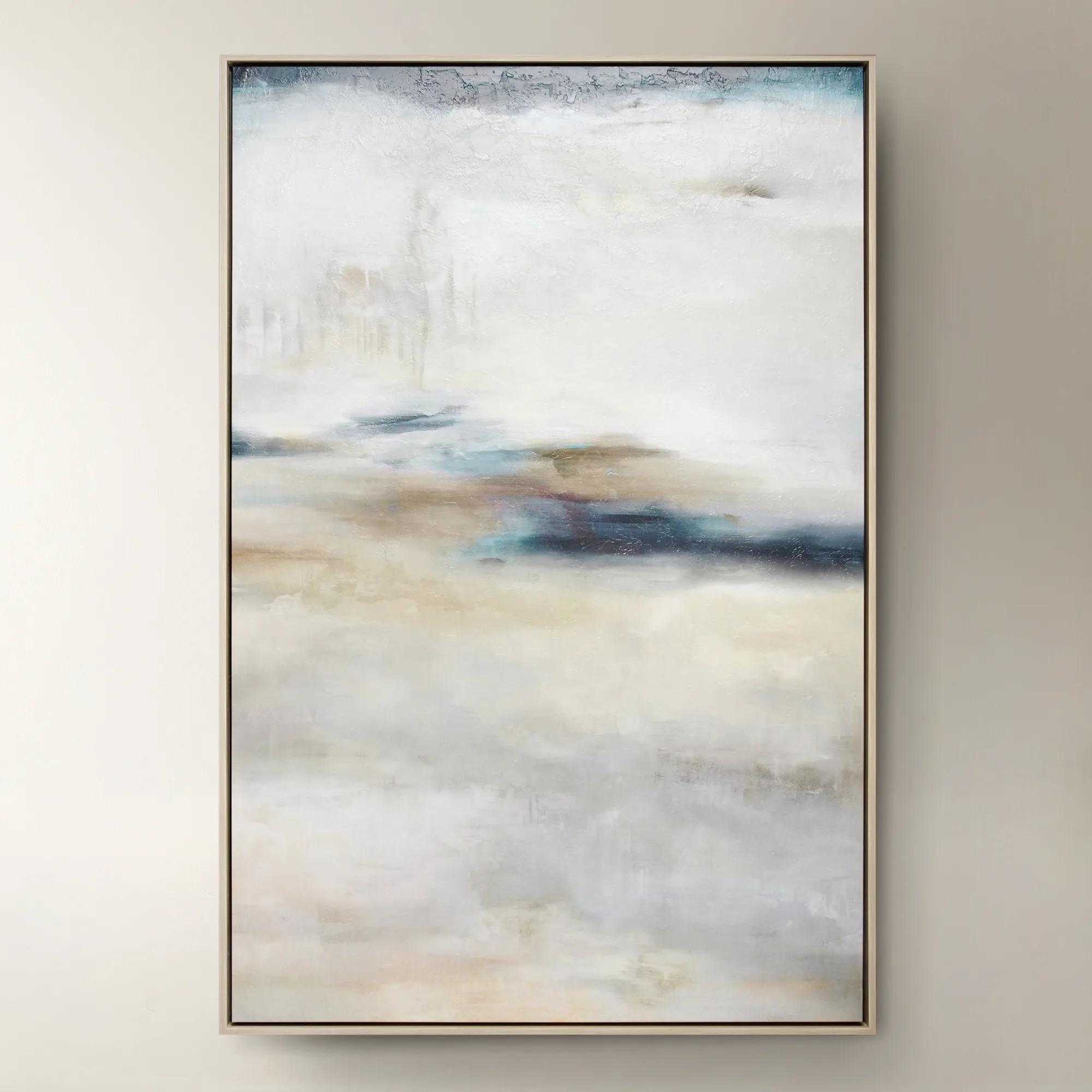 Forward Looking$1299
A softly layered abstract canvas print with a gel finish, set in a natural-hued floater frame.
Add To Cart

Neutral Tone Canvas Art Pieces
Neutral tone canvas art pieces invite a sense of serene sophistication into any space, transforming blank walls into curated moments of tranquility. With their subtle palettes and nuanced textures, these works evoke the quiet drama of a sunlit gallery—each brushstroke bathing your home in warmth, balance, and effortless refinement. Perfect for those who crave artistry without excess, neutral tone canvas art pieces serve as the elegant backdrop to your boldest furnishings or as the understated star of a minimalist vignette. Let each piece whisper luxury and intention, elevating your interiors with timeless allure.
Neutral tone canvas art pieces bring depth, movement, and an artful sense of restraint to a room through shades of ivory, cream, beige, taupe, greige, and soft gray. Their appeal lies in the interplay of color, composition, and surface: a sweeping charcoal gesture can feel commanding against a pale ground, while layered sand tones can suggest the sculptural contours of stone. These palettes give expressive interiors room to breathe without surrendering drama. Above a sumptuous velvet sofa, an oversized neutral abstract creates a generous focal point that complements rather than competes with the upholstery. In a bedroom, a hazy landscape in chalk and mushroom tones establishes a softer visual rhythm, balancing the presence of a tall upholstered headboard or gleaming bedside accents. Neutral canvas wall art also lends itself to dining rooms, entryways, and home offices, where its measured palette can connect furniture and finishes that might otherwise feel unrelated. Warm creams and golden beiges echo the richness of natural wood and brass, while cooler grays and silvery whites sit elegantly alongside chrome, glass, and lacquered surfaces. Undertones make a meaningful difference: an ivory canvas may look luminous against a taupe wall yet distinctly yellow beside a crisp, blue-based white. Existing upholstery, flooring, and wall color provide useful reference points when choosing between warm and cool compositions. Contrast matters just as much. A pale room gains definition from espresso lines or smoky blocks of color, while a darker interior can benefit from expansive areas of cream. Abstract forms, atmospheric landscapes, architectural gestures, and organic shapes each offer a different expression of the neutral palette. For someone drawn to glamorous interiors, the absence of saturated color is not a limitation; it allows a daring silhouette, a richly layered surface, or an arresting composition to take center stage.
The character of canvas artwork depends as much on its construction as on its imagery. Canvas is commonly made from cotton, linen, or synthetic blends, with each material offering a different weave and surface quality. In printed artwork, that woven foundation can lend the image a softer, more tactile presence than a smooth paper print. Painted or hand-embellished canvas may introduce raised strokes and variations that catch the light, although an image depicting plaster, stone, or thick brushwork does not necessarily have physical texture. Descriptions and close-up views help distinguish a dimensional surface from the illusion of one. Giclée generally refers to a fine-art inkjet printing process; color fidelity and longevity still depend on the canvas, inks, coatings, and display conditions rather than the term alone. Stretched canvas is typically secured over a supporting frame, creating depth at the edges. A gallery-wrapped presentation carries the artwork or a finished treatment around those edges for a sculptural profile, while a floating frame introduces a narrow gap that visually separates the canvas from its surround. A slender dark frame can sharpen a pale composition; a warm metallic finish can connect it to lighting or decorative accents. Dimensions deserve the same attention as finish, particularly when selecting large neutral canvas art for a prominent wall. Artwork spanning approximately two-thirds the width of a sofa, console, or headboard is a useful starting proportion, not a rigid requirement. A broad horizontal canvas emphasizes the sweep of a long sofa, while a vertical composition gives presence to a narrow wall beside a doorway. Painter’s tape outlining the outer dimensions can make scale easier to judge before hanging. For arrangements with several canvases, the overall footprint includes the spaces between them. Related compositions, such as Neutral Tone Abstract Art Sets, can create a measured sequence across a larger wall, with repeated tones providing continuity and variations in form keeping the arrangement expressive. Consistent spacing lets each composition retain its identity while the grouping reads as a deliberate whole.
Neutral artwork feels most compelling when it has a clear relationship with the room around it. A canvas with rounded, cloudlike forms can soften the strict lines of a glass console, while a graphic arrangement of taupe and black brings structure to a seating area layered with plush fabrics. Choosing one or two colors already present in the room creates a connection without requiring every finish to match. A thread of gray in a rug, the cream of a lampshade, or the brown grain of a wood table may be enough to make the artwork feel considered. Lighting adds another dimension: gentle, indirect illumination reveals tonal shifts and surface detail without the harsh shadows or glare that can obscure a composition. For long-term enjoyment, most decorative canvas art is best displayed indoors in stable conditions, away from direct sunlight, dampness, heating vents, and areas prone to splashes. Even a pale palette can fade or shift with prolonged light exposure, and moisture can affect both the fabric and its supporting structure. A bathroom with frequent steam or a position immediately above a working sink is generally less suitable than a dry hallway, living room, or bedroom. Care should follow the artwork’s specific instructions. Where permitted, occasional light dusting with a clean, dry, soft brush can help preserve the surface; water, household cleaners, and abrasive cloths may damage inks, coatings, or painted details. Heavily textured or delicate embellished surfaces may require additional care rather than routine wiping. Secure hanging hardware suited to the artwork’s weight and the wall type supports both safety and a polished presentation. These considerations make neutral canvas art especially appealing to homeowners furnishing a primary living space, apartment dwellers establishing a distinctive focal point, and anyone refining a room without replacing its furniture. It can also make a thoughtful housewarming or wedding gift when the recipient’s taste and available wall space are known. The strongest choice offers more than agreeable color: it brings a particular mood, a sense of proportion, and an unmistakable point of view to the home.
FAQs
Neutral tone canvas art pieces are remarkably versatile and complement a wide range of interior styles. They bring understated elegance to modern and contemporary spaces, add warmth and cohesion to bohemian and transitional rooms, and offer a soft, grounding element in classic or traditional settings. Their subtle palettes and textures harmonize beautifully with both bold statement furnishings and minimal, serene environments.
Neutral color paintings have a soothing effect thanks to their gentle hues and organic textures. To foster a calming atmosphere, display them in spaces where relaxation is key—such as bedrooms, reading nooks, or living rooms. Pair your artwork with plush textiles, soft lighting, and natural materials to enhance the sense of tranquility and create a restorative retreat.
Absolutely. Neutral tone art pieces make thoughtful and timeless gifts for housewarmings, weddings, anniversaries, or milestone celebrations. Their subtle color palettes and universal appeal ensure they’ll complement a variety of personal styles and home décors, making them a cherished addition to any recipient’s collection.
Get creative by layering neutral canvas art on a mantel, mixing different shapes and textures in a gallery wall, or placing a large-scale piece above a sofa or bed for dramatic impact. In open-concept spaces, coordinated multi-panel sets can unify the room, while smaller pieces can add interest to shelves or entryways. Experiment with placement and lighting to highlight the art’s texture and depth.
Textured finishes and metallic accents add dimension and intrigue to neutral tone canvas art, catching light in unique ways and creating subtle visual drama. These details bring an artisanal quality to each piece, allowing the artwork to shift in appearance throughout the day and adding layers of richness and sophistication to your space.