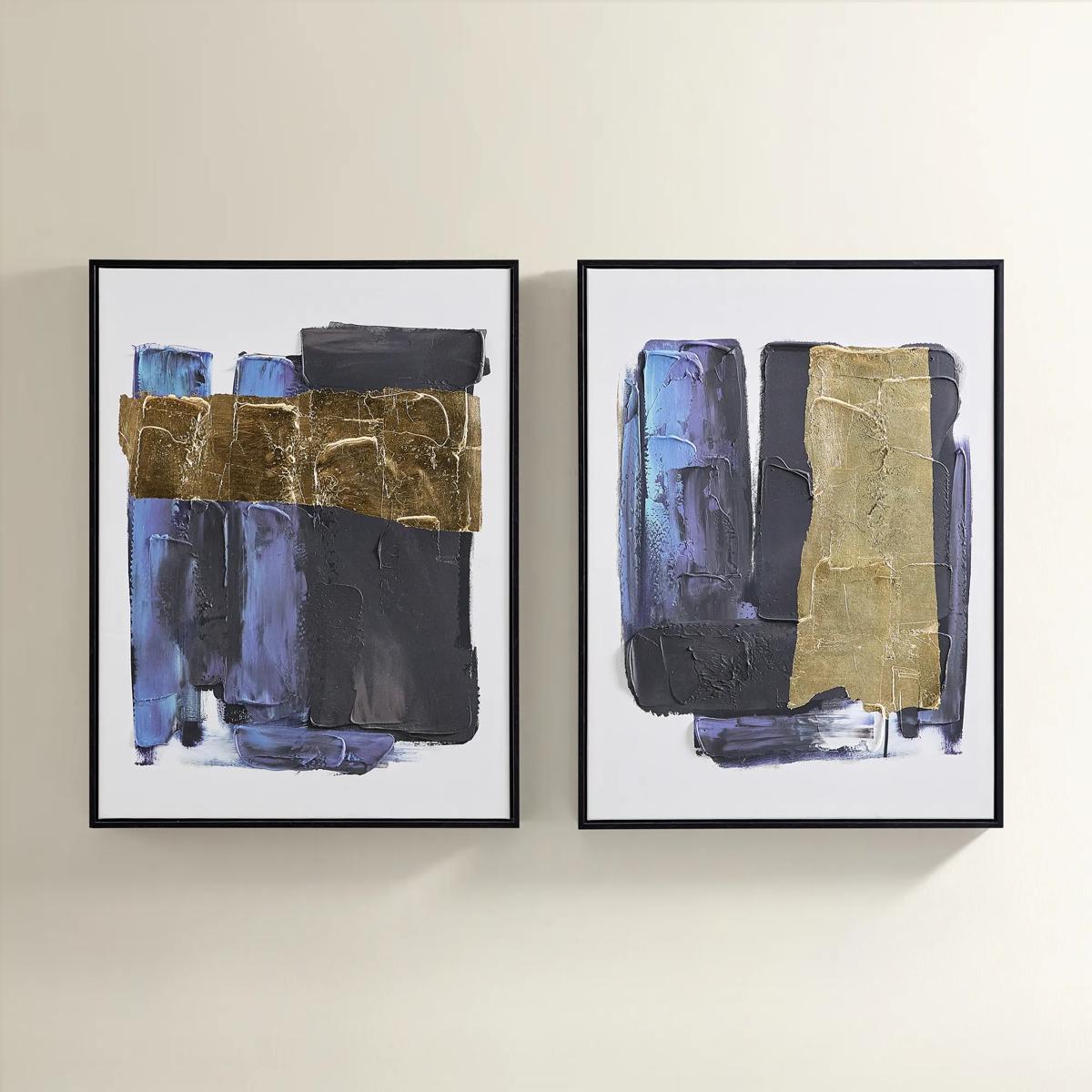
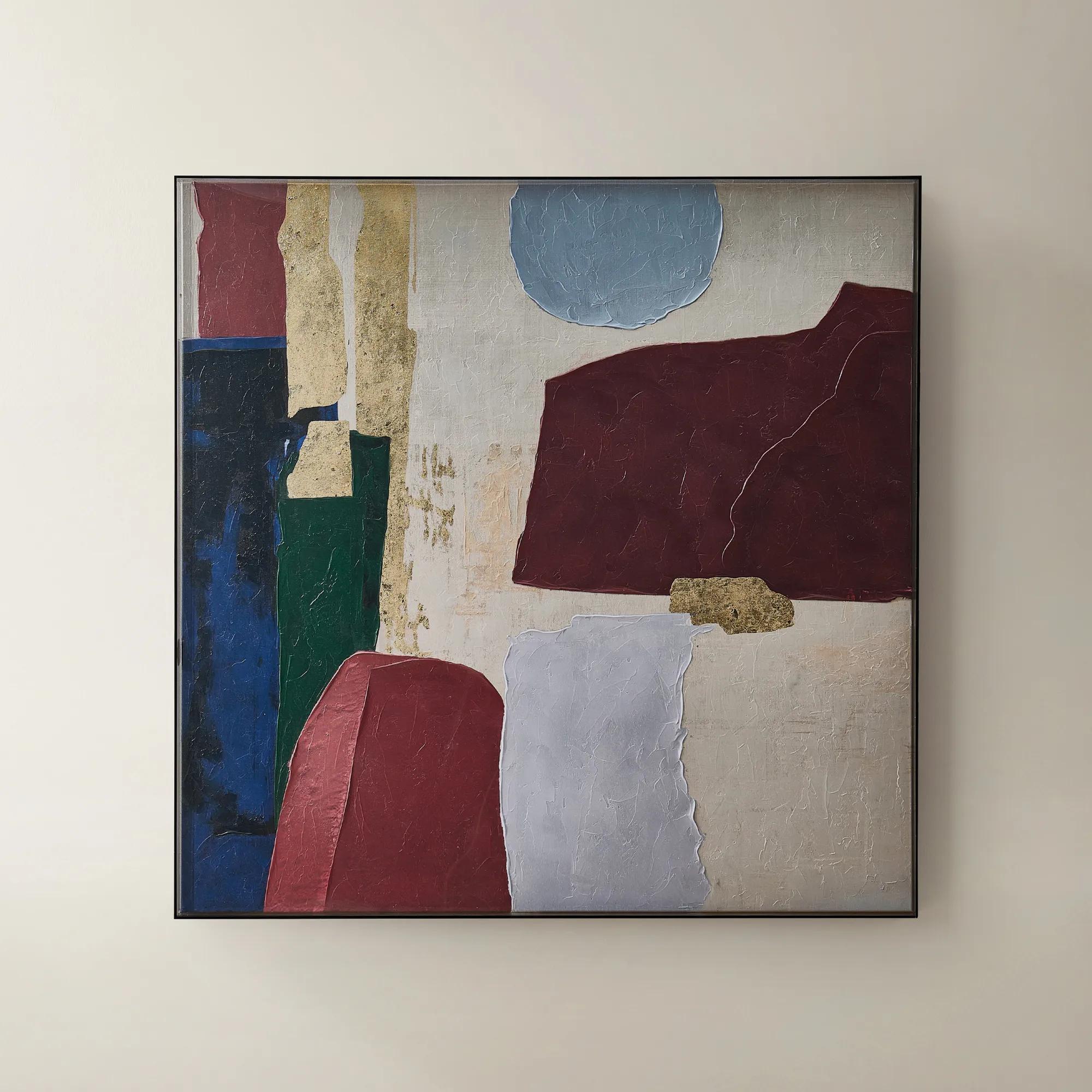
Earth Tone Canvas Wall Arts
Earth Tone Canvas Wall Arts
-
 Espresso Framed Painted Wall Art 31.5" x 31.5"$149
A bold abstract artwork featuring rich brown hues on hand-painted canvas in a light wood floater frame.
Add To Cart -

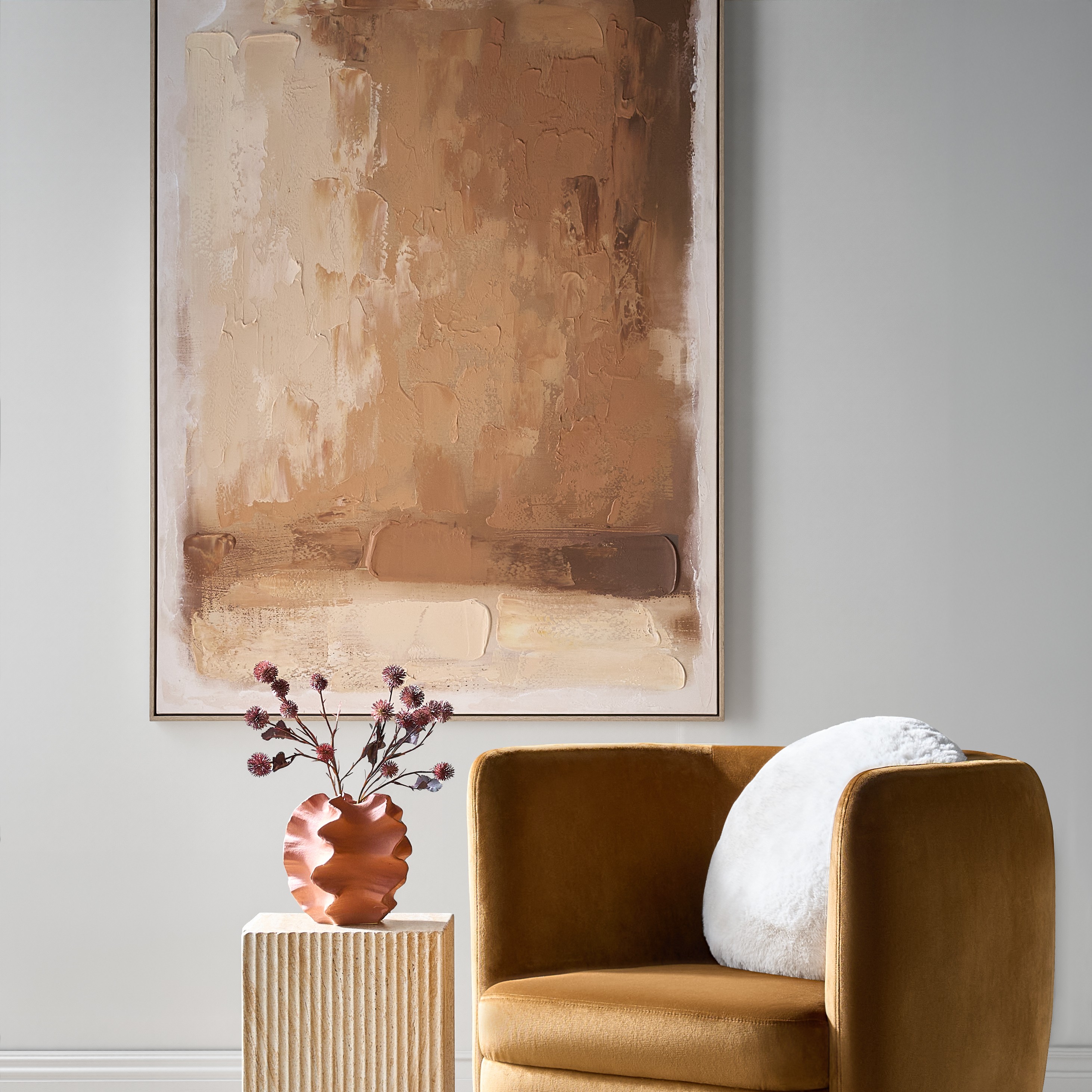 Ember Glow Framed Painted Wall Art 39.25" x 55"$499
A hand-painted abstract canvas blending ochre, terracotta, and golden clay hues in a light natural frame.
Add To Cart -
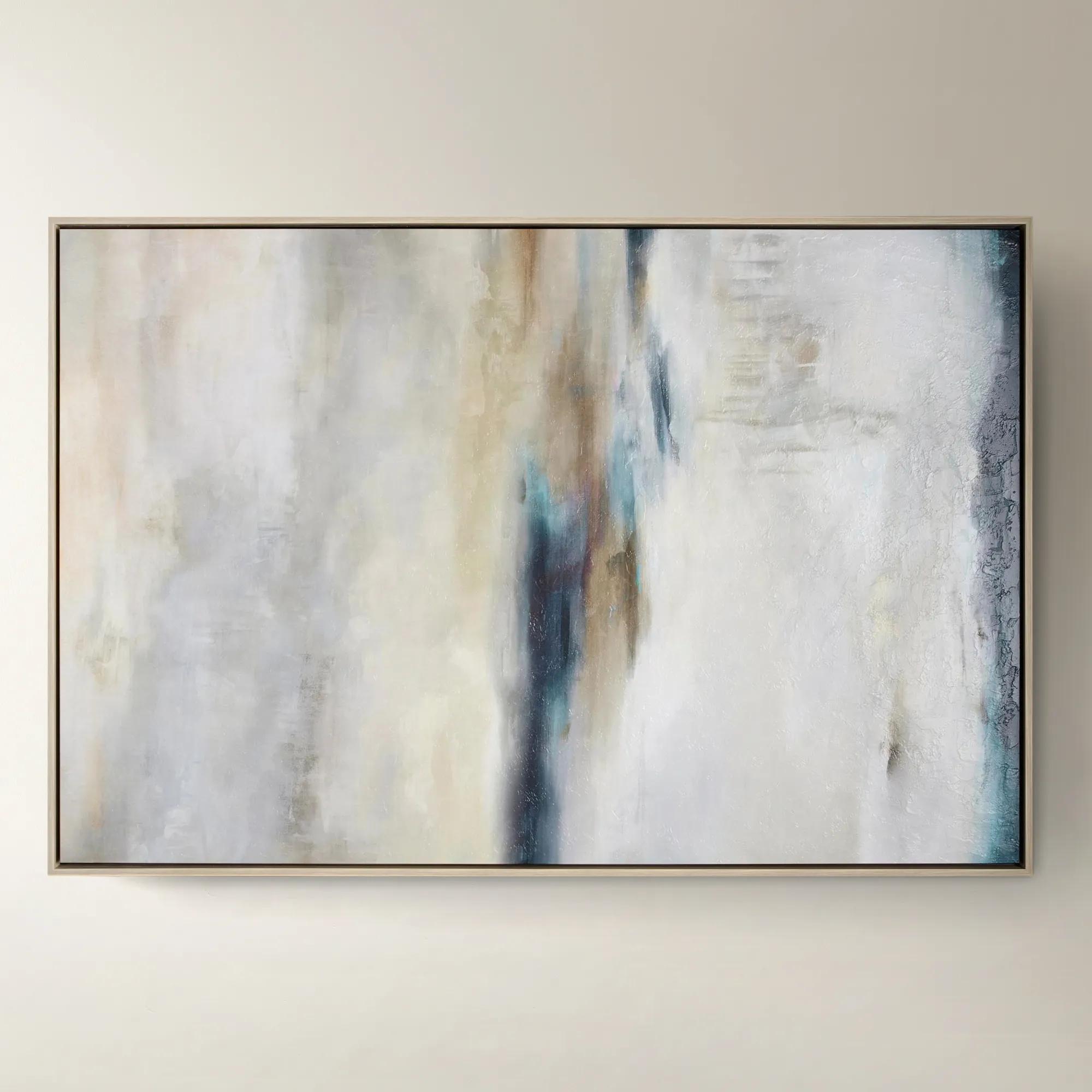
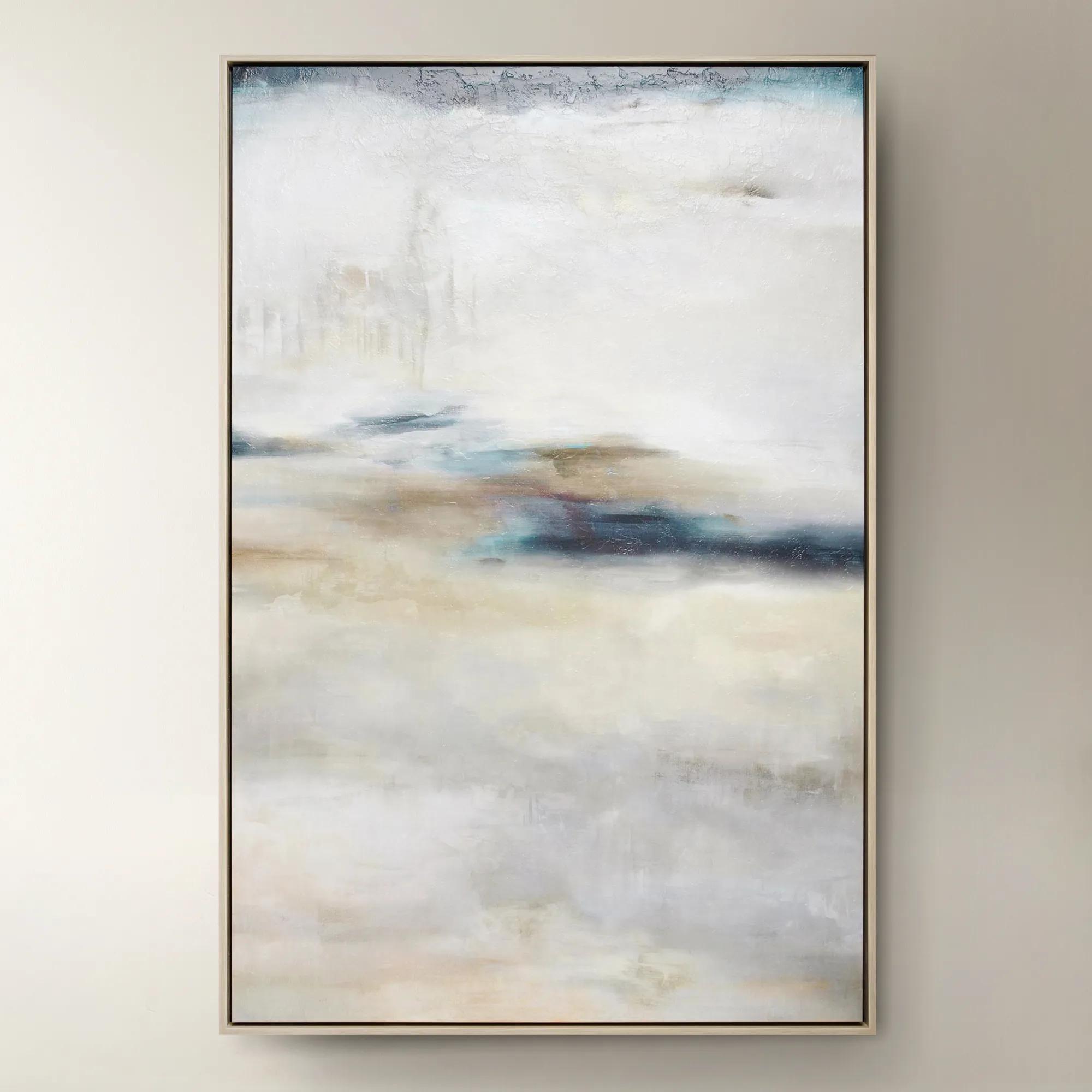 Forward Looking$1299
A softly layered abstract canvas print with a gel finish, set in a natural-hued floater frame.
Add To Cart -
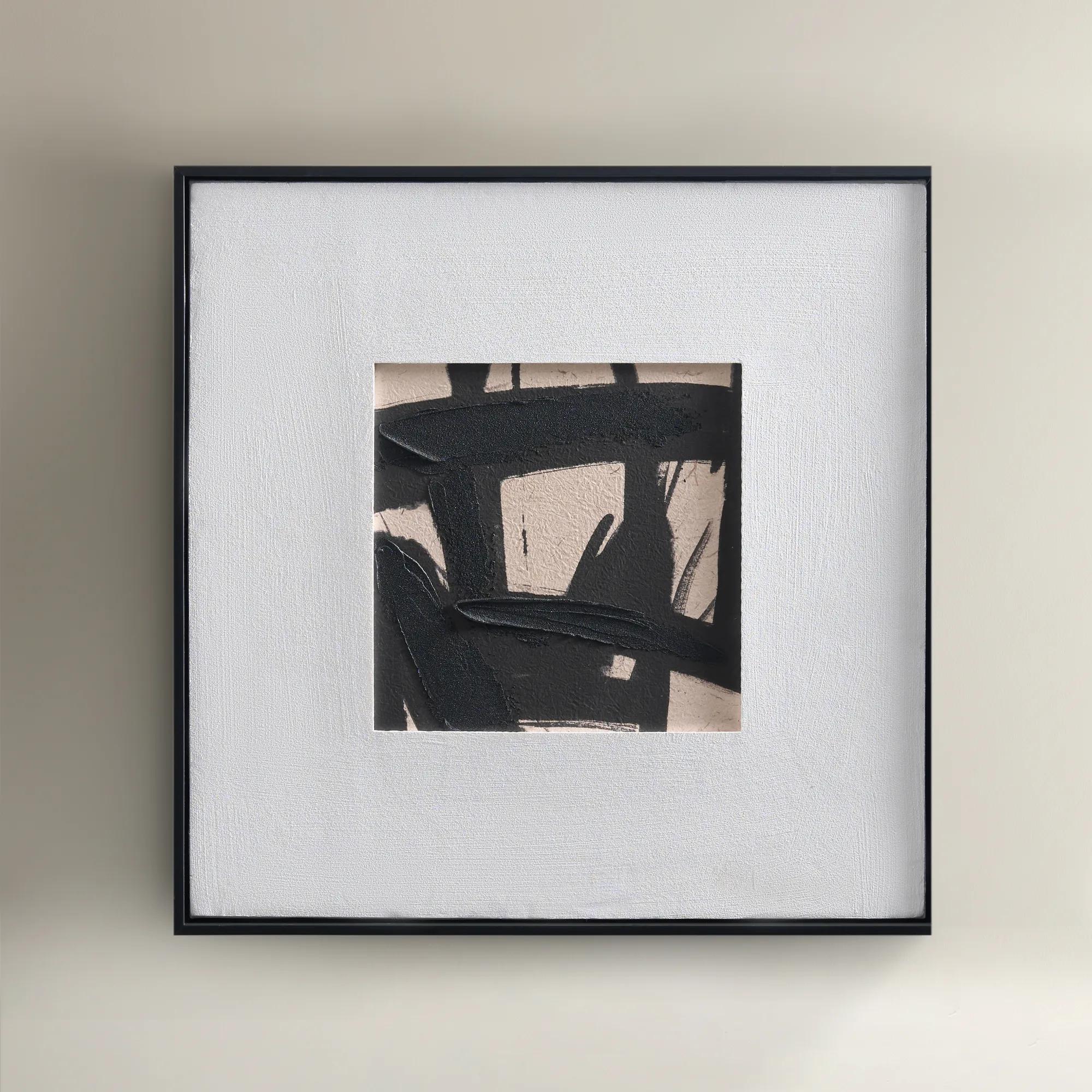
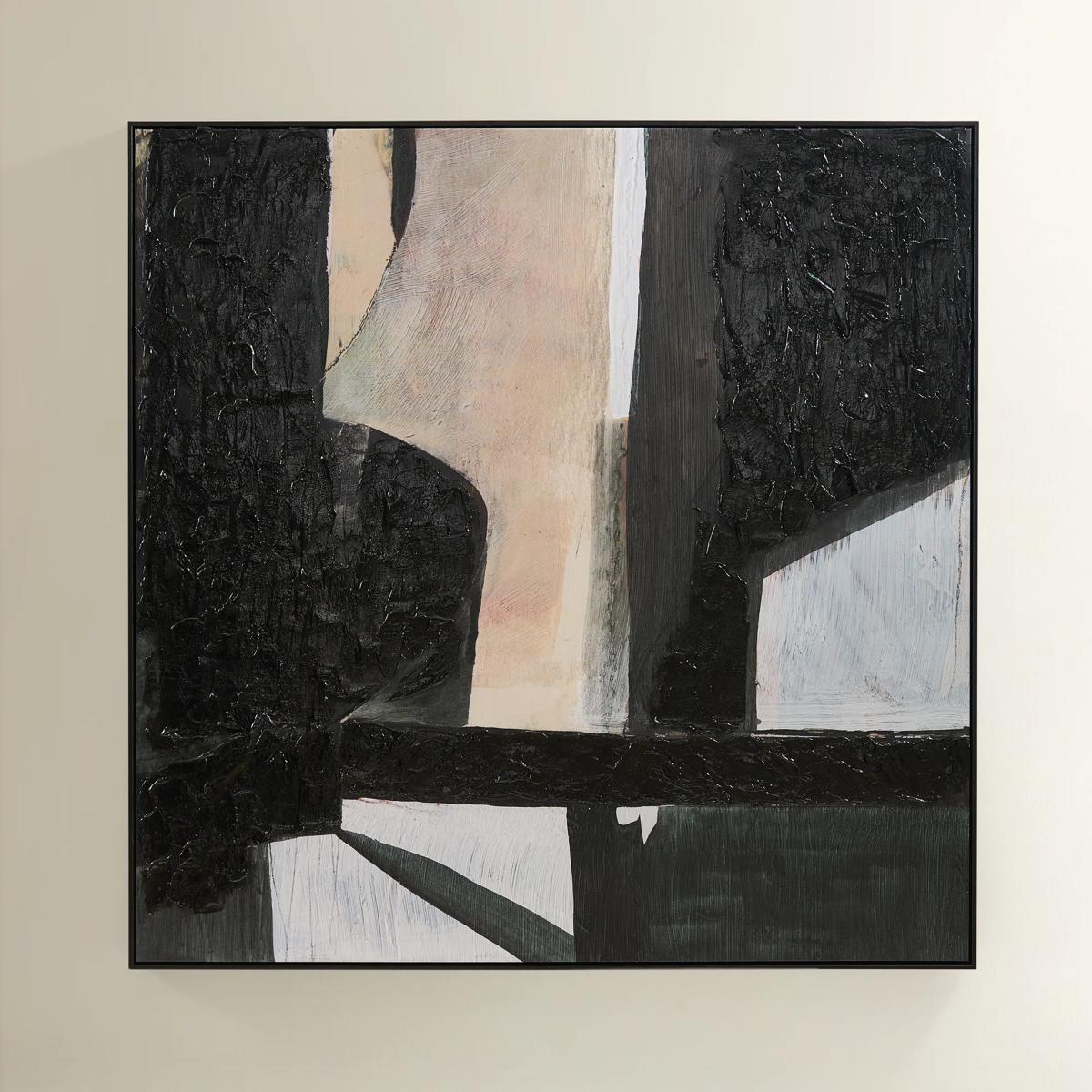 Grounded Painting$699
A hand-painted abstract canvas featuring black, cream, and earth tones in a sleek black floater frame.
Add To Cart -
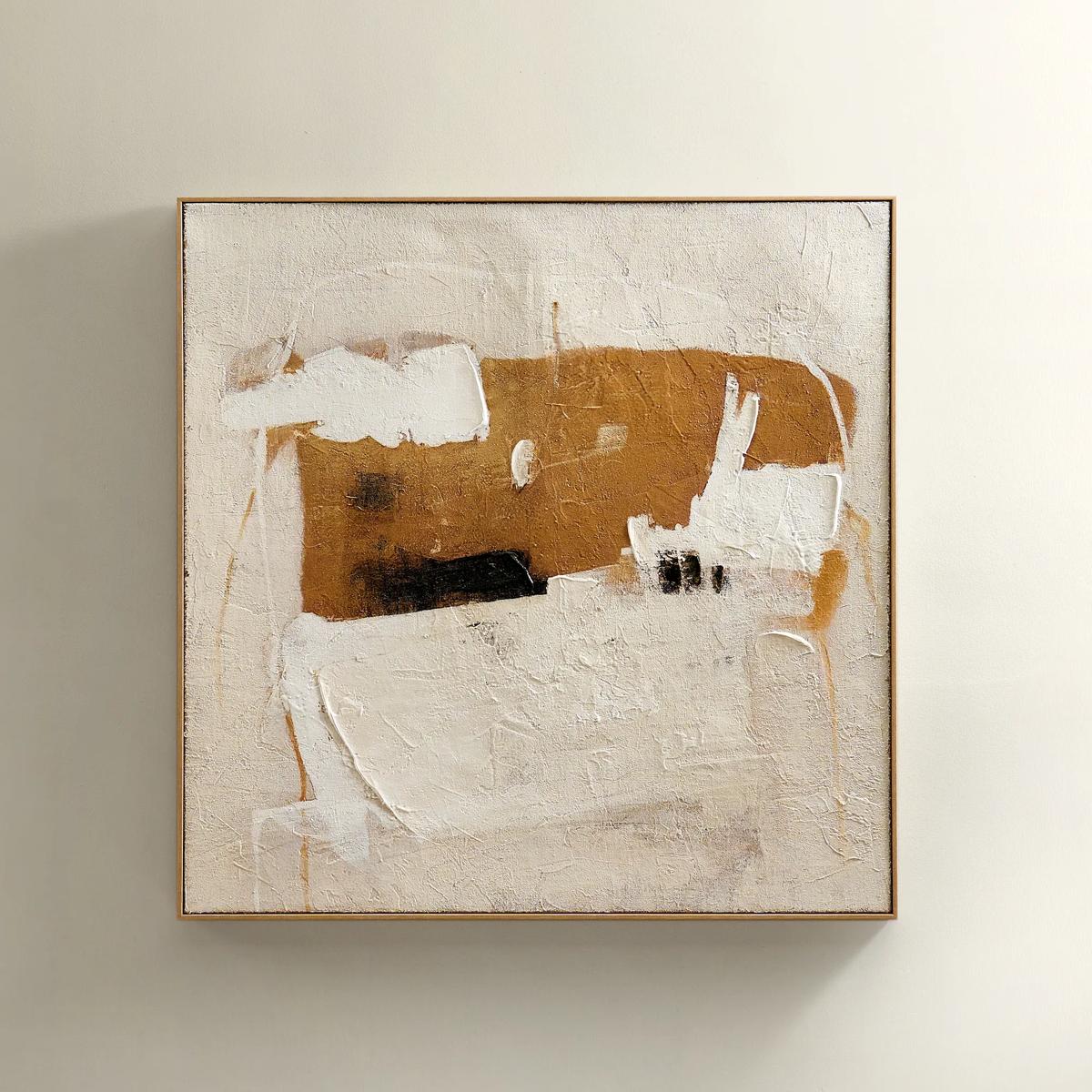 Instinct Framed Painted Wall Art 39.25" x 39.25"$349
An abstract hand-painted artwork featuring warm neutrals and black strokes on hessian with a light natural frame.
Add To Cart -
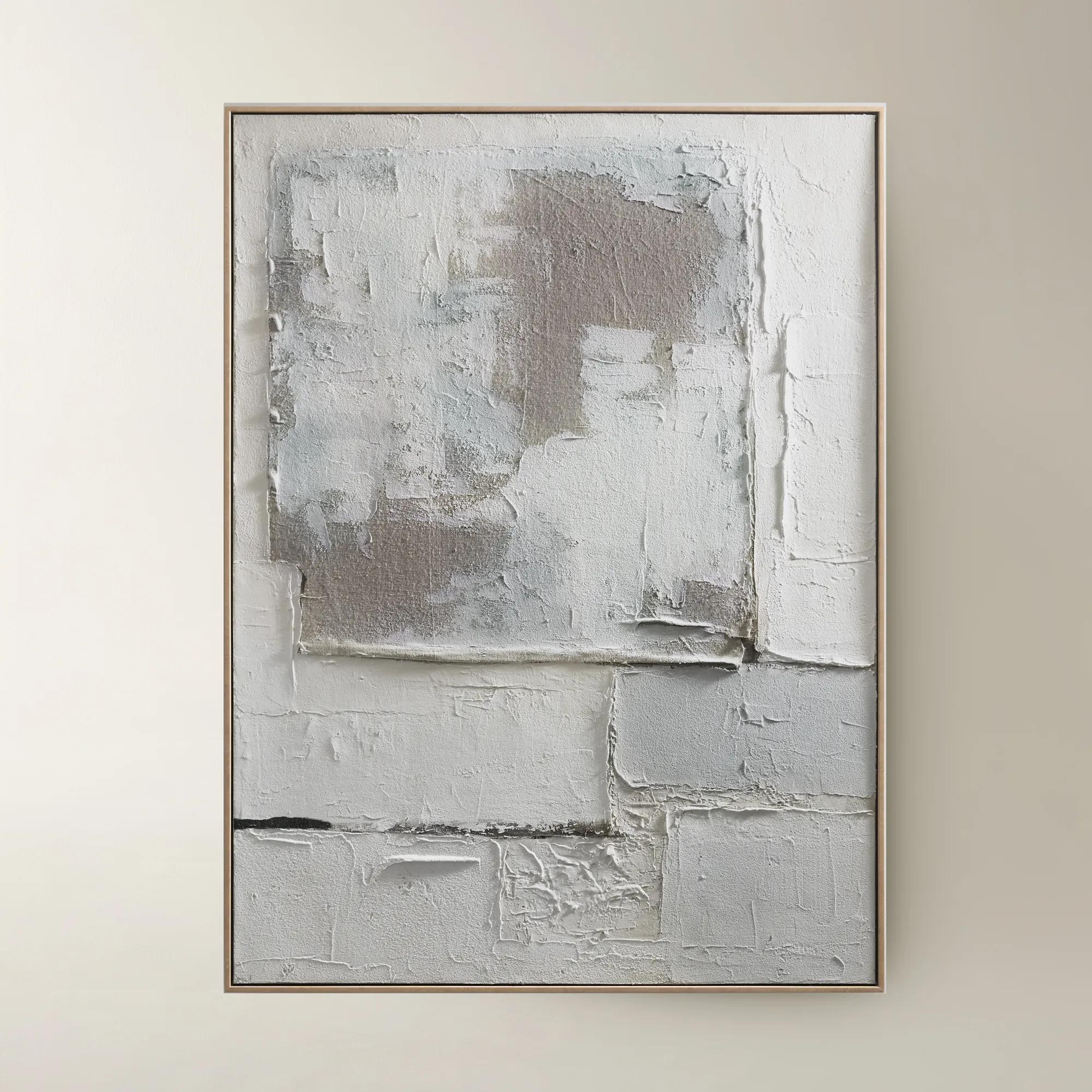
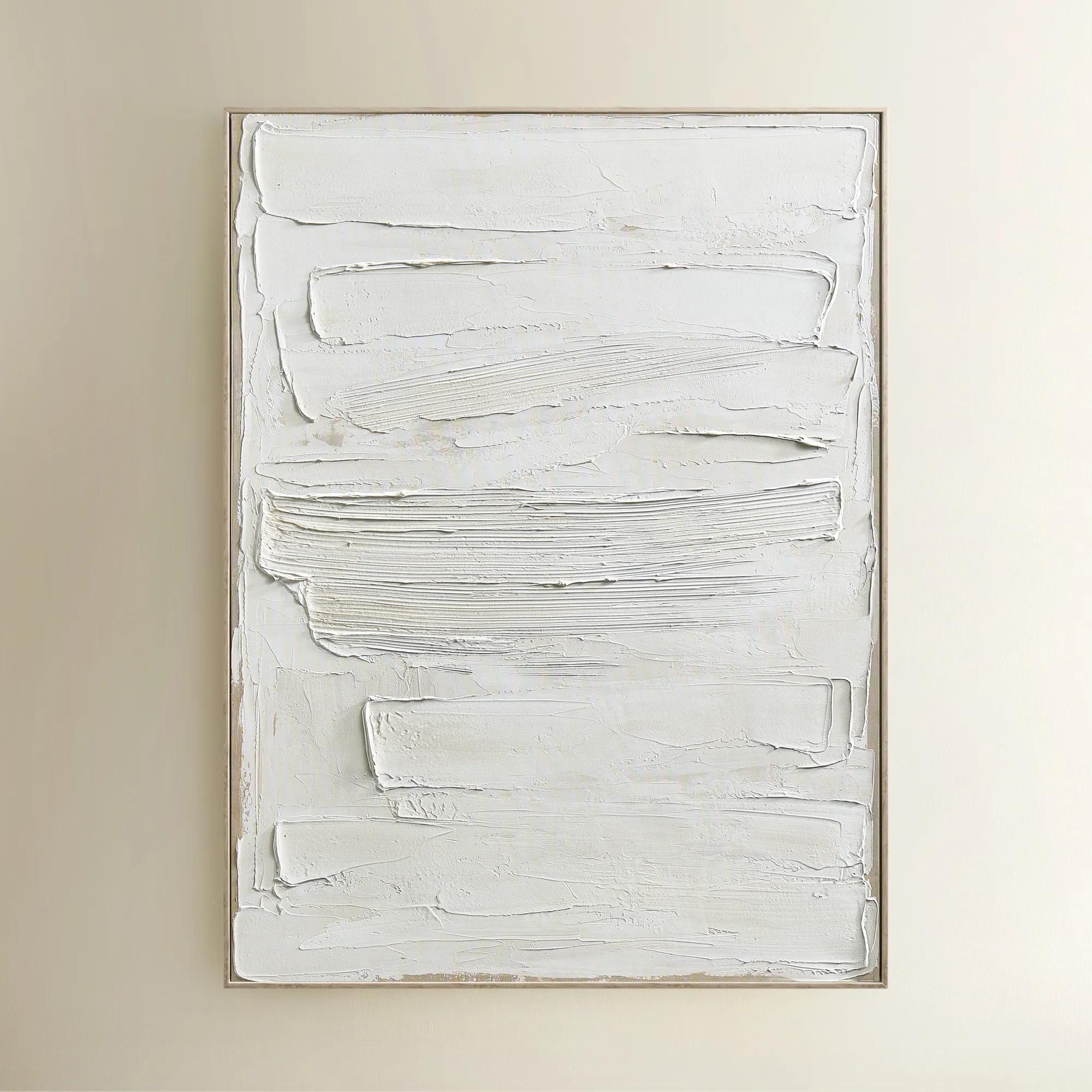
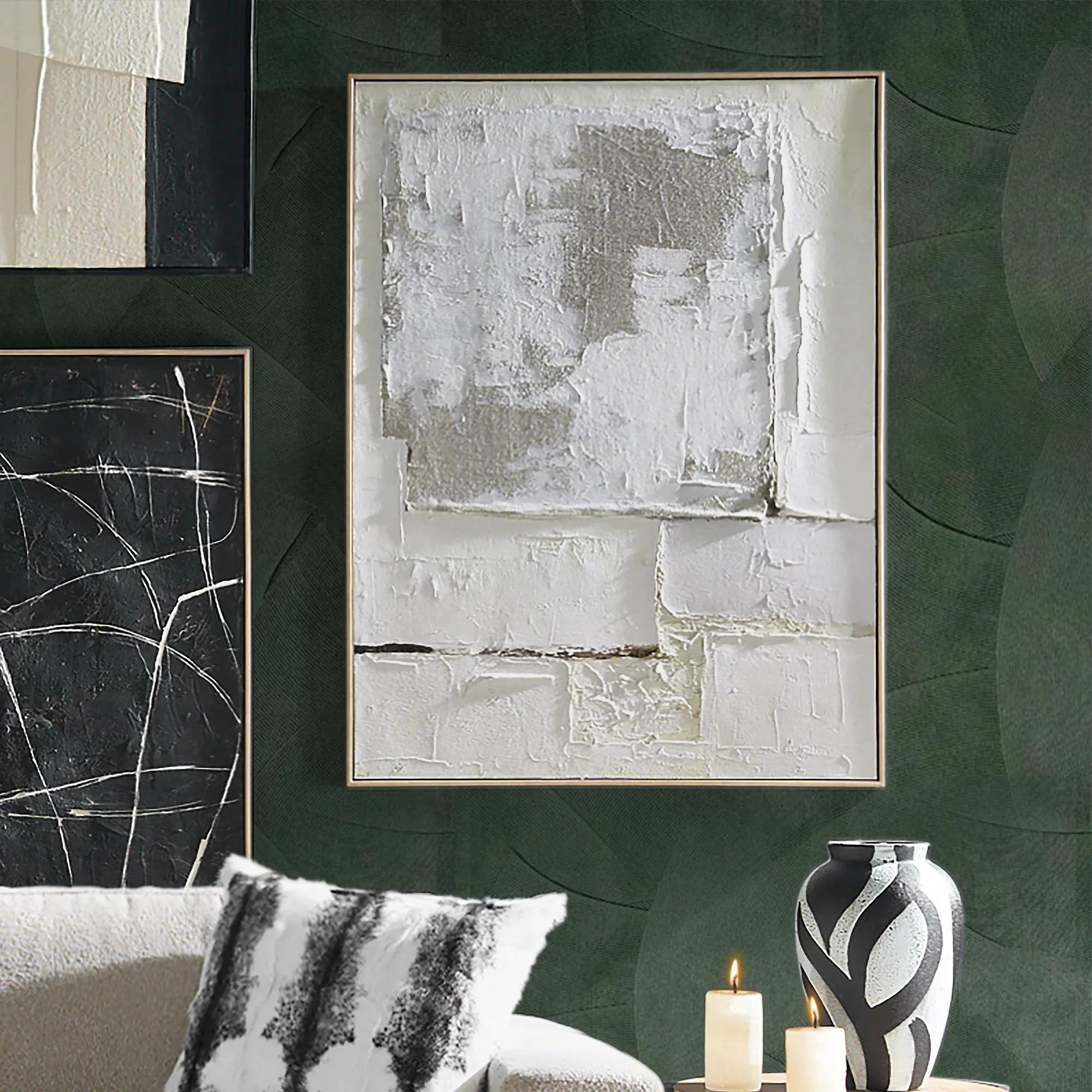 Marrow Painting$399
A hand-painted abstract canvas in subtle beige hues, elegantly framed in a warm beech wood floater.
Add To Cart -
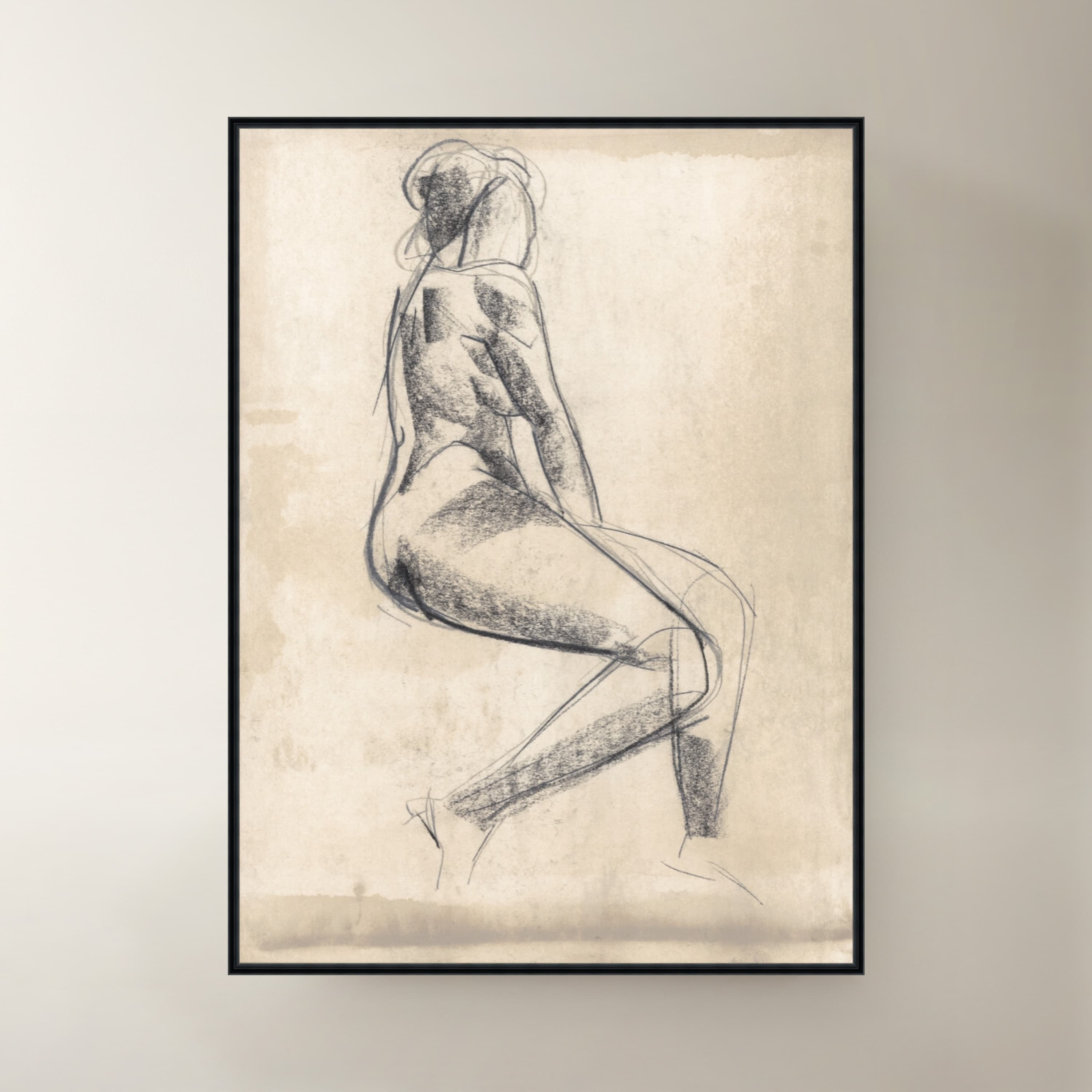
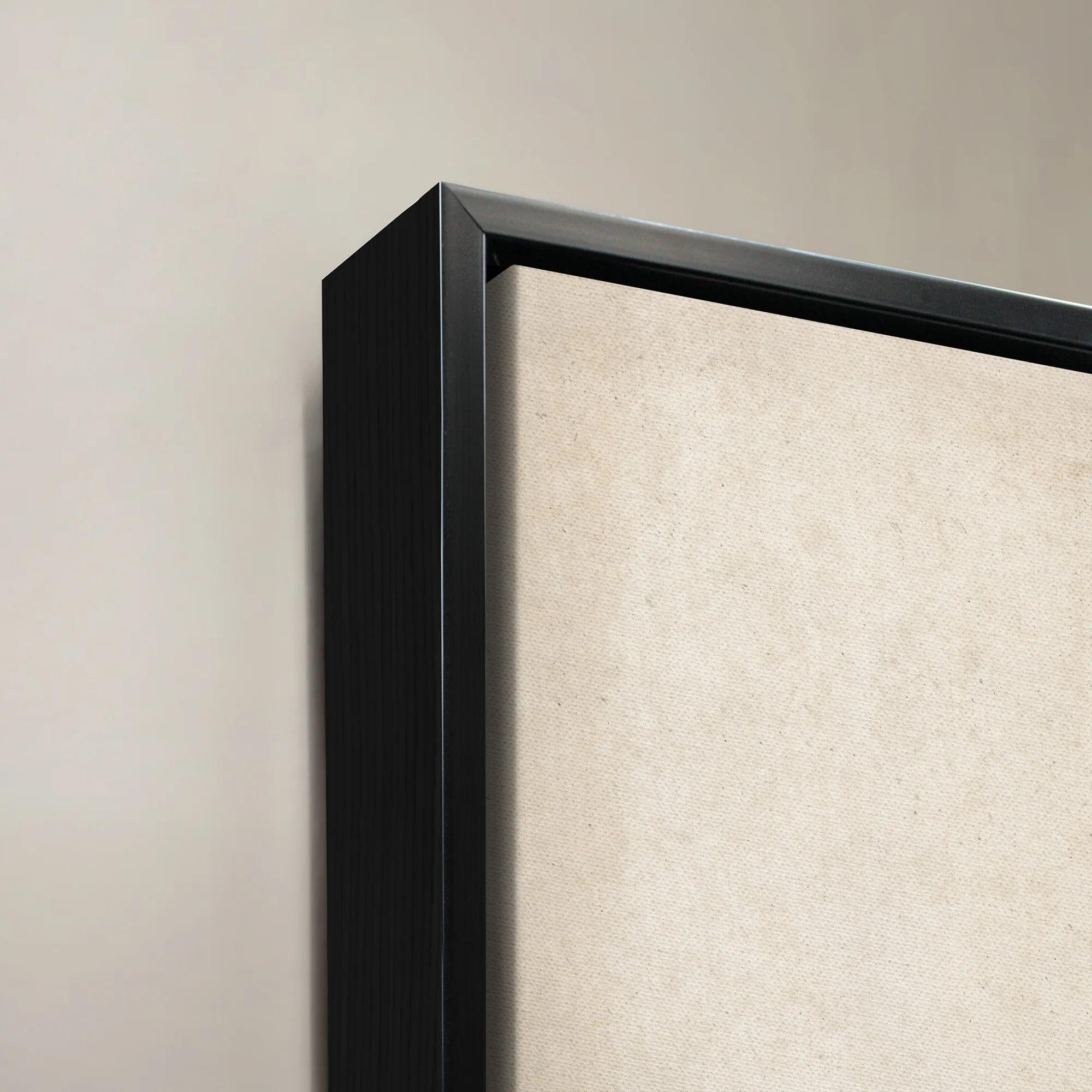 Restful Figure I Framed Wall Art 20" x 27"$449
A serene figurative canvas artwork in warm brown tones, elegantly framed for sophisticated wall display.
Add To Cart -
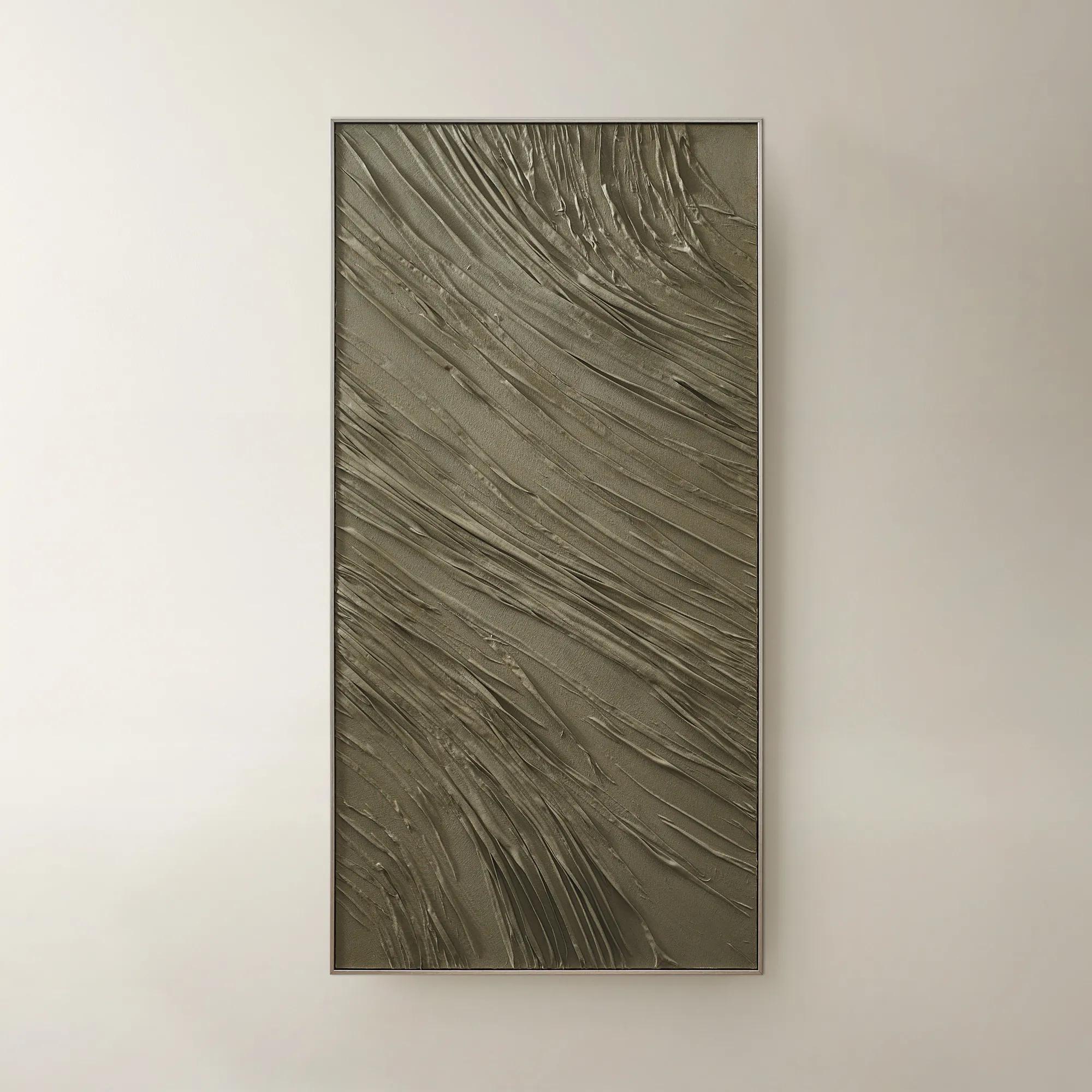
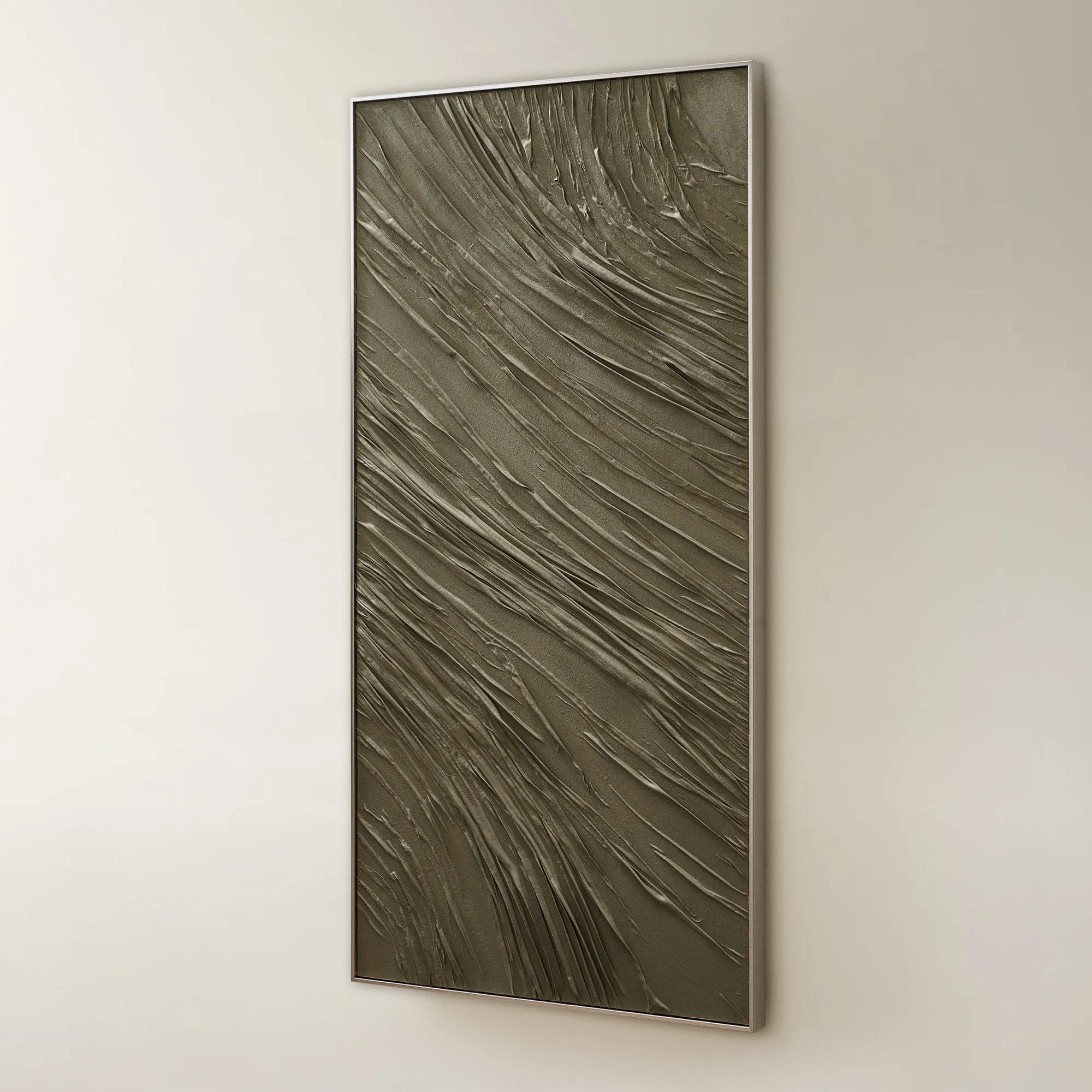 Grove Framed Hand-crafted Folded Fabric Wall Art 60" x 30"$349
A hand-crafted folded canvas in deep olive with a champagne frame for sculptural, modern wall art.
Add To Cart -

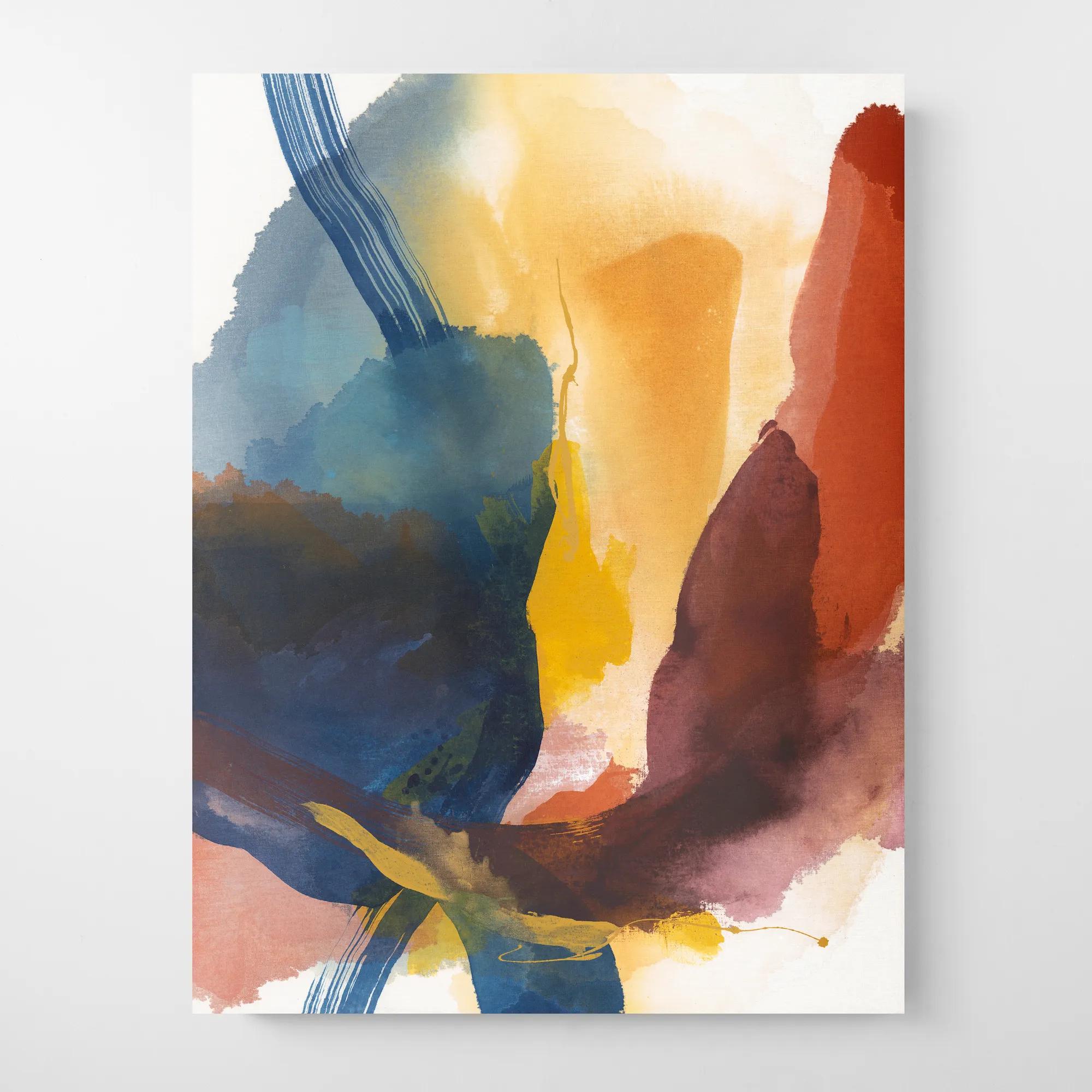
 Hint of Spring Framed Painted Wall Art 48" x 48"$599
A framed, multicolored painted canvas artwork that brings a vibrant, artistic touch to contemporary interiors.
Add To Cart -
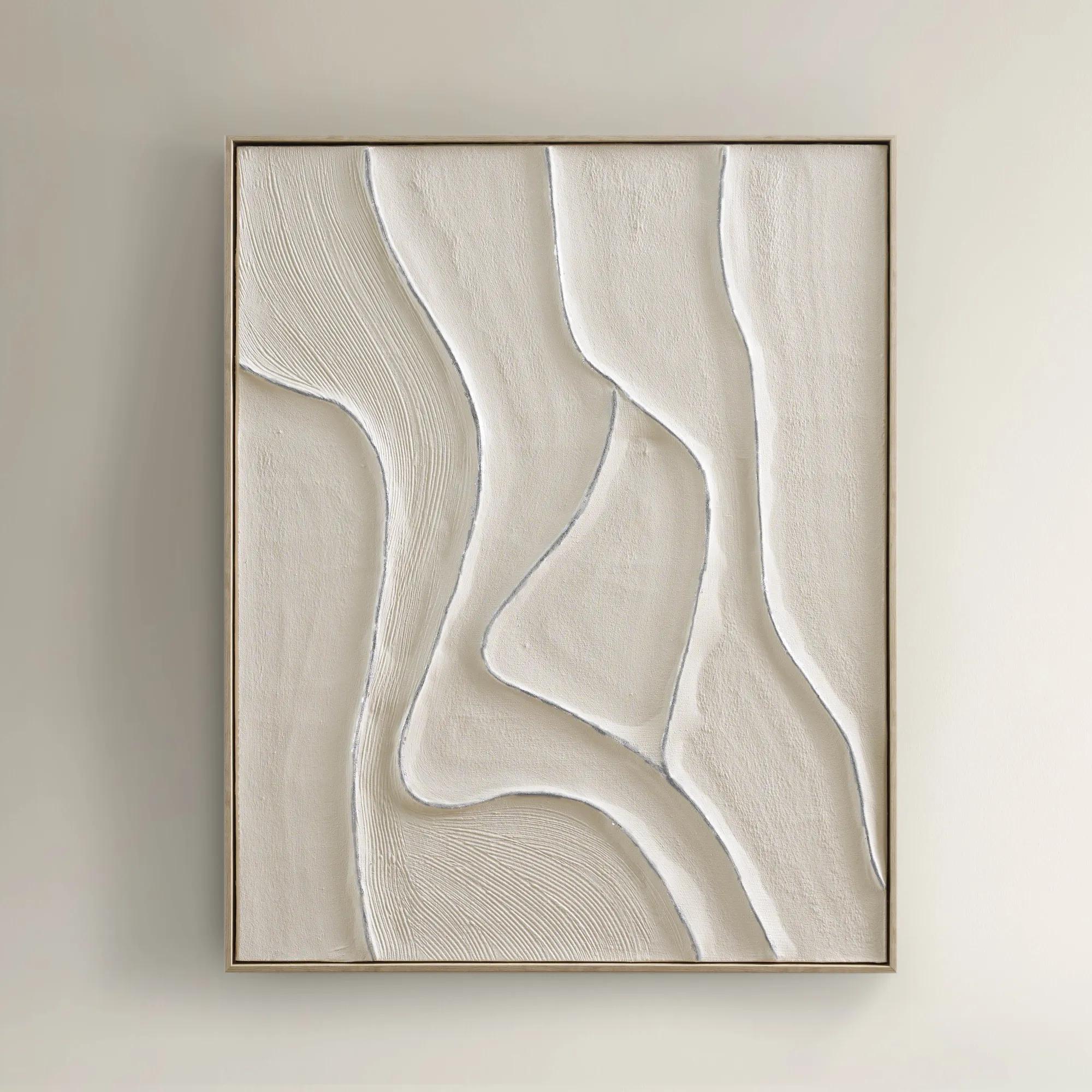
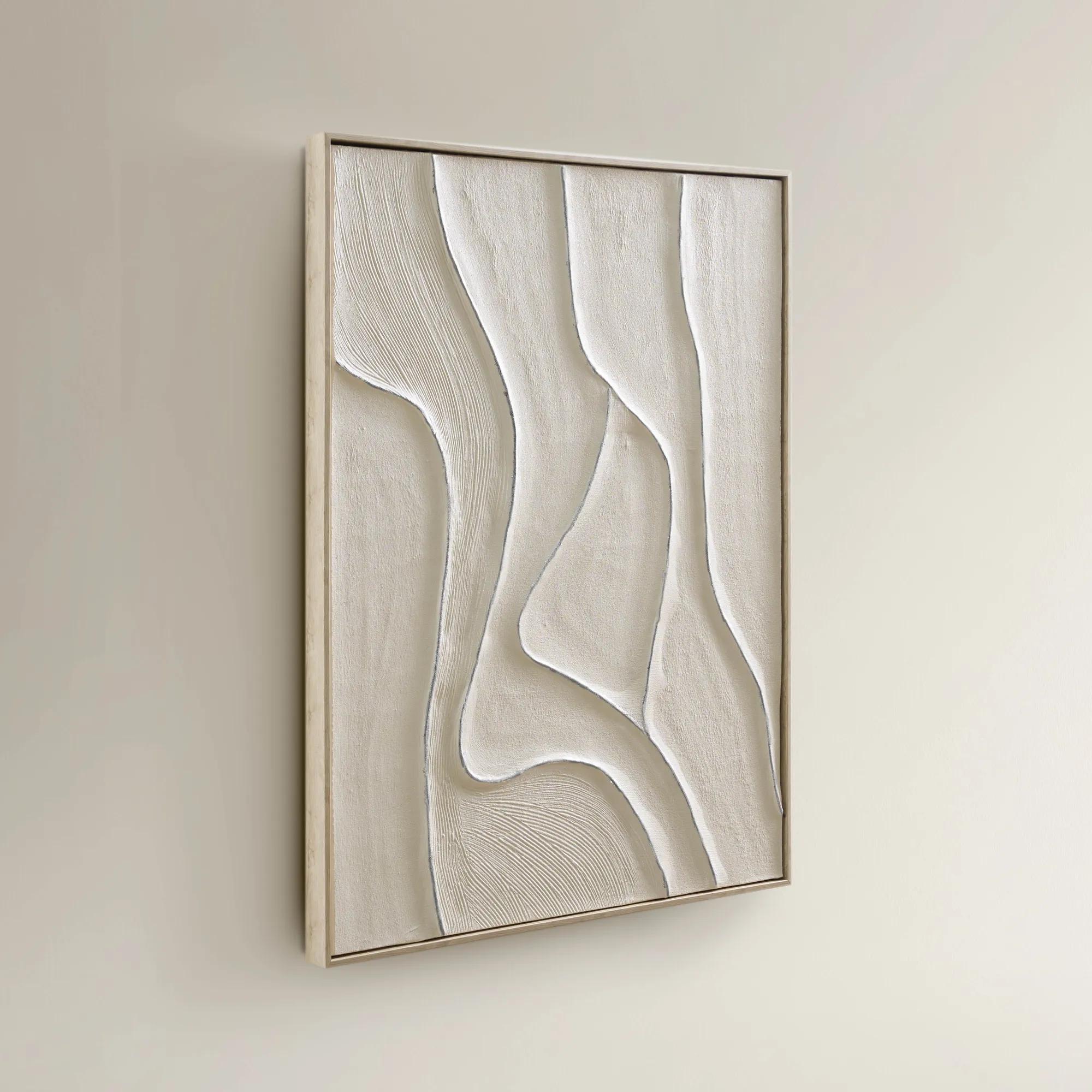 Vivre Framed Painted Wall Art 39.25" x 31.5"$199
A hand-painted canvas featuring tranquil beige hues and flowing lines in a warm whitewash floater frame.
Add To Cart -
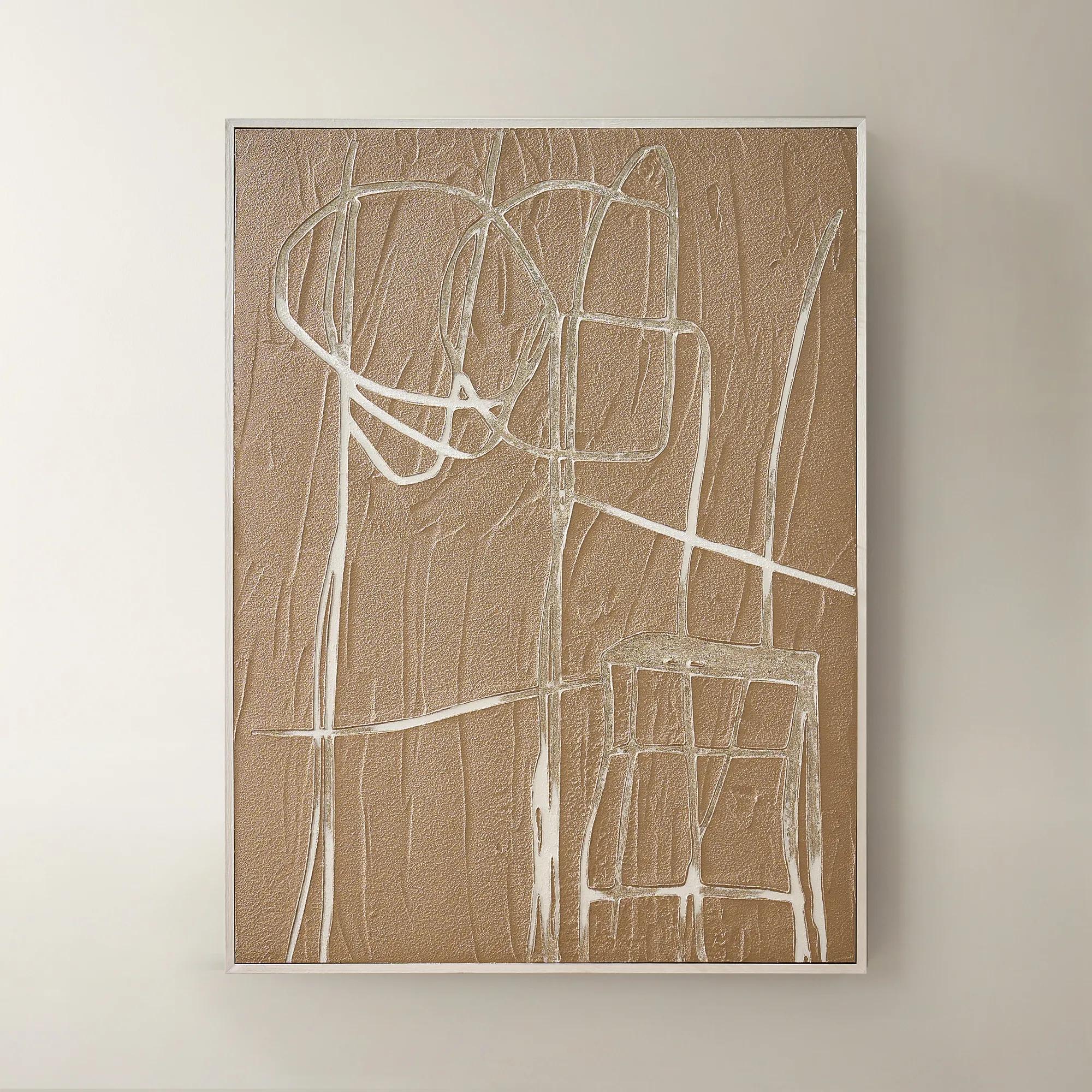
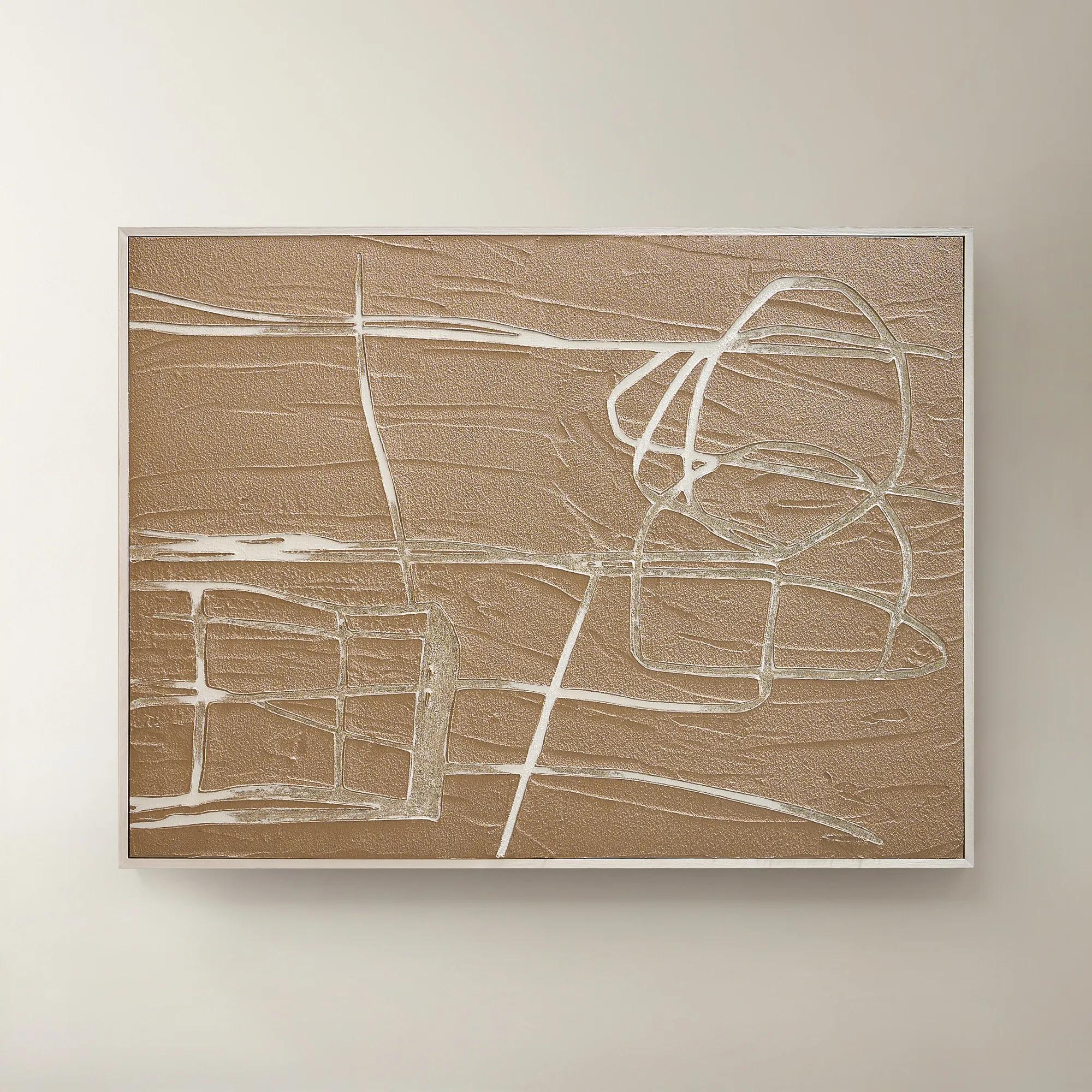 Linear Sand Framed Painted Wall Art 35" x 47"$369
A contemporary sand-toned painted canvas artwork framed for sophisticated modern interiors.
Add To Cart -
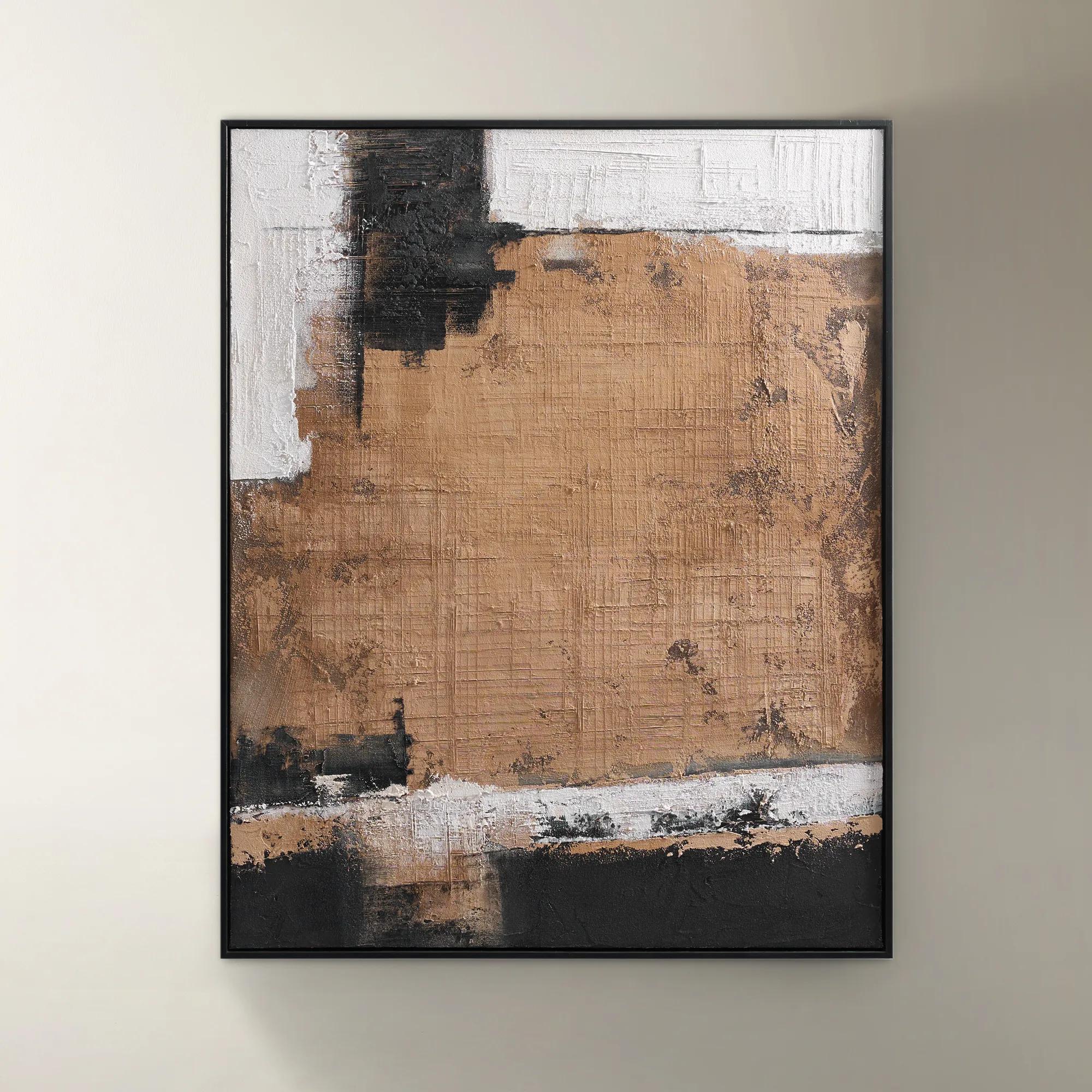
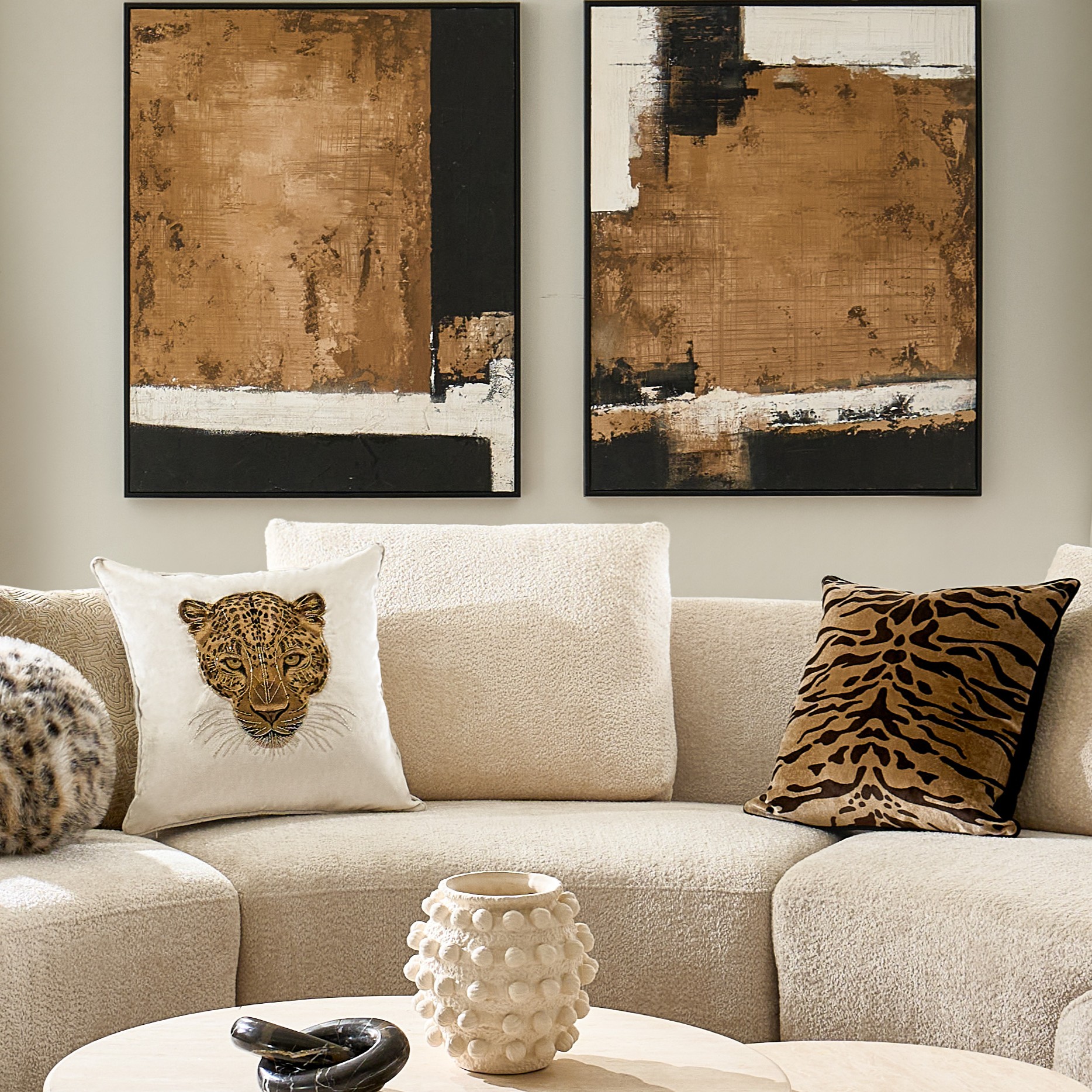 Drift Framed Painted Wall Art II 39.4" x 31.5"$299
A hand-painted canvas in brown, featuring bold texture and color interplay within a sleek black floater frame.
Add To Cart -
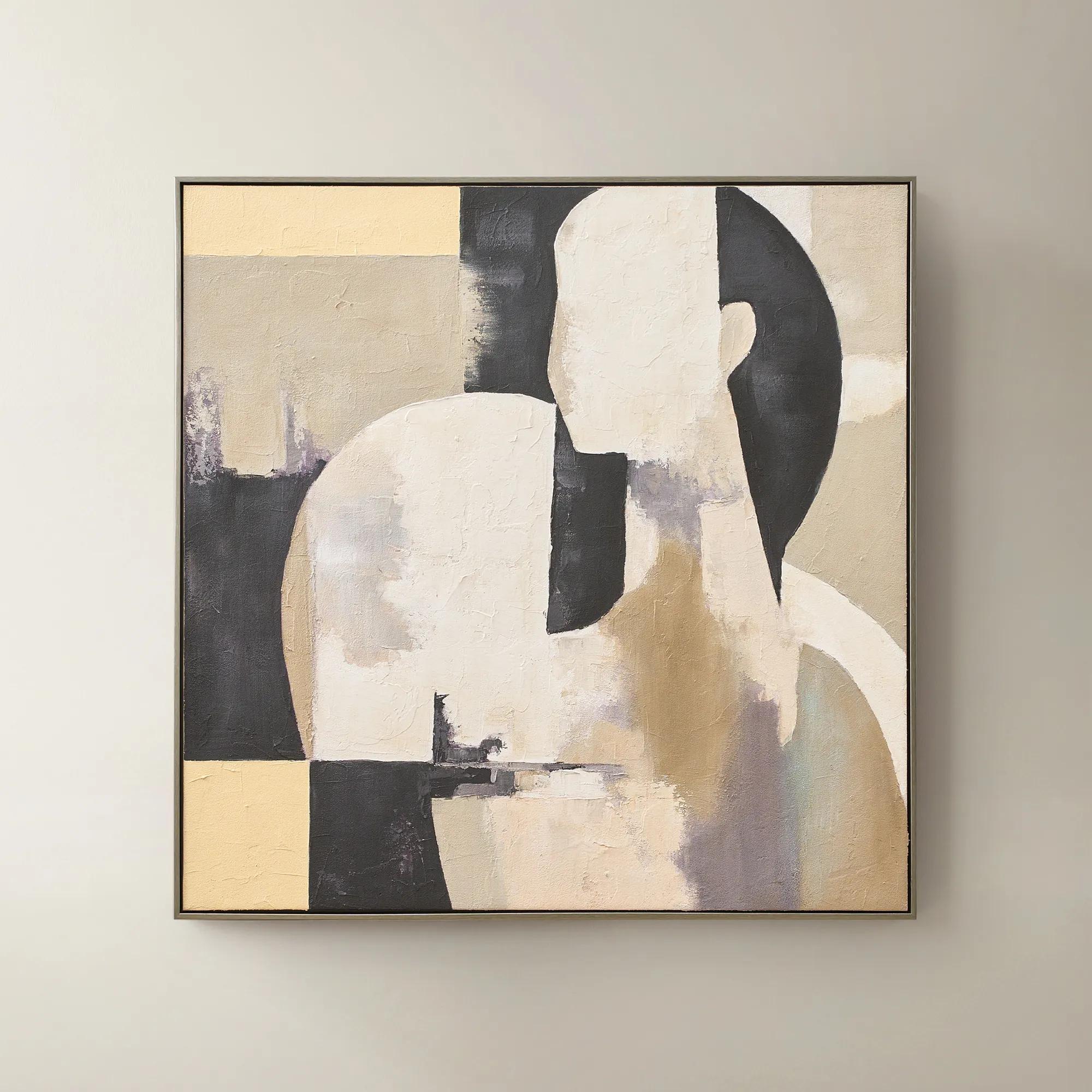 Afternoon Rest Framed Painted Wall Art 40" x 40"$399
A hand-painted abstract figure in buttercream, turtledove, and black hues framed in dark grey.
Add To Cart -
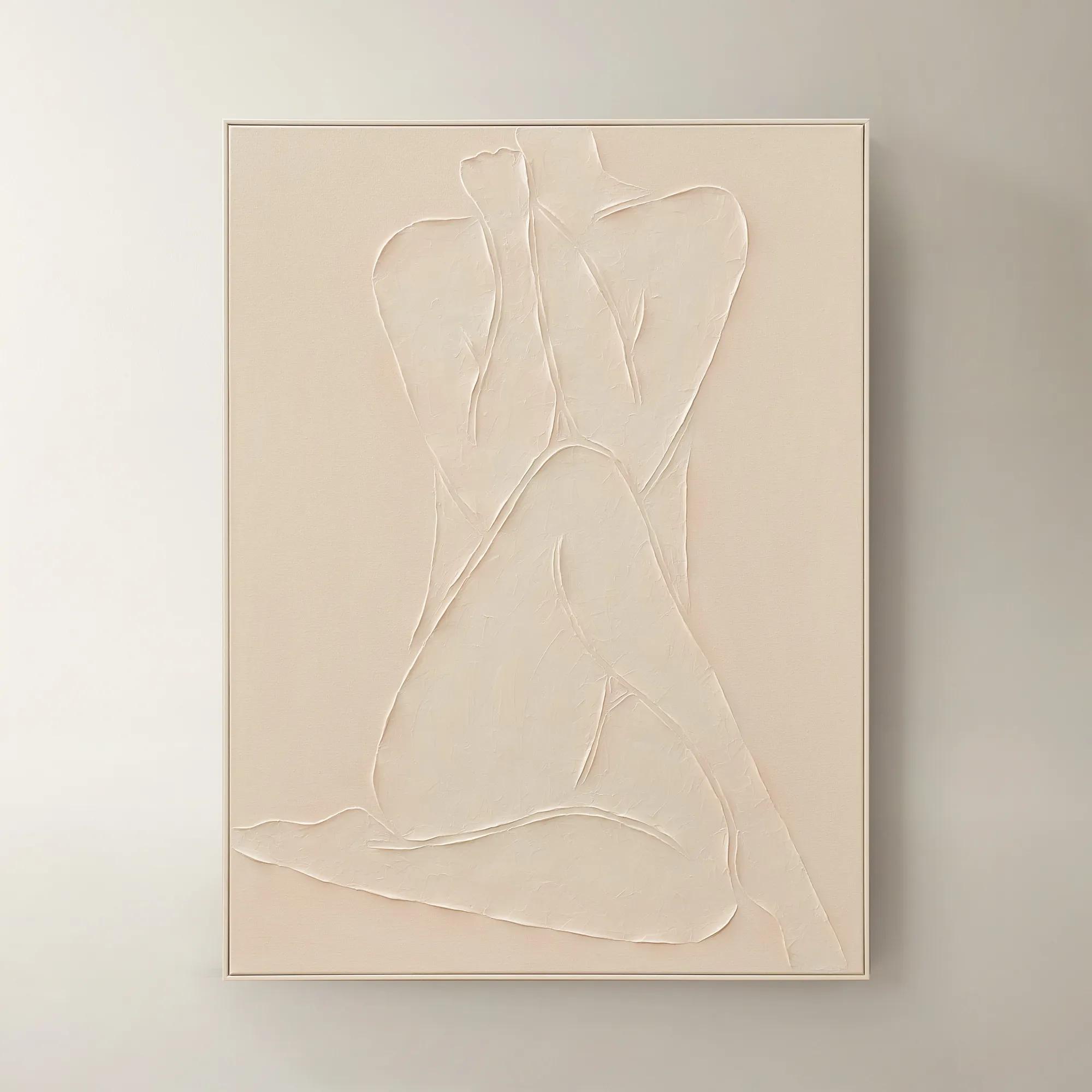
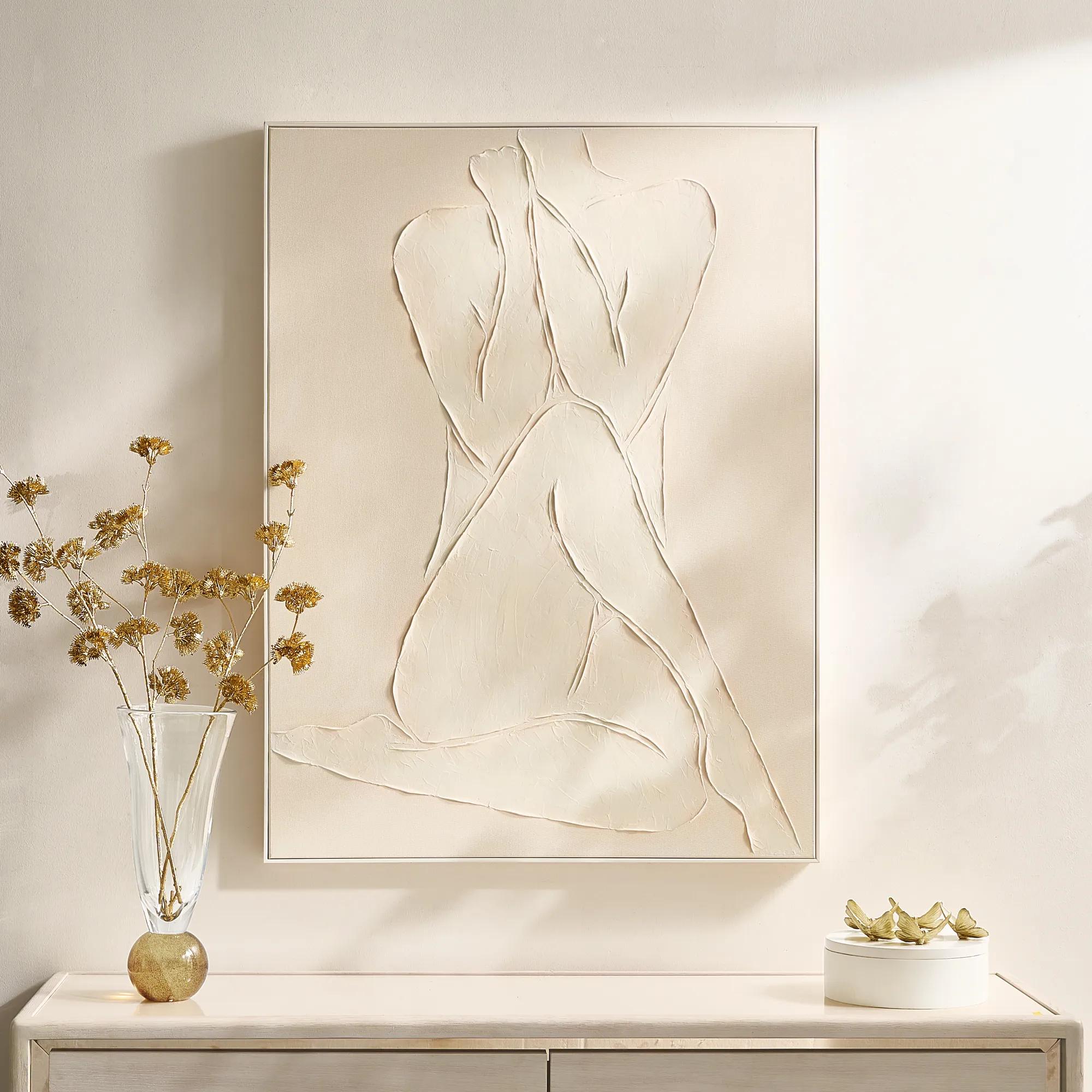 Modern Elegance Nude Ivory Framed Painted Wall Art 35.5" x 47.25"$599
A hand-painted ivory canvas in a white frame brings serene, modern artistry to any space.
Add To Cart -
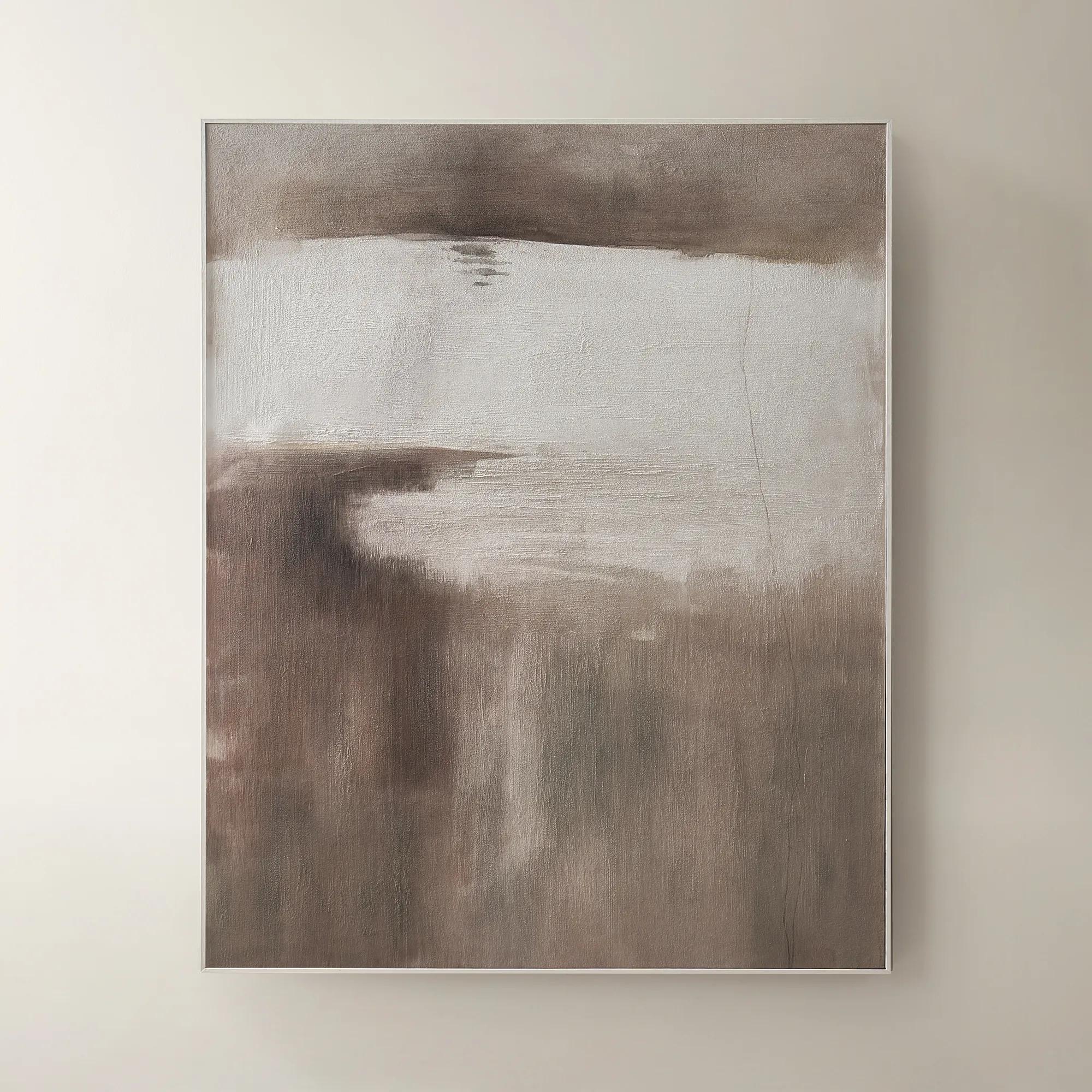 Desert Wind Art$599
A richly hued brown canvas artwork bringing warm, desert-inspired movement to modern interiors.
Add To Cart -
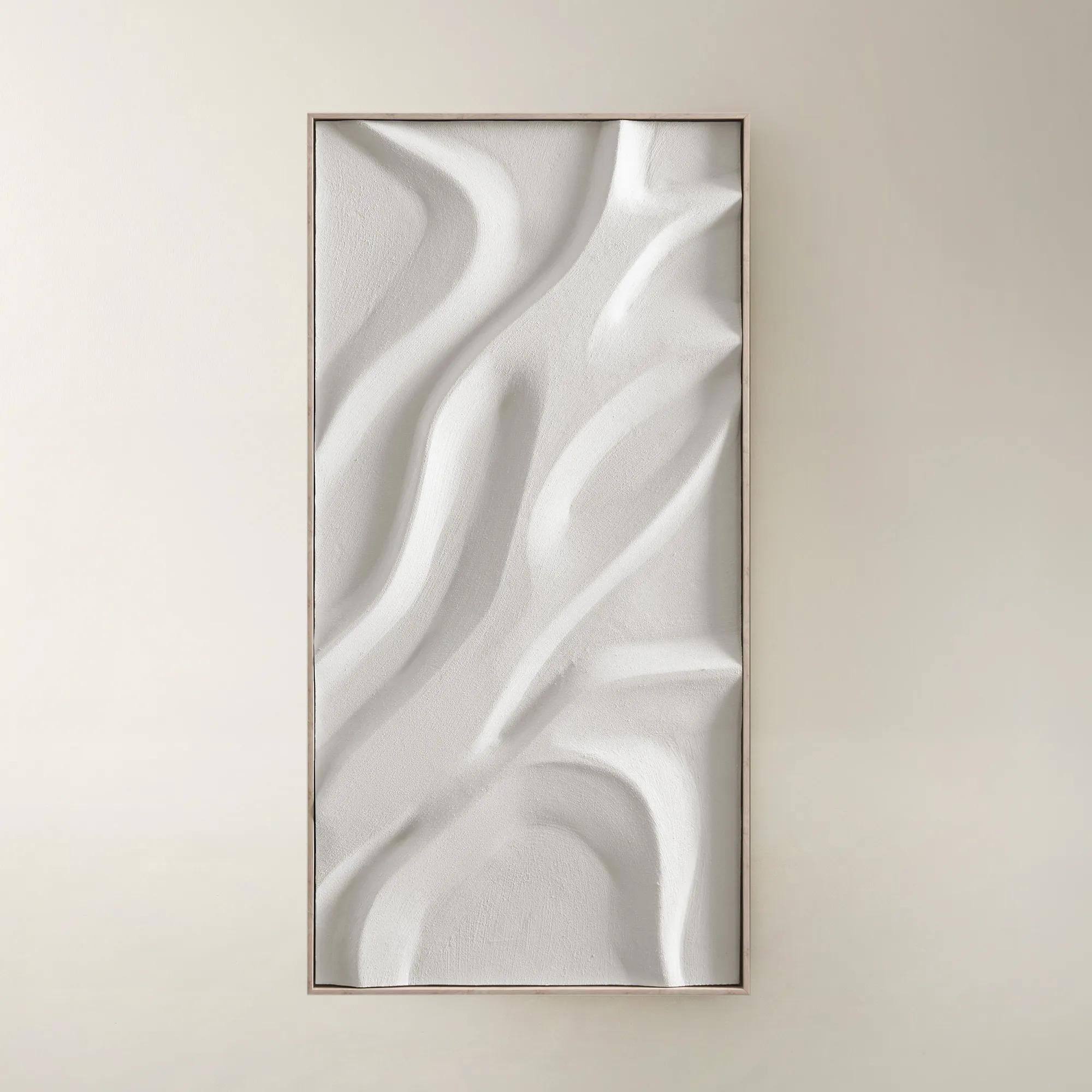
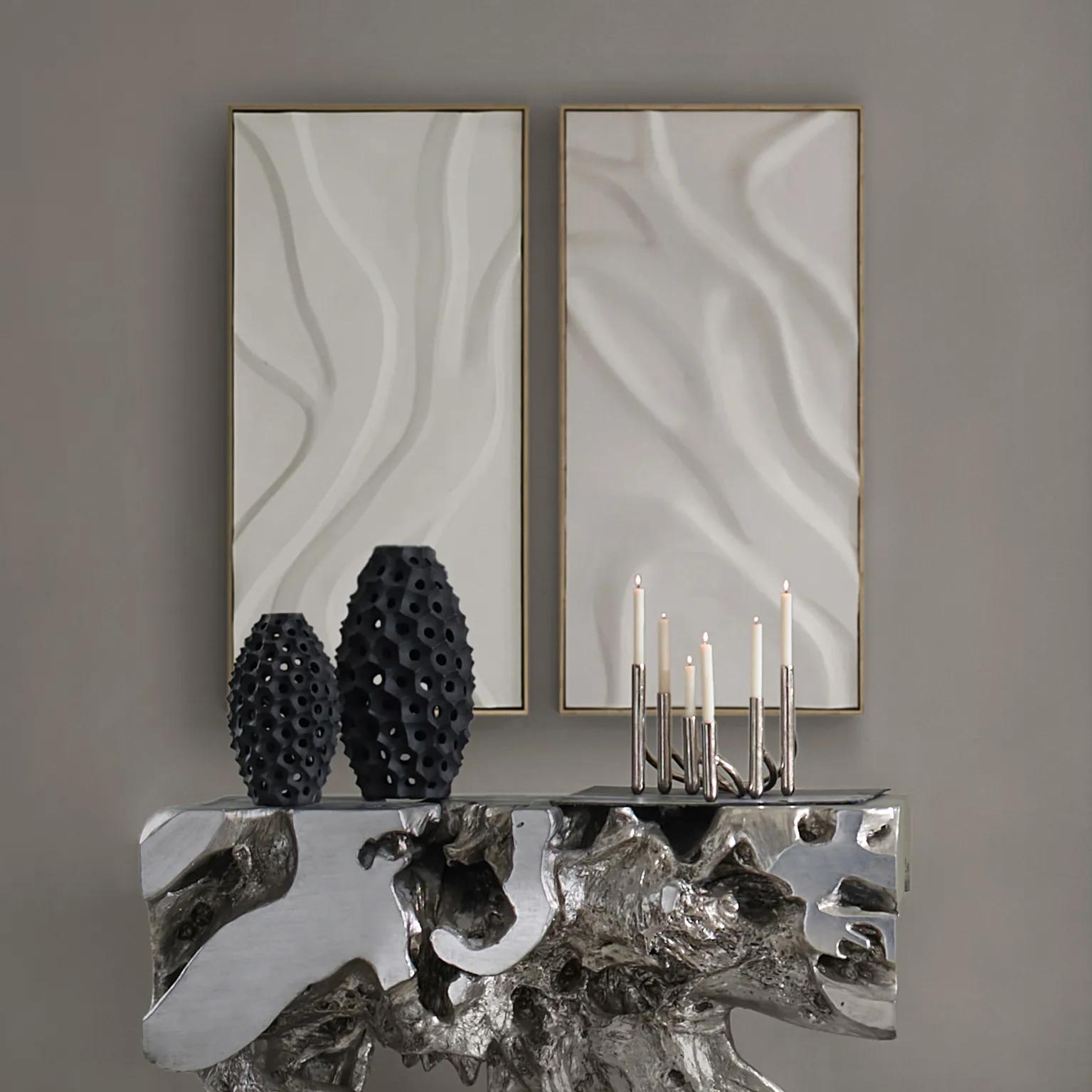 Au Lait Framed Painted Wall Art II 47.2" x 23.6"$199
A serene hand-painted canvas in beige, set in a warm whitewash floater frame for modern interiors.
Add To Cart -
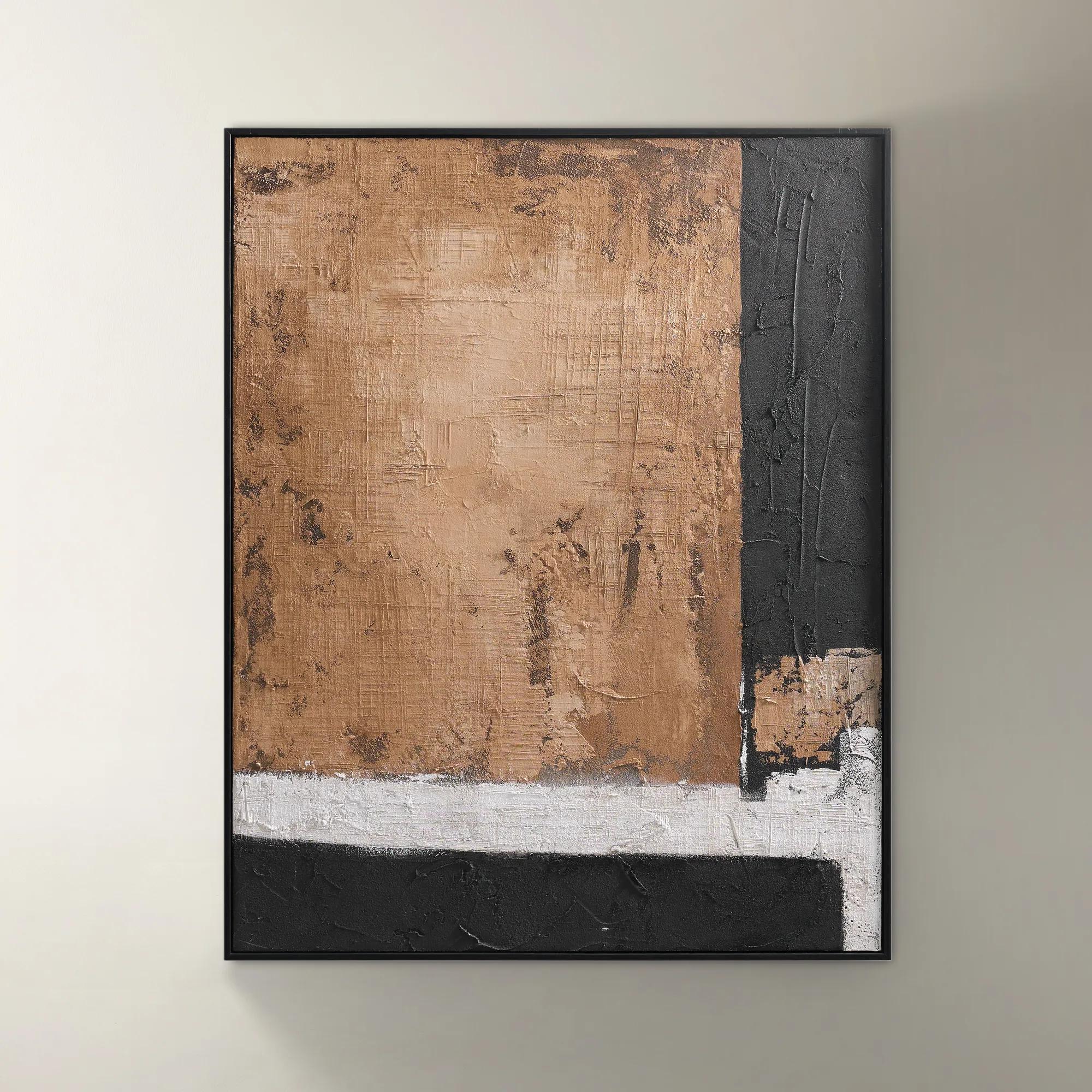 Drift Framed Painted Wall Art I 39.4" x 31.5"$299
A bold hand-painted abstract artwork featuring layered brown tones in a sleek black floater frame.
Add To Cart -
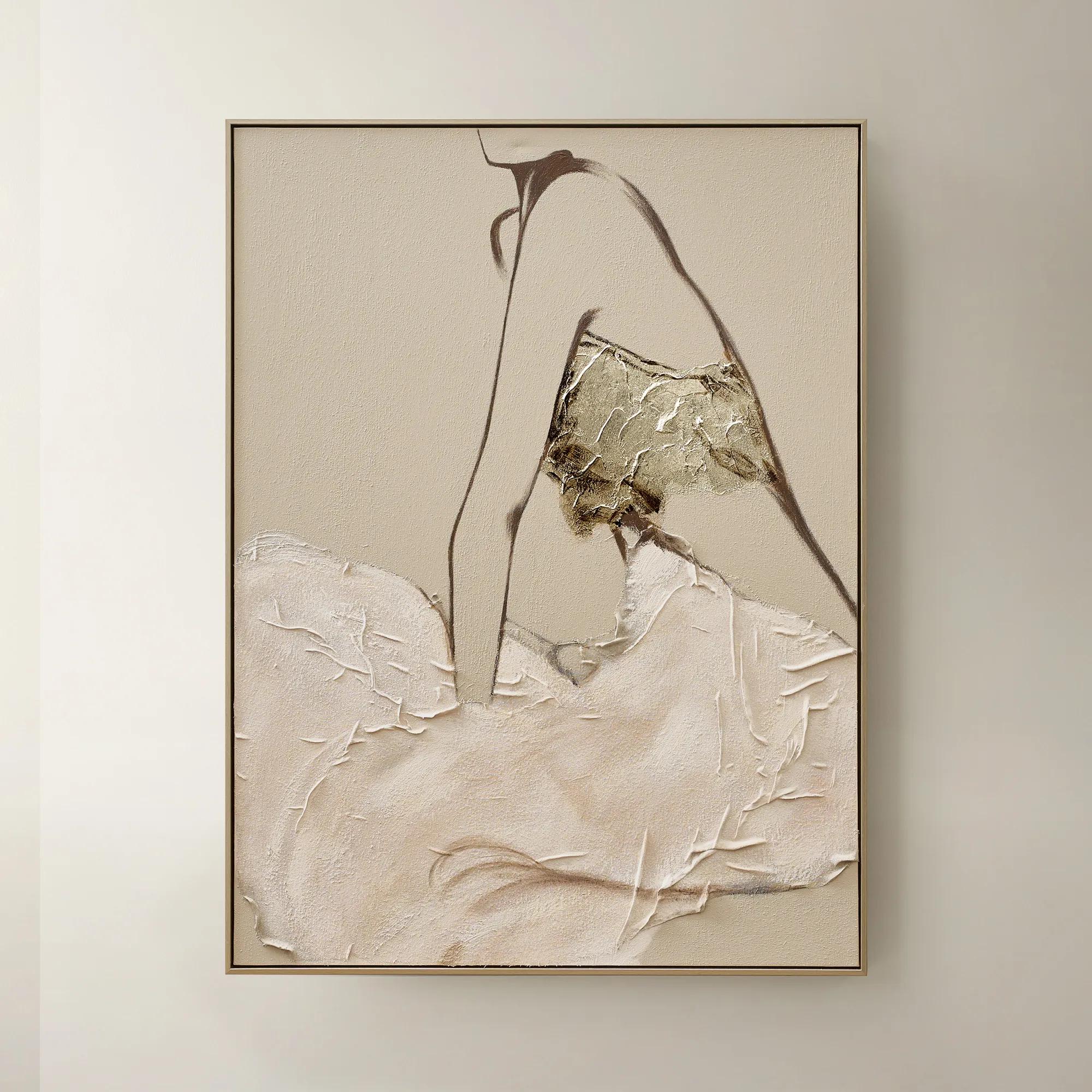 Quiet Pose Framed Painted Wall Art 36" x 48"$499
A hand-painted canvas in taupe and champagne tones features textural details and shimmering champagne leafing.
Add To Cart -
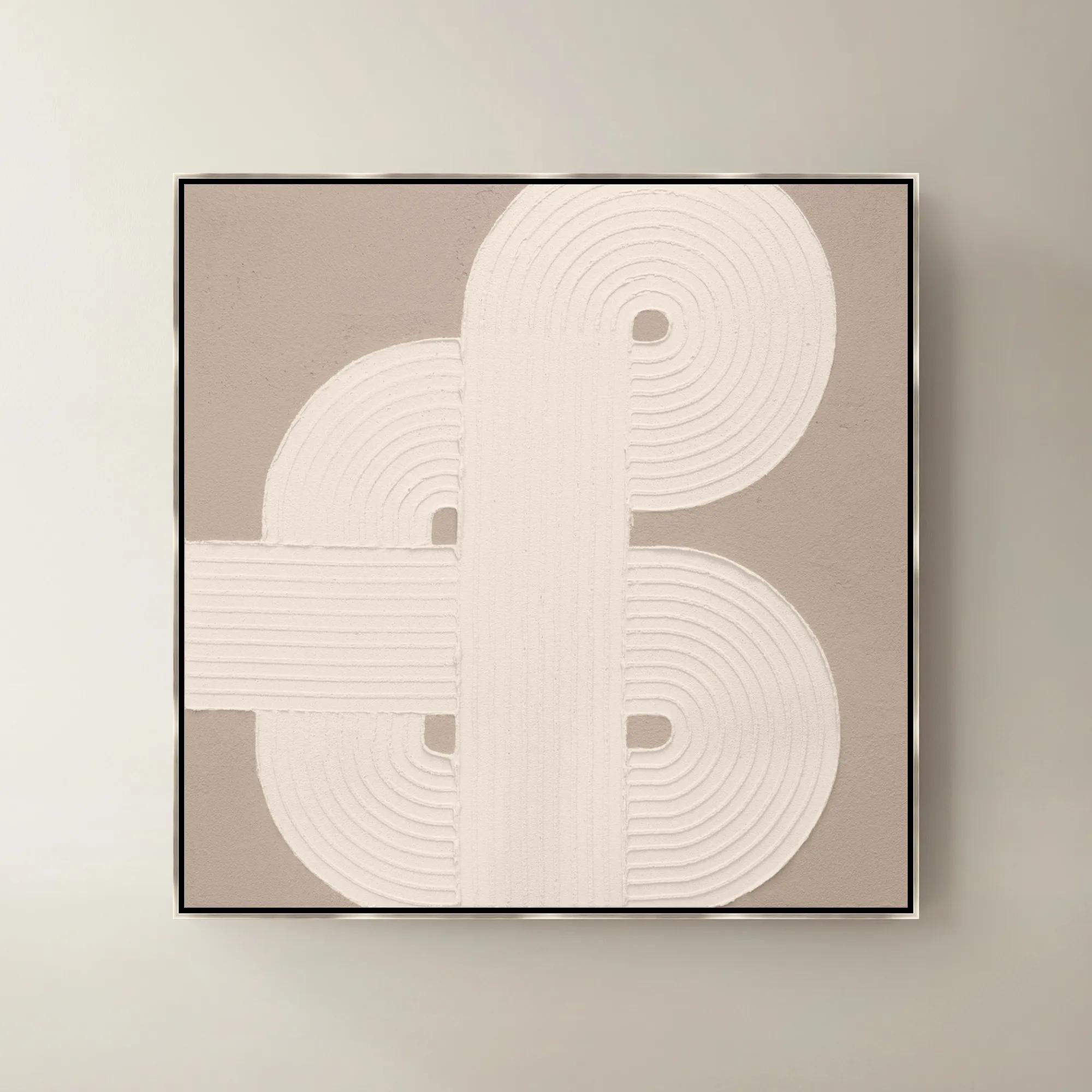
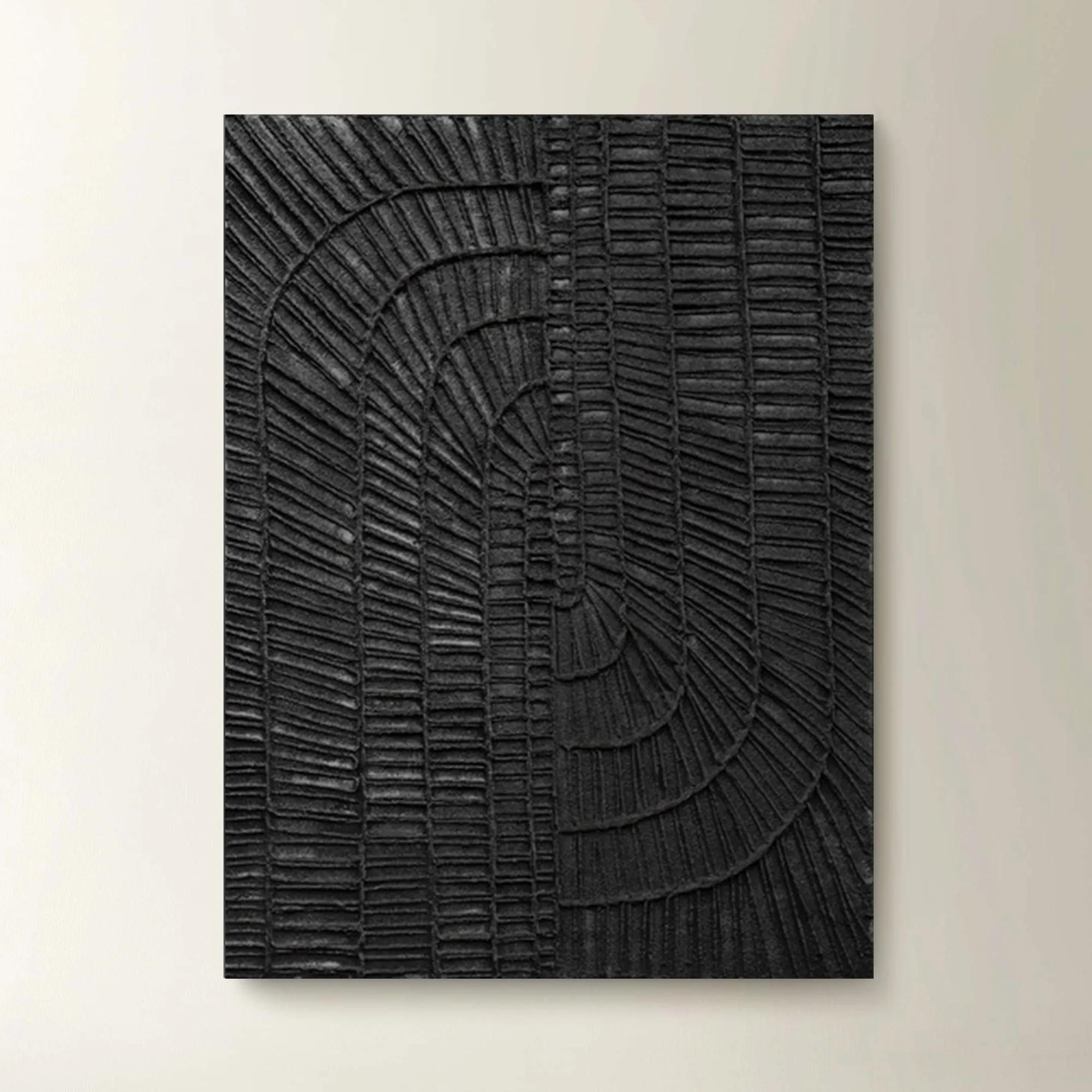
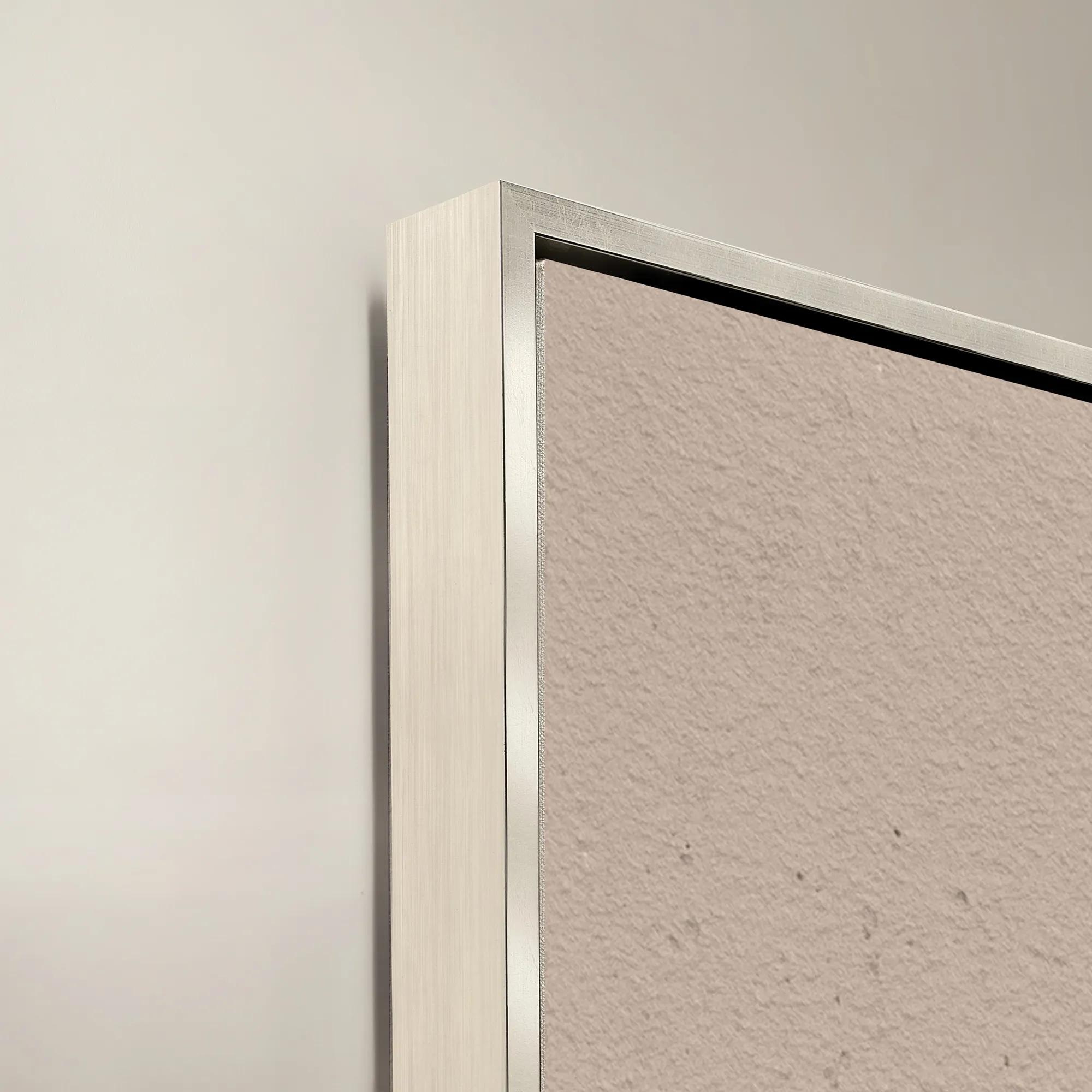 Sacred Geometry IV Framed Painted Wall Art 40" x 40"$1099
A striking abstract art piece featuring bold geometric patterns for a modern, sophisticated touch.
Add To Cart -
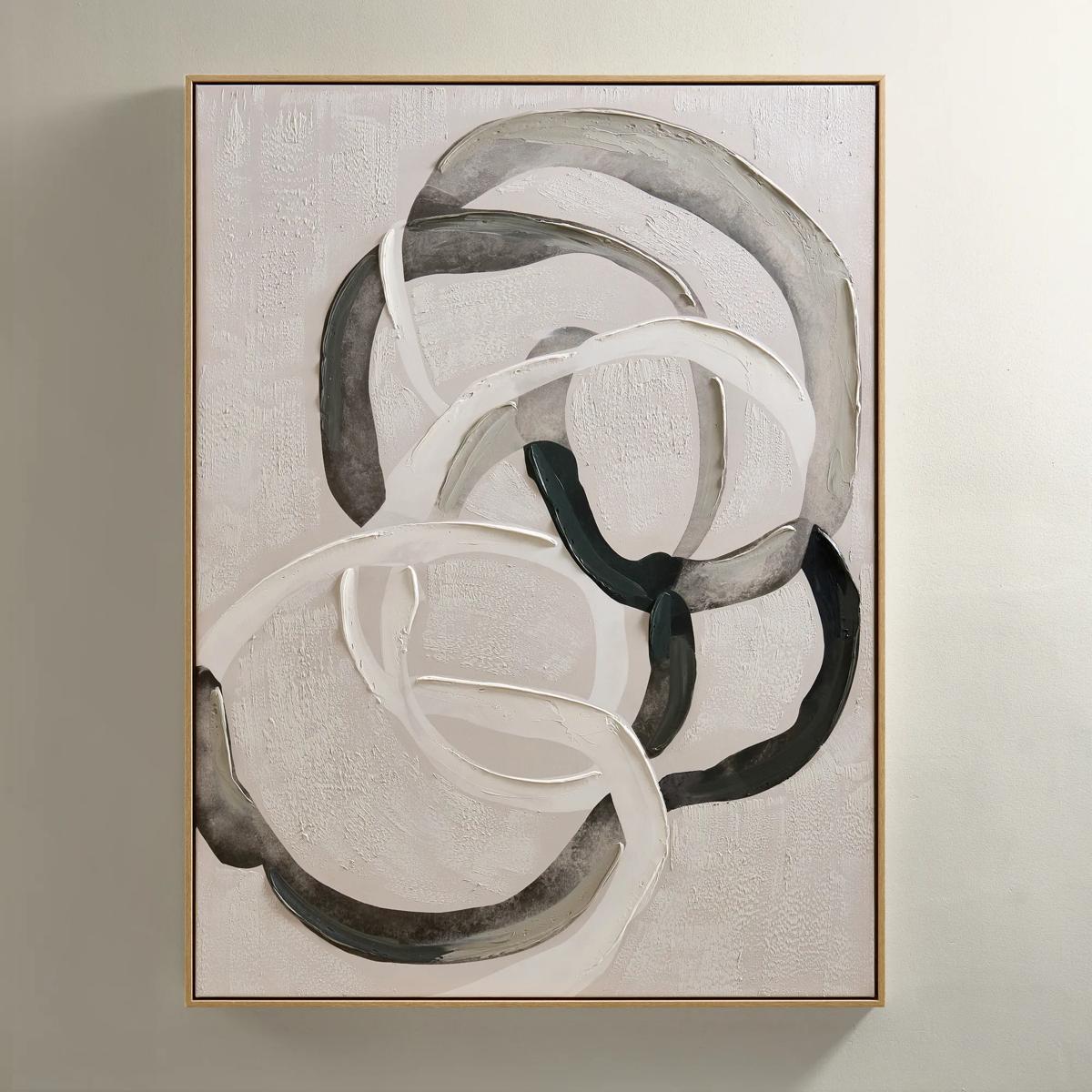
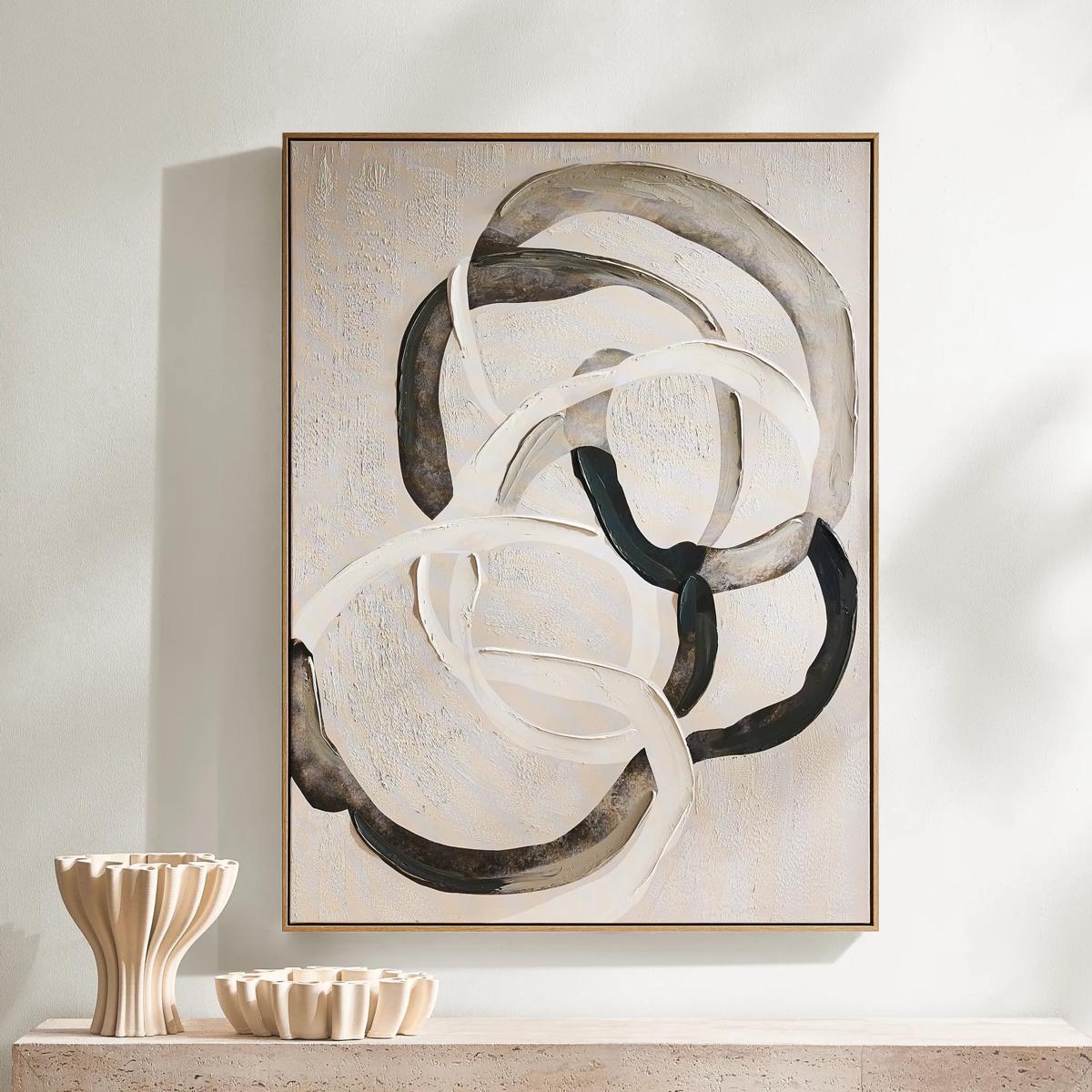 Round About Framed Painted Wall Art 35.25" x 47.25"$349
An abstract hand-painted canvas with tonal whites, charcoals, and taupes in a light wood floater frame.
Add To Cart -
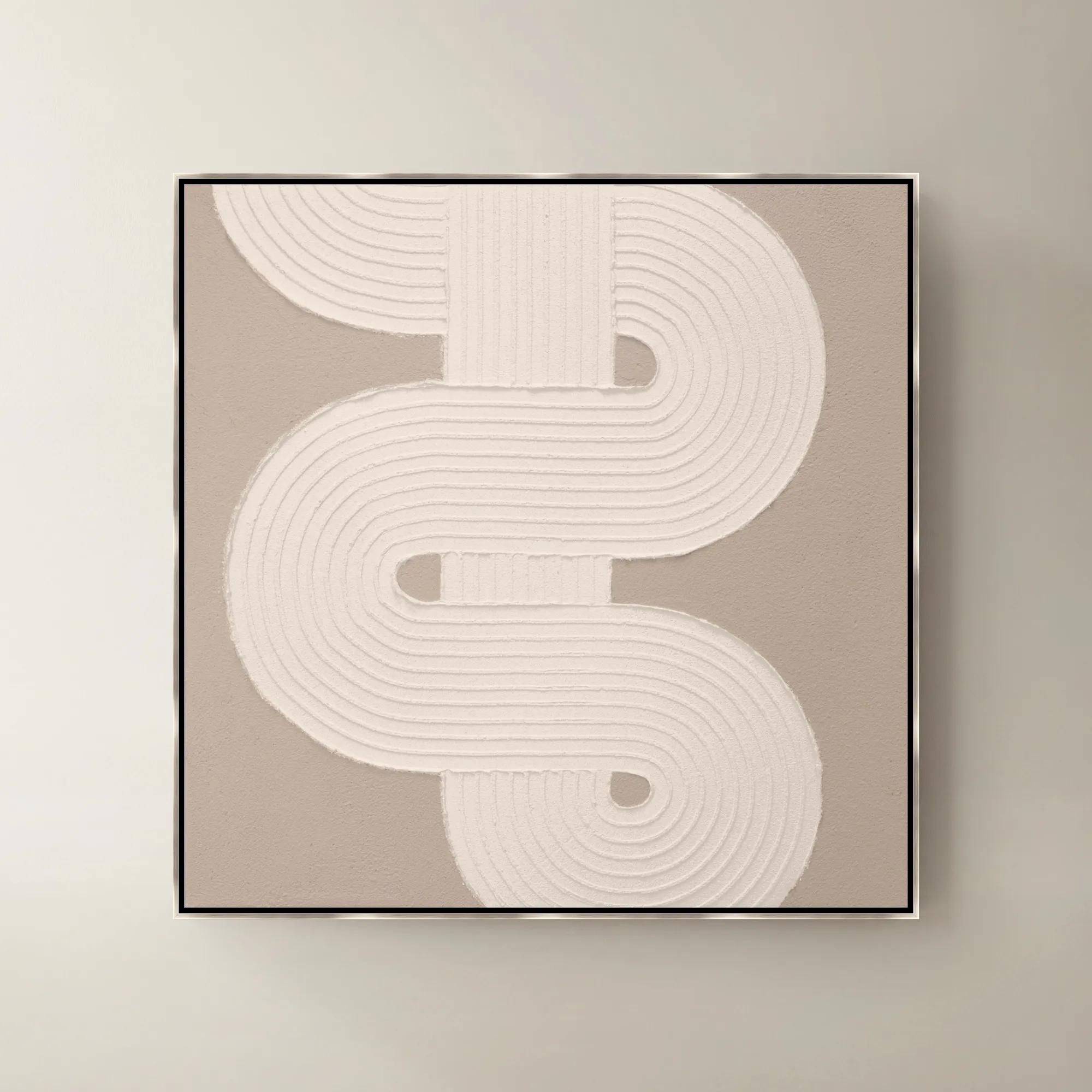
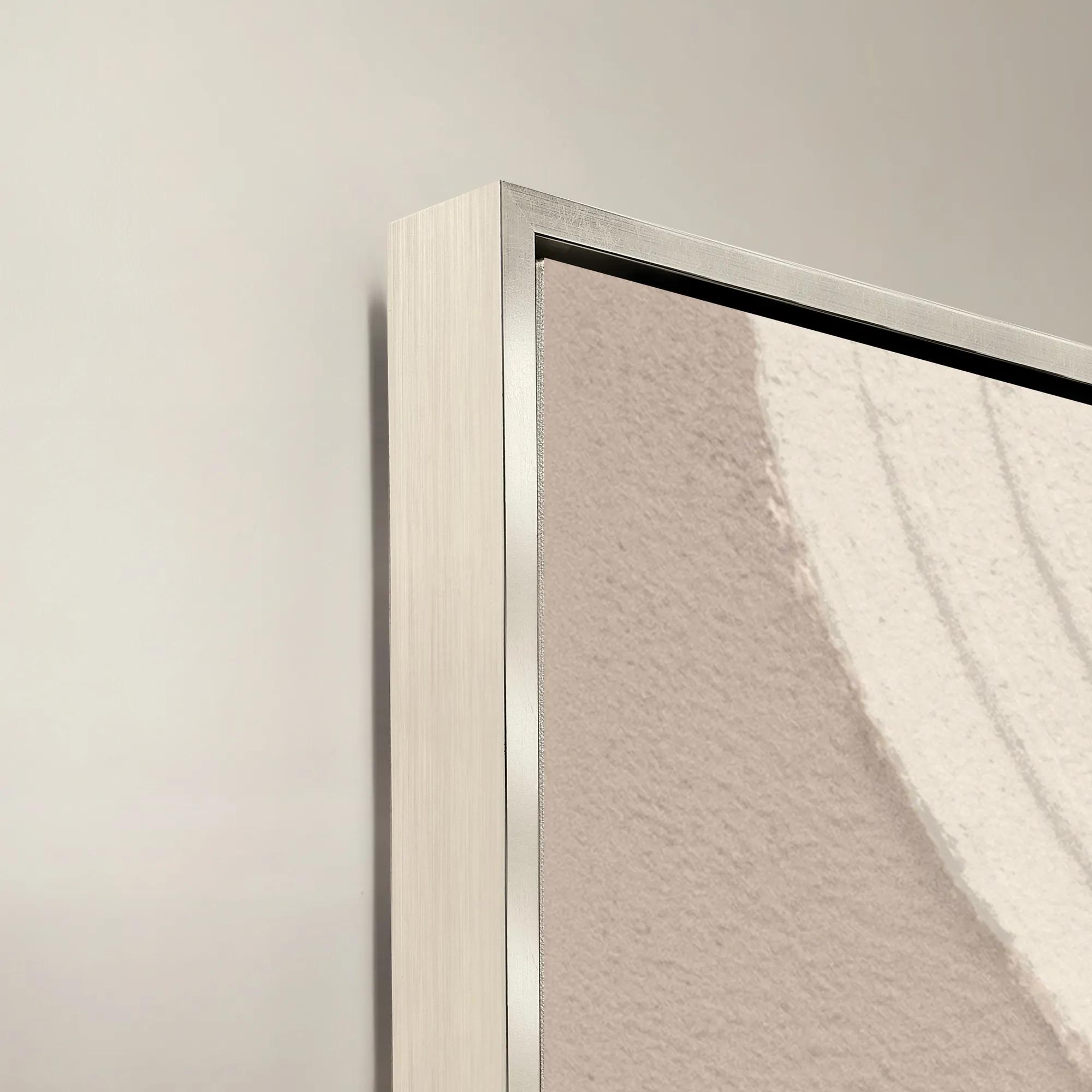 Sacred Geometry V Framed Painted Wall Art 40" x 40"$1099
A striking abstract art piece featuring bold geometric patterns for a modern, sophisticated touch.
Add To Cart -
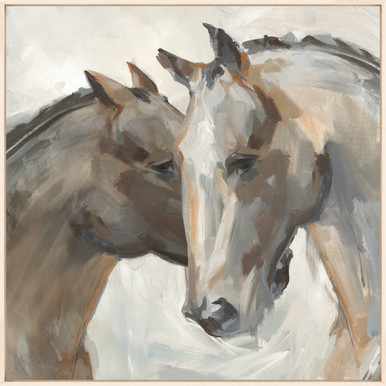
 Equine Duo Framed Wall Art 40" x 40"$699
A gallery-wrapped canvas featuring hand-applied brush gel and set in a natural floater frame.
Add To Cart -
 Shadow Painting 2$179
A hand-painted abstract canvas featuring bold textures and brown hues in a warm whitewash floater frame.
Add To Cart -
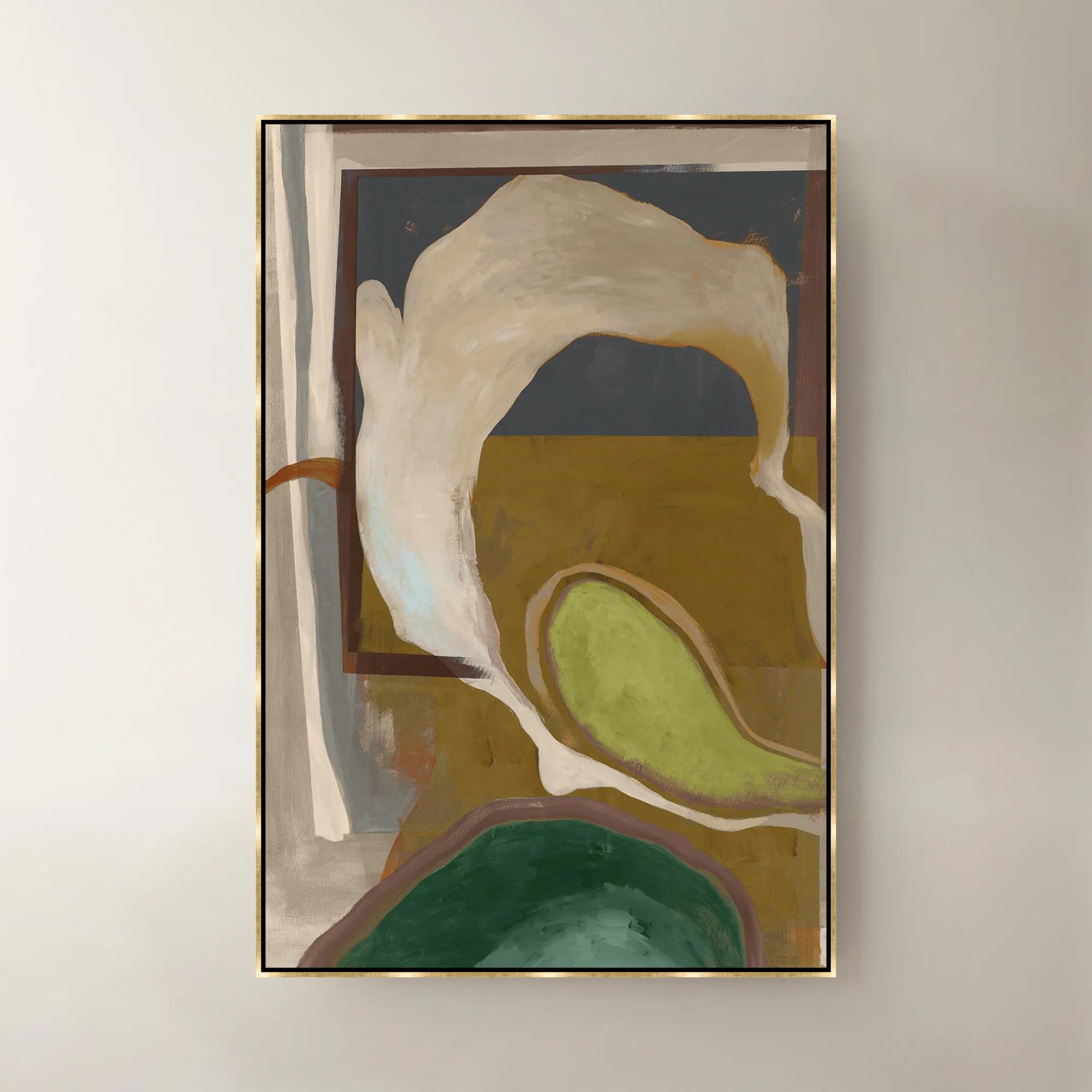 Olive Pearl Framed Wall Art 40"W x 60"$1099
A sophisticated green framed canvas artwork bringing layered color and modern elegance to your walls.
Add To Cart

Earth Tone Canvas Wall Arts
Earth tone canvas wall arts invite a sense of grounded elegance, transforming blank walls into soulful masterpieces. Awash in warm ochres, rich siennas, and velvety sages, these expressive canvases evoke the serene beauty of nature’s palette—bringing tranquility and understated drama to any space. Each piece is a celebration of organic hues and layered textures, designed to envelop your home in an atmosphere of curated calm and effortless sophistication. With earth tone canvas wall arts, every room becomes a sanctuary where artistry and ambiance intertwine.
Earth tone canvas wall art brings a palette of terracotta, sand, beige, taupe, ochre, olive, and espresso to the wall, translating colors found in stone, clay, soil, and foliage into an expressive interior statement. These hues have a natural warmth, but their effect is far from understated when paired with sweeping brushwork, sculptural forms, or a generously scaled composition. A wash of cream against deep brown can feel architectural; a ribbon of rust through pale taupe can lend a room an unexpected pulse of color. Earth tone abstract wall art often draws its character from organic curves, layered fields of pigment, and the interplay between light and dark, while landscape-inspired canvas art introduces horizons, rocky contours, or botanical silhouettes. Both approaches give a space visual depth without requiring a vivid primary-color palette. In a living room with an ivory sofa and a dark wood coffee table, a canvas combining ochre and espresso creates a connection between upholstery and furniture while giving the wall its own identity. Above a bedroom dresser, misty beige and muted olive can establish a softer focal point that complements linen bedding and gleaming metal accents. The distinction between warm and cool undertones matters: golden beige and cinnamon brown tend to harmonize with brass and honey-colored wood, while gray-taupe and subdued green can sit beautifully beside silver finishes, smoked glass, and darker cabinetry. A composition does not need to match every element in the room. Repeating one or two colors already present in a rug, accent pillow, or upholstered chair usually creates enough continuity, leaving the artwork free to introduce something new. Creamy negative space gives richly furnished rooms a place for the eye to rest; dense, expressive layers bring presence to walls surrounded by streamlined furniture. From fluid abstractions to softly rendered natural forms, earthy canvas art offers a distinctive balance of grounded color and artistic drama, making it equally compelling in contemporary interiors, richly layered living spaces, and rooms shaped by natural materials.
The material and presentation of canvas wall art influence its appearance as much as the image itself. Canvas may be made from cotton, linen, or synthetic fibers, with the weave contributing a subtle surface texture beneath printed imagery or painted marks. Printed canvas translates an original composition into a finished wall piece, while painted canvas can reveal variations in brushwork, pigment, and surface relief; the construction and finish of an individual work determine how much texture is actually present. An image that depicts thick strokes does not necessarily have a raised surface, so descriptions of applied texture, embellishment, and finish are meaningful distinctions. The expressive character associated with Handcrafted Canvas Wall Arts offers another direction for interiors that place emphasis on an artist’s touch. Stretched canvas is supported by an internal frame, and a gallery-wrapped presentation carries the image or a finished edge around the sides for a continuous appearance. A surrounding frame adds another visual layer: dark wood can deepen an espresso-and-taupe palette, a slender metallic border can sharpen muted colors, and a floating frame introduces a narrow shadow line that gives the canvas a sculptural presence. Finished dimensions should include any outer frame, since that additional width changes the artwork’s relationship to nearby furniture and architectural details. Above a sofa or sideboard, a composition roughly two-thirds to three-quarters the width of the furniture often feels balanced, though ceiling height and surrounding wall space can justify a different proportion. A tall, narrow canvas brings emphasis to a compact entry or the wall beside a cabinet, while a wide horizontal work can anchor a seating arrangement. Multi-panel canvas art extends a composition across a larger wall; the total footprint includes the spaces between panels, not just their individual widths. In every format, scale affects how the image is experienced. Broad shapes remain legible across an open living area, while finely layered details reward closer viewing in a study, dressing area, or intimate seating nook.
Earth tone canvas wall decor is particularly versatile because it can establish a room’s mood without overwhelming its other materials. In an entryway, a bold clay-and-charcoal abstract introduces a confident first impression above a console, especially when the surrounding objects are chosen with restraint. In a dining room, a generously proportioned neutral canvas can hold its own against a dramatic chandelier, offering a quieter surface beside reflective glass and polished metal. Home offices and reading spaces benefit from compositions with measured contrast and an unhurried rhythm, while bedrooms can take on depth through tonal layers of cream, mushroom, and brown rather than relying on a single pale shade. Placement also influences how well a canvas retains its appearance. Direct sunlight can contribute to fading, and persistent moisture can affect canvas and its supporting frame, making a dry interior wall away from splashes a more suitable setting than an exposed location near a shower or sink. A spot above a fireplace requires consideration of heat and soot, not simply the appeal of the arrangement. Secure installation depends on the artwork’s weight, its supplied hanging hardware, and the wall material; anchors or other fasteners should be appropriate to those conditions, particularly above seating or a bed. For routine care, a soft, dry cloth or gentle soft-bristled brush can remove light surface dust, following the piece’s care instructions. Household sprays, abrasive cleaners, and wet scrubbing can damage printed finishes or painted surfaces, and textured or embellished areas may require especially delicate handling. Sound construction, stable indoor conditions, and thoughtful placement all support lasting enjoyment, but no finish should be assumed to be fade-proof or suitable for outdoor use without explicit specifications. As a housewarming or wedding gift, earthy canvas art can feel personal without depending on a highly saturated color preference. A recipient’s existing palette, available wall space, and taste for abstraction or recognizable imagery provide more useful direction than color alone. Chosen with those details in mind, an earth tone canvas becomes a meaningful part of the home’s composition: a considered expression of color, proportion, and personality.
FAQs
Earth tone canvas art beautifully complements a range of interior styles, from modern organic and bohemian to mid-century and transitional. Its natural palette brings warmth and balance to minimalist spaces, while its rich textures and subtle hues add depth and sophistication to more eclectic or traditional settings. Whether your home is sleek and contemporary or layered with vintage finds, earth tone art integrates seamlessly, enhancing the overall ambiance with a grounded, harmonious feel.
Earth tone abstract wall art has a calming, restorative effect, infusing your space with the tranquil energy of nature. The gentle gradients and organic shapes found in these pieces evoke feelings of comfort, stability, and relaxation—perfect for bedrooms, living rooms, or any area where you wish to unwind. The artistry and color palette can also spark creativity and reflection, making earth tone art a thoughtful choice for home offices or creative studios.
Yes, earth tone canvas artworks make exceptional gifts for occasions like housewarmings, weddings, anniversaries, or milestone celebrations. Their timeless appeal and versatile color schemes ensure they fit seamlessly into a variety of homes and personal styles. Gifting earth tone art is a meaningful way to offer beauty, comfort, and a touch of nature to someone’s living space.
Earth tone art can be displayed as a bold focal point above a sofa or bed, or as part of a curated gallery wall mixing different sizes and textures. For a dramatic effect, consider placing a large canvas in an entryway to set a welcoming tone. Layering earth tone pieces with mirrors, metallics, or sculptural objects can also create a dynamic, multidimensional vignette that highlights the artwork’s organic beauty.
Earth tones have enduring appeal because they evoke a sense of balance, serenity, and connection to the natural world. These hues are versatile, complementing a wide spectrum of colors and materials, and they bring a sense of warmth and timelessness to any space. As trends come and go, earth tone art remains a favorite for those who value interiors that feel inviting, grounded, and effortlessly elegant.