Neutral Color Living Room Chairs
Neutral Color Living Room Chairs
-
 Reina Tufted Simply Taupe Velvet Swivel Chair$1099
A taupe velvet swivel chair with channel tufting, an architectural winged profile, and plush, sculpted comfort.
Add To Cart -
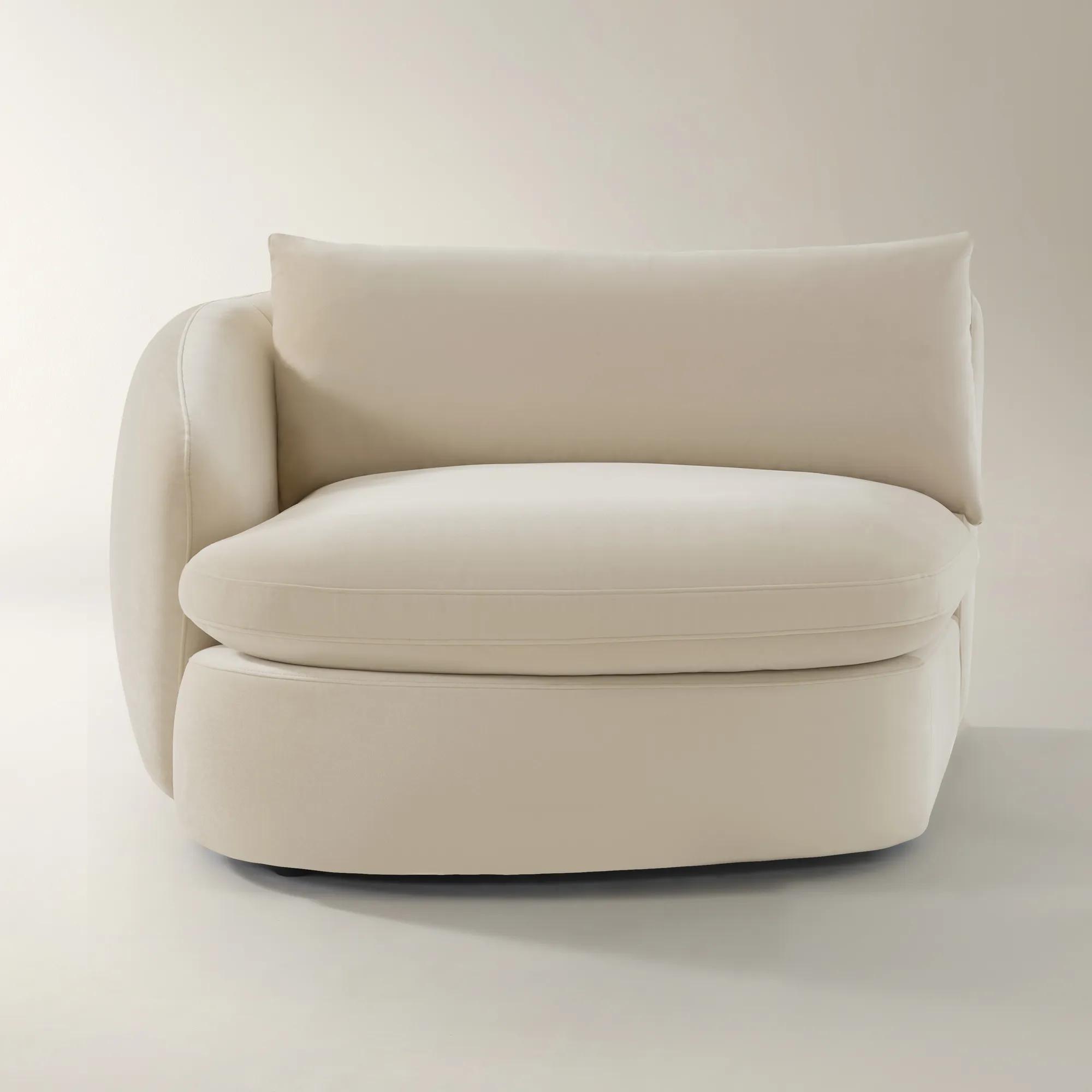
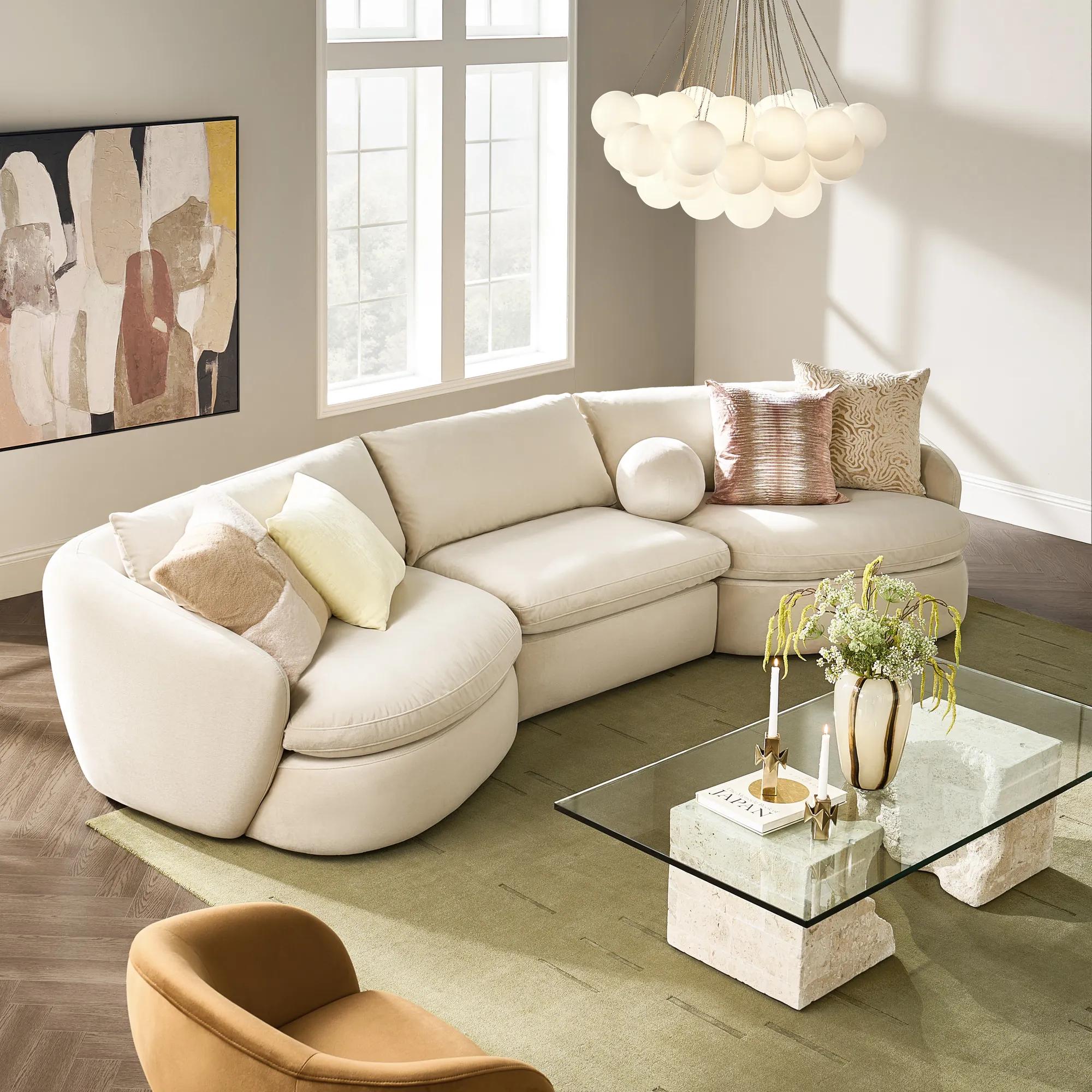 Sabrina Oatmeal Velvet Left-Arm Chair$1399
A modular, curved seating piece in soft oatmeal velvet with plush feather-blend cushions and hand-built craftsmanship.
Add To Cart -
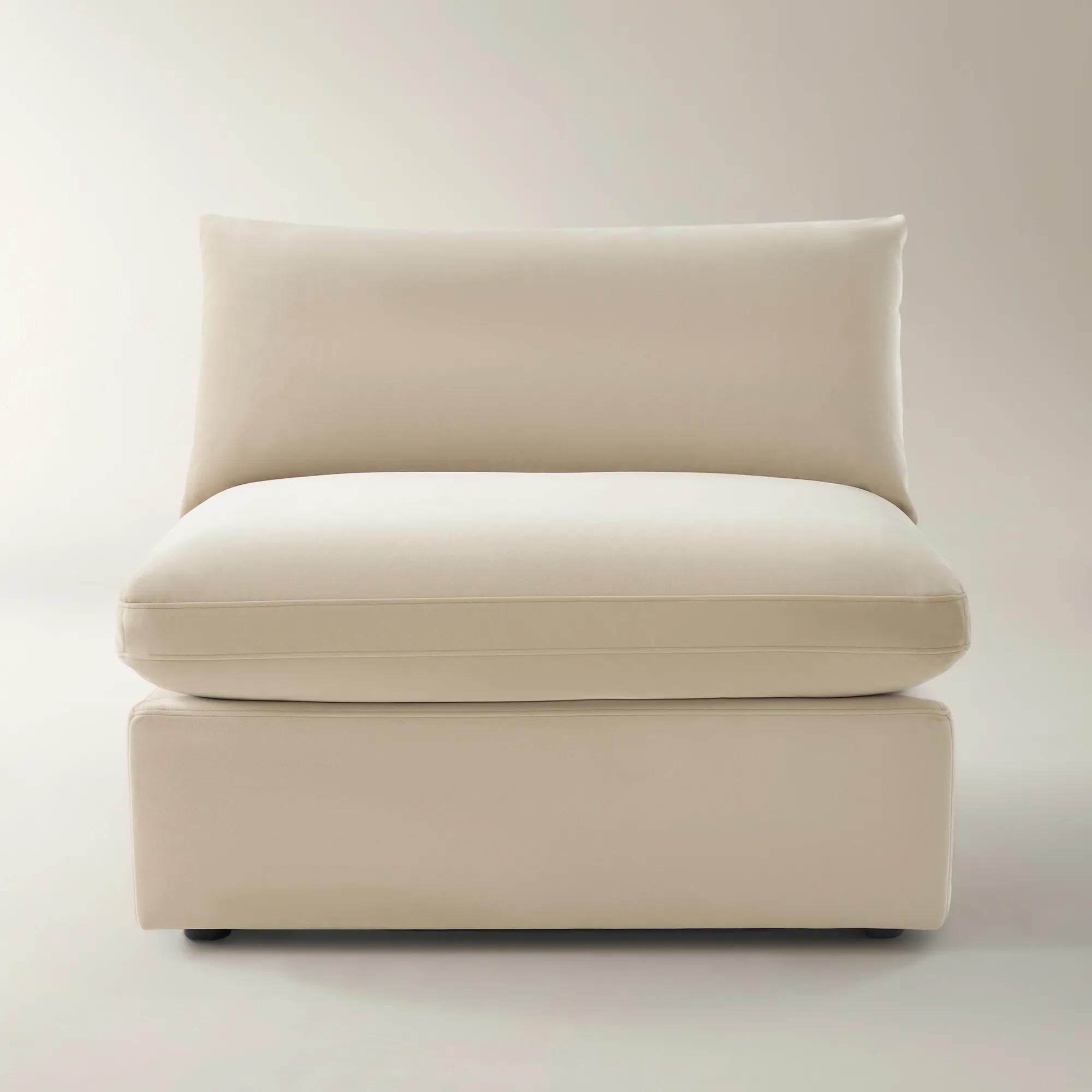
 Sabrina Oatmeal Velvet Armless Chair$999
A modular, curved seating piece in soft oatmeal velvet with plush feather-blend cushions and hand-built craftsmanship.
Add To Cart -
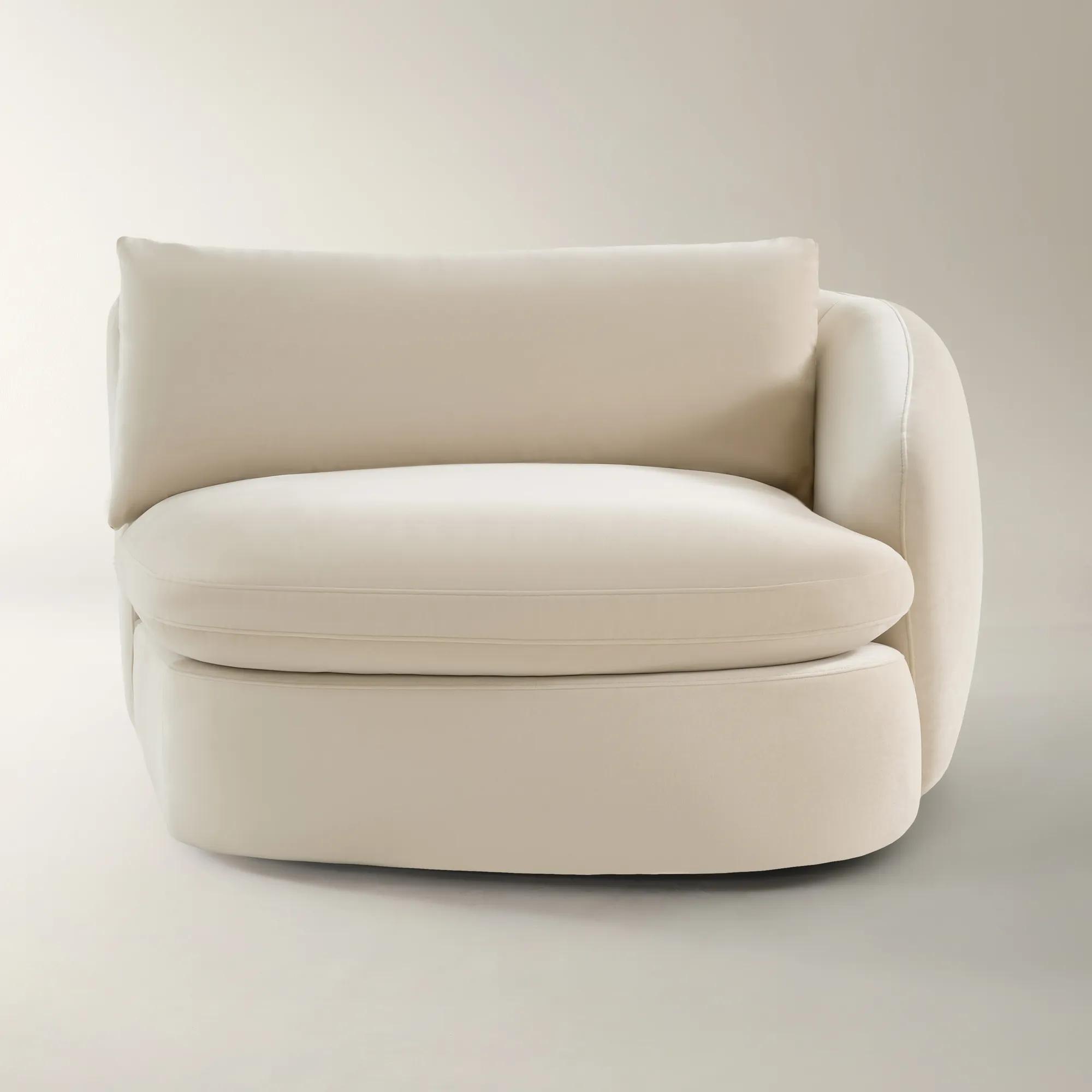 Sabrina Oatmeal Velvet Right-Arm Chair$1399
A modular, curved seating piece in soft oatmeal velvet with plush feather-blend cushions and hand-built craftsmanship.
Add To Cart -
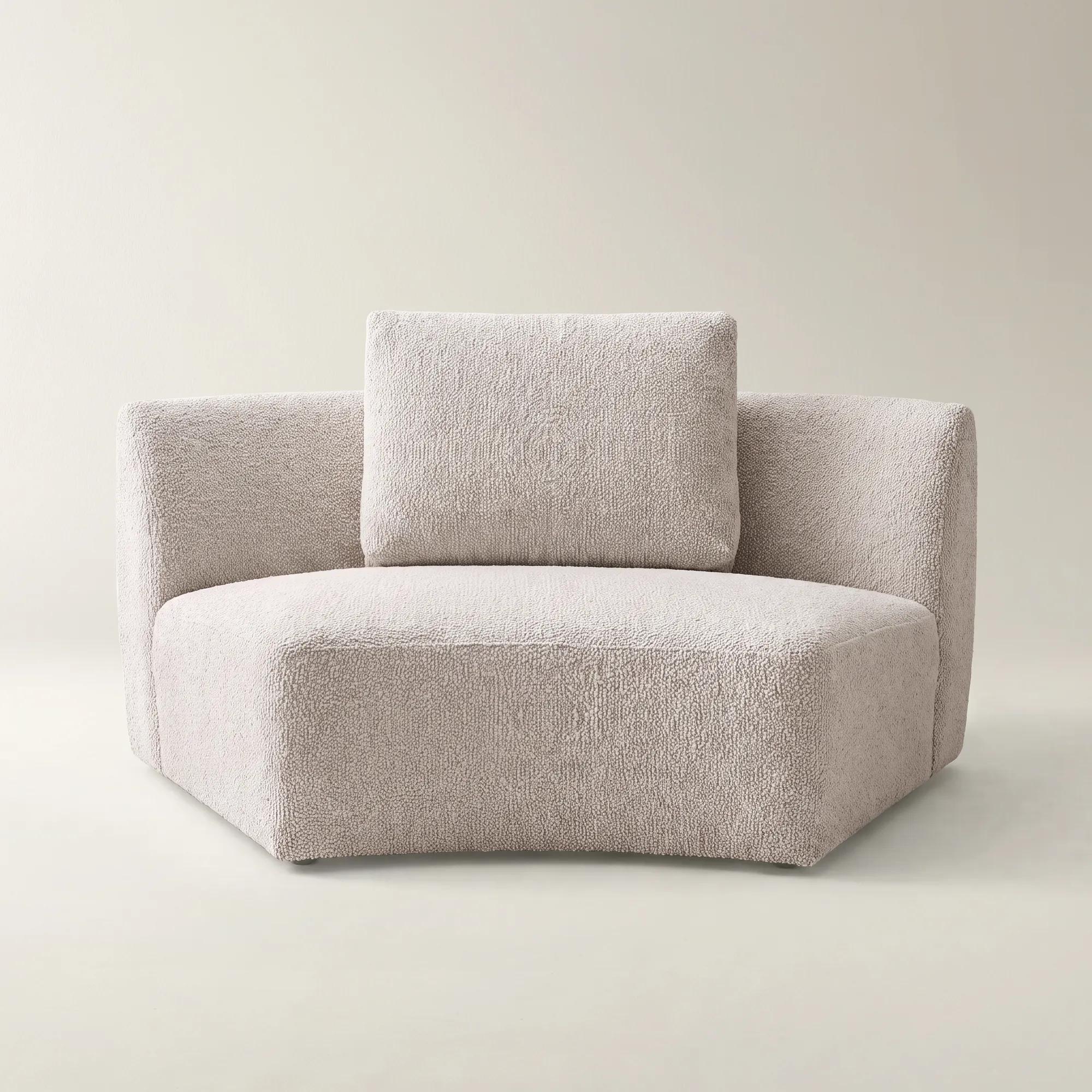
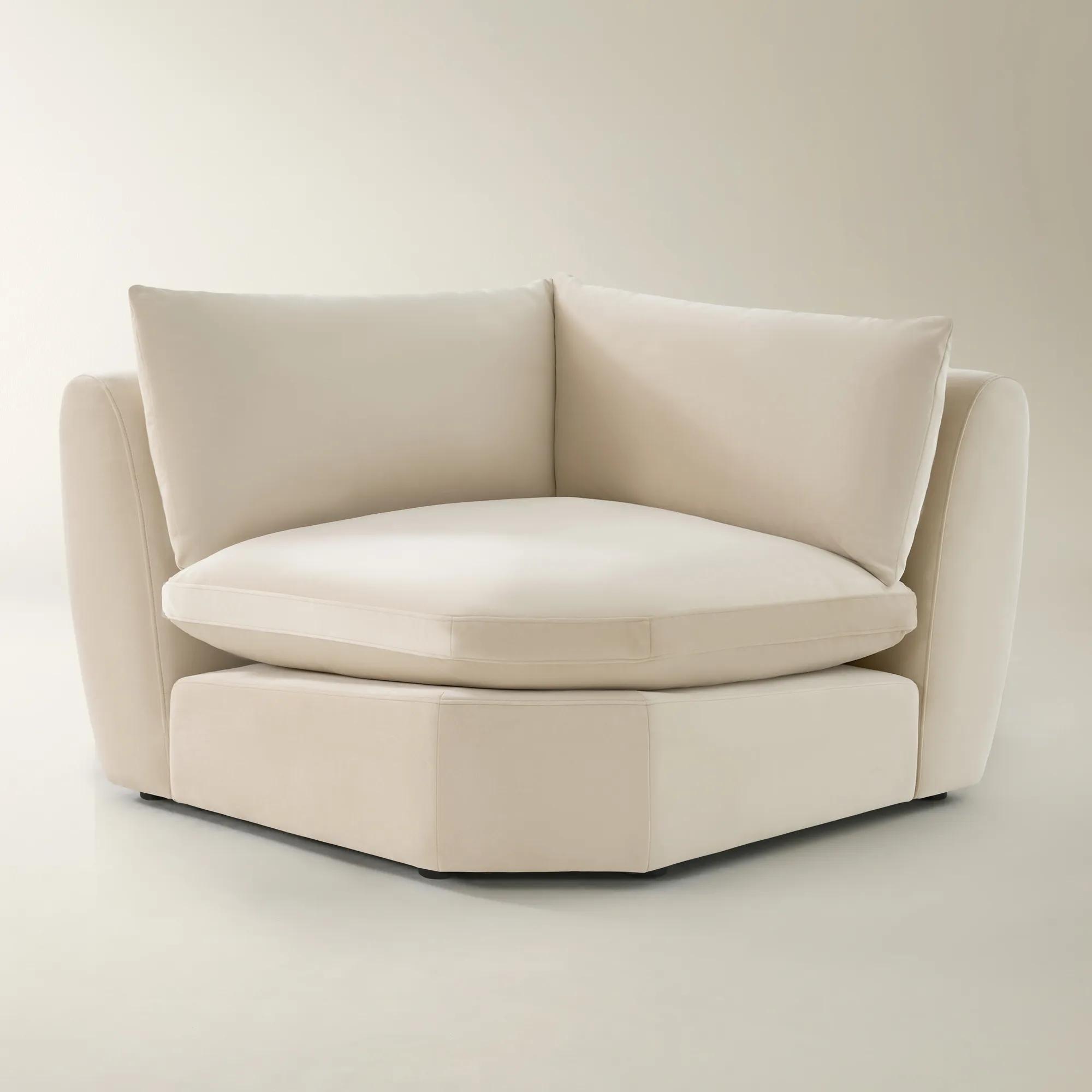 Sabrina Oatmeal Velvet Corner Chair$1299
A modular sectional component in soft oatmeal velvet with feather-blend cushions and a sculptural curved silhouette.
Add To Cart -
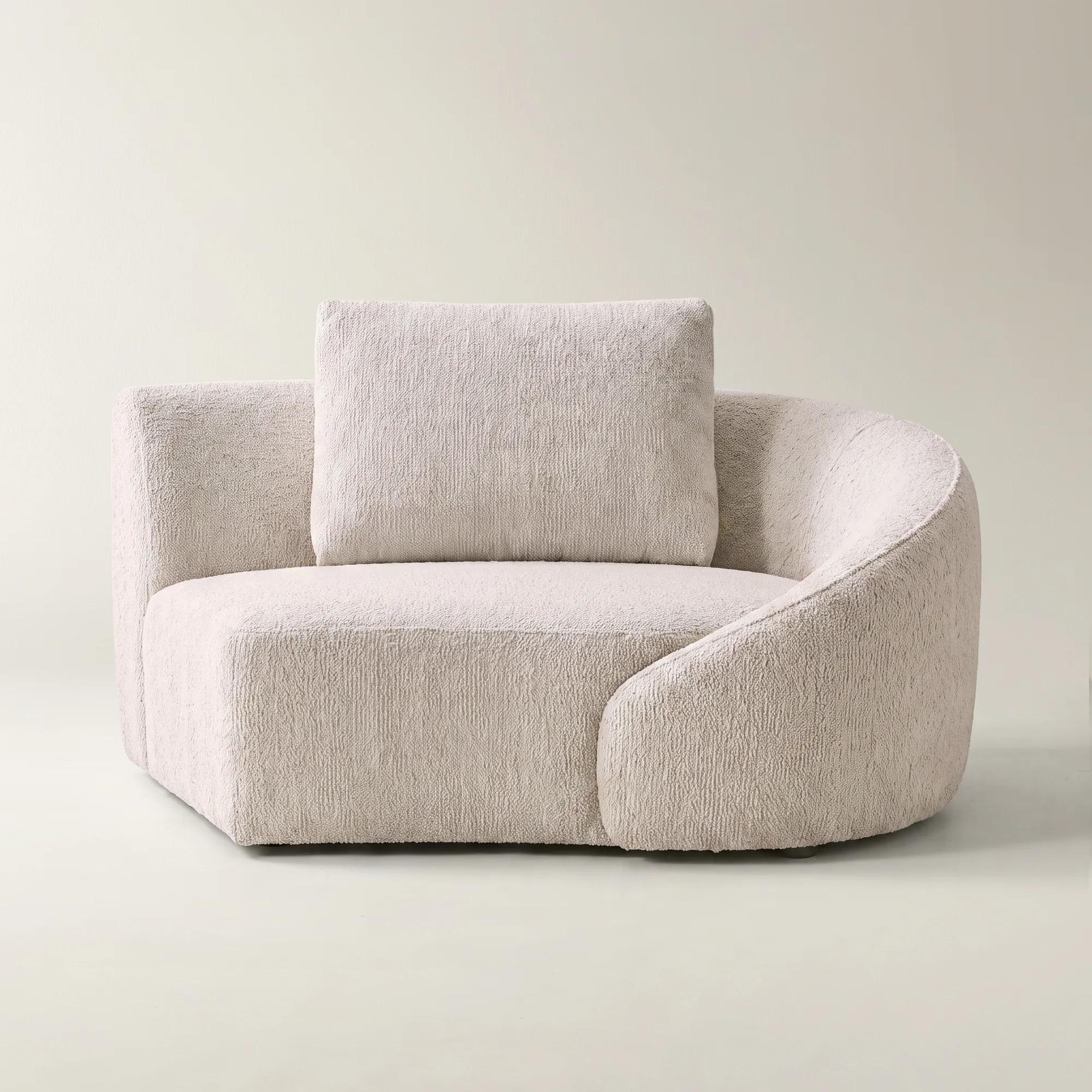
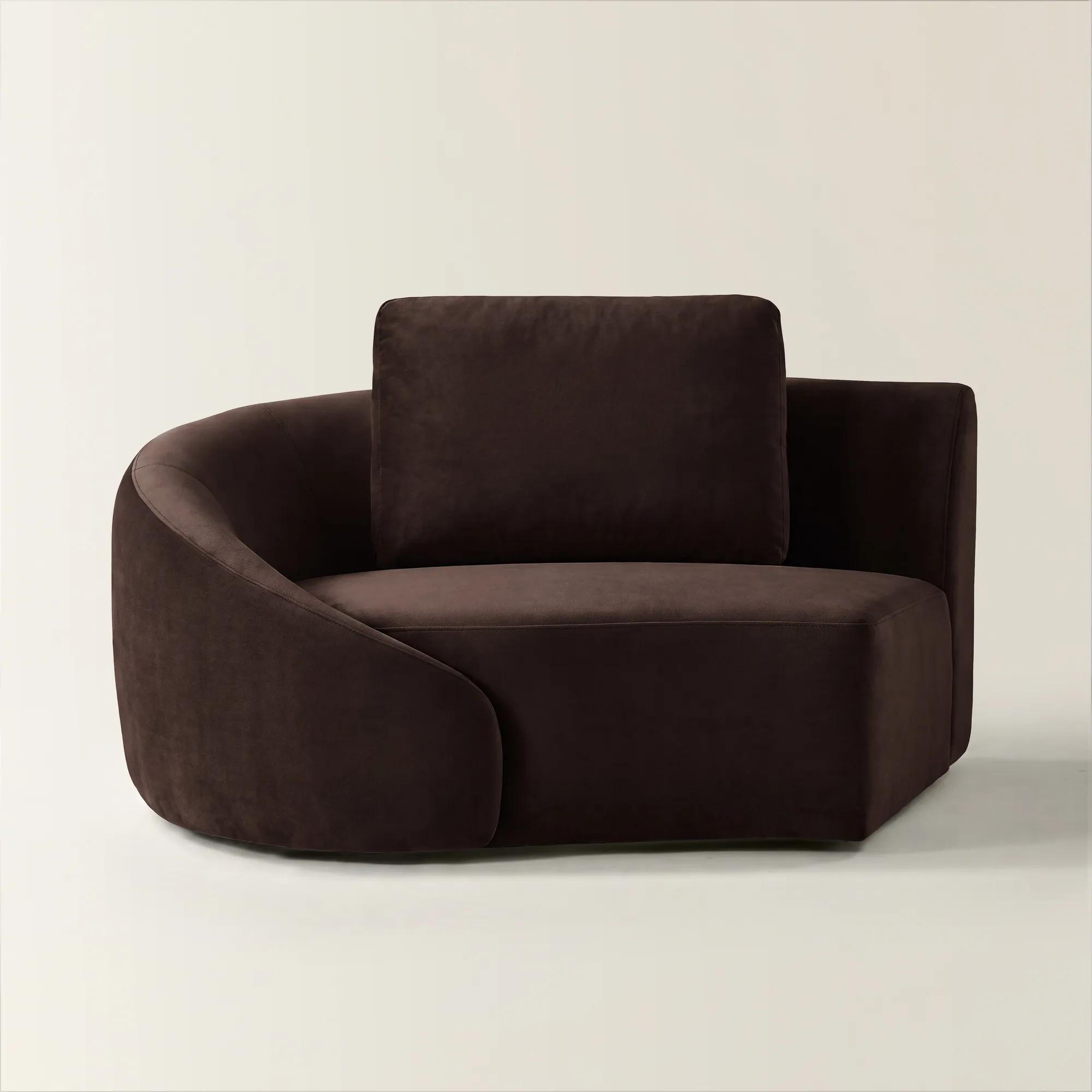
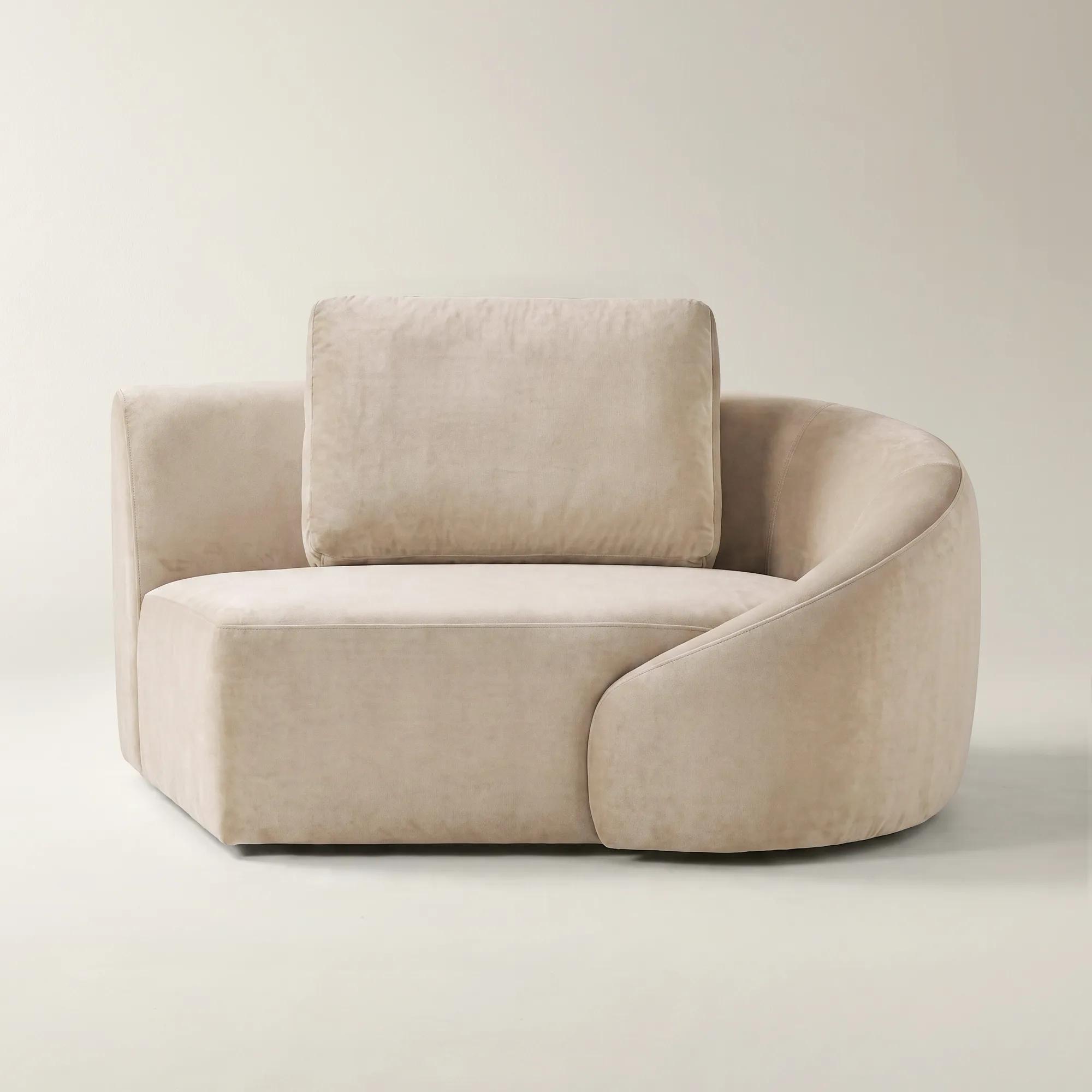 Irene Simply Taupe Velvet Right-Arm Chair$1399
A sculptural right-arm chair in simply taupe velvet with high-resiliency foam cushions and artisan detailing.
Add To Cart -
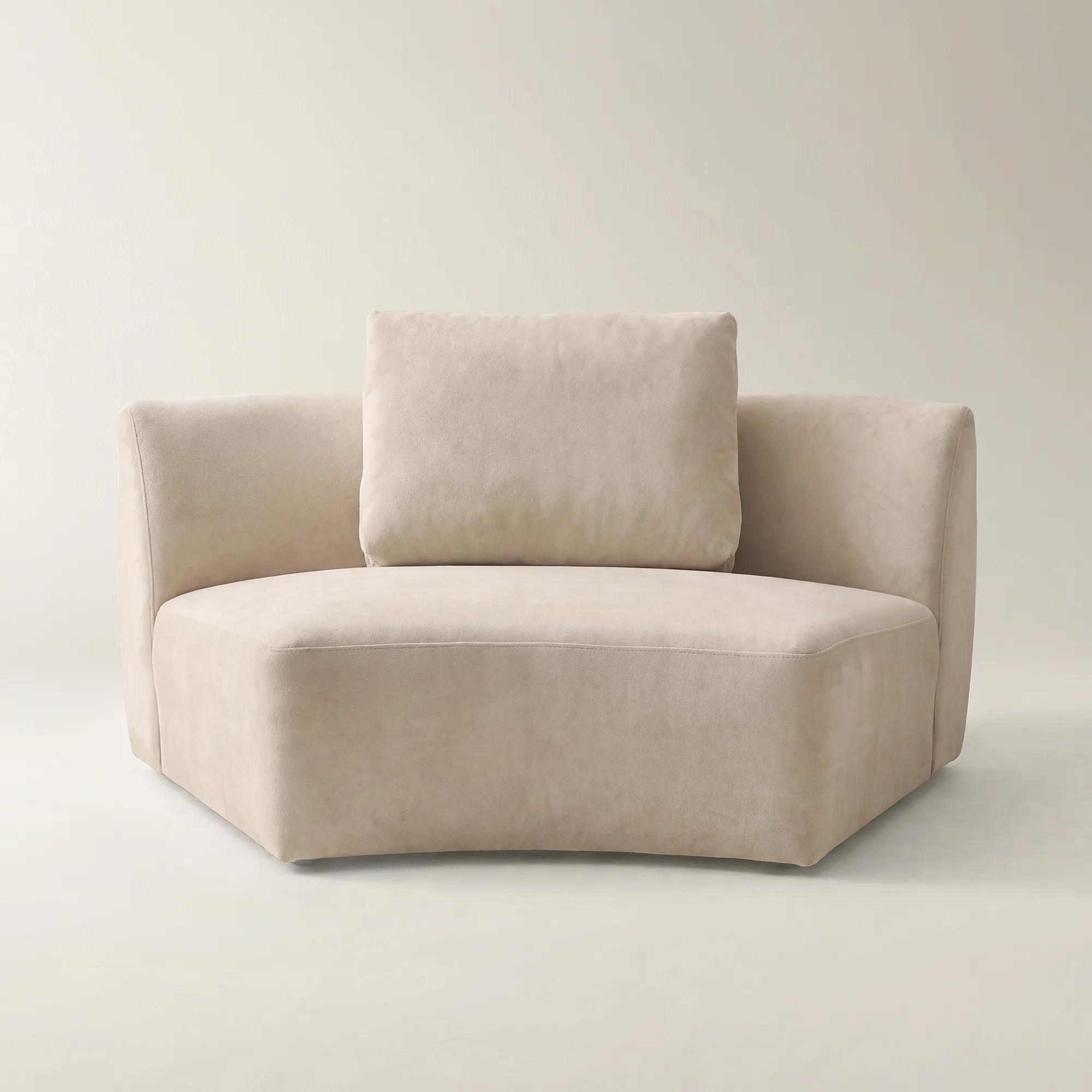 Irene Simply Taupe Velvet Armless Chair$1199
A sculptural armless chair in simply taupe velvet, featuring high-resiliency foam cushions and artisan tailoring.
Add To Cart -
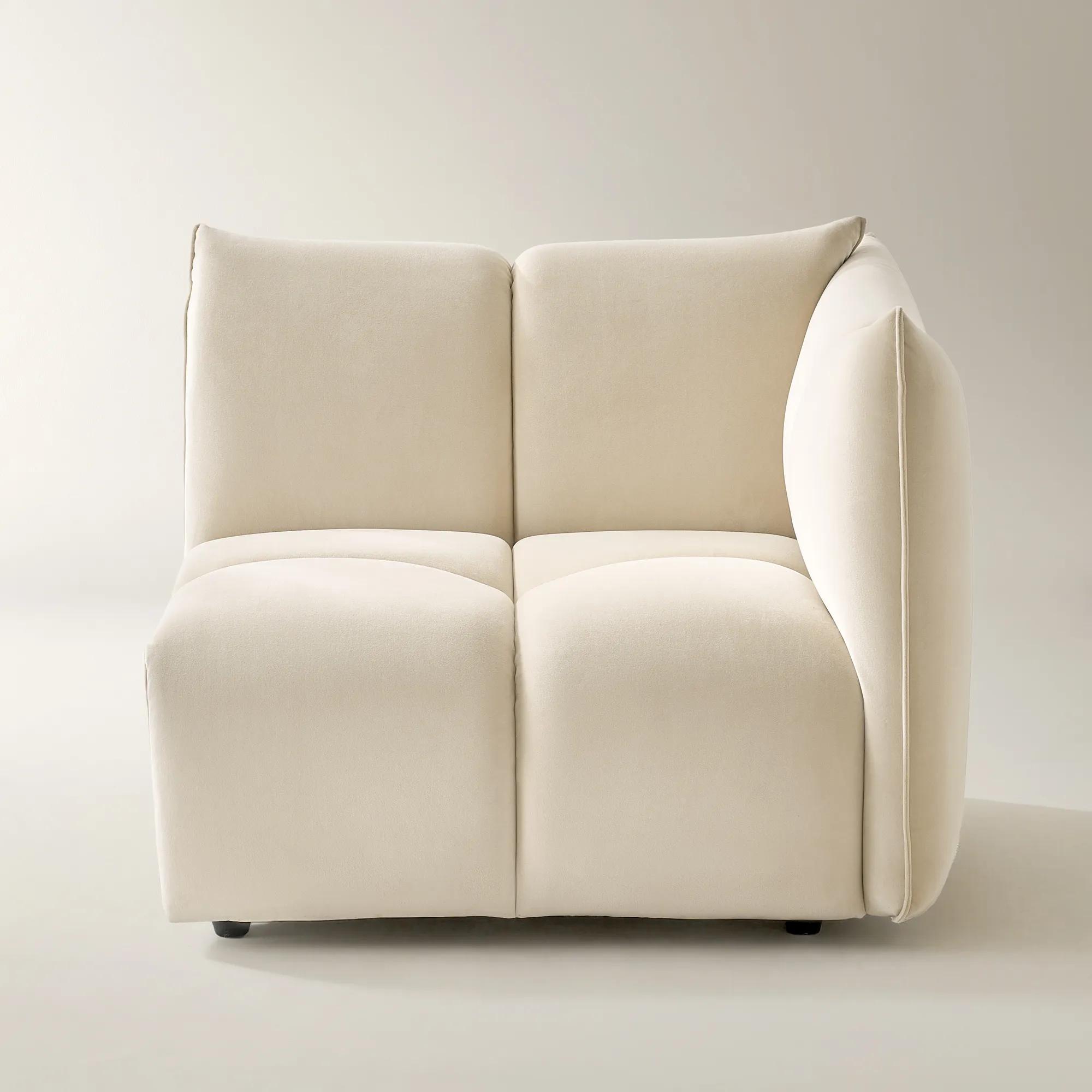
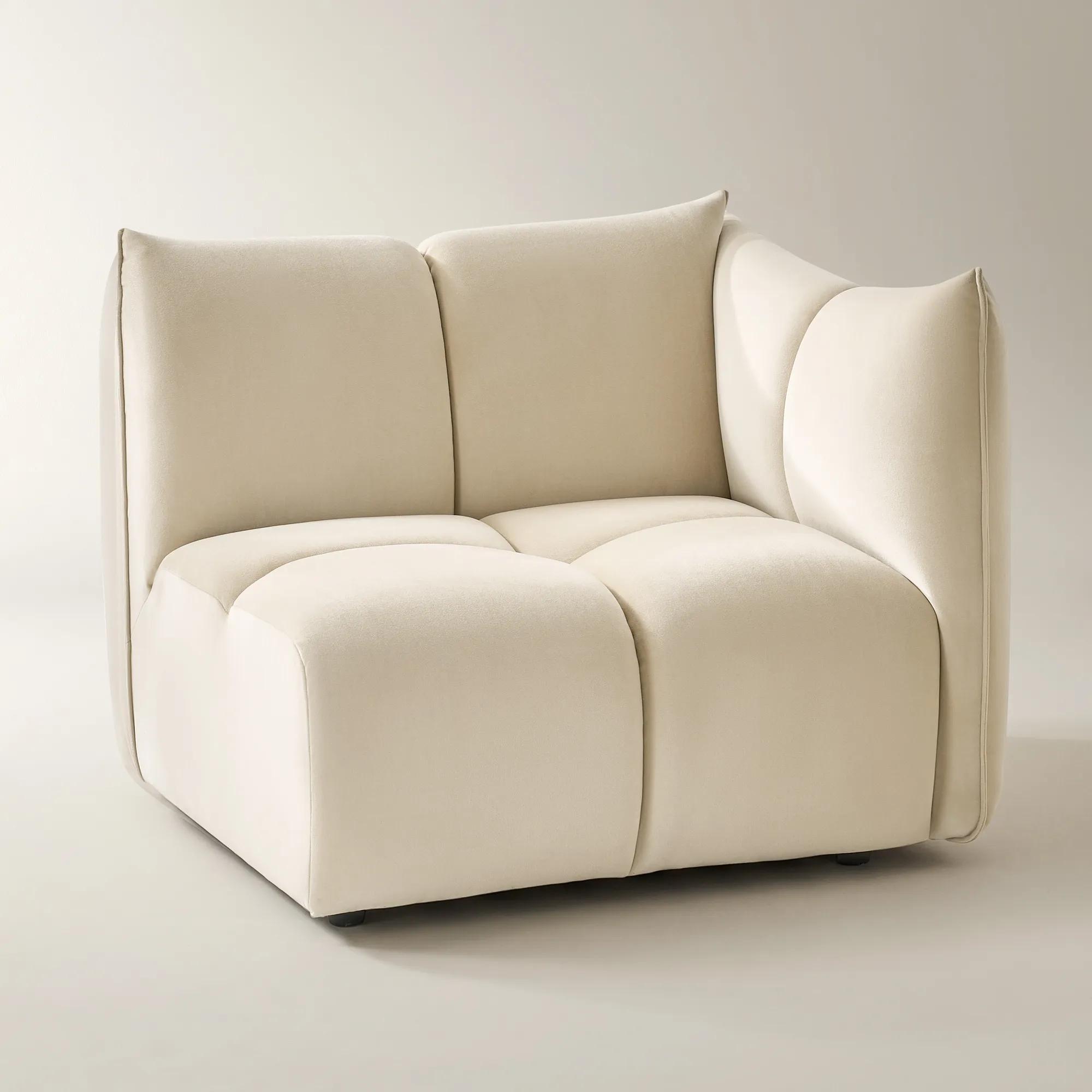 Reina Tufted Oatmeal Velvet Right-Arm Chair$899
A right-arm chair in oatmeal velvet featuring channel tufting, winged sides, and deep, plush seating.
Add To Cart -
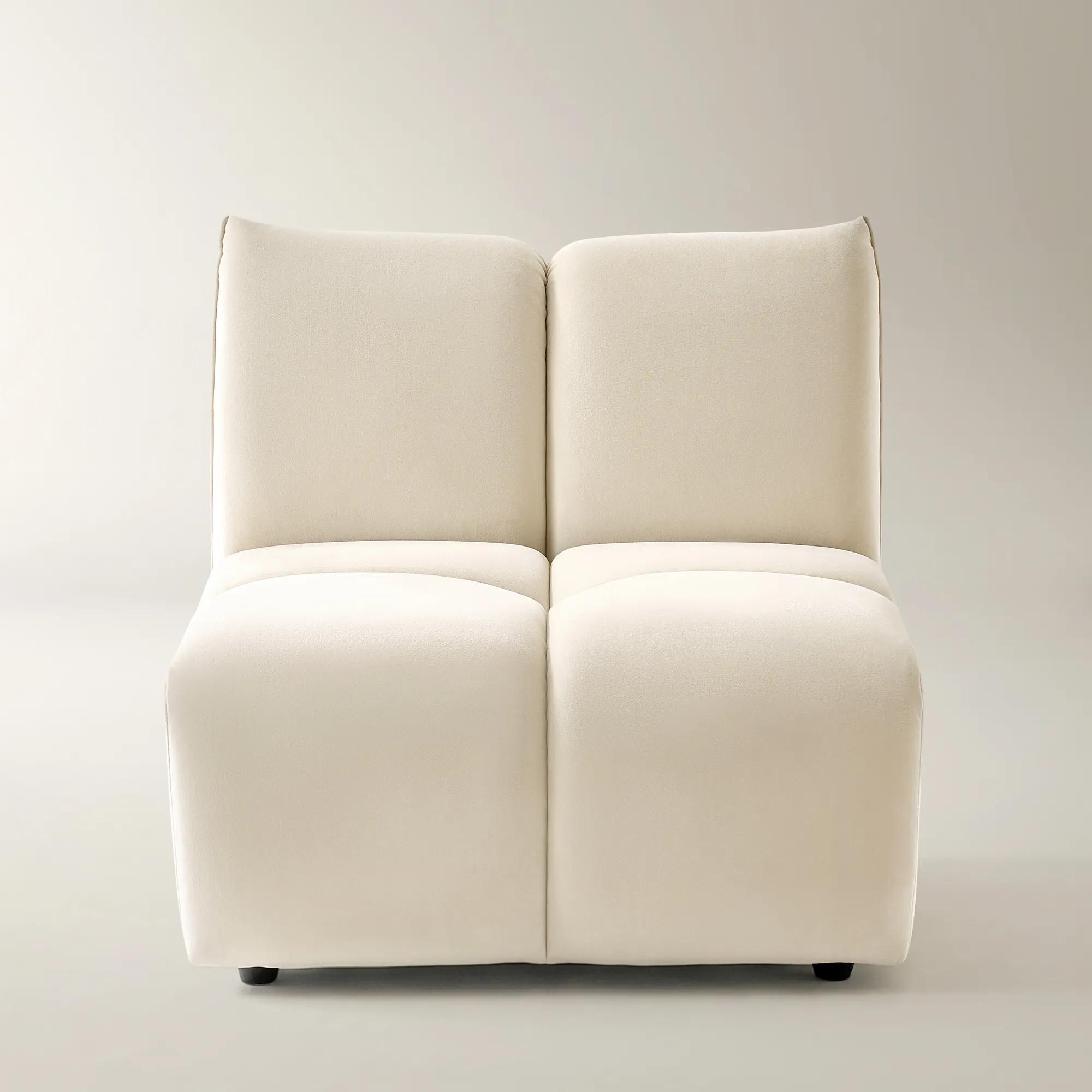
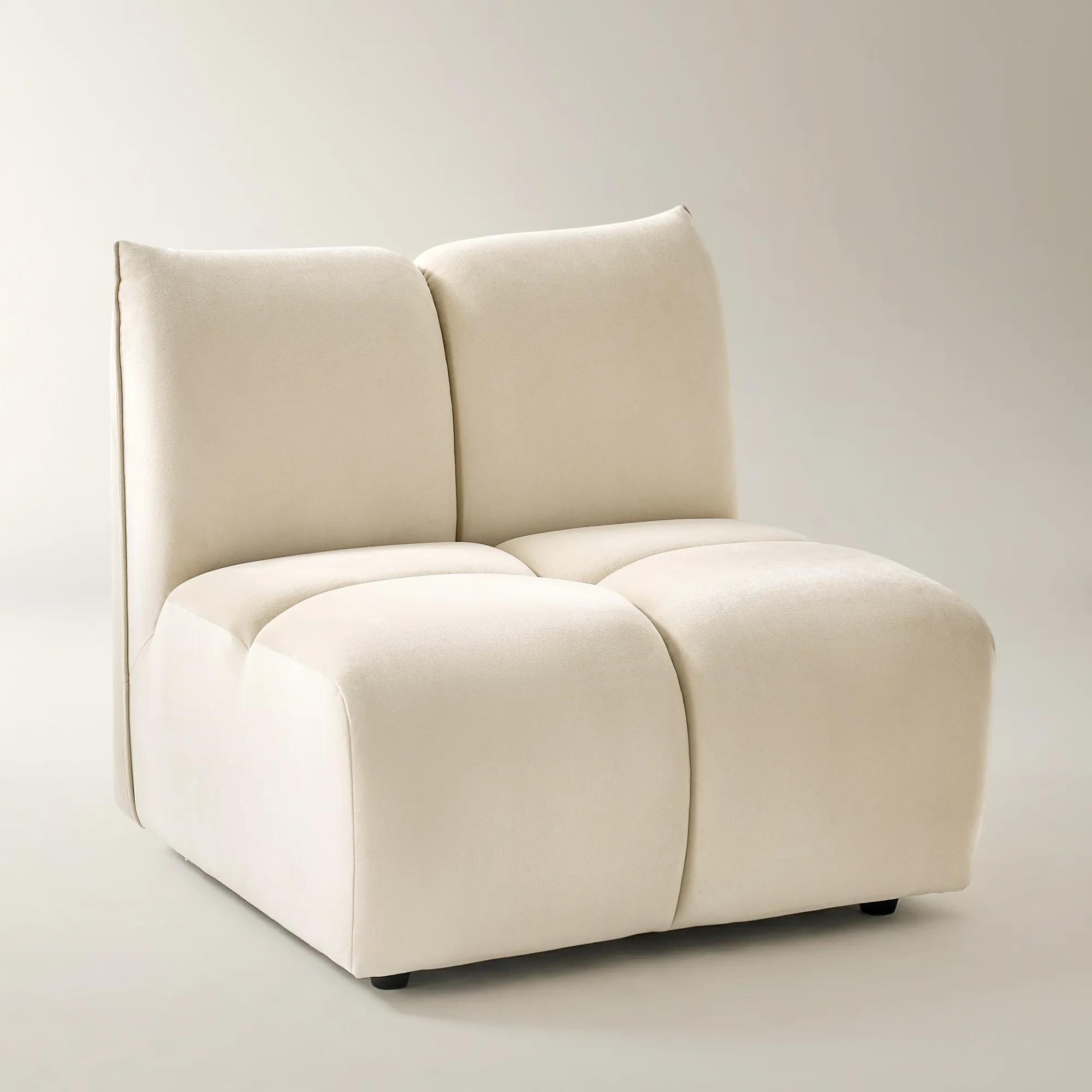 Reina Tufted Oatmeal Velvet Armless Chair$799
A plush oatmeal velvet armless chair featuring channel tufting, deep seating, and an architectural winged profile.
Add To Cart -
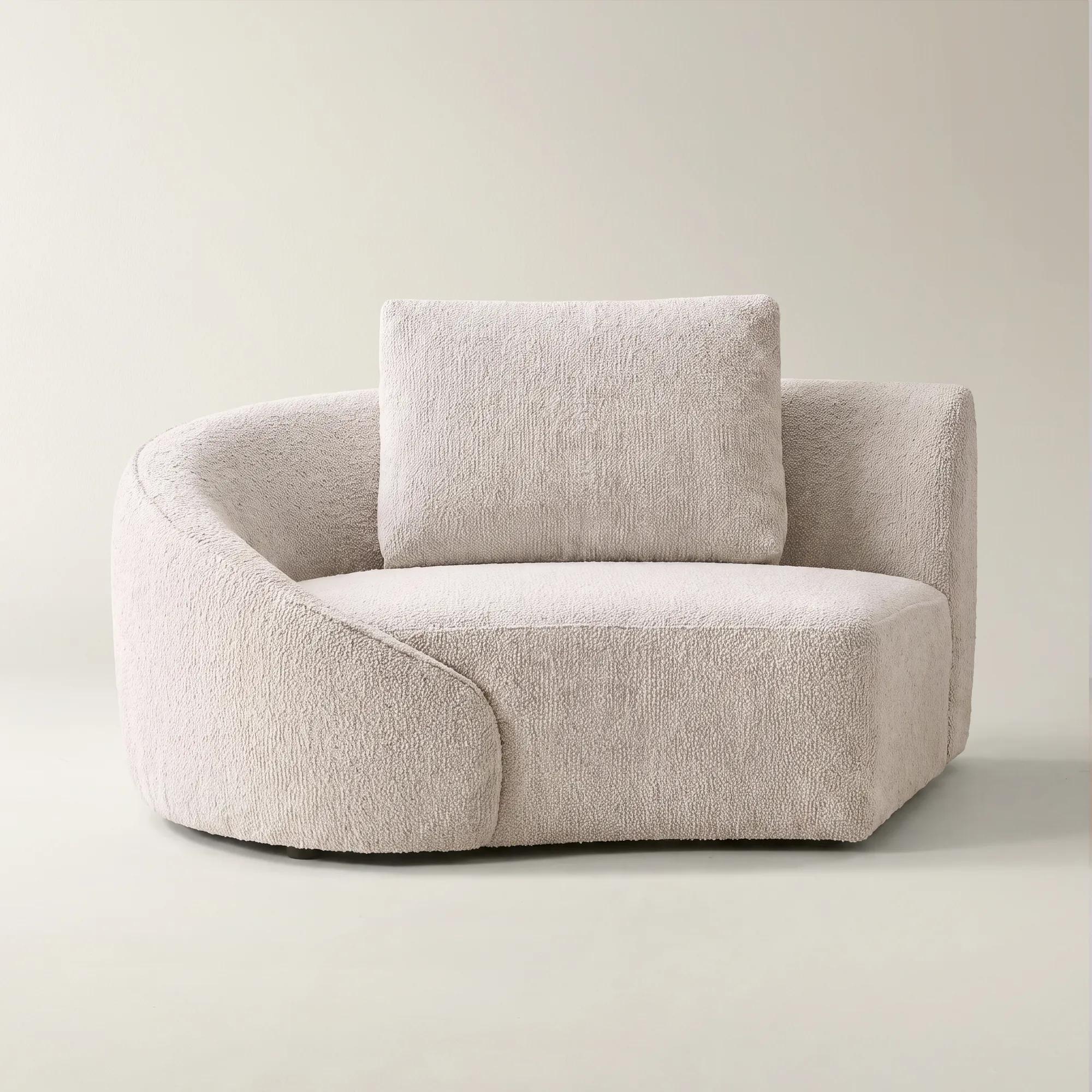
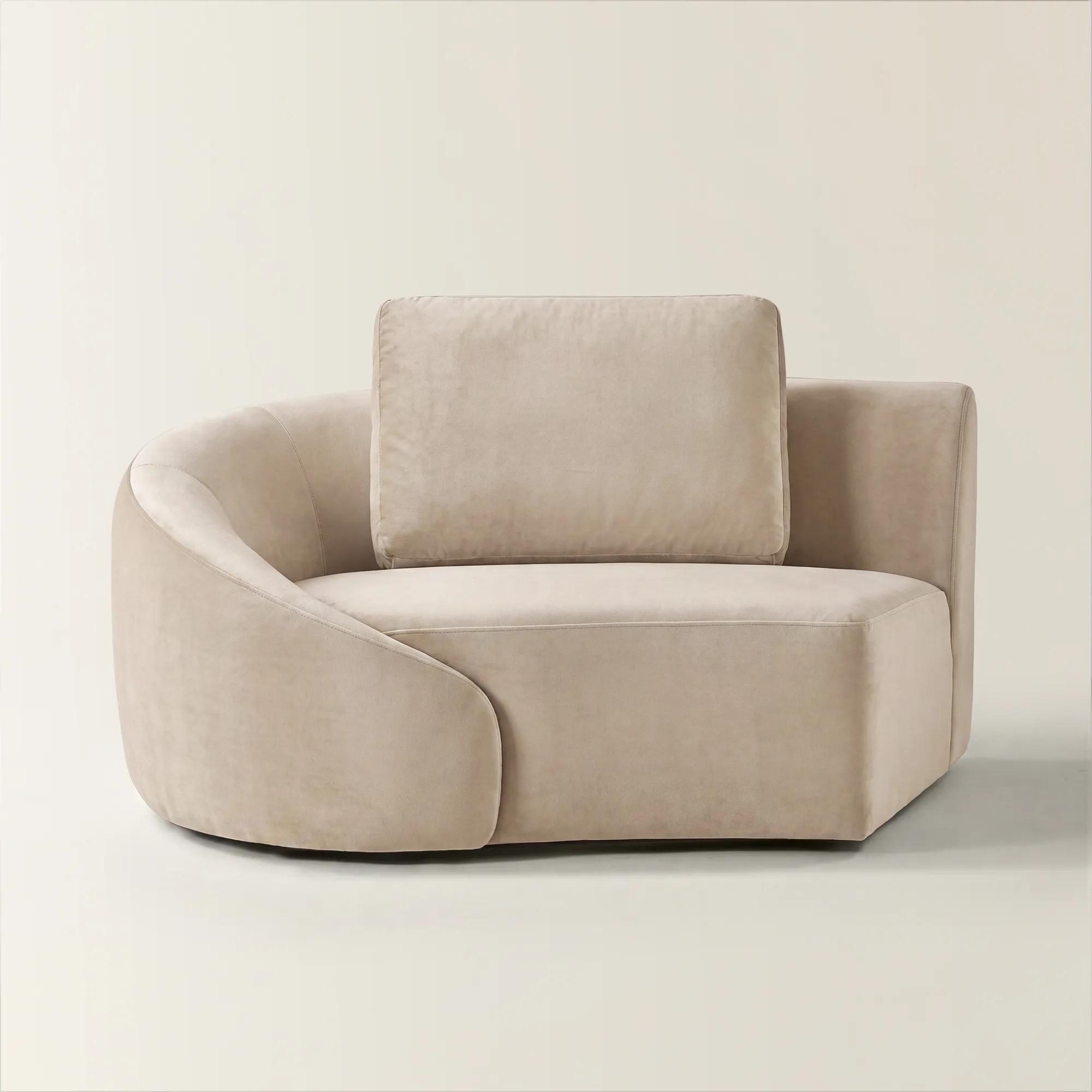 Irene Simply Taupe Velvet Left-Arm Chair$1399
A sculptural left-arm chair in simply taupe velvet, featuring high-resiliency foam cushions and artisan tailoring.
Add To Cart -
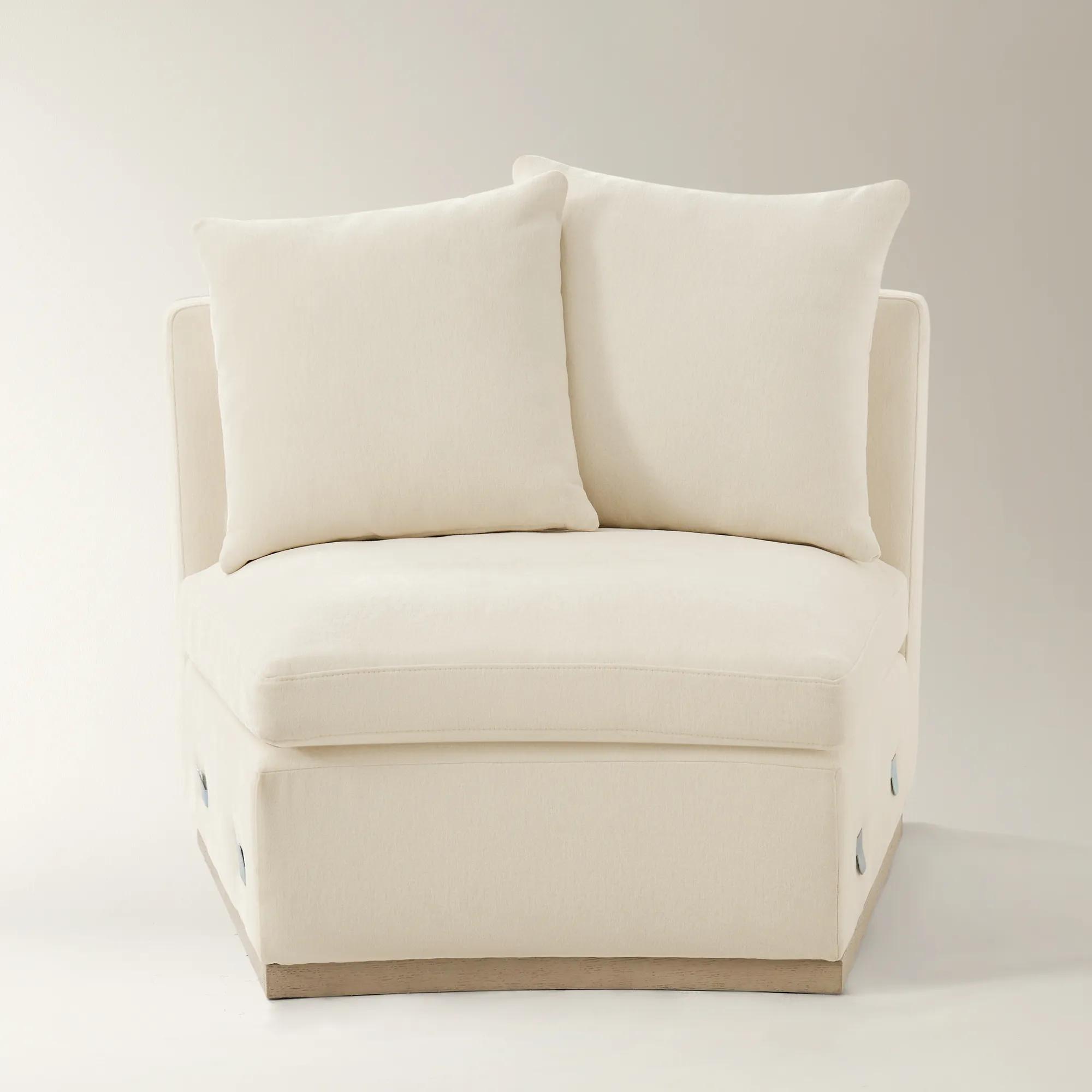
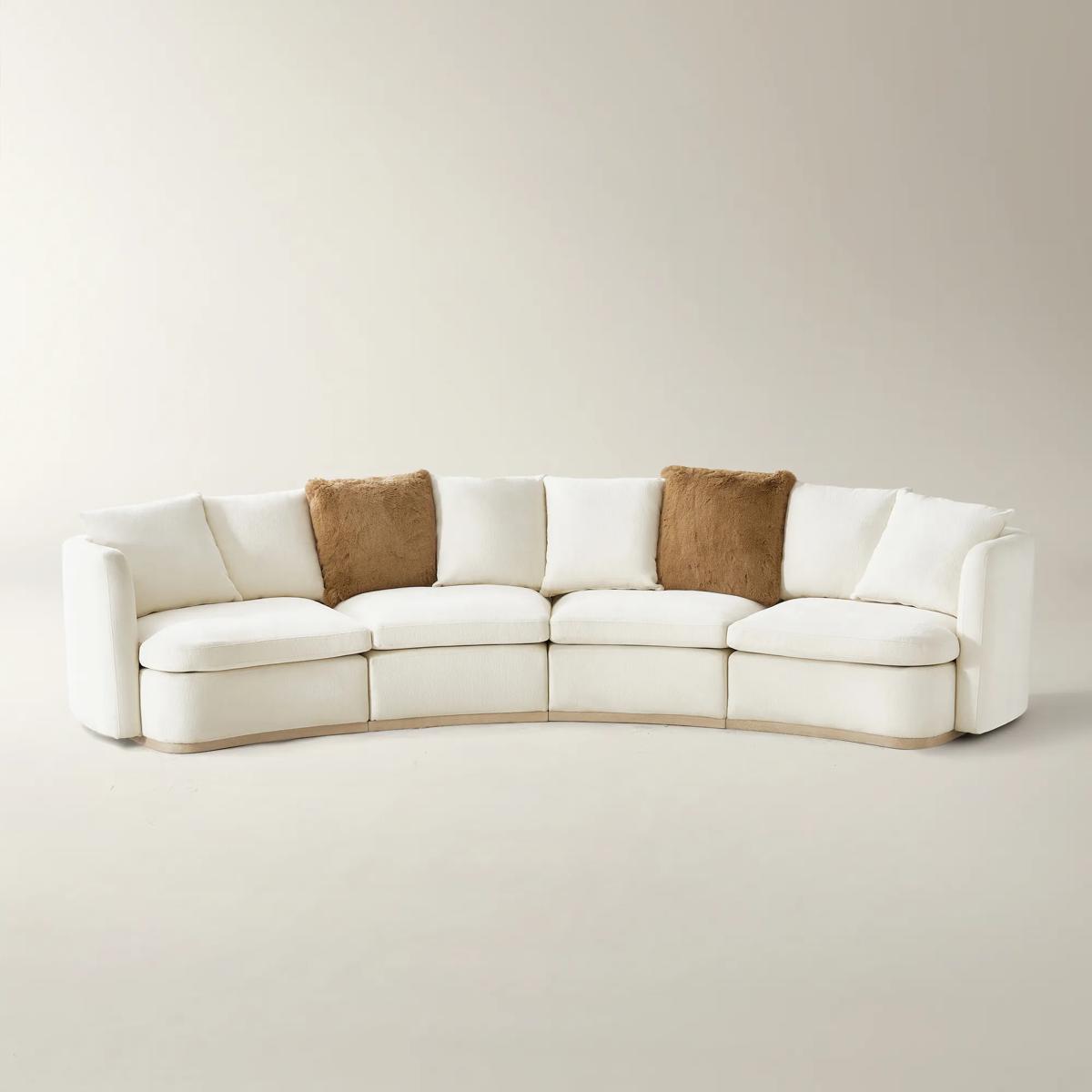 Stria Oatmeal Velvet Armless Chair$1099
A sculptural oatmeal velvet armless chair featuring layered cushioning, curved edges, and a kiln-dried wood frame.
Add To Cart -
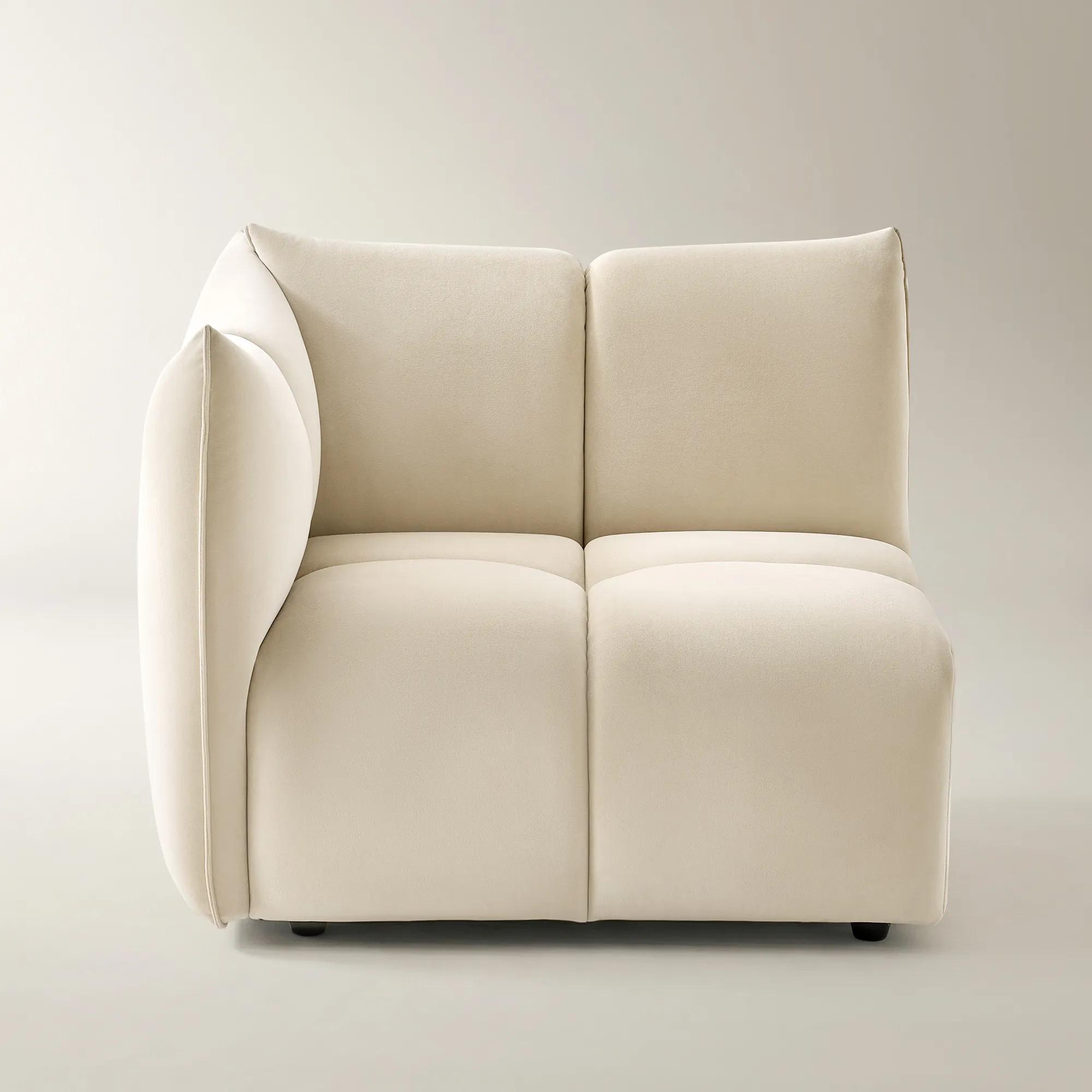 Reina Tufted Oatmeal Velvet Left-Arm Chair$899
A left-arm chair in oatmeal velvet featuring channel tufting, deep seating, and an architectural winged profile.
Add To Cart -
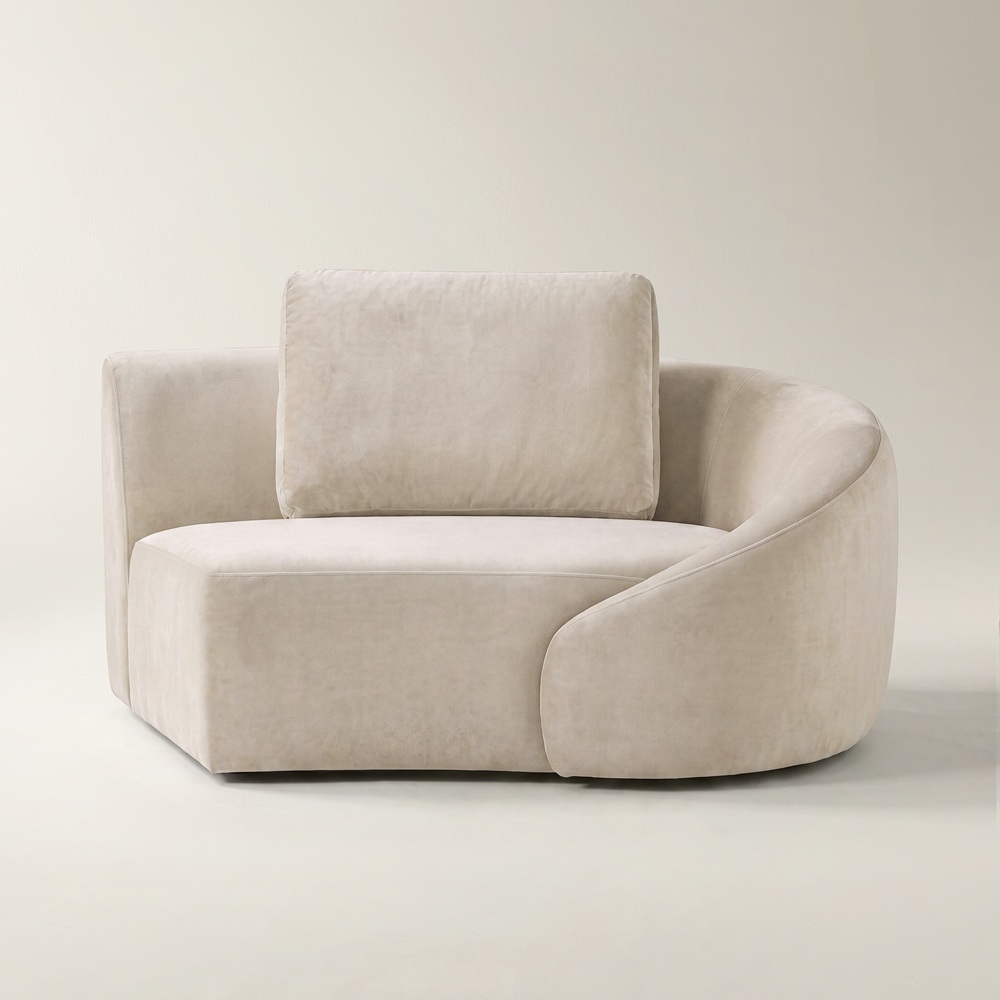
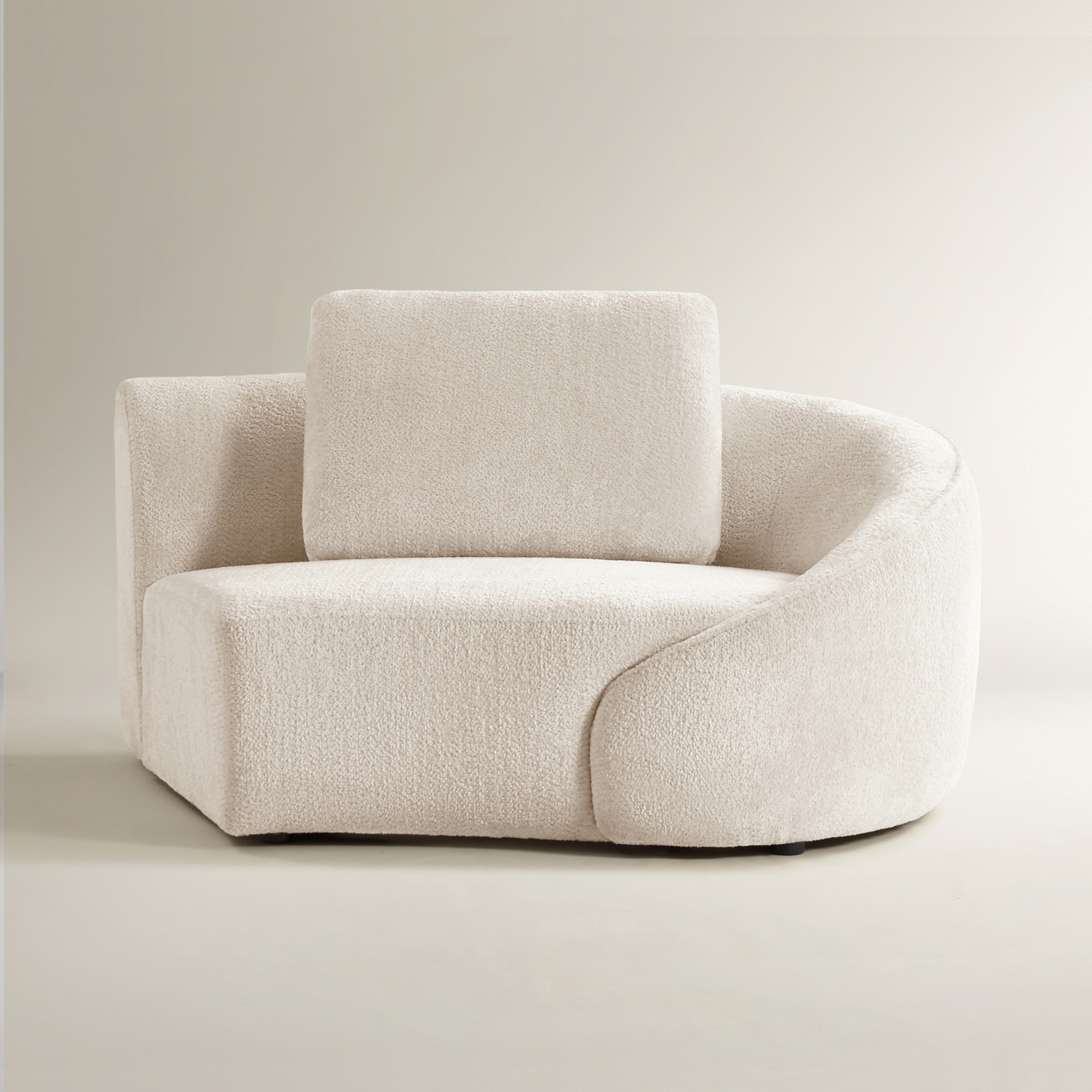 Irene Oatmeal Velvet Right-Arm Chair$1399
An oatmeal velvet right-arm chair featuring sculptural curves, high-resiliency foam, and artisan hand-finished upholstery.
Add To Cart -
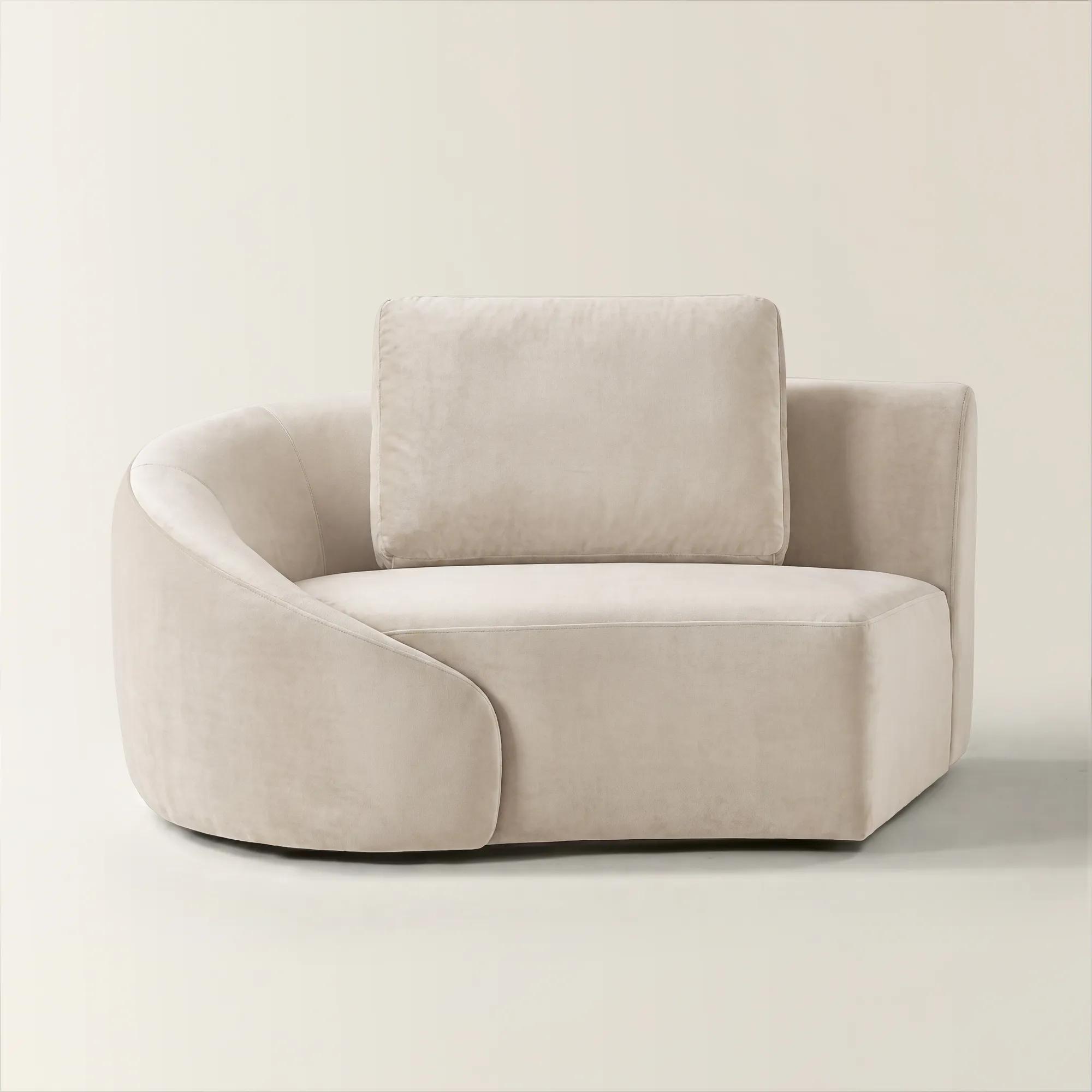
 Irene Oatmeal Velvet Left-Arm Chair$1399
An oatmeal velvet left-arm chair featuring sculptural curves, high-resiliency foam, and artisan hand-finished upholstery.
Add To Cart -
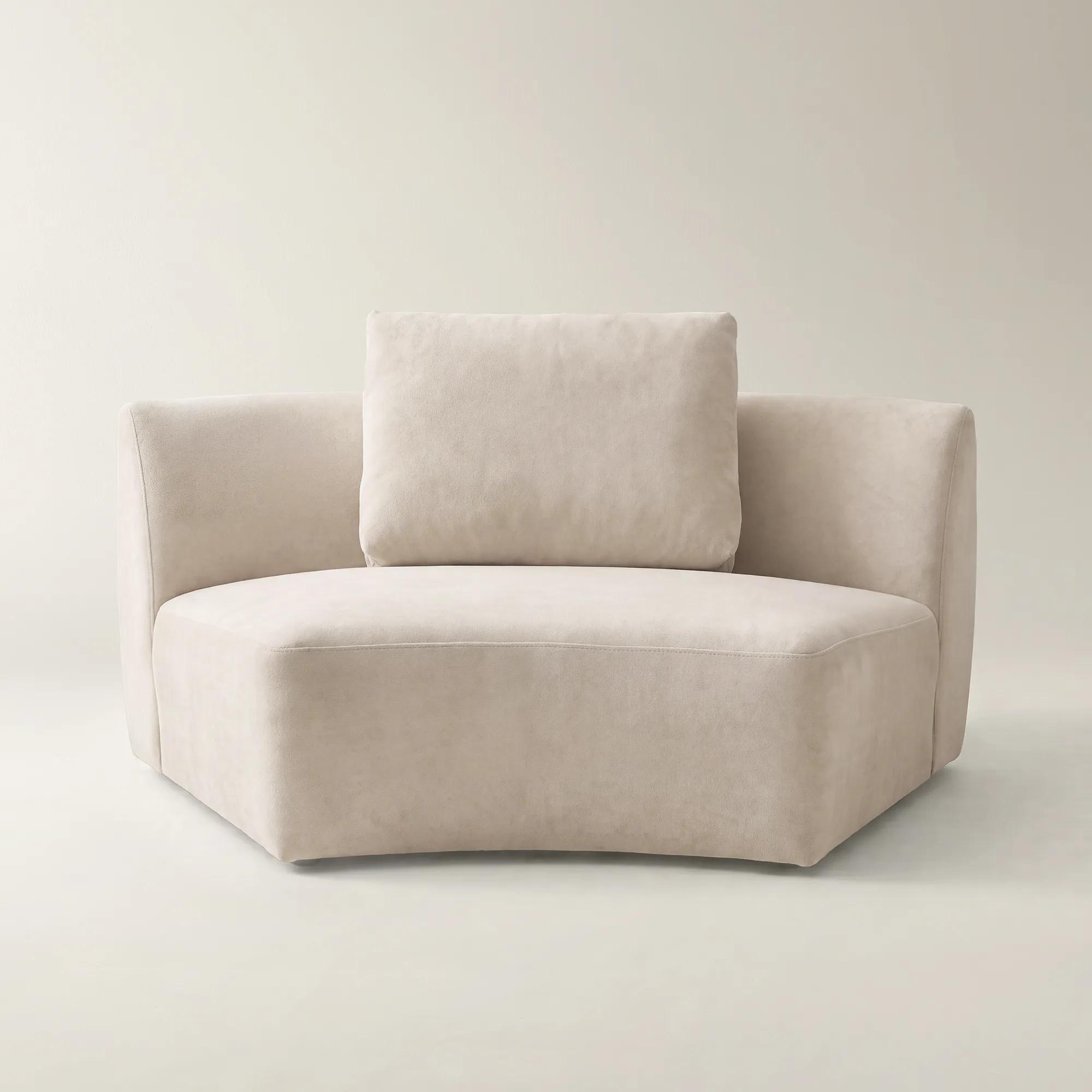
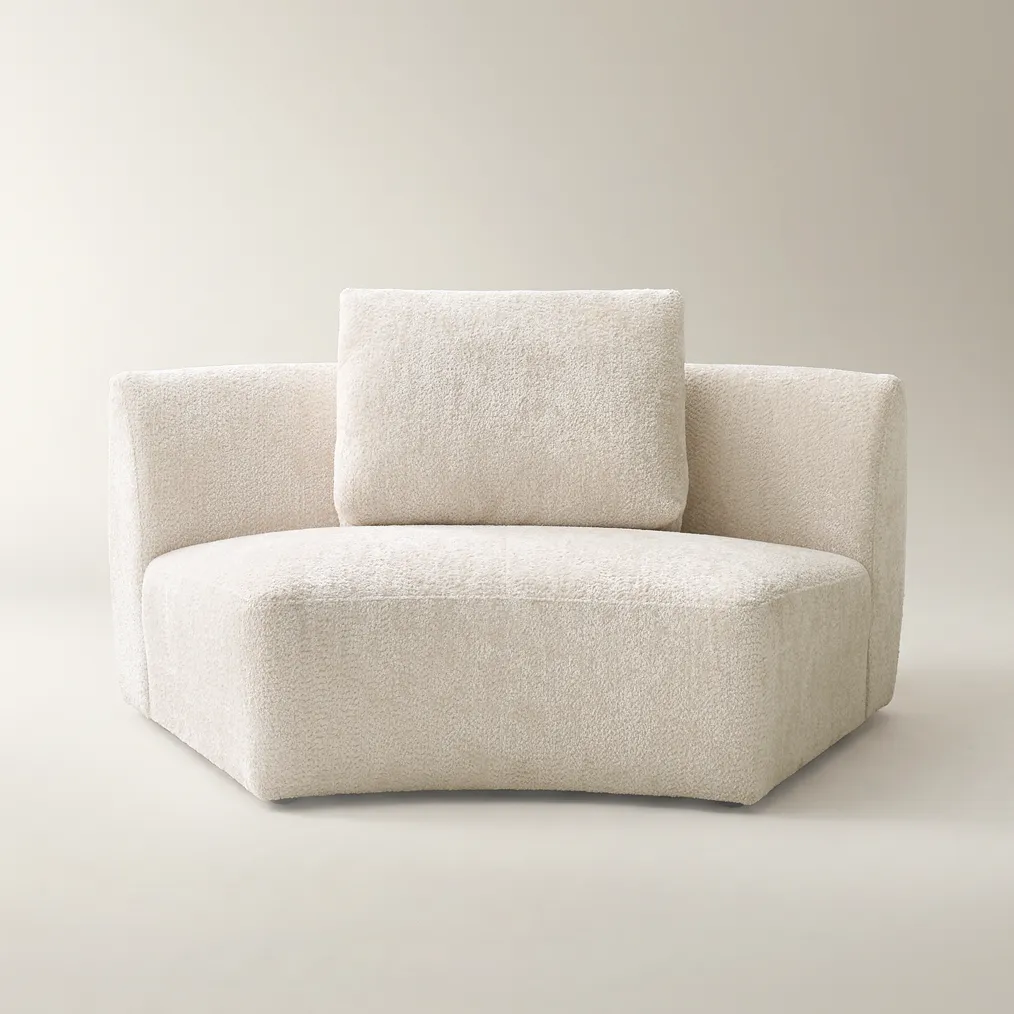 Irene Oatmeal Velvet Armless Chair$1199
An armless chair featuring oatmeal velvet upholstery, sculptural curves, and plush, high-resiliency foam cushions.
Add To Cart -
 Lyssa Pleated Simply Taupe Velvet Swivel Accent Chair$1099
A taupe velvet accent chair with pleated panels, 360-degree swivel, and a soft gold metal base.
Add To Cart -
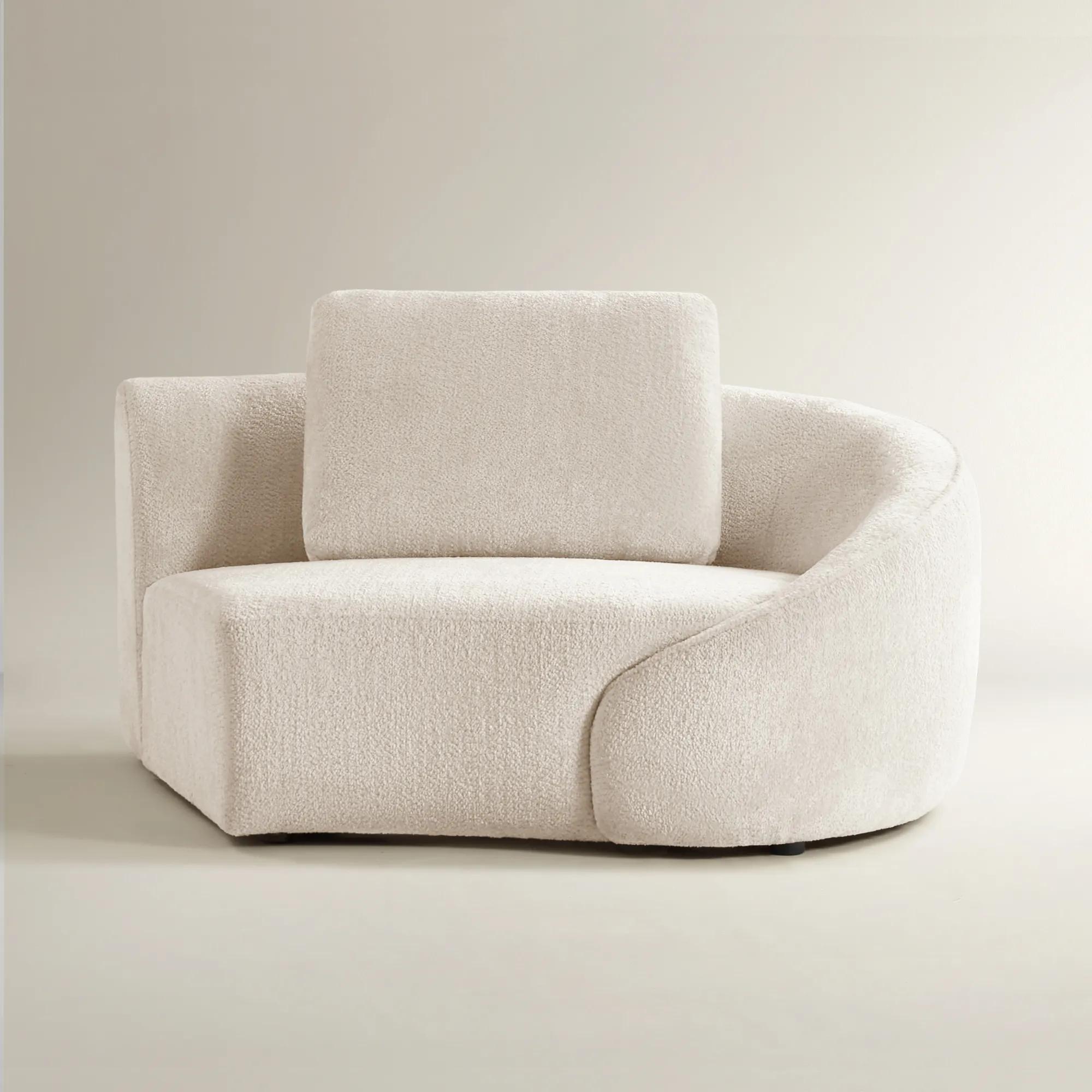 Irene Utopia Sand Chenille Right-Arm Chair$1399
A modern curved sectional upholstered in plush Utopia Sand chenille with high-density foam cushioning for comfort.
Add To Cart -
 Jocelyn Channel-Tufted Oatmeal Velvet Armless Chair$1399
An armless chair upholstered in oatmeal velvet with deep channel tufting and a flowing, curved silhouette.
Add To Cart -
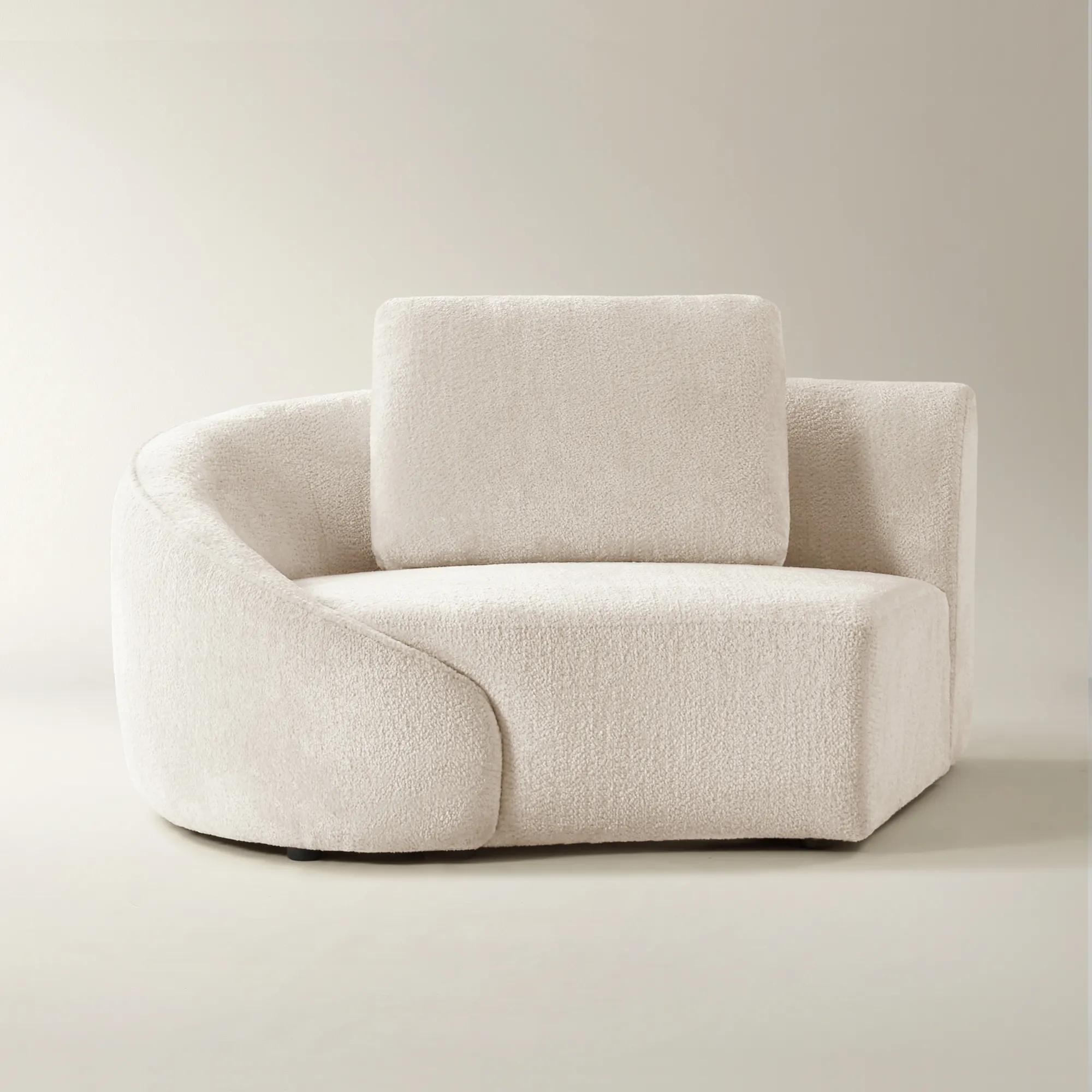 Irene Utopia Sand Chenille Left-Arm Chair$1399
A modern curved sectional upholstered in plush Utopia Sand chenille with high-density foam cushioning for comfort.
Add To Cart -
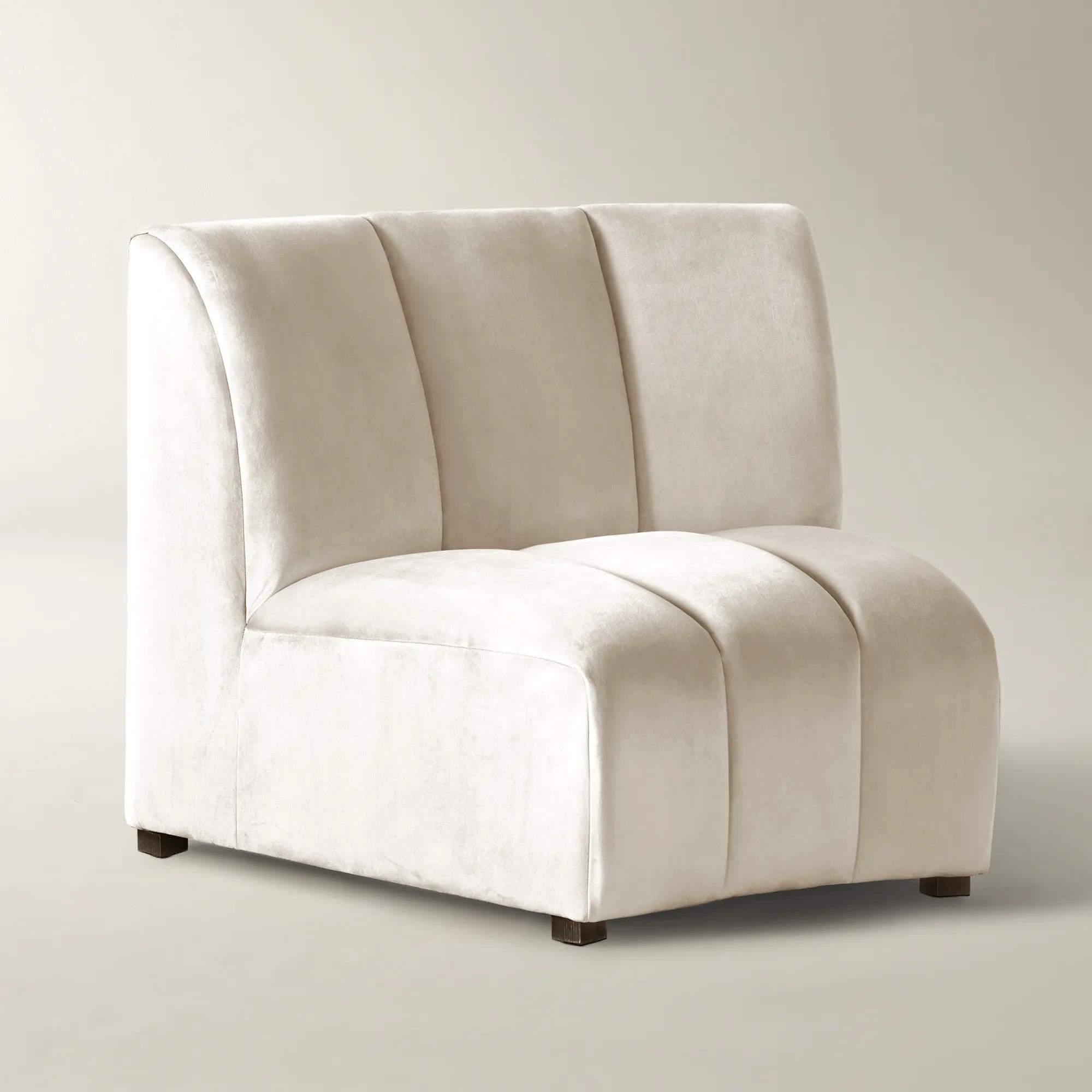 Jayce Channel-Tufted Ivory Velvet Armless Chair$949
A modern armless chair in water-repellent, stain-resistant Velvet Ivory with deep channel tufting and plush padding.
Add To Cart -
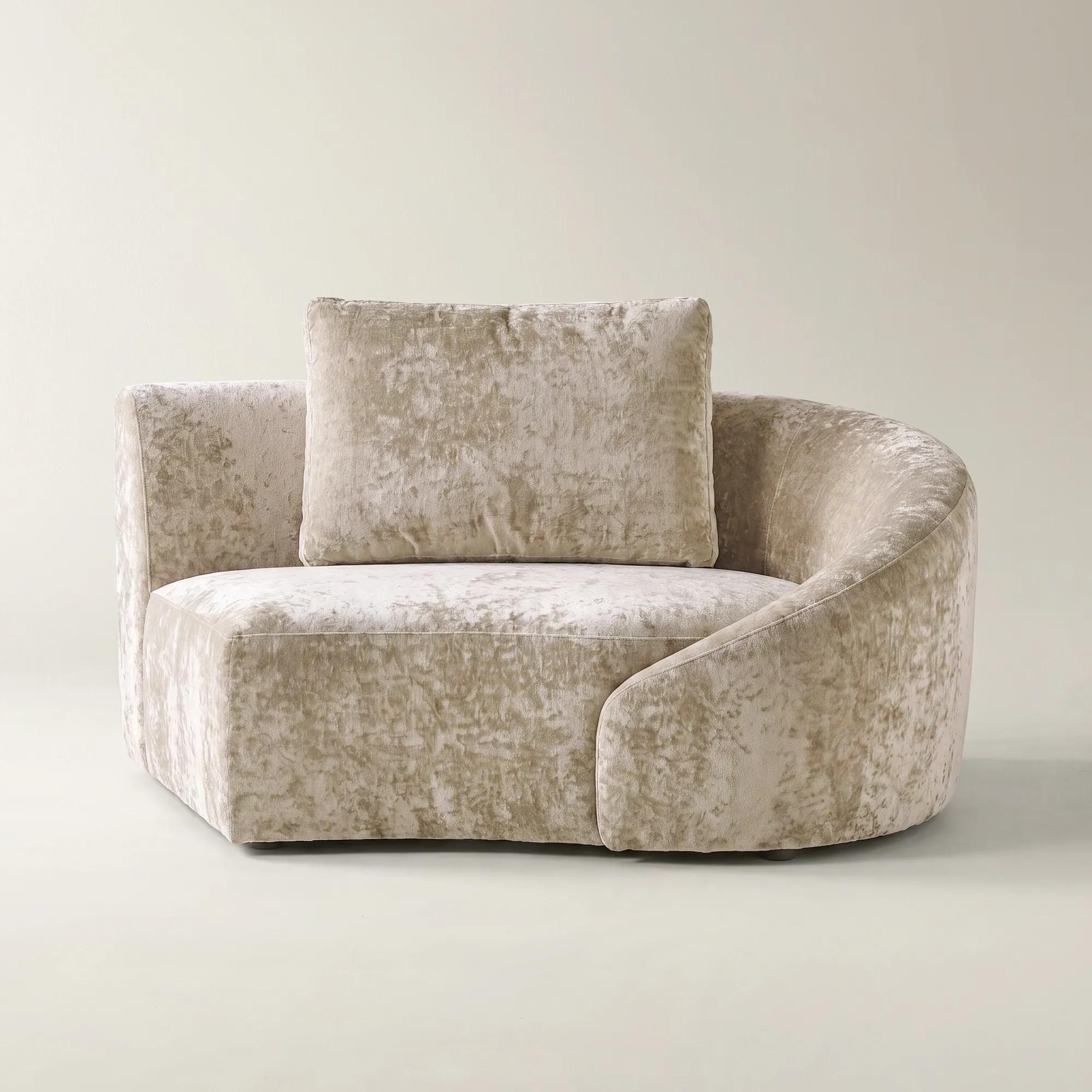 Irene Light Brown Chenille Right-Arm Chair$1399
A sculptural right-arm chair in light brown chenille with high-resiliency foam cushions and artisan detailing.
Add To Cart -
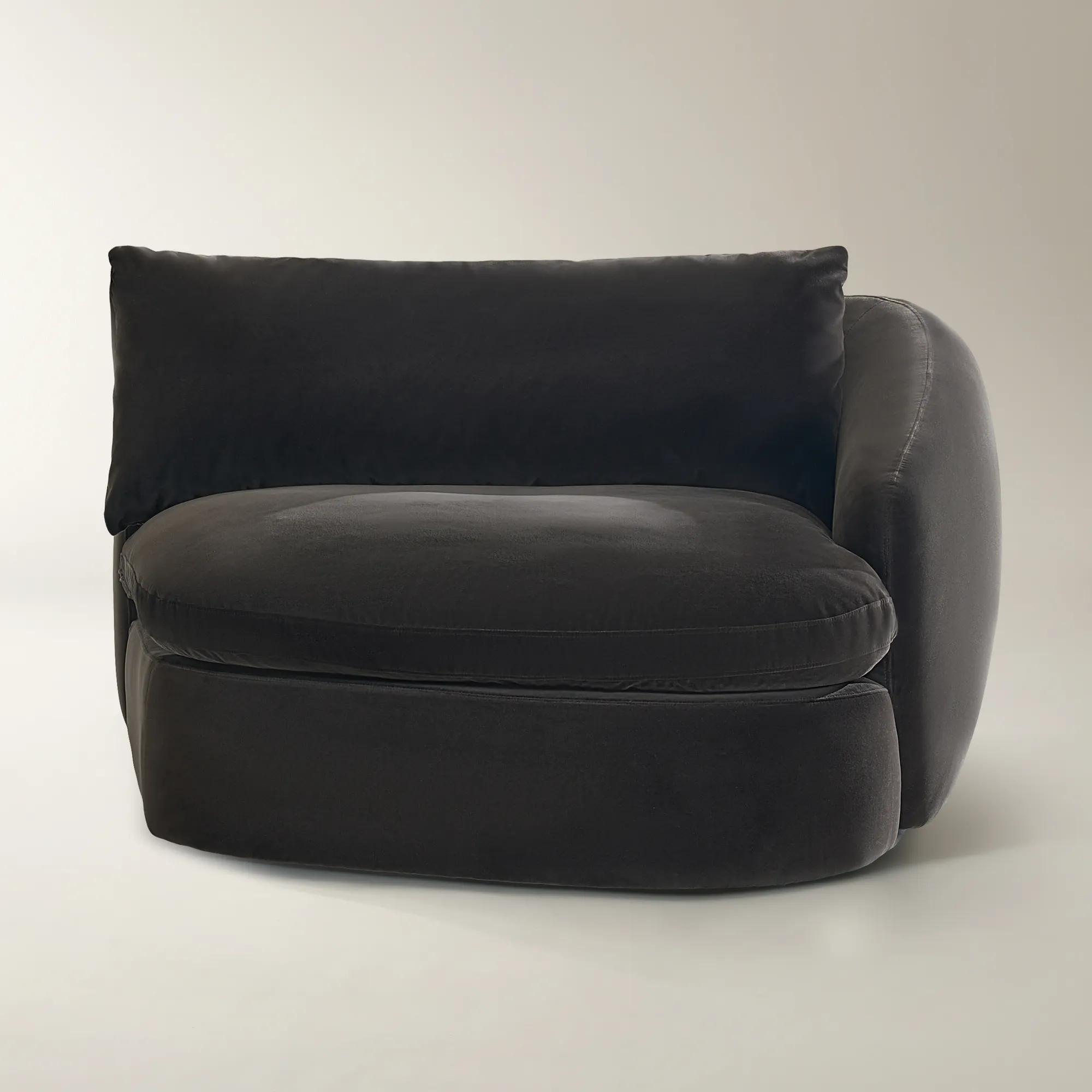 Sabrina Charcoal Velvet Right-Arm Chair$1399
A modular charcoal velvet sectional featuring curved lines, feather-blend cushions, and hand-crafted solid wood construction.
Add To Cart -
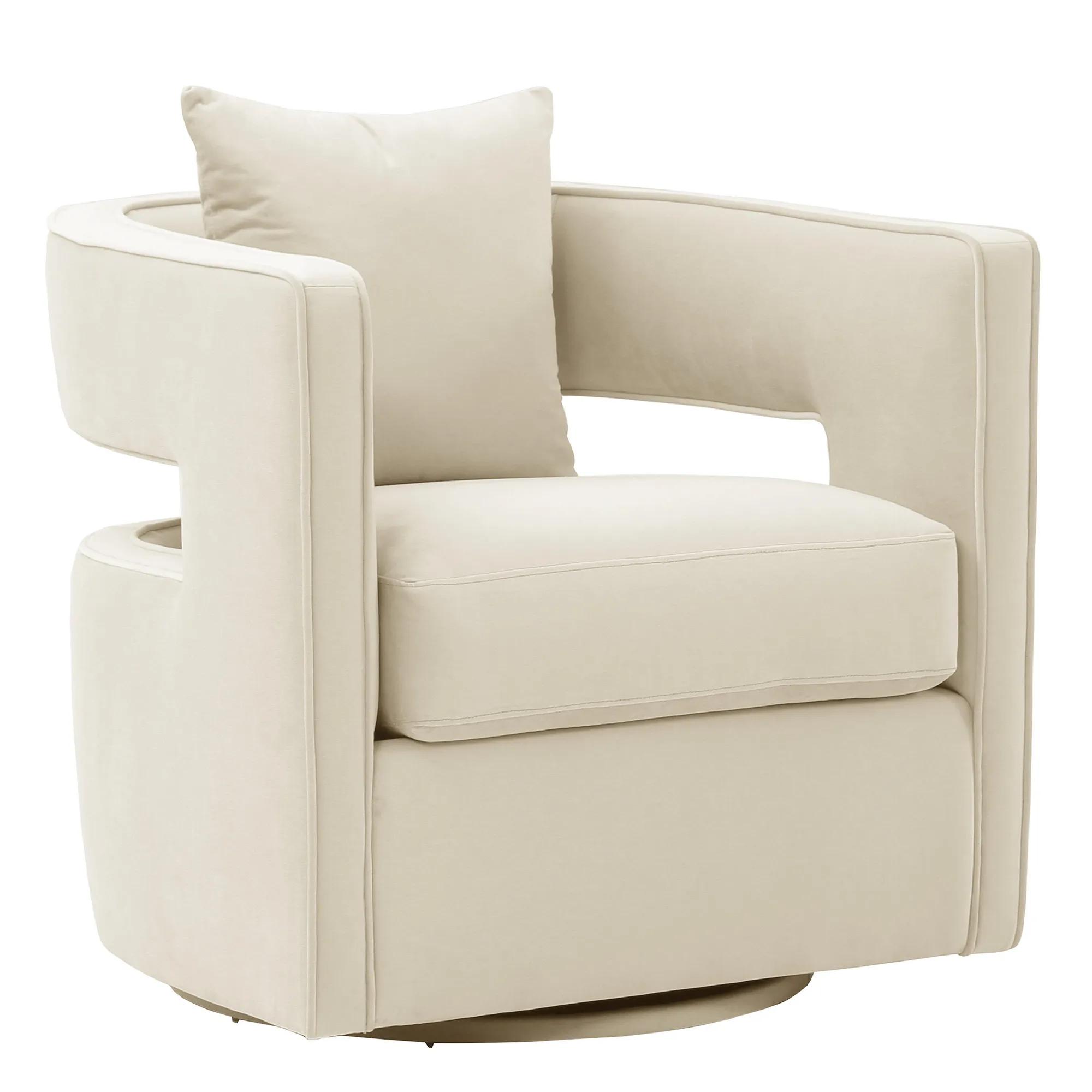
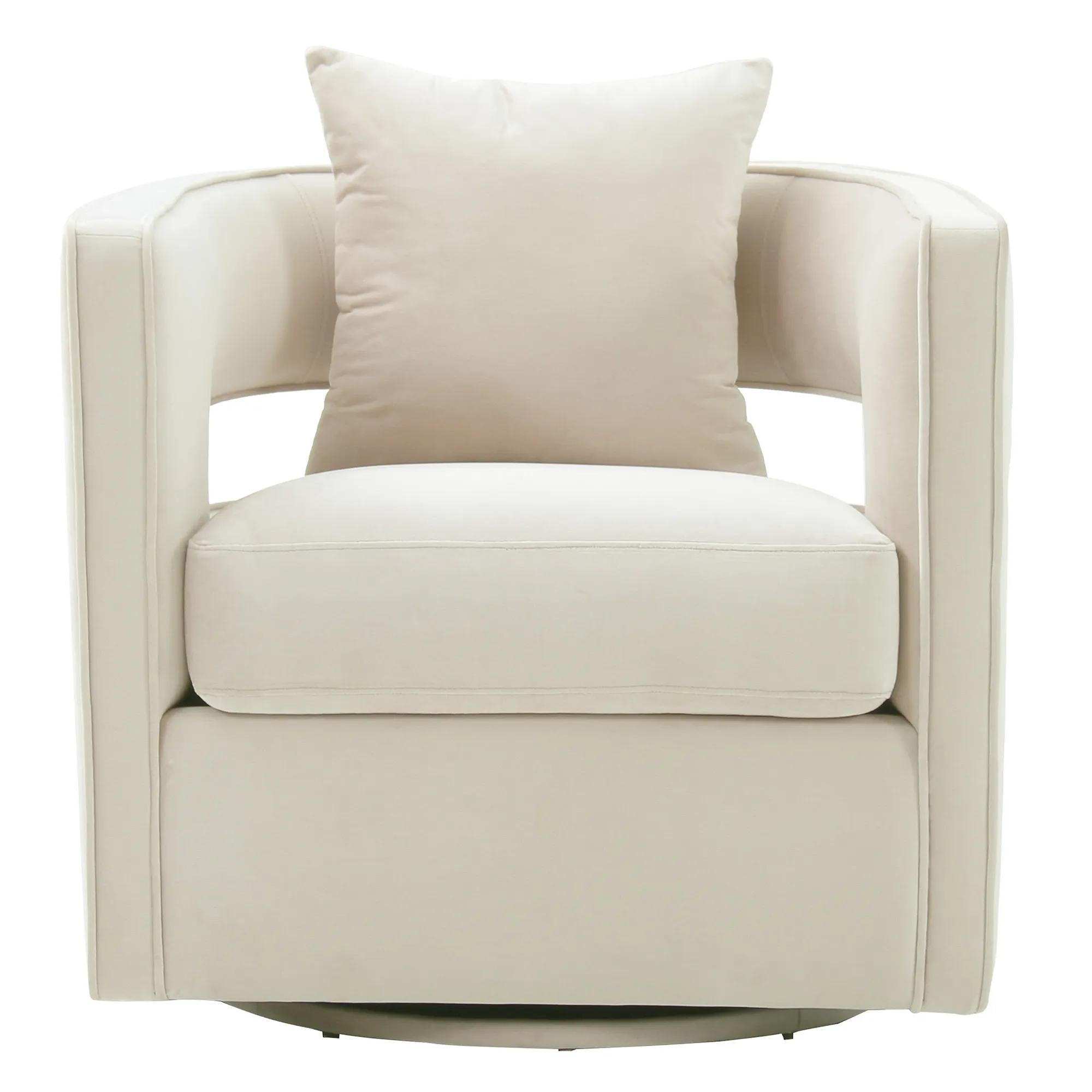 Lottie Cream Velvet Swivel Accent Chair$999
A glamorous cream velvet swivel chair featuring a barrel back, cutout arms, and plush foam cushioning.
Add To Cart -
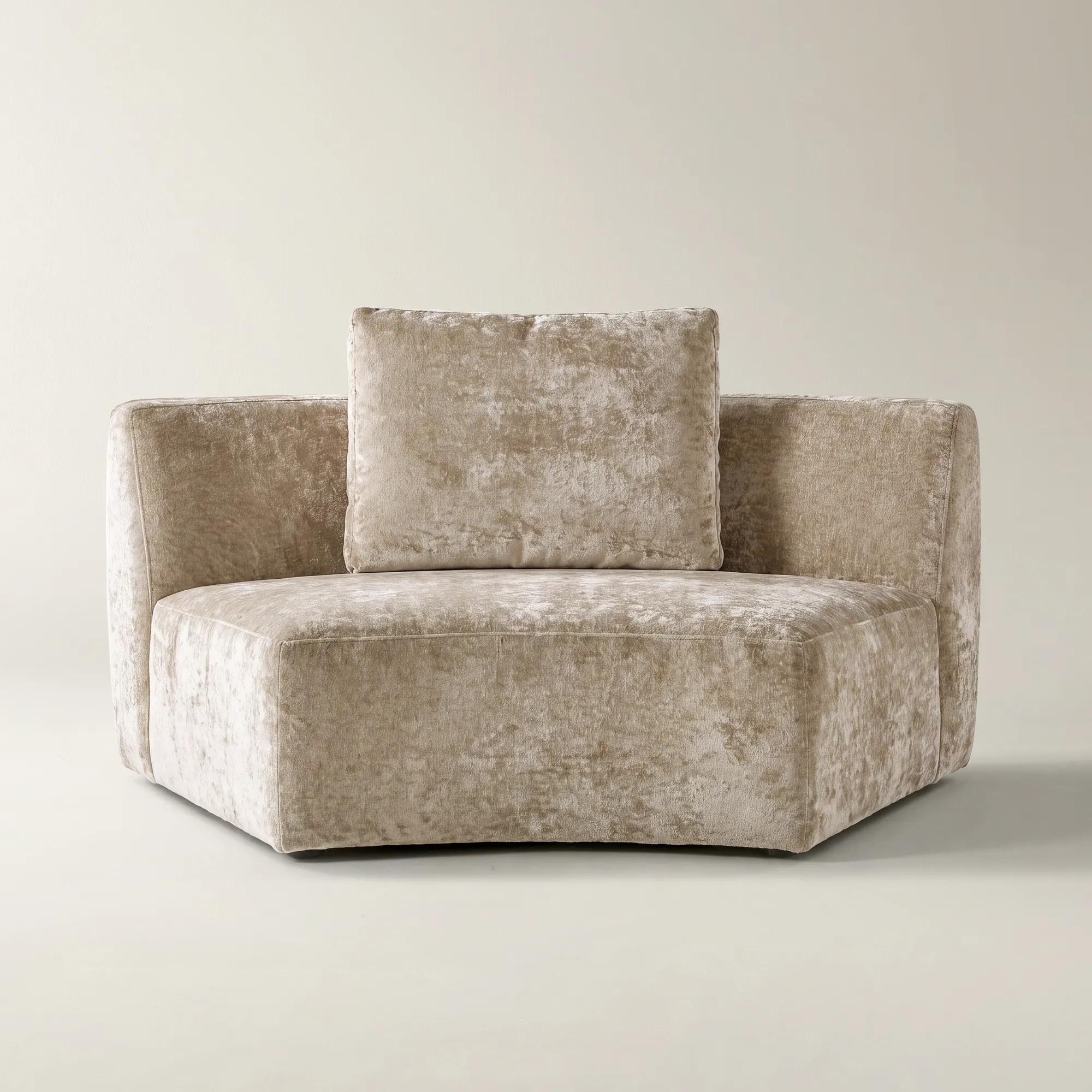 Irene Light Brown Chenille Armless Chair$1199
A sculptural armless chair upholstered in light brown chenille with high-resiliency foam cushions for lasting comfort.
Add To Cart

Neutral Color Living Room Chairs
Neutral color living room chairs invite effortless sophistication into your space, transforming any room into a sanctuary of understated elegance. These refined silhouettes bask in shades of ivory, taupe, and soft greige—each hue a masterstroke in the art of subtlety. Whether you’re curating a serene retreat or anchoring a bold design moment, these versatile chairs offer a canvas for creativity while enveloping your living room in timeless allure. Discover how neutral color living room chairs elevate comfort and style with an air of quiet confidence, letting every detail shine in harmonious balance.
Neutral color living room chairs bring expressive shape, inviting texture, and a composed palette to the space where daily life unfolds. Upholstered in shades such as ivory, cream, beige, taupe, greige, and gray, these chairs can soften a richly layered room or give a quieter interior its defining silhouette. Their appeal lies in that versatility: a neutral accent chair offers a place to settle in while allowing art, architectural details, and treasured objects to retain their presence. Neutral does not mean without drama. A curved back in luminous ivory can read like sculpture beside a dark sofa, while a generously proportioned taupe chair creates depth against pale walls. Barrel chairs lend an enveloping profile, wingback silhouettes introduce height and distinction, and open-arm designs reveal more of the surrounding room. Swivel chairs offer movement between a conversation area and a nearby view; stationary chairs establish a more fixed arrangement around a coffee table or fireplace. Color undertones make a meaningful difference in how these shapes feel at home. Cream and oatmeal often complement honey-toned woods, warm metallic finishes, and earthy artwork, while cooler grays can sit elegantly alongside chrome, glass, and crisp architectural lines. Mushroom and greige bridge warmer and cooler elements, particularly in rooms that mix inherited pieces with modern furnishings. A fabric swatch viewed beside the sofa, rug, and flooring helps reveal whether a shade leans yellow, pink, green, or blue. Natural and artificial light can bring out different undertones, so a neutral that appears almost white in one setting may look distinctly beige in another. The result is most compelling when the chair relates to the room without disappearing into it. A slight contrast in tone, a tactile upholstery, or a beautifully outlined arm gives neutral living room seating the presence to stand on its own.
Material gives a neutral chair much of its character, influencing both its visual richness and its suitability for everyday use. Velvet catches light across its pile, creating subtle variations that make cream, stone, and gray feel dimensional rather than flat. Bouclé introduces a looped, sculptural surface, while chenille offers a plush appearance and woven linen blends bring a more visibly textured finish. Leather presents another expression of neutral seating, from pale shades to warm camel and deeper brown, with a smoother surface and care needs that differ from fabric upholstery. For an emphasis on upholstered texture, Neutral Color Fabric Chairs offer a related direction within this versatile palette. Fiber content, weave, backing, and finish all affect how upholstery wears; a material name alone does not establish durability. In a living room shared with children, pets, or frequent guests, documented abrasion resistance, cleaning instructions, and any stated stain-resistance features deserve close attention. Performance fabrics vary, and stain resistance should not be mistaken for immunity to spills or permanent marks. Tightly woven upholstery may be preferable where claws could catch on more open or looped textures. Frame construction, joinery, suspension, and cushion composition also shape long-term performance. Foam can provide a more defined seat, while fiber or feather blends may create a softer sit that requires regular reshaping; the actual feel depends on the complete cushion construction. Exposed wood or metal bases contribute another layer of expression, whether the effect is warm and grounded or sleek and gleaming. Care should follow the manufacturer's instructions, including the upholstery cleaning code where provided. Gentle vacuuming with an appropriate attachment helps remove surface dust, and prompt blotting with a clean, dry cloth can help limit the spread of a fresh spill. Cleaning solutions require care, since an unsuitable treatment can leave watermarks or alter the finish. Direct sunlight may fade some materials over time, while rotating loose cushions, when their construction allows, can encourage more even wear. These practical details preserve the chair's visual impact as well as its comfort.
Scale determines whether a neutral living room chair feels like a considered addition or an obstacle in the room. Overall width and depth matter, but the proportions inside those measurements are equally important: broad arms can reduce usable sitting space, and a deep seat may suit someone who likes to curl up more than someone who prefers upright support. A lower lounge profile can feel relaxed and expansive, while a taller seat and supportive arms may make sitting down and standing up easier for some users. Comfort remains personal, so seat height, cushion firmness, back angle, and lumbar support are worth evaluating together rather than in isolation. In a compact apartment, an exposed-leg chair can preserve visible floor space and create a lighter impression without relying on a pale color alone. In a larger living room, a substantial chair or a balanced pair can hold its own beside a generous sofa. Measuring the intended footprint, along with doorways and delivery paths, helps establish fit before the room is rearranged. Swivel bases need clearance to turn, and reclining designs require room for their full range of motion. Placement should leave comfortable routes through the seating area and keep a side table within easy reach without crowding the chair. A single neutral accent chair beside a floor lamp creates a defined place for reading; two chairs angled toward a sofa encourage conversation without making every seat face a screen. For hosts, that flexibility brings additional seating into the room with elegance rather than a temporary feel. Styling can remain expressive without obscuring the upholstery or silhouette. A charcoal pillow sharpens the outline of an ivory chair, a softly patterned rug connects beige seating with darker furniture, and a sculptural side table gives a simple profile an artful counterpart. Matching every neutral precisely is rarely necessary; repeating an undertone or texture can create cohesion while preserving depth. With the right balance of proportion, material, and placement, neutral living room chairs become enduring foundations for a room with unmistakable personality.
FAQs
Neutral color living room chairs are remarkably versatile and can complement a wide range of design aesthetics. They effortlessly enhance modern, traditional, transitional, and even eclectic spaces. Their understated hues allow them to blend seamlessly into minimalist environments or act as a sophisticated backdrop for bold, expressive accents in more maximalist interiors.
To elevate neutral-tone accent chairs, layer them with textured throws, sculptural pillows, or metallic side tables. Play with contrast by pairing soft, creamy tones with darker woods or gleaming finishes. Adding statement lighting or a dramatic area rug nearby can further highlight the chair and create a striking focal point in your space.
Absolutely. Neutral color living room chairs make thoughtful and timeless gifts for weddings, housewarmings, or milestone celebrations. Their adaptable palette ensures they suit a variety of tastes and interiors, allowing the recipient to incorporate them into their home with ease and style.
Popular materials for these chairs include sumptuous velvets, crisp linens, textured bouclés, and smooth faux or genuine leathers. Each material offers a distinct tactile experience and can dramatically influence the mood of a room, from inviting warmth to sleek sophistication.
Neutral chairs serve as a timeless foundation, making it easy to refresh your living room with each season. In winter, layer with plush throws and deep-toned pillows for warmth; in spring and summer, swap in lighter accents and botanical prints. Their understated color allows you to reinvent your space without replacing your core furnishings.