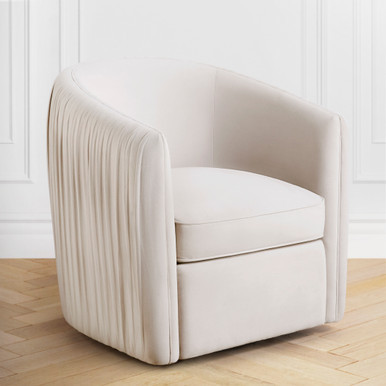
Beige Living Room Accent Chairs
Beige Living Room Accent Chairs
-
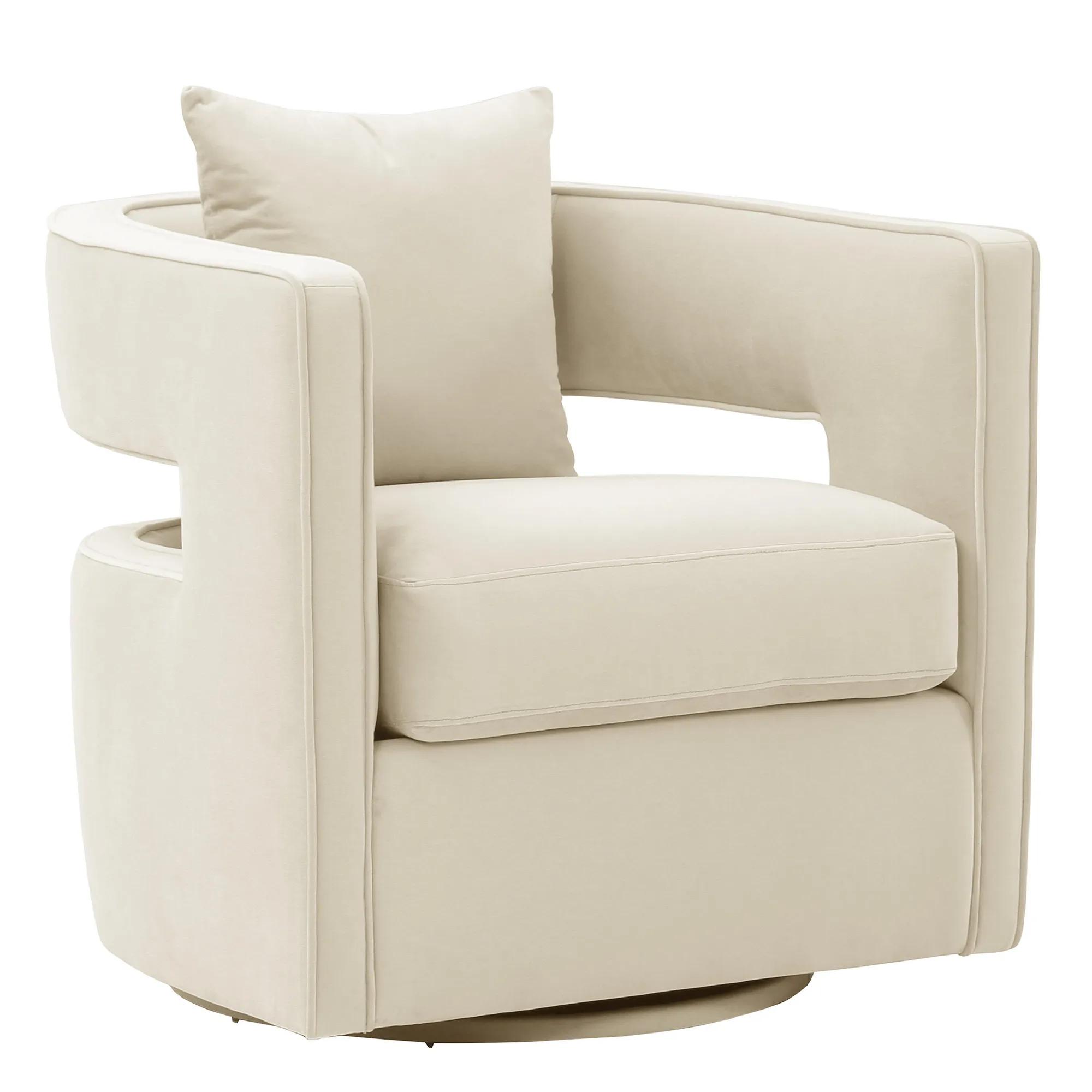
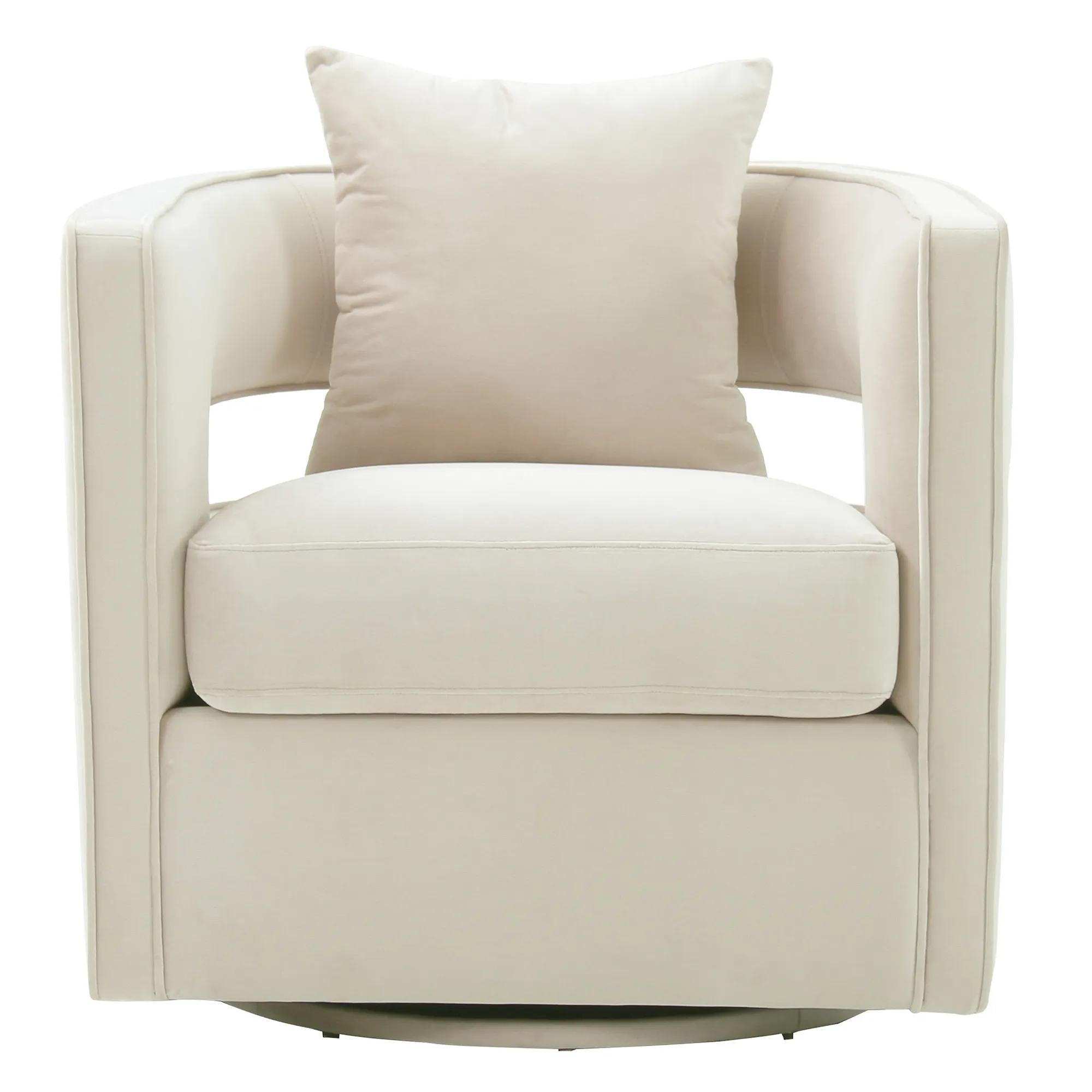 Lottie Cream Velvet Swivel Accent Chair$999
A glamorous cream velvet swivel chair featuring a barrel back, cutout arms, and plush foam cushioning.
Add To Cart -
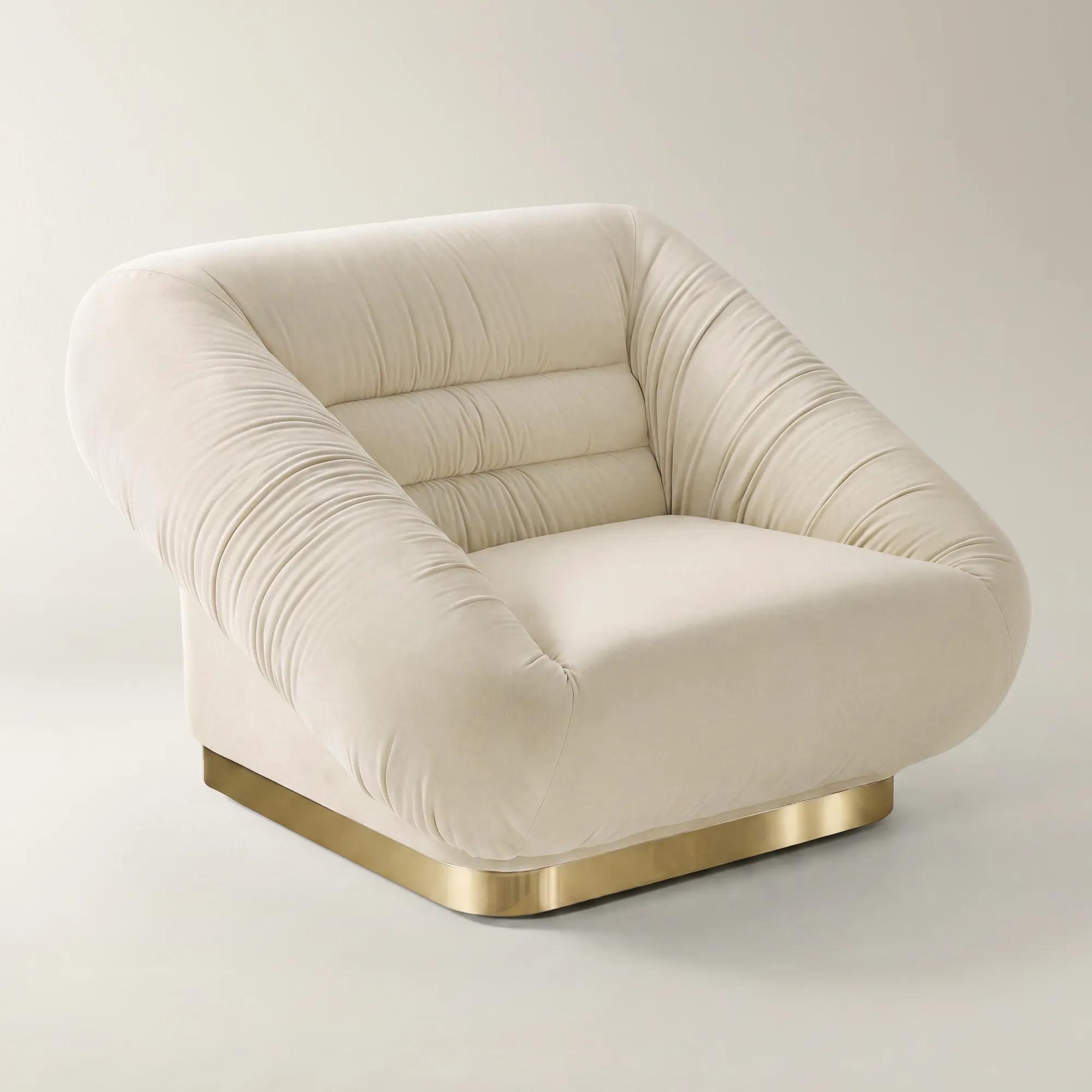
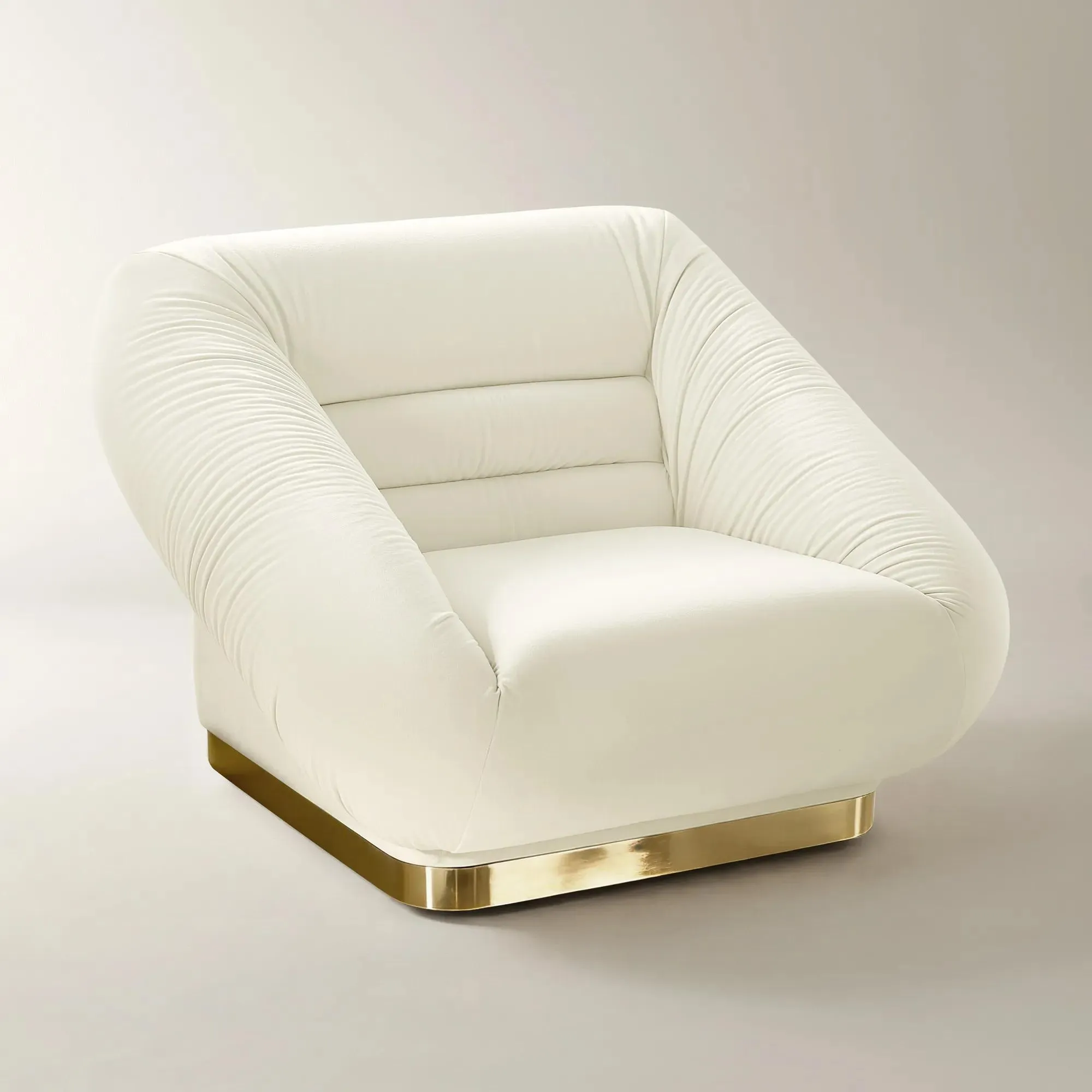 Dover Oatmeal Velvet Swivel Accent Chair$1299
A sculptural oatmeal velvet accent chair with gathered upholstery, a soft gold stainless steel base, and smooth 360-degree swivel functionality.
Add To Cart -
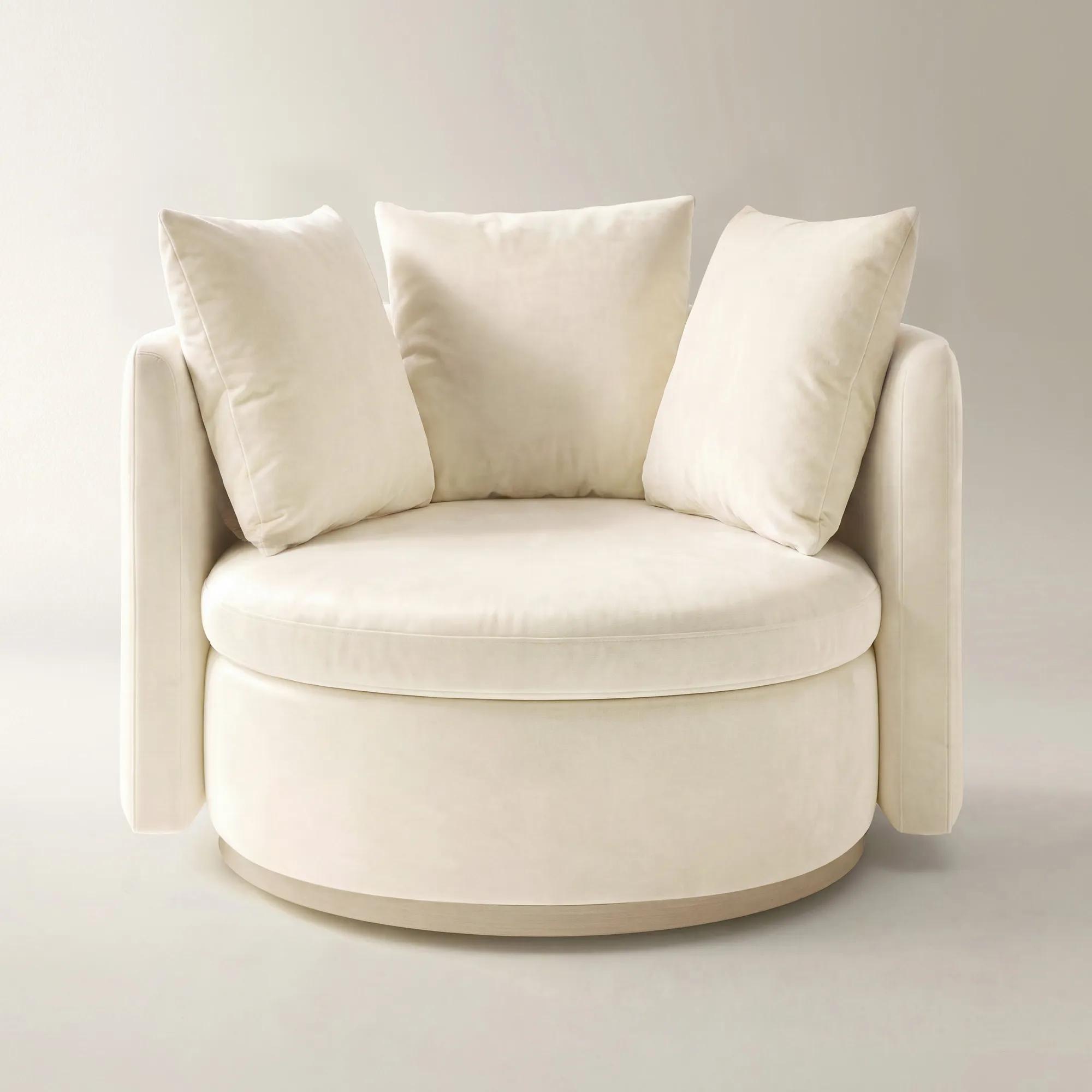 Stria Oatmeal Velvet Swivel Accent Chair$1499
An oatmeal velvet accent chair featuring enveloping curves, layered cushioning, and a concealed 360-degree swivel base.
Add To Cart -
 Teddy Beige Faux Fur Accent Chair$949
A sculptural modern accent chair in beige faux fur with plush foam cushioning for ultimate comfort.
Add To Cart -

 Nia Lacquered Turtle Dove Faux Fur Accent Chair$899
A sculptural accent chair featuring a high-gloss sand-toned fiberglass frame and plush turtle dove faux fur upholstery.
Add To Cart -

 Aria Pleated Swivel Chair$1349
A barrel-style swivel chair in kiln-dried hardwood, shown in Bella Velvet Pearl with pleated tailoring.
Add To Cart -
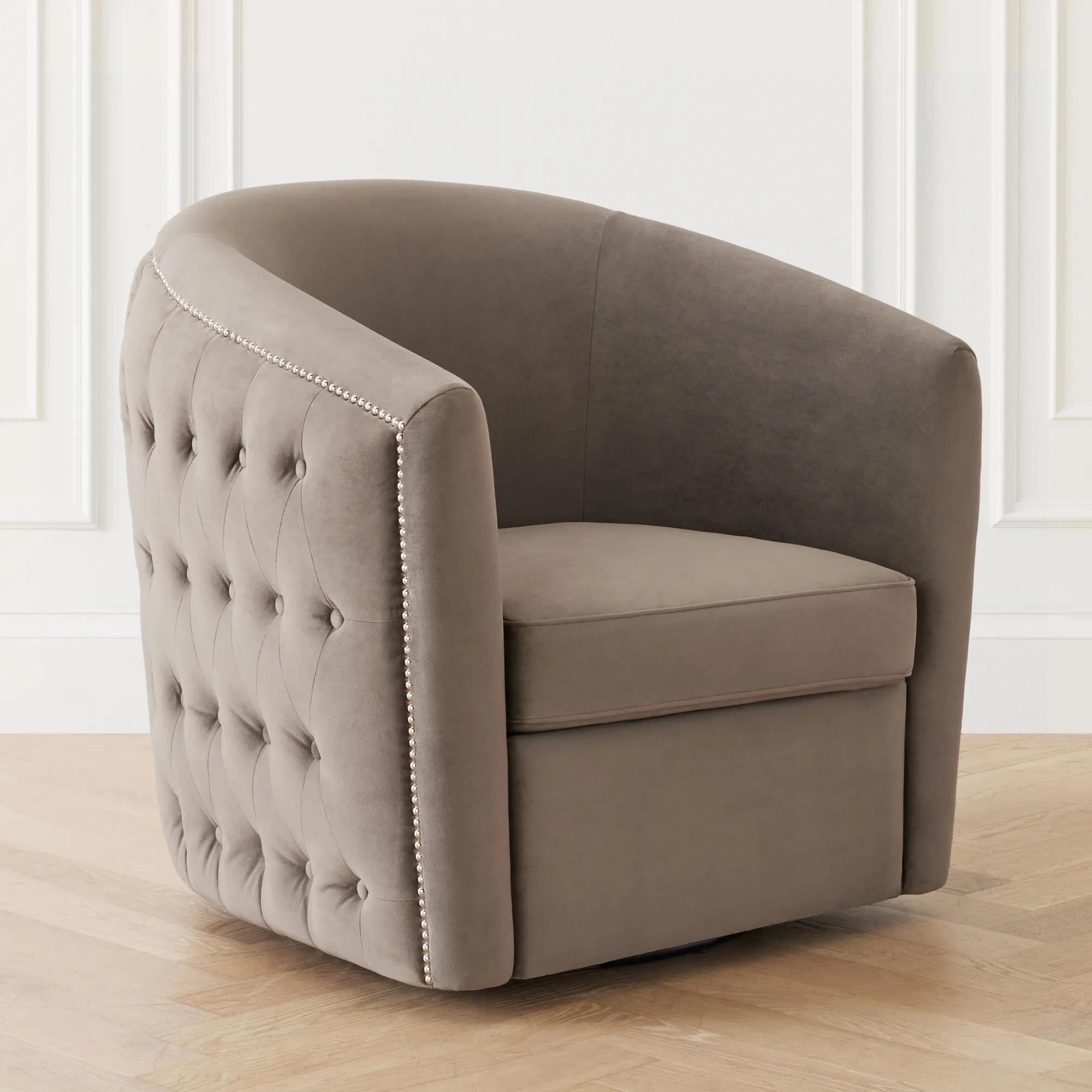
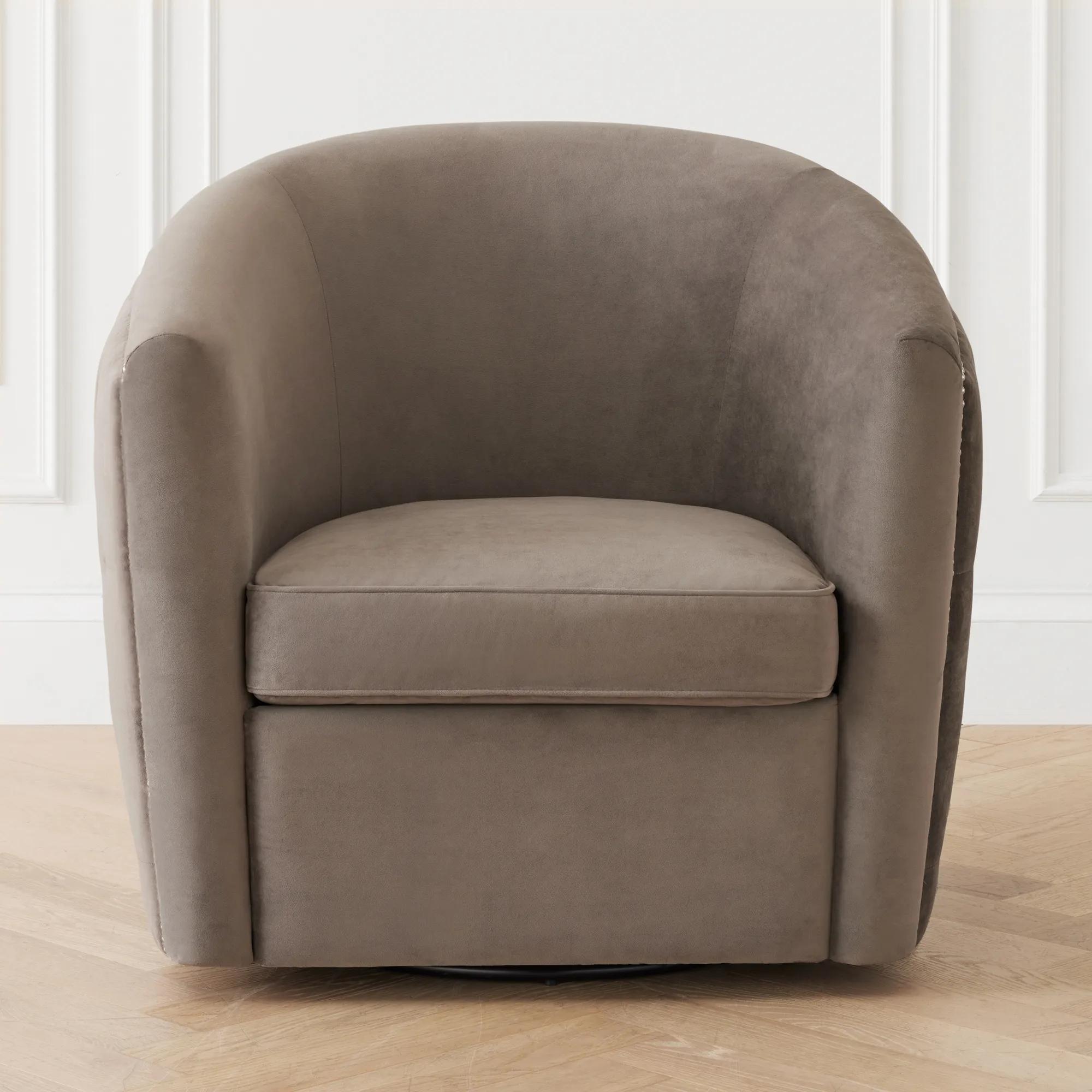 Aria Tufted Swivel Chair$1299
A modern barrel chair in Bella Velvet Otter with tufted detailing, bright nickel nailheads, and smooth swivel action.
Add To Cart -
 Lyssa Pleated Simply Taupe Velvet Swivel Accent Chair$1099
A taupe velvet accent chair with pleated panels, curved styling, swivel motion, and gold metal base.
Add To Cart -
 Reina Tufted Simply Taupe Velvet Swivel Chair$1099
A taupe velvet swivel chair with channel tufting, an architectural winged profile, and plush, sculpted comfort.
Add To Cart -
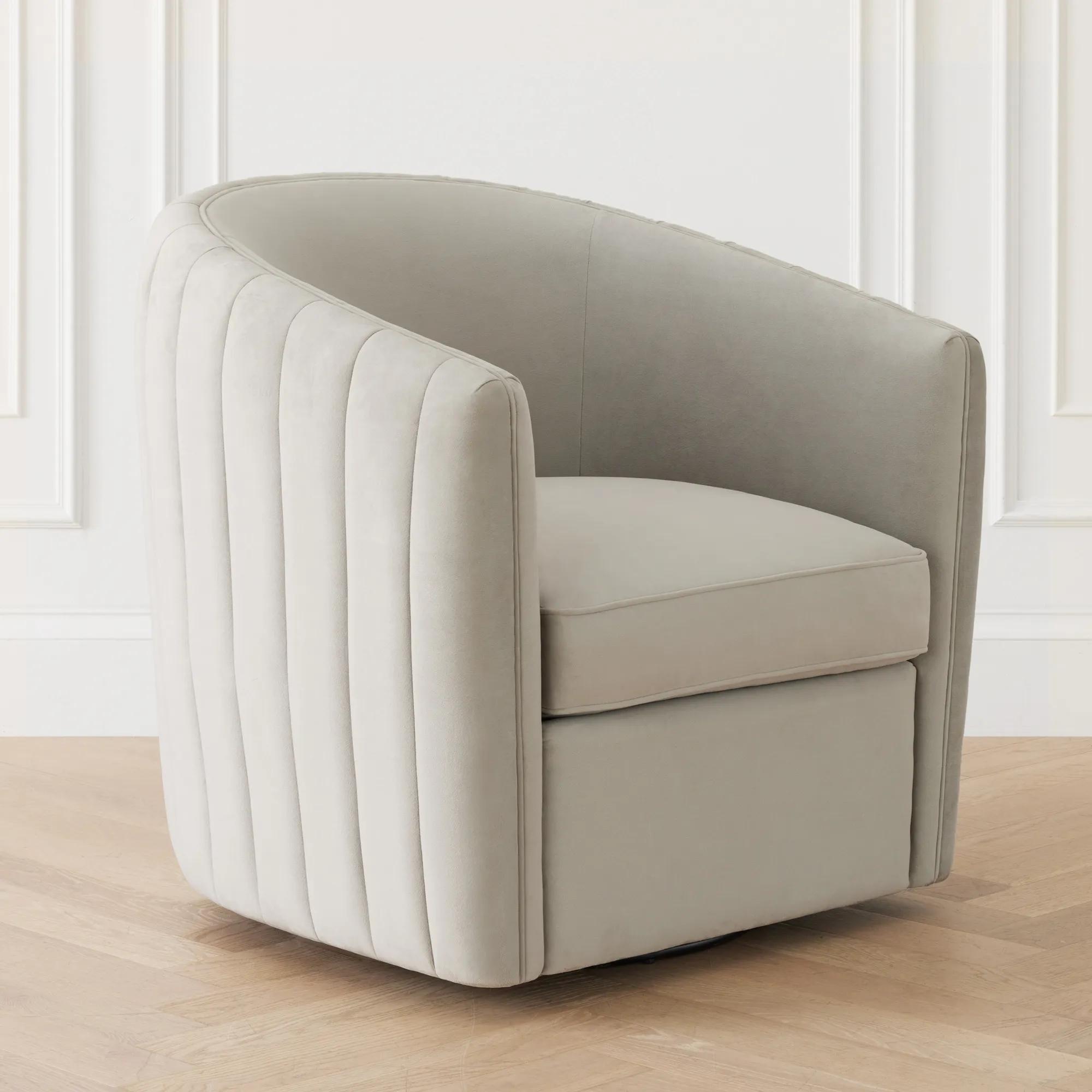
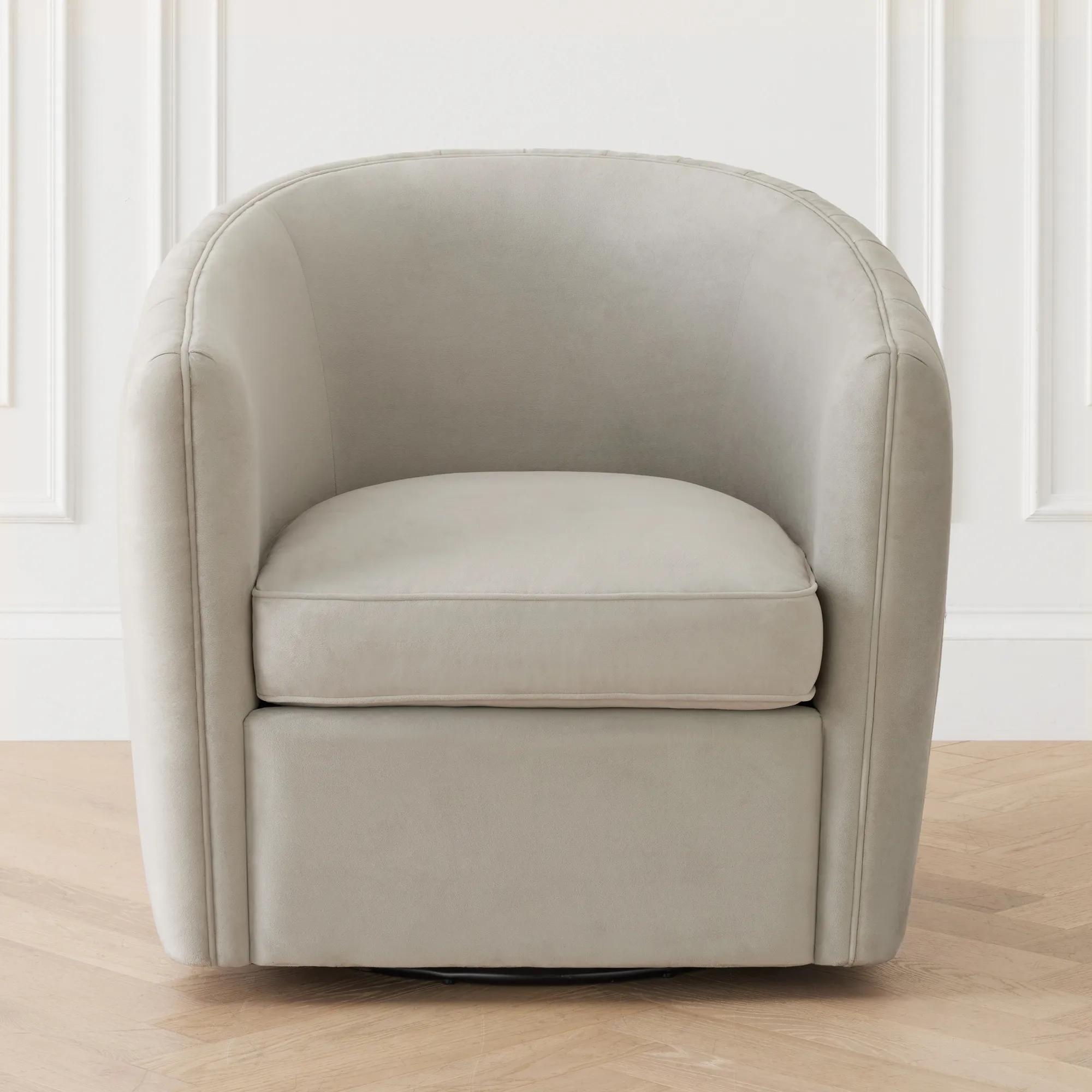 Aria Channeled Swivel Chair$1299
A modern barrel chair in kiln-dried hardwood with channeled velvet upholstery and a smooth swivel base.
Add To Cart -
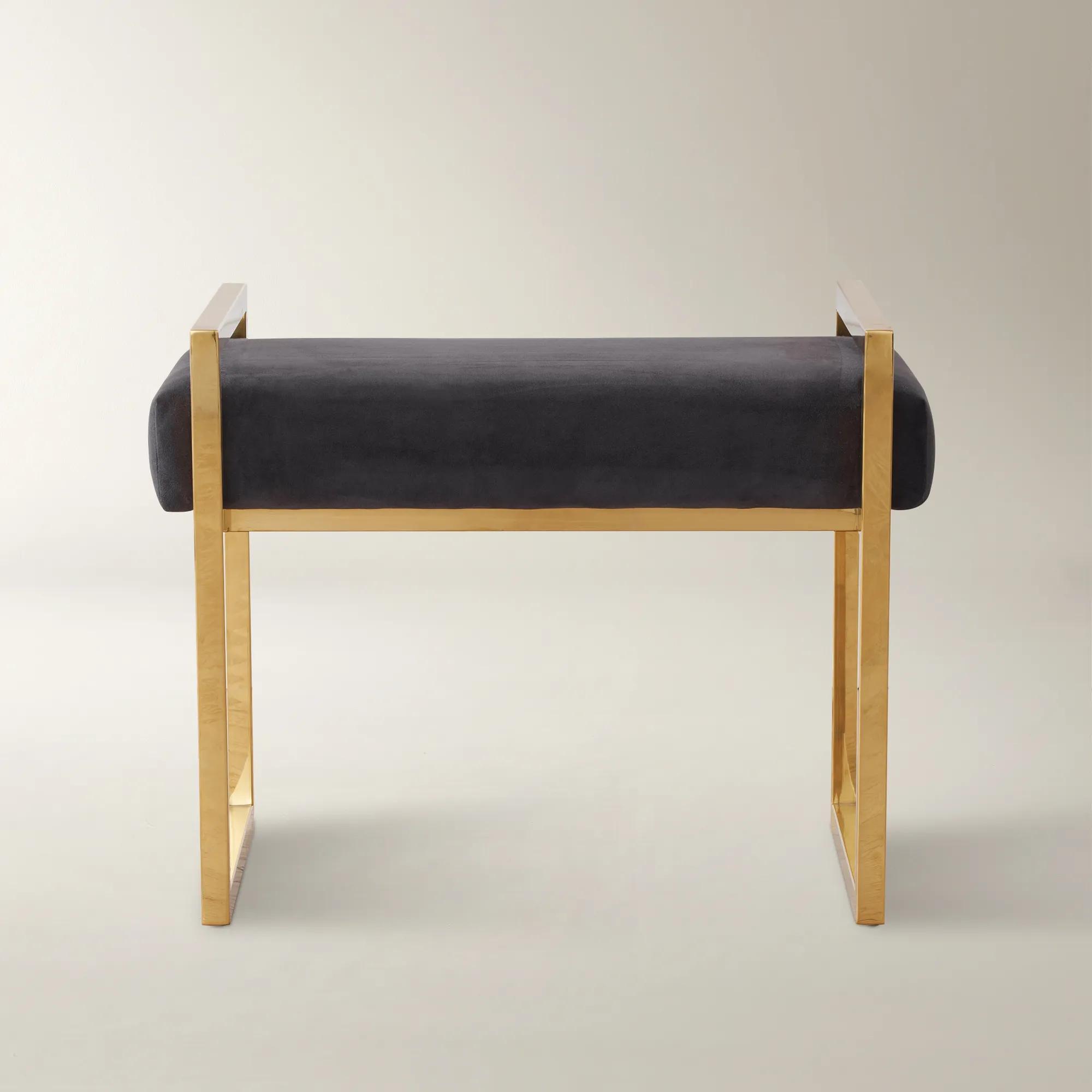
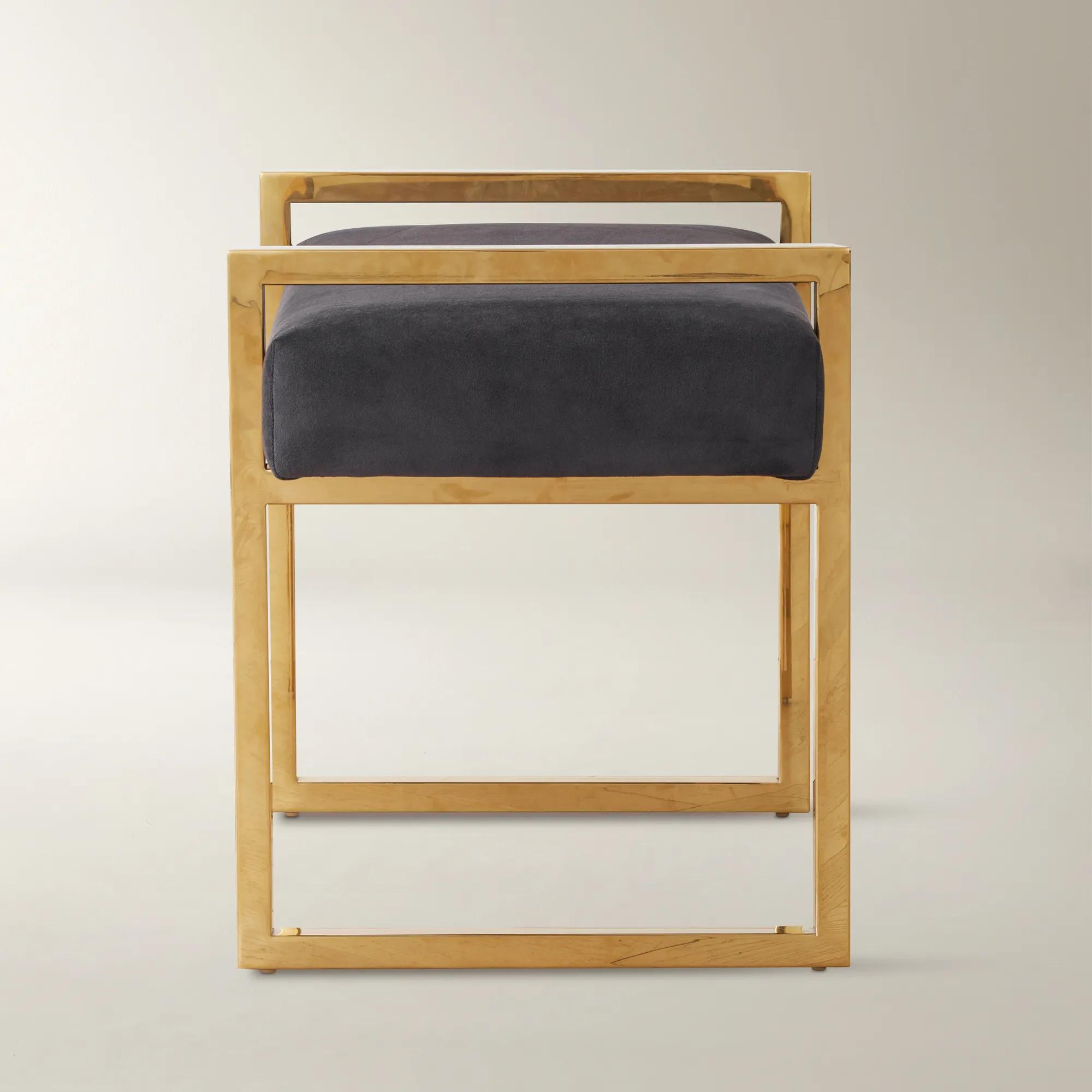 Clara Accent Stool$399
A plush black velvet seat rests on open polished gold metal legs for a chic, modern accent.
Add To Cart -
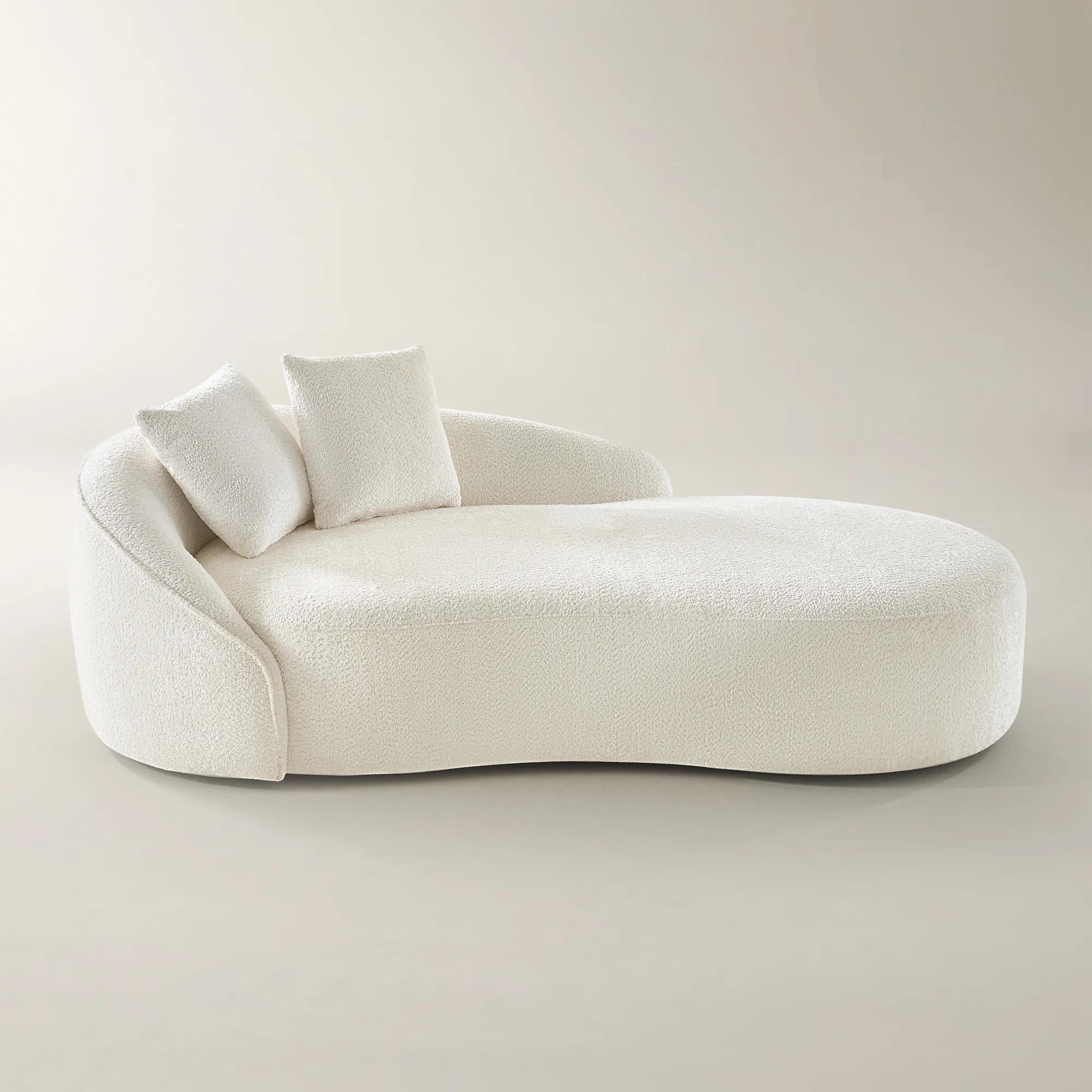 Irene Utopia Sand Chenille Chaise$1899
A sculptural chaise in creamy Utopia Sand chenille, featuring plush foam cushions and artisan hand-finished details.
Add To Cart

Beige Living Room Accent Chairs
Beige living room accent chairs add inviting seating and a refined neutral note to your space. Explore accent seating that can balance bold artwork, complement rich colors, or bring subtle contrast to a tonal room. Consider each chair’s dimensions alongside your sofa and tables, and coordinate beige undertones with your existing palette for a cohesive, layered look.
Beige living room accent chairs offer a versatile, neutral seating option that complements wood tones, patterned rugs, and existing sofas while bringing softness and dimension to a room. Their appeal goes well beyond an easy color match: beige can feel luminous against dark walls, sumptuous beside polished metal, or quietly sculptural in a space layered with ivory and cream. The shade itself makes a meaningful difference. A sandy beige with golden undertones draws warmth from walnut furniture and brass accents, while a cooler, stone-toned beige creates a composed pairing with charcoal upholstery, glass tables, and silver finishes. Shades with a pink or peach undertone deserve particular attention beside an existing sofa, since two seemingly similar neutrals can look surprisingly different together. Viewing upholstery samples near the room’s largest furnishings, under both daylight and evening lamps, helps reveal those subtle relationships. Texture gives this restrained palette its expressive range. A nubby fabric introduces depth without adding another pattern; velvet creates shifting highlights across a curved back; a woven upholstery brings a more tailored, tactile finish. In a living room anchored by a dramatic rug, a beige chair gives the eye somewhere to rest without diminishing the rug’s artistry. Against a pale rug, a contrasting wood base or dark metal legs can help define the silhouette. A pair of beige accent chairs can also soften the visual weight of a large sectional, creating a seating arrangement that feels balanced rather than dominated by one substantial piece. For a richly layered effect, repeat the chair’s undertone in a pillow, a ceramic vessel, or a detail within the artwork rather than matching every surface. The appeal of elegant living room accent chairs often lies in this interplay between a distinctive silhouette and the furnishings around it. Beige gives that silhouette room to speak, whether the surrounding space favors gleaming accents, expressive artwork, or richly grained wood.
Shape and proportion determine how a beige accent chair lives within the room, not simply how it looks from the doorway. A barrel chair with an enveloping back creates an inviting seat for conversation, while a more upright design can suit guests who prefer support over a deep, lounge-like posture. Sloping arms and generous cushions suggest a place to settle with a novel; an armless profile feels less visually enclosed and can tuck more gracefully into a compact seating arrangement. Swivel designs allow a sitter to turn between a conversation area and a nearby view, provided there is enough clearance for the chair to rotate without striking a table or wall. These distinctions matter when the living room serves several purposes, from entertaining friends to reading beside a lamp or sharing an evening conversation away from the television. Overall width is only one part of fit. Seat depth, seat height, arm height, and back angle influence comfort, and the most inviting proportions depend on the person using the chair. A deep seat may feel luxurious to someone who curls up, yet leave a shorter sitter needing a supportive back cushion. A firmer, higher seat and substantial arms may be preferable for someone who wants to rise with less effort. In a smaller living room, visible legs and a narrower frame can preserve a sense of openness, though the chair’s actual footprint still needs careful measurement. In a generous room, a fuller silhouette can hold its own beside a substantial sofa without looking incidental. Leave comfortable walking space around the seating group, and check that nearby tables are within easy reach without crowding knees or restricting movement. Measuring doorways, stair turns, and the intended position before choosing a chair is just as important as measuring the room itself. Two chairs angled toward a sofa encourage conversation; a single chair beside a floor lamp creates a more personal retreat. Neither arrangement needs excessive decoration when the upholstery, proportions, and placement already feel considered.
Materials and construction shape the lasting pleasure of beige upholstered accent chairs, especially in a living room used every day. Velvet can lend a luminous, dressed-up character, though its pile may show changes in shading or pressure marks that are part of the fabric’s appearance. Linen and linen-blend upholstery can introduce visible weave and a relaxed surface, with the amount of wrinkling and resistance to wear depending on the particular blend and finish. Bouclé and other looped textures offer sculptural richness, but their raised yarns warrant consideration in homes with pets that scratch or catch fabric with their claws. A tightly woven fabric may be a more practical choice for frequent use, although texture alone does not establish durability. Fiber content, construction, tested abrasion performance when provided, and the manufacturer’s care information offer more useful detail. Performance upholstery may provide added stain resistance or easier maintenance, but it should never be assumed to be stain-proof or suitable for every cleaning method. Beneath the fabric, a stable frame, supportive suspension, and well-constructed cushions contribute to how a chair feels over time. Foam cushions often provide a more defined shape, while fiber or feather blends may create a softer sit and require more regular fluffing; actual comfort depends on the full cushion construction. Exposed wood and metal bases also deserve attention, both for their finish and for how they meet the floor. Appropriate protective pads can help reduce marking on hard surfaces. For routine upholstery care, follow the care label, remove loose dust with a suitable vacuum attachment, and blot spills promptly rather than rubbing them into the fibers. Test any approved cleaner in an inconspicuous area, and seek professional cleaning when the material requires it. Keeping upholstery out of prolonged direct sunlight can help limit uneven fading. Beige rewards this measured approach to care: its light, expressive surface becomes a backdrop for changing pillows, distinctive throws, and treasured objects, while the chair remains a graceful, useful part of daily life.
FAQs
Beige accent chairs bring a warm, polished foundation to modern, transitional, and glamorous living rooms. Pair them with sculptural tables for an artful contemporary look, or introduce gleaming metallic accents and expressive artwork for added drama. Their understated color lets distinctive silhouettes and surrounding details take the spotlight.
Beige pairs beautifully with ivory and warm white for a layered neutral palette, while black delivers crisp, graphic contrast. For richer expression, introduce emerald, navy, or burgundy through pillows, artwork, and decorative accents. Consider the chair’s undertone: golden beige harmonizes with warm hues, while gray-leaning beige complements cooler shades.
Yes. Beige accent chairs can soften a gray sofa’s cooler presence and give the room a more nuanced palette. Connect the two colors with artwork or a patterned rug featuring both tones. Warm metallic details add luminosity, while touches of black lend definition to the arrangement.
Create contrast with tactile layers: a plush throw, embroidered pillows, or a richly textured rug can give beige seating greater visual depth. Balance those soft elements with a polished table or sculptural ceramic accents. The interplay of texture and sheen makes a neutral living room feel expressive rather than uniform.
Give a beige accent chair a deliberate setting with striking artwork, a distinctive side table, and lighting that highlights the vignette. A contrasting wall color can bring its outline into focus, while one richly colored pillow adds a bold finishing note. Keep nearby accents thoughtfully edited so the chair’s form remains prominent.