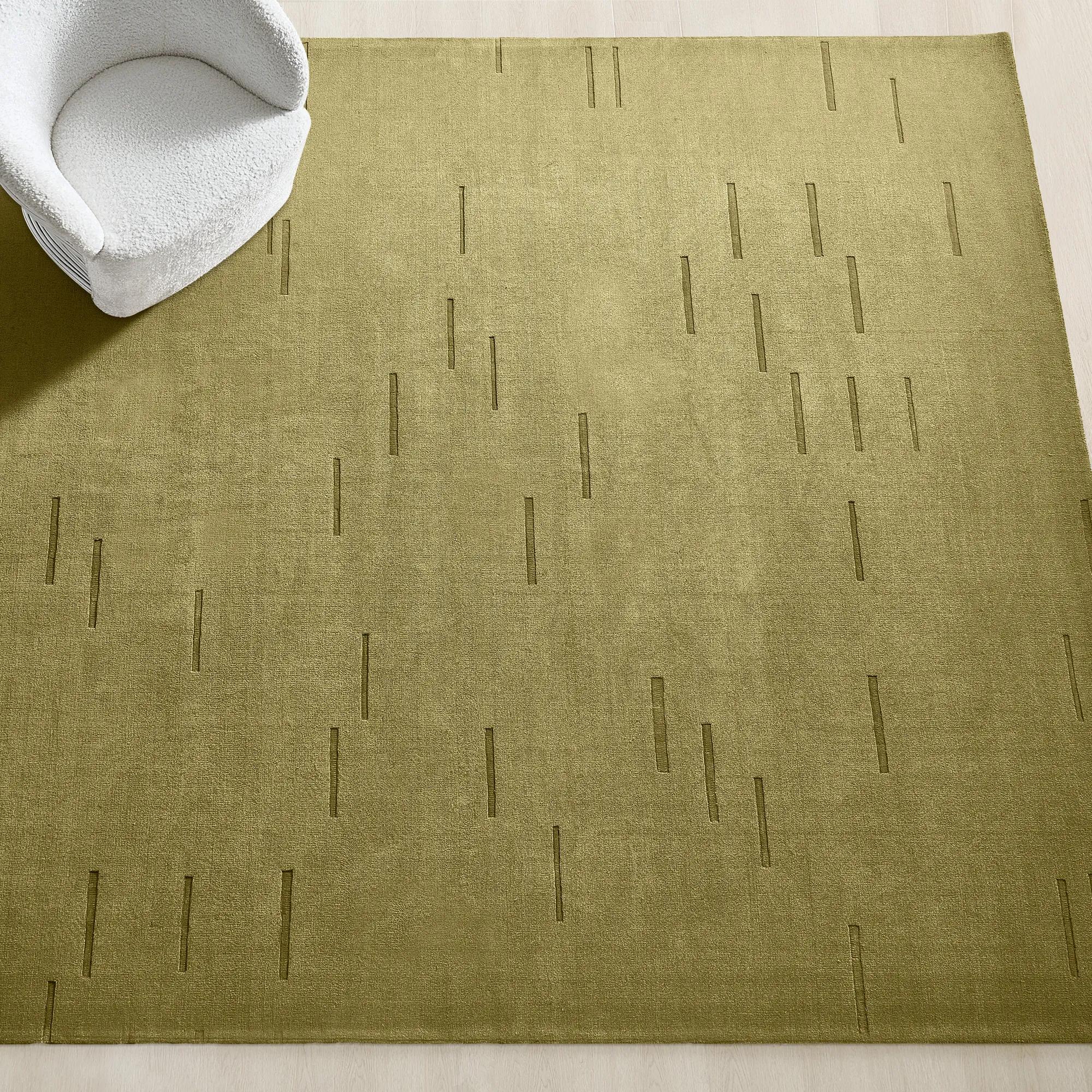
Modern Rugs For Elegant Spaces
Modern Rugs For Elegant Spaces
-
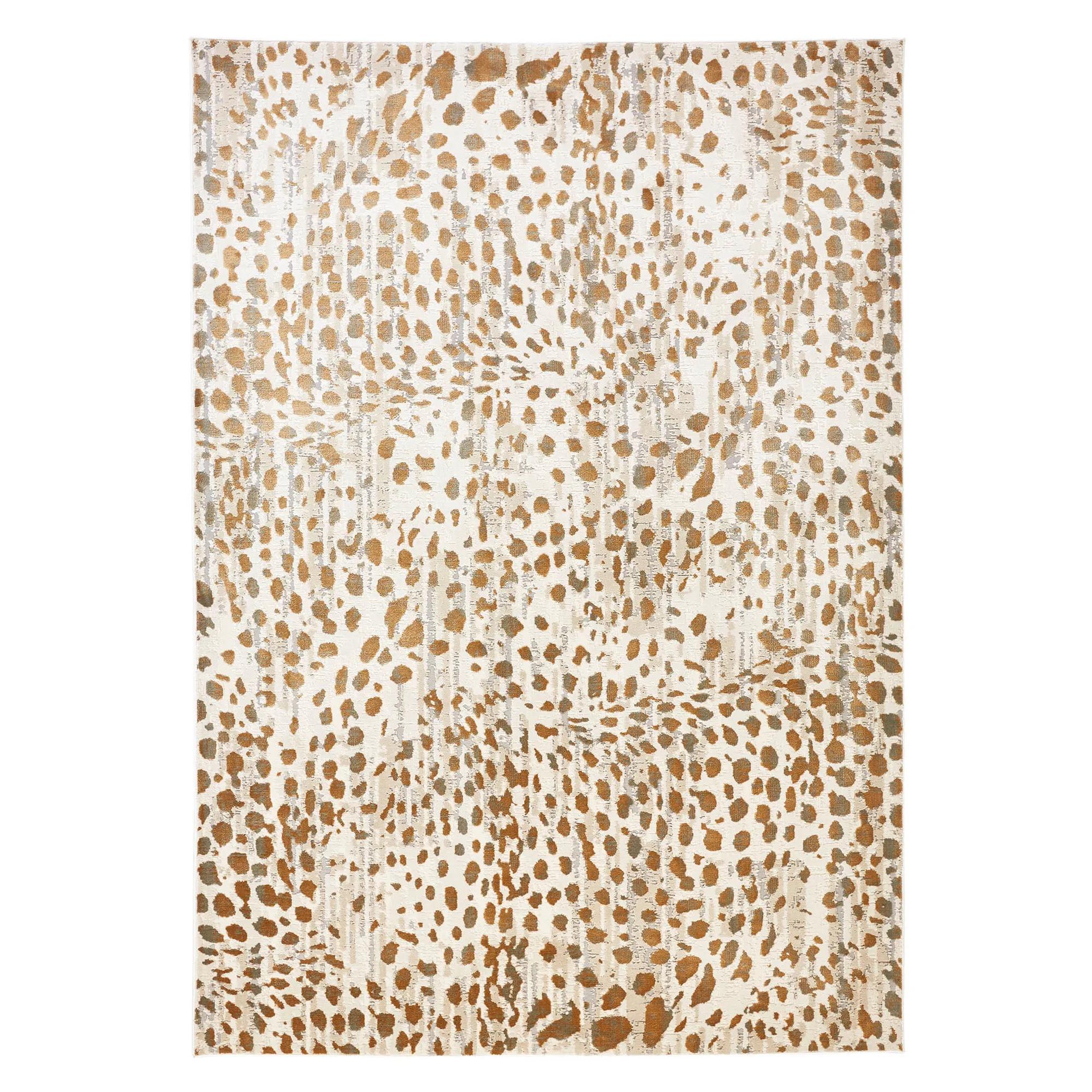
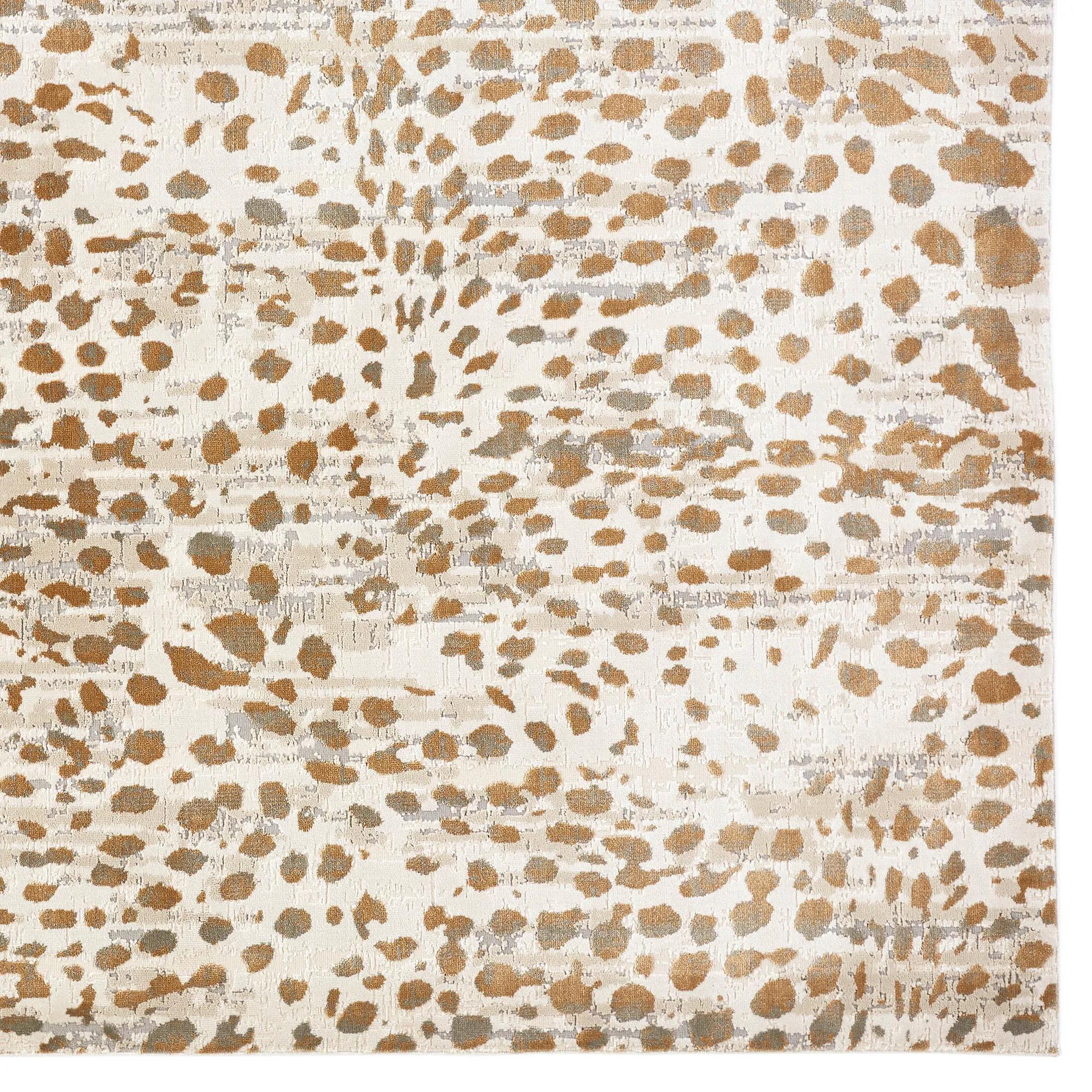 Amur Ivory/Natural Animal Print Power-Loomed Rug$399
A hand-tufted wool and viscose rug featuring a gold chain link design on neutral grey.
Add To Cart -
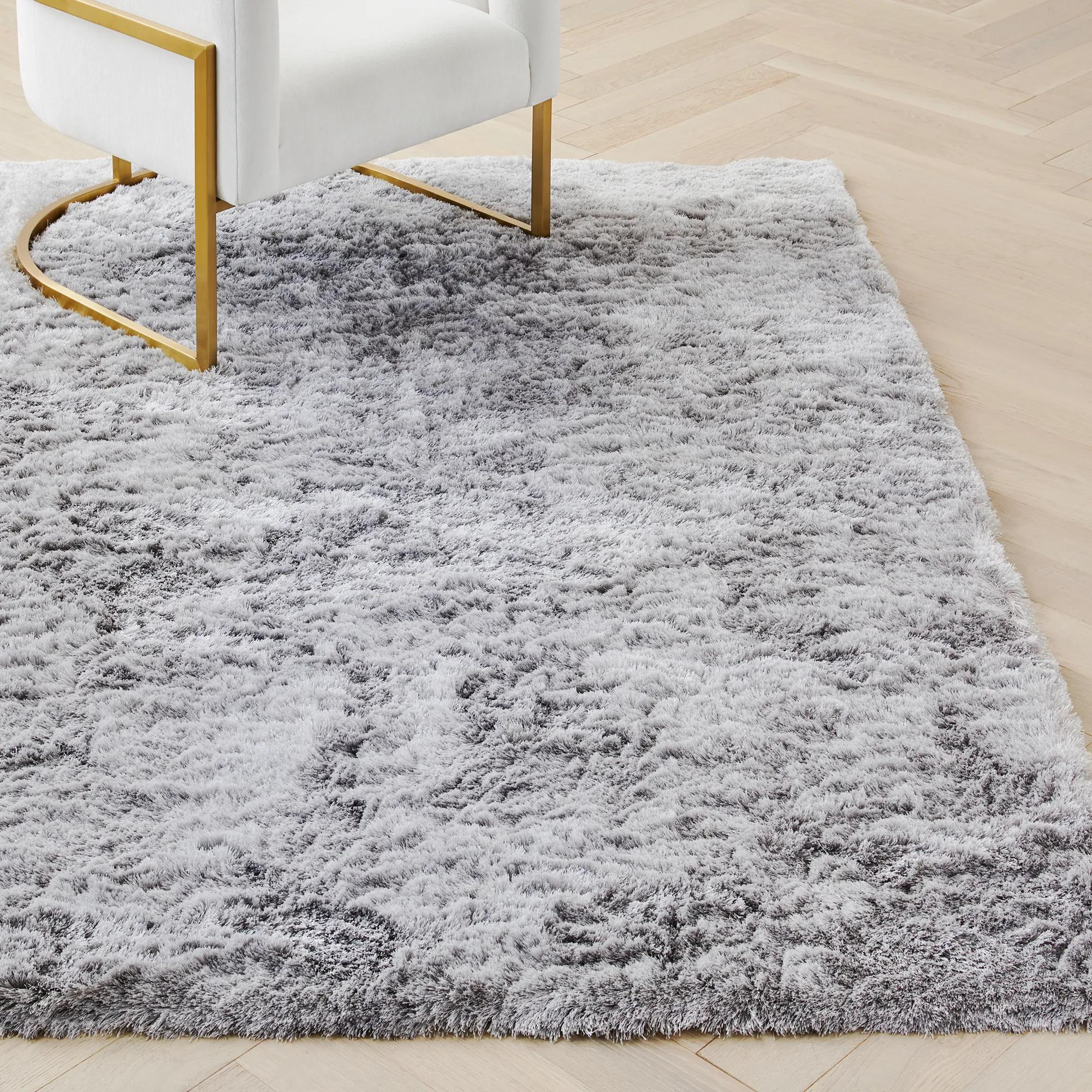 Indochine Shag Platinum Rug$399
A platinum-toned shag rug with a subtle sheen and plush 1.5" polyester pile for luxurious texture.
Add To Cart -
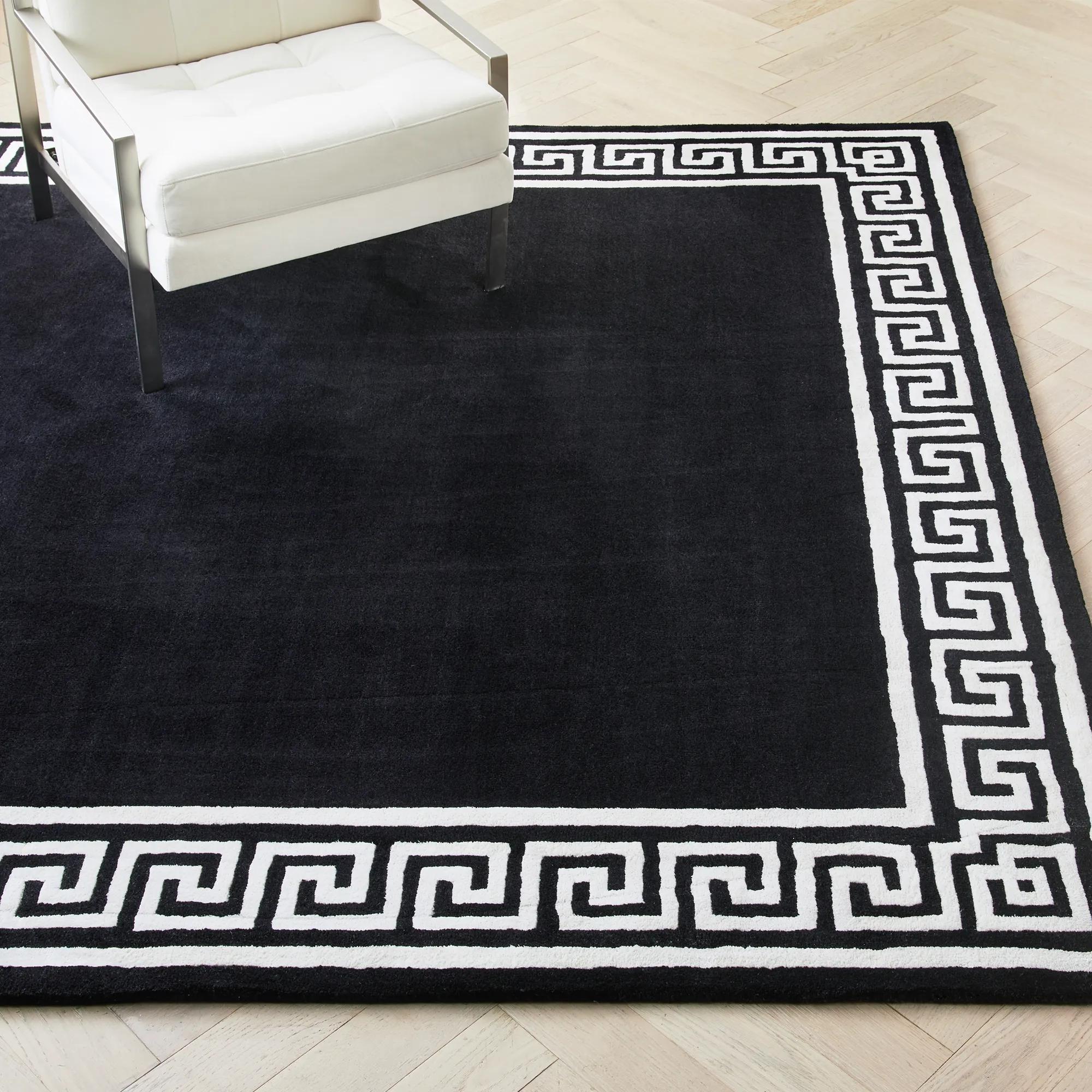
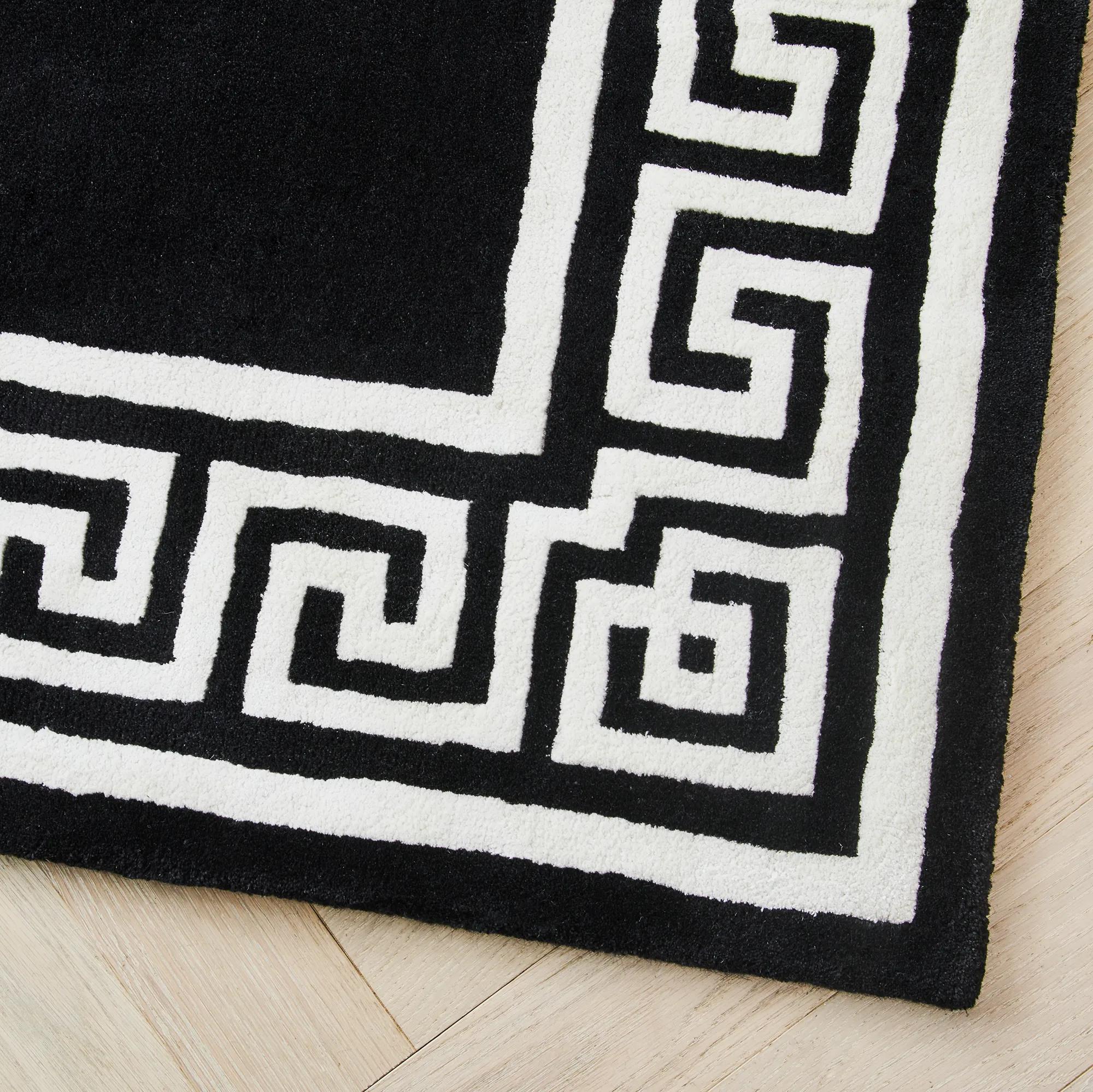 Greek Key Rug - Black/Ivory$1199
A hand-tufted black and ivory rug featuring a classic Greek key pattern in wool and viscose.
Add To Cart -
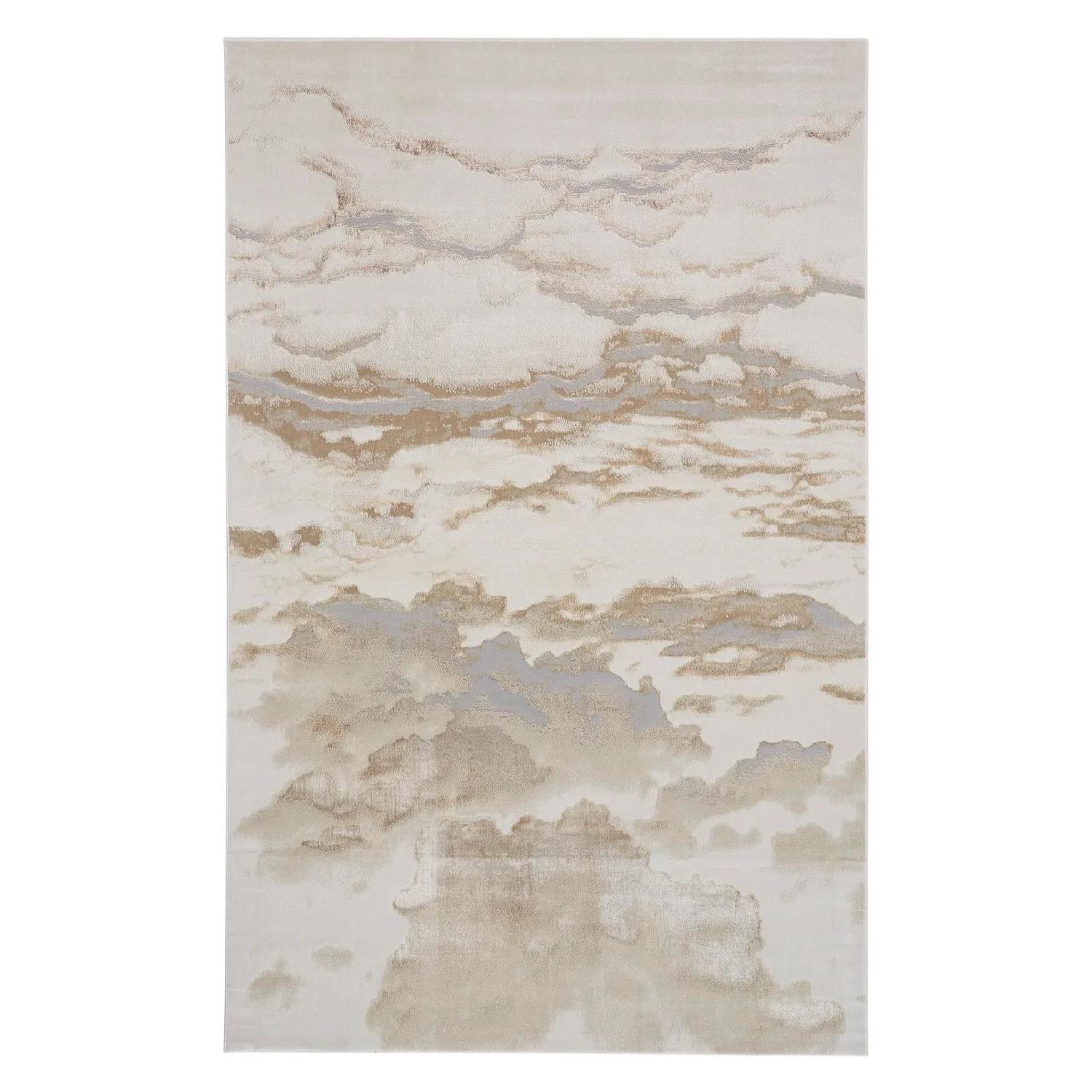
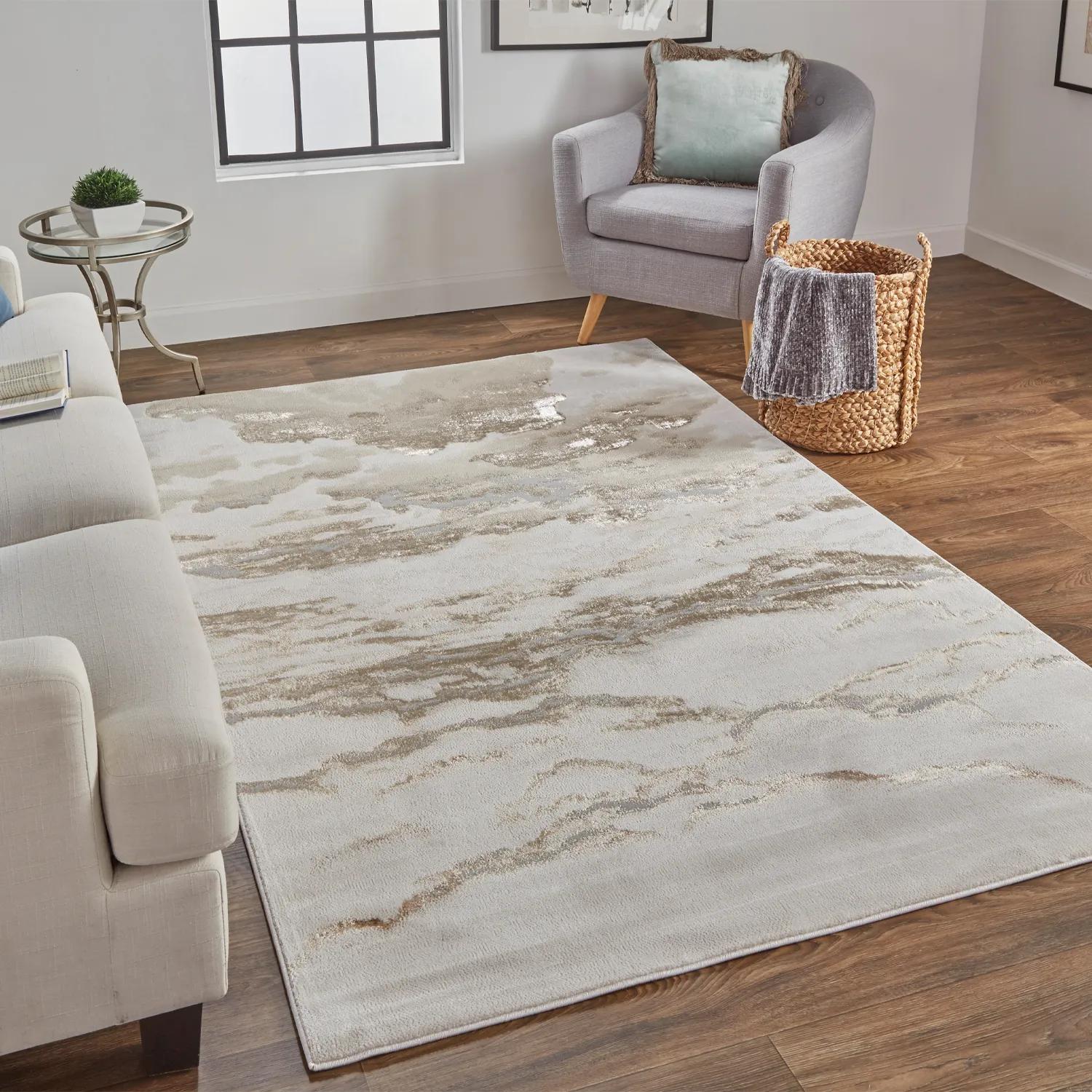 Tide Power-Loomed Beige/Gold/Ivory Rug$899
A machine-made rug in beige and gold, crafted from ultra-soft polyester and polypropylene for elegant spaces.
Add To Cart -
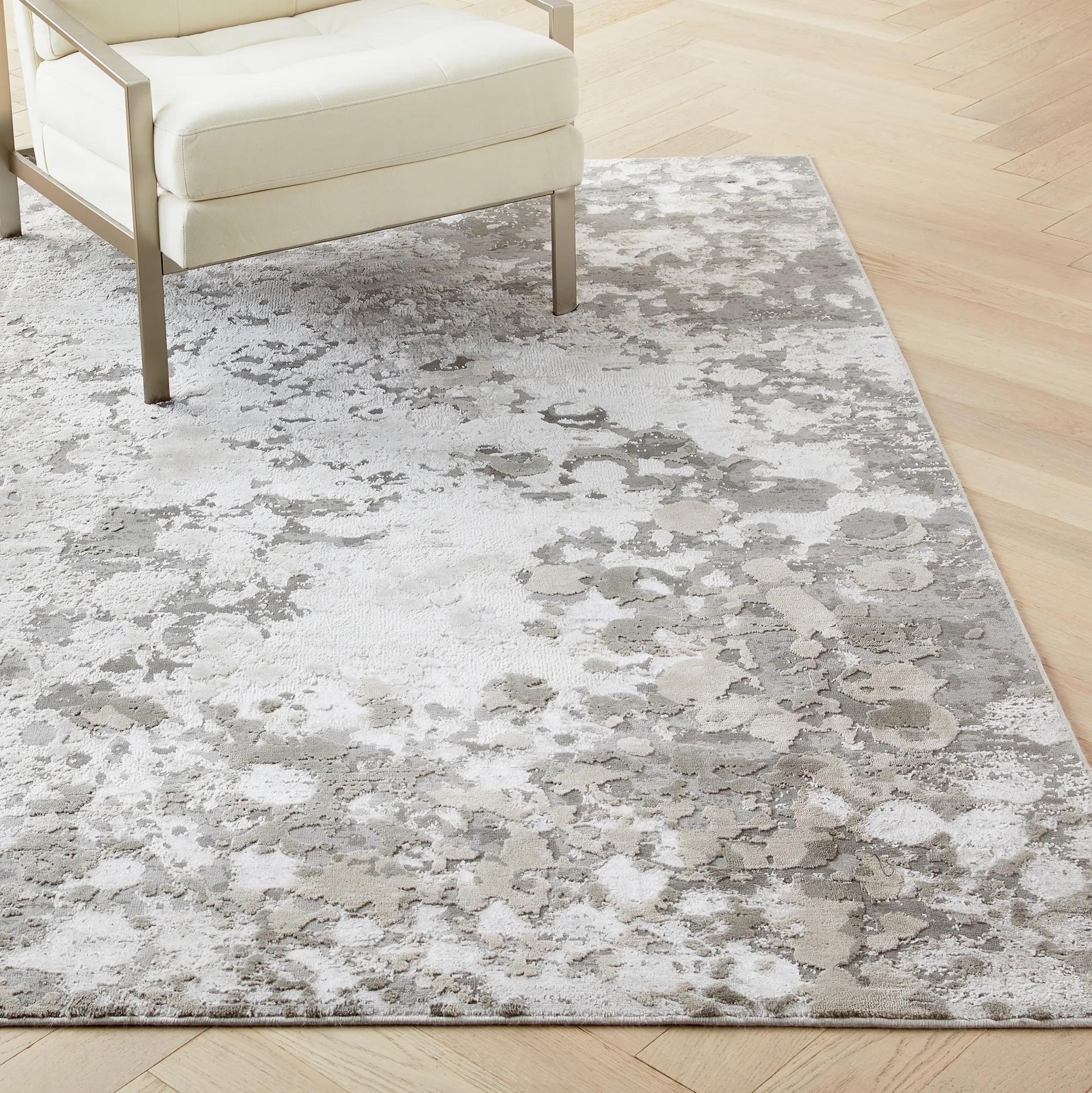 Mercury Power-Loomed Silver/Grey/Beige Rug$249
A neutral floor covering featuring a silver, grey, and beige palette with a textured polyester blend.
Add To Cart -
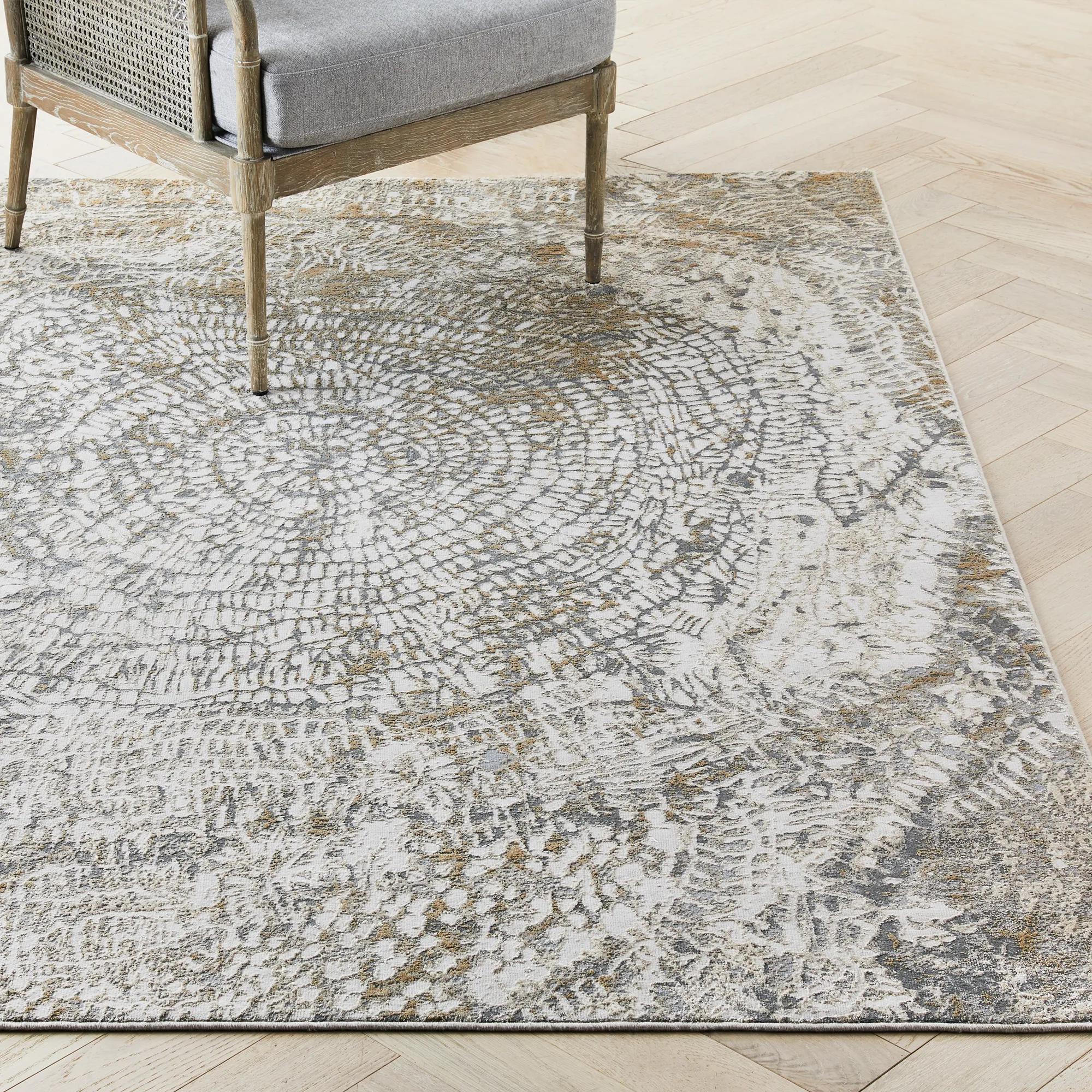 Nautilus Power-Loomed Silver/Grey/Natural Rug$999
A machine-woven ivory rug featuring subtle tonal variations and a durable polypropylene blend construction.
Add To Cart -
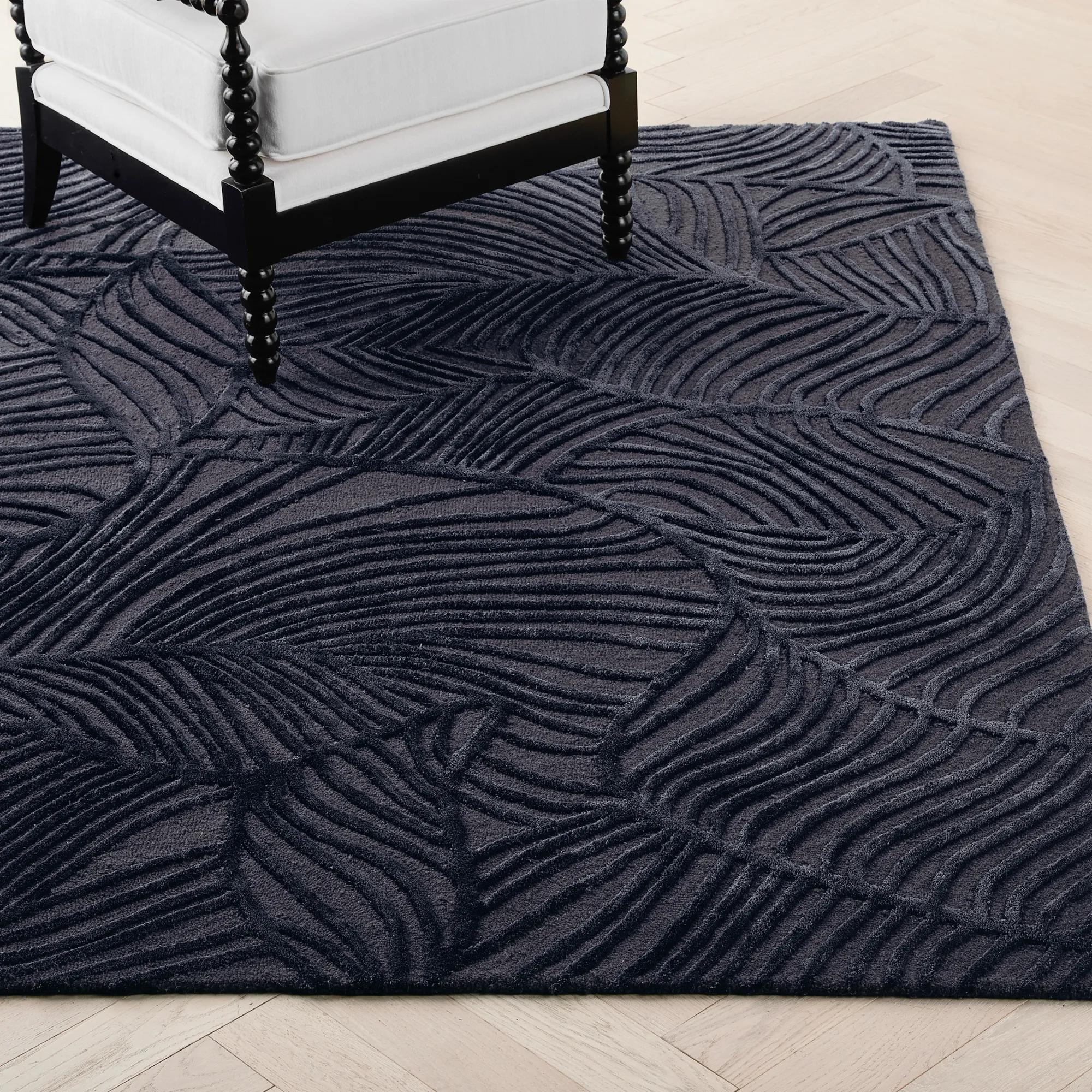
 Palm Rug - Charcoal$1499
A charcoal rug featuring a dynamic palm-leaf design with a textured high-low viscose and wool pile.
Add To Cart -
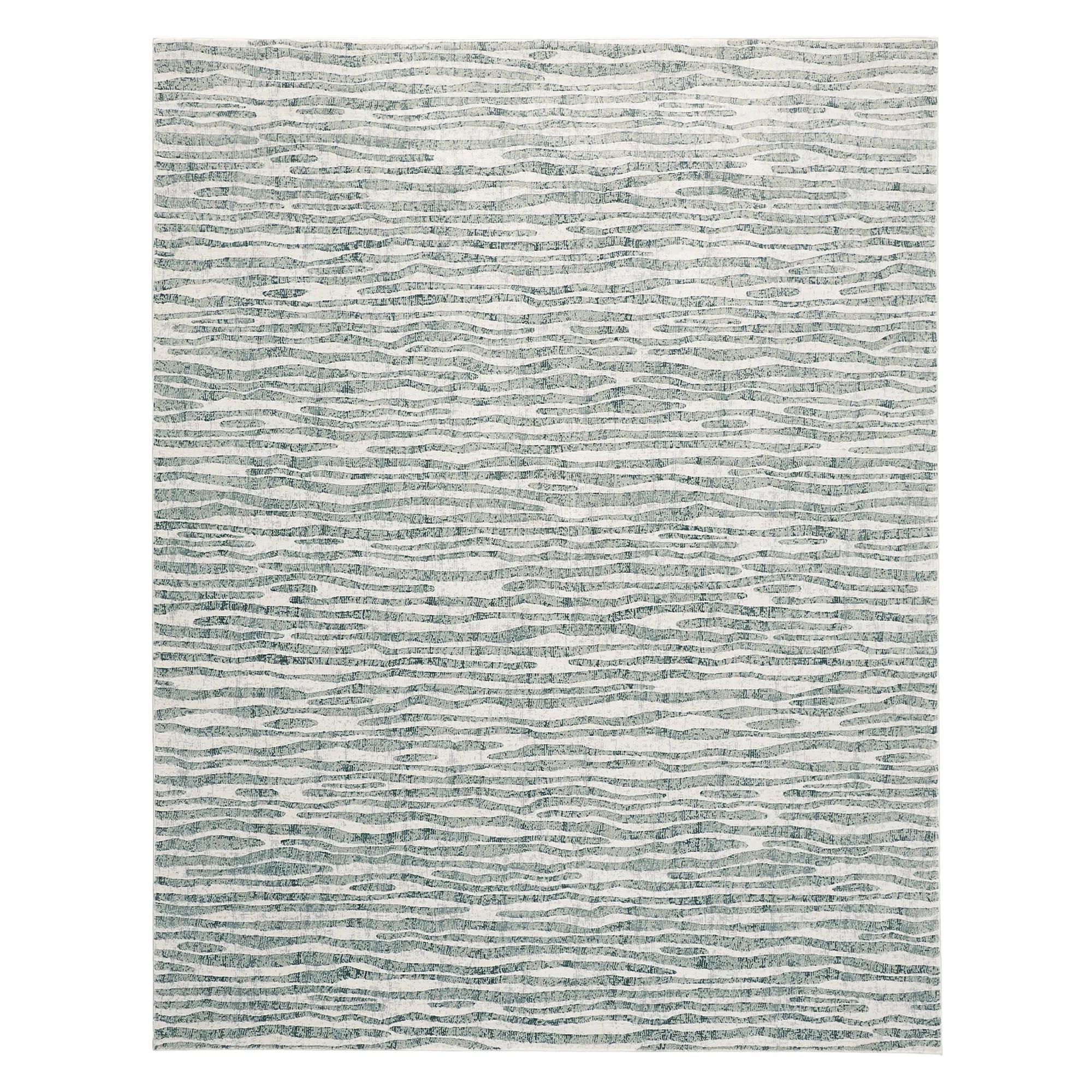 Samantha Power-Loomed Aqua/Grey Rug$719
A machine-woven rug featuring silvery-aqua and green accents on an ivory and grey polypropylene base.
Add To Cart -
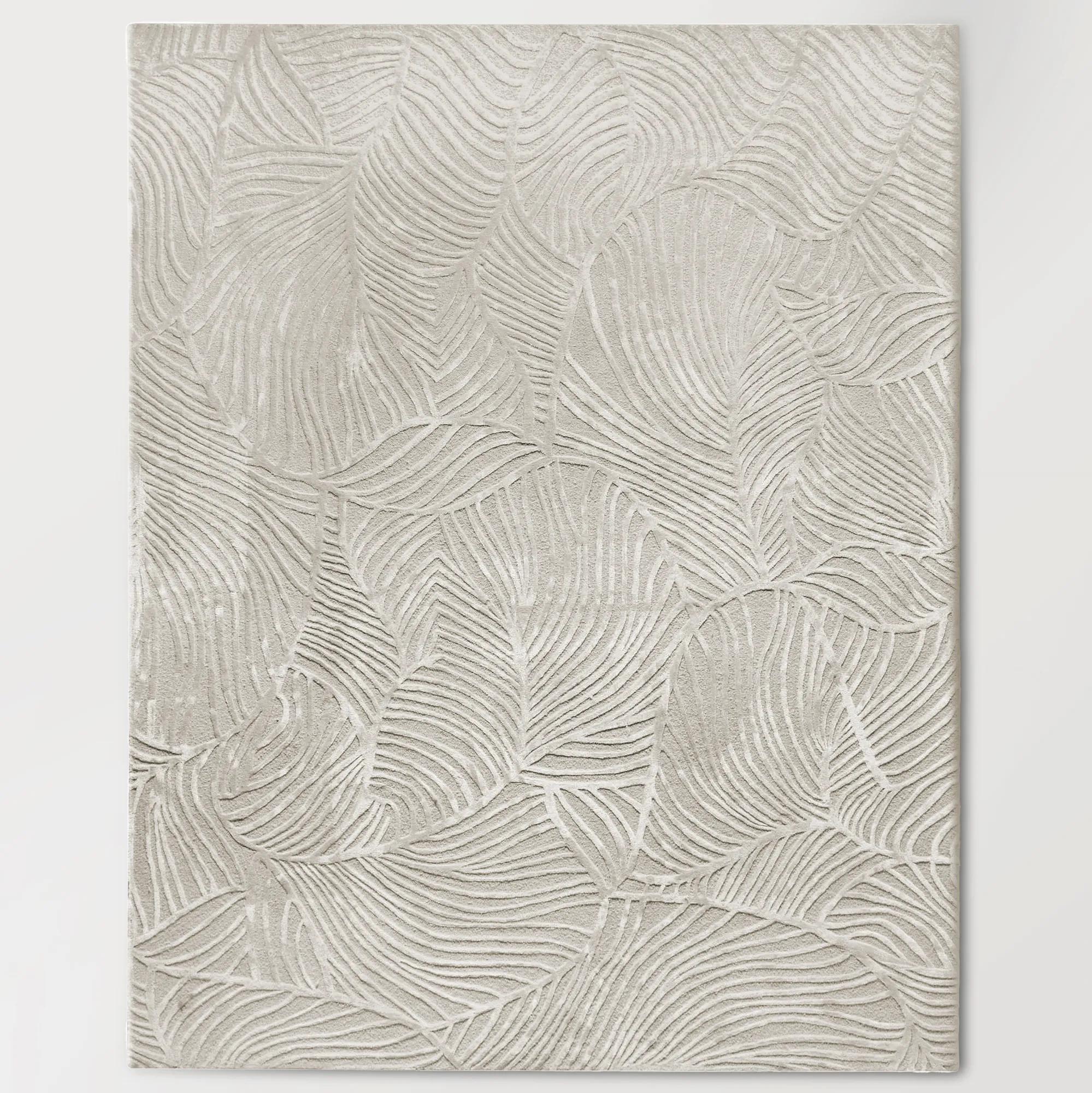 Palm Hand-Tufted Ivory Wool Blend Rug$999
An ivory rug featuring a dynamic palm-leaf design with high-low pile in viscose and wool.
Add To Cart -
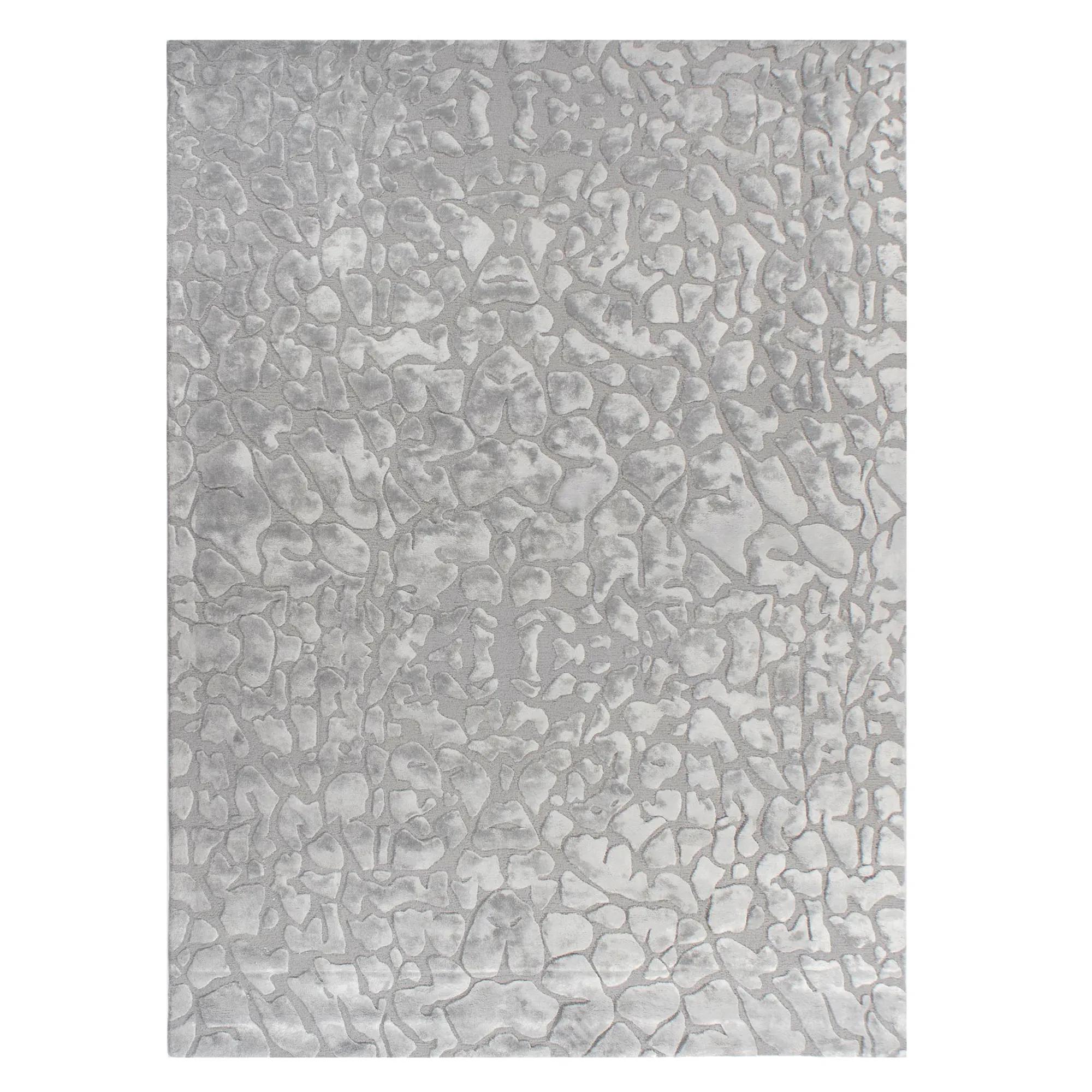
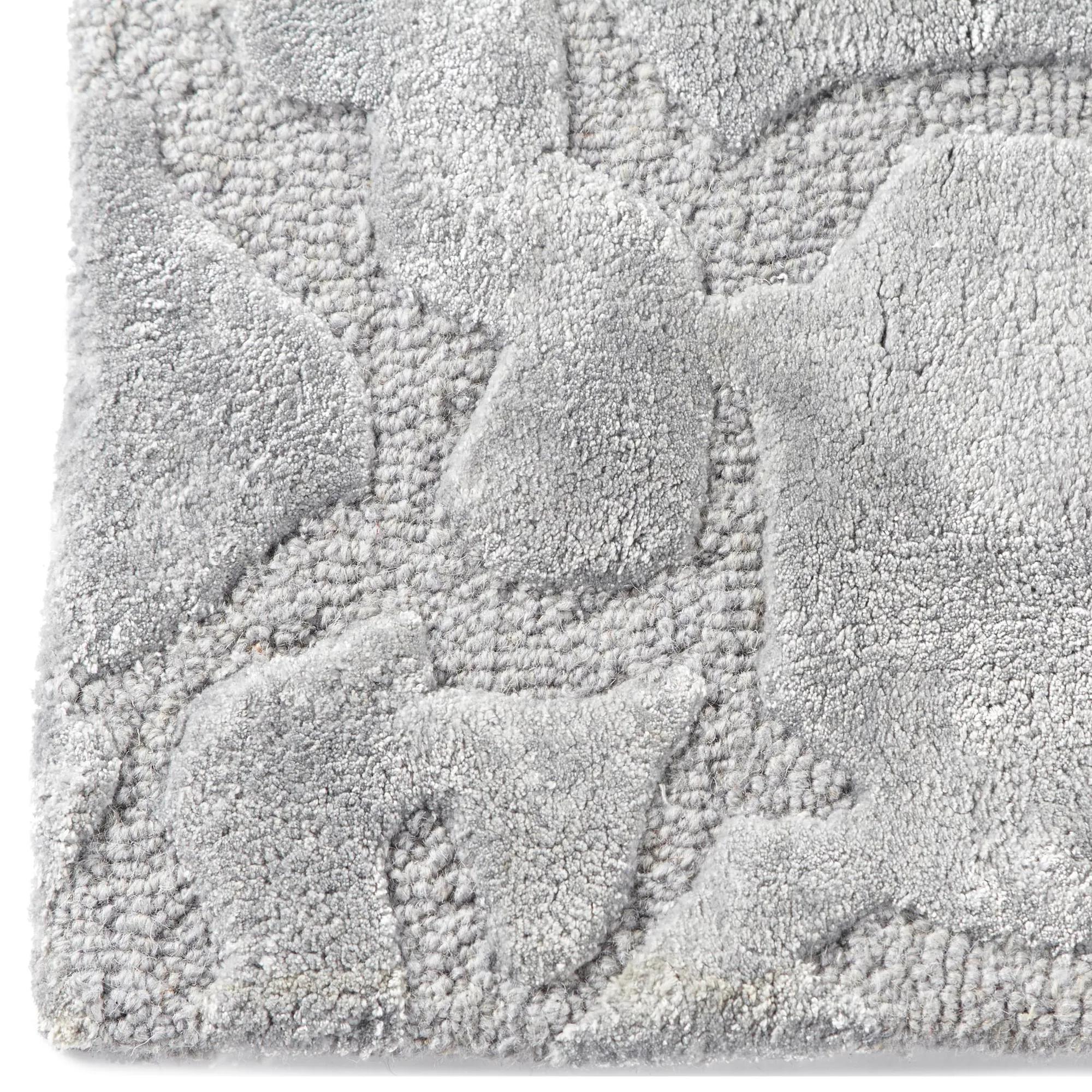 Nola Hand-Tufted Cool Grey Wool Blend Rug$849
A hand-tufted silver rug with contrasting pile heights, crafted from wool and viscose for plush texture.
Add To Cart -
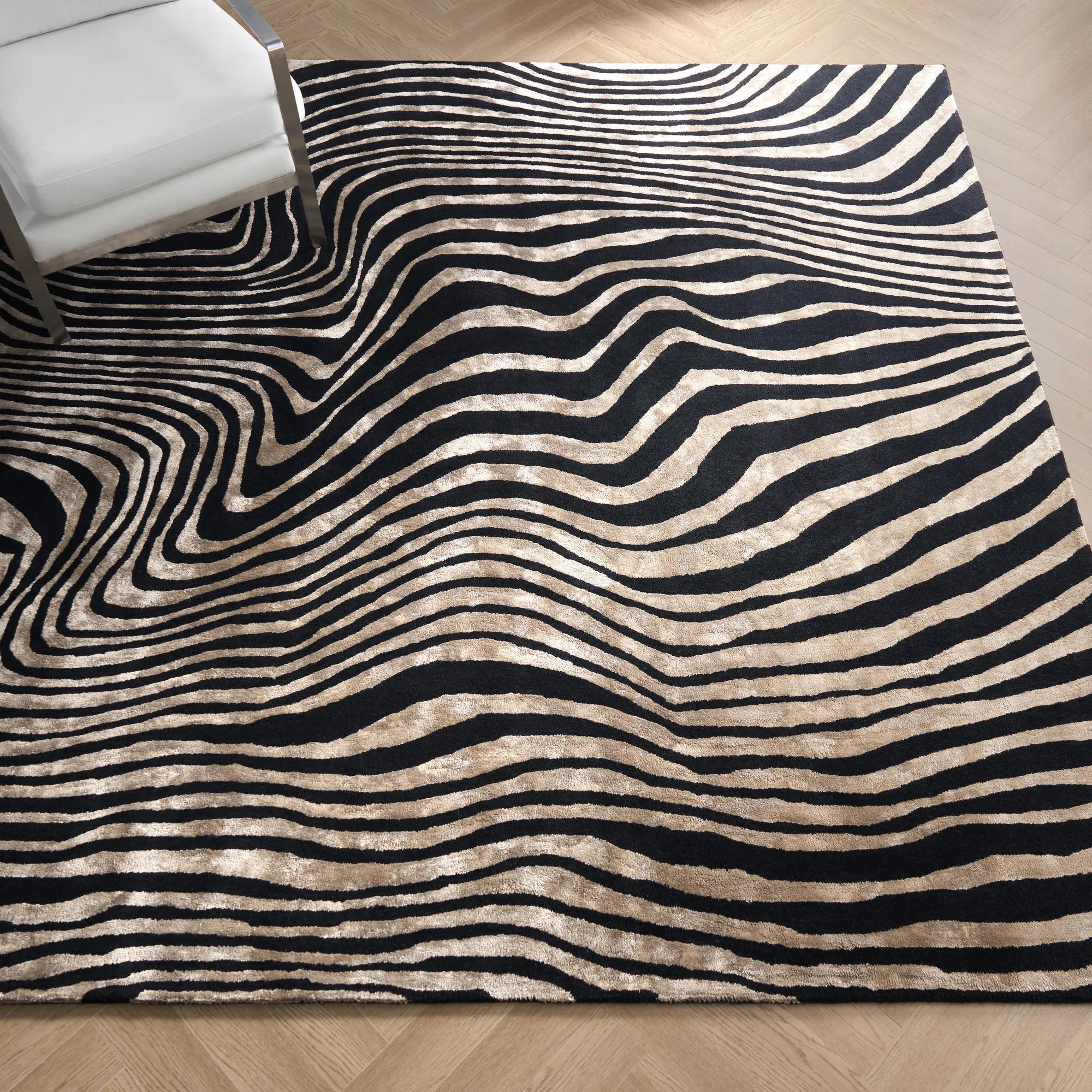
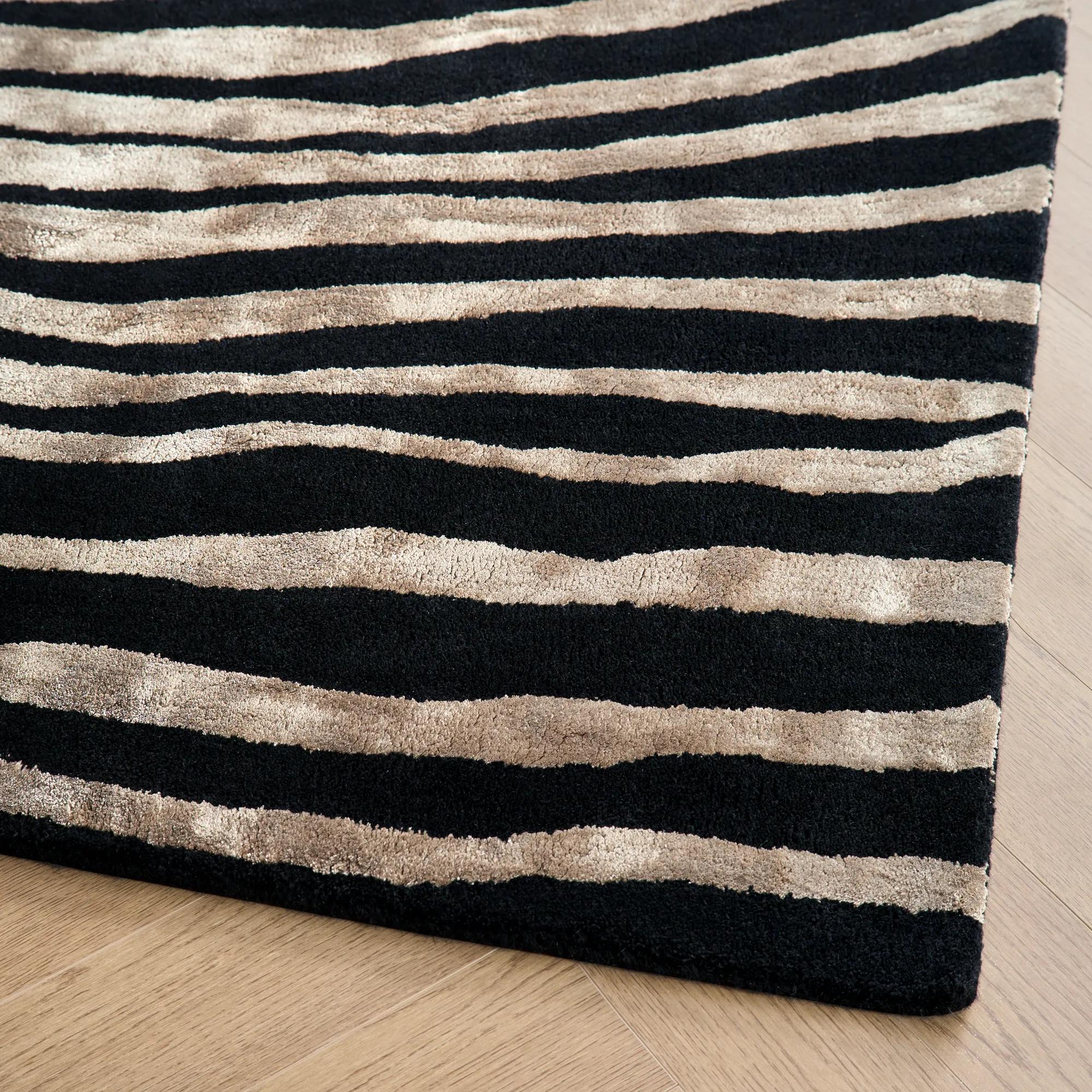 Abstract Zebra Hand-Tufted Black/Taupe Wool Blend Rug$599
An artisan hand-tufted rug in black and taupe wool-viscose, featuring a striking abstract zebra pattern.
Add To Cart -
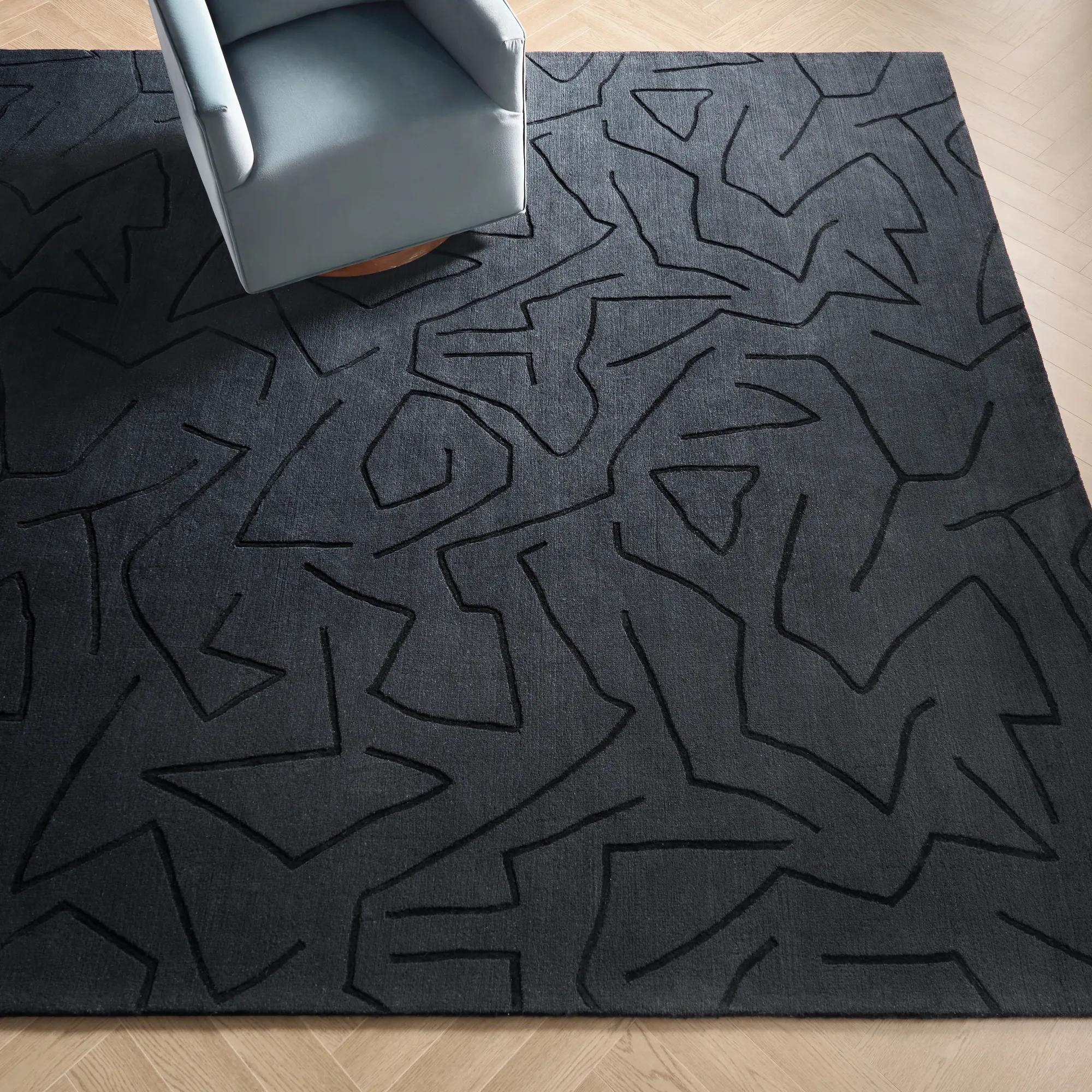 Carved Maze Rug$1399
A hand-loomed black rug crafted from wool and viscose, featuring a carved, textured maze design.
Add To Cart -
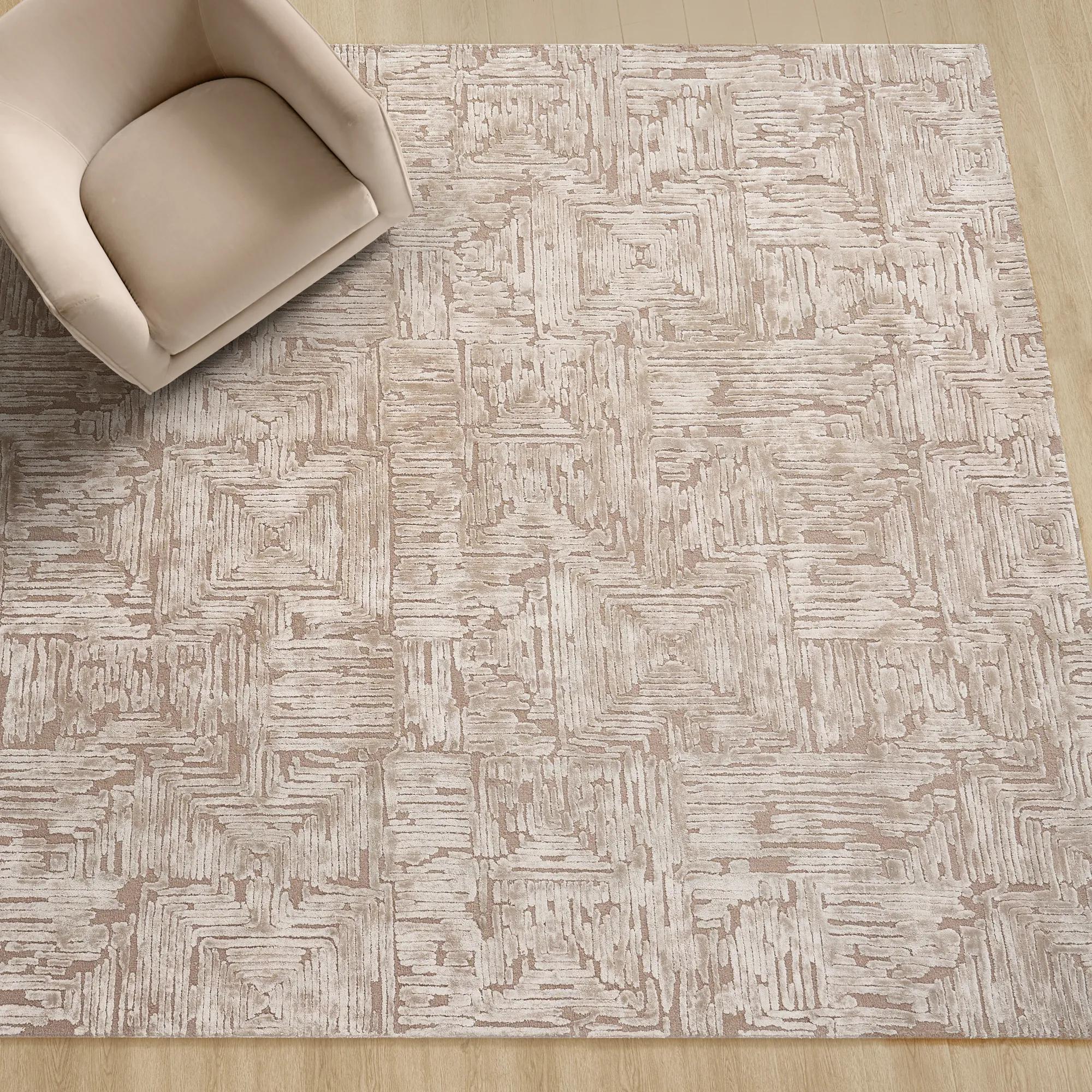
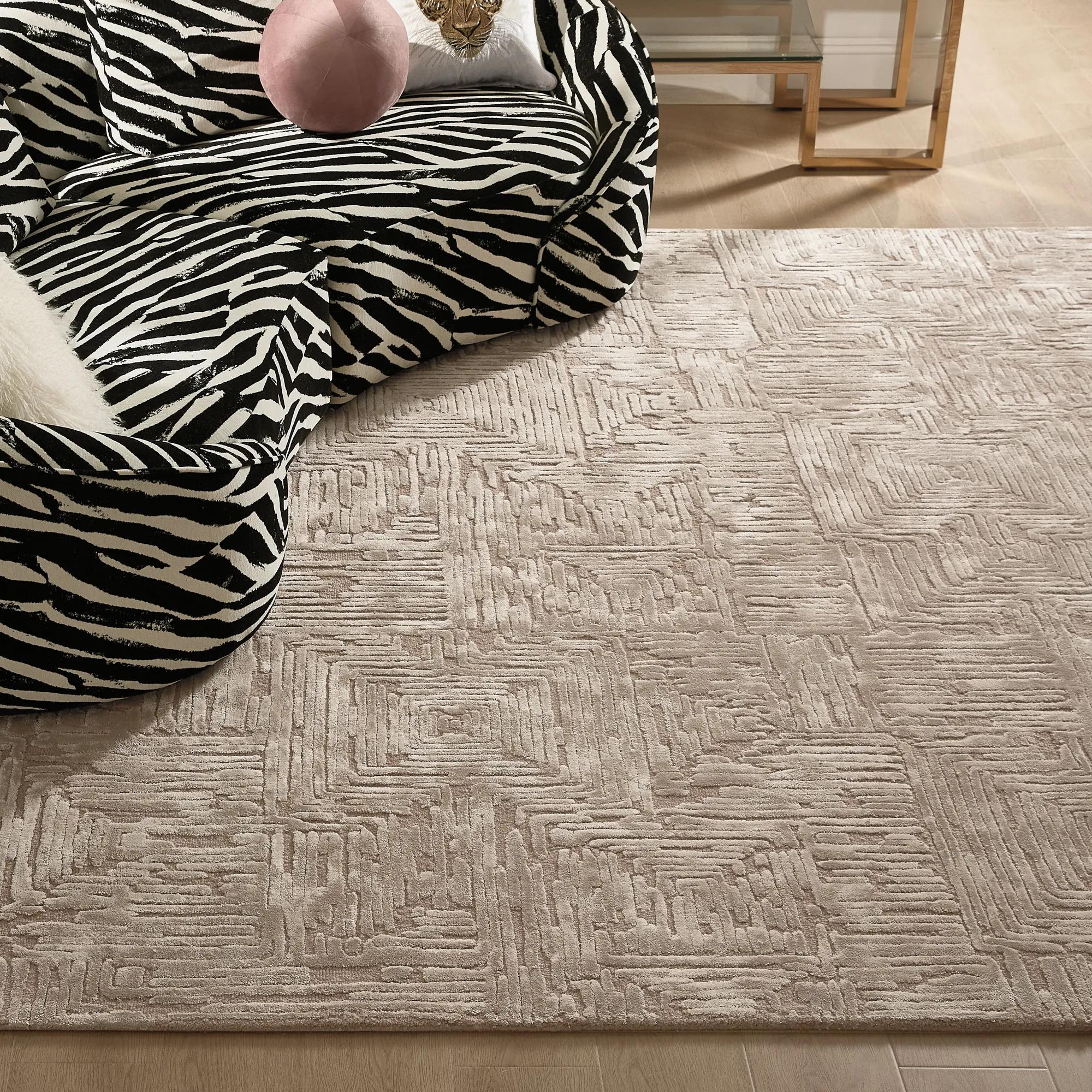 Andra Hand-Tufted Mocha Rose Viscose & Wool Dimensional Rugs$1499
A hand-tufted viscose and wool rug in mocha rose, featuring a dimensional geometric pattern and soft sheen.
Add To Cart -
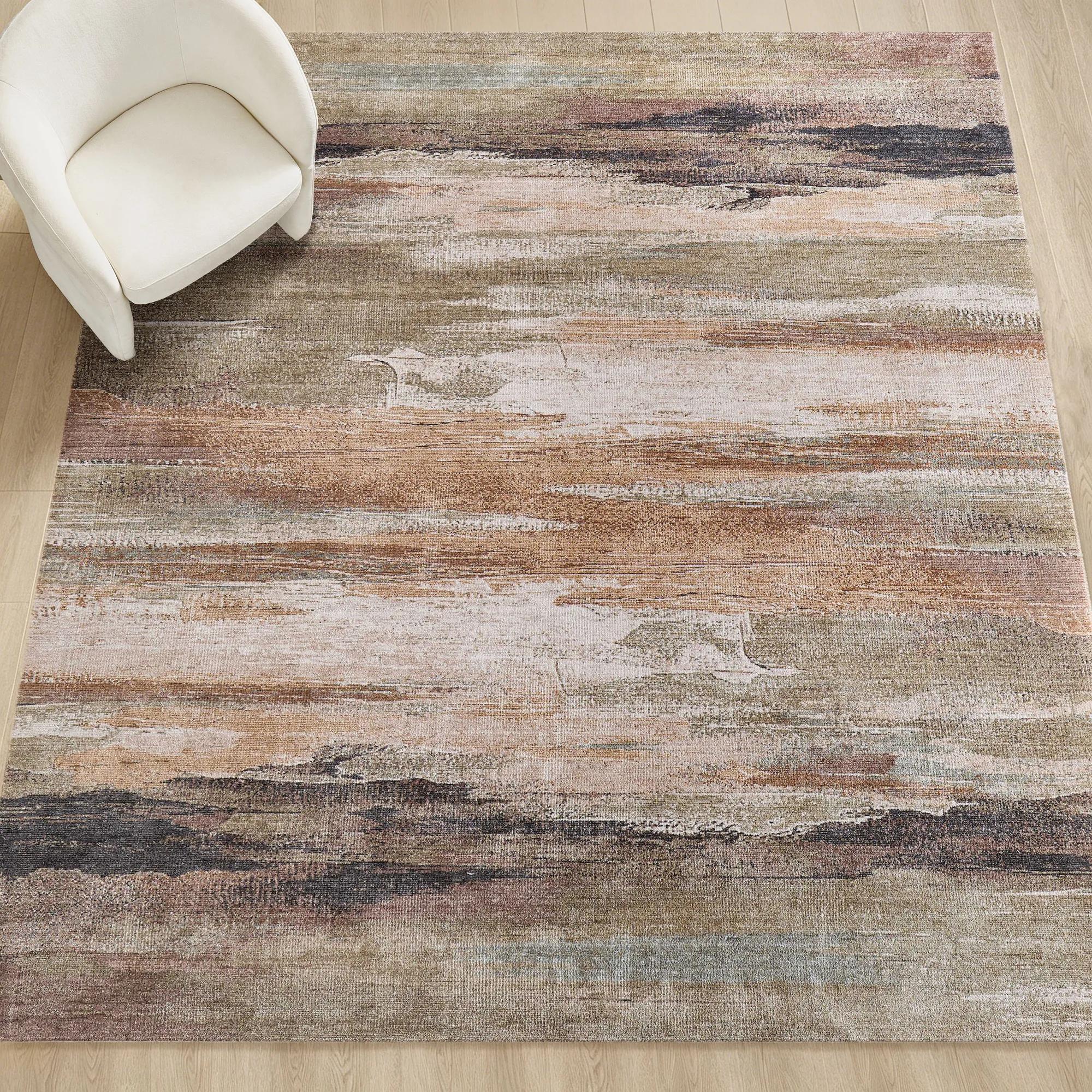
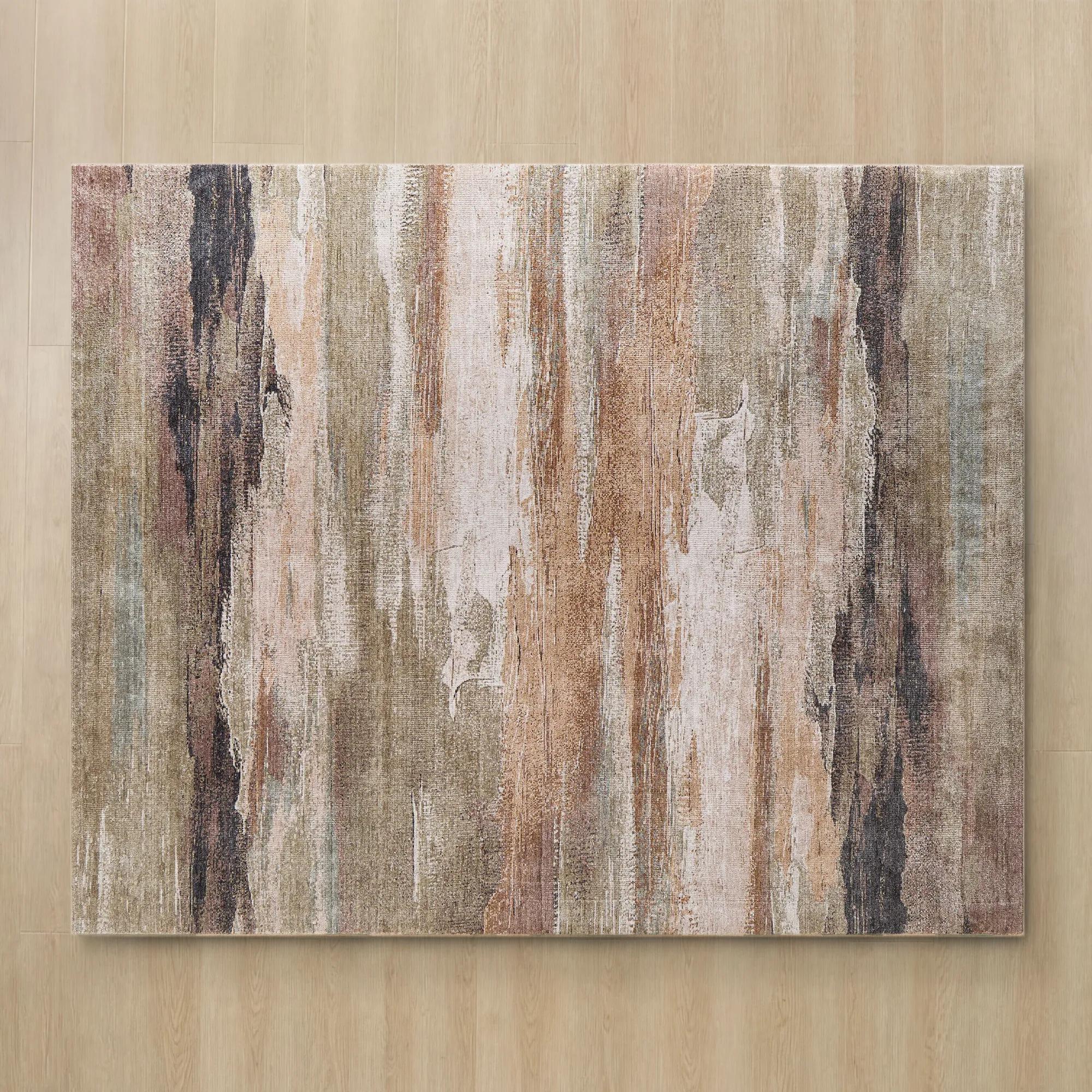 Sedona Rust/Beige/Moss Green/Charocal/Blue Performance Power Loomed Rug$1999
A power-loomed polyester rug featuring a rich abstract pattern in rust, beige, moss green, charcoal, and blue.
Add To Cart -
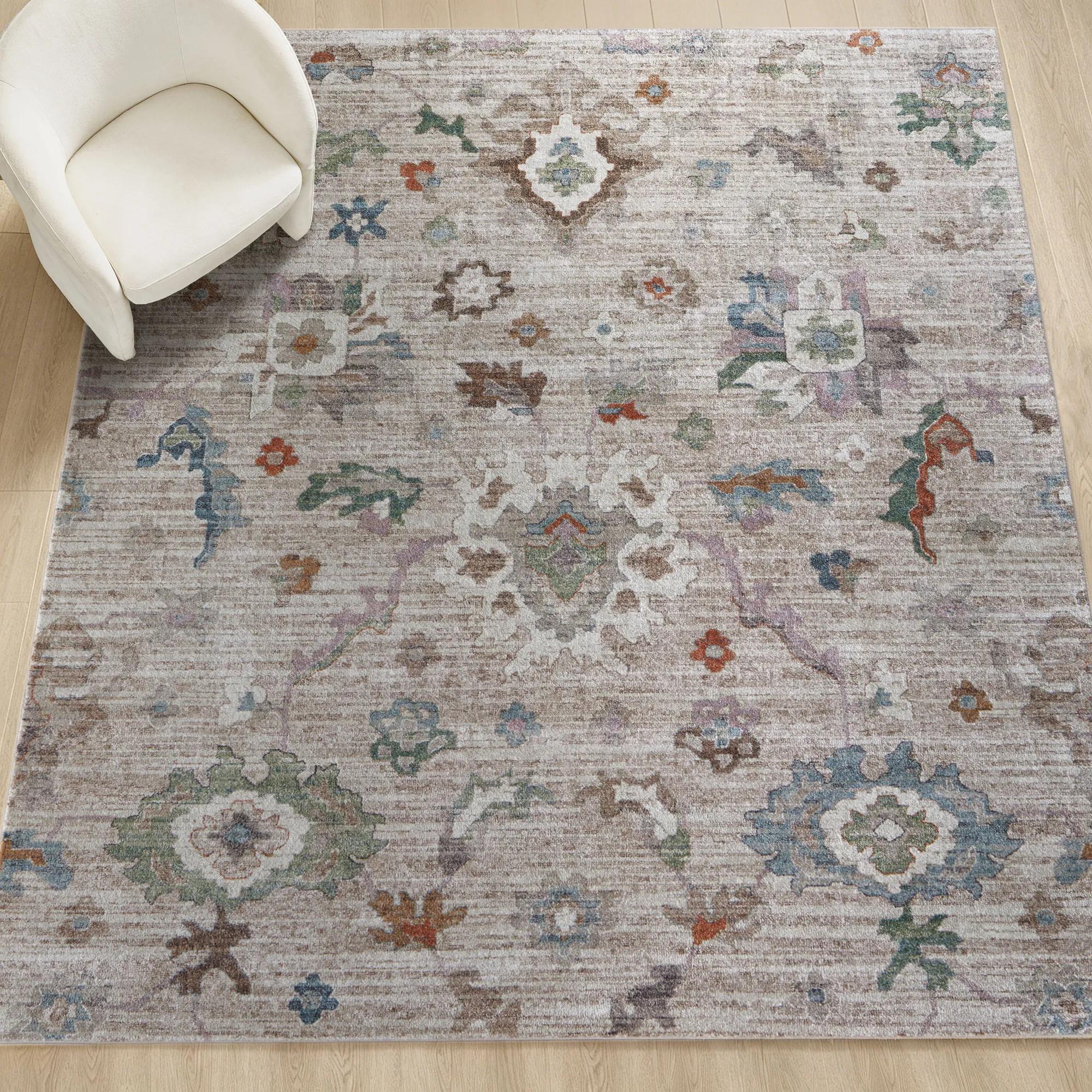
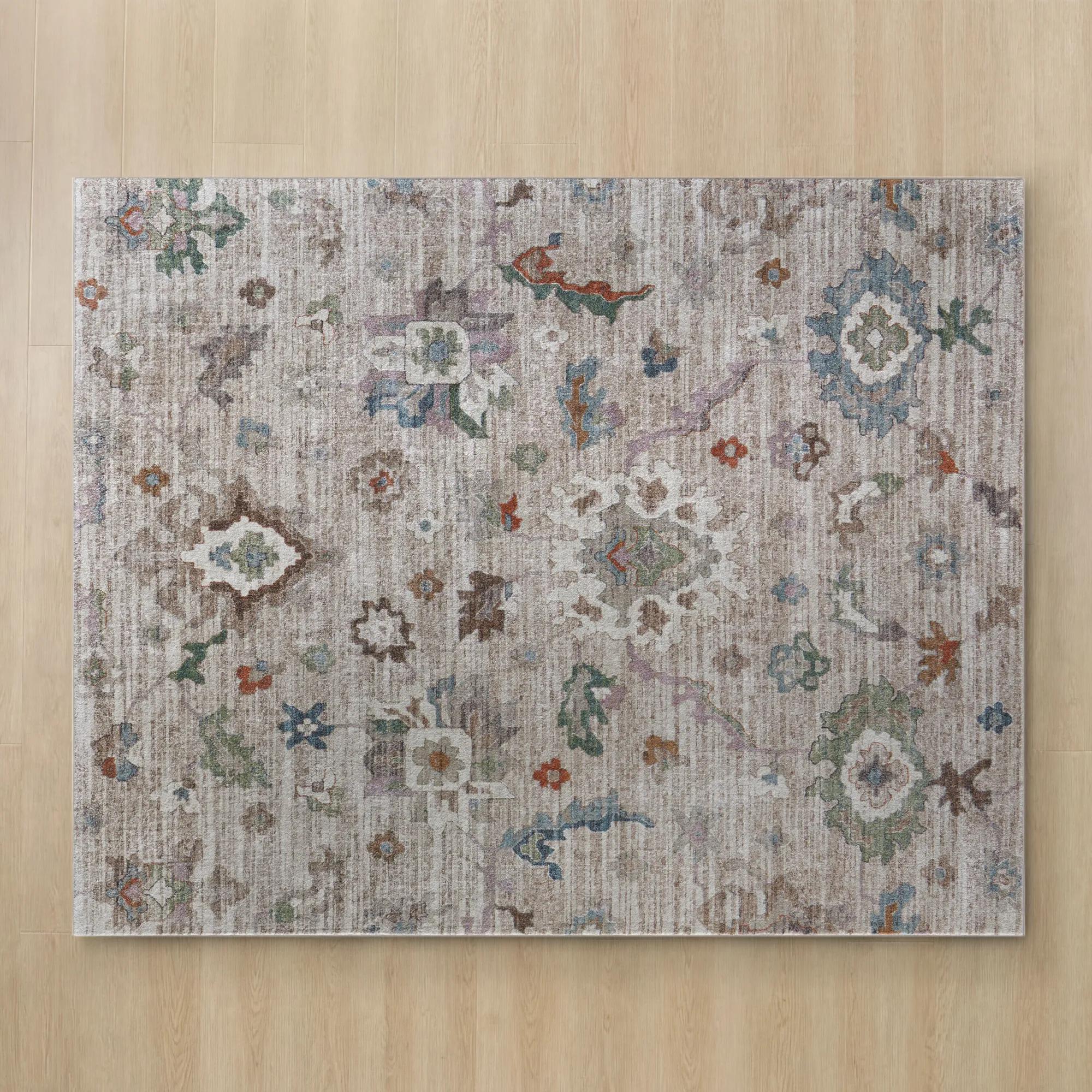 Ariella Floral Taupe/Ivory/Beige/Blue/Green Performance Power Loomed Rug$1499
A Persian-inspired rug in taupe, ivory, beige, blue, and green with a plush, power-loomed polypropylene pile.
Add To Cart -
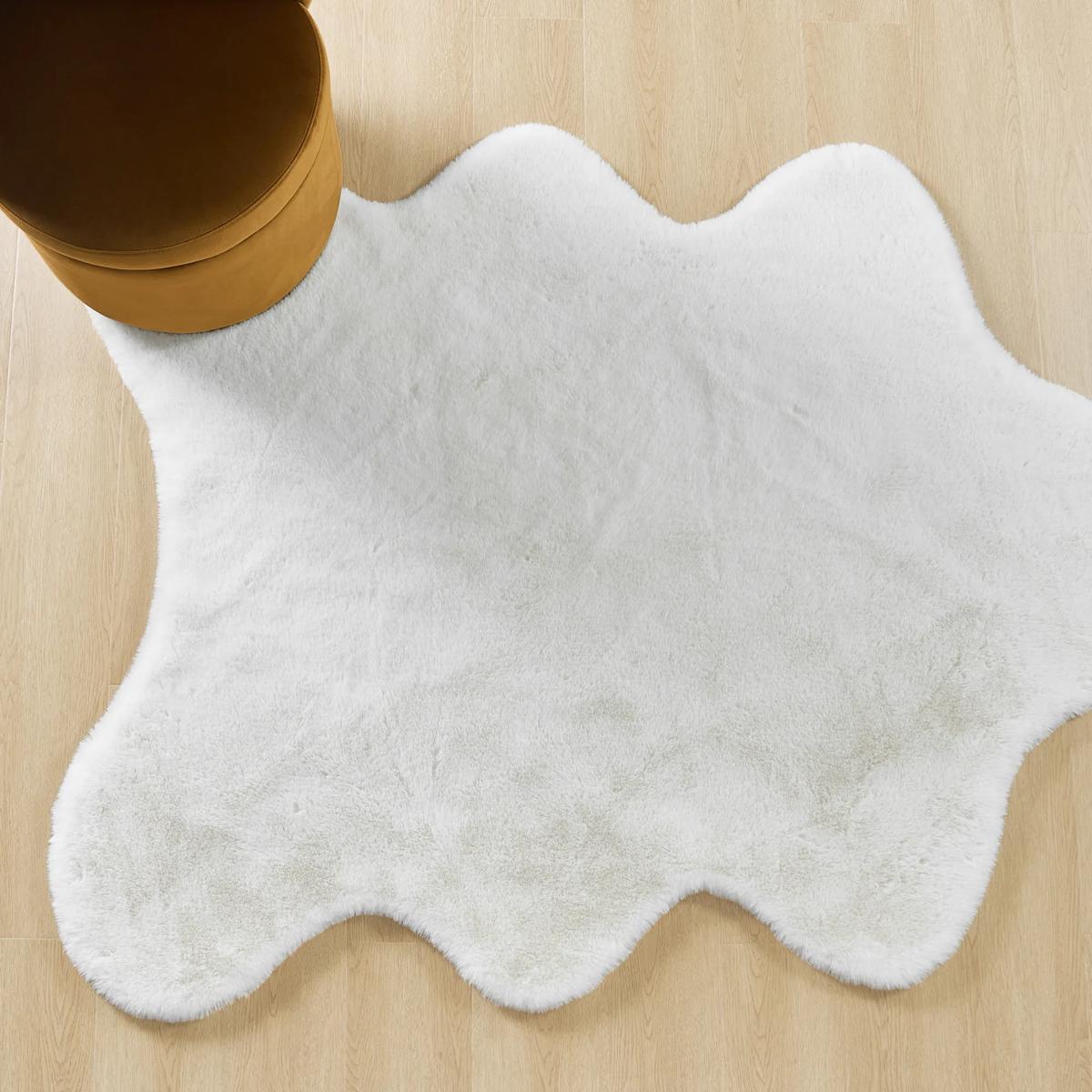
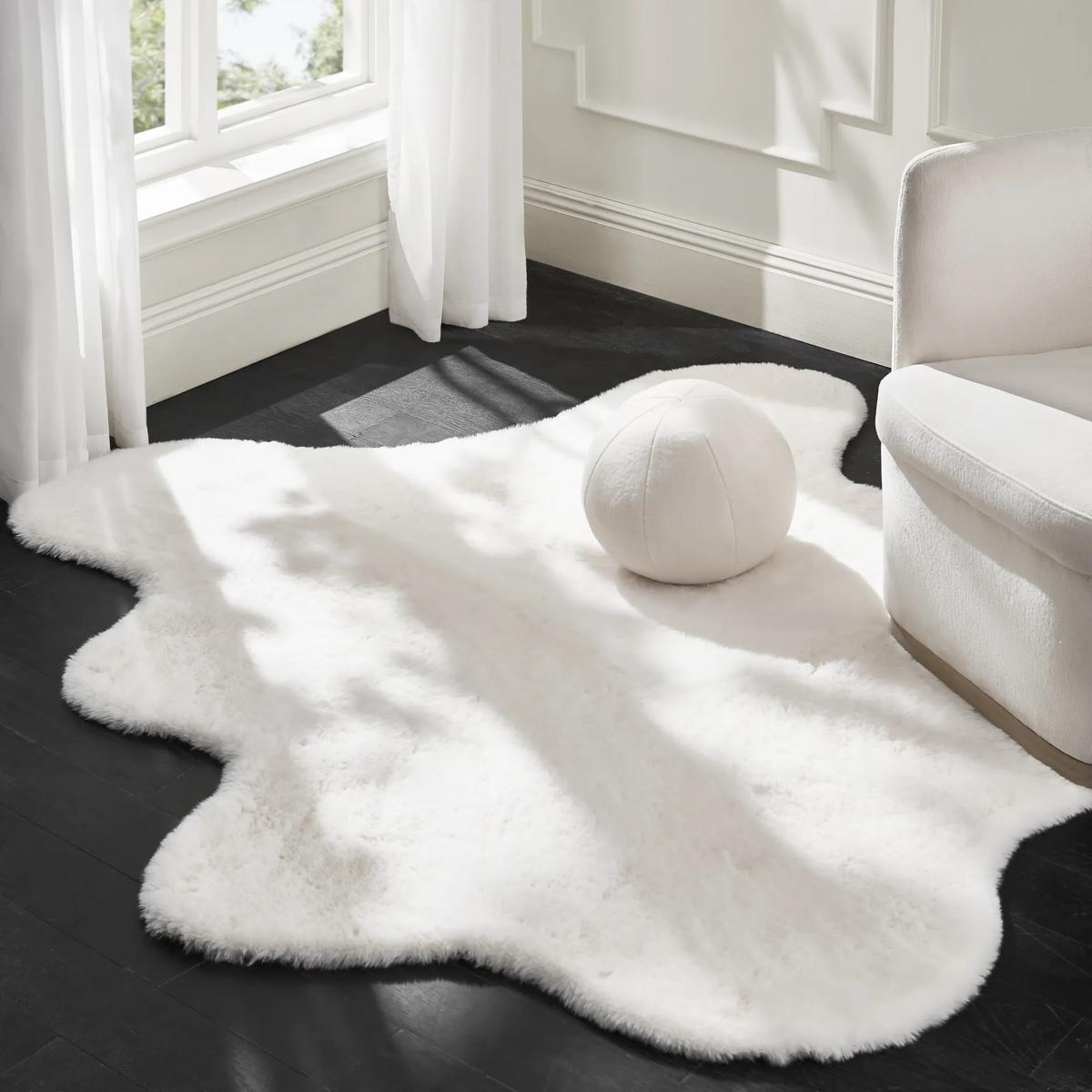 Odin Faux Fur White Shaped Rug 5' x 6'$249
A plush, cloud-shaped white rug with ultra-soft polyester pile and a practical non-slip backing.
Add To Cart -
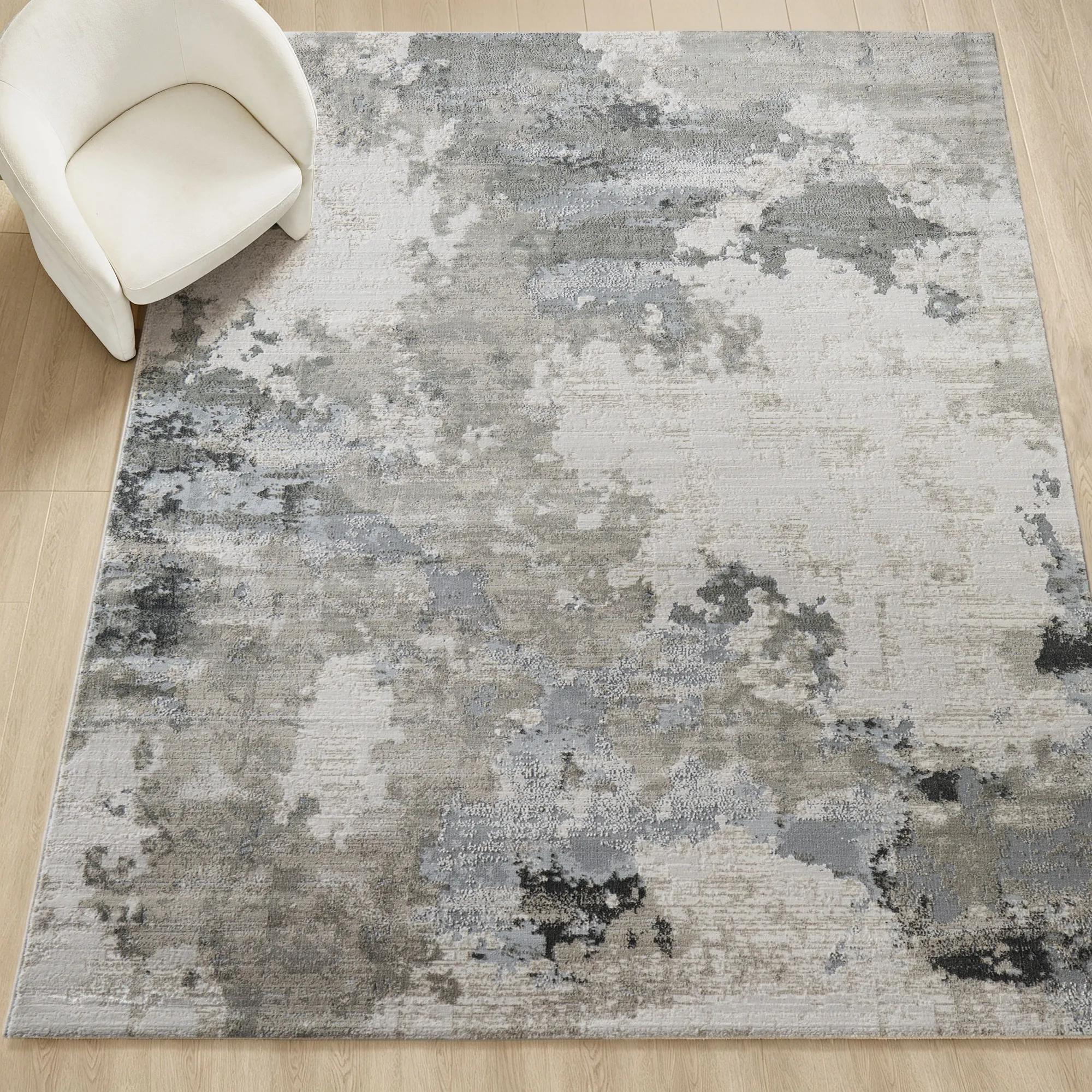 Alarion Abstract Grey/Muted Blue/Ivory Performance Power Loomed Rug$1499
A power-loomed rug featuring a distressed abstract pattern in grey, muted blue, and ivory with stain resistance.
Add To Cart -
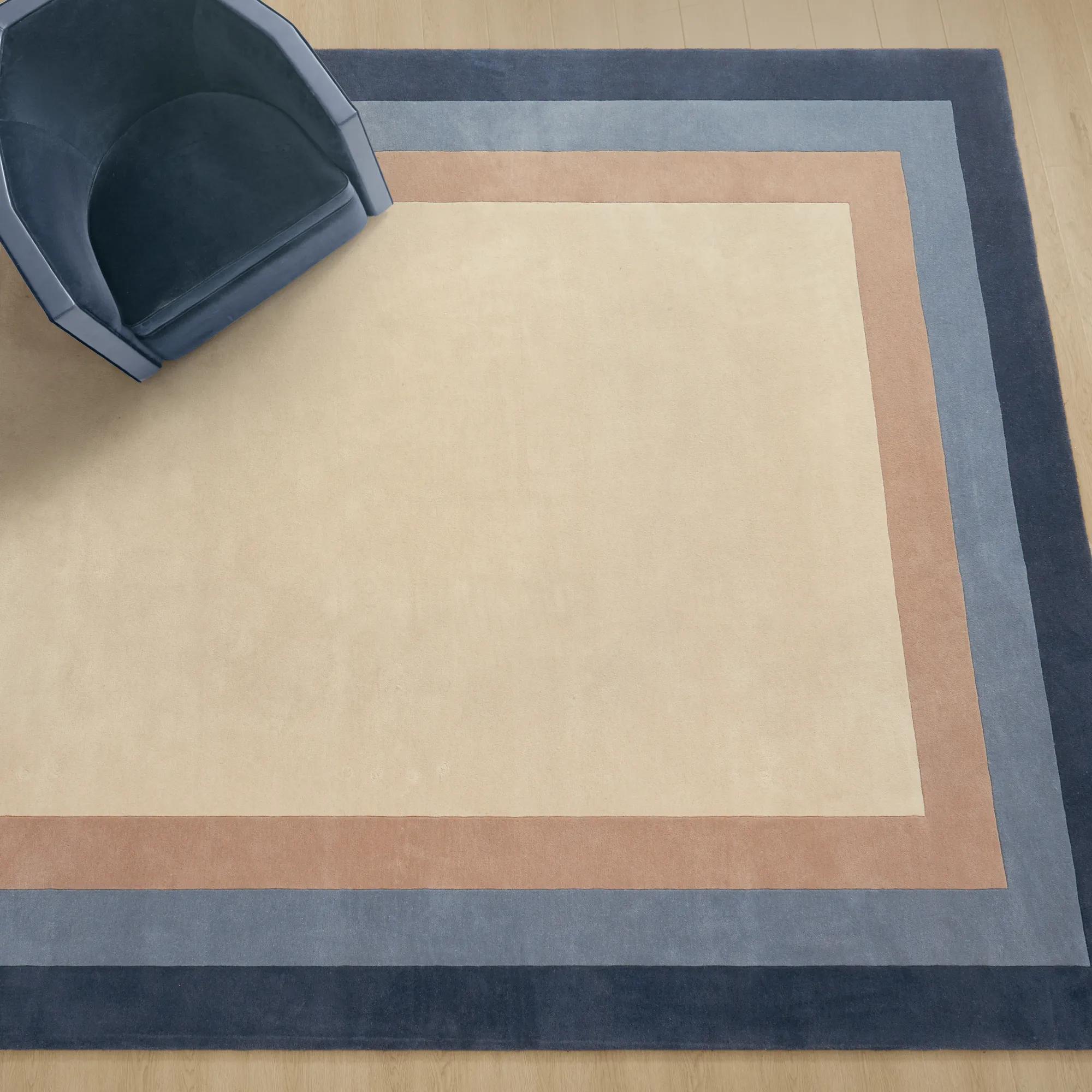 Bastien Hand-Tufted Blue/Taupe/Ivory Wool Border Rugs$999
A hand-tufted wool rug featuring a bold color-blocked border in dusty blue, taupe, and ivory tones.
Add To Cart -
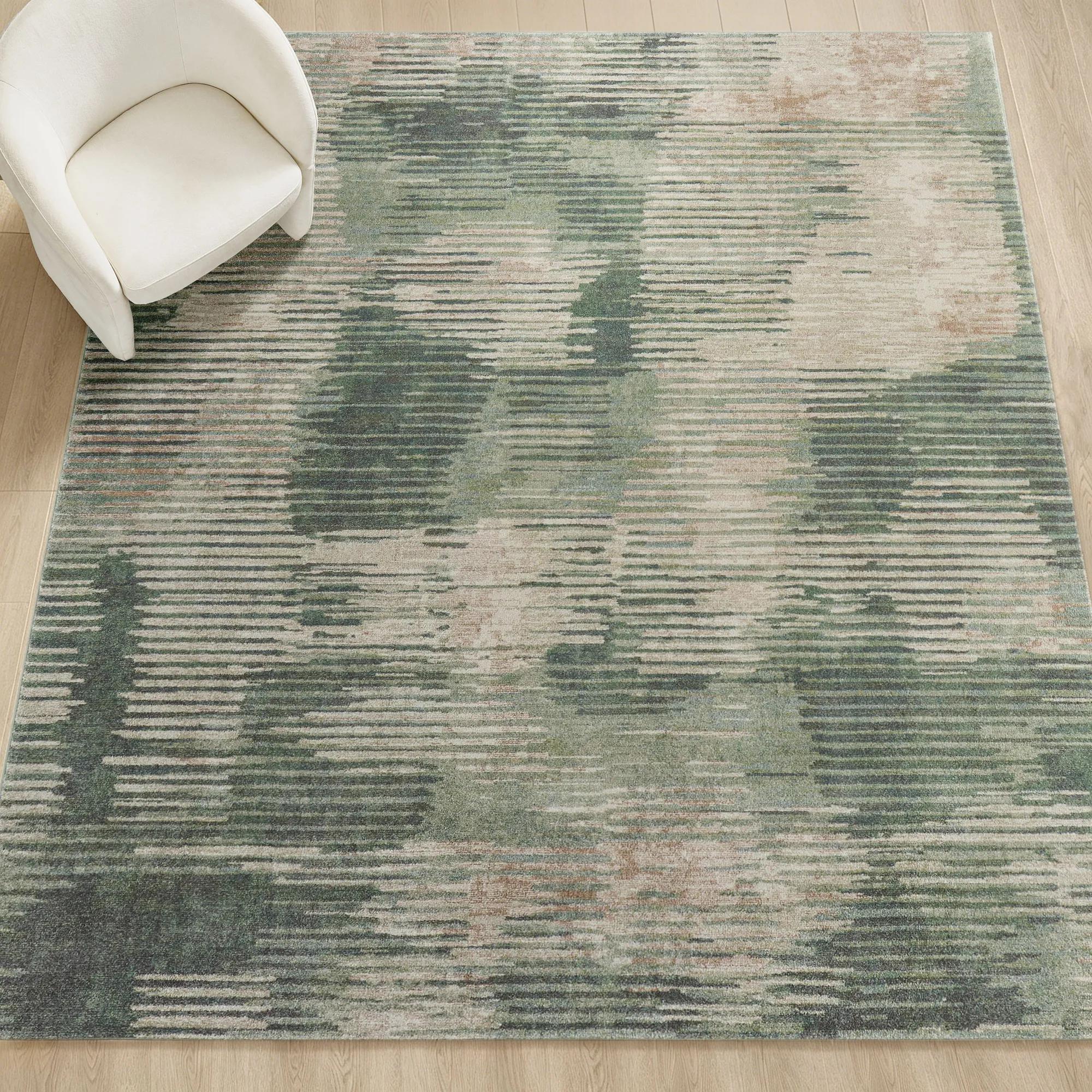
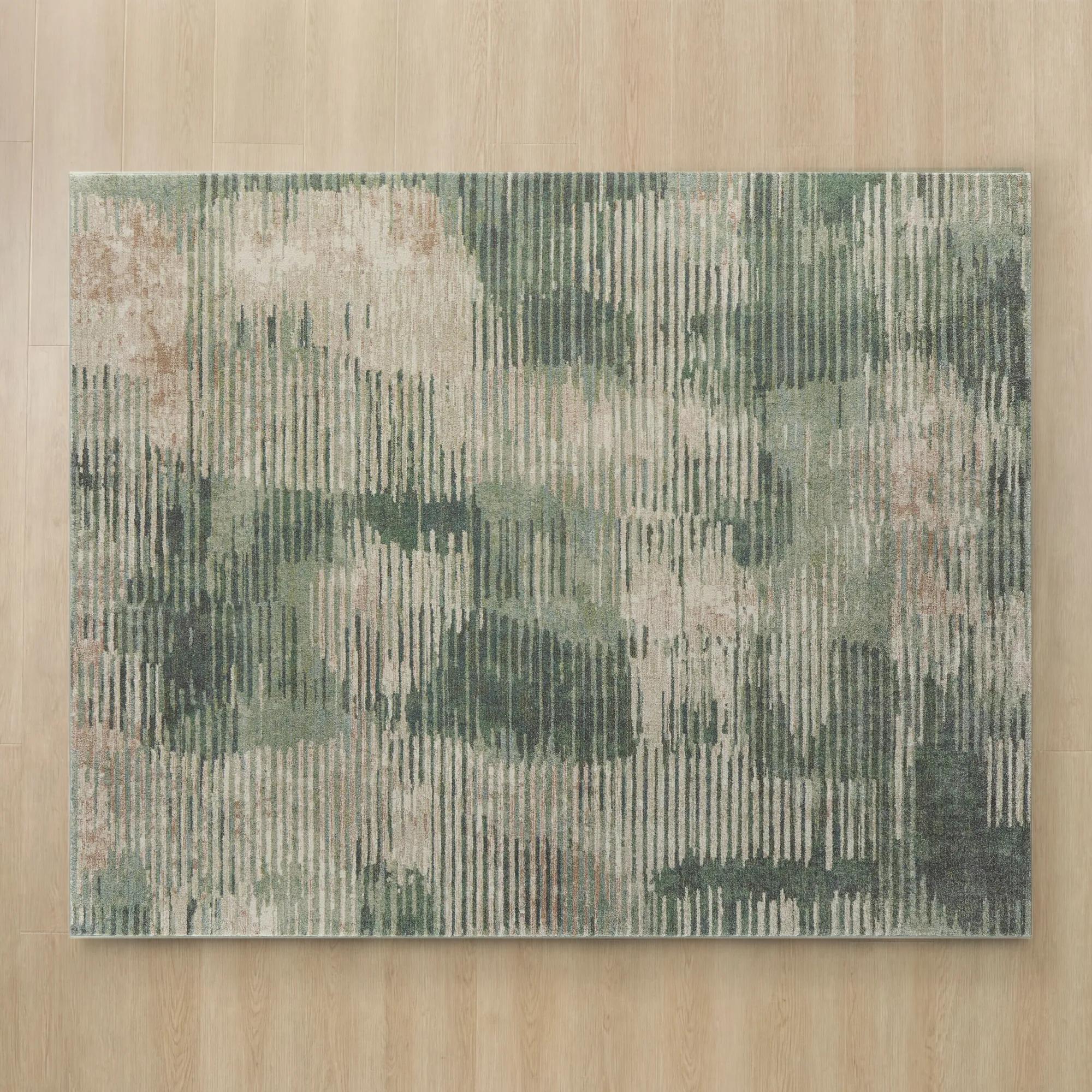 Sylvan Green/Beige Power Loomed Rug$689
A contemporary rug featuring a smoked olive green and beige organic pattern with a soft, power-loomed polypropylene pile.
Add To Cart -
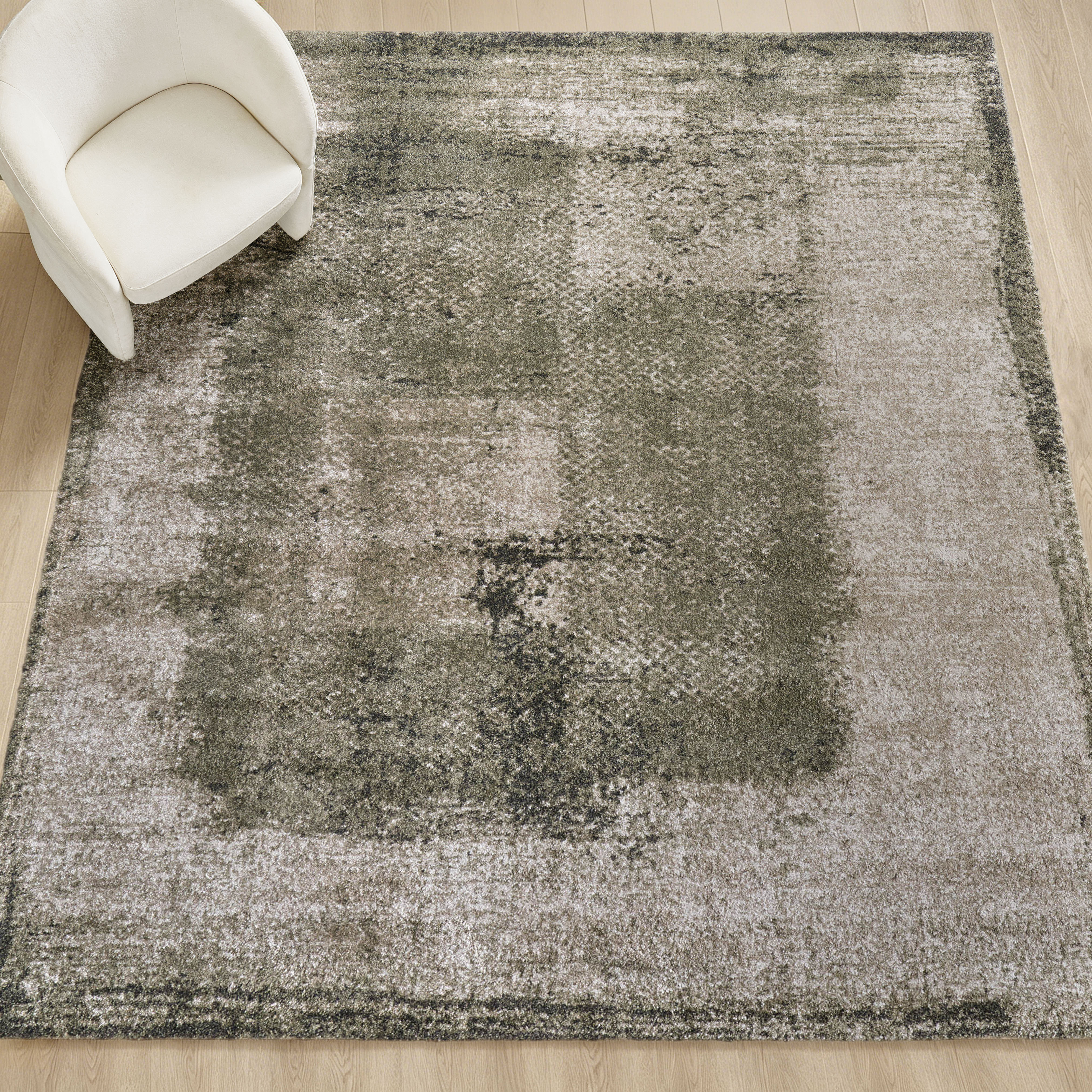
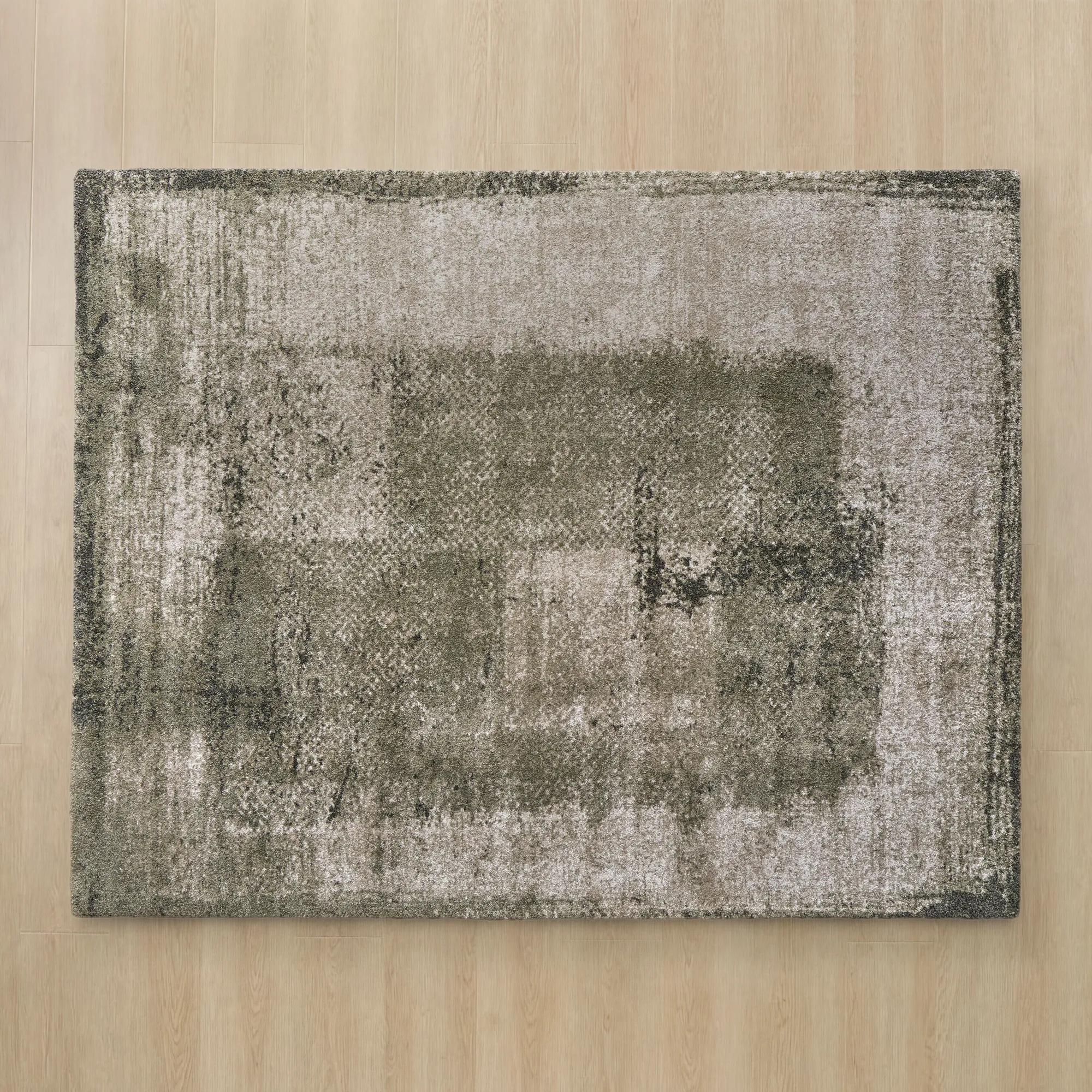 Irving Abstract Moss Green/Beige/Grey Performance Power Loomed Rug$1649
An abstract rug in moss green, beige, and grey with plush, durable polypropylene and polyester construction.
Add To Cart -
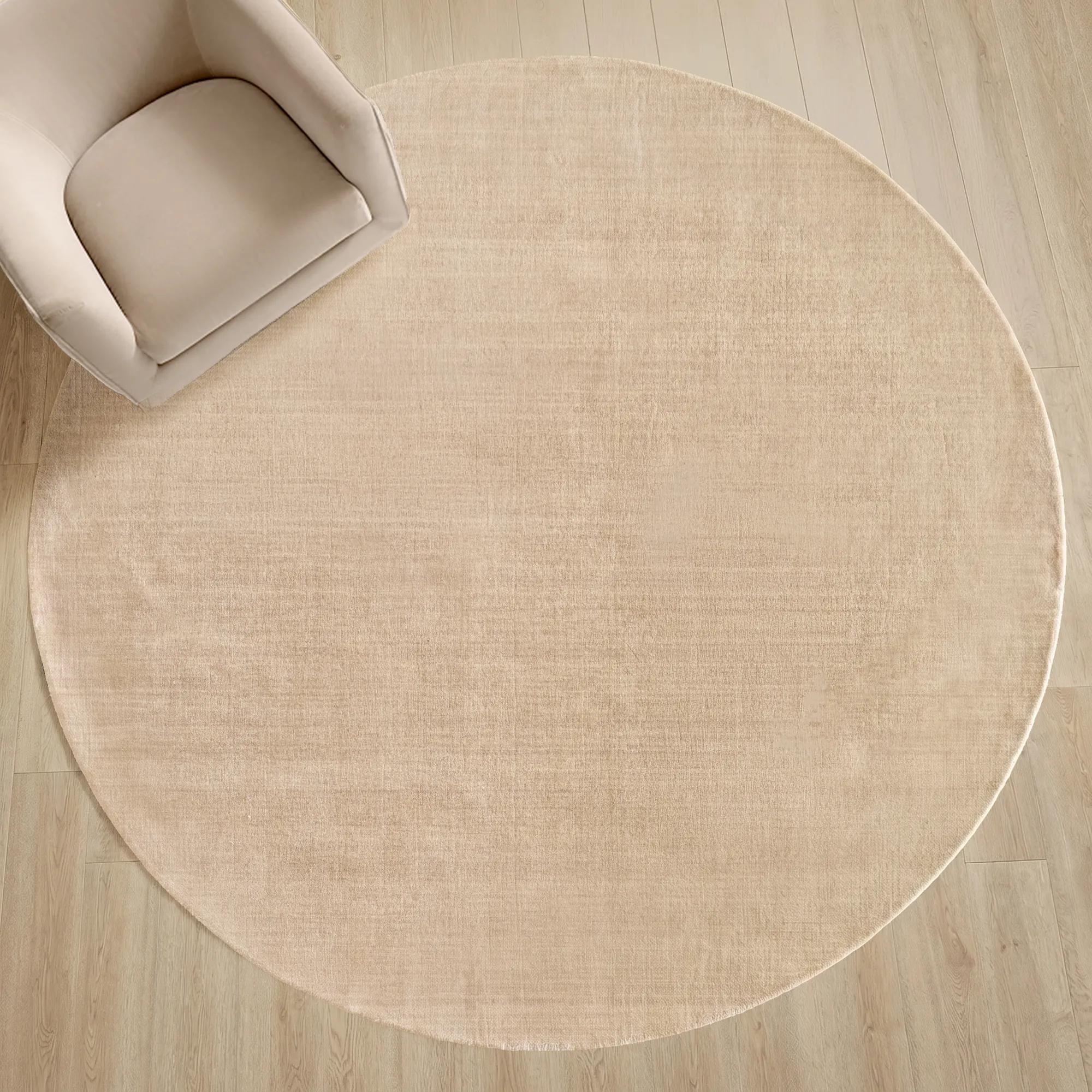 Juni Hand Woven Heathered Warm Beige Round Rug$1399
A handwoven round wool rug in heathered warm beige, offering refined texture and everyday durability.
Add To Cart -
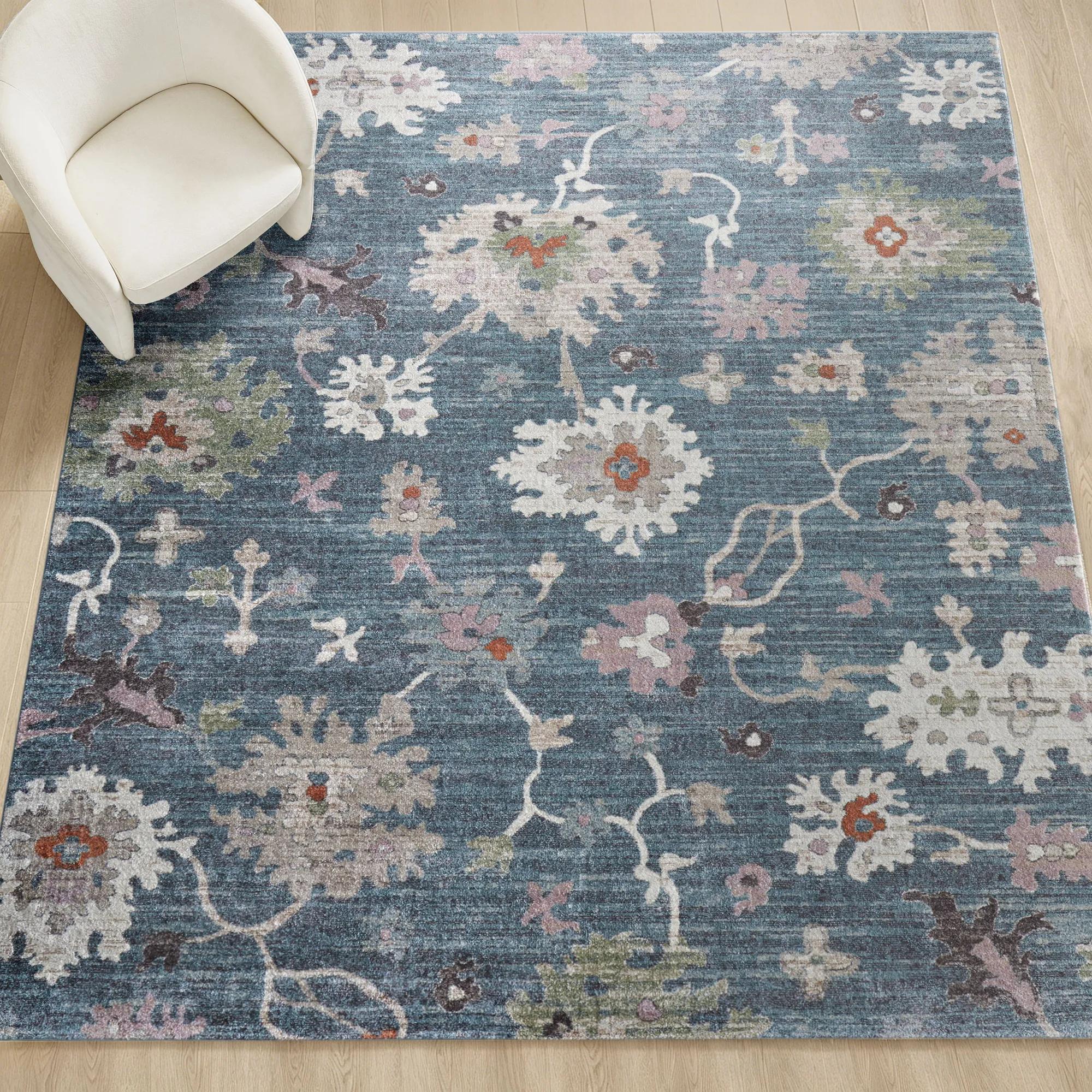
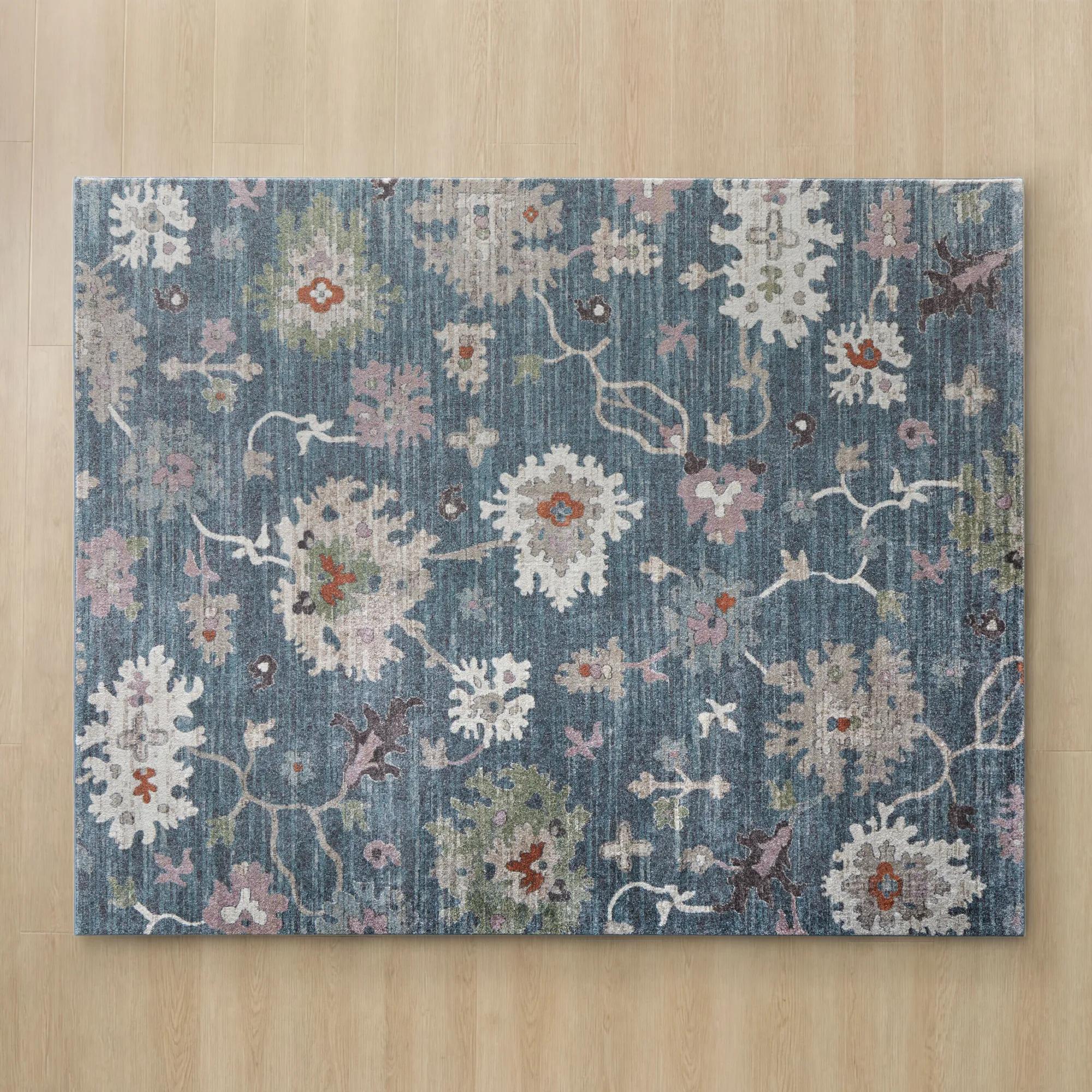 Ariella Floral Blue/Ivory/Beige/Green/Rose Dust Performance Power Loomed Rug$1399
A Persian-inspired rug in blue, ivory, beige, green, and rose dust with plush, stain-resistant polypropylene.
Add To Cart -
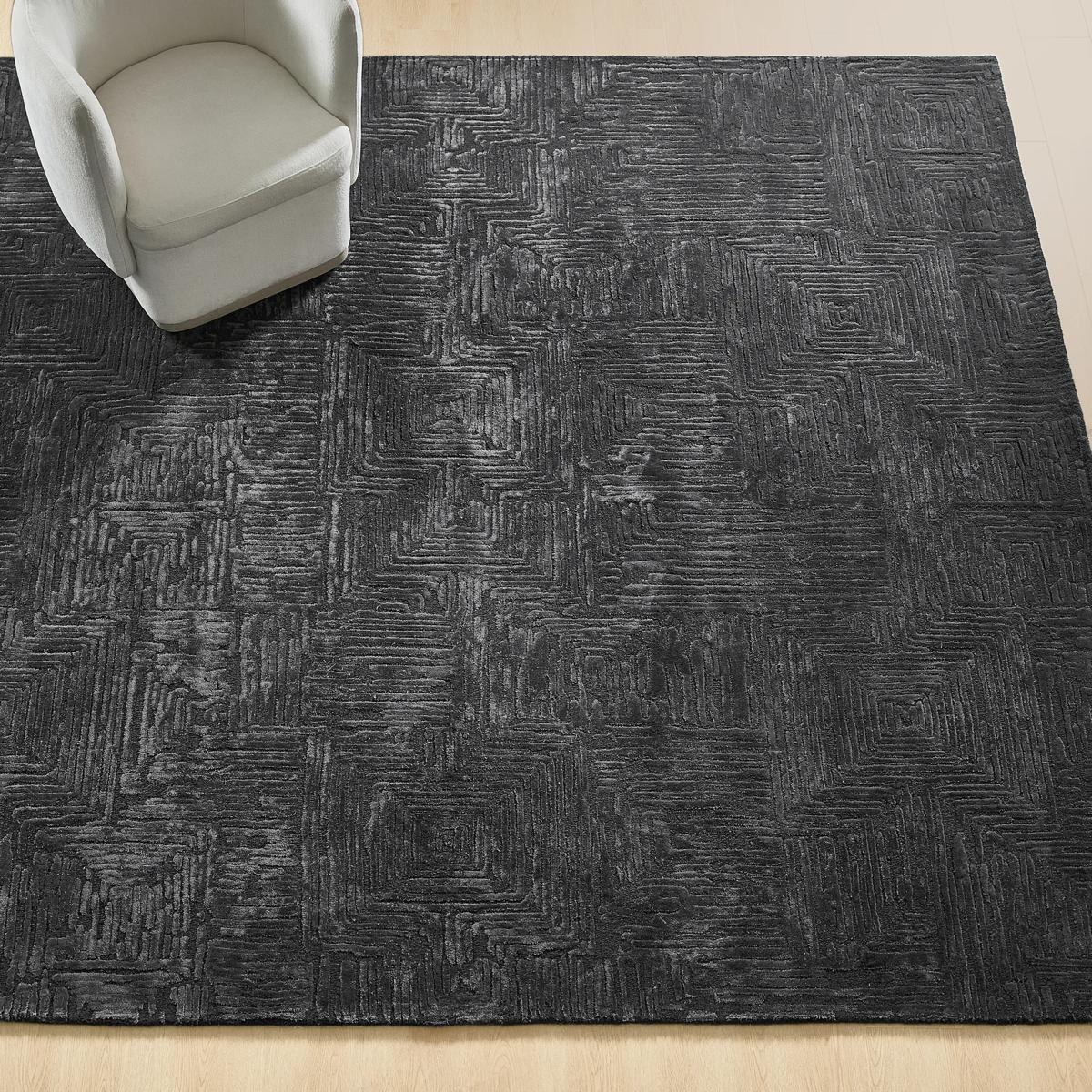
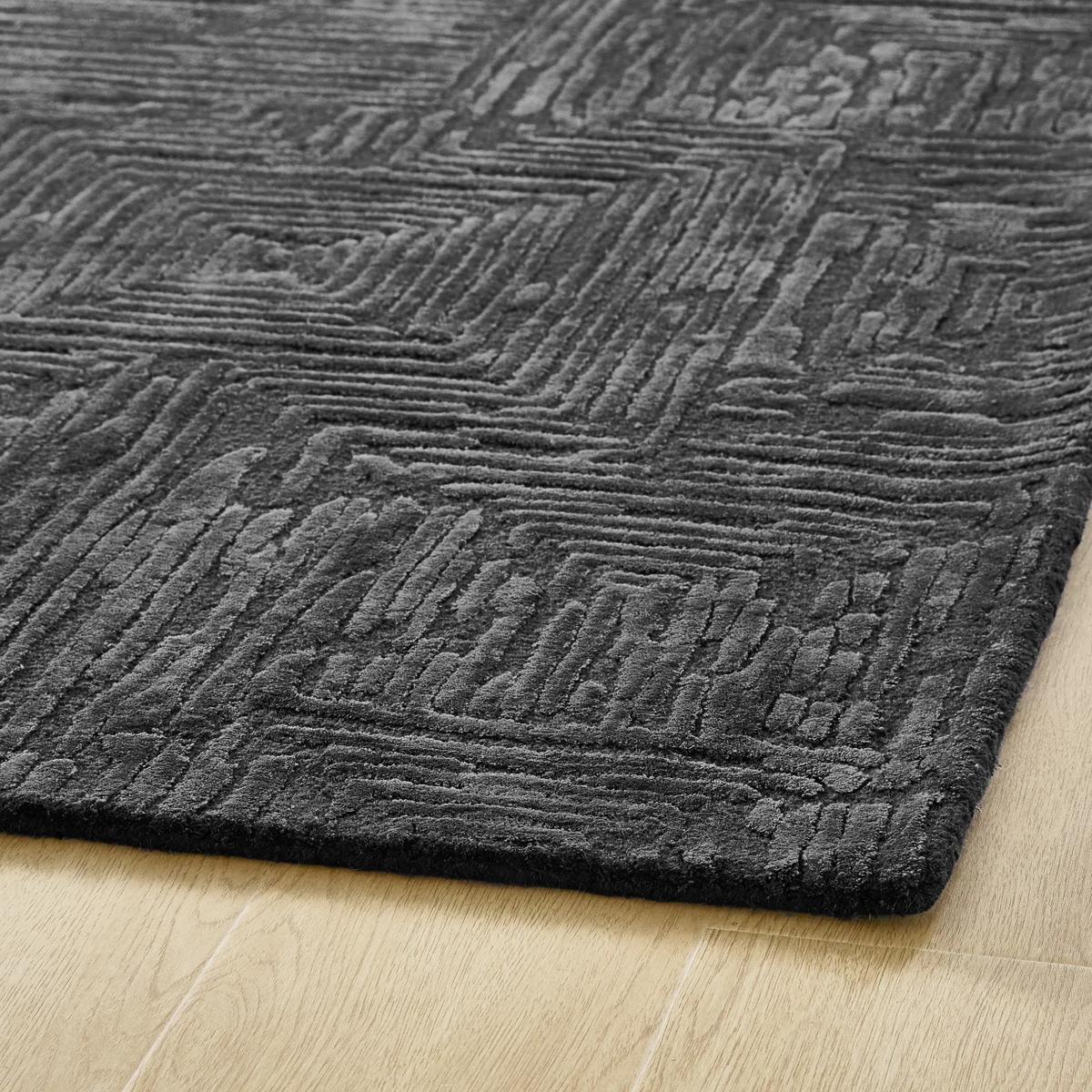 Andra Charcoal Hand-Tufted Wool Blend Dimensional Rug$1499
A hand-tufted viscose-wool rug in rich charcoal with a sculptural, dimensional pattern and plush texture.
Add To Cart -
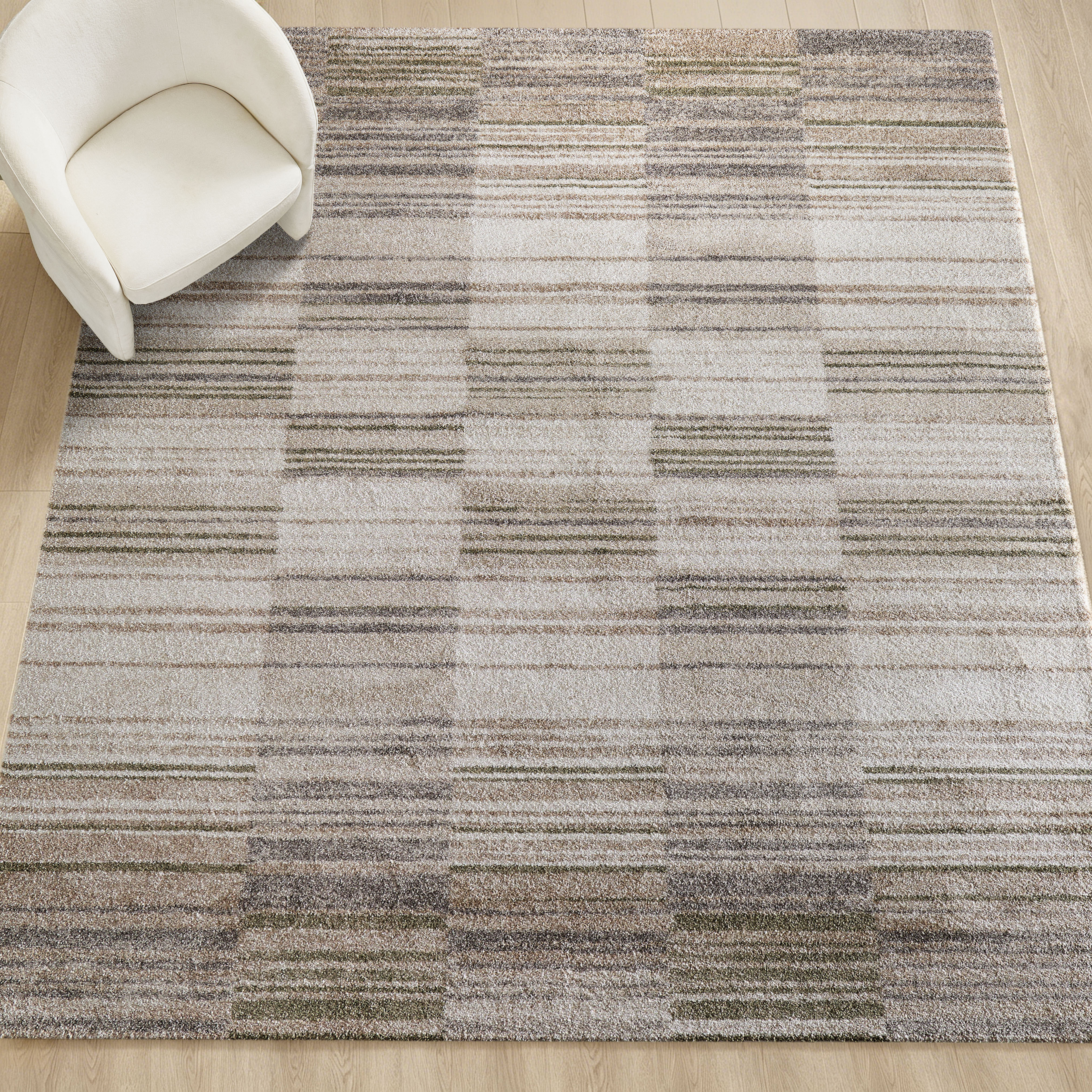
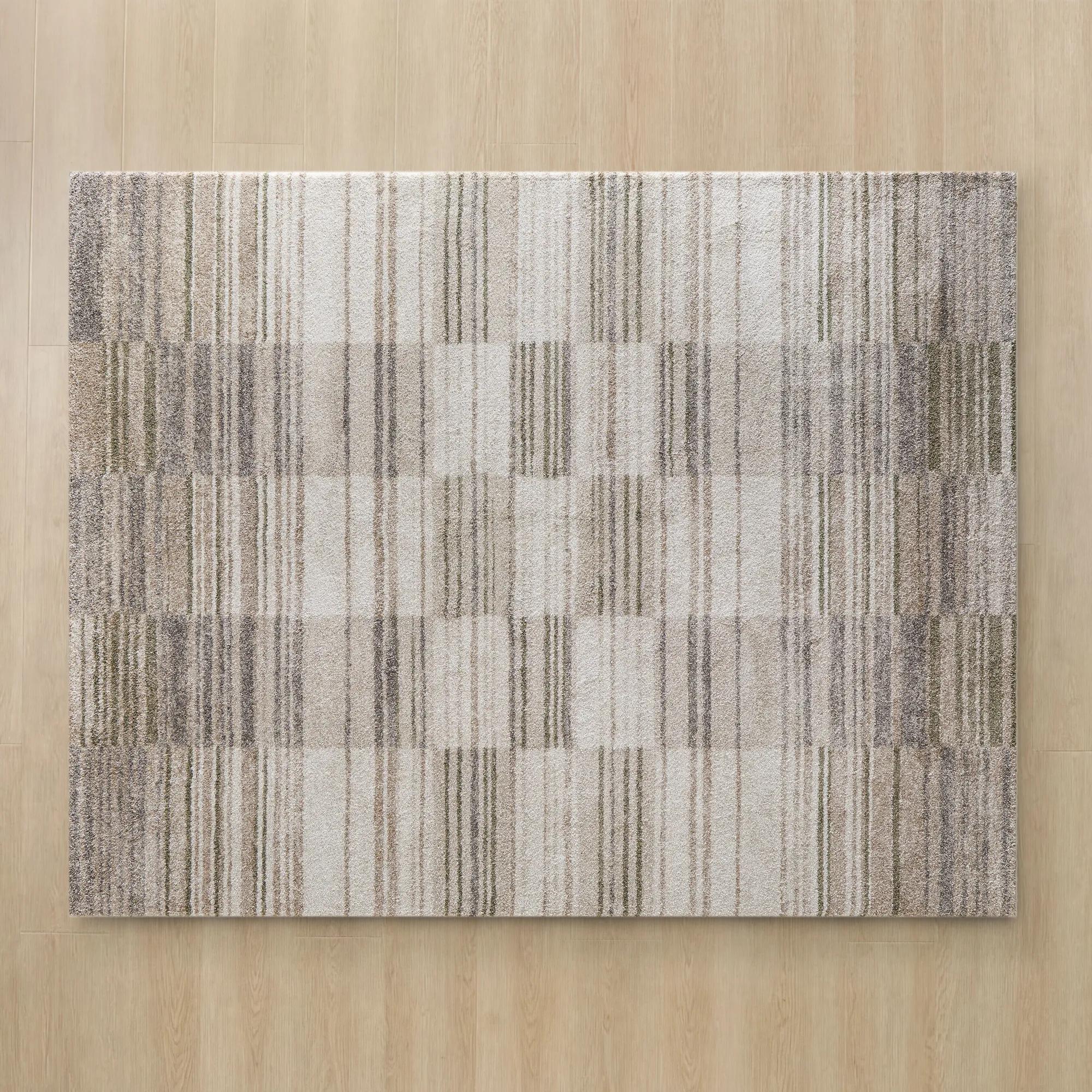 Checka Grey/Tan/Ivory/Soft Green Performance Power Loomed Rug$399
A plush, power-loomed rug featuring a soft check pattern in grey, tan, ivory, and green.
Add To Cart

Modern Rugs For Elegant Spaces
Modern rugs for elegant spaces are more than mere accents—they are the foundation upon which extraordinary interiors come to life. Each piece is a celebration of artistry and sophistication, designed to transform every room into a gallery of personal expression. Whether anchoring a dramatic living area or adding a touch of refined luxury to a serene bedroom, these modern rugs invite you to indulge in texture, color, and pattern that elevate the everyday. Step onto sumptuous softness and let bold design choices ground your home in undeniable style—because elegant spaces deserve nothing less than a masterpiece underfoot.
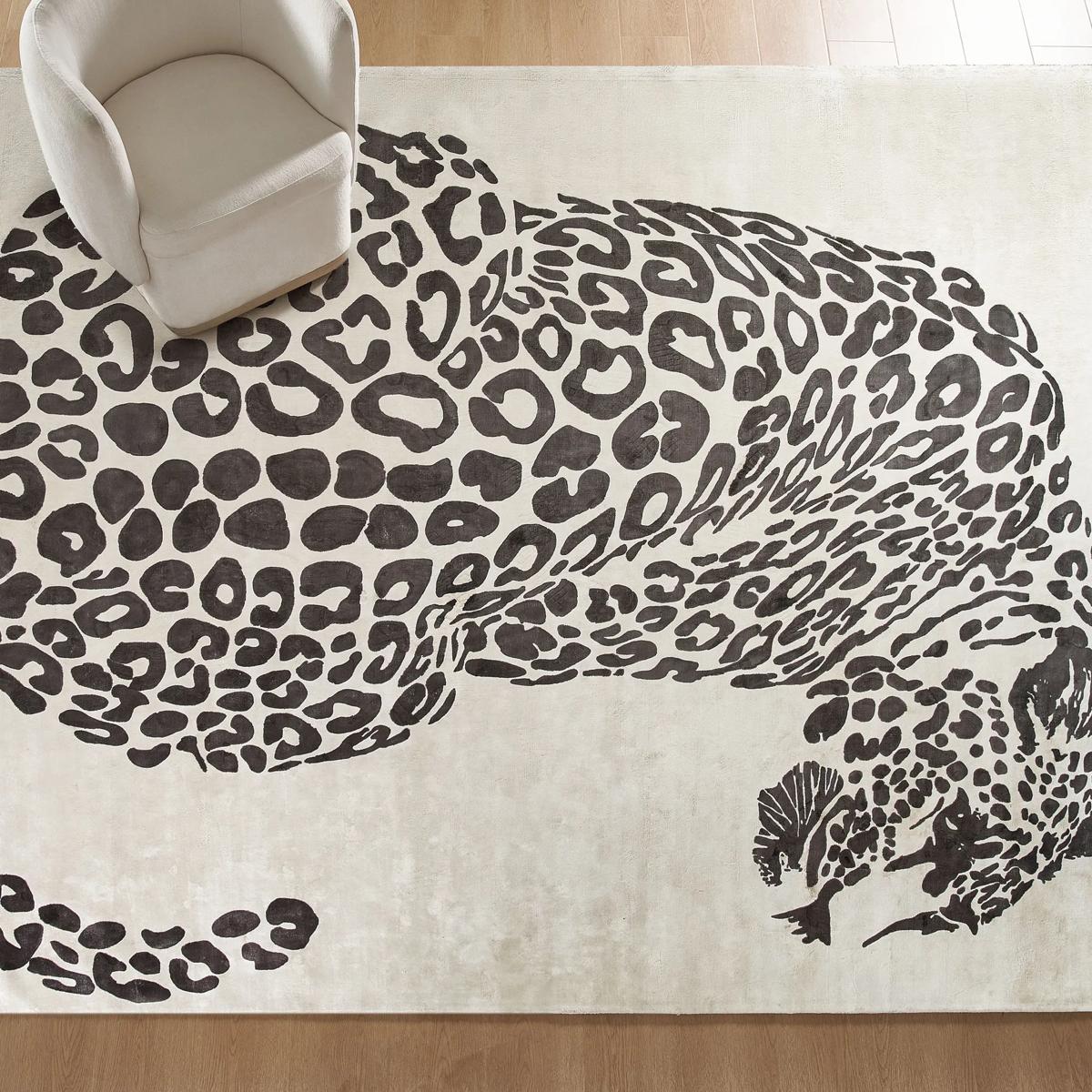
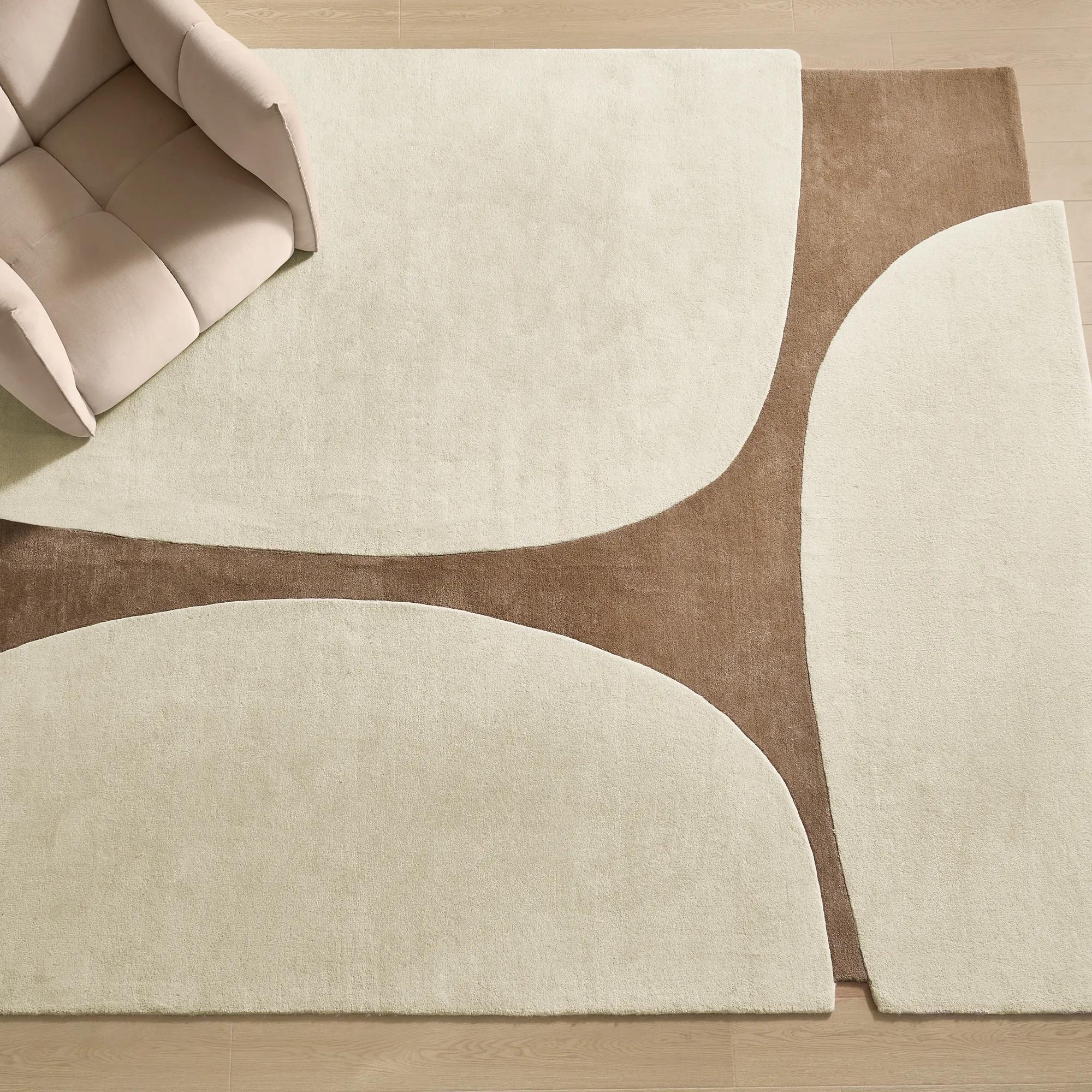
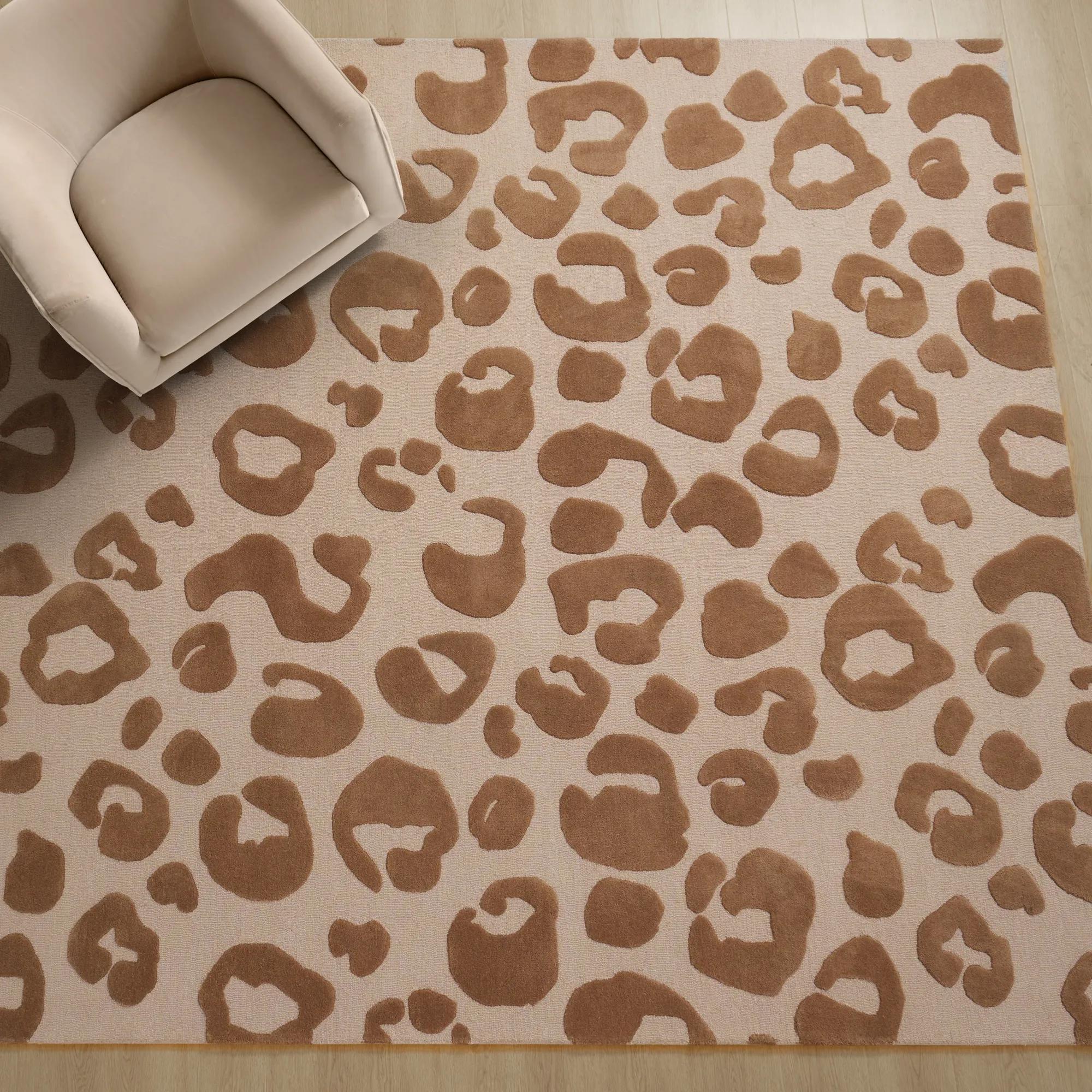
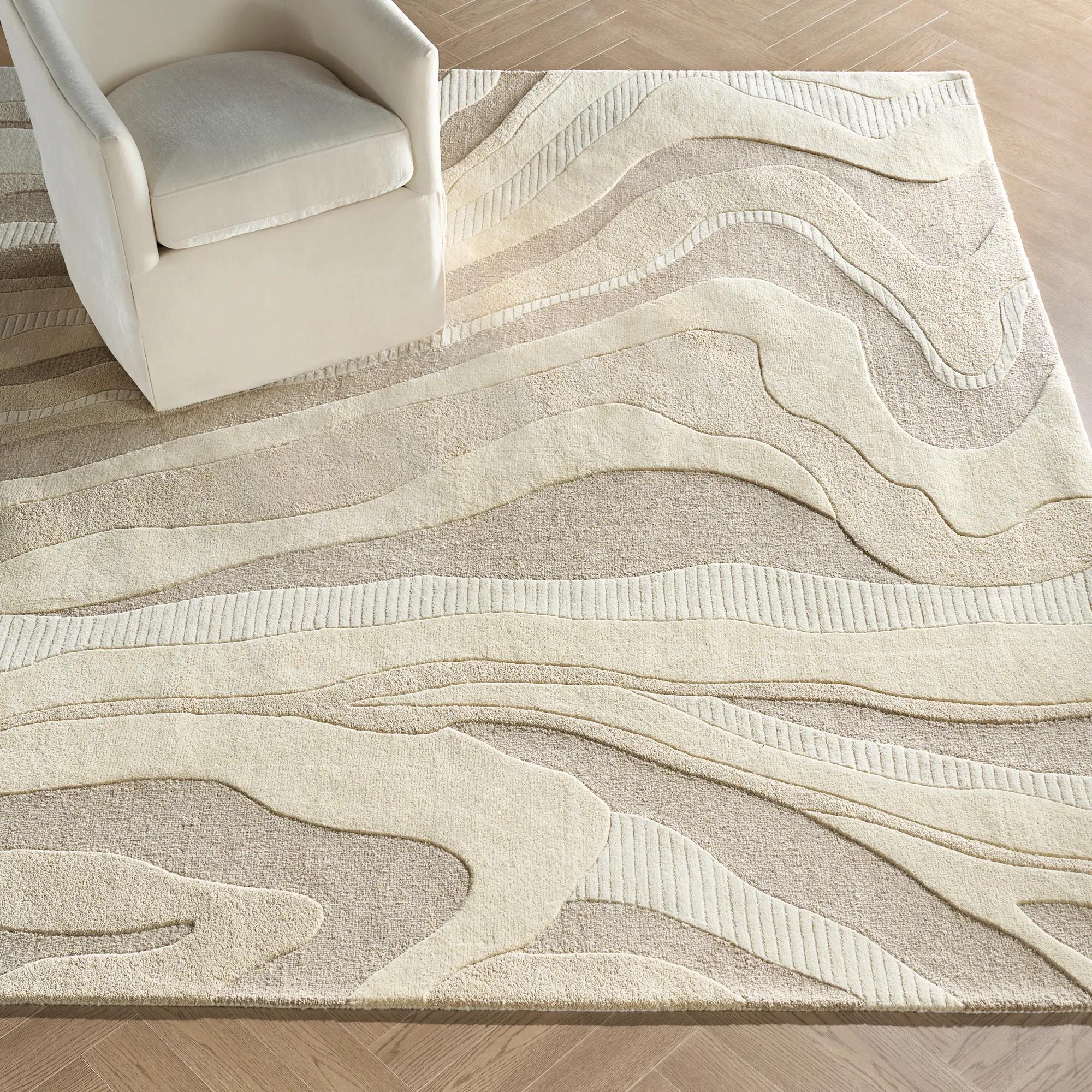
Modern rugs for elegant spaces bring together expressive design, considered color, and inviting texture, creating a foundation that feels as polished as the furniture above it. Their appeal lies in balance: clean lines lend structure, sumptuous surfaces soften architectural edges, and abstract patterns introduce movement without overwhelming a room. Ivory, taupe, warm gray, and champagne tones create a luminous backdrop for velvet upholstery, sculptural tables, and gleaming metal accents. Deeper charcoal, ink blue, or espresso can lend definition to pale furnishings, giving a seating arrangement a more dramatic silhouette. Neither approach requires a room to feel restrained. A neutral area rug with carved lines or varying pile heights can be just as captivating as a sweeping painterly composition, particularly when daylight reveals its surface in shifting layers. Marble-inspired veining, softened geometrics, and tonal washes feel especially at home in elegant contemporary interiors because they offer visual interest while leaving space for art and accessories to command attention. Pattern scale matters as much as color: broad gestures can anchor an expansive living room, while a finely layered design often suits an intimate sitting area where the rug is viewed at close range. In a room with patterned pillows or striking wall art, a quieter rug gives those details room to breathe. Against solid upholstery and simple drapery, an abstract rug can become the room’s most expressive element. Lighting also shapes the effect. A lustrous surface may look silvery beside a window and warmer beneath shaded lamps, so material samples, when possible, are worth viewing in the intended room at different times of day. The most compelling contemporary rugs do more than coordinate with a palette; they connect the room’s textures and finishes. A soft gray field can echo veining in a stone table, while a warm ivory ground can soften the contrast between dark wood and metallic accents. That connection makes an elegant space feel composed rather than overly matched, with enough character to reflect the people who live there.
Material and construction determine how that visual statement feels underfoot and how comfortably it fits into everyday life. Wool rugs are valued for their natural resilience, substantial hand, and ability to bring depth to color; some shedding is normal, especially when a rug is new, and care requirements vary by construction. Cotton can offer a softer, more relaxed surface, although washability should never be assumed without checking the care label. Synthetic fibers such as polypropylene and polyester can be practical choices for frequently used spaces, with many constructions offering good stain resistance and straightforward maintenance. Performance still depends on the individual weave, backing, and finish, rather than fiber content alone. Viscose and other lustrous fibers create a silk-like sheen that can look exquisite in a formal sitting room or serene bedroom, but they are often more sensitive to moisture, abrasion, and spills. Their beauty is best considered alongside the demands of the household. A space shared with children, pets, or frequent guests benefits from a rug selected for its specific care needs, not simply its appearance in a photograph. Low-pile rugs provide a tailored profile beneath dining furniture and in active living areas, where chairs move often and a smooth walking surface is useful. Plush or high-pile designs create a more enveloping feel beside a bed or within a quiet lounge, though they can require more attention to remove trapped debris. Tightly constructed surfaces may better suit busy paths, while exposed loops deserve consideration in homes with pets whose claws could catch. Texture can also temper a room’s acoustics, helping soften the sound of footsteps and conversation among hard floors, glass, and stone. During the cooler months, that tactile layer makes a reading corner or bedroom feel particularly inviting without changing the room’s overall palette. For a dining room used for long dinners, a lower profile and a manageable care routine often matter more than deep softness. In a bedroom, the pleasure of stepping onto a cushioned surface may take priority. Elegant design feels most convincing when its materials support the way a room is actually used.
Scale gives modern area rugs their architectural presence. In a living room, a rug large enough to accommodate at least the front legs of the main seating pieces generally creates a more unified arrangement than one floating beneath the coffee table alone. Common sizes such as 8 by 10 feet or 9 by 12 feet can suit many seating groups, but the furniture footprint and room dimensions should determine the final fit. An expansive space may need a larger rug to keep the arrangement from feeling disconnected. A consistent border of visible flooring helps frame the composition, while doors, floor vents, and circulation paths deserve attention before placement. Beneath a dining table, allowing approximately 24 to 30 inches of rug beyond each edge usually gives chairs room to remain on the rug when pulled out; unusually deep chairs may need more clearance. In a bedroom, extending the rug beyond the sides and foot of the bed creates a generous landing rather than hiding most of the texture beneath furniture. Runners can bring the same sense of refinement to narrower spaces, provided their proportions leave comfortable clearance around doorways. A suitable rug pad adds cushioning, helps reduce shifting, and can limit wear from friction; its material should be compatible with both the rug backing and the flooring manufacturer’s recommendations. Ongoing care preserves the clarity of the design. Vacuum according to the rug’s instructions, using suction-only settings where recommended for delicate fibers, fringe, or raised textures. Blot spills promptly rather than rubbing, avoid unapproved cleaning solutions, and seek professional care when the material calls for it. Periodic rotation can help distribute foot traffic and light exposure more evenly. For spaces that pair collected artwork with unexpected color and contrasting furniture silhouettes, Modern Rugs For Eclectic Interiors offers a related design direction. Whether the setting is a richly layered salon or a luminous bedroom, thoughtful proportions and distinctive texture give the rug lasting purpose: grounding the furniture, welcoming daily life, and bringing the room’s artistic vision into focus.
FAQs
Modern rugs designed for elegant spaces often feature high-quality materials such as hand-knotted wool, silk, and natural fibers like jute. These materials provide a luxurious feel underfoot and add depth and texture to any room. Wool and silk lend a sumptuous, refined touch, while jute and other natural fibers offer organic warmth and understated sophistication.
A modern rug can instantly elevate the mood of a space by introducing visual drama, texture, and color. Whether it’s a bold geometric design that becomes a striking focal point or a subtle abstract pattern that creates a serene backdrop, the right rug sets the tone and ties together your overall decor, making every room feel thoughtfully curated and inviting.
A modern rug is a luxurious and meaningful gift choice for occasions such as weddings, housewarmings, or milestone celebrations. Its artistry and craftsmanship make it a lasting token of appreciation, and its transformative power ensures the recipient will enjoy both beauty and comfort for years to come.
Elegant modern rugs often showcase geometric, abstract, or reimagined traditional patterns. Geometric motifs bring a sense of structure and modernity, while abstract designs add artistic flair. Updated versions of classic patterns, such as muted medallions or stylized florals, blend tradition with contemporary sensibilities for a look that feels both timeless and fresh.
Selecting a rug color involves considering your room’s palette and the atmosphere you wish to create. For a cohesive look, choose a rug that echoes accent colors in your furniture or artwork. To make a bold statement, opt for a contrasting hue that stands out as a centerpiece. Lighter rugs can brighten darker rooms, while deeper tones add richness and intimacy to open spaces.