Modern Rugs For Minimalist Decor
Modern Rugs For Minimalist Decor
-
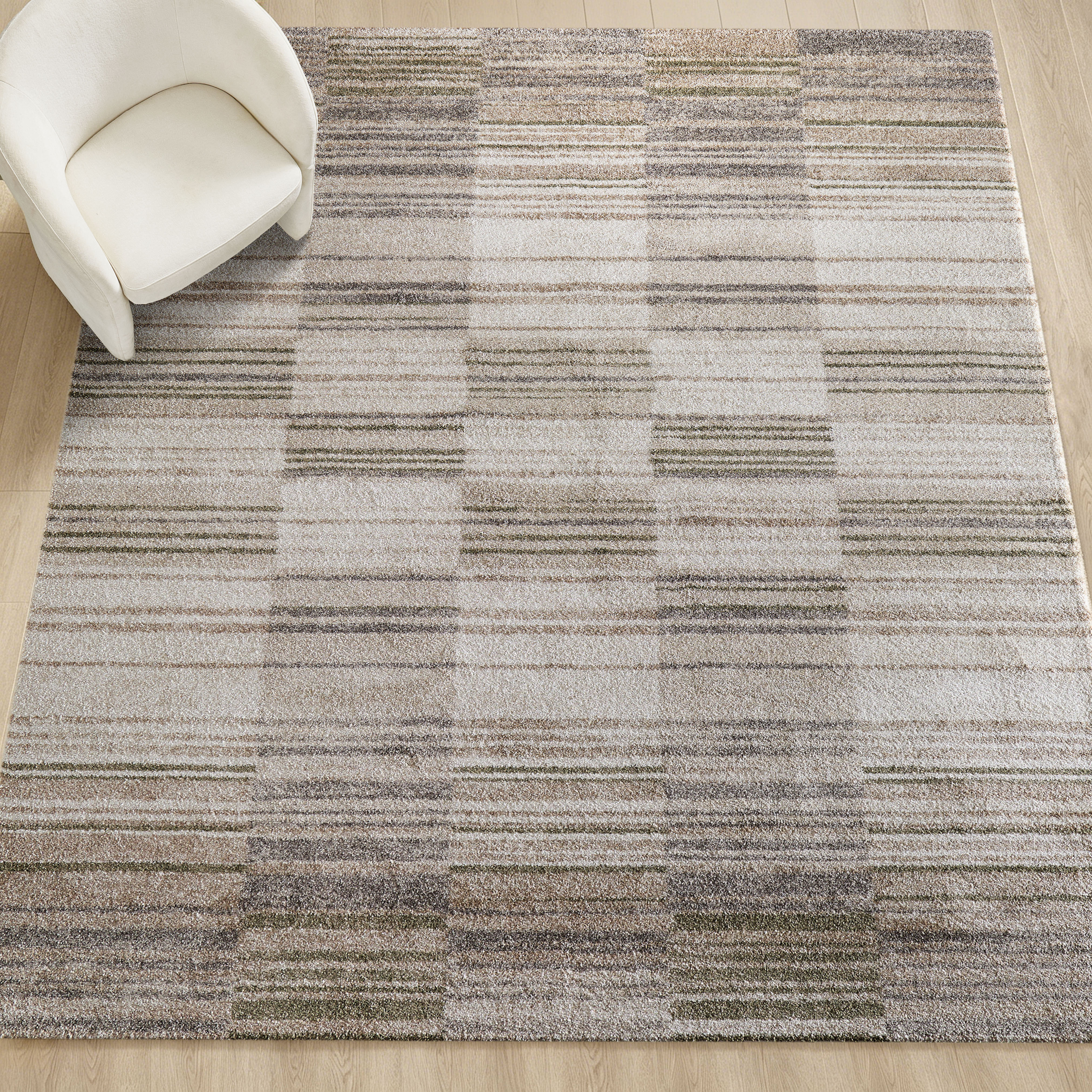
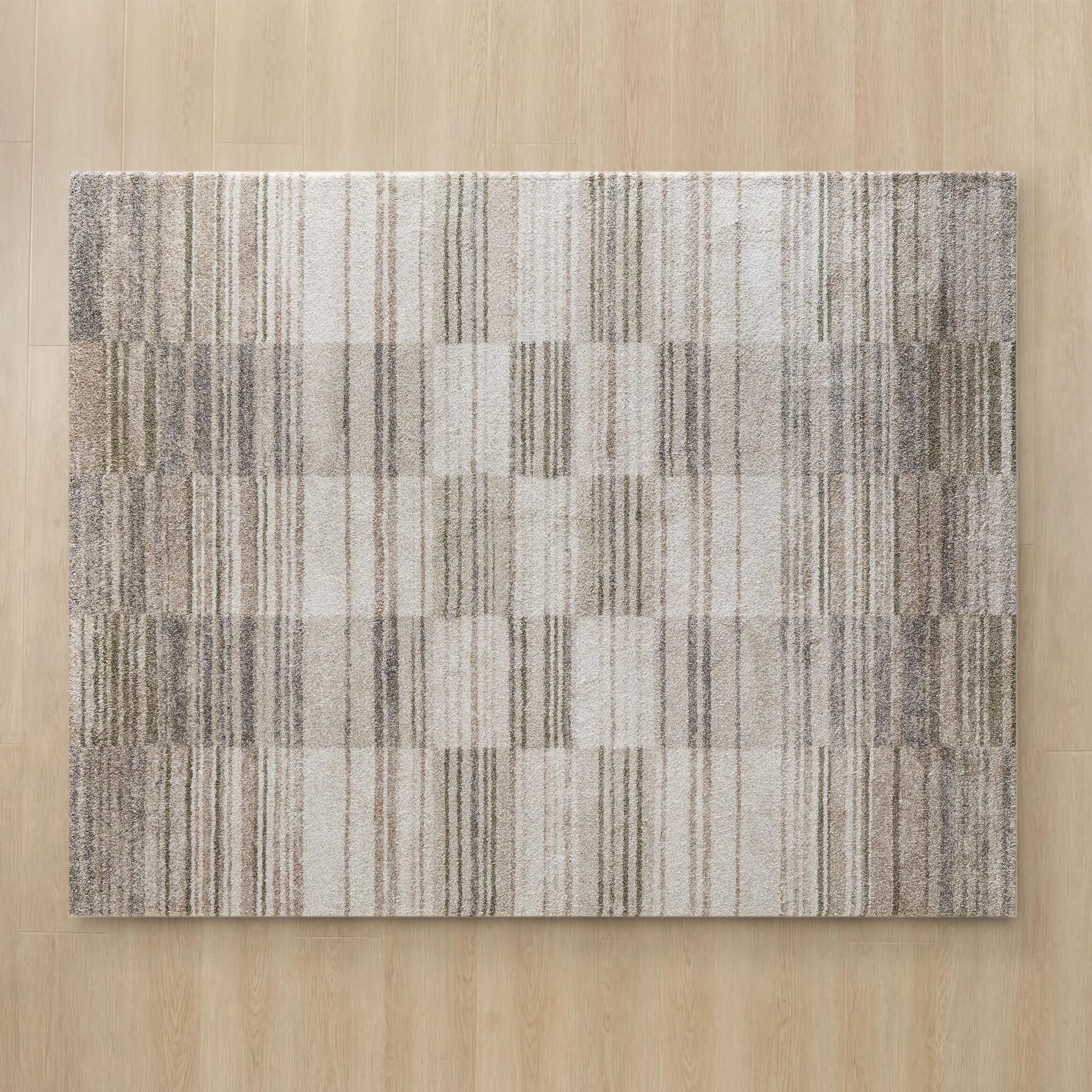 Checka Grey/Tan/Ivory/Soft Green Performance Power Loomed Rug$399
A plush, power-loomed rug featuring a soft check pattern in grey, tan, ivory, and green.
Add To Cart -
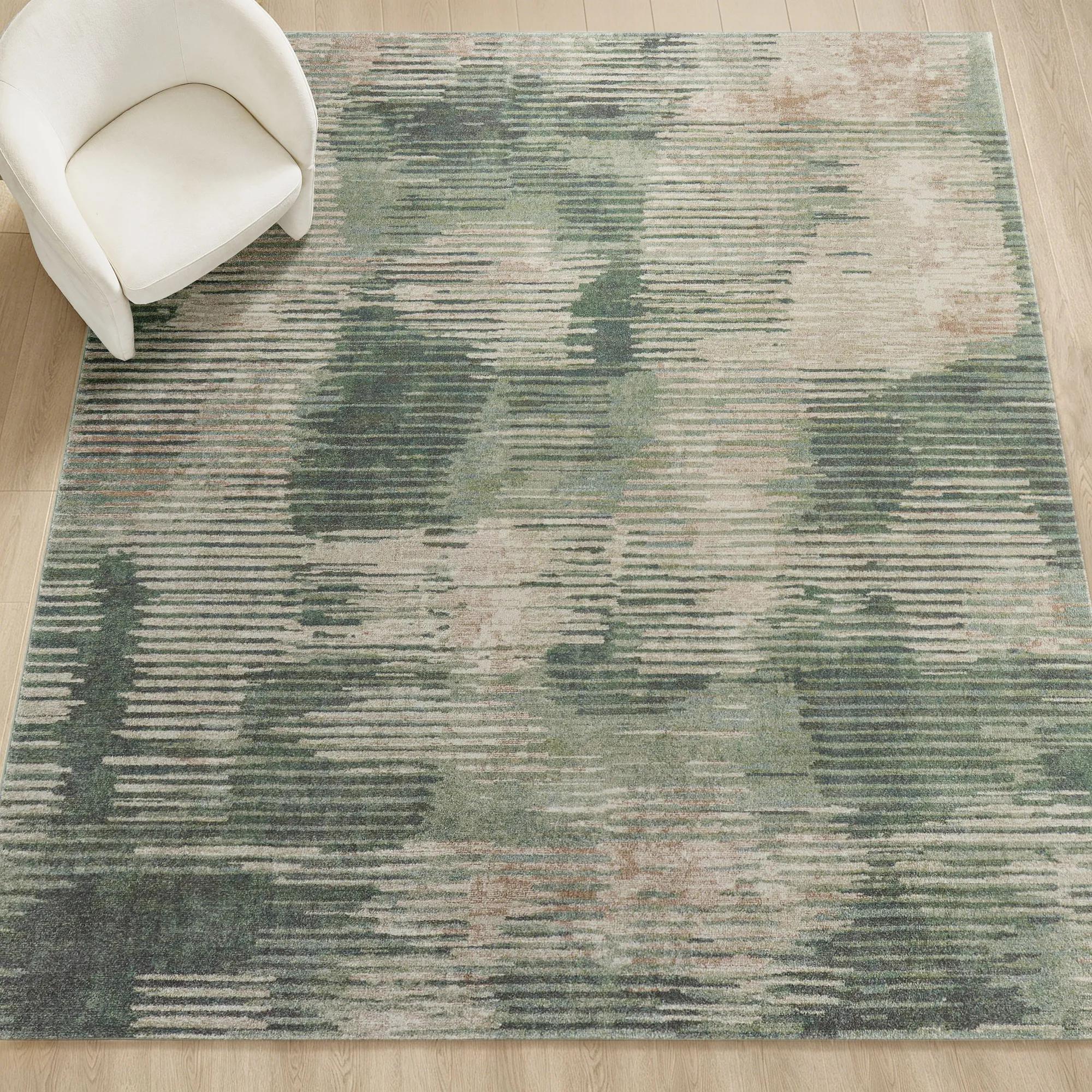
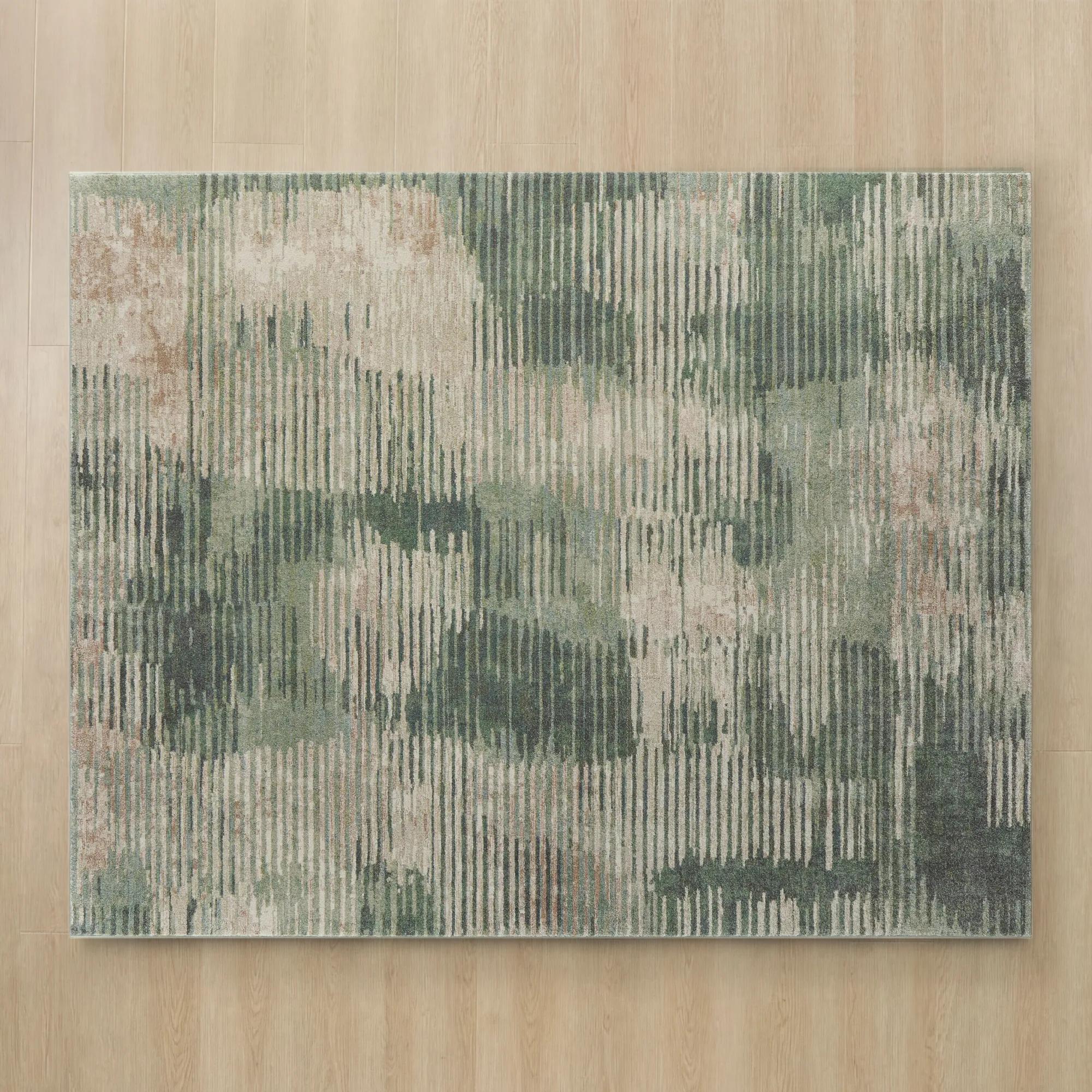 Sylvan Green/Beige Power Loomed Rug$1499
A power-loomed polypropylene rug featuring a smoked olive green and beige organic pattern with a soft pile.
Add To Cart -
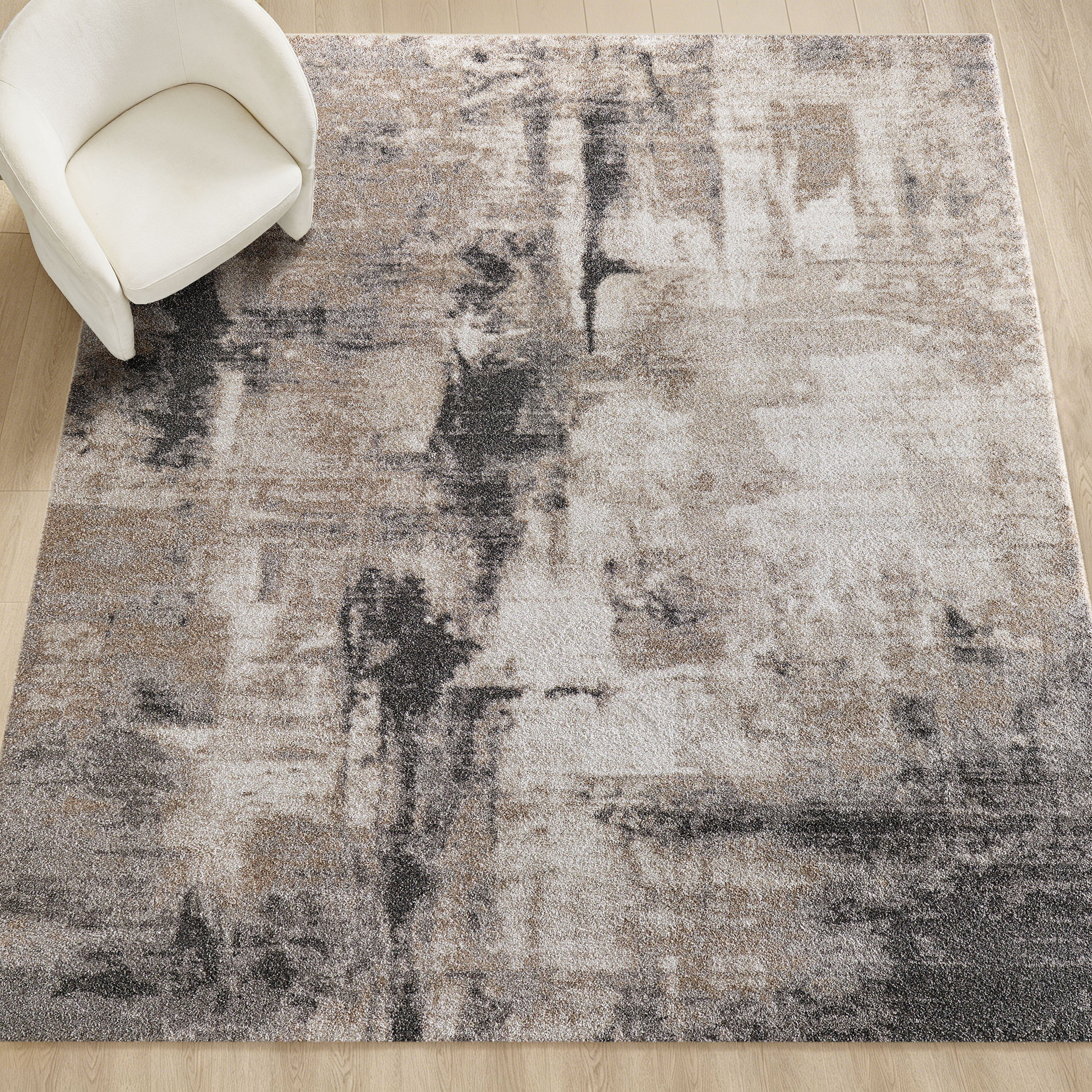
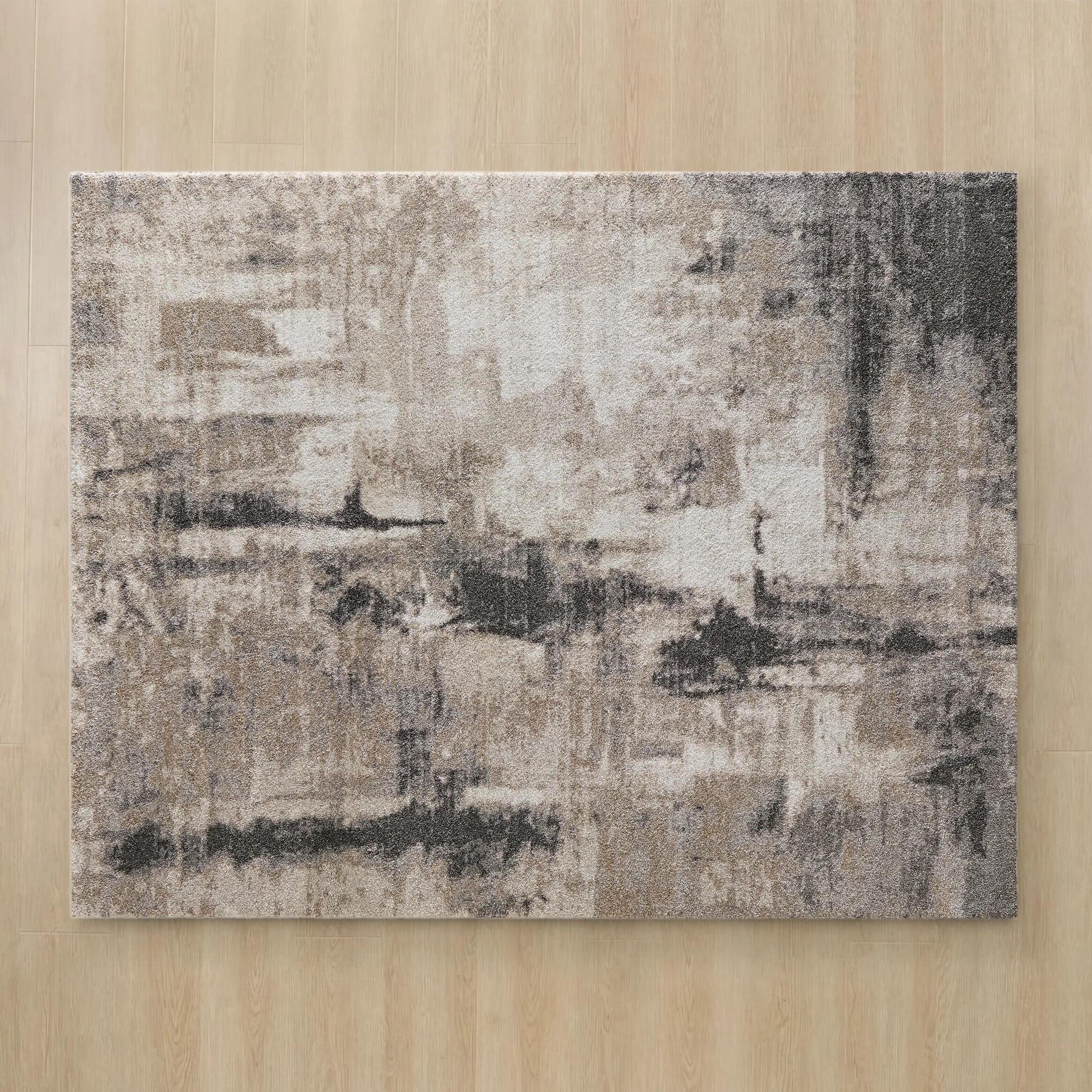 Atlas Abstract Grey/Taupe/Ivory/Charcoal Performance Power Loomed Rug$399
An abstract rug in grey, taupe, ivory, and charcoal with a plush, stain-resistant polypropylene blend.
Add To Cart -
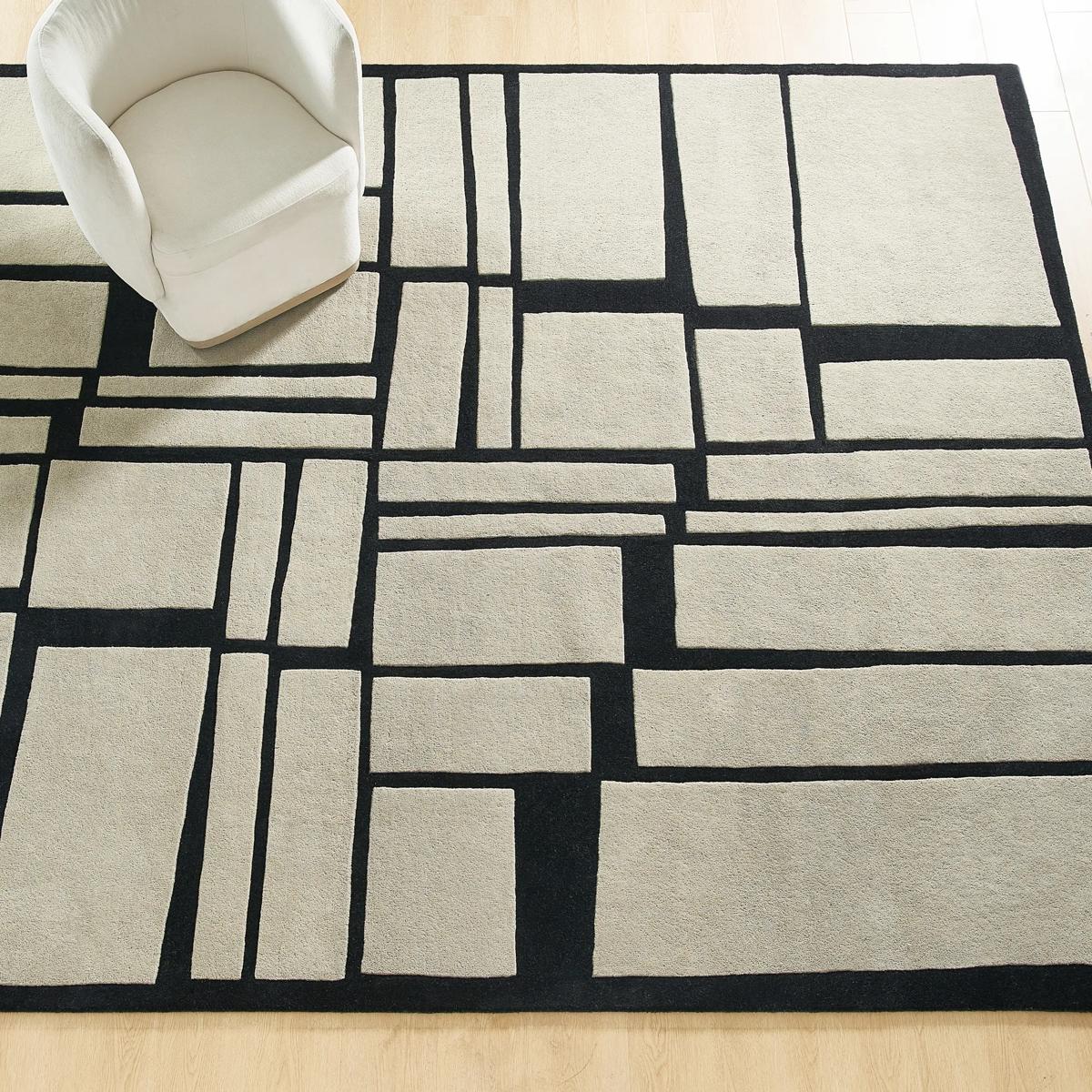 Novak Hand-Tufted Natural/Black Wool Rug$449
A hand-tufted wool rug featuring a bold black and natural grid design for modern visual impact.
Add To Cart -
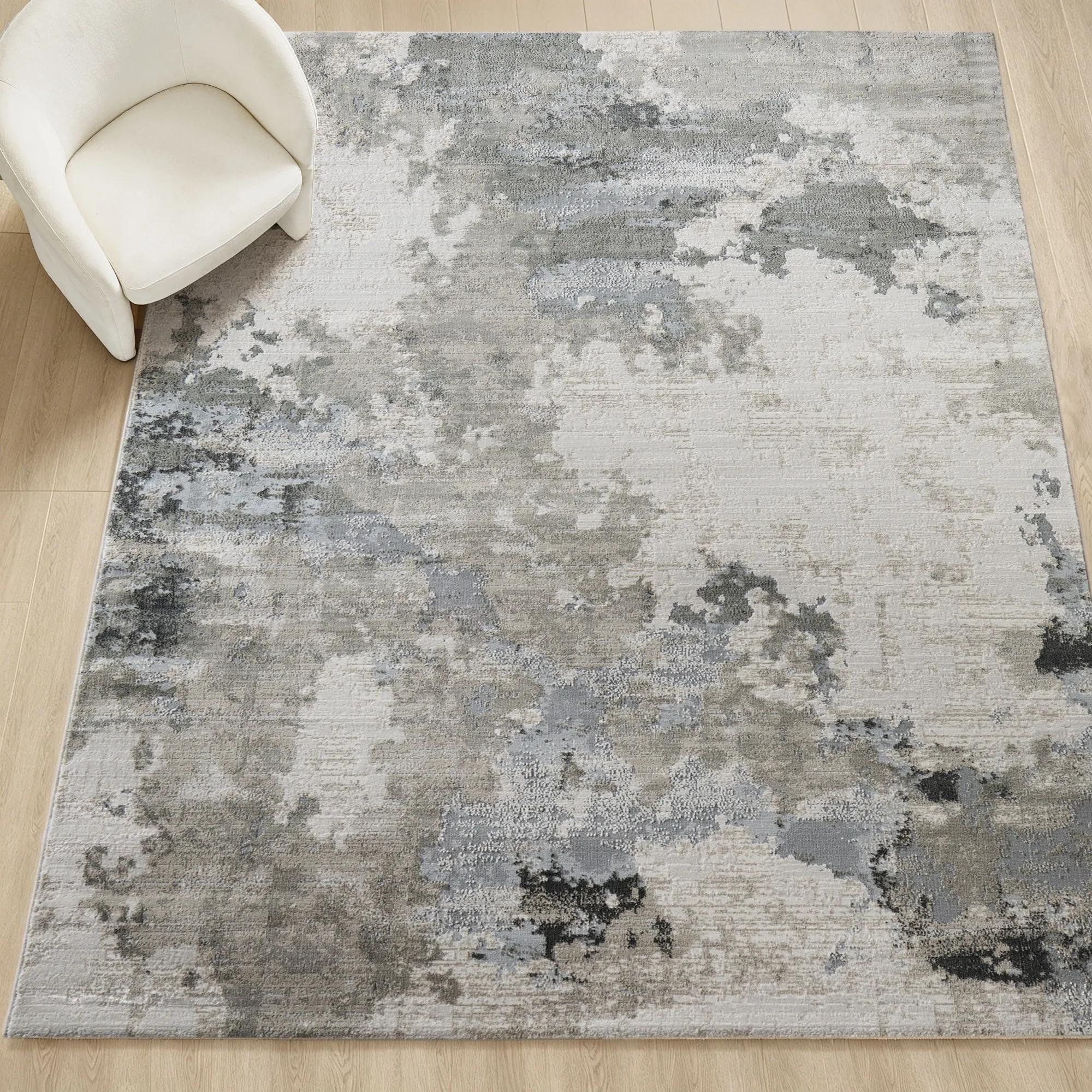 Alarion Abstract Grey/Muted Blue/Ivory Performance Power Loomed Rug$1499
A power-loomed rug featuring a distressed abstract pattern in grey, muted blue, and ivory with stain resistance.
Add To Cart -
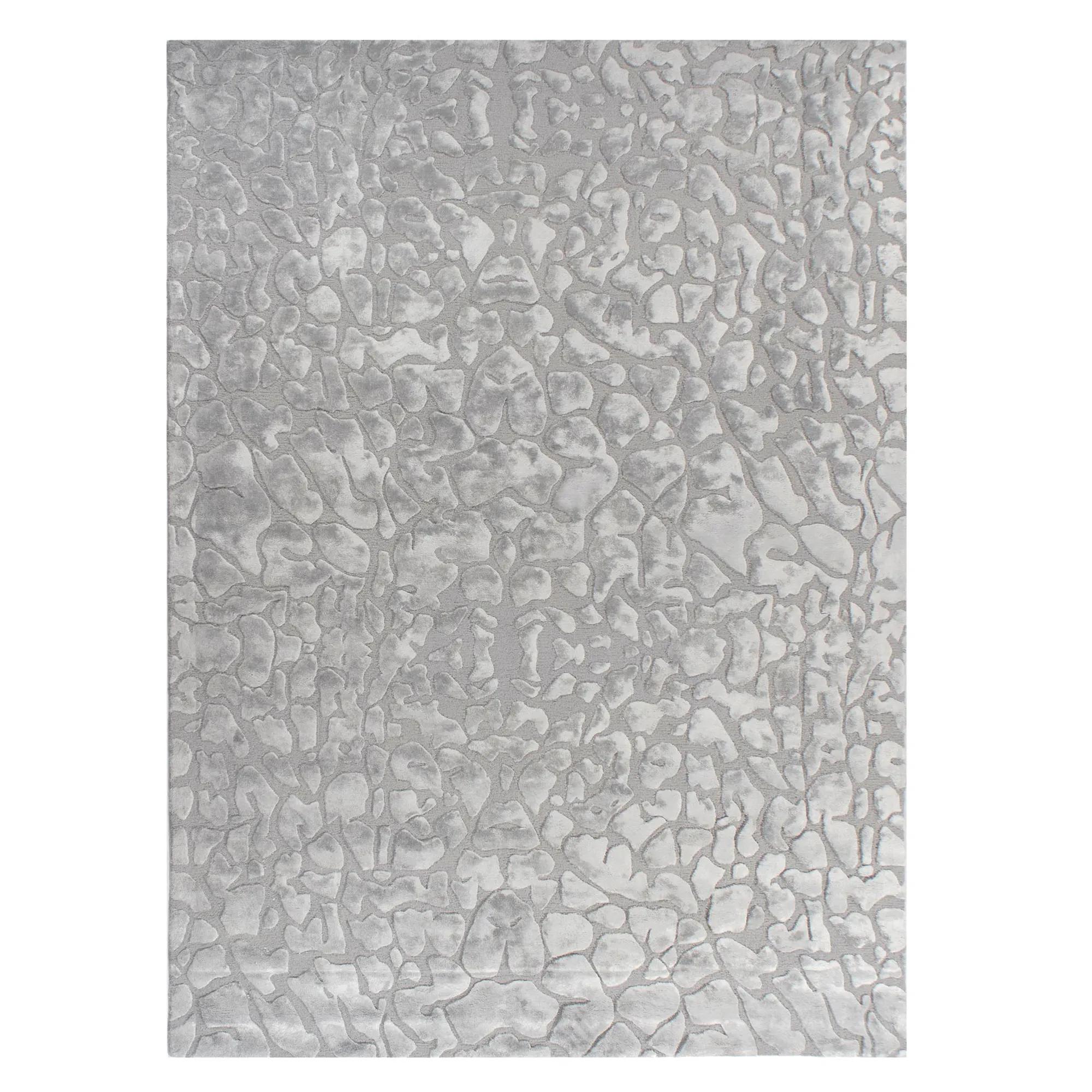
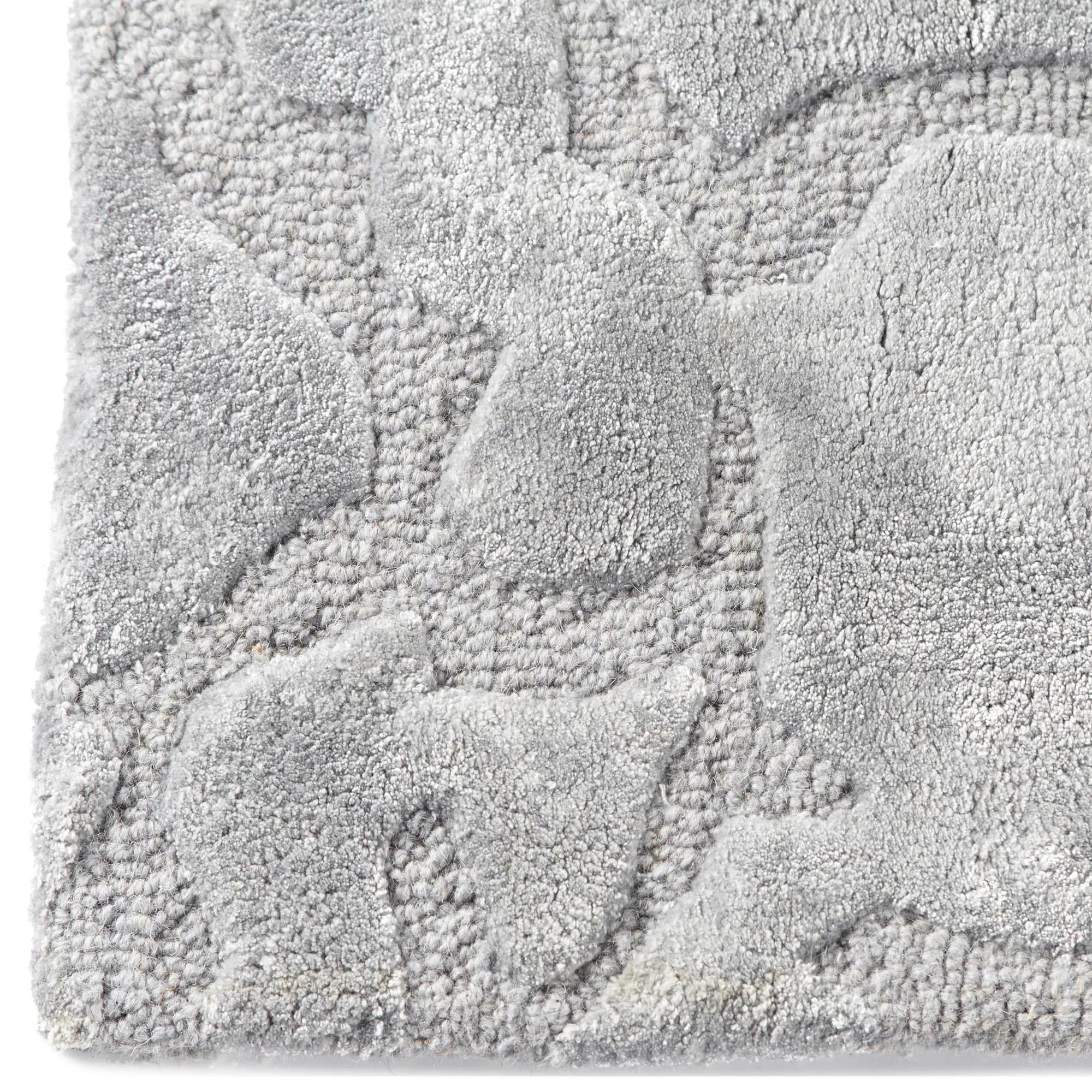 Nola Hand-Tufted Cool Grey Wool Blend Rug$849
A hand-tufted silver rug with contrasting pile heights, crafted from wool and viscose for plush texture.
Add To Cart -
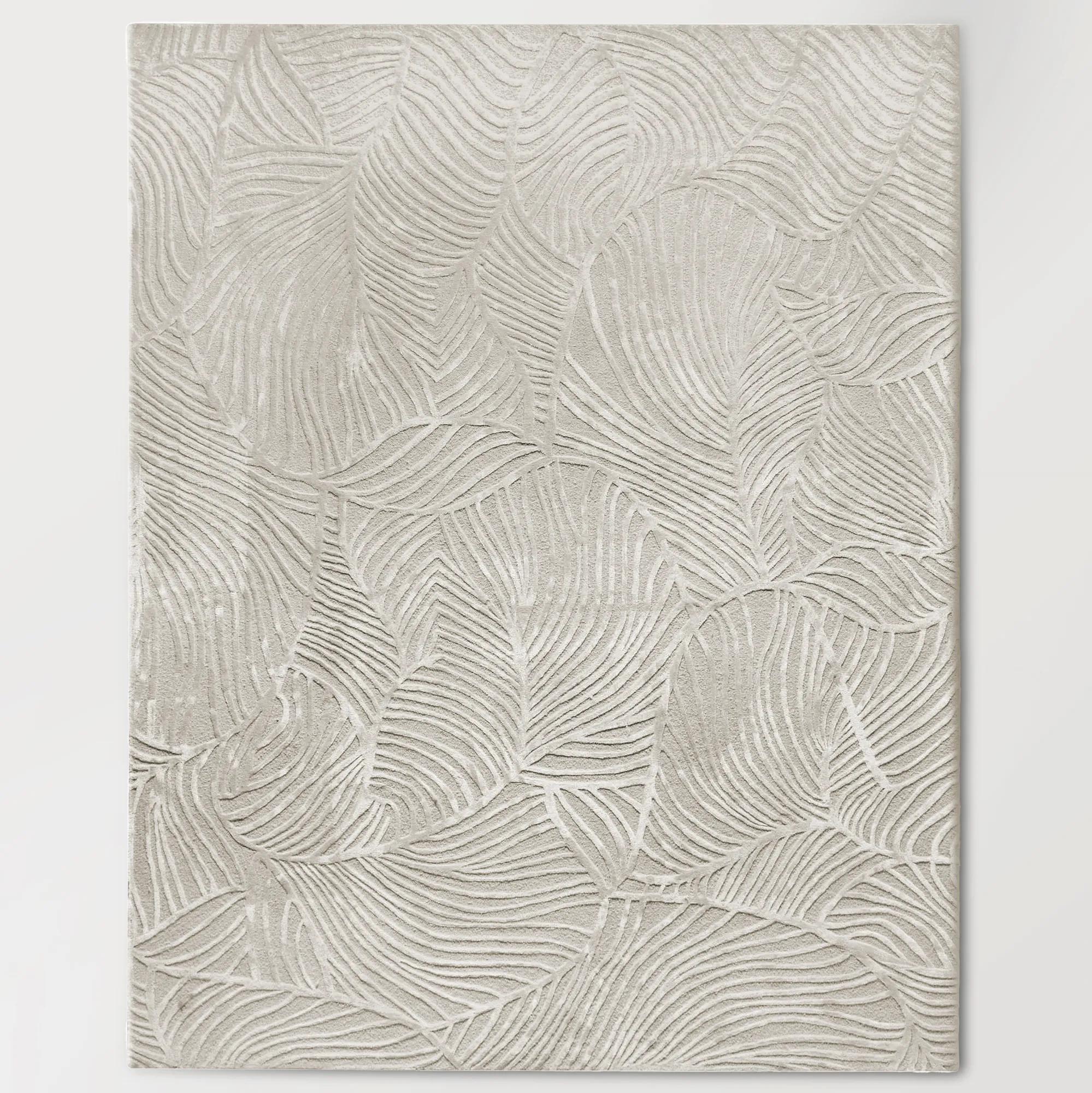 Palm Hand-Tufted Ivory Wool Blend Rug$499
An ivory rug featuring a dynamic palm-leaf design with high-low pile in viscose and wool.
Add To Cart -
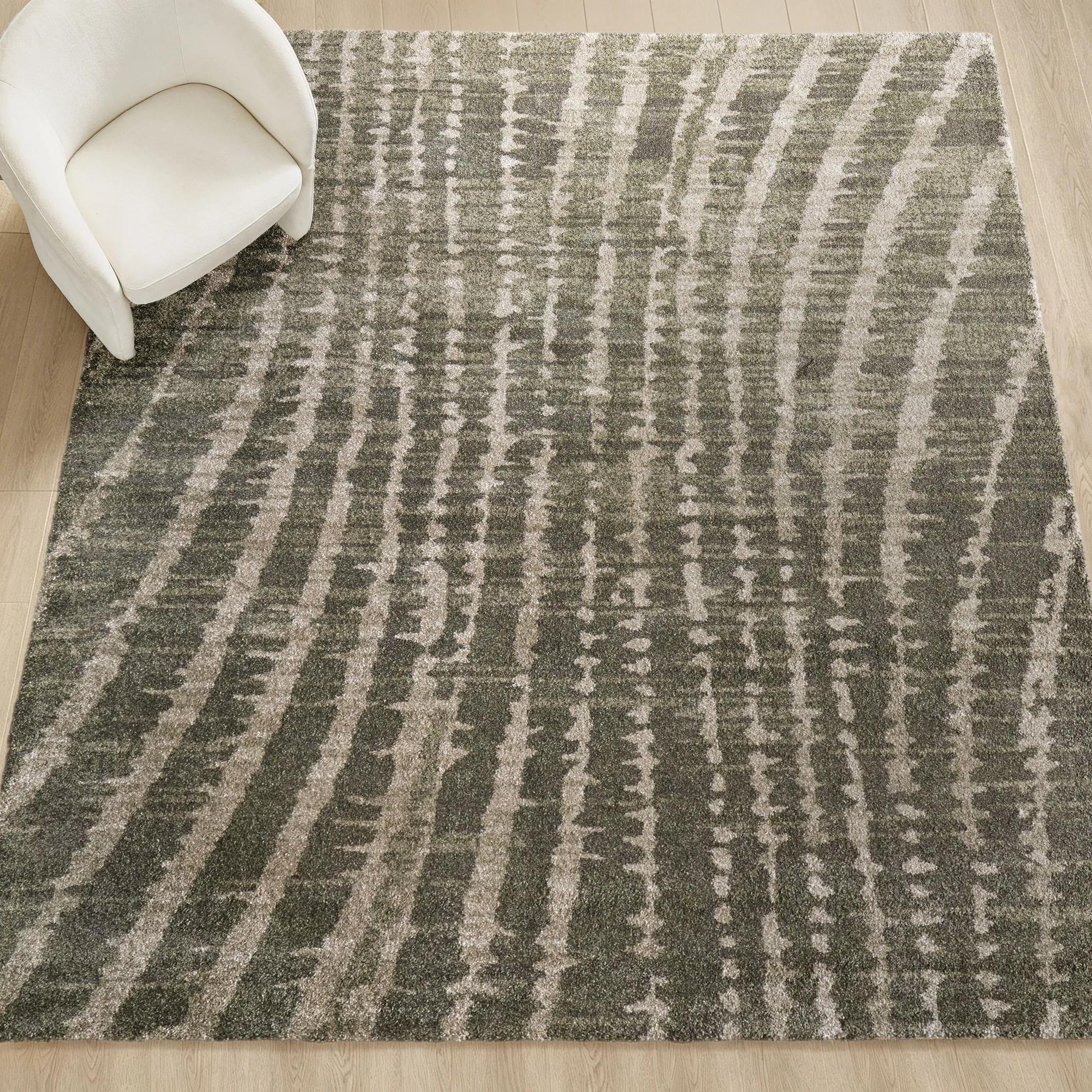
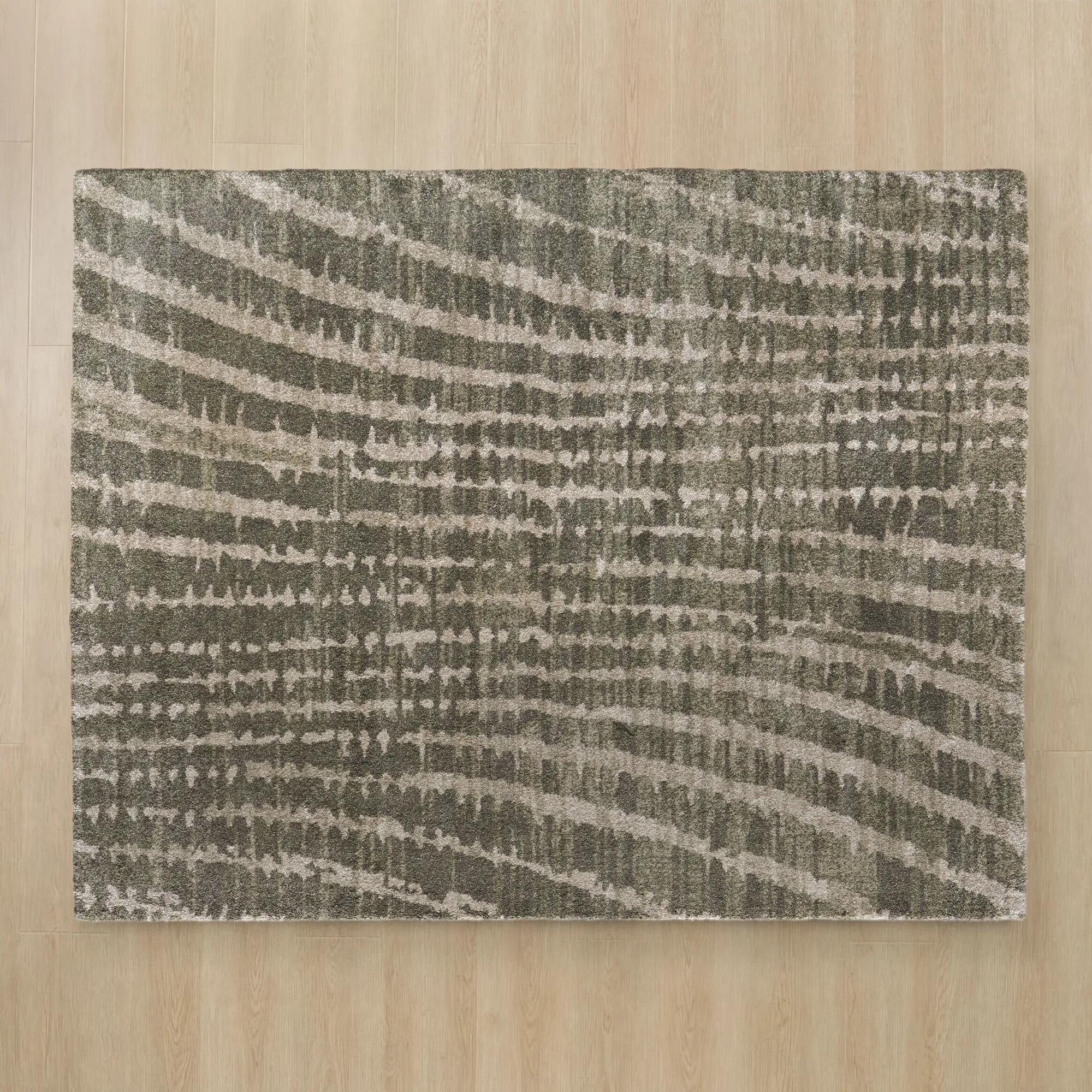 Tempo Green/Grey/Beige Performance Power Loomed Rug$1649
An abstract charcoal grey and beige rug with plush cut pile and durable, stain-resistant polypropylene-polyester construction.
Add To Cart -
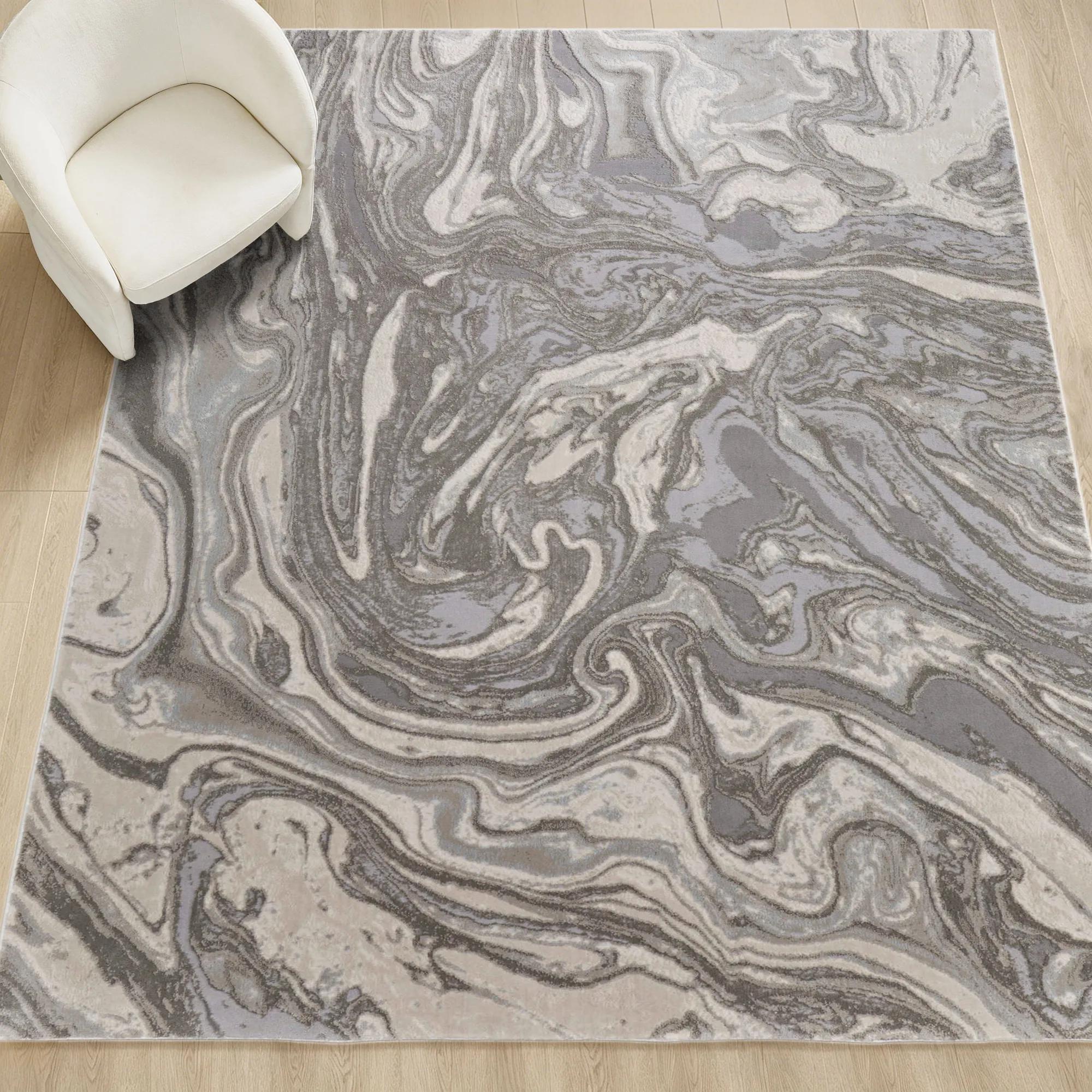
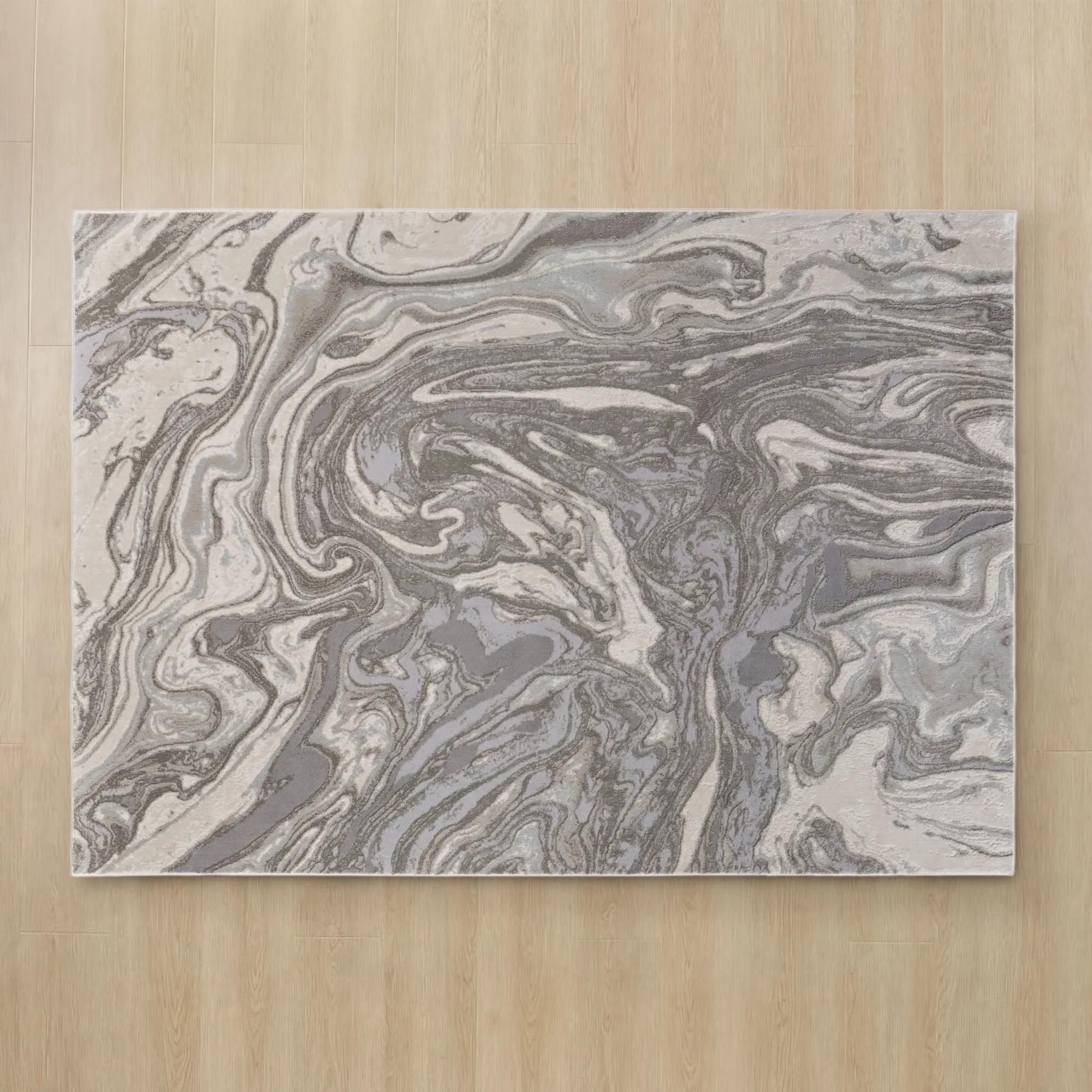 Marbre Marbled Grey/Taupe/Powder Blue Performance Power Loomed Rug$1499
A softly marbled rug in grey, taupe, and powder blue with a textured, stain-resistant performance blend.
Add To Cart -
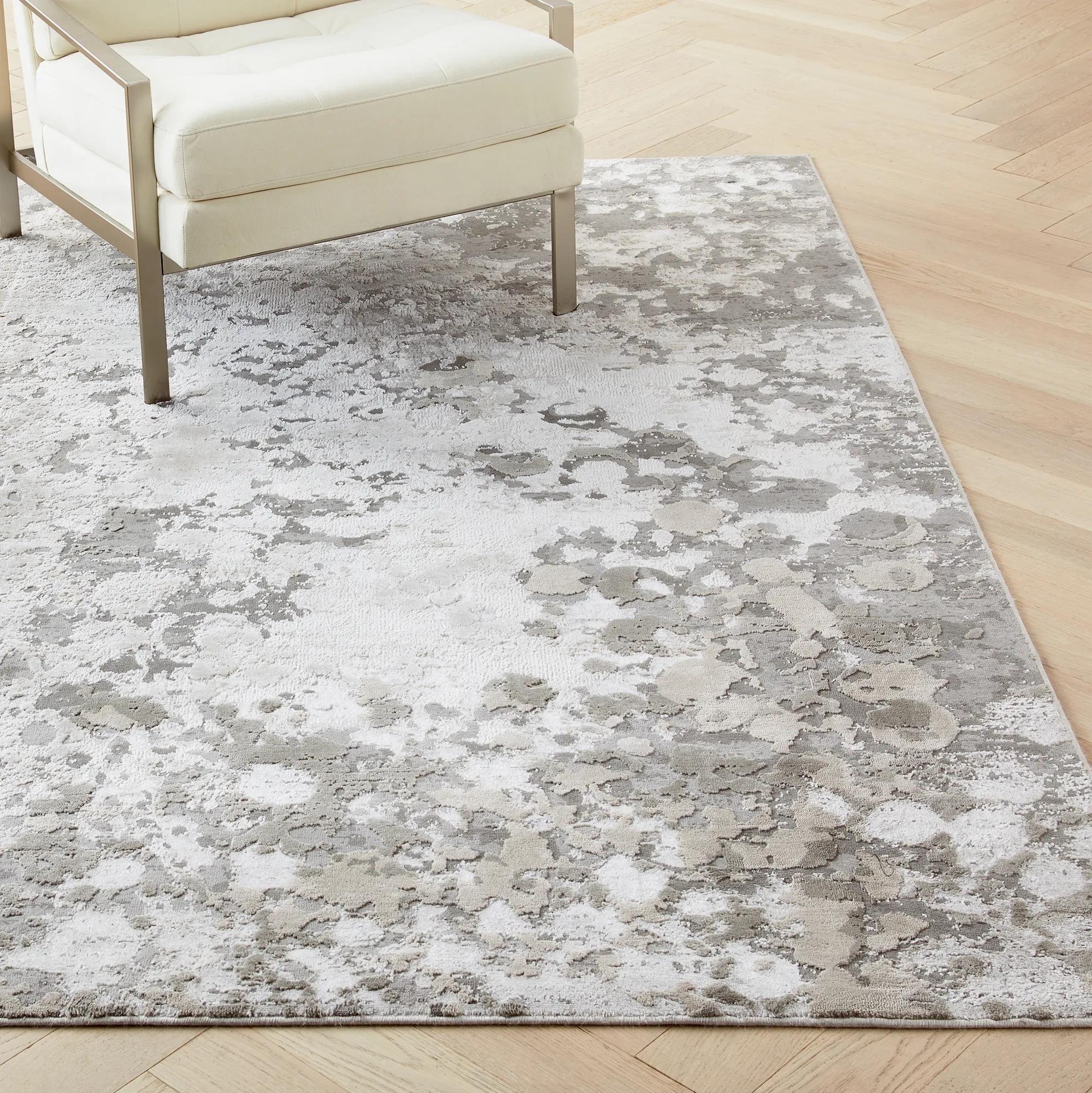 Mercury Power-Loomed Silver/Grey/Beige Rug$249
A neutral floor covering featuring a silver, grey, and beige palette with a textured polyester blend.
Add To Cart -
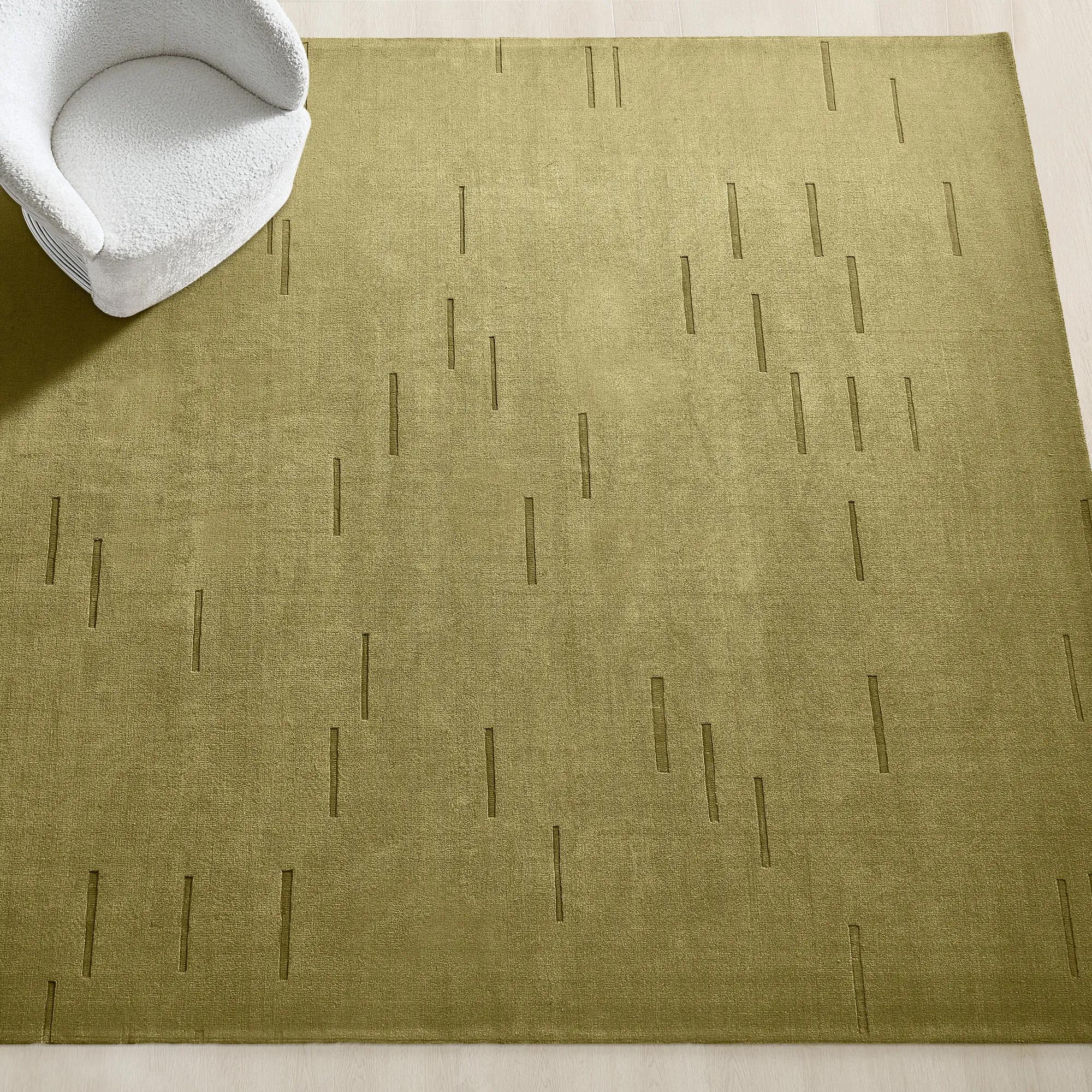
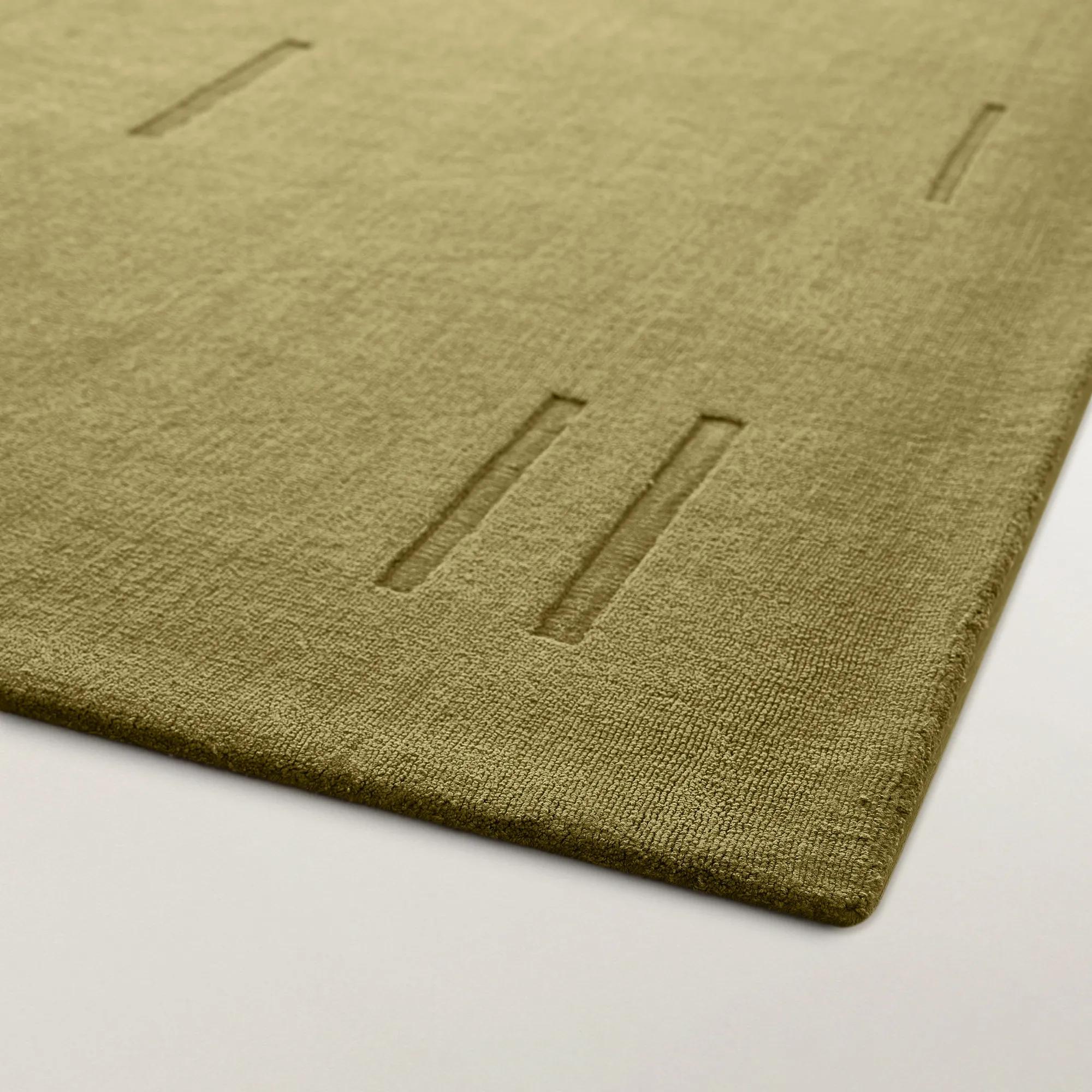 Lamita Muted Olive Green Wool Blend Rug$699
A muted olive green wool-blend rug bringing soft texture and understated sophistication to modern interiors.
Add To Cart -
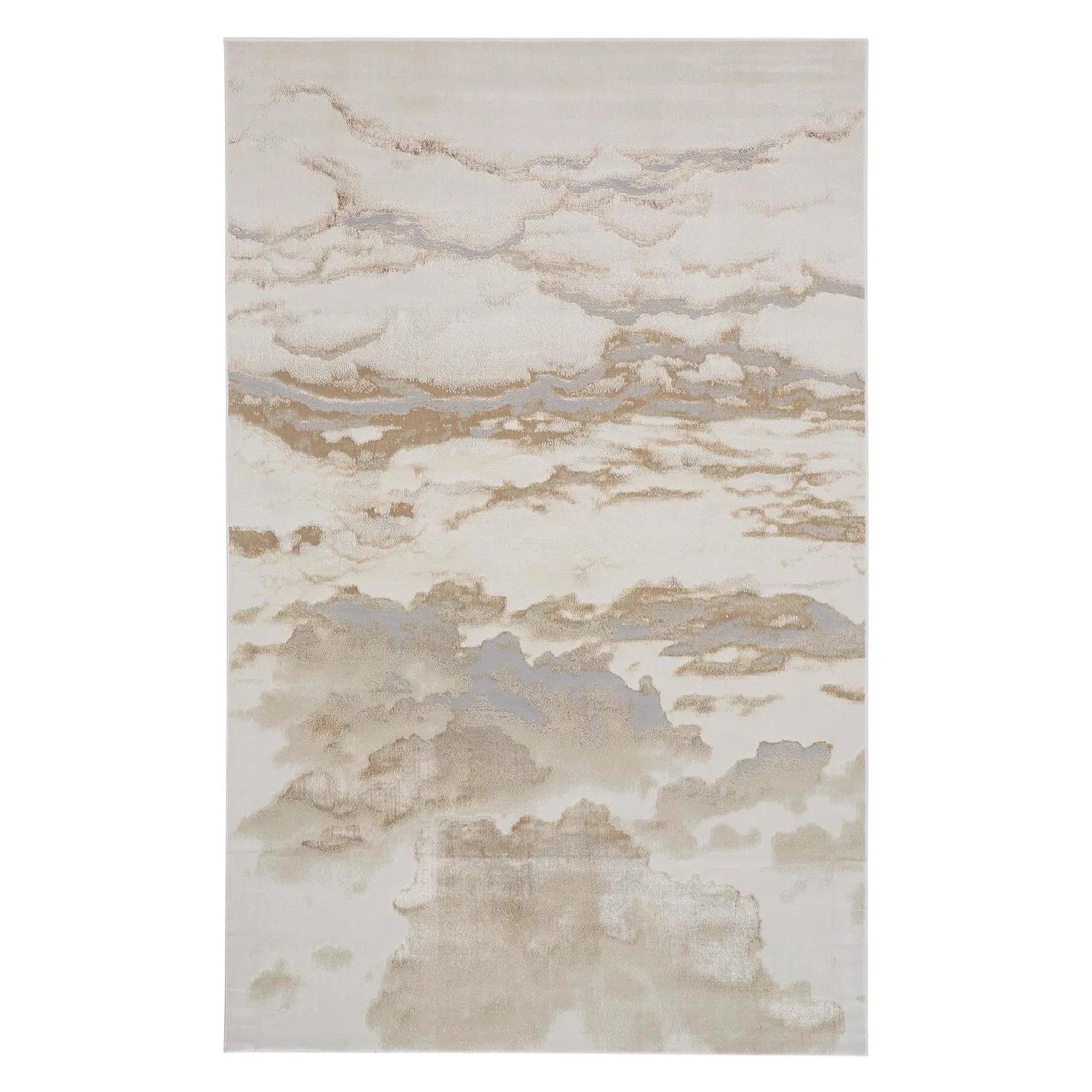
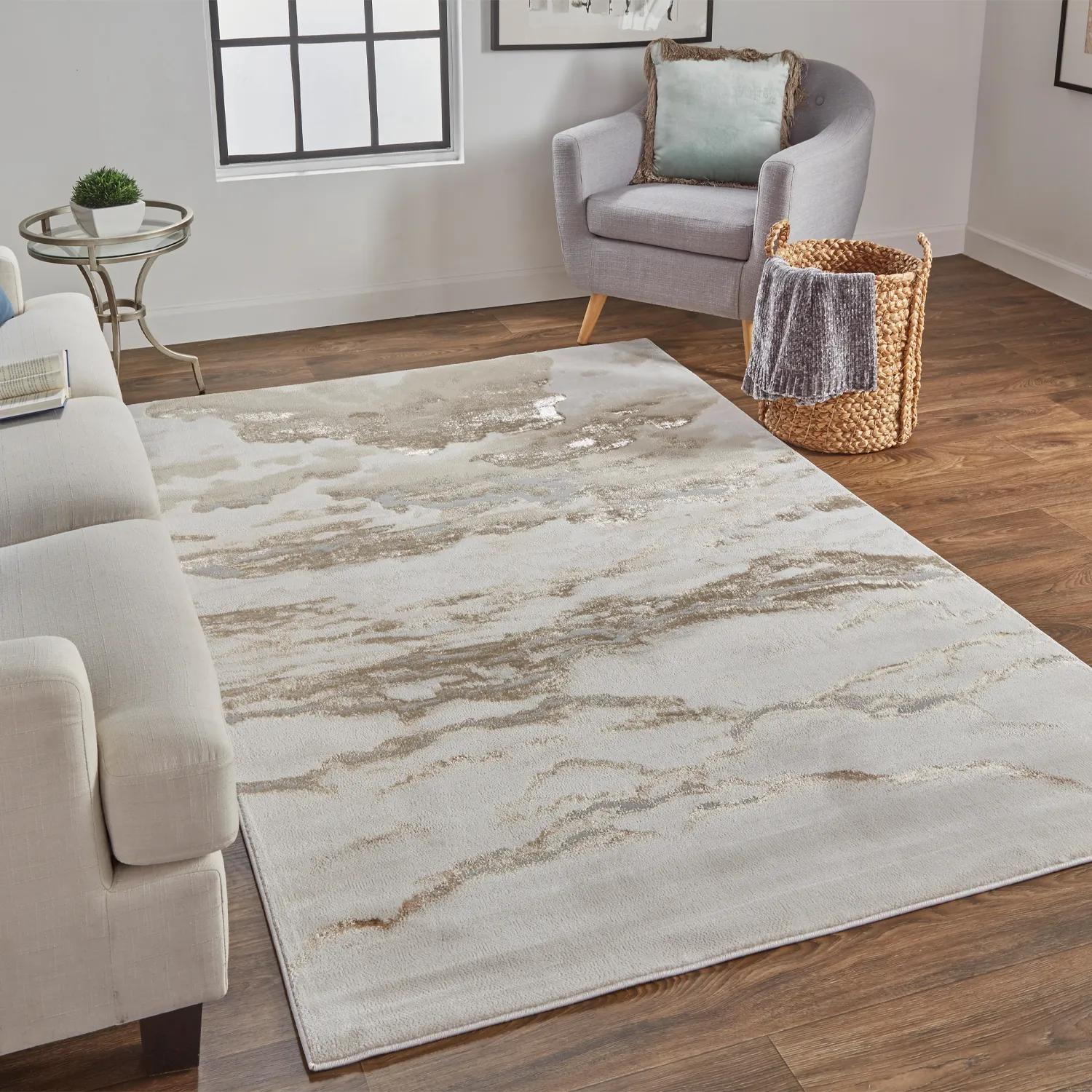 Tide Power-Loomed Beige/Gold/Ivory Rug$899
A machine-made rug in beige and gold, crafted from ultra-soft polyester and polypropylene for elegant spaces.
Add To Cart -
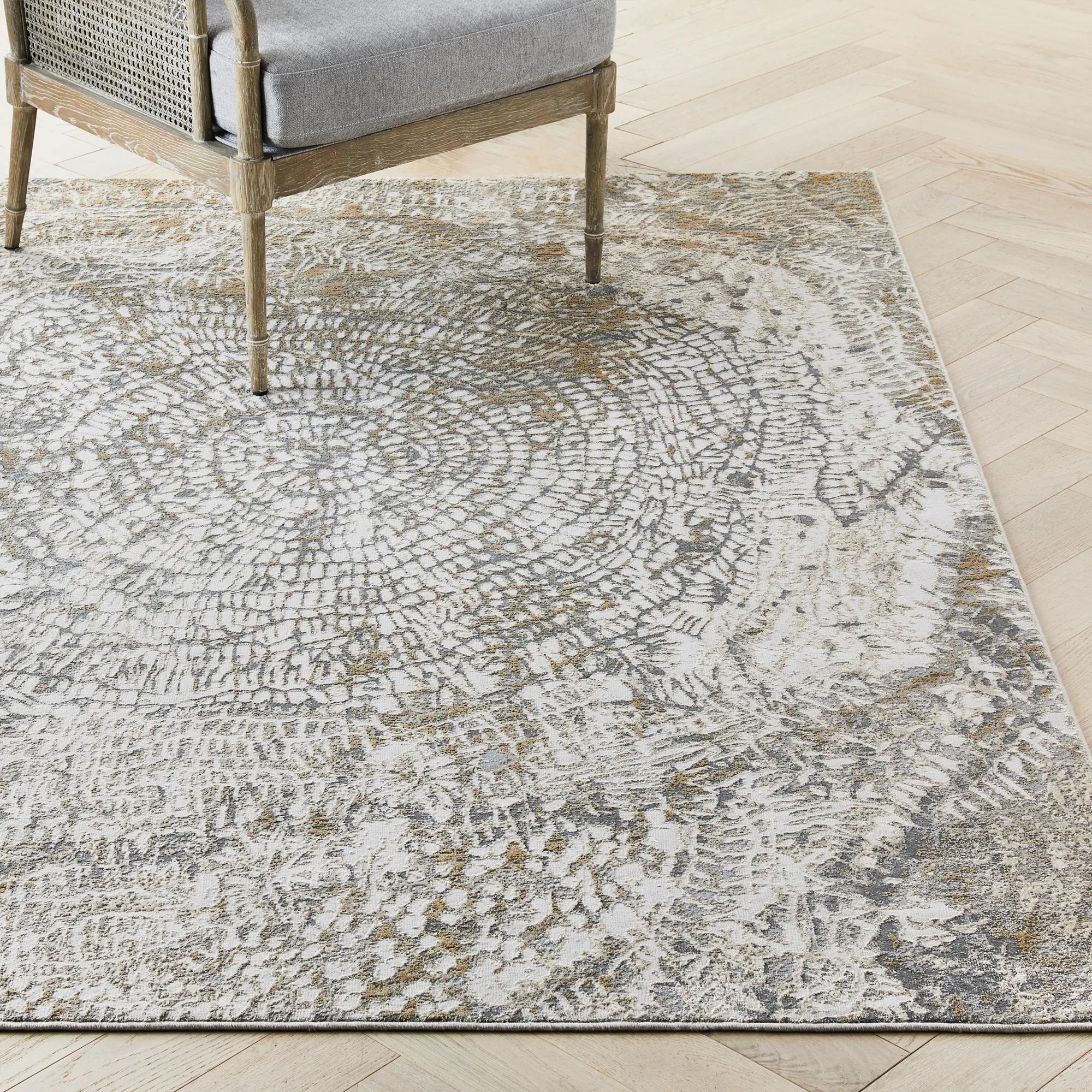 Nautilus Power-Loomed Silver/Grey/Natural Rug$449
A machine-woven ivory rug featuring subtle tree ring-inspired patterns in durable polypropylene and viscose.
Add To Cart -
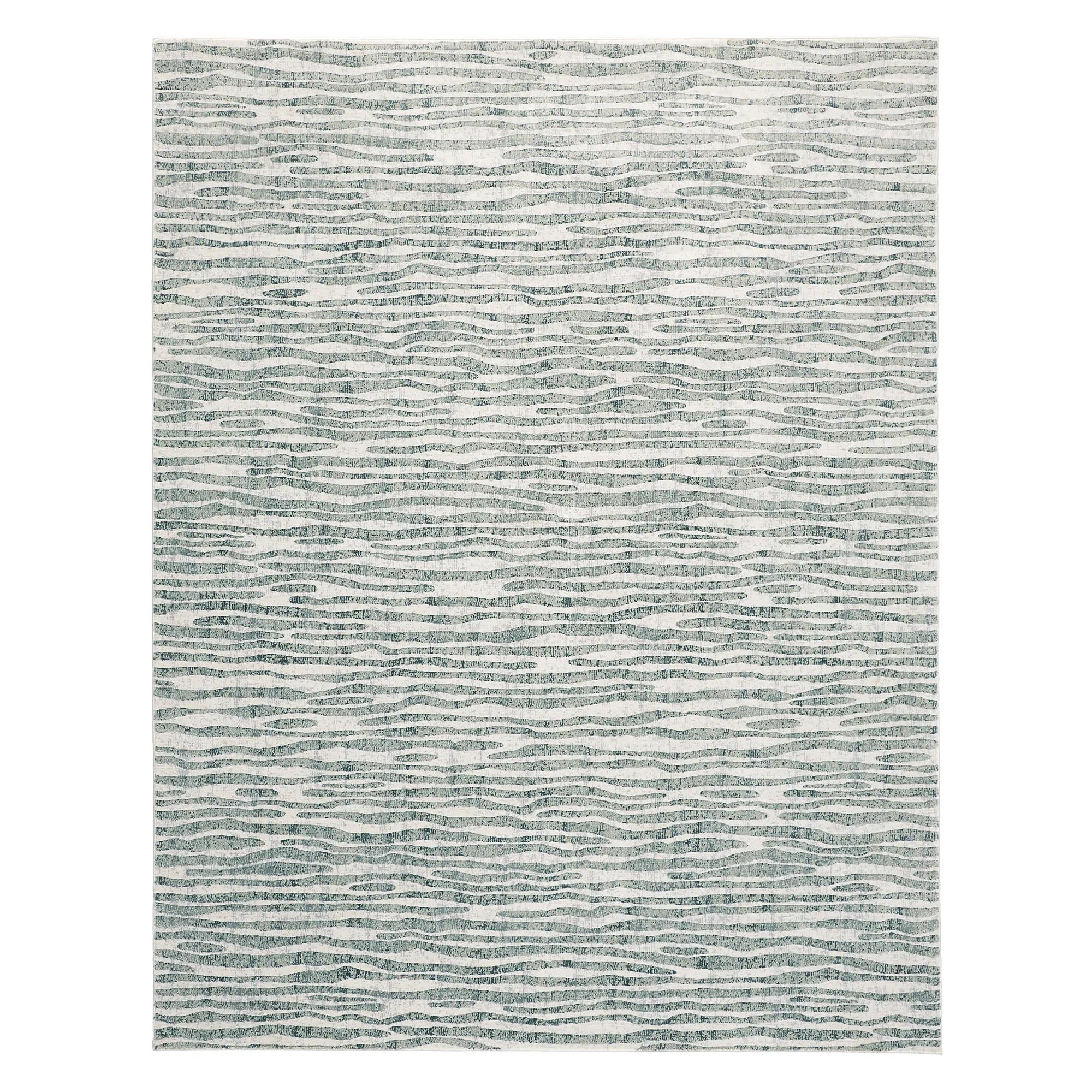 Samantha Power-Loomed Aqua/Grey Rug$719
A machine-woven rug featuring silvery-aqua and green accents on an ivory and grey polypropylene base.
Add To Cart -
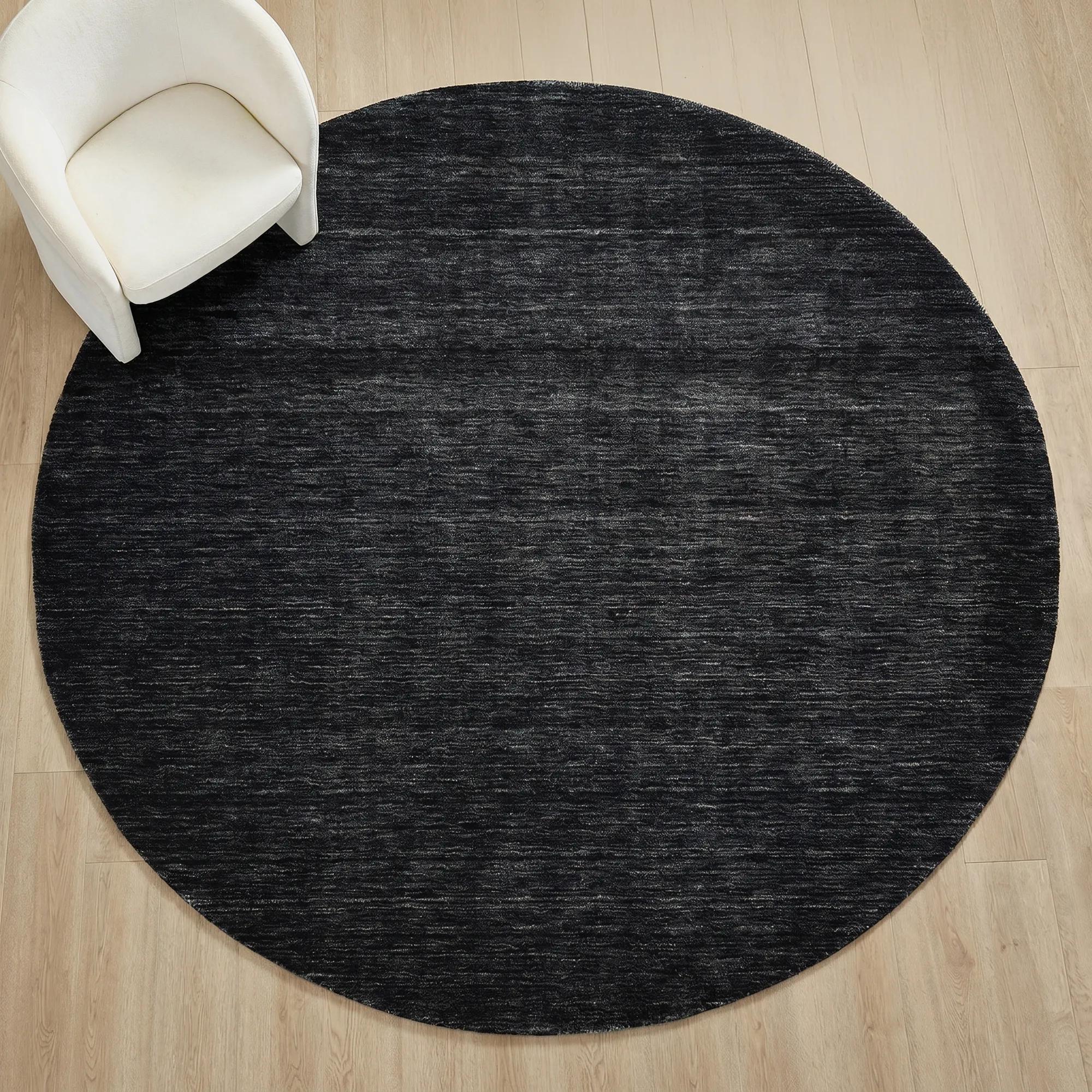 Juni Hand Woven Heathered Black Rug$799
A handwoven round wool rug in heathered black, offering durable texture and moody, contemporary style.
Add To Cart -
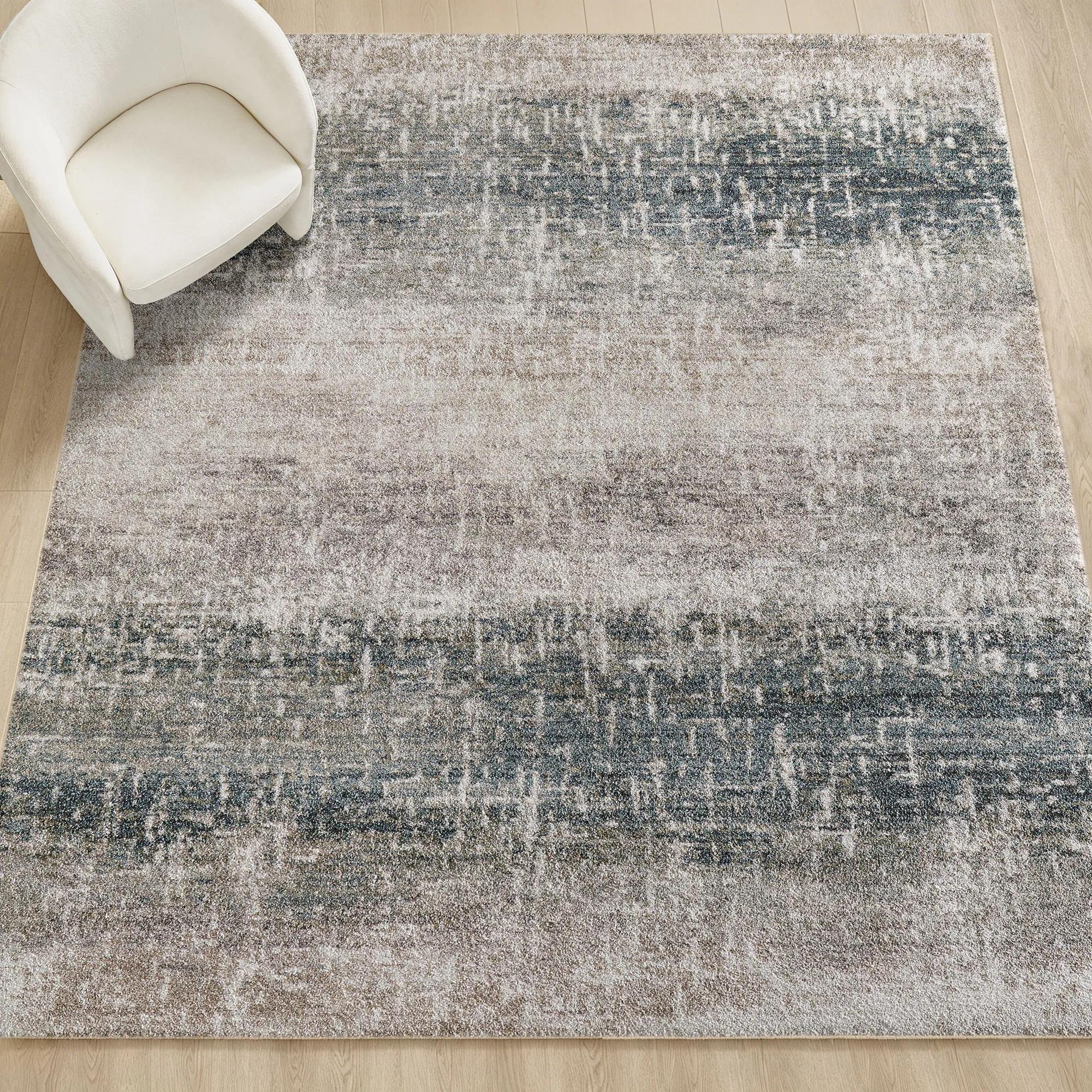
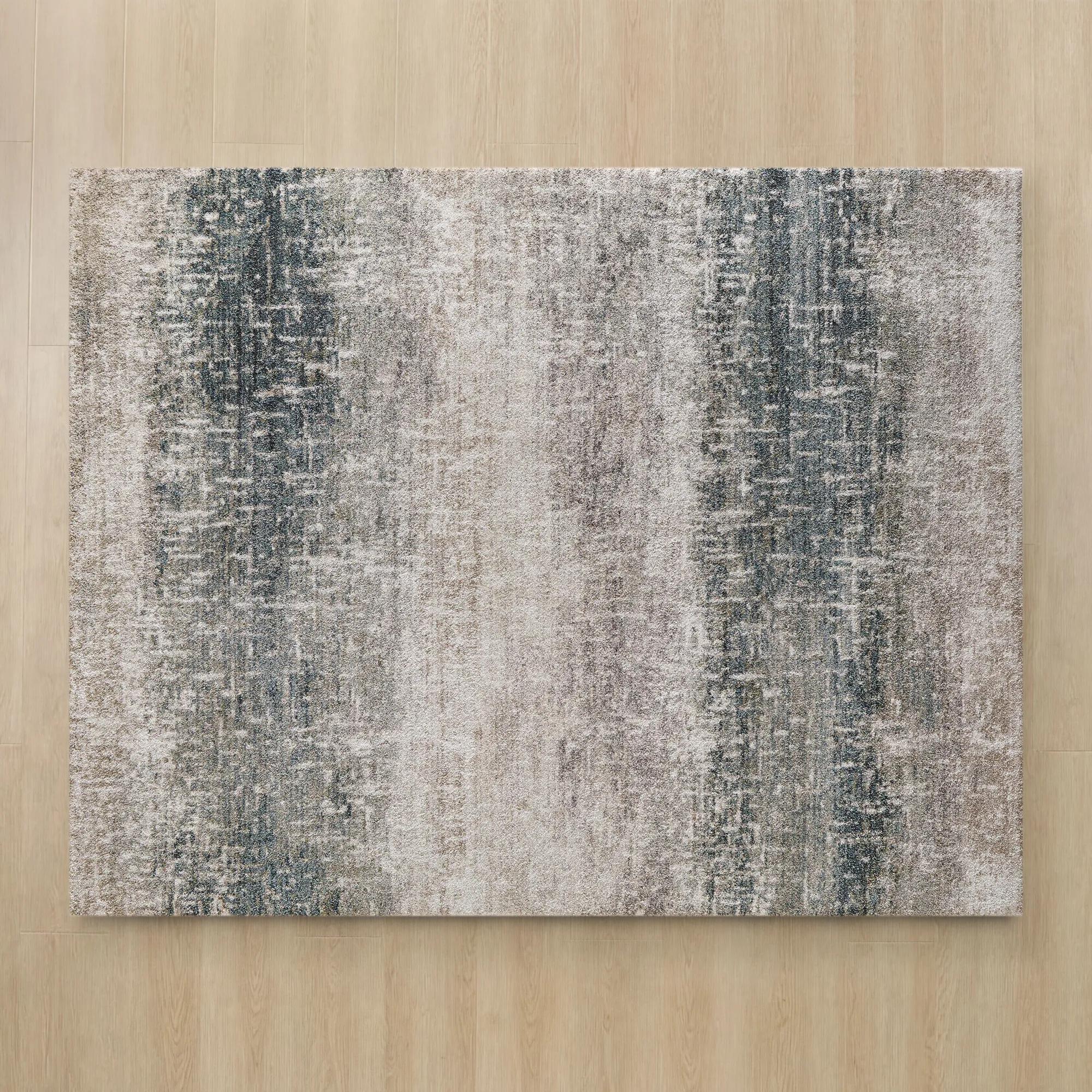 Collier Taupe/Grey/Blue/Green Performance Power Loomed Rug$1349
An abstract rug in taupe, grey, blue, and green with a plush, durable, and easy-care performance blend.
Add To Cart -
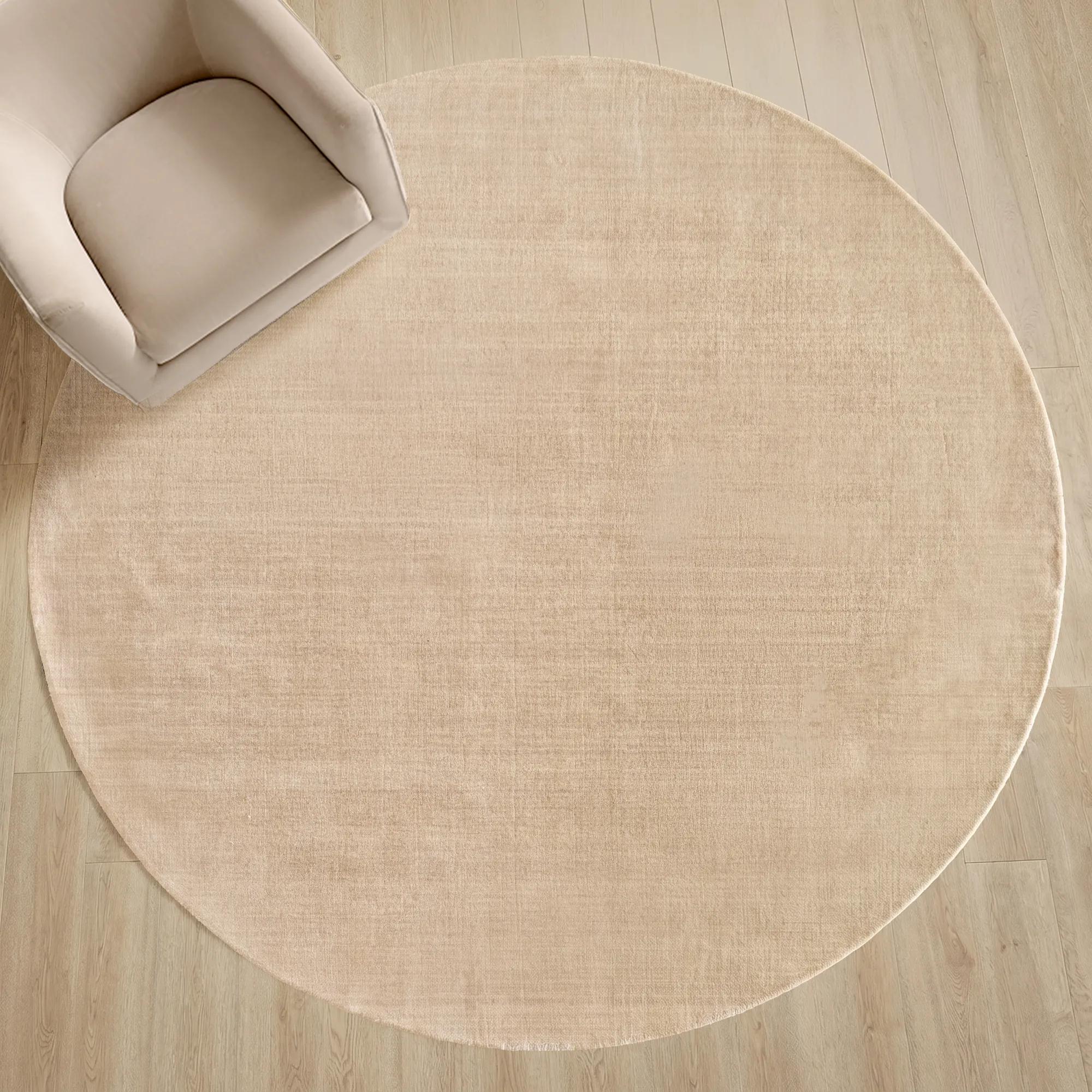 Juni Hand Woven Heathered Warm Beige Round Rug$1399
A handwoven round wool rug in heathered warm beige, offering refined texture and everyday durability.
Add To Cart -
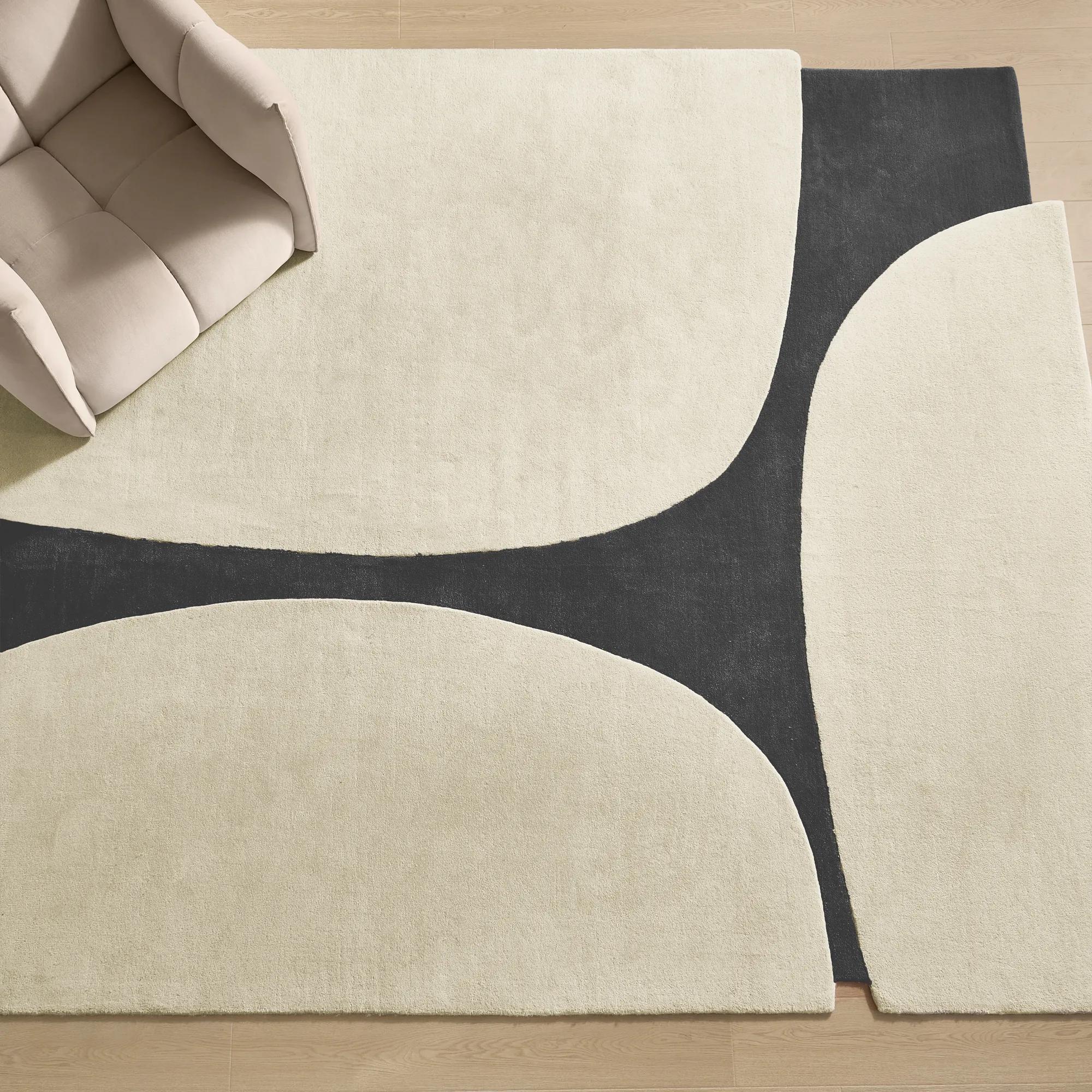 Contour Hand-Tufted Ivory/Charcoal Wool & Viscose Rugs$999
A hand-tufted wool and viscose rug featuring sculptural high-low texture and bold ivory and charcoal pattern.
Add To Cart -
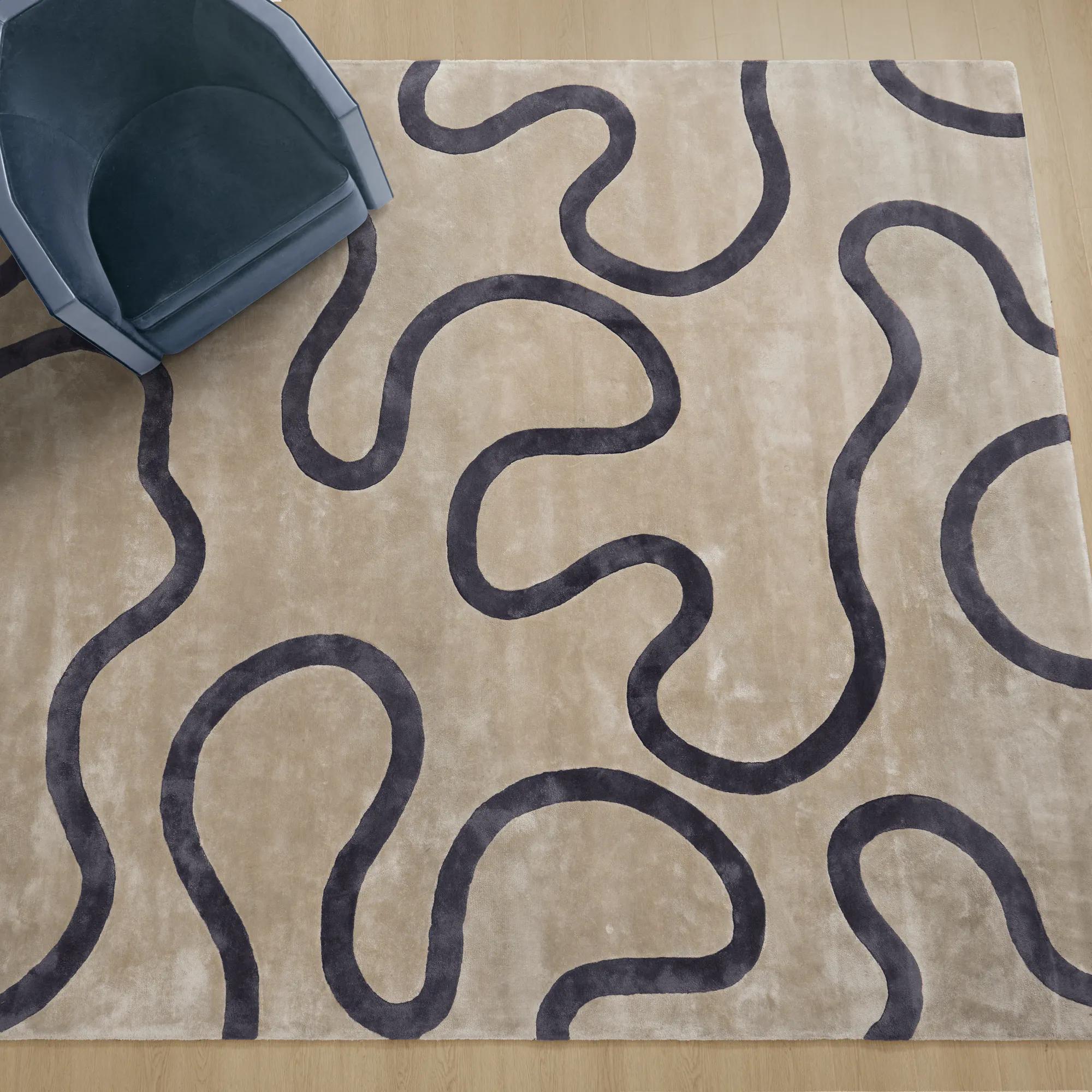 Seraphine Hand-Tufted Smoked Pearl/Taupe Viscose Loop Rugs$599
A hand-tufted viscose rug featuring bold loop patterns in smoked pearl and taupe for modern elegance.
Add To Cart -
 Fiona Hand-Tufted Ivory/Beige/Black Border Fringe Rug$1099
A hand-tufted ivory, beige, and black rug featuring a framed border and decorative fringe.
Add To Cart -
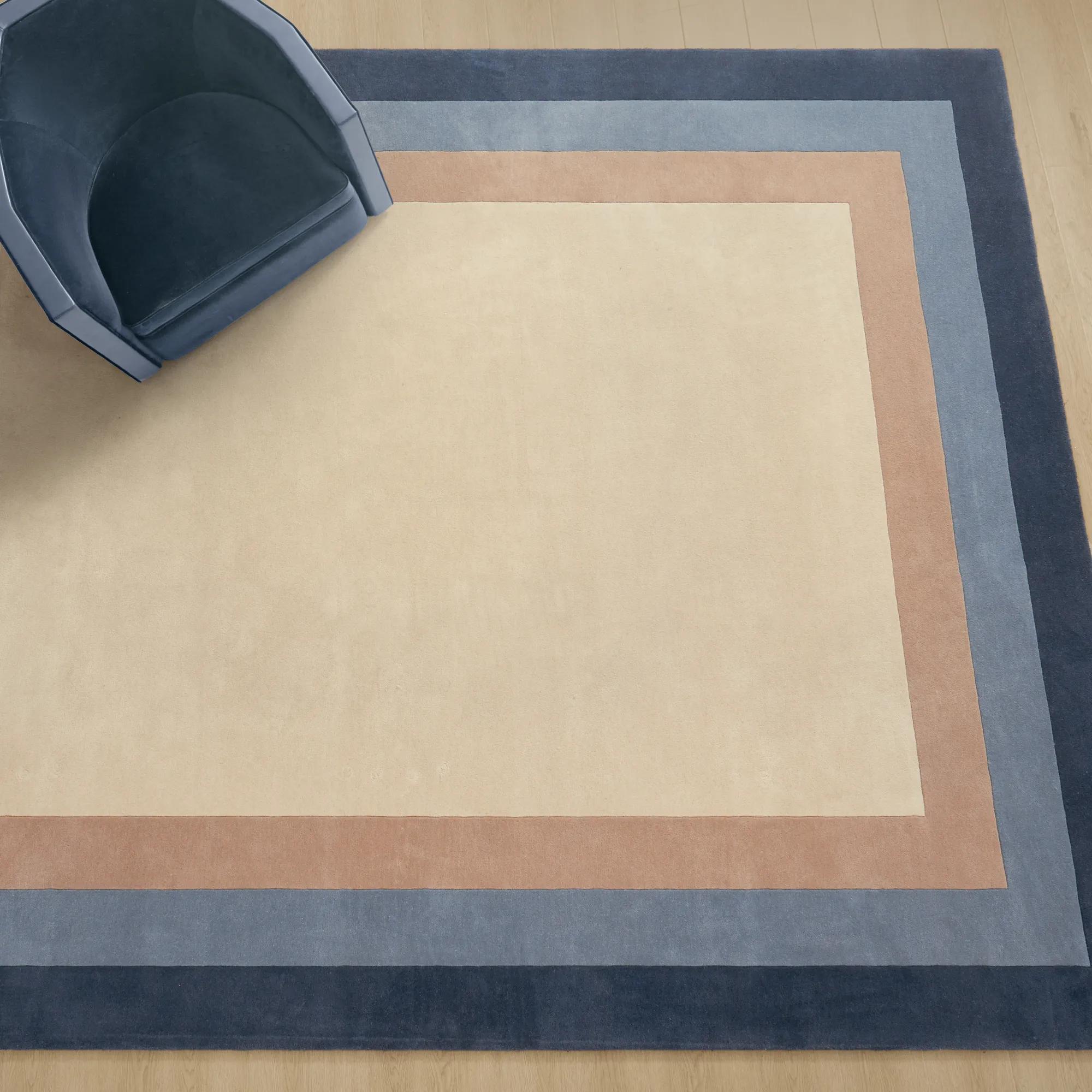 Bastien Hand-Tufted Blue/Taupe/Ivory Wool Border Rugs$999
A hand-tufted wool rug featuring a bold color-blocked border in dusty blue, taupe, and ivory tones.
Add To Cart -
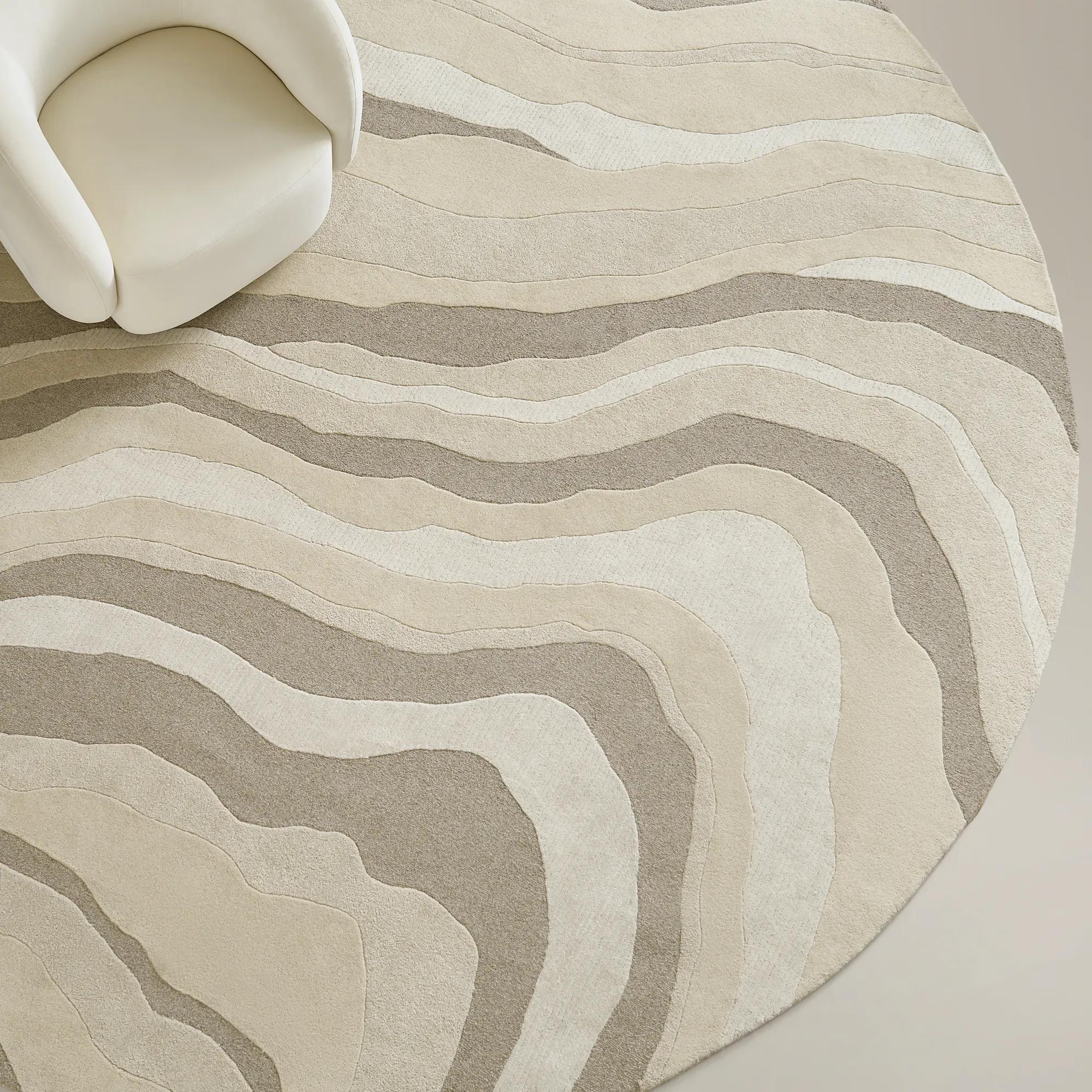 Kadence Hand-Tufted White/Ivory/Tan Wool Round Rug 12"$1799
A hand-tufted round rug in white, ivory, and tan, crafted from 100% wool for natural warmth.
Add To Cart -
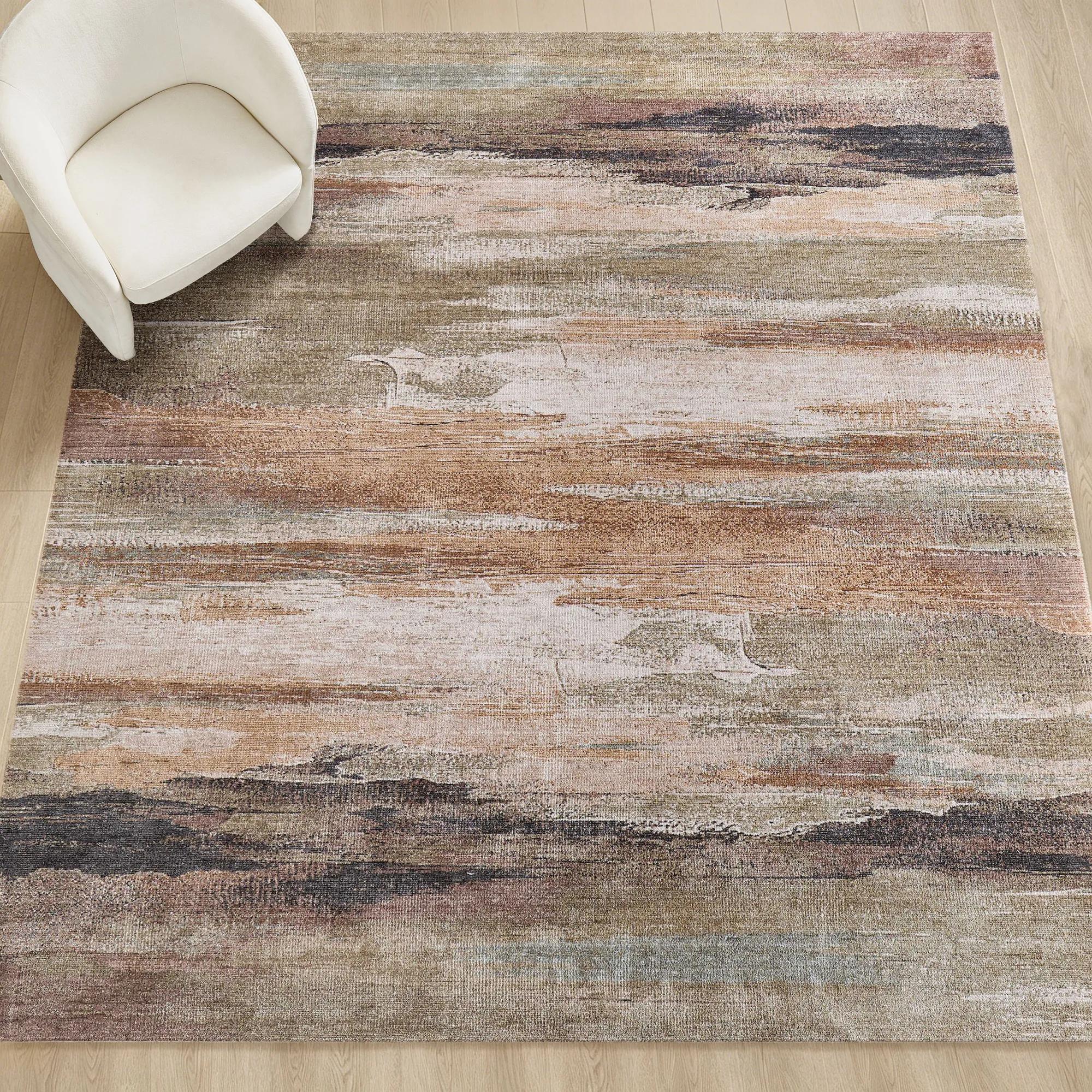
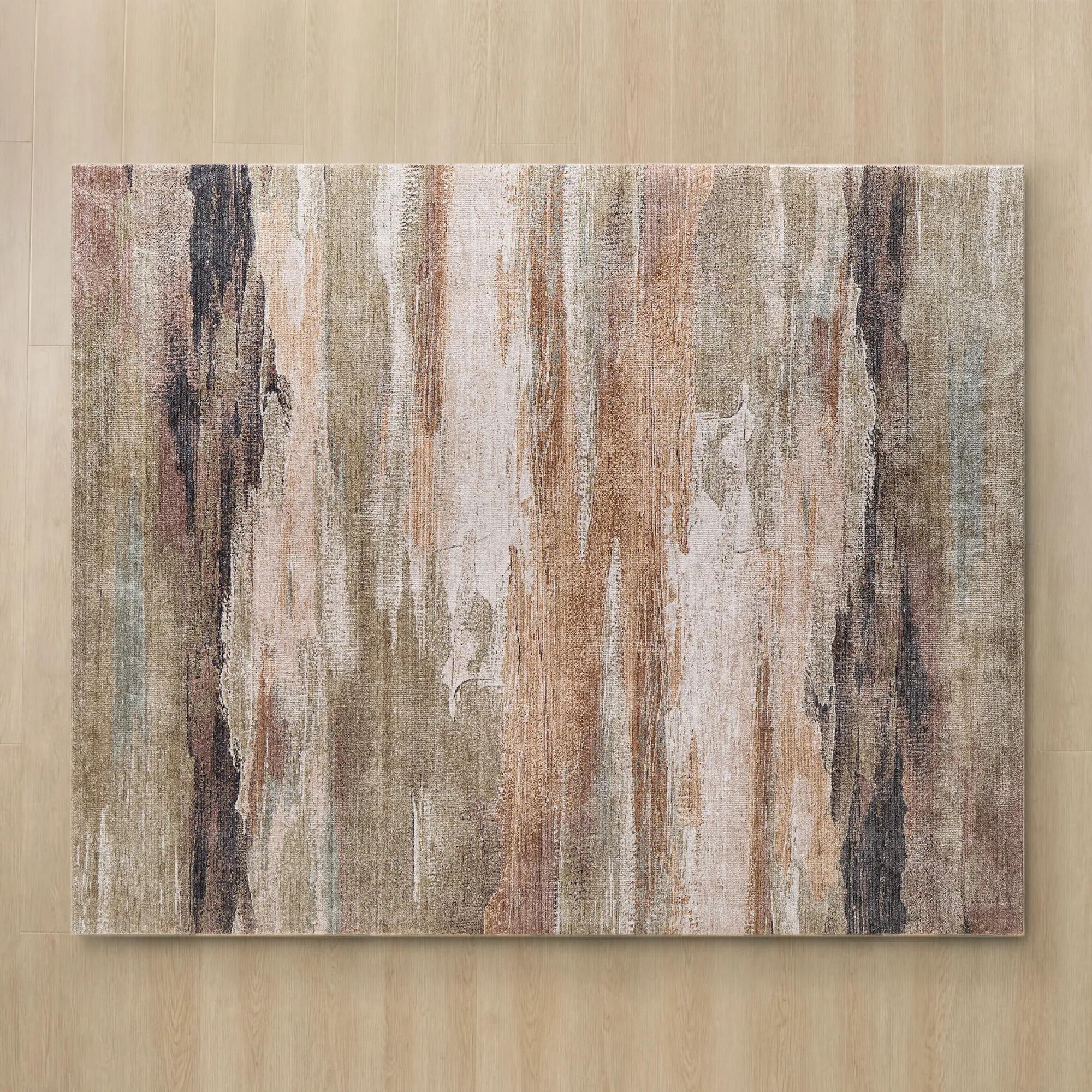 Sedona Rust/Beige/Moss Green/Charocal/Blue Performance Power Loomed Rug$1499
A power-loomed polyester rug featuring a rich abstract pattern in rust, beige, moss green, charcoal, and blue.
Add To Cart -
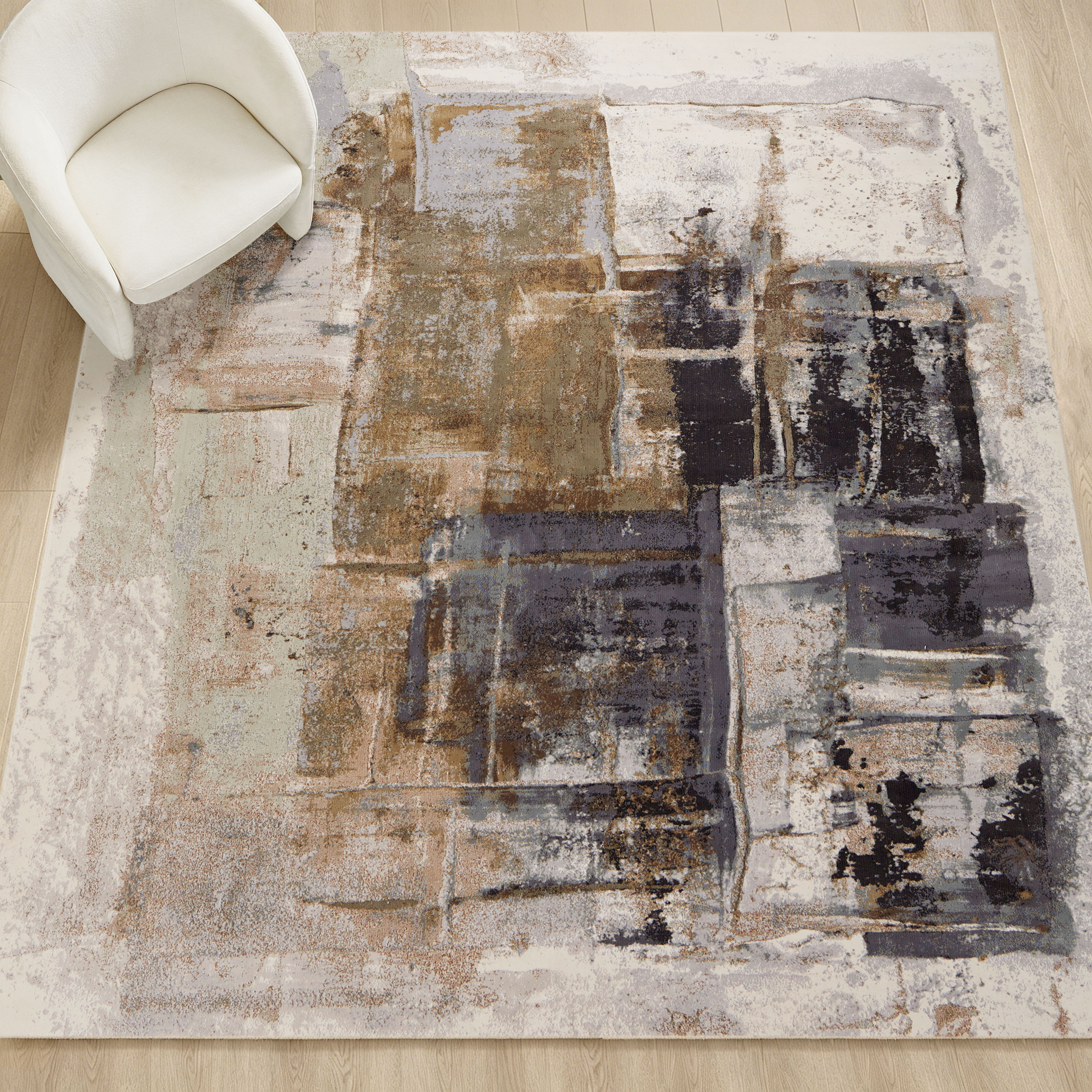
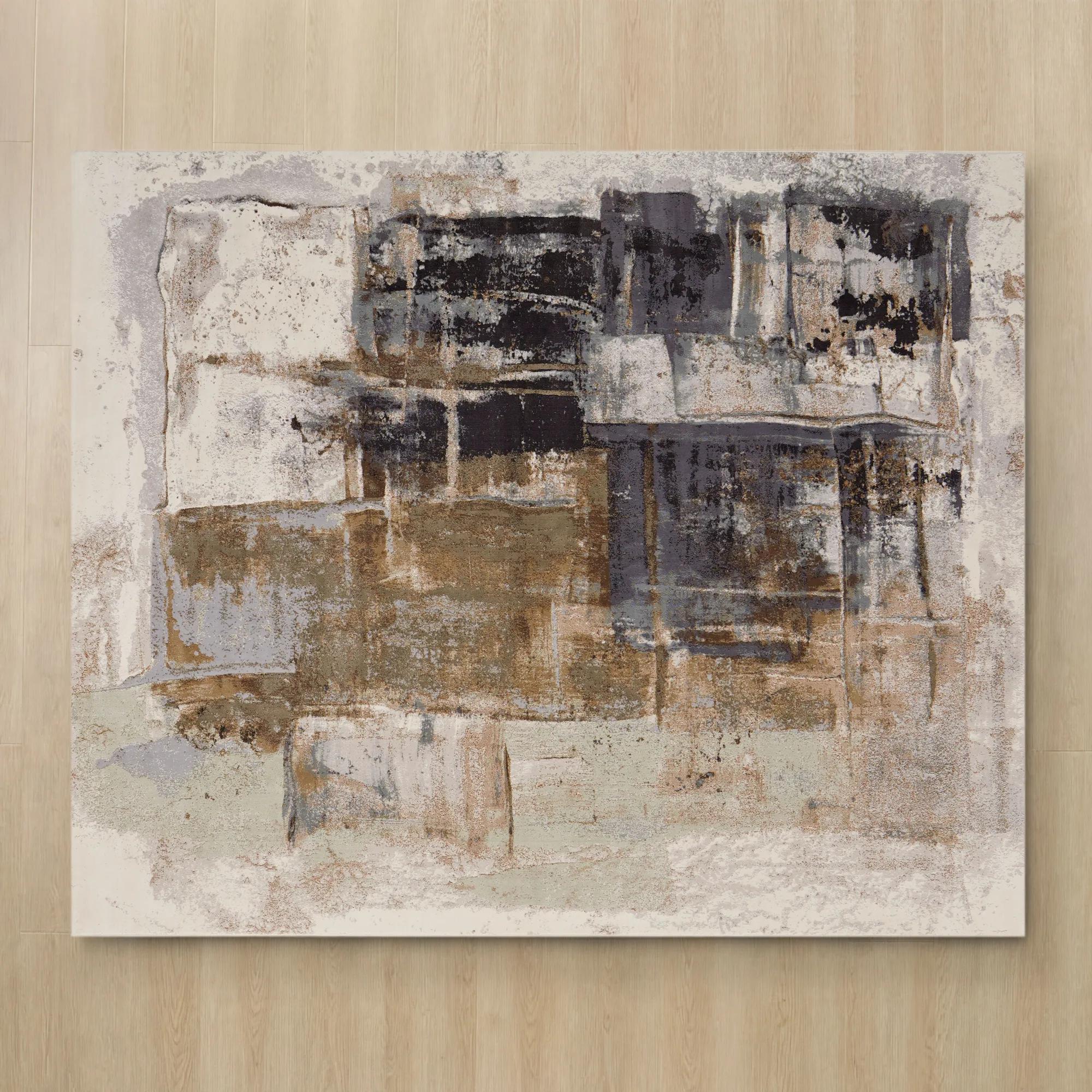 Gaia Abstract Grey/Charcoal/Ivory/Gold/Blue Performance Power Loomed Rug$449
An abstract rug in grey, charcoal, ivory, gold, and blue with a soft, stain-resistant performance blend.
Add To Cart

Modern Rugs For Minimalist Decor
Modern Rugs for Minimalist Decor are the unsung heroes of a serene, artfully curated home—where every line matters and every texture tells a story. These pieces distill luxury to its purest form, transforming open spaces into sanctuaries of calm sophistication. Imagine a room where subtle geometry and refined palettes create a gallery-like foundation, allowing your signature style to breathe and flourish. With each rug, discover the power of restraint—elevating simplicity into something utterly unforgettable.
Modern rugs for minimalist decor combine restrained color, clean geometry, and tactile depth to define a room without competing with its architecture. Their presence is deliberate: a sculpted surface beneath a streamlined sofa, a soft grid that echoes the lines of a dining table, or an ivory field that gives dark furniture a striking silhouette. Minimalist interiors need not feel austere. A thoughtfully chosen area rug brings dimension to open floor space, softens the experience of a room, and creates a distinct setting for conversation, dining, or rest. Neutral palettes of cream, beige, taupe, gray, and stone offer a versatile foundation, while the undertone determines the mood. Warm ivory complements honey-toned wood and brushed brass; cooler gray creates a crisp relationship with chrome, glass, and charcoal upholstery. Matching every surface is less important than establishing a coherent conversation between them. A rug slightly lighter or darker than the surrounding furnishings can distinguish the seating area while preserving visual continuity. Pattern also has a place in minimalist decor, particularly when its rhythm feels measured. Fine stripes, interrupted lines, generous geometric shapes, and tone-on-tone shading introduce movement without overwhelming the composition. Subtle relief can be just as expressive as color: raised and recessed fibers catch light differently, giving an otherwise quiet surface an almost sculptural presence. In an organic modern setting, an irregular weave can balance polished stone and precise furniture profiles. In a more glamorous interior, a softly lustrous rug can temper mirror-finish accents with inviting texture. These modern area rugs suit spaces where every element earns its place, from an apartment living room with carefully edited furnishings to an expansive bedroom with a dramatic upholstered headboard. The effect is restraint with richness, allowing a few exceptional forms, materials, and finishes to command attention.
Material and construction shape how a minimalist rug looks, feels, and performs beyond its first impression. Wool offers natural resilience and substantial texture, making it a compelling choice for living rooms and bedrooms where comfort and lasting character matter. Some wool rugs shed, particularly when new, and benefit from regular care appropriate to their construction. Cotton can lend a lighter, more relaxed texture, especially in flatwoven designs, although washability depends on the individual rug’s care instructions rather than the fiber alone. Jute and sisal bring organic variation and a pronounced woven surface that contrasts beautifully with smooth upholstery and lacquered furniture. Their firmer feel may be less appealing where bare feet or floor seating are part of daily life, and their sensitivity to moisture makes placement and prompt spill attention important. Synthetic fibers such as polypropylene can offer practical stain resistance and straightforward maintenance, but performance varies with pile density, backing, and construction; no rug should be assumed stainproof. Viscose and similar lustrous fibers create a refined sheen yet often require more delicate handling, particularly around spills. Pile height deserves equal consideration. Low-pile rugs and flatweaves generally allow dining chairs to move more easily and fit more comfortably beneath doors, while deeper piles provide a sumptuous surface for quieter seating areas and bedrooms. Homes with pets may benefit from constructions less vulnerable to snagging, especially where exposed loops or fringe could catch claws. A compatible rug pad adds cushioning, helps reduce movement, and can protect the floor; its material should suit both the rug backing and the flooring manufacturer’s recommendations. Regular vacuuming helps remove abrasive grit, with suction settings and brush use adjusted to the rug’s care label. Rotating a rug can distribute wear and light exposure more evenly. Spills call for gentle blotting rather than vigorous rubbing, and specialty cleaning may be appropriate for delicate fibers or substantial soiling. These practical distinctions support the aesthetic itself: a beautifully maintained surface keeps texture intentional, edges composed, and the room’s foundation polished.
Scale gives modern rugs their architectural authority. A rug that is too small can leave furniture looking disconnected, while a proportionate design makes a seating arrangement feel like a complete composition. In living rooms, allowing at least the front legs of the sofa and nearby chairs to rest on the rug often creates a cohesive relationship between pieces. Larger layouts may accommodate every furniture leg, producing a more expansive, enveloping effect. An even border of exposed flooring helps the placement feel considered, although the ideal margin depends on the room’s proportions, doorways, and circulation. Dining areas call for enough rug beyond the tabletop to support chairs as they move outward; roughly 24 to 30 inches on each side is a useful starting point, with additional space sometimes needed for larger chairs. A low, closely woven surface keeps that movement more fluid and makes everyday crumbs easier to address. In bedrooms, generous coverage beside the bed creates a softer landing and visually balances the bed’s substantial form. Extending the rug approximately 18 to 24 inches beyond the sides can achieve that effect where the layout allows. For a more graphic expression, black rugs for minimalist bedrooms can anchor pale bedding, emphasize sculptural furniture, and introduce depth without relying on an intricate pattern. Dark surfaces may reveal light-colored lint, just as pale rugs may show darker debris, making household habits as relevant as color preference. Runners bring similar definition to narrow spaces, provided their proportions preserve clear door movement and comfortable passage. Shape can refine the composition further: a rectangular rug reinforces linear architecture, while a round rug offers a measured counterpoint to angular furnishings or a circular table. Existing flooring also influences the final effect. A finely textured neutral can calm a strongly grained wood floor, while a subtle geometric design introduces structure against a uniform surface. Whether the space centers on entertaining, quiet evenings, or a carefully composed home office, the most compelling minimalist rugs contribute more than softness underfoot. They frame the furnishings, enrich the material palette, and give expressive interiors the confidence of a beautifully resolved foundation.
FAQs
A modern rug acts as a visual and tactile anchor in minimalist spaces, adding warmth, texture, and a sense of artistry without overwhelming the room. Its subtle patterns and refined materials complement clean lines and open layouts, creating a harmonious backdrop that highlights statement furnishings and curated décor.
Modern rugs for minimalist interiors often feature luxurious materials such as wool, viscose, or silk blends, as well as innovative synthetics that offer both durability and a sleek aesthetic. These materials are chosen for their soft hand, elegant sheen, and the way they effortlessly elevate the overall look of a space.
Absolutely. A modern rug makes a thoughtful and enduring gift for housewarmings, weddings, or milestone celebrations. Its timeless design and exceptional craftsmanship offer the recipient a foundation for new memories, making it a cherished addition to any home.
Modern rugs are designed with a keen eye for versatility, often featuring neutral hues, muted gradients, or subtle geometric patterns. These elements allow the rug to blend seamlessly with a variety of color palettes, from crisp whites and soft greys to deeper, moodier tones, enhancing the room’s sense of balance and sophistication.
A modern rug becomes a statement piece through its artful design, luxurious texture, and the way it draws the eye without dominating the space. Whether through a bold pattern, a unique weave, or an unexpected color accent, it infuses the room with personality while maintaining the serene, uncluttered ethos of minimalist decor.