Modern Rugs For Spring Decor
Modern Rugs For Spring Decor
-
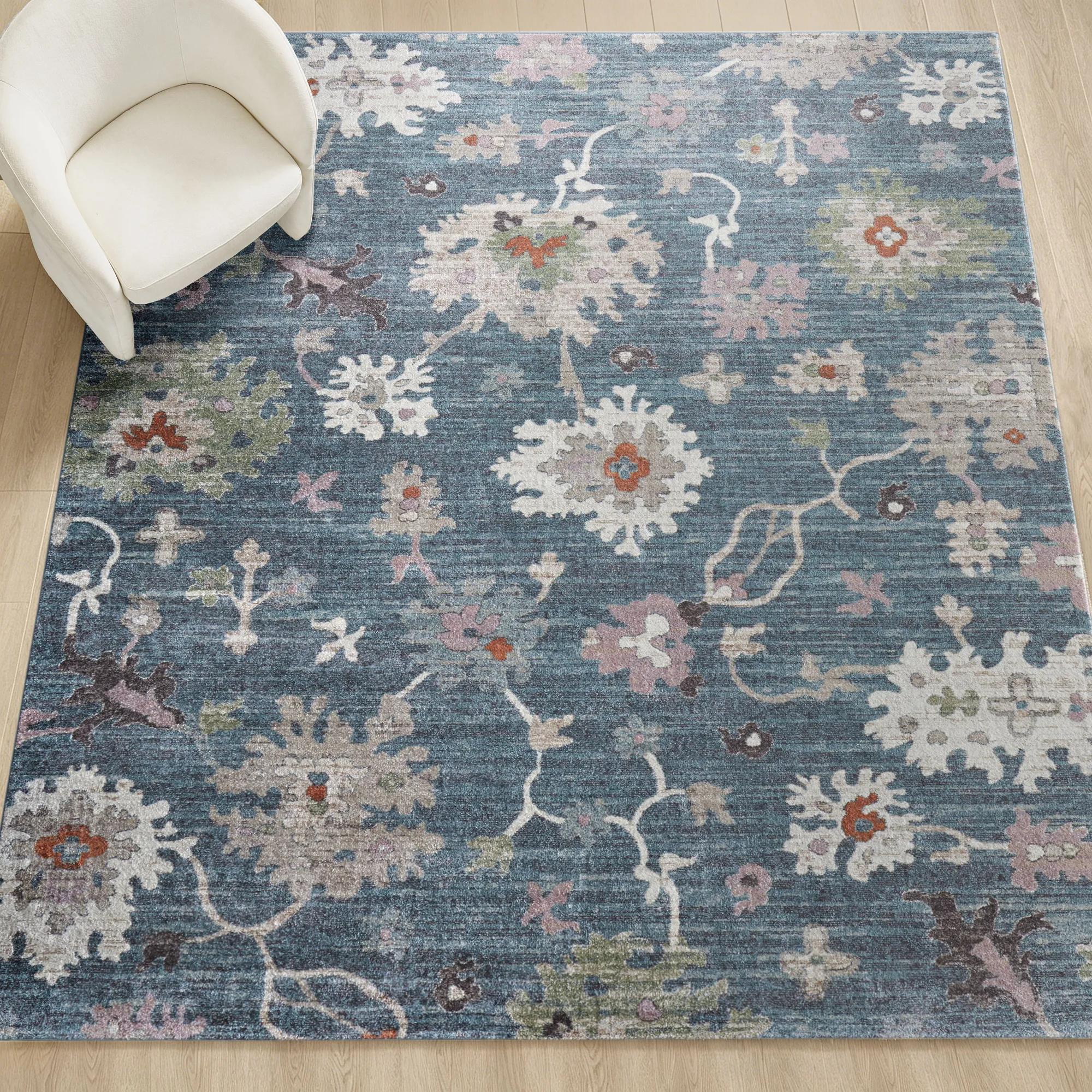
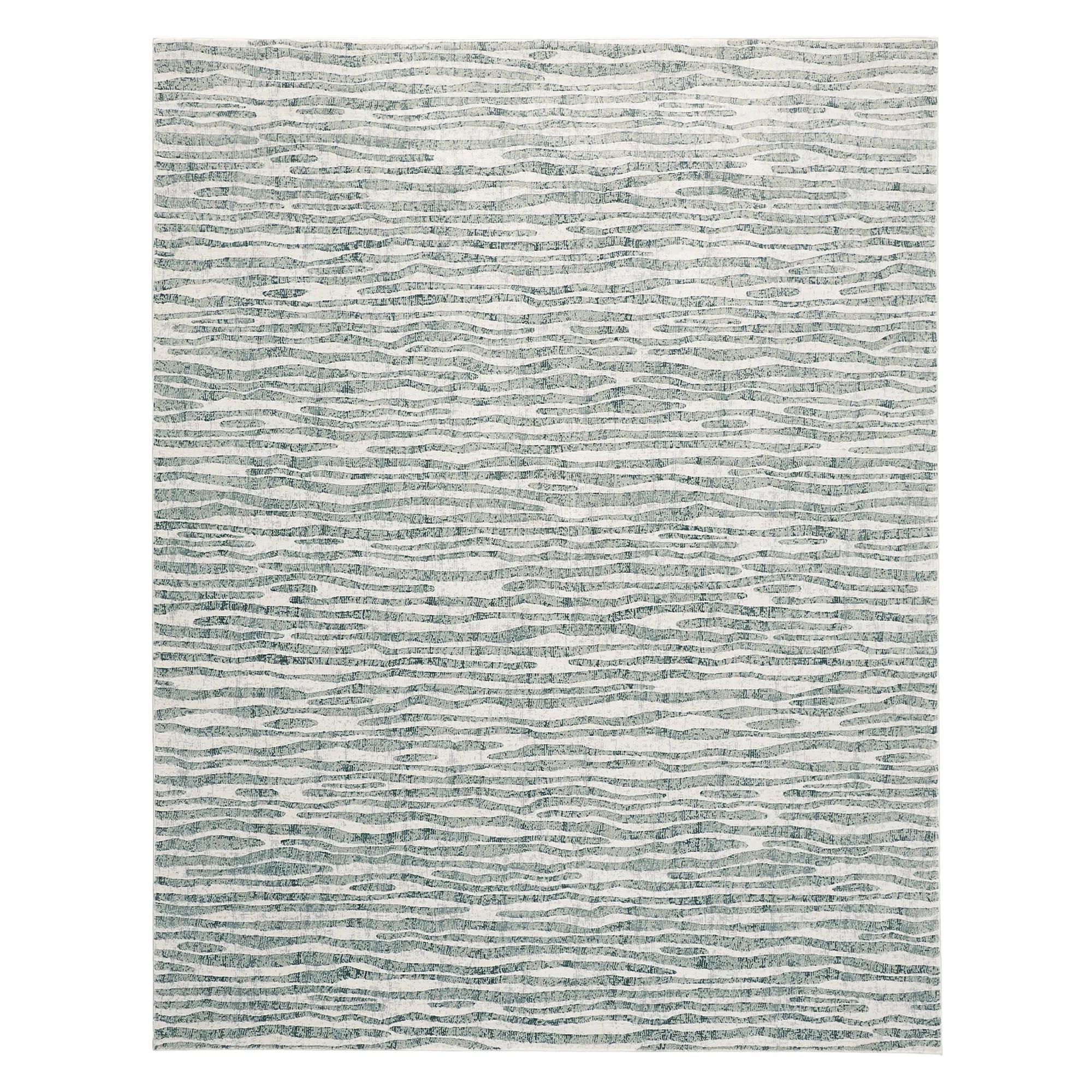 Samantha Power-Loomed Aqua/Grey Rug$719
A machine-woven rug featuring silvery-aqua and green accents on an ivory and grey polypropylene base.
Add To Cart -
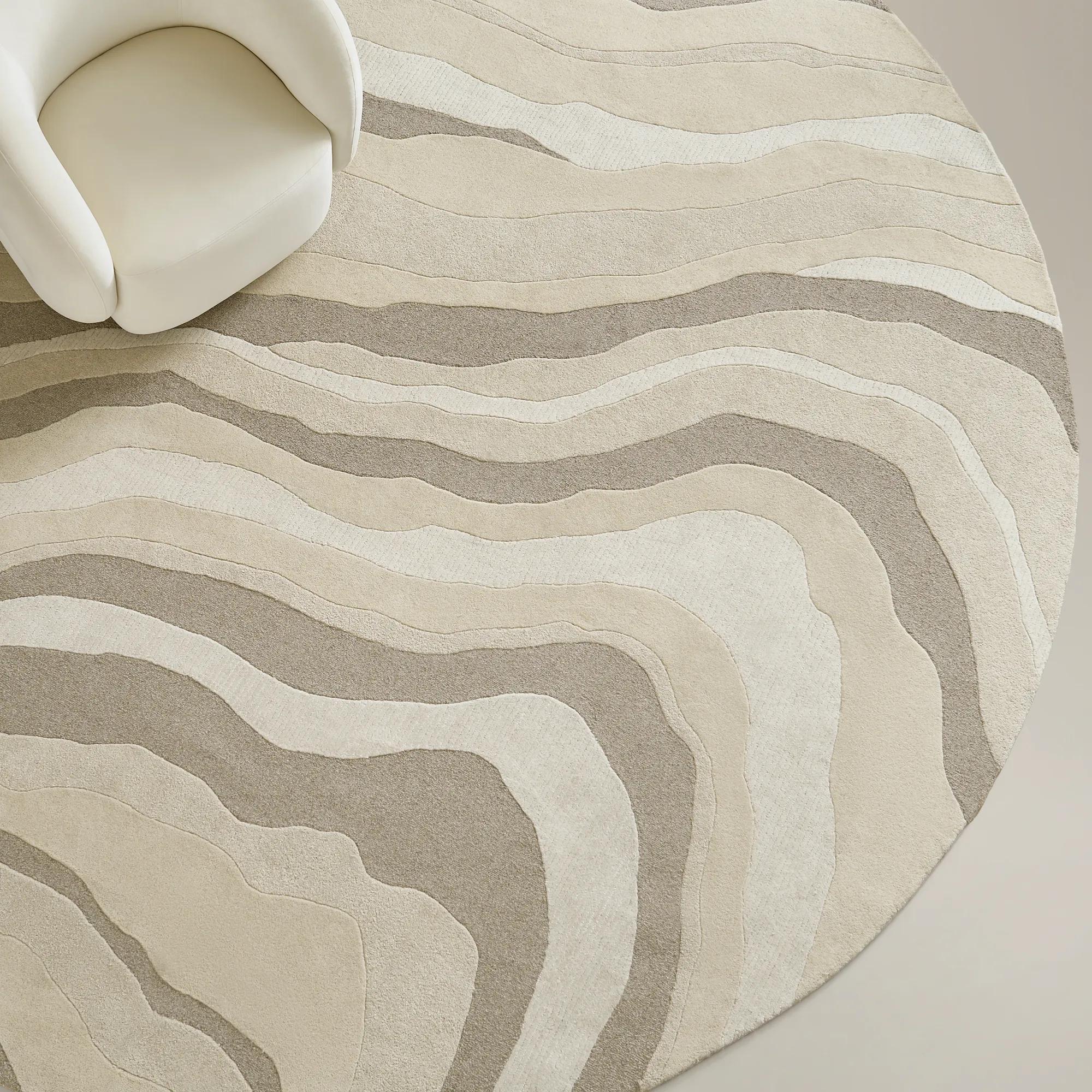
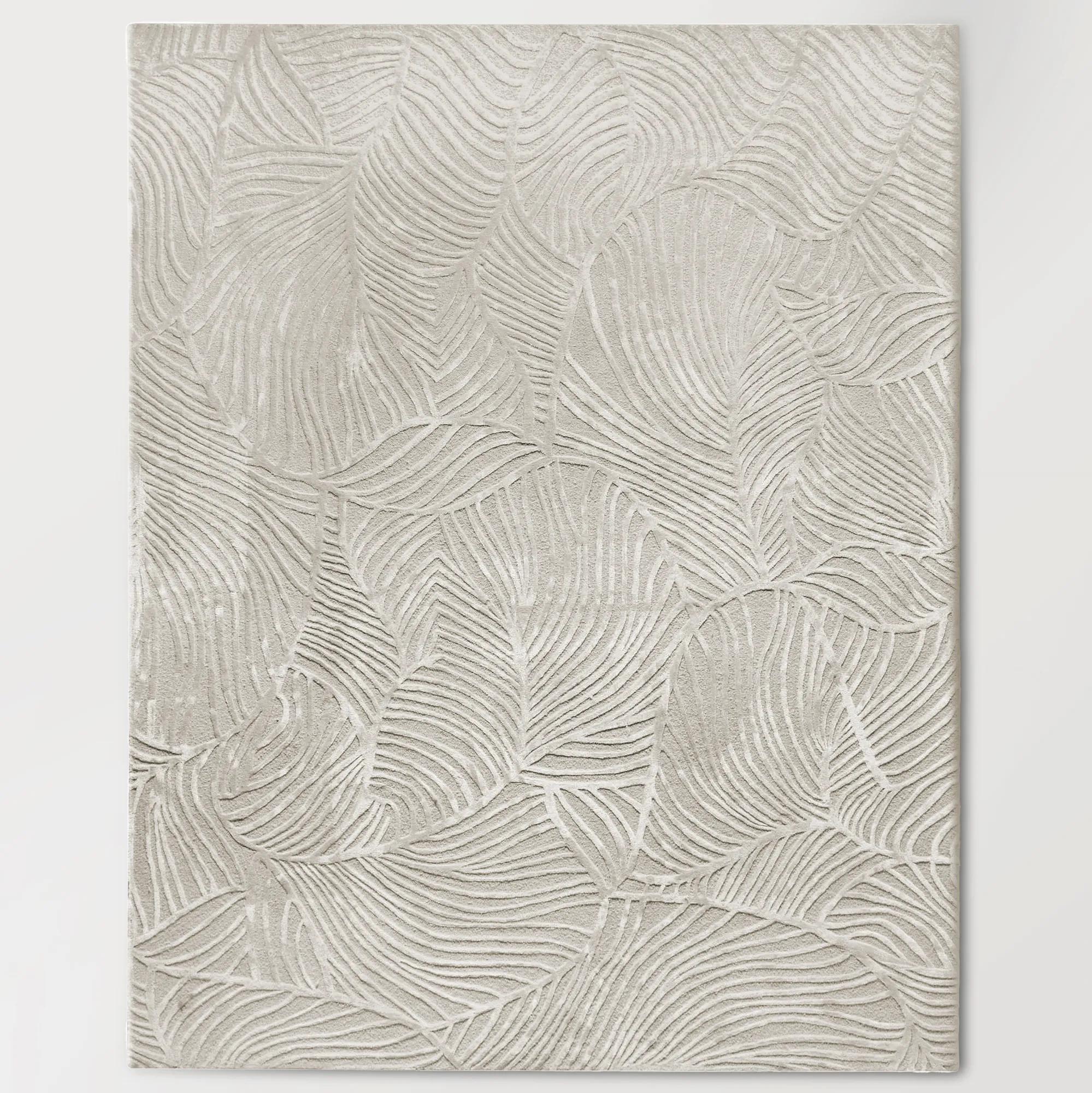 Palm Hand-Tufted Ivory Wool Blend Rug$999
An ivory rug featuring a dynamic palm-leaf design with high-low pile in viscose and wool.
Add To Cart -
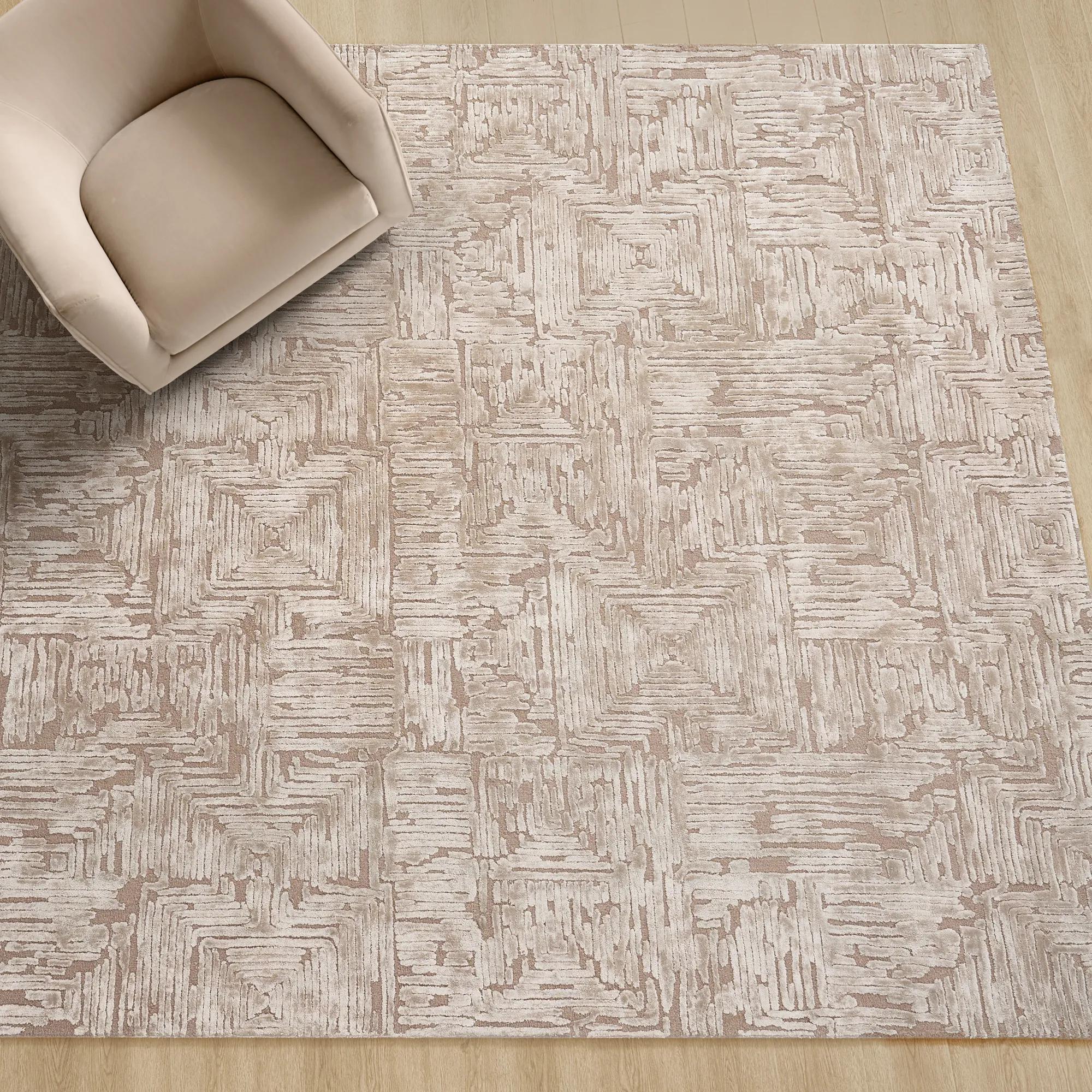
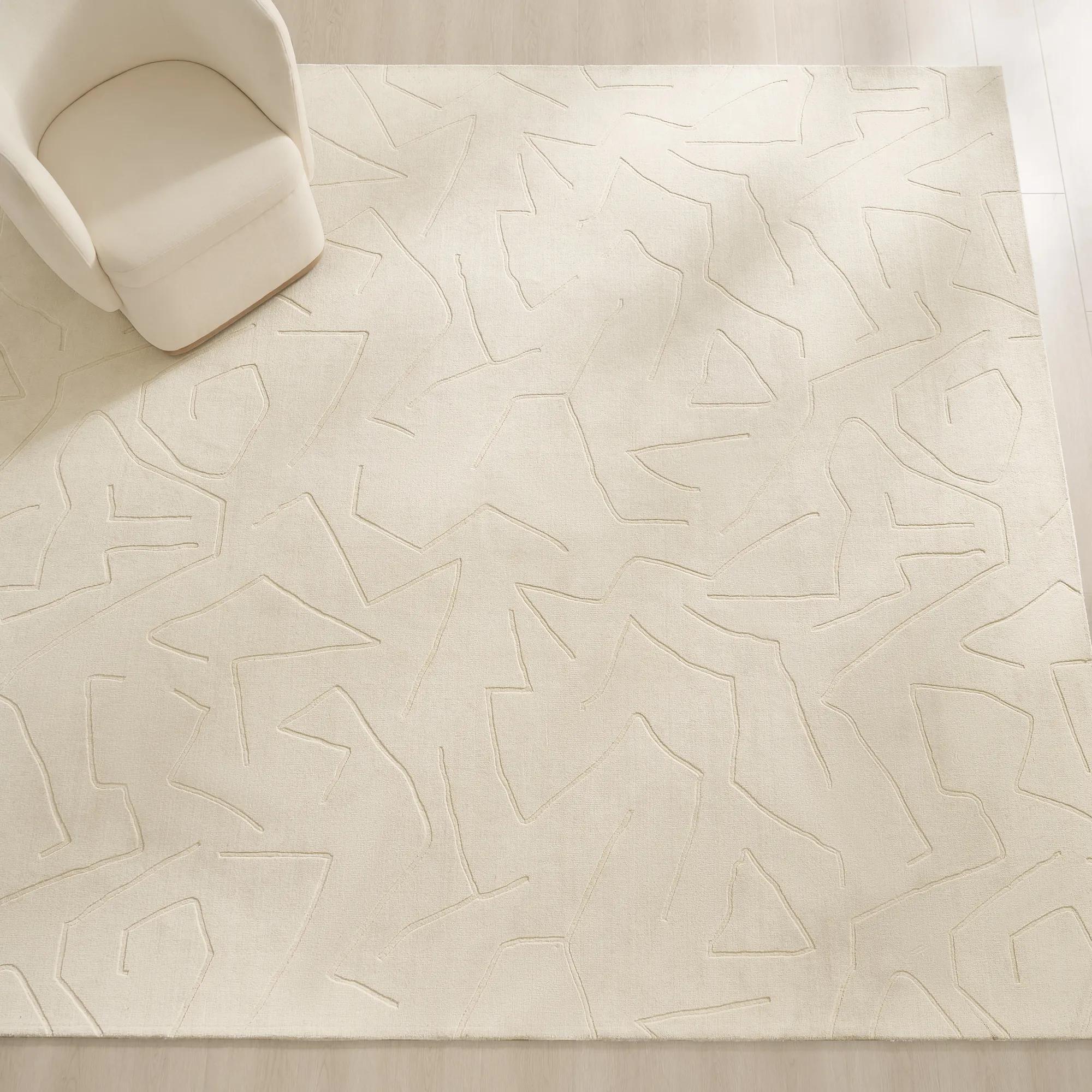 Carved Maze Ivory Hand-Loomed Wool Blend Rug$699
A hand-loomed ivory wool-blend rug featuring a carved maze pattern for modern, textural appeal.
Add To Cart -
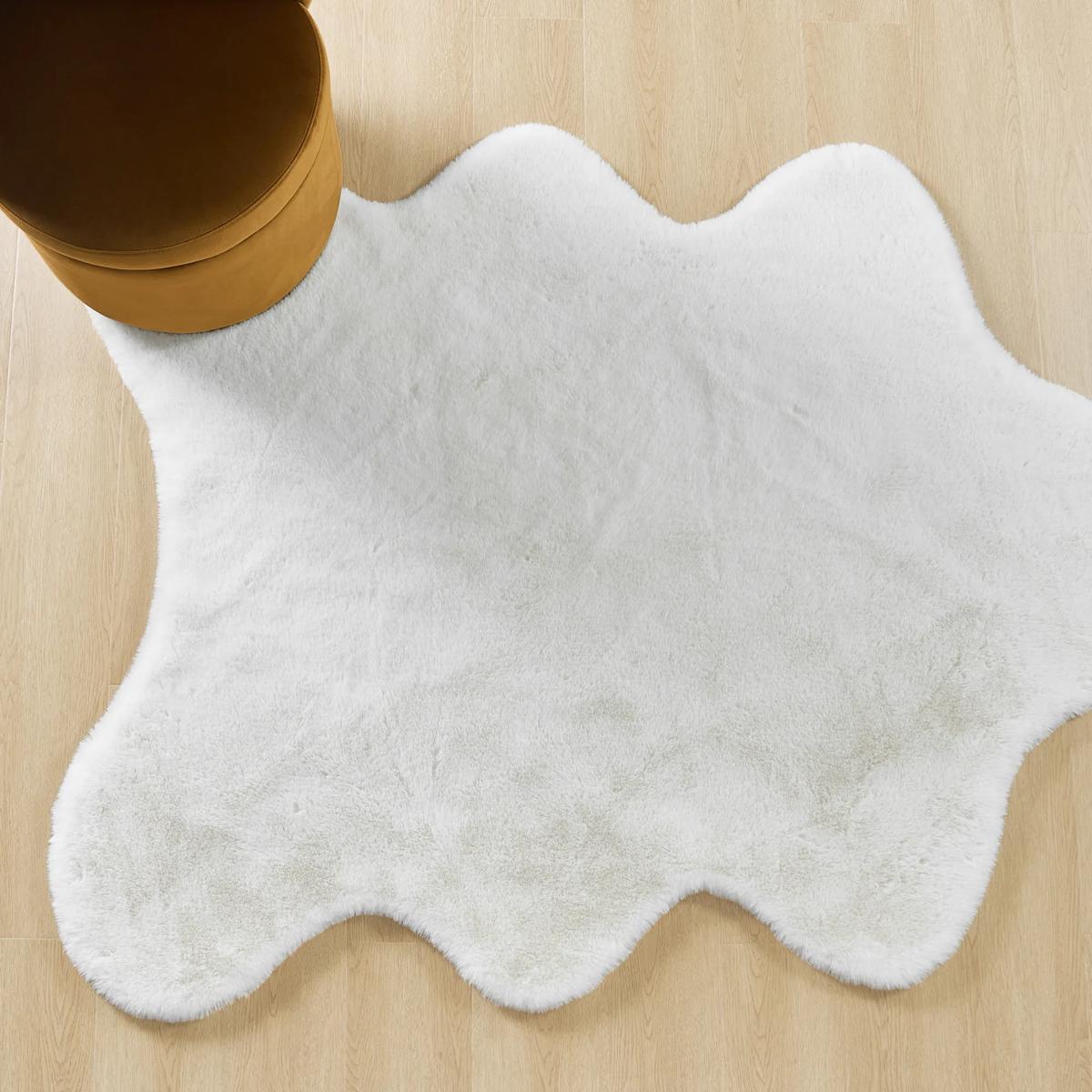
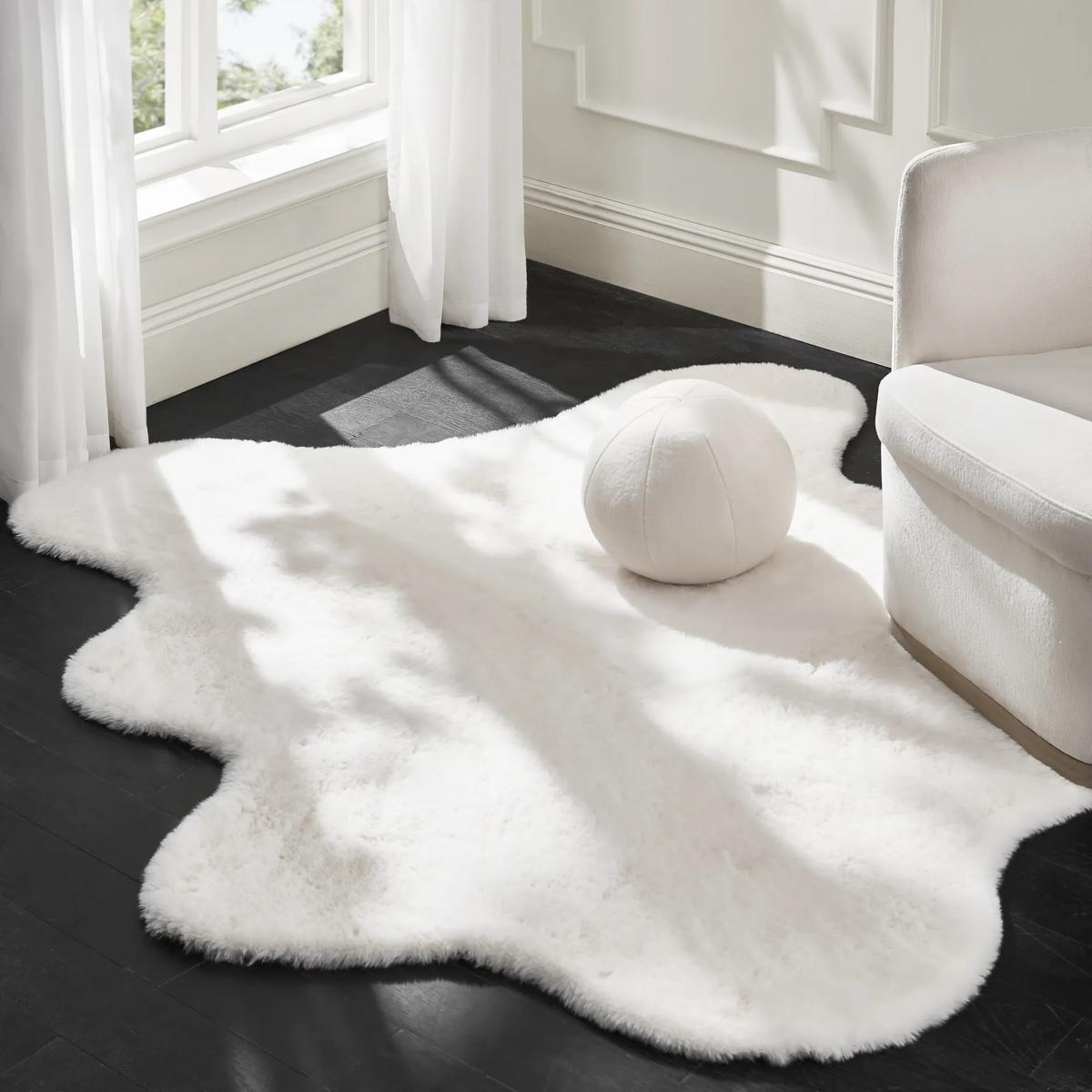 Odin Faux Fur White Shaped Rug 5' x 6'$249
A plush, cloud-shaped white rug with ultra-soft polyester pile and a practical non-slip backing.
Add To Cart -
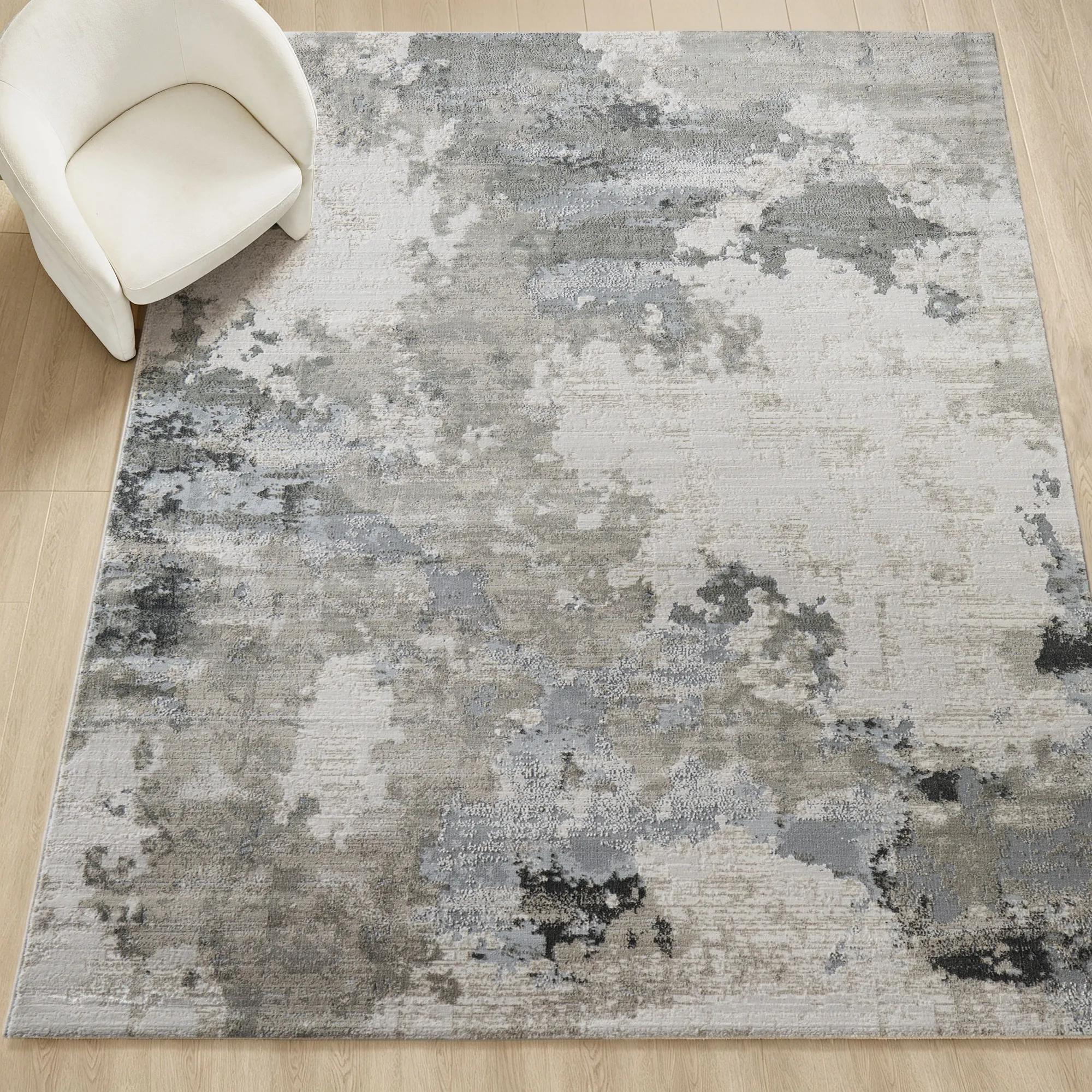 Alarion Abstract Grey/Muted Blue/Ivory Performance Power Loomed Rug$1499
A power-loomed rug featuring a distressed abstract pattern in grey, muted blue, and ivory with stain resistance.
Add To Cart -
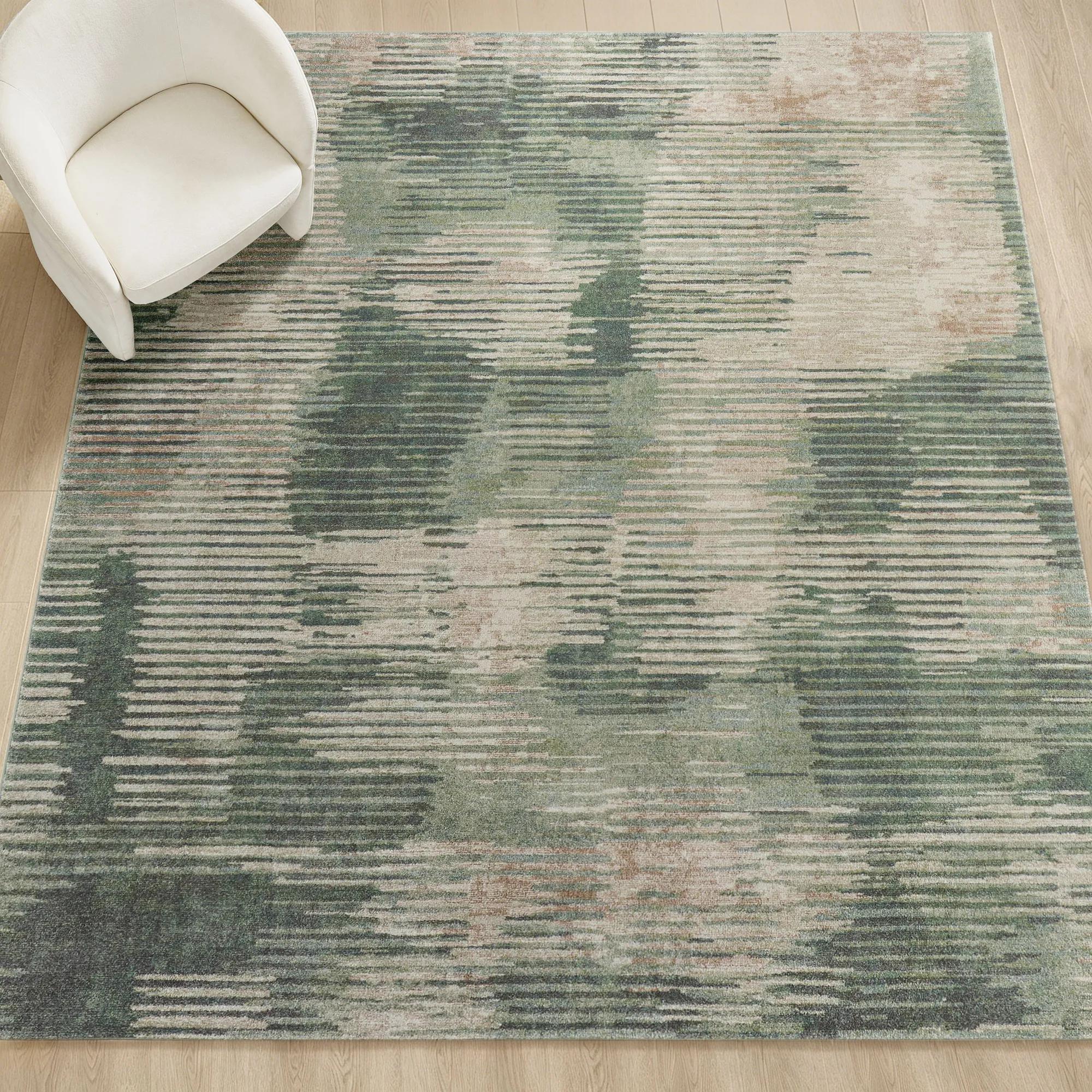
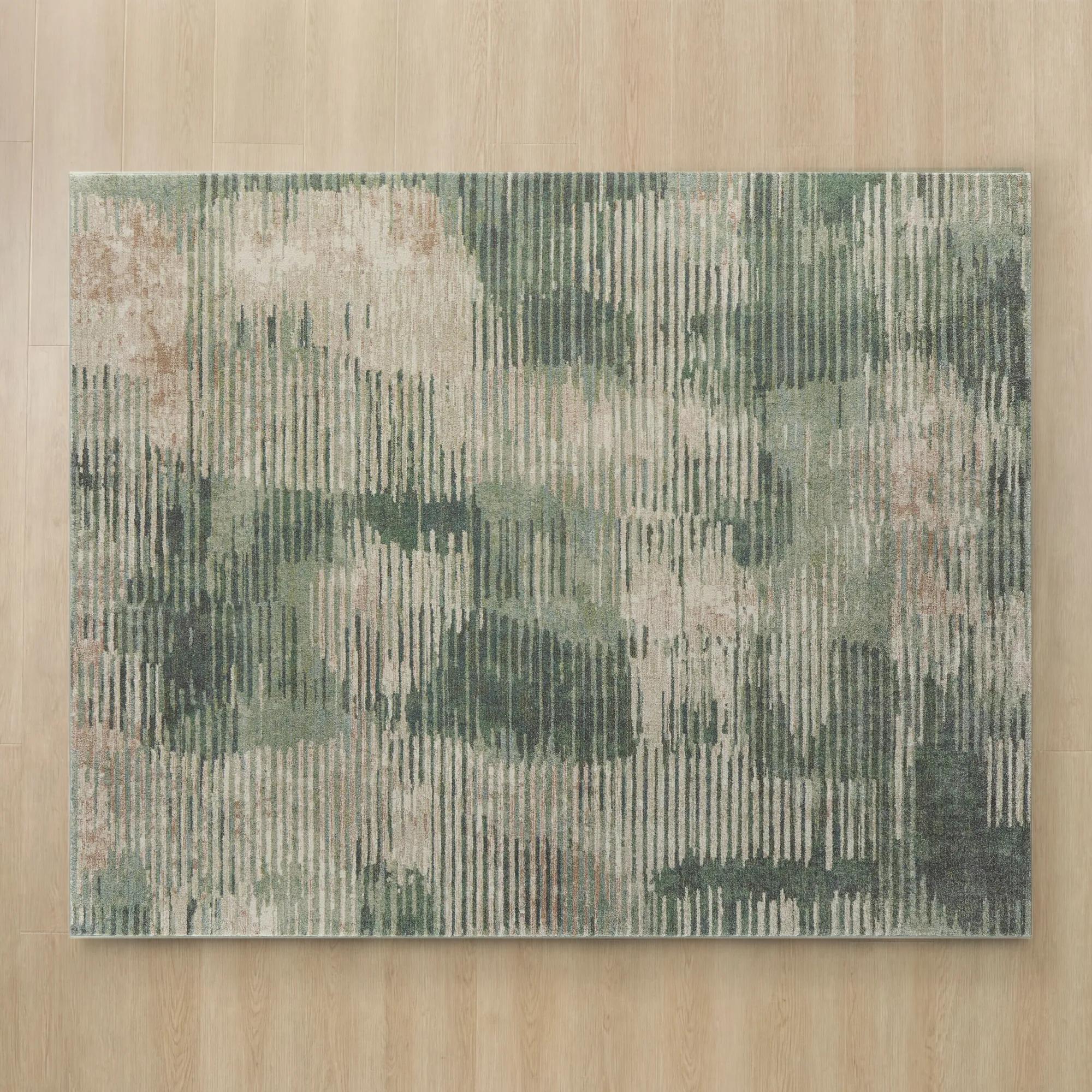 Sylvan Green/Beige Power Loomed Rug$689
A contemporary rug featuring a smoked olive green and beige organic pattern with a soft, power-loomed polypropylene pile.
Add To Cart -
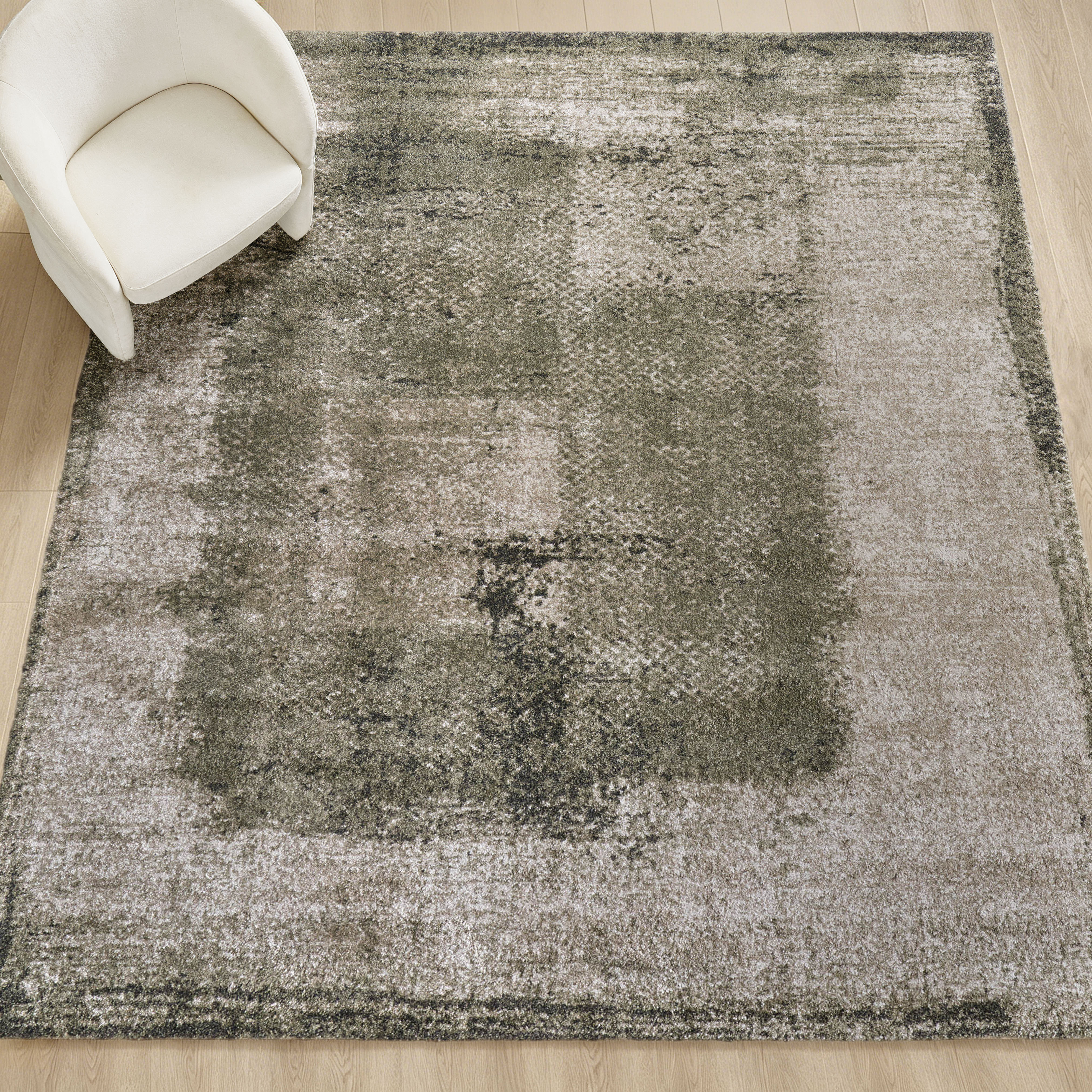
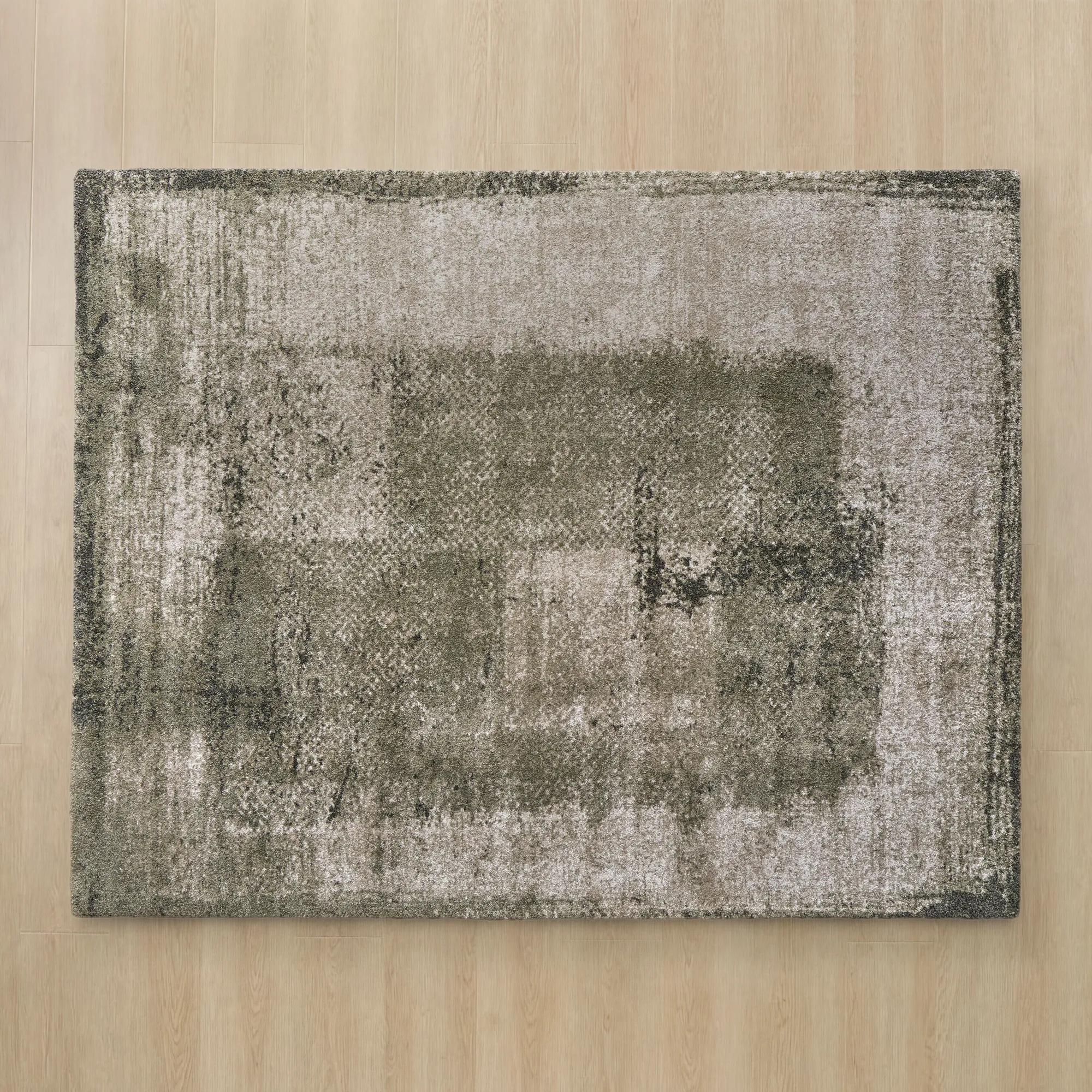 Irving Abstract Moss Green/Beige/Grey Performance Power Loomed Rug$1649
An abstract rug in moss green, beige, and grey with plush, durable polypropylene and polyester construction.
Add To Cart -
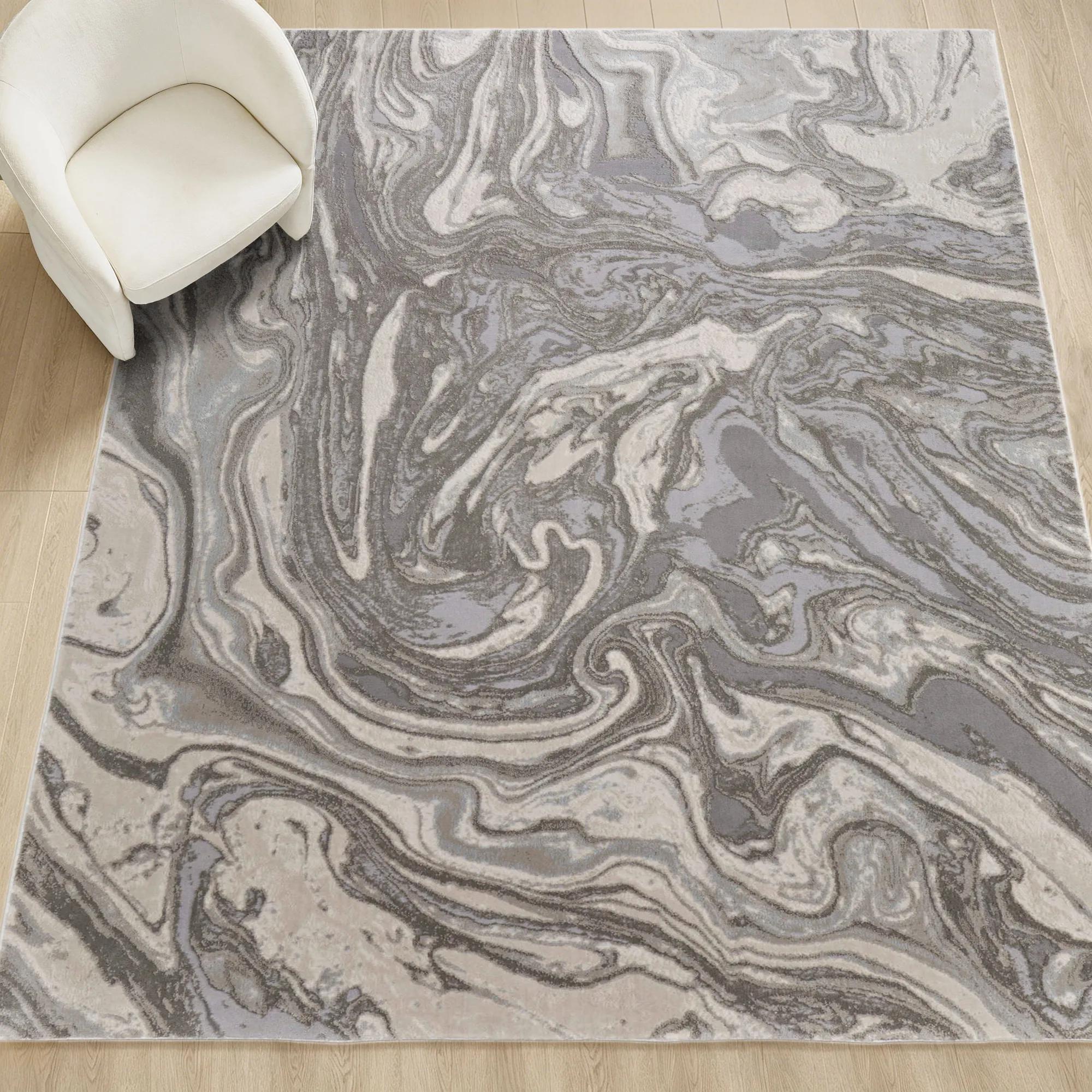
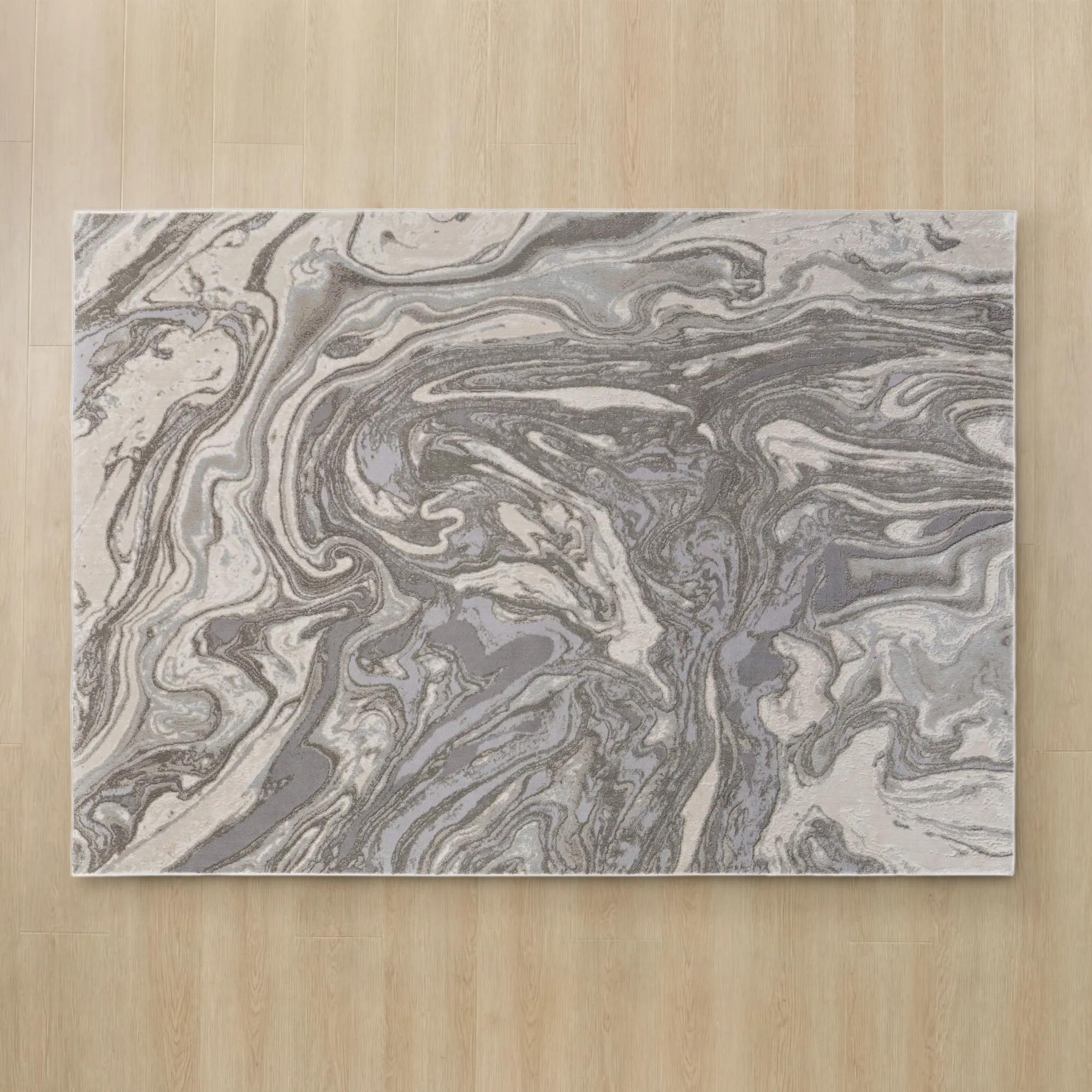 Marbre Marbled Grey/Taupe/Powder Blue Performance Power Loomed Rug$1499
A softly marbled rug in grey, taupe, and powder blue with a textured, stain-resistant performance blend.
Add To Cart -
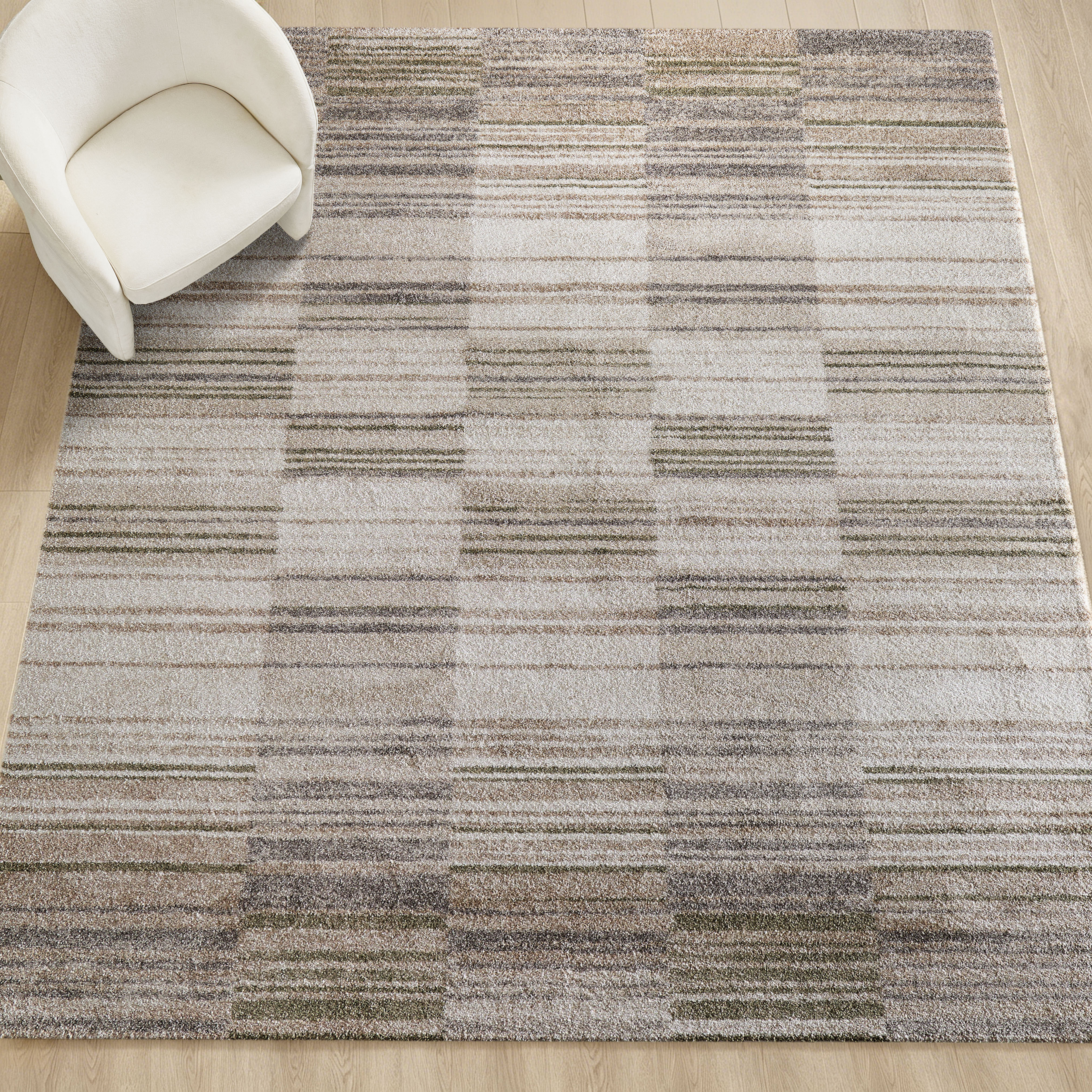
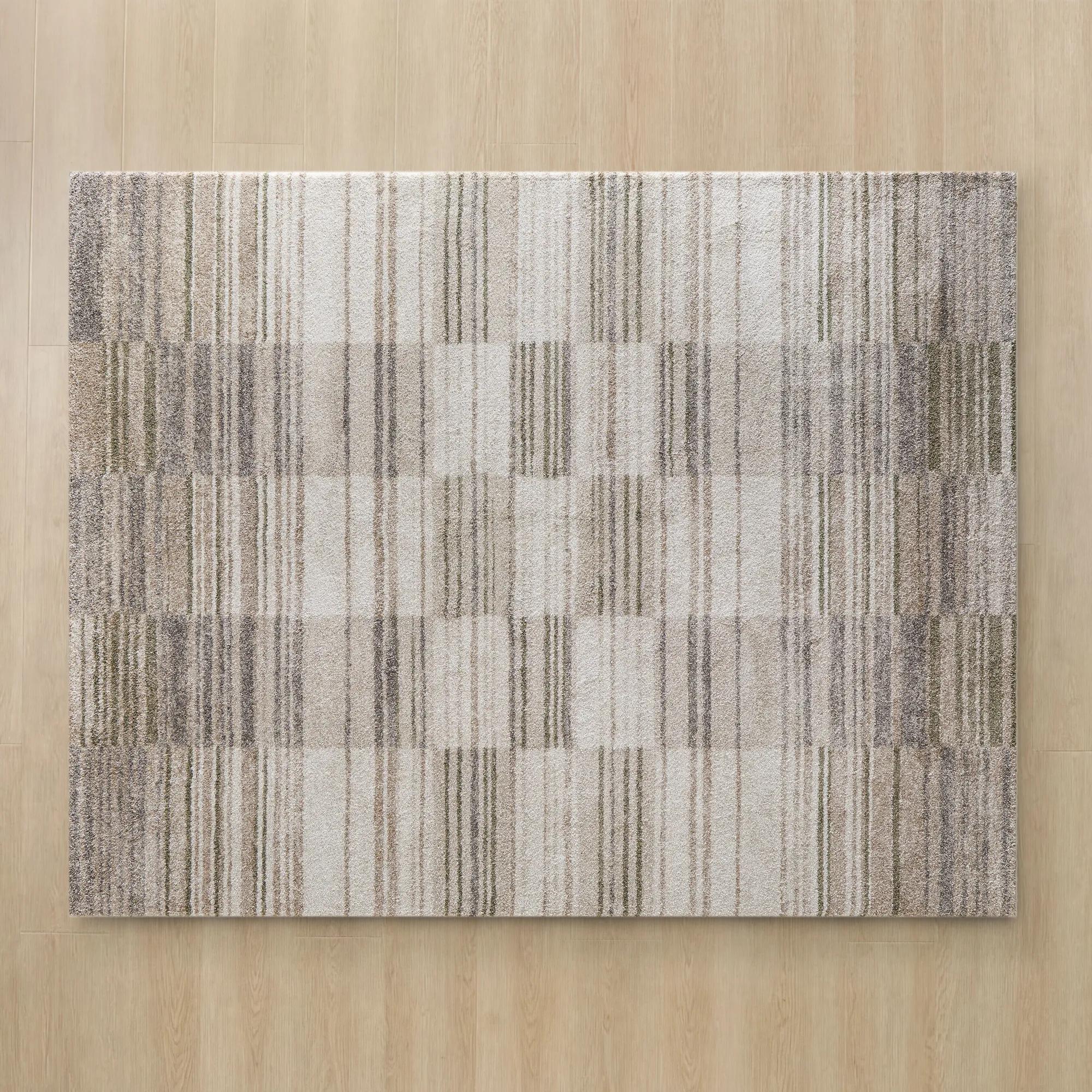 Checka Grey/Tan/Ivory/Soft Green Performance Power Loomed Rug$399
A plush, power-loomed rug featuring a soft check pattern in grey, tan, ivory, and green.
Add To Cart -
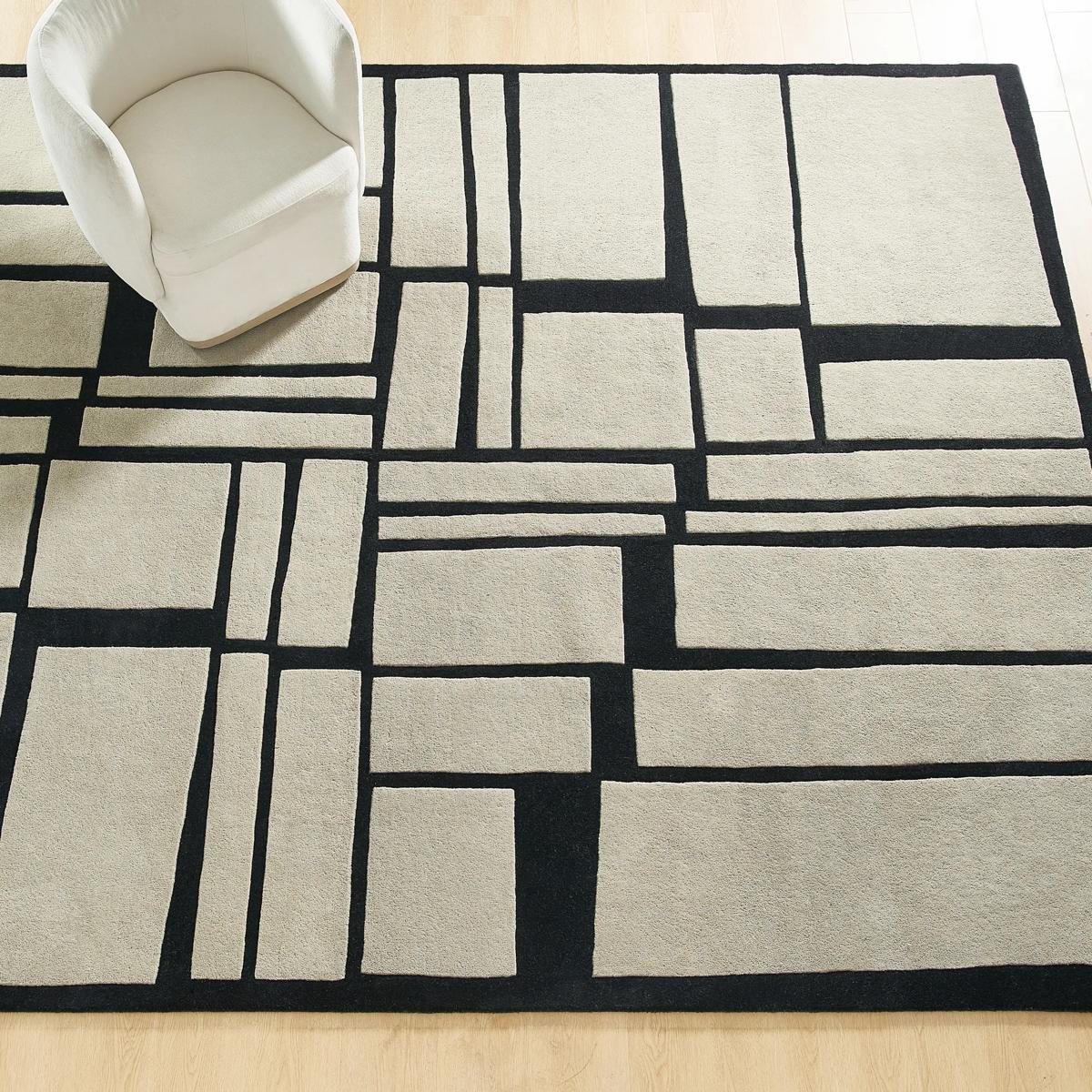 Novak Hand-Tufted Natural/Black Wool Rug$449
A hand-tufted wool rug featuring a bold black and natural grid design for modern visual impact.
Add To Cart -
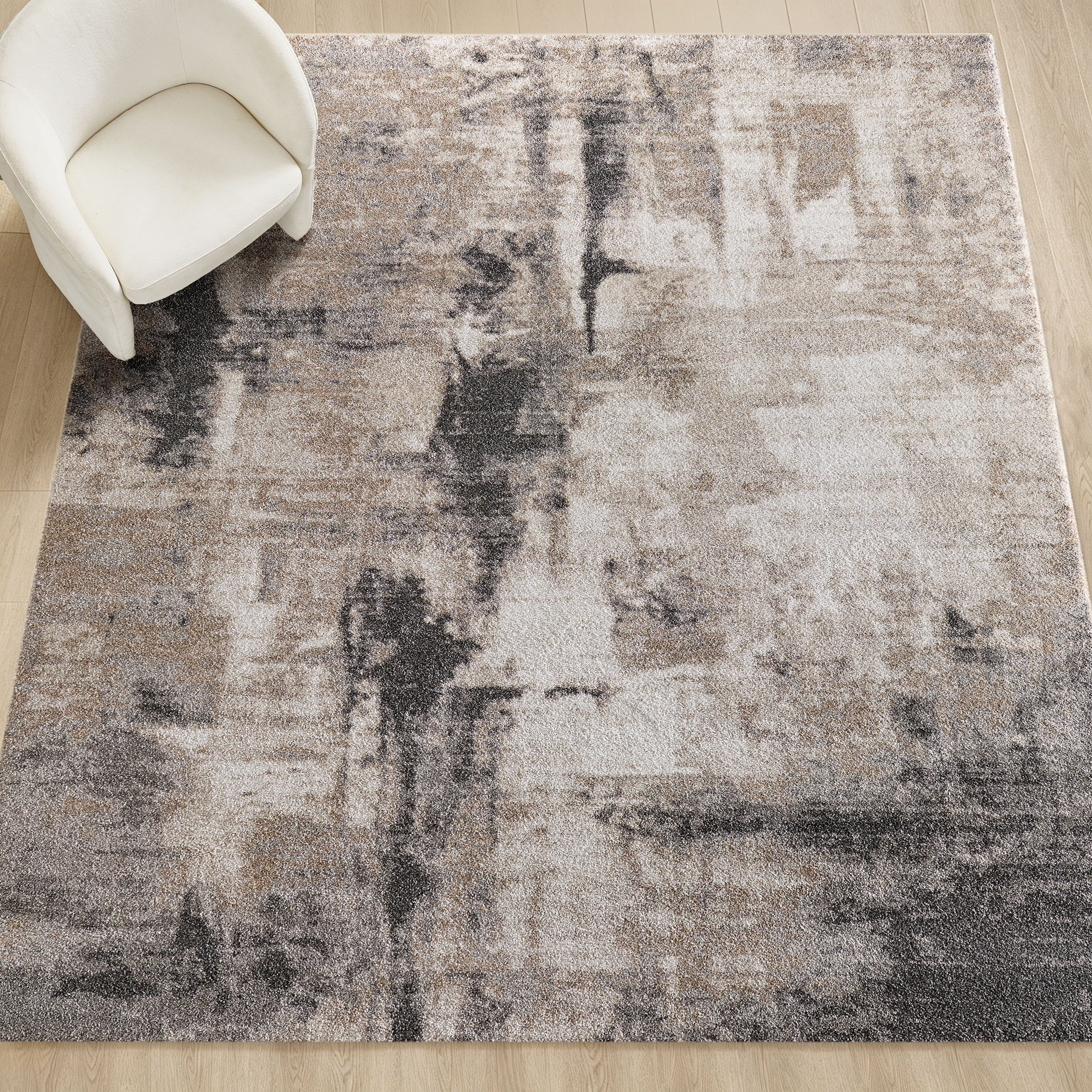
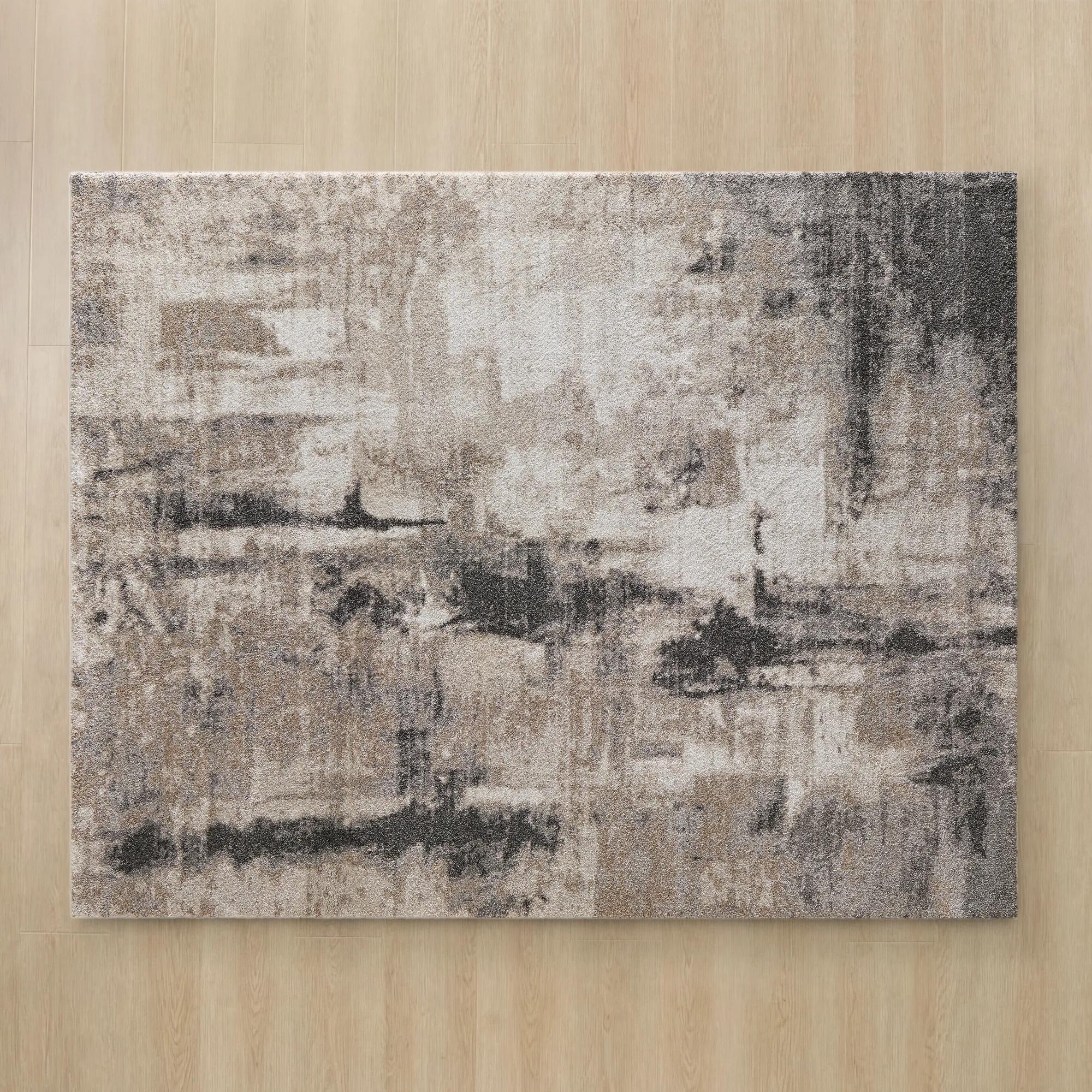 Atlas Abstract Grey/Taupe/Ivory/Charcoal Performance Power Loomed Rug$399
An abstract rug in grey, taupe, ivory, and charcoal with a plush, stain-resistant polypropylene blend.
Add To Cart -
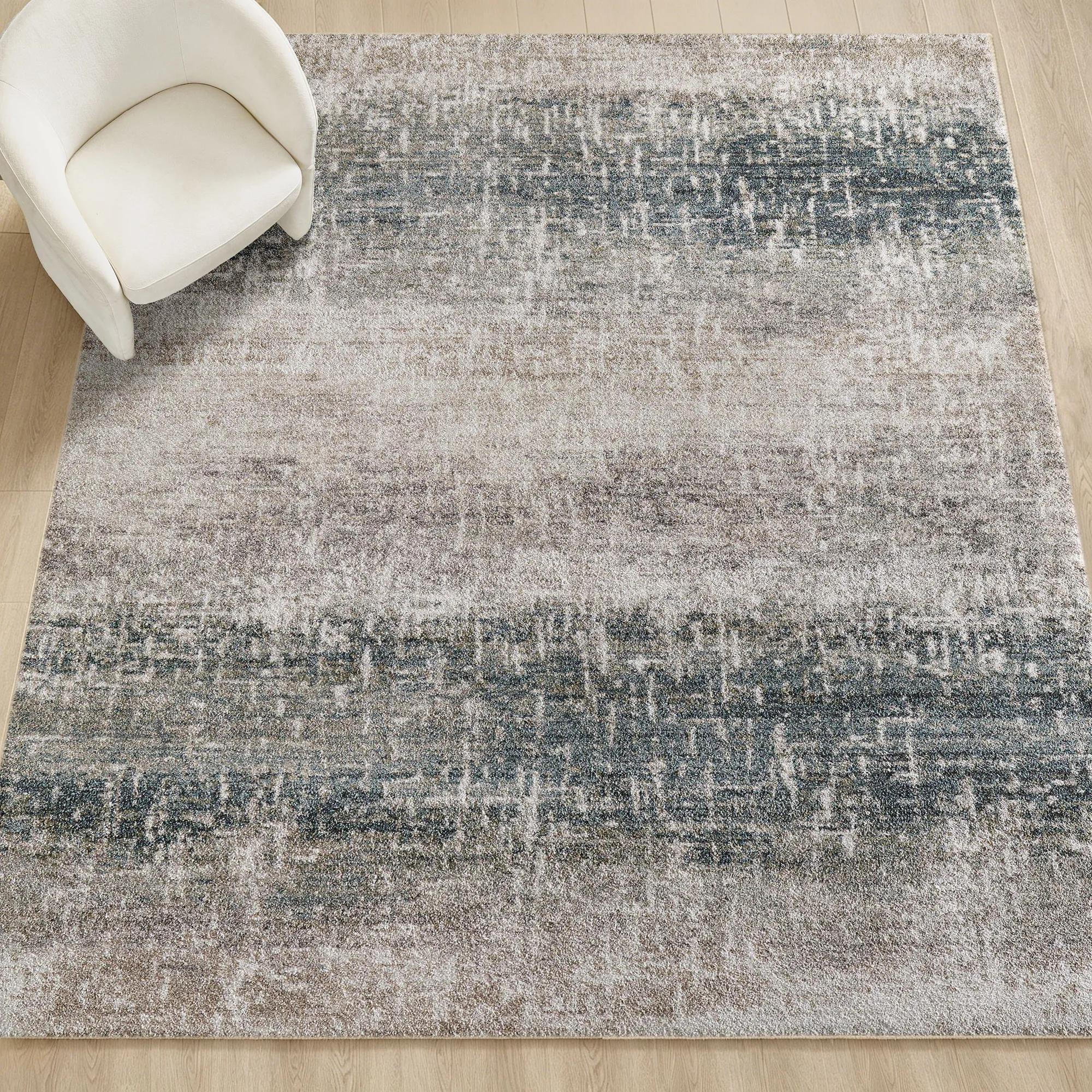
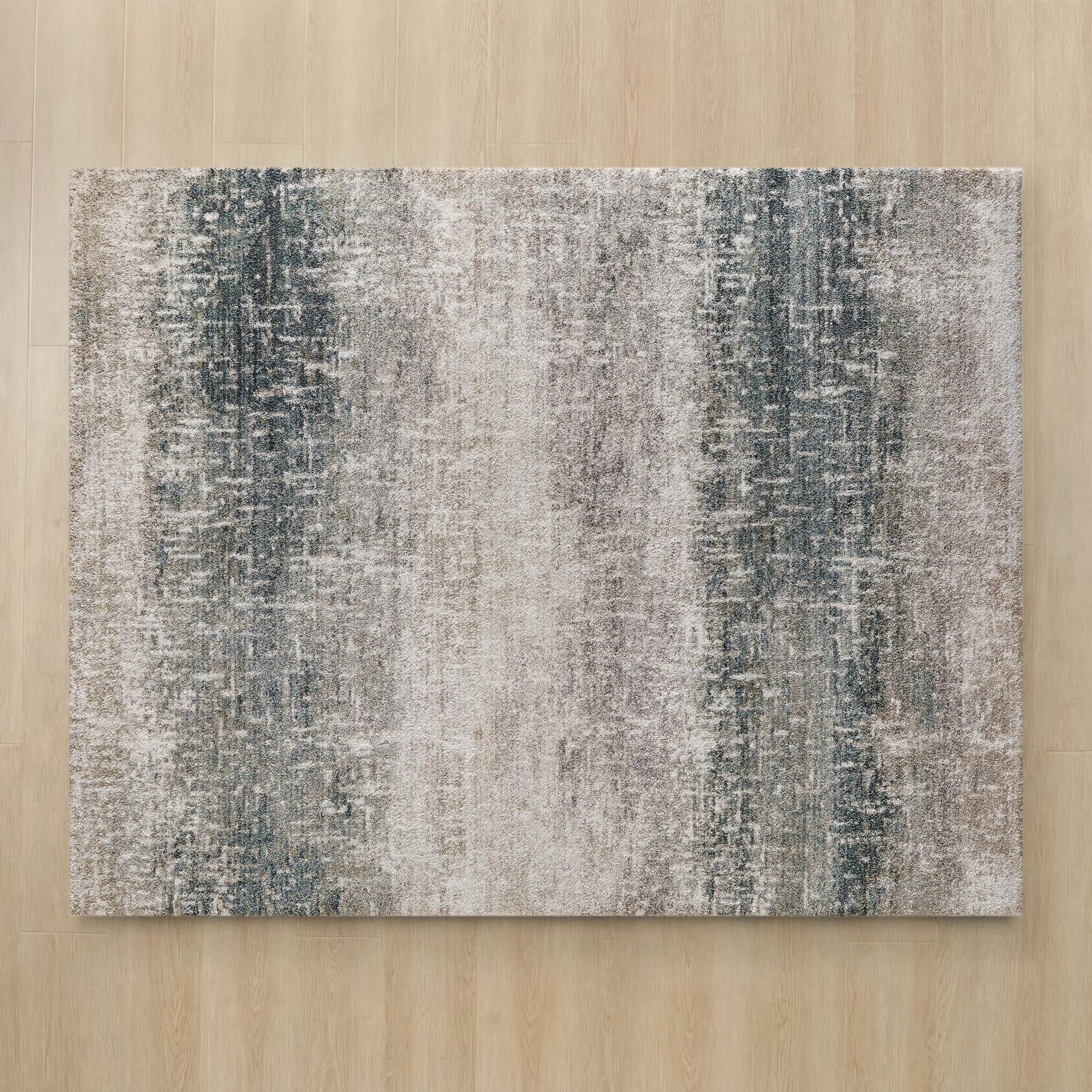 Collier Taupe/Grey/Blue/Green Performance Power Loomed Rug$1649
An abstract rug in taupe, grey, blue, and green with a plush pile and durable, easy-care blend.
Add To Cart -
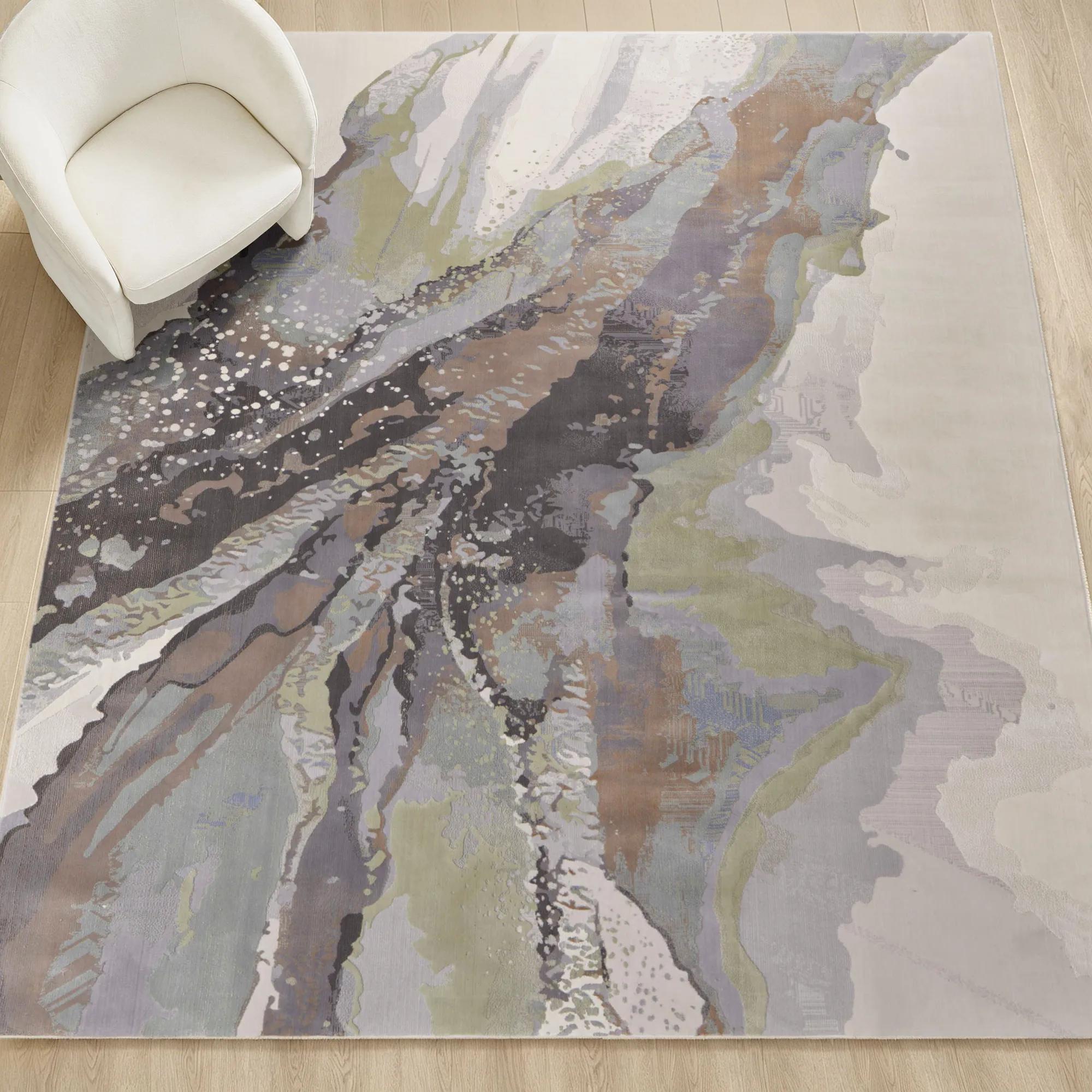
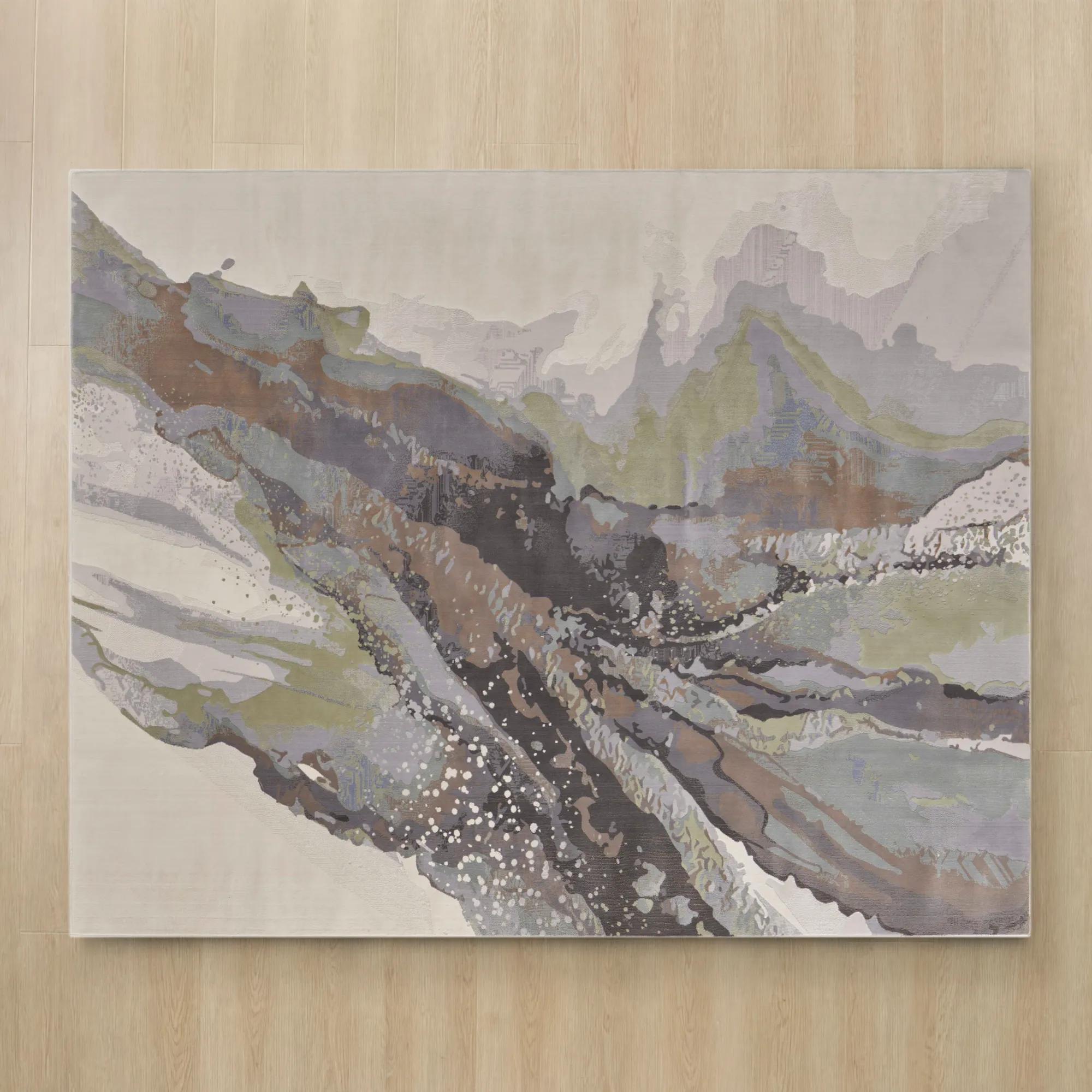 Nerissa Abstract Ivory/Grey/Blue/Green Performance Power Loomed Rug$449
An abstract rug in ivory, grey, blue, and green with a textured, stain-resistant polypropylene-polyester blend.
Add To Cart -
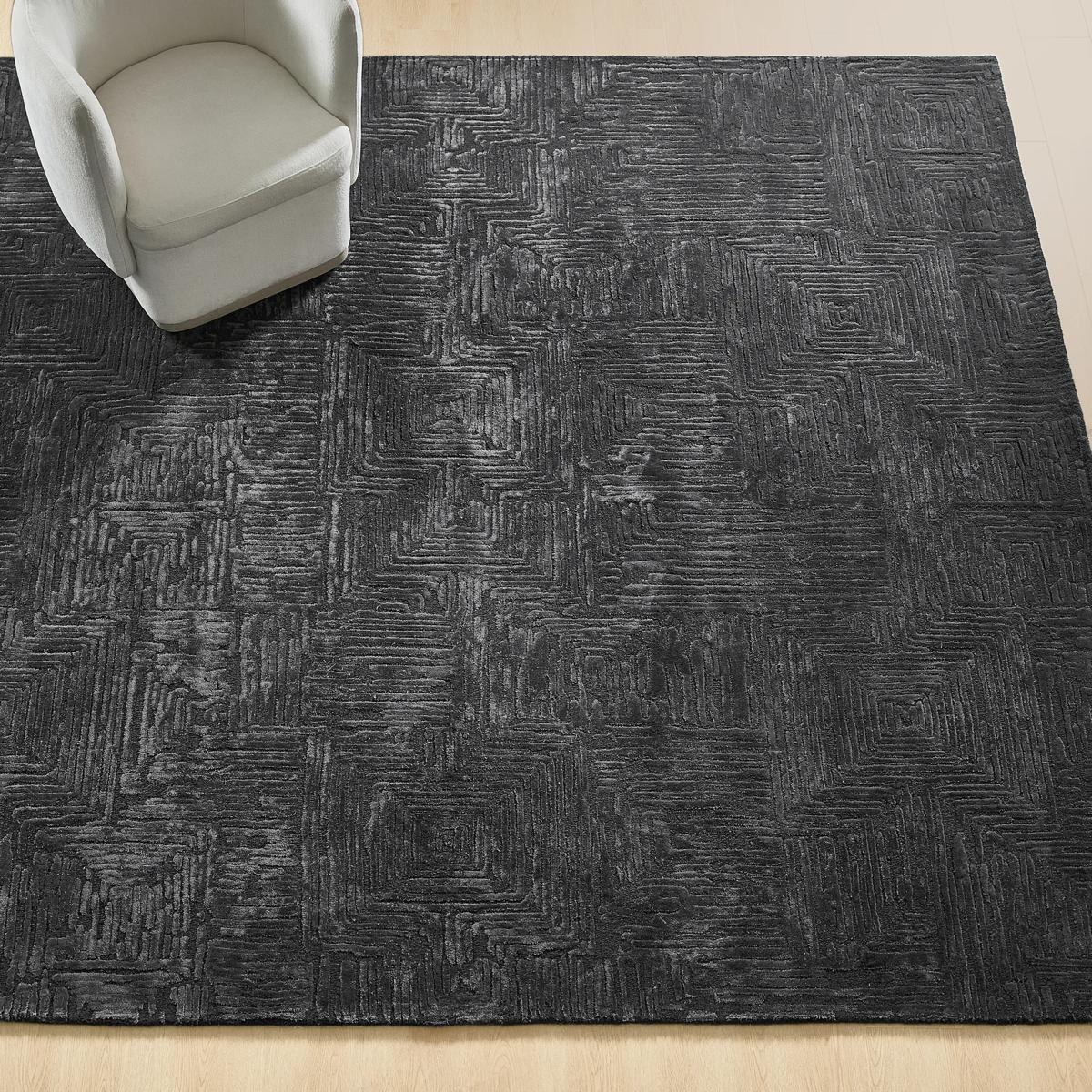
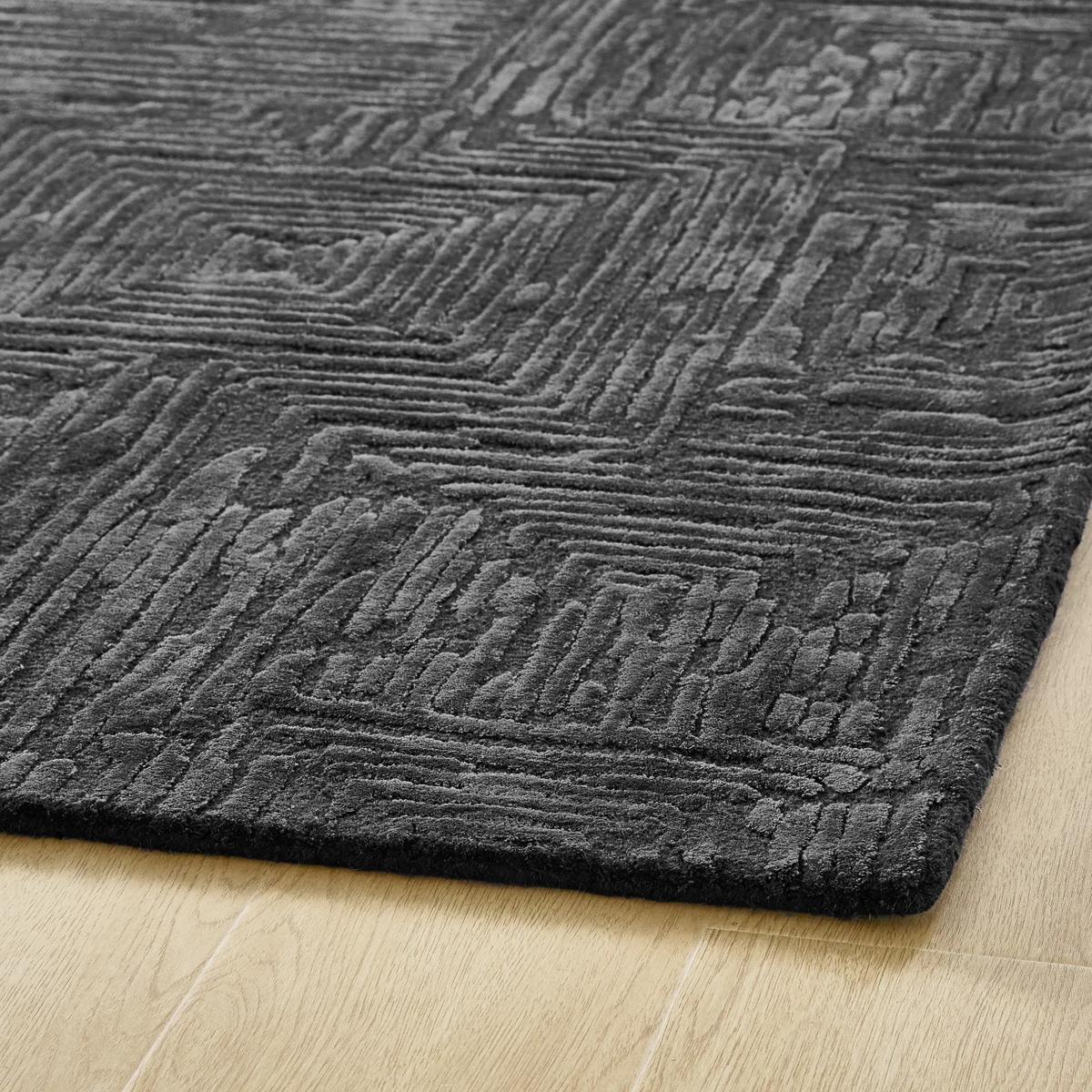 Andra Charcoal Hand-Tufted Wool Blend Dimensional Rug$999
A hand-tufted viscose-wool rug in rich charcoal with a sculptural, dimensional pattern and plush texture.
Add To Cart -
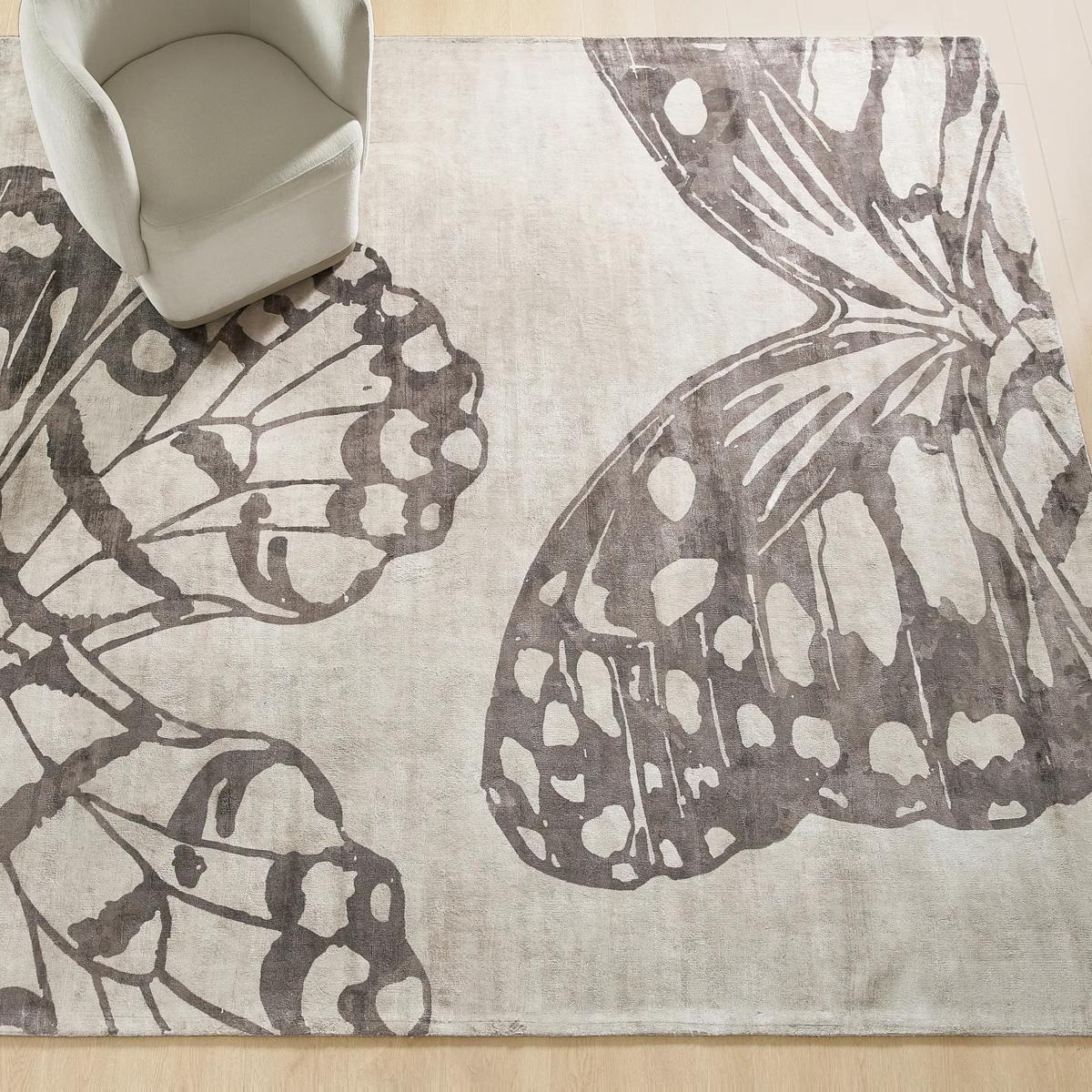
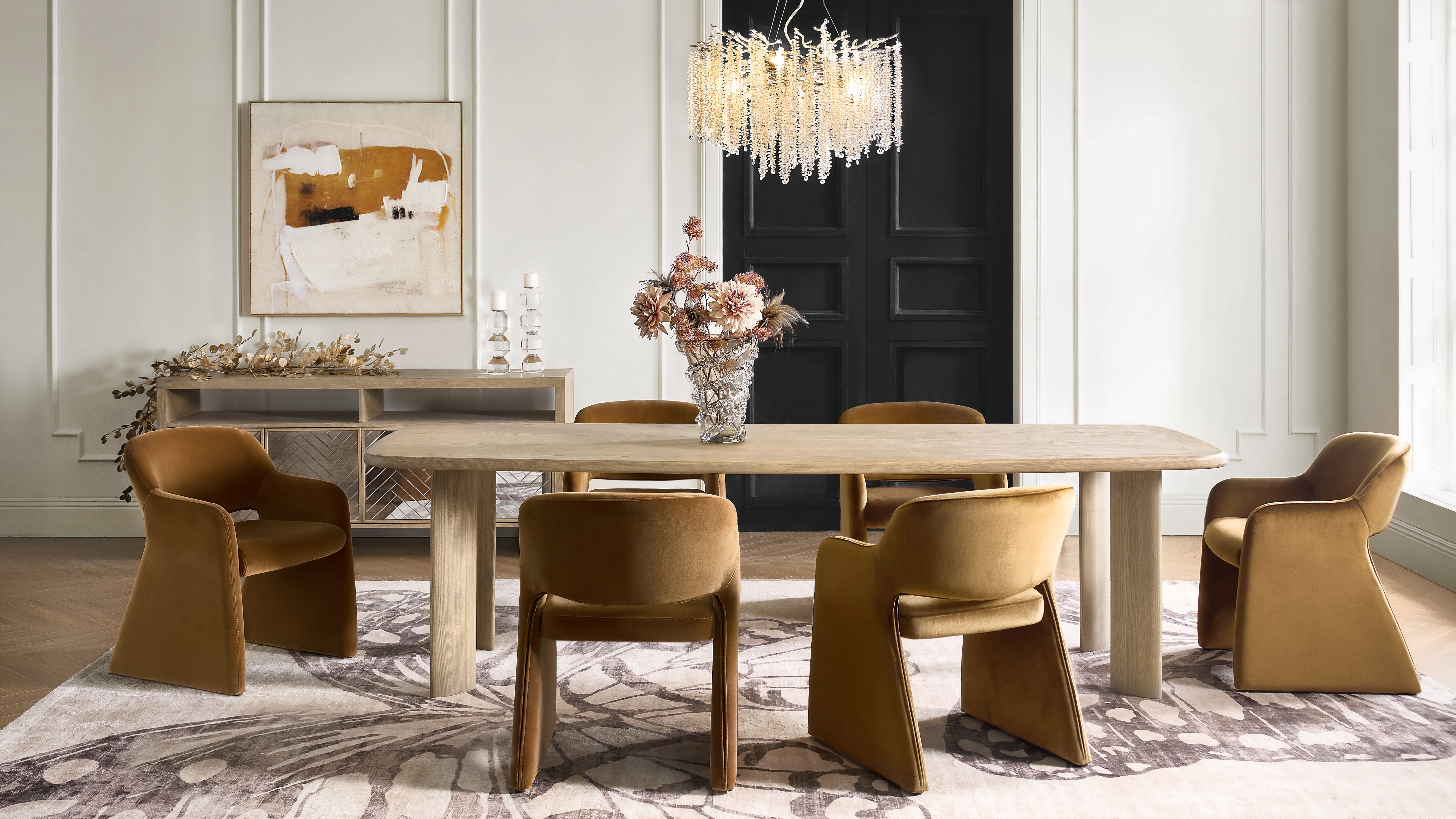 Mariposa Rug - Ivory/Dusty Mauve$999
A hand-loomed viscose rug featuring oversized butterfly motifs in soft ivory and dusty mauve tones.
Add To Cart -
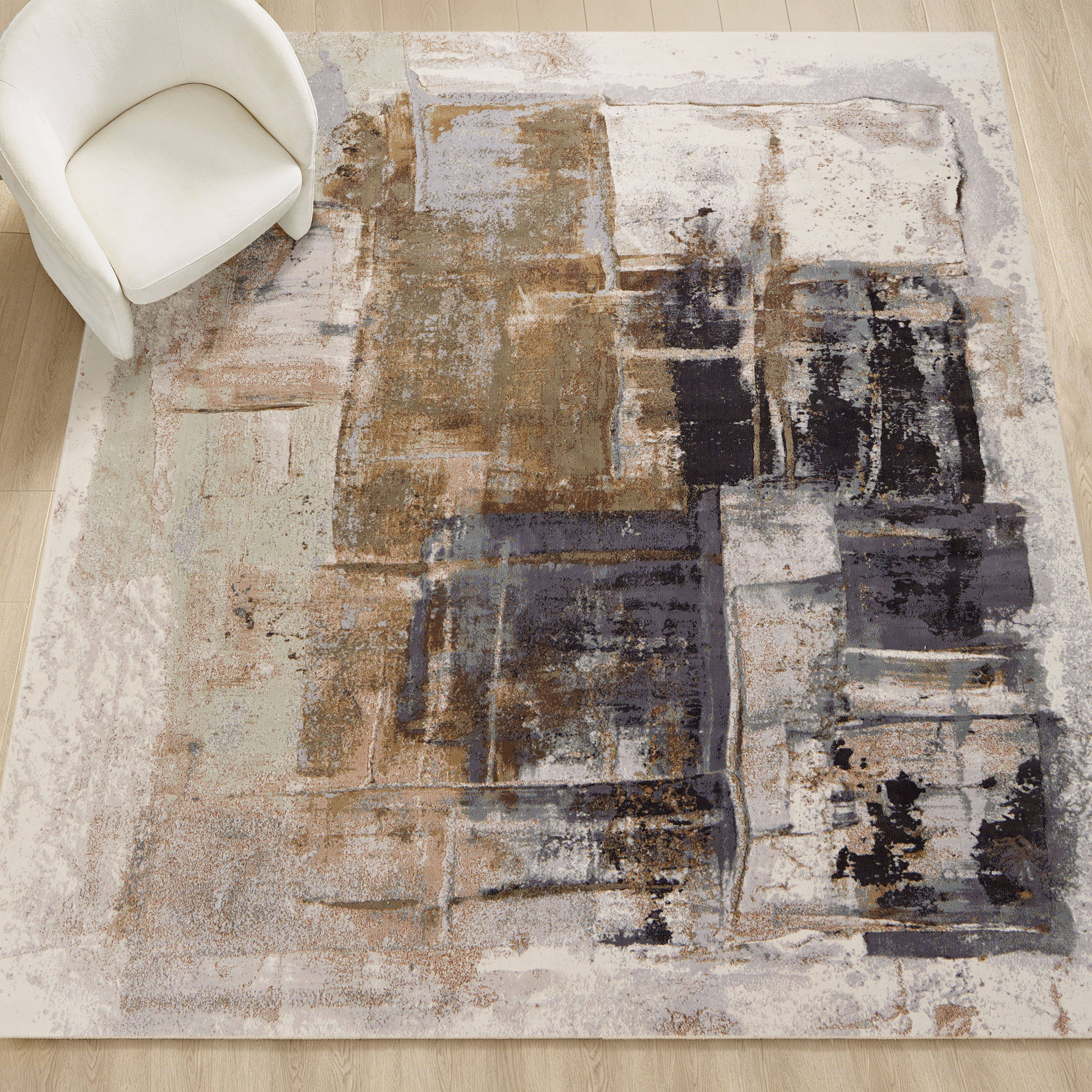
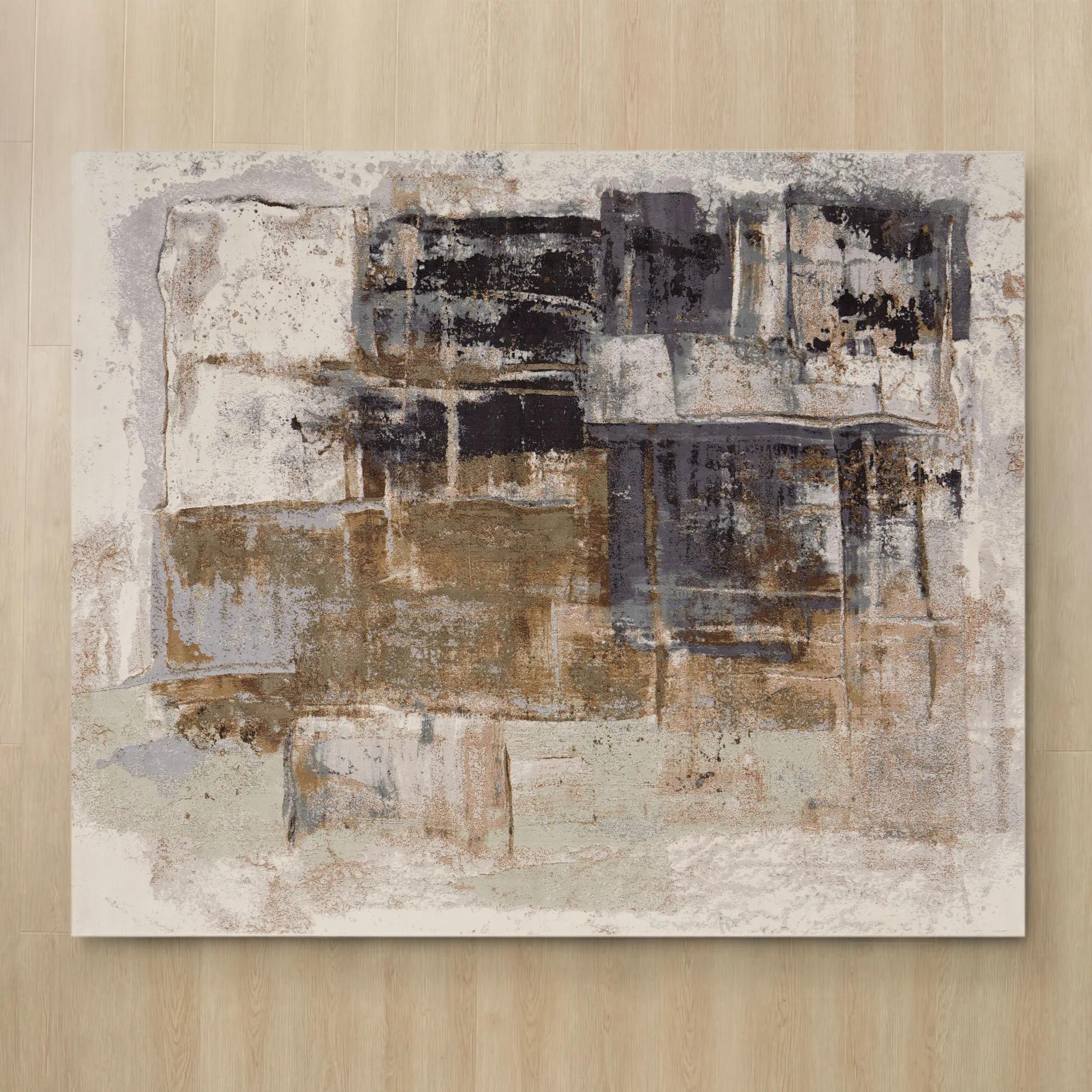 Gaia Abstract Grey/Charcoal/Ivory/Gold/Blue Performance Power Loomed Rug$1749
An abstract rug in grey, charcoal, ivory, gold, and blue with a soft, stain-resistant performance blend.
Add To Cart -
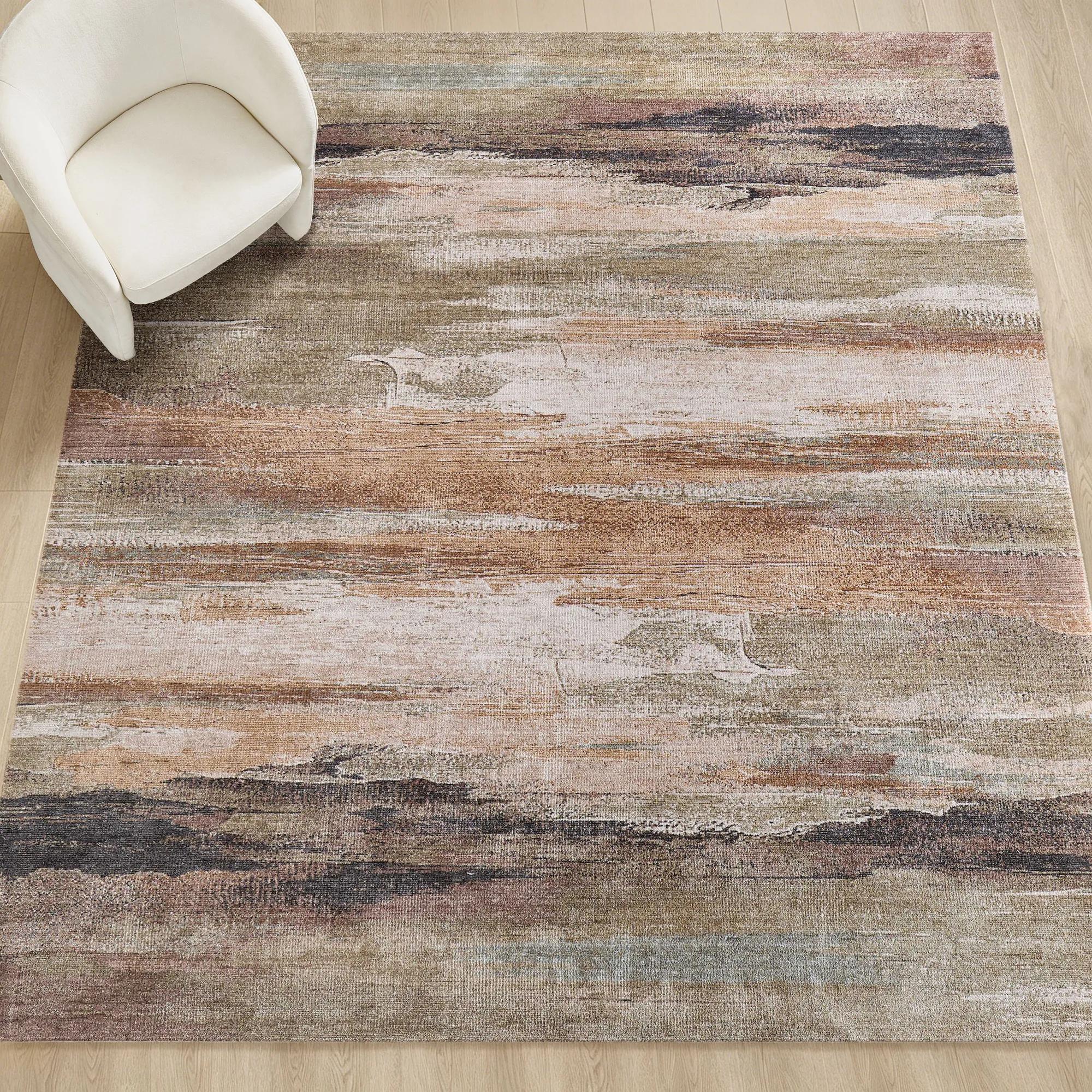
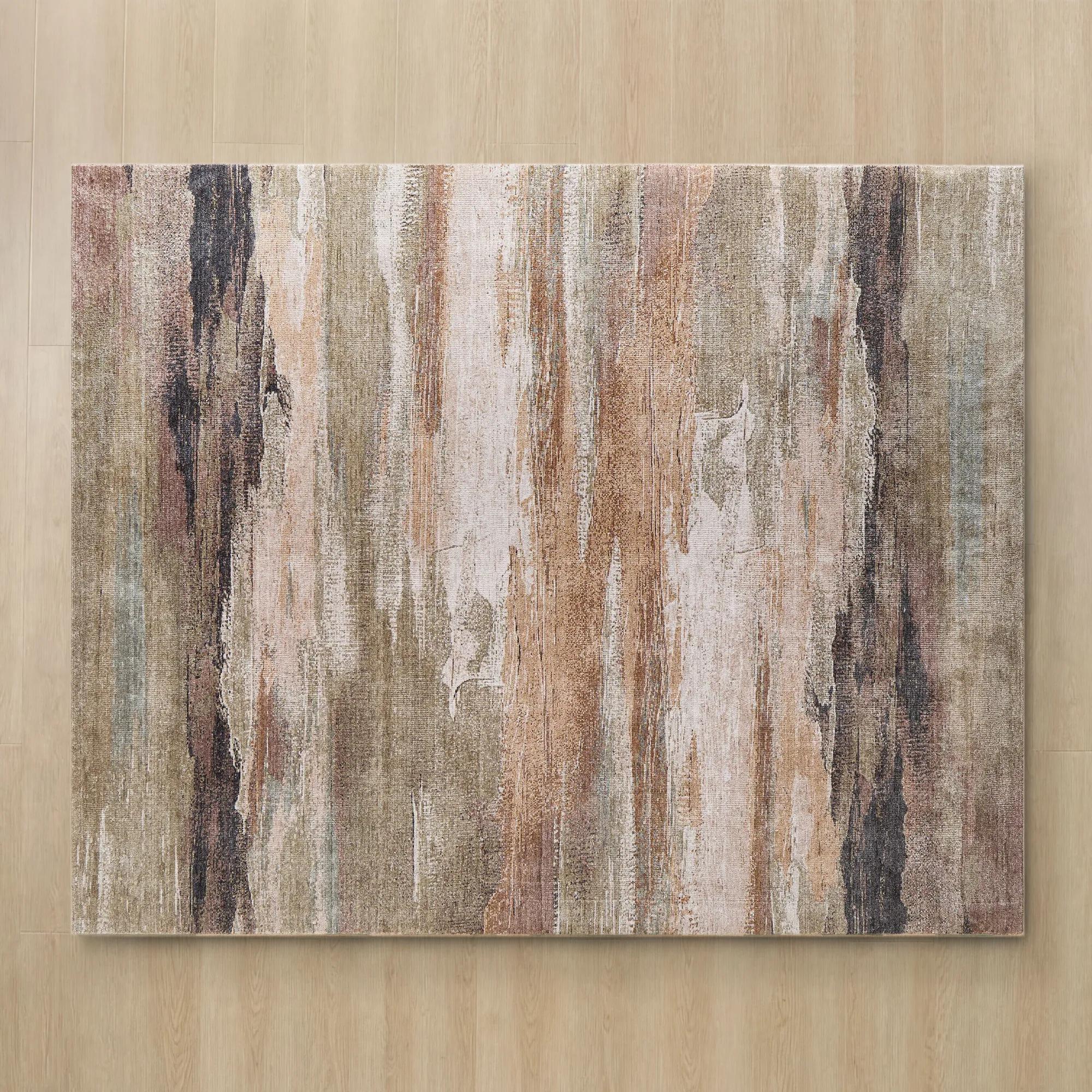 Sedona Rust/Beige/Moss Green/Charocal/Blue Performance Power Loomed Rug$599
A plush, power-loomed polyester rug featuring a rich abstract pattern in rust, beige, moss green, charcoal, and blue.
Add To Cart -
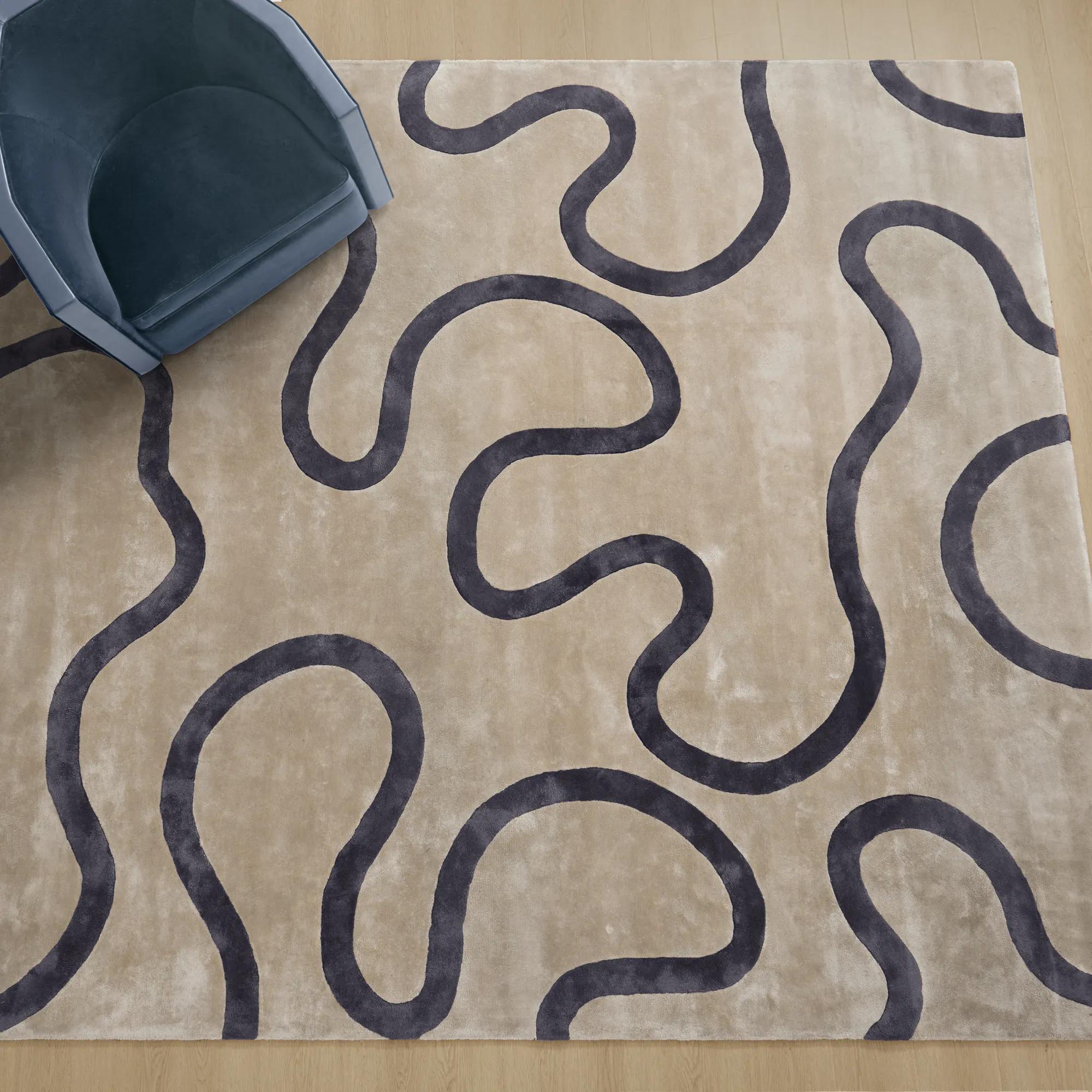 Seraphine Hand-Tufted Smoked Pearl/Taupe Viscose Loop Rugs$1199
A hand-tufted viscose rug featuring bold loop patterns in smoked pearl and taupe for modern elegance.
Add To Cart -
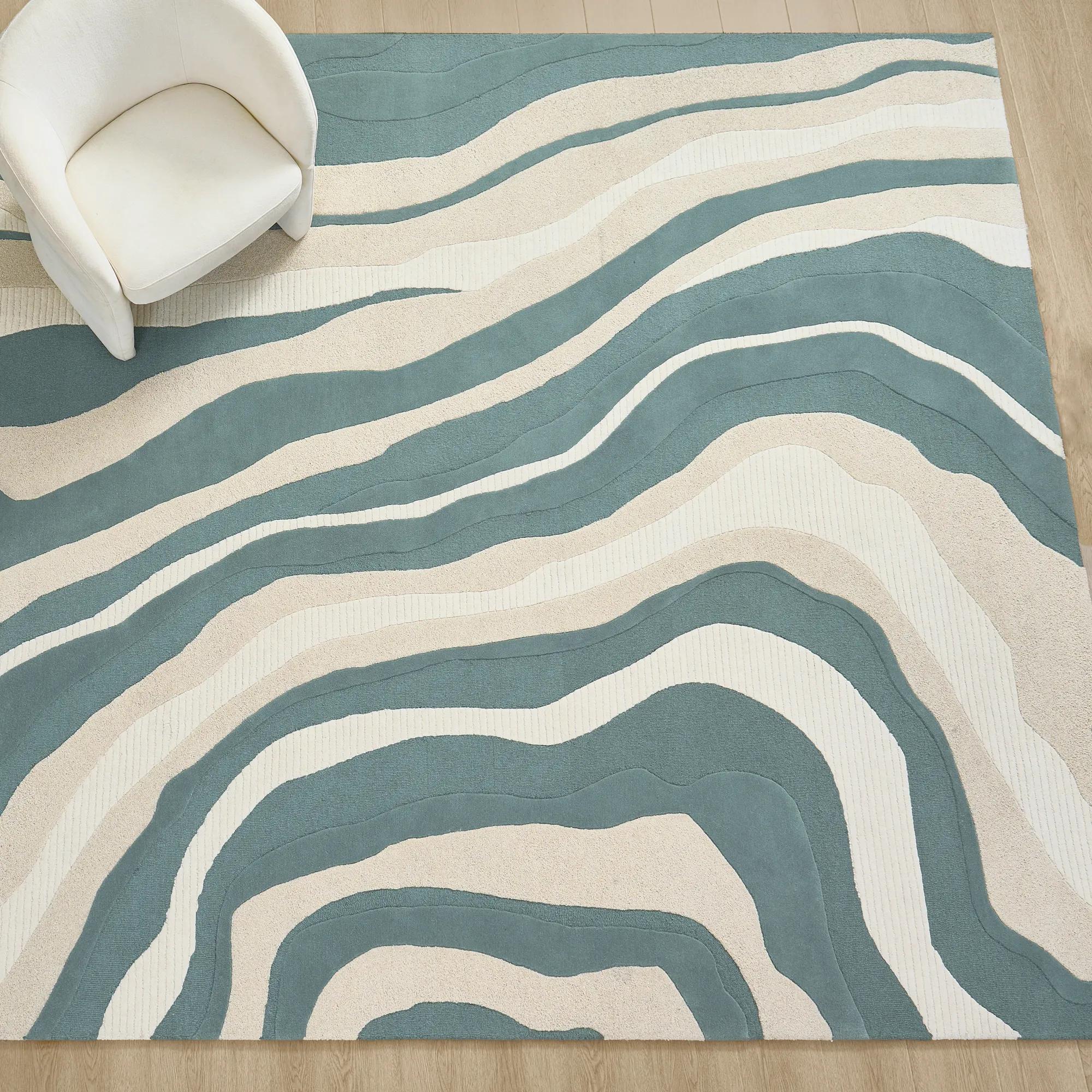 Kadence Hand-Tufted Sage Green/Ivory Wool Rugs$999
A hand-tufted wool rug in deep sage green and ivory with a sculptural high-low abstract wave pattern.
Add To Cart -
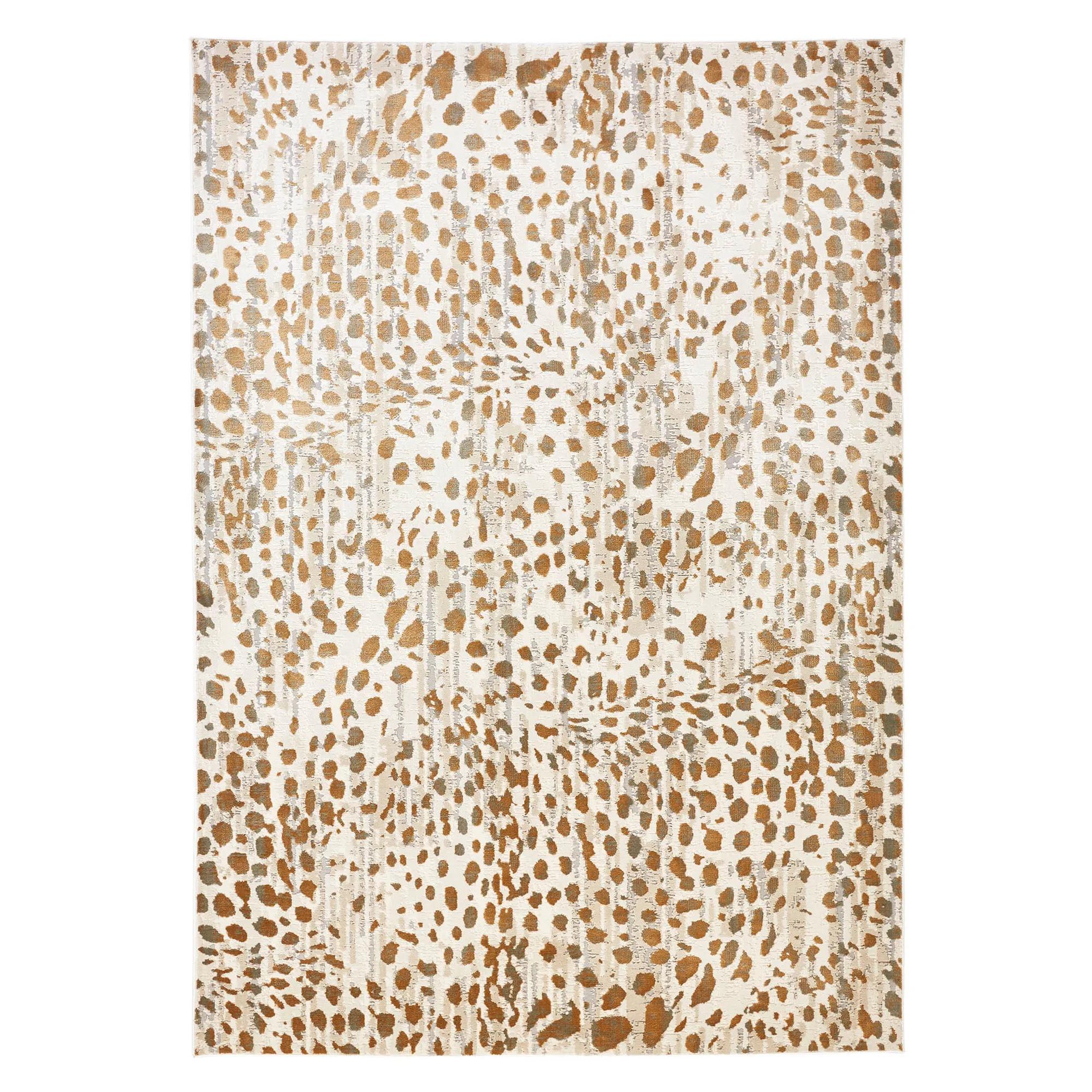
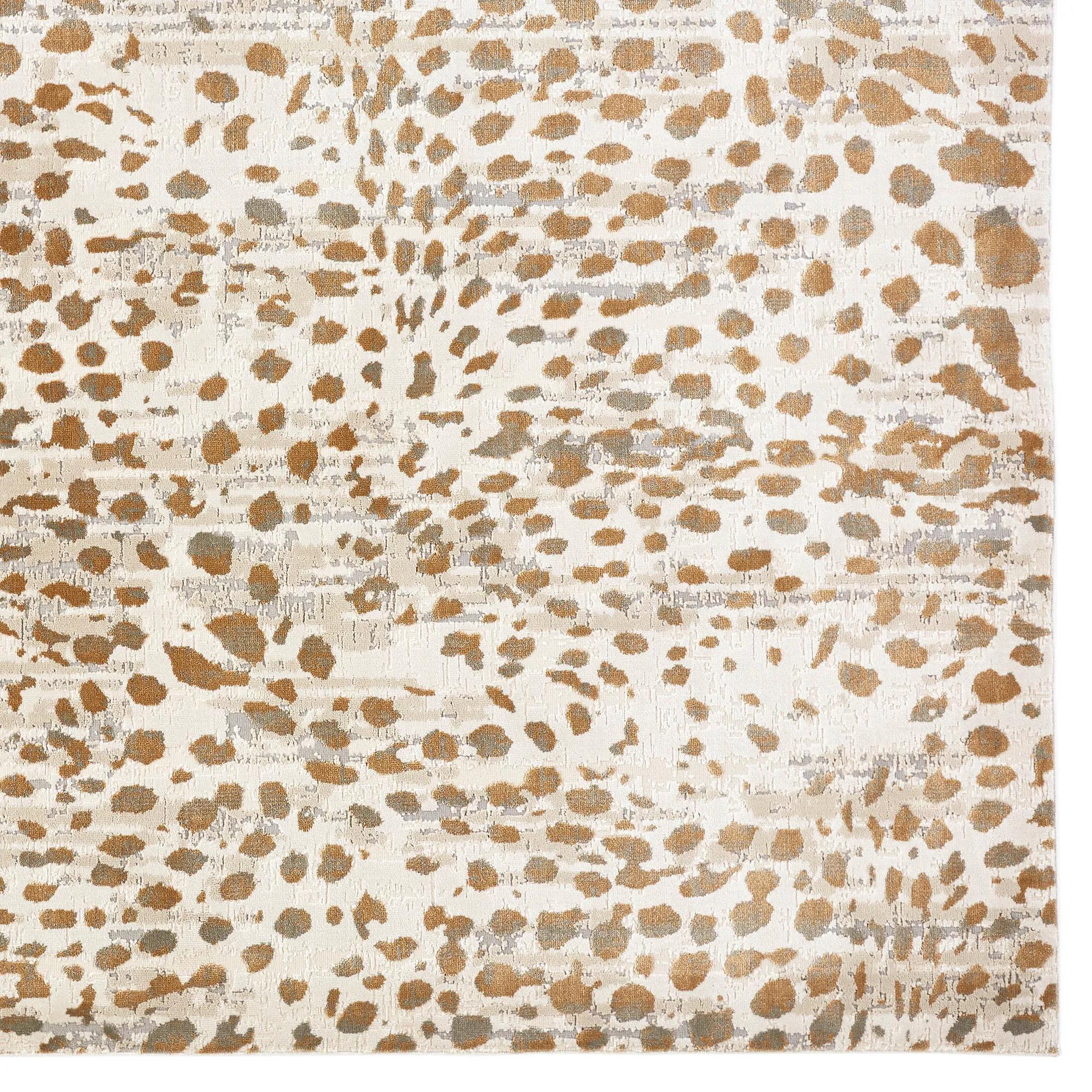 Amur Ivory/Natural Animal Print Power-Loomed Rug$399
A hand-tufted wool and viscose rug featuring a gold chain link design on neutral grey.
Add To Cart -
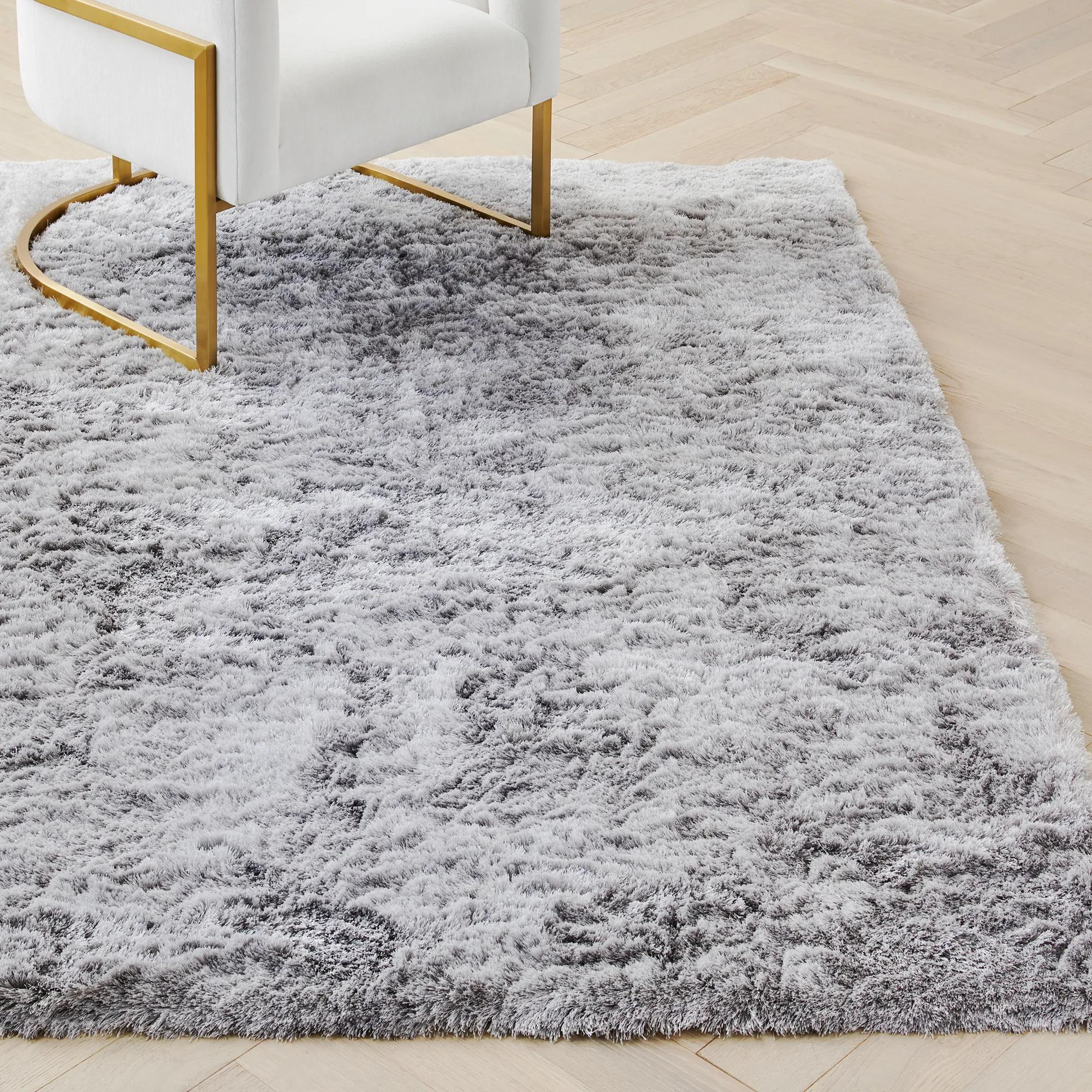 Indochine Shag Platinum Rug$399
A platinum-toned shag rug with a subtle sheen and plush 1.5" polyester pile for luxurious texture.
Add To Cart -
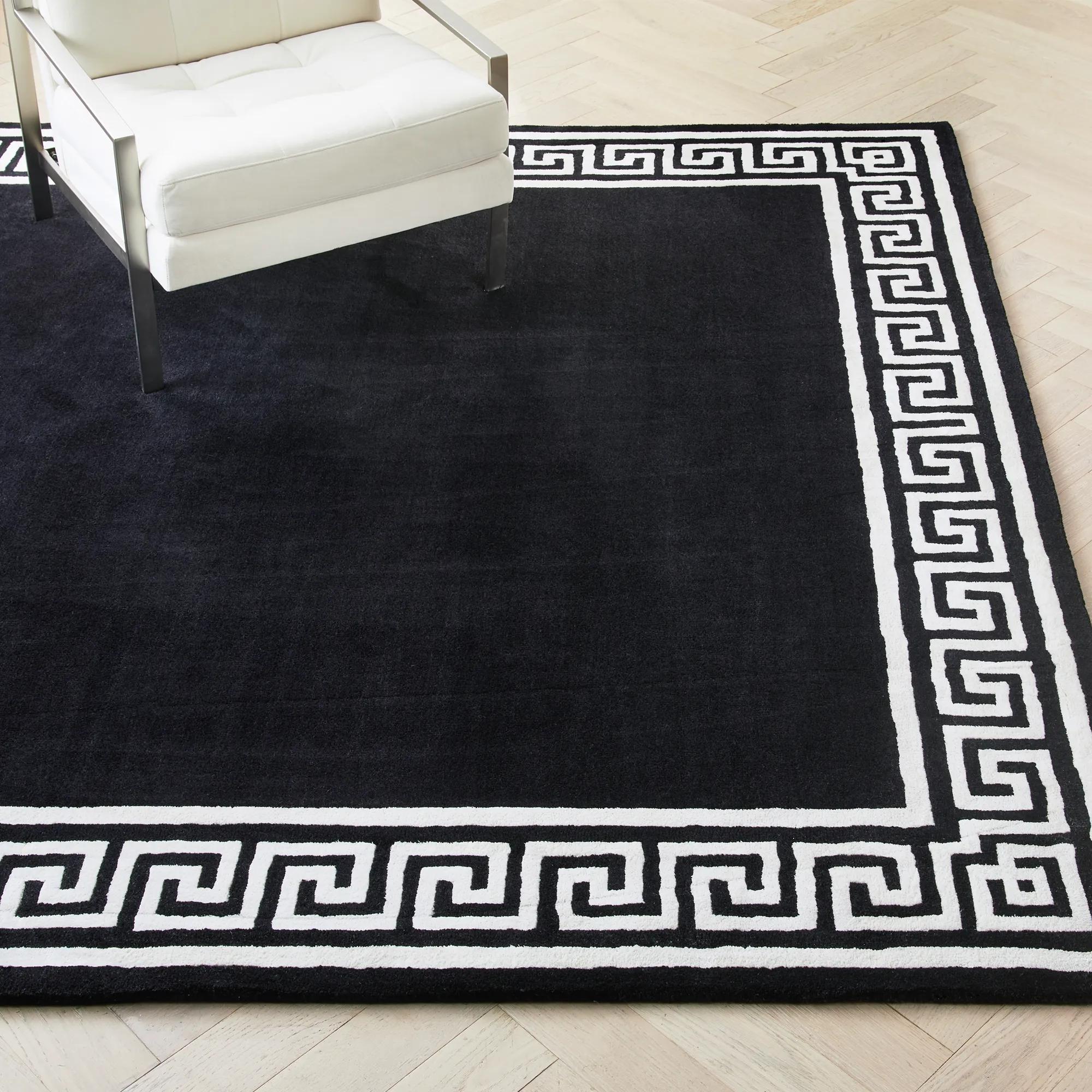
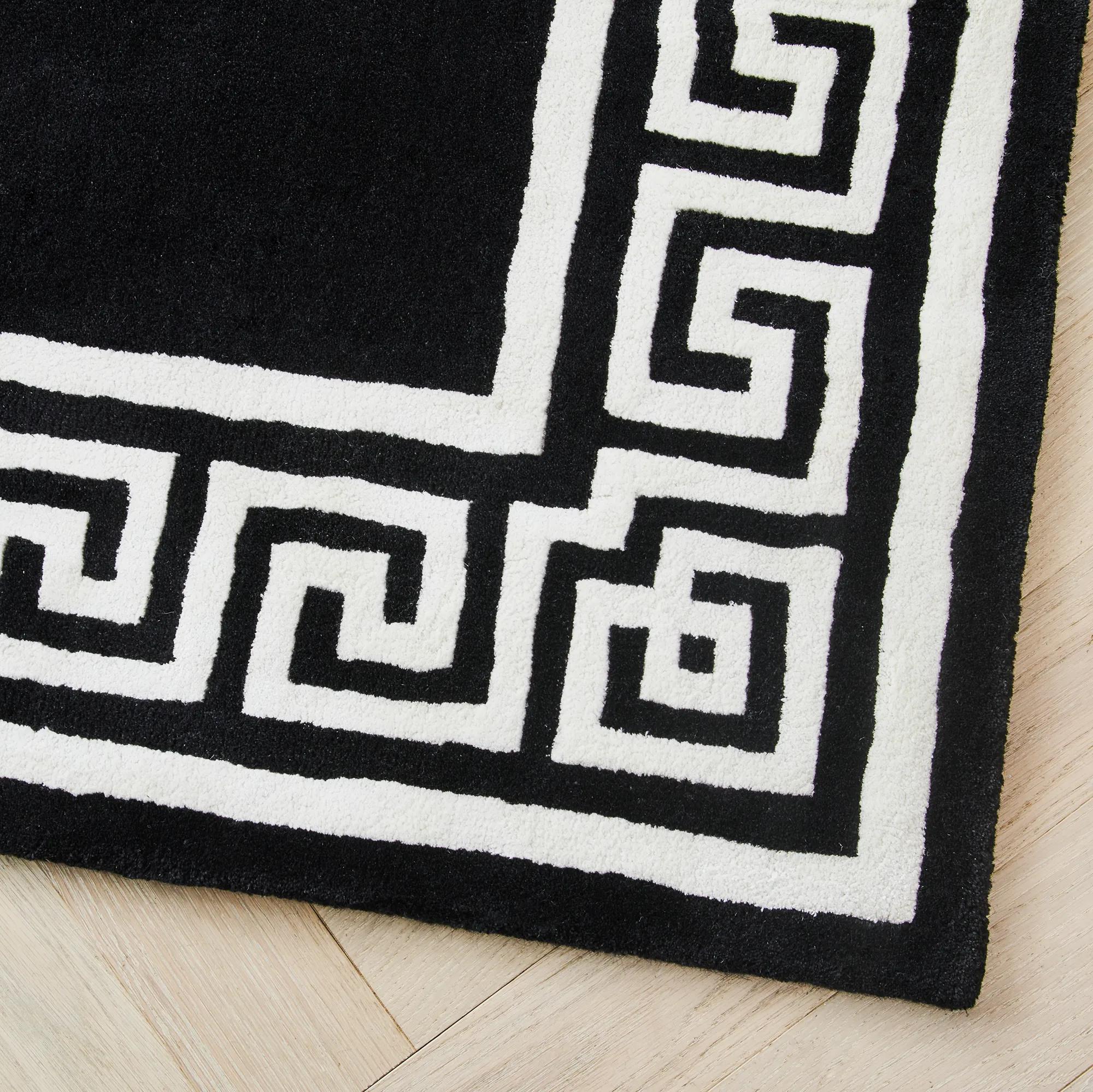 Greek Key Rug - Black/Ivory$1199
A hand-tufted black and ivory rug featuring a classic Greek key pattern in wool and viscose.
Add To Cart -
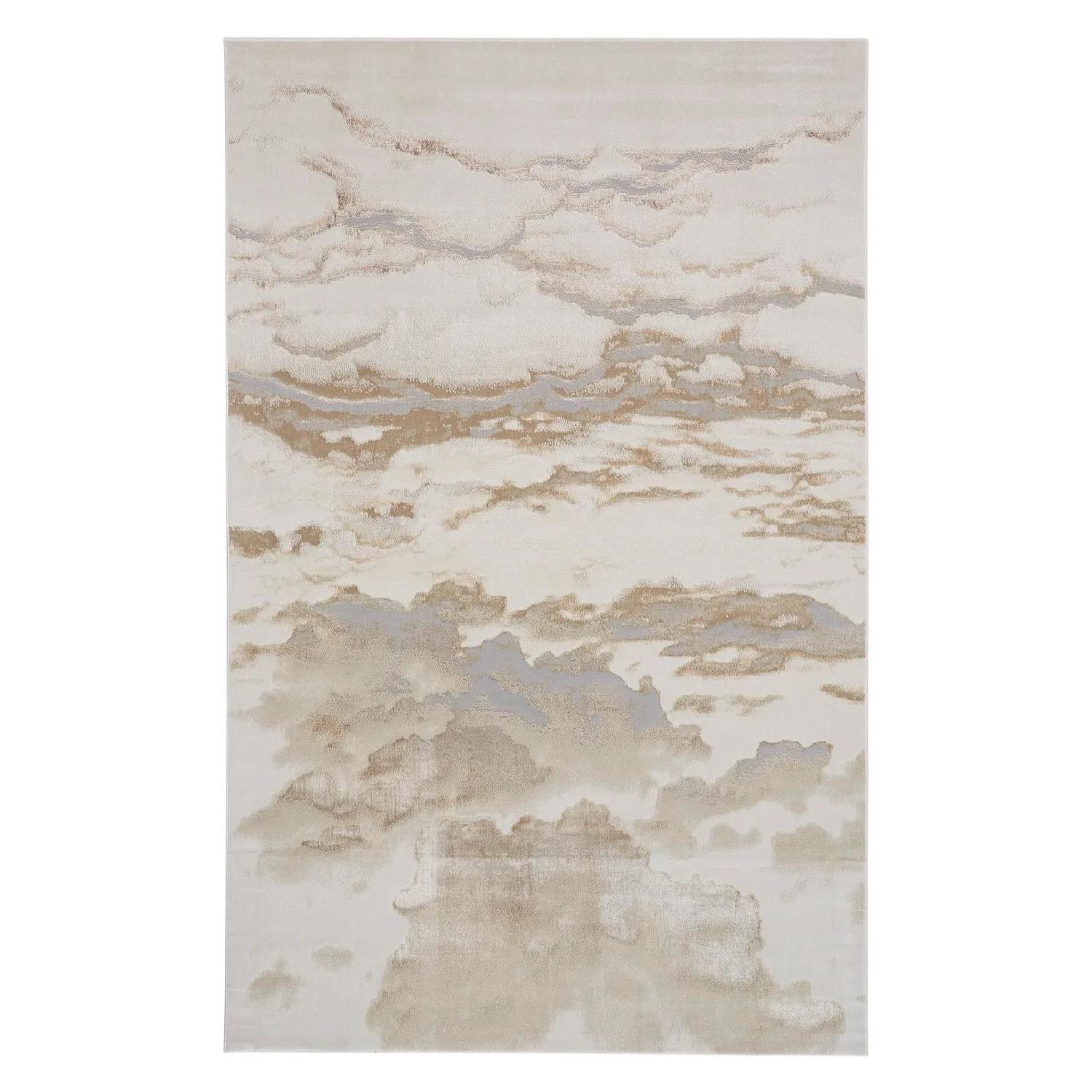
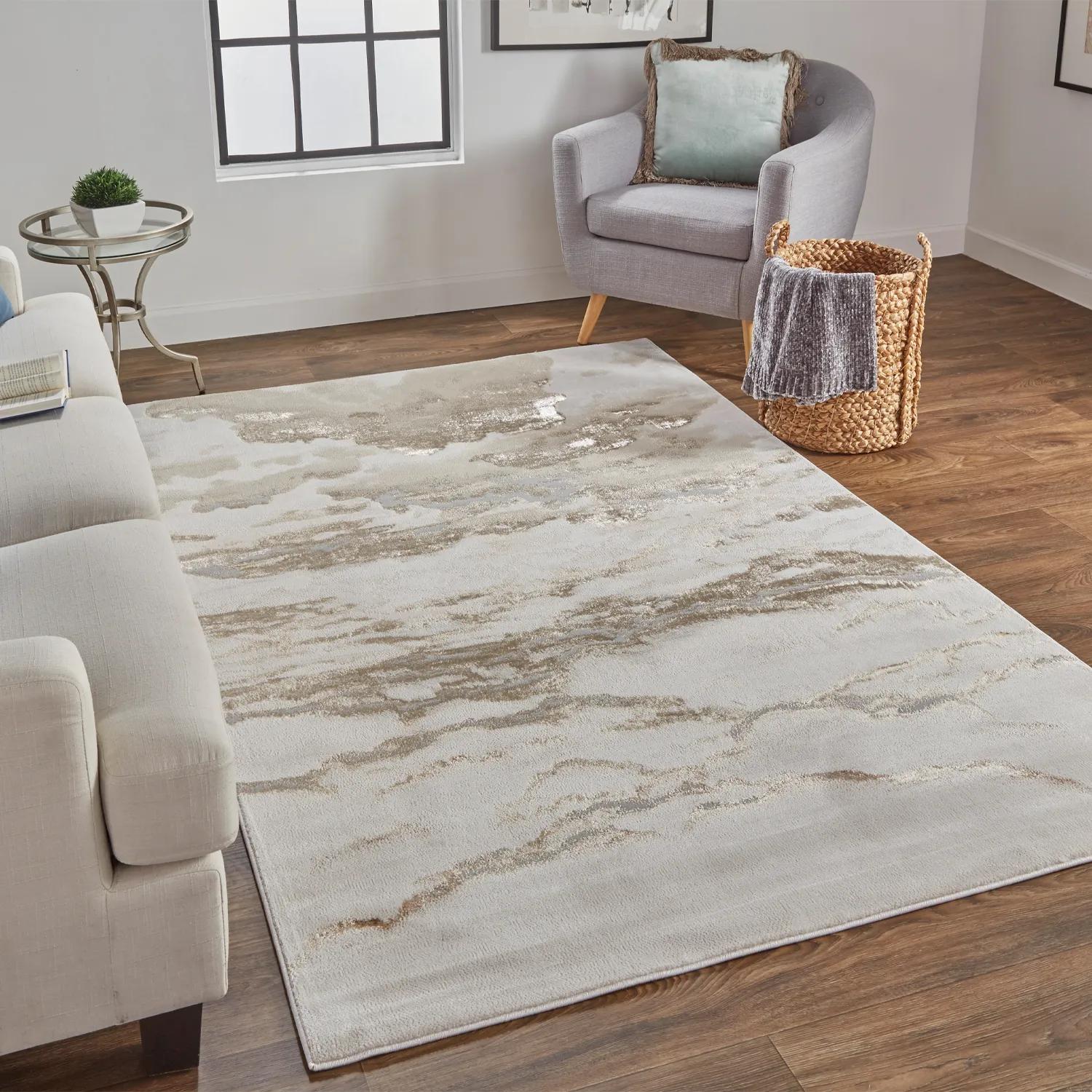 Tide Power-Loomed Beige/Gold/Ivory Rug$899
A machine-made rug in beige and gold, crafted from ultra-soft polyester and polypropylene for elegant spaces.
Add To Cart -
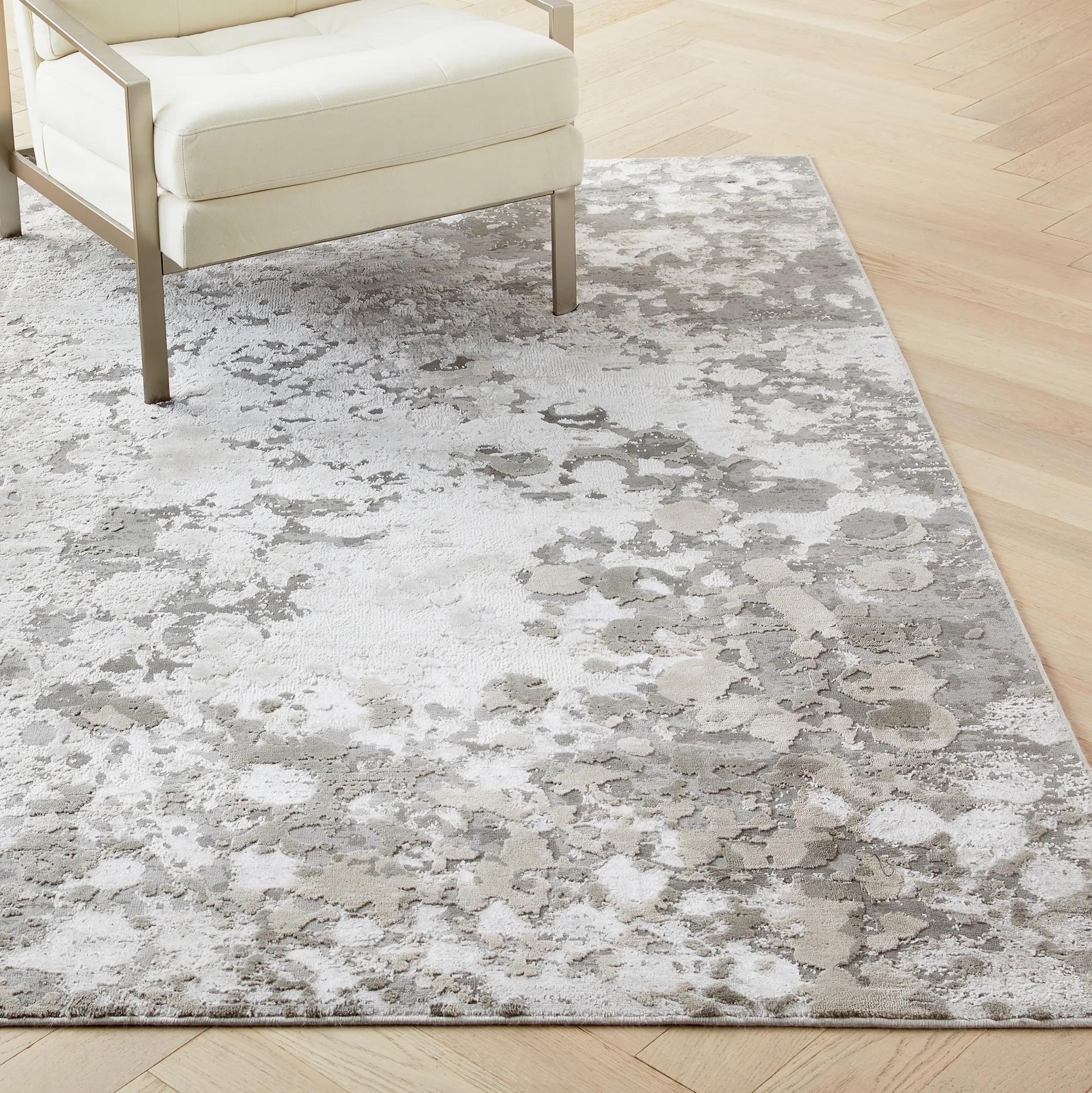 Mercury Power-Loomed Silver/Grey/Beige Rug$249
A neutral floor covering featuring a silver, grey, and beige palette with a textured polyester blend.
Add To Cart

Modern Rugs For Spring Decor
Modern Rugs for Spring Decor invite you to reimagine your space as a gallery of color, texture, and artistry. As the season turns, each rug becomes a bold brushstroke—layering luminous hues, sculptural patterns, and tactile intrigue beneath your feet. Ground your spring refresh in sumptuous softness and let every step spark inspiration. With designs that capture the spirit of renewal and the allure of modern glamour, these rugs don’t simply accent a room—they transform it into a living canvas, ready to be painted with your unique vision.
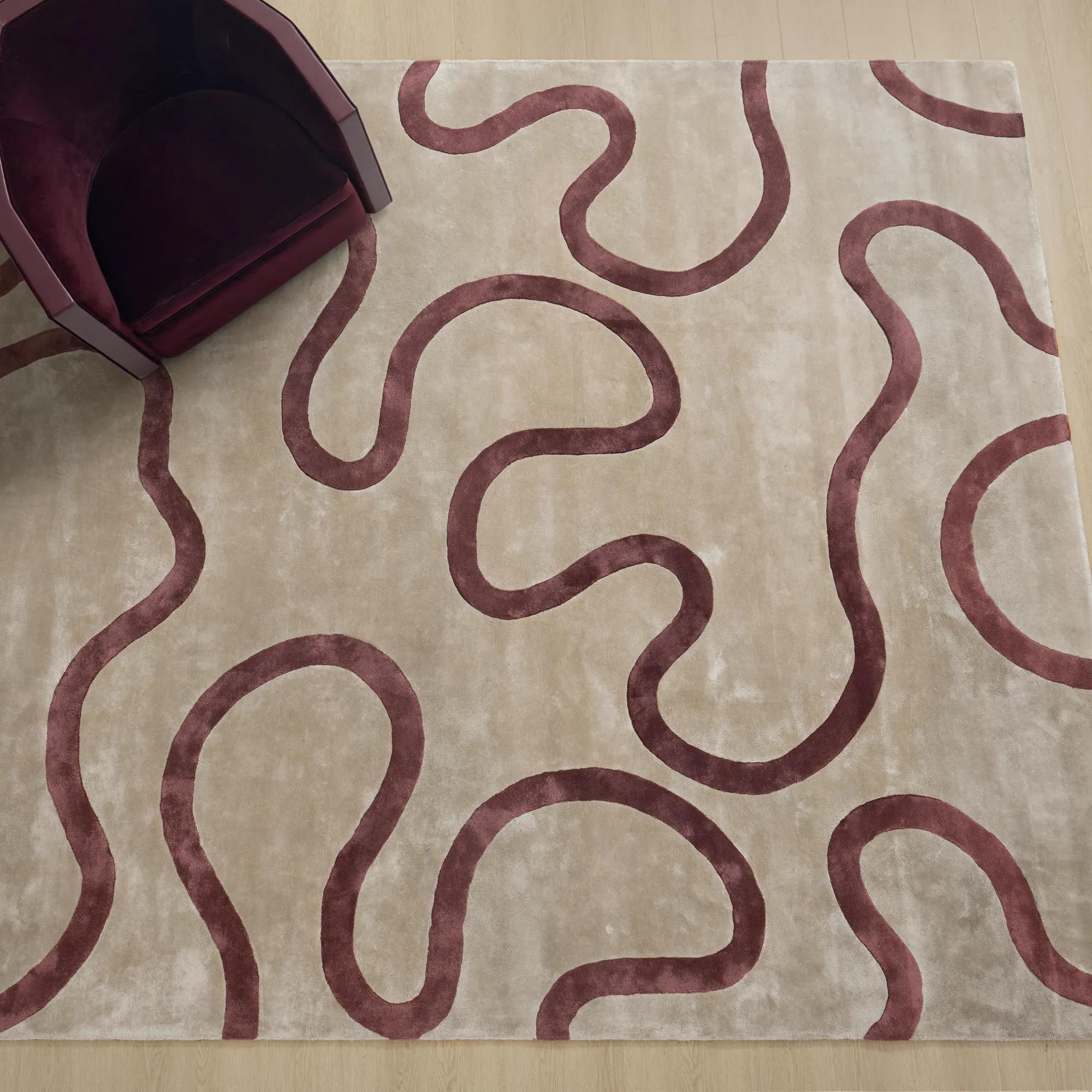
Modern rugs for spring decor bring a room into focus through botanical color, expressive pattern, and texture that feels considered rather than heavy. Sage green, powder blue, dusty rose, warm sand, and luminous ivory evoke the softness of a garden palette while leaving room for sculptural furniture and gleaming accents. A spring-inspired rug need not feature literal blossoms: sweeping abstract forms, loosely drawn geometrics, and watercolor-like washes can suggest the same sense of movement and renewal. The distinction lies in the balance of color, negative space, and scale. An oversized floral interpreted in soft, blurred tones feels painterly beneath a tailored sofa, while a crisp geometric in cream and pale gray lends definition to a room with curved seating. For interiors with dark upholstery or richly grained wood, a lighter ground creates contrast without asking every furnishing to change. In a predominantly neutral space, a rug threaded with botanical blue or muted green introduces color with enough subtlety to live beautifully beyond a seasonal arrangement. Repeating one of those shades in a glass vase, a pillow, or a piece of art makes the composition feel connected rather than matched. Pattern also changes the mood: an expansive abstract invites the eye to wander, while a smaller repeating motif gives a seating area a more measured rhythm. Contemporary floral rugs can make a particularly expressive foundation for rooms that mix polished metal, clear glass, and sumptuous upholstery, softening those sleek surfaces without diminishing their drama. For anyone drawn to spring decorating but reluctant to rebuild an entire room around pastels, a modern area rug offers a generous canvas for experimentation. Its color can remain quiet while its texture commands attention, or its pattern can become the artwork that anchors everything above it. The most compelling result is not a room dressed for a fleeting occasion, but one with a distinct point of view and a fresh sense of openness.
Material and construction shape how that visual statement feels in everyday life. Wool rugs often offer resilience and a substantial, softly textured surface, making them appealing for living rooms where comfort matters as much as composition; some shedding, especially early in use, is normal. Cotton can lend a more relaxed hand to flatter woven designs, although washability depends on the rug’s construction, backing, dimensions, and care label rather than fiber alone. Synthetic fibers such as polypropylene and polyester can provide practical stain resistance and color versatility, but performance varies by construction and finish. Viscose brings a delicate luster that catches light beautifully, yet it is sensitive to moisture and can require specialized cleaning, making placement especially important. Natural plant fibers introduce tactile depth and sandy tones, though their firmer feel and sensitivity to damp conditions may make them less suited to spaces where softness or frequent spill cleanup is a priority. Low-pile rugs generally accommodate moving dining chairs and regular vacuuming more easily than deeply plush styles, while a more sumptuous pile can create a welcoming barefoot landing beside a bed. Raised patterns add sculptural interest, but their ridges deserve consideration beneath furniture that needs a level footing. Size is equally influential. In a living room, an area rug that reaches beneath the front legs of the sofa and neighboring chairs helps gather the seating into one composition; a small rug floating between substantial pieces can make the arrangement feel disconnected. Beneath a dining table, roughly 24 to 30 inches of extra rug on each side usually gives chairs room to pull out while staying on the surface, though the table shape and chair depth should determine the final fit. In a bedroom, generous coverage along the exposed sides of the bed balances the furniture’s visual weight. Runners can introduce botanical color or graphic movement to transitional spaces, provided doors clear the pile and edges stay outside their swing. These proportions allow a spring-inspired palette to feel architectural and intentional, not merely decorative.
Daily routines deserve a place in the design story, particularly in homes with children, pets, frequent guests, or seating areas that host everything from morning coffee to evening conversation. A softly varied pattern can make small traces of everyday use less conspicuous than an uninterrupted pale field, though no color or motif replaces regular care. Closely constructed, low-pile surfaces may be easier to maintain in busy rooms, and households with pets should consider whether exposed loops could catch claws. A rug pad suited to both the rug and the flooring helps limit movement, adds cushioning, and can reduce friction beneath the rug; compatibility matters because some backing materials may affect certain floor finishes. Regular vacuuming with the setting recommended for the construction helps remove grit before it works deeper into the fibers. Fringe, loose yarns, and delicate raised details need a gentler approach, and rotating a rug periodically can distribute foot traffic and light exposure more evenly. Blot spills promptly with a clean, absorbent cloth rather than rubbing, then follow the manufacturer’s cleaning directions; excessive moisture and unsuitable cleaners can leave lasting marks on sensitive fibers. Machine-washable rugs require enough washer capacity and the specified drying method, so that designation should always be checked against the actual care instructions. For covered patios or other outdoor settings, only rugs explicitly rated for those conditions belong in the arrangement; a botanical design alone does not indicate outdoor suitability. These practical distinctions preserve the pleasure of a thoughtfully layered room, whether the goal is an elegant dining space for entertaining or a bedroom with a softer, more personal atmosphere. They also make a rug a considered housewarming gift when the recipient’s measurements, palette, and maintenance preferences are known. For a different expression of seasonal color, Modern Rugs For Fall Refresh offers another decorating direction to explore. Spring-inspired interiors, meanwhile, find their character in the interplay of luminous grounds, artful lines, and touchable texture: a foundation with enough presence to transform the room and enough versatility to belong to everyday life.
FAQs
A modern rug acts as both an anchor and a statement piece, infusing your living room with warmth, color, and texture. During the winter-to-spring transition, a thoughtfully chosen rug can brighten the space, reflect natural light, and introduce patterns or hues that evoke the freshness of the coming season. The result is a room that feels inviting, elevated, and ready for both cozy evenings and lively gatherings.
Modern rugs for spring décor are often crafted from luxurious materials such as wool, viscose, or a blend of natural and synthetic fibers. Wool offers resilience and plush comfort, while viscose lends a subtle sheen that catches the light beautifully. These materials are chosen for their ability to deliver both tactile richness and lasting elegance, making them ideal for spaces that celebrate artistry and comfort.
Absolutely. A modern rug is a thoughtful and memorable gift, perfect for housewarmings, weddings, or milestone celebrations. It’s a gesture that goes beyond the ordinary, offering the recipient a daily touch of luxury and a foundation for their own design story. The right rug can transform a new space into a true home, making it a gift that is both beautiful and meaningful.
To select a rug that harmonizes with your current décor, consider the mood and color palette of your space. For a bold, expressive look, opt for rugs with striking patterns or vibrant hues that serve as a focal point. If your room already features dramatic elements, a rug in a more subtle tone or with a delicate pattern can ground the space and provide balance. Ultimately, the best choice is one that reflects your personal style and enhances the room’s overall ambiance.
Yes, layering modern rugs with other textiles—such as throws, pillows, or even smaller accent rugs—can create a richly textured, multidimensional look. This approach adds depth and artistry to your décor, allowing you to play with contrasting patterns, materials, and tones. The result is a space that feels curated, luxurious, and uniquely yours.