Abstract Rugs For Fall Decorating
Abstract Rugs For Fall Decorating
-
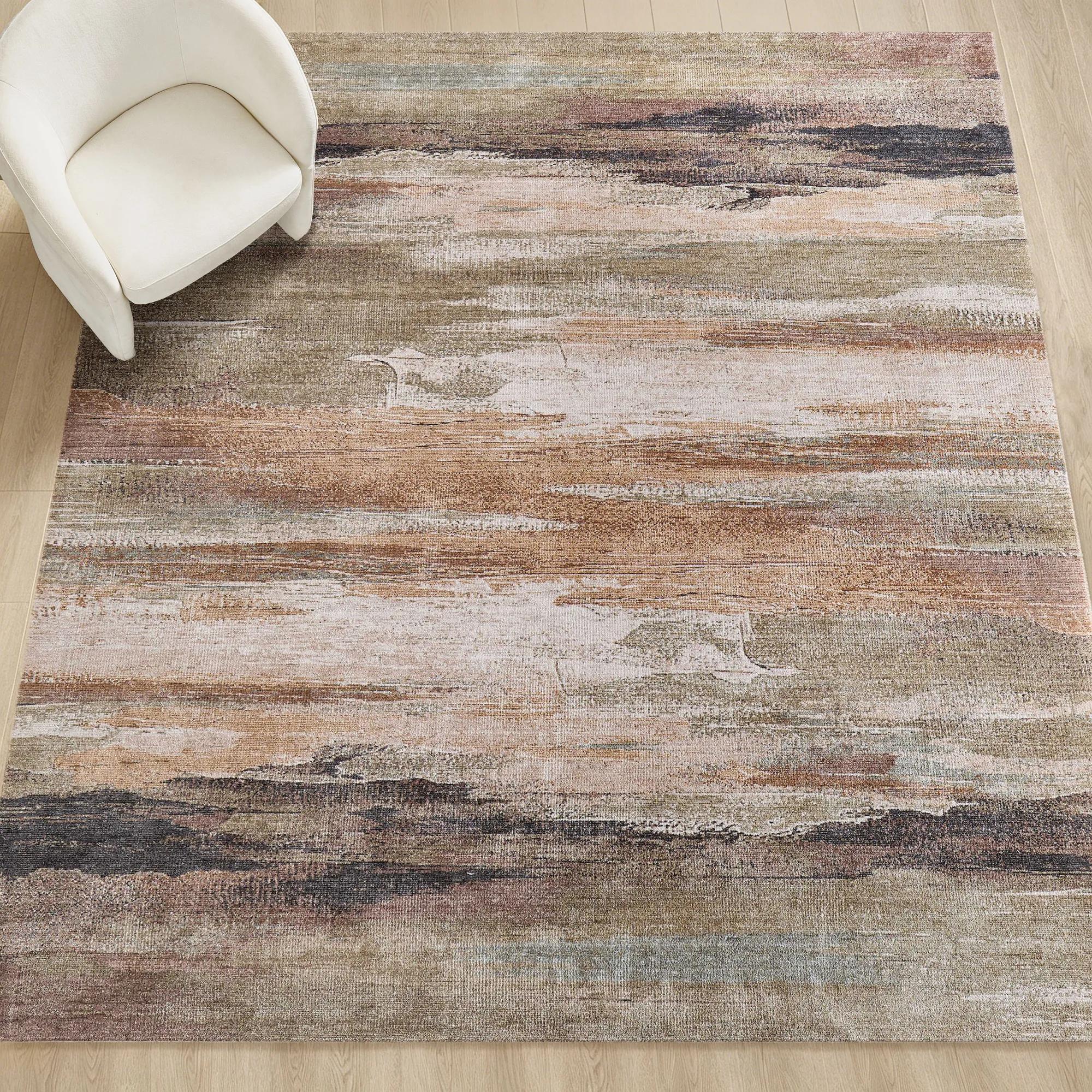
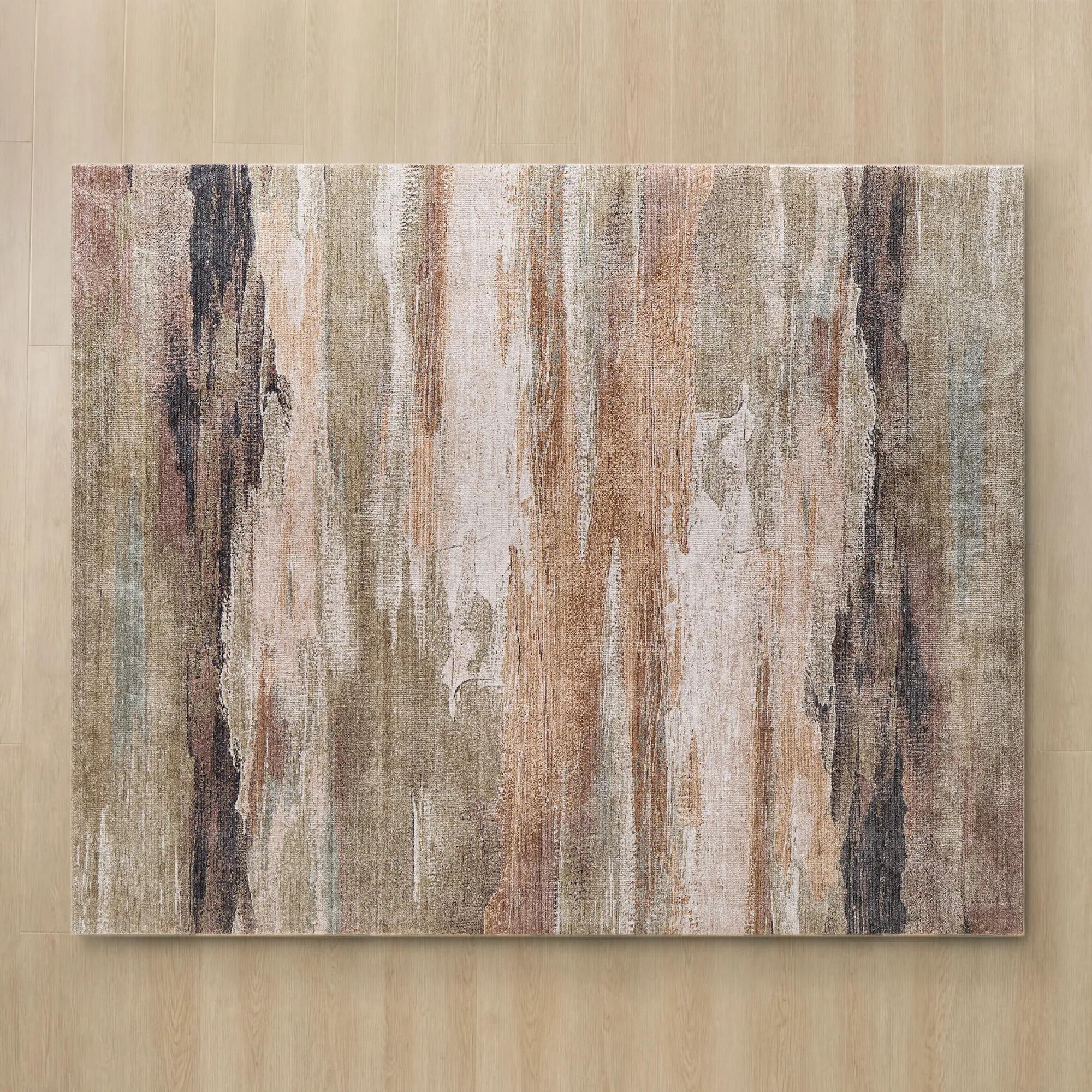 Sedona Rust/Beige/Moss Green/Charocal/Blue Performance Power Loomed Rug$1499
A power-loomed polyester rug featuring a rich abstract pattern in rust, beige, moss green, charcoal, and blue.
Add To Cart -
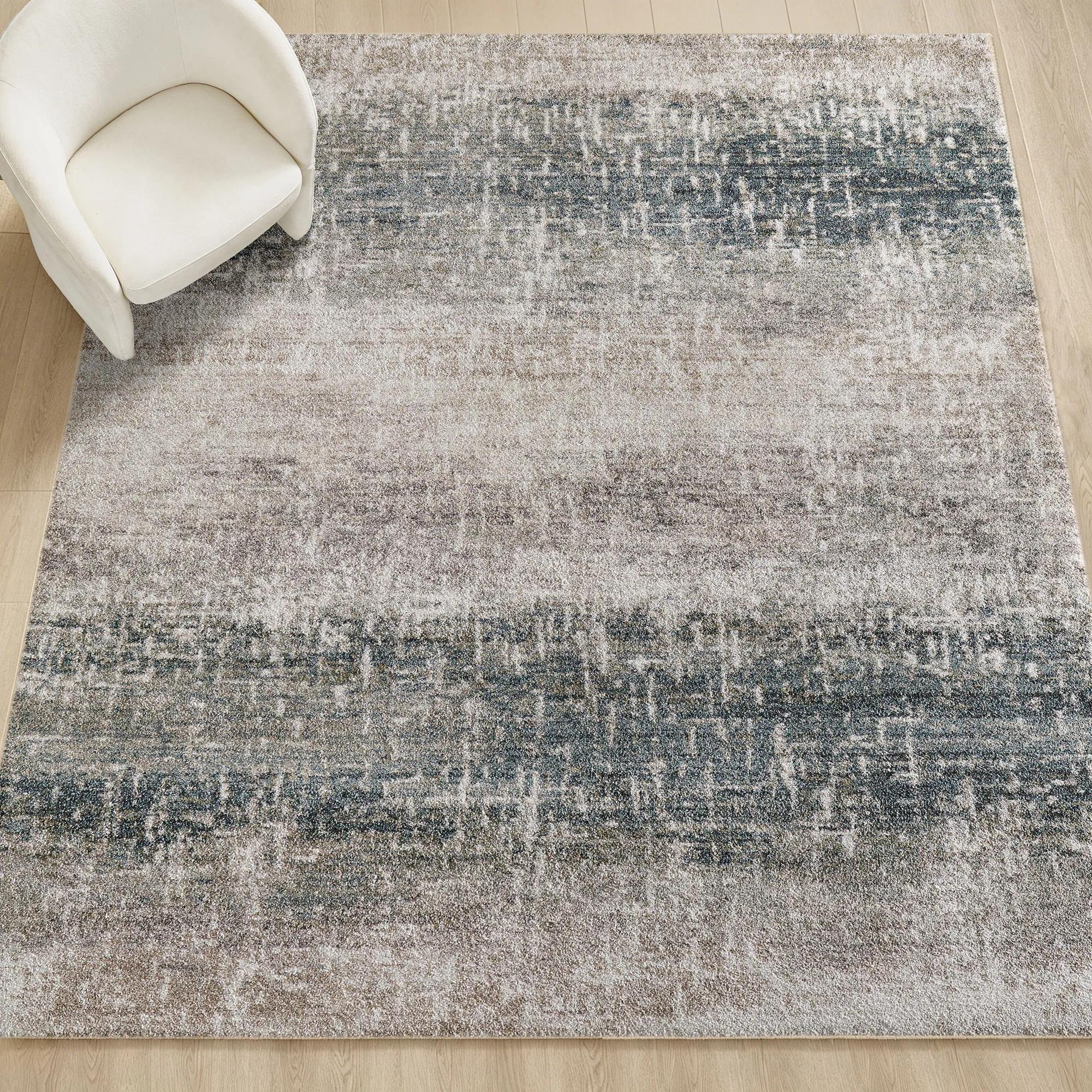
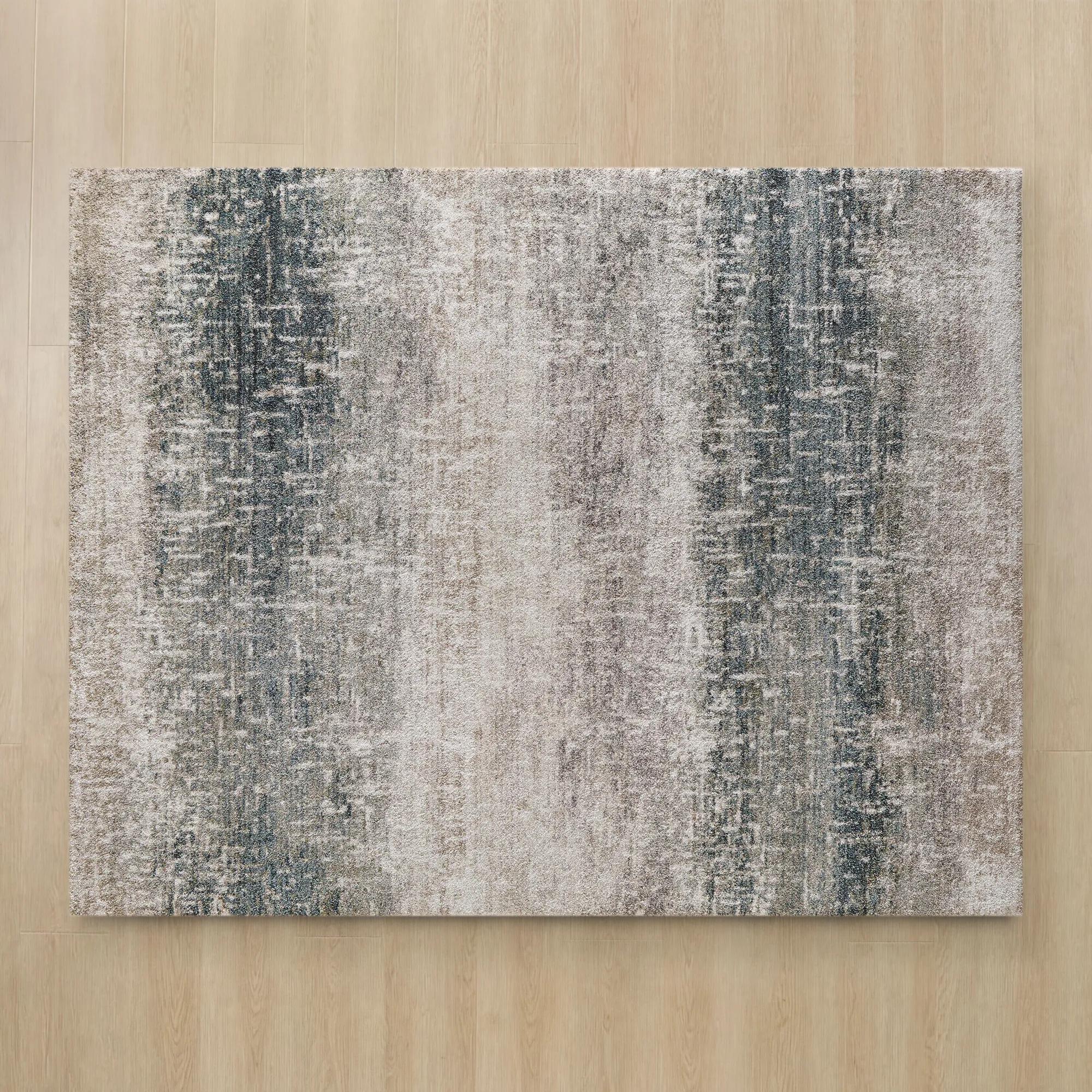 Collier Taupe/Grey/Blue/Green Performance Power Loomed Rug$1649
An abstract rug in taupe, grey, blue, and green with a plush pile and durable, easy-care blend.
Add To Cart -
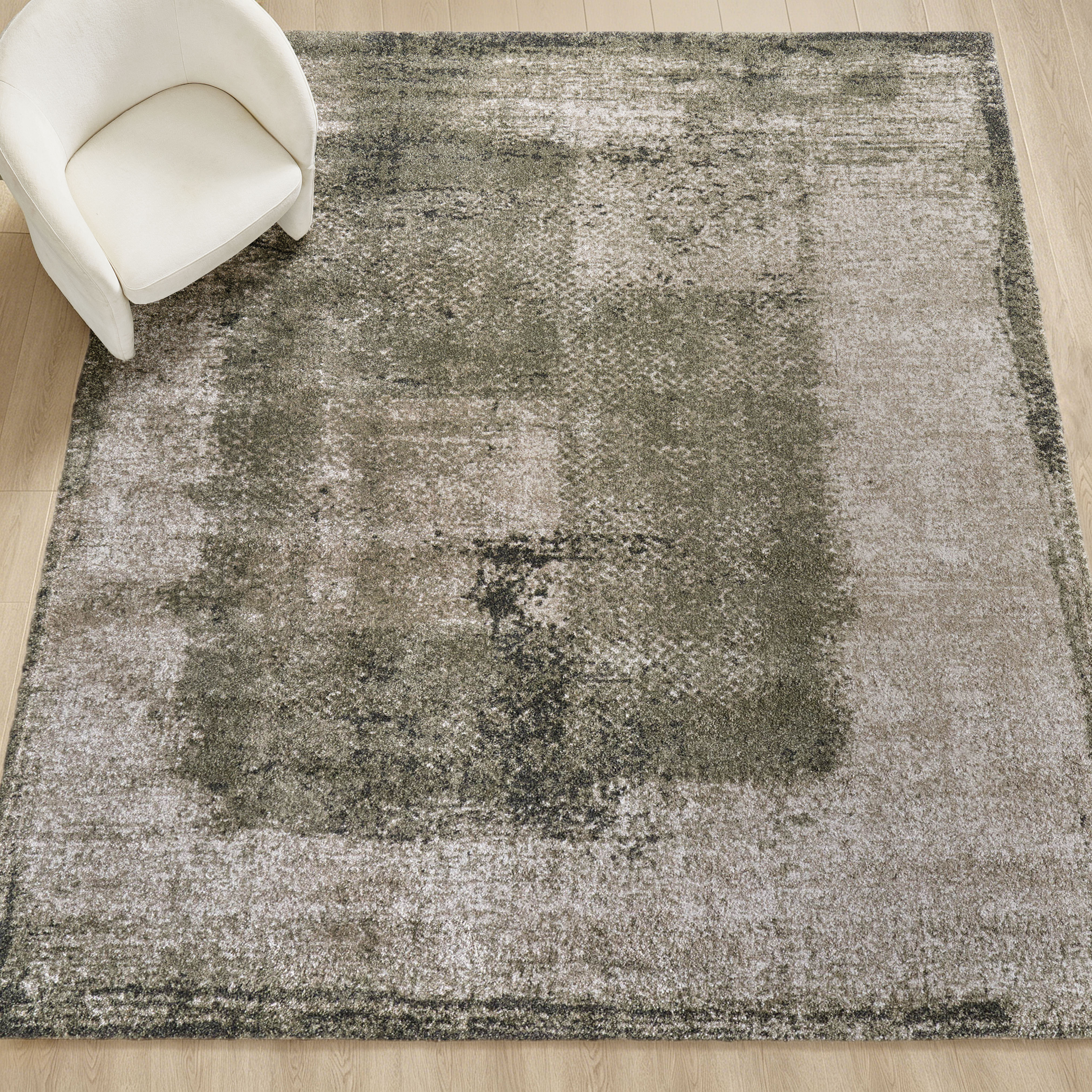
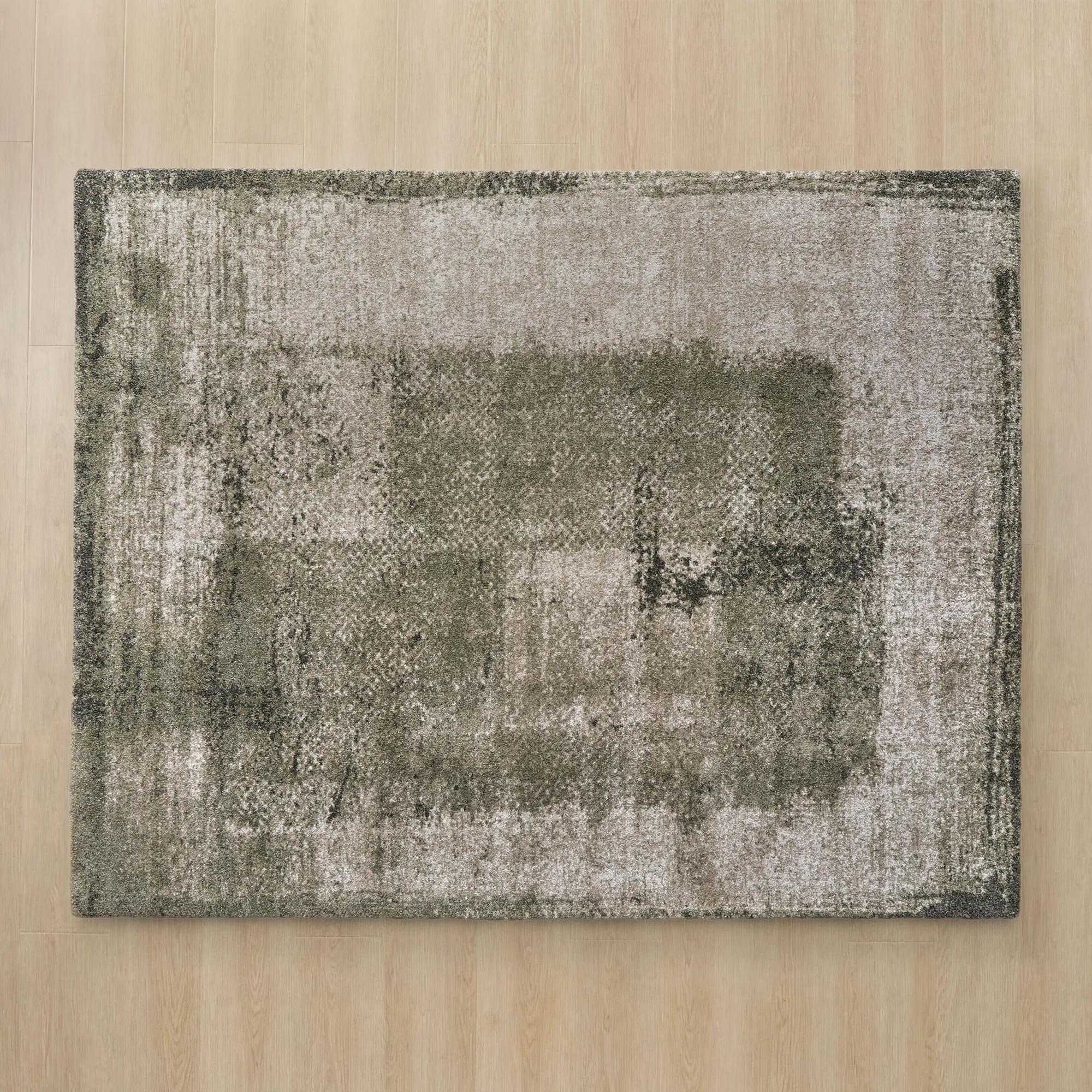 Irving Abstract Moss Green/Beige/Grey Performance Power Loomed Rug$849
An abstract rug in moss green, beige, and grey with plush, durable power-loomed polypropylene and polyester.
Add To Cart -
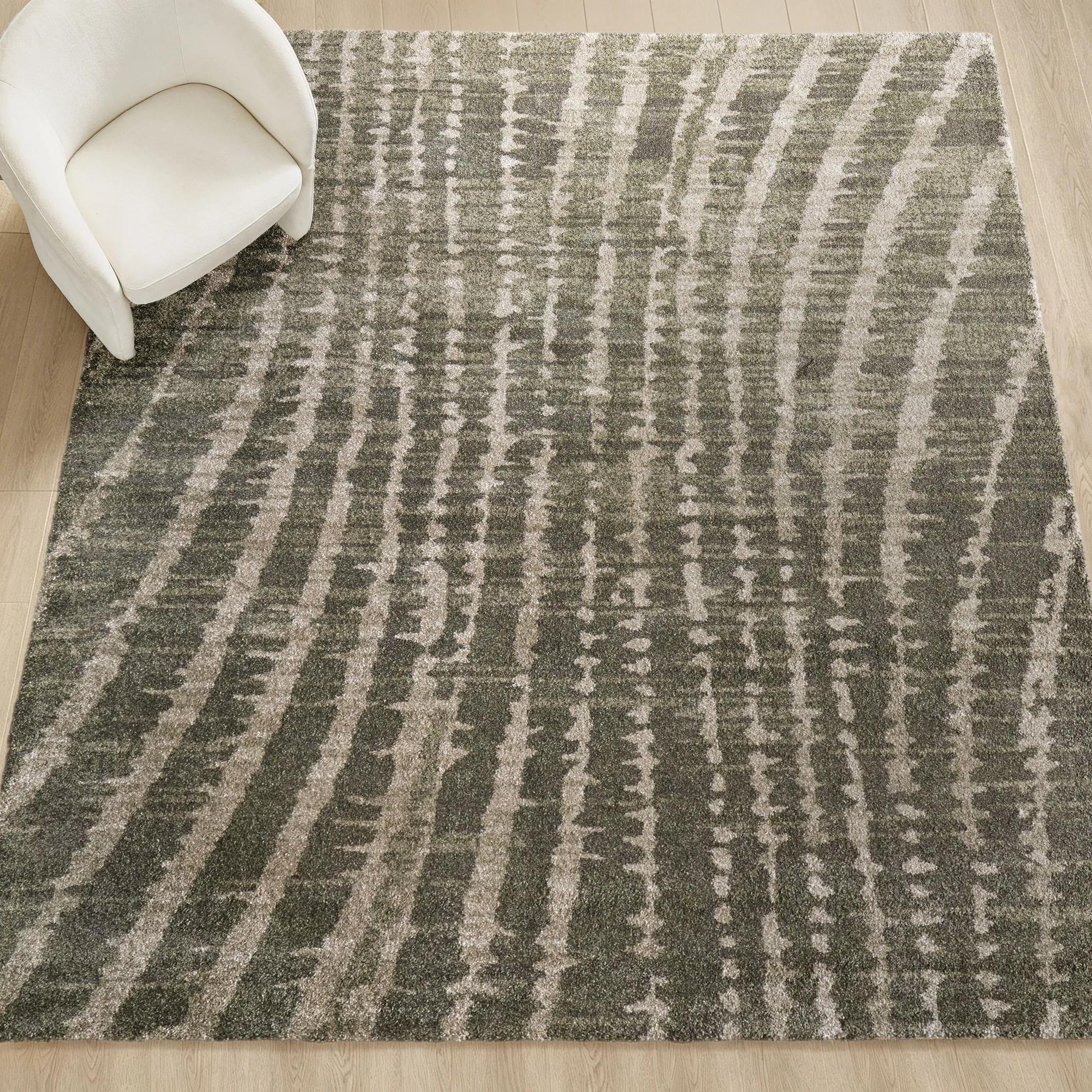
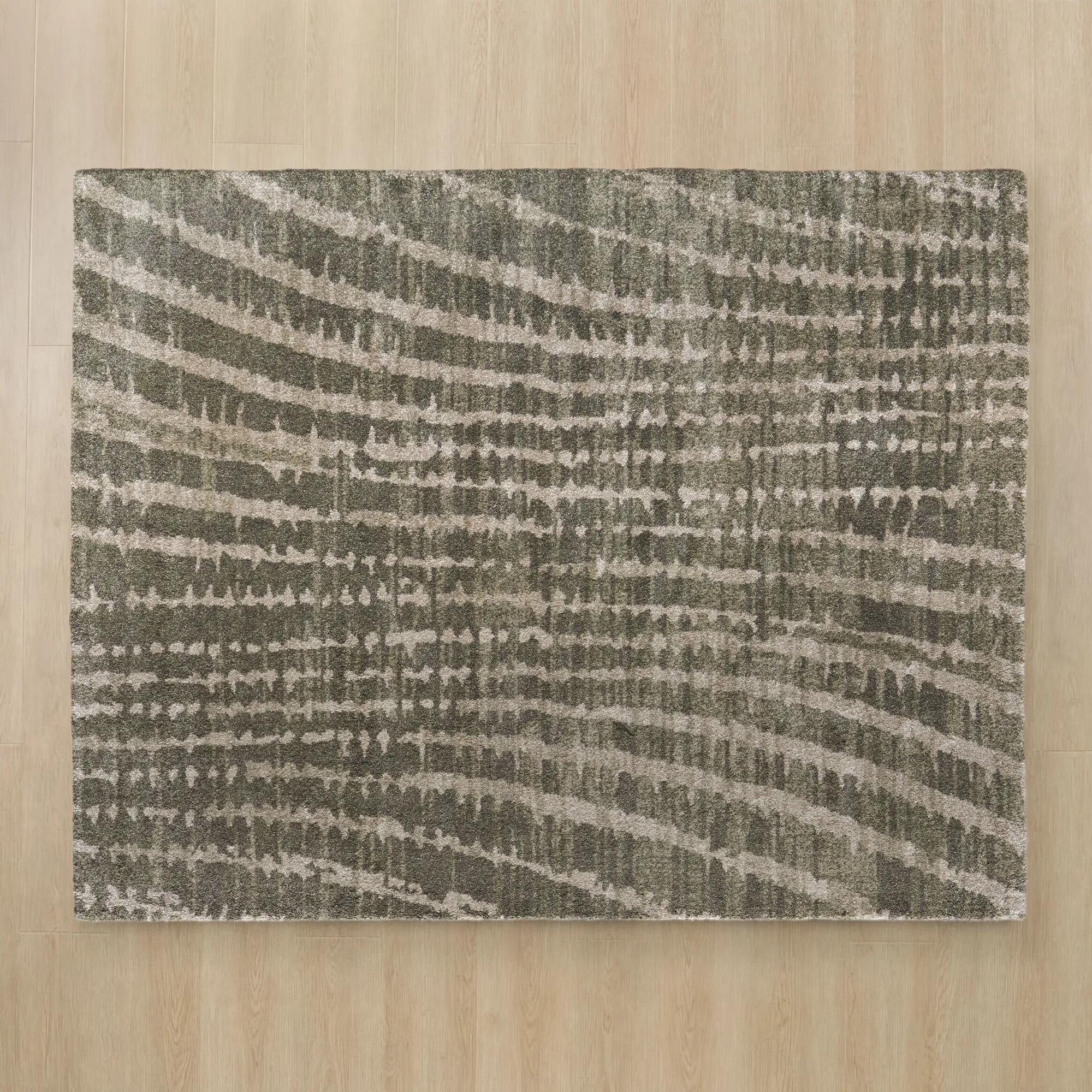 Tempo Green/Grey/Beige Performance Power Loomed Rug$1649
An abstract charcoal grey and beige rug with plush cut pile and durable, stain-resistant polypropylene-polyester construction.
Add To Cart -
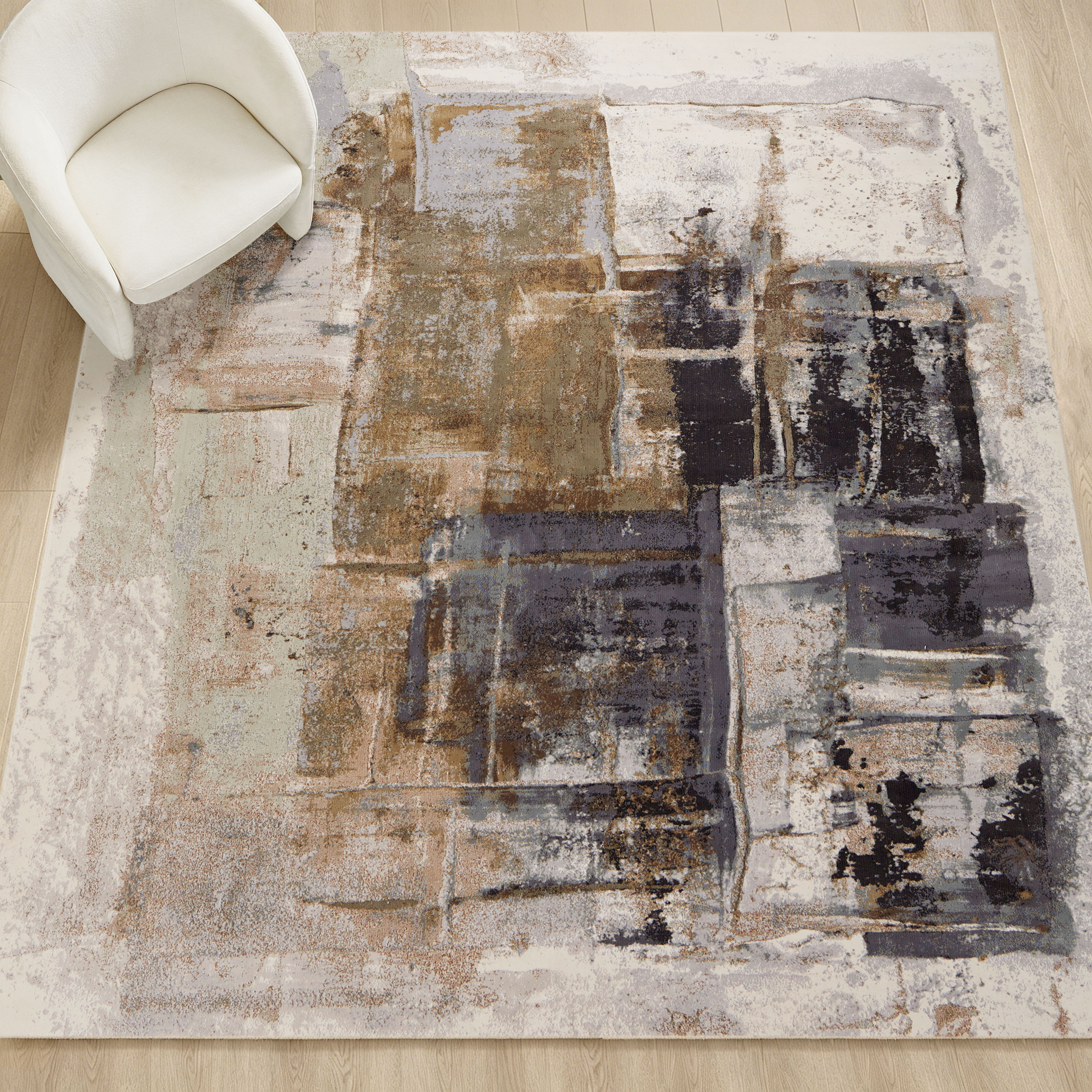
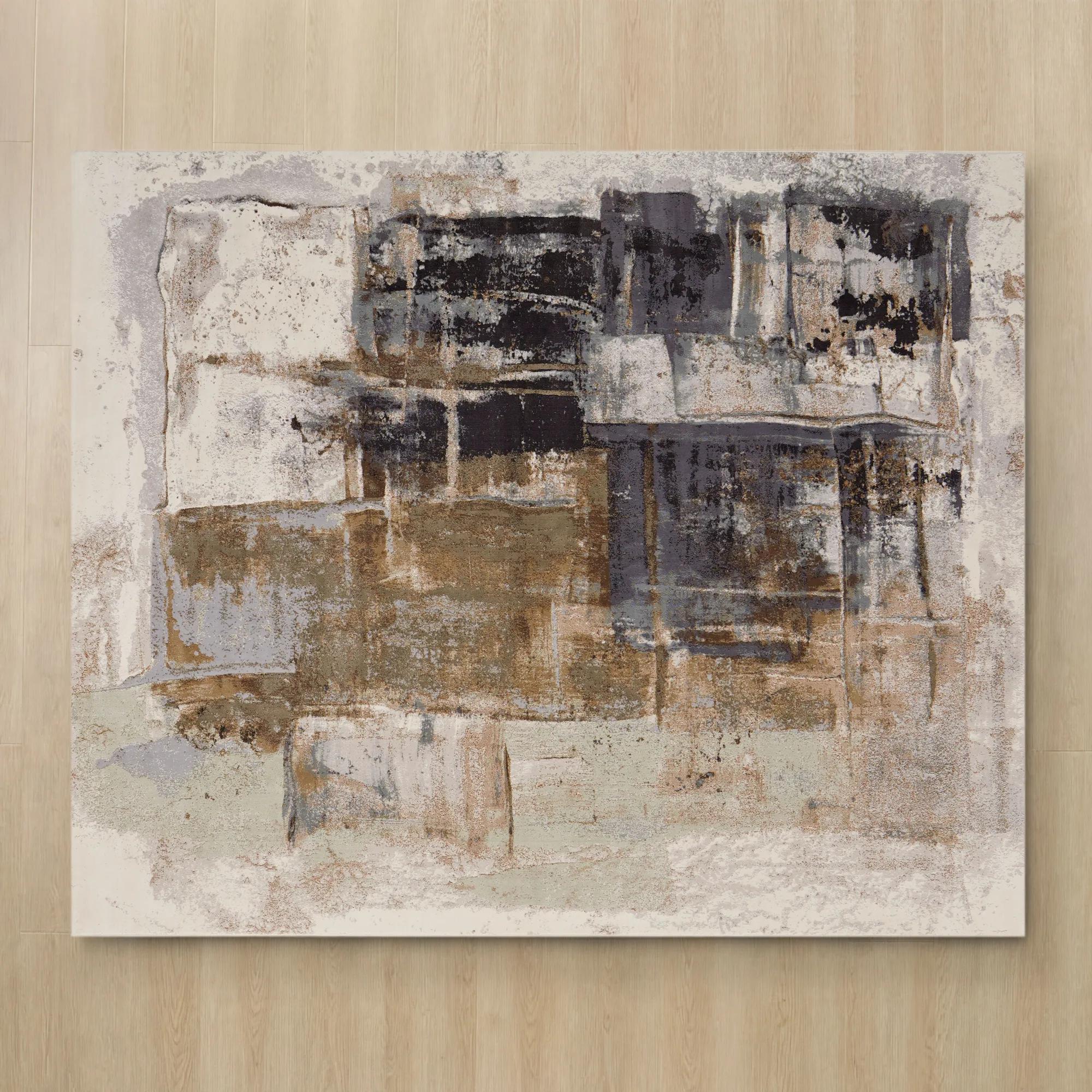 Gaia Abstract Grey/Charcoal/Ivory/Gold/Blue Performance Power Loomed Rug$1749
An abstract rug in grey, charcoal, ivory, gold, and blue with a soft, stain-resistant performance blend.
Add To Cart -
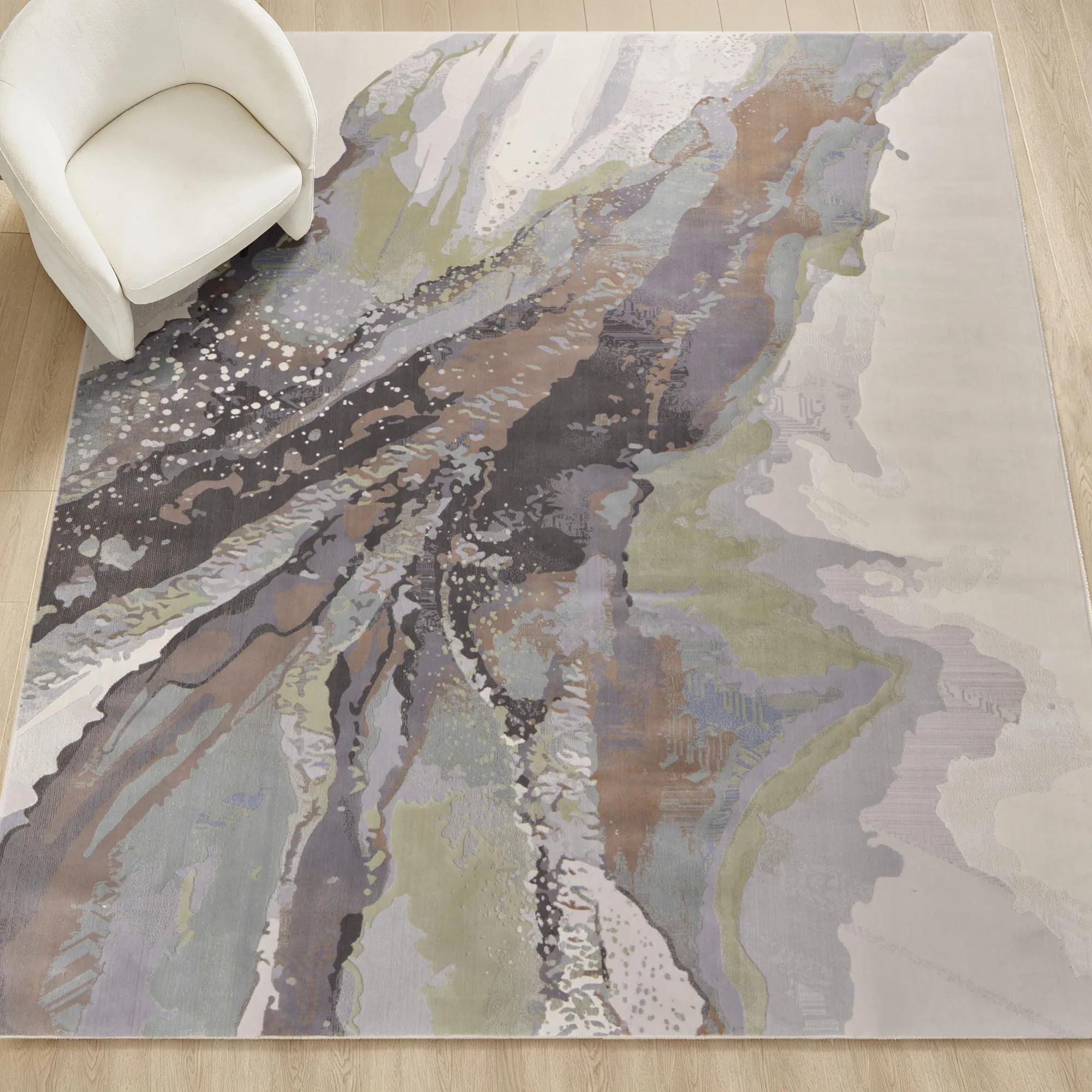
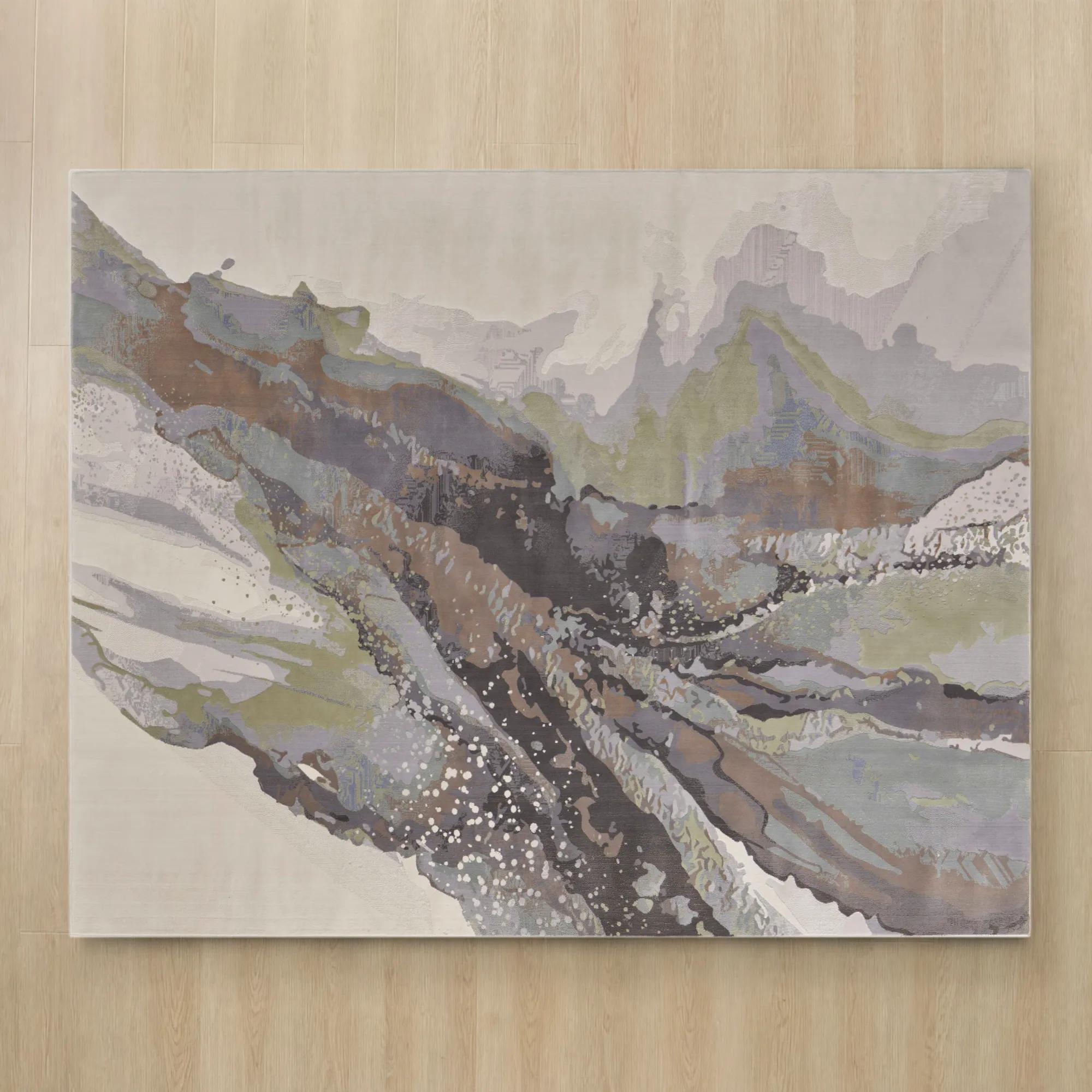 Nerissa Abstract Ivory/Grey/Blue/Green Performance Power Loomed Rug$449
An abstract rug in ivory, grey, blue, and green with a textured, stain-resistant polypropylene-polyester blend.
Add To Cart -
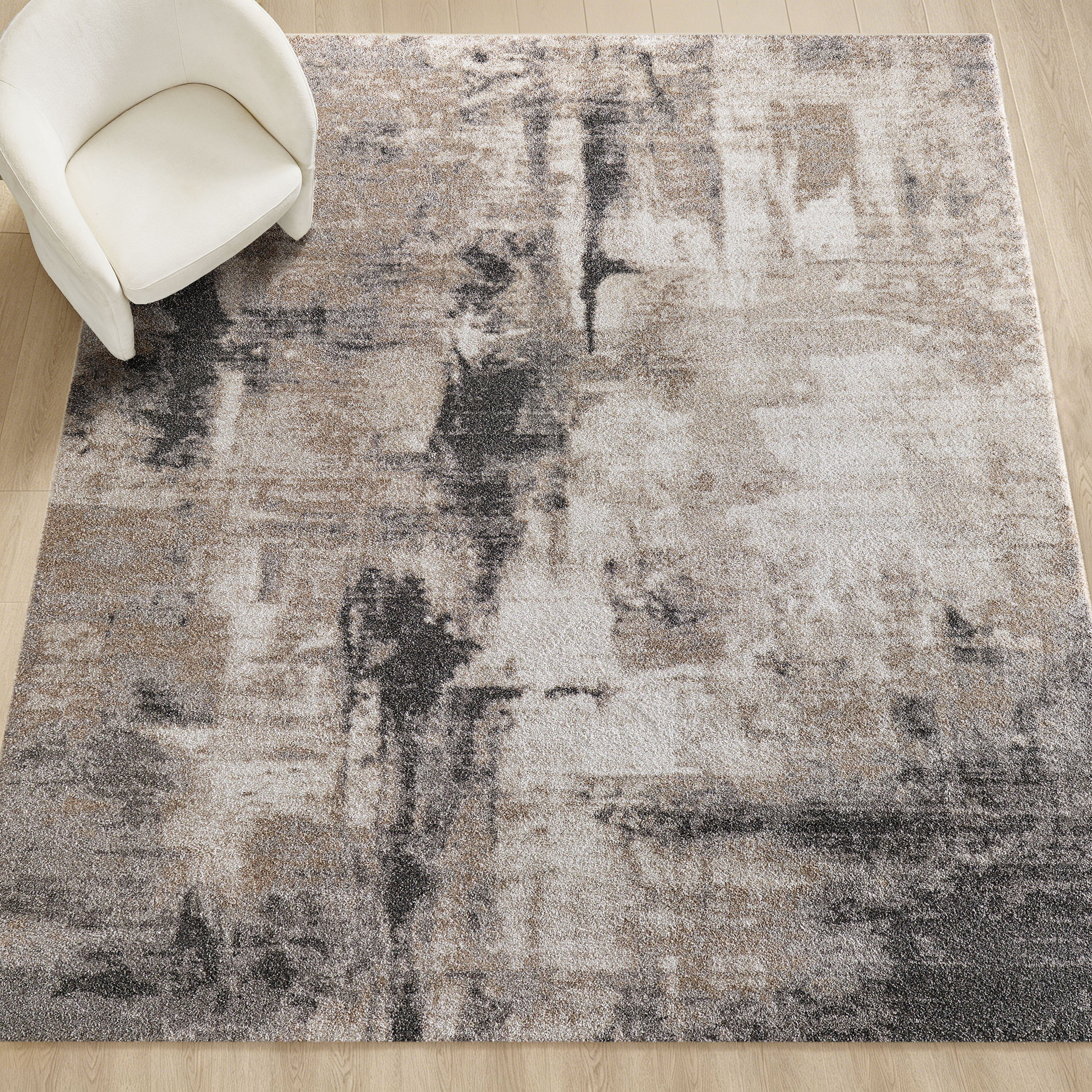
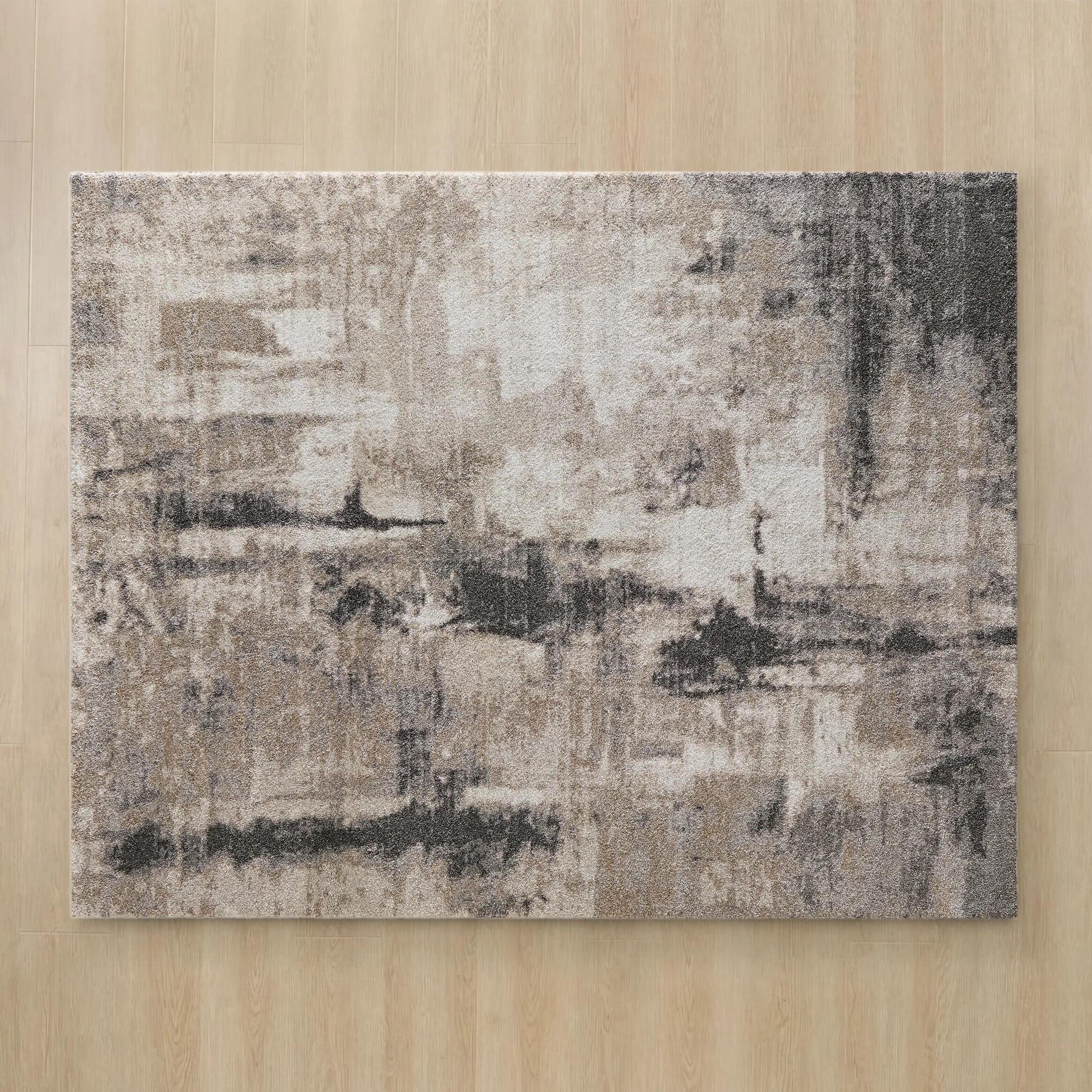 Atlas Abstract Grey/Taupe/Ivory/Charcoal Performance Power Loomed Rug$849
An abstract rug in grey, taupe, ivory, and charcoal with a plush, durable, and easy-care pile.
Add To Cart -
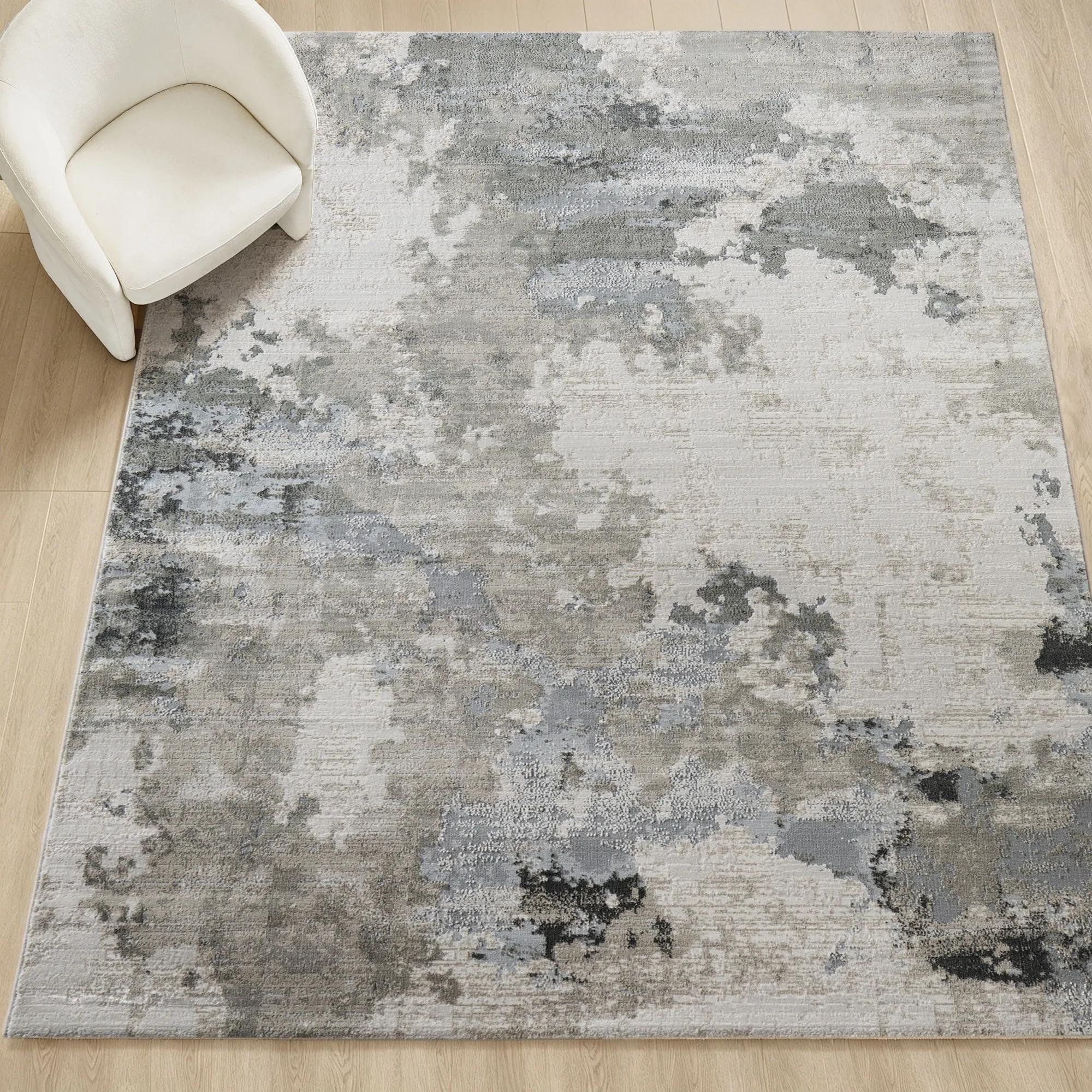 Alarion Abstract Grey/Muted Blue/Ivory Performance Power Loomed Rug$379
A power-loomed rug featuring a grey, muted blue, and ivory abstract pattern with stain-resistant durability.
Add To Cart -
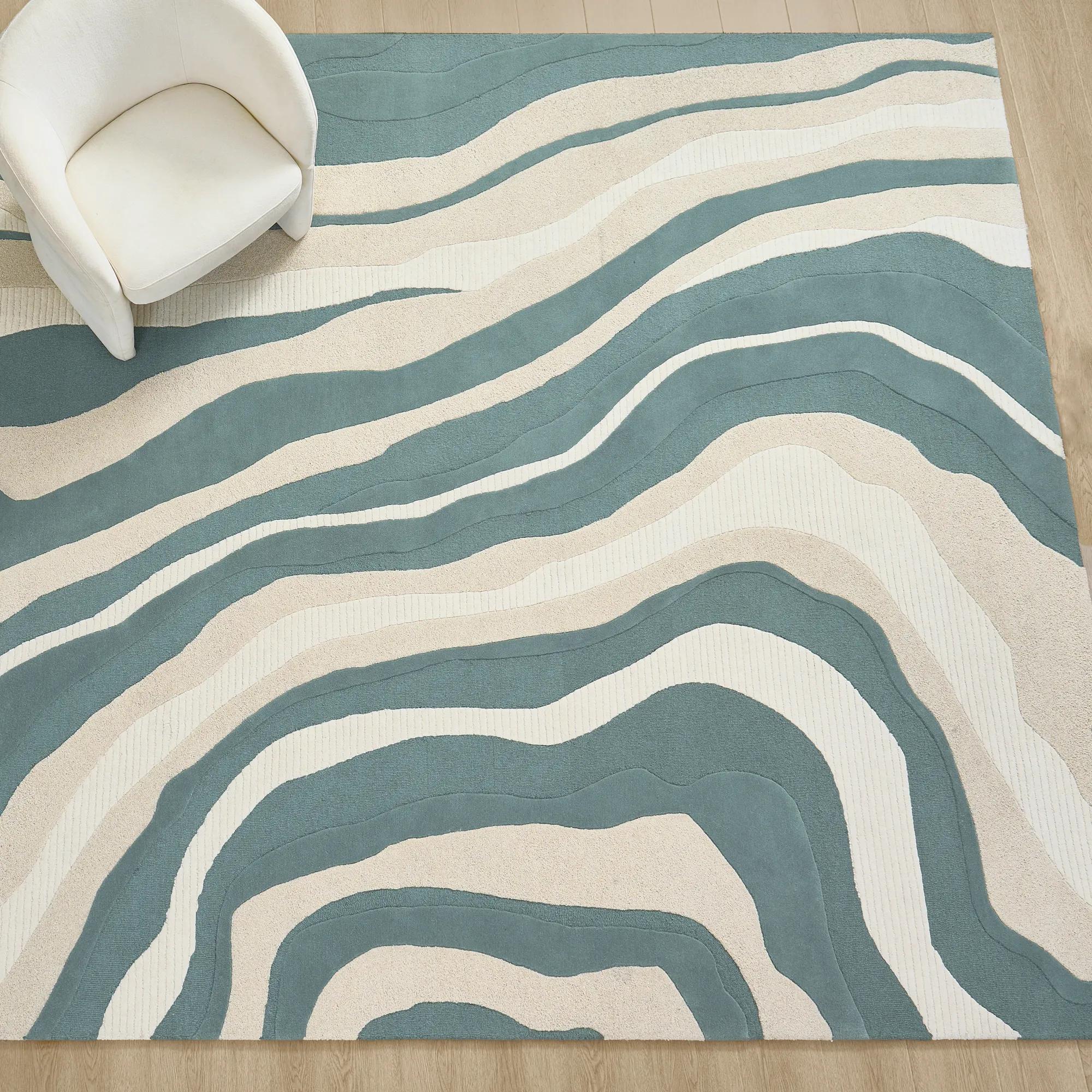 Kadence Hand-Tufted Sage Green/Ivory Wool Rugs$499
A hand-tufted wool rug featuring a sculptural wave pattern in deep sage green and ivory tones.
Add To Cart -
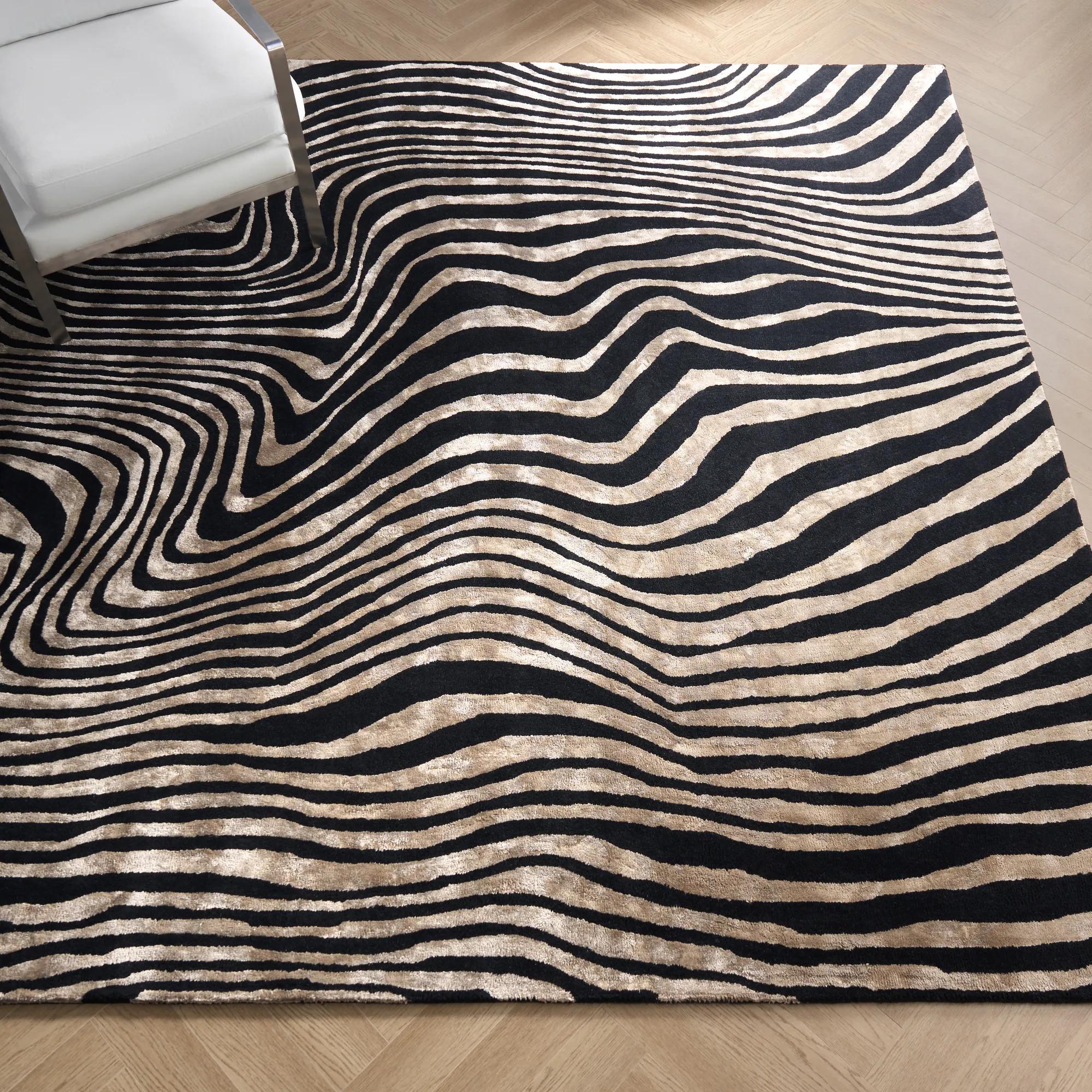
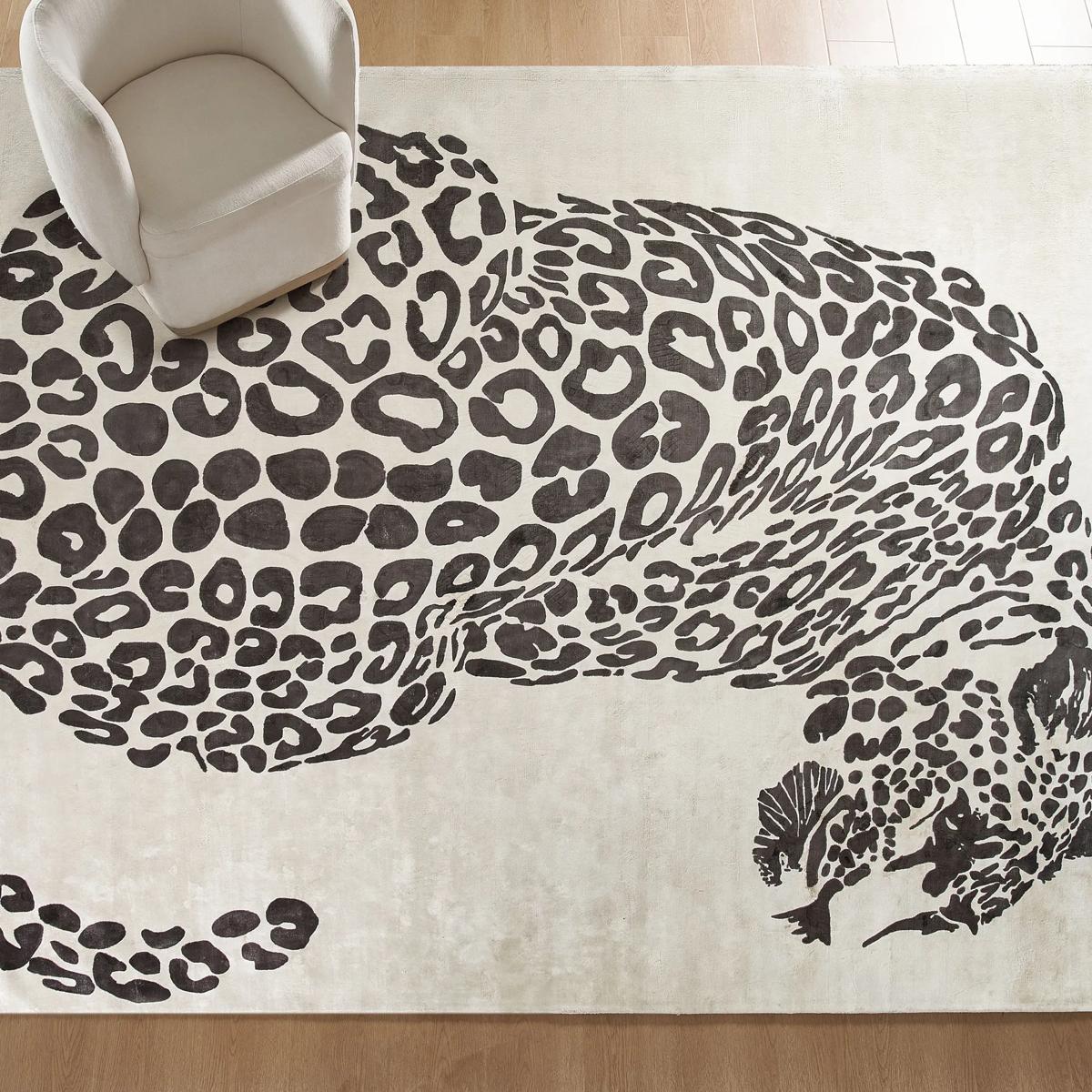
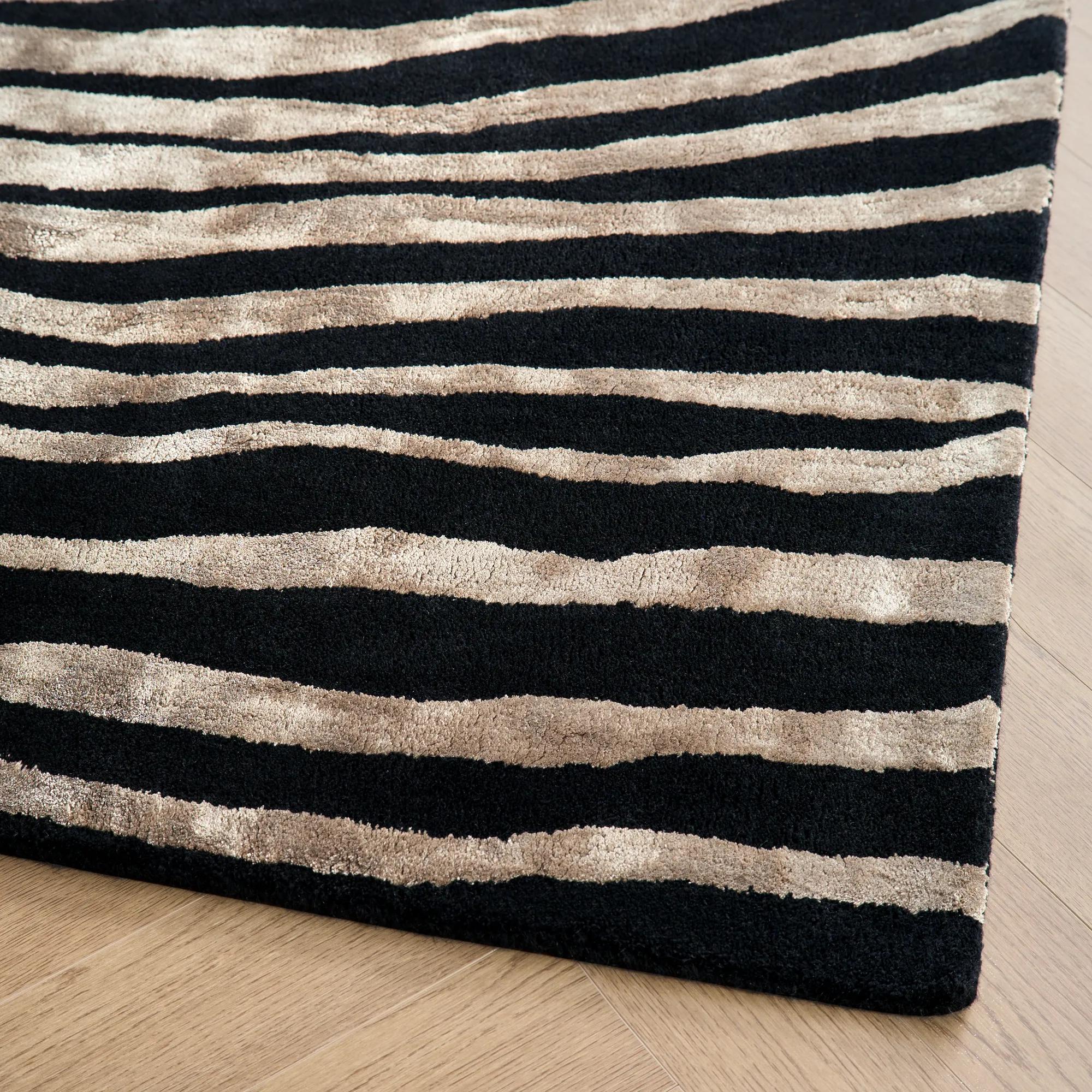 Abstract Zebra Hand-Tufted Black/Taupe Wool Blend Rug$1599
An artisan hand-tufted rug in black and taupe wool-viscose, featuring a striking abstract zebra pattern.
Add To Cart -
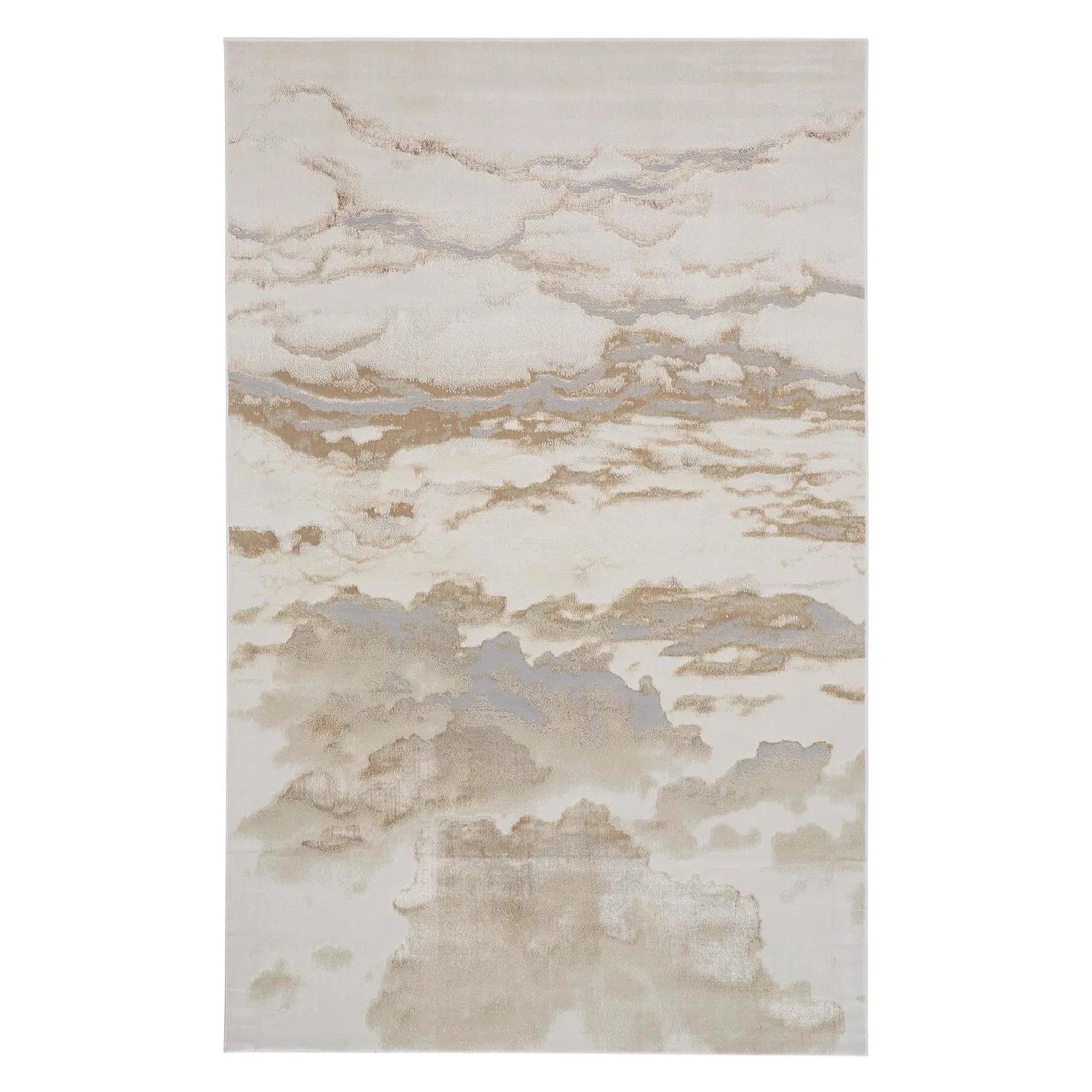
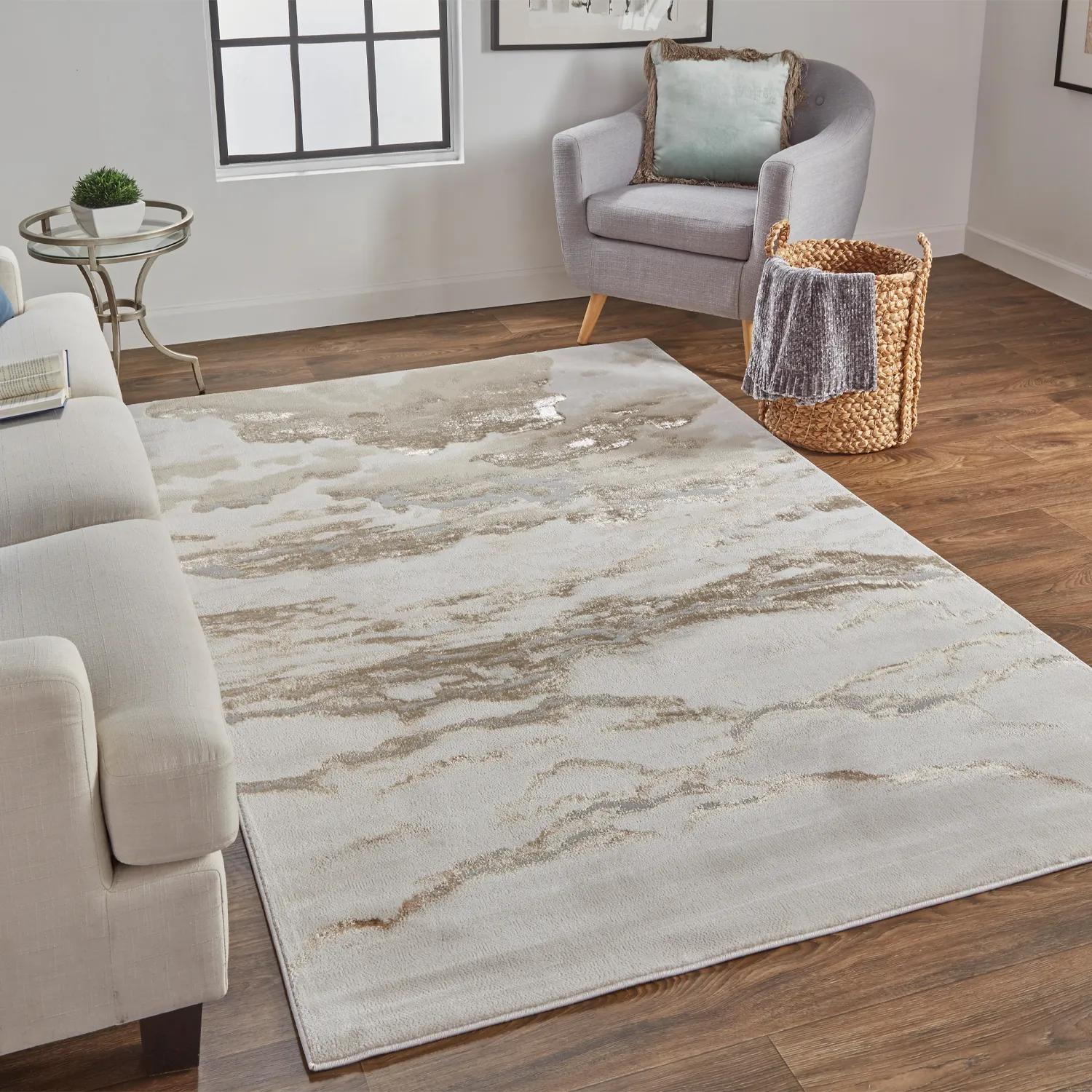 Tide Power-Loomed Beige/Gold/Ivory Rug$449
A machine-made rug in beige and gold, crafted from ultra-soft polyester and polypropylene for elegant appeal.
Add To Cart -
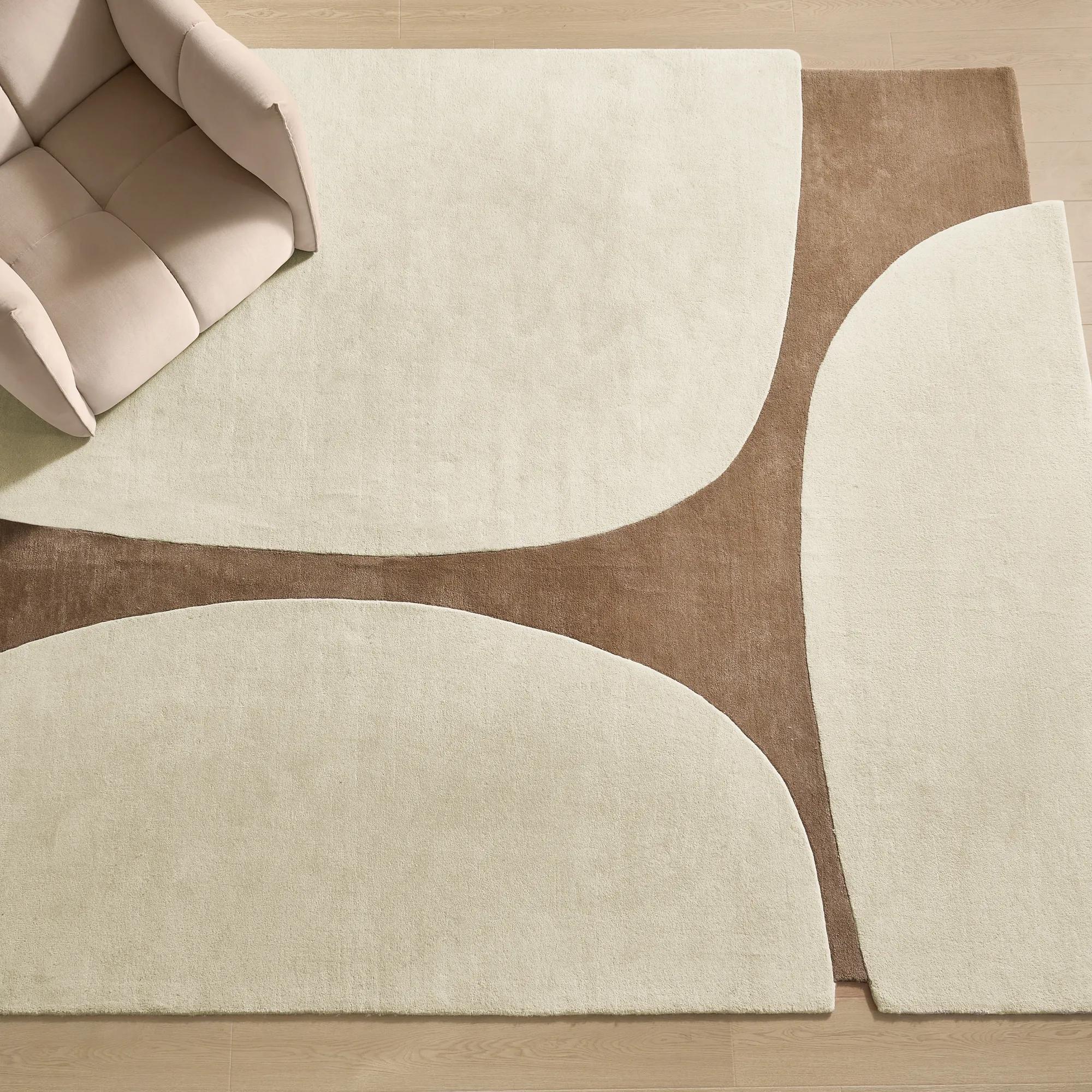
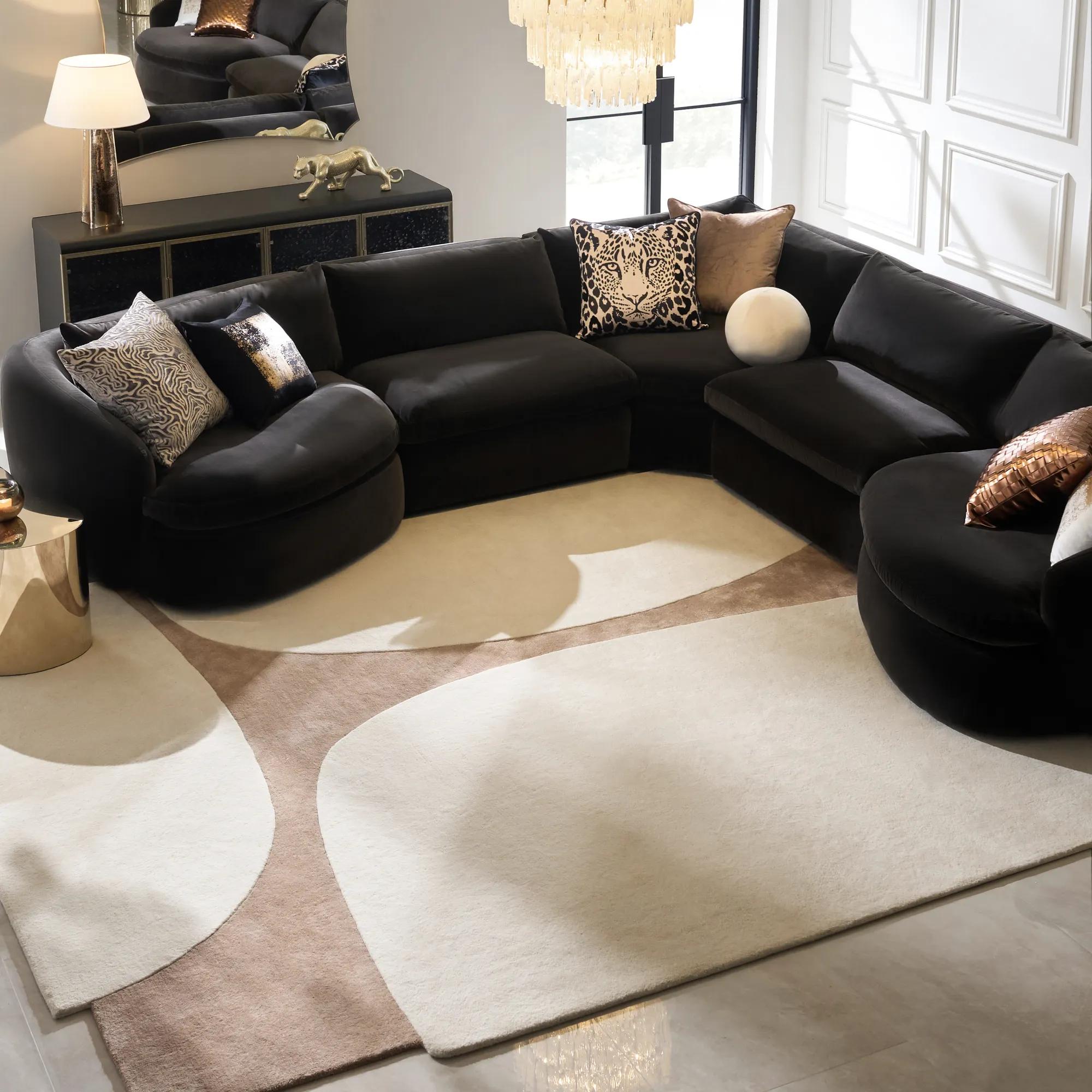 Contour Hand-Tufted Ivory/Ginger Root Wool Blend Rug$999
A hand-tufted wool rug blending ivory and ginger root hues for modern, sculptural texture.
Add To Cart -
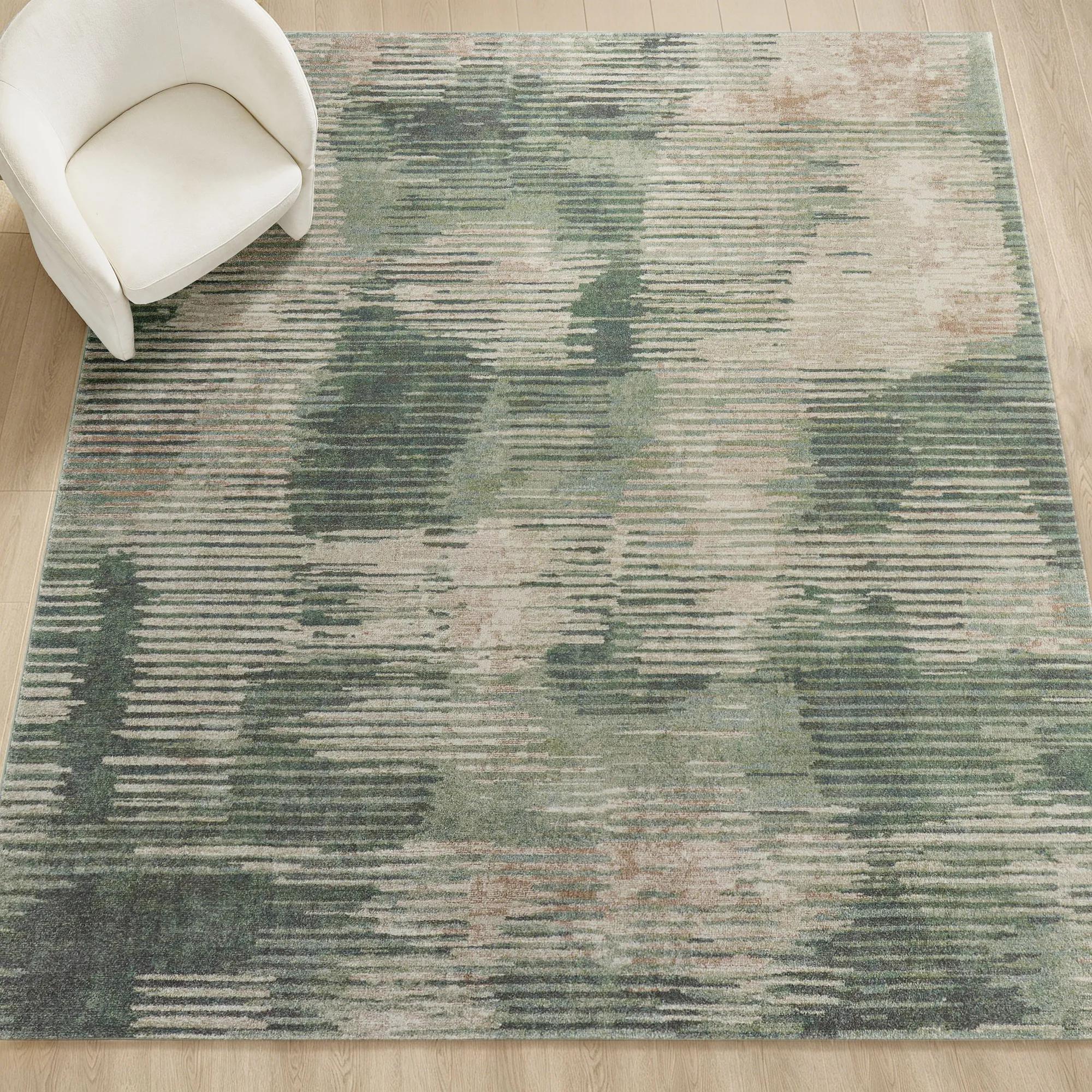
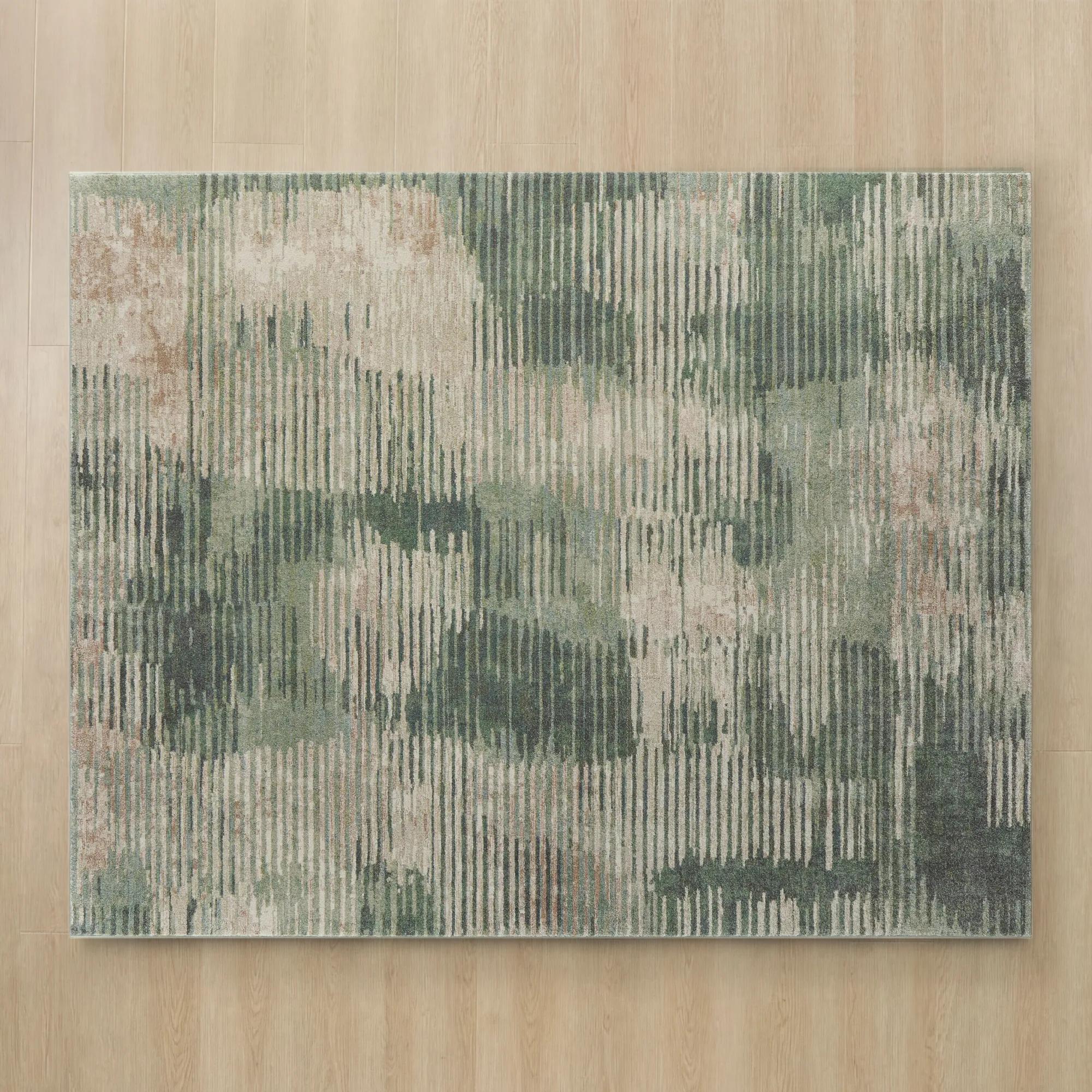 Sylvan Green/Beige Power Loomed Rug$689
A contemporary rug featuring a smoked olive green and beige organic pattern with a soft, power-loomed polypropylene pile.
Add To Cart -
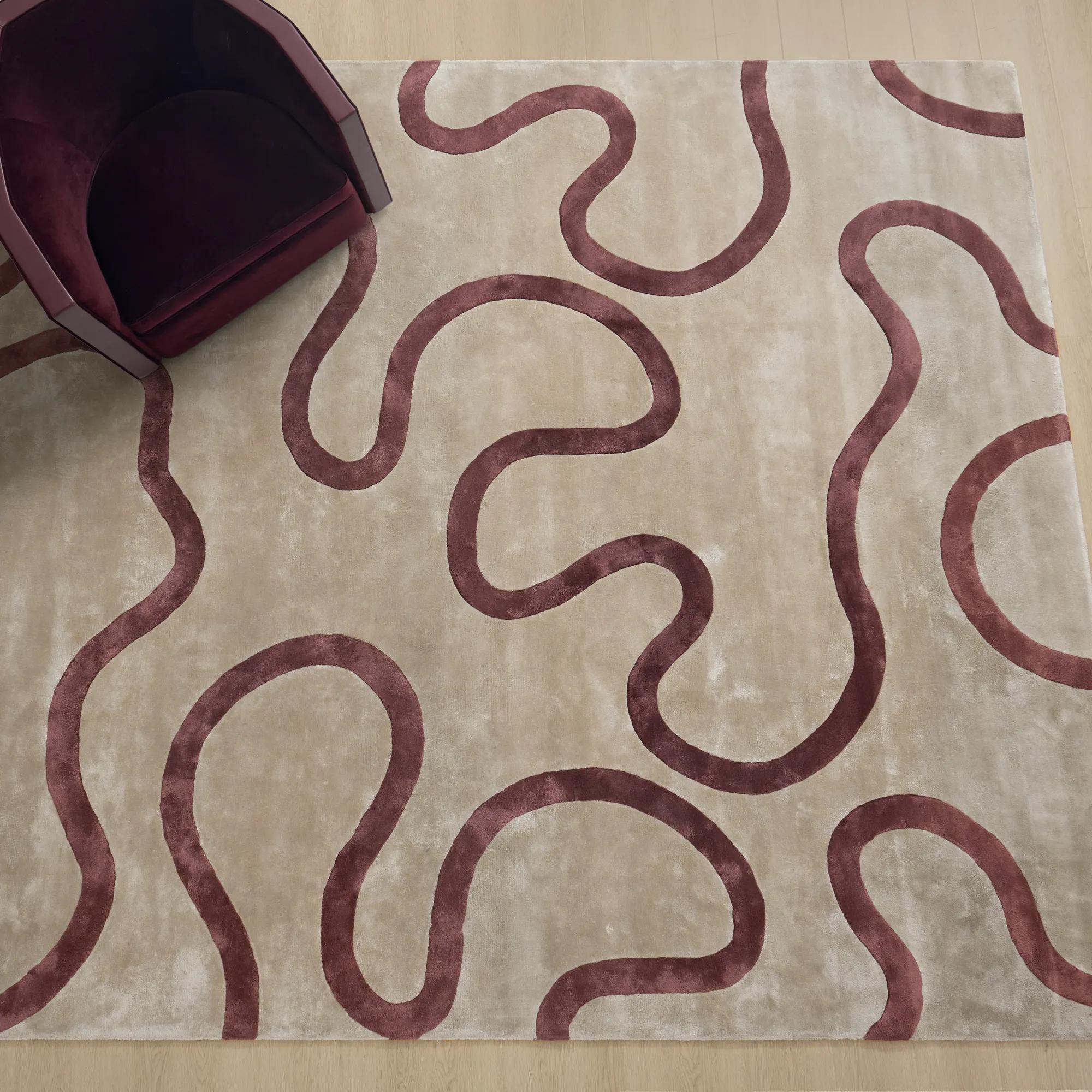 Seraphine Hand-Tufted Fig/Taupe Viscose Loop Rugs$1799
A hand-tufted wool rug featuring bold fig and taupe loops for a graphic, Deco-inspired statement.
Add To Cart -
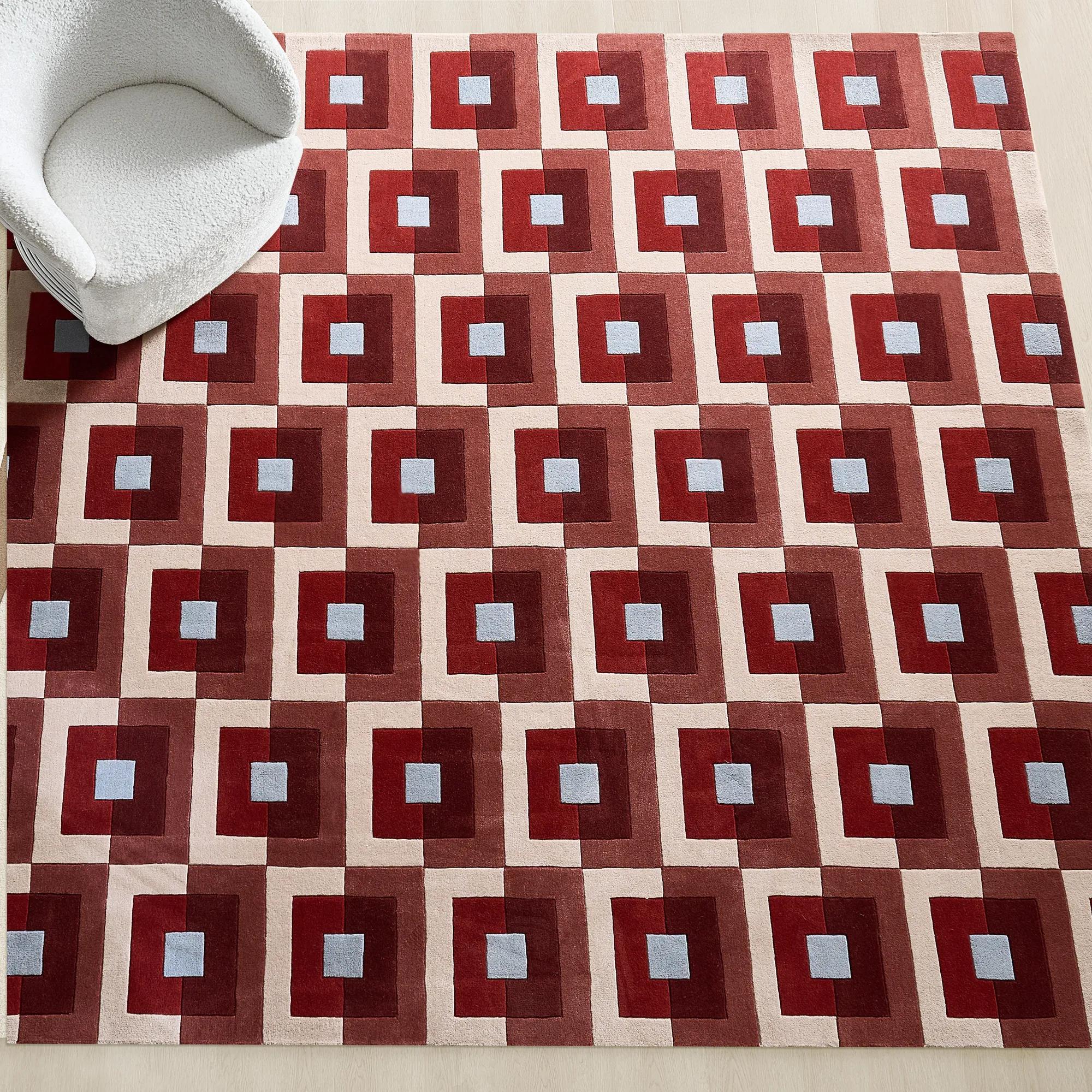
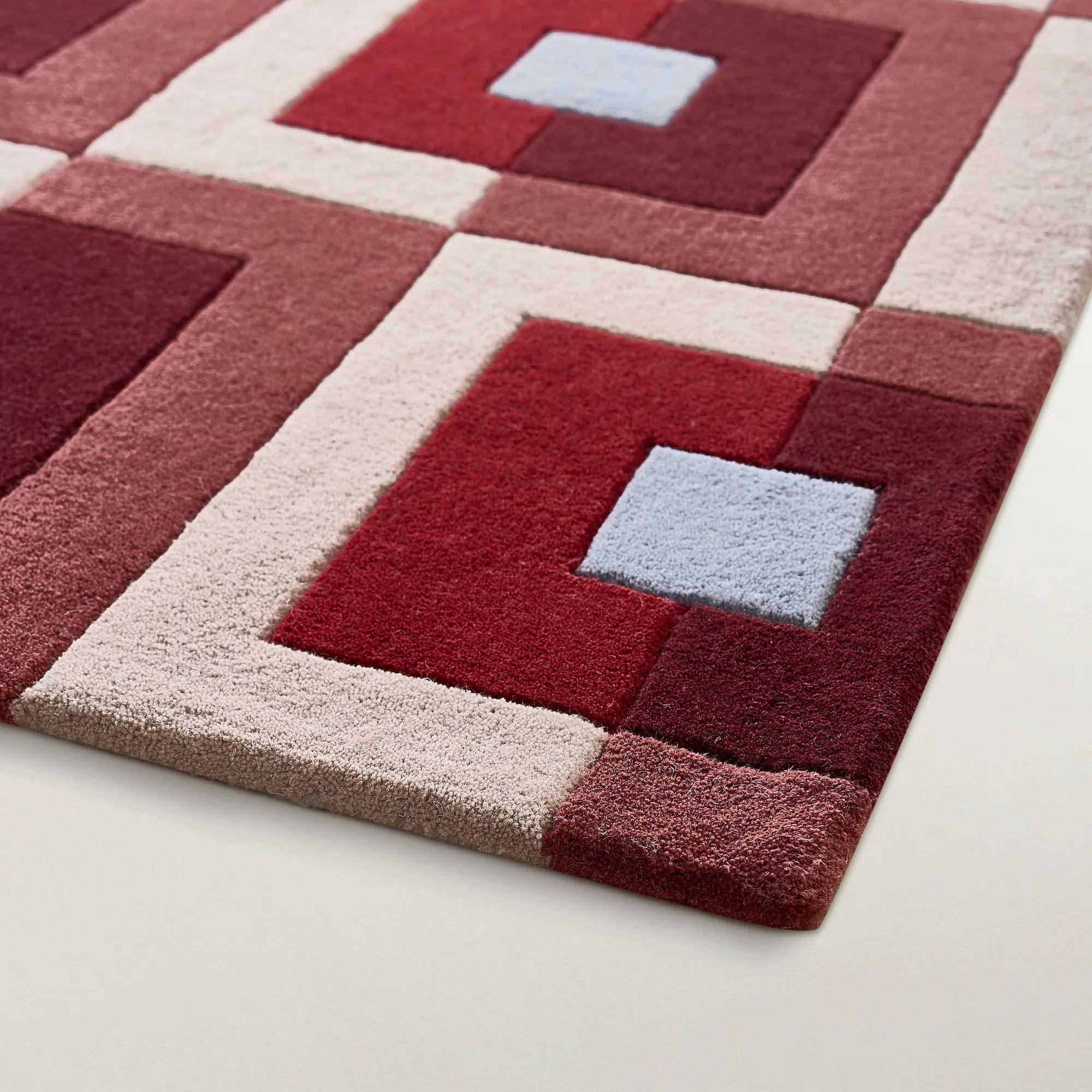 Geo Pop Wool Rug - Oxblood Red/Airy Blue$1599
A geometric wool rug featuring bold oxblood red and airy blue hues for modern interiors.
Add To Cart -
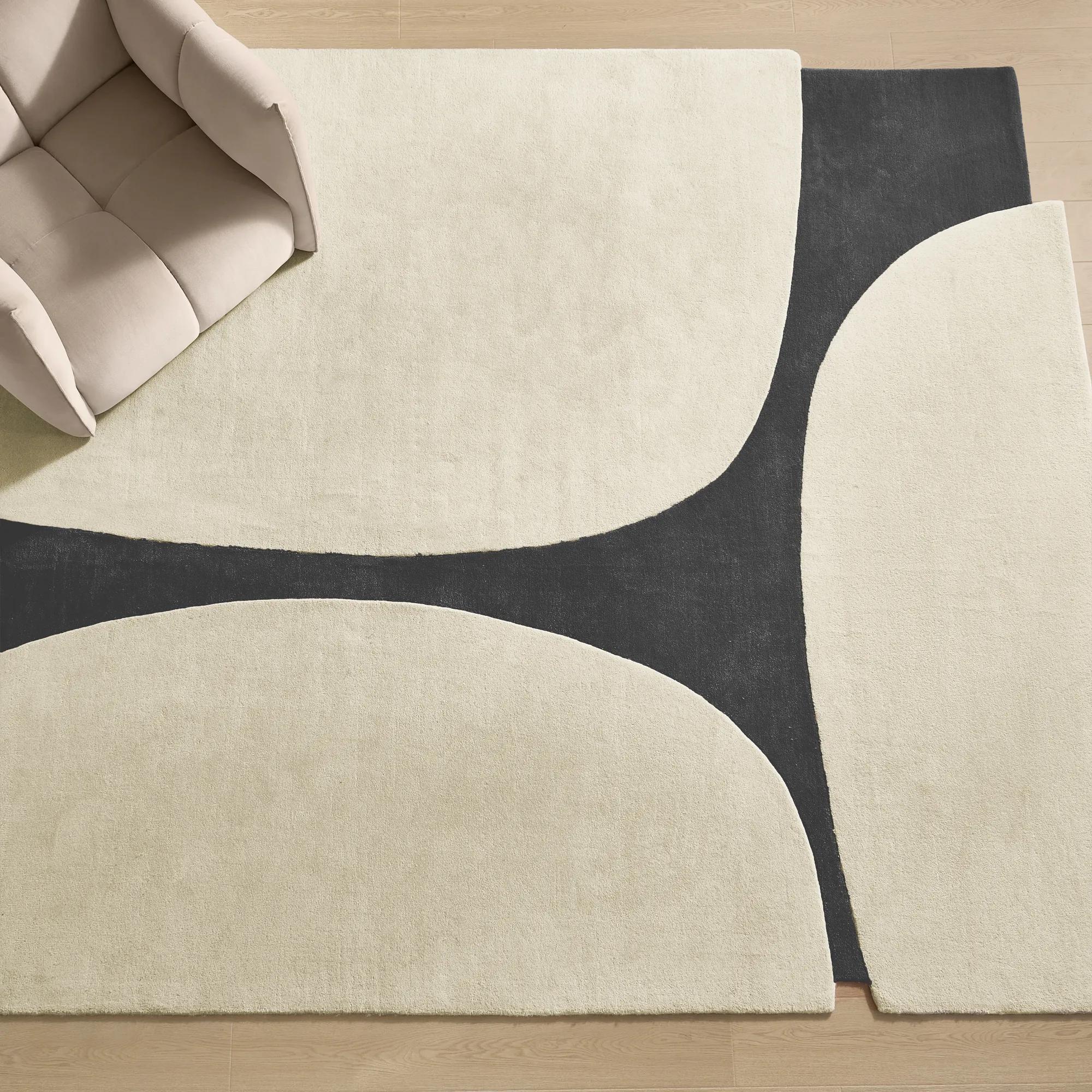 Contour Hand-Tufted Ivory/Charcoal Wool & Viscose Rugs$1499
An artfully shaped hand-tufted rug featuring high-low texture in warm ivory and charcoal wool-viscose blend.
Add To Cart -
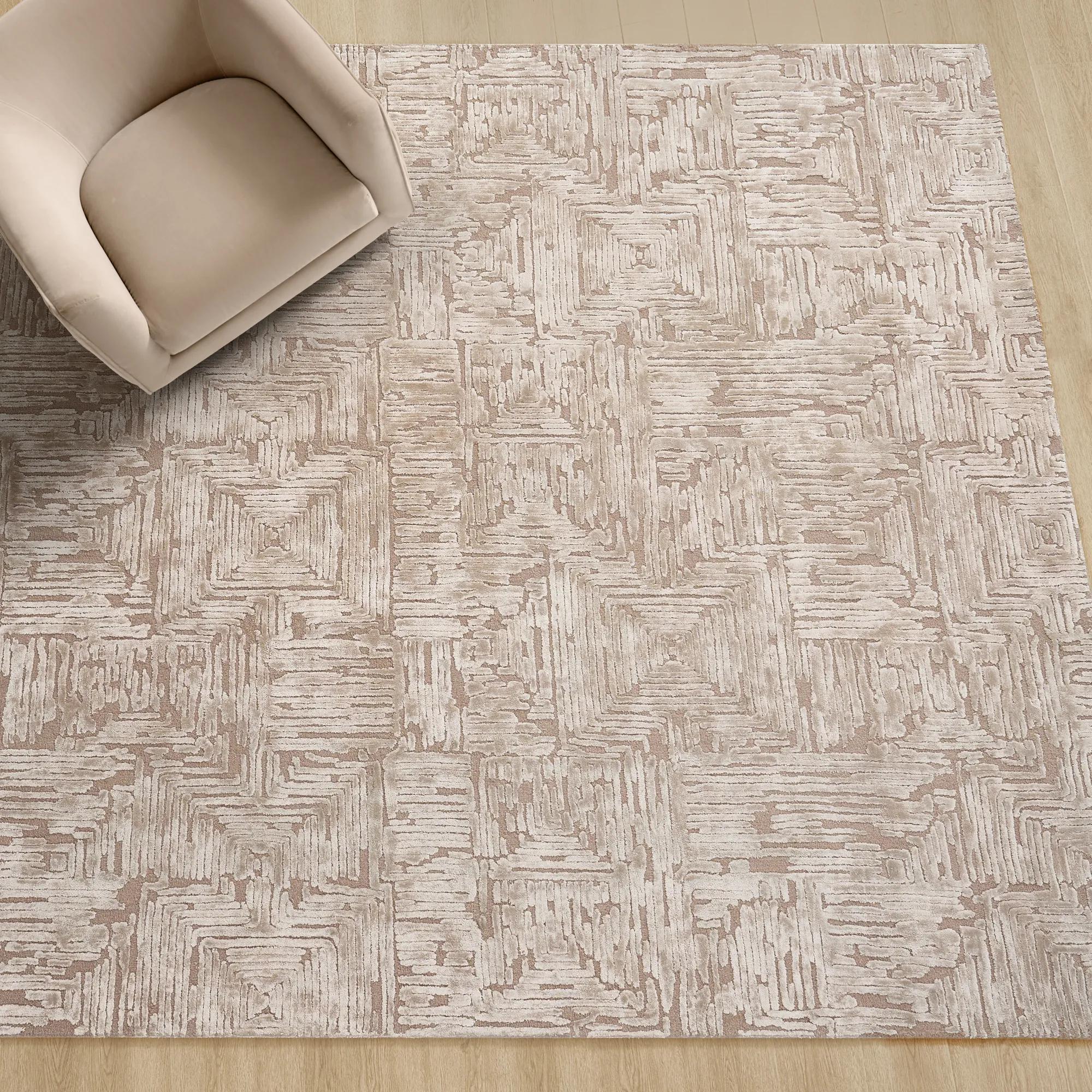
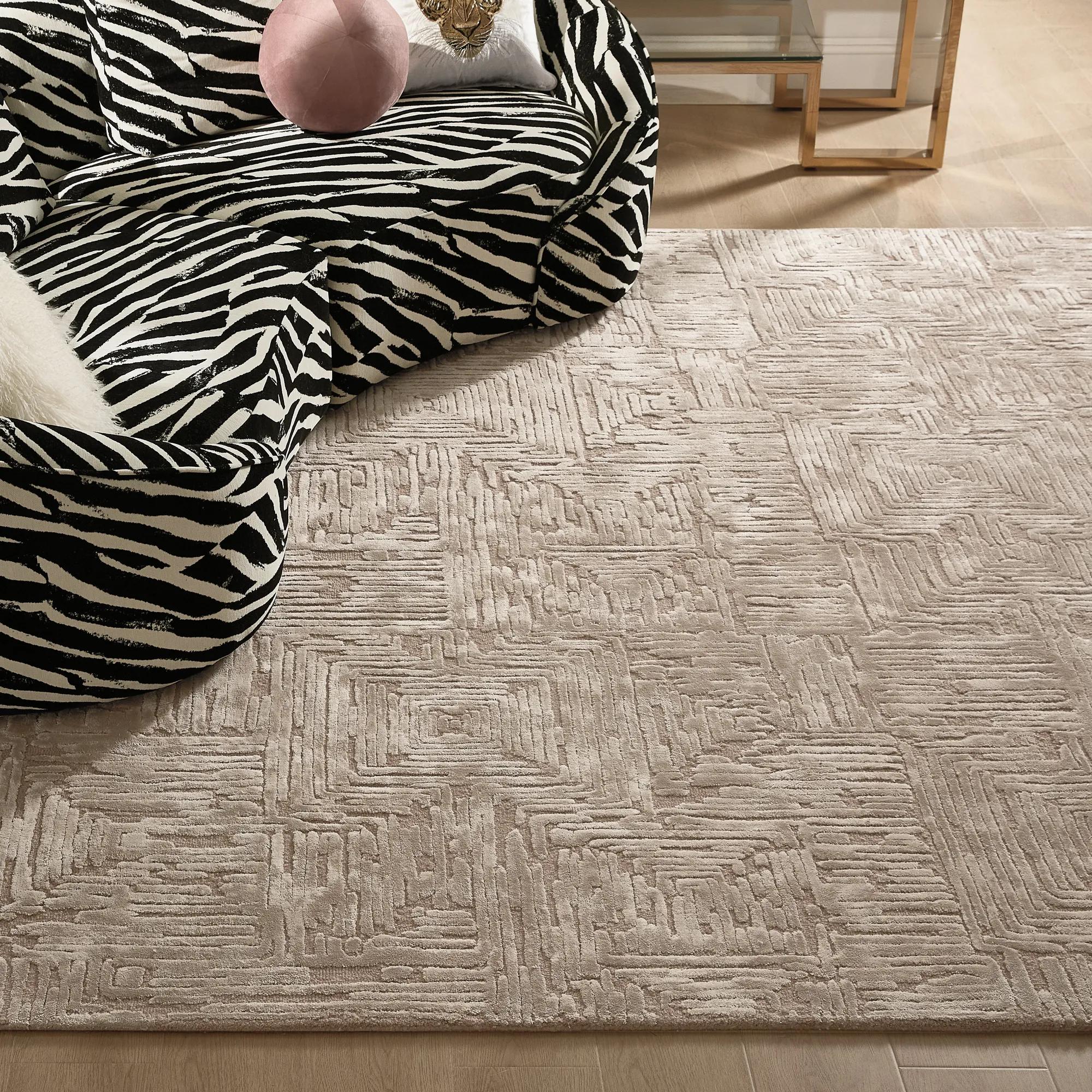 Andra Hand-Tufted Mocha Rose Viscose & Wool Dimensional Rugs$499
A hand-tufted viscose and wool rug in mocha rose, featuring a dimensional high-low geometric pattern.
Add To Cart -
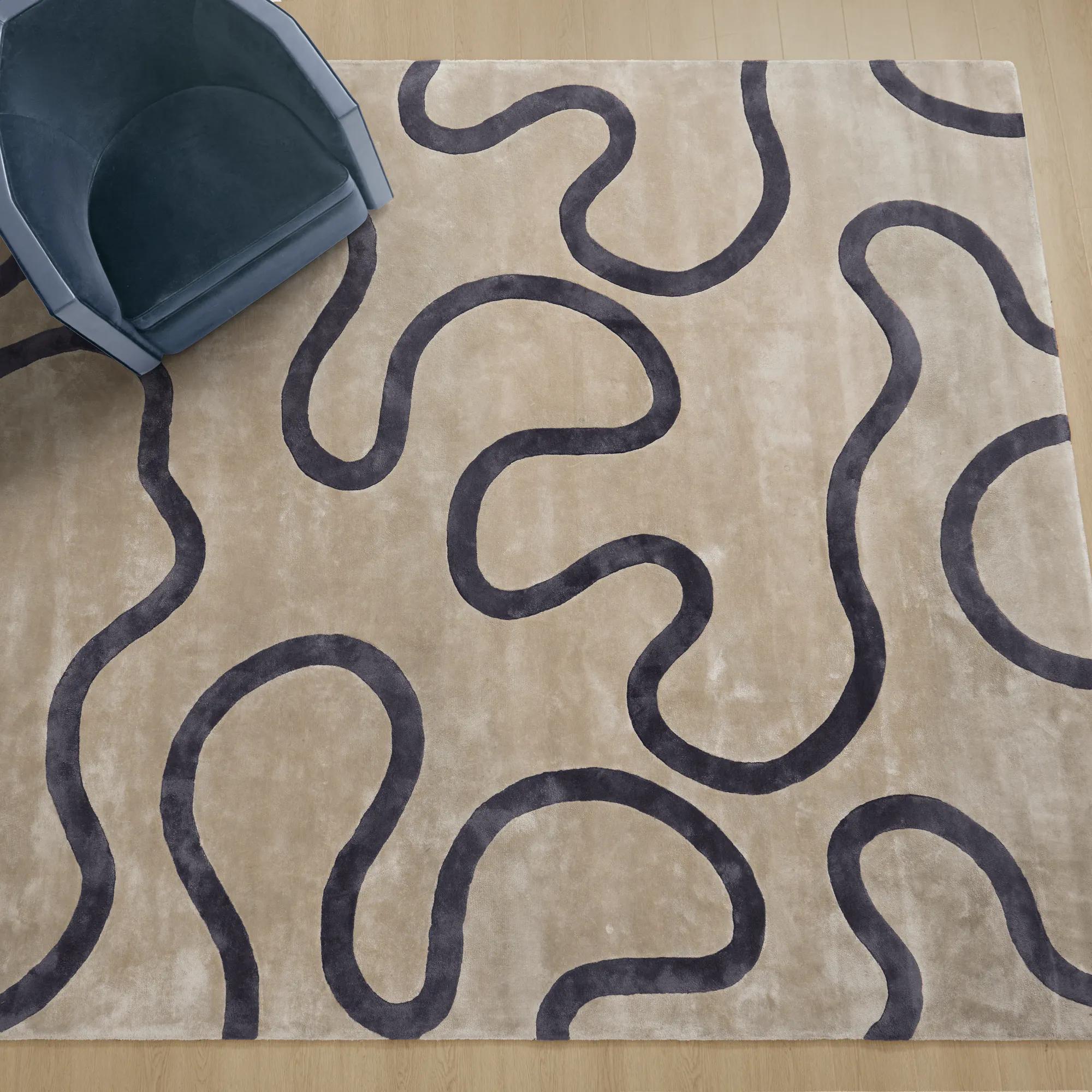 Seraphine Hand-Tufted Smoked Pearl/Taupe Viscose Loop Rugs$1799
A hand-tufted viscose rug in smoked pearl and taupe with bold Deco-inspired loop patterns and subtle sheen.
Add To Cart -
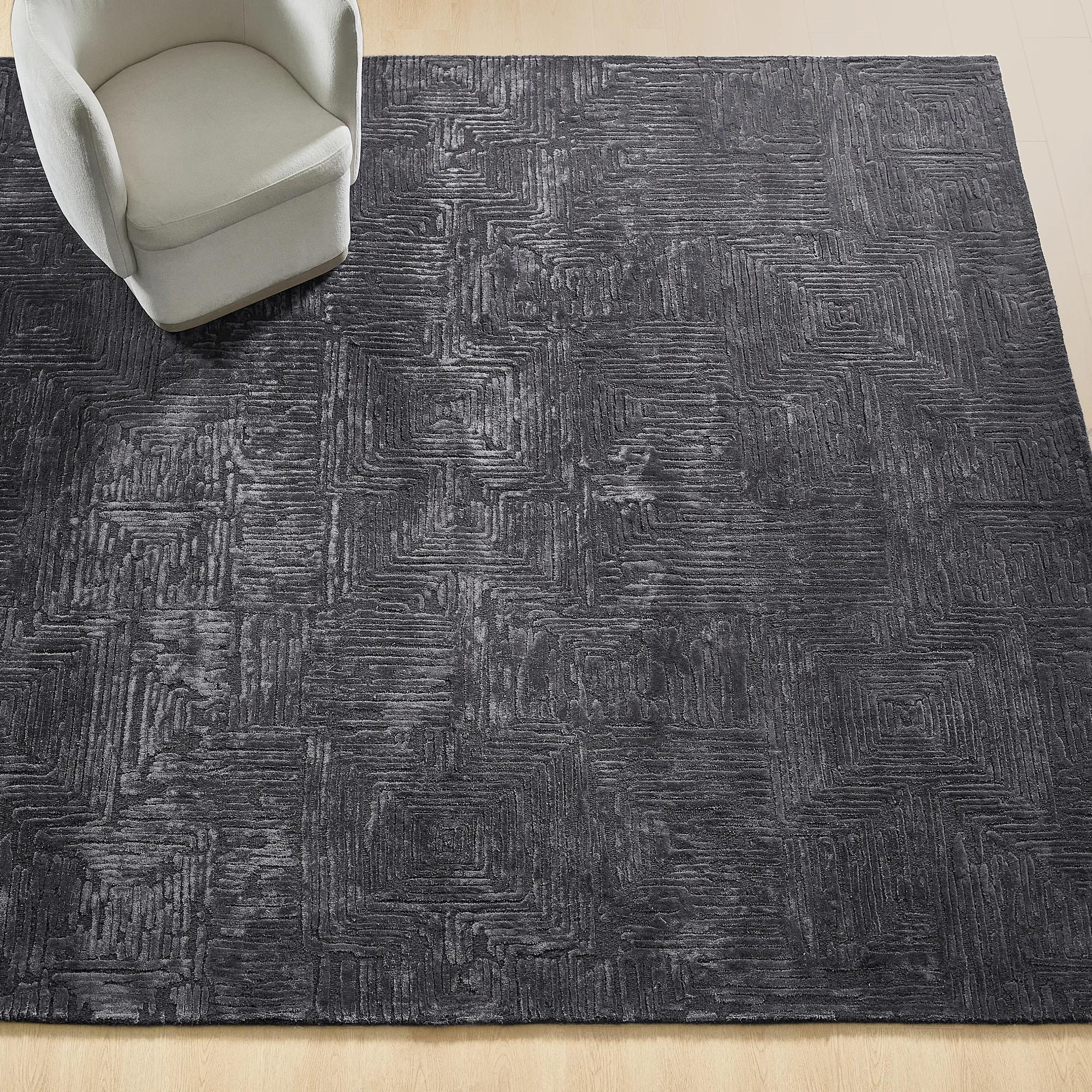
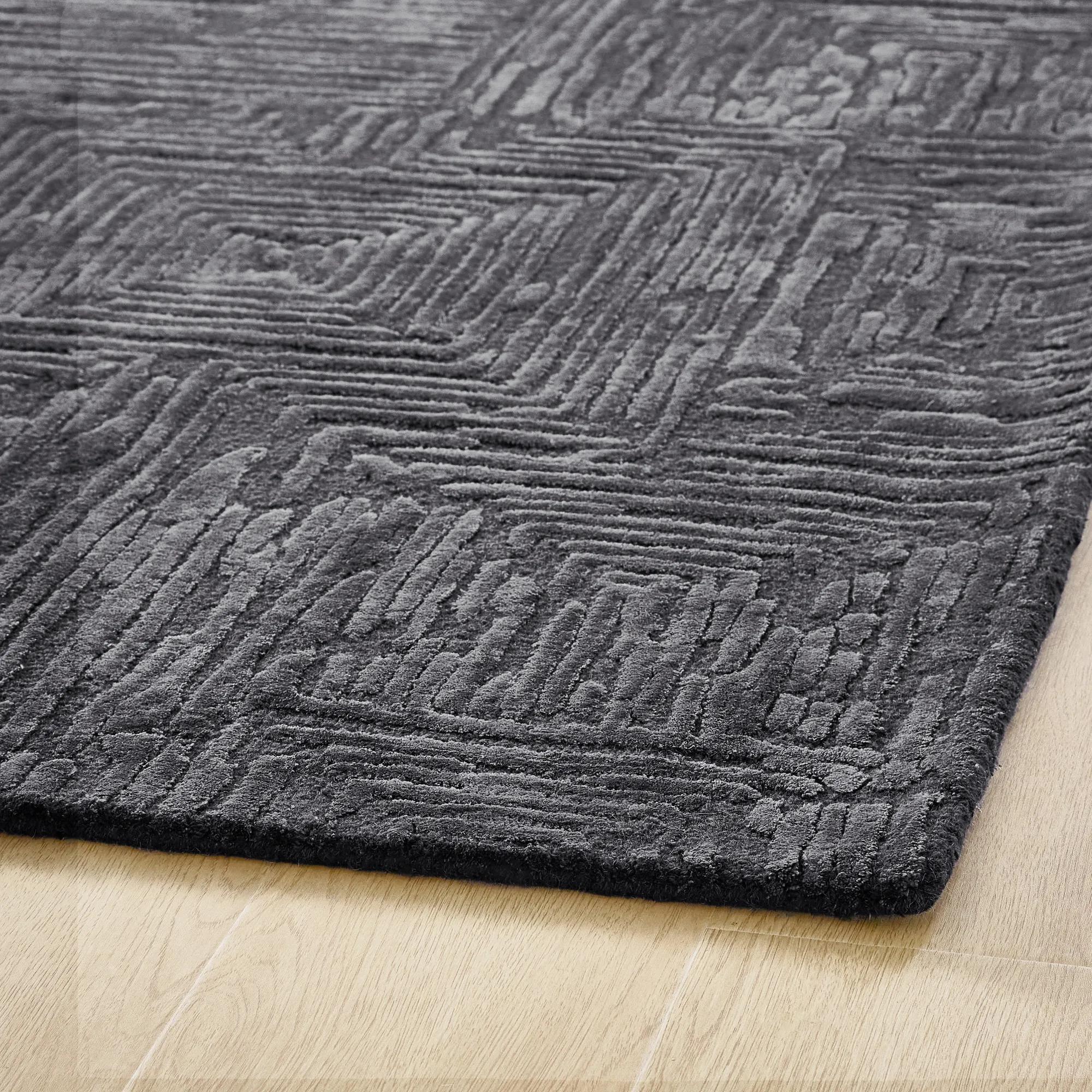 Andra Charcoal Hand-Tufted Wool Blend Dimensional Rug$1499
A hand-tufted viscose-wool rug in rich charcoal with a sculptural, dimensional pattern and plush texture.
Add To Cart -
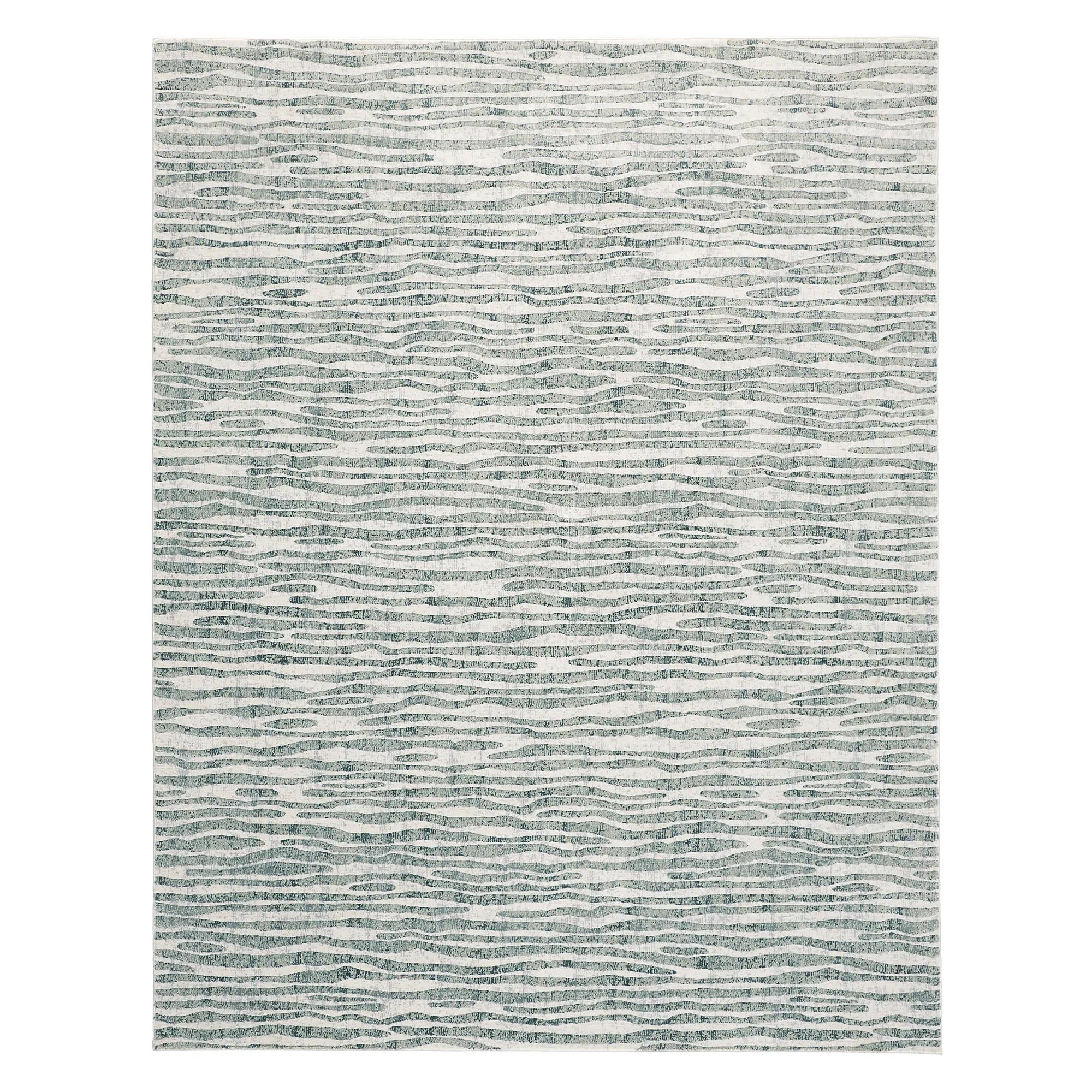 Samantha Power-Loomed Aqua/Grey Rug$719
A machine-woven rug featuring silvery-aqua and green accents on an ivory and grey polypropylene base.
Add To Cart -
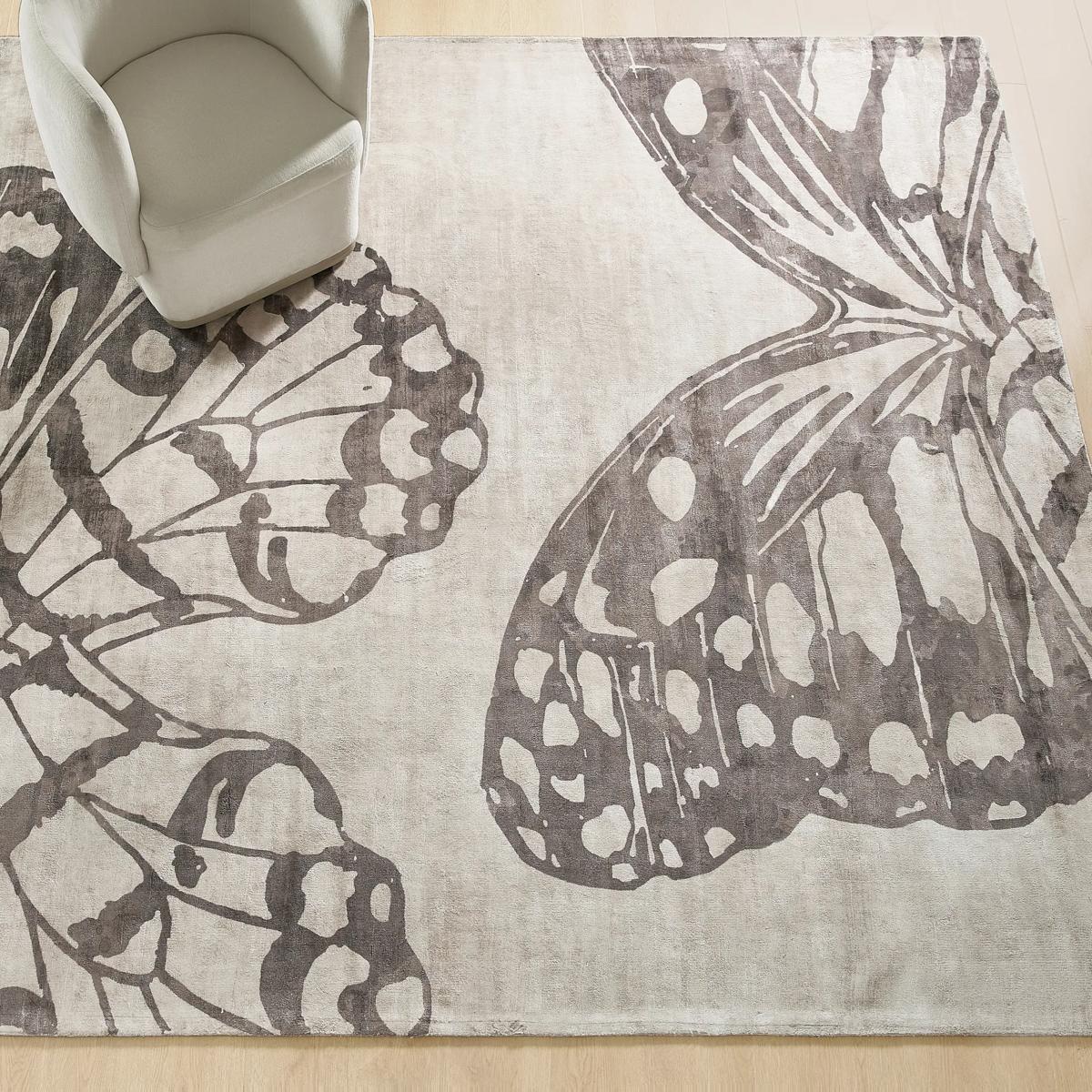
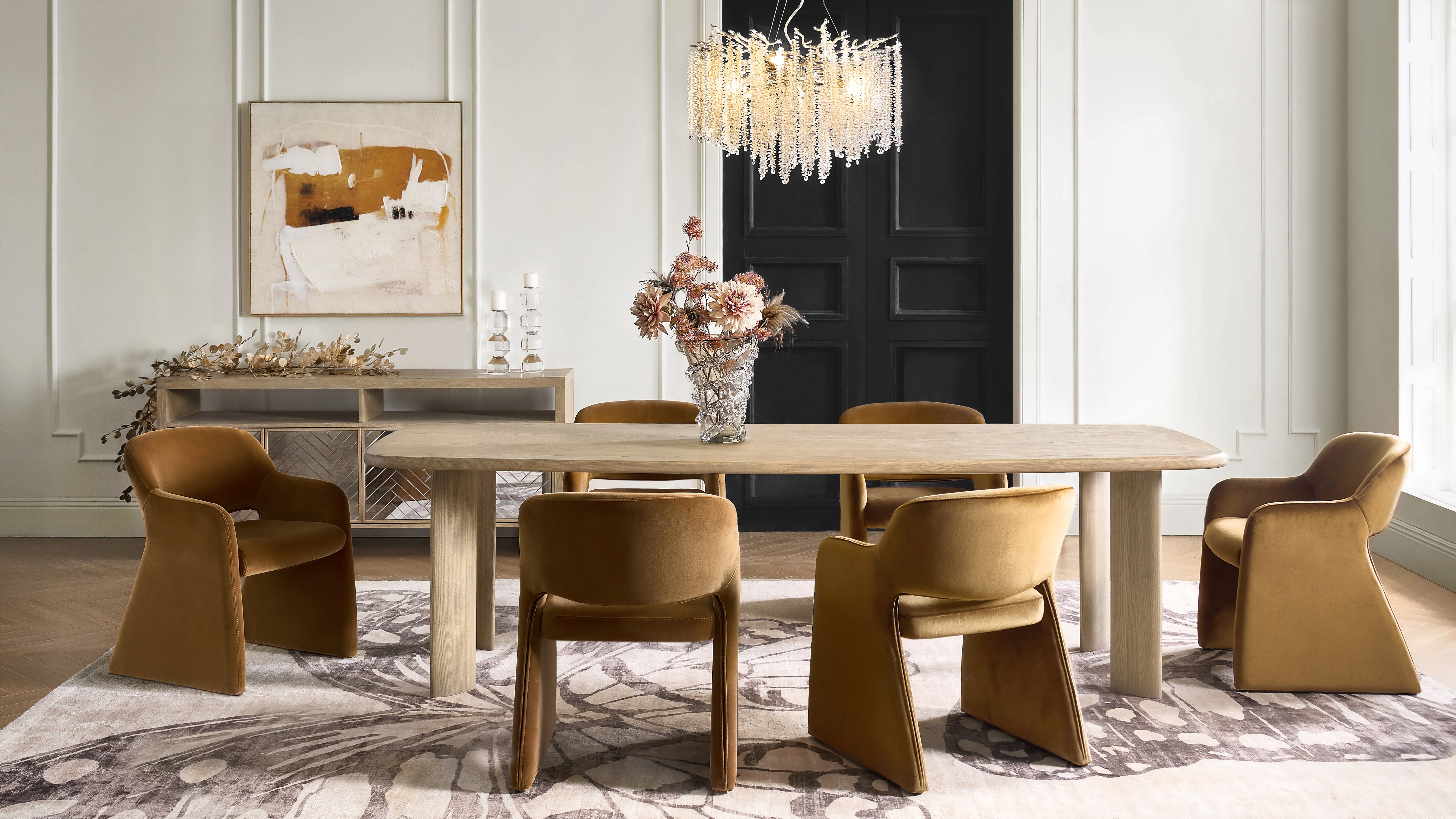 Mariposa Rug - Ivory/Dusty Mauve$499
A hand-loomed viscose rug featuring oversized butterfly motifs in soft ivory and dusty mauve tones.
Add To Cart -
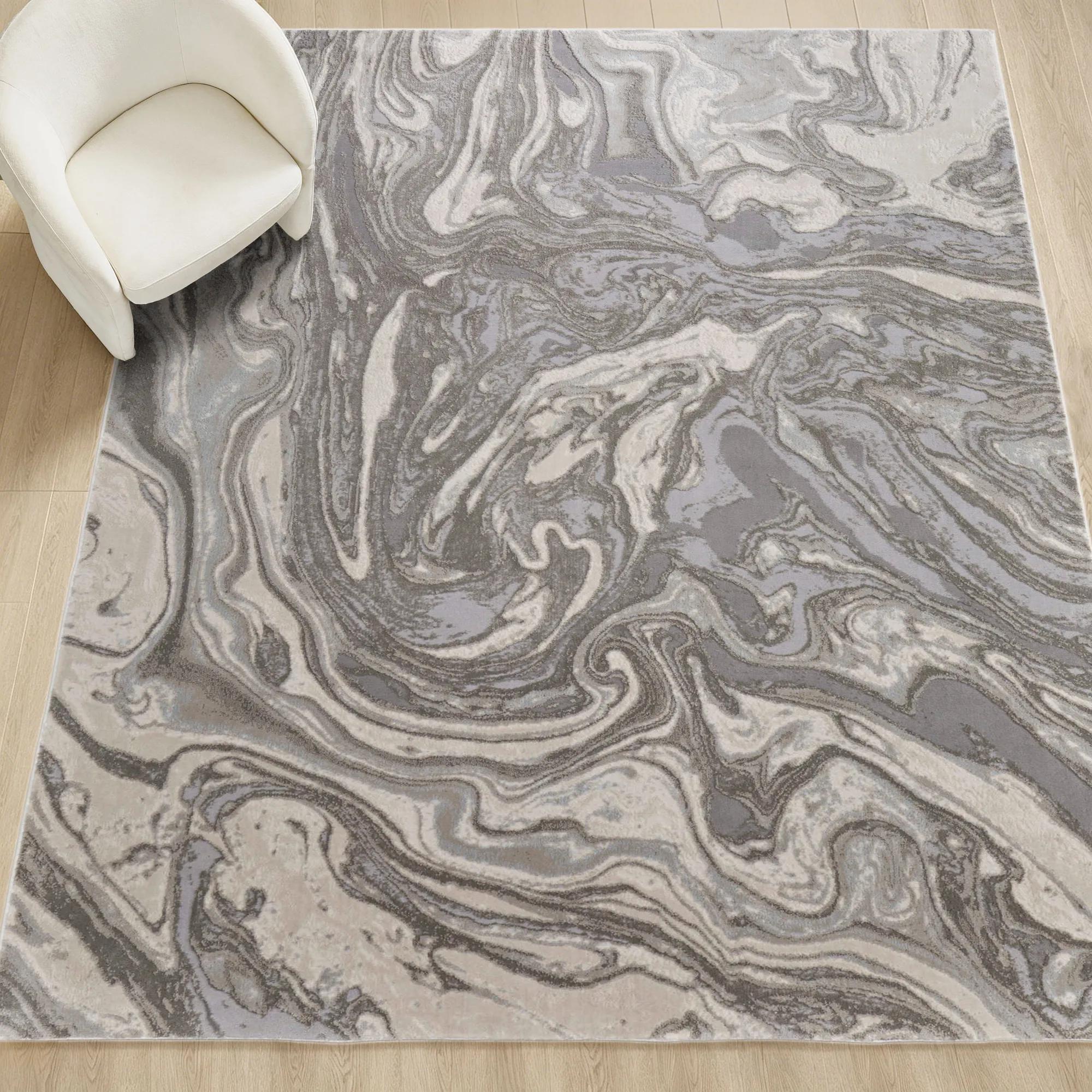
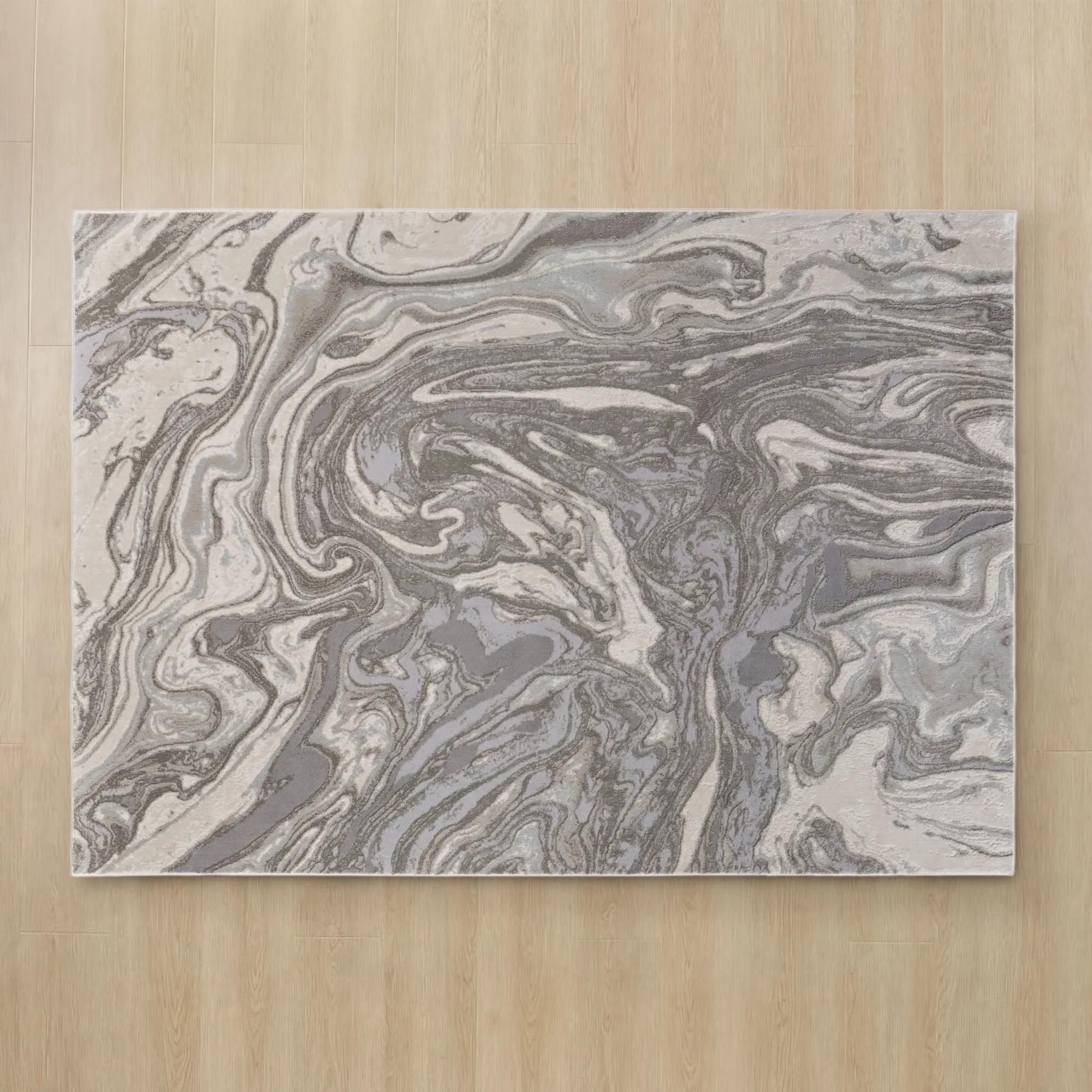 Marbre Marbled Grey/Taupe/Powder Blue Performance Power Loomed Rug$379
A softly marbled rug in grey, taupe, and powder blue with a textured, stain-resistant polypropylene blend.
Add To Cart -
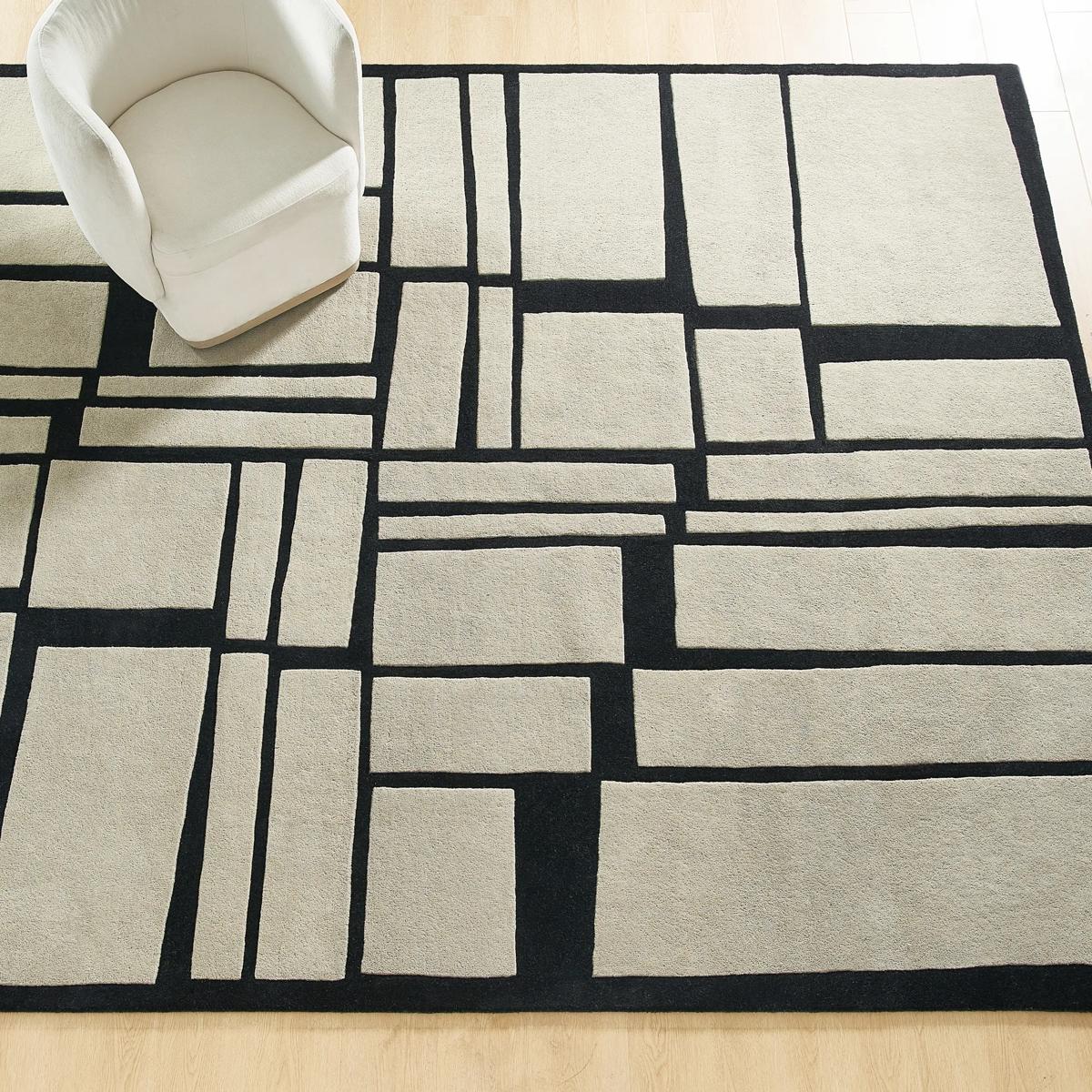
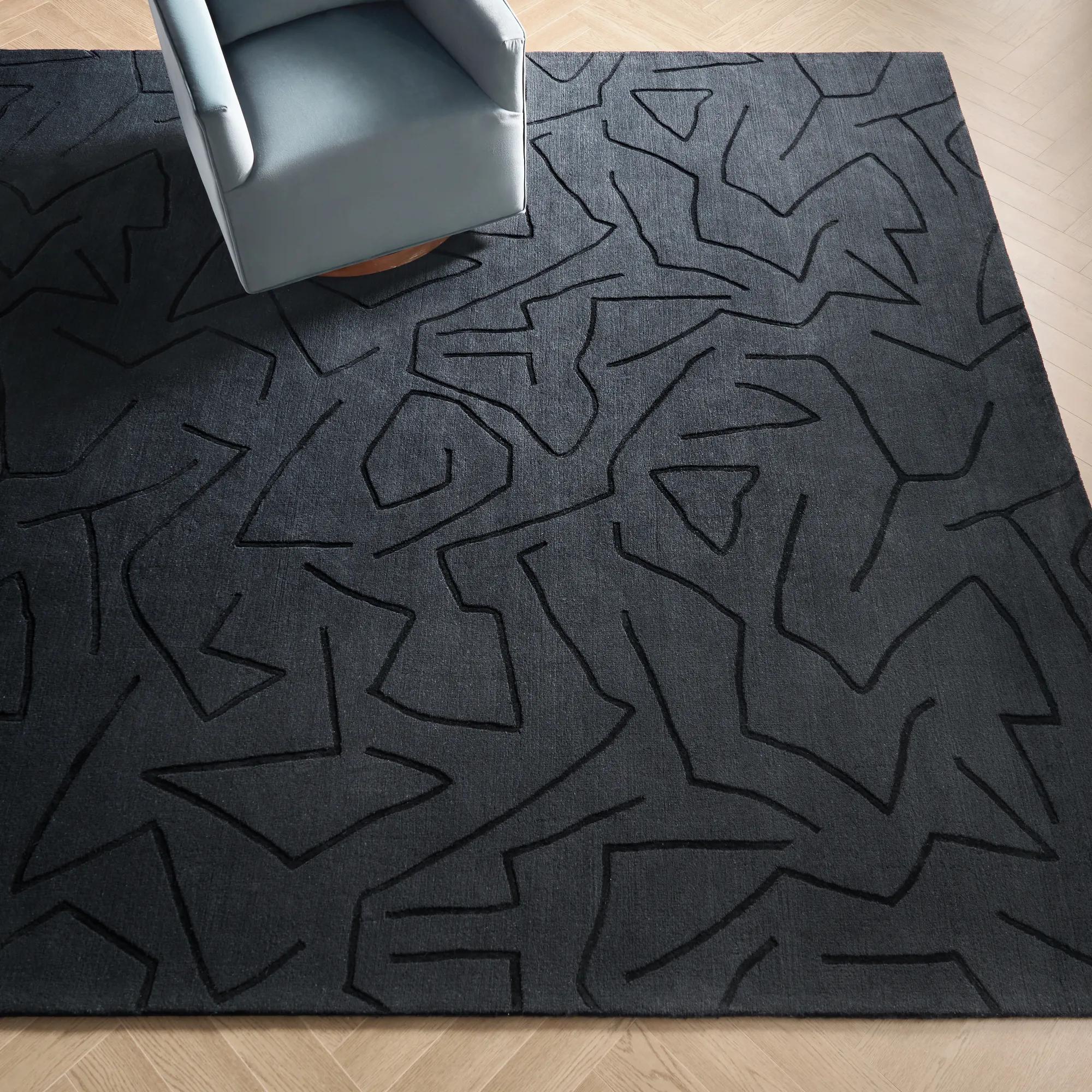 Carved Maze Rug$1399
A hand-loomed black rug crafted from wool and viscose, featuring a carved, textured maze design.
Add To Cart -
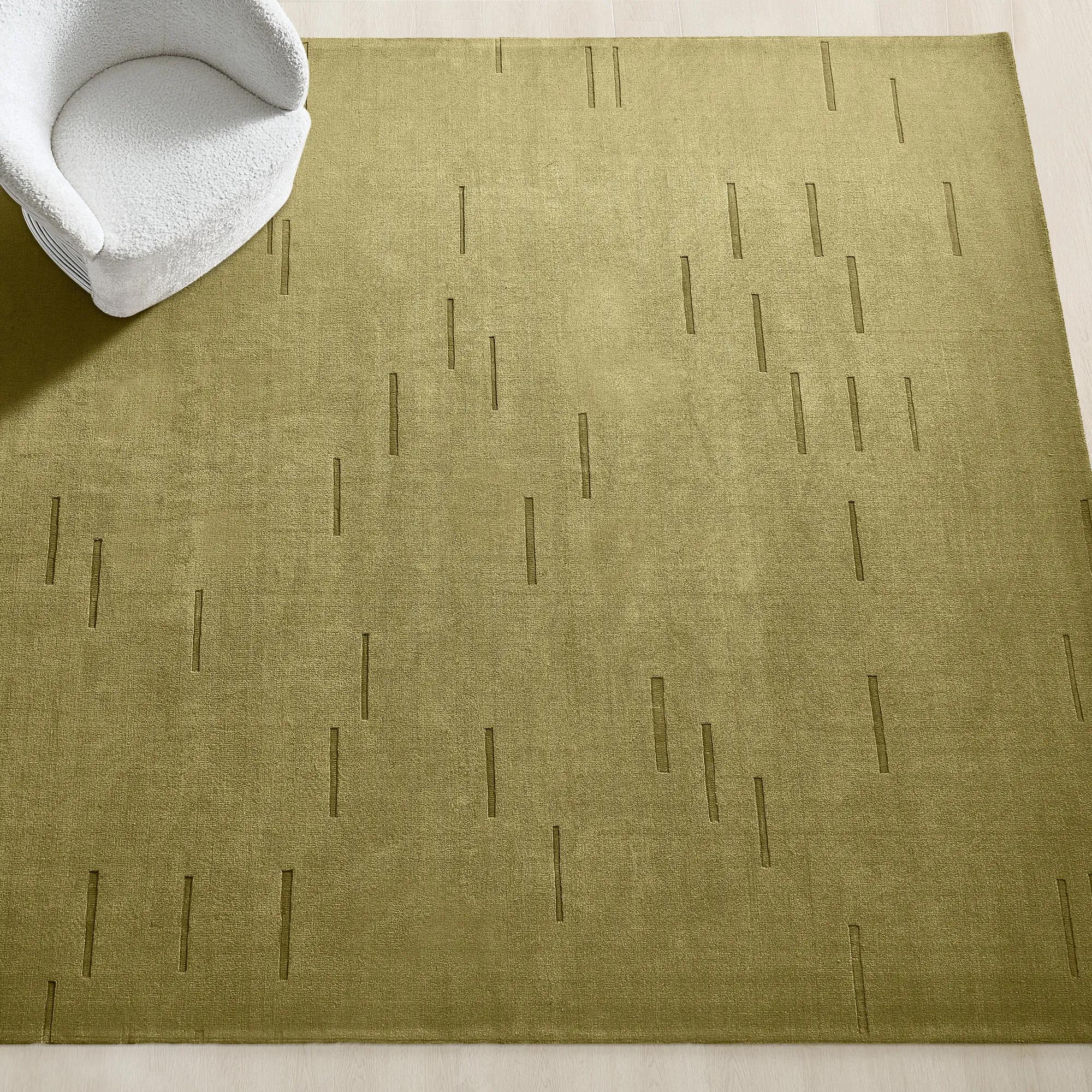
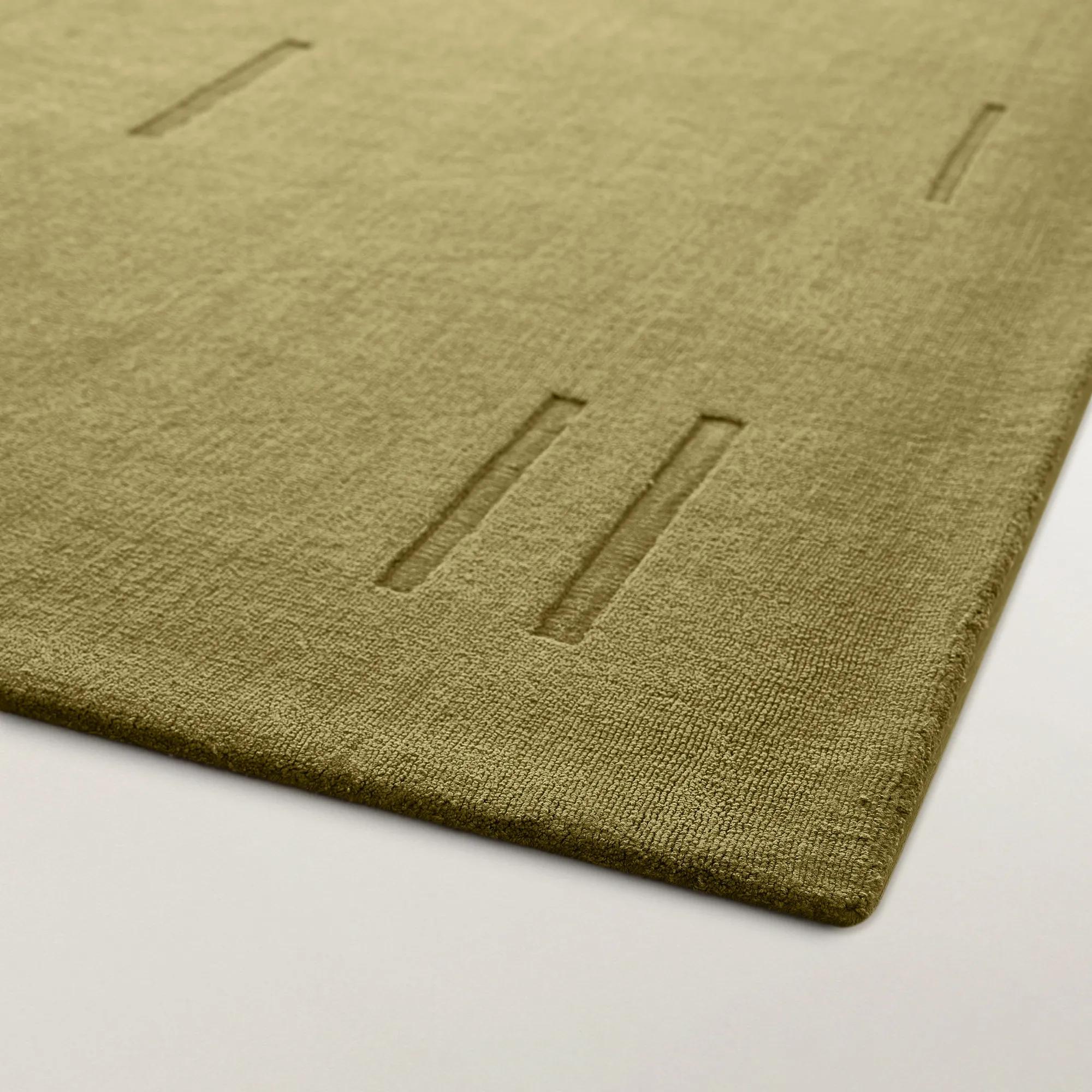 Lamita Muted Olive Green Wool Blend Rug$1299
A muted olive green wool-blend rug adding soft texture and understated warmth to modern interiors.
Add To Cart

Abstract Rugs For Fall Decorating
Abstract Rugs For Fall Decorating invite a season of transformation, where artistry unfurls at your feet and every step becomes a statement. As autumn’s golden light filters through your windows, these expressive rugs set the stage for a home that radiates warmth, sophistication, and creative flair. Swirls of color and bold geometry capture the drama of fall—evoking the richness of turning leaves and the allure of layered textures. Let your space become a gallery of imagination, where Abstract Rugs For Fall Decorating anchor your vision with movement, depth, and undeniable presence.
Abstract rugs for fall decorating bring warmth and movement to a room through earthy color, expressive pattern, and dimensional texture. Terracotta, brick red, espresso, ochre, and warm olive create an autumn-inspired foundation without relying on literal leaves or seasonal motifs. In an abstract design, these shades might appear as sweeping brushstrokes, softened color fields, irregular lines, or mineral-like veining, giving the floor the presence of a large-scale painting. The effect can be richly dramatic or quietly atmospheric, depending on the contrast between the pattern and its background. A cream ground crossed with rust and charcoal feels luminous beneath a dark sofa, while burgundy and brown can lend depth to a room filled with pale upholstery and gleaming accents. For an expressive interior, an abstract area rug offers a way to introduce seasonal richness without replacing the furniture that defines the space. Its colors can carry through to velvet pillows, sculptural ceramics, or a generously draped throw, creating a composition rather than a collection of unrelated accents. Repeating just two or three tones from the rug usually feels more intentional than matching every shade. A trace of ochre might echo a brass lamp, while smoky gray connects to a marble tabletop or dark wood frame. Rooms with heavily patterned upholstery often benefit from broader, more spacious abstract motifs; solid seating can support intricate markings or stronger color contrasts. Pattern scale matters as much as palette: large gestures read as expansive and artistic, while smaller, layered markings create a more closely textured impression. Fall decorating need not mean an entirely orange or brown room, either. Muted plum, softened gold, ivory, and charcoal can suggest the same richness with a more tailored expression. The strongest choice is a rug whose palette complements the permanent finishes of the room while introducing enough depth to make the setting feel newly composed.
Size and placement determine whether that artistry feels integrated into the room or isolated beneath the coffee table. In a living room, an abstract rug generally looks more cohesive when it reaches beneath at least the front legs of the sofa and accompanying chairs, visually gathering the seating into one generous arrangement. Common dimensions such as 8 by 10 feet or 9 by 12 feet can suit different layouts, but furniture measurements and walking paths should guide the decision rather than room size alone. Marking the proposed outline with painter’s tape helps reveal whether a rug will anchor the conversation area, interrupt a doorway, or disappear beneath oversized seating. Leave a deliberate border of exposed flooring where the room allows, and consider which portions of the abstract pattern will remain visible after furniture is in place. A striking central motif may be concealed by a substantial coffee table, while a design with movement extending toward the edges can retain its impact. Beneath a dining table, allow approximately 24 to 30 inches of rug beyond the tabletop on each side when space permits, so chairs can remain supported as they are pulled out. A low pile generally makes that movement easier and simplifies the removal of crumbs. In a bedroom, a rug extending beyond the sides and foot of the bed creates a soft landing and gives an upholstered headboard a more substantial visual foundation. Aim for enough exposed rug to feel intentional rather than a narrow strip barely visible beside the bedding. Runners can introduce the same painterly character to a hallway or bedside passage, provided they leave door swings and circulation clear. For open-plan homes, related colors can connect separate areas without requiring identical patterns. An earthy abstract rug beneath the living room seating and a quieter complementary design near the dining area can establish distinct settings while preserving a graceful visual rhythm throughout the space.
Material and construction shape how an abstract rug feels underfoot, holds its pattern, and responds to everyday living. Wool offers natural resilience and a substantial hand, making it appealing for a frequently used living room or a bedroom where softness matters; some shedding is normal, particularly when a wool rug is new. Polypropylene and polyester can offer practical stain resistance, though performance varies with construction, finish, and the nature of a spill. These fibers may suit households balancing expressive decor with children, pets, and regular entertaining, but no fiber makes a rug immune to damage. Viscose and similar lustrous fibers can lend beautiful tonal variation as light moves across the surface, yet they are often more sensitive to moisture and may be better suited to lower-traffic settings with careful maintenance. High-low pile, carved lines, and tufted details give abstract patterns tactile definition, catching light along raised contours and creating shadows within the design. Lower, denser piles tend to accommodate dining chairs and busy pathways more easily, while a deeper pile creates a more enveloping experience beside a bed or beneath lounge seating. For another expression of plush seasonal texture, explore Shag Rugs For Fall Decorating, keeping the same considerations of placement and daily use in mind. Whatever the pile height, a compatible rug pad can add cushioning, help limit movement, and reduce friction against the floor; check both the flooring manufacturer’s requirements and the rug’s care instructions before choosing one. Regular vacuuming with a setting appropriate to the fiber and construction helps prevent grit from settling into the pile. Avoid aggressive brush action on delicate surfaces or raised details, blot spills promptly rather than rubbing, and follow the care label for cleaning methods. Professional cleaning may be appropriate for wool, delicate blends, or deeply embedded soil. Rotating the rug periodically can help distribute wear and light exposure. With thoughtful proportions and care suited to its construction, an abstract rug can carry the richness of fall decorating into an enduring room composition: layered, expressive, and unmistakably personal.
FAQs
Abstract rugs are remarkably versatile and can elevate a wide range of interiors. They bring a dynamic edge to modern and contemporary spaces, add a touch of surprise to traditional rooms, and complement eclectic or bohemian aesthetics with their expressive patterns. For fall, their rich hues and layered textures create a cozy, artful foundation that harmonizes beautifully with metallic accents, velvet upholstery, and warm wood tones.
Abstract rugs infuse a space with energy and sophistication, setting an inviting tone that feels both curated and comfortable. Their bold designs can evoke the drama of autumn landscapes or the subtlety of changing light, making any room feel more vibrant and layered. This artistic flair encourages creativity, warmth, and a sense of personal expression—especially welcome as days grow shorter and gatherings move indoors.
Absolutely. Abstract rugs make exceptional gifts for housewarmings, anniversaries, or milestone celebrations. Their artistic patterns and luxurious textures demonstrate thoughtfulness and a keen eye for style, offering recipients a unique piece that transforms their space and becomes a lasting part of their story.
High-quality abstract rugs are often crafted from premium materials such as wool, silk blends, and durable synthetics. Wool offers plushness and resilience, while silk or viscose accents add a subtle sheen and softness. These materials not only enhance the visual impact of the rug but also ensure longevity and comfort underfoot.
Abstract rugs are ideal for delineating zones within open-concept layouts. Their bold patterns and distinct palettes naturally draw the eye, creating visual boundaries for living, dining, or reading areas. By anchoring furniture groupings and introducing texture, they help establish intimate moments within larger spaces, making each zone feel intentional and inviting.