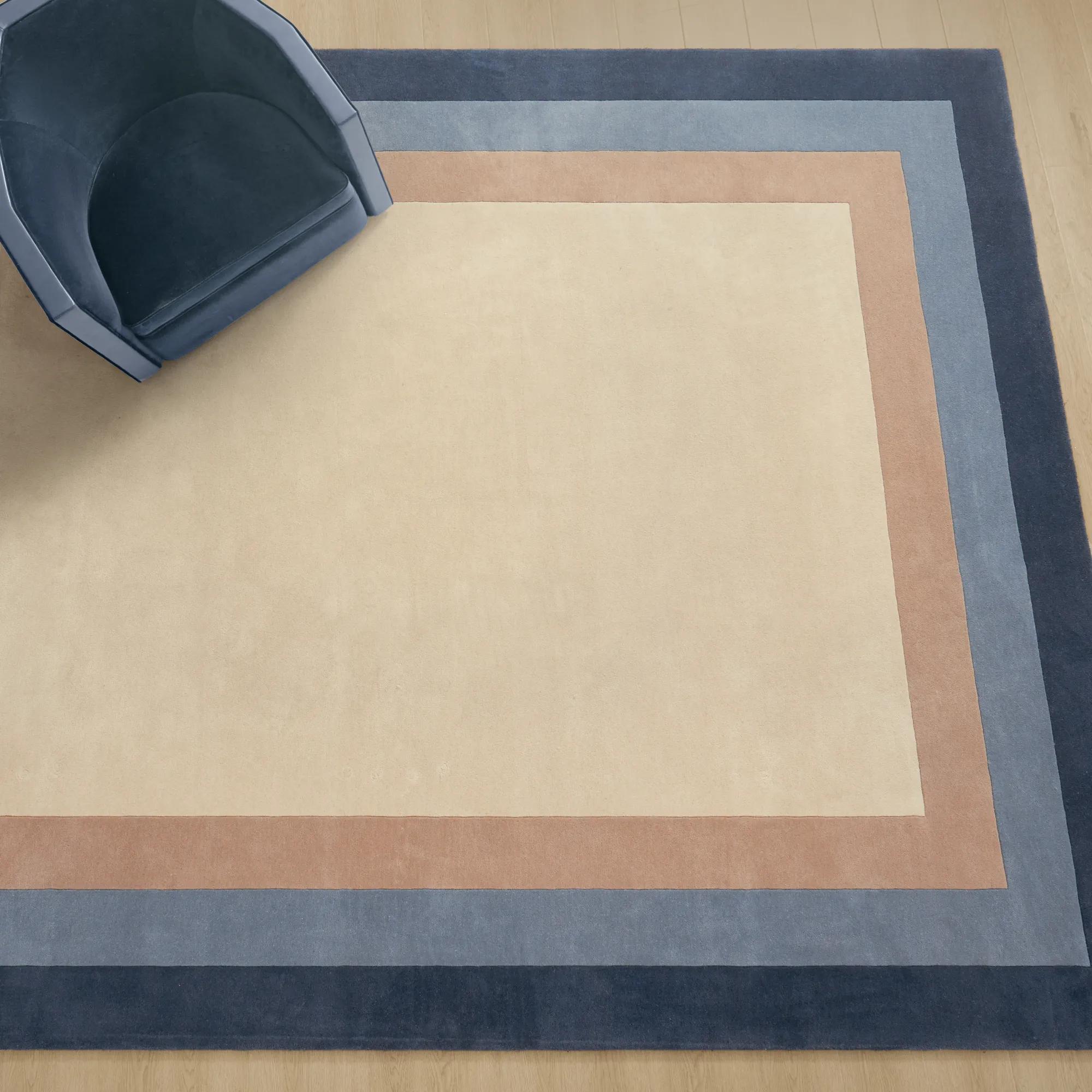
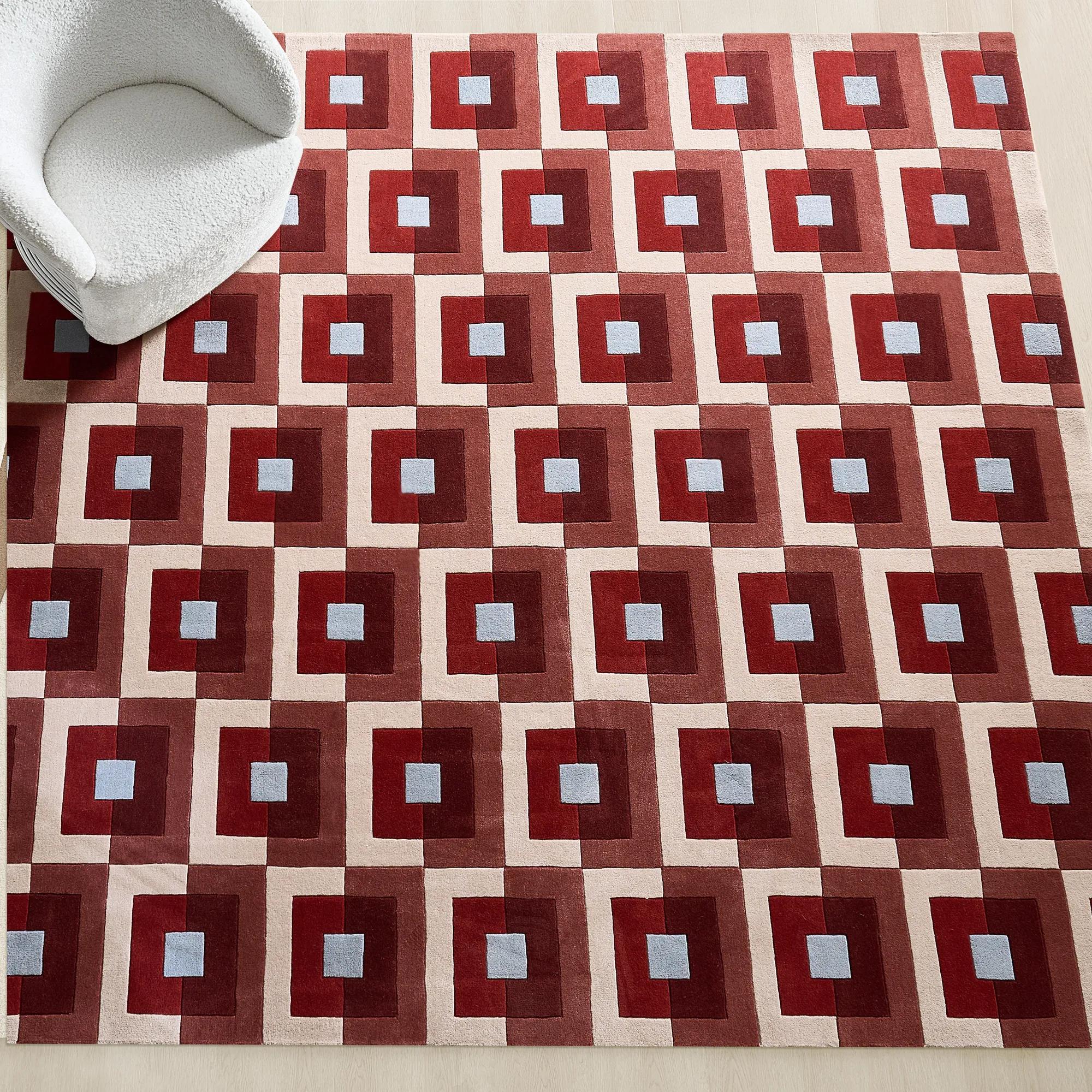
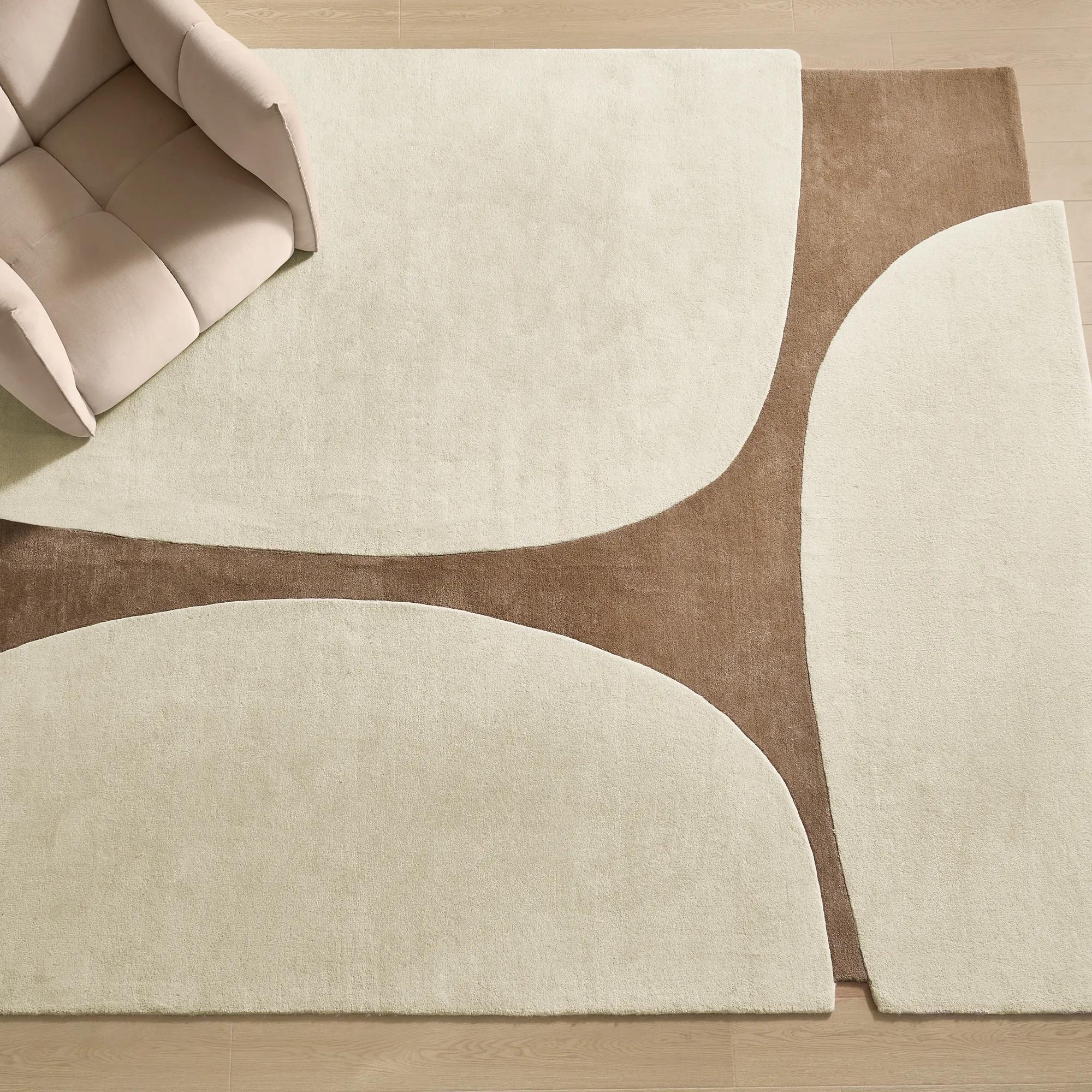
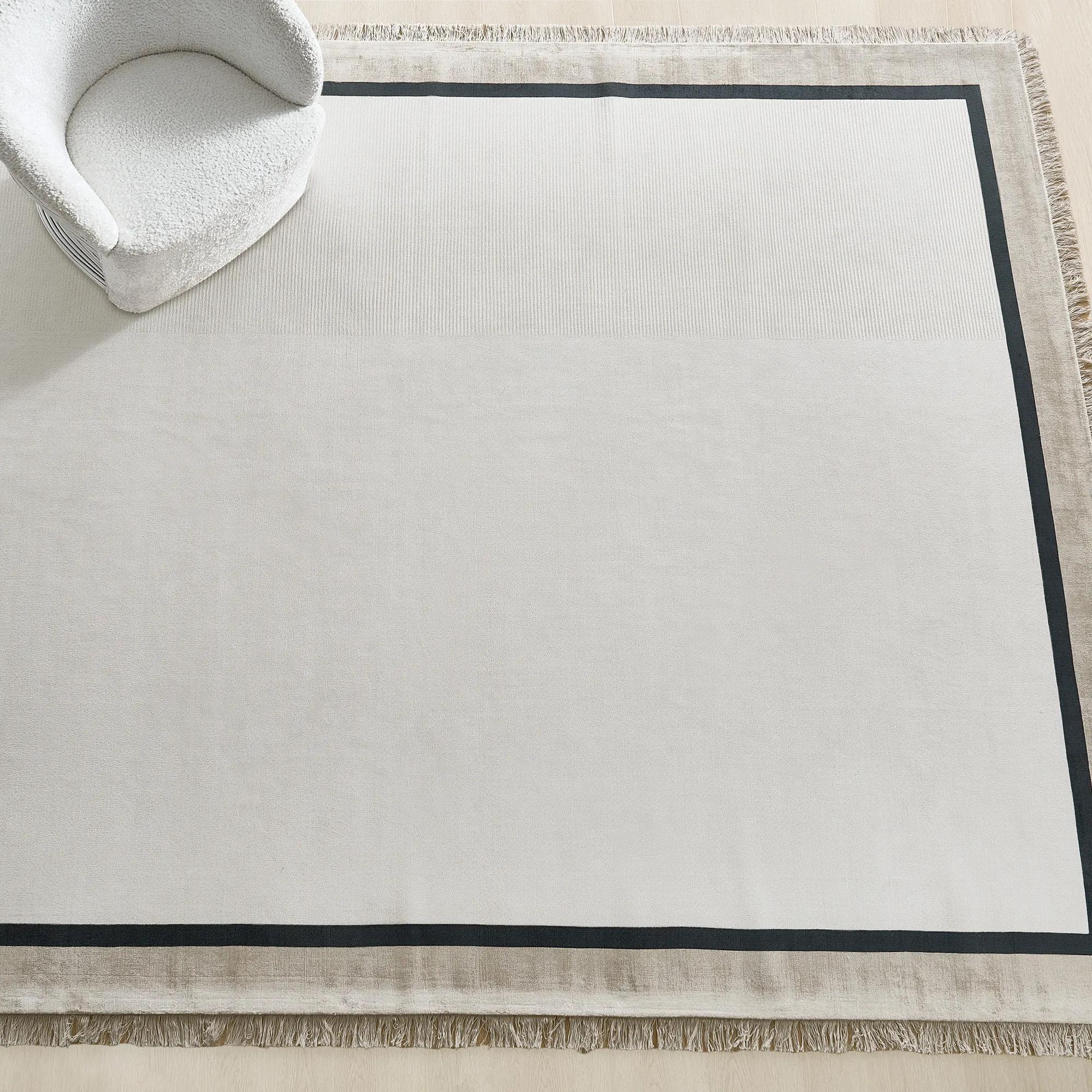
Abstract Rugs For Dining Rooms
Abstract Rugs For Dining Rooms
-
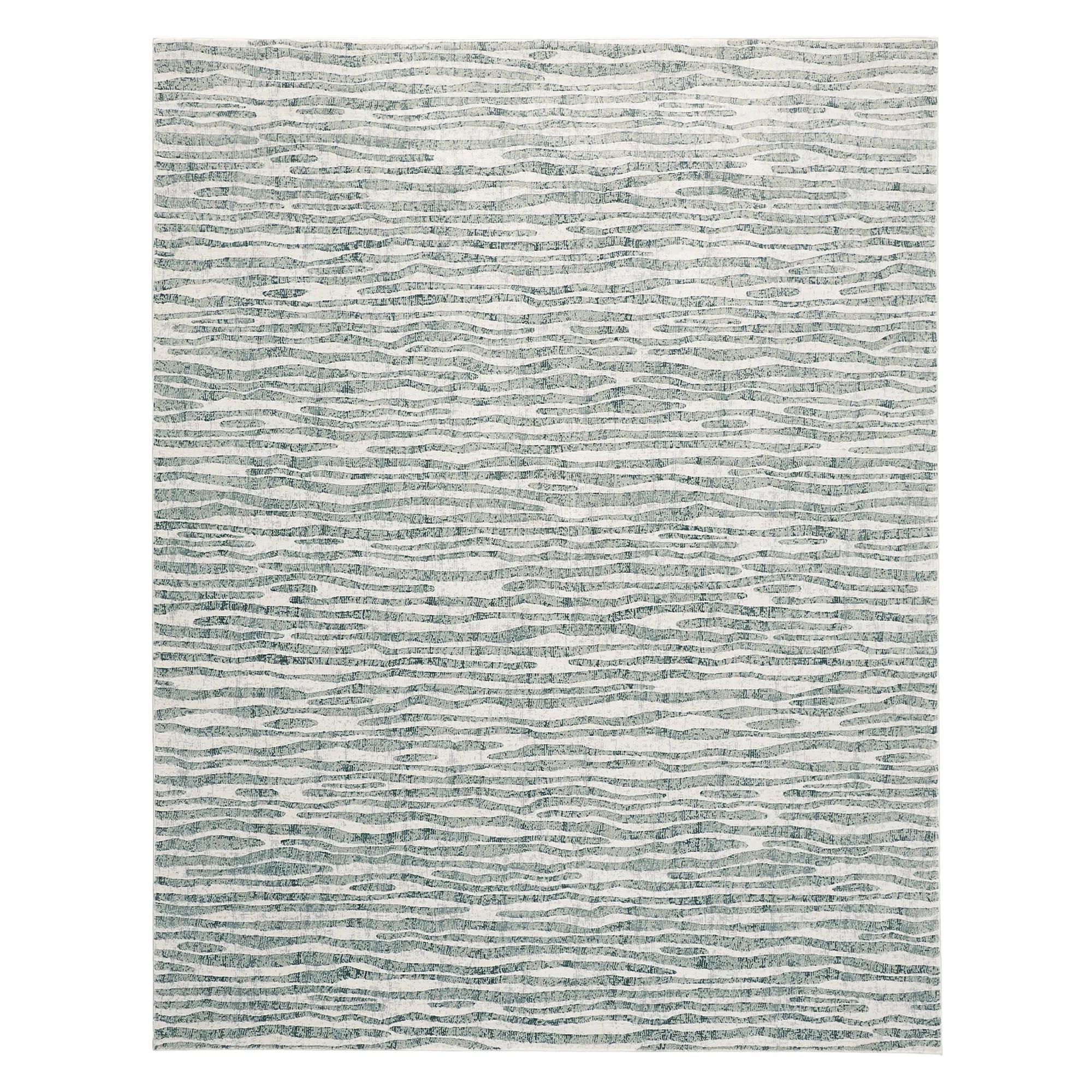 Samantha Power-Loomed Aqua/Grey Rug$719
A machine-woven rug featuring silvery-aqua and green accents on an ivory and grey polypropylene base.
Add To Cart -
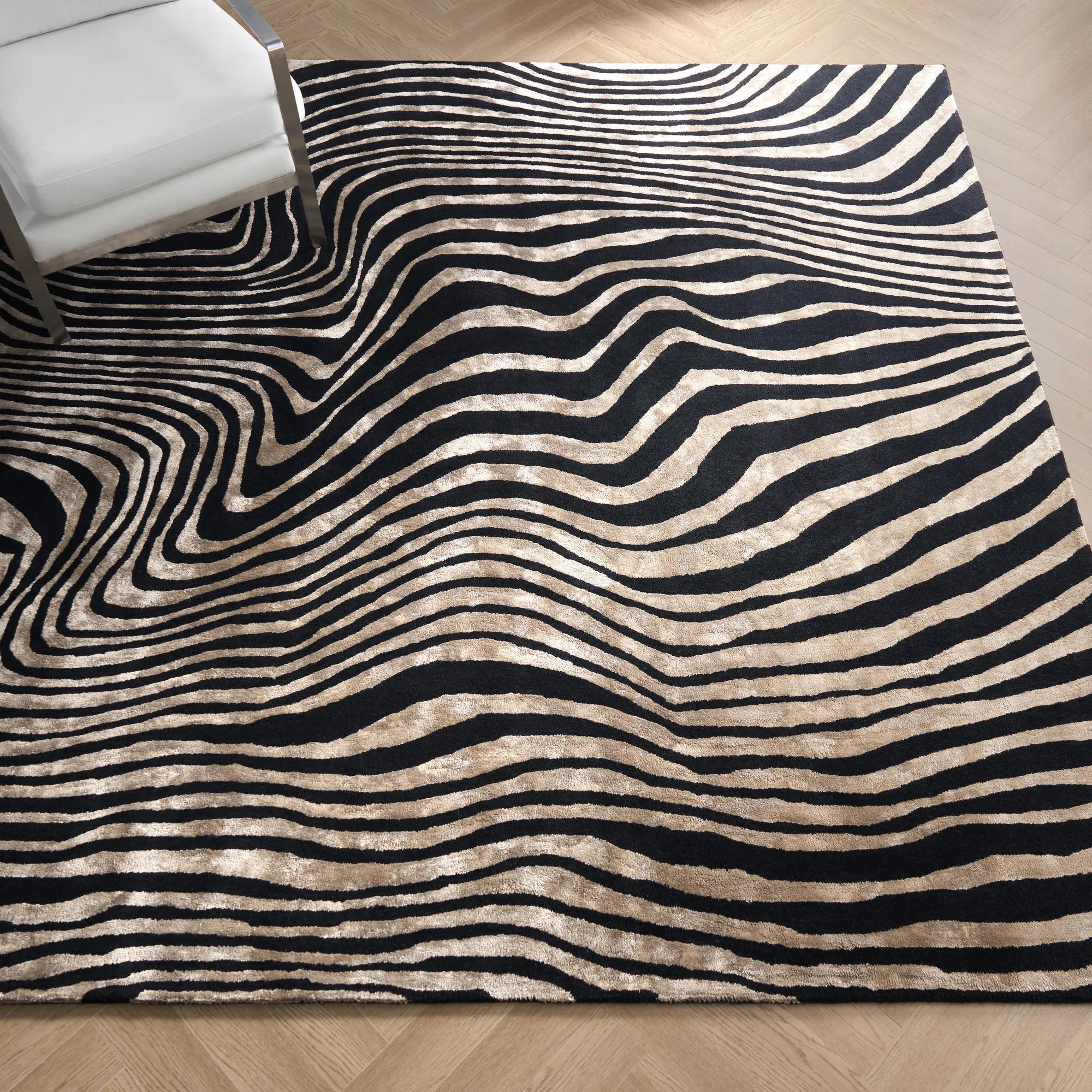
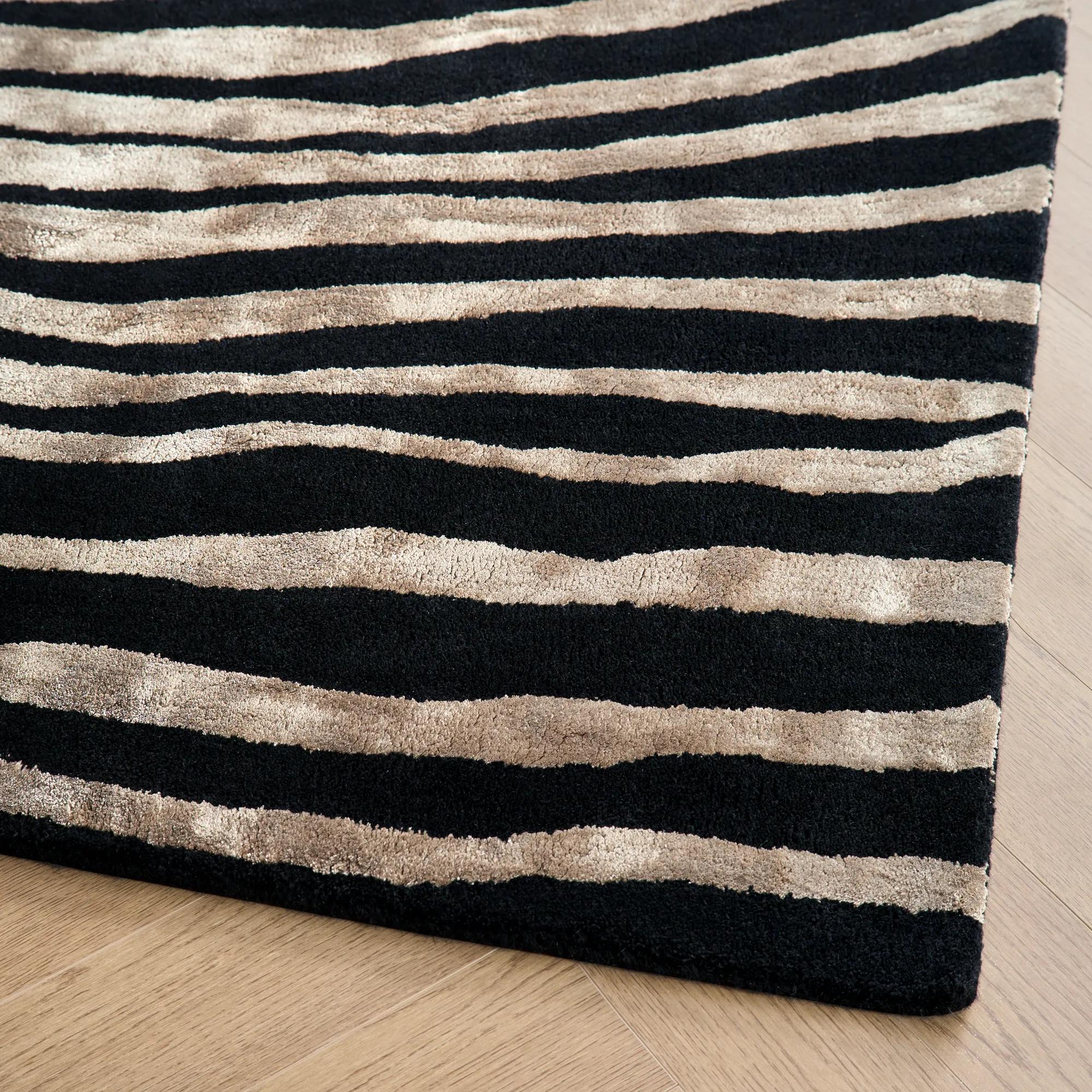 Abstract Zebra Hand-Tufted Black/Taupe Wool Blend Rug$599
An artisan hand-tufted rug in black and taupe wool-viscose, featuring a striking abstract zebra pattern.
Add To Cart -
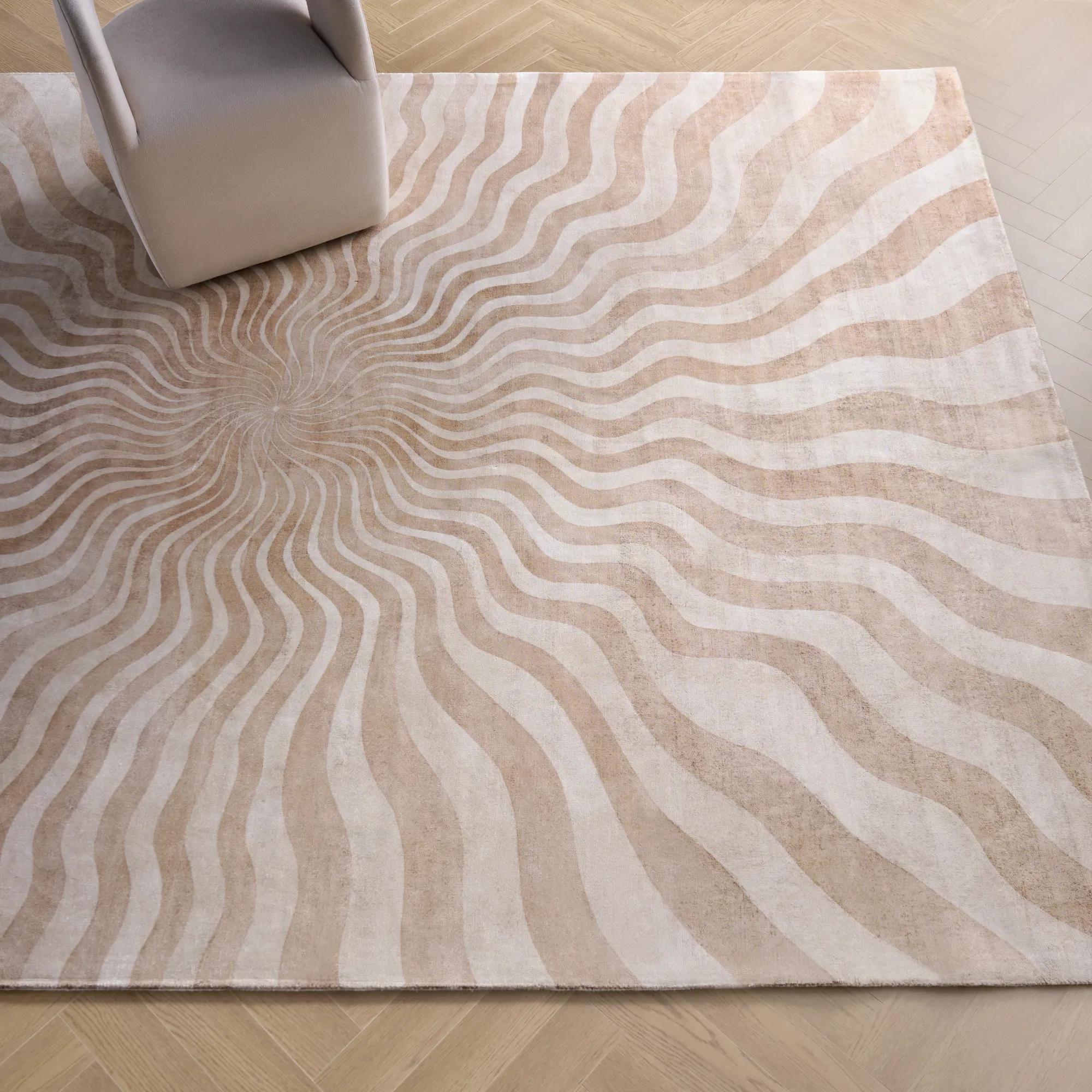
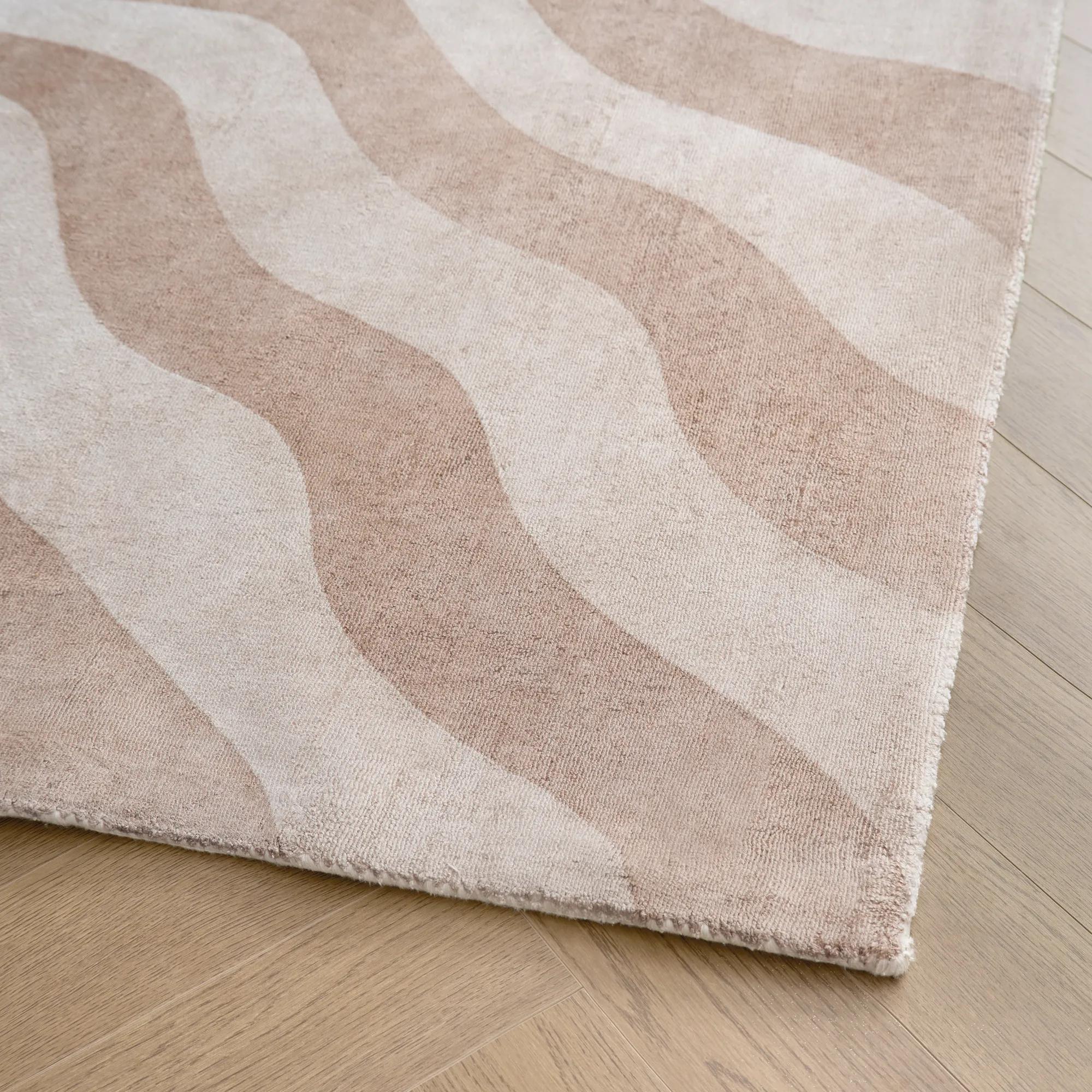 Spiral Rug$999
A hand-loomed taupe and cream rug featuring a mesmerizing printed swirl pattern in luxurious viscose.
Add To Cart -
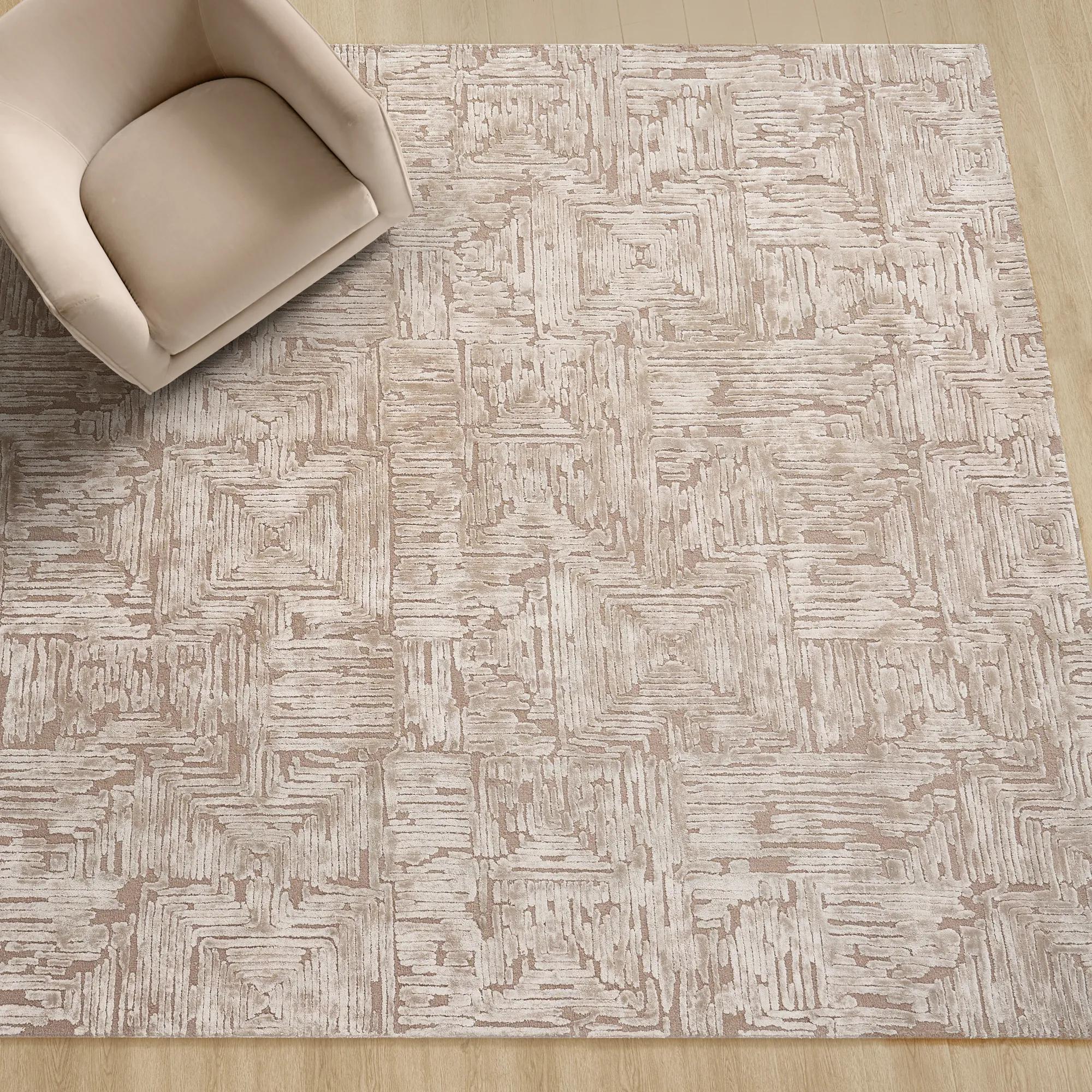
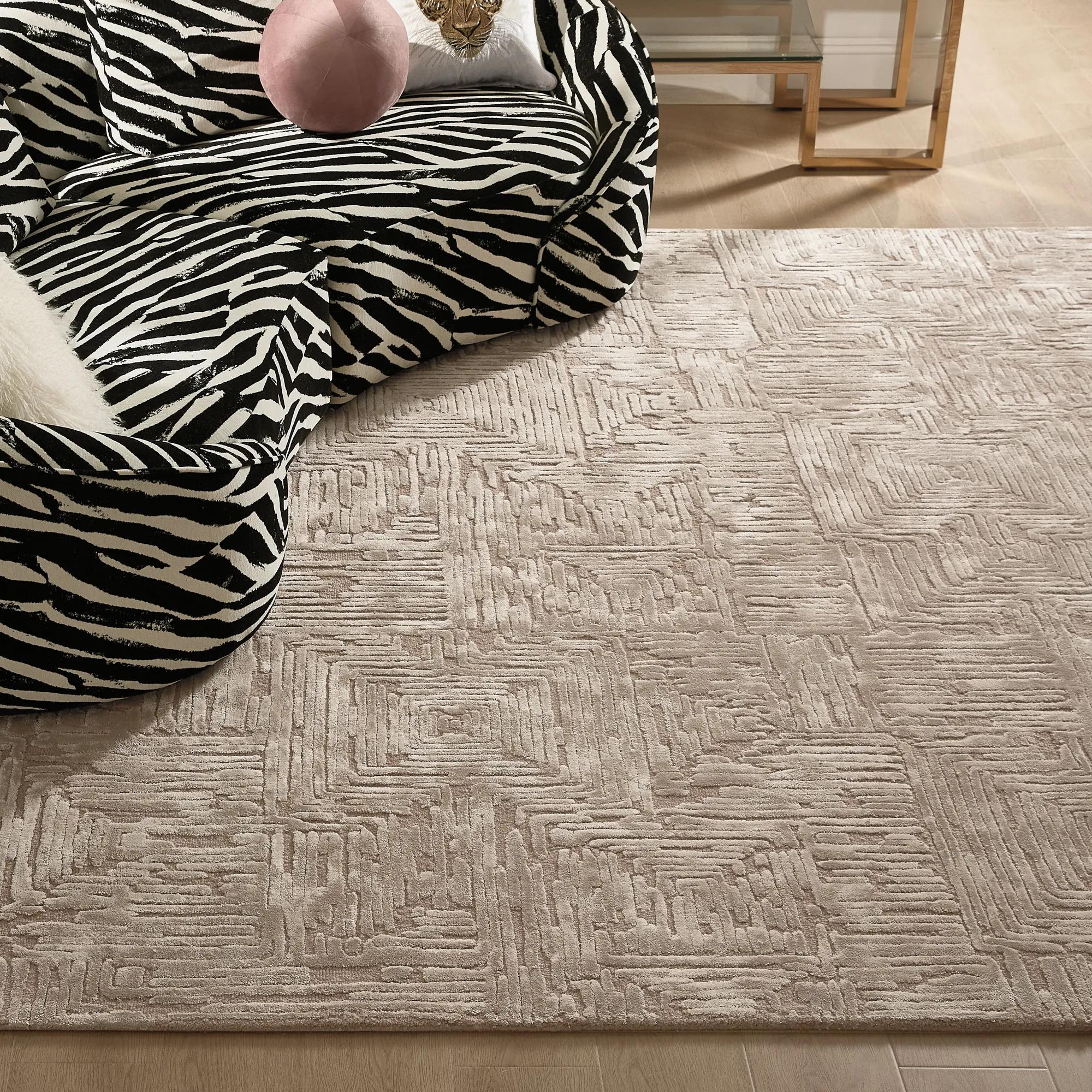 Andra Hand-Tufted Mocha Rose Viscose & Wool Dimensional Rugs$1499
A hand-tufted viscose and wool rug in mocha rose, featuring a dimensional geometric pattern and soft sheen.
Add To Cart -
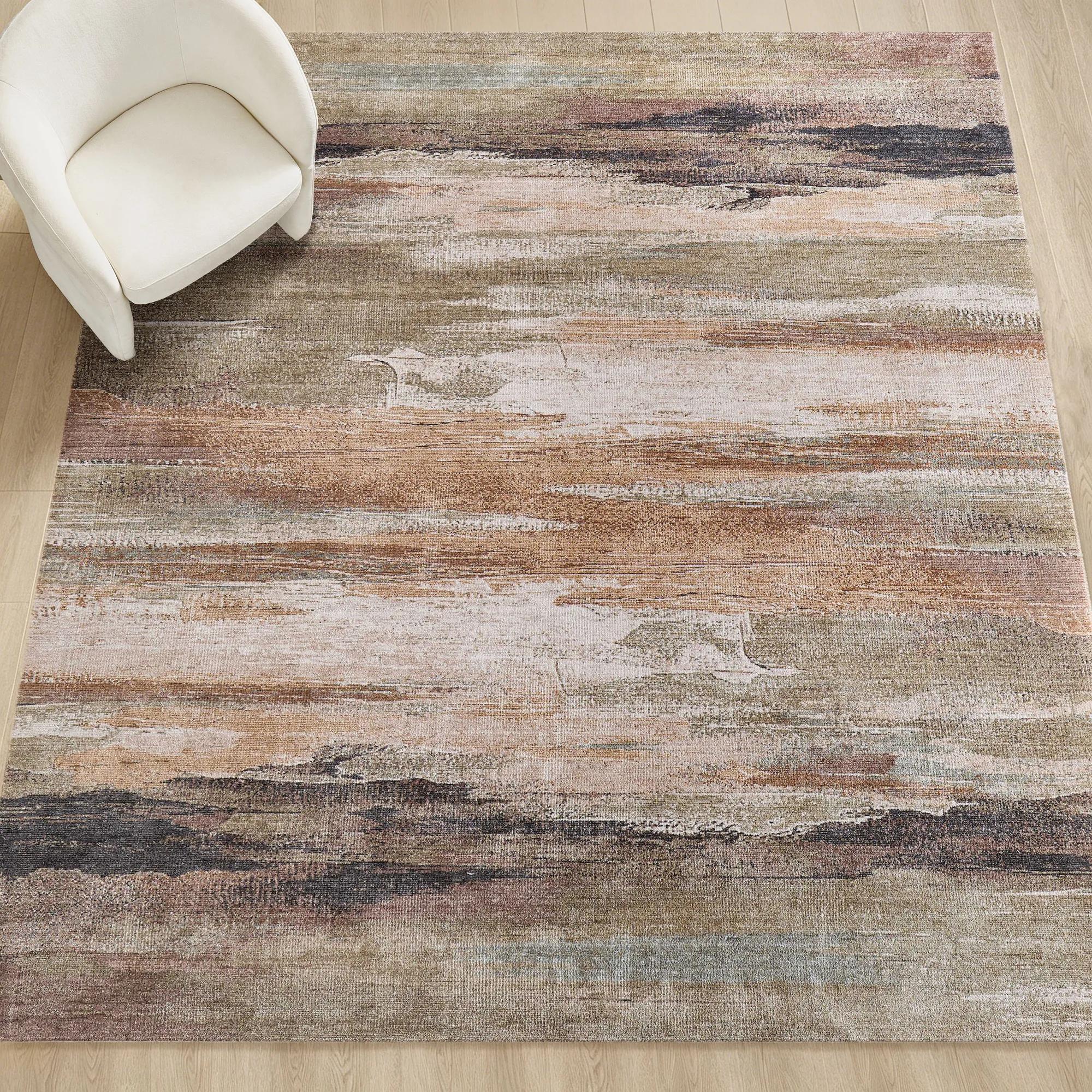
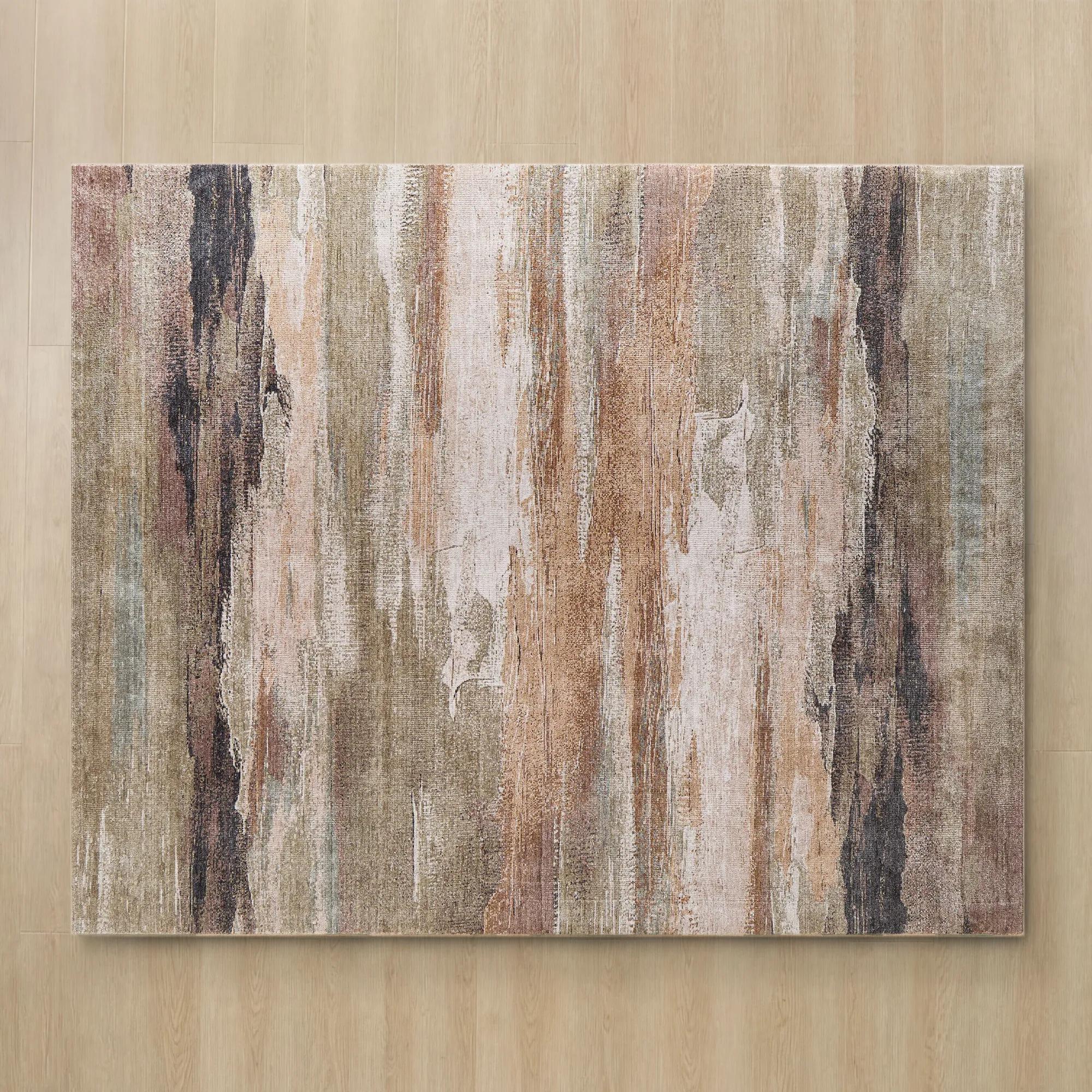 Sedona Rust/Beige/Moss Green/Charocal/Blue Performance Power Loomed Rug$1999
A power-loomed polyester rug featuring a rich abstract pattern in rust, beige, moss green, charcoal, and blue.
Add To Cart -
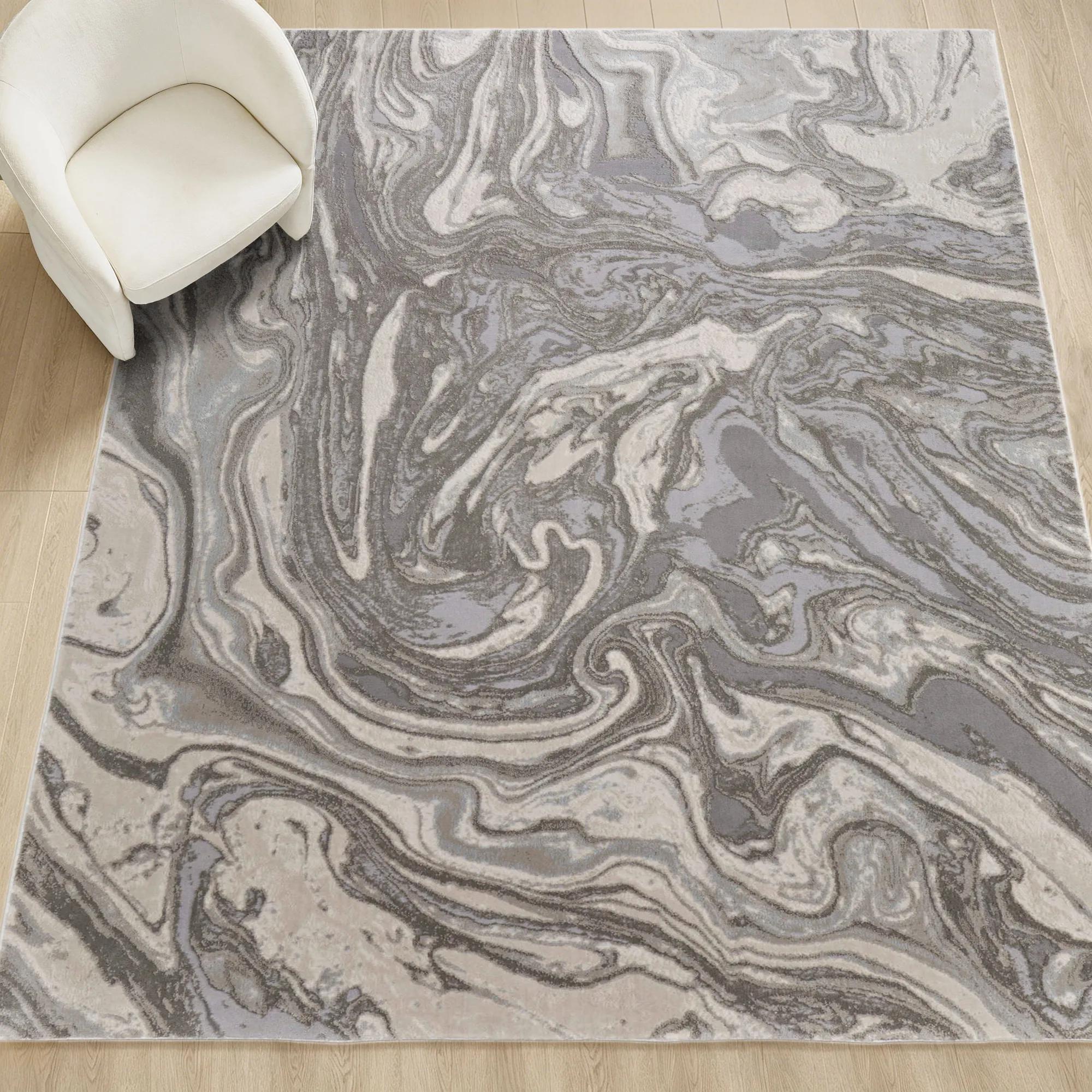
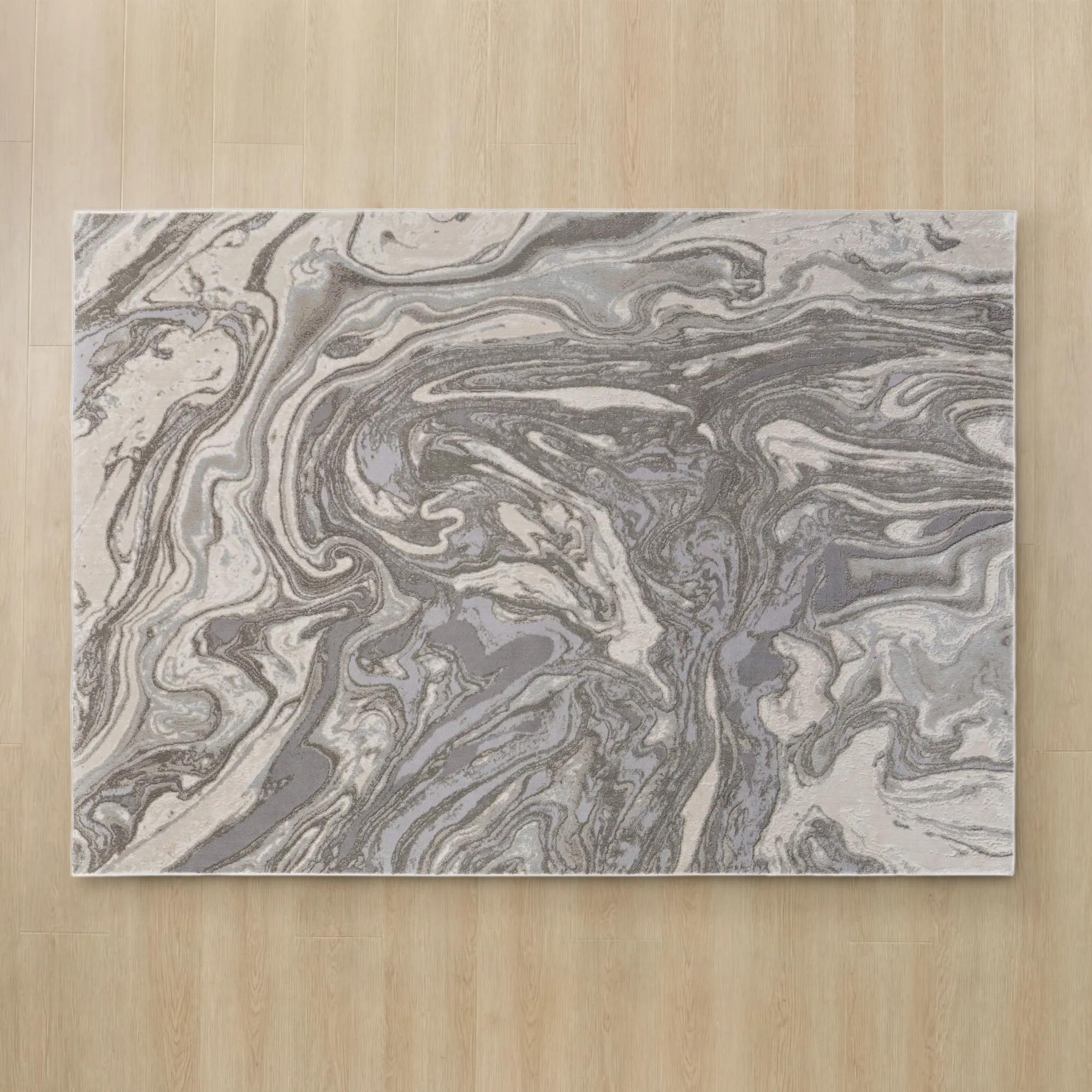 Marbre Marbled Grey/Taupe/Powder Blue Performance Power Loomed Rug$1499
A softly marbled rug in grey, taupe, and powder blue with a textured, stain-resistant performance blend.
Add To Cart -
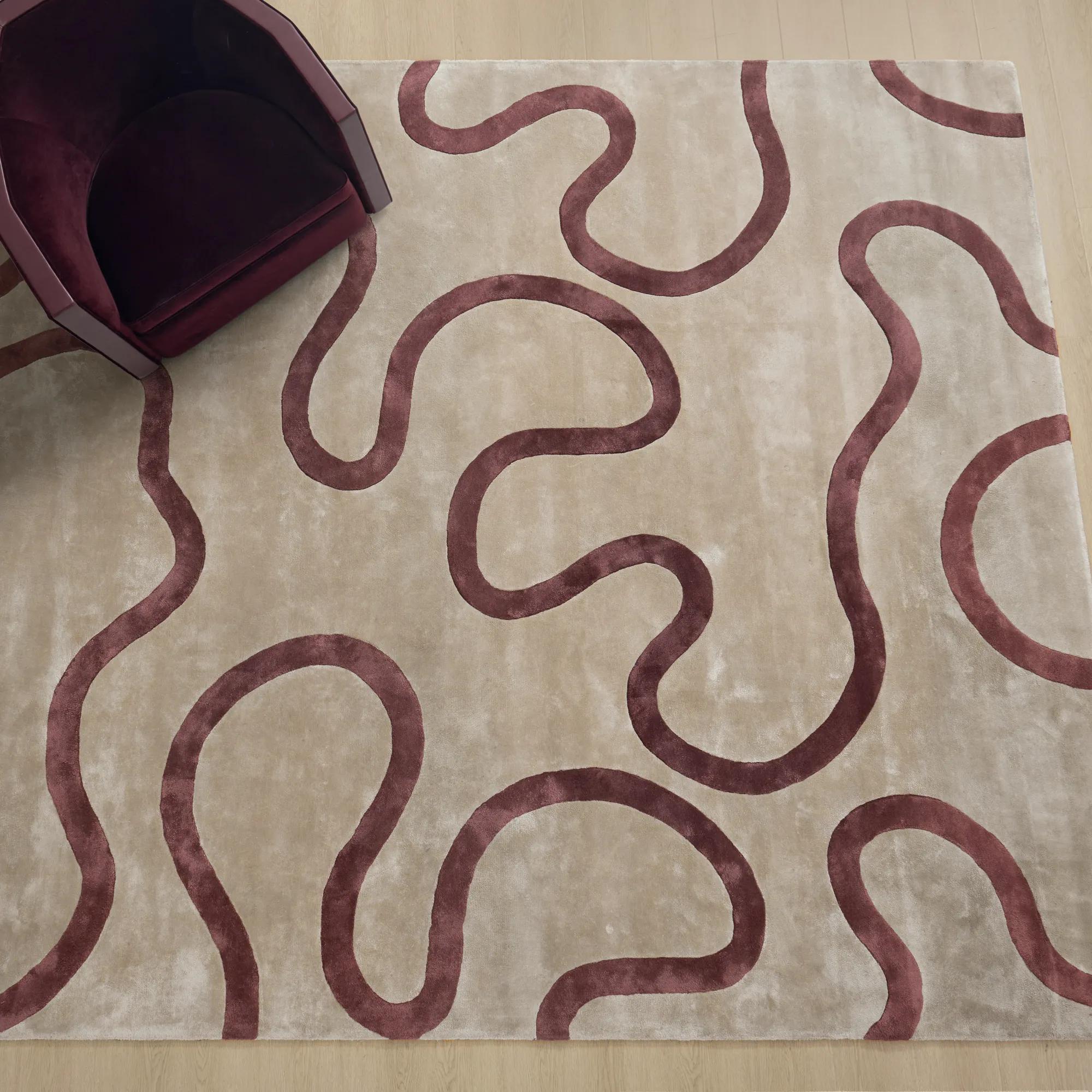 Seraphine Hand-Tufted Fig/Taupe Viscose Loop Rugs$599
A hand-tufted wool rug featuring bold fig and taupe loops for a graphic, Deco-inspired look.
Add To Cart -
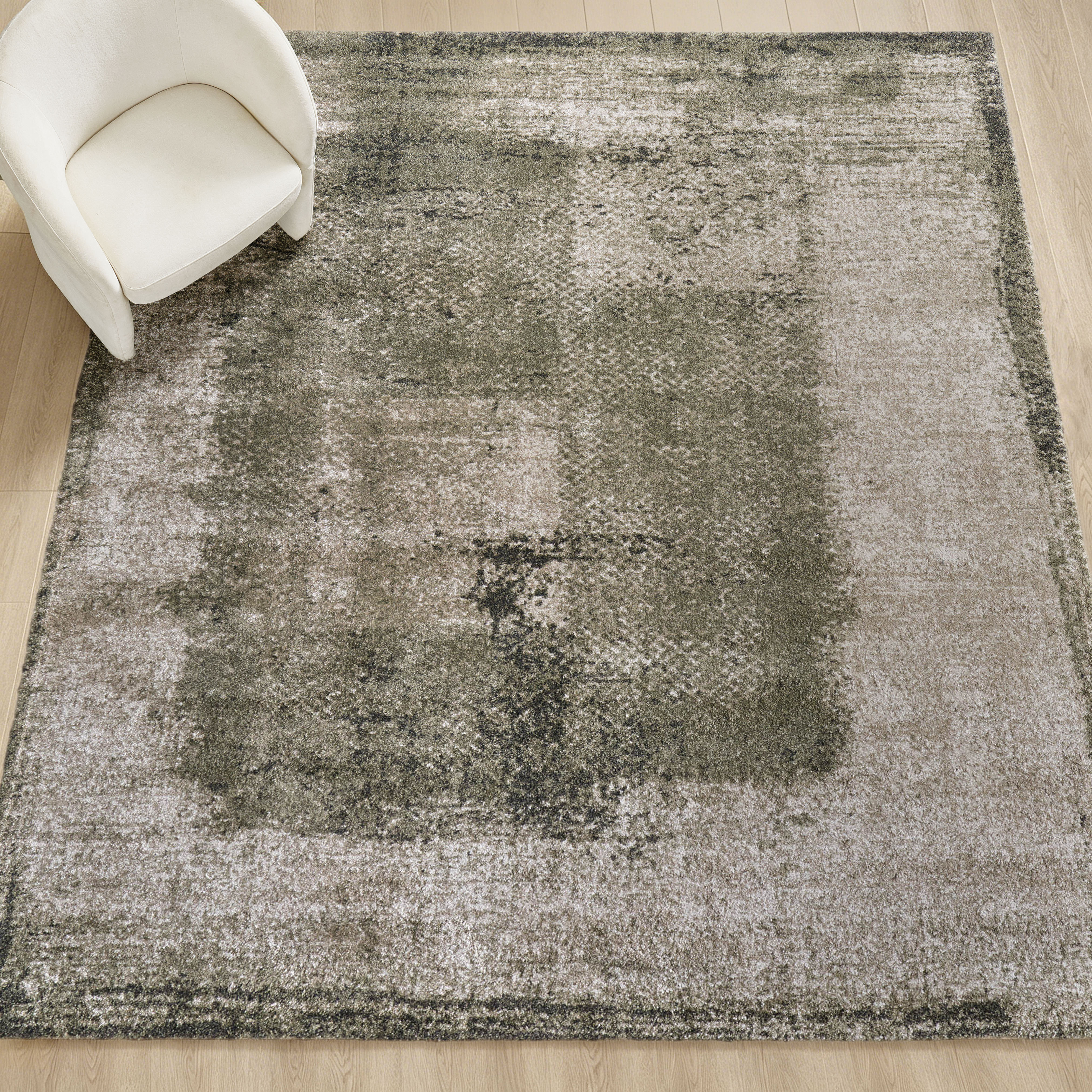
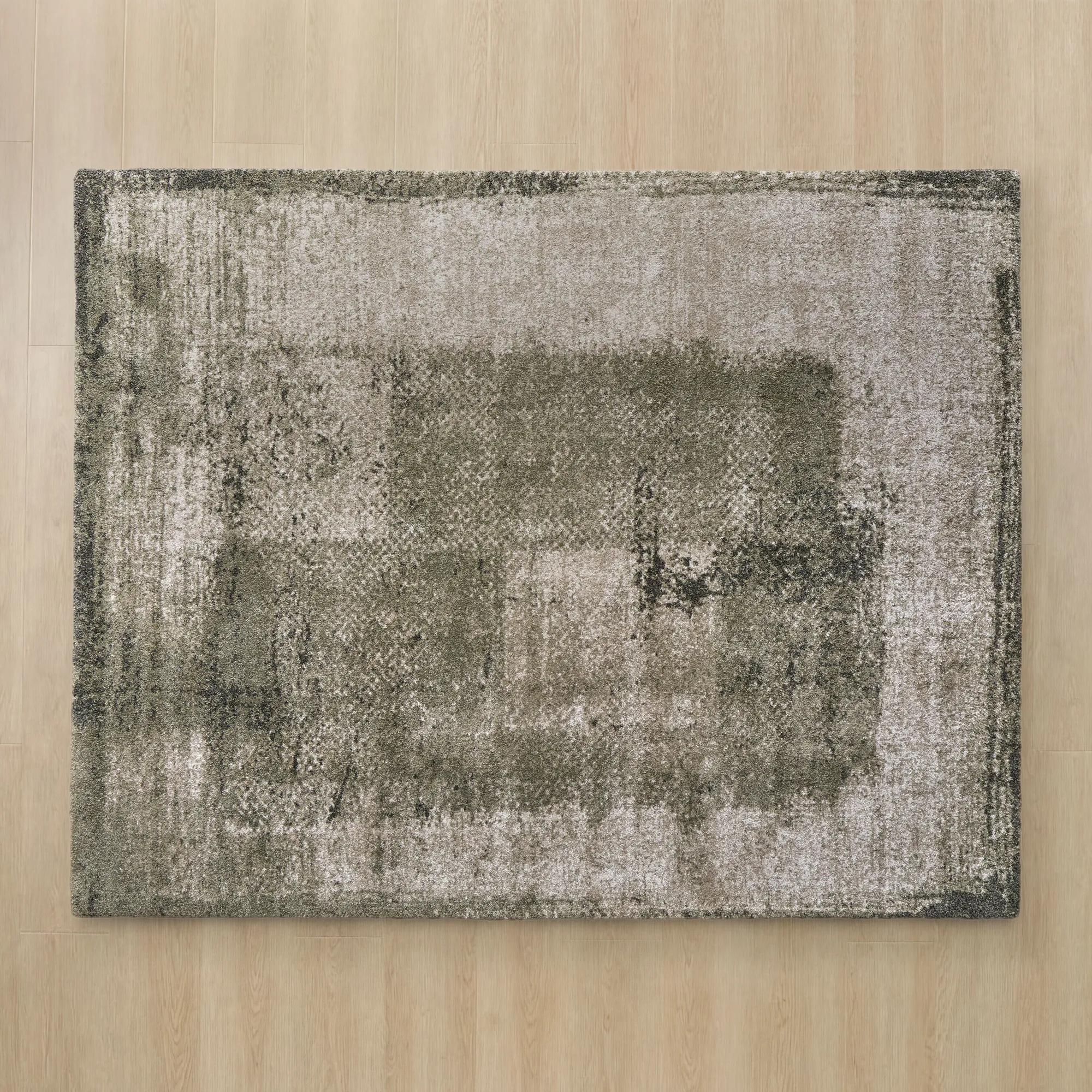 Irving Abstract Moss Green/Beige/Grey Performance Power Loomed Rug$849
An abstract rug in moss green, beige, and grey with plush, durable power-loomed polypropylene and polyester.
Add To Cart -
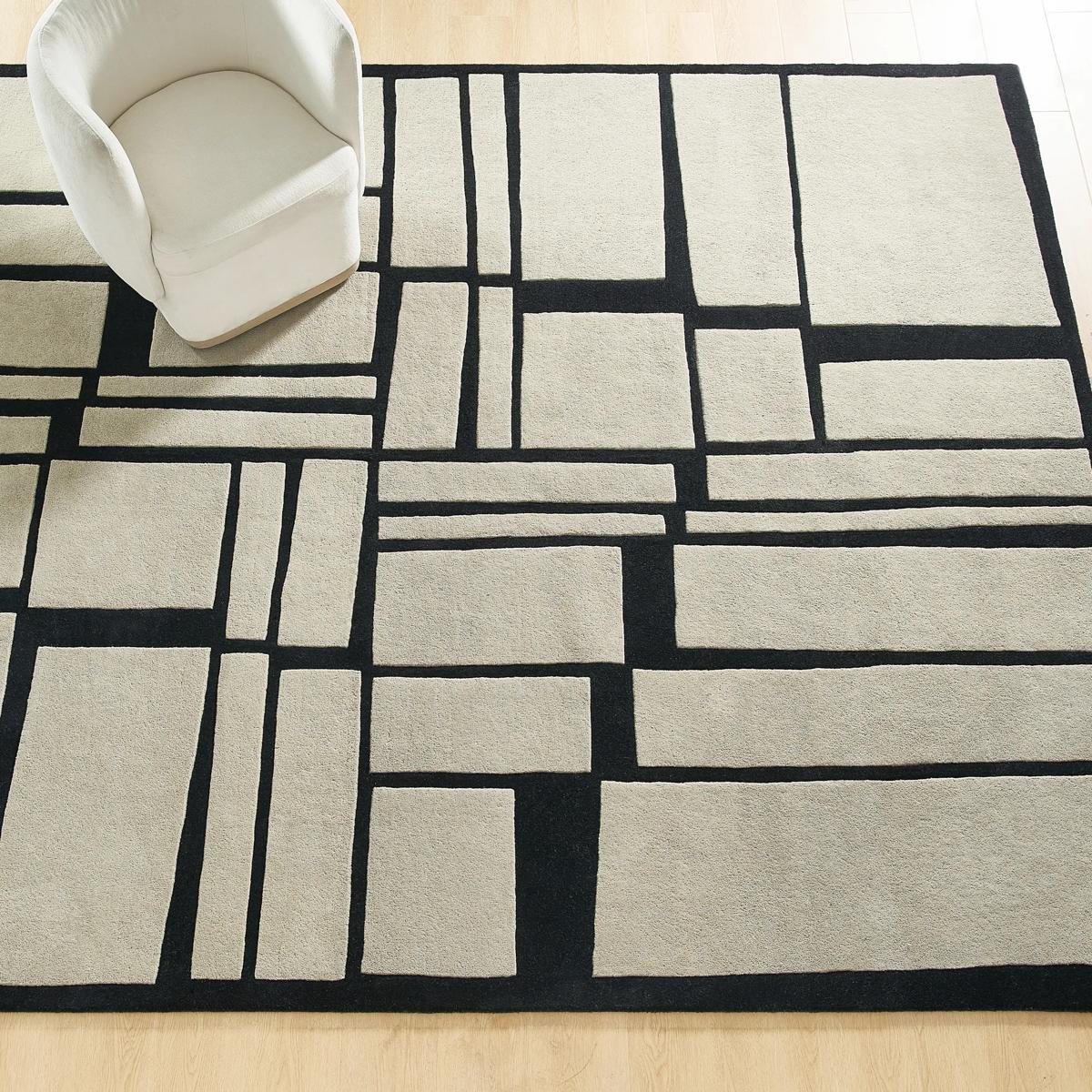 Novak Hand-Tufted Natural/Black Wool Rug$449
A hand-tufted wool rug featuring a bold black and natural grid design for modern visual impact.
Add To Cart -
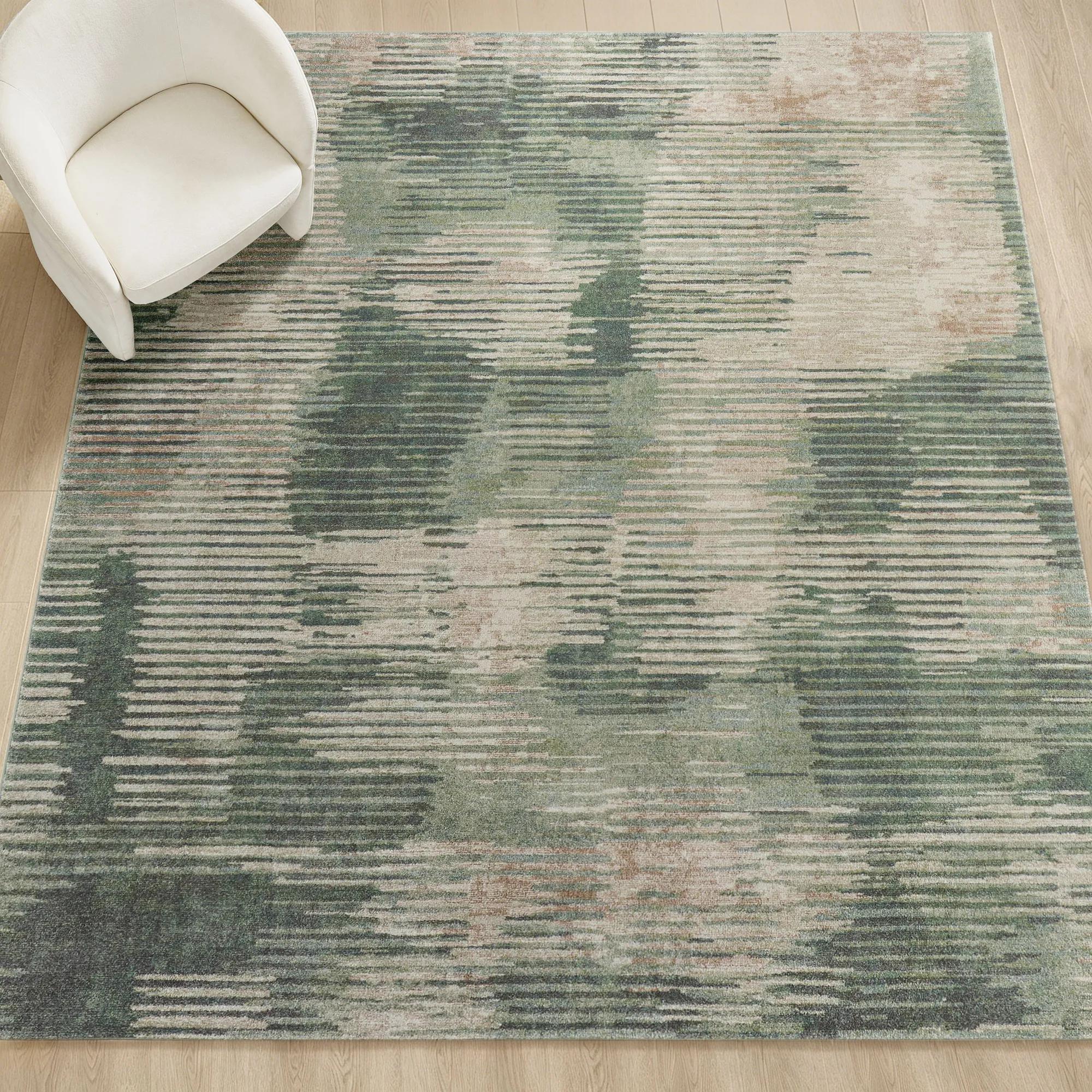
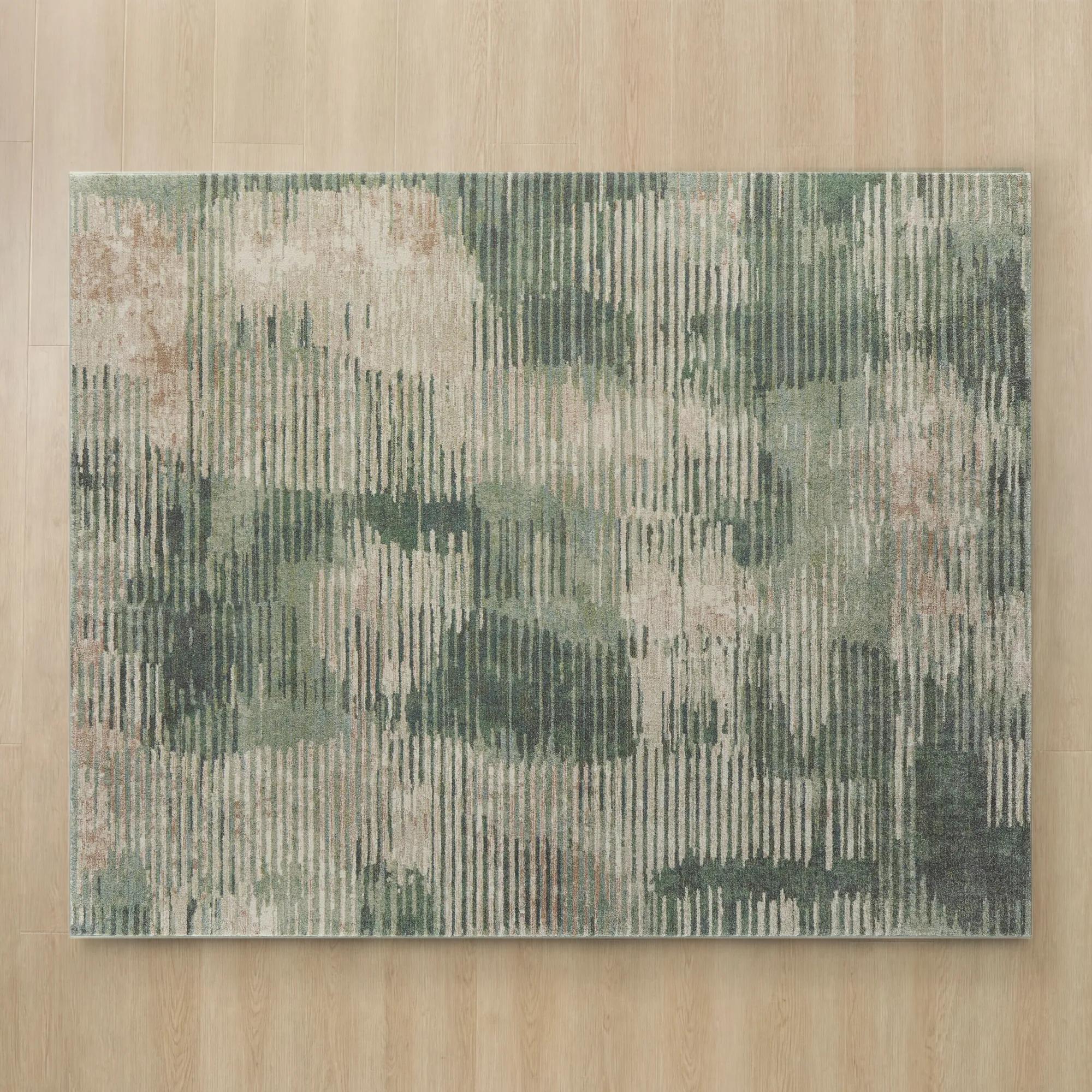 Sylvan Green/Beige Power Loomed Rug$1349
A power-loomed polypropylene rug featuring a contemporary organic pattern in smoked olive green and beige.
Add To Cart -
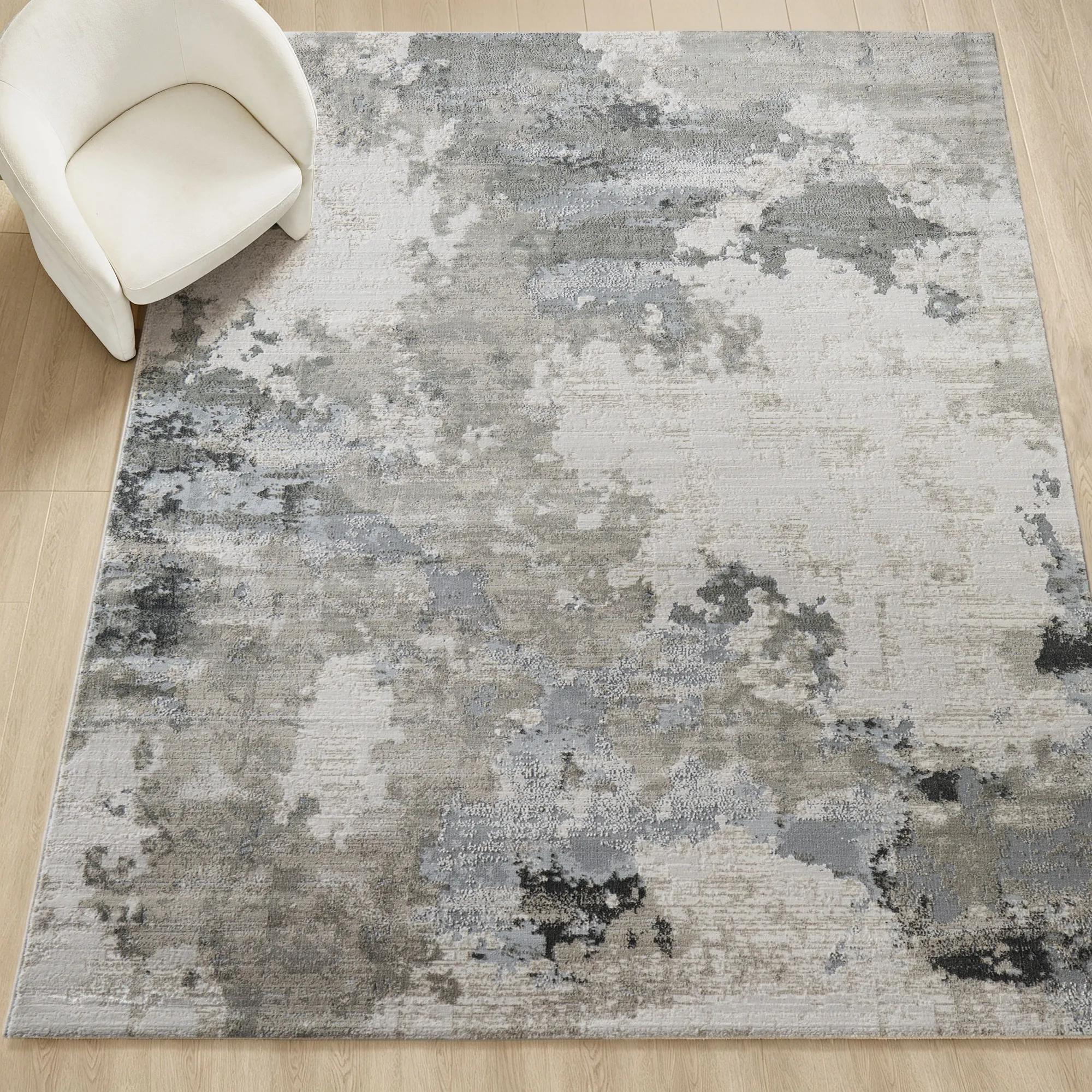 Alarion Abstract Grey/Muted Blue/Ivory Performance Power Loomed Rug$849
A power-loomed rug featuring a distressed abstract pattern in grey, muted blue, and ivory with stain resistance.
Add To Cart -
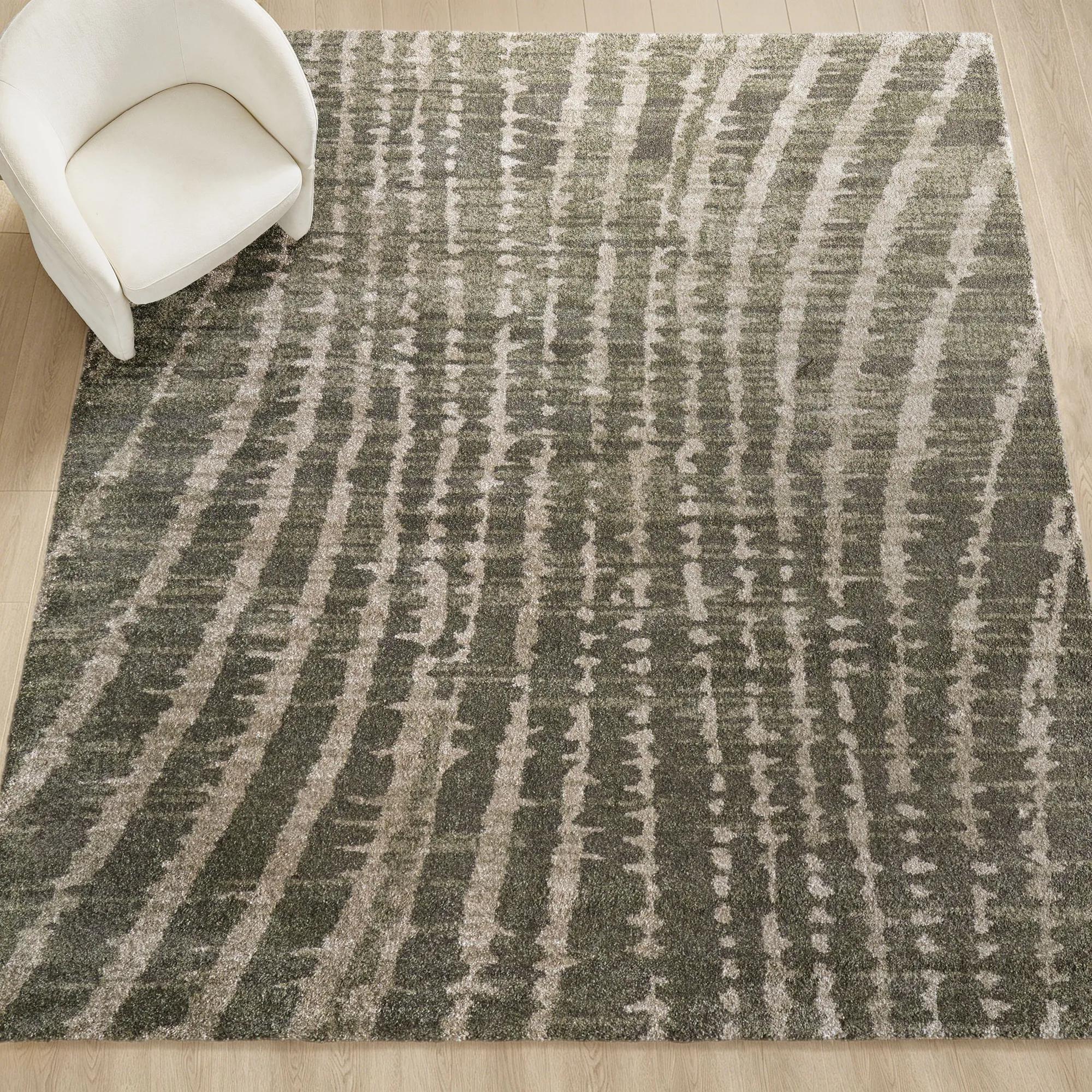
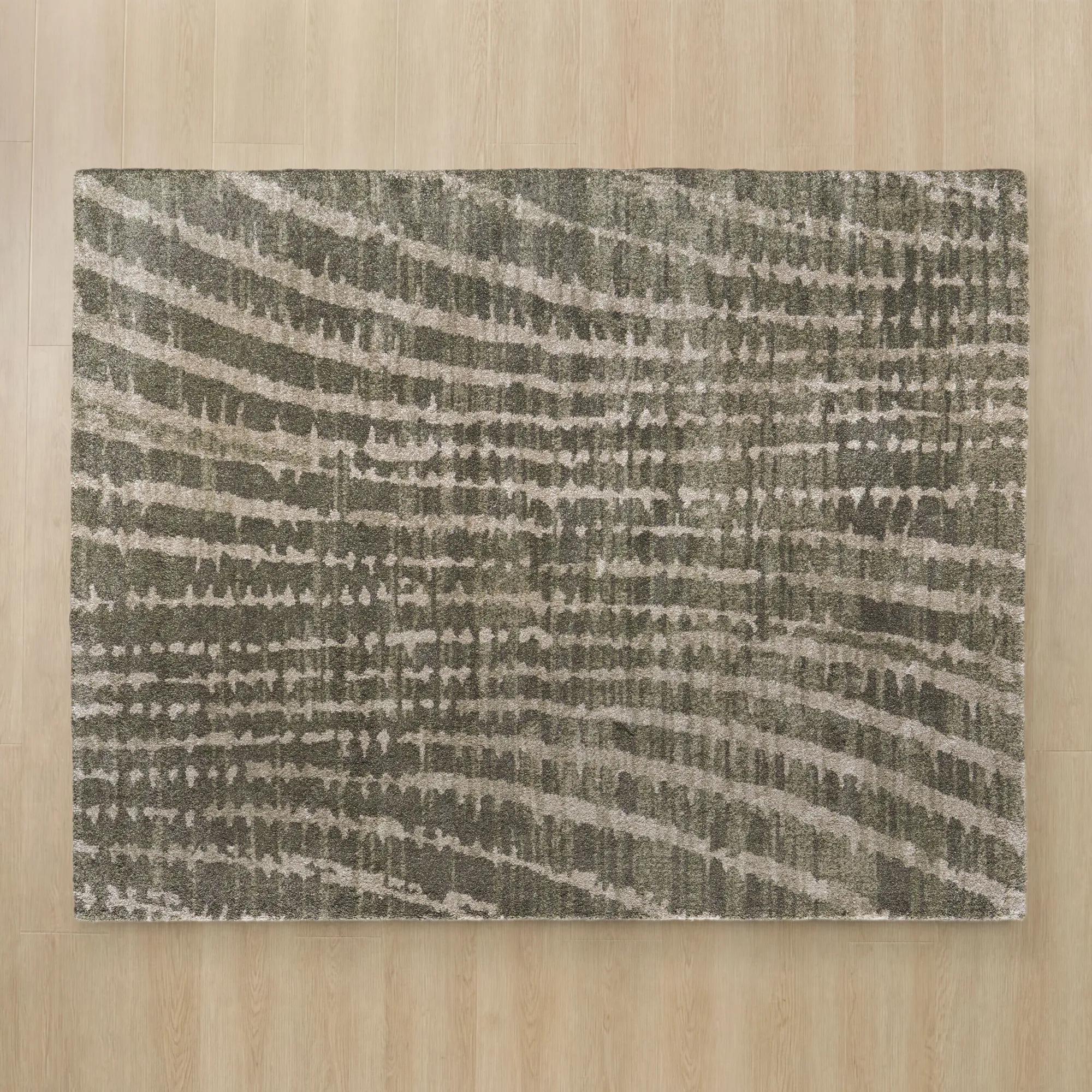 Tempo Green/Grey/Beige Performance Power Loomed Rug$1649
An abstract charcoal grey and beige rug with plush cut pile and durable, stain-resistant polypropylene-polyester construction.
Add To Cart -
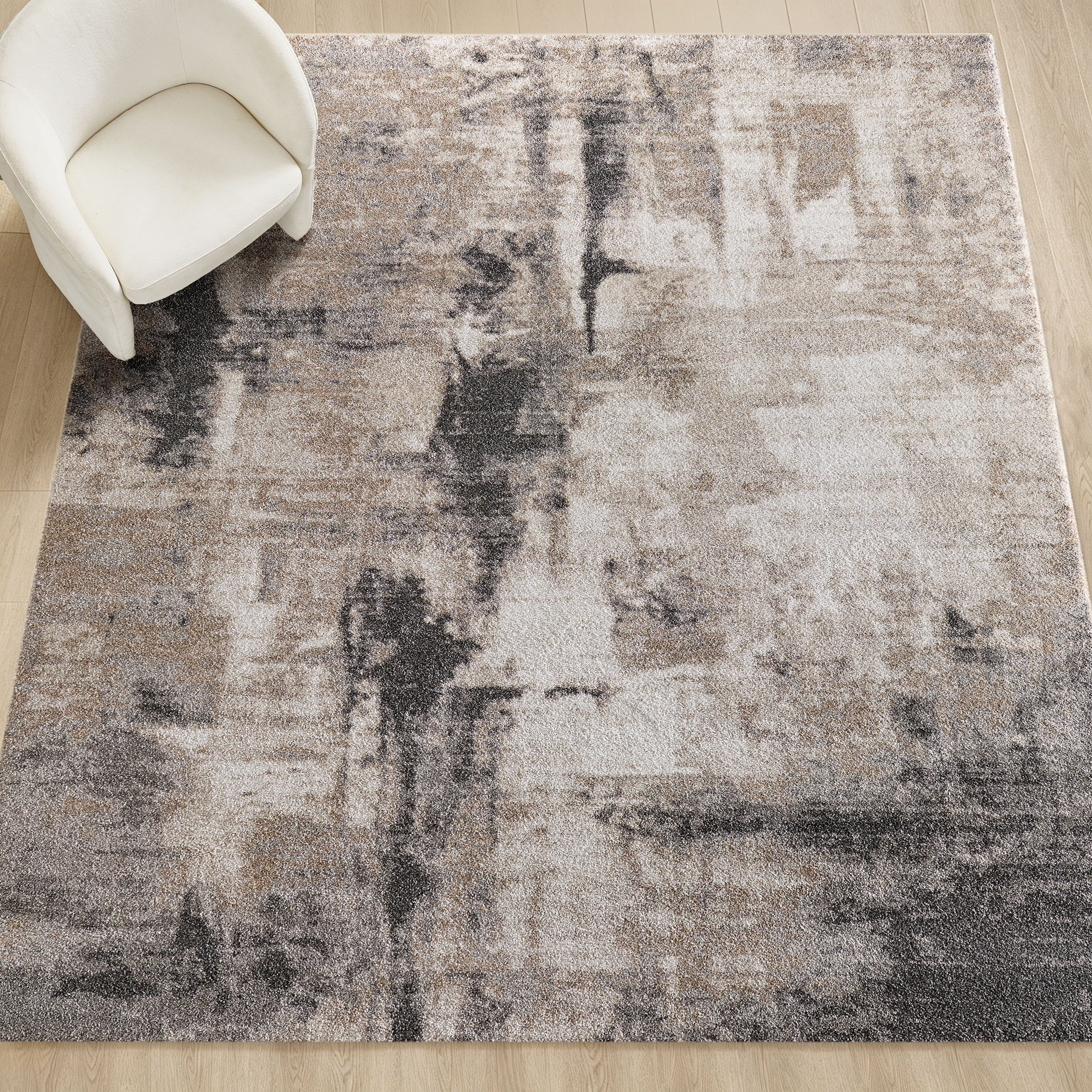
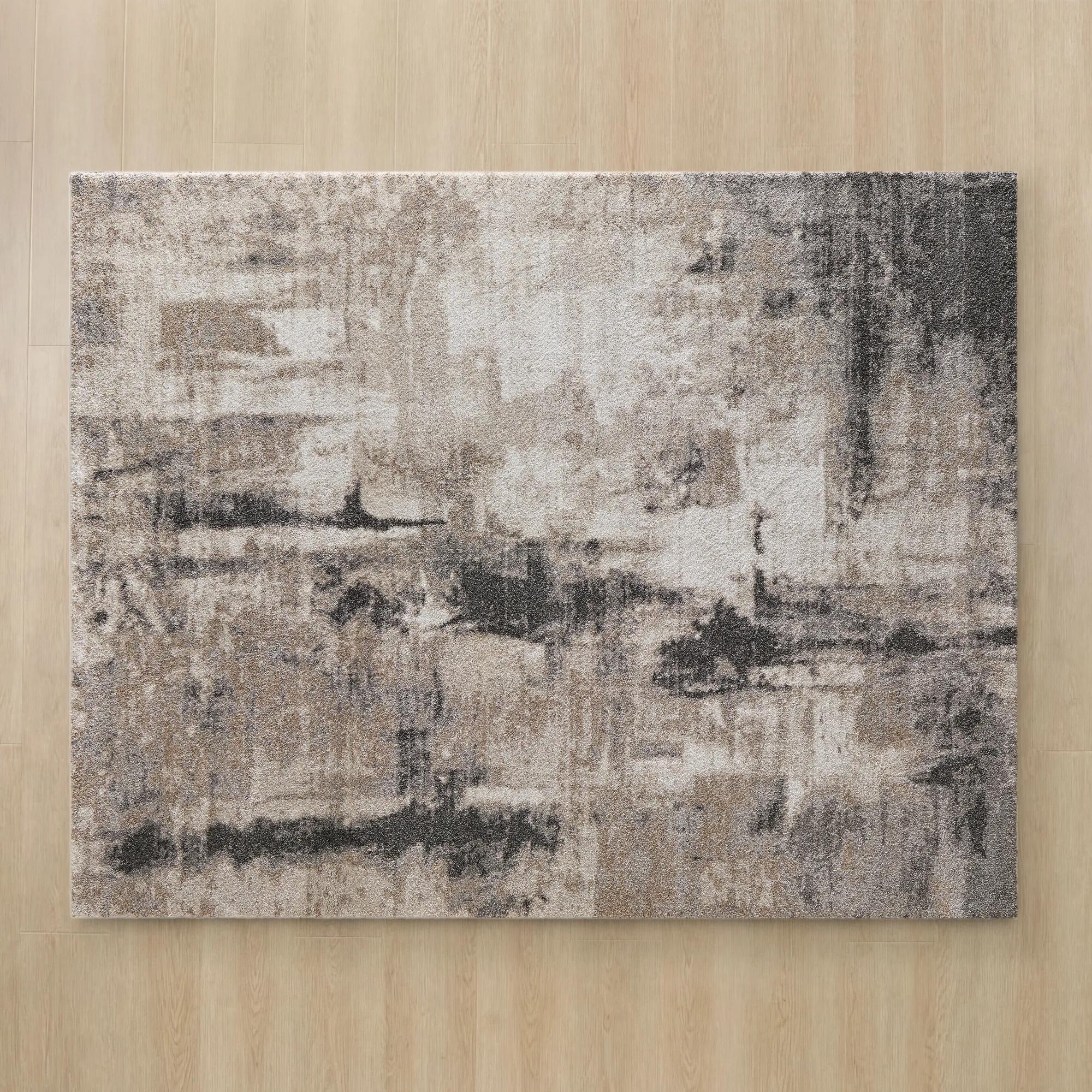 Atlas Abstract Grey/Taupe/Ivory/Charcoal Performance Power Loomed Rug$399
An abstract rug in grey, taupe, ivory, and charcoal with a plush, stain-resistant polypropylene blend.
Add To Cart -
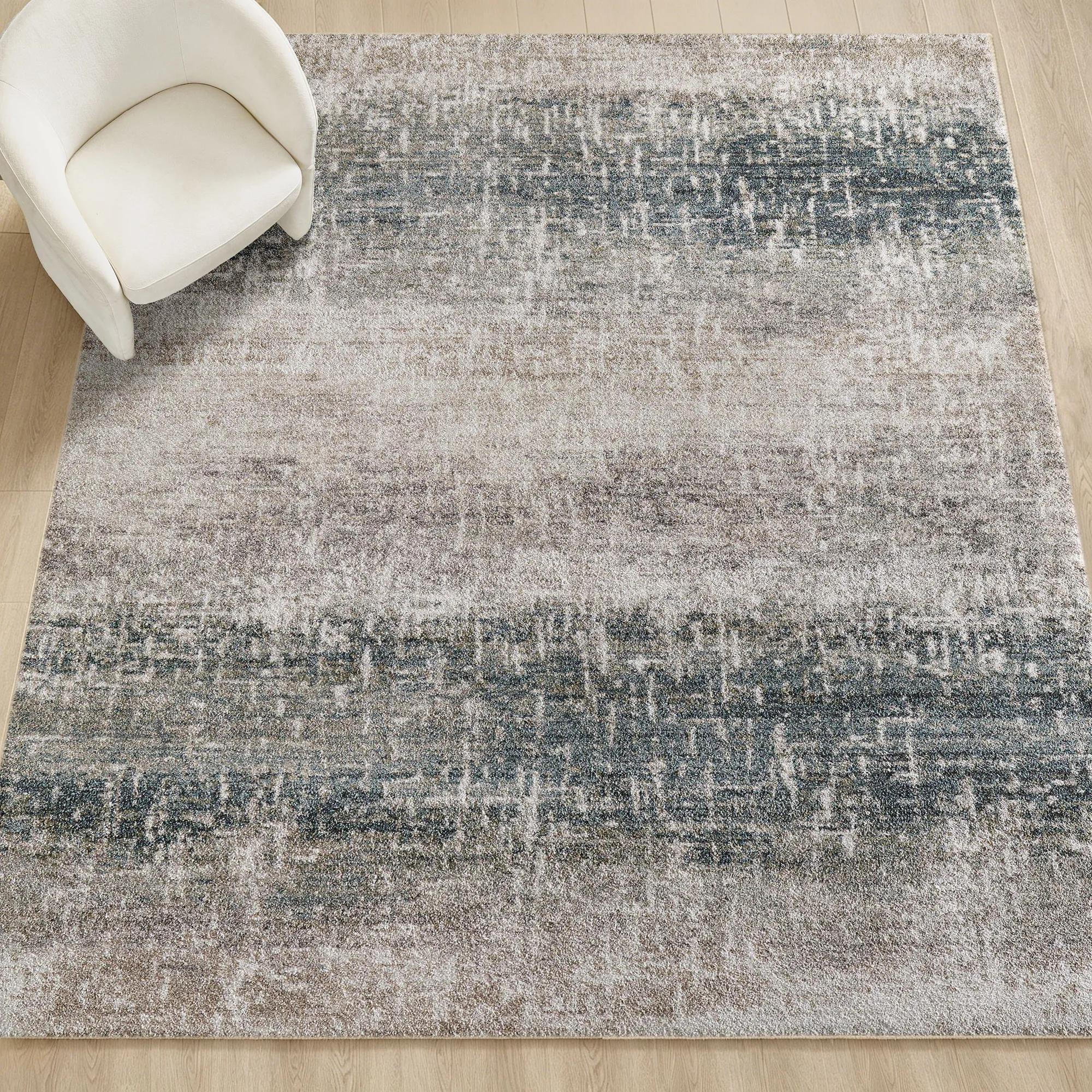
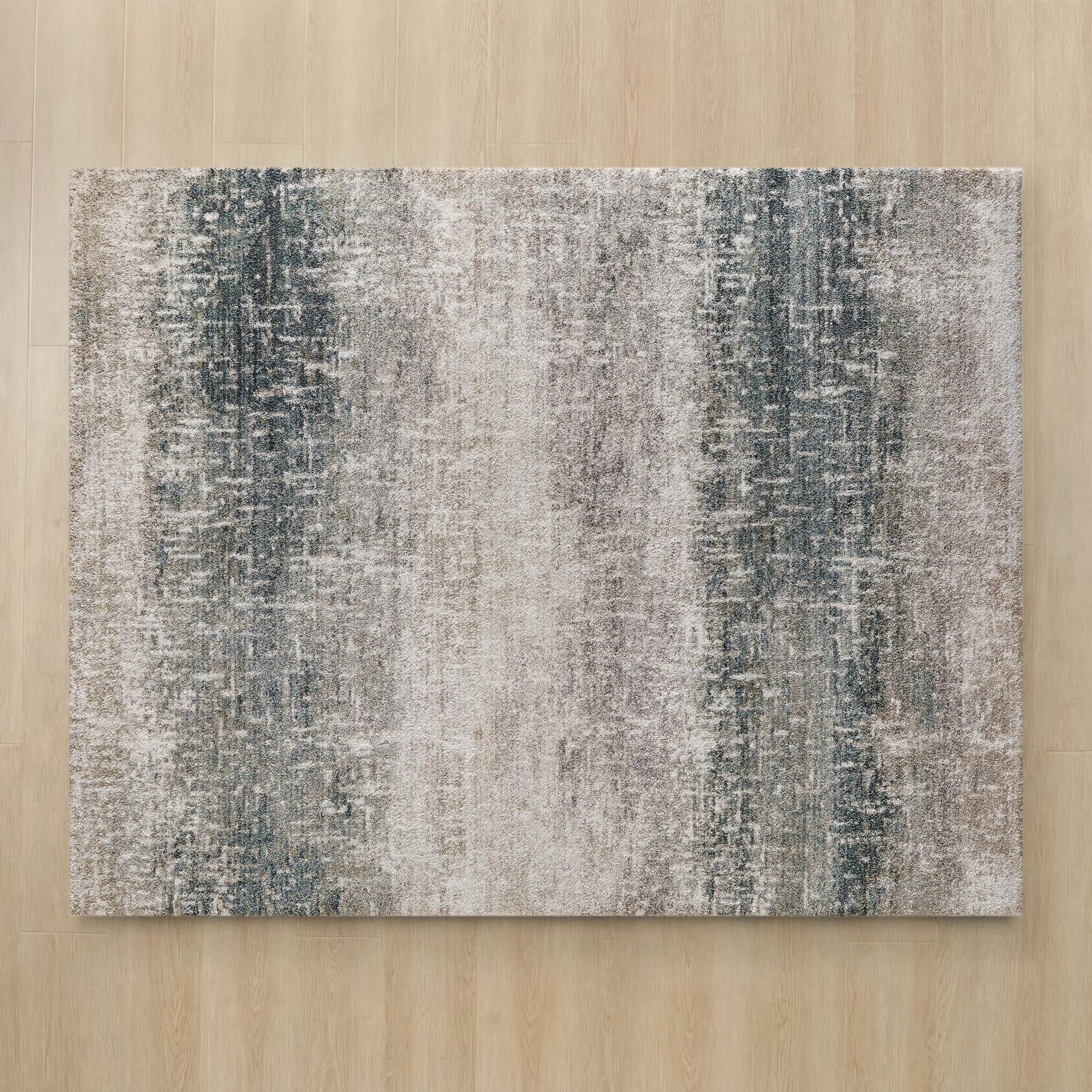 Collier Taupe/Grey/Blue/Green Performance Power Loomed Rug$1649
An abstract rug in taupe, grey, blue, and green with a plush pile and durable, easy-care blend.
Add To Cart -
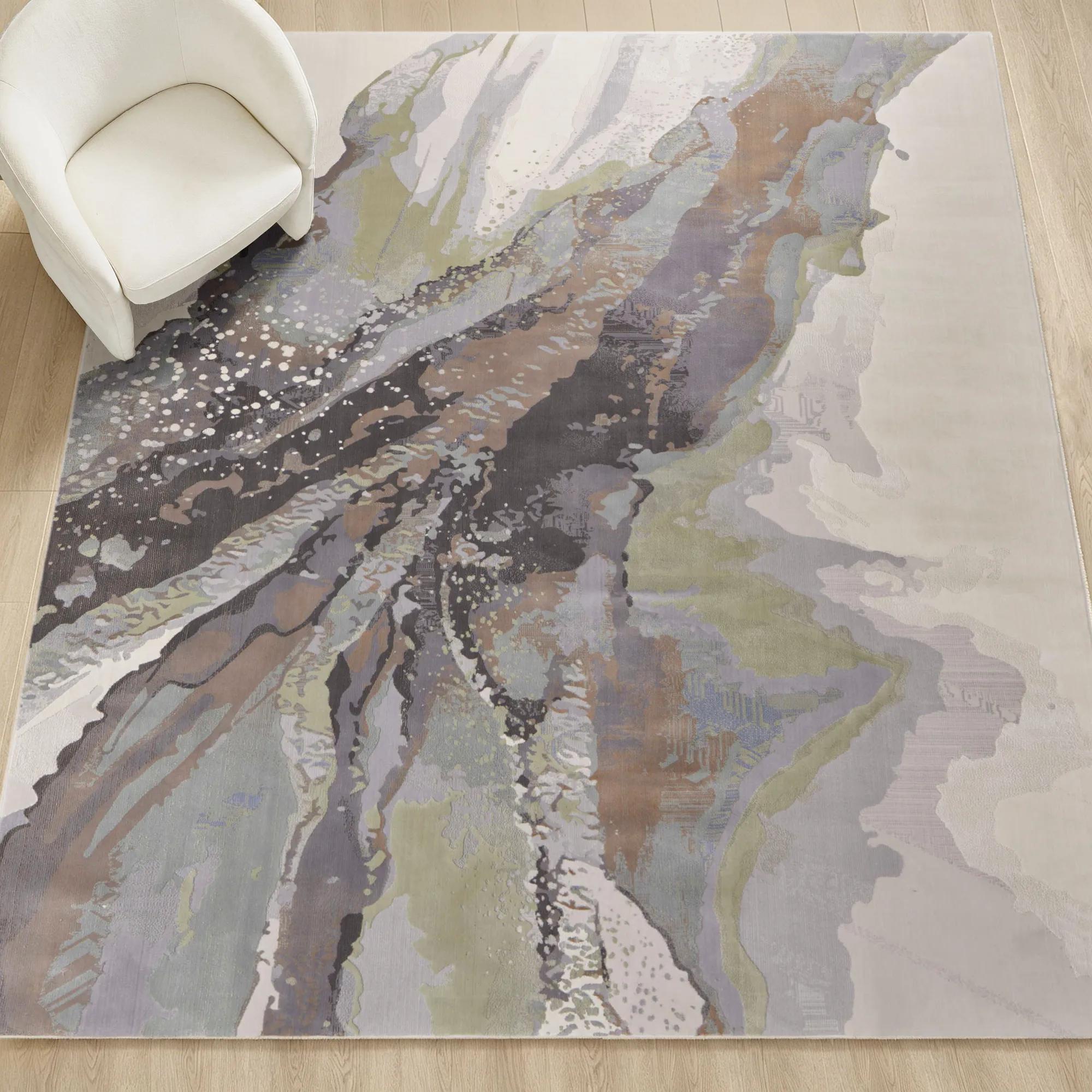
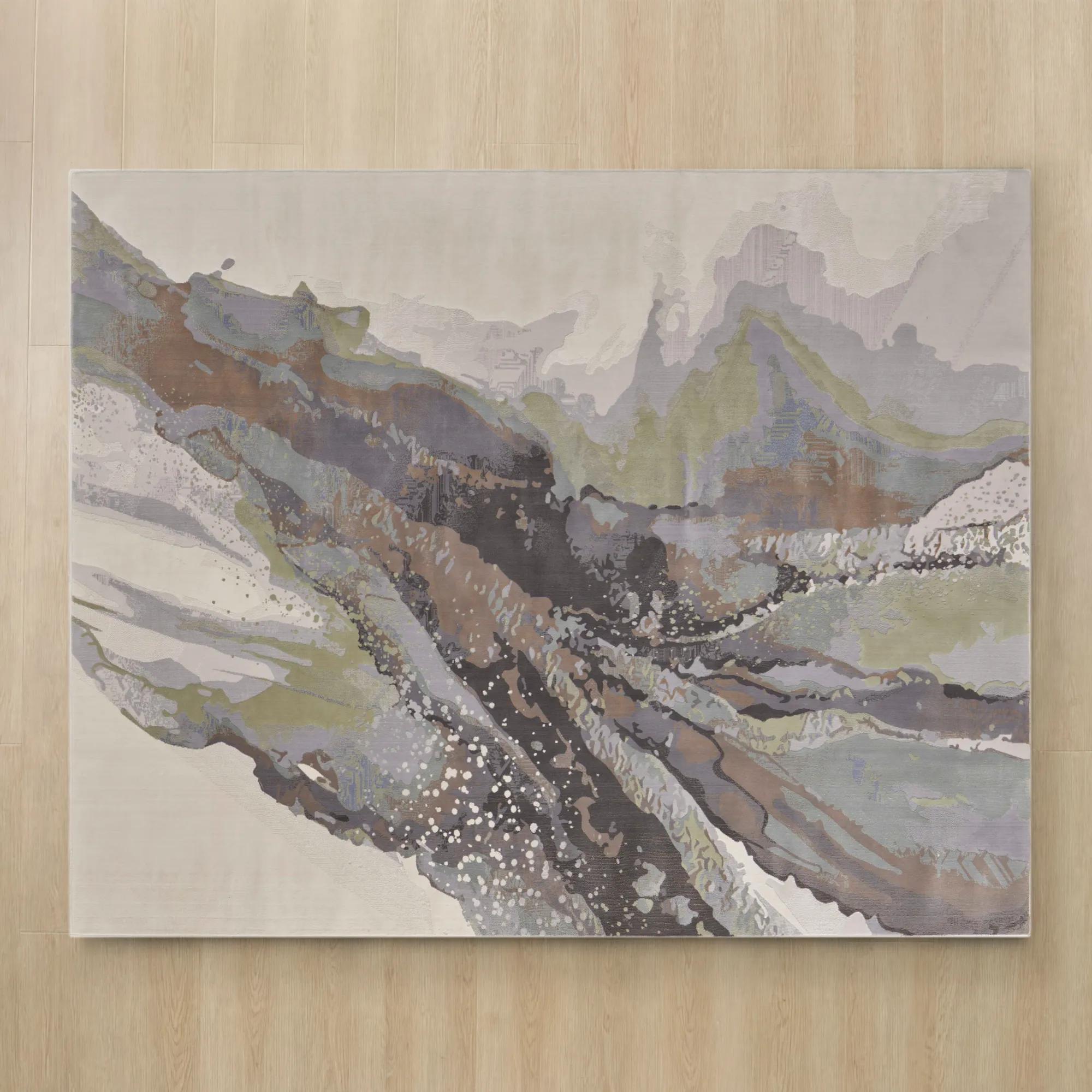 Nerissa Abstract Ivory/Grey/Blue/Green Performance Power Loomed Rug$449
An abstract rug in ivory, grey, blue, and green with a textured, stain-resistant polypropylene-polyester blend.
Add To Cart -
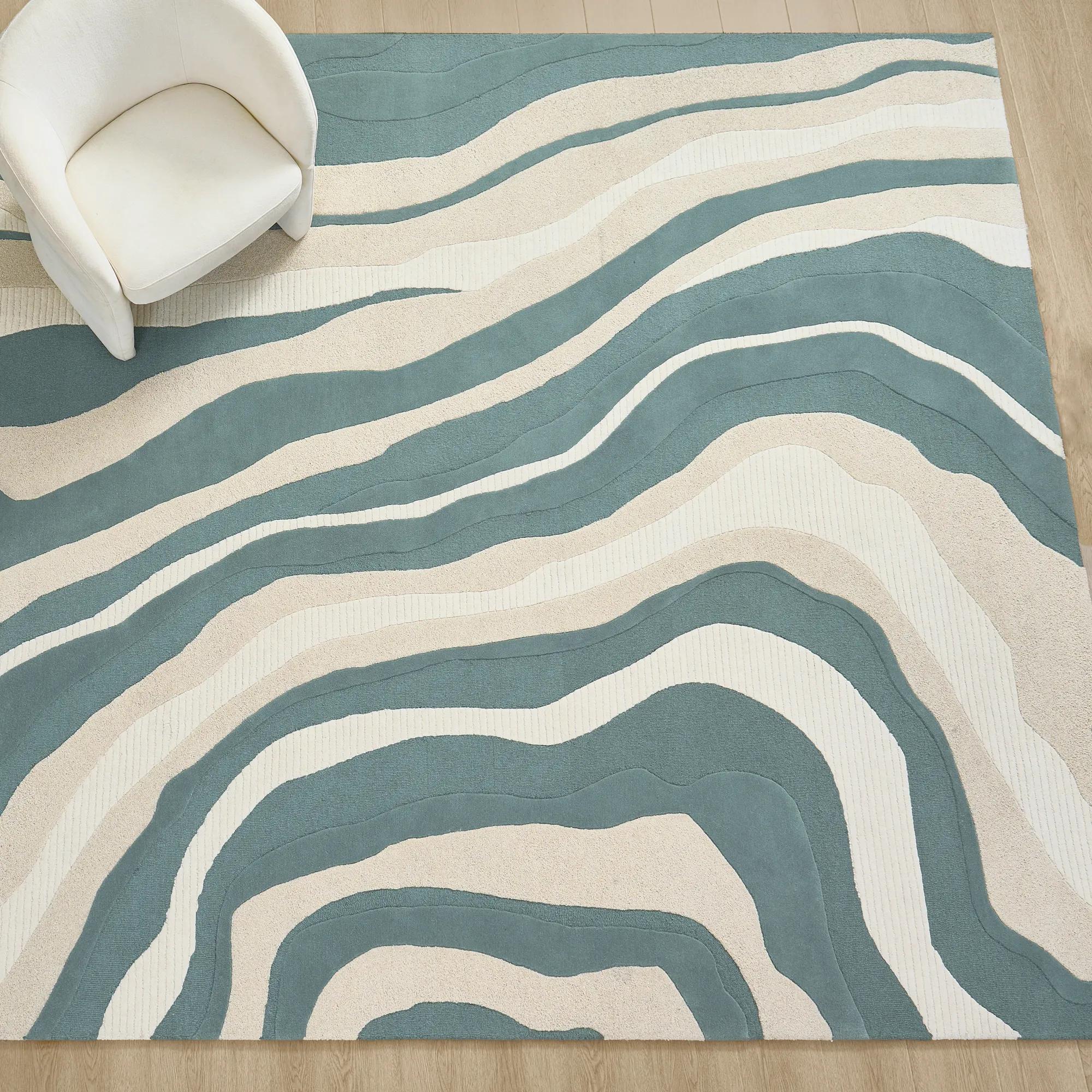 Kadence Hand-Tufted Sage Green/Ivory Wool Rugs$1499
A hand-tufted wool rug in deep sage green and ivory with a sculptural high-low abstract wave pattern.
Add To Cart -
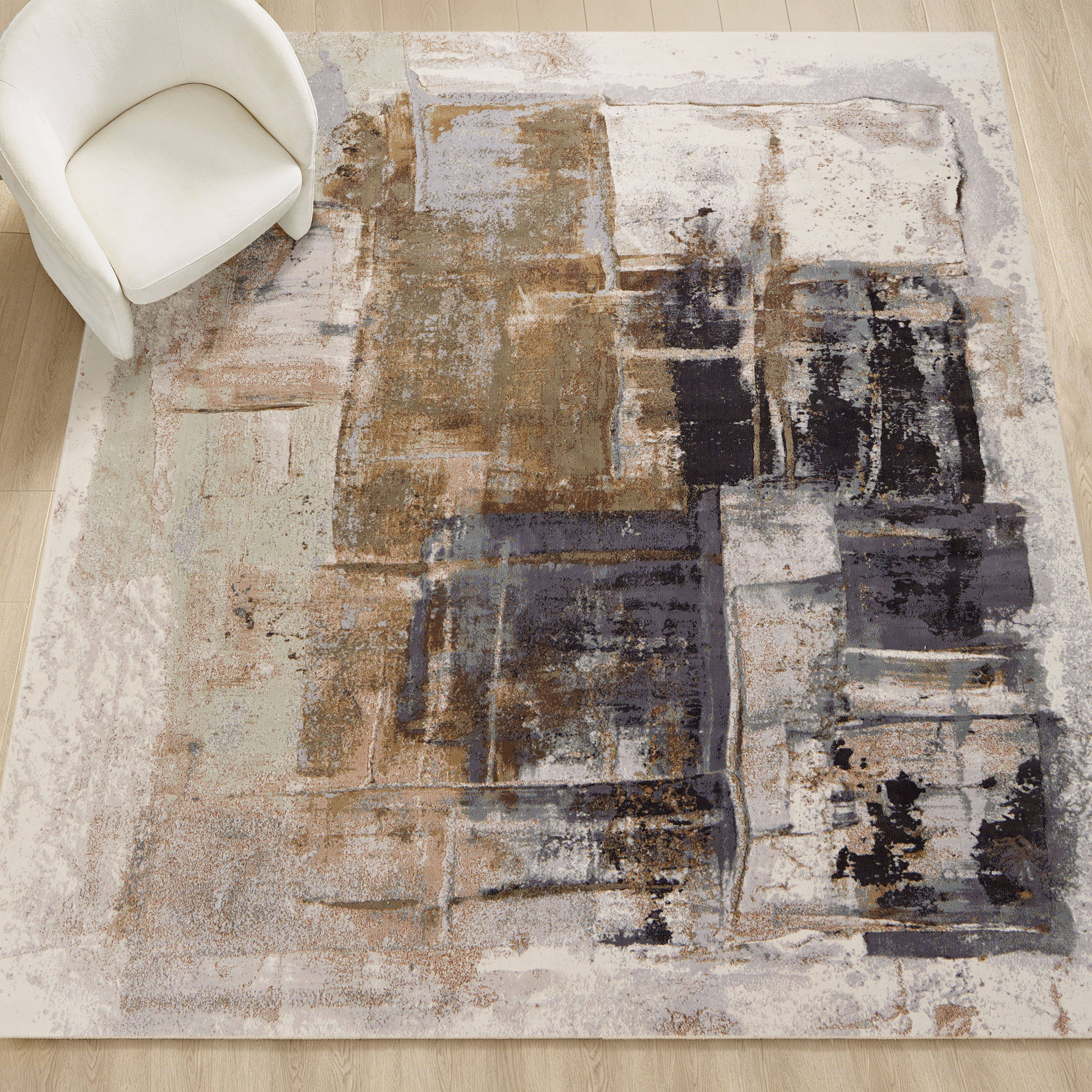
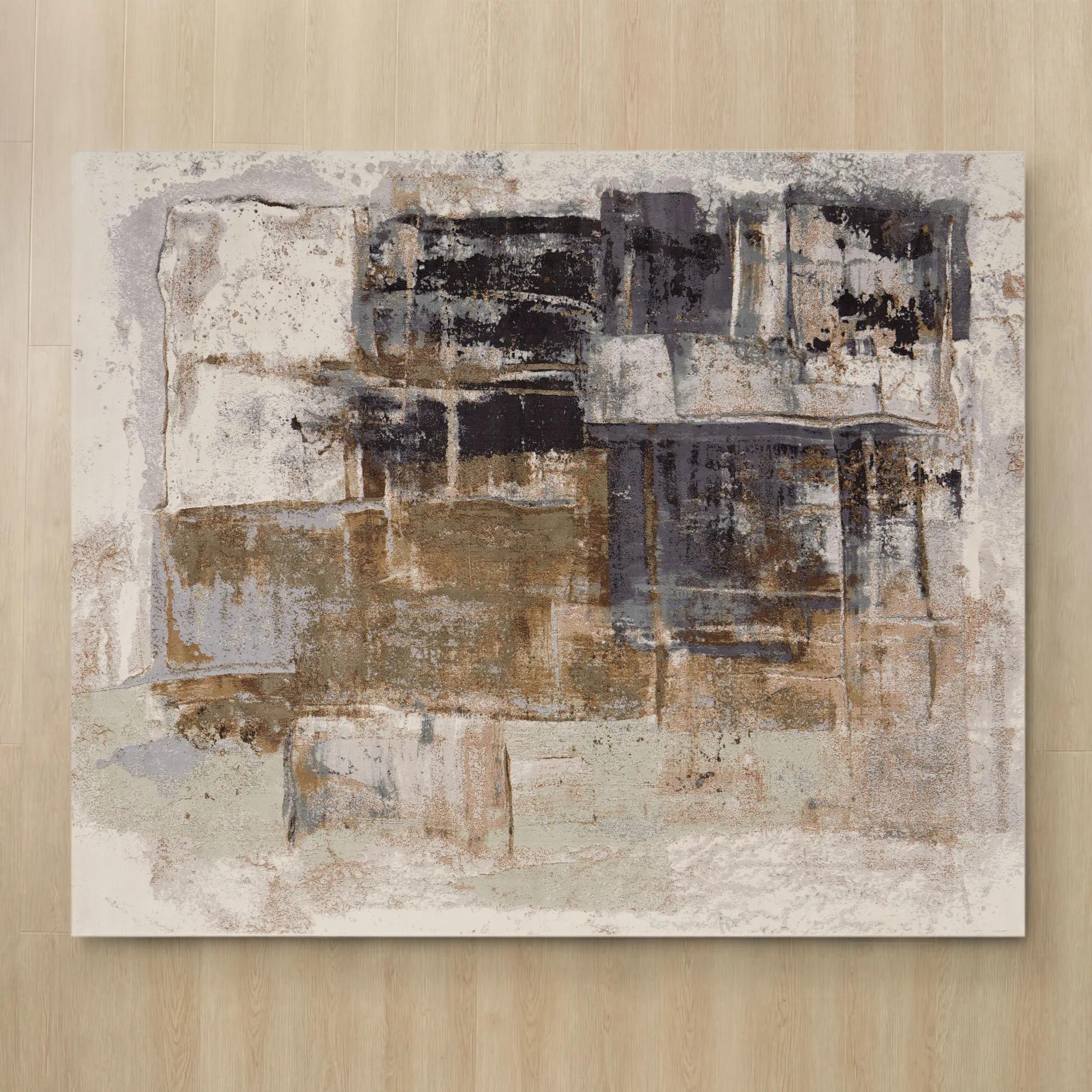 Gaia Abstract Grey/Charcoal/Ivory/Gold/Blue Performance Power Loomed Rug$1749
An abstract rug in grey, charcoal, ivory, gold, and blue with a soft, stain-resistant performance blend.
Add To Cart -
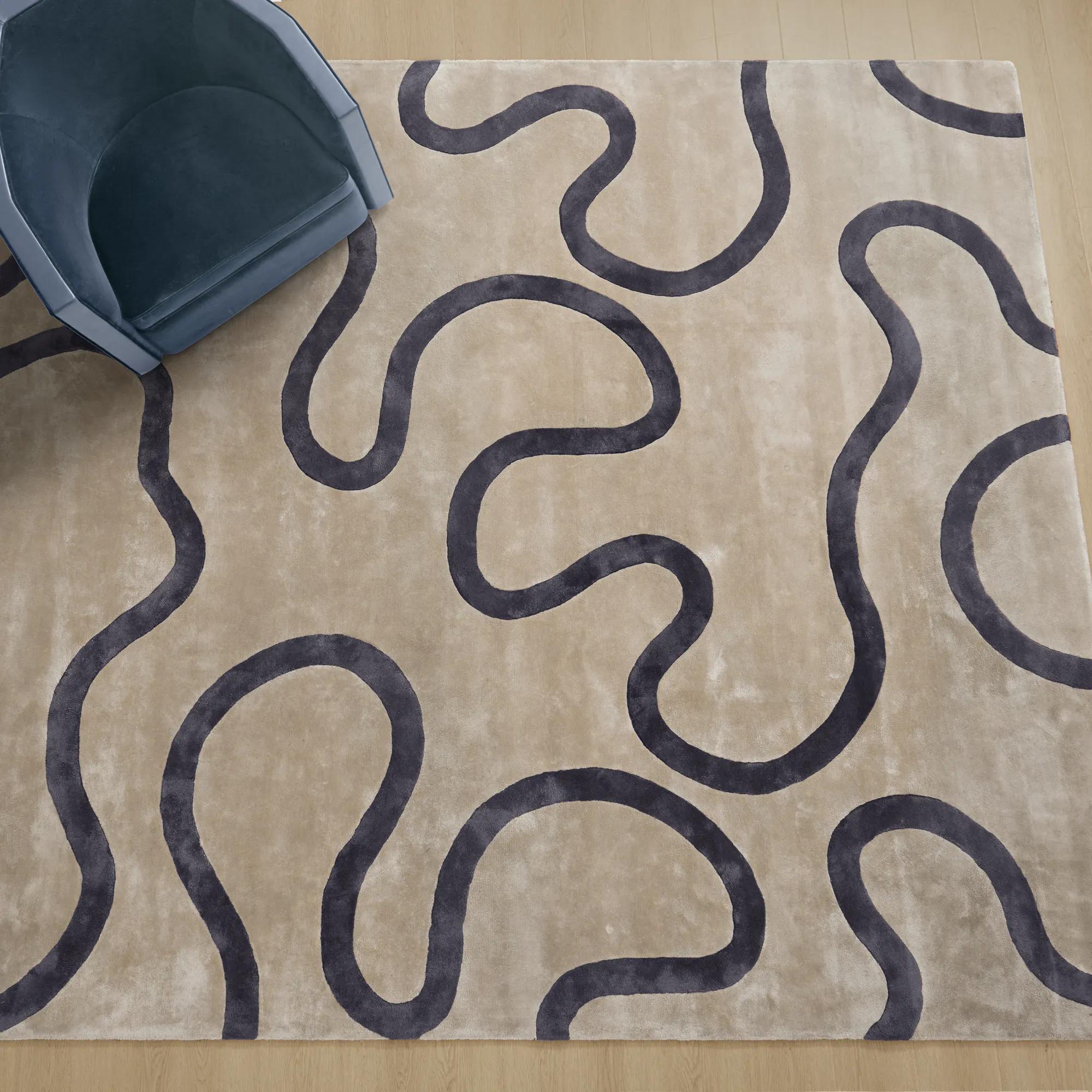 Seraphine Hand-Tufted Smoked Pearl/Taupe Viscose Loop Rugs$1799
A hand-tufted viscose rug in smoked pearl and taupe with bold Deco-inspired loop patterns and subtle sheen.
Add To Cart -
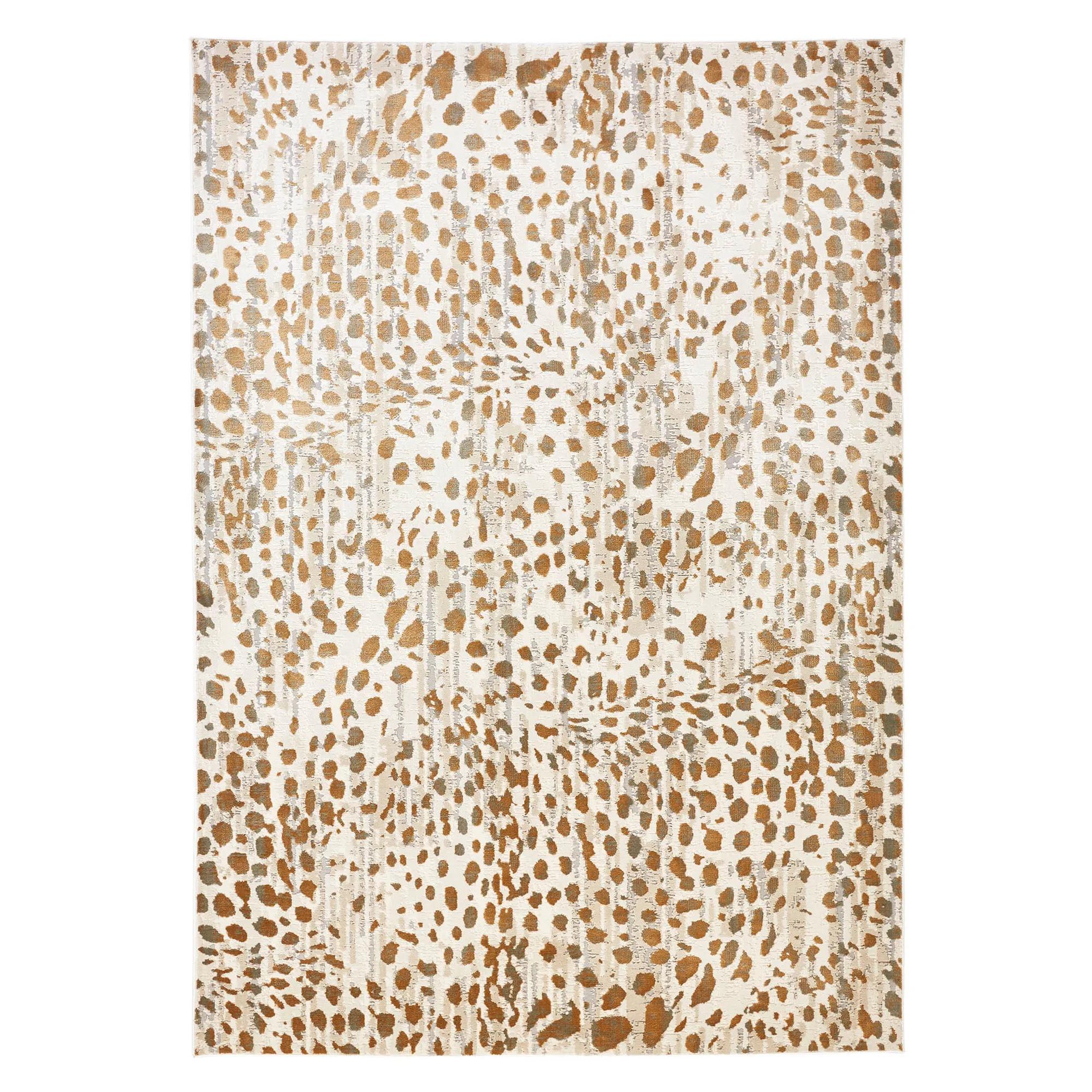
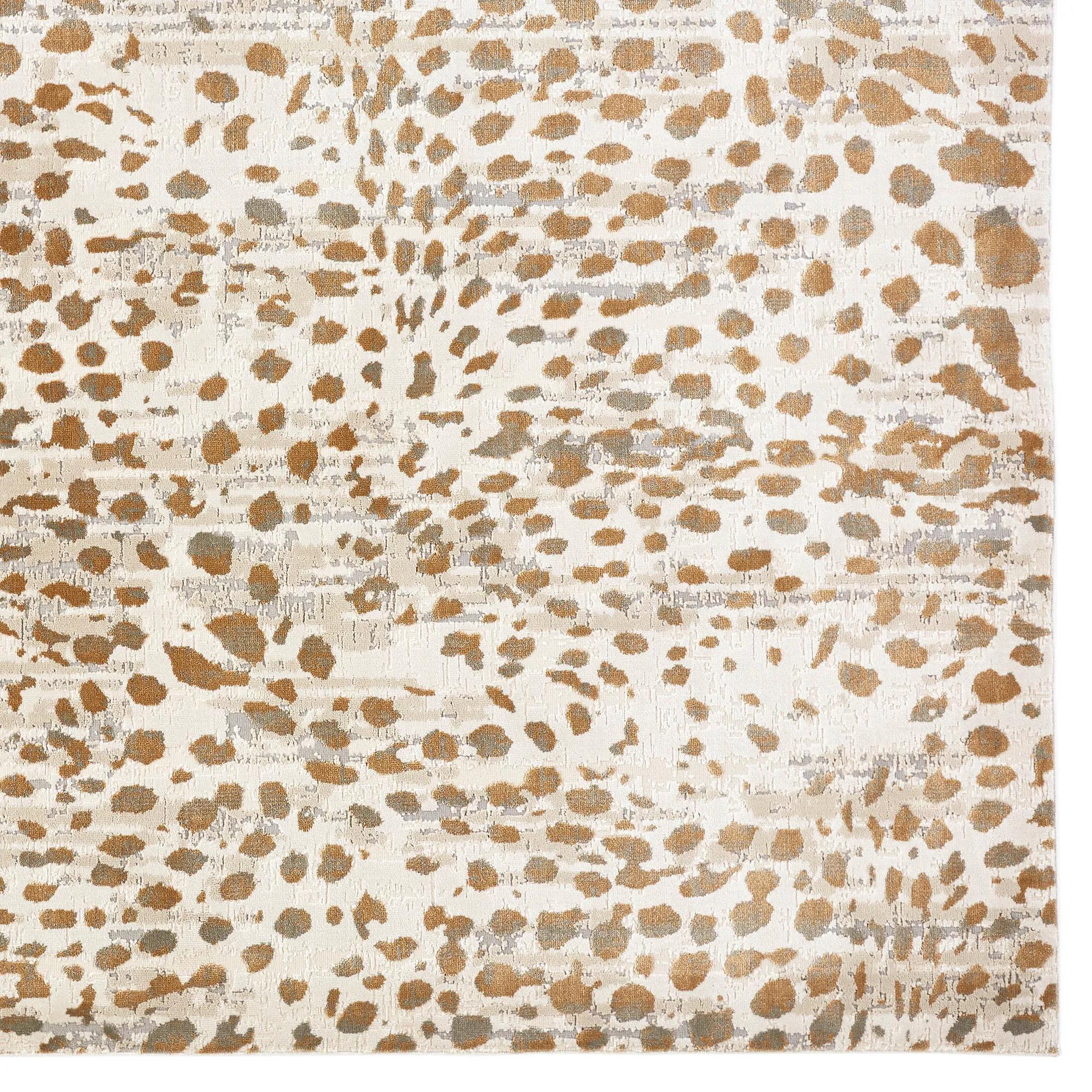 Amur Ivory/Natural Animal Print Power-Loomed Rug$399
A hand-tufted wool and viscose rug featuring a gold chain link design on neutral grey.
Add To Cart -
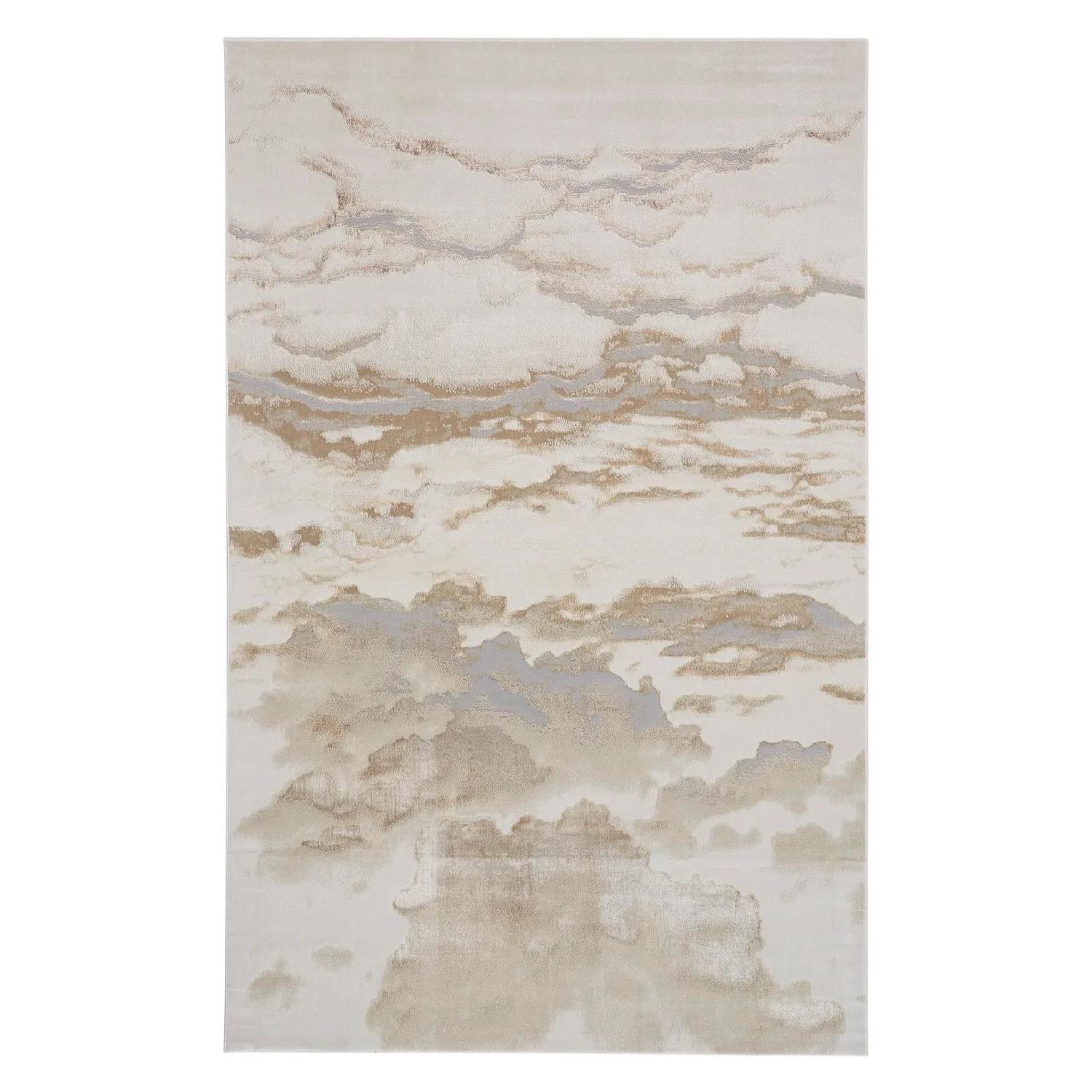
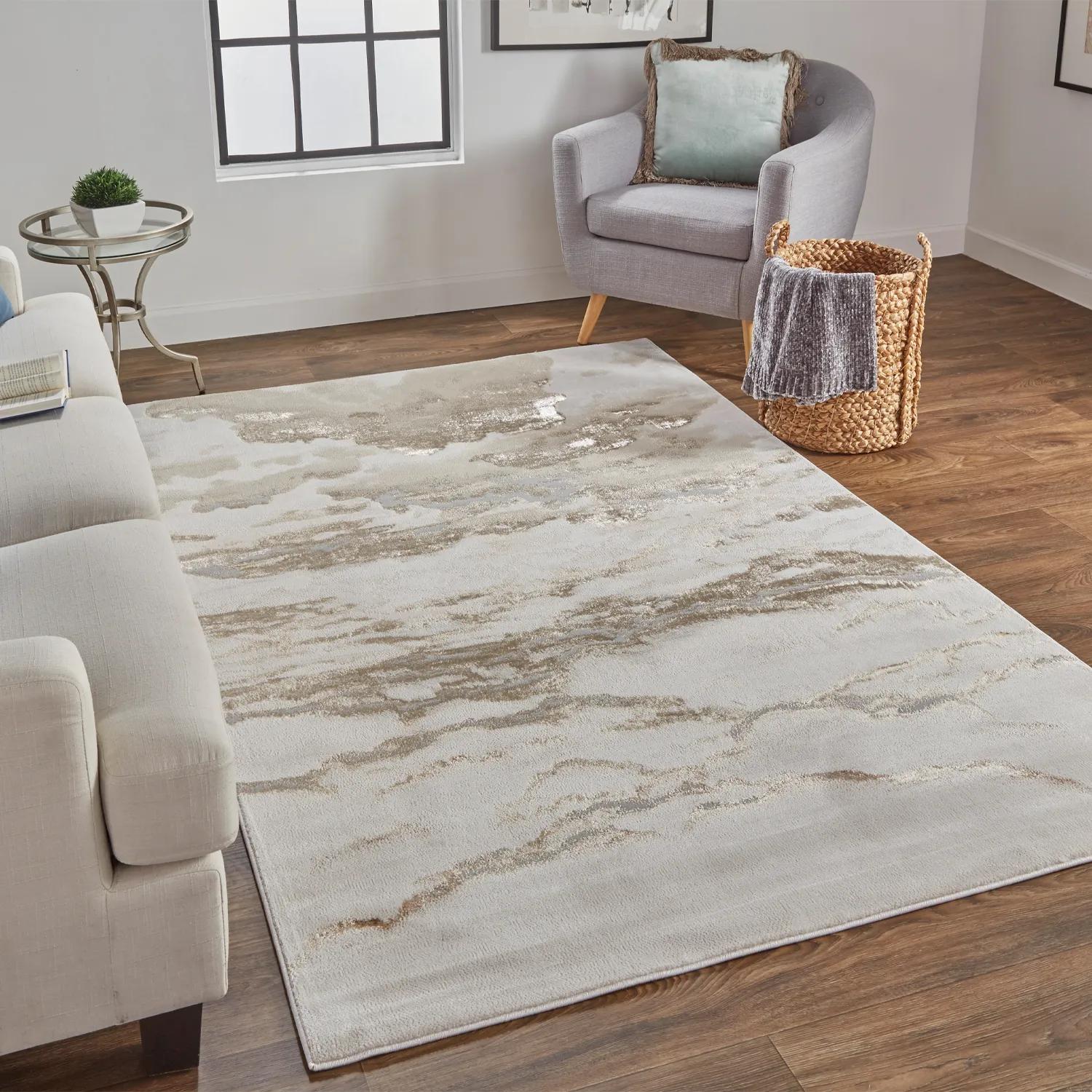 Tide Power-Loomed Beige/Gold/Ivory Rug$899
A machine-made rug in beige and gold, crafted from ultra-soft polyester and polypropylene for elegant spaces.
Add To Cart -
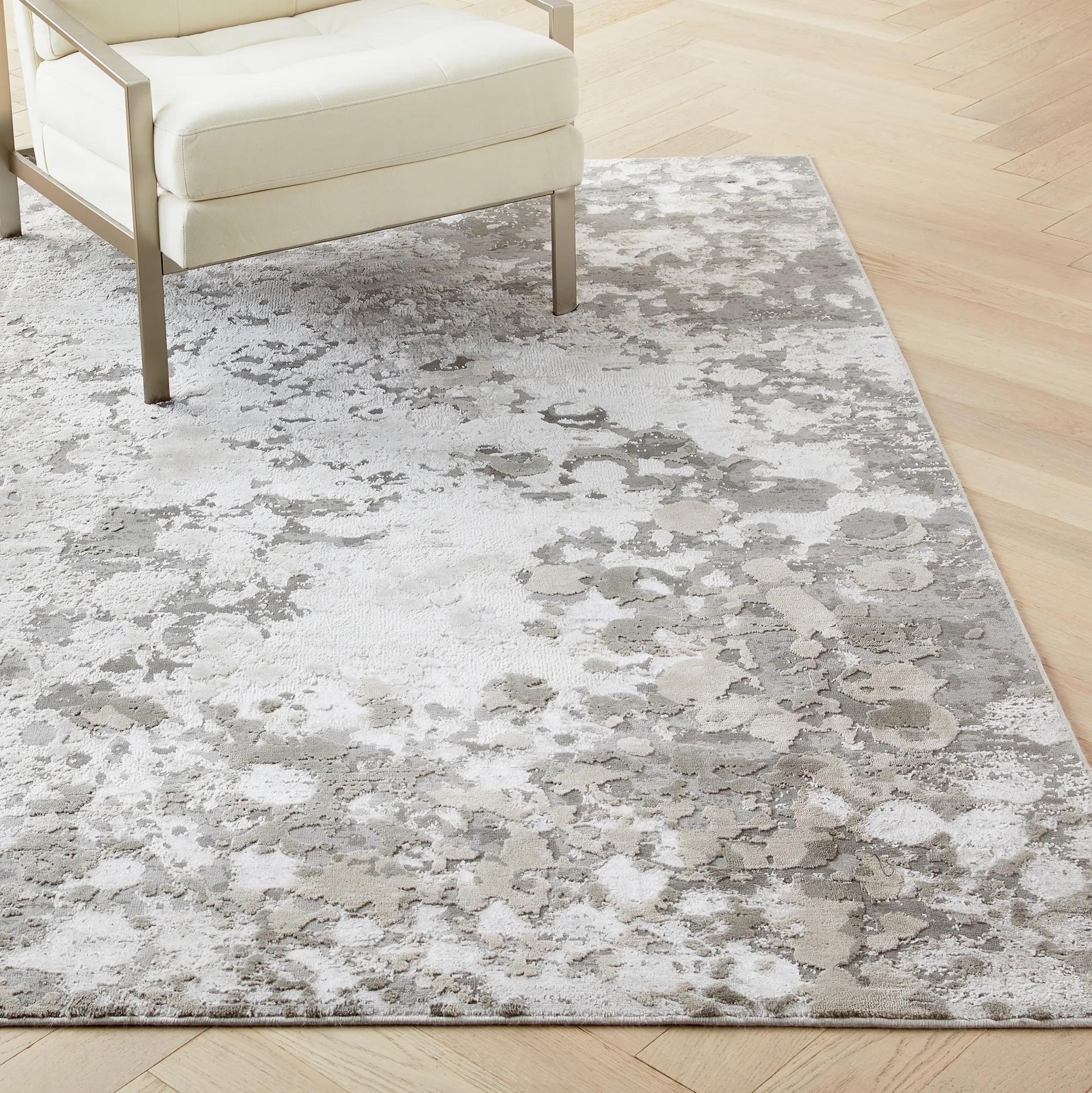 Mercury Power-Loomed Silver/Grey/Beige Rug$249
A neutral floor covering featuring a silver, grey, and beige palette with a textured polyester blend.
Add To Cart -
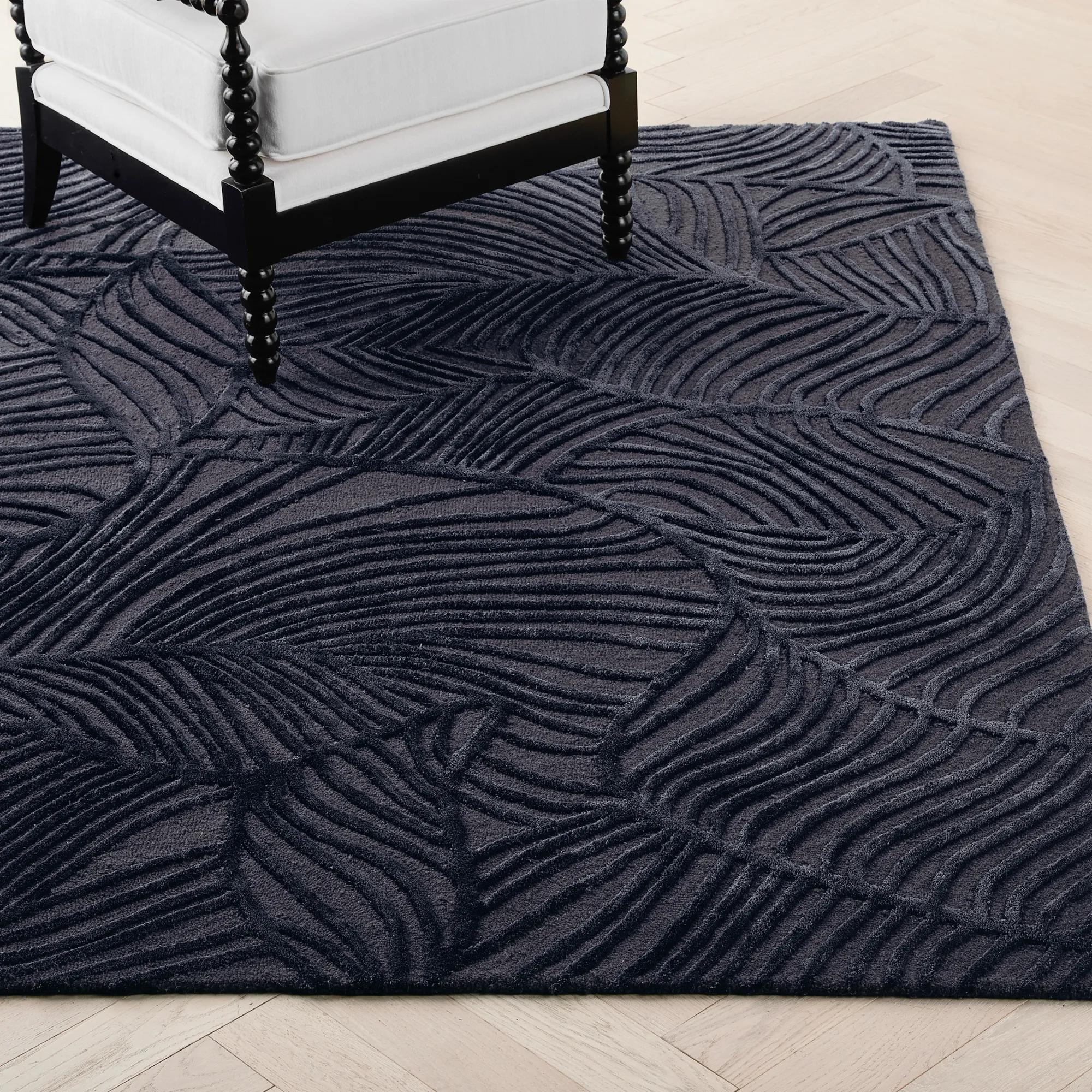
 Palm Rug - Charcoal$1499
A charcoal rug featuring a dynamic palm-leaf design with a textured high-low viscose and wool pile.
Add To Cart -
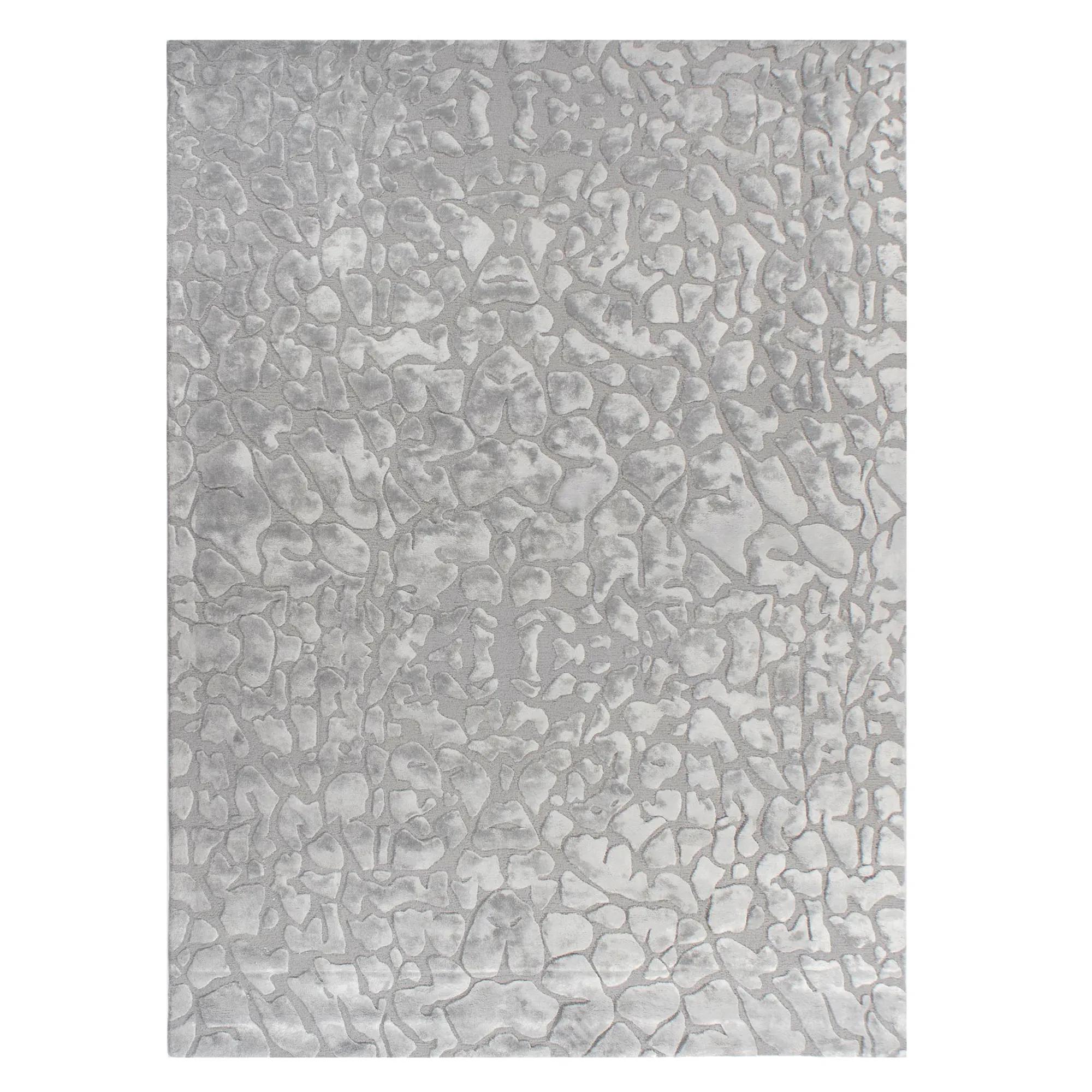
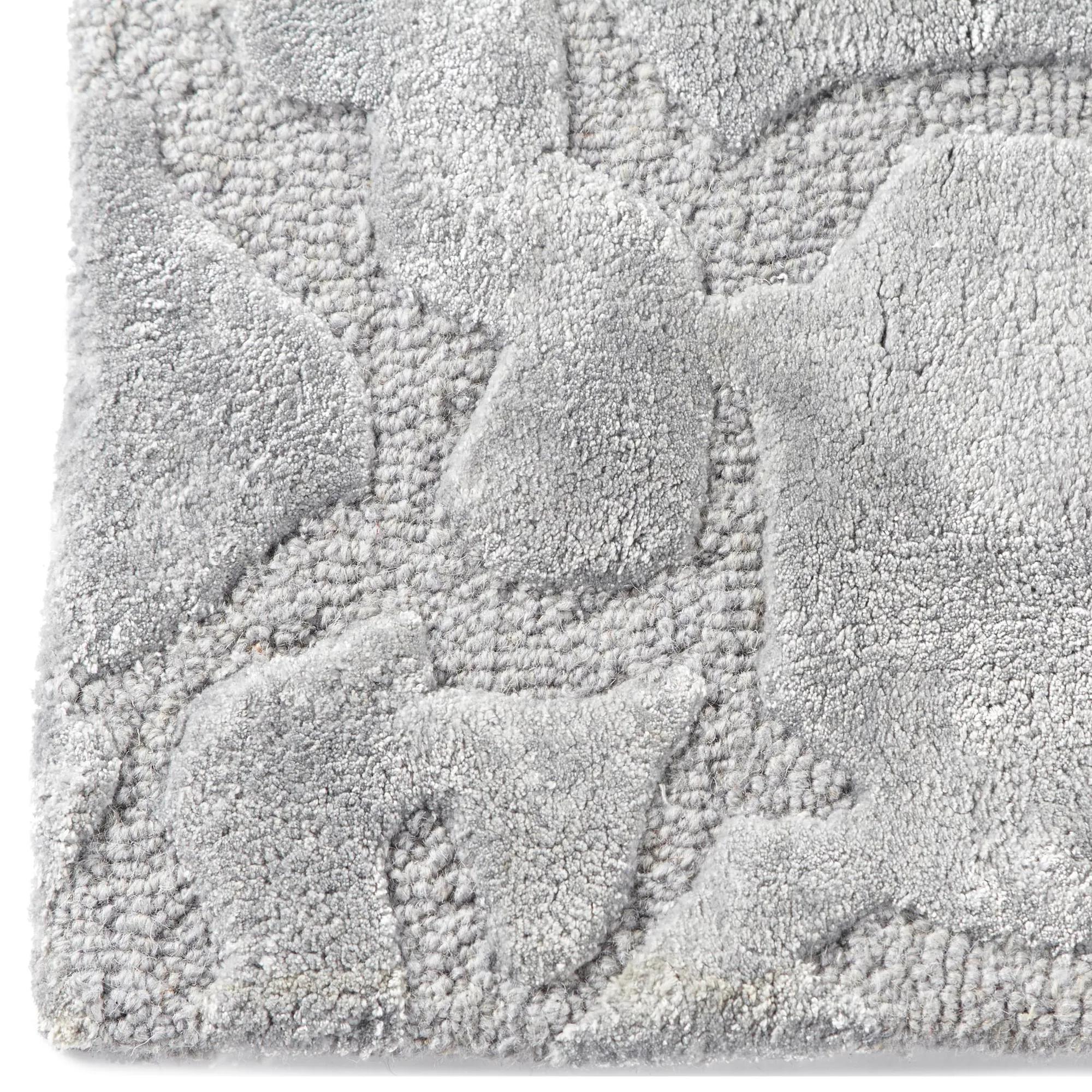 Nola Hand-Tufted Cool Grey Wool Blend Rug$849
A hand-tufted silver rug with contrasting pile heights, crafted from wool and viscose for plush texture.
Add To Cart -
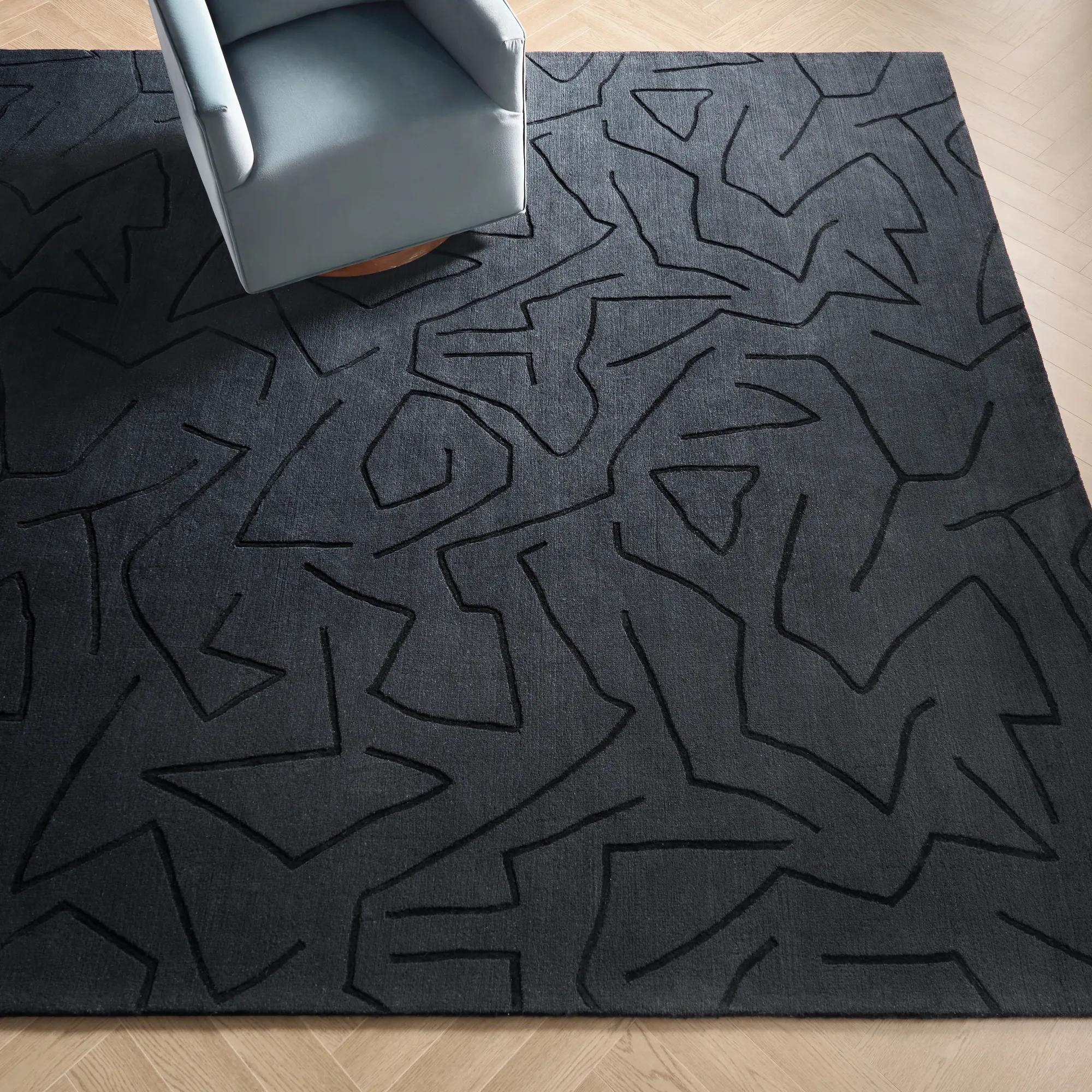 Carved Maze Rug$1399
A hand-loomed black rug crafted from wool and viscose, featuring a carved, textured maze design.
Add To Cart

Abstract Rugs For Dining Rooms
Abstract rugs for dining rooms are more than a foundation—they are the spark that ignites conversation and artistry underfoot. Swirling with color, movement, and intrigue, these statement pieces transform every meal into a curated experience. Imagine bold geometry or painterly strokes anchoring your dining space, infusing each gathering with visual drama and unmistakable flair. With abstract rugs for dining rooms, your table is no longer just a place to dine—it becomes the centerpiece of a room where creativity and elegance intertwine, inviting guests to linger in style.
An abstract rug can turn the dining room into a richly layered composition, giving the table and chairs an artistic foundation rather than simply covering the floor. With sweeping lines, painterly color, unexpected geometry, or softly blended tonal movement, an abstract design brings the energy of a gallery into everyday dining. It may echo the gleam of a sculptural pendant, draw out the warmth of wood cabinetry, or introduce a daring contrast beneath a tailored table setting. For rooms with streamlined furniture, an expressive rug adds depth and visual intrigue; in more traditional spaces, it creates a confident counterpoint that keeps the setting feeling collected instead of predictable. Neutral abstract rugs, with ivory, taupe, charcoal, sand, or layered gray tones, can bring quiet dimension to a dramatic dining room without competing with artwork or architectural details. For a more theatrical effect, choose a design with saturated jewel tones, inky accents, or metallic-looking highlights that transform the floor into a statement canvas. The most successful choice is one that reflects the mood you want to create: serene and sculptural for leisurely breakfasts, bold and glamorous for candlelit dinners, or artfully eclectic for a dining area that hosts everything from weekday meals to lingering celebrations. As the weather warms and through the cooler months, a well-chosen rug also helps the dining room feel finished and inviting, softening acoustics beneath conversation while adding a layer of comfort underfoot. It is an especially thoughtful housewarming gift for someone establishing a new dining space, a couple furnishing their first home, or a design enthusiast who loves introducing expressive pieces into a carefully considered interior.
Scale is the first practical decision, and it has a remarkable effect on both appearance and function. Ideally, a dining room rug should extend at least 24 to 36 inches beyond every side of the dining table. This generous border allows chairs to remain fully supported when guests pull them away from the table, rather than catching on the edge or slipping onto bare flooring. Measure the table with its leaves extended if you regularly host larger gatherings, then add the desired clearance on all sides; this simple step can prevent a beautiful rug from feeling undersized once the room is in use. A rug that is too small may visually crowd the table and create an awkward stop-and-start effect as chairs move, while the right size anchors the entire arrangement with confident proportion. In an open-concept interior, an abstract rug can also define the dining zone without building a visual wall, distinguishing it from the living room or kitchen while preserving a sense of flow. Consider the shape of both the table and the room: a rectangular rug generally complements a long table, while a round design can emphasize a circular tabletop and create a graceful, centered vignette. Leave enough breathing room around the rug for walkways, nearby consoles, and adjoining furniture, particularly in rooms where guests move between the table and serving areas. Before purchasing, map the intended dimensions with painter’s tape or folded blankets on the floor and pull the dining chairs in and out several times. This quick at-home test reveals whether the rug will accommodate real movement, not merely look proportionate when the chairs are tucked neatly beneath the table.
Dining rooms ask a rug to be both visually captivating and wonderfully practical. A low-pile or flatweave construction is typically the most suitable choice because chair legs can glide across the surface with less resistance, and crumbs or small spills are easier to address. Plush, high-pile textures may bring sumptuous softness to a bedroom or lounge, but beneath a dining table they can make chairs catch, wobble, or become difficult to reposition. Look for durable fibers designed to withstand regular use, including resilient synthetic materials such as polypropylene, as well as options with stain-resistant finishes or washable construction when available. These features are especially helpful in homes with children, pets, frequent entertaining, or a habit of serving richly sauced dishes and generous pours of wine. Even with a practical fiber, respond to spills promptly by gently blotting rather than rubbing, following the care instructions for the rug’s material and construction. A rug pad adds another layer of refinement: it can help prevent shifting, protect the floor, improve underfoot comfort, and create a smoother foundation for chairs. Color and pattern also contribute to everyday livability. A multicolored abstract design can disguise the occasional mark between cleanings while bringing artful movement to a simple room, whereas a softly tonal pattern can make a compact dining area feel open and composed. If your dining room already features bold upholstery, elaborate lighting, or expressive wall art, explore Neutral Rugs For Dining Rooms for a quieter foundation that lets those details take center stage. For a more restrained table and pared-back surroundings, a dynamic abstract rug can supply the drama, introducing brushstroke-like forms and nuanced color without requiring a complete redesign. Layer the finished setting with sculptural dinnerware, glowing candlelight, polished flatware, or a low centerpiece that leaves sightlines open across the table. The result is more than a practical surface beneath the dining set: it is a welcoming stage for morning coffee, shared meals, milestone toasts, and long conversations that continue after the plates have been cleared.
FAQs
Abstract rugs effortlessly complement a wide range of dining room aesthetics, from contemporary and modern glam to eclectic and transitional spaces. Their expressive patterns and vibrant palettes can either serve as the focal point in minimalist settings or harmonize with layered, maximalist décor. Pair an abstract rug with sculptural dining chairs, metallic accents, or bold artwork to create a cohesive, gallery-inspired atmosphere.
Abstract rugs infuse dining rooms with a sense of movement, energy, and creative flair. Their dynamic patterns can evoke feelings of sophistication, playfulness, or serenity, depending on the color scheme and design. By anchoring the space with artistry underfoot, they transform even everyday meals into immersive, memorable experiences.
Yes, abstract rugs are an excellent choice for lively households. Their intricate designs and varied hues naturally camouflage minor stains and daily wear, making them both practical and visually forgiving. Opt for durable materials and easy-care weaves to ensure your rug remains a stunning centerpiece, no matter what life brings.
Abstract dining room rugs are often crafted from luxurious materials such as hand-tufted wool, silky viscose, or high-performance synthetic fibers. Each material offers unique benefits—wool is plush and resilient, viscose provides a luminous sheen, and synthetics are exceptionally easy to maintain. The choice of material can enhance both the tactile experience and the visual drama of your dining space.
Absolutely. In open floor plans, an abstract rug acts as a visual anchor, distinguishing the dining area from adjacent living or kitchen spaces. Its bold design draws the eye and creates a sense of intimacy, transforming even expansive layouts into curated, inviting environments that celebrate both art and gathering.