Modern Wool Rugs For Dining Rooms
Modern Wool Rugs For Dining Rooms
-
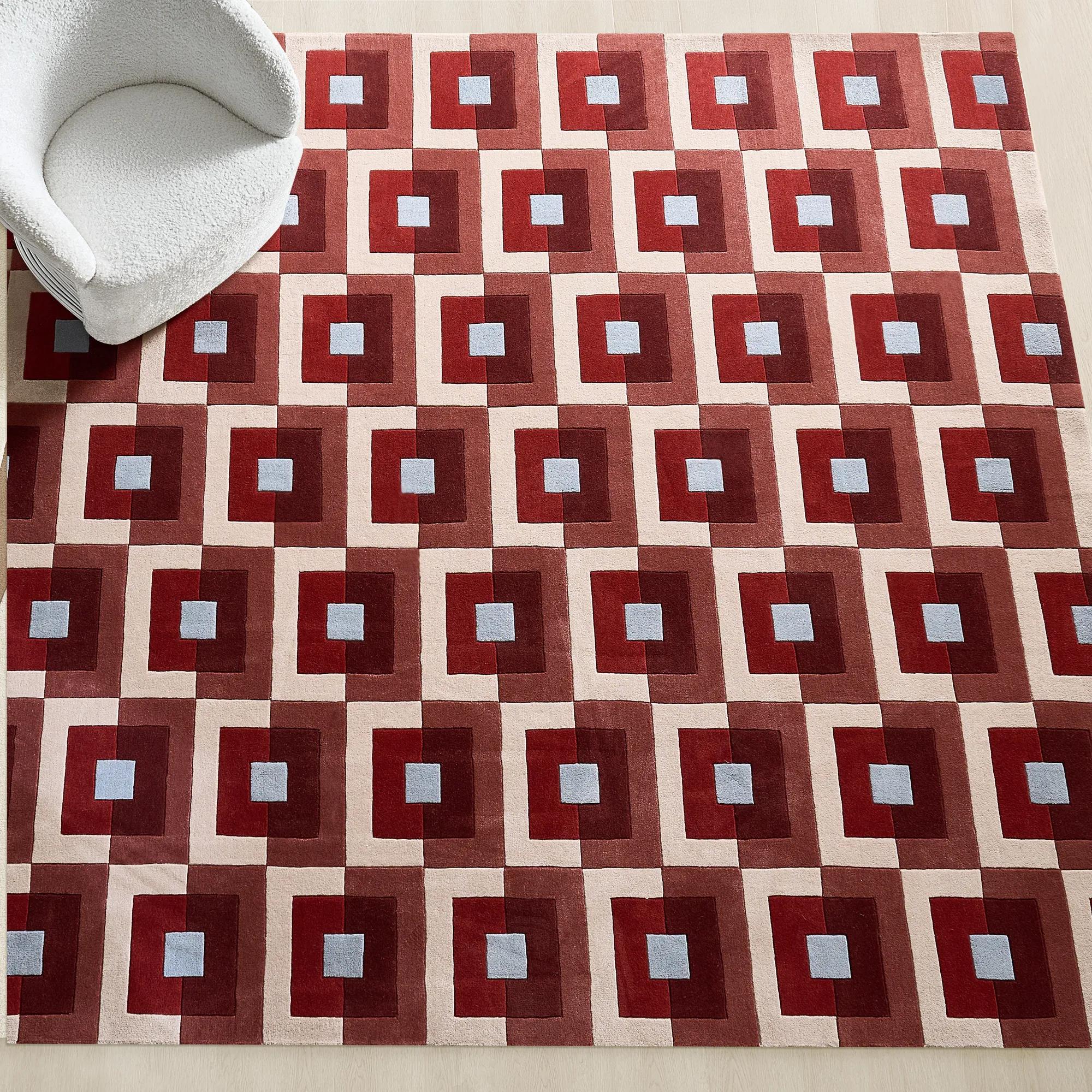
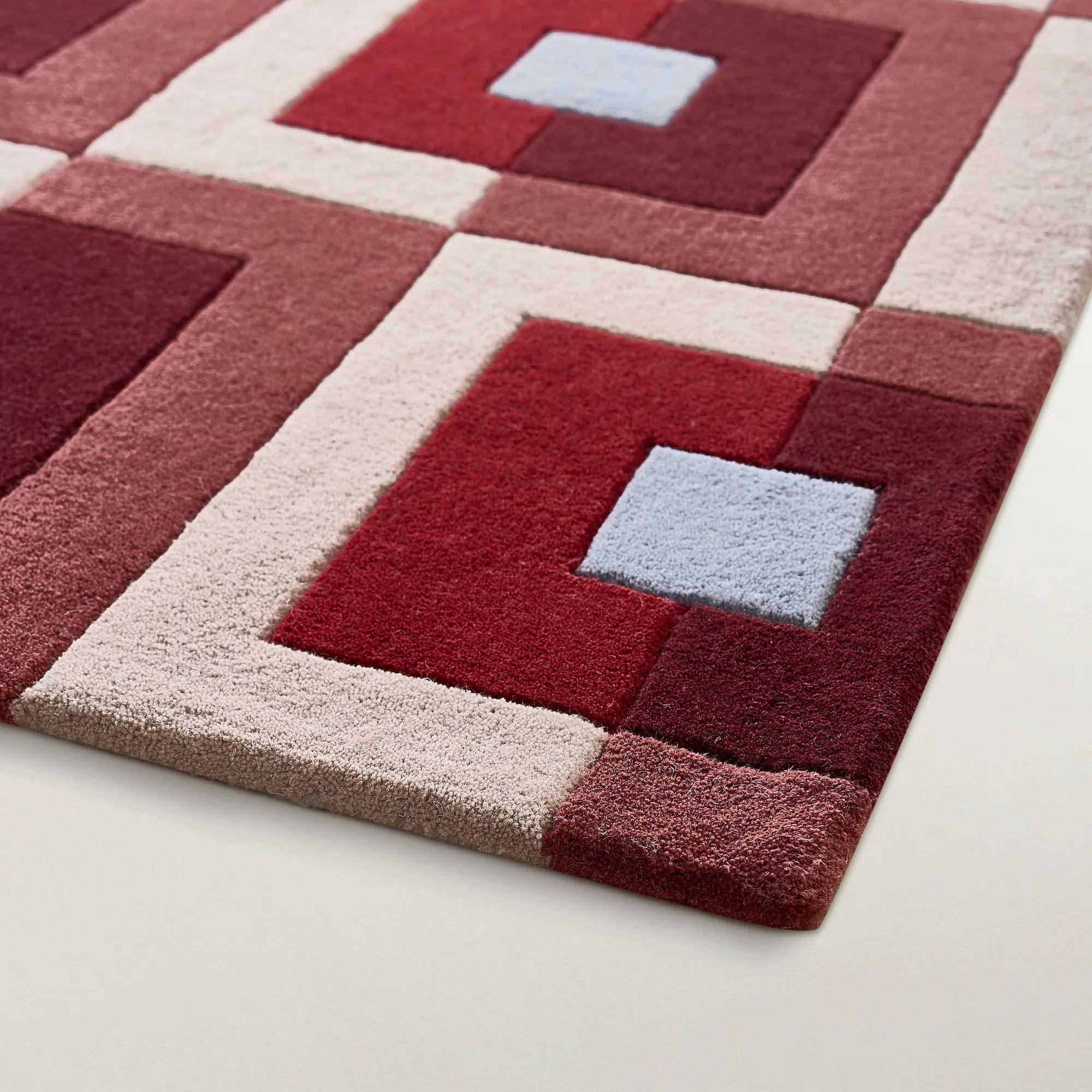 Geo Pop Wool Rug - Oxblood Red/Airy Blue$1599
A geometric wool rug featuring bold oxblood red and airy blue hues for modern interiors.
Add To Cart -
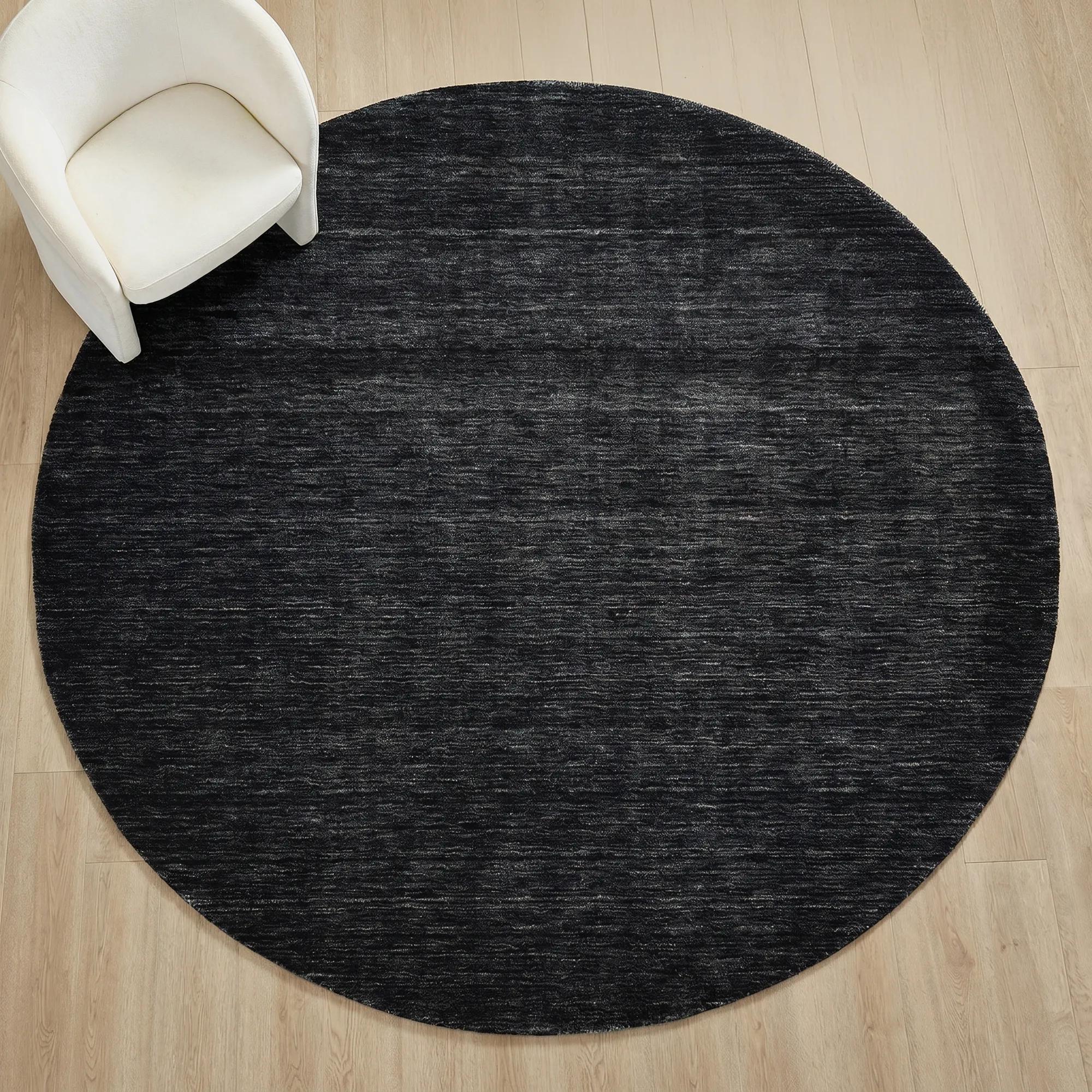 Juni Hand Woven Heathered Black Rug$799
A handwoven round wool rug in heathered black, offering durable texture and moody, contemporary style.
Add To Cart -
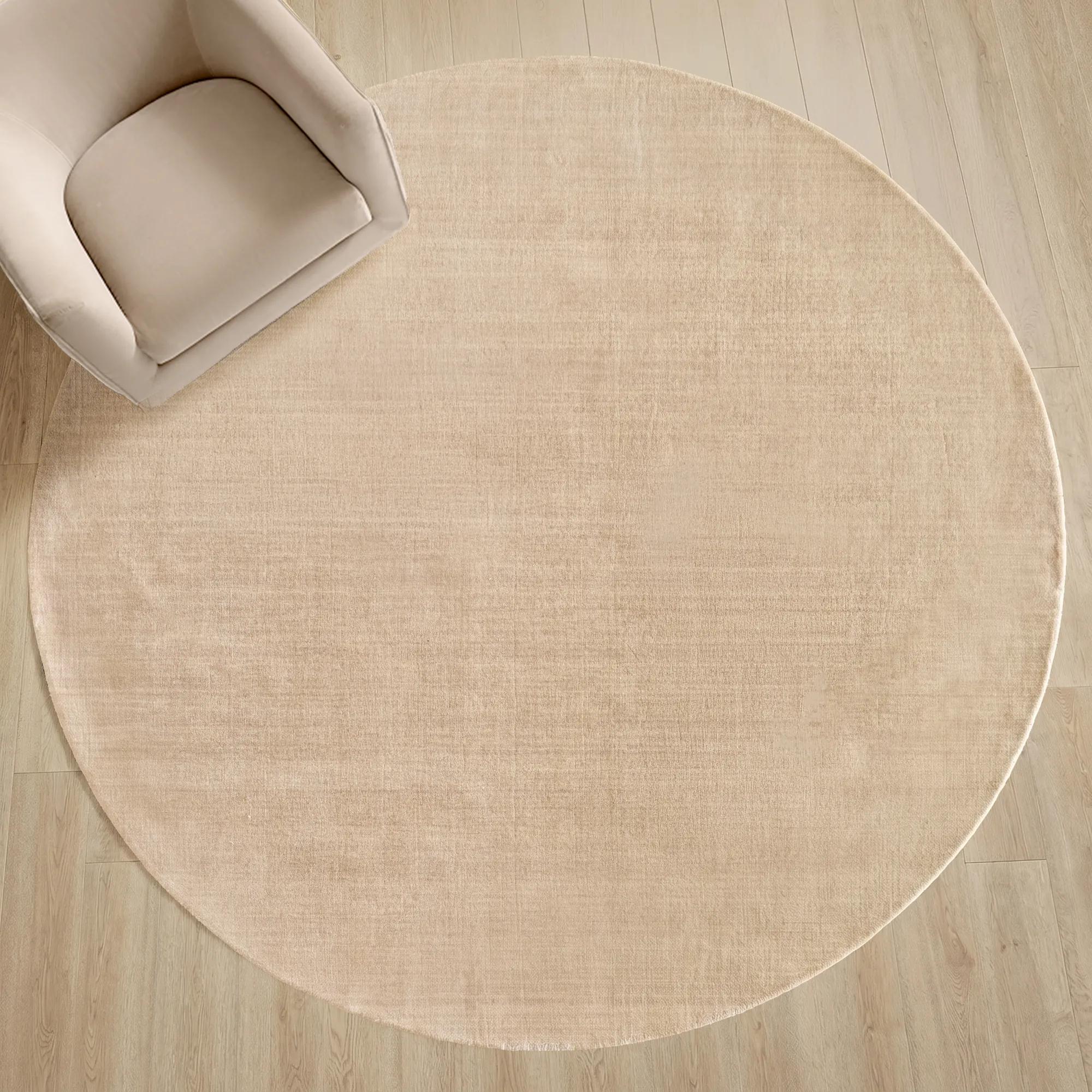 Juni Hand Woven Heathered Warm Beige Round Rug$1399
A handwoven round wool rug in heathered warm beige, offering refined texture and everyday durability.
Add To Cart -
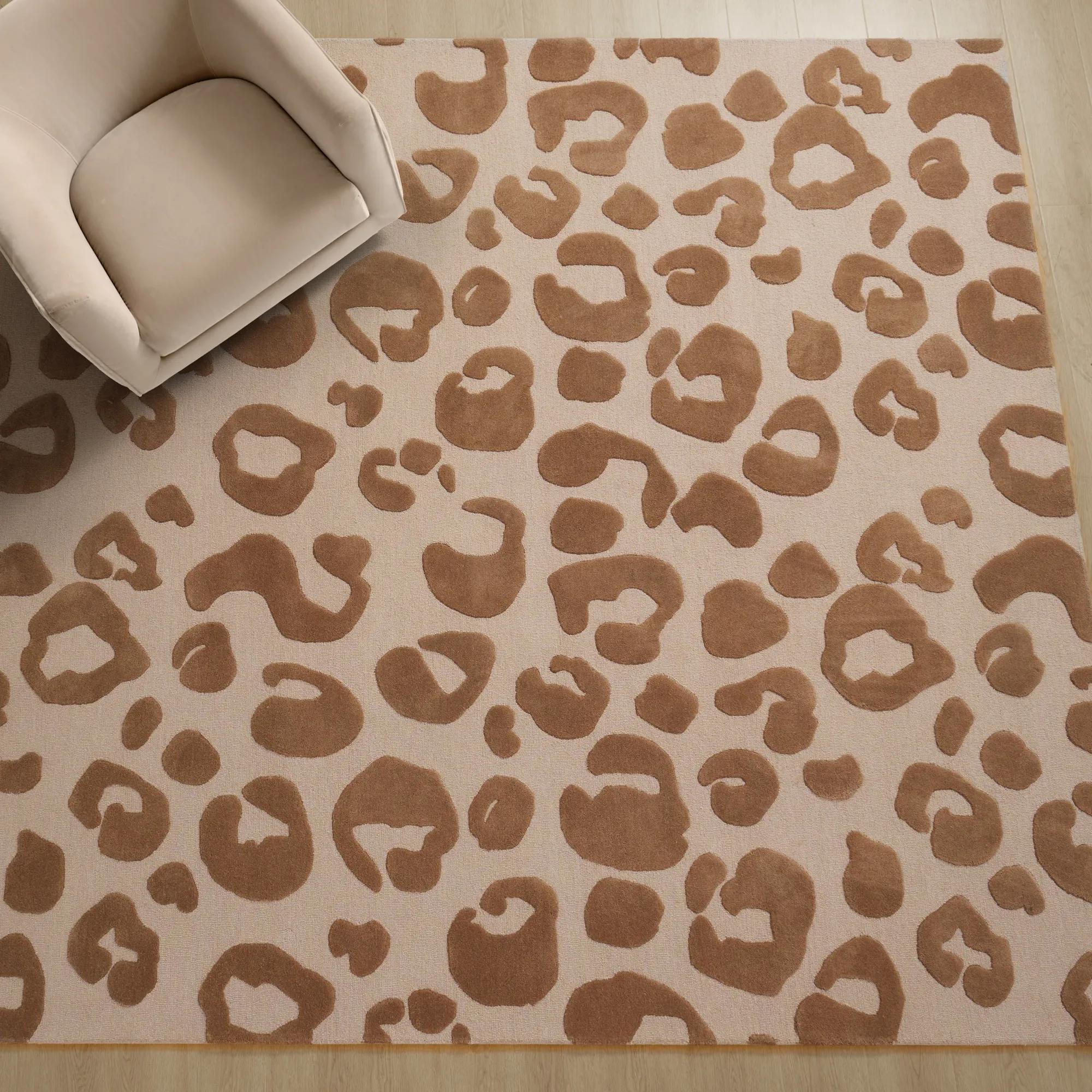 Pounce Hand-Tufted Tawny Brown Leopard Print Wool Rug$1499
A hand-tufted wool rug featuring a tawny brown leopard print and dimensional high-low loop and cut pile.
Add To Cart -
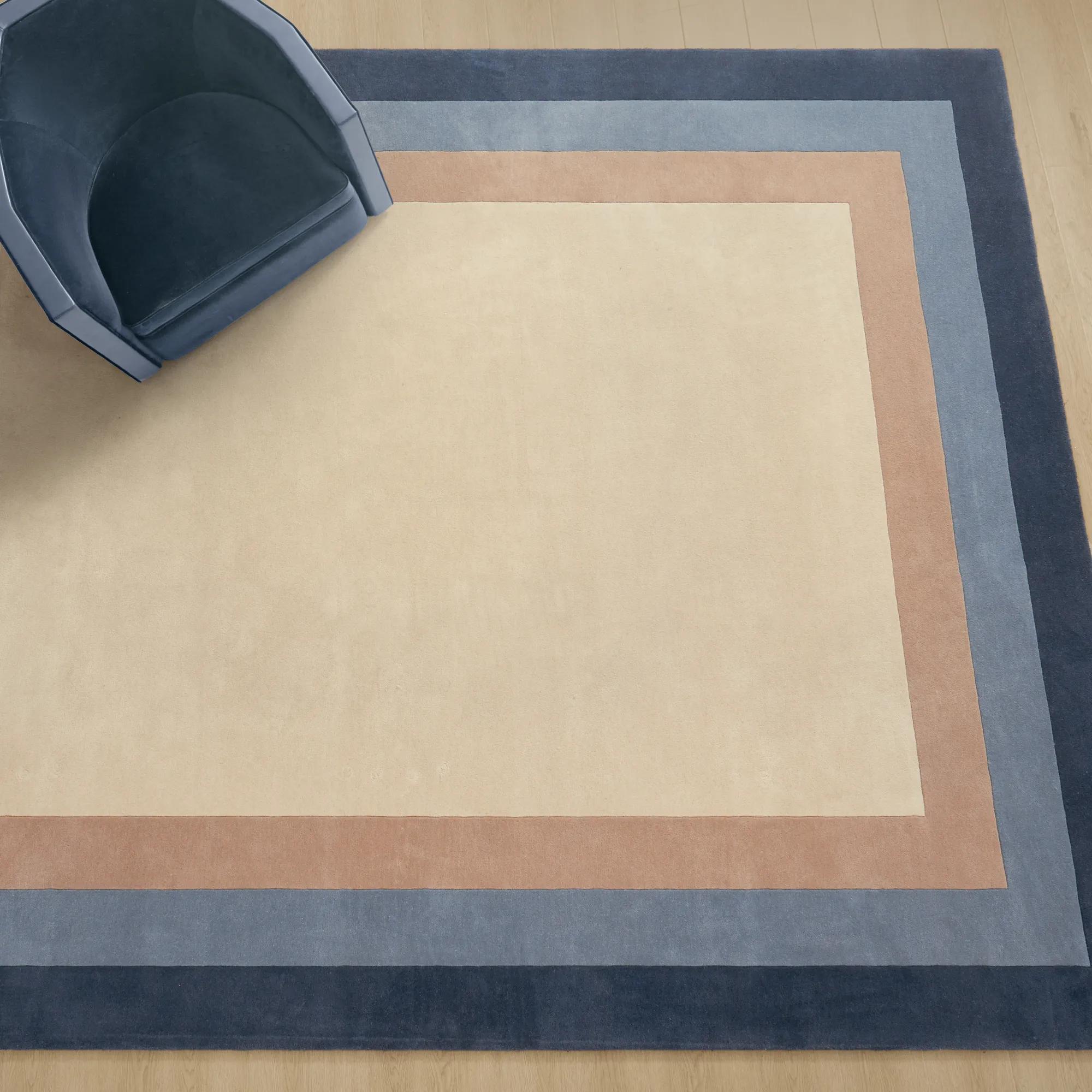 Bastien Hand-Tufted Blue/Taupe/Ivory Wool Border Rug$499
A hand-tufted wool rug with a graphic blue, taupe, and ivory color-blocked border.
Add To Cart -
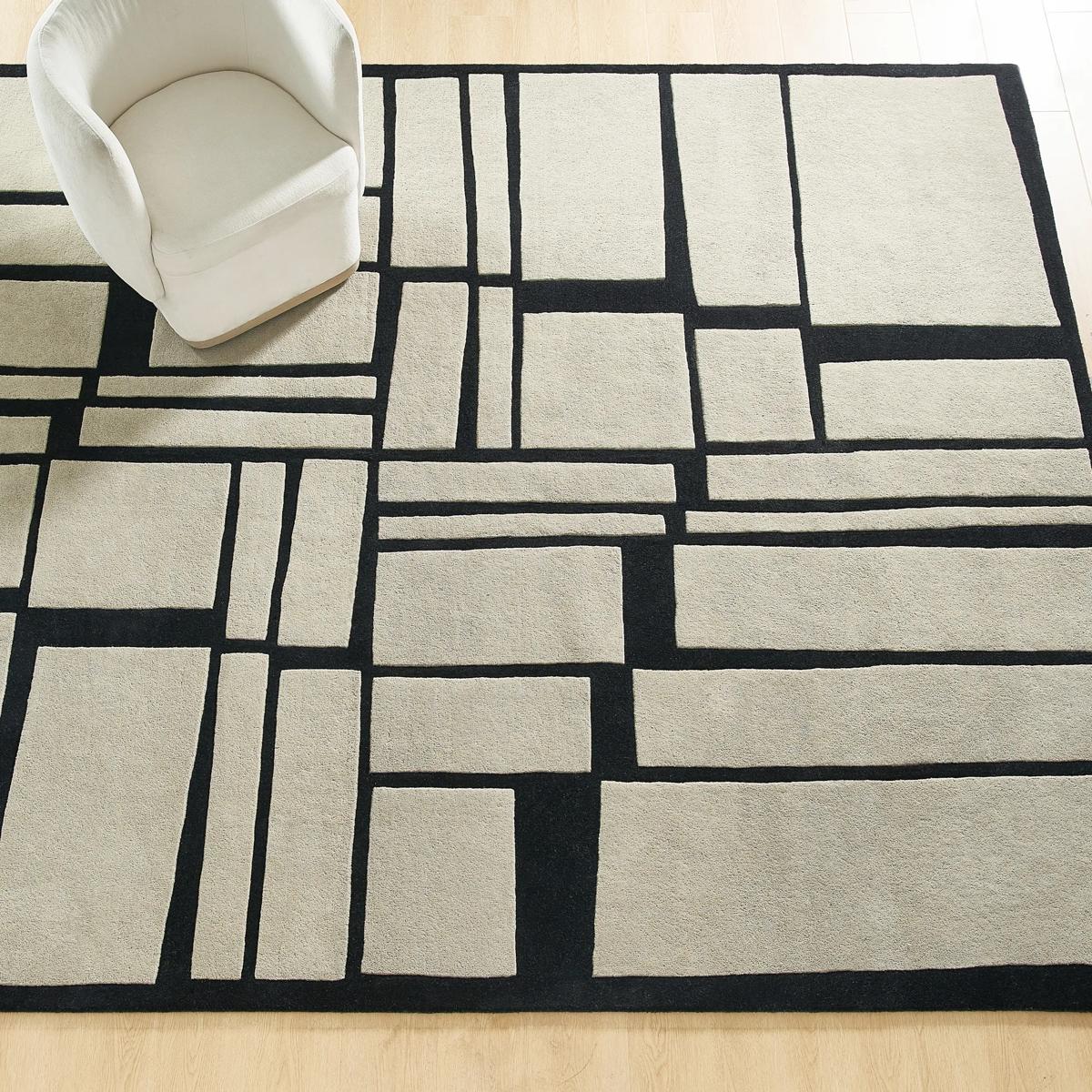 Novak Hand-Tufted Natural/Black Wool Rug$1399
A hand-tufted wool rug featuring a bold black and natural grid design for modern contrast.
Add To Cart -
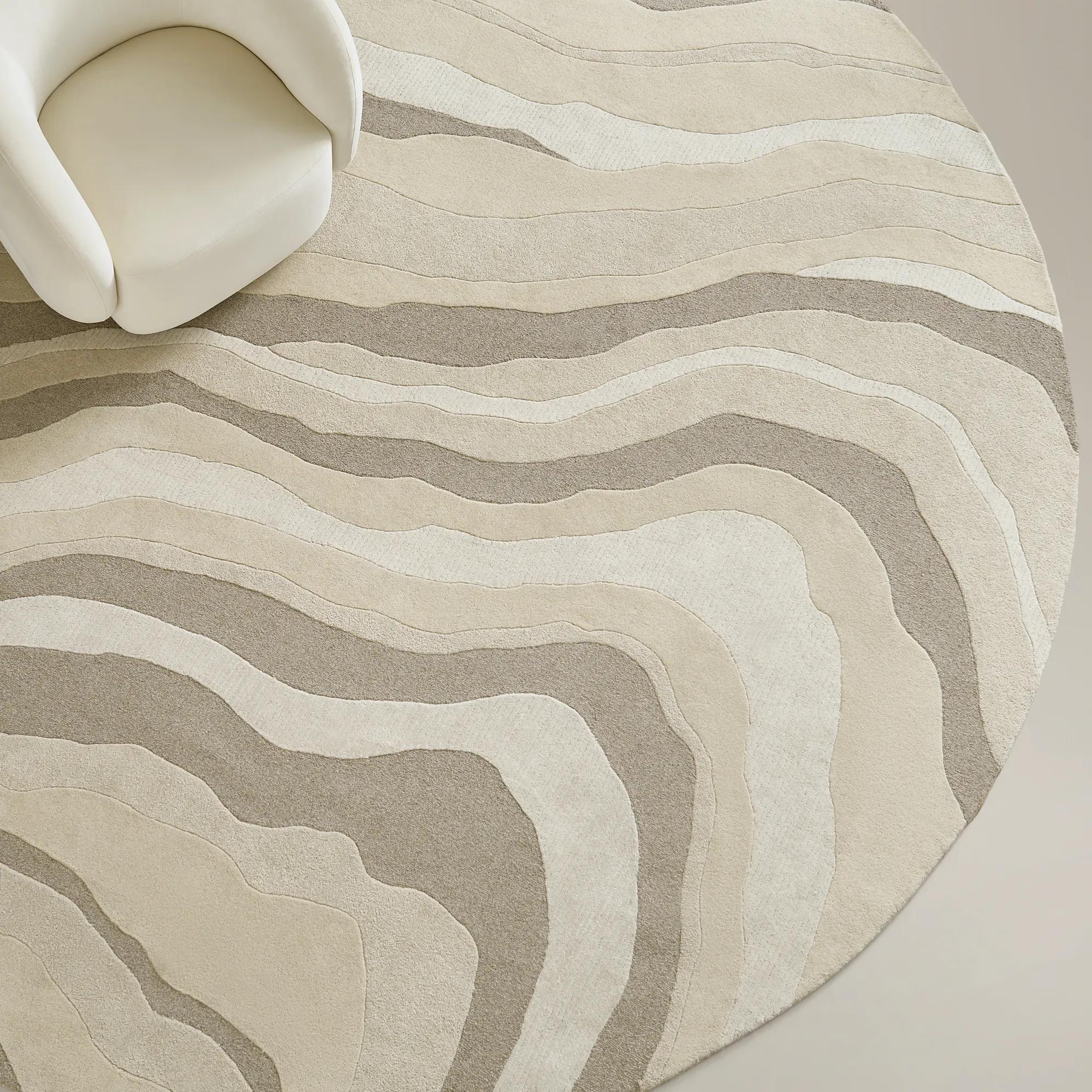 Kadence Hand-Tufted White/Ivory/Tan Wool Round Rug 12"$1799
A hand-tufted round rug in white, ivory, and tan, crafted from 100% wool for natural warmth.
Add To Cart -
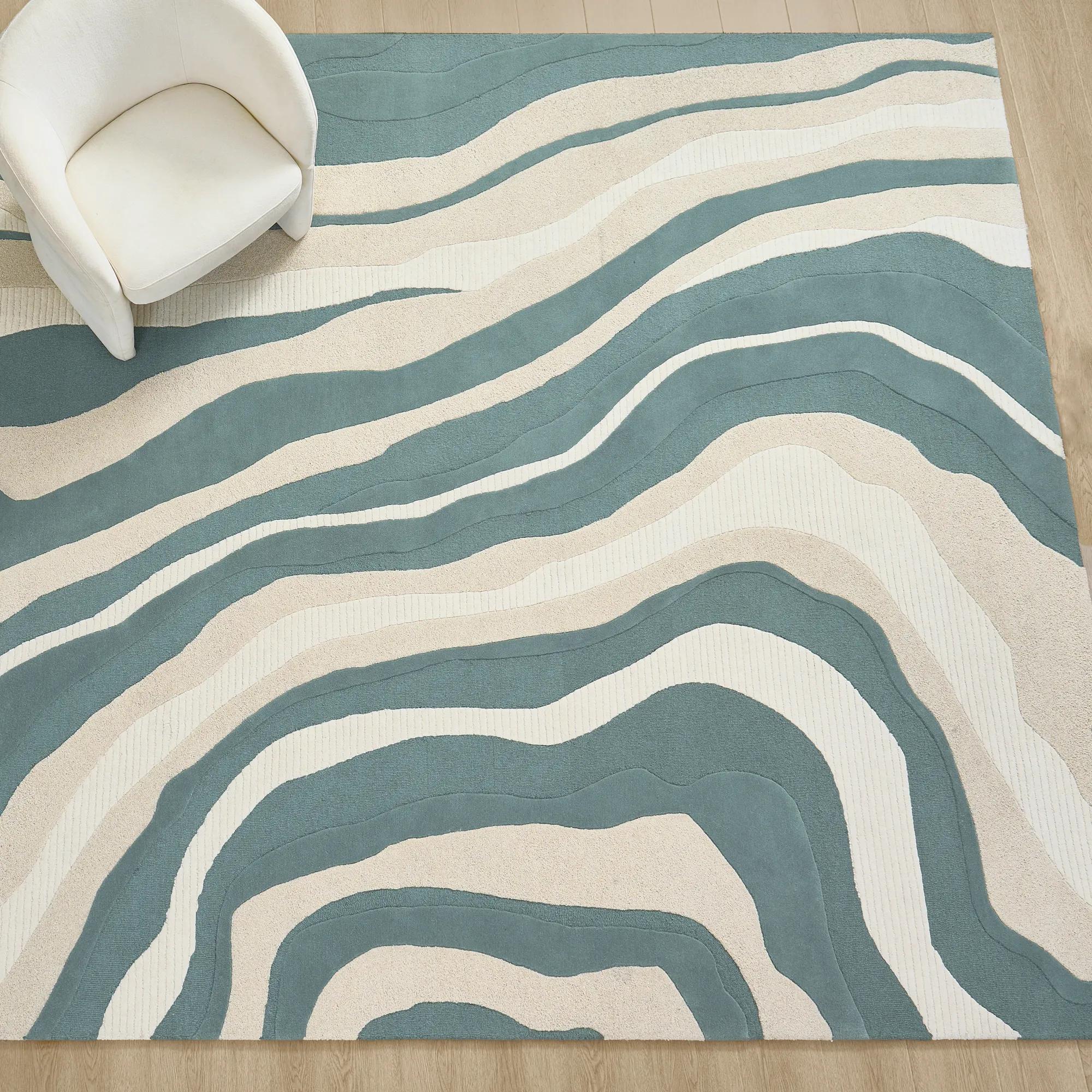 Kadence Hand-Tufted Sage Green/Ivory Wool Rug$1499
A hand-tufted wool rug with organic waves, sculptural high-low texture, and sage-ivory hues.
Add To Cart -
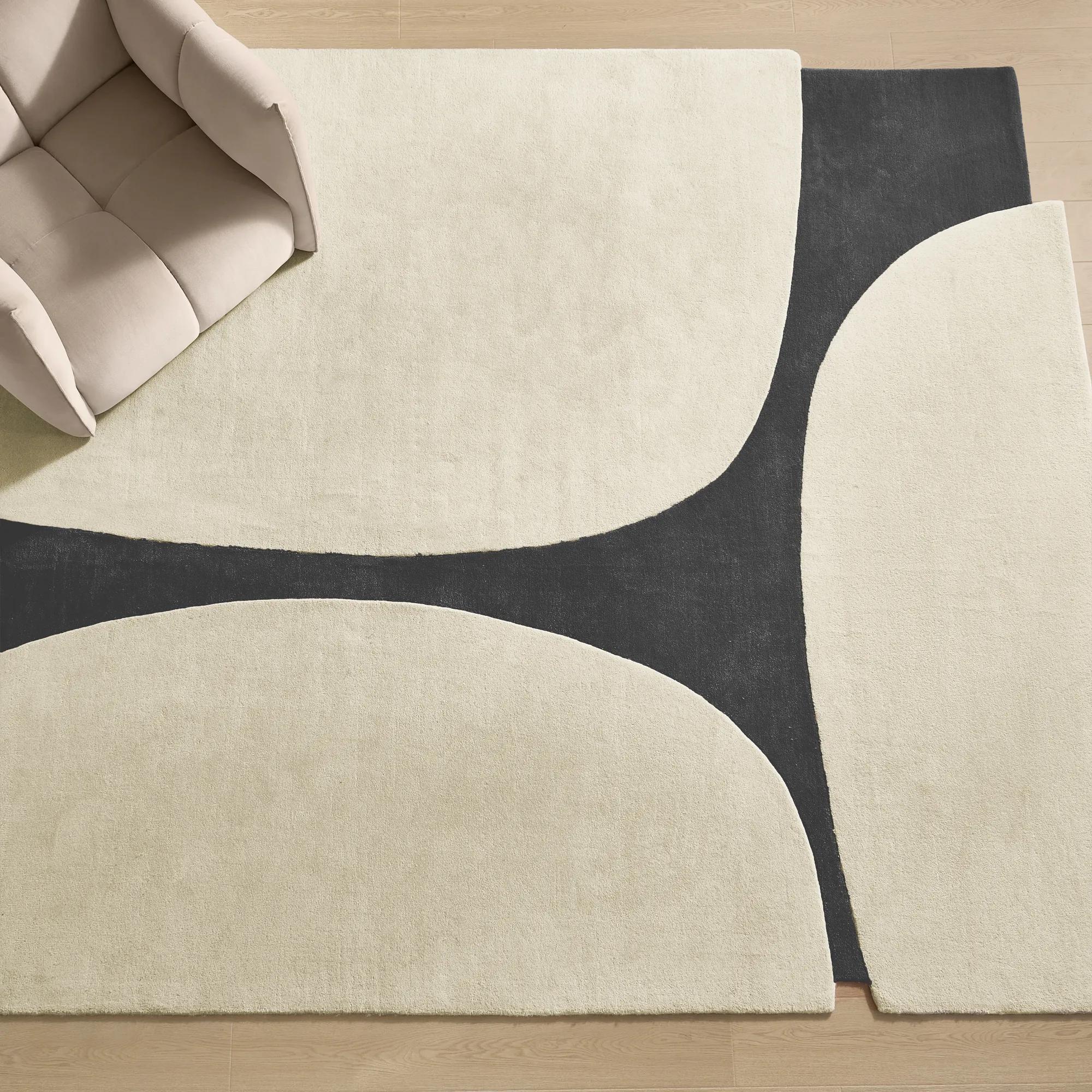 Contour Hand-Tufted Ivory/Charcoal Wool & Viscose Rug$1499
A hand-tufted wool-viscose rug with an organic edge, sculptural high-low texture, and ivory-charcoal pattern.
Add To Cart -
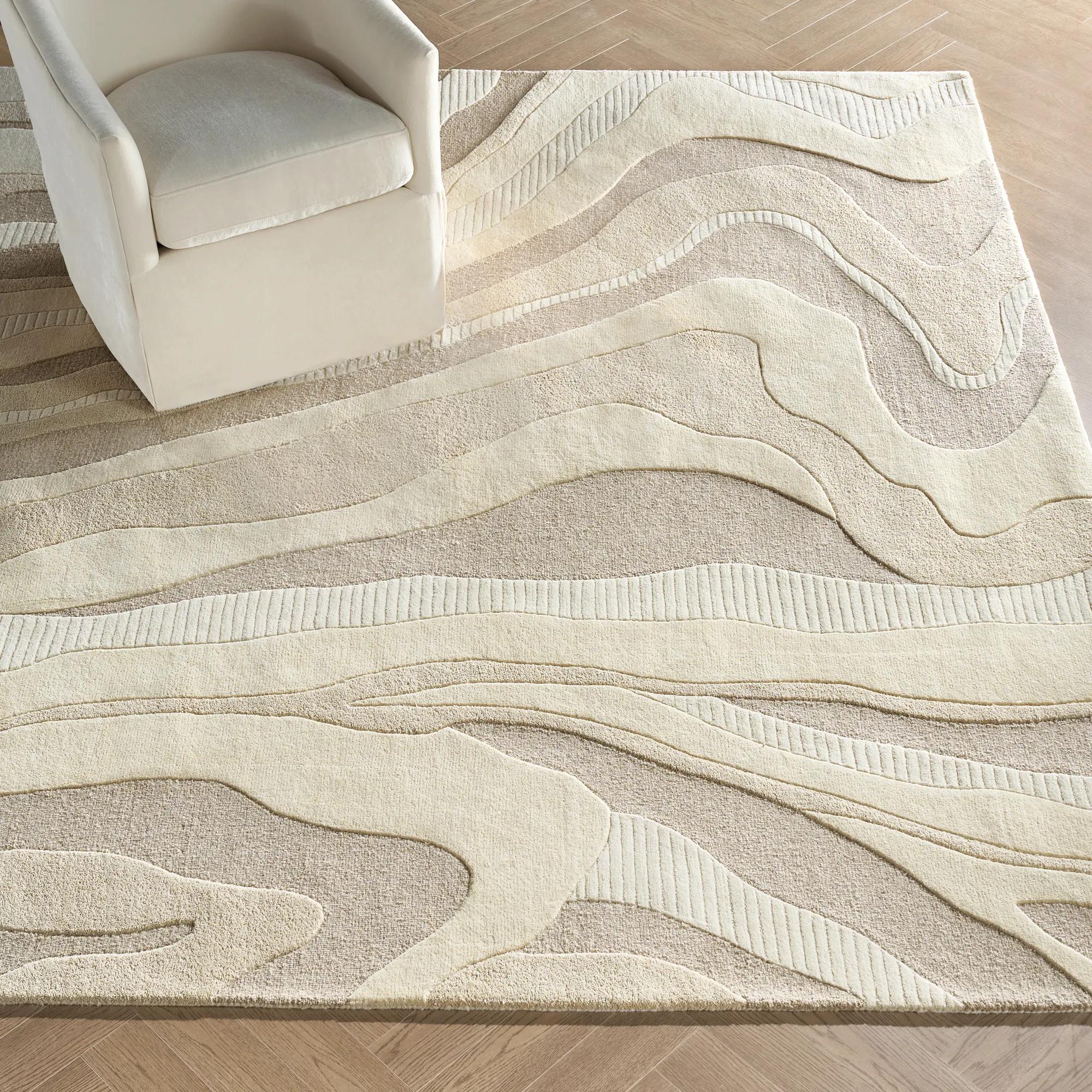 Kadence Hand-Tufted Ivory/Tan Wool Rug$1499
A hand-tufted wool rug featuring a multi-textured swirl design in ivory and tan for timeless elegance.
Add To Cart -
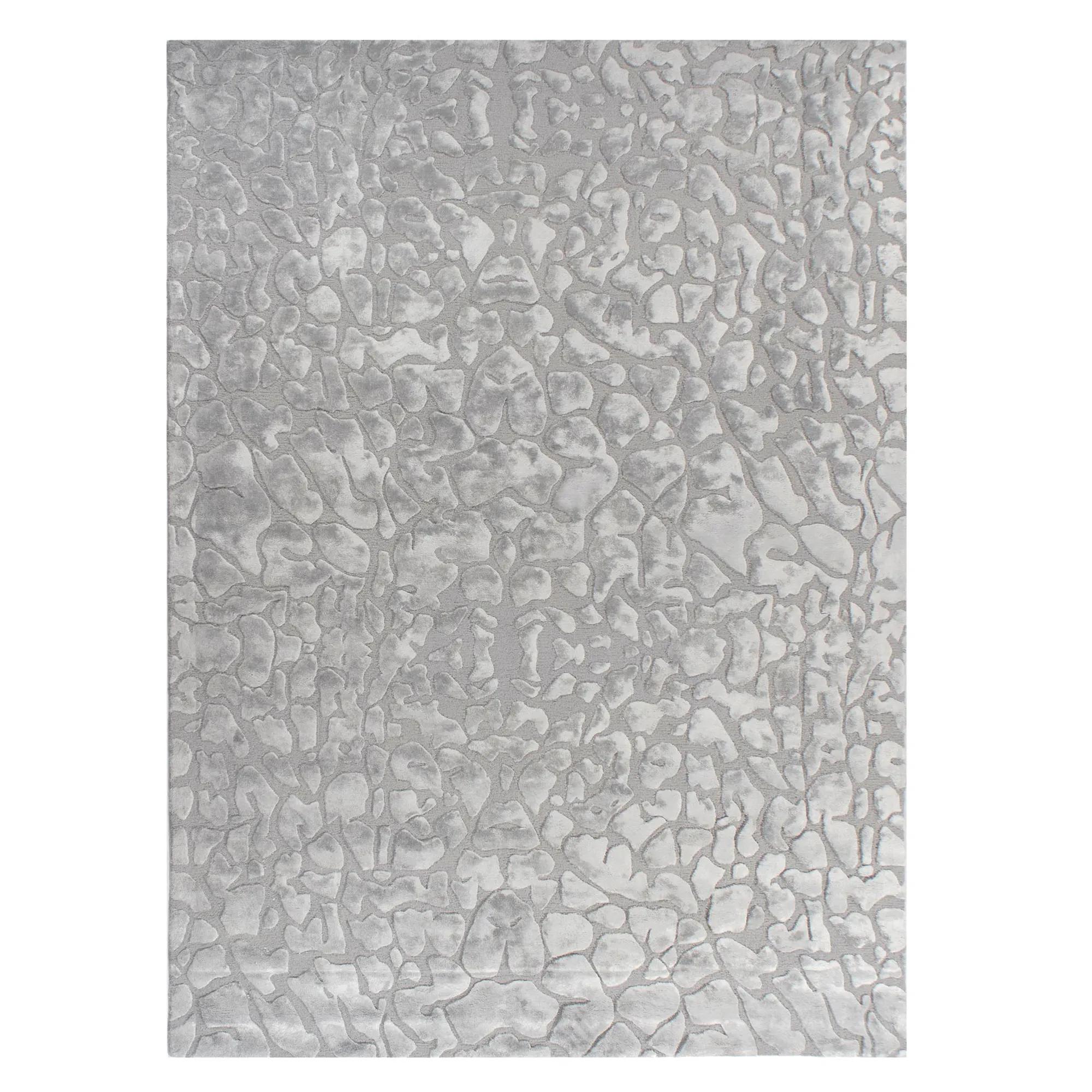
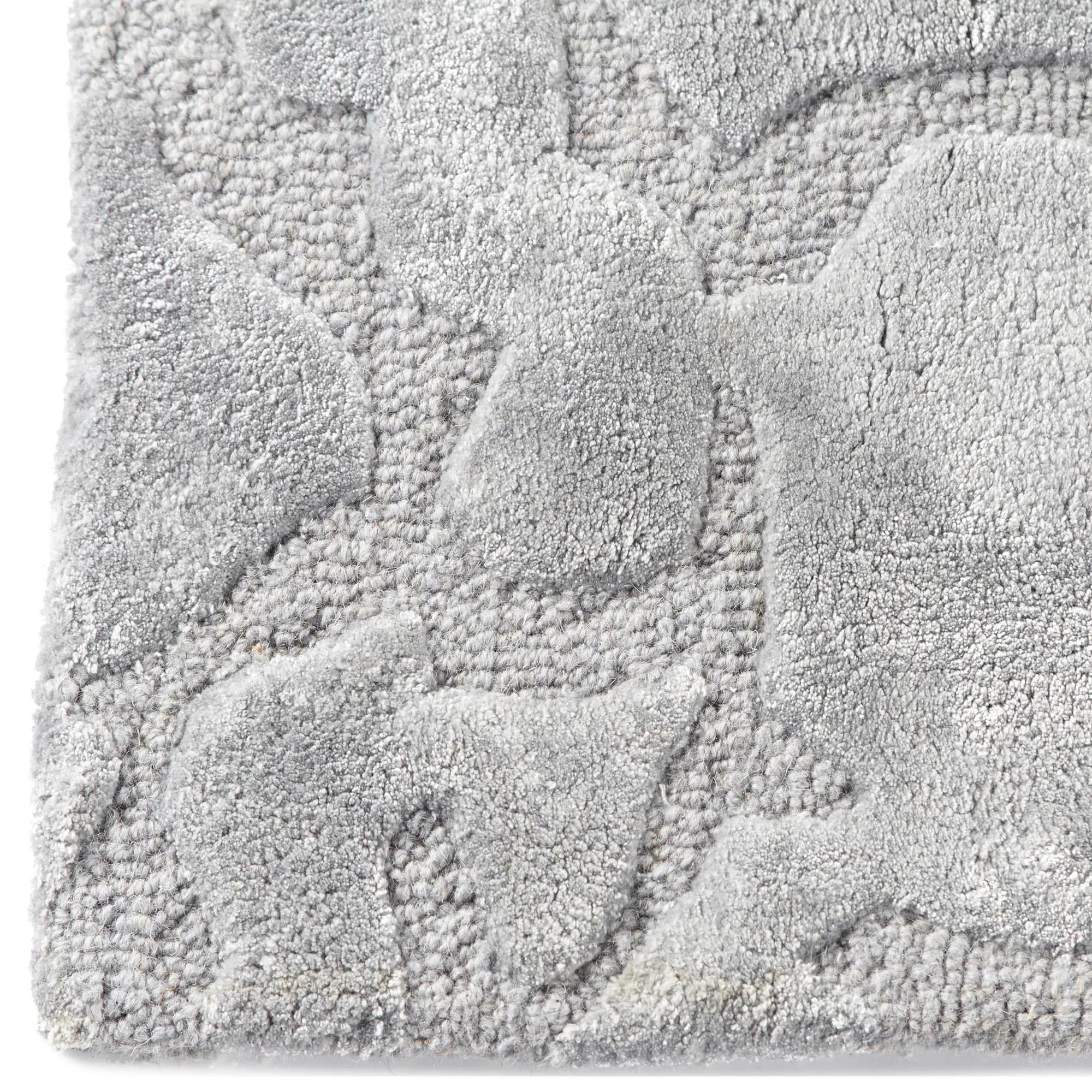 Nola Hand-Tufted Cool Grey Wool Blend Rug$849
A hand-tufted silver rug with contrasting pile heights, crafted from wool and viscose for plush texture.
Add To Cart -
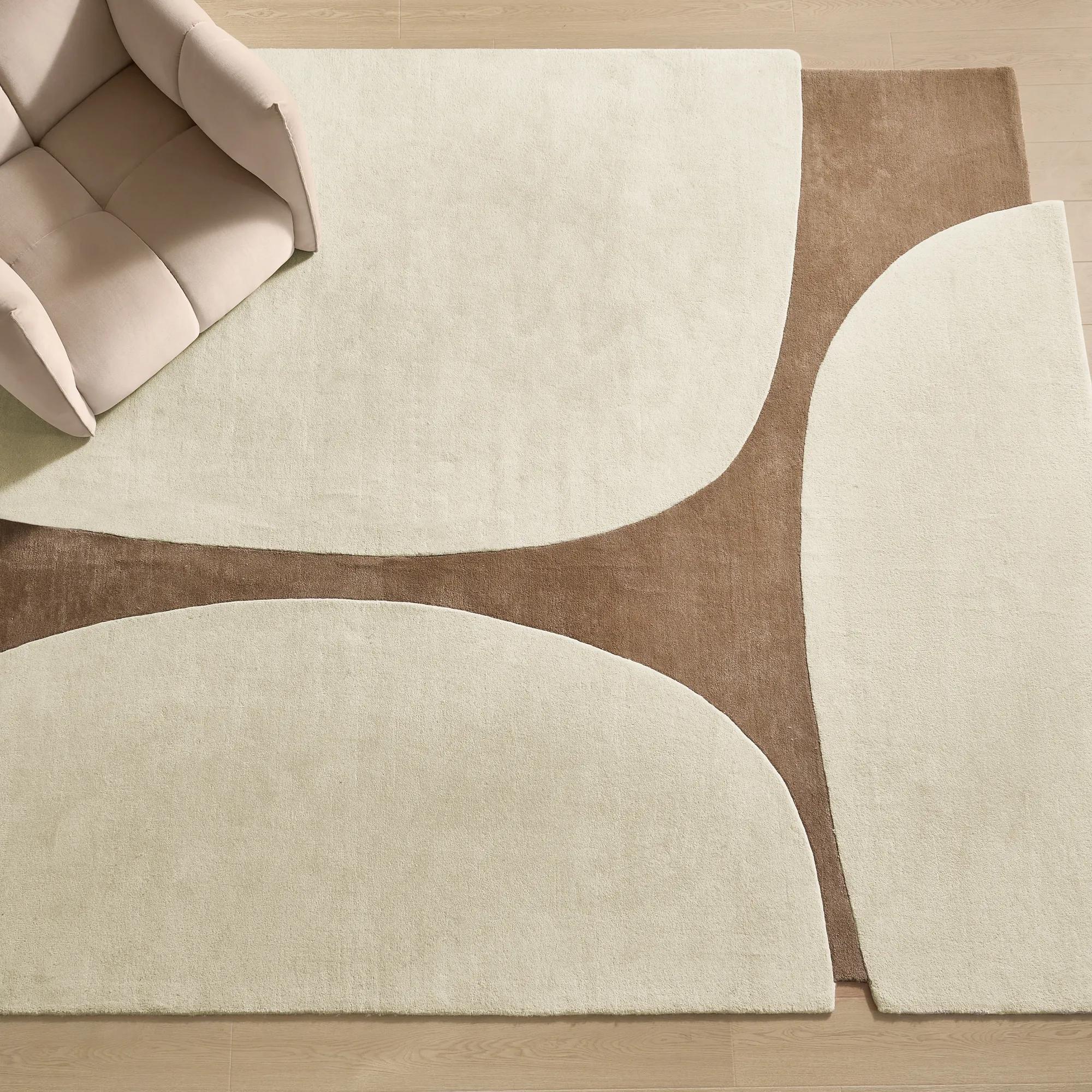
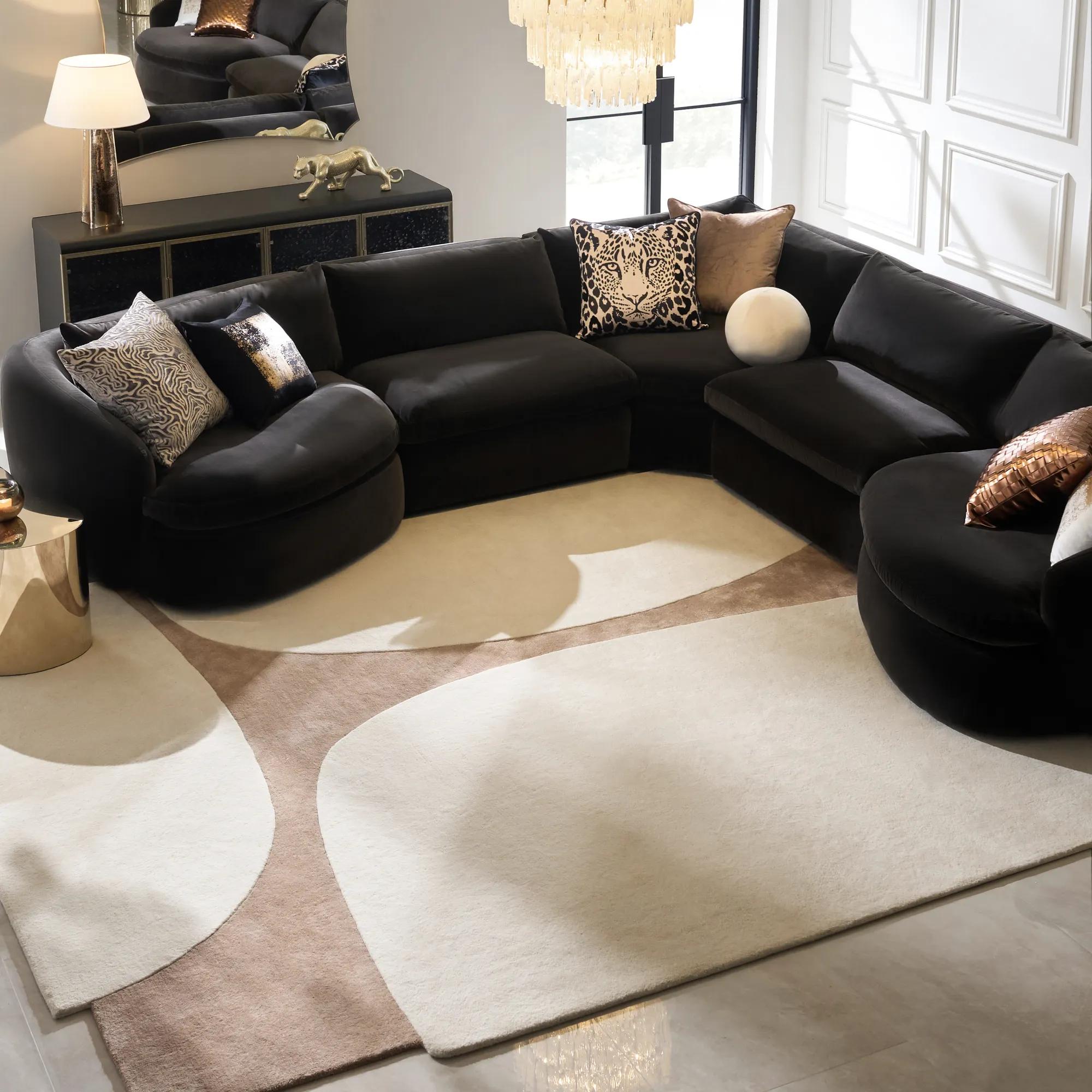 Contour Hand-Tufted Ivory/Ginger Root Wool Blend Rug$1499
A hand-tufted wool rug featuring an ivory and ginger root palette with a contoured, modern design.
Add To Cart -
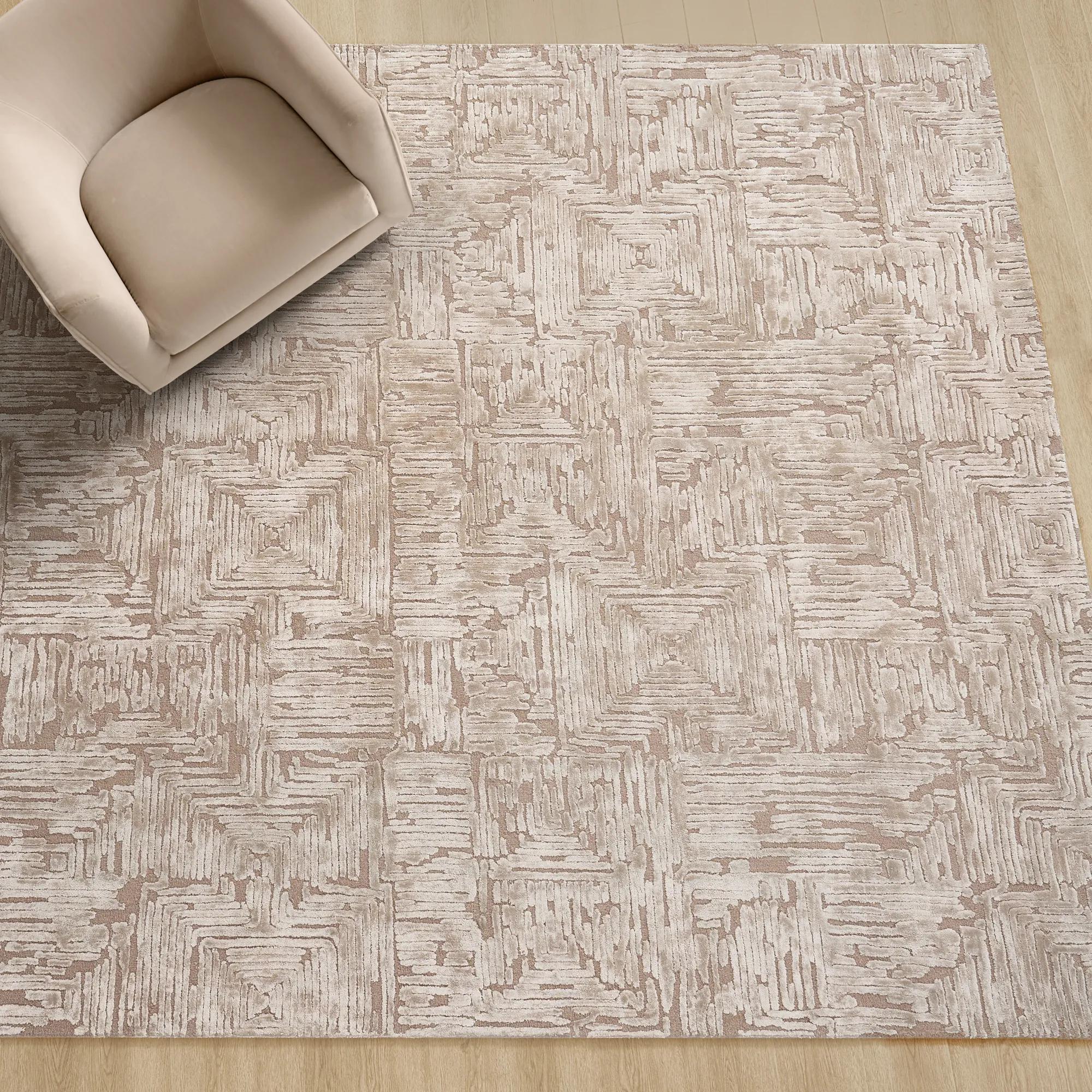
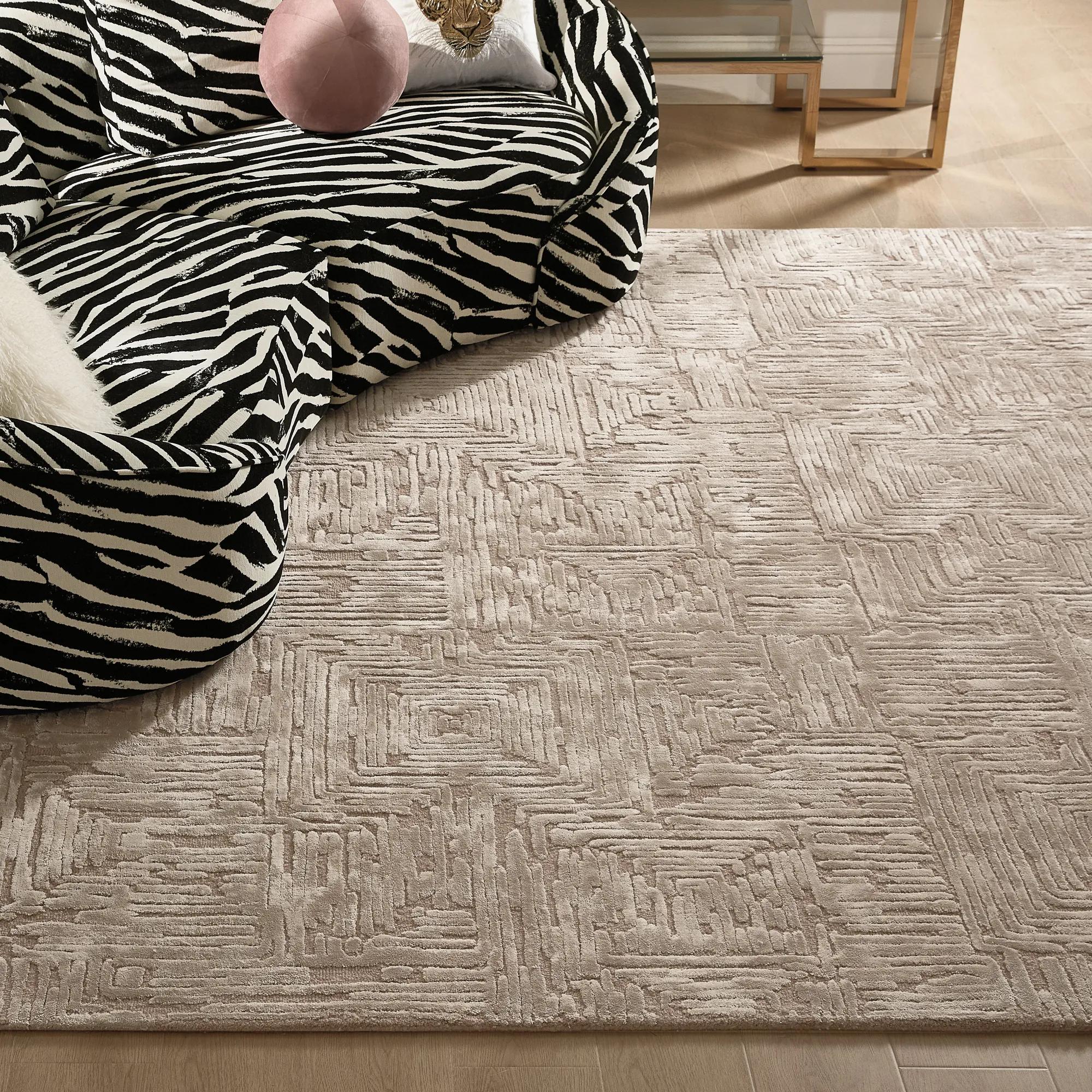 Andra Hand-Tufted Mocha Rose Viscose & Wool Dimensional Rug$999
A hand-tufted rug in mocha rose viscose and wool with a dimensional high-low geometric pattern.
Add To Cart -
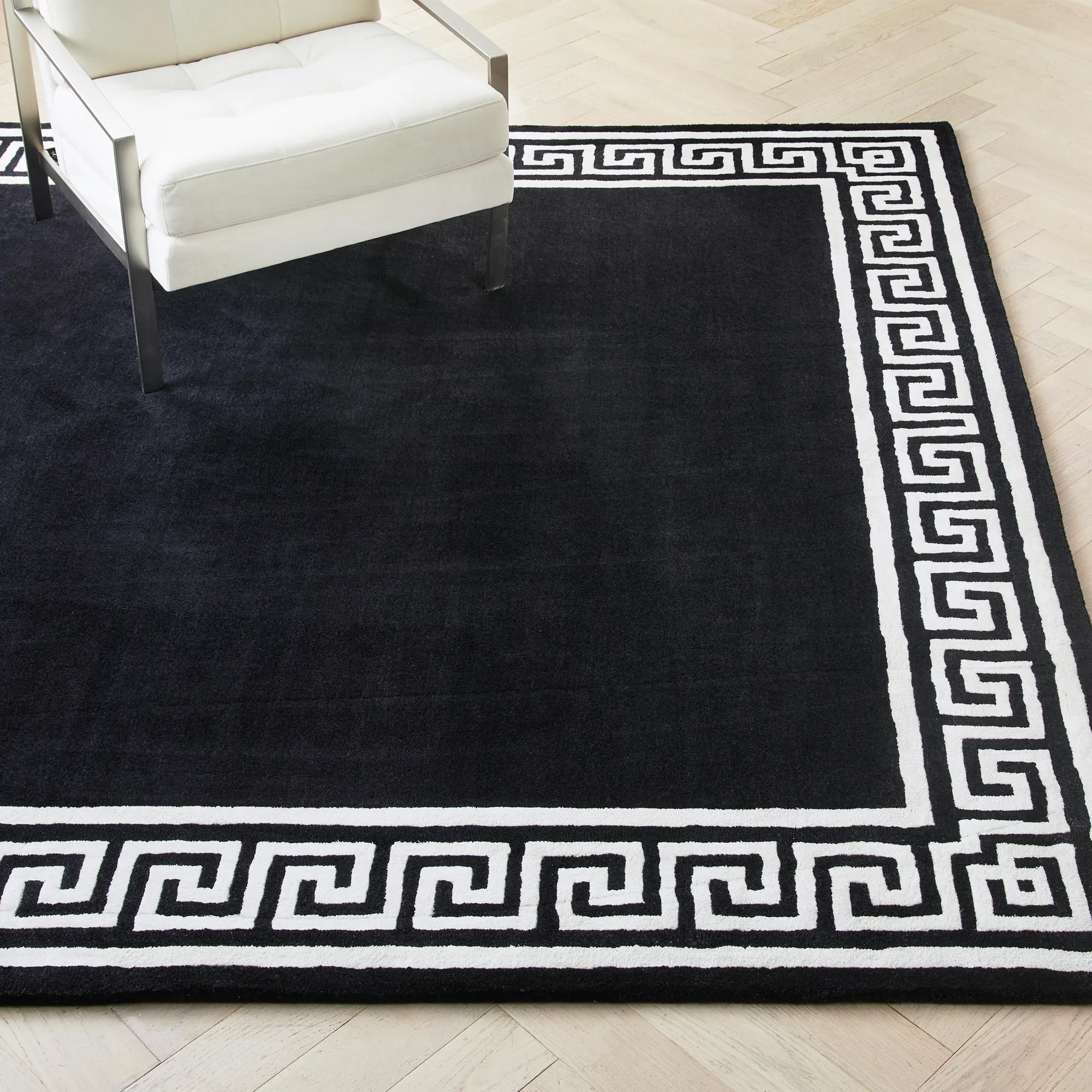
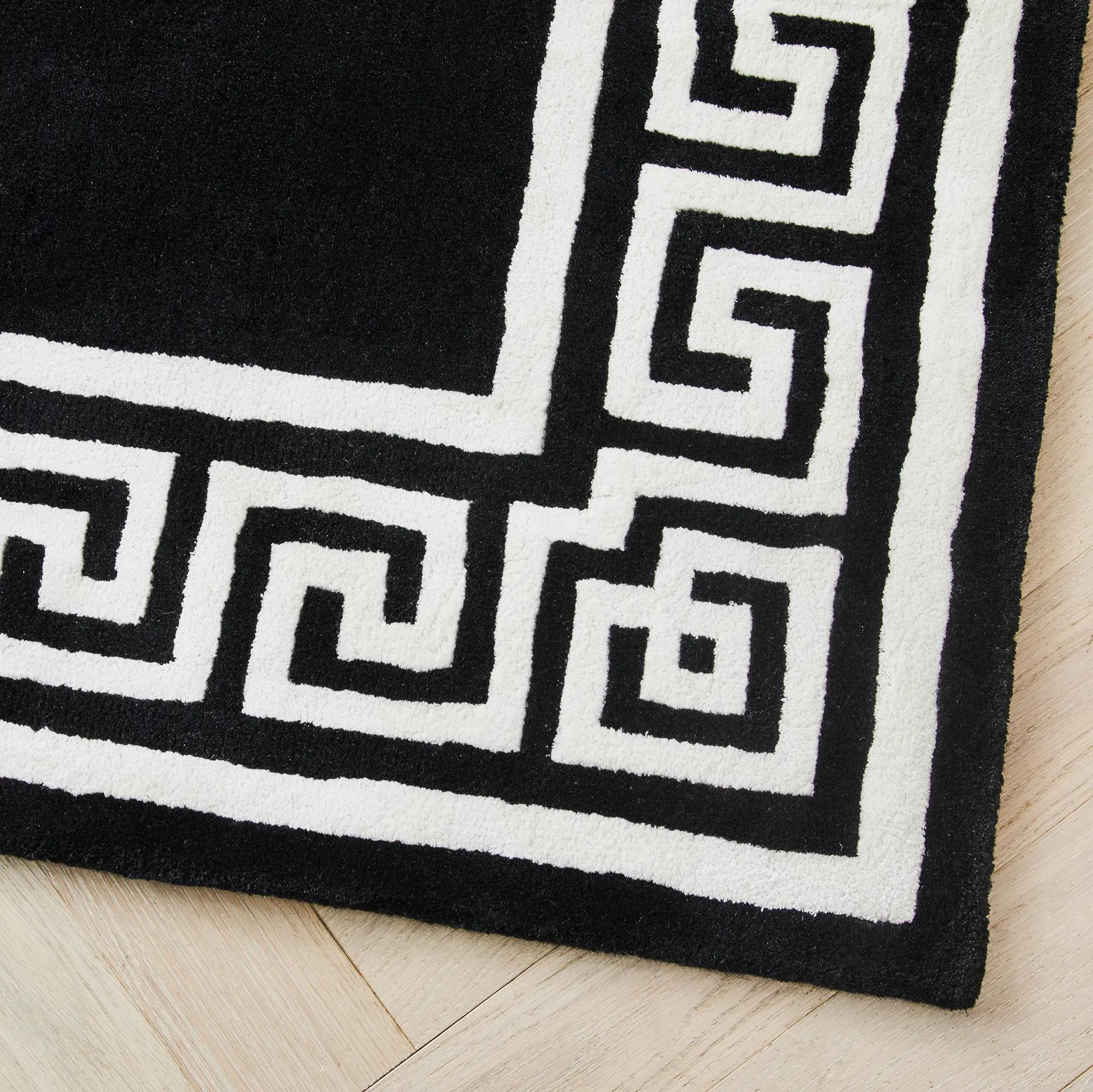 Greek Key Rug - Black/Ivory$599
A hand-tufted black and ivory rug featuring a modern Greek key design in wool and viscose.
Add To Cart -
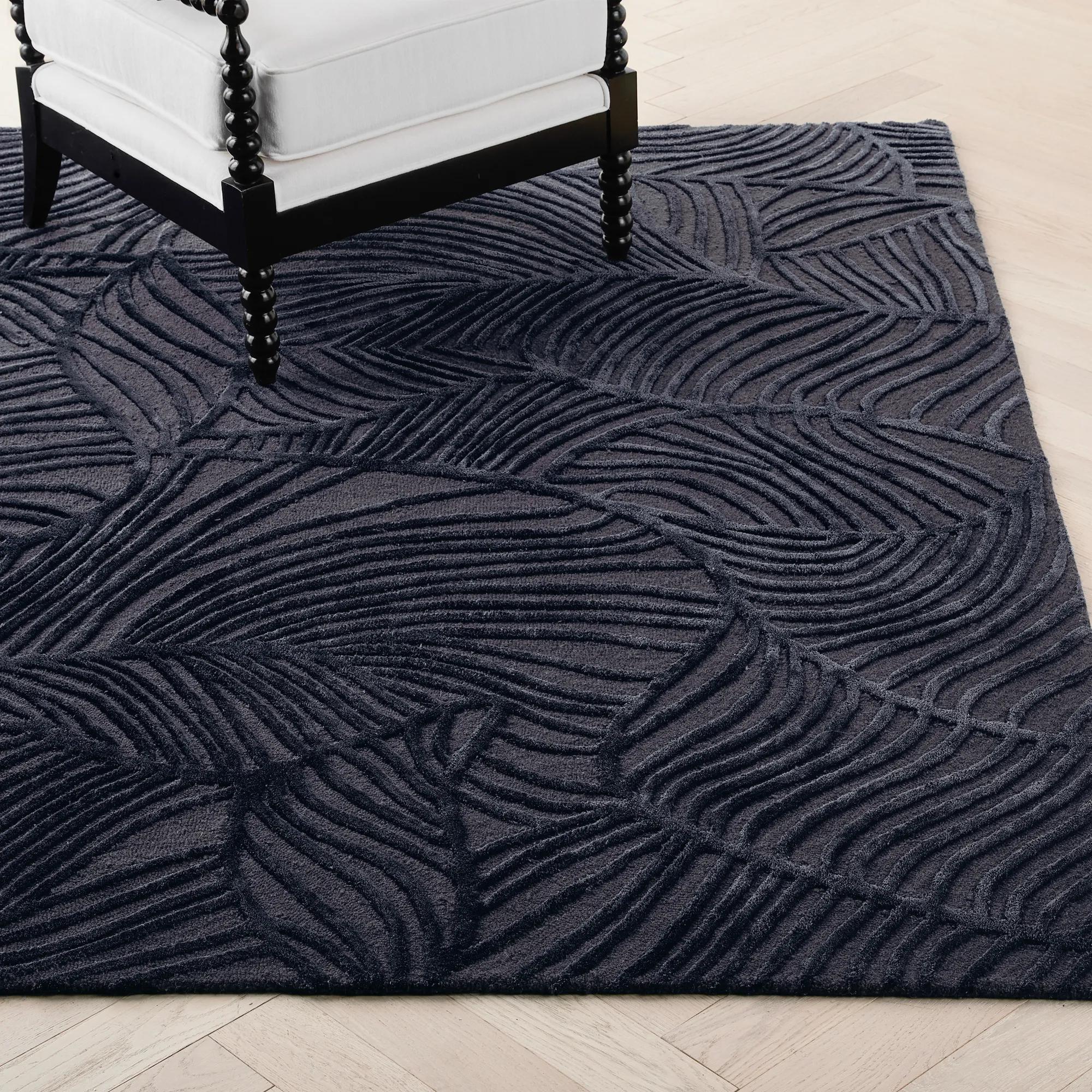
 Palm Rug - Charcoal$1499
A charcoal rug featuring a dynamic palm-leaf design with a textured high-low viscose and wool pile.
Add To Cart -
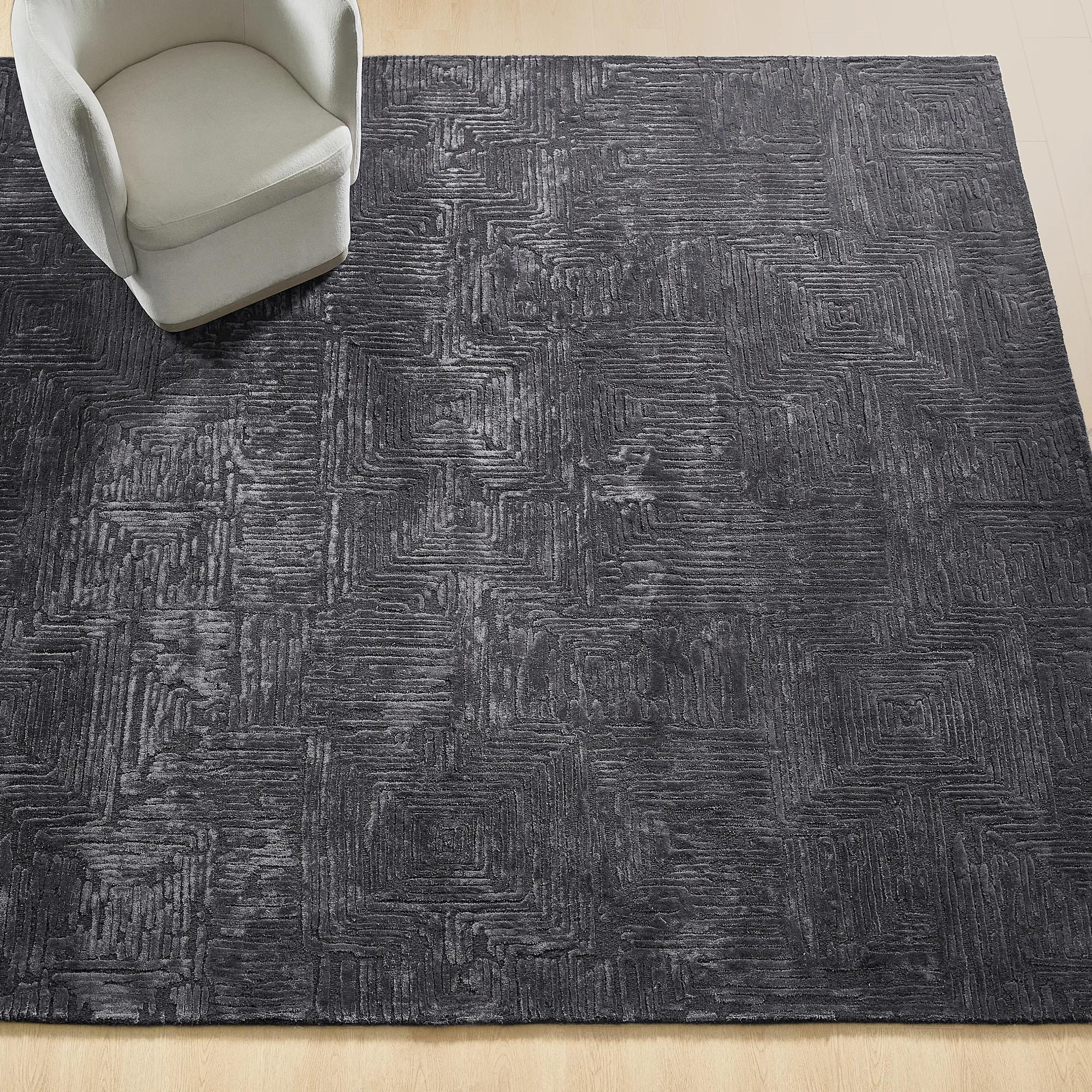
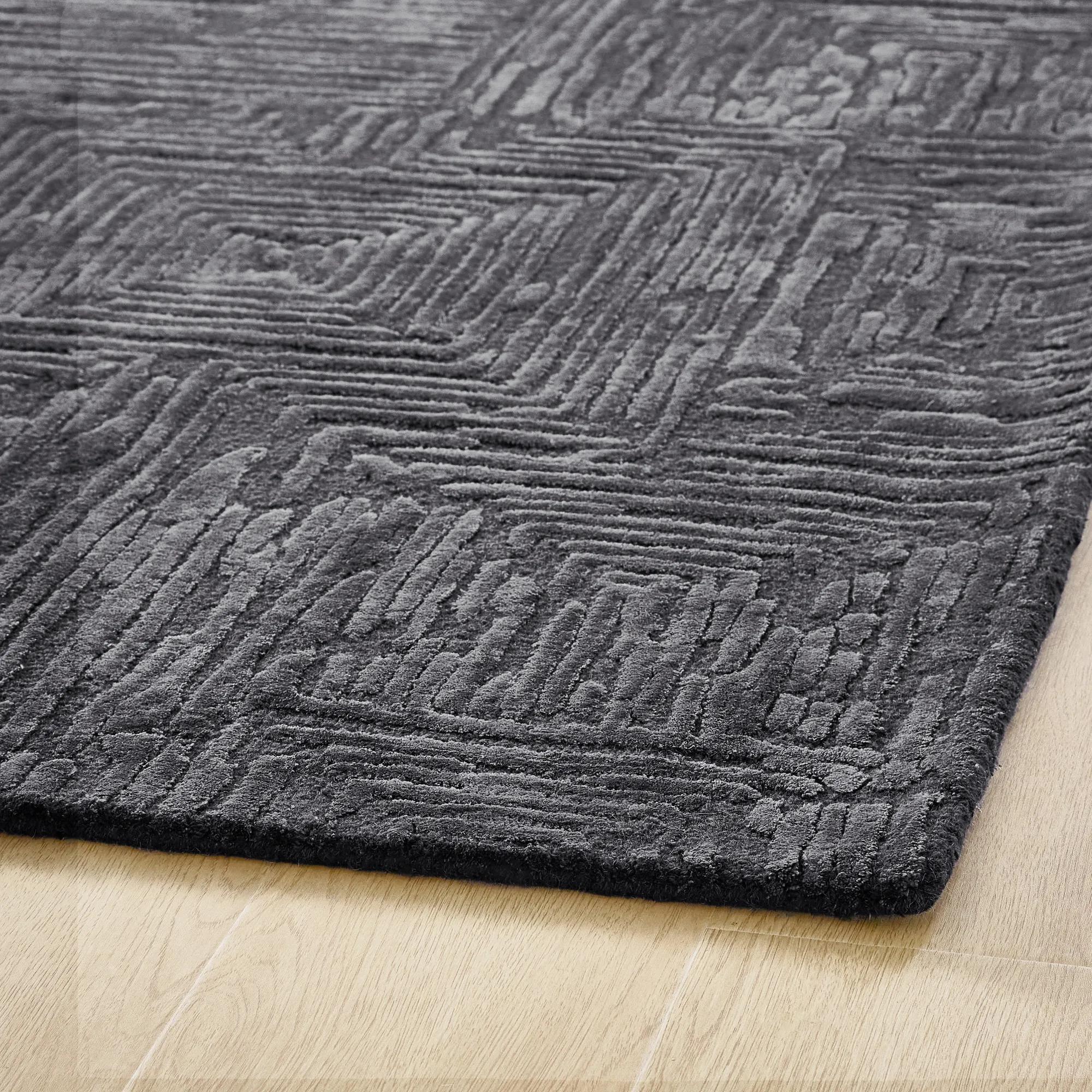 Andra Charcoal Hand-Tufted Wool Blend Dimensional Rug$999
A hand-tufted viscose-wool rug in rich charcoal with a sculptural, dimensional pattern and plush texture.
Add To Cart -
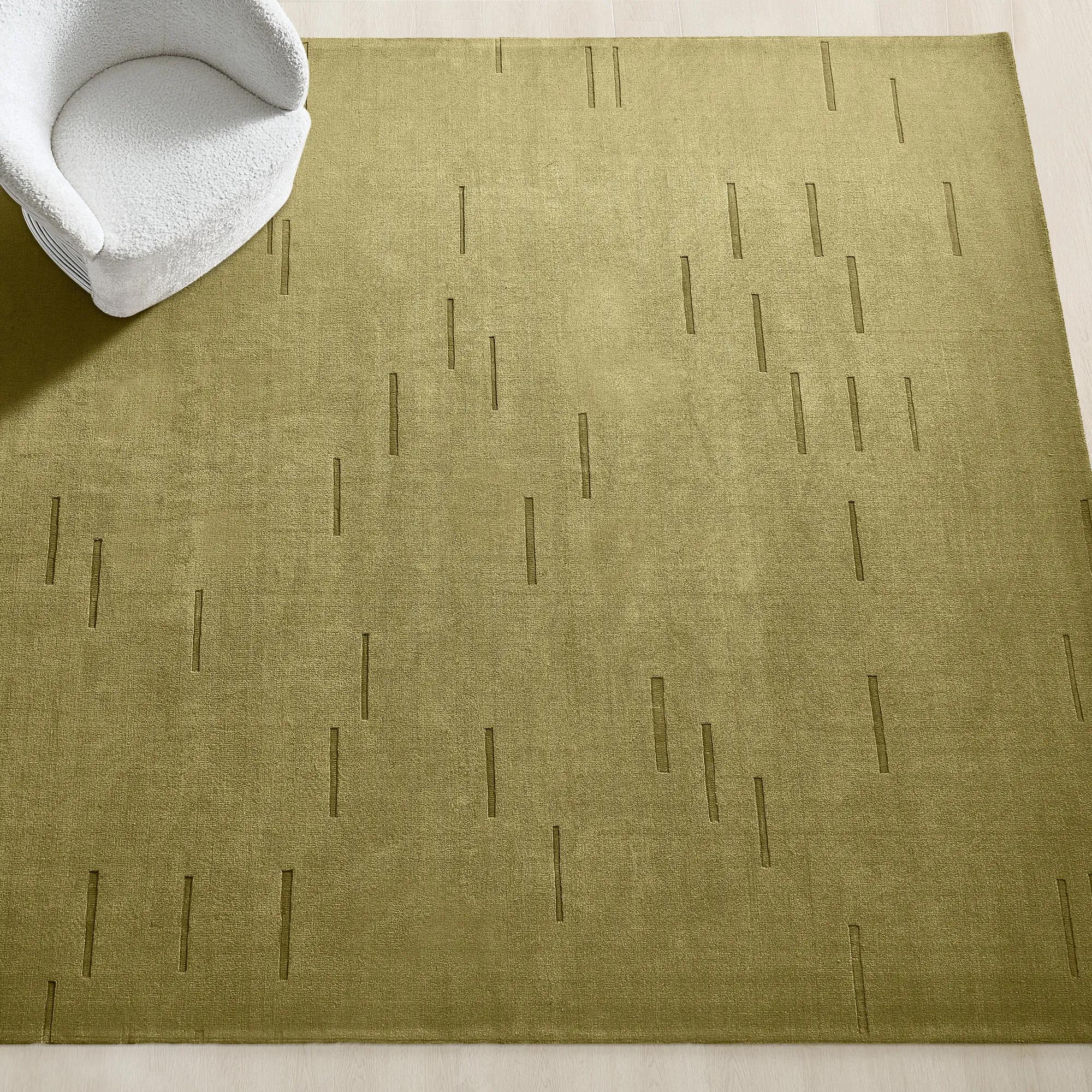
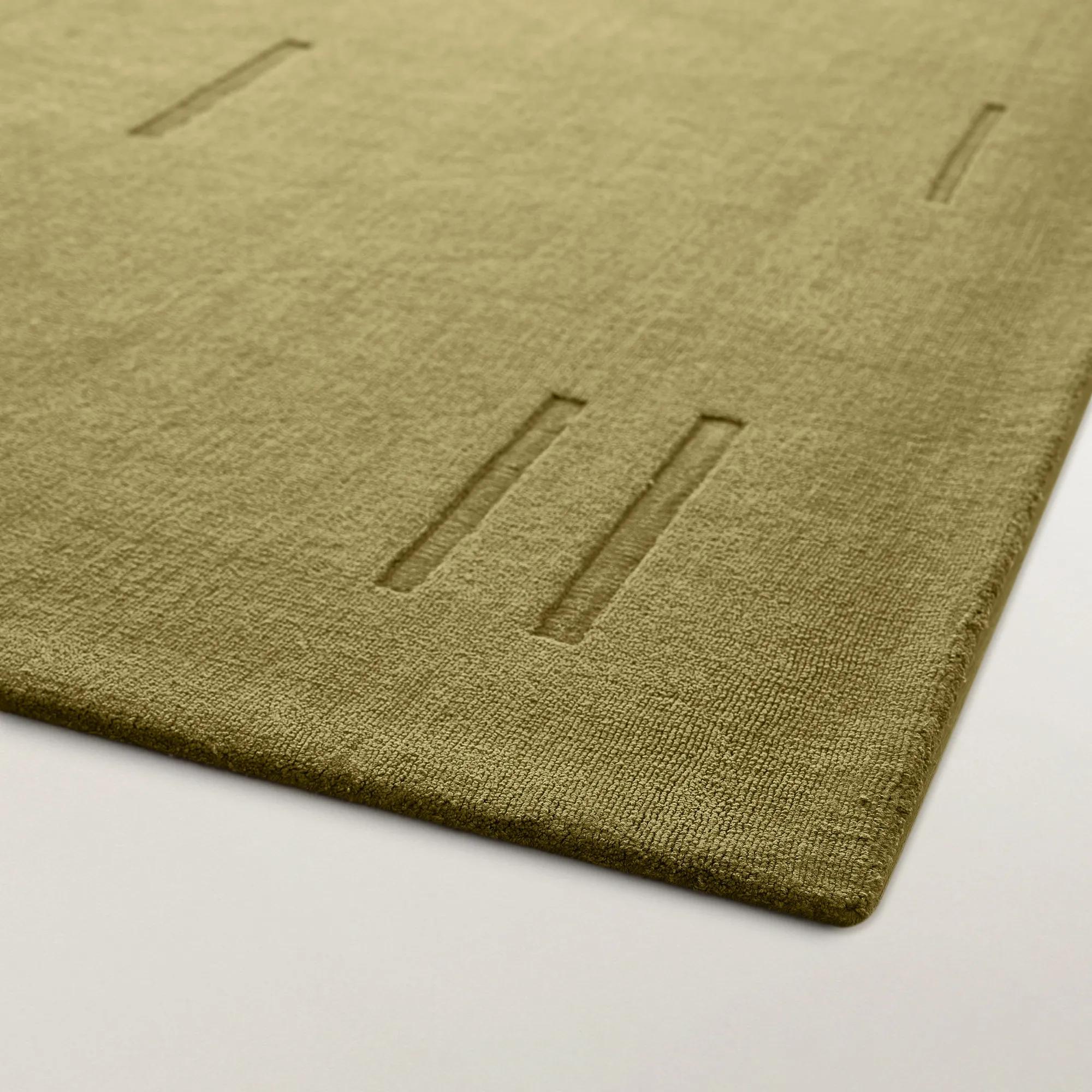 Lamita Muted Olive Green Wool Blend Rug$1299
A muted olive green wool-blend rug adding soft texture and understated warmth to modern interiors.
Add To Cart -
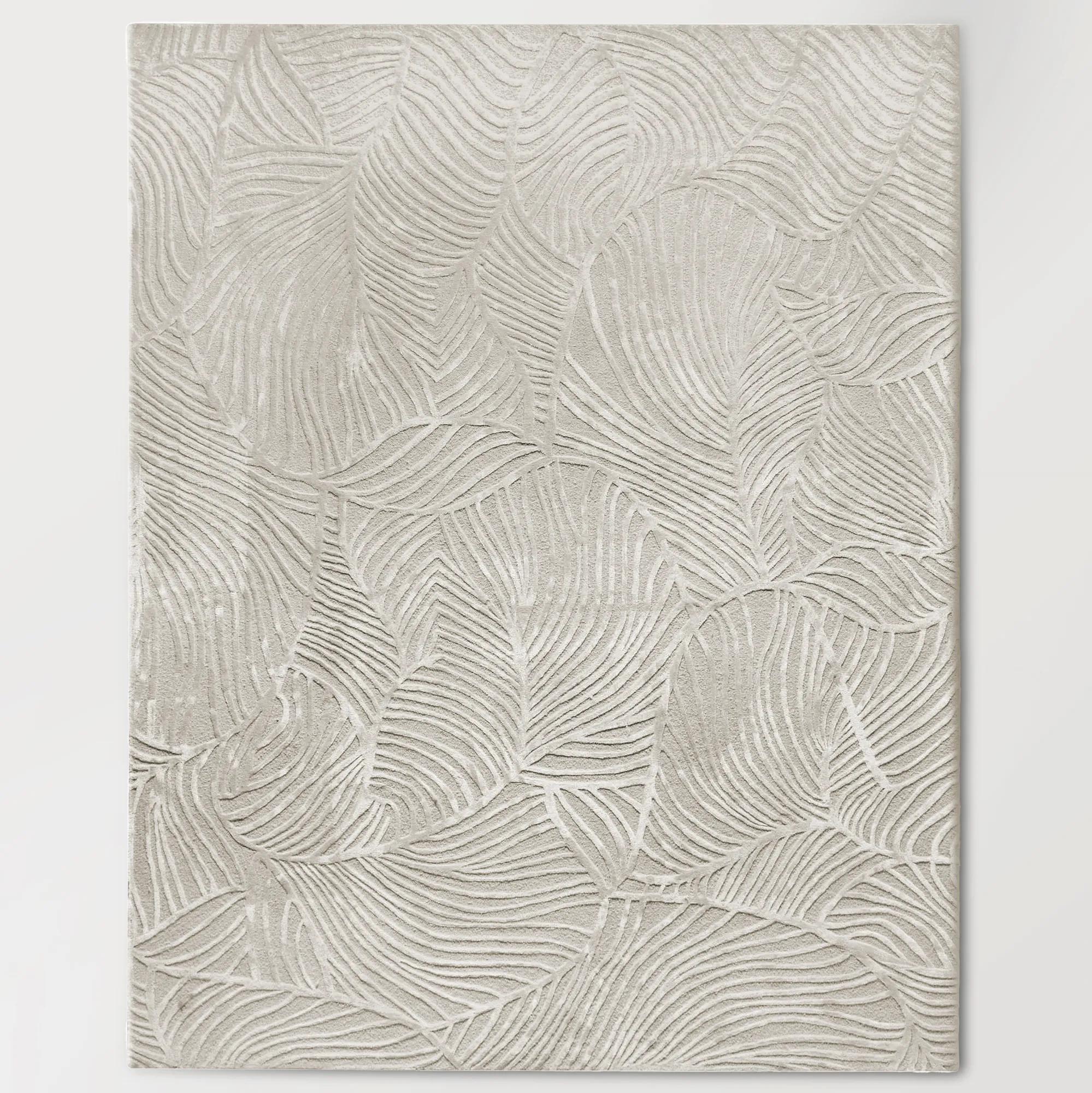 Palm Hand-Tufted Ivory Wool Blend Rug$1499
An ivory rug featuring a dynamic palm-leaf design with high-low pile in viscose and wool.
Add To Cart -
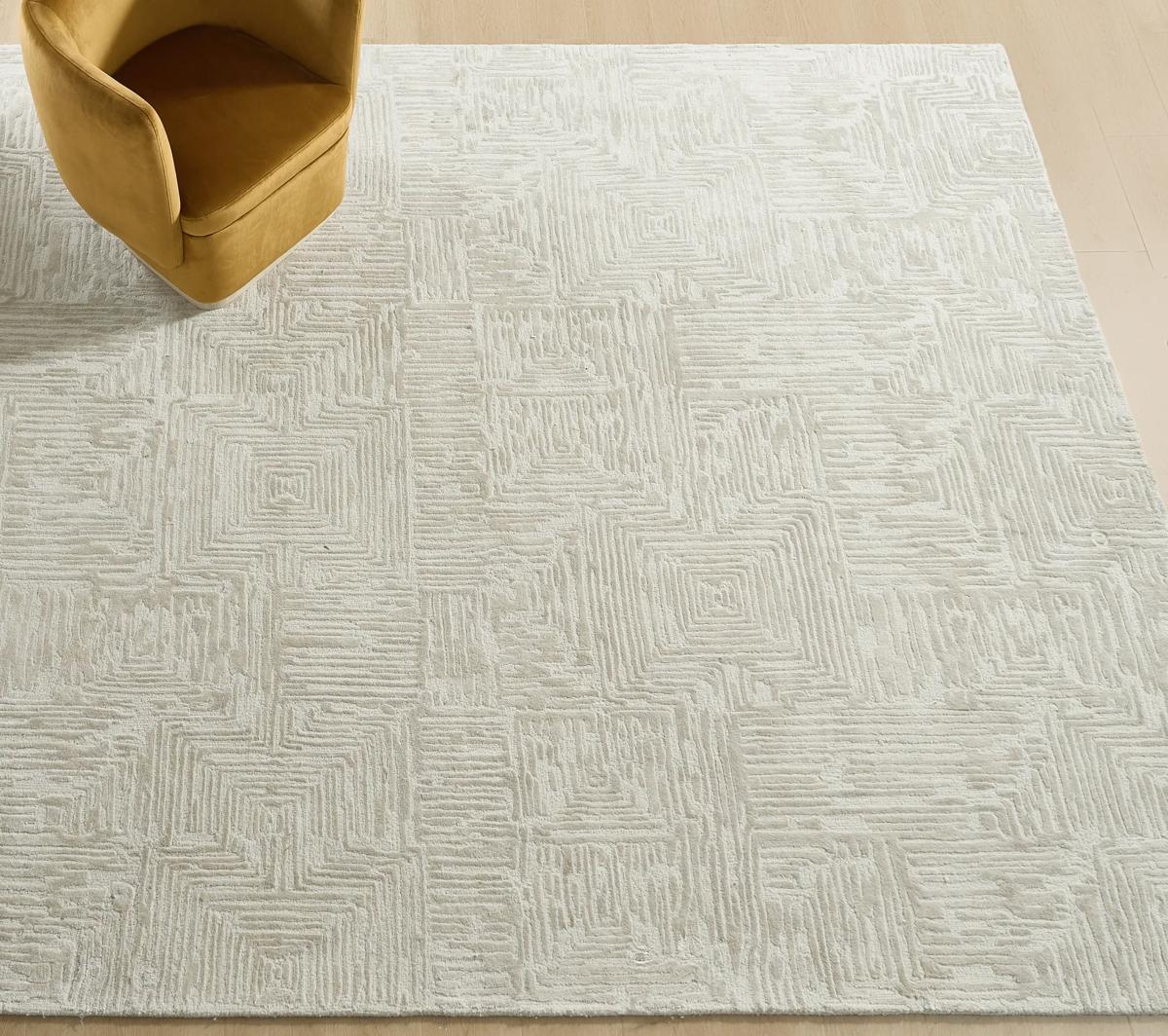 Andra Ivory Hand-Tufted Wool Blend Dimensional Rug$1499
A hand-tufted ivory rug in a viscose-wool blend with raised detailing and a subtle sheen.
Add To Cart -
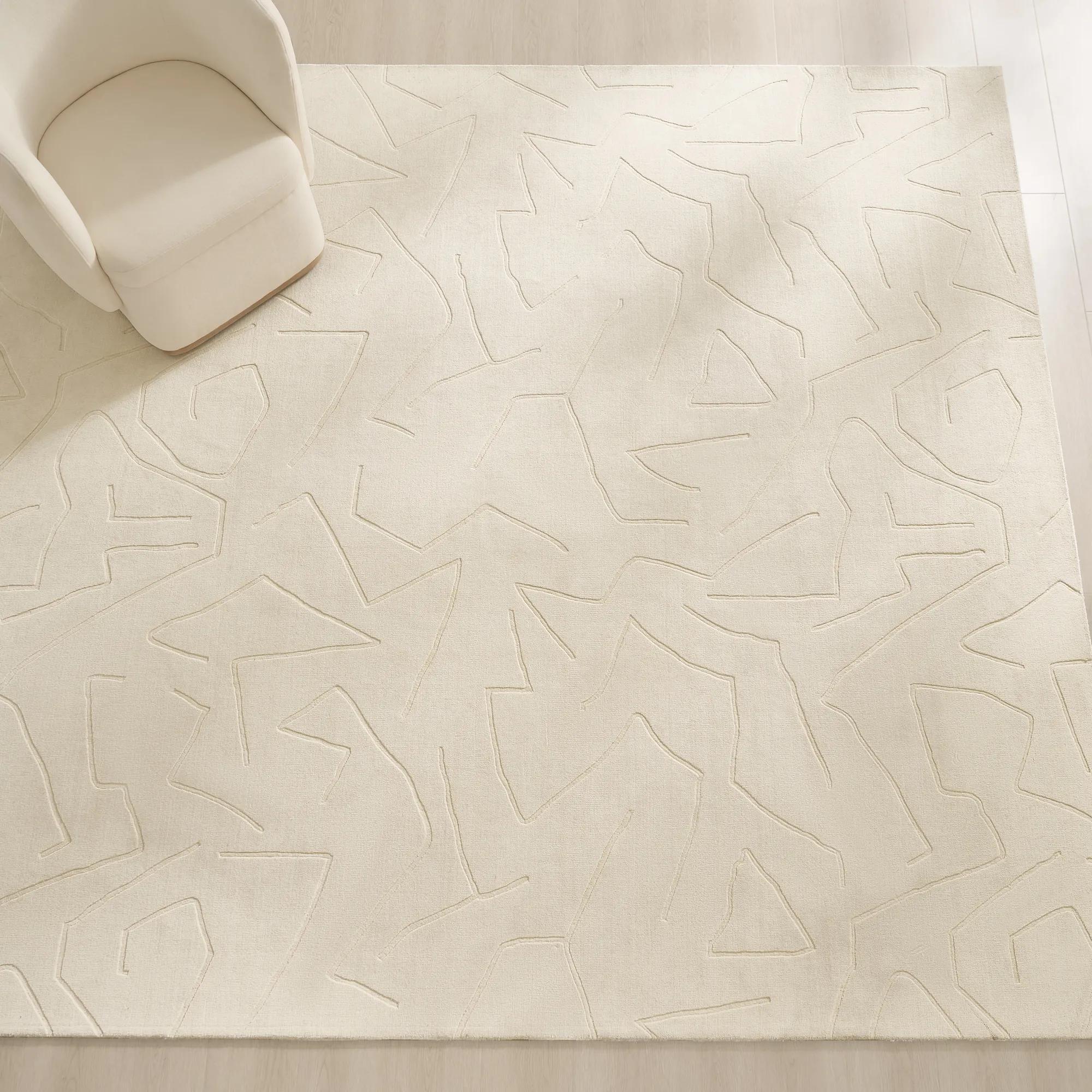 Carved Maze Ivory Hand-Loomed Wool Blend Rug$699
A hand-loomed ivory wool-blend rug featuring a carved maze pattern for modern, textural appeal.
Add To Cart -
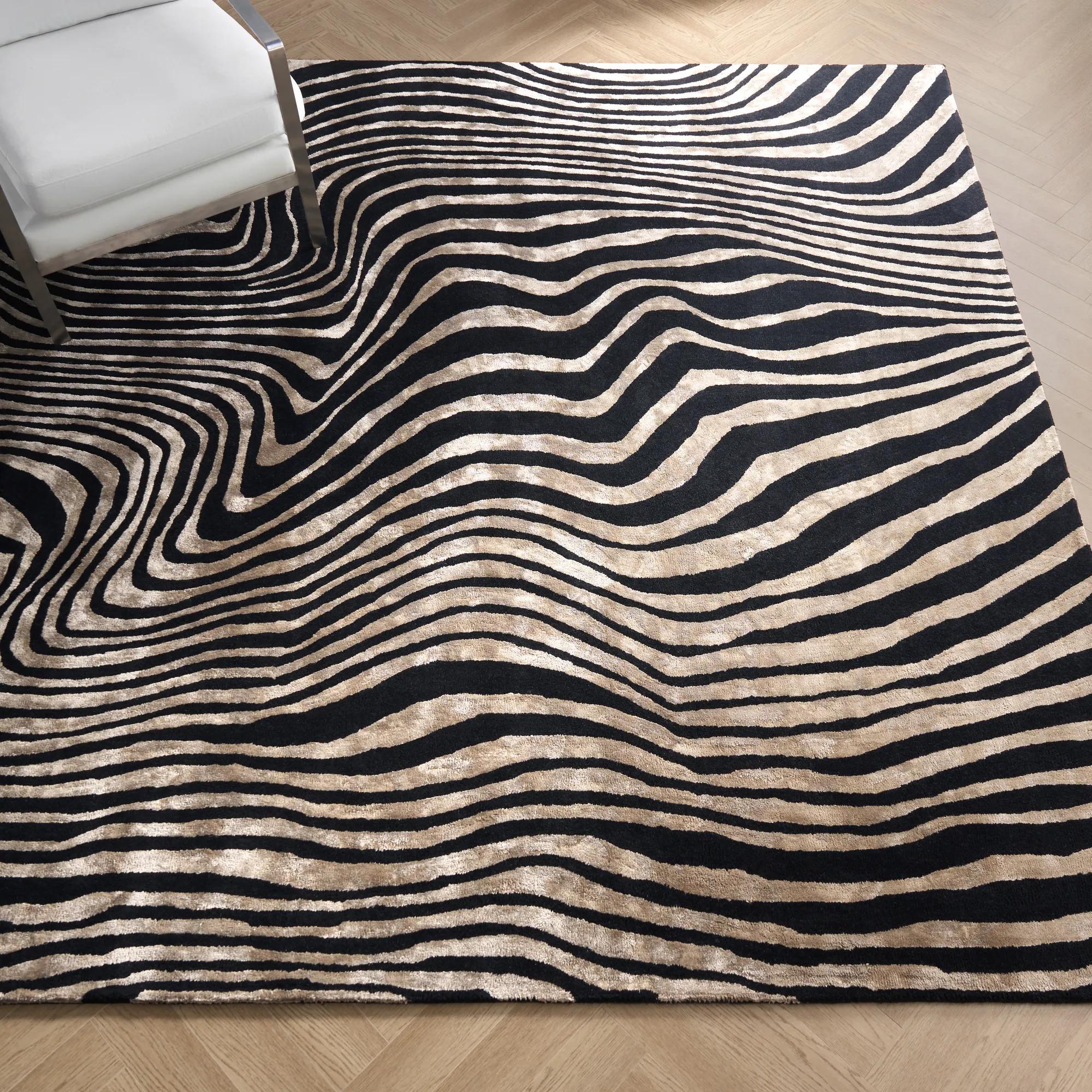
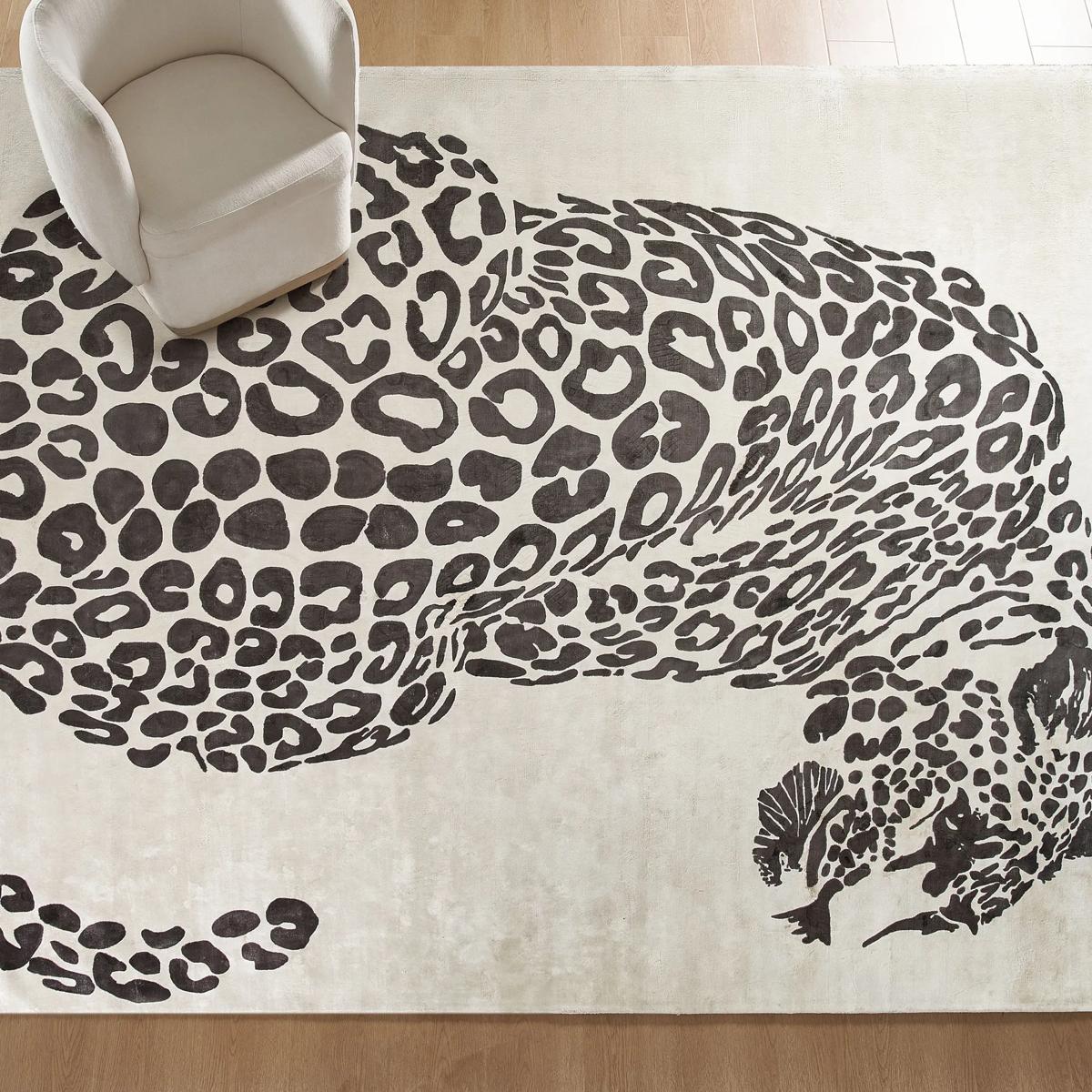
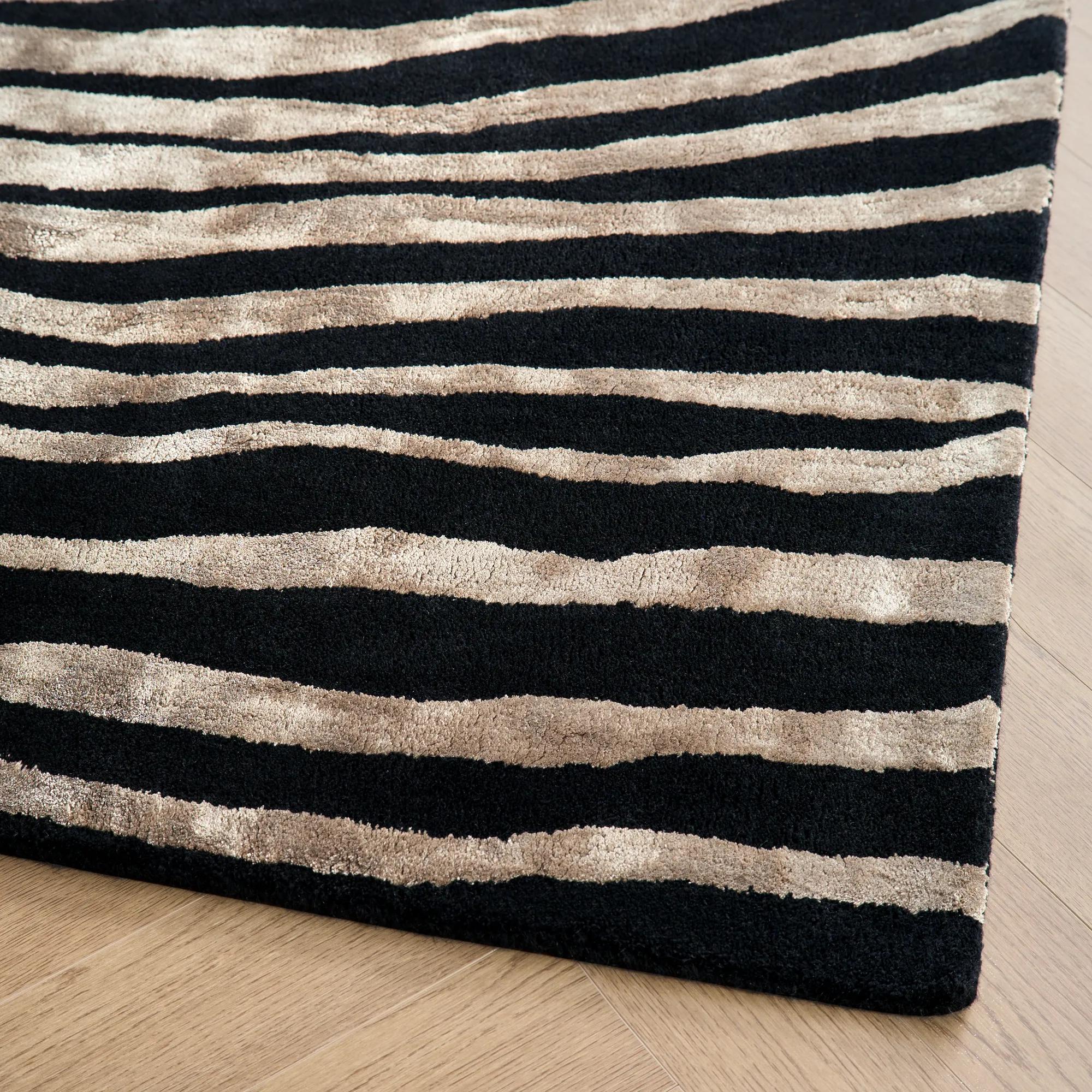 Abstract Zebra Hand-Tufted Black/Taupe Wool Blend Rug$599
An artisan hand-tufted rug in black and taupe wool-viscose, featuring a striking abstract zebra pattern.
Add To Cart -
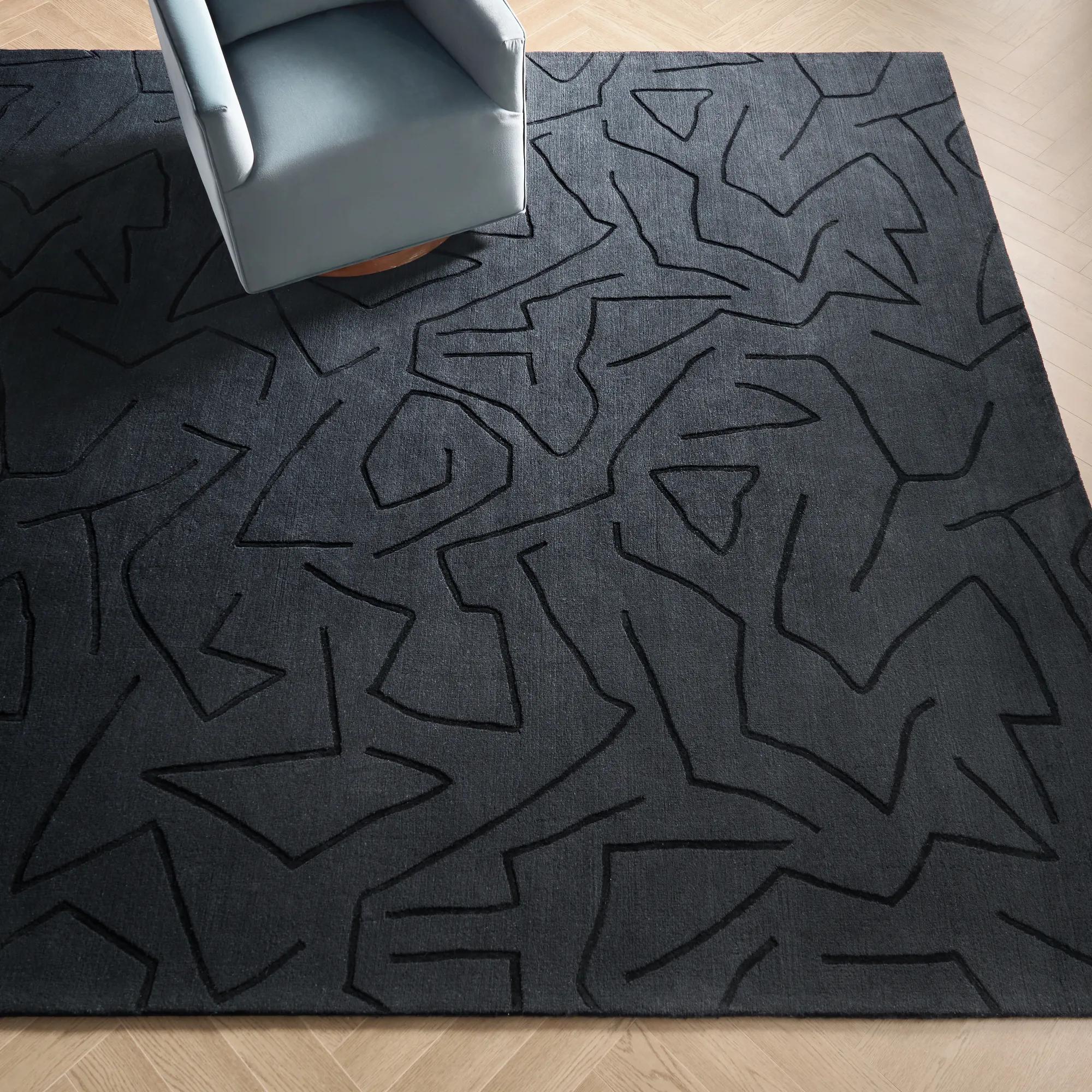 Carved Maze Rug$1999
A hand-loomed black rug crafted from wool and viscose, featuring an intricately carved, textured design.
Add To Cart

Modern Wool Rugs For Dining Rooms
Modern wool rugs for dining rooms are more than floor coverings—they are the foundation of unforgettable gatherings and elevated taste. Each piece transforms your dining space into a gallery of texture and artistry, where every meal becomes an occasion and every detail plays its part in the grand design. With sumptuous fibers underfoot and patterns that dazzle the eye, these rugs ground your table in luxury, inviting you to linger longer and savor the ambiance. Discover how modern wool rugs for dining rooms can infuse your space with warmth, sophistication, and a bold sense of style that lingers long after the last toast.
Modern wool rugs for dining rooms bring expressive pattern, rich texture, and a beautifully defined foundation to the place where people gather. Beneath a dining table, wool introduces softness without sacrificing visual presence, balancing the gleam of polished stone, glass, or metal with a more tactile surface. Its naturally resilient fibers help the pile recover from everyday compression, making wool a compelling material for spaces that see regular meals, lingering conversations, and frequent chair movement. A rug can also help soften the sound of footsteps and shifting chairs, tempering the echo that sometimes accompanies hard flooring and expansive dining spaces. For practical dining room use, flatwoven and low-pile wool rugs generally offer the easiest surface for moving chairs, with less resistance than deep, plush pile. A dense, even texture feels substantial underfoot while allowing the furniture above it to remain the focal point. Sculpted surfaces and cut-and-loop designs introduce another layer of dimension, though pronounced ridges or loose loops deserve consideration where narrow chair legs or pets’ claws could catch. Construction matters as much as appearance: hand-knotted, handwoven, and hand-tufted rugs have different structures, finishes, and care requirements. Hand-tufted styles commonly use an adhesive backing, while other constructions may rely on the weave itself for stability. Wool content also varies, so the fiber label offers important context when comparing a pure wool surface with a blend. Added fibers can change the sheen, softness, resilience, and cleaning requirements; a silky appearance alone does not indicate how comfortably a rug will handle daily dining. For households that entertain often or use the dining table for everything from breakfast to conversation after dinner, a tightly constructed, low-profile surface offers an elegant balance of texture and function. The effect is inviting rather than precious: a room with enough polish for a beautifully set table and enough ease to make gathering feel natural.
Scale gives a dining room rug its authority. The rug should extend at least 24 inches beyond every side of the dining table, with approximately 30 inches or more often providing a more generous landing for pulled-out chairs. Those measurements are a starting point rather than a substitute for checking the actual furniture: deep seats, angled legs, and generously proportioned armchairs may require additional room. All chair legs should remain on the rug when someone sits down or pushes back from the table, reducing the awkward transition between rug edge and bare floor. For a 36-by-72-inch rectangular table, an 8-by-10-foot rug provides 30 inches of extension along the sides and 24 inches at the ends. A larger size can create a more expansive composition when the room allows it, particularly if the table is regularly used with extension leaves. Measuring the table in its extended configuration helps preserve that graceful relationship during larger gatherings. The surrounding space matters, too: a rug should not obstruct a door swing or crowd a sideboard, and nearby walkways need to remain comfortable. Rectangular rugs echo the architecture of long tables, while round rugs can emphasize the intimacy of circular dining arrangements. A square rug beneath a round table offers a more graphic contrast, provided there is sufficient chair clearance. Color and pattern then establish the mood. Ivory and oatmeal lend depth to pale upholstery and warm wood; charcoal creates a dramatic field beneath reflective finishes; abstract markings bring movement to otherwise tailored furniture. Tonal patterns can make small crumbs and everyday marks less conspicuous than a completely uniform surface, though they never replace routine cleaning. For a palette that bridges cool stone, silver accents, and richly finished wood, grey rugs for dining rooms offer a sophisticated direction. Subtle shifts between light and dark can give the floor visual depth without competing with statement lighting or an artful tablescape. A quiet rug can frame expressive upholstery, while a bold geometric design can become the room’s principal gesture.
Everyday care preserves both the beauty and the feel of a wool dining room rug. Wool has some natural resistance to soiling, but it is not stain-proof, and wine, coffee, oils, and richly colored sauces still require prompt attention. Spills are best blotted gently with a clean, absorbent white cloth rather than rubbed into the fibers; any cleaning solution should follow the rug manufacturer’s directions and be tested in an inconspicuous area first. Excess moisture, aggressive scrubbing, and unsuitable chemicals can affect the pile, dyes, or backing, so delicate finishes and persistent stains may call for a professional experienced with wool rugs. Regular vacuuming helps remove crumbs and grit before foot traffic and chair movement work them into the surface. Suction-only cleaning is often appropriate, while rotating brushes or beater bars may damage certain constructions; the care label should determine the method. Some shedding is normal, especially with new cut-pile or hand-tufted wool rugs, although its extent and duration vary. Pulling loose fibers can disturb the surface, so protruding strands should be handled according to the manufacturer’s instructions rather than tugged. A properly sized rug pad compatible with both the rug and the flooring helps limit movement and adds a protective layer beneath the dining arrangement. In this setting, a firm, low-profile pad is generally preferable to extra cushioning that makes chair legs feel unstable. Smooth chair glides can further reduce abrasion, and occasional rug rotation helps distribute wear and light exposure when the room layout permits. These details are particularly useful in open-plan homes, where the dining area may sit along a busy route between kitchen and living space. For devoted hosts, families sharing daily meals, or anyone furnishing a first dedicated dining room, modern wool offers a balance of enduring texture and artistic expression. With considered proportions and care suited to its construction, the rug becomes more than a decorative backdrop: it brings the table, seating, and surrounding finishes into one confident composition.
FAQs
Wool rugs are renowned for their natural resilience and elasticity, which allow them to maintain their shape and beauty even in high-traffic dining spaces. The dense fibers resist crushing and naturally repel dirt, making them an ideal choice for lively dining rooms where gatherings are frequent and movement is constant.
Absolutely. Wool’s natural stain resistance and ability to mask minor spills or crumbs make it a practical yet luxurious option for homes with pets or children. Its hypoallergenic properties also contribute to a healthier environment, while the soft, textured surface is inviting for little ones and furry friends alike.
Modern wool rugs often feature bold geometrics, abstract motifs, and high-low textures that bring a sense of artistry and movement to the dining room. These contemporary patterns not only elevate the visual appeal but also create a dynamic backdrop for both formal and casual dining experiences.
Low-pile and flatwoven wool rugs offer a sleek profile, making it easy to move chairs in and out without catching or snagging. They’re also easier to maintain, as crumbs and spills are less likely to become trapped in the fibers, ensuring your dining room remains effortlessly chic and inviting.
A modern wool rug acts as the foundation of your dining room’s design narrative, setting the tone with its color, pattern, and texture. Whether you desire a space that feels dramatic and bold or serene and understated, the right wool rug can infuse the room with warmth, sophistication, and a unique sense of personality.