Neutral Rugs For Dining Rooms
Neutral Rugs For Dining Rooms
-
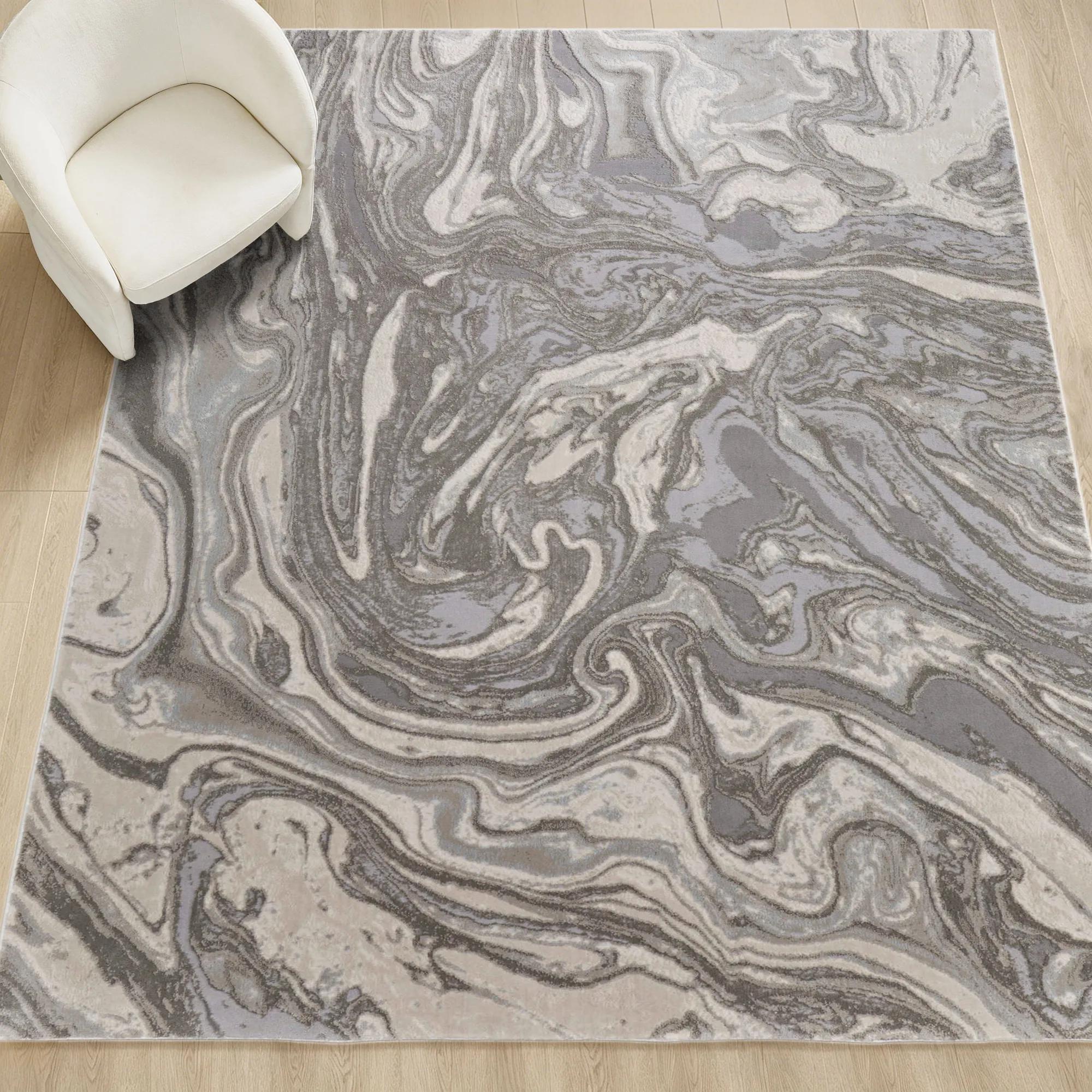
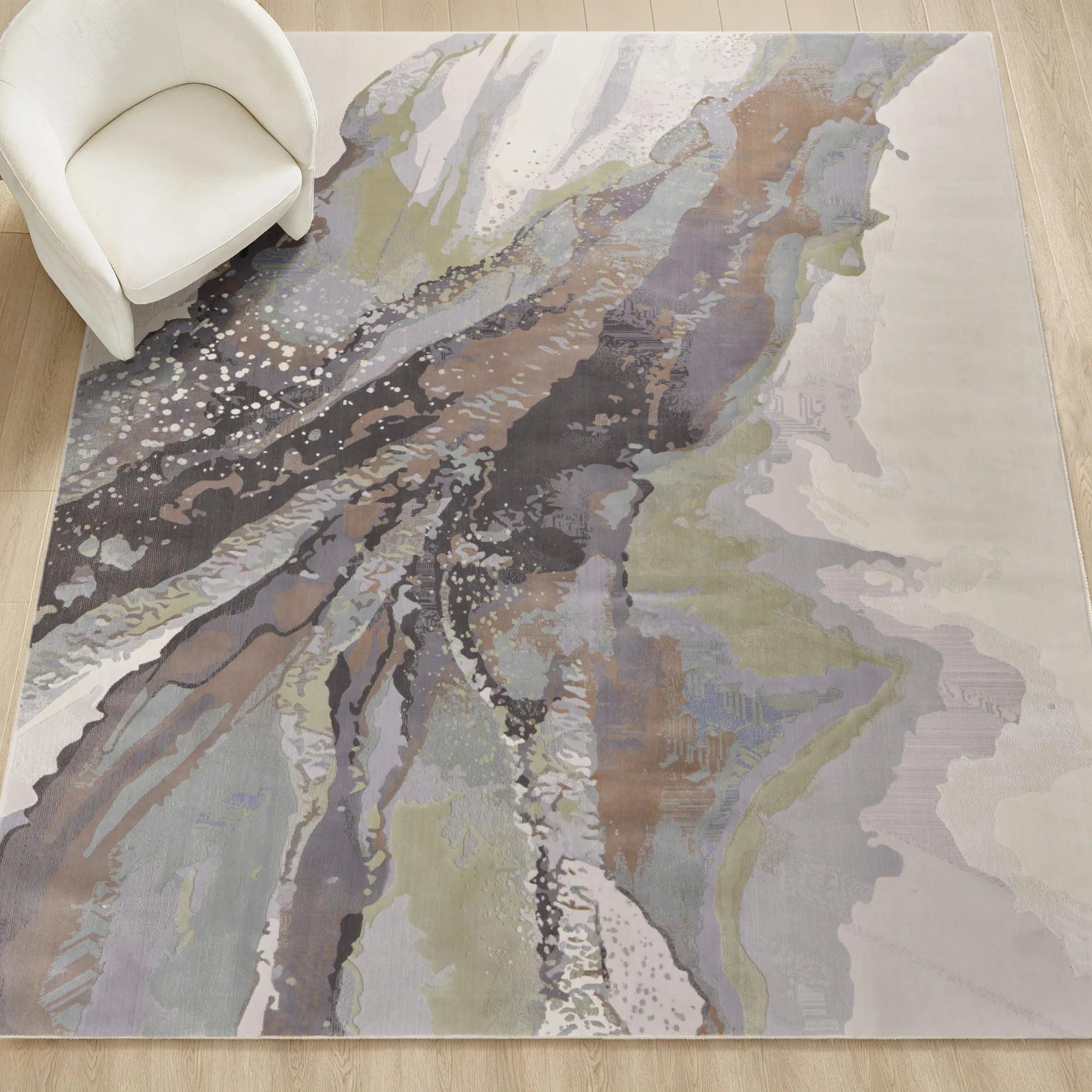
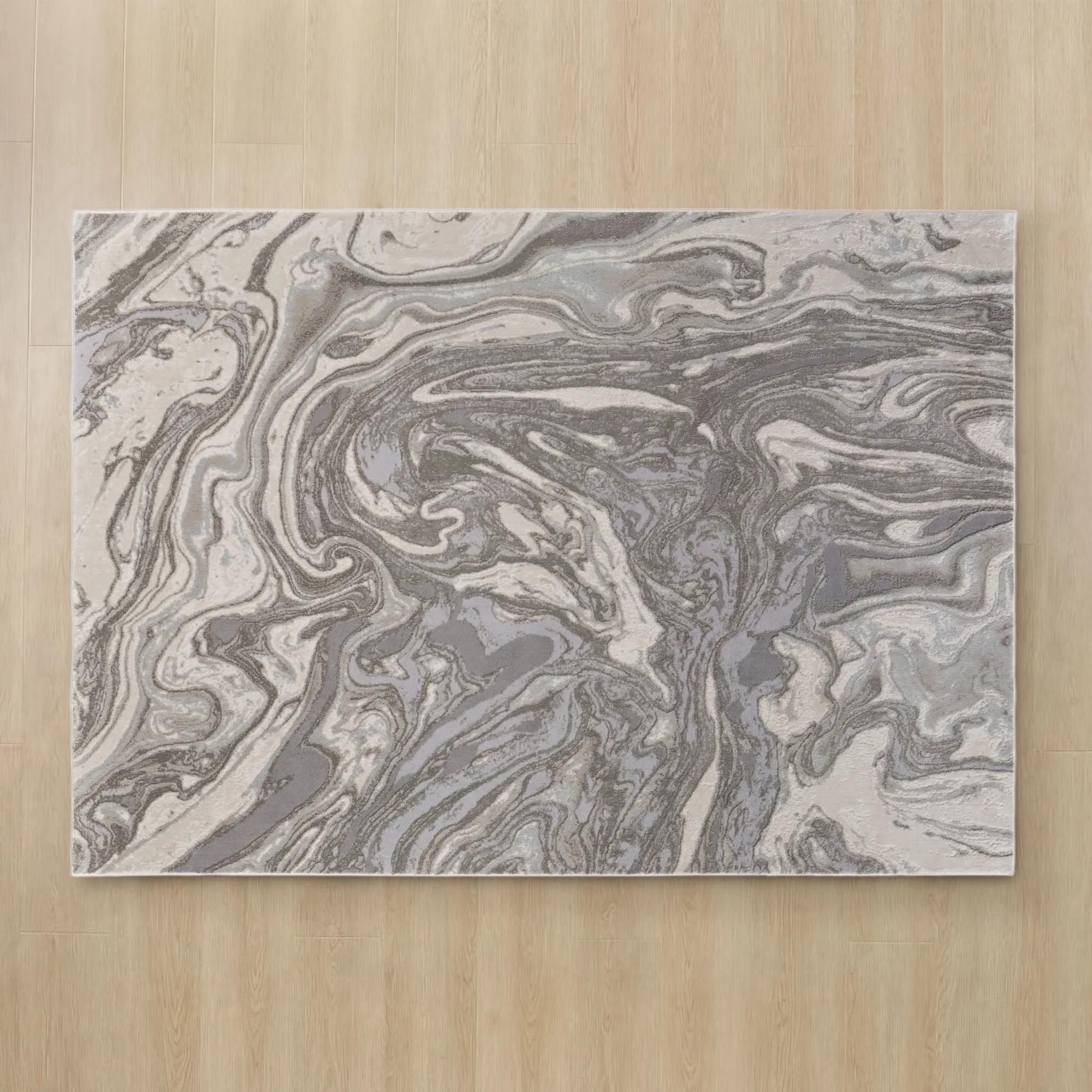 Marbre Marbled Grey/Taupe/Powder Blue Performance Power Loomed Rug$379
A softly marbled rug in grey, taupe, and powder blue with a textured, stain-resistant polypropylene blend.
Add To Cart -
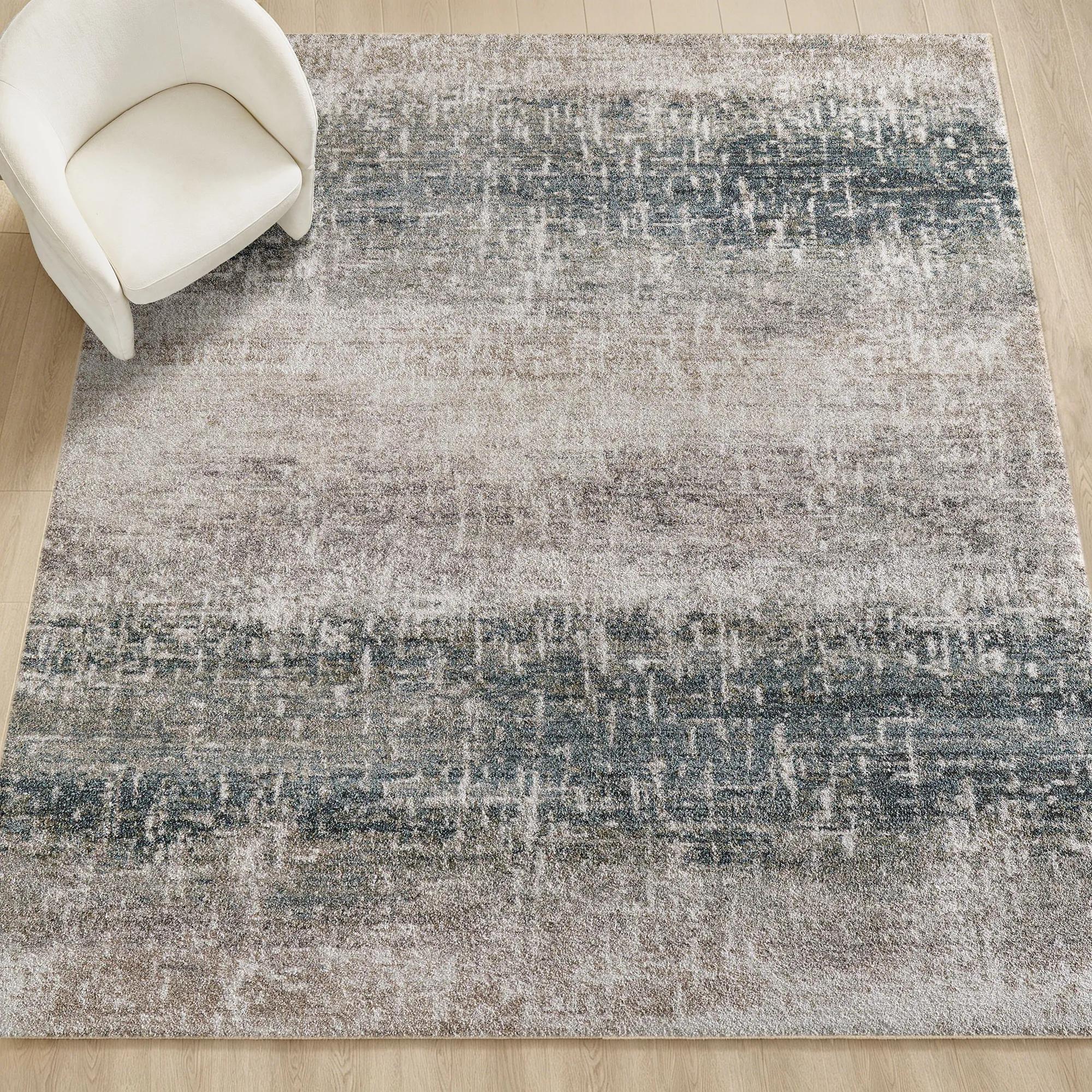
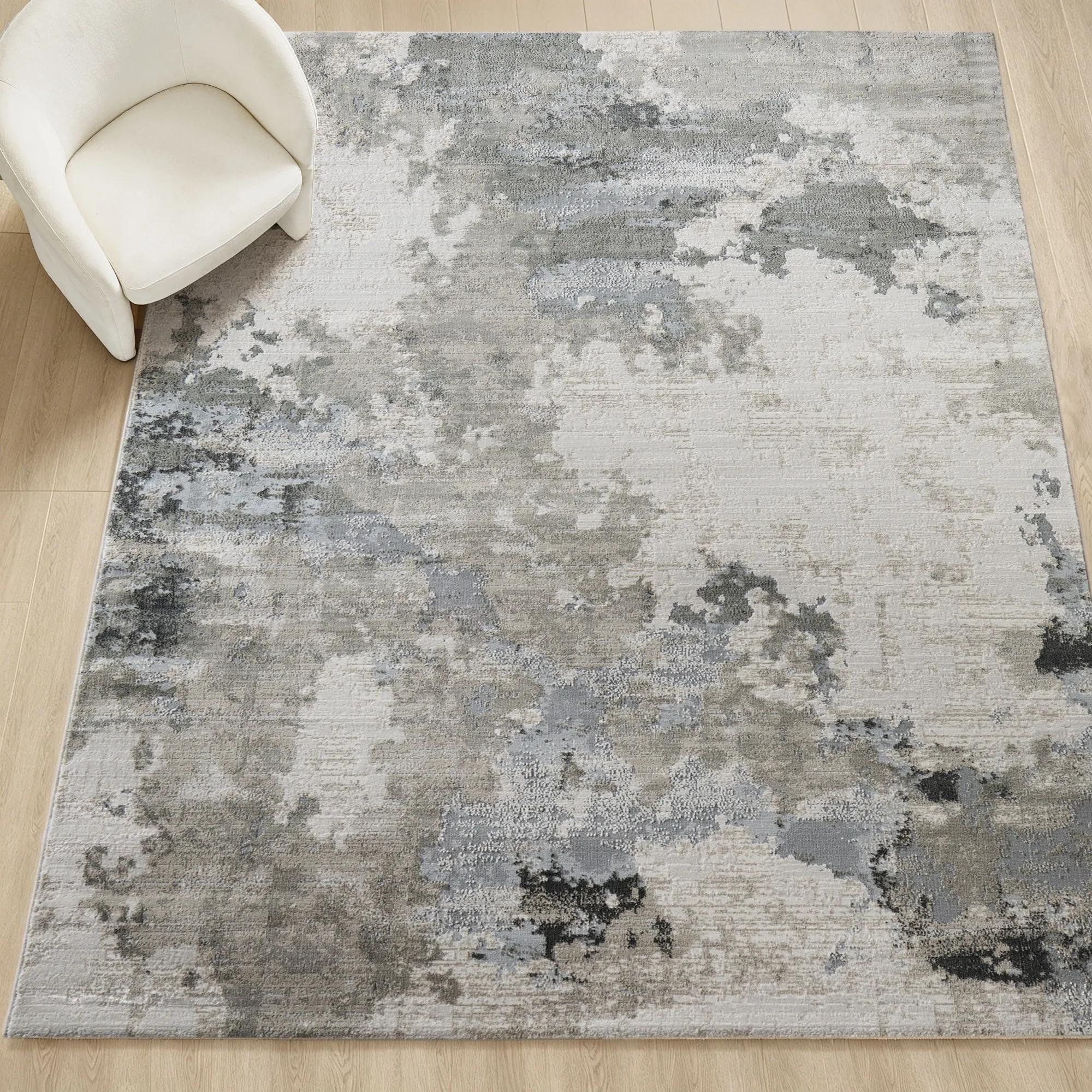 Alarion Abstract Grey/Muted Blue/Ivory Performance Power Loomed Rug$379
A power-loomed rug featuring a grey, muted blue, and ivory abstract pattern with stain-resistant durability.
Add To Cart -
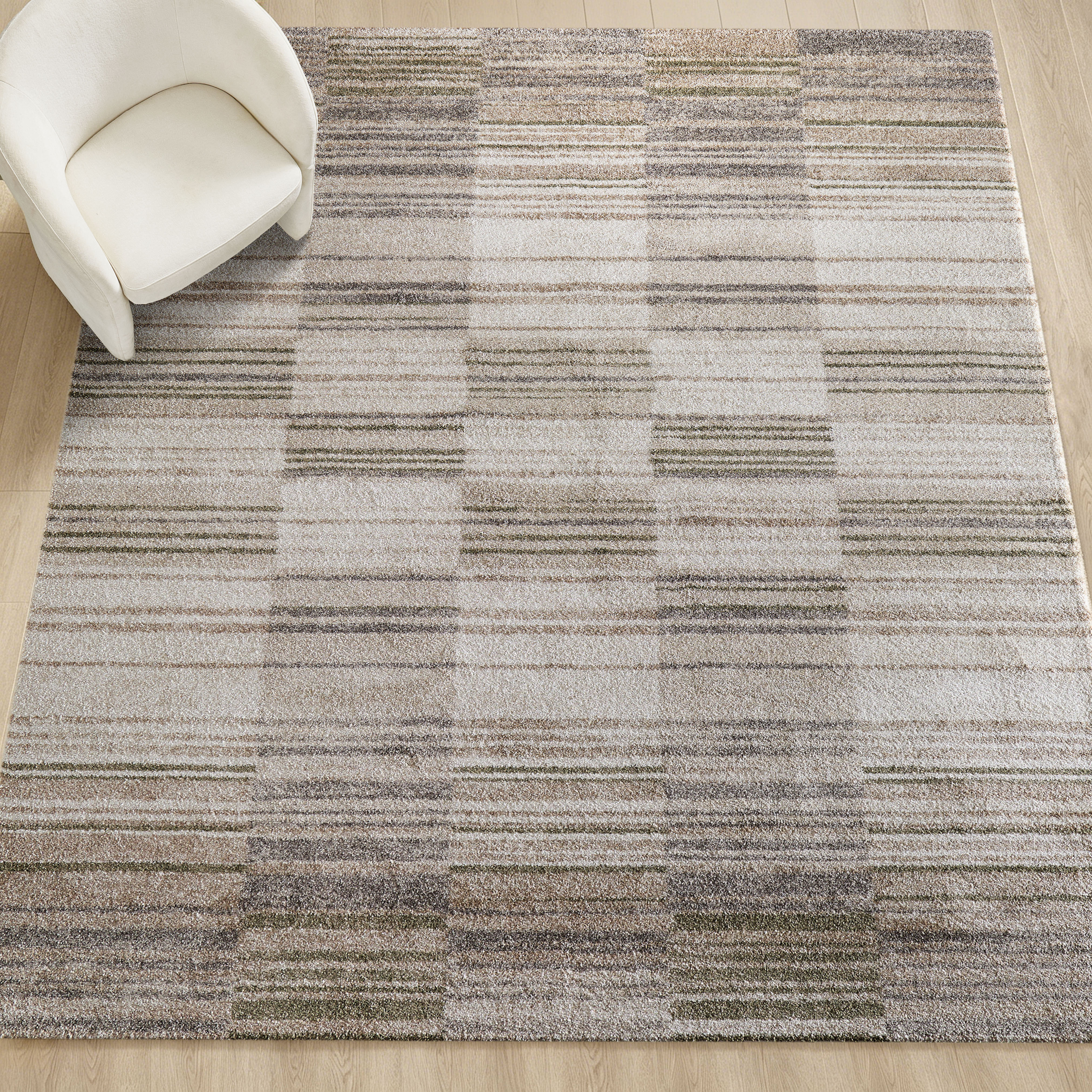
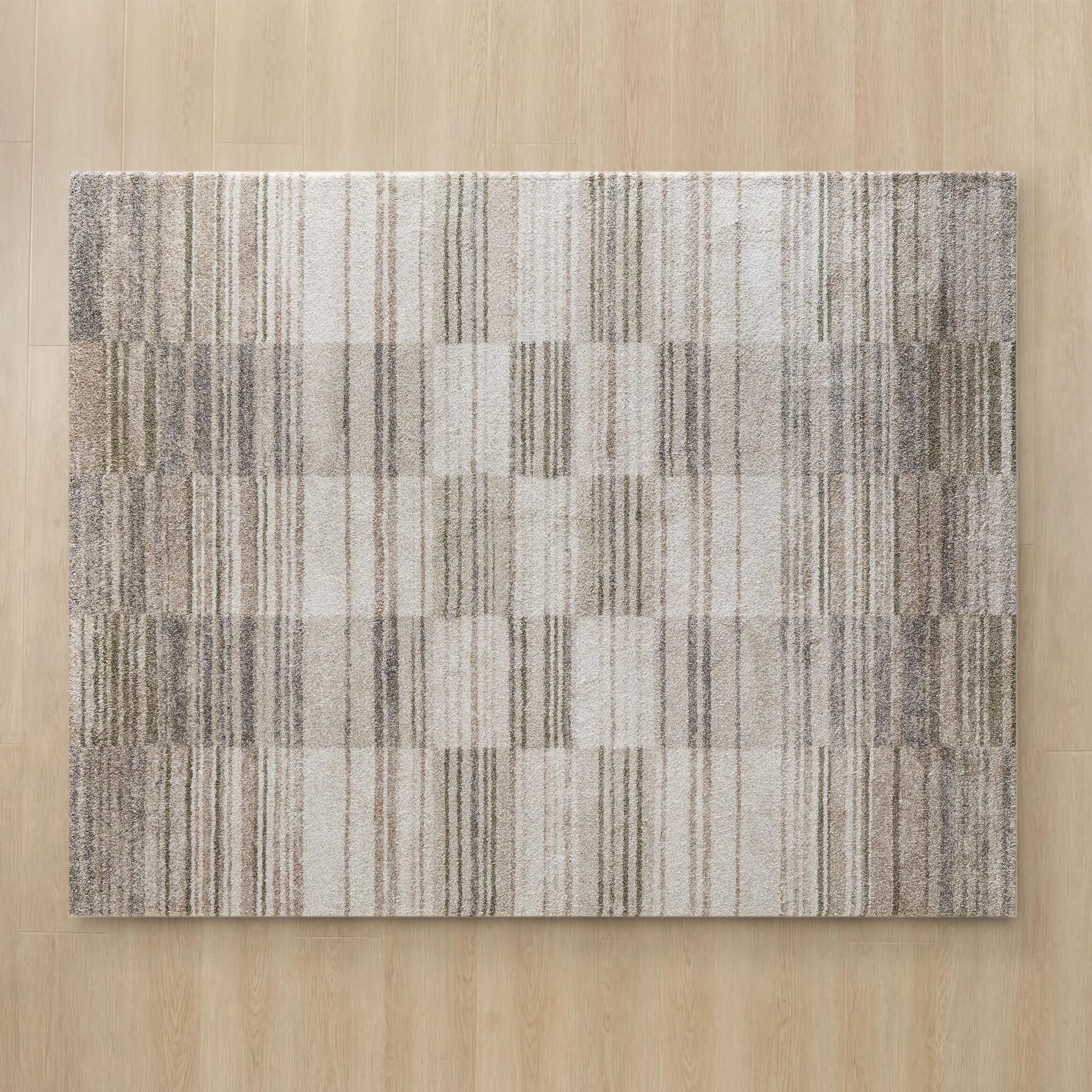 Checka Grey/Tan/Ivory/Soft Green Performance Power Loomed Rug$1649
A plush, power-loomed rug featuring a soft check pattern in grey, tan, ivory, and green.
Add To Cart -
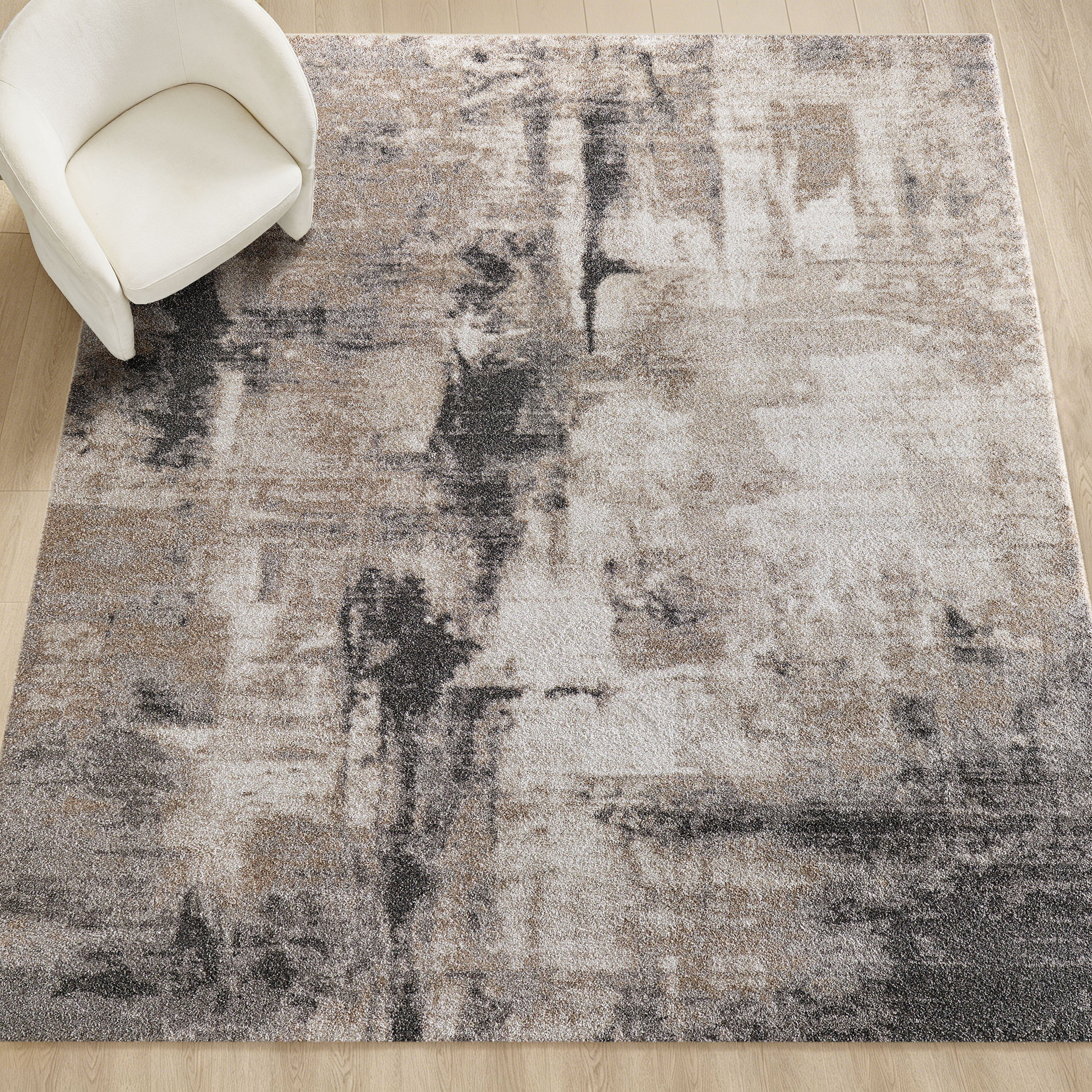
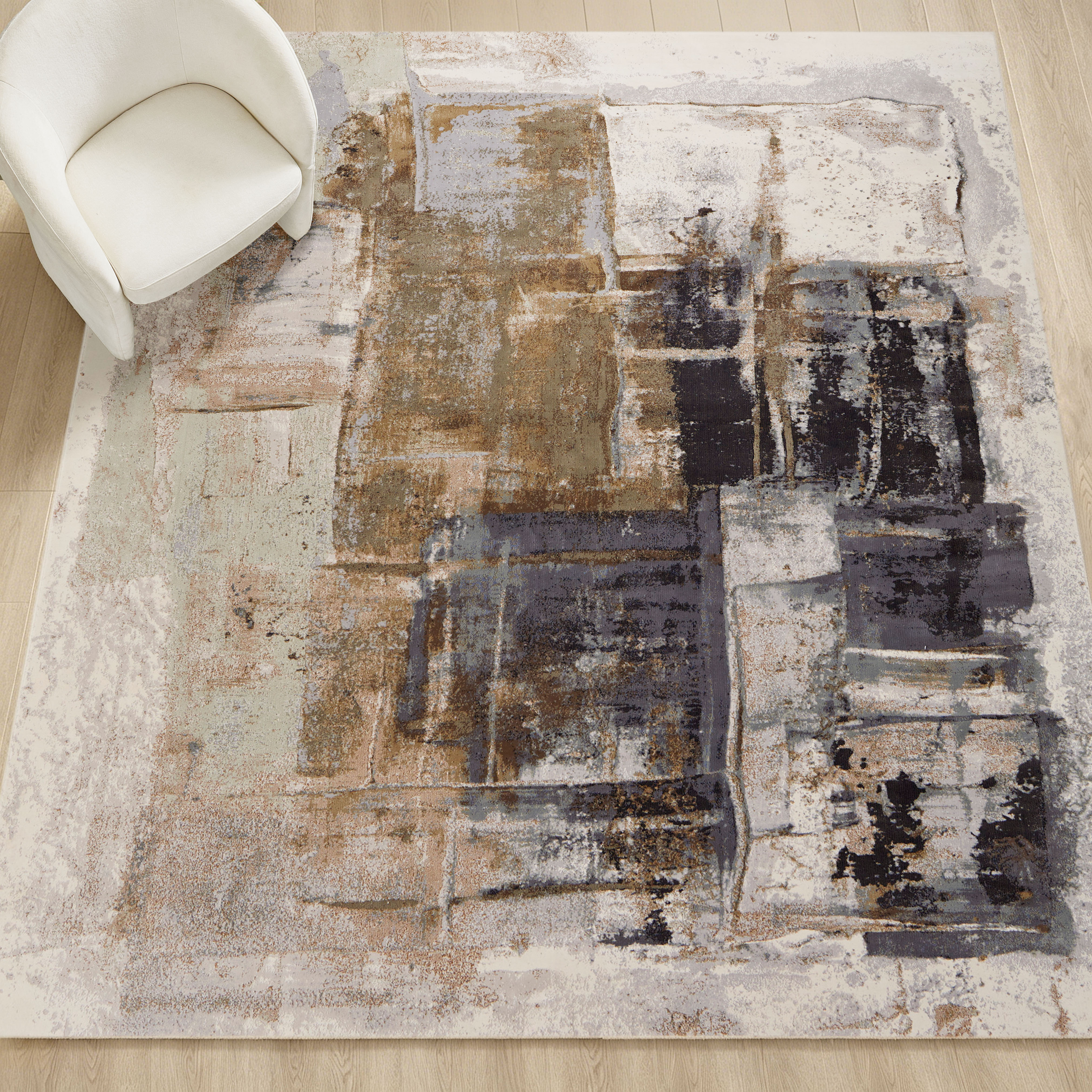
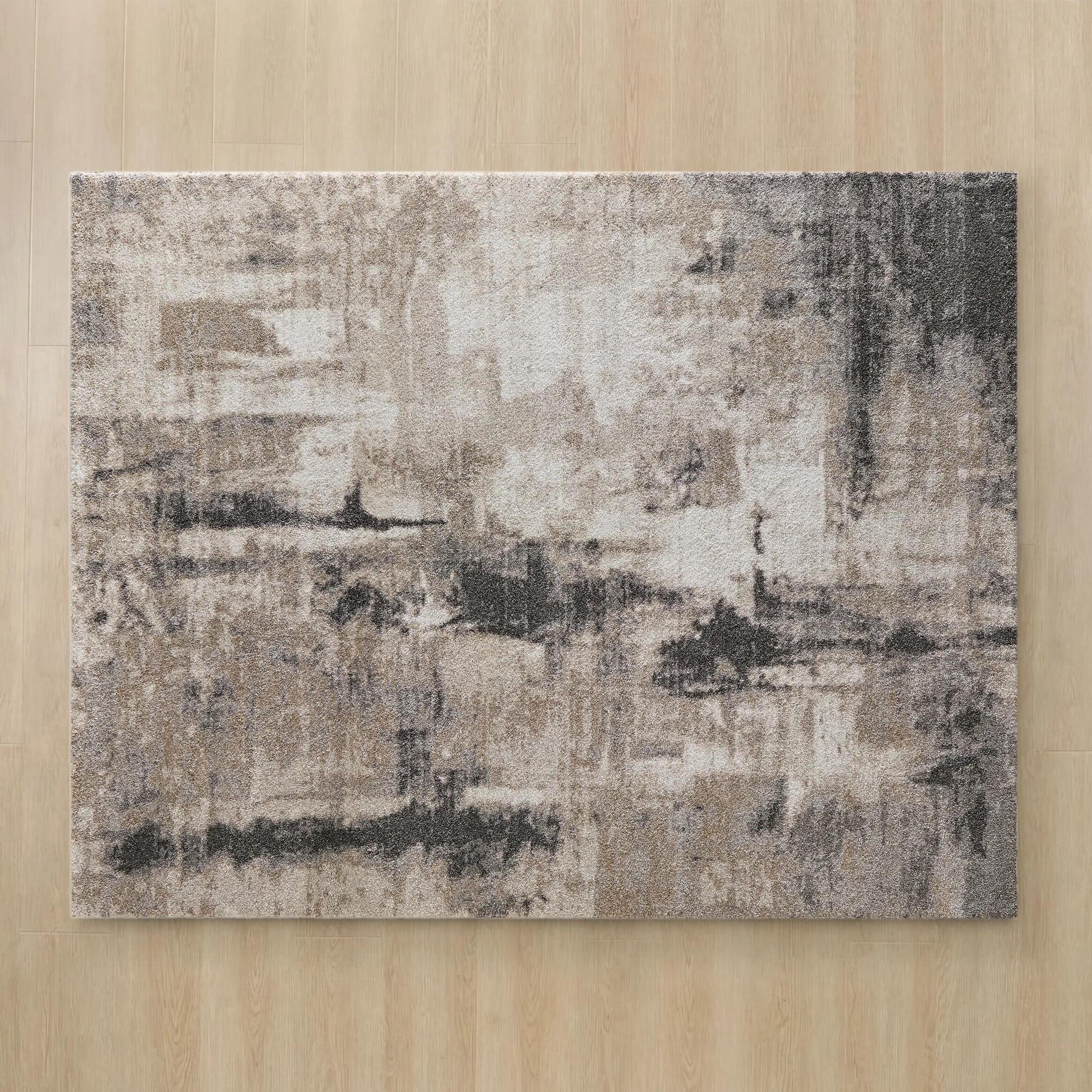 Atlas Abstract Grey/Taupe/Ivory/Charcoal Performance Power Loomed Rug$399
An abstract rug in grey, taupe, ivory, and charcoal with a plush, stain-resistant polypropylene blend.
Add To Cart -
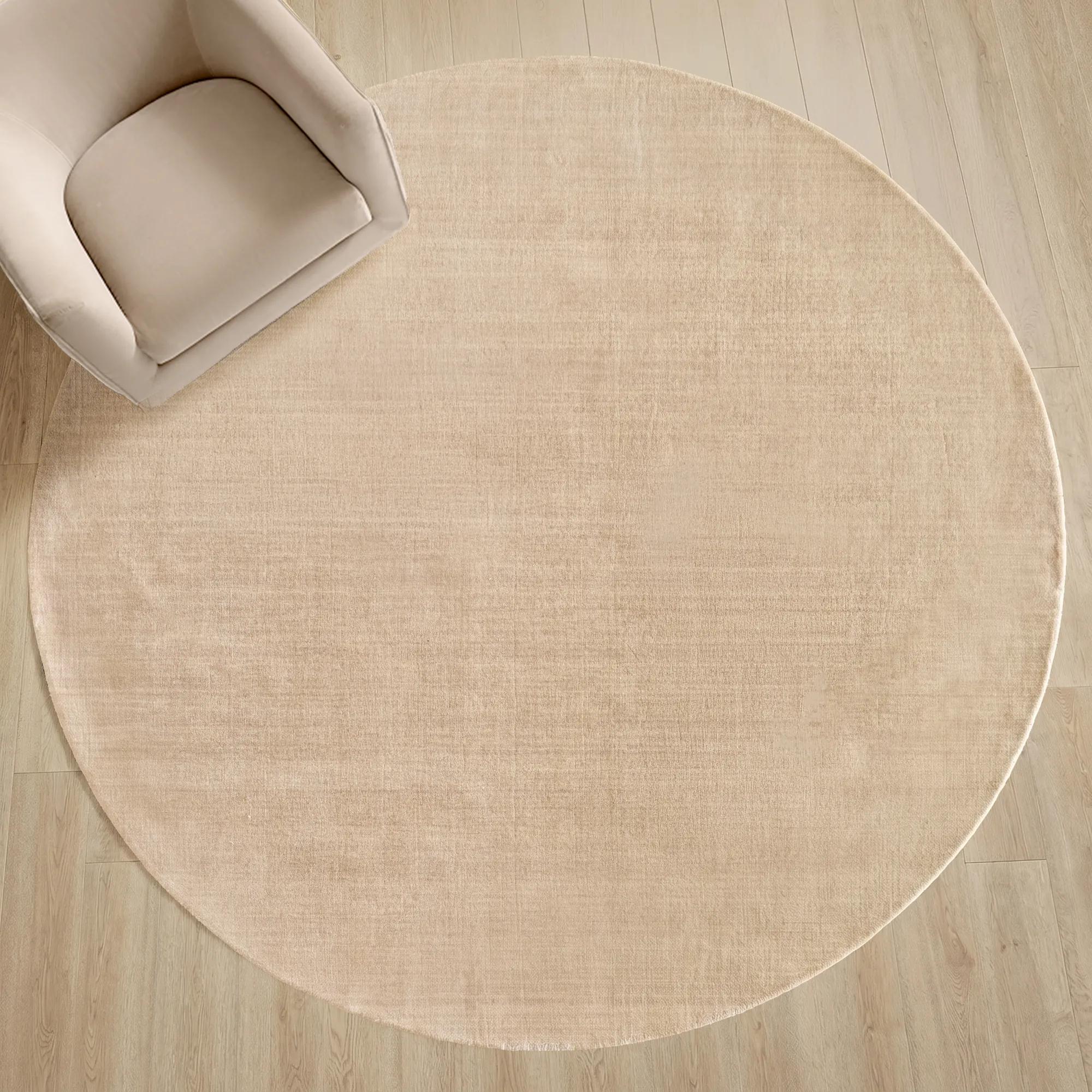 Juni Hand Woven Heathered Warm Beige Round Rug$1399
A handwoven round wool rug in heathered warm beige, offering refined texture and everyday durability.
Add To Cart -
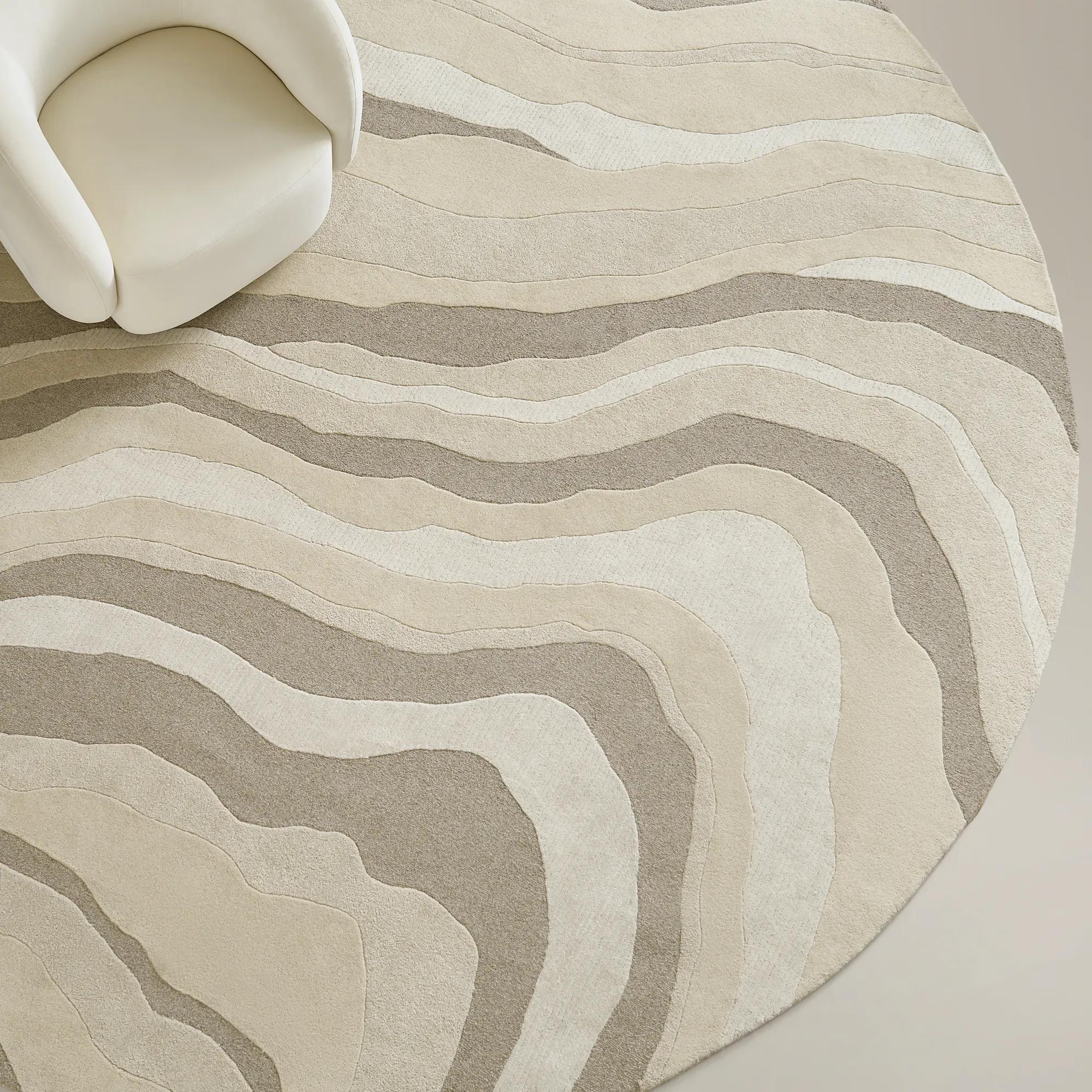 Kadence Hand-Tufted White/Ivory/Tan Wool Round Rug 12"$1799
A hand-tufted round rug in white, ivory, and tan, crafted from 100% wool for natural warmth.
Add To Cart -
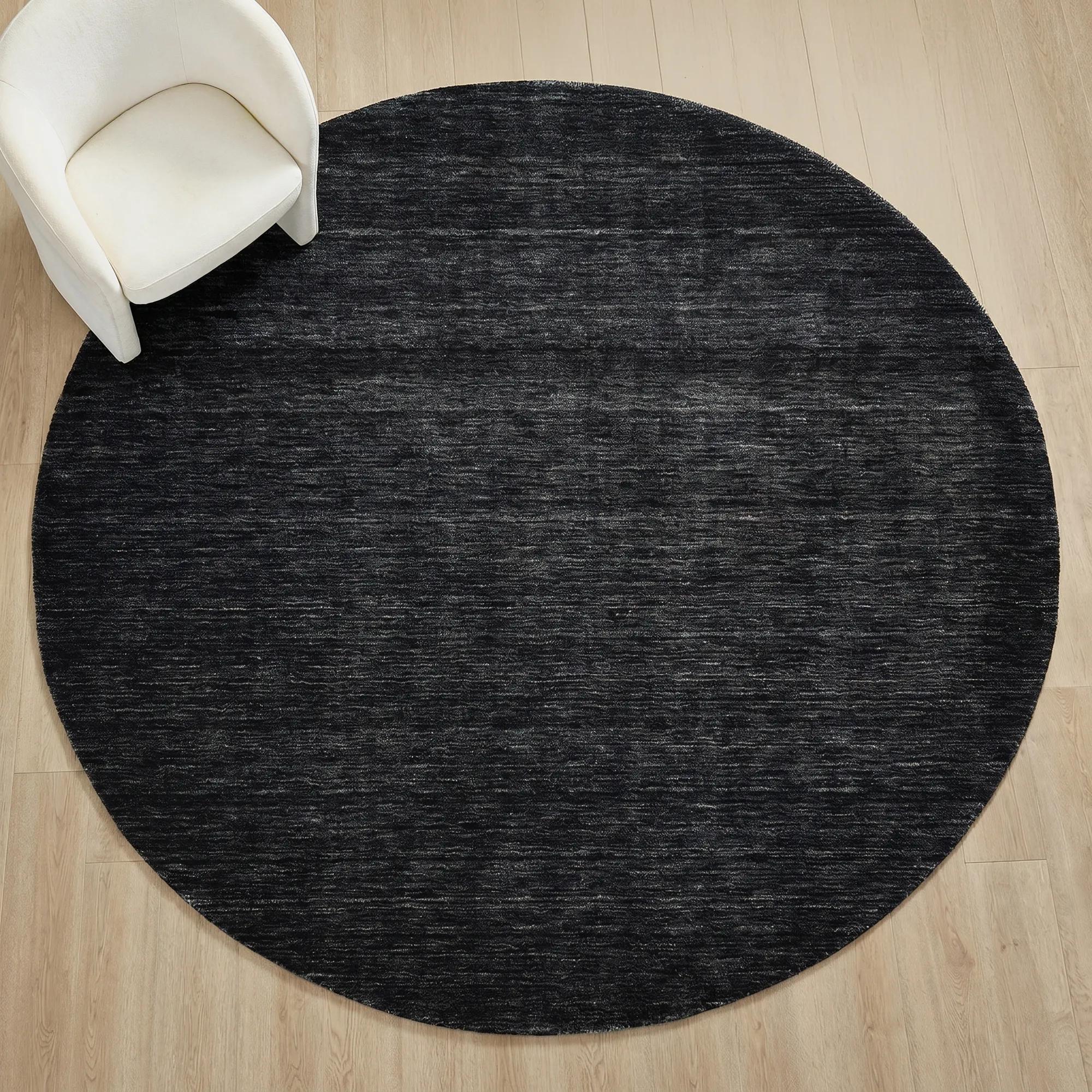 Juni Hand Woven Heathered Black Rug$799
A handwoven round wool rug in heathered black, offering durable texture and moody, contemporary style.
Add To Cart -
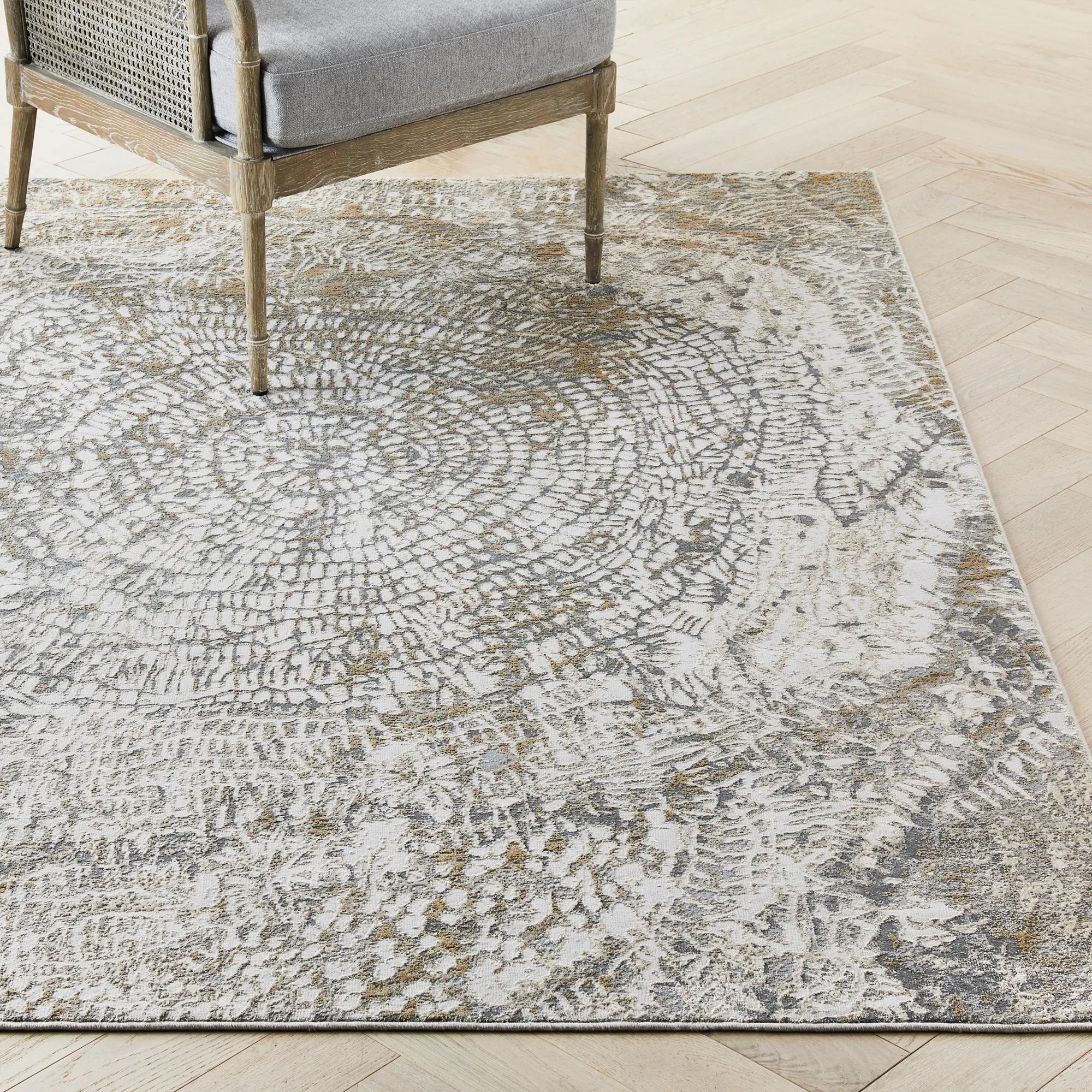 Nautilus Power-Loomed Silver/Grey/Natural Rug$449
A machine-woven ivory rug featuring subtle tree ring-inspired patterns in durable polypropylene and viscose.
Add To Cart -
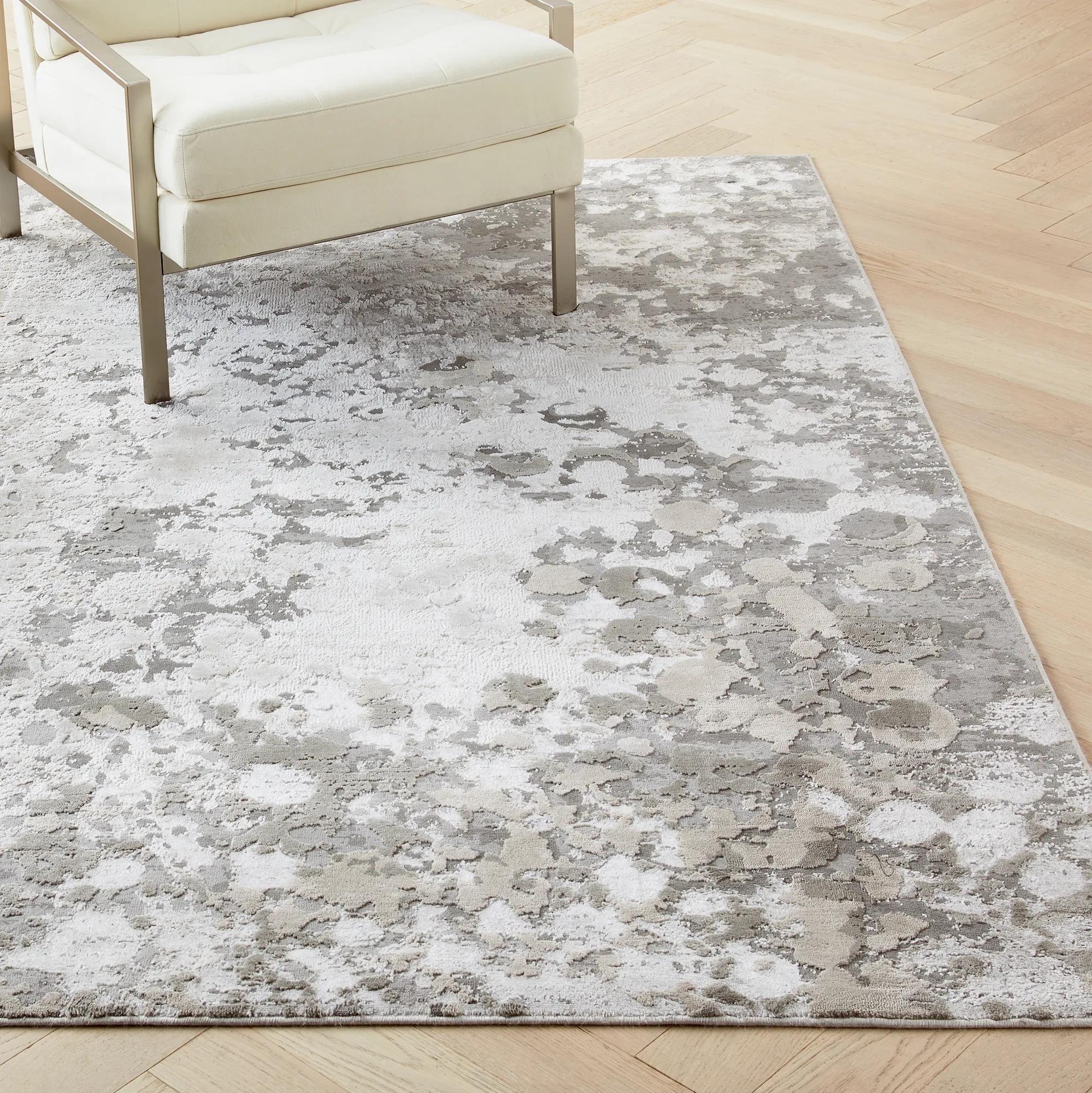 Mercury Power-Loomed Silver/Grey/Beige Rug$1649
A textured rug in silver, grey, and beige crafted from polyester, polypropylene, jute, and cotton.
Add To Cart -
 Fiona Hand-Tufted Ivory/Beige/Black Border Fringe Rug$1099
A hand-tufted ivory, beige, and black rug featuring a framed border and decorative fringe.
Add To Cart -
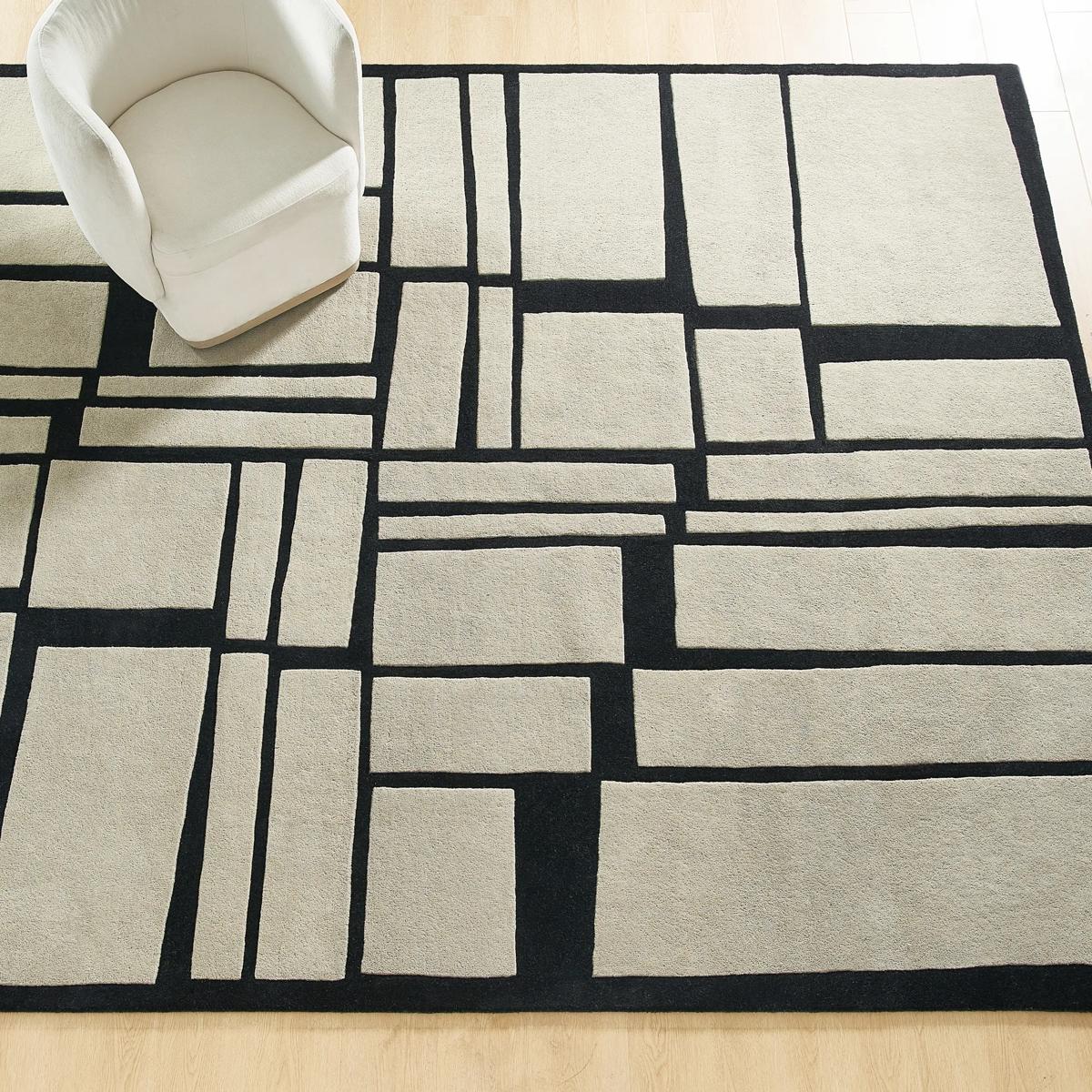 Novak Hand-Tufted Natural/Black Wool Rug$1399
A hand-tufted wool rug featuring a bold black and natural grid design for modern contrast.
Add To Cart -
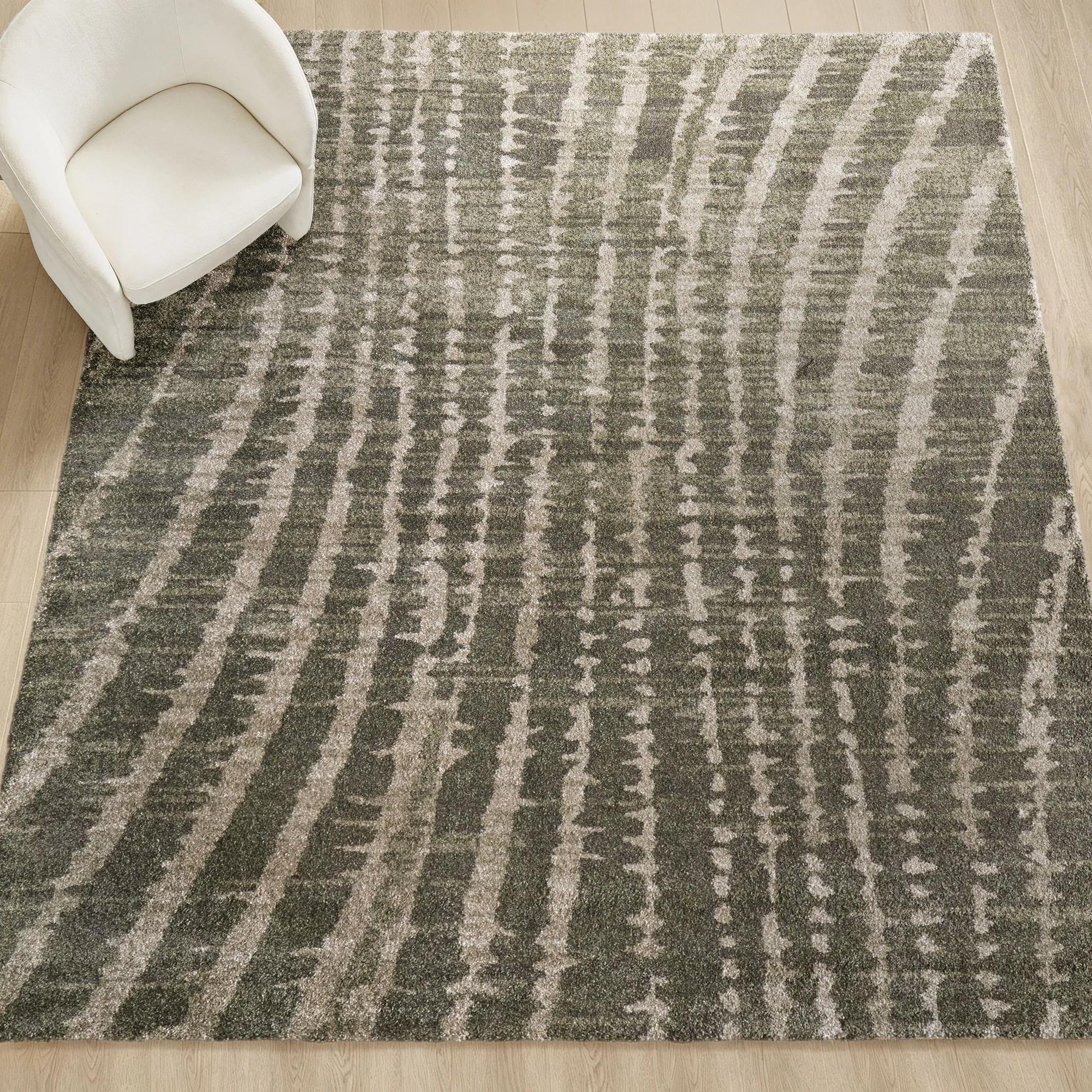
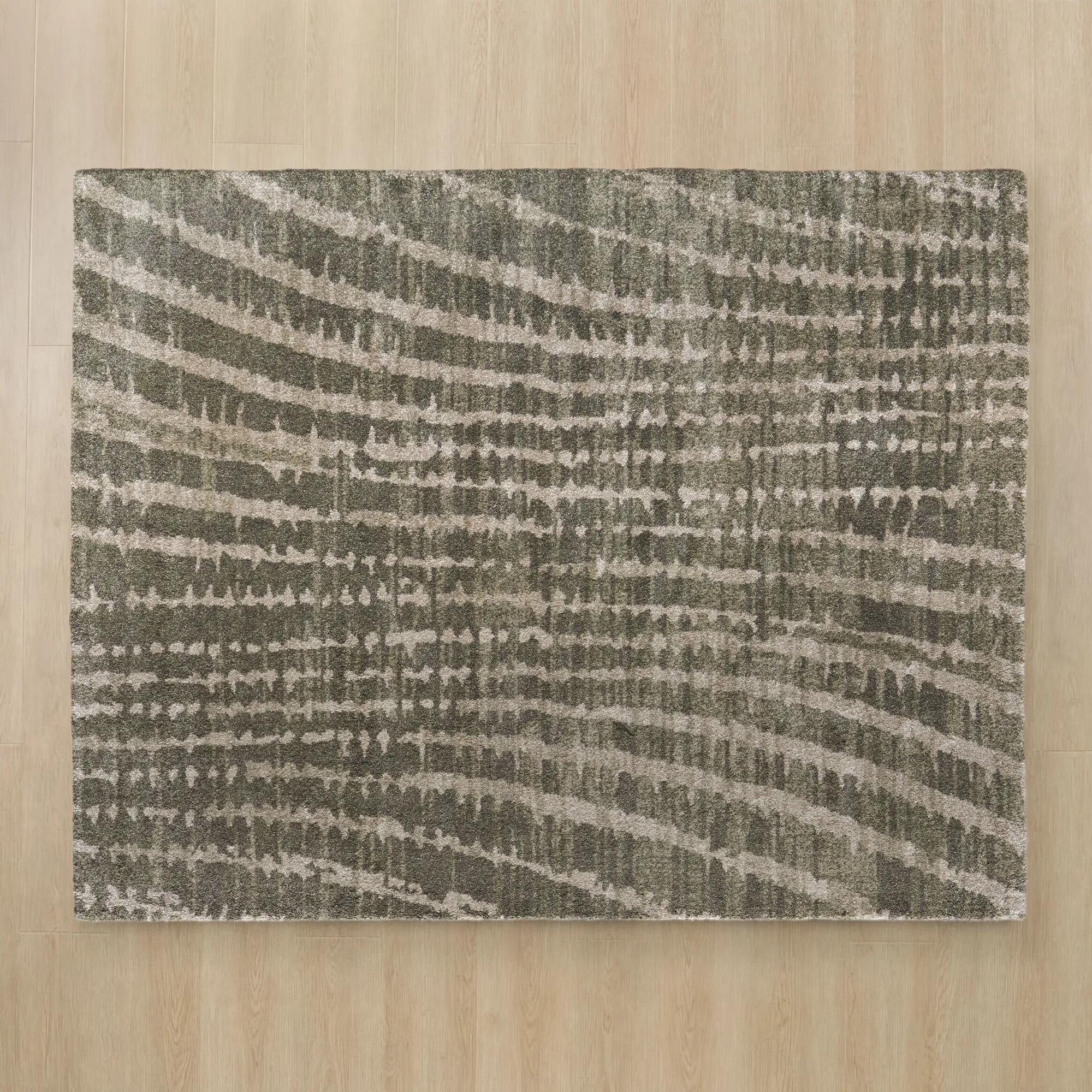 Tempo Green/Grey/Beige Performance Power Loomed Rug$399
An abstract charcoal grey and beige rug with plush cut pile and durable, stain-resistant polypropylene-polyester blend.
Add To Cart -
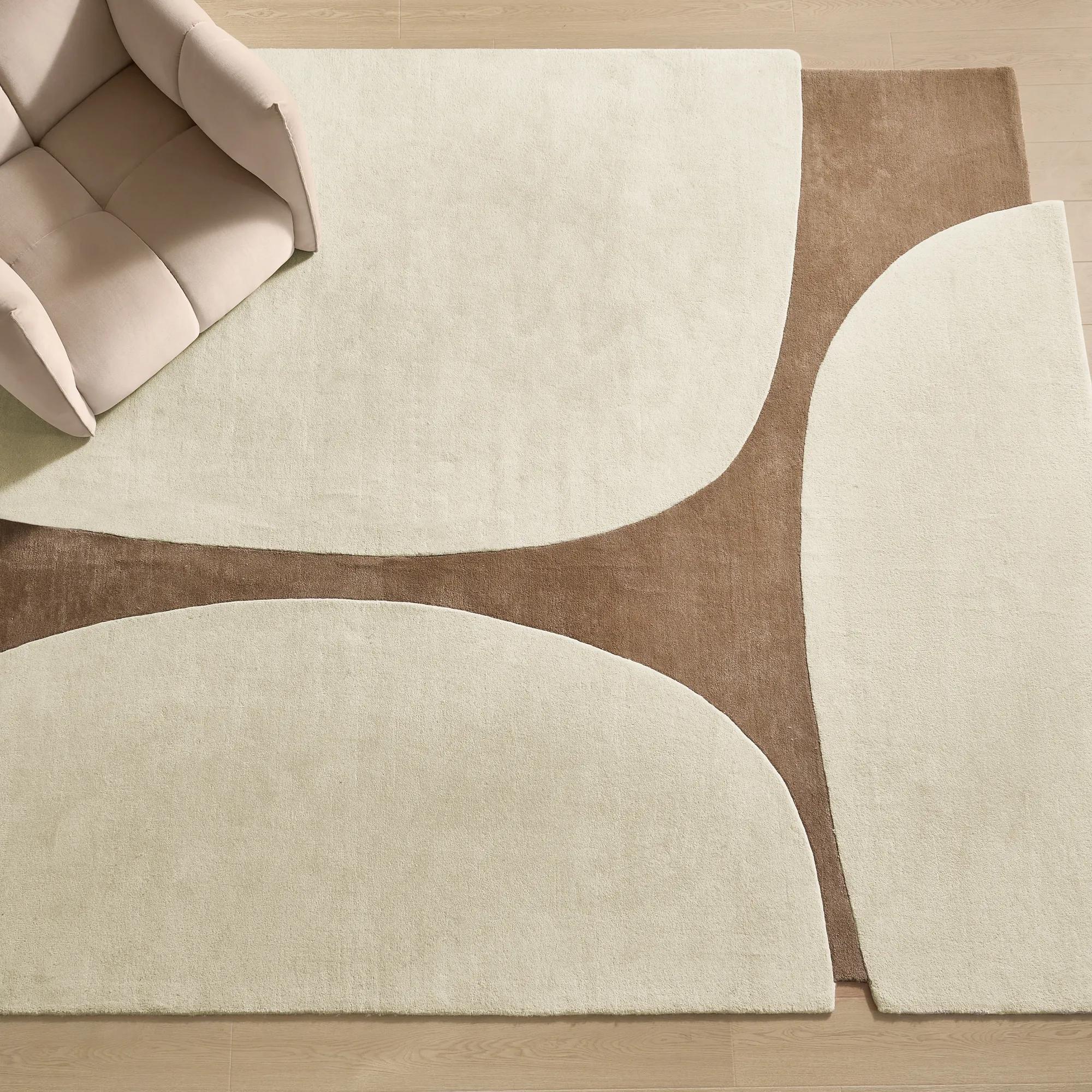
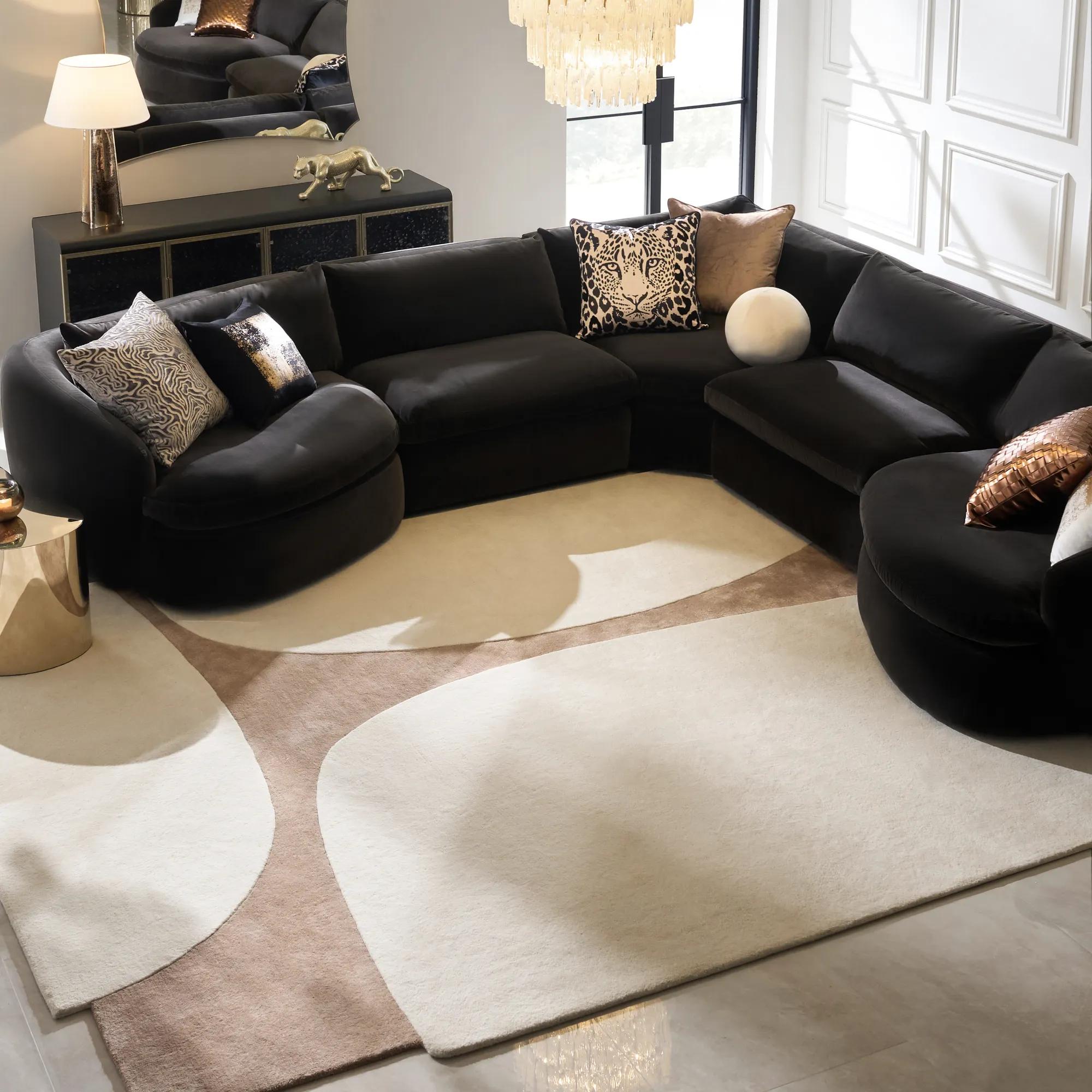 Contour Hand-Tufted Ivory/Ginger Root Wool Blend Rug$499
A hand-tufted wool rug blending ivory and ginger root tones for textured, modern warmth.
Add To Cart -
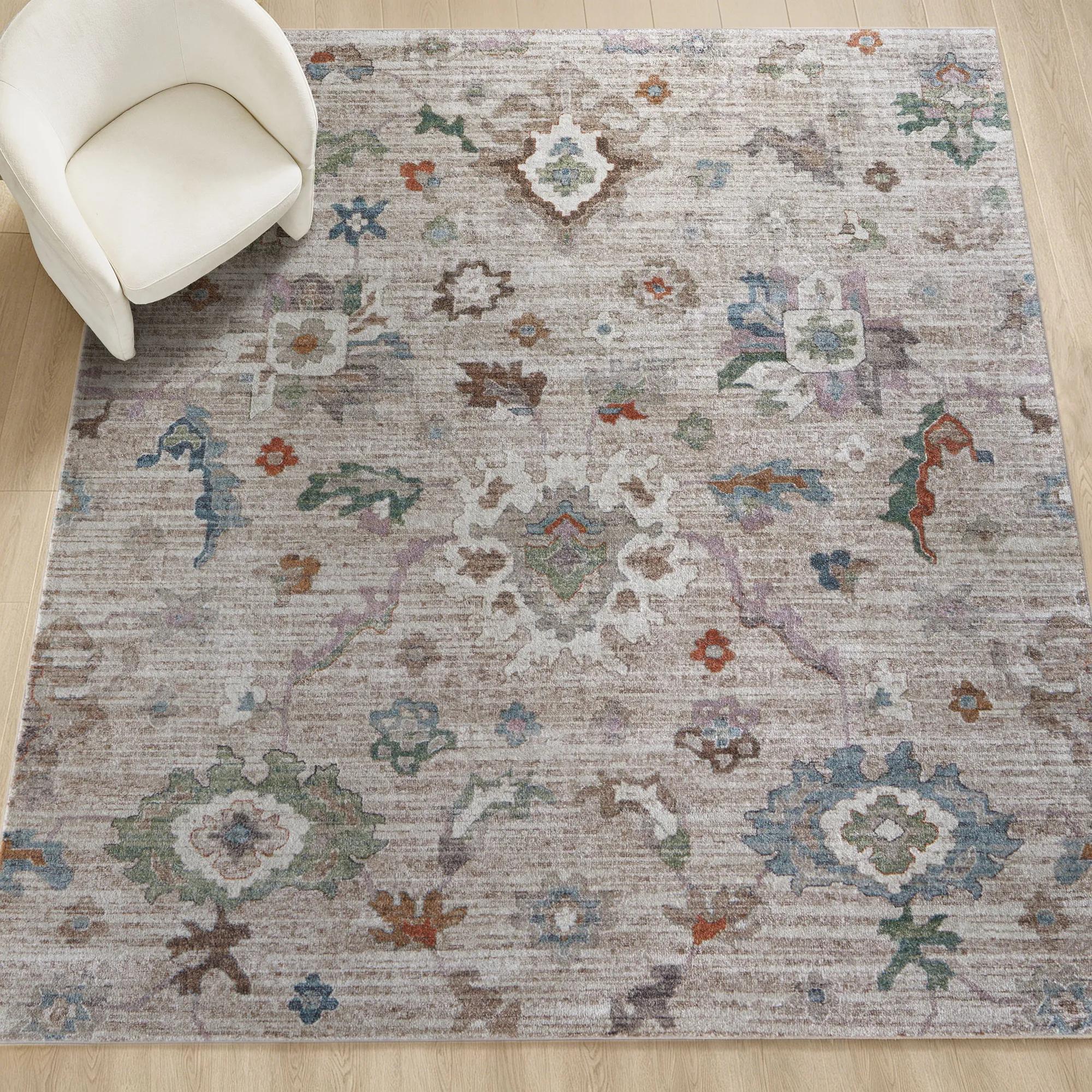
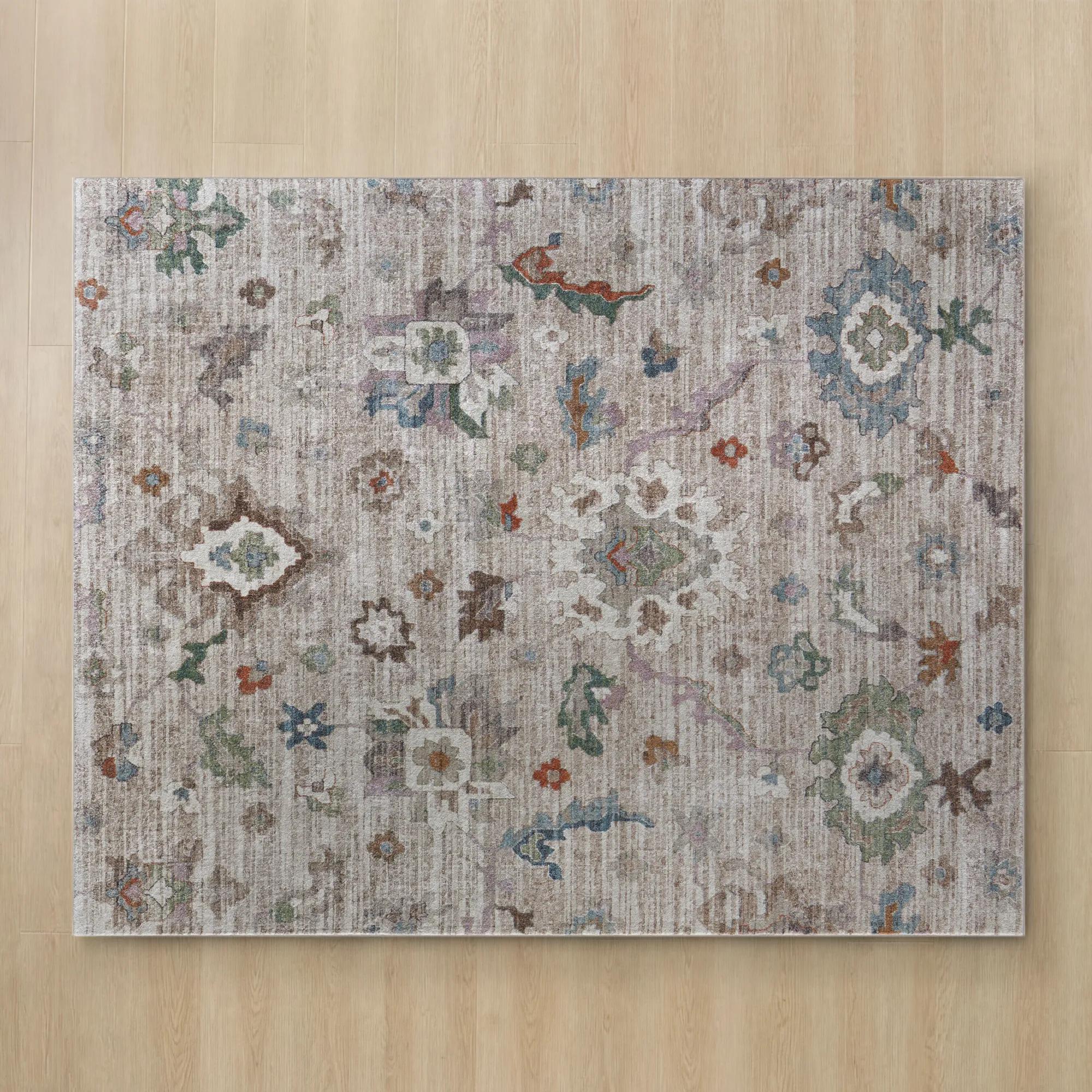 Ariella Floral Taupe/Ivory/Beige/Blue/Green Performance Power Loomed Rug$1499
A Persian-inspired rug in taupe, ivory, beige, blue, and green with a plush, power-loomed polypropylene pile.
Add To Cart -
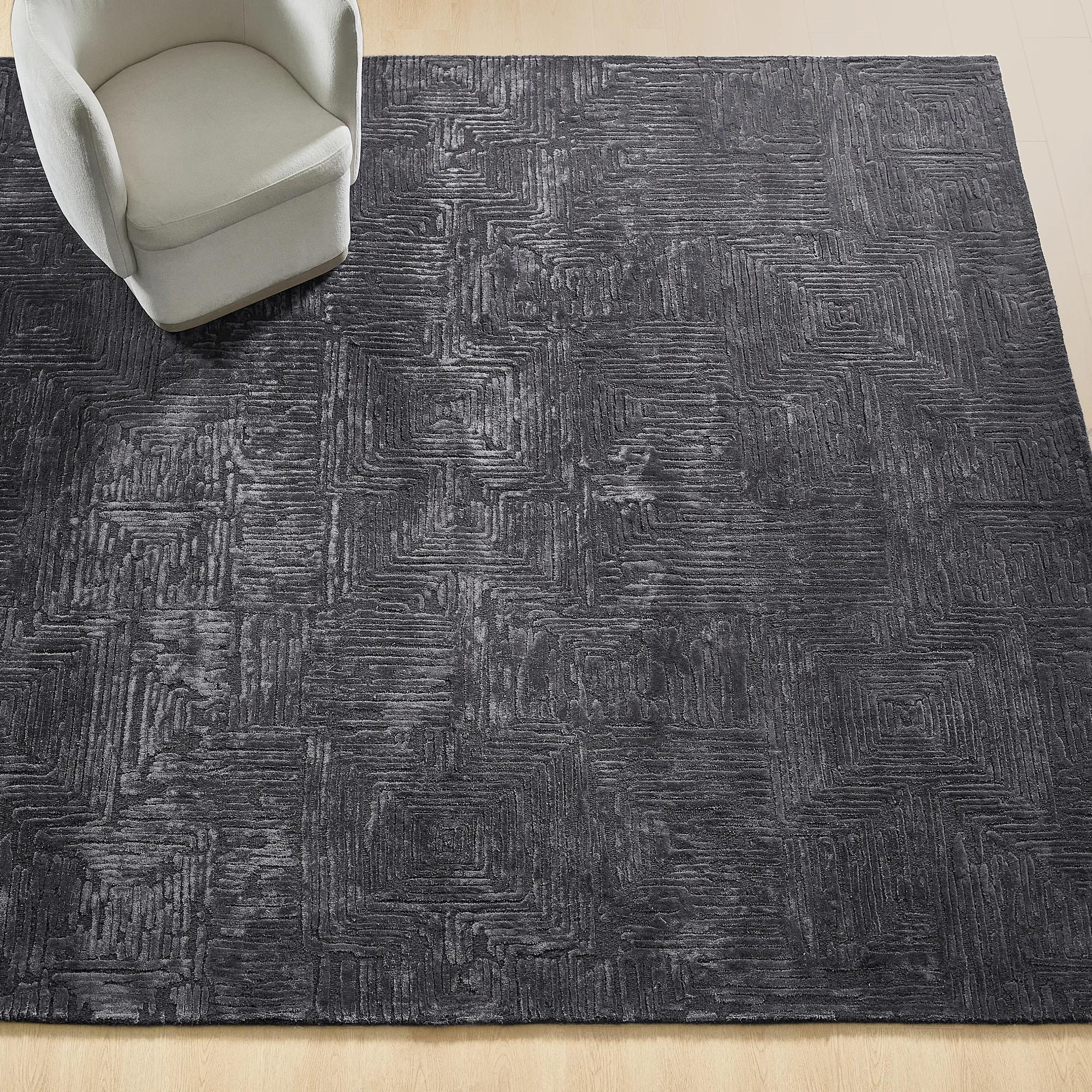
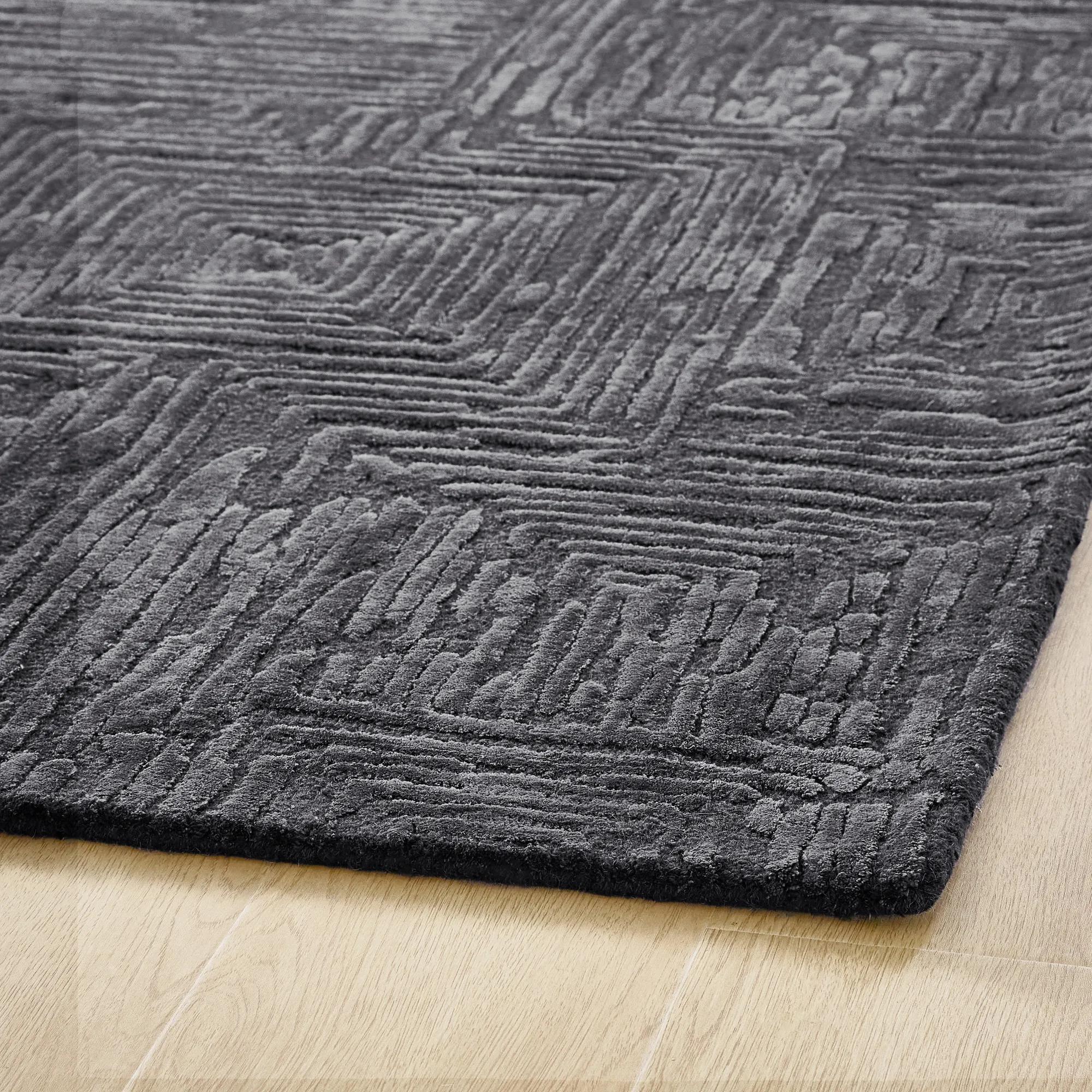 Andra Charcoal Hand-Tufted Wool Blend Dimensional Rug$499
A hand-tufted viscose-wool rug in rich charcoal, featuring a sculptural, dimensional pattern for modern spaces.
Add To Cart -
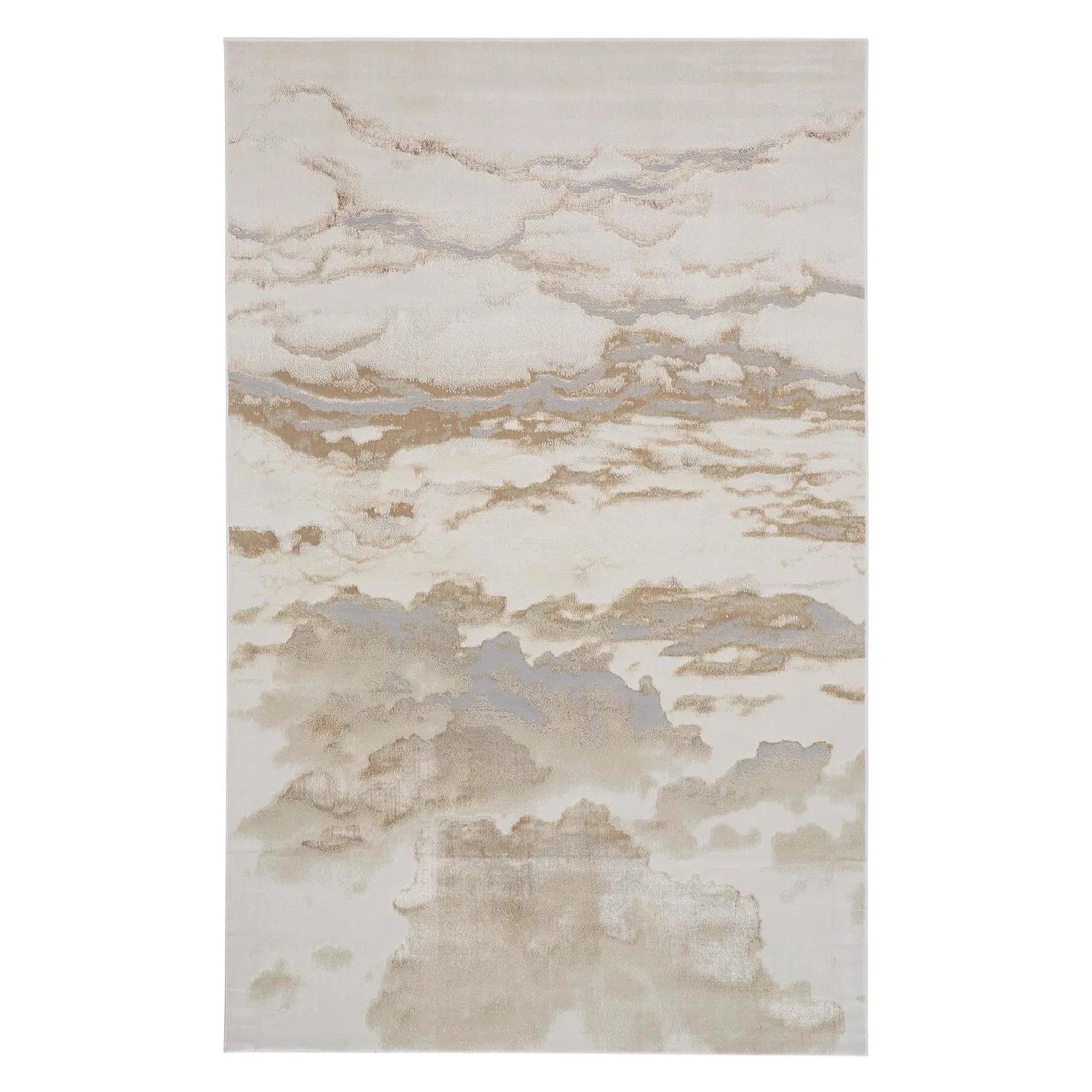
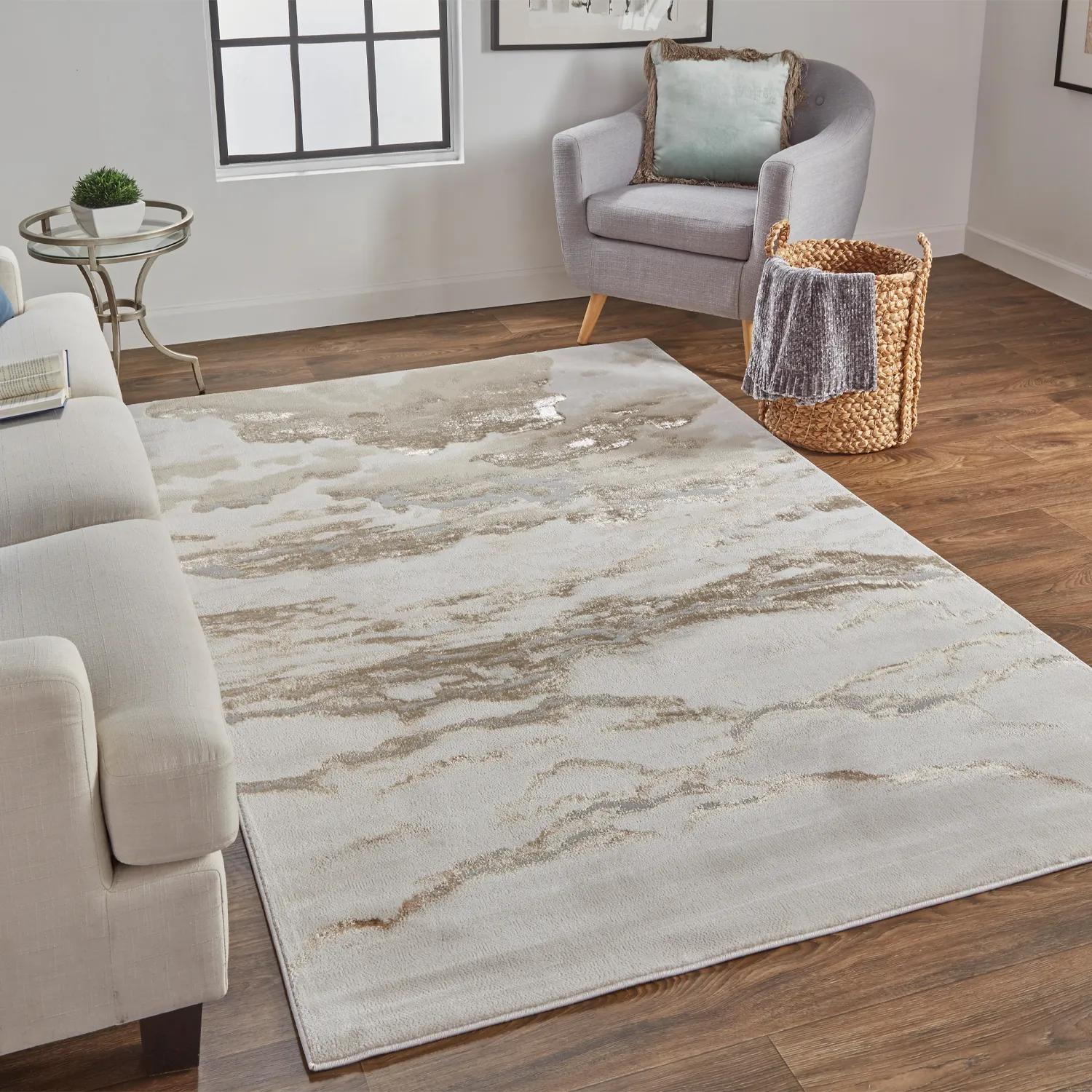 Tide Power-Loomed Beige/Gold/Ivory Rug$899
A machine-made rug in beige and gold, crafted from ultra-soft polyester and polypropylene for elegant spaces.
Add To Cart -
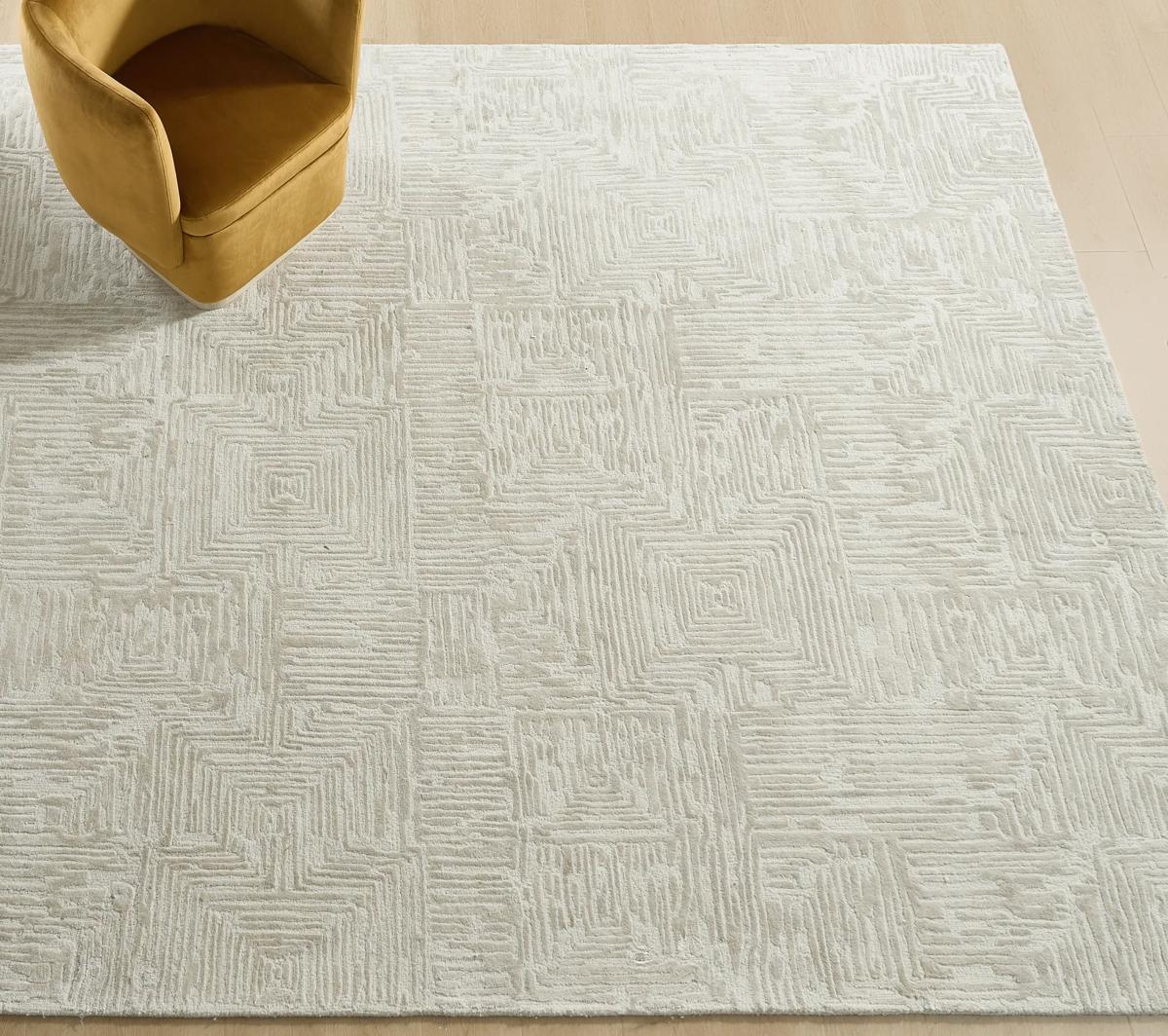 Andra Ivory Hand-Tufted Wool Blend Dimensional Rug$499
A hand-tufted ivory rug in a viscose-wool blend with raised textural detailing and subtle sheen.
Add To Cart -
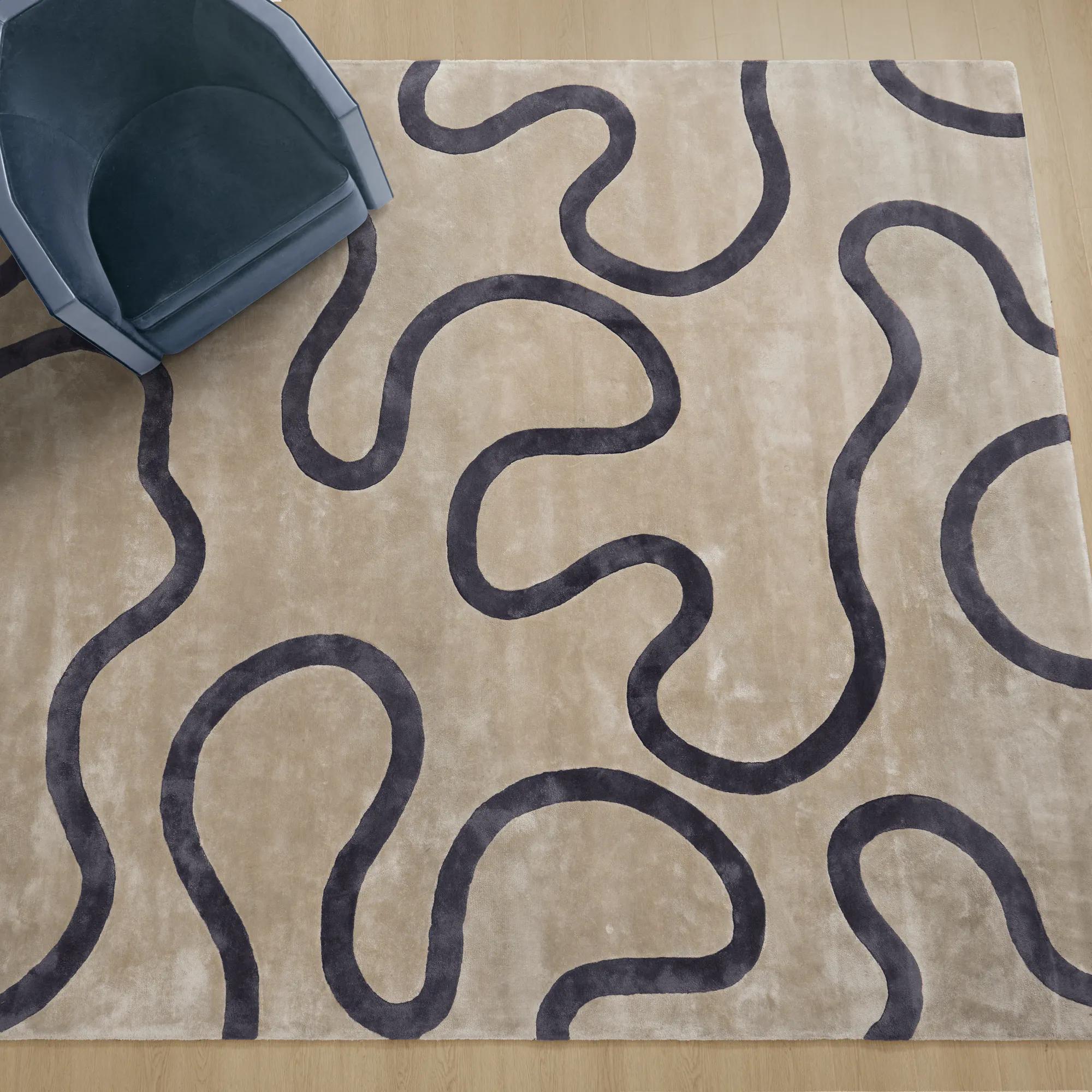 Seraphine Hand-Tufted Smoked Pearl/Taupe Viscose Loop Rugs$1799
A hand-tufted viscose rug in smoked pearl and taupe with bold Deco-inspired loop patterns and subtle sheen.
Add To Cart -
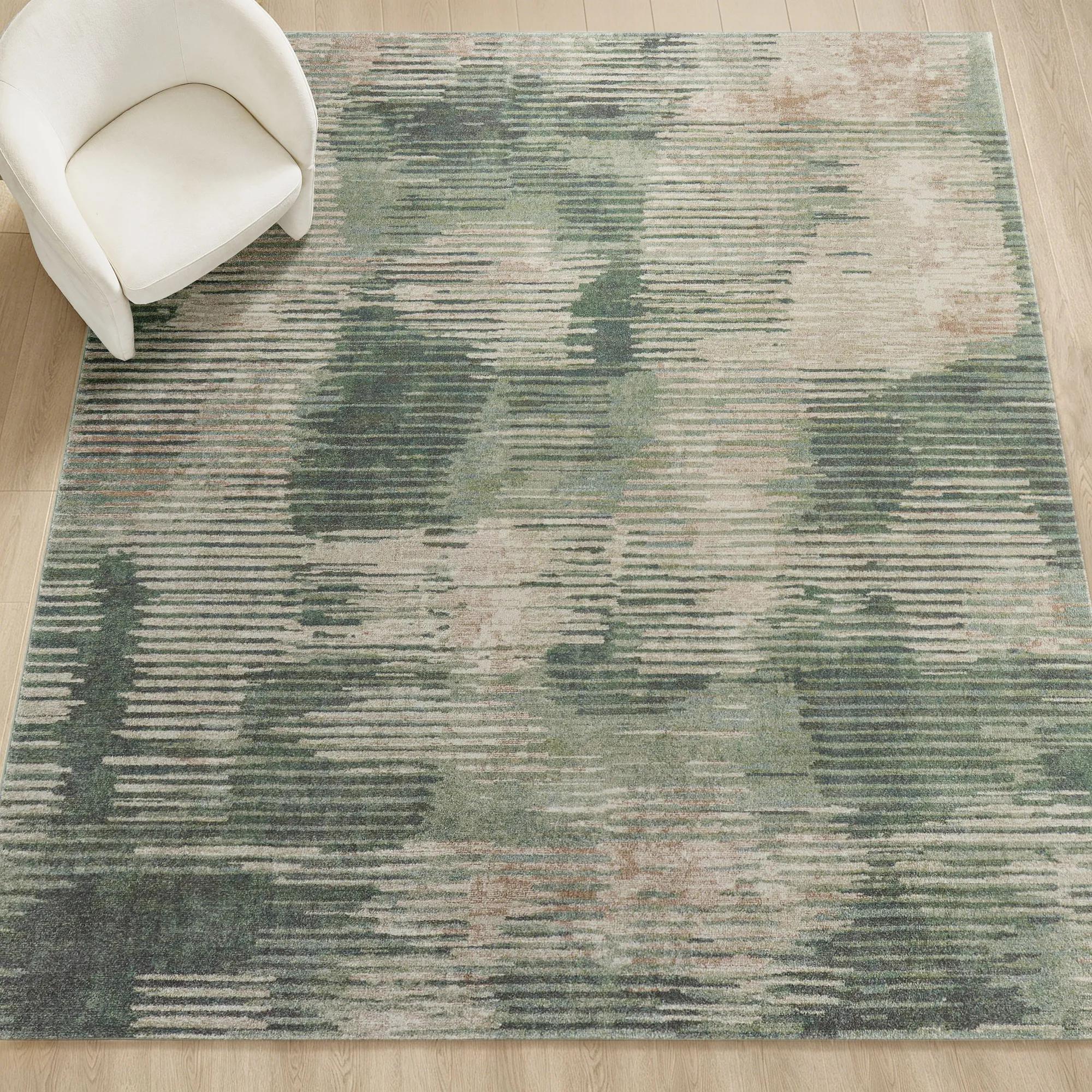
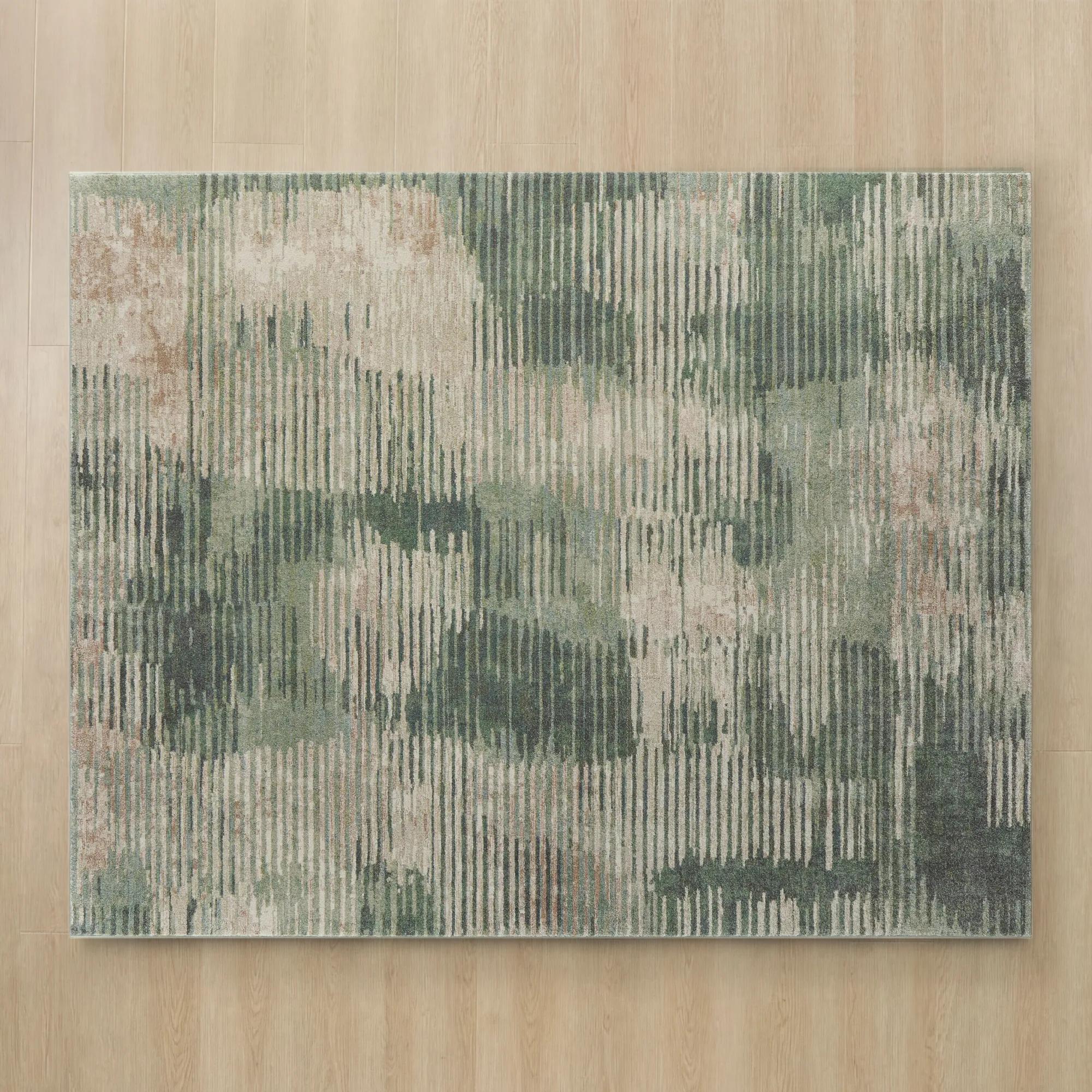 Sylvan Green/Beige Power Loomed Rug$1349
A power-loomed polypropylene rug featuring a contemporary organic pattern in smoked olive green and beige.
Add To Cart -
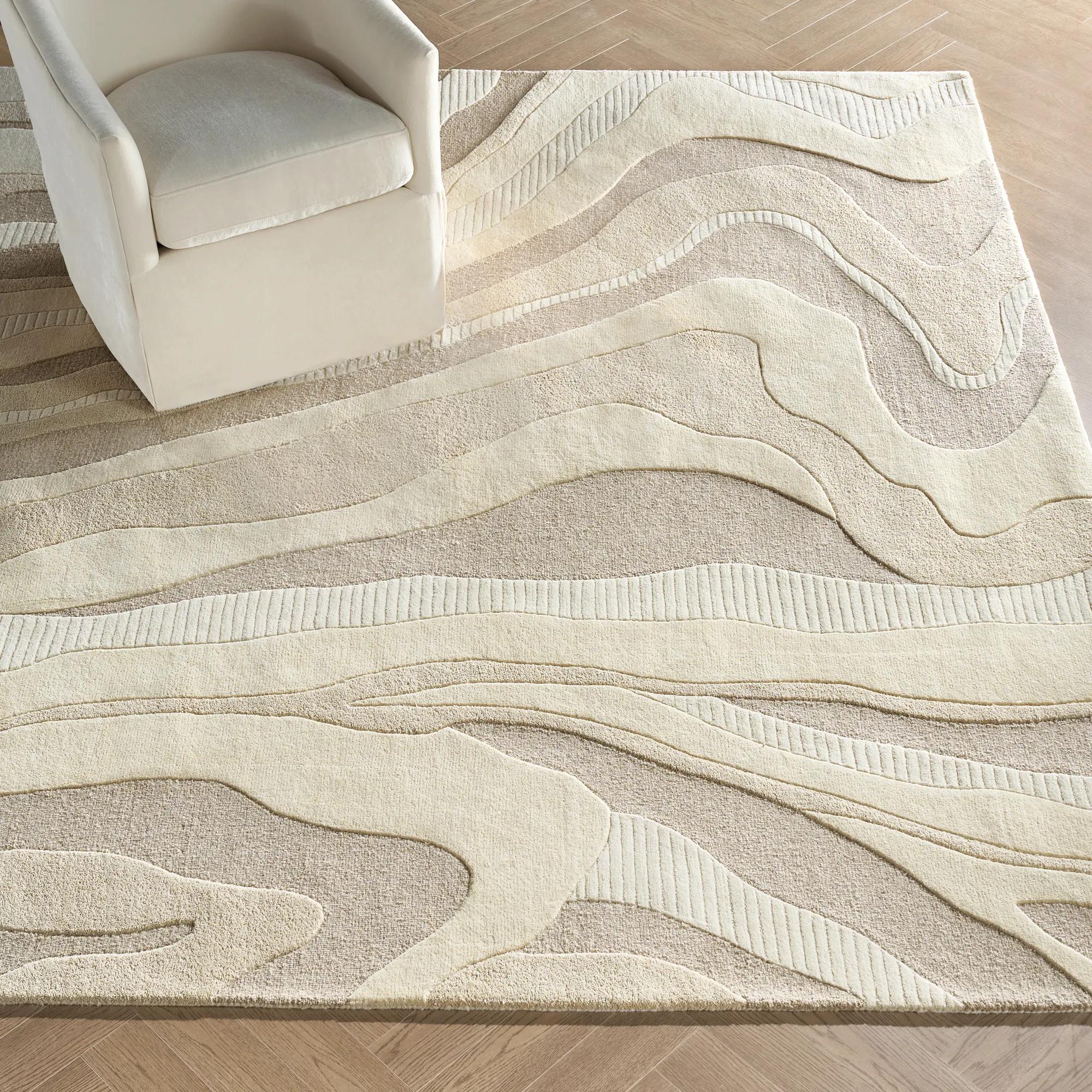 Kadence Hand-Tufted Ivory/Tan Wool Rug$499
A hand-tufted wool rug featuring a multi-textured swirl design in ivory and tan for elegant depth.
Add To Cart -
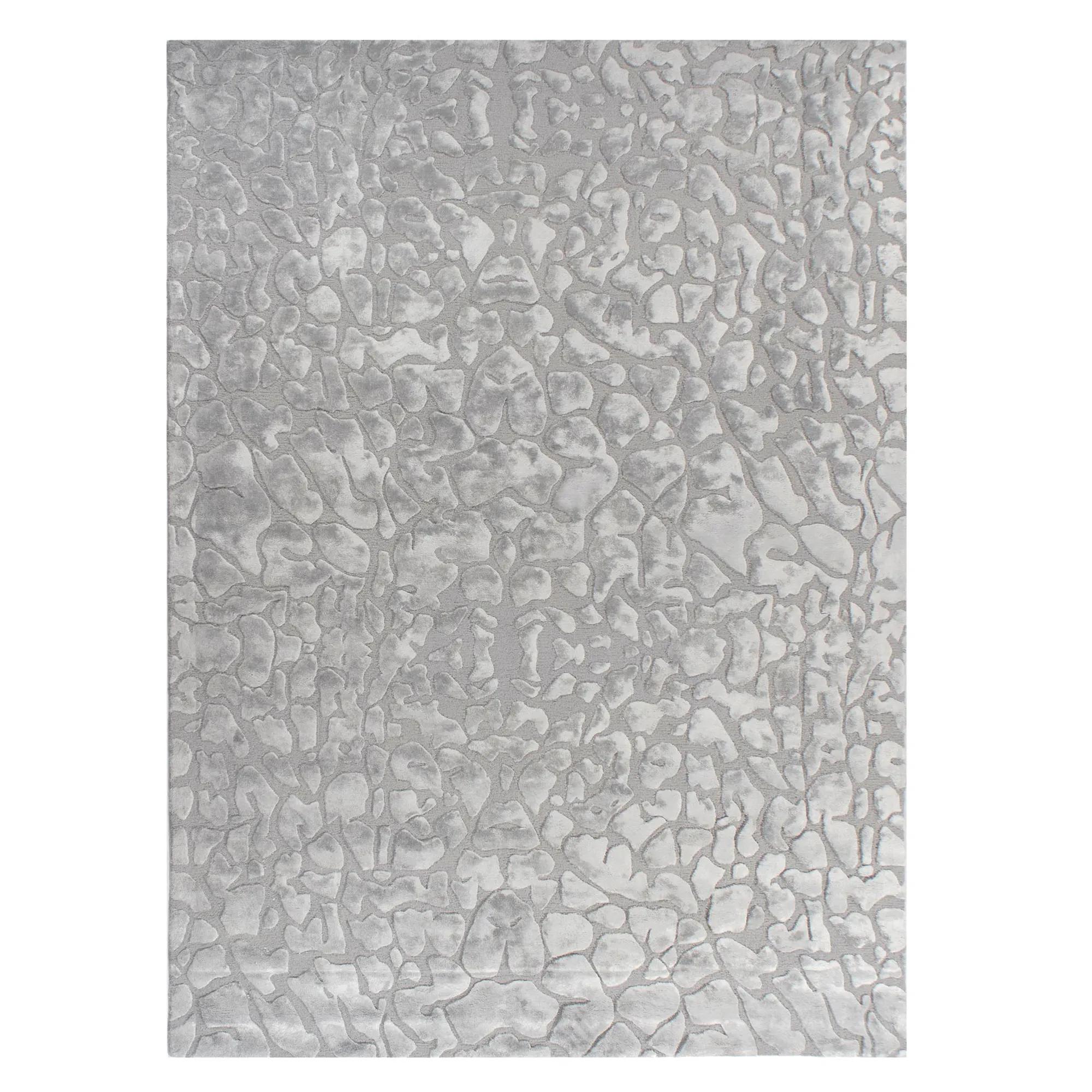
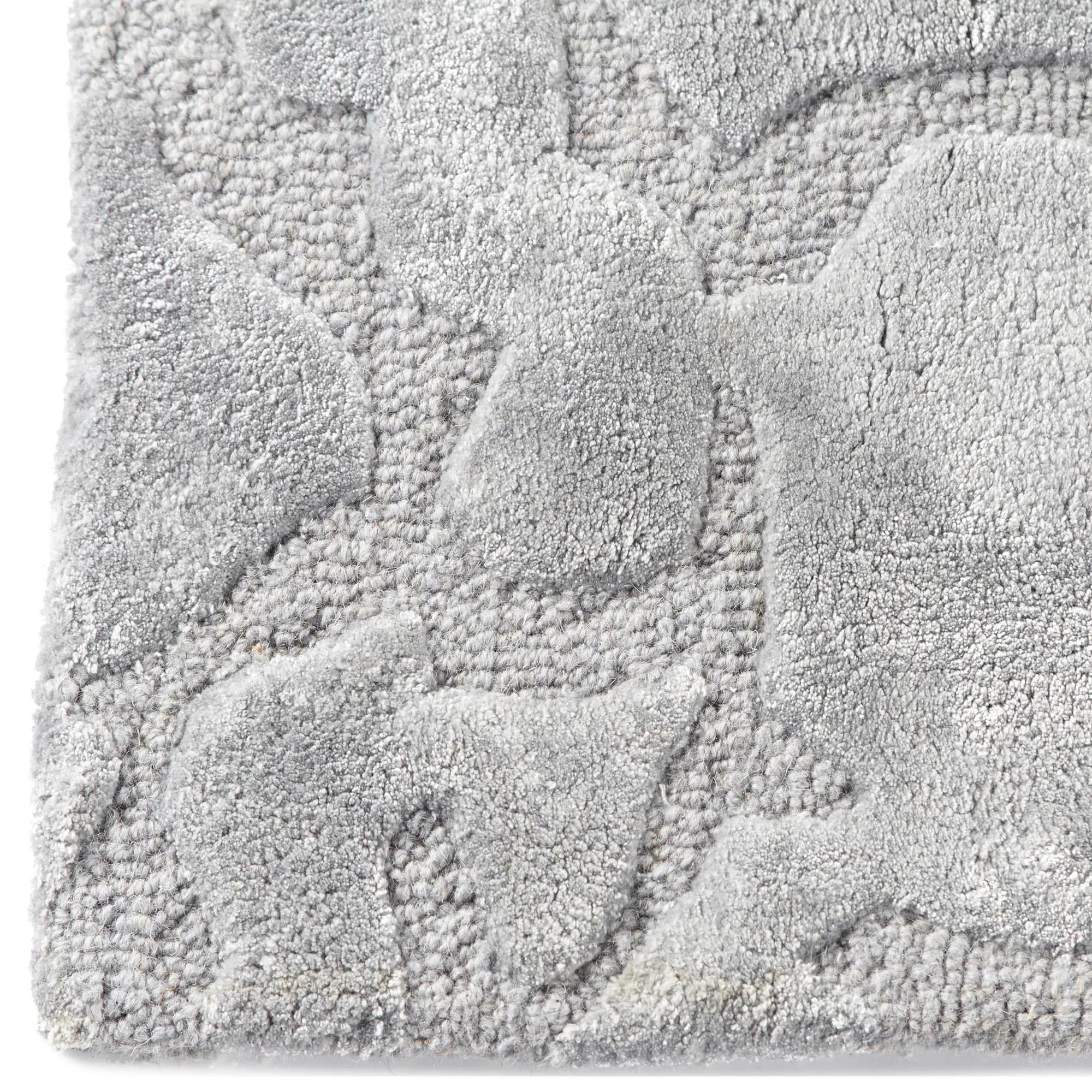 Nola Hand-Tufted Cool Grey Wool Blend Rug$849
A hand-tufted silver rug with contrasting pile heights, crafted from wool and viscose for plush texture.
Add To Cart -
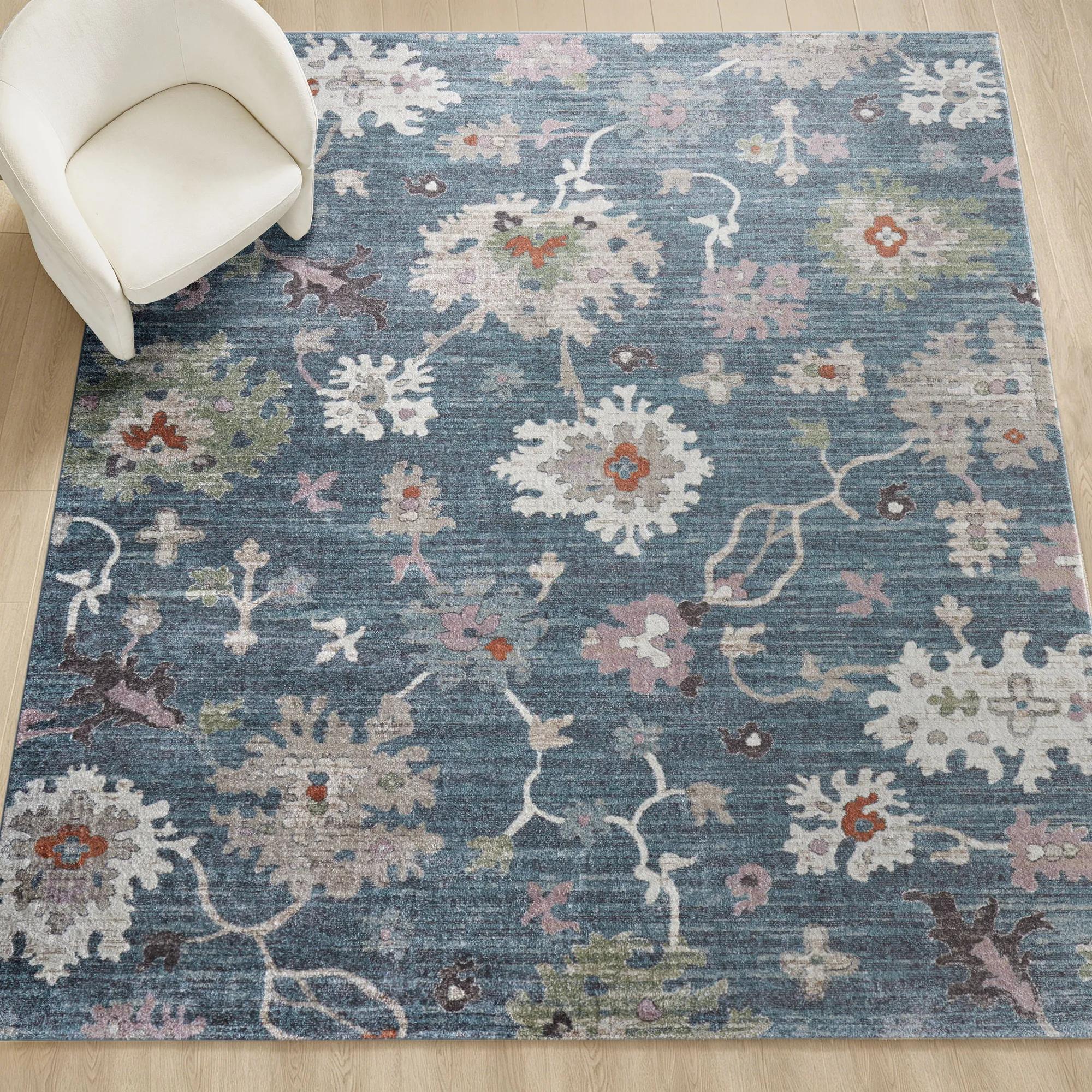
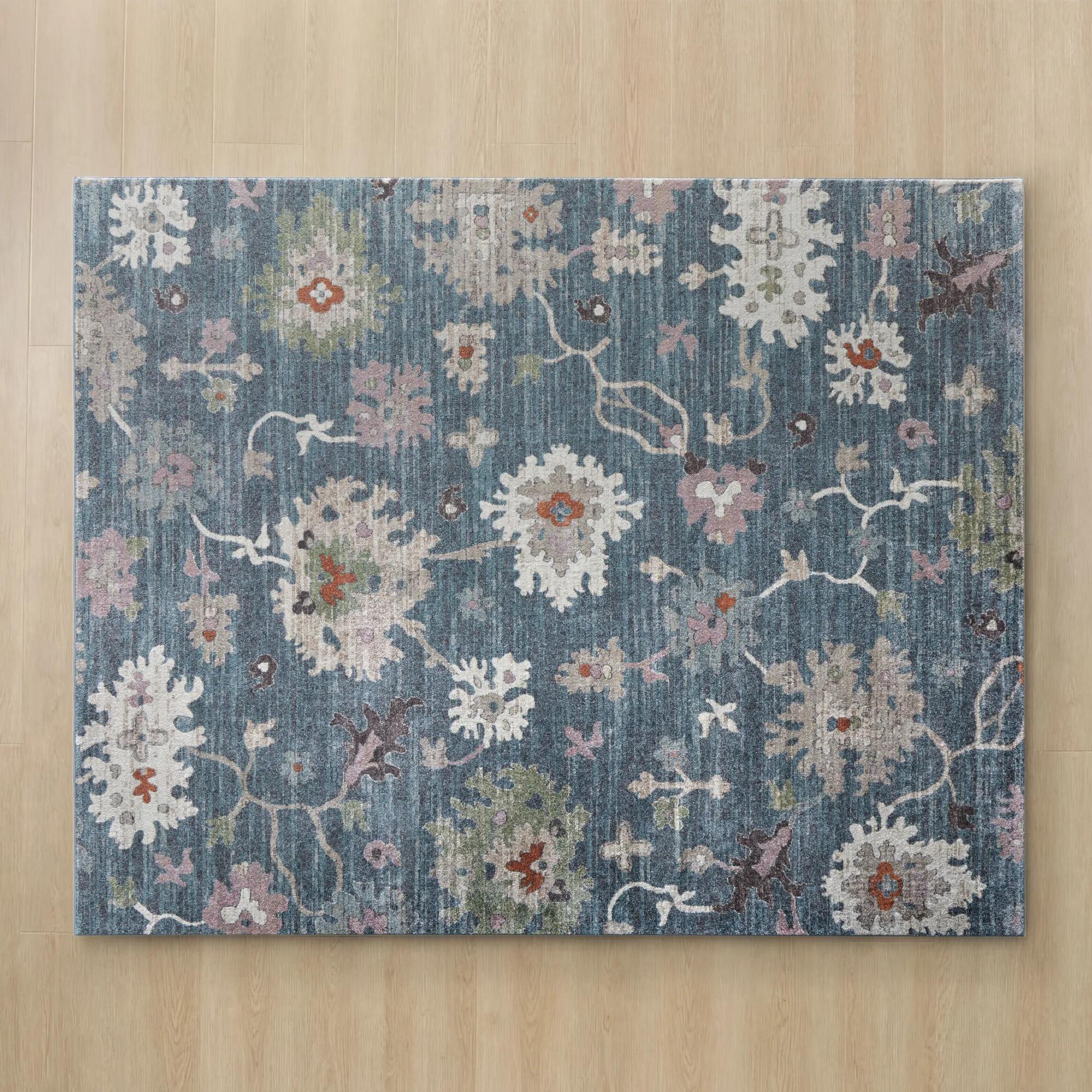 Ariella Floral Blue/Ivory/Beige/Green/Rose Dust Performance Power Loomed Rug$349
A Persian-inspired rug in blue, ivory, beige, green, and rose dust with plush, stain-resistant polypropylene pile.
Add To Cart -
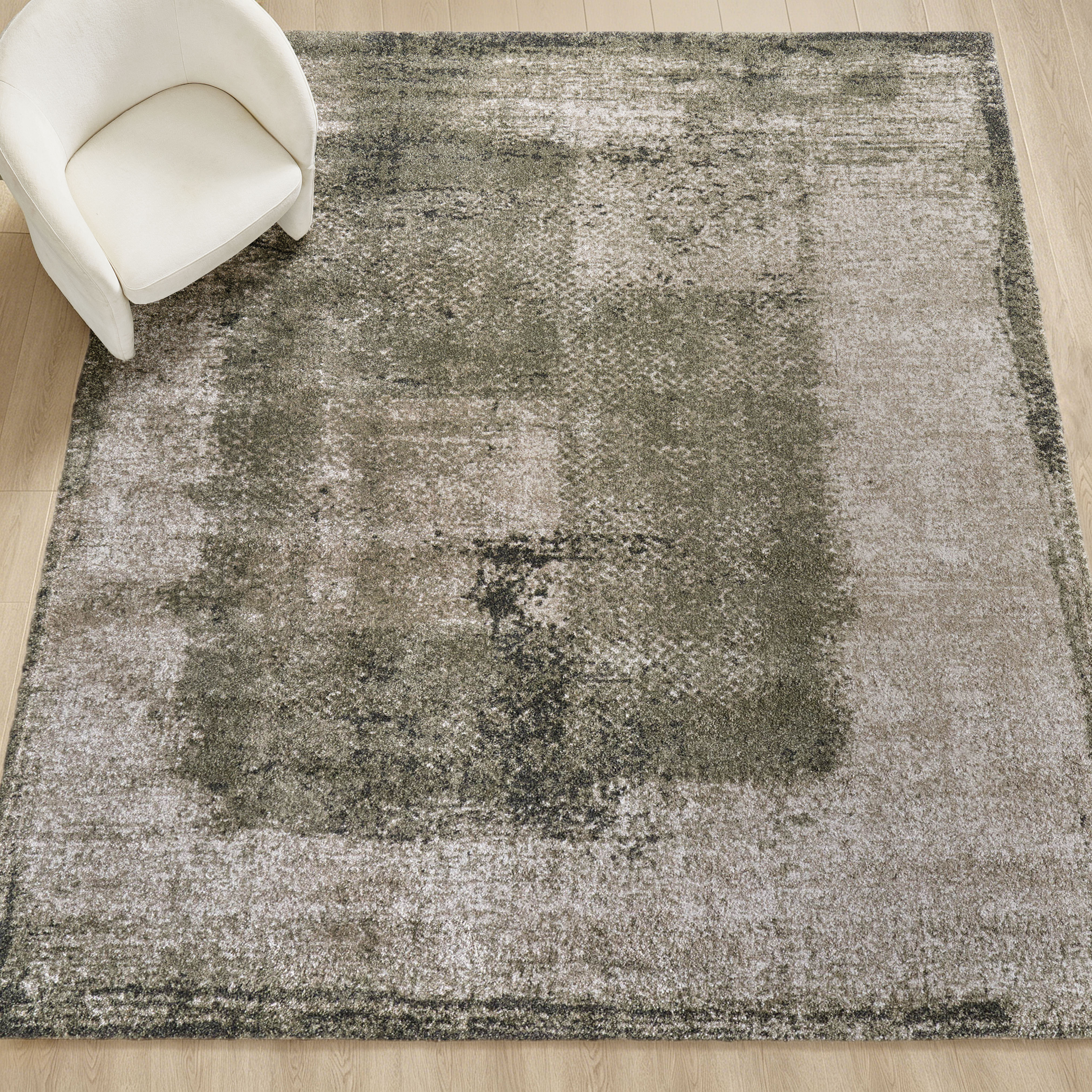
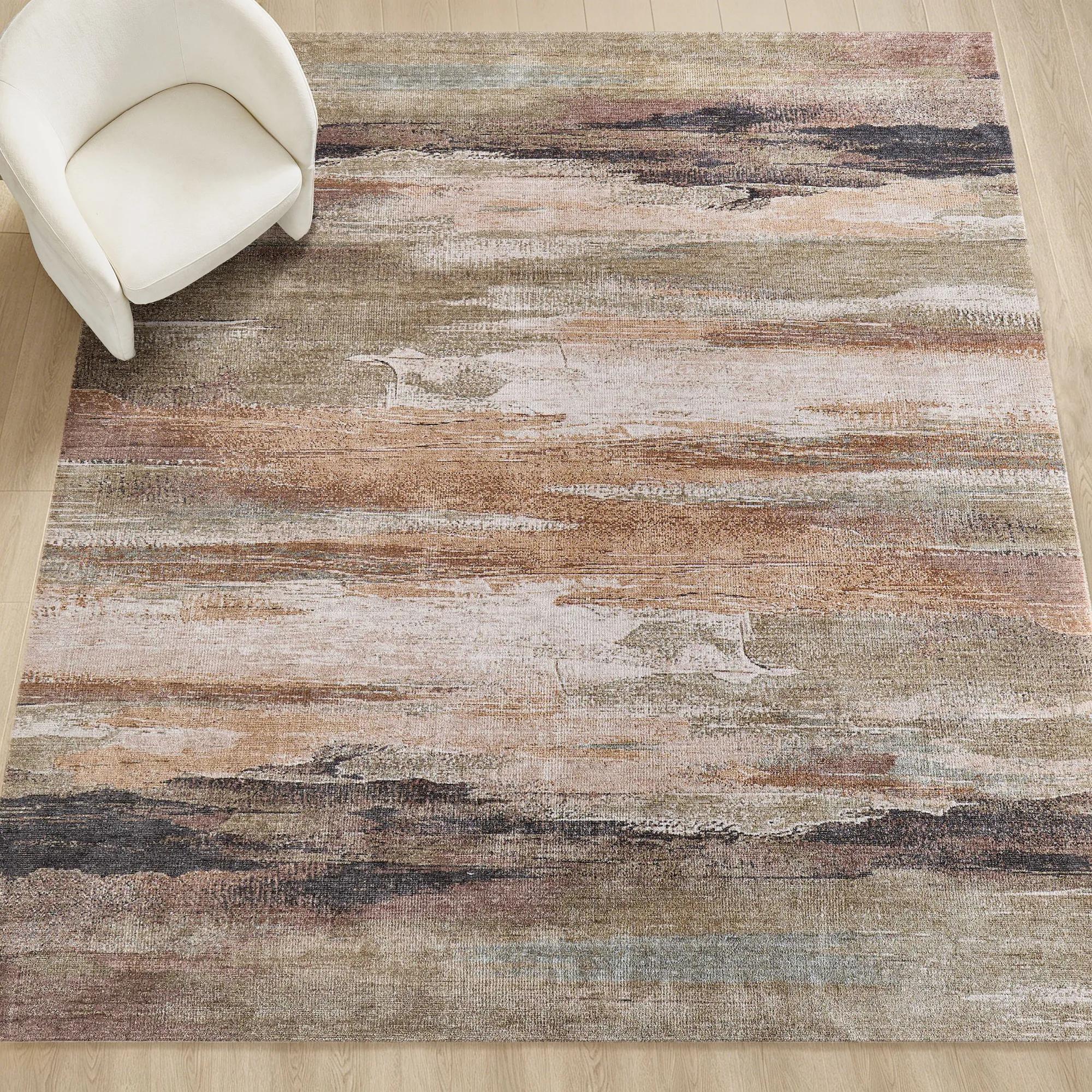
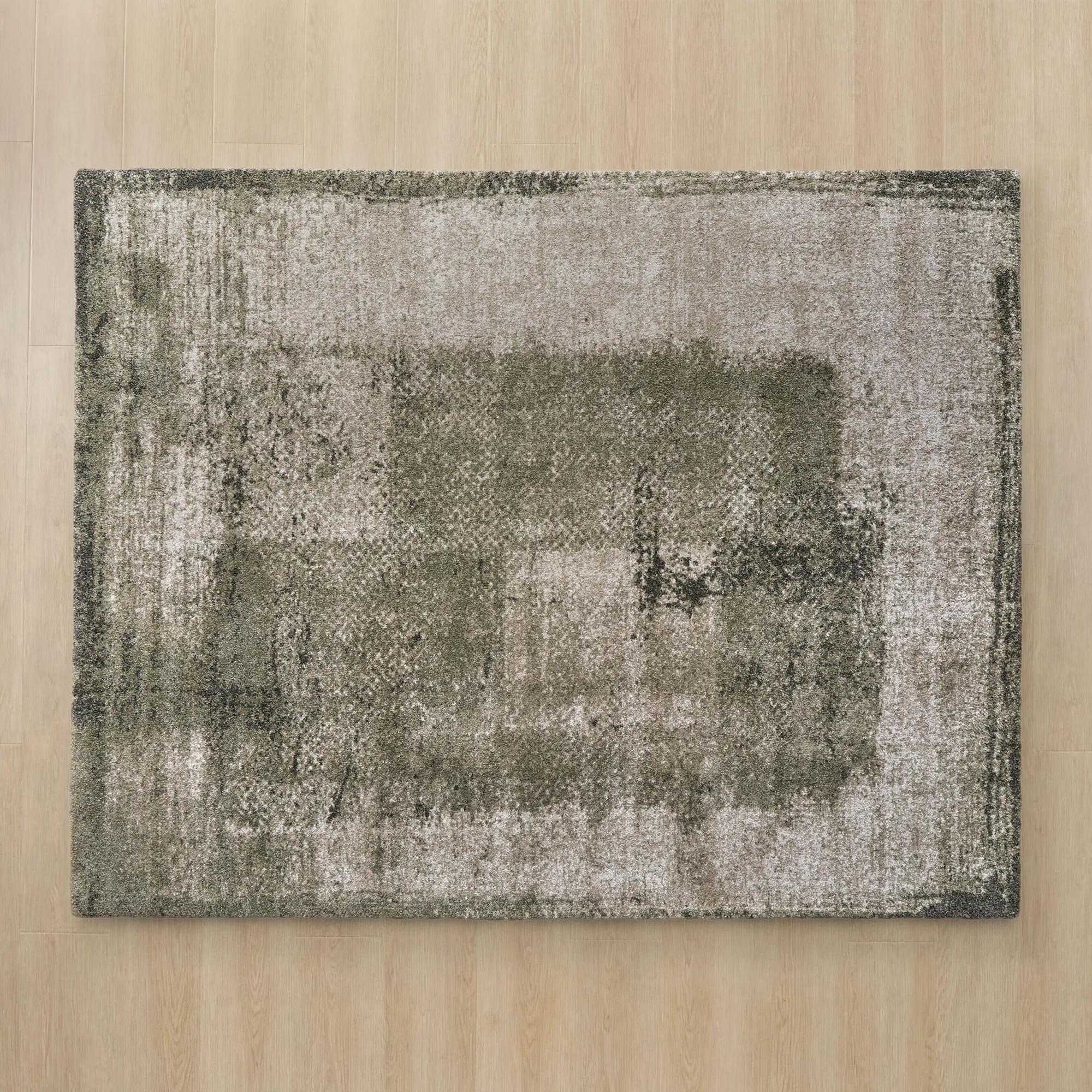 Irving Abstract Moss Green/Beige/Grey Performance Power Loomed Rug$1649
An abstract rug in moss green, beige, and grey with plush, durable polypropylene and polyester construction.
Add To Cart -
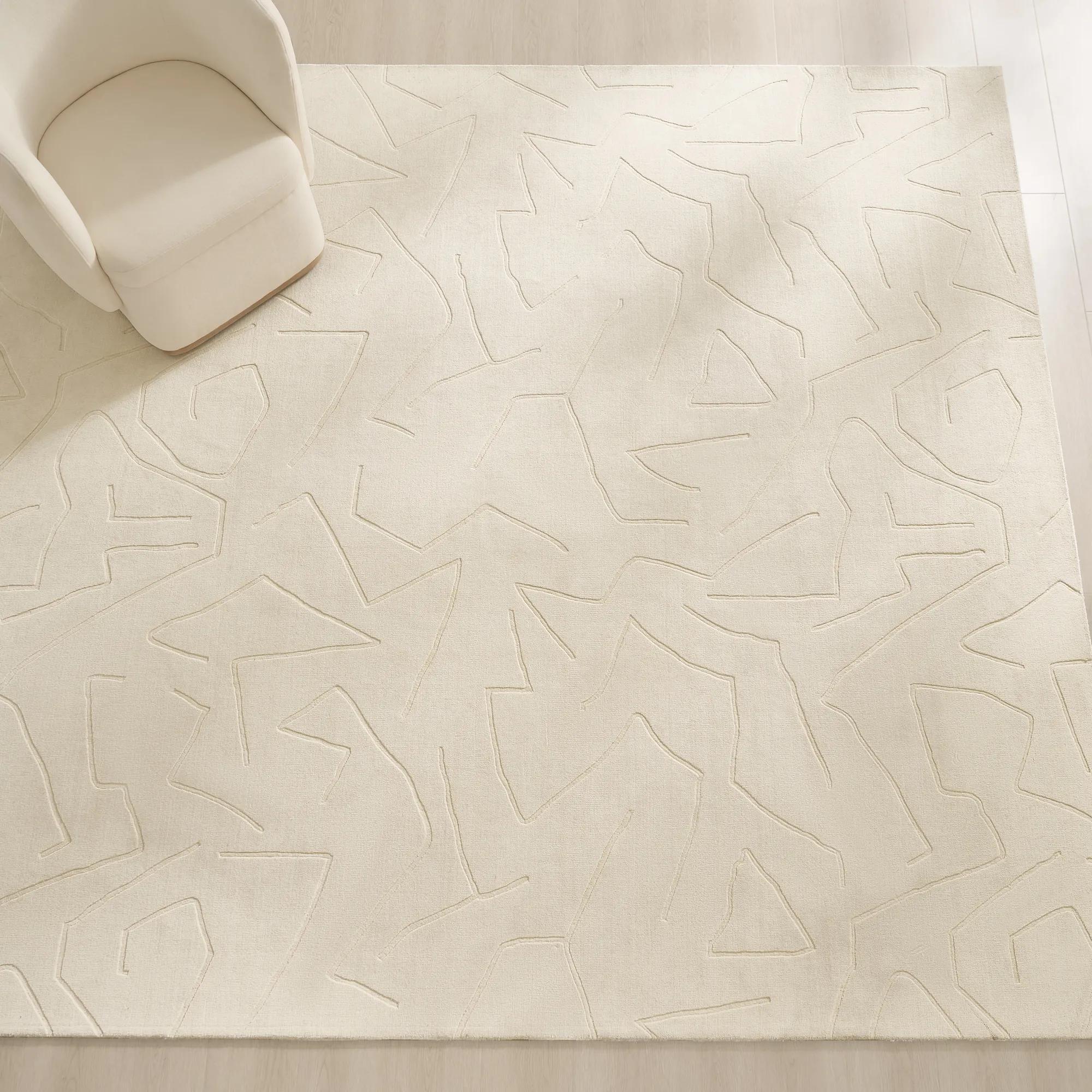 Carved Maze Ivory Hand-Loomed Wool Blend Rug$1399
A hand-loomed ivory wool-blend rug featuring a carved maze pattern for modern textural appeal.
Add To Cart

Neutral Rugs For Dining Rooms
Neutral rugs for dining rooms are the unsung heroes of sophisticated entertaining—quietly commanding attention while letting your culinary artistry and statement decor shine. These versatile foundations set the stage with understated elegance, grounding your gathering space in a palette of creamy ivories, soft taupes, and gentle greiges. Whether you favor grand dinner parties or intimate soirées, a neutral rug draws every element together, creating a harmonious canvas that highlights both artful place settings and dazzling chandeliers. Let your dining room exude effortless refinement and inviting warmth with a rug that whispers luxury in every thread.
Neutral rugs for dining rooms anchor the table and chairs in soft shades of ivory, cream, beige, taupe, and gray, creating a composed foundation that lets furniture, lighting, and decorative details command attention. Their appeal lies in nuance: a warm oatmeal ground can soften the contrast between dark wood and polished metal, while a silvery gray rug can echo the gleam of a chandelier without competing with it. Beneath a glass dining table, subtle pattern becomes part of the composition, visible through the tabletop and framed by sculptural chair legs. Under a substantial wood table, a textured neutral brings depth to an arrangement that might otherwise feel visually heavy. These dining room area rugs suit interiors with distinct personalities, from glamorous spaces layered with velvet and reflective finishes to rooms defined by expressive art and richly grained wood. Neutral does not have to mean plain. Tonal geometry, softly distressed motifs, delicate striations, and raised or woven textures introduce movement while preserving a sense of balance. A cream-and-taupe pattern can make the dining area feel richly layered without introducing another strong color, particularly when upholstered chairs or artwork already establish the palette. Undertones shape the result: beige with a golden cast feels different beside brass than gray with a cooler, blue-leaning undertone does beside chrome. Viewed against the floor and chair upholstery, these distinctions help the room feel intentional rather than simply coordinated. In an open-concept home, a neutral area rug also gives the dining setting a clear visual boundary, separating shared meals and conversation from nearby living spaces without interrupting the connection between them. For a palette with a more pronounced color note, blue rugs for dining rooms offer another direction, especially where artwork or textiles already introduce blue. A neutral foundation, by contrast, keeps attention on the interplay of silhouette, material, and light, allowing a dramatic table setting to emerge against an understated but dimensional backdrop.
Scale gives a dining room rug its architectural presence, and the most successful proportions account for the chairs in motion, not just the table at rest. A rug that extends approximately 24 to 30 inches beyond each side of the tabletop provides a useful starting point, though deeper chairs or a generous pullback may require more room. The goal is for chair legs to remain on the rug as guests sit down and move away from the table, avoiding the awkward catch of a back leg against an edge. Measuring with the chairs pulled out reveals how the setting actually functions, while measuring an extension table at its intended entertaining length helps preserve the same ease when more places are set. An 8-by-10-foot rug may suit a smaller rectangular arrangement, while a 9-by-12-foot size can provide the additional span needed beneath a larger table; the right fit depends on the full footprint of the furniture rather than the number of seats alone. Rectangular rugs bring definition to long tables and can complement oval silhouettes, while round rugs echo the curves of round tables for a cohesive, centered composition. Within a generous room, a visible border of flooring keeps the rug from appearing crowded against the walls. In a more compact dining space, door swings, nearby cabinets, and the route between the table and kitchen deserve equal consideration. Pile height matters just as much as dimensions. Flatweave and low-pile rugs generally allow dining chairs to move more easily than plush, deep-pile constructions, making them especially well suited to spaces used every day. Dense texture can still deliver a luxe effect without excessive height. For households that gather around the table for homework, conversation, or lingering dinners, a smooth, stable surface supports those everyday rituals while maintaining the polished appearance of the room. Bound edges and restrained fringe also keep the perimeter visually tailored, with fewer loose elements near chair legs.
Materials determine how a neutral dining room rug feels underfoot and how comfortably it fits the rhythm of the household. Wool offers natural resilience and a rich, tactile surface, although some wool rugs shed initially and require care suited to their construction. Synthetic fibers such as polypropylene and polyester can offer practical options for frequently used dining spaces, with performance varying by fiber, weave, backing, and finish. Neither a pale color nor a synthetic fiber automatically makes a rug easy to clean; the care label remains essential, particularly where spills are likely. Cotton constructions may feel relaxed and supple, but washing is appropriate only when the individual rug’s instructions specifically allow it. Natural fibers such as jute and sisal contribute distinctive texture, yet their sensitivity to moisture and the challenges of removing food stains can make them less forgiving beneath a busy dining table. For homes with children, pets, or frequent guests, a low-profile construction and a gently variegated beige, taupe, or gray pattern can be more accommodating than an unbroken field of bright ivory. That tonal variation may soften the appearance of minor crumbs or marks between cleanings, but it does not replace prompt attention to spills. Blotting rather than rubbing helps limit spreading, and any cleaning solution should be tested in an inconspicuous area and used only as directed. Routine vacuuming appropriate to the rug’s fibers removes dry debris before it settles into the surface; rotating the rug periodically helps distribute exposure to foot traffic and light. A properly sized rug pad compatible with both the rug and the flooring adds cushioning and helps reduce shifting without creating unnecessary bulk under dining chairs. These practical details protect the visual effect: a graceful expanse of texture beneath the table, chairs that move comfortably, and a palette that holds its own beside gleaming serveware or richly colored upholstery. Whether the room hosts intimate dinners or becomes the household’s daily gathering place, neutral dining room rugs bring cohesion, softness, and a measured sense of drama to the setting.
FAQs
A neutral rug offers understated elegance and versatility, seamlessly complementing a variety of dining room styles—from classic to contemporary. Its subtle tones create a harmonious backdrop that allows your tableware and decor to shine, while also making it easy to update your space with seasonal accents or new color palettes.
Neutral dining room rugs ground the space with warmth and sophistication, encouraging guests to linger and connect. Their soft, calming hues help set a relaxed tone for both lively celebrations and intimate dinners, making every gathering feel thoughtfully curated and inviting.
Yes, many neutral rugs are crafted from durable, easy-to-clean materials such as wool, polypropylene, or blends, making them well-suited for high-traffic dining areas where pets and children are part of the daily rhythm. Their timeless shades can also help disguise minor spills or crumbs between cleanings.
Absolutely. Neutral rugs serve as an elegant foundation for layering, allowing you to add smaller accent rugs, bold runners, or statement furniture pieces without overwhelming the space. This approach adds depth, texture, and visual interest to your dining room while maintaining a cohesive look.
Neutral dining room rugs are remarkably adaptable, working beautifully with a wide range of aesthetics—think modern glam, transitional, rustic chic, or even art deco. Their understated palette allows you to experiment with bolder wall colors, dramatic lighting, or eclectic table settings, making them a timeless choice for any design vision.