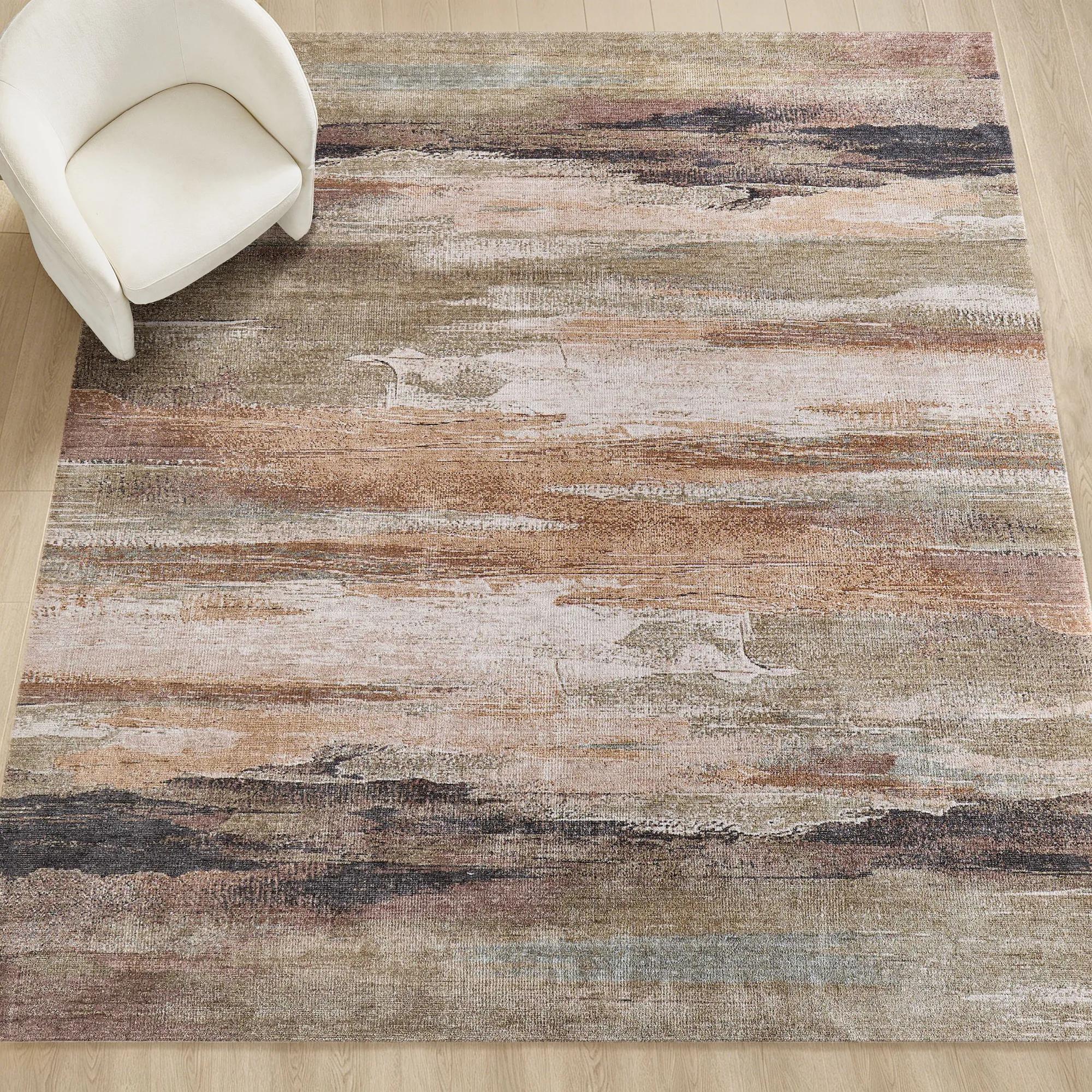
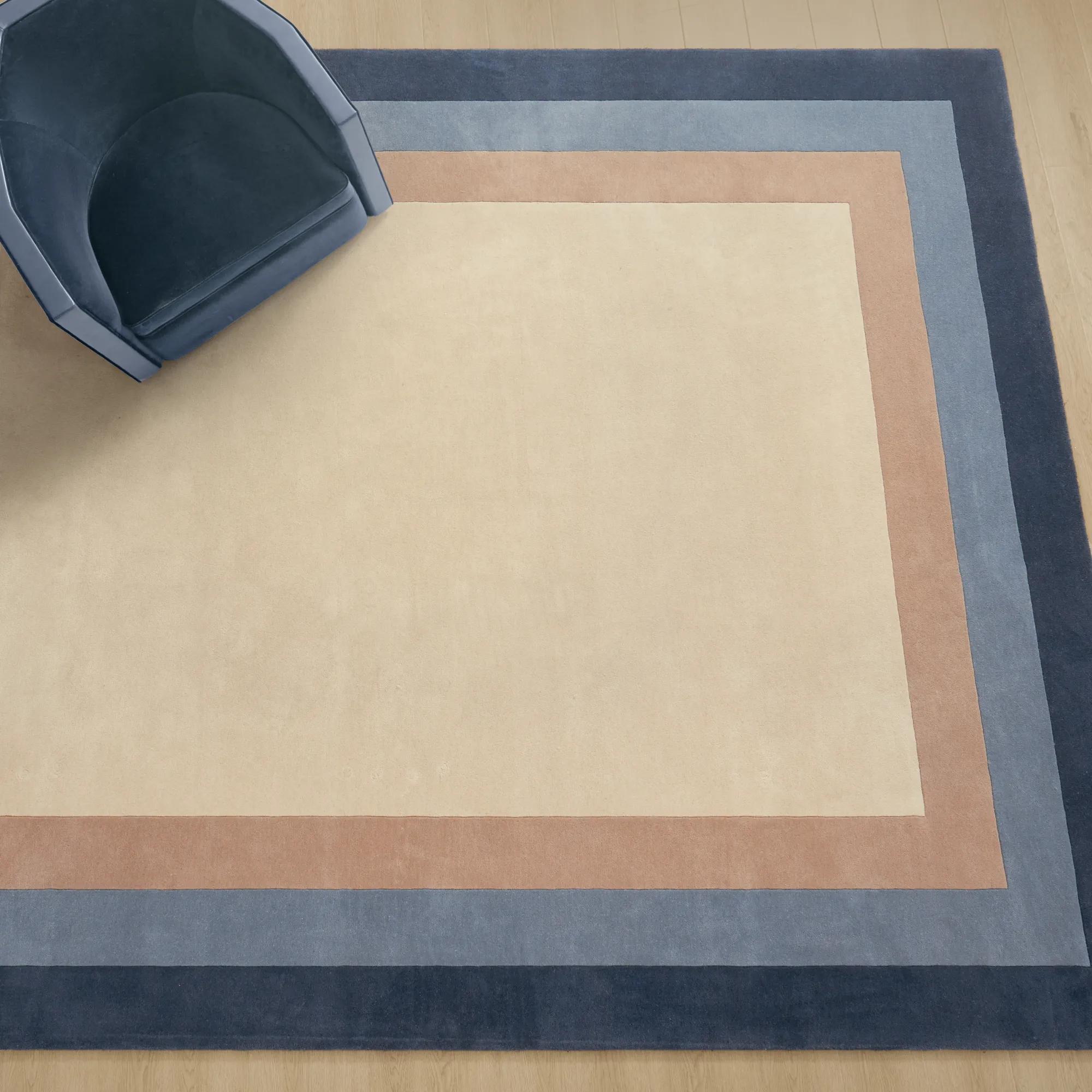
Grey Rugs For Dining Rooms
Grey Rugs For Dining Rooms
-
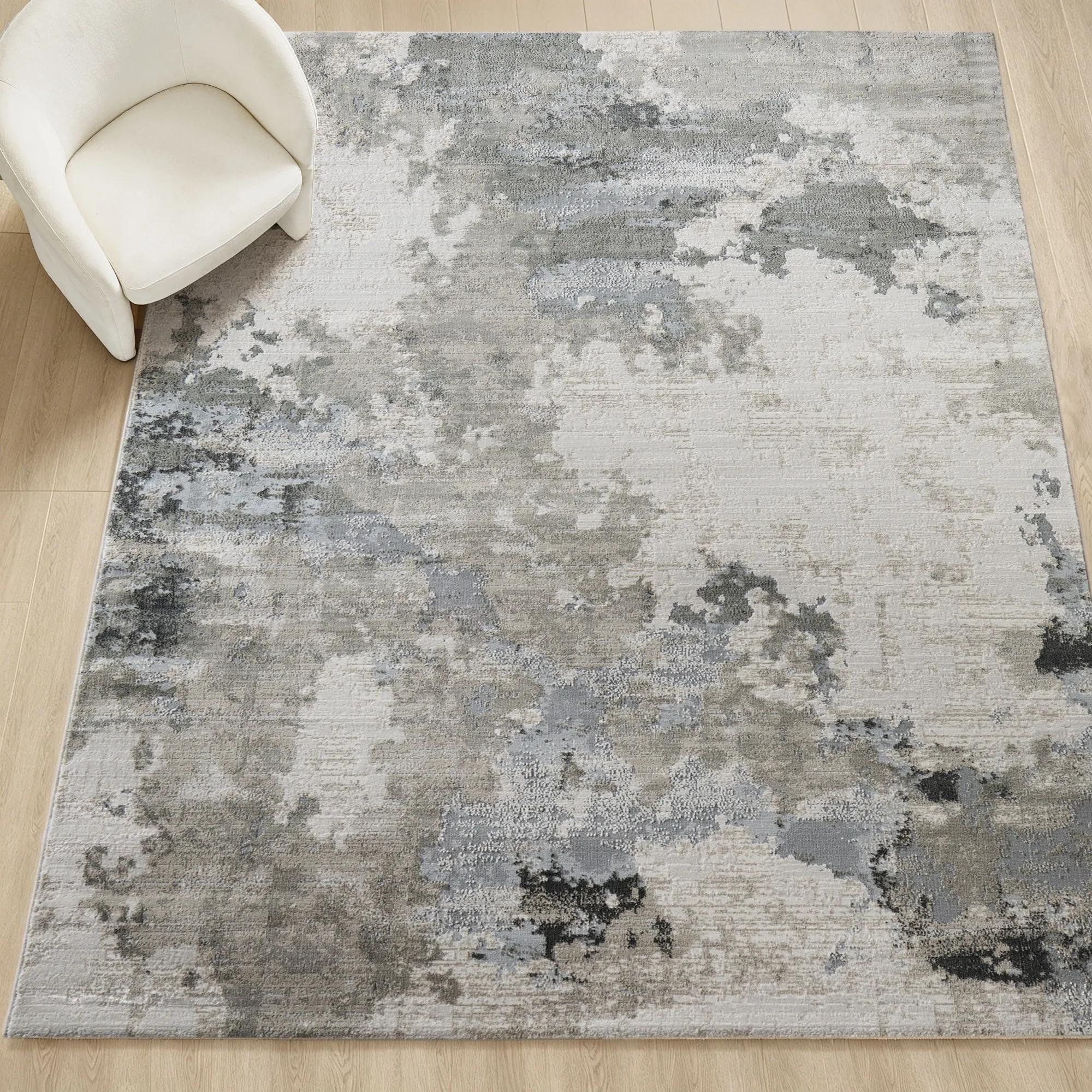 Alarion Abstract Grey/Muted Blue/Ivory Performance Power Loomed Rug$379
A power-loomed rug featuring a grey, muted blue, and ivory abstract pattern with stain-resistant durability.
Add To Cart -
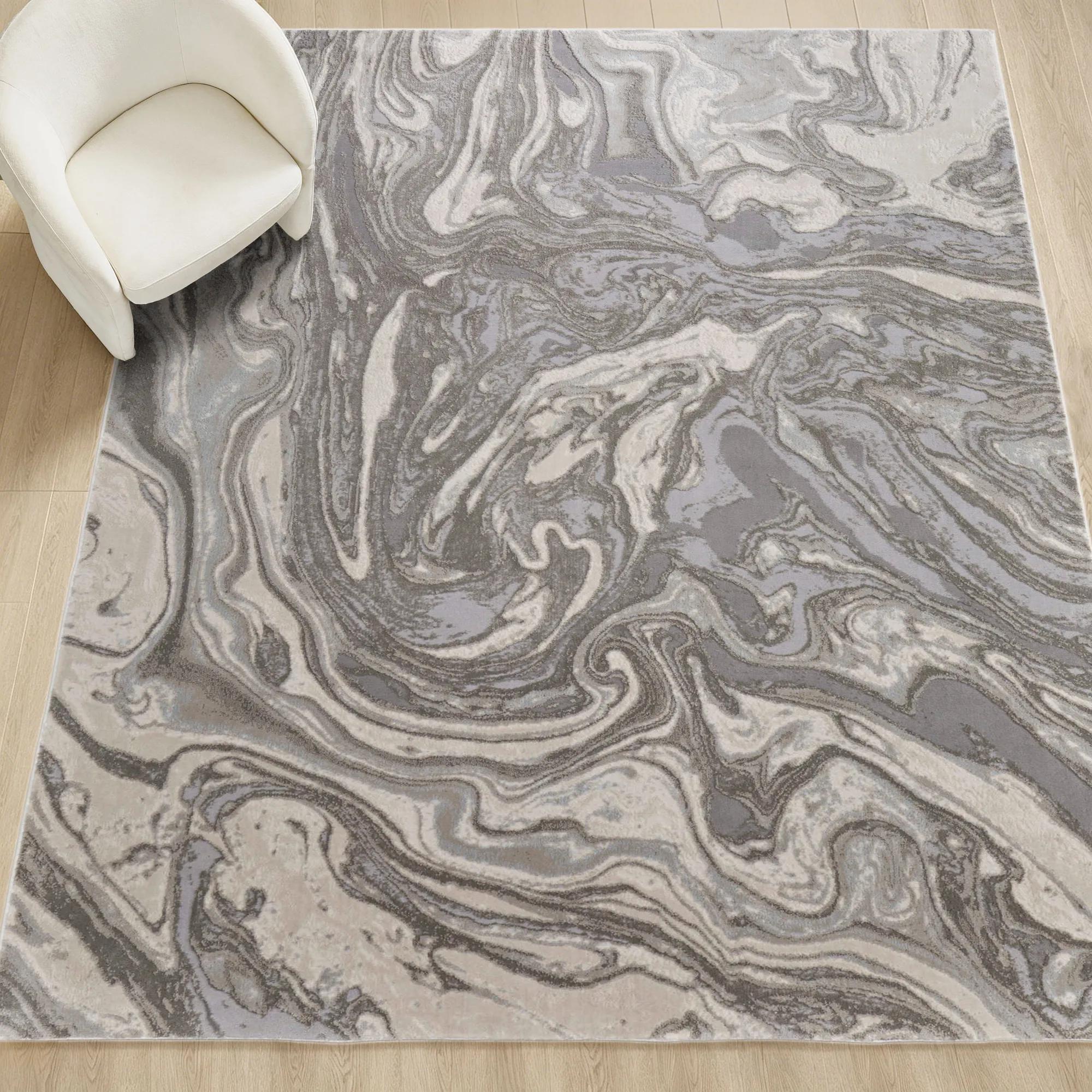
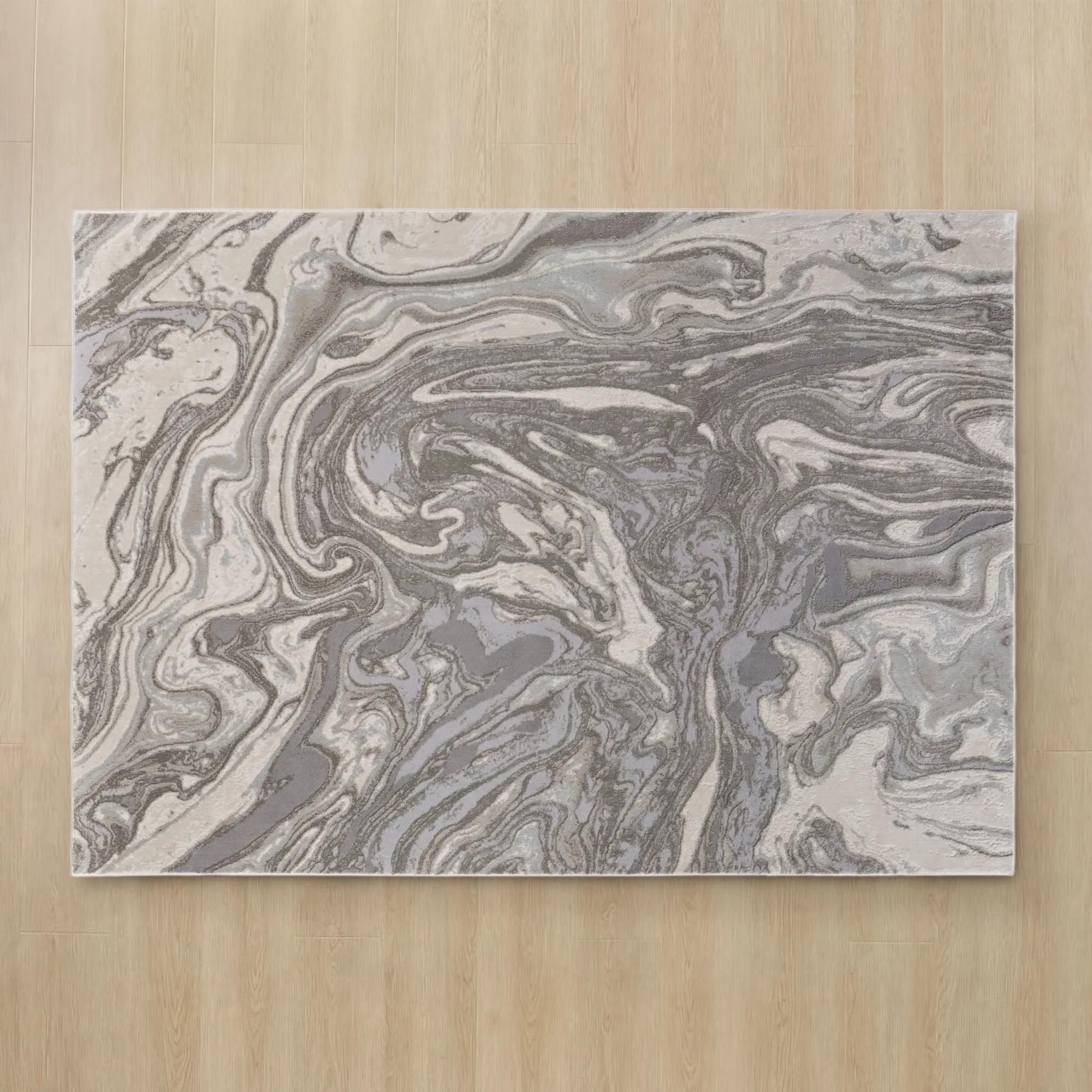 Marbre Marbled Grey/Taupe/Powder Blue Performance Power Loomed Rug$1499
A softly marbled rug in grey, taupe, and powder blue with a textured, stain-resistant performance blend.
Add To Cart -
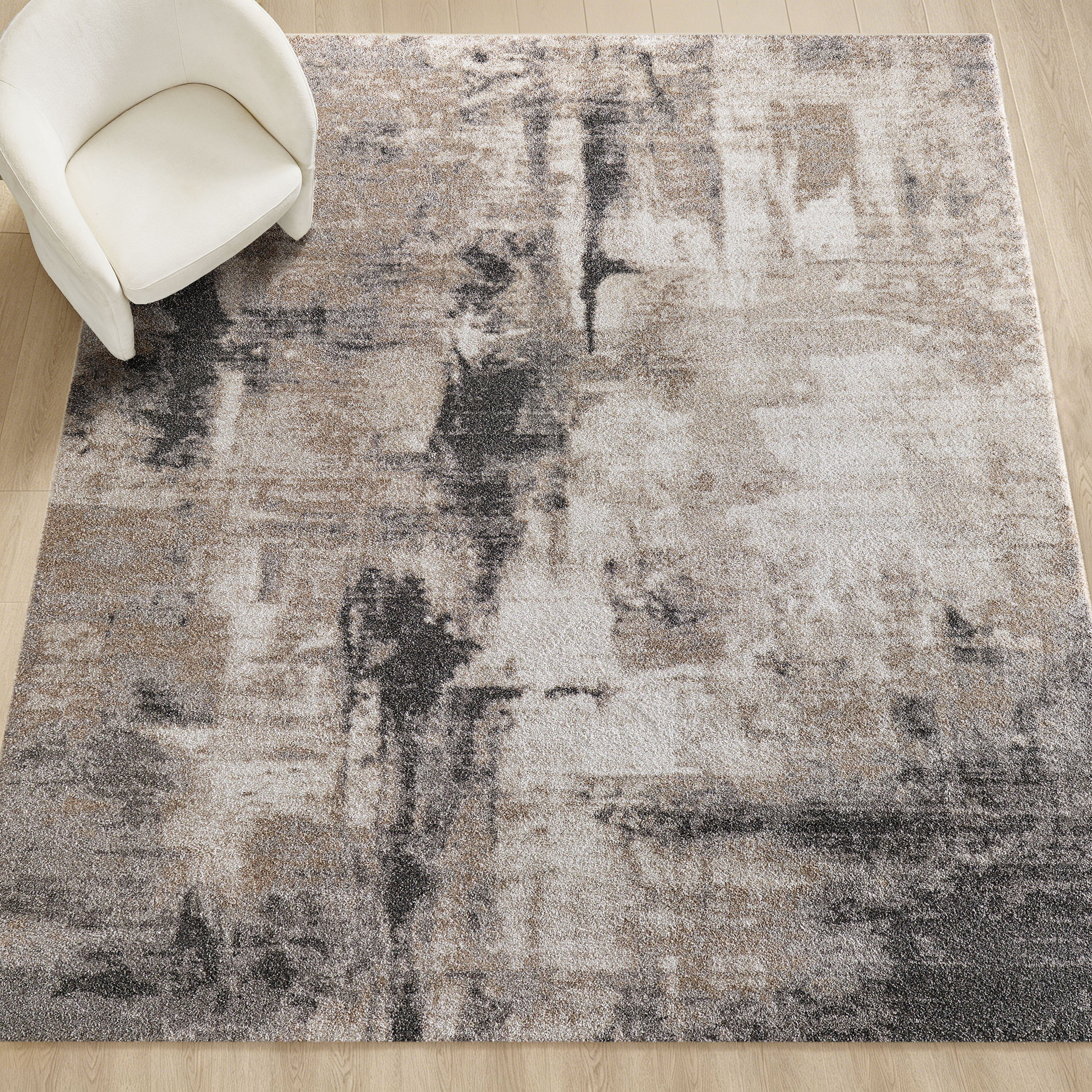
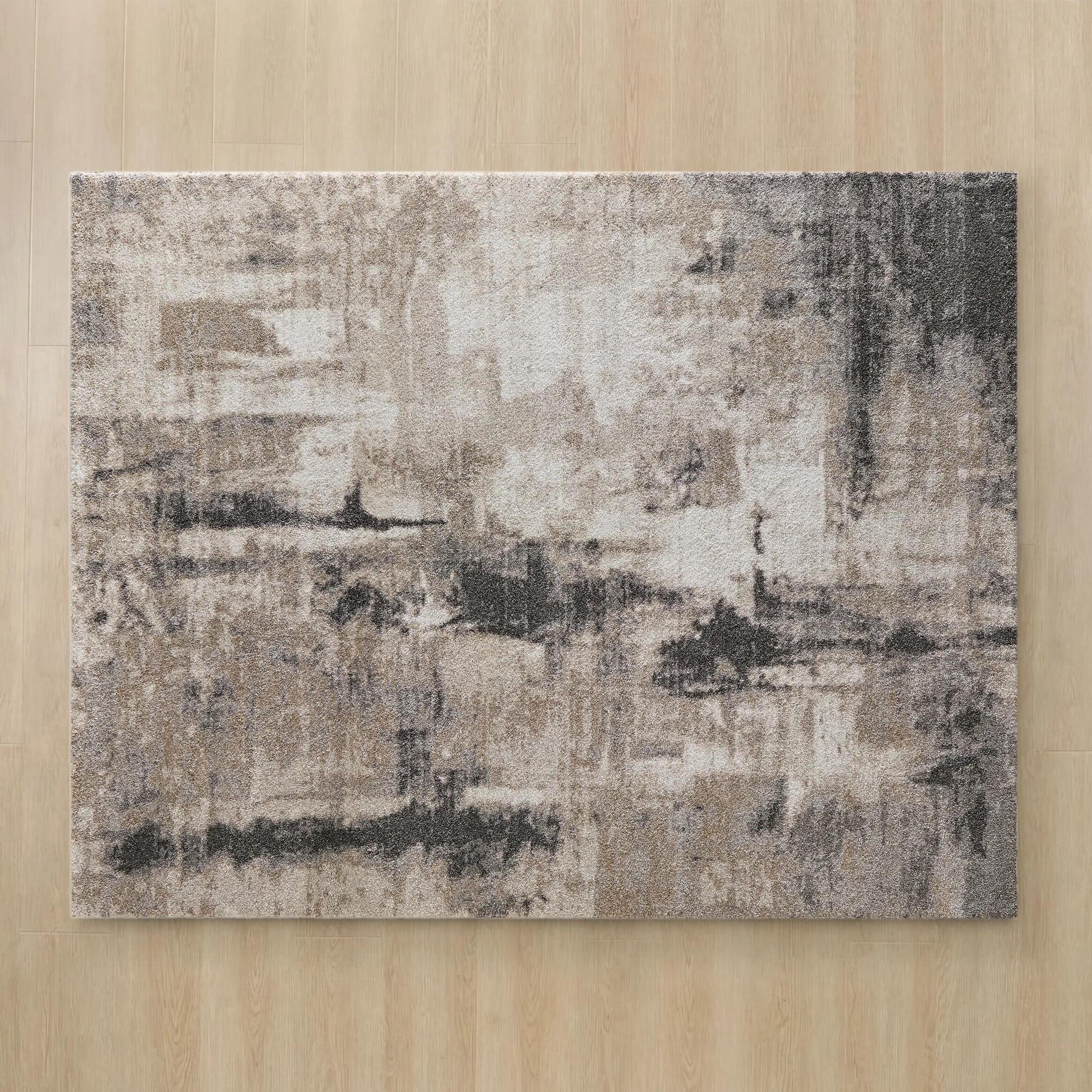 Atlas Abstract Grey/Taupe/Ivory/Charcoal Performance Power Loomed Rug$399
An abstract rug in grey, taupe, ivory, and charcoal with a plush, stain-resistant polypropylene blend.
Add To Cart -
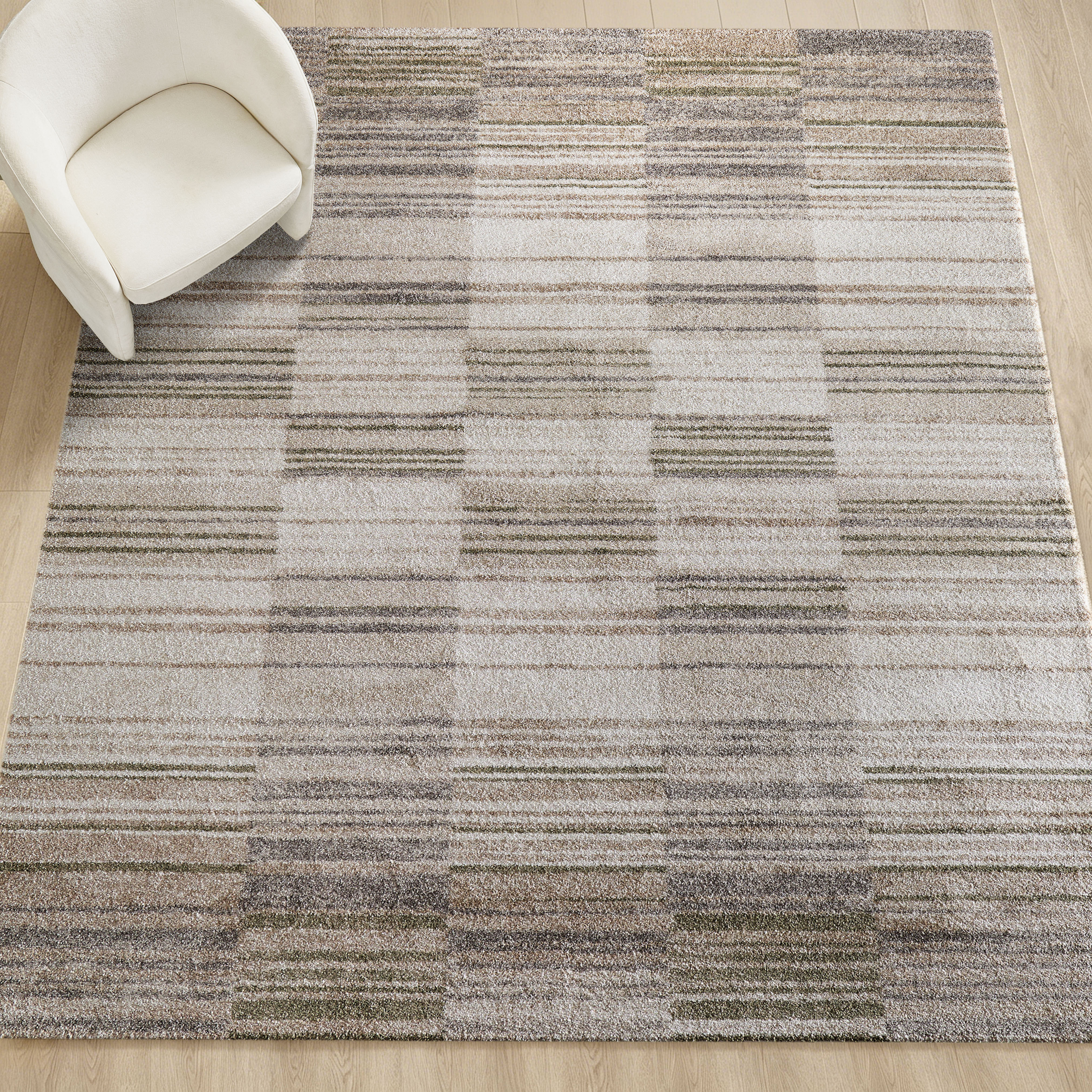
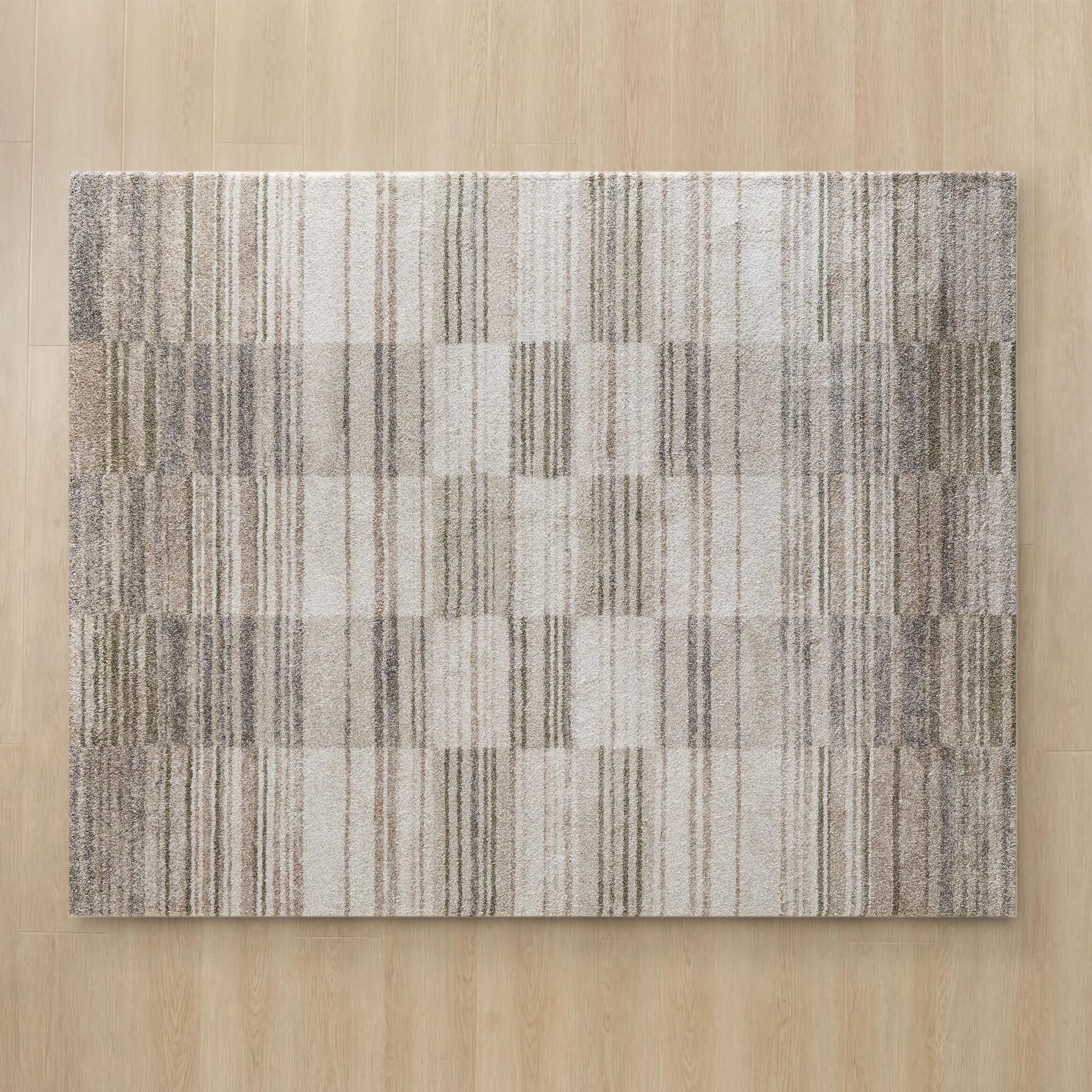 Checka Grey/Tan/Ivory/Soft Green Performance Power Loomed Rug$849
A plush, power-loomed rug featuring a soft check pattern in grey, tan, ivory, and green.
Add To Cart -
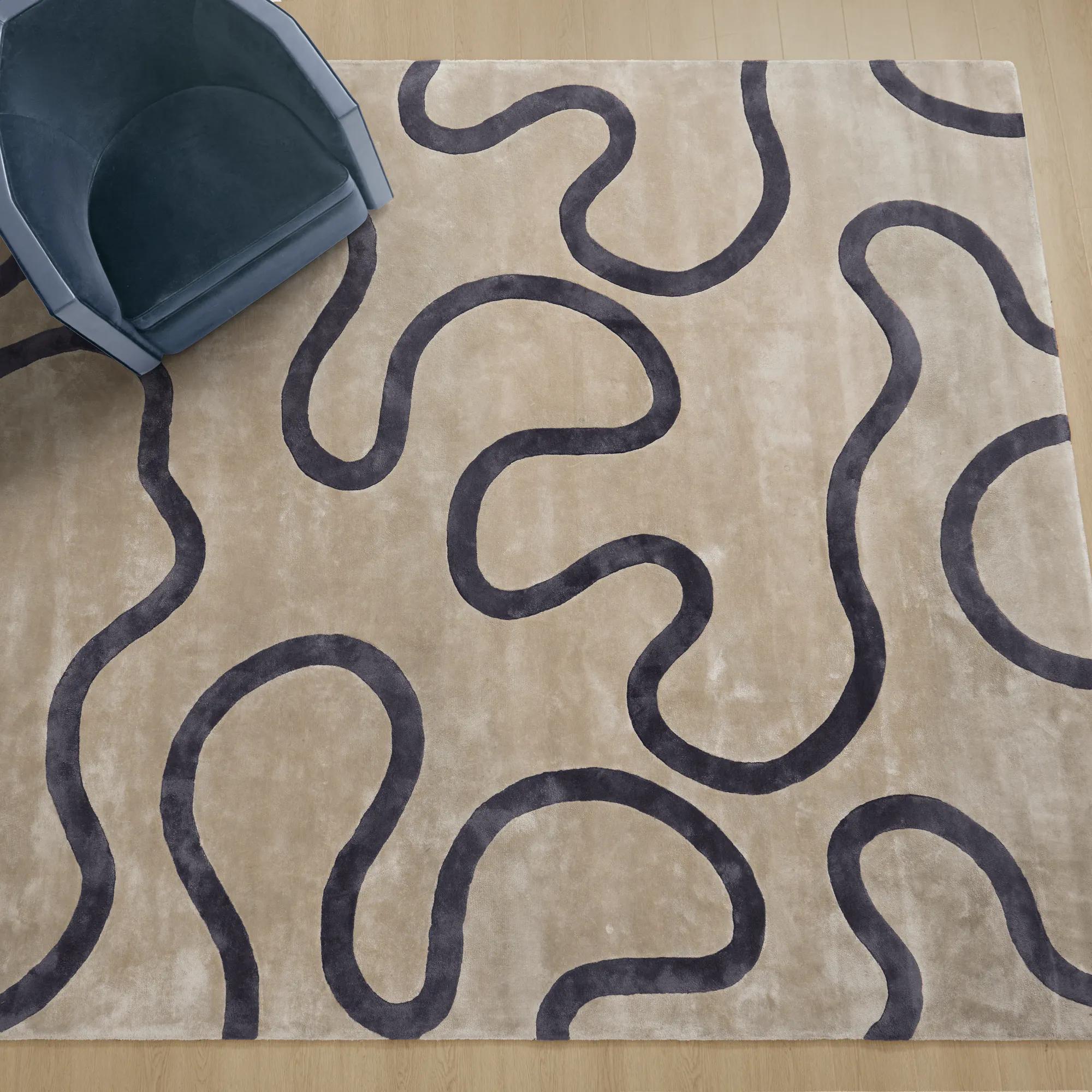 Seraphine Hand-Tufted Smoked Pearl/Taupe Viscose Loop Rug$1799
A hand-tufted viscose rug with high-contrast loops in smoked pearl and taupe, adding Deco-inspired dimension.
Add To Cart -
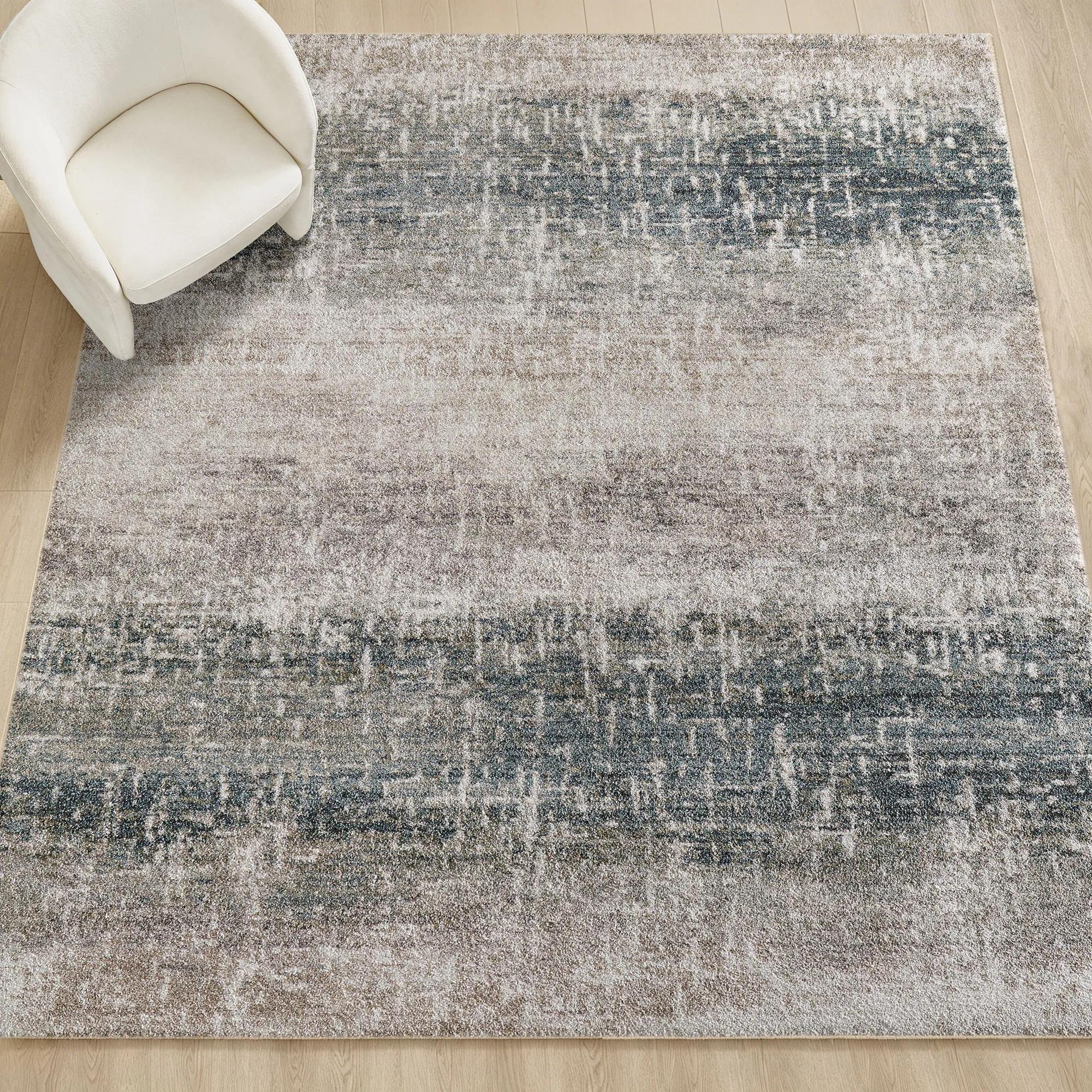
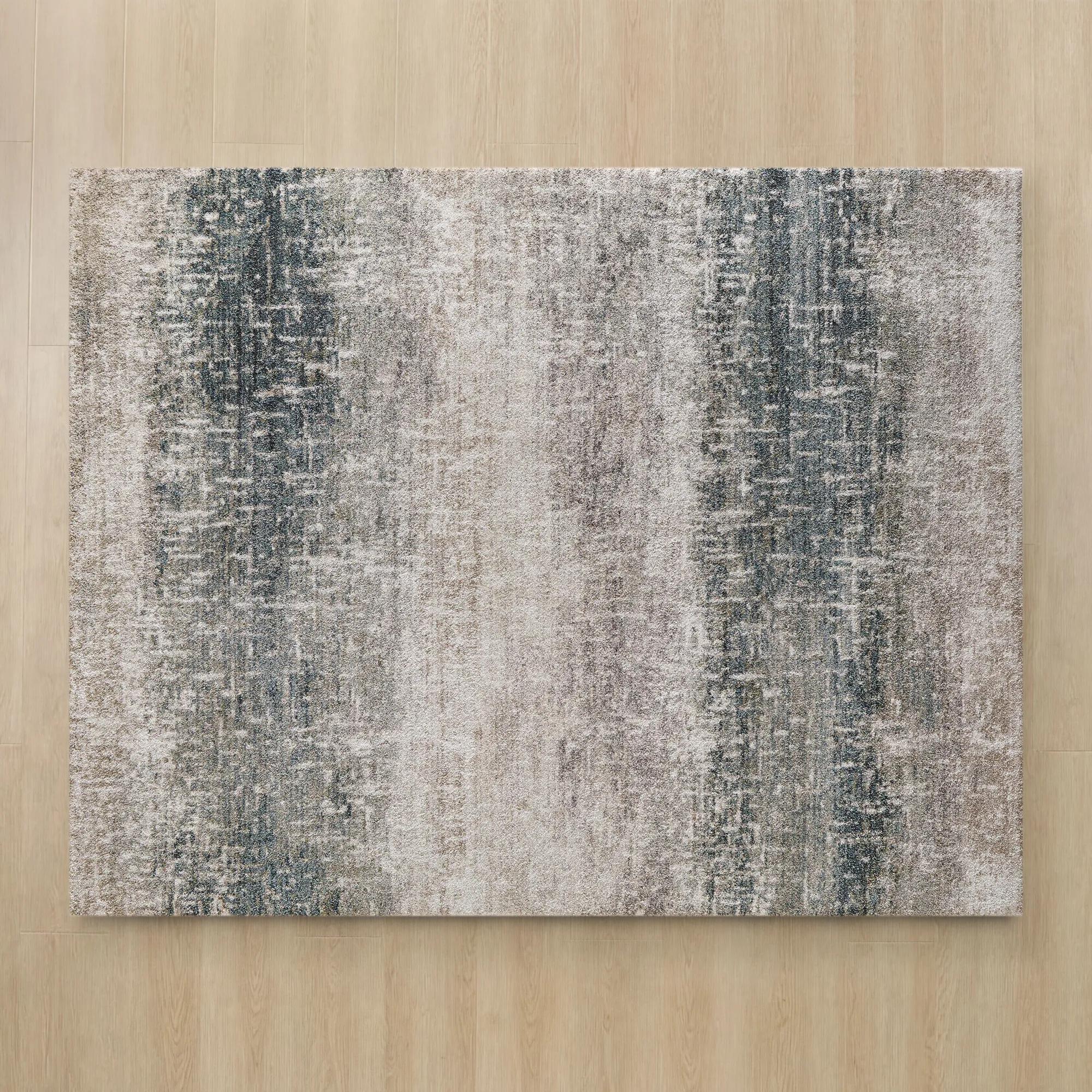 Collier Taupe/Grey/Blue/Green Performance Power Loomed Rug$849
An abstract rug in taupe, grey, blue, and green with a plush, durable, and easy-care performance blend.
Add To Cart -
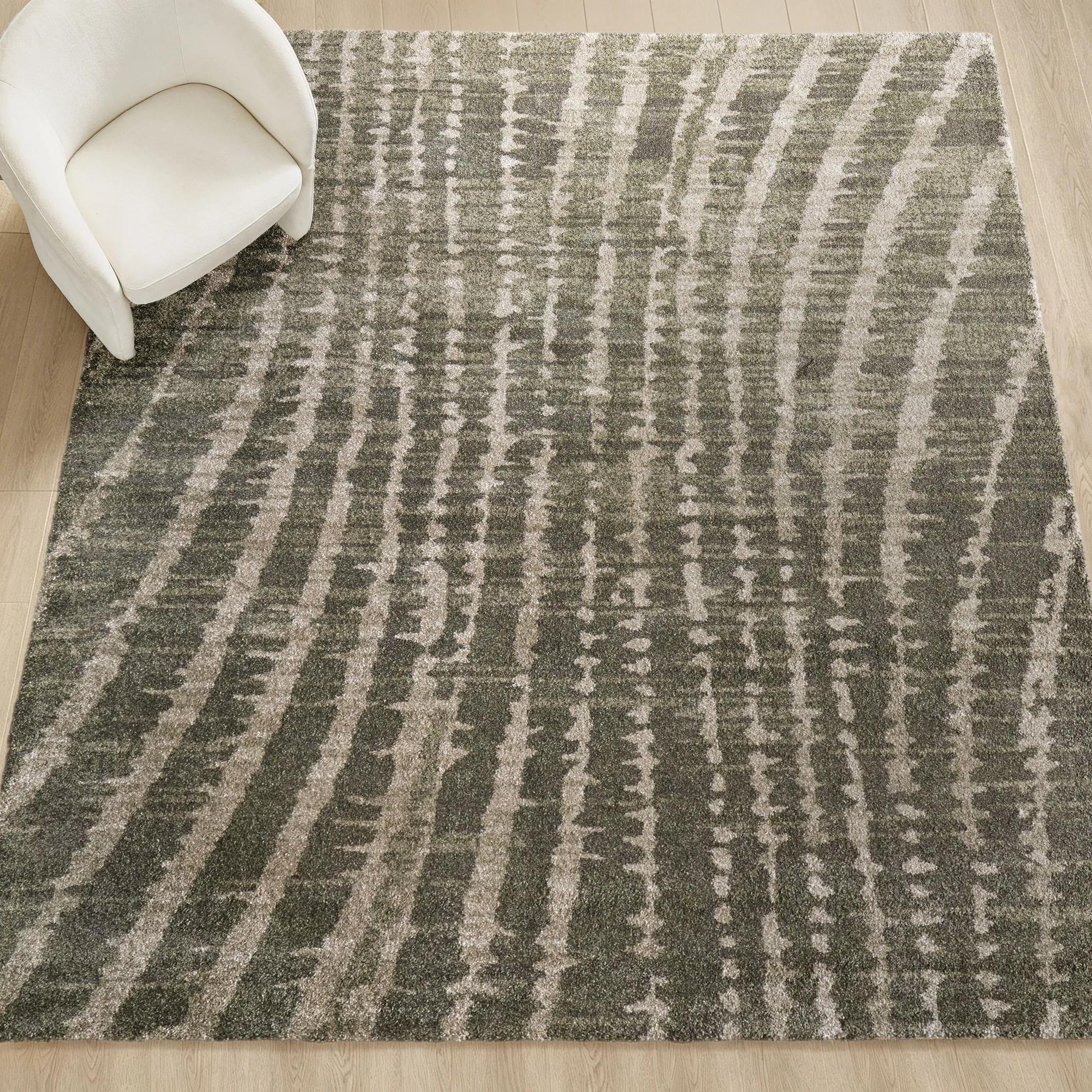
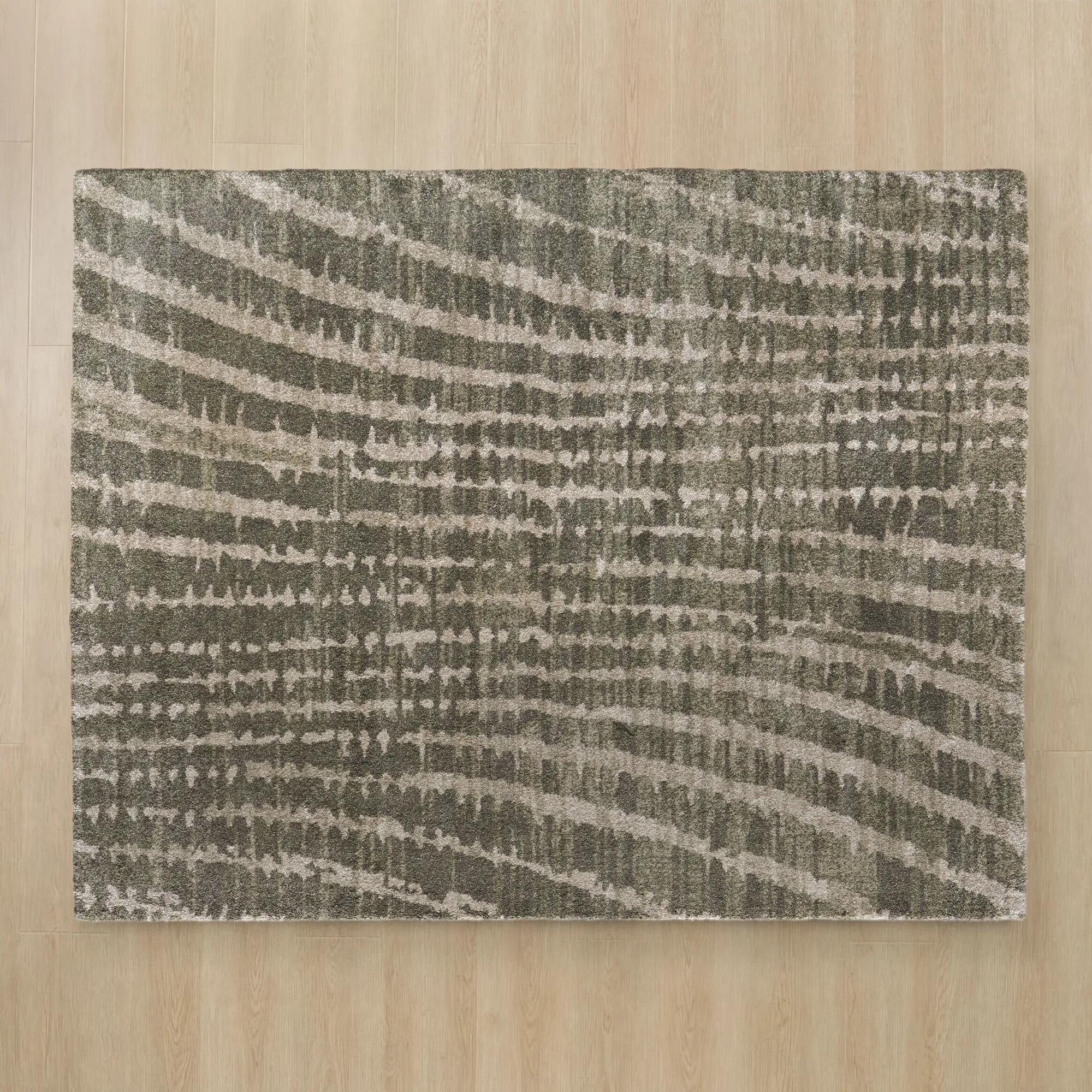 Tempo Green/Grey/Beige Performance Power Loomed Rug$399
An abstract charcoal grey and beige rug with plush cut pile and durable, stain-resistant polypropylene-polyester blend.
Add To Cart -
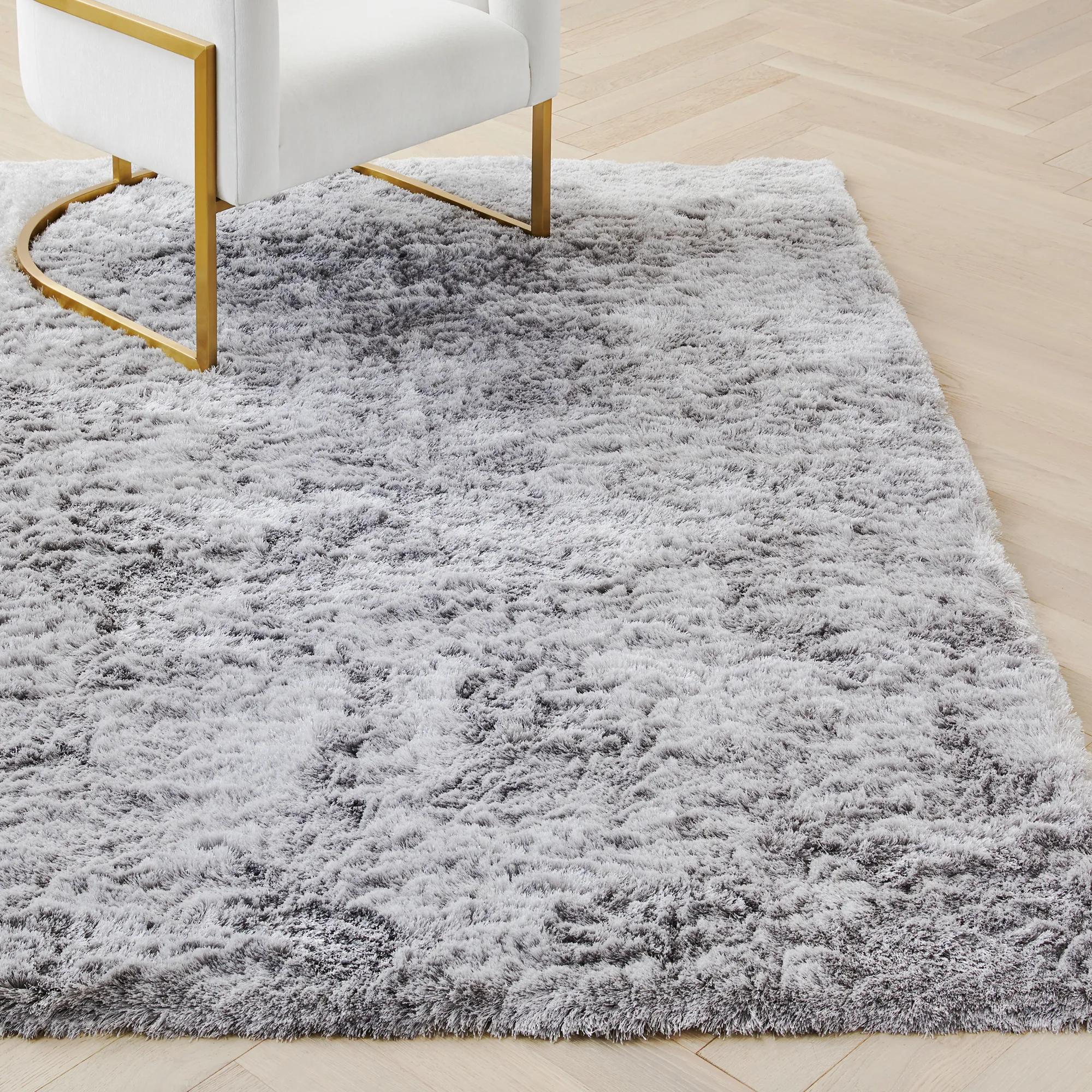 Indochine Shag Platinum Rug$399
A platinum-toned shag rug with a subtle sheen and plush 1.5" polyester pile for luxurious texture.
Add To Cart -
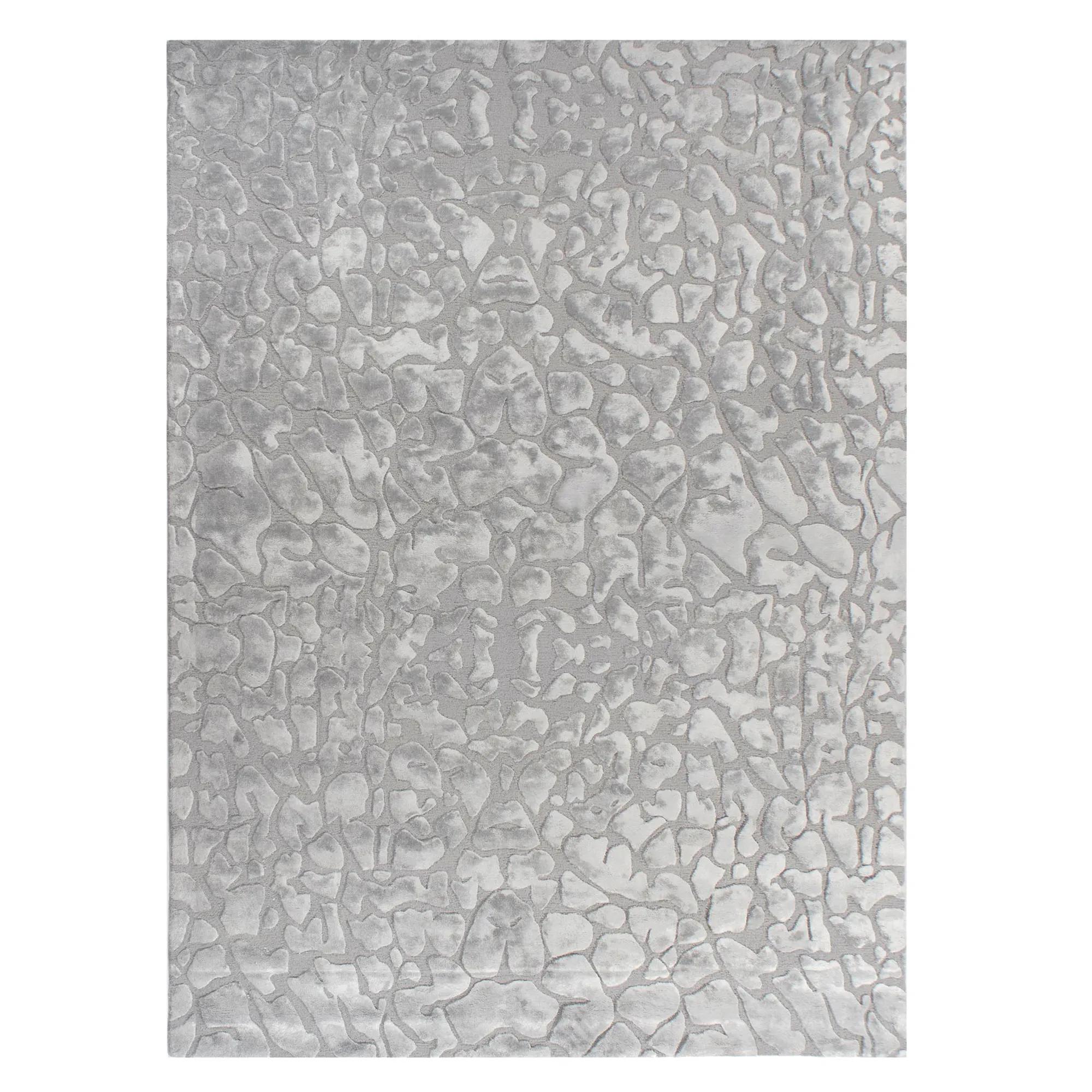
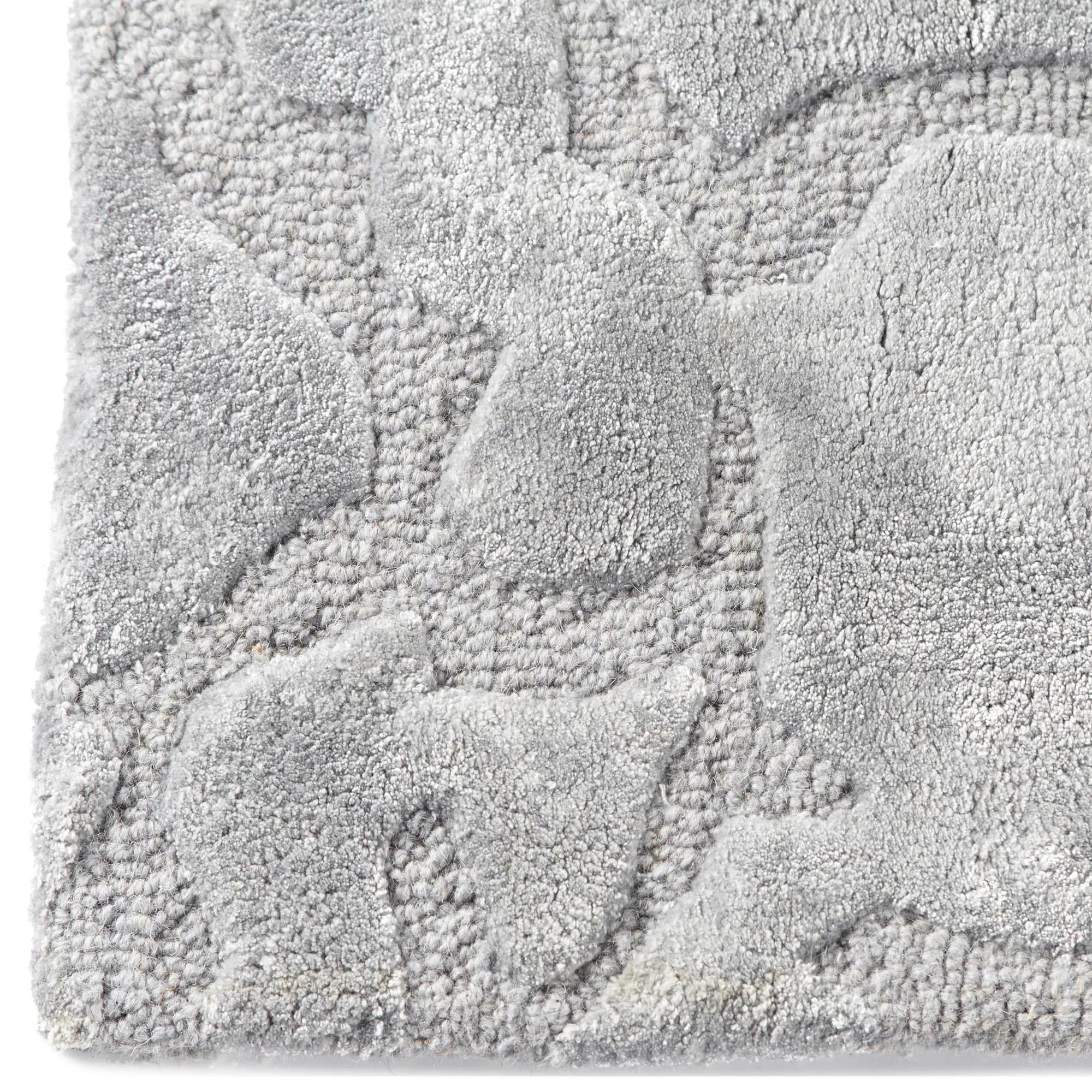 Nola Hand-Tufted Cool Grey Wool Blend Rug$849
A hand-tufted silver rug with contrasting pile heights, crafted from wool and viscose for plush texture.
Add To Cart -
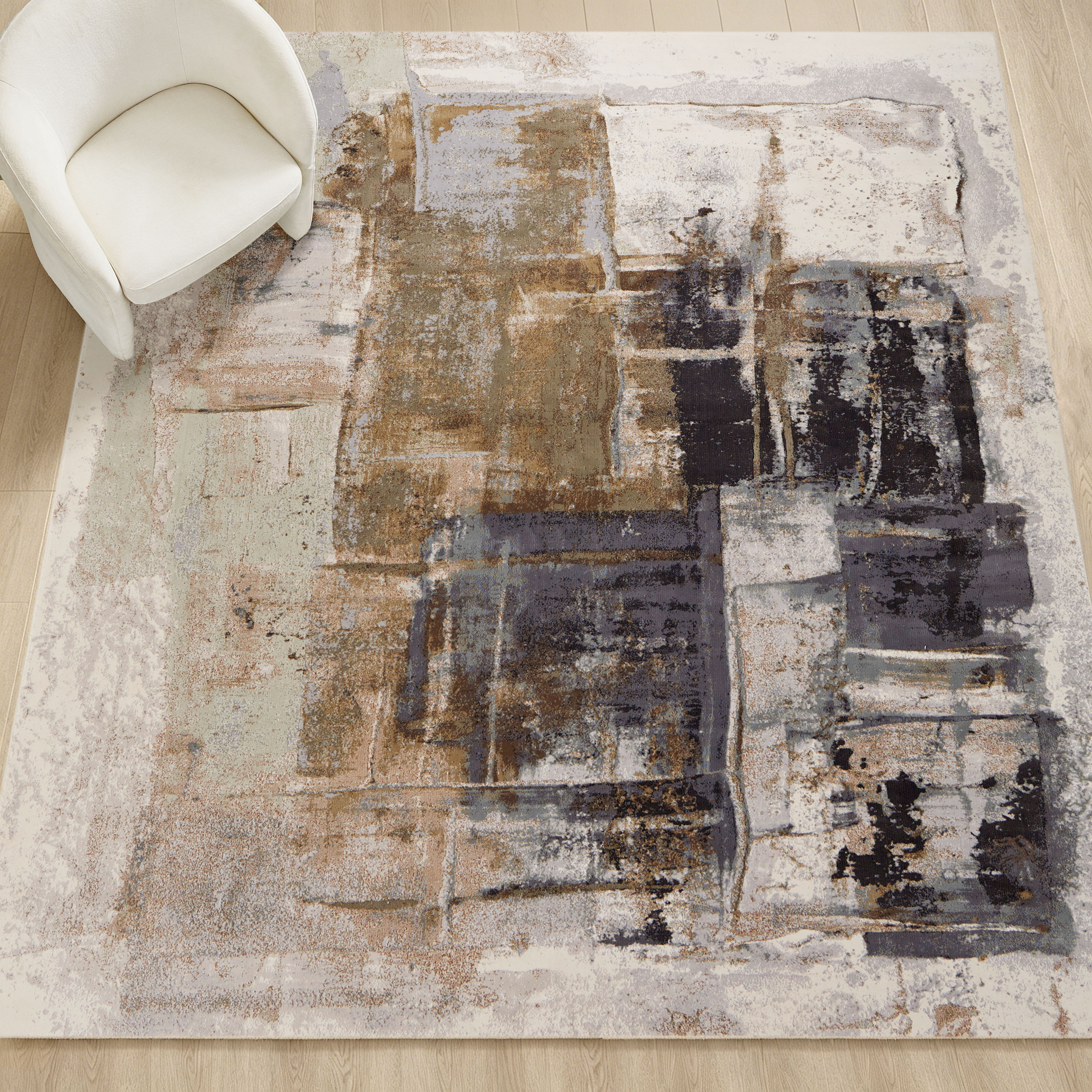
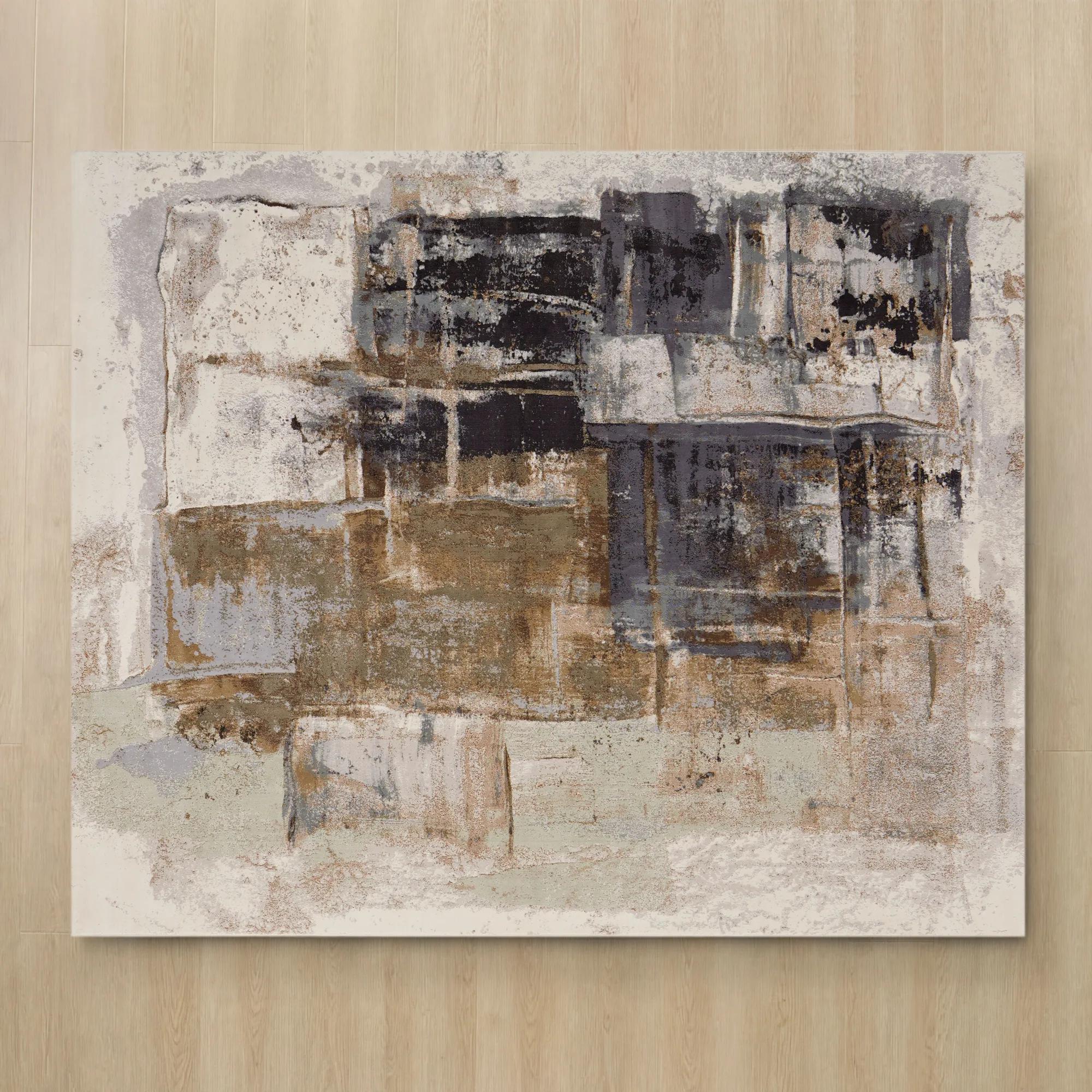 Gaia Abstract Grey/Charcoal/Ivory/Gold/Blue Performance Power Loomed Rug$1549
An abstract rug in grey, charcoal, ivory, gold, and blue with a soft, stain-resistant performance blend.
Add To Cart -
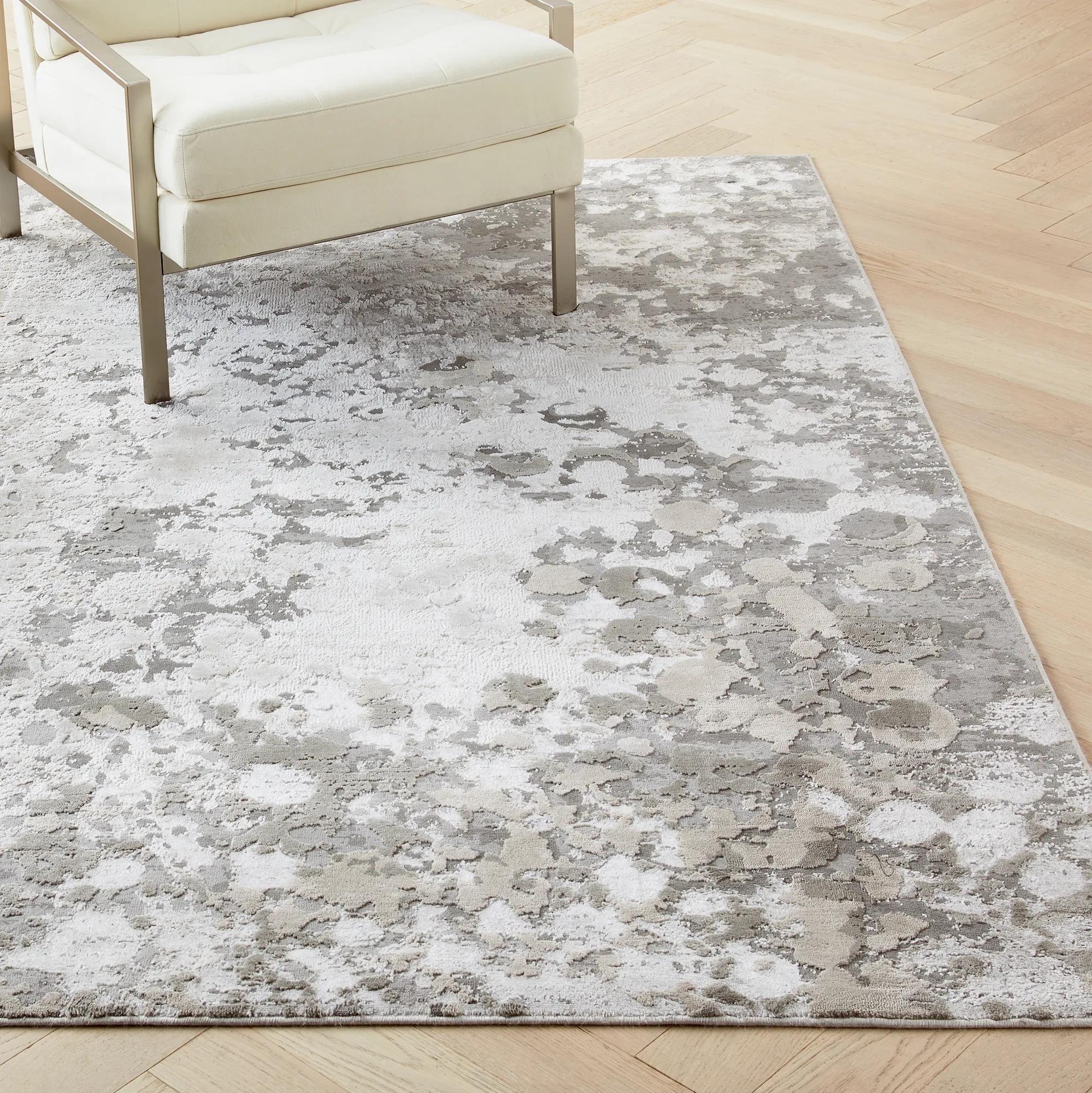 Mercury Power-Loomed Silver/Grey/Beige Rug$449
A neutral floor covering featuring a silver, grey, and beige palette with a soft, textured polyester blend.
Add To Cart -
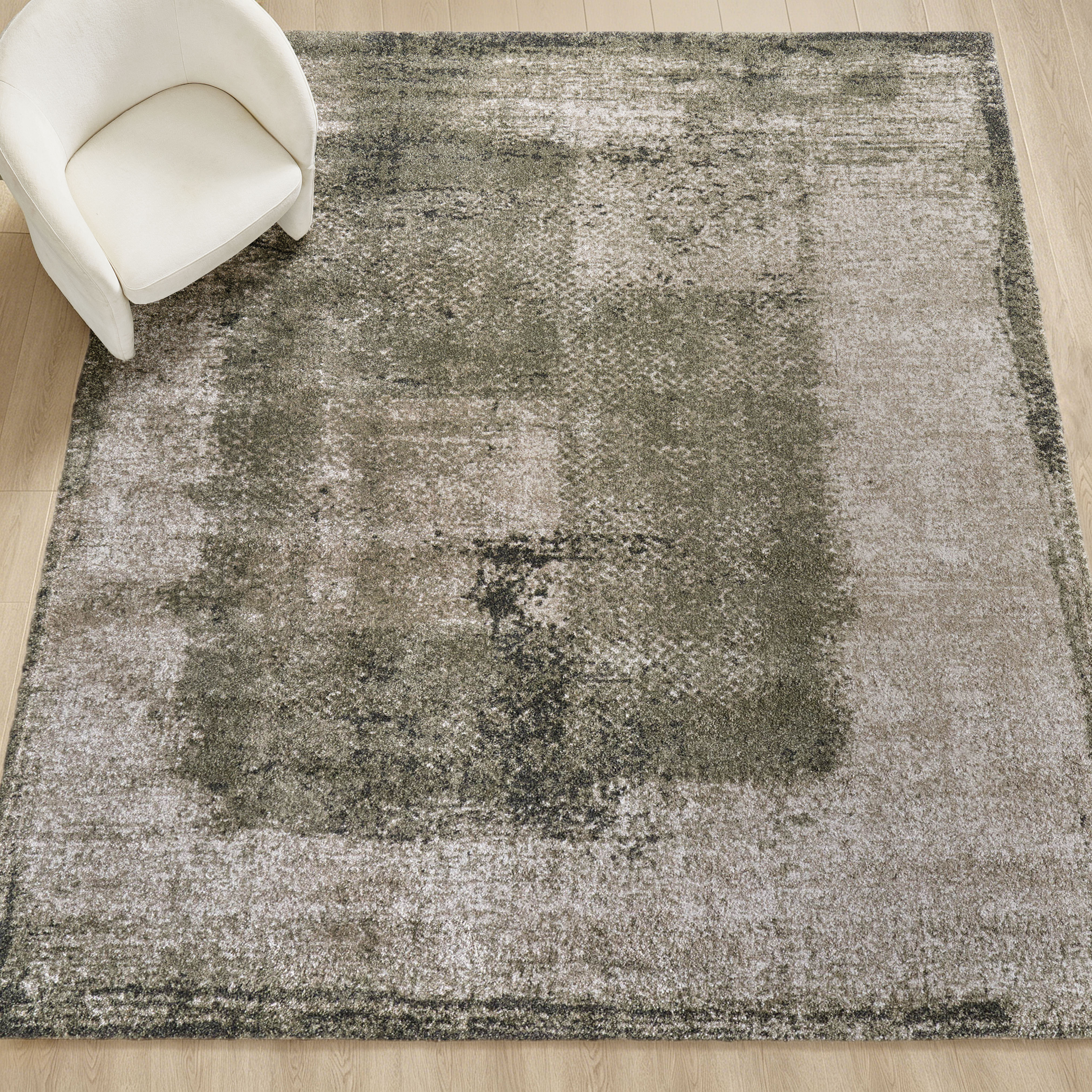
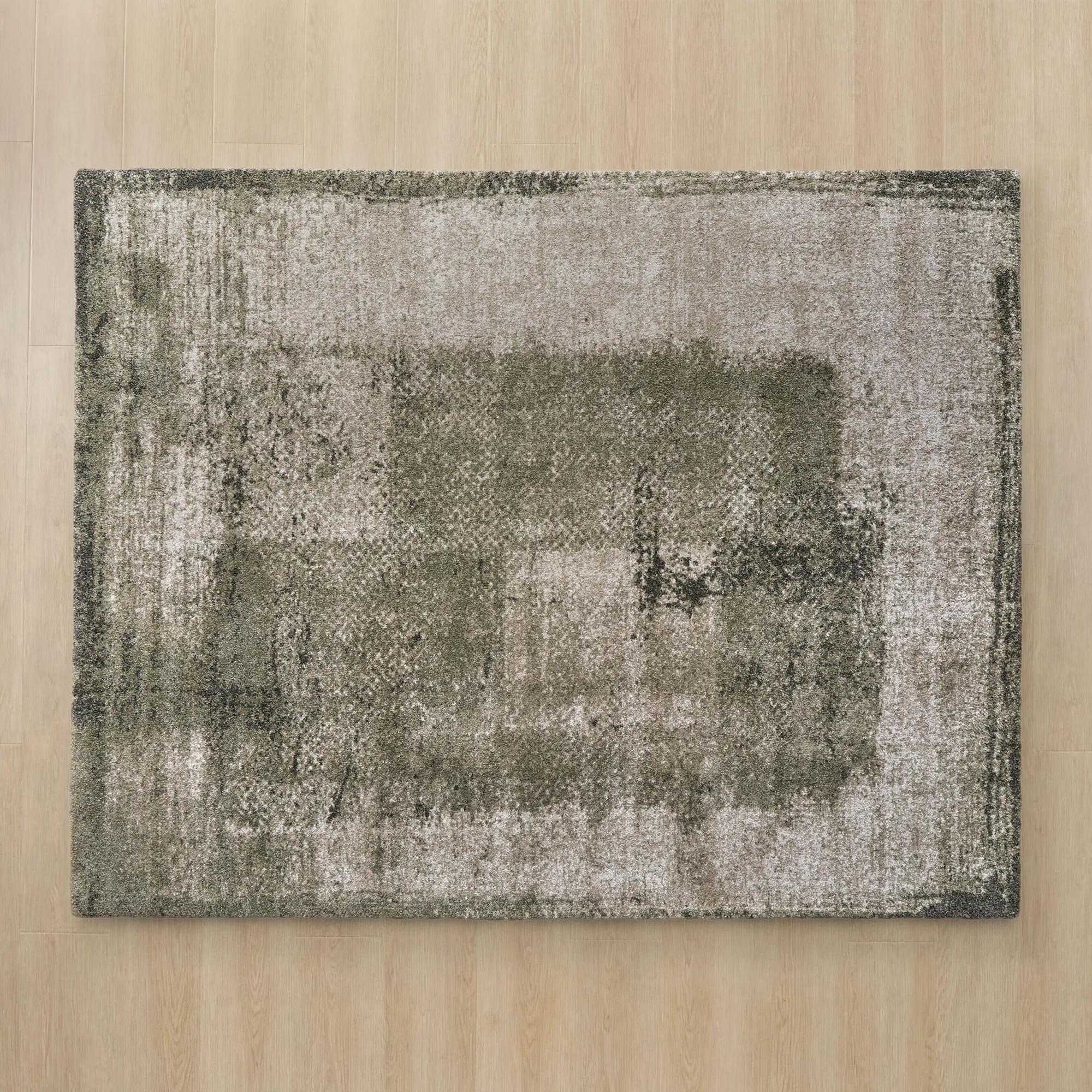 Irving Abstract Moss Green/Beige/Grey Performance Power Loomed Rug$399
An abstract rug in moss green, beige, and grey with plush, durable polypropylene-polyester construction.
Add To Cart -
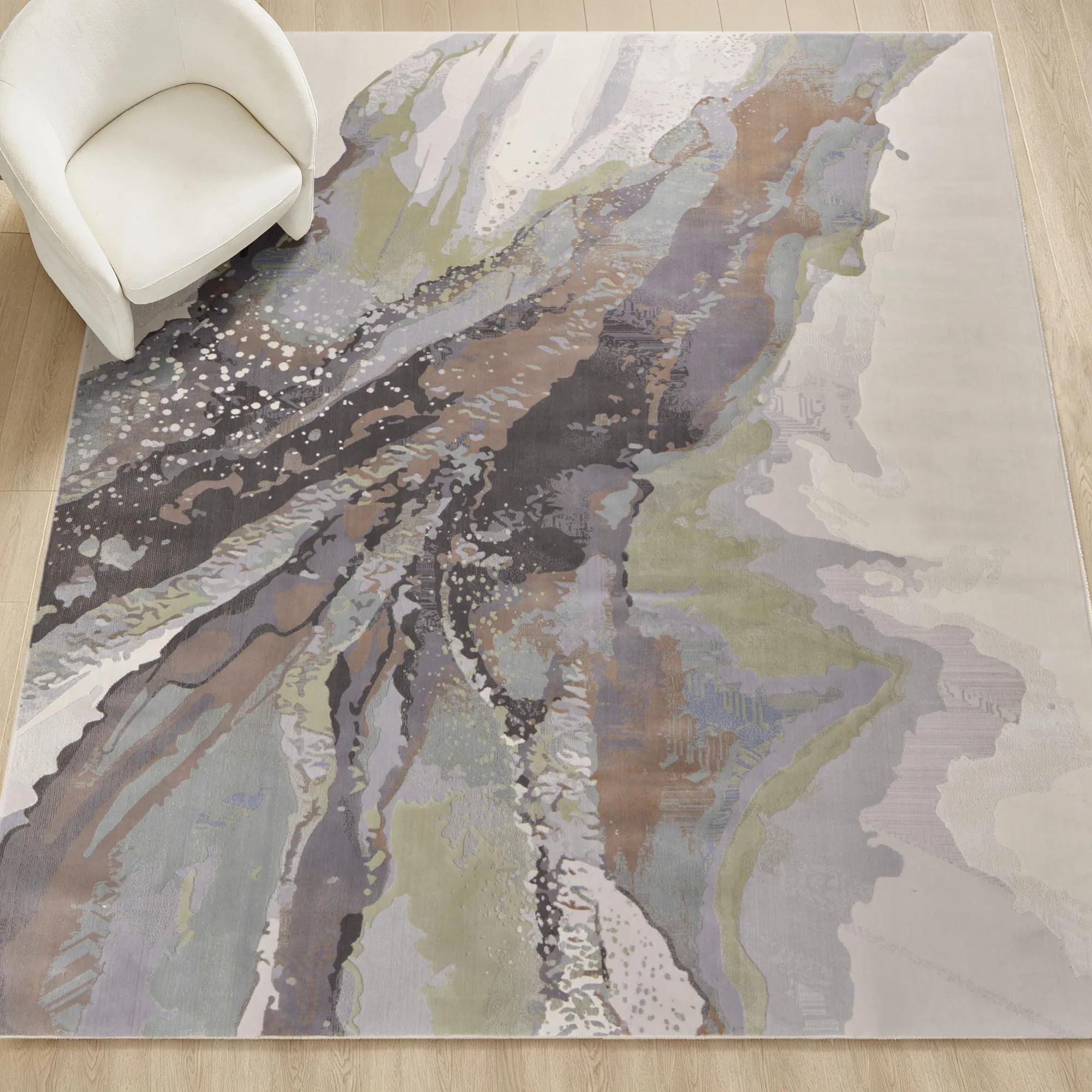
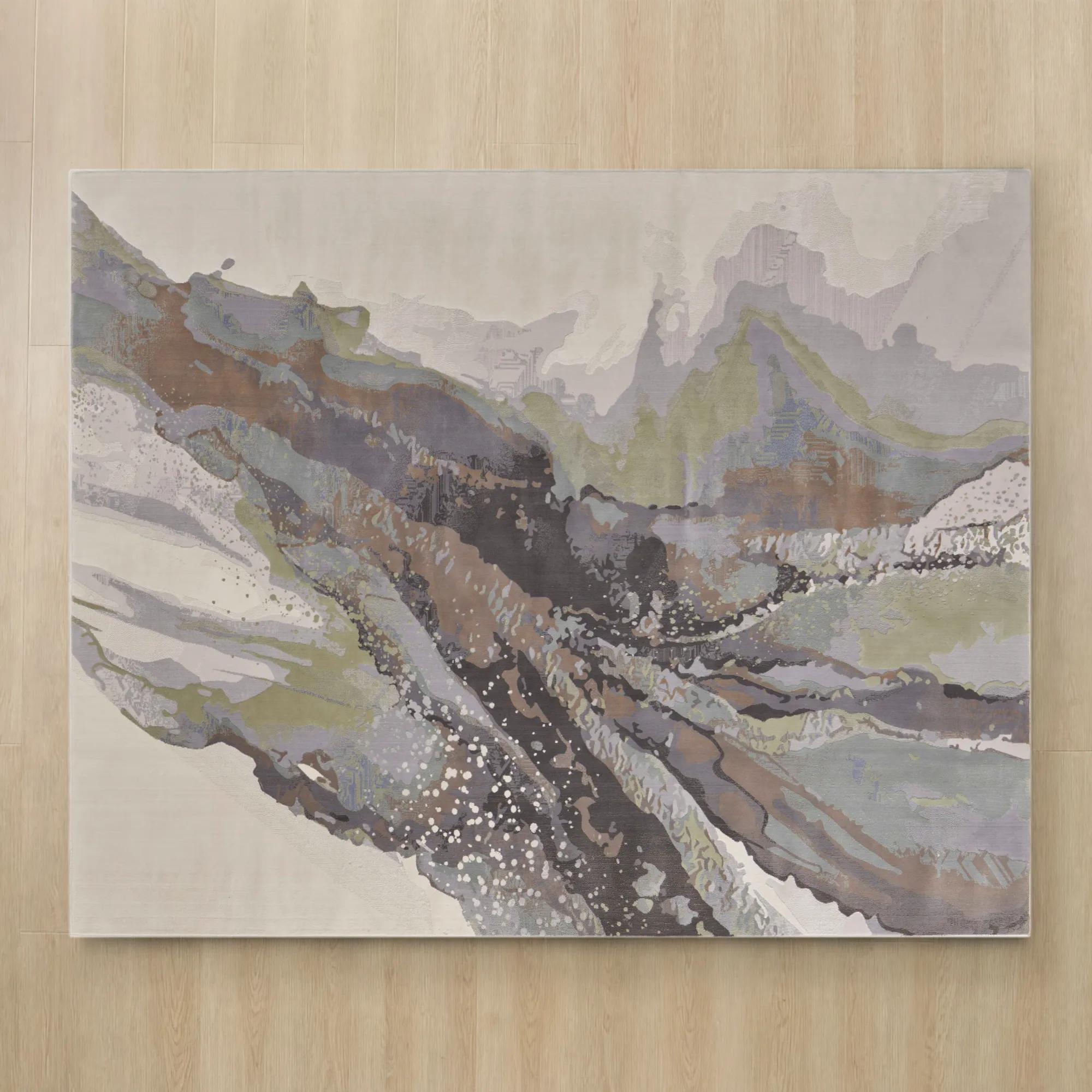 Nerissa Abstract Ivory/Grey/Blue/Green Performance Power Loomed Rug$449
An abstract rug in ivory, grey, blue, and green with a textured, stain-resistant polypropylene-polyester blend.
Add To Cart -
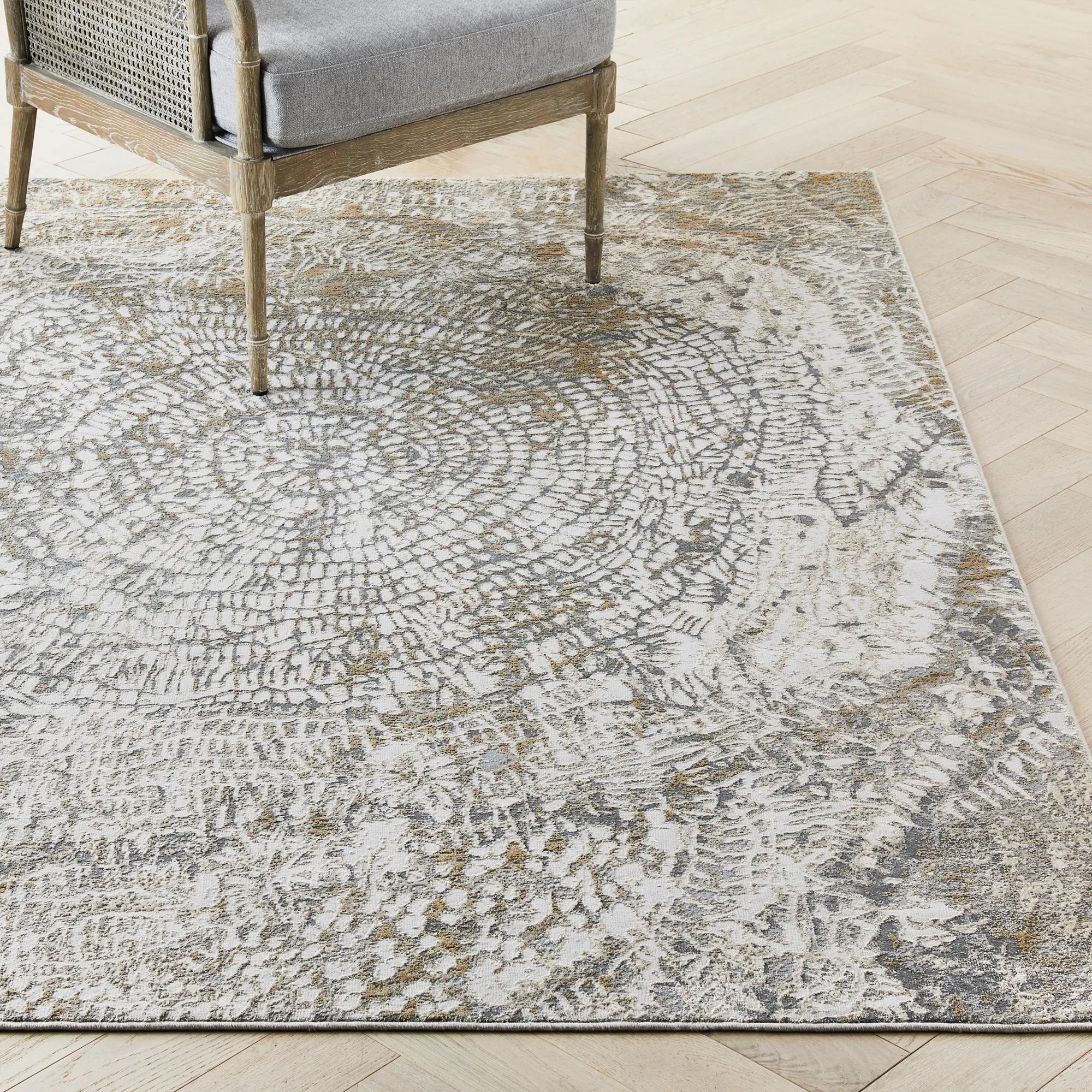 Nautilus Power-Loomed Silver/Grey/Natural Rug$999
A machine-woven ivory rug featuring subtle tonal variations and a durable polypropylene blend construction.
Add To Cart -
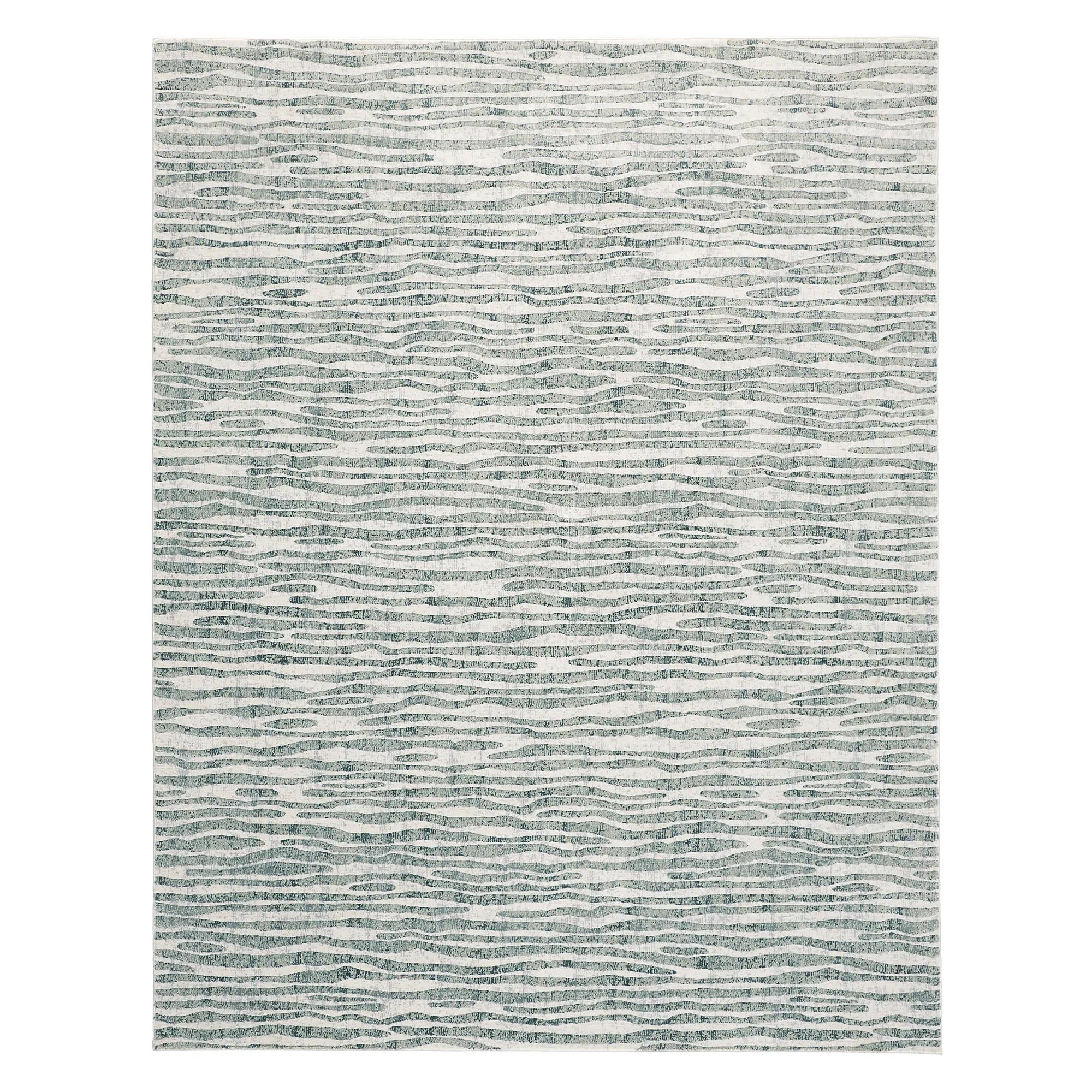 Samantha Power-Loomed Aqua/Grey Rug$719
A machine-woven rug featuring silvery-aqua and green accents on an ivory and grey polypropylene base.
Add To Cart -
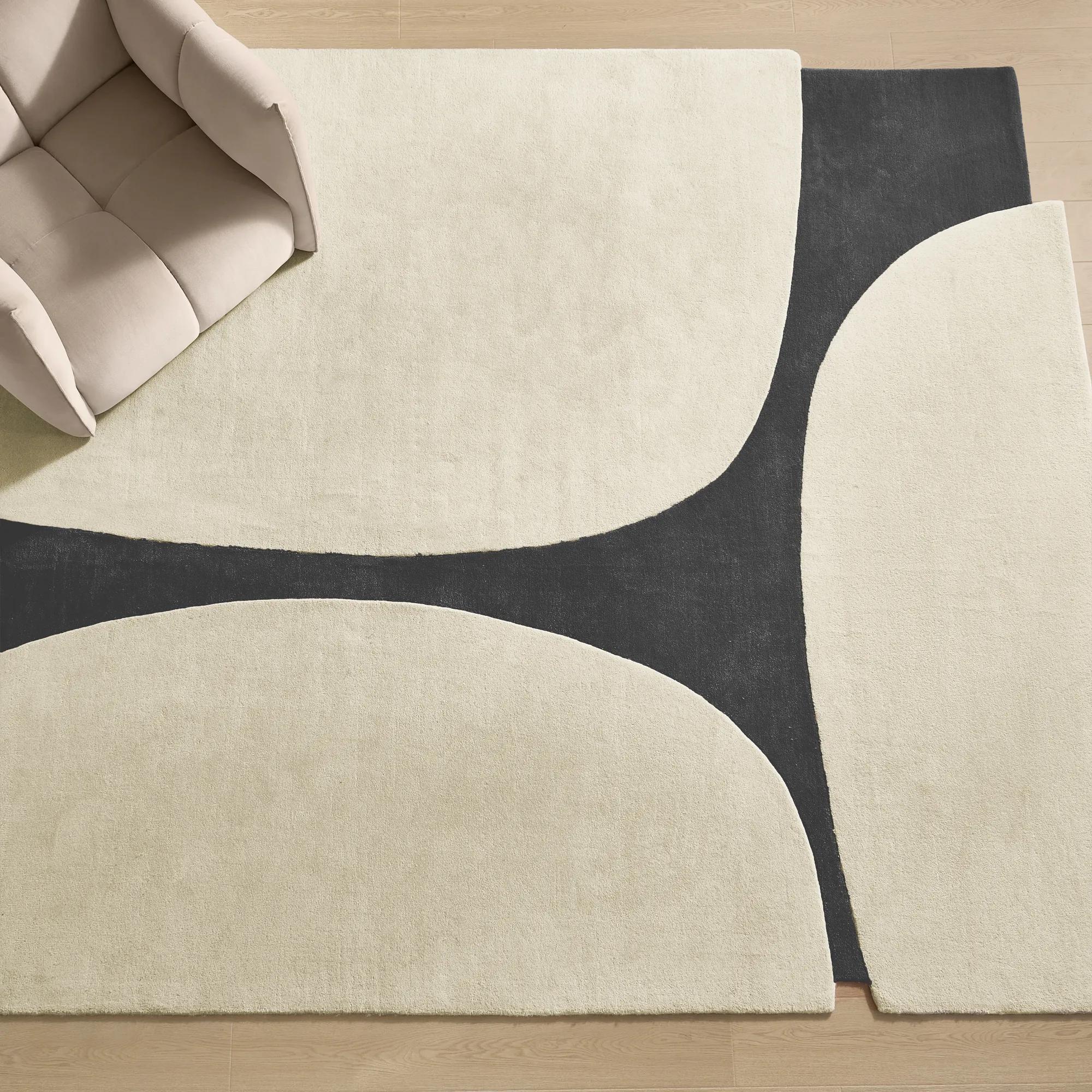 Contour Hand-Tufted Ivory/Charcoal Wool & Viscose Rug$999
A hand-tufted wool and viscose rug with a sculptural organic edge, high-low texture, and ivory-charcoal pattern.
Add To Cart -
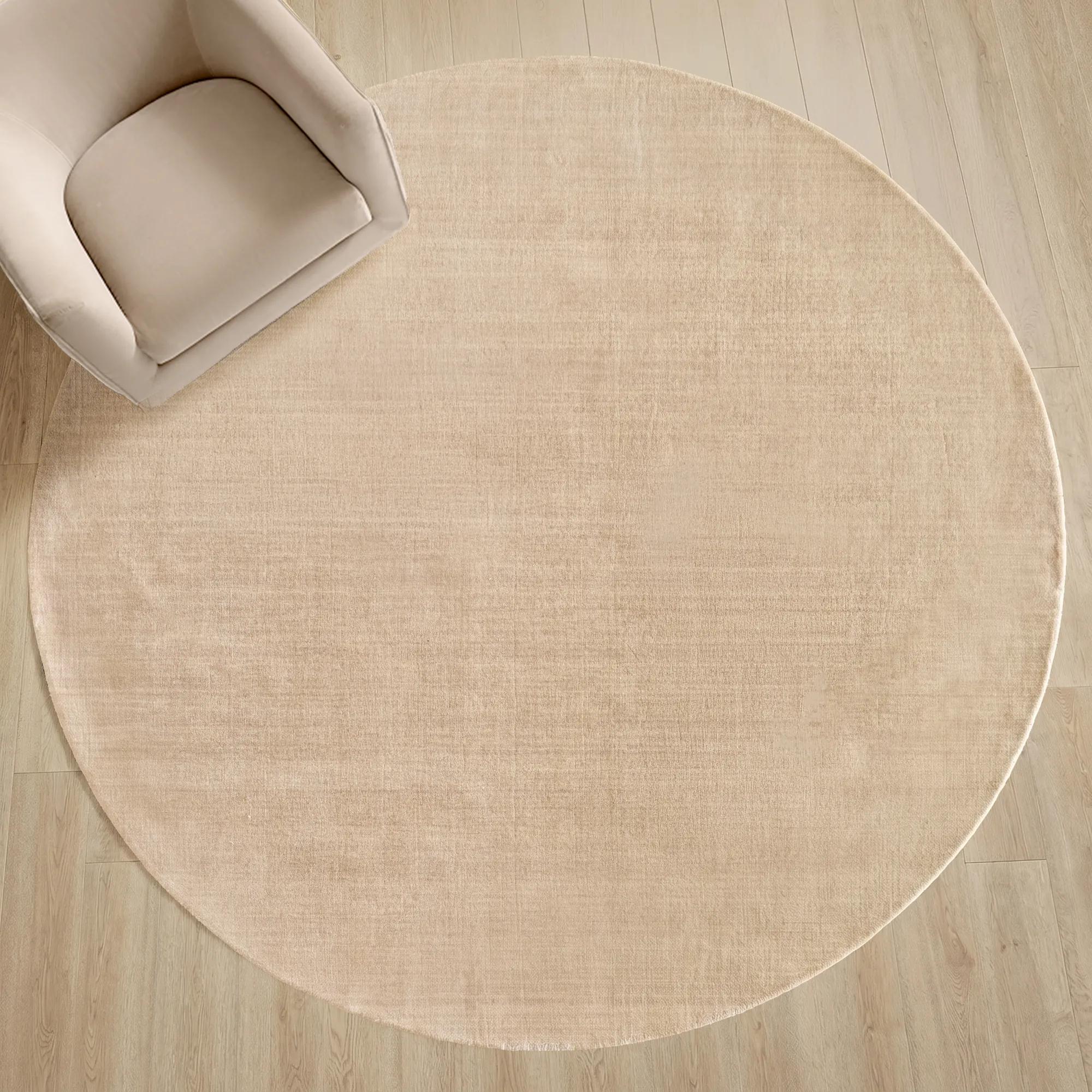 Juni Hand Woven Heathered Warm Beige Round Rug$1399
A handwoven round wool rug in heathered warm beige, offering refined texture and everyday durability.
Add To Cart -
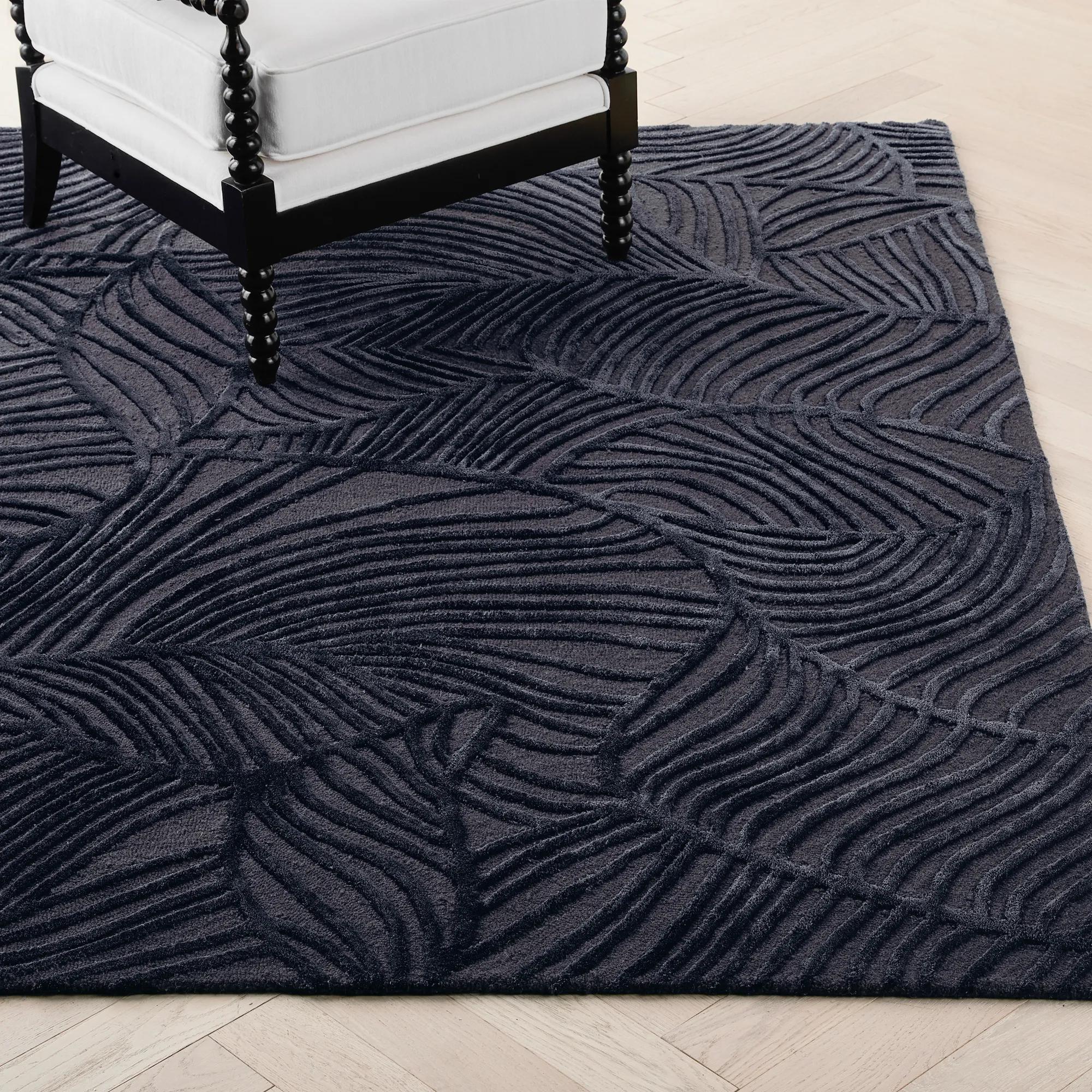
 Palm Rug - Charcoal$1499
A charcoal rug featuring a dynamic palm-leaf design with a textured high-low viscose and wool pile.
Add To Cart -
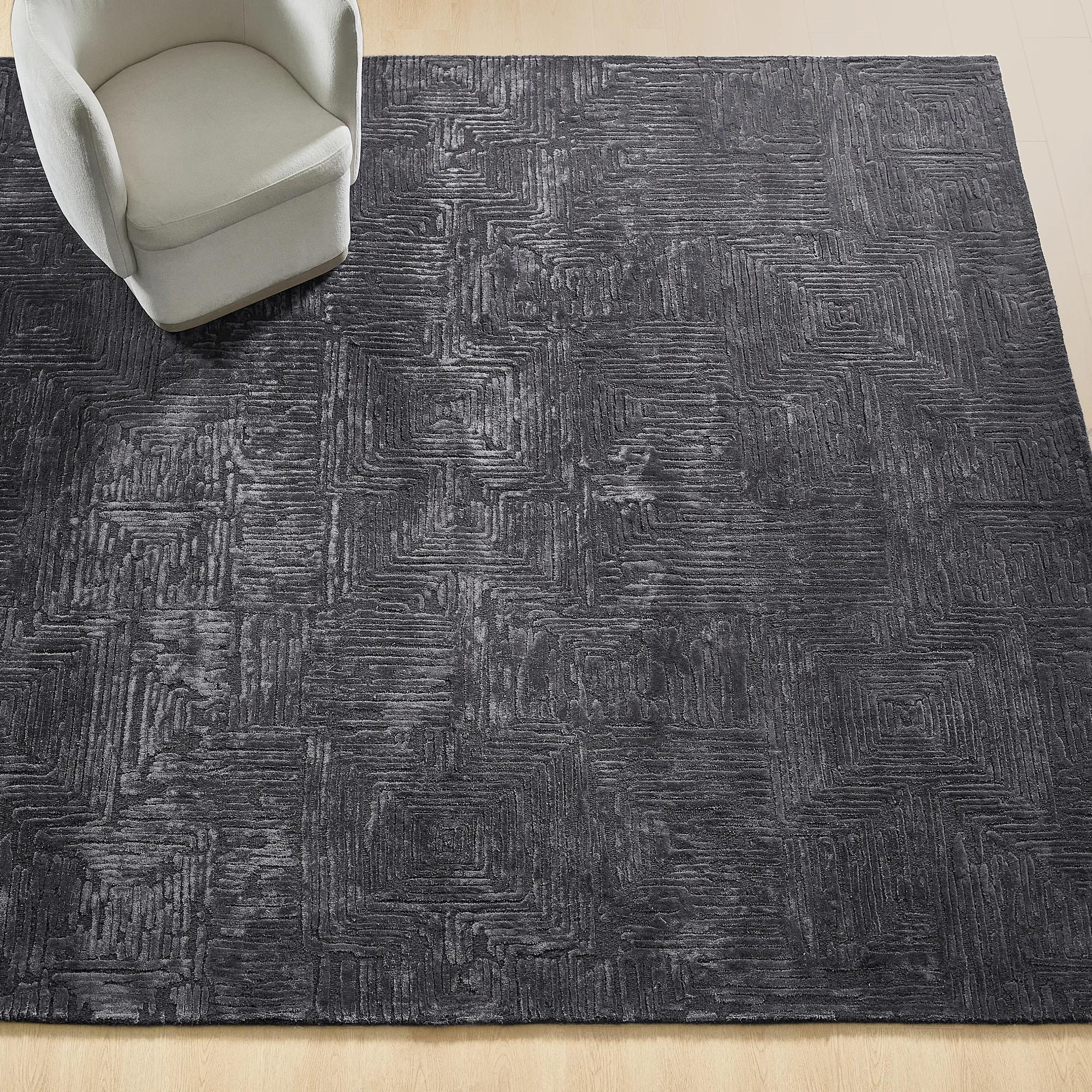
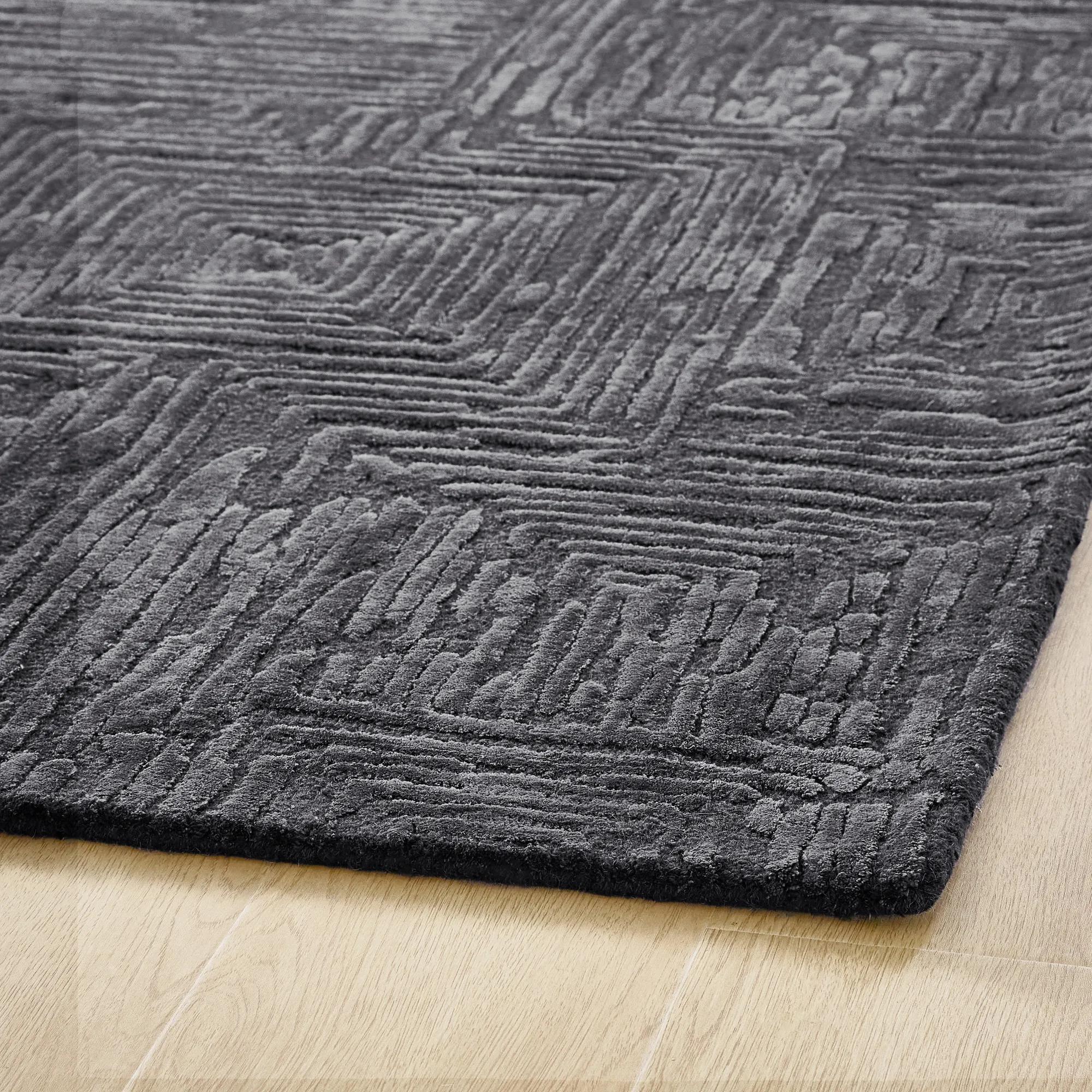 Andra Charcoal Hand-Tufted Wool Blend Dimensional Rug$1499
A hand-tufted viscose-wool rug in rich charcoal with a sculptural, dimensional pattern and plush texture.
Add To Cart -
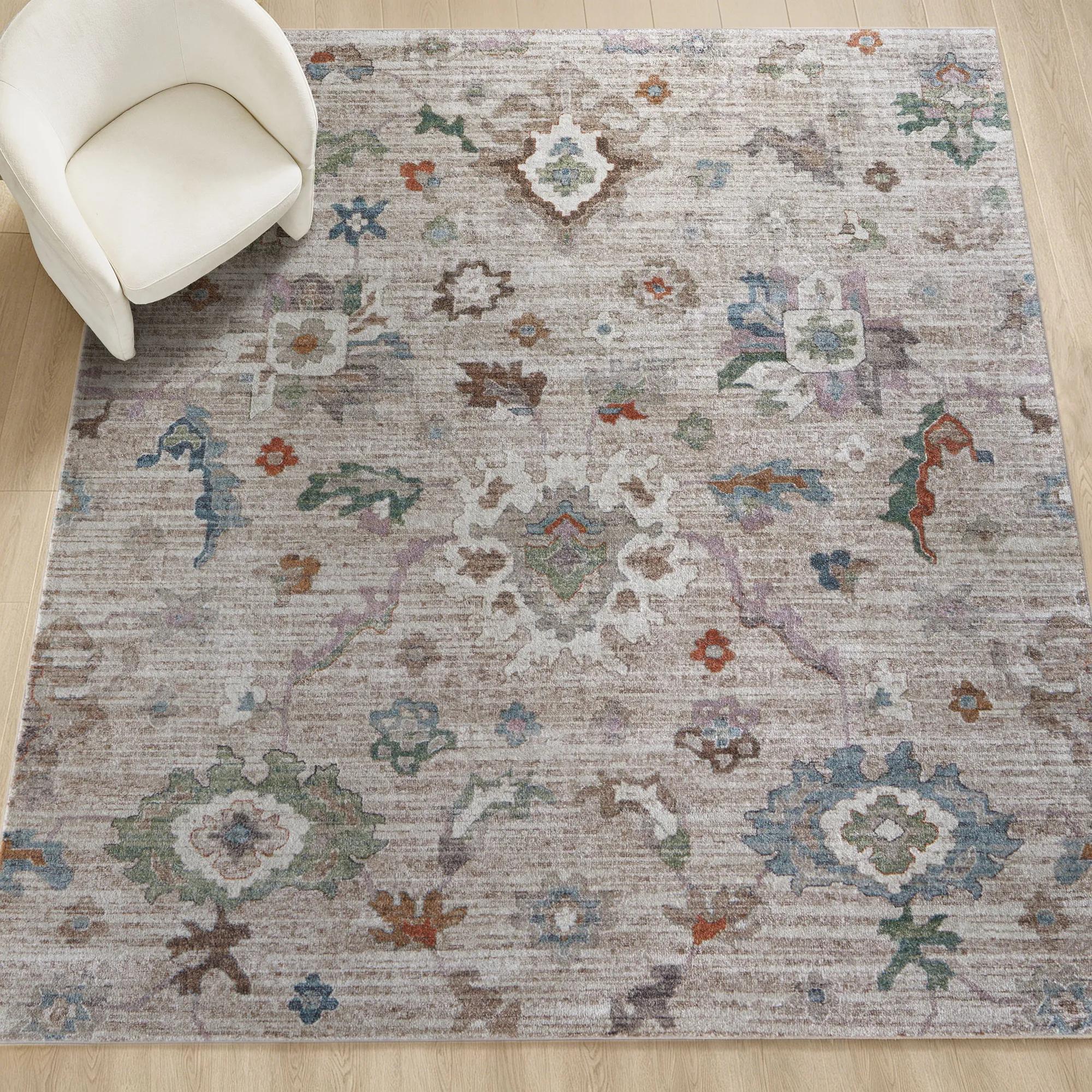
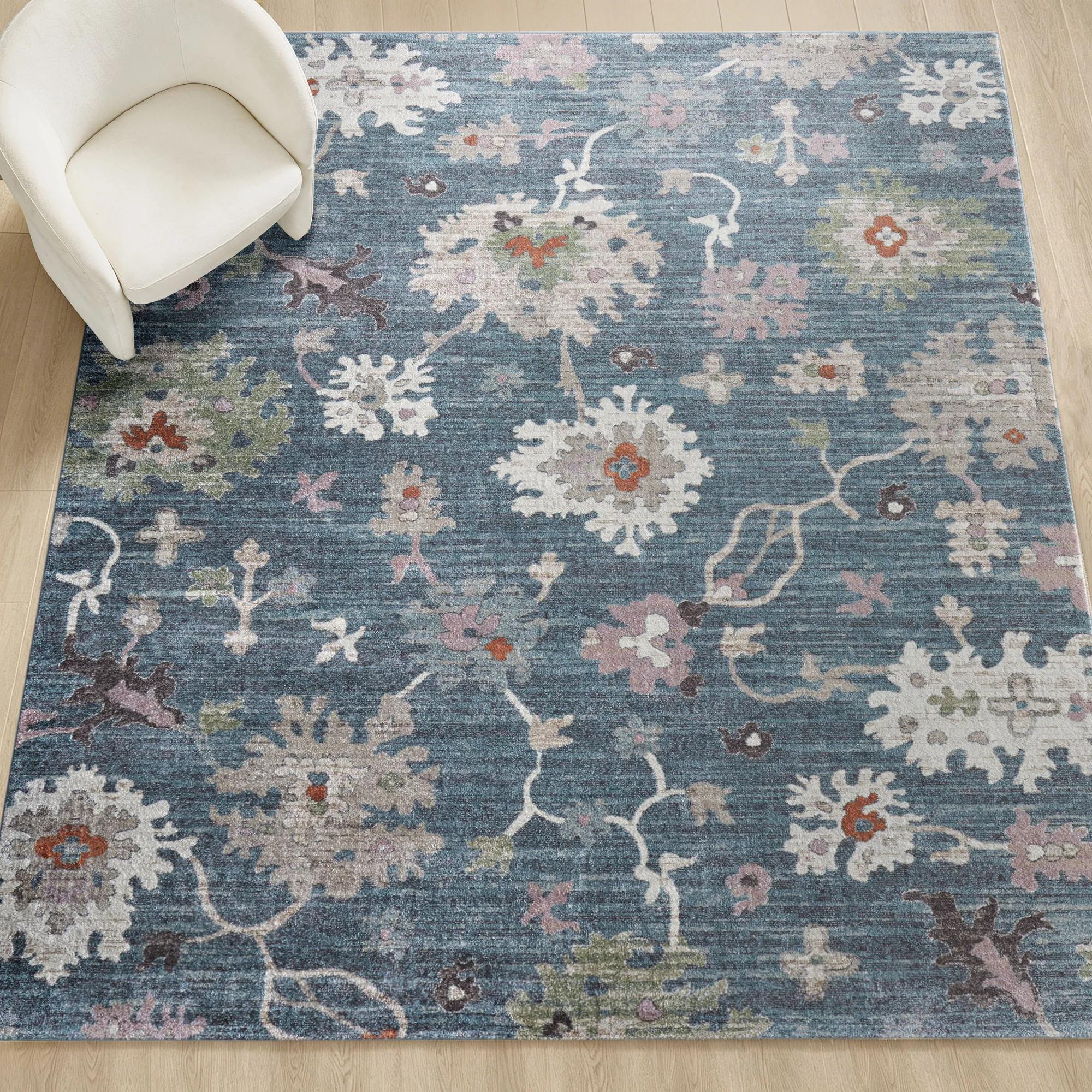
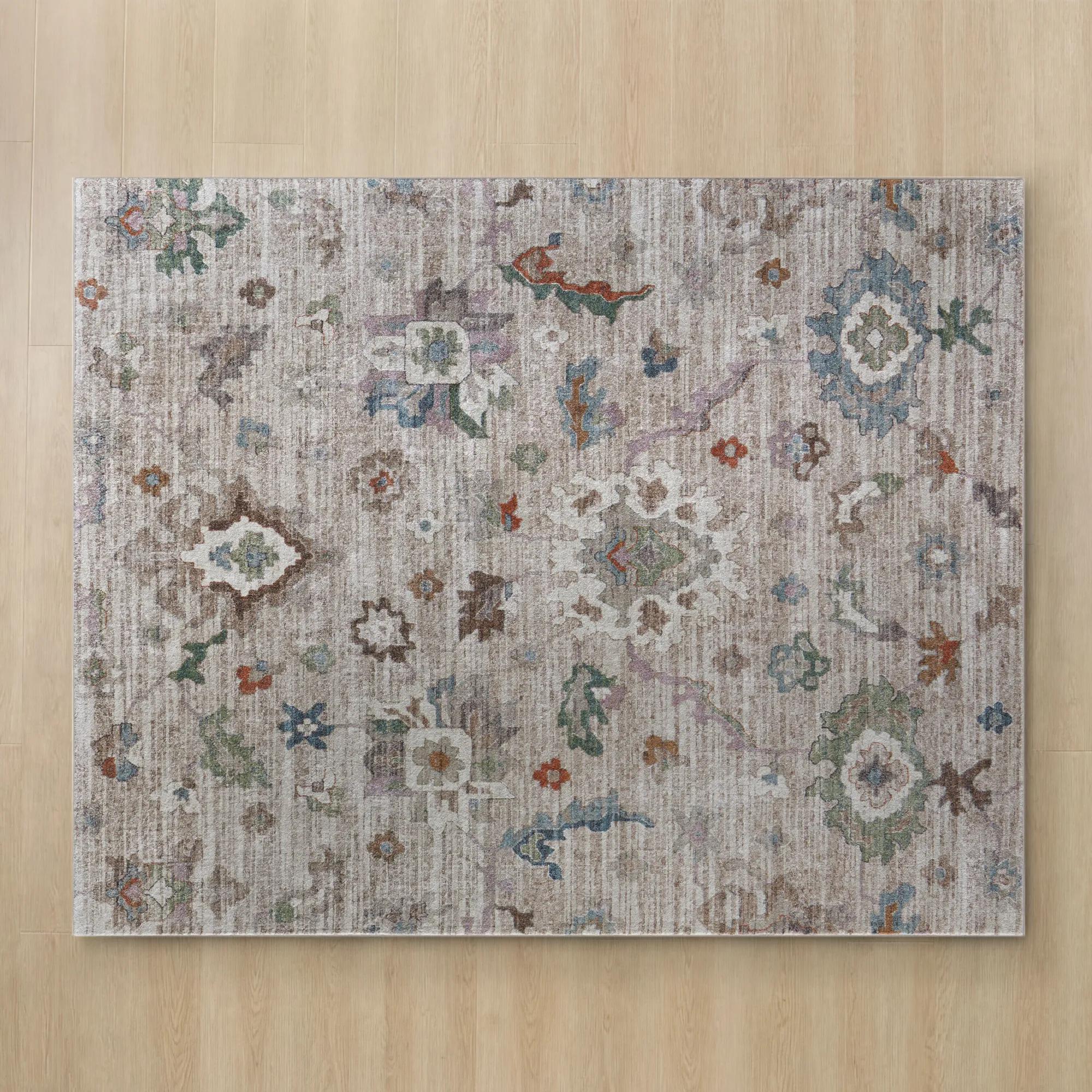 Ariella Floral Taupe/Ivory/Beige/Blue/Green Performance Power Loomed Rug$1399
A Persian-inspired rug in taupe, ivory, beige, blue, and green with a plush, power-loomed polypropylene pile.
Add To Cart

Grey Rugs For Dining Rooms
Grey rugs for dining rooms invite an air of refined elegance, transforming everyday gatherings into extraordinary affairs. With their versatile palette and subtle sophistication, these rugs anchor your dining space in understated glamour—setting the stage for candlelit dinners, lively celebrations, and moments of pure artistry. Whether you crave a whisper of silver or a dramatic charcoal statement, each piece promises to ground your table with texture and tone, creating a foundation where culinary masterpieces and unforgettable conversations unfold. Let grey rugs for dining rooms become the canvas upon which your most cherished memories are painted.
Gray rugs for dining rooms create a composed foundation for expressive interiors, bringing texture, visual definition, and a versatile neutral palette beneath the table. From luminous silver to deep charcoal, gray has enough range to complement richly grained wood, polished metal, sculptural seating, and upholstered chairs without competing with every finish in the room. A pale gray rug lends an airy quality to a substantial dark dining table, while a smoky, patterned design adds depth beneath glass or marble. Against brass accents, gray feels richly layered; alongside chrome and mirrored surfaces, it takes on a sleek, gallery-like character. Undertones make a meaningful difference: blue-based grays sit naturally beside crisp white and black, while taupe-inflected grays soften the transition to walnut, cream, and beige. The effect is especially compelling when the rug echoes one detail elsewhere in the space, such as the veining in a tabletop, the fabric on a chair, or a brushstroke in oversized artwork. Solid gray rugs emphasize silhouette and texture, allowing a dramatic table base or chandelier to command attention. Abstract patterns introduce movement, geometric motifs bring definition, and softened traditional designs lend a collected richness to contemporary furniture. Subtle variations in tone can also make crumbs, lint, and everyday marks less conspicuous than they would be against a completely uniform surface, although no color replaces regular care. For dining rooms shared with a living area, a gray area rug establishes a distinct place to gather without creating a harsh visual divide. It suits both the household that hosts elaborate dinners and the family whose dining table serves breakfast, conversation, and the occasional afternoon project. For a more pronounced contrast beneath light upholstery or pale wood, Black Rugs For Dining Rooms offer a deeper expression of the same grounded, sophisticated mood.
A dining room rug should feel generous beneath the entire dining arrangement, not simply frame the tabletop. A useful sizing benchmark is at least 24 inches of rug beyond every edge of the table, with approximately 30 to 36 inches offering more room where the layout allows. The essential consideration is whether all chair legs remain on the rug when someone pulls a seat back to sit down or stand up. Chair depth, broad bases, and the way a household actually uses the table can affect that clearance, so tabletop dimensions alone do not tell the full story. For example, a 40-by-72-inch rectangular table needs a rug at least 88 by 120 inches to provide a 24-inch extension on each side; a larger size may create a more comfortable arrangement for substantial chairs. An extendable table deserves similar attention, particularly when its leaves are used frequently. Rectangular gray rugs naturally reinforce the long lines of rectangular and oval tables, while round rugs create a graceful outline beneath round tables. A square rug can give a round table a more architectural setting when the room itself has balanced proportions. Around the perimeter, visible flooring helps the rug read as an intentional layer, while clearance from doors, cabinets, and sideboards keeps the setting comfortable to use. Construction matters just as much as scale. Flatweave and low-pile rugs generally allow dining chairs to move more easily than thick shag or deeply sculpted surfaces, and their lower profile makes everyday crumbs easier to reach with a vacuum. A dense, even surface is particularly appealing beneath chairs with narrow legs, which may catch in loose loops or pronounced texture. The most successful gray dining room rugs balance this practical profile with visual richness: a finely woven pattern, a softly heathered field, or a restrained variation in sheen can supply drama without excessive pile height. Fringe and raised borders deserve consideration wherever chair legs regularly travel.
Material and care requirements shape how gracefully a gray dining rug fits into daily life. Wool brings a resilient fiber and a naturally rich texture that complements substantial wood furniture and tailored upholstery. Its natural resistance to soiling can be useful in a dining space, but wool is not stainproof, and some wool rugs shed, particularly early in their use. Polypropylene and polyester are common synthetic options that can offer stain resistance and accessible routine maintenance, depending on the rug’s construction, backing, and finish. These qualities are valuable in homes where the dining area sees frequent meals, visiting guests, children, or pets. Washability, however, is a product-specific feature rather than a promise attached to a fiber: a rug should only be machine washed when its care instructions expressly permit it, and its dimensions and weight must suit the appliance. Viscose and other lustrous fibers can create a beautiful, light-catching surface, yet they may be more vulnerable to moisture, staining, or changes in appearance, making careful consideration important around food and drinks. Natural plant fibers offer distinctive texture but can also be absorbent or difficult to spot-clean, so the desired look needs to align with the room’s demands. Whatever the material, prompt attention to spills helps preserve the finish: blot liquids with a clean, absorbent cloth rather than rubbing, and follow the manufacturer’s directions before applying any cleaning solution. Regular vacuuming with a setting appropriate to the rug removes grit that can work into the fibers; rotating the rug periodically helps distribute wear and light exposure. A compatible rug pad adds cushioning, helps reduce movement, and protects the floor, provided it is suitable for the flooring finish and does not create excessive height beneath the chairs. Well-matched care, proportion, and construction allow a gray rug to do more than complete the dining room visually. They give the space a lasting sense of ease, so candlelit dinners, shared platters, and everyday gatherings unfold against a foundation as considered as the furniture above it.
FAQs
Grey dining room rugs are celebrated for their chameleon-like ability to complement a wide range of decor aesthetics. Their neutral tones serve as a sophisticated backdrop for both bold and subtle color palettes, allowing you to experiment with everything from metallic accents to rich jewel tones. Whether your space leans modern, traditional, or eclectic, a grey dining rug grounds the room with understated elegance and timeless appeal.
A grey rug for under the dining table can dramatically transform the mood of your dining room by adding texture, depth, and a sense of cohesion. The right grey rug bathes the space in visual warmth, softens acoustics for more intimate conversation, and highlights the artistry of your furnishings. Its presence elevates everyday meals into special occasions and creates an inviting ambiance that lingers long after dessert is served.
Absolutely. Grey dining room rugs make thoughtful and luxurious gifts for housewarmings, weddings, or milestone celebrations. Their timeless color and versatile design ensure they will be cherished for years, seamlessly fitting into a variety of home styles. Gifting a grey dining rug is like offering a canvas for new memories—a piece that will anchor countless gatherings and celebrations.
Grey dining room rugs are crafted from a range of materials, each bringing its own character to the space. Wool offers plushness and natural warmth, while synthetic fibers provide durability and easy maintenance—ideal for high-traffic dining areas. Jute and other natural fibers introduce organic texture and a relaxed, earthy vibe. The material you choose will influence not only the rug’s appearance but also its tactile experience underfoot.
Layering a grey dining rug with bold lighting, sculptural furniture, and statement art can create a dining room that feels curated and theatrical. The rug acts as a grounding element, allowing other pieces—like a gleaming chandelier or vibrant centerpiece—to shine. By playing with contrast and texture, you can craft a space that feels both harmonious and visually captivating, perfect for hosting unforgettable gatherings.