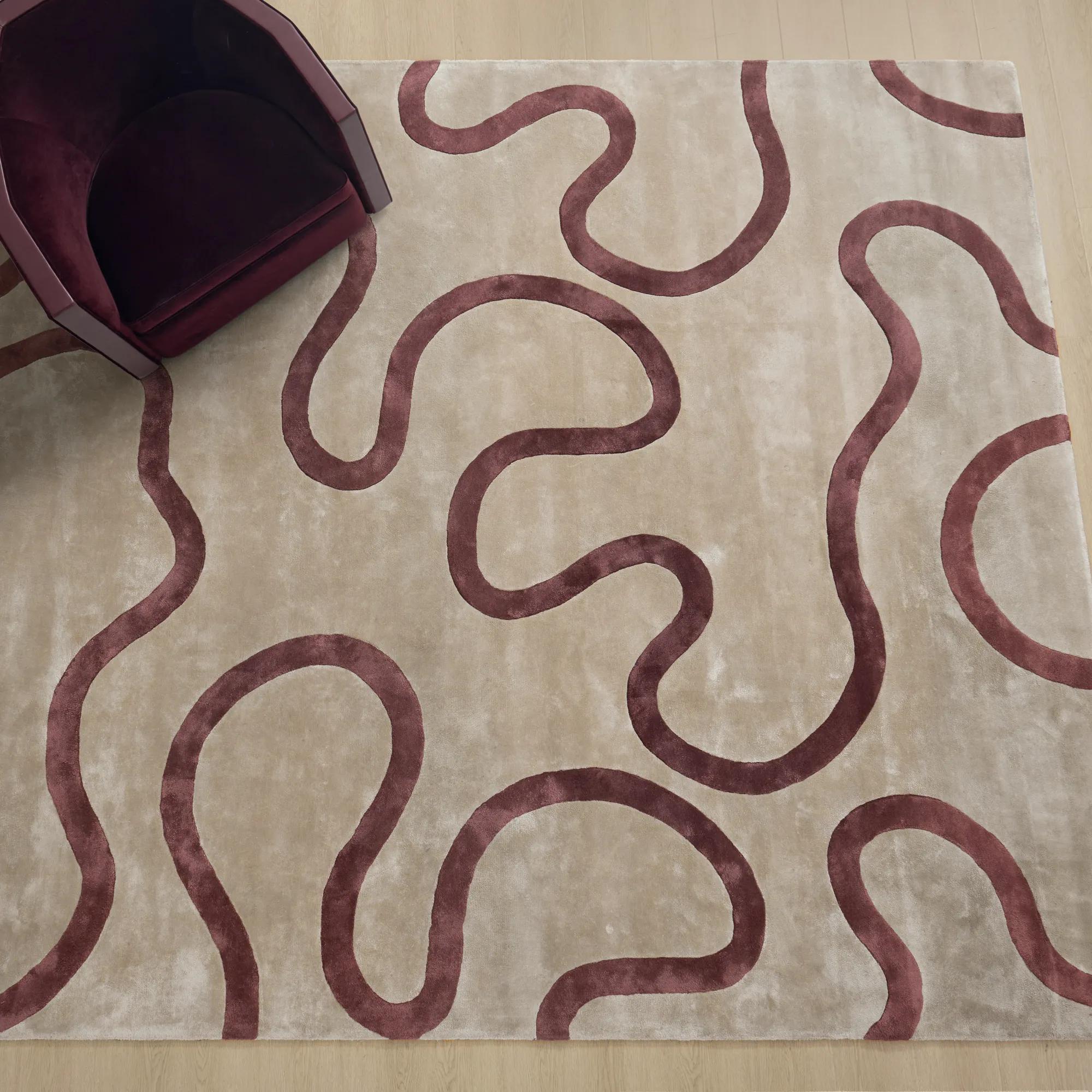
Living Room Wool Rugs
Living Room Wool Rugs
-
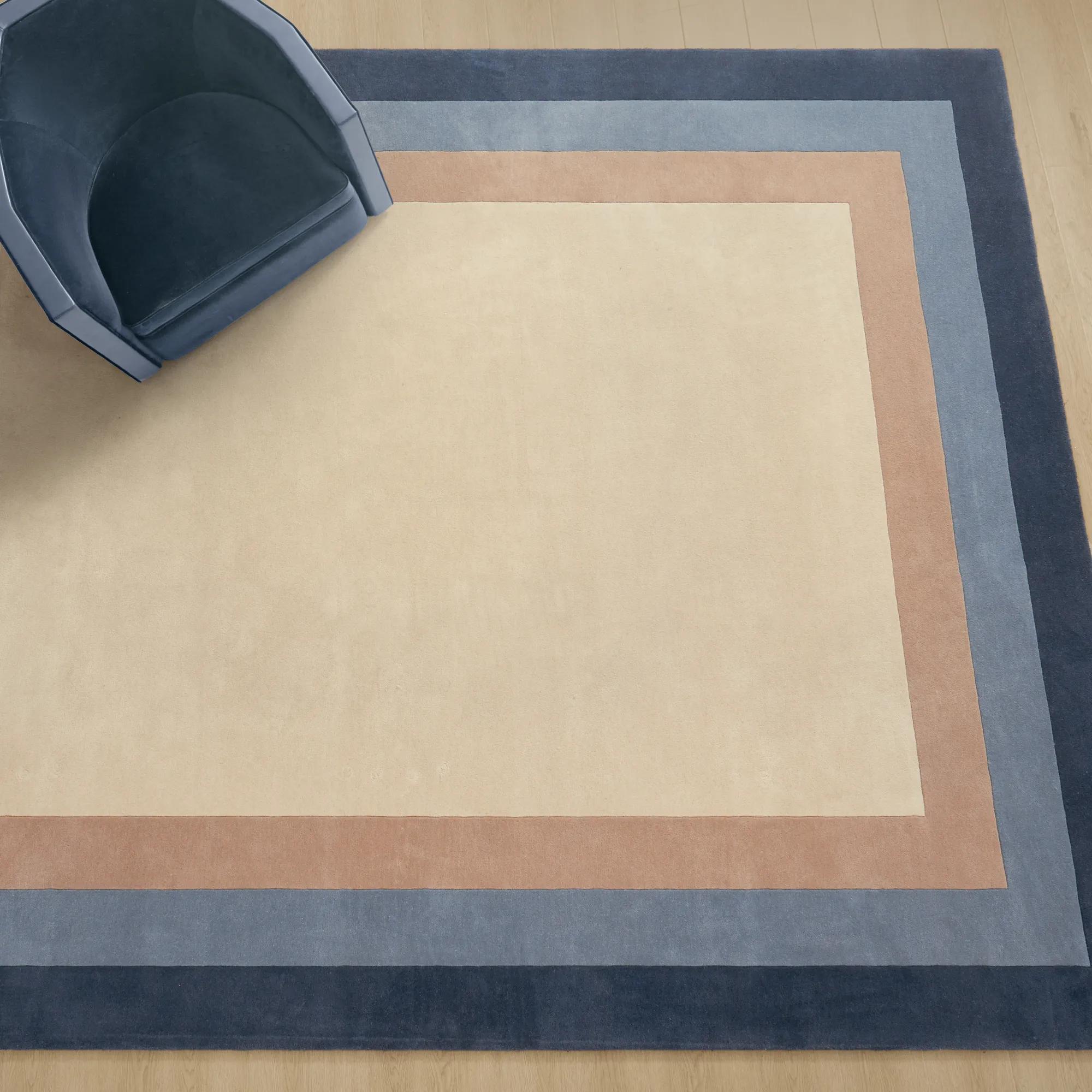 Bastien Hand-Tufted Blue/Taupe/Ivory Wool Border Rug$499
A hand-tufted wool rug with a graphic blue, taupe, and ivory color-blocked border.
Add To Cart -
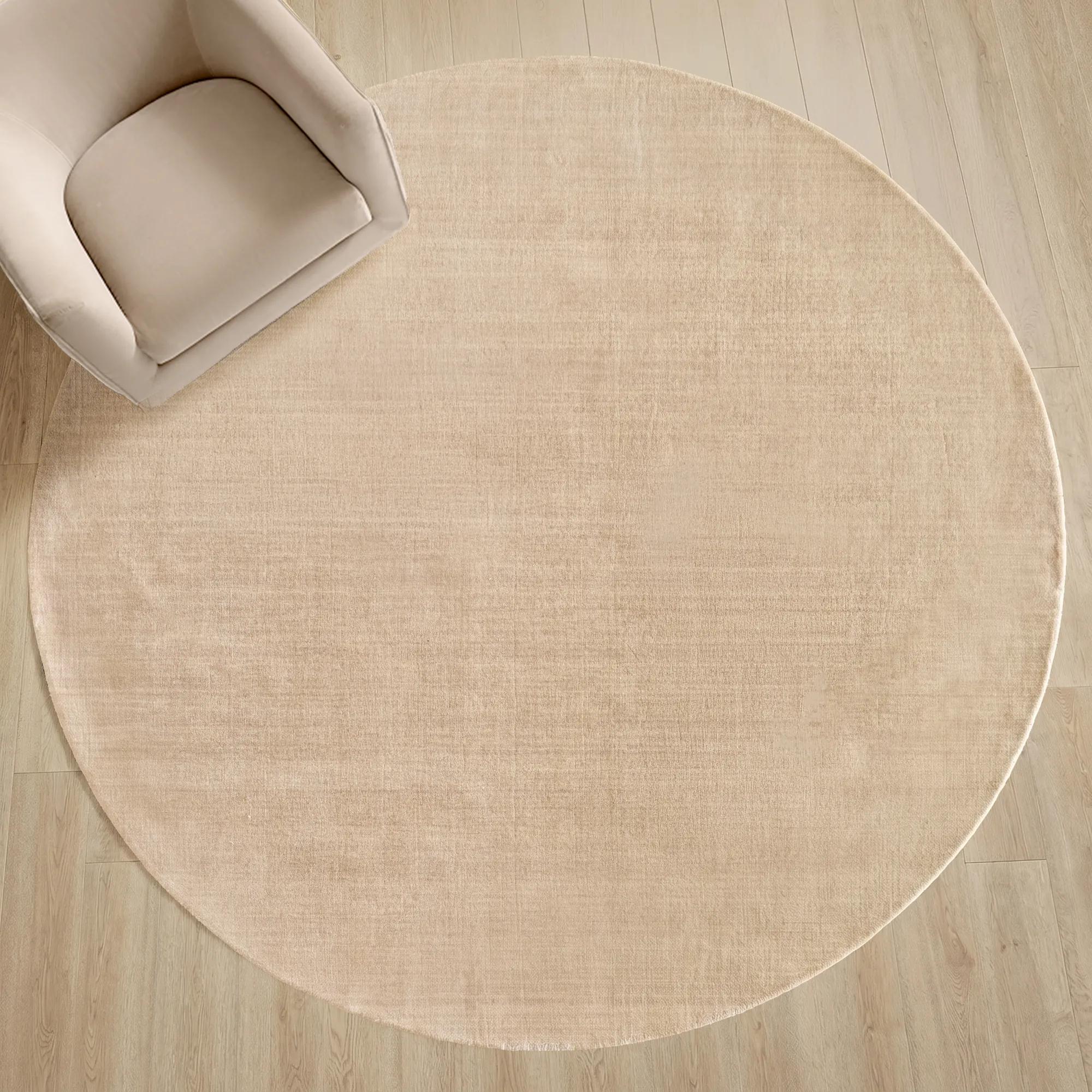 Juni Hand Woven Heathered Warm Beige Round Rug$1399
A handwoven round wool rug in heathered warm beige, offering refined texture and everyday durability.
Add To Cart -
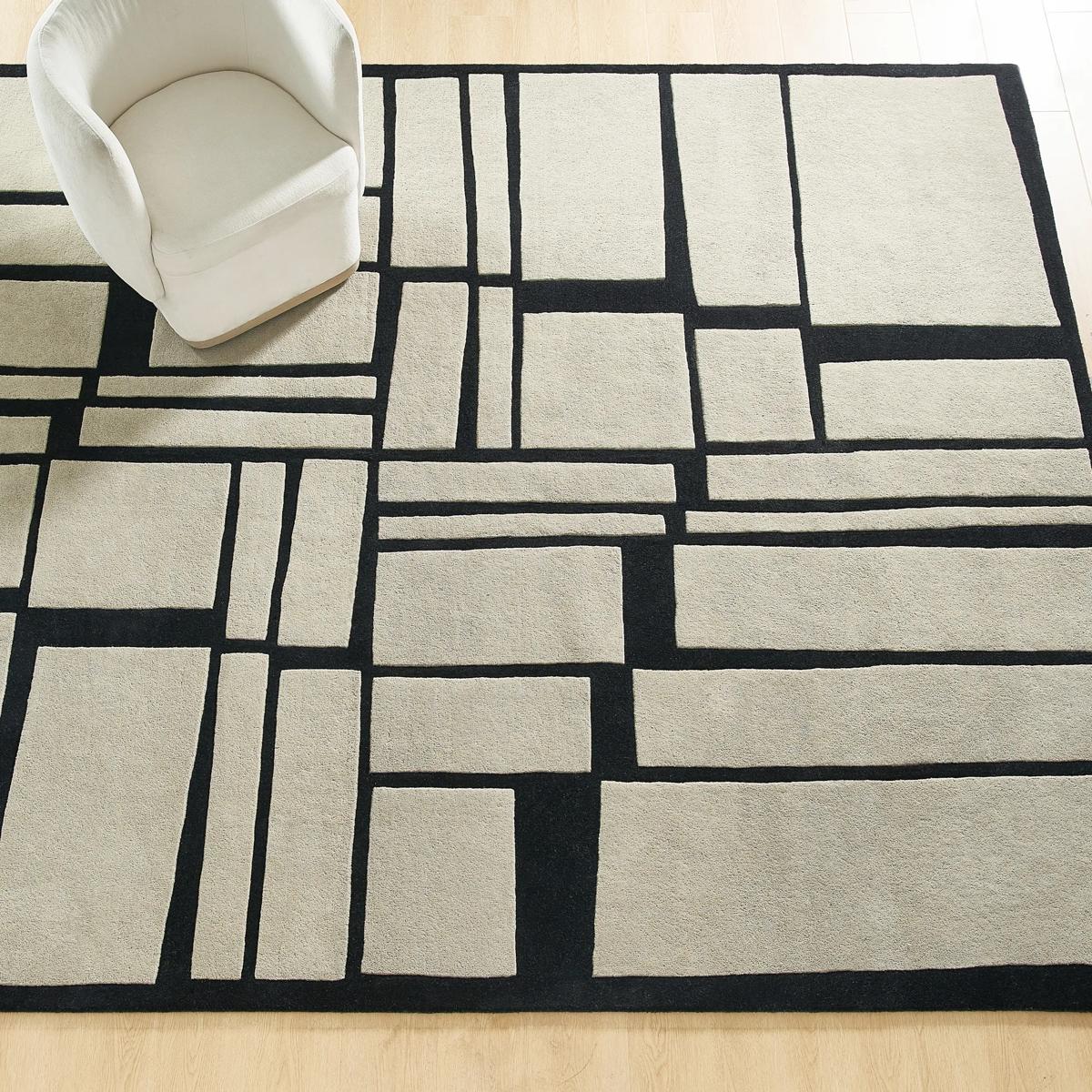 Novak Hand-Tufted Natural/Black Wool Rug$449
A hand-tufted wool rug featuring a bold black and natural grid design for modern visual impact.
Add To Cart -
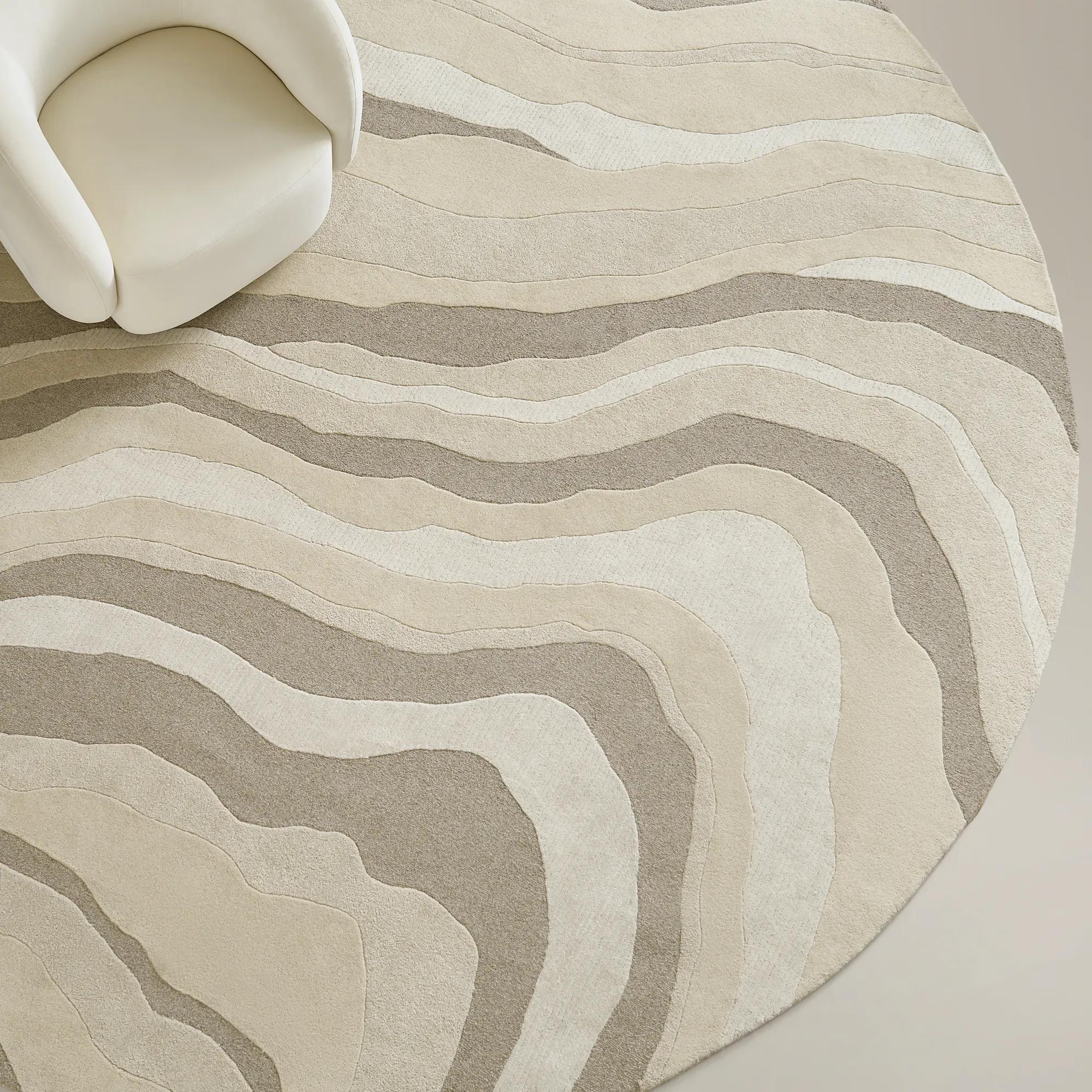 Kadence Hand-Tufted White/Ivory/Tan Wool Round Rug 12"$1799
A hand-tufted round rug in white, ivory, and tan, crafted from 100% wool for natural warmth.
Add To Cart -
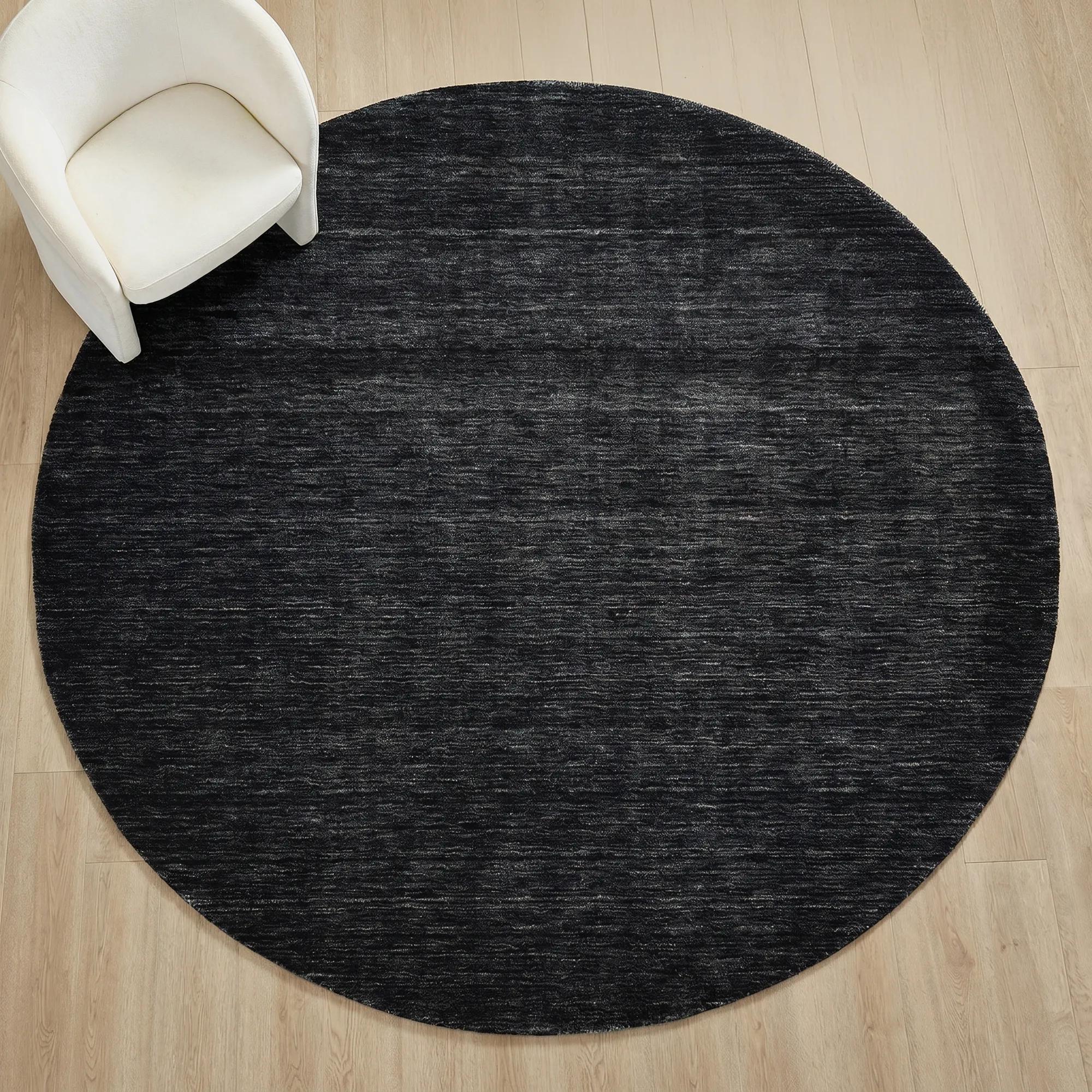 Juni Hand Woven Heathered Black Rug$799
A handwoven round wool rug in heathered black, offering durable texture and moody, contemporary style.
Add To Cart -
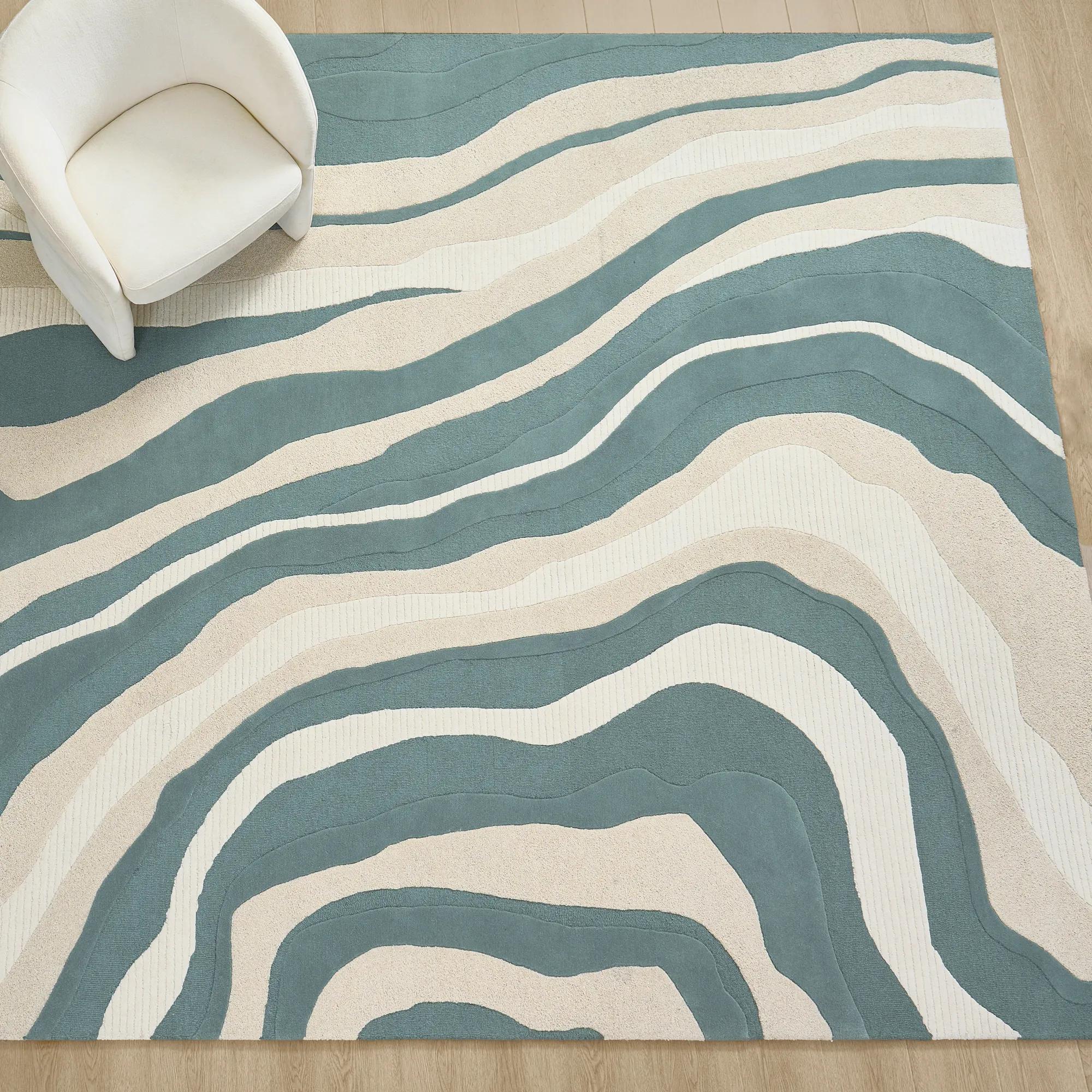 Kadence Hand-Tufted Sage Green/Ivory Wool Rug$999
A hand-tufted wool rug with an organic wave pattern, sculptural high-low texture, and sage-green-and-ivory hues.
Add To Cart -
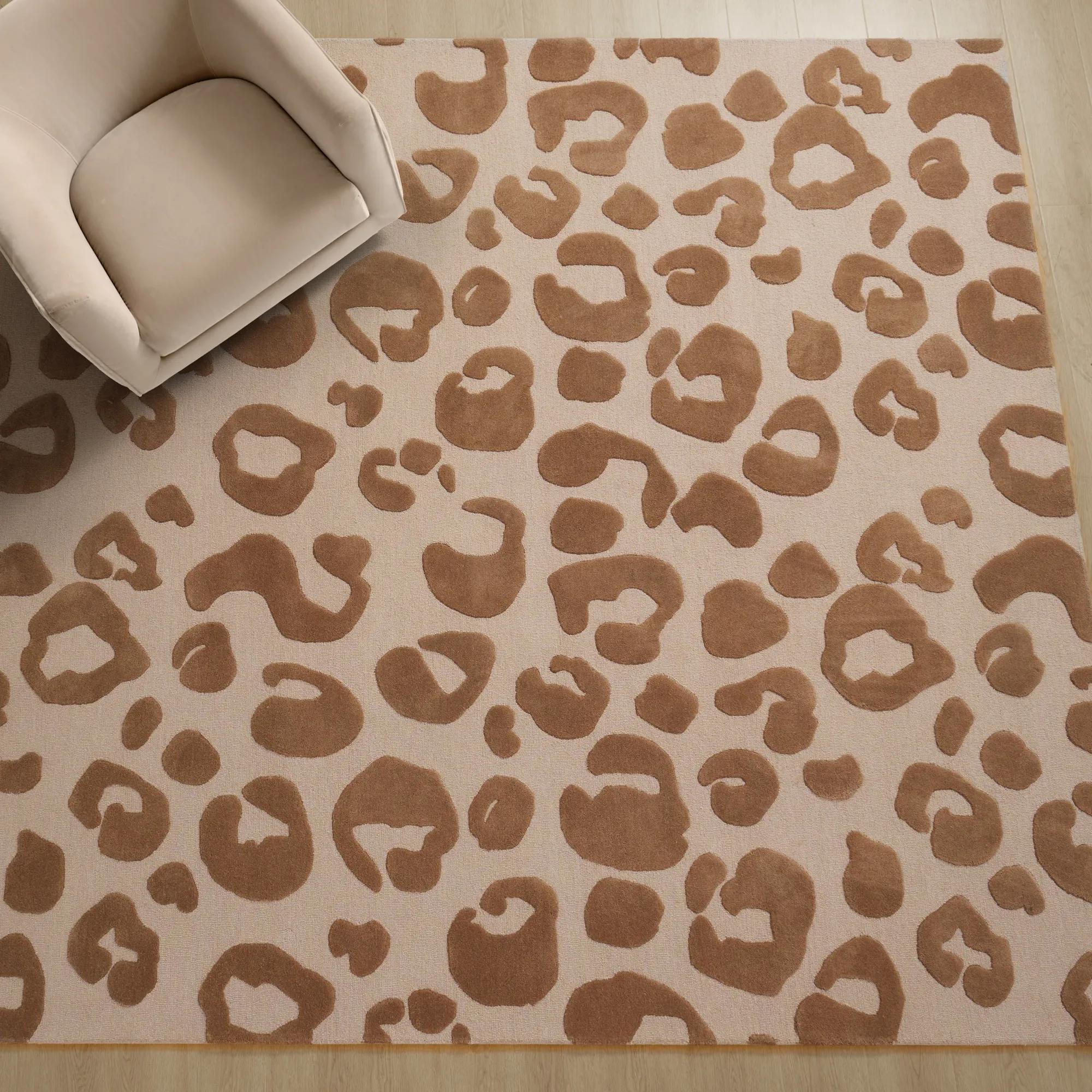 Pounce Hand-Tufted Tawny Brown Leopard Print Wool Rug$1499
A hand-tufted wool rug featuring a tawny brown leopard print and dimensional high-low loop and cut pile.
Add To Cart -
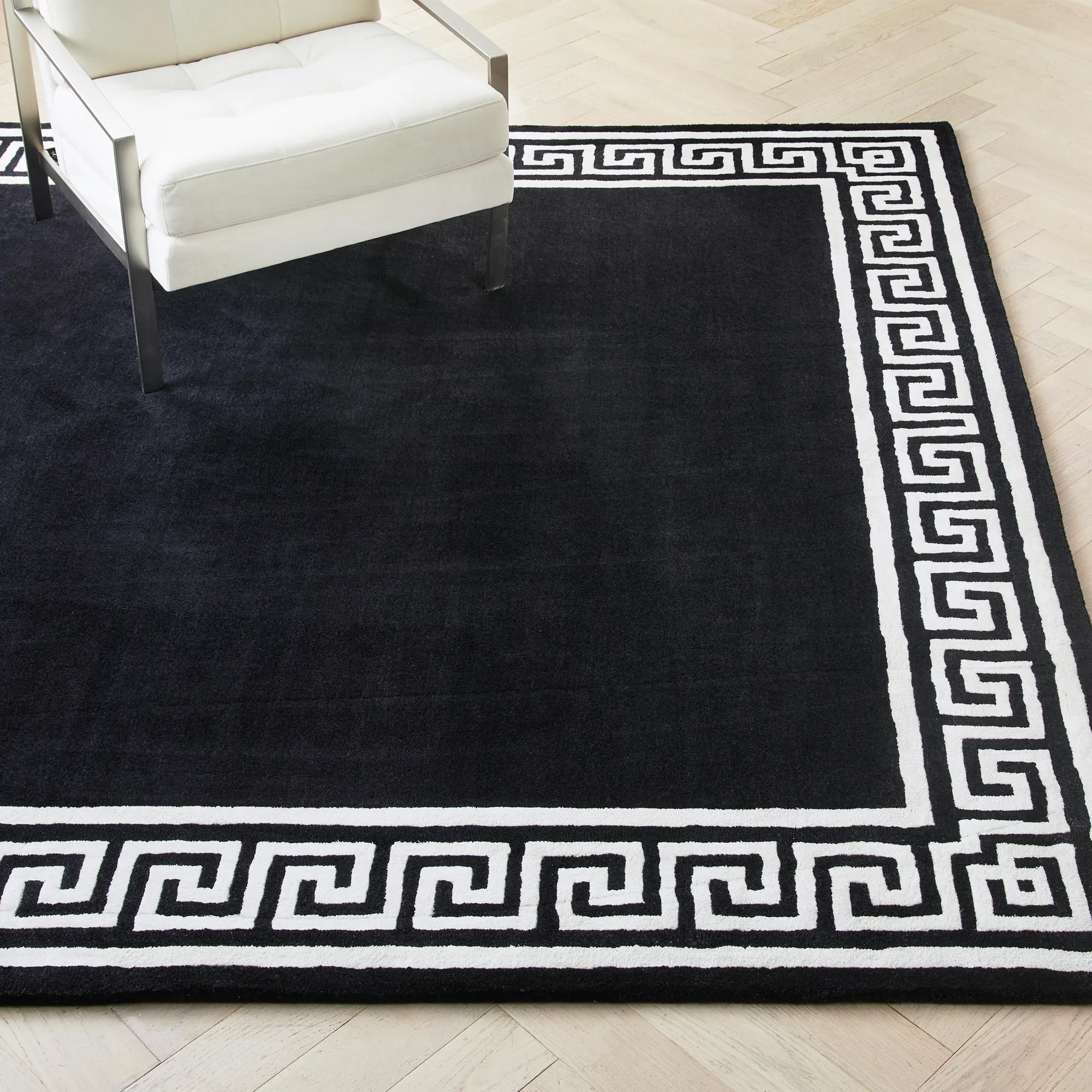
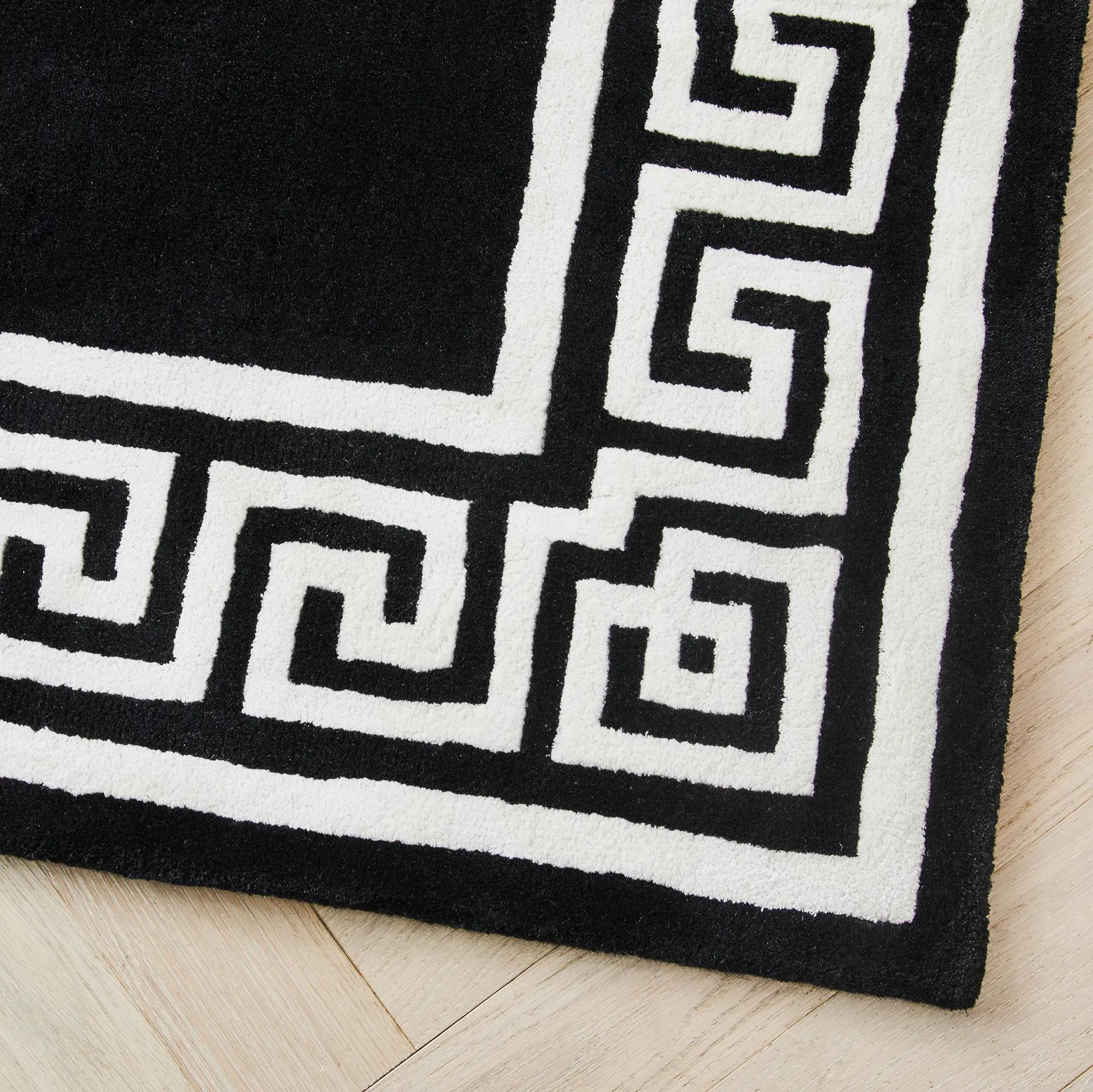 Greek Key Rug - Black/Ivory$1799
A hand-tufted black and ivory rug featuring a classic Greek key pattern in wool and viscose.
Add To Cart -
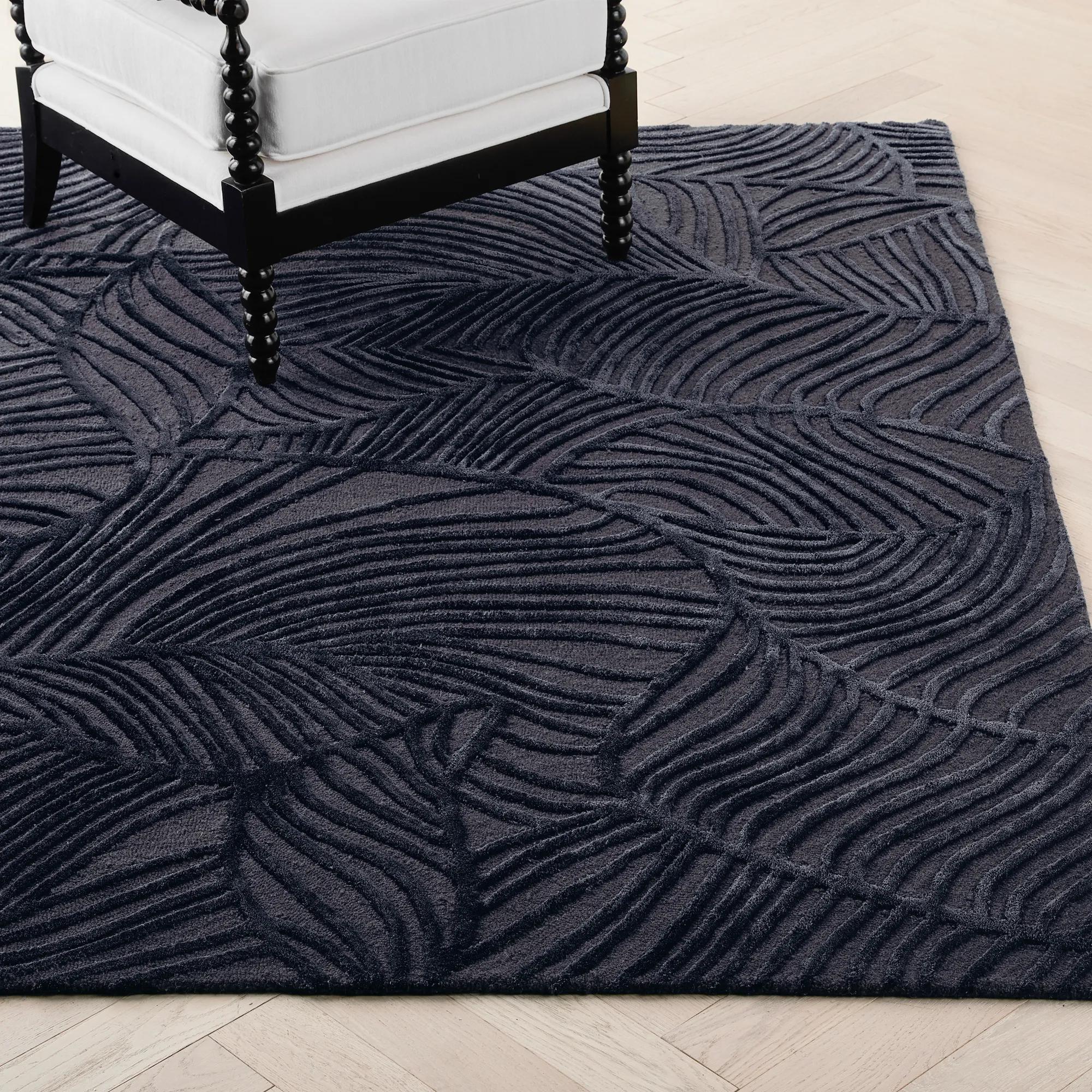
 Palm Rug - Charcoal$1499
A charcoal rug featuring a dynamic palm-leaf design with a textured high-low viscose and wool pile.
Add To Cart -
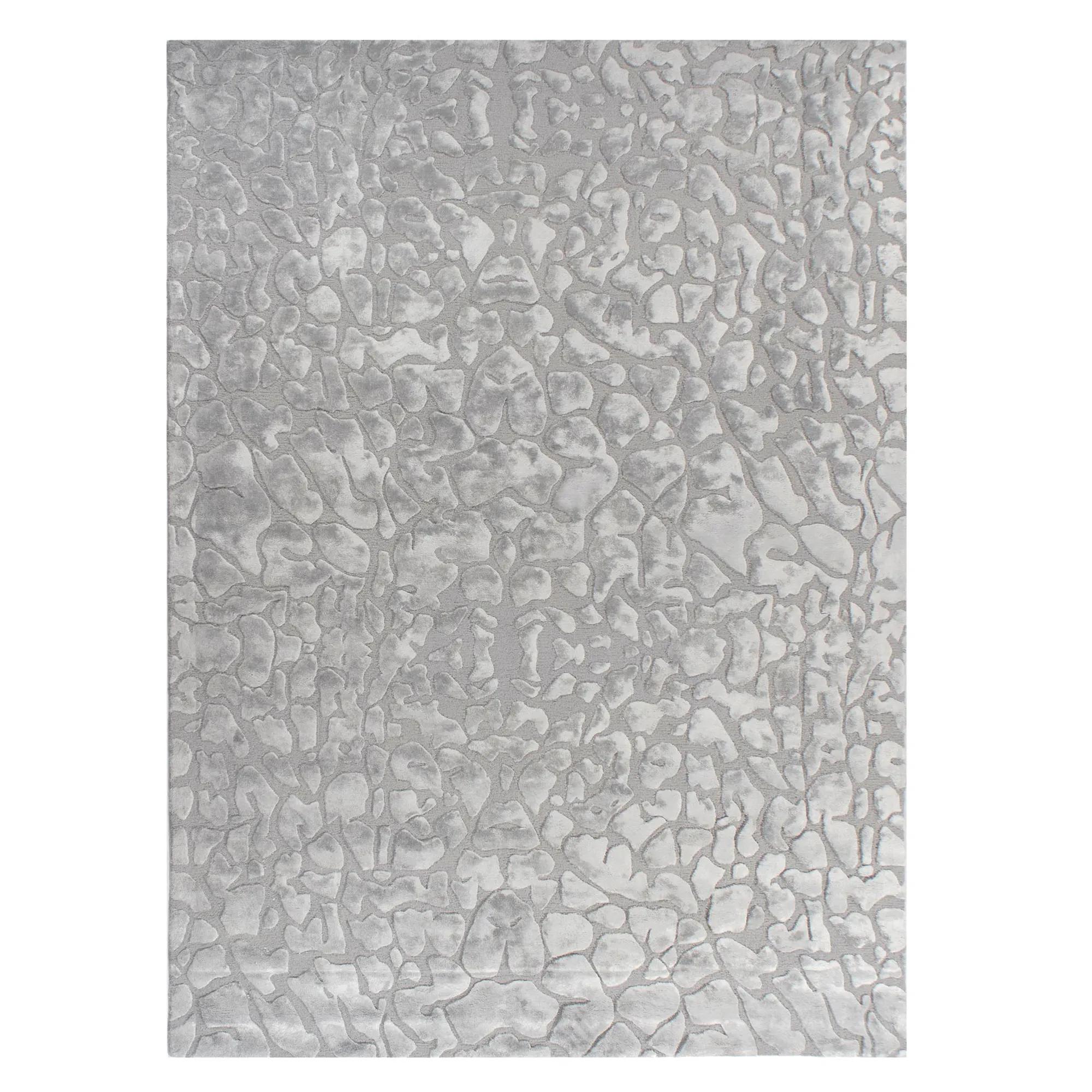
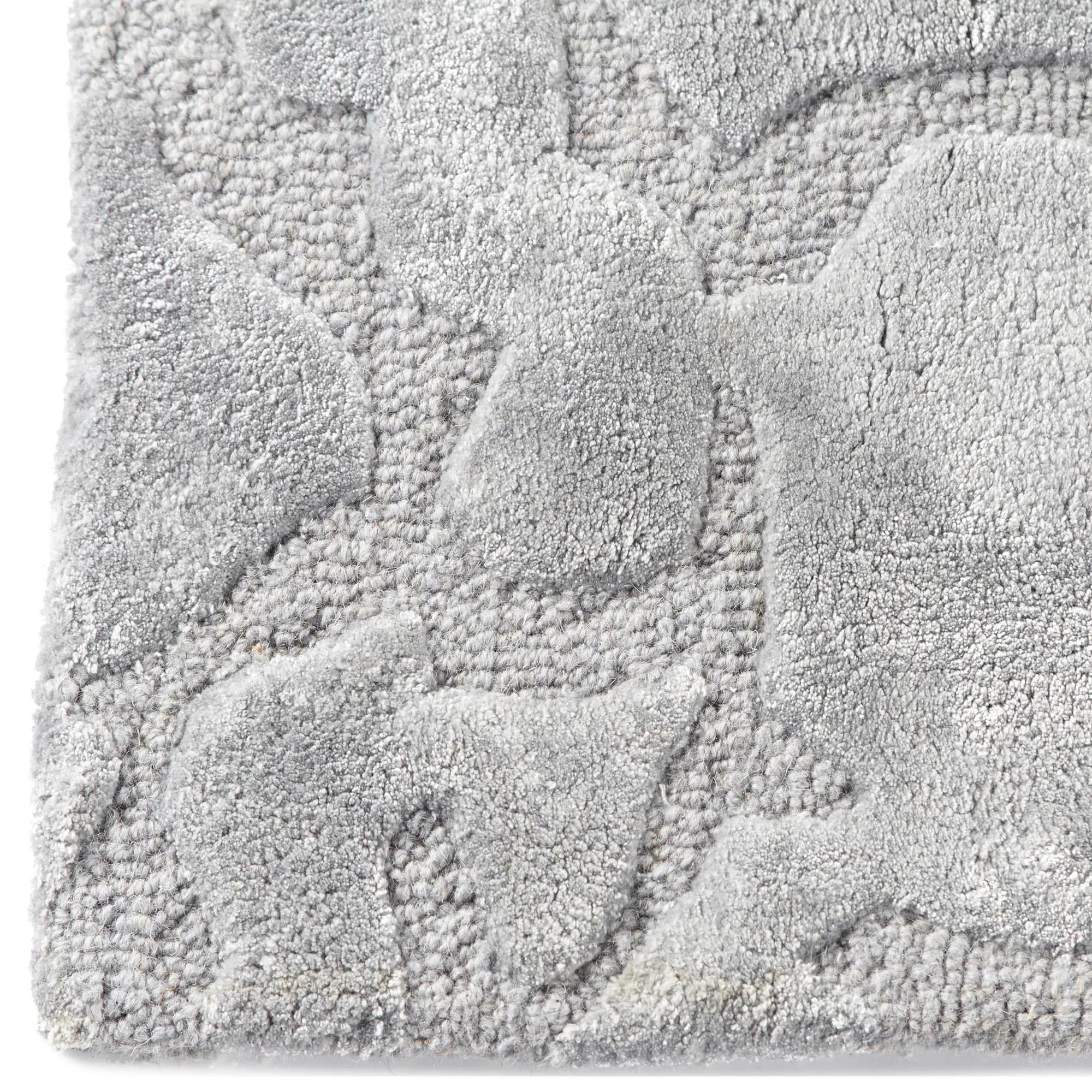 Nola Hand-Tufted Cool Grey Wool Blend Rug$849
A hand-tufted silver rug with contrasting pile heights, crafted from wool and viscose for plush texture.
Add To Cart -
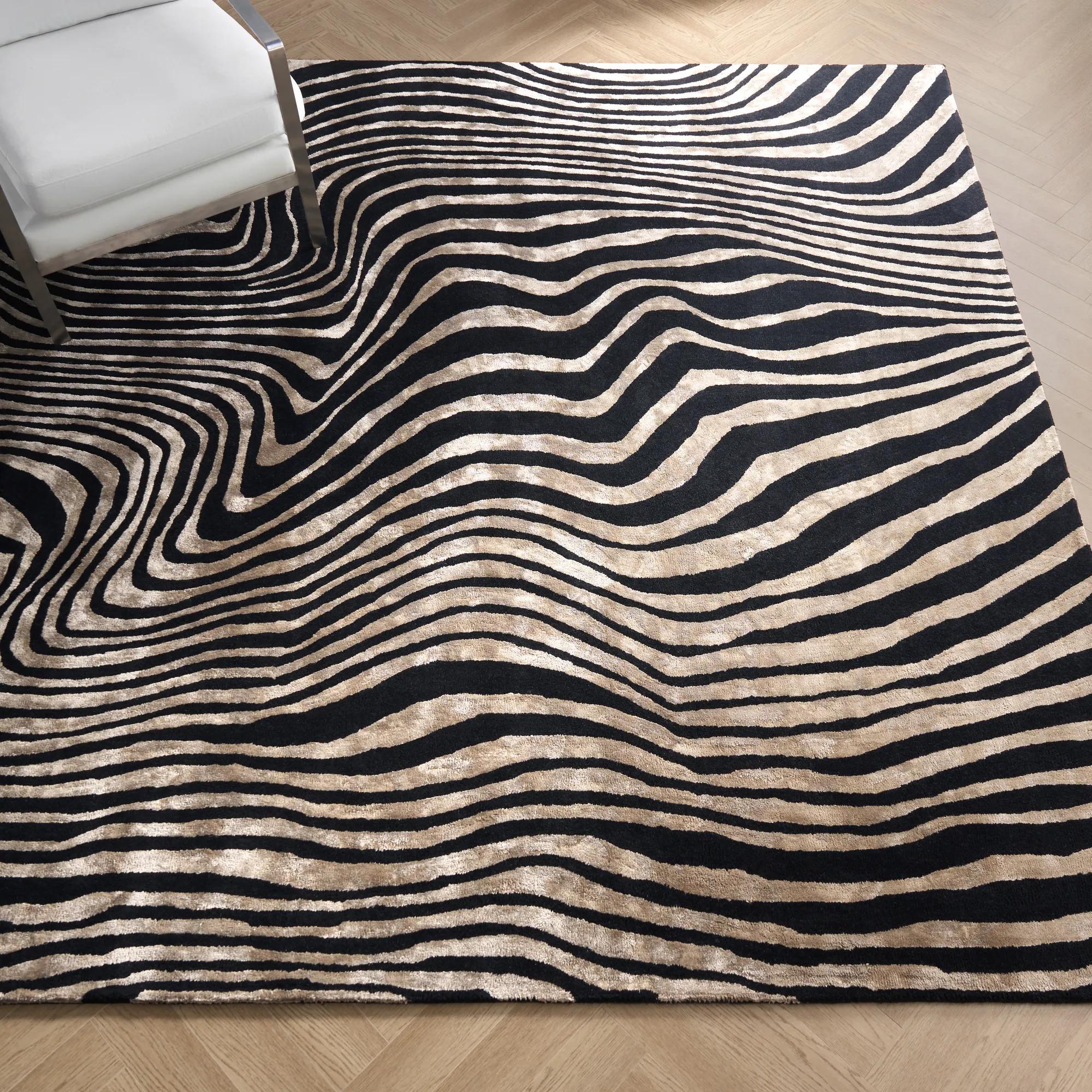
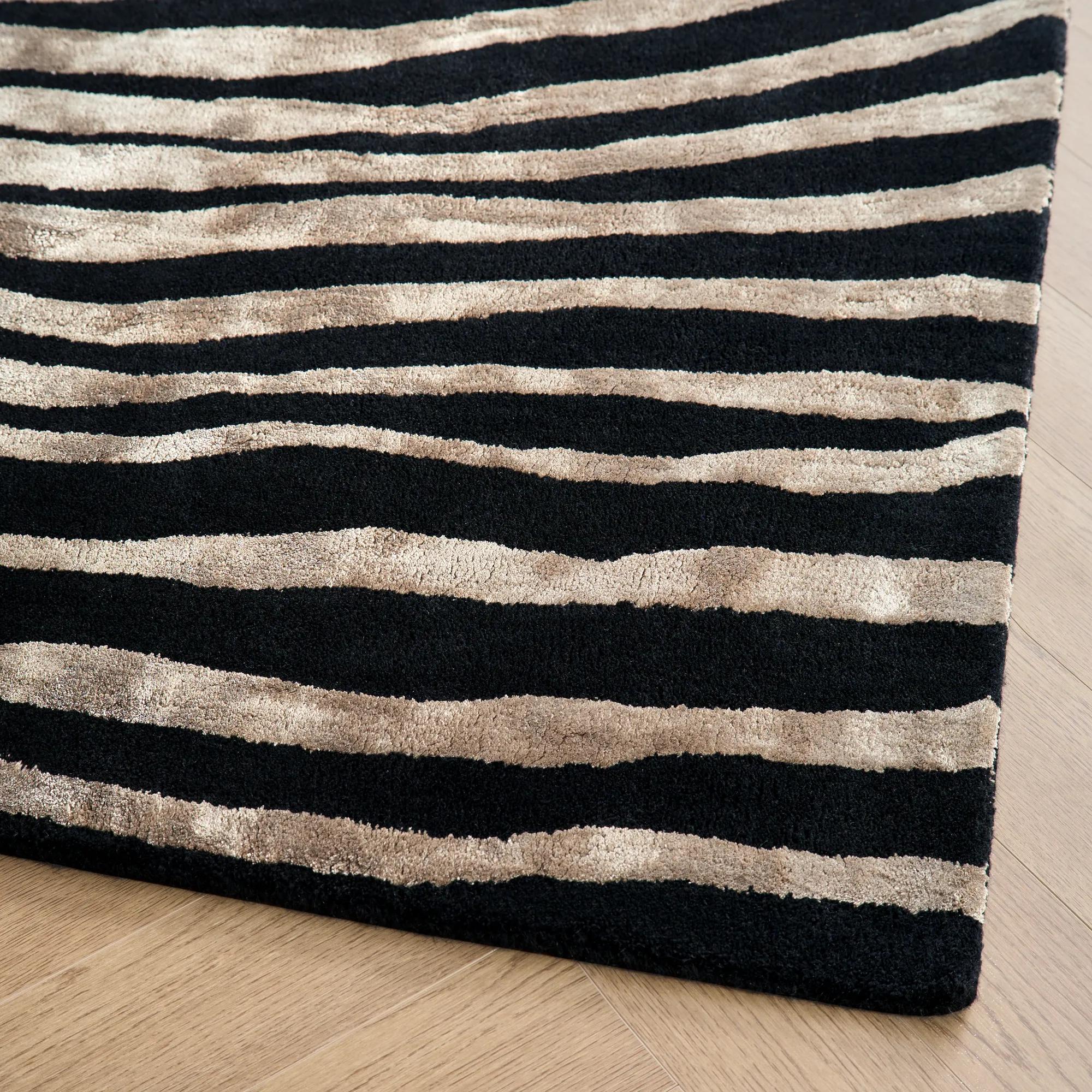 Abstract Zebra Hand-Tufted Black/Taupe Wool Blend Rug$599
An artisan hand-tufted rug in black and taupe wool-viscose, featuring a striking abstract zebra pattern.
Add To Cart -
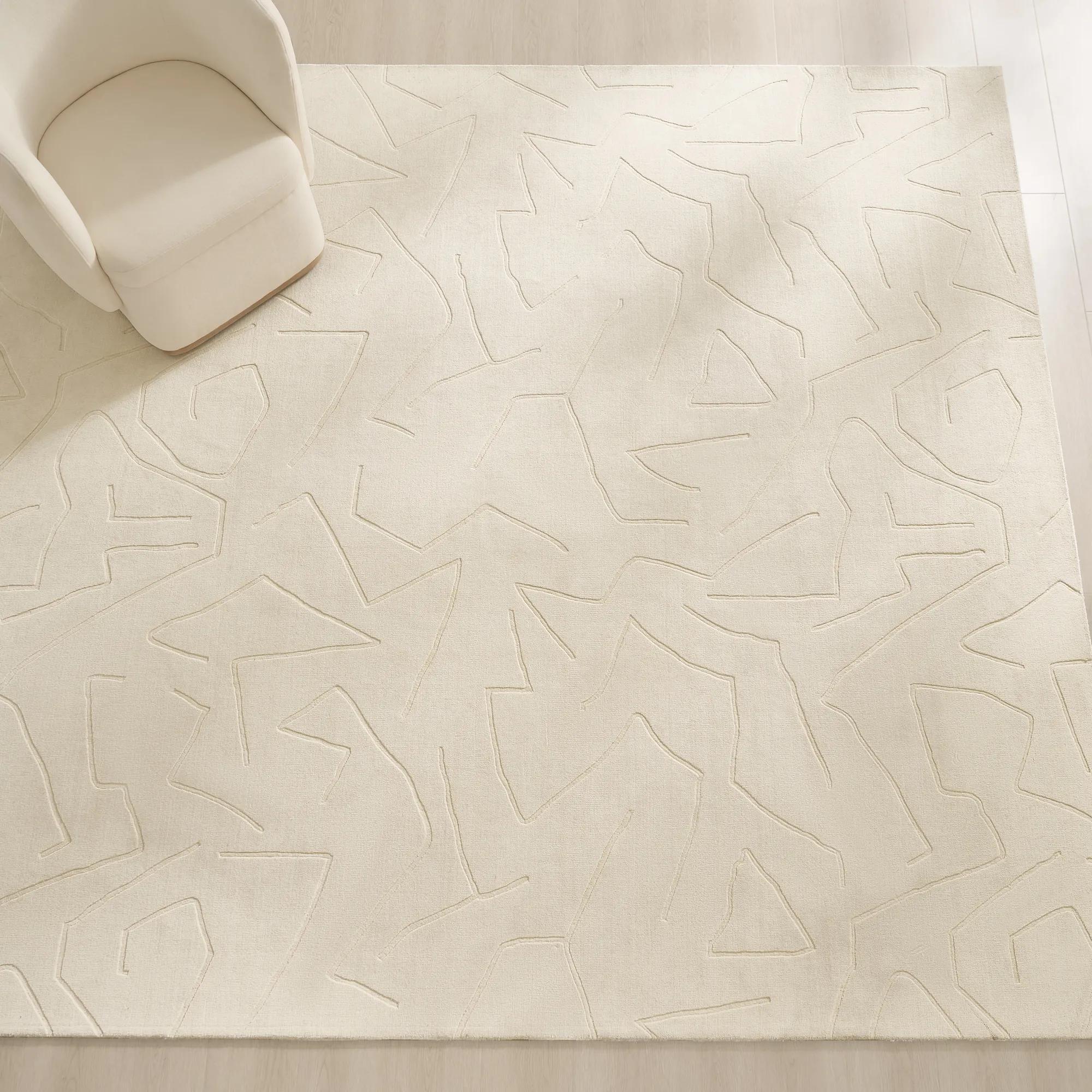 Carved Maze Ivory Hand-Loomed Wool Blend Rug$1399
A hand-loomed ivory wool-blend rug featuring a carved maze pattern for modern textural appeal.
Add To Cart -
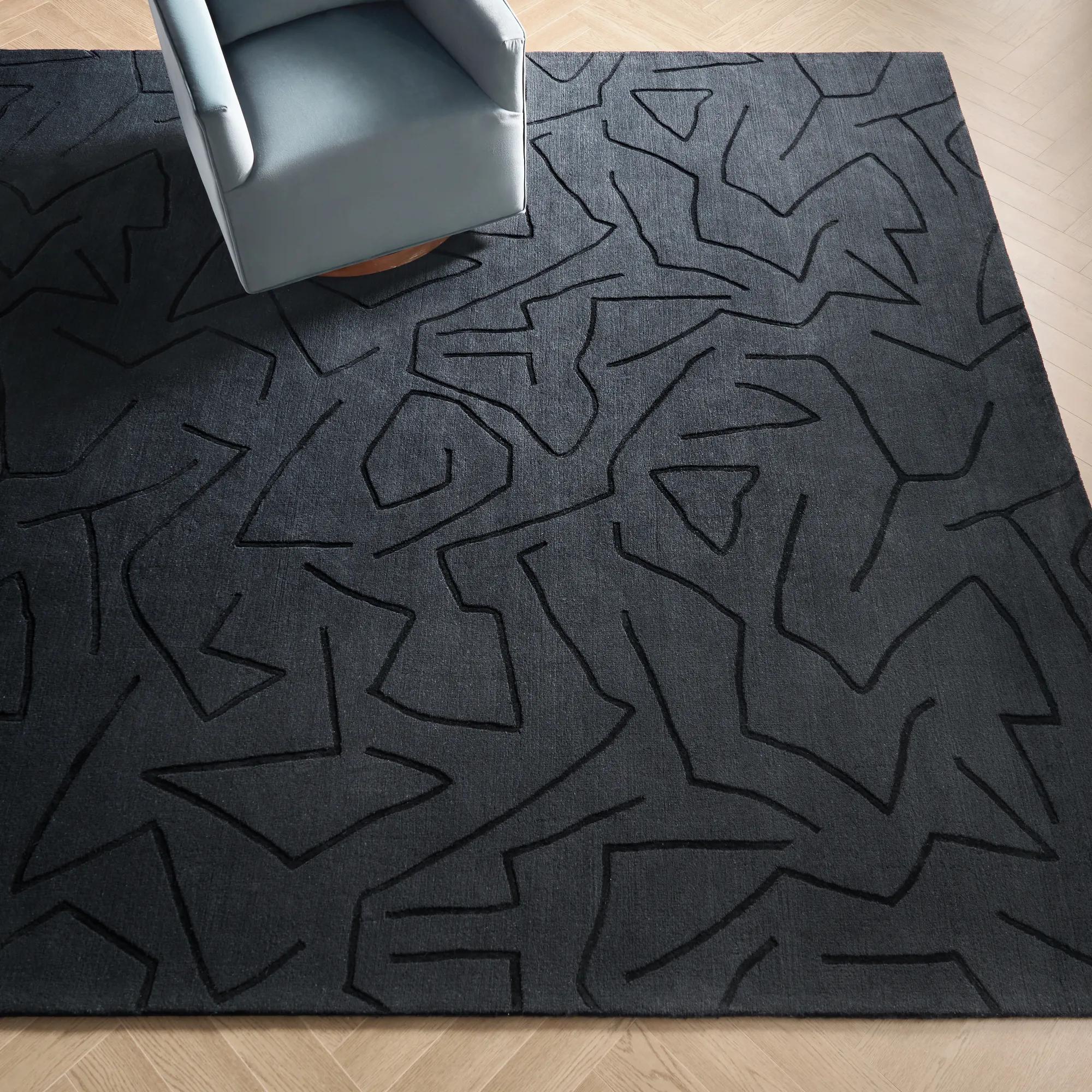 Carved Maze Rug$699
A hand-loomed black rug crafted from wool and viscose, featuring a carved maze design for added texture.
Add To Cart -
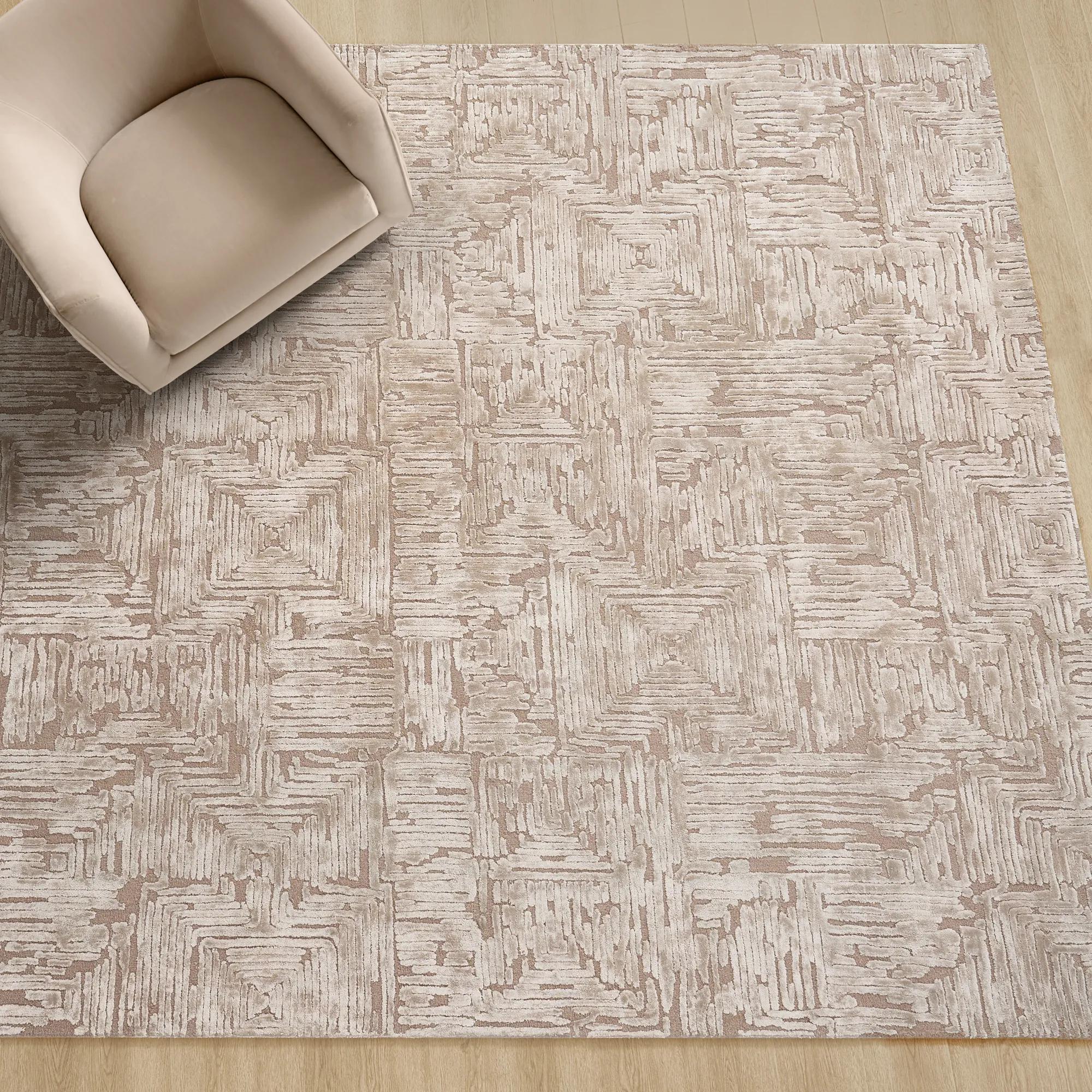
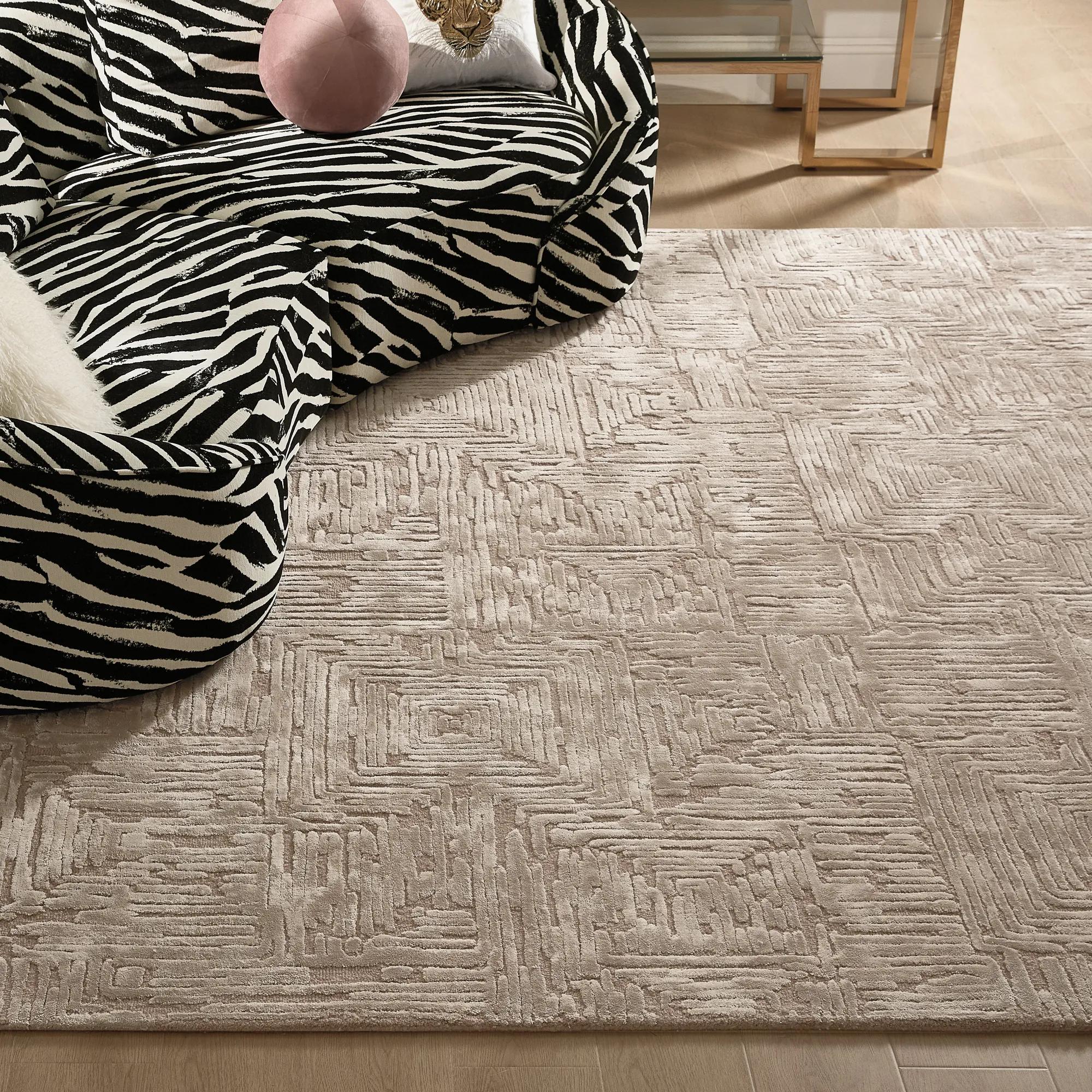 Andra Hand-Tufted Mocha Rose Viscose & Wool Dimensional Rug$1499
A hand-tufted mocha rose rug blending viscose and wool with dimensional broken geometric texture.
Add To Cart -
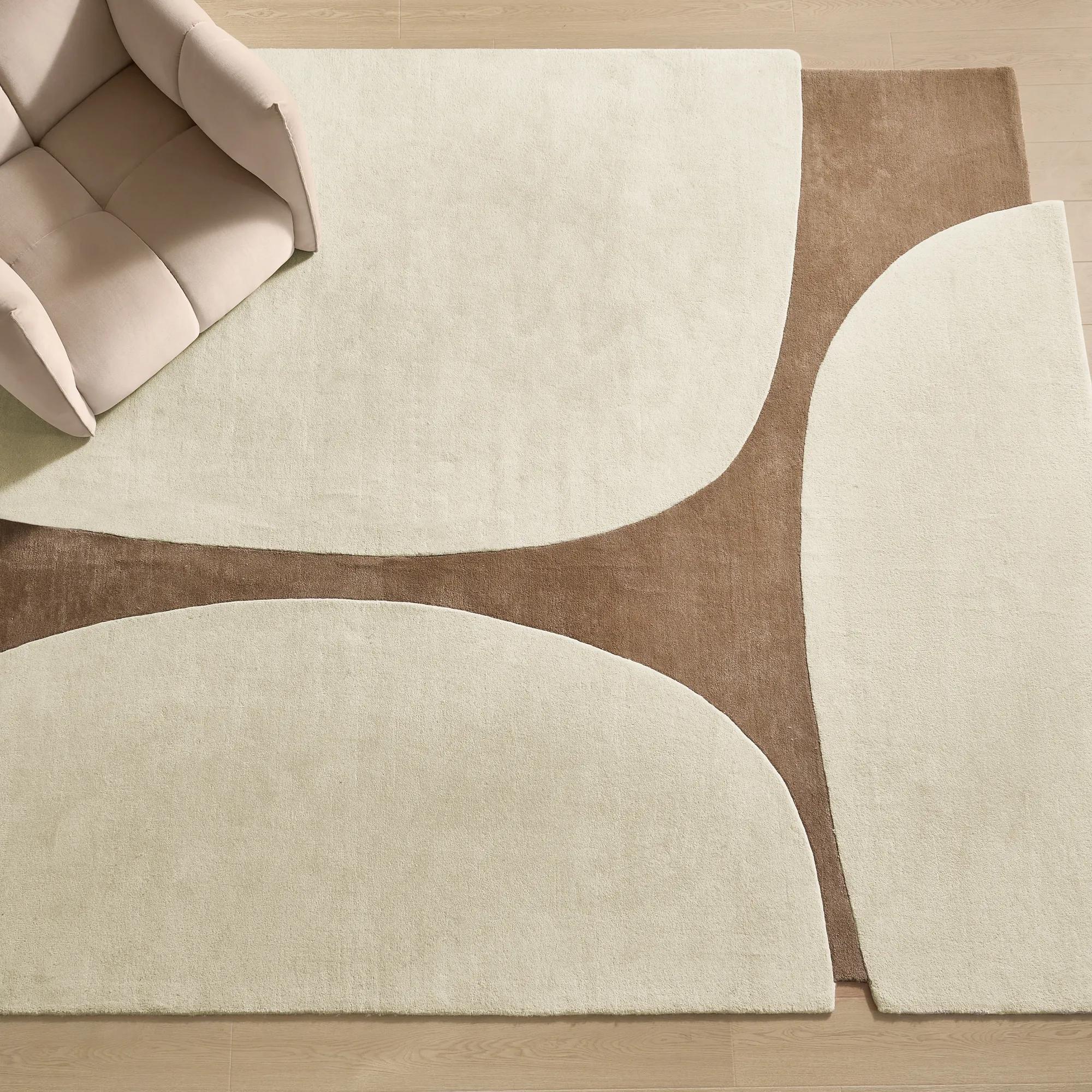
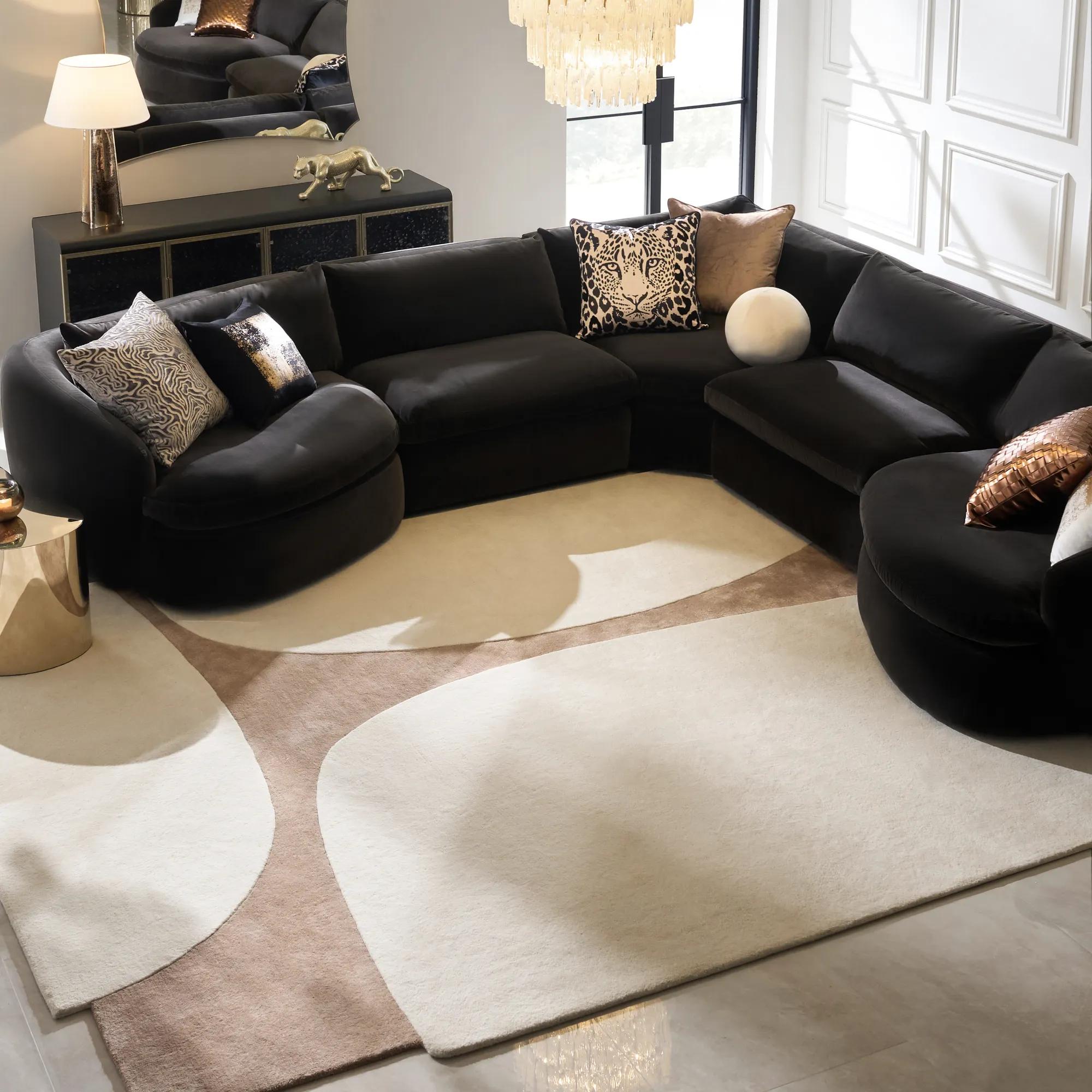 Contour Hand-Tufted Ivory/Ginger Root Wool Blend Rug$1499
A hand-tufted wool rug featuring an ivory and ginger root palette with a contoured, modern design.
Add To Cart -
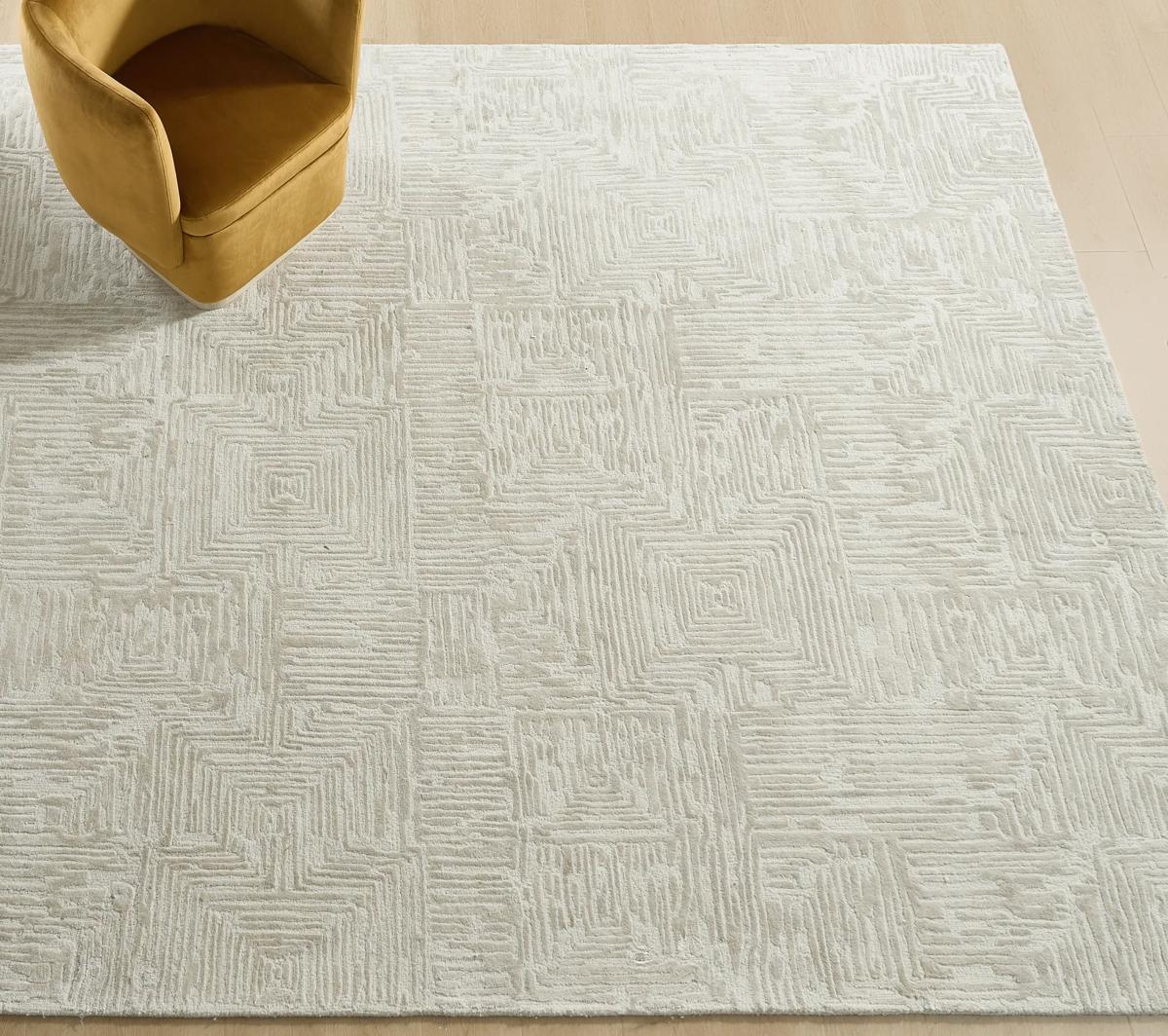 Andra Ivory Hand-Tufted Wool Blend Dimensional Rug$499
A hand-tufted ivory rug in a viscose-wool blend with raised textural detailing and subtle sheen.
Add To Cart -
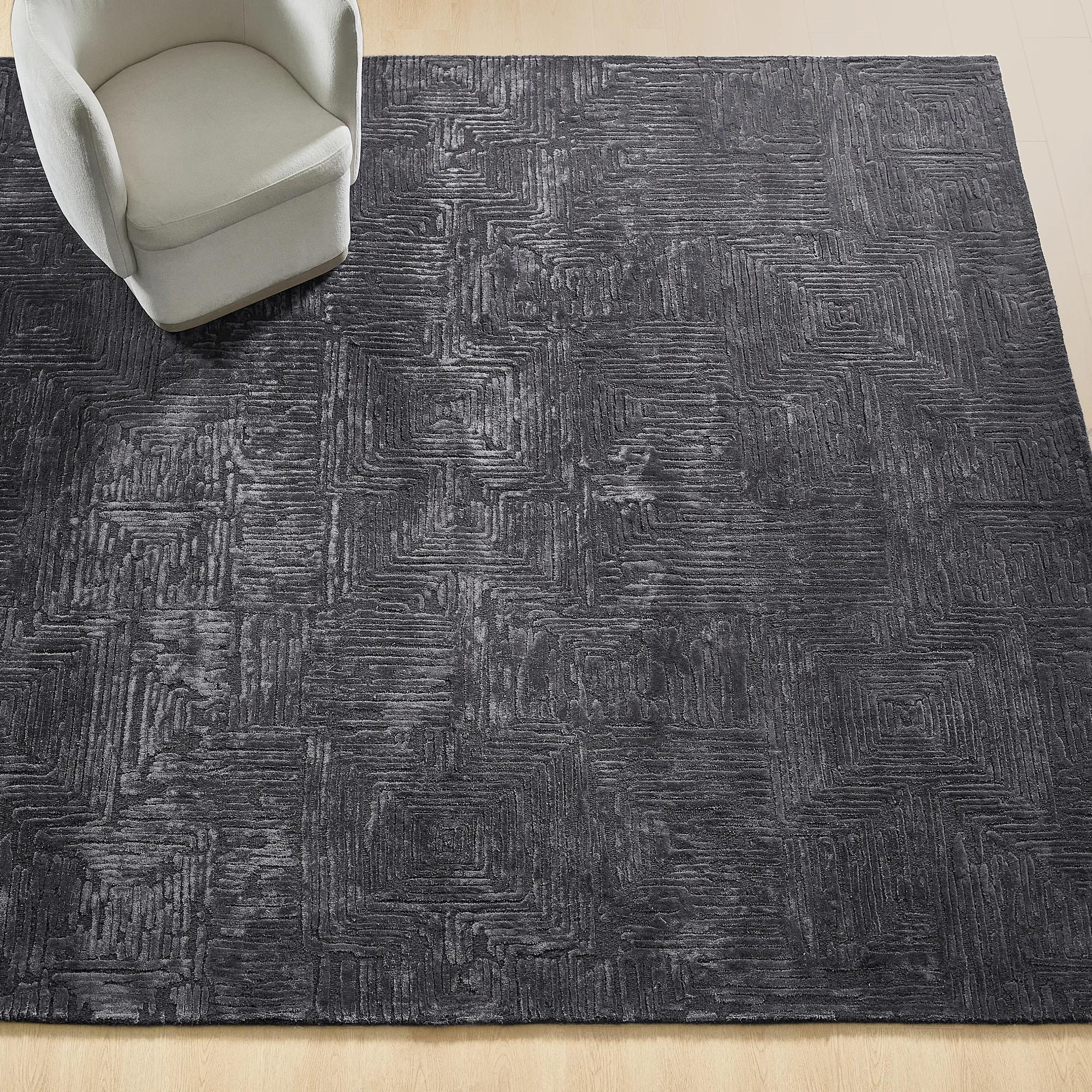
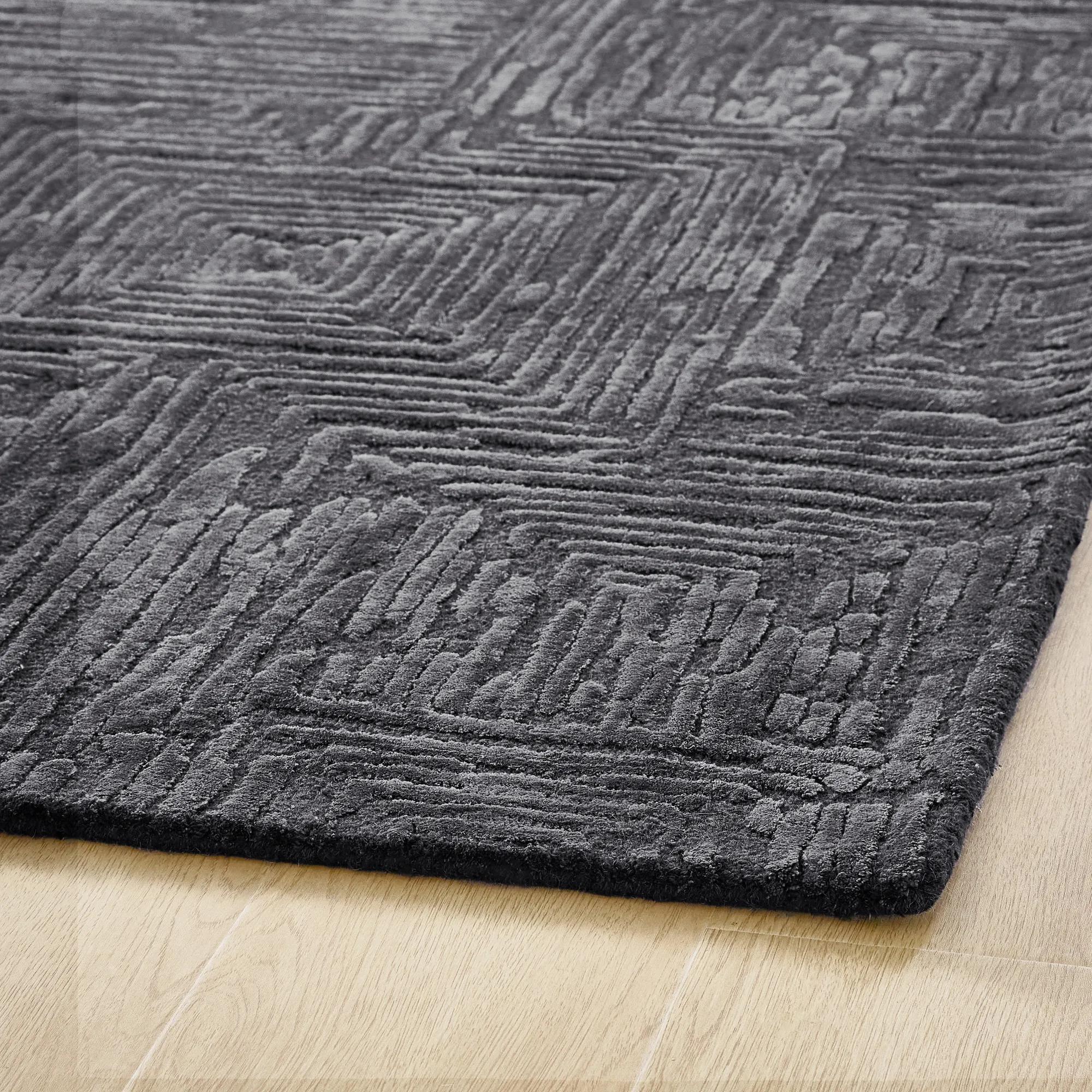 Andra Charcoal Hand-Tufted Wool Blend Dimensional Rug$999
A hand-tufted viscose-wool rug in rich charcoal with a sculptural, dimensional pattern and plush texture.
Add To Cart -
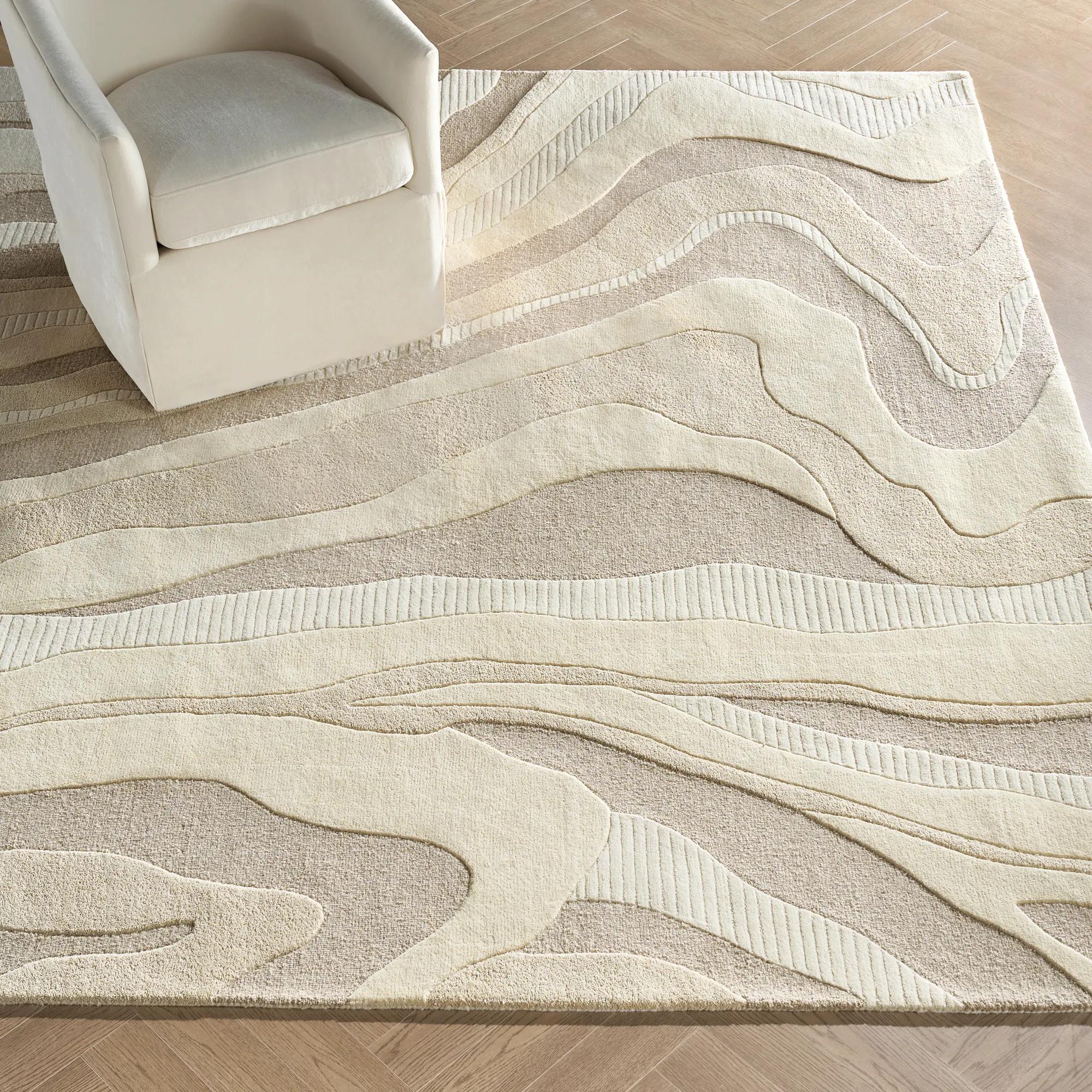 Kadence Hand-Tufted Ivory/Tan Wool Rug$1499
A hand-tufted wool rug featuring a multi-textured swirl design in ivory and tan for timeless elegance.
Add To Cart -
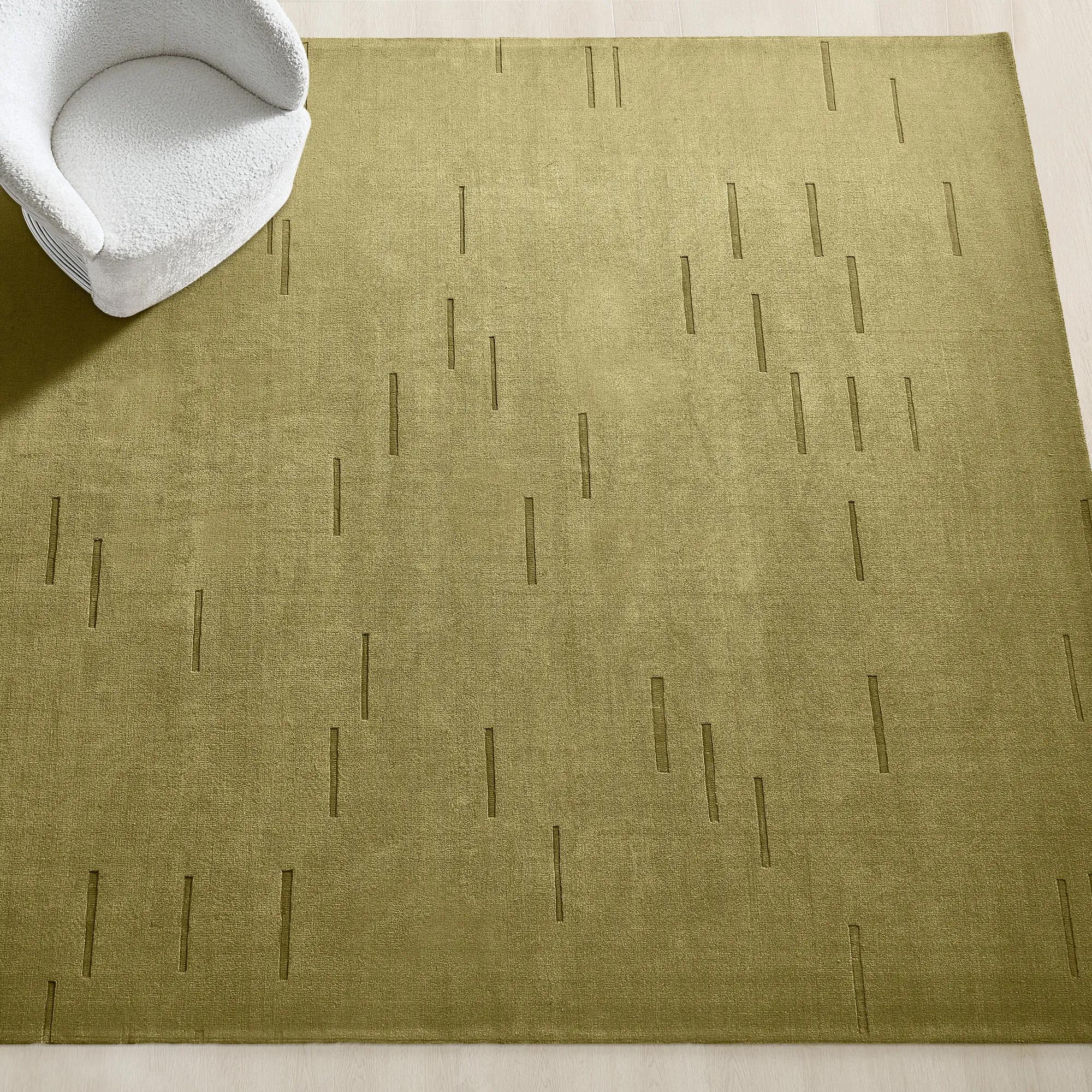
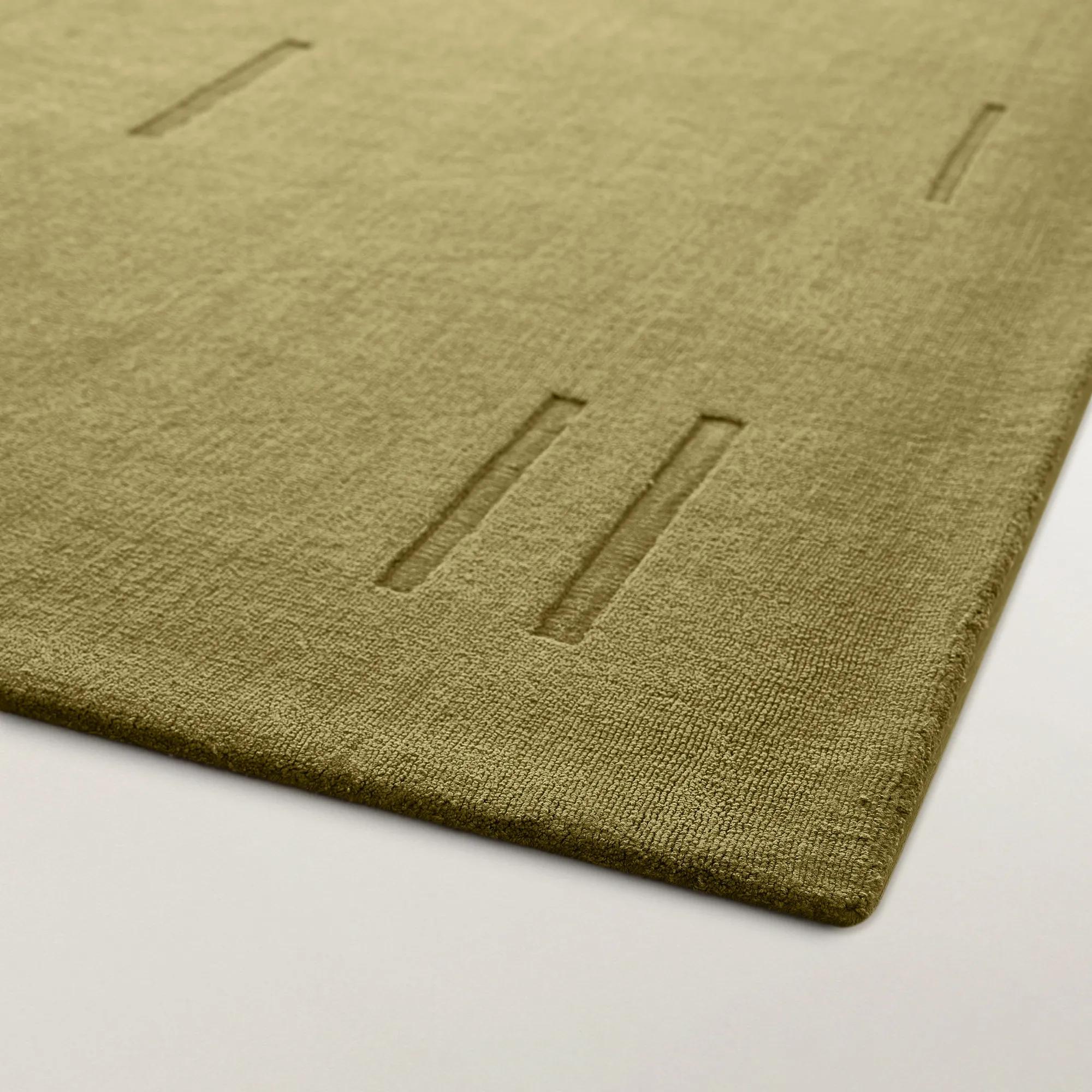 Lamita Muted Olive Green Wool Blend Rug$1299
A muted olive green wool-blend rug adding soft texture and understated warmth to modern interiors.
Add To Cart -
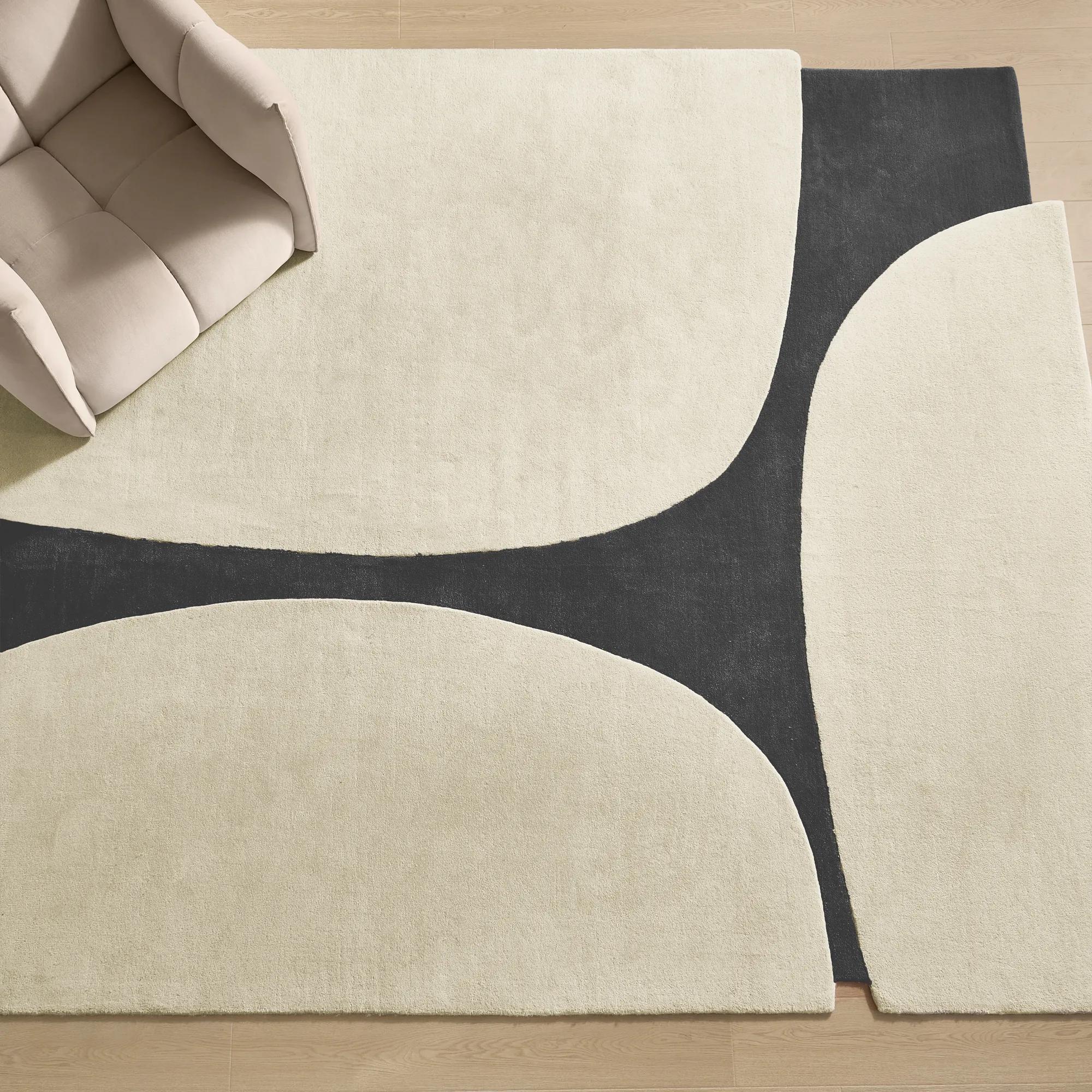 Contour Hand-Tufted Ivory/Charcoal Wool & Viscose Rug$1499
A hand-tufted wool-viscose rug with an organic edge, sculptural high-low texture, and ivory-charcoal pattern.
Add To Cart -
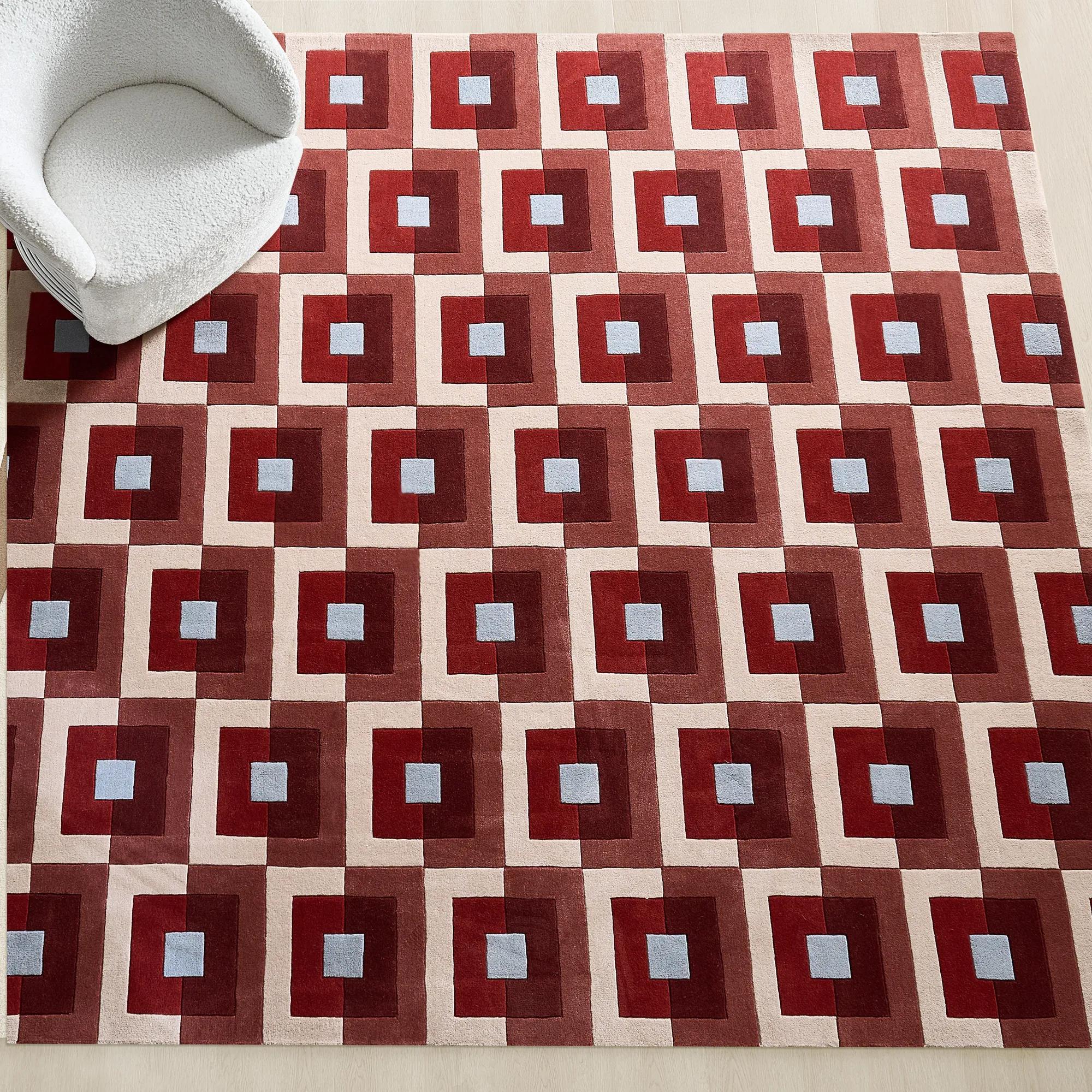
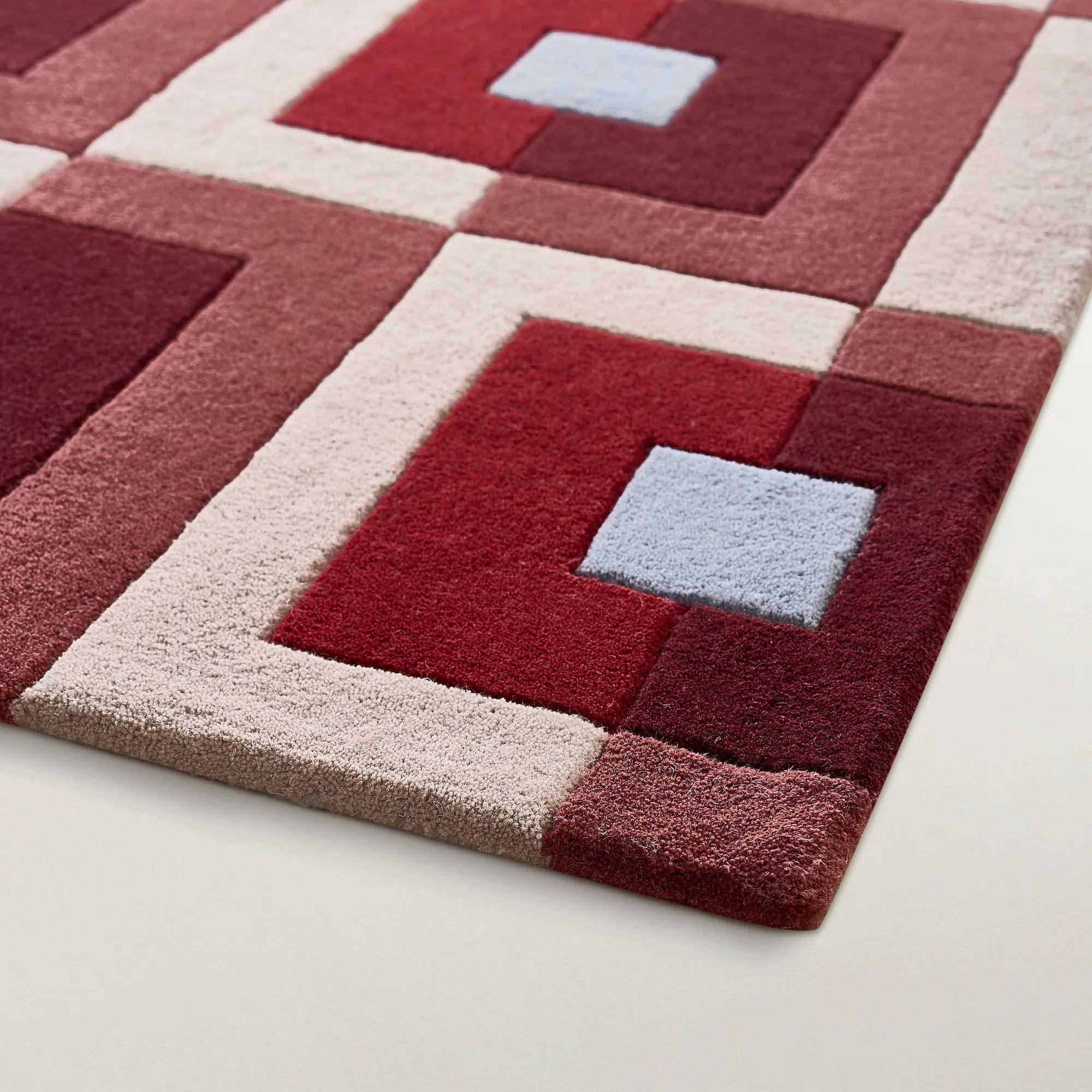 Geo Pop Wool Rug - Oxblood Red/Airy Blue$1599
A geometric wool rug featuring bold oxblood red and airy blue hues for modern interiors.
Add To Cart -
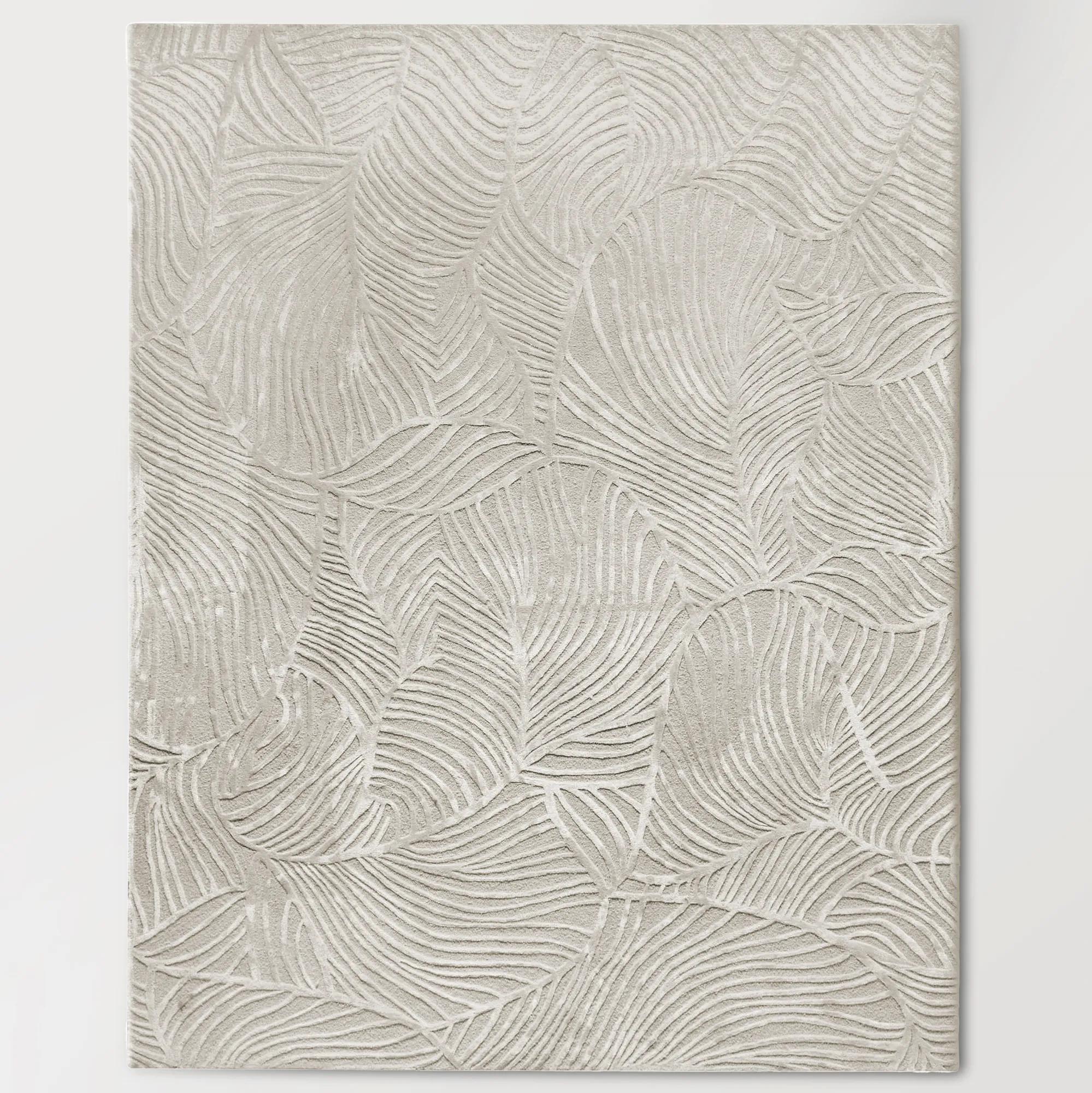 Palm Hand-Tufted Ivory Wool Blend Rug$999
An ivory rug featuring a dynamic palm-leaf design with high-low pile in viscose and wool.
Add To Cart

Living Room Wool Rugs
Explore living room wool rugs to give your seating area a richly textured foundation. Look for a wool area rug with proportions that comfortably frame your sofa and chairs, and a design that complements—or boldly contrasts with—your upholstery for a cohesive, expressive room.
Living room wool rugs combine a luxurious feel underfoot with the natural resilience needed for a space that hosts conversation, quiet evenings, and everyday movement. Wool fibers have a natural crimp that helps the pile recover after compression, making wool a durable choice for frequently used seating areas when the rug’s construction and care requirements suit the household. The material also brings visual depth: a softly heathered surface, a dense cut pile, or a sculpted pattern can give even a restrained palette remarkable presence. Beneath a sweeping sectional or a pair of tailored accent chairs, a wool rug establishes the room’s center of gravity, connecting separate pieces into a composed setting. Material details deserve attention alongside the design. A wool-pile rug may have a cotton foundation or another backing material, while a wool-blend rug combines wool with additional fibers that can change its softness, sheen, shedding, and cleaning needs. The full fiber content and construction reveal more than the word “wool” alone. Hand-knotted, hand-tufted, and woven rugs each have distinct structures, and craftsmanship, pile density, backing, and finishing all influence how a rug feels and performs. A luminous ivory surface can bring sculptural furniture into sharper focus; charcoal and taupe lend depth without overwhelming upholstery; an abstract motif introduces the energy of art beneath the furniture. For a room already rich in mirrored finishes, metallic accents, and expressive objects, a tonal wool rug creates a generous visual pause. In a more restrained setting, dimensional lines or an oversized pattern can become the defining gesture. Subtle variations in yarn and pile direction can make a color appear different across the surface, adding movement rather than a flat field of pigment. Viewed alongside upholstery and flooring, those nuances help determine whether the rug should quietly connect the room or hold its own as a statement. The result is a foundation with enough character to shape the atmosphere and enough versatility to support an evolving interior.
Scale determines whether a living room wool rug feels fully integrated or visually detached from the seating arrangement. A rug that accommodates at least the front legs of the main sofa and neighboring chairs often creates a more cohesive composition than one resting only beneath the coffee table. Larger rooms may support a rug that holds the entire furniture grouping, while a compact living room benefits from dimensions that connect the seating without crowding doorways or extending awkwardly into circulation paths. Measuring the furniture arrangement, rather than the room alone, makes those proportions easier to judge. Painter’s tape on the floor can reveal whether an edge will land beneath a chair leg, interrupt a walking route, or disappear too far under a sofa. An intentional border of visible flooring gives the rug definition, although its width can vary with the architecture and layout. Pile height matters just as much as length and width. A dense, lower pile generally offers a more level surface for furniture and easier movement through active areas; a deeper pile brings sumptuous texture but may require more attention around table legs, movable seating, and doors. For households with pets, tightly constructed surfaces may be more practical than loose loops that claws can catch. Homes with children or frequent guests may favor nuanced patterns and mixed tones that make everyday debris less conspicuous, without treating the rug as impervious to spills. A compatible rug pad adds cushioning, helps limit shifting, and reduces friction between the rug and the floor. Its material should suit both the flooring finish and the rug backing, and its thickness should preserve comfortable clearance. Texture can shape the design as decisively as color: Living Room Textured Rugs bring attention to raised motifs, tactile surfaces, and the play of light across pile. Wool carries that dimensional appeal beautifully, whether the desired effect is a quiet tonal landscape beneath richly upholstered seating or a bold relief pattern that gives the entire arrangement an architectural edge.
The lasting appeal of wool depends on thoughtful care, not simply on the fiber’s reputation for durability. Regular vacuuming removes loose dirt before it works deeper into the pile, where grit can contribute to wear. A gentle suction setting is often appropriate, particularly for delicate constructions, while rotating brushes can catch loops or disturb certain surfaces; the manufacturer’s care instructions should determine the method. Some shedding is normal with new wool rugs, especially those made with cut pile or shorter fibers, and the amount varies by construction and yarn quality. Gentle, consistent maintenance is preferable to aggressive brushing or pulling at loose fibers. Rotating the rug periodically helps distribute foot traffic and light exposure, particularly where one end sits near a window or the route between the sofa and doorway receives repeated use. Wool is not stainproof, and prompt attention to spills makes a meaningful difference. Blot liquids with a clean, absorbent cloth rather than scrubbing, work from the outside of the spill inward, and avoid saturating the pile or backing. Cleaning solutions should be suitable for wool, checked against the care label, and tested discreetly before broader use. Harsh chemicals, excessive moisture, and improvised treatments can affect dyes, fibers, or the rug’s structure. Professional cleaning by someone experienced with wool rugs can address deeper soil, with the appropriate process depending on the rug’s construction and condition. Furniture coasters or suitable protective supports may also help distribute concentrated weight, although heavy pieces can still leave impressions over time. These practical details protect what makes wool so compelling in the first place: its tactile richness, nuanced surface, and ability to give a living room a more settled, considered character. For a household furnishing its main gathering space, the strongest choice balances expressive design with realistic maintenance expectations. A rug should welcome the way the room is actually lived in, from an intimate conversation around a low table to a full seating arrangement gathered for an evening together, while giving every surrounding finish a more intentional place in the composition.
FAQs
Wool brings natural texture and visual richness to a living room, giving the floor a presence of its own. From subtle tonal designs to expressive patterns, a wool rug can establish the room’s mood—quietly sumptuous, boldly artistic, or somewhere beautifully in between.
Wool rugs create a compelling contrast with the crisp lines of modern furniture. Consider an abstract design to echo sculptural silhouettes, or a restrained tonal pattern that lets statement seating take focus. The interplay of tactile wool, polished surfaces, and expressive forms gives the room depth.
Start with the atmosphere you want to create. Ivory and warm neutrals lend a luminous backdrop, while charcoal or jewel tones introduce drama. For a cohesive composition, draw a color from your artwork, upholstery, or decorative accents and echo it in the rug rather than matching every element.
Give each pattern a distinct role. A geometric wool rug can bring structure to fluid upholstery motifs, while an abstract rug offers an expressive counterpoint to tailored stripes. Connect the patterns through a shared color, then introduce solid pillows or throws to give the composition breathing room.
Let the wool rug introduce texture, then build contrast around it with lustrous accents and sumptuous upholstery. A velvet sofa, gleaming metallic details, and artful lighting create a rich dialogue of finishes. Keep the palette intentional so each detail feels curated, allowing texture and sheen to supply the drama.