Living Room Textured Rugs
Living Room Textured Rugs
-
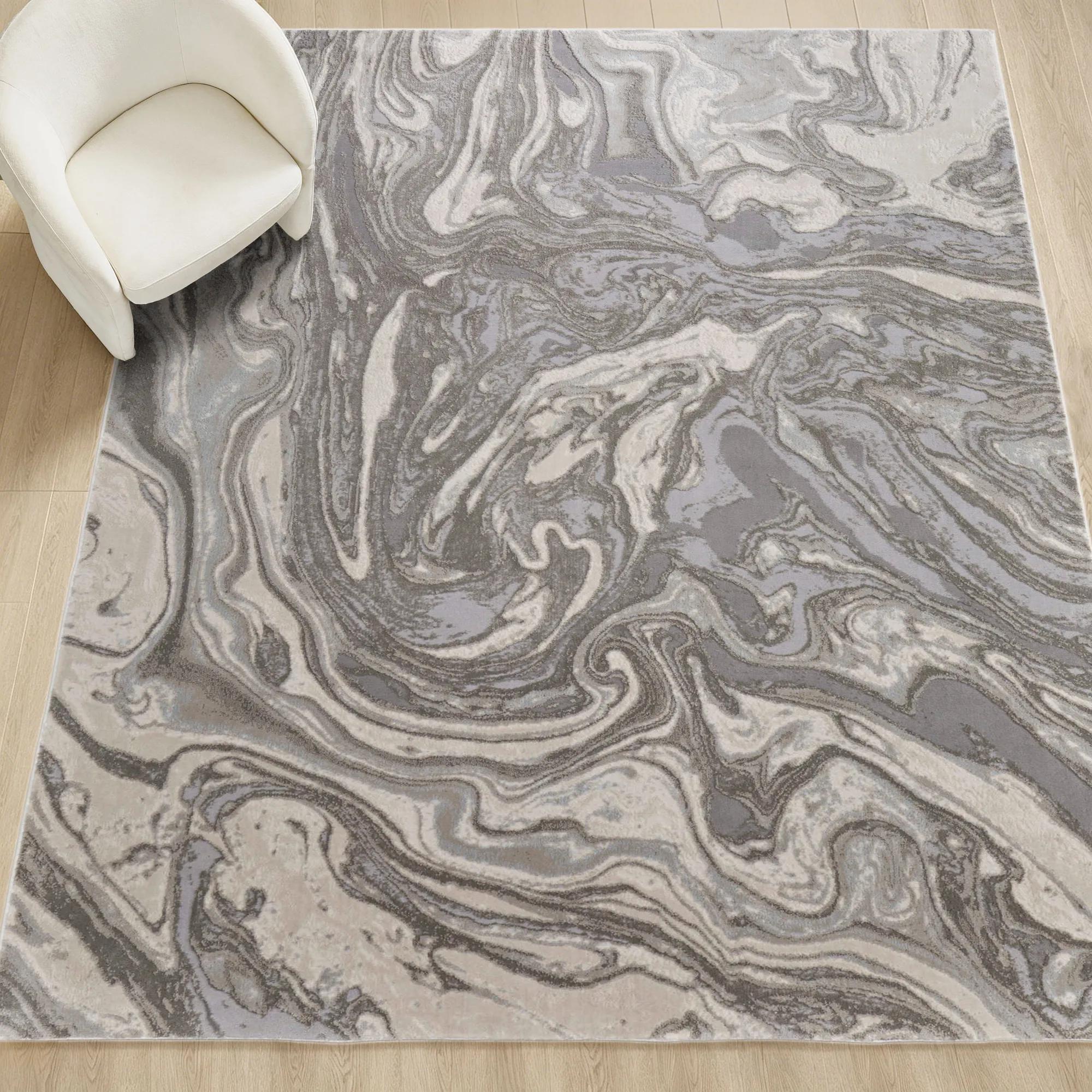
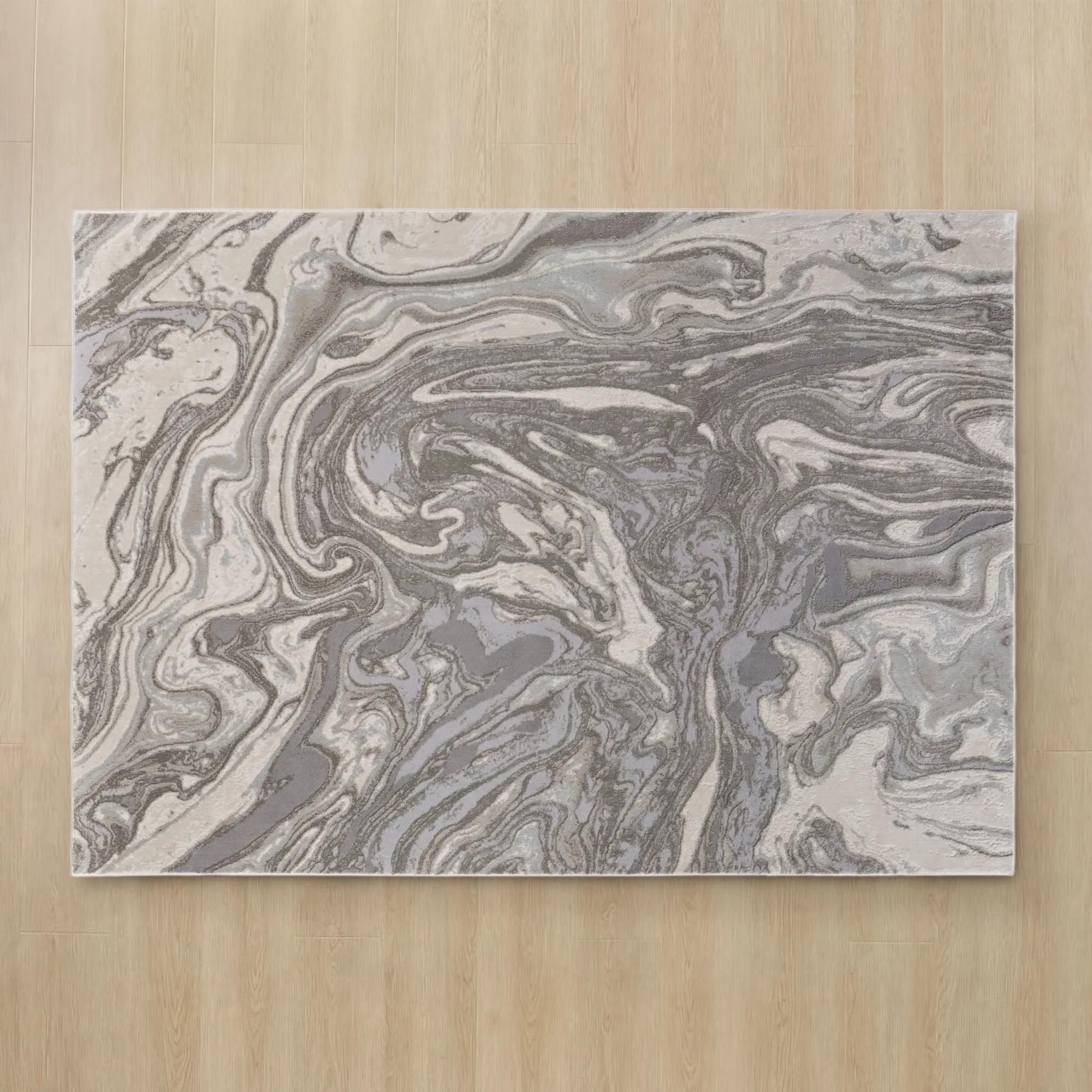 Marbre Marbled Grey/Taupe/Powder Blue Performance Power Loomed Rug$1499
A softly marbled rug in grey, taupe, and powder blue with a textured, stain-resistant performance blend.
Add To Cart -
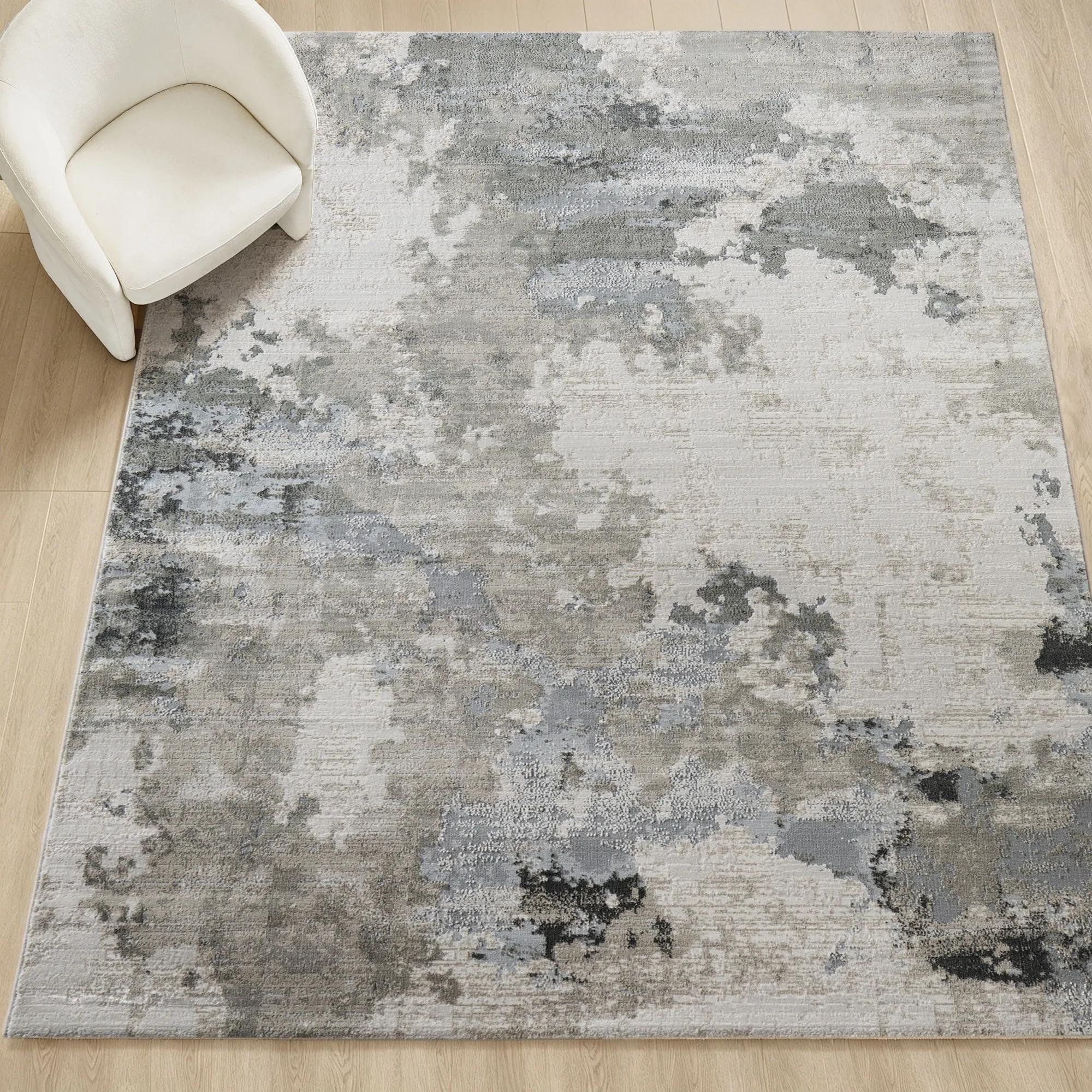 Alarion Abstract Grey/Muted Blue/Ivory Performance Power Loomed Rug$379
A power-loomed rug featuring a grey, muted blue, and ivory abstract pattern with stain-resistant durability.
Add To Cart -
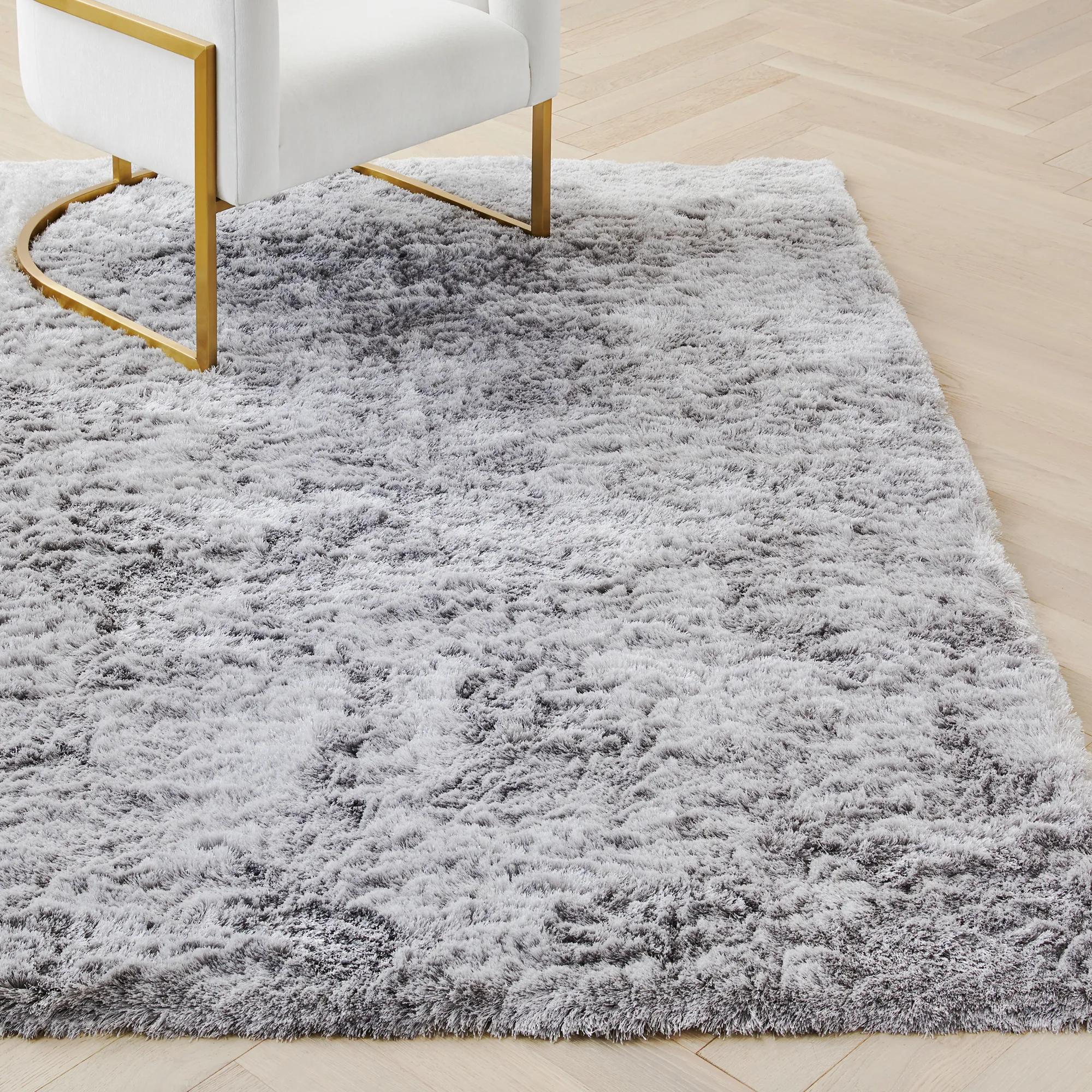 Indochine Shag Platinum Rug$399
A platinum-toned shag rug with a subtle sheen and plush 1.5" polyester pile for luxurious texture.
Add To Cart -
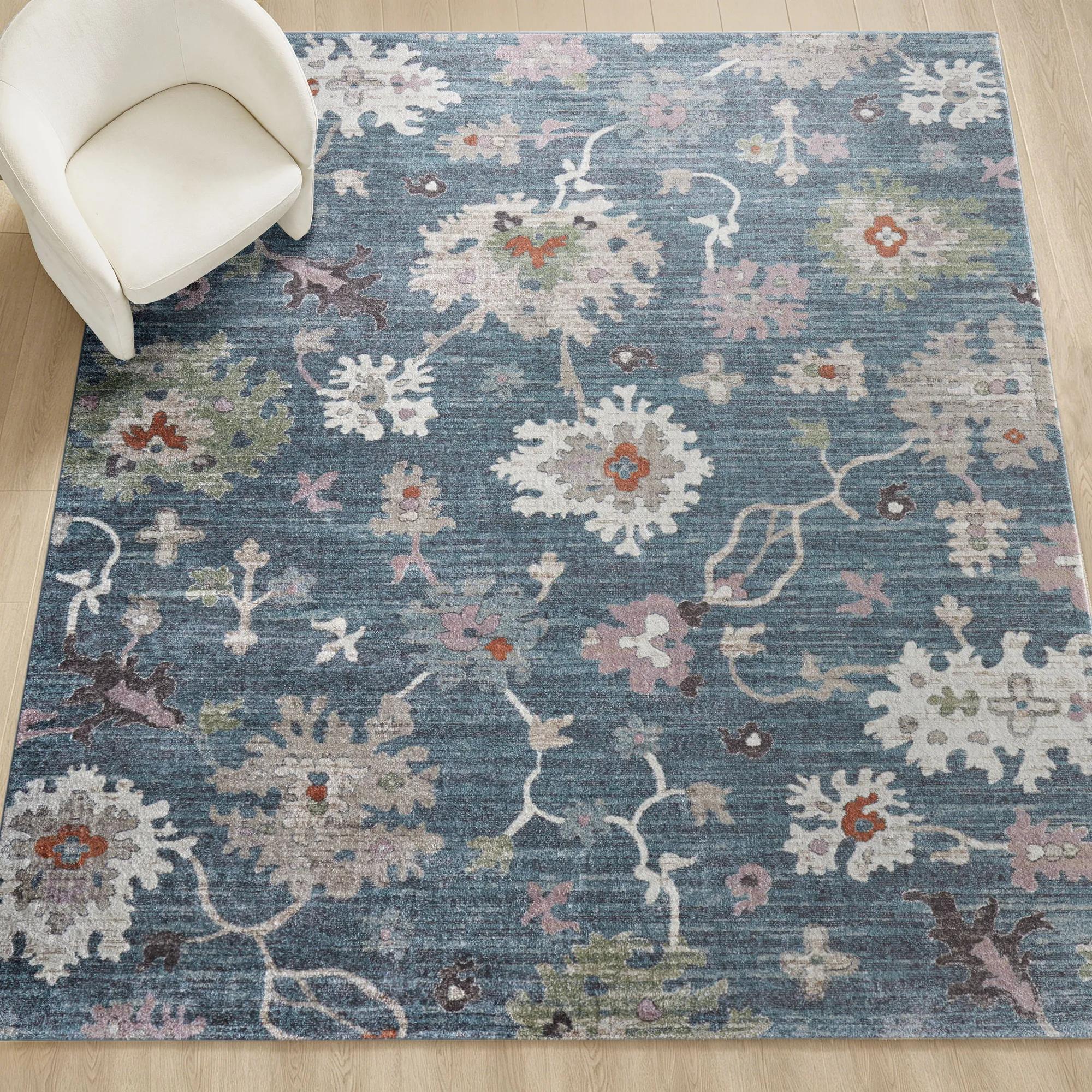
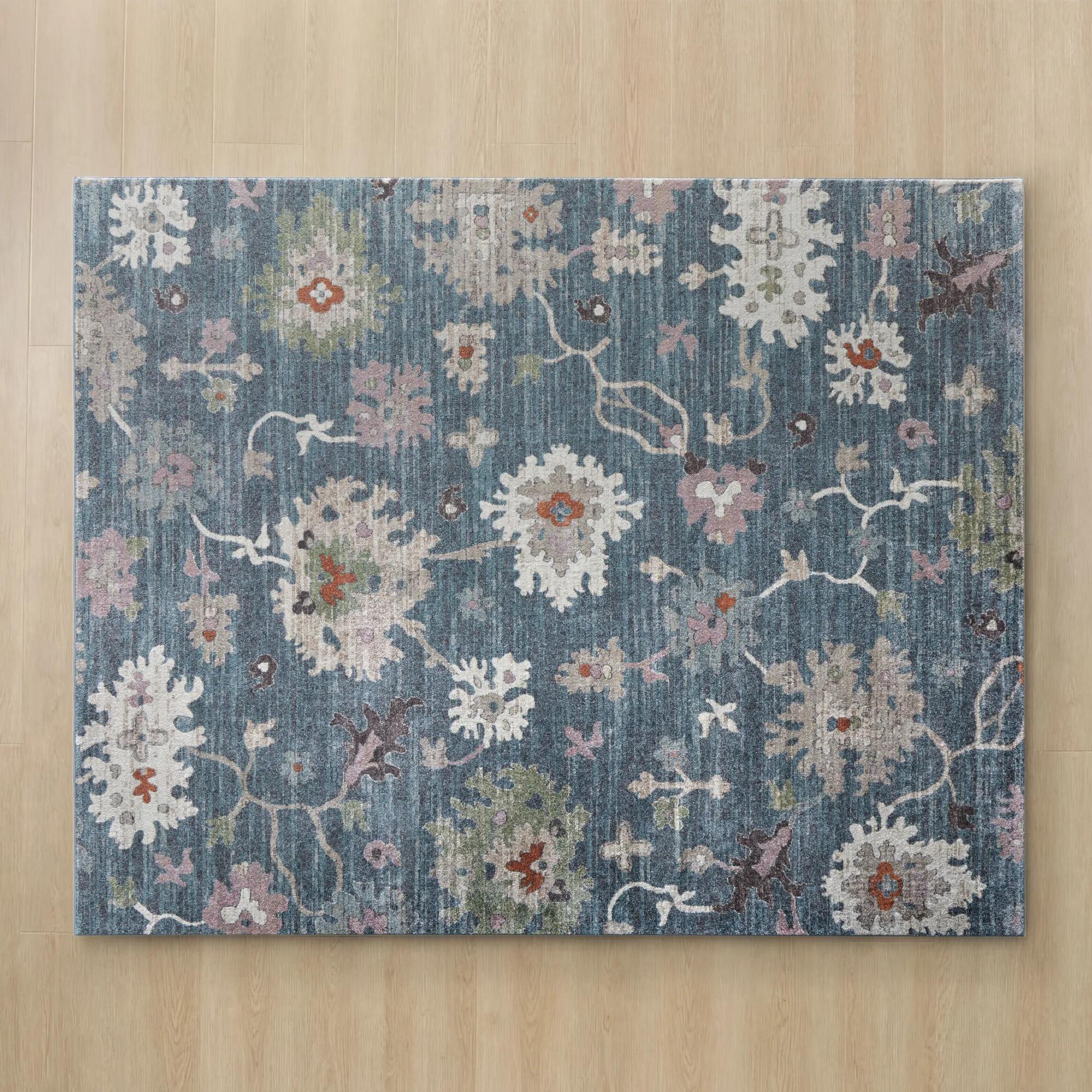 Ariella Floral Blue/Ivory/Beige/Green/Rose Dust Performance Power Loomed Rug$1399
A Persian-inspired rug in blue, ivory, beige, green, and rose dust with plush, stain-resistant polypropylene.
Add To Cart -
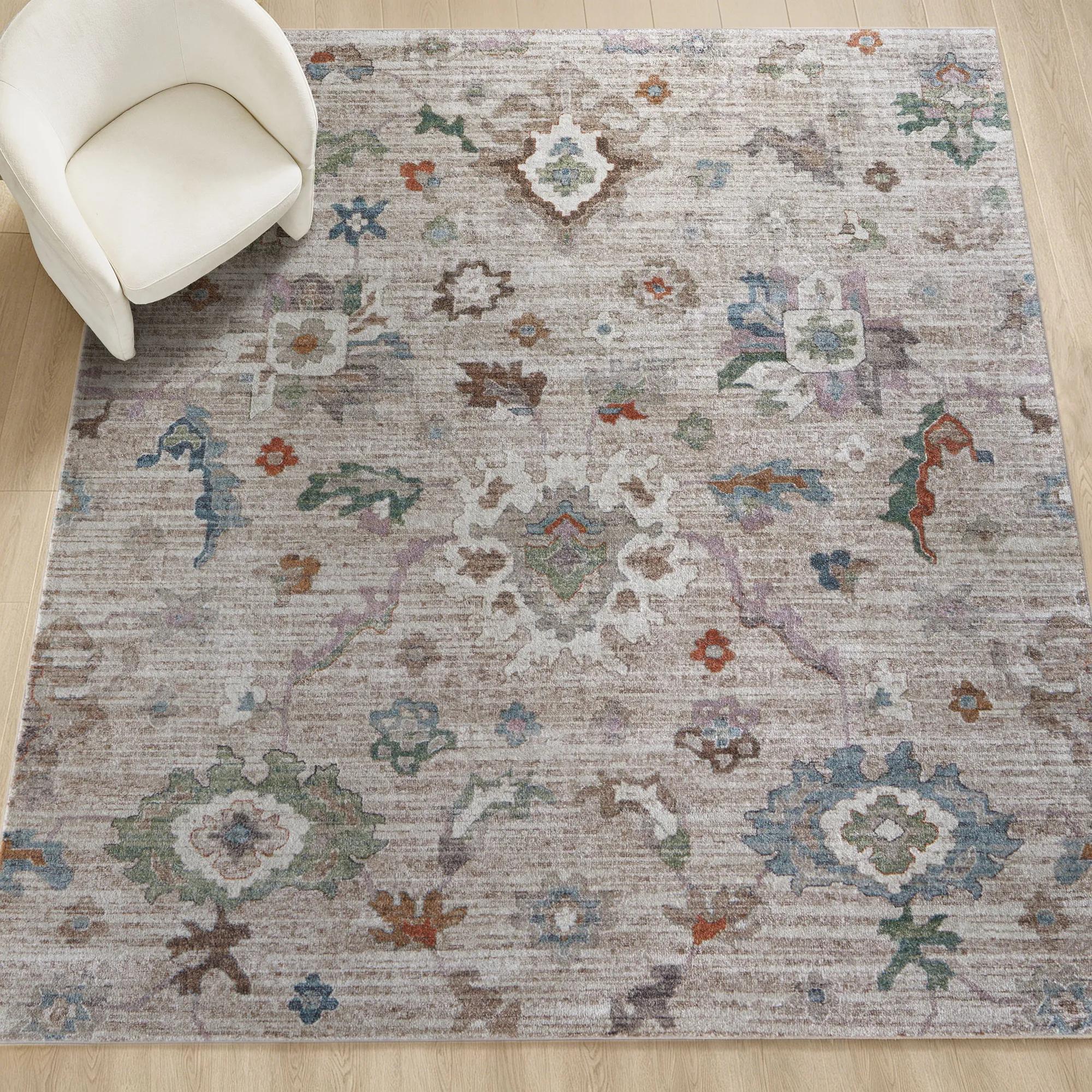
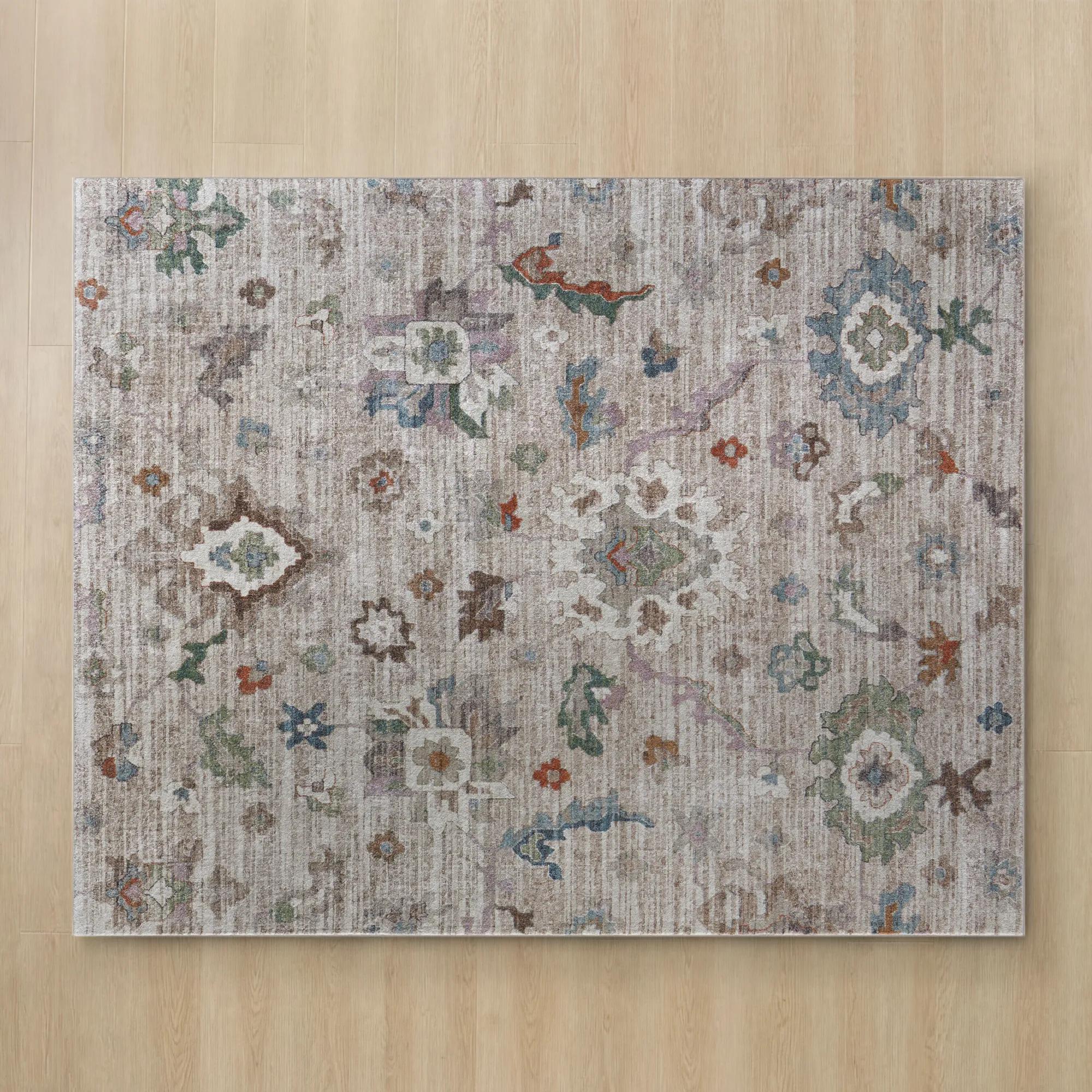 Ariella Floral Taupe/Ivory/Beige/Blue/Green Performance Power Loomed Rug$699
A Persian-inspired rug in taupe, ivory, beige, blue, and green with a plush, power-loomed polypropylene pile.
Add To Cart -
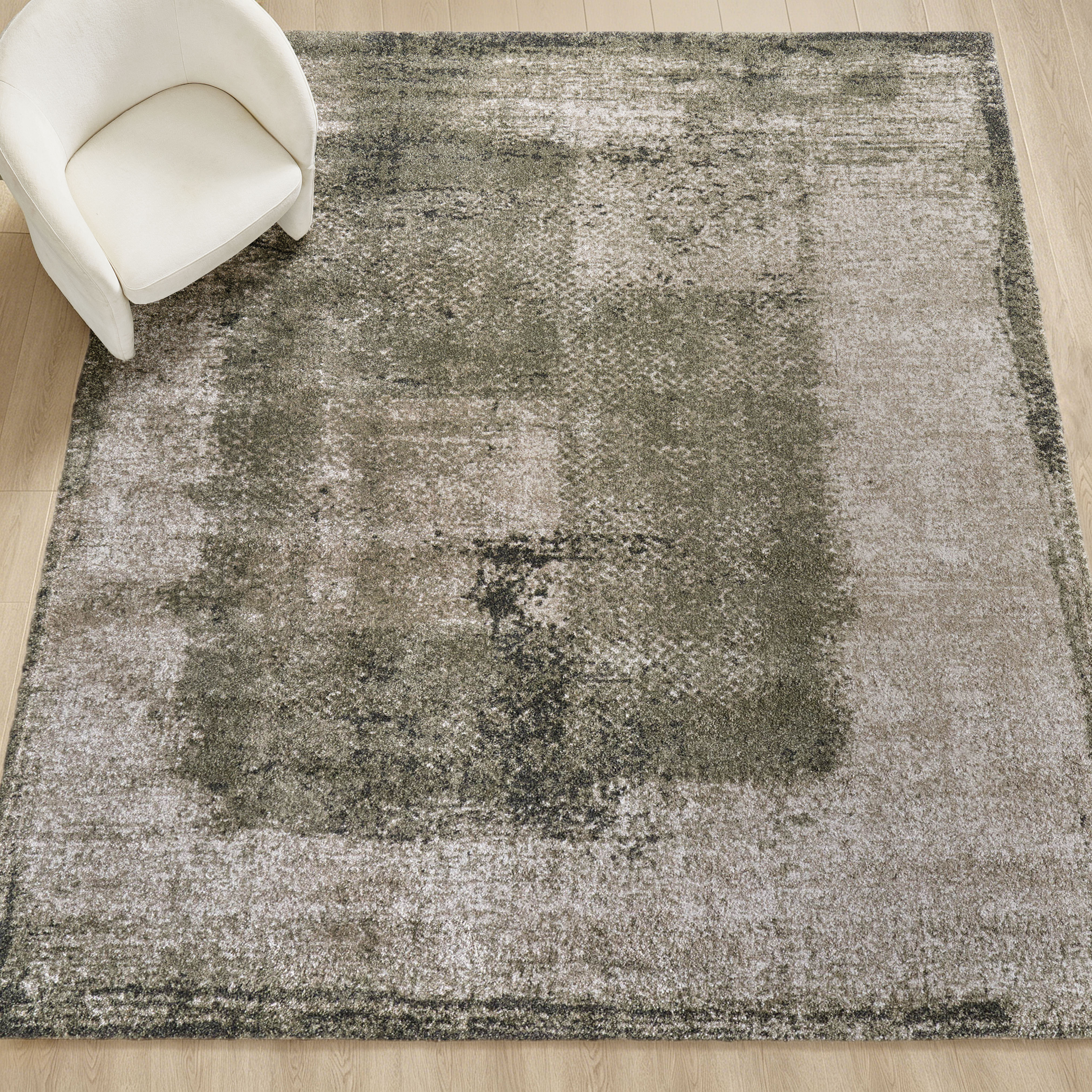
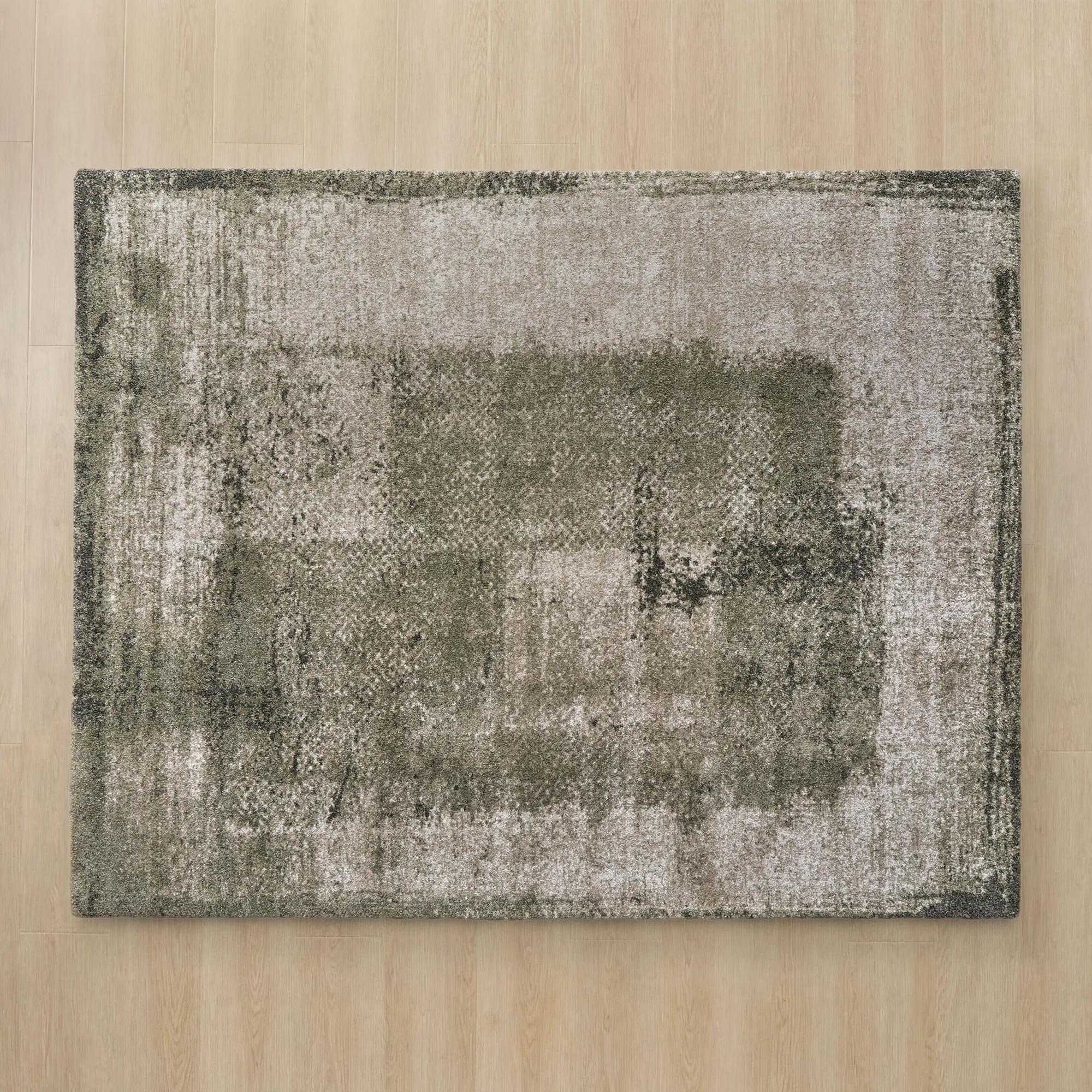 Irving Abstract Moss Green/Beige/Grey Performance Power Loomed Rug$1349
An abstract rug in moss green, beige, and grey with plush, durable polypropylene and polyester construction.
Add To Cart -
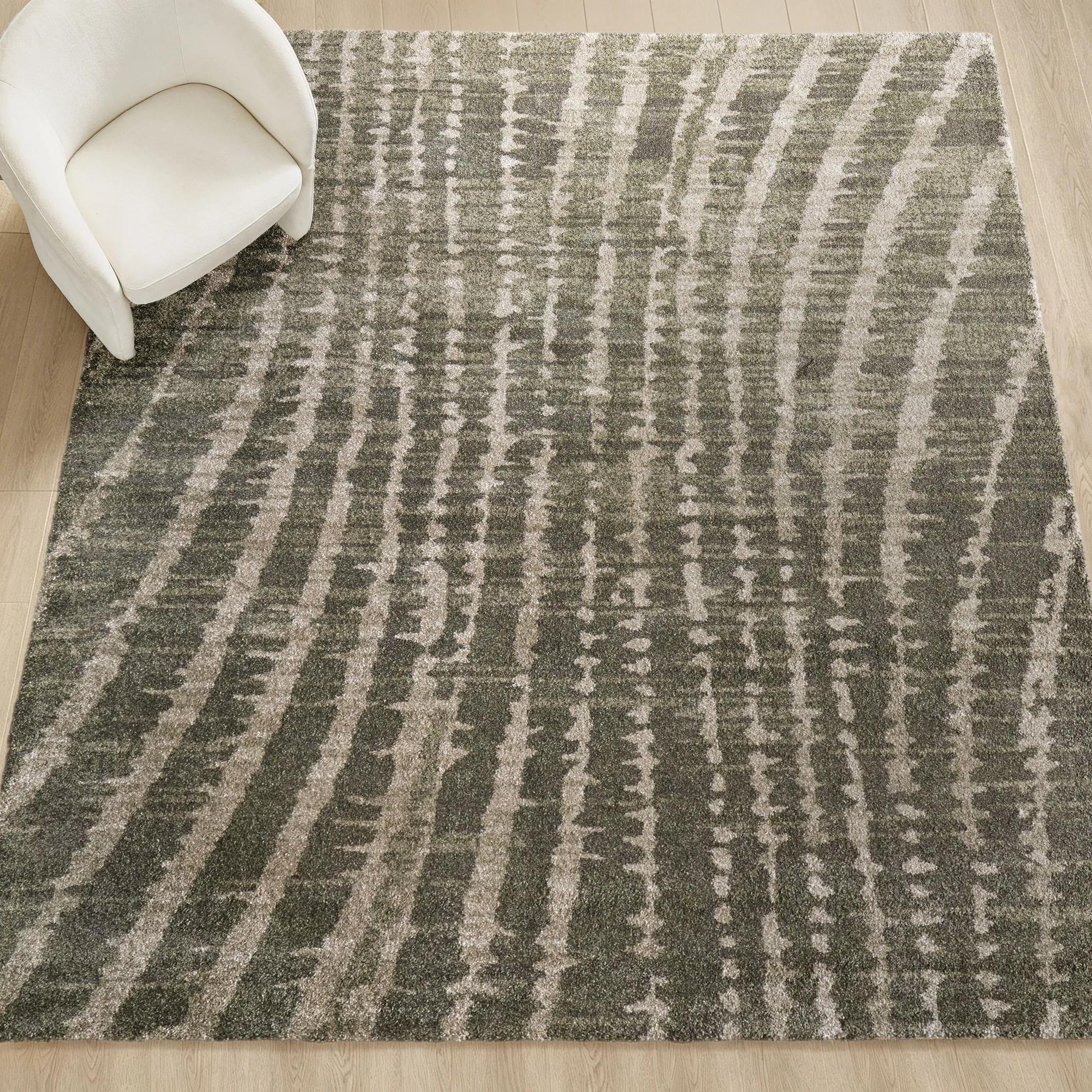
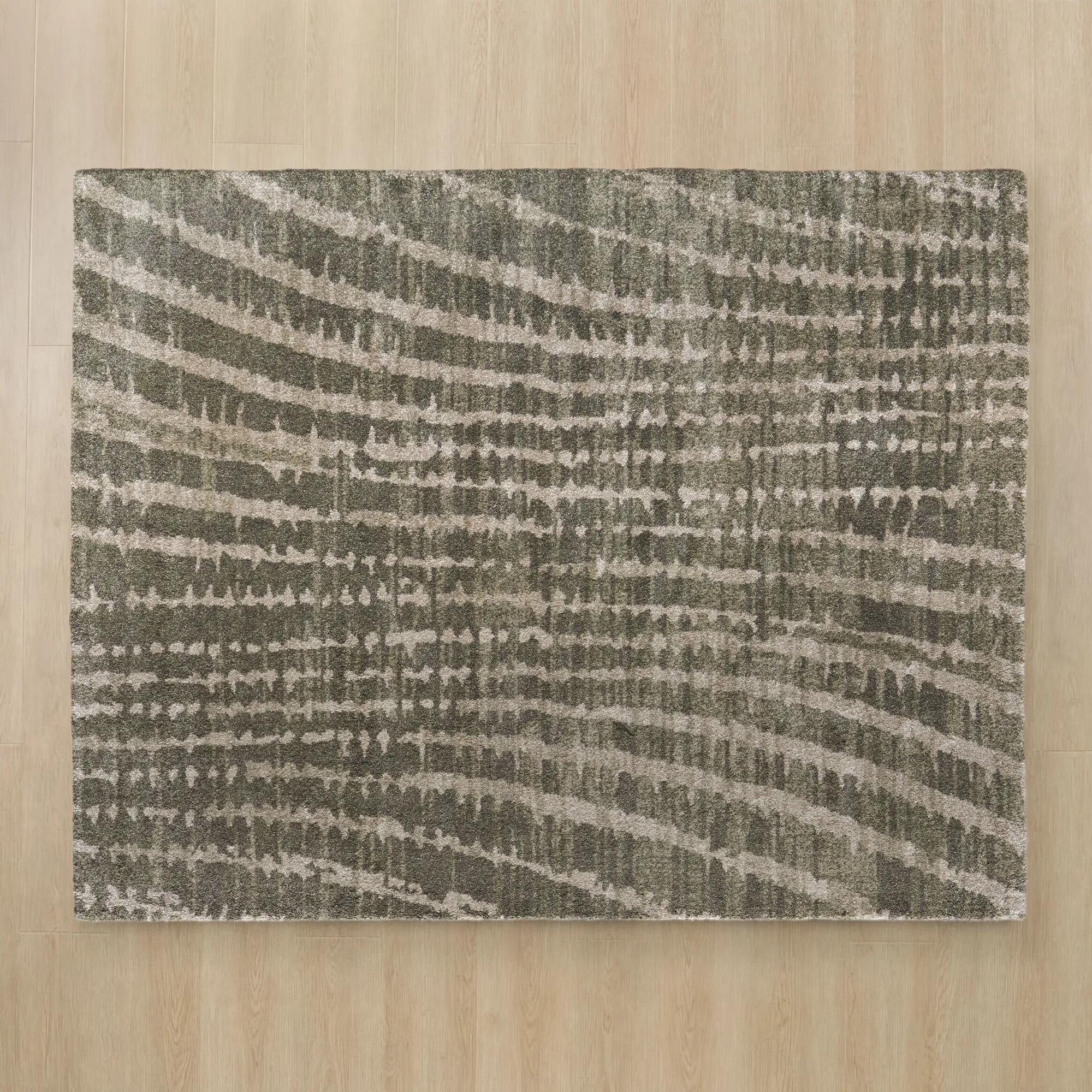 Tempo Green/Grey/Beige Performance Power Loomed Rug$849
An abstract charcoal grey and beige rug featuring plush cut pile and durable polypropylene-polyester construction.
Add To Cart -
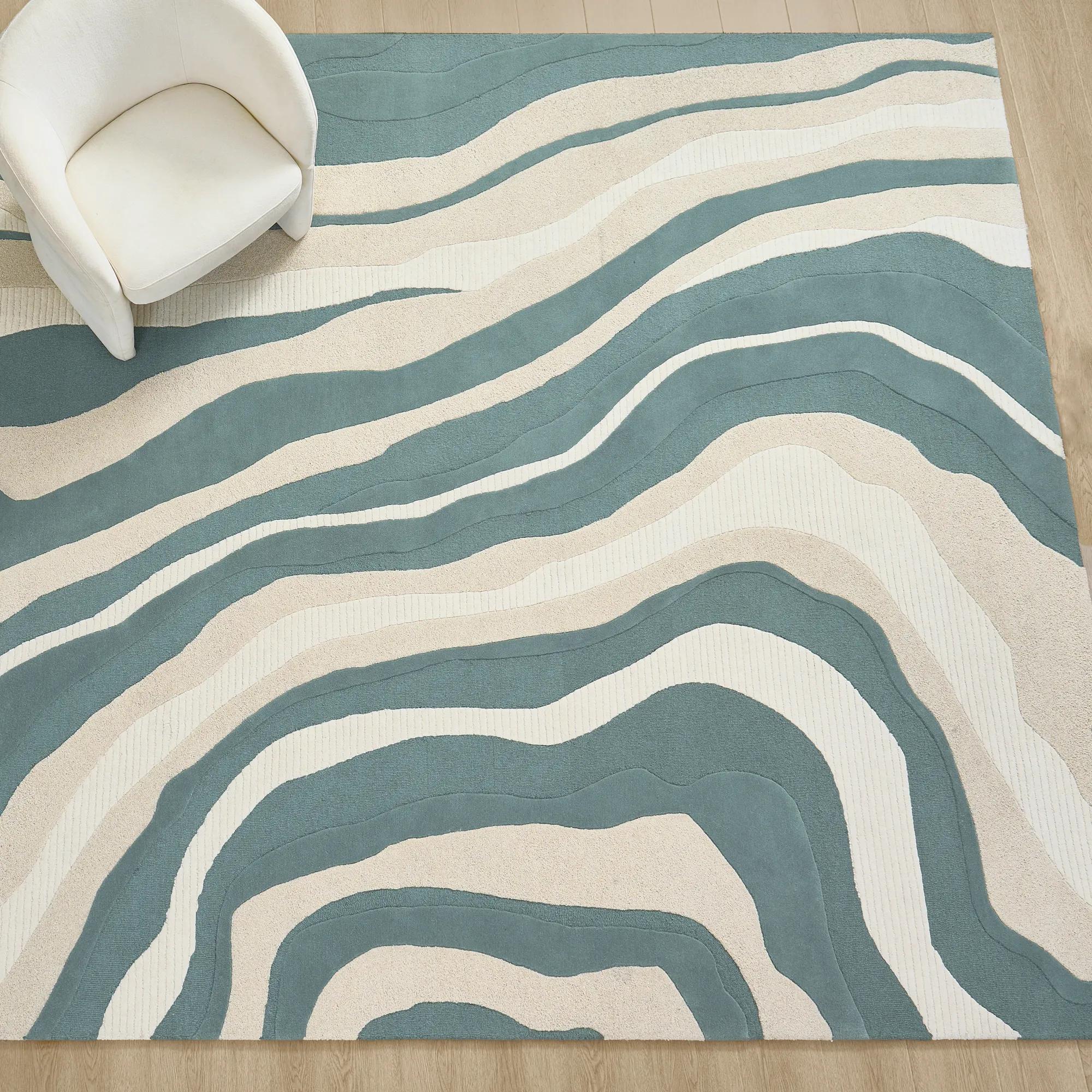 Kadence Hand-Tufted Sage Green/Ivory Wool Rug$1499
A hand-tufted wool rug with organic waves, sculptural high-low texture, and sage-ivory hues.
Add To Cart -
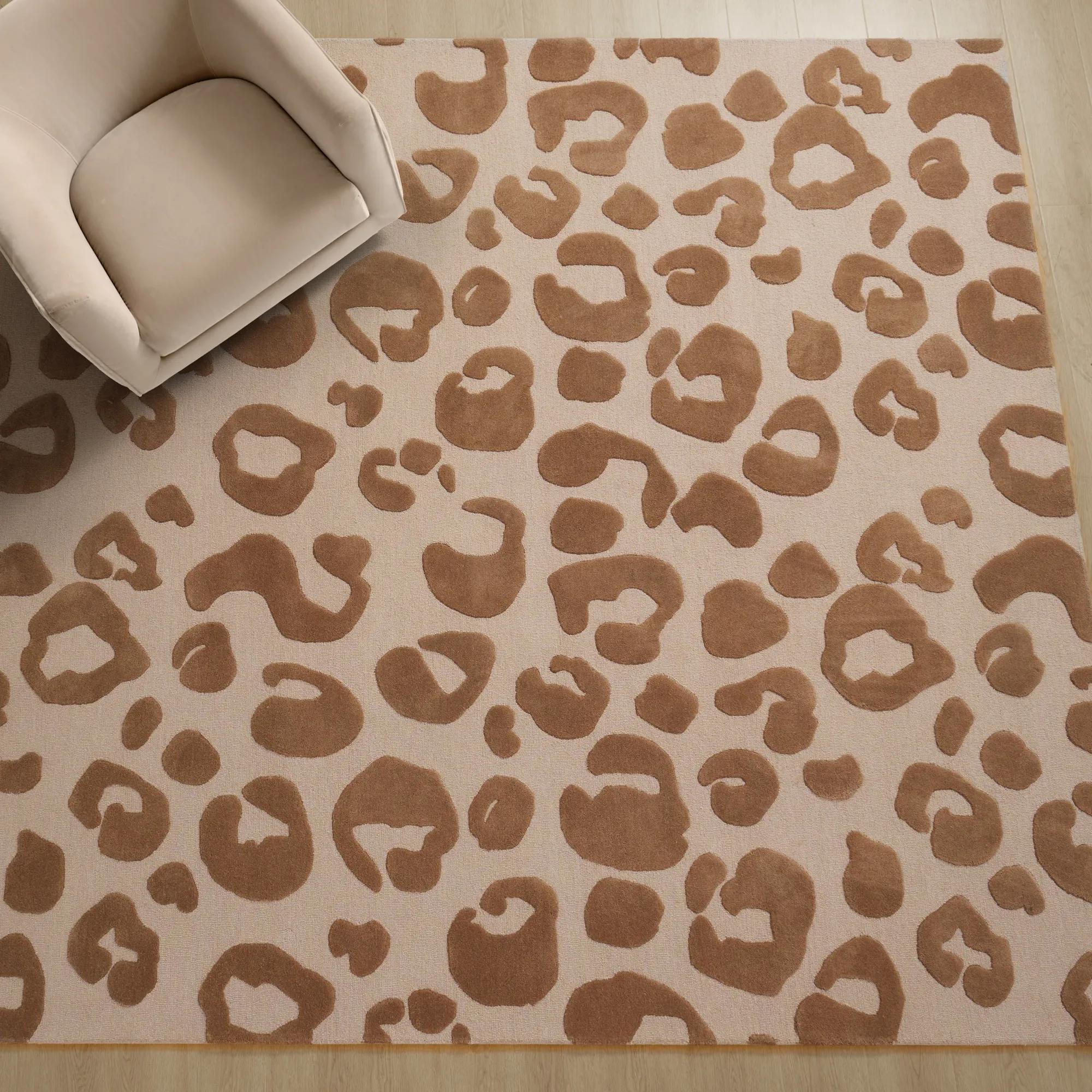 Pounce Hand-Tufted Tawny Brown Leopard Print Wool Rug$1499
A hand-tufted wool rug featuring a tawny brown leopard print and dimensional high-low loop and cut pile.
Add To Cart -
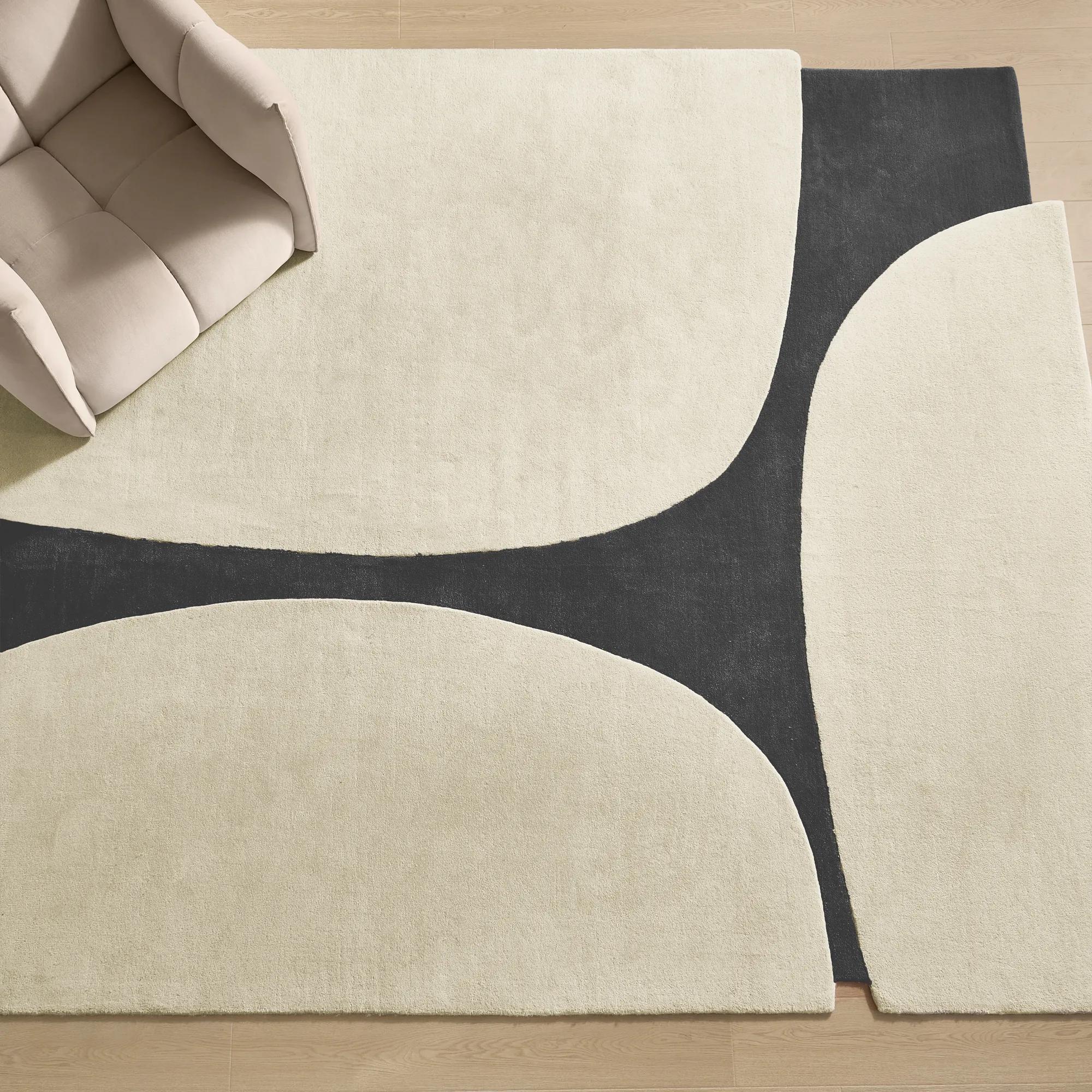 Contour Hand-Tufted Ivory/Charcoal Wool & Viscose Rug$999
A hand-tufted wool and viscose rug with a sculptural organic edge, high-low texture, and ivory-charcoal pattern.
Add To Cart -
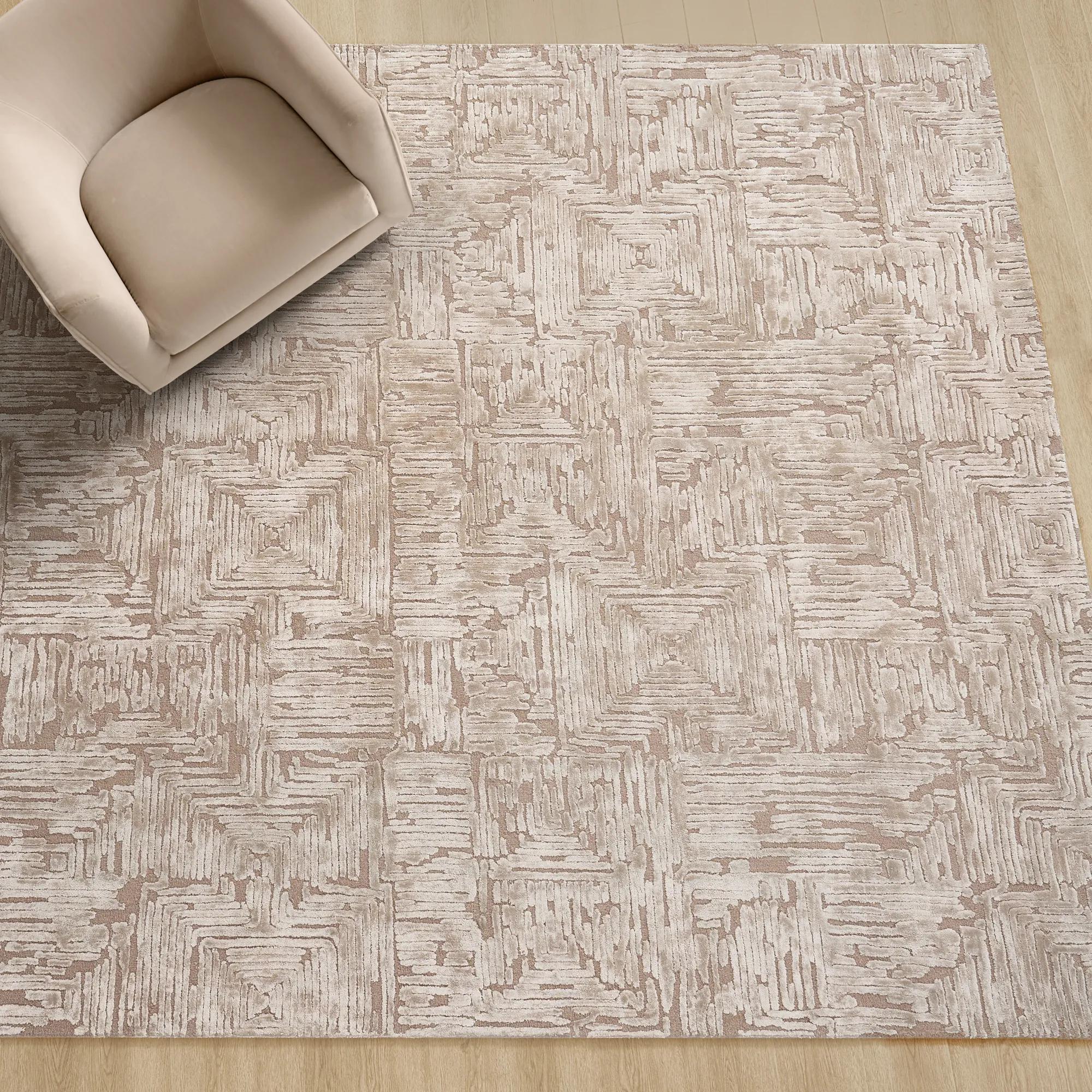
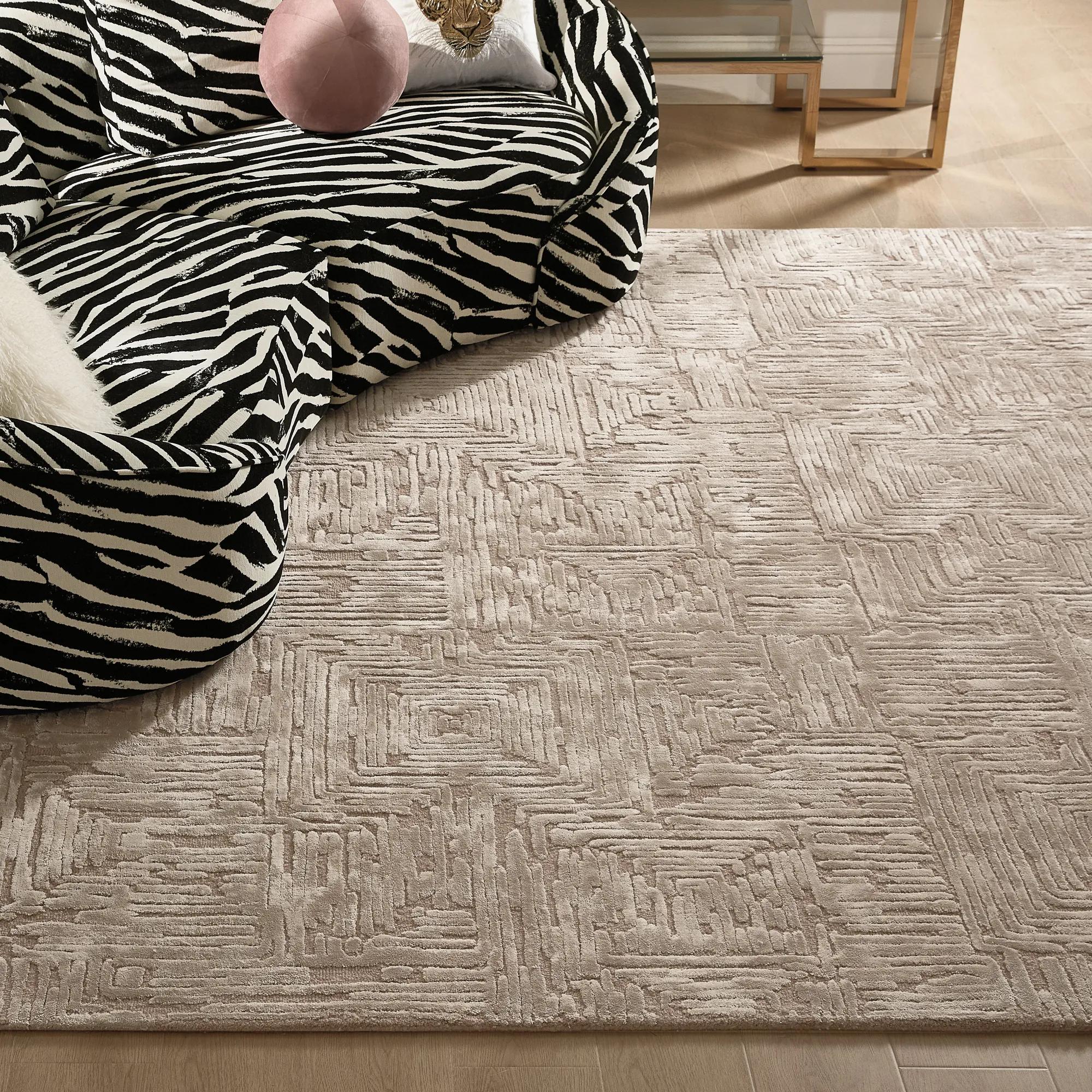 Andra Hand-Tufted Mocha Rose Viscose & Wool Dimensional Rug$1499
A hand-tufted mocha rose rug blending viscose and wool with dimensional broken geometric texture.
Add To Cart -
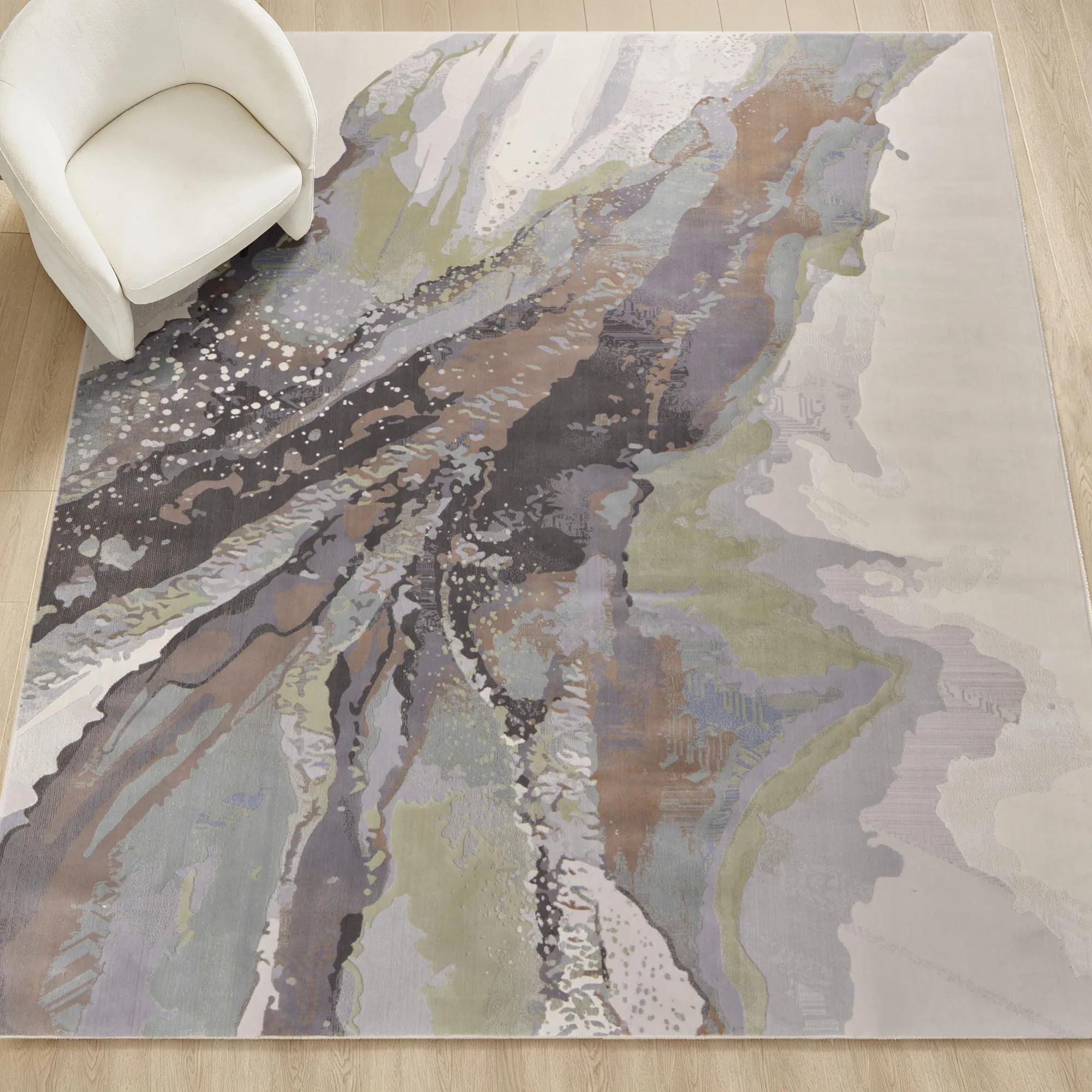
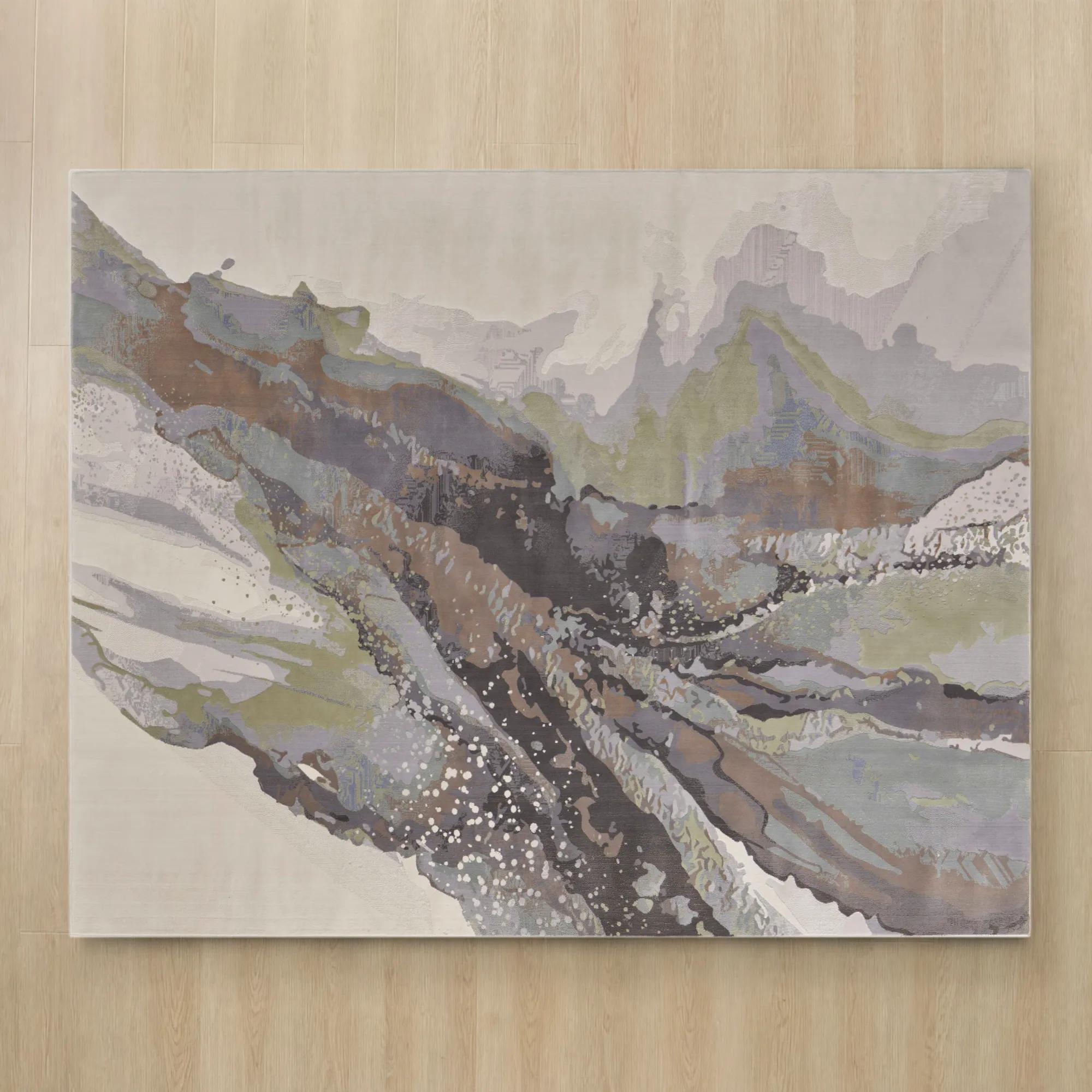 Nerissa Abstract Ivory/Grey/Blue/Green Performance Power Loomed Rug$949
An abstract rug in ivory, grey, blue, and green with a textured, stain-resistant polypropylene-polyester blend.
Add To Cart -
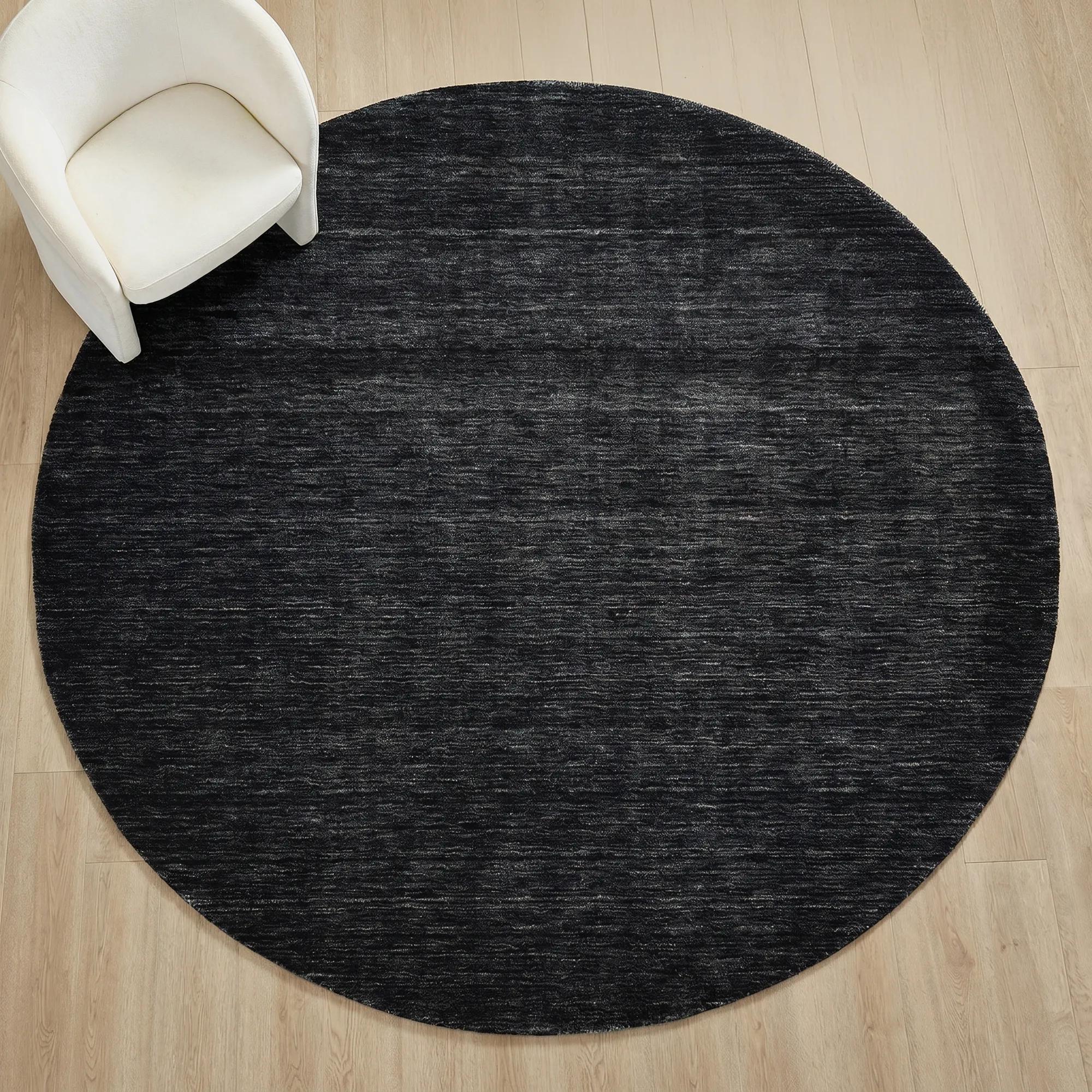 Juni Hand Woven Heathered Black Rug$799
A handwoven round wool rug in heathered black, offering durable texture and moody, contemporary style.
Add To Cart -
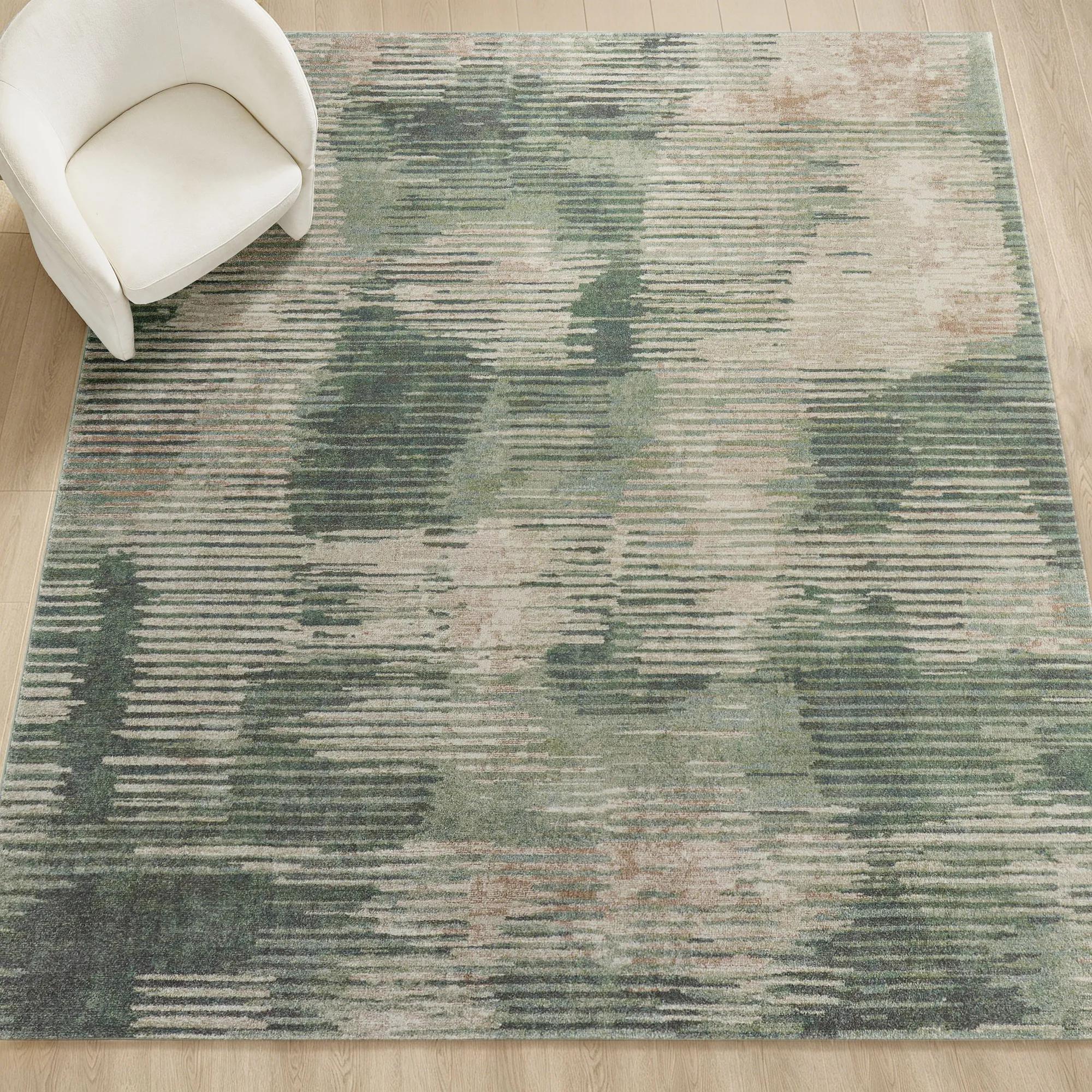
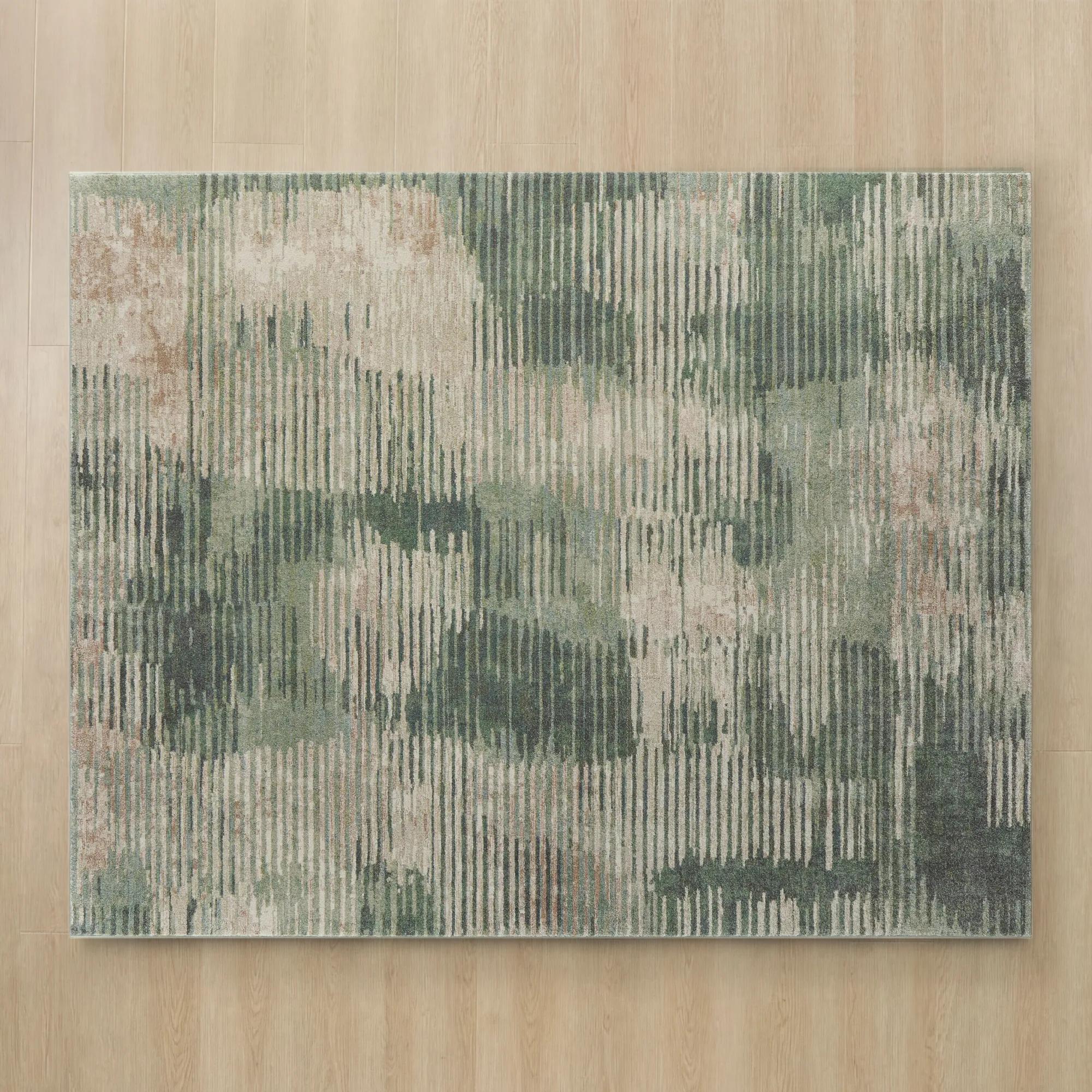 Sylvan Green/Beige Power Loomed Rug$1349
A power-loomed polypropylene rug featuring a contemporary organic pattern in smoked olive green and beige.
Add To Cart -
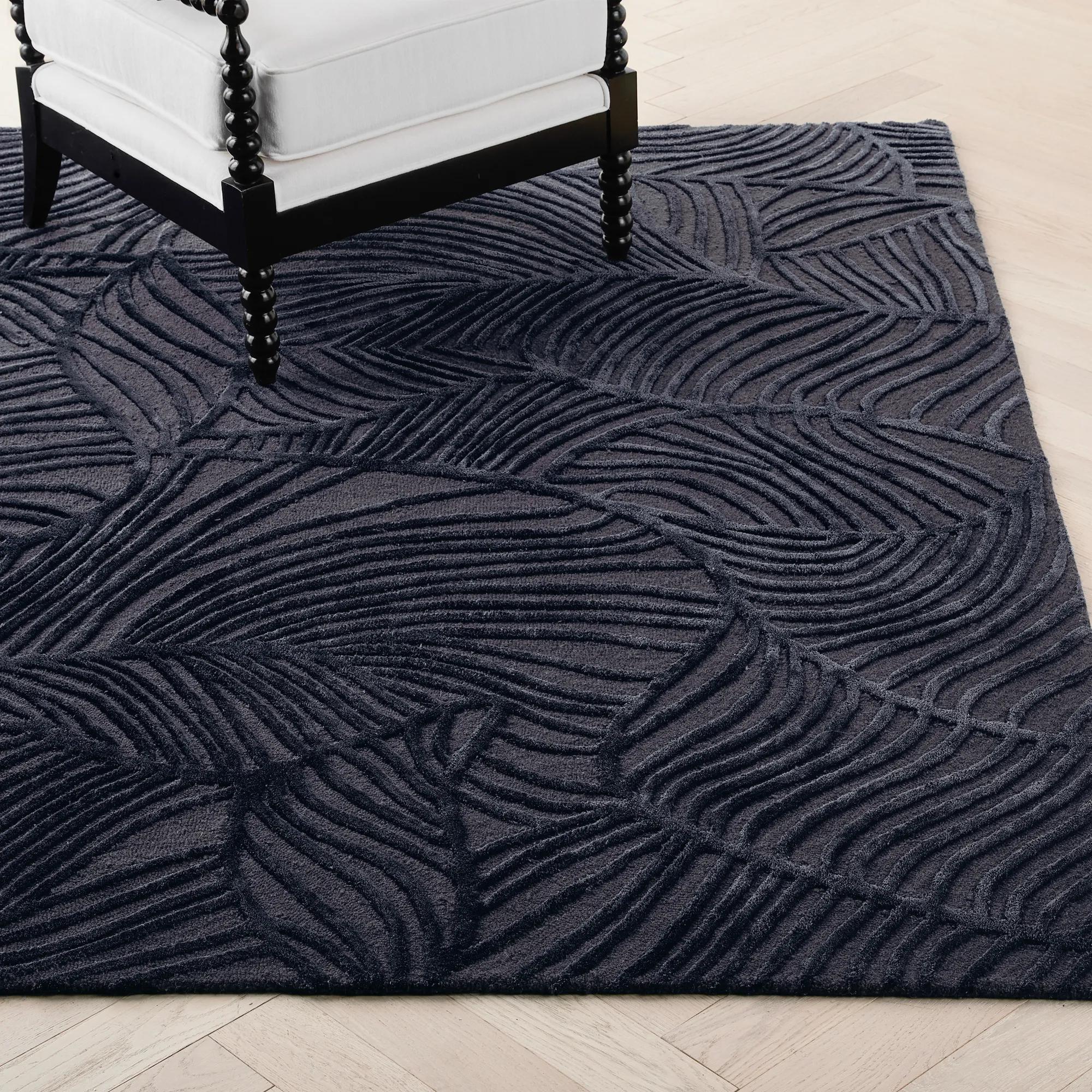
 Palm Rug - Charcoal$1499
A charcoal rug featuring a dynamic palm-leaf design with a textured high-low viscose and wool pile.
Add To Cart -
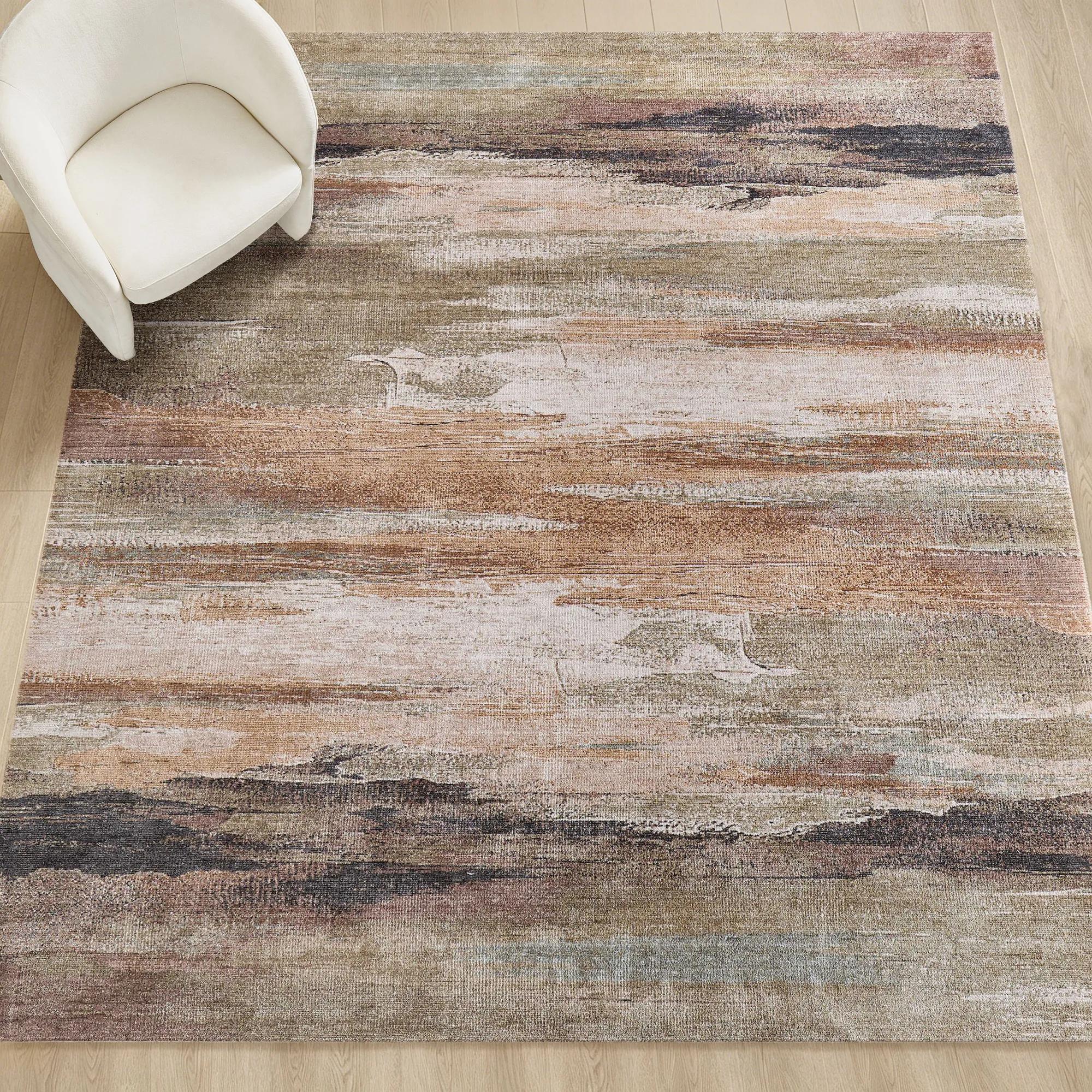
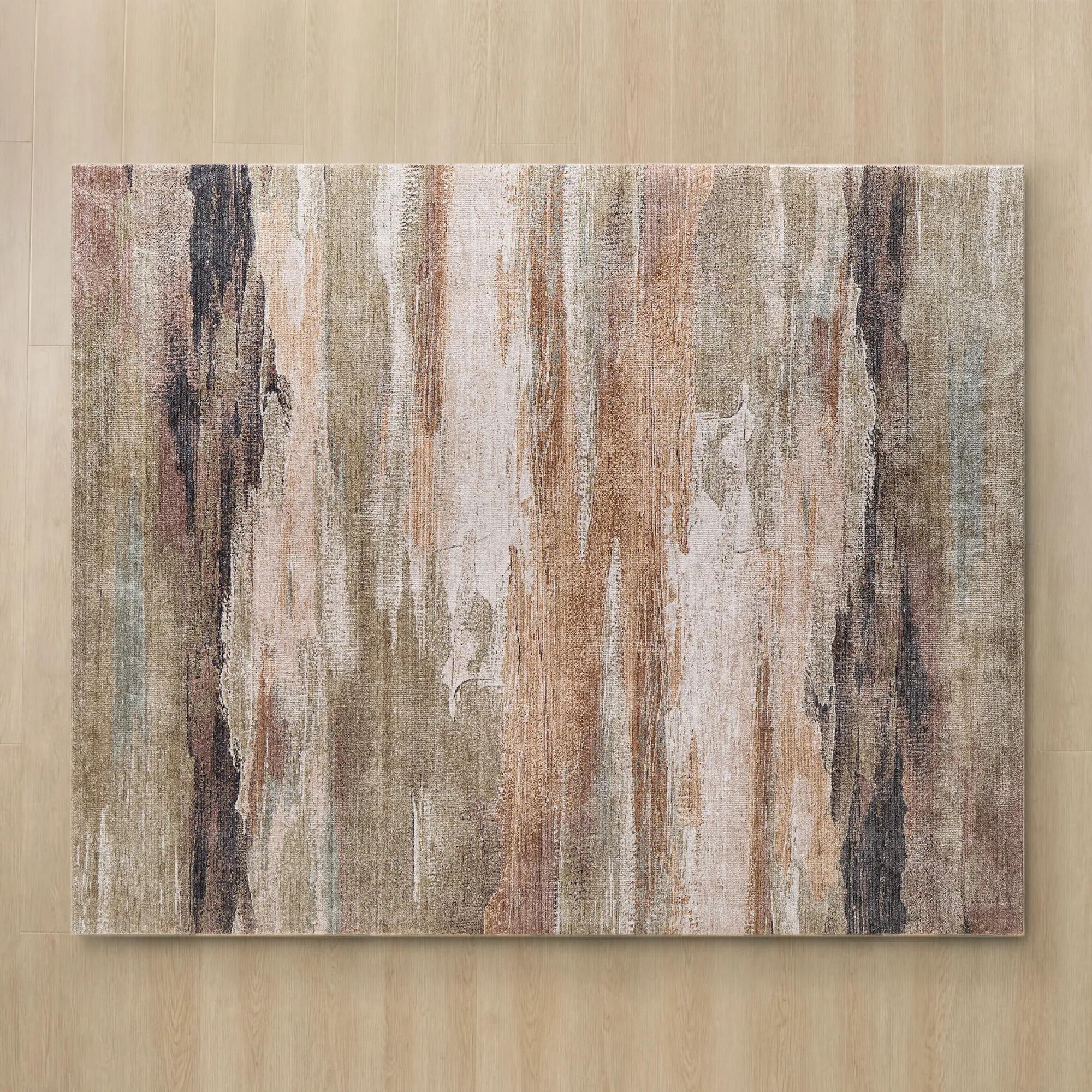 Sedona Rust/Beige/Moss Green/Charocal/Blue Performance Power Loomed Rug$1999
A power-loomed polyester rug featuring a rich abstract pattern in rust, beige, moss green, charcoal, and blue.
Add To Cart -
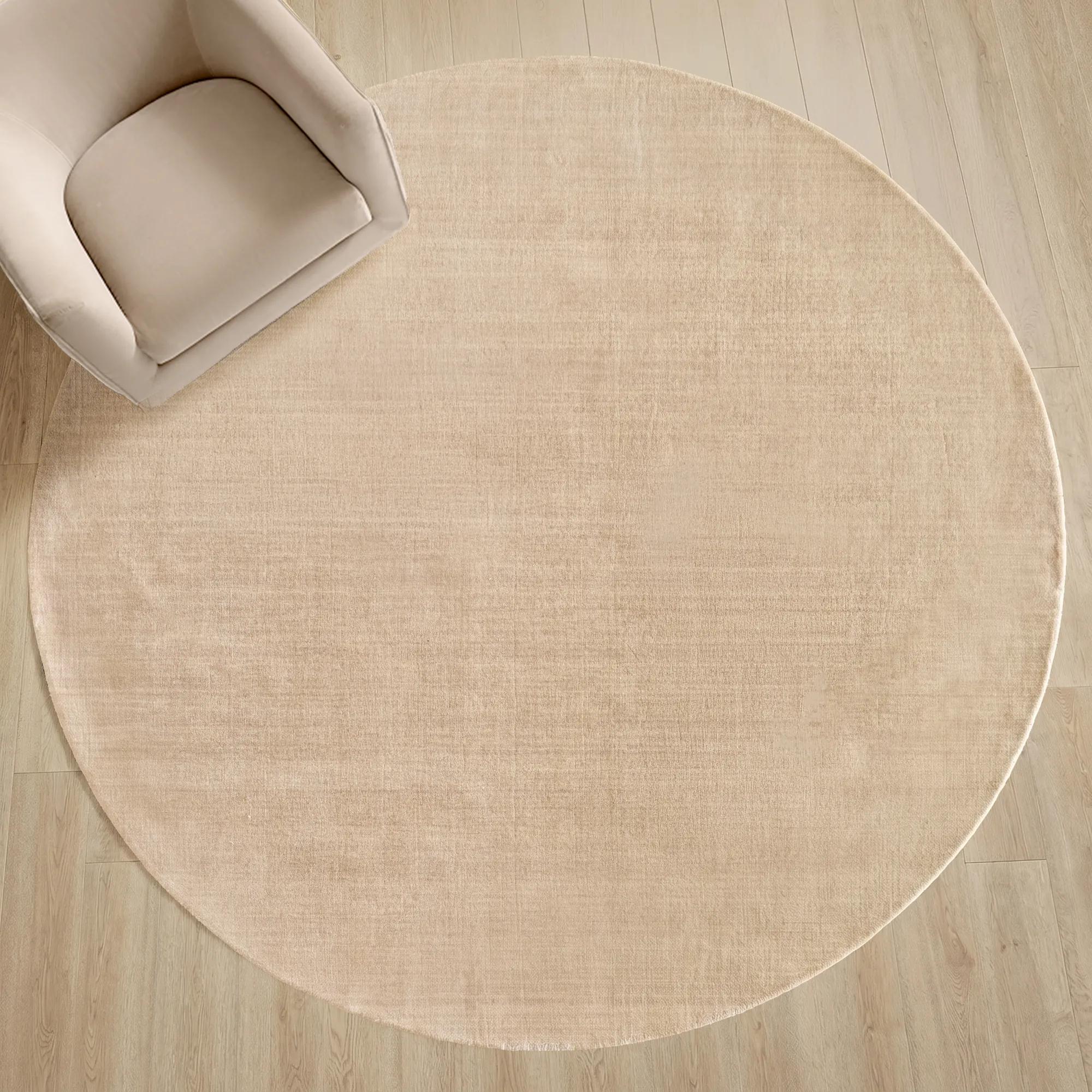 Juni Hand Woven Heathered Warm Beige Round Rug$1399
A handwoven round wool rug in heathered warm beige, offering refined texture and everyday durability.
Add To Cart -
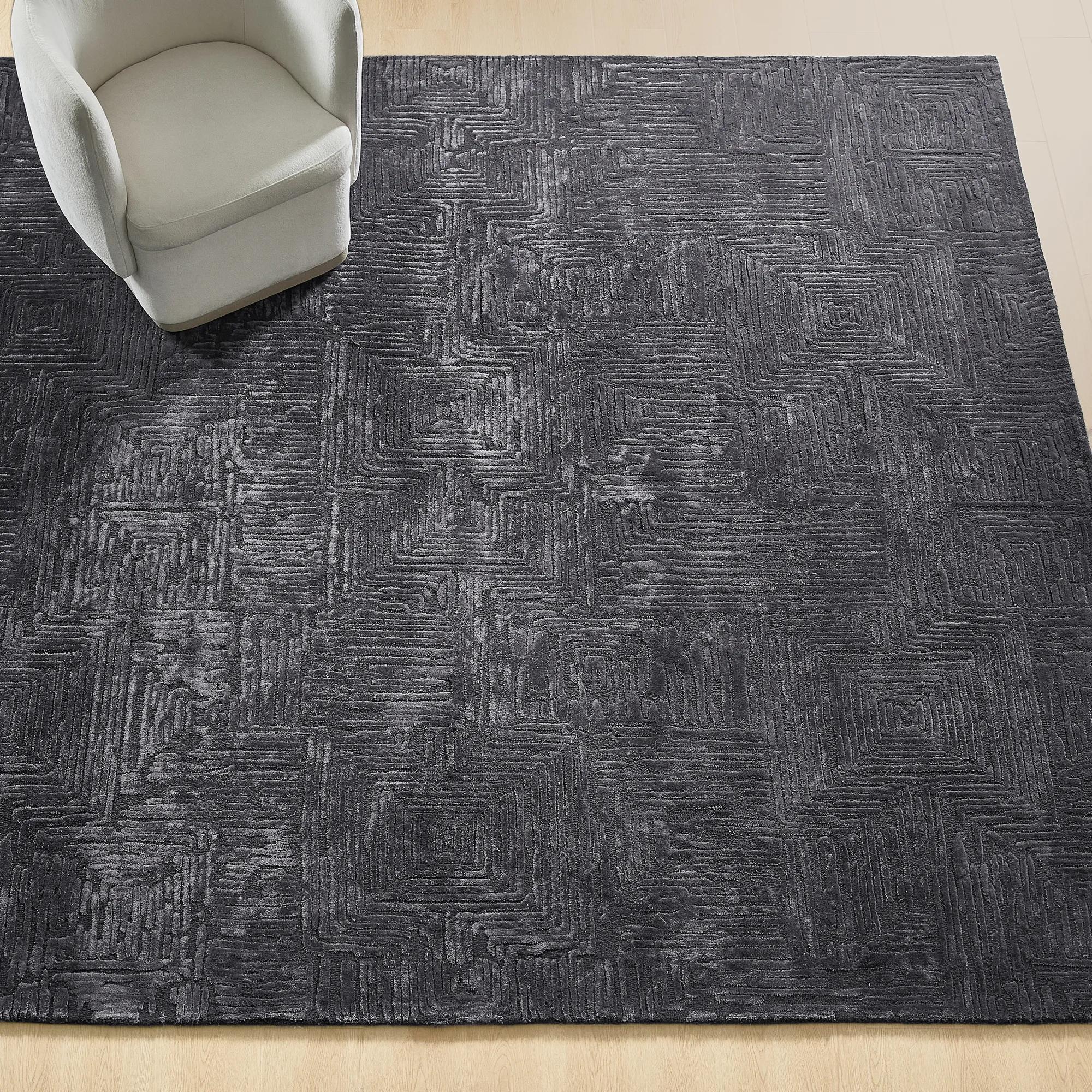
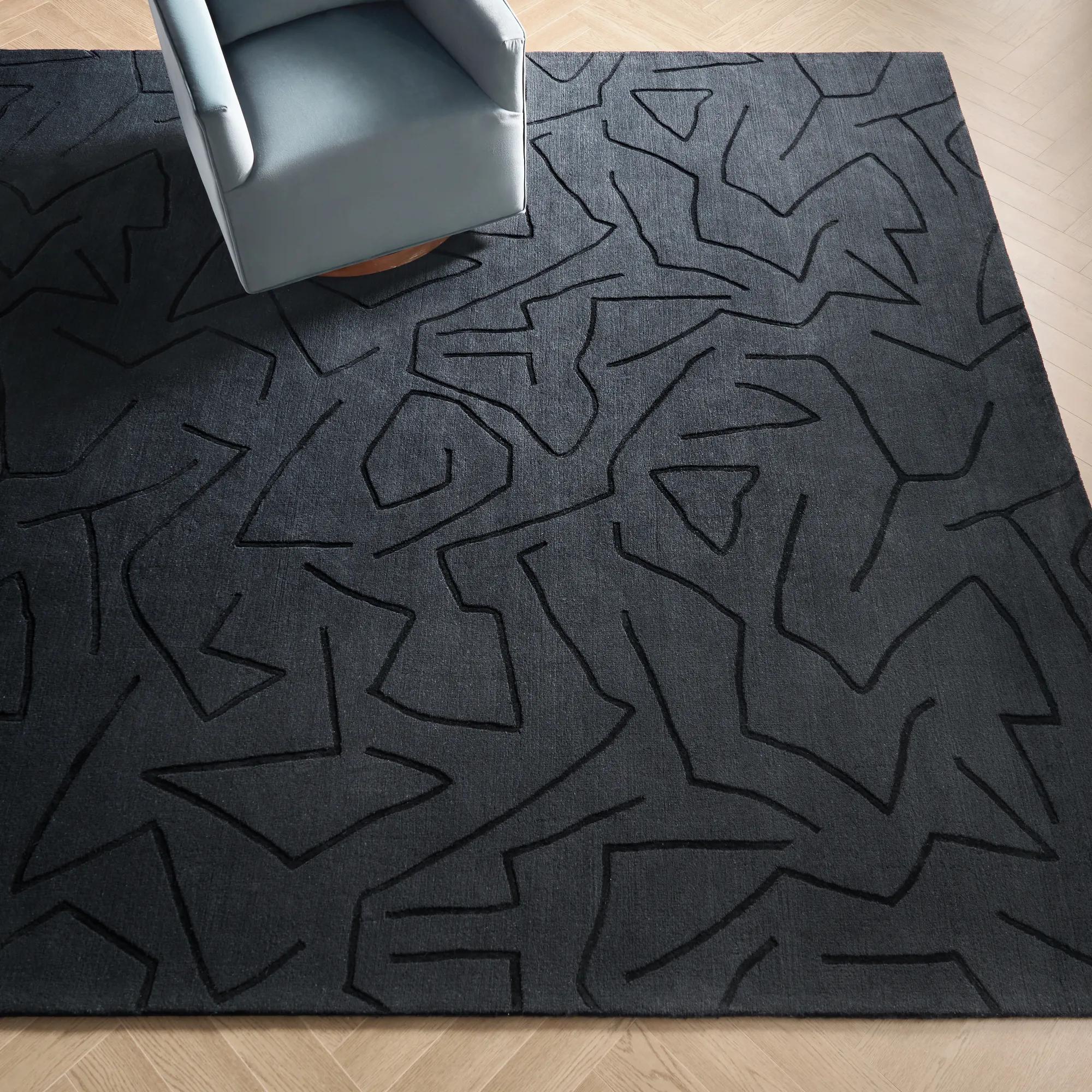 Carved Maze Rug$1399
A hand-loomed black rug crafted from wool and viscose, featuring a carved, textured maze design.
Add To Cart -
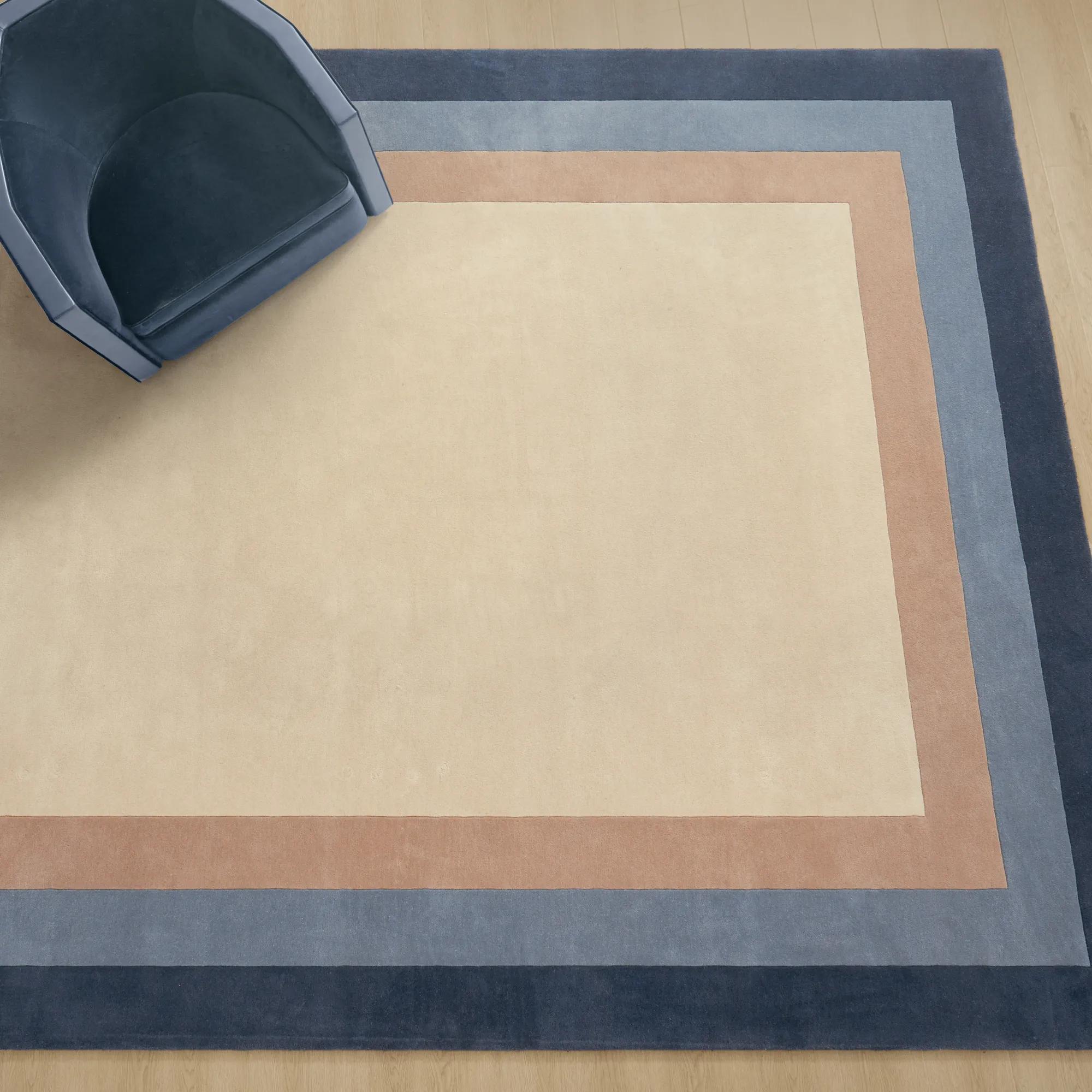 Bastien Hand-Tufted Blue/Taupe/Ivory Wool Border Rug$1499
A hand-tufted wool rug featuring a graphic blue, taupe, and warm ivory border with refined, substantial texture.
Add To Cart -
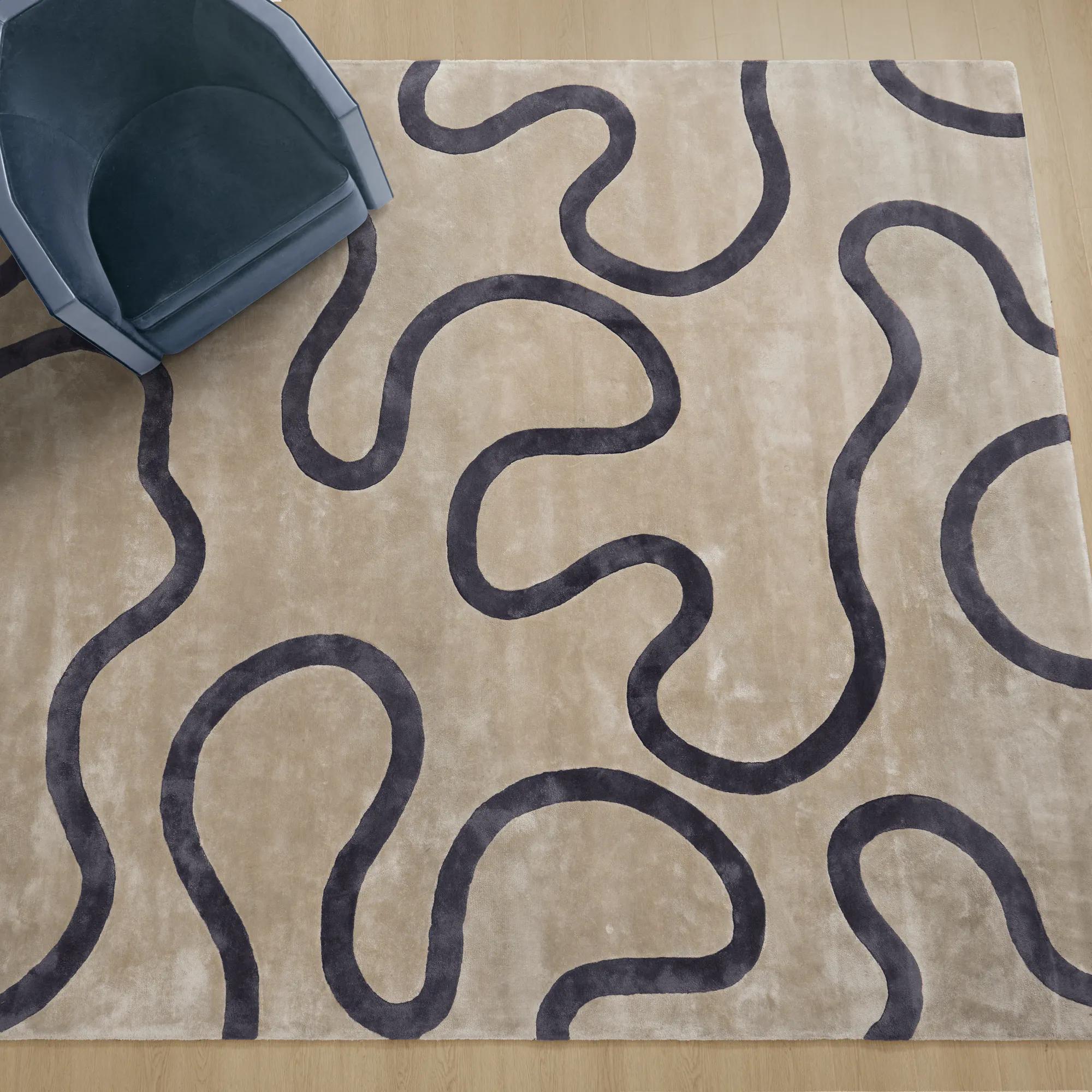 Seraphine Hand-Tufted Smoked Pearl/Taupe Viscose Loop Rug$1199
A hand-tufted viscose rug featuring high-contrast loops in smoked pearl and taupe for textured sophistication.
Add To Cart -
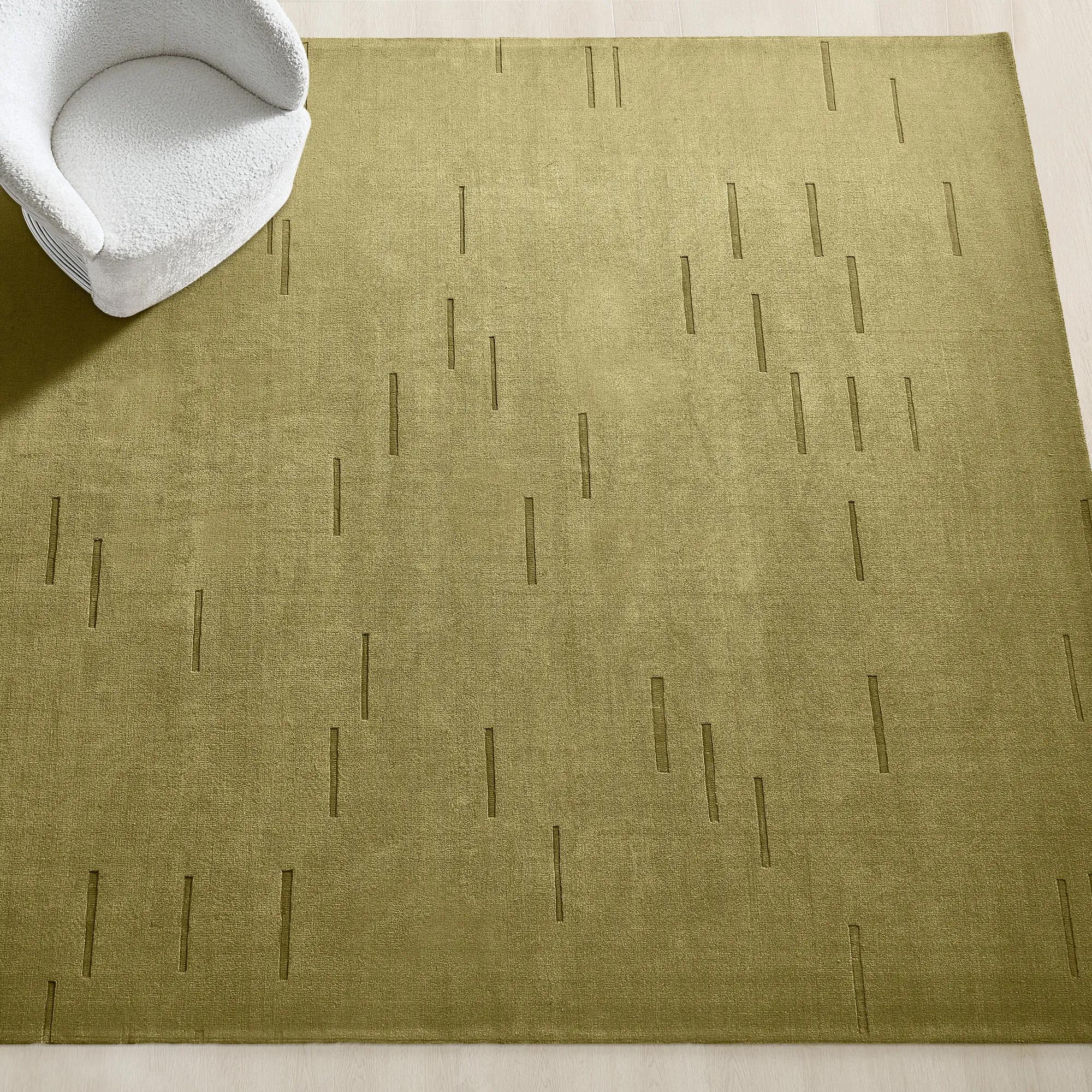
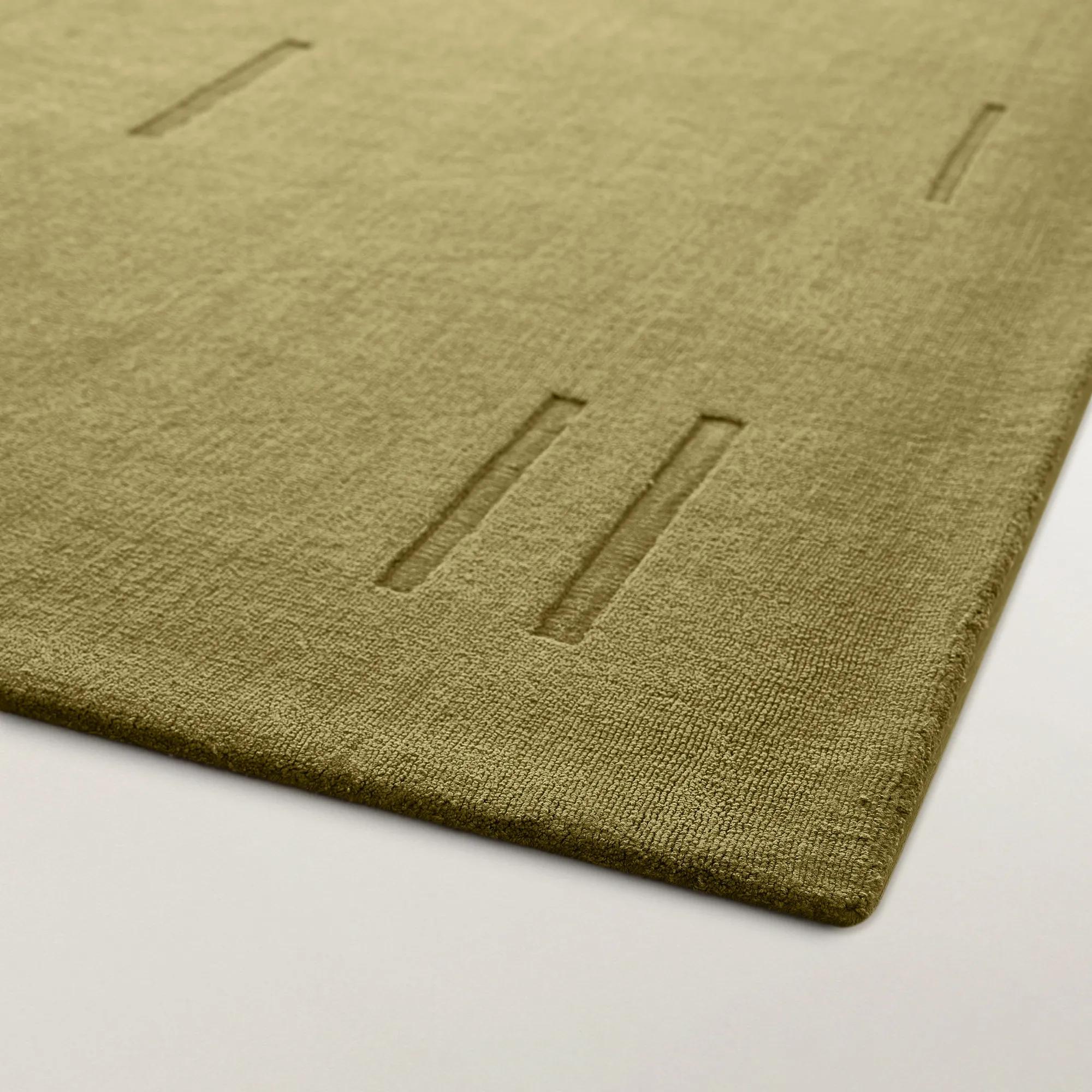 Lamita Muted Olive Green Wool Blend Rug$1999
A muted olive green wool-blend rug bringing soft texture and understated warmth to modern interiors.
Add To Cart -
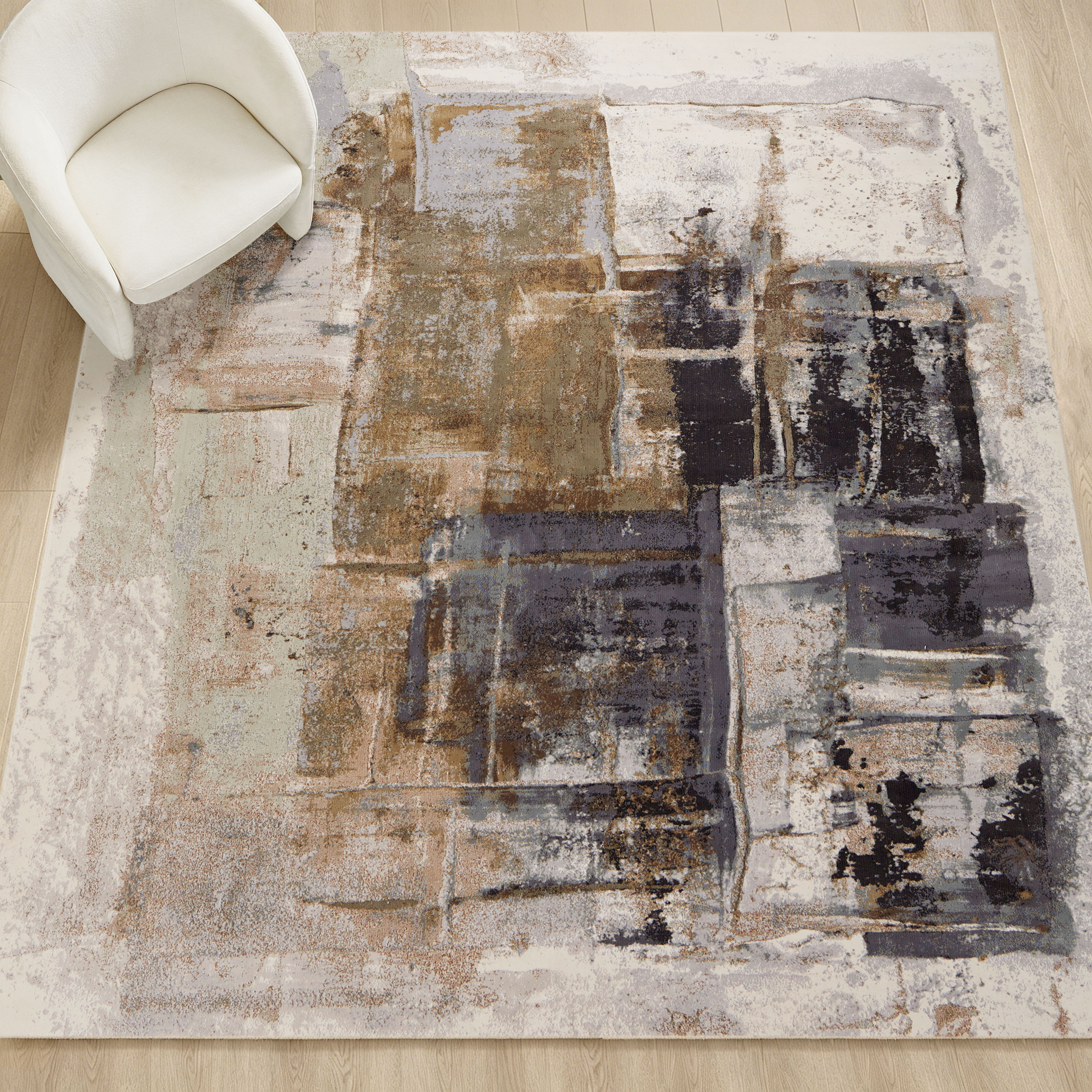
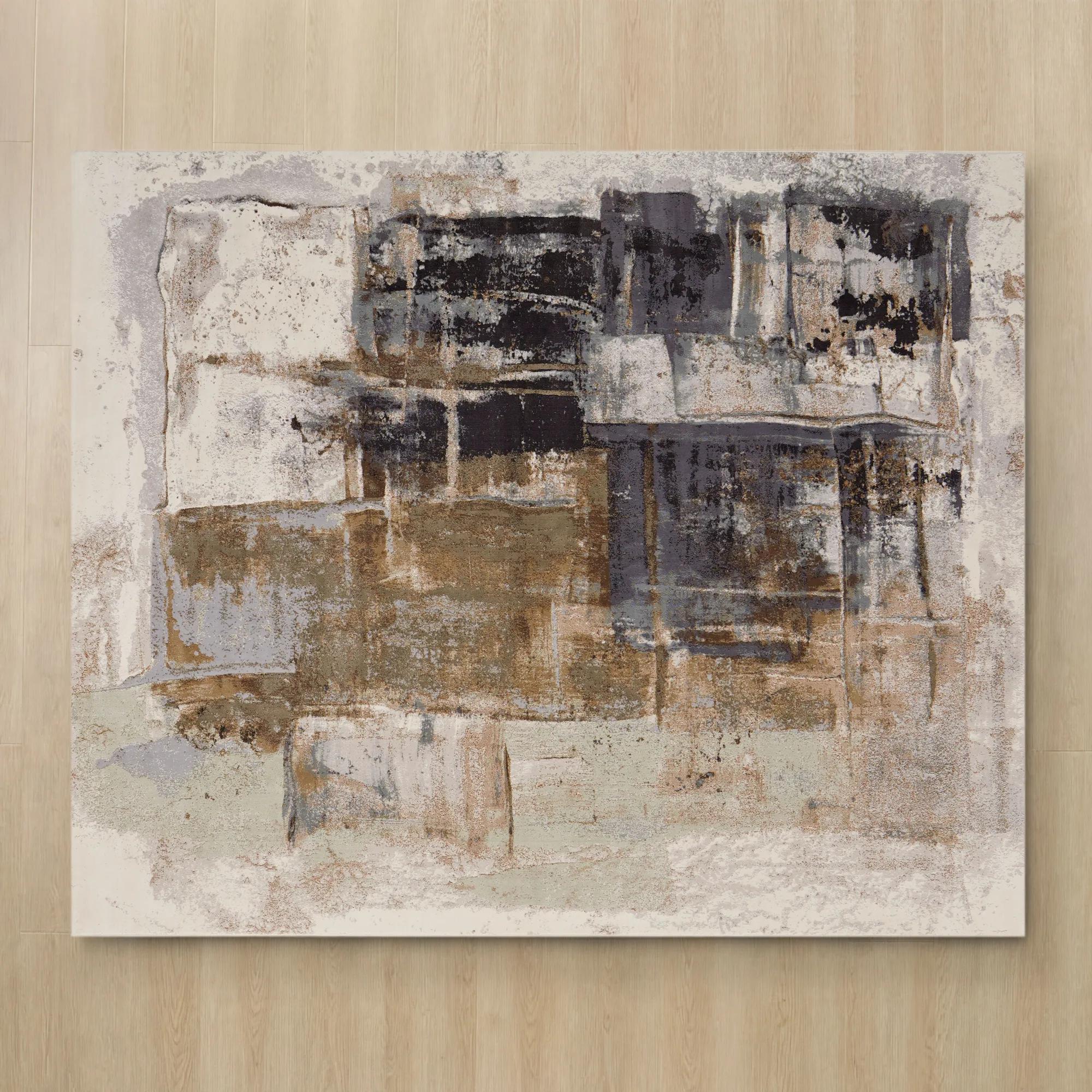 Gaia Abstract Grey/Charcoal/Ivory/Gold/Blue Performance Power Loomed Rug$1749
An abstract rug in grey, charcoal, ivory, gold, and blue with a soft, stain-resistant performance blend.
Add To Cart -
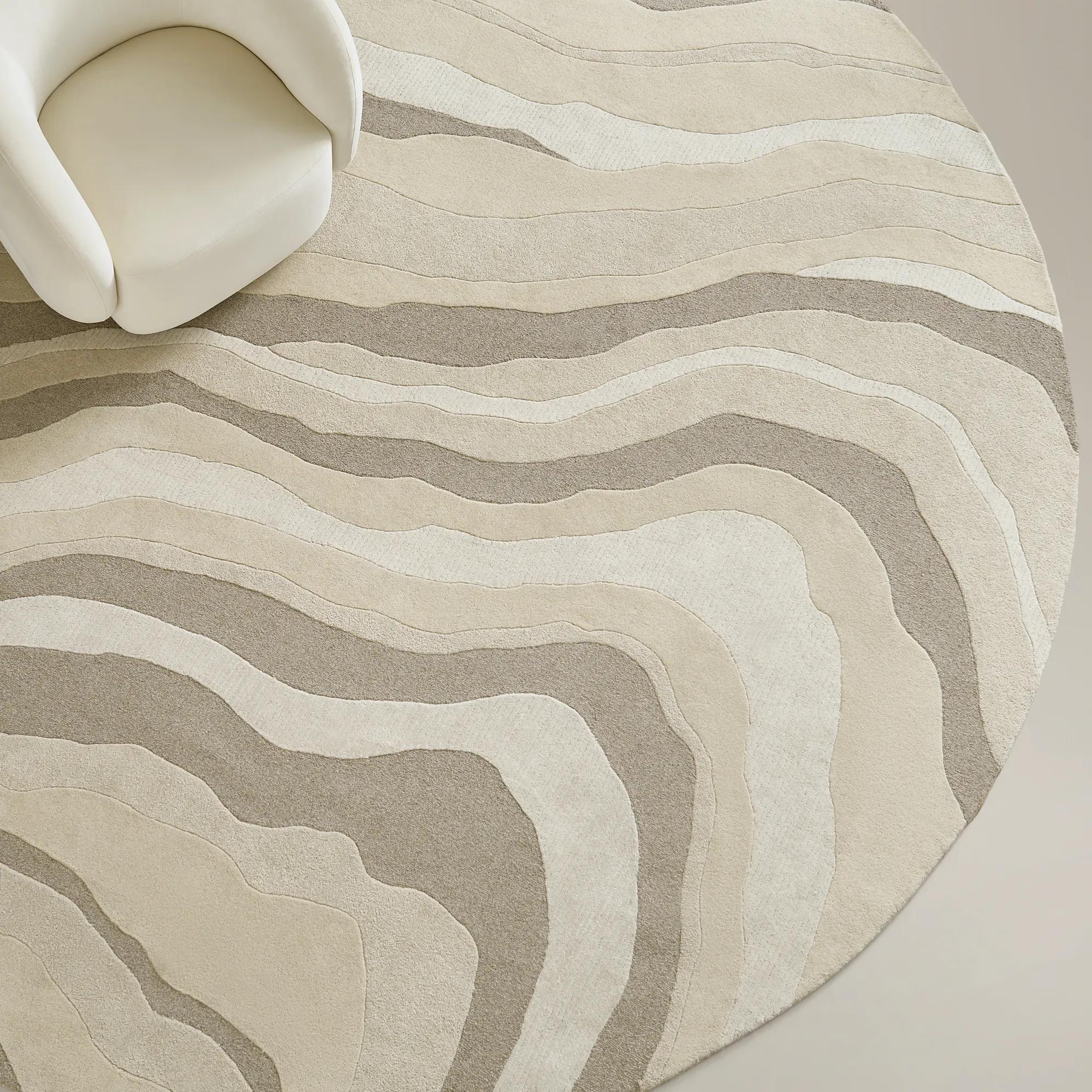 Kadence Hand-Tufted White/Ivory/Tan Wool Round Rug 12"$1799
A hand-tufted round rug in white, ivory, and tan, crafted from 100% wool for natural warmth.
Add To Cart -
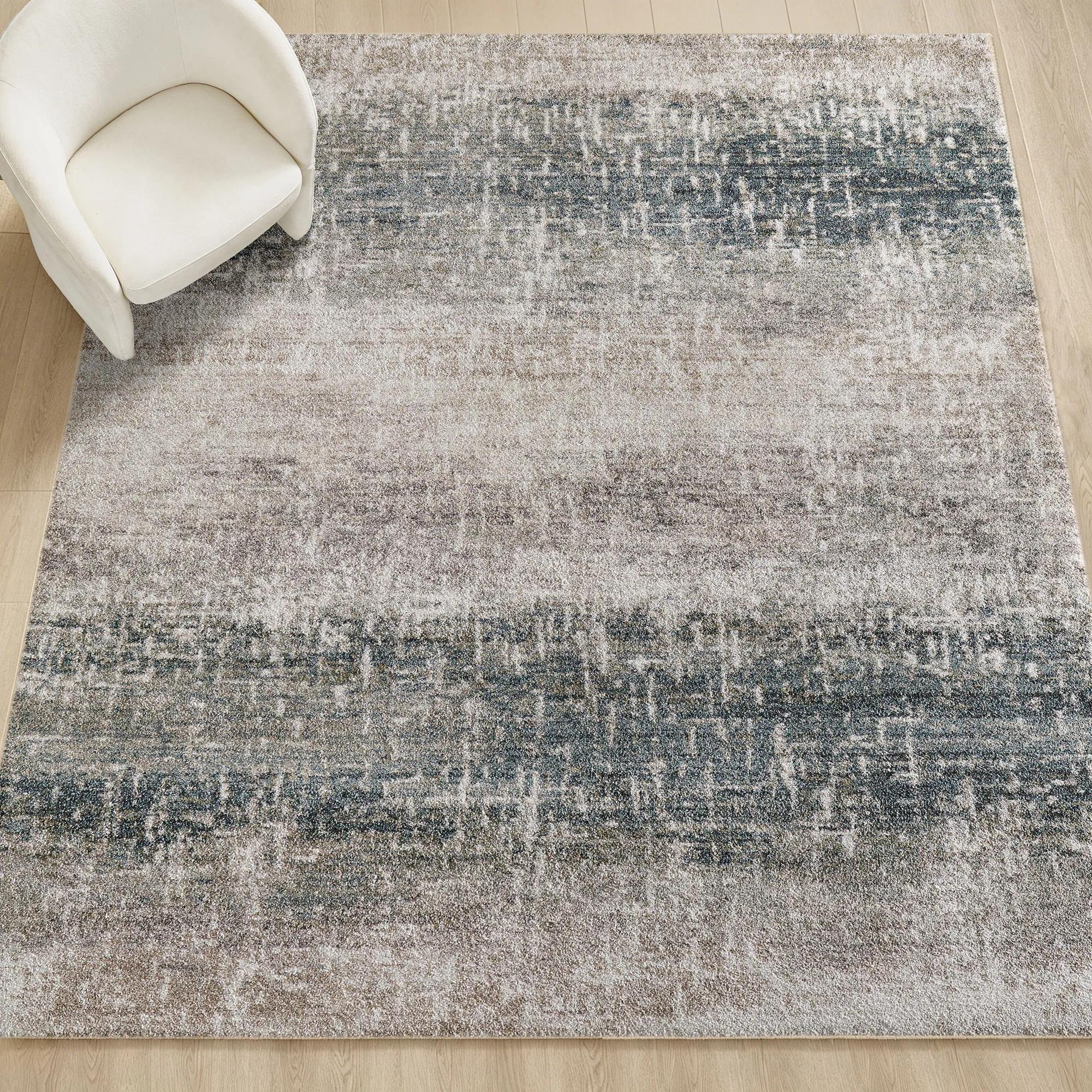
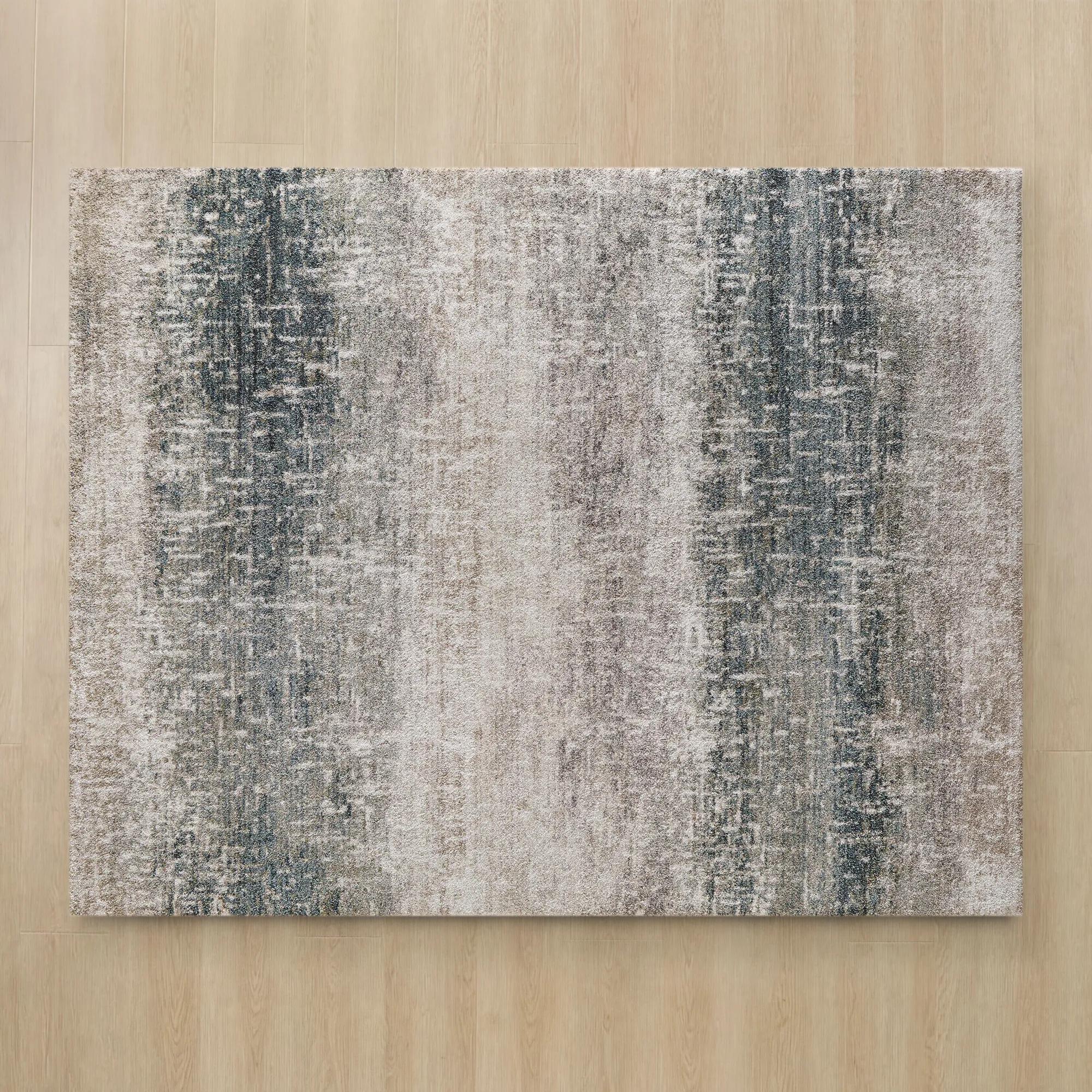 Collier Taupe/Grey/Blue/Green Performance Power Loomed Rug$1649
An abstract rug in taupe, grey, blue, and green with a plush pile and durable, easy-care blend.
Add To Cart

Living Room Textured Rugs
Living room textured rugs transform ordinary spaces into captivating showcases of artistry and dimension. Each piece is an invitation to indulge your senses—plush underfoot, visually intriguing, and endlessly expressive. Whether you crave the drama of bold patterns or the subtle allure of layered weaves, living room textured rugs ground your décor with tactile sophistication. Let every step be a statement as you curate a foundation that dazzles, delights, and defines your personal sanctuary.
Living room textured rugs add physical and visual depth through raised fibers, high-low pile, sculpted patterns, and contrasting yarns that catch the light. Unlike a flat surface defined primarily by color or print, a textured rug creates dimension within the weave itself. Cut-and-loop construction combines clipped yarn ends with intact loops, while carved designs create recessed lines around elevated motifs. Shag and other deep-pile styles offer a more enveloping feel underfoot; closely woven textures bring subtler relief to a polished seating arrangement. Each approach gives the floor a distinct presence, whether the room calls for quiet movement or a dramatic focal point. An ivory rug with a raised geometric pattern can bring definition to a pale sofa without interrupting a tonal palette. Charcoal fibers threaded with lighter shades introduce depth beneath a glass coffee table, where the surface remains visible from several angles. Against velvet upholstery, nubby or looped textures create contrast; beside sleek leather and gleaming metal, a plush pile softens the composition. The effect depends as much on the light as on the pattern. Side lighting can emphasize sculpted ridges, while overhead illumination may make the same design appear more restrained. Directional pile can also look lighter or darker as the viewing angle changes, giving a solid-colored rug a surprisingly expressive finish. For a room already rich in artwork, patterned pillows, or statement furniture, tonal texture adds interest without introducing another competing motif. In a more restrained interior, an oversized raised pattern can supply the architectural detail that gives the seating area its identity. Color remains important: cream and champagne tones keep intricate surfaces luminous, taupe and stone create a composed foundation, and deeper hues lend weight to an expansive arrangement. The most compelling textured area rugs connect these visual choices with the way the room feels, bringing artistry to the broadest surface beneath the furniture.
Material and construction shape how that artistry lives from day to day. Wool offers natural resilience and a substantial feel, making living room wool rugs a compelling choice for seating areas where softness and everyday use need to coexist. Wool fibers have a natural crimp that helps them recover from compression, though furniture can still leave impressions and some shedding is common, particularly when a rug is new. Wool blends vary according to their fiber content; a small percentage of another yarn can change the sheen, hand, and maintenance requirements. Cotton often contributes a softer, more relaxed surface, while jute and sisal bring pronounced organic texture with a firmer feel underfoot. These plant fibers can be appealing beneath tailored furnishings, but their moisture sensitivity deserves attention in homes where spills are frequent. Synthetic fibers such as polypropylene and polyester can provide textured surfaces with practical stain-resistance characteristics, depending on the construction and finish. No fiber makes every rug equally durable or equally easy to clean. Density, yarn quality, backing, and pile structure all influence performance. Viscose and similar regenerated cellulose fibers can create a luminous, silk-like effect, yet they may be vulnerable to moisture marks and abrasion, making placement especially important. A softly shimmering rug in a formal conversation area has different demands than one in the path between a family room sofa and the kitchen. For households with children, pets, or frequent guests, a dense, lower-profile texture can offer a more manageable balance of comfort and upkeep than a loose, deeply sculpted pile. Looped constructions also warrant consideration around pets whose claws may catch the yarns. Deep pile invites barefoot lounging, but it can hold crumbs and small debris more readily. The right match comes from the relationship between the fiber, the surface, and the room’s daily rhythms—not texture alone.
Scale gives living room textured rugs their full impact. A generously proportioned rug can gather a sofa, accent chairs, and coffee table into one deliberate composition, while a rug that sits entirely beneath the coffee table may leave the surrounding furniture feeling disconnected. In many arrangements, placing at least the front legs of the main seating pieces on the rug creates a cohesive foundation. Larger rooms may allow all furniture legs to rest within its edges, with visible flooring around the perimeter providing a crisp frame. Common dimensions such as 8 by 10 feet or 9 by 12 feet are useful starting points, but the actual seating footprint matters more than the room’s label. A sectional with a chaise needs enough coverage to support its extended shape; a pair of sculptural chairs benefits from sufficient rug depth to remain grounded when someone settles into the seat. Door clearance, floor vents, and walking routes also influence fit, particularly with thick pile or a substantial rug pad. A compatible pad helps reduce movement, cushions the surface, and can lessen friction against the floor, provided its material is suitable for the flooring beneath it. Layering a textured rug over another rug or installed carpet requires particular attention to stability and raised edges. Care should be equally specific to construction. Regular vacuuming helps prevent grit from settling into the fibers, but suction settings and attachments should follow the manufacturer’s directions; rotating brush bars can damage some looped, shag, or delicate surfaces. Prompt blotting with a clean, undyed cloth is generally preferable to rubbing a spill, and cleaning solutions should only be used as directed for the particular fiber. Periodic rotation can distribute foot traffic and light exposure more evenly when the layout permits. Furniture coasters may help disperse concentrated weight, although their suitability depends on the rug and furniture. With proportion, material, and maintenance thoughtfully aligned, a textured rug gives the living room a sumptuous foundation that feels as considered beneath bare feet as it looks beneath a beautifully composed seating arrangement.
FAQs
Textured rugs are remarkably versatile, seamlessly enhancing a range of design aesthetics from modern glam to classic elegance. In a contemporary setting, opt for bold patterns or sculptural textures to create a striking focal point. For spaces with a more traditional or transitional feel, subtle tone-on-tone weaves or intricate motifs add depth and refinement. Layering textured rugs with metallic accents, plush upholstery, or mirrored surfaces can further amplify the sense of drama and sophistication in your living room.
During the colder months, textured rugs create a cocooning effect, adding warmth and inviting comfort to your living room. Their plush surfaces insulate against chilly floors, while their tactile appeal encourages relaxation and togetherness. The interplay of texture and color can also brighten the mood, making your space feel more intimate and visually dynamic even as the days grow shorter.
Absolutely. Many textured rugs are crafted with durability in mind, featuring resilient weaves and stain-resistant fibers that stand up beautifully to the demands of daily life. Choose patterns and textures that help disguise minor spills or pet hair, and consider materials that are easy to maintain. The added softness underfoot also creates a comfortable play area for children and a cozy resting spot for pets.
A textured rug can serve as the anchor for a dramatic seating arrangement, or as a canvas for layering additional decor elements. Try pairing your rug with bold accent chairs, gleaming coffee tables, or statement lighting to create a curated, gallery-like atmosphere. For a layered look, place a smaller textured rug over a larger, neutral base to add dimension and visual interest. Don’t be afraid to mix textures—velvet, leather, and metallics all play beautifully with the tactile richness of a textured rug.
A textured rug is a luxurious and memorable gift, perfect for housewarmings, weddings, or anyone looking to refresh their living space. It’s a gesture that speaks to both comfort and style, offering the recipient a daily indulgence and a lasting impression of your thoughtfulness. Choose a design that reflects their personality and complements their existing decor for a truly personalized touch.