Dining Room Area Rugs
Dining Room Area Rugs
-
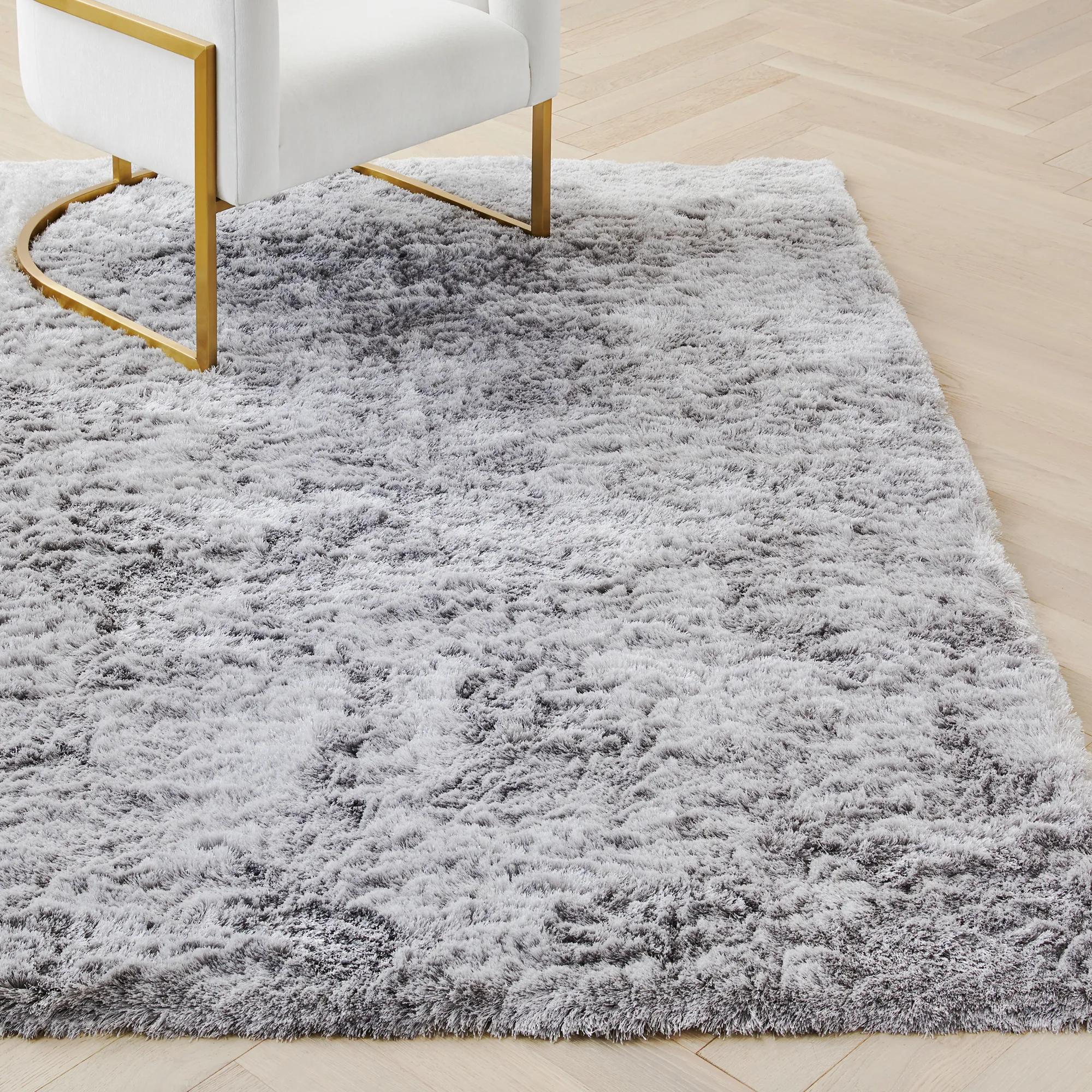 Indochine Shag Platinum Rug$399
A platinum-toned shag rug with a subtle sheen and plush 1.5" polyester pile for luxurious texture.
Add To Cart -
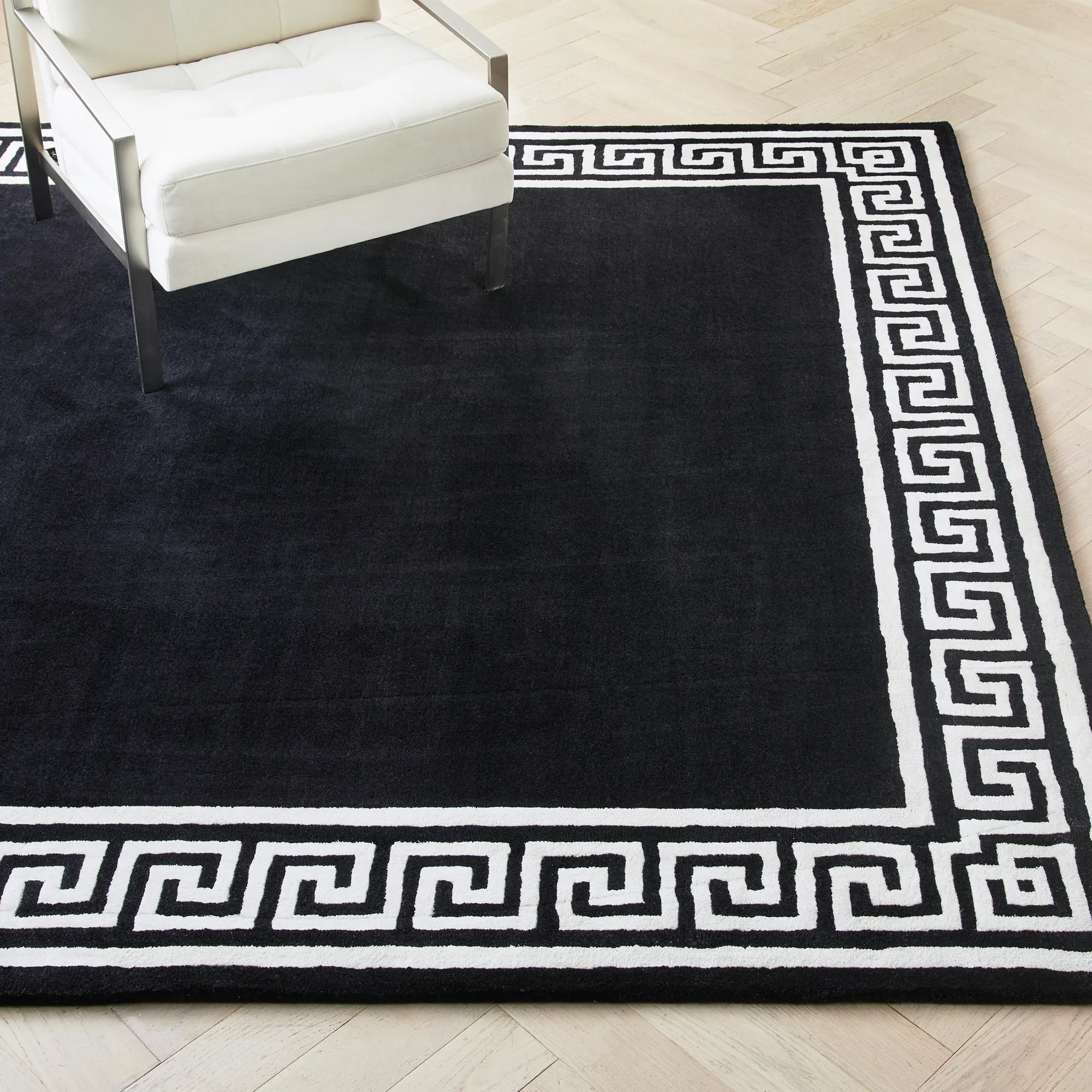
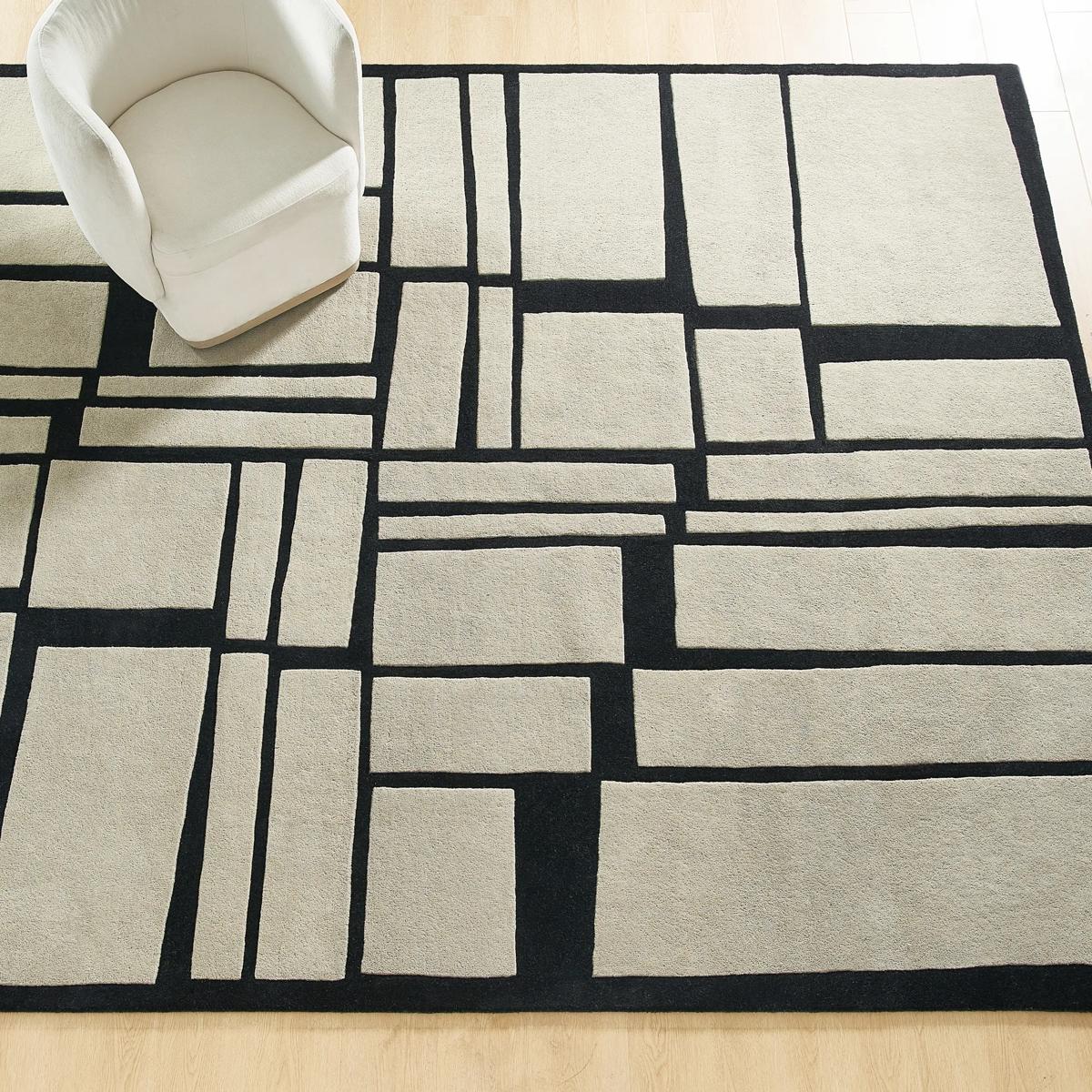
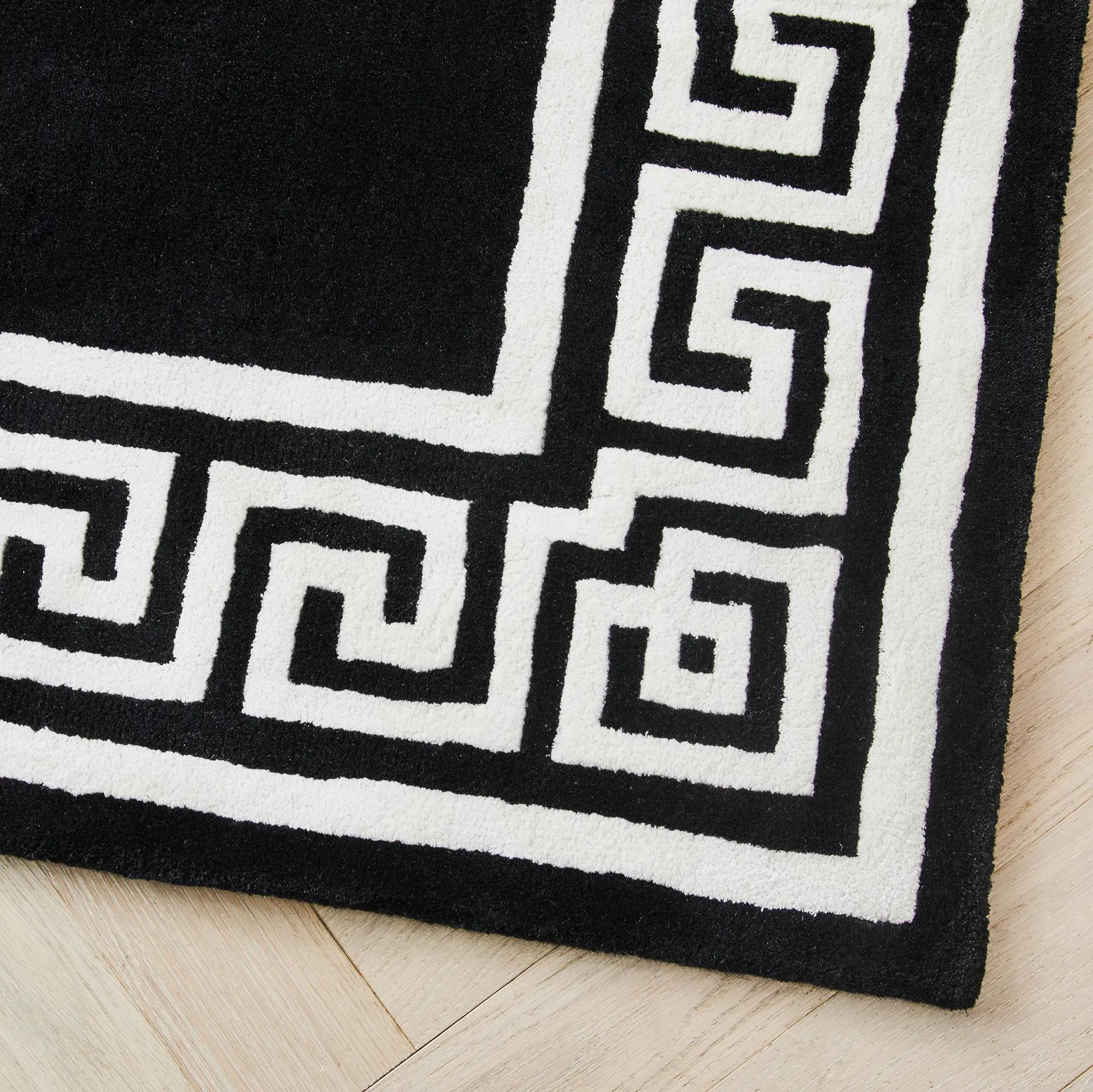 Greek Key Rug - Black/Ivory$1799
A hand-tufted black and ivory rug featuring a classic Greek key pattern in wool and viscose.
Add To Cart -
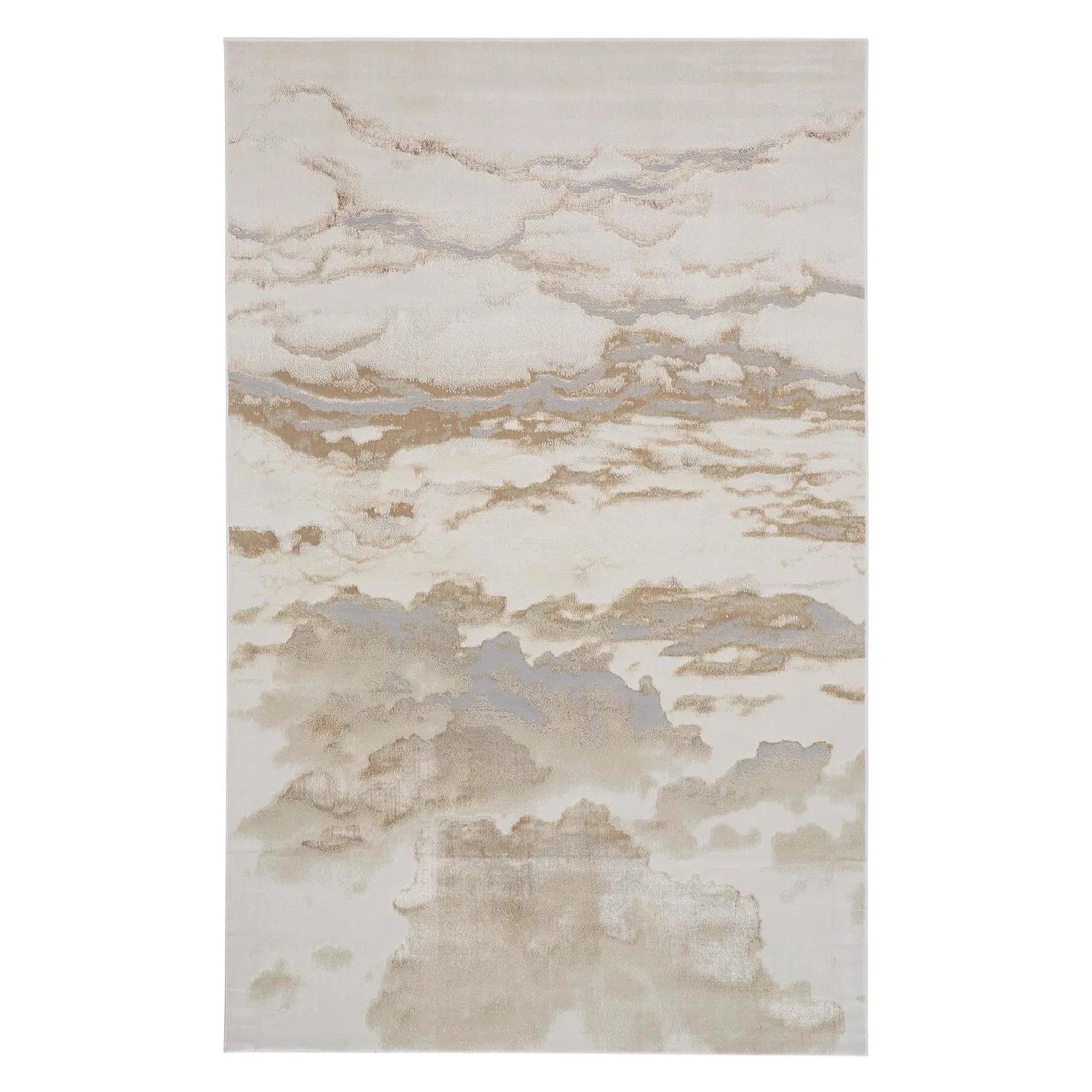
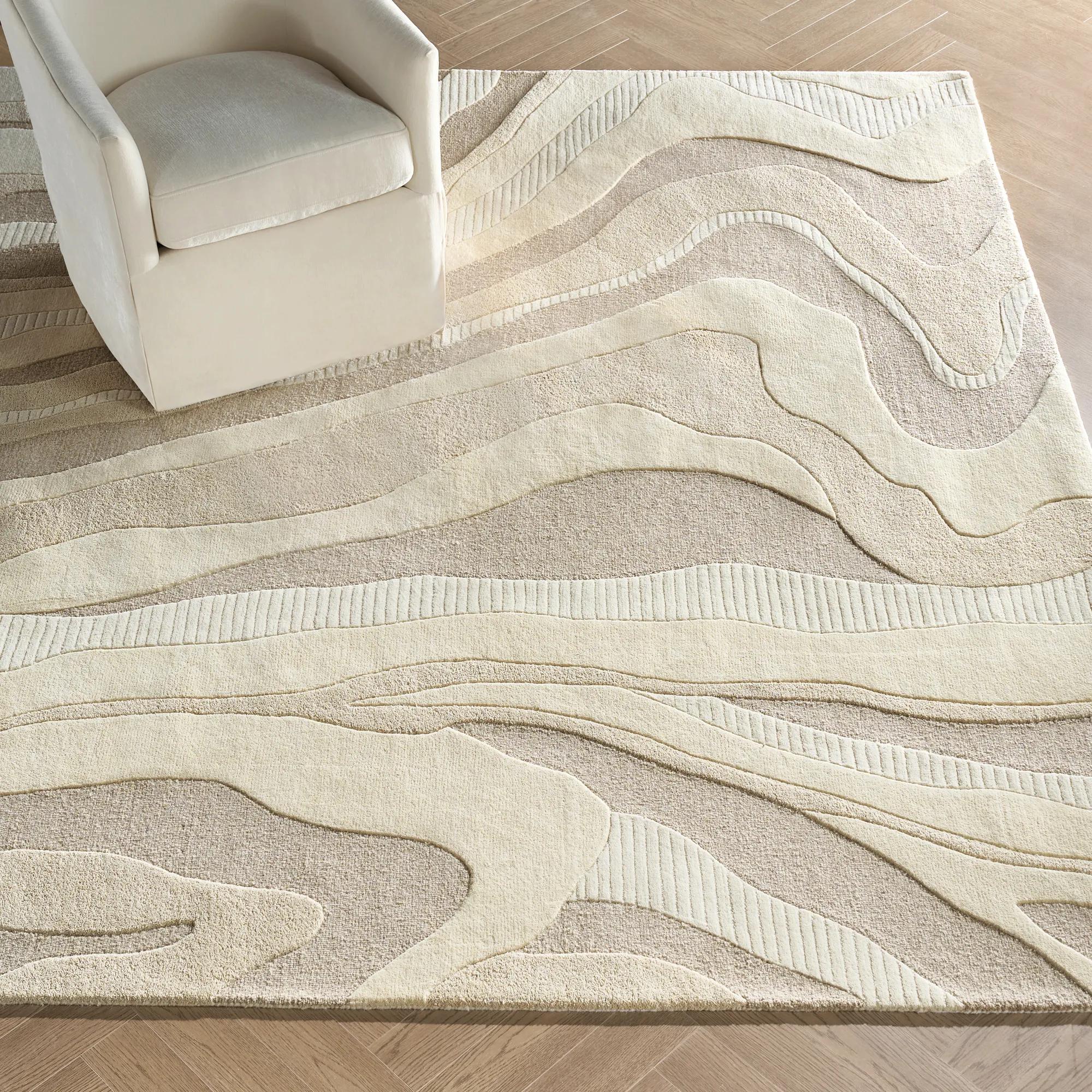
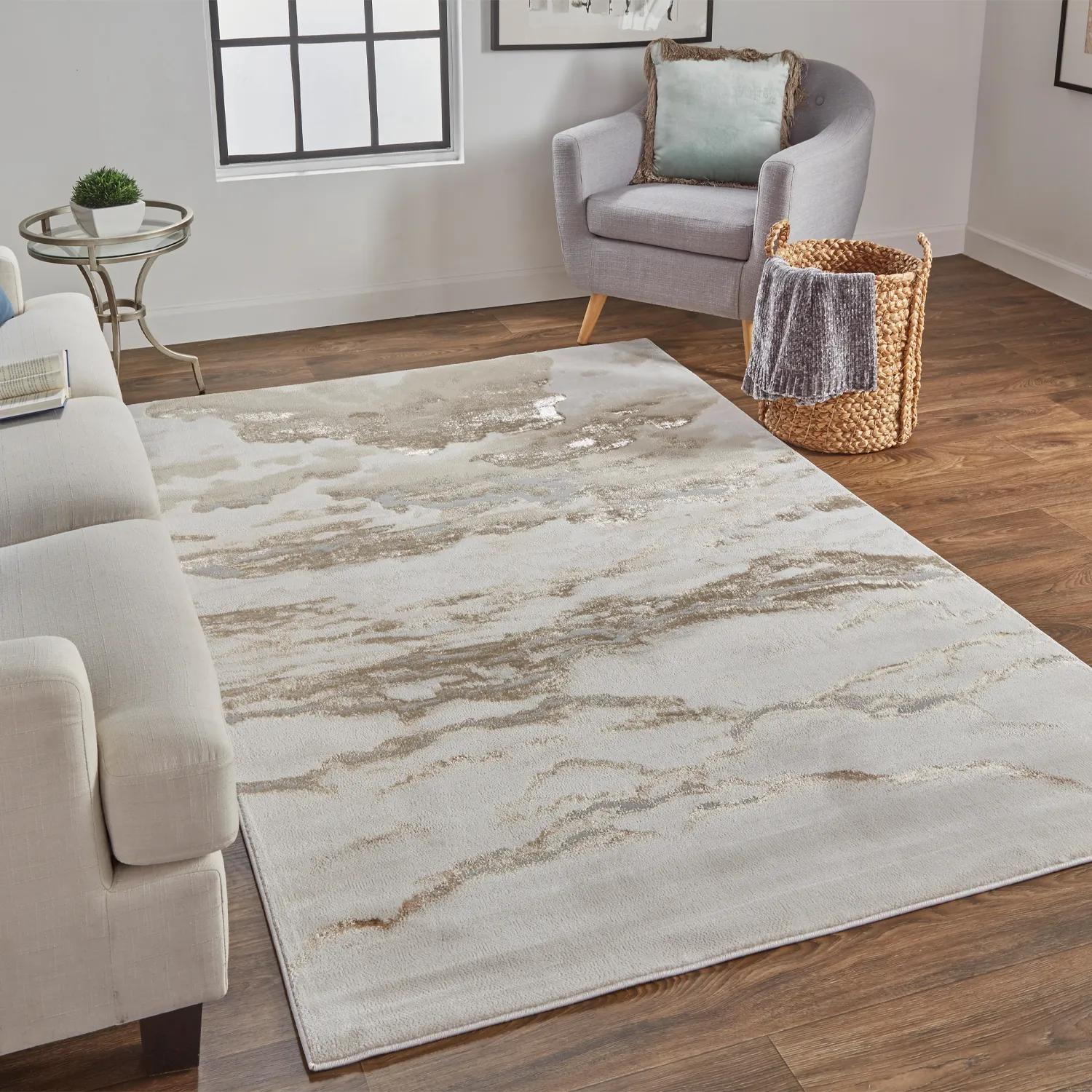 Tide Power-Loomed Beige/Gold/Ivory Rug$899
A machine-made rug in beige and gold, crafted from ultra-soft polyester and polypropylene for elegant spaces.
Add To Cart -
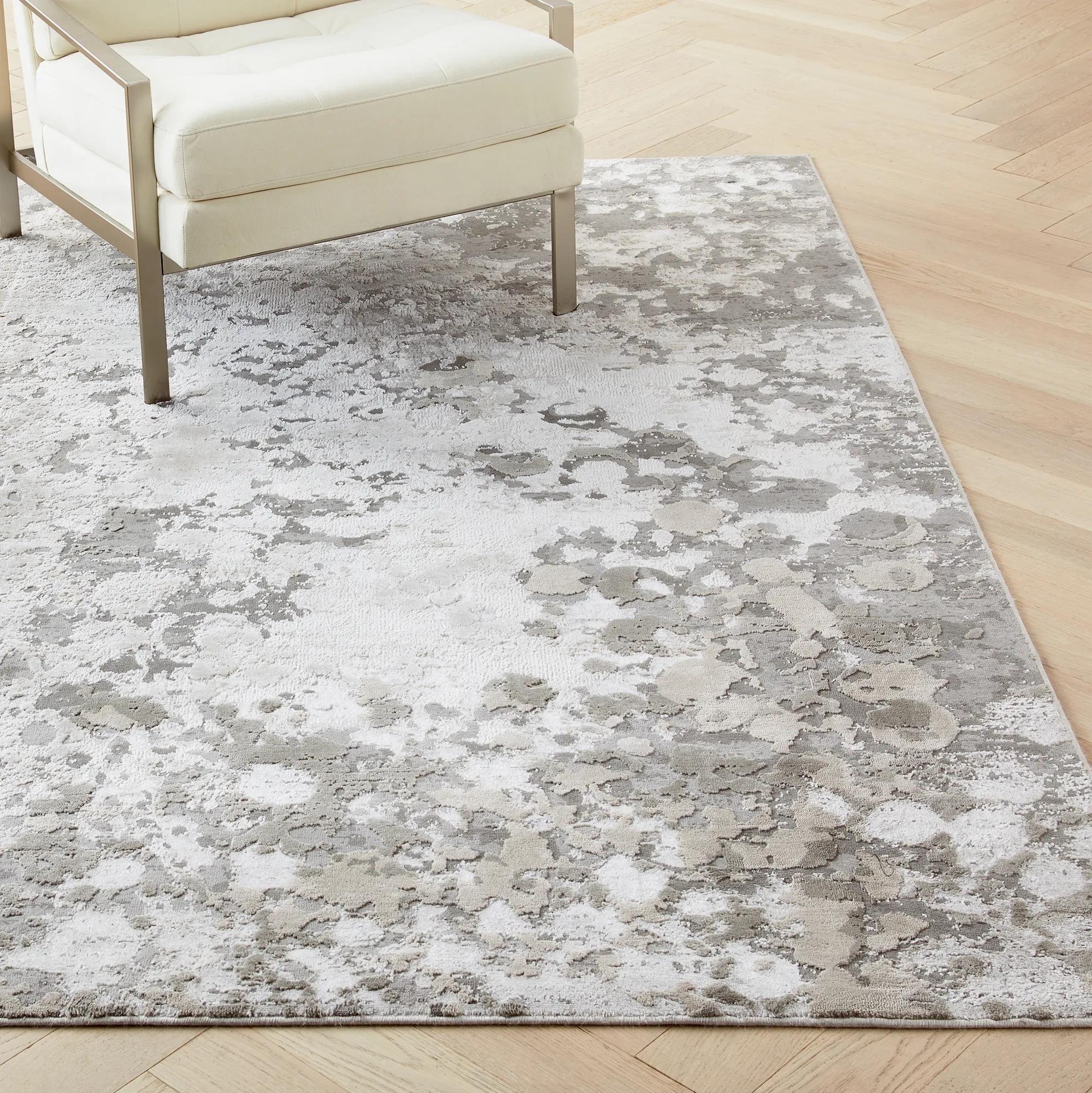 Mercury Power-Loomed Silver/Grey/Beige Rug$249
A neutral floor covering featuring a silver, grey, and beige palette with a textured polyester blend.
Add To Cart -
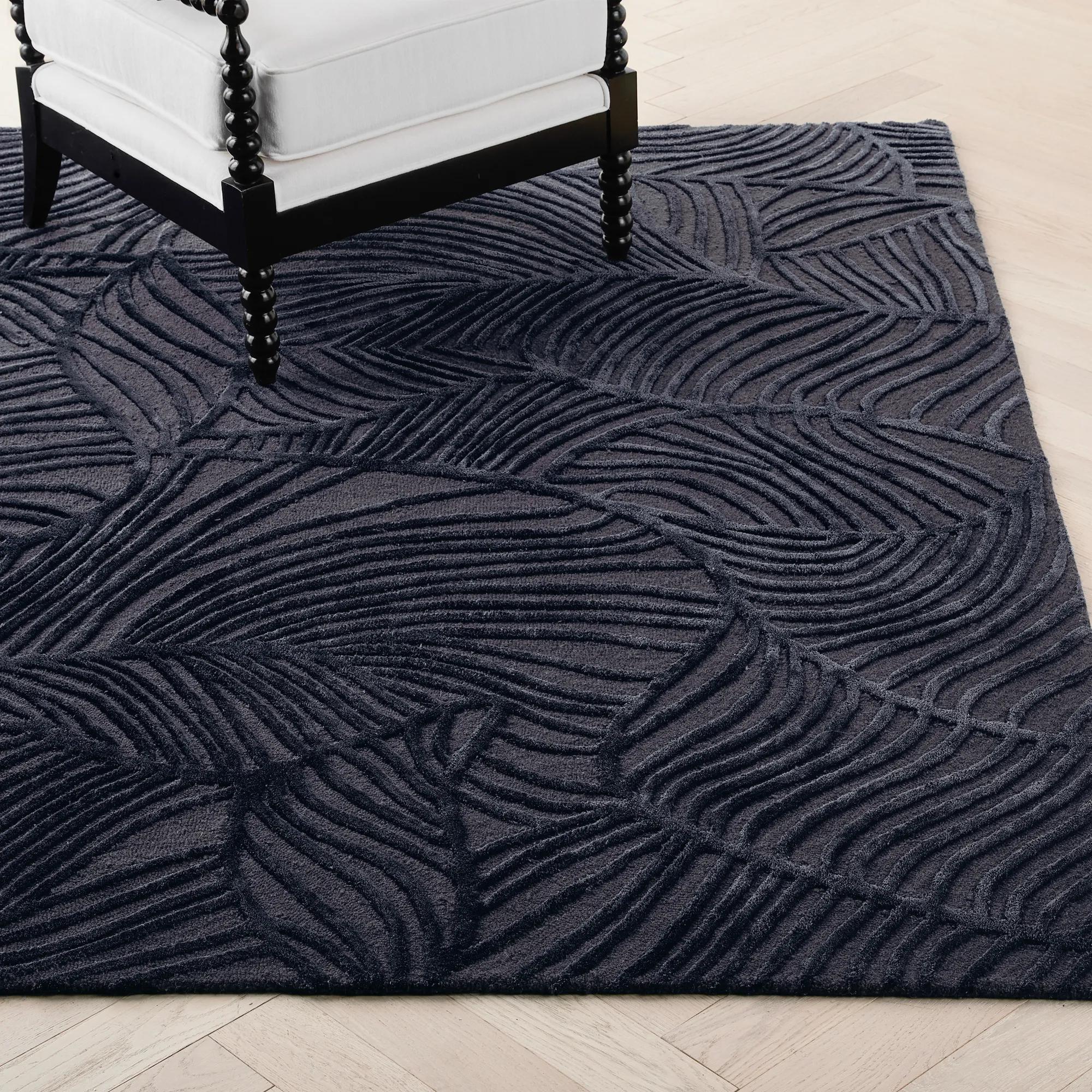
 Palm Rug - Charcoal$499
A charcoal rug featuring a dynamic palm-leaf design with high-low pile in viscose and wool.
Add To Cart -
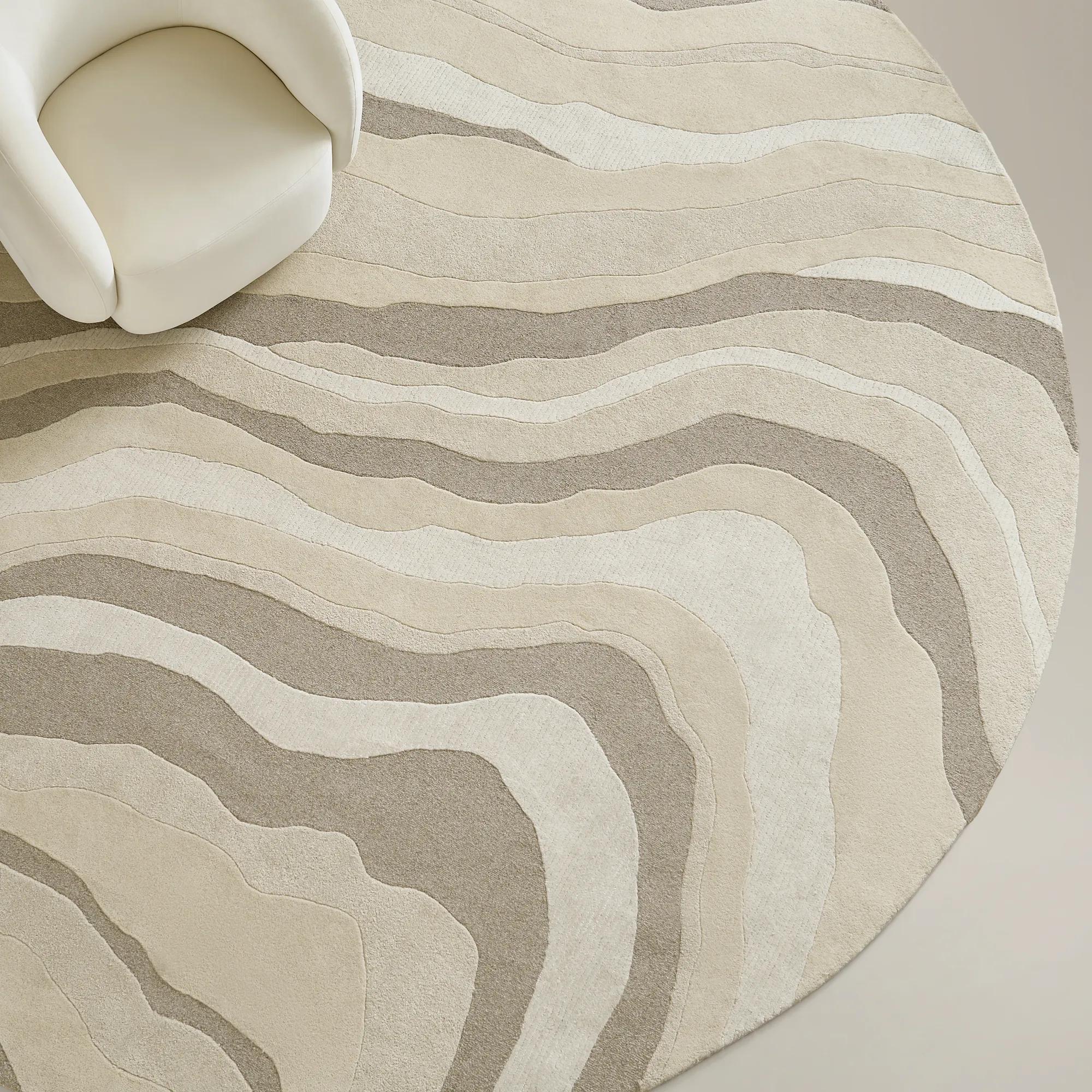
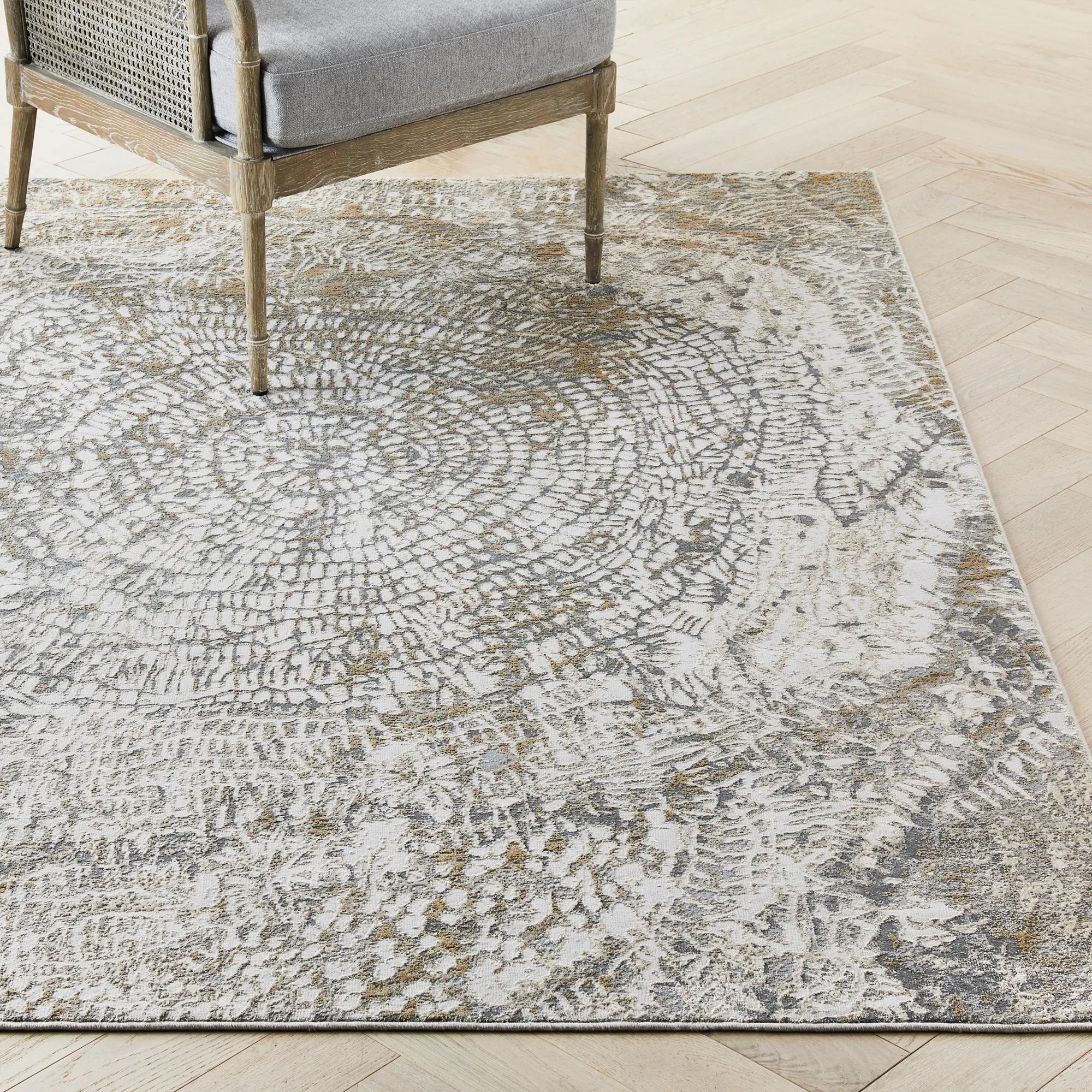 Nautilus Power-Loomed Silver/Grey/Natural Rug$449
A machine-woven ivory rug featuring subtle tree ring-inspired patterns in durable polypropylene and viscose.
Add To Cart -
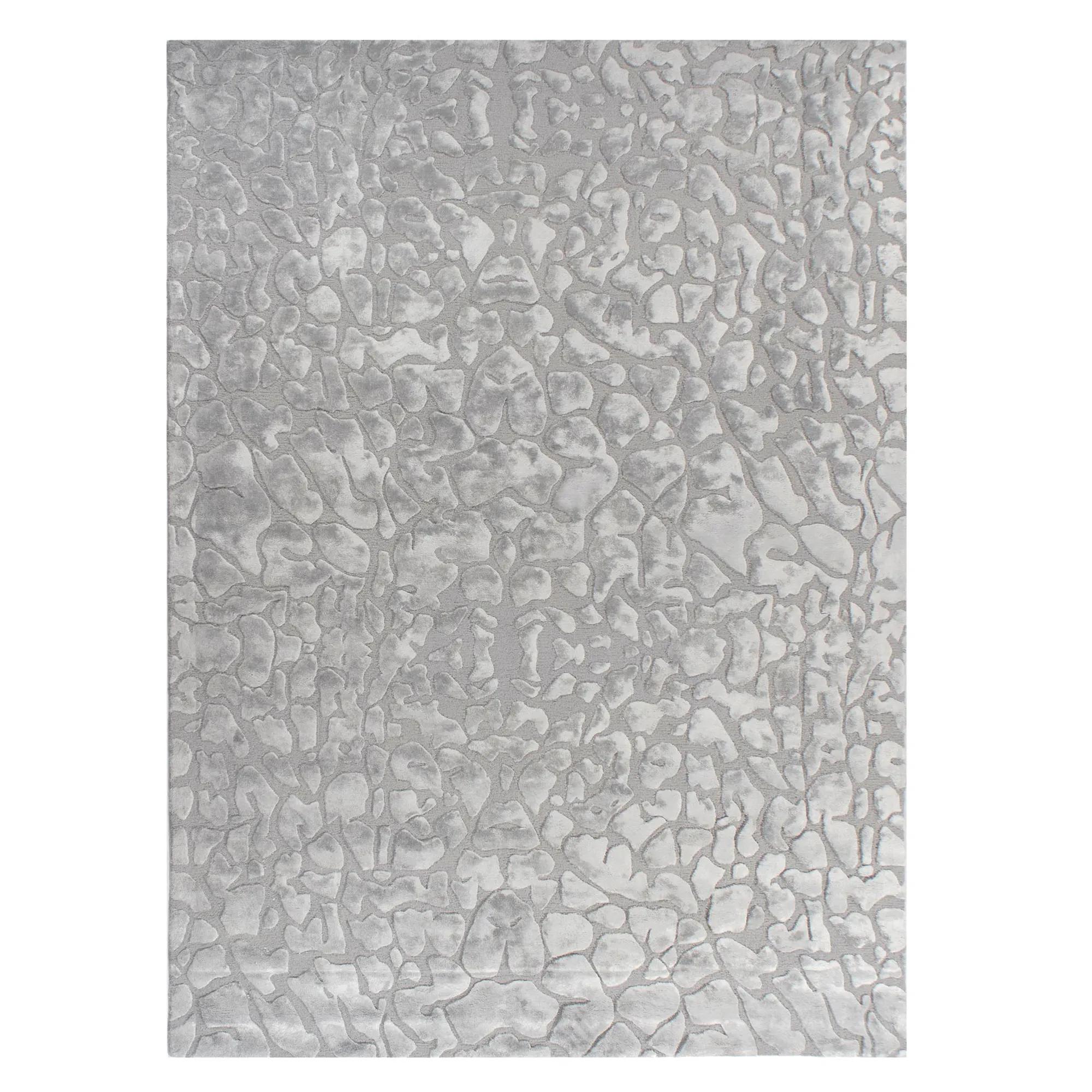
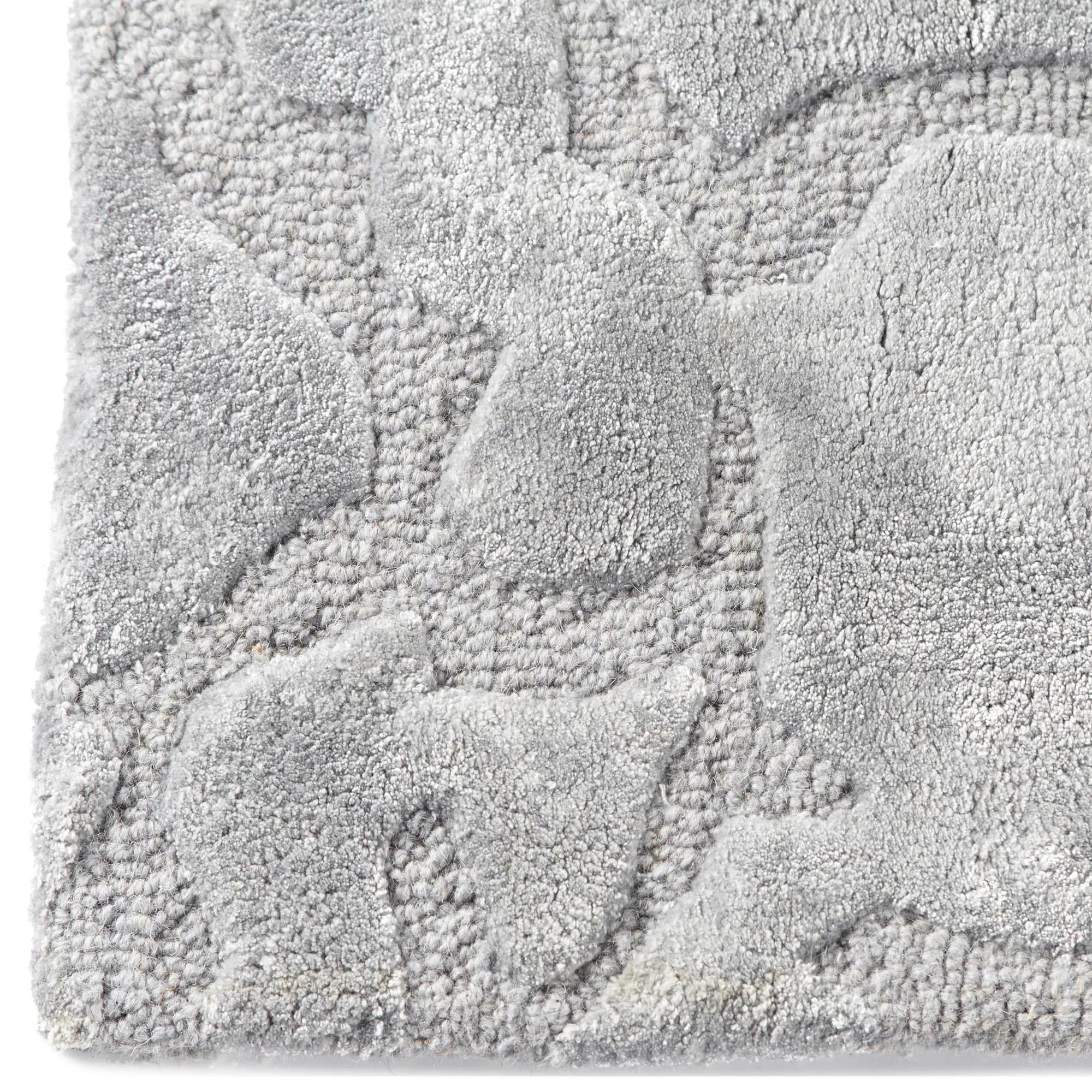 Nola Hand-Tufted Cool Grey Wool Blend Rug$849
A hand-tufted silver rug with contrasting pile heights, crafted from wool and viscose for plush texture.
Add To Cart -
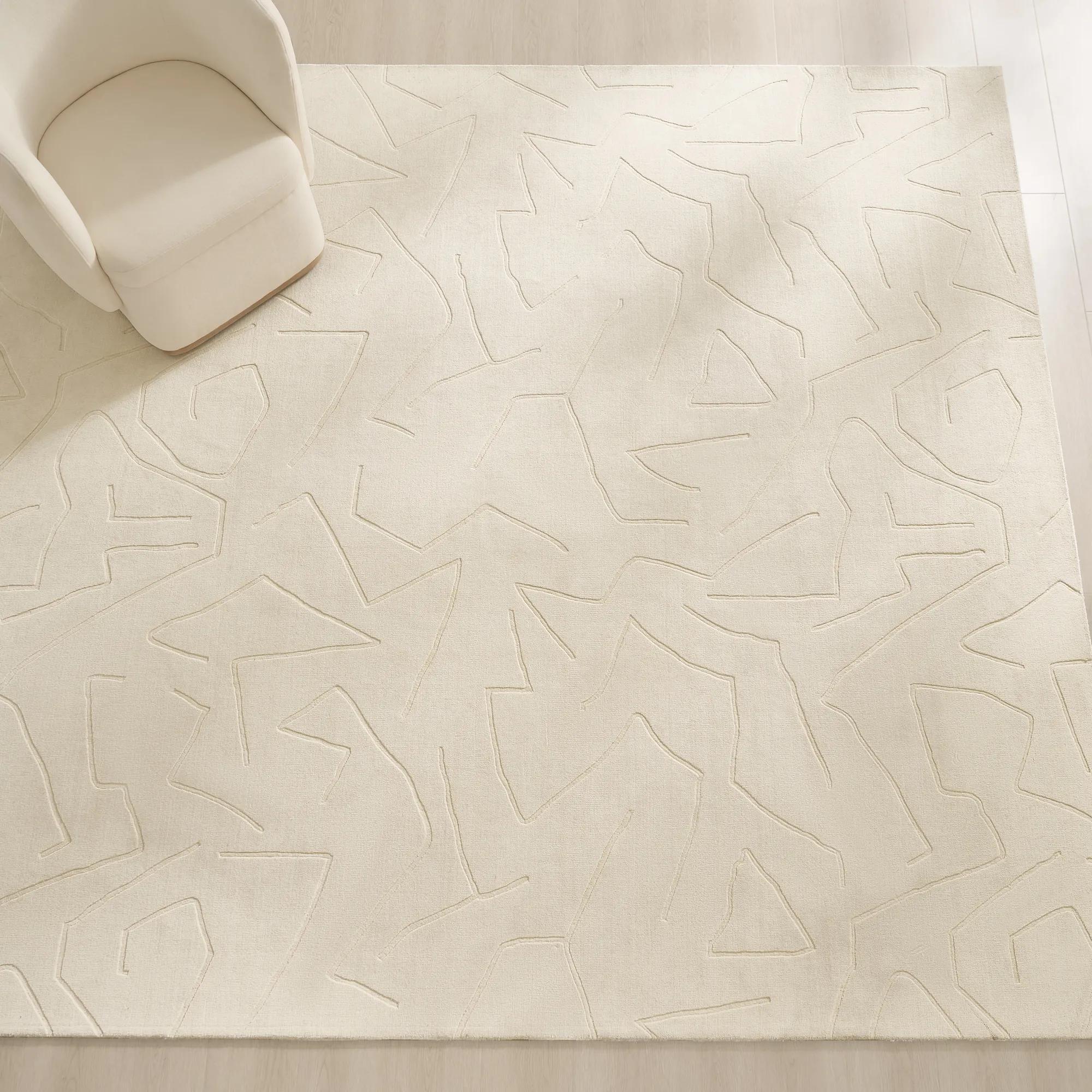 Carved Maze Ivory Hand-Loomed Wool Blend Rug$699
A hand-loomed ivory wool-blend rug featuring a carved maze pattern for modern, textural appeal.
Add To Cart -
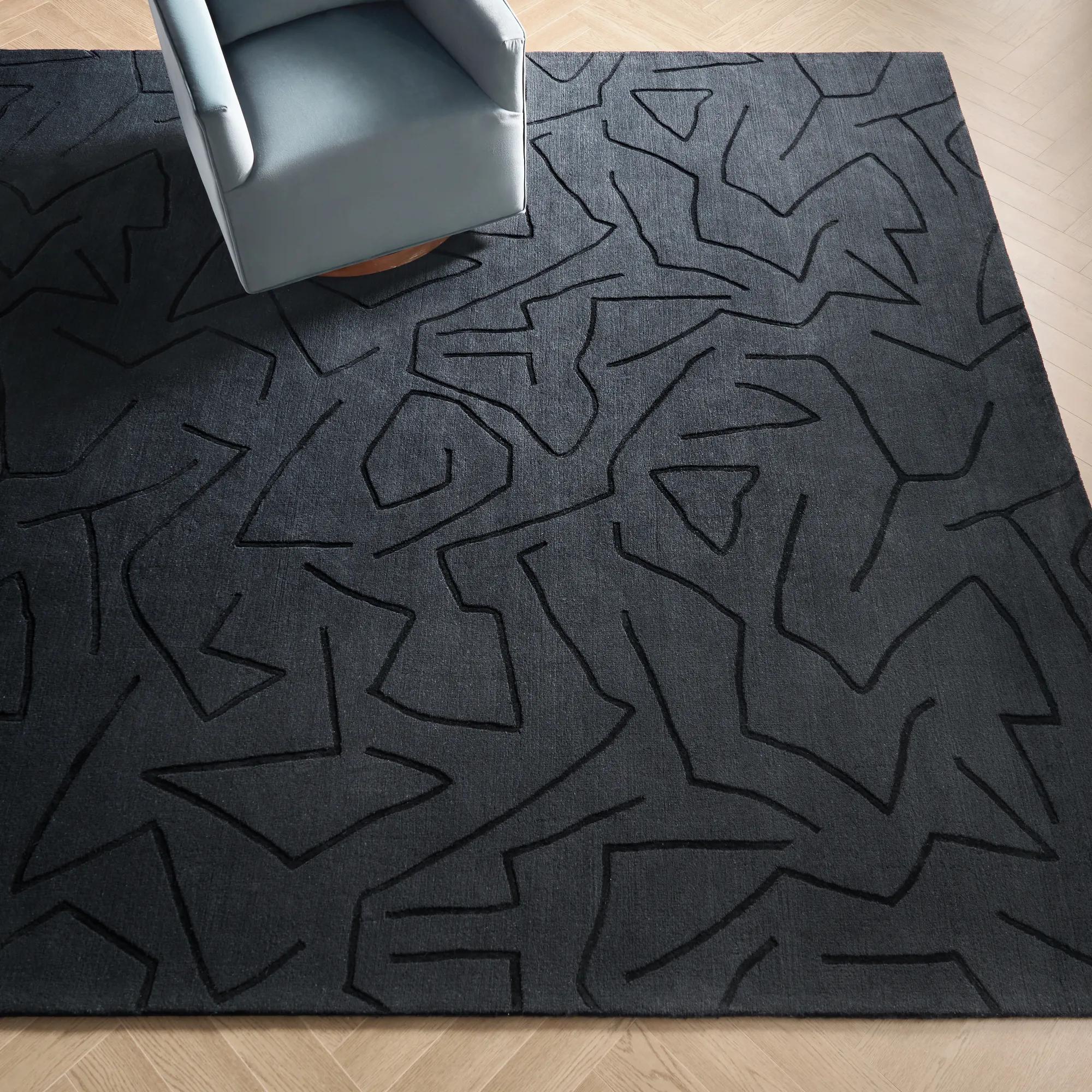 Carved Maze Rug$699
A hand-loomed black rug crafted from wool and viscose, featuring a carved maze design for added texture.
Add To Cart -
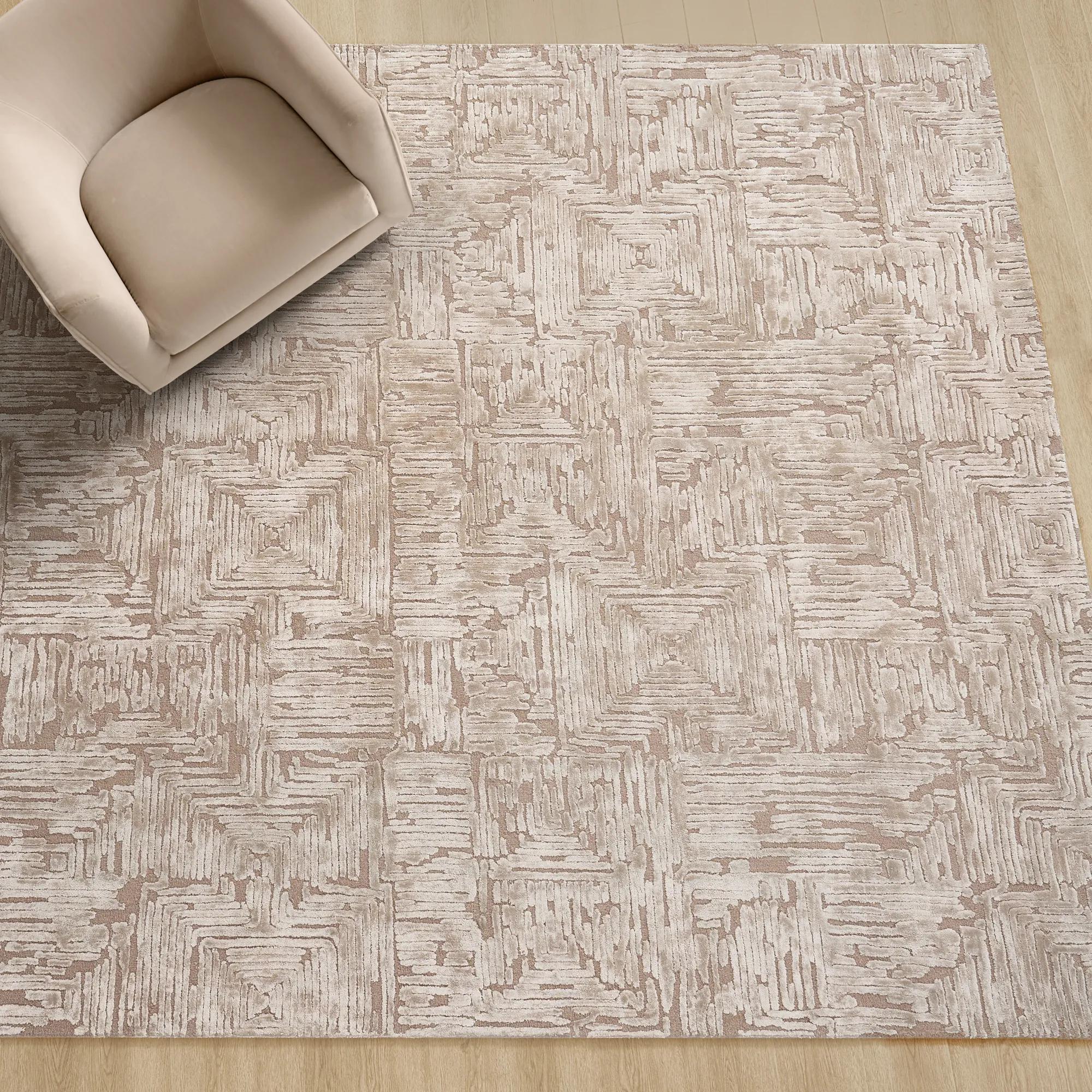
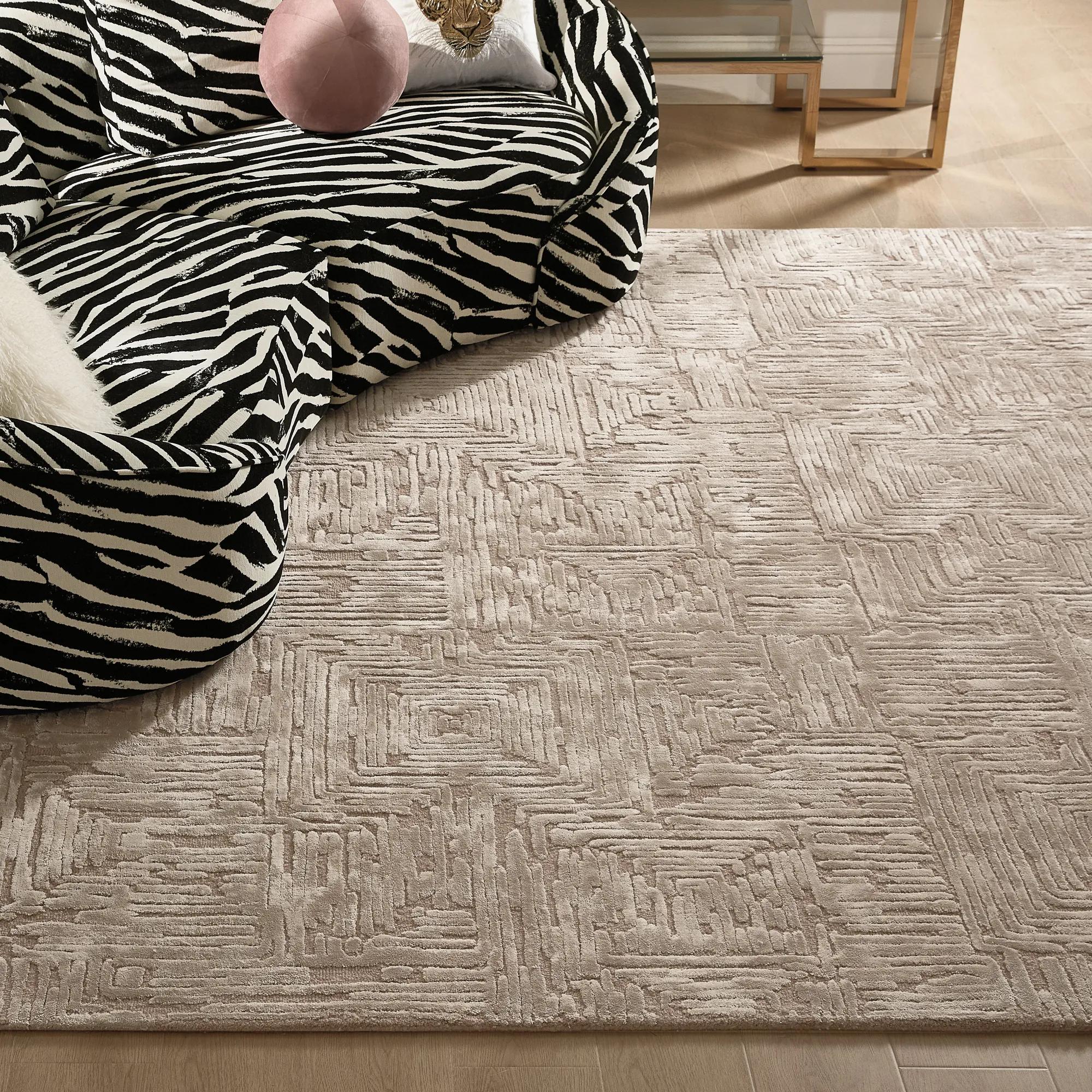 Andra Hand-Tufted Mocha Rose Viscose & Wool Dimensional Rug$1499
A hand-tufted mocha rose rug blending viscose and wool with dimensional broken geometric texture.
Add To Cart -
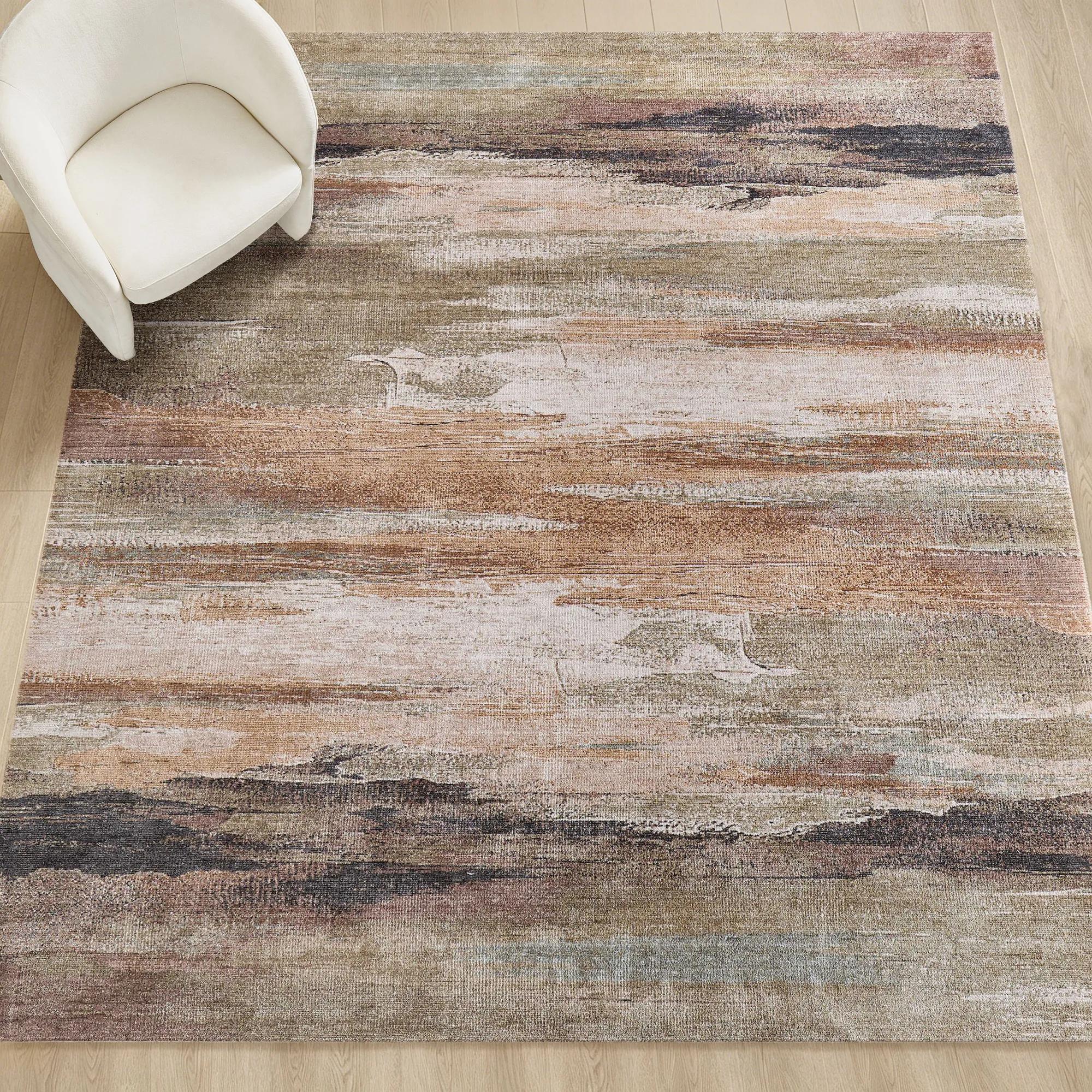
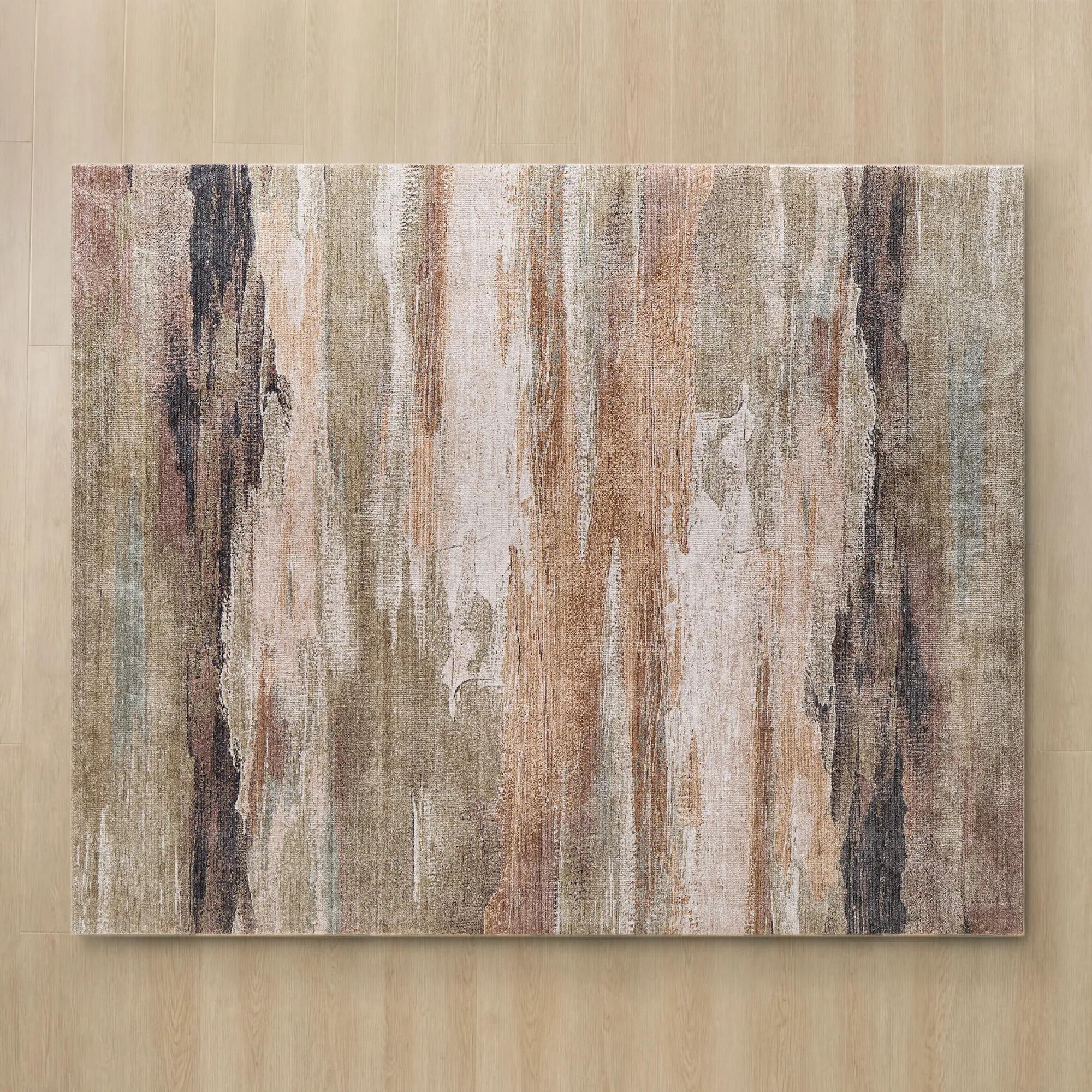 Sedona Rust/Beige/Moss Green/Charocal/Blue Performance Power Loomed Rug$1999
A power-loomed polyester rug featuring a rich abstract pattern in rust, beige, moss green, charcoal, and blue.
Add To Cart -
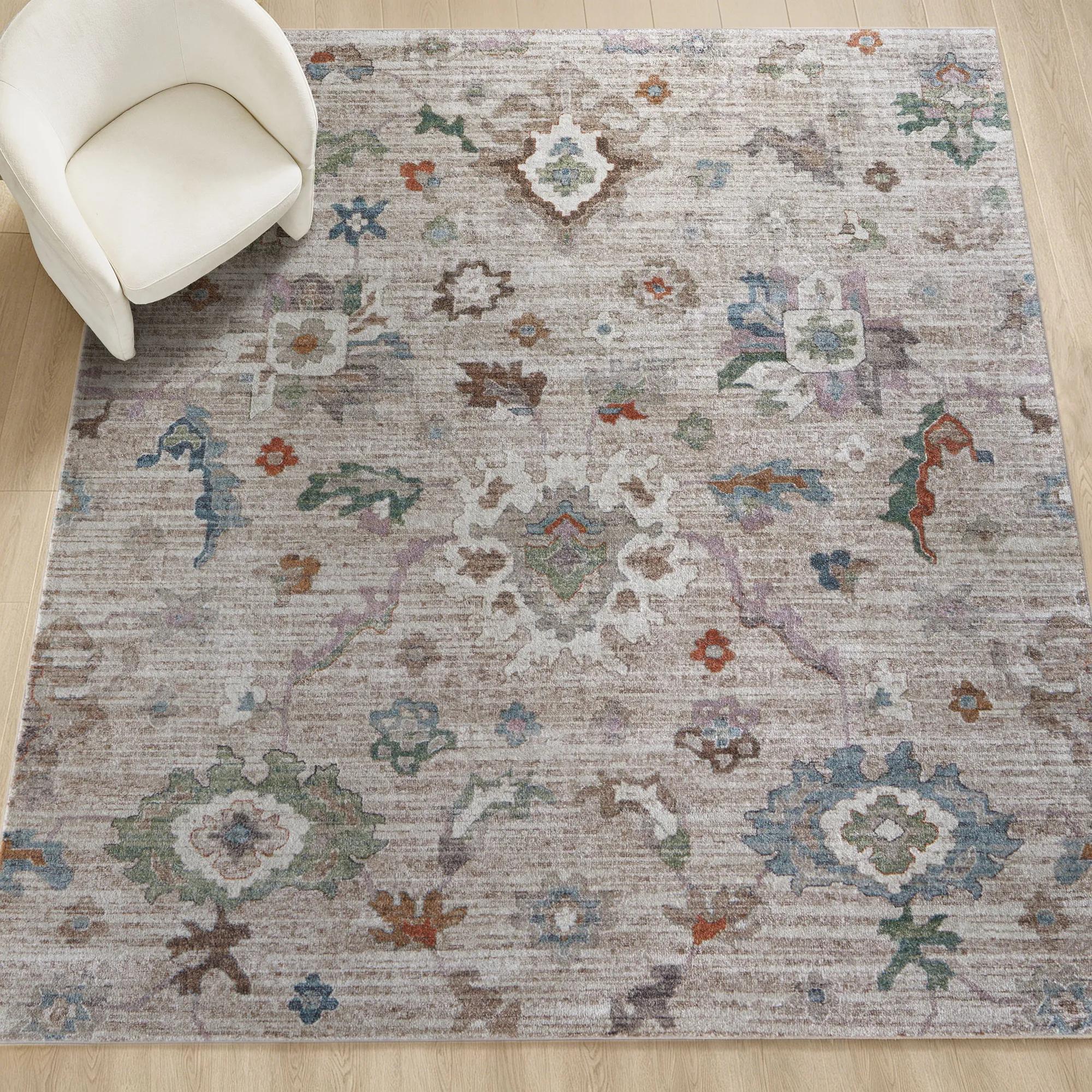
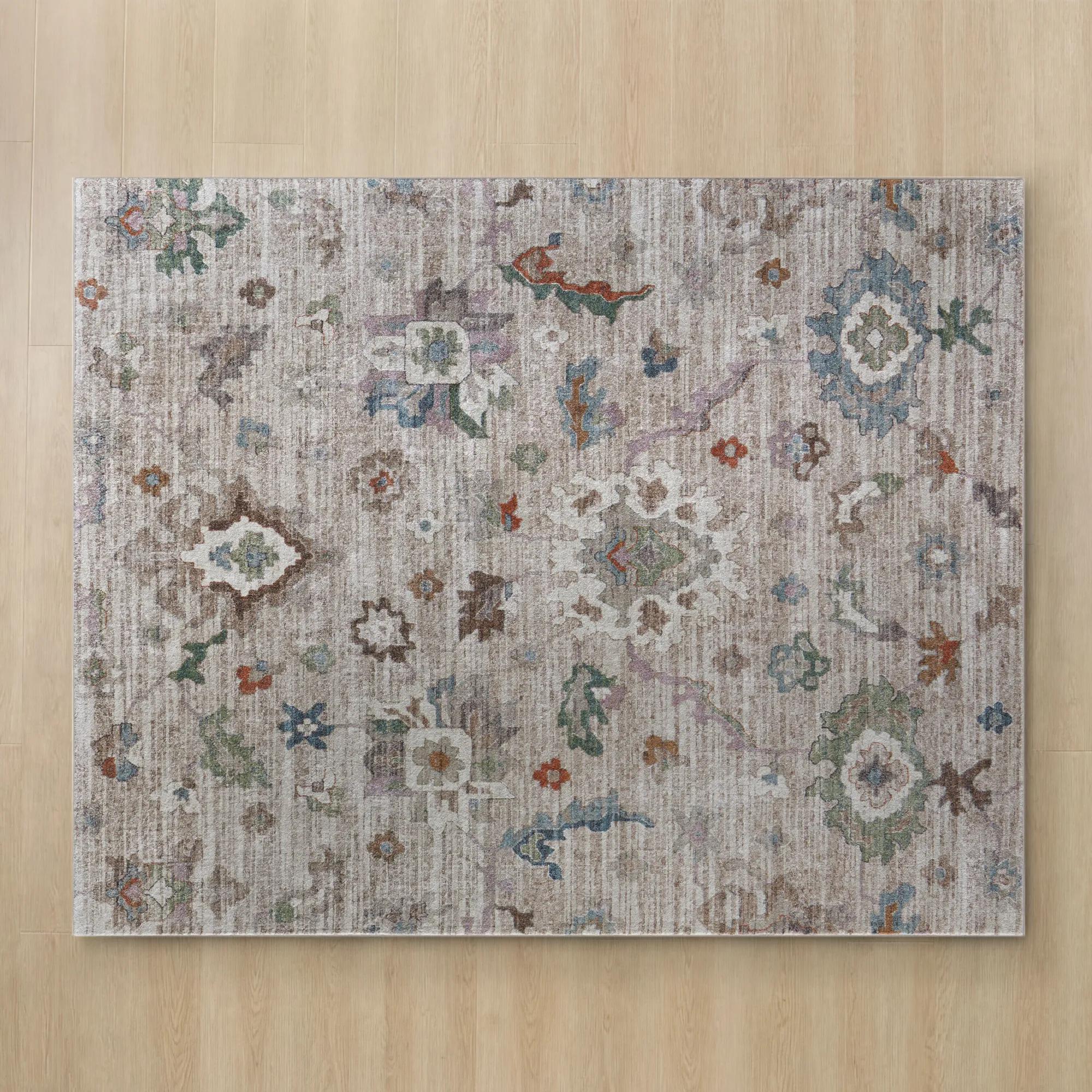 Ariella Floral Taupe/Ivory/Beige/Blue/Green Performance Power Loomed Rug$1399
A Persian-inspired rug in taupe, ivory, beige, blue, and green with a plush, power-loomed polypropylene pile.
Add To Cart -
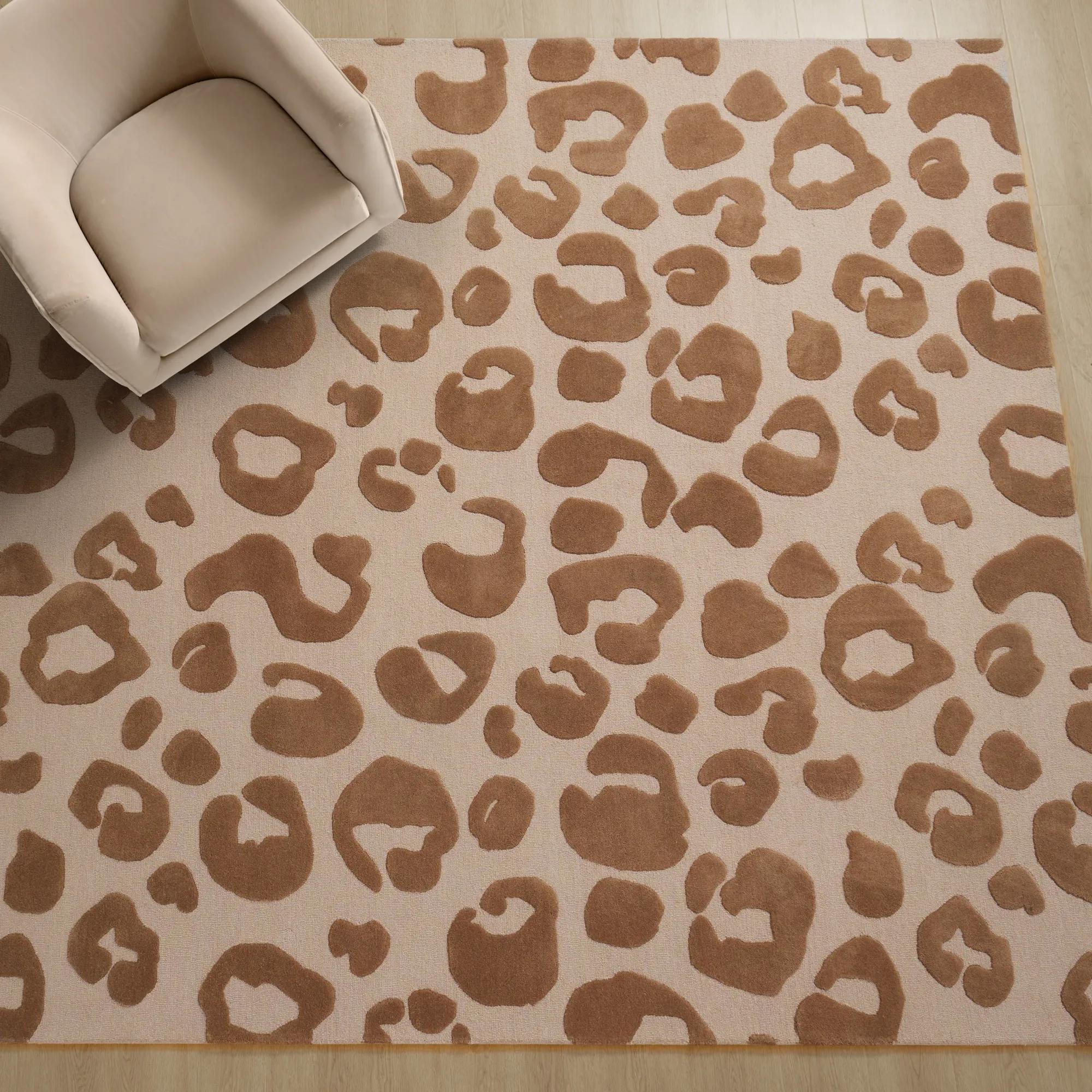 Pounce Hand-Tufted Tawny Brown Leopard Print Wool Rug$499
A hand-tufted wool rug featuring a tawny brown leopard print and dimensional high-low texture.
Add To Cart -
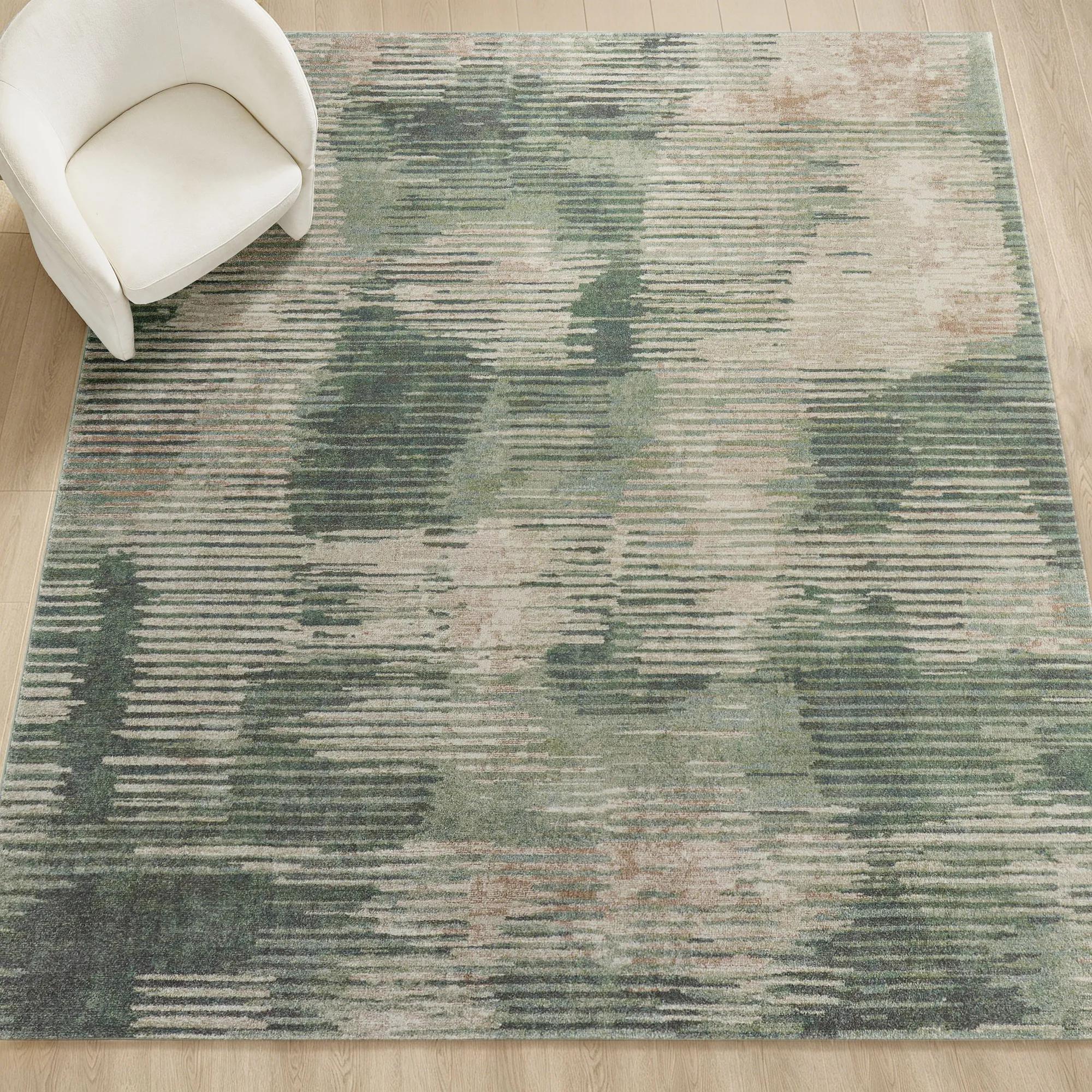
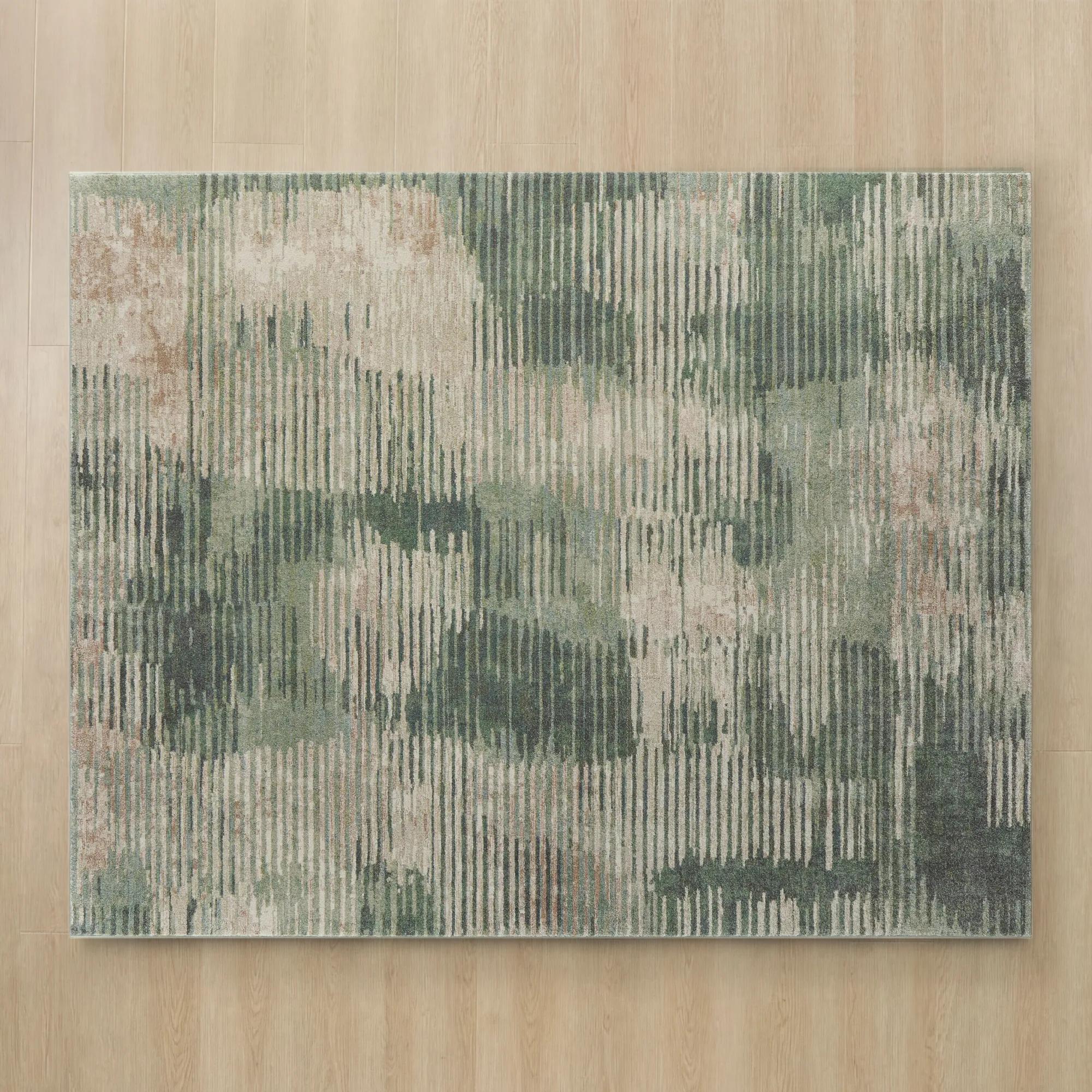 Sylvan Green/Beige Power Loomed Rug$689
A contemporary rug featuring a smoked olive green and beige organic pattern with a soft, power-loomed polypropylene pile.
Add To Cart -
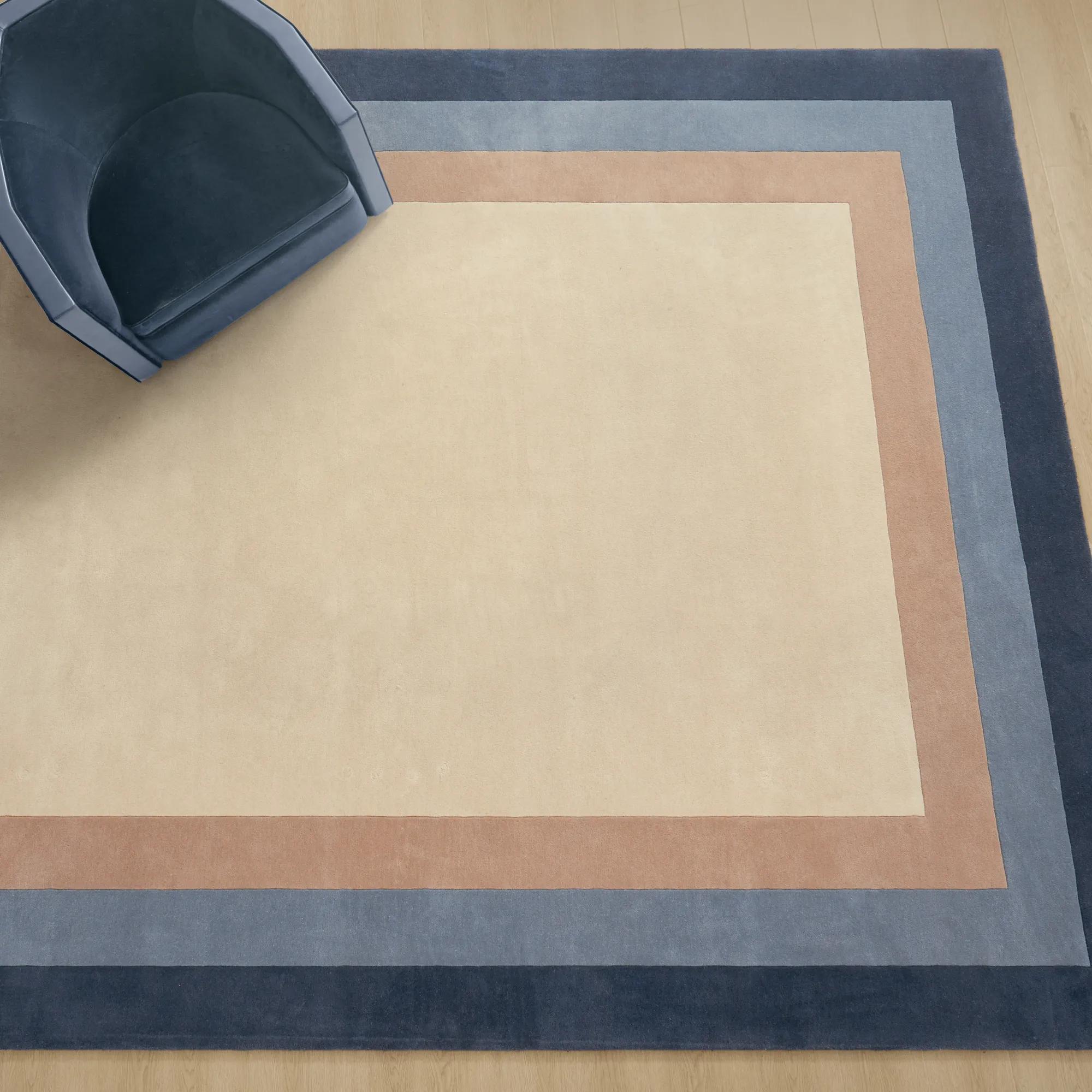 Bastien Hand-Tufted Blue/Taupe/Ivory Wool Border Rug$499
A hand-tufted wool rug with a graphic blue, taupe, and ivory color-blocked border.
Add To Cart -
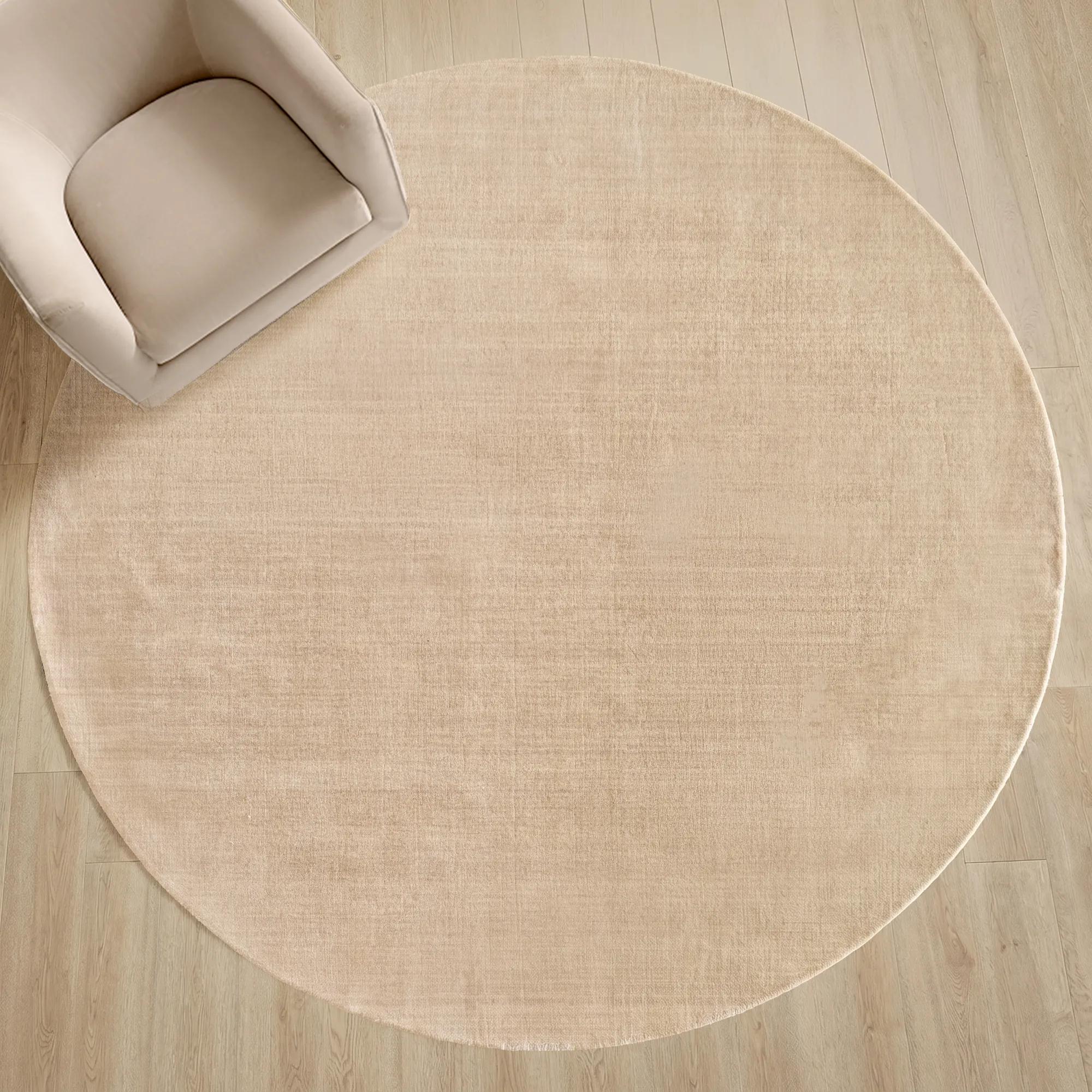 Juni Hand Woven Heathered Warm Beige Round Rug$1399
A handwoven round wool rug in heathered warm beige, offering refined texture and everyday durability.
Add To Cart -
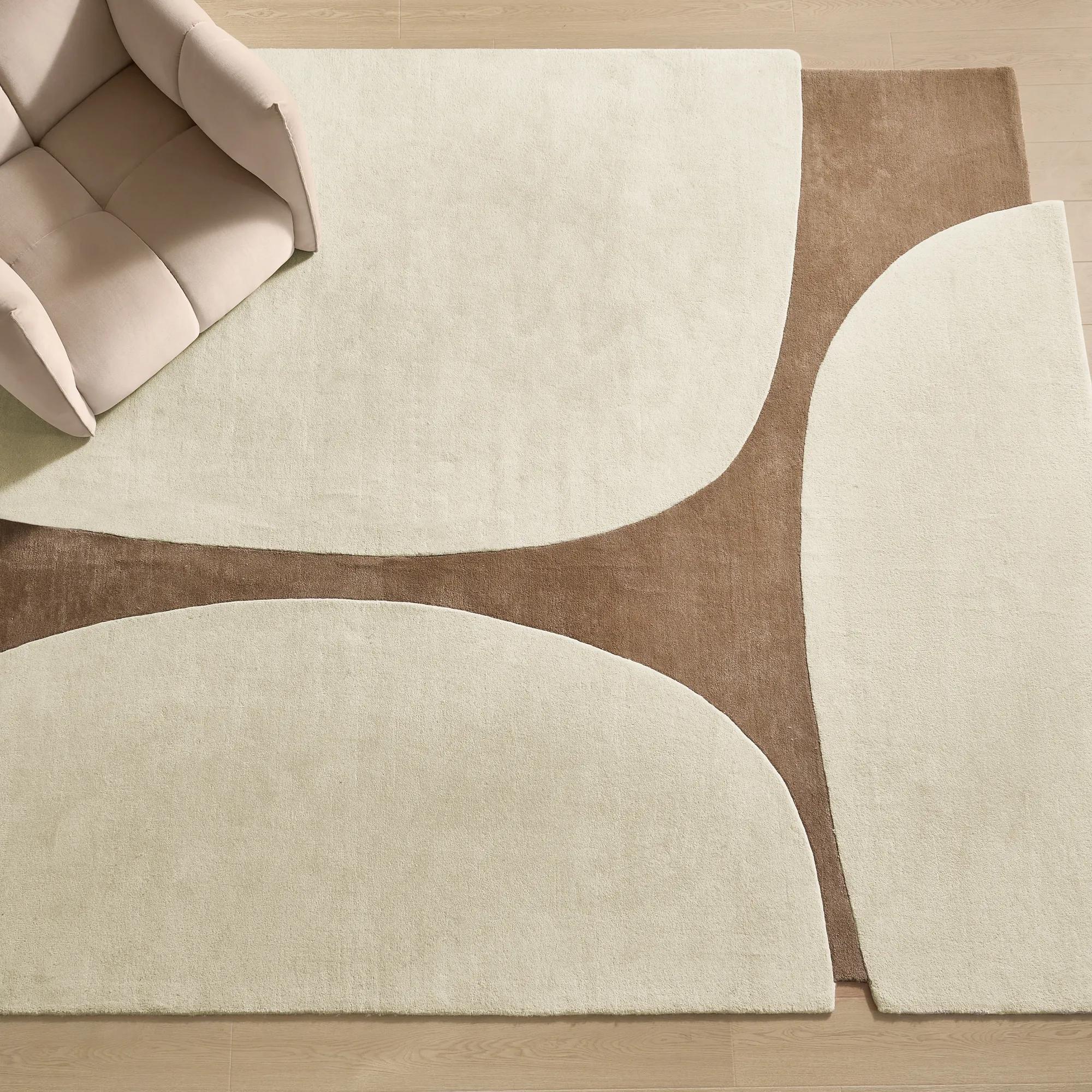
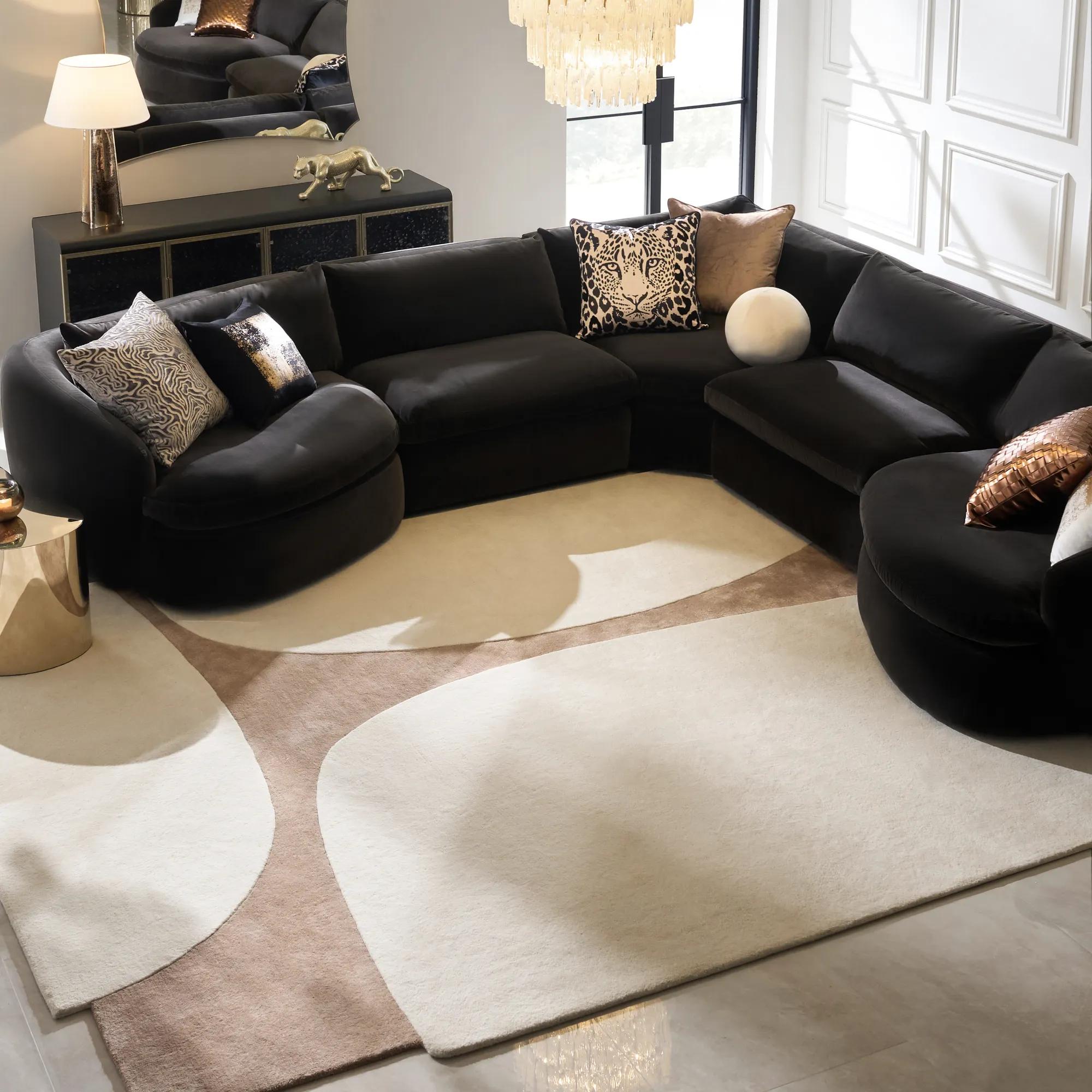 Contour Hand-Tufted Ivory/Ginger Root Wool Blend Rug$1499
A hand-tufted wool rug featuring an ivory and ginger root palette with a contoured, modern design.
Add To Cart -
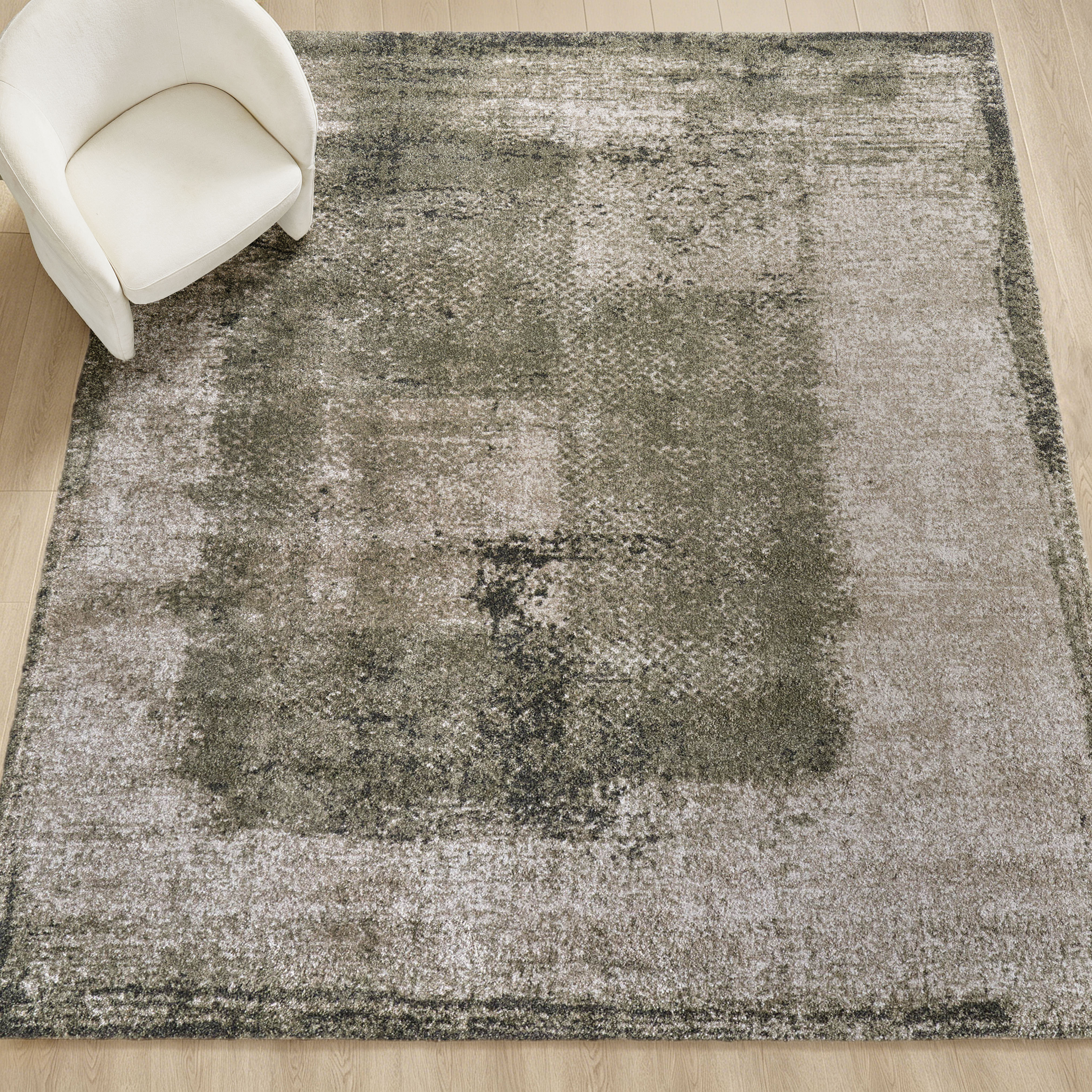
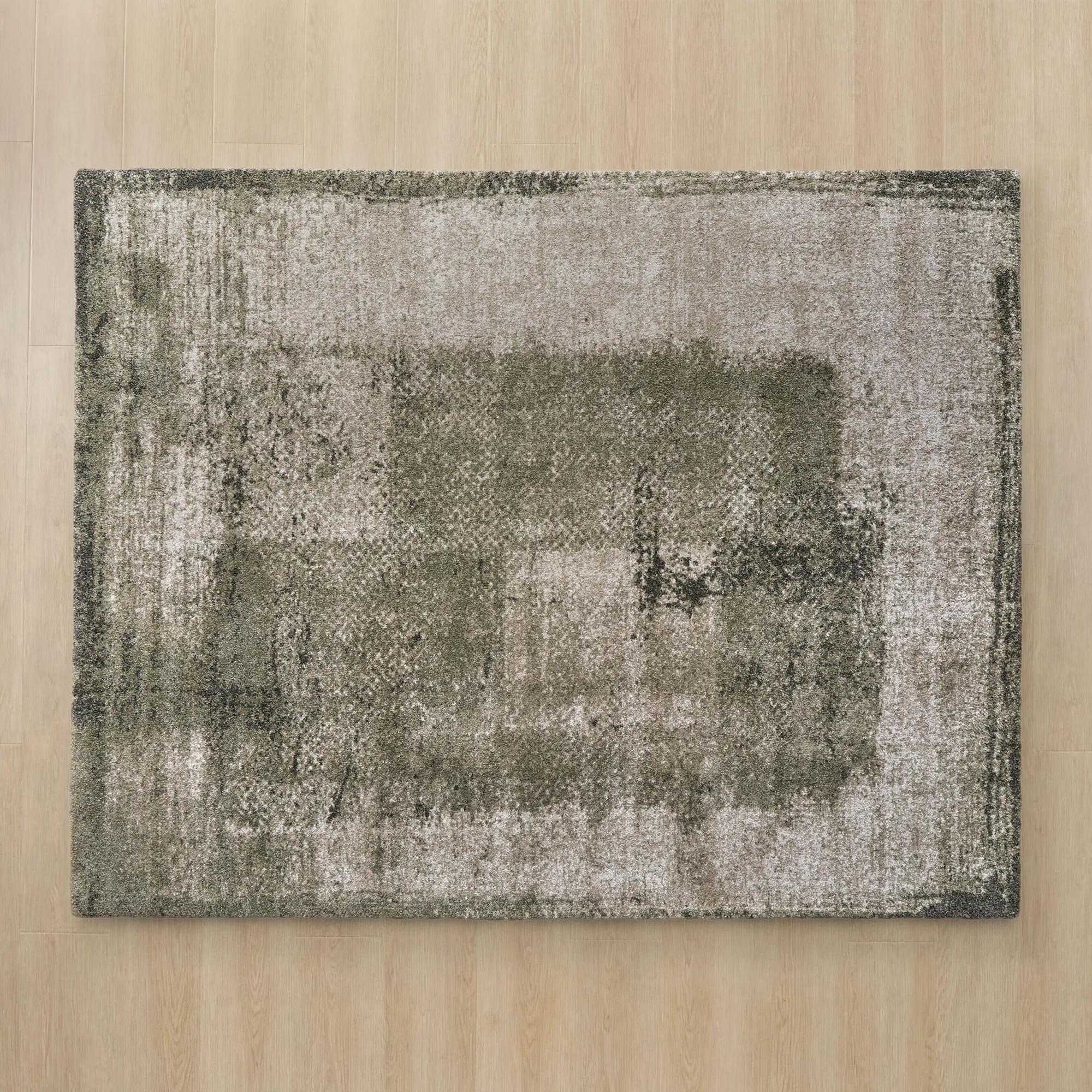 Irving Abstract Moss Green/Beige/Grey Performance Power Loomed Rug$849
An abstract rug in moss green, beige, and grey with plush, durable power-loomed polypropylene and polyester.
Add To Cart -
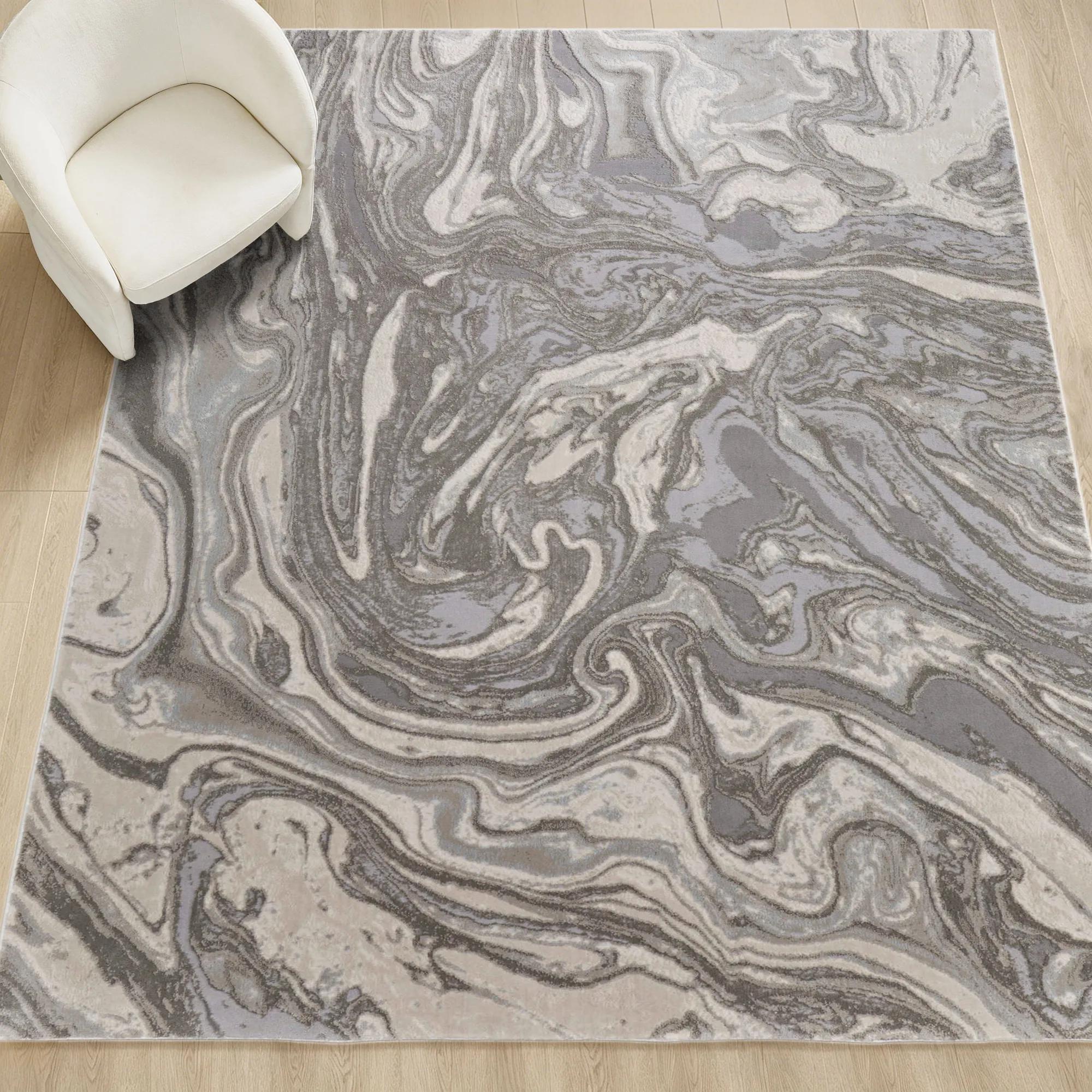
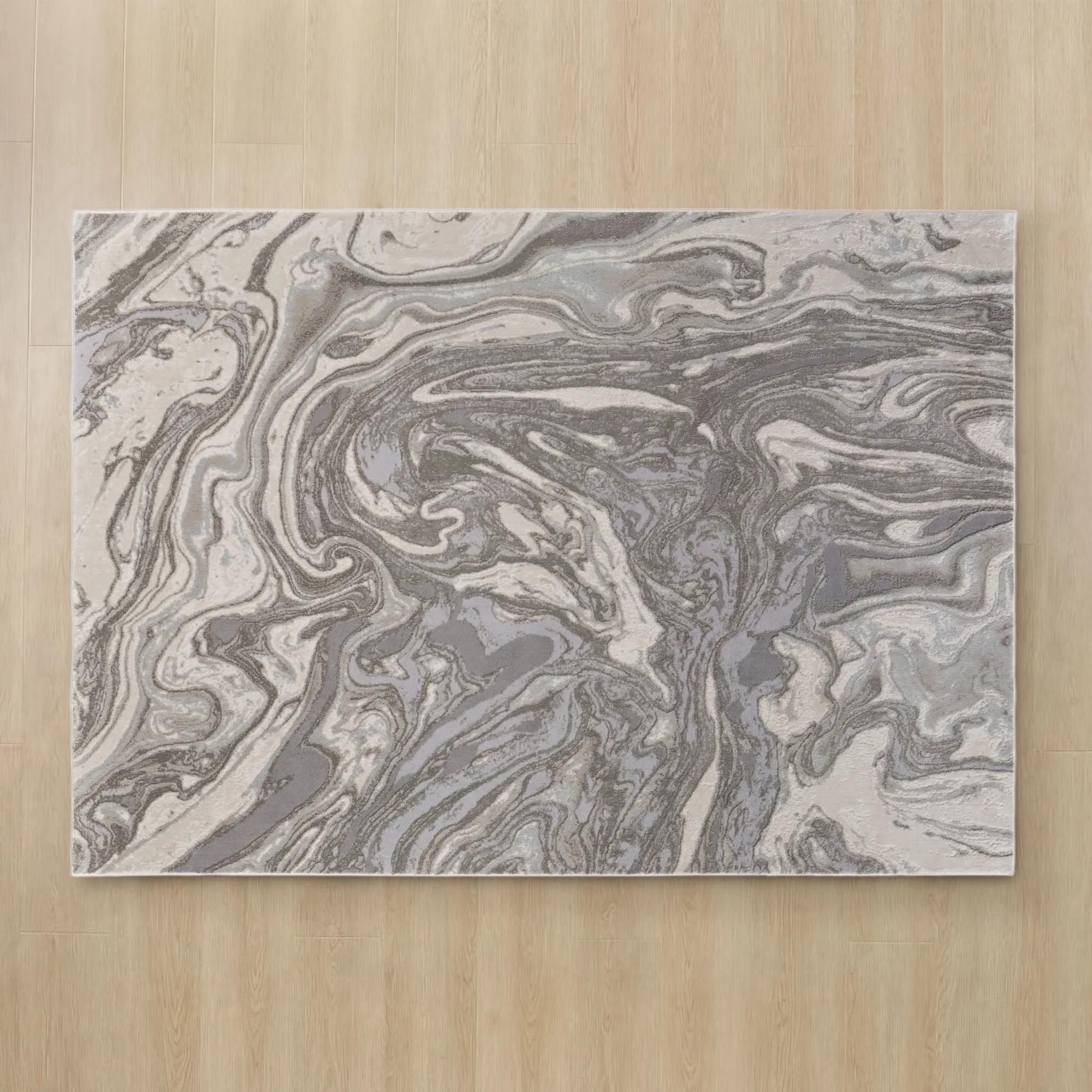 Marbre Marbled Grey/Taupe/Powder Blue Performance Power Loomed Rug$379
A softly marbled rug in grey, taupe, and powder blue with a textured, stain-resistant polypropylene blend.
Add To Cart -
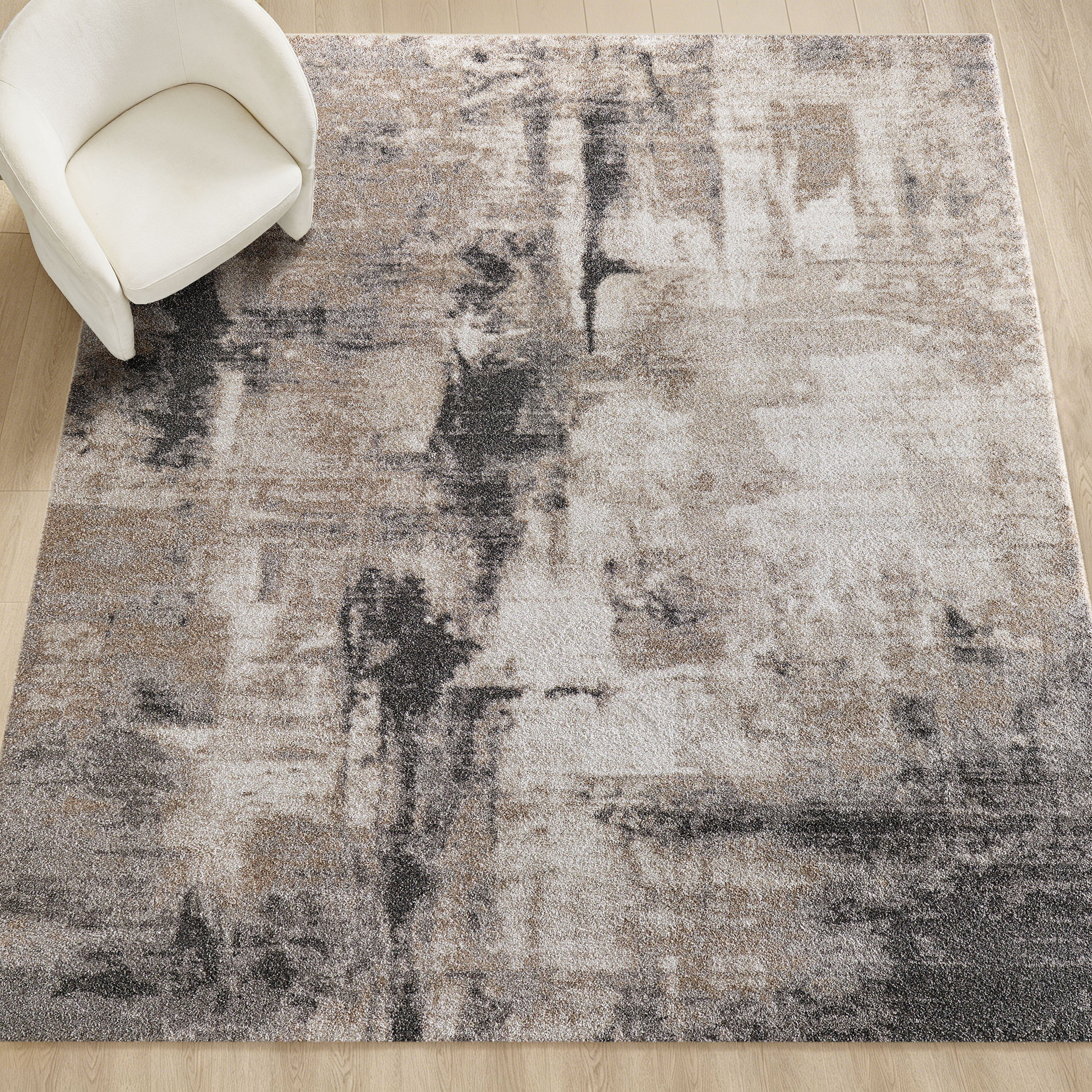
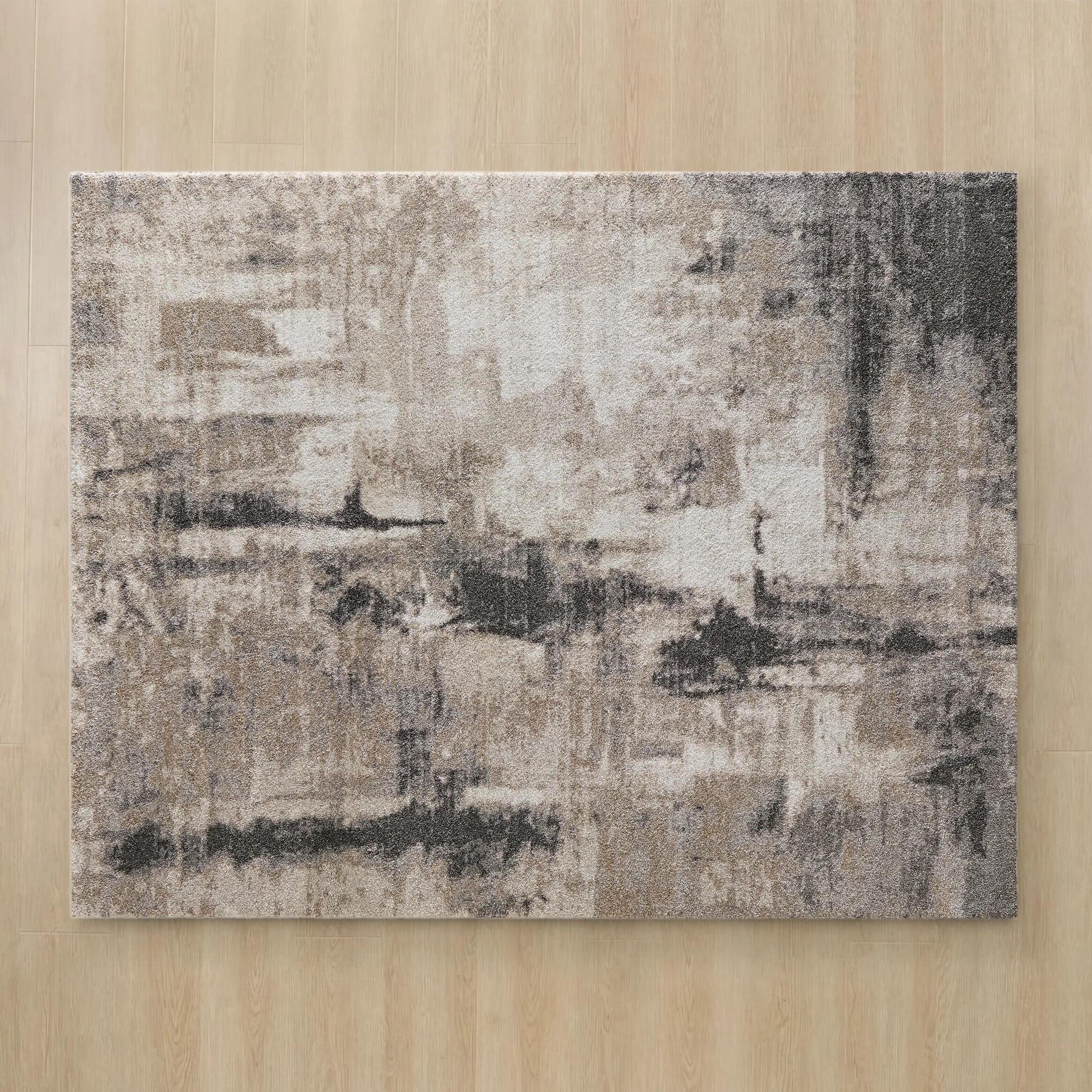 Atlas Abstract Grey/Taupe/Ivory/Charcoal Performance Power Loomed Rug$399
An abstract rug in grey, taupe, ivory, and charcoal with a plush, stain-resistant polypropylene blend.
Add To Cart -
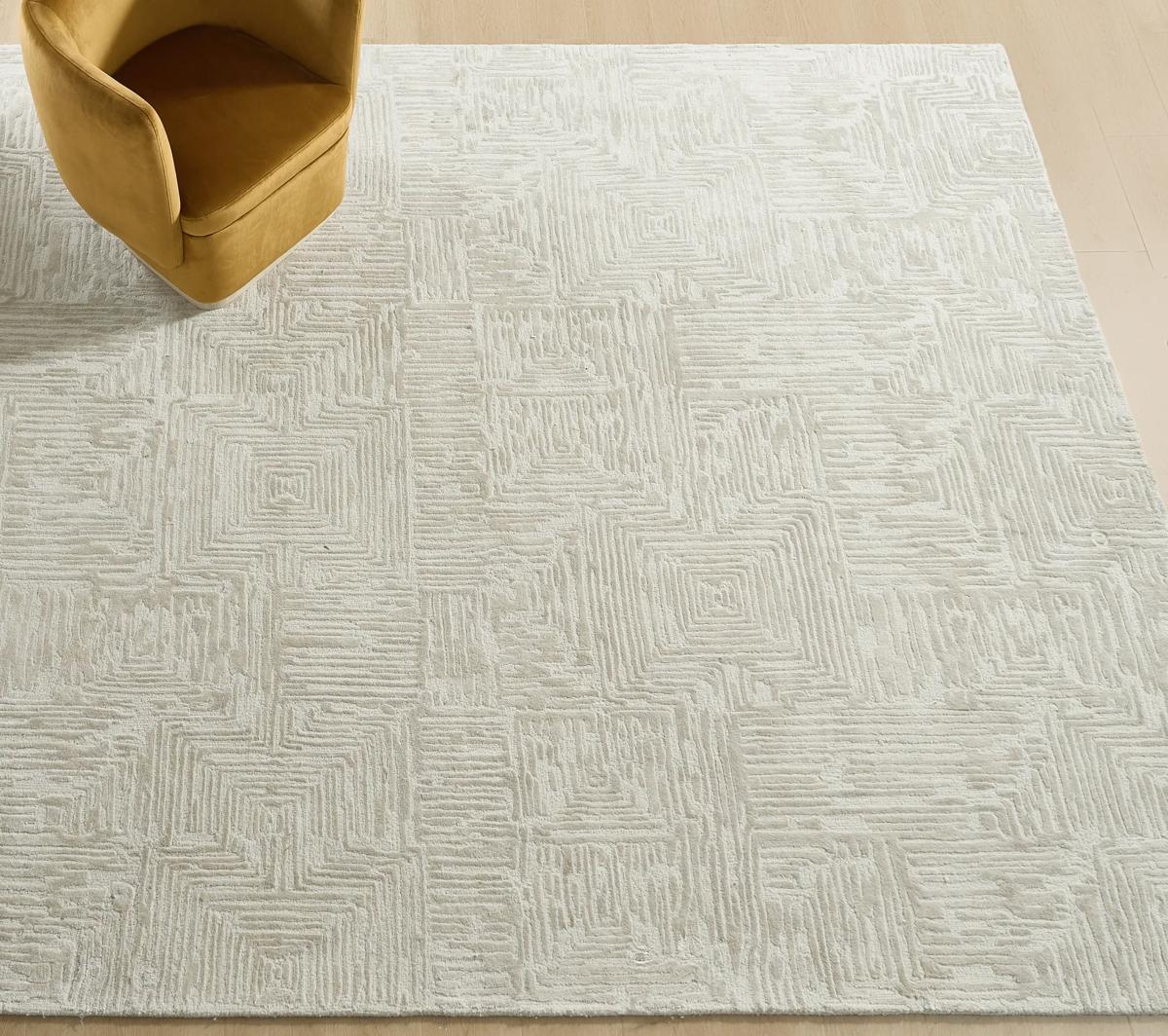 Andra Ivory Hand-Tufted Wool Blend Dimensional Rug$499
A hand-tufted ivory rug in a viscose-wool blend with raised textural detailing and subtle sheen.
Add To Cart -
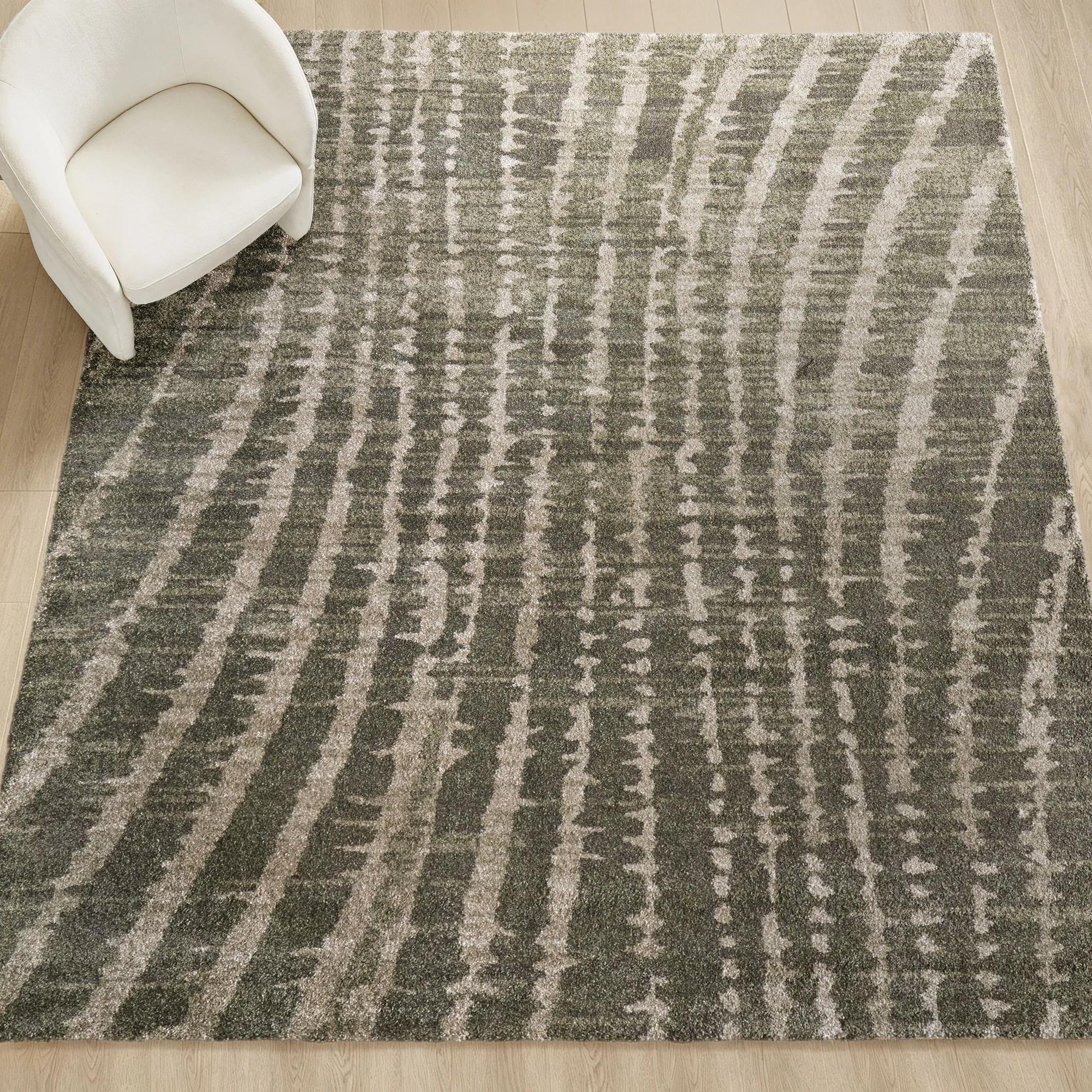
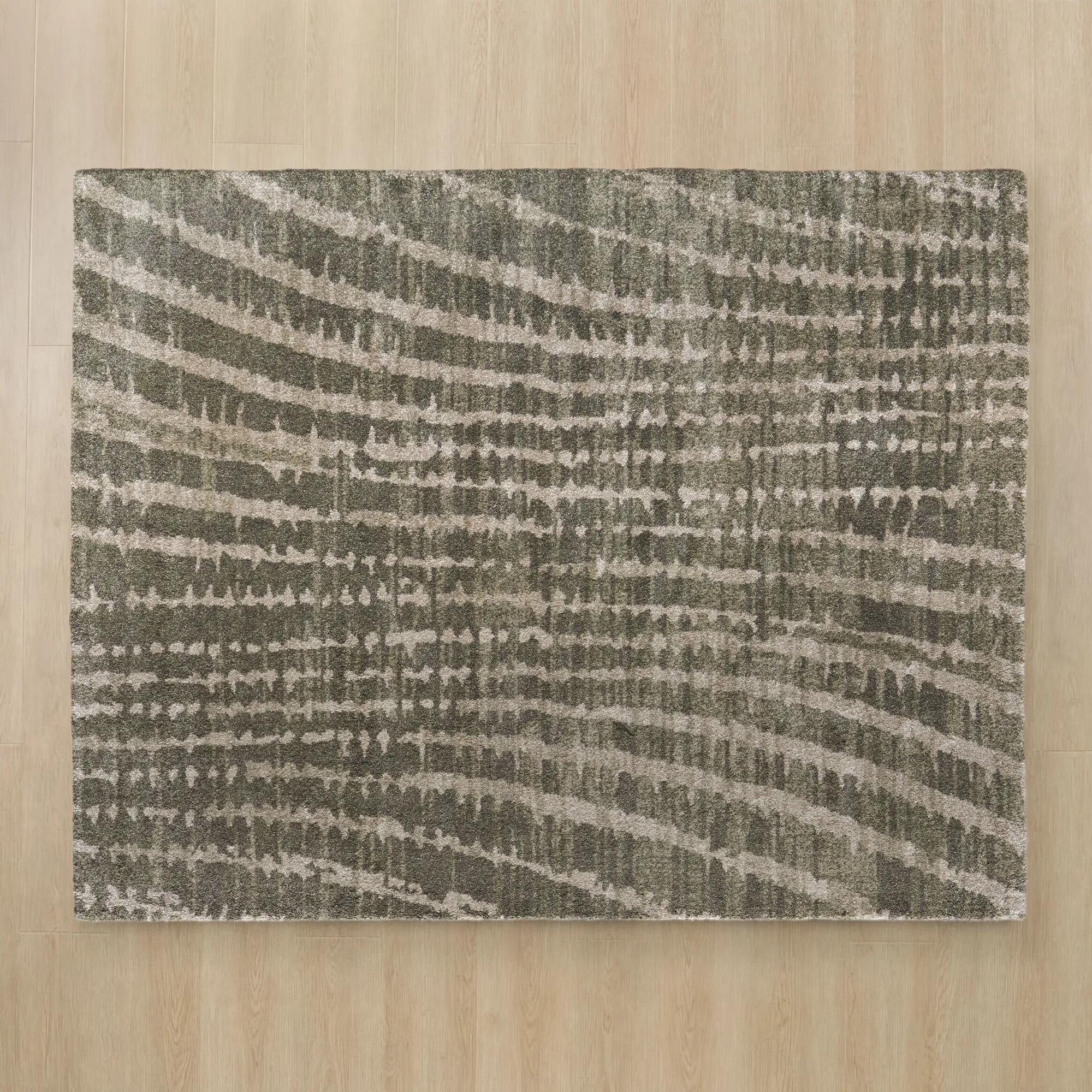 Tempo Green/Grey/Beige Performance Power Loomed Rug$1349
An abstract charcoal grey and beige rug with plush, power-loomed polypropylene and polyester construction.
Add To Cart -
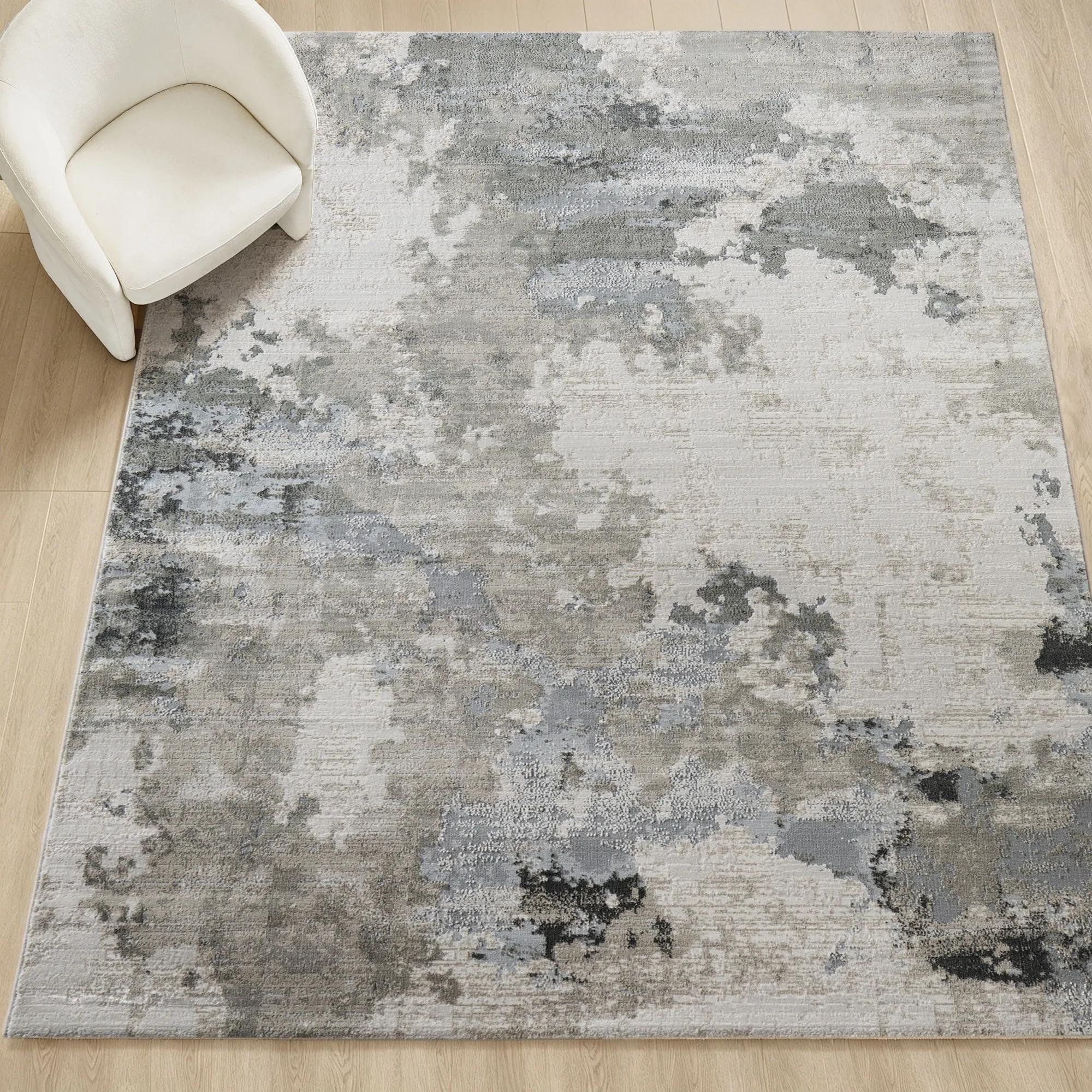 Alarion Abstract Grey/Muted Blue/Ivory Performance Power Loomed Rug$379
A power-loomed rug featuring a grey, muted blue, and ivory abstract pattern with stain-resistant durability.
Add To Cart -
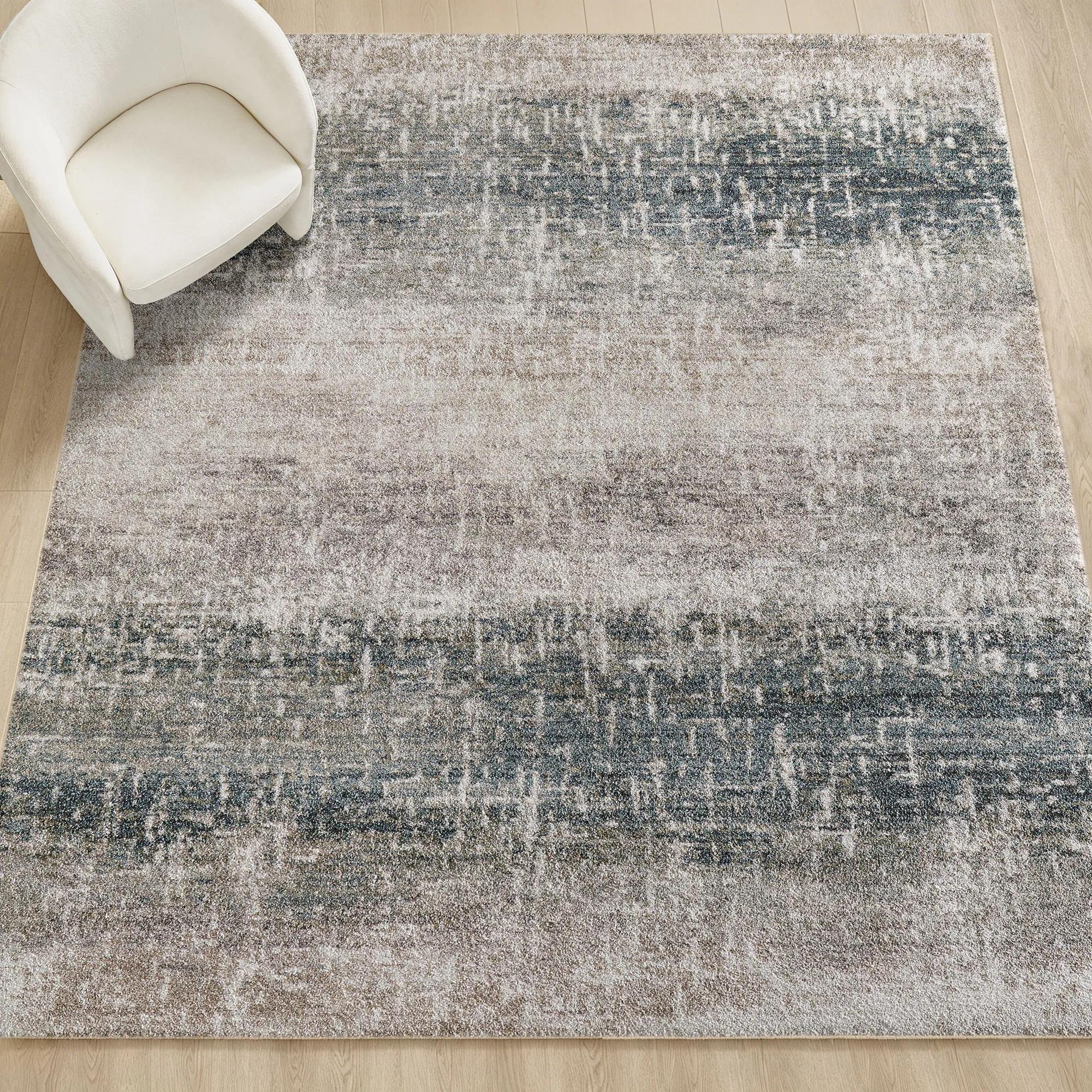
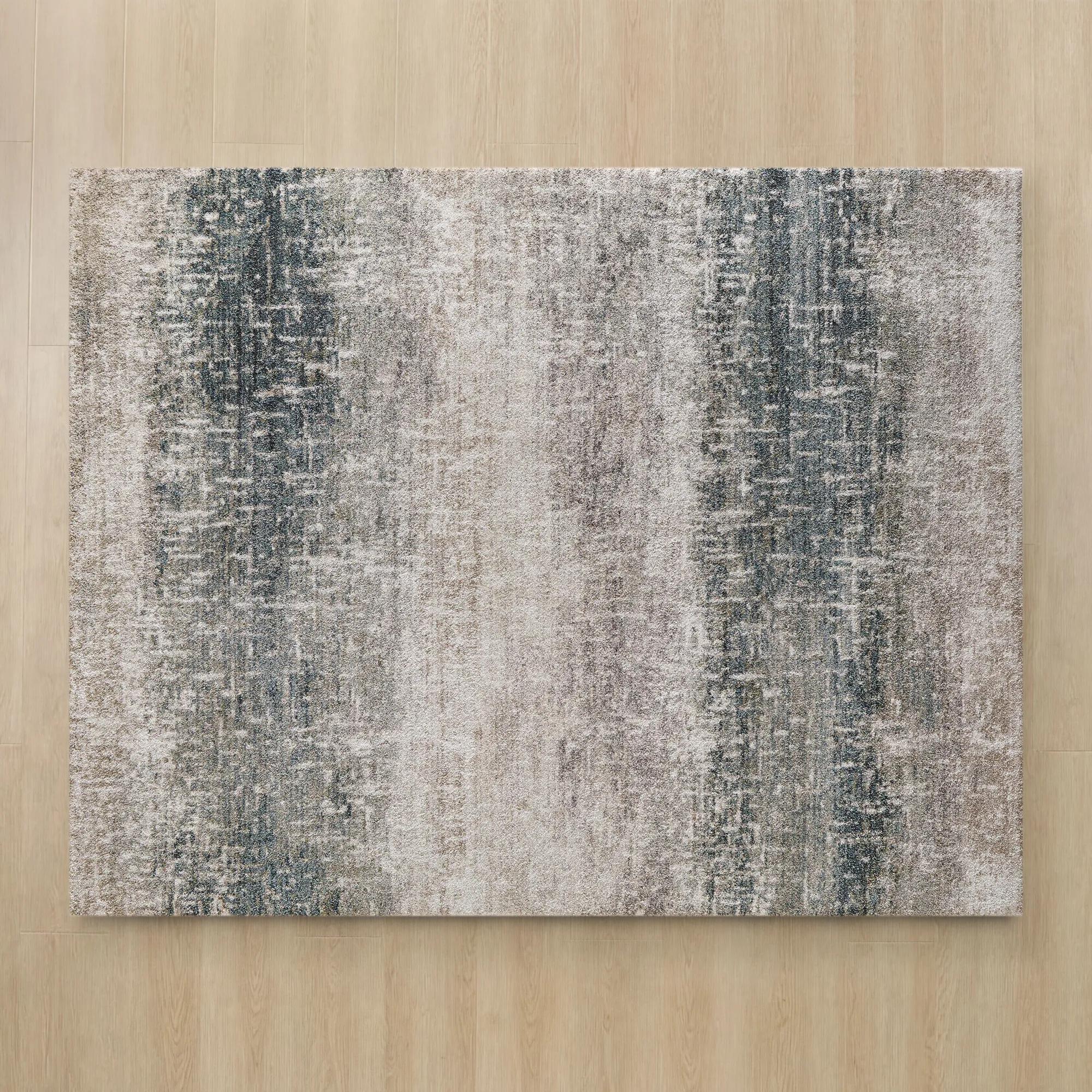 Collier Taupe/Grey/Blue/Green Performance Power Loomed Rug$1649
An abstract rug in taupe, grey, blue, and green with a plush pile and durable, easy-care blend.
Add To Cart

Dining Room Area Rugs
Dining room area rugs frame the table and bring texture and drama to your gathering space. Explore designs that complement your dining furniture and tie the room’s palette together. When choosing a size, allow enough room beyond the table for chairs to remain on the rug when pulled out, creating a setting that feels as inviting as it looks.
Dining room area rugs bring definition, texture, and visual richness to the space where everyday meals become memorable gatherings. A well-proportioned rug frames the dining table and keeps chairs comfortably supported, with a low, closely woven surface that allows them to move easily. For most dining arrangements, a rug that extends at least 24 inches beyond every edge of the table provides useful chair clearance; 30 to 36 inches can offer more generous space where the room allows. The goal is to keep all chair legs on the rug when someone pulls back to sit or stand, rather than catching an edge midway through the movement. That practical foundation creates room for a more expressive composition: a luminous ivory field beneath a dark wood table, sweeping abstract lines that echo sculptural seating, or a deeply toned pattern that lends an intimate dining room the presence of a private salon. Scale matters as much as color. A 72-by-40-inch rectangular table often works with an 8-by-10-foot rug, although chair depth, table extensions, and surrounding furniture should determine the final fit. An expandable table deserves particular attention so the rug accommodates the arrangement used for entertaining, not just the smaller everyday footprint. Rectangular rugs emphasize the length of a dining setting, while round rugs can beautifully reinforce the silhouette of a circular table. A round table can also sit confidently on a square or rectangular rug when the surrounding room calls for stronger architectural lines. In an open-plan interior, the rug establishes a distinct dining area without interrupting sightlines to the living room or kitchen. Within an enclosed room, a visible border of flooring helps the composition feel deliberate rather than crowded. Door swings, nearby cabinets, and pathways deserve breathing room, allowing the rug to anchor the scene without obstructing the graceful movement that makes a dining space inviting. Where a sideboard stands nearby, keeping it fully off the rug usually creates a cleaner boundary than allowing only its front edge to overlap.
The most useful materials for dining room rugs balance tactile appeal with the demands of repeated chair movement, dropped crumbs, and the occasional overturned glass. Wool offers natural resilience and a richly dimensional surface, making it appealing for dining spaces that need substance as well as softness. Its fibers can resist some soiling, but wool is not spill-proof, and prompt attention remains essential. Some wool rugs also shed, particularly early in their use, so routine care is part of their character. Synthetic fibers such as polypropylene or polyester can offer practical stain resistance, with performance depending on the fiber, construction, backing, and finish. These materials can suit households where breakfast, homework, and dinner share the same table, especially when an easy-care surface is a priority. A tightly woven, low-pile rug generally makes chair movement and crumb removal easier than a deep shag, while still introducing a polished layer beneath the furniture. Flatweave rugs offer a tailored profile, though lightweight constructions may shift or bunch without suitable support. A compatible rug pad can help stabilize the surface and protect the floor; its material and thickness should suit both the rug and the flooring manufacturer’s recommendations. Deep cushioning is less desirable here than a secure, even foundation. Natural plant fibers bring an earthy counterpoint to gleaming metal, lacquer, and glass, but their absorbency and texture can make food spills and chair movement more demanding. Silk and viscose can introduce a striking sheen, yet their sensitivity to moisture and cleaning makes them more demanding choices beneath an active dining table. For a room used several times a day, durable construction may matter more than a dramatic surface effect. In a dining room reserved for carefully hosted gatherings, a more delicate material may be appropriate if its care requirements fit the household. Bound edges, a stable backing, and a dense surface also deserve attention, particularly where pets, children, or frequent guests keep the room in lively use.
Color and pattern give a dining rug its emotional presence, whether the room calls for restrained glamour or a bolder artistic statement. Pale neutrals open the composition and let richly upholstered chairs take focus, while charcoal, espresso, and black create a dramatic foundation beneath reflective finishes. The depth of Black Rugs For Dining Rooms can sharpen the outline of a pale stone table, emphasize metallic details, or bring visual weight to a room with expansive windows and light flooring. Dark colors may disguise certain marks, but they can also reveal pale crumbs, lint, and pet hair; no single shade eliminates upkeep. Tonal variation and layered patterns often make small traces of daily life less conspicuous than a completely uniform field. Because the table covers much of the center, borders and designs with interest toward the edges remain especially visible. An abstract pattern can introduce movement beneath simple furniture, while a quieter texture gives ornate chair backs or a statement chandelier room to command attention. The rug need not repeat every finish in the room; a shared undertone or a single recurring accent can create cohesion without making the setting feel overly matched. Keeping that composition beautiful depends on care suited to the material. Regular vacuuming helps prevent grit from working into the fibers, and the appropriate suction level or brush setting should follow the rug’s care instructions. Spills are best blotted promptly with a clean, absorbent cloth rather than rubbed, which can spread the mark or disturb the pile. Cleaning products should be approved for the fiber and tested discreetly, with professional care used when recommended. A washable designation also requires checking the stated cleaning method and whether the rug fits the intended machine. With thoughtful proportions, an appropriate construction, and a palette that belongs to the room, a dining area rug becomes both a working surface and an expressive design element—equally at ease beneath a quiet dinner for two or a table surrounded by conversation.
FAQs
Abstract designs, expressive geometrics, and tonal patterns bring distinct character to modern dining rooms. Choose fluid motifs for an artistic mood or crisp lines to echo sculptural furniture. A quieter design lets a dramatic table or chandelier command attention.
Draw inspiration from your upholstery, artwork, or wall color, then decide whether the rug should harmonize or introduce contrast. Ivory and charcoal create a tailored foundation, while jewel tones lend a richly expressive note. Repeating one accent color elsewhere gives the room a deliberate, collected feel.
Yes—create a dialogue between patterns rather than matching them exactly. Pair an expressive abstract rug with a more restrained upholstery motif, and connect both through a shared color. Give one pattern the leading role so the combination feels layered and intentional.
Let the table’s silhouette and finish guide the conversation. A clean-lined table offers a striking counterpoint to an expressive rug, while an ornate table can shine against a subtler design. Contrast creates dimension; exact matching is not necessary.
Treat the dining rug as its own artistic composition within the larger interior. Echo a color or design motif from the adjoining living space without repeating every detail. This creates visual continuity while giving your dining setting a distinctive mood.