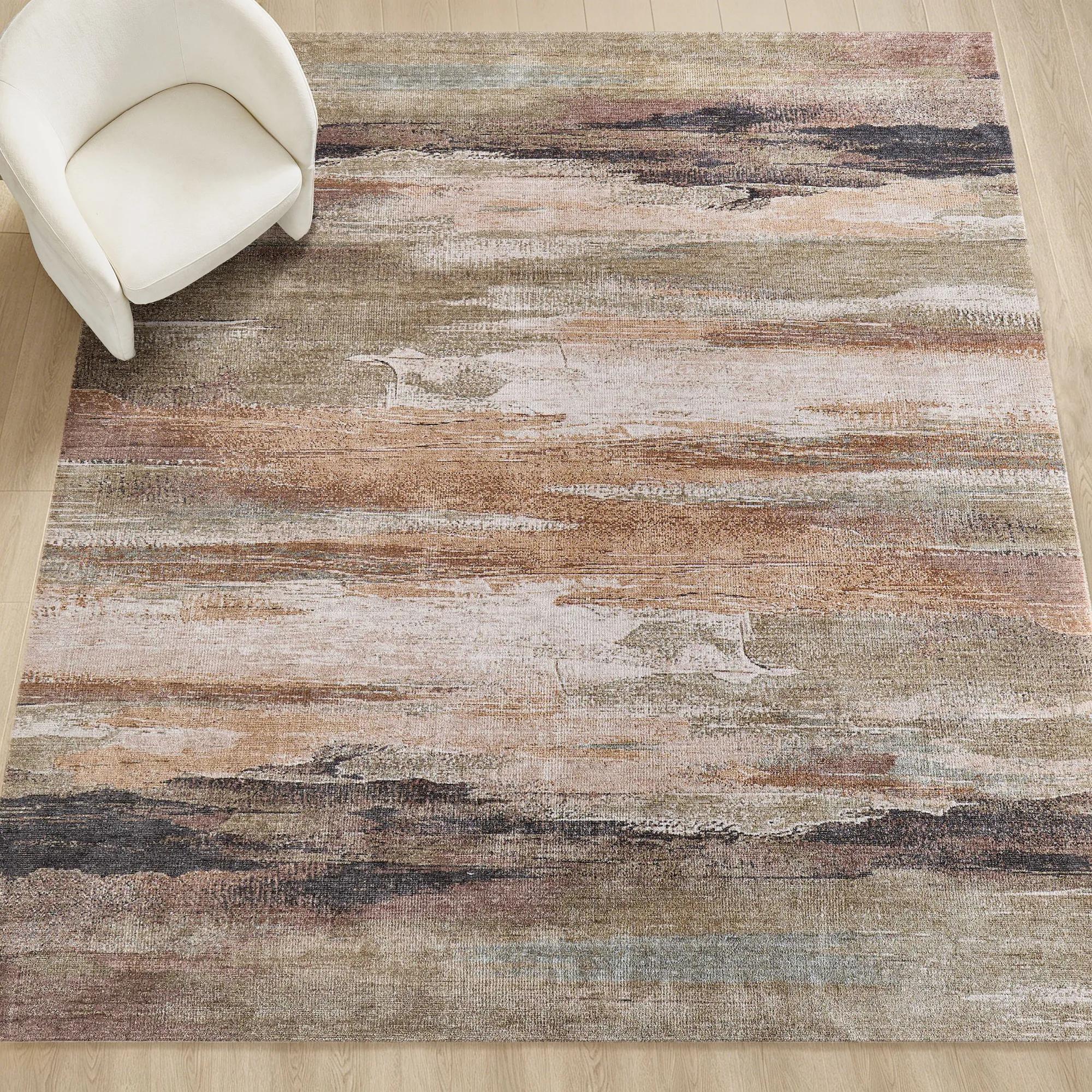
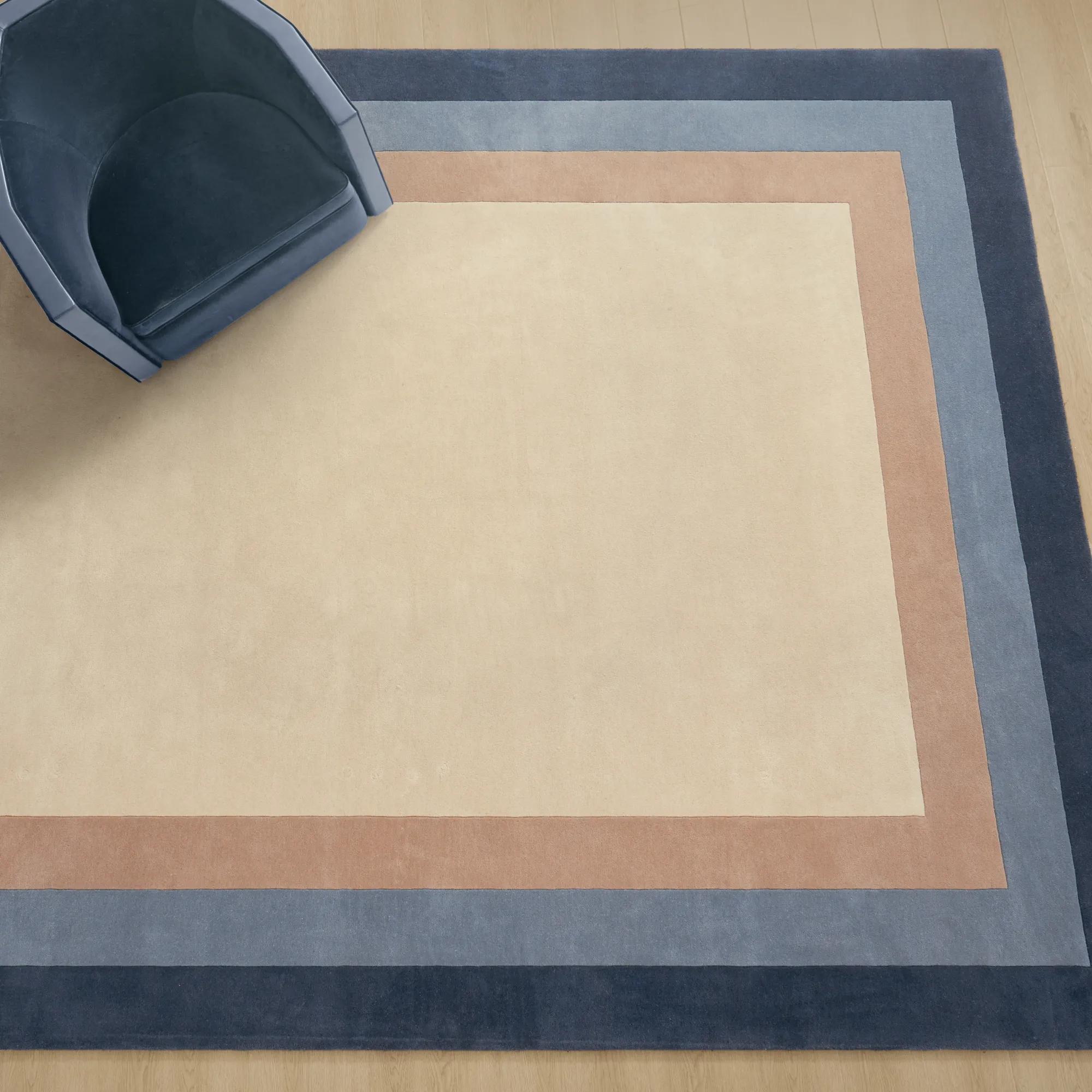
Low-Pile Dining Room Rugs
Low-Pile Dining Room Rugs
-
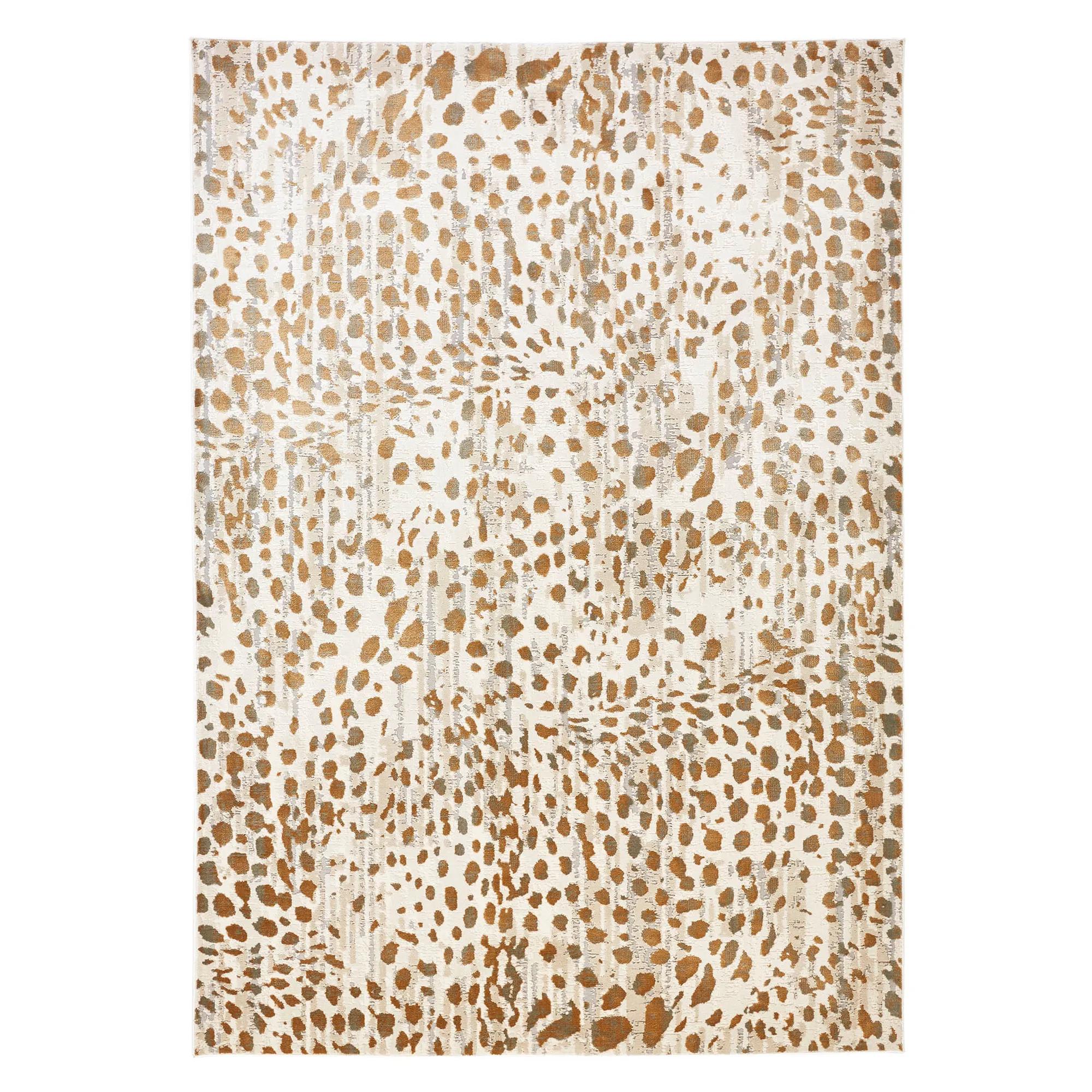
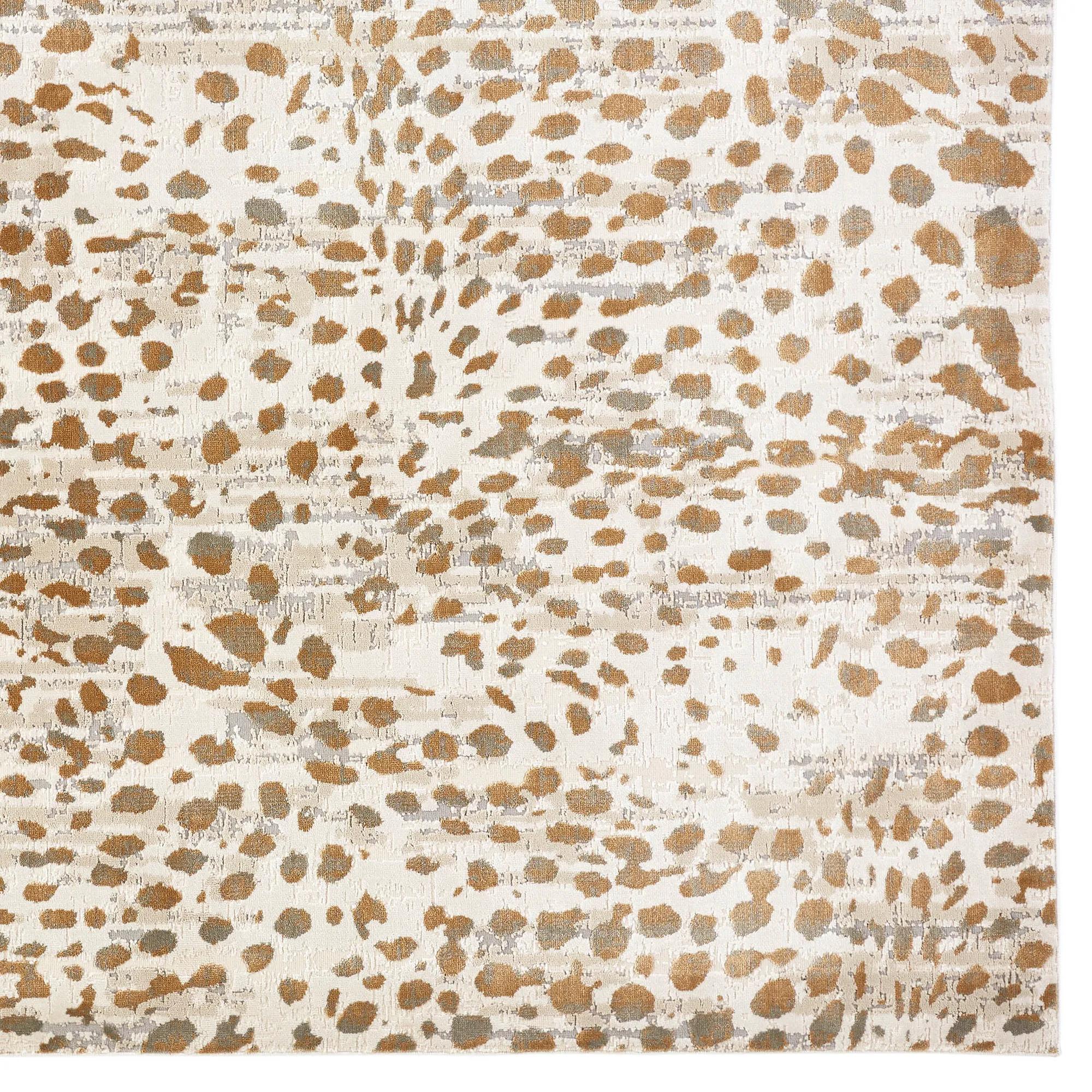 Amur Ivory/Natural Animal Print Power-Loomed Rug$399
A hand-tufted wool and viscose rug featuring a gold chain link design on neutral grey.
Add To Cart -
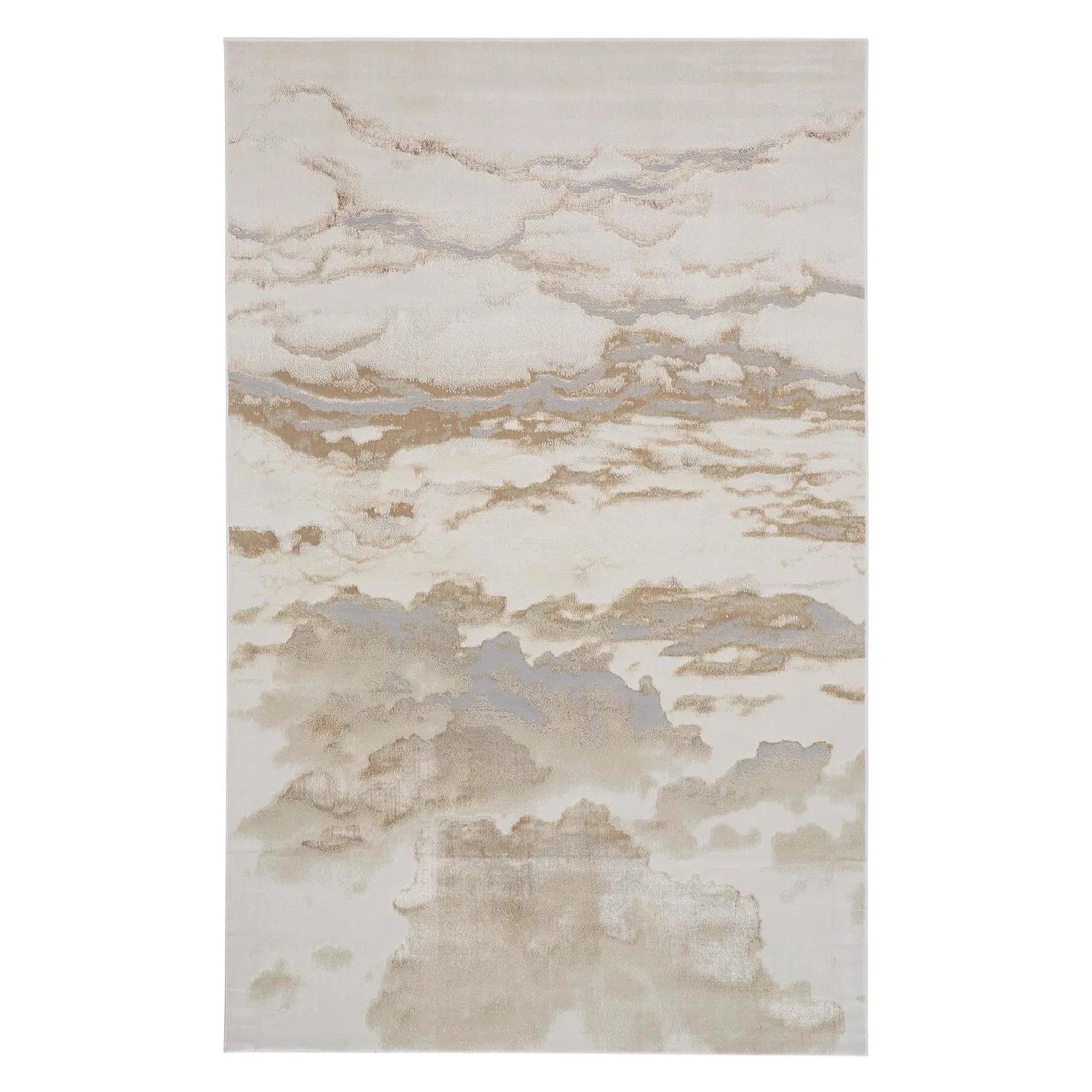
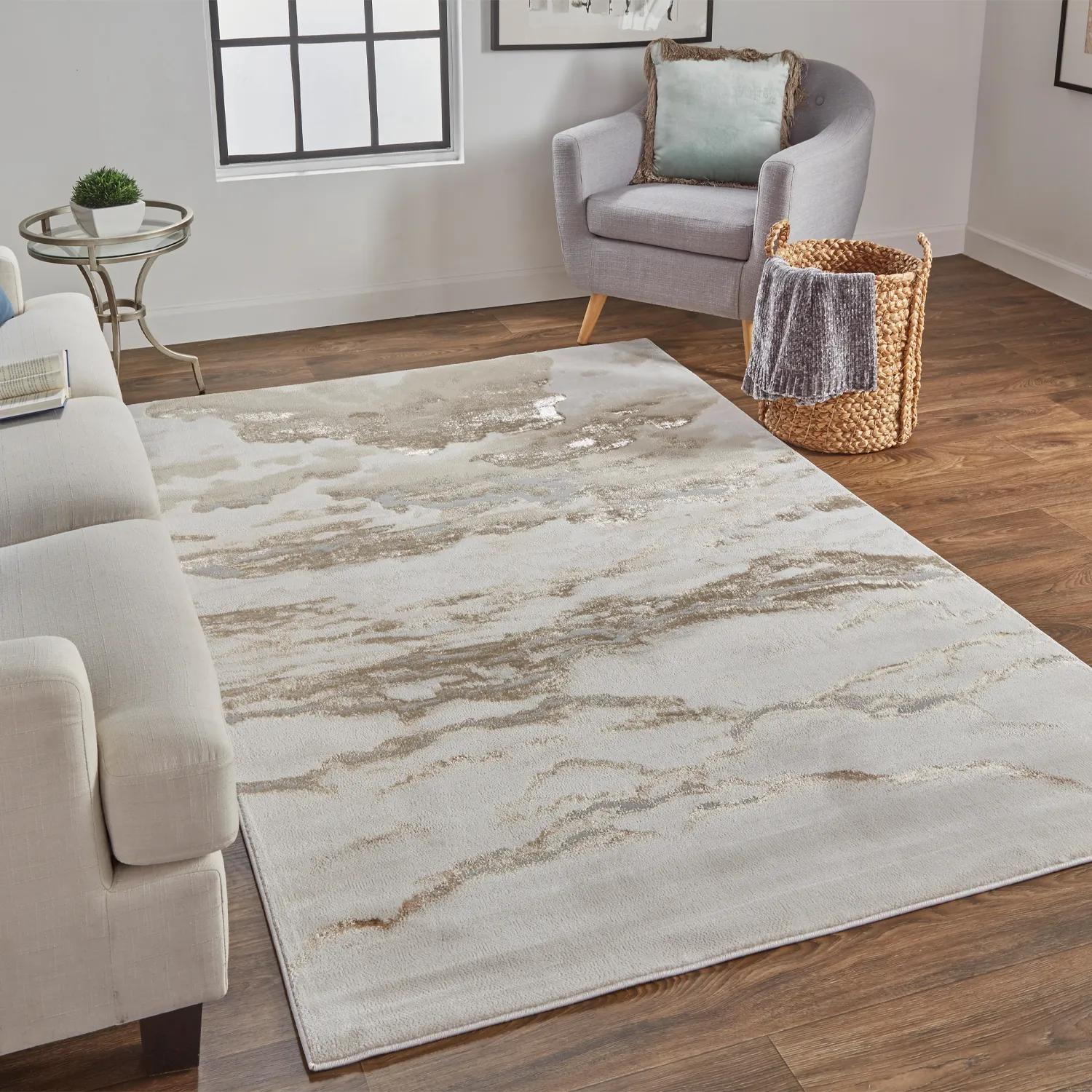 Tide Power-Loomed Beige/Gold/Ivory Rug$899
A machine-made rug in beige and gold, crafted from ultra-soft polyester and polypropylene for elegant spaces.
Add To Cart -
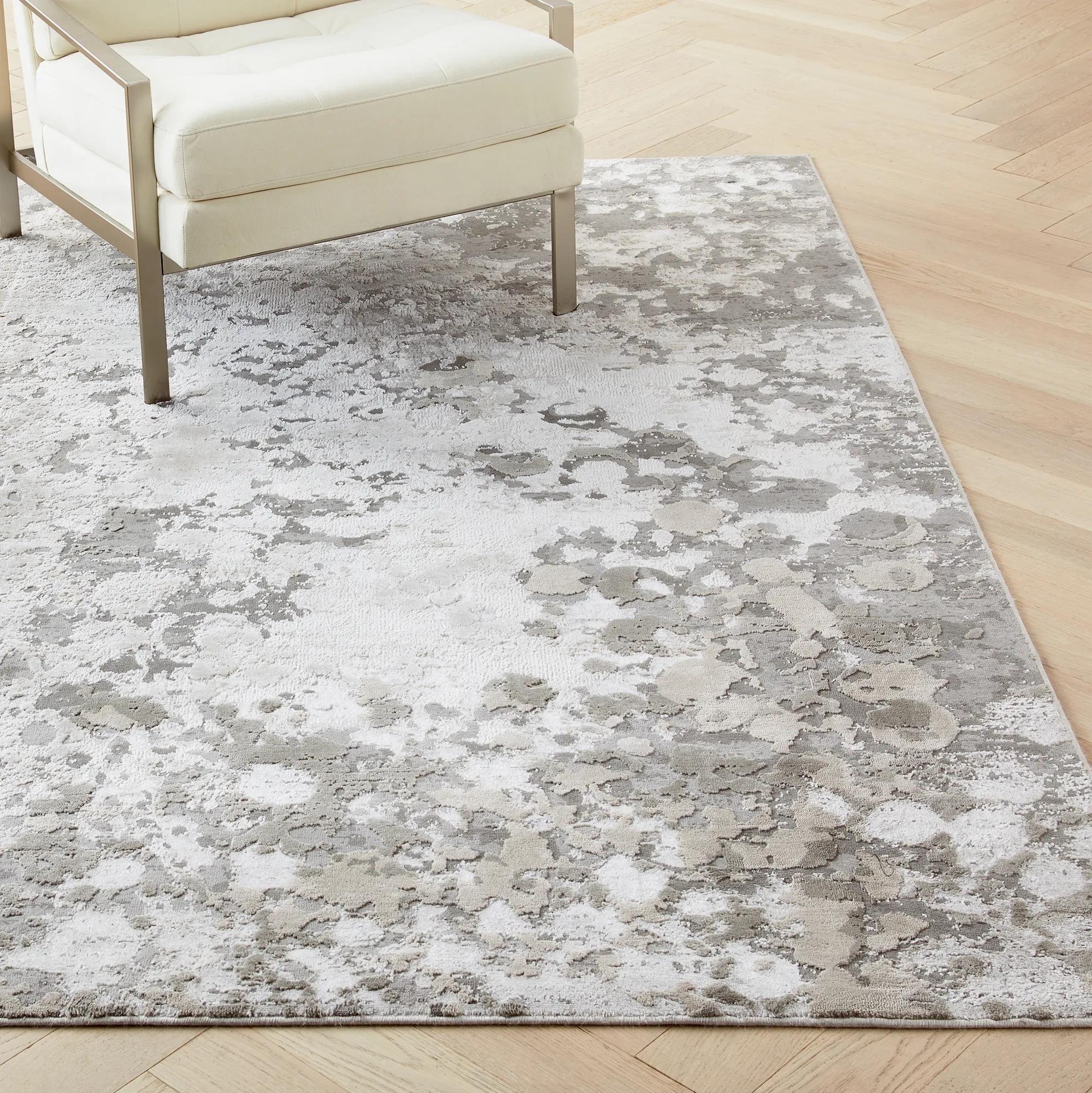 Mercury Power-Loomed Silver/Grey/Beige Rug$249
A neutral floor covering featuring a silver, grey, and beige palette with a textured polyester blend.
Add To Cart -
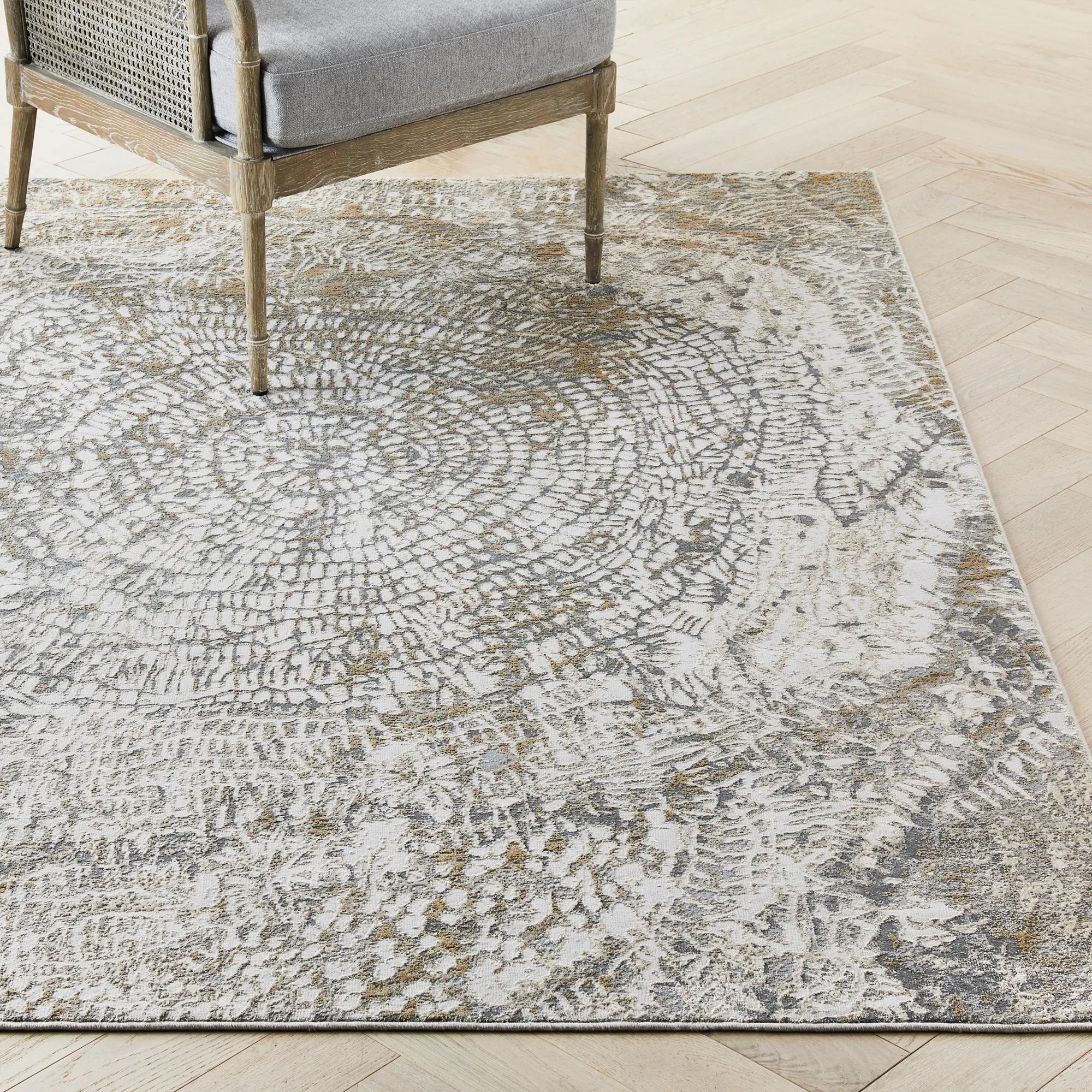 Nautilus Power-Loomed Silver/Grey/Natural Rug$999
A machine-woven ivory rug featuring subtle tonal variations and a durable polypropylene blend construction.
Add To Cart -
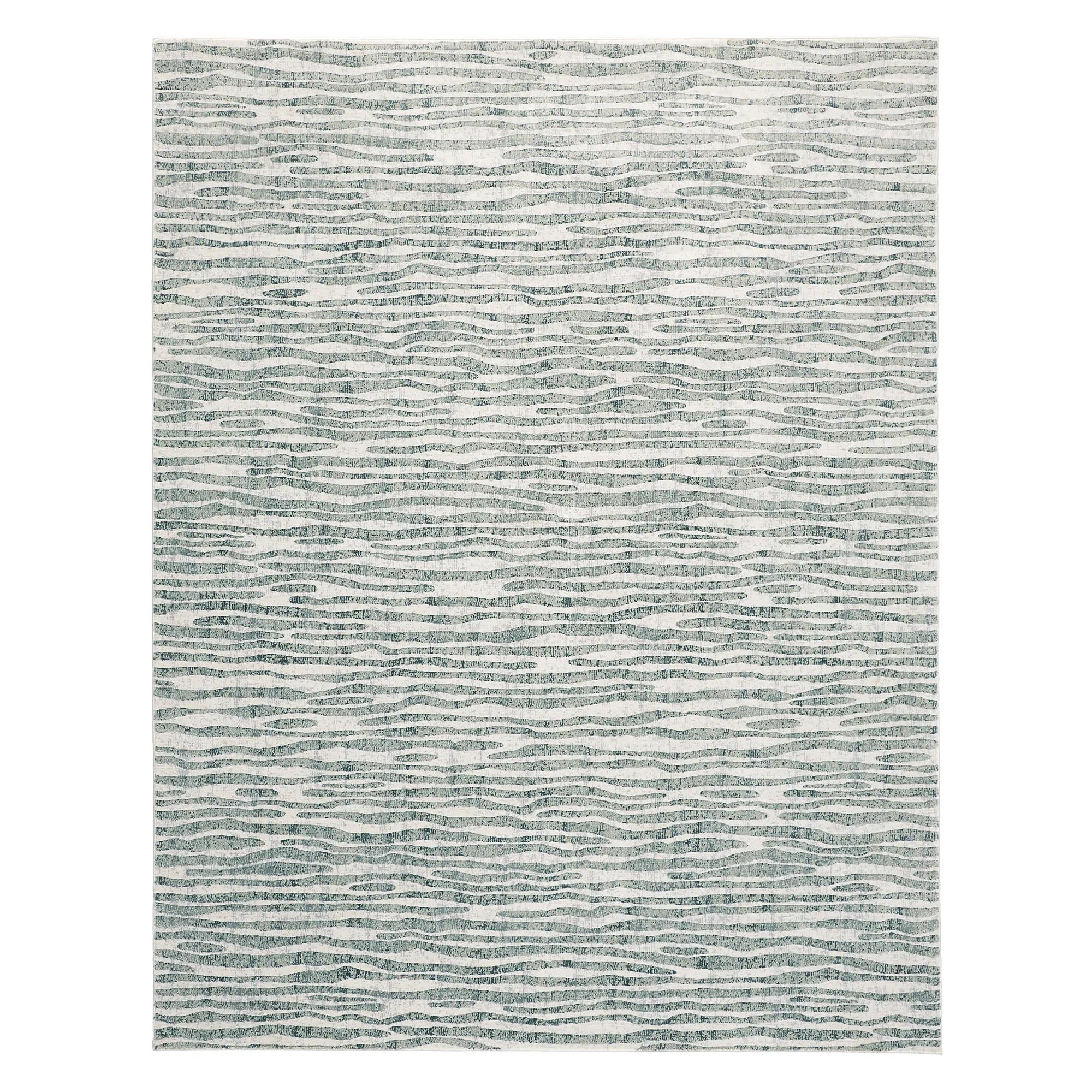 Samantha Power-Loomed Aqua/Grey Rug$719
A machine-woven rug featuring silvery-aqua and green accents on an ivory and grey polypropylene base.
Add To Cart -
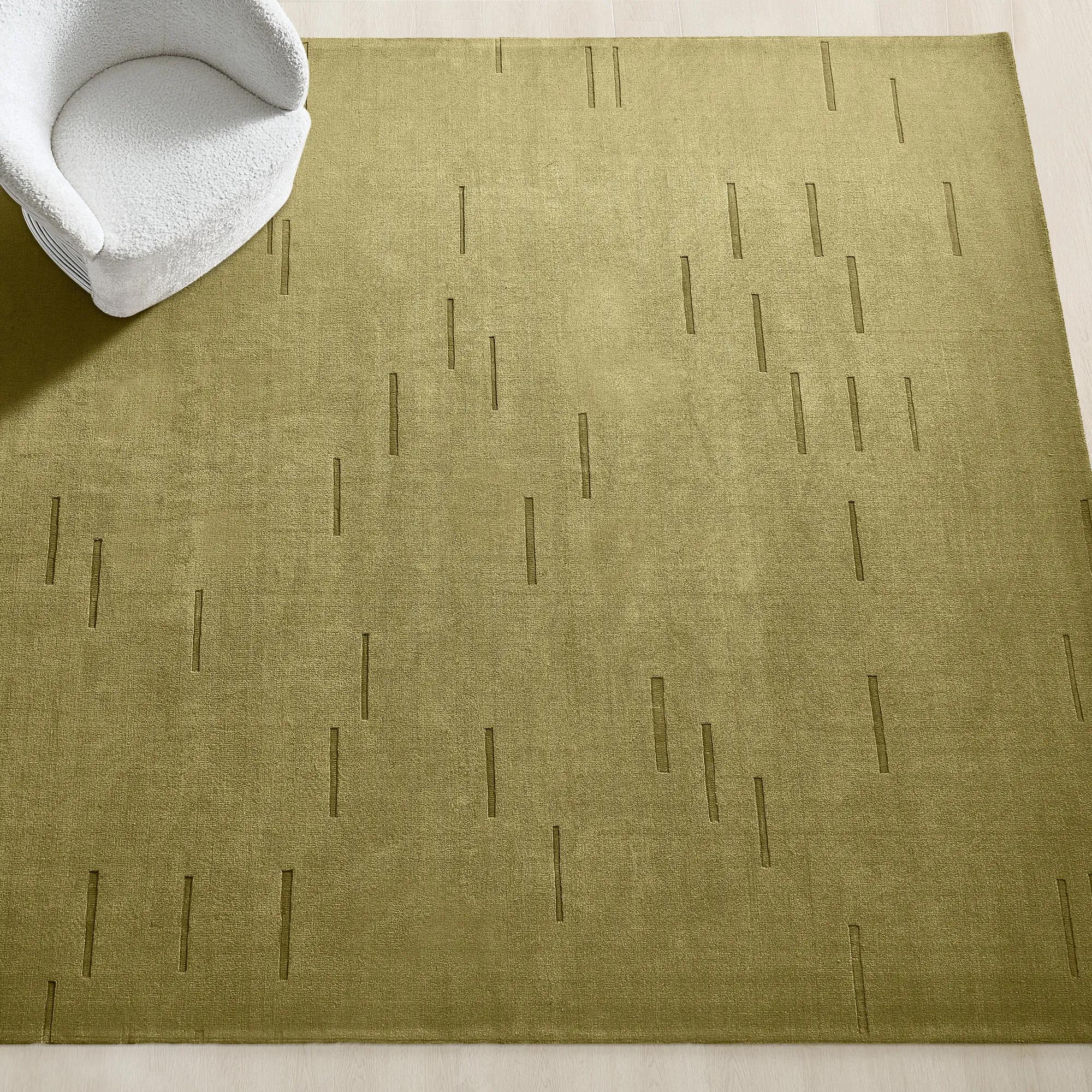
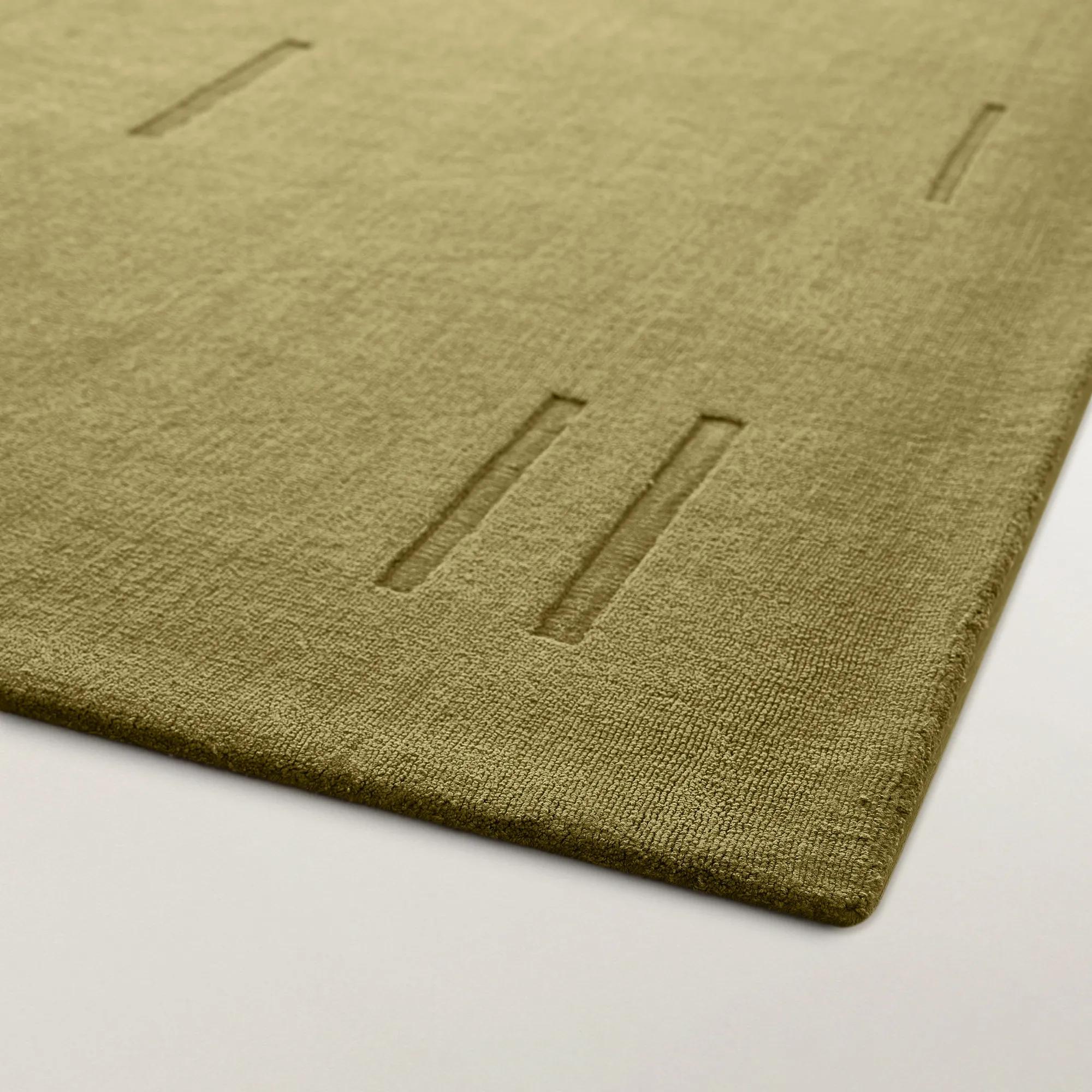 Lamita Muted Olive Green Wool Blend Rug$1999
A muted olive green wool-blend rug bringing soft texture and understated warmth to modern interiors.
Add To Cart -
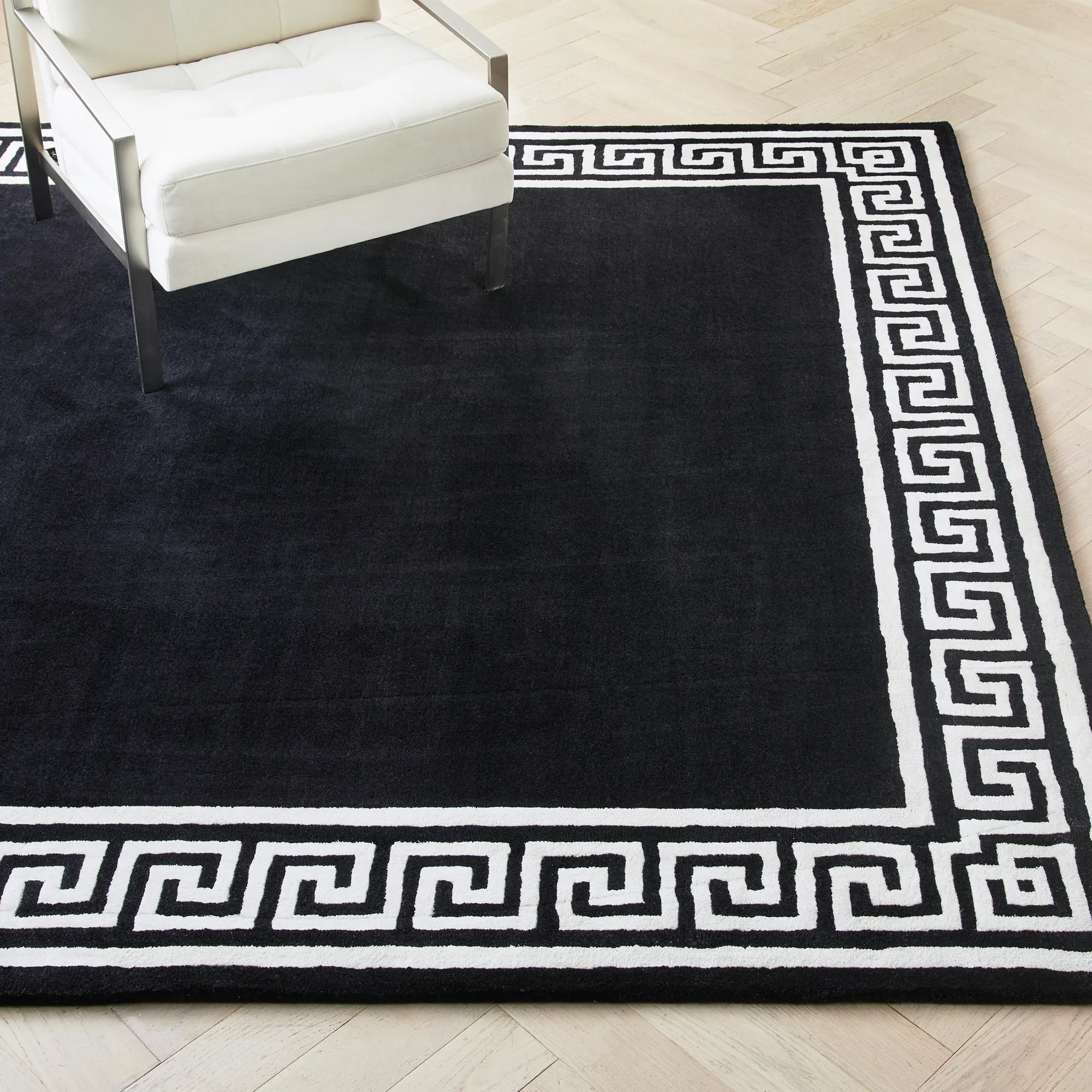
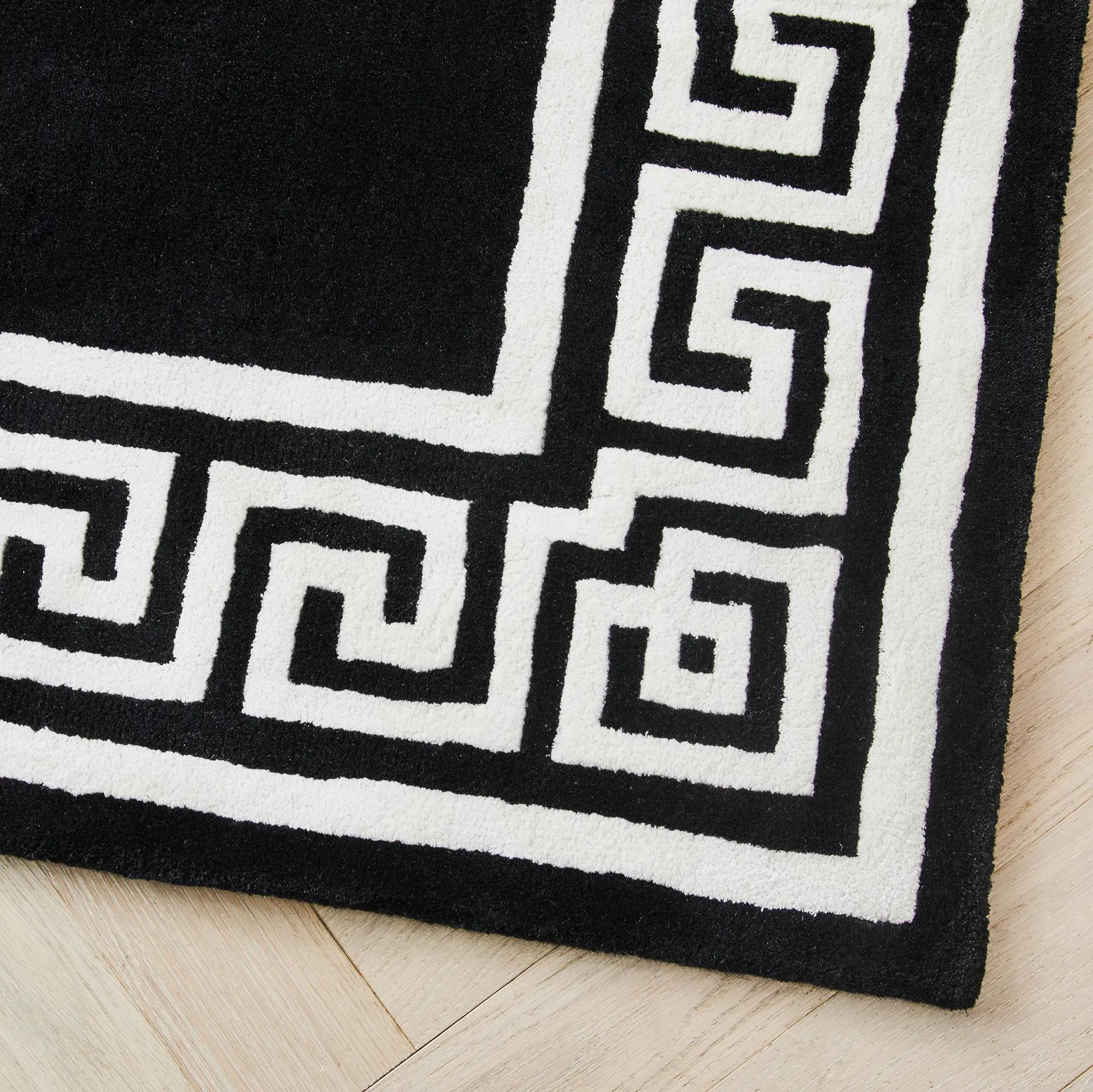 Greek Key Rug - Black/Ivory$1199
A hand-tufted black and ivory rug featuring a classic Greek key pattern in wool and viscose.
Add To Cart -
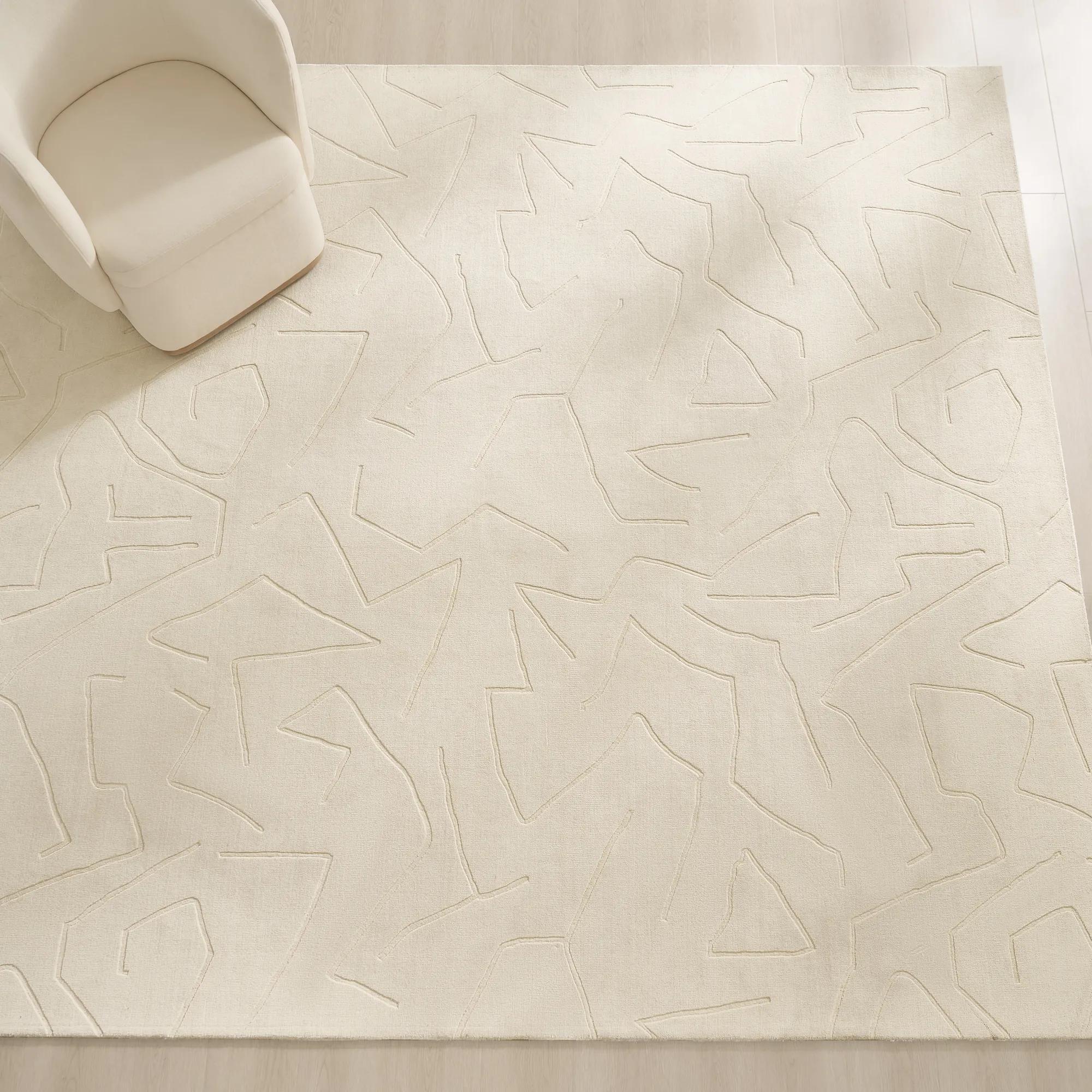 Carved Maze Ivory Hand-Loomed Wool Blend Rug$699
A hand-loomed ivory wool-blend rug featuring a carved maze pattern for modern, textural appeal.
Add To Cart -
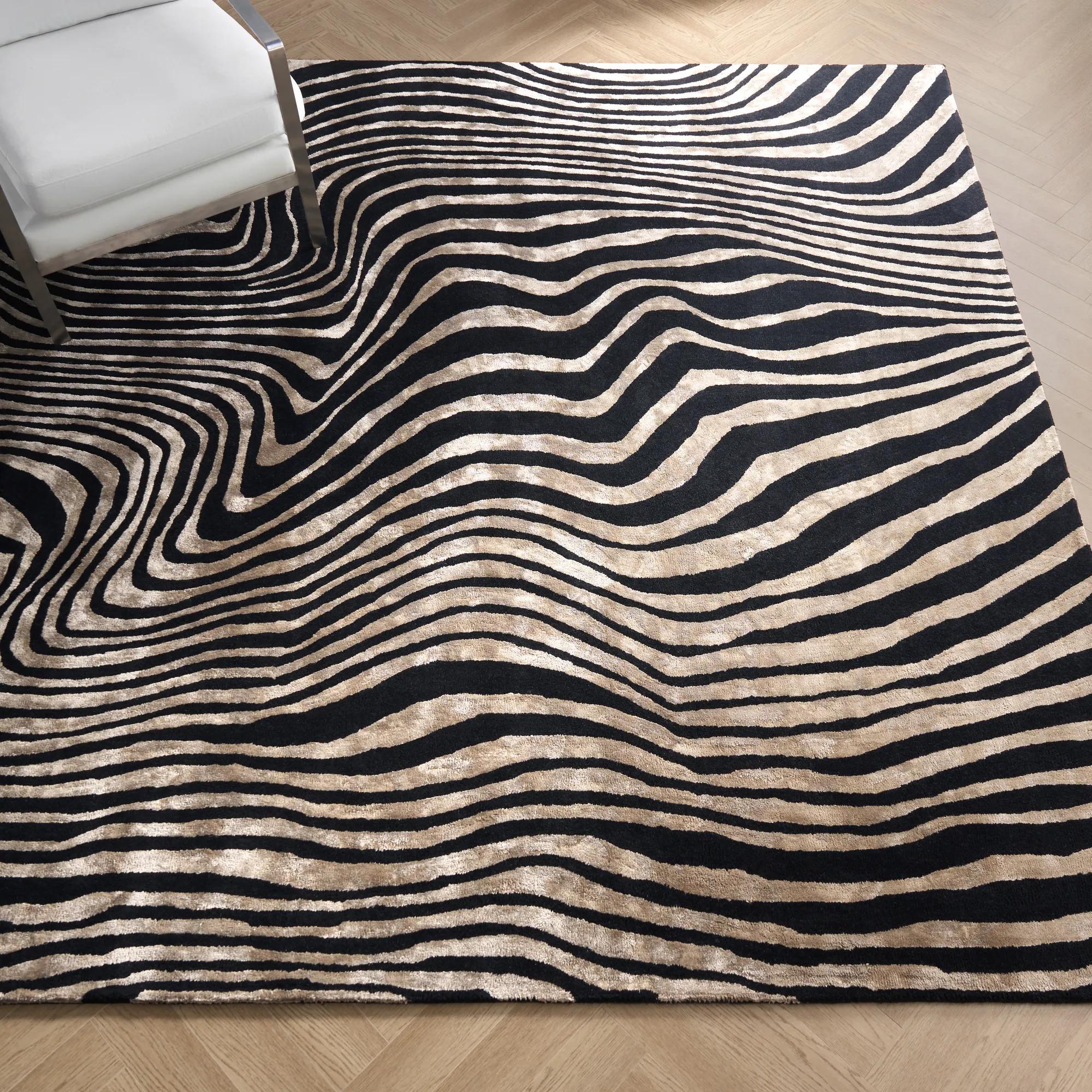
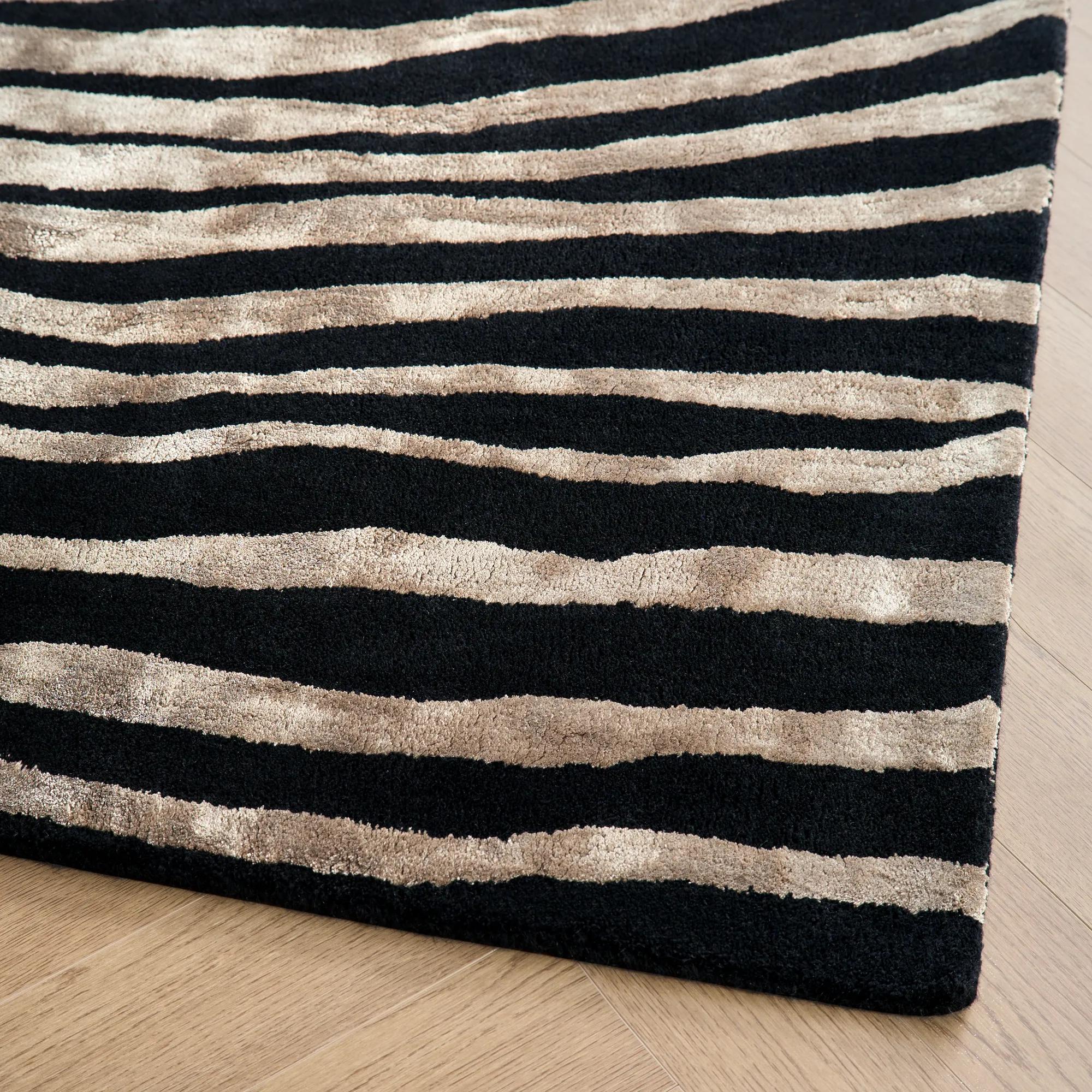 Abstract Zebra Hand-Tufted Black/Taupe Wool Blend Rug$1599
An artisan hand-tufted rug in black and taupe wool-viscose, featuring a striking abstract zebra pattern.
Add To Cart -
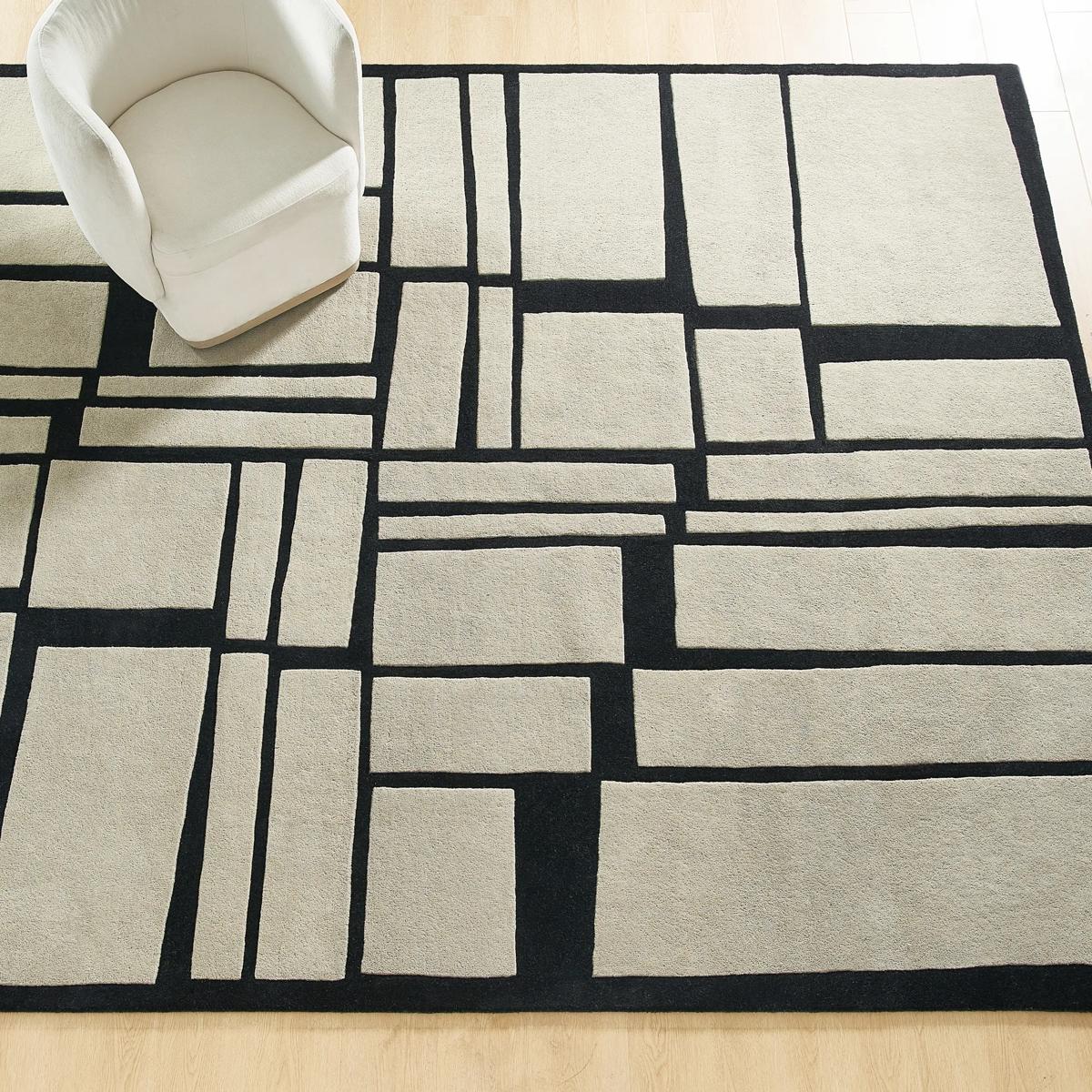
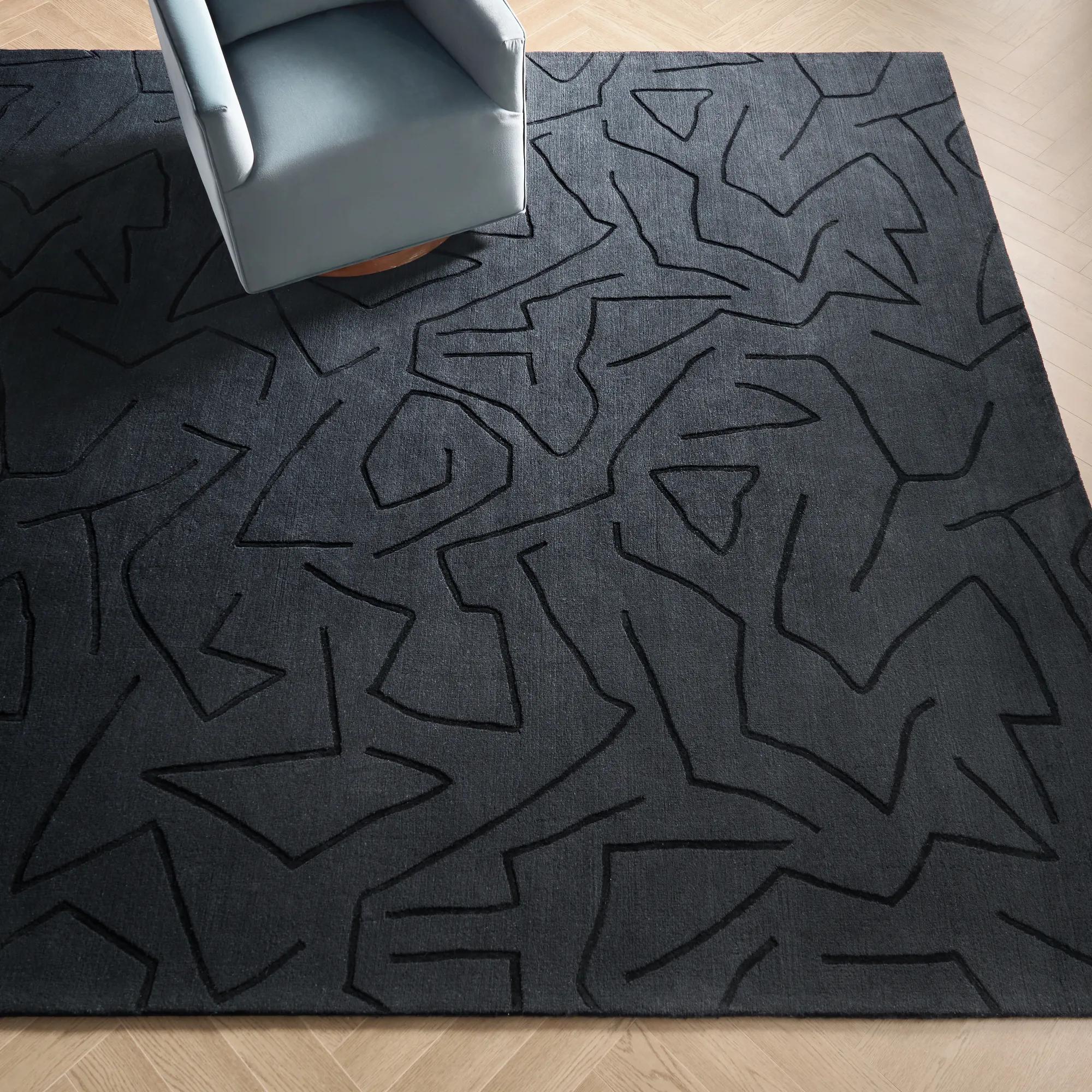 Carved Maze Rug$699
A hand-loomed black rug crafted from wool and viscose, featuring a carved maze design for added texture.
Add To Cart -
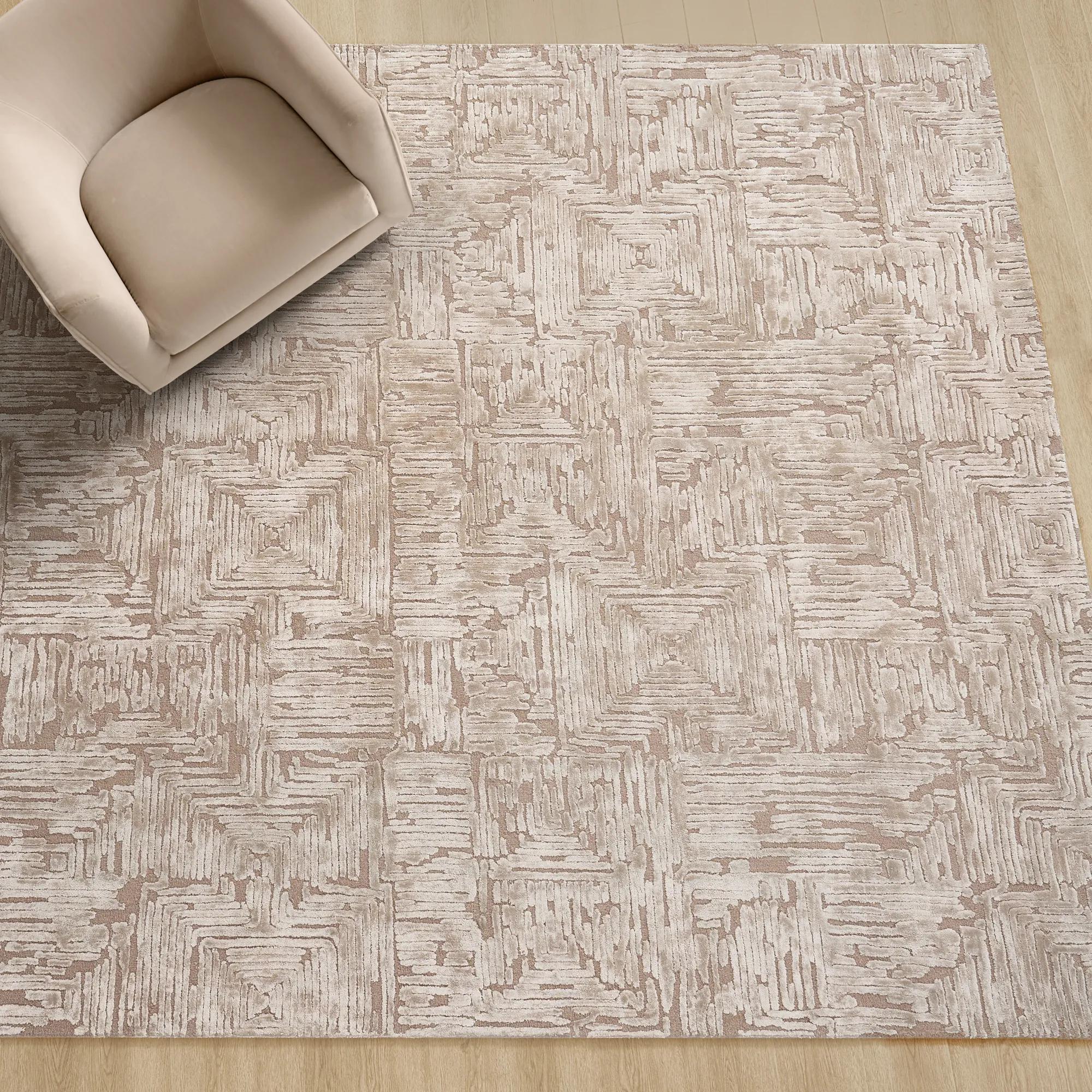
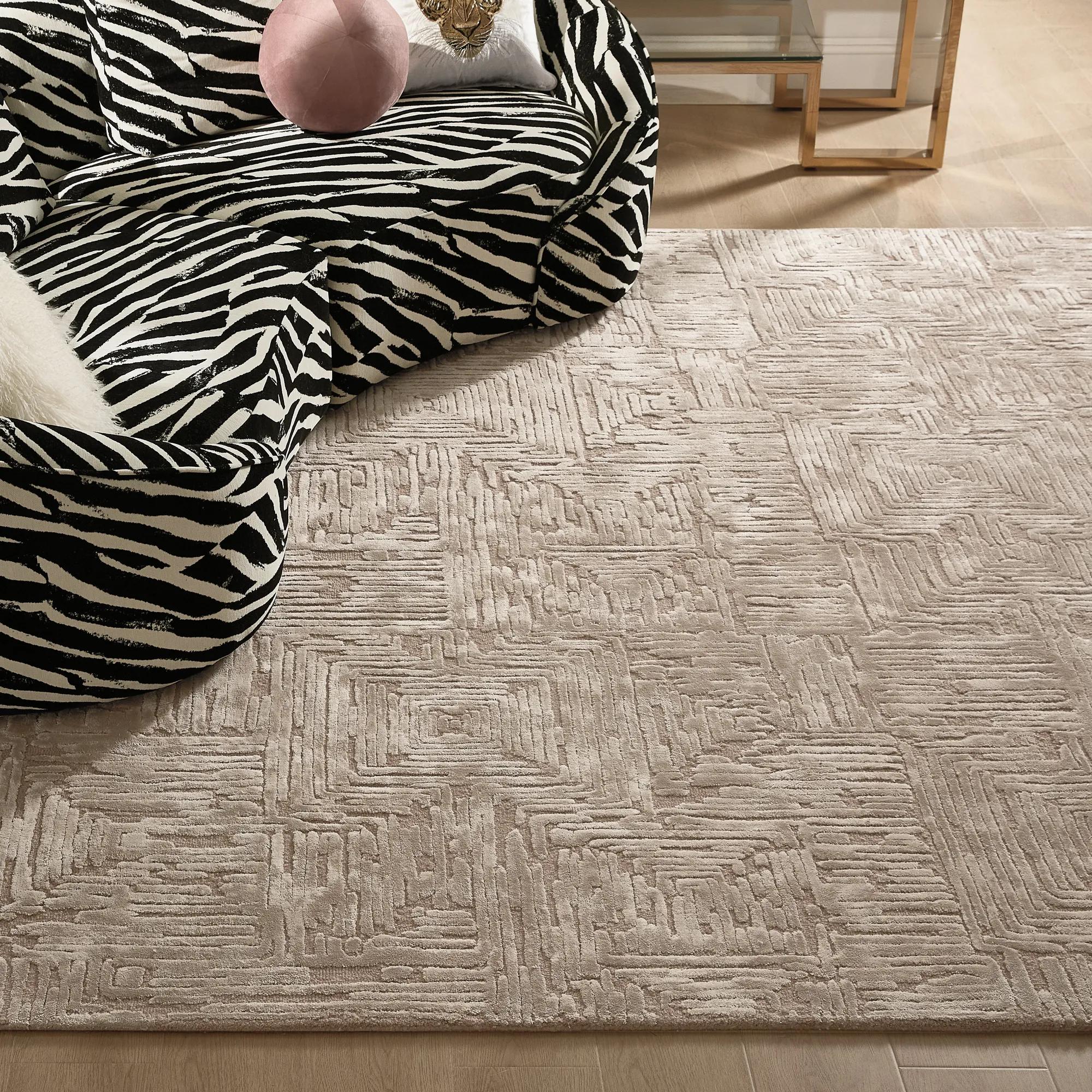 Andra Hand-Tufted Mocha Rose Viscose & Wool Dimensional Rug$1499
A hand-tufted mocha rose rug blending viscose and wool with dimensional broken geometric texture.
Add To Cart -
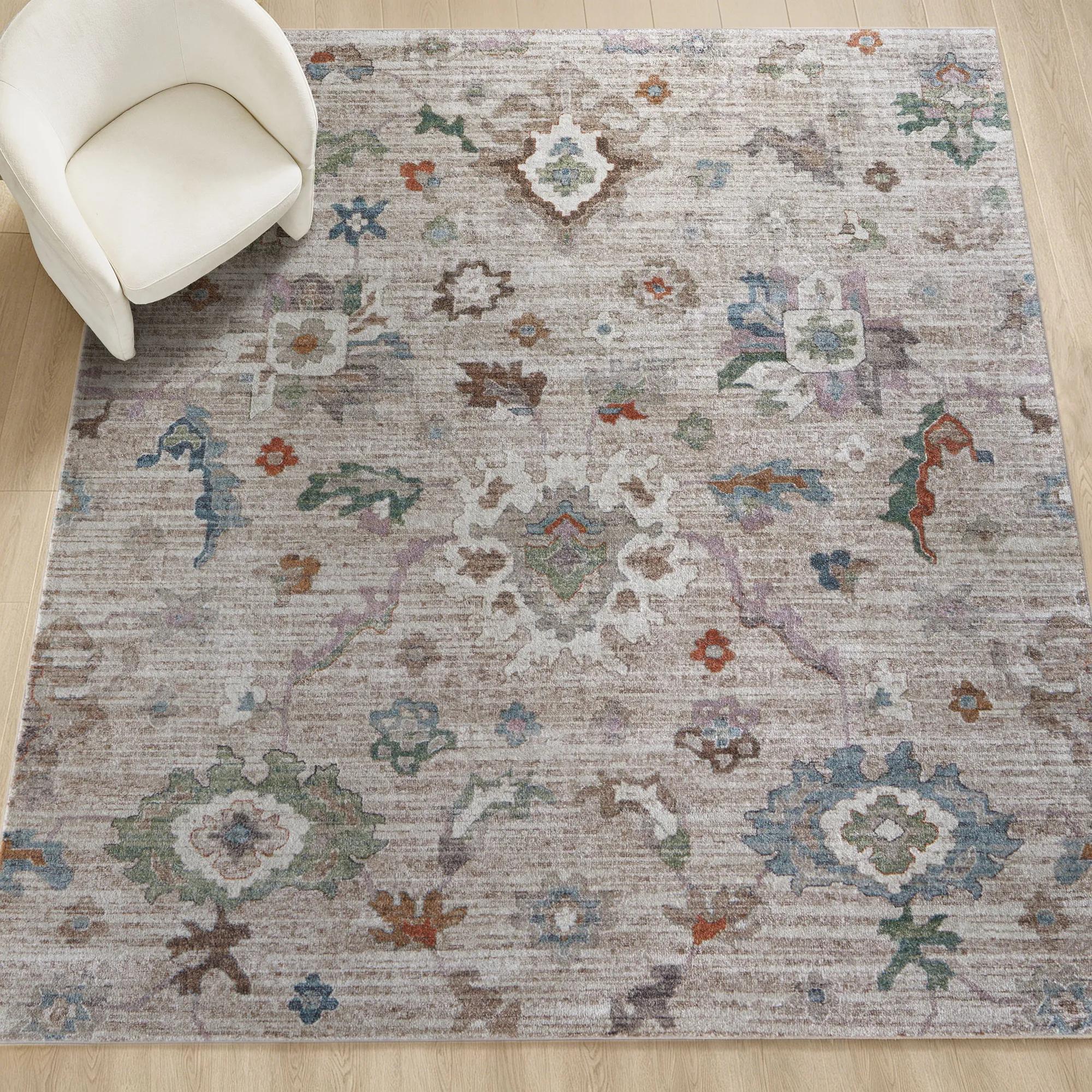
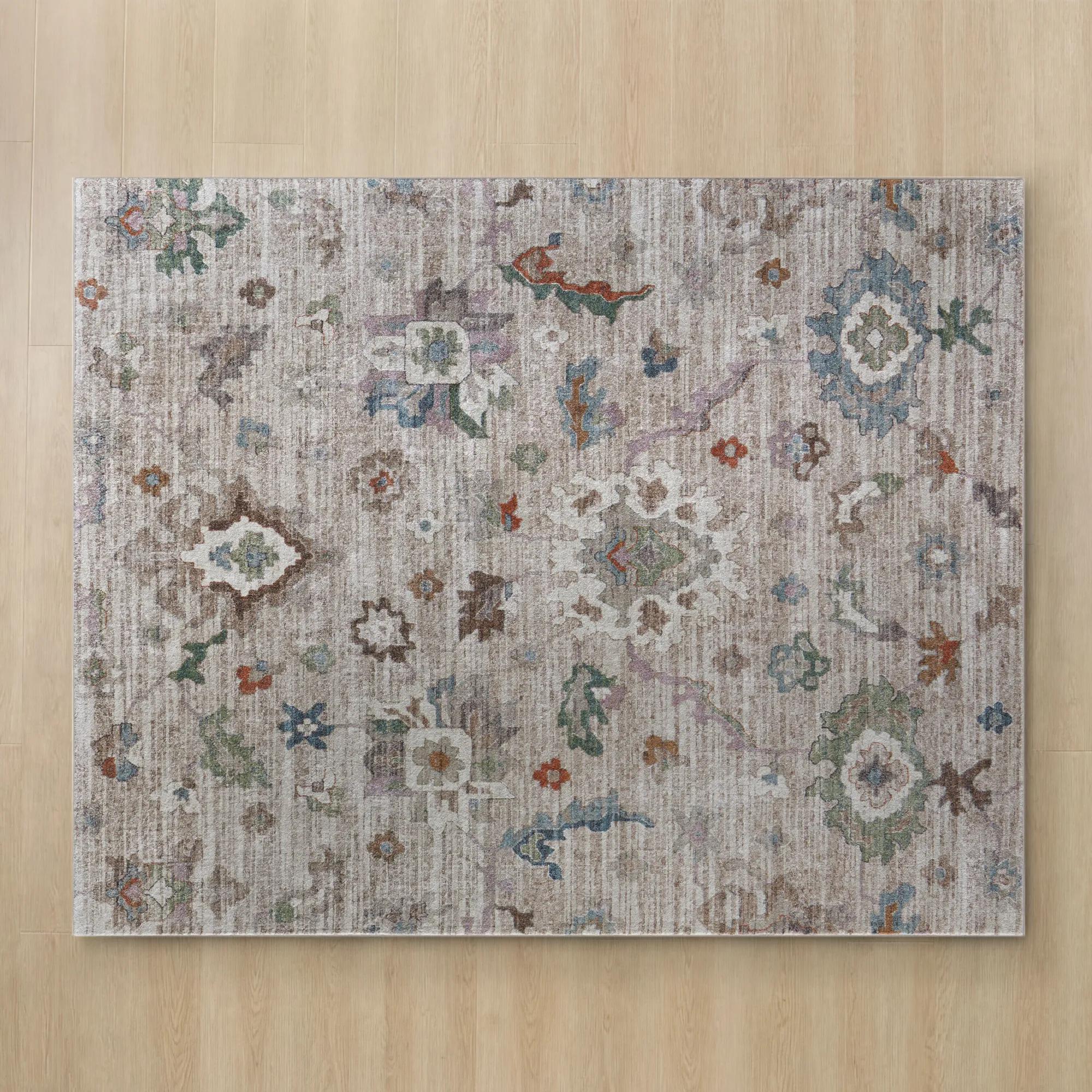 Ariella Floral Taupe/Ivory/Beige/Blue/Green Performance Power Loomed Rug$1399
A Persian-inspired rug in taupe, ivory, beige, blue, and green with a plush, power-loomed polypropylene pile.
Add To Cart -
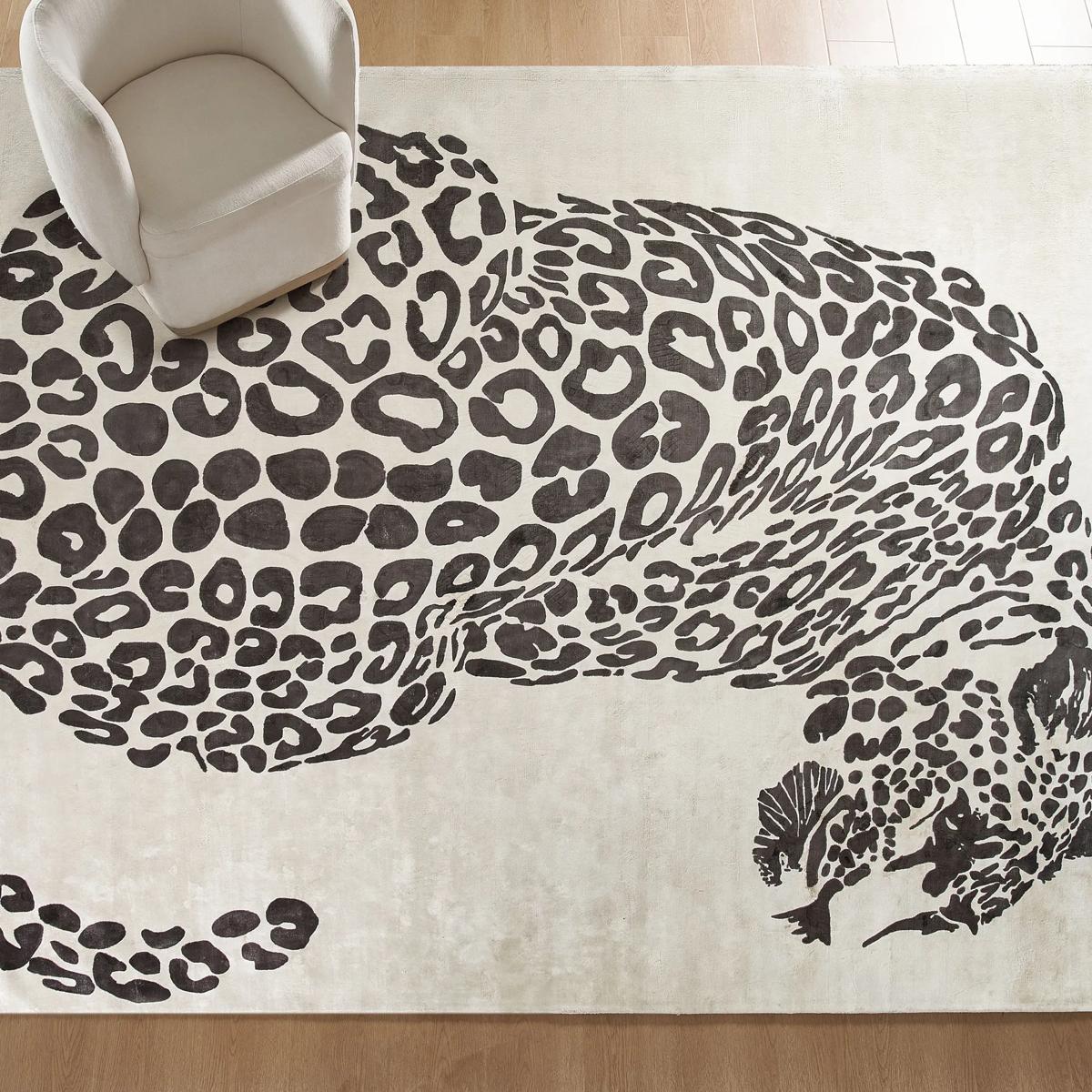
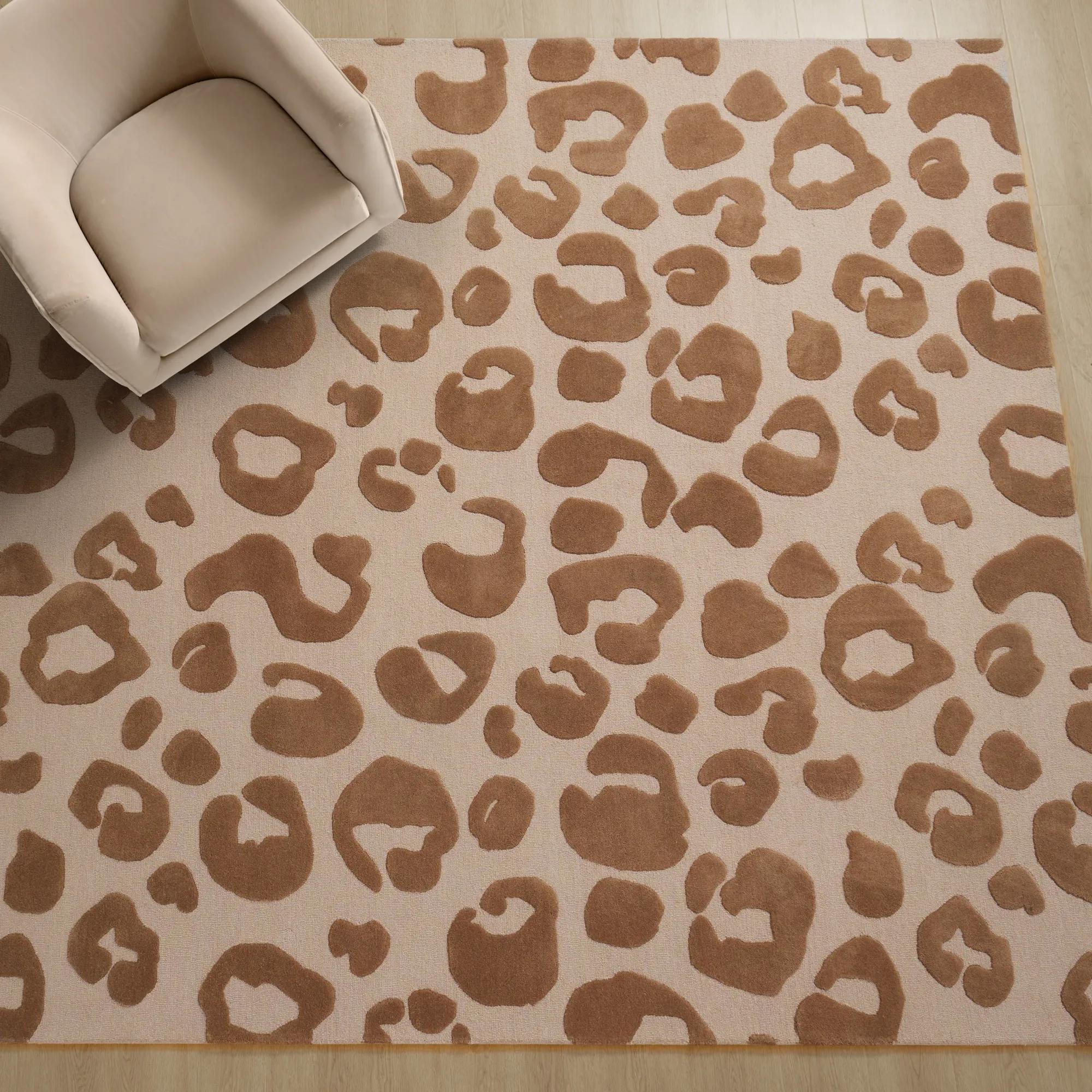 Pounce Hand-Tufted Tawny Brown Leopard Print Wool Rug$499
A hand-tufted wool rug featuring a tawny brown leopard print and dimensional high-low texture.
Add To Cart -
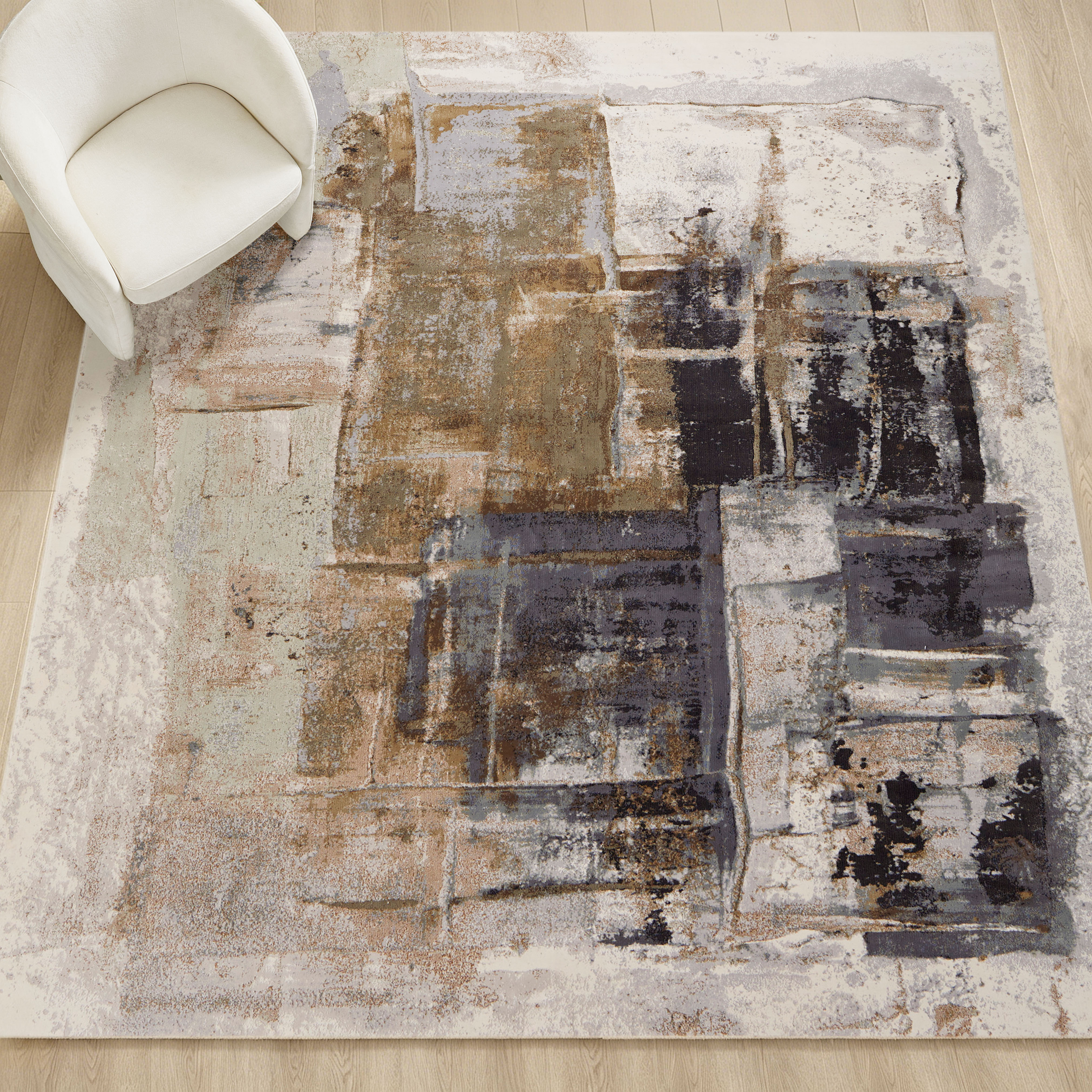
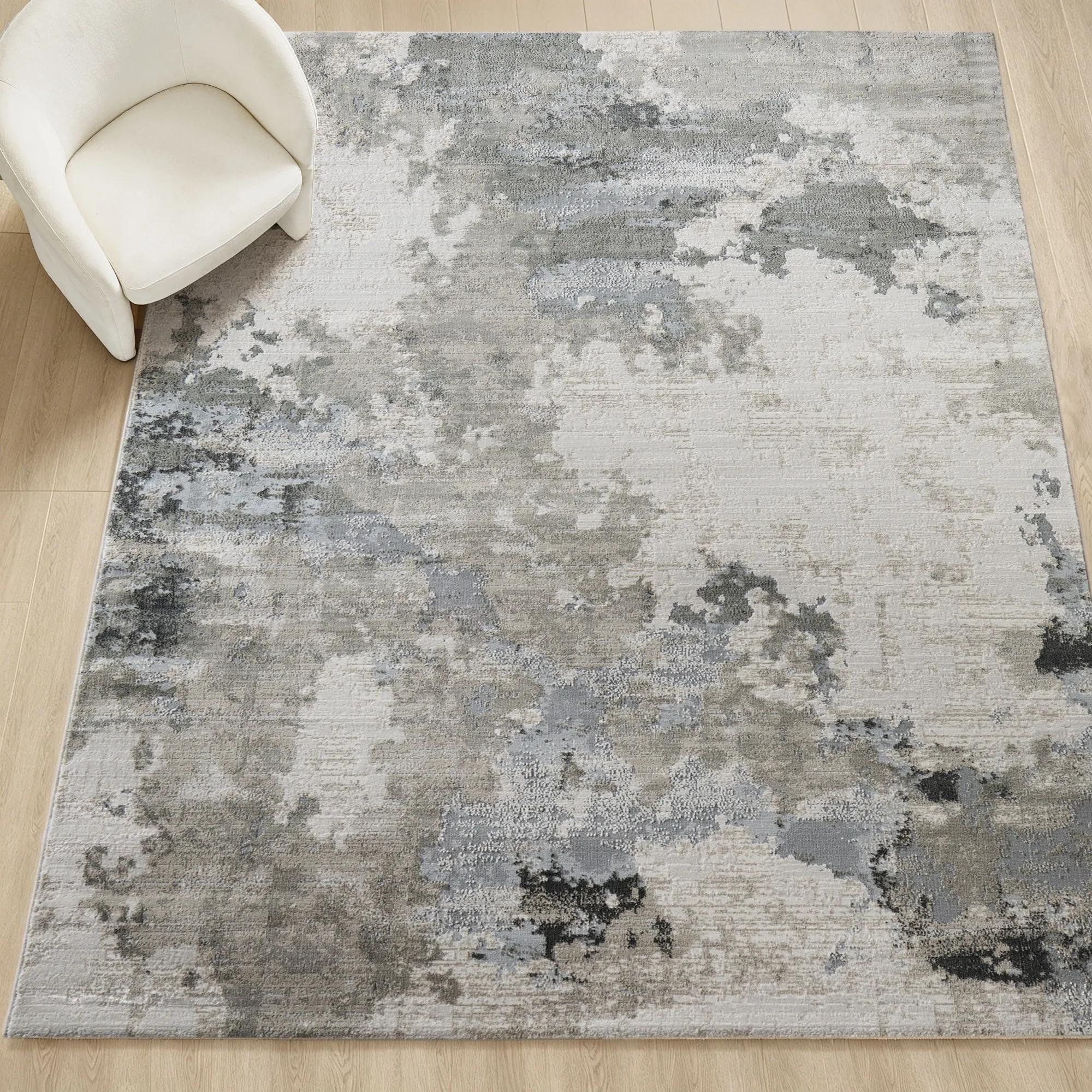 Alarion Abstract Grey/Muted Blue/Ivory Performance Power Loomed Rug$1499
A power-loomed rug featuring a distressed abstract pattern in grey, muted blue, and ivory with stain resistance.
Add To Cart -
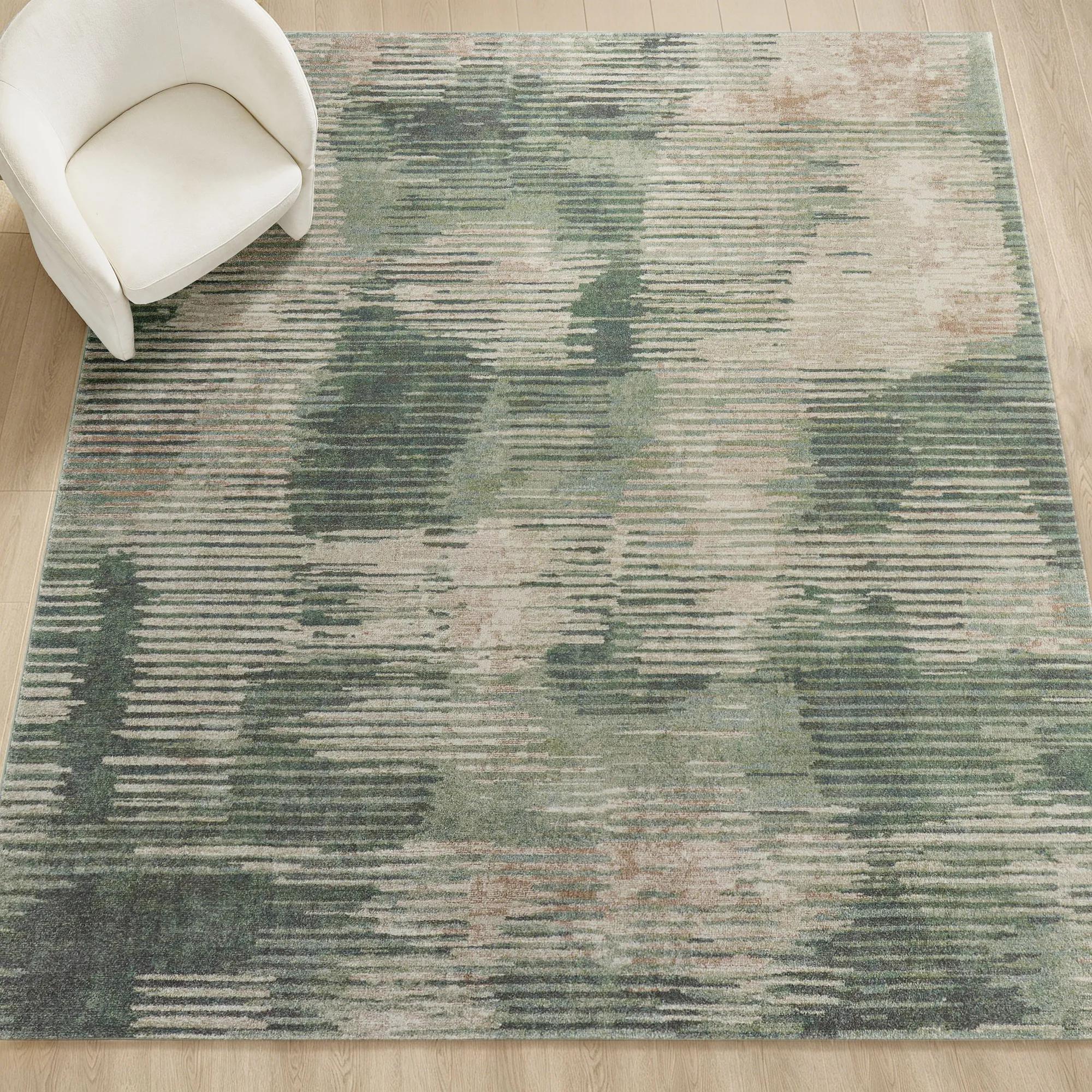
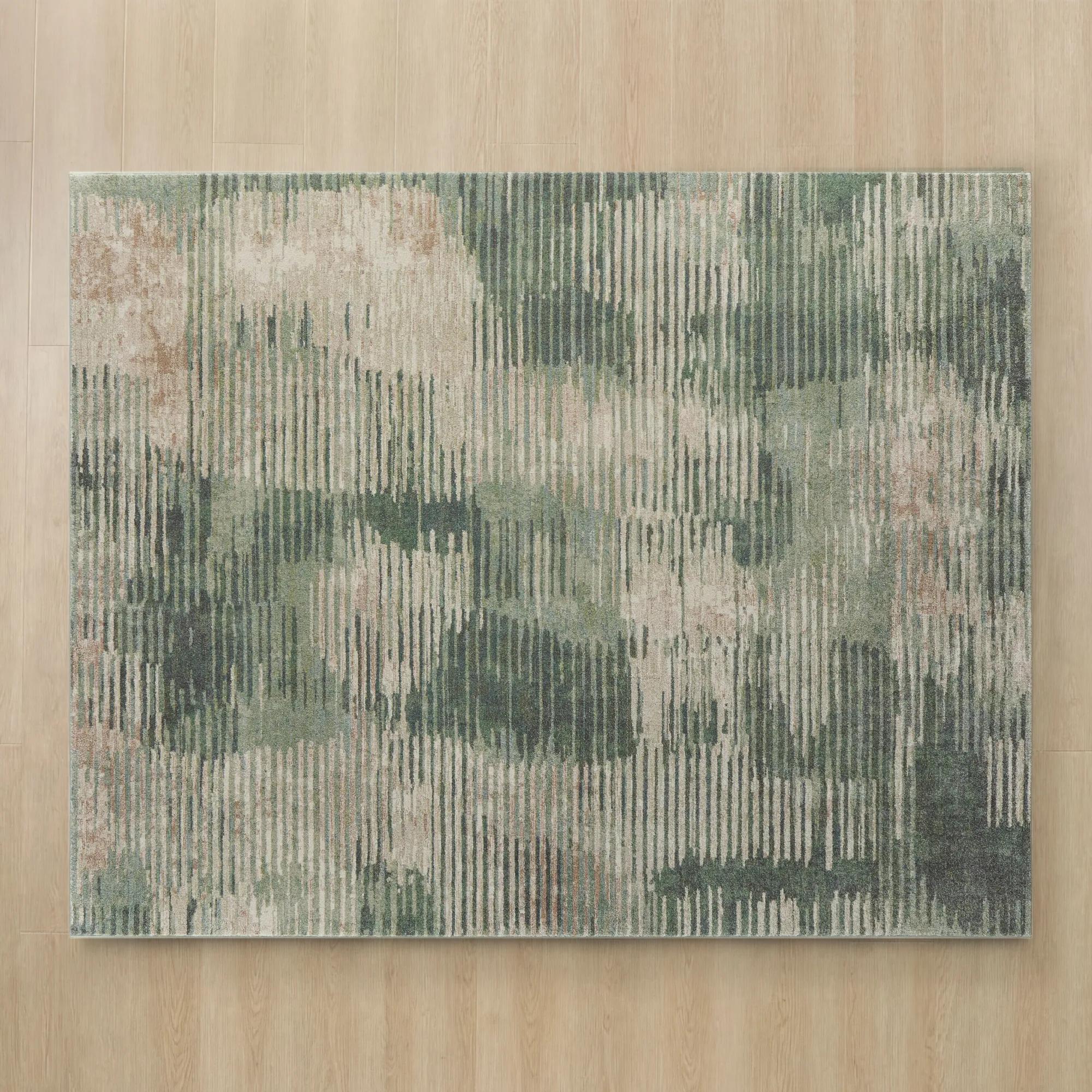 Sylvan Green/Beige Power Loomed Rug$689
A contemporary rug featuring a smoked olive green and beige organic pattern with a soft, power-loomed polypropylene pile.
Add To Cart -
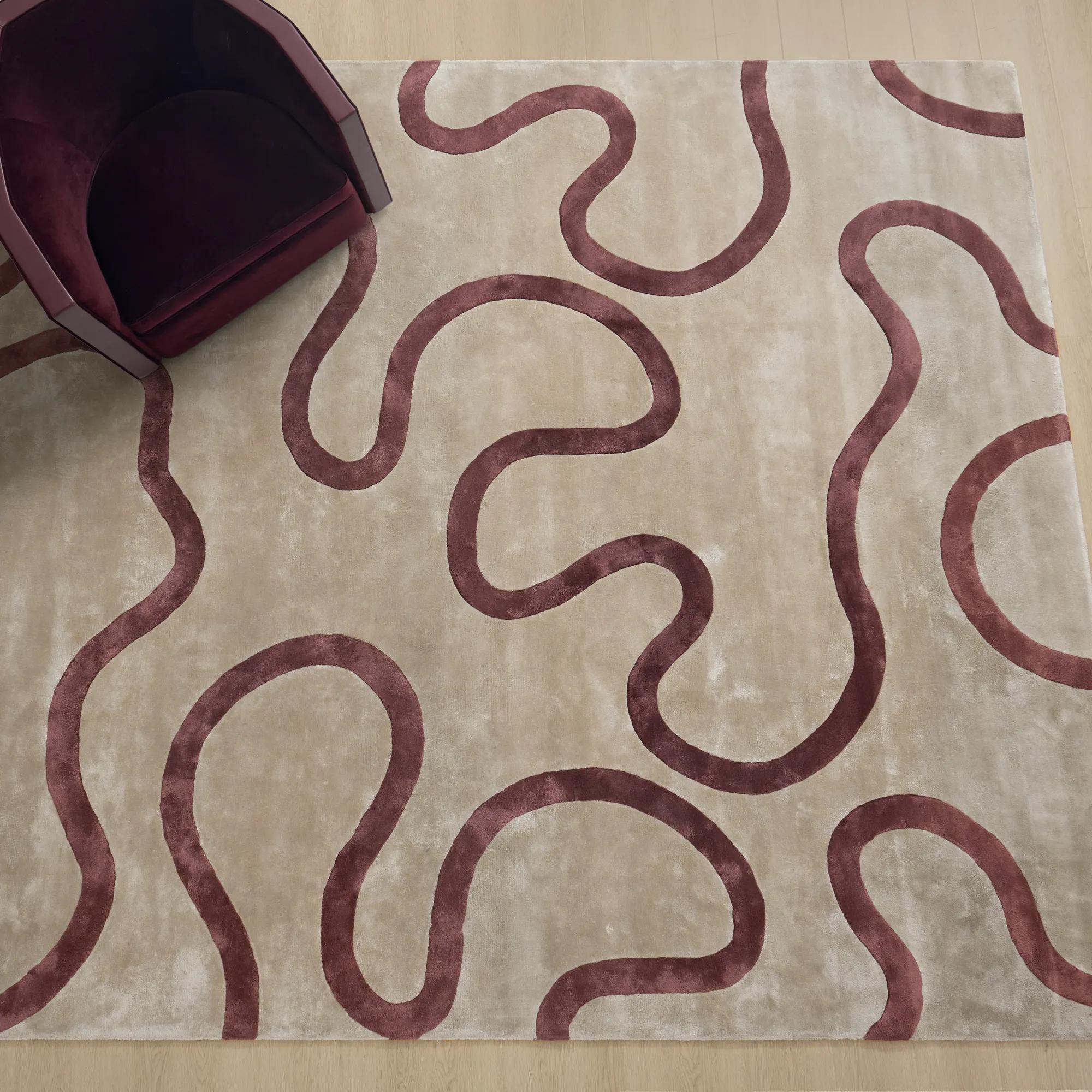 Seraphine Hand-Tufted Fig/Taupe Viscose Loop Rug$1199
A hand-tufted viscose rug with high-contrast loops in a polished fig and taupe palette.
Add To Cart -
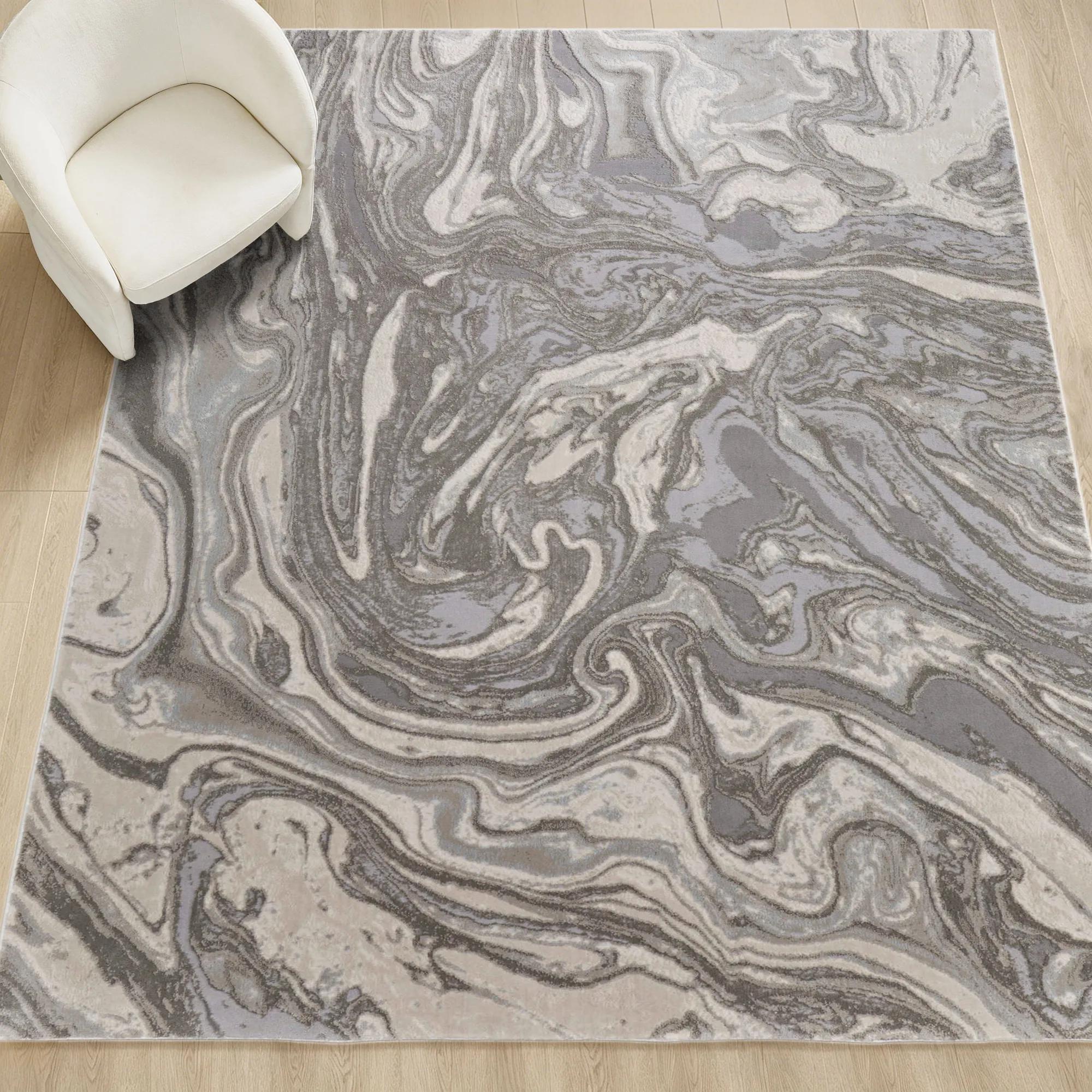
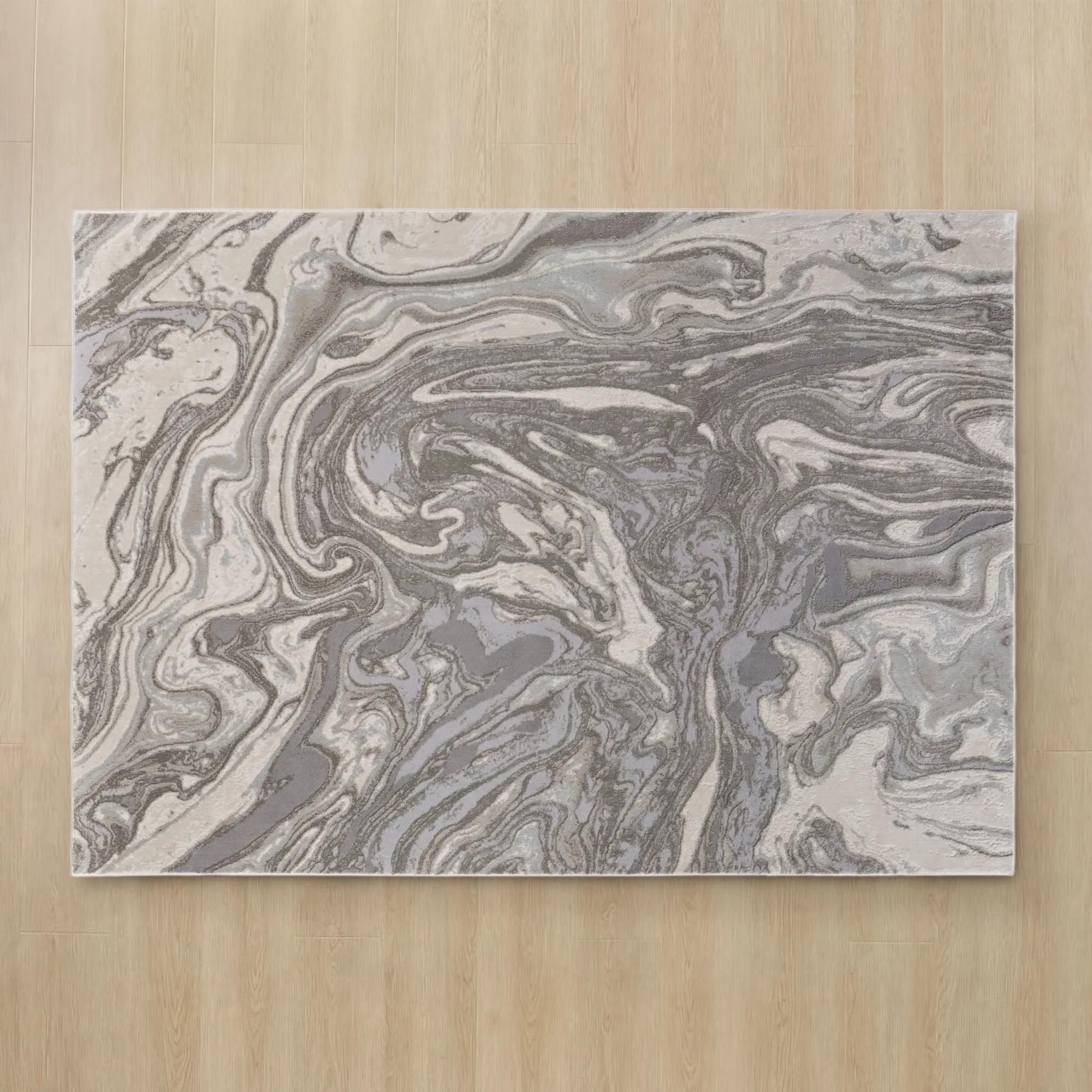 Marbre Marbled Grey/Taupe/Powder Blue Performance Power Loomed Rug$1499
A softly marbled rug in grey, taupe, and powder blue with a textured, stain-resistant performance blend.
Add To Cart -
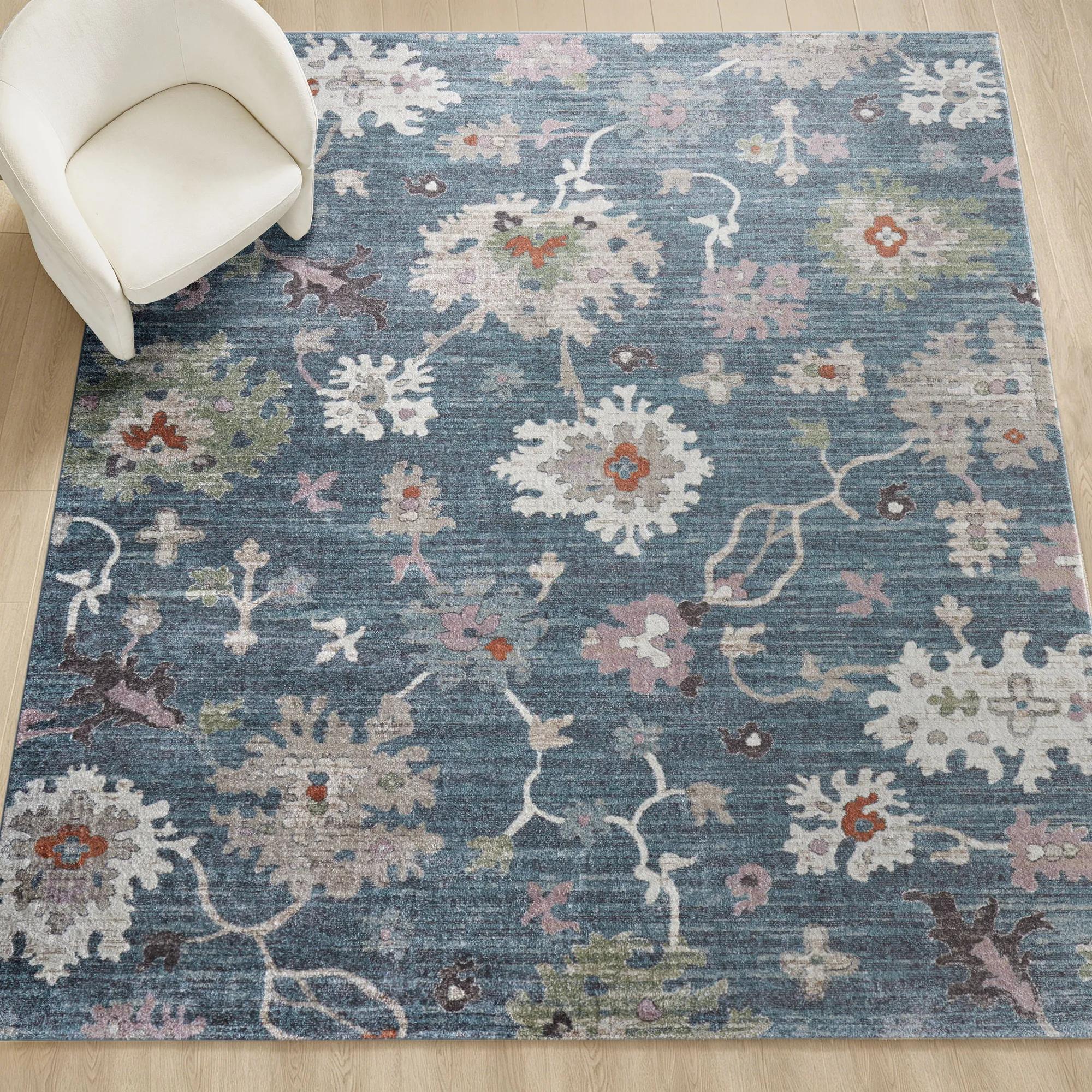
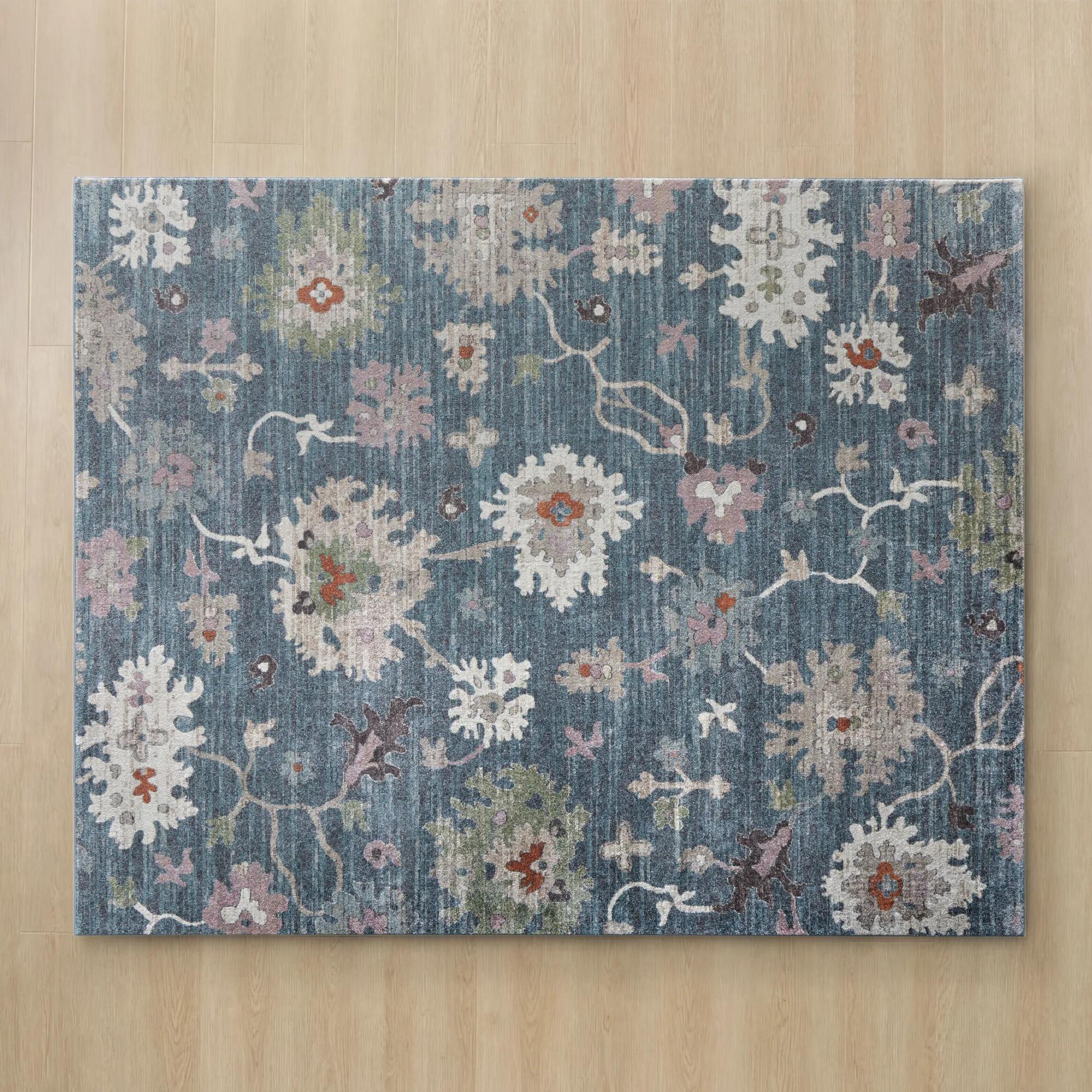 Ariella Floral Blue/Ivory/Beige/Green/Rose Dust Performance Power Loomed Rug$1399
A Persian-inspired rug in blue, ivory, beige, green, and rose dust with plush, stain-resistant polypropylene.
Add To Cart -
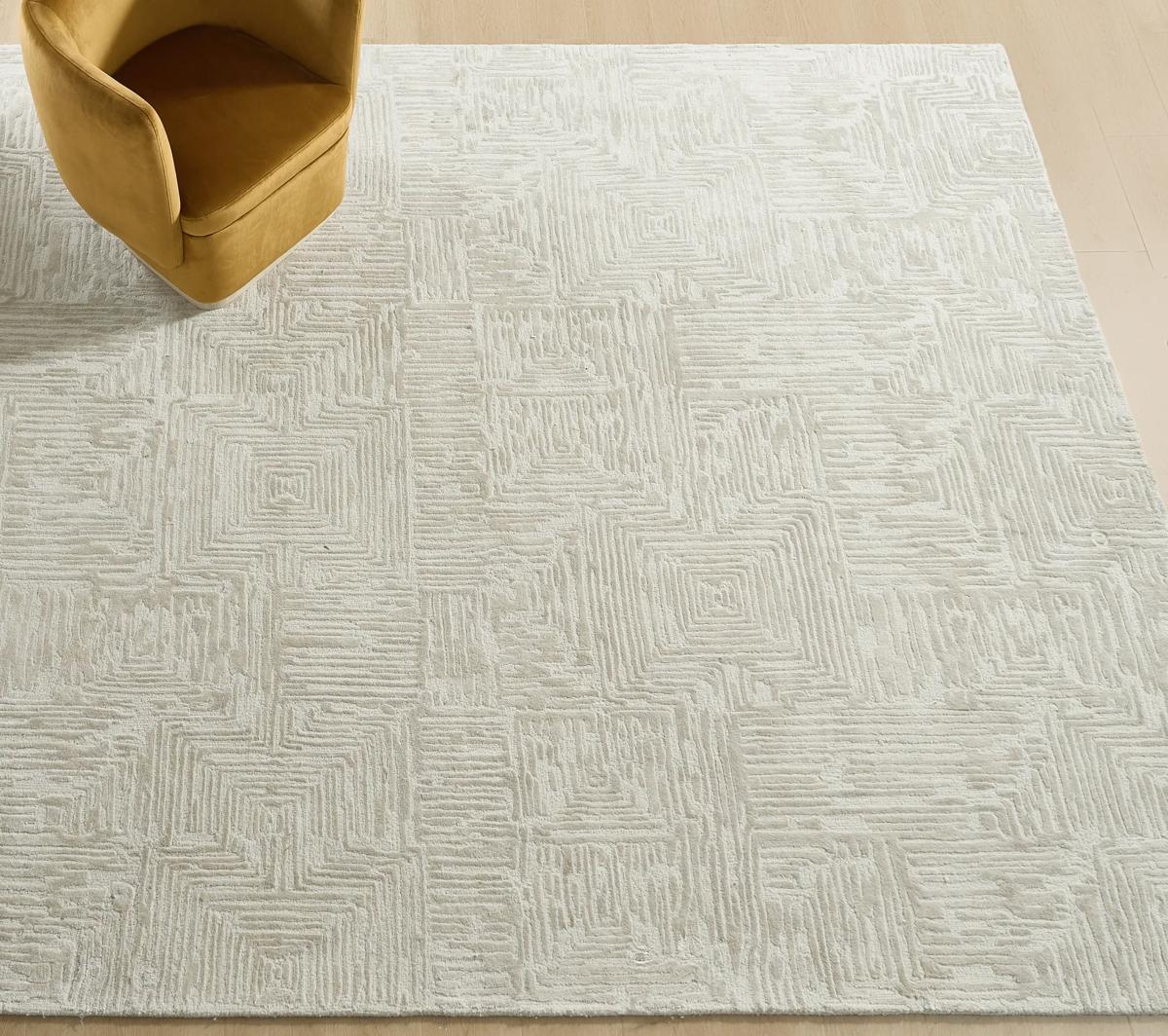 Andra Ivory Hand-Tufted Wool Blend Dimensional Rug$1499
A hand-tufted ivory rug in a viscose-wool blend with raised detailing and a subtle sheen.
Add To Cart -
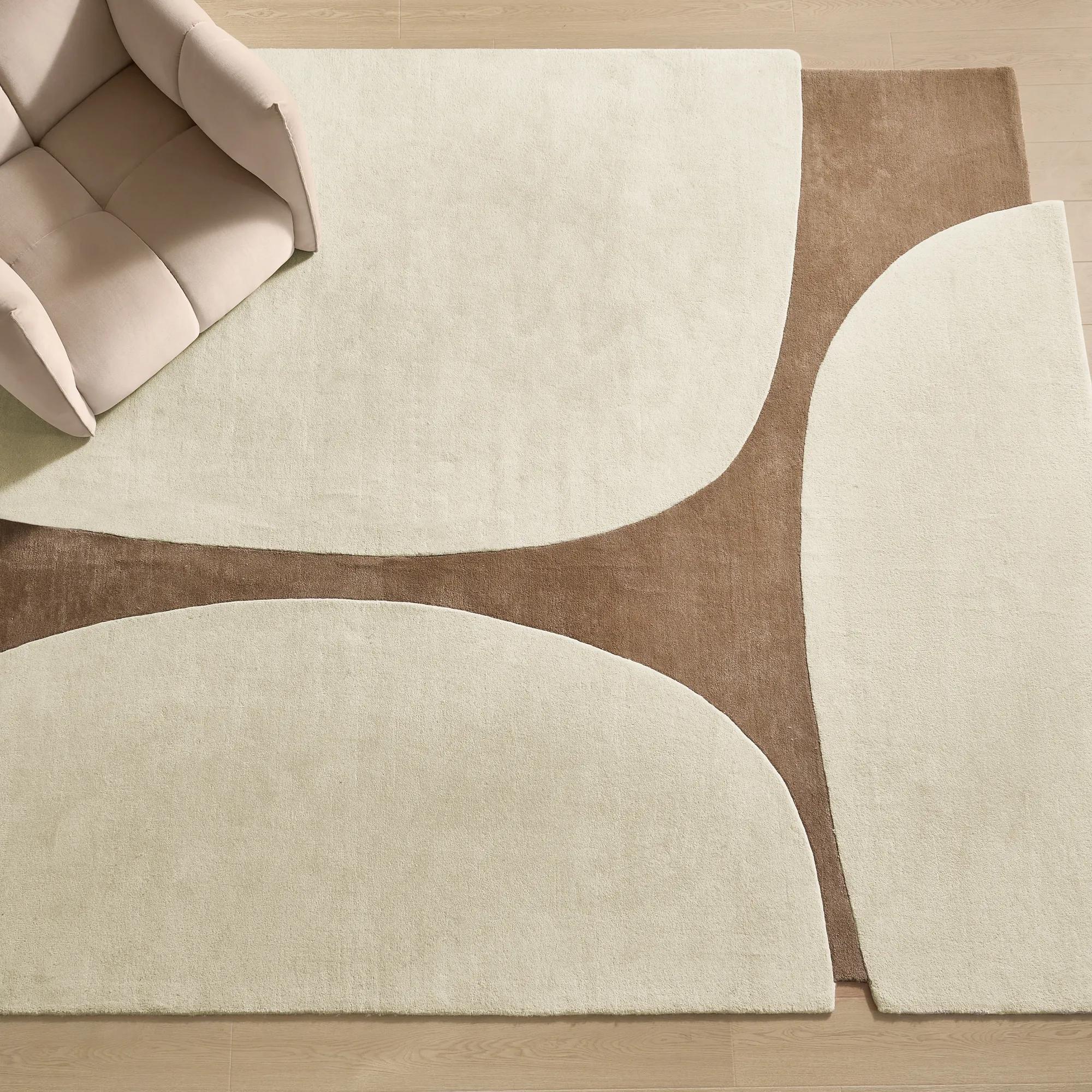
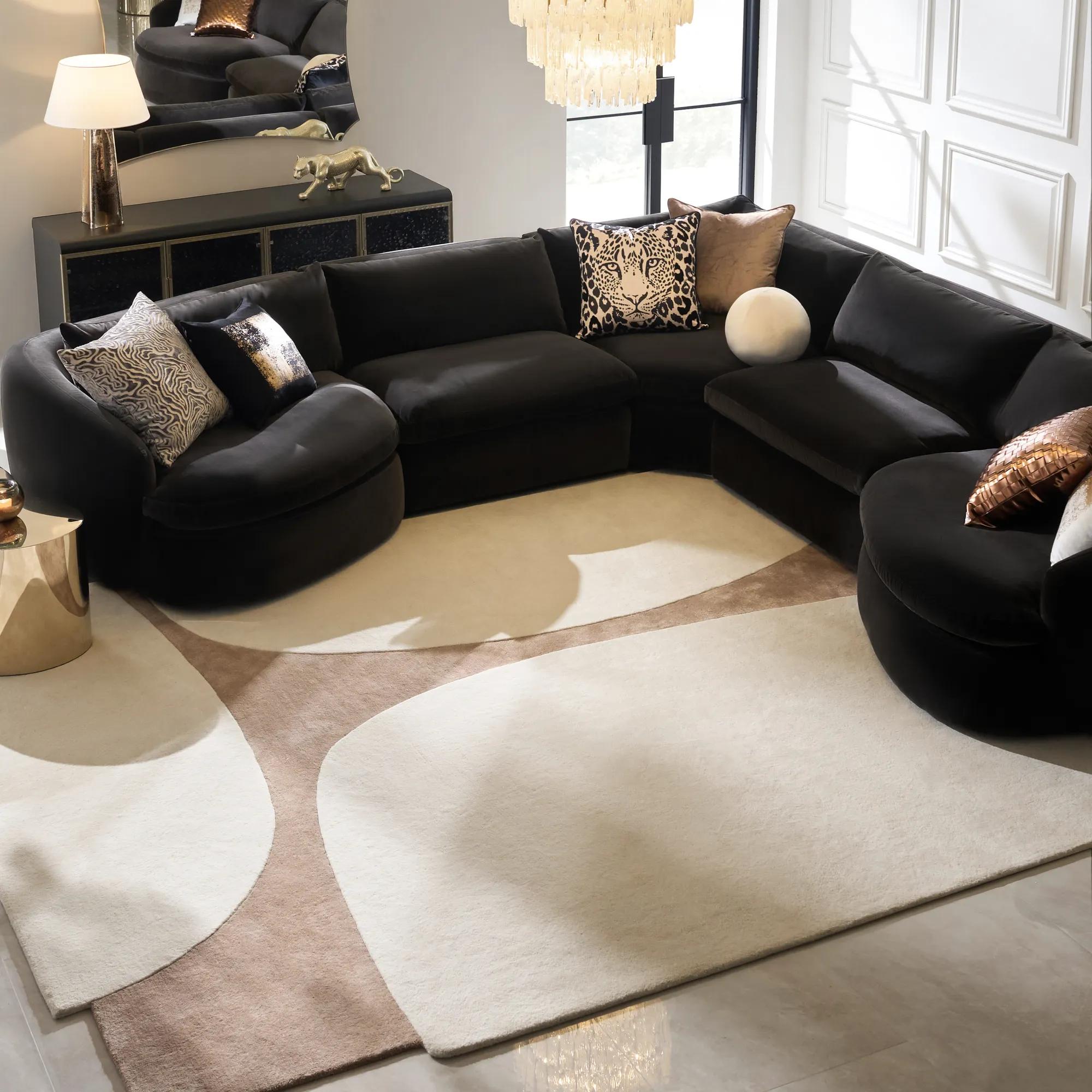 Contour Hand-Tufted Ivory/Ginger Root Wool Blend Rug$1499
A hand-tufted wool rug featuring an ivory and ginger root palette with a contoured, modern design.
Add To Cart -
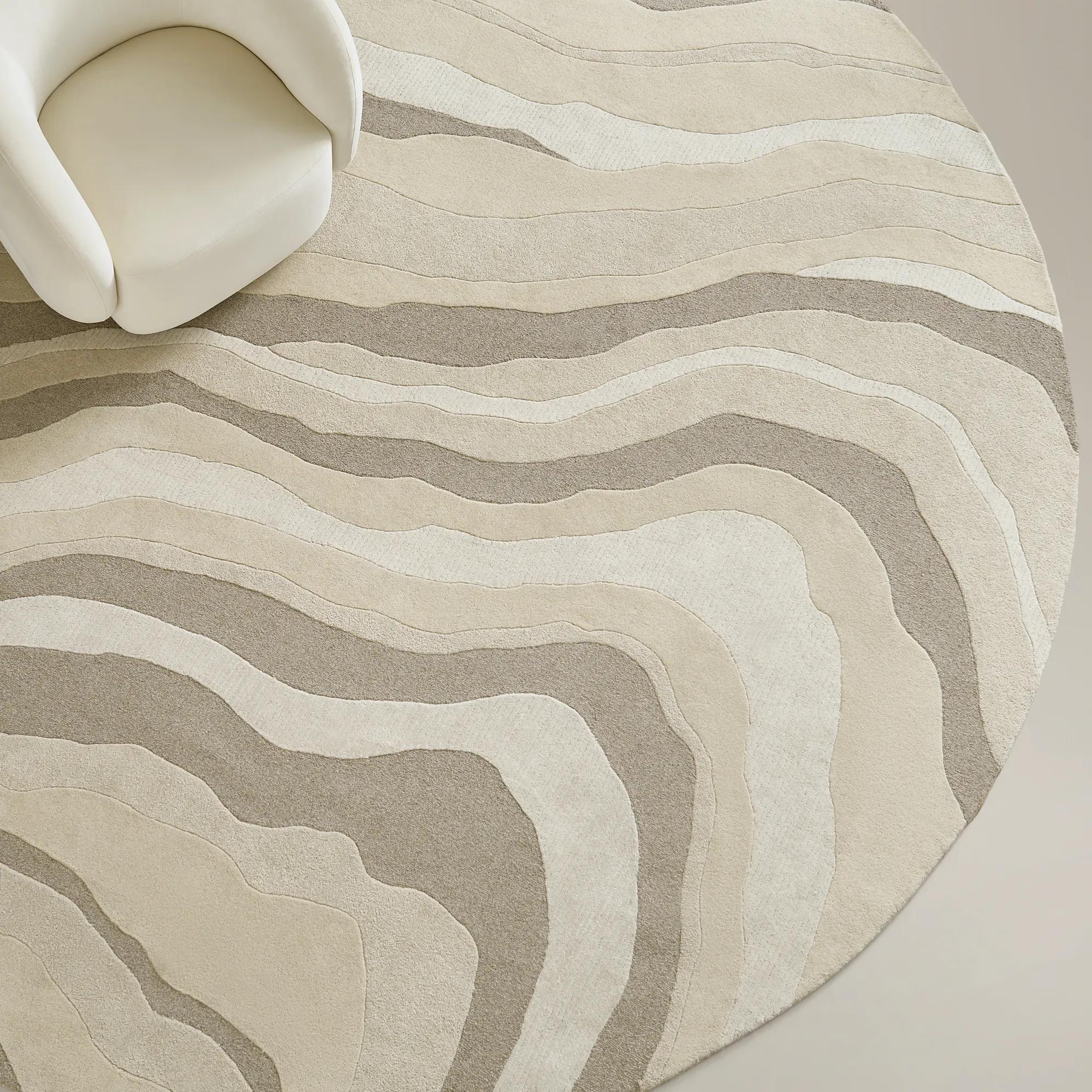 Kadence Hand-Tufted White/Ivory/Tan Wool Round Rug 12"$1799
A hand-tufted round rug in white, ivory, and tan, crafted from 100% wool for natural warmth.
Add To Cart -
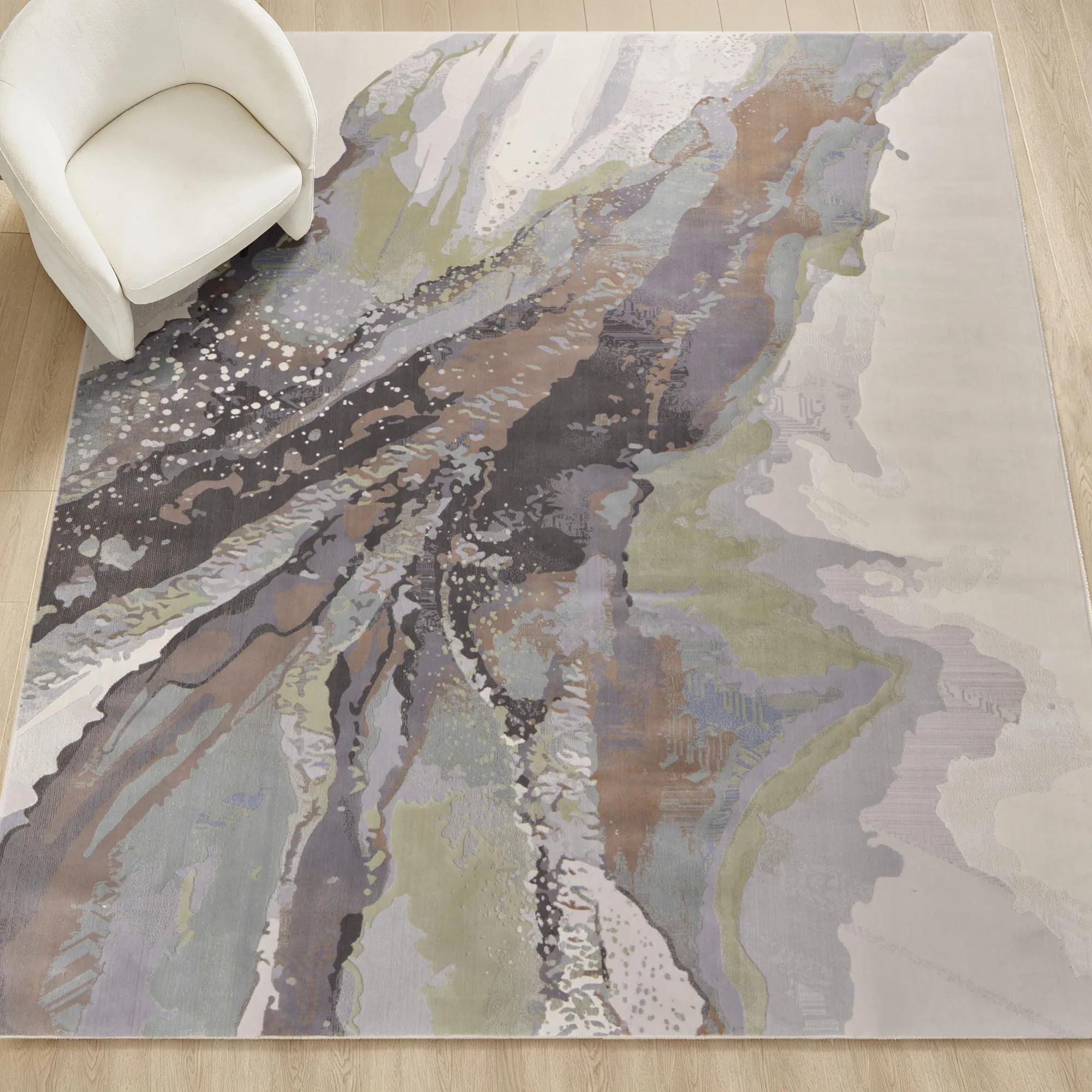
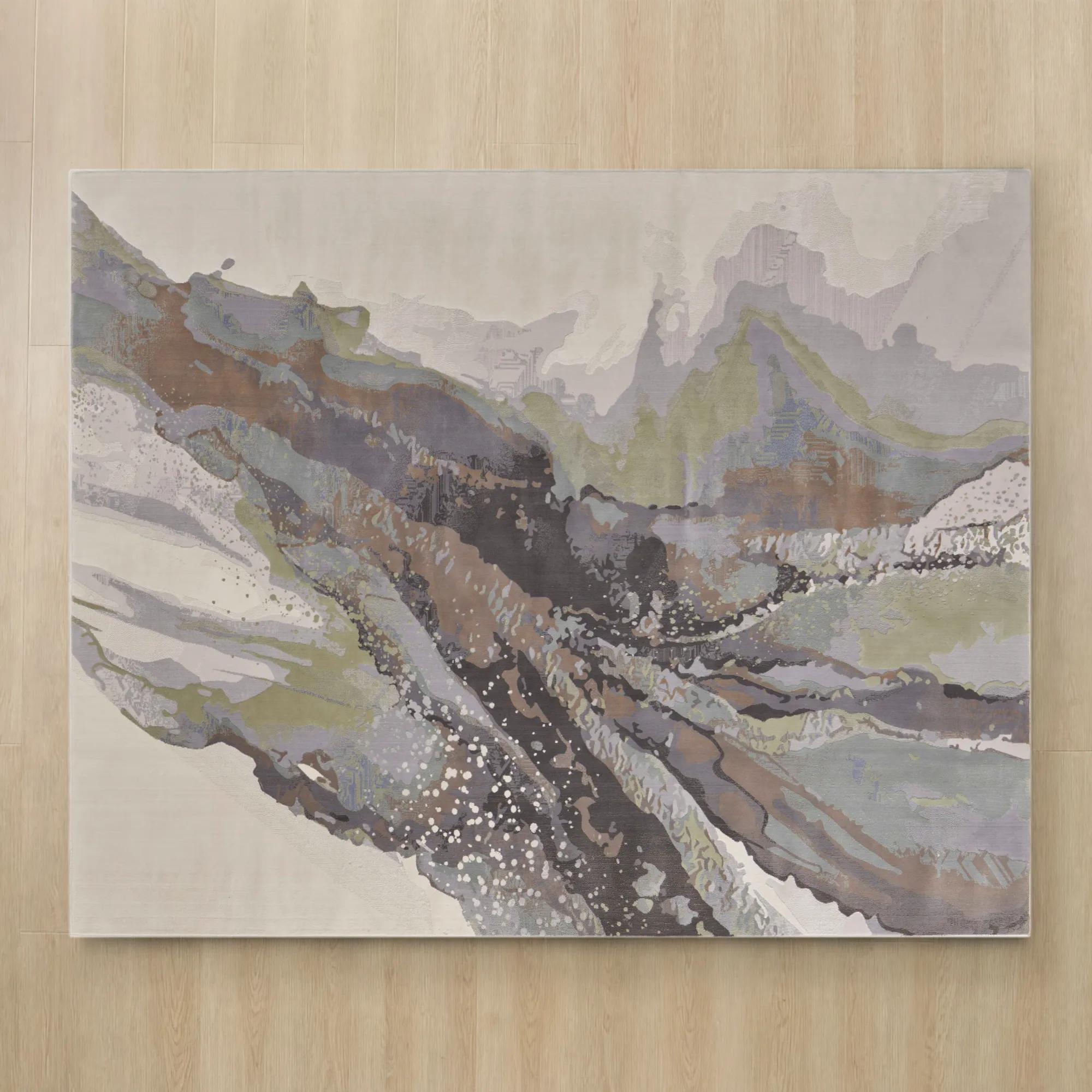 Nerissa Abstract Ivory/Grey/Blue/Green Performance Power Loomed Rug$449
An abstract rug in ivory, grey, blue, and green with a textured, stain-resistant polypropylene-polyester blend.
Add To Cart -
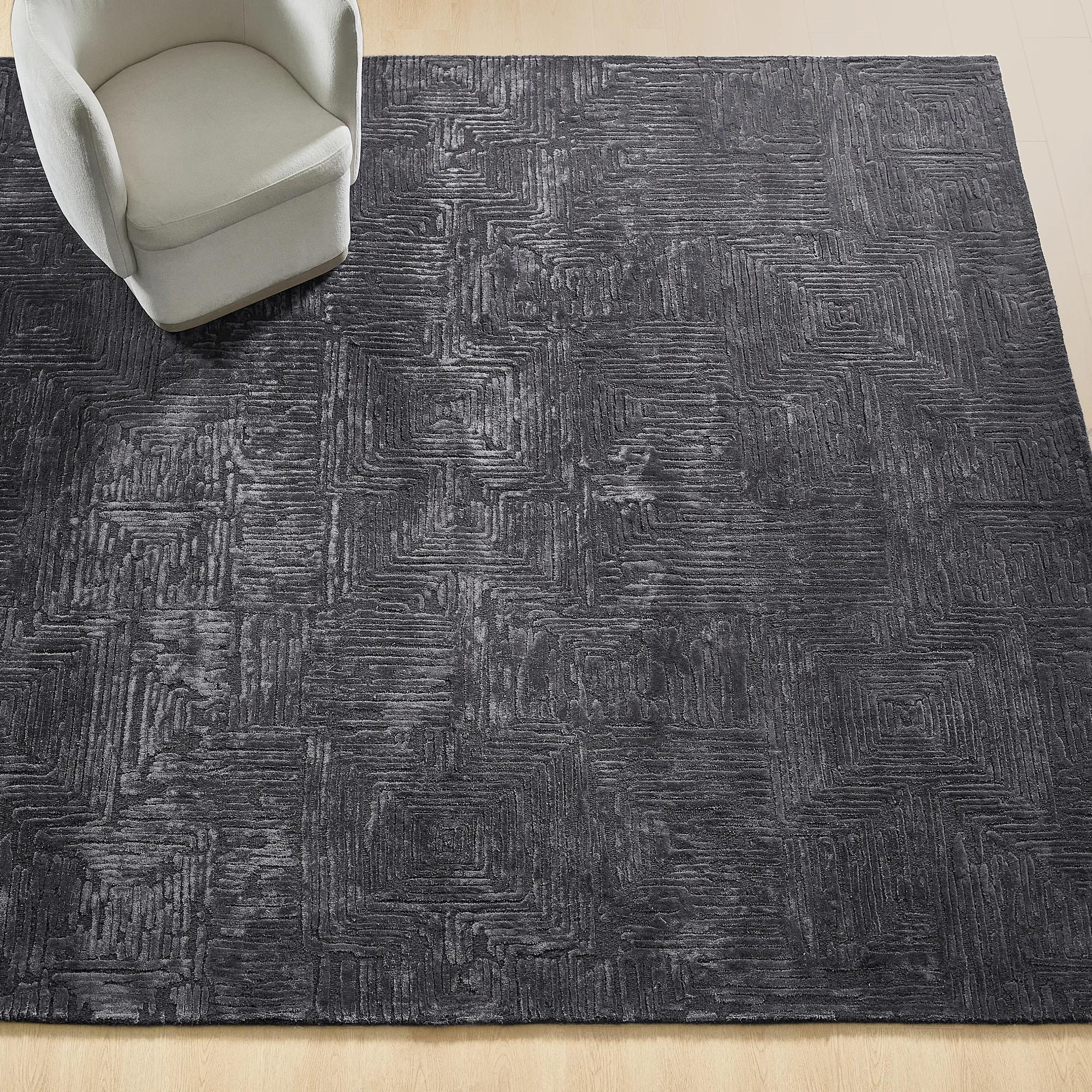
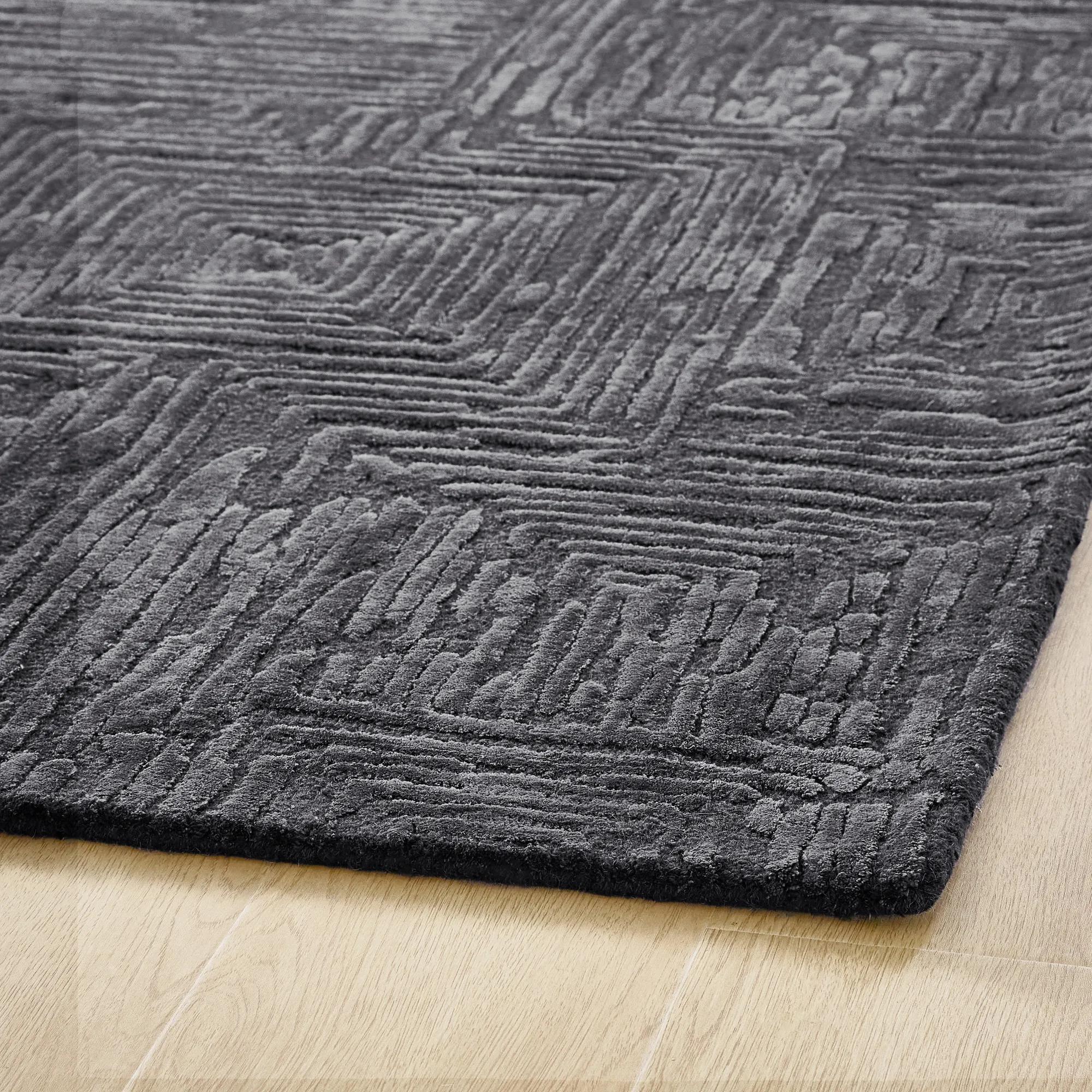 Andra Charcoal Hand-Tufted Wool Blend Dimensional Rug$499
A hand-tufted viscose-wool rug in rich charcoal, featuring a sculptural, dimensional pattern for modern spaces.
Add To Cart -
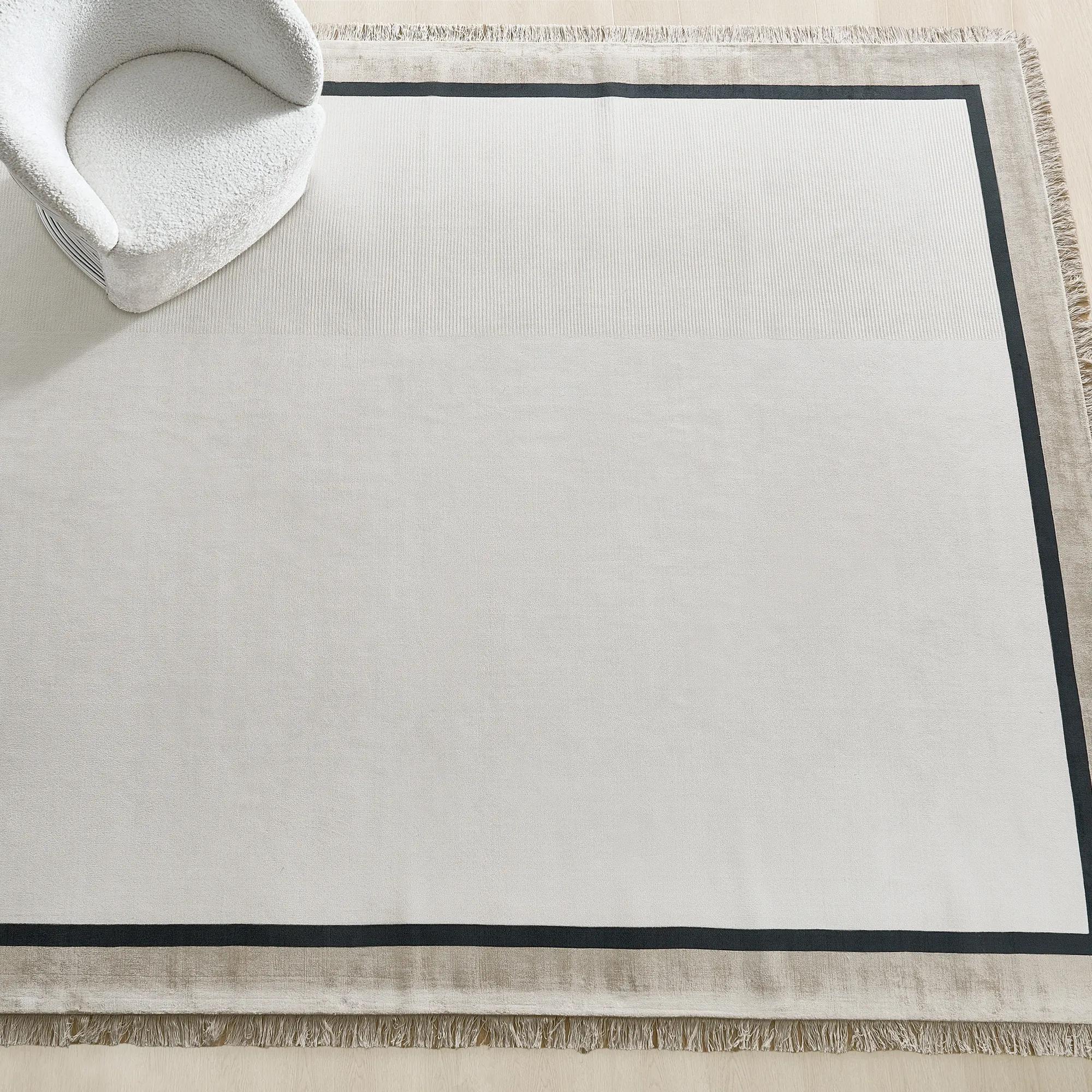
 Fiona Hand-Tufted Ivory/Beige/Black Border Fringe Rug$1099
A hand-tufted ivory, beige, and black rug featuring a framed border and decorative fringe.
Add To Cart

Low-Pile Dining Room Rugs
Low-pile dining room rugs give your table a tailored foundation without the bulk of a deeper pile. Their lower profile can help dining chairs move more easily, while the rug’s design adds another layer of artistry to the room. Look for a size that keeps chair legs on the rug when pulled out, with a shape that complements your table and dining space.
Low-pile dining room rugs give a dining space a richly composed foundation without the depth of a shag or high-pile rug. Their short, closely cropped surface generally allows dining chairs to move with less resistance and makes crumbs easier to reach with a vacuum, a practical advantage wherever meals and conversation linger. Flatweave rugs offer a similarly streamlined effect, with a woven construction rather than a raised pile. Both styles bring color, pattern, and definition to the dining area while keeping the relationship between table, chairs, and floor visually balanced. Beneath a sculptural pedestal table, a softly textured rug adds dimension without competing with the silhouette; under a substantial rectangular table, a sweeping abstract pattern can give the entire arrangement a more expressive presence. Ivory and silver tones lend luminosity to dark wood, while charcoal, taupe, and layered neutrals create a more grounded setting for polished metal and upholstered seating. For a dramatic contrast beneath pale stone or gleaming metallic finishes, black rugs for dining rooms establish a striking foundation that lets the furniture’s contours command attention. Pattern matters as much as color: softly distressed effects and tonal variations can make everyday traces less conspicuous, while sharply defined geometry introduces rhythm around a simpler table. A large-scale motif often reads as an artistic composition, although the table will conceal its center, making the visible border especially important. Low-pile area rugs are particularly suited to dining rooms used for daily meals, dinner parties, and the occasional afternoon spent spreading projects across the table. In an open-plan home, they also distinguish the dining area from neighboring seating without interrupting the room’s flow. The result is a space that feels intentionally dressed rather than crowded, with enough visual richness to hold its own beneath statement lighting and enough restraint to let every place setting contribute to the scene.
The proportions of a dining room rug shape both its appearance and its usefulness. A rug that looks generous beneath an empty table may feel unexpectedly small once everyone pulls out a chair. As a general starting point, extending the rug at least 24 inches beyond each edge of the tabletop helps keep chair legs supported during ordinary use; around 30 inches or more can provide additional room for deeper chairs or a wider pullback. The right allowance depends on the seating, the table, and the surrounding floor space, so the full movement of the chairs matters more than the tabletop dimensions alone. A rectangular table measuring 72 by 40 inches, for example, calls for a rug at least 120 by 88 inches to achieve a 24-inch extension on every side. A standard 8-by-10-foot rug meets that minimum, though larger chairs may benefit from a more generous size if the room permits. For an extendable table, the expanded configuration deserves consideration when the dining area regularly accommodates additional guests. Shape creates another layer of expression. A round rug can echo a circular table for a composed, intimate arrangement, while a rectangular rug beneath that same table can connect the dining vignette to the architecture of a longer room. An oval table often sits elegantly on a rectangular foundation, with the contrast emphasizing its curved edges. Nearby sideboards, door swings, and circulation paths also influence the fit; the rug should support the dining arrangement without bunching against furniture or obstructing movement. Low pile helps maintain a sleeker profile, but tightly woven construction, stable edges, and a rug pad appropriate for the flooring are equally valuable. A thin, nonslip pad can help limit shifting and soften contact underfoot without introducing excessive height. The combined thickness of rug and pad should leave doors clear and allow chairs to sit evenly, especially where a dining area shares space with a walkway.
Material and construction determine how beautifully that foundation responds to everyday life. Wool brings natural resilience and a nuanced surface that can feel especially luxurious beneath a dining table. Its fibers may shed, particularly when new, and spills still need prompt attention; natural stain resistance does not make any rug impervious to marks. Synthetic fibers such as polypropylene and polyester can offer practical stain resistance and a broad range of woven effects, although performance varies with fiber, finish, and construction. A dense, low-profile weave is often preferable to a loose or heavily textured surface where chair legs move repeatedly. Rugs containing viscose or similarly moisture-sensitive fibers may have an alluring sheen but can demand more specialized care, making the care label particularly important in a room where drinks and sauces are part of the setting. For households with children, pets, or frequent dinner guests, a durable construction and a forgiving, variegated pattern can make an expressive rug easier to enjoy. Solid dark colors create drama but may reveal pale crumbs and lint, just as very light tones can show darker spills; midtone patterns often offer a more forgiving visual balance. Routine care helps preserve both the finish and the room’s polished appearance. Regular vacuuming with the setting recommended for the rug removes dry debris before it settles into the surface, while fringe and bound edges deserve gentle treatment. Liquid spills are best blotted promptly with a clean, absorbent cloth rather than rubbed, with any cleaning solution checked against the manufacturer’s instructions and tested discreetly first. Even a rug described as washable requires confirmation of its washing method, drying requirements, and whether its dimensions suit the equipment available. Occasional rotation, where the room layout allows, can help distribute wear from favored seats and repeated traffic. With thoughtful proportions and materials suited to the way the room is lived in, a low-pile dining rug offers more than an ornamental layer: it gives everyday gatherings a confident setting, grounding expressive furniture and memorable tablescapes in texture, color, and enduring visual presence.
FAQs
Low-pile dining room rugs offer a tailored surface that lets color and pattern take center stage. A tonal design creates a composed foundation for sculptural furniture, while an expressive motif adds another layer of artistry. The mood can feel quietly polished or boldly glamorous, depending on the design.
Begin with your dining table, upholstery, and wall color, then decide where you want contrast. An ivory or soft gray palette can create a luminous backdrop for dark furniture, while deeper tones bring richness to a lighter setting. Repeat an accent from your artwork or table decor for a thoughtfully connected room.
Yes—give each element a distinct role. A geometric rug can introduce crisp rhythm beneath a curved dining table, while an organic motif adds movement around clean-lined furniture. When your chairs feature expressive upholstery, consider a rug pattern with a restrained palette to keep the composition intentional.
Build drama through contrasting finishes and textures. Pair the rug’s tailored surface with sumptuous upholstery, gleaming accents, and a sculptural chandelier. Let one element lead—a striking rug motif or an extraordinary table—then choose supporting details that echo its colors or curves without repeating every gesture.
Coordinate rather than duplicate. Carry a shared accent color, similar undertone, or related pattern language between spaces, while giving each rug its own identity. A bold dining room motif can sit beautifully alongside a quieter living room design, creating a connected interior with distinct moments of expression.