Elegant Geometric Area Rugs
Elegant Geometric Area Rugs
-
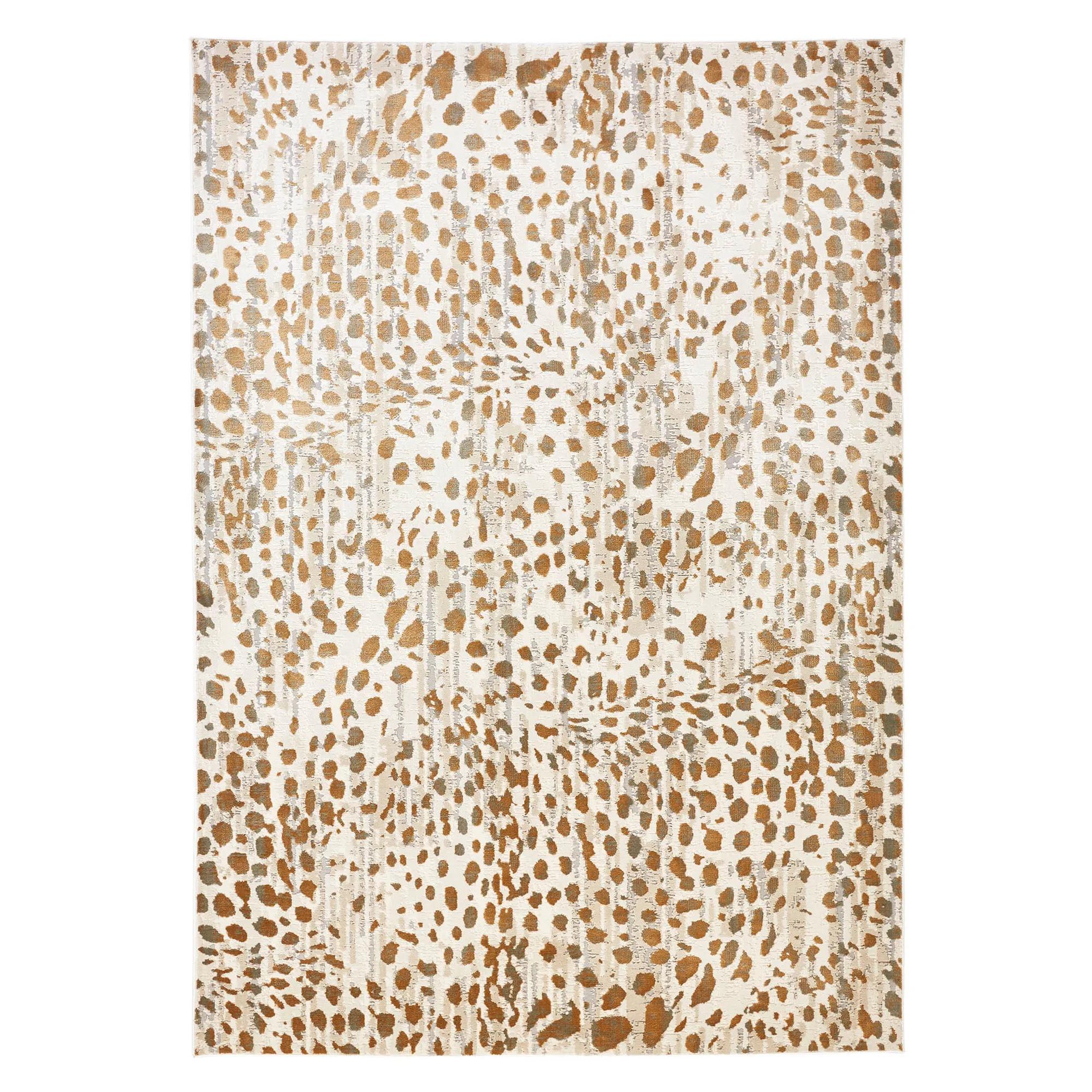
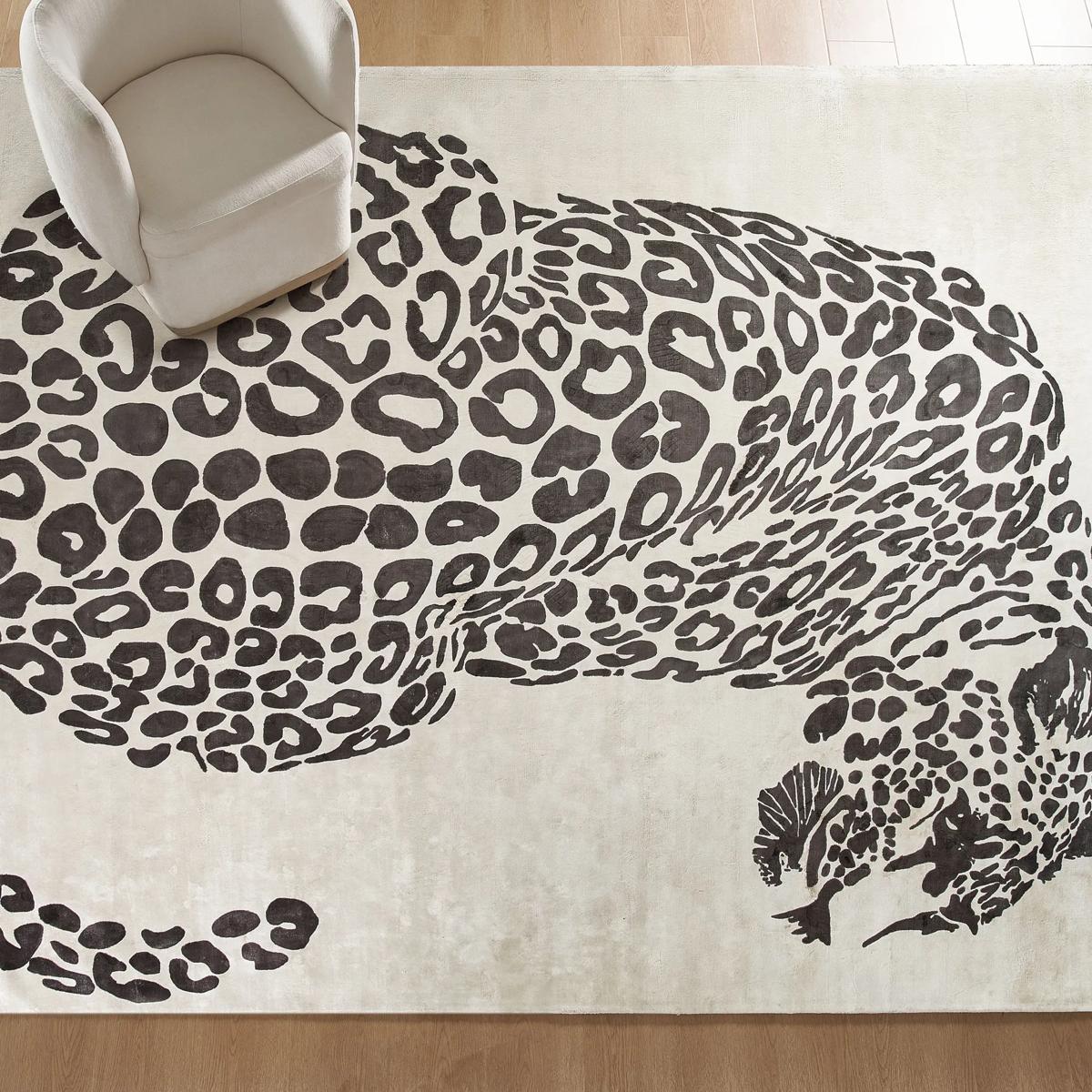
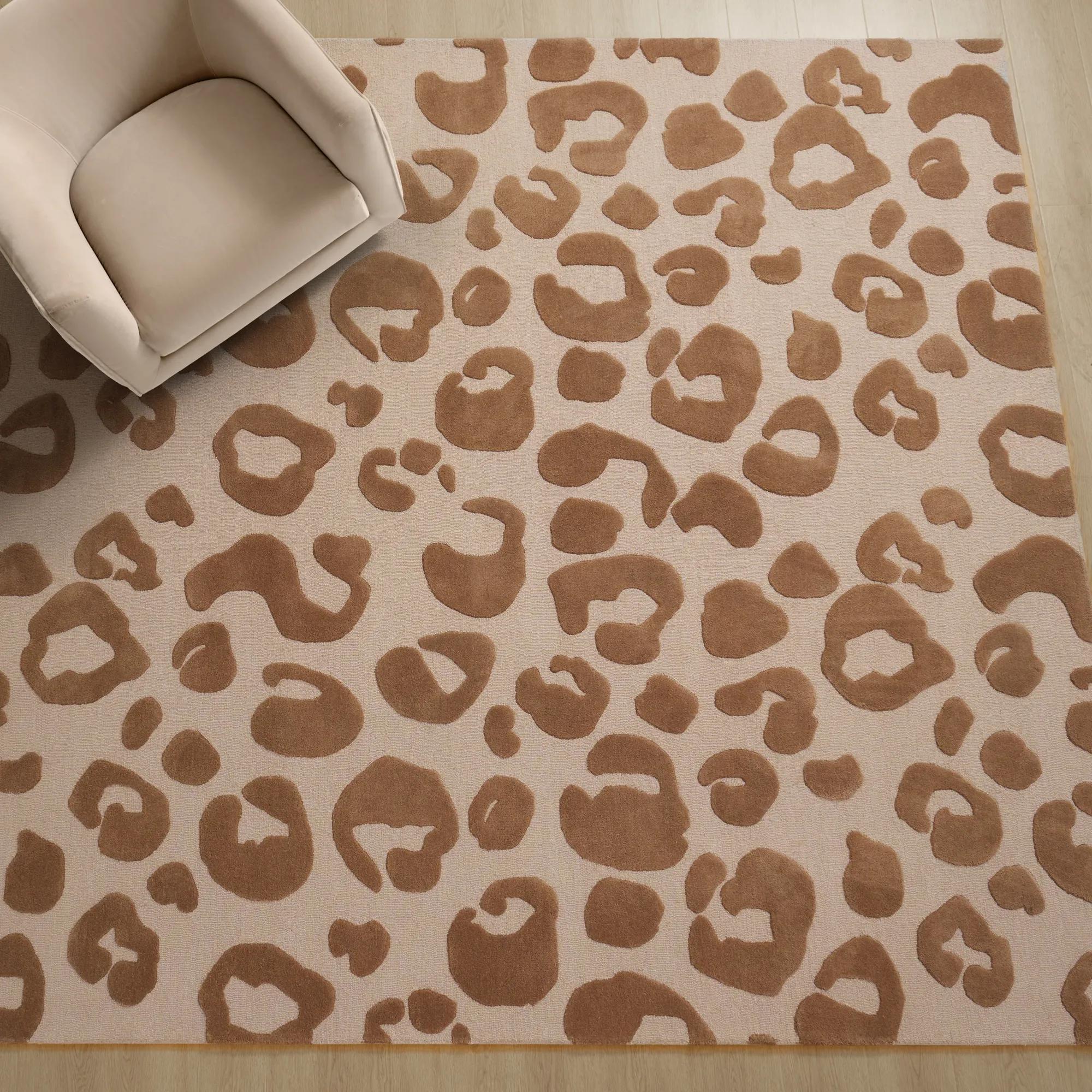
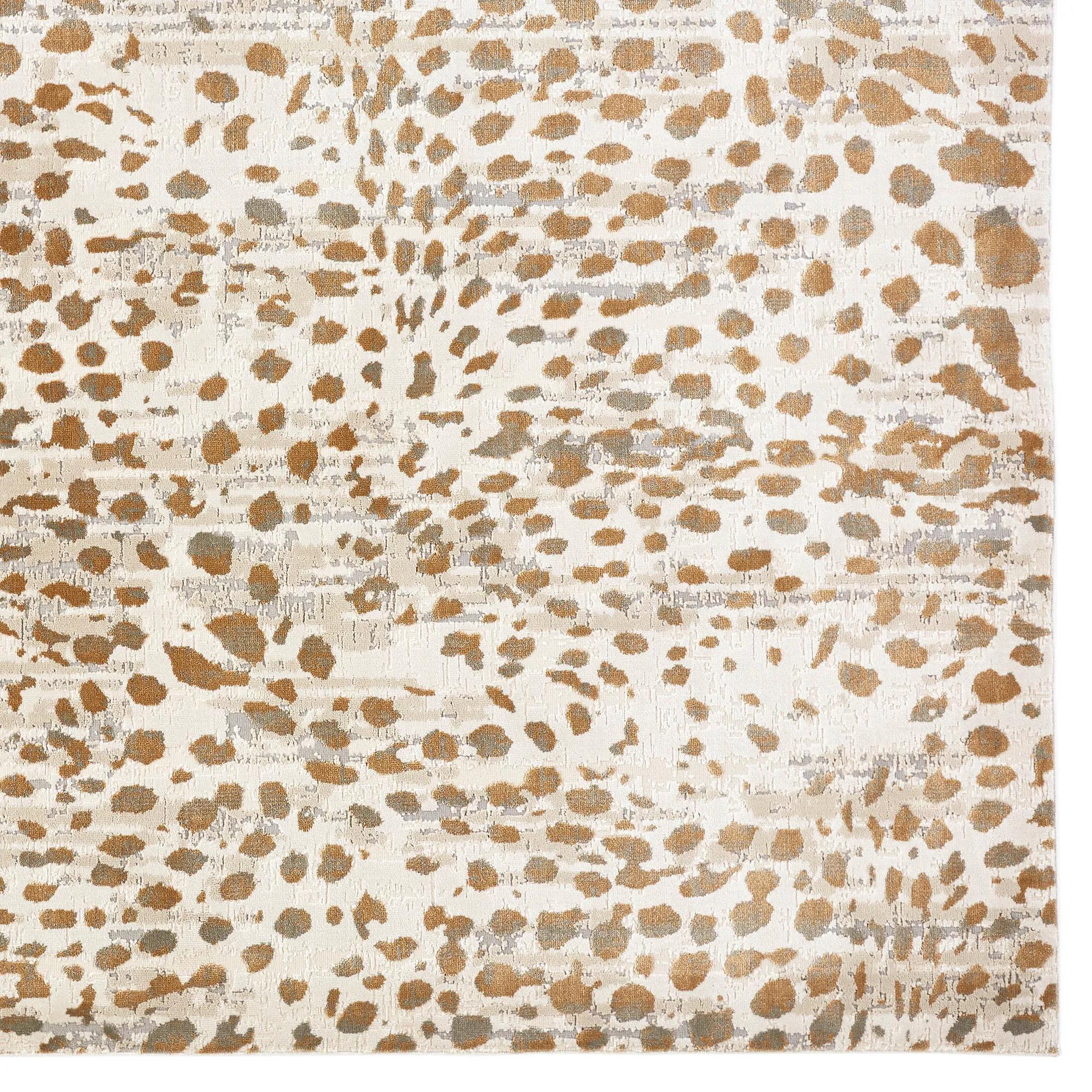 Amur Ivory/Natural Animal Print Power-Loomed Rug$399
A hand-tufted wool and viscose rug featuring a gold chain link design on neutral grey.
Add To Cart -
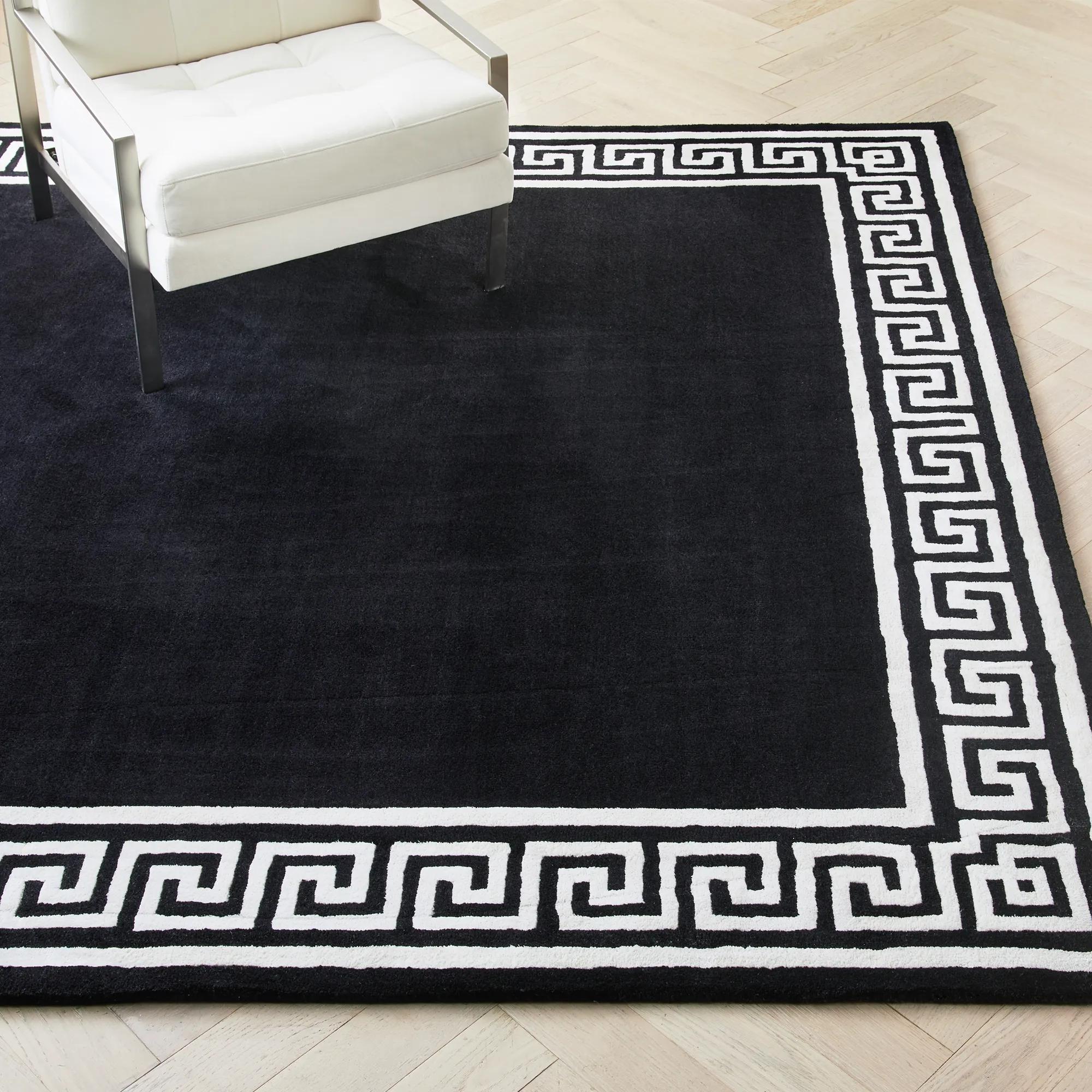
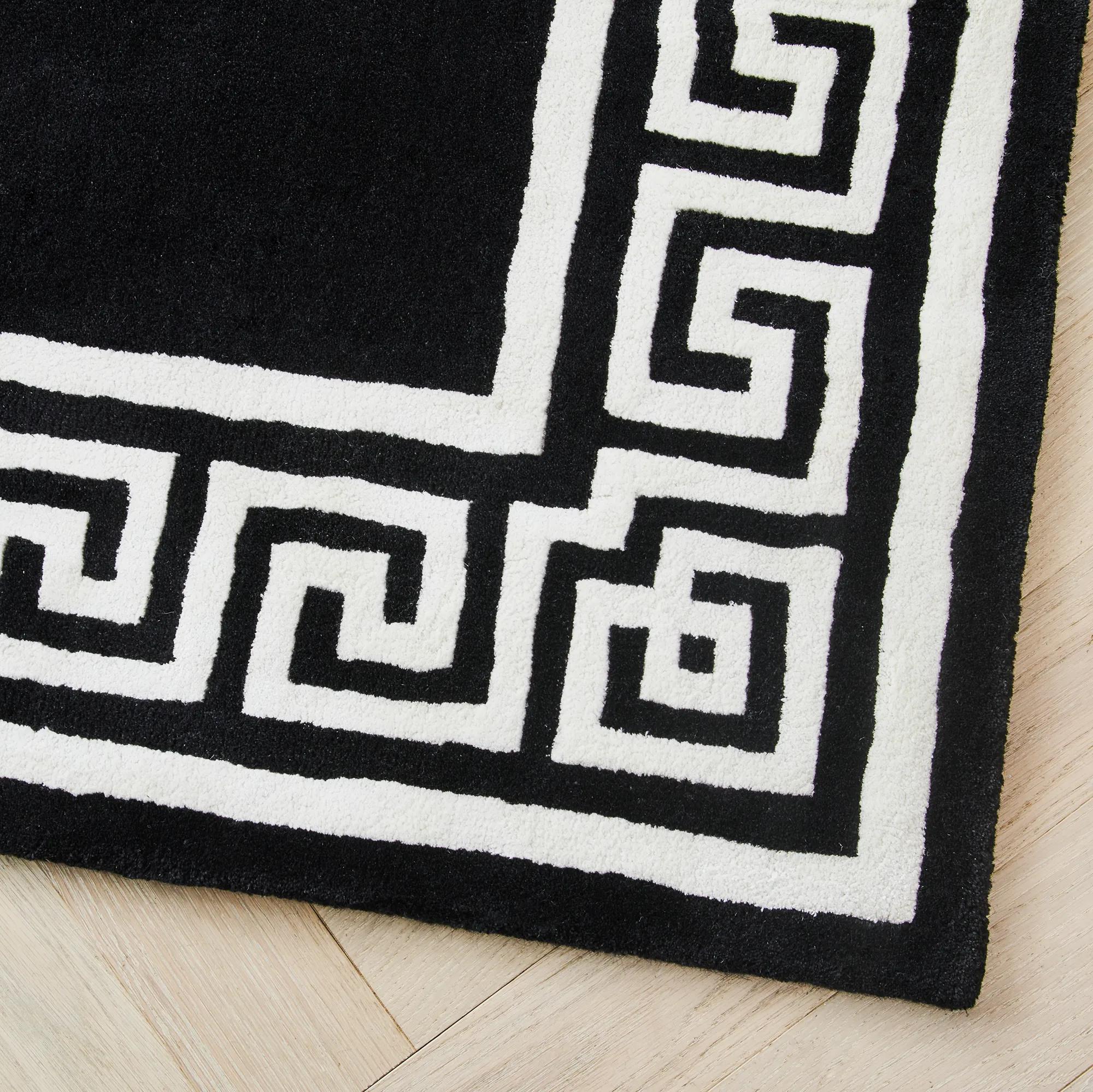 Greek Key Rug - Black/Ivory$1199
A hand-tufted black and ivory rug featuring a classic Greek key pattern in wool and viscose.
Add To Cart -
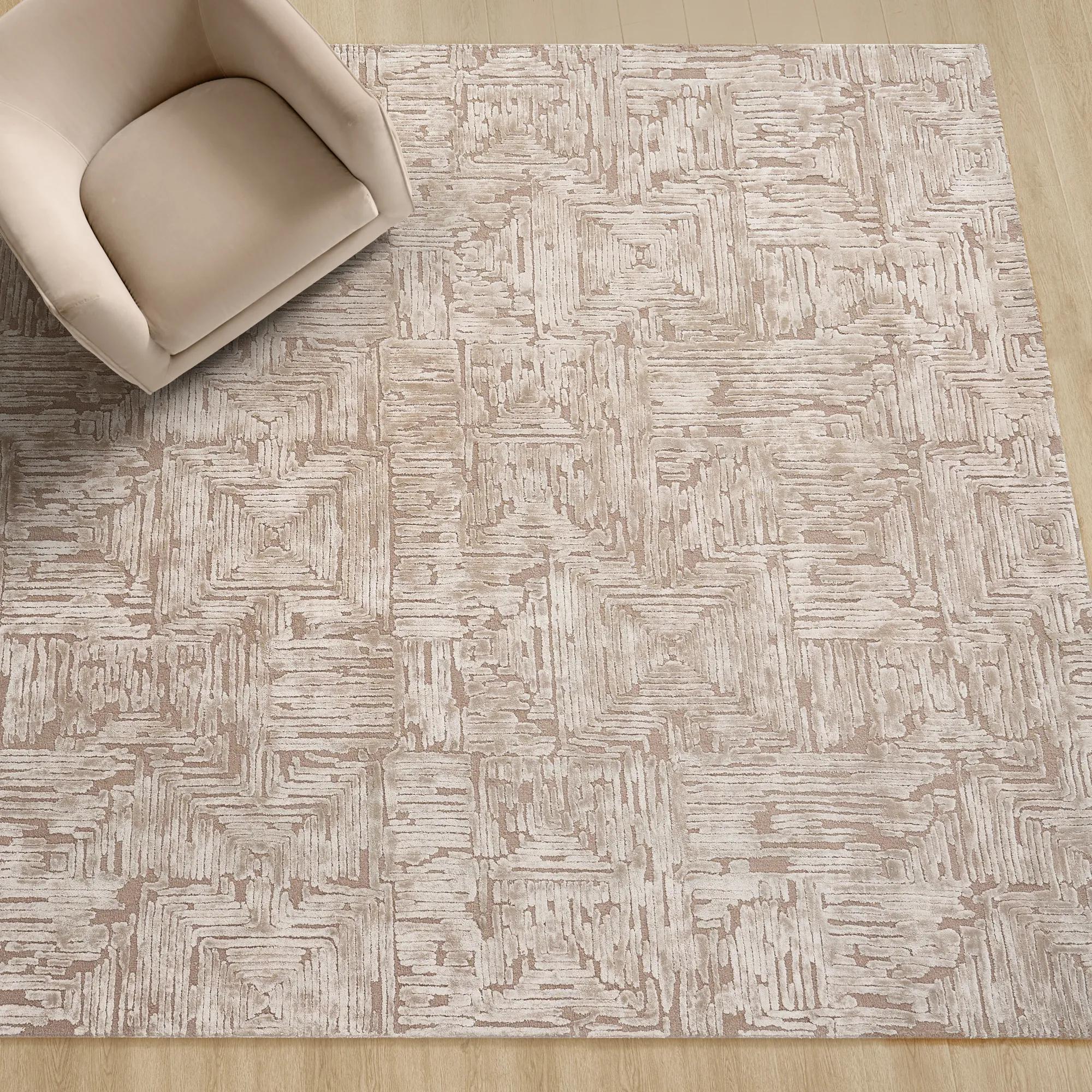
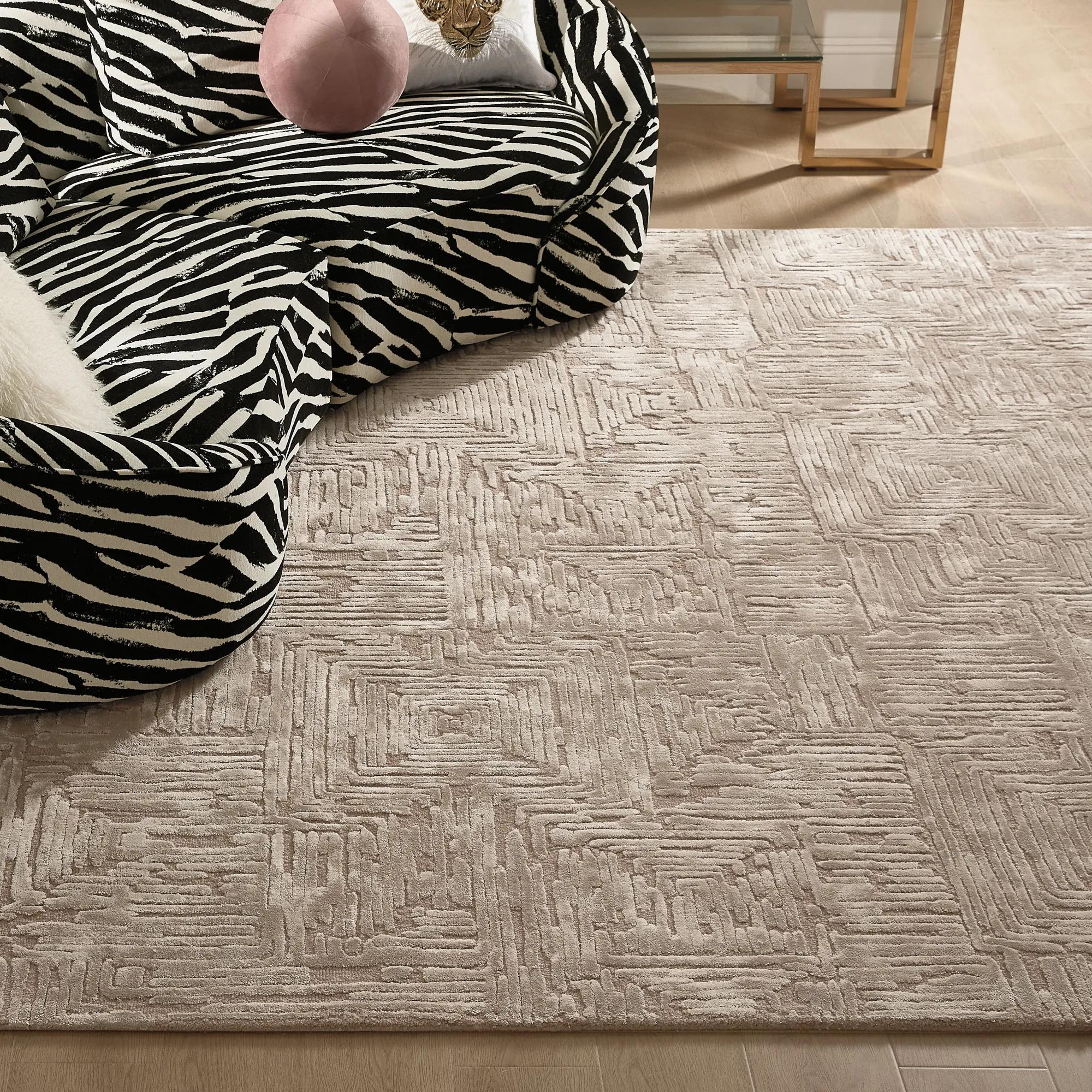 Andra Hand-Tufted Mocha Rose Viscose & Wool Dimensional Rugs$1499
A hand-tufted viscose and wool rug in mocha rose, featuring a dimensional geometric pattern and soft sheen.
Add To Cart -
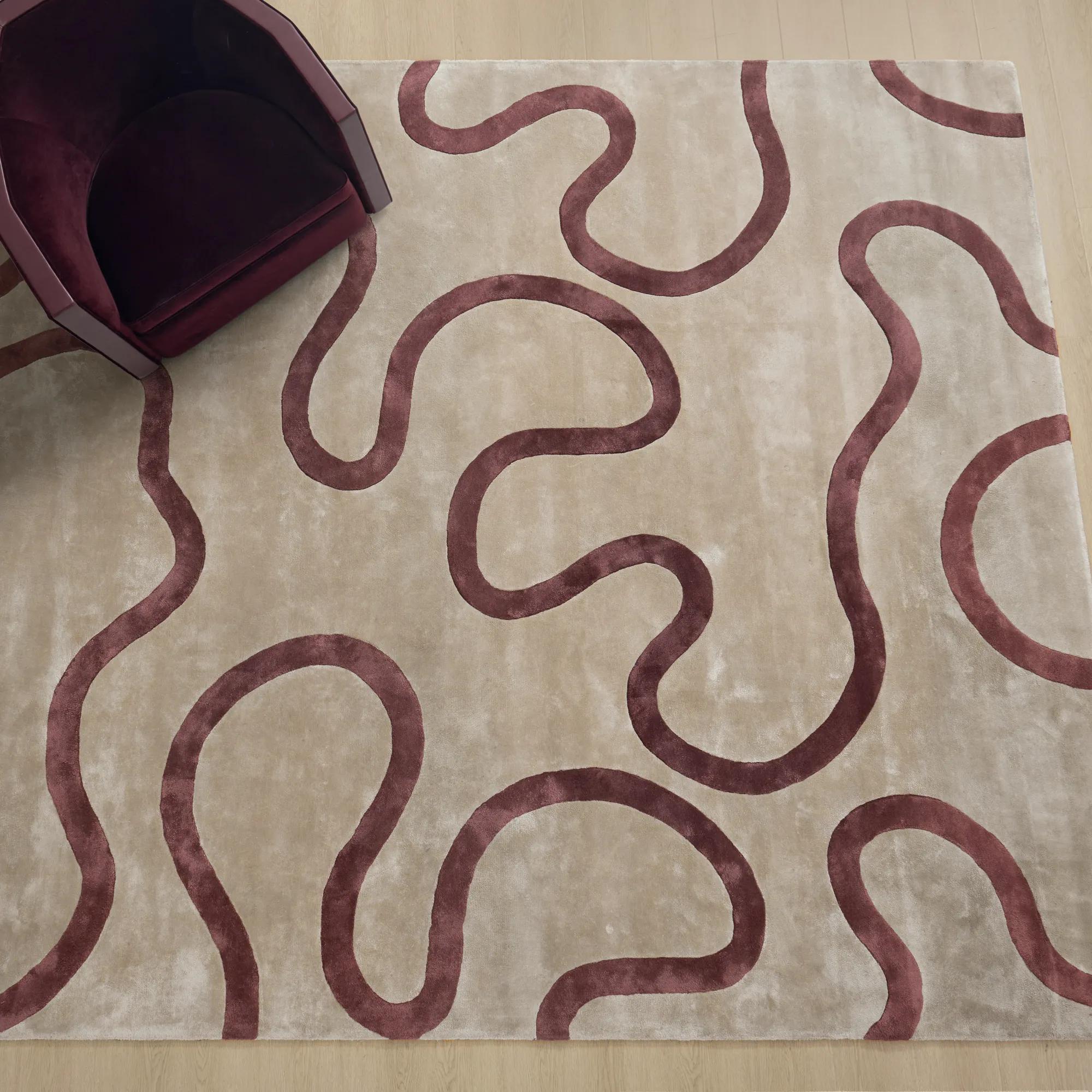 Seraphine Hand-Tufted Fig/Taupe Viscose Loop Rugs$1199
A hand-tufted wool rug featuring bold fig and taupe loops for playful movement and Deco-inspired style.
Add To Cart -
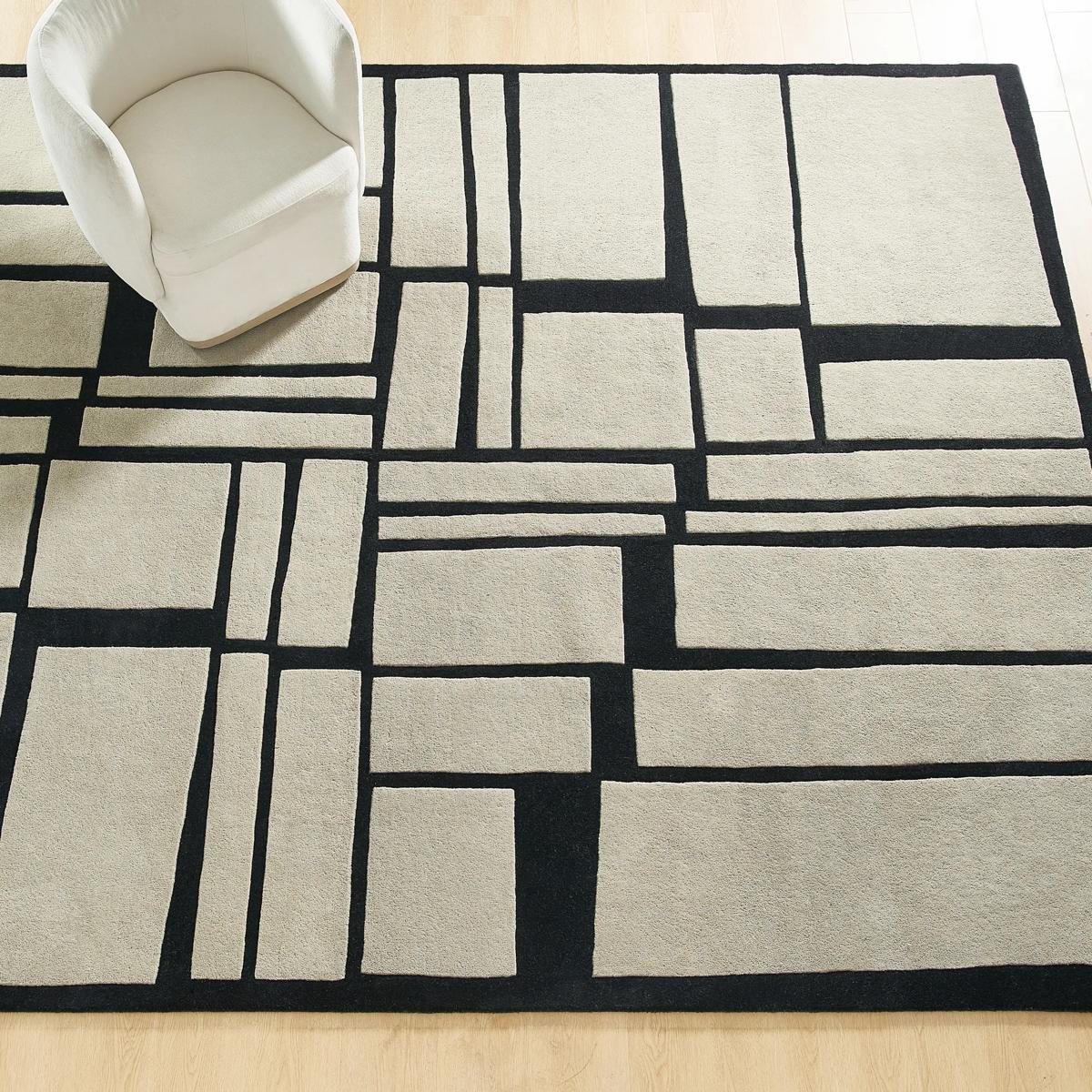 Novak Hand-Tufted Natural/Black Wool Rug$949
A hand-tufted wool rug featuring a bold black and natural grid design for modern, graphic appeal.
Add To Cart -
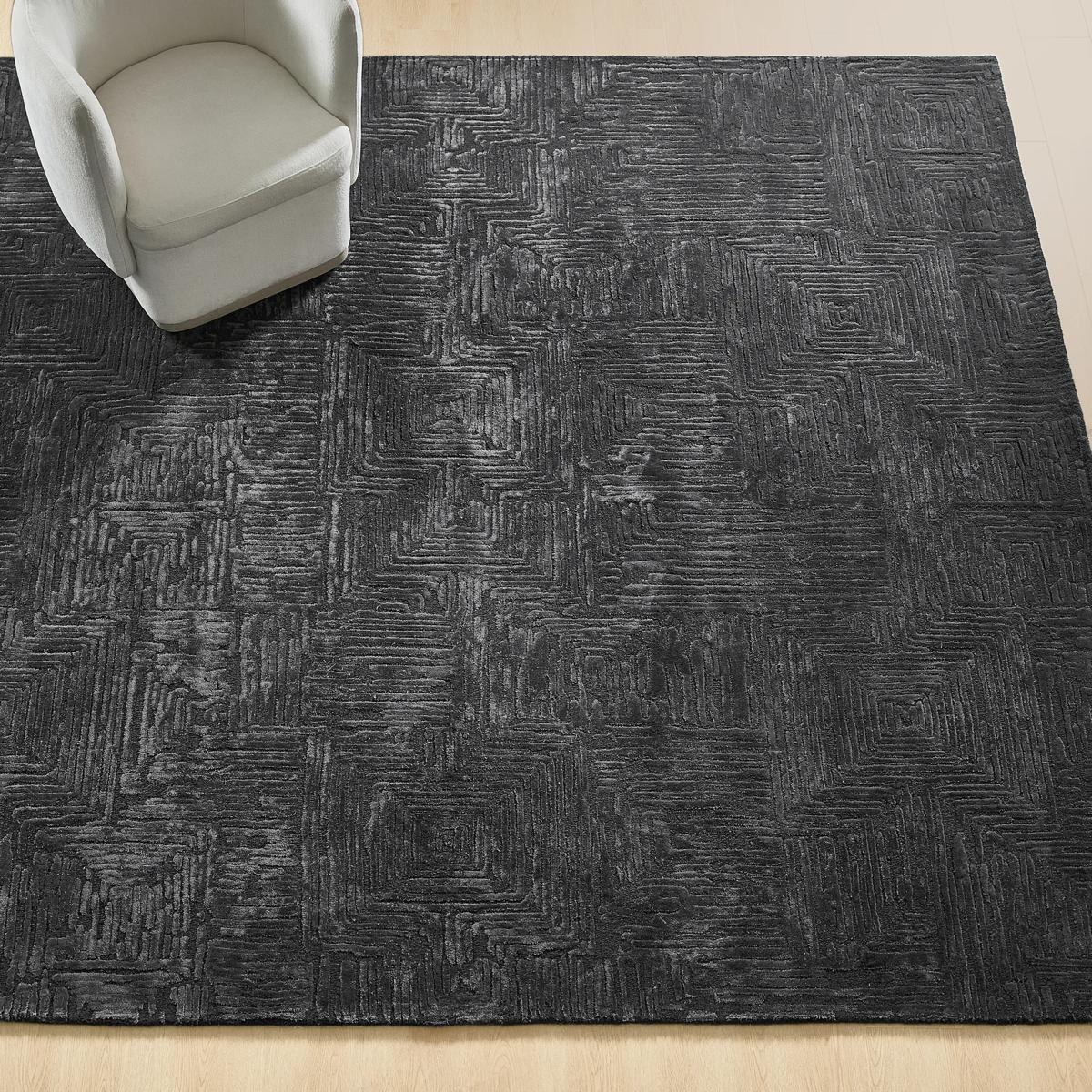
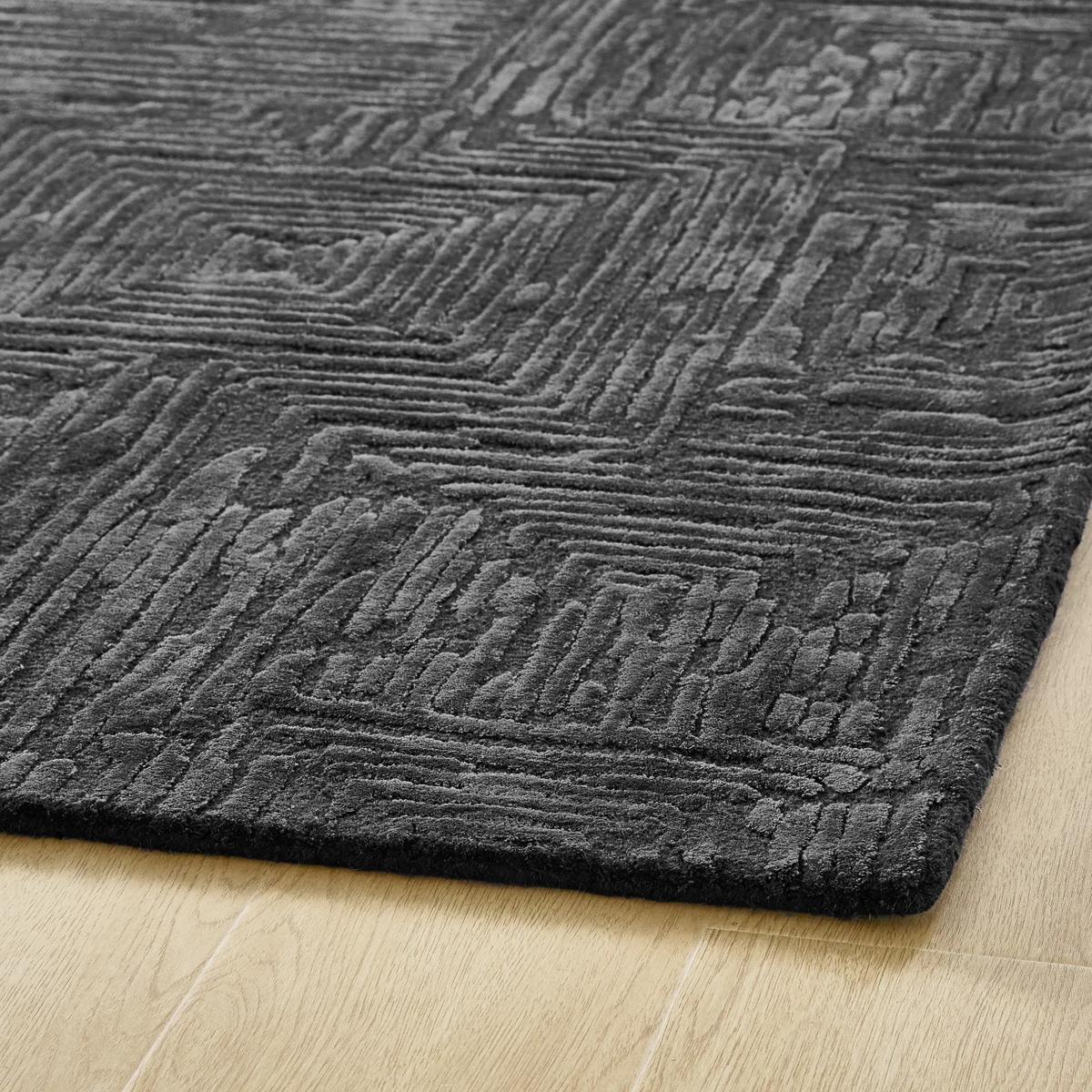 Andra Charcoal Hand-Tufted Wool Blend Dimensional Rug$499
A hand-tufted viscose-wool rug in rich charcoal, featuring a sculptural, dimensional pattern for modern spaces.
Add To Cart -
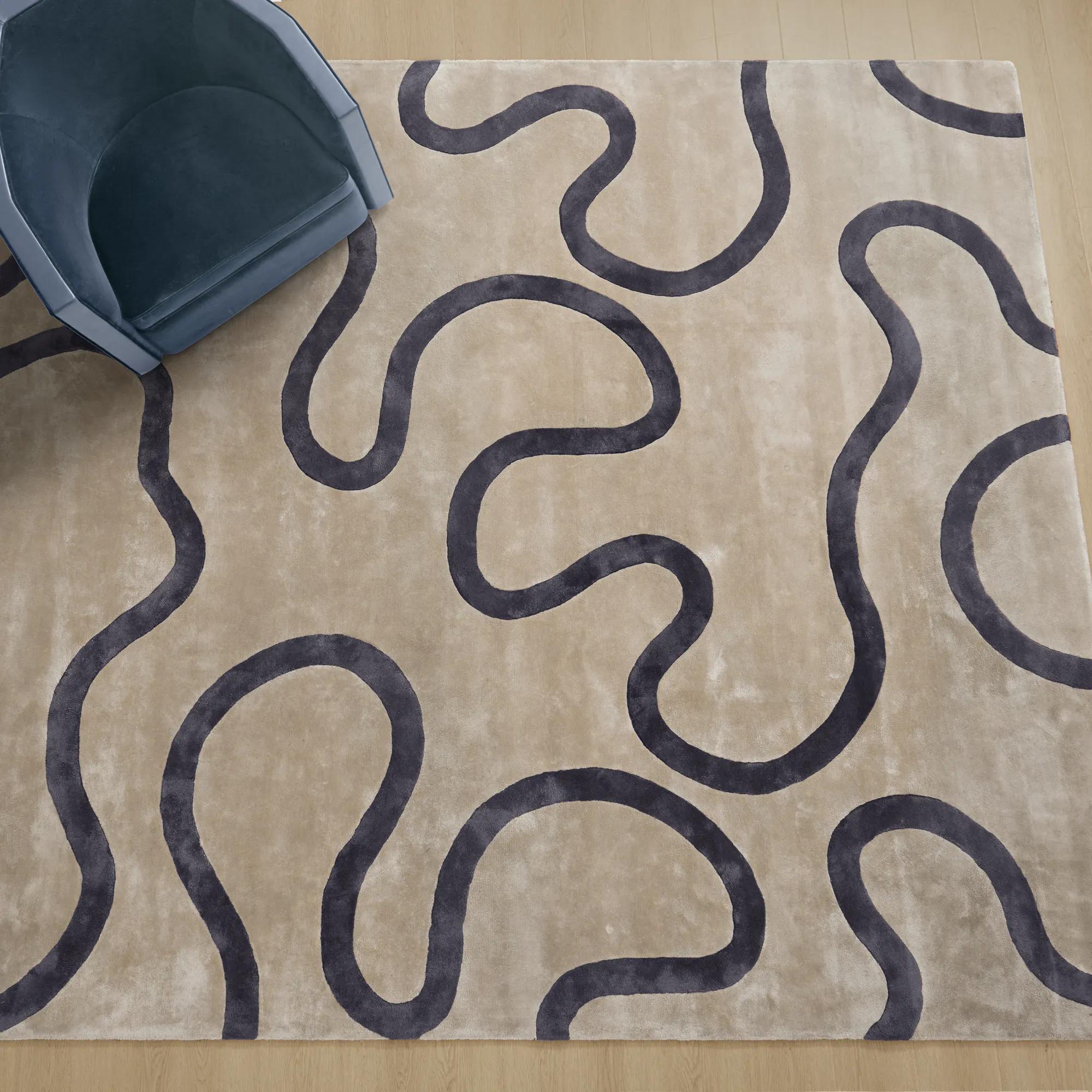 Seraphine Hand-Tufted Smoked Pearl/Taupe Viscose Loop Rugs$599
A hand-tufted viscose rug featuring bold loop patterns in smoked pearl and taupe for modern elegance.
Add To Cart -
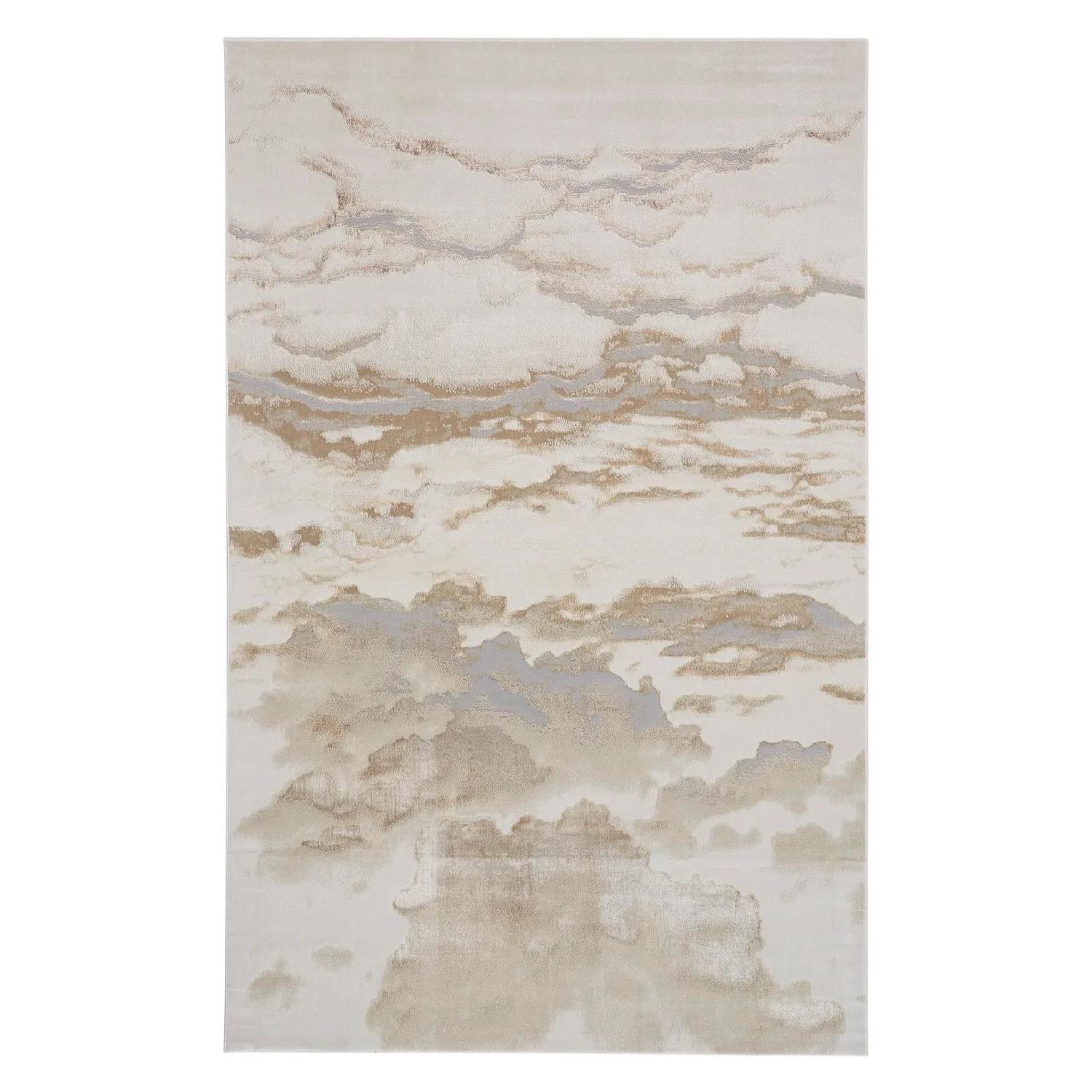
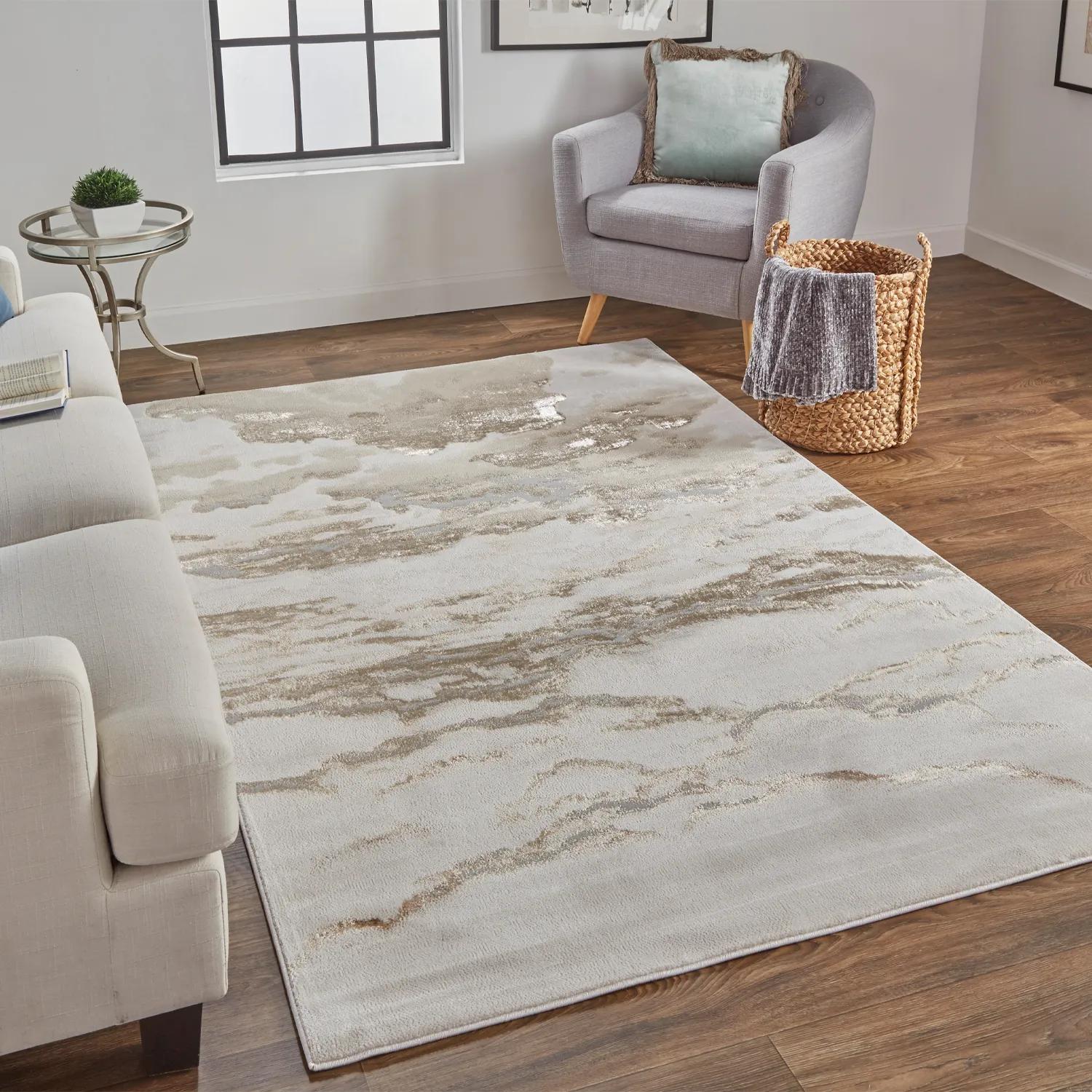 Tide Power-Loomed Beige/Gold/Ivory Rug$899
A machine-made rug in beige and gold, crafted from ultra-soft polyester and polypropylene for elegant spaces.
Add To Cart -
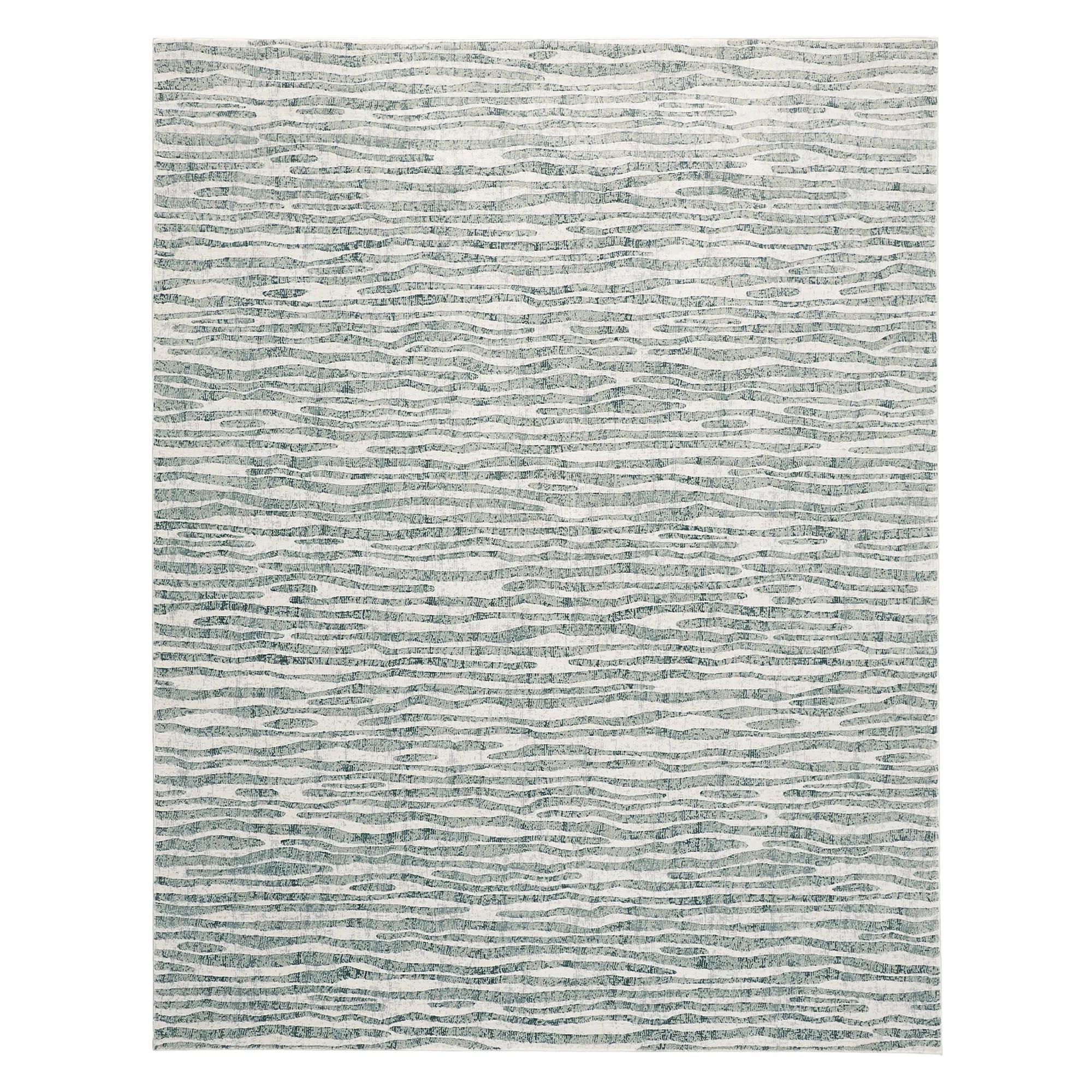 Samantha Power-Loomed Aqua/Grey Rug$719
A machine-woven rug featuring silvery-aqua and green accents on an ivory and grey polypropylene base.
Add To Cart -
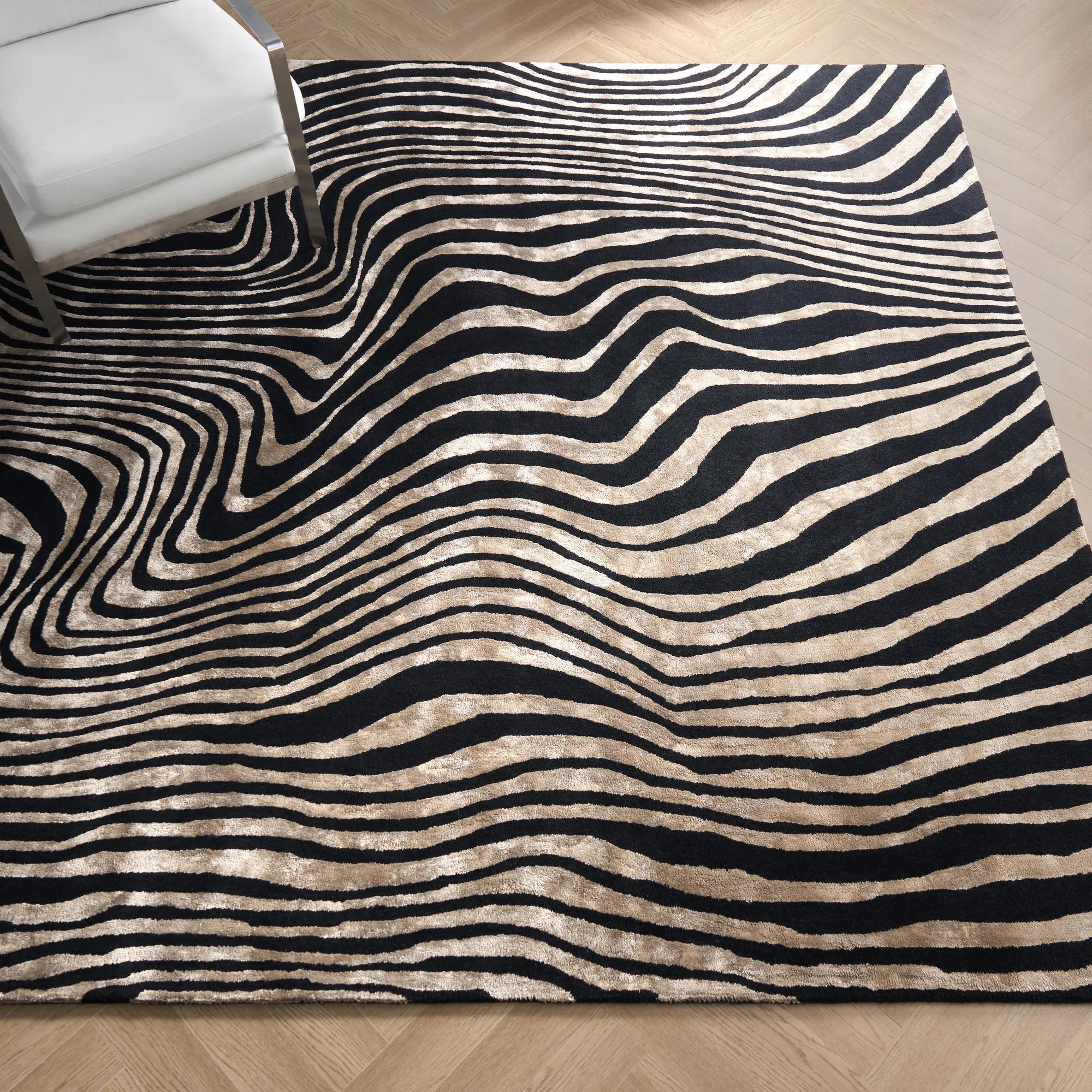
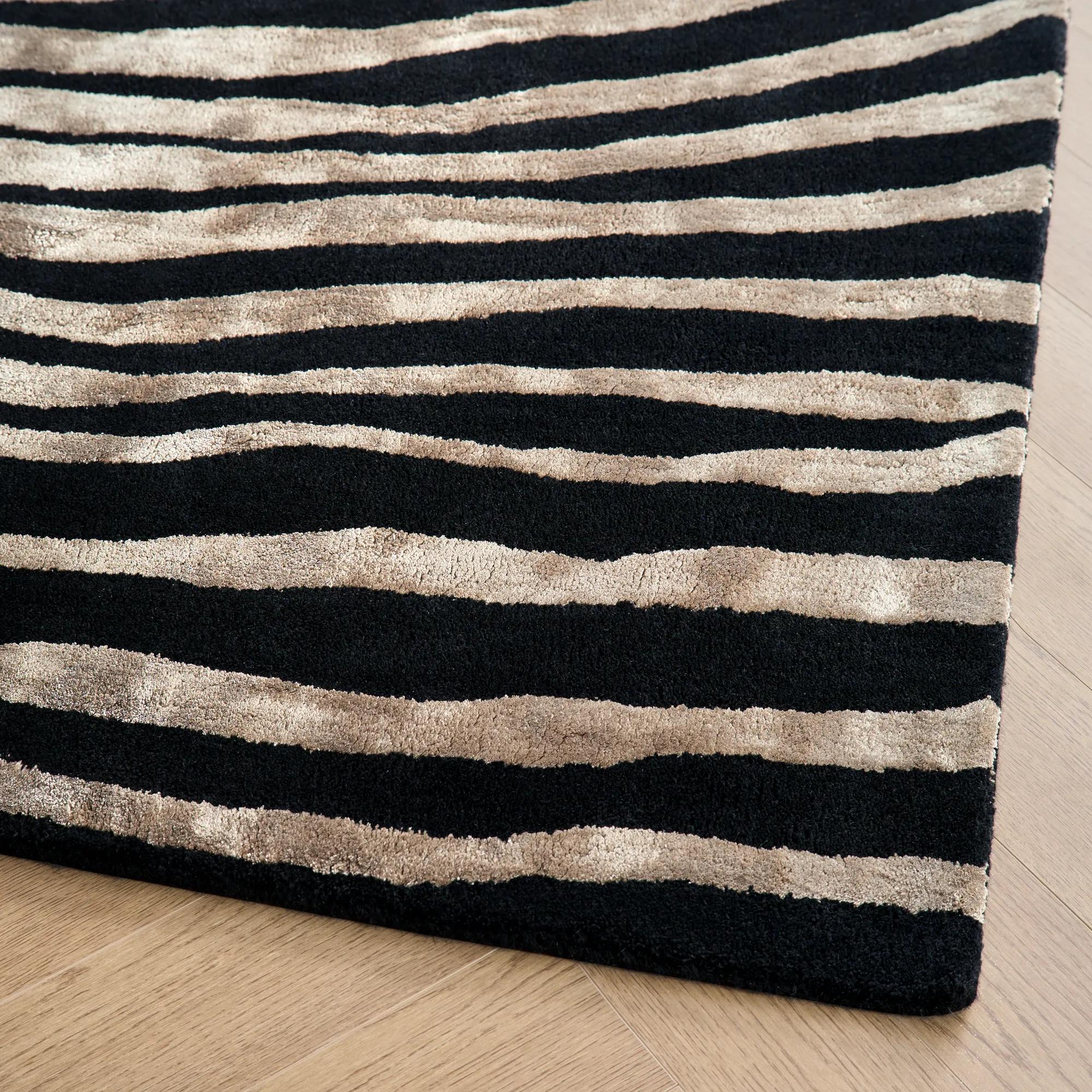 Abstract Zebra Hand-Tufted Black/Taupe Wool Blend Rug$599
An artisan hand-tufted rug in black and taupe wool-viscose, featuring a striking abstract zebra pattern.
Add To Cart -
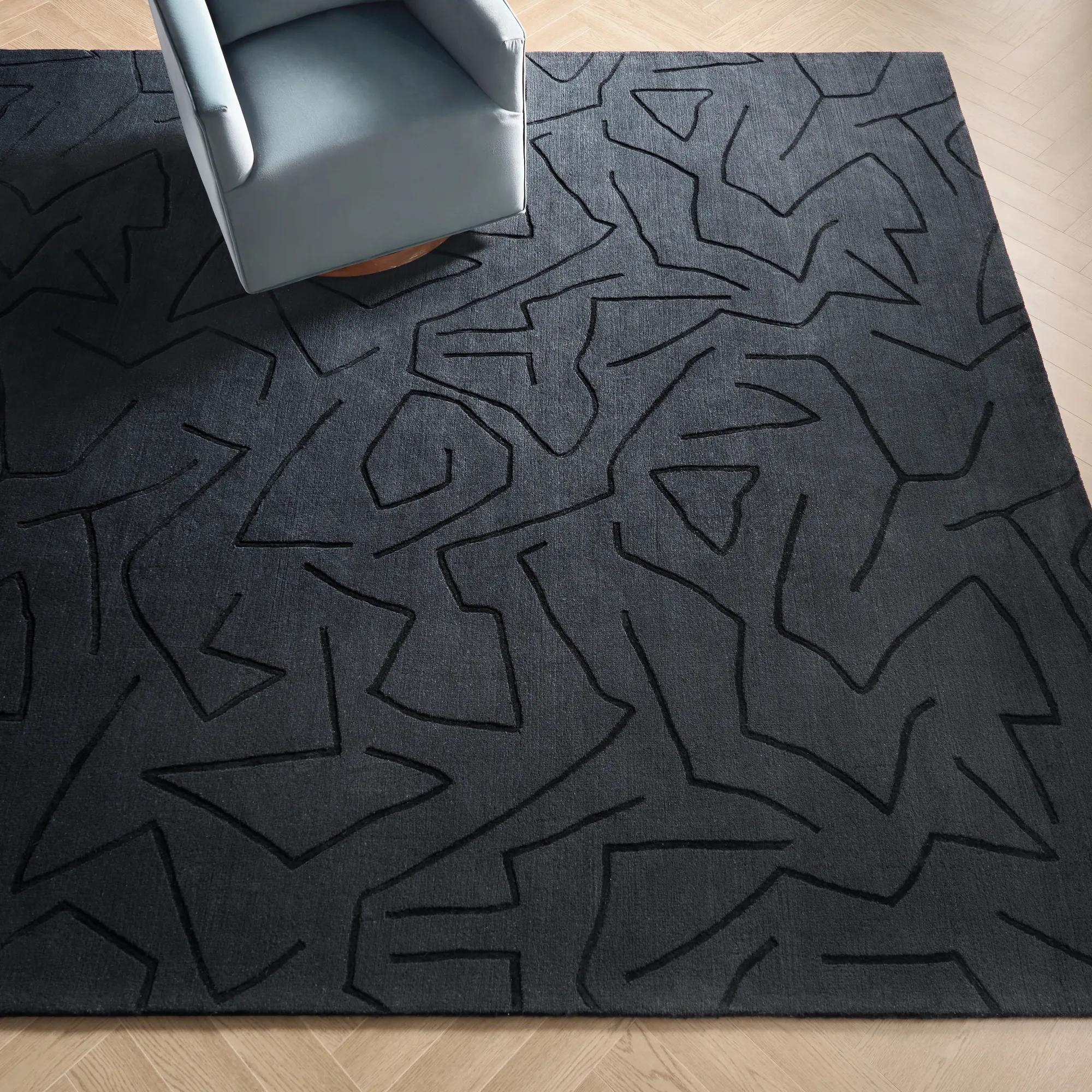 Carved Maze Rug$699
A hand-loomed black rug crafted from wool and viscose, featuring a carved maze design for added texture.
Add To Cart -
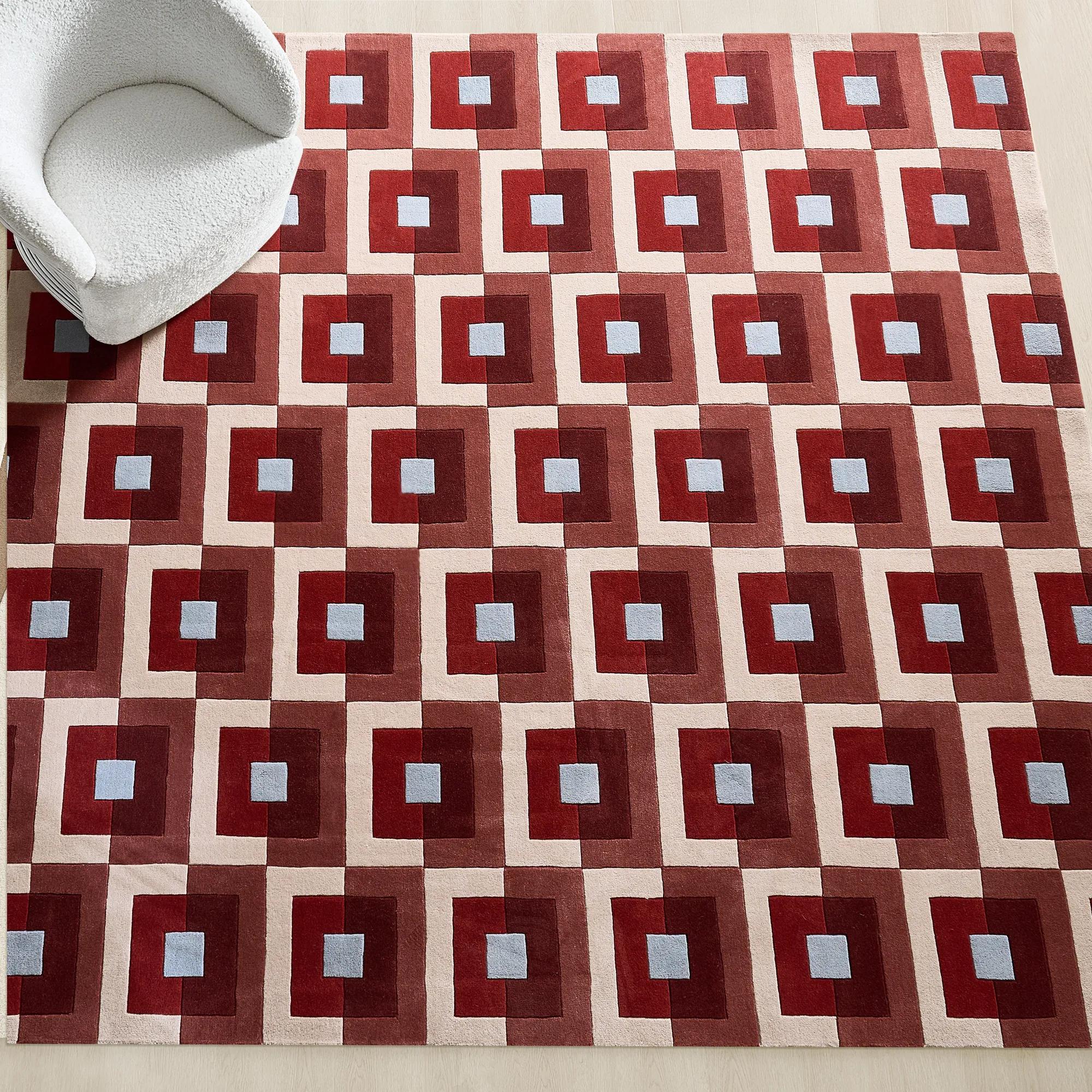
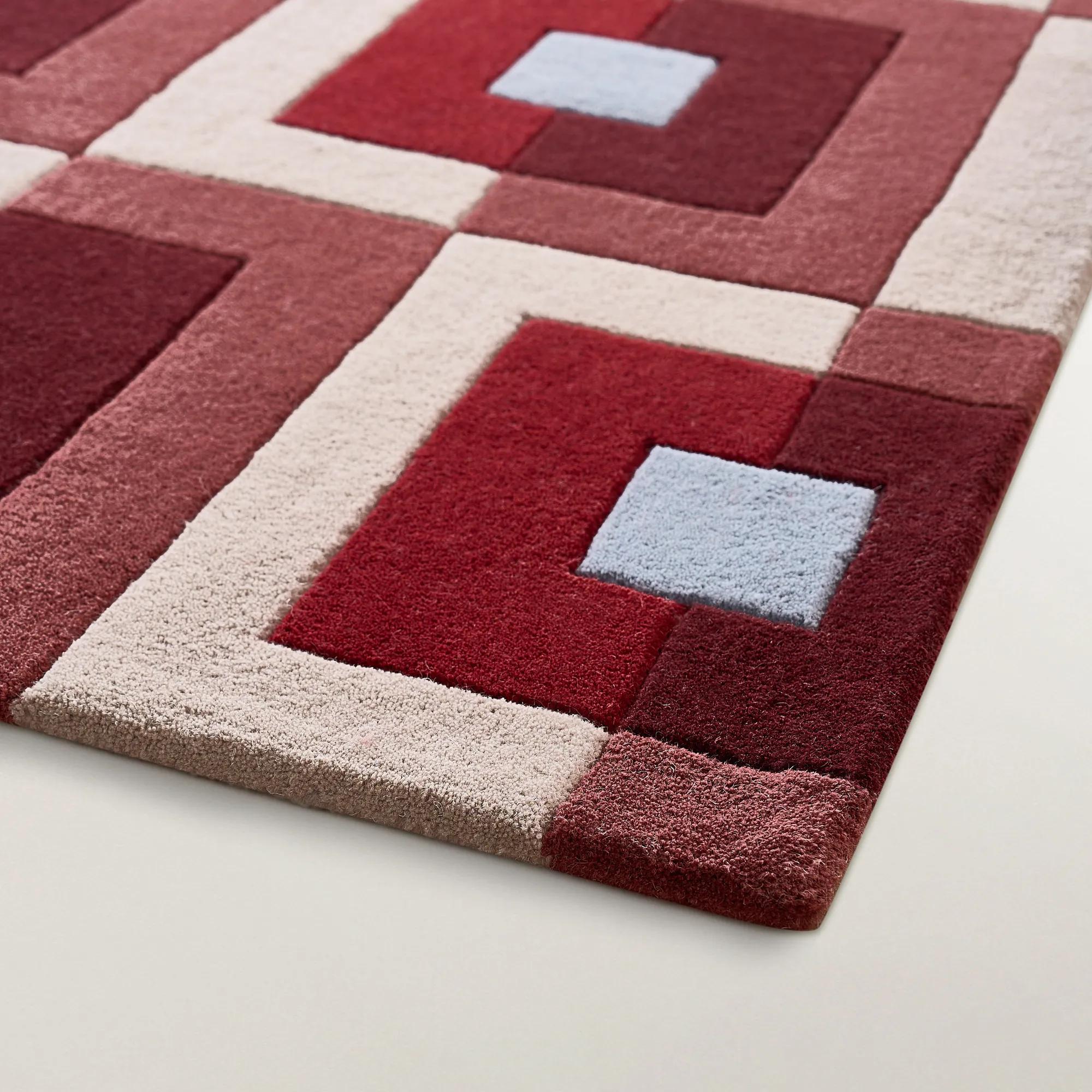 Geo Pop Wool Rug - Oxblood Red/Airy Blue$1099
A geometric wool rug blending oxblood red and airy blue for bold, modern interiors.
Add To Cart -
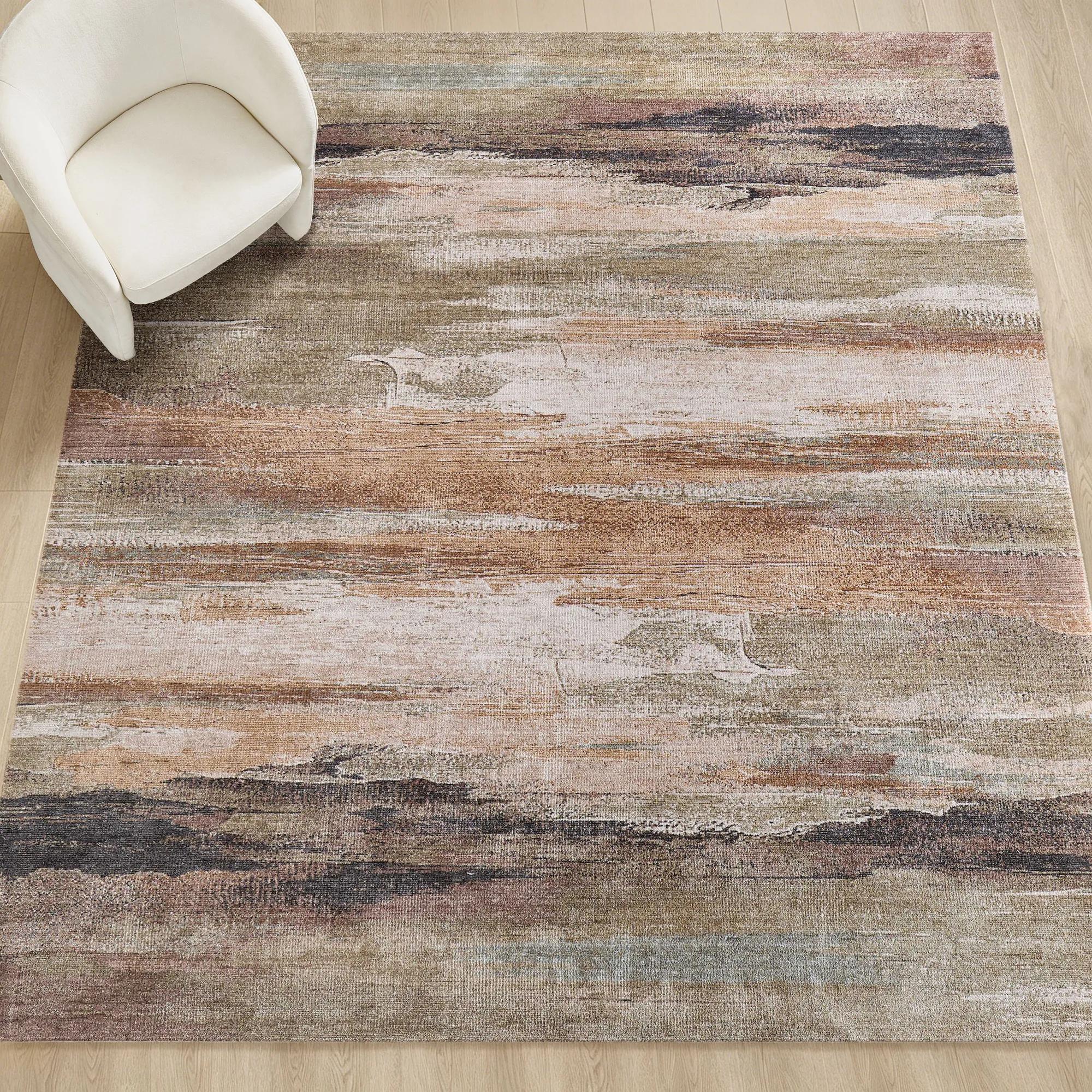
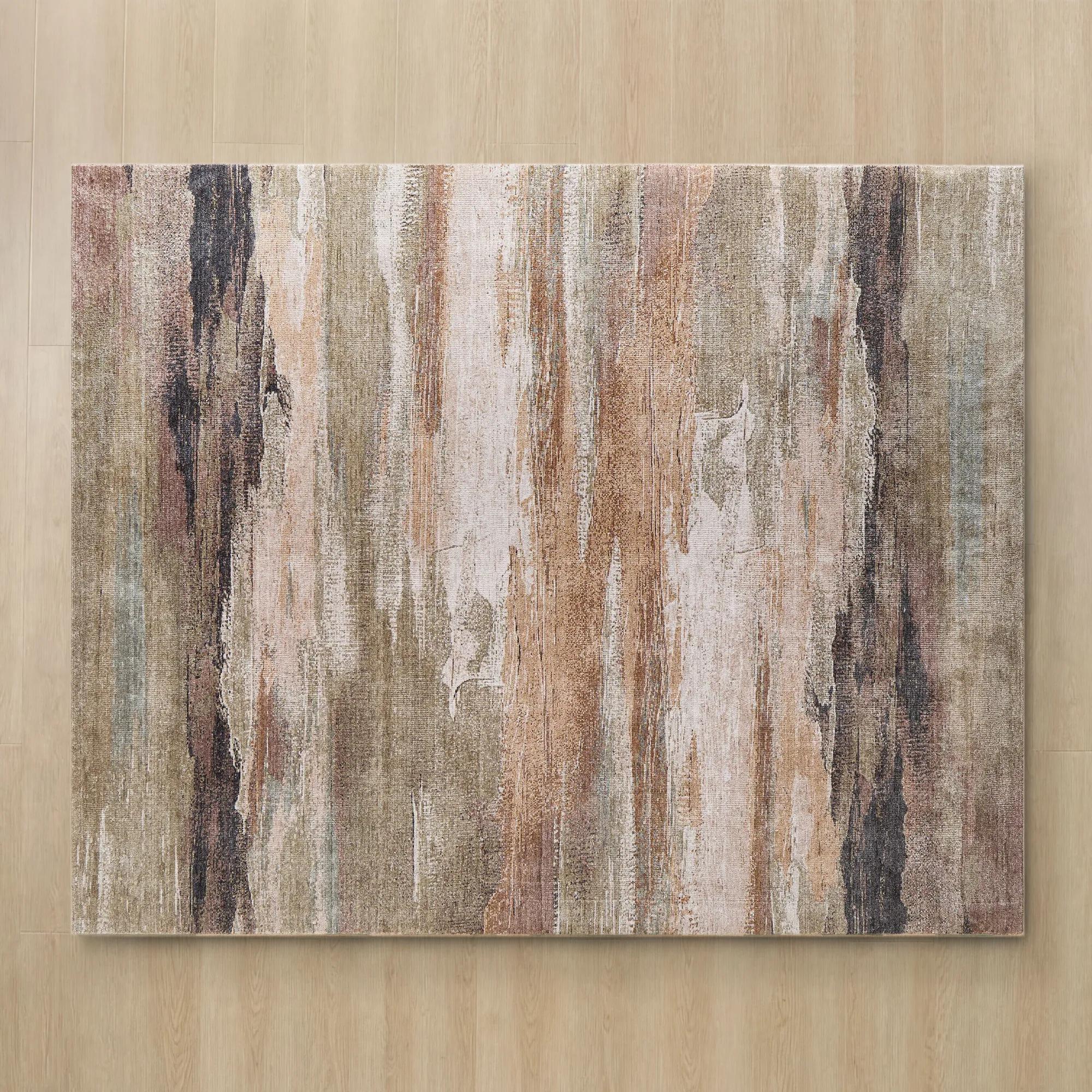 Sedona Rust/Beige/Moss Green/Charocal/Blue Performance Power Loomed Rug$1499
A power-loomed polyester rug featuring a rich abstract pattern in rust, beige, moss green, charcoal, and blue.
Add To Cart -
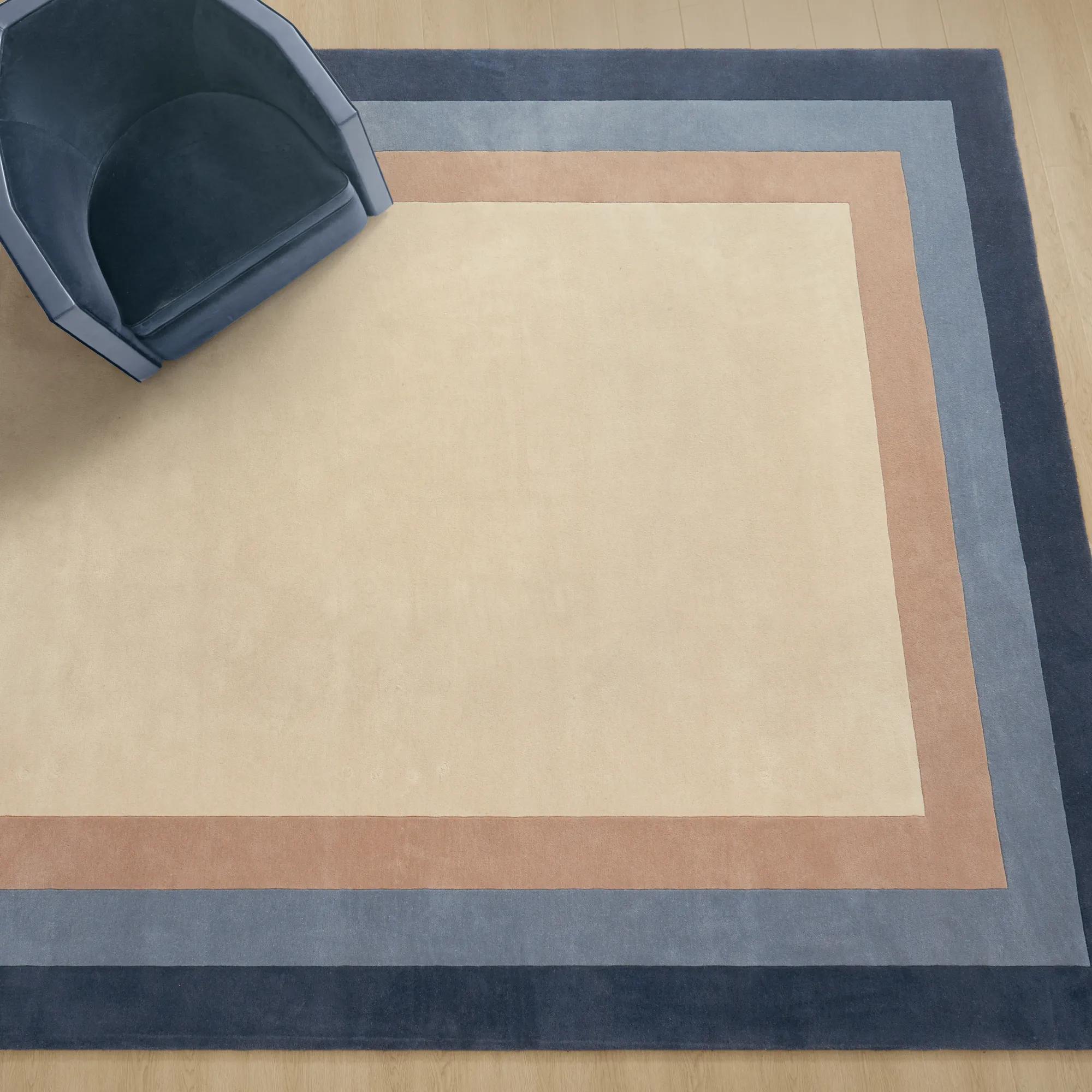 Bastien Hand-Tufted Blue/Taupe/Ivory Wool Border Rugs$999
A hand-tufted wool rug featuring a bold color-blocked border in dusty blue, taupe, and ivory tones.
Add To Cart -
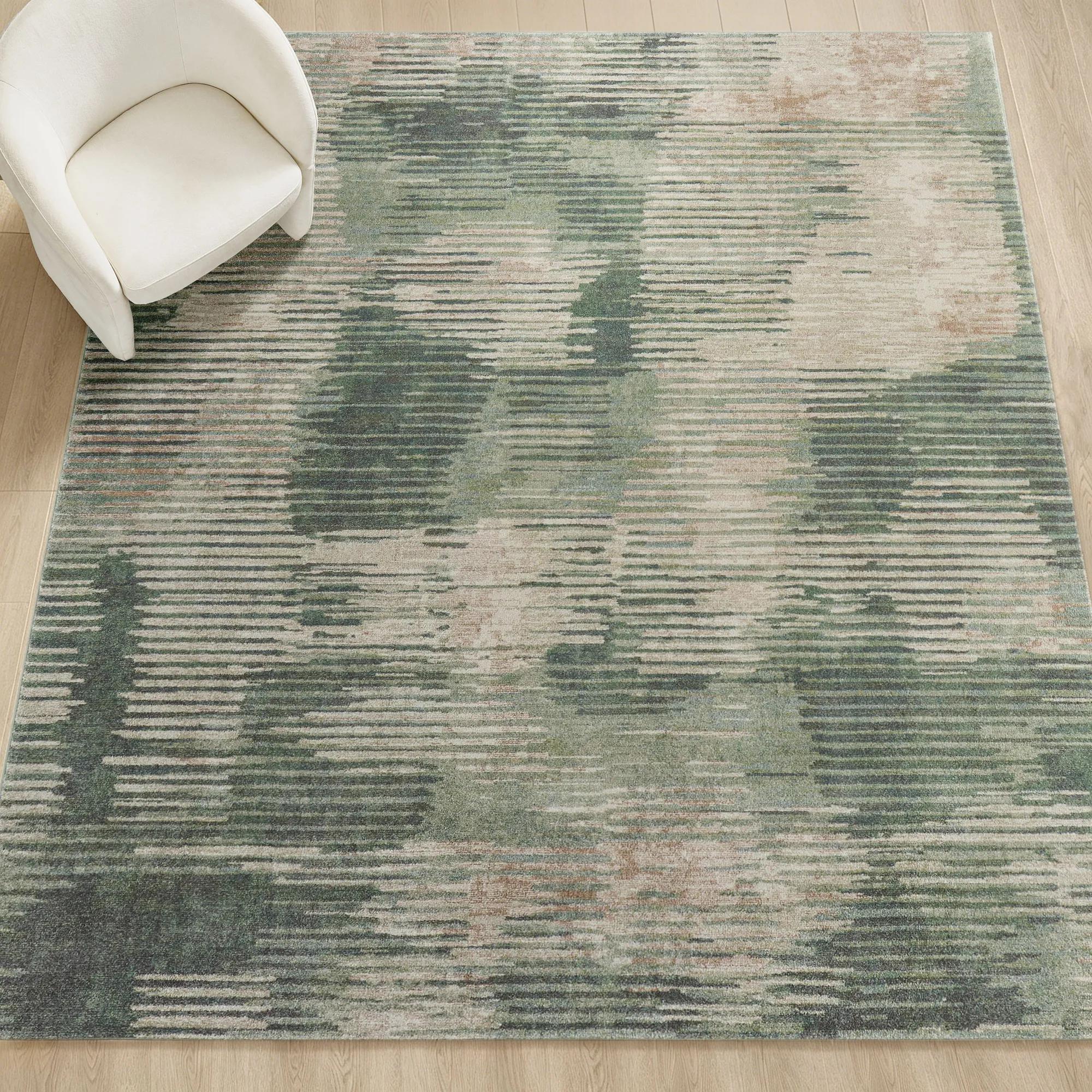
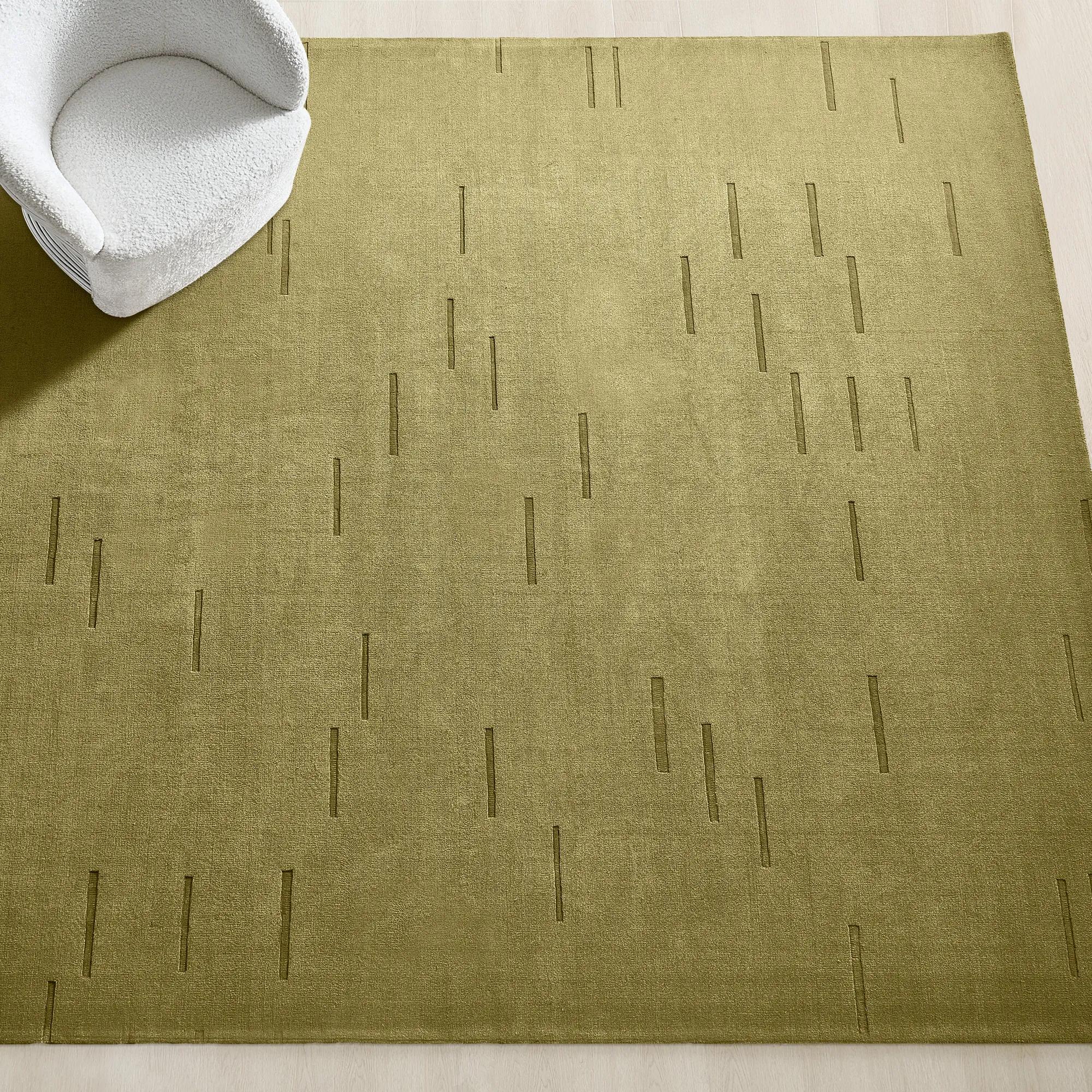
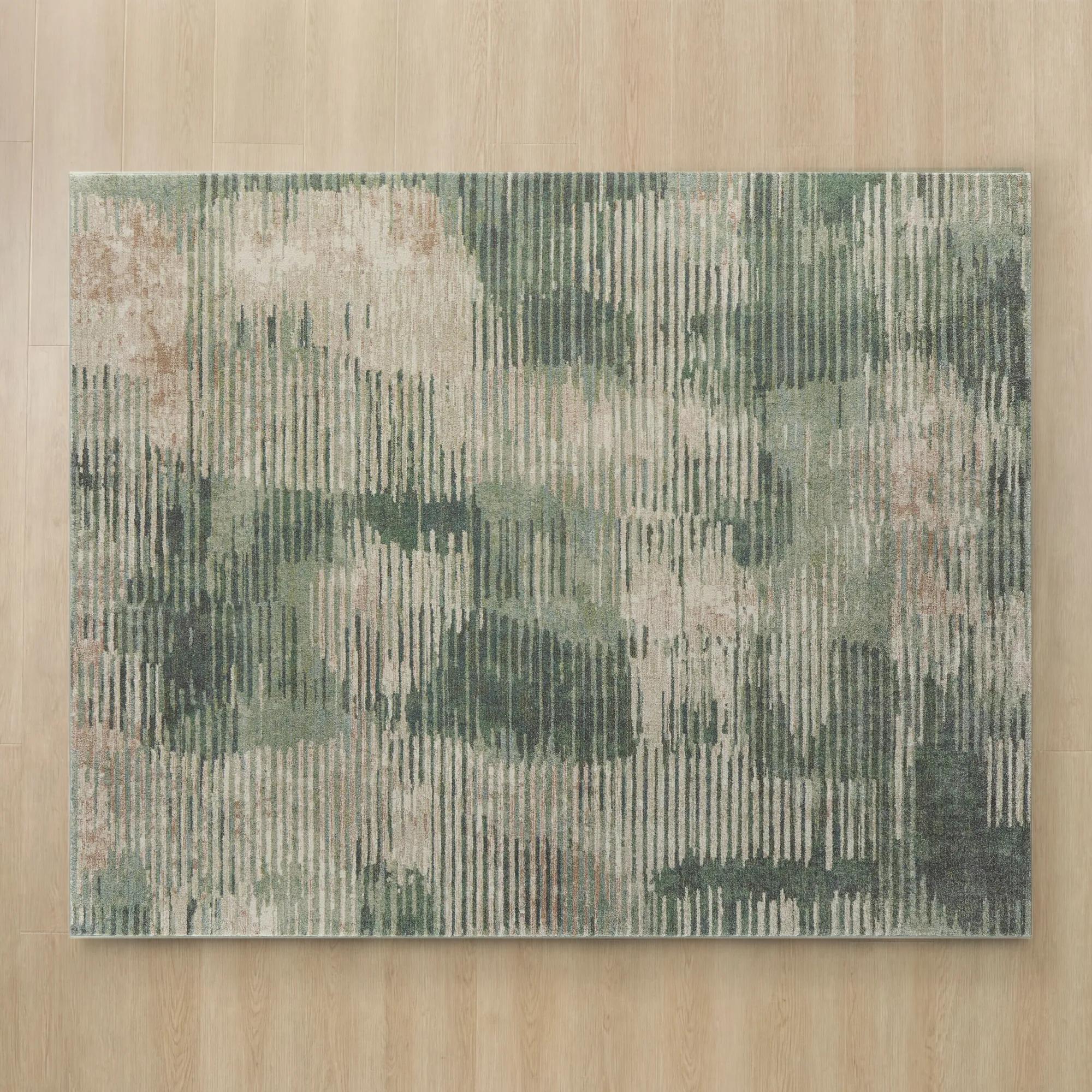 Sylvan Green/Beige Power Loomed Rug$689
A contemporary rug featuring a smoked olive green and beige organic pattern with a soft, power-loomed polypropylene pile.
Add To Cart -
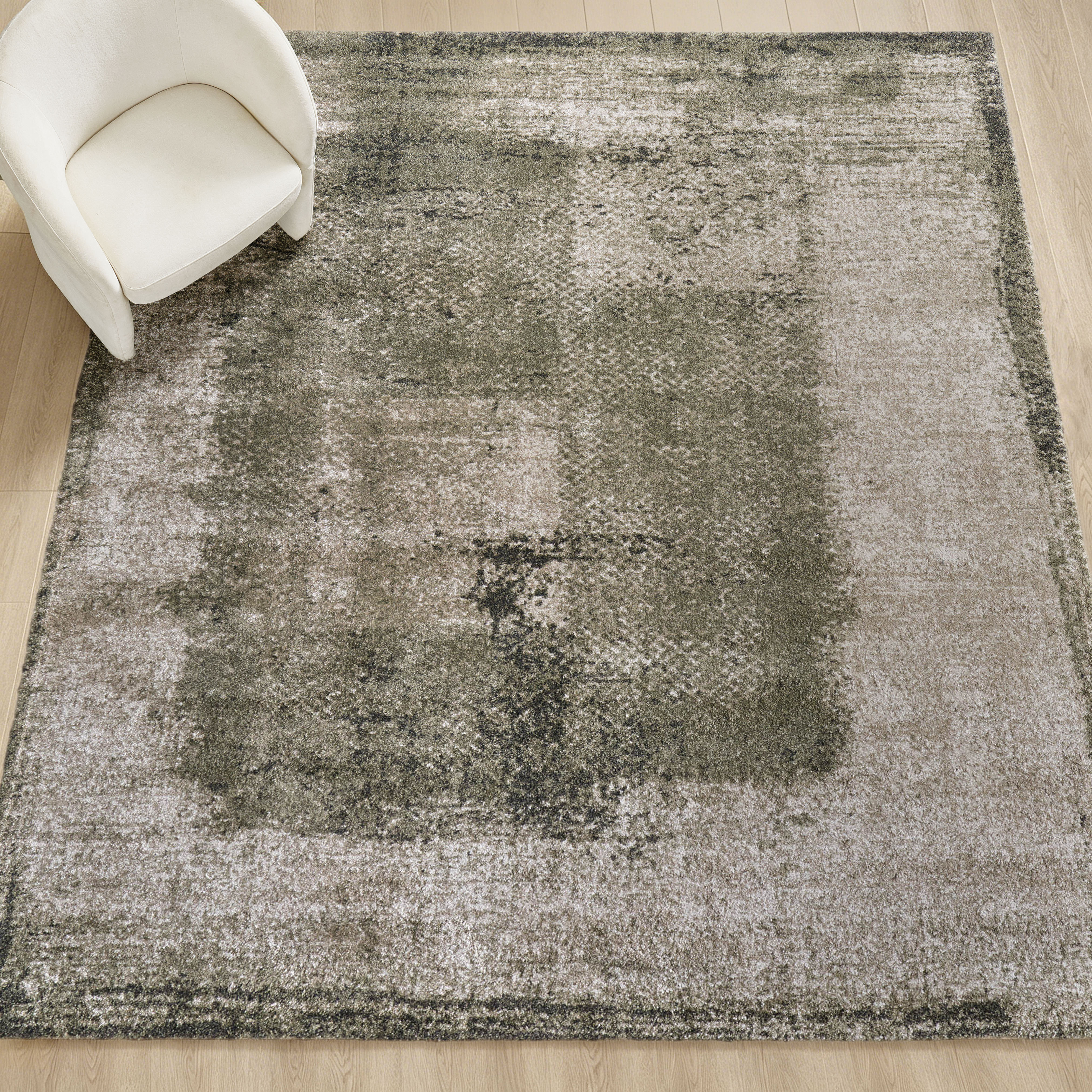
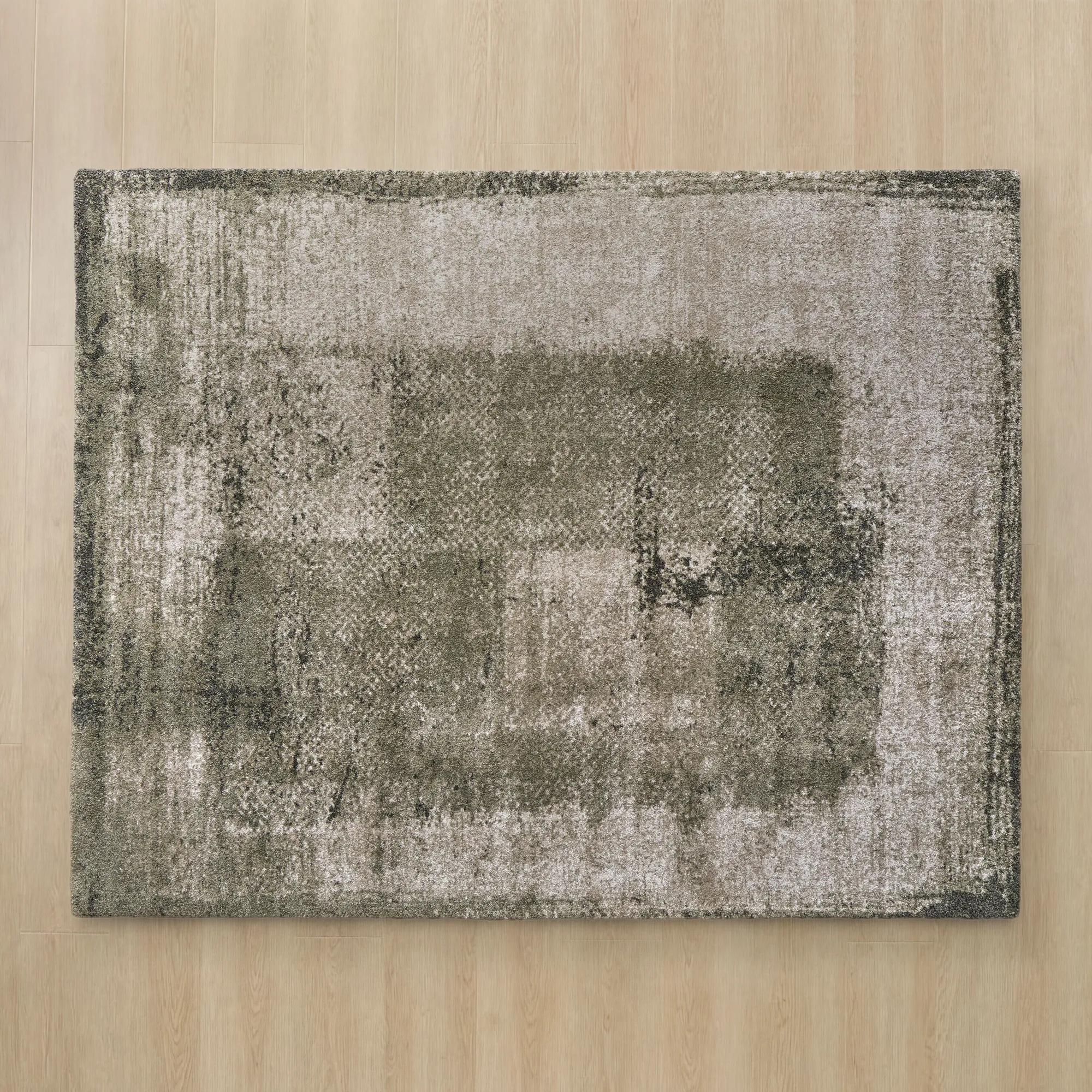 Irving Abstract Moss Green/Beige/Grey Performance Power Loomed Rug$1649
An abstract rug in moss green, beige, and grey with plush, durable polypropylene and polyester construction.
Add To Cart -
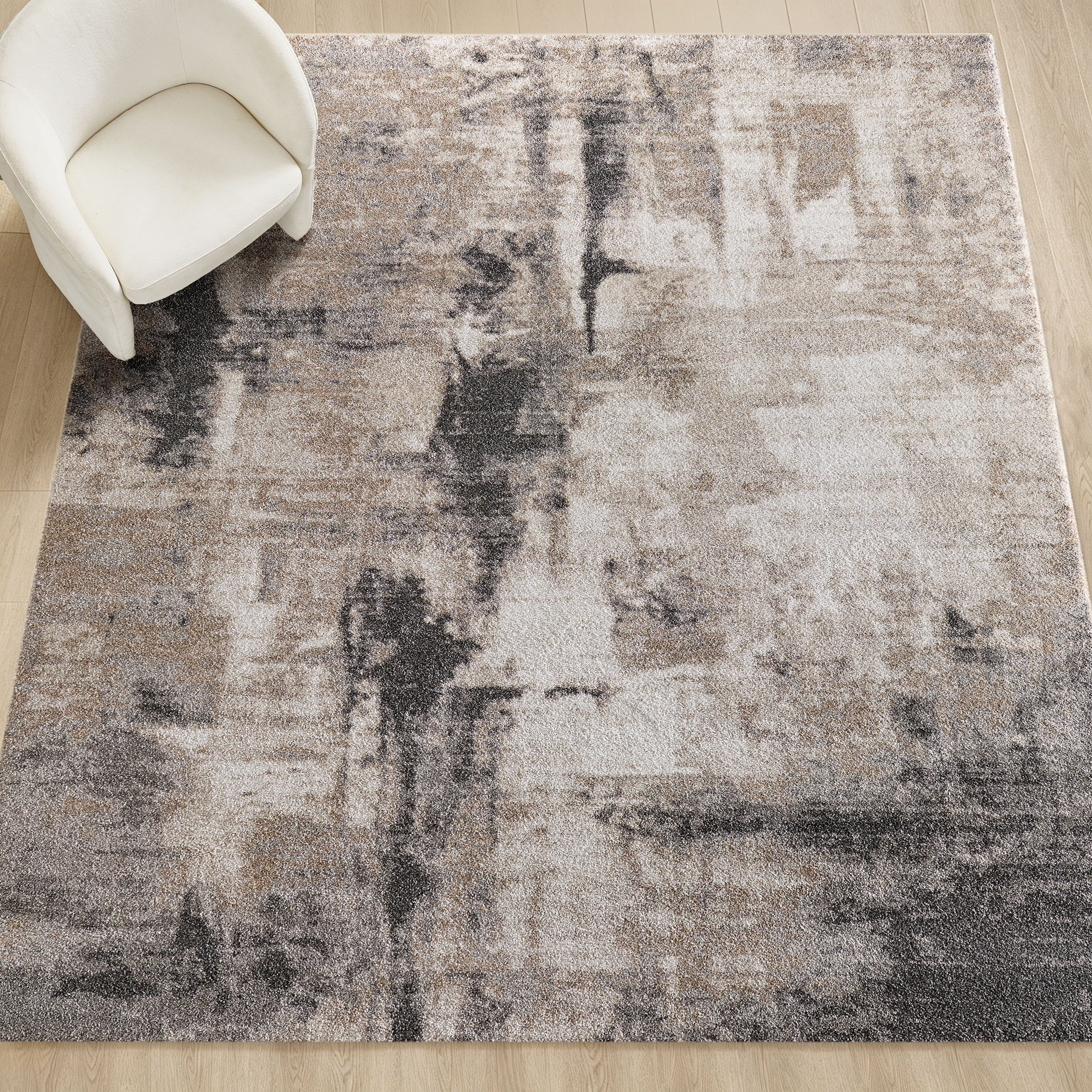
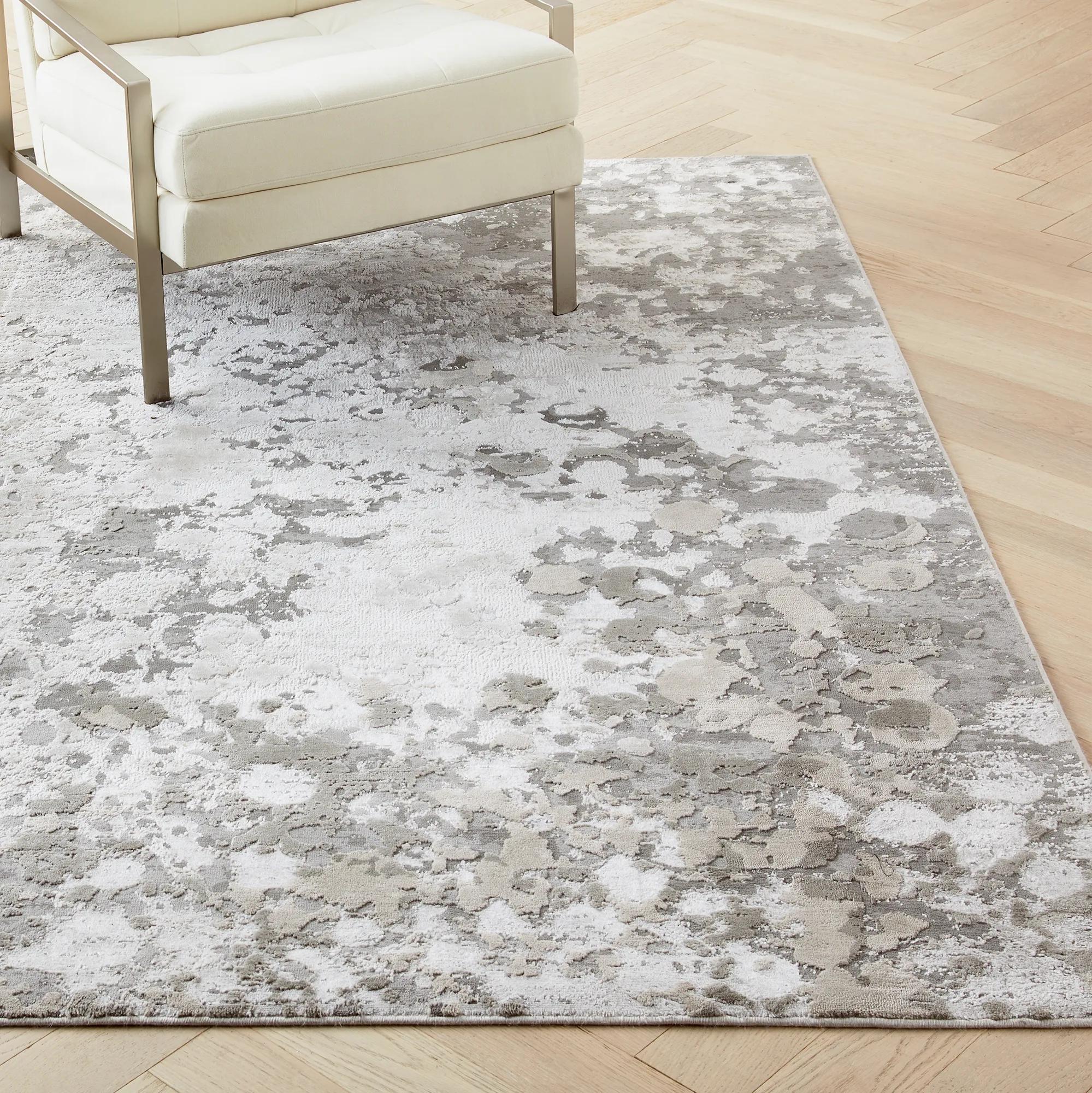
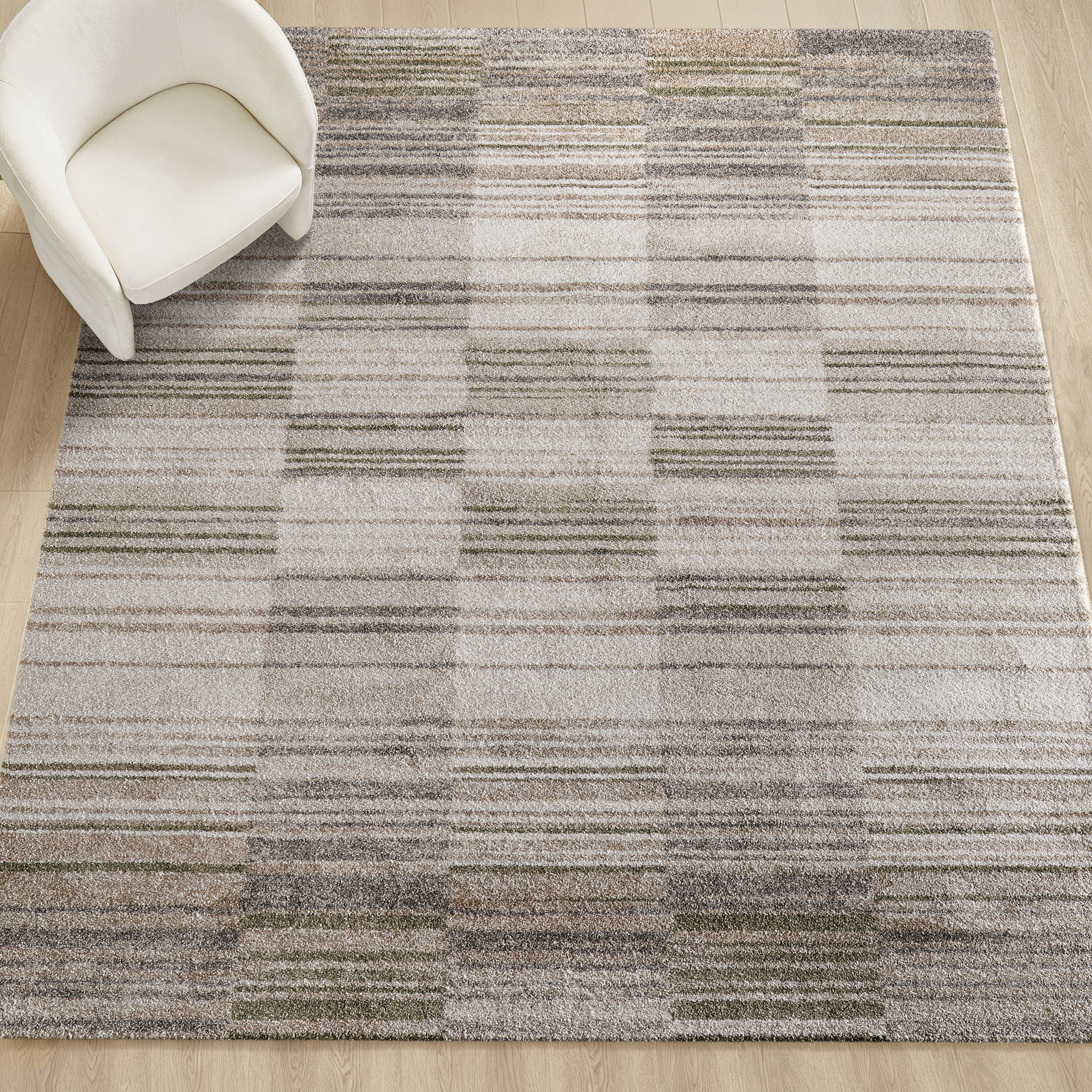
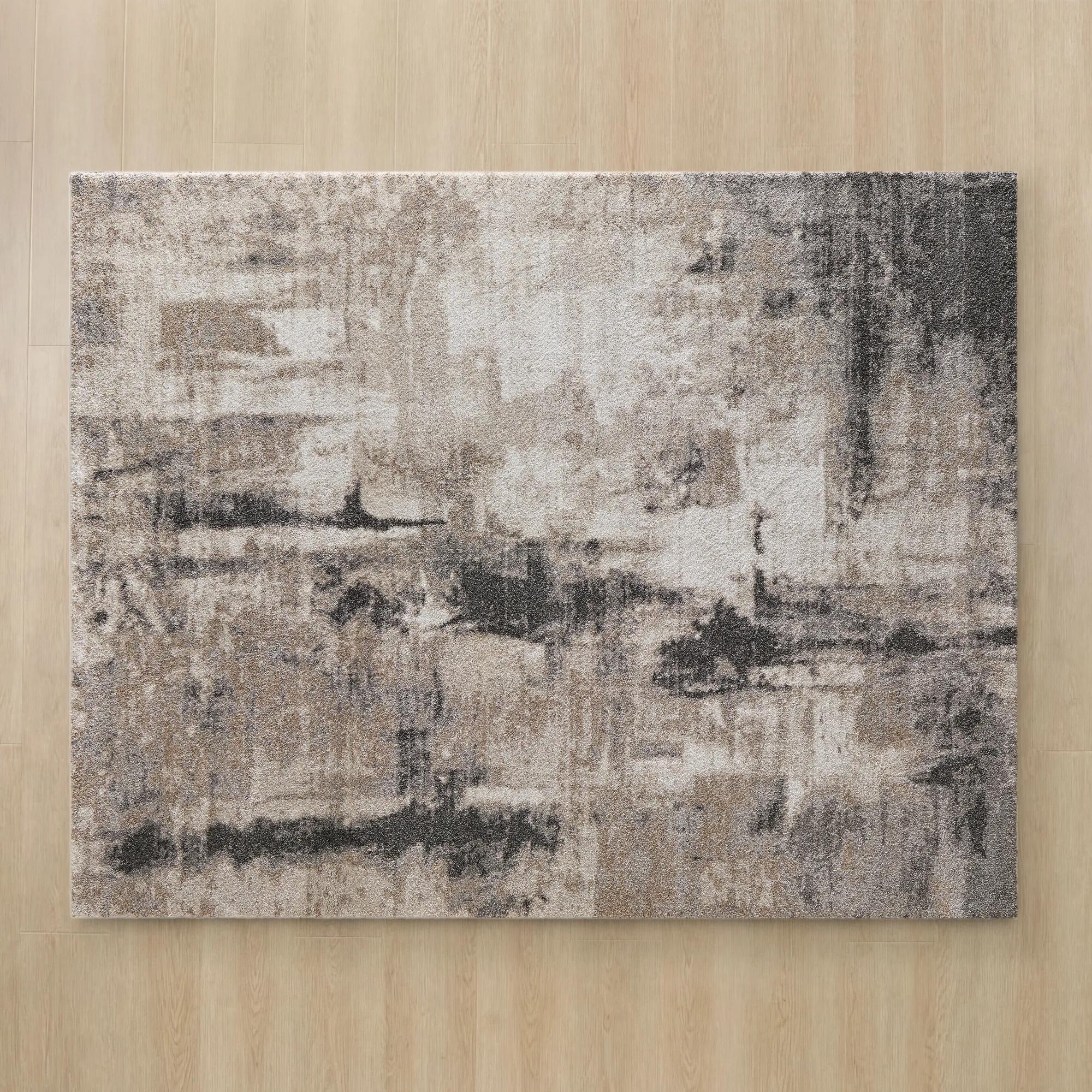 Atlas Abstract Grey/Taupe/Ivory/Charcoal Performance Power Loomed Rug$399
An abstract rug in grey, taupe, ivory, and charcoal with a plush, stain-resistant polypropylene blend.
Add To Cart -
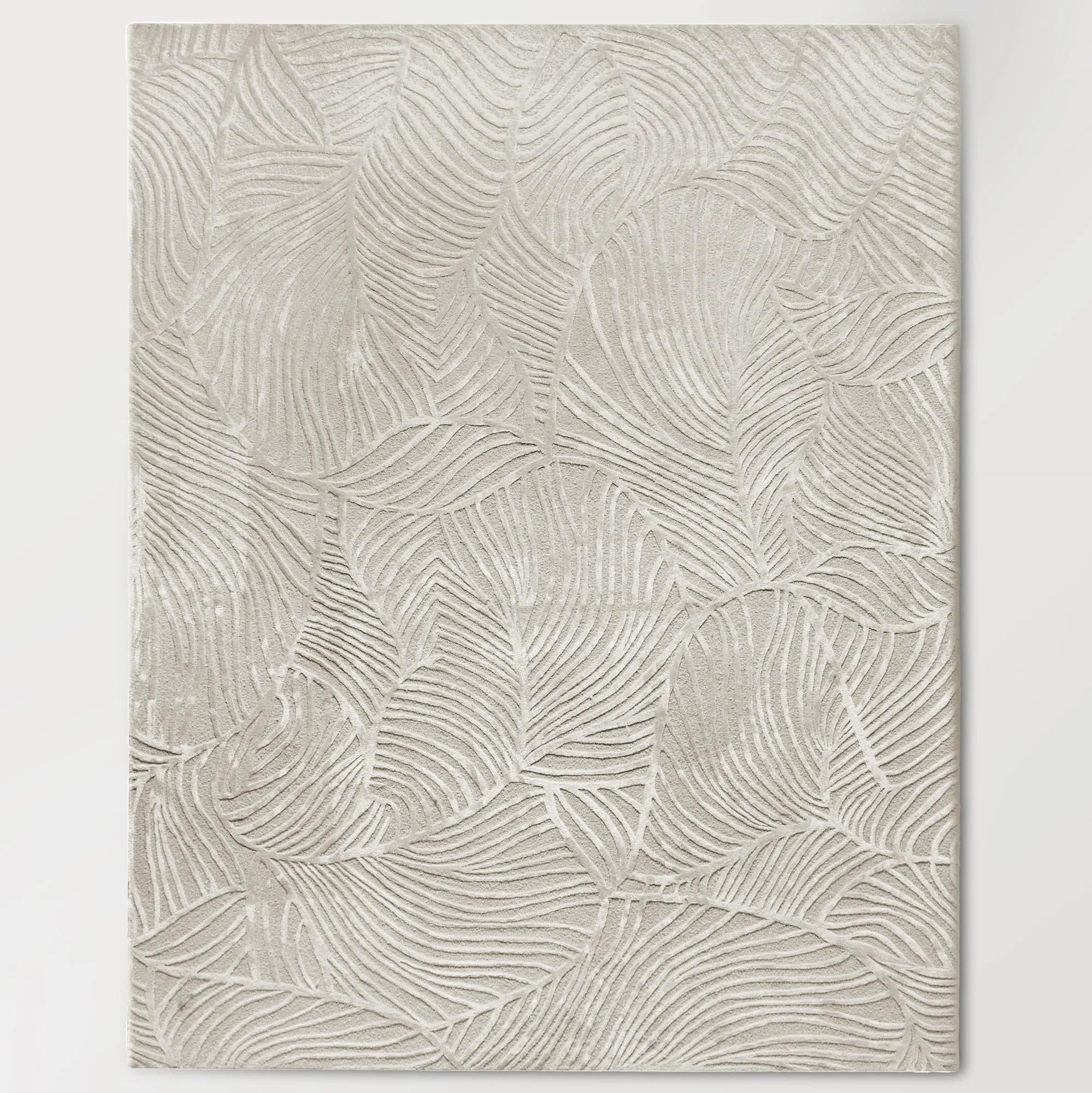
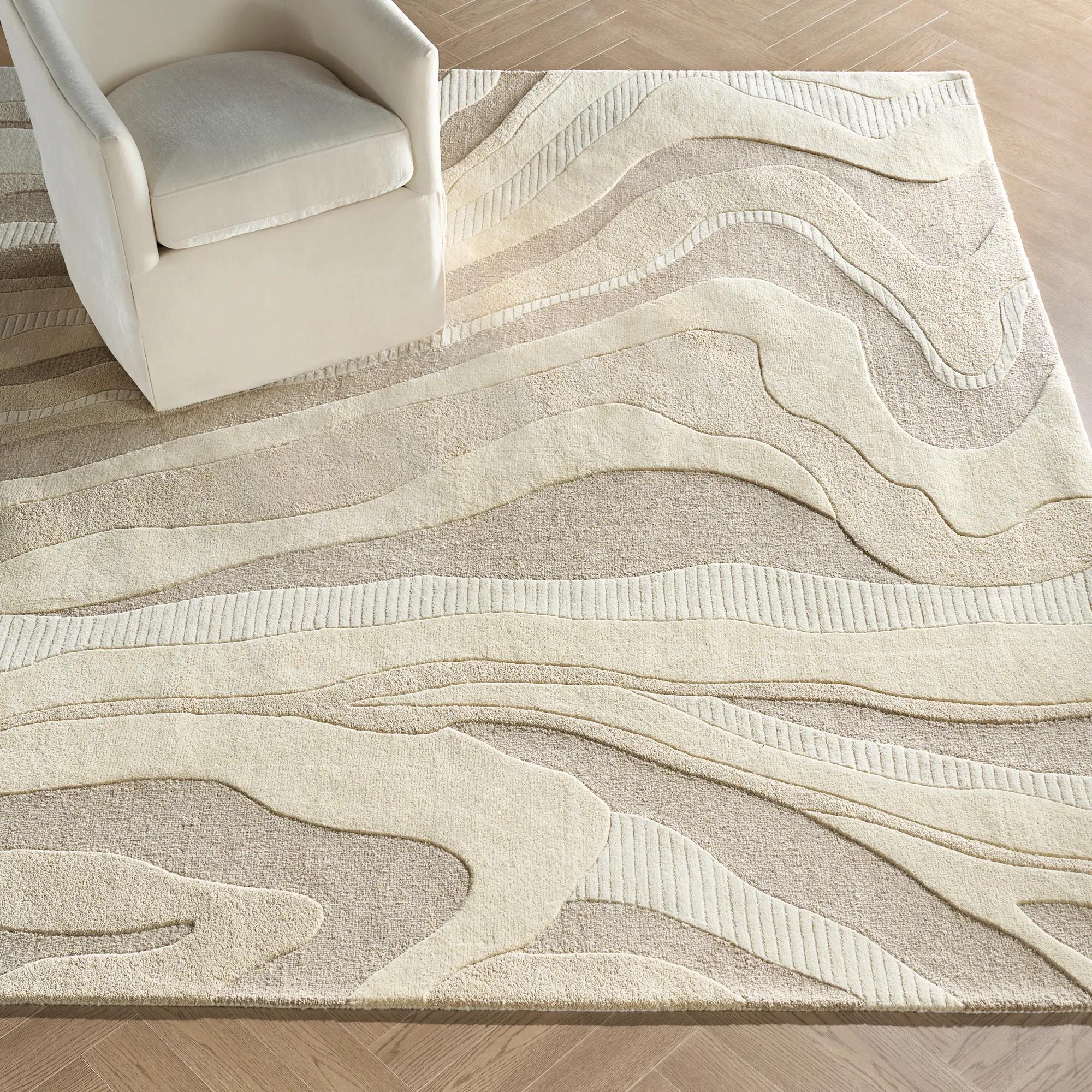
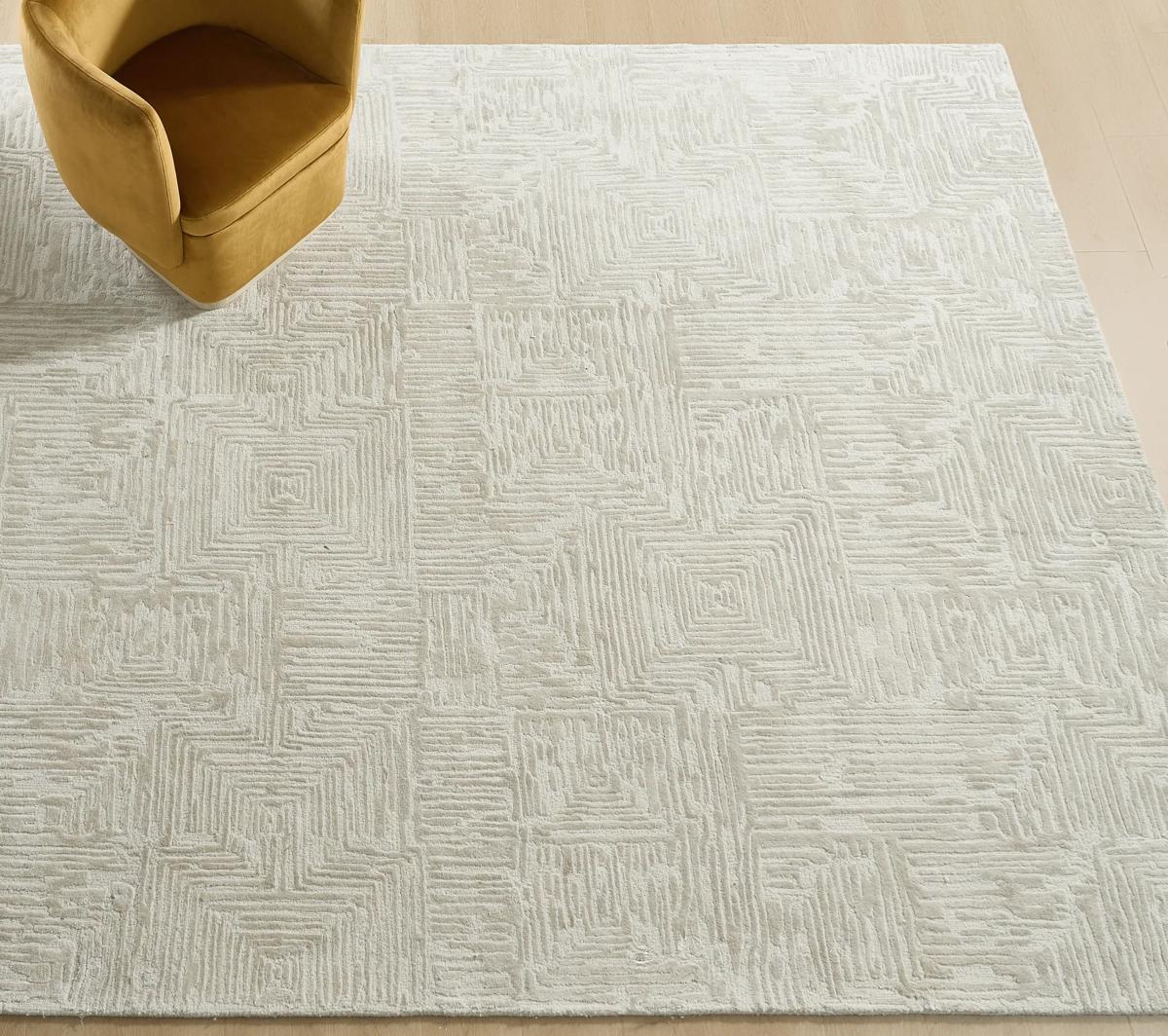 Andra Ivory Hand-Tufted Wool Blend Dimensional Rug$499
A hand-tufted ivory rug in a viscose-wool blend with raised textural detailing and subtle sheen.
Add To Cart -
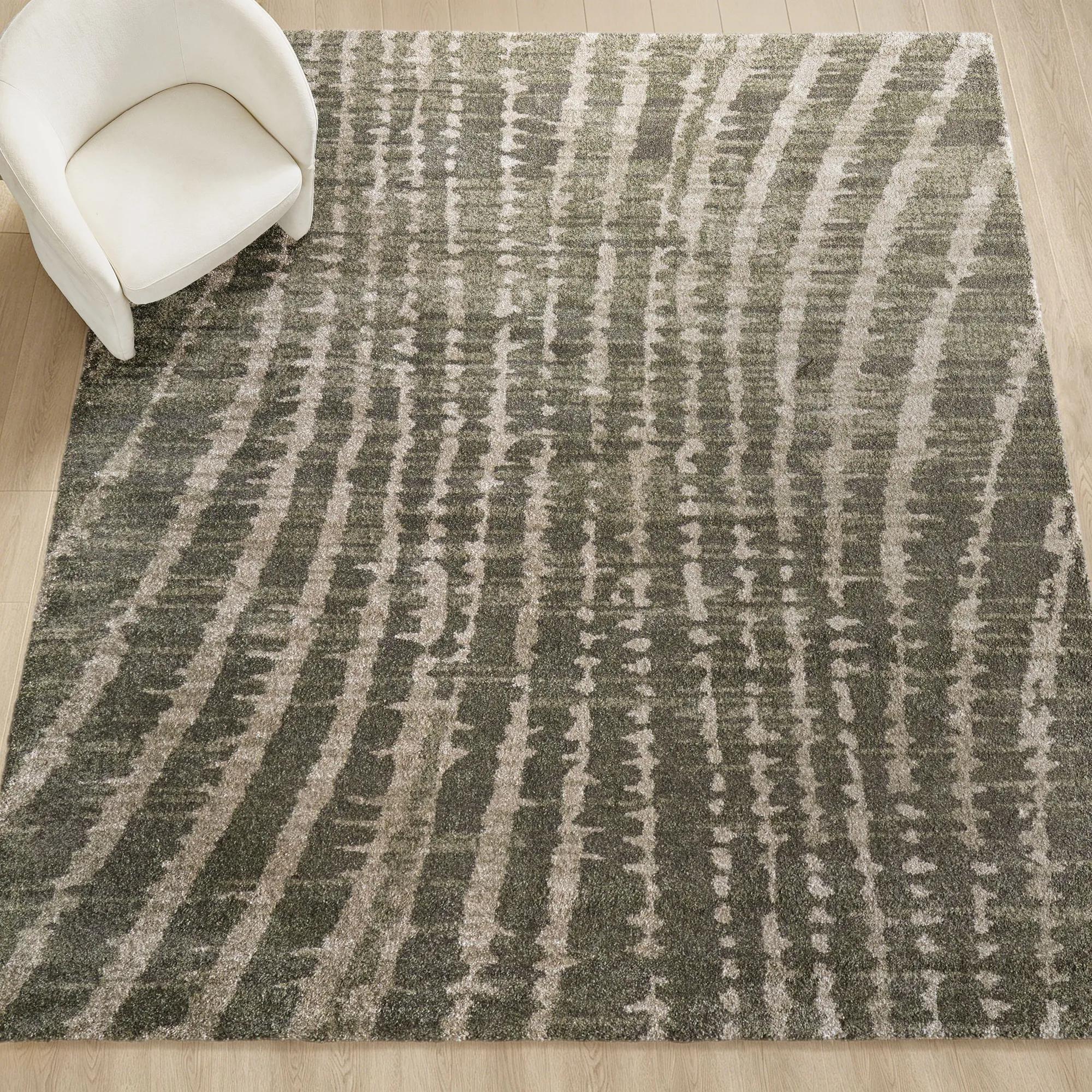
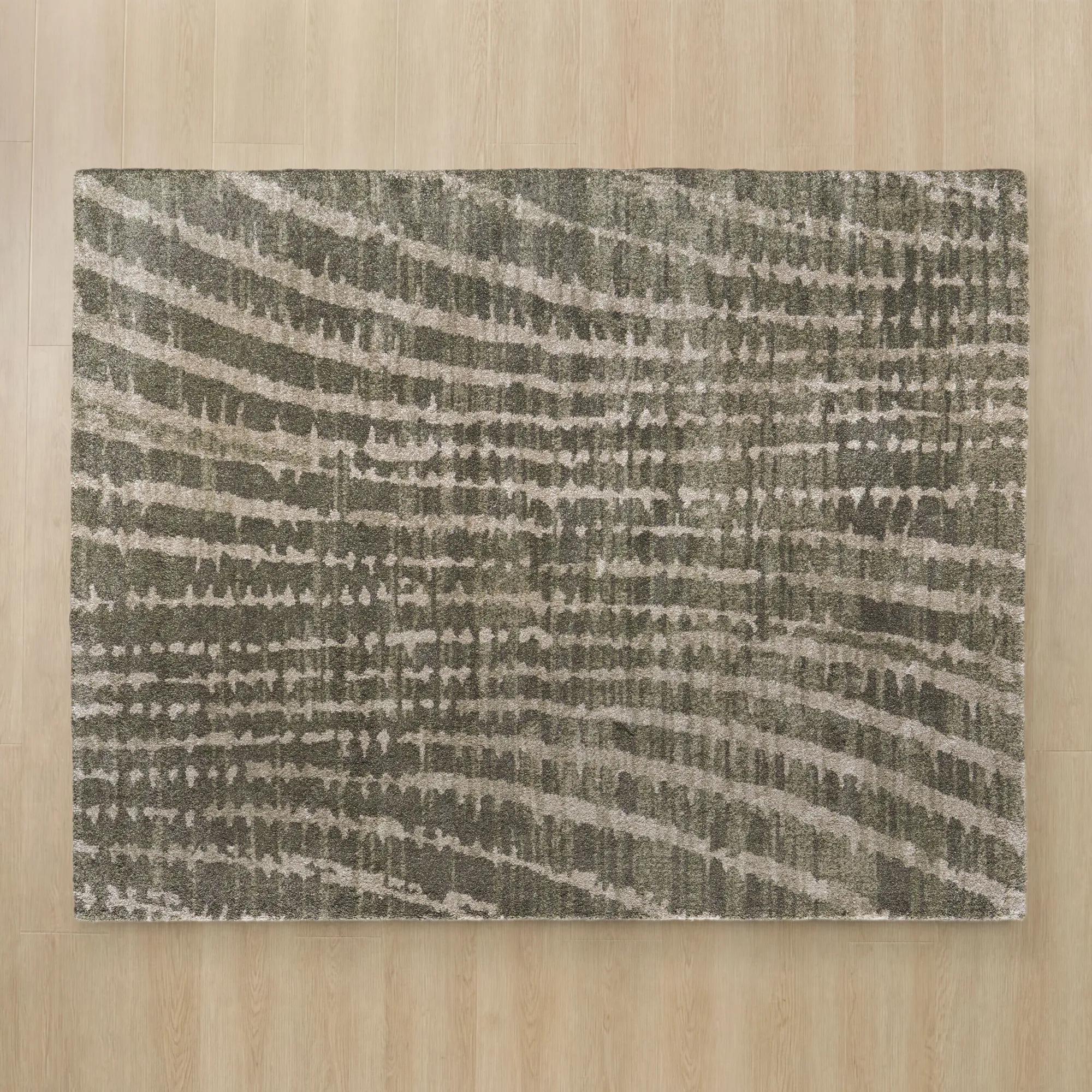 Tempo Green/Grey/Beige Performance Power Loomed Rug$1349
An abstract charcoal grey and beige rug with plush, power-loomed polypropylene and polyester construction.
Add To Cart -
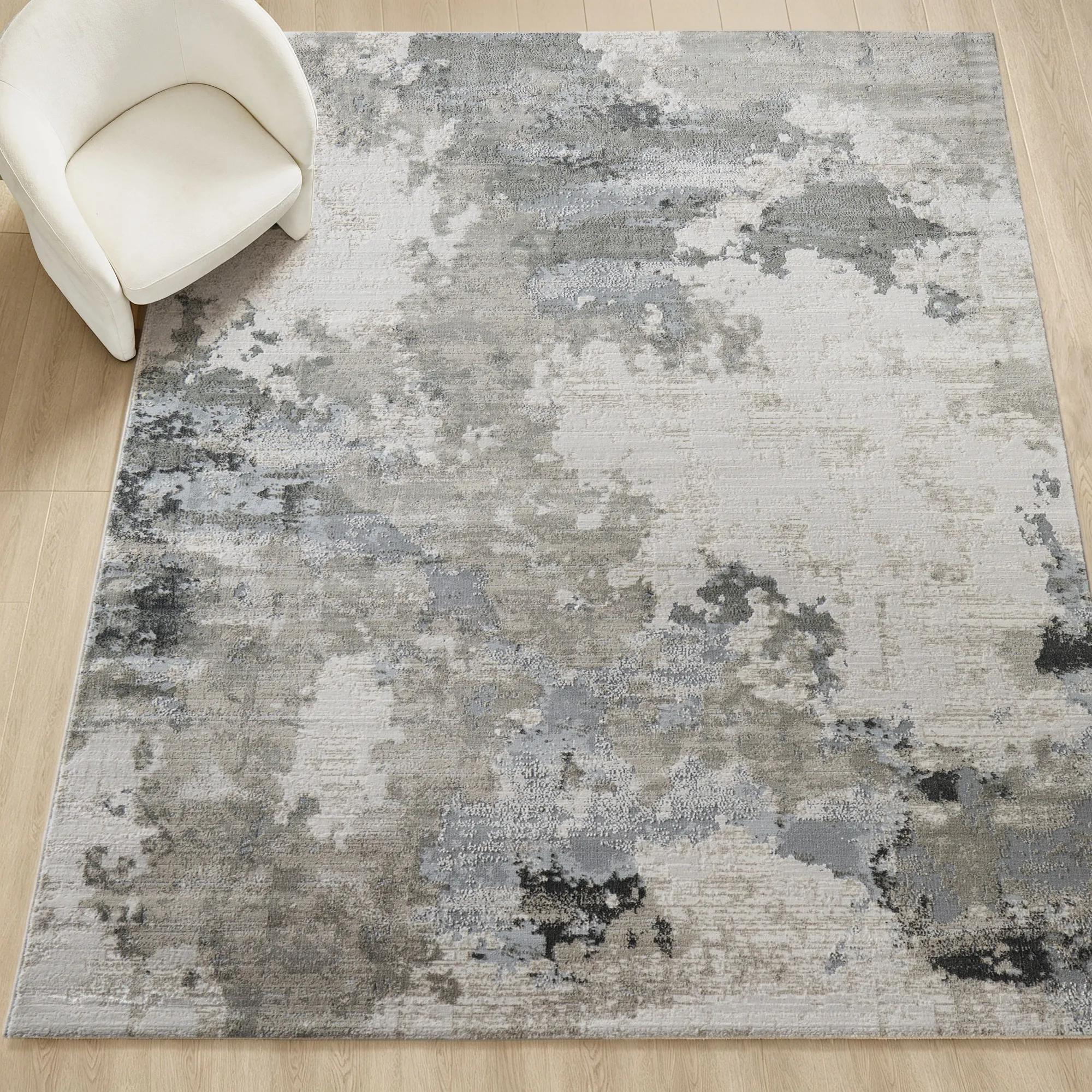 Alarion Abstract Grey/Muted Blue/Ivory Performance Power Loomed Rug$379
A power-loomed rug featuring a grey, muted blue, and ivory abstract pattern with stain-resistant durability.
Add To Cart -
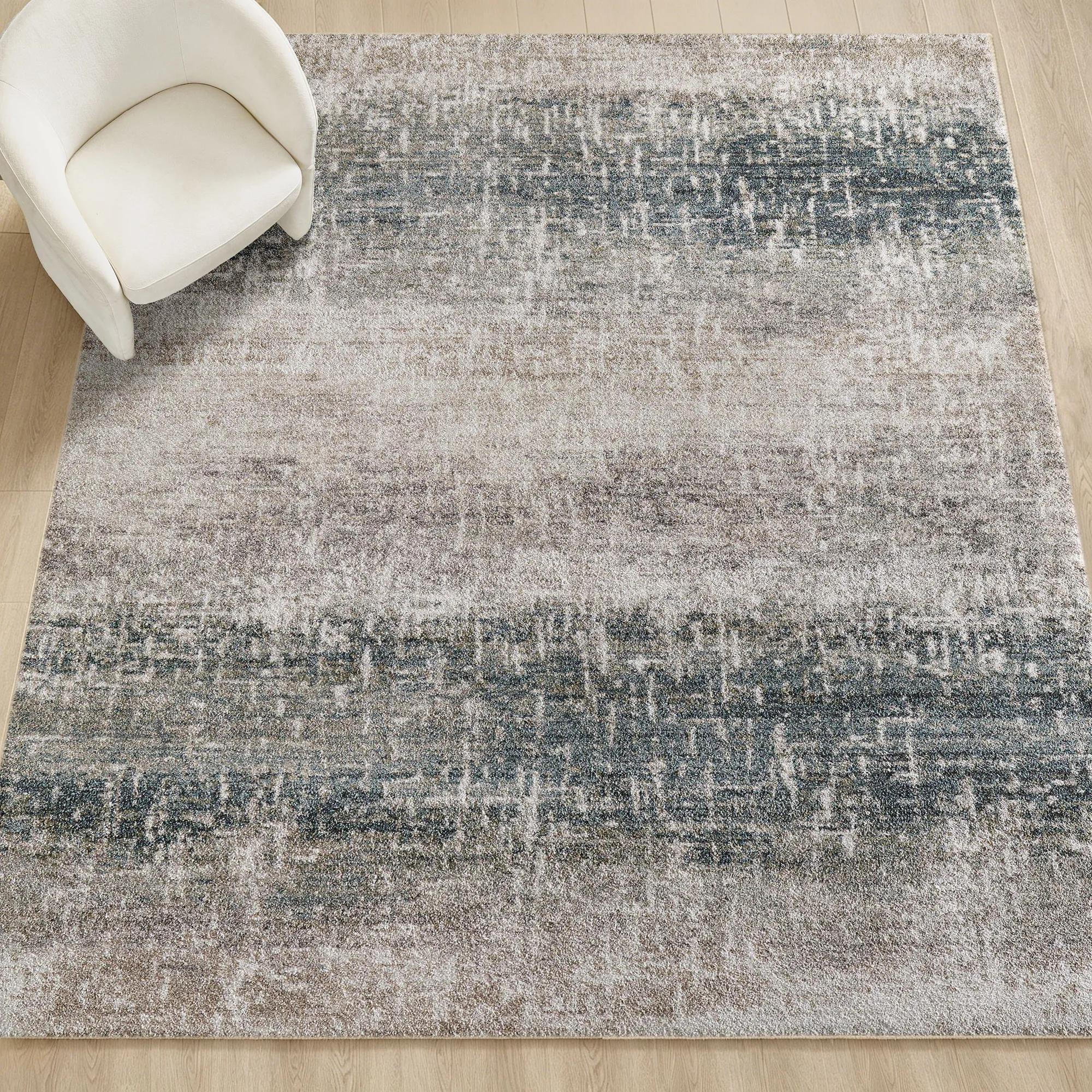
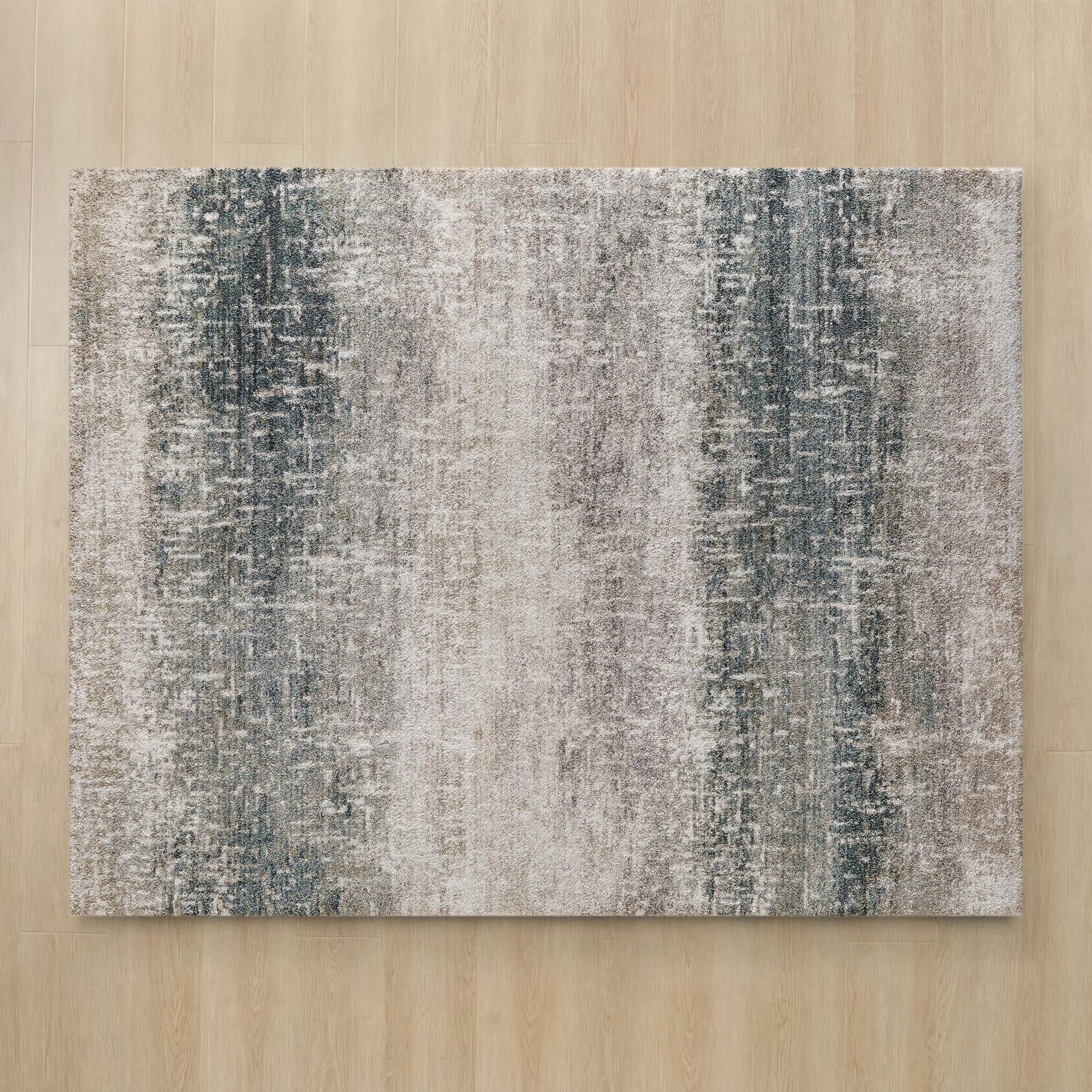 Collier Taupe/Grey/Blue/Green Performance Power Loomed Rug$1649
An abstract rug in taupe, grey, blue, and green with a plush pile and durable, easy-care blend.
Add To Cart -
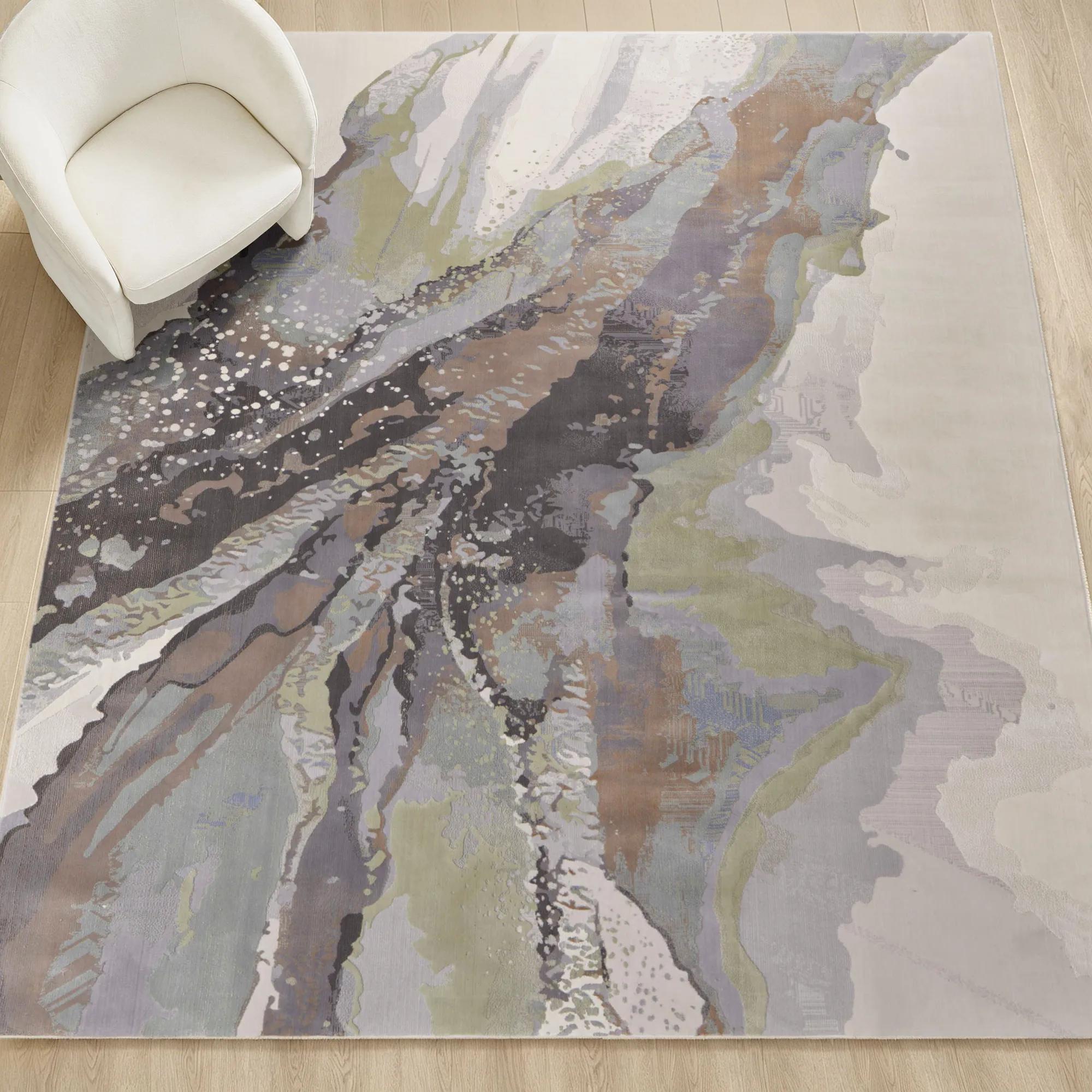
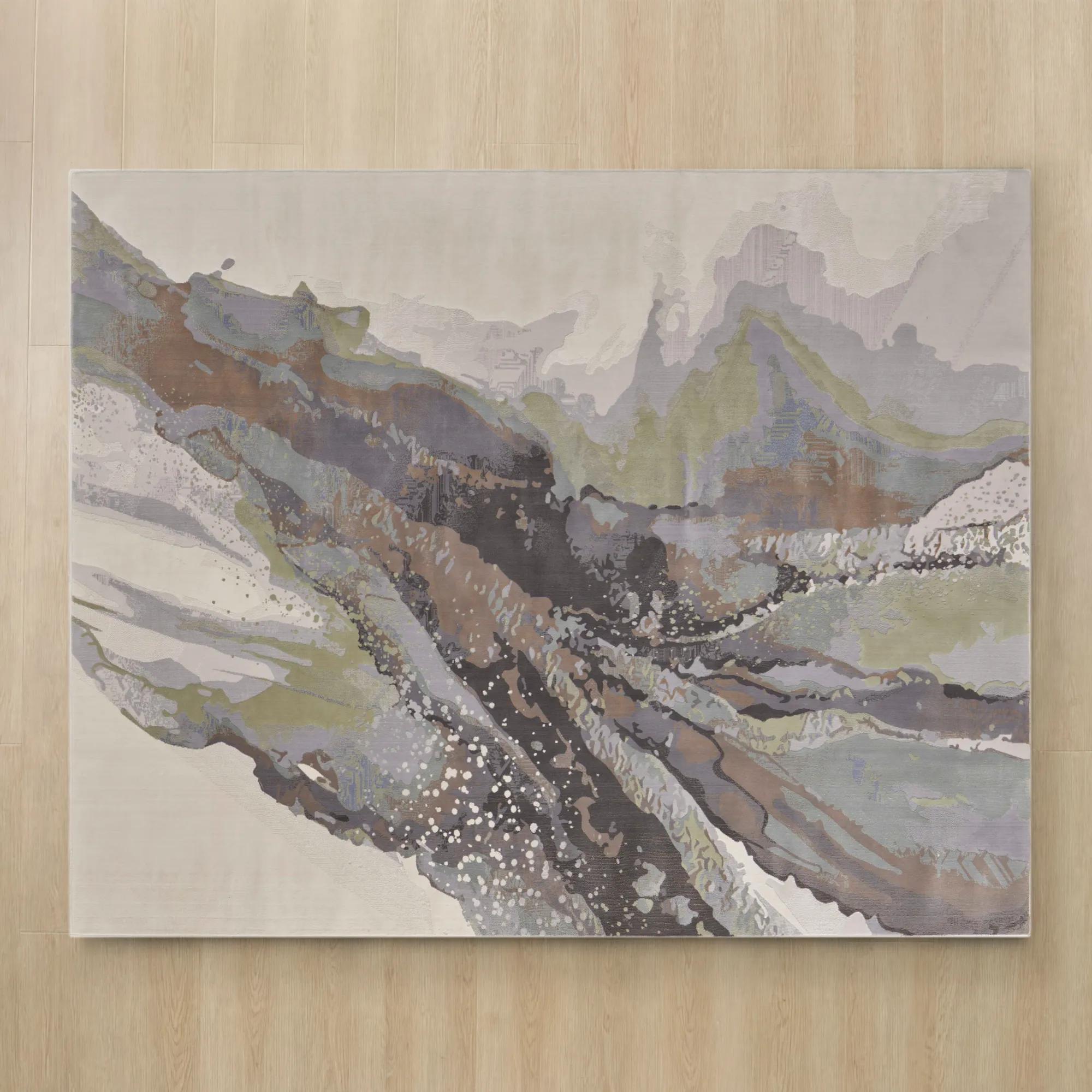 Nerissa Abstract Ivory/Grey/Blue/Green Performance Power Loomed Rug$949
An abstract rug in ivory, grey, blue, and green with a textured, stain-resistant polypropylene-polyester blend.
Add To Cart -
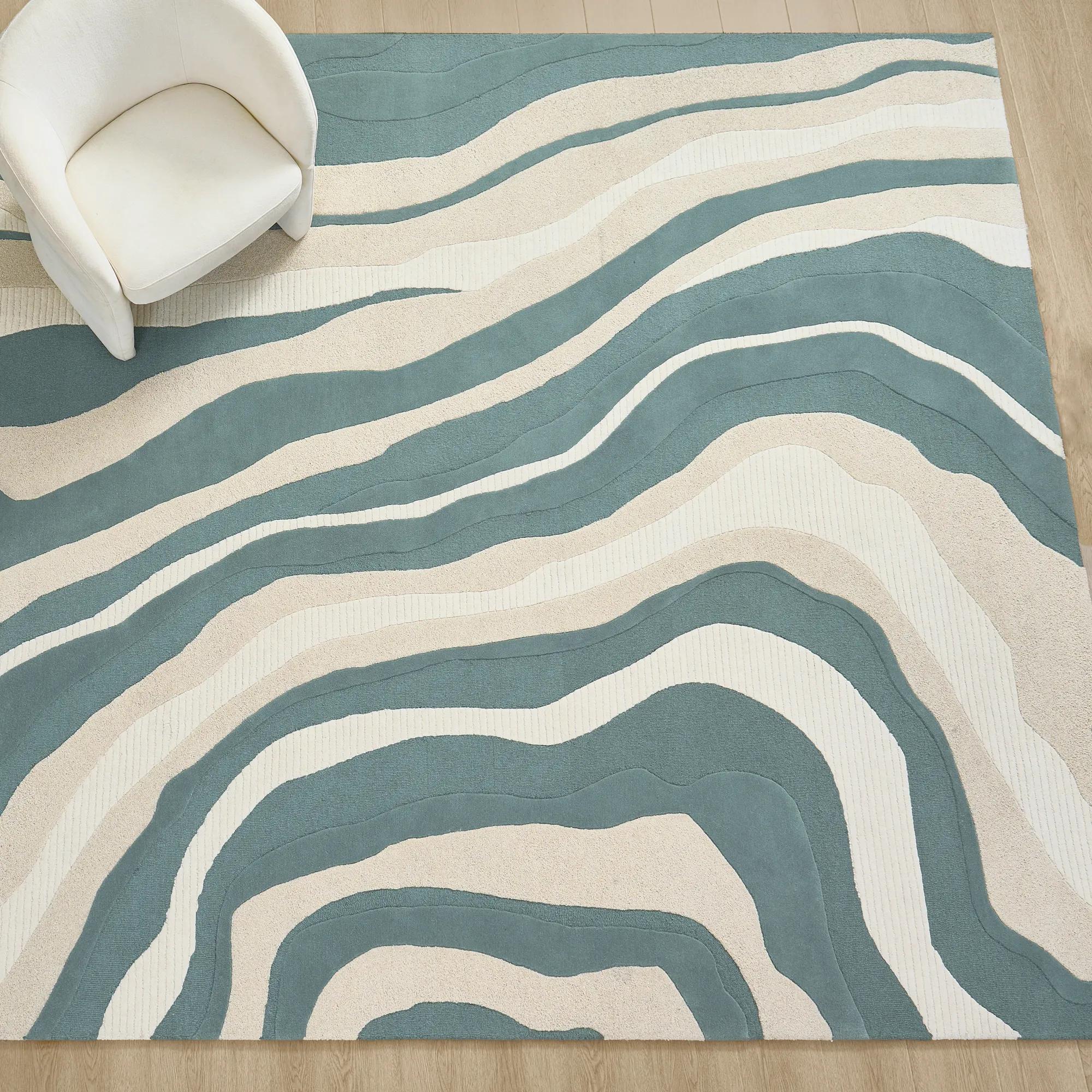 Kadence Hand-Tufted Sage Green/Ivory Wool Rugs$1499
A hand-tufted wool rug in deep sage green and ivory with a sculptural high-low abstract wave pattern.
Add To Cart -
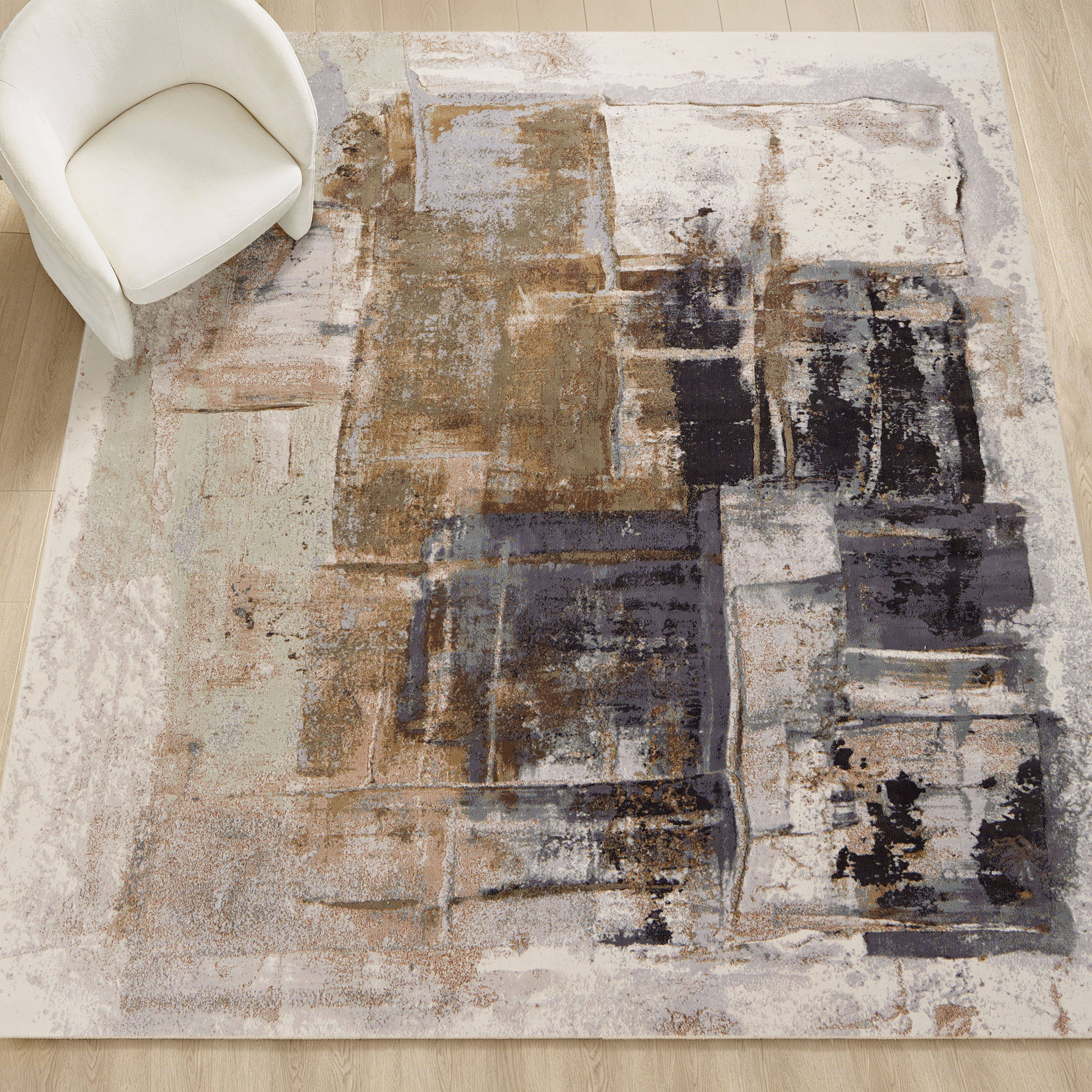
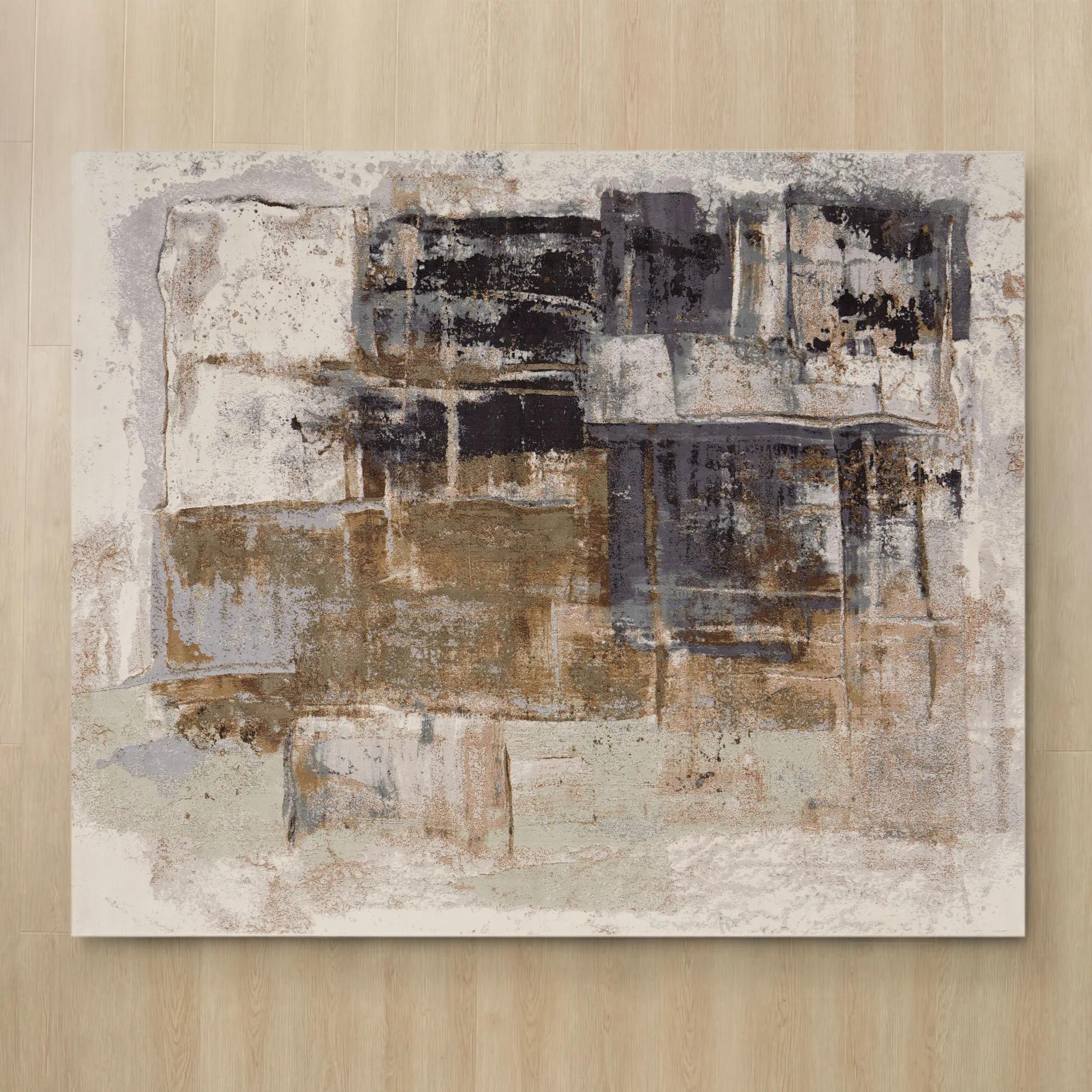 Gaia Abstract Grey/Charcoal/Ivory/Gold/Blue Performance Power Loomed Rug$1549
An abstract rug in grey, charcoal, ivory, gold, and blue with a soft, stain-resistant performance blend.
Add To Cart

Elegant Geometric Area Rugs
Bold geometry meets refined artistry—elegant geometric area rugs transform the floor into a canvas of modern sophistication. Each design is a statement, weaving linear precision with sumptuous texture to create an atmosphere that is both dynamic and timeless. Whether anchoring a grand living room or adding intrigue to an intimate nook, these rugs invite you to embrace pattern, play with proportion, and curate spaces that exude confidence. Let elegant geometric area rugs infuse your home with visual poetry—where every step becomes part of the story.
Elegant geometric area rugs bring structure, texture, and artistic presence to a room through patterns of lines, angles, curves, and repeating shapes. Their appeal lies in the interplay between precision and softness: a crisp lattice can sharpen the silhouette of a seating arrangement, while an irregular grid introduces a more expressive, hand-drawn quality. Beneath a sculptural coffee table or alongside a sumptuous upholstered bed, geometry becomes more than decoration. It establishes rhythm, connects furniture, and gives the room a distinct point of view. Checkerboard designs create an assured graphic foundation; interlocking diamonds suggest movement; oversized blocks bring an architectural quality to open floor plans. Curved motifs and overlapping circles offer a gentler interpretation, especially when balanced with angular furniture. Color determines how boldly that pattern speaks. Black and ivory deliver striking definition, while cream, taupe, and soft gray create a quieter composition whose intricacy emerges through texture and light. Deep jewel tones can make a rug the centerpiece of a room, particularly against neutral upholstery and restrained wall color. Pattern scale matters just as much as palette. Broad, open shapes allow an elaborate chandelier or richly veined table to retain its presence, whereas a smaller repeat adds detail to a room with expansive solid surfaces. A geometric rug can also bridge contrasting finishes, echoing the dark frame of an accent chair, the pale tone of stone, or the warmth of wood without matching every element literally. For modern, contemporary, and Art Deco-inspired interiors, that balance of order and expression feels especially compelling. In a more traditional setting, clean geometry provides a confident counterpoint to carved details and curved furniture. These rugs suit spaces designed for entertaining as naturally as rooms reserved for retreat, offering a grounded composition beneath the objects and furnishings that make a home personal. The result can be dramatic or understated, but never visually accidental.
Material and construction shape the experience of a geometric area rug as much as its design. Wool is valued for its resilient fibers, substantial feel, and ability to recover from everyday compression, making it a compelling choice for living rooms and bedrooms where softness and lasting texture both matter. Some shedding can occur, particularly with a new wool rug, and regular care helps manage loose fibers. Cotton often lends a lighter, more relaxed hand to flatwoven designs, though cleaning requirements depend on the complete construction rather than the fiber alone. Synthetic materials such as polypropylene and polyester can offer practical stain resistance and vivid color, with performance varying by weave, pile, backing, and finish. Nylon is another option valued for resilience in frequently used spaces. Viscose and similar lustrous fibers introduce a silk-like sheen that shifts with the viewing angle, giving tonal geometry an almost luminous depth. That beauty comes with more particular care needs: moisture and abrasion can affect their appearance, making them better suited to settings where spills and heavy wear are less likely. Blended fibers may balance softness, sheen, and resilience, so the material composition deserves attention beyond its most luxurious-sounding component. Construction adds another layer of character. The dimensional appeal of Hand Tufted Geometric Area Rugs comes from yarn inserted into a foundation, allowing patterns to take shape through dense pile, contrasting textures, or carefully defined contours. Hand-tufted construction is distinct from hand-knotting, and its backing and care requirements should be considered separately. High-low surfaces can make a monochromatic pattern feel sculptural, with raised shapes catching the light and recessed lines lending definition. Lower piles offer a more streamlined surface for active living areas, while deeper piles emphasize plush comfort in quieter spaces. For households with pets, tightly constructed surfaces may be more suitable than prominent loops that claws can catch. Durability ultimately reflects the entire rug and its intended setting, not a single fiber or construction label.
Proportion gives an elegant geometric rug its authority within a room. A generously scaled design can gather a sofa, accent chairs, and coffee table into one cohesive arrangement; a rug that sits entirely beneath the coffee table may leave those same furnishings feeling disconnected. In many living rooms, placing at least the front legs of the main seating pieces on the rug creates a convincing visual anchor. The pattern should have room to register around the furniture, especially when a central table conceals part of the design. Dining areas call for enough coverage that chairs remain on the rug when pulled out for seating, often requiring approximately 24 to 30 inches beyond each side of the tabletop, depending on chair size and layout. A lower pile generally allows dining chairs to move more easily and keeps crumbs from settling into a deeply textured surface. In a bedroom, generous coverage beside the bed gives the pattern a visible frame and offers softness where feet meet the floor. A home office presents different demands: a low-profile, firmly constructed rug is generally more compatible with a rolling chair than a thick, plush pile, though chair and flooring requirements still matter. Measuring door clearance, checking furniture placement, and accounting for walkways help preserve both the room’s elegance and its ease of movement. A rug pad compatible with the rug backing and underlying floor can help limit shifting, add cushioning, and reduce friction; the appropriate type depends on the surfaces involved. Ongoing care should follow the manufacturer’s instructions, with suction-only vacuuming often preferable for delicate fibers, fringes, or raised textures. Spills are best blotted promptly rather than rubbed, and cleaning solutions should be appropriate for the material and tested discreetly when permitted. Periodic rotation helps distribute foot traffic and light exposure, while suitable professional cleaning can address deeper soil without unnecessary stress on the fibers. With thoughtful placement and material-aware care, geometric pattern retains its clarity, texture remains inviting, and the rug continues to give the room a beautifully composed foundation.
FAQs
Geometric area rugs infuse a space with energy and structure, acting as a visual anchor that draws the eye and defines the room’s atmosphere. Their bold patterns and dynamic shapes can add a sense of drama, sophistication, or playful modernity, depending on your chosen design. Whether you select a vibrant abstract geometric rug or a more understated geometric pattern, these rugs create a foundation for layering textures and colors, helping to set the tone for the entire room.
Contemporary geometric rugs are crafted from a variety of luxurious materials, including wool, viscose, silk blends, and high-quality synthetics. Wool offers natural resilience and plushness, making it a favored choice for comfort and durability. Viscose and silk accents can introduce a subtle sheen and softness, elevating the rug’s tactile and visual appeal. Each material brings its own unique character, allowing you to choose a rug that best suits your lifestyle and aesthetic preferences.
Absolutely—geometric rugs are remarkably versatile and can be styled to complement both modern and traditional spaces. In contemporary homes, bold lines and abstract forms create a striking focal point, while in more classic settings, a geometric rug with muted tones or intricate patterns can add a fresh yet timeless twist. The key is to balance the rug’s design with your existing furnishings and decor, allowing it to enhance the room’s character without overwhelming it.
A geometric area rug is an elegant way to define and differentiate zones within an open-concept layout. Placing a rug beneath a seating arrangement, dining table, or reading nook visually anchors that area, creating a sense of intimacy and purpose. The bold lines and shapes of a geometric rug naturally draw attention, making it easy to delineate spaces while maintaining a cohesive, artful flow throughout your home.
Geometric rugs are a sophisticated and personal gift choice, perfect for housewarmings, weddings, or milestone celebrations. Their artistic patterns and luxe materials convey a sense of care and intention, allowing the recipient to transform their living space with a statement piece that reflects their individuality. Gifting a geometric rug is more than offering décor—it’s an invitation to create new memories and moments in a beautifully elevated setting.