Geometric Design Area Rugs
Geometric Design Area Rugs
-
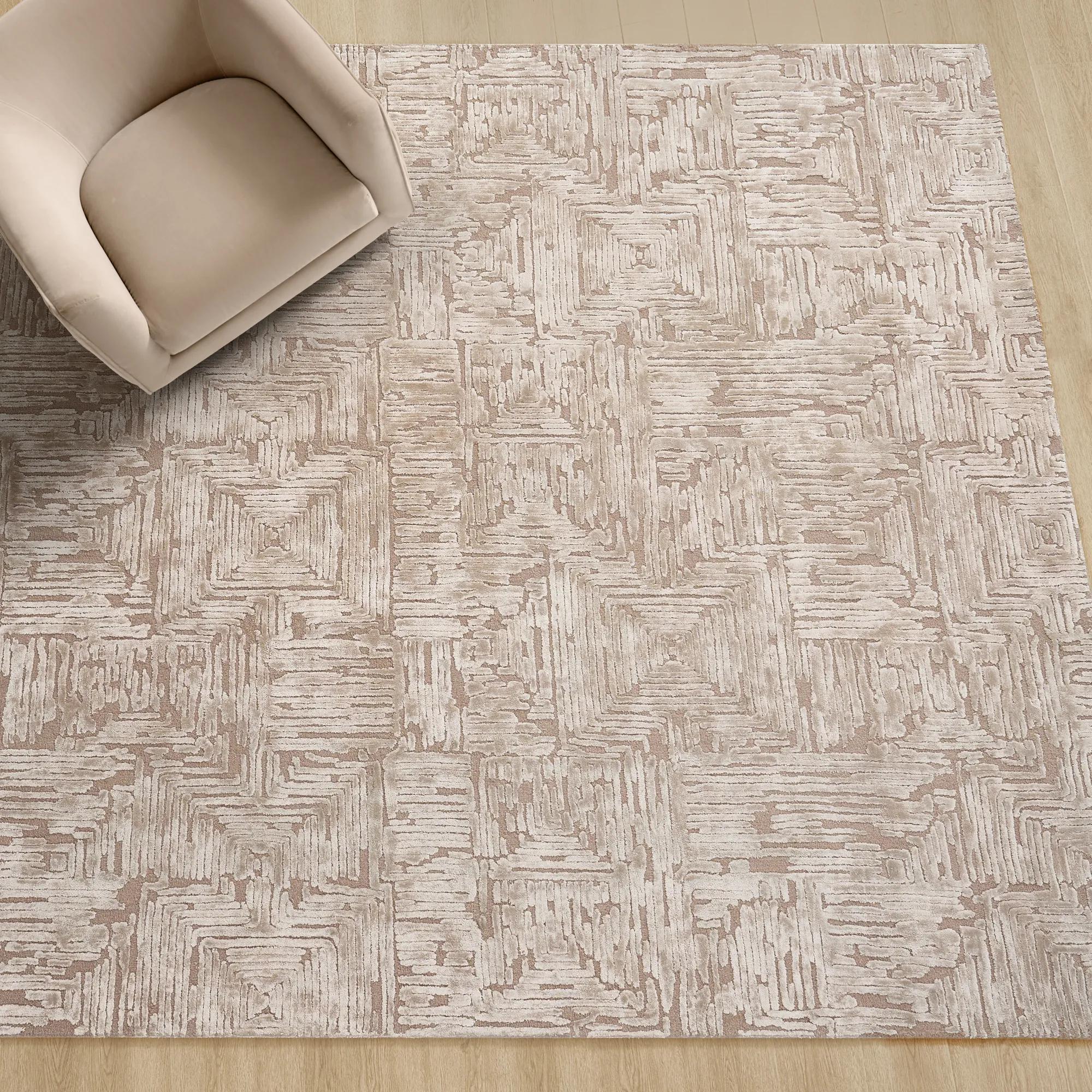
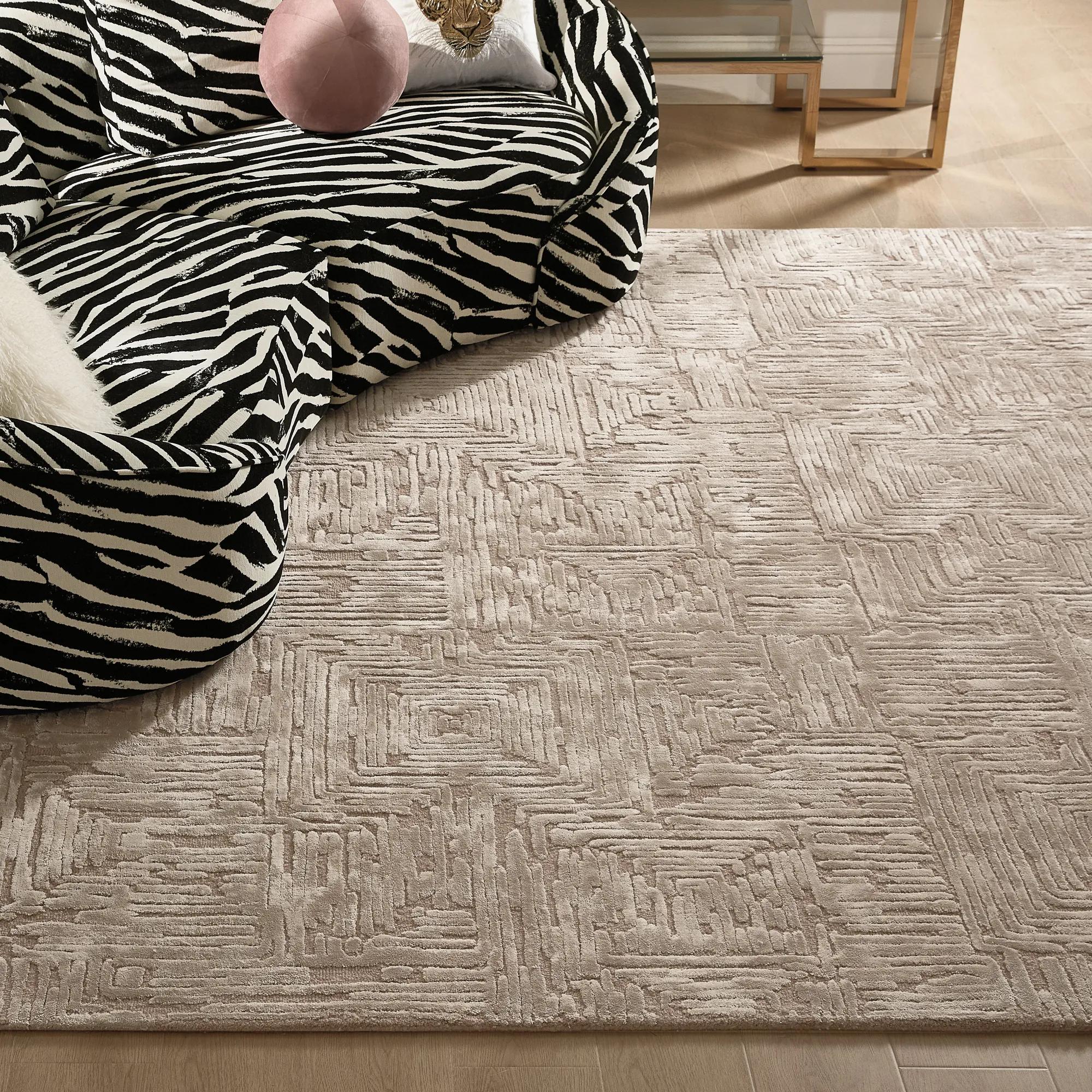 Andra Hand-Tufted Mocha Rose Viscose & Wool Dimensional Rug$1499
A hand-tufted mocha rose rug blending viscose and wool with dimensional broken geometric texture.
Add To Cart -
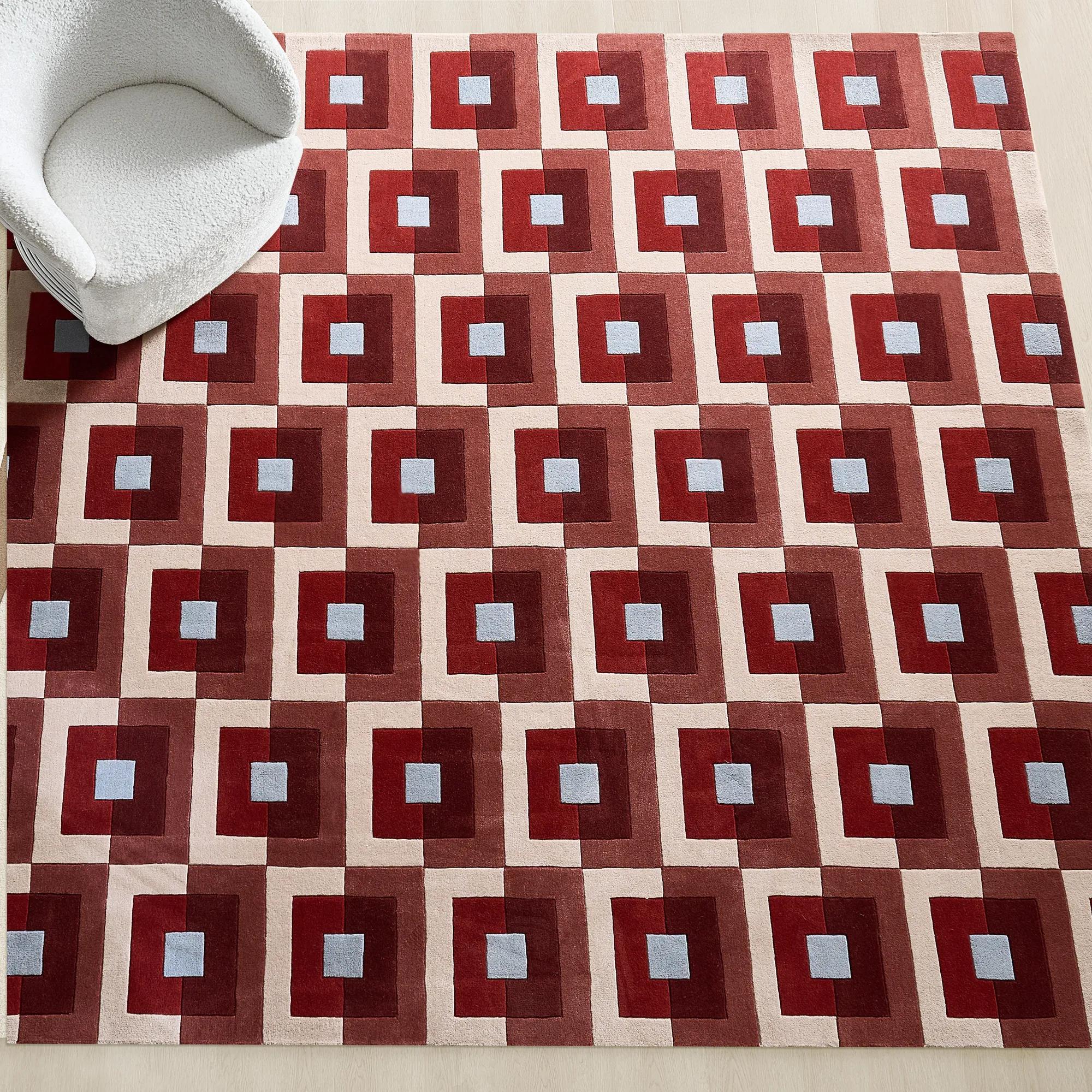
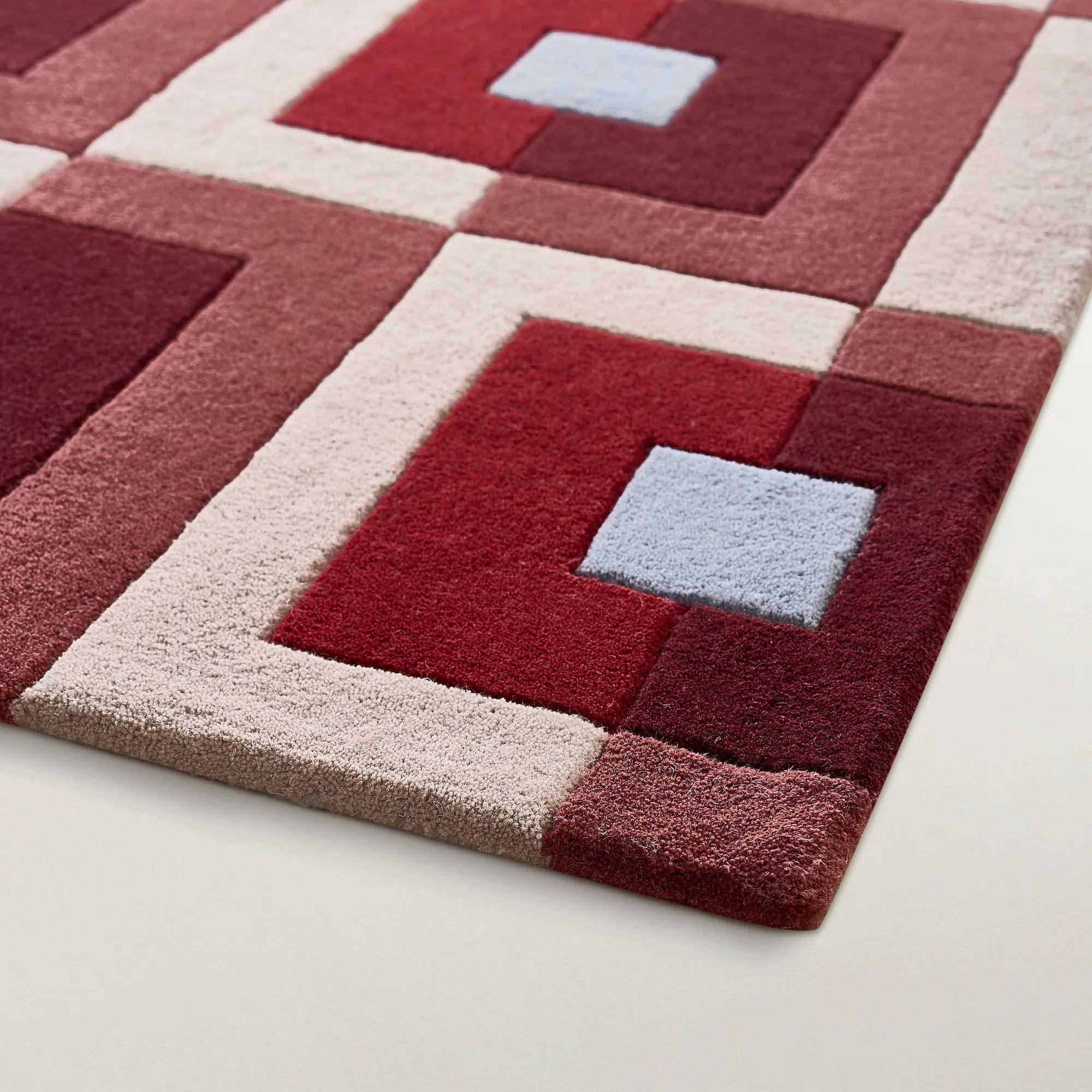 Geo Pop Wool Rug - Oxblood Red/Airy Blue$1099
A geometric wool rug blending oxblood red and airy blue for bold, modern interiors.
Add To Cart -
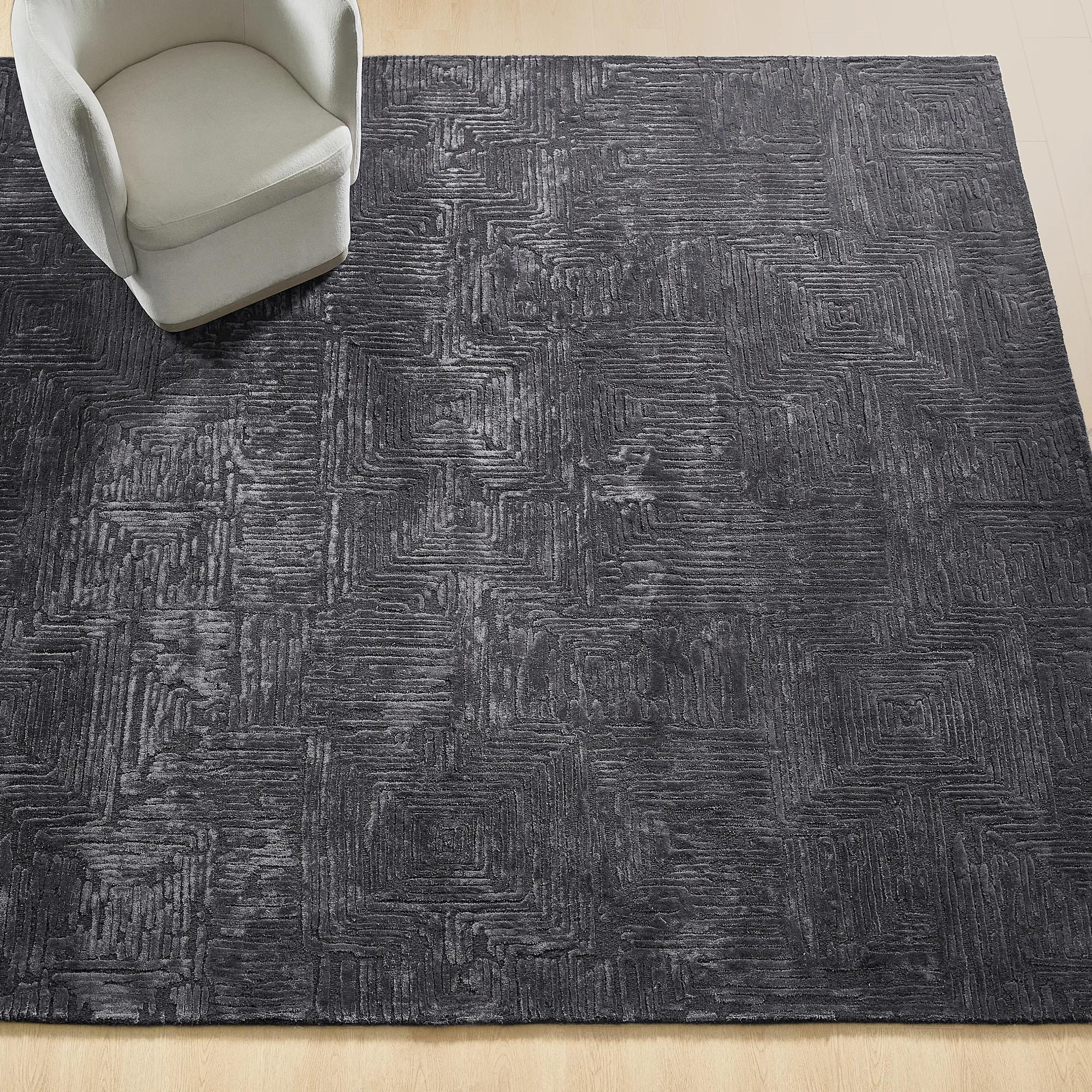
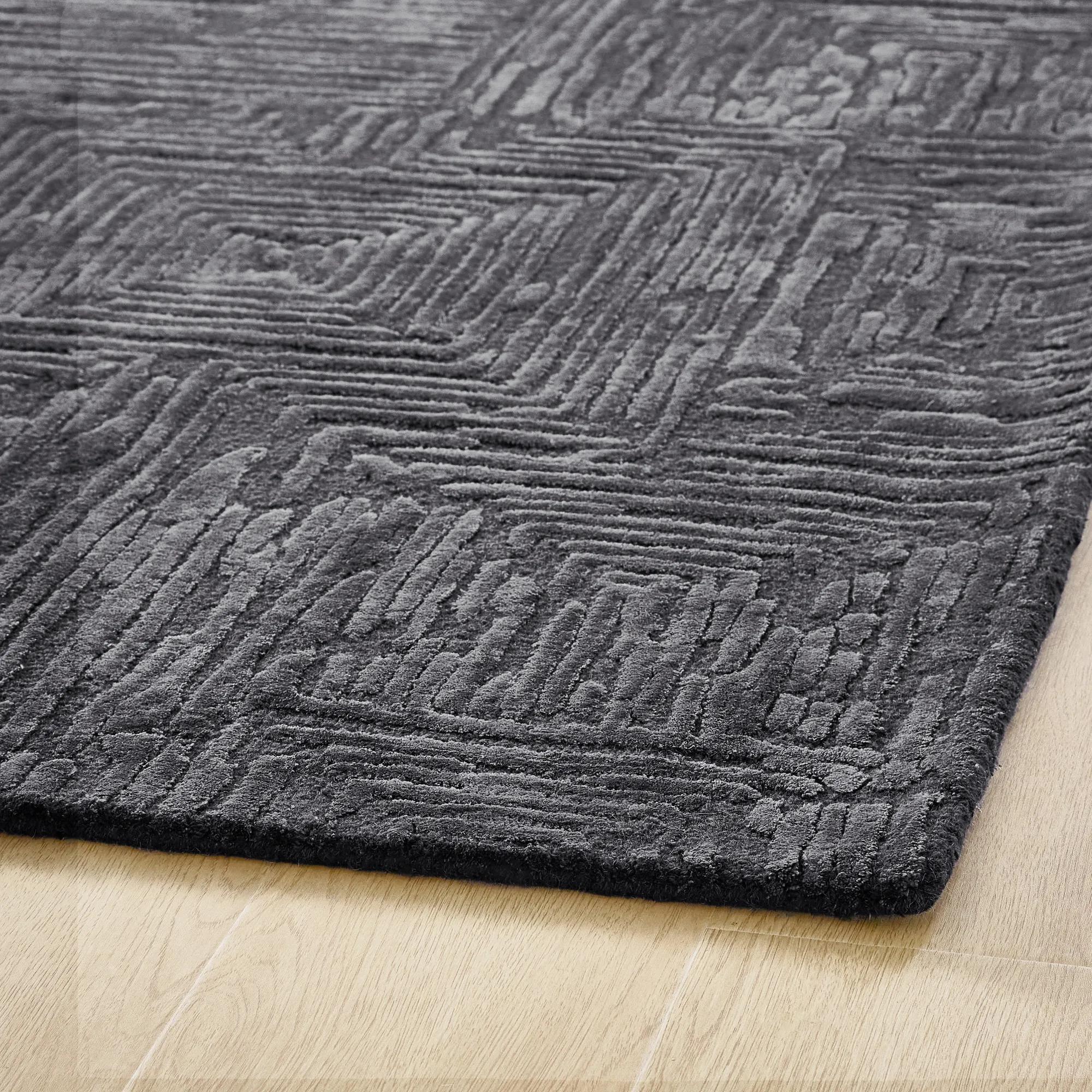 Andra Charcoal Hand-Tufted Wool Blend Dimensional Rug$1499
A hand-tufted viscose-wool rug in rich charcoal with a sculptural, dimensional pattern and plush texture.
Add To Cart -
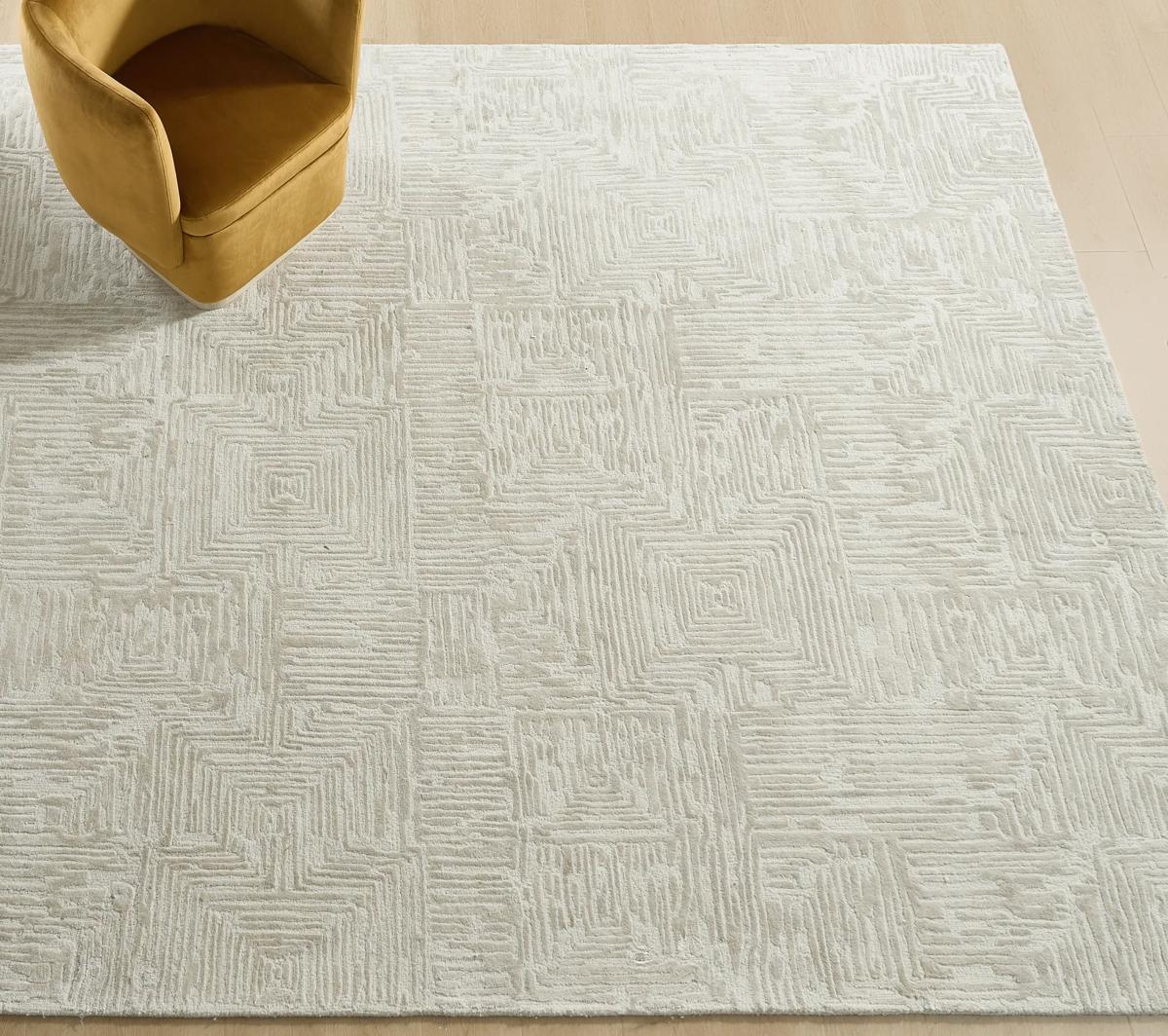 Andra Ivory Hand-Tufted Wool Blend Dimensional Rug$1499
A hand-tufted ivory rug in a viscose-wool blend with raised detailing and a subtle sheen.
Add To Cart -
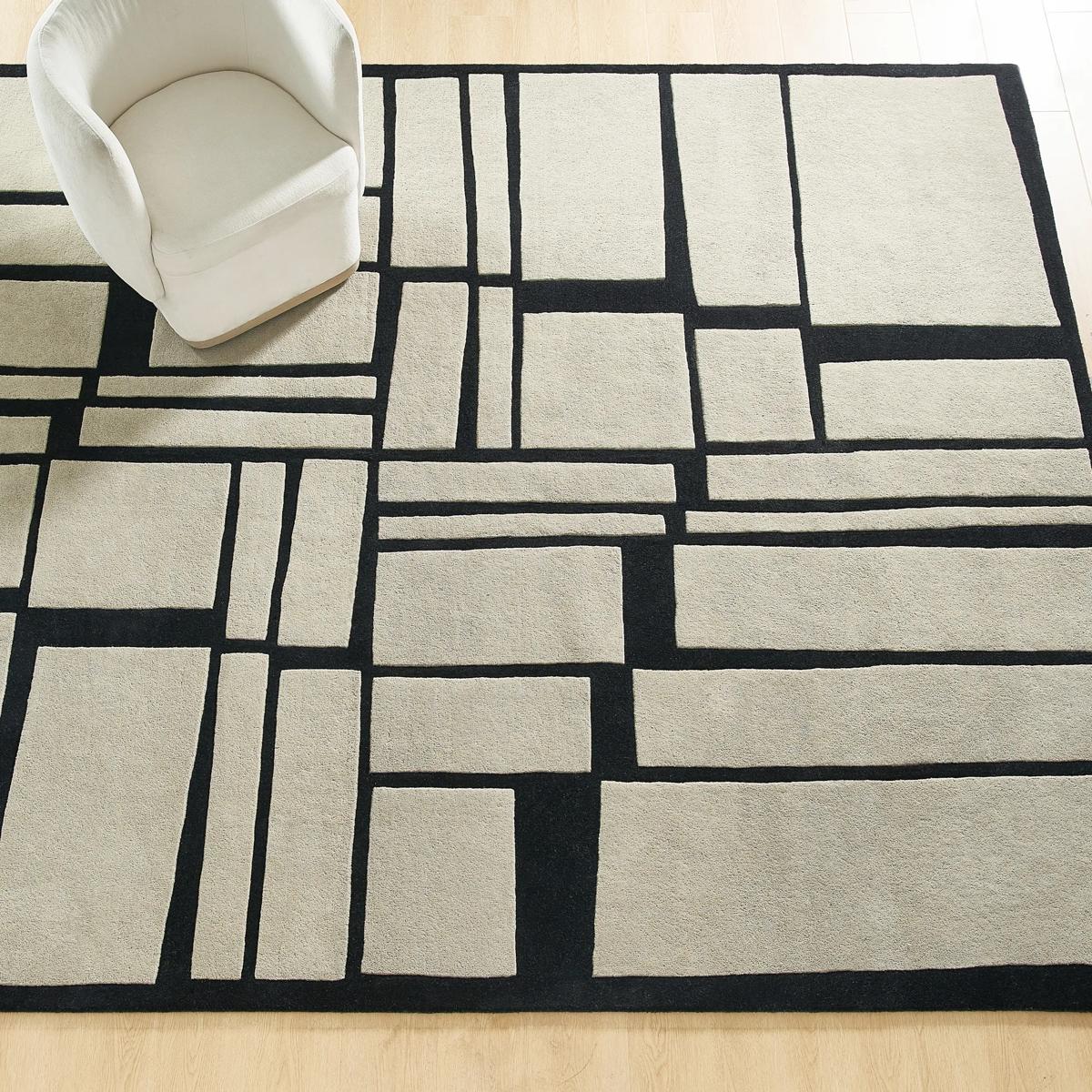 Novak Hand-Tufted Natural/Black Wool Rug$449
A hand-tufted wool rug featuring a bold black and natural grid design for modern visual impact.
Add To Cart -
 Fiona Hand-Tufted Ivory/Beige/Black Border Fringe Rug$1099
A hand-tufted ivory, beige, and black rug featuring a framed border and decorative fringe.
Add To Cart -
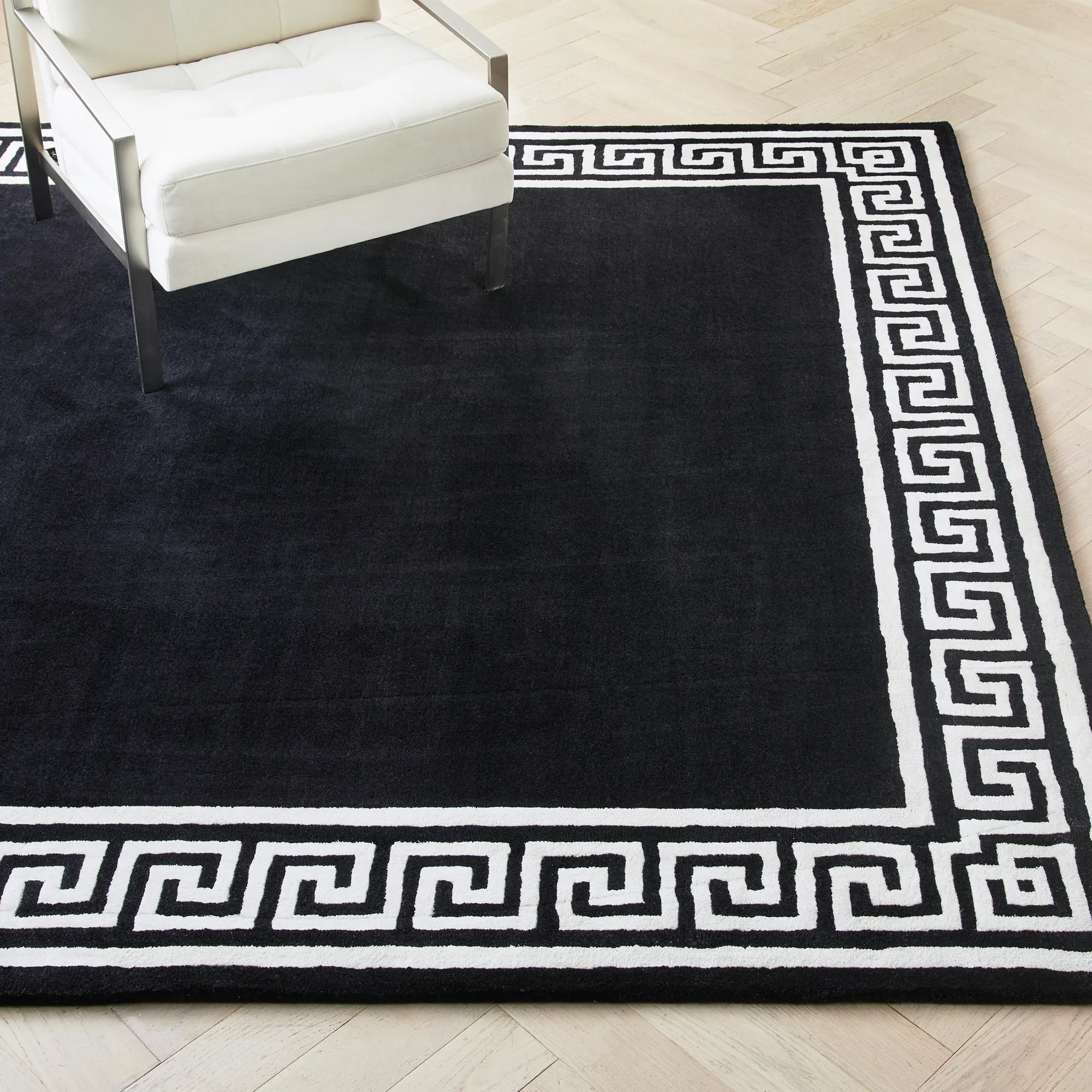
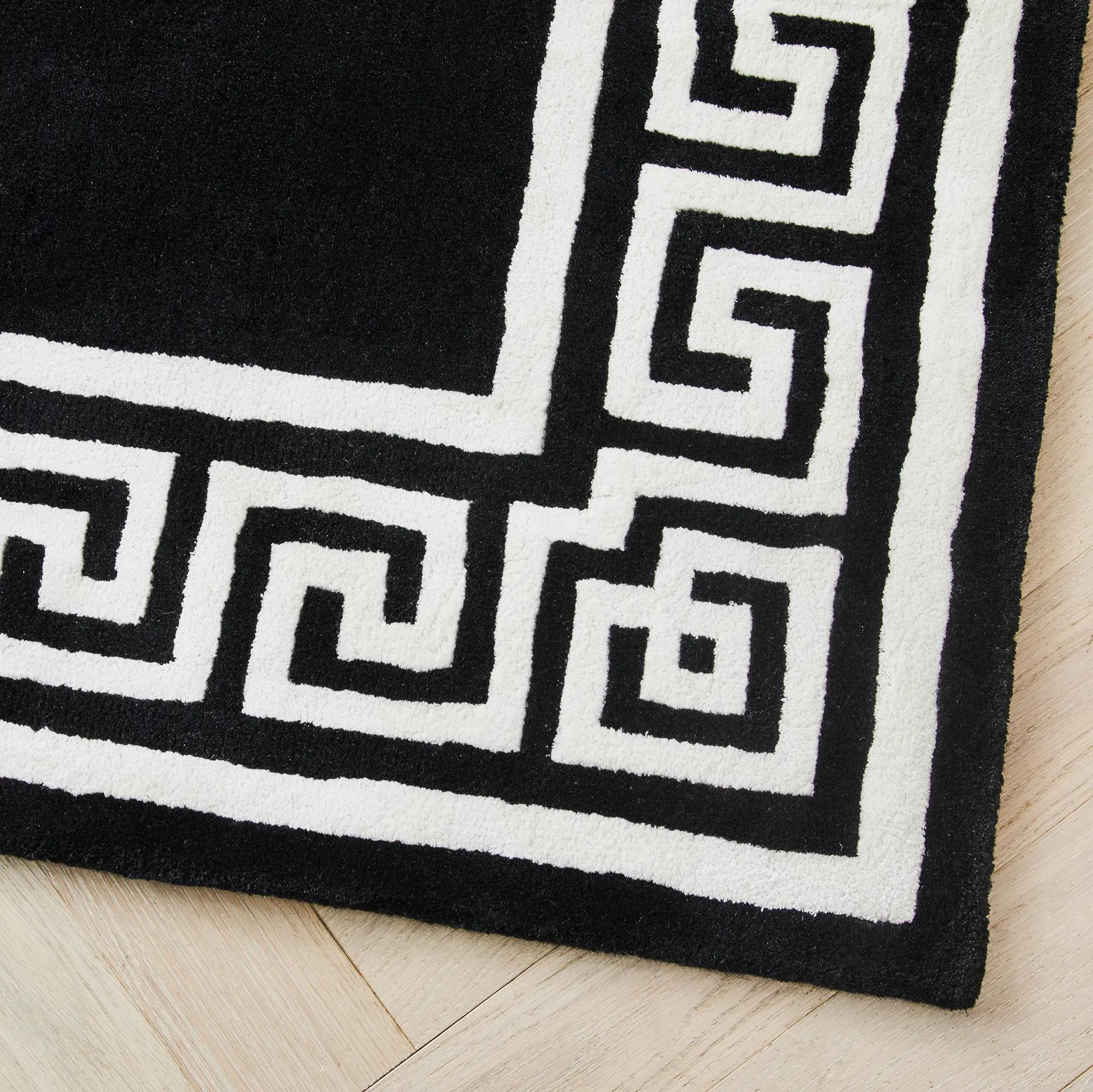 Greek Key Rug - Black/Ivory$1799
A hand-tufted black and ivory rug featuring a classic Greek key pattern in wool and viscose.
Add To Cart -
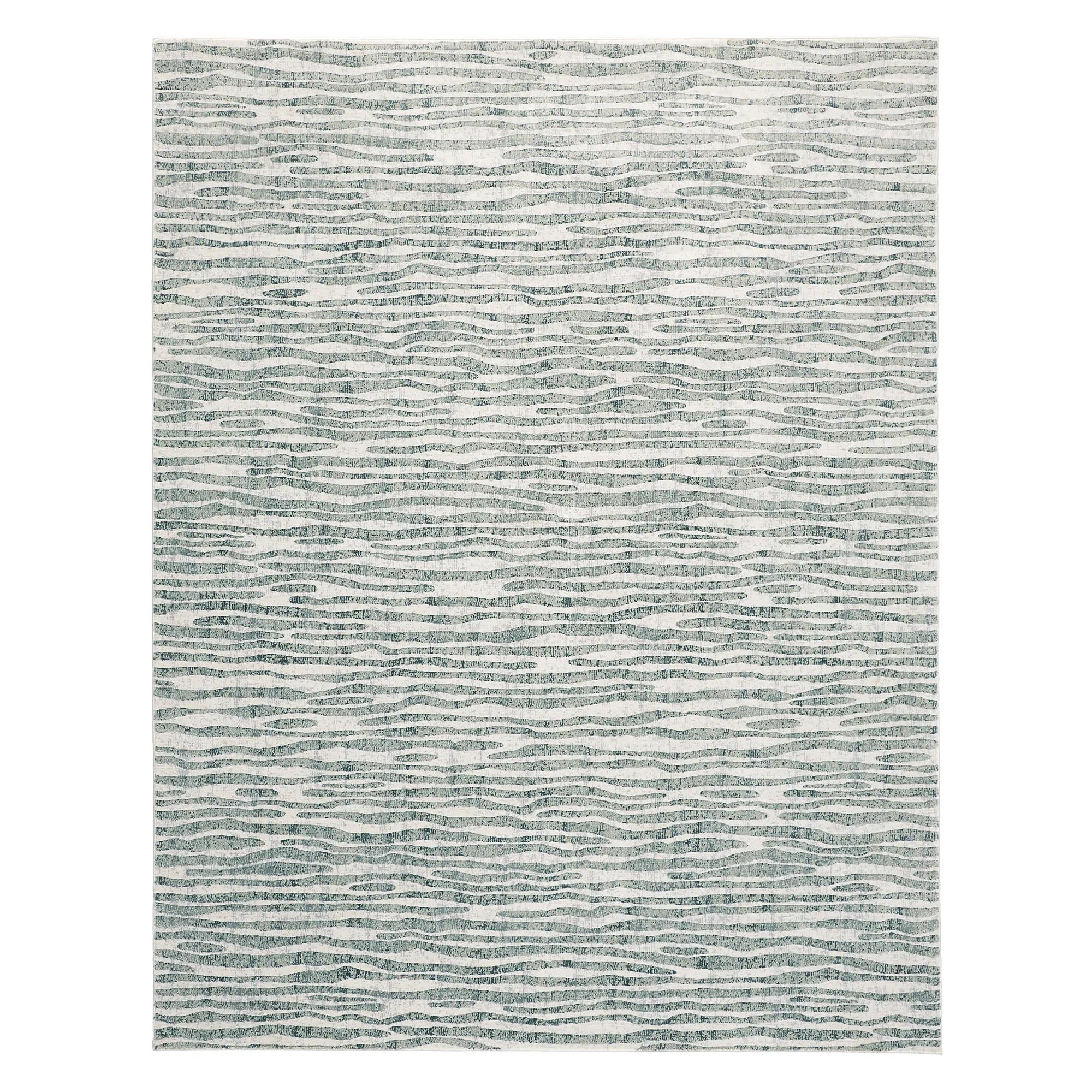 Samantha Power-Loomed Aqua/Grey Rug$719
A machine-woven rug featuring silvery-aqua and green accents on an ivory and grey polypropylene base.
Add To Cart -
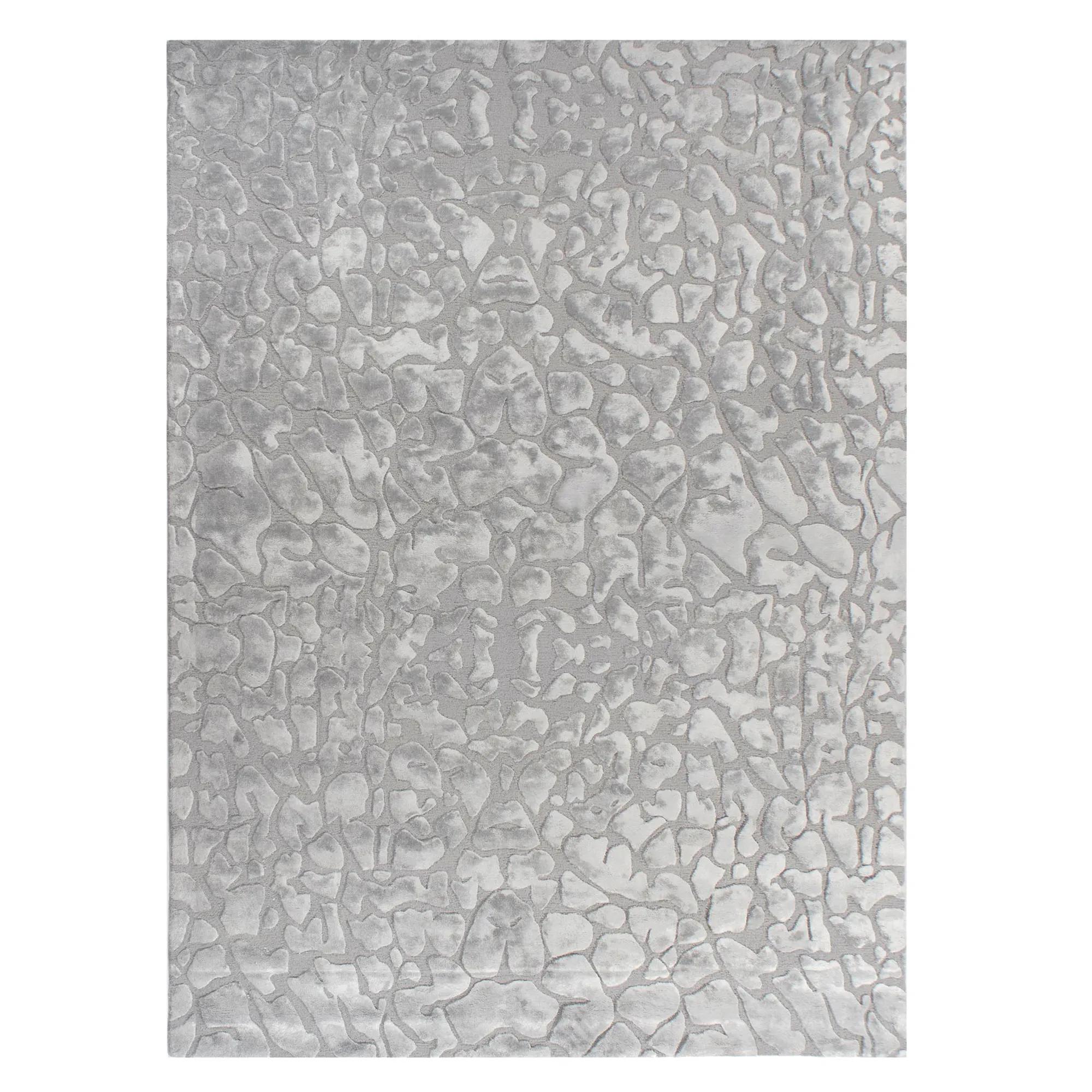
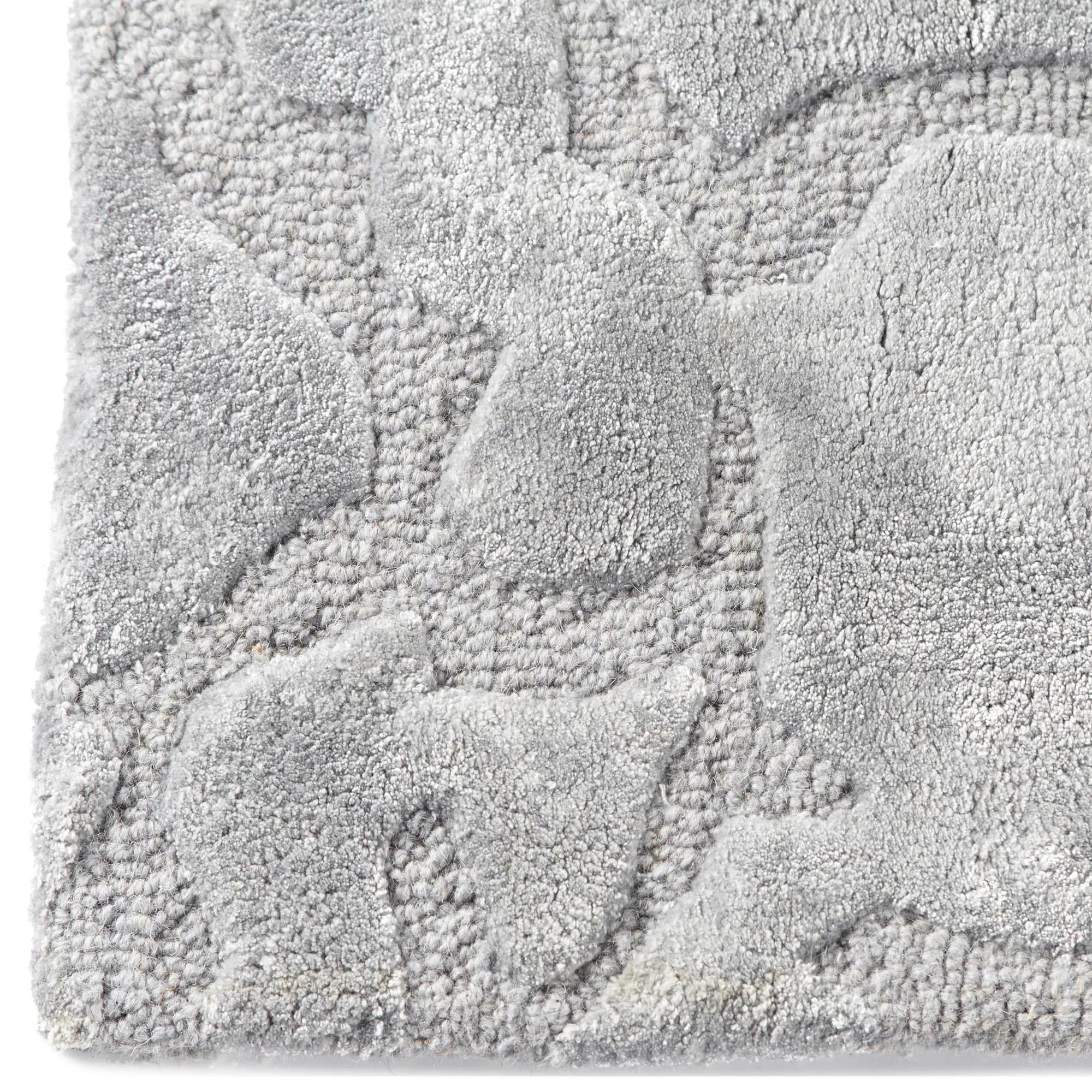 Nola Hand-Tufted Cool Grey Wool Blend Rug$849
A hand-tufted silver rug with contrasting pile heights, crafted from wool and viscose for plush texture.
Add To Cart -
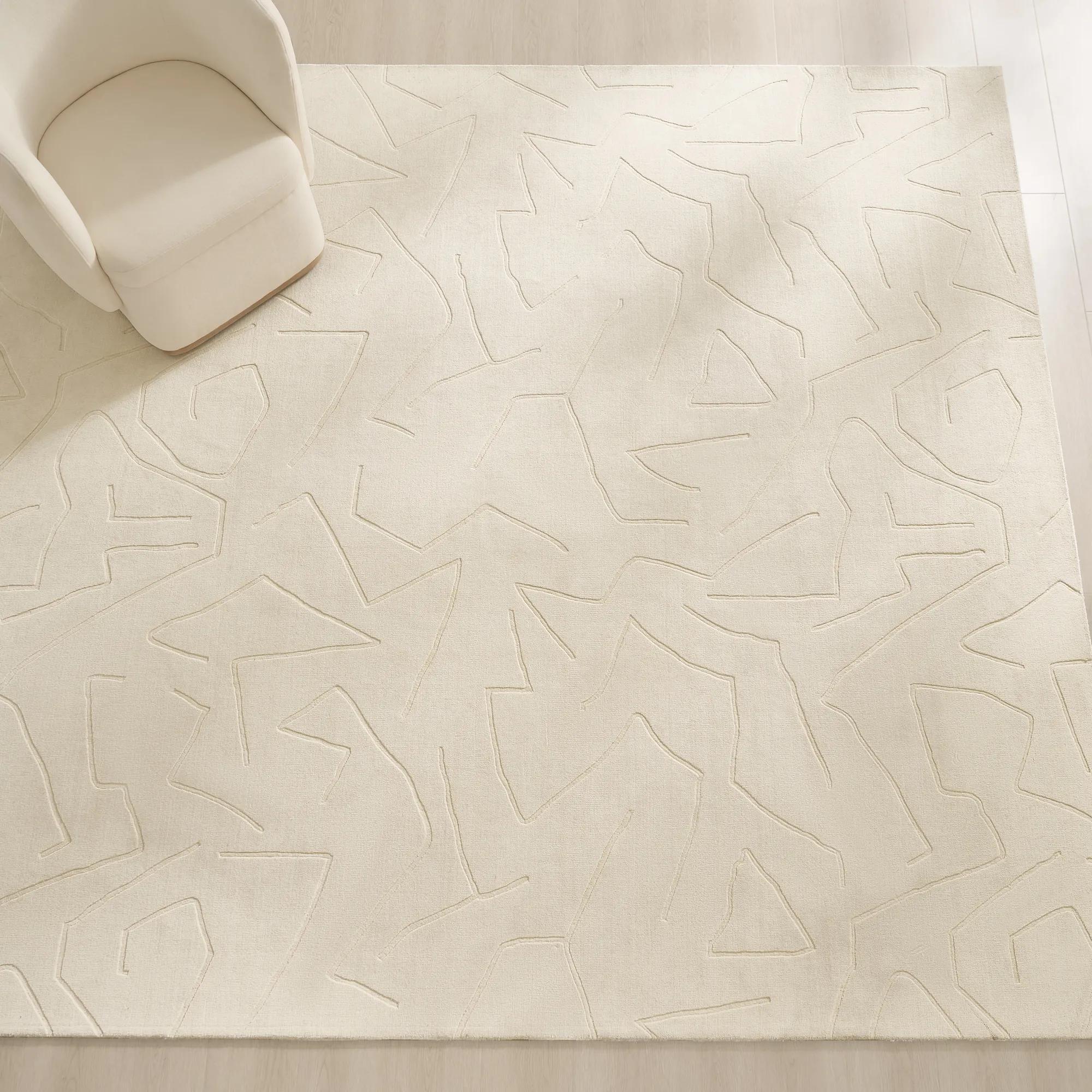 Carved Maze Ivory Hand-Loomed Wool Blend Rug$1399
A hand-loomed ivory wool-blend rug featuring a carved maze pattern for modern textural appeal.
Add To Cart -
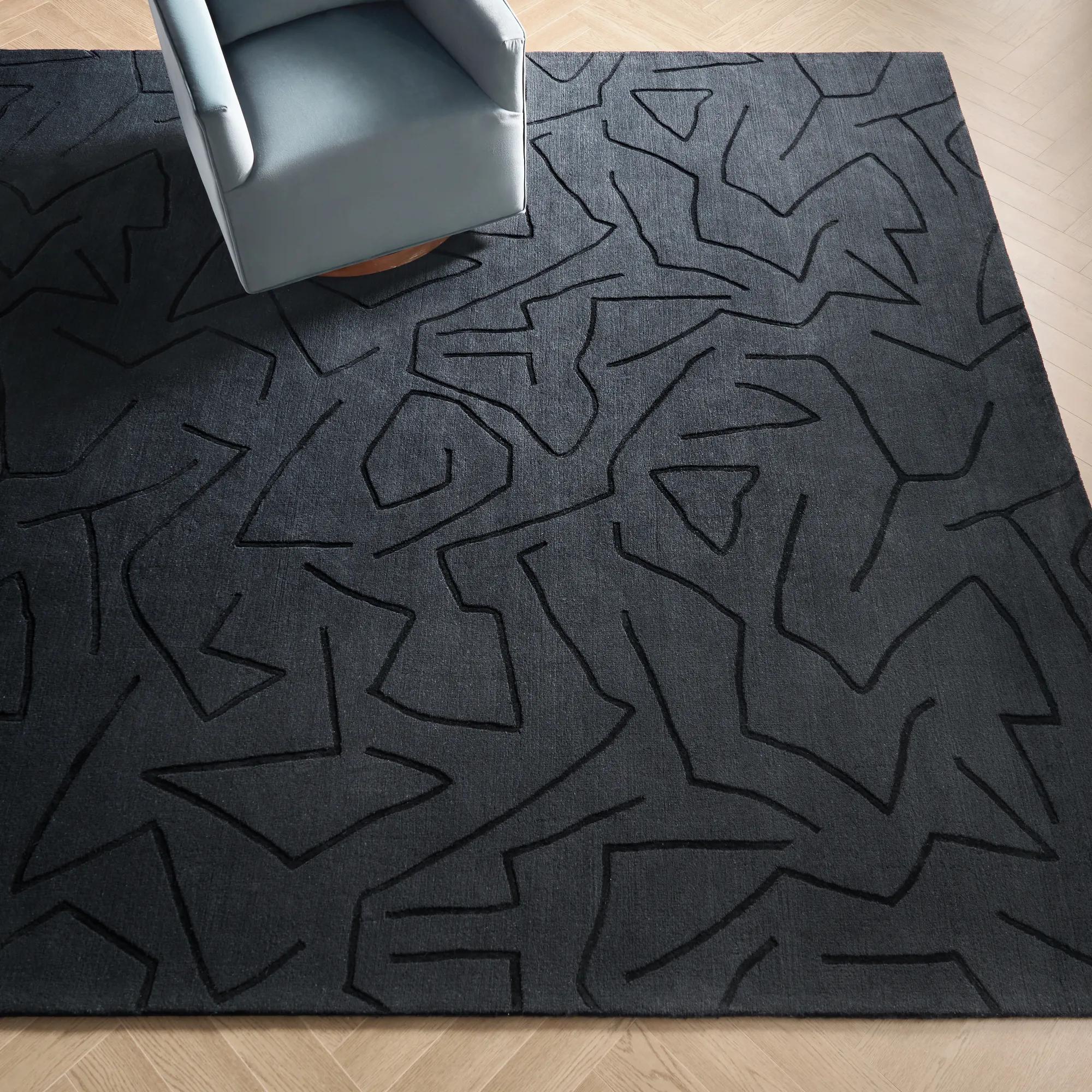 Carved Maze Rug$1399
A hand-loomed black rug crafted from wool and viscose, featuring a carved, textured maze design.
Add To Cart -
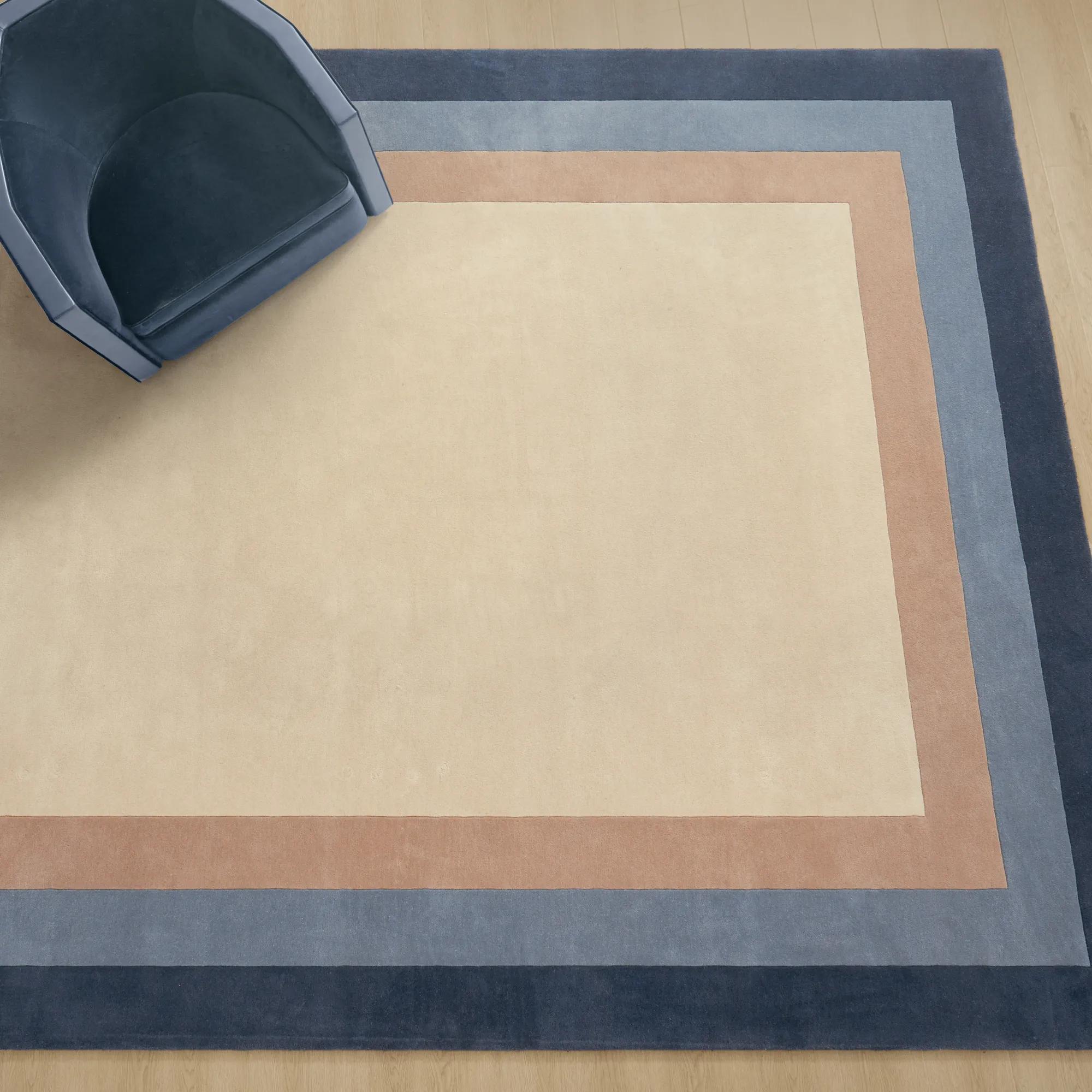 Bastien Hand-Tufted Blue/Taupe/Ivory Wool Border Rug$1499
A hand-tufted wool rug featuring a graphic blue, taupe, and warm ivory border with refined, substantial texture.
Add To Cart -
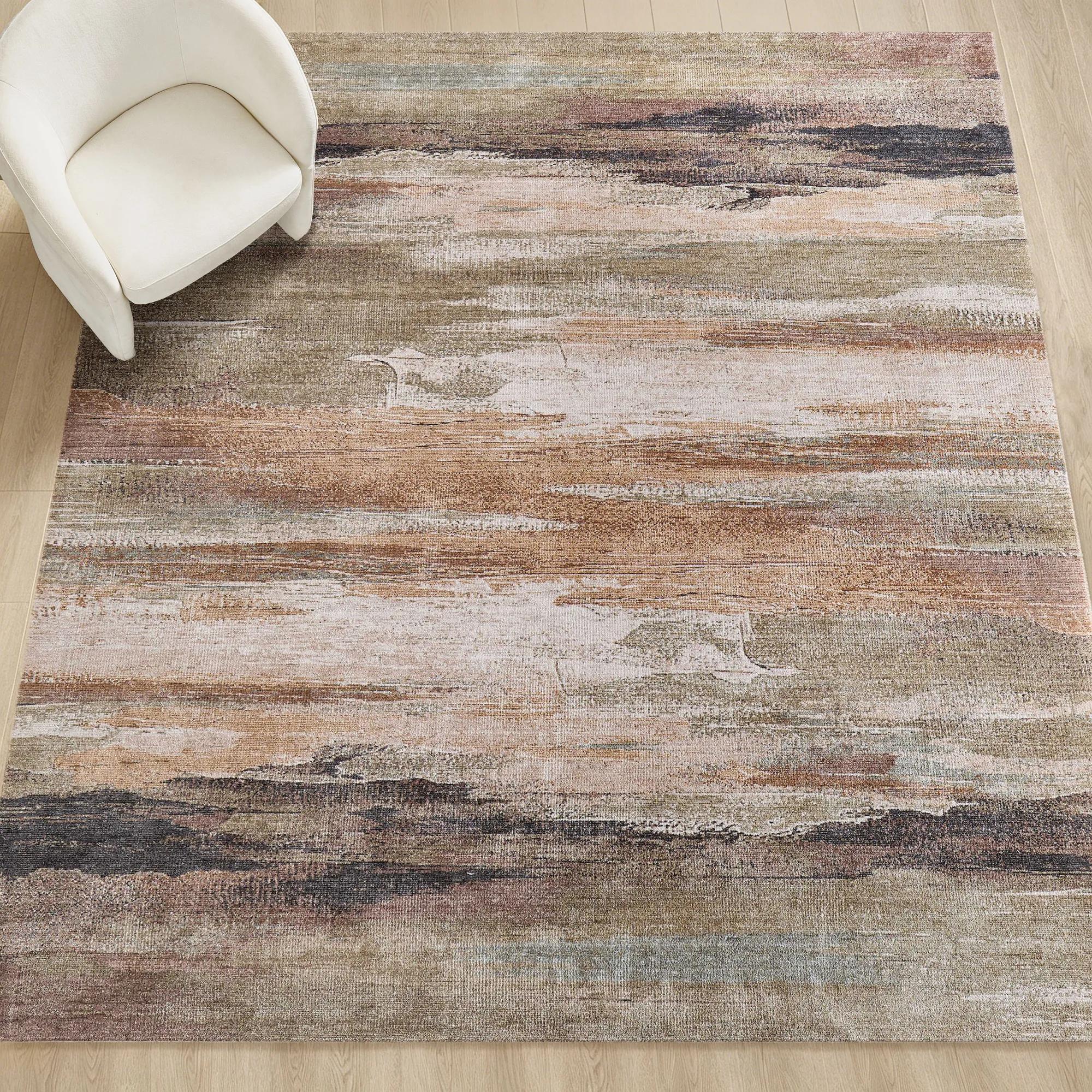
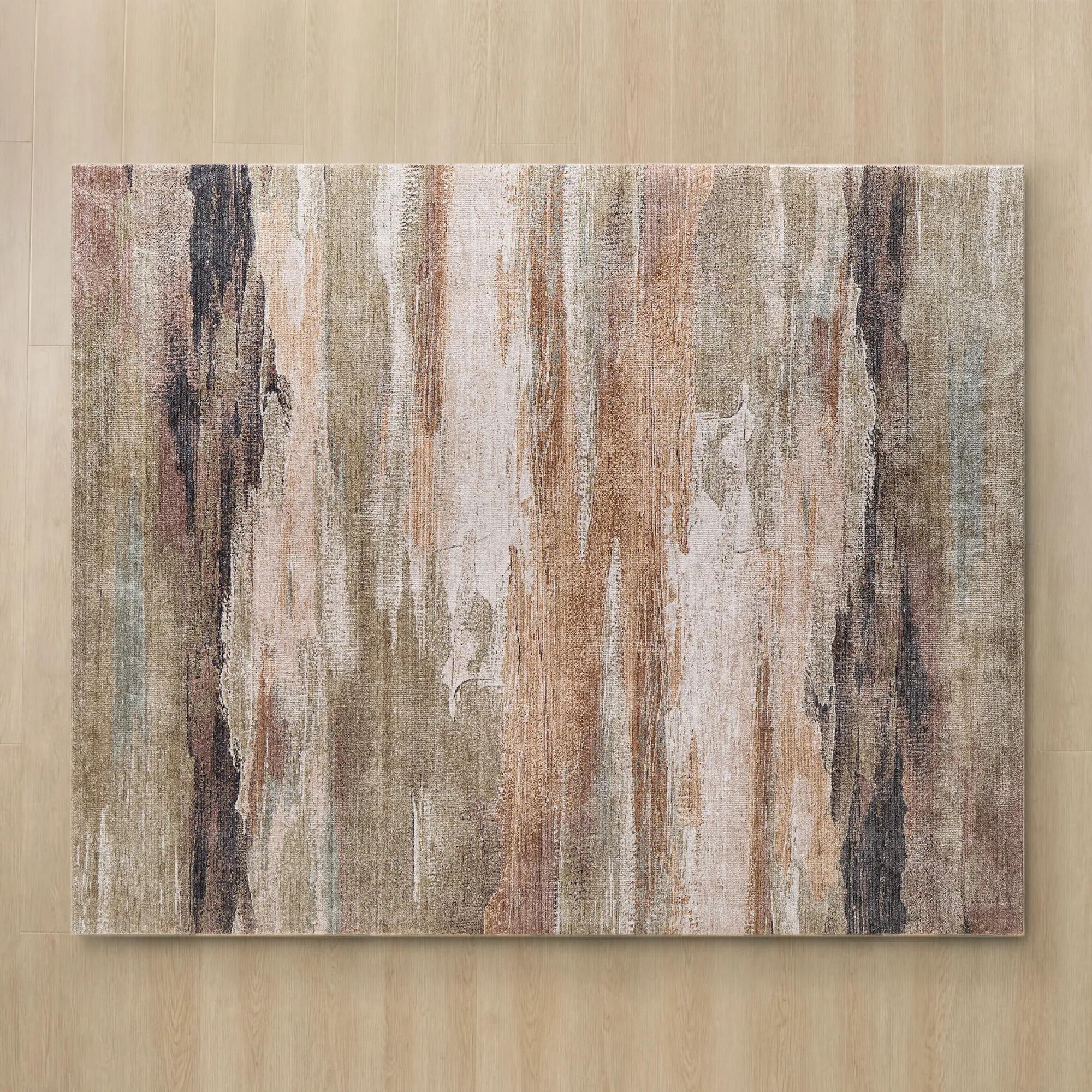 Sedona Rust/Beige/Moss Green/Charocal/Blue Performance Power Loomed Rug$1499
A power-loomed polyester rug featuring a rich abstract pattern in rust, beige, moss green, charcoal, and blue.
Add To Cart -
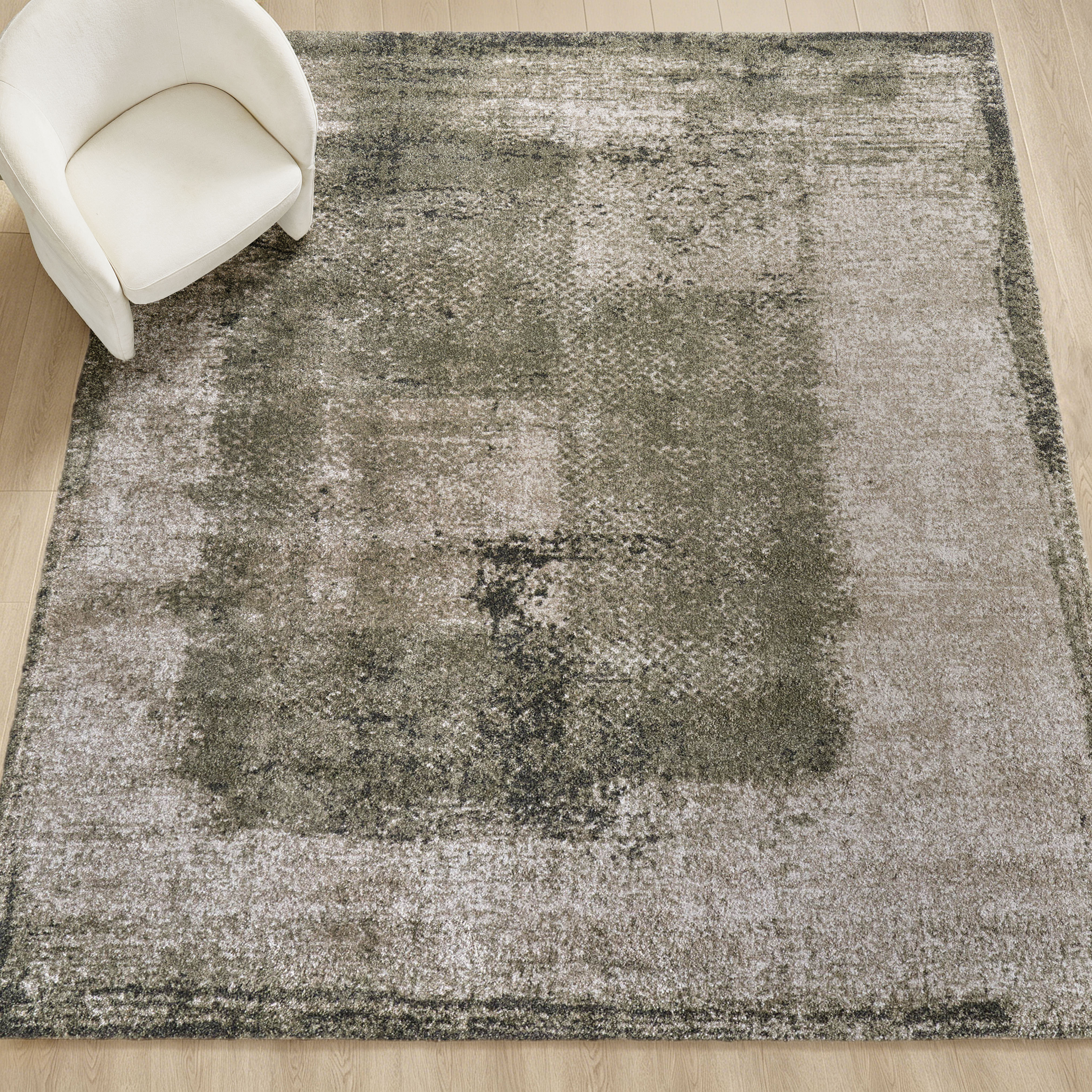
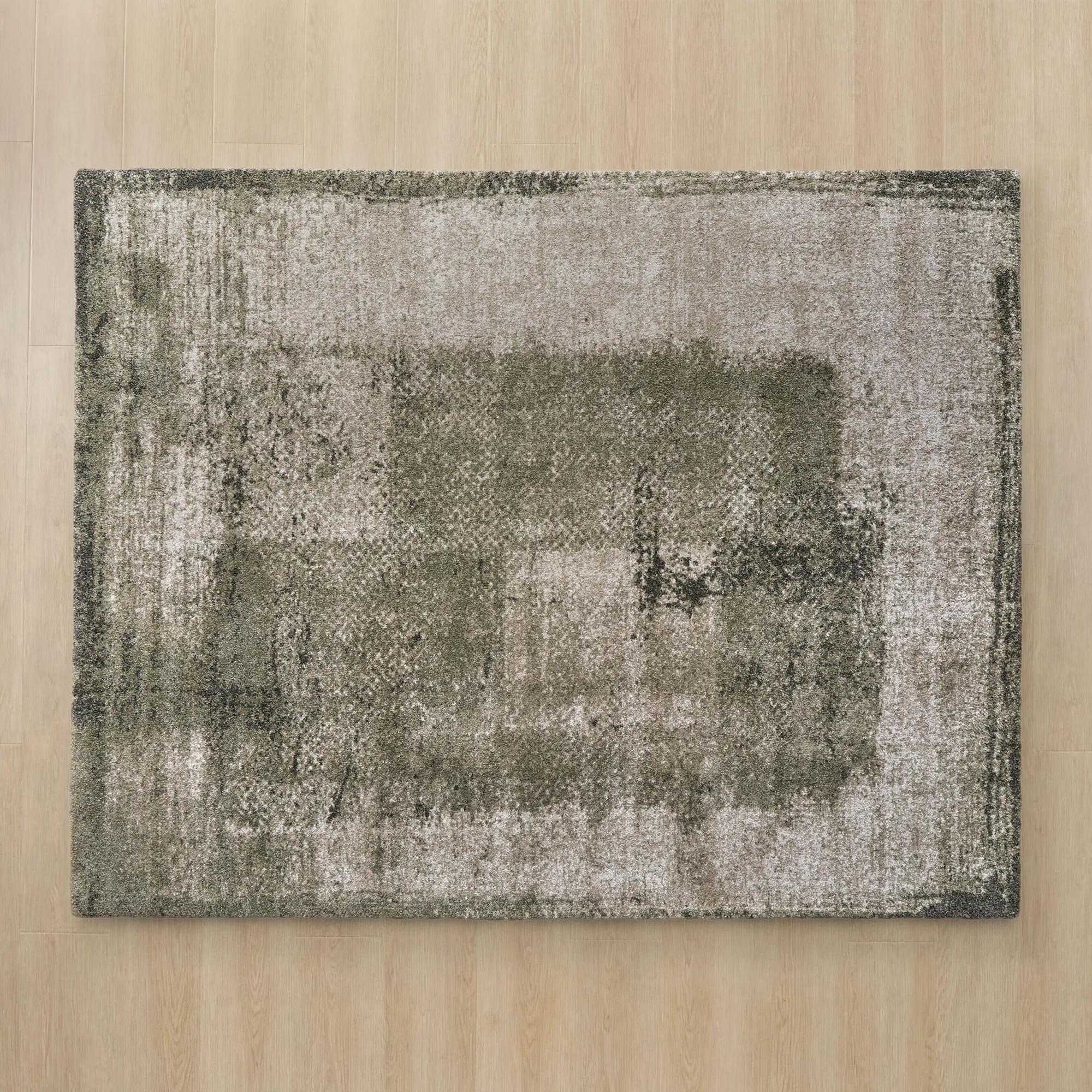 Irving Abstract Moss Green/Beige/Grey Performance Power Loomed Rug$1649
An abstract rug in moss green, beige, and grey with plush, durable polypropylene and polyester construction.
Add To Cart -
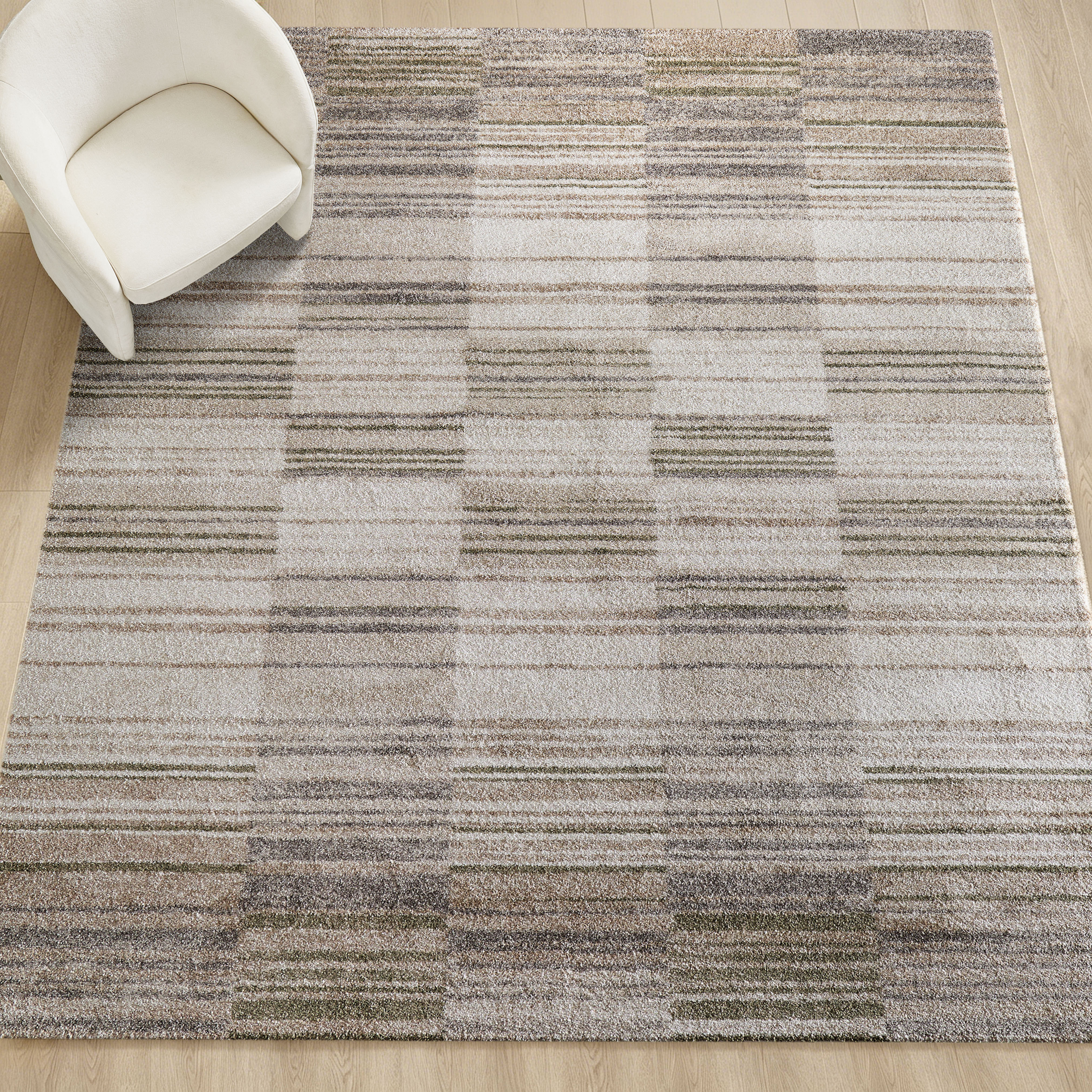
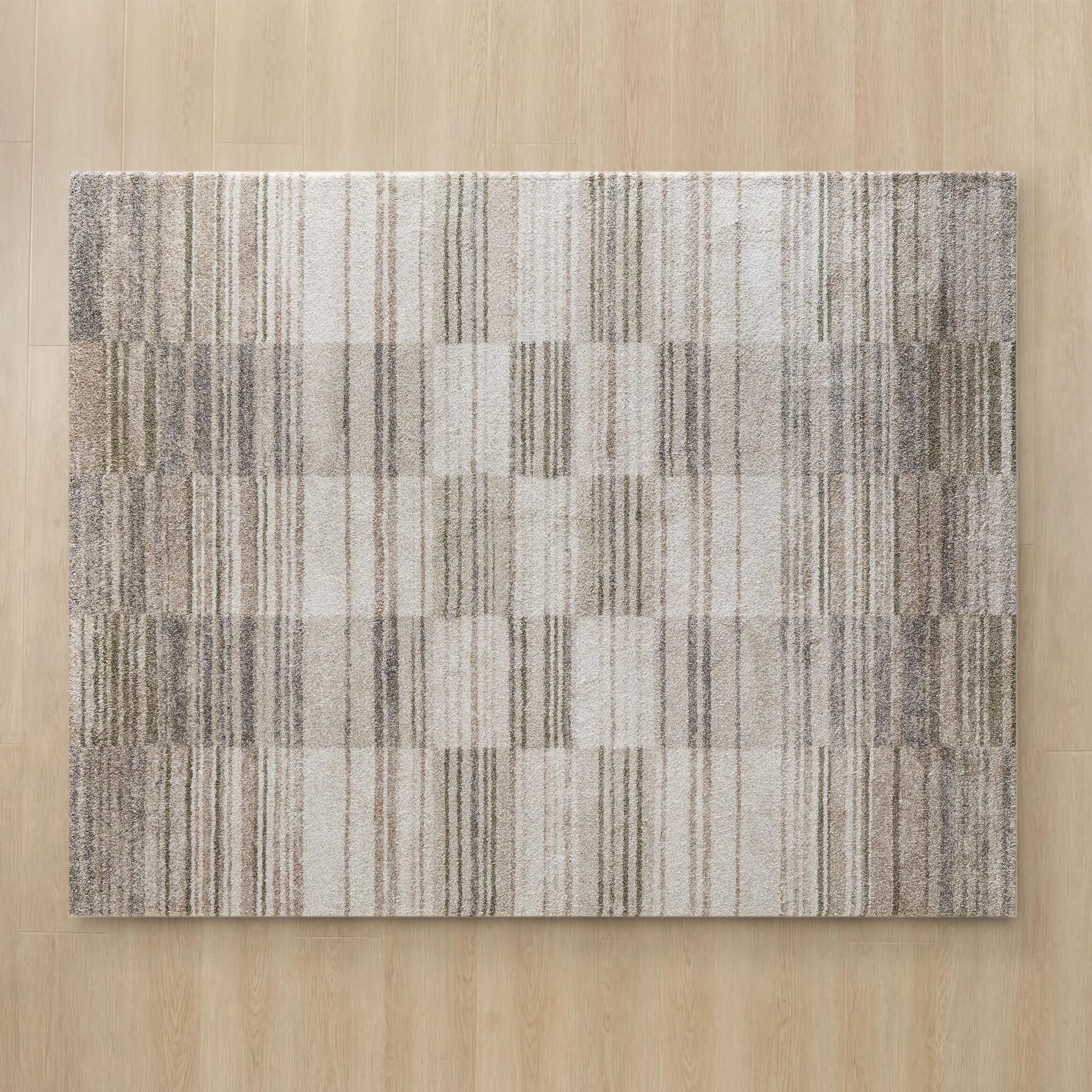 Checka Grey/Tan/Ivory/Soft Green Performance Power Loomed Rug$399
A plush, power-loomed rug featuring a soft check pattern in grey, tan, ivory, and green.
Add To Cart -
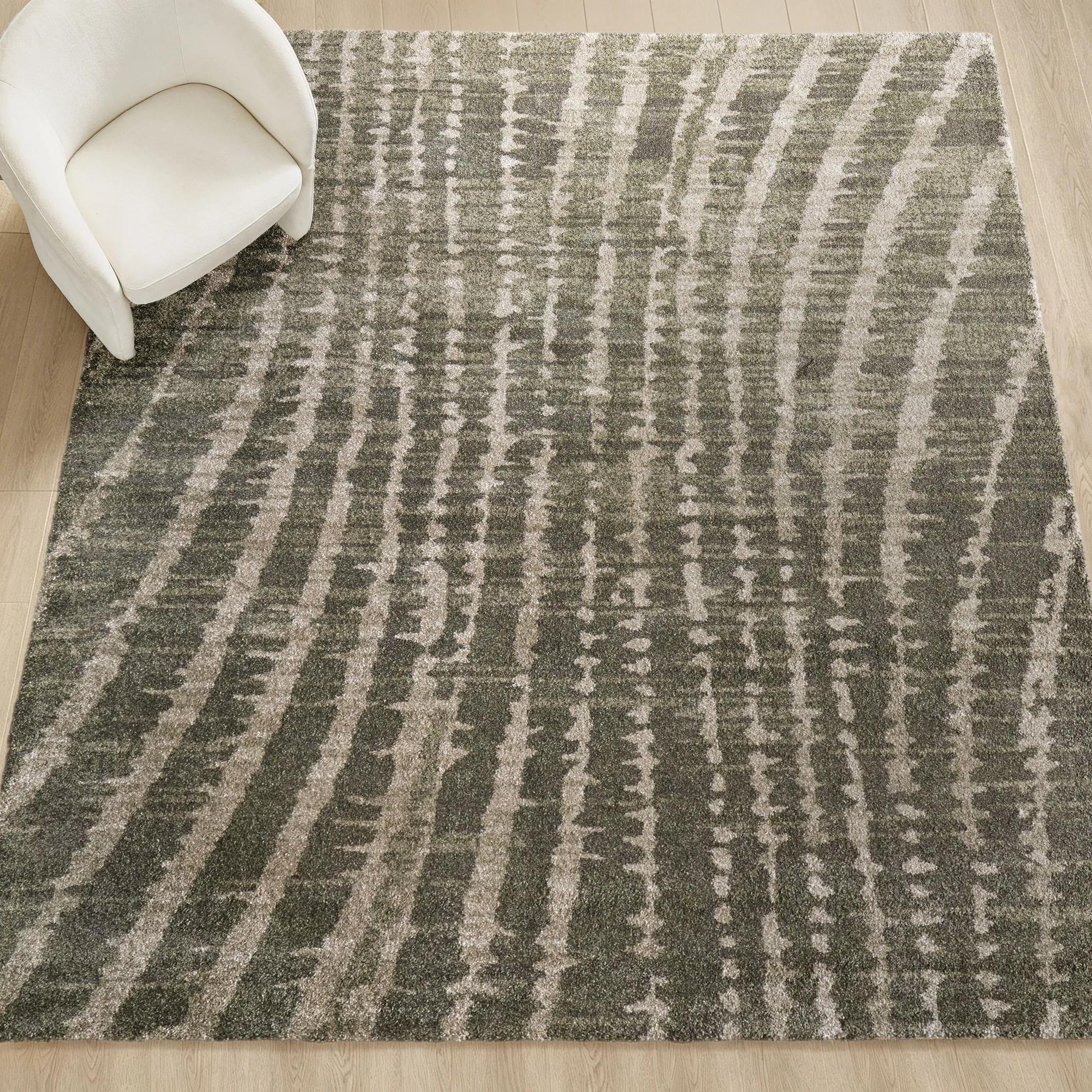
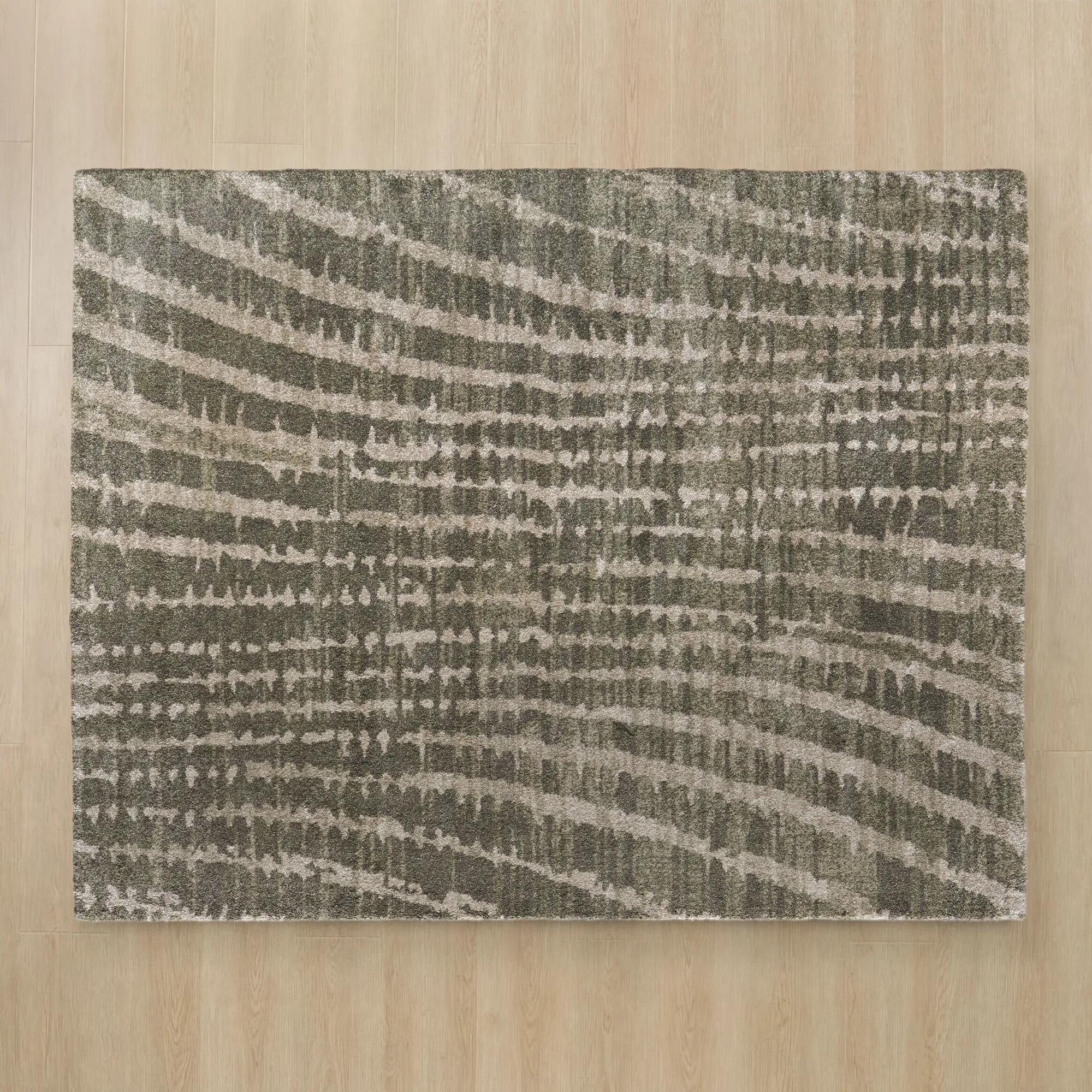 Tempo Green/Grey/Beige Performance Power Loomed Rug$1649
An abstract charcoal grey and beige rug with plush cut pile and durable, stain-resistant polypropylene-polyester construction.
Add To Cart -
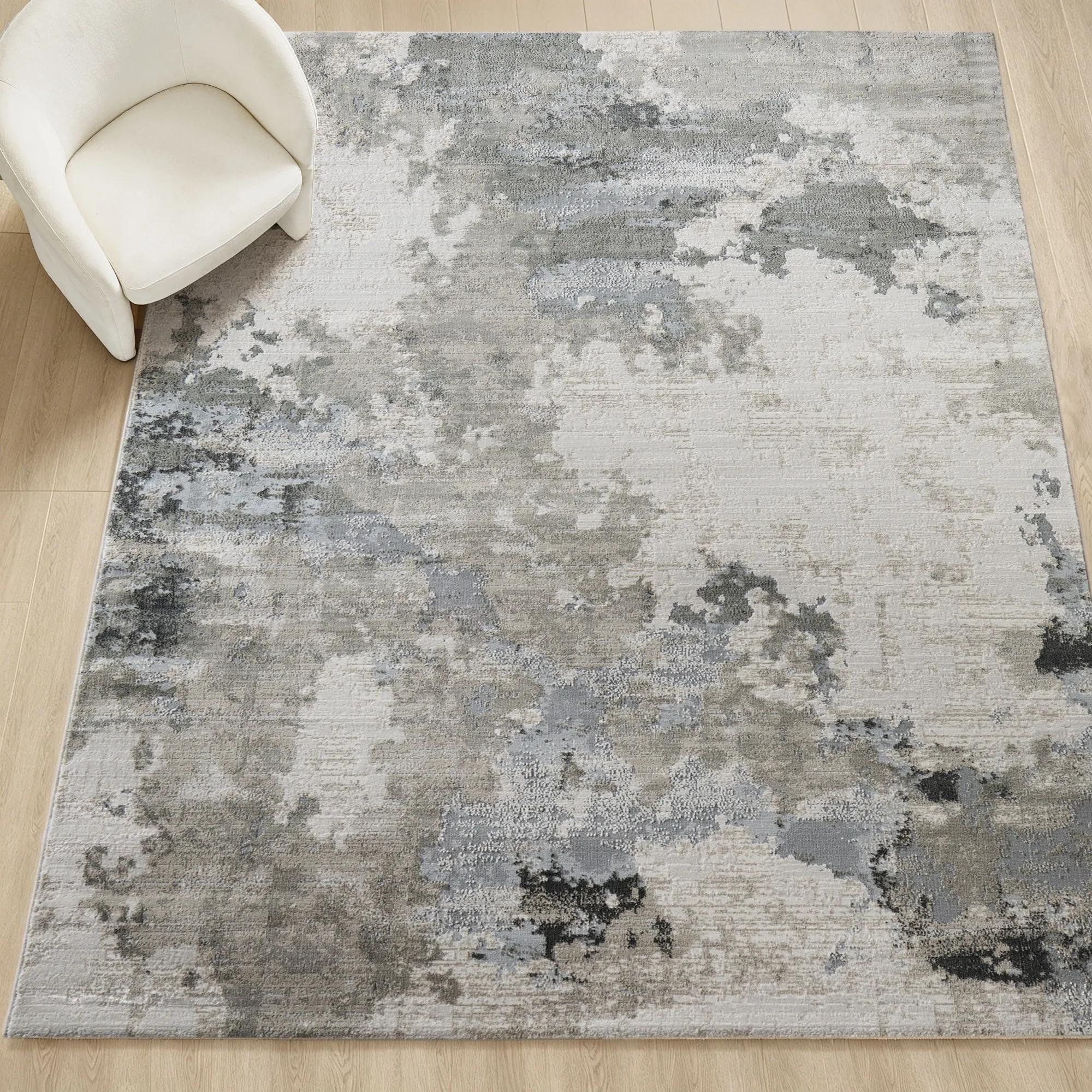 Alarion Abstract Grey/Muted Blue/Ivory Performance Power Loomed Rug$379
A power-loomed rug featuring a grey, muted blue, and ivory abstract pattern with stain-resistant durability.
Add To Cart -
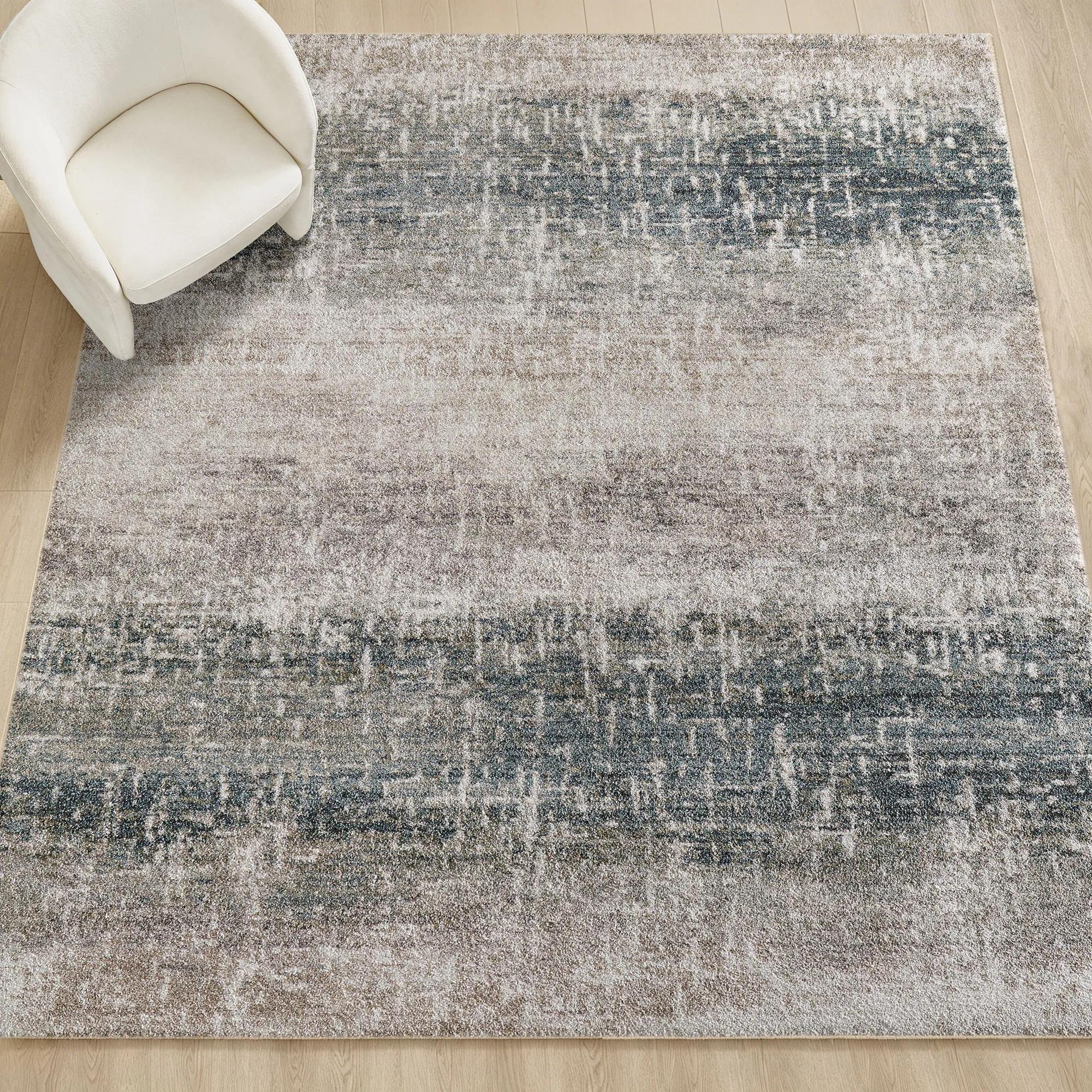
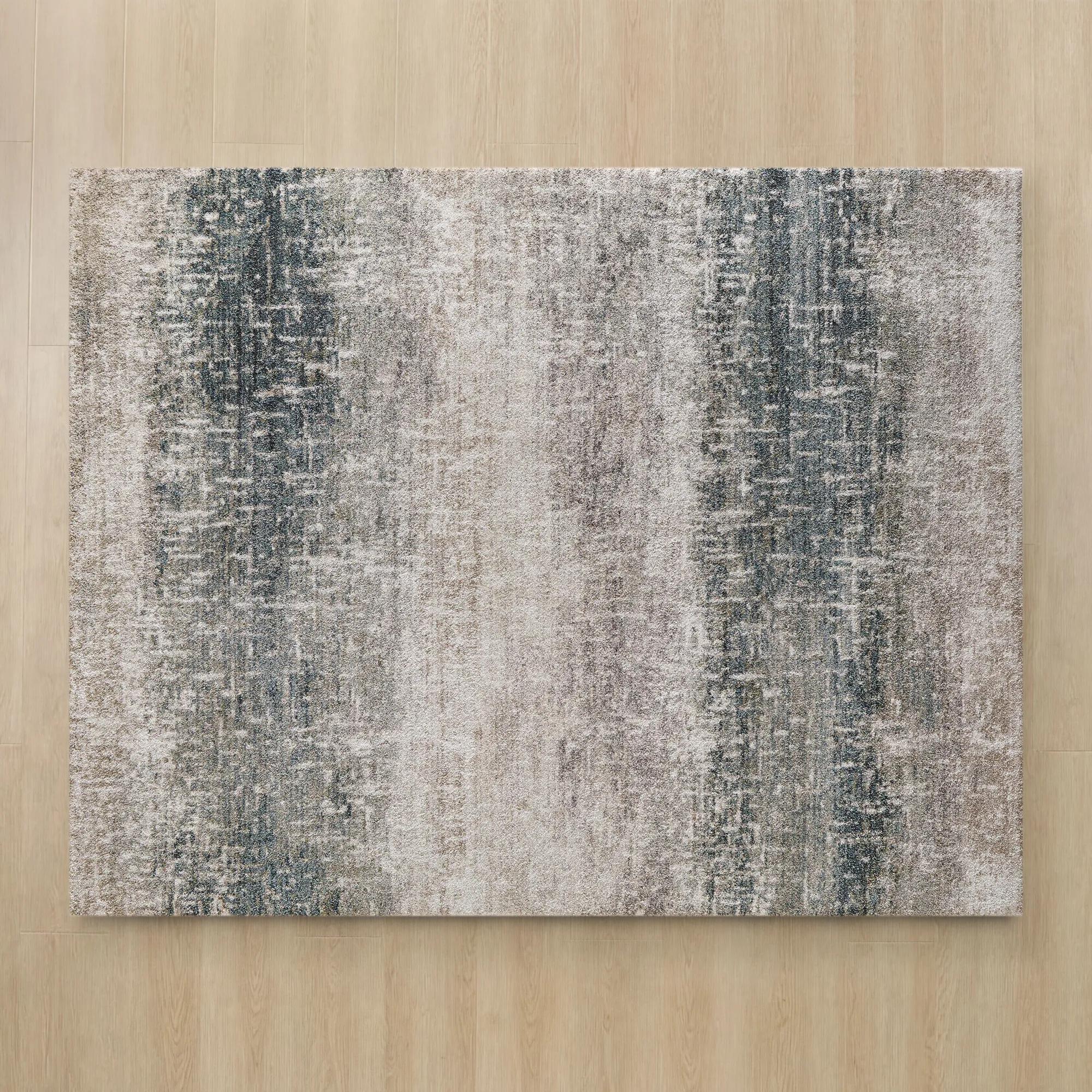 Collier Taupe/Grey/Blue/Green Performance Power Loomed Rug$1649
An abstract rug in taupe, grey, blue, and green with a plush pile and durable, easy-care blend.
Add To Cart -
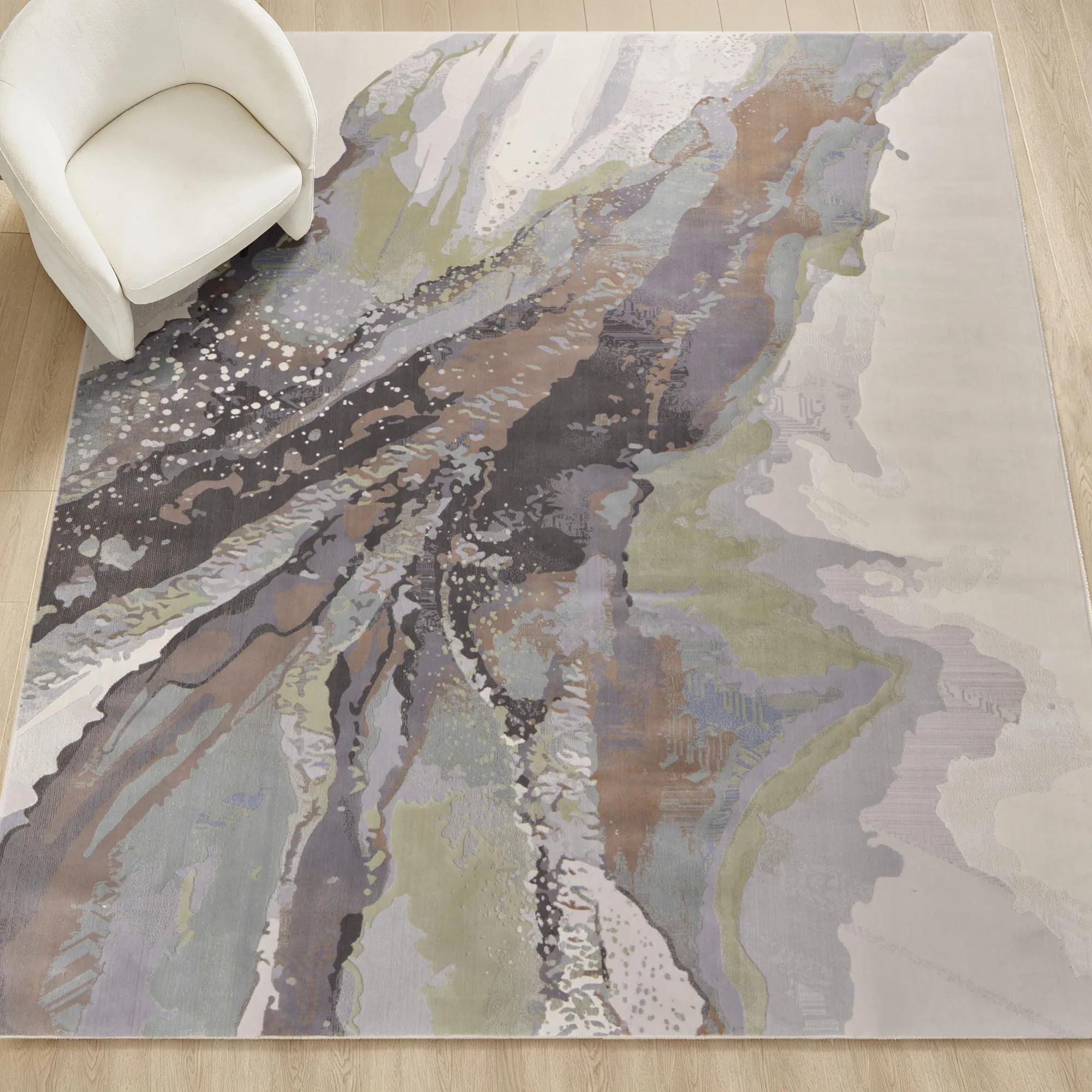
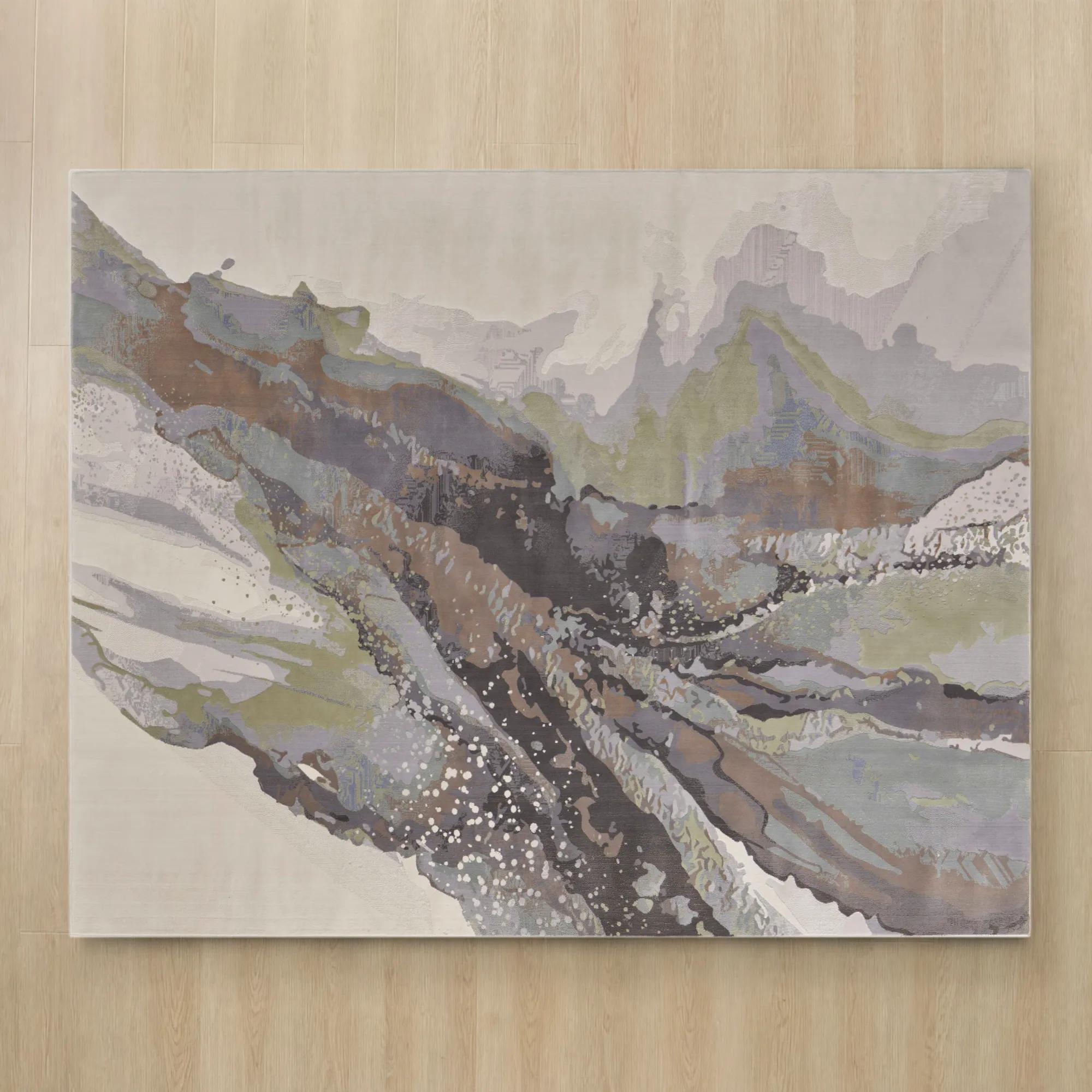 Nerissa Abstract Ivory/Grey/Blue/Green Performance Power Loomed Rug$949
An abstract rug in ivory, grey, blue, and green with a textured, stain-resistant polypropylene-polyester blend.
Add To Cart -
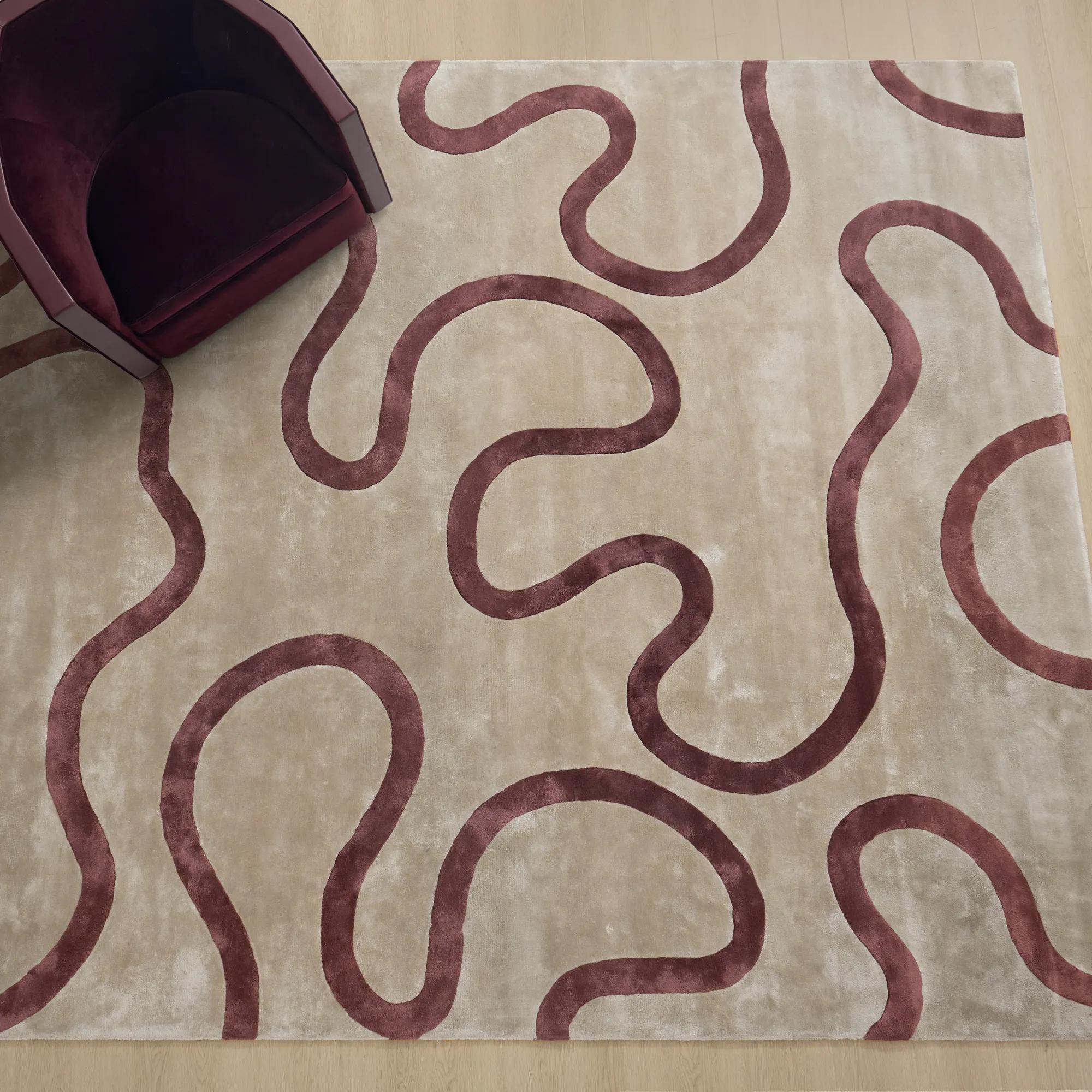 Seraphine Hand-Tufted Fig/Taupe Viscose Loop Rug$1799
A hand-tufted viscose rug featuring high-contrast loops in a luminous fig-and-taupe palette.
Add To Cart -
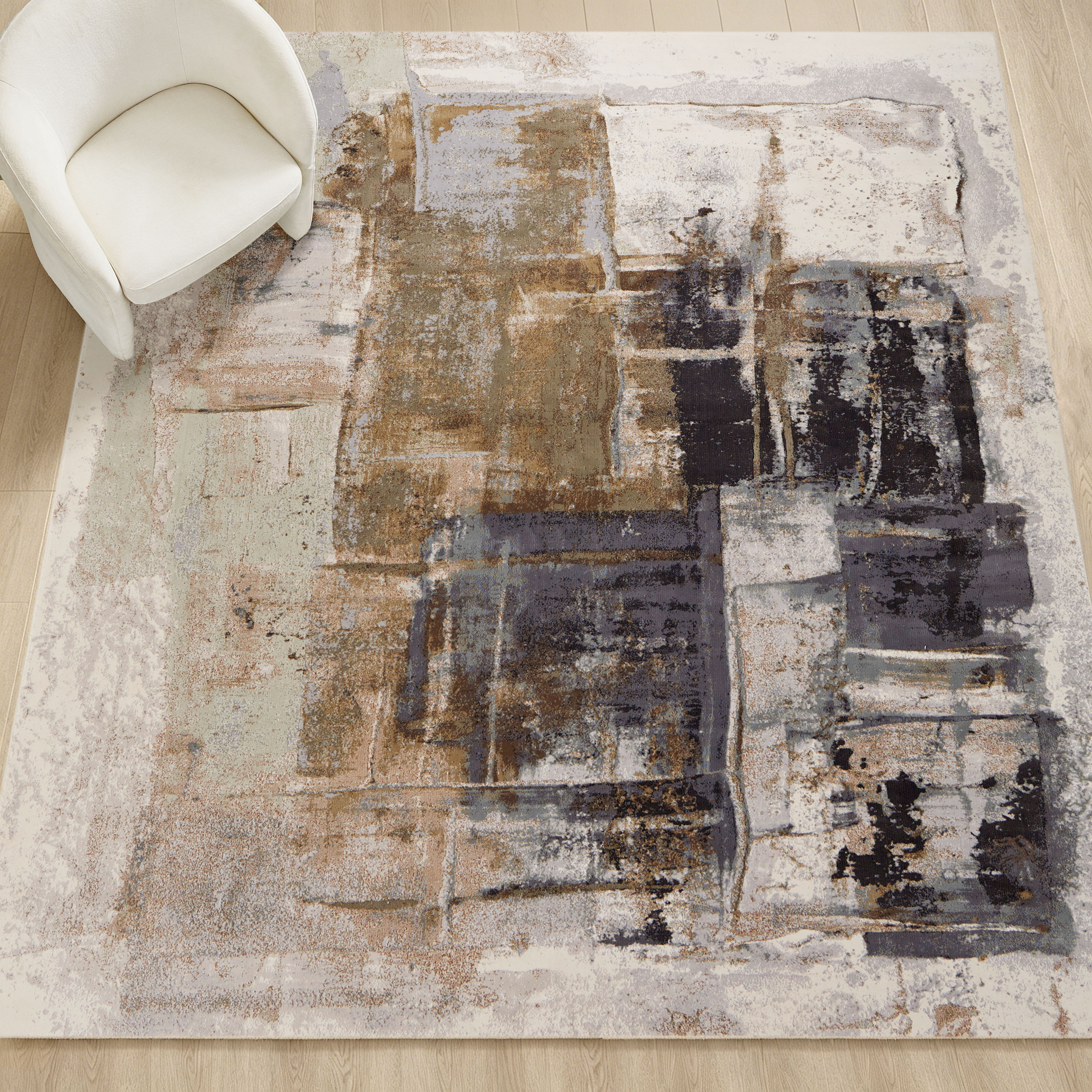
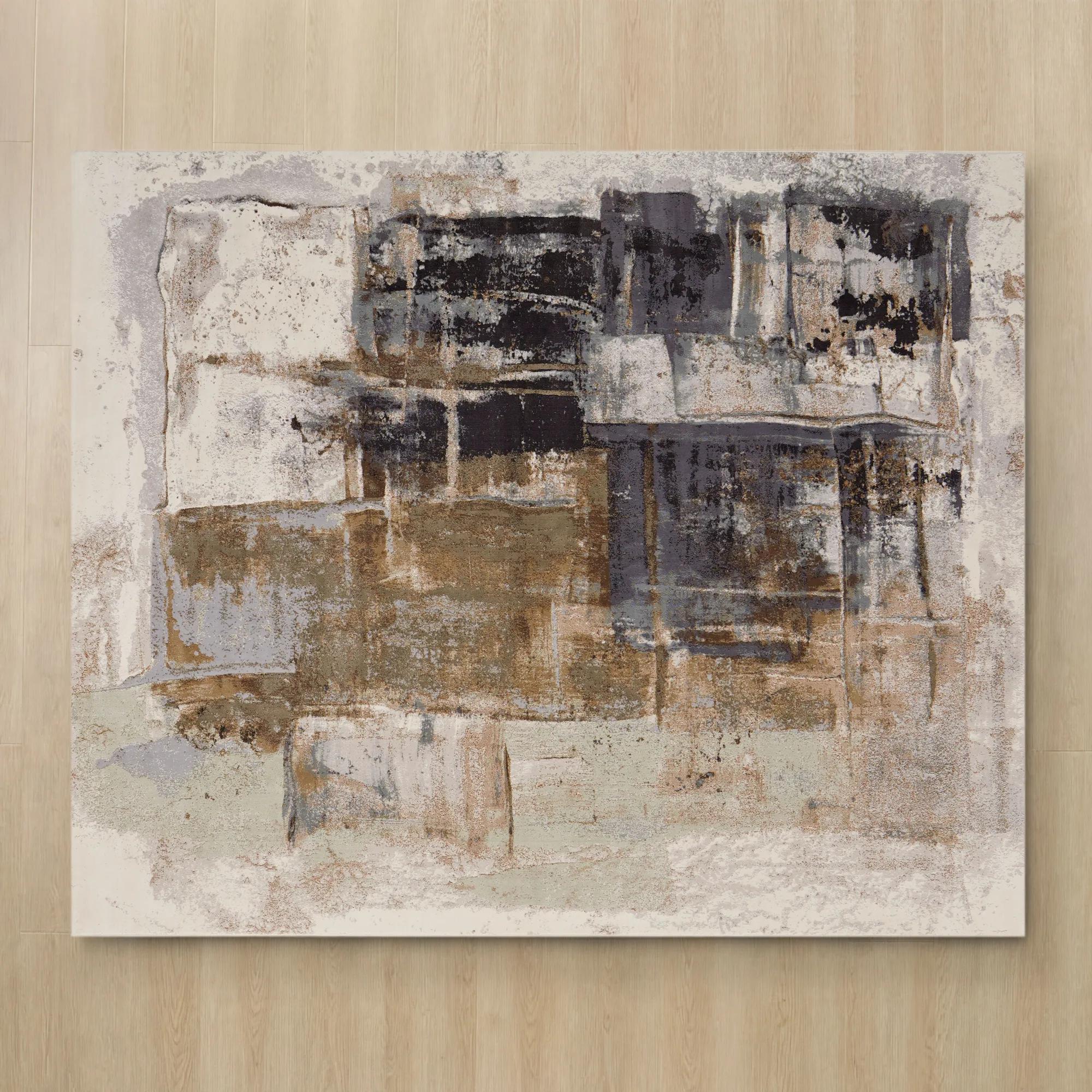 Gaia Abstract Grey/Charcoal/Ivory/Gold/Blue Performance Power Loomed Rug$1749
An abstract rug in grey, charcoal, ivory, gold, and blue with a soft, stain-resistant performance blend.
Add To Cart -
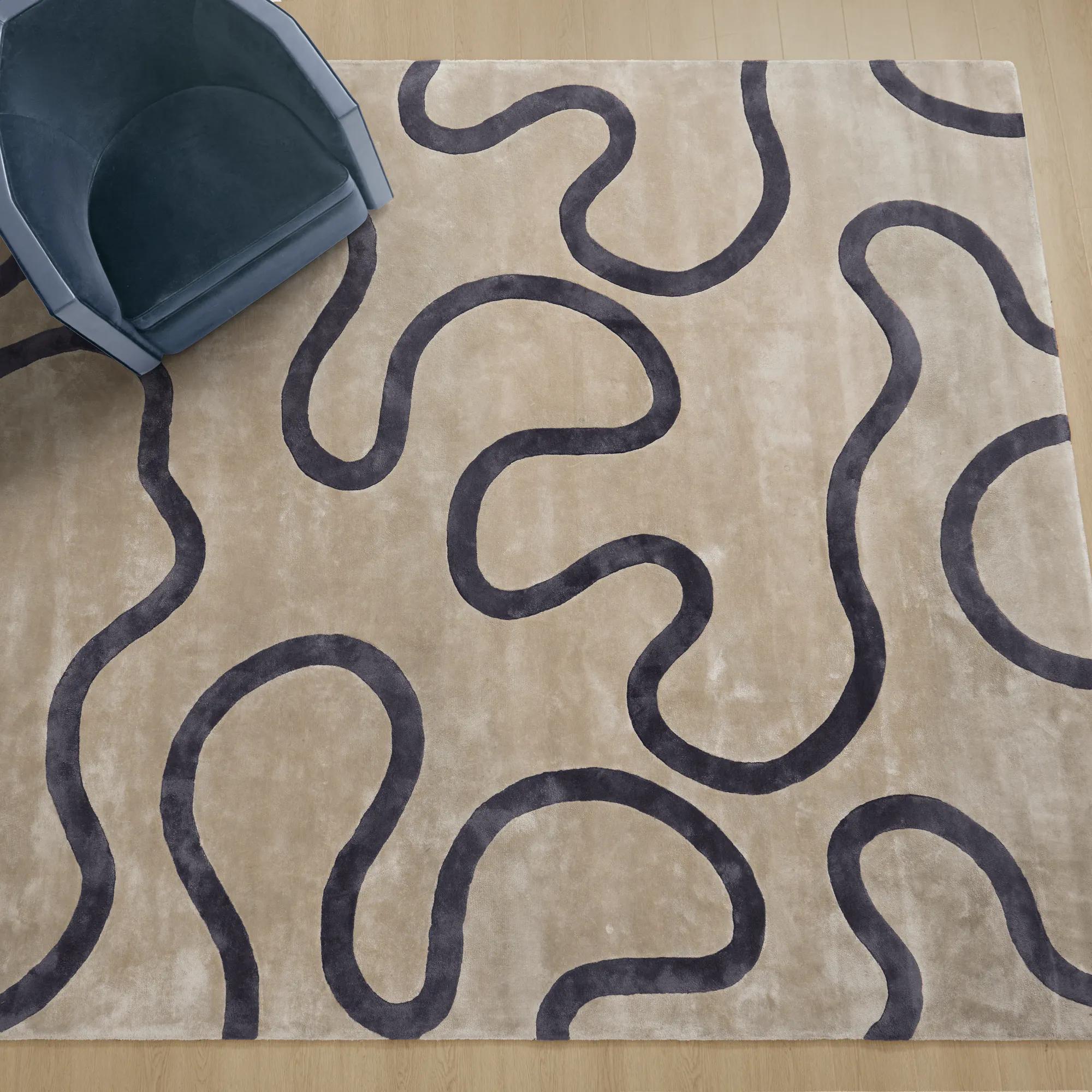 Seraphine Hand-Tufted Smoked Pearl/Taupe Viscose Loop Rug$1799
A hand-tufted viscose rug with high-contrast loops in smoked pearl and taupe, adding Deco-inspired dimension.
Add To Cart -
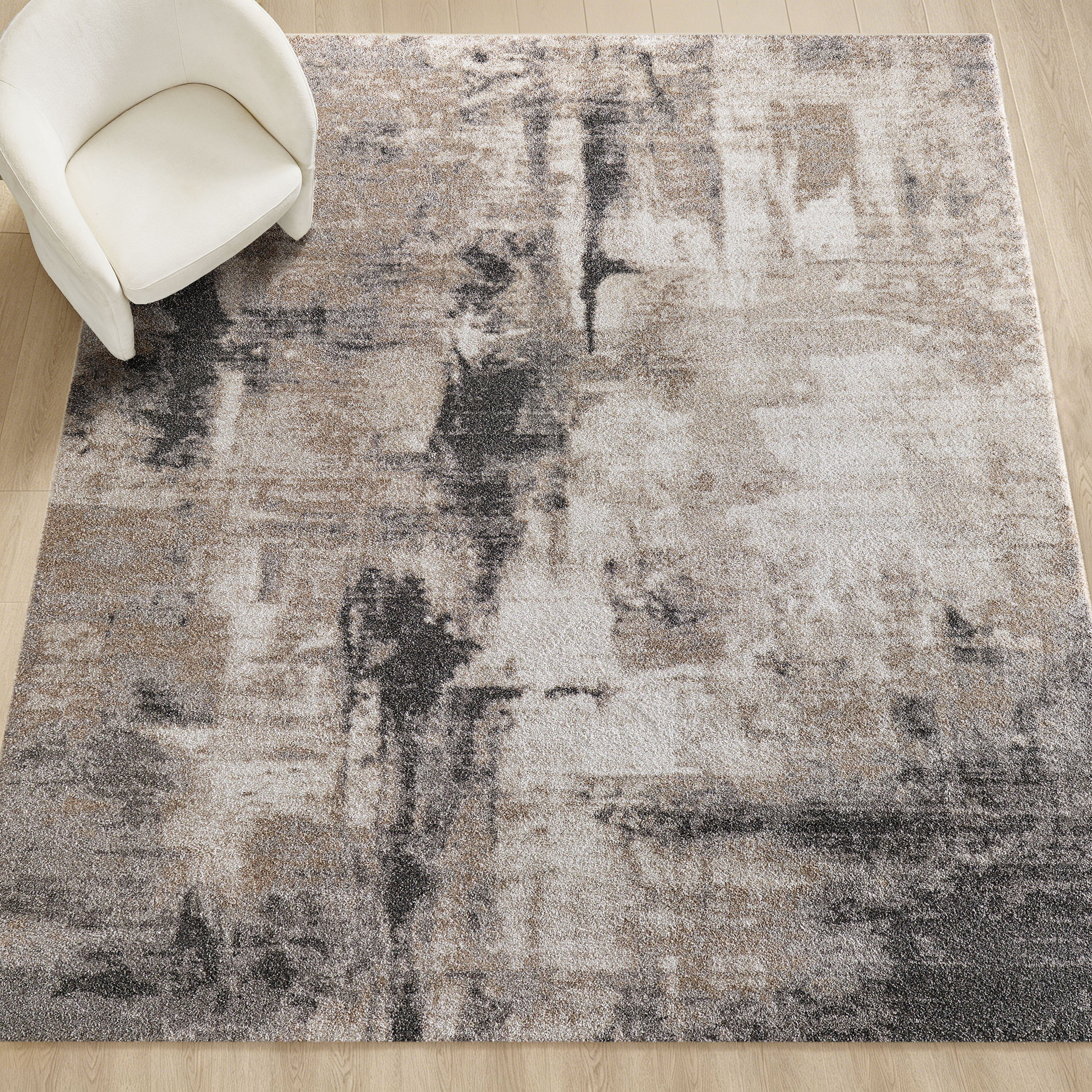
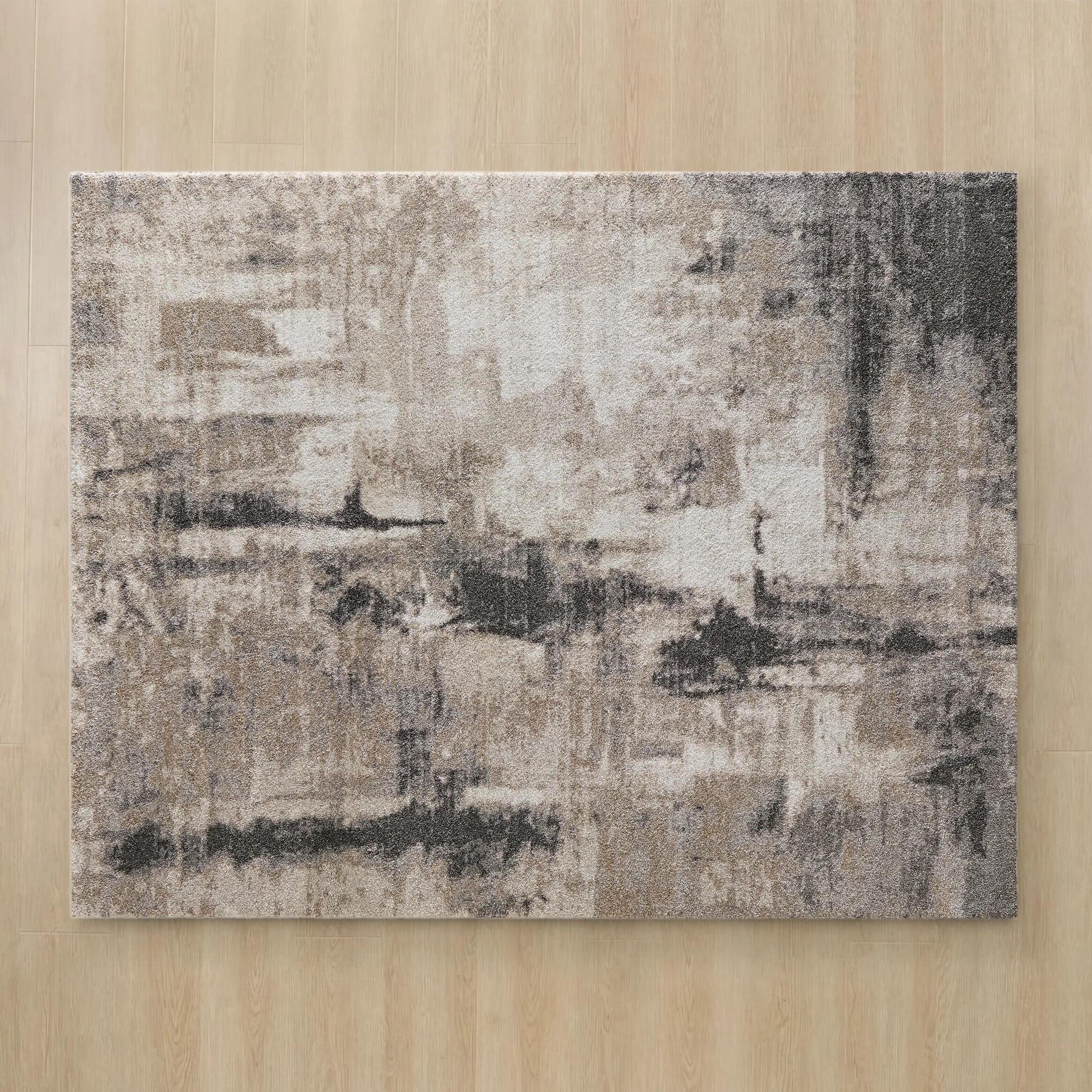 Atlas Abstract Grey/Taupe/Ivory/Charcoal Performance Power Loomed Rug$1349
An abstract rug in grey, taupe, ivory, and charcoal with a plush, stain-resistant polypropylene-polyester blend.
Add To Cart

Geometric Design Area Rugs
Explore geometric design area rugs that bring graphic lines and repeating shapes to the foundation of your room. These patterns add visual structure to a seating area and create a striking counterpoint to curved furniture. Consider pattern scale and color contrast when choosing a design that commands attention or complements an already expressive space.
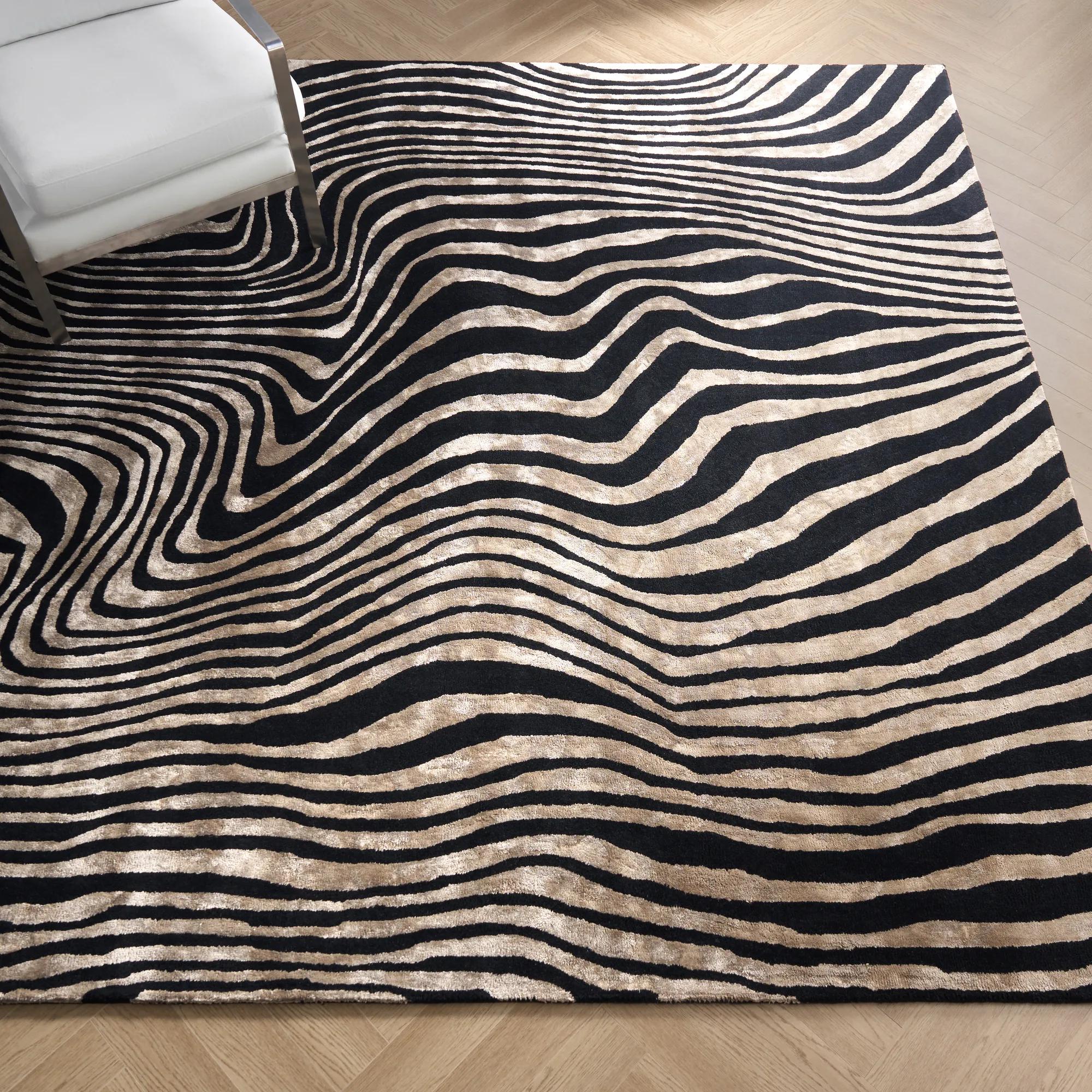
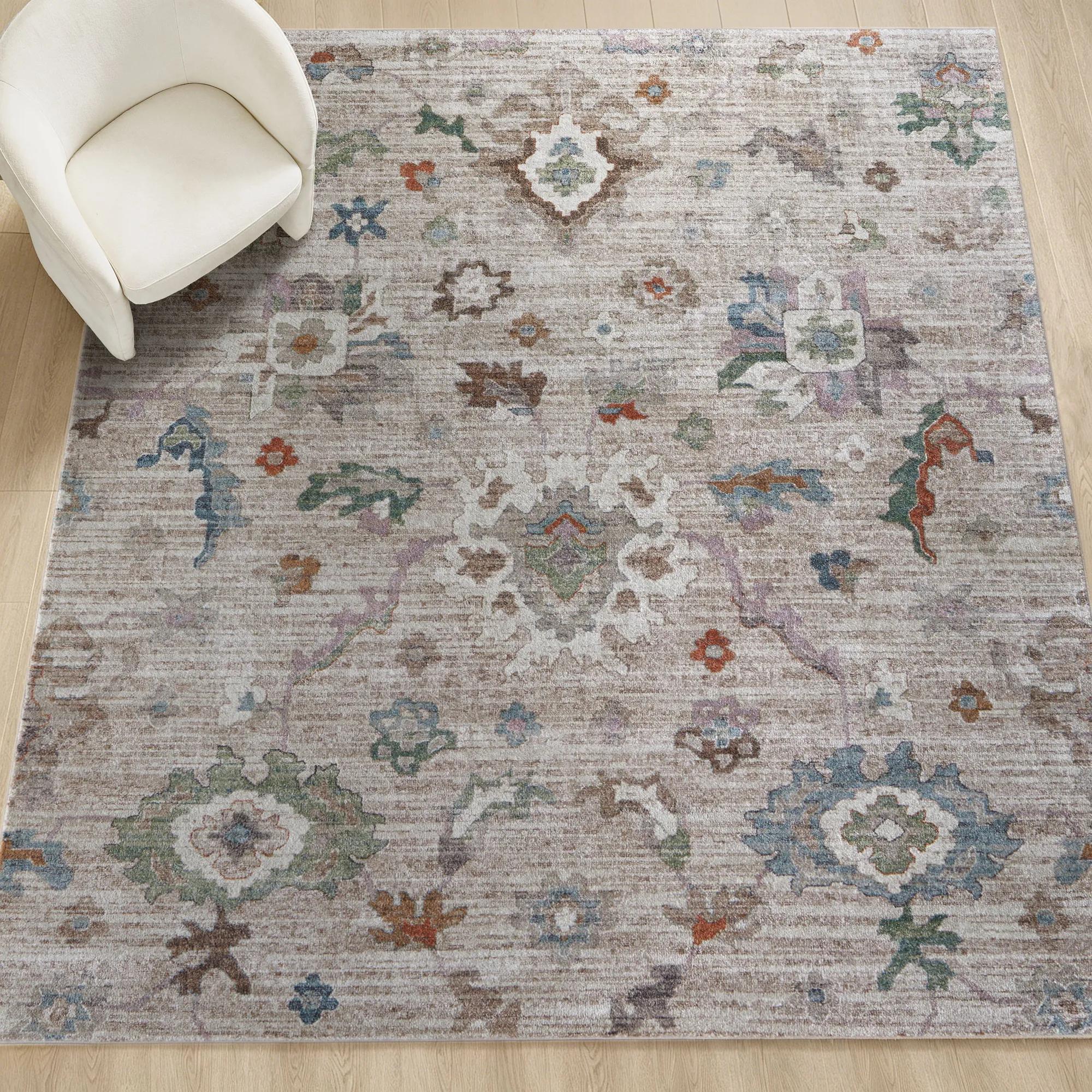
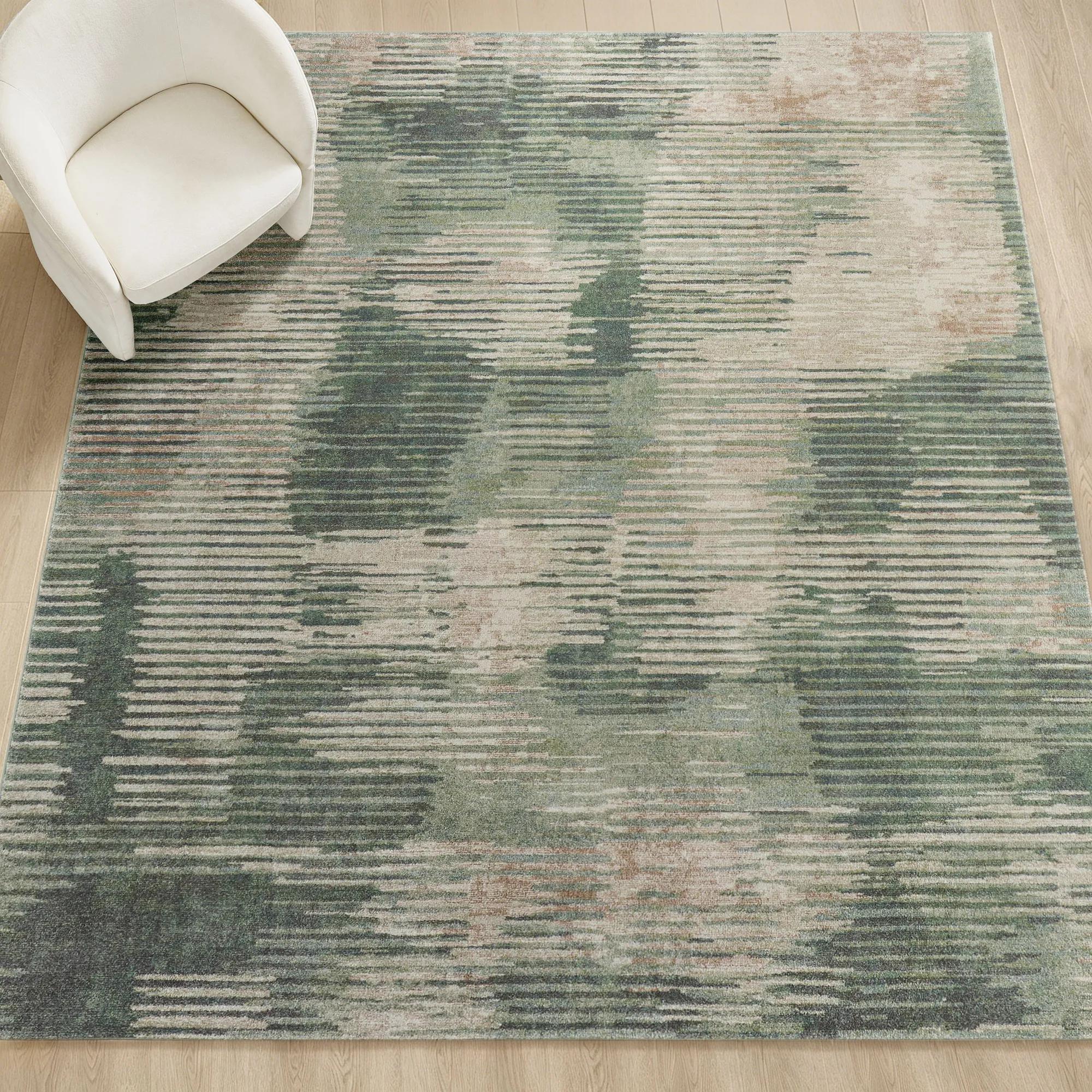
Geometric design area rugs feature structured lines, repeating shapes, and architectural motifs that bring rhythm, definition, and a distinctive focal point to a room. Diamonds, triangles, hexagons, chevrons, and intersecting grids can create precise symmetry or a more expressive composition, depending on their scale and arrangement. A sweeping lattice beneath a curved sofa introduces a striking contrast between angular pattern and sculptural upholstery, while a finely drawn diamond motif lends subtle movement to a room layered with rich textures. These rugs do more than decorate the floor: they establish the visual foundation for a seating area, connect furniture pieces, and give open spaces a sense of intention. Large geometric patterns tend to read as bold graphic statements, especially when viewed across an expansive living room. Smaller repeats offer a more intricate surface, often appearing almost textural from a distance. Color determines how dramatically that pattern speaks. Black and ivory create crisp definition; charcoal and silver-gray suggest a softer architectural mood; warm neutrals bring dimension without competing with expressive artwork or richly colored upholstery. A tonal geometric rug can be especially compelling beneath a glass coffee table, where the pattern remains visible and becomes part of the furniture composition. For rooms with patterned drapery or decorative pillows, varying the size of the motifs helps each element retain its presence. Broad angles on the floor can sit comfortably beside a smaller embroidered design, particularly when both share a color. In a quieter interior, a high-contrast rug can carry the room’s visual energy with little additional pattern. Geometric motifs also have a long history across weaving traditions, making them equally at home in contemporary settings and layered interiors that combine vintage silhouettes with modern finishes. Their appeal lies in that balance: recognizable structure, interpreted through color, texture, and a distinctly personal point of view.
Material and construction shape both the appearance of a geometric rug and the way it performs in everyday life. Wool offers a substantial, naturally resilient pile that feels inviting underfoot and can recover well from regular compression, though furniture weight, construction, and maintenance still affect its appearance over time. For interiors that call for tactile richness, Geometric Wool Area Rugs combine expressive pattern with the depth and softness of natural fiber. Some shedding is normal with many new wool rugs, particularly cut-pile constructions, and gentle, consistent care helps manage loose fibers. Synthetic materials offer a different range of benefits. Nylon is valued for resilience, while polyester and polypropylene can provide stain resistance and vivid color; actual performance depends on the fiber, weave, backing, and any applied treatment. Viscose and other regenerated cellulose fibers can introduce a luminous surface that shifts with the direction of the pile, giving geometric lines an almost etched appearance. Their sensitivity to moisture and abrasion makes them better suited to carefully considered placements than spill-prone dining areas or busy household pathways. Blended fibers can balance sheen, softness, and structure, but the care requirements of the most delicate component still matter. Construction brings another layer of distinction. Flatwoven rugs generally have a slim profile that can work well where doors need clearance or dining chairs move frequently. Tufted rugs can offer plush texture and sharply defined shapes, while knotted constructions allow for intricate pattern and varied pile character. Raised motifs, carved lines, and alternating looped and cut surfaces add sculptural dimension, catching light differently throughout the room. A lower, denser pile is often practical in active living spaces, while a more sumptuous surface can feel especially luxurious beside a bed. For households with pets, consider whether claws might catch in prominent loops, and look closely at fringe and edge finishes. Durability is never a matter of material alone; the right combination of fiber, construction, placement, and care gives a rug its lasting presence.
Proportion allows a geometric area rug to feel integrated rather than incidental. In a living room, a rug large enough to sit beneath the front legs of the sofa and adjacent chairs usually creates a more cohesive arrangement than one floating beneath the coffee table alone. An 8-by-10-foot or 9-by-12-foot rug can be a useful starting point for many seating groups, but furniture dimensions and room layout should determine the final size. Measure the intended footprint and mark its edges before choosing, allowing for door swings, walkways, and surrounding furniture. A visible border of flooring helps frame the composition, though that border need not be identical along every wall. In a dining room, the rug should extend far enough beyond the table for chairs to remain on it when pulled out; approximately 24 to 30 inches on each side is a useful planning allowance. A low pile makes chair movement easier and keeps the graphic pattern clearly defined. In a bedroom, position the rug to create a generous landing along the sides and foot of the bed, rather than concealing most of the design beneath the frame. Consider pattern placement as carefully as size: an oversized central medallion may disappear under a solid coffee table, while an allover grid maintains its effect around furniture. A compatible rug pad adds cushioning, helps limit movement, and reduces friction beneath the rug; select one suited to both the rug and the flooring manufacturer’s recommendations. Preserve the pattern’s clarity with regular vacuuming appropriate to the construction, avoiding aggressive brush settings when the care label advises against them. Blot spills promptly with a clean, undyed cloth rather than rubbing, and follow fiber-specific cleaning instructions before applying any solution. Periodic rotation can distribute foot traffic and light exposure more evenly. With thoughtful scale and attentive care, geometric pattern becomes an enduring architectural gesture—one that gives everyday living a more expressive foundation.
FAQs
Geometric design area rugs feature shapes and repeating motifs, from angular lines and interlocking diamonds to expressive curves and abstract grids. Their structured patterns bring rhythm to a room, creating an artistic foundation that can feel quietly architectural or boldly graphic.
Let the rug establish the room’s visual rhythm, then echo one of its colors in pillows, artwork, or decorative accents. Sculptural furniture and gleaming metallic details add dimension, while solid upholstery gives an intricate geometric pattern room to command attention.
Yes—geometric rugs can create a sophisticated dialogue with florals, abstract artwork, and other patterned accents. Connect the elements through a shared color, and vary the complexity of the motifs. A crisp linear rug paired with fluid botanical designs creates contrast without competing for the spotlight.
Consider the mood you want to create. Tonal neutrals emphasize the geometry with subtle definition, while black-and-white combinations deliver graphic drama. Rich jewel tones introduce a more expressive note. Pull a hue from your artwork or upholstery to make the composition feel intentional.
Geometric area rugs complement a range of expressive interiors. Stepped motifs and angular patterns evoke Art Deco glamour, while clean grids suit contemporary spaces. Curved and abstract geometry pairs beautifully with sculptural furnishings, bringing movement to a room with a distinctly artistic point of view.