Modern Rugs For Open Concept Rooms
Modern Rugs For Open Concept Rooms
-
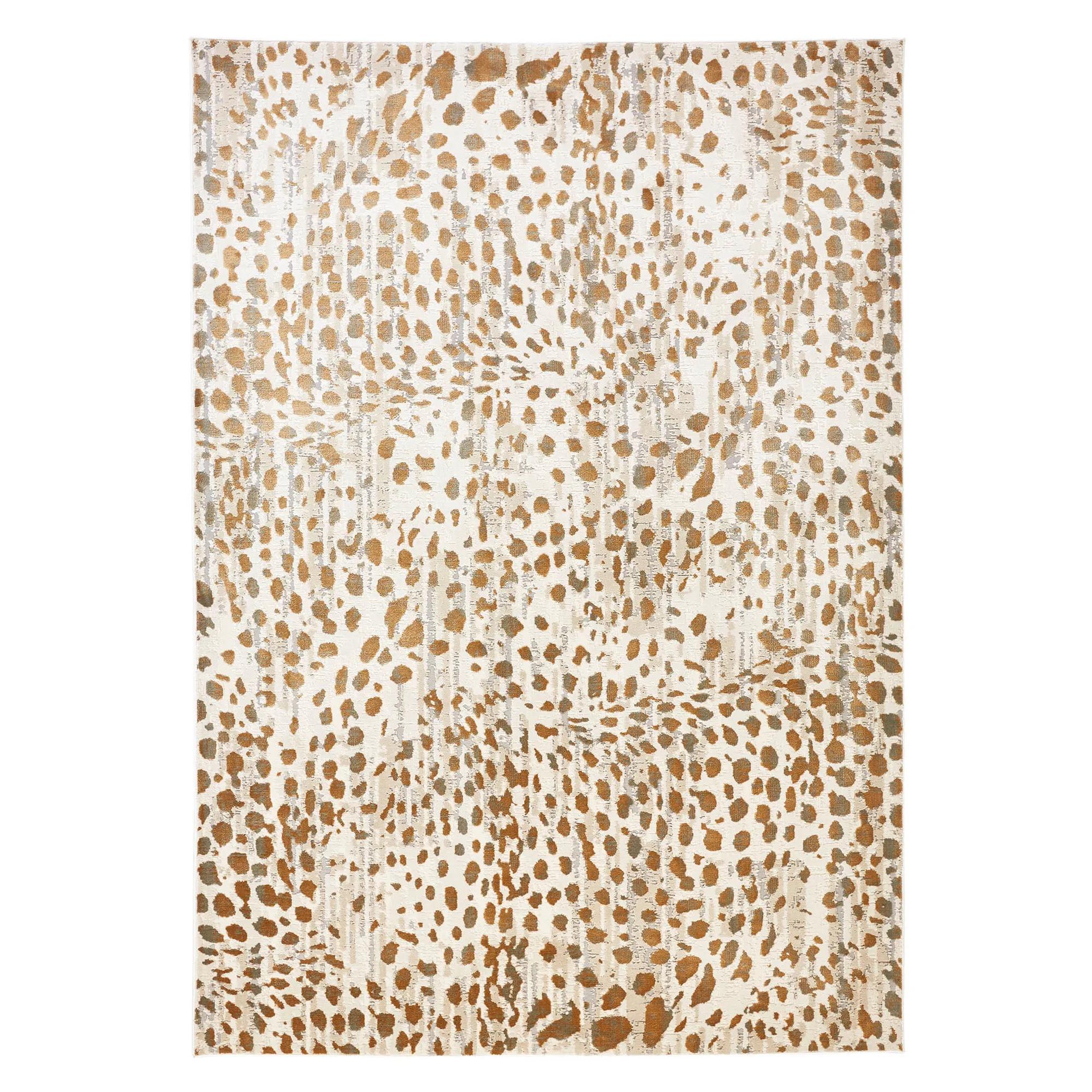
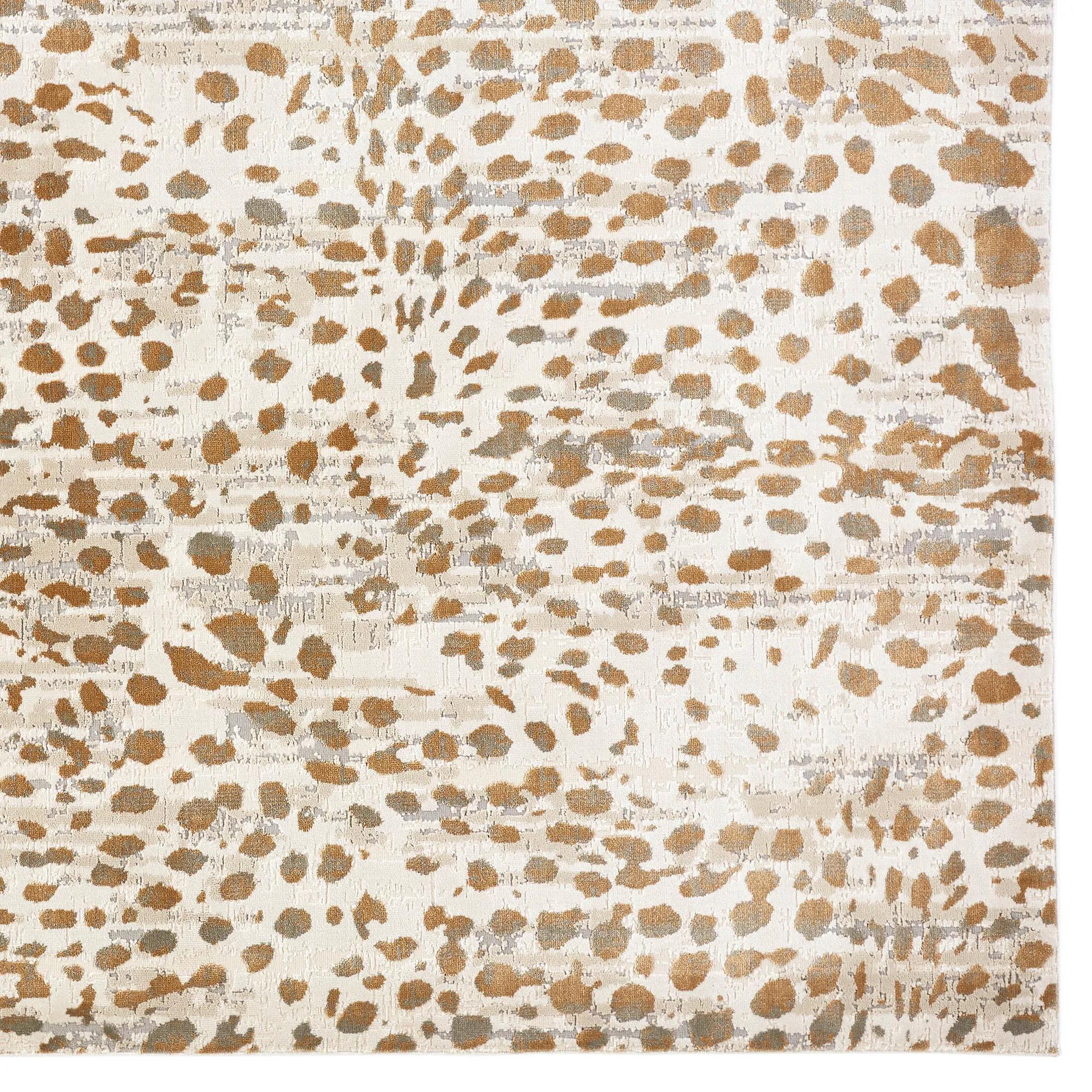 Amur Ivory/Natural Animal Print Power-Loomed Rug$399
A hand-tufted wool and viscose rug featuring a gold chain link design on neutral grey.
Add To Cart -
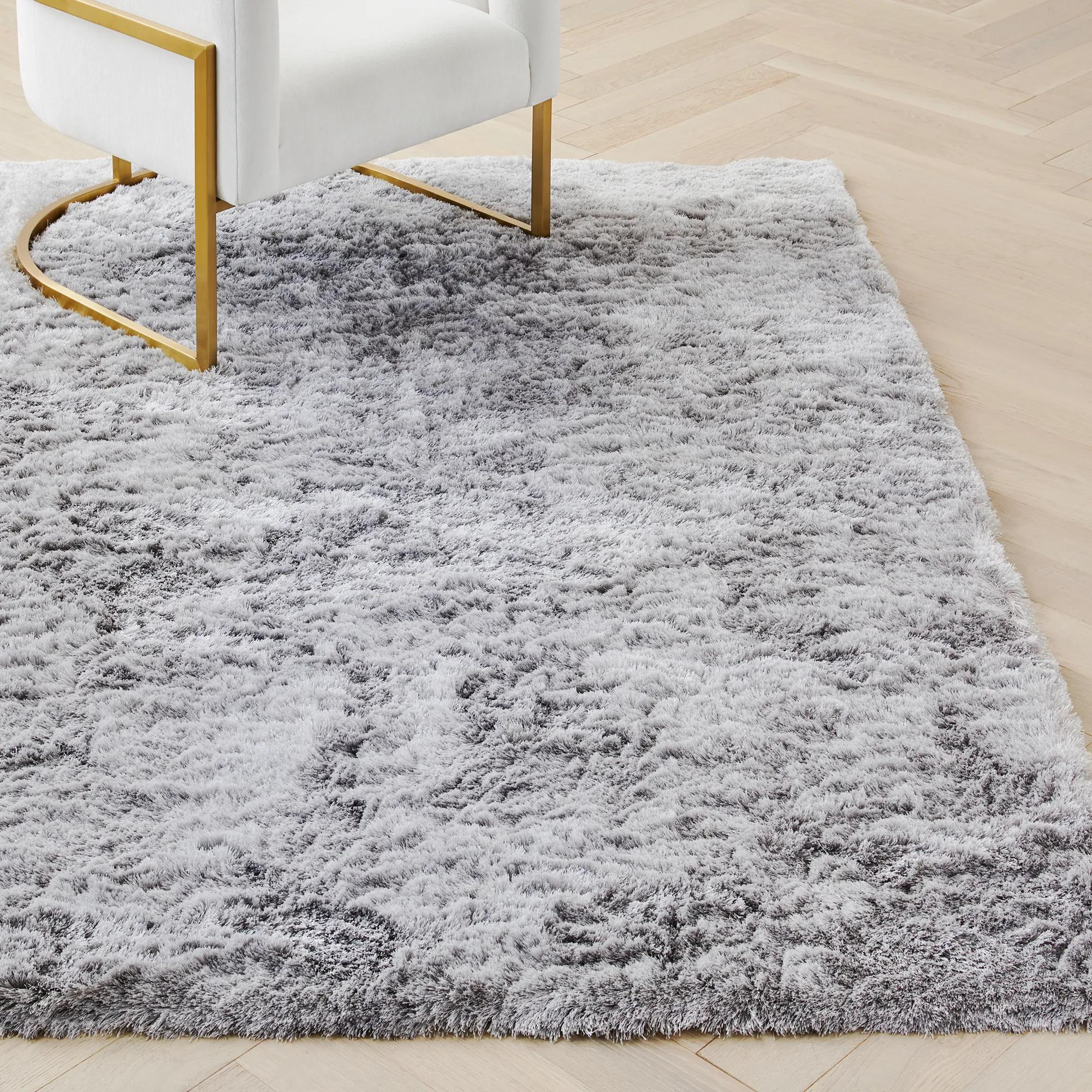 Indochine Shag Platinum Rug$399
A platinum-toned shag rug with a subtle sheen and plush 1.5" polyester pile for luxurious texture.
Add To Cart -
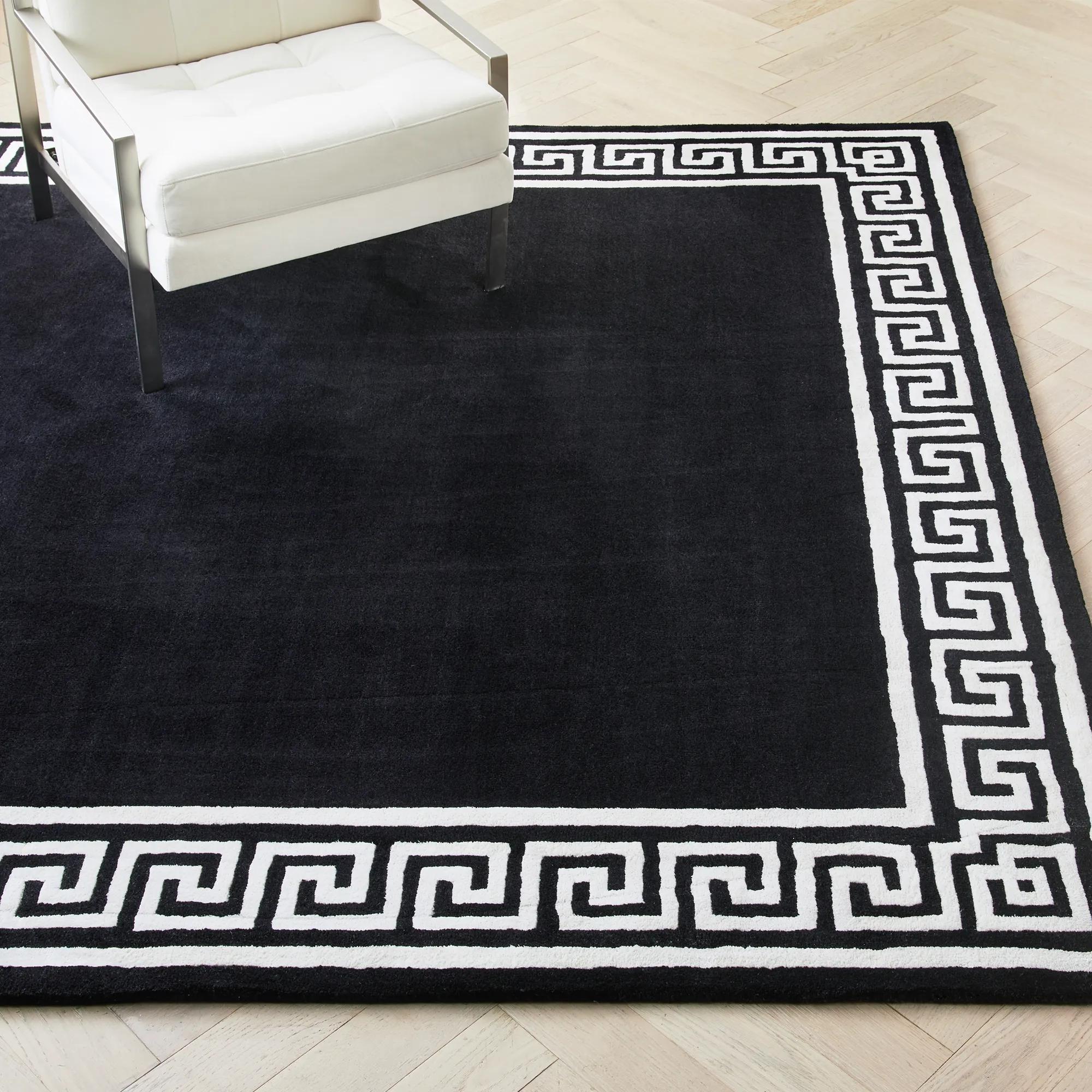
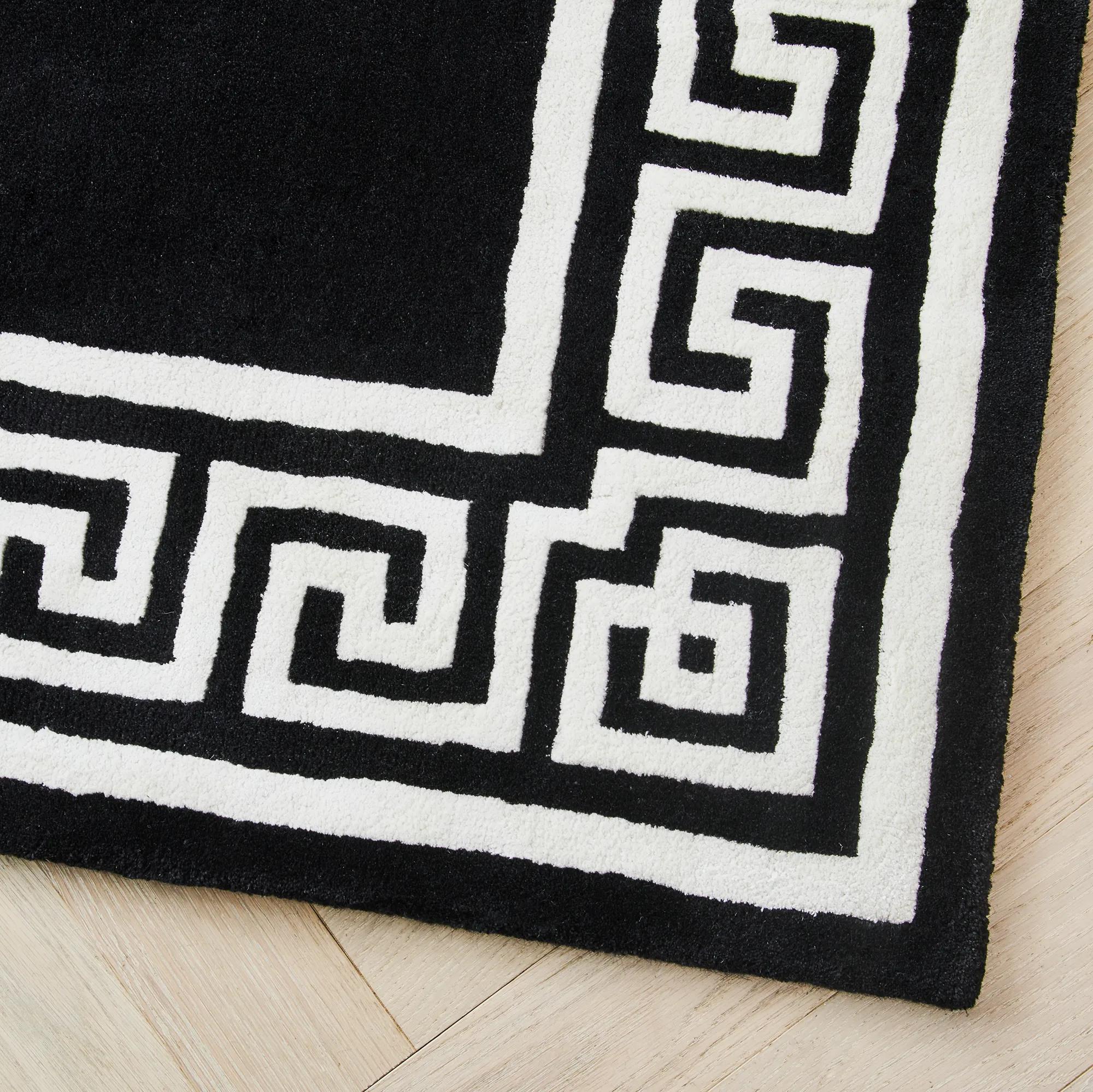 Greek Key Rug - Black/Ivory$1199
A hand-tufted black and ivory rug featuring a classic Greek key pattern in wool and viscose.
Add To Cart -
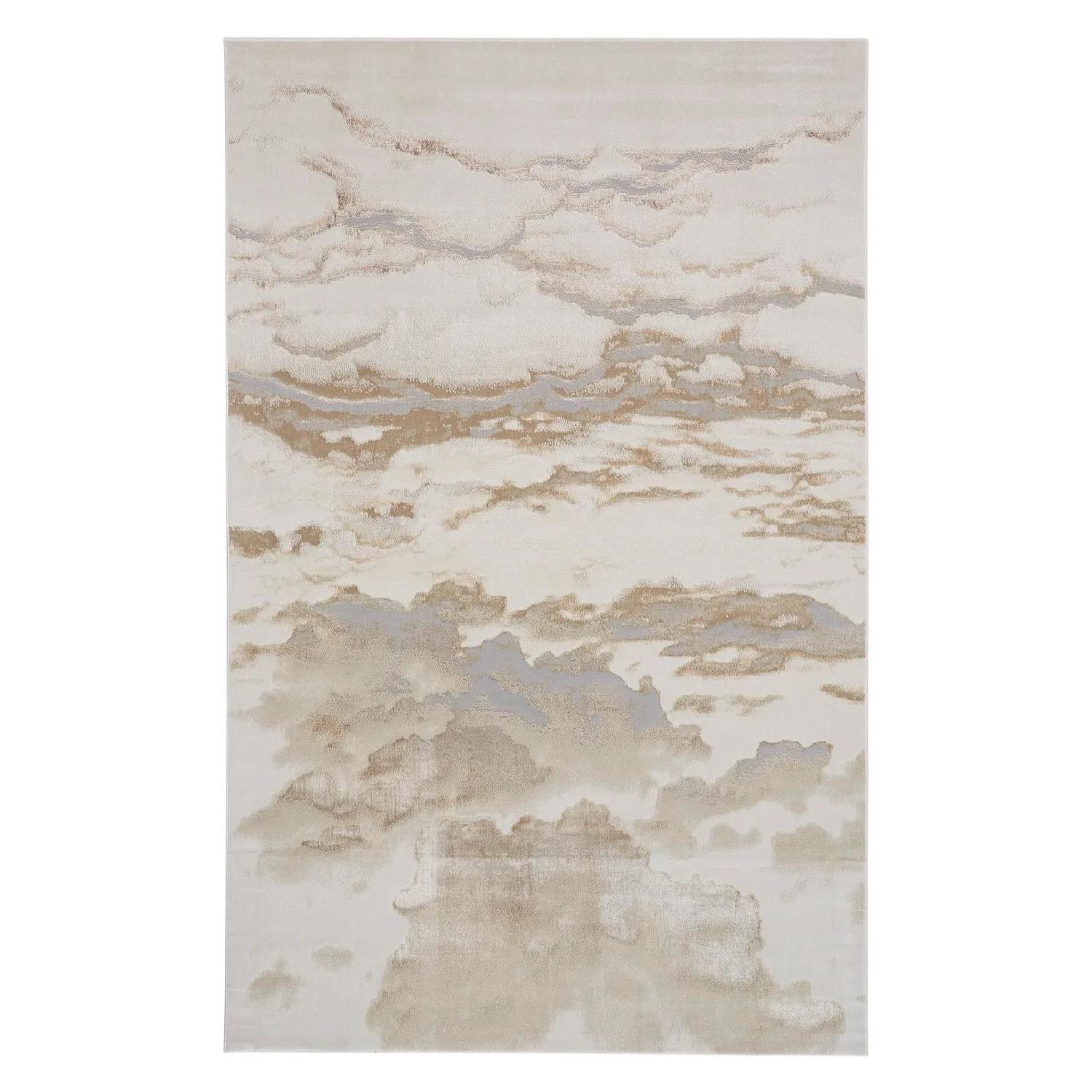
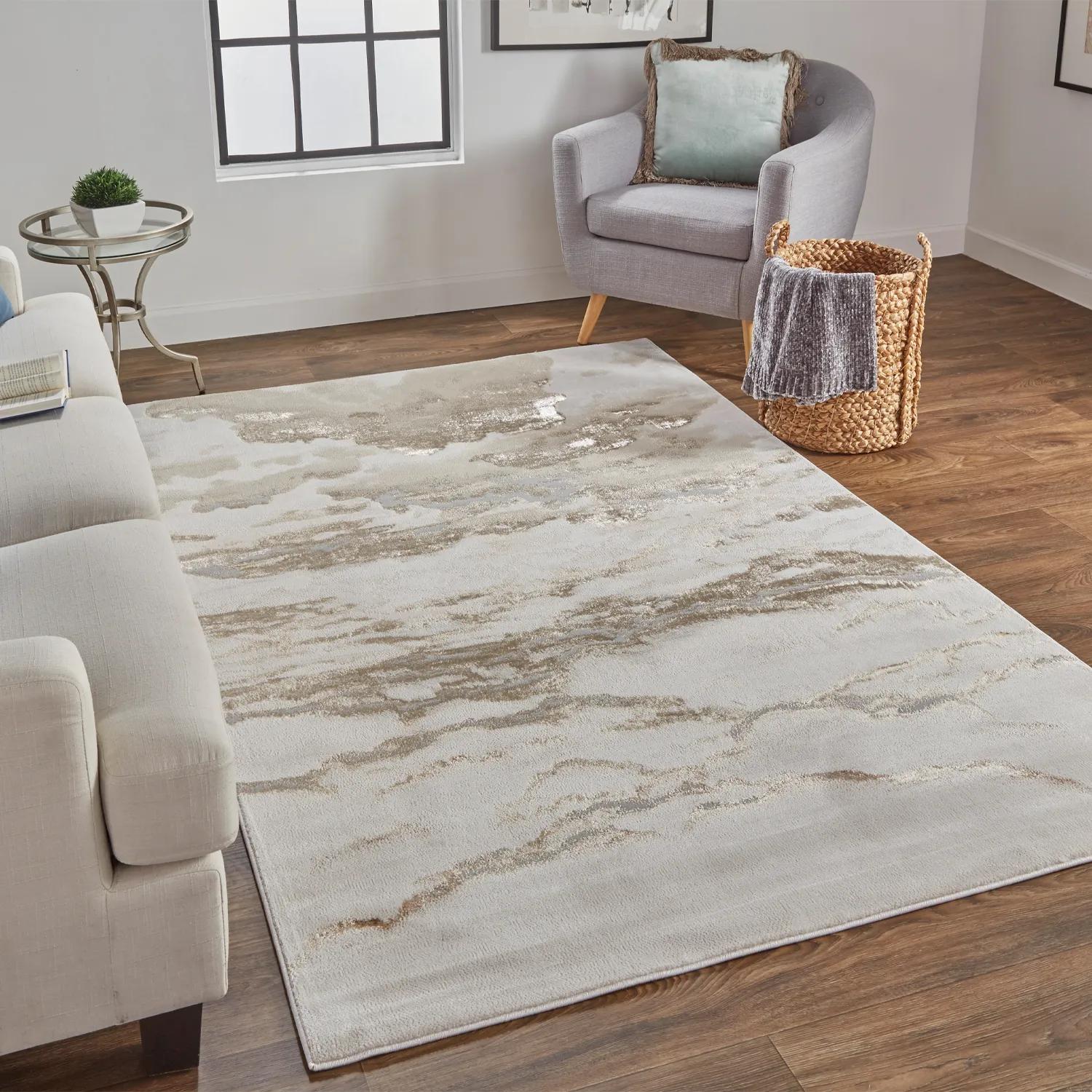 Tide Power-Loomed Beige/Gold/Ivory Rug$899
A machine-made rug in beige and gold, crafted from ultra-soft polyester and polypropylene for elegant spaces.
Add To Cart -
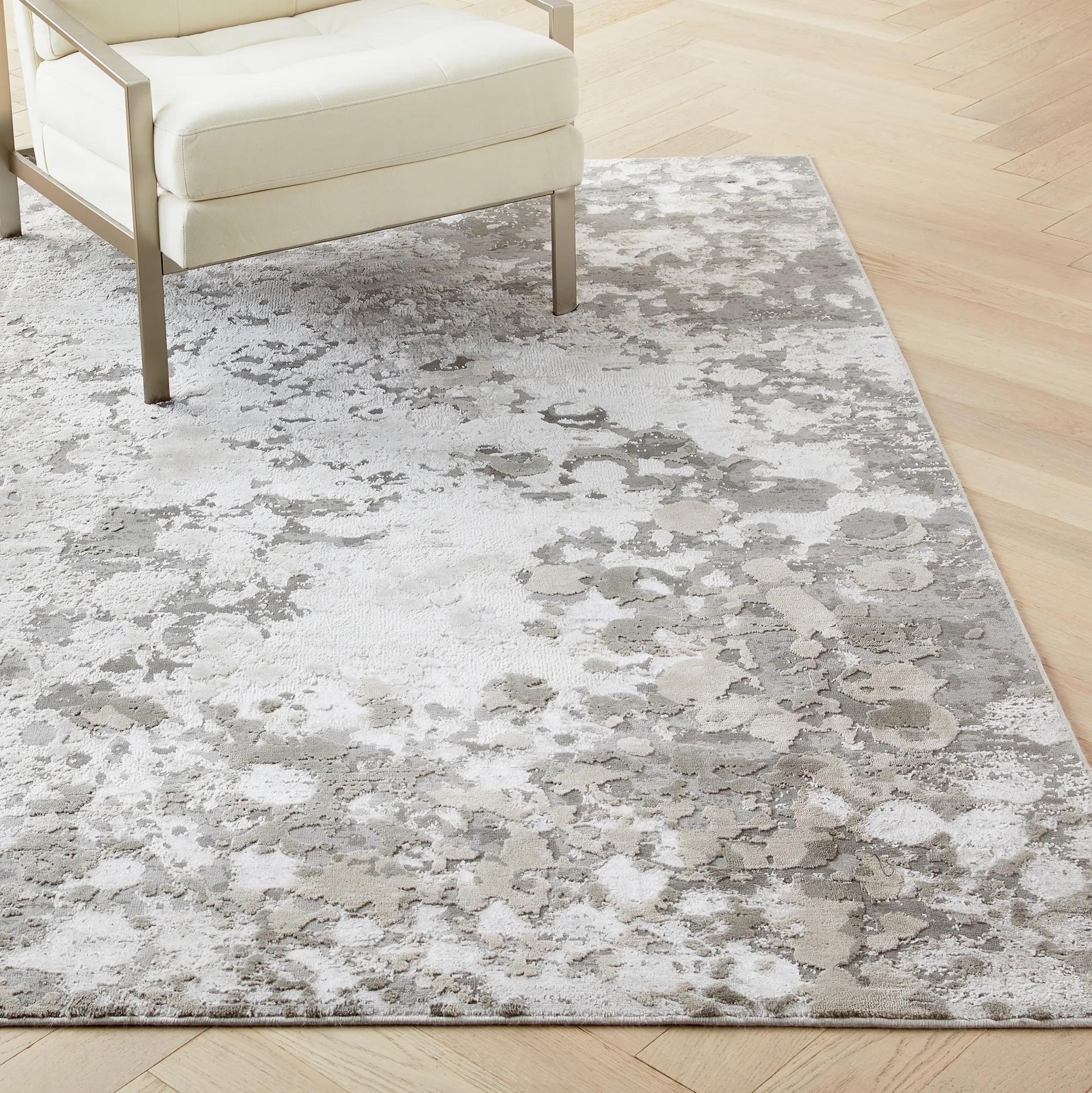 Mercury Power-Loomed Silver/Grey/Beige Rug$249
A neutral floor covering featuring a silver, grey, and beige palette with a textured polyester blend.
Add To Cart -
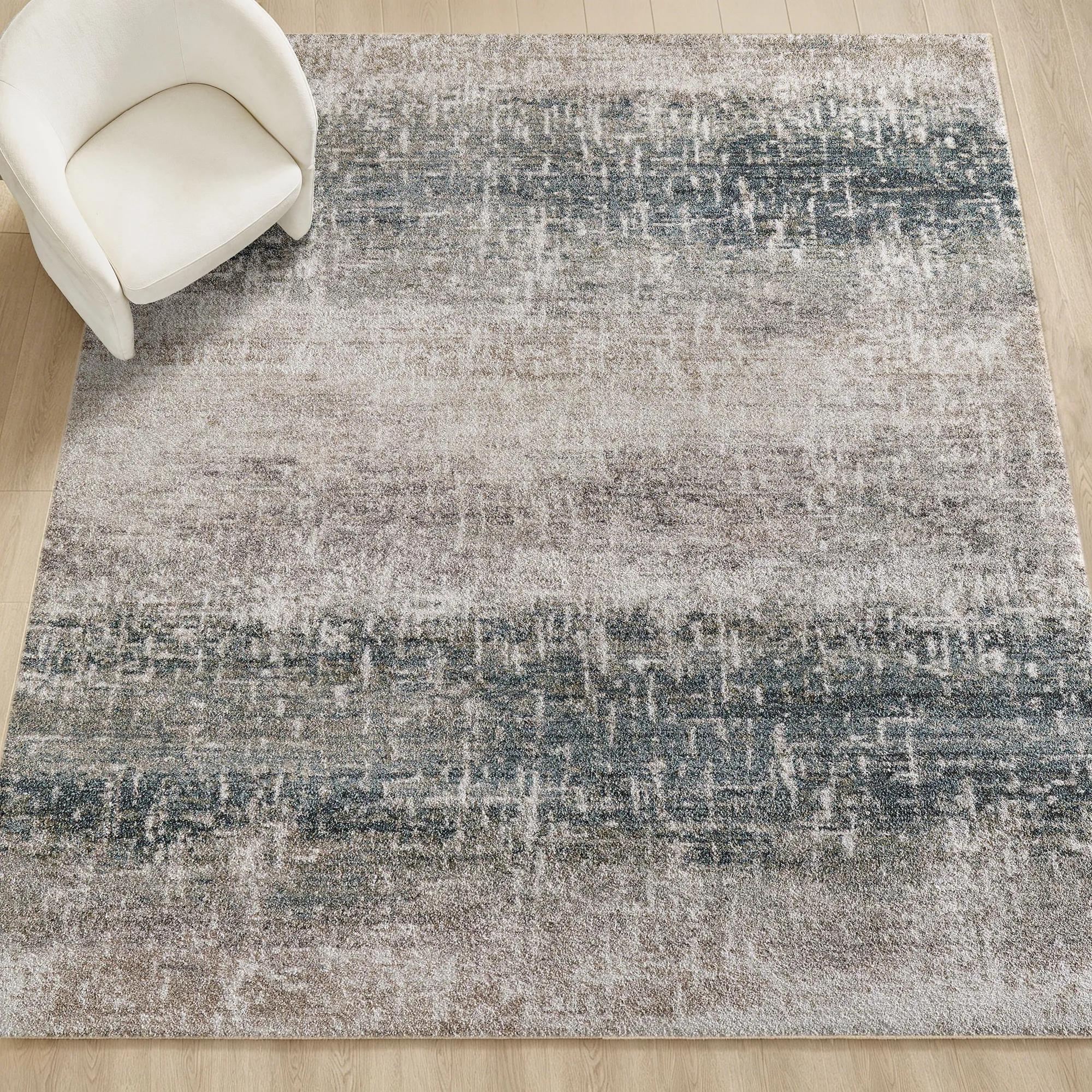
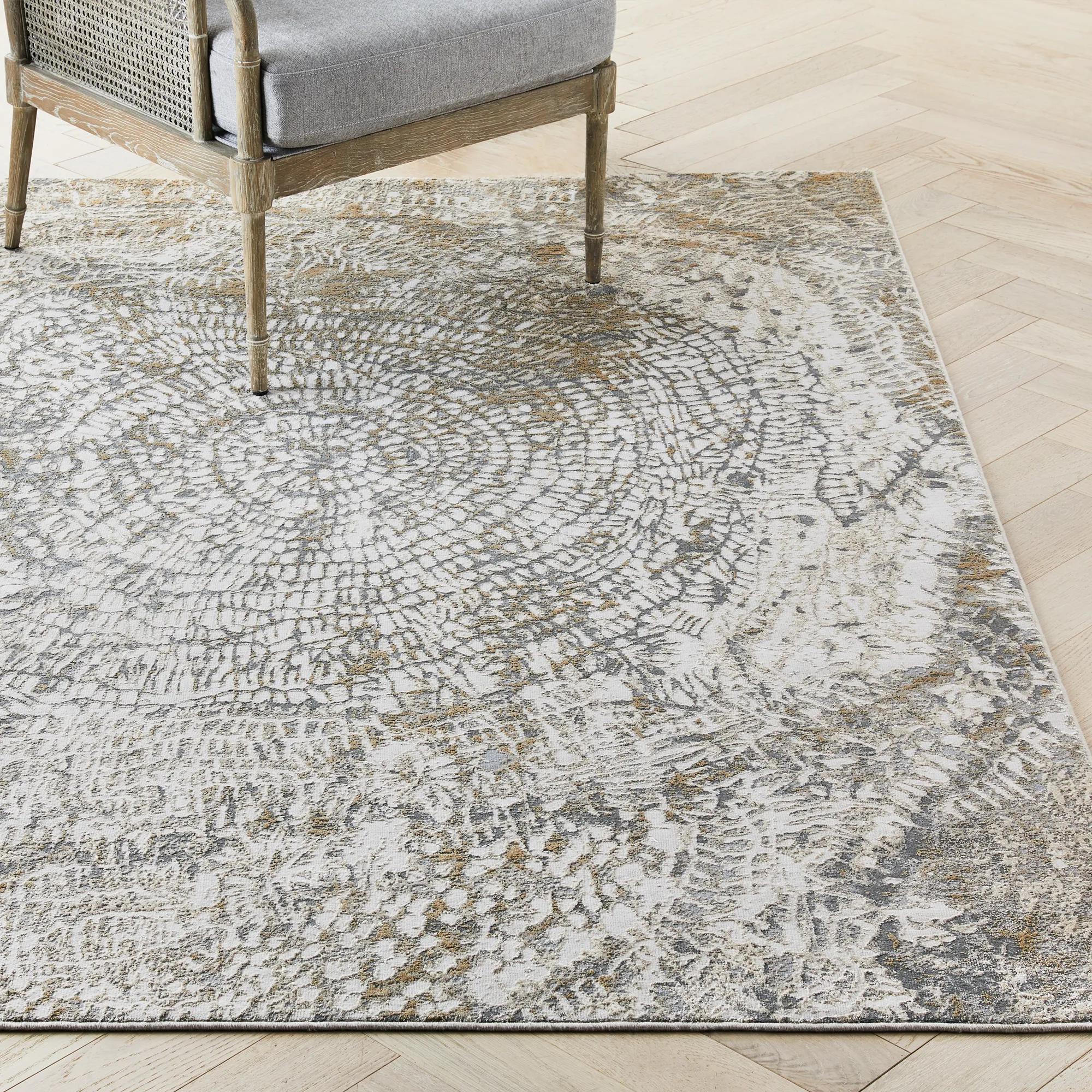 Nautilus Power-Loomed Silver/Grey/Natural Rug$999
A machine-woven ivory rug featuring subtle tonal variations and a durable polypropylene blend construction.
Add To Cart -
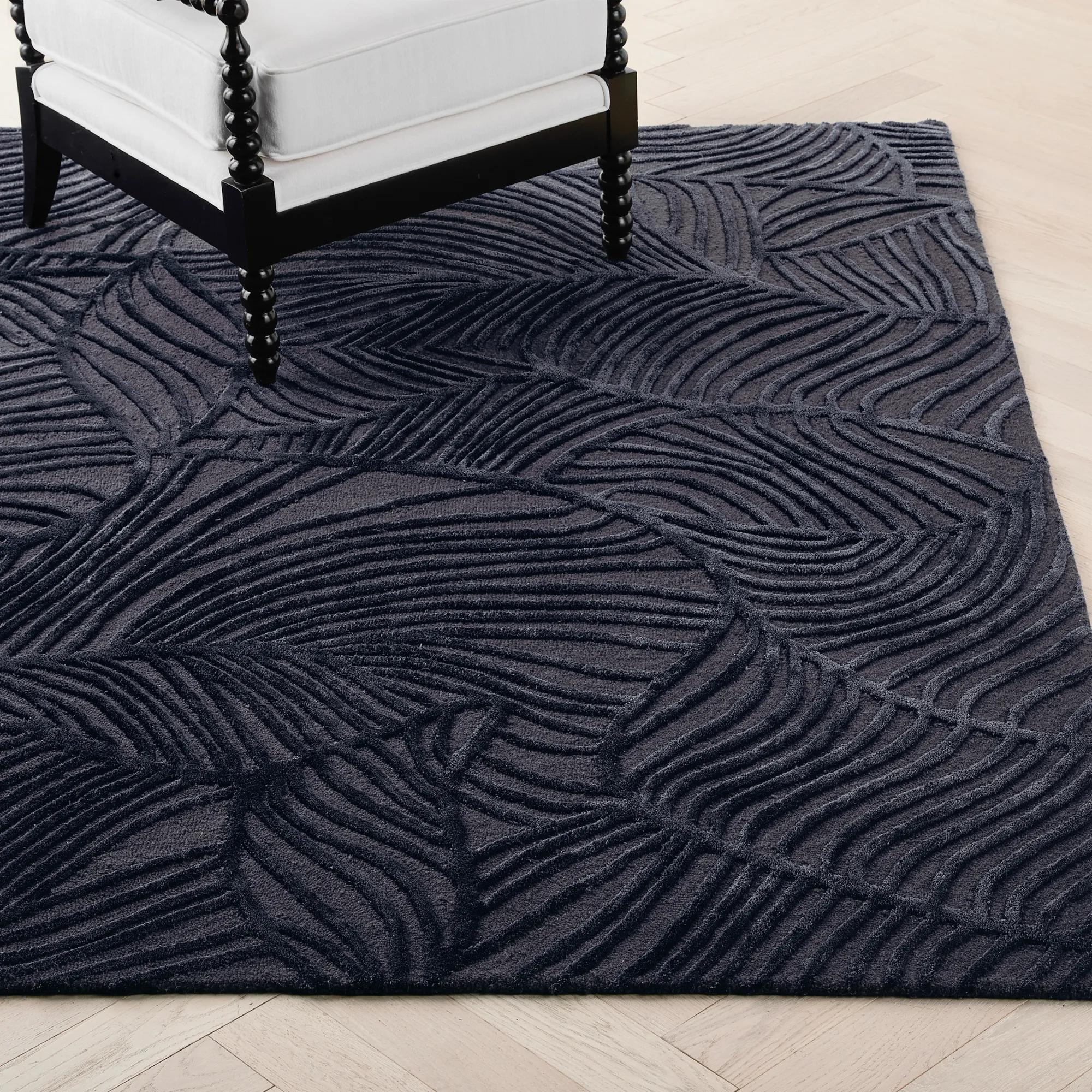
 Palm Rug - Charcoal$1499
A charcoal rug featuring a dynamic palm-leaf design with a textured high-low viscose and wool pile.
Add To Cart -
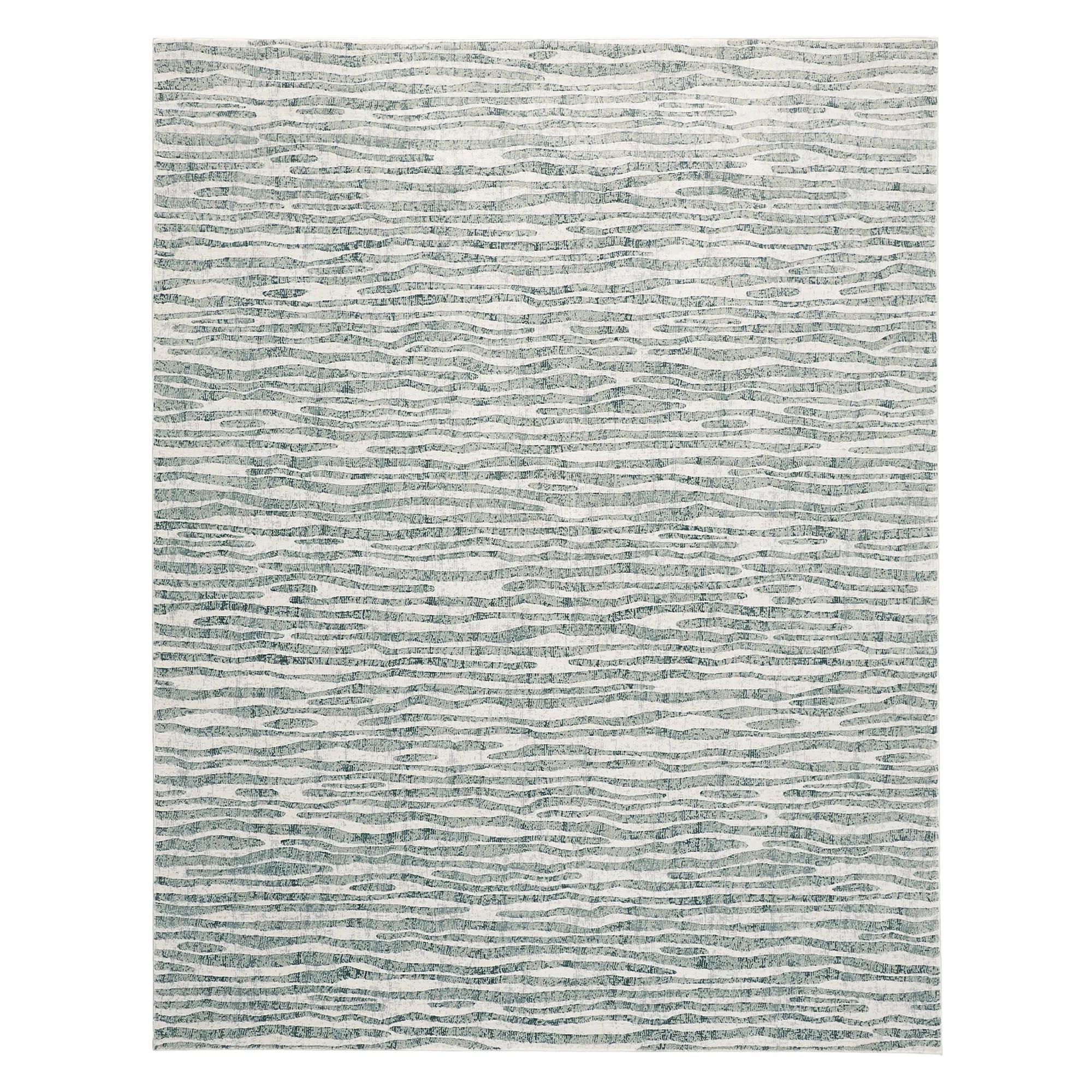 Samantha Power-Loomed Aqua/Grey Rug$719
A machine-woven rug featuring silvery-aqua and green accents on an ivory and grey polypropylene base.
Add To Cart -
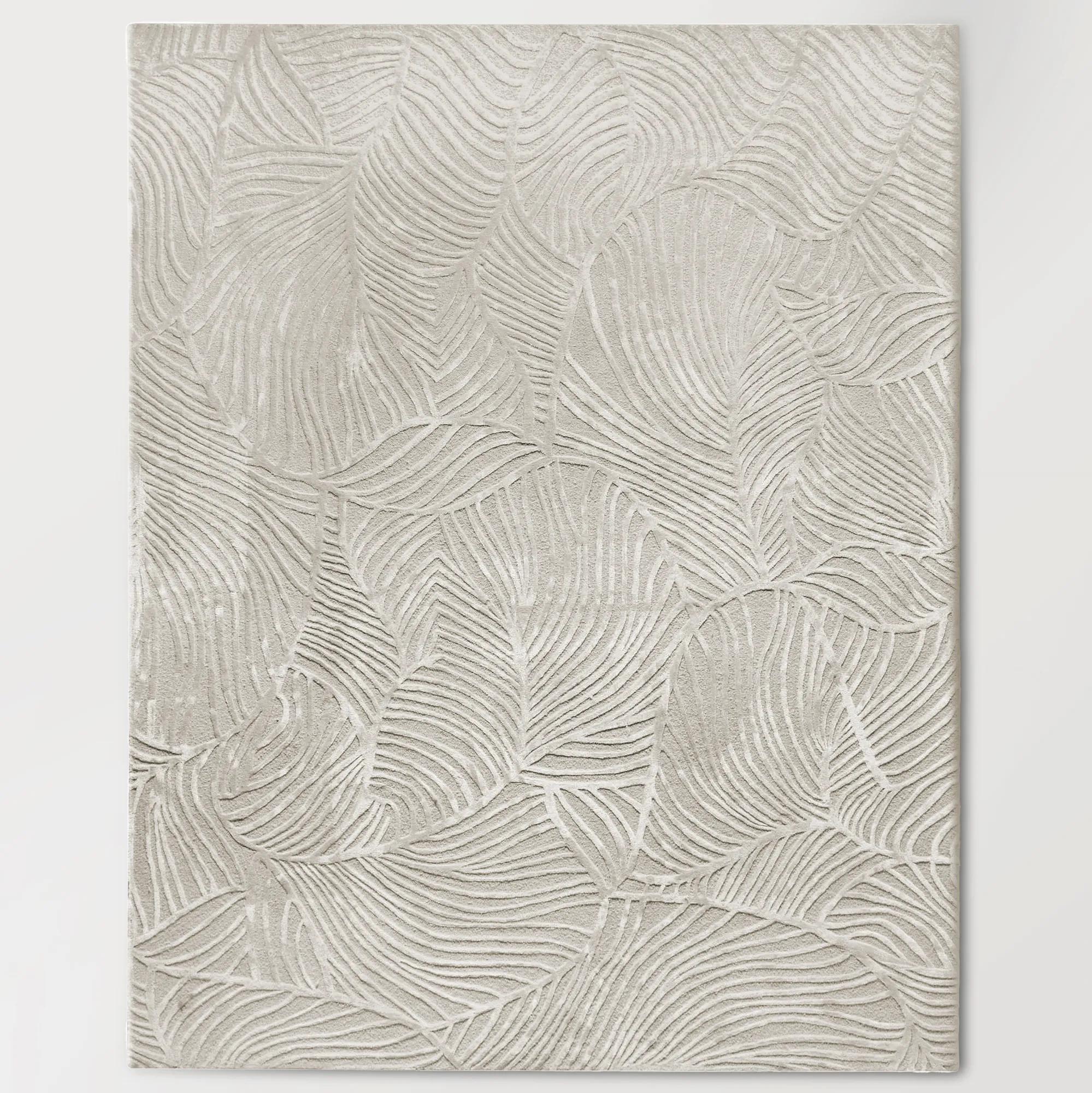 Palm Hand-Tufted Ivory Wool Blend Rug$999
An ivory rug featuring a dynamic palm-leaf design with high-low pile in viscose and wool.
Add To Cart -
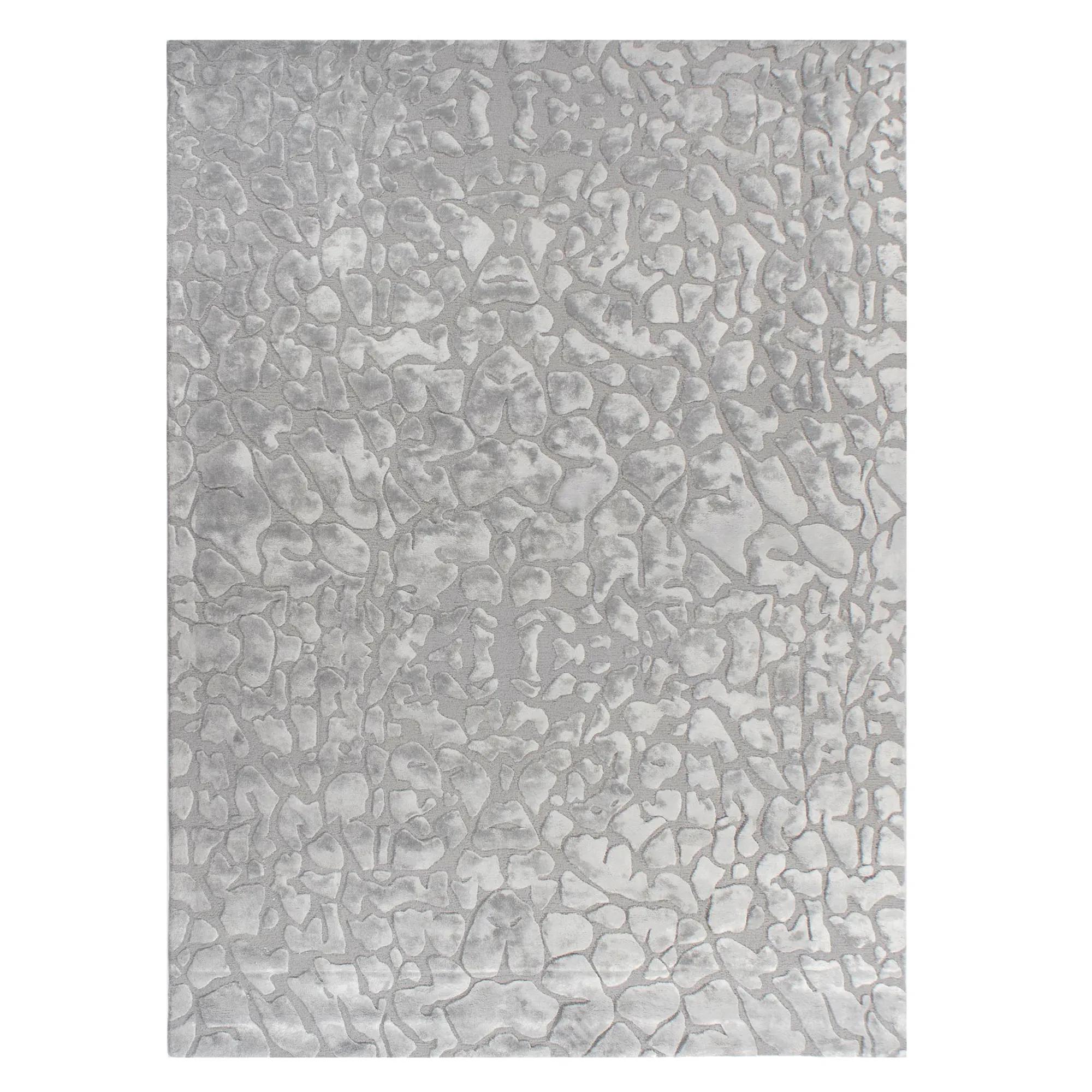
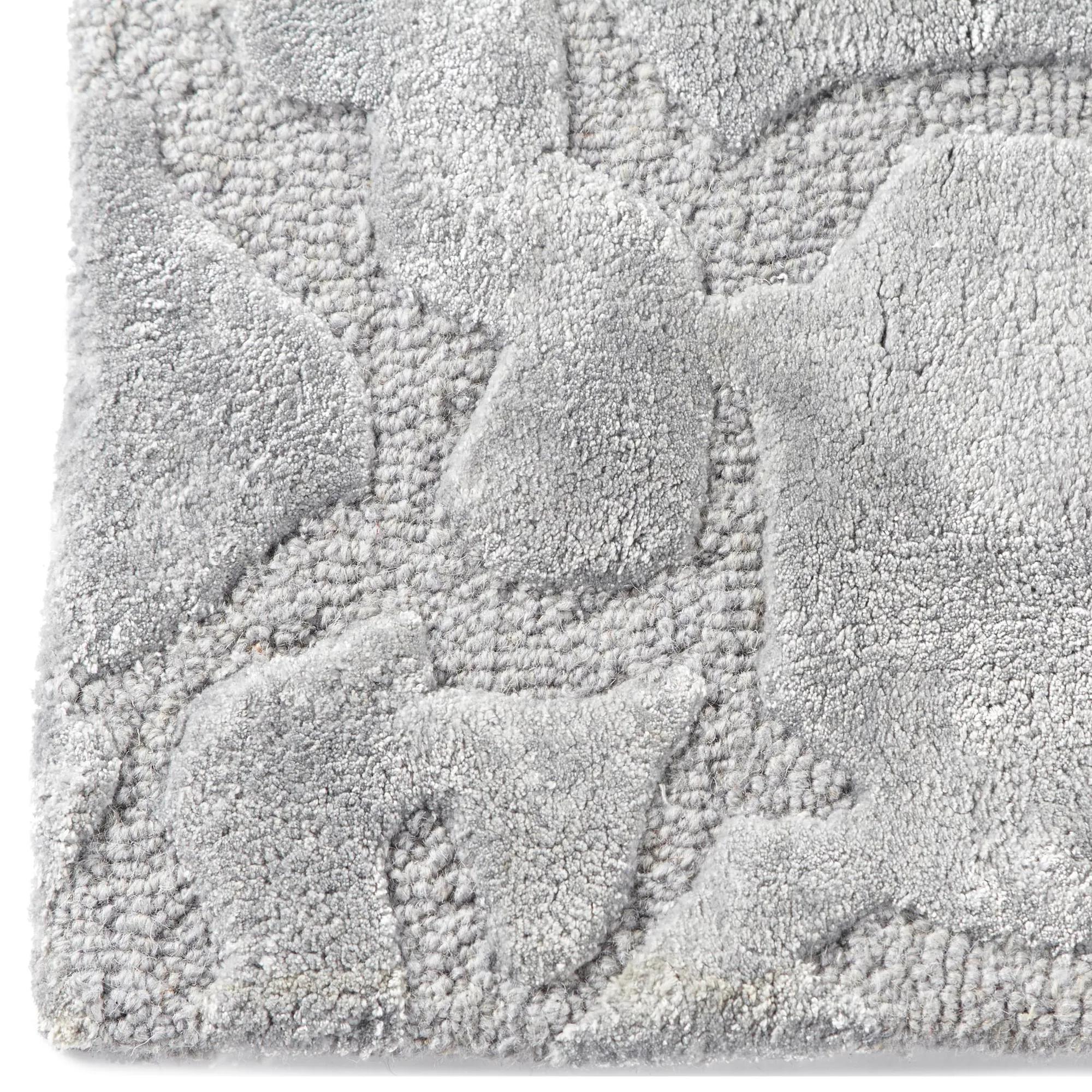 Nola Hand-Tufted Cool Grey Wool Blend Rug$849
A hand-tufted silver rug with contrasting pile heights, crafted from wool and viscose for plush texture.
Add To Cart -
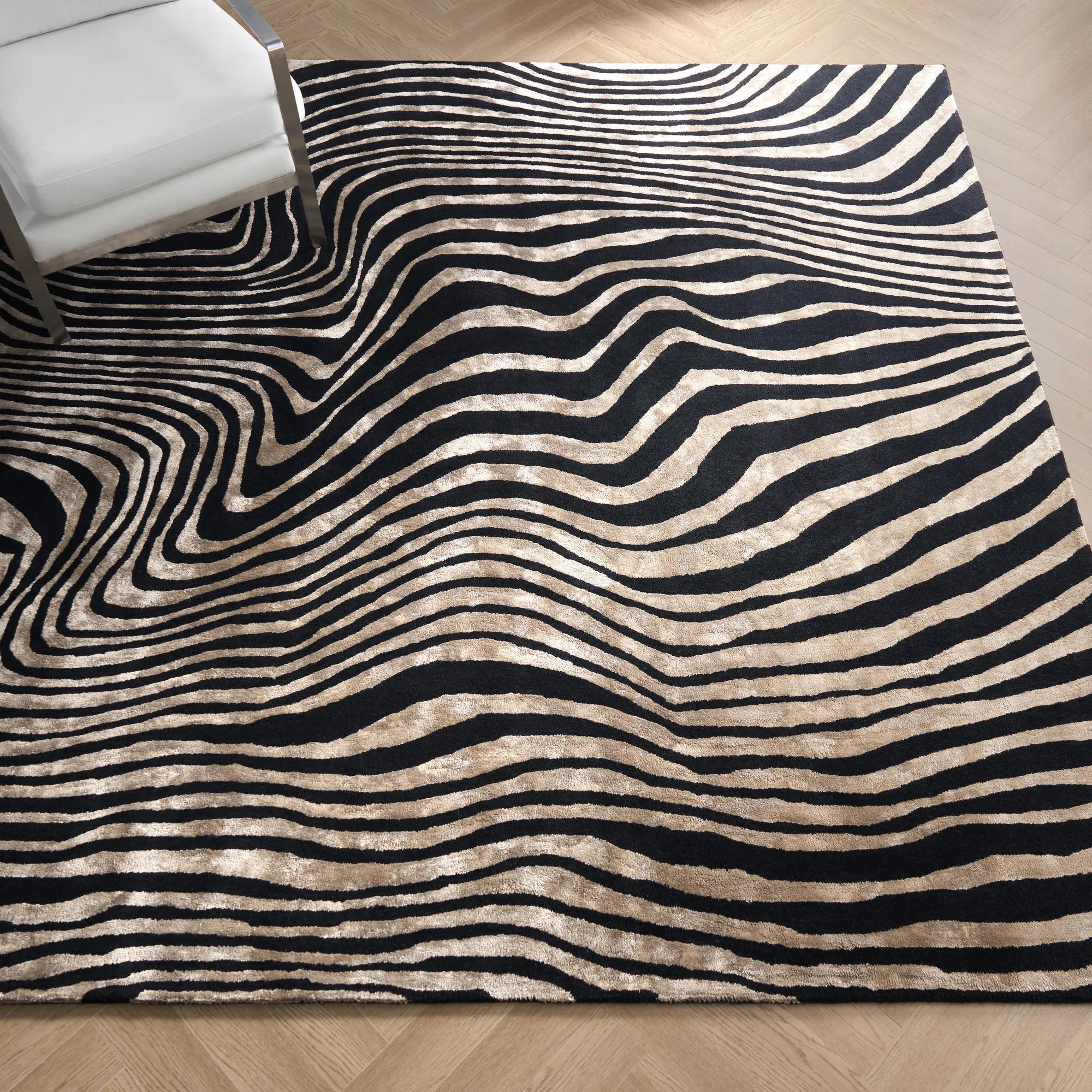
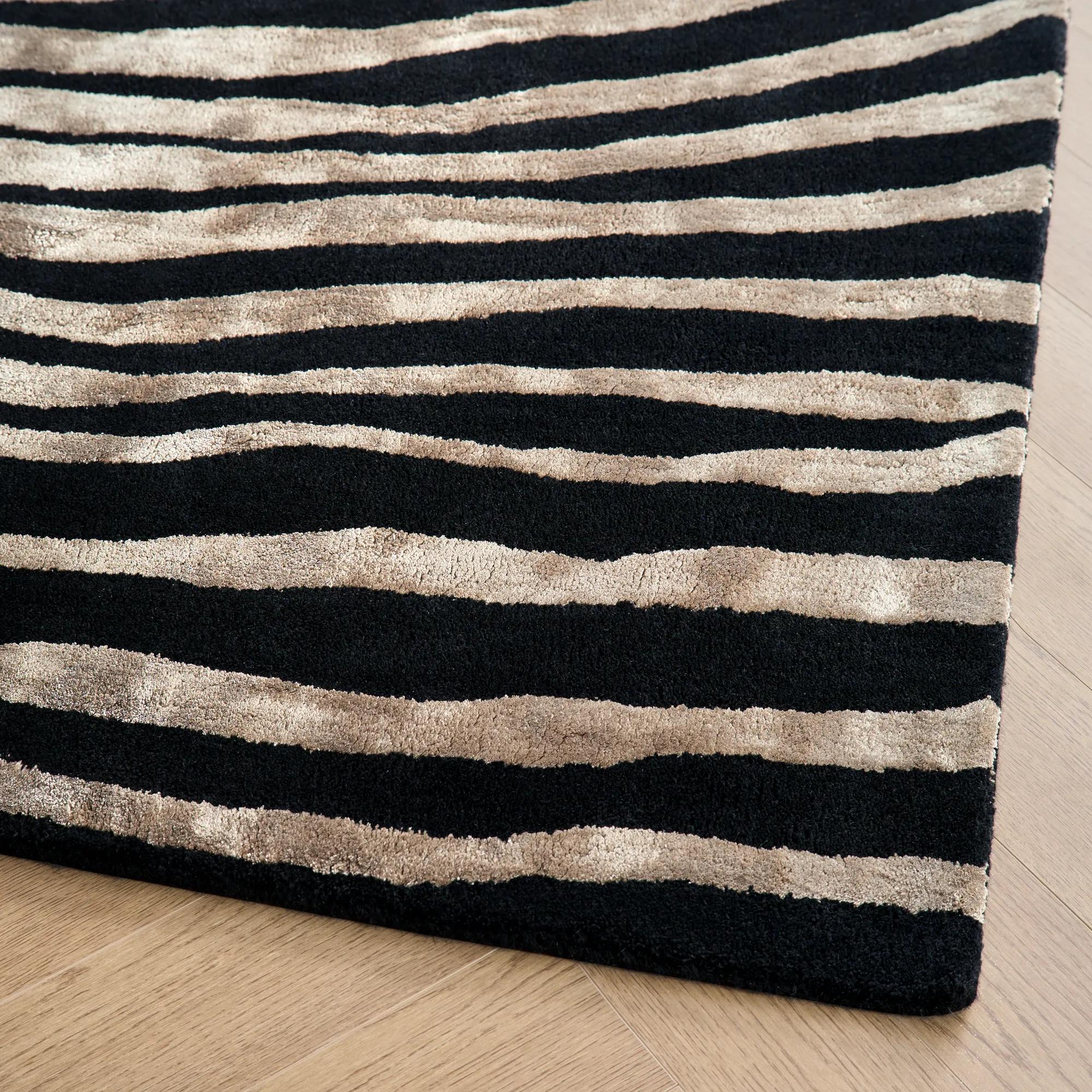 Abstract Zebra Hand-Tufted Black/Taupe Wool Blend Rug$599
An artisan hand-tufted rug in black and taupe wool-viscose, featuring a striking abstract zebra pattern.
Add To Cart -
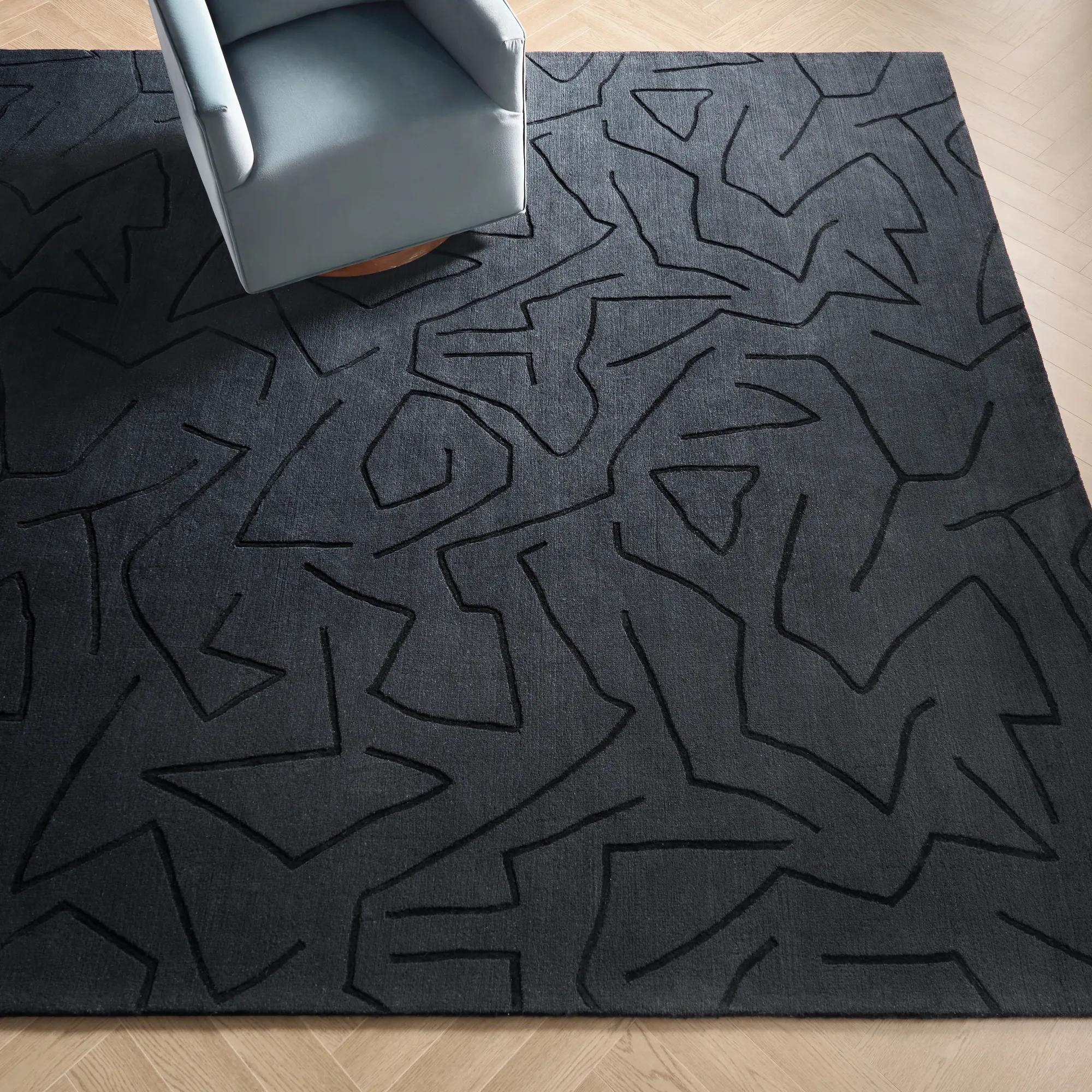 Carved Maze Rug$699
A hand-loomed black rug crafted from wool and viscose, featuring a carved maze design for added texture.
Add To Cart -
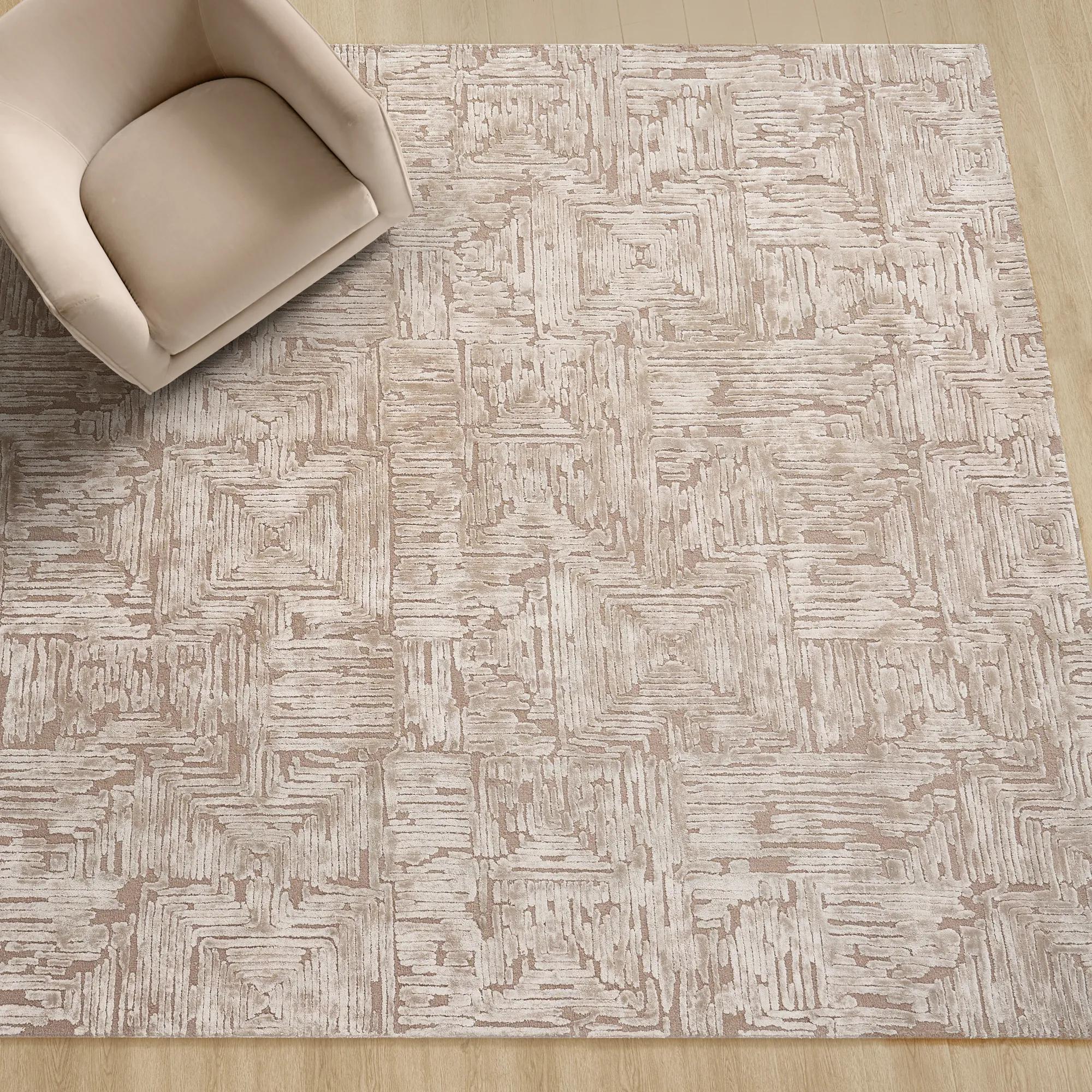
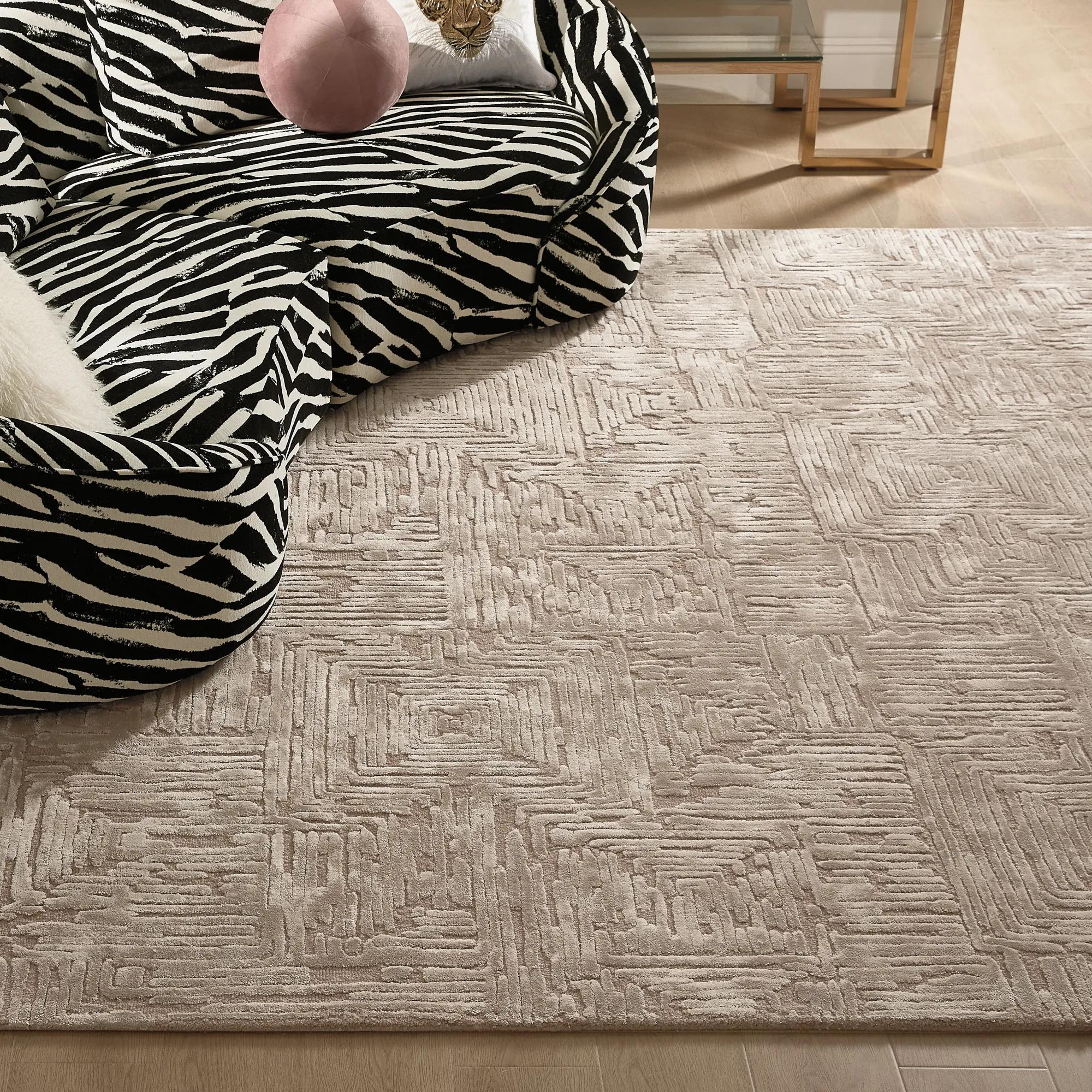 Andra Hand-Tufted Mocha Rose Viscose & Wool Dimensional Rugs$1499
A hand-tufted viscose and wool rug in mocha rose, featuring a dimensional geometric pattern and soft sheen.
Add To Cart -
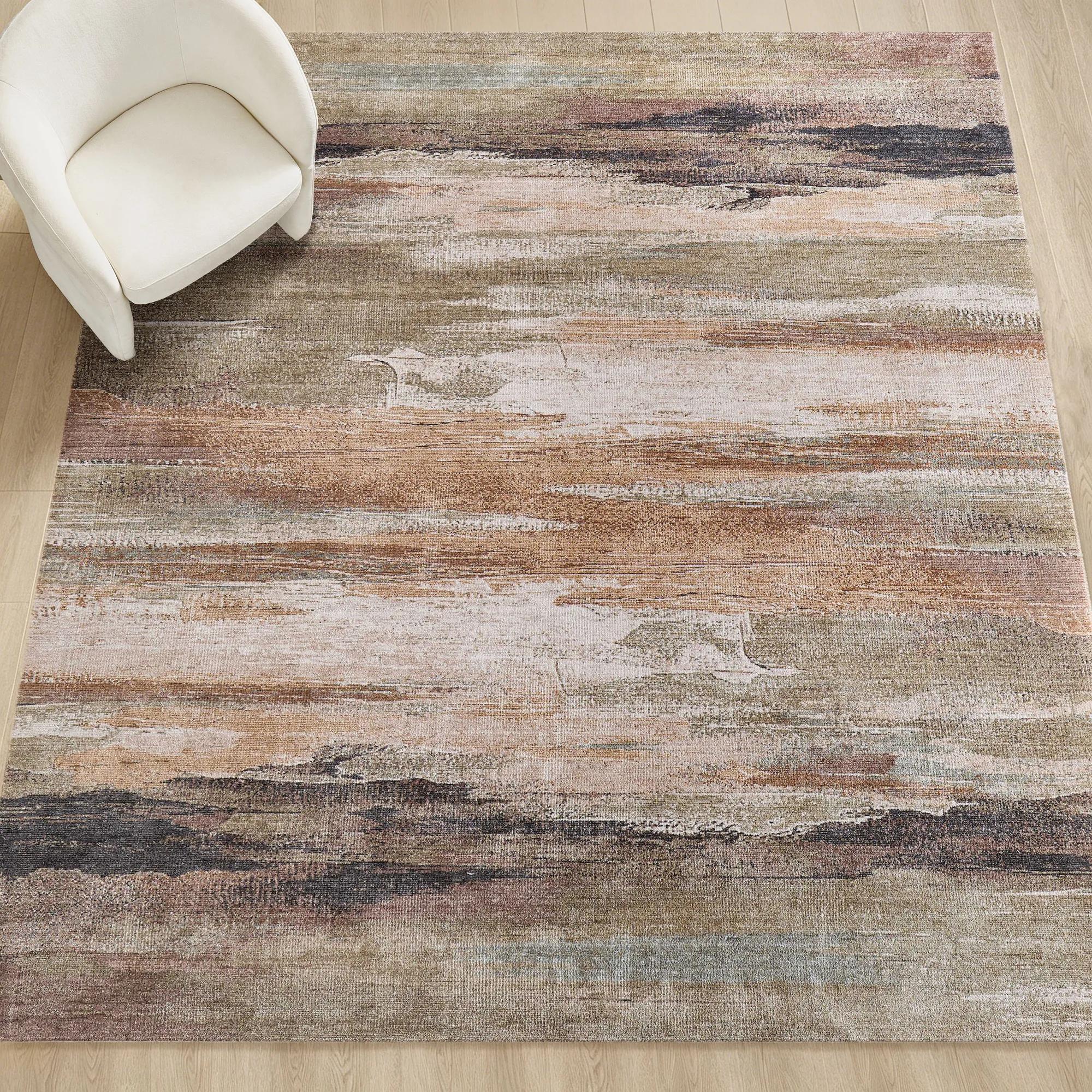
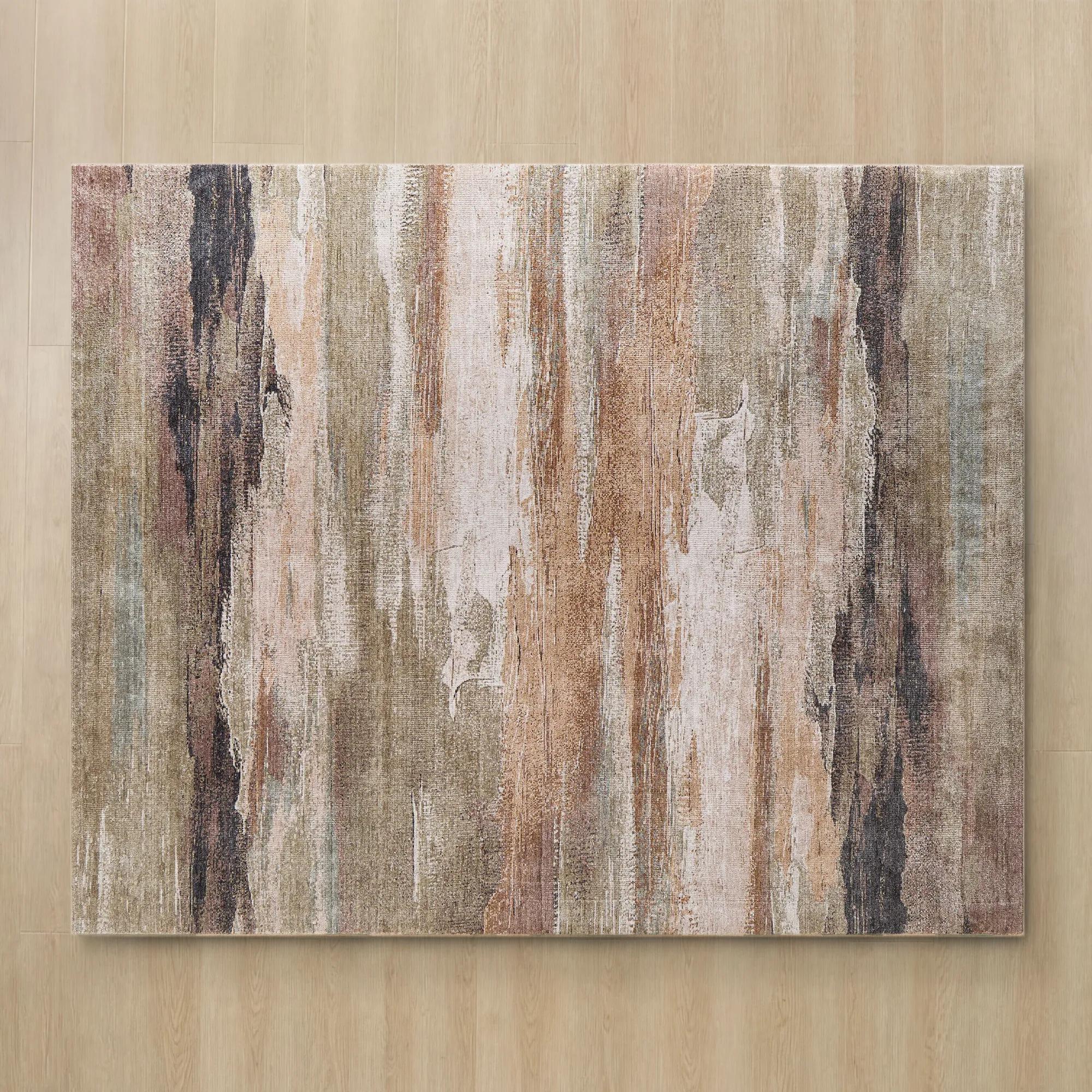 Sedona Rust/Beige/Moss Green/Charocal/Blue Performance Power Loomed Rug$1999
A power-loomed polyester rug featuring a rich abstract pattern in rust, beige, moss green, charcoal, and blue.
Add To Cart -
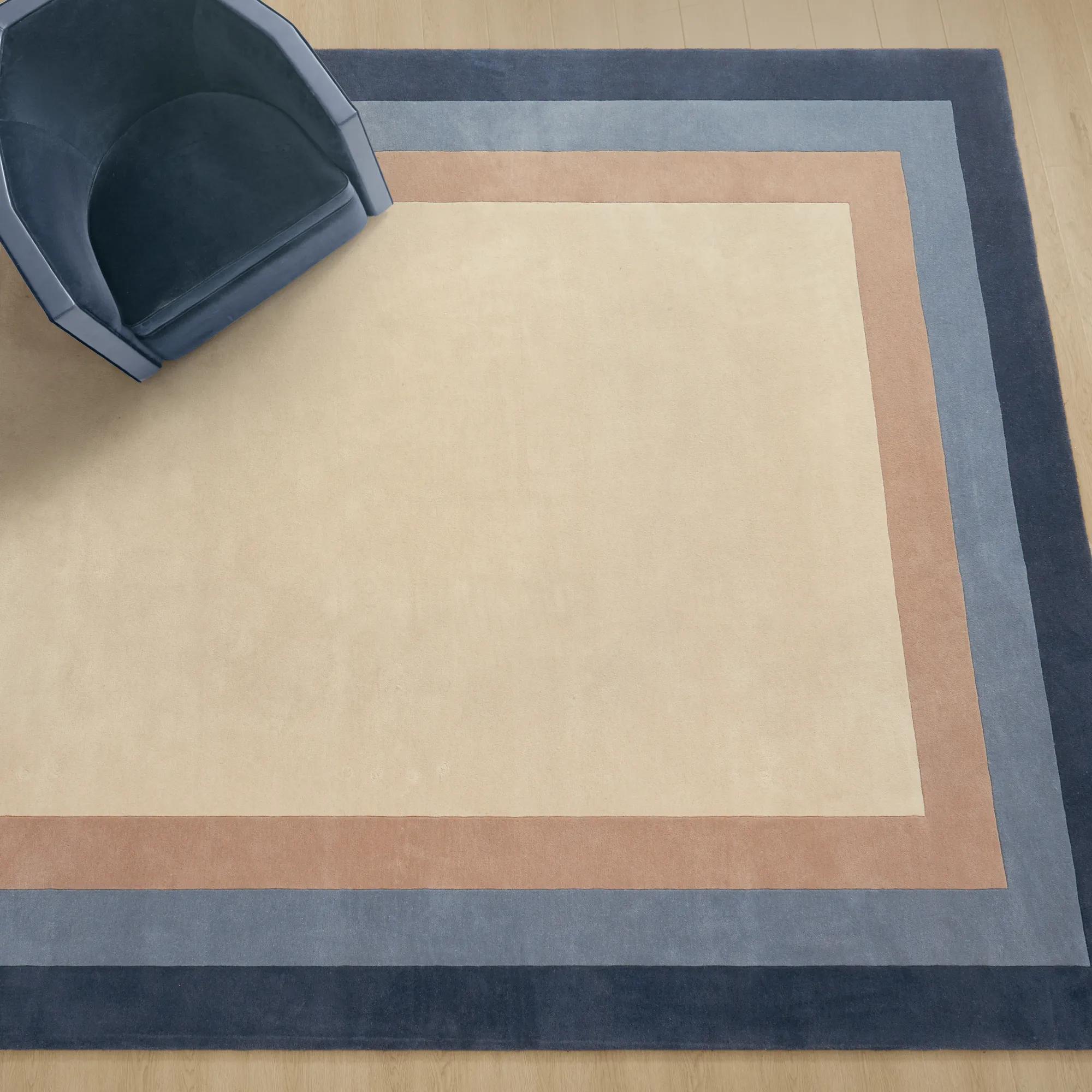 Bastien Hand-Tufted Blue/Taupe/Ivory Wool Border Rugs$1499
A hand-tufted wool rug featuring a bold color-blocked border in dusty blue, taupe, and ivory tones.
Add To Cart -
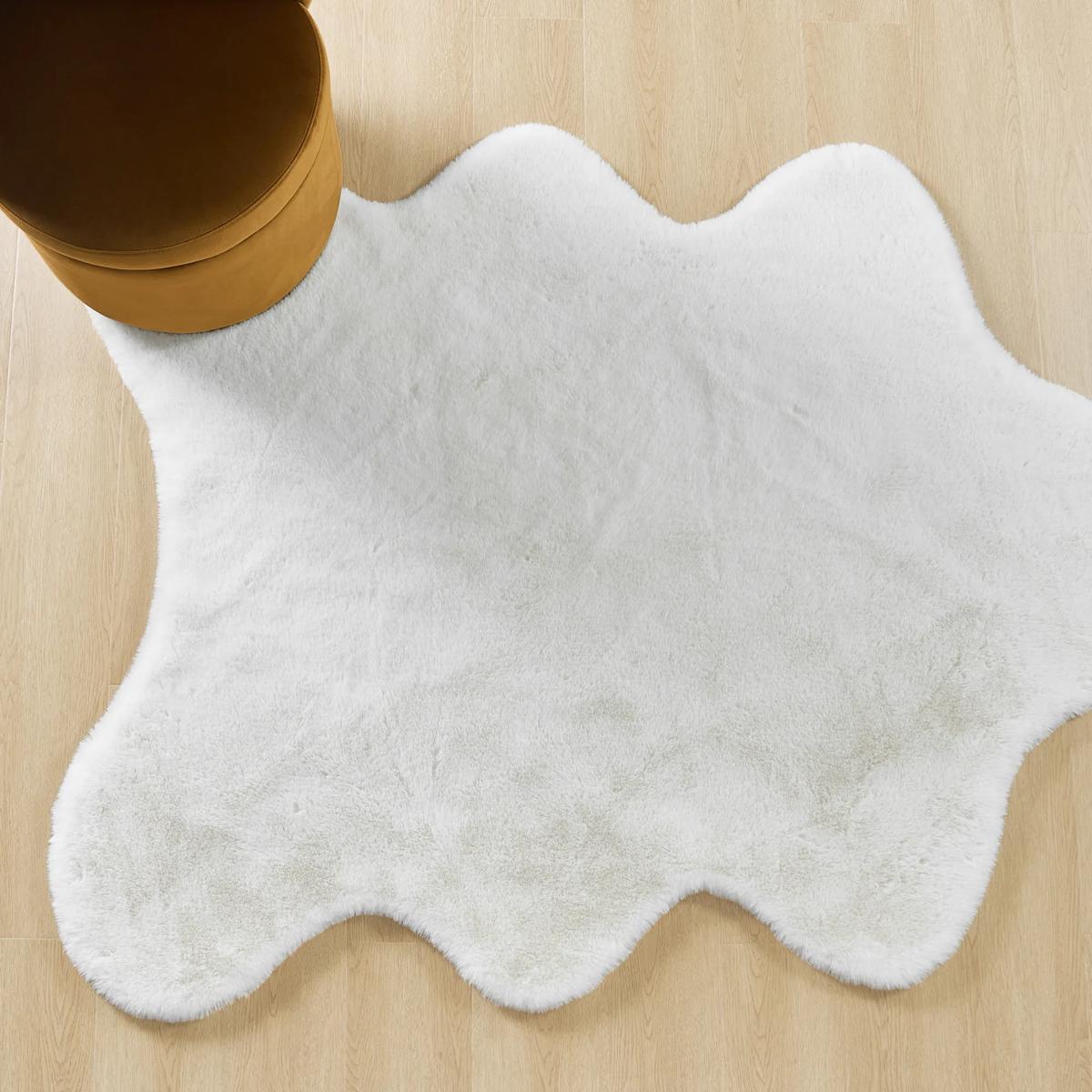
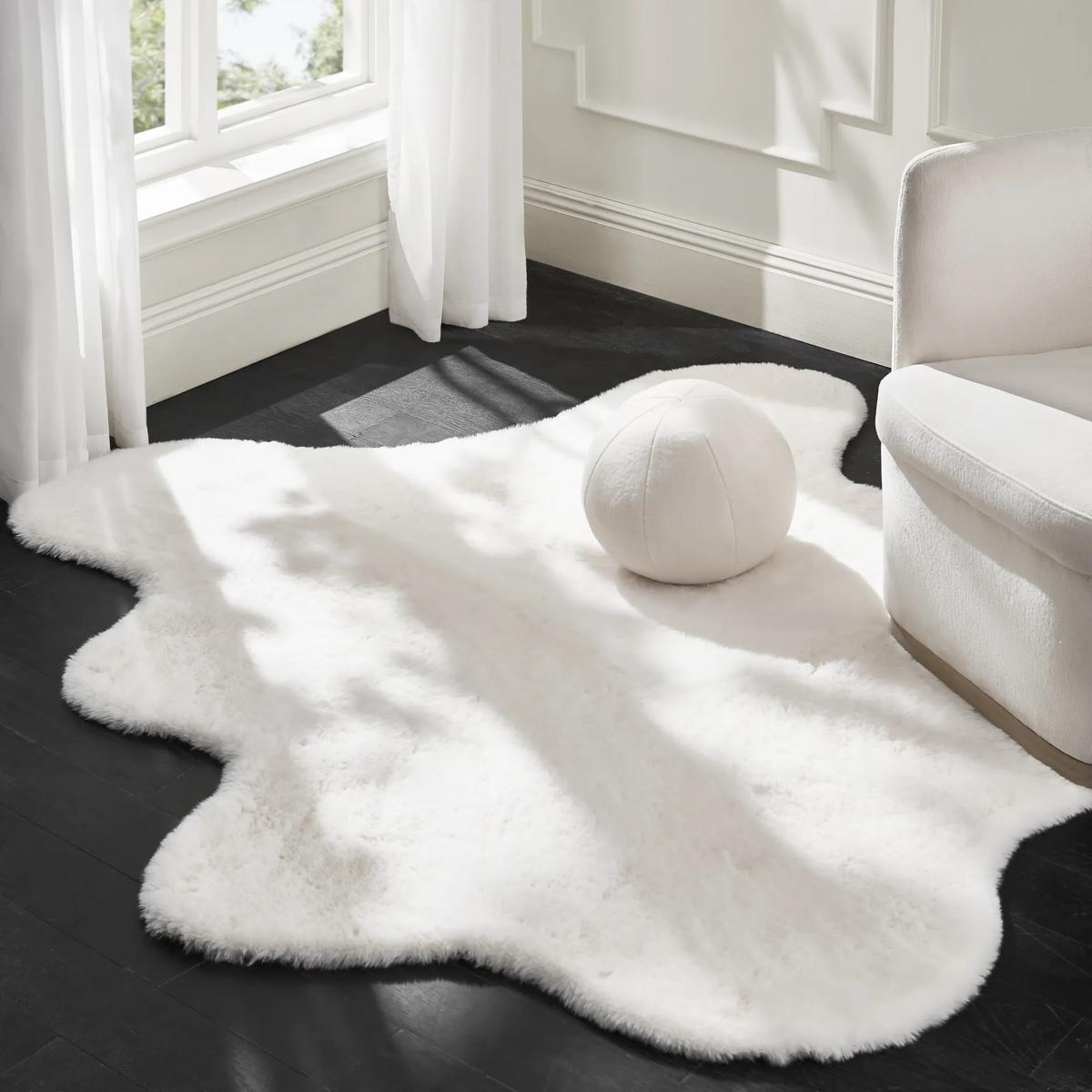 Odin Faux Fur White Shaped Rug 5' x 6'$249
A plush, cloud-shaped white rug with ultra-soft polyester pile and a practical non-slip backing.
Add To Cart -
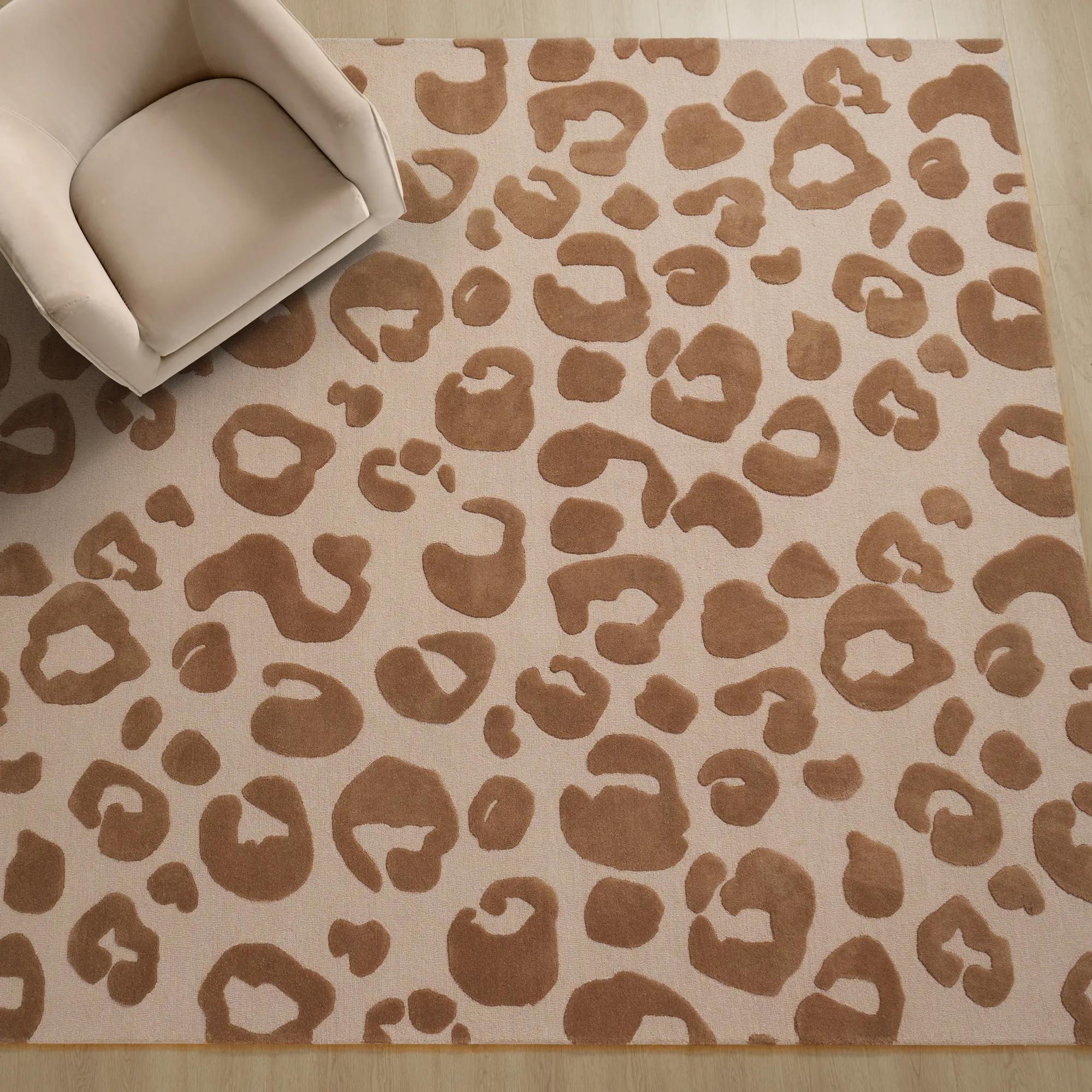 Pounce Hand-Tufted Tawny Brown Leopard Print Wool Rugs$499
A hand-tufted pure wool rug featuring a bold tawny brown leopard print and sculptural high-low texture.
Add To Cart -
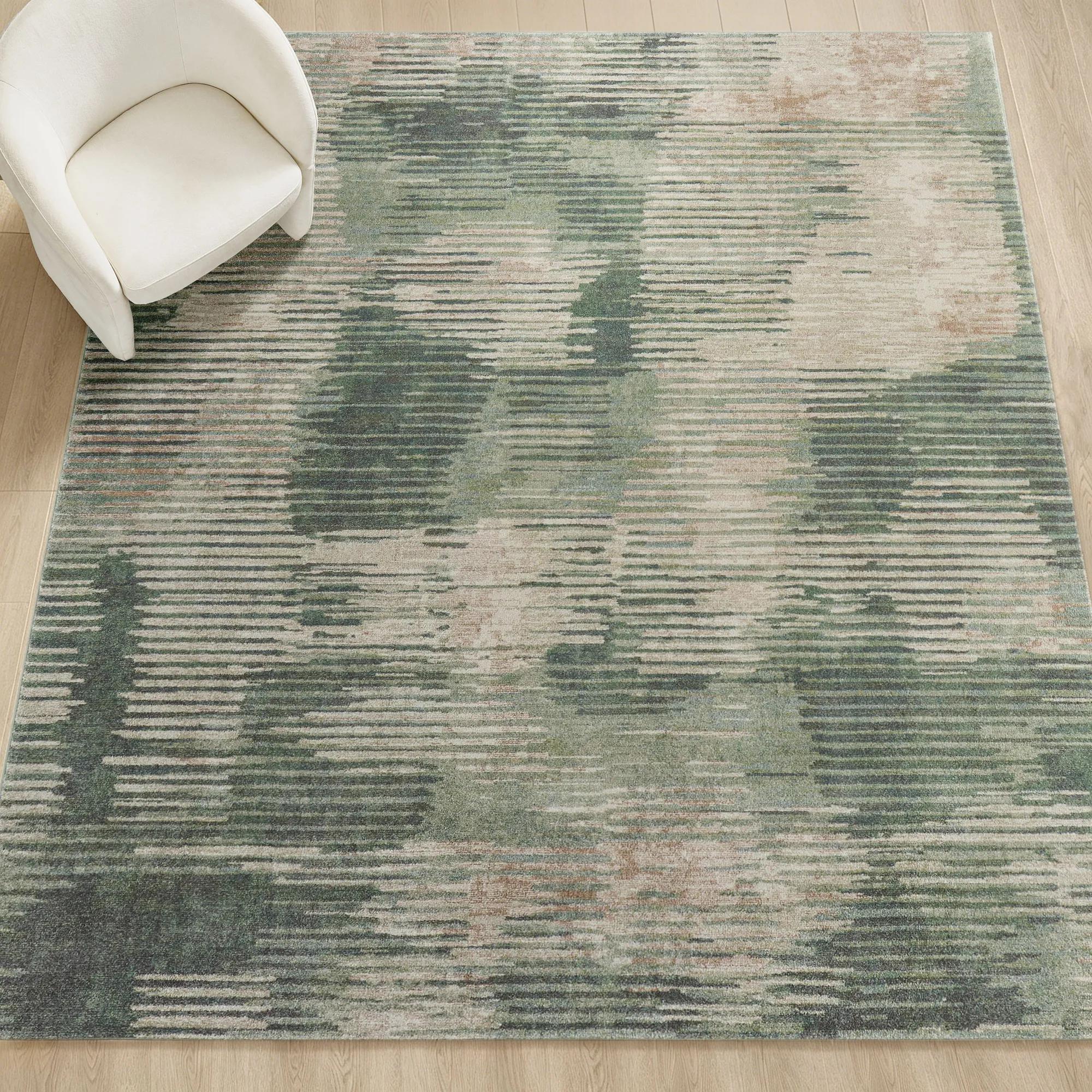
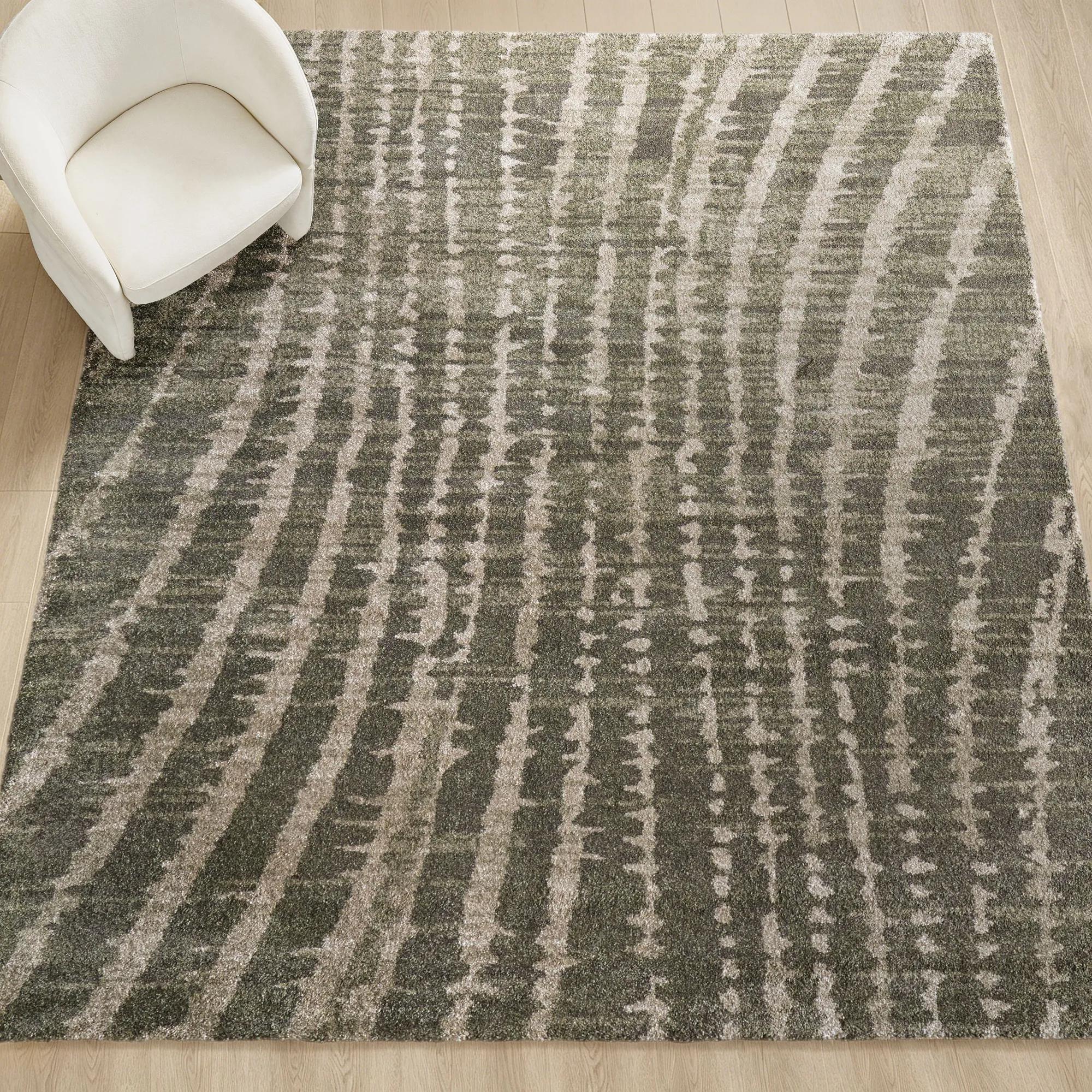
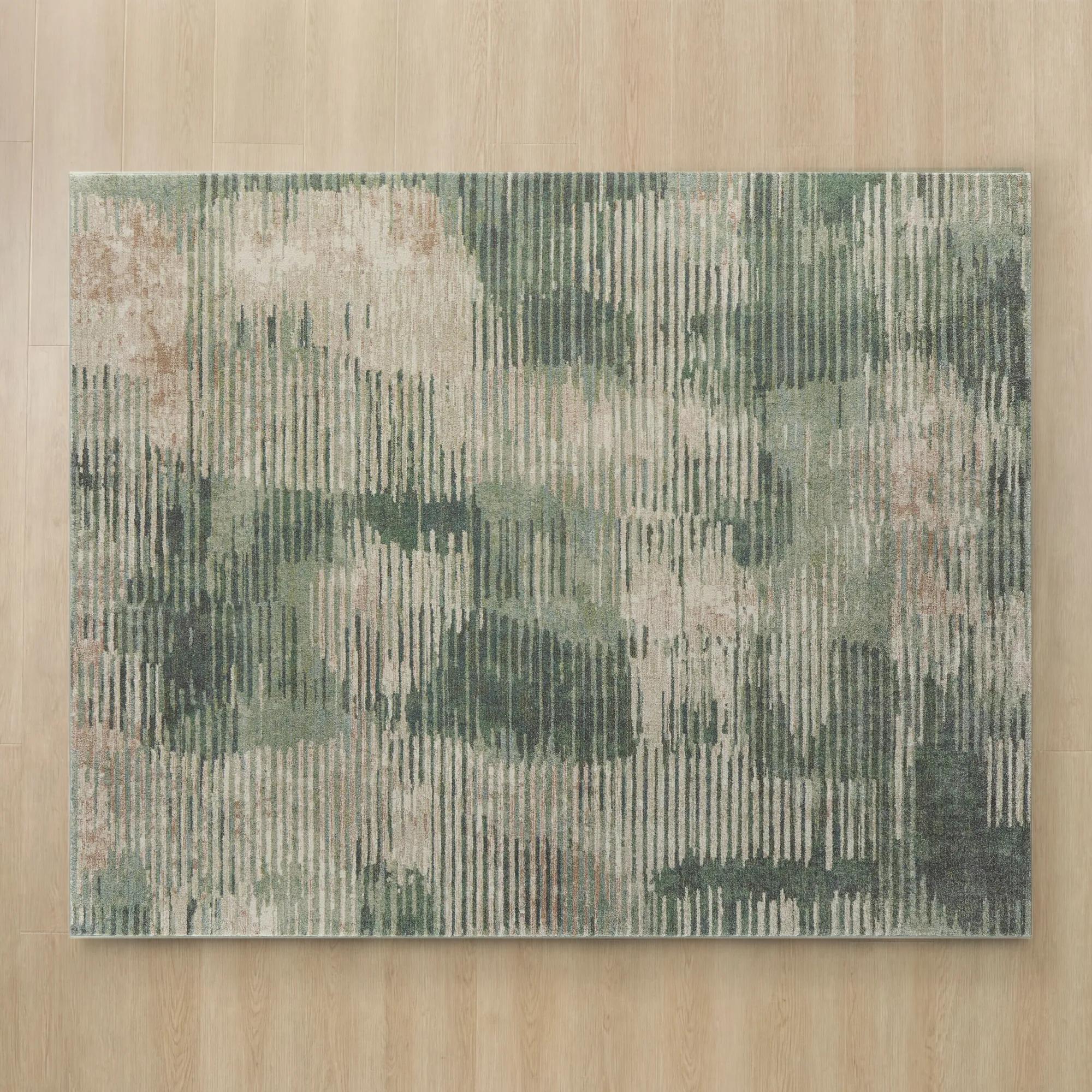 Sylvan Green/Beige Power Loomed Rug$689
A contemporary rug featuring a smoked olive green and beige organic pattern with a soft, power-loomed polypropylene pile.
Add To Cart -
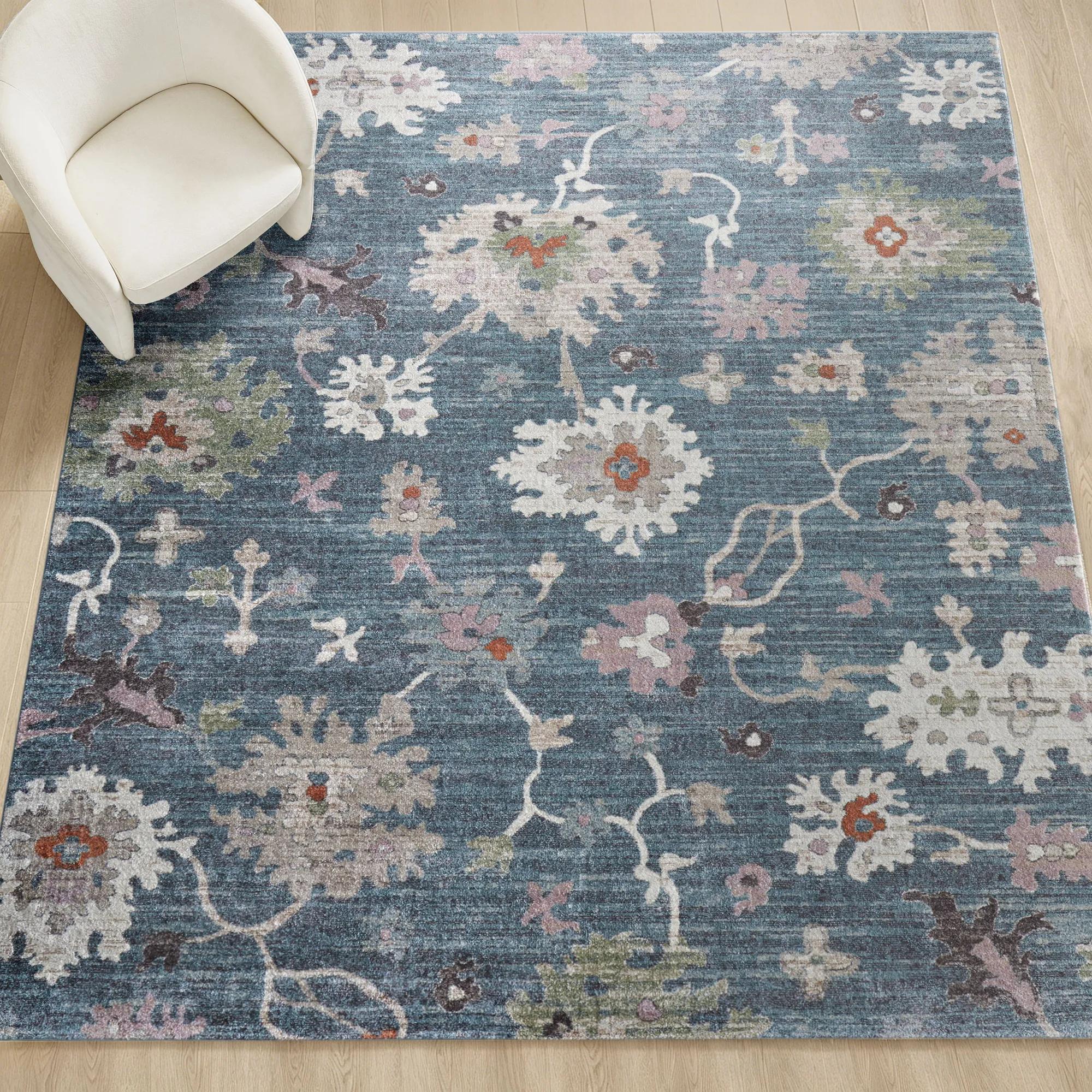
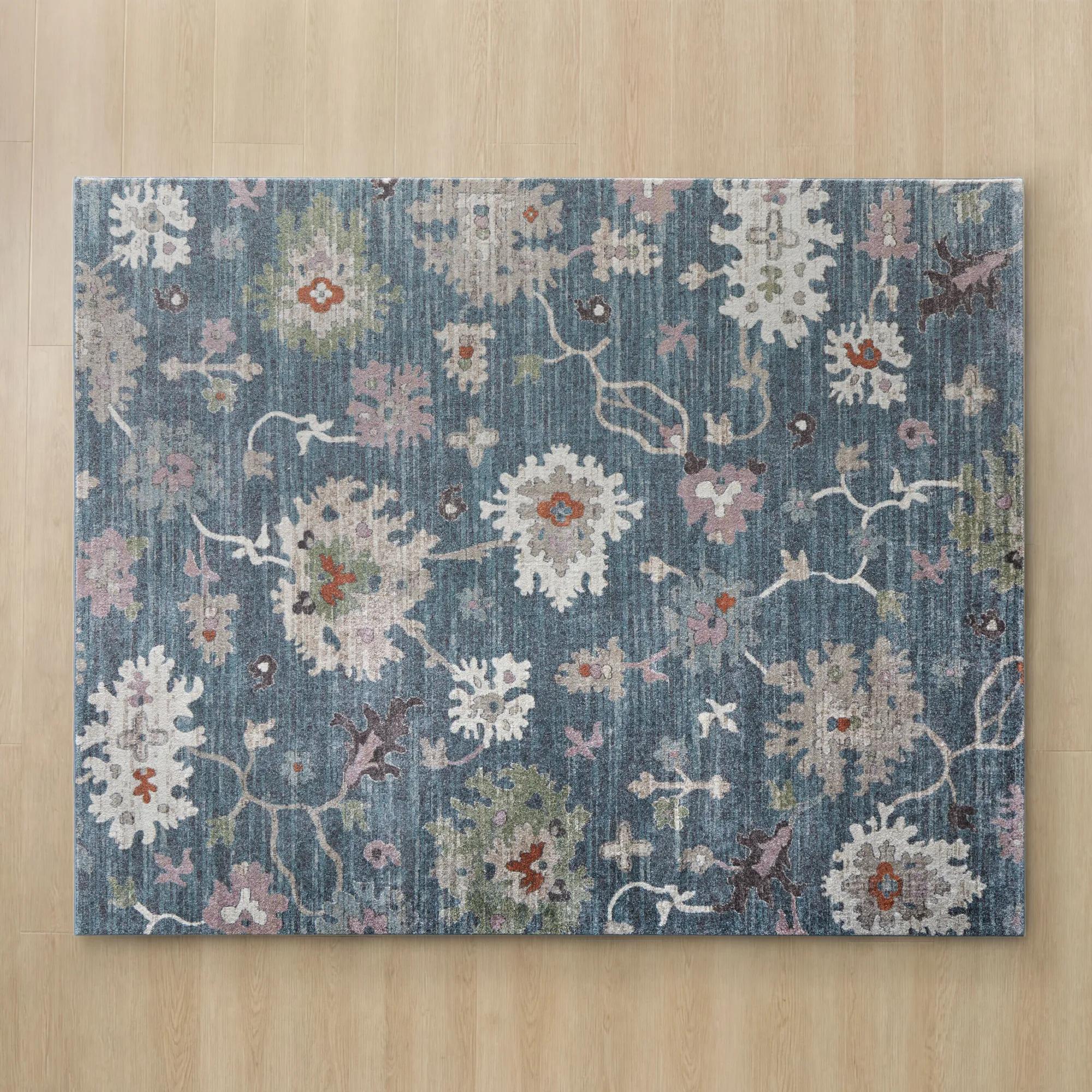 Ariella Floral Blue/Ivory/Beige/Green/Rose Dust Performance Power Loomed Rug$1499
A Persian-inspired rug in blue, ivory, beige, green, and rose dust with plush, stain-resistant polypropylene.
Add To Cart -
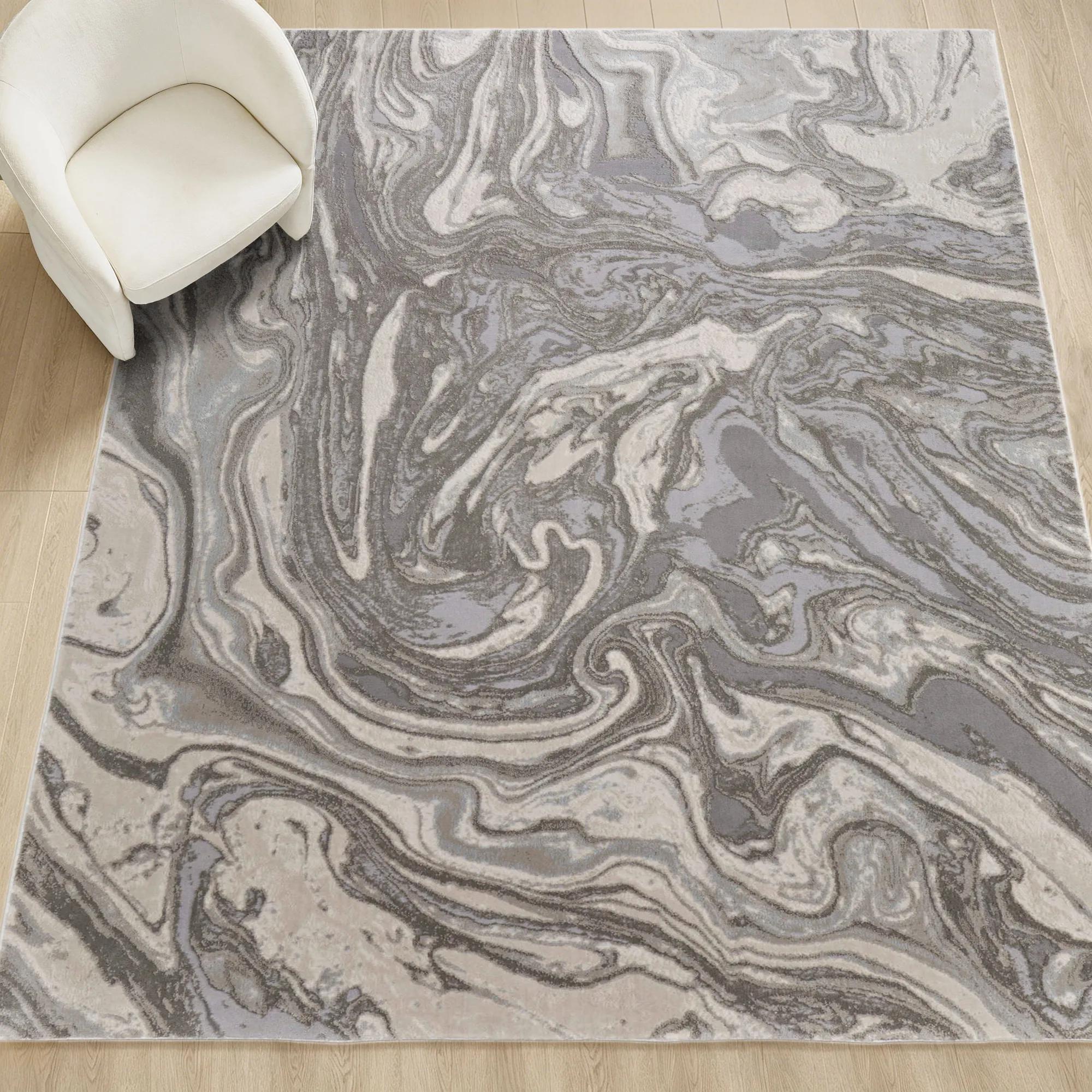
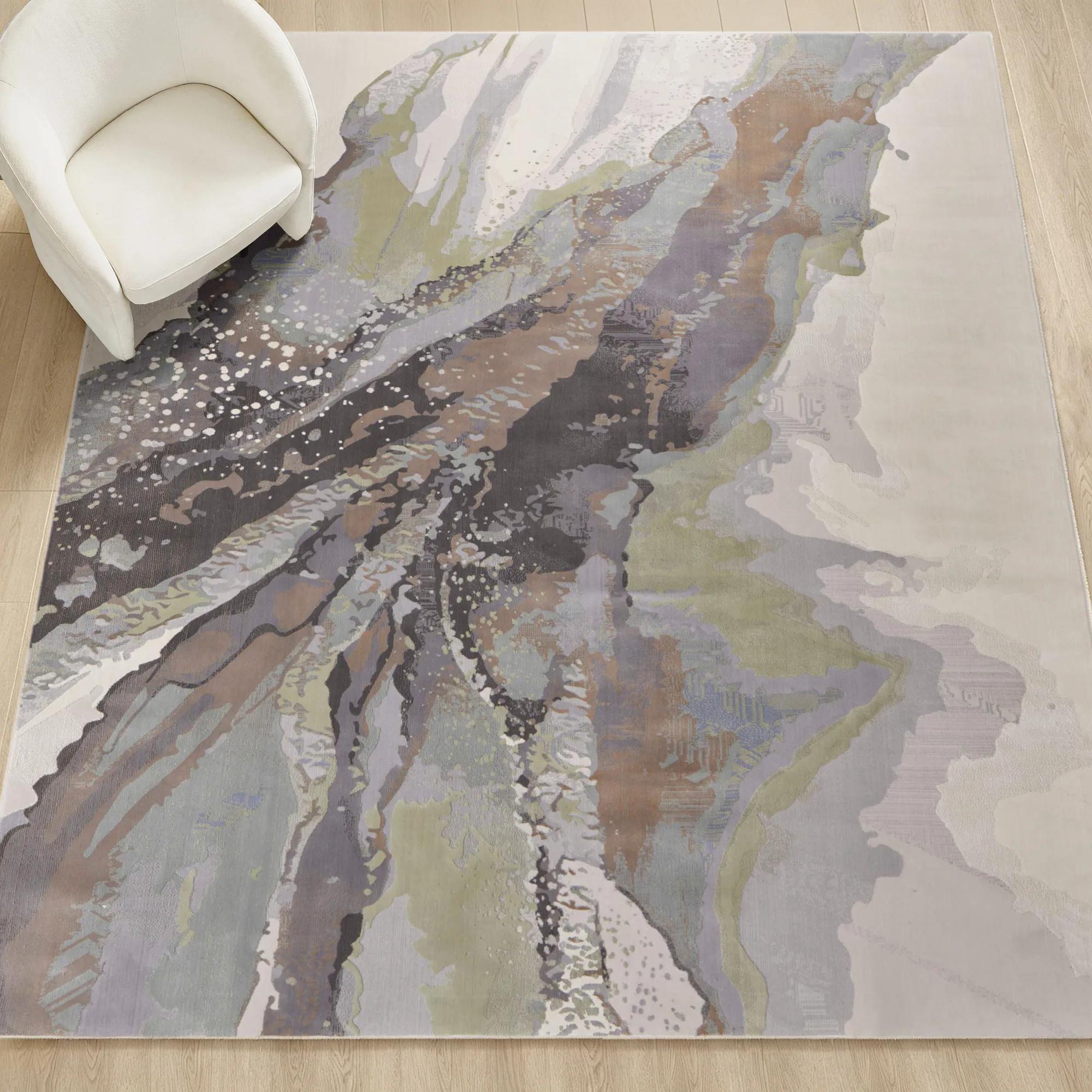
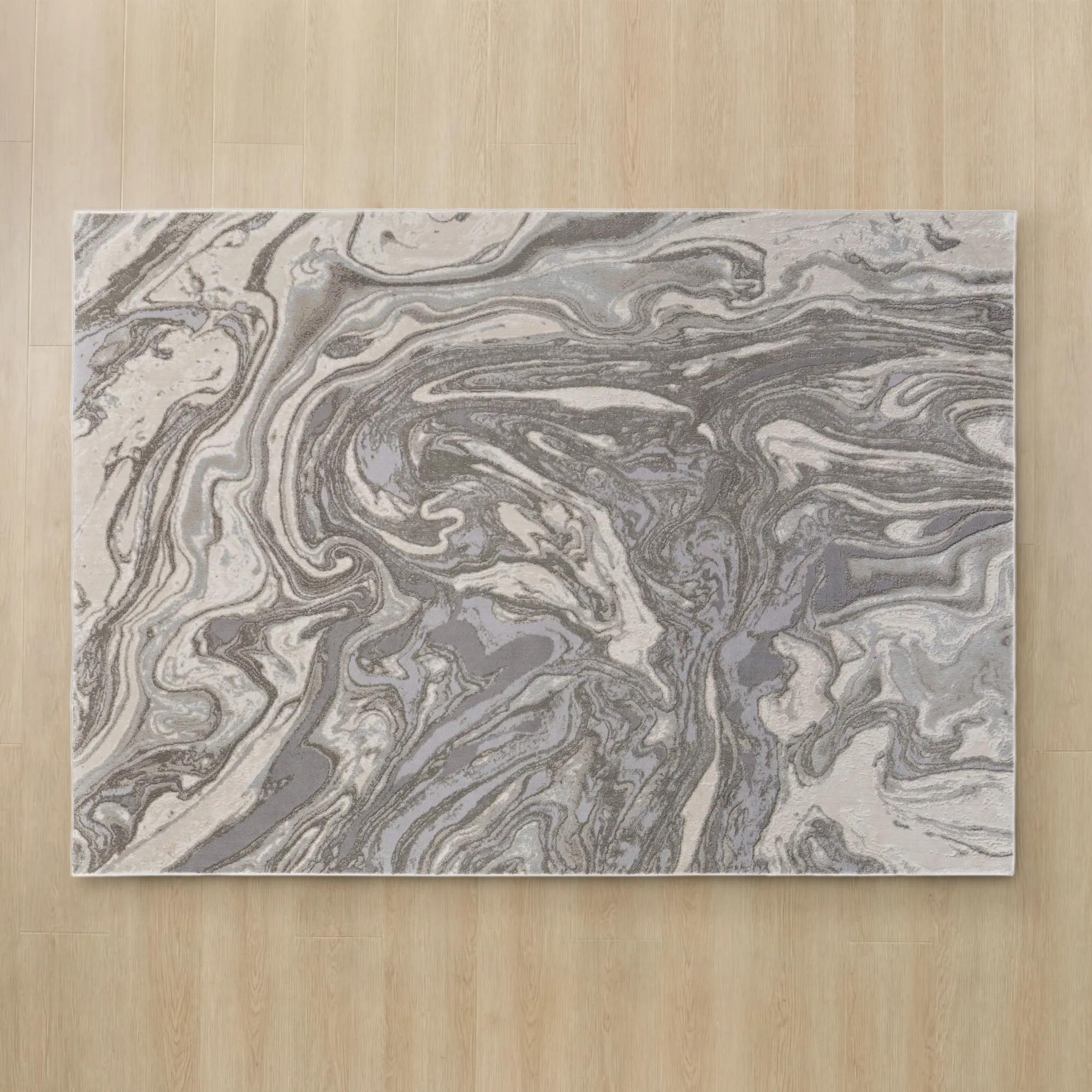 Marbre Marbled Grey/Taupe/Powder Blue Performance Power Loomed Rug$1499
A softly marbled rug in grey, taupe, and powder blue with a textured, stain-resistant performance blend.
Add To Cart -
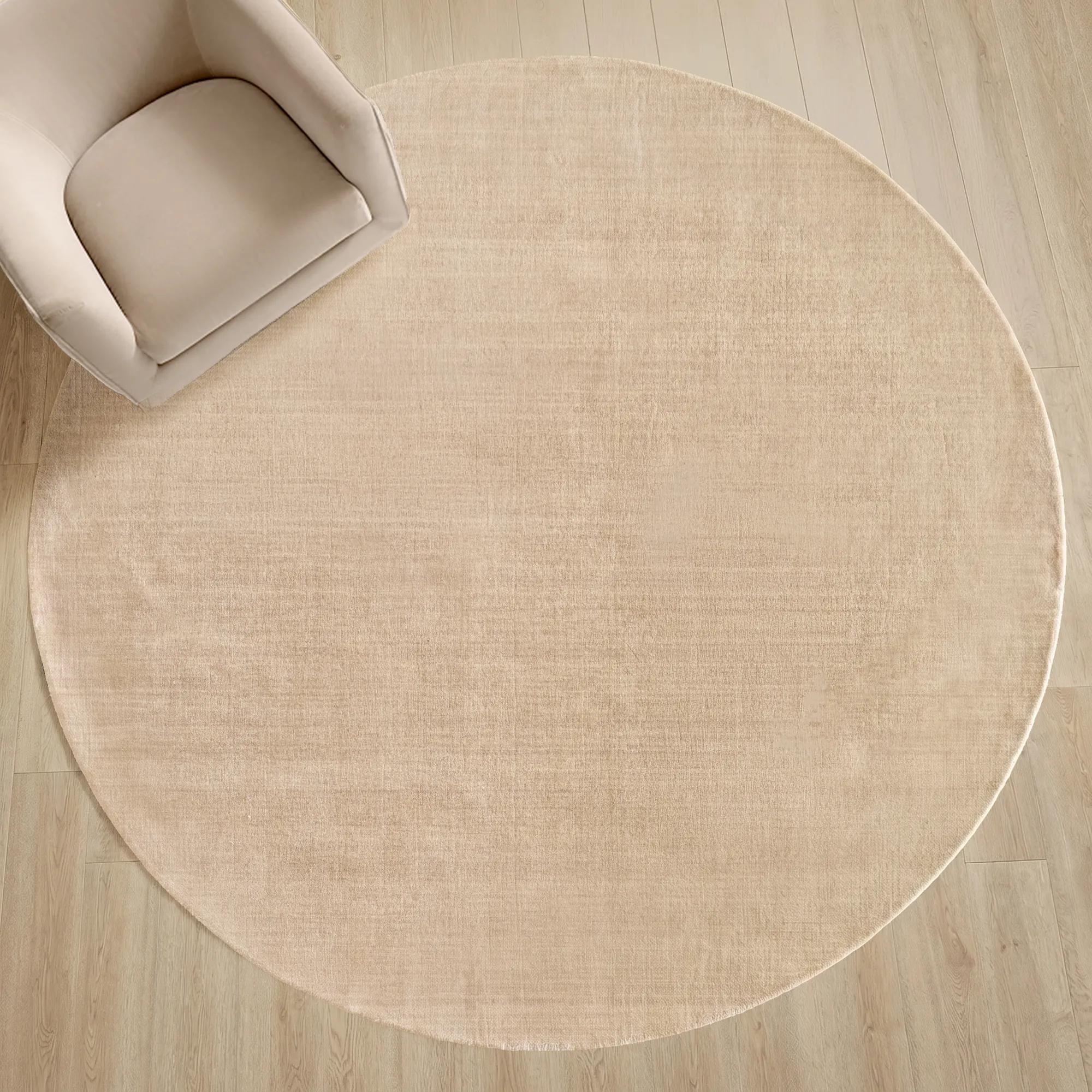 Juni Hand Woven Heathered Warm Beige Round Rug$1399
A handwoven round wool rug in heathered warm beige, offering refined texture and everyday durability.
Add To Cart -
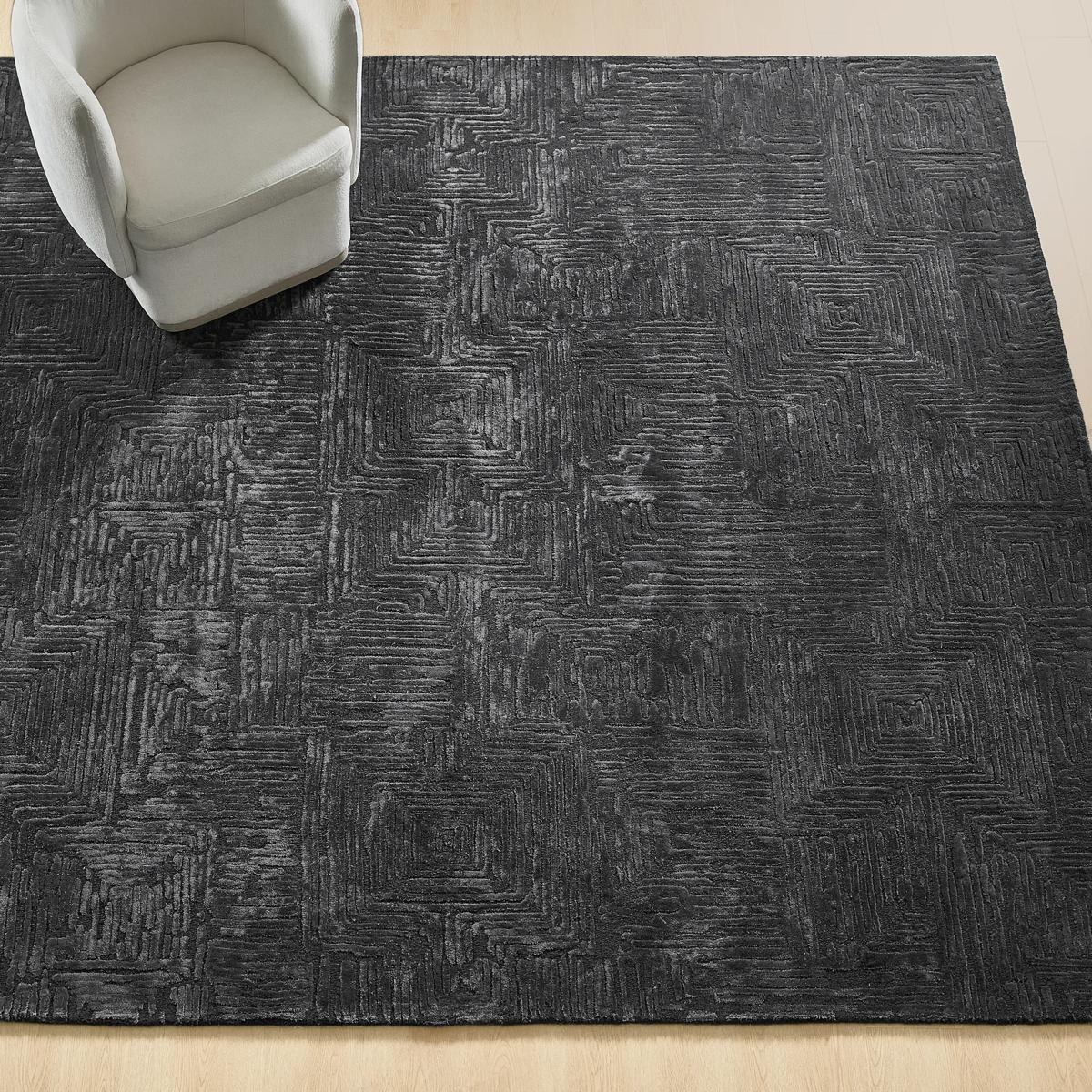
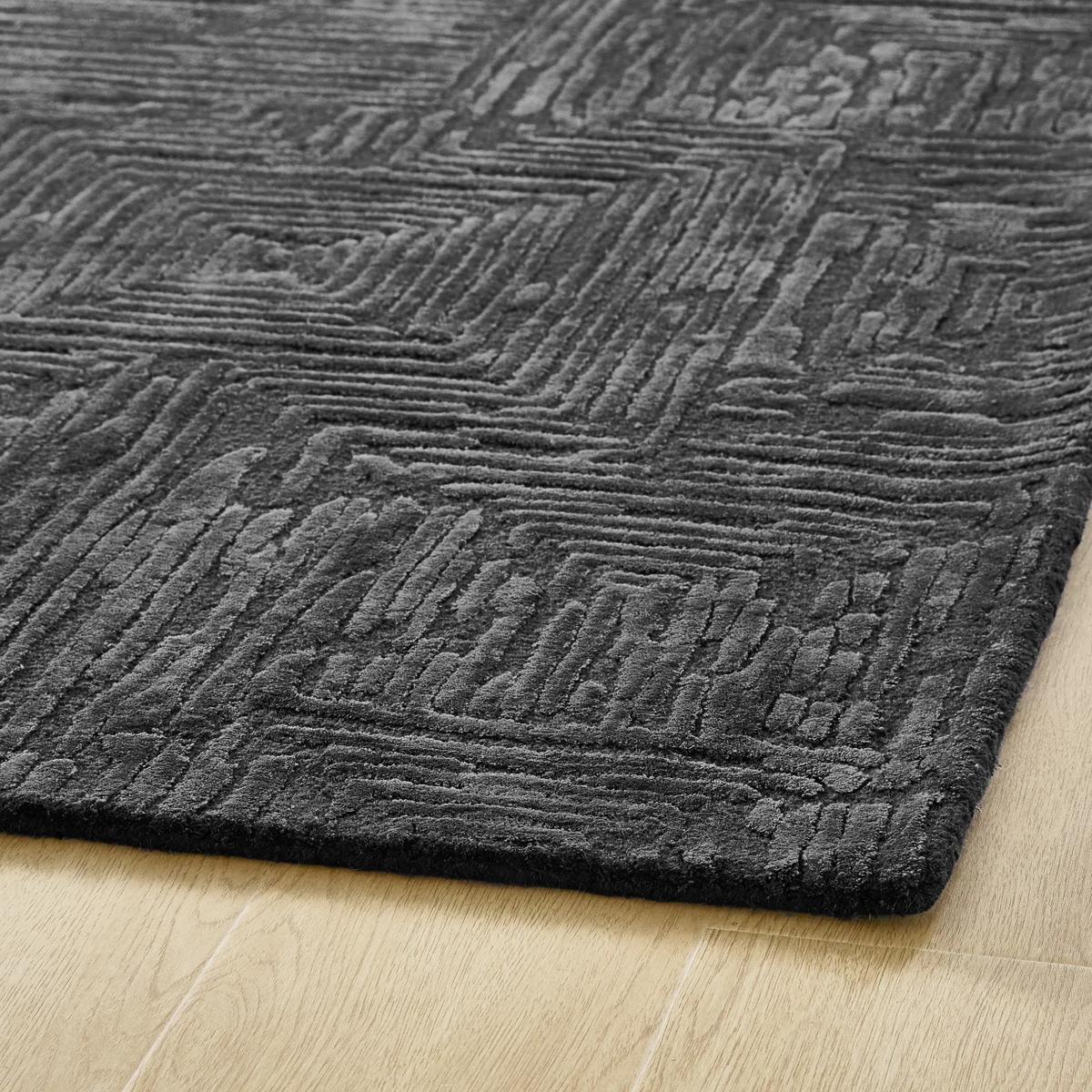 Andra Charcoal Hand-Tufted Wool Blend Dimensional Rug$1499
A hand-tufted viscose-wool rug in rich charcoal with a sculptural, dimensional pattern and plush texture.
Add To Cart -
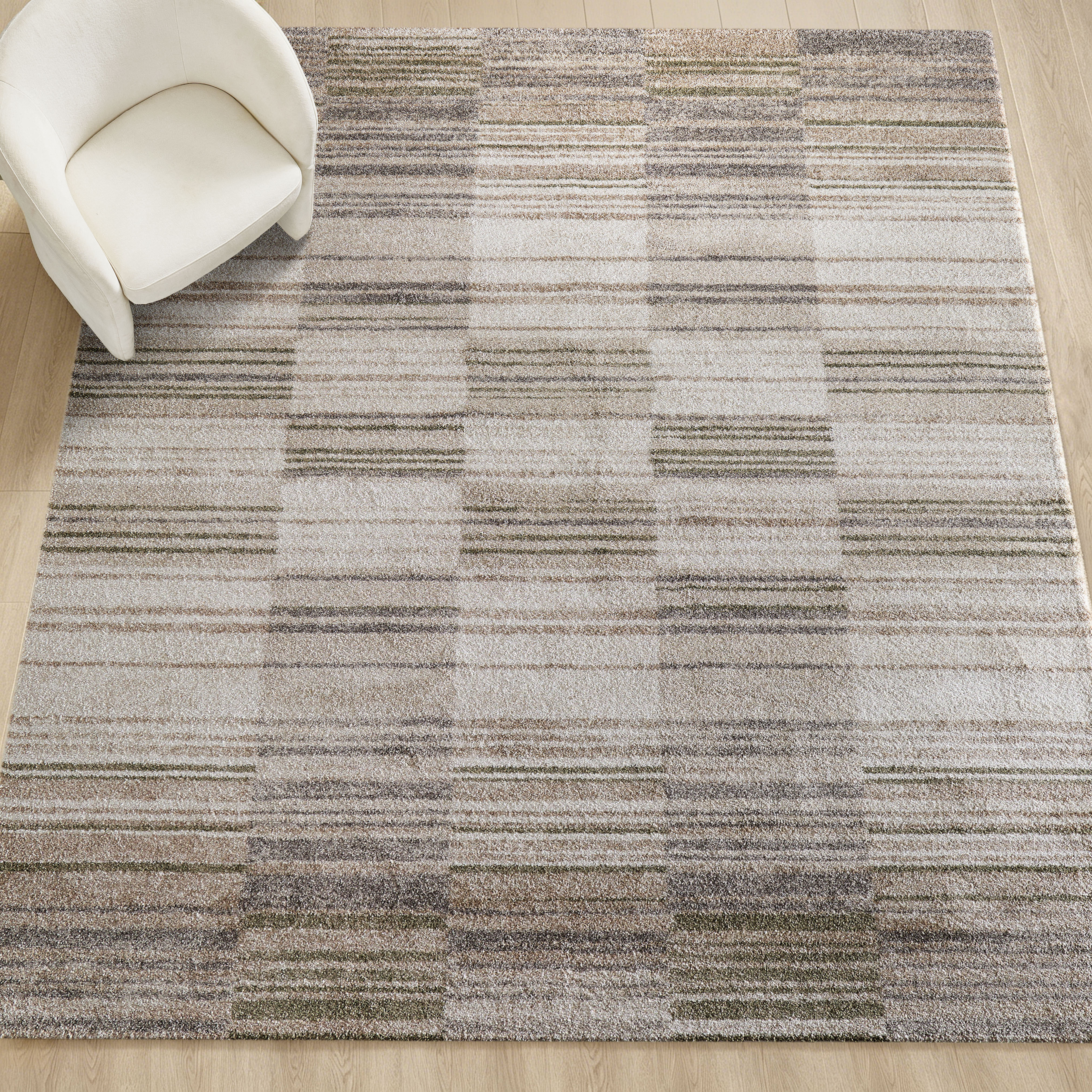
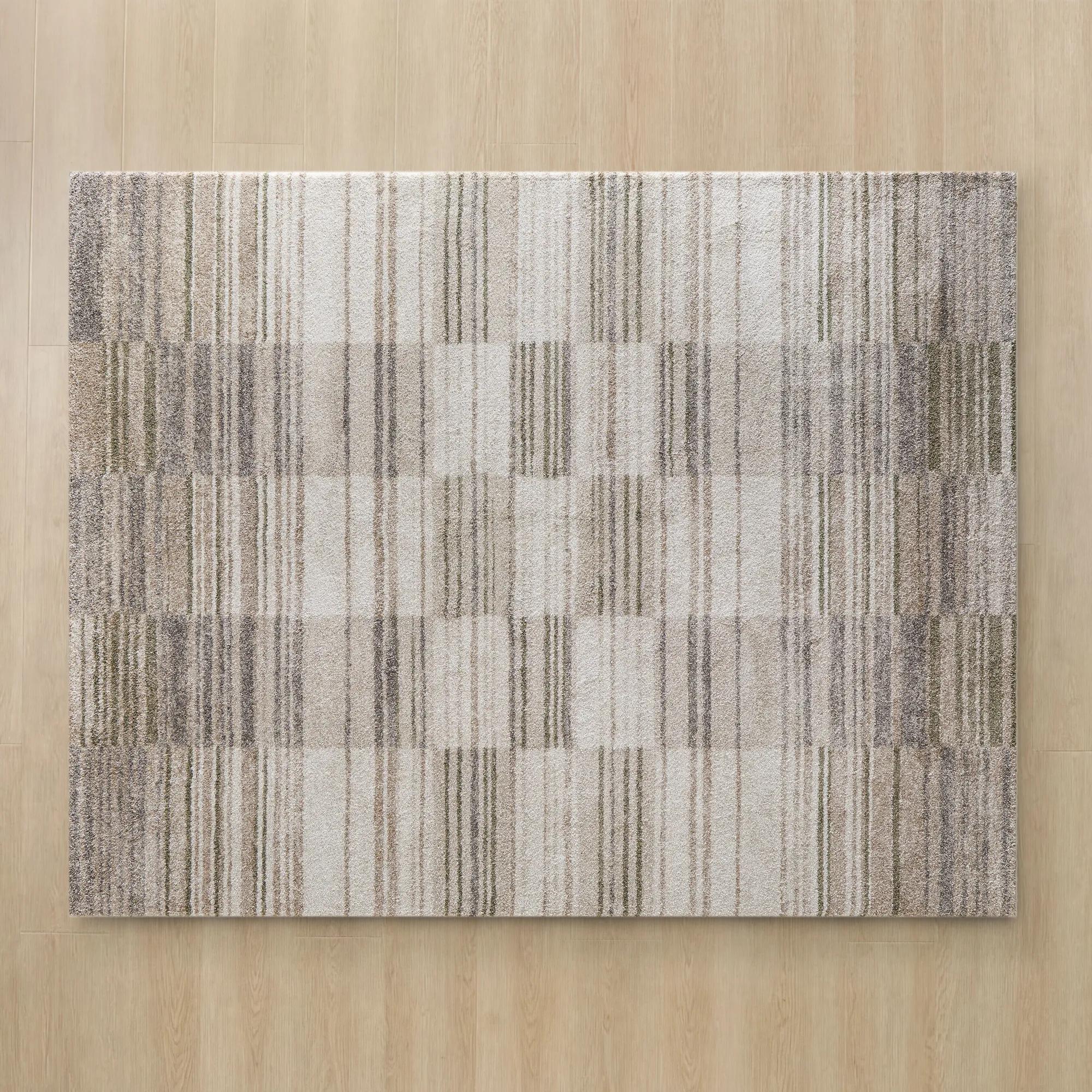 Checka Grey/Tan/Ivory/Soft Green Performance Power Loomed Rug$399
A plush, power-loomed rug featuring a soft check pattern in grey, tan, ivory, and green.
Add To Cart -
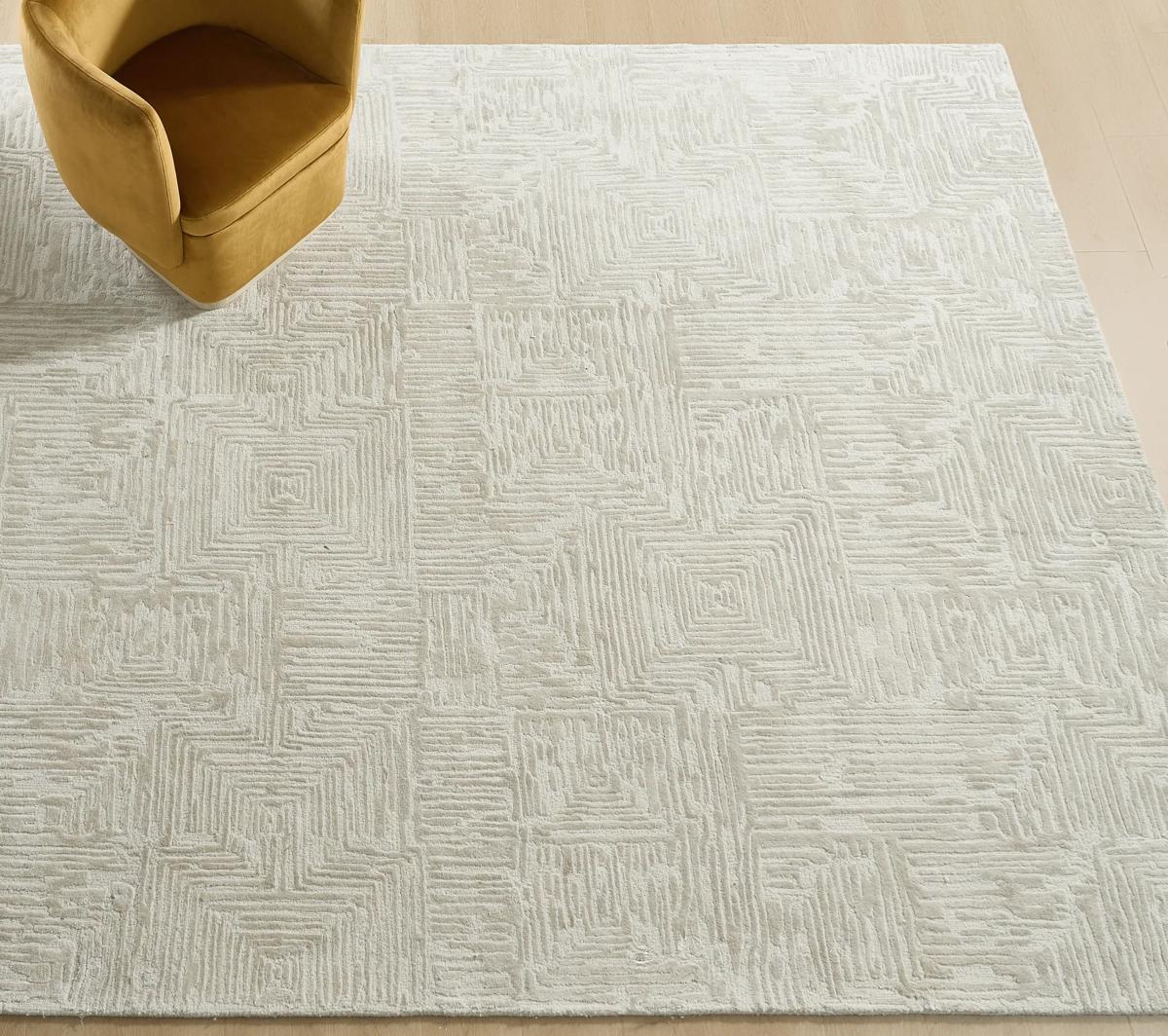 Andra Ivory Hand-Tufted Wool Blend Dimensional Rug$1499
A hand-tufted ivory rug in a viscose-wool blend with raised detailing and a subtle sheen.
Add To Cart

Modern Rugs For Open Concept Rooms
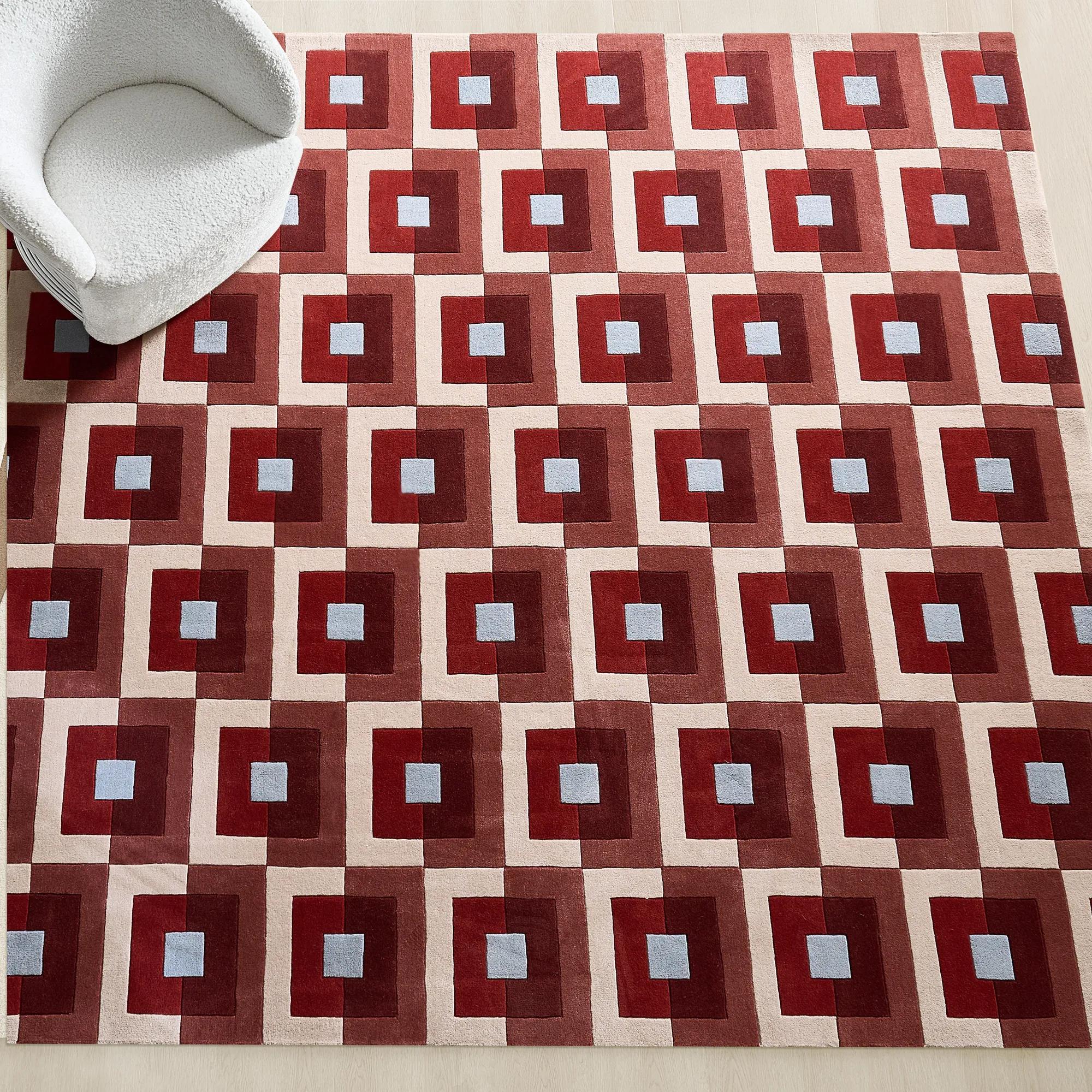
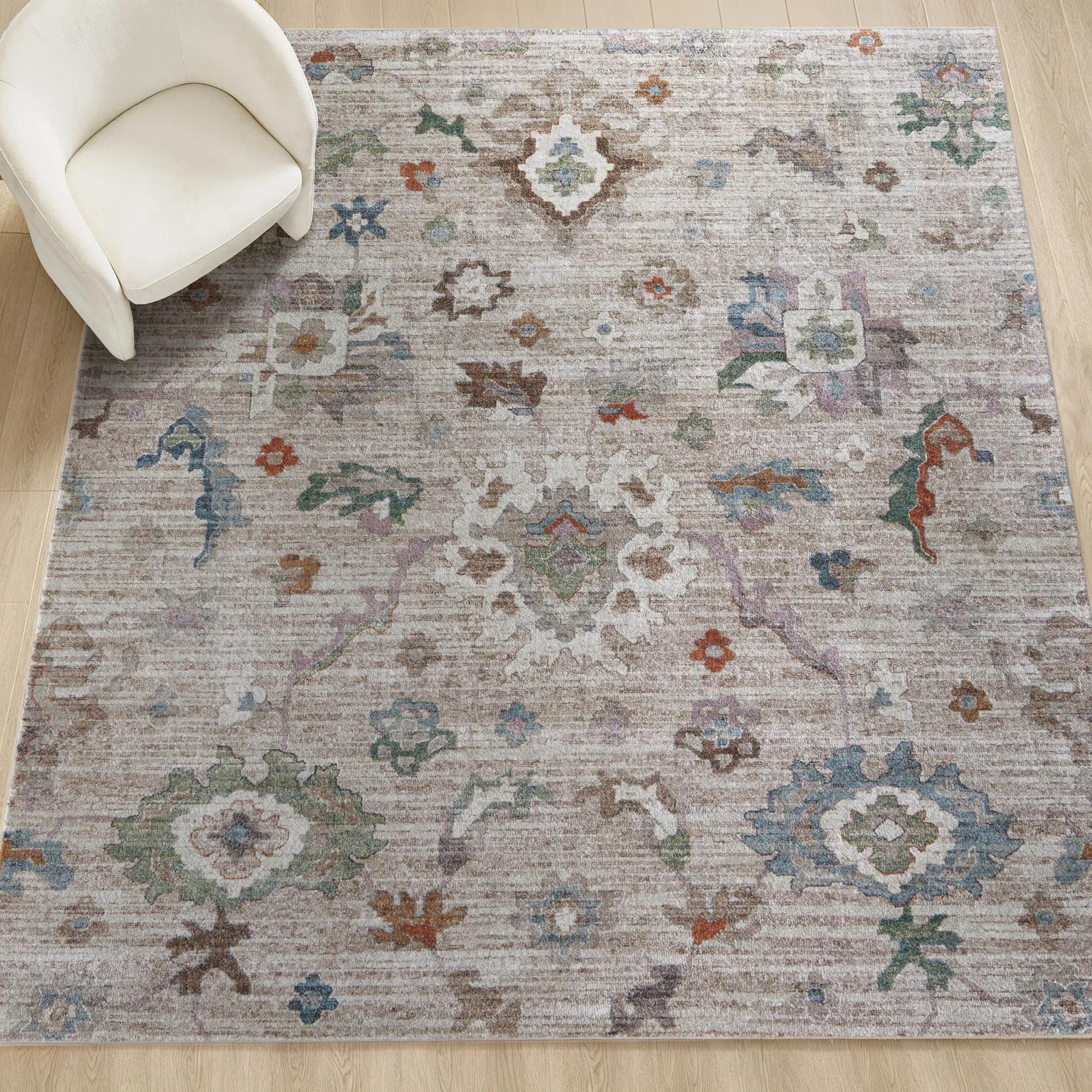
Modern rugs for open concept rooms are more than mere floor coverings—they are the foundation of your home’s grandest statement. In sweeping spaces where boundaries blur and light dances freely, a bold rug becomes both anchor and artwork, defining zones with texture, color, and irresistible allure. Whether you crave a cascade of pattern beneath your feet or a whisper of plush elegance underfoot, these modern masterpieces invite you to layer in luxury and set the stage for living beautifully. Let your open-concept sanctuary unfold with every step—each rug an invitation to express, indulge, and transform.
Modern rugs for open concept rooms do more than soften a floor—they give a sprawling interior its rhythm, intimacy, and sense of occasion. In a home where the living room flows into the dining area, kitchen, entry, or workspace, a thoughtfully chosen rug can define each destination without interrupting the architectural openness. It creates a visual pause beneath a seating arrangement, frames a dining table with polished intention, or lends warmth to a passage where conversations and daily rituals naturally converge. Look for designs that balance sculptural form with an inviting touch: abstract movement, refined geometric lines, tonal layering, and nuanced neutrals can bring dimension to expansive layouts while allowing the room’s furnishings to remain part of one cohesive story. Color is especially important in an open plan. Rugs do not need to match exactly, and identical patterns can make connected areas feel overly staged; instead, coordinate through a shared color family, undertone, or finish. A charcoal accent in one zone might echo a smoky gray thread elsewhere, while ivory, taupe, sand, or warm metallic notes can quietly unite wood, stone, upholstery, and lighting throughout the space. Give one rug the leading role with a more expressive pattern or generous scale, then let neighboring designs take a supporting part through subtle texture, restrained geometry, or a calmer palette. This approach establishes visual hierarchy while preserving the effortless continuity that makes open concept living so appealing. For interiors with crisp architectural lines, a painterly abstract can introduce artistic movement; for rooms rich in dramatic furnishings, a low-contrast design may be the elegant counterpoint that keeps the overall composition from feeling busy.
Scale is the first practical consideration, and it has a remarkable effect on how finished a room feels. In a living area, the ideal rug generally extends beneath at least the front legs of the primary seating, though a larger size that accommodates the sofa, chairs, and central table can create an especially tailored arrangement. Allowing the rug to sit generously within the seating group makes the furniture feel gathered rather than scattered across the floor. In a dining zone, choose a size that leaves enough room for chairs to remain on the rug when pulled back from the table; this detail prevents awkward catches and keeps the setting graceful during long meals. A rug should define one functional space at a time, particularly when several zones share a single room. Too many competing shapes can make an open floor plan look crowded, while one clearly established rug per area brings order and a sense of calm. Take measurements before shopping, and use painter’s tape to outline the intended footprint on the floor. This simple step reveals how the rug will relate to walkways, cabinet edges, doors, and nearby furnishings. Pay close attention to transitions between materials as well. A low-profile or low-pile rug creates a smooth passage between hardwood, tile, and other hard surfaces, making it well suited to dining spaces, kitchens, and high-traffic connections. Plush textures can bring sumptuous comfort beneath a lounge arrangement, particularly where guests gather, read, or unwind during the cooler months, while flatter constructions often make it easier to move chairs and maintain a clean, tailored silhouette. For busy households, consider durability, stain resistance, ease of care, and the level of foot traffic each zone receives. A family room, entertaining space, or home with pets may benefit from a resilient design that can withstand everyday movement without sacrificing artistry. A rug pad adds cushioning, helps prevent slipping, protects the floor beneath, and can extend the life of the rug—an understated foundation for a more luxurious experience.
The most successful modern rugs make an open concept room feel layered, personal, and beautifully lived in. They can temper the echo of a large space, introduce softness beside sleek surfaces, and bring a quiet sense of warmth as daylight fades earlier and gatherings move indoors. Consider how the rug will look in changing light: pale tones can amplify brightness near expansive windows, while deeper shades add grounding drama to rooms with high ceilings or abundant glass. Glossy finishes, sculptural furniture, and reflective accents gain balance from tactile fibers and softened patterns; conversely, a richly textured room may benefit from a cleaner design that lets the surrounding details breathe. Keep circulation in mind by leaving clear paths between seating, counters, dining furniture, and entrances. The rug should define movement, not obstruct it. For households that entertain, layered zones make it easier for guests to transition naturally from conversation to dining, while a well-placed rug can make even a wide, multifunctional room feel intimate and inviting. These pieces also make a thoughtful housewarming gift for someone settling into a new residence, especially when the design offers versatile tones and a contemporary pattern that can evolve with changing furniture. Those furnishing a first apartment, refreshing a family gathering space, or creating a more polished home office may find that one carefully selected rug transforms the entire atmosphere without requiring a complete redesign. If the clean-lined look of modern interiors appeals to you beyond an open floor plan, explore Modern Rugs For New Homes for additional inspiration. Whether you prefer a dramatic abstract that becomes the room’s artistic focal point or a quietly dimensional design that supports a more expressive collection of furnishings, choose with both the eye and the everyday in mind. The right rug should feel intentional from across the room, rewarding up-close attention with texture, tone, and detail—an artful foundation that connects every zone while allowing each moment within the home to shine.
FAQs
A modern rug serves as a visual anchor in open concept spaces, defining zones and introducing color, texture, and pattern to unify the overall design. By layering unique modern rugs, you can create distinct living, dining, or entertaining areas, all while maintaining a seamless flow. The right rug not only adds comfort but also infuses the room with personality and artistic flair.
Area rugs for open concept rooms often feature materials such as hand-tufted wool, lustrous viscose, durable synthetics, or plush blends. Each material brings its own mood—wool offers warmth and resilience, viscose delivers a silk-like sheen, and synthetics provide easy maintenance with bold color options. The choice of material can dramatically influence the atmosphere and tactile experience of your space.
Yes, many concept rugs are designed with both style and practicality in mind, making them an excellent choice for homes with pets or children. Look for low-pile or flatweave designs that resist stains and are easy to clean, allowing you to enjoy sophisticated design without worry. These rugs can transform high-traffic zones into inviting, artful spaces while standing up to everyday life.
Absolutely. Layering area rugs is a creative way to add depth, dimension, and visual interest to open concept rooms. Try pairing a bold, patterned rug with a neutral base or mixing textures for a curated, gallery-like effect. This approach not only enhances the aesthetic but also allows you to play with scale and define specific areas within a larger layout.
A rug is a gift that transforms a house into a home, offering both beauty and function. Gifting a unique modern rug shows attention to personal style and a desire to help loved ones create a space that reflects their individuality. It's a gesture that endures—each time they step onto the rug, they'll be reminded of your thoughtfulness and the shared moments that make a home special.