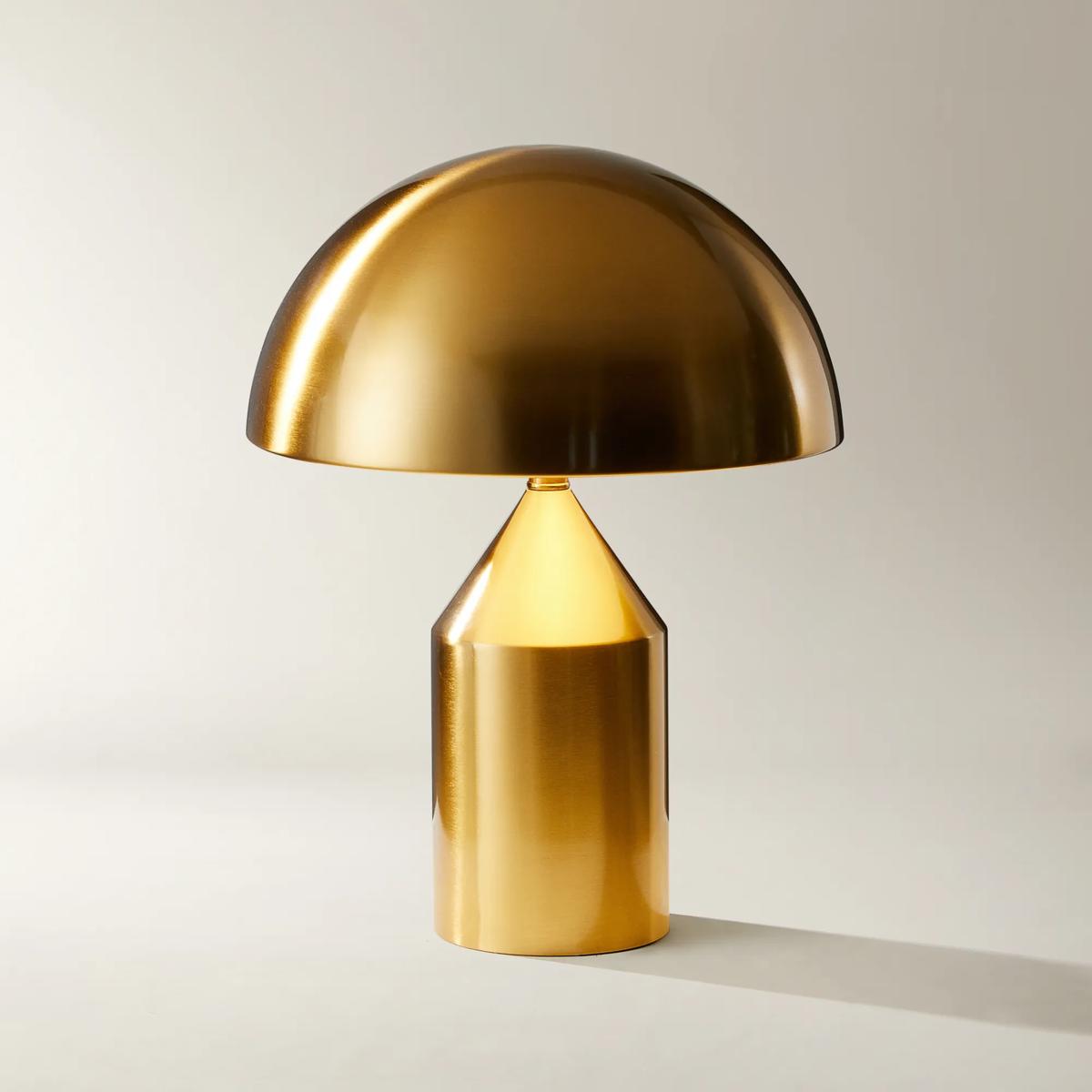
Modern Living Room Lighting Ideas
Modern Living Room Lighting Ideas
-
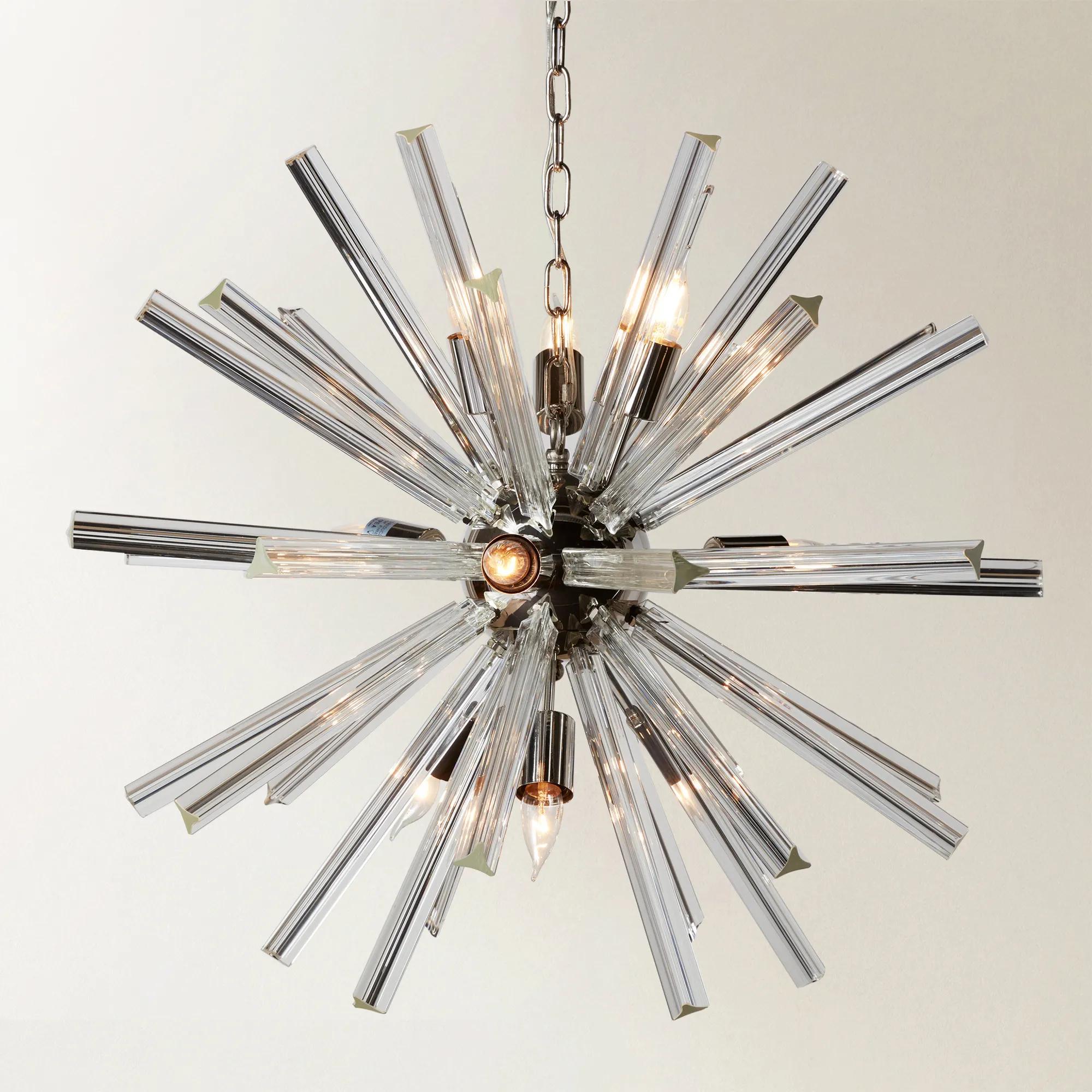
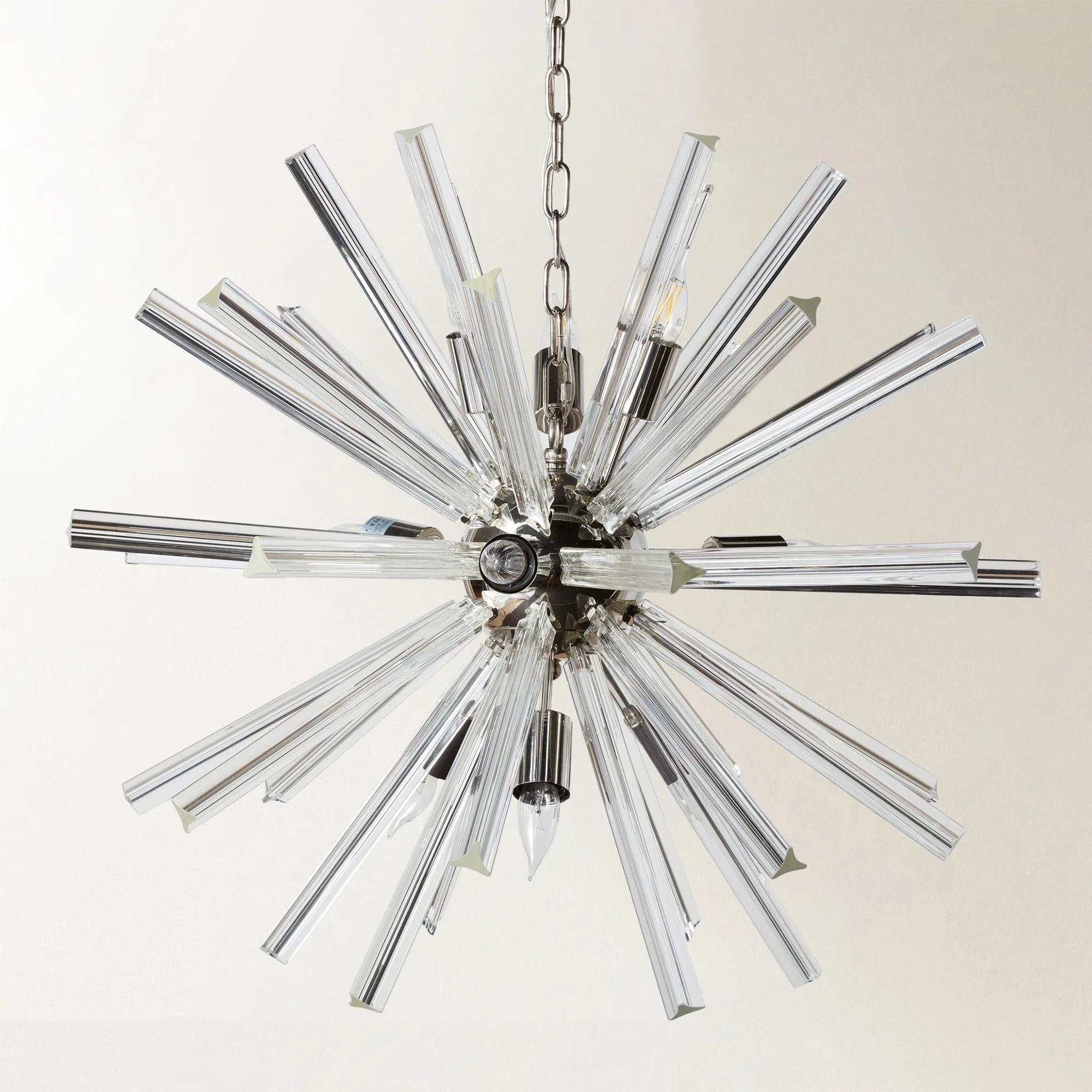 Axis Sputnik Clear Faceted Glass Chandelier 29.5"D$599
A modern chandelier featuring solid triangular glass spokes and iron accents for striking light reflection.
Add To Cart -
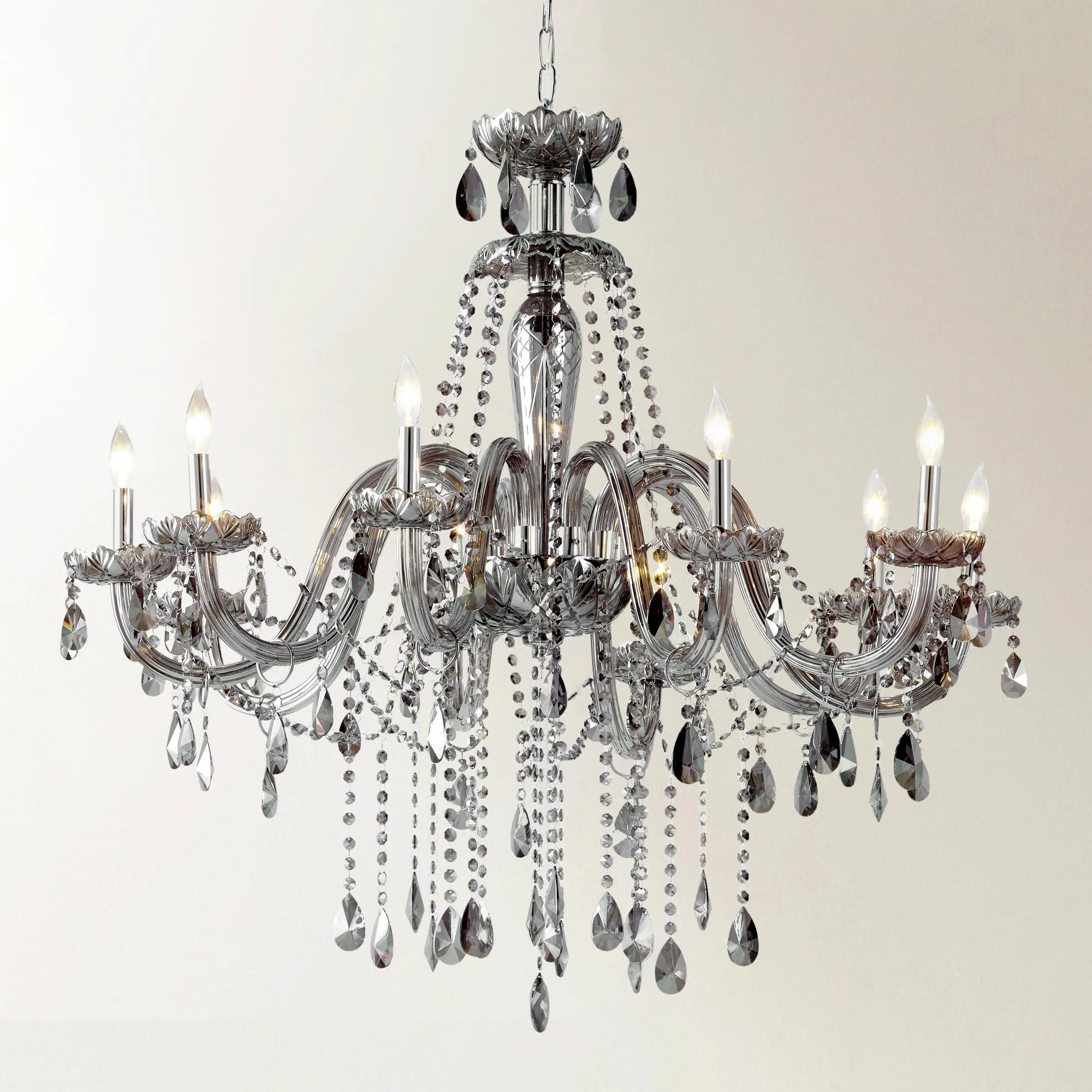
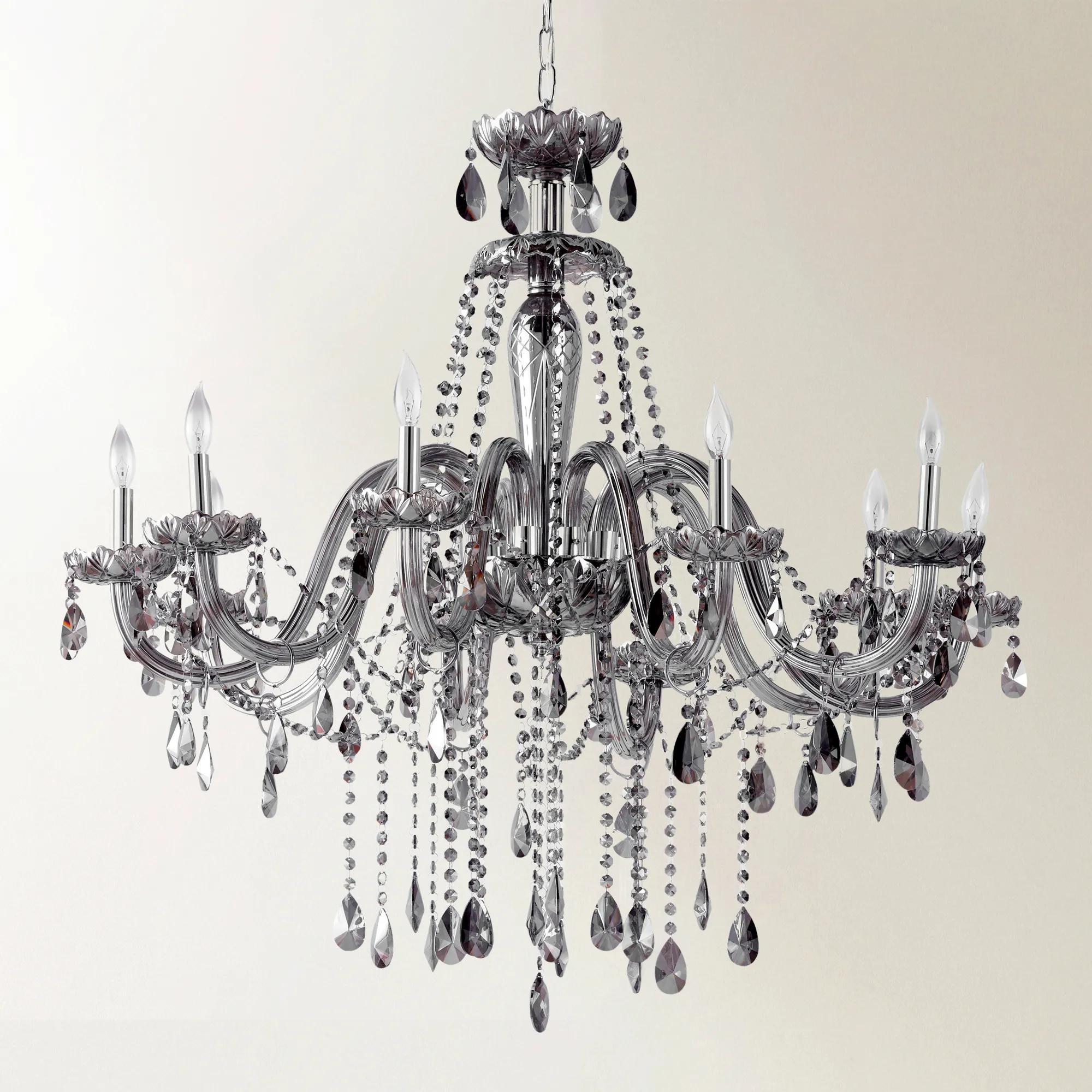 Omni Chandelier 38.5" - Graphite$999
A dazzling chandelier featuring graphite faceted crystals and ten fluted glass arms with nickel hardware.
Add To Cart -
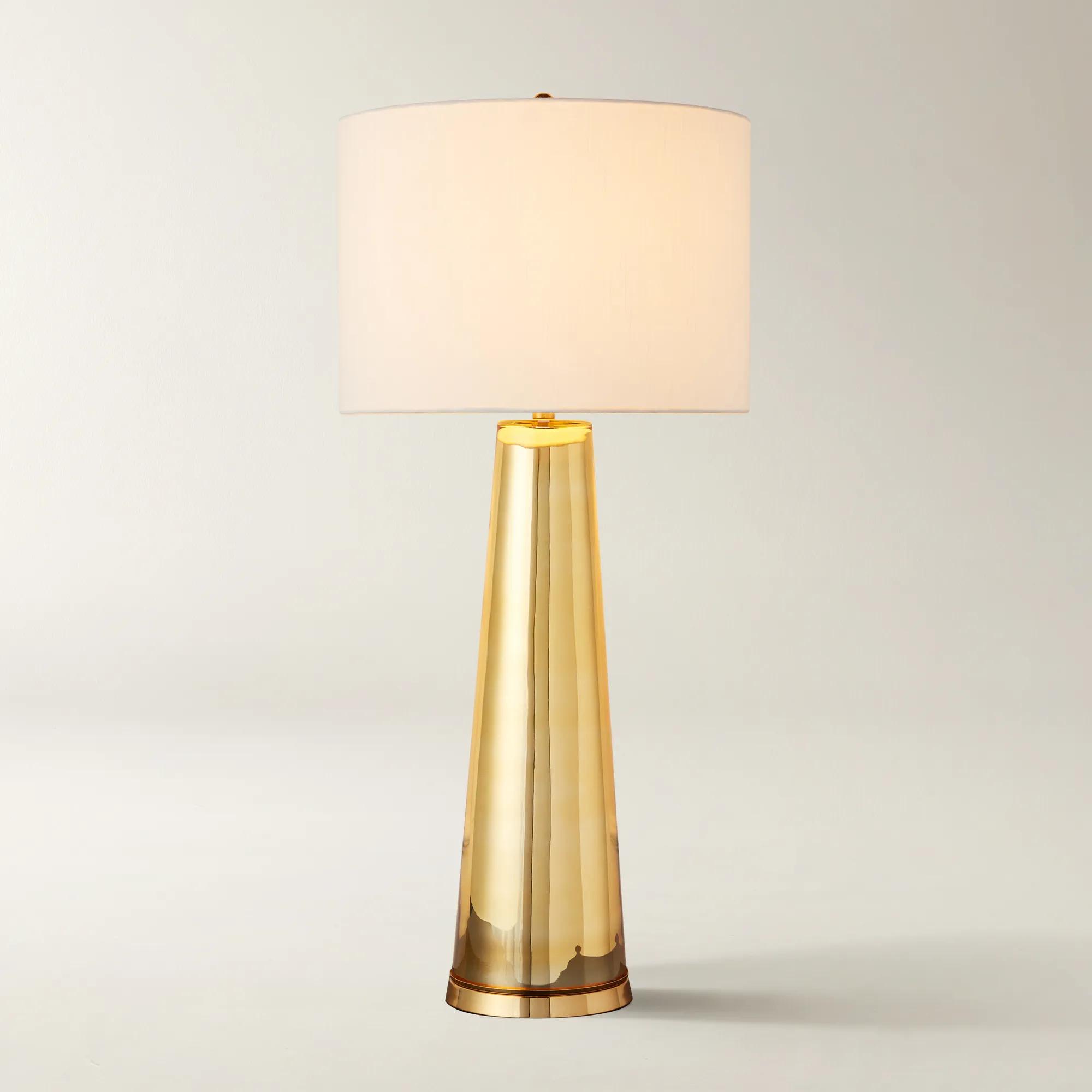
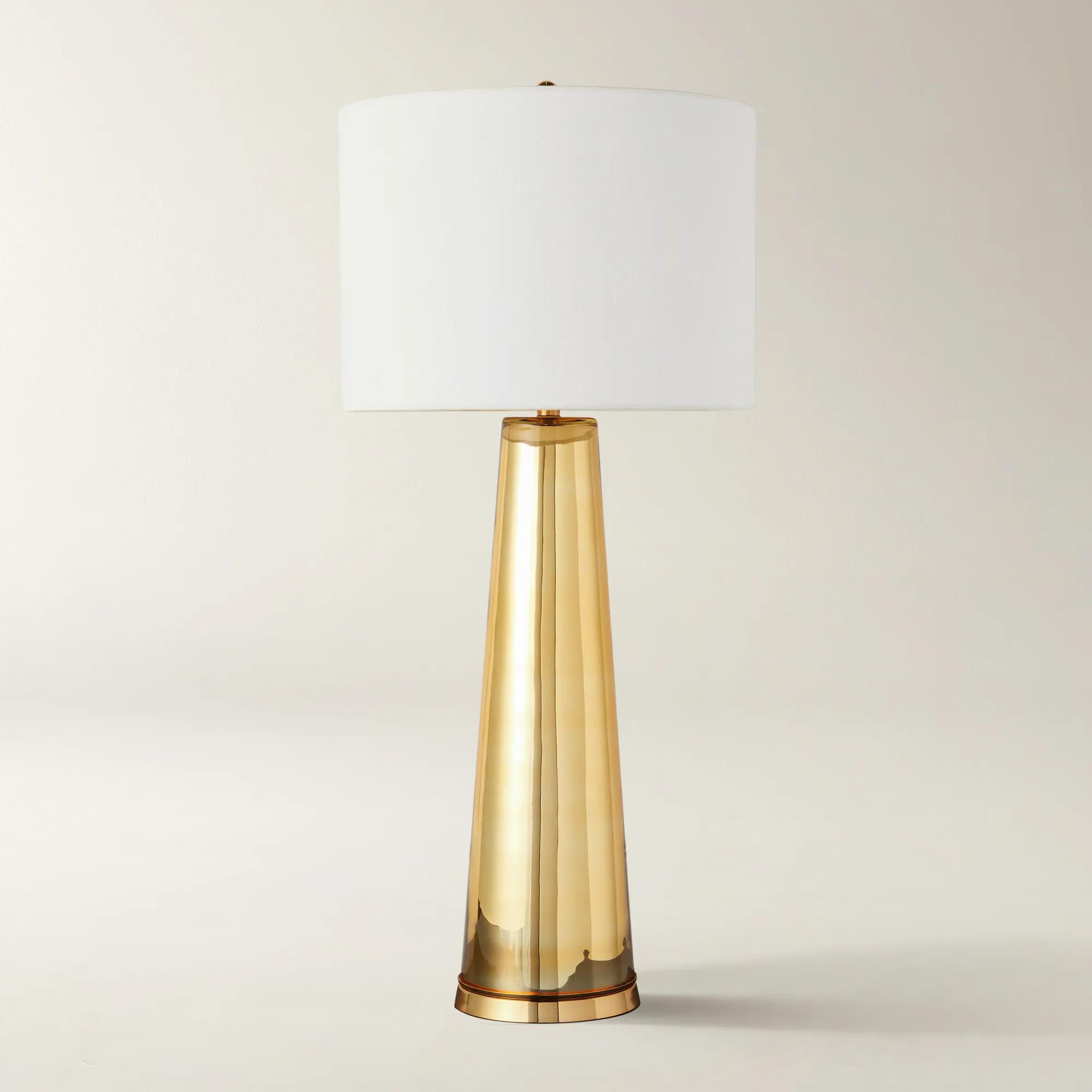 Century Gold Mirrored Glass Table Lamp 40"$299
A modern lamp featuring a mirrored glass base and white drum shade, accented with gold or silver details.
Add To Cart -
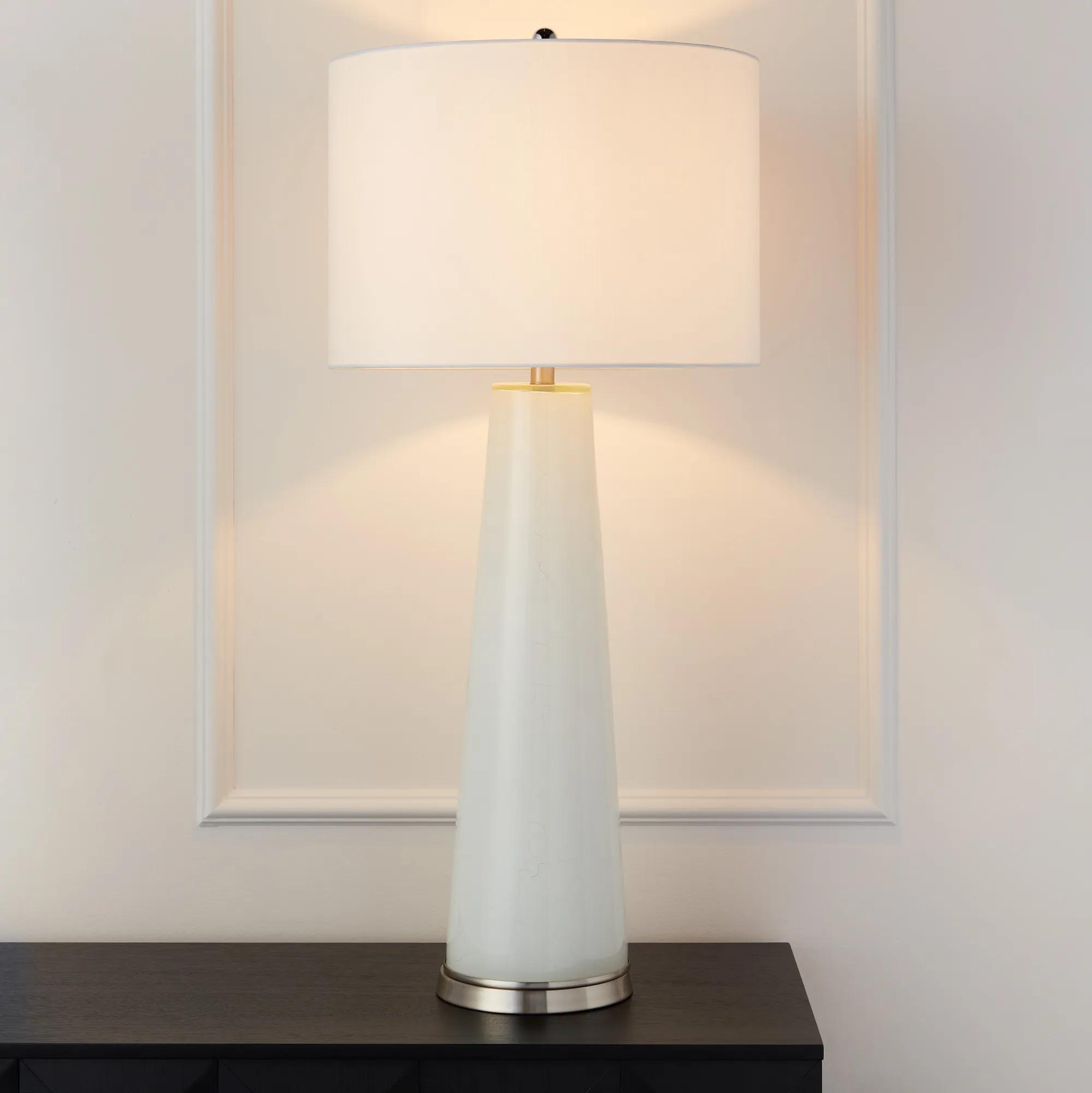 Century White Glass High Gloss Table Lamp 40"$299
A modern glass lamp with a high-gloss white interior and a crisp white drum shade.
Add To Cart -
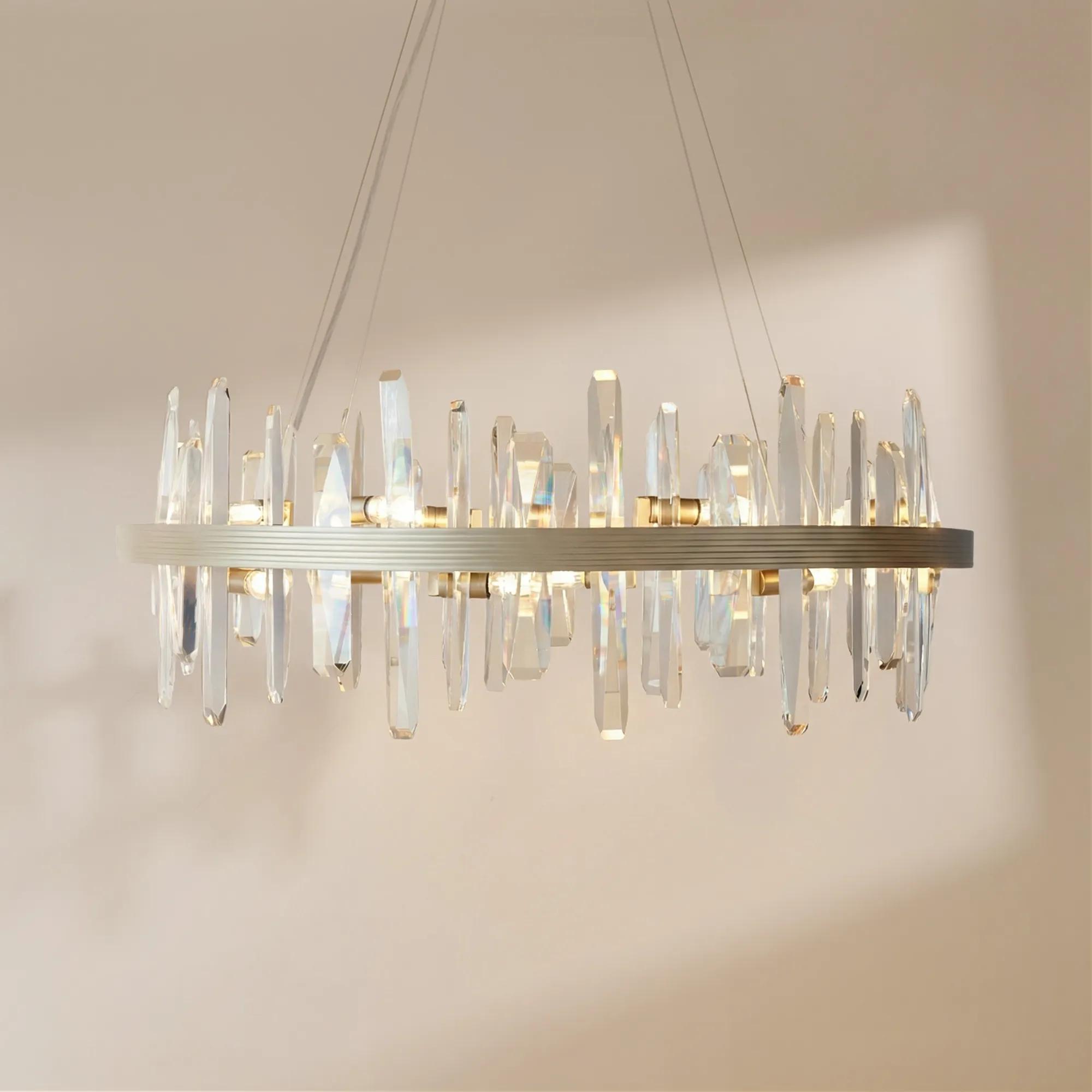
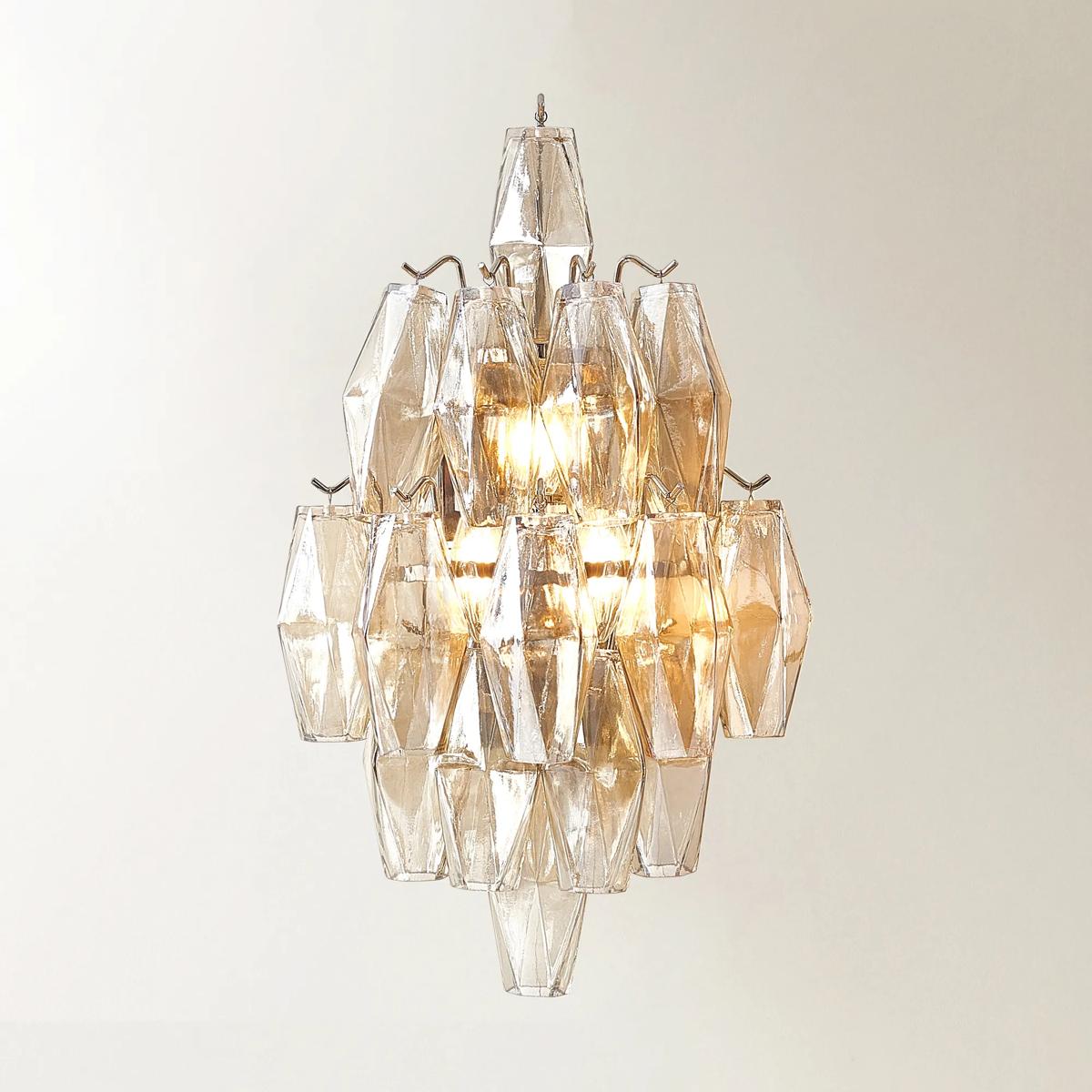
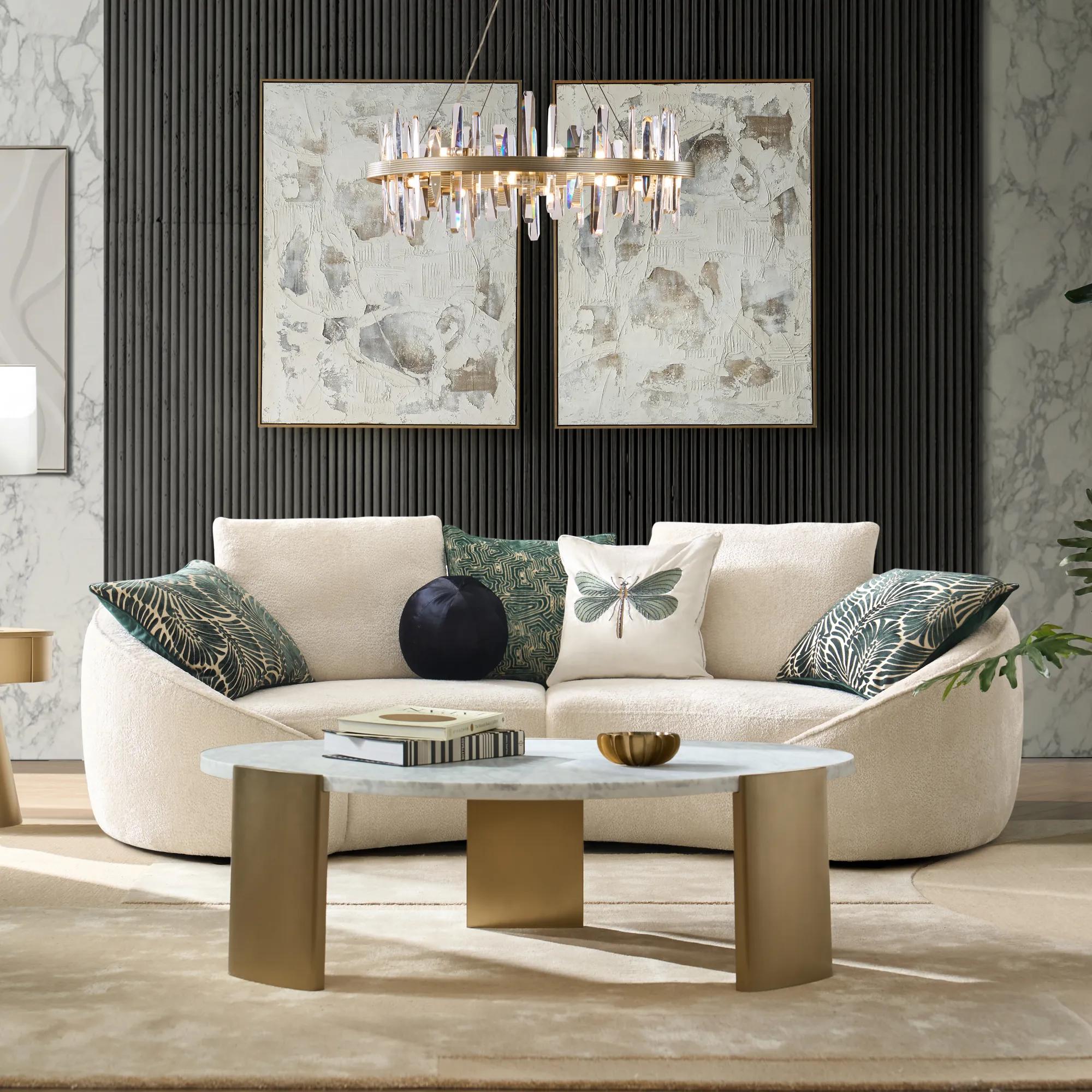 Lumi Clear Beveled Glass Chandelier 31.5"W$929
A deco-inspired chandelier with beveled glass daggers and a champagne-finished iron frame for radiant illumination.
Add To Cart -
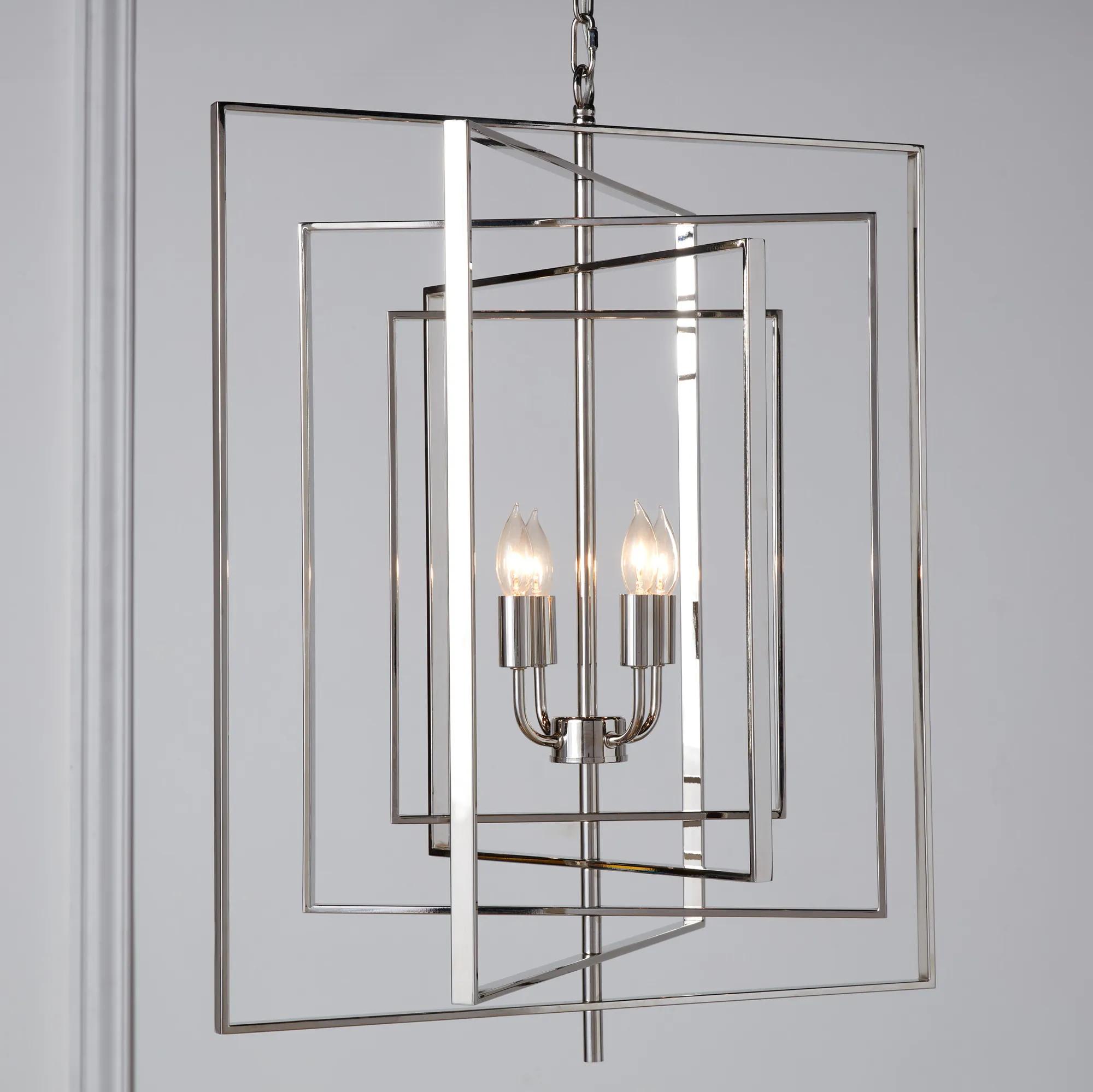
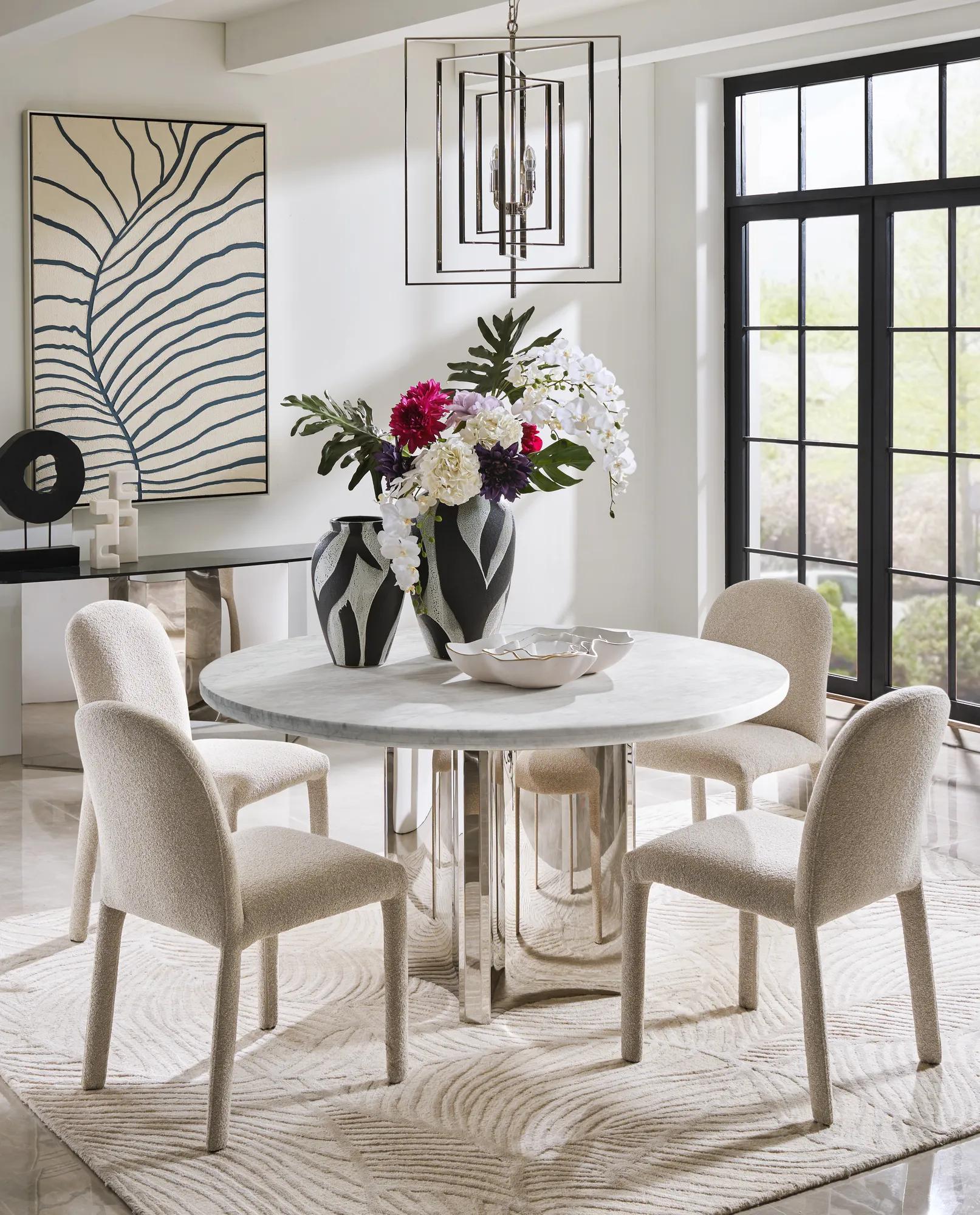 Hollis Chandelier$499
A polished nickel geometric chandelier with four lights, perfect for modern and minimal interiors.
Add To Cart -
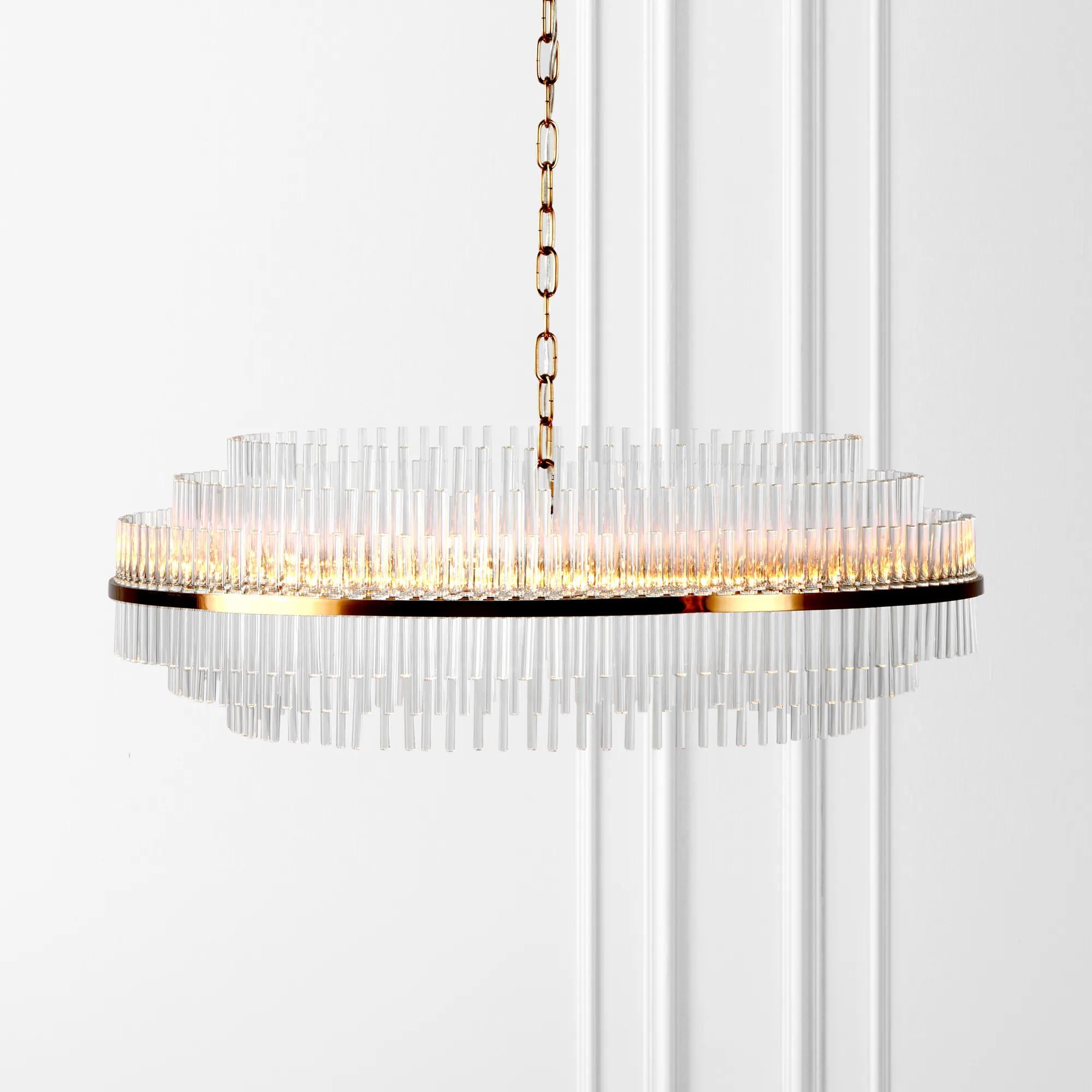
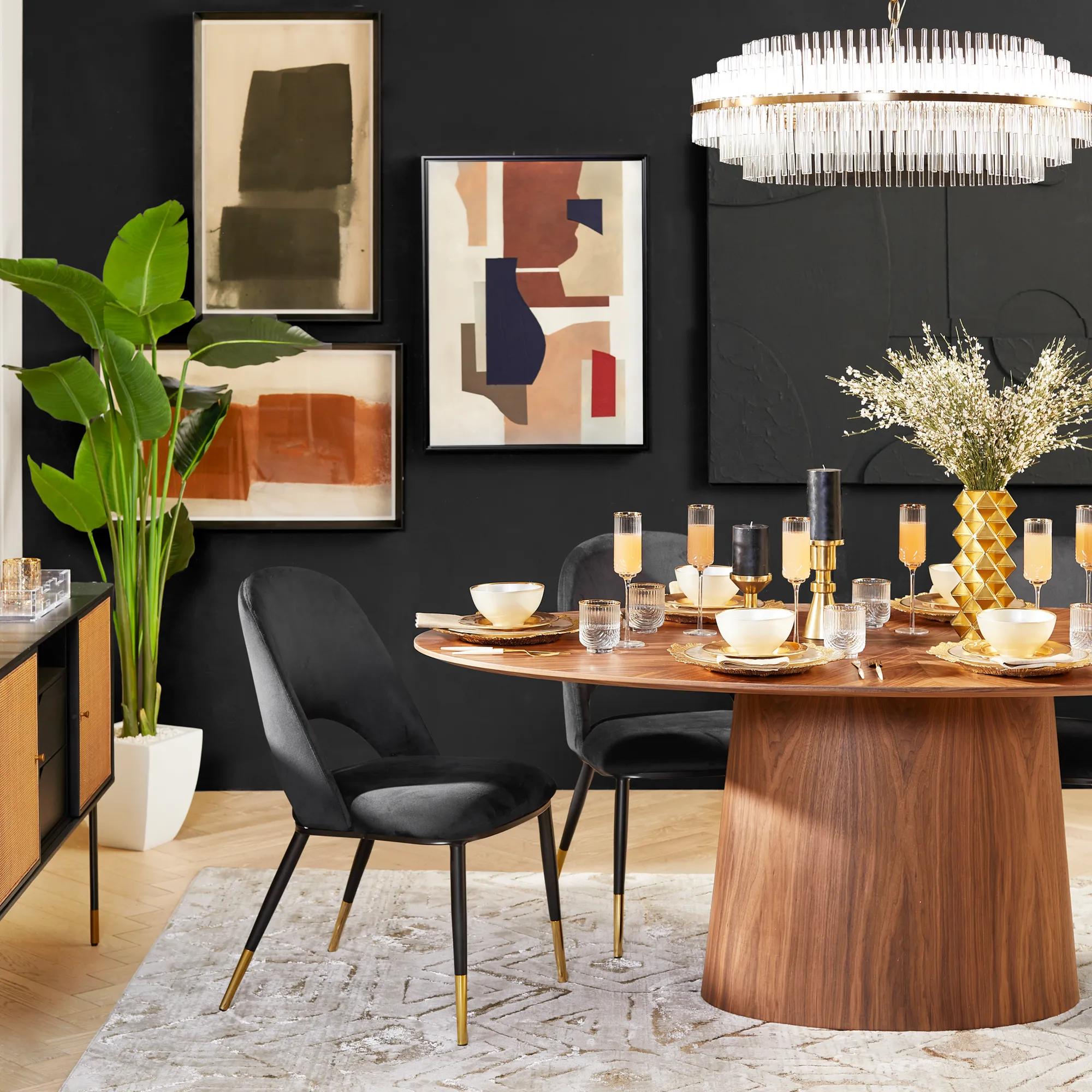 Renata Clear Glass Rod Chandelier 31"W x 10"H$799
A glamorous chandelier featuring glass rods and a brushed brass iron frame for a striking modern look.
Add To Cart -
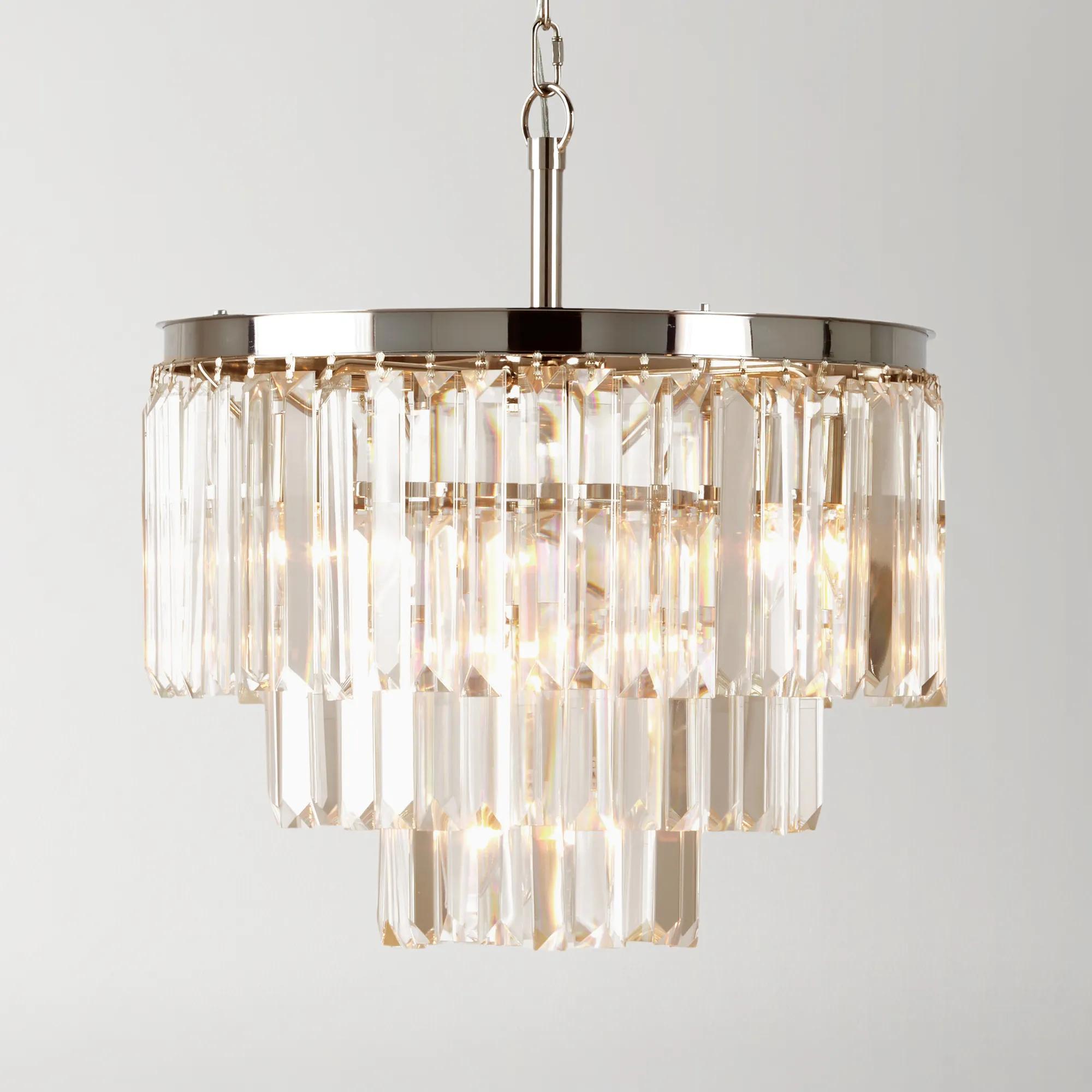 Luxe Chandelier$799
A glamorous chandelier featuring a nickel-plated iron frame and three tiers of faceted crystal accents.
Add To Cart -
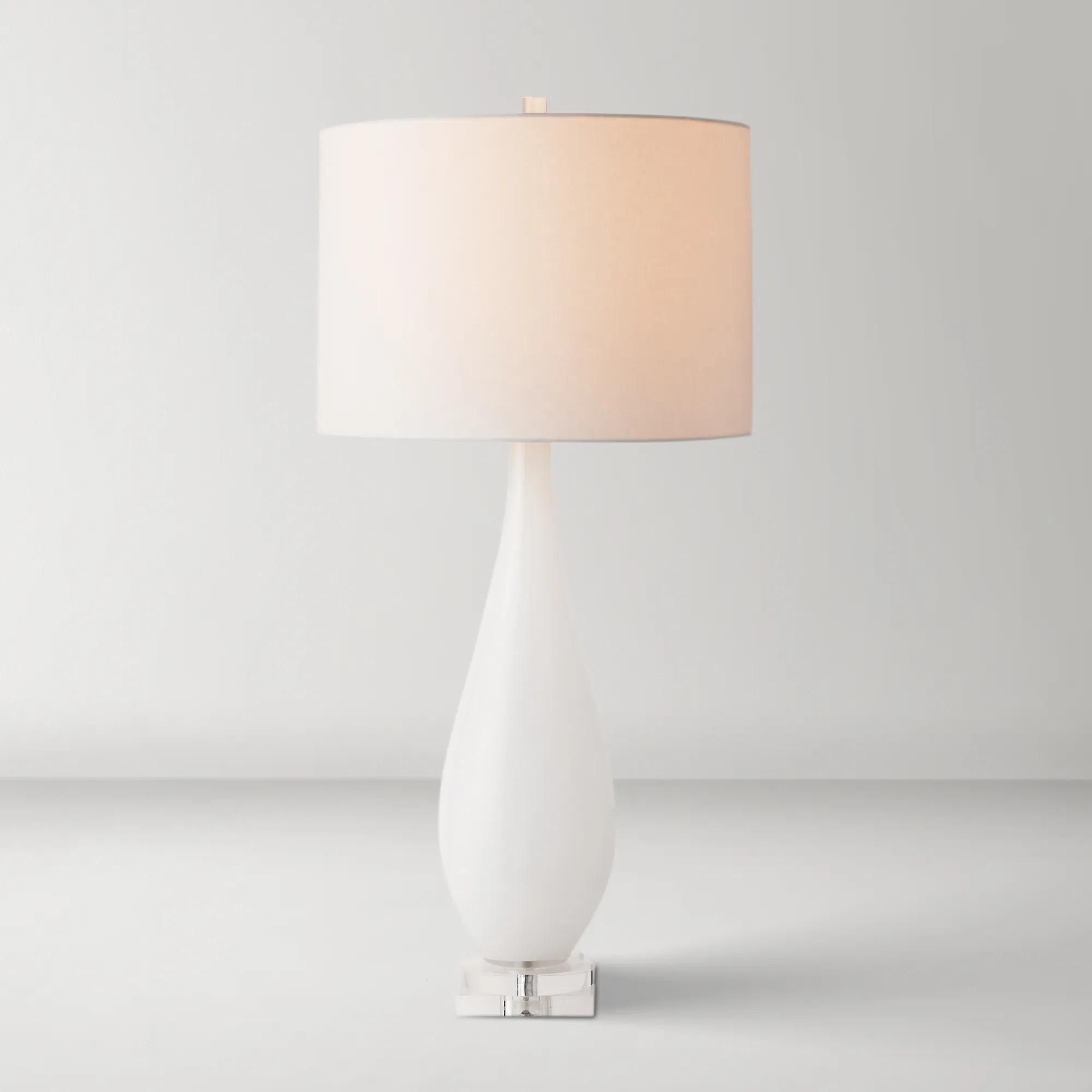
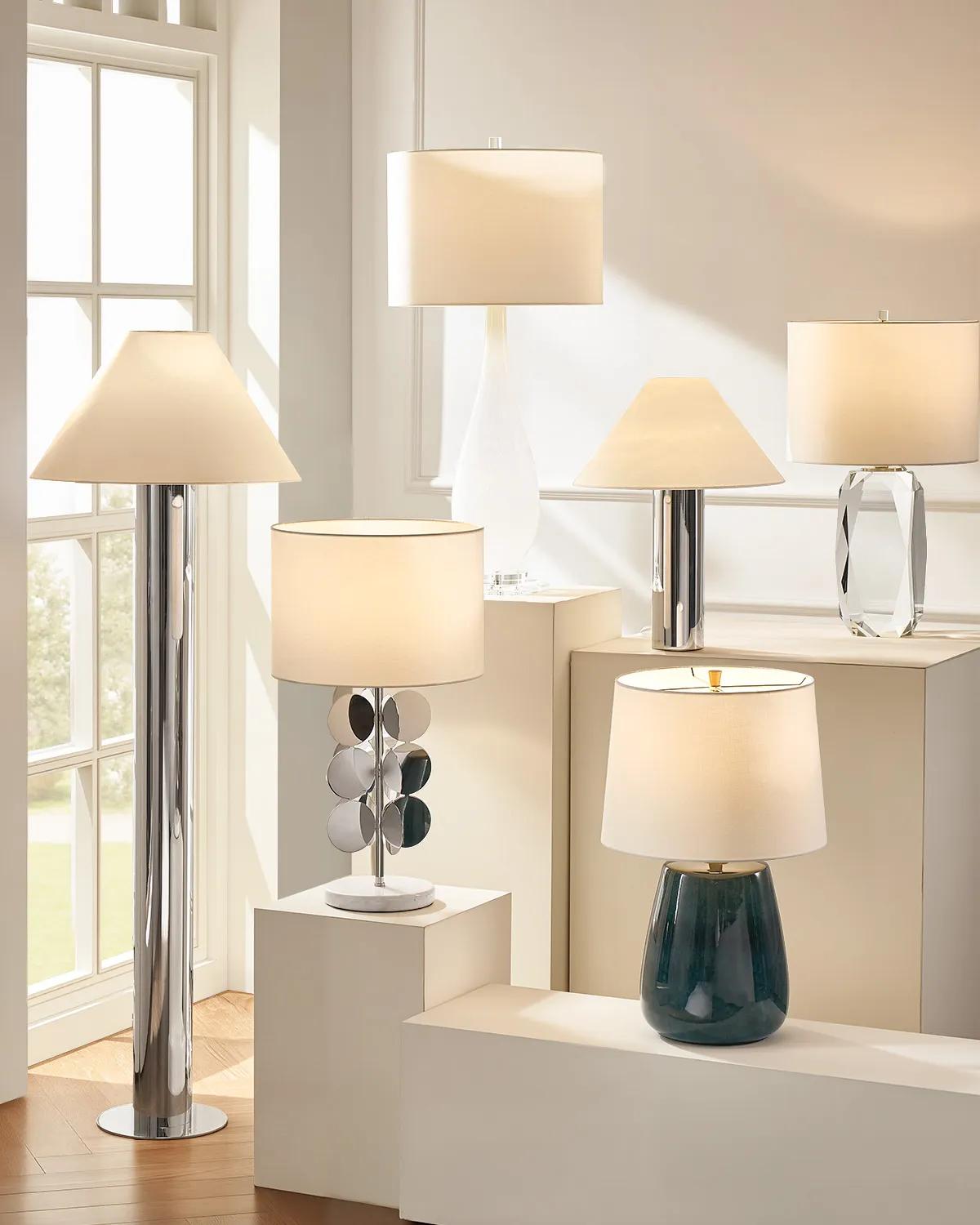 Serena Table Lamp$299
A chic table lamp featuring a handblown glass body, crystal base, and monochromatic white finish.
Add To Cart -
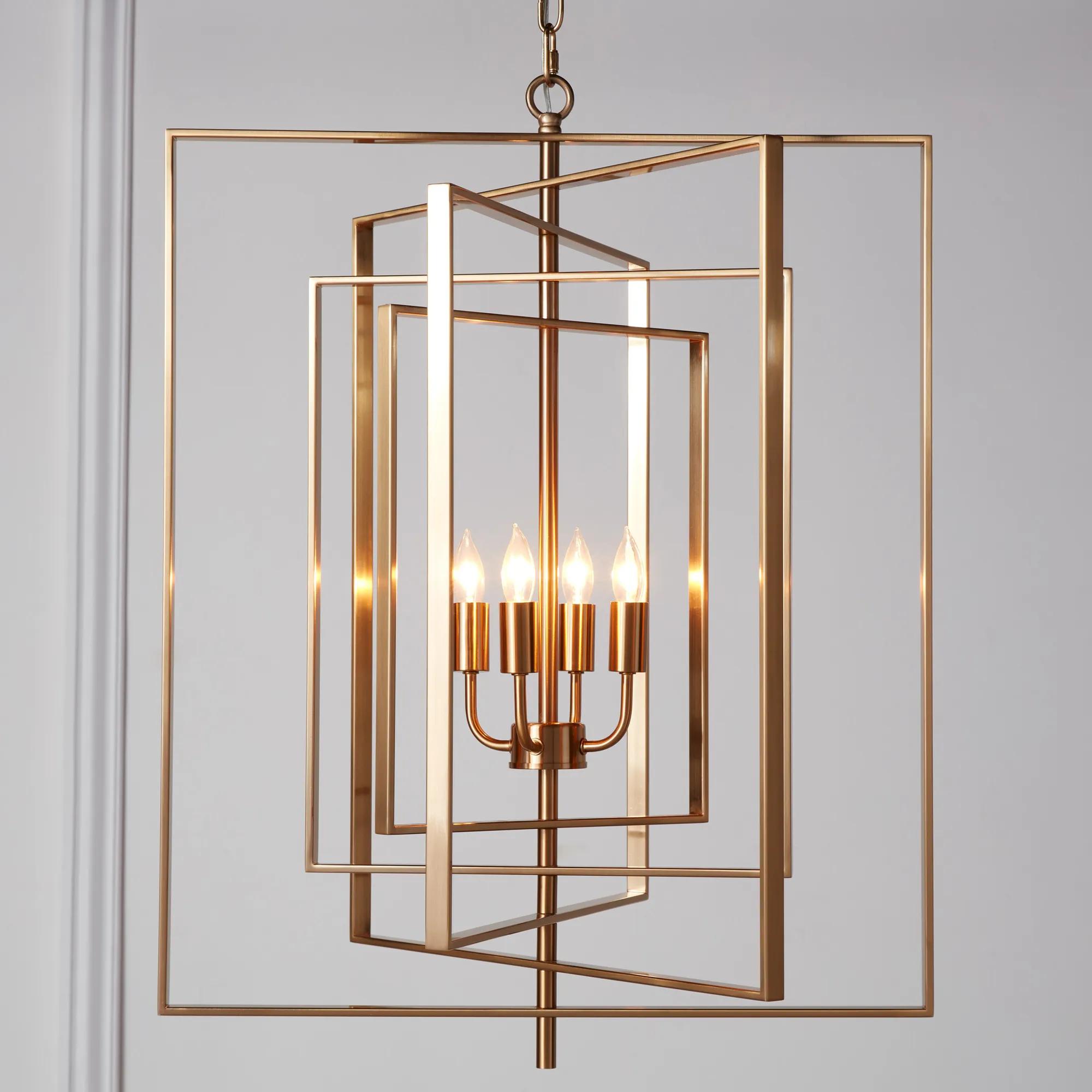 Hollis Chandelier$499
A geometric brass-finished iron chandelier with four lights, perfect for modern and minimal interiors.
Add To Cart -
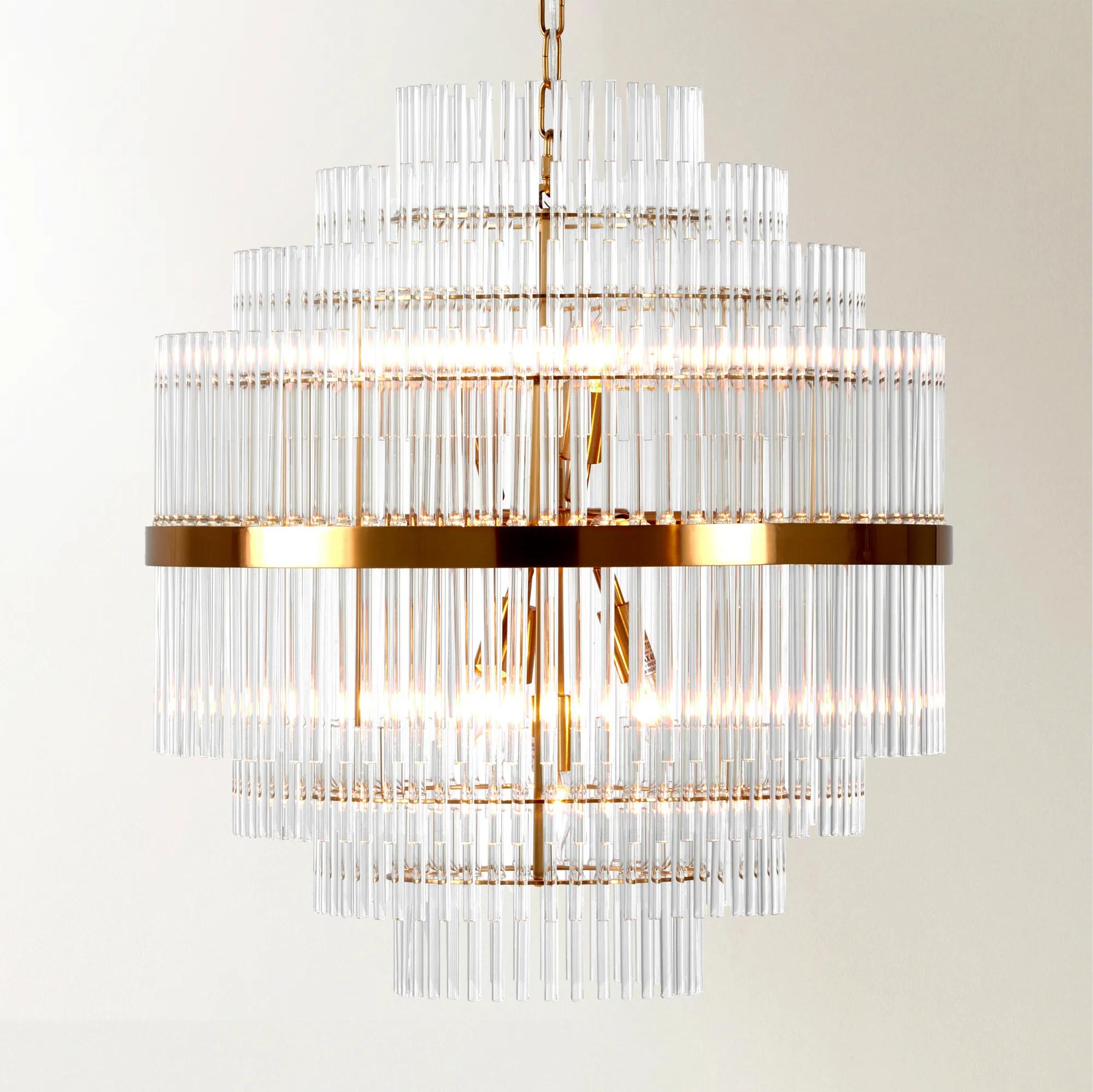
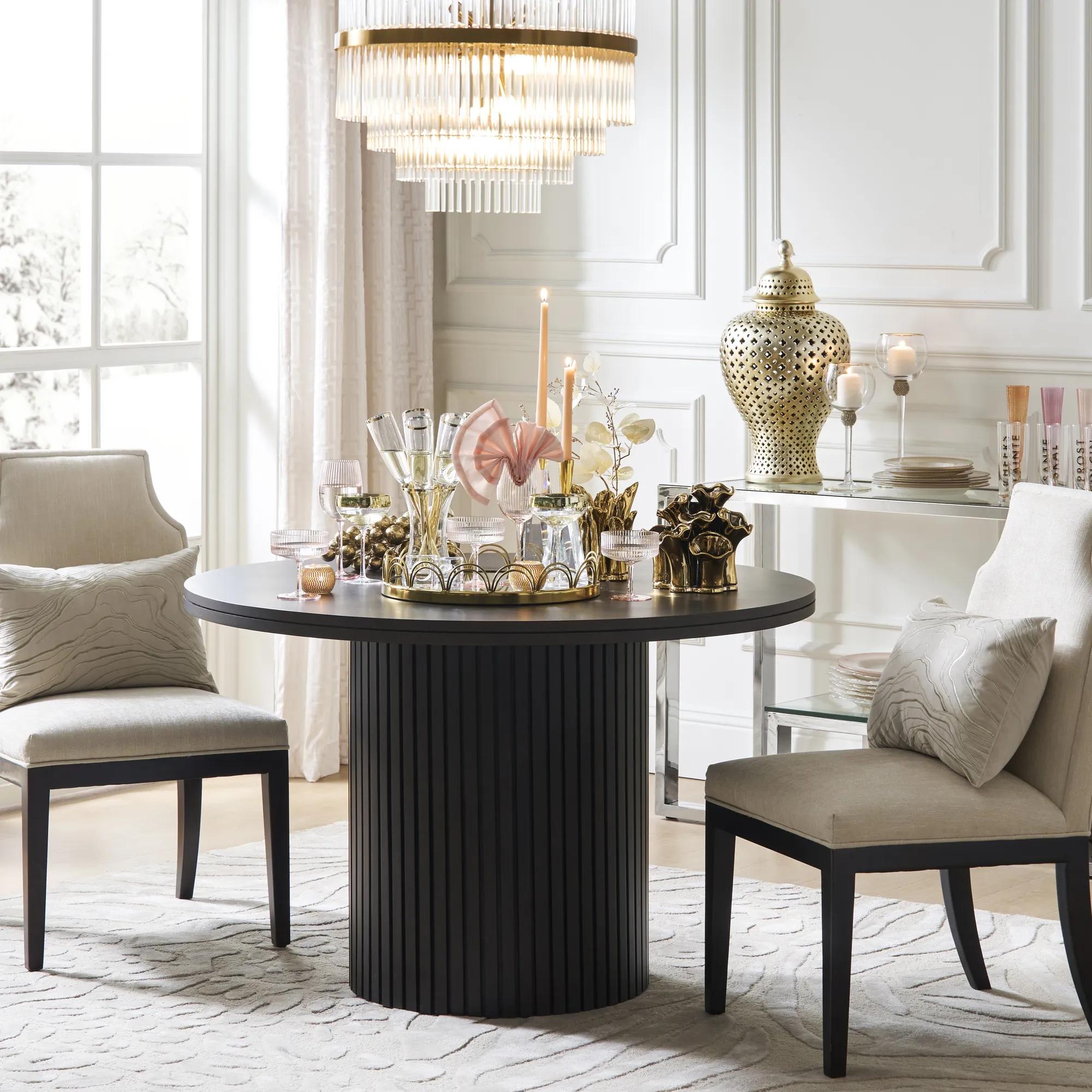 Renata Clear Glass Rod Grand Chandelier 23.6"D x 26.3"H$999
A dramatic chandelier featuring dozens of glass rods and a polished gold iron frame for sophisticated elegance.
Add To Cart -
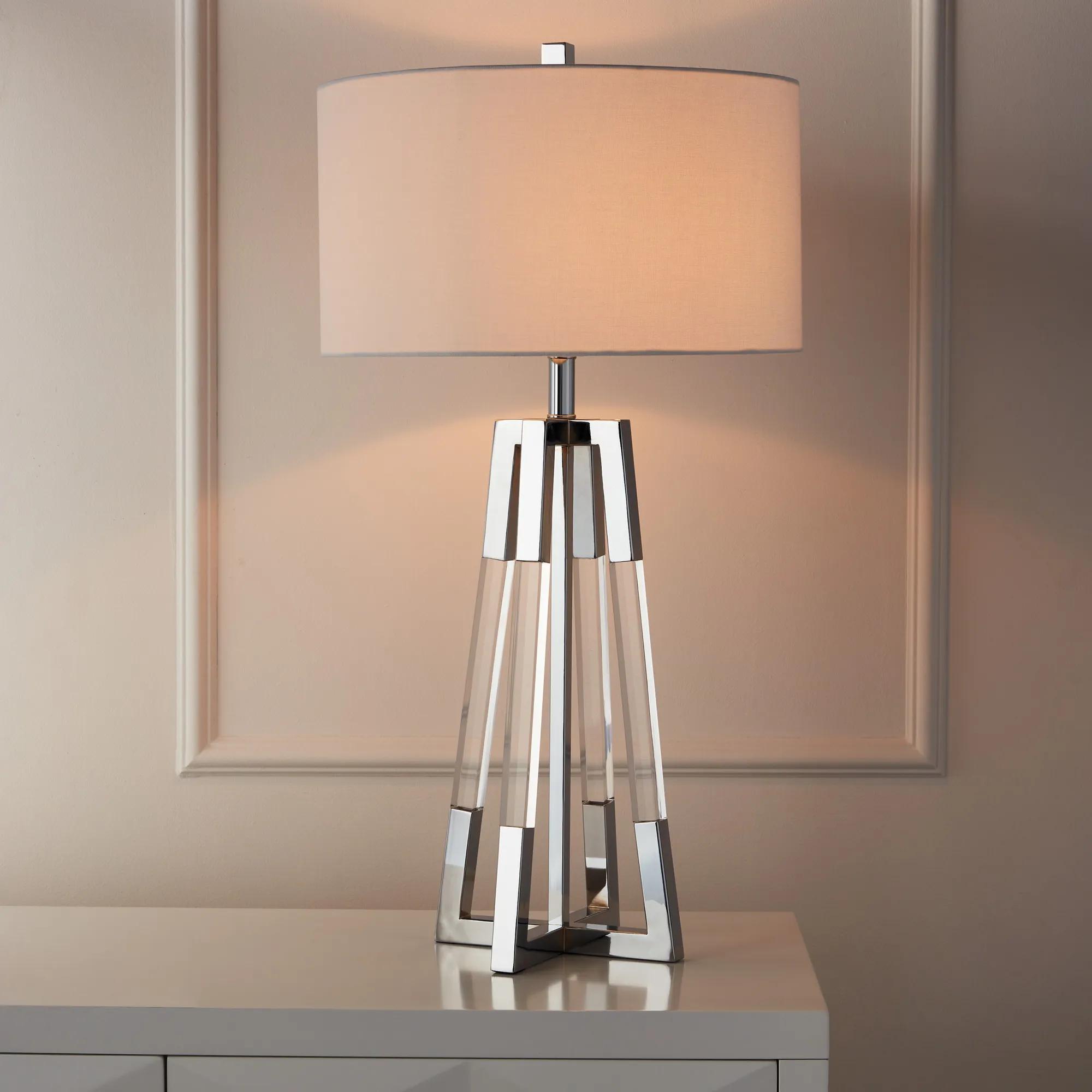
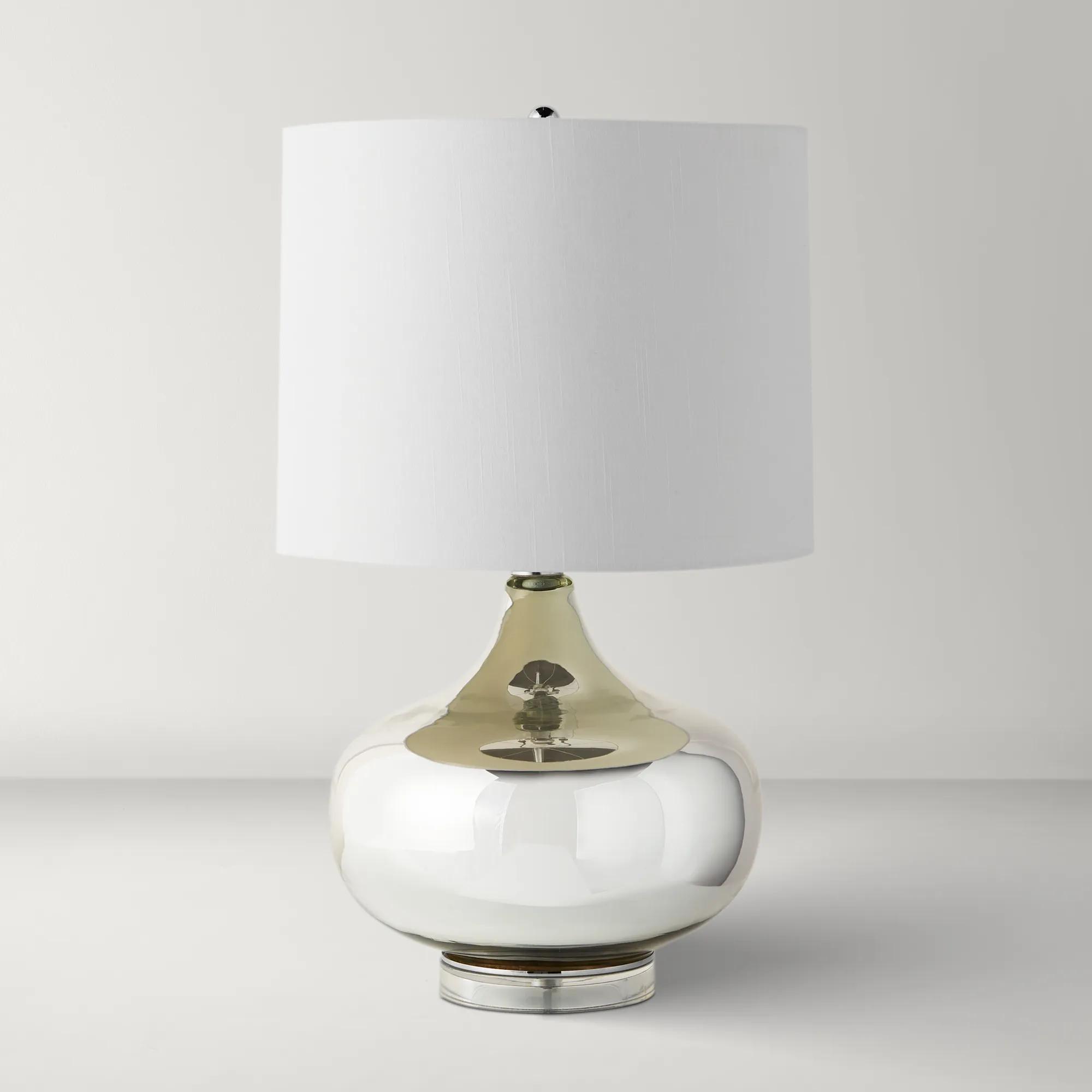 Sabrina Mirrored Silver Glass Table Lamp 27.5"$199
A contemporary lamp featuring a silver mirrored glass base, clear acrylic accents, and a white fabric shade.
Add To Cart -
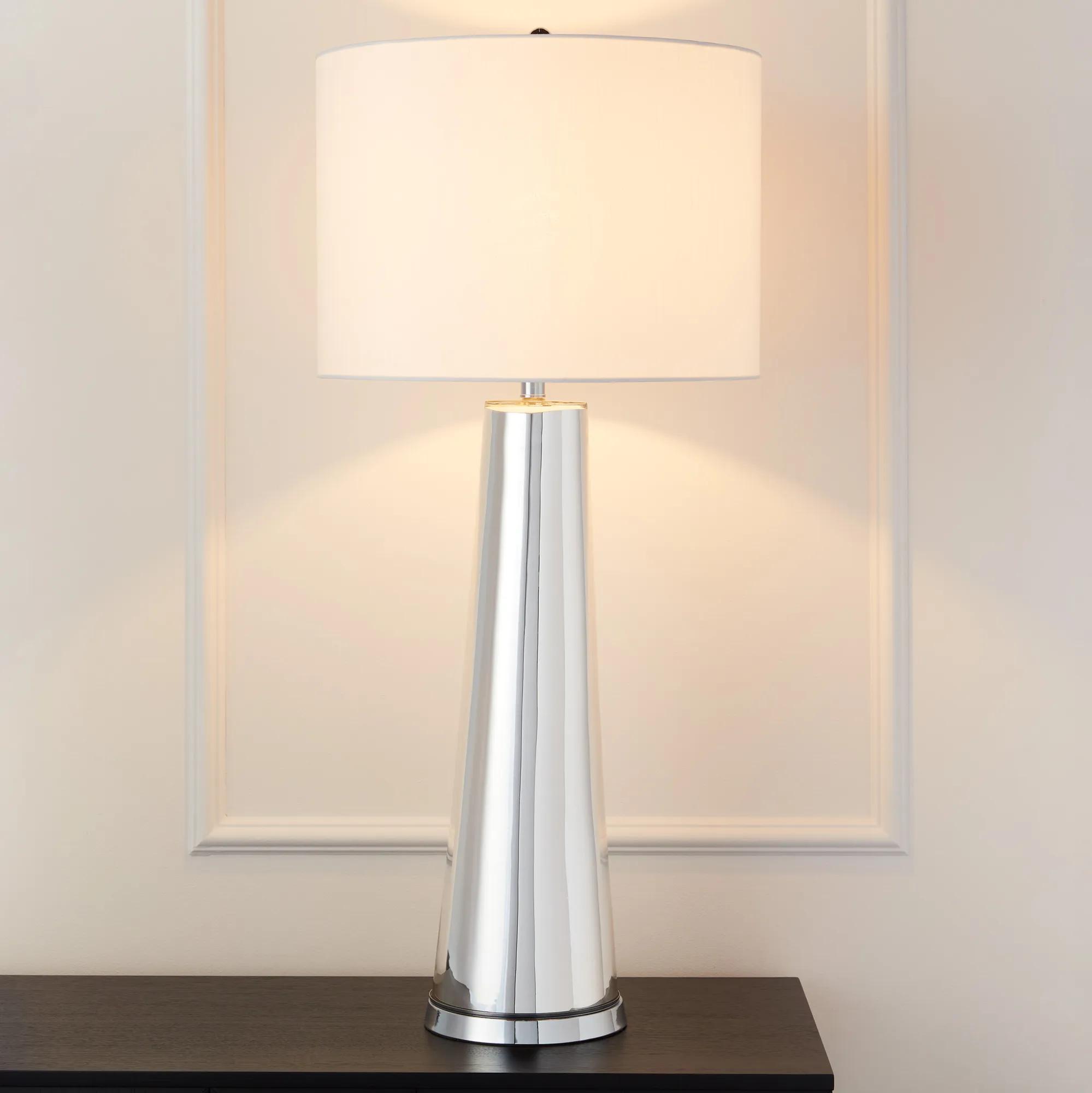 Century Silver Mirrored Glass Table Lamp 40"$299
A modern table lamp featuring a mirrored glass base and white drum shade with brushed chrome accents.
Add To Cart -
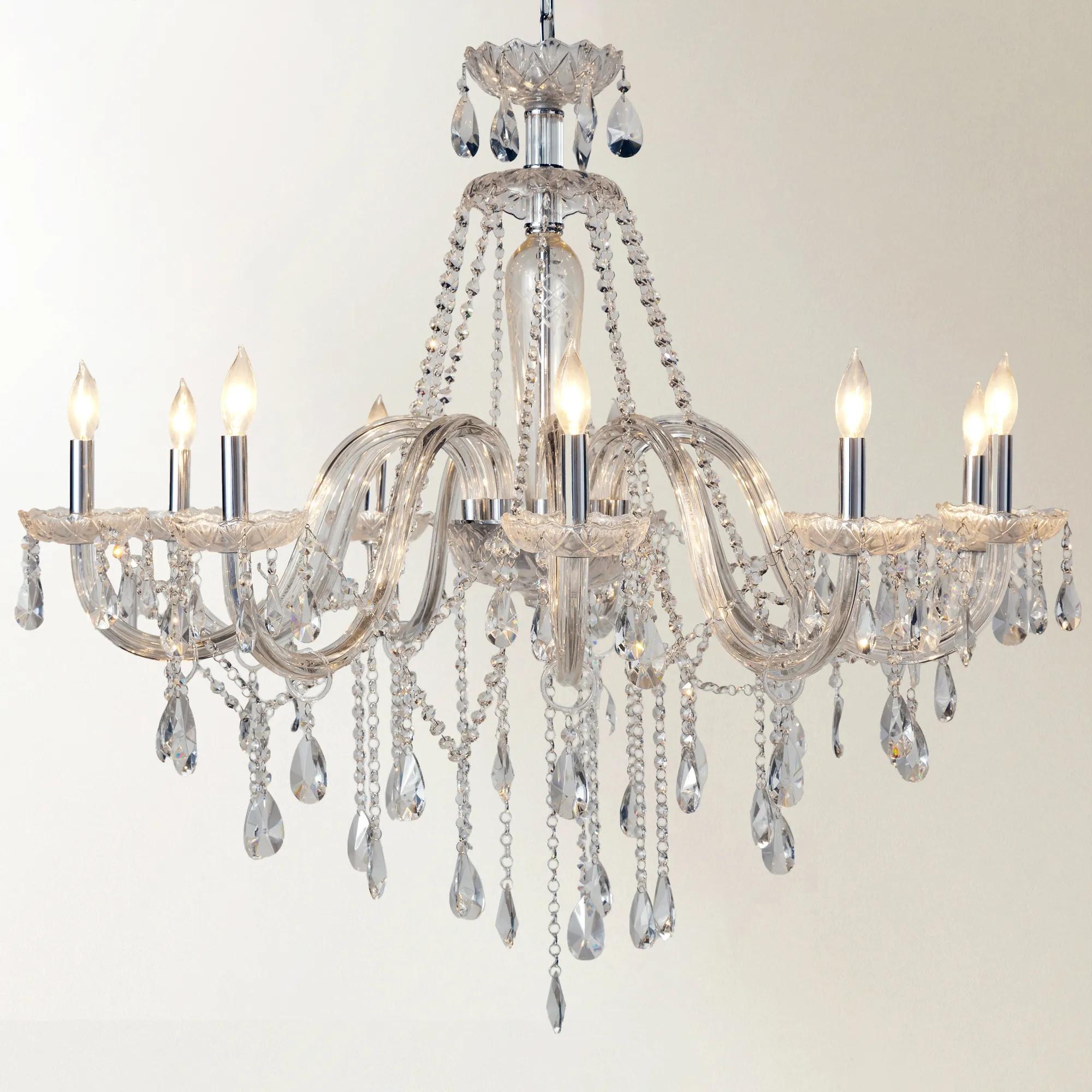
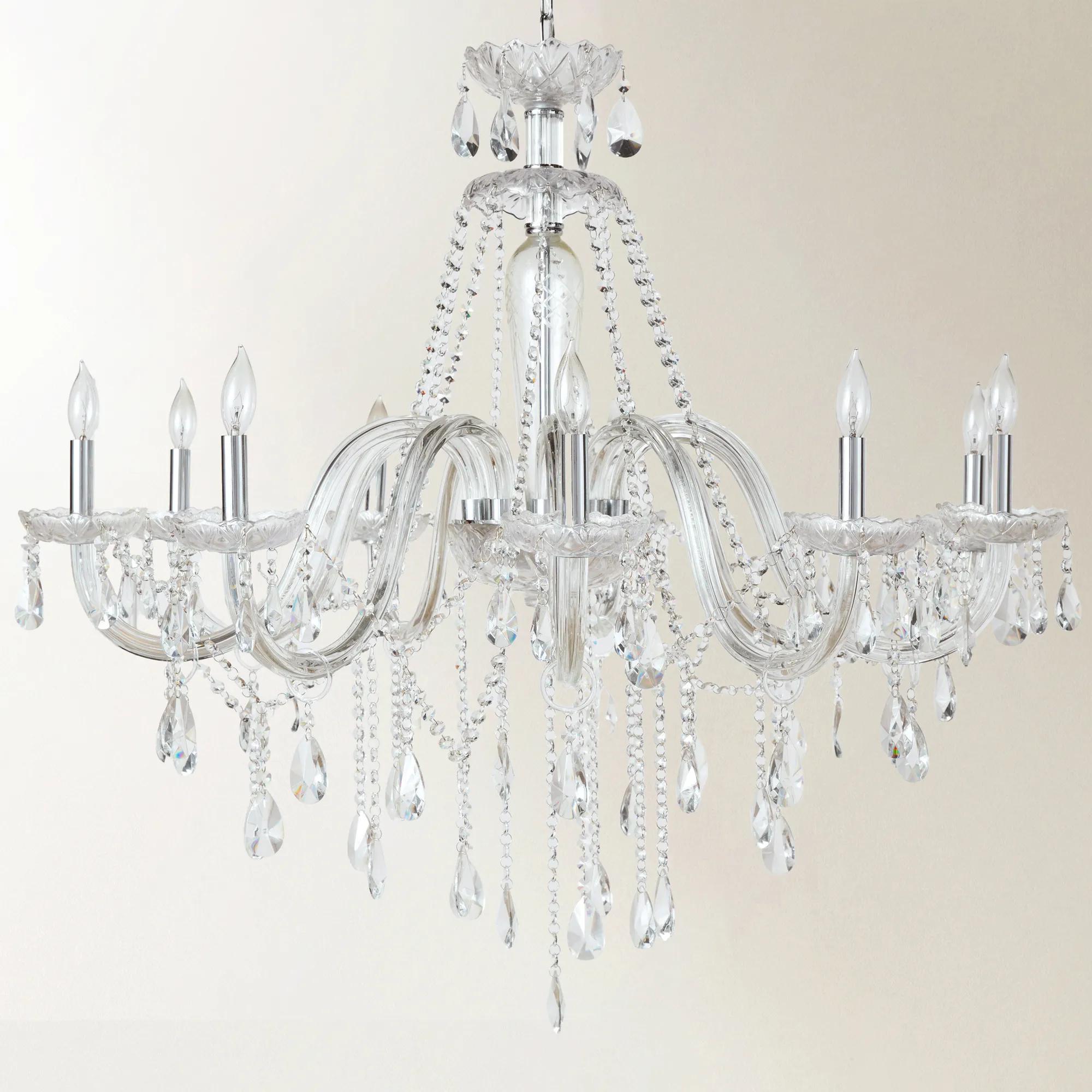 Omni Chandelier 38.5" - Clear$999
A dazzling chandelier featuring hundreds of clear faceted crystals and ten fluted glass arms with nickel hardware.
Add To Cart -
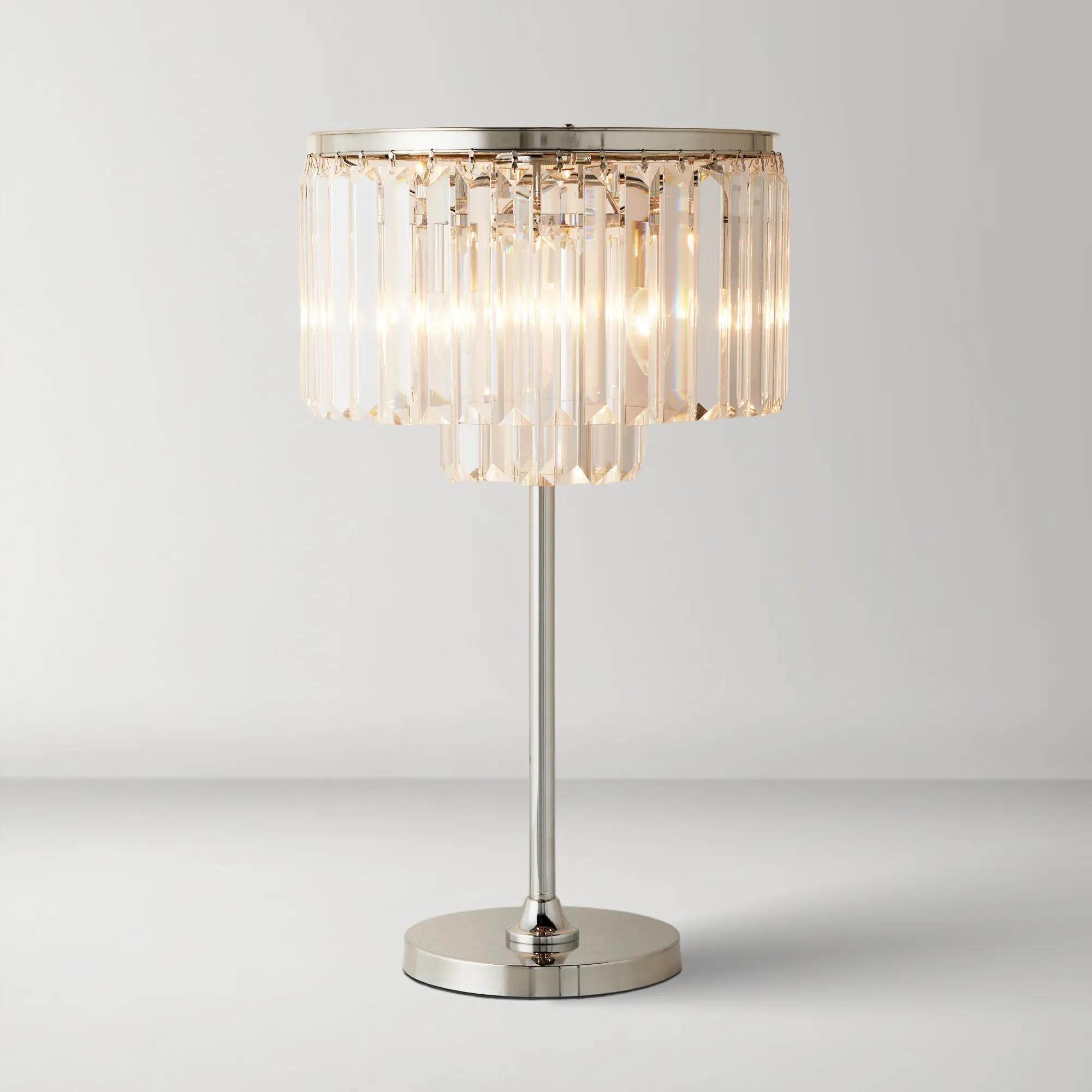
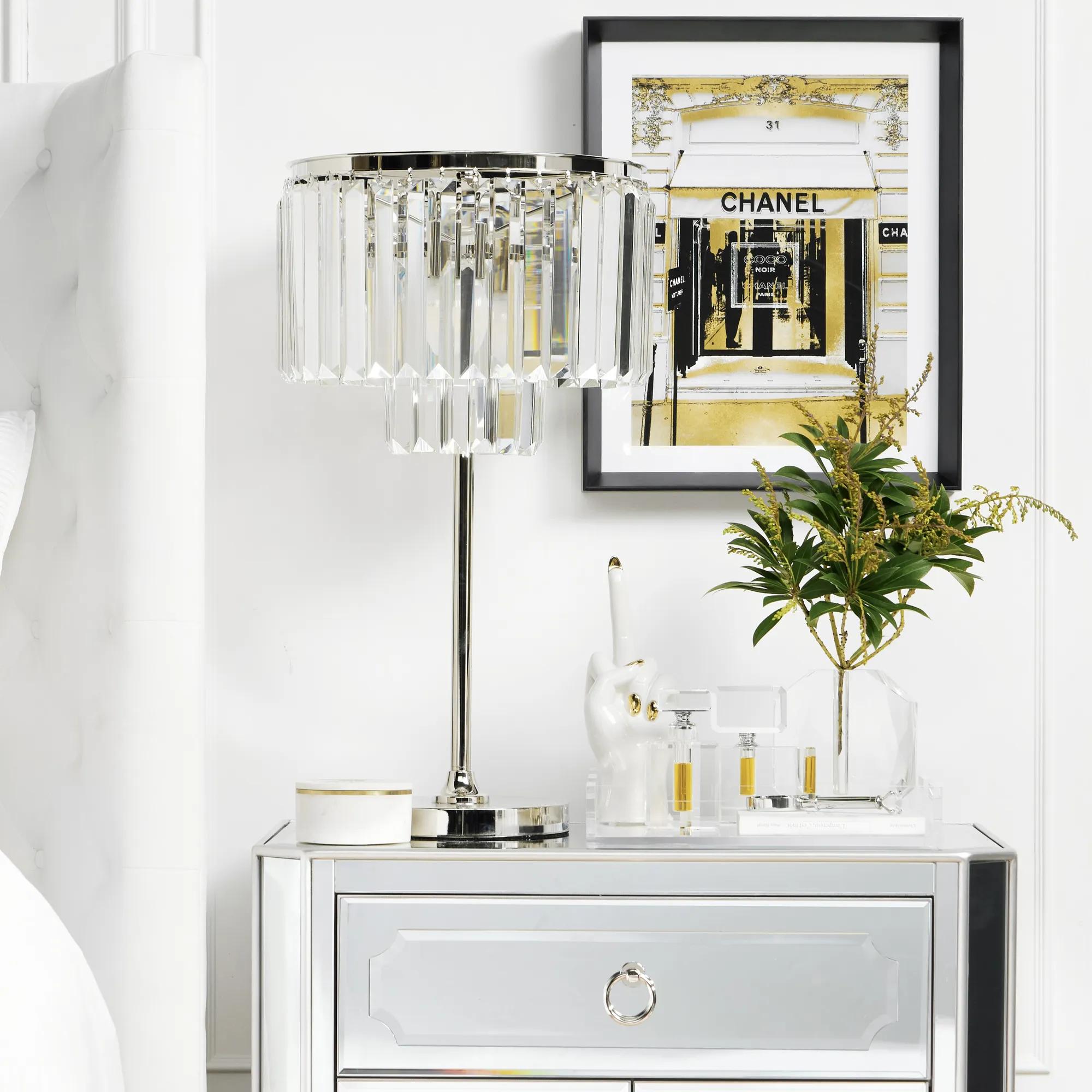 Luxe Table Lamp$499
A sophisticated table lamp featuring faceted ocular glass prisms and a nickel-plated iron frame.
Add To Cart -
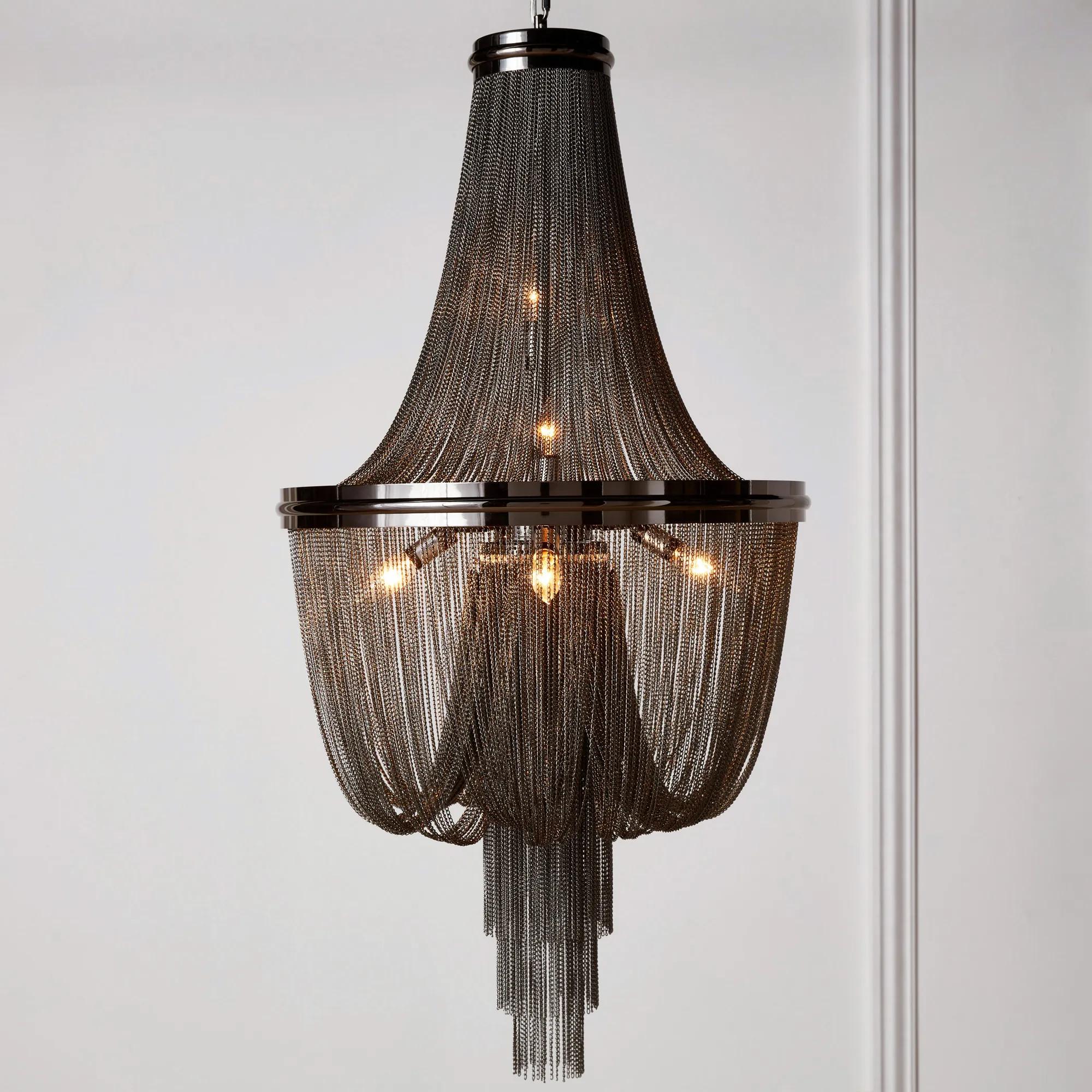 Rue Graphite Metal Tassel Chain Chandelier 41"$799
A striking chandelier featuring draped metal microchains and a polished graphite iron frame for modern elegance.
Add To Cart -
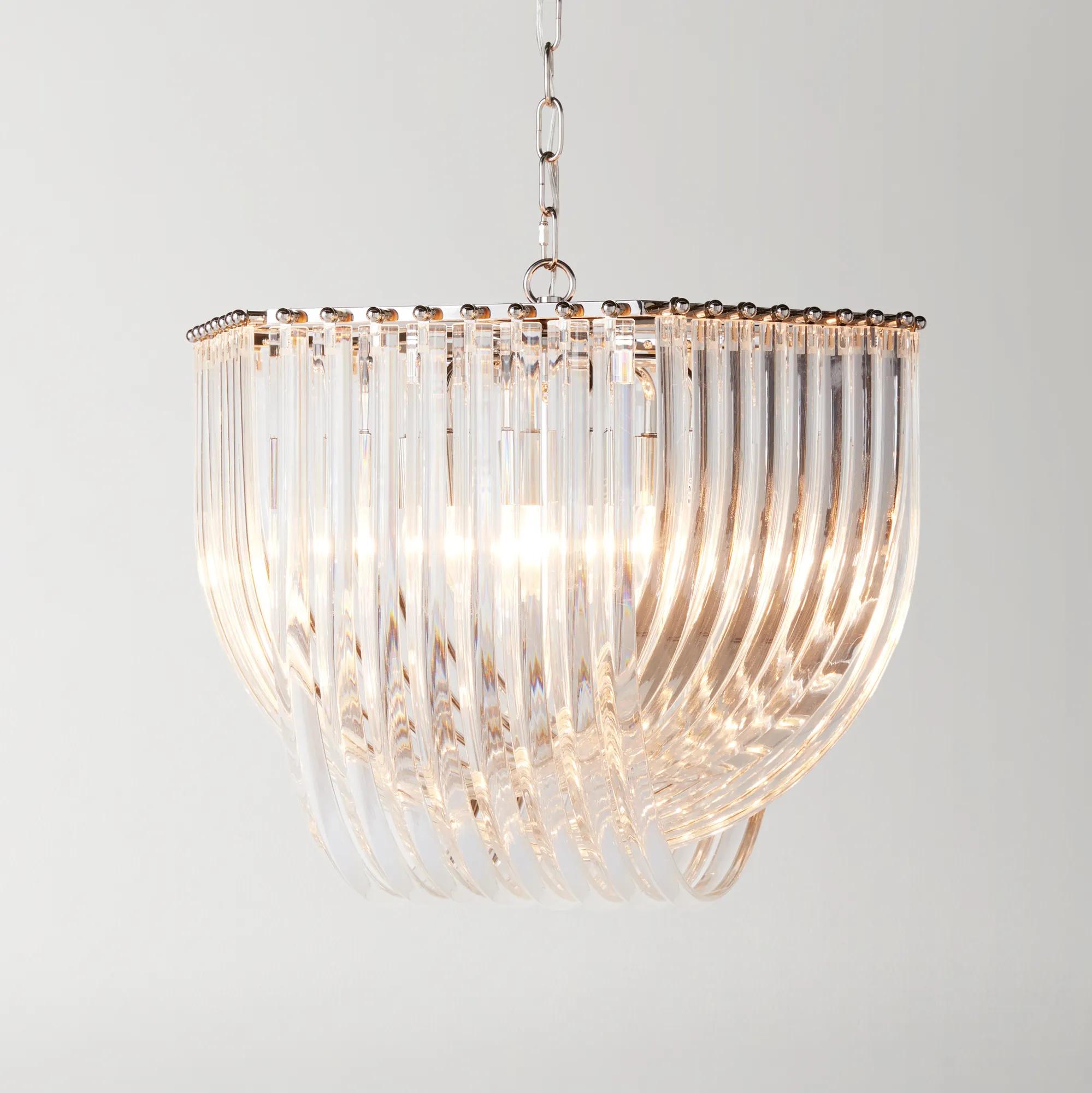 Laval Clear Curved Glass Chandelier 21"D x 18"H$799
A deco-inspired chandelier with crystal-clear curved glass and a polished nickel frame for ambient lighting.
Add To Cart -
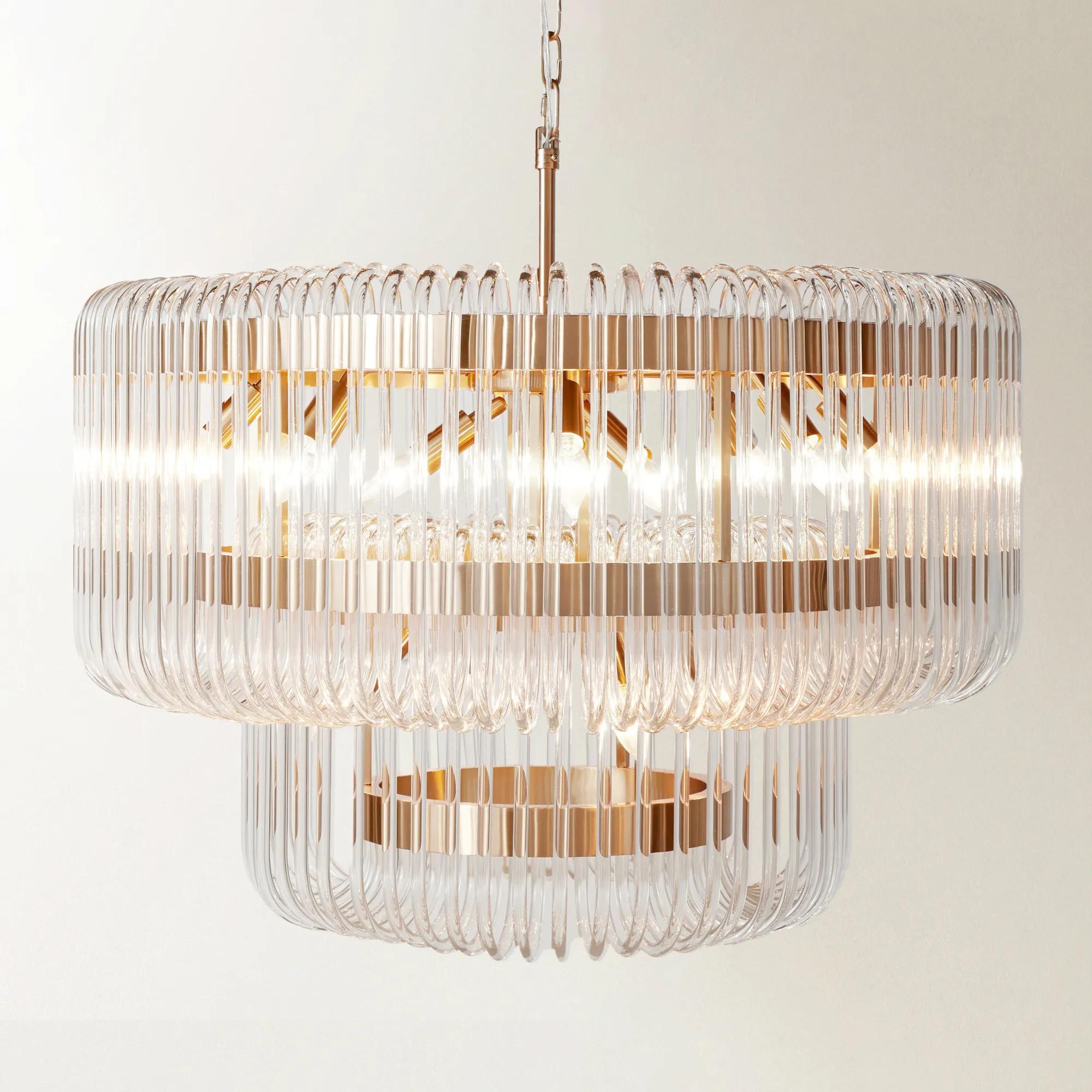 Allure Clear Curved Glass Chandelier 31.5"D x 27.75"H$1499
A dramatic chandelier featuring over 150 clear blown glass rods and brushed brass-finished iron rings.
Add To Cart -
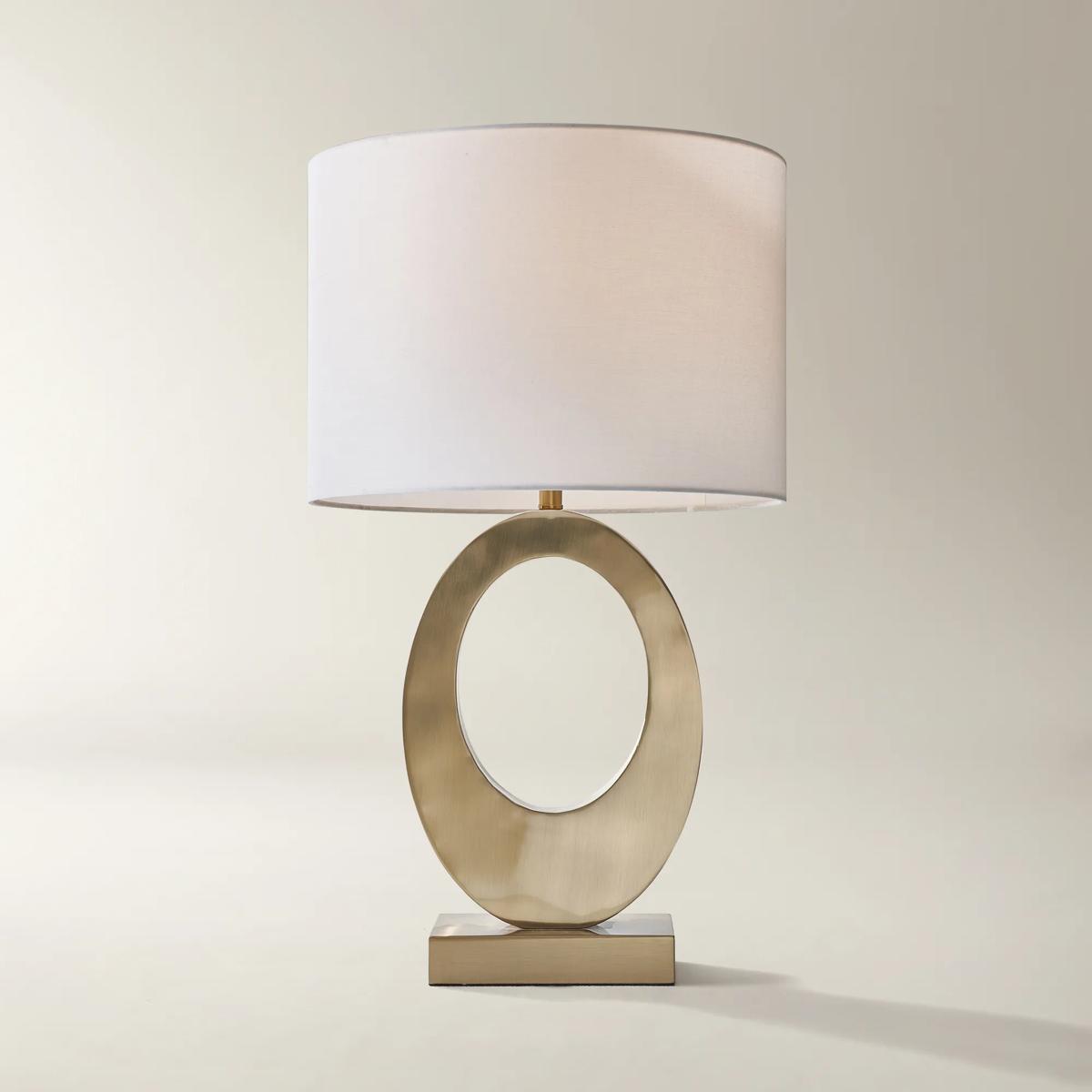 Loop Champagne Gold Metal Table Lamp 26.25"$399
A sculptural iron lamp in champagne gold with a beige cotton drum shade for warm, diffused lighting.
Add To Cart -
.jpeg?w=1200&h=1200)
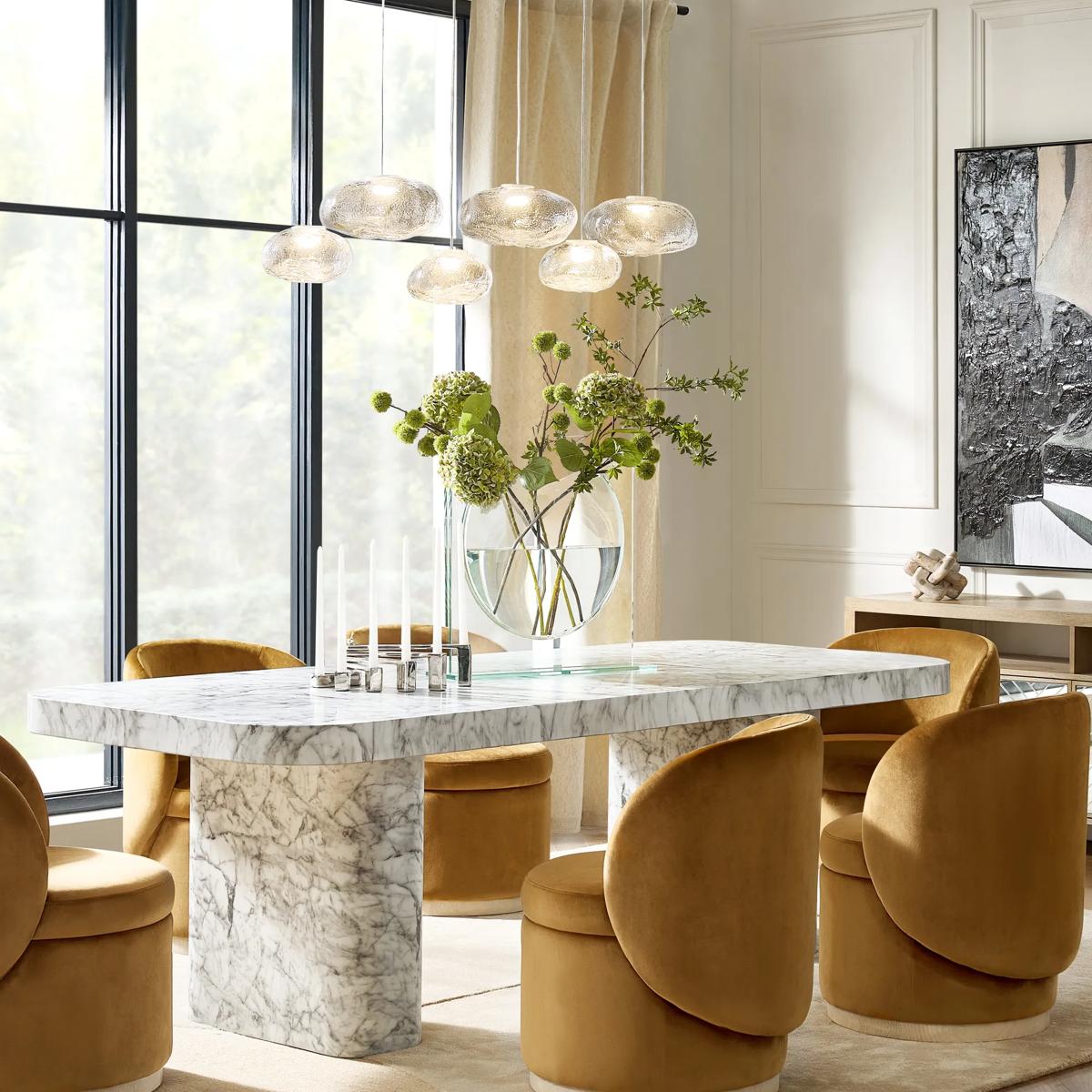 Nuvola Glass Globe Chandelier 47"$999
A sculptural chandelier featuring six textured clear glass globes and energy-efficient integrated LED lighting.
Add To Cart -
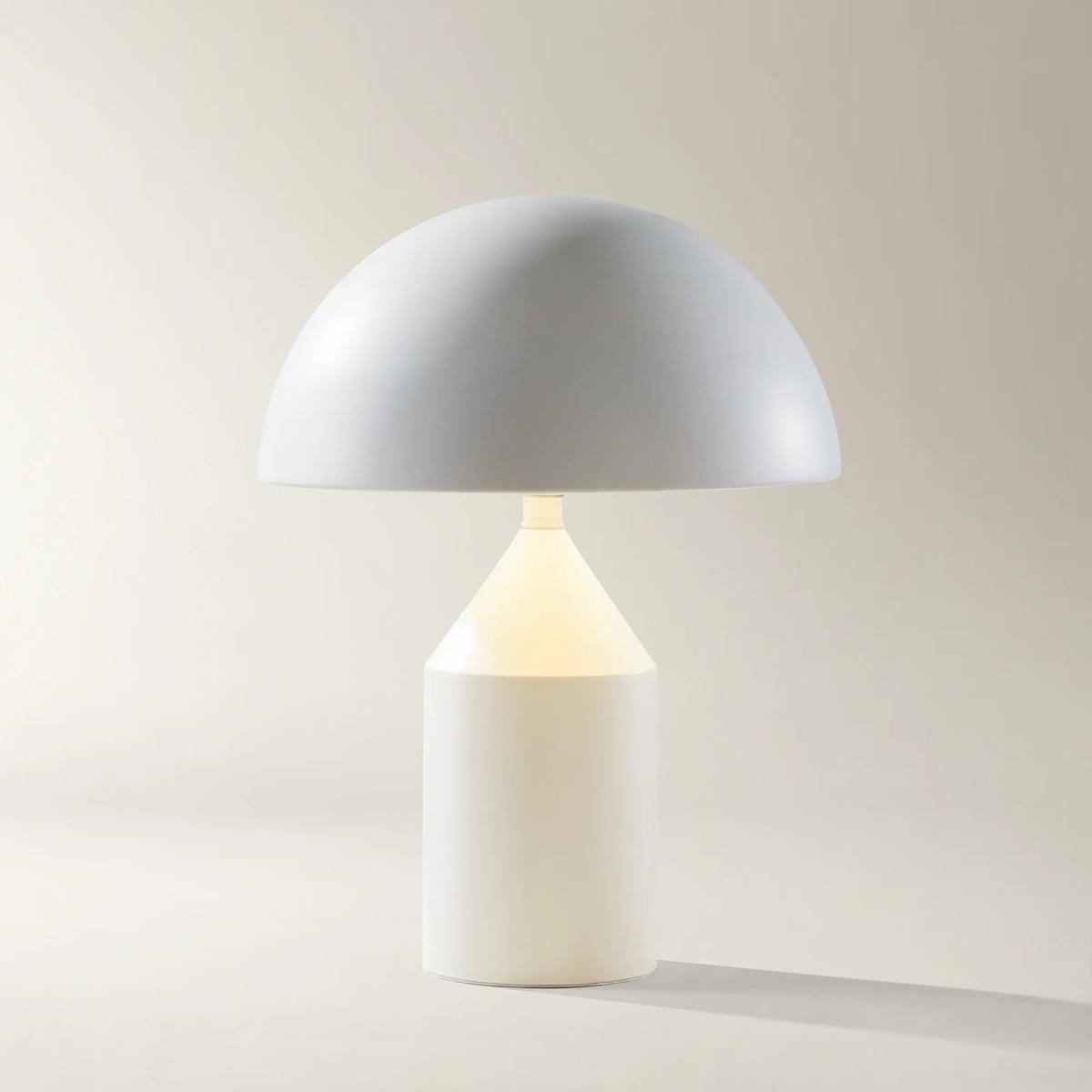
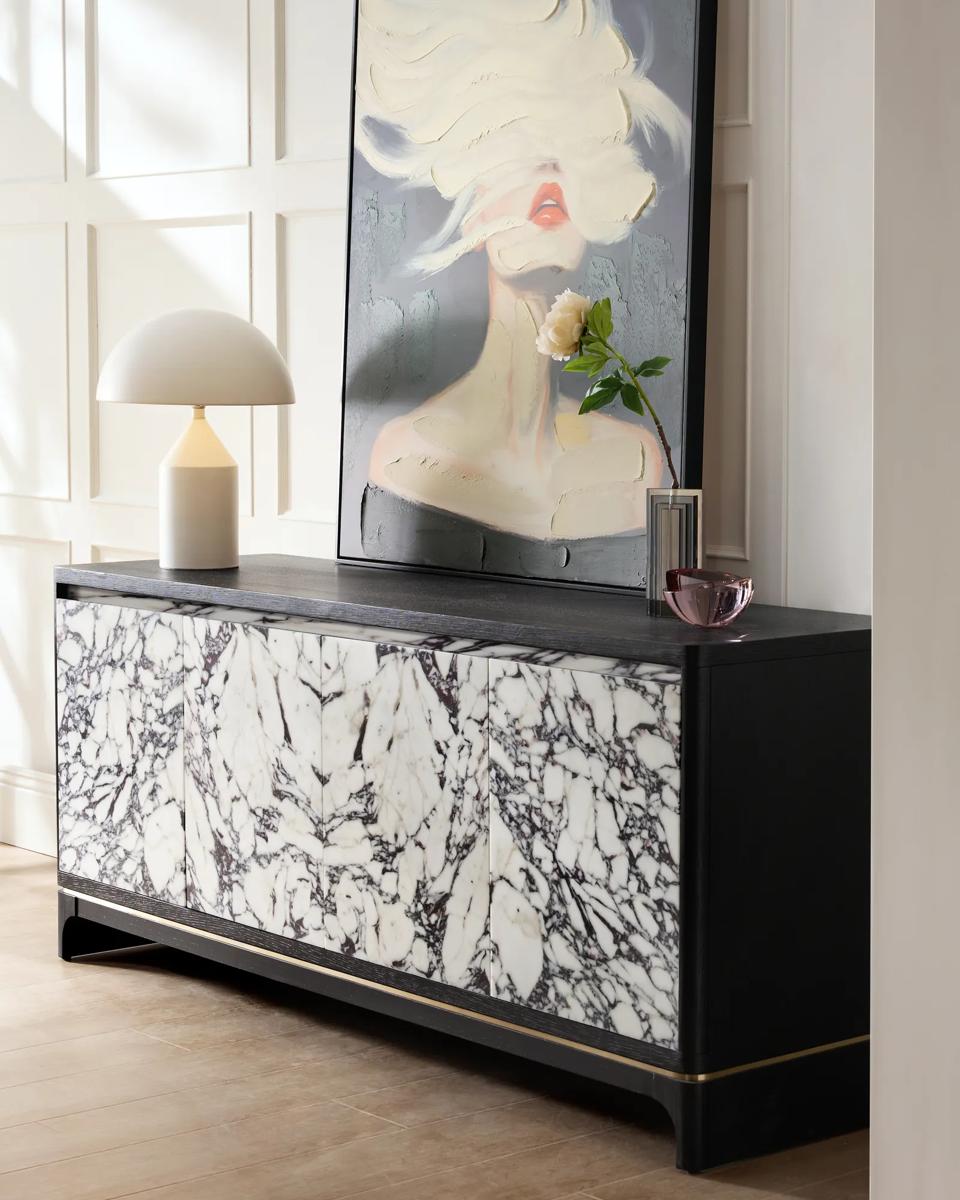 Arlen Metal Table Lamp - White$249
A satin white iron lamp with clean lines and a dome shade for modern, minimalist interiors.
Add To Cart -
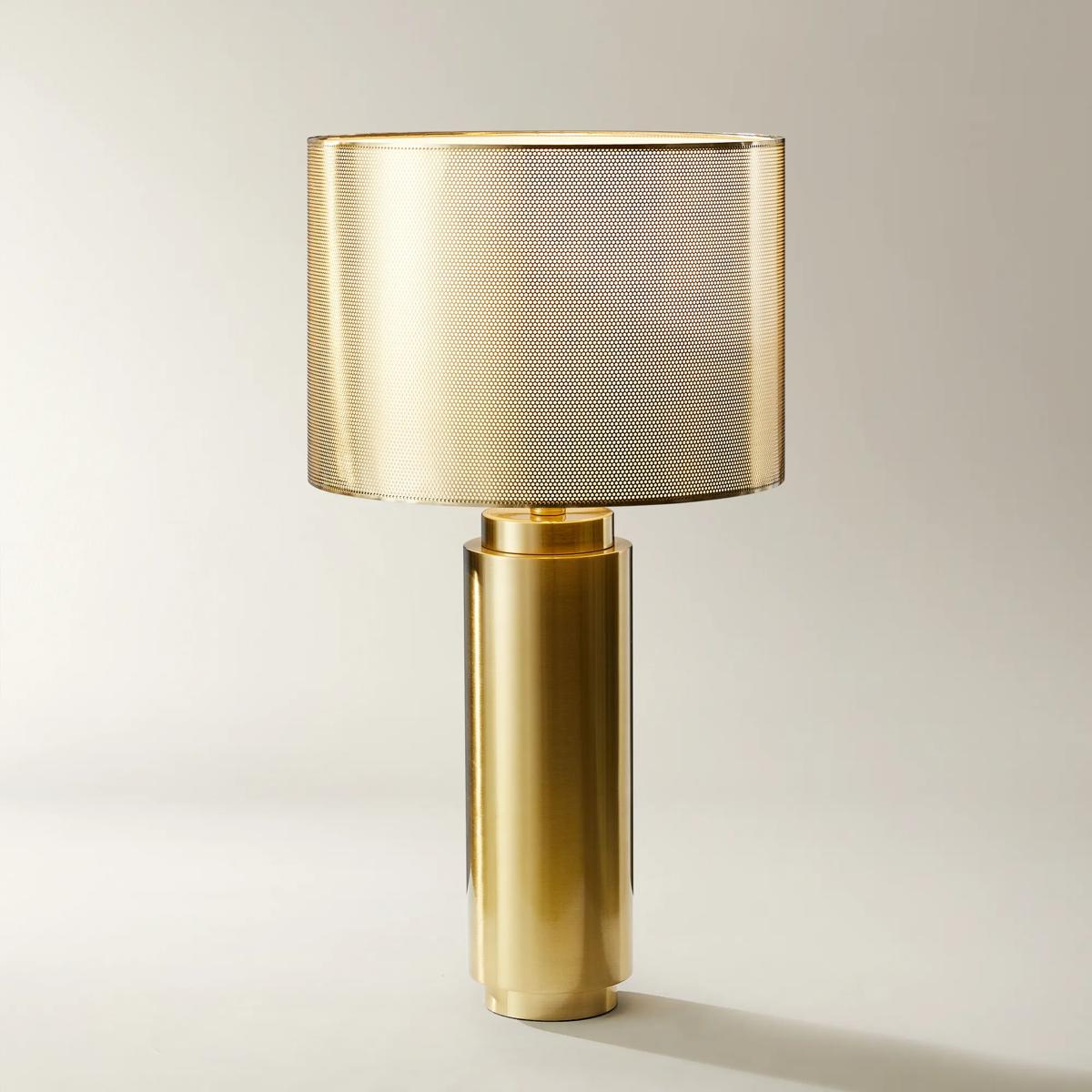
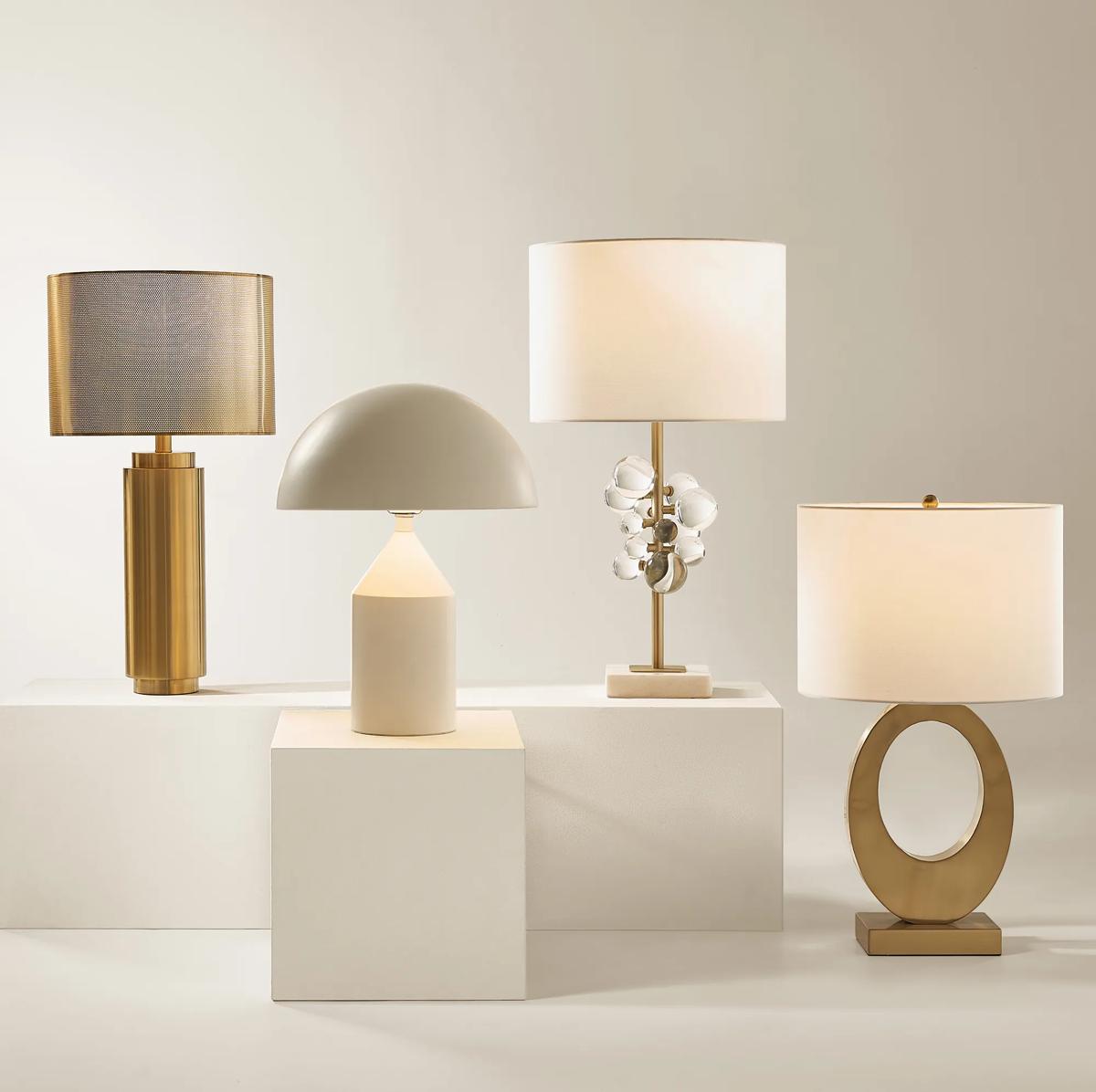 Sibyl Metal Aged Brass Finish Table Lamp 26"$399
A modern table lamp featuring an aged brass iron base and a perforated metal-over-cotton shade.
Add To Cart -
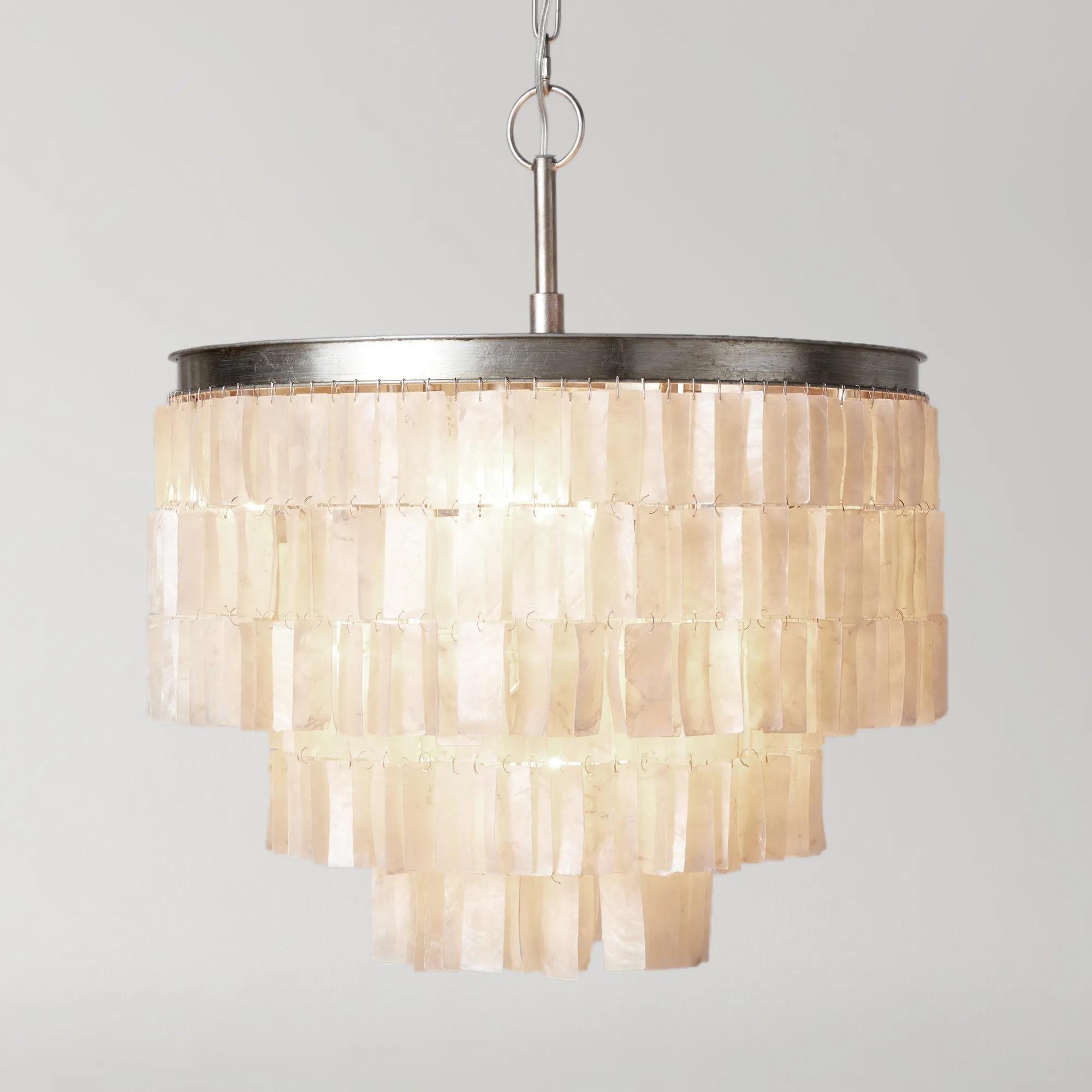
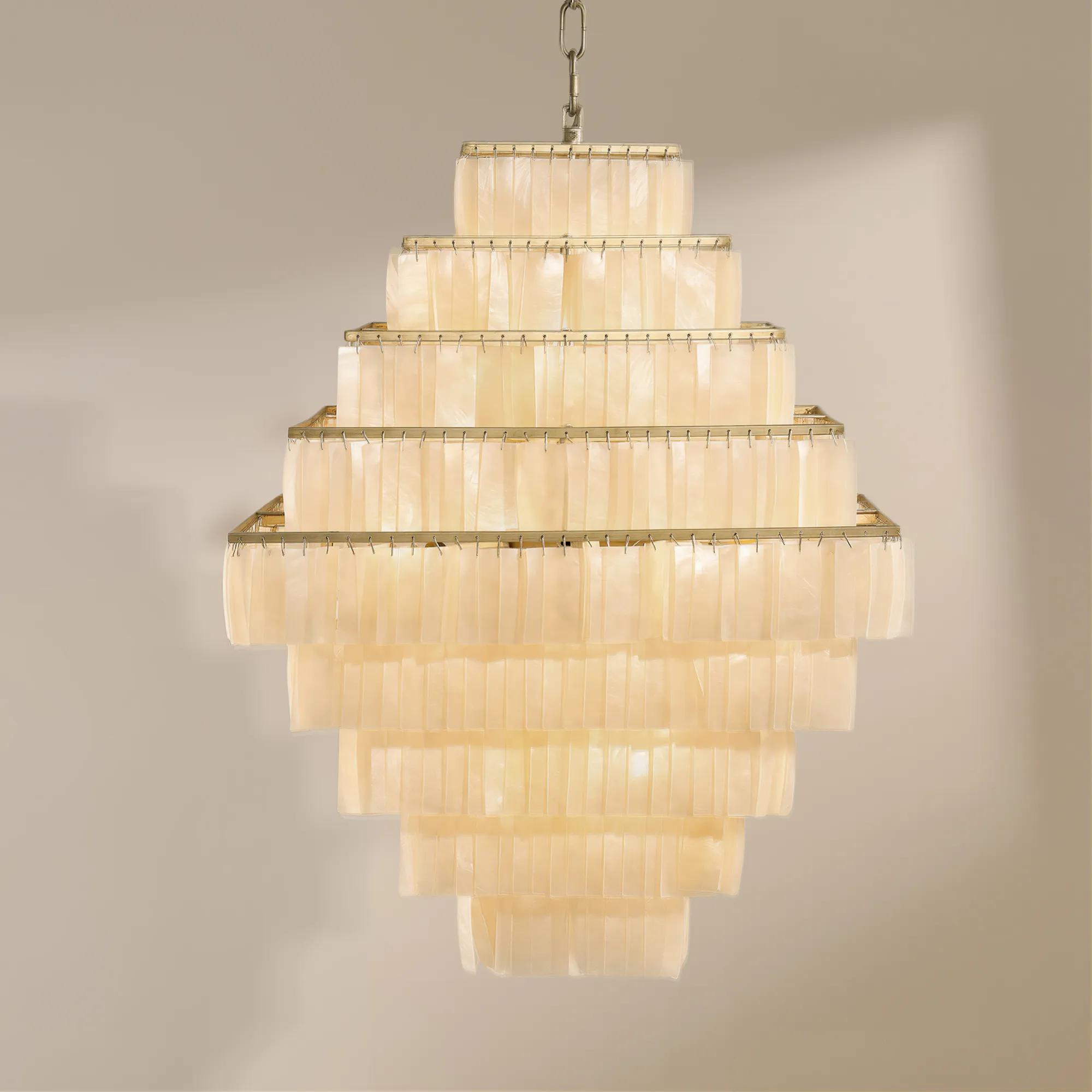 Soleil Capiz Shell Chandelier 25"$999
A luminous chandelier crafted from 700 hand-strung capiz shells and a champagne-finished iron frame.
Add To Cart -
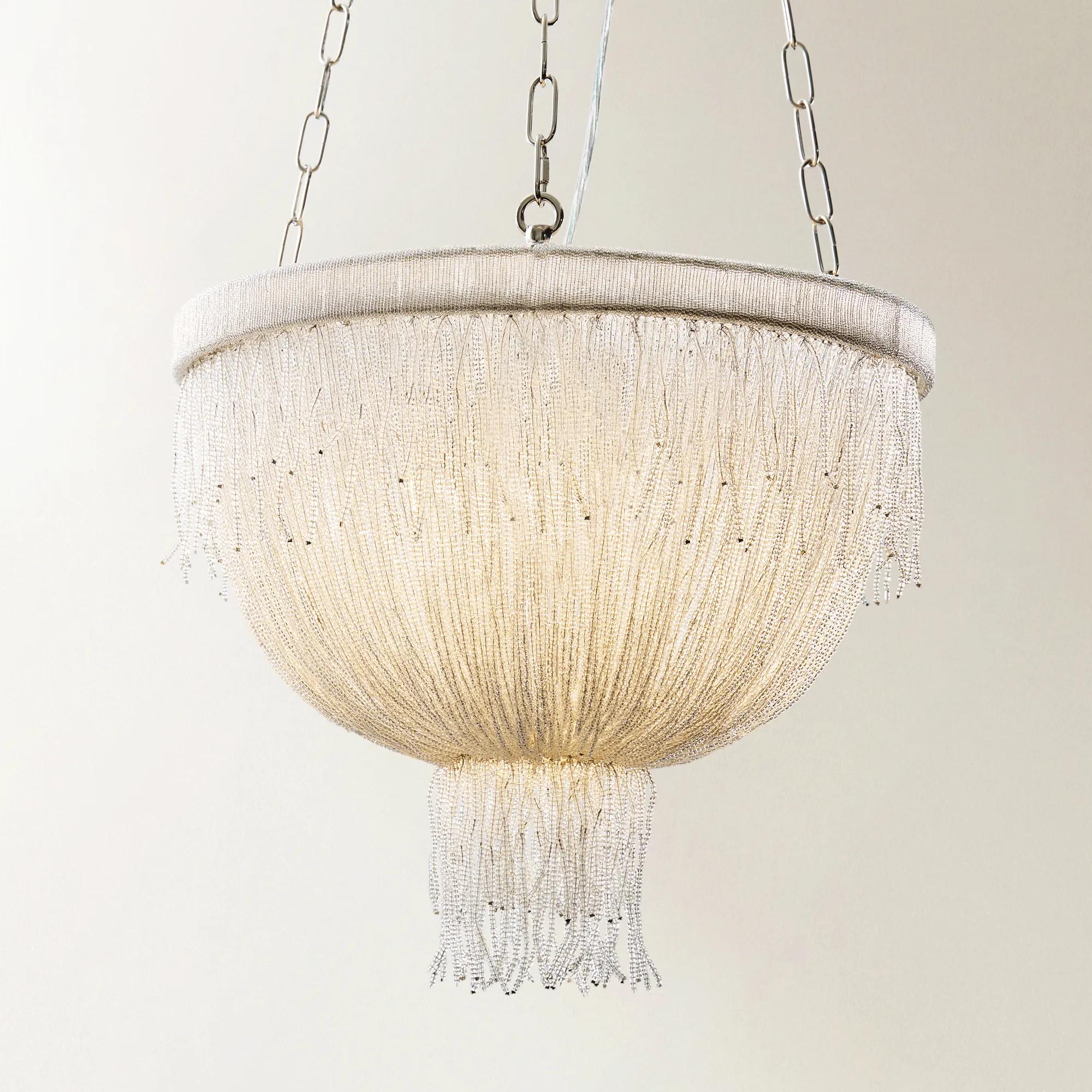 Selene Chandelier$899
A dazzling chandelier featuring cascading clear glass beads and a sleek nickel-finished iron frame.
Add To Cart

Modern Living Room Lighting Ideas
Modern Living Room Lighting Ideas illuminate more than just your space—they set the stage for every unforgettable moment and mood. Imagine sculptural silhouettes casting dramatic shadows, golden glows that dance across plush textures, and statement fixtures that transform ceilings into works of art. Each piece is a brushstroke in your living room’s story, infusing the everyday with a sense of wonder and sophistication. Let your lighting be both muse and masterpiece, shaping an atmosphere where glamour meets comfort and expressive design reigns supreme.
Modern living room lighting brings atmosphere, dimension, and artistic presence to the space where daily life unfolds. The most compelling arrangements combine ambient lighting for overall illumination, task lighting for reading or conversation areas, and accent lighting that draws attention to art, texture, and architectural details. Together, these layers give a room flexibility without sacrificing its sense of drama. A sculptural ceiling fixture establishes the composition, while lamps at different heights create intimate pools of light around a sofa, an accent chair, or a beautifully styled console. This balance is central to modern living room lighting ideas: the room feels considered even when only a few lights are on. Chandeliers and pendants can act as suspended sculpture, introducing sweeping curves, geometric forms, or luminous tiers above the seating area. Flush and semi-flush fixtures offer a more closely fitted silhouette where ceiling height calls for restraint, with glass, metalwork, and dimensional detailing delivering visual richness. Floor lamps bring illumination closer to the places people actually sit, especially in rooms where the existing overhead light leaves corners feeling remote. An arc silhouette can extend light toward a sectional without requiring a ceiling connection, provided its base fits comfortably outside the walking path. Table lamps lend a more personal scale, framing a sofa with symmetry or giving an occasional table a distinctive focal point. Wall sconces add another level of expression, emphasizing a fireplace surround or lending rhythm to an otherwise quiet wall. During the cooler months, when more evenings unfold indoors, this layered approach makes the living room feel inviting rather than uniformly bright. It also accommodates different households and occasions: a reader needs a concentrated glow beside a favorite chair, a host wants flattering light across the seating arrangement, and a film enthusiast benefits from gentle background illumination that does not reflect directly on the screen. Each lighting category contributes a different kind of presence, allowing practical needs and expressive design to share the same room.
Materials and finishes shape that presence long before a light is switched on. Clear glass can preserve an airy sightline while revealing the geometry of a fixture; opal or frosted glass diffuses the light source for a softer luminous effect. Faceted crystal introduces sparkle and movement, especially against richly colored walls or plush upholstery, while ceramic bases bring a tactile, collected quality to a polished setting. Metal finishes offer their own visual vocabulary. Brushed brass suggests warmth, polished chrome creates crisp reflections, and matte black gives a sculptural outline definition against pale surroundings. Mixing finishes can feel deliberate when a tone or shape repeats elsewhere, such as a warm metal lamp echoing the frame of a mirror across the room. Shades matter just as much as bases: translucent fabric can soften ambient light, while an opaque shade generally directs more illumination through its openings. For a console behind the sofa or a pair of side tables, Modern Living Room Table Lamps bring focused illumination and decorative proportion into the same composition. Scale should reflect both the supporting furniture and the surrounding architecture. A substantial sofa can carry a lamp with a generous shade and a visually weighty base, while a narrow end table needs enough free surface for a book or glass without a precarious overhang. Measuring the complete footprint, including the shade, helps prevent a graceful silhouette from overwhelming its setting. In a reading corner, the shade should generally conceal the bulb from a seated person's direct view while allowing light to reach the page. An adjustable floor lamp offers flexibility when a chair serves as both a reading retreat and an extra seat for guests. Overhead fixtures need appropriate clearance, particularly where people walk beneath them, and sconces should sit clear of doors, drapery, and everyday movement. These spatial relationships let bold lighting feel integrated rather than imposed, preserving the easy flow that makes an expressive room comfortable to inhabit.
The quality of the light itself determines how successfully those forms perform. Warm-white bulbs around 2700K to 3000K typically create a welcoming residential atmosphere, complementing wood tones, warm metallics, and layered textiles without the cooler appearance associated with higher color temperatures. Keeping color temperature consistent among nearby fixtures helps the room feel cohesive, while lumen output—not wattage alone—provides a useful indication of brightness. For spaces with artwork or carefully chosen upholstery, a high color rendering index, often listed as CRI 90 or above, can help colors appear more faithful under electric light. Dimmable lighting gives the same arrangement range, from brighter illumination for a gathering to a subdued glow for a quiet evening, but bulbs, fixtures, and dimmer controls must be compatible. Smart bulbs and controls can offer additional convenience where supported; they should be selected according to the fixture's specifications rather than assumed to work in every lamp. Practical details deserve equal attention. A switch within reach of a chair, an outlet near the intended placement, and a cord routed away from foot traffic all contribute to a room that feels effortless. Stable bases are especially important in active households, and lighting near children or pets calls for thoughtful placement away from edges and frequently used pathways. Durability depends on construction, finish, and handling as well as material: thick glass may still be vulnerable to impact, and polished surfaces can show fingerprints even when structurally sound. Routine care usually begins with switching the fixture off, allowing it to cool, and gently removing dust with a soft, dry cloth, always following the manufacturer's instructions. Fabric shades may require a different cleaning method from glass or plated metal, and harsh cleaners can compromise decorative finishes. Bulb replacements should match the specified base, type, and maximum wattage, while hardwired installations are best handled by a qualified electrician. With proportion, light quality, and care considered together, modern living room lighting becomes more than a finishing touch. It gives texture its depth, artwork its emphasis, and every seating area an atmosphere distinctly its own.
FAQs
Layering lighting in a modern living room involves blending ambient, task, and accent lighting to create depth and drama. Start with a statement ceiling fixture to establish a bold focal point, then add floor or table lamps to provide warmth and intimacy. Accent lighting, such as wall sconces or LED strips, highlights architectural features or art, ensuring every corner glows with intention and artistry.
Lighting shapes the mood by influencing both brightness and tone. For lively gatherings, opt for brighter, cooler lights that energize the space. For cozy evenings, dimmable fixtures or warm-toned bulbs bathe the room in a golden glow, inviting relaxation. Flexible lighting allows you to shift seamlessly from vibrant celebrations to tranquil nights, making your living room adaptable to every occasion.
This season, luxe finishes like brushed gold, polished chrome, and matte black are making a statement, while materials such as smoked glass, alabaster, and textured linen shades add a sophisticated edge. Sculptural shapes and mixed materials are also in vogue, offering a sense of artistry and individuality to modern living room lighting ideas.
Absolutely. A striking lamp or elegant sconce makes a memorable gift for housewarmings, weddings, or milestone celebrations. Lighting is both functional and decorative, allowing the recipient to infuse their space with personality and warmth—a gift that truly keeps on giving.
Accent lighting, such as directional spotlights or wall-mounted picture lights, is perfect for showcasing artwork or unique architectural details. Position lights to create gentle shadows and highlights, drawing the eye to your favorite pieces and adding an extra layer of sophistication to your living room’s design narrative.
-compressed.jpg?w=3614&h=3614)
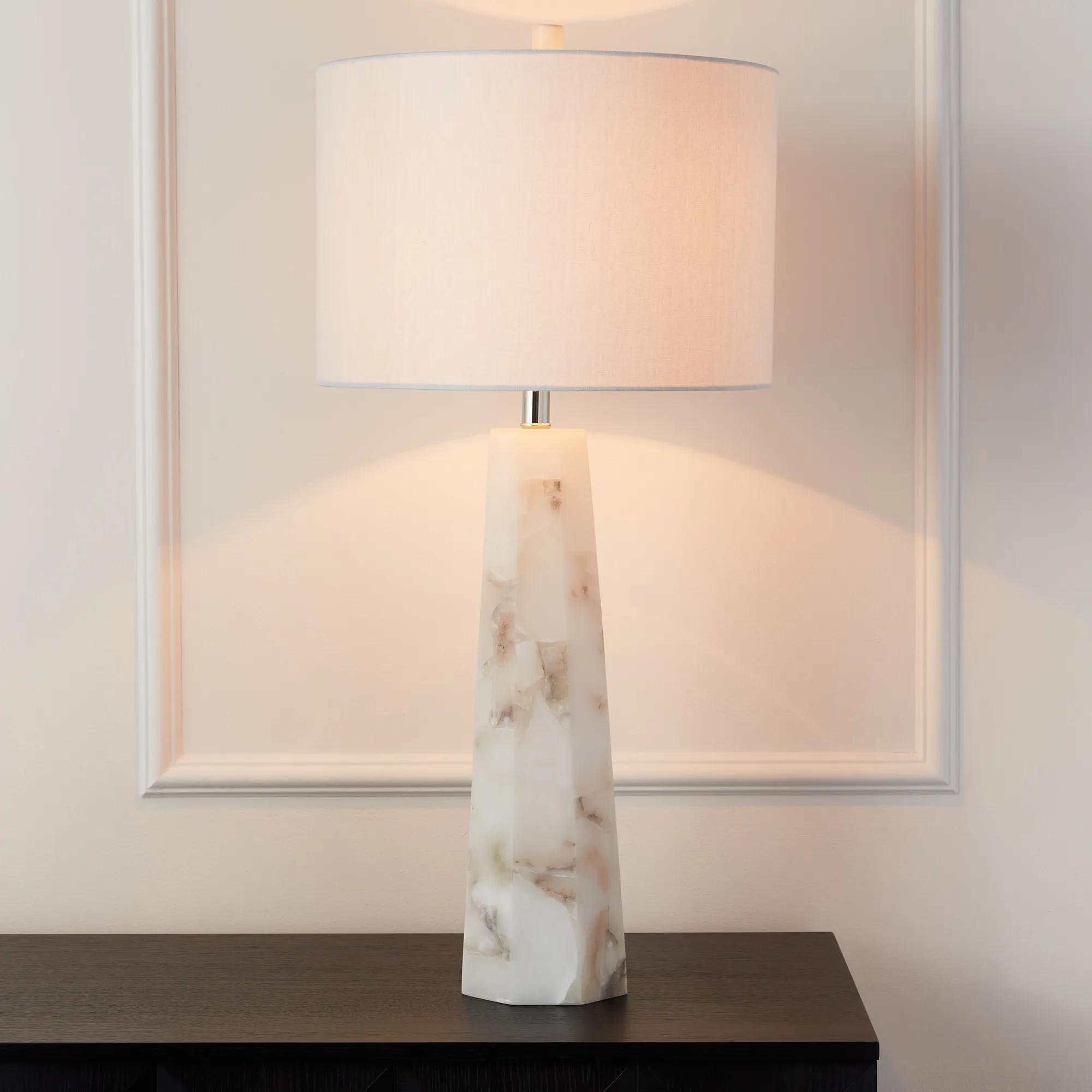
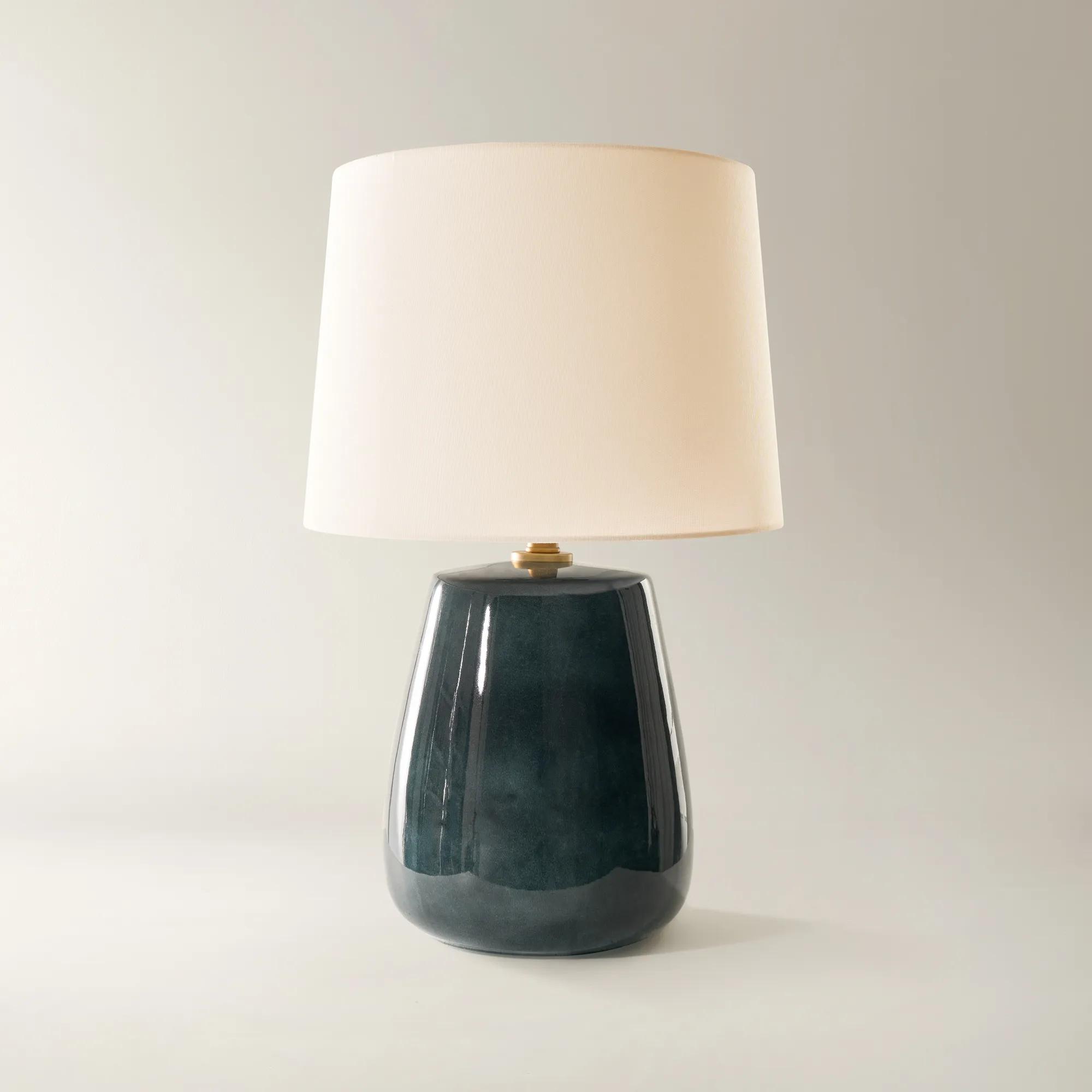
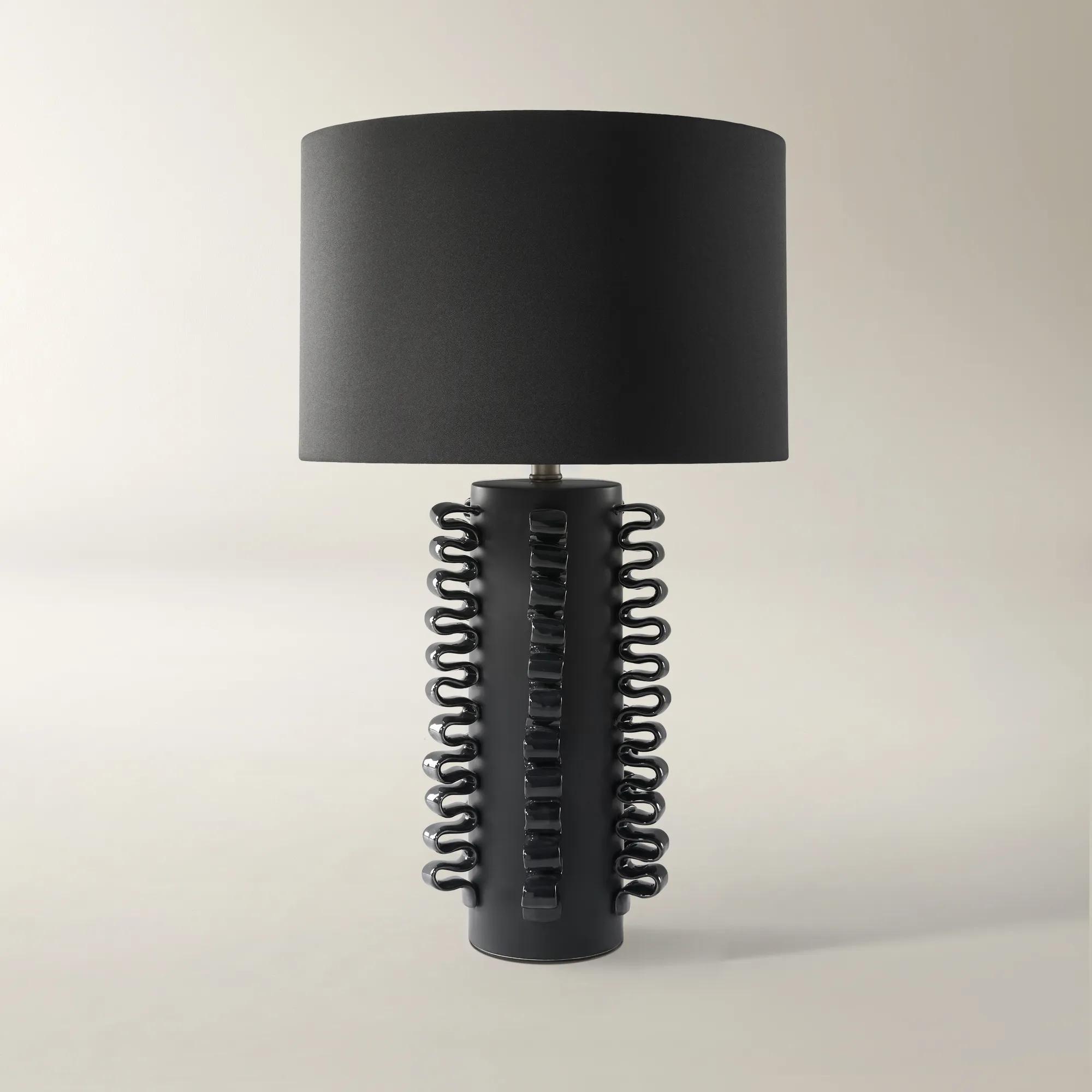
.jpg?w=3614&h=3614)