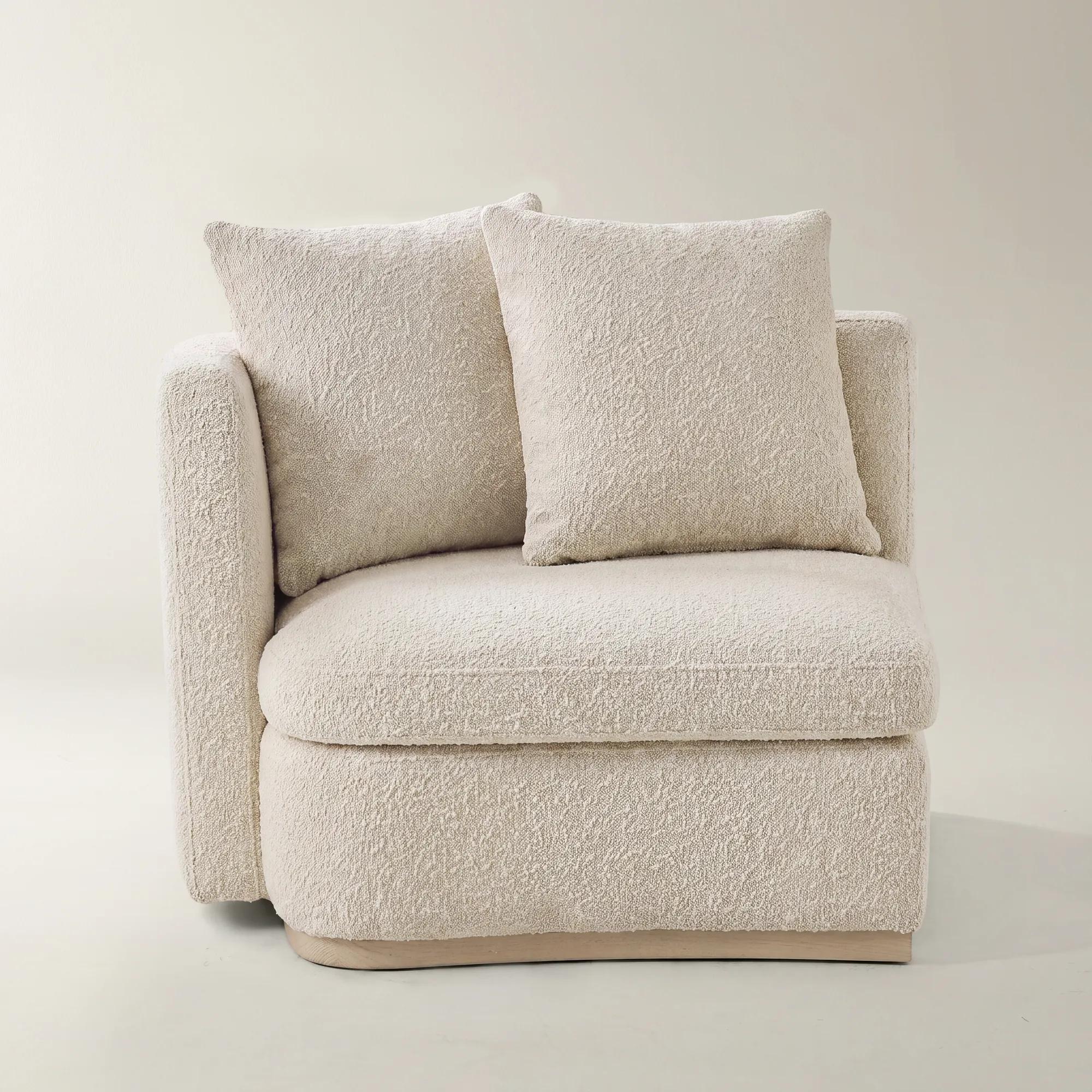
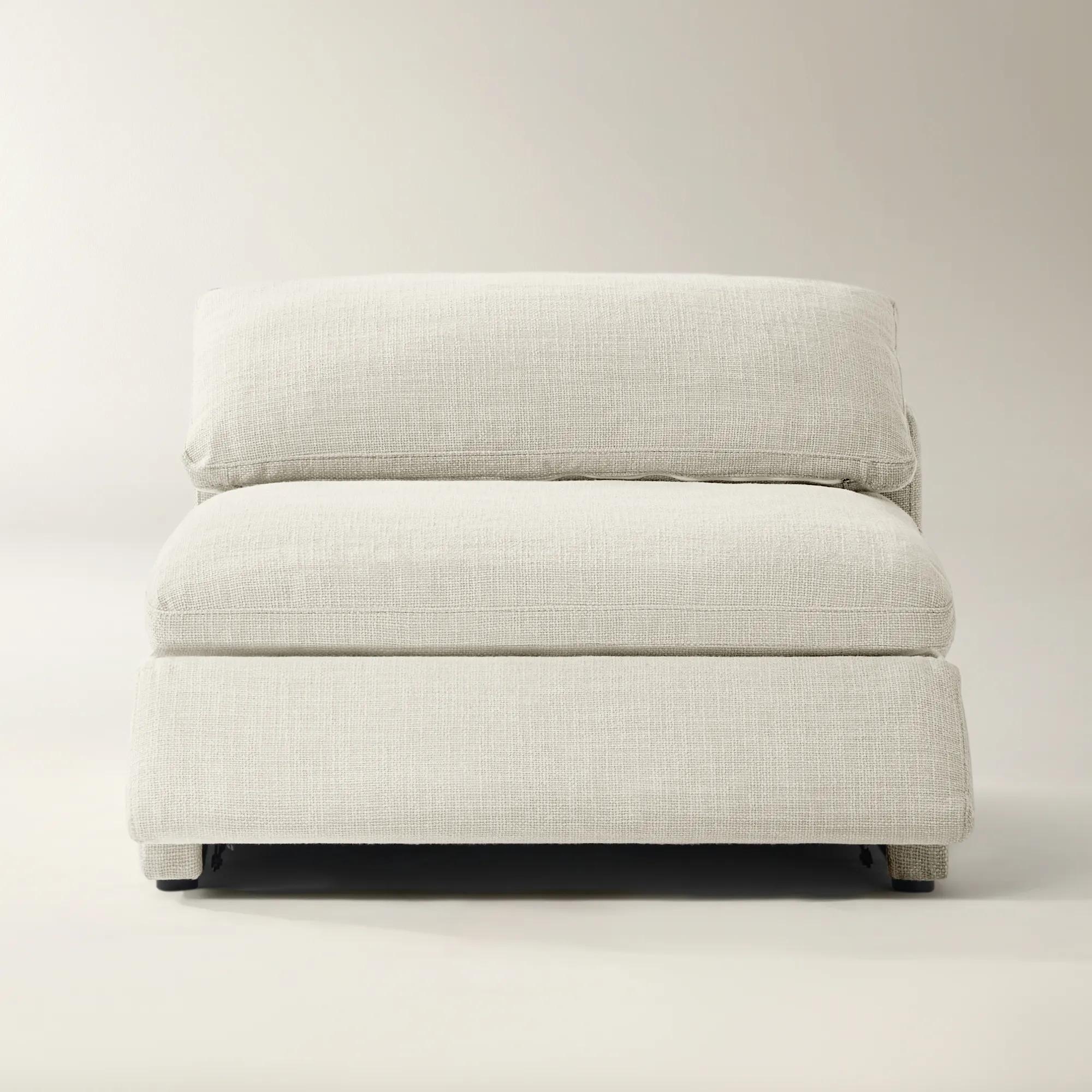
Modern Living Room Seating Ideas
Modern Living Room Seating Ideas
-
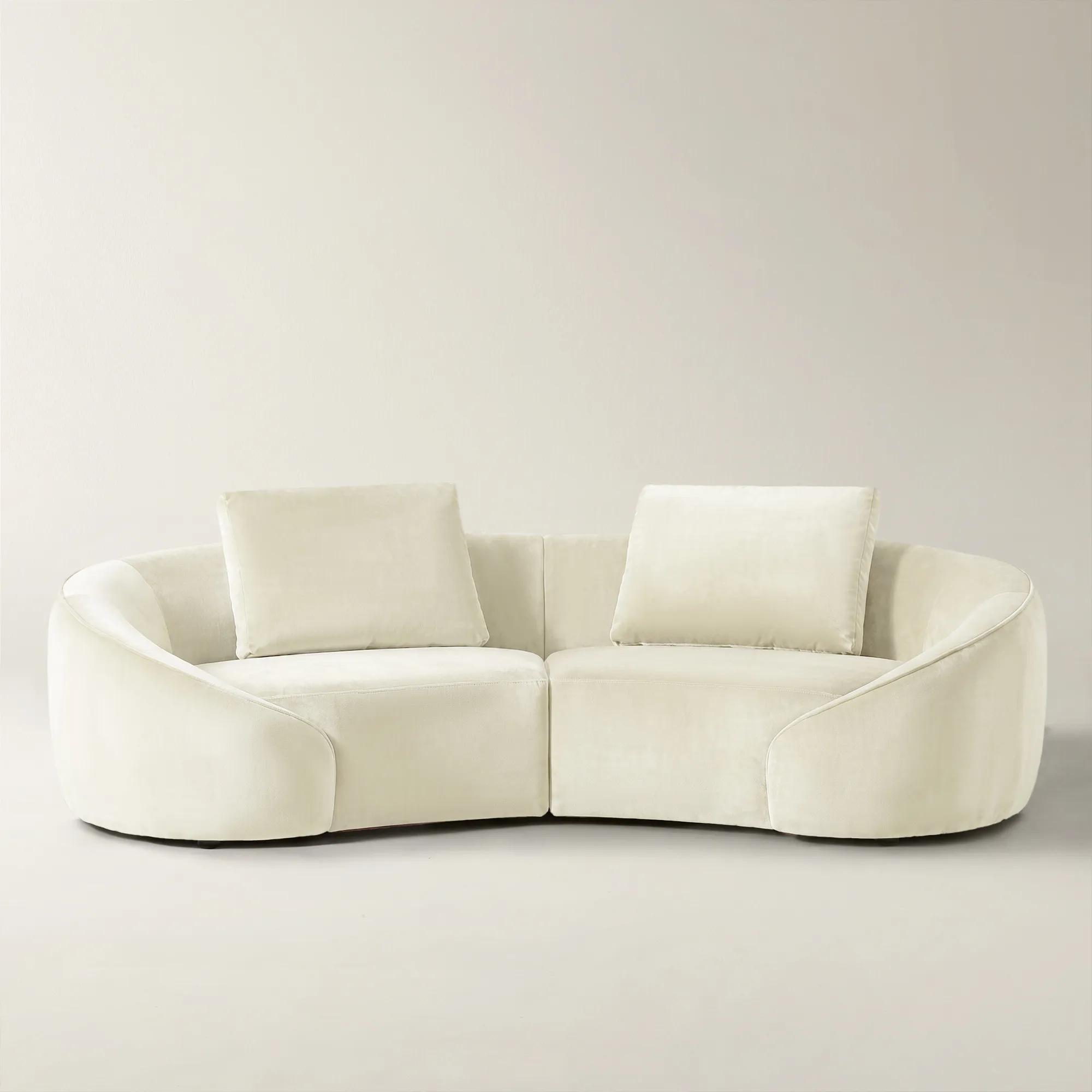
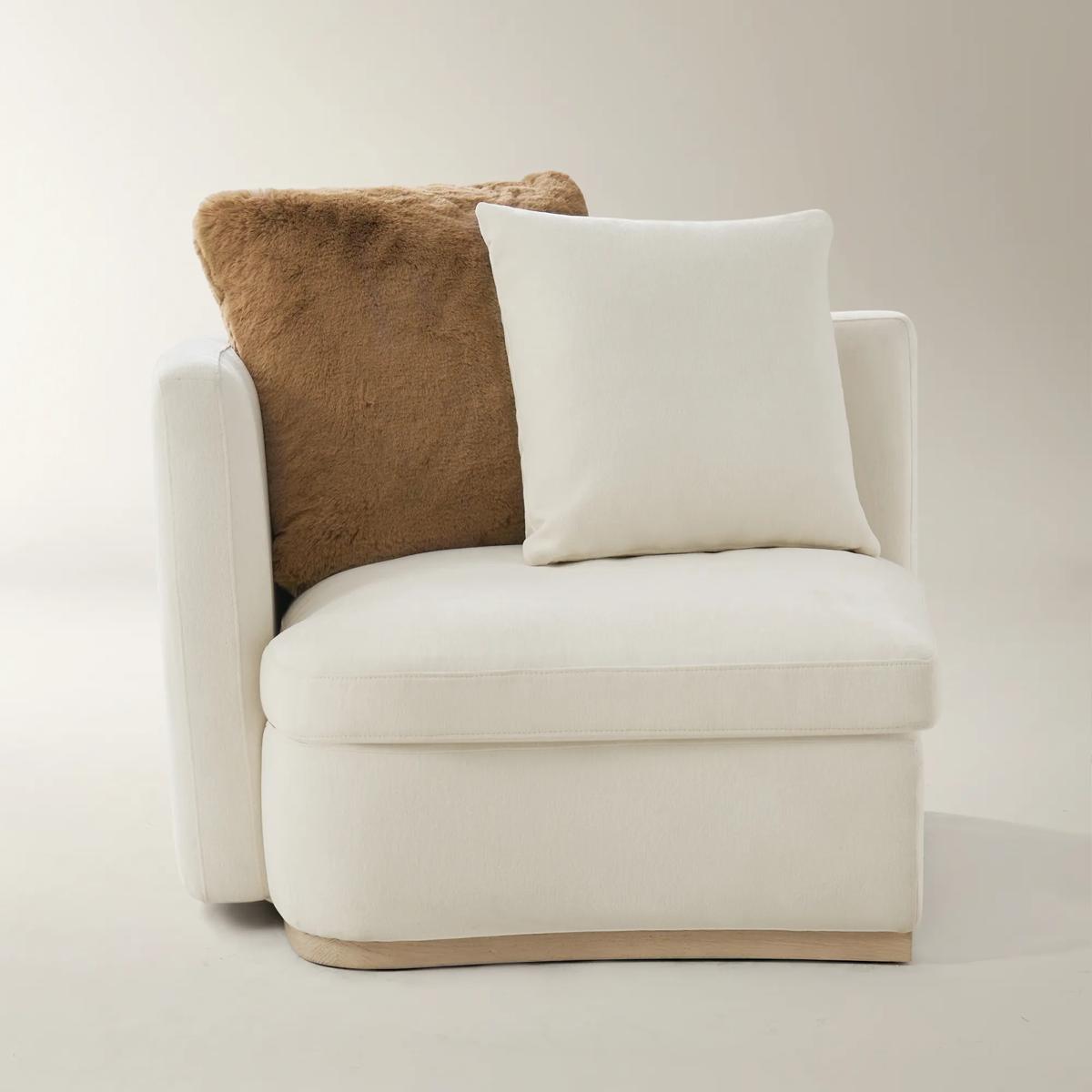
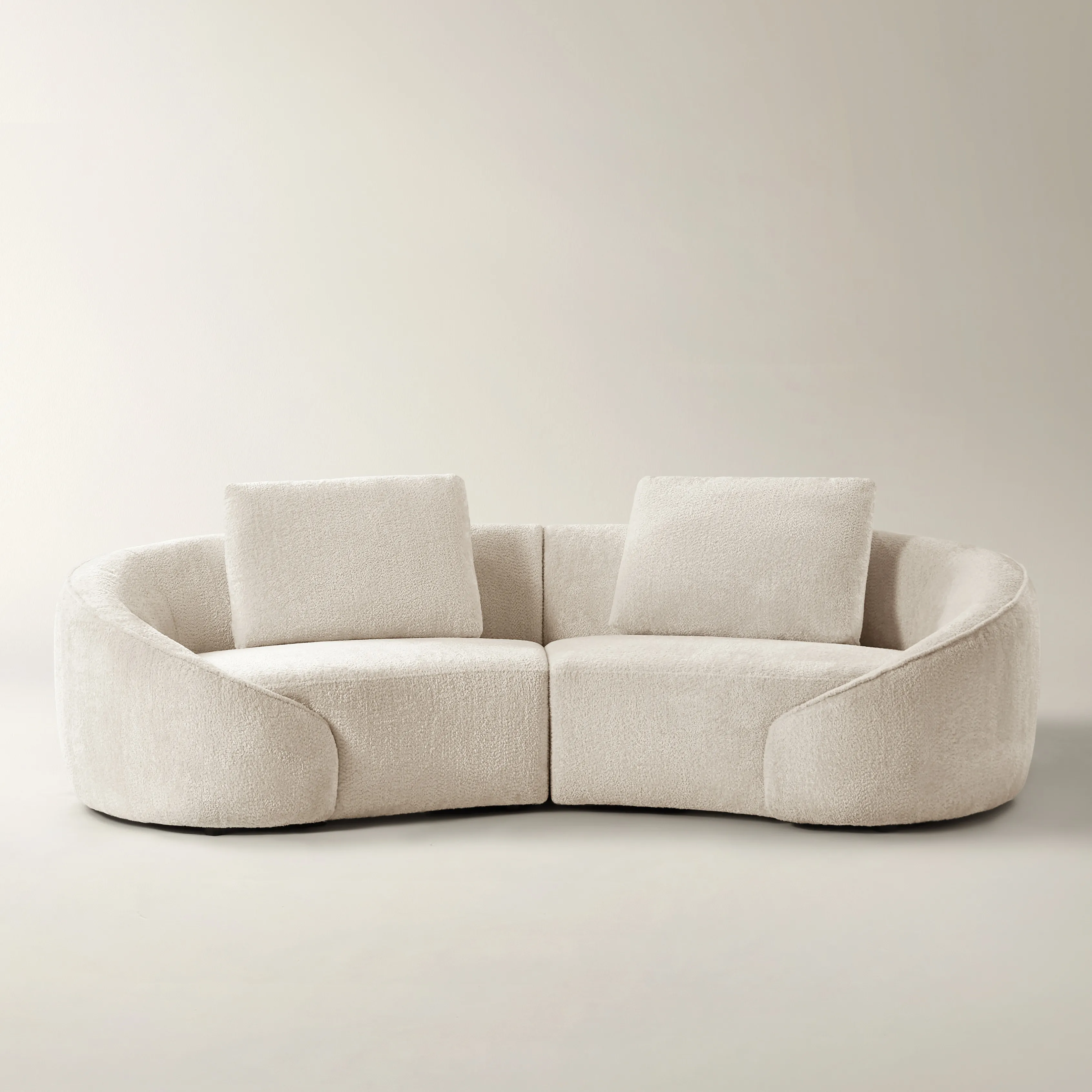 Irene 2-Piece Cloud Velvet Sectional Sofa$2699
A sculptural, curved sectional upholstered in plush velvet with high-resiliency foam cushions and artisan detailing.
Add To Cart -
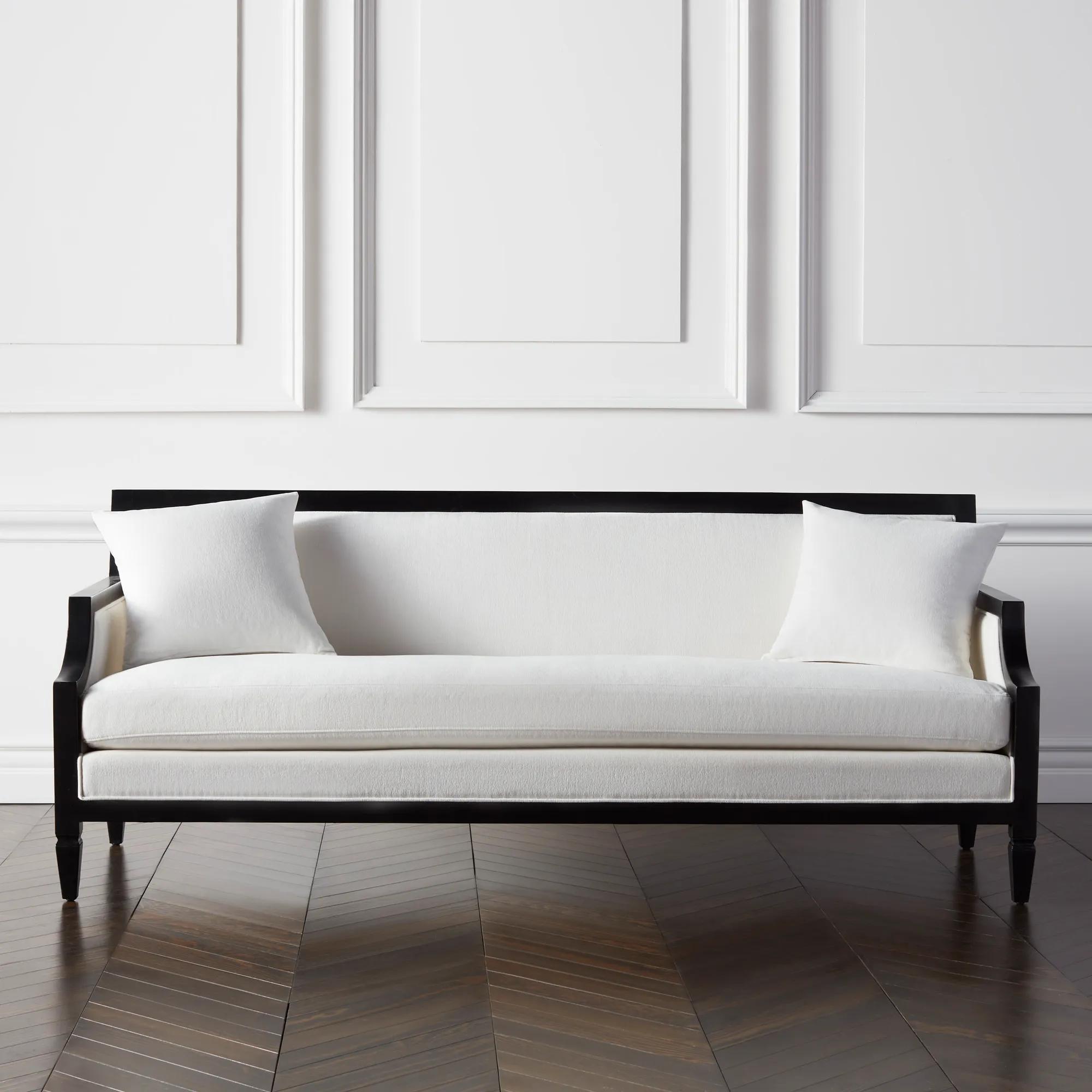
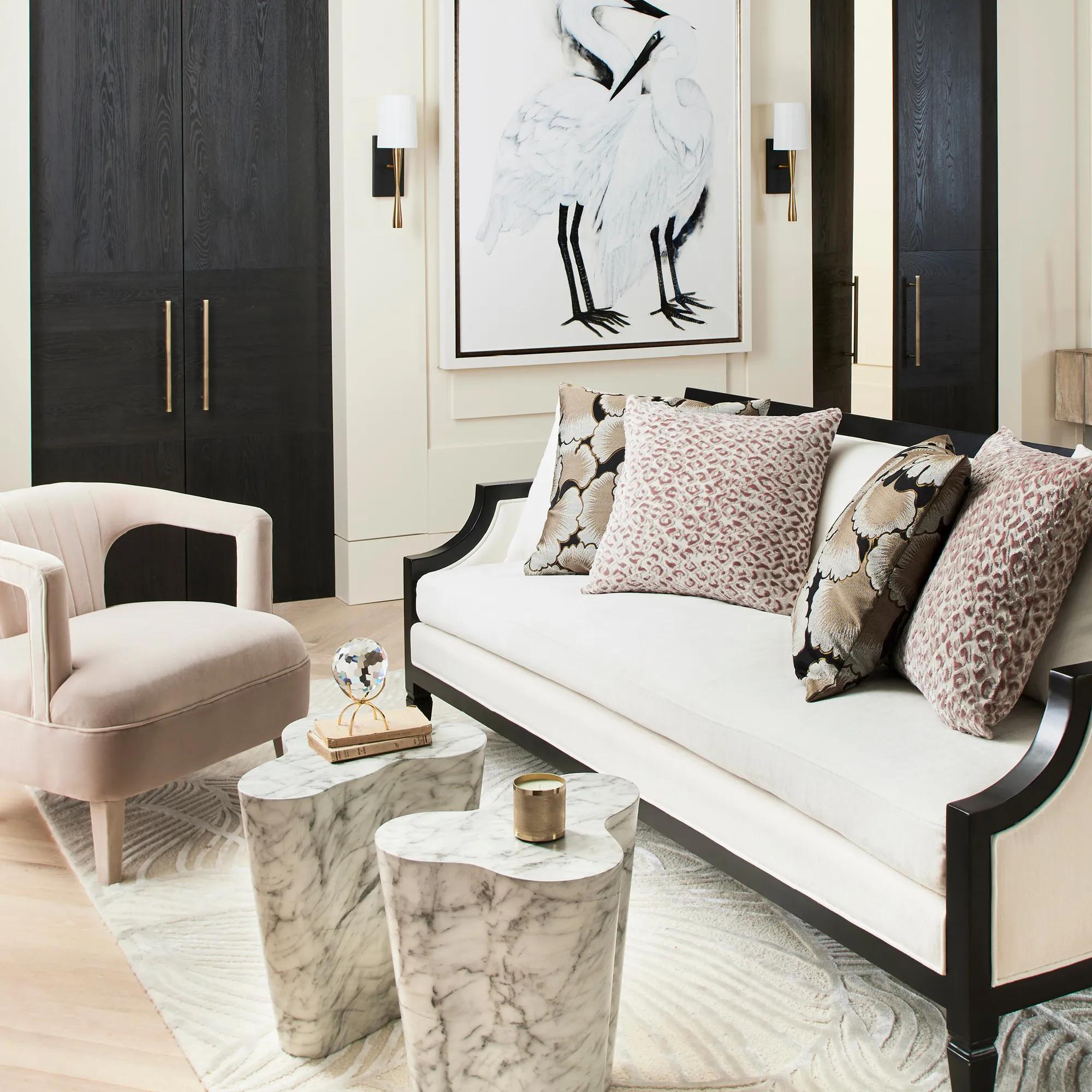 Kayla Sofa$3149
A plush, modern sofa featuring notched arms, matte black wood frame, and Kenley Chenille Snow upholstery.
Add To Cart -
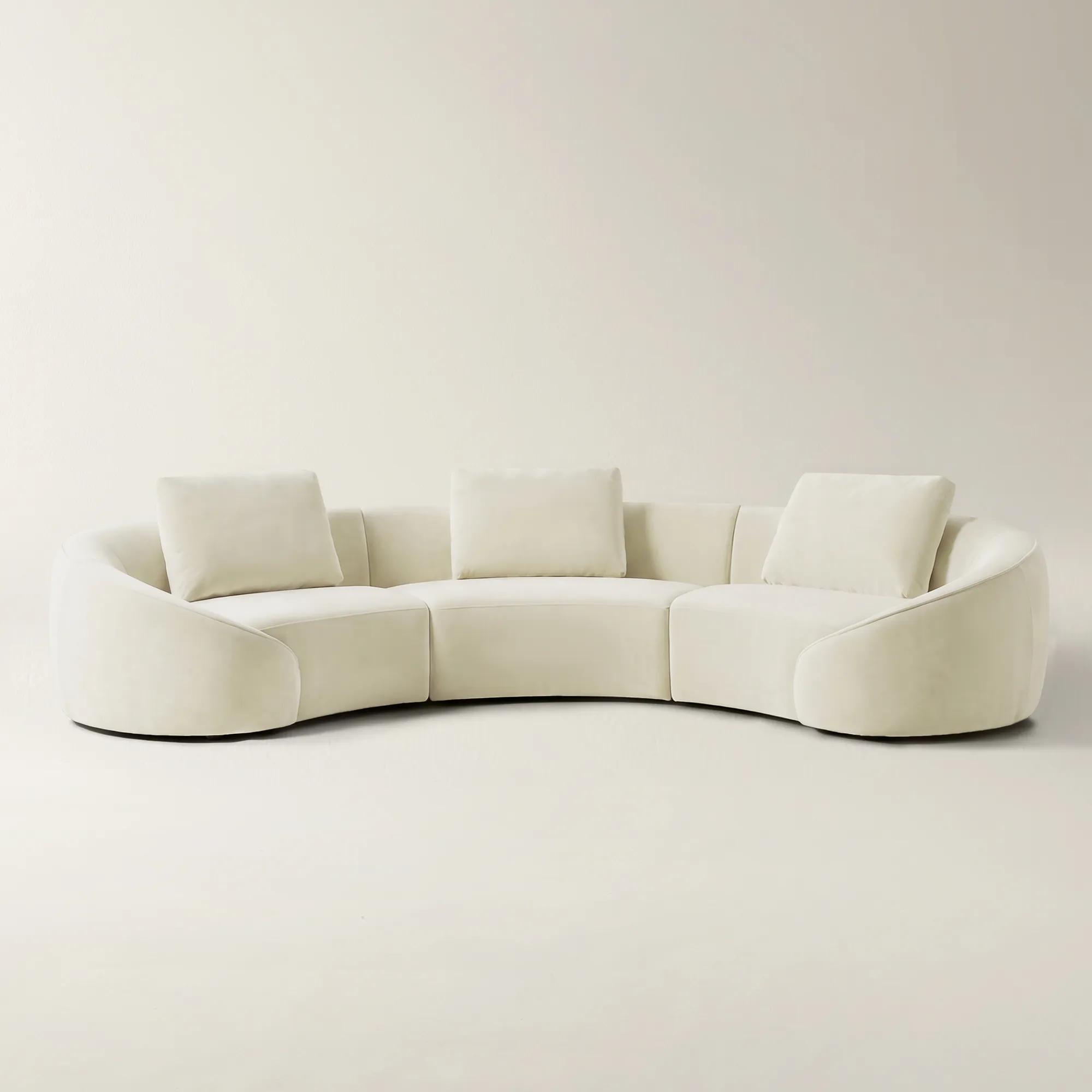 Irene 3-Piece Cloud Velvet Sectional Sofa$3899
A sculptural, hand-finished sectional with plush velvet upholstery, high-resiliency foam cushions, and modular design.
Add To Cart -
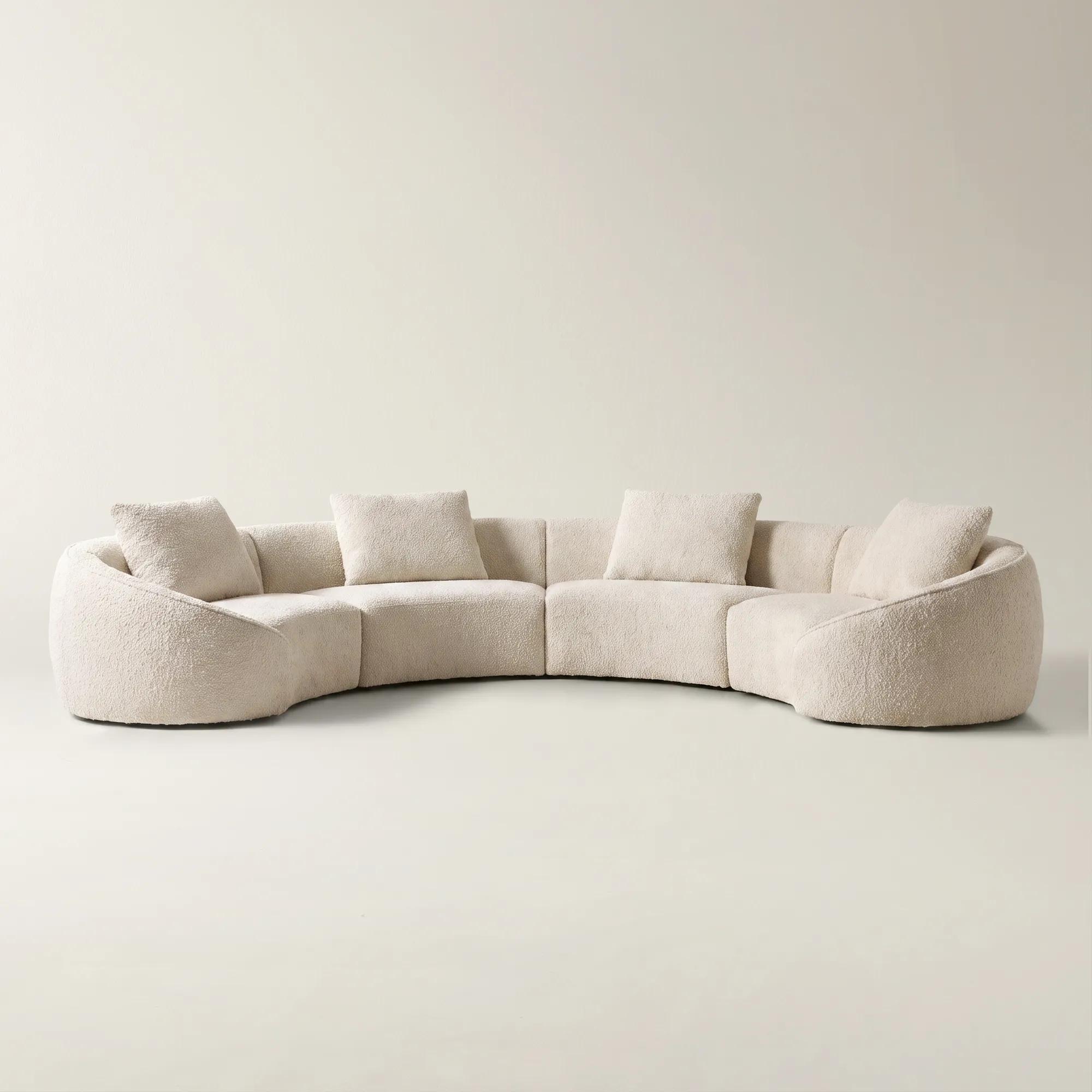
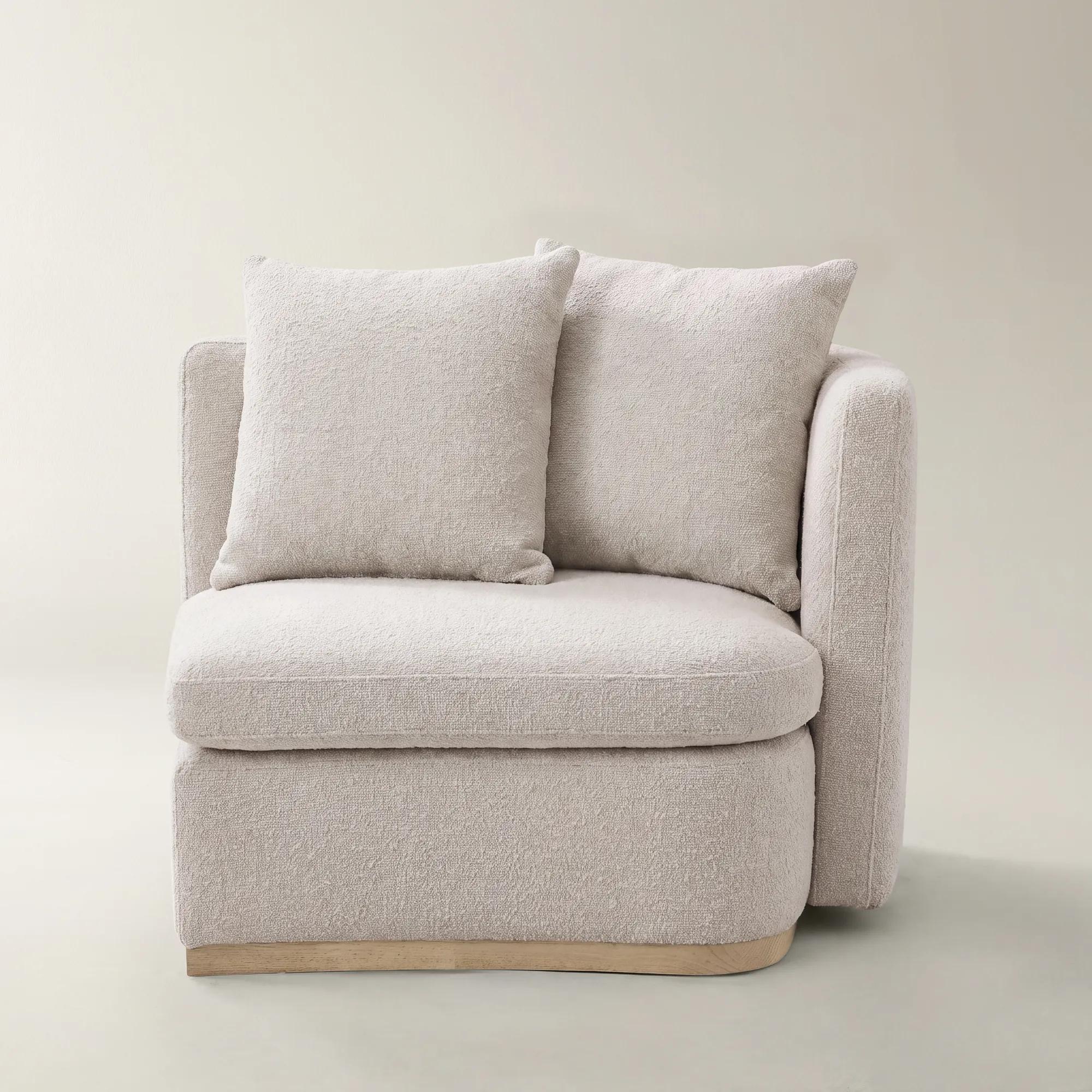
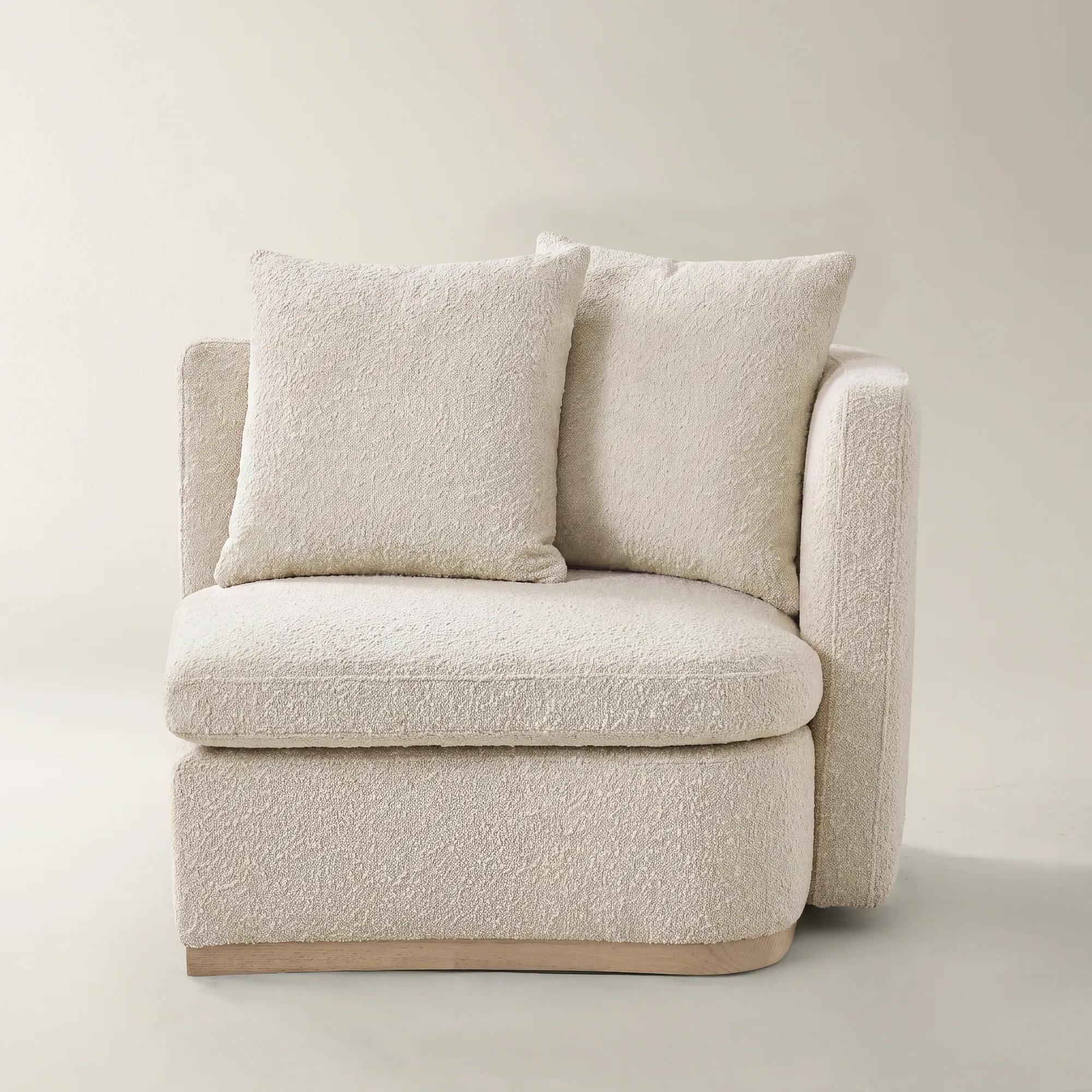
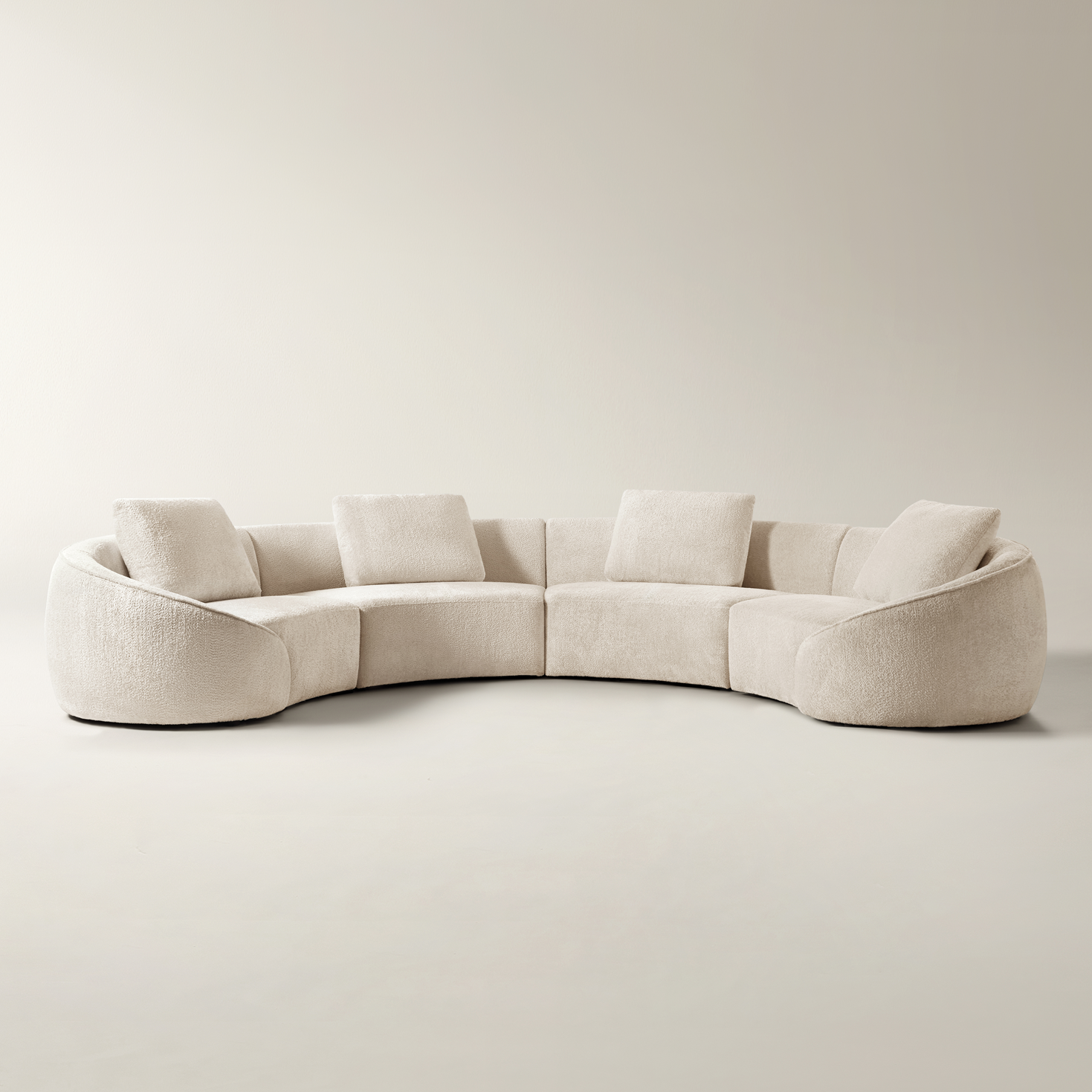 Irene 4-Piece Ivory Performance Boucle Sectional Sofa$5199
A sculptural ivory performance boucle sectional featuring hand-finished upholstery and high-resiliency foam cushions.
Add To Cart -
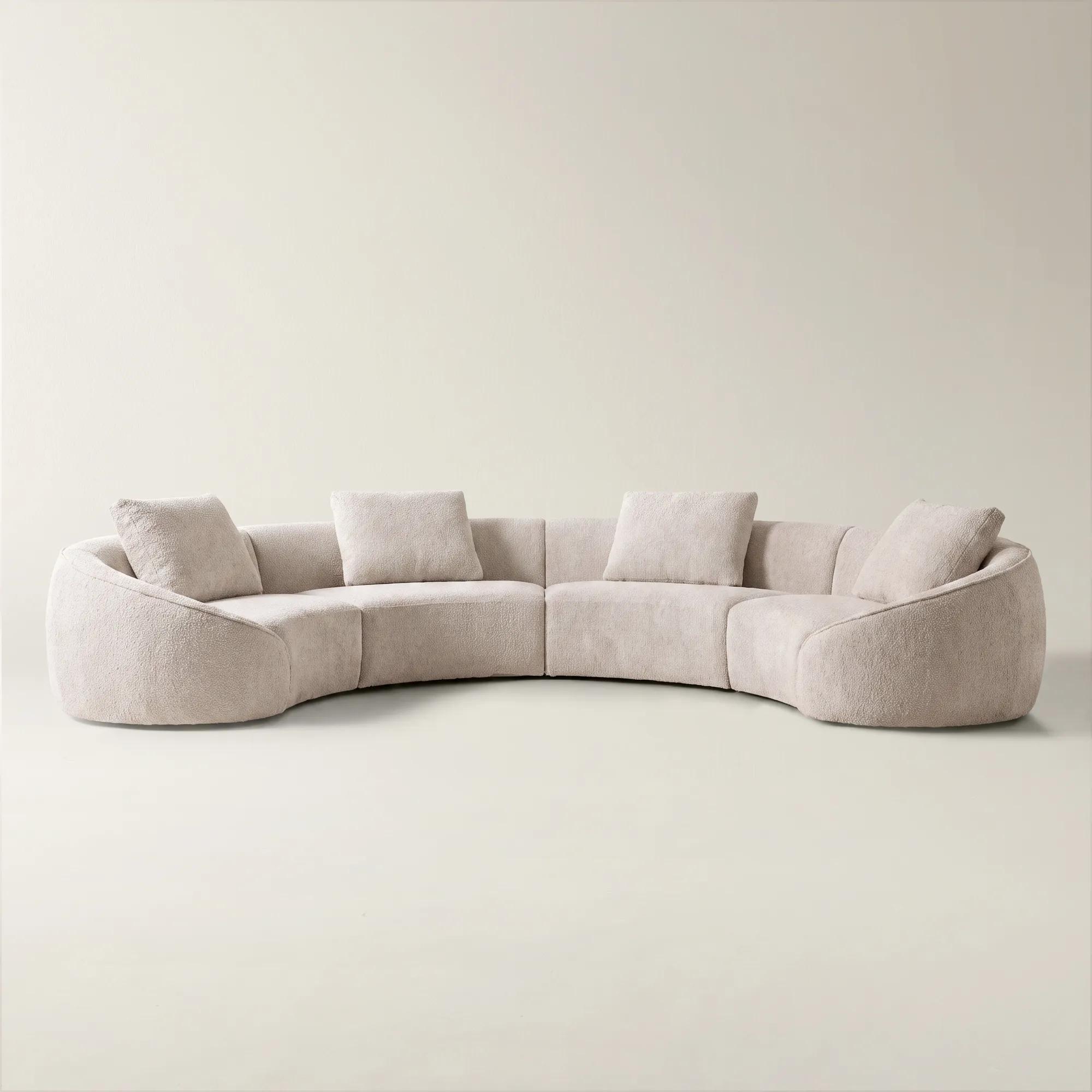 Irene 4-Piece Ivory Performance Boucle Sectional Sofa$5199
An inviting ivory performance boucle sectional featuring sculptural curves, high-resiliency foam, and artisan hand-finished upholstery.
Add To Cart -
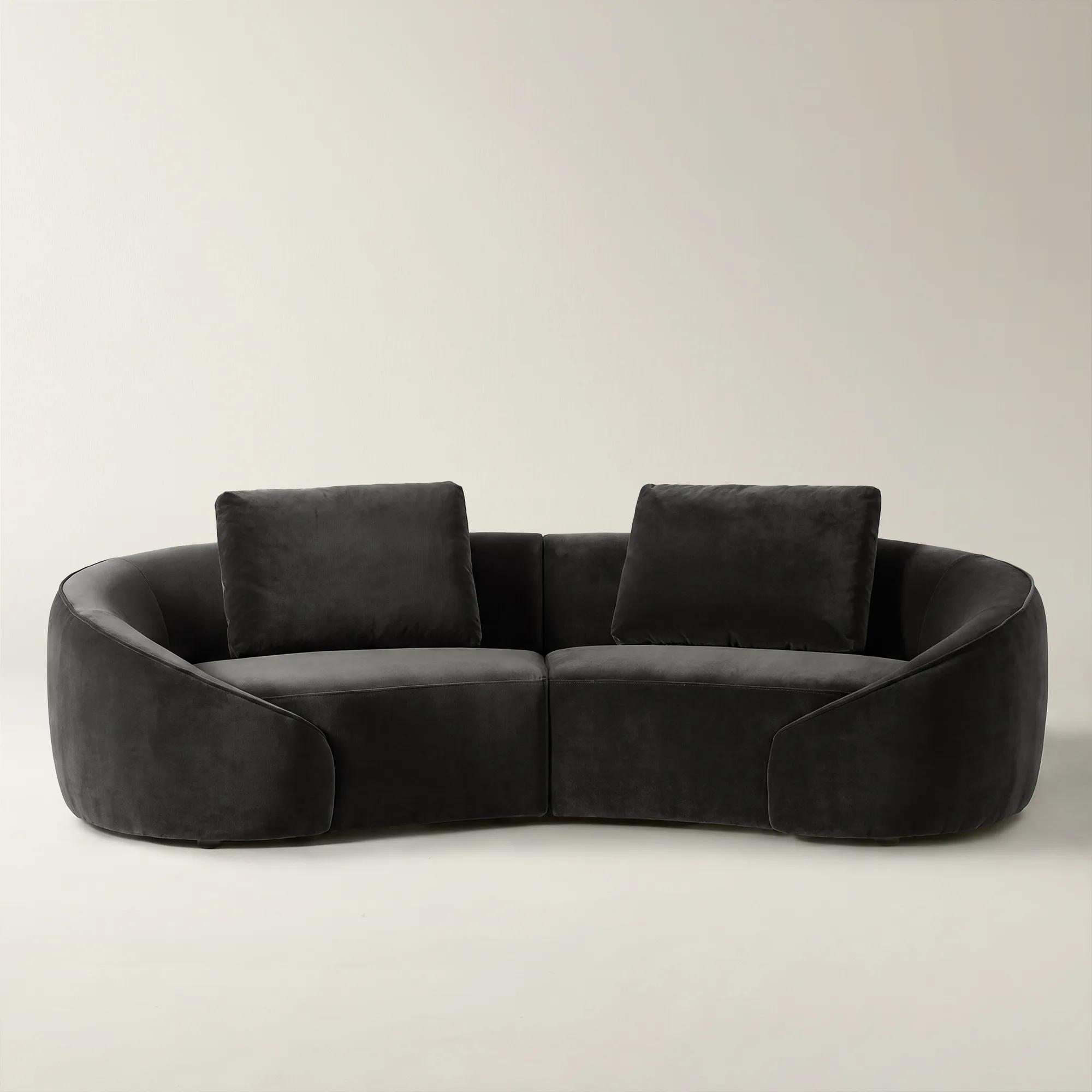
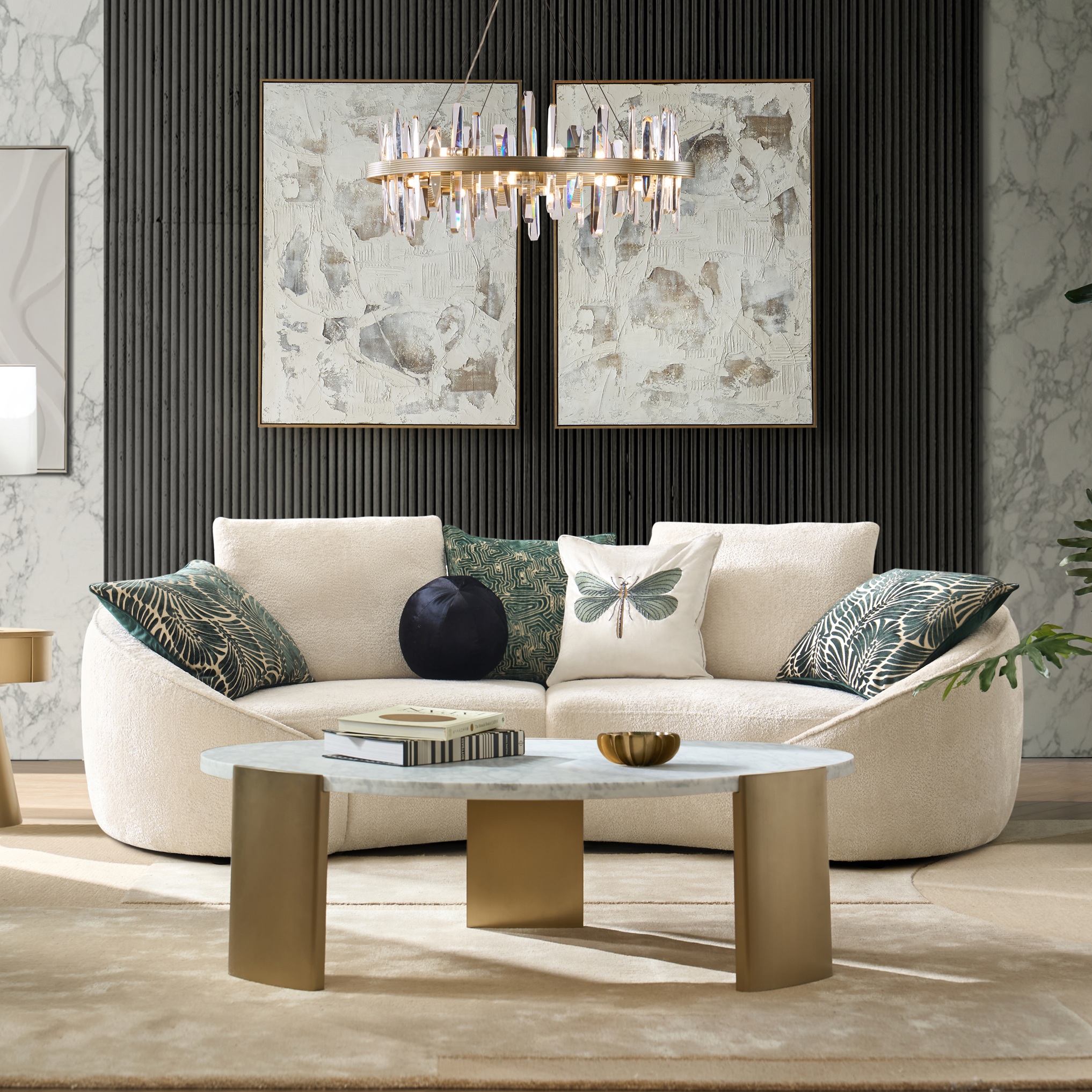 Irene 2-Piece Charcoal Velvet Sectional Sofa$2699
A sculptural charcoal velvet sectional with high-resiliency foam cushions and artisan hand-finished upholstery.
Add To Cart -
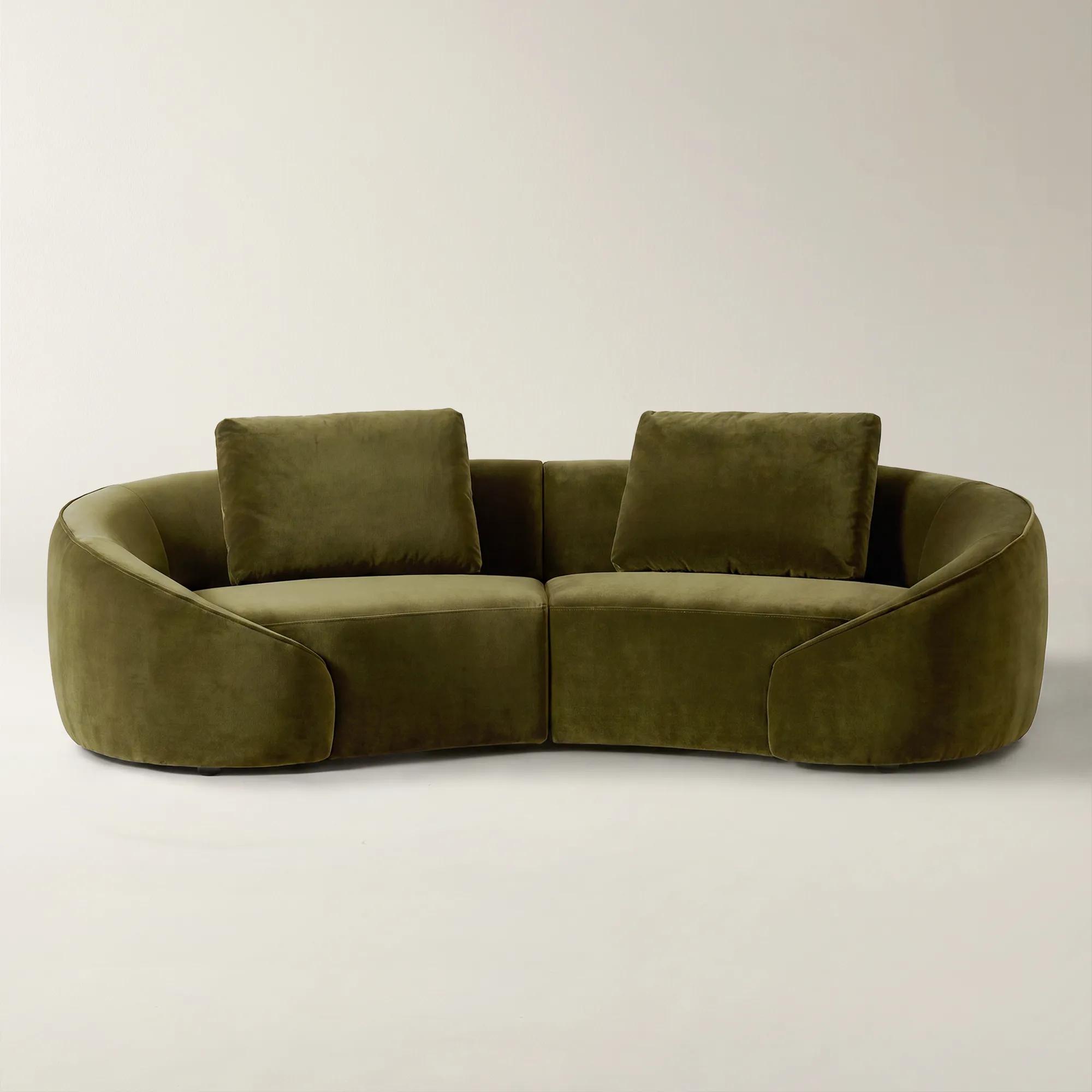 Irene 2-Piece Deep Olive Velvet Sectional Sofa$2699
A sculptural deep olive velvet sectional featuring high-resiliency foam cushions and artisan hand-finished upholstery.
Add To Cart -
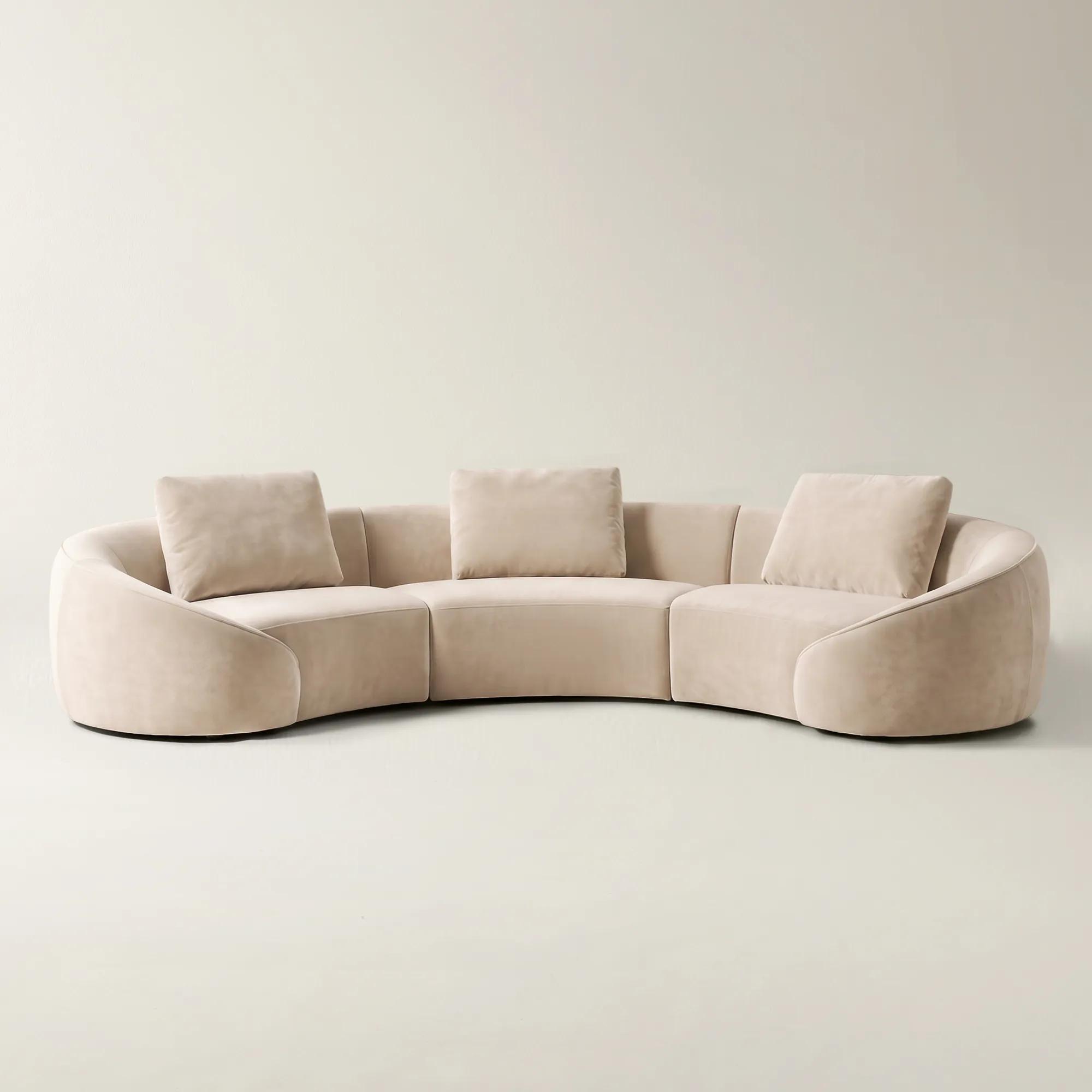
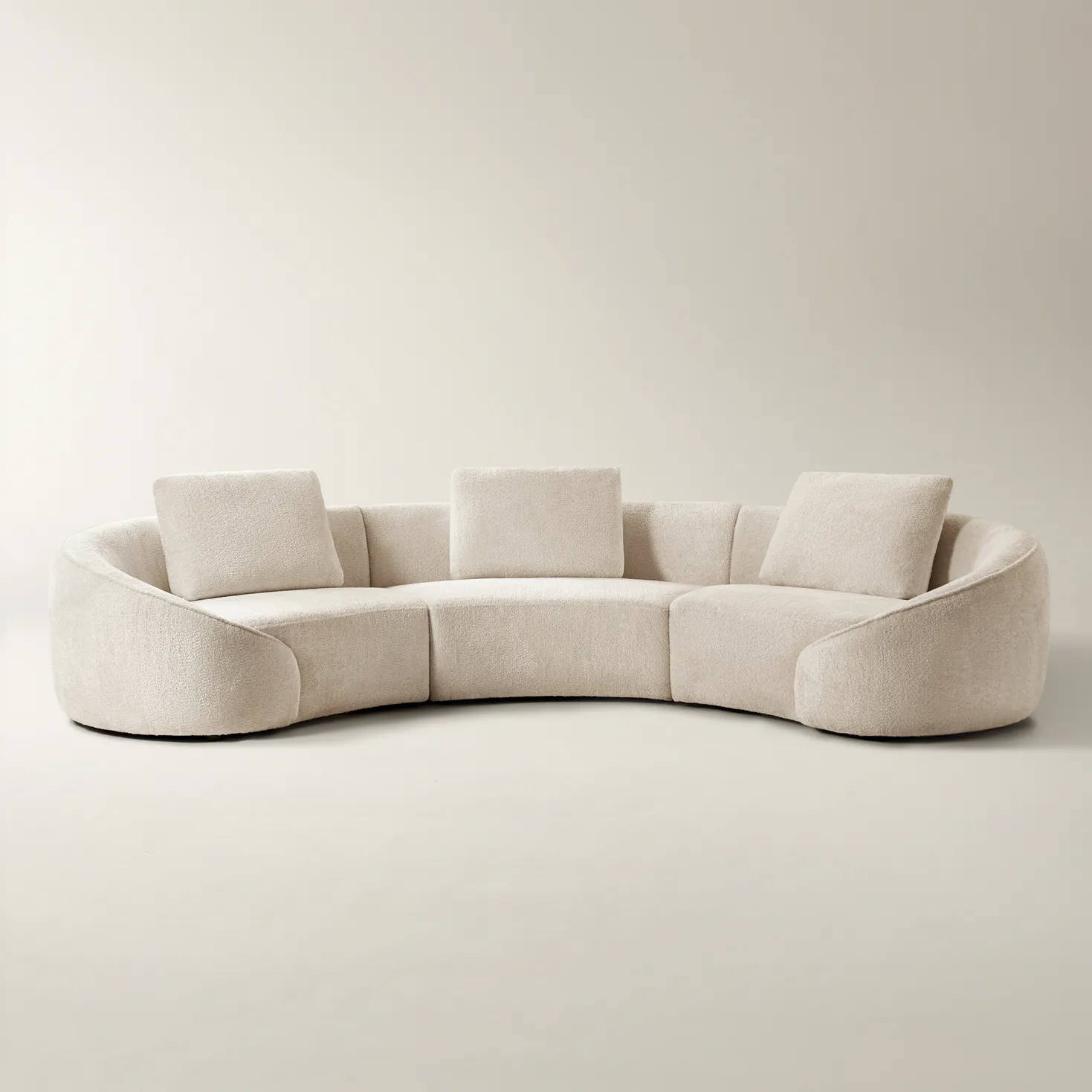 Irene 3-Piece Simply Taupe Velvet Sectional Sofa$3899
A sculptural, hand-finished sectional in simply taupe velvet with high-resiliency foam cushions and accent pillows.
Add To Cart -
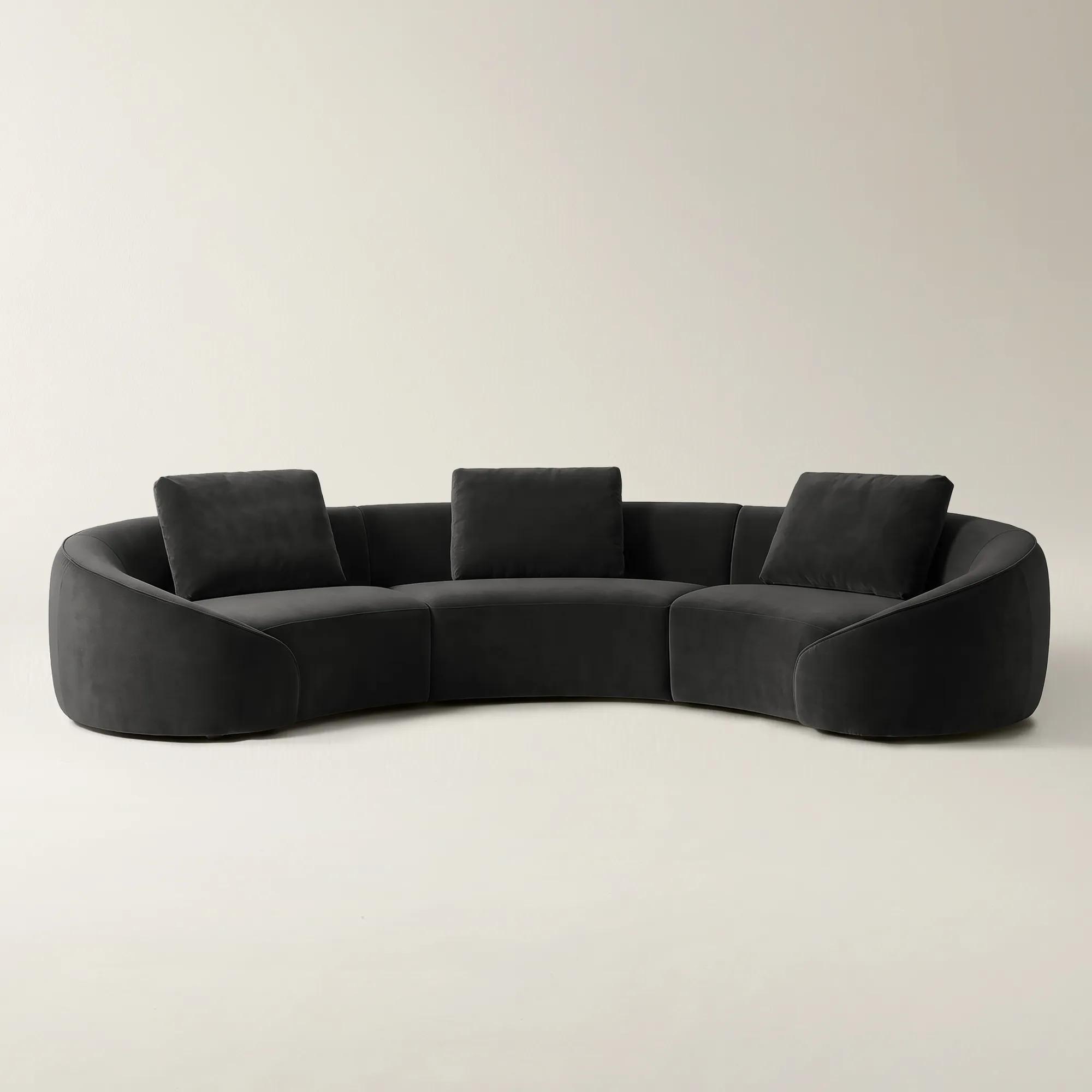 Irene 3-Piece Charcoal Velvet Sectional Sofa$3899
A sculptural charcoal velvet sectional featuring high-resiliency foam cushions and hand-finished artisan upholstery.
Add To Cart -
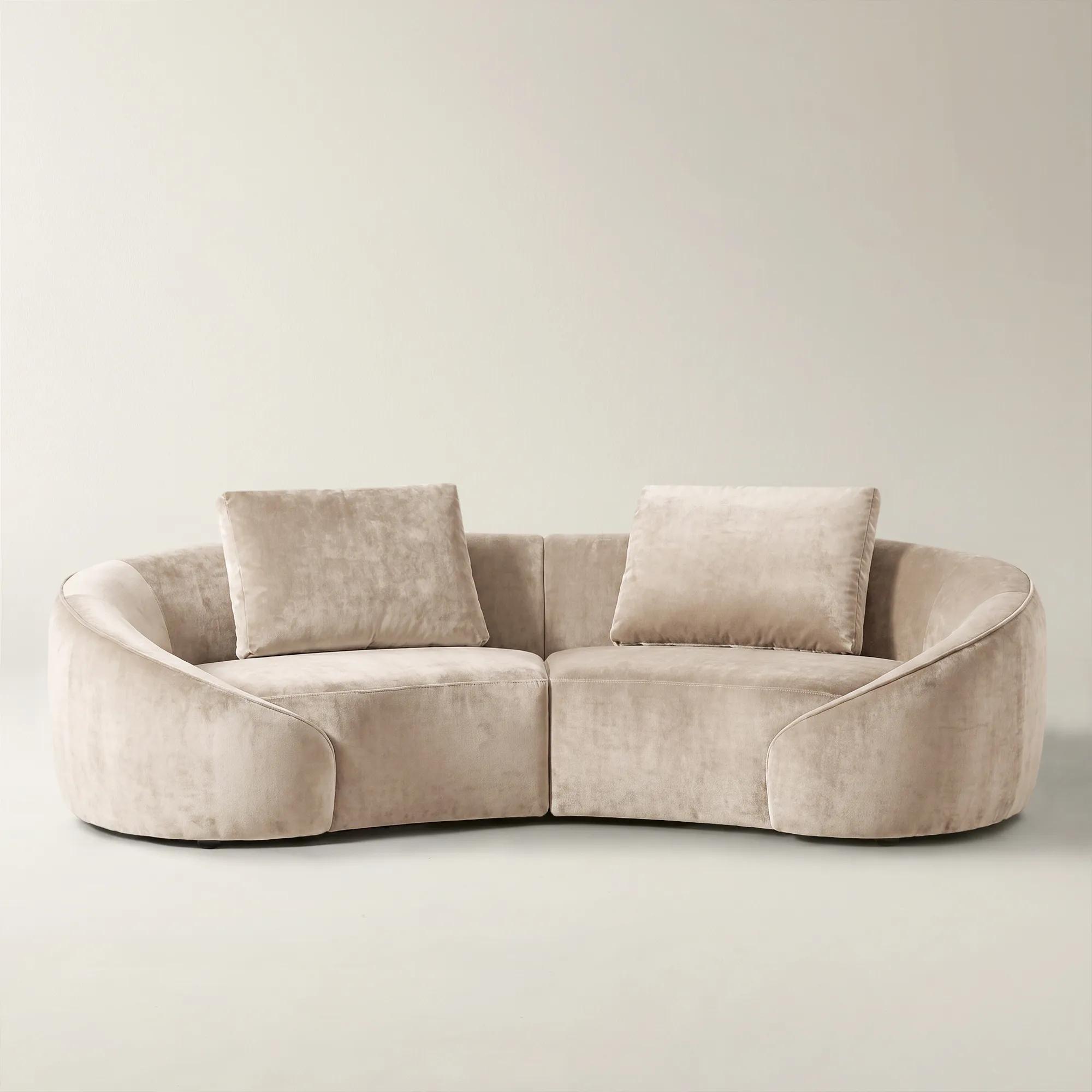 Irene 2-Piece Simply Taupe Velvet Sectional Sofa$2699
A sculptural taupe velvet sectional featuring high-resiliency foam cushions and artisan hand-finished upholstery.
Add To Cart -
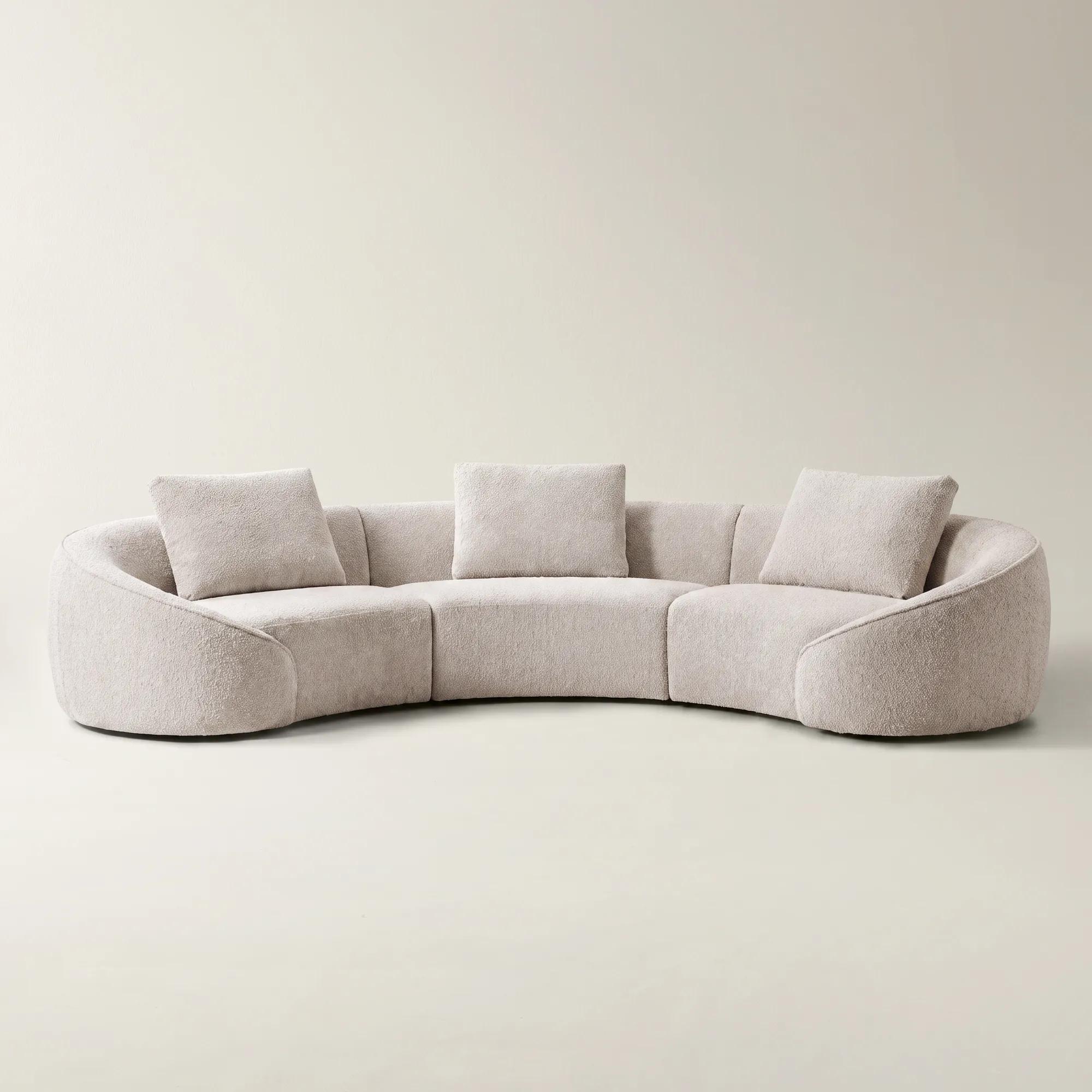 Irene 3-Piece Ivory Performance Boucle Sectional Sofa$4099
A sculptural ivory boucle sectional featuring performance upholstery, high-resiliency foam cushions, and artisan hand-finished details.
Add To Cart -
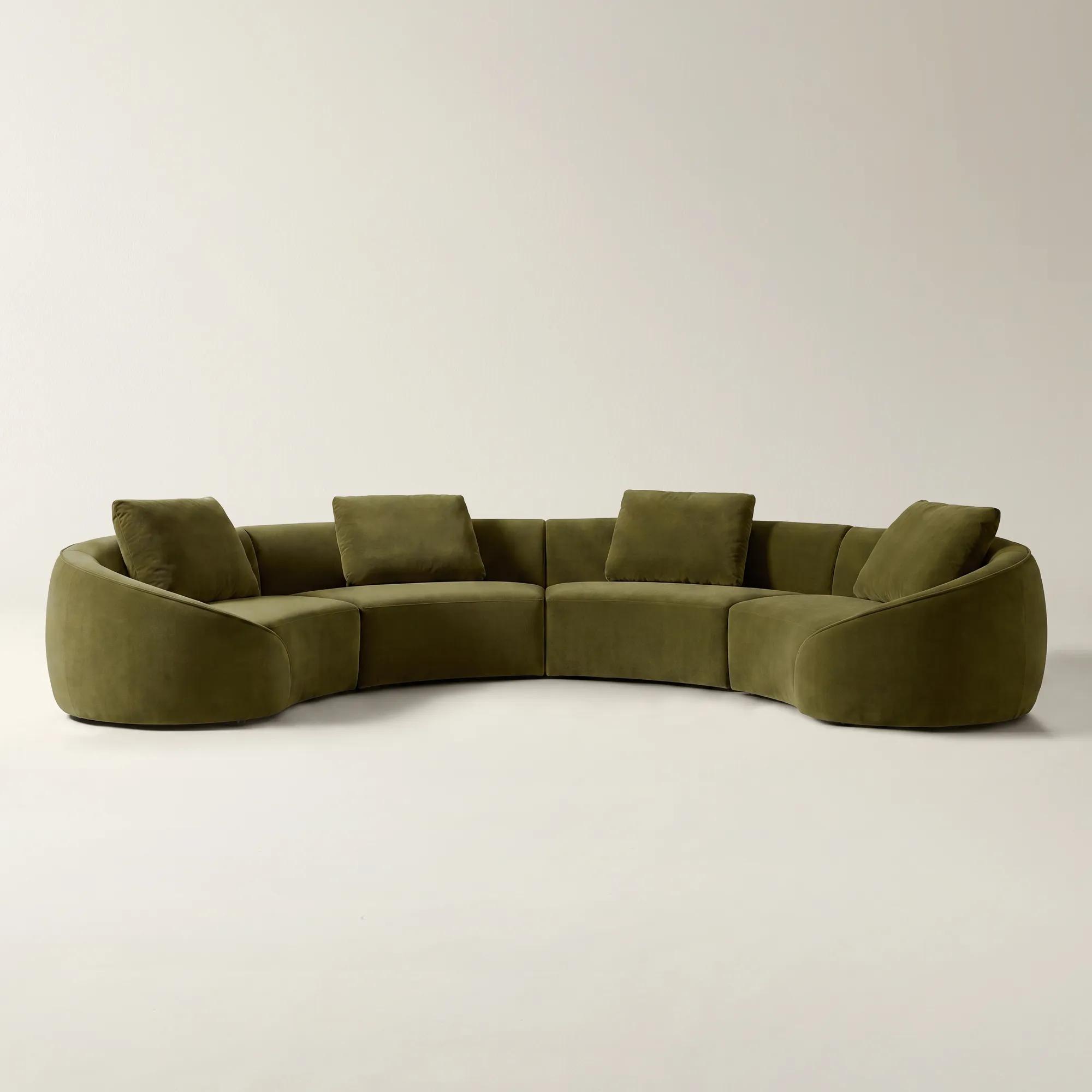 Irene 4-Piece Deep Olive Velvet Sectional Sofa$4999
A sculptural sectional in deep olive velvet with high-resiliency foam cushions and hand-finished upholstery.
Add To Cart -
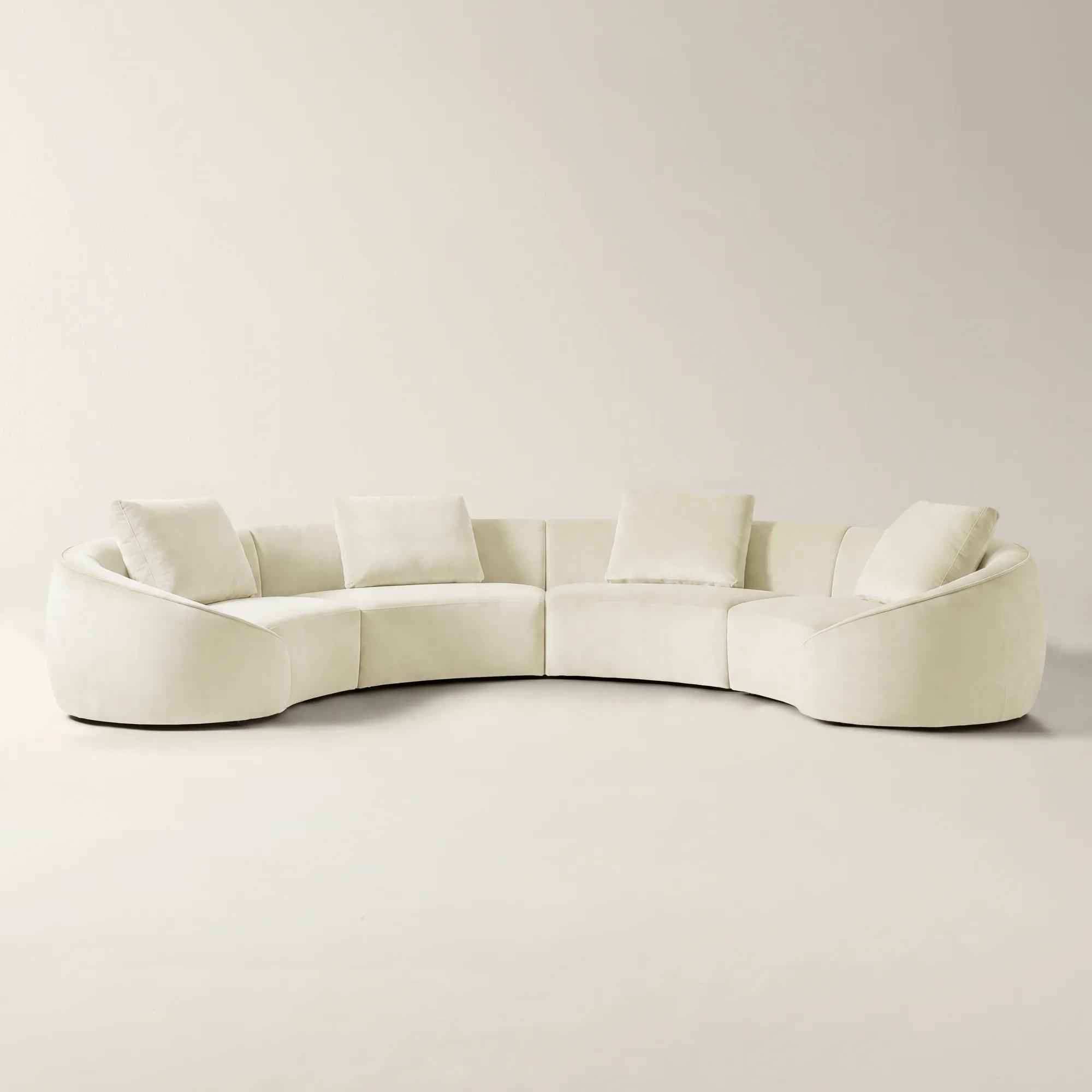 Irene 4-Piece Cloud Velvet Sectional Sofa$4999
A sculptural, hand-finished velvet sectional featuring high-resiliency foam cushions and customizable upholstery options.
Add To Cart -
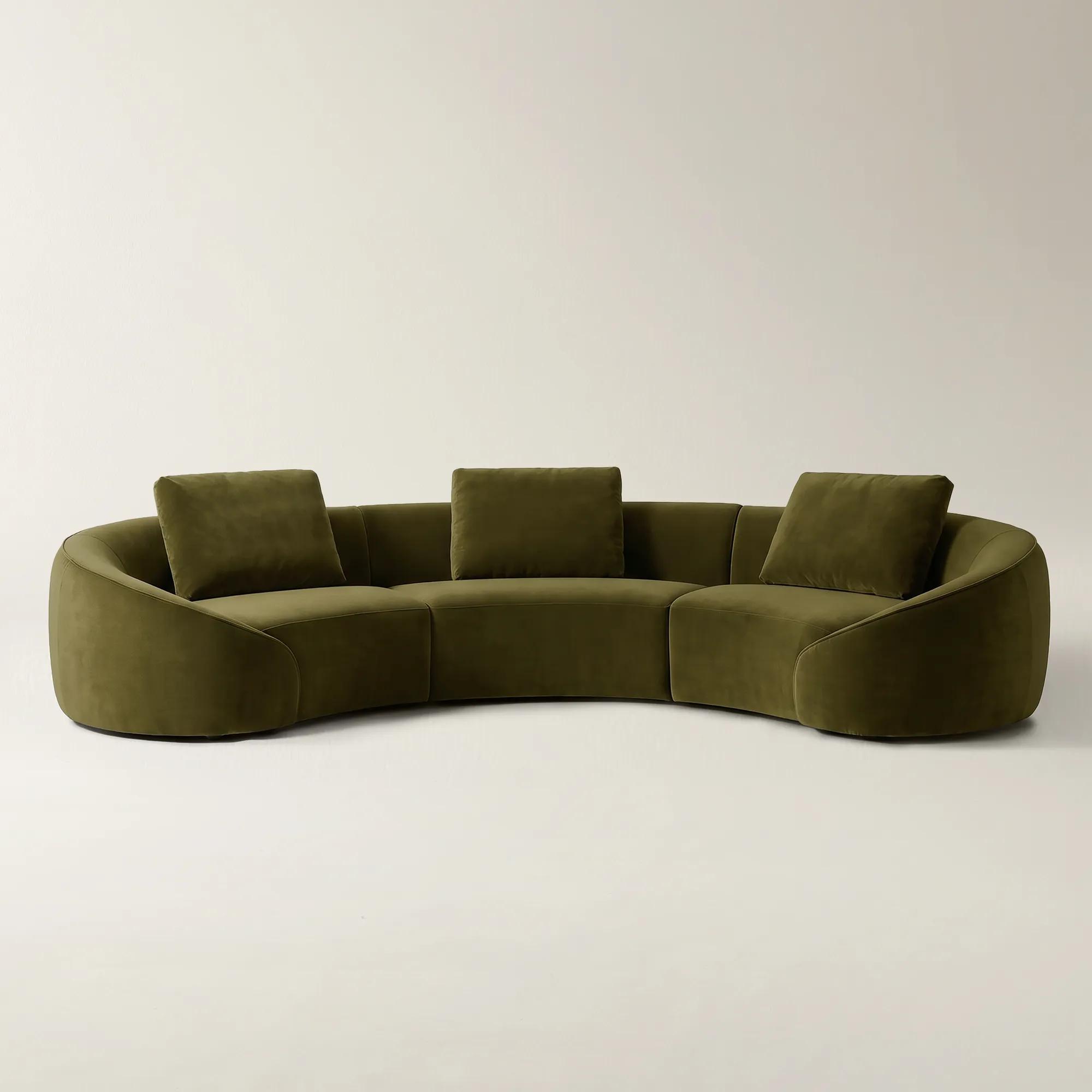 Irene 3-Piece Deep Olive Velvet Sectional Sofa$3899
A sculptural deep olive velvet sectional featuring high-resiliency foam cushions and hand-finished artisan detailing.
Add To Cart -
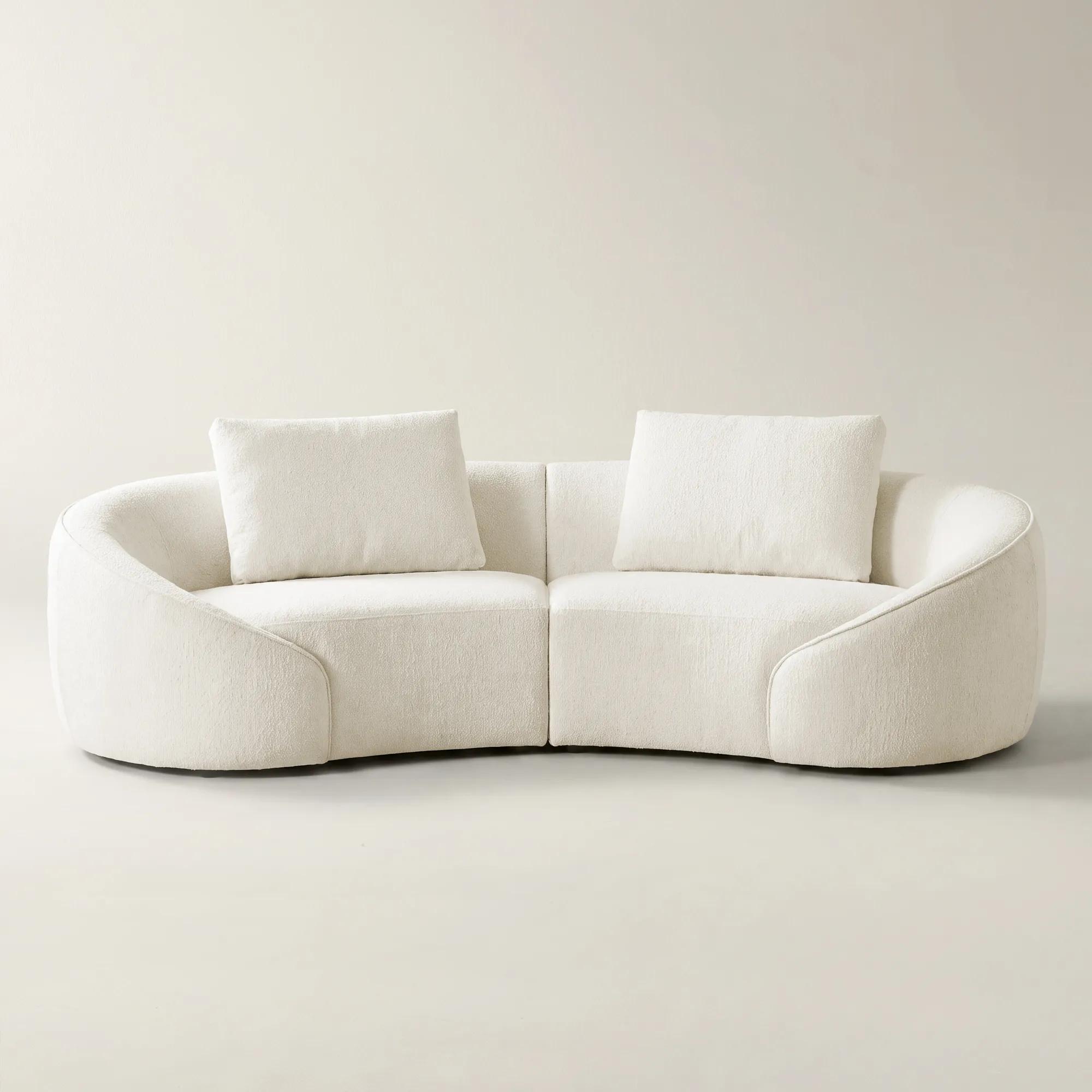 Irene 2-Piece Ivory Performance Chenille Sectional Sofa$2899
A sculptural ivory chenille sectional featuring performance upholstery, high-resiliency foam cushions, and artisan detailing.
Add To Cart -
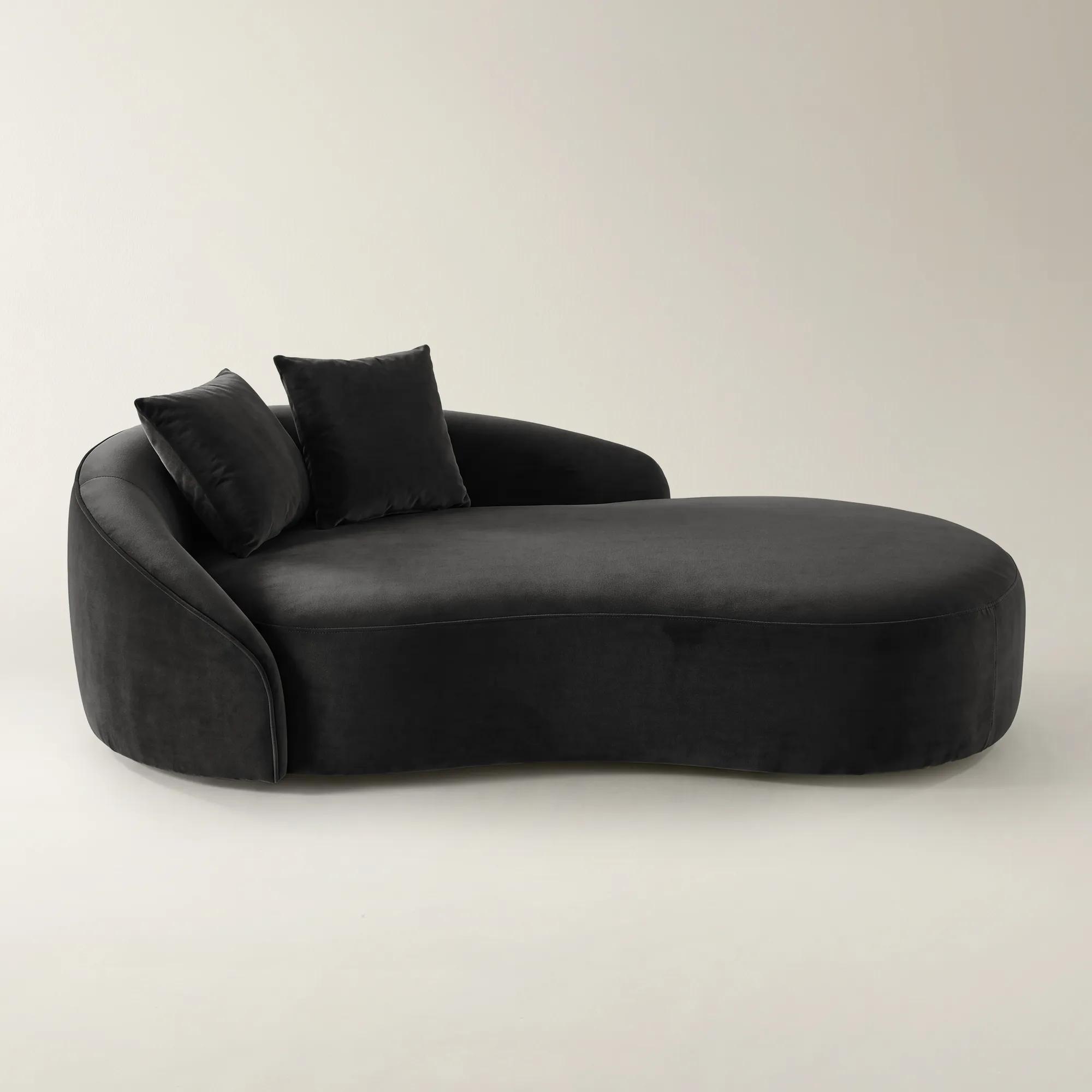
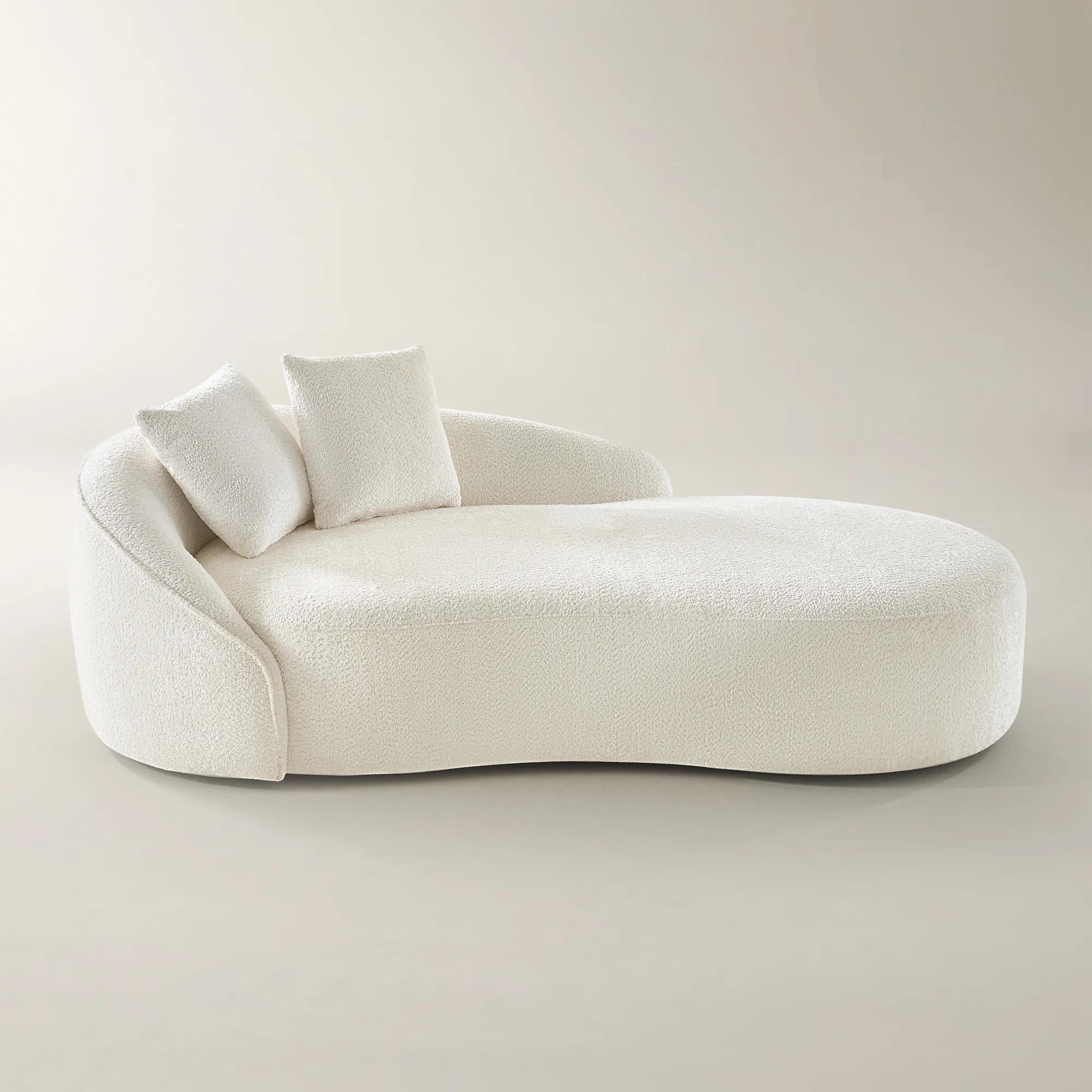 Irene Charcoal Velvet Chaise$1899
A sculptural chaise in charcoal velvet with high-resiliency foam cushions and artisan hand-finished upholstery.
Add To Cart -
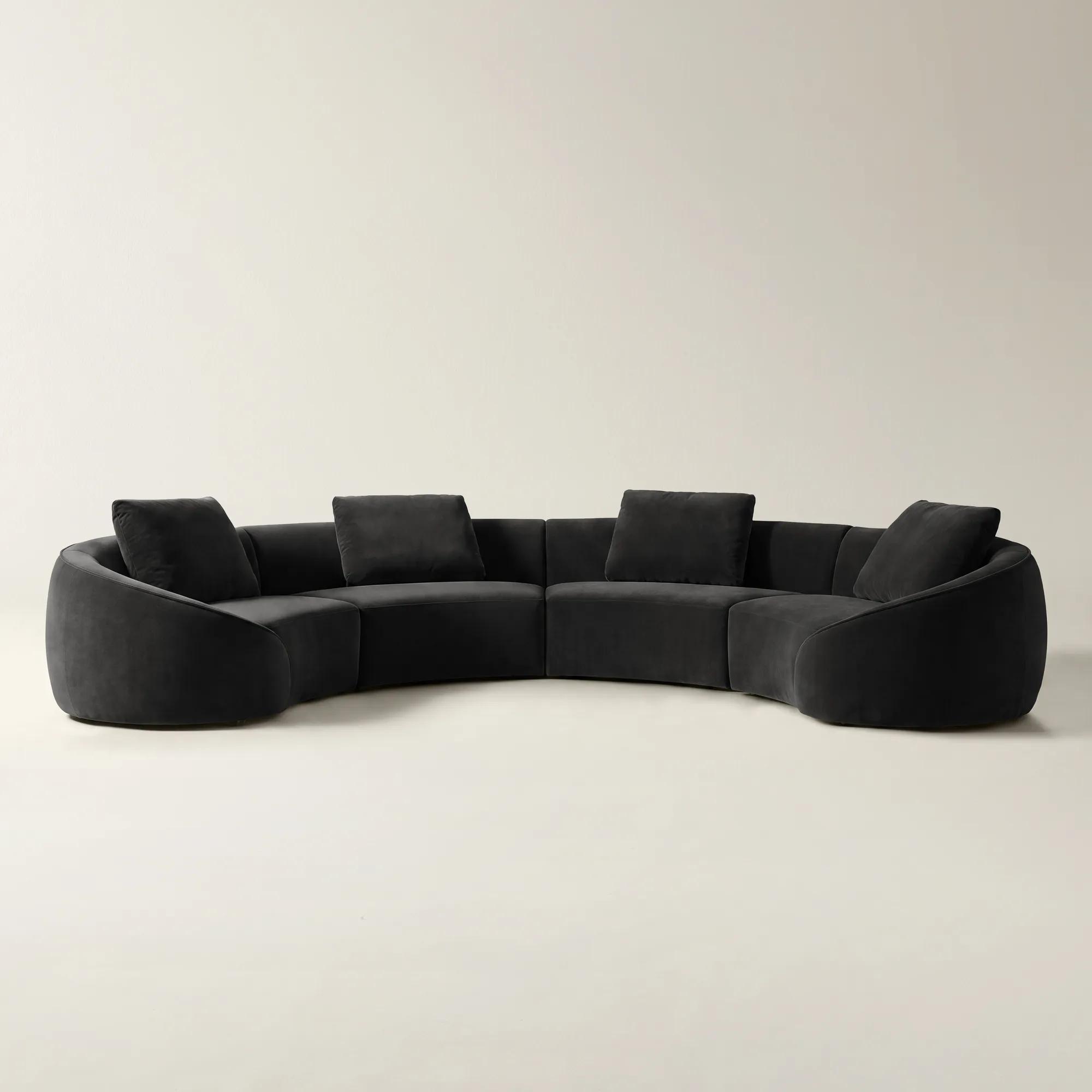 Irene 4-Piece Charcoal Velvet Sectional Sofa$4999
A sculptural charcoal velvet sectional with high-resiliency foam cushions and hand-finished artisan upholstery.
Add To Cart -
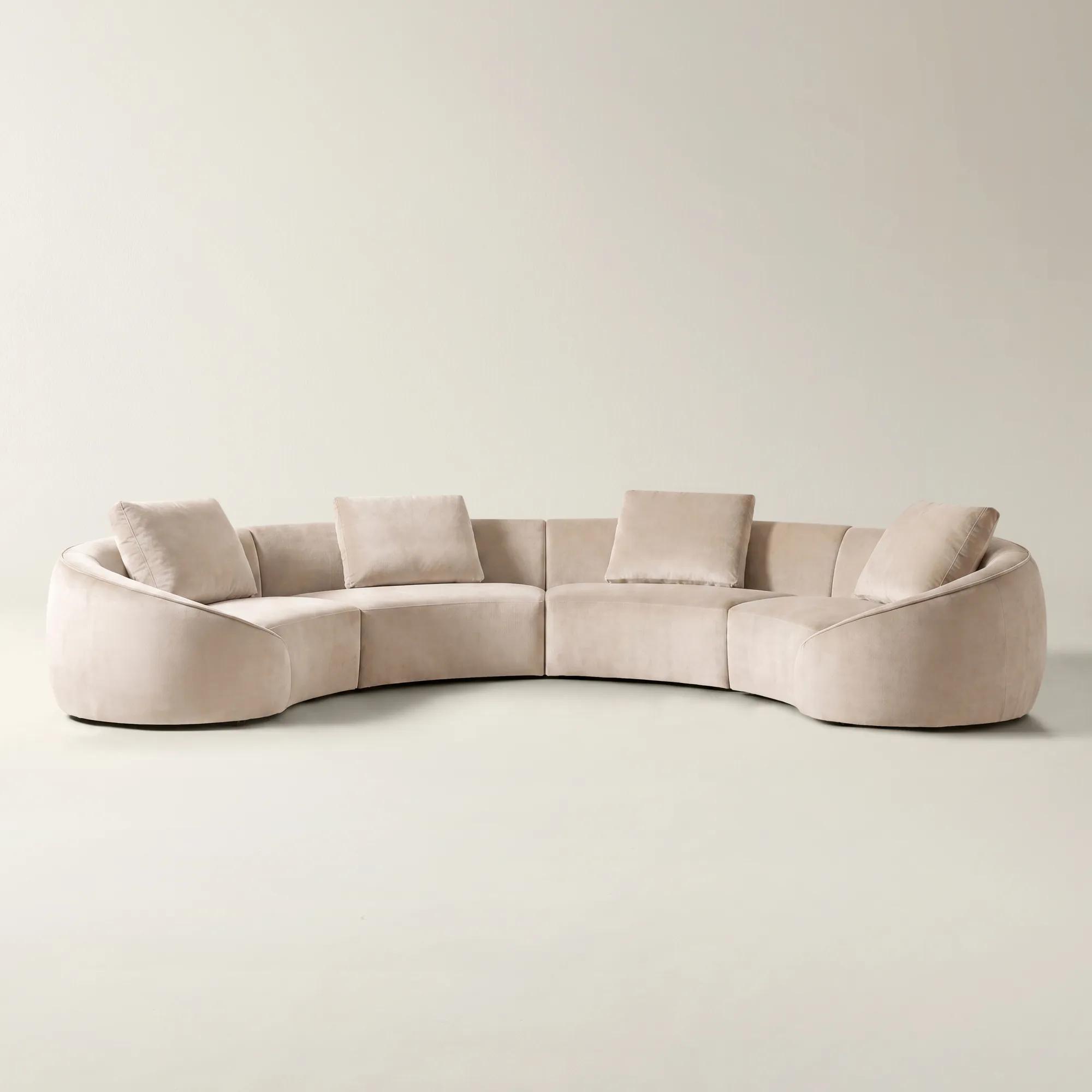 Irene 4-Piece Simply Taupe Velvet Sectional Sofa$4999
A sculptural taupe velvet sectional featuring high-resiliency foam cushions and hand-finished artisan upholstery.
Add To Cart -
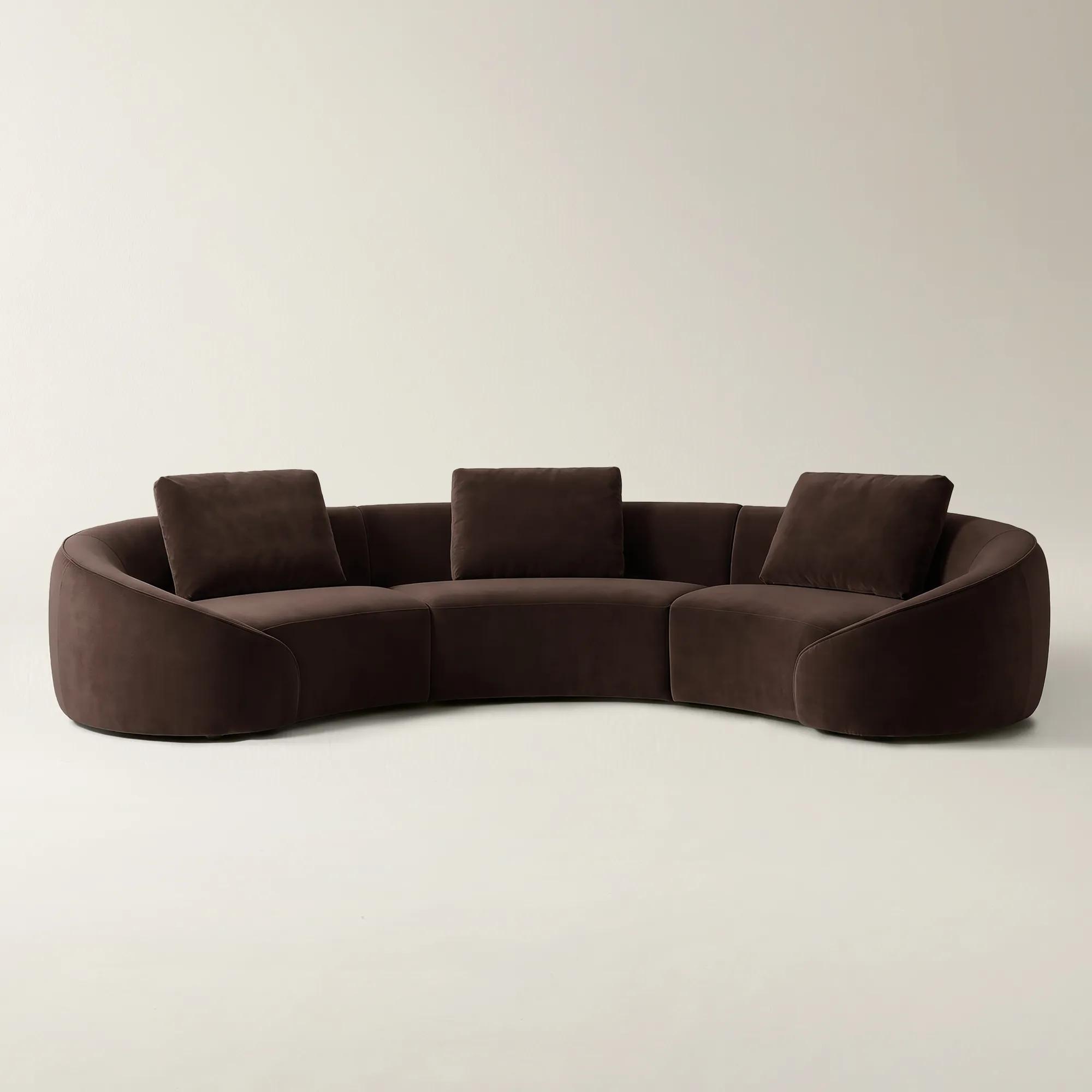 Irene 3-Piece Dark Chocolate Velvet Sectional Sofa$3899
A sculptural, hand-finished sectional in dark chocolate velvet with high-resiliency foam cushions and tailored detailing.
Add To Cart -
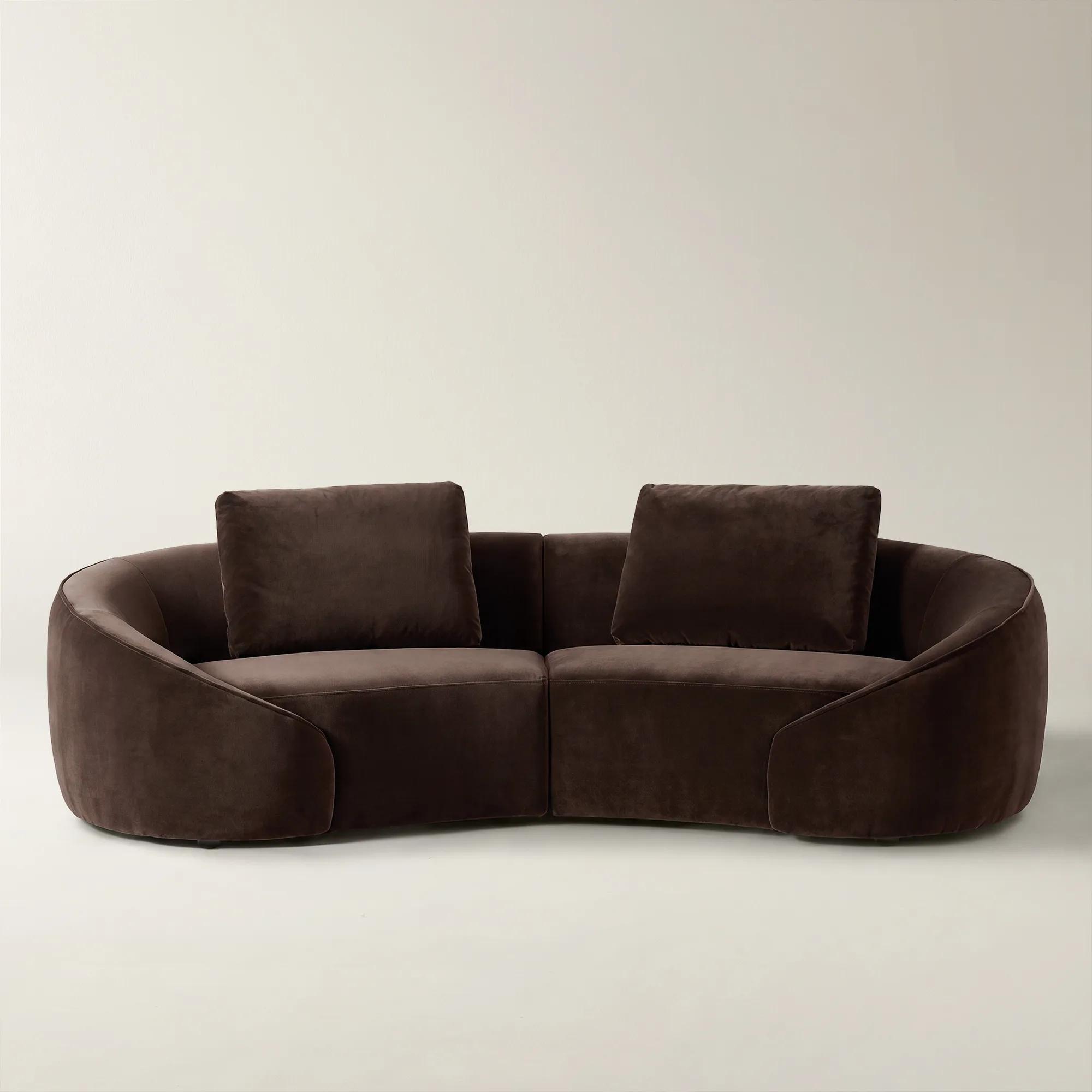
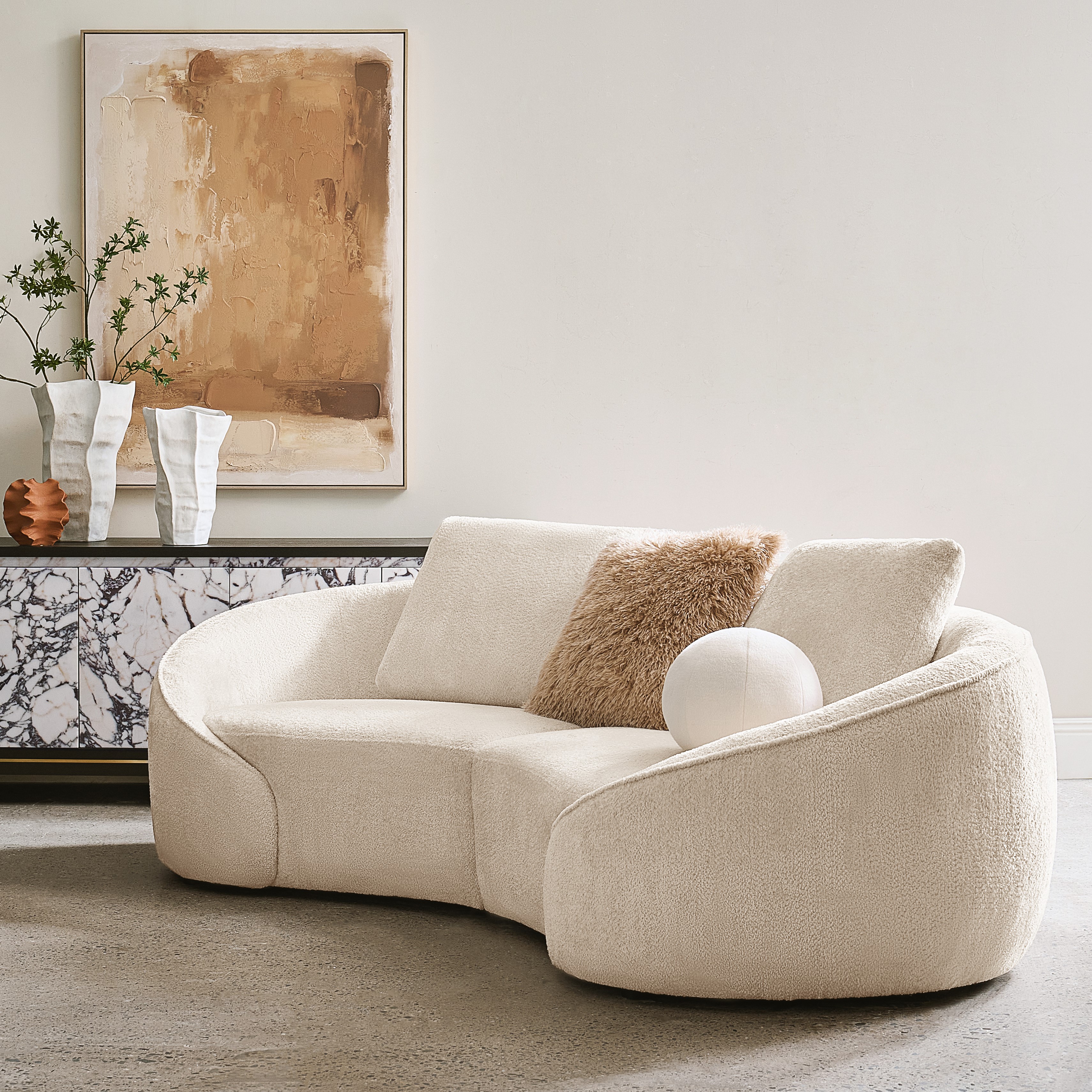 Irene 2-Piece Dark Chocolate Velvet Sectional Sofa$2699
A sculptural, hand-finished sectional in dark chocolate velvet with high-resiliency foam cushions and tailored detailing.
Add To Cart -
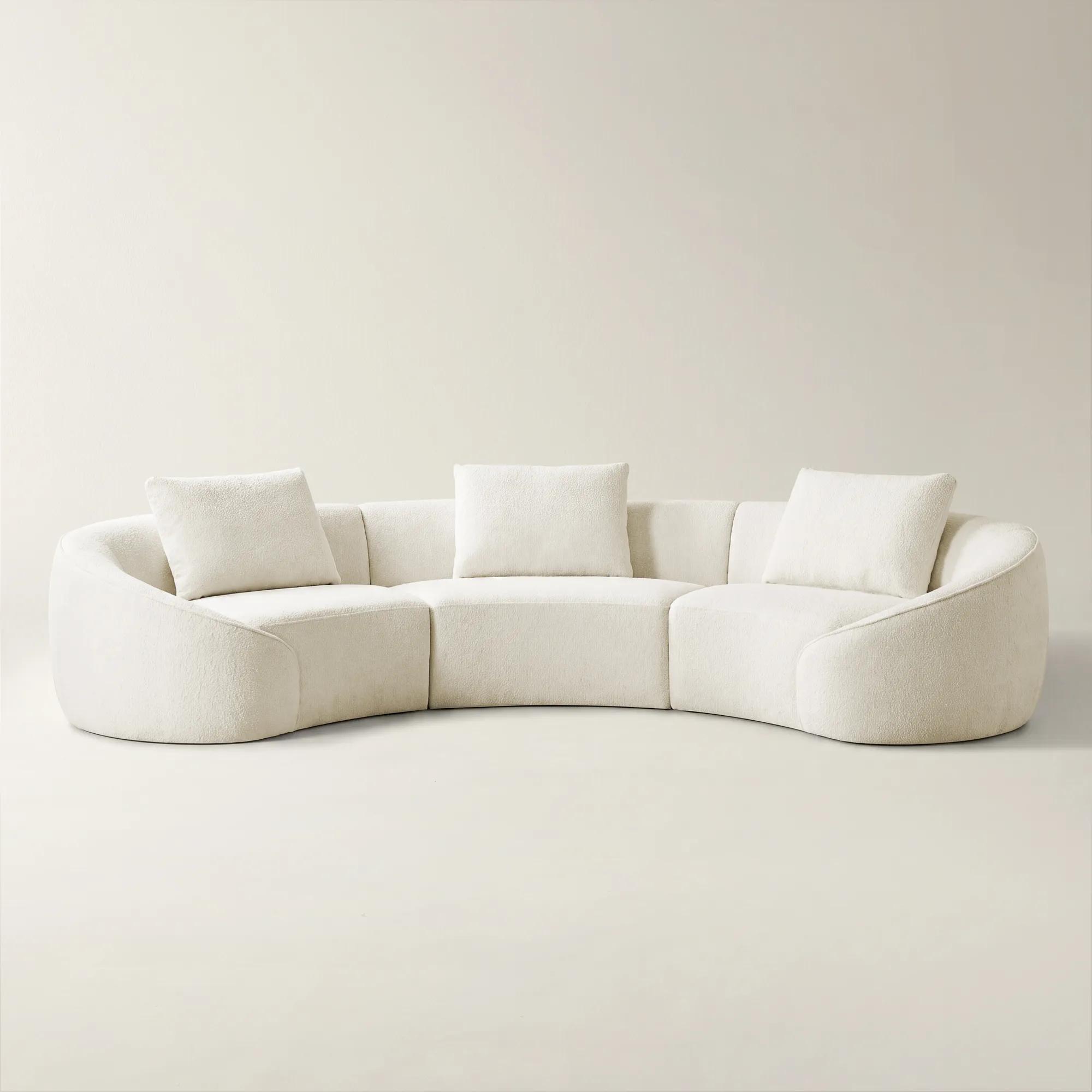 Irene 3-Piece Ivory Performance Chenille Sectional Sofa$4099
An inviting ivory chenille sectional featuring sculptural curves, performance upholstery, and high-resiliency foam cushions.
Add To Cart -
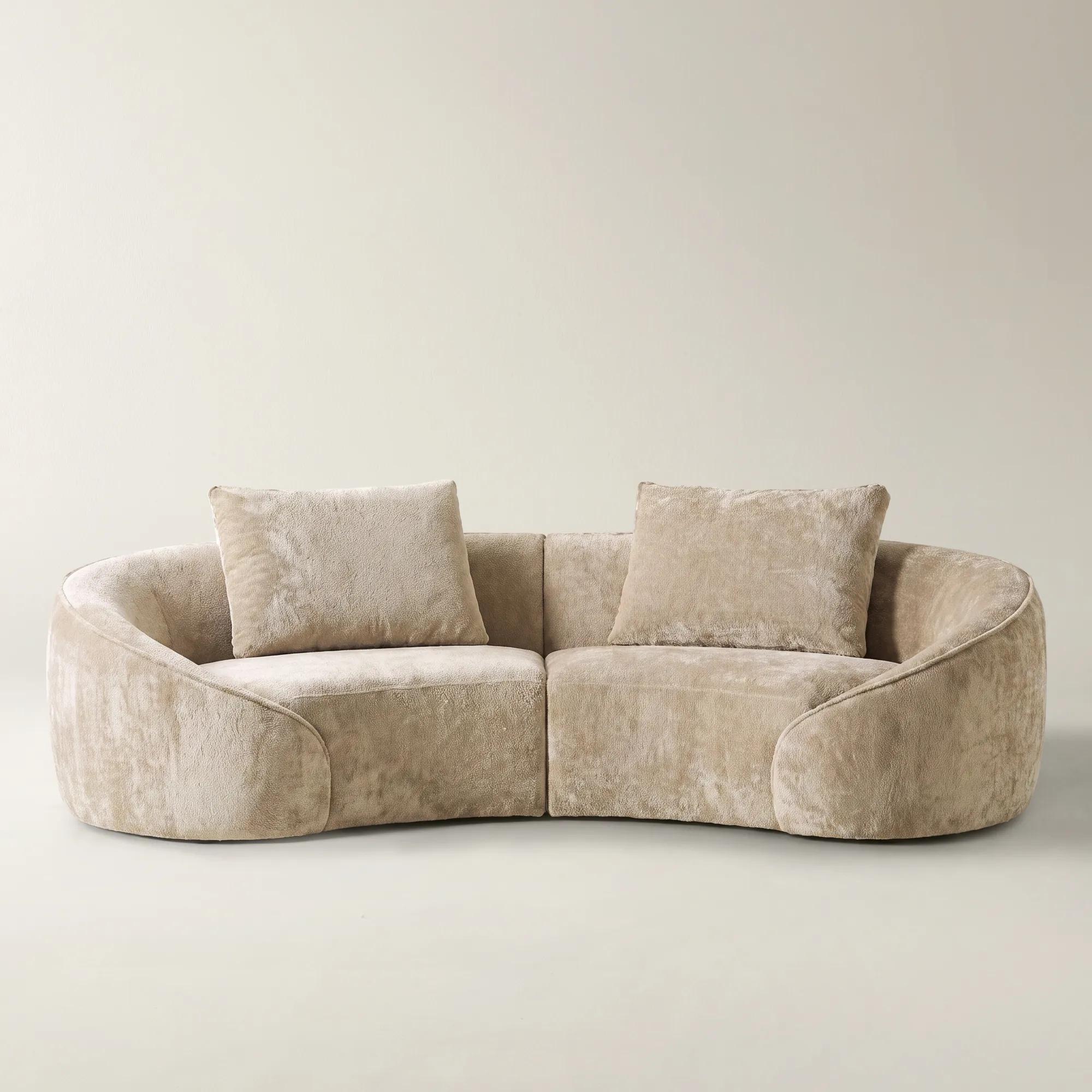 Irene 2-Piece Light Brown Chenille Sectional Sofa$2699
A sculptural light brown chenille sectional featuring high-resiliency foam cushions and artisan hand-finished upholstery.
Add To Cart -
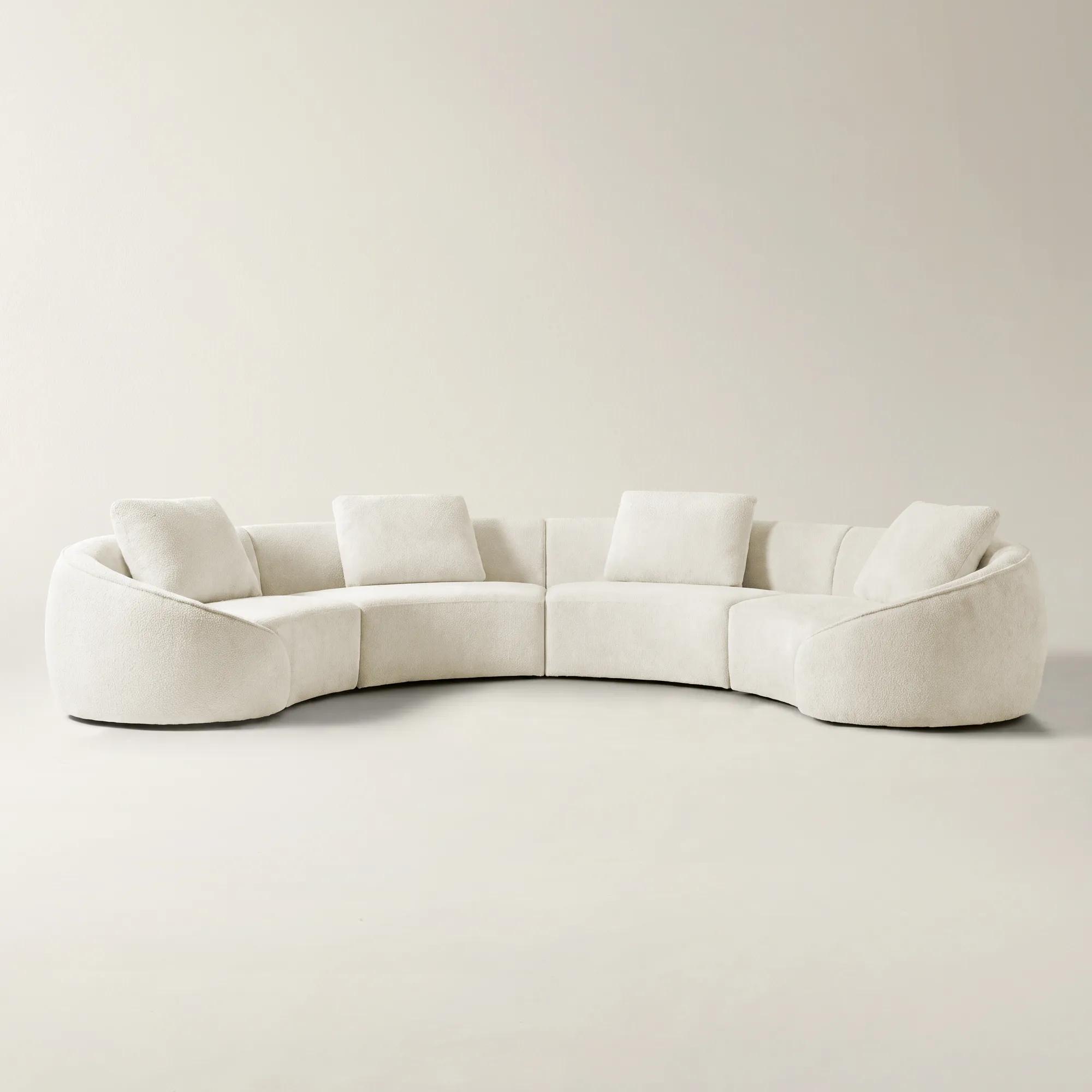 Irene 4-Piece Ivory Performance Chenille Sectional Sofa$5199
An inviting ivory chenille sectional featuring sculptural curves, performance upholstery, and artisan-crafted detailing.
Add To Cart -
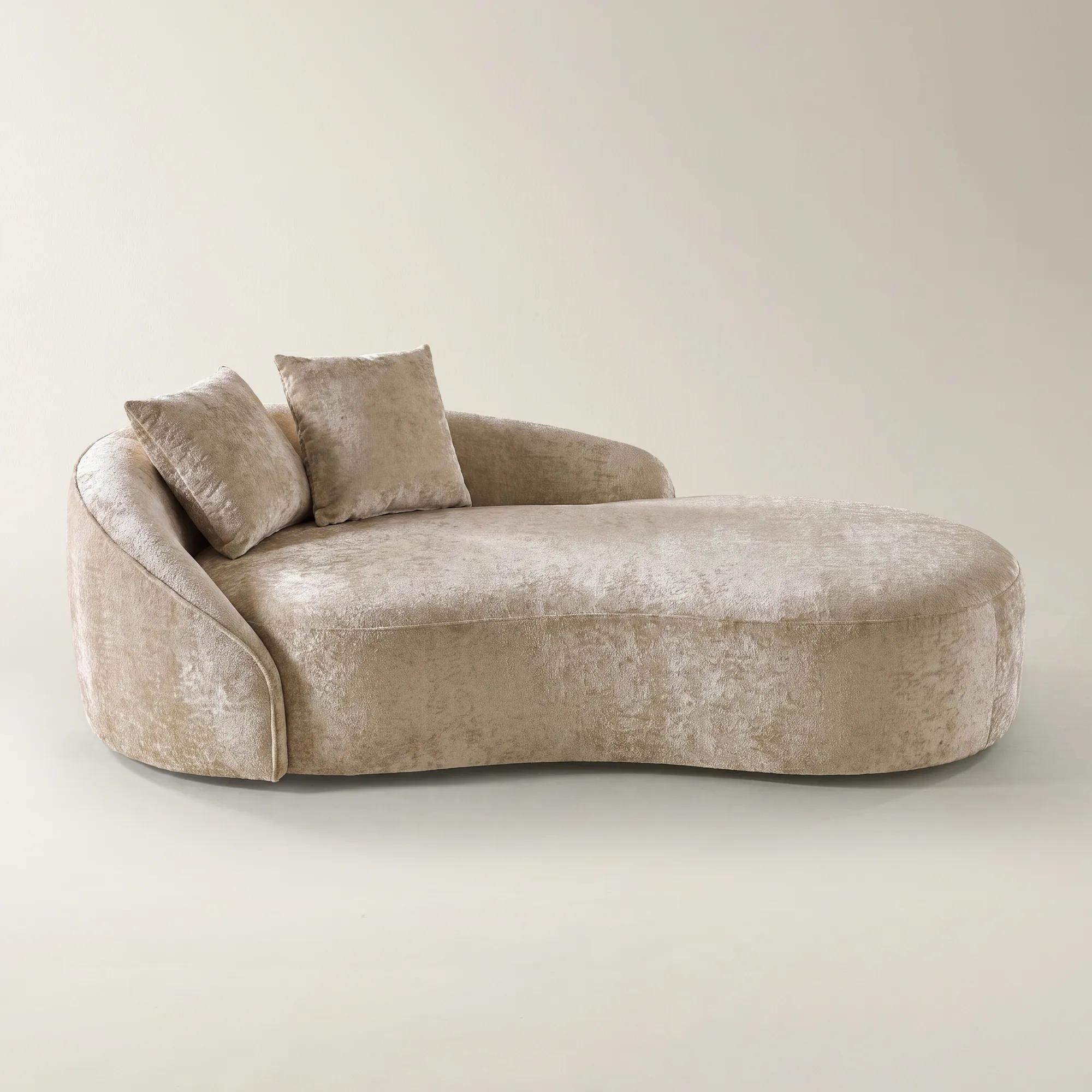 Irene Light Brown Chenille Chaise$1899
A sculptural light brown chenille chaise featuring hand-finished upholstery and high-resiliency foam cushions for lasting comfort.
Add To Cart

Modern Living Room Seating Ideas
Modern Living Room Seating Ideas invite you to reimagine the heart of your home as a gallery of comfort and style. Picture sculptural silhouettes that command attention, plush upholstery that beckons you to linger, and bold designs that spark conversation at every turn. Whether your aesthetic leans toward the dramatic or the refined, these seating concepts transform everyday lounging into an artful experience. Let your living room become a stage for self-expression, where every seat is a statement and every detail is curated for impact.
Modern living room seating combines streamlined sofas, sculptural accent chairs, and versatile ottomans in arrangements that balance comfort, proportion, and easy movement. Its appeal lies in the interplay of shape and function: a low-profile sofa establishes a composed foundation, a curved chair introduces movement, and an upholstered ottoman creates a softer counterpoint to angular tables. Modern living room seating ideas can feel richly expressive without sacrificing the breathing room that gives each silhouette presence. A generous sectional can define a gathering space within an open floor plan, while a sofa paired with two accent chairs creates a conversational arrangement with more distinct outlines. In a smaller living room, raised legs and open-sided frames allow more of the floor to remain visible, making substantial seating feel less visually dense. A swivel chair offers particular flexibility where conversation, a television, and an adjoining room compete for attention; its changing orientation lets the arrangement accommodate different moments without moving furniture. Scale matters as much as the number of seats. A deep sectional may suit a room devoted to relaxed evenings, but its footprint should leave comfortable passage to doorways, nearby tables, and adjoining spaces. As a general planning reference, approximately 30 to 36 inches of clearance along primary walking paths helps preserve flow, while roughly 14 to 18 inches between a sofa and coffee table can keep essentials within reach without crowding the knees. These measurements are starting points rather than rigid rules, especially in homes that require additional mobility clearance. In rooms with several entrances, separate seating pieces can preserve natural routes more gracefully than one continuous configuration. Where a room needs definition rather than division, the back of a sofa can mark the living area without a wall. The result is seating that supports both the architecture and the people inhabiting it: intimate enough for conversation, generous enough for company, and visually assured from every angle.
Upholstery gives modern seating much of its character, bringing color, texture, and tactility to even the most restrained form. Velvet lends depth to jewel tones and soft neutrals alike, catching light differently across its pile and giving broad cushions a luminous finish. Bouclé introduces a more dimensional surface, particularly striking against polished metal, glass, or smooth wood. Tightly woven fabrics offer a tailored appearance, while leather brings tonal variation and a surface that can develop character with use, depending on its finish. Material choice is also a decision about daily life. A living room shared with children, pets, or frequent guests benefits from upholstery selected for its documented cleaning requirements, resistance to wear, and suitability for the household. Performance fabric is not a single material or a promise of complete stain resistance; its benefits vary by construction and treatment, so care instructions and stated testing matter more than the label alone. Textured loops may catch on claws, velvet can show pressure marks or changes in pile direction, and some leather finishes reveal scratches more readily than others. These characteristics need not diminish their beauty, but they should suit the intended use. Durability also depends on what sits beneath the upholstery: frame construction, joinery, suspension, and cushion composition all influence how seating supports weight and retains its shape. Resilient foam often creates a more defined seat, while fiber or feather blends can offer a softer impression and may need regular reshaping. Neither feel is universally better; the distinction is between tailored support and a more enveloping sit. Routine vacuuming with an appropriate upholstery attachment helps remove grit before it settles into fabric, and rotating reversible cushions, when permitted, can encourage more even wear. Spills call for prompt attention according to the manufacturer’s instructions rather than an improvised cleaning solution. Removable cushion covers should only be washed when explicitly approved. Protecting upholstery from prolonged direct sunlight also helps preserve the richness of its color, keeping the room’s most tactile elements expressive over time.
The most satisfying seating arrangements reflect how a room is actually enjoyed. A household that gathers for films may favor supportive backs, generous lounging depth, and an ottoman that serves as a footrest; a room used primarily for conversation may feel more welcoming with shallower seats that make sitting upright and standing easier. Seat height, cushion firmness, arm placement, and back angle affect comfort as much as overall dimensions. Taller guests may appreciate additional seat depth, while others feel better supported when their feet rest naturally on the floor. An accent chair beside a reading light can create a personal retreat without becoming disconnected from the main seating group. A compact upholstered bench can offer occasional seating along the edge of a room, provided its placement does not interrupt circulation; an ottoman should be used as an extra seat only when designed to support that purpose. For apartments and homes with narrow access, doorway widths, stair turns, elevator dimensions, and the furniture’s delivery measurements deserve attention before a silhouette becomes the centerpiece of a plan. Visually, a cohesive room does not require every seat to match. A softly curved sofa and more architectural chairs can share an upholstery tone, while contrasting fabrics gain unity through repeated metal finishes or related wood tones. A pale sofa gains definition beside a saturated accent chair, and a richly colored sectional can hold its own against a quieter rug. Pillows add dimension, but leaving enough exposed upholstery allows the furniture’s lines to remain legible. Lighting completes that composition by revealing texture and supporting the activities around each seat. The layered approach explored in Modern Living Room Lighting Ideas complements seating with illumination for reading, conversation, and atmosphere. With thoughtful proportions, purposeful materials, and a confident mix of forms, modern seating gives a living room both visual distinction and a compelling reason to settle in.
FAQs
A modern living room seating arrangement is defined by a harmonious blend of comfort, sculptural design, and versatility. Look for pieces with organic curves, low profiles, and layered textures such as velvet, linen, or wood. Mixing a main sofa or sectional with accent chairs, poufs, and ottomans creates a dynamic and inviting space that supports both conversation and relaxation.
To achieve a cohesive look, start with a unifying color palette—neutral tones or complementary hues work beautifully. Then, mix seating styles that share a common design element, such as rounded edges or metallic accents. Incorporate a variety of textures and materials, and use area rugs or side tables to visually tie the arrangement together for a polished, curated effect.
Modern living room seating thrives on a mix of luxurious and tactile materials. Velvet and linen add softness and depth, while leather offers sleek sophistication. Light woods and polished metals introduce warmth and reflectivity, creating a balanced, high-end atmosphere that feels both inviting and artfully composed.
Flexibility is key for entertaining. Opt for modular sectionals that can be rearranged, or include movable elements like ottomans and floor cushions. Swivel chairs allow guests to engage from any angle, while floating arrangements—pulling furniture away from walls—create intimate conversation zones that can easily adapt to gatherings of any size.
For a curated selection of design inspiration and expert tips, visit the <a href="https://zgallerie.com/o/modern-living-room-inspiration">Modern Living Room Inspiration</a> page. Explore artful vignettes and discover fresh ideas to elevate your living room with expressive seating and bold, modern style.