Modern Living Room Lighting
Modern Living Room Lighting
-
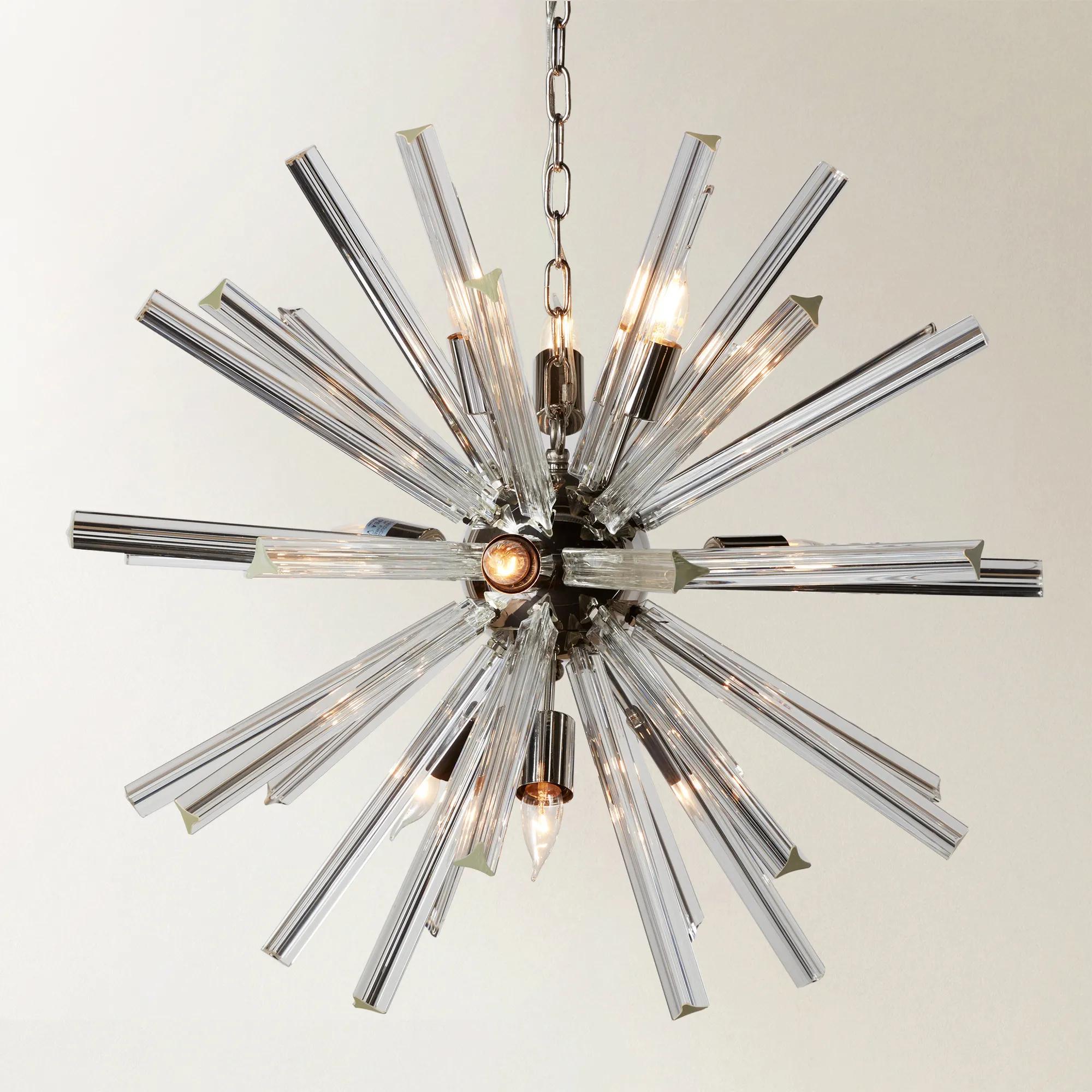
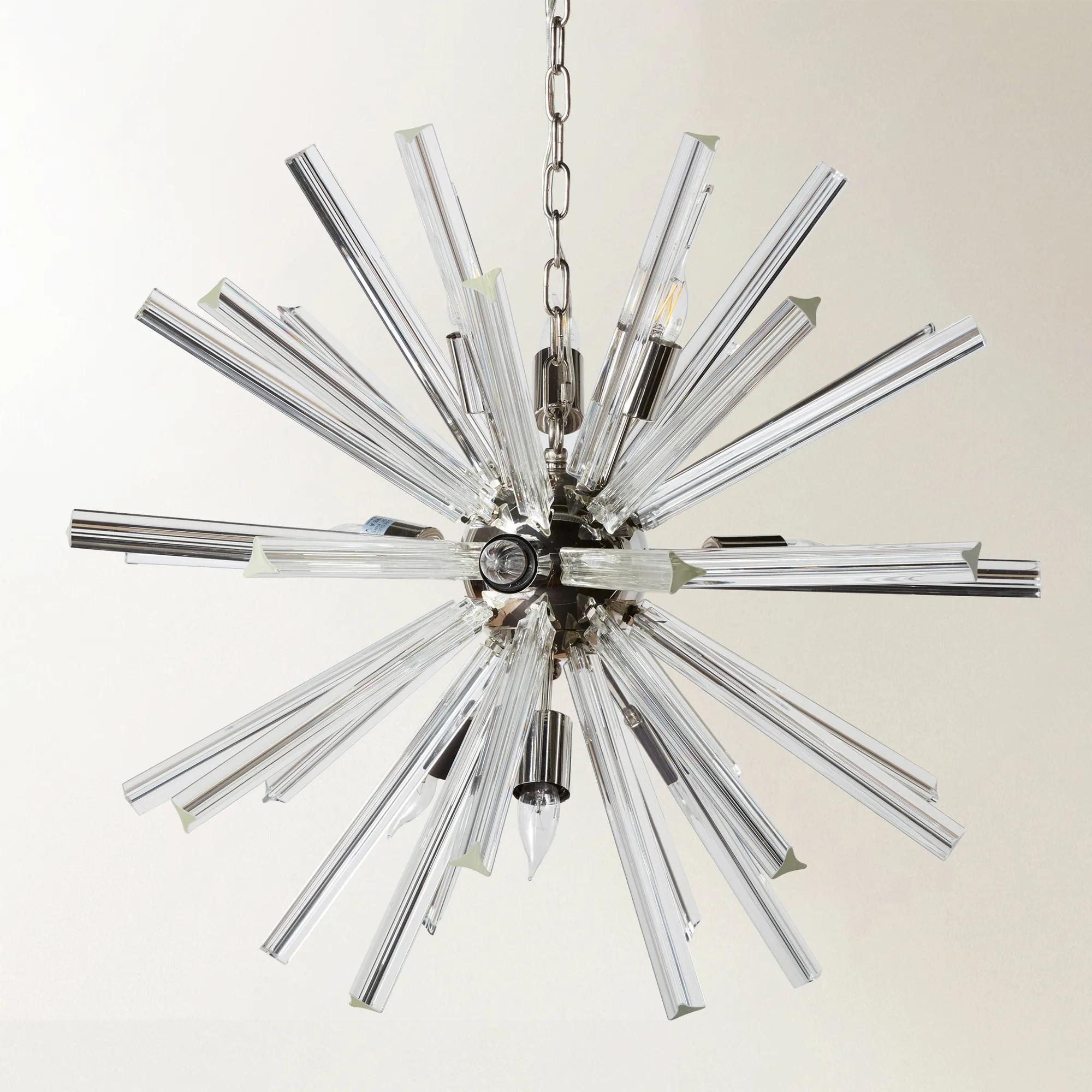 Axis Sputnik Clear Faceted Glass Chandelier 29.5"D$599
A clear glass and iron Sputnik chandelier featuring nine lights and faceted triangular rods.
Add To Cart -
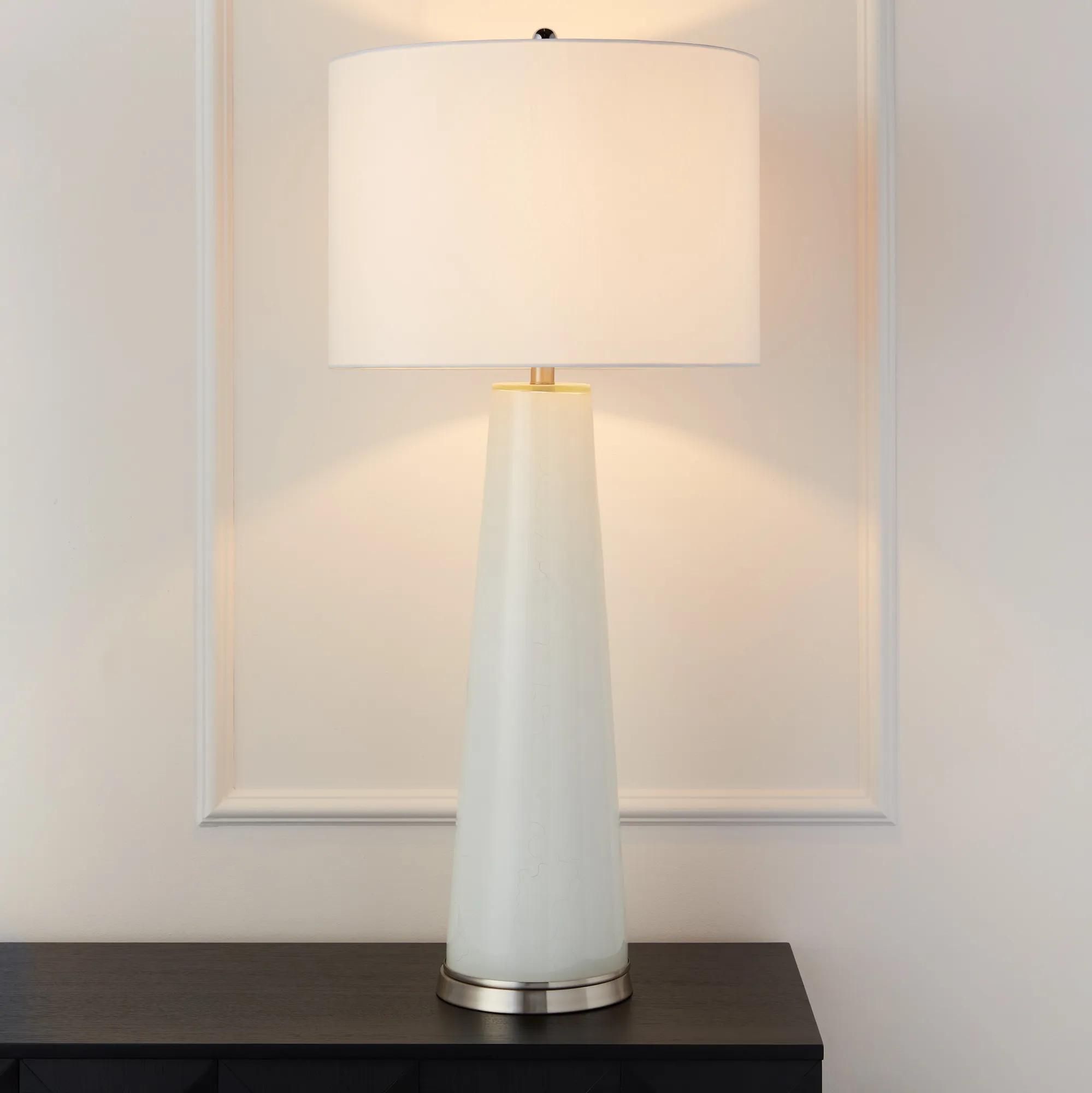 Century White Glass High Gloss Table Lamp 40"$299
A modern glass lamp with a high-gloss white interior and a crisp white drum shade.
Add To Cart -
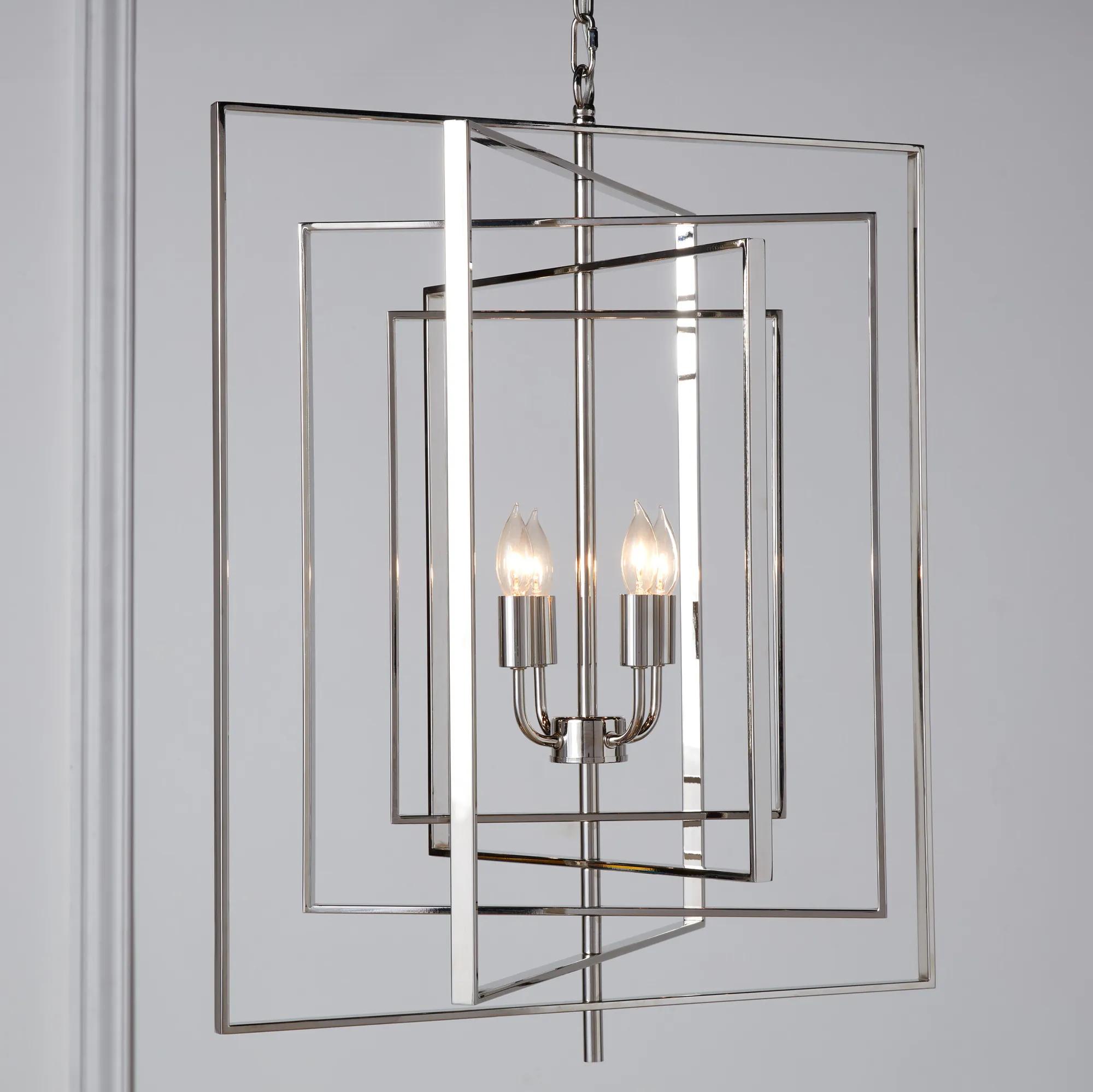
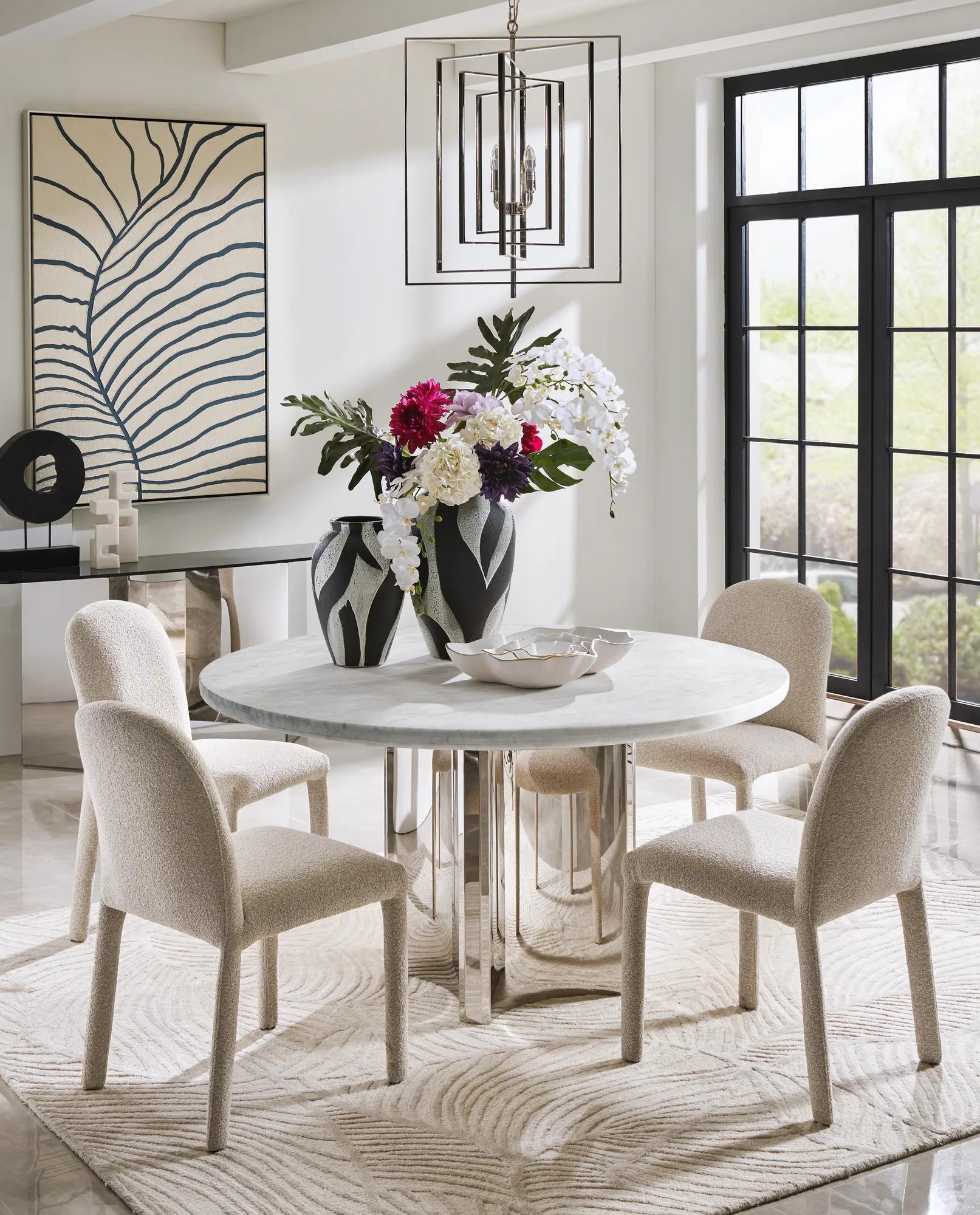 Hollis Chandelier$499
A polished nickel geometric chandelier with four lights, perfect for modern and minimal interiors.
Add To Cart -
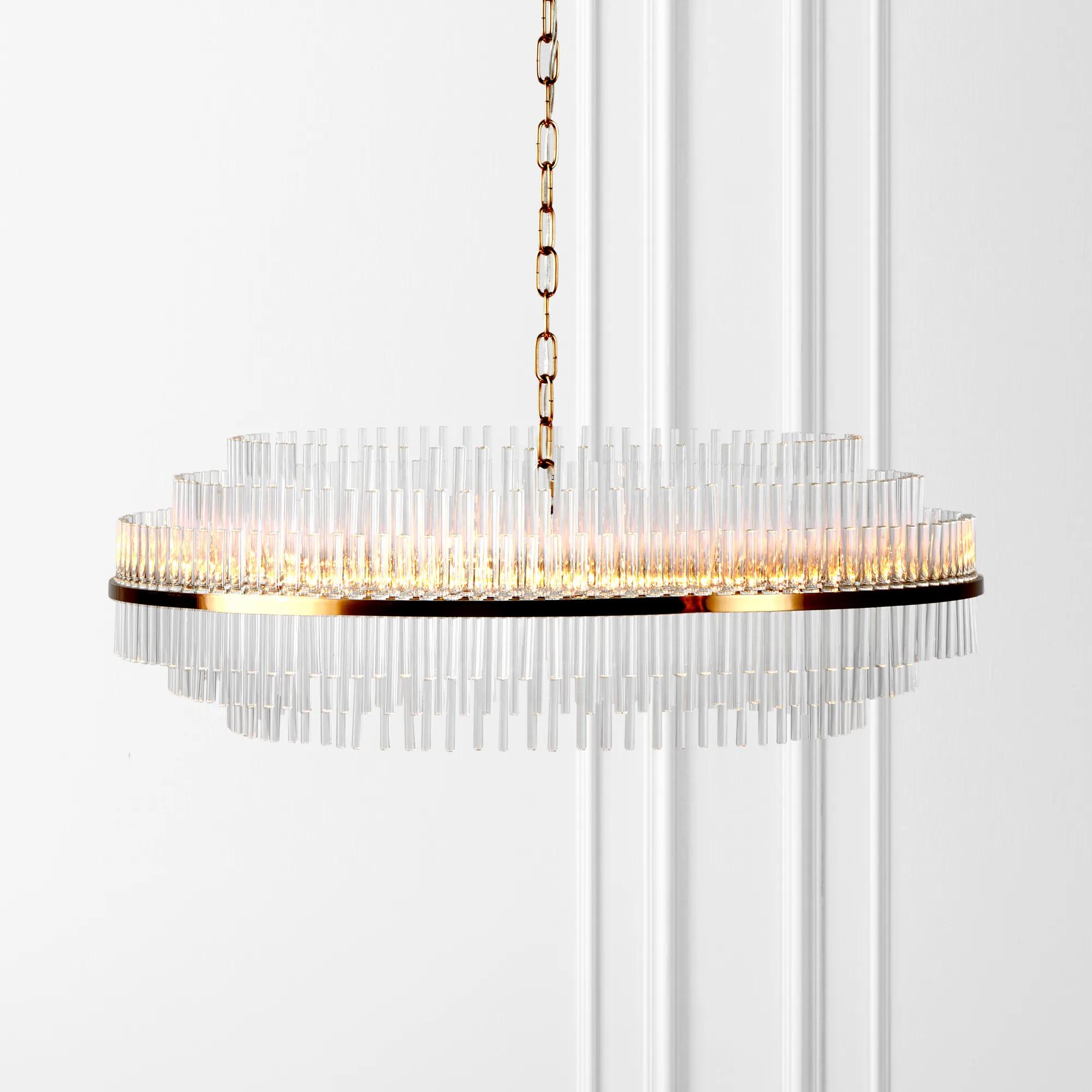
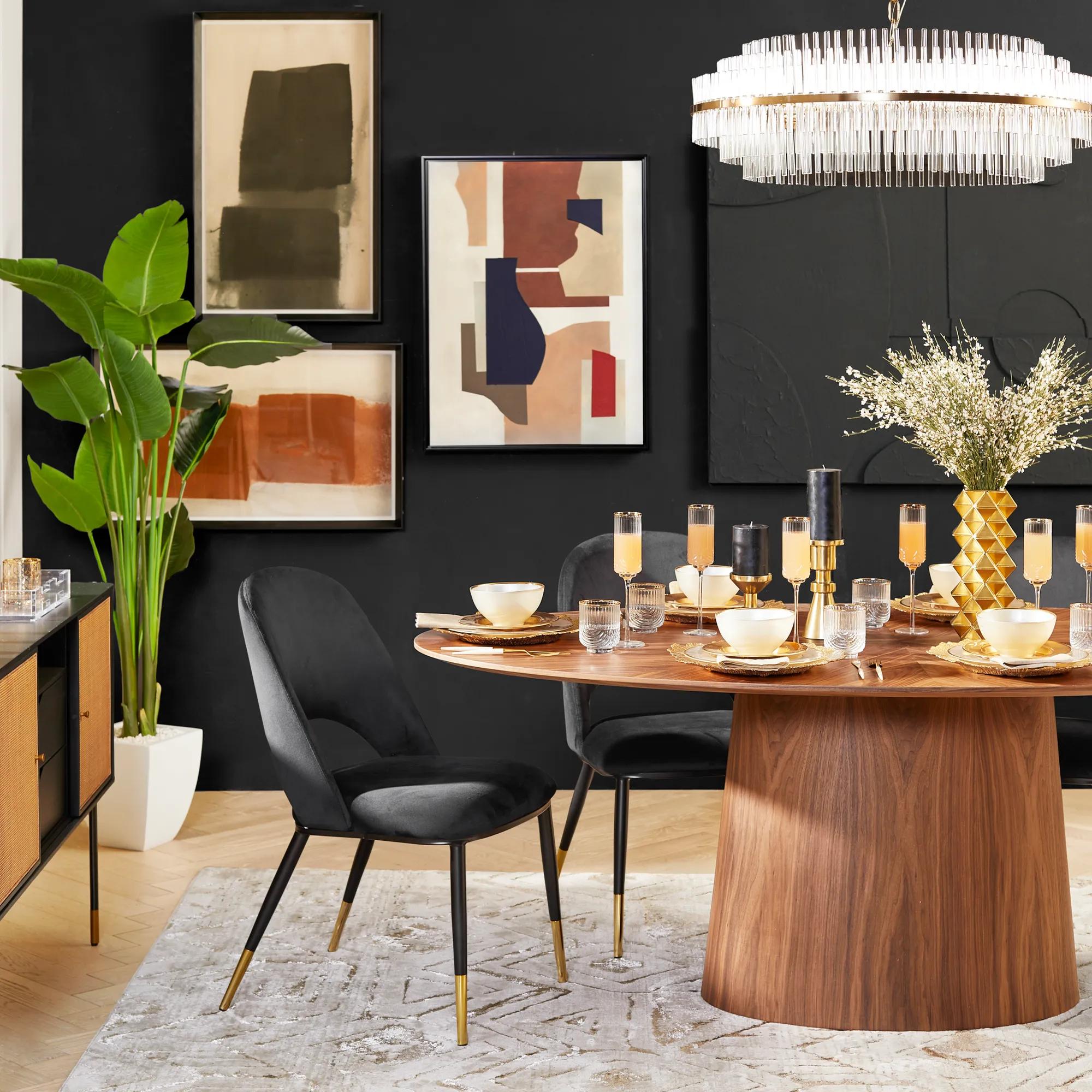 Renata Clear Glass Rod Chandelier 31"W x 10"H$799
A low-profile glass-rod chandelier with a brushed brass iron frame and eight dimmable candelabra lights.
Add To Cart -
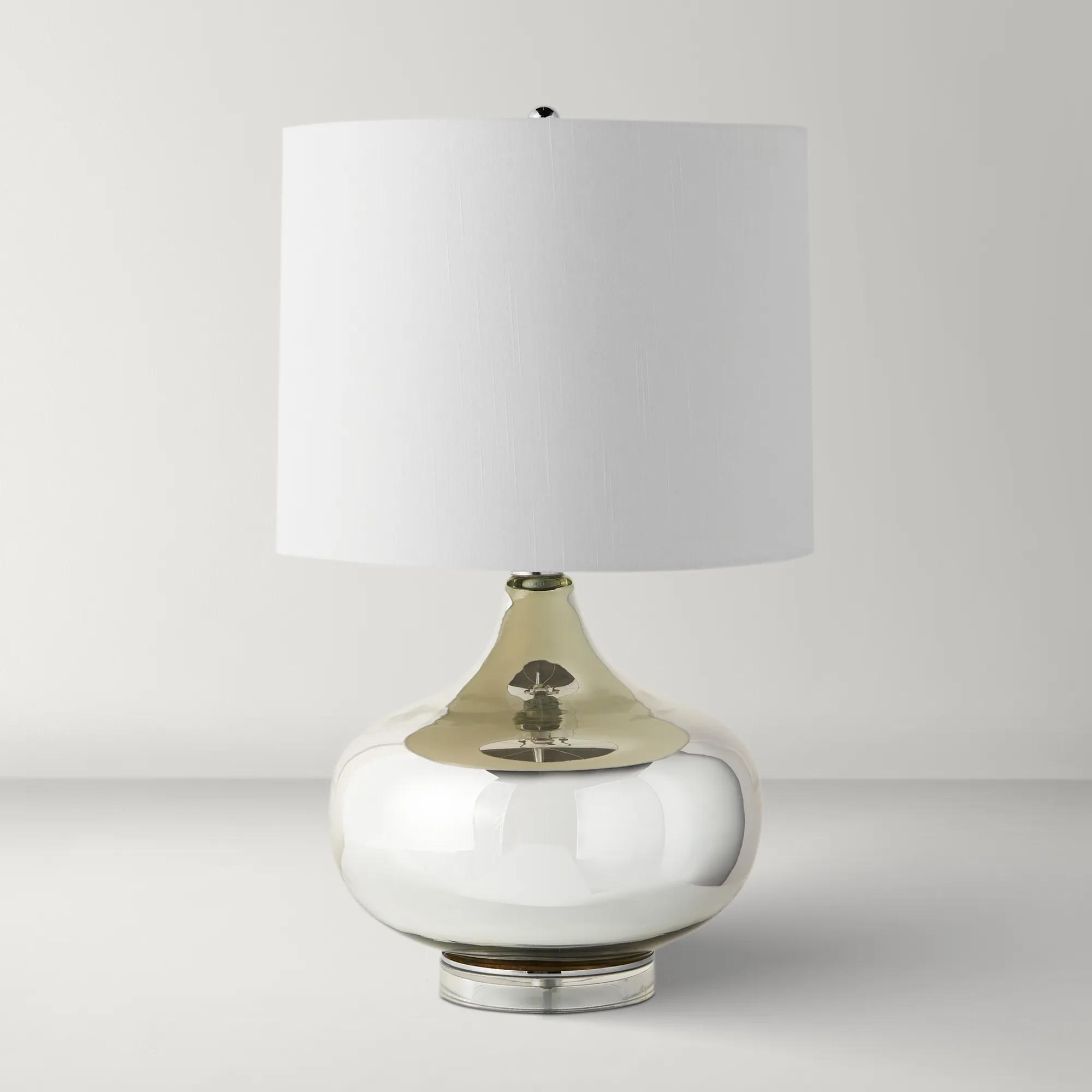 Sabrina Mirrored Silver Glass Table Lamp 27.5"$199
A contemporary lamp featuring a silver mirrored glass base, clear acrylic accents, and a white fabric shade.
Add To Cart -
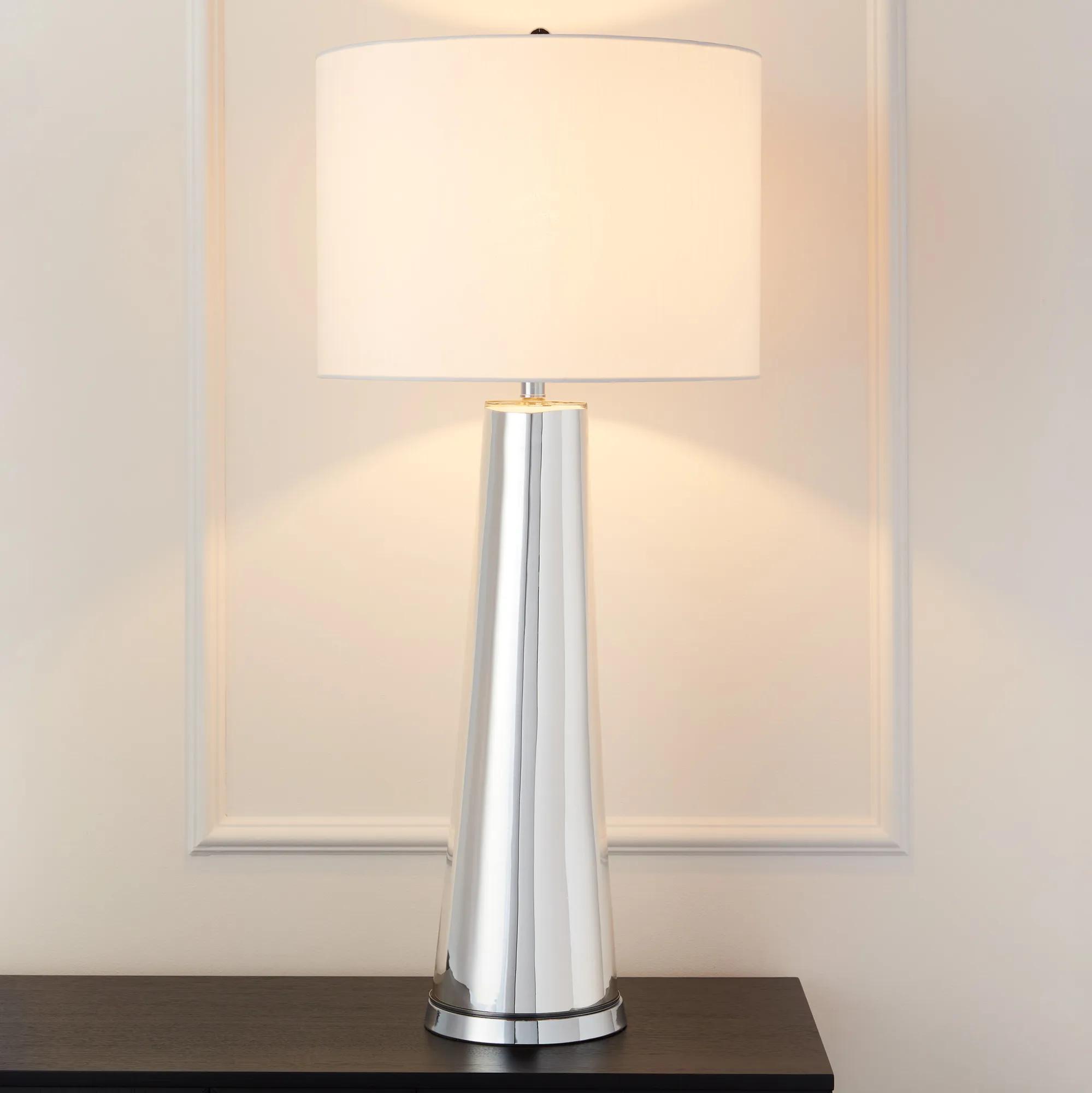 Century Silver Mirrored Glass Table Lamp 40"$299
A modern table lamp featuring a mirrored glass base and white drum shade with brushed chrome accents.
Add To Cart -
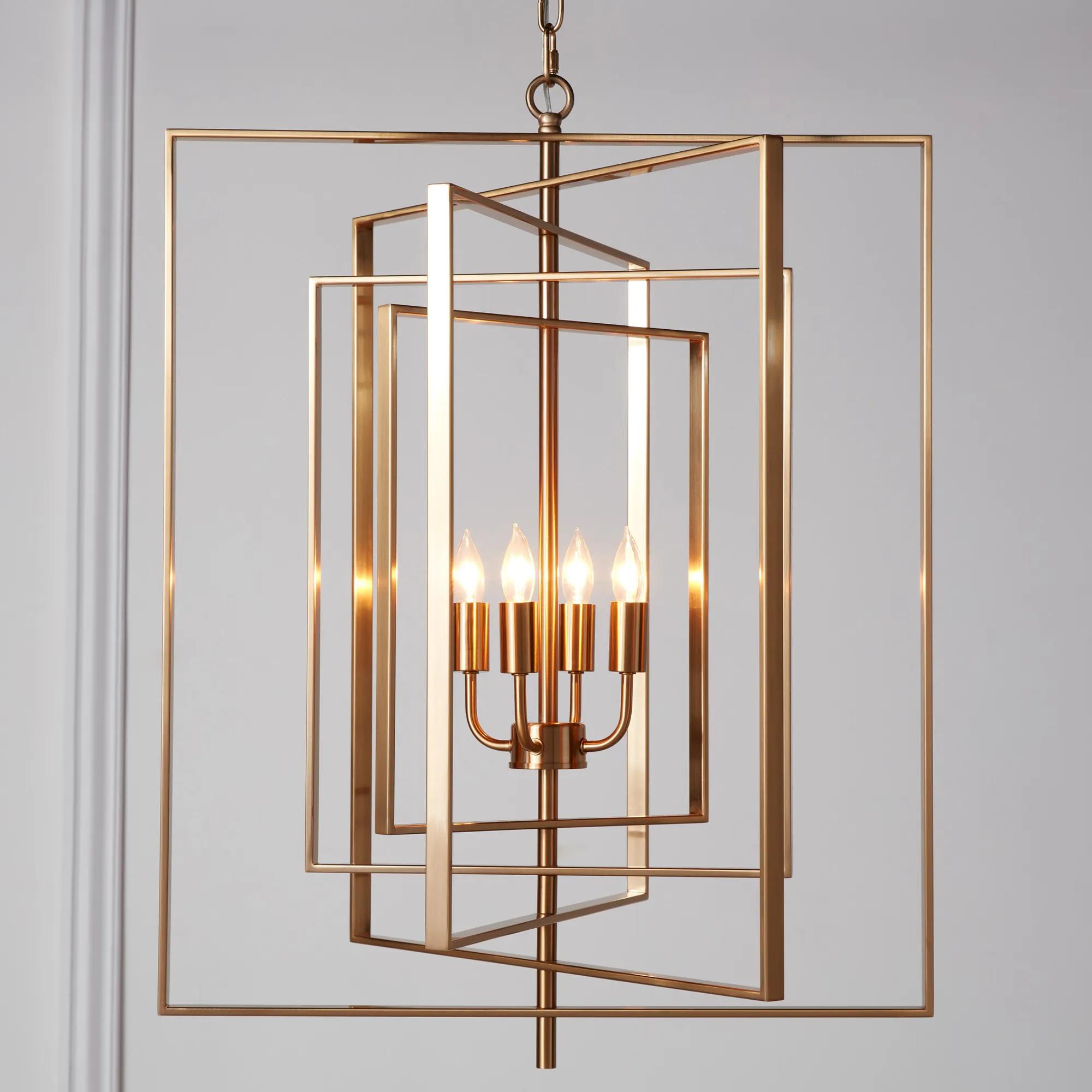 Hollis Chandelier$499
A geometric brass-finished iron chandelier with four lights, perfect for modern and minimal interiors.
Add To Cart -
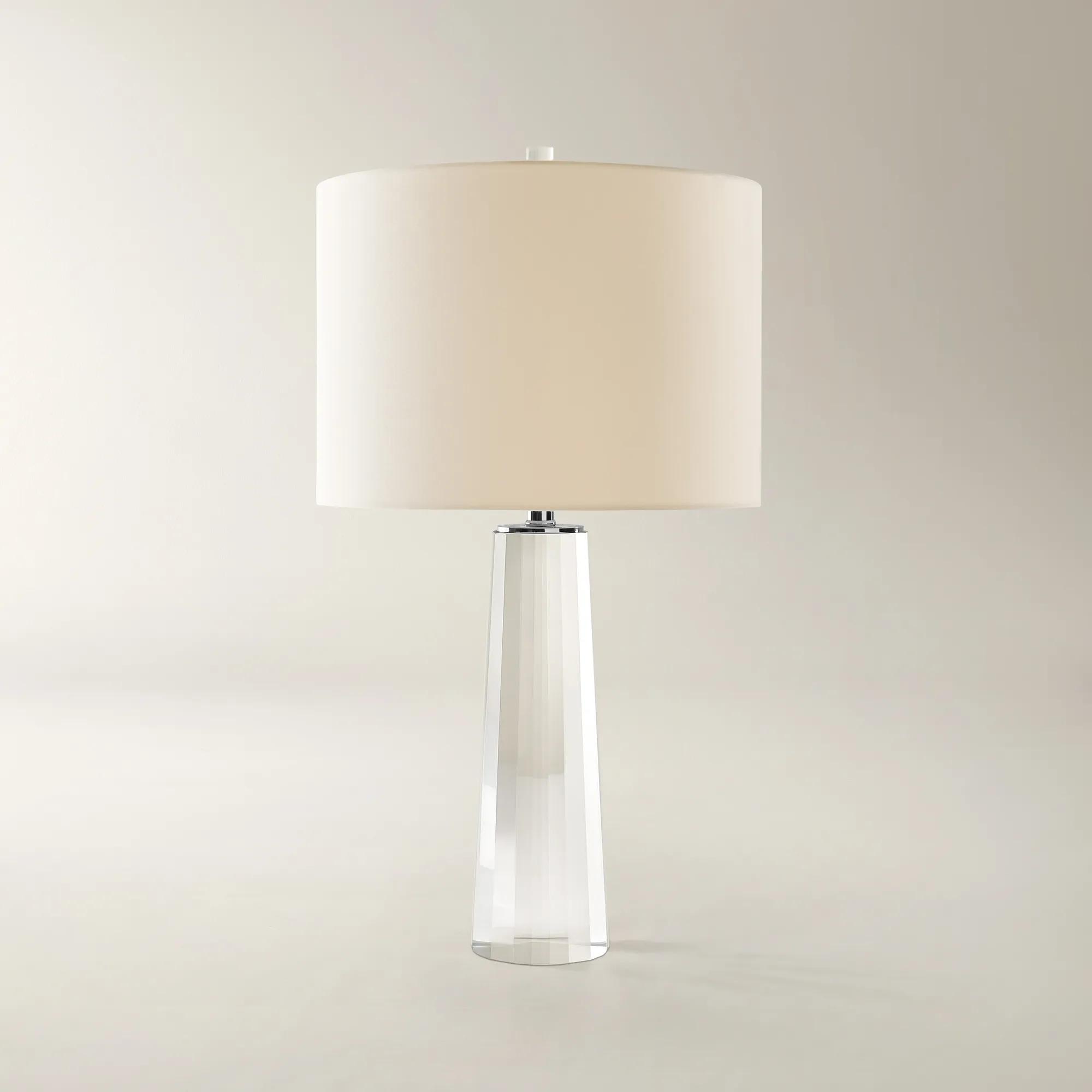
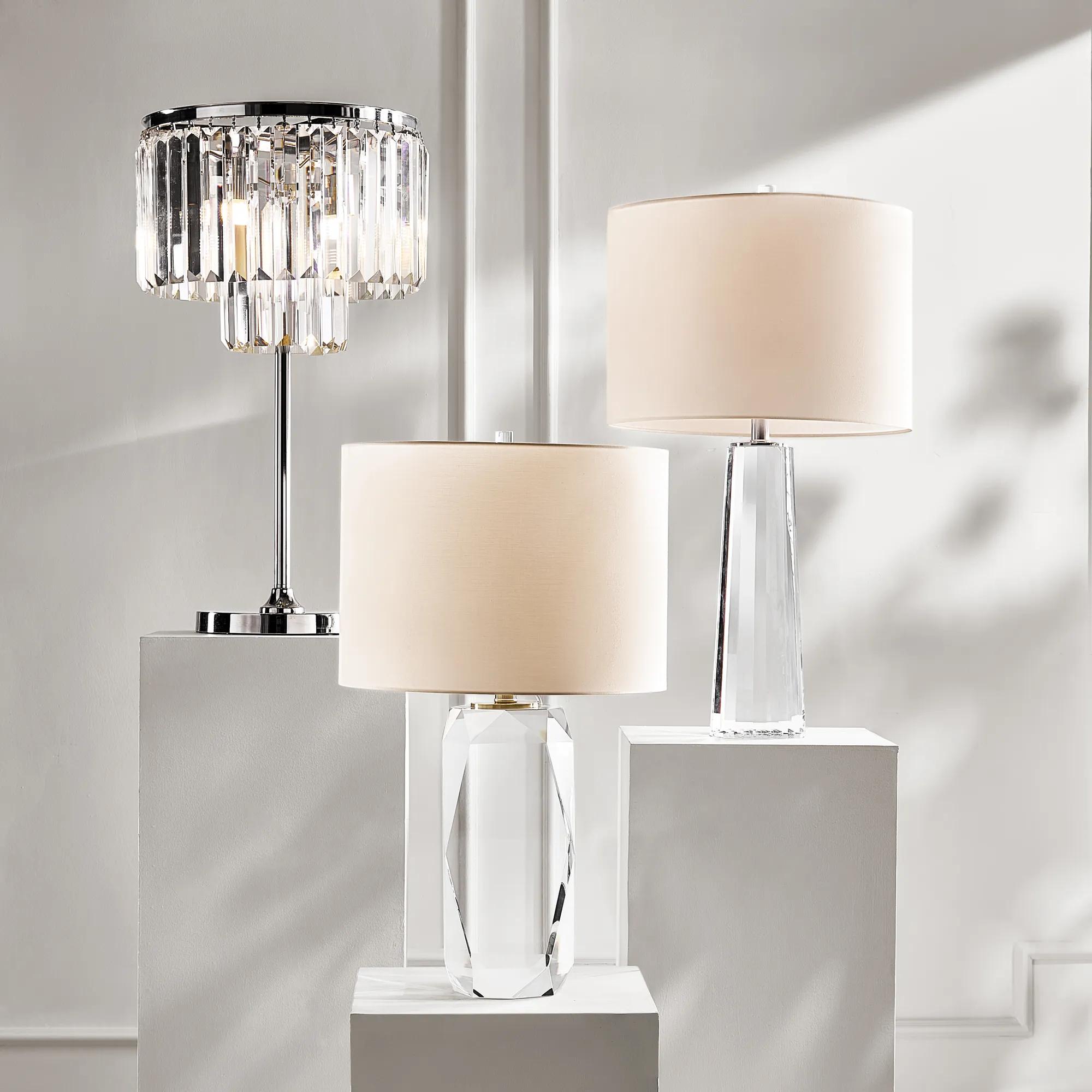 Sasha Faceted Clear K9 Crystal Table Lamp 28"$499
A refined table lamp featuring a clear crystal base, white drum shade, and polished nickel accents.
Add To Cart -
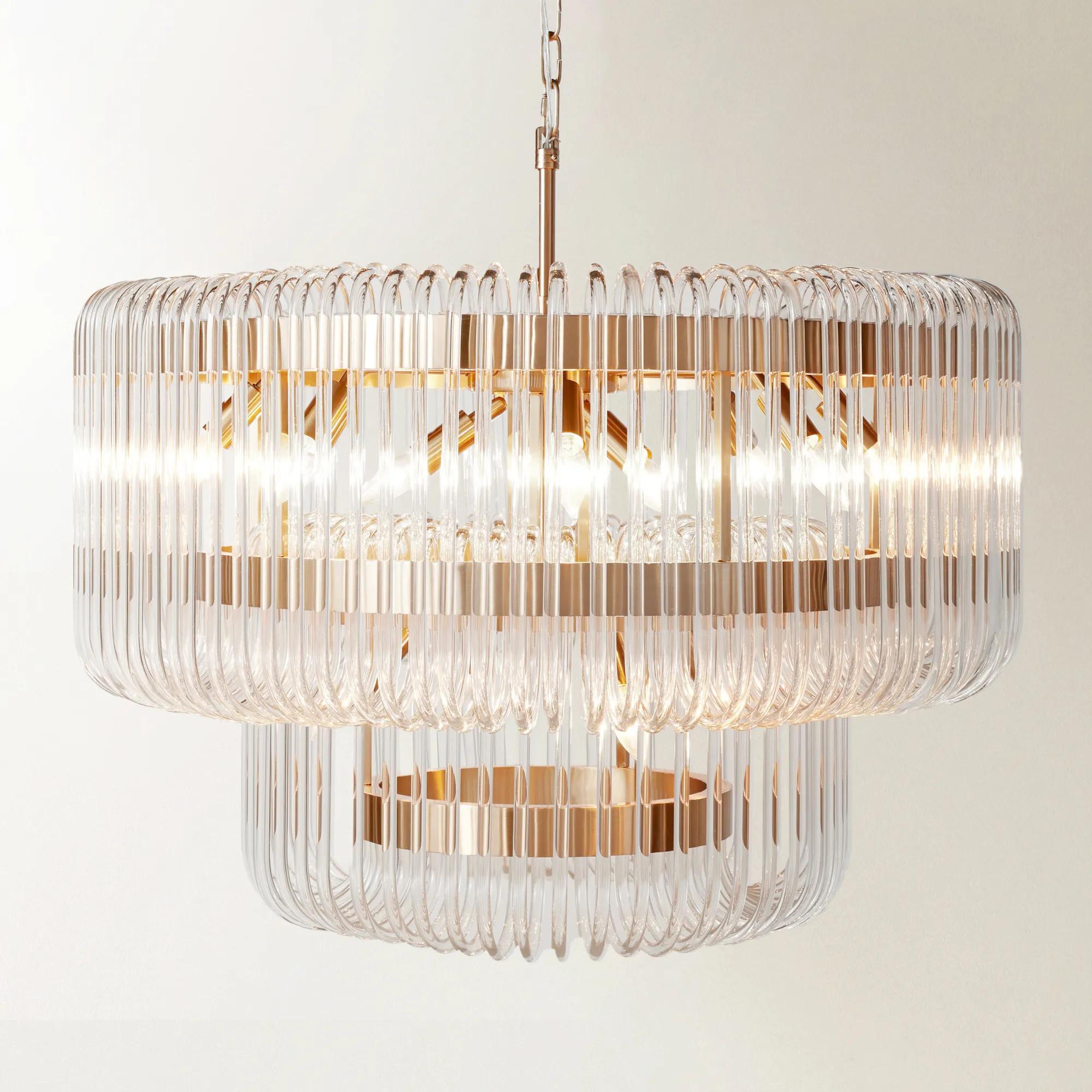 Allure Clear Curved Glass Chandelier 31.5"D x 27.75"H$1499
A chandelier featuring clear curved blown-glass rods, a brushed brass iron frame, and fifteen-light illumination.
Add To Cart -
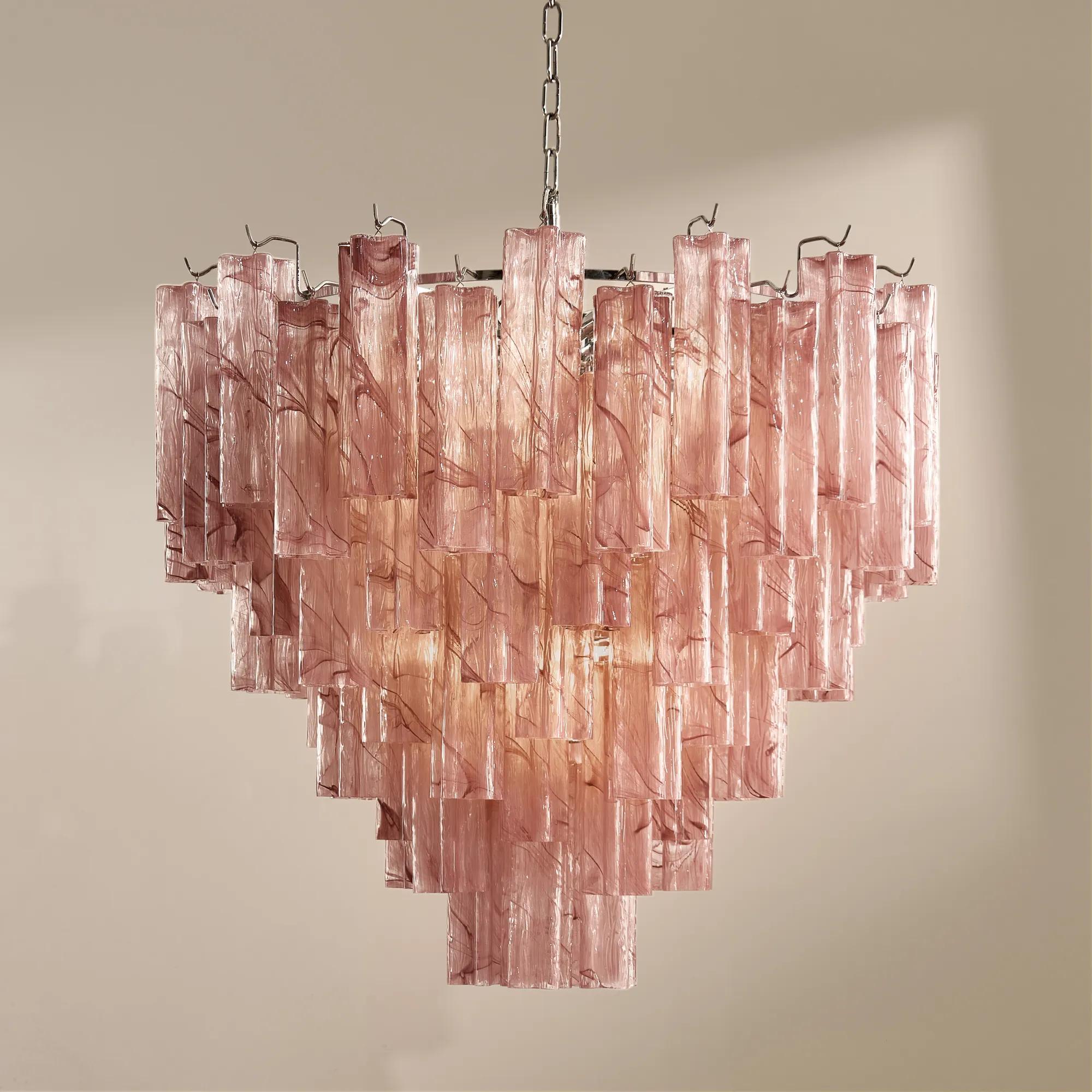 Elodie Rose Glass Chandelier 31.5"$1299
A handcrafted rose glass chandelier with swirled glass, polished chrome framing, and 21 dimmable candelabra lights.
Add To Cart -
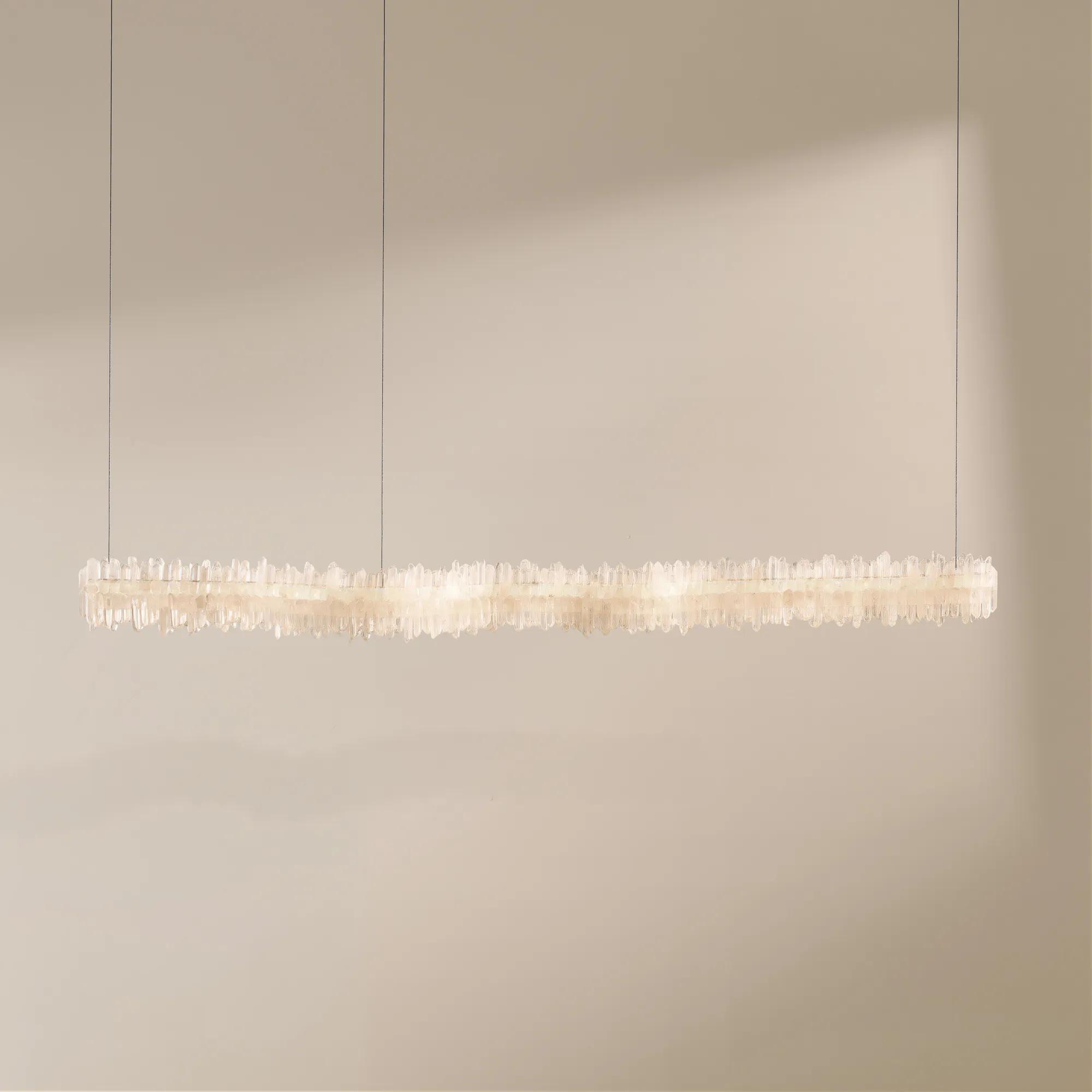 Stella Quartz Crystal LED Chandelier 47.25"$1899
A linear LED chandelier featuring natural raw quartz crystals and a polished rose gold metal frame.
Add To Cart -
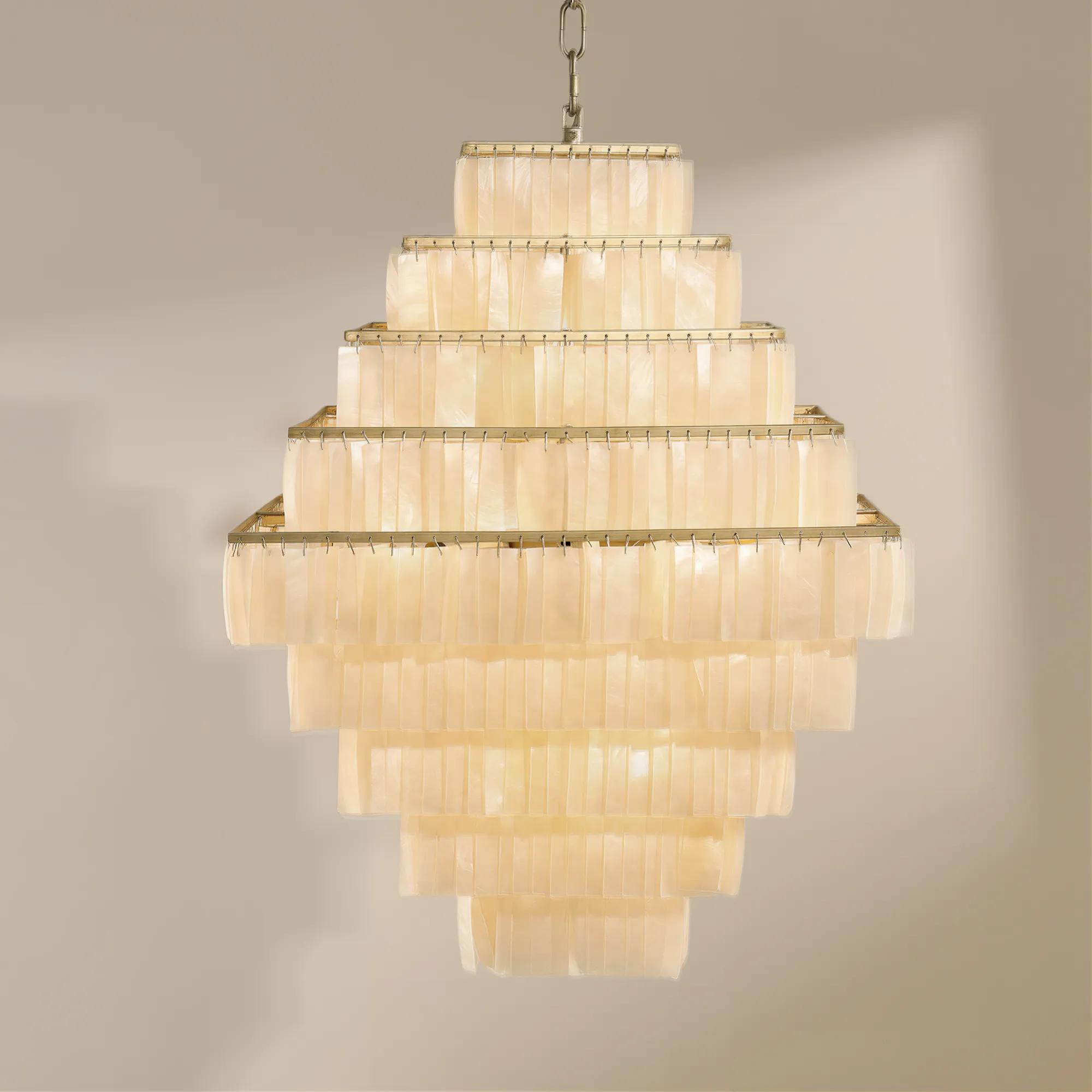 Soleil Capiz Shell Chandelier 25"$999
A modern capiz shell chandelier with 700 pearlescent shells, champagne-finished iron, and dimmable ambient lighting.
Add To Cart -
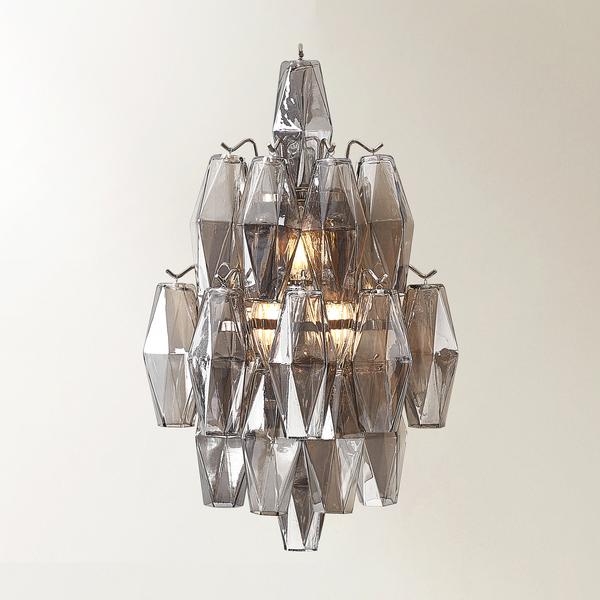
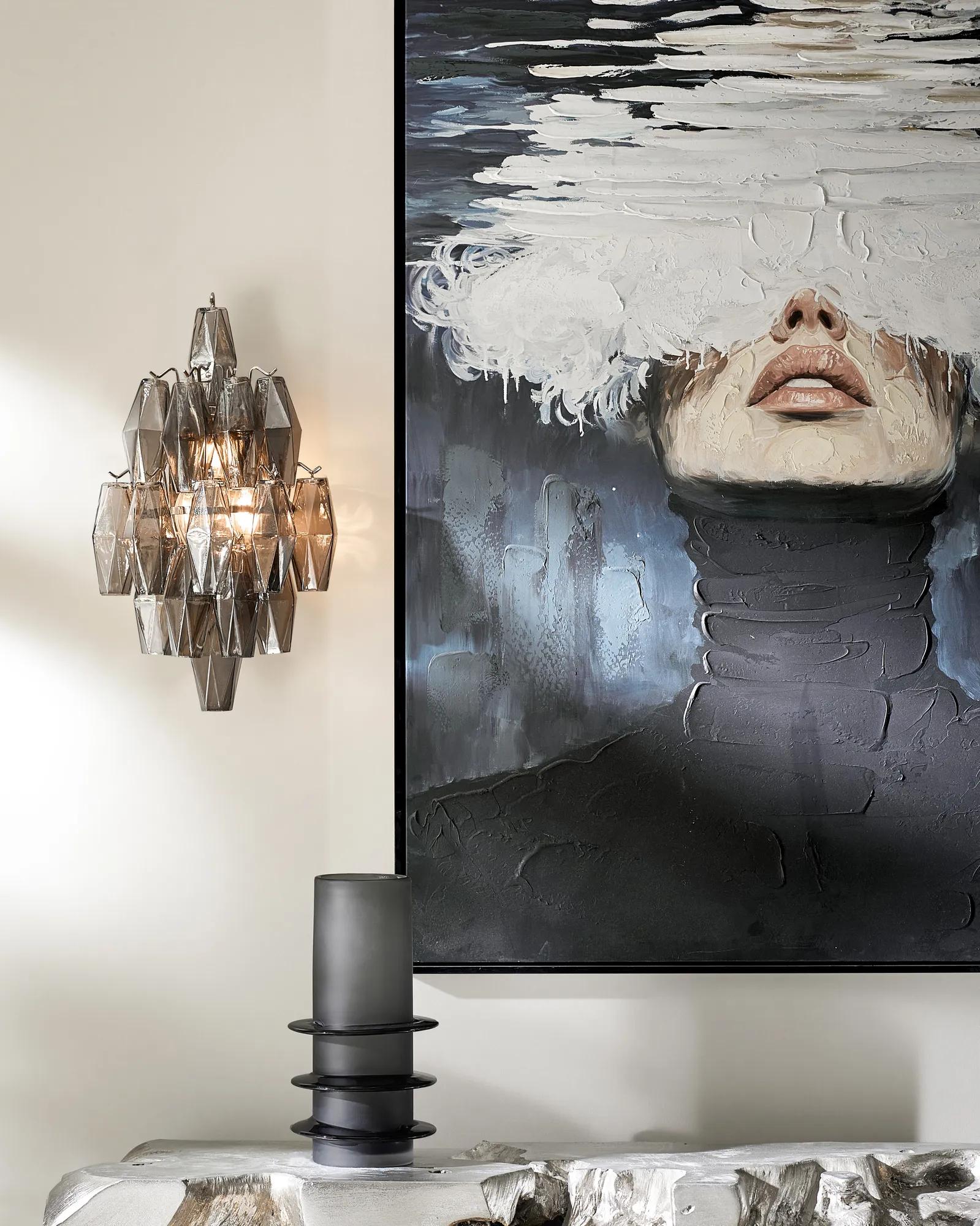 Cosima Glass Sconce 19.75" - Smoke$299
A sculptural sconce featuring hand-blown smoked gray glass and a polished nickel backplate for moody elegance.
Add To Cart -
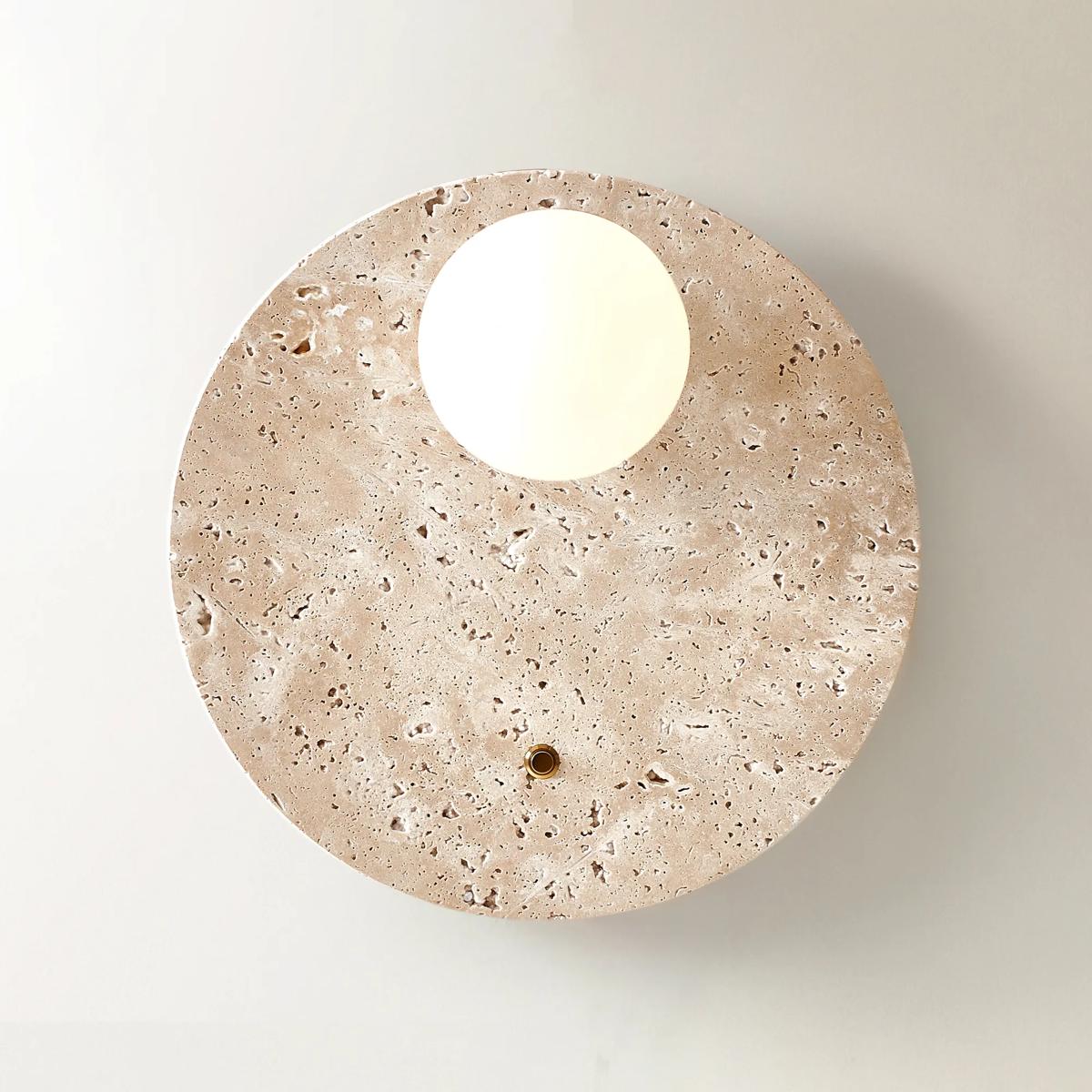
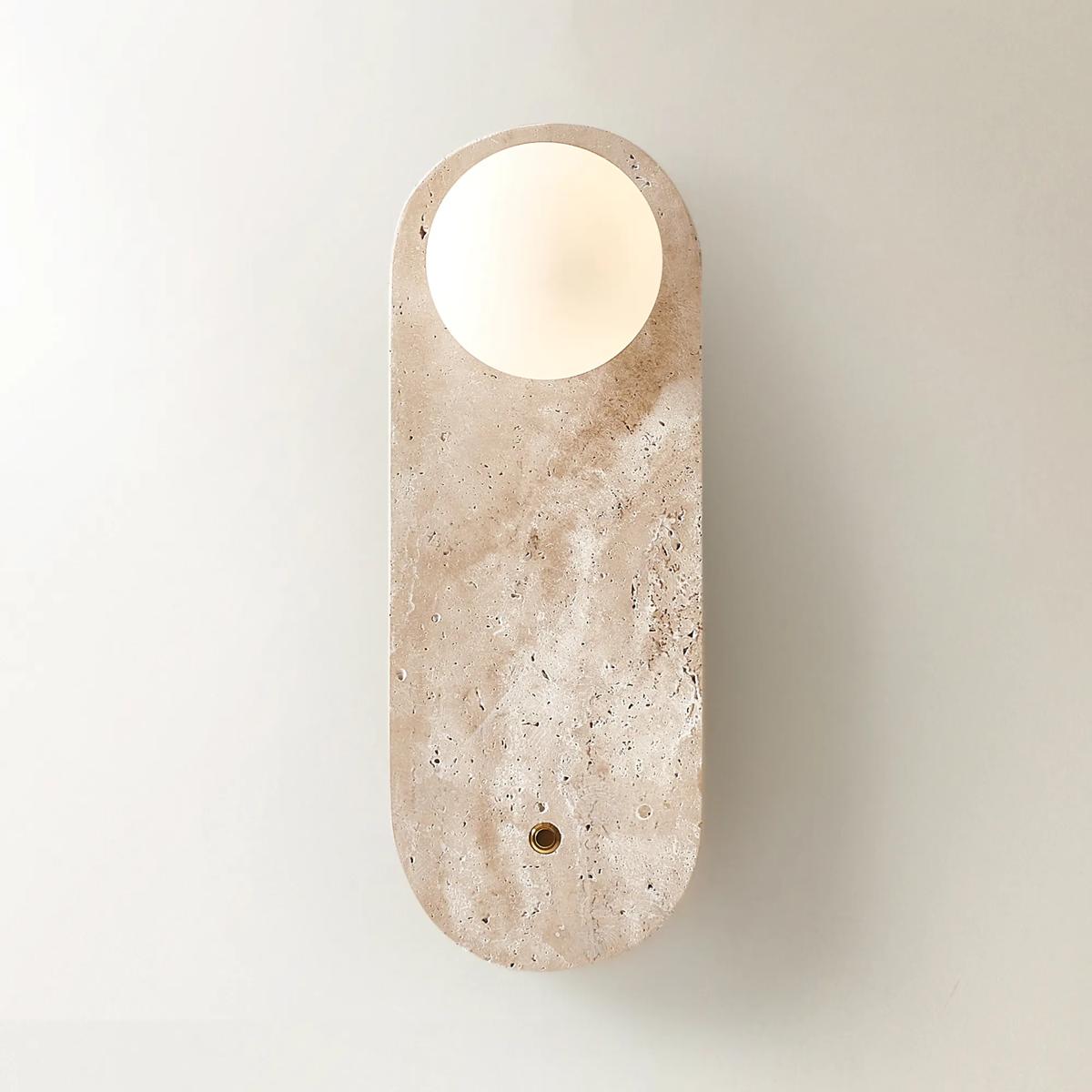
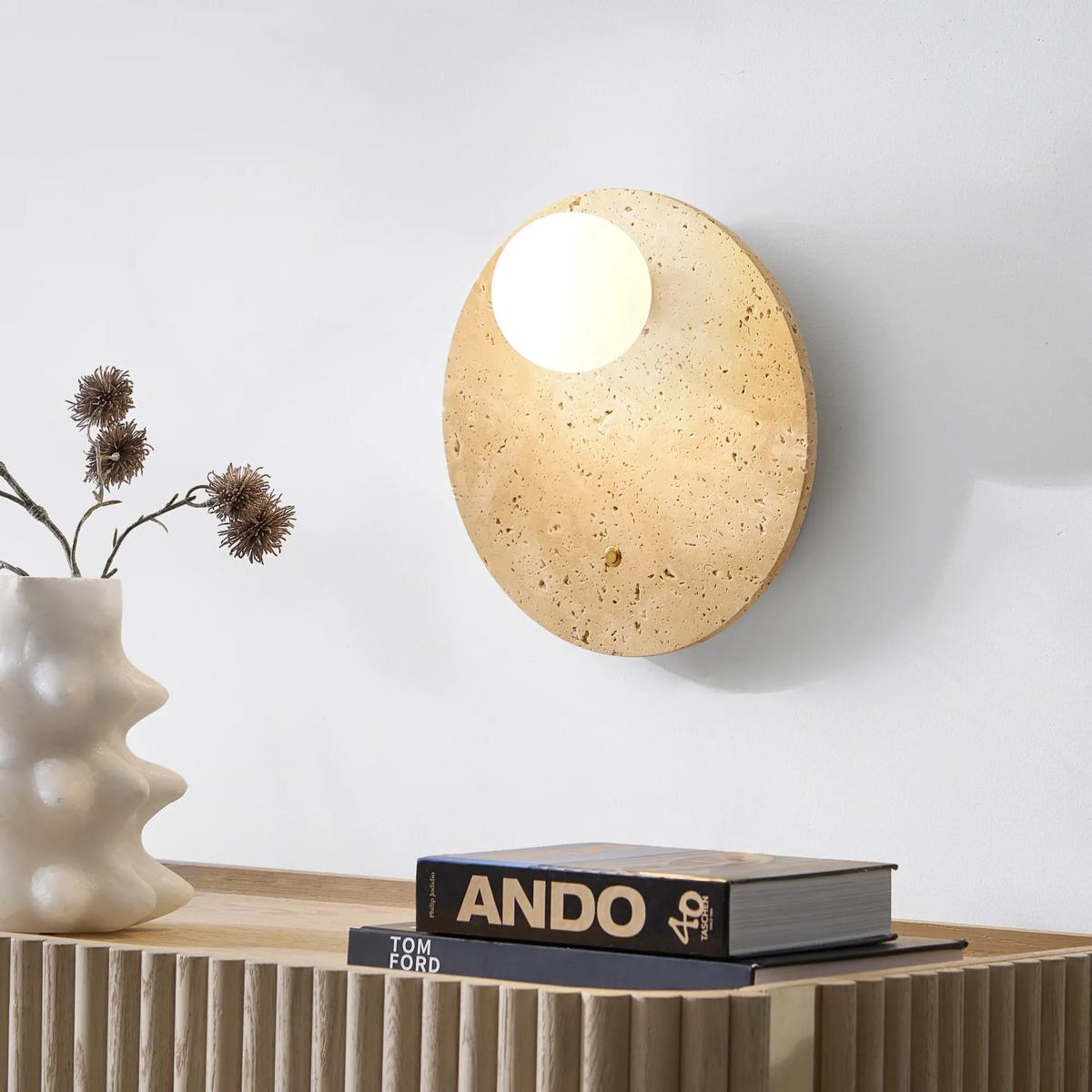 Eden Travertine Sconce 11.75"$149
A sculptural wall sconce crafted from genuine travertine and frosted glass for a softly diffused glow.
Add To Cart -

 Radiante LED Globe Chandelier 36" - Polished Gold$899
A polished gold LED globe chandelier bringing sculptural illumination and modern glamour to contemporary interiors.
Add To Cart -
 Bolla LED Hand-Blown Glass Bubble Chandelier 60.25"$499
A hand-blown glass chandelier with clear bubbles, matte gold steel framing, and integrated warm LED illumination.
Add To Cart -
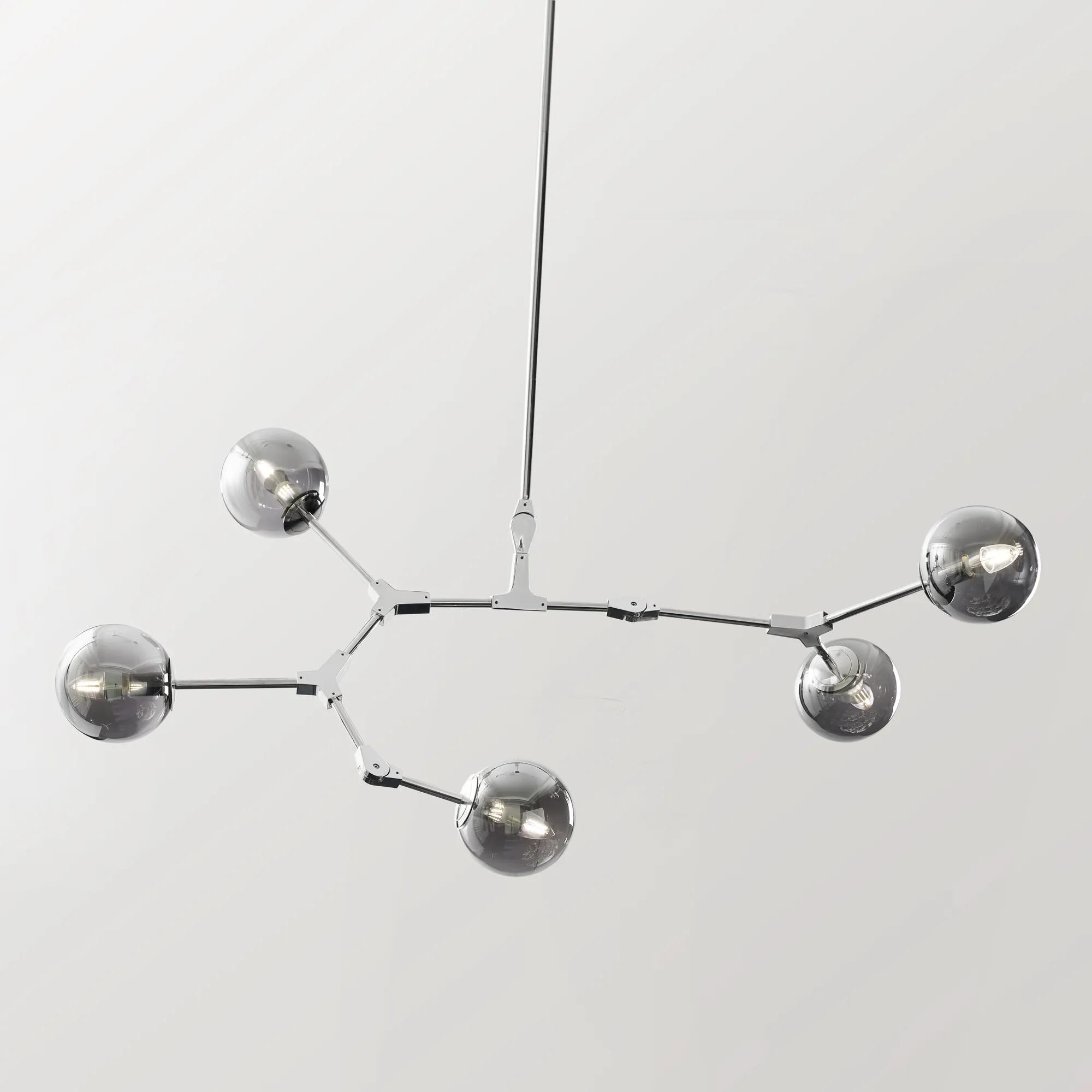
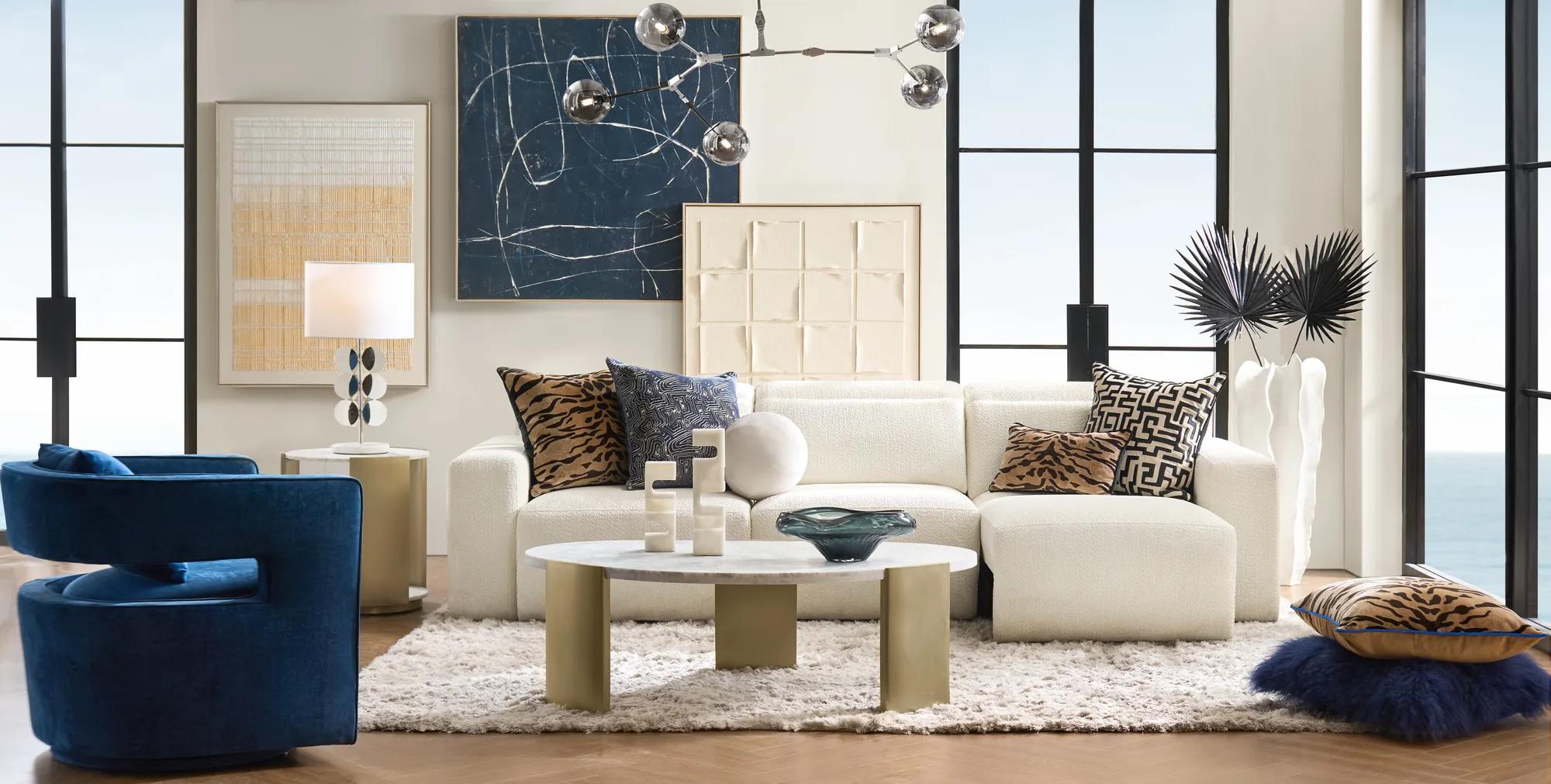 Axel Chandelier$499
A modern chandelier featuring polished nickel arms and smoked glass bulbs for striking, contemporary illumination.
Add To Cart -

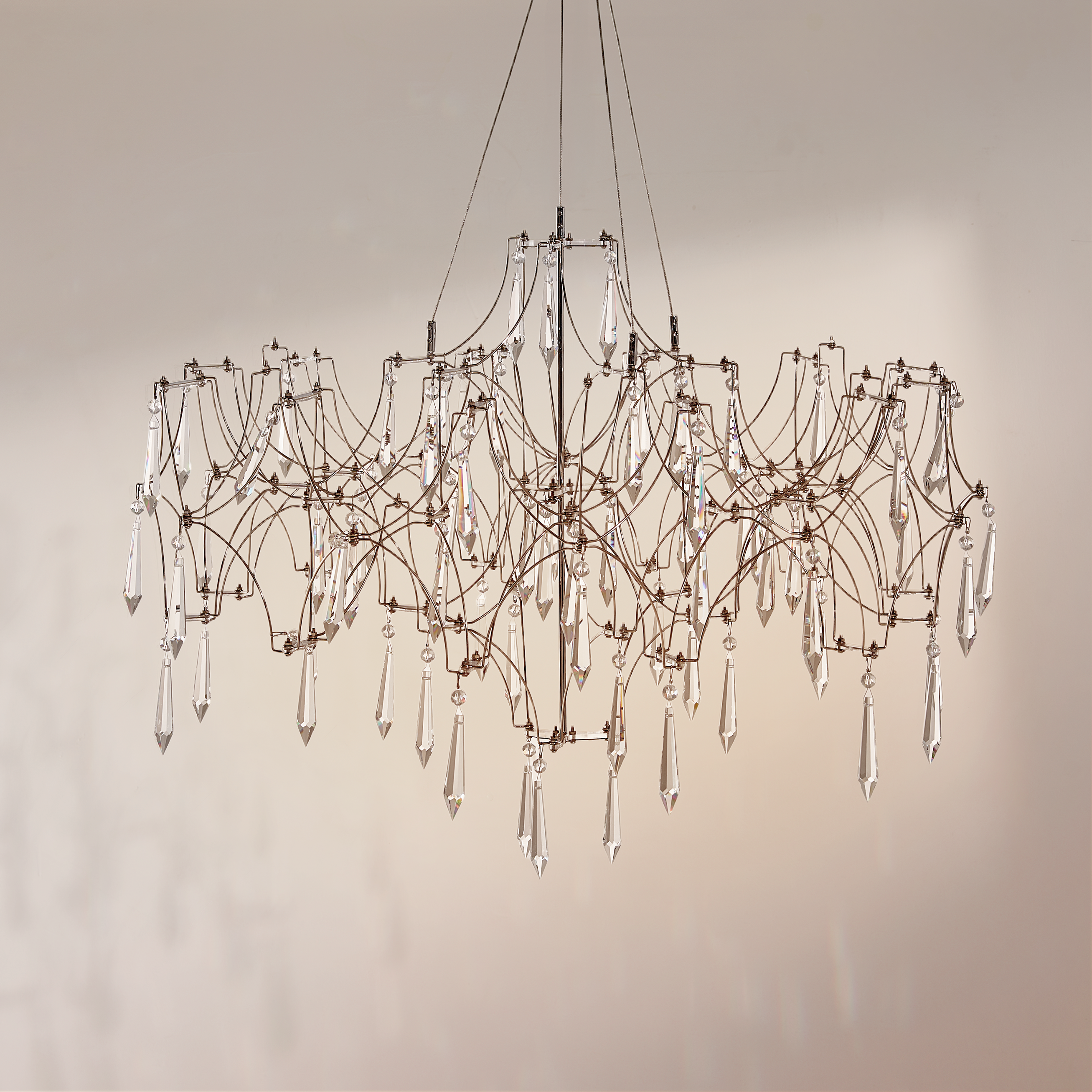 Moderne LED Clear Crystal Chandelier 24.5"W x 19.75"H$899
A clear crystal chandelier with faceted construction, polished nickel framing, and integrated warm LED illumination.
Add To Cart -

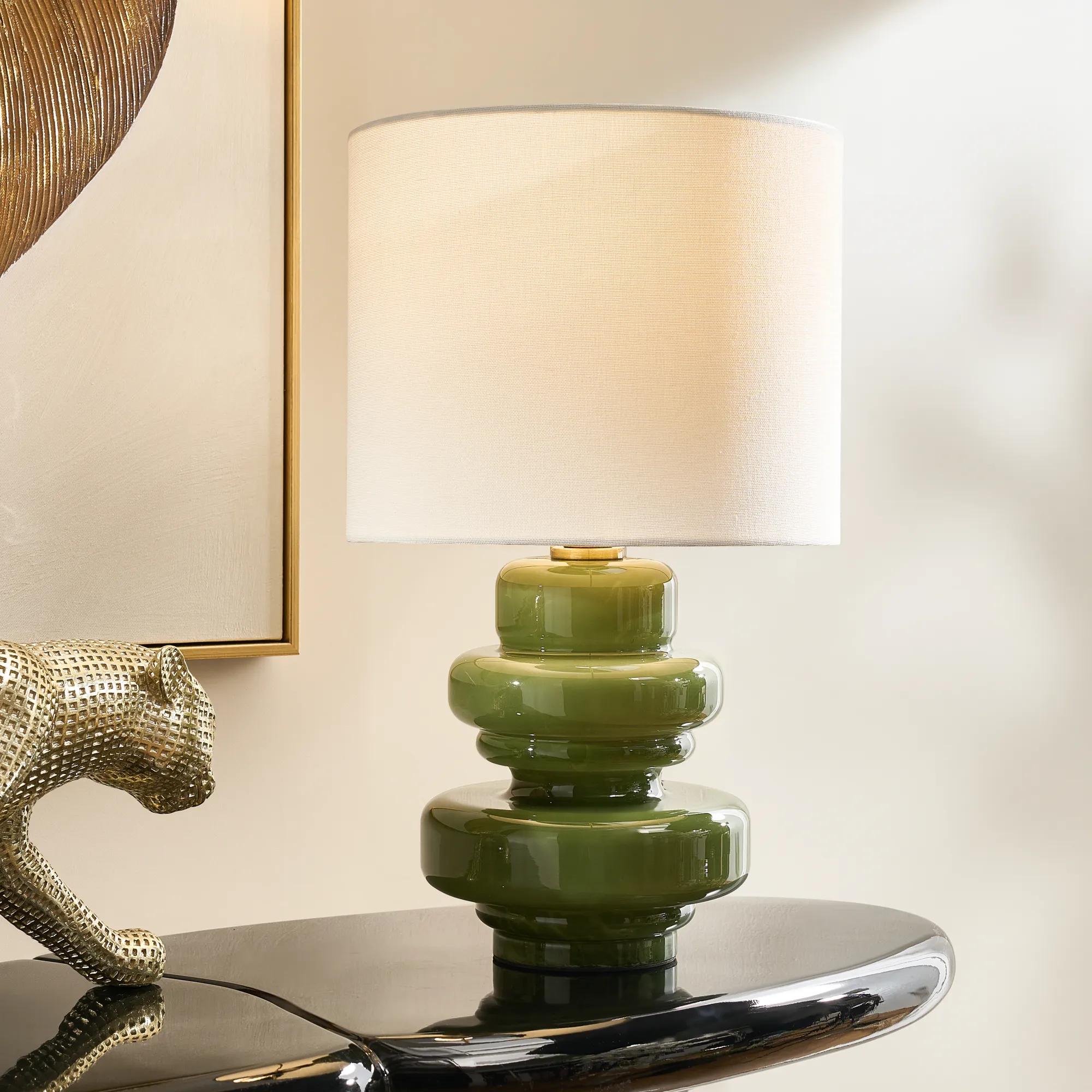 Edin Mouth Blown Pistachio Green Glass Table Lamp 17.5"$99
A sculptural table lamp featuring mouth-blown pistachio green glass and brushed nickel accents with an ivory linen shade.
Add To Cart -

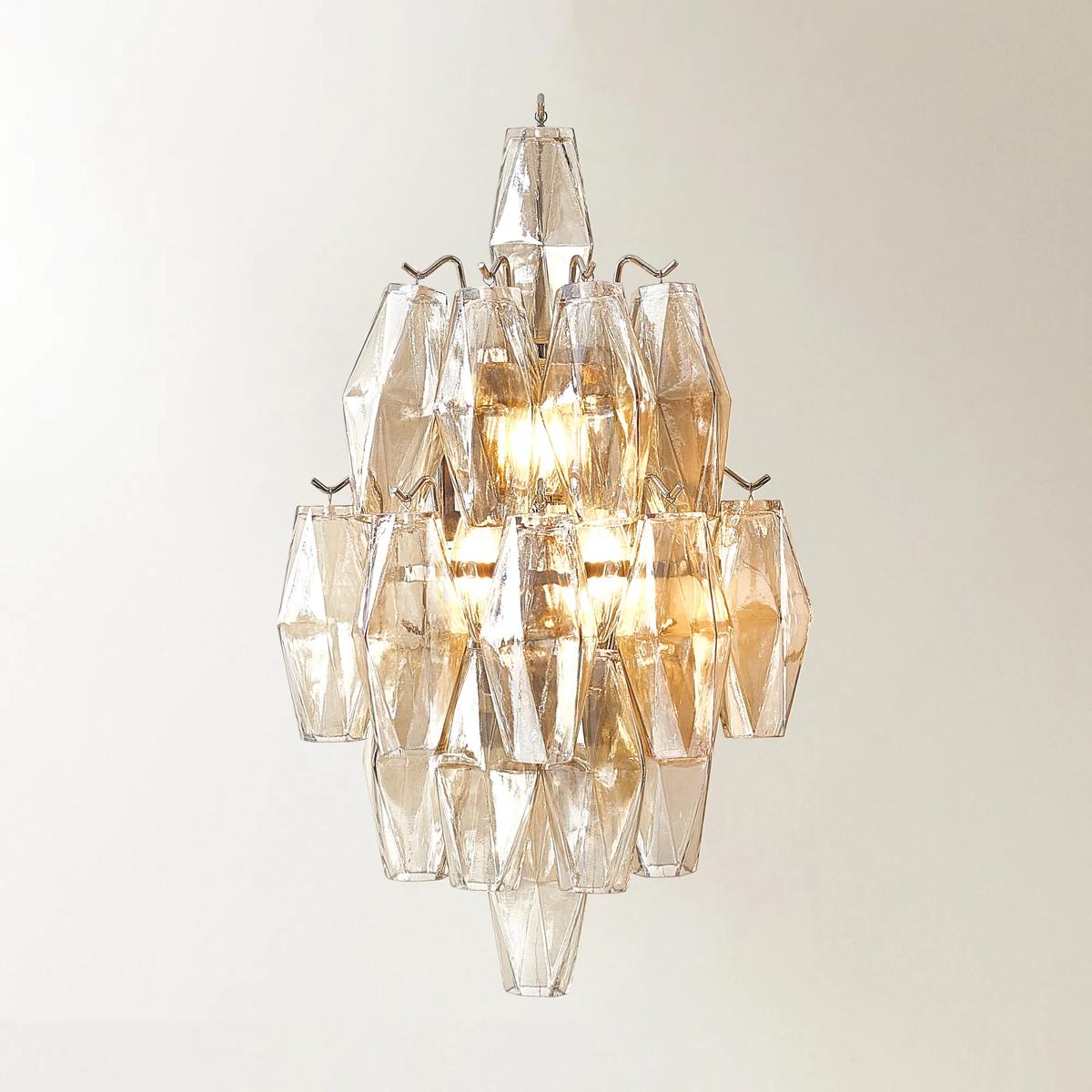
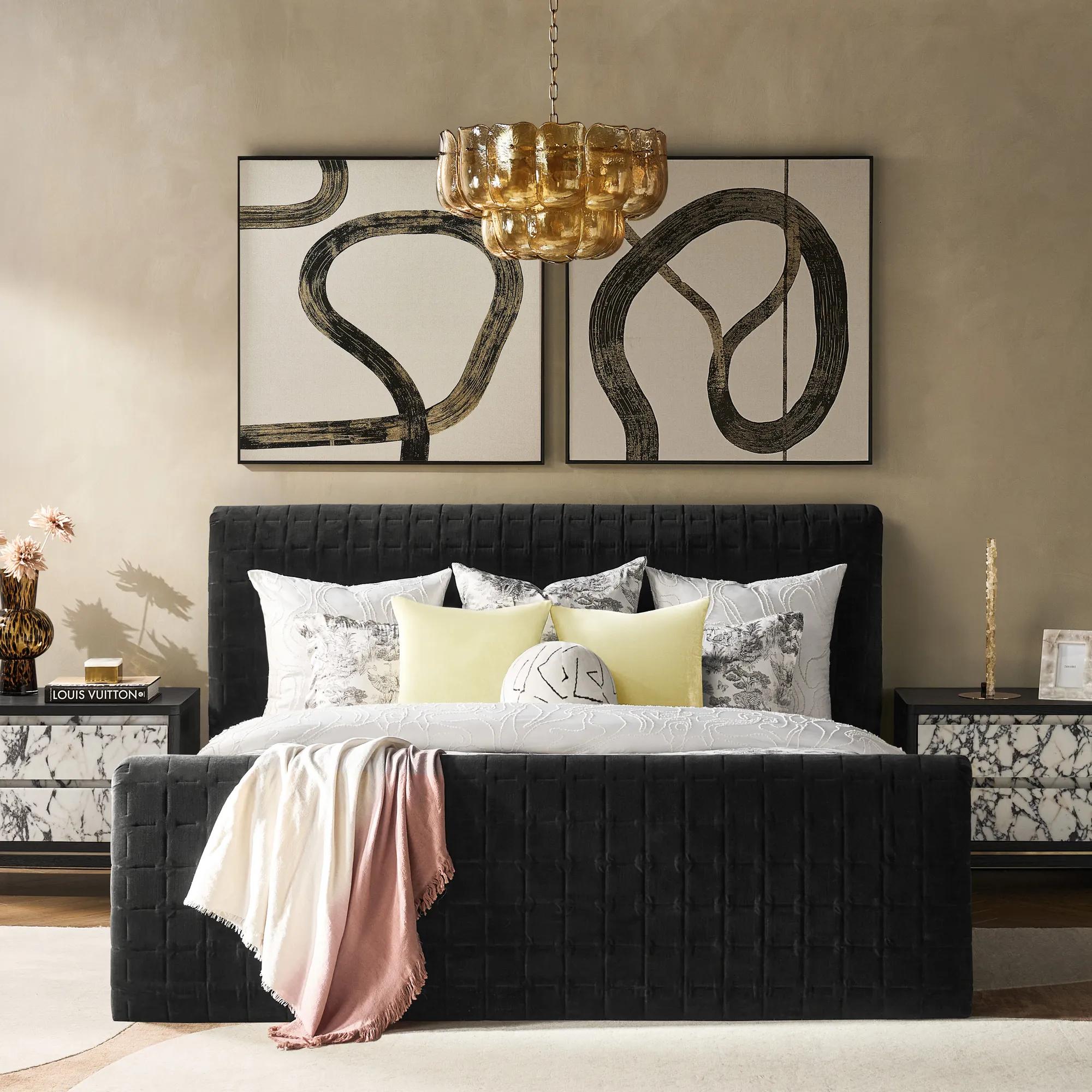 Ember Glow Amber Textured Glass Chandelier 24"$799
A chandelier with textured amber glass petals, brushed brass iron frame, and nine-light ambient illumination.
Add To Cart -

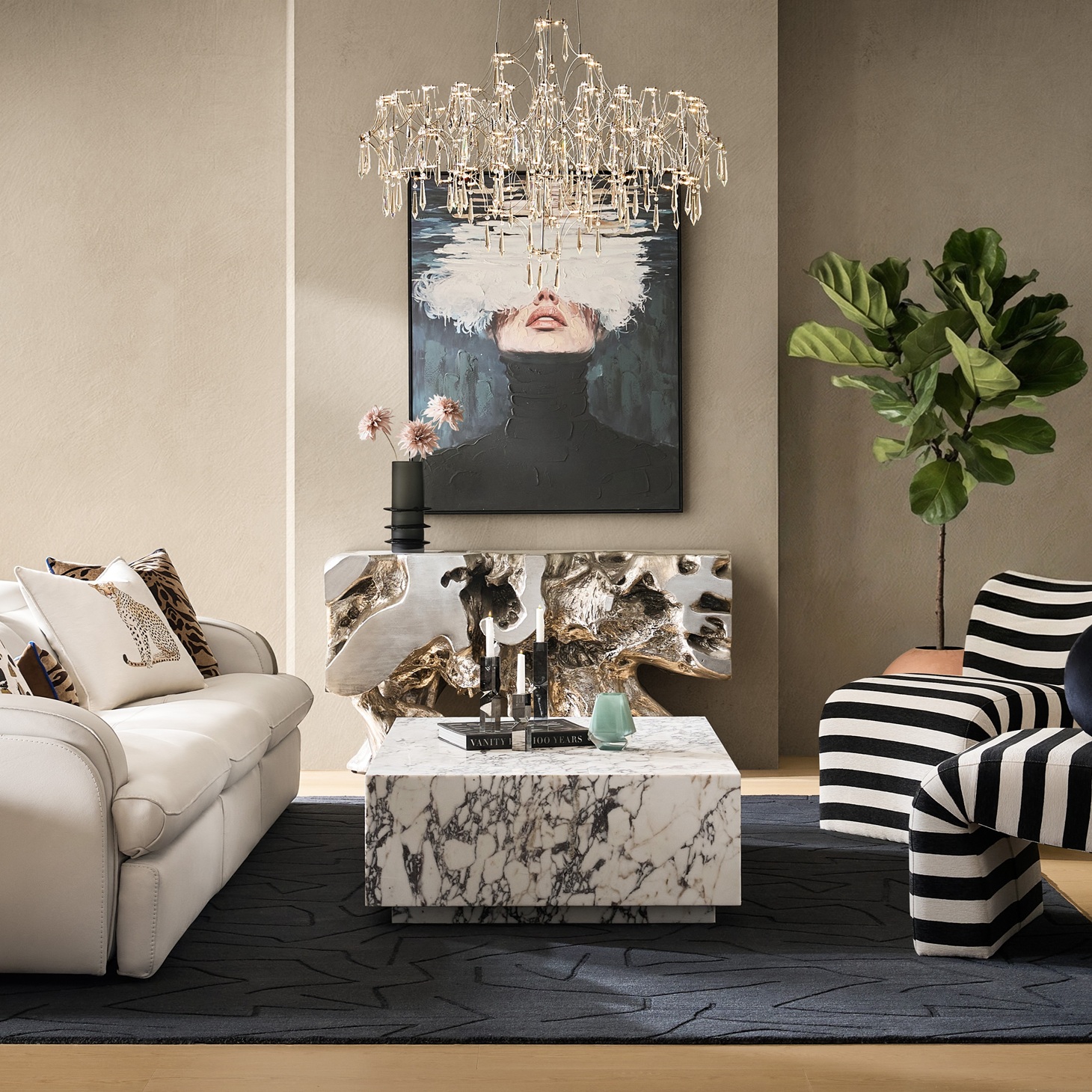 Moderne Grande LED Crystal Chandelier 35.75"W x 28.5"H$1899
A faceted crystal chandelier with polished nickel framing and integrated LED illumination for a modern glow.
Add To Cart -

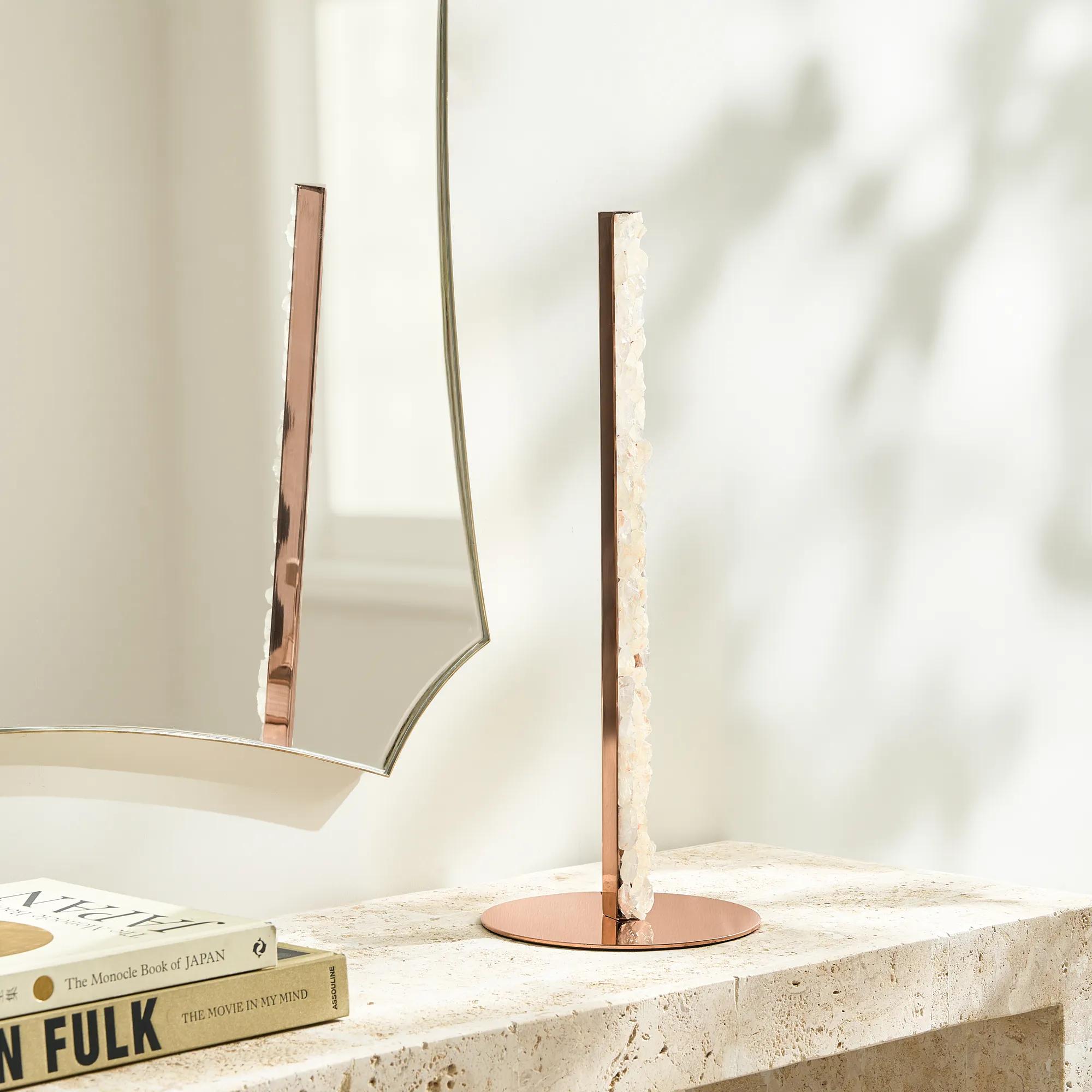 Demi LED Natural Quartz Crystal Table Lamp 19.75"$229
A sculptural LED table lamp featuring natural quartz crystal for a luminous, modern accent.
Add To Cart -
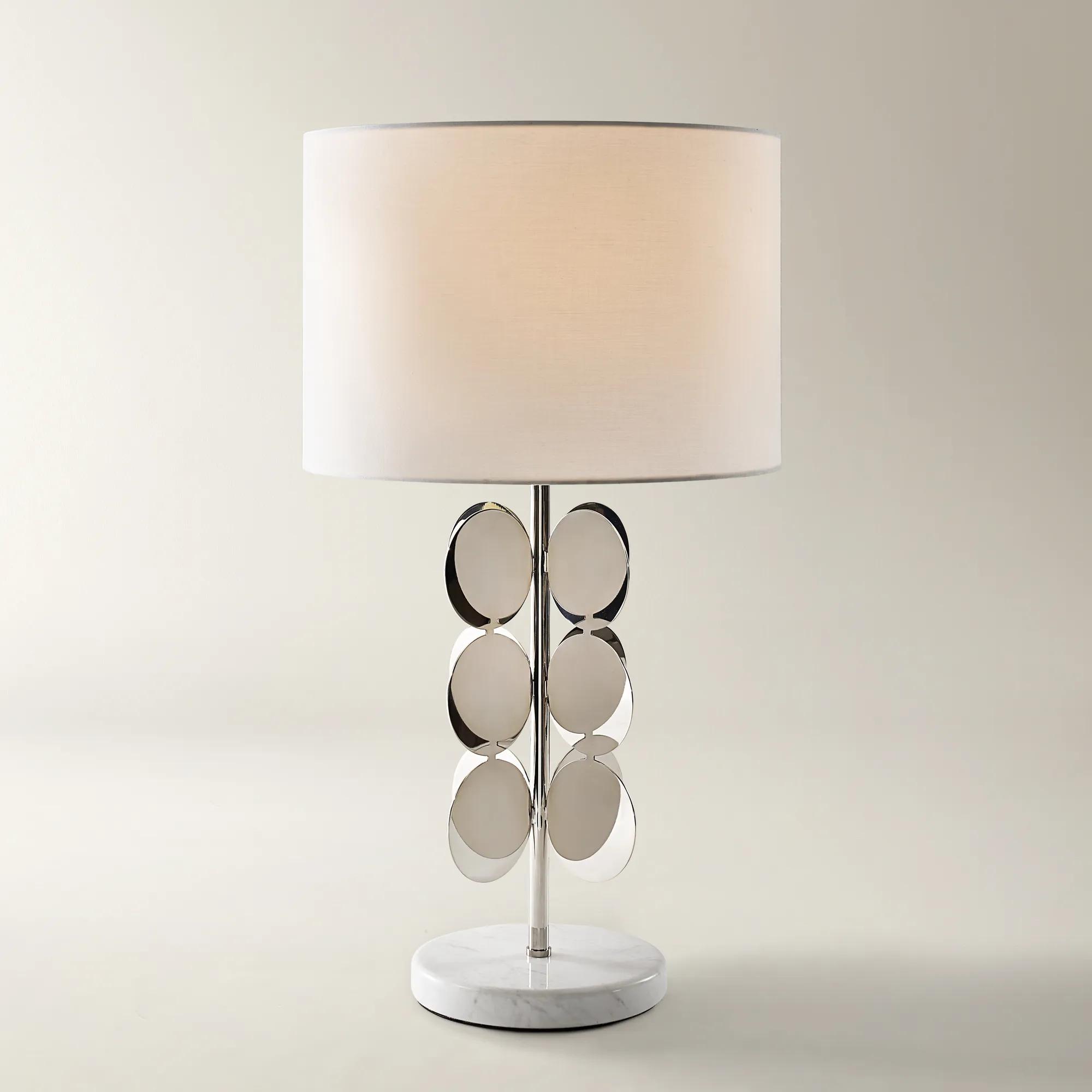 Orion Table Lamp$329
A polished nickel iron lamp with a white marble base and crisp white cotton drum shade.
Add To Cart -
 Glacier Clear and Frosted Glass Chandelier 24"$899
A glass chandelier with icicle-inspired clear and frosted panels, brushed brass frame, and twelve-light illumination.
Add To Cart

Modern Living Room Lighting
Explore modern living room lighting that balances everyday illumination with artistic presence. Consider contemporary designs by scale, silhouette, and where you need light most, from a favorite reading spot to the main seating area. Choose lighting that complements your furniture, or give a striking design room to become a focal point, shaping the atmosphere as much as the decor.
Modern living room lighting combines ambient, task, and accent illumination to create a space that feels expressive, comfortable, and beautifully composed. Ambient lighting establishes the room’s overall glow, task lighting brings focused brightness to activities such as reading, and accent lighting draws attention to artwork, architectural details, or a sculptural arrangement. Together, these layers give a living room dimension that a single overhead source rarely achieves. A statement ceiling fixture can anchor a seating area, while table lamps introduce pools of light beside a sofa and a floor lamp lends height to an otherwise quiet corner. The result is more than a brighter room: it is a setting with contrast, depth, and a distinct point of view. Modern lighting embraces both restrained geometry and theatrical silhouettes, from slender metal profiles to luminous glass forms that feel almost like suspended sculpture. In an open living area, the shape and placement of lighting can help distinguish the conversation space from neighboring dining or entry areas without interrupting the room’s visual flow. Around a low coffee table, softened light encourages conversation; beside a favorite chair, a more directed beam makes an evening with a book feel effortless. For households that use the same room for entertaining, reading, and watching television, multiple light sources allow the atmosphere to change without rearranging the furniture. A ceiling fixture might provide welcoming illumination when guests arrive, while shaded lamps maintain a quieter glow once everyone settles in. Fixtures with adjustable heads or compatible dimming controls offer further flexibility, although their suitability depends on the individual design and electrical requirements. The strongest compositions do not make every surface equally bright. They let certain details gleam while others recede, giving upholstery, artwork, and decorative objects room to reveal their character. This balance of illumination and shadow is what makes contemporary living room lighting feel intentional rather than merely functional, with each source contributing to the atmosphere instead of competing for attention.
Materials bring another layer of expression to modern living room light fixtures, influencing both their appearance when switched off and the quality of light they cast. Clear glass can leave a bulb visible and create crisp reflections, while frosted or opal glass diffuses illumination for a softer effect. Fabric shades temper brightness and introduce tactile warmth, especially alongside sleek furniture or polished surfaces. Metal finishes create their own visual rhythm: gleaming surfaces catch surrounding light, brushed textures offer a quieter sheen, and dark finishes establish a graphic outline against pale walls. Stone or ceramic bases can give a lamp a grounded, substantial presence, though natural materials may show variations in color and pattern that make each piece distinctive. These characteristics matter most in relation to the furnishings around them. A luminous glass form can provide a graceful counterpoint to a richly upholstered sofa, while a sharply defined metal silhouette can bring structure to a room filled with rounded shapes. Matching every finish is not necessary; a repeated tone or shared geometric detail can connect different fixtures without making the composition feel uniform. Scale is equally important. A broad sofa and generous side table can support a lamp with substantial visual weight, whereas a narrow table generally needs a base that leaves usable surface space. Shade width deserves attention as well as base dimensions, particularly near a walkway or beside closely arranged seating. With overhead lighting, ceiling height, fixture drop, and the location of furniture all affect how comfortably a piece occupies the room. A dramatic silhouette should frame the setting, not obstruct sightlines or interfere with movement. For portable lighting that brings this balance closer to the seating area, Modern Lamps for Living Rooms offers a focused category to explore. Table and floor lamps can create visual continuity across a large room, or introduce a deliberate contrast that makes a reading corner feel like its own intimate destination.
Lasting satisfaction with living room lighting depends as much on practical details as on the initial impression. Bulb specifications, socket compatibility, and fixture ratings determine which light sources can be used safely, while brightness and color temperature influence how the room looks in daily life. Lumens describe light output; wattage describes energy use, so wattage alone is not a reliable measure of brightness when comparing different bulb technologies. Warm-white light often complements a relaxed living room atmosphere, while consistent color temperatures across nearby fixtures help prevent an uneven mix of yellow and bluish light. For spaces centered on expressive artwork or richly colored textiles, a higher color rendering index can help colors appear more faithful. Dimmable bulbs require compatible fixtures and controls, and integrated LED designs deserve a closer look at dimming requirements and serviceability before selection. Intended use also shapes the right fit. A reading lamp benefits from a shade or adjustable head that directs light toward the page without shining into the reader’s eyes; lighting near a television should be positioned to limit reflections on the screen. In homes with children or pets, a stable base, thoughtfully routed cords, and placement away from busy pathways support everyday comfort. Hardwired fixtures require installation appropriate to the home’s electrical system, with qualified professional help when needed. Care is usually most effective when it is gentle and consistent: disconnect power, allow bulbs and surfaces to cool, and follow the manufacturer’s cleaning instructions. Soft dusting helps preserve shades and finishes, while abrasive cleaners can damage delicate coatings; sprays should not be applied directly to electrical components. Secure connections, sound construction, and replaceable components where offered can contribute to years of use. A thoughtfully chosen portable lamp can also make a distinctive housewarming gift when its proportions, plug access, and style suit the recipient’s space. Whether furnishing a first apartment or refining a long-established home, modern living room lighting brings artistry into an everyday ritual: settling into a room that feels considered, inviting, and unmistakably personal.
FAQs
Modern living room lighting pairs intentional silhouettes with expressive details, from fluid curves to striking geometric forms. Fixtures become part of the room’s visual composition—not merely a finishing touch. Choose designs that echo your decor while adding a sculptural note of their own.
Compose your lighting with a mix of overhead fixtures, table lamps, floor lamps, and accent lighting. Let each contribute a different mood: an overhead statement brings drama, while lamps lend intimacy to seating arrangements. Repeating a shape or finish gives the composition a deliberate, collected feel.
Matching finishes create continuity, but a considered mix can give modern living room lighting a richer personality. Pair warm and cool metallic tones, or contrast lustrous finishes with matte accents. Repeat one finish elsewhere in the room to make the contrast feel intentional rather than accidental.
Modern lighting can introduce a daring counterpoint to traditional furnishings. A sculptural fixture above classic upholstery creates an intriguing dialogue between eras. Connect the two through a shared color, curved detail, or finish, allowing the contrast to feel expressive without losing its sense of harmony.
Decide which element will lead the room’s visual story. If your lighting has an elaborate silhouette, give it a quieter backdrop; if artwork or patterned upholstery commands attention, choose a fixture with a more restrained outline. Echo a detail between them to create a cohesive, artfully layered setting.