Living Room Lighting Table Lamps
Living Room Lighting Table Lamps
-
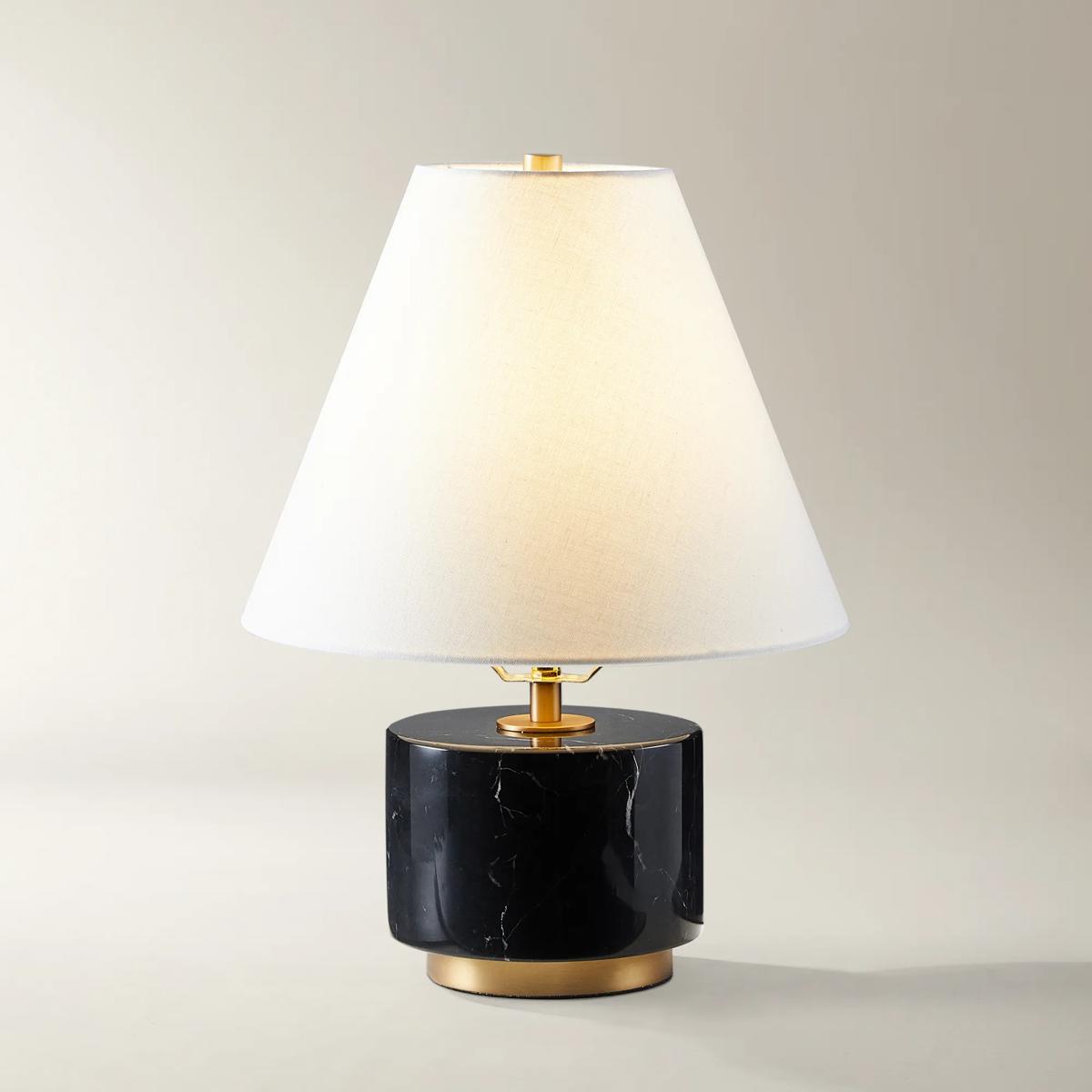
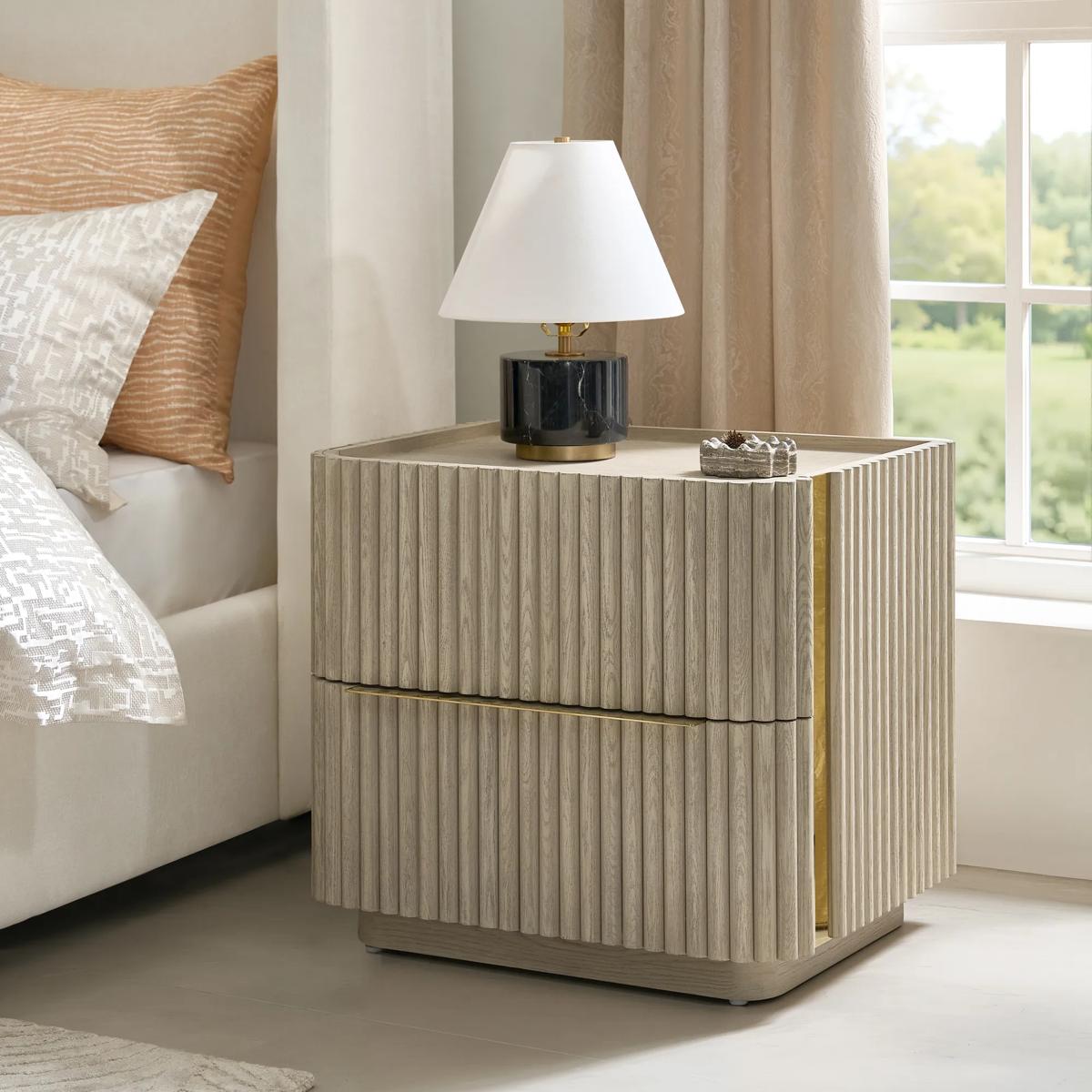 Arden Black Marble Table Lamp 14"$249
A sculptural black marble lamp with brushed brass accents and a warm white linen tapered shade.
Add To Cart -
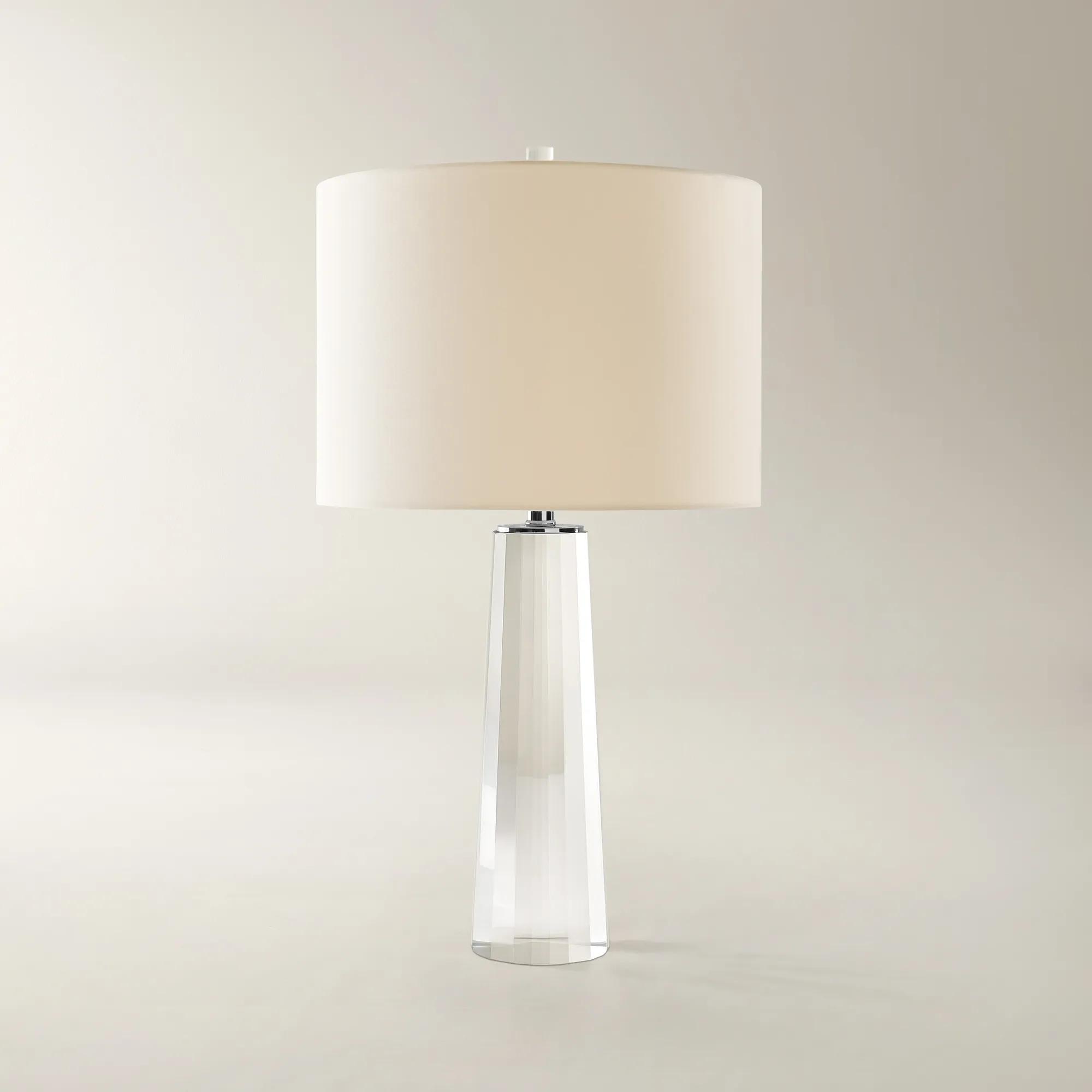
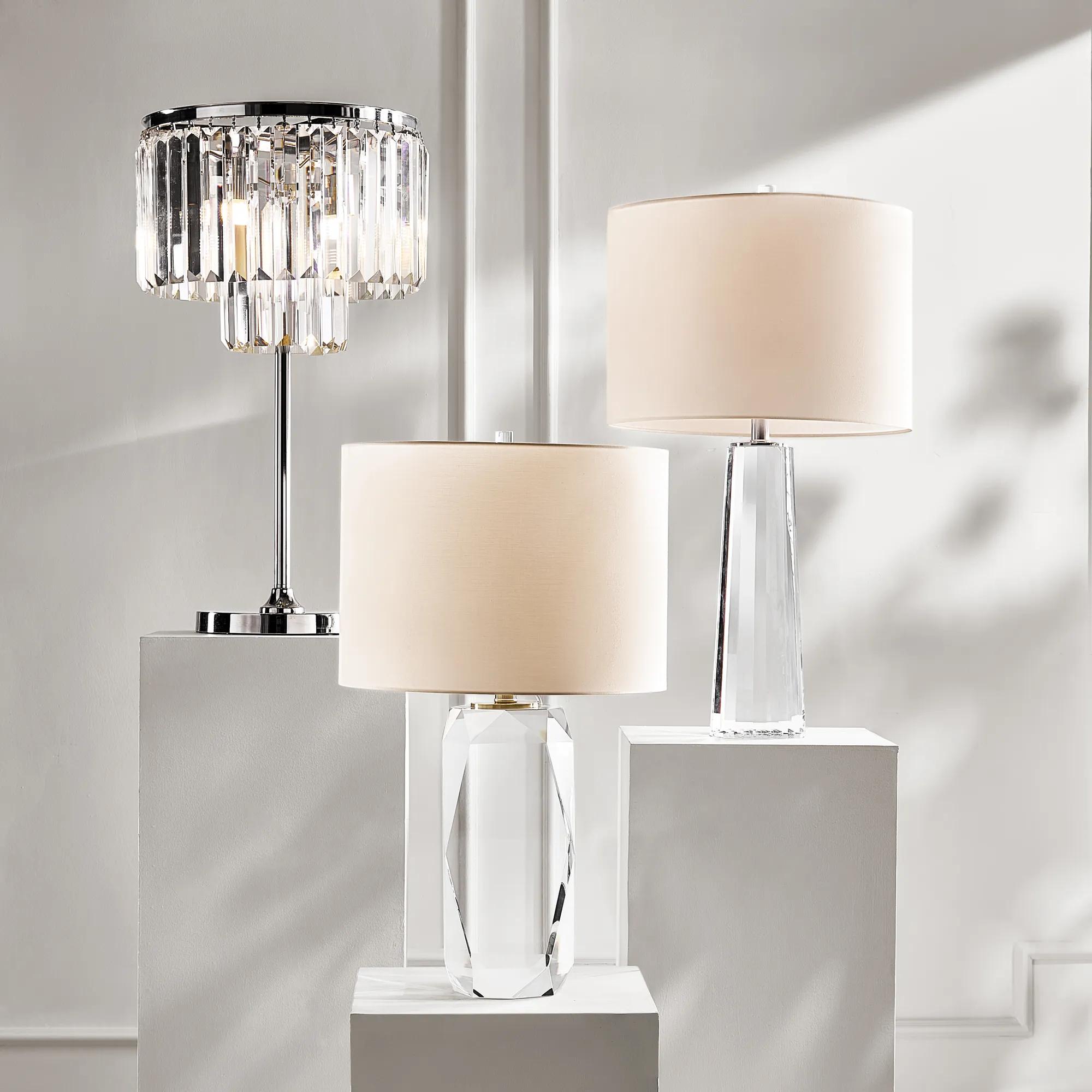 Sasha Faceted Clear K9 Crystal Table Lamp 28"$499
A refined table lamp featuring a clear crystal base, white drum shade, and polished nickel accents.
Add To Cart -
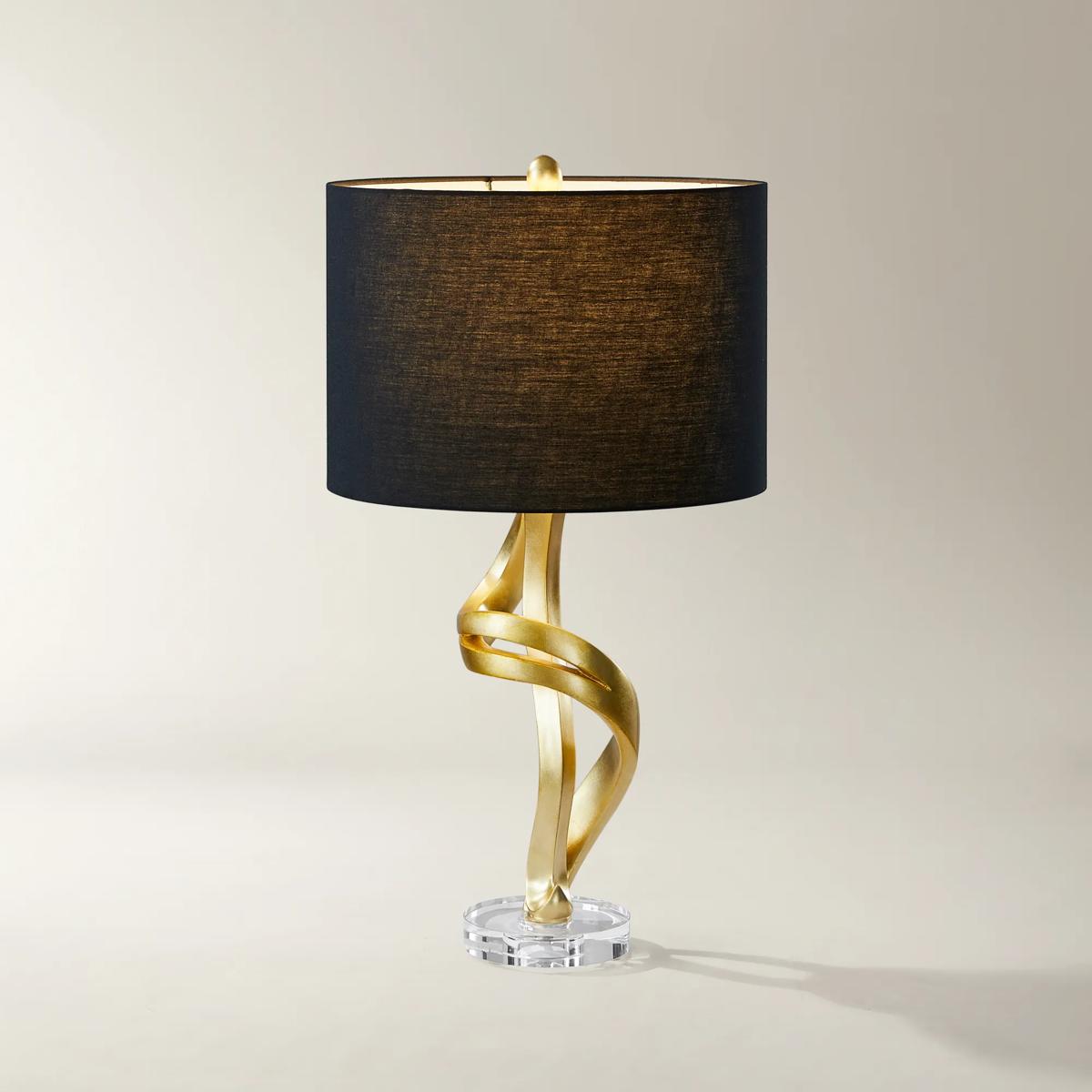
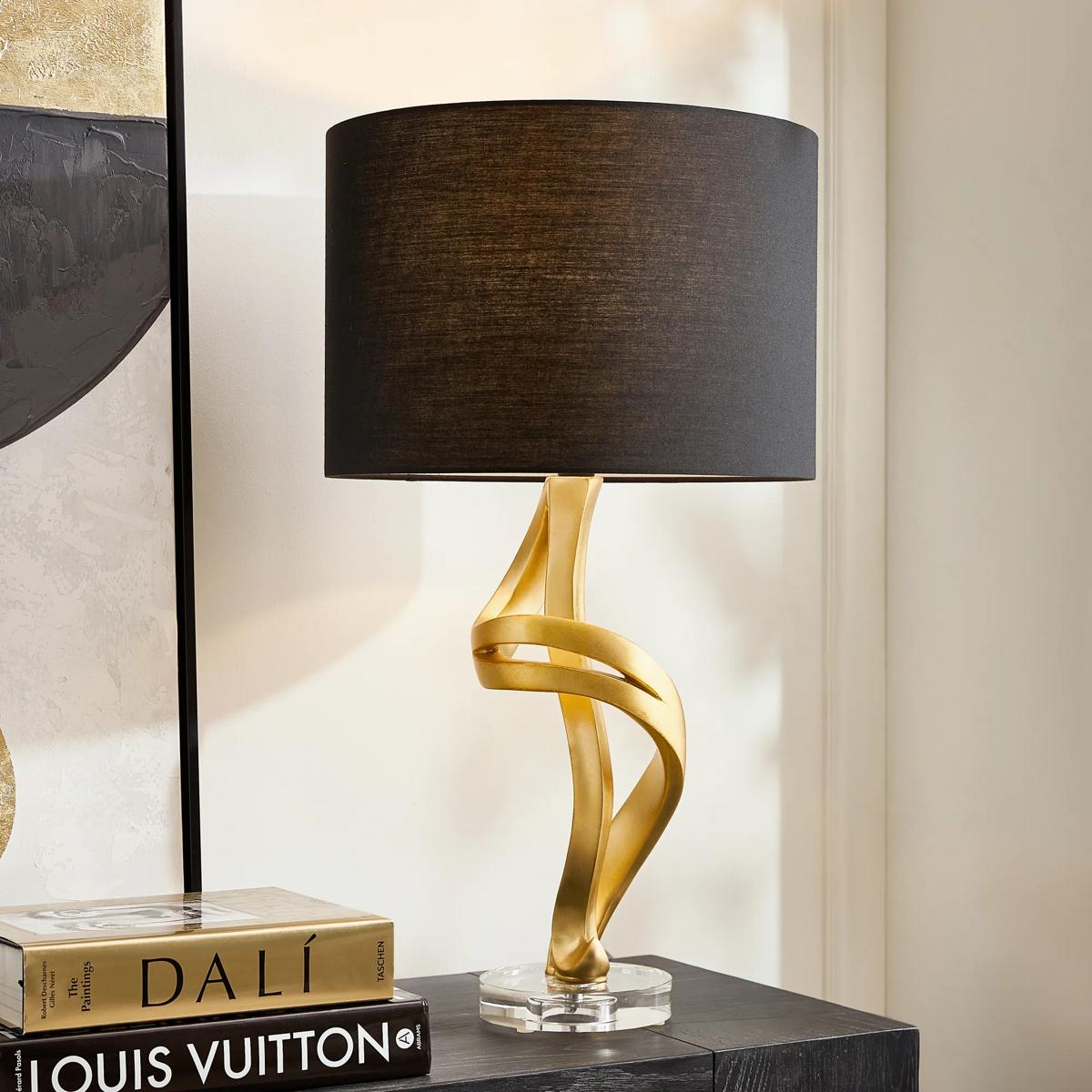 Nisa Sculptural Champagne Resin Table Lamp 28.25"$399
A sculptural resin lamp in champagne gold with a black cotton drum shade and clear acrylic base.
Add To Cart -
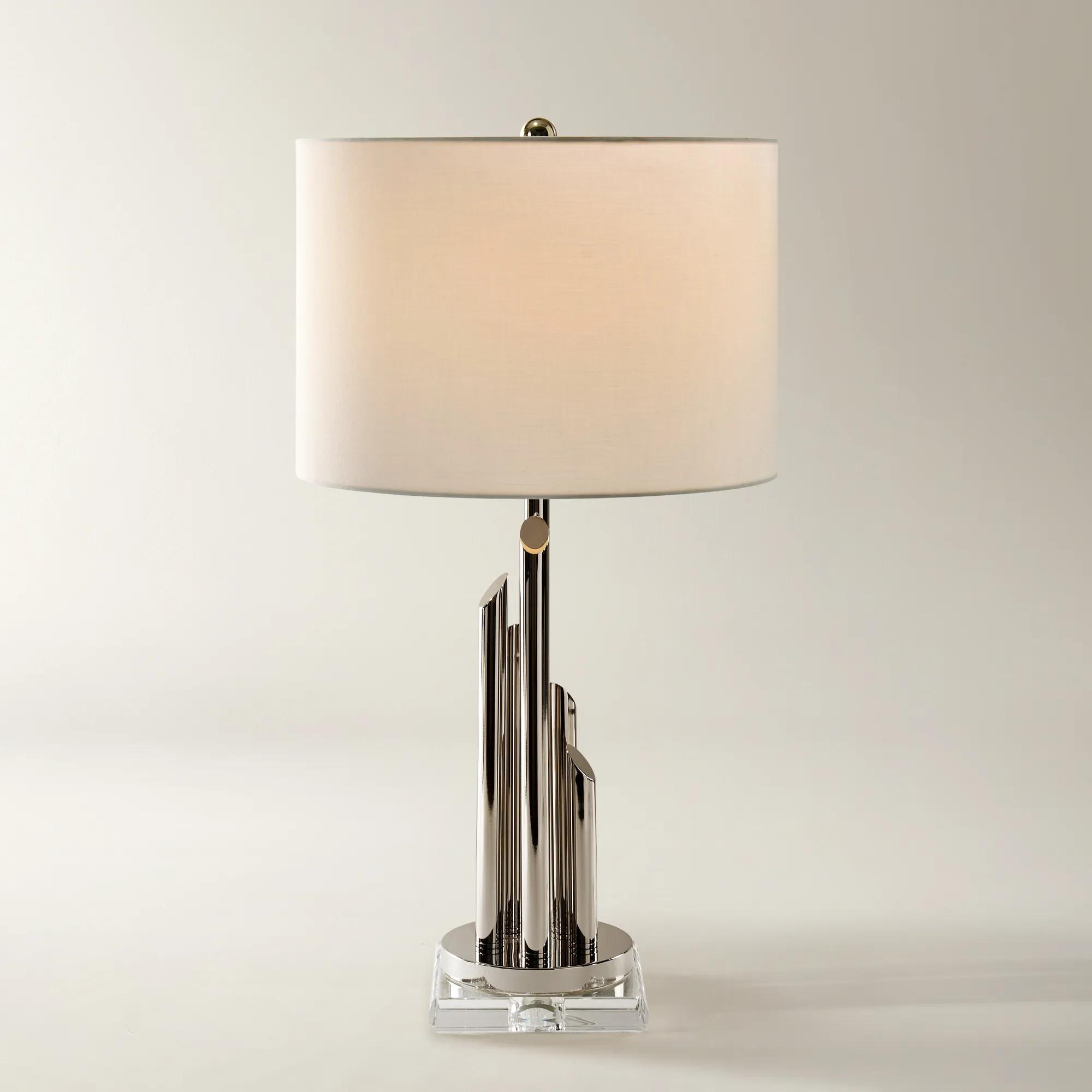
 Jagger Table Lamp$329
A modern table lamp featuring a polished nickel iron frame, clear crystal base, and white cotton drum shade.
Add To Cart -

 Blair Mouth Blown Sea Glass Blue Glass Table Lamp 25"$229
A mouth-blown glass lamp in soft blue sea glass with antique brass accents and an ivory linen shade.
Add To Cart -
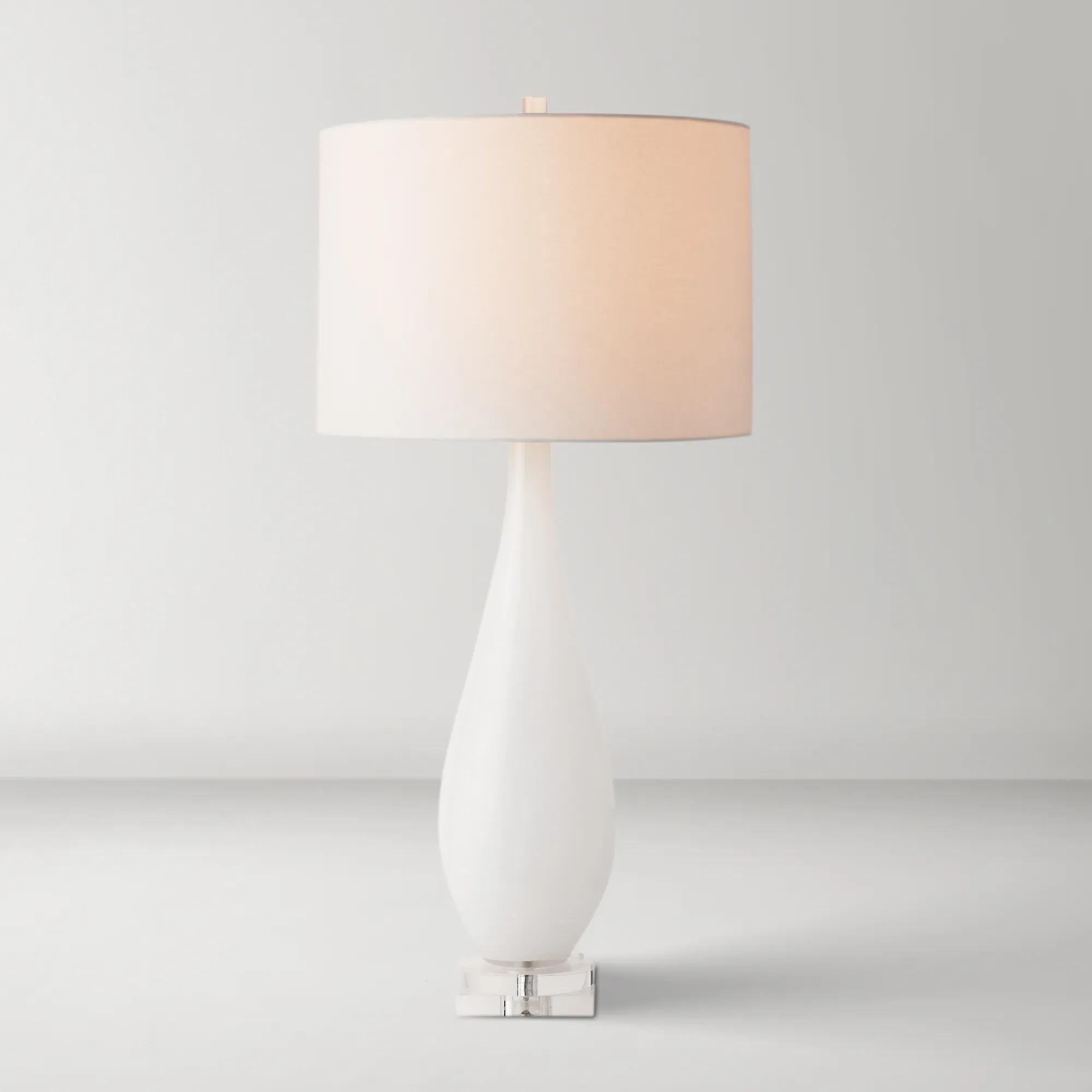
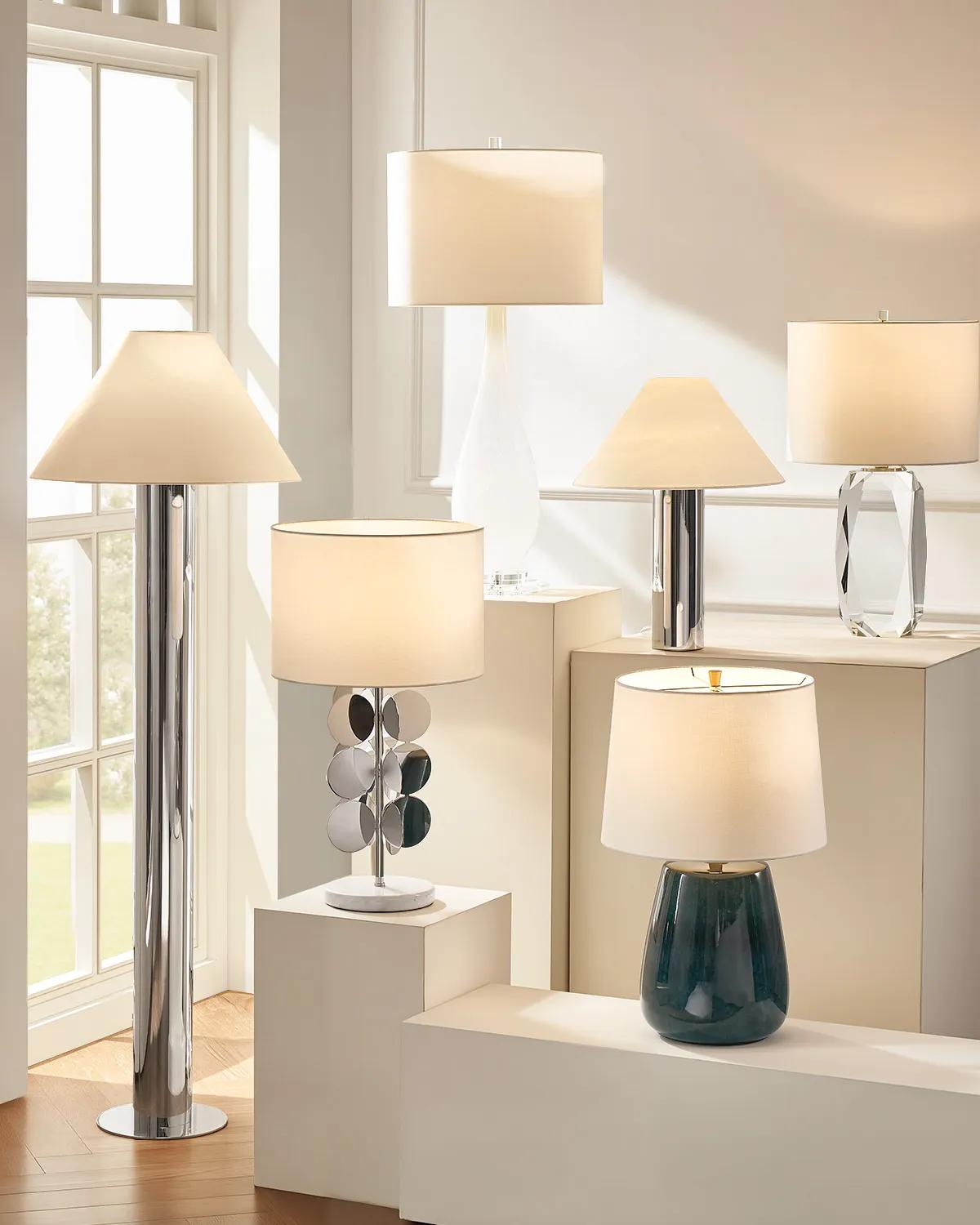 Serena Table Lamp$299
A chic table lamp featuring a handblown glass body, crystal base, and monochromatic white finish.
Add To Cart -
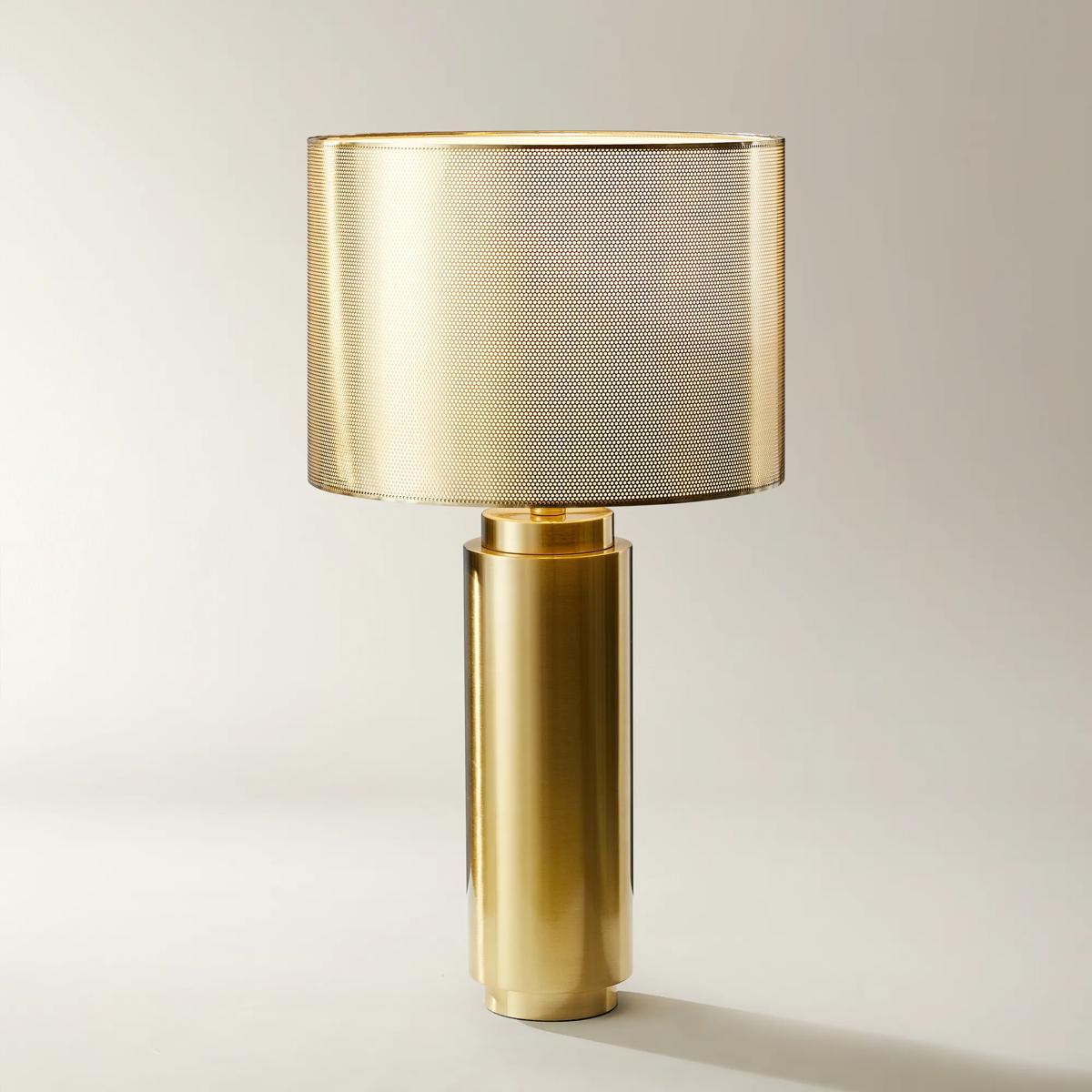
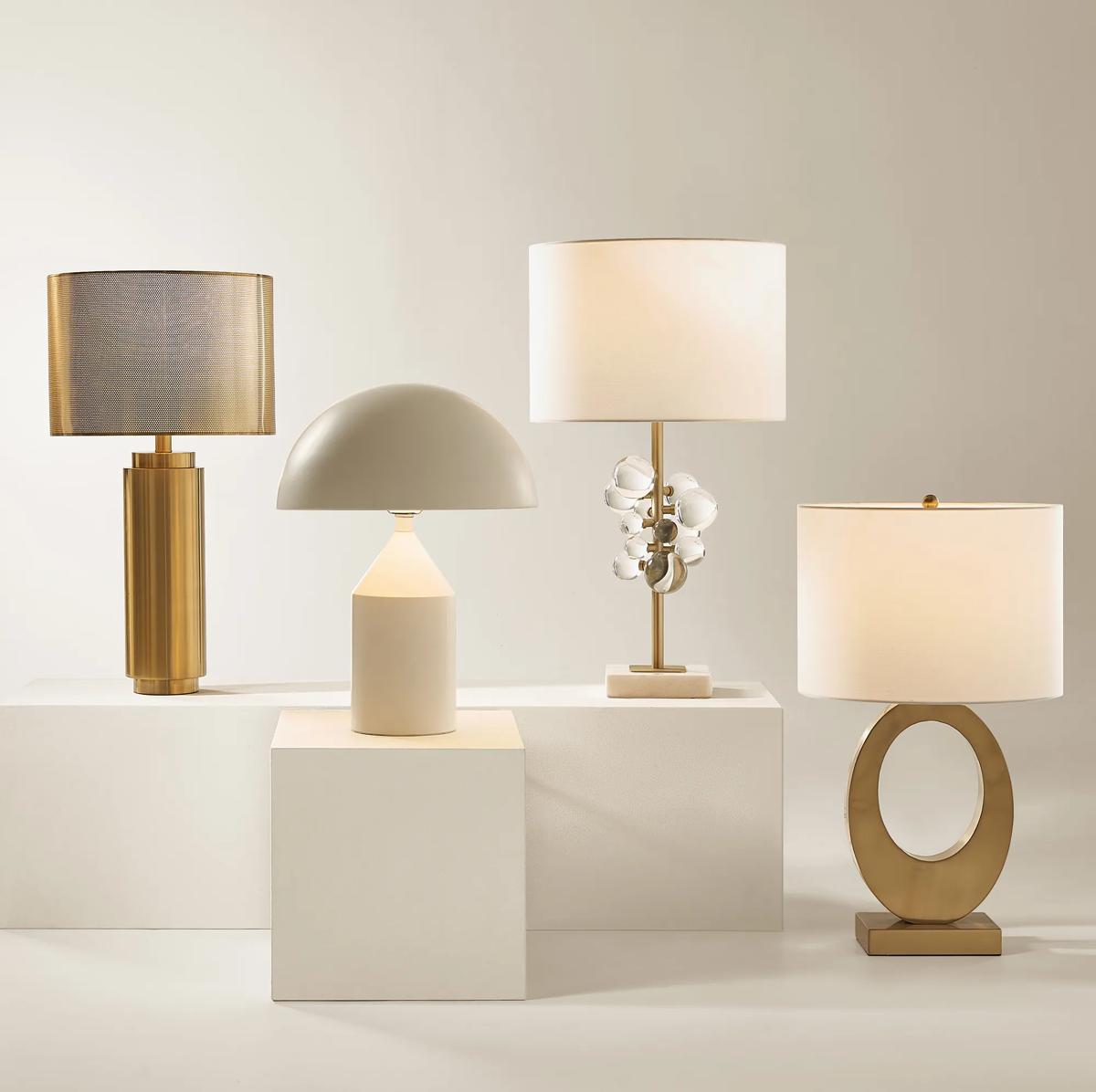 Sibyl Metal Aged Brass Finish Table Lamp 26"$399
A modern table lamp featuring an aged brass iron base and a perforated metal-over-cotton shade.
Add To Cart -
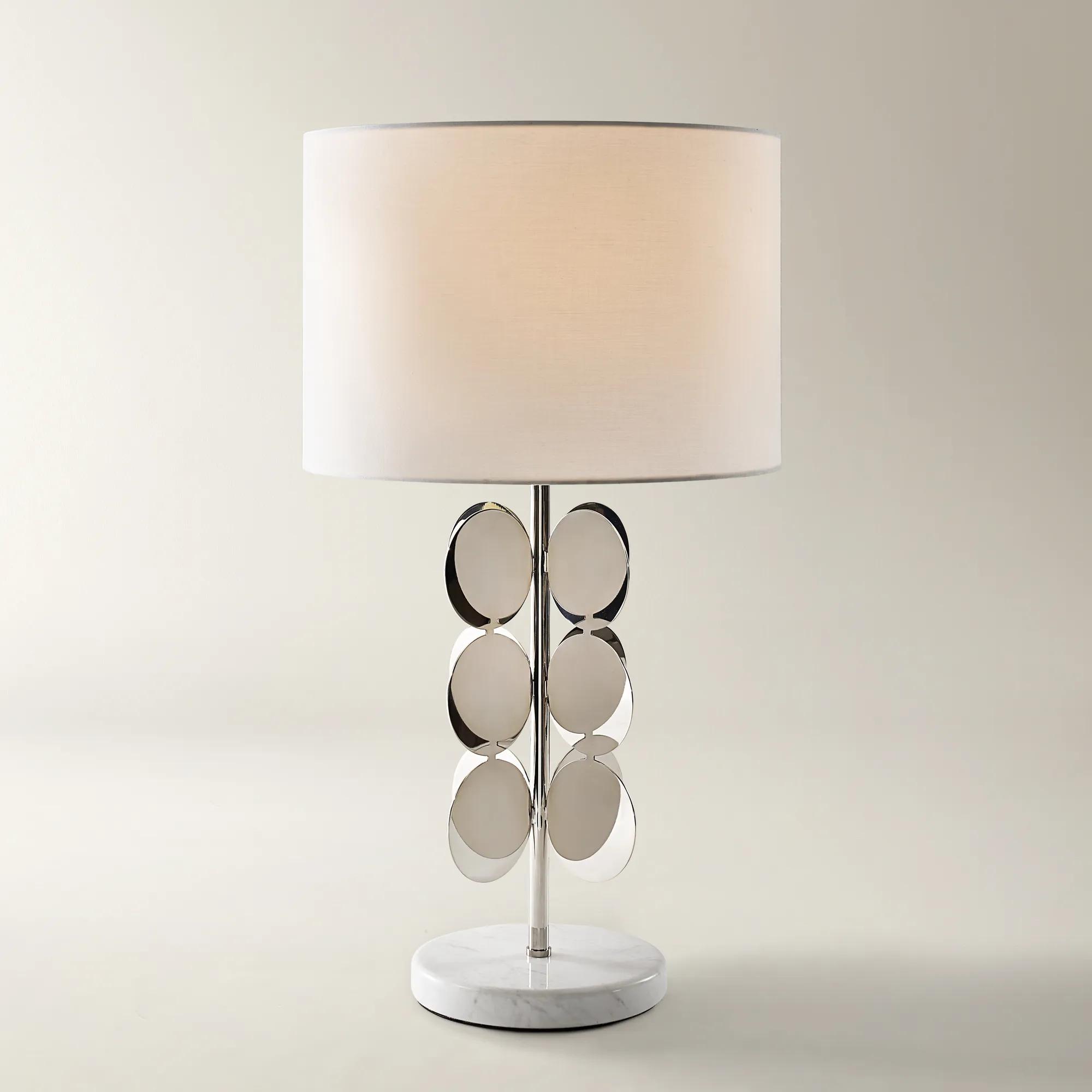 Orion Table Lamp$329
A polished nickel iron lamp with a white marble base and crisp white cotton drum shade.
Add To Cart -
 Blair Mouth Blown Tortoise Brown Glass Table Lamp 25"$229
A mouth-blown glass lamp in a brown tortoise finish with antique brass accents and an ivory linen shade.
Add To Cart -
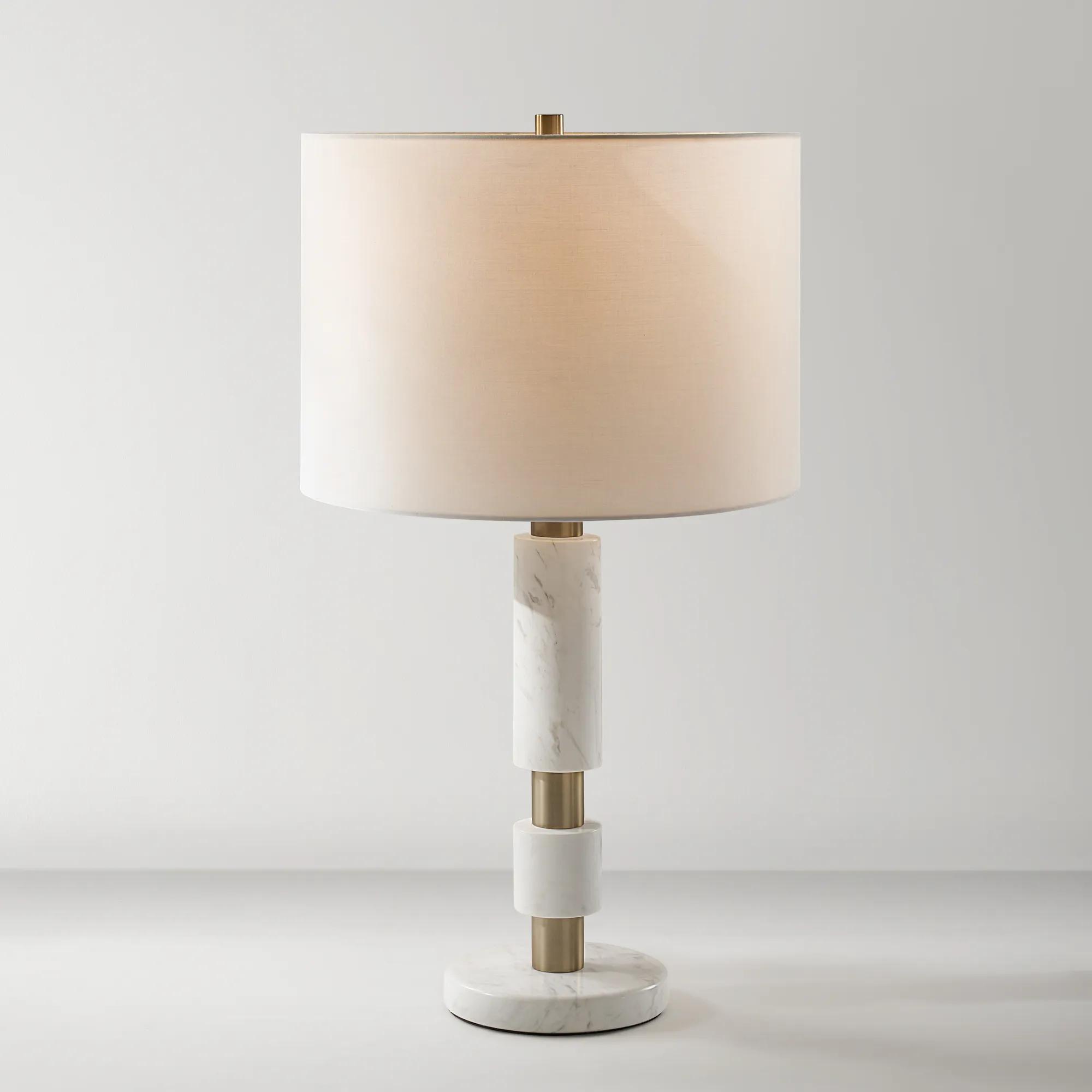 Thea Table Lamp$379
A luxurious table lamp featuring a white marble base, champagne metal accents, and a crisp cotton drum shade.
Add To Cart -
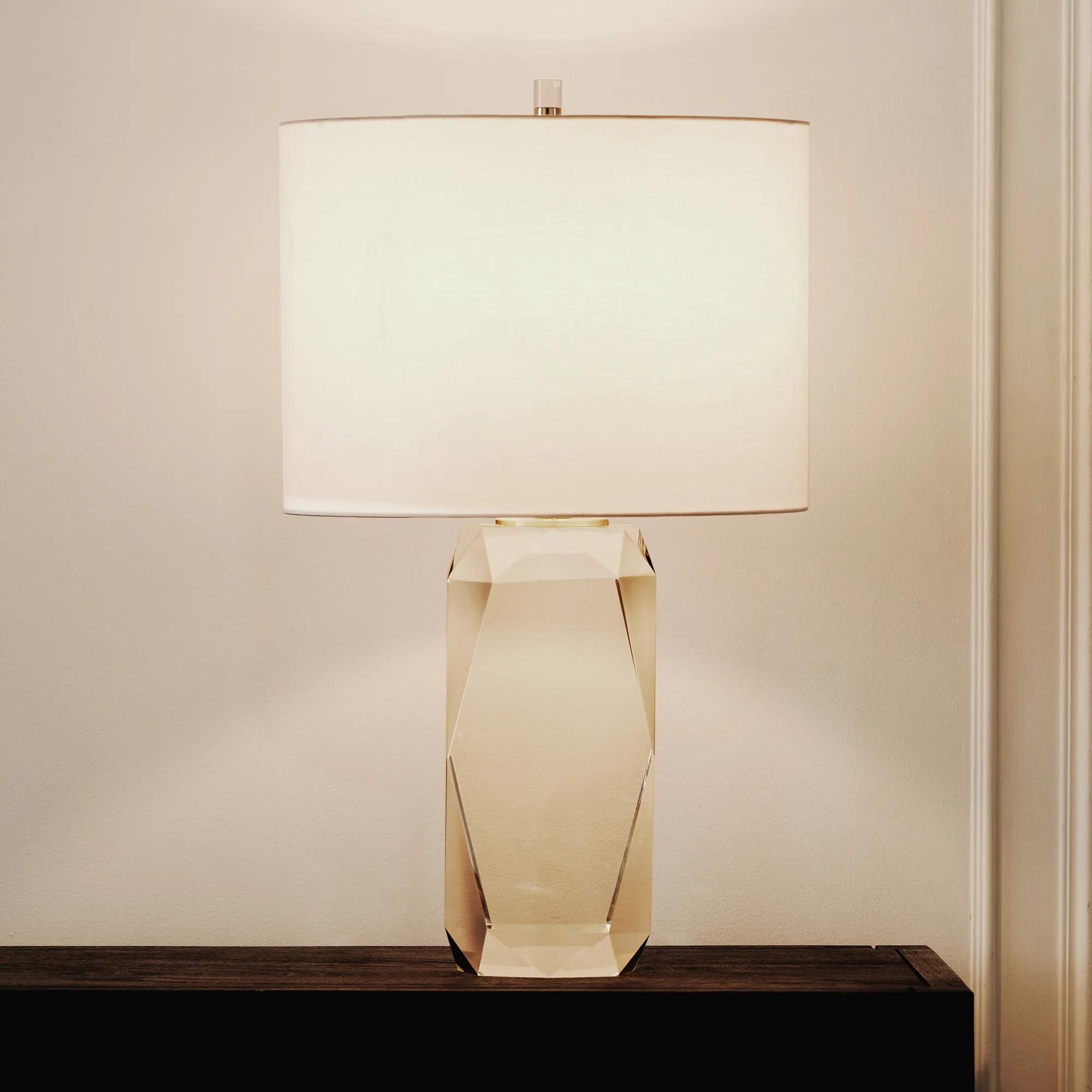 Bianca Faceted Clear K9 Crystal Table Lamp 24"H$499
A clear crystal table lamp with a white drum shade and soft brass hardware for elegant illumination.
Add To Cart -

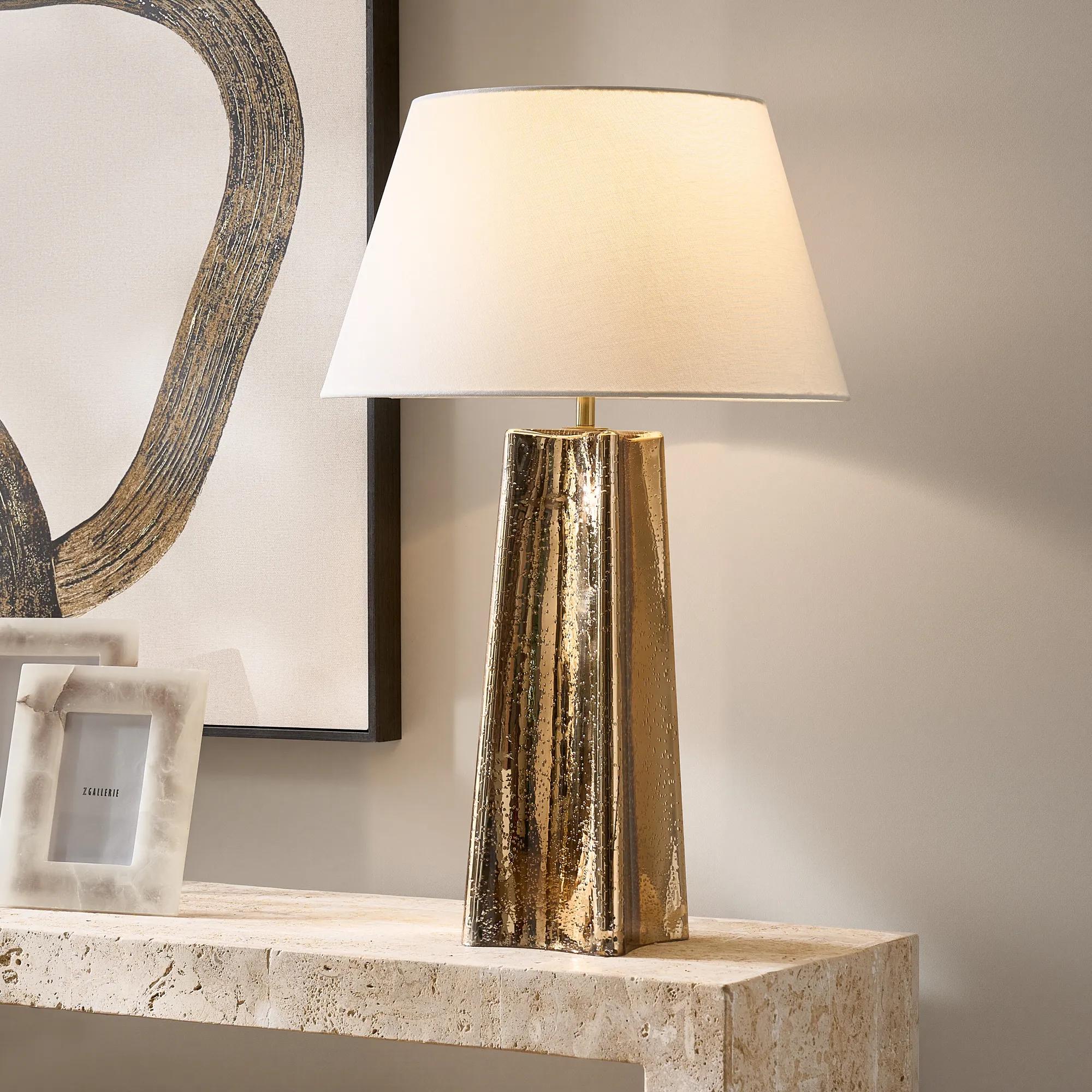 Uma Gold Texture Glass Table Lamp 28.25"$349
A gold textured glass table lamp adding sculptural elegance to contemporary interiors.
Add To Cart -
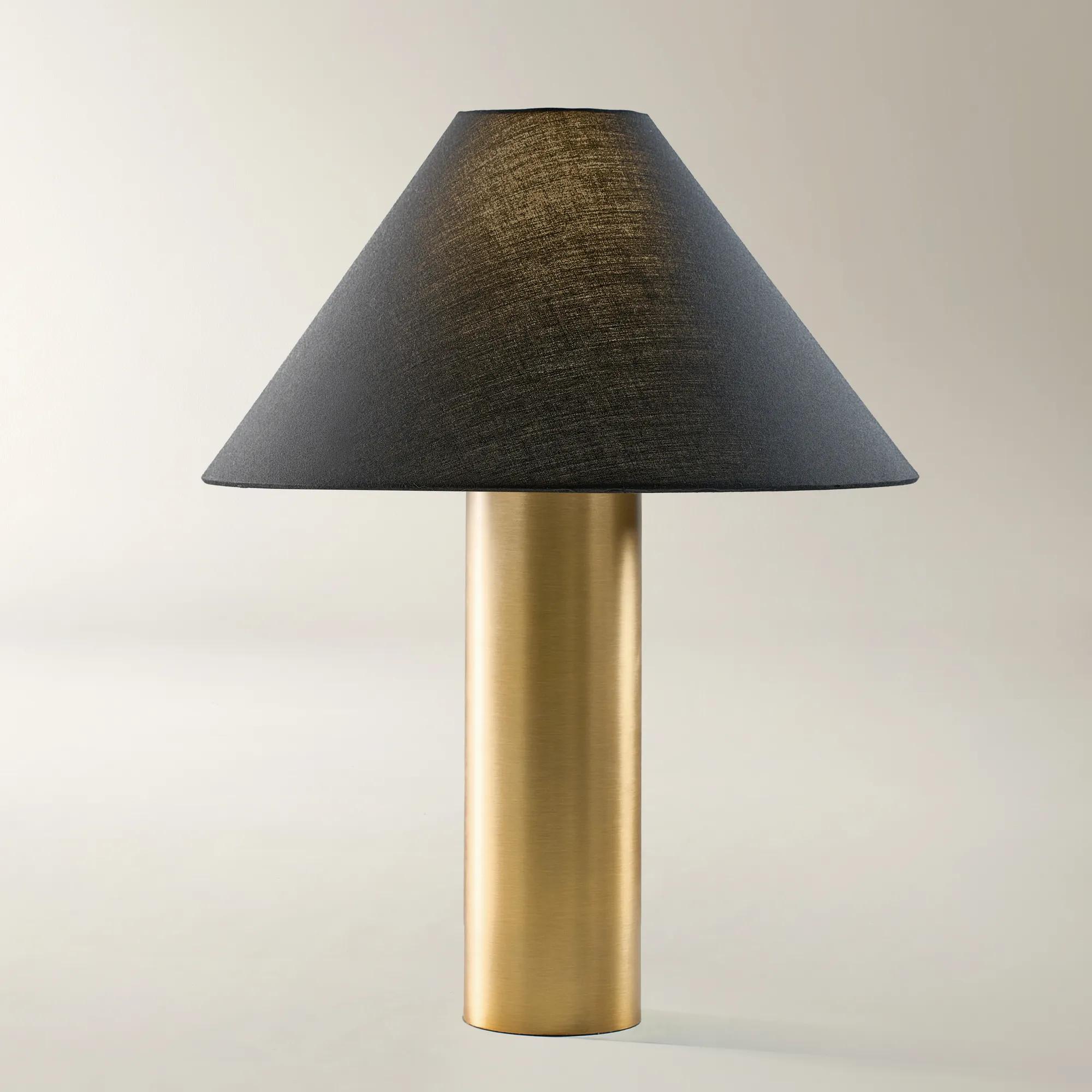 Tova Brushed Brass/Black Table Lamp 20.5"$249
A sculptural brushed brass iron base pairs with a tailored black cotton shade for bold, modern contrast.
Add To Cart -
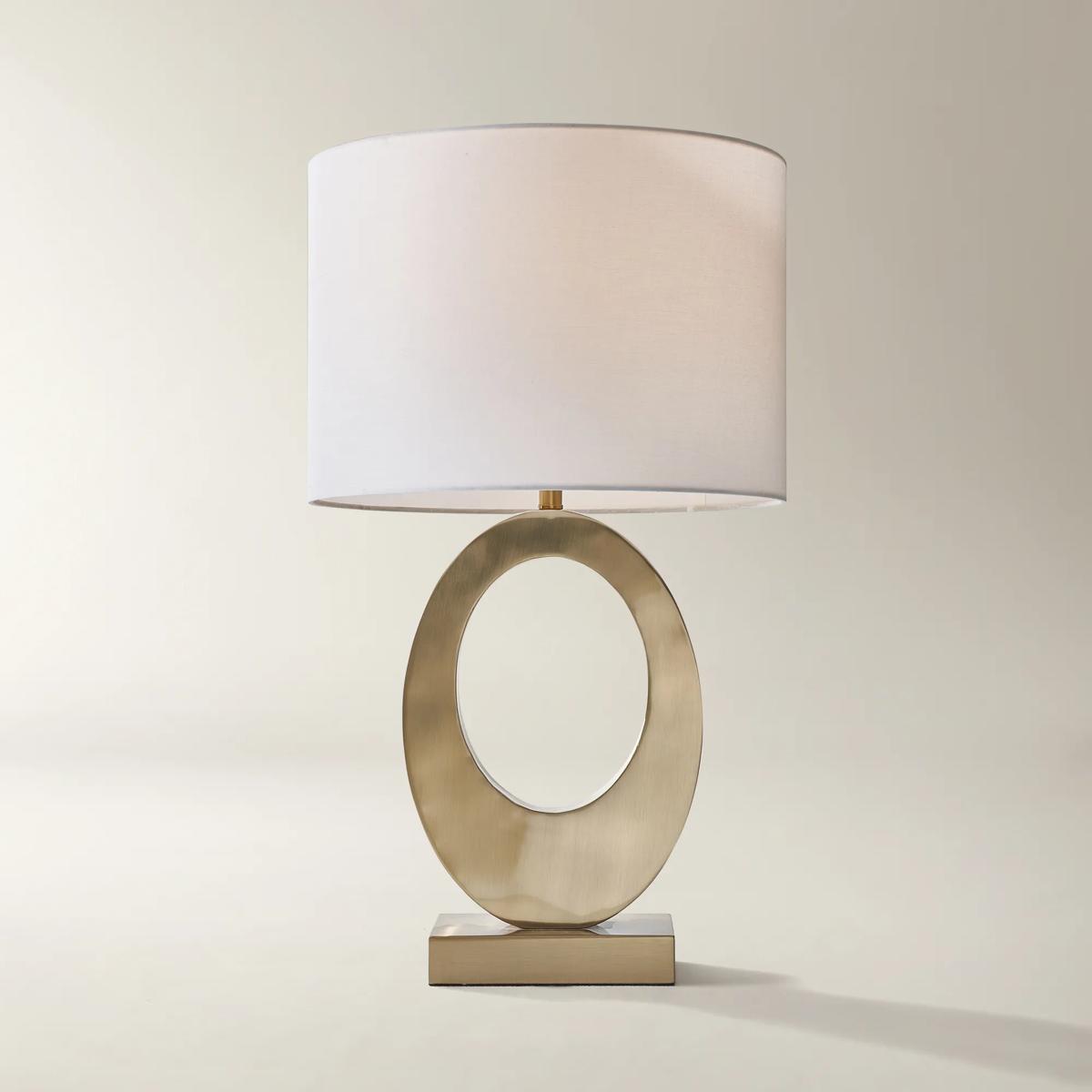 Loop Champagne Gold Metal Table Lamp 26.25"$399
A sculptural iron lamp in champagne gold with a beige cotton drum shade for warm, diffused lighting.
Add To Cart -

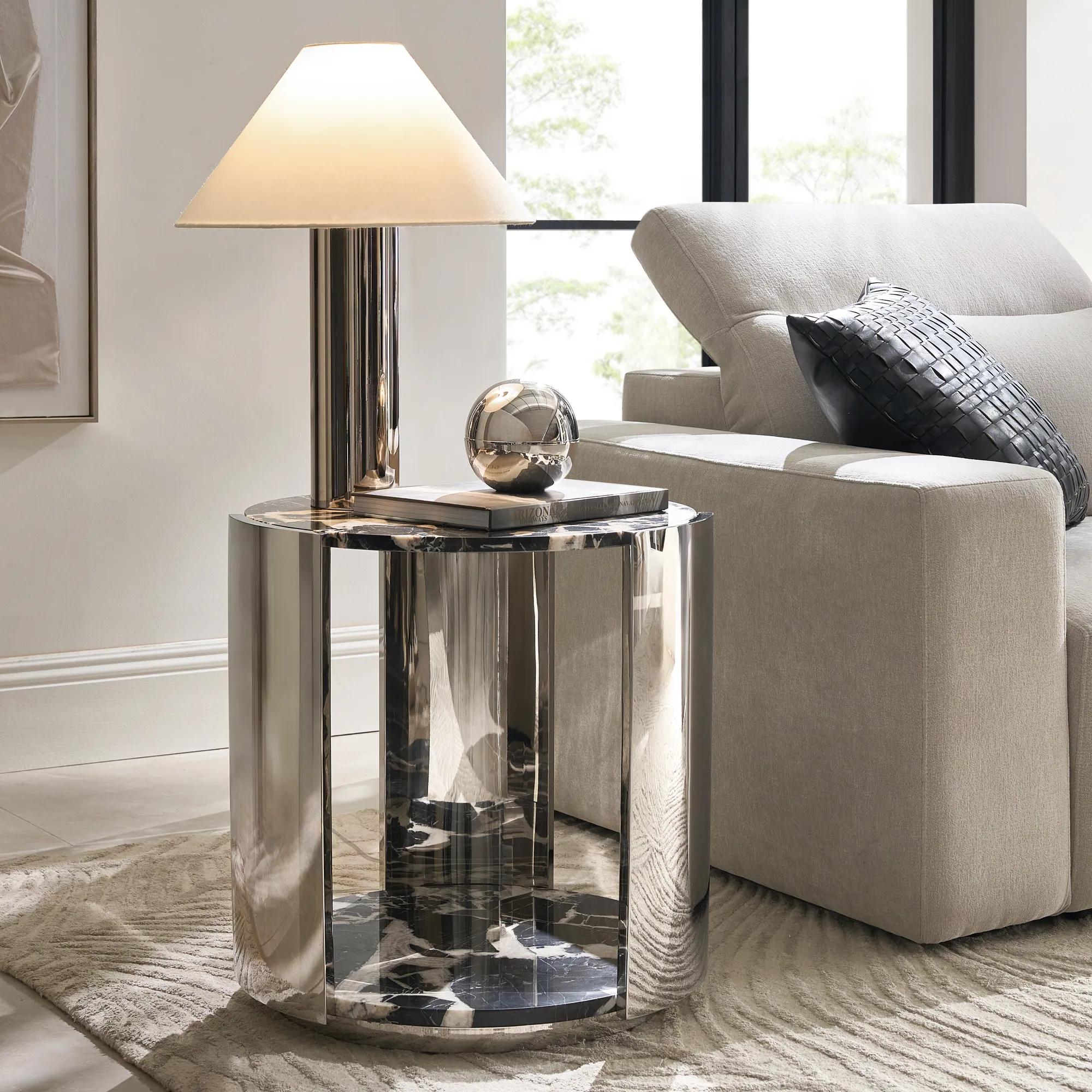 Tova Polished Nickel/White Table Lamp 20.5"$249
A polished nickel iron lamp with a white cotton tapered shade brings sleek, modern style to any room.
Add To Cart -
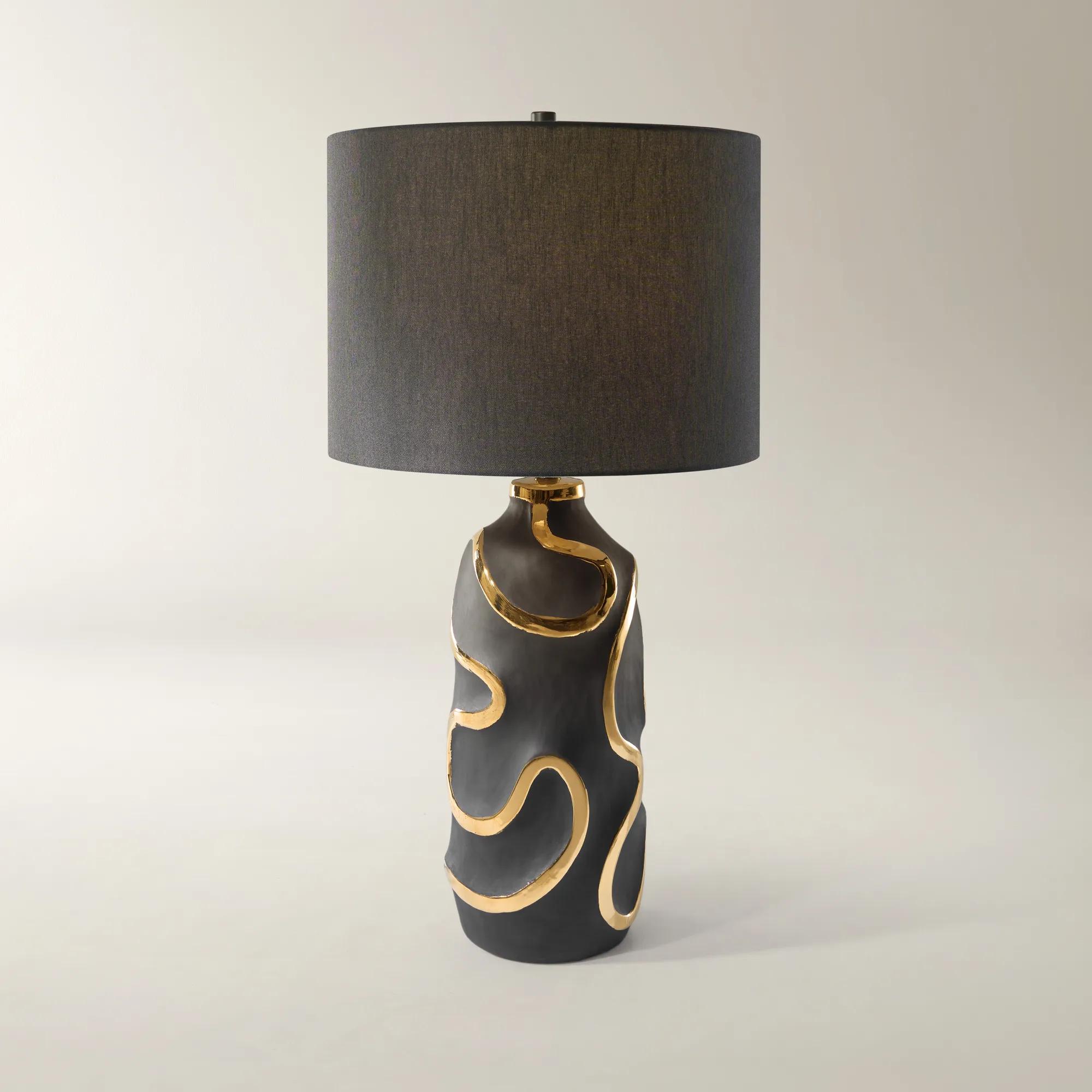 Seraphina Black/Gold Ceramic Table Lamp 32"$249
A matte black ceramic lamp with electroplated gold loops and adjustable three-level lighting.
Add To Cart -
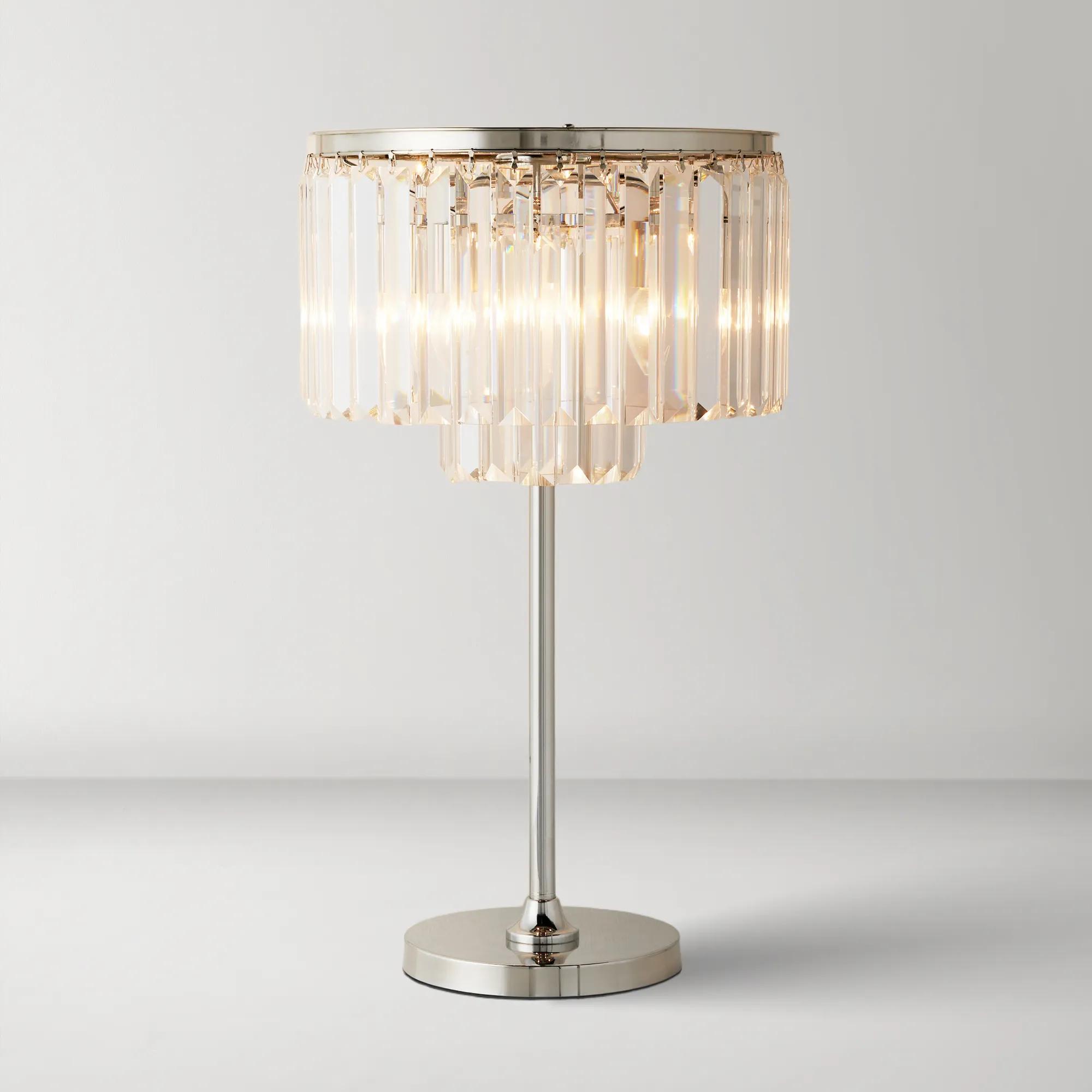
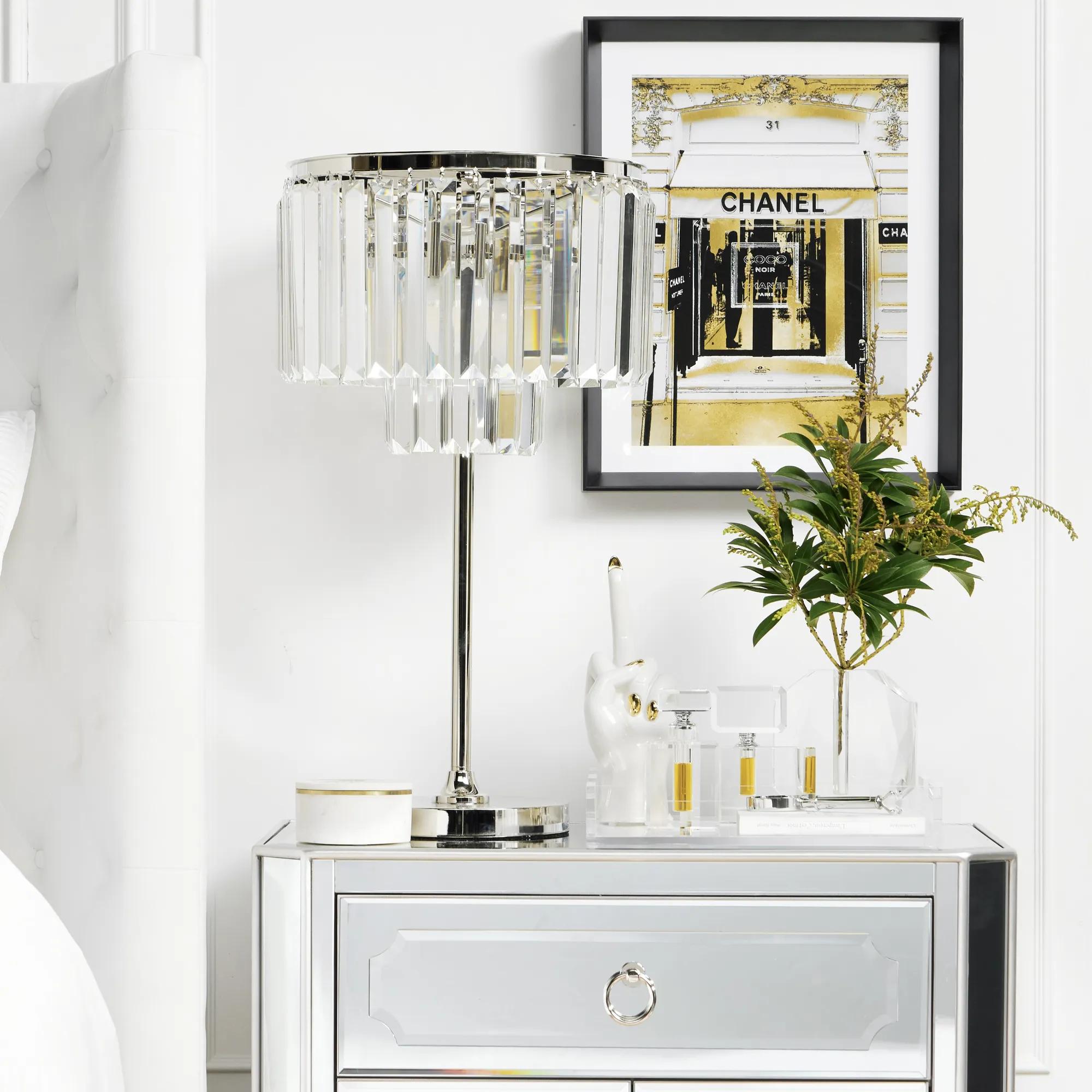 Luxe Table Lamp$499
A sophisticated table lamp featuring faceted ocular glass prisms and a nickel-plated iron frame.
Add To Cart -
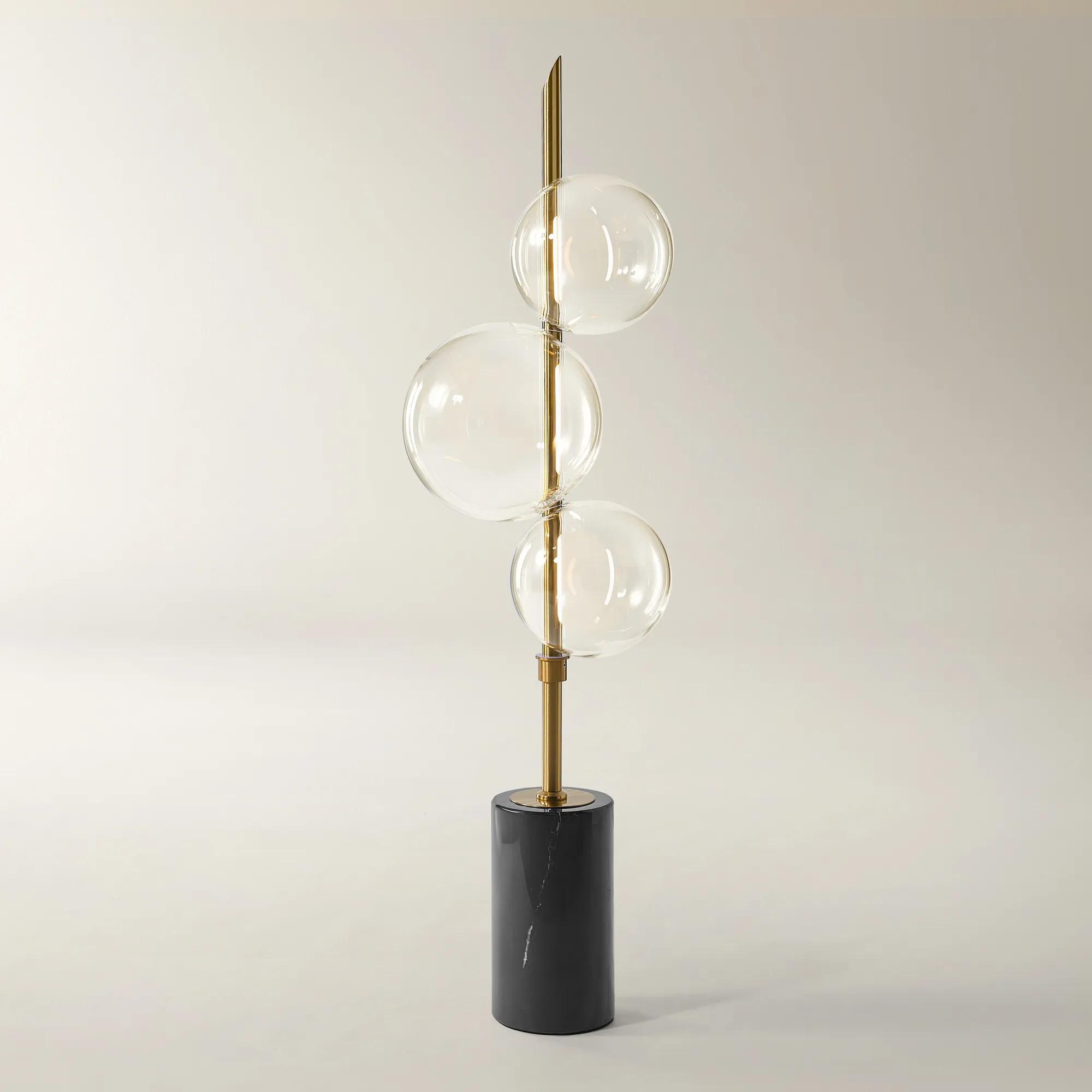
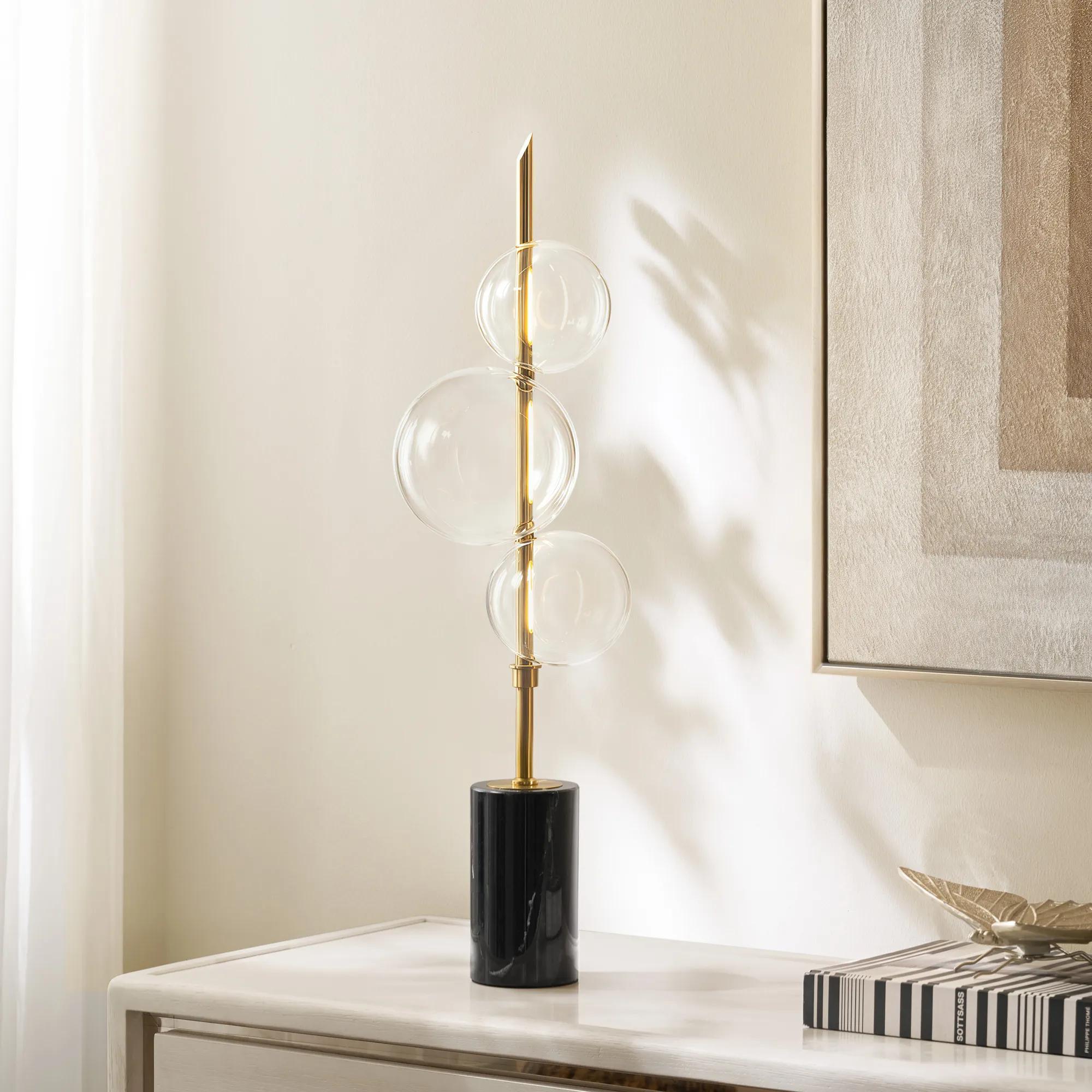 Bolla LED Hand-Blown Glass Bubble And Stone Table Lamp 31.5"$249
A sculptural table lamp featuring clear hand-blown glass bubbles, brass and stone accents, and integrated LED lighting.
Add To Cart -

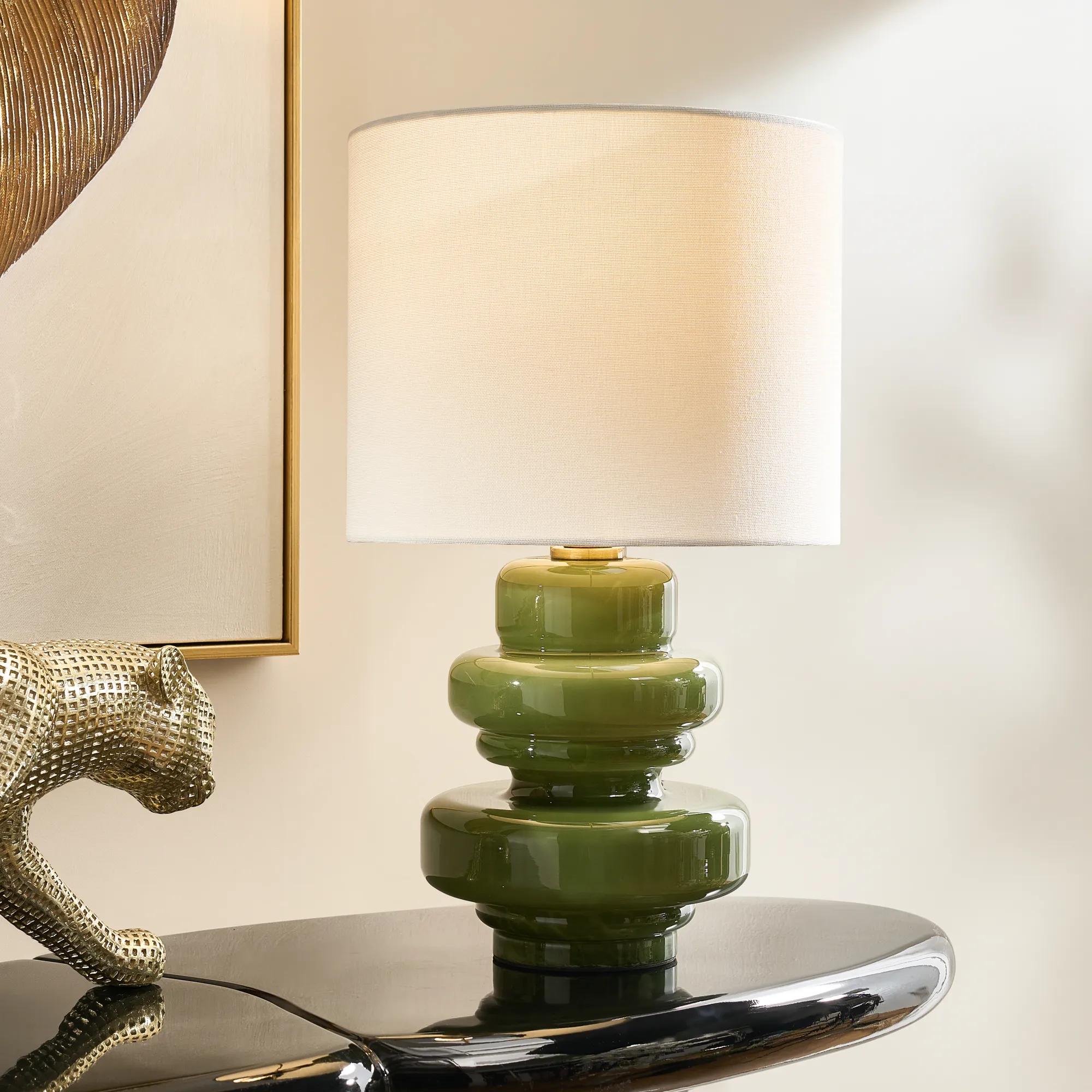 Edin Mouth Blown Pistachio Green Glass Table Lamp 17.5"$99
A sculptural table lamp featuring mouth-blown pistachio green glass and brushed nickel accents with an ivory linen shade.
Add To Cart -
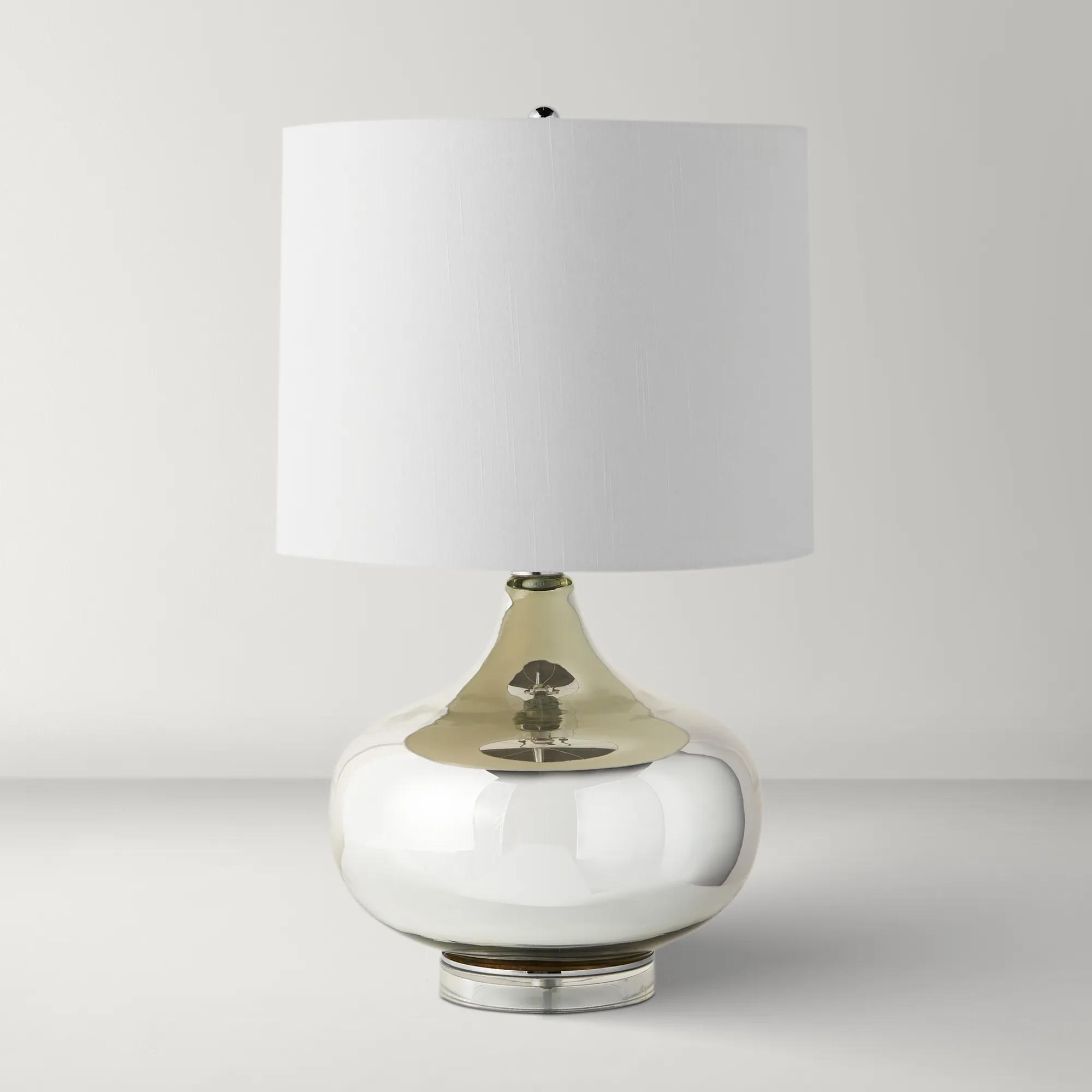 Sabrina Mirrored Silver Glass Table Lamp 27.5"$199
A contemporary lamp featuring a silver mirrored glass base, clear acrylic accents, and a white fabric shade.
Add To Cart -
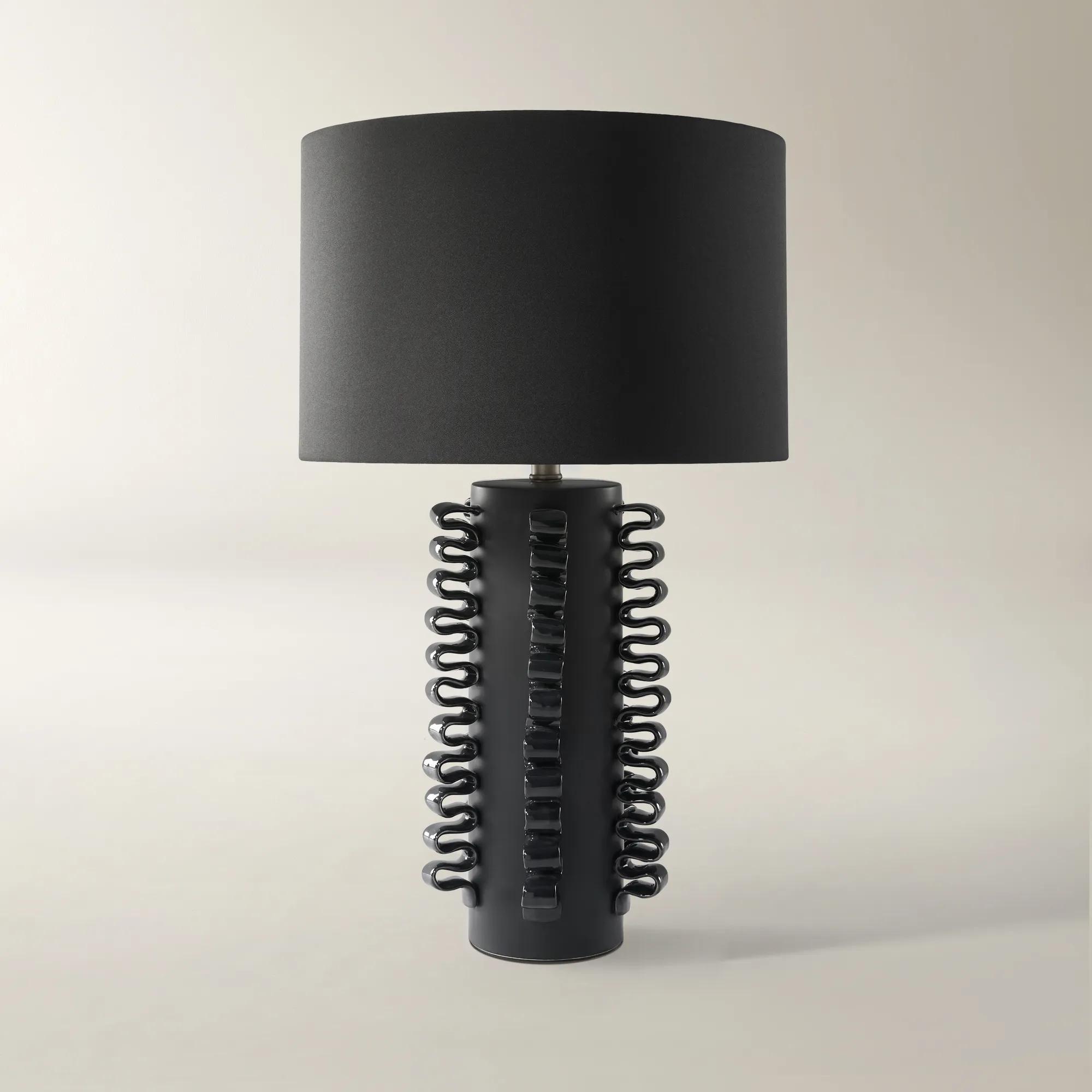
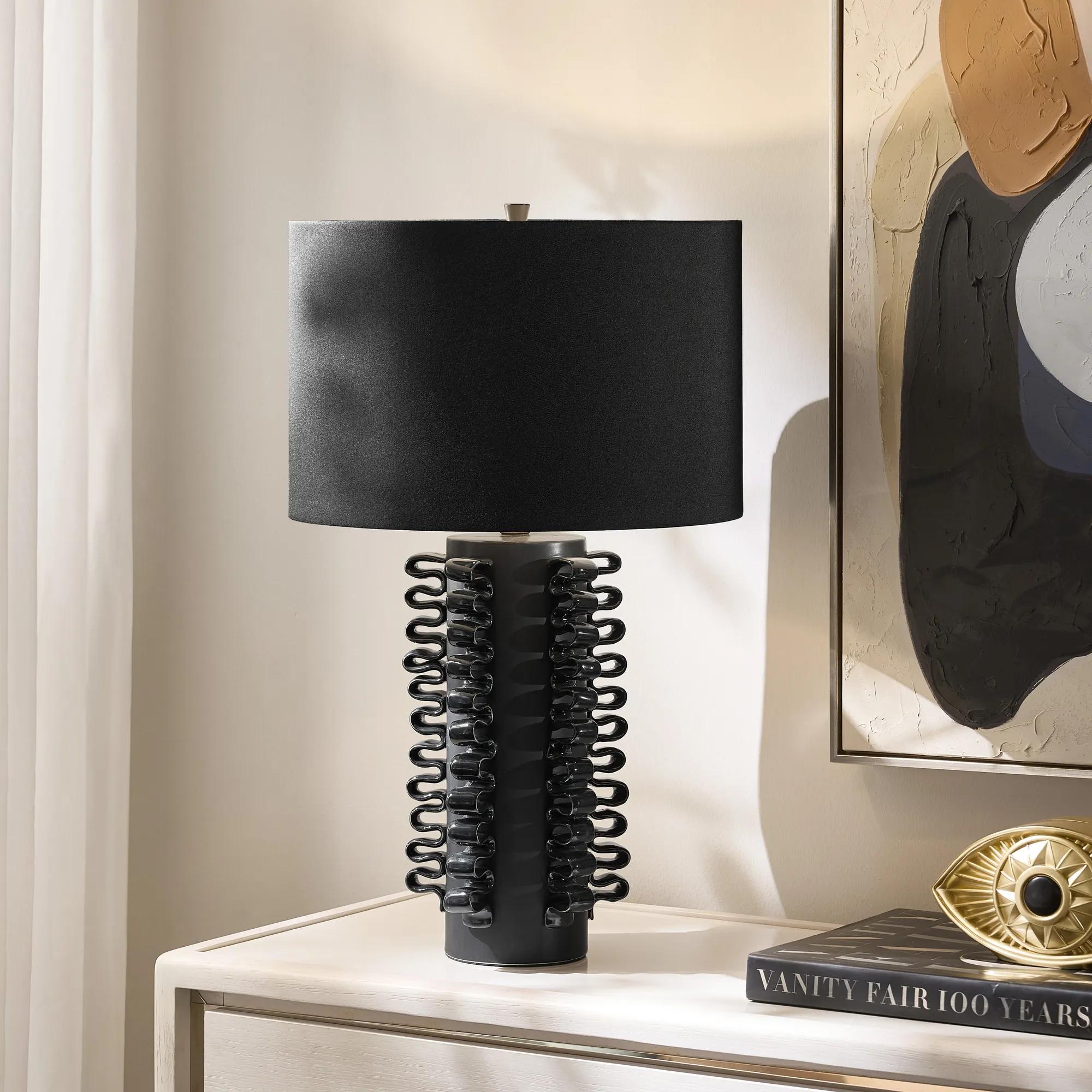 Anello Ruffle Black Ceramic Table Lamp 27"$249
A sculptural matte black ceramic lamp with glazed ribbon accents and a matching black cotton shade.
Add To Cart -
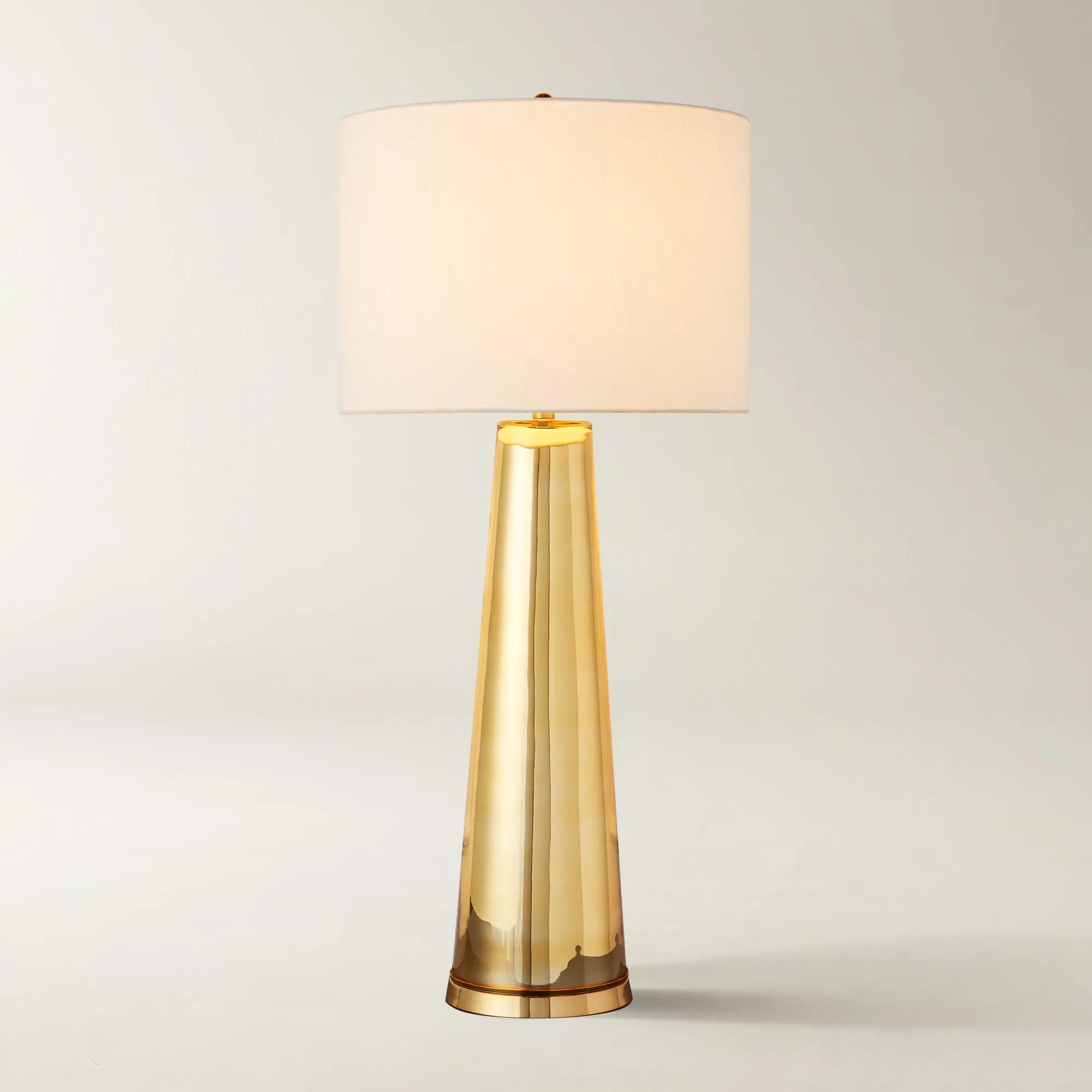
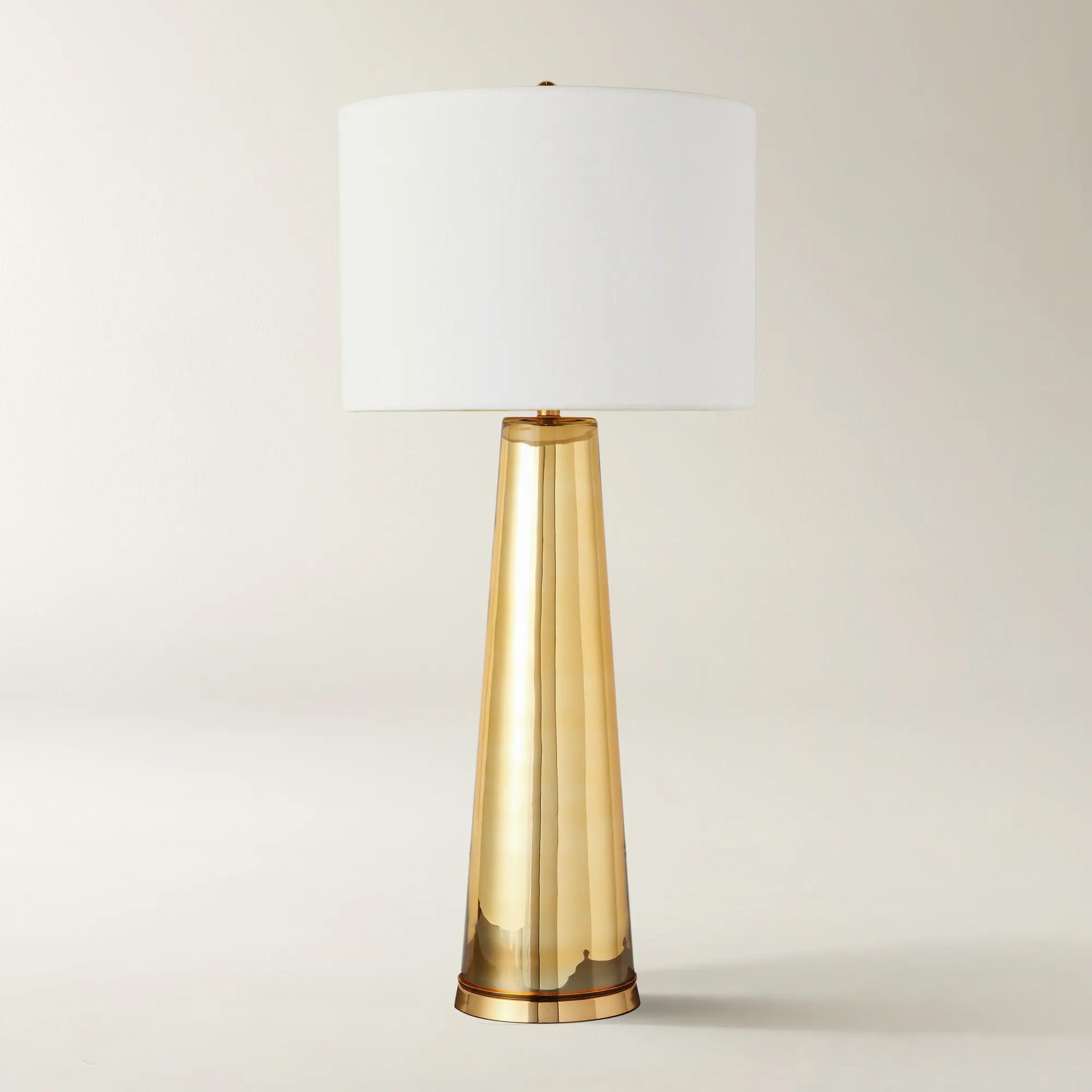 Century Gold Mirrored Glass Table Lamp 40"$299
A modern lamp featuring a mirrored glass base and white drum shade, accented with gold or silver details.
Add To Cart -

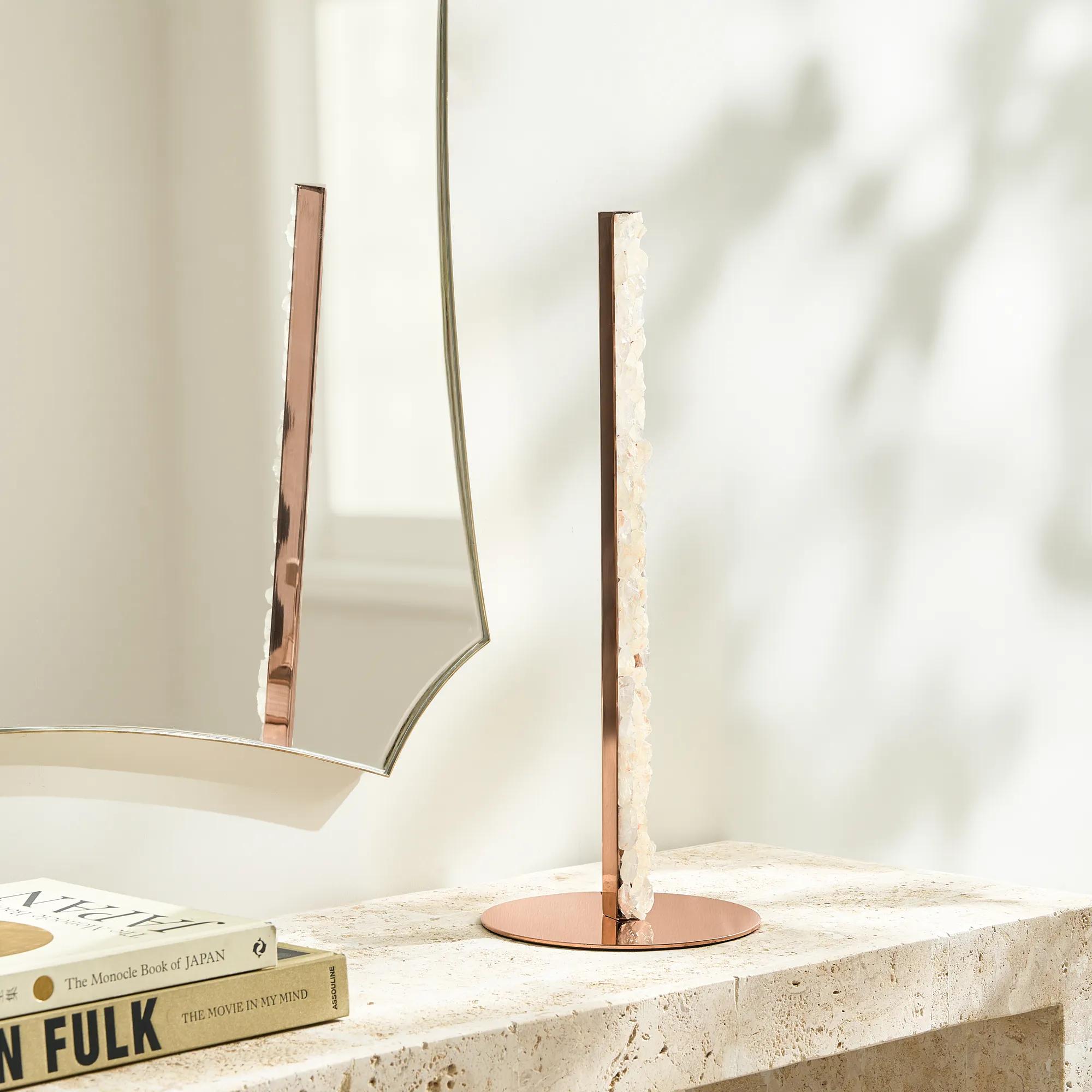 Demi LED Natural Quartz Crystal Table Lamp 19.75"$229
A sculptural LED table lamp featuring natural quartz crystal for a luminous, modern accent.
Add To Cart -
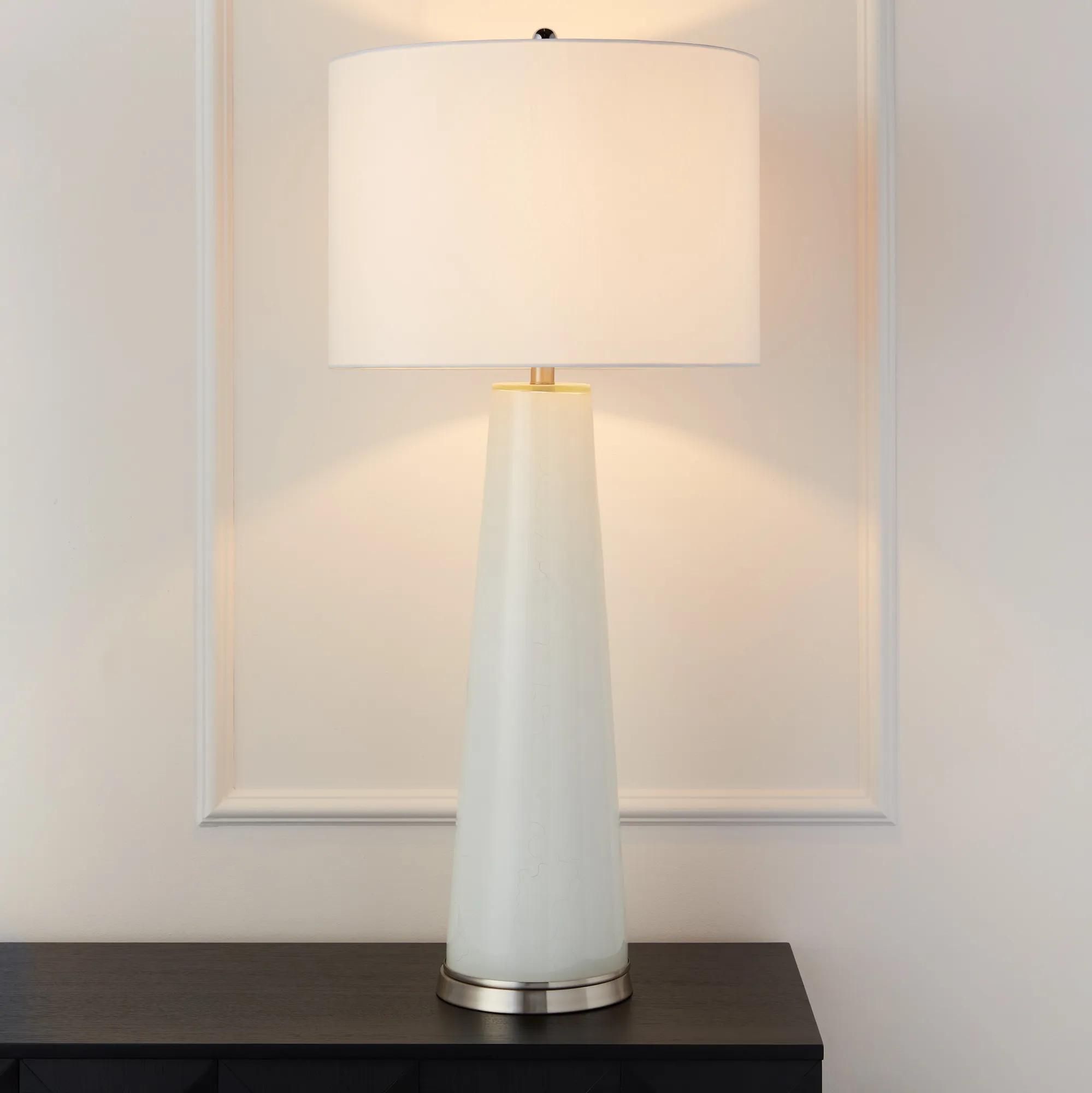 Century White Glass High Gloss Table Lamp 40"$299
A modern glass lamp with a high-gloss white interior and a crisp white drum shade.
Add To Cart

Living Room Lighting Table Lamps
Find living room table lamps to illuminate a reading corner, frame a sofa, or give a console a dramatic finishing touch. Explore the selection with scale, silhouette, and shade proportions in mind, choosing a lamp that complements your furniture while adding a distinct layer of light and personal expression.
Living room table lamps bring light closer to the way a room is lived in: a book open beside a sofa, conversation gathered around a cocktail table, a favorite chair framed by a pool of illumination. More intimate than overhead lighting alone, they give a seating area definition while adding sculptural presence at eye level. A substantial ceramic base can anchor a delicate side table; transparent glass can introduce volume without obscuring a dramatic wall treatment; gleaming metal can echo the polished detail of nearby furniture. The strongest designs feel compelling both illuminated and unlit, with proportions, textures, and finishes that contribute to the room throughout the day. Crystal and cut-glass details catch surrounding light, while smooth porcelain and softly textured ceramics offer a quieter expression of luxury. Natural stone introduces distinctive veining and visual weight, making each surface part of the composition. These materials also have practical differences: clear glass reveals fingerprints, textured surfaces require attention when dusting, and substantial stone bases need furniture capable of supporting their weight. Shades shape the effect just as decisively as bases. A pale fabric shade diffuses light across a seating arrangement, while an opaque shade directs more illumination upward and downward, creating a concentrated, atmospheric effect. Drum shades emphasize clean geometry; tapered silhouettes lend movement and can soften the outline of an angular console or end table. Linen-like textures add dimension to a tonal room, while smooth shade fabrics keep attention on an expressive base. For a luminous counterpoint to dark upholstery, richly grained wood, or saturated wall color, living room white table lamps offer a versatile foundation with room for striking variations in shape and texture. Across these different expressions, the appeal remains the same: lighting that makes the living room feel composed, inviting, and unmistakably personal.
Proportion gives living room lighting its sense of ease. Table lamps should relate to the furniture beneath them and the people seated beside them, rather than being selected by height alone. Many end-table arrangements work with lamps approximately 24 to 32 inches tall, measured from the bottom of the base to the top of the shade, though the right fit depends on table height, seating height, and shade shape. With someone seated nearby, the lower edge of the shade should generally sit around eye level, helping shield the bulb from direct view. A low lounge chair beside a tall table may need a shorter lamp, while a deeper sofa and lower end table can accommodate a taller silhouette. Shade width matters equally: a generously scaled shade needs enough tabletop space to remain stable and leave a comfortable landing area for a drink, book, or decorative object. On a narrow console, a slimmer base and shallower shade can preserve circulation without sacrificing presence. Placement also determines whether a lamp serves primarily as ambient lighting or supports a specific activity. Beside a reading chair, the shade opening and bulb output should deliver useful light onto the page rather than simply illuminating the wall. A translucent shade tends to spread light more broadly, whereas a darker, more opaque shade produces a more directional effect. Bulb brightness is measured in lumens, not watts, and compatibility with the socket, fixture rating, and shade clearance remains essential. Warm-white bulbs around 2700K to 3000K often create a welcoming residential atmosphere; the final effect will also depend on shade color and surrounding finishes. Dimmable lighting can move comfortably between conversation and quiet reading when both the bulb and the lamp’s control are compatible. Accessible switches and thoughtfully routed cords make these everyday transitions feel effortless, especially when a lamp sits behind a deep sofa arm or beside a frequently used chair.
The most expressive arrangements balance repetition with contrast. Matching table lamps can give a long console or a pair of end tables a composed, architectural rhythm, particularly when the furniture has strong lines or the room features a prominent artwork. Different lamps can feel equally intentional when they share a finish, shade color, or similar overall scale. A sculptural ceramic silhouette on one side of a sofa might converse beautifully with a slender metal form on the other, provided their light feels balanced across the seating area. Repeating every detail is unnecessary; a connection between materials often creates a more layered result. A brushed metallic finish can pick up the subtle sheen in a woven pillow, while a translucent base allows a richly patterned wallpaper to remain visible behind it. Table lamps also work alongside floor lamps and ceiling fixtures, providing separate pools of light so a living room does not depend on a single bright source. Their intended setting should inform durability and upkeep. In an active household, a broad, stable base placed away from table edges can reduce the likelihood of accidental tipping, although a heavier lamp still requires secure placement. Felt or protective pads, where appropriate for the lamp and furniture finish, can help guard against scratches. Indoor table lamps belong in dry interior spaces unless specifically rated otherwise. Regular care preserves their finish: disconnect the lamp and let the bulb cool before cleaning, remove dust with a soft cloth, and follow material-specific instructions for glass, ceramic, stone, metal, and fabric shades. Abrasive cleaners can damage polished or plated surfaces, and moisture should never enter electrical components. Shade fabrics may respond best to gentle dusting rather than wet cleaning, depending on their construction. A thoughtfully selected table lamp can also make a distinctive housewarming or wedding gift when the recipient’s room dimensions, preferred finishes, and lighting needs are known. Whether its role is practical, decorative, or beautifully balanced between the two, a living room table lamp brings an enduring sense of intimacy to a space designed for gathering.
FAQs
Sculptural table lamps bring an artful presence to a modern living room. Look for expressive curves, geometric forms, or architectural silhouettes that echo your furniture while adding a distinctive focal point. A bold lamp can introduce a new design note without competing with the room’s statement pieces.
Matching table lamps create a polished, symmetrical composition, while mixed designs give a living room a more collected character. To combine different lamps, connect them through a shared color, finish, or silhouette. That common thread lets each piece express its personality while keeping the room visually cohesive.
Take cues from your living room’s artwork, furniture, and decorative accents. A gleaming finish can echo metallic details, while a richly colored lamp can draw out a striking hue from a painting or rug. Choose one intentional connection, then let contrast bring depth and drama to the composition.
Treat your table lamp as the anchor of a curated vignette. Pair it with art books, a sculptural object, or a decorative bowl, leaving space for each silhouette to stand apart. Repeat a color or design detail elsewhere in the room to make the arrangement feel deliberate and expressive.
A lampshade helps define a table lamp’s visual character. A drum shade introduces a crisp, tailored line, while a tapered shade lends a more classic profile. Pairing a structured shade with an expressive base creates an intriguing balance of architectural precision and sculptural drama.