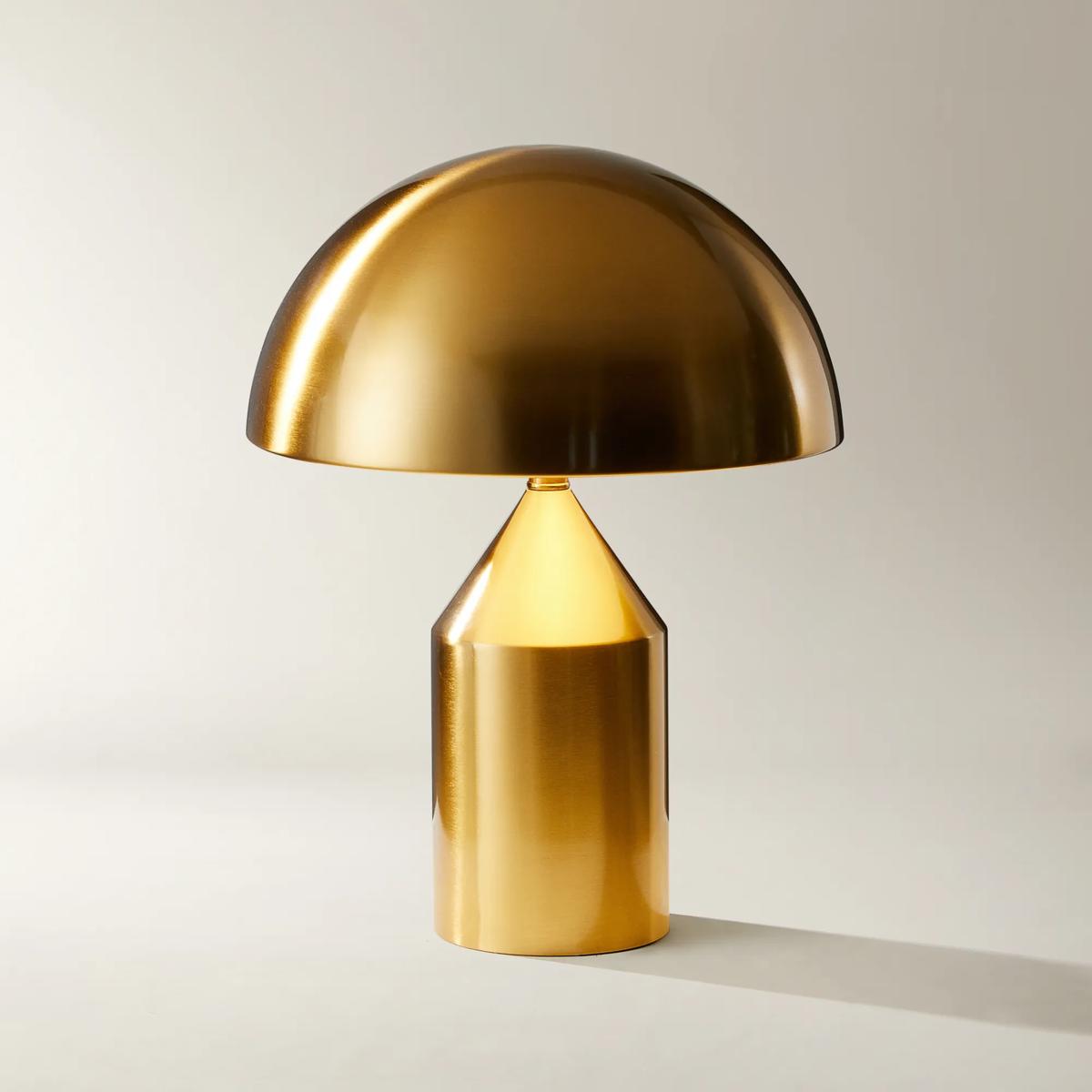
Living Room Pendant Lighting Ideas
Living Room Pendant Lighting Ideas
-
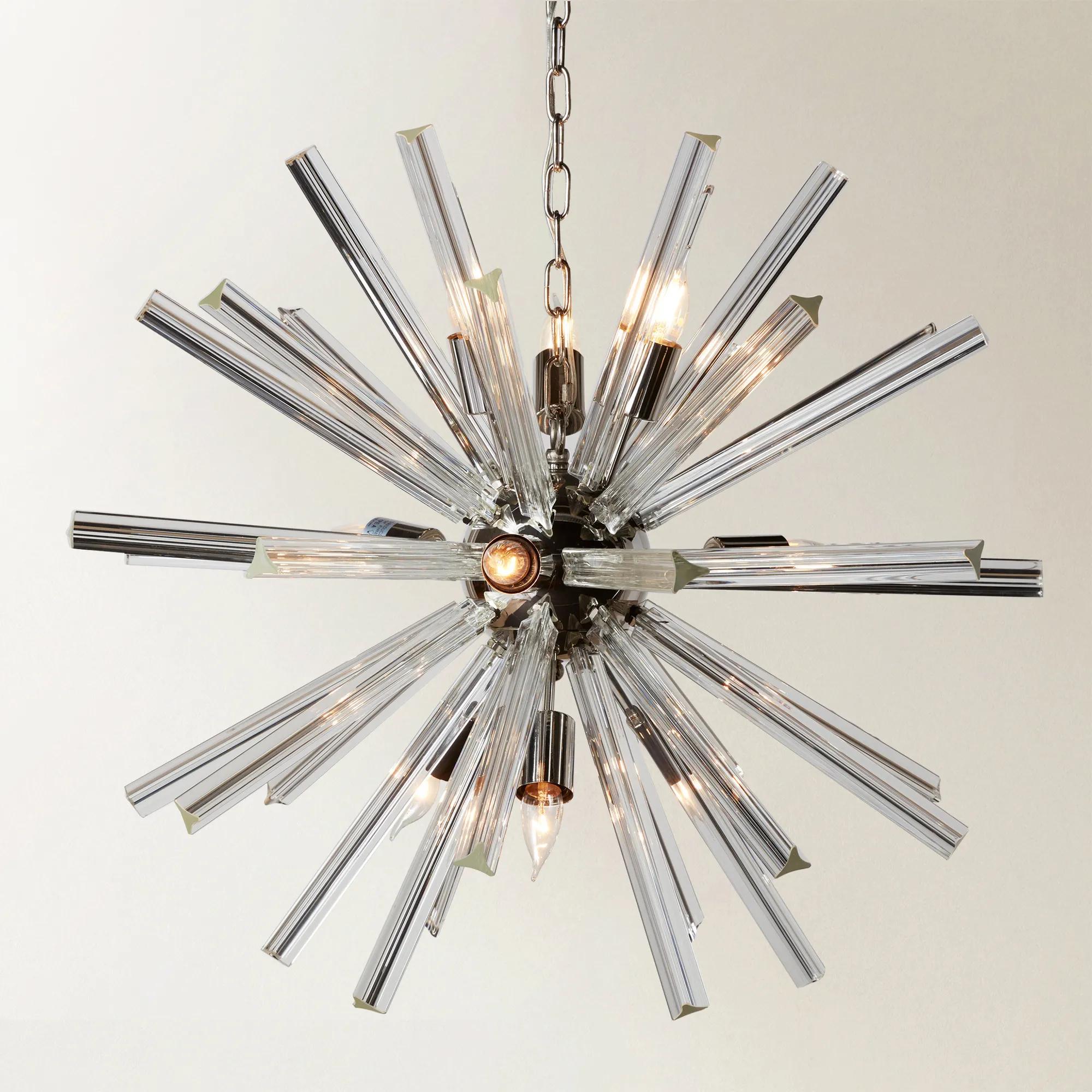
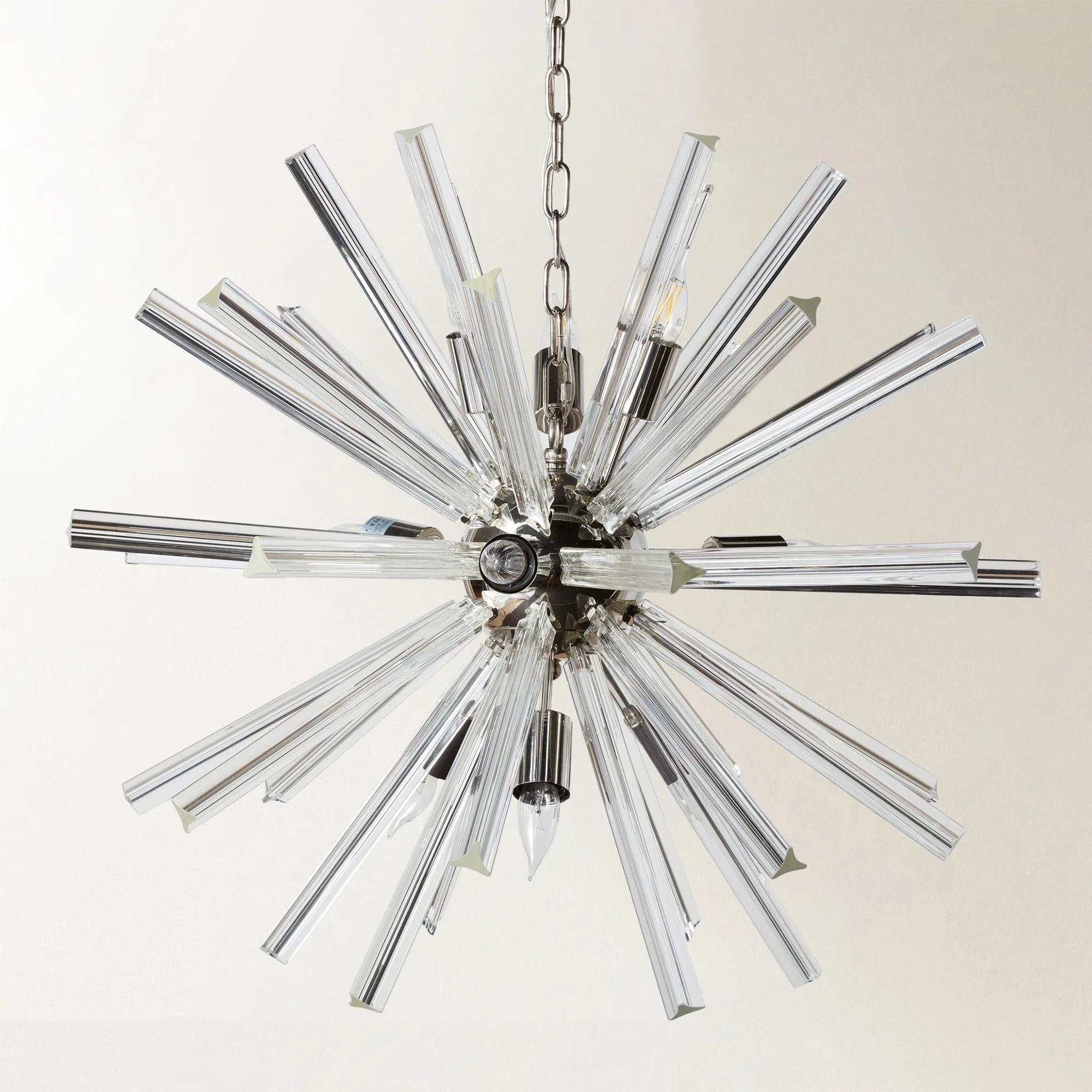 Axis Sputnik Clear Faceted Glass Chandelier 29.5"D$599
A modern chandelier featuring solid triangular glass spokes and iron accents for striking light reflection.
Add To Cart -
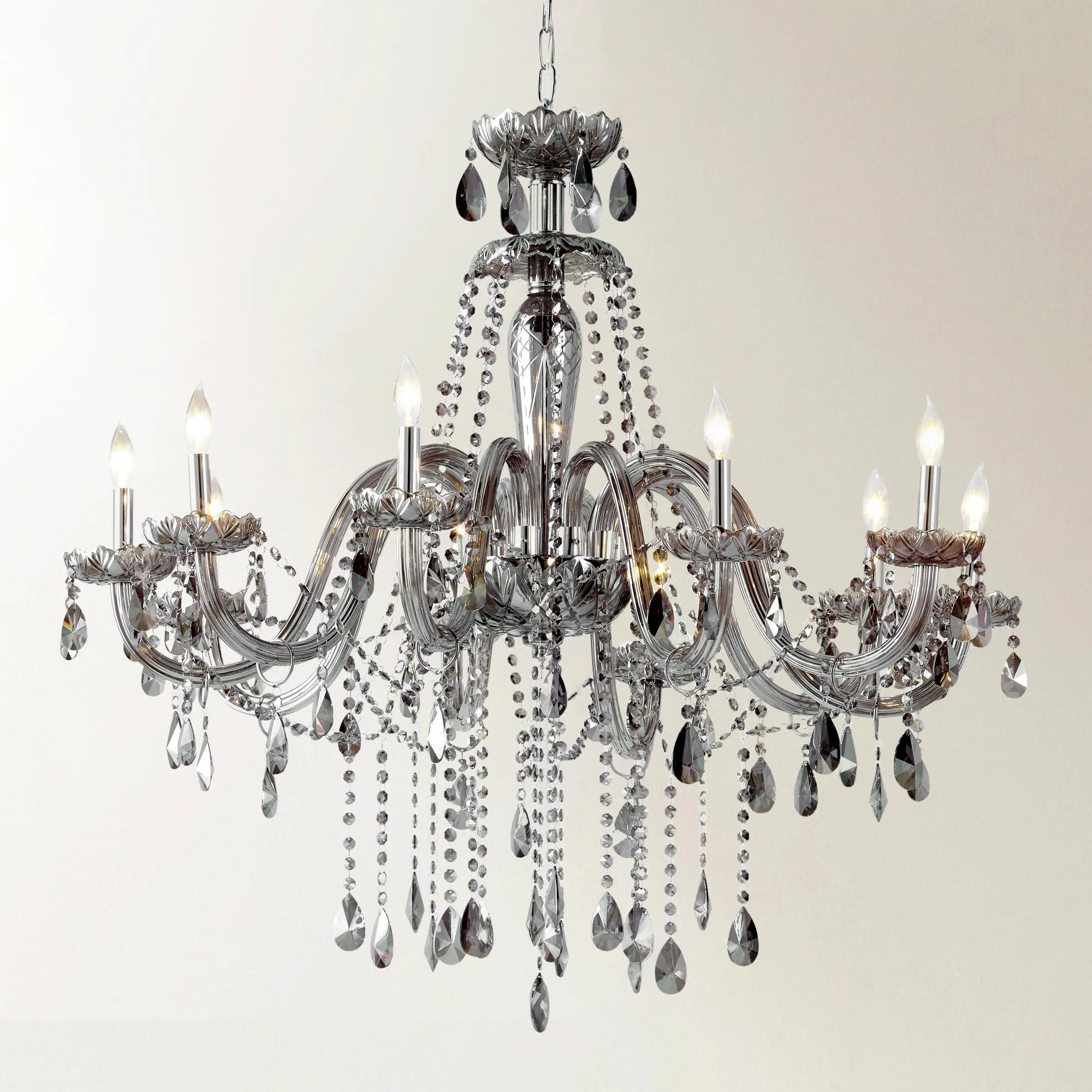
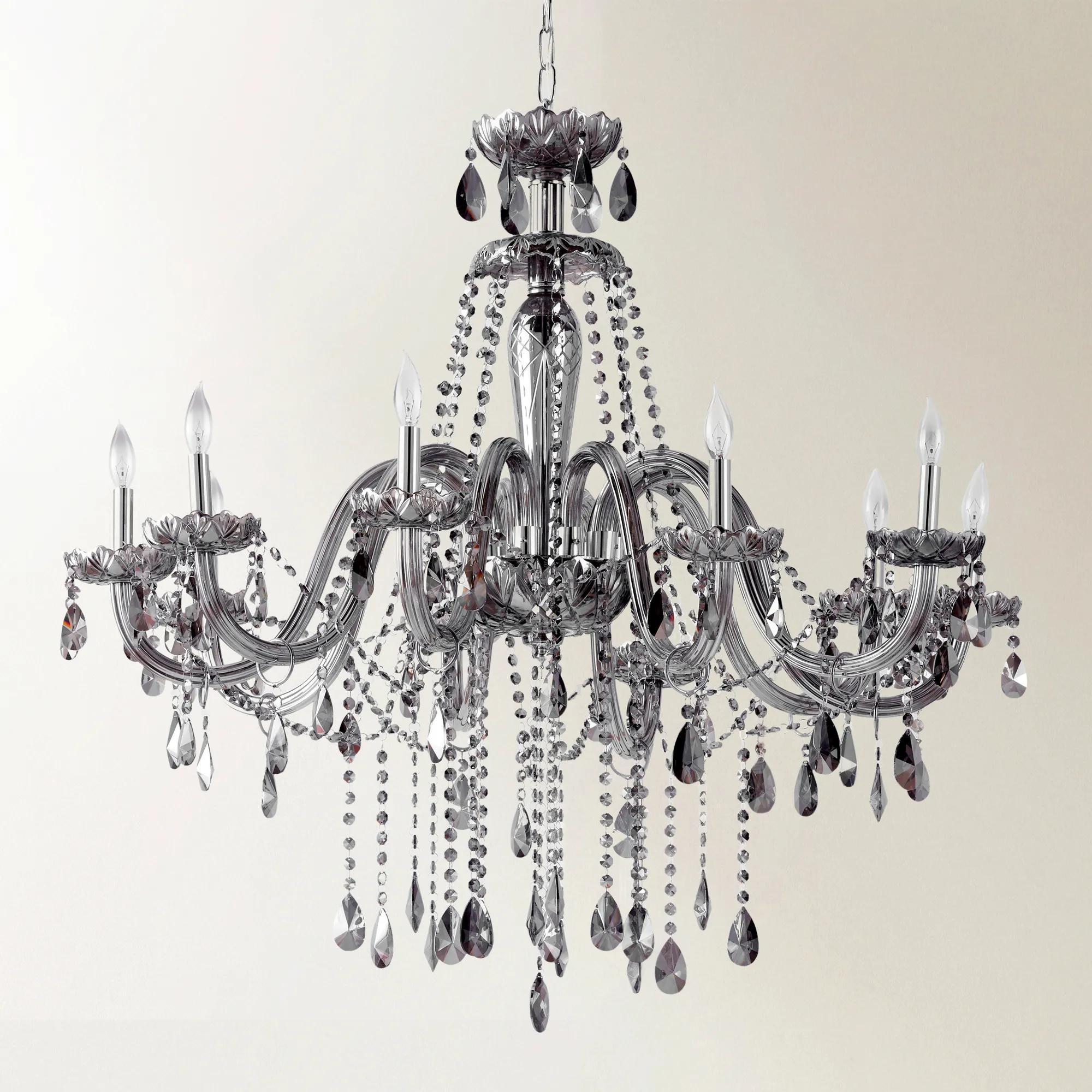 Omni Chandelier 38.5" - Graphite$999
A dazzling chandelier featuring graphite faceted crystals and ten fluted glass arms with nickel hardware.
Add To Cart -
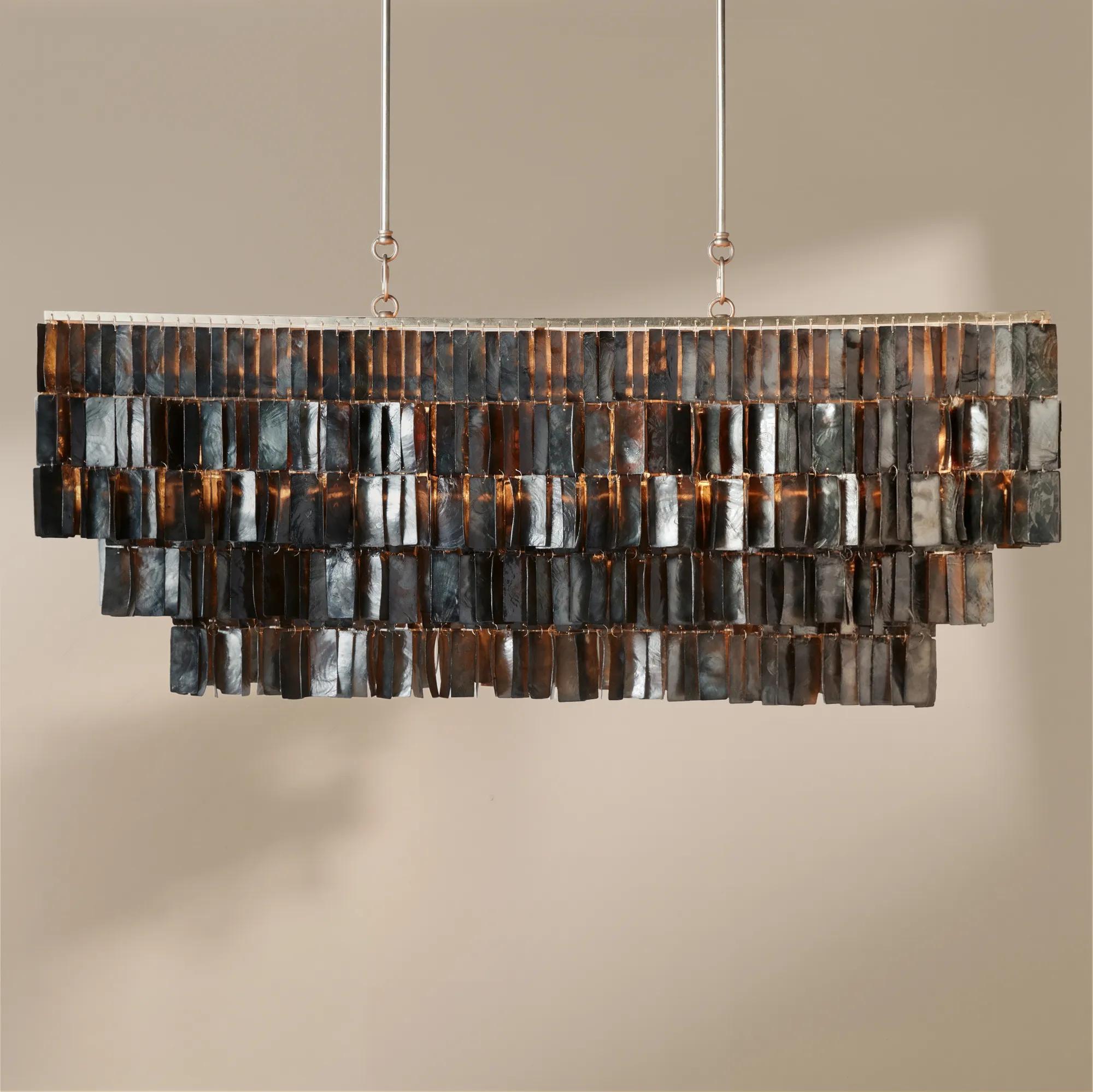
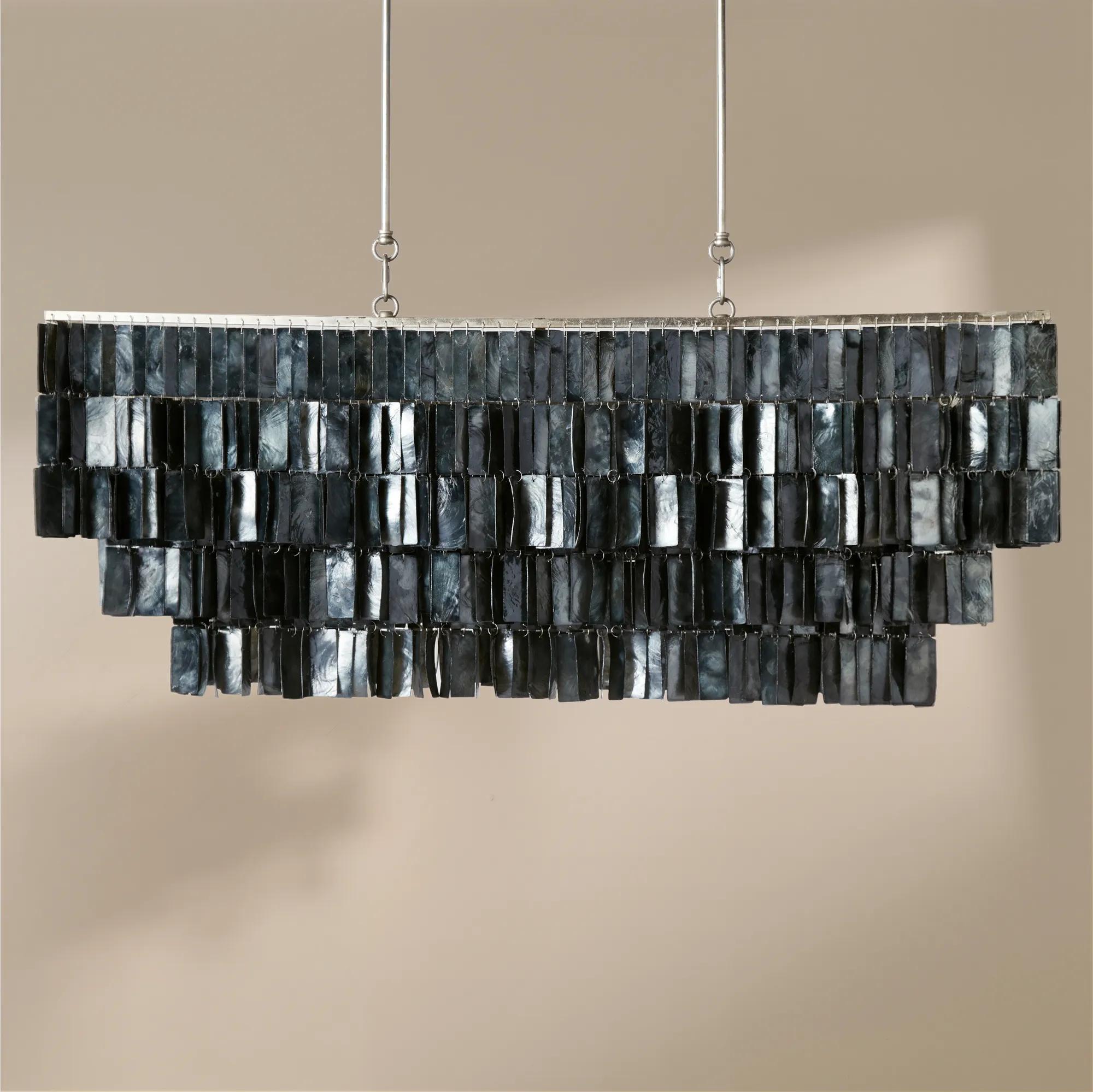 Capiz Shell Graphite Chandelier 39"$849
A naturally elegant chandelier featuring cascading charcoal capiz shells and a champagne-finished iron frame.
Add To Cart -
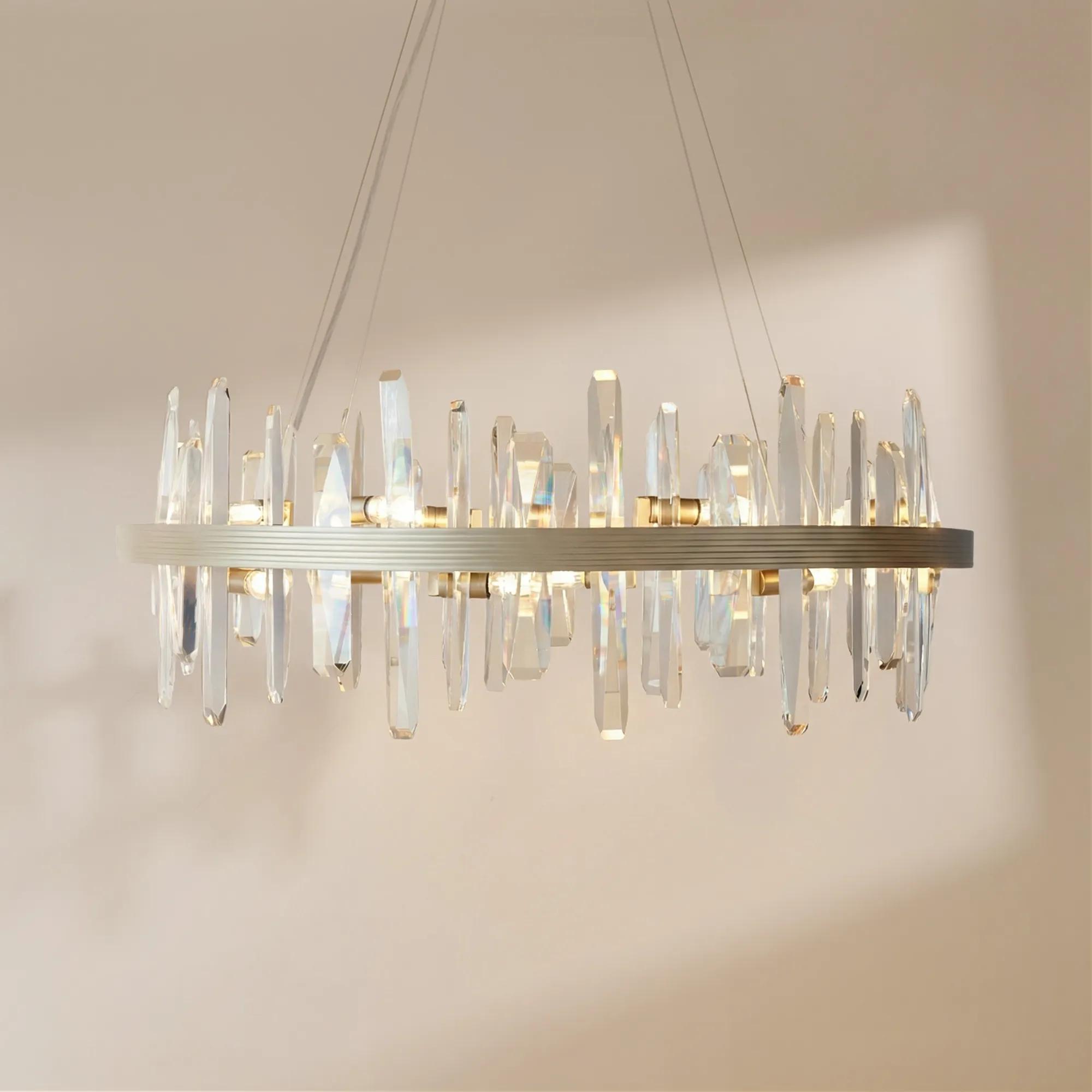
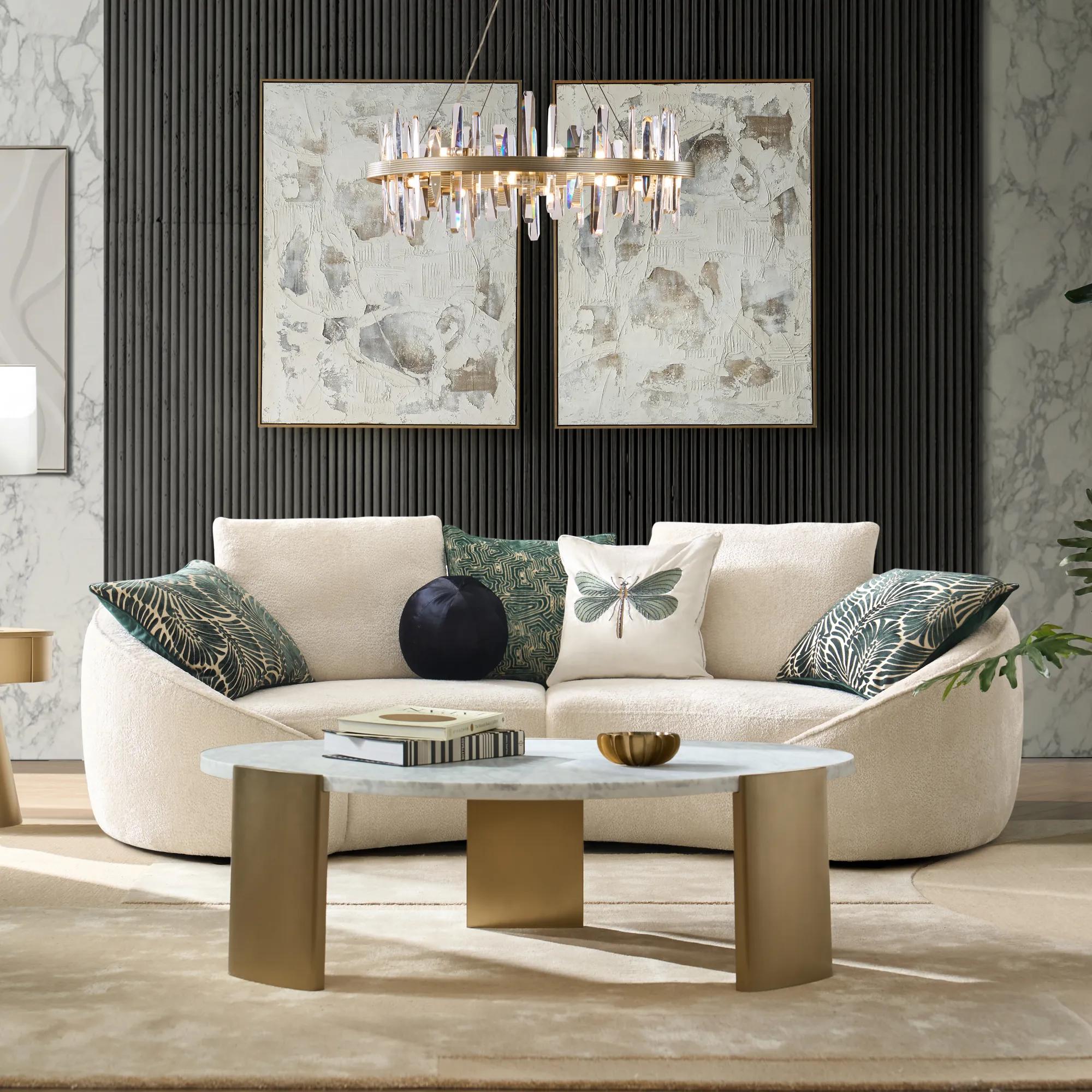 Lumi Clear Beveled Glass Chandelier 31.5"W$929
A deco-inspired chandelier with beveled glass daggers and a champagne-finished iron frame for radiant illumination.
Add To Cart -
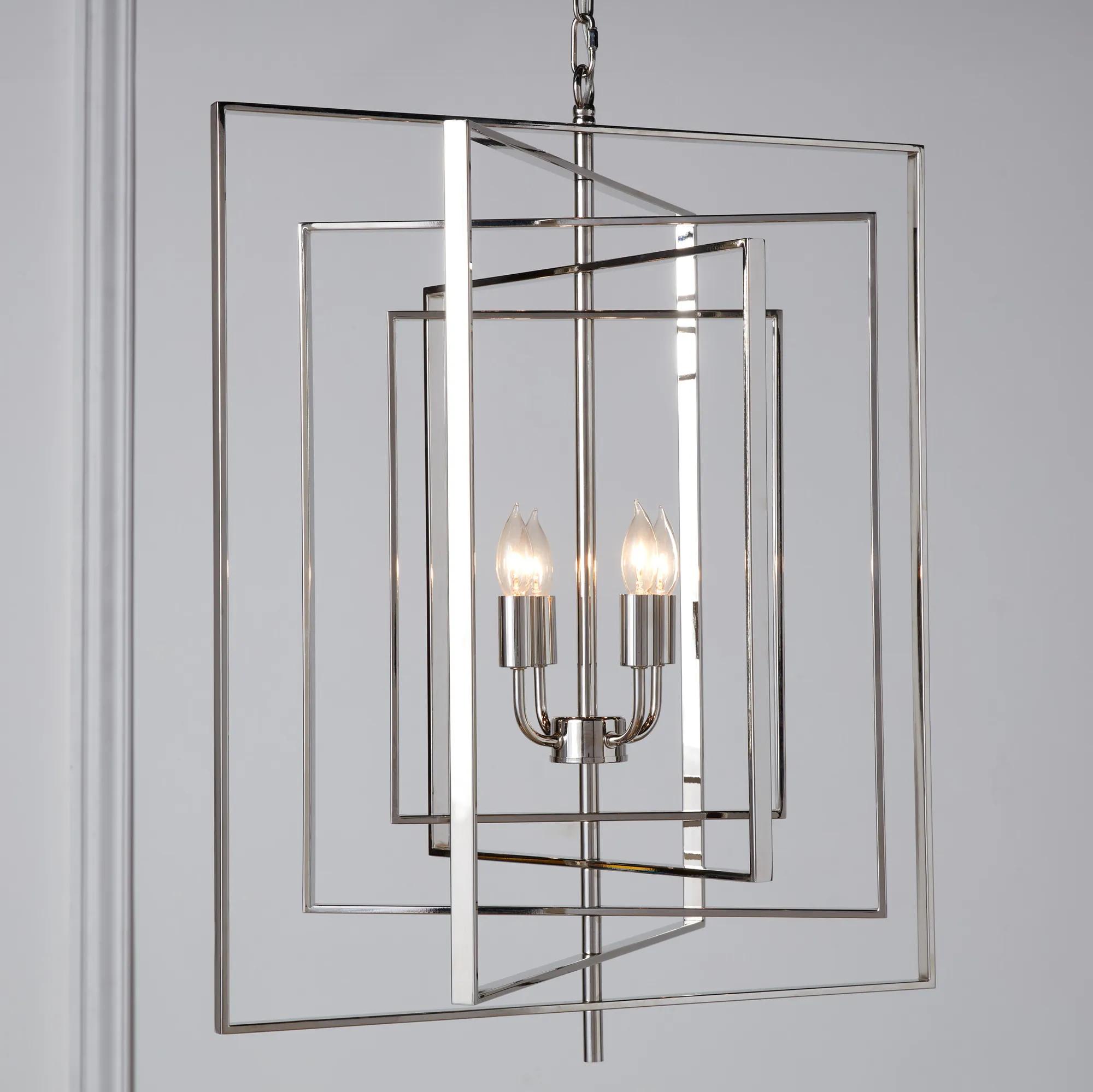
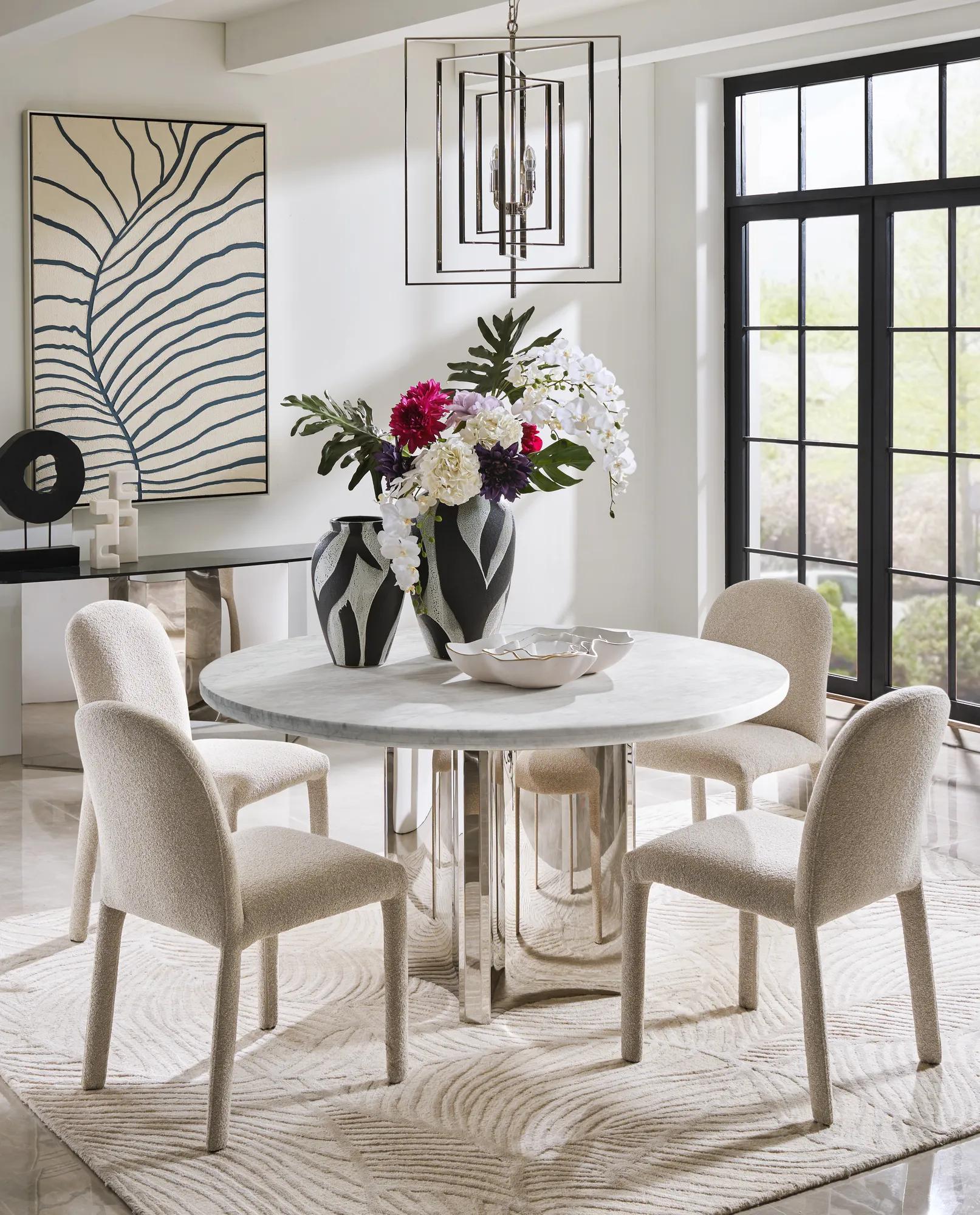 Hollis Chandelier$499
A polished nickel geometric chandelier with four lights, perfect for modern and minimal interiors.
Add To Cart -
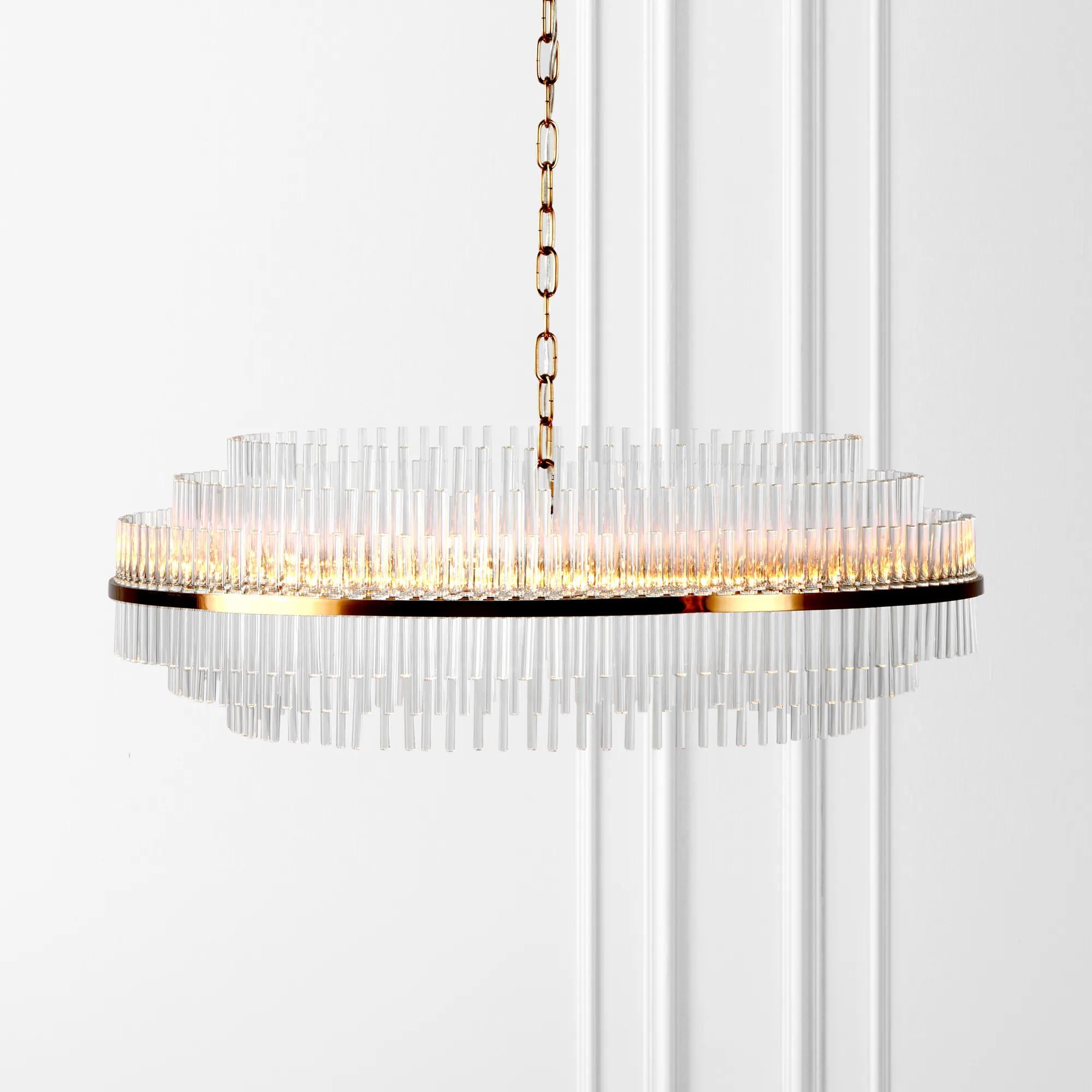
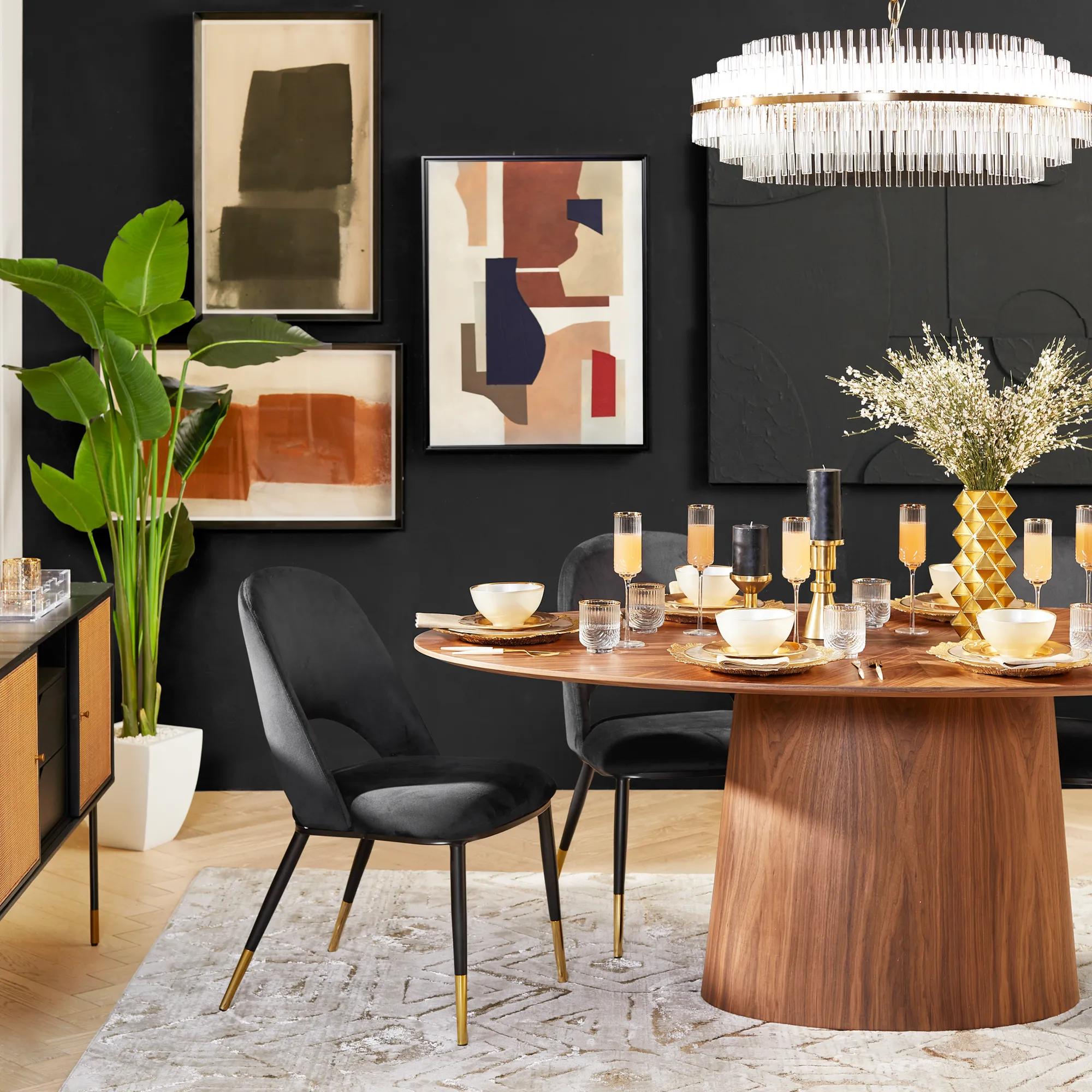 Renata Clear Glass Rod Chandelier 31"W x 10"H$799
A glamorous chandelier featuring glass rods and a brushed brass iron frame for a striking modern look.
Add To Cart -
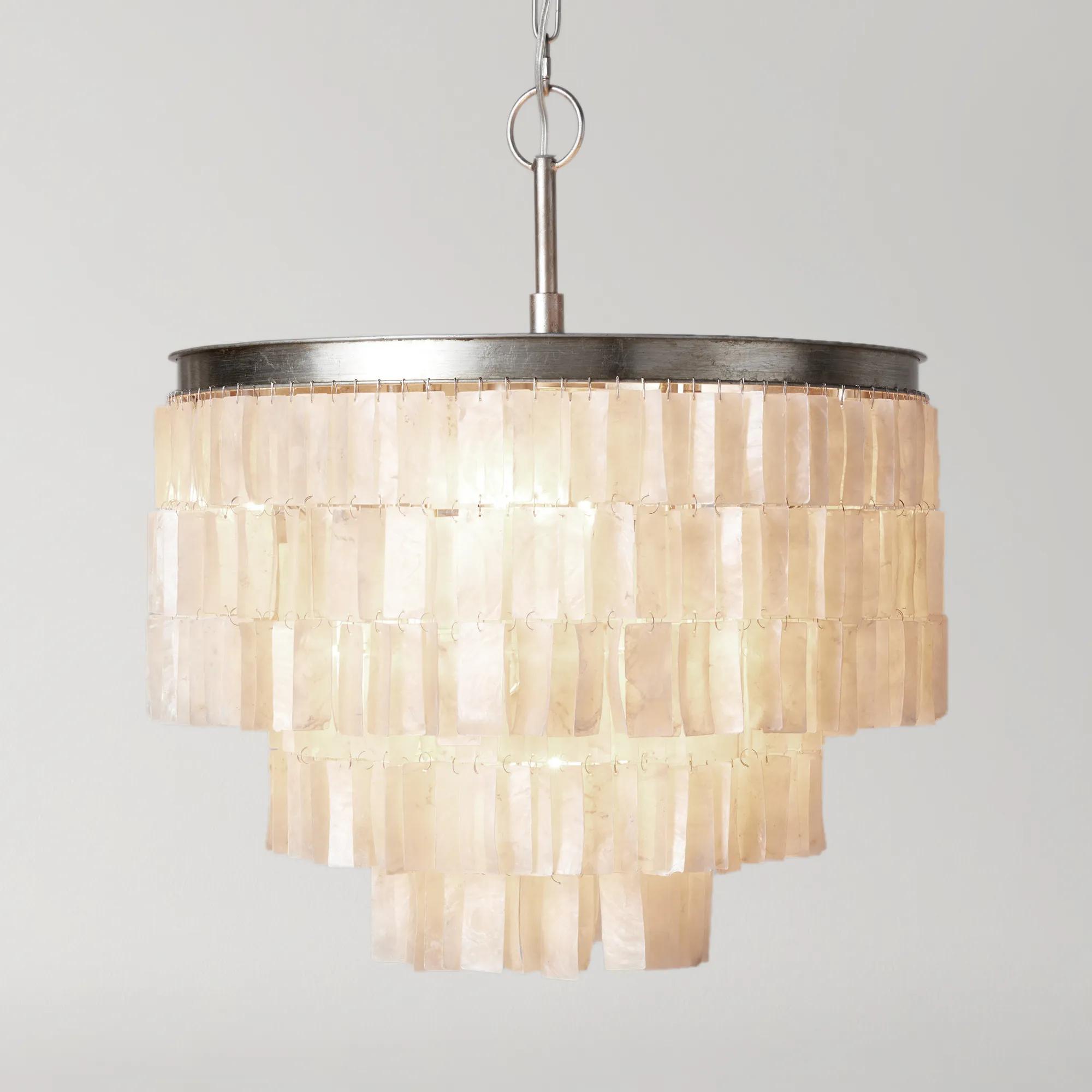
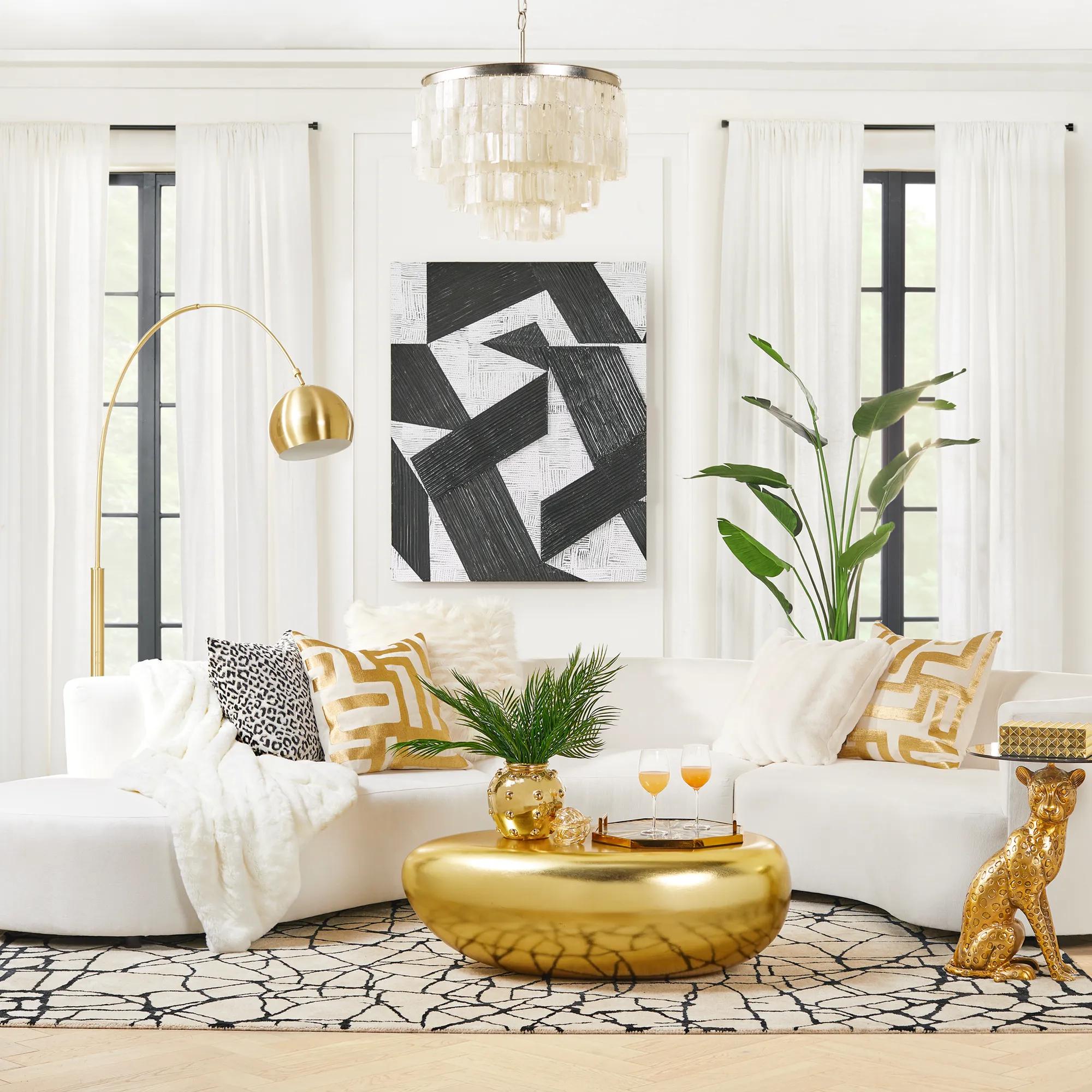 Capiz Chandelier$699
A cascading chandelier featuring over six hundred natural Capiz shells on a nickel-plated iron frame.
Add To Cart -
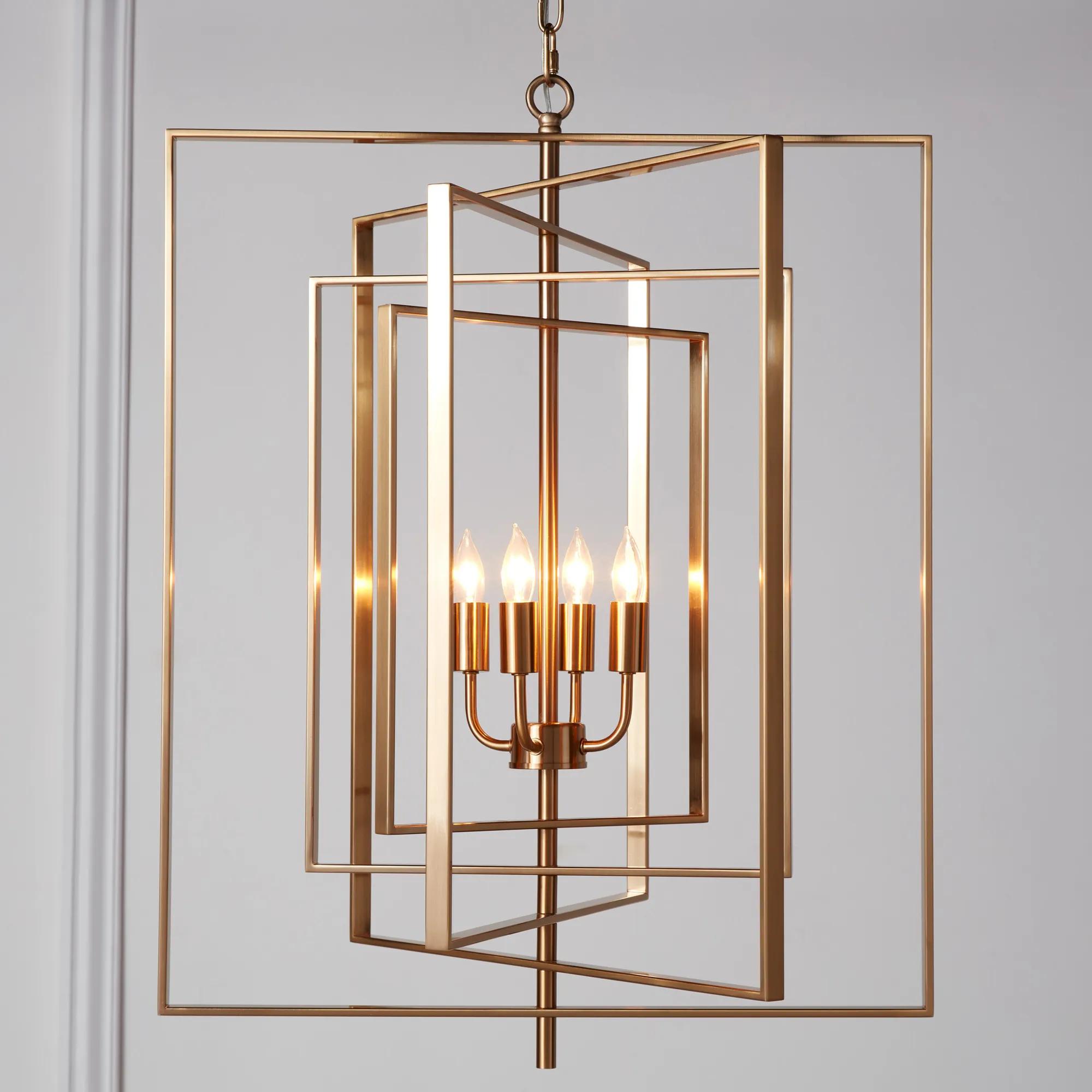 Hollis Chandelier$499
A geometric brass-finished iron chandelier with four lights, perfect for modern and minimal interiors.
Add To Cart -
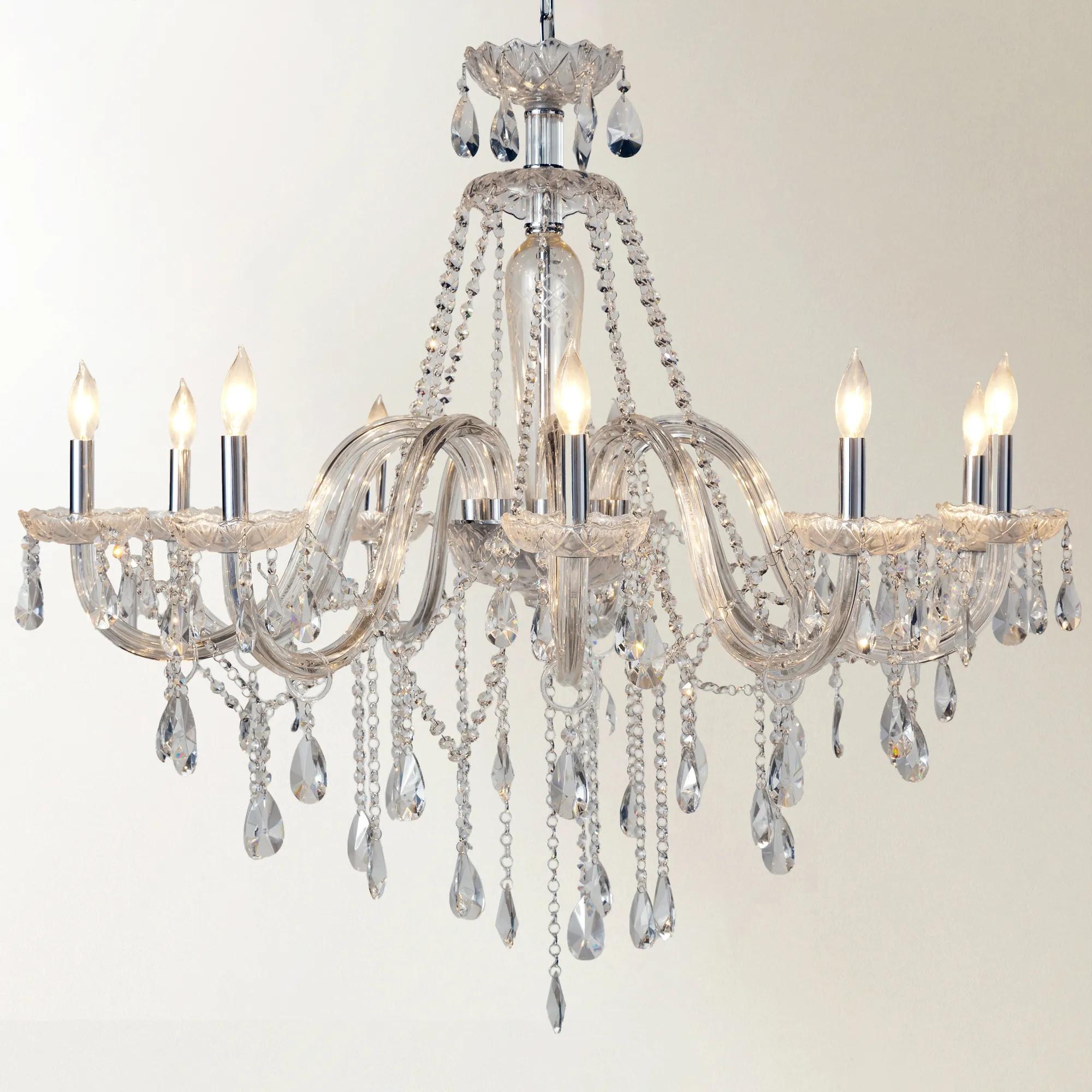
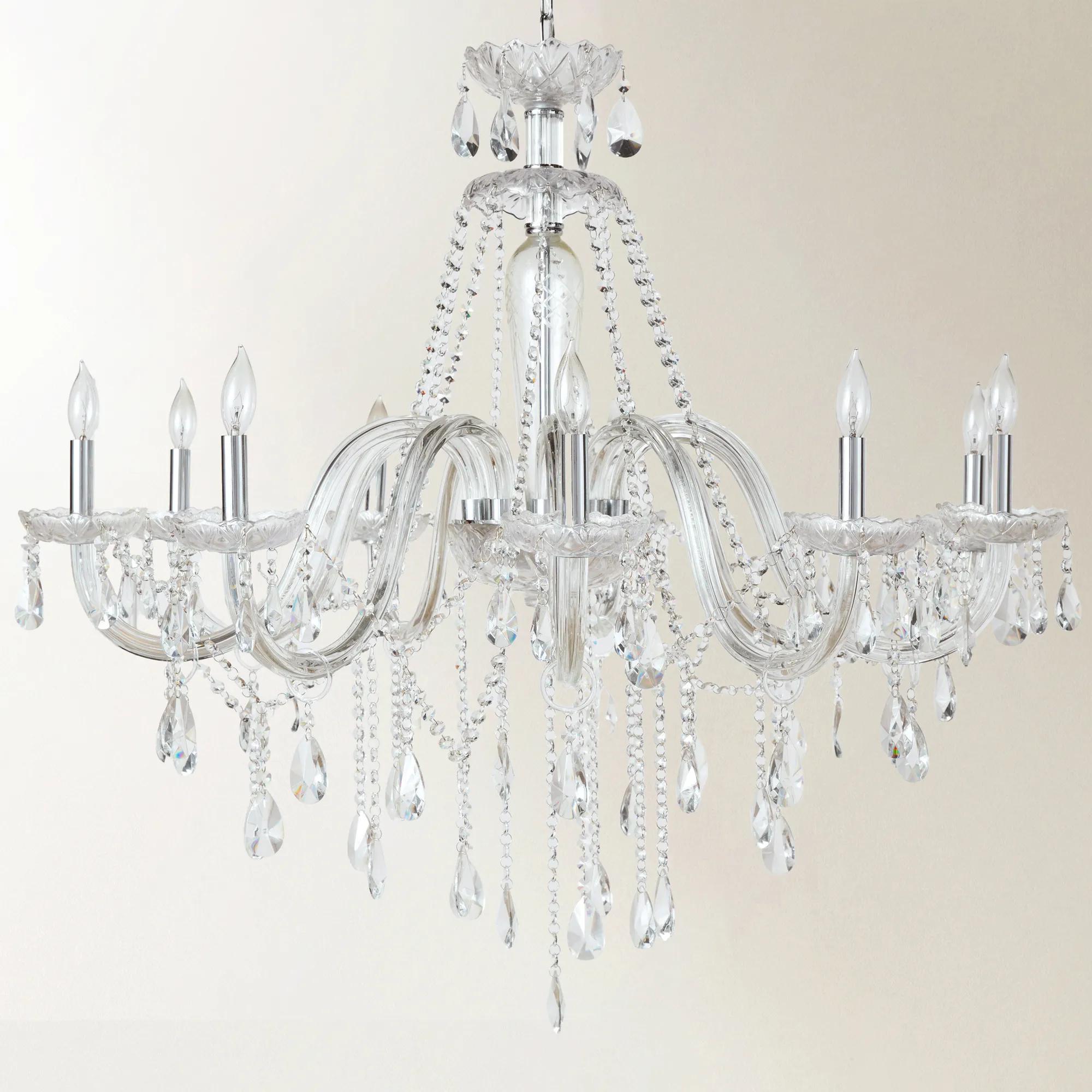 Omni Chandelier 38.5" - Clear$999
A dazzling chandelier featuring hundreds of clear faceted crystals and ten fluted glass arms with nickel hardware.
Add To Cart -
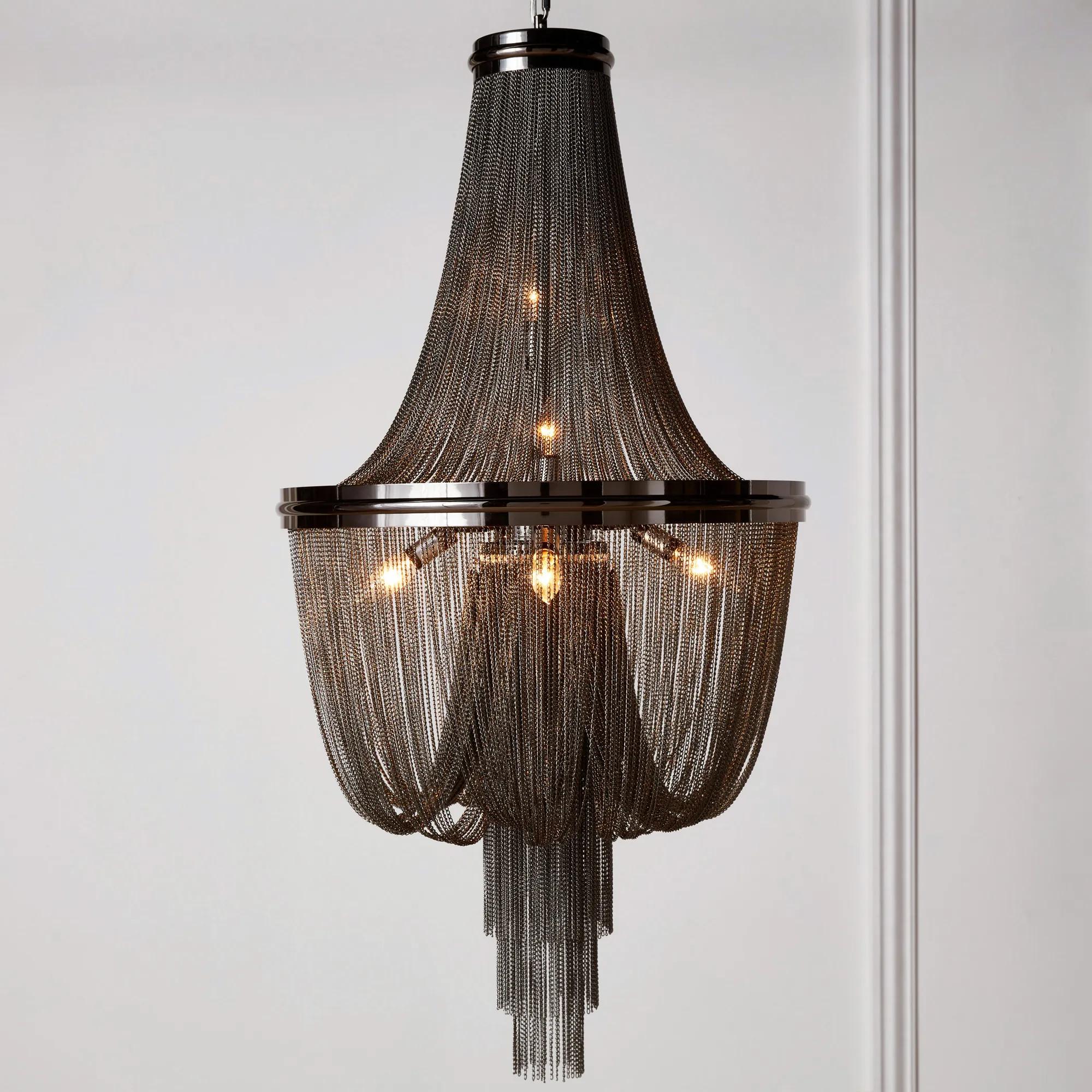 Rue Graphite Metal Tassel Chain Chandelier 41"$799
A striking chandelier featuring draped metal microchains and a polished graphite iron frame for modern elegance.
Add To Cart -
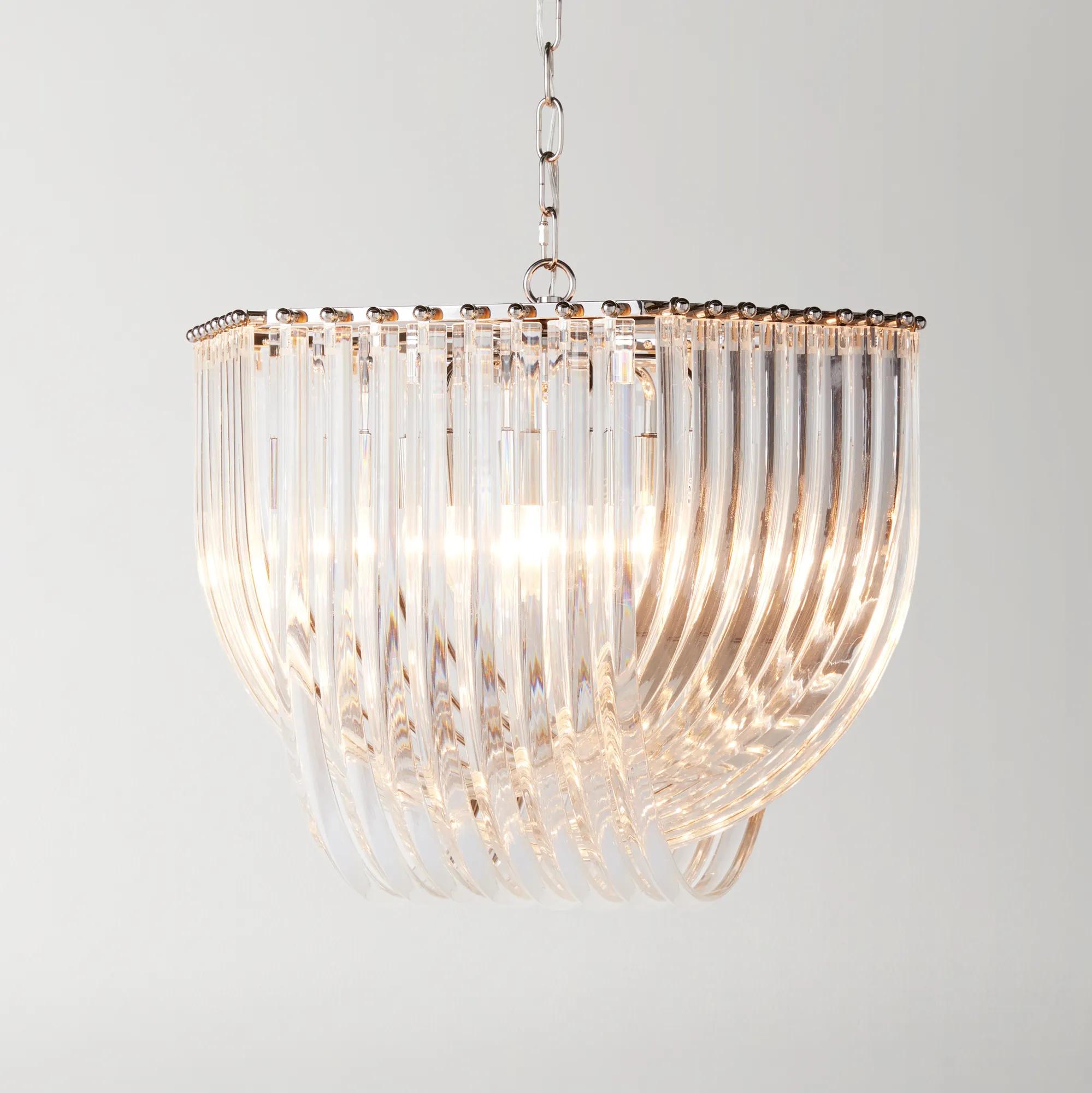 Laval Clear Curved Glass Chandelier 21"D x 18"H$799
A deco-inspired chandelier with crystal-clear curved glass and a polished nickel frame for ambient lighting.
Add To Cart -
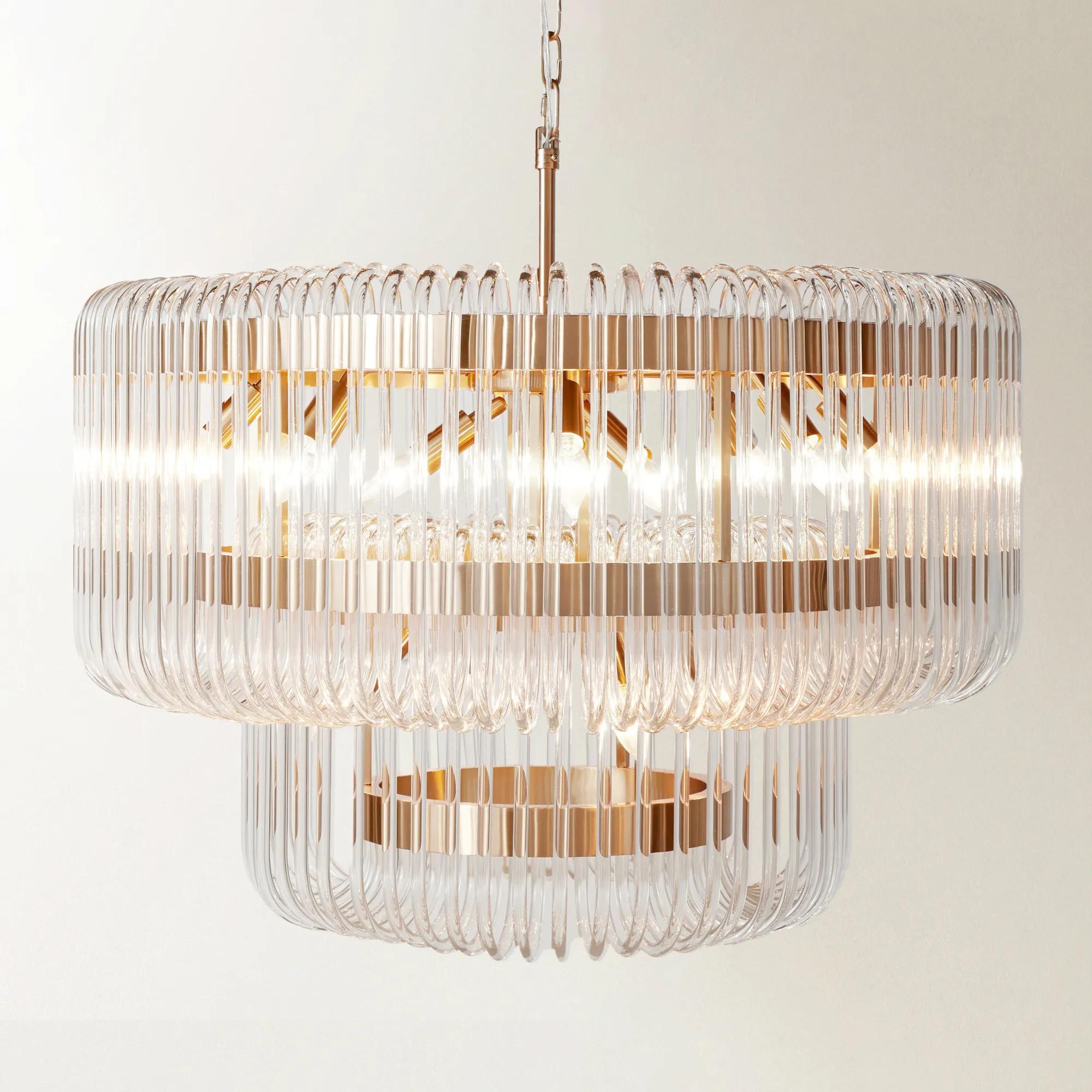 Allure Clear Curved Glass Chandelier 31.5"D x 27.75"H$1499
A dramatic chandelier featuring over 150 clear blown glass rods and brushed brass-finished iron rings.
Add To Cart -
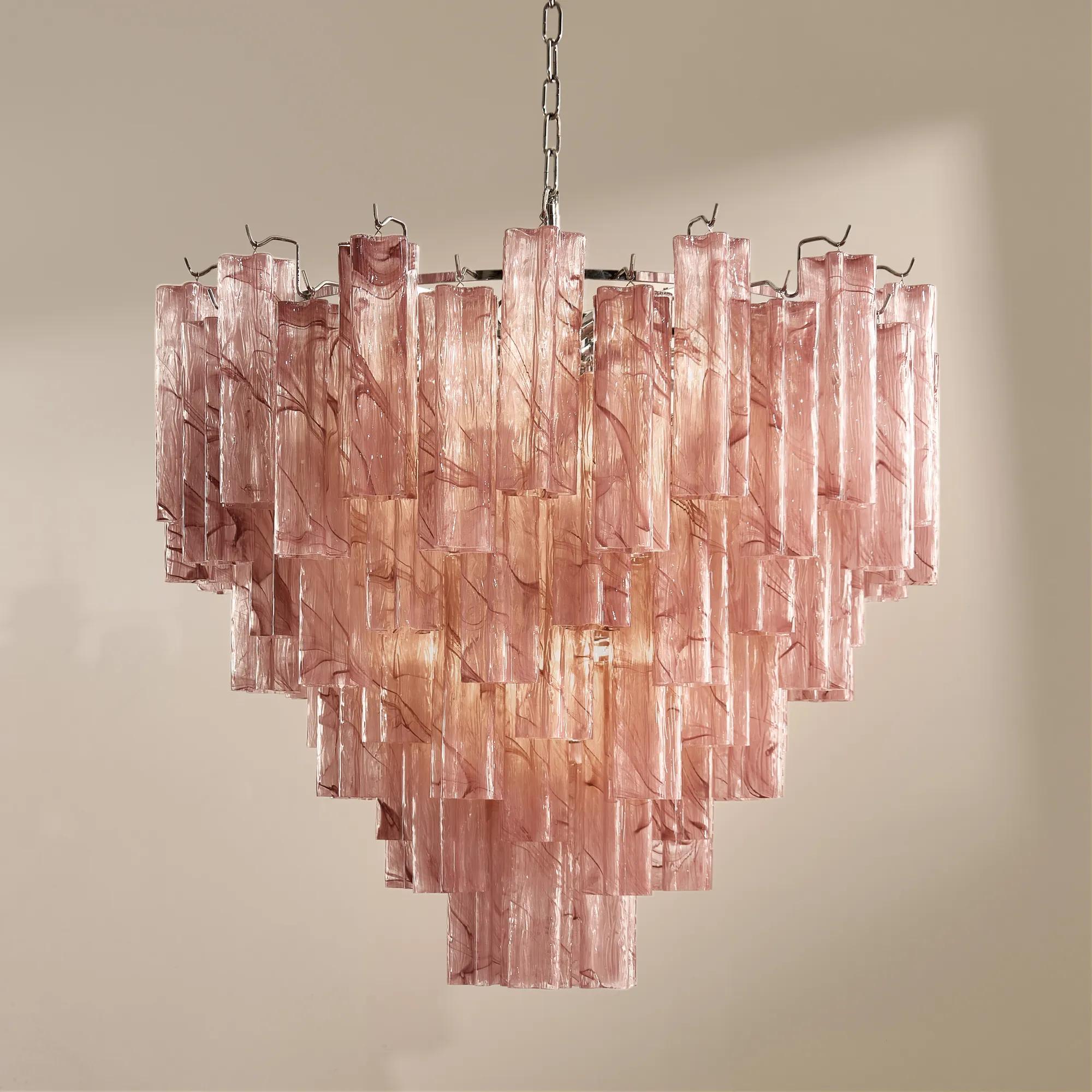 Elodie Rose Glass Chandelier 31.5"$1299
A handcrafted chandelier featuring rose-colored swirled glass and a polished chrome frame for modern elegance.
Add To Cart -
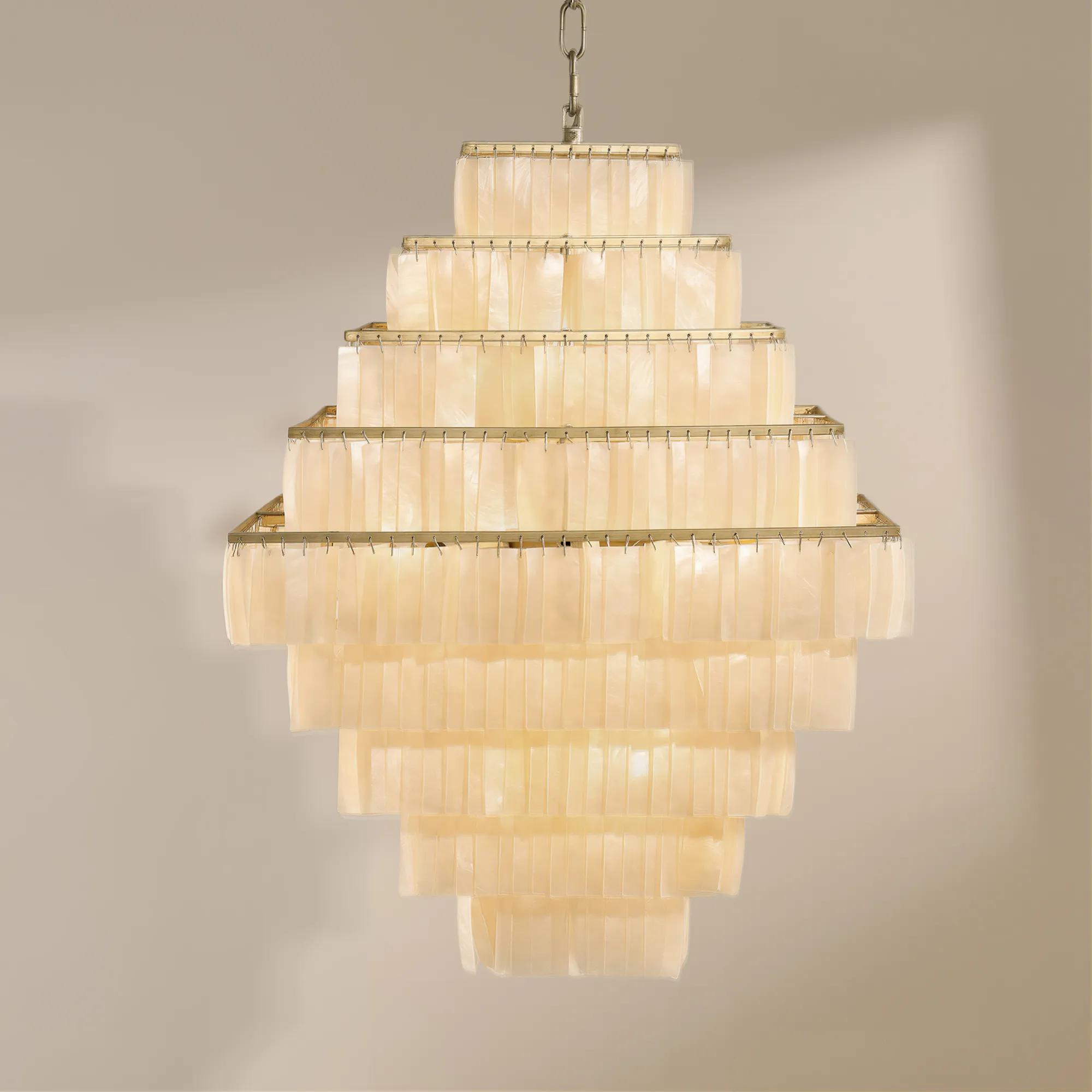 Soleil Capiz Shell Chandelier 25"$999
A luminous chandelier crafted from 700 hand-strung capiz shells and a champagne-finished iron frame.
Add To Cart -
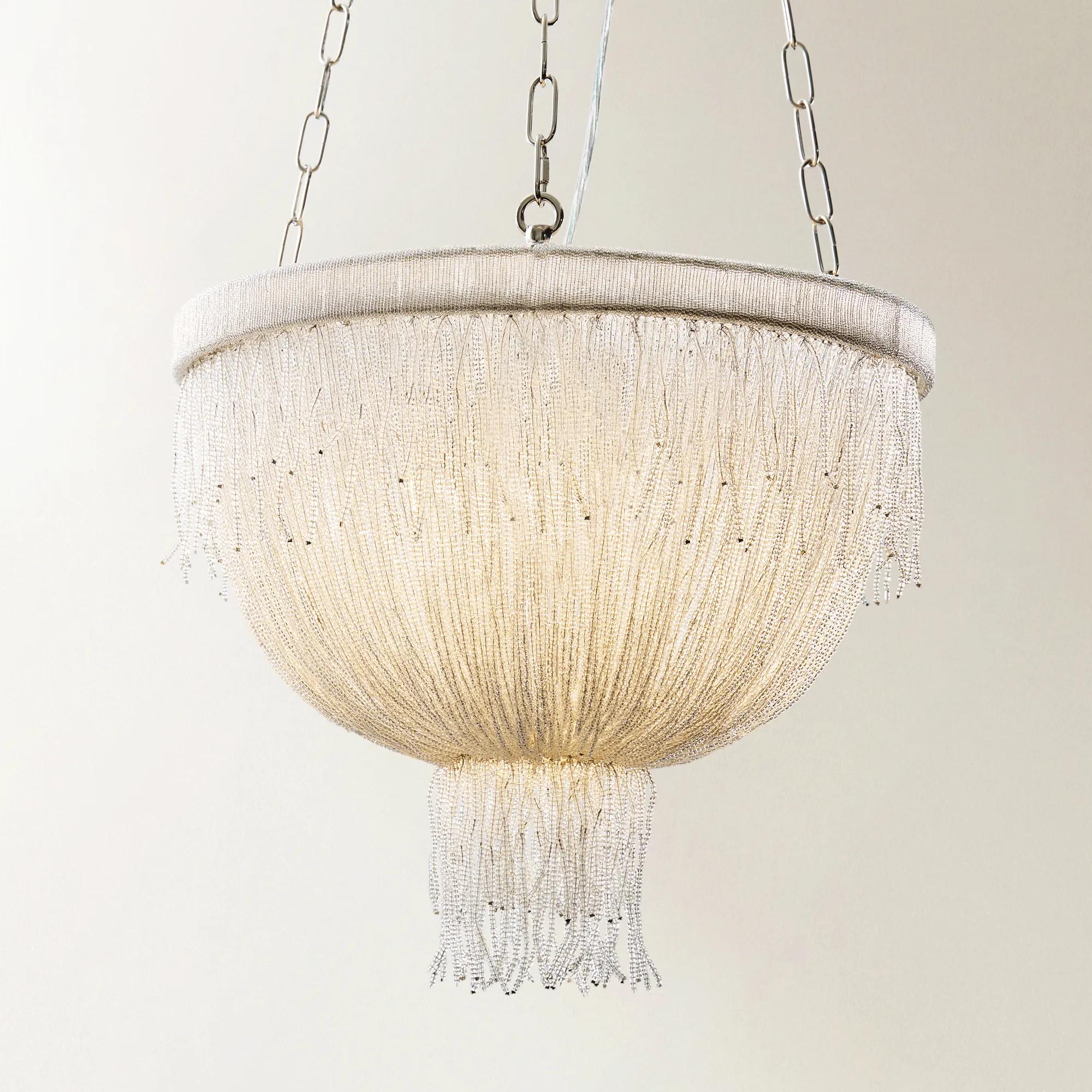 Selene Chandelier$899
A dazzling chandelier featuring cascading clear glass beads and a sleek nickel-finished iron frame.
Add To Cart -
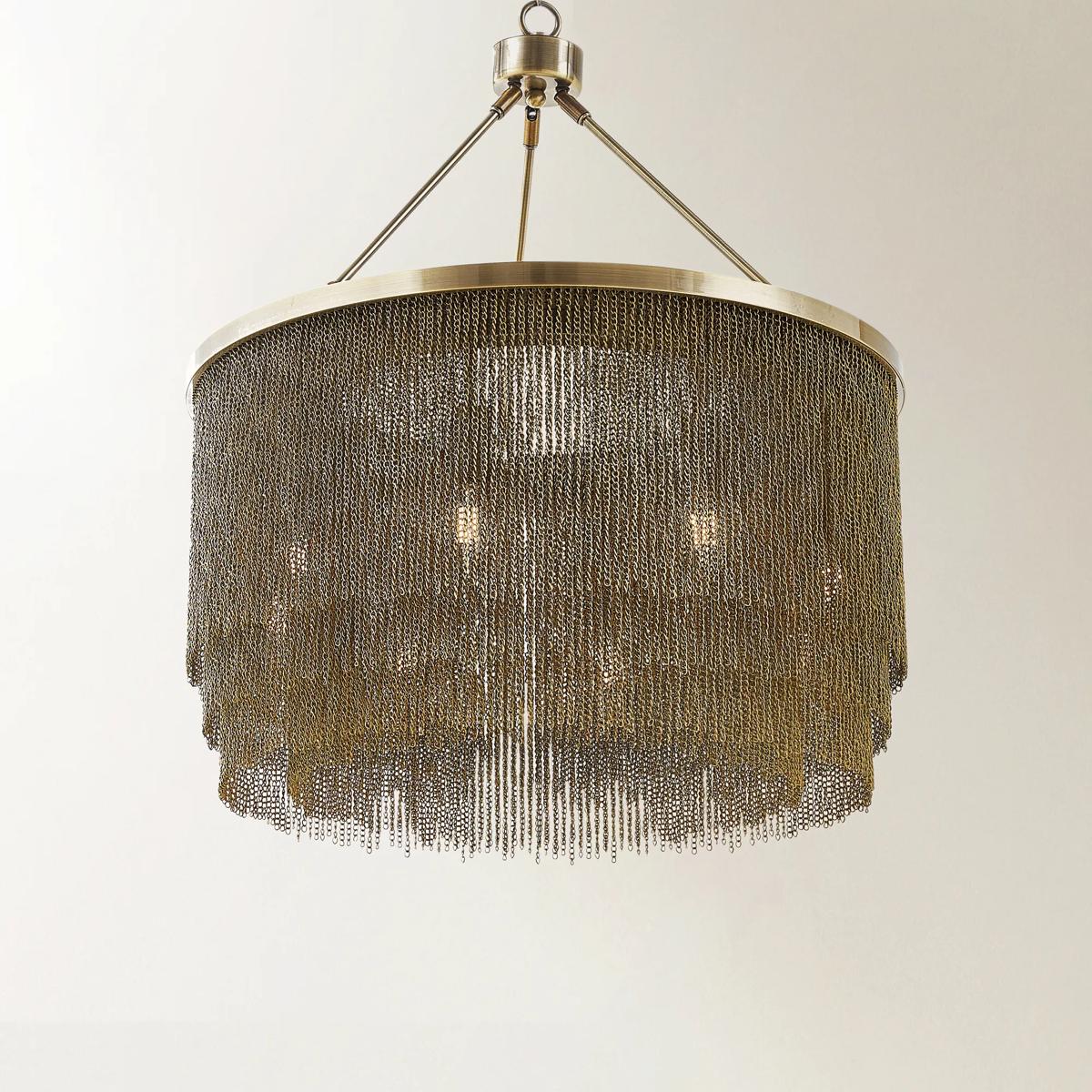
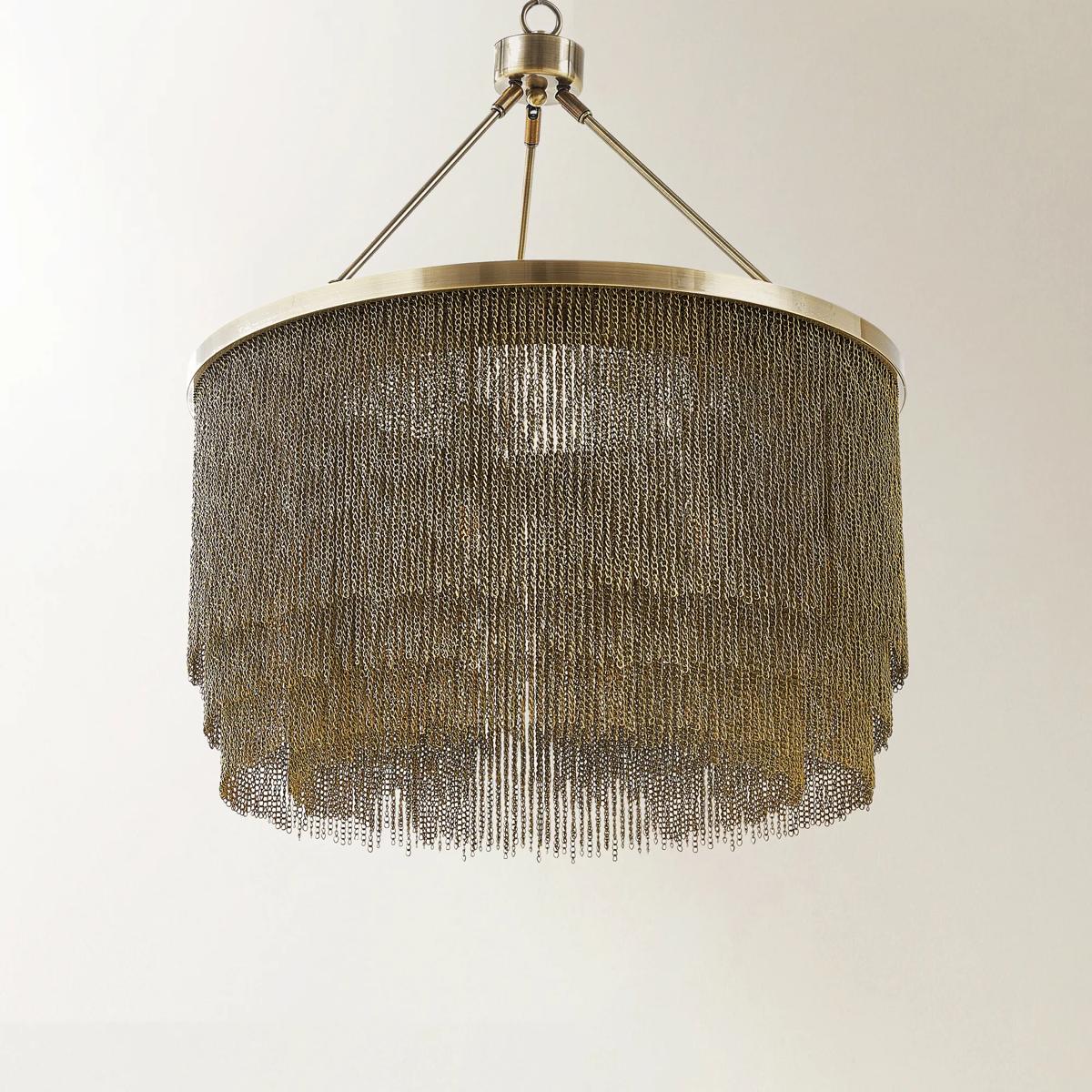 Dagny Brass Link Chain Chandelier 23.5"D x 27.5"H$999
A dramatic chandelier featuring cascading antique brass chains and a polished iron frame with a warm golden finish.
Add To Cart -
.jpeg?w=1200&h=1200) Bolla LED Hand-Blown Glass Bubble Chandelier 60.25"$499
Bolla LED Hand-Blown Glass Bubble Chandelier 60.25"$499A linear chandelier featuring clear sculptural glass orbs and a matte gold steel frame for modern elegance.
Add To Cart -
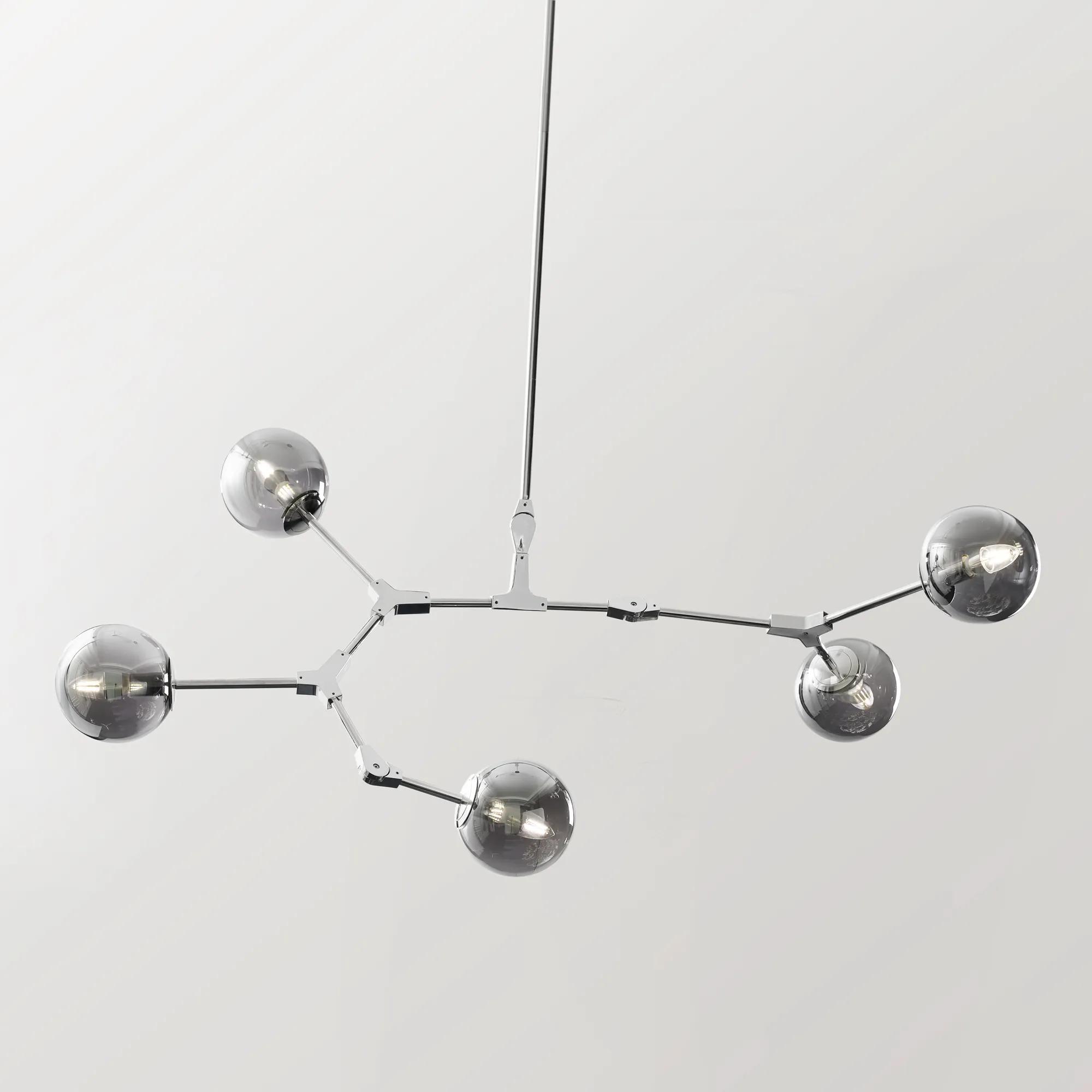
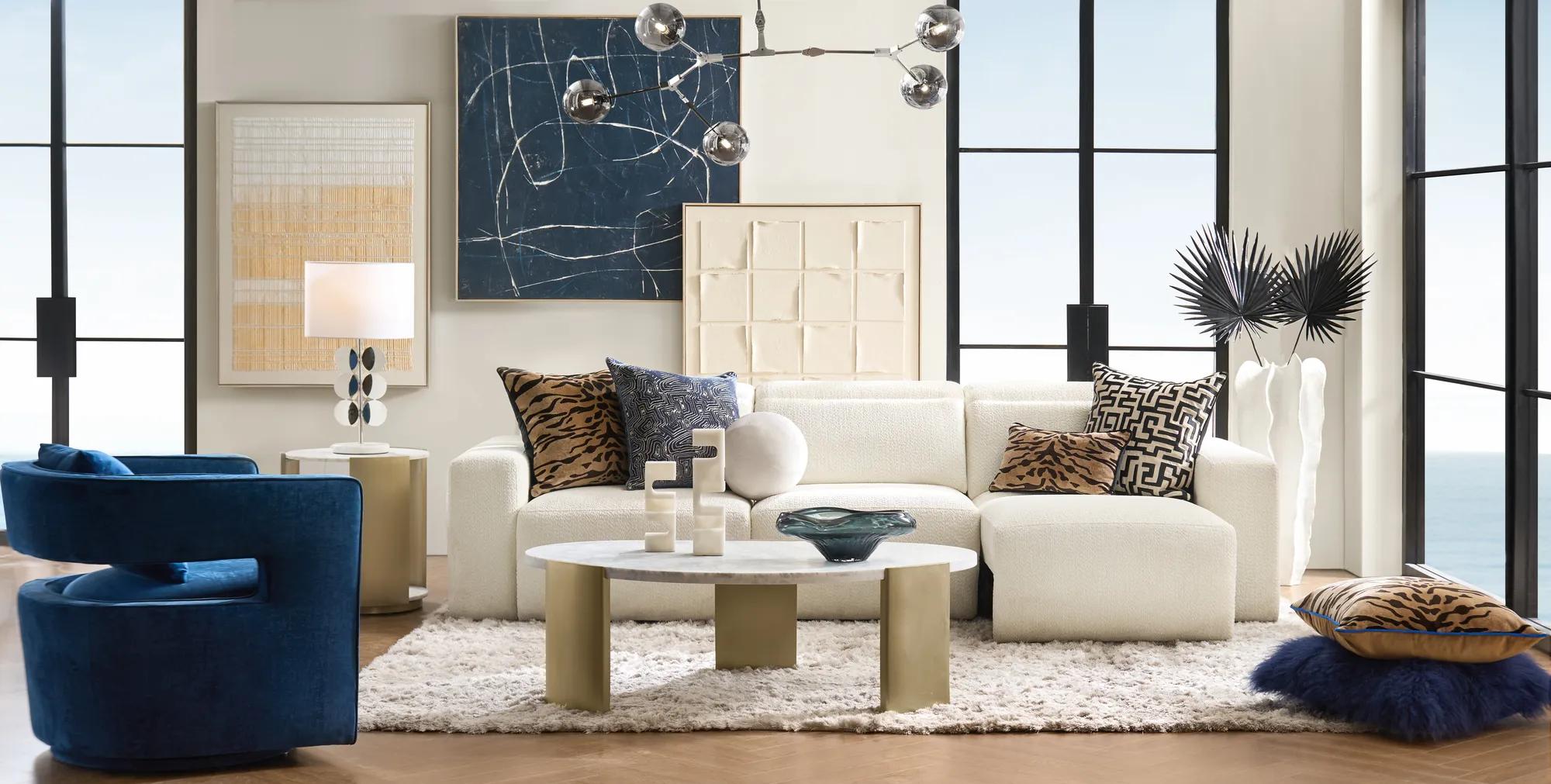 Axel Chandelier$499
A modern chandelier featuring polished nickel arms and smoked glass bulbs for striking, contemporary illumination.
Add To Cart -
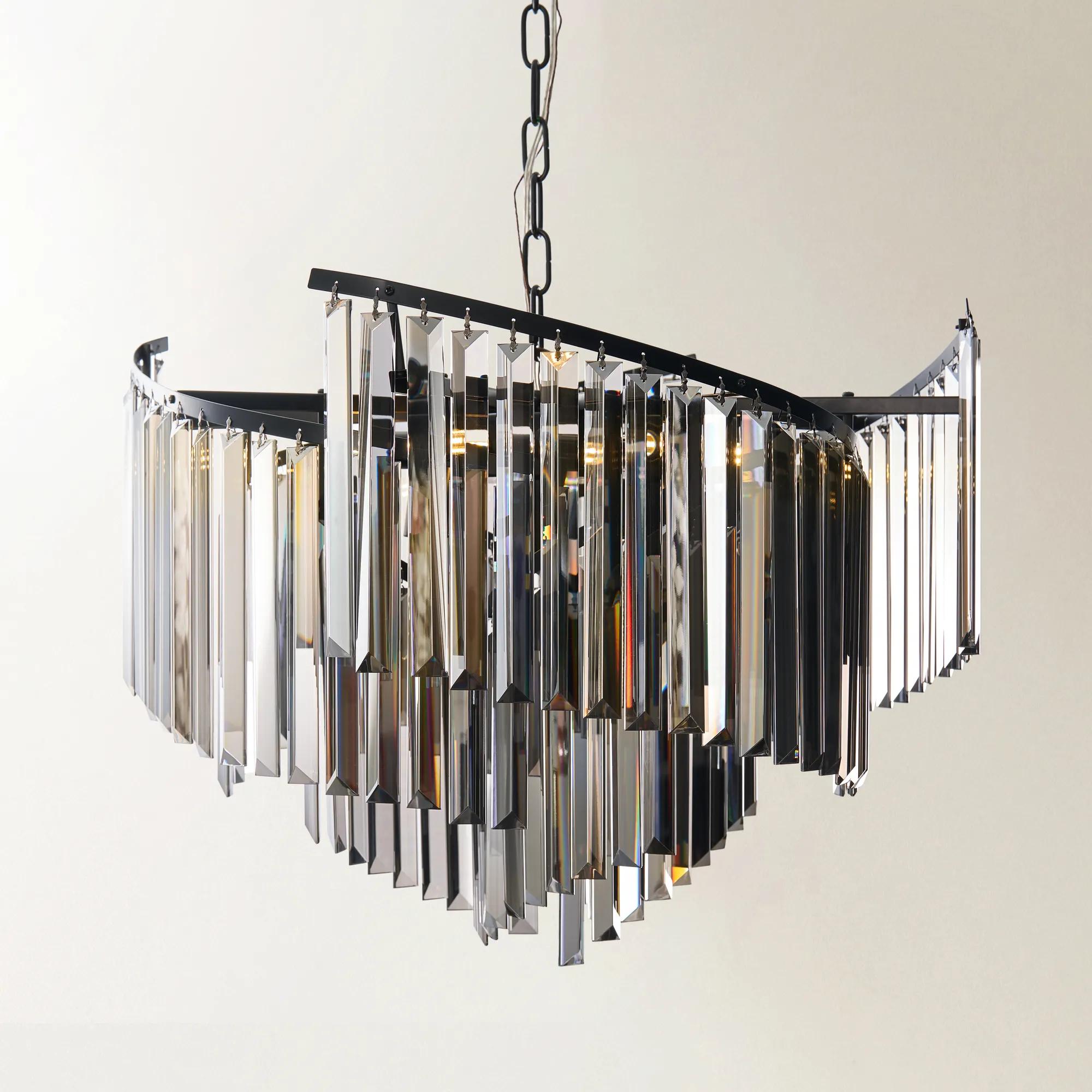 Luxe Spiral Chandelier - Graphite$999
A dramatic chandelier featuring graphite K9 crystals and a matte black iron frame for striking illumination.
Add To Cart -
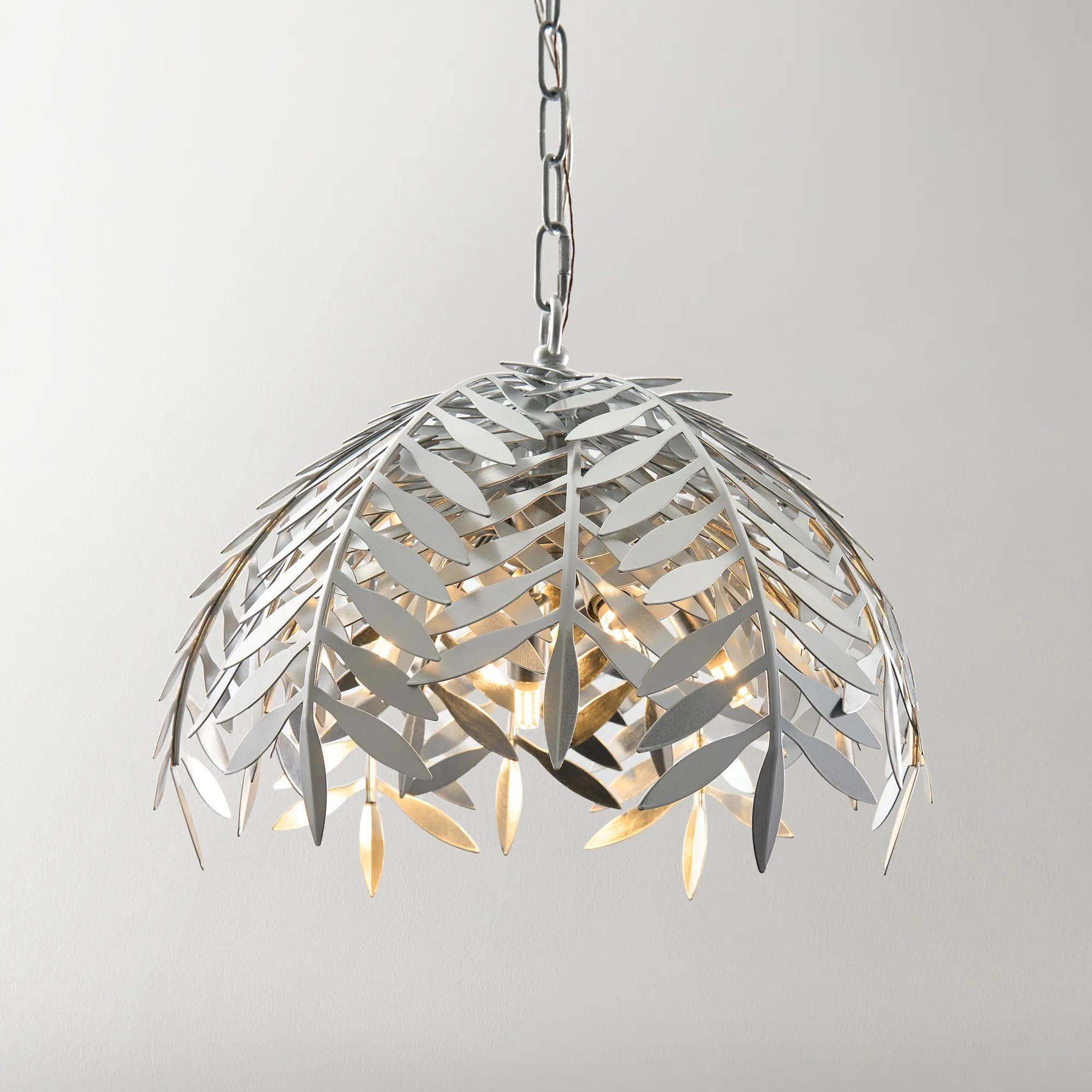
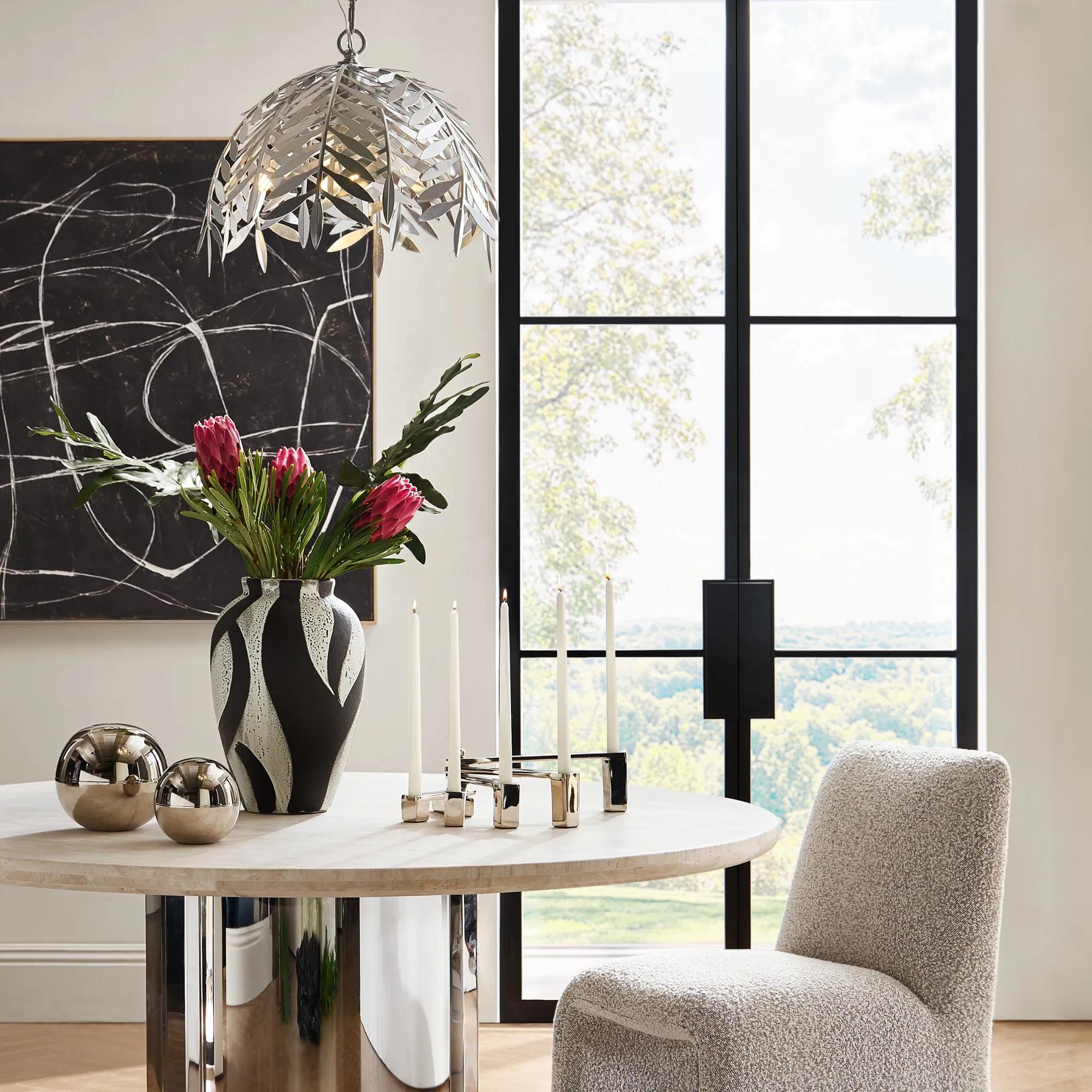 Palm Pendant - Silver$429
A sculpted iron pendant in a lustrous silver finish, casting dramatic shadows with elegant illumination.
Add To Cart -
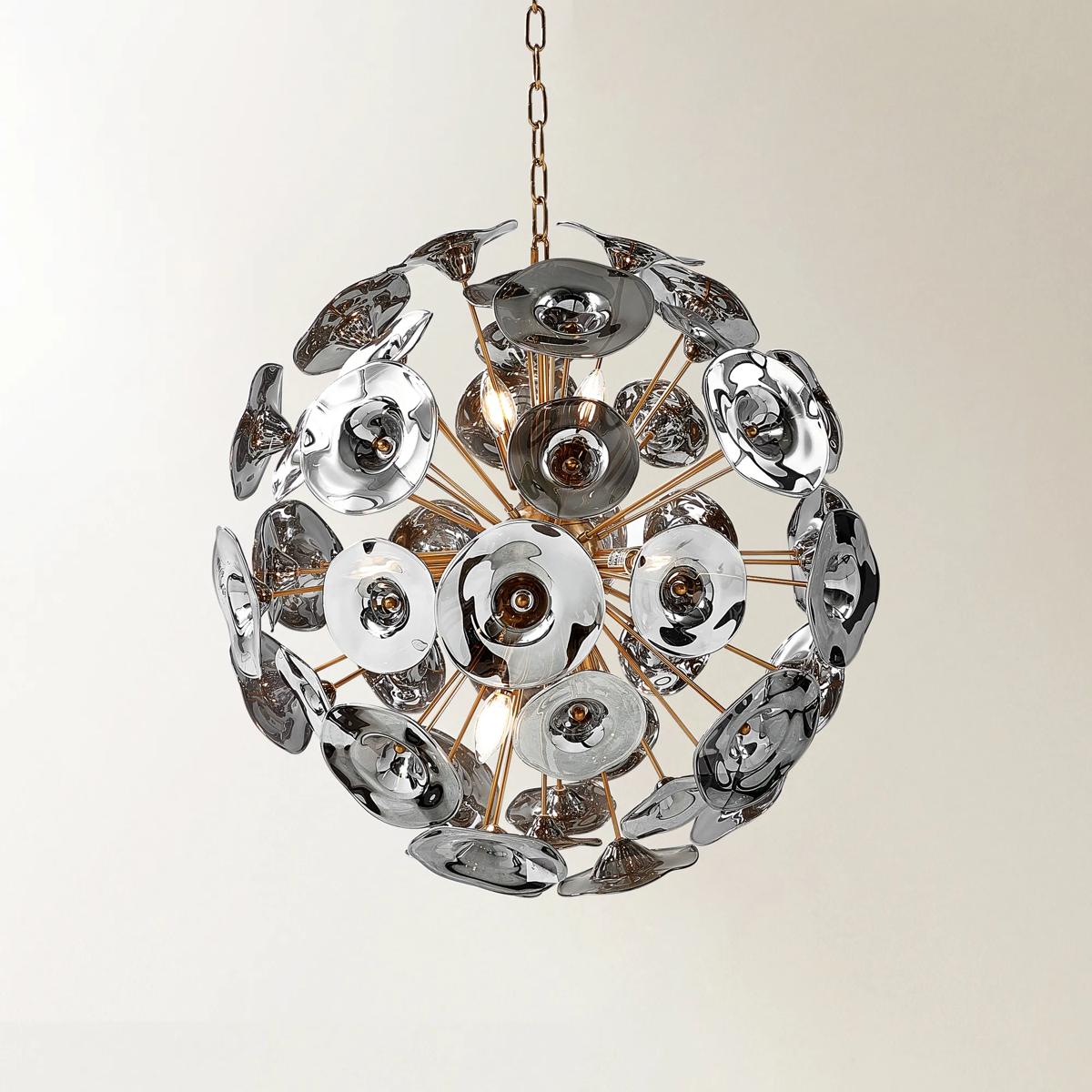 Tinslee Glass Chandelier - Smoke$899
A sculptural chandelier featuring smoked glass petal discs and a brushed brass frame for moody elegance.
Add To Cart -
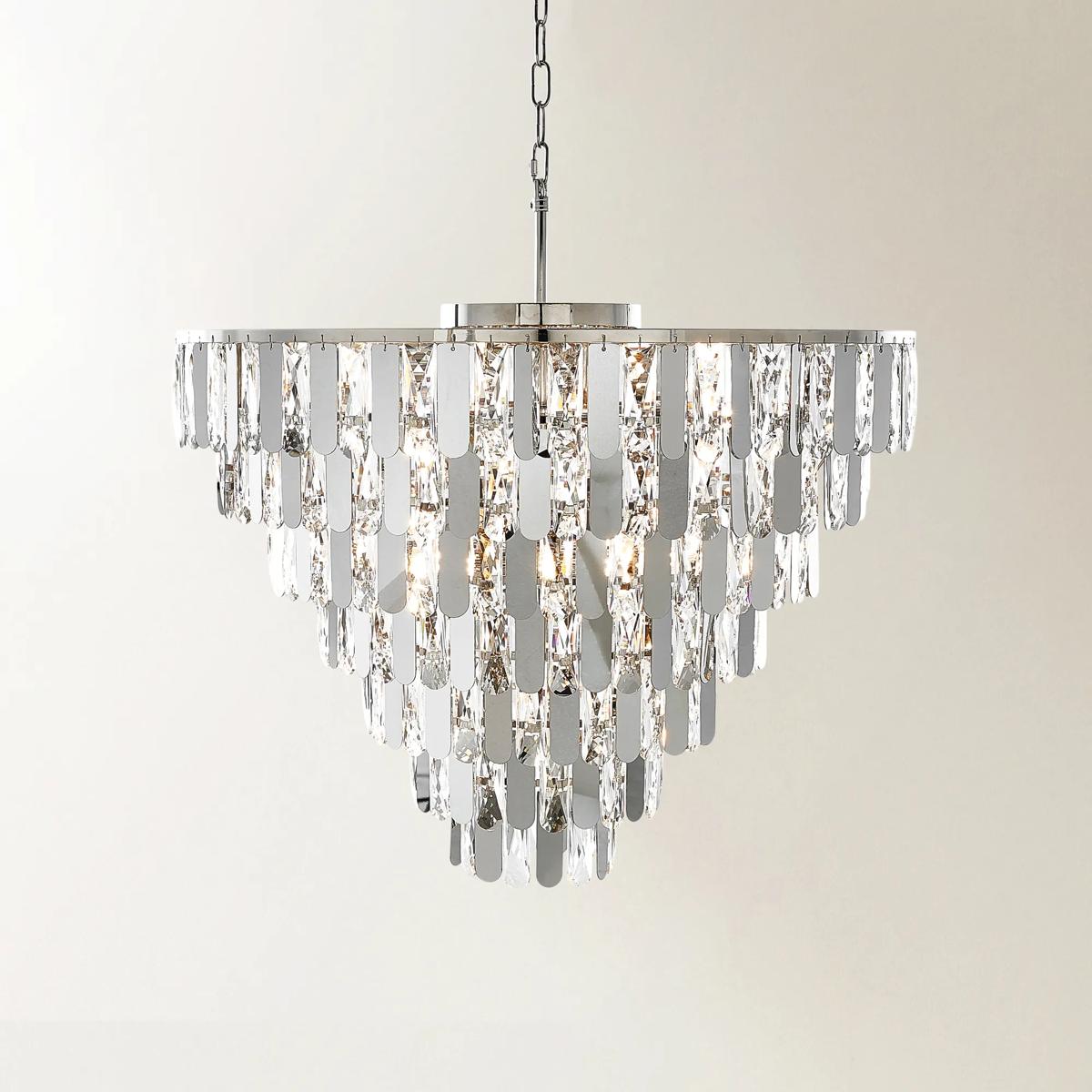
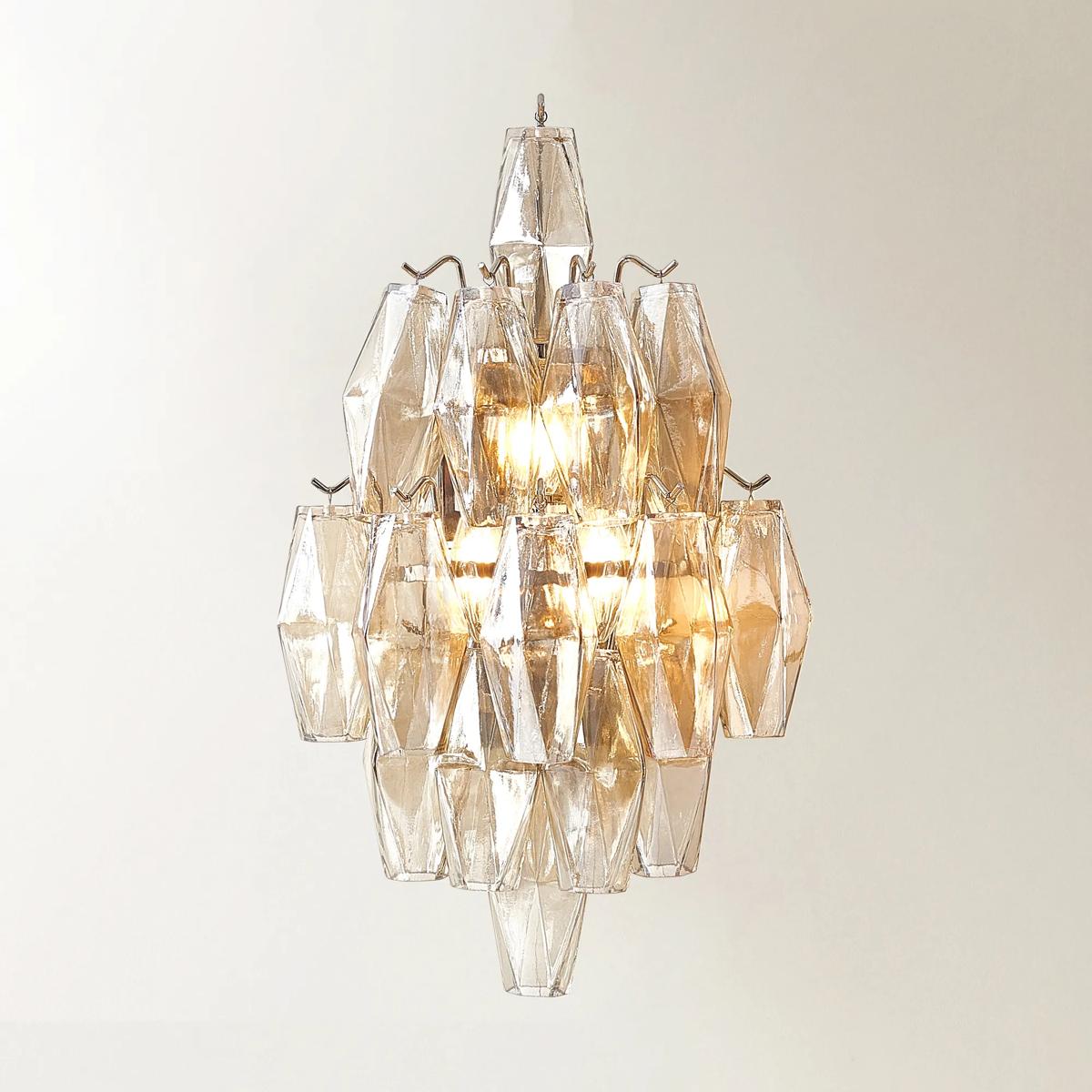
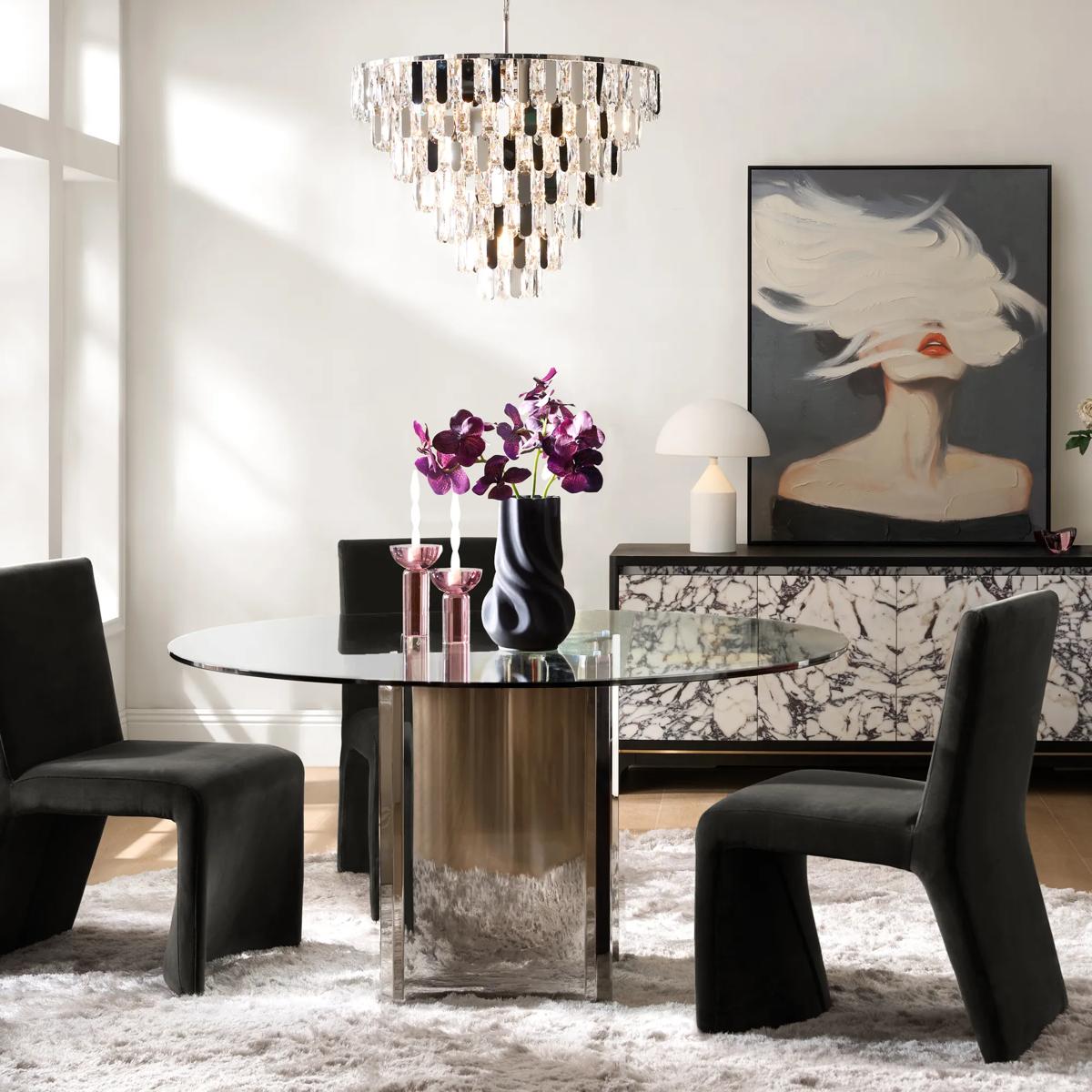 Avenue Crystal Chandelier 28.5"$999
A tiered chandelier crafted from eco-friendly K9 crystal and polished nickel for radiant, modern elegance.
Add To Cart -
.jpeg?w=1200&h=1200) Sawin Chandelier$699
Sawin Chandelier$699A sculptural brass-plated steel chandelier with frosted acrylic diffusers for a soft, ambient glow.
Add To Cart -
-0.jpeg?w=1200&h=1200) Willa Natural Alabaster Chandelier 13"D x 17"H$599
Willa Natural Alabaster Chandelier 13"D x 17"H$599An artful chandelier featuring hand-cut alabaster panels and a brushed brass frame for a diffused, elegant glow.
Add To Cart

Living Room Pendant Lighting Ideas
Living Room Pendant Lighting Ideas invite you to reimagine your space as a stage for artistry and allure. Each pendant is more than illumination—it’s an exclamation point, casting sculptural shadows and bathing your living room in a golden, gallery-worthy glow. Whether you crave the drama of cascading crystals or the clean geometry of metallic silhouettes, pendant lighting transforms every gathering into a grand affair. Let your ceiling become the canvas, and let every detail shimmer with intention—because in a Z Gallerie living room, light isn’t just functional; it’s the finishing touch that turns ordinary evenings into unforgettable moments.
Living room pendant lighting brings illumination into the composition of a room, creating a focal point that feels as deliberate as the artwork above a mantel or the silhouette of a beautifully upholstered sofa. Suspended from the ceiling by a cord, chain, or rod, a pendant can define a seating area, accent an intimate corner, or give an expansive room a striking sense of proportion. The most compelling living room pendant lighting ideas balance sculptural presence with the quality of light needed below. Oversized drum pendants with fabric or linen shades diffuse light into a soft glow, complementing sumptuous upholstery without competing with patterned pillows or expressive art. Look for a bottom diffuser when the fixture will be viewed directly from a sofa; it can help conceal the bulb and reduce glare. Glass globe pendants offer a different effect: clear glass exposes the light source and creates crisp reflections, while opal glass softens brightness into a more even radiance. Smoked glass adds depth and shadow, although its tint can reduce the amount of light reaching the room. Clustered glass pendants introduce movement through repetition, particularly where tall ceilings leave space for a cascading arrangement. Sculptural LED rings and abstract illuminated forms bring an artful, architectural quality overhead, making them especially expressive against an uncluttered ceiling. Open metal lantern pendants emphasize line and geometry, with brass-toned finishes lending warmth and black finishes drawing a graphic outline. Woven rattan and other natural fibers introduce tactile contrast beside polished stone, lacquer, or velvet, casting patterned shadows that become part of the atmosphere. Those shadows are beautiful for ambient lighting but less suited to illuminating a page. Whether the room hosts lively conversation, quiet reading, or evenings centered on a favorite film, the shade material and direction of light matter as much as the fixture’s shape. A pendant should contribute both a memorable silhouette when switched off and a considered lighting effect when illuminated.
Scale and placement determine whether that silhouette feels commanding or crowded. A substantial pendant can anchor a generous seating arrangement, while a smaller suspended light can give a reading corner its own identity without overwhelming the room. Fixture diameter is only one measurement: overall height, shade depth, canopy size, and minimum and maximum suspension lengths all influence the fit. An airy metal frame may appear lighter than an opaque drum of the same width, and a dense glass cluster may carry more visual weight than either. Above a coffee table, keep the pendant visually contained within the seating composition rather than allowing it to dominate the surrounding circulation space. There is no universal coffee-table-to-pendant ratio; the table’s dimensions, ceiling height, fixture shape, and views across the room should inform the choice together. In an open walking area, a common planning baseline is at least seven feet between the floor and the bottom of the fixture, with greater clearance appropriate for taller occupants or some layouts; local requirements and professional installation guidance take precedence. Lower placement may suit a protected corner over a stationary table, provided no one needs to walk beneath it and the light does not obstruct conversation or sightlines. In a room with a television, consider how exposed bulbs or reflective glass might appear on the screen from the main seats. A pendant centered over the seating area, rather than automatically centered on the ceiling, can make an open-plan living space feel more intentional. For vaulted ceilings, confirm that the canopy and suspension system accommodate the slope. Cascading groups can emphasize vertical space, but their spacing should keep shades from touching and preserve a composed outline from several viewpoints. Adjustable suspension offers useful flexibility, though not every cord or rod system can be altered in the same way. A qualified electrician should confirm mounting support, electrical compatibility, and suitable placement, particularly for heavy fixtures or arrangements requiring more than one ceiling connection.
Beautiful living room pendant lights also need to support the rhythms of daily life. Ambient light creates an inviting foundation, task lighting brings focused illumination to reading or detailed activities, and accent lighting draws attention to art, shelving, or architectural texture. A pendant may provide one or more of these effects, but a single overhead source rarely serves every purpose equally well. A shaded pendant above a conversation area, paired with a focused floor lamp beside an armchair, offers both softness and precision. Related silhouettes and complementary layers in Modern Living Room Lighting Ideas can help establish a cohesive relationship between overhead lighting, table lamps, and other decorative accents. For a warm, residential atmosphere, many living rooms benefit from light sources around 2700K to 3000K; keeping color temperatures consistent across nearby fixtures generally creates a more harmonious result. Lumens describe light output more usefully than wattage, while shade opacity, ceiling height, and dark wall finishes affect how bright that output feels. Dimming adds control for entertaining or watching television, provided the fixture, bulbs or LED driver, and dimmer are compatible. With replaceable bulbs, follow the specified base type and maximum wattage. With integrated LED pendants, check whether the light module or driver is serviceable, since replacement options vary by design. Material and finish deserve similar attention. Metal frames offer structural definition, but plated, painted, and lacquered surfaces need gentle care to preserve their appearance. Glass reveals dust and fingerprints readily; fabric shades can collect airborne dust, while woven shades require careful attention around their textured edges. Switch off the light and allow it to cool before cleaning, follow the manufacturer’s care directions, and avoid abrasive products or spraying liquid into electrical components. Consider access before placing intricate glasswork high above a stair-adjacent living area or beneath a vaulted ceiling. Thoughtful proportions, suitable construction, and manageable care allow a pendant to remain an expressive part of the room, bringing drama overhead without compromising the comfort below.
FAQs
Pendant lighting is a powerful tool for setting the mood in your living room. The right fixture can create a sense of intimacy, drama, or warmth, depending on its design and placement. Whether you choose a sculptural statement piece or a cluster of subtle orbs, pendant lights allow you to curate ambiance—casting pools of light that highlight your favorite furniture, artwork, and architectural details. The interplay of shadow and illumination can transform even everyday moments into something extraordinary.
There are countless creative ways to incorporate pendant lights into your living room design. Hang a dramatic pendant above a coffee table to anchor your seating area, or use a pair of pendants to frame a sofa and create visual balance. Consider layering multiple pendants at varying heights for a dynamic, gallery-inspired look, or position a single striking fixture in a reading nook to create a cozy retreat. Pendant lighting ideas are as limitless as your imagination, allowing you to play with scale, symmetry, and style.
Pendant lighting makes a truly memorable gift for design enthusiasts, new homeowners, newlyweds, or anyone embarking on a fresh chapter in their lives. It’s a gift that goes beyond décor—offering daily inspiration and a touch of artistry. A carefully chosen pendant can become a cherished focal point in a loved one’s home, reflecting their personality and elevating their living space with every illuminated evening.
Materials and finishes play a pivotal role in defining the character of a pendant light. Gleaming metals like brass or chrome add a dash of modern glamour, while hand-blown glass brings an ethereal, luminous quality to the room. Textured fabrics and artisanal finishes can introduce warmth and depth, catching the light in surprising ways. By selecting materials that complement your existing décor, you can create a cohesive, curated look that feels both intentional and artful.
For a wealth of inspiration and expert tips on styling pendant lights, explore curated guides and design resources that showcase a variety of approaches—from bold, dramatic pendant lights to subtle, minimalist arrangements. One valuable resource is the <a href="https://zgallerie.com/o/modern-living-room-lighting-ideas">Modern Living Room Lighting Ideas</a> guide, which offers creative direction and visual examples to help you craft a living room that’s as luminous as it is luxurious.
-compressed.jpg?w=3614&h=3614)
.jpg?w=3614&h=3614)