Modern Dining Room Light Fixtures
Modern Dining Room Light Fixtures
-

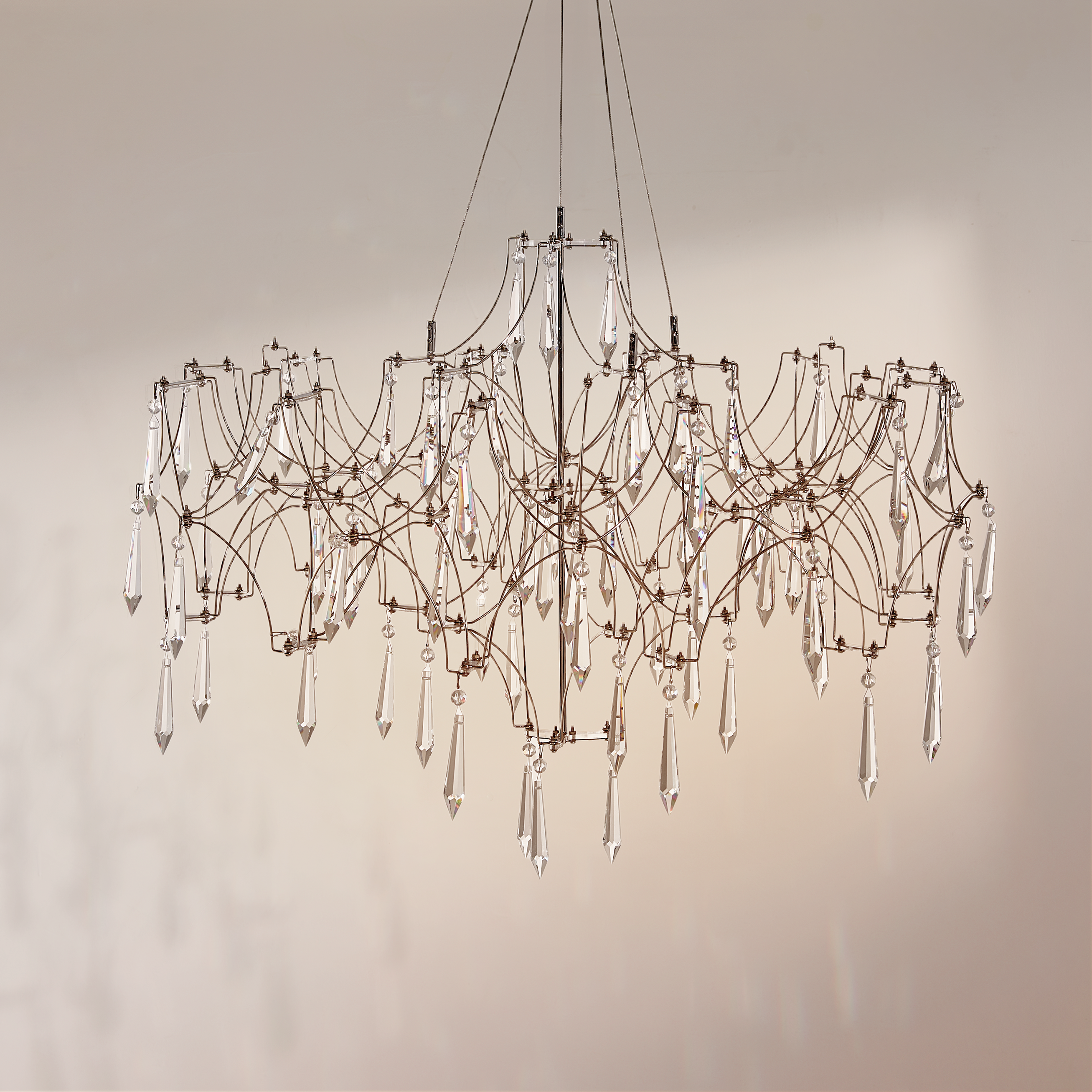 Moderne LED Clear Crystal Chandelier 24.5"W x 19.75"H$899
A clear crystal chandelier with faceted construction, polished nickel framing, and integrated warm LED illumination.
Add To Cart -

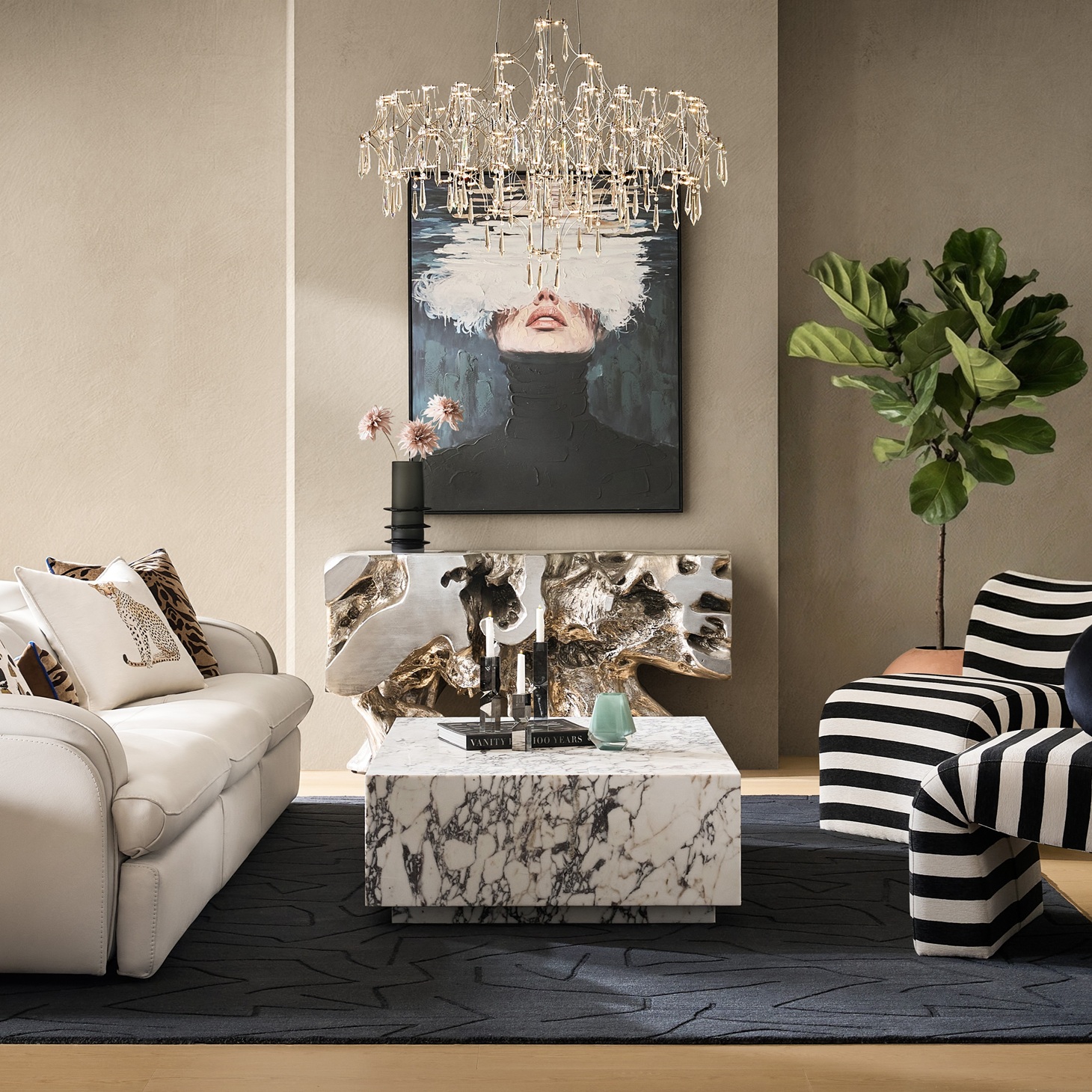 Moderne Grande LED Crystal Chandelier 35.75"W x 28.5"H$1899
A faceted crystal chandelier with polished nickel framing and integrated LED illumination for a modern glow.
Add To Cart -
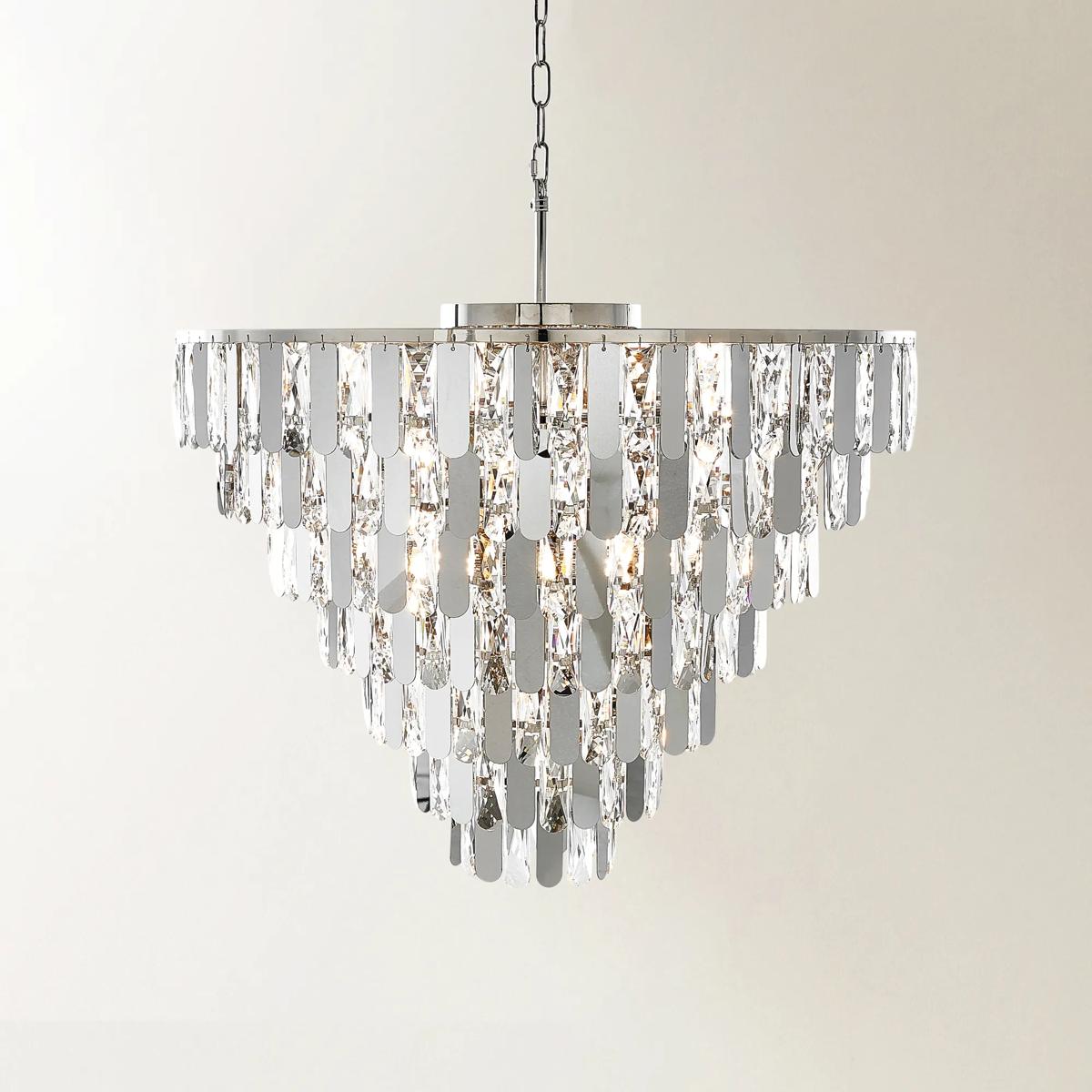
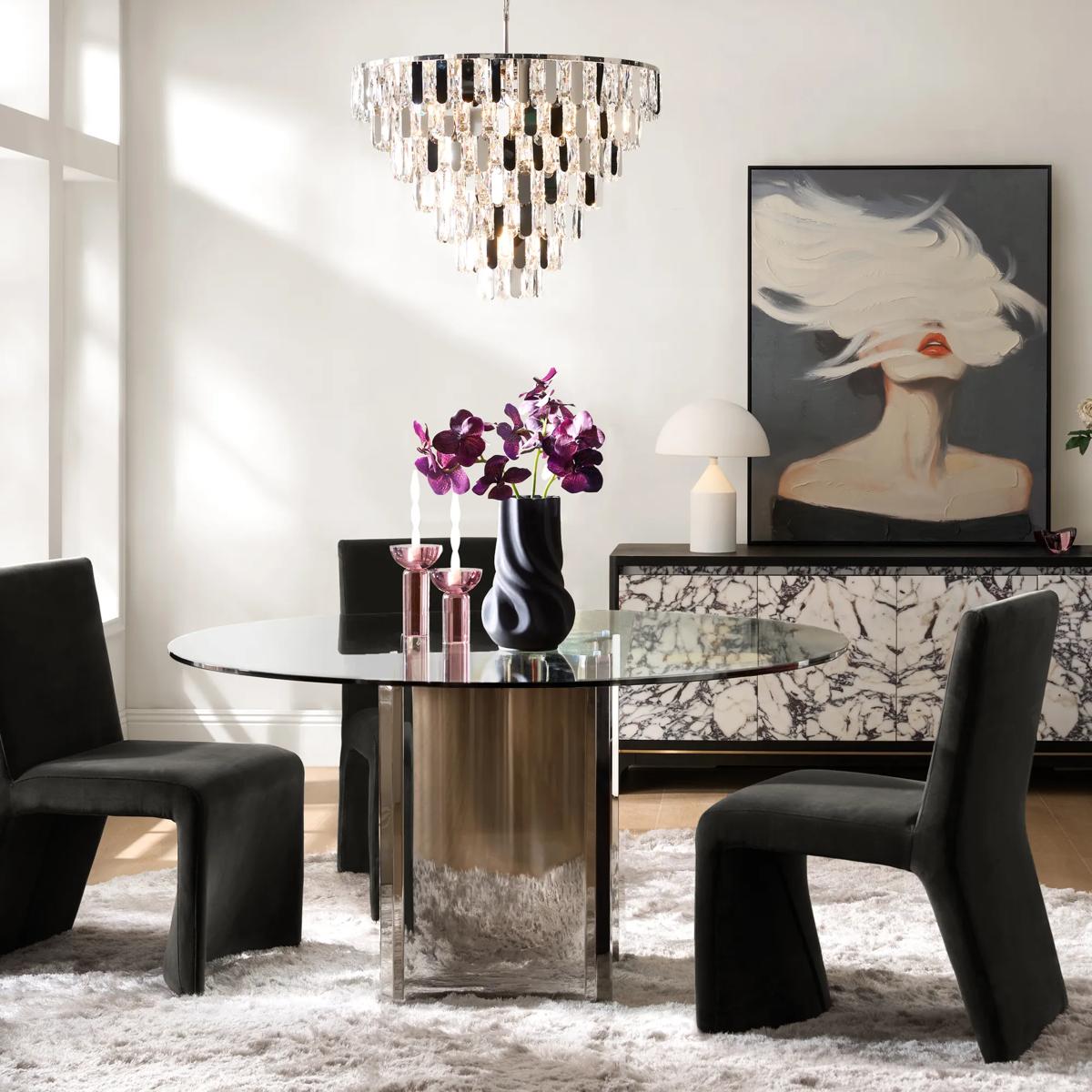 Avenue Crystal Chandelier 28.5"$999
A tiered chandelier crafted from eco-friendly K9 crystal and polished nickel for radiant, modern elegance.
Add To Cart -
 Sawin Chandelier$699
A sculptural brass-plated steel chandelier with frosted acrylic diffusers for a soft, ambient glow.
Add To Cart -
 Bolla LED Hand-Blown Glass Bubble Chandelier 60.25"$499
A hand-blown glass chandelier with clear bubbles, matte gold steel framing, and integrated warm LED illumination.
Add To Cart -

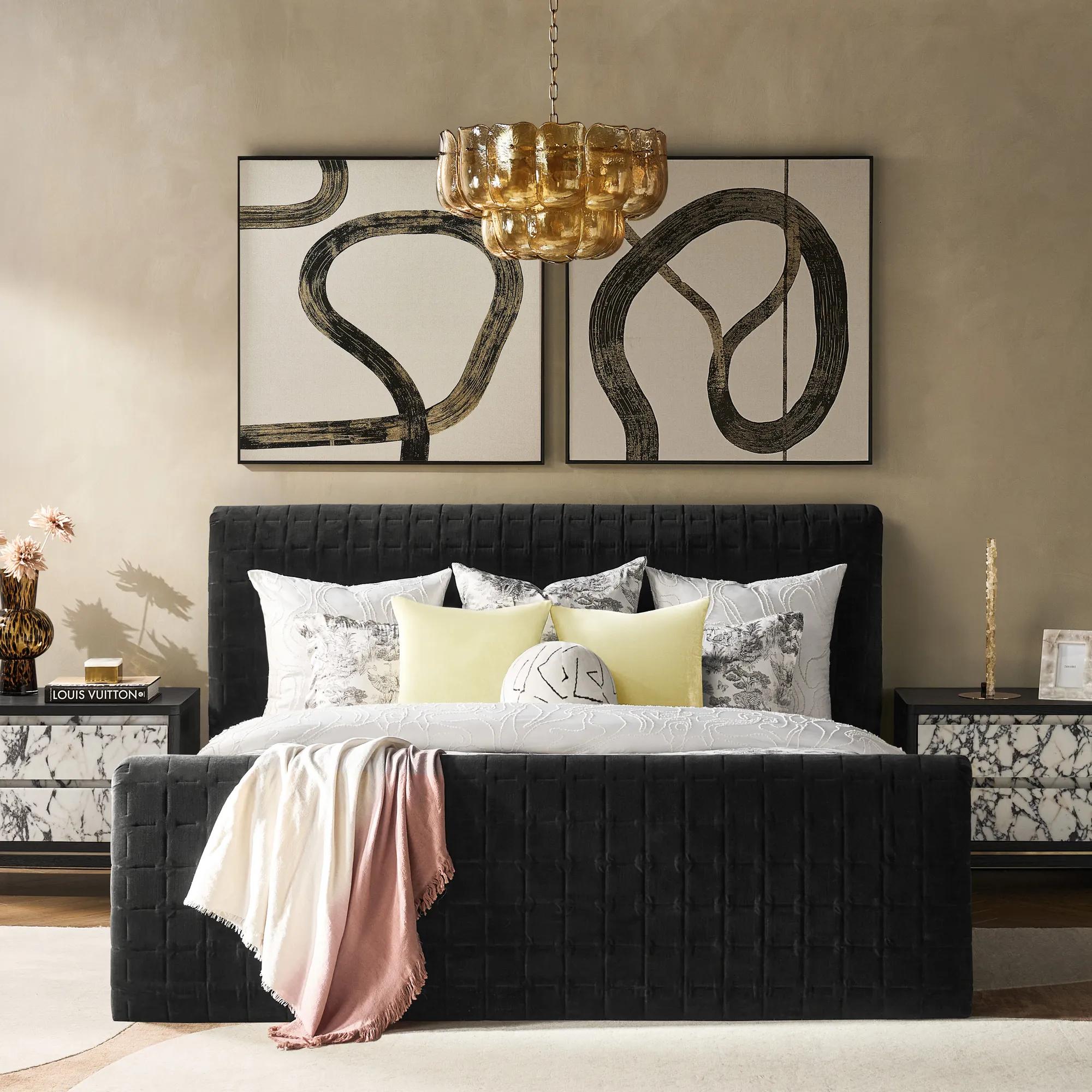 Ember Glow Amber Textured Glass Chandelier 24"$799
A chandelier with textured amber glass petals, brushed brass iron frame, and nine-light ambient illumination.
Add To Cart -
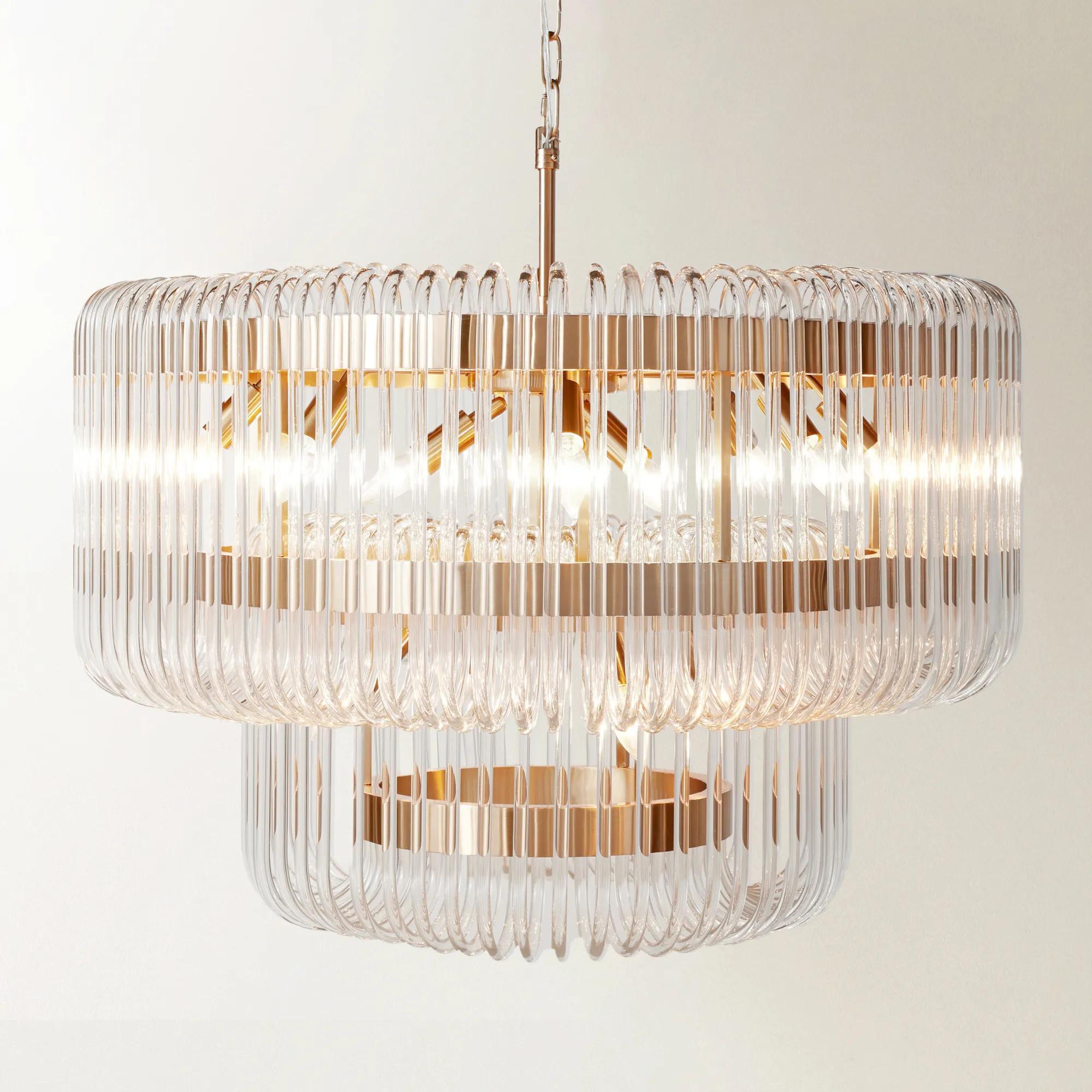 Allure Clear Curved Glass Chandelier 31.5"D x 27.75"H$1499
A chandelier featuring clear curved blown-glass rods, a brushed brass iron frame, and fifteen-light illumination.
Add To Cart -
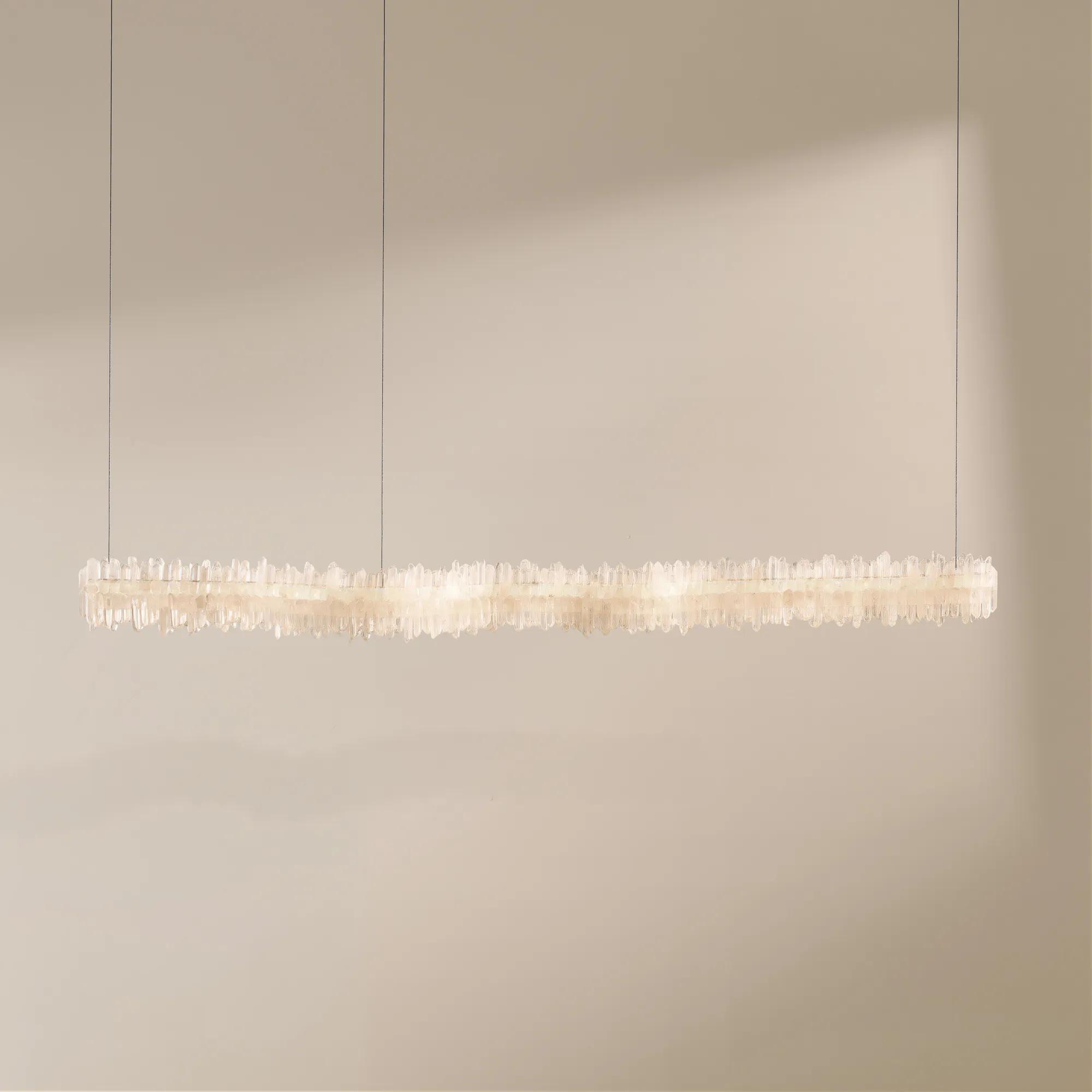 Stella Quartz Crystal LED Chandelier 47.25"$1899
A linear LED chandelier featuring natural raw quartz crystals and a polished rose gold metal frame.
Add To Cart -
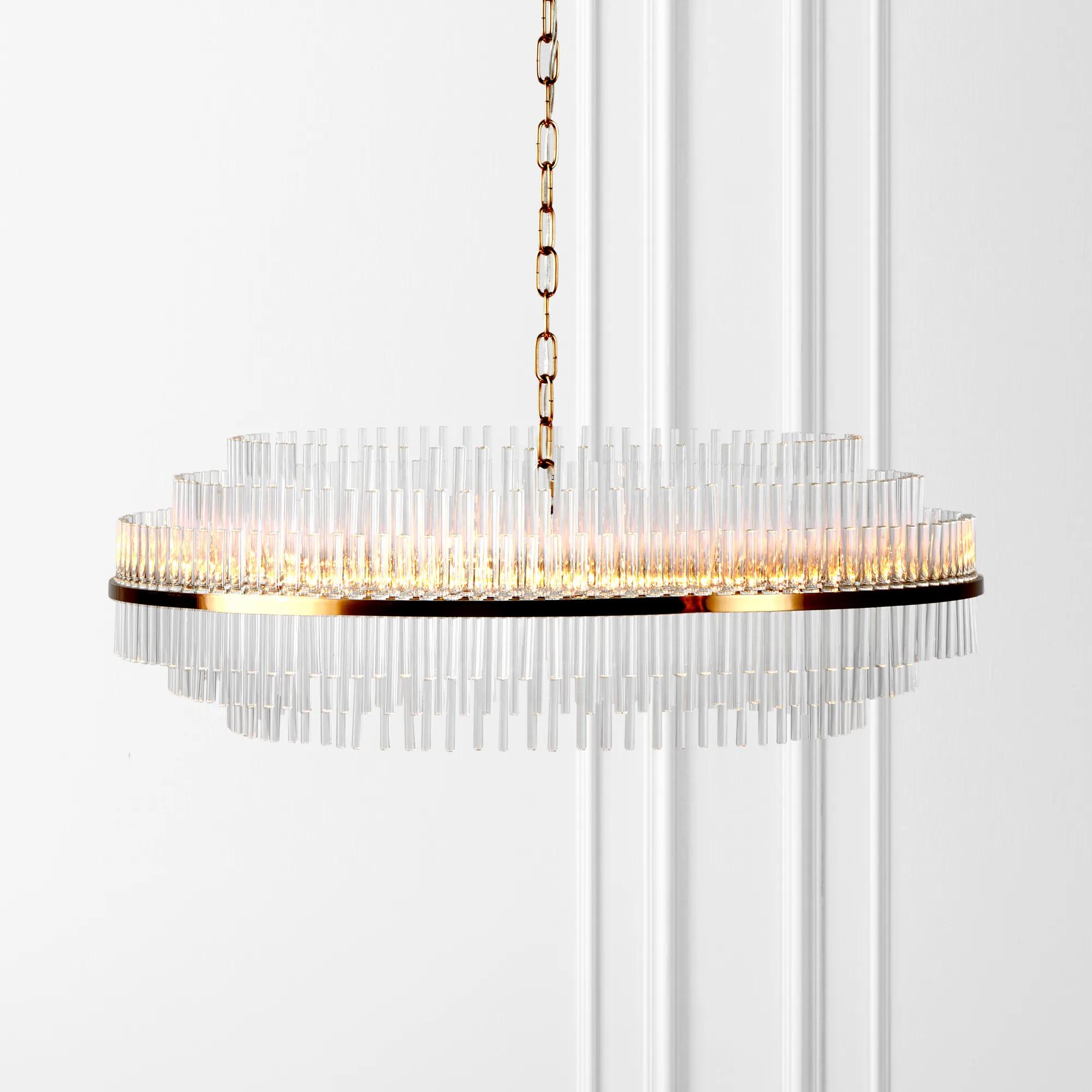
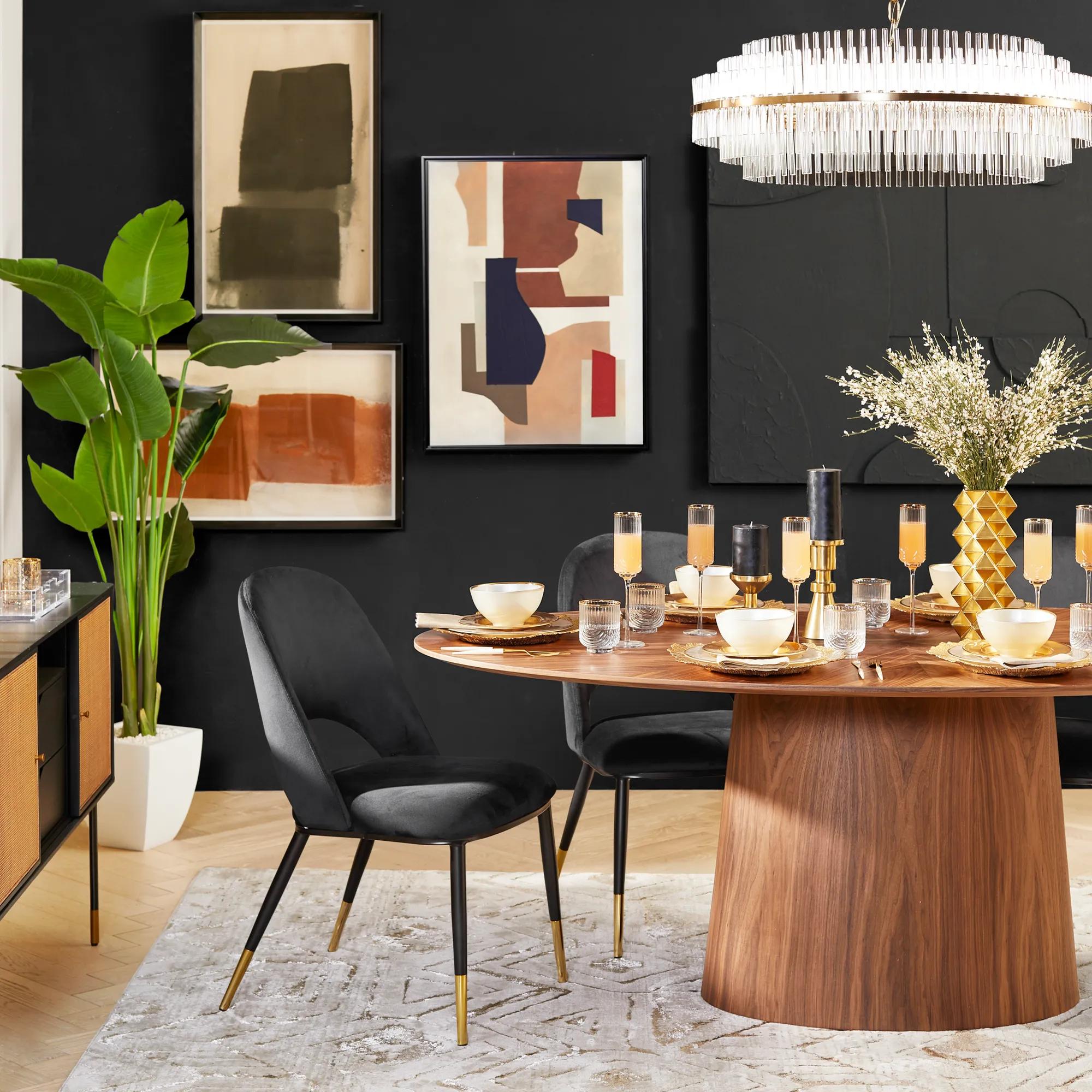 Renata Clear Glass Rod Chandelier 31"W x 10"H$799
A low-profile glass-rod chandelier with a brushed brass iron frame and eight dimmable candelabra lights.
Add To Cart -

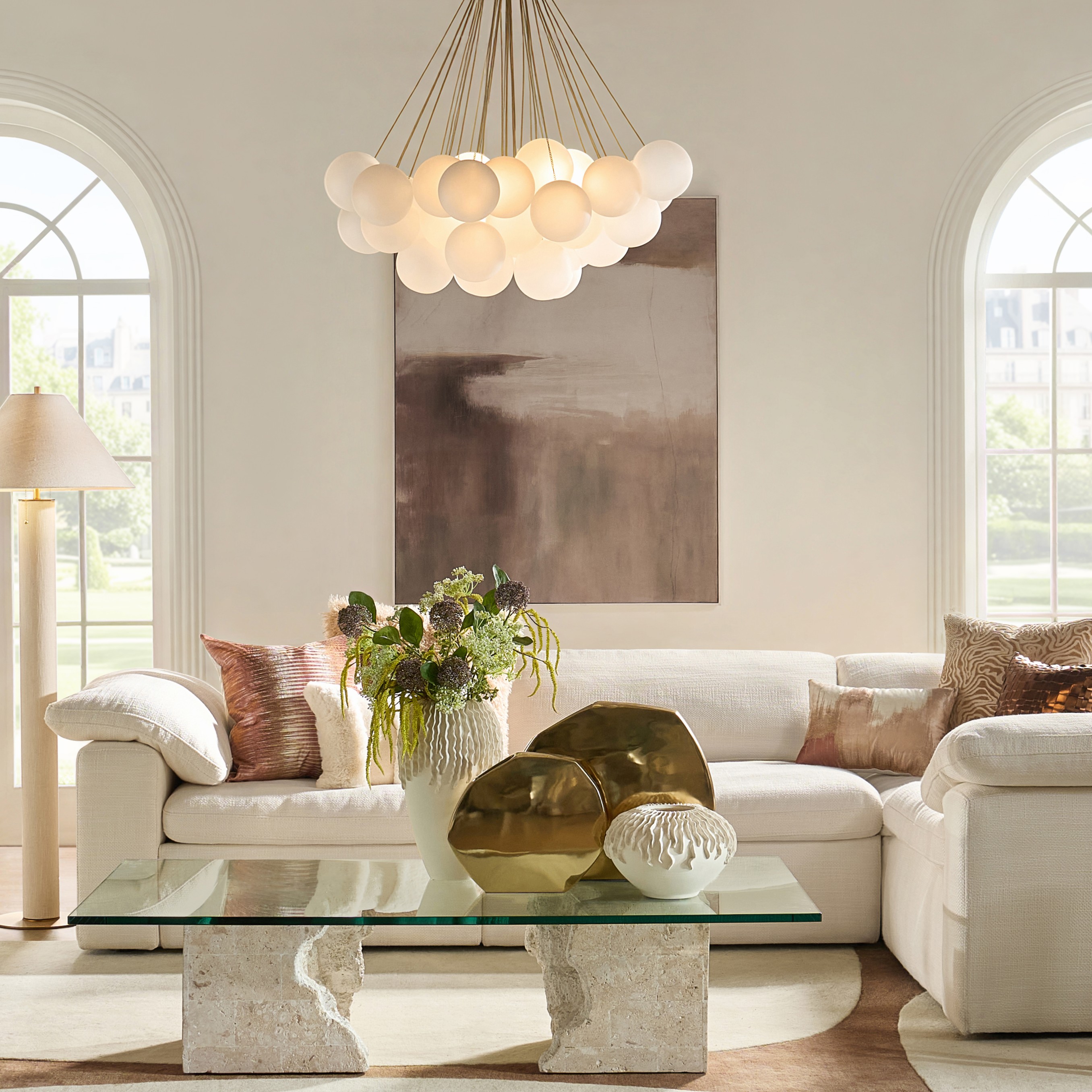 Sanela Frosted Glass Globe Chandelier 39.5"$899
A chandelier with frosted glass globes, an antique brass iron frame, dimmer compatibility, and slope-ceiling adaptability.
Add To Cart -
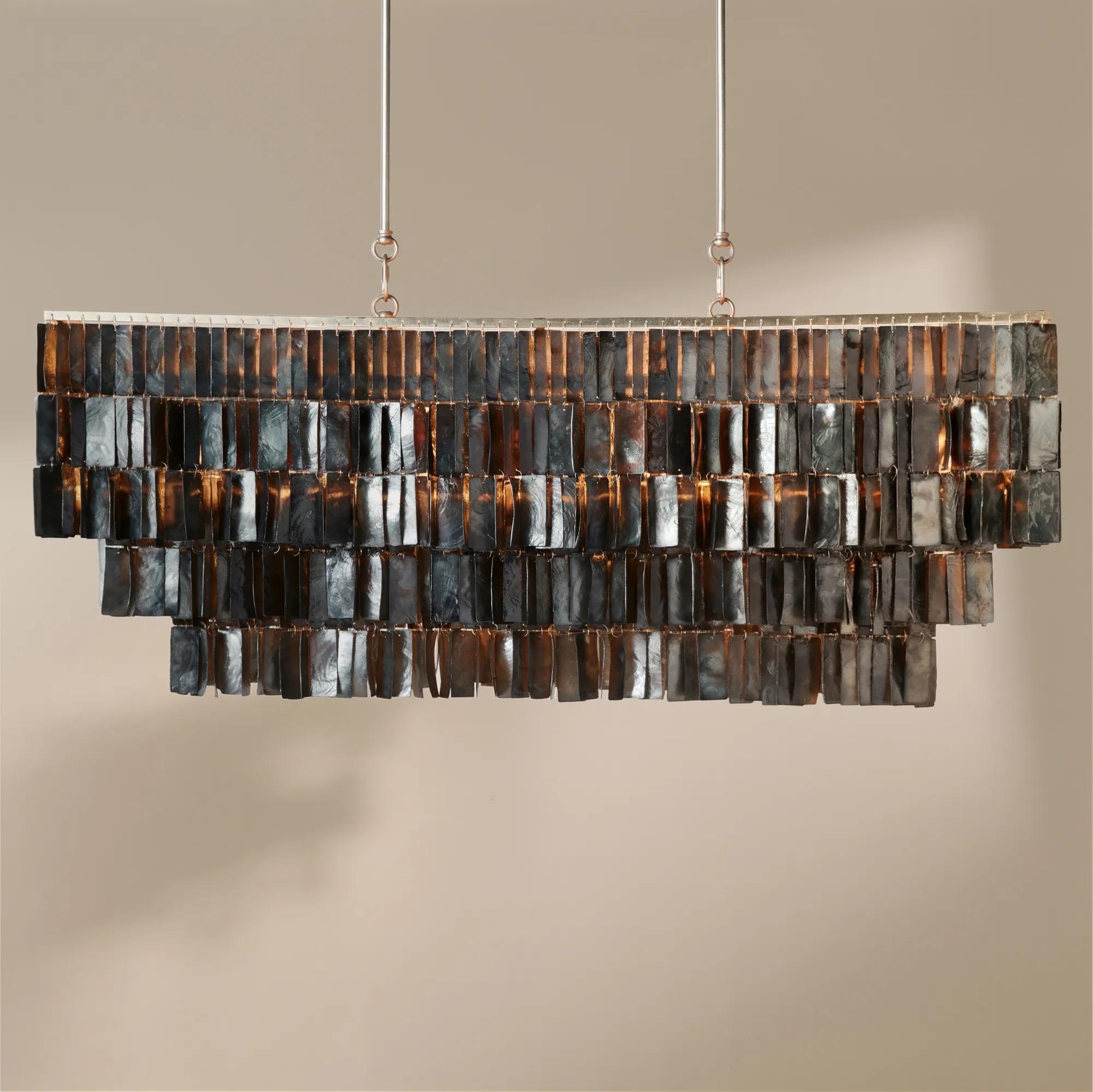
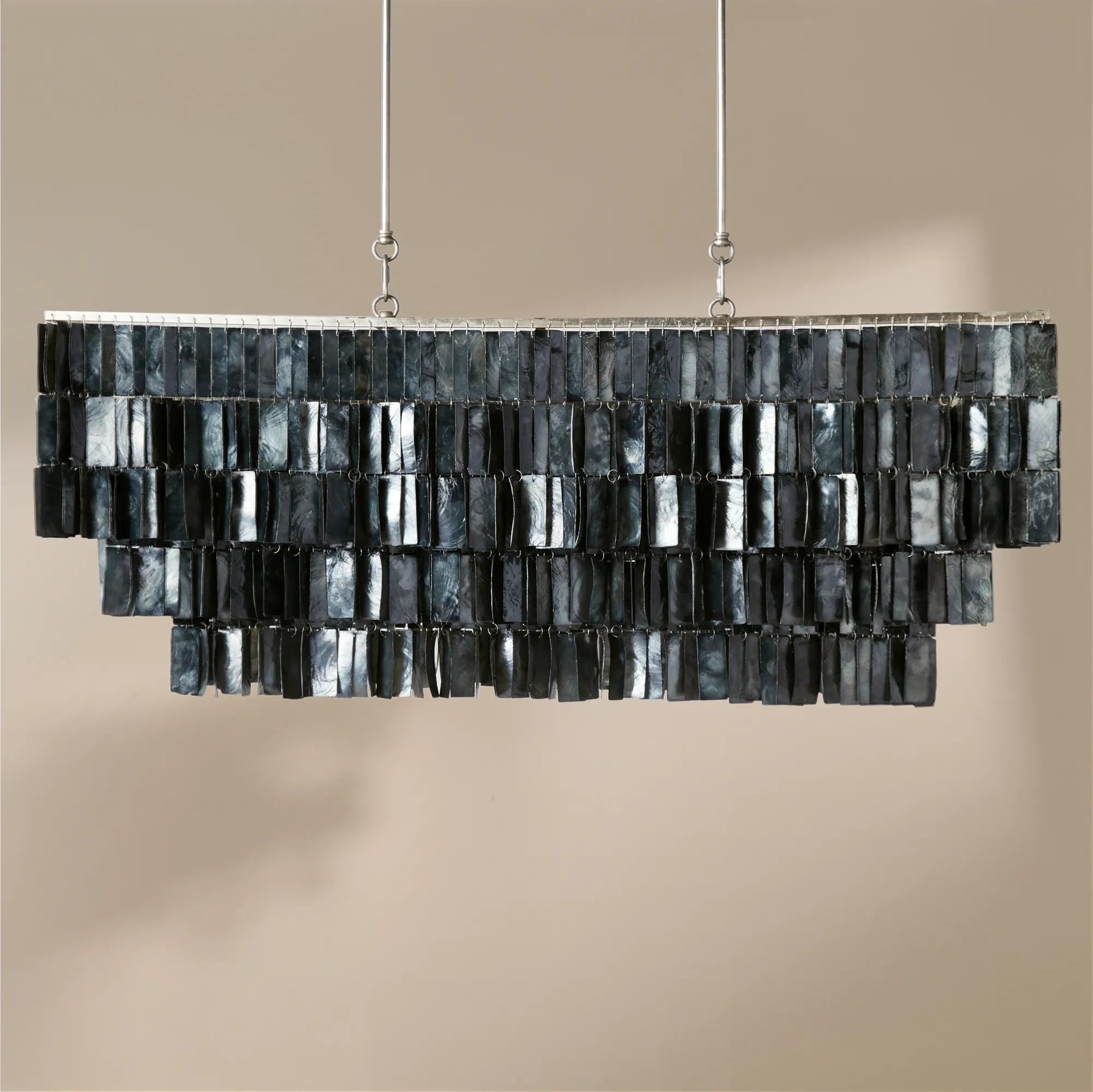 Capiz Shell Graphite Chandelier 39"$849
A chandelier with charcoal capiz shells, a champagne-finished iron frame, and seven dimmable candelabra sockets.
Add To Cart -
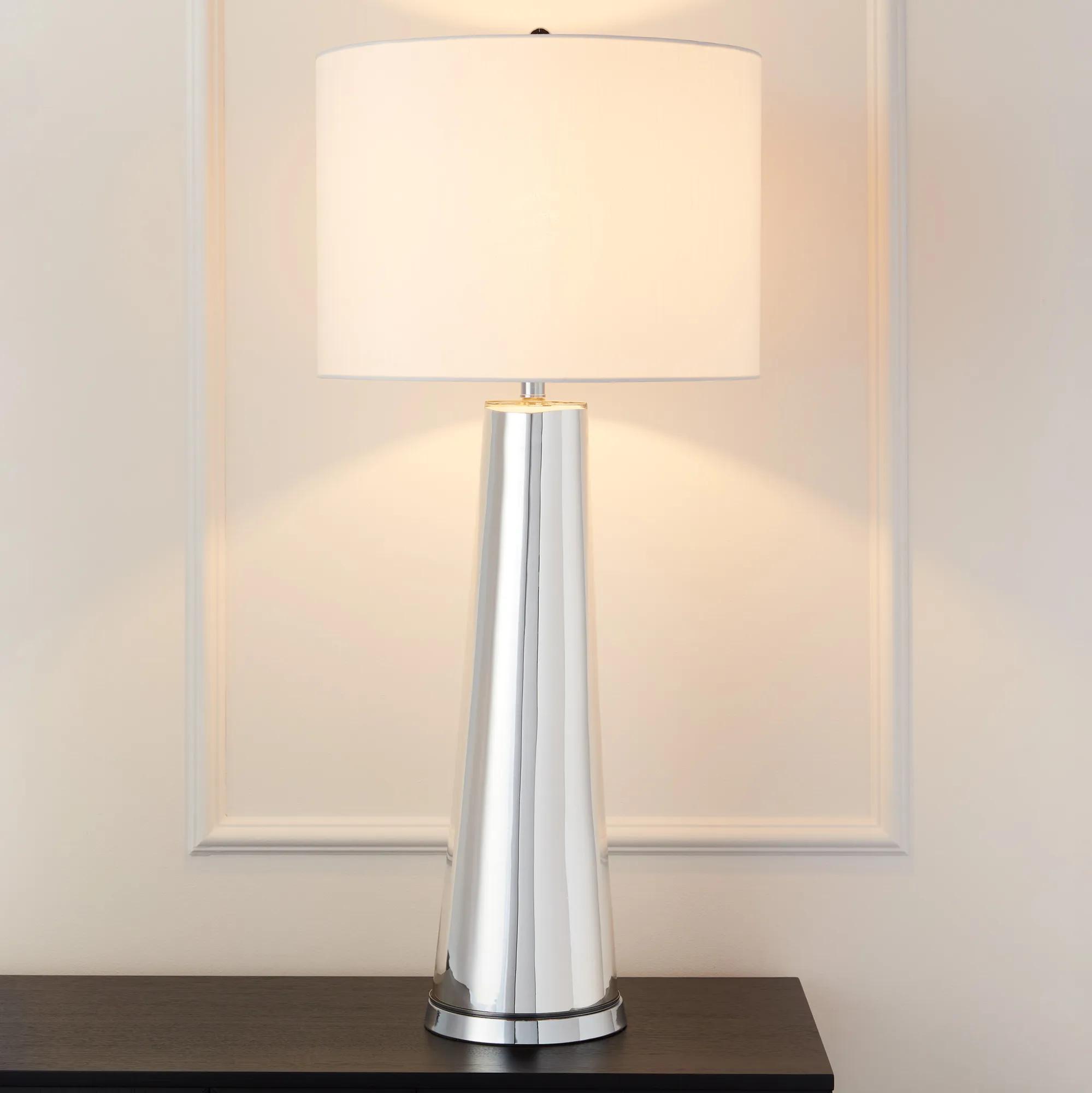 Century Silver Mirrored Glass Table Lamp 40"$299
A modern table lamp featuring a mirrored glass base and white drum shade with brushed chrome accents.
Add To Cart -
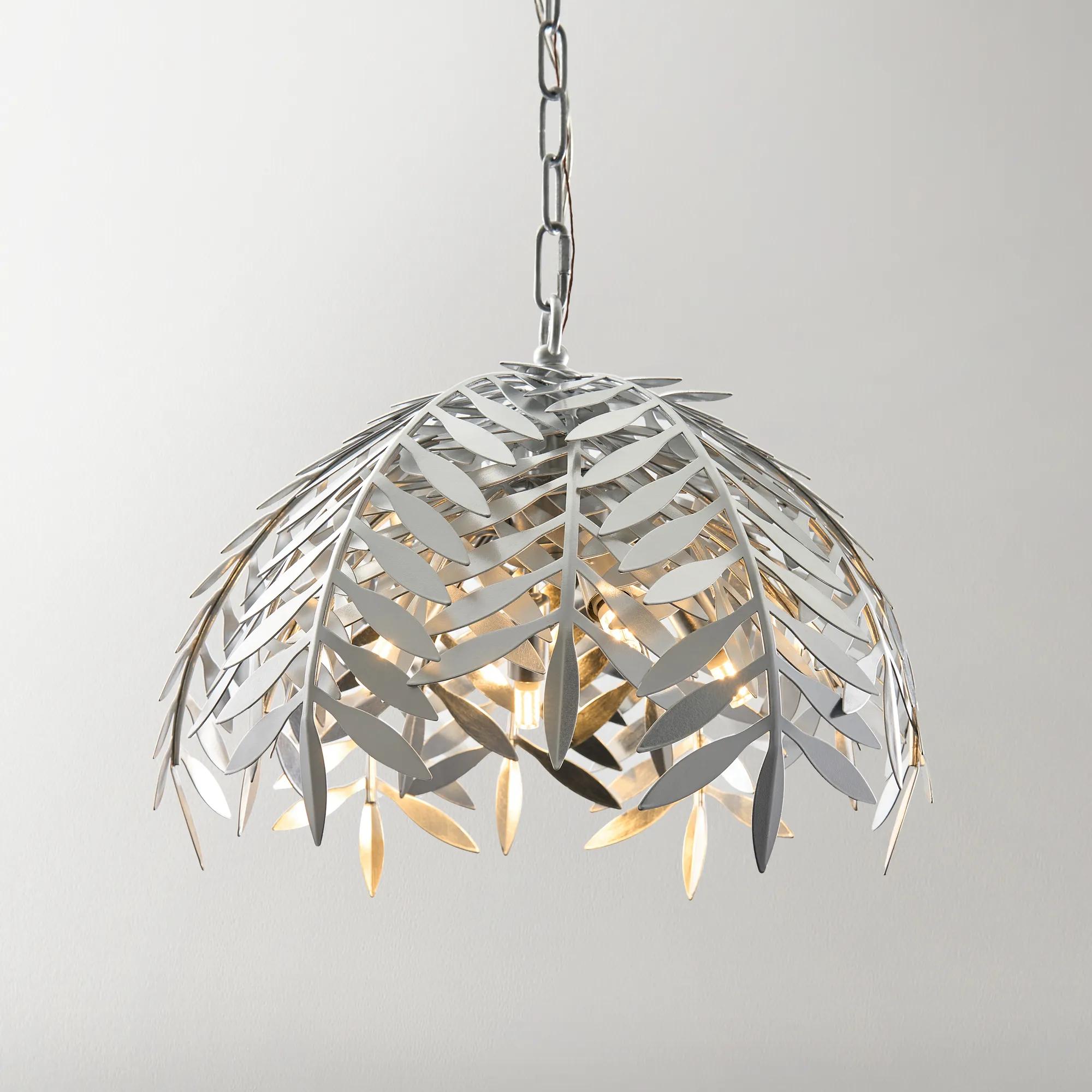
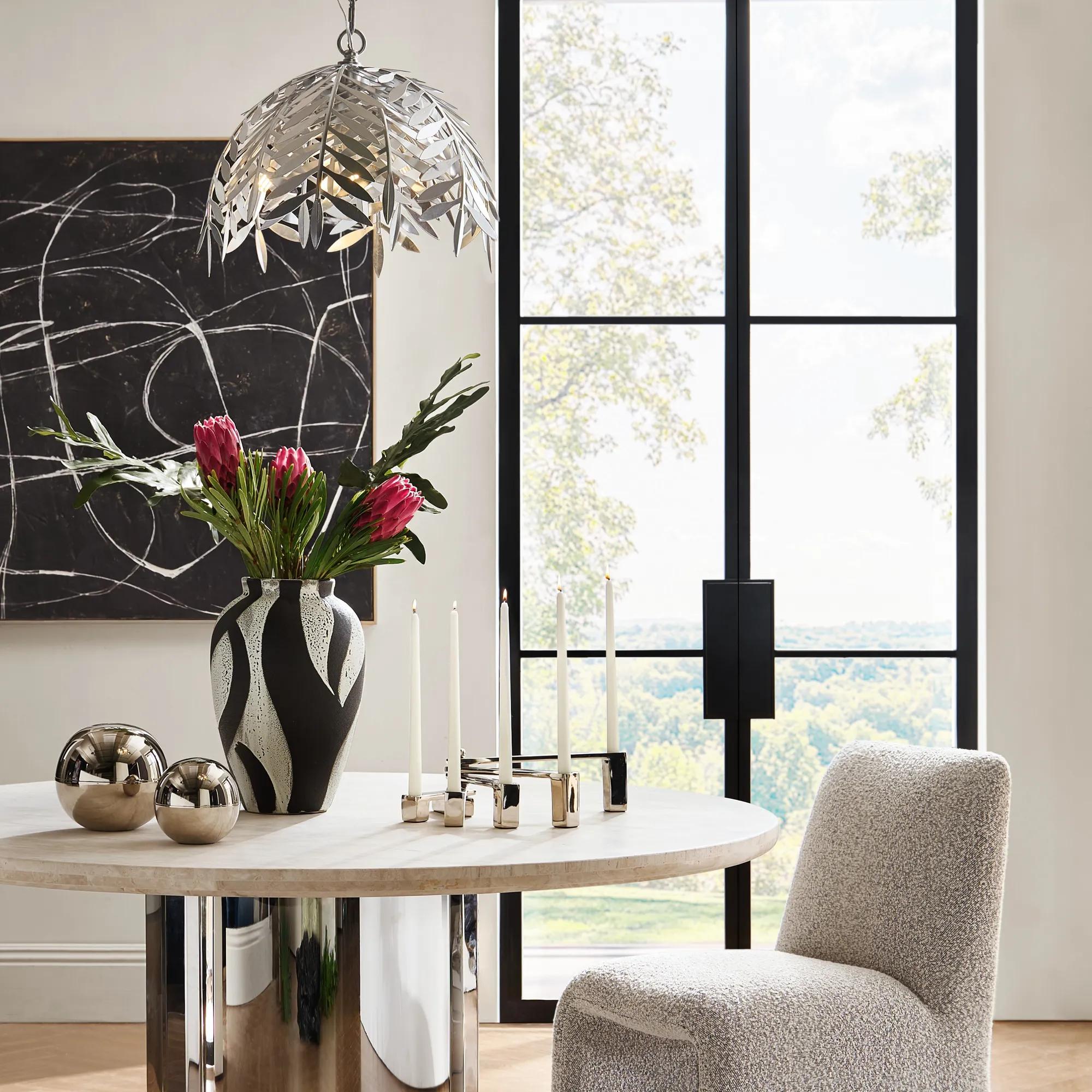 Palm Pendant - Silver$429
A sculpted iron pendant in a lustrous silver finish, casting dramatic shadows with elegant illumination.
Add To Cart -
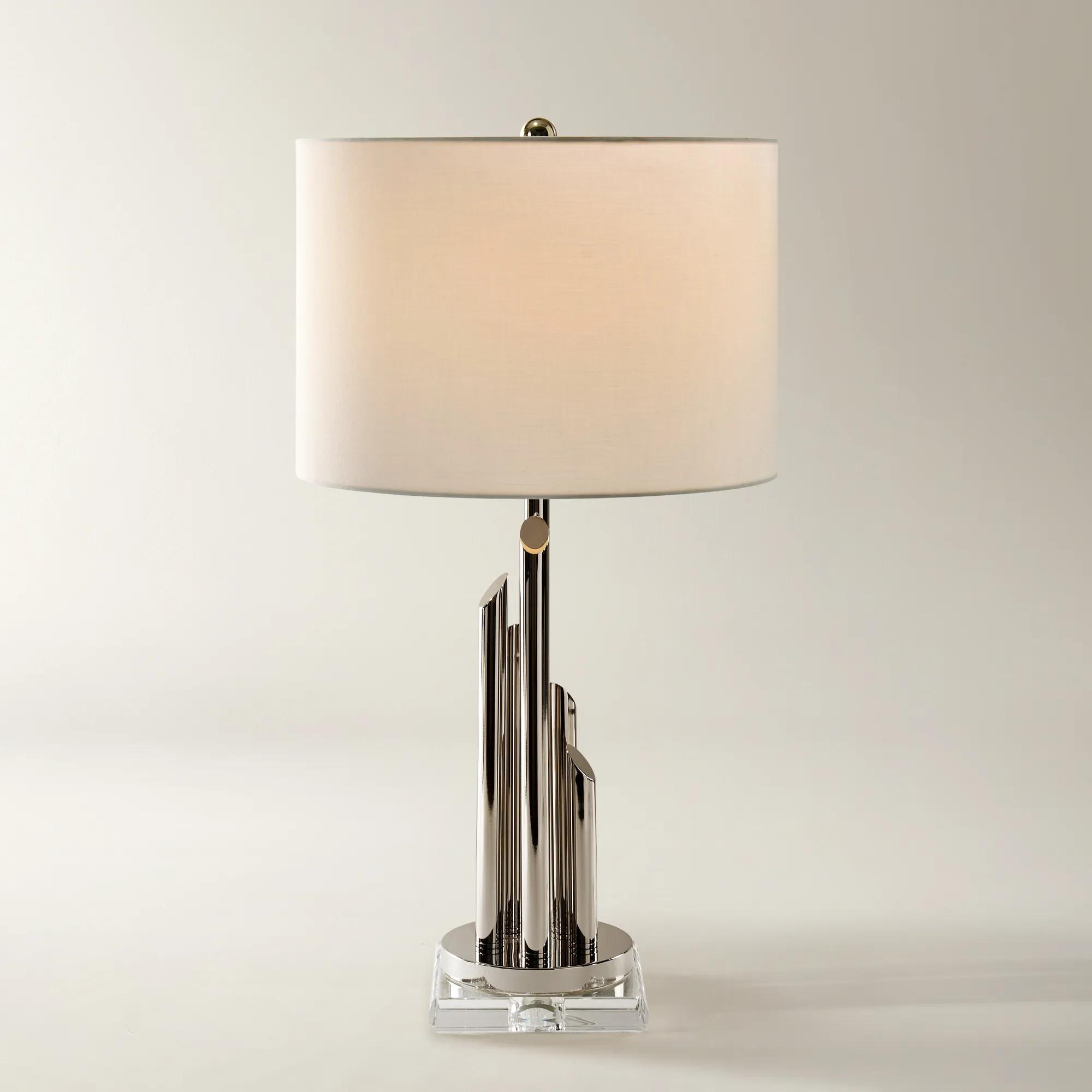
 Jagger Table Lamp$329
A modern table lamp featuring a polished nickel iron frame, clear crystal base, and white cotton drum shade.
Add To Cart -
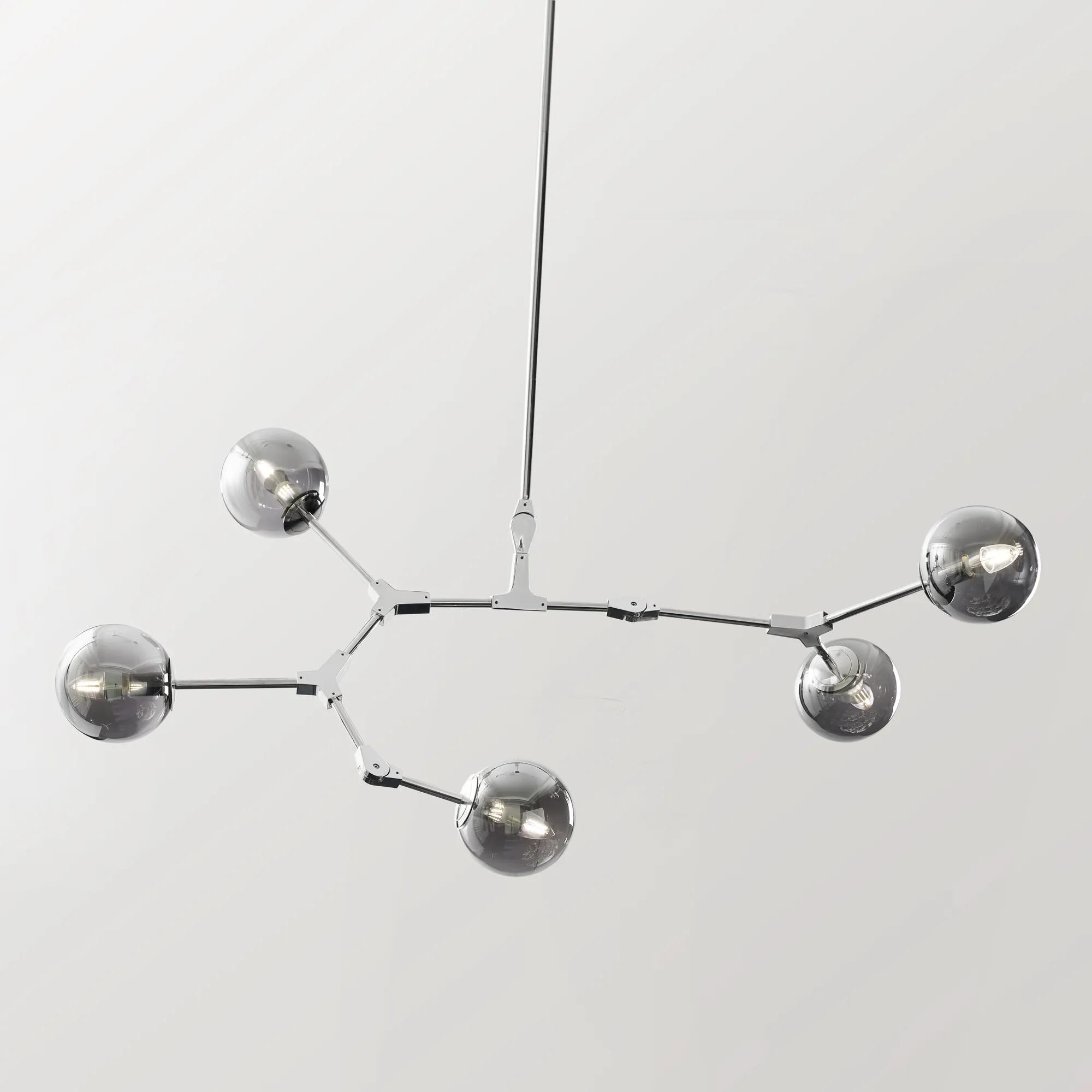
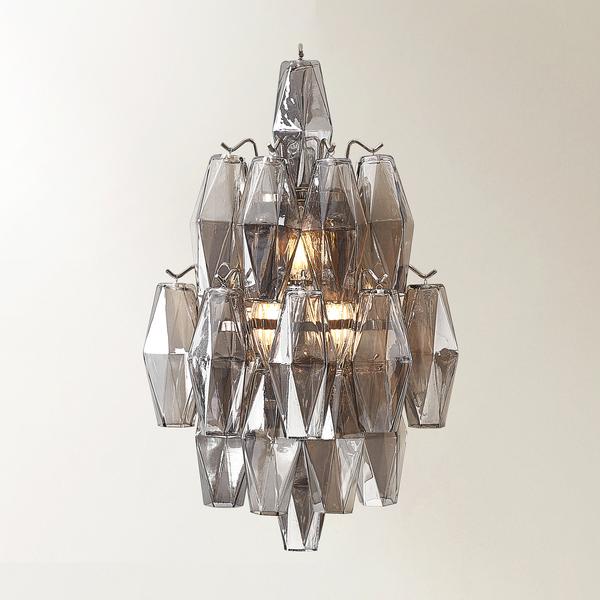
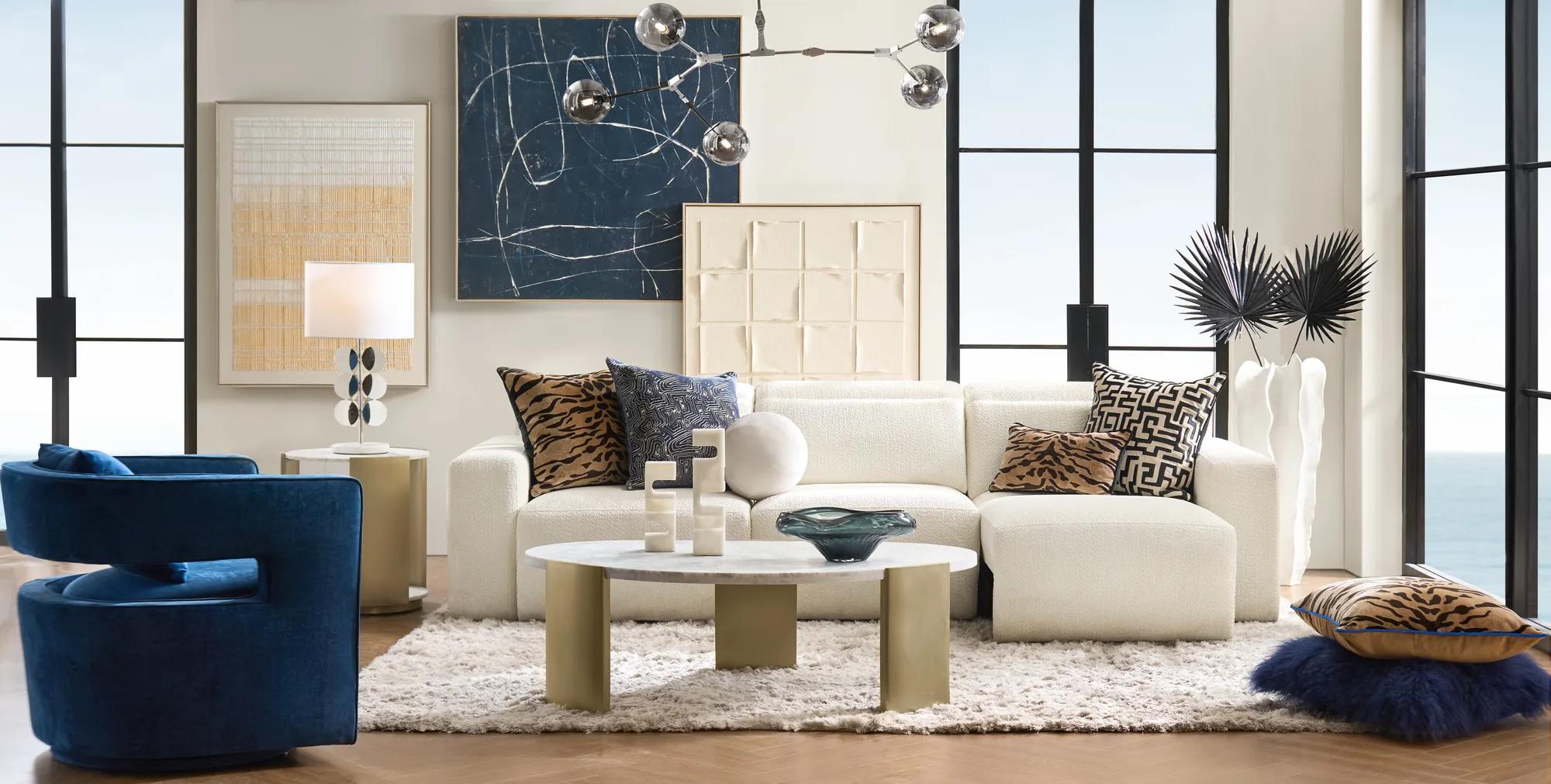 Axel Chandelier$499
A modern chandelier featuring polished nickel arms and smoked glass bulbs for striking, contemporary illumination.
Add To Cart -
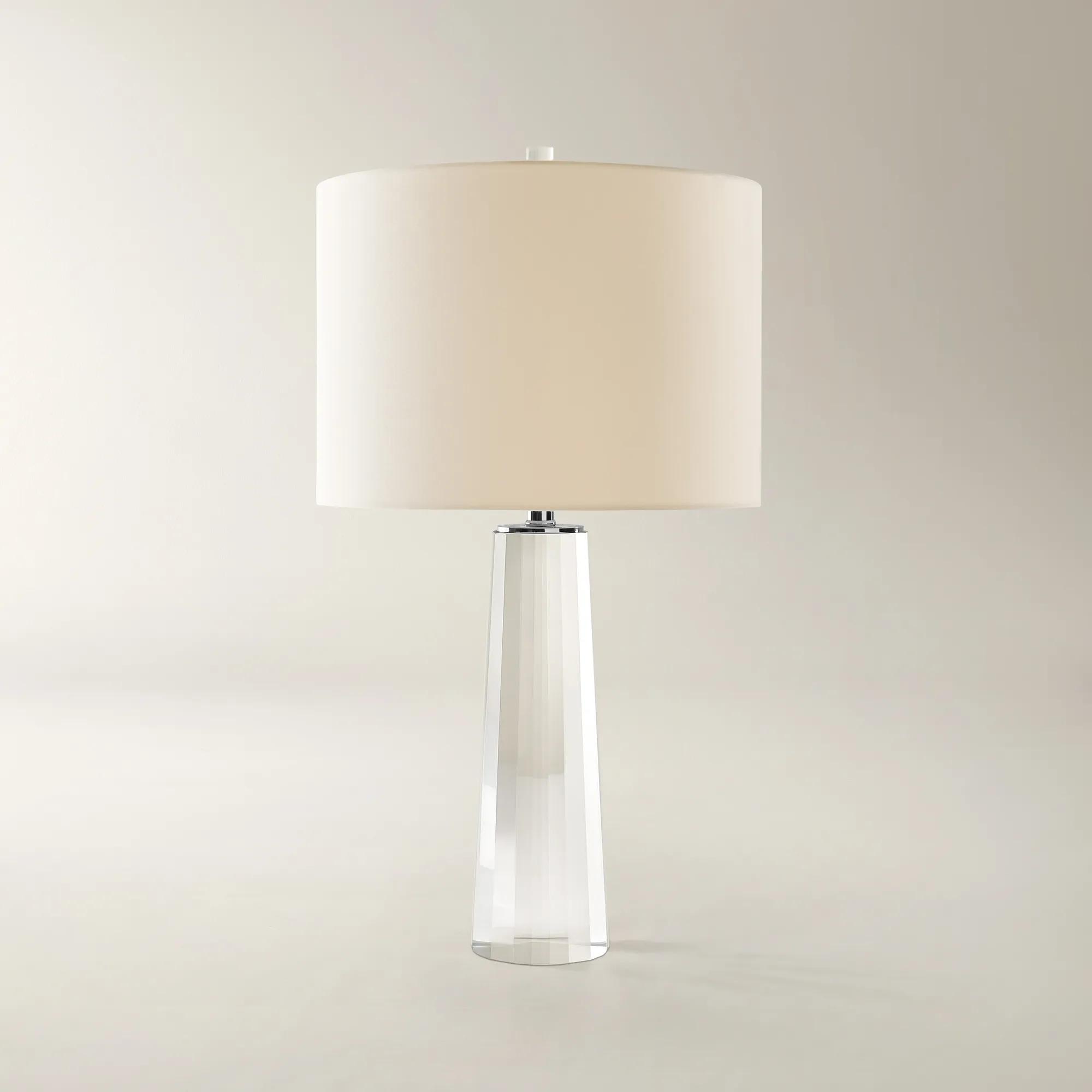
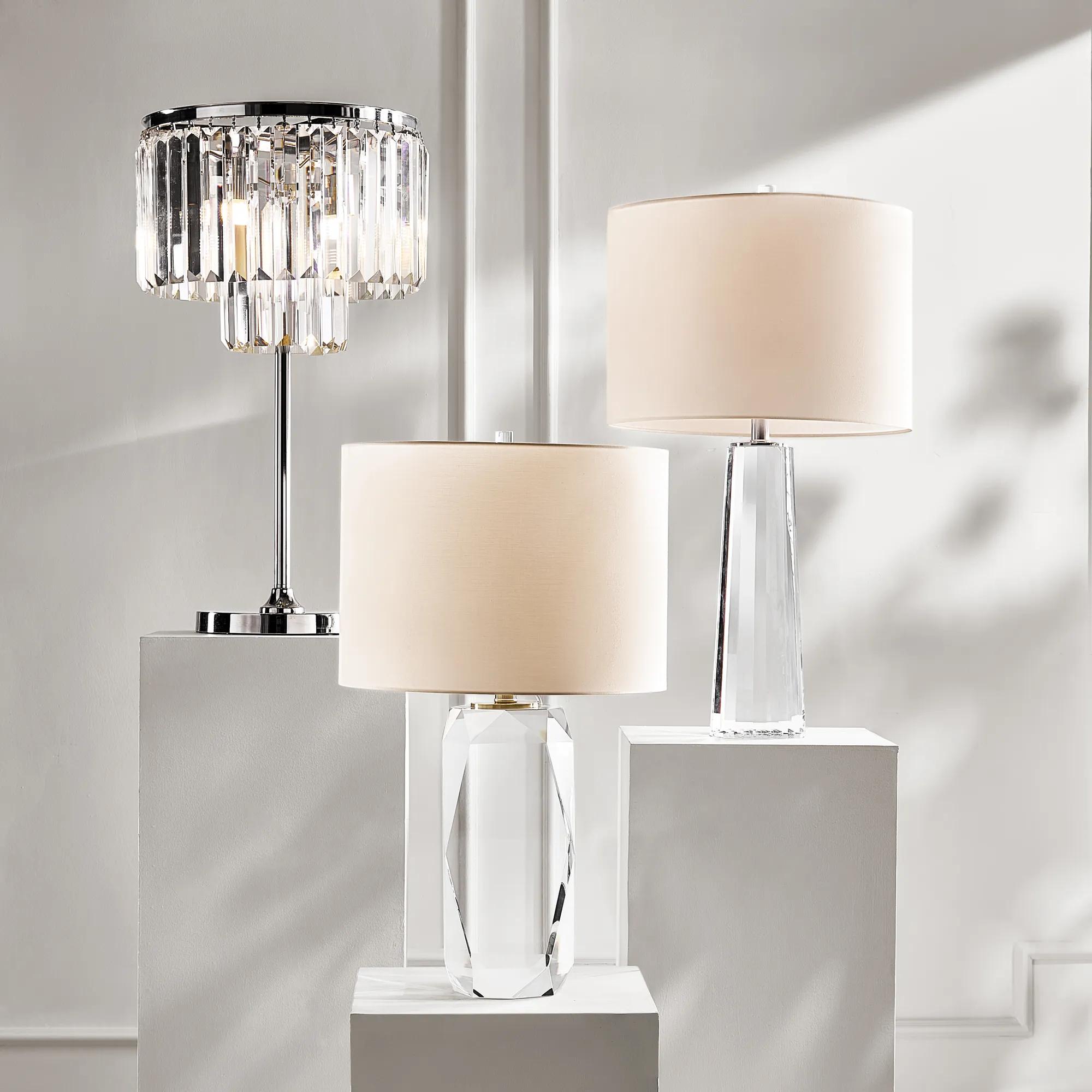 Sasha Faceted Clear K9 Crystal Table Lamp 28"$499
A refined table lamp featuring a clear crystal base, white drum shade, and polished nickel accents.
Add To Cart -
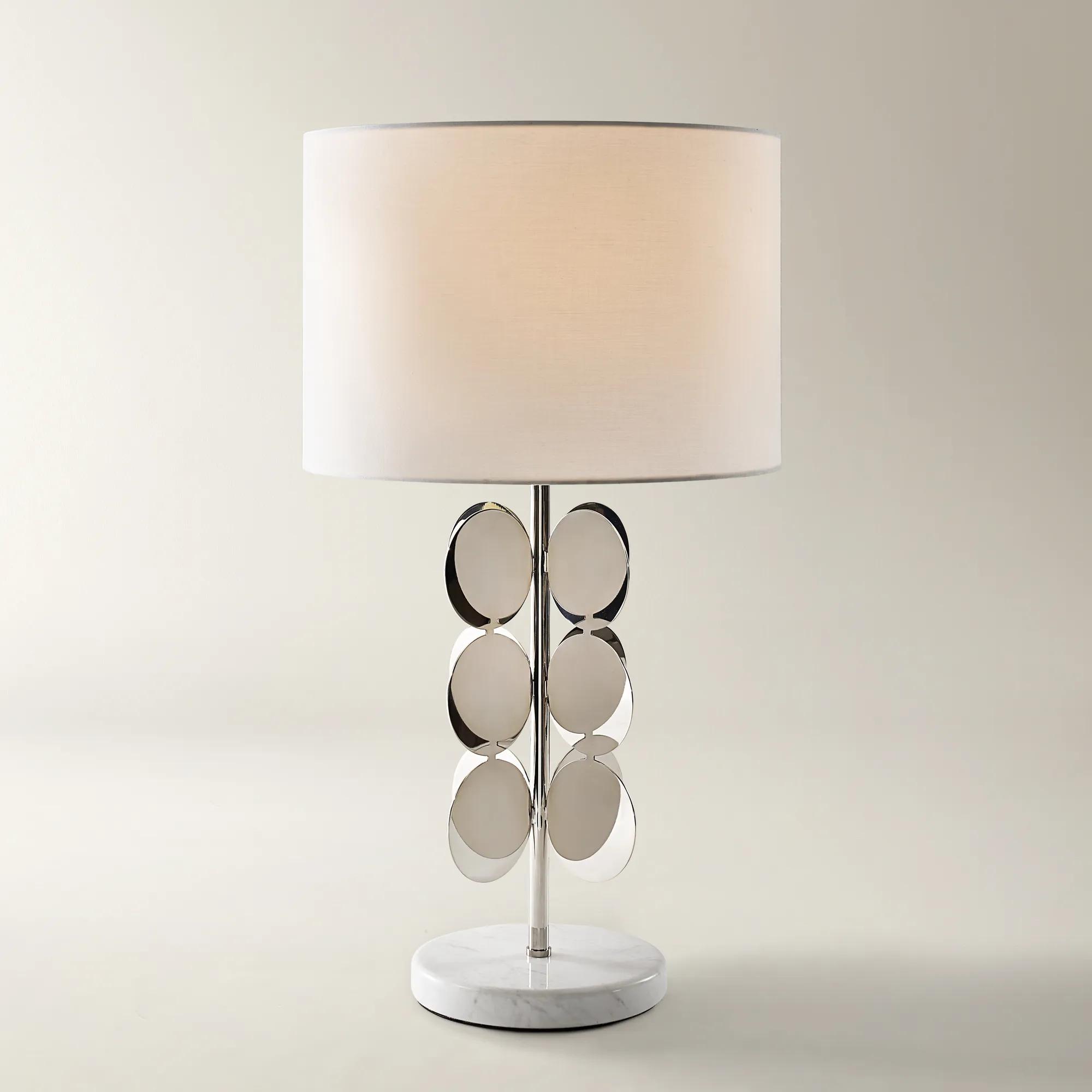 Orion Table Lamp$329
A polished nickel iron lamp with a white marble base and crisp white cotton drum shade.
Add To Cart -
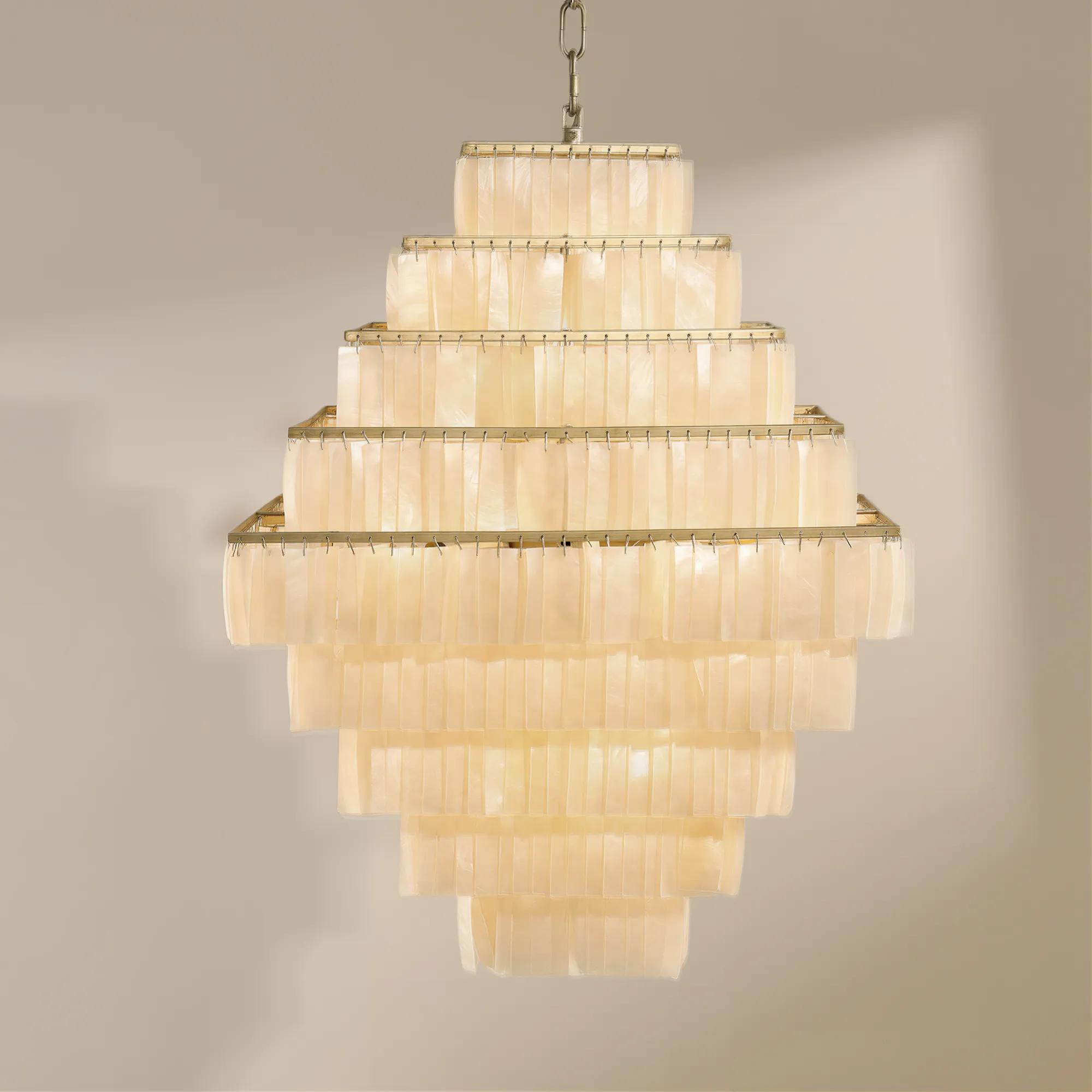 Soleil Capiz Shell Chandelier 25"$999
A modern capiz shell chandelier with 700 pearlescent shells, champagne-finished iron, and dimmable ambient lighting.
Add To Cart -
 Joliet LED Linear Hand Painted Swirl Glass Chandelier 47"$499
A linear chandelier featuring hand-painted swirl glass, champagne-finish canopy, and integrated warm LED illumination.
Add To Cart -
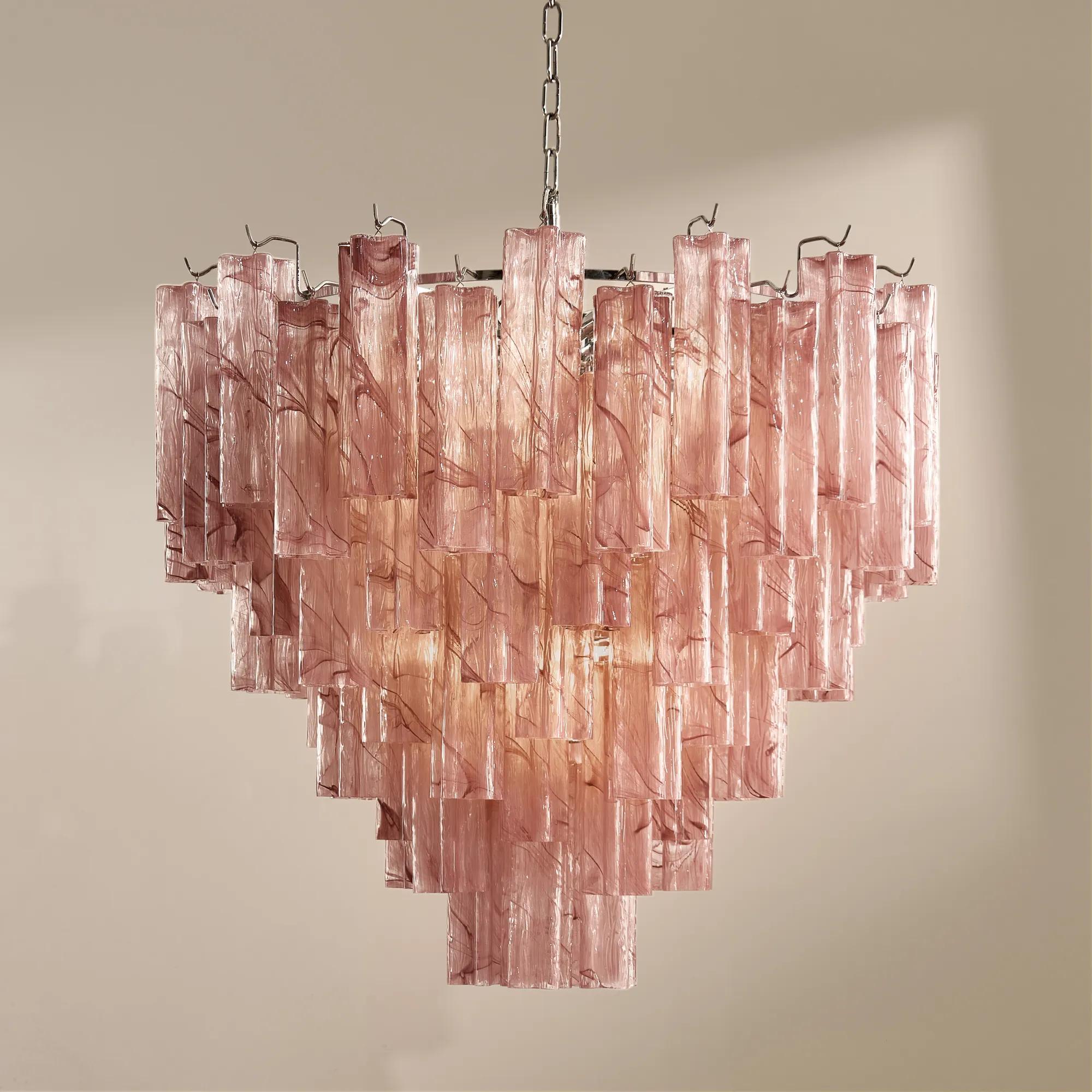 Elodie Rose Glass Chandelier 31.5"$1299
A handcrafted rose glass chandelier with swirled glass, polished chrome framing, and 21 dimmable candelabra lights.
Add To Cart -
 Glacier Clear and Frosted Glass Chandelier 24"$899
A glass chandelier with icicle-inspired clear and frosted panels, brushed brass frame, and twelve-light illumination.
Add To Cart -
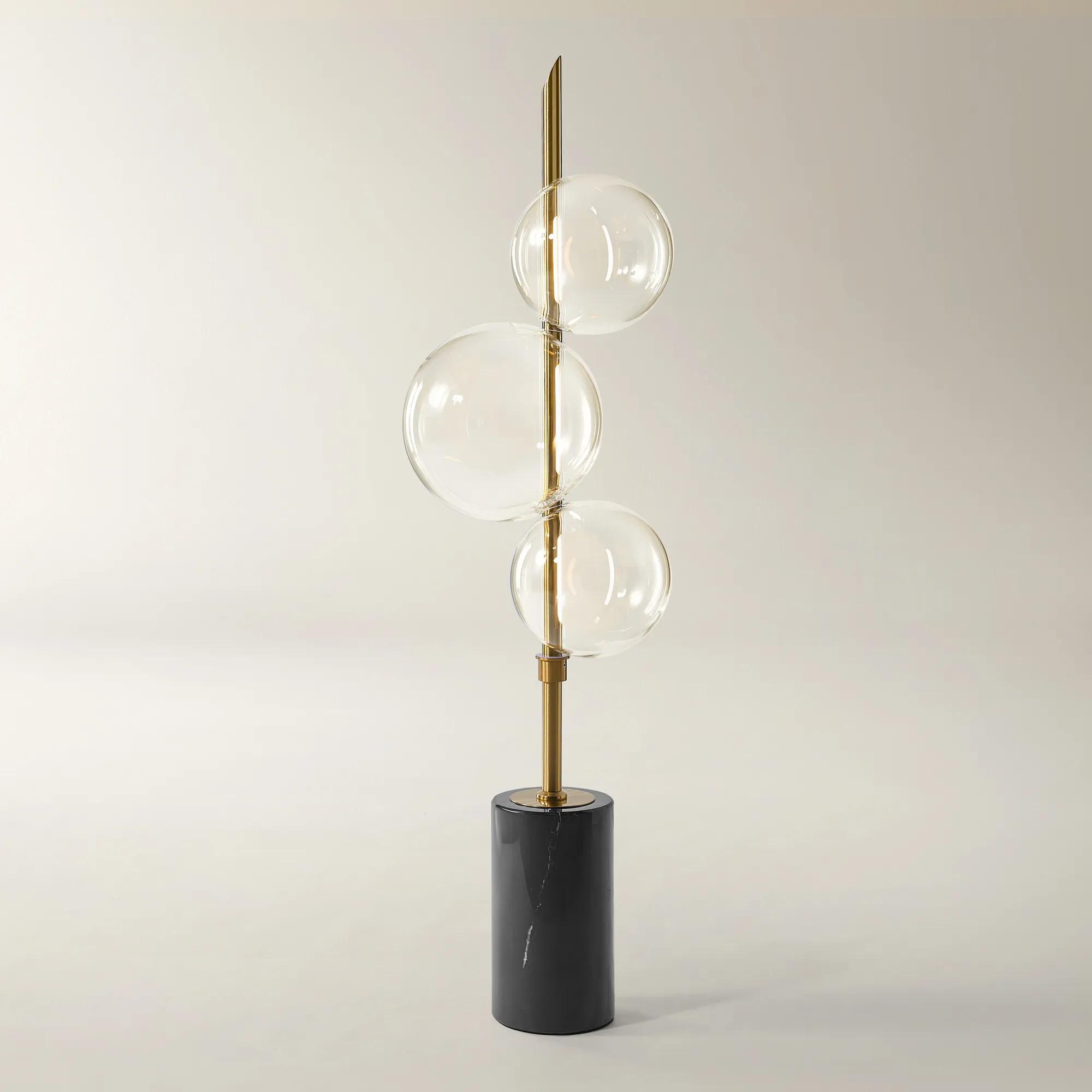
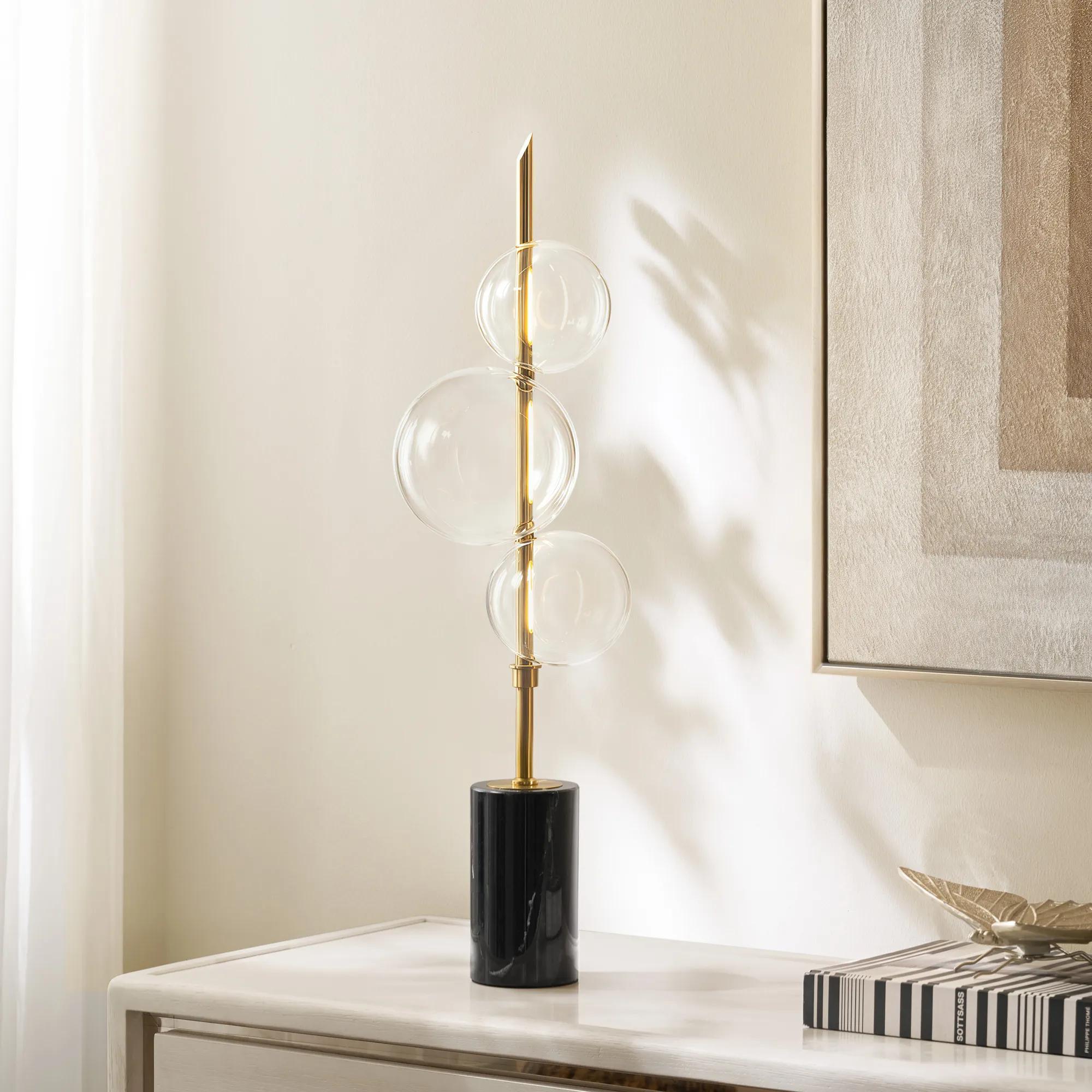 Bolla LED Hand-Blown Glass Bubble And Stone Table Lamp 31.5"$249
A sculptural table lamp featuring clear hand-blown glass bubbles, brass and stone accents, and integrated LED lighting.
Add To Cart -
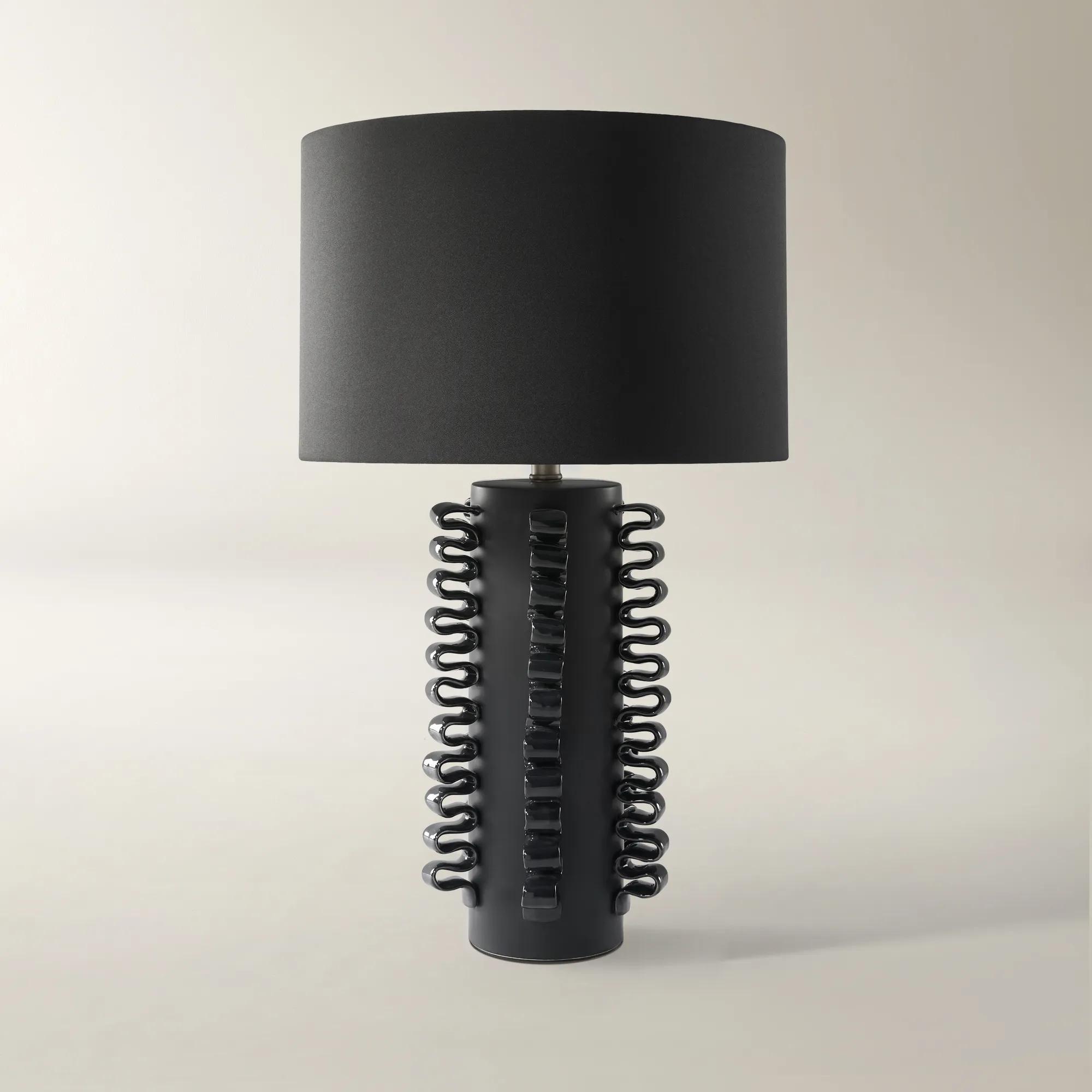
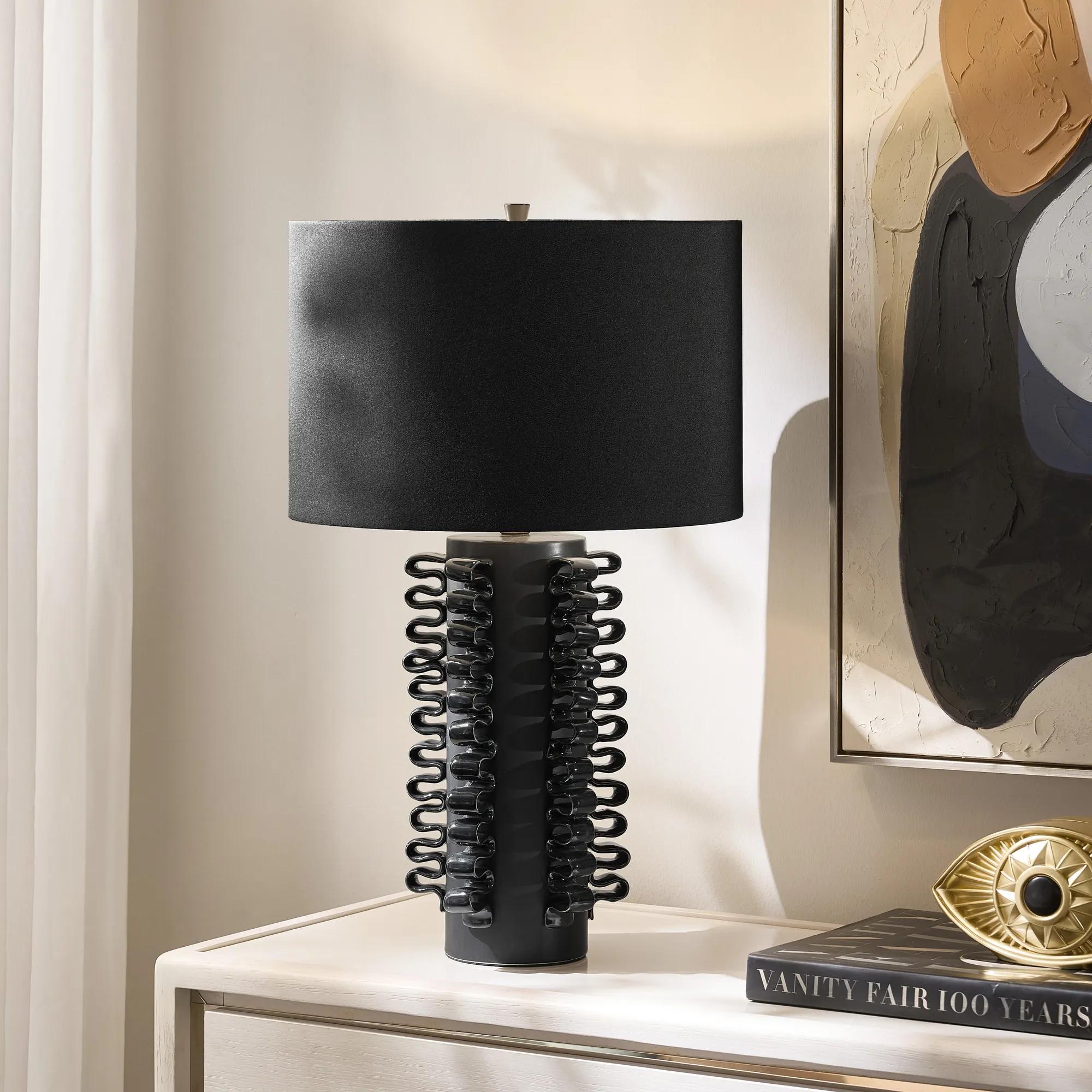 Anello Ruffle Black Ceramic Table Lamp 27"$249
A sculptural matte black ceramic lamp with glazed ribbon accents and a matching black cotton shade.
Add To Cart -
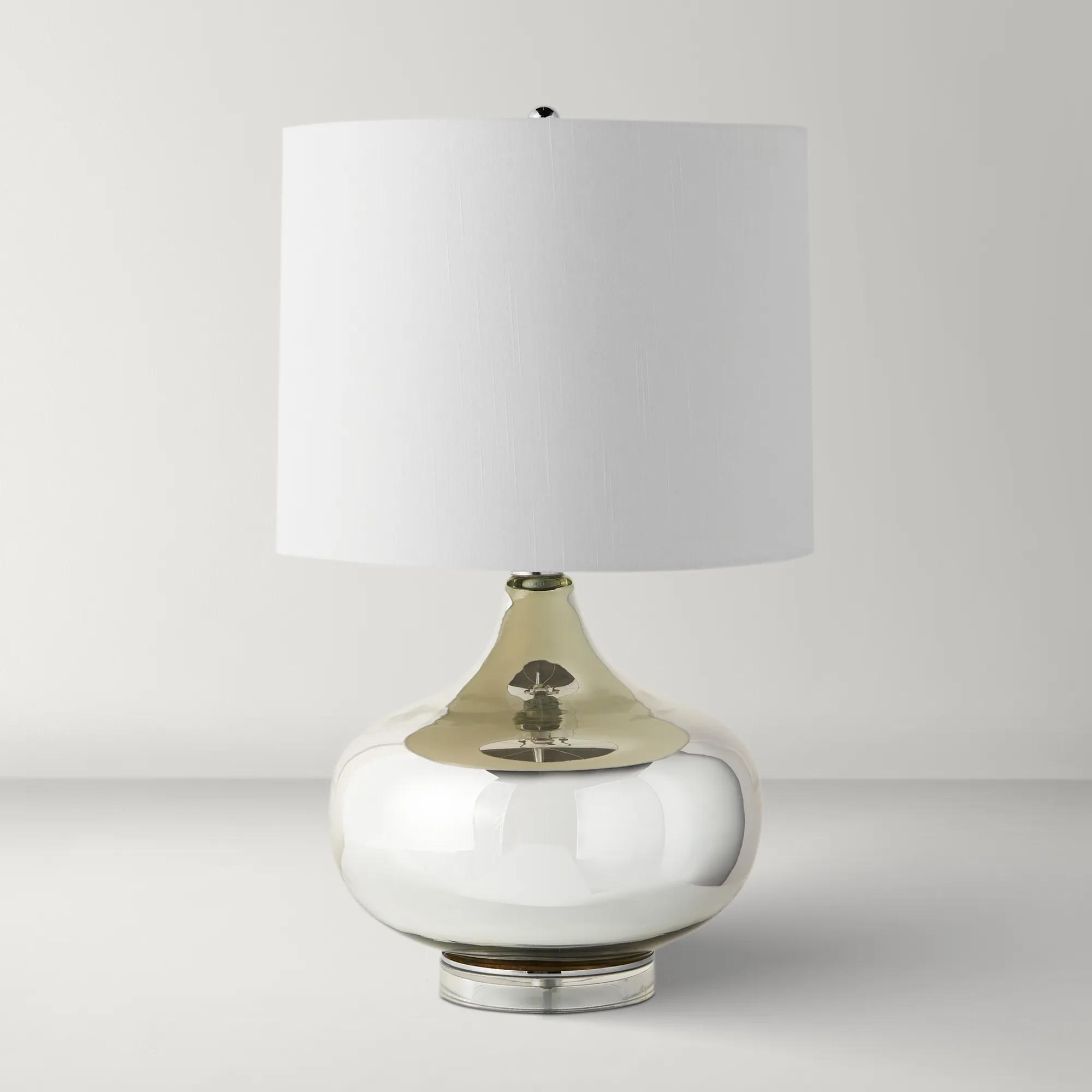 Sabrina Mirrored Silver Glass Table Lamp 27.5"$199
A contemporary lamp featuring a silver mirrored glass base, clear acrylic accents, and a white fabric shade.
Add To Cart

Modern Dining Room Light Fixtures
Modern Dining Room Light Fixtures transform every meal into a captivating experience, casting an artful interplay of light and shadow that elevates your dining space from ordinary to extraordinary. Imagine sculptural silhouettes suspended above your table, radiating an ambiance that is equal parts glamour and intrigue. With bold lines, gleaming finishes, and thoughtfully designed forms, these fixtures infuse your dining room with a sense of drama and sophistication. Illuminate unforgettable evenings and create a stage for lively gatherings—because in the world of modern design, lighting is more than functional; it’s the exclamation point on your personal style.
Modern dining room light fixtures combine clean lines, sculptural silhouettes, and purposeful illumination, turning the dining table into an architectural focal point. The category spans linear suspensions, geometric chandeliers, clustered pendants, and expressive arrangements of glass and metal, with each silhouette bringing a distinct rhythm to the room. A slender linear fixture echoes the length of a rectangular table, while a rounded chandelier creates a compelling composition above a circular setting. Multiple pendants can introduce a measured repetition over an extended dining surface, giving the space definition without relying on a single oversized form. Modern design also leaves room for extravagance: branching arms, luminous globes, faceted crystal, and layered frames offer drama through shape rather than heavy ornament. Clear glass preserves an airy sightline and reveals the beauty of the light source; opal or frosted glass softens its appearance for a more diffused effect. Crystal introduces sparkle and reflected highlights, especially when paired with a polished metal frame. Brass-toned finishes bring warmth to pale upholstery and richly grained wood, while chrome and polished nickel lend a cool, mirrorlike accent to lacquered surfaces or marble. Matte black creates a graphic outline against lighter walls and can give a glamorous dining room a sharper edge. The relationship between these materials matters as much as the silhouette itself. A gleaming fixture above a textured table creates contrast, while repeated metallic accents can connect the lighting with chair details, cabinetry hardware, or a nearby console. For a room with expressive artwork or richly patterned seating, a restrained frame allows those elements to remain visible. In a quieter interior, a dimensional chandelier can supply the room’s most arresting gesture. These fixtures belong in dedicated dining rooms, open living and dining areas, and intimate breakfast spaces where illumination should feel considered rather than incidental. The result is a setting with presence even before the table is dressed, equally suited to a leisurely dinner for two or a beautifully composed gathering.
Scale gives modern dining room lighting its authority, but proportion keeps that presence comfortable. The table, ceiling height, and surrounding circulation all influence how a fixture reads within the space. A broad, low-profile chandelier can create an expansive gesture beneath a modest ceiling, while a taller room may accommodate cascading glass or a more vertically expressive frame. Above a rectangular table, an elongated fixture carries light along the dining surface without needing to fill its entire length. Over a round table, a centered composition reinforces the intimacy of the seating arrangement. For many rooms with an eight-foot ceiling, a fixture positioned approximately 30 to 36 inches above the tabletop offers a useful starting point, with adjustments for the fixture’s shape, seated sightlines, and the manufacturer’s requirements. The important relationship is between the light, the table, and the people gathered around it: conversation should remain unobstructed, and the fixture should not dominate the view from every chair. Adjustable suspension lengths can help achieve this balance, though the available adjustment range and compatibility with sloped ceilings depend on the design. Illumination deserves the same attention as dimensions. Warm-white light, often around 2700K to 3000K, complements dining spaces with an inviting glow that flatters wood, textiles, and table settings. Light output depends on lumens, the number of sources, shade construction, and how the fixture directs illumination, rather than wattage alone. Exposed bulbs can deliver brilliant sparkle, while diffusers and translucent shades soften the visible source and help reduce glare. Dimmable lighting allows the room to move from bright table setting and everyday meals to a gentler atmosphere for lingering conversation, provided the bulbs or integrated LED components are compatible with the dimmer. Layered illumination from wall lighting or nearby lamps can soften shadows beyond the table. This balance gives a dining space depth, allowing a statement chandelier to command attention without carrying every lighting task on its own.
Materials and construction shape the lasting appeal of a dining room fixture as surely as its first impression. Metal frames provide structure for everything from precise geometric outlines to sweeping sculptural arms, while glass and crystal contribute transparency, diffusion, or prismatic detail. Finish care varies: a plated or lacquered surface may require different treatment from an unlacquered metal, and abrasive cleaners can compromise decorative coatings. Regular dusting with a soft, dry cloth helps preserve the clarity of the design; glass components may need occasional cleaning according to the manufacturer’s instructions to remove the film that can collect near a kitchen or frequently used dining area. Electrical power should be switched off and bulbs allowed to cool before cleaning, with moisture kept away from sockets and electrical components. Intricate clusters and layered crystal compositions naturally require more detailed upkeep than open frames with fewer parts, a practical distinction for households that entertain often or prefer simpler maintenance. Long-term use also depends on the lighting format. Replaceable bulbs offer flexibility in light output and color temperature within the fixture’s specified limits, while integrated LED designs can support slender profiles and continuous lines of light; their serviceability and component replacement options vary. A qualified electrician can confirm ceiling support, electrical compatibility, and secure installation, particularly for substantial fixtures or changes to an existing junction box. Beyond these practical considerations, dining lighting establishes continuity throughout the home. In connected spaces, coordinating dining room silhouettes with Modern Living Room Lighting Fixtures creates a visual relationship without requiring every finish or shape to match. A shared glass treatment, repeated curve, or related metal tone can carry the composition from one room to the next. For hosts, design enthusiasts, and households whose dining table serves as a daily gathering place, the most compelling fixture balances visual expression with comfortable light. It brings definition to the room, richness to the materials beneath it, and a sense of occasion to the simple act of sitting down together.
FAQs
Modern dining room light fixtures are defined by their clean lines, geometric forms, and artistic silhouettes, often featuring innovative materials like glass, metal, and integrated LEDs. Unlike traditional fixtures, which may be ornate or heavily detailed, modern designs prioritize minimalism, sculptural presence, and a sense of visual drama that complements contemporary interiors.
Lighting is an essential element in setting the mood for any dining experience. Modern fixtures can bathe a room in a warm, inviting glow, highlight architectural features, and serve as a striking focal point. With the right fixture and dimmable controls, you can easily transition from a bright, lively brunch to a softly lit, intimate dinner, making every meal feel special.
Absolutely. Modern dining room light fixtures are designed with versatility in mind, making them ideal for open-concept layouts. Their bold forms and statement finishes help define the dining area within a larger space, creating visual separation while maintaining a seamless flow between rooms.
Trending finishes for contemporary dining light fixtures include matte black, satin brass, and mixed metals, which provide a sophisticated contrast and a touch of luxury. Glass—whether clear, opal, or smoked—is often used for globes or shades, while some designs incorporate fabric for a softer effect. These materials work together to create fixtures that are both functional and artistically expressive.
Yes, a modern dining room light fixture makes a memorable and lasting gift, especially for housewarmings, weddings, or milestone celebrations. It is a piece that not only elevates the recipient’s space with style and artistry but also becomes a cherished part of their daily rituals and special moments.