Large Modern Dining Room Chandeliers
Large Modern Dining Room Chandeliers
-
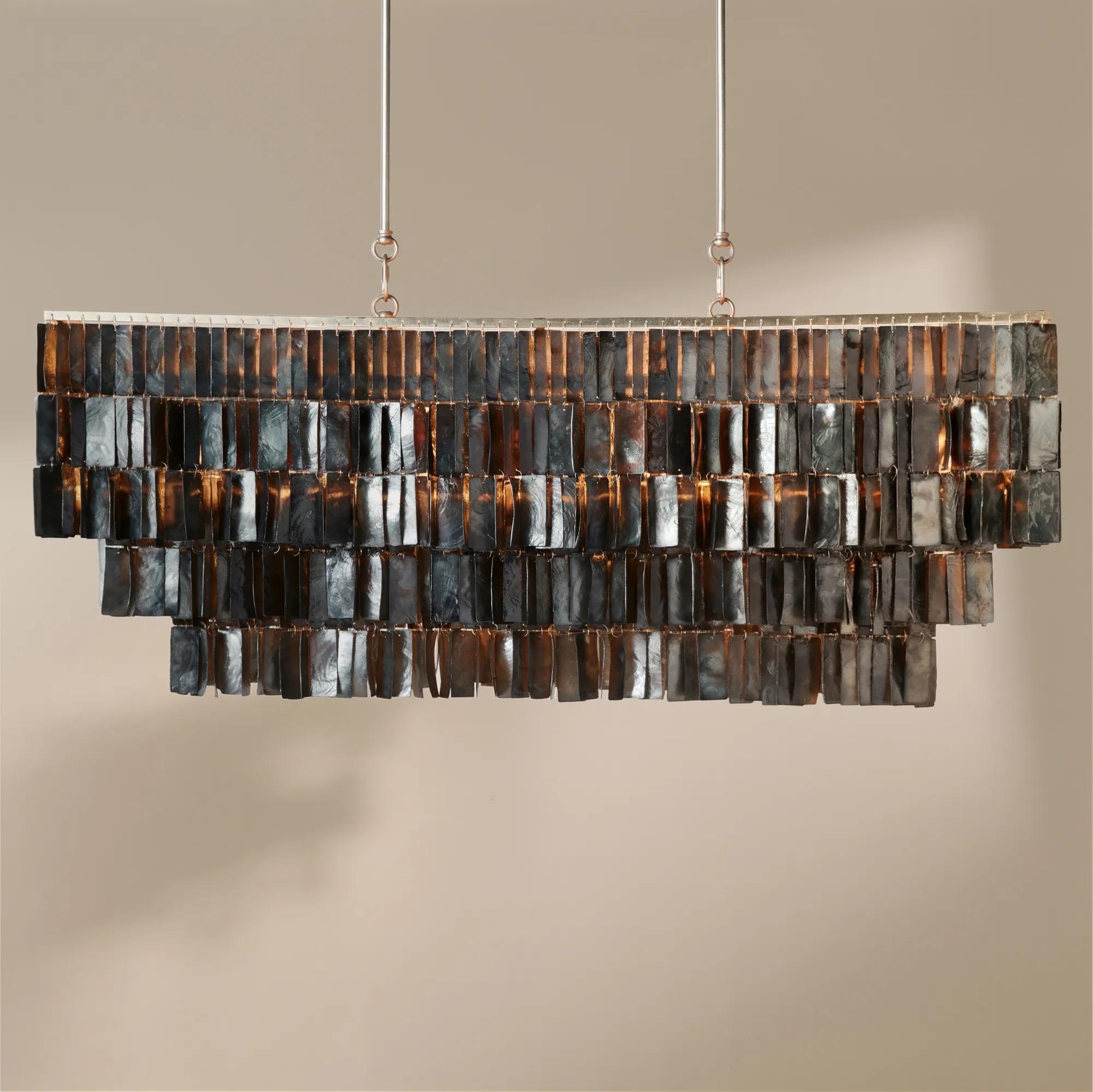
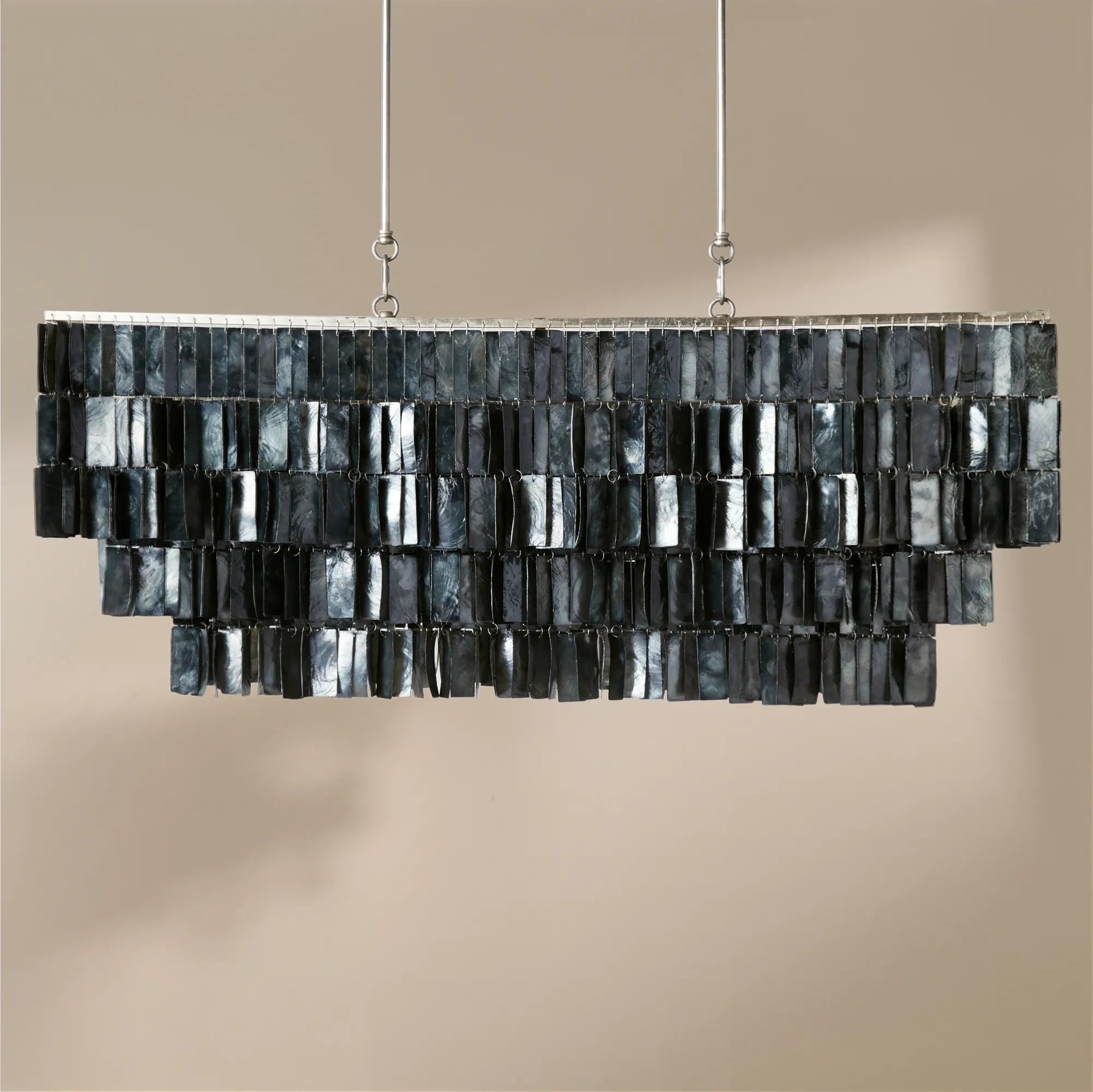 Capiz Shell Graphite Chandelier 39"$849
A chandelier with charcoal capiz shells, a champagne-finished iron frame, and seven dimmable candelabra sockets.
Add To Cart -
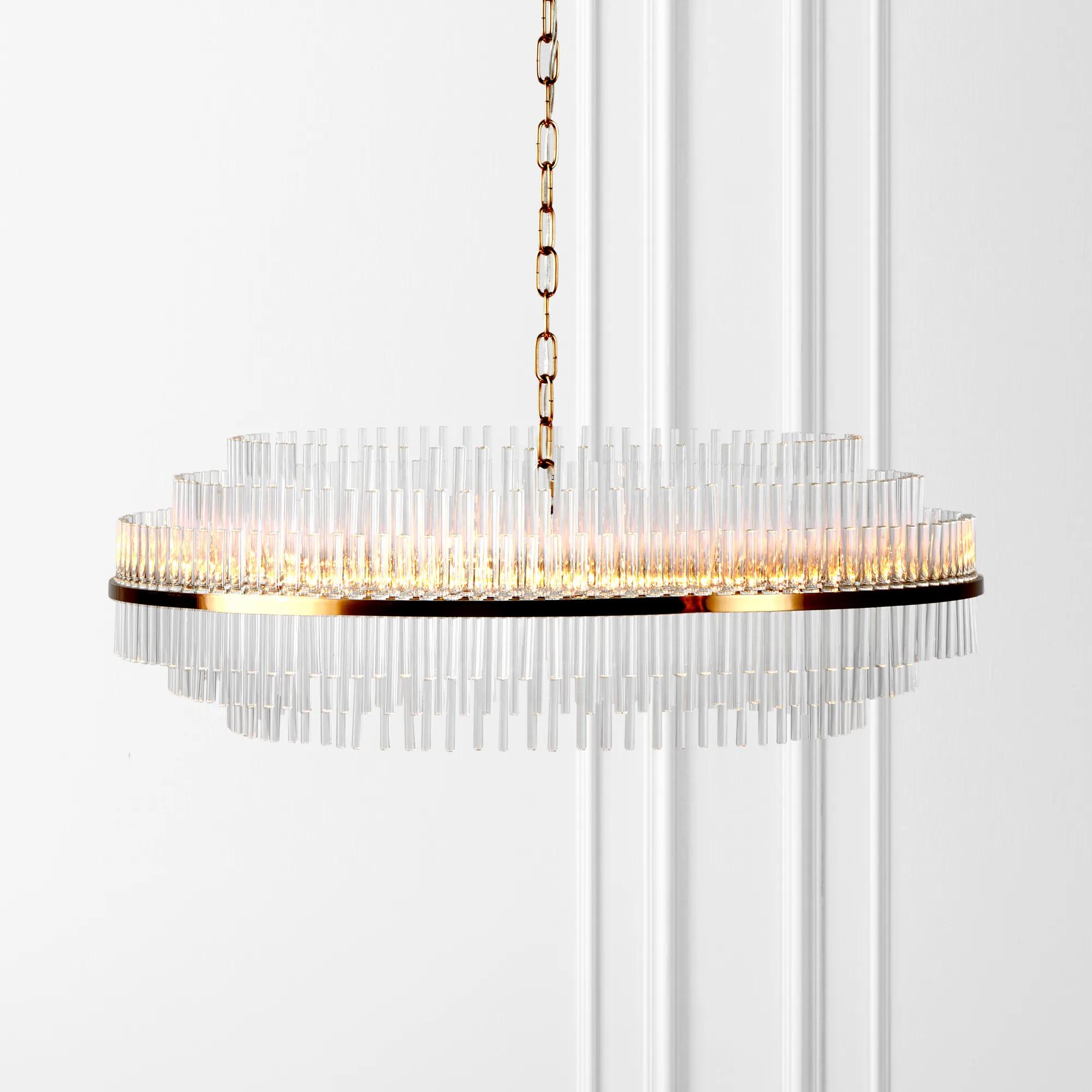
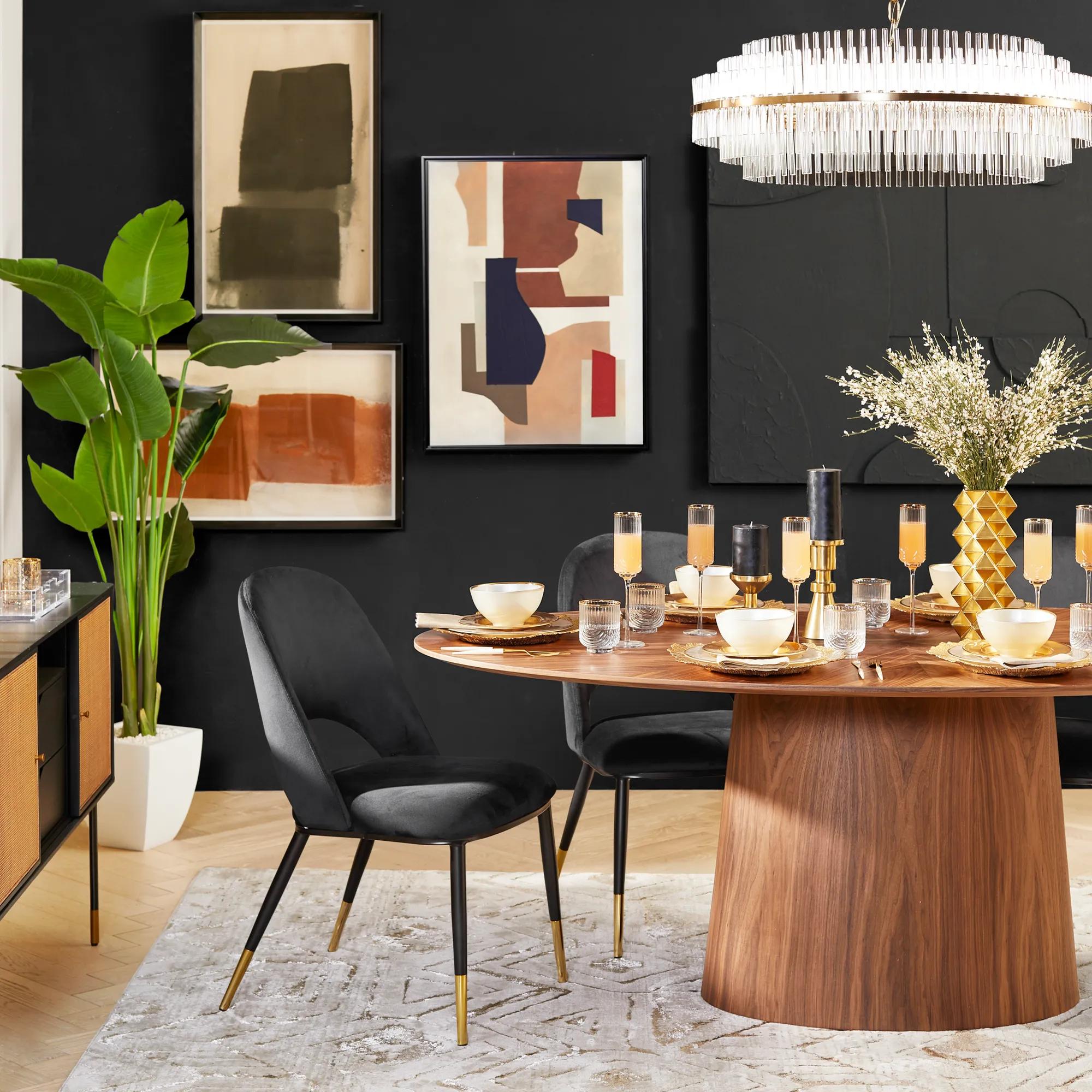 Renata Clear Glass Rod Chandelier 31"W x 10"H$799
A low-profile glass-rod chandelier with a brushed brass iron frame and eight dimmable candelabra lights.
Add To Cart -
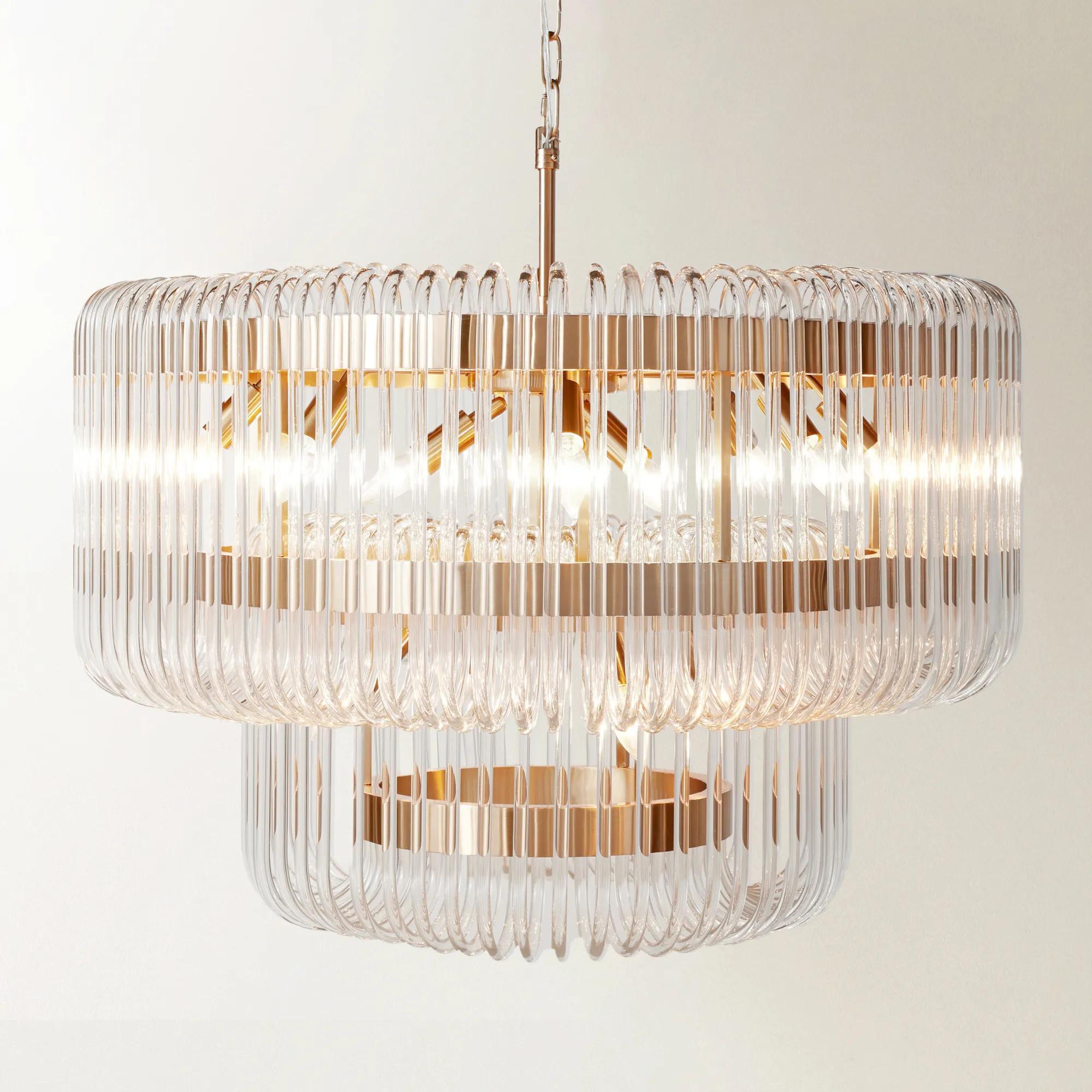 Allure Clear Curved Glass Chandelier 31.5"D x 27.75"H$1499
A chandelier featuring clear curved blown-glass rods, a brushed brass iron frame, and fifteen-light illumination.
Add To Cart -
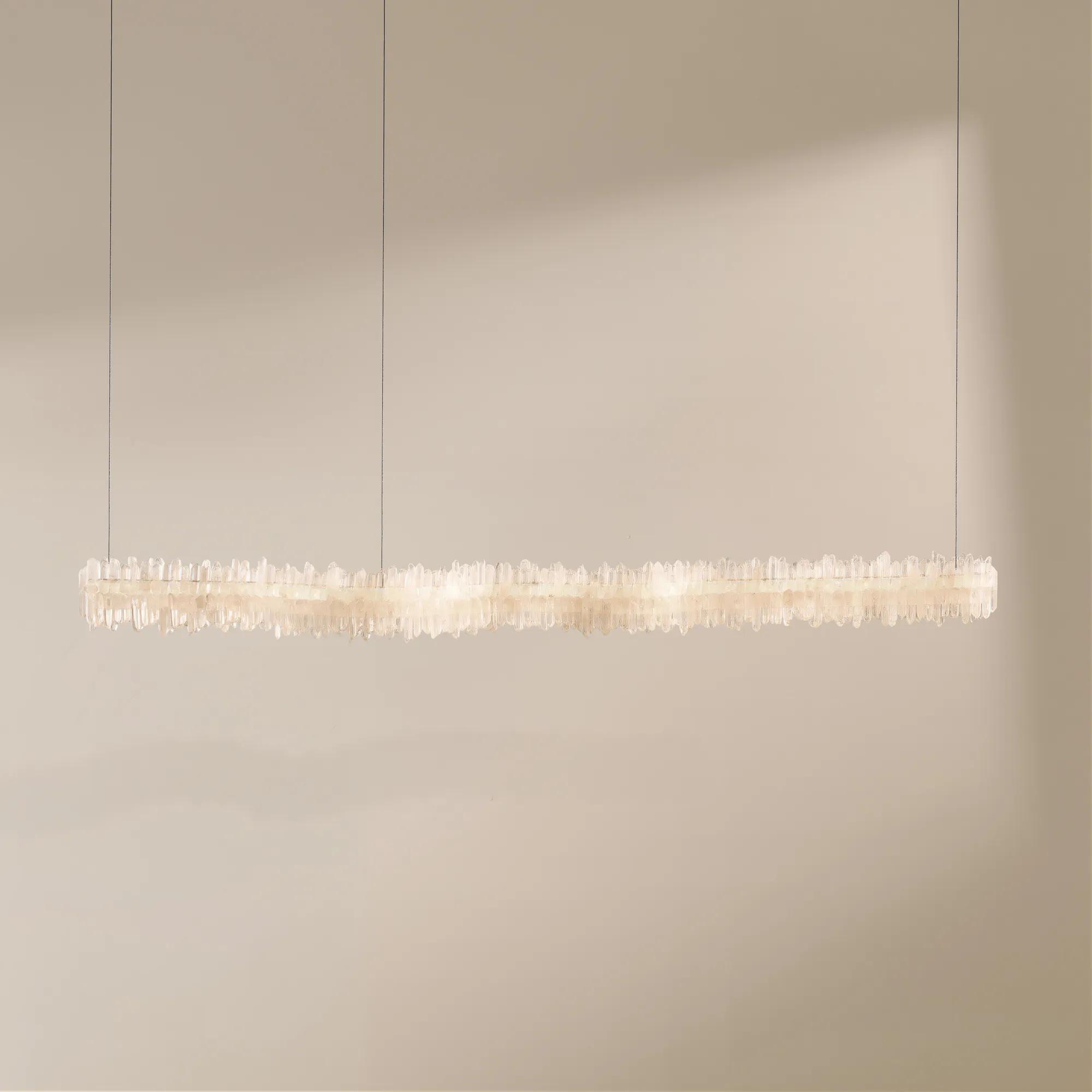 Stella Quartz Crystal LED Chandelier 47.25"$1899
A linear LED chandelier featuring natural raw quartz crystals and a polished rose gold metal frame.
Add To Cart -
 Bolla LED Hand-Blown Glass Bubble Chandelier 60.25"$499
A hand-blown glass chandelier with clear bubbles, matte gold steel framing, and integrated warm LED illumination.
Add To Cart -
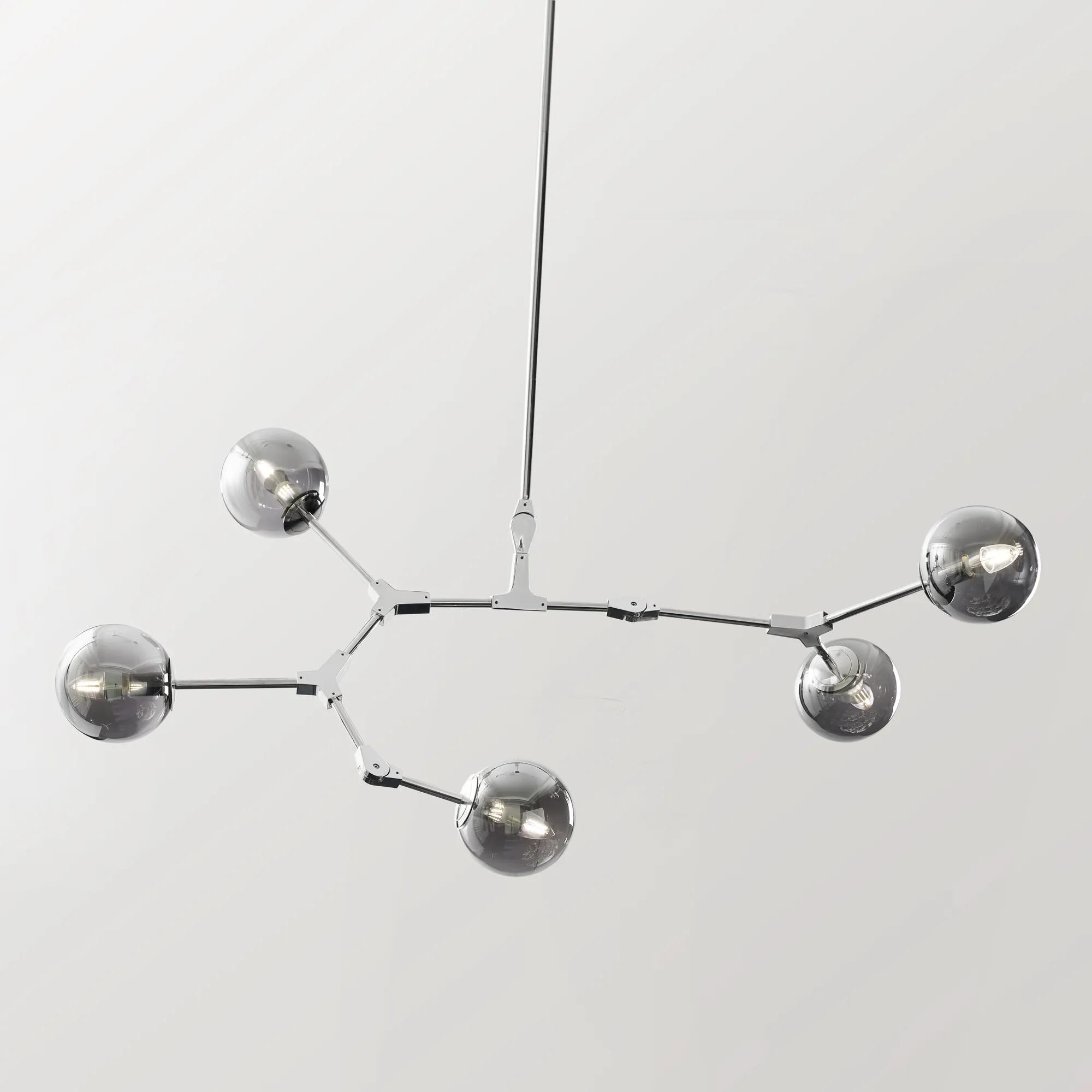
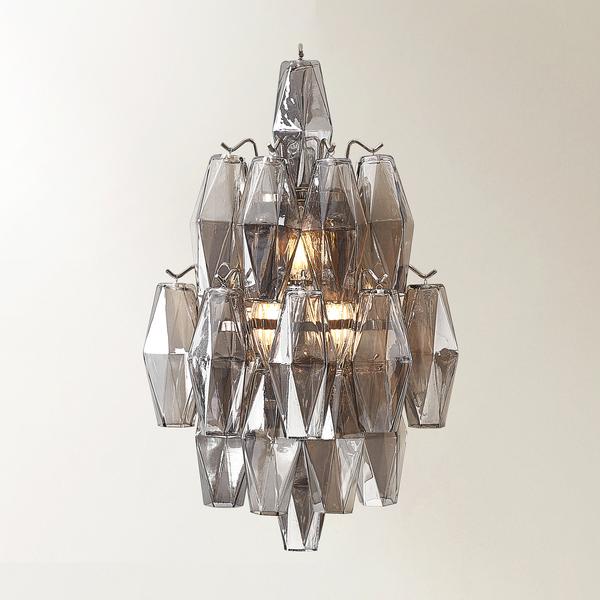
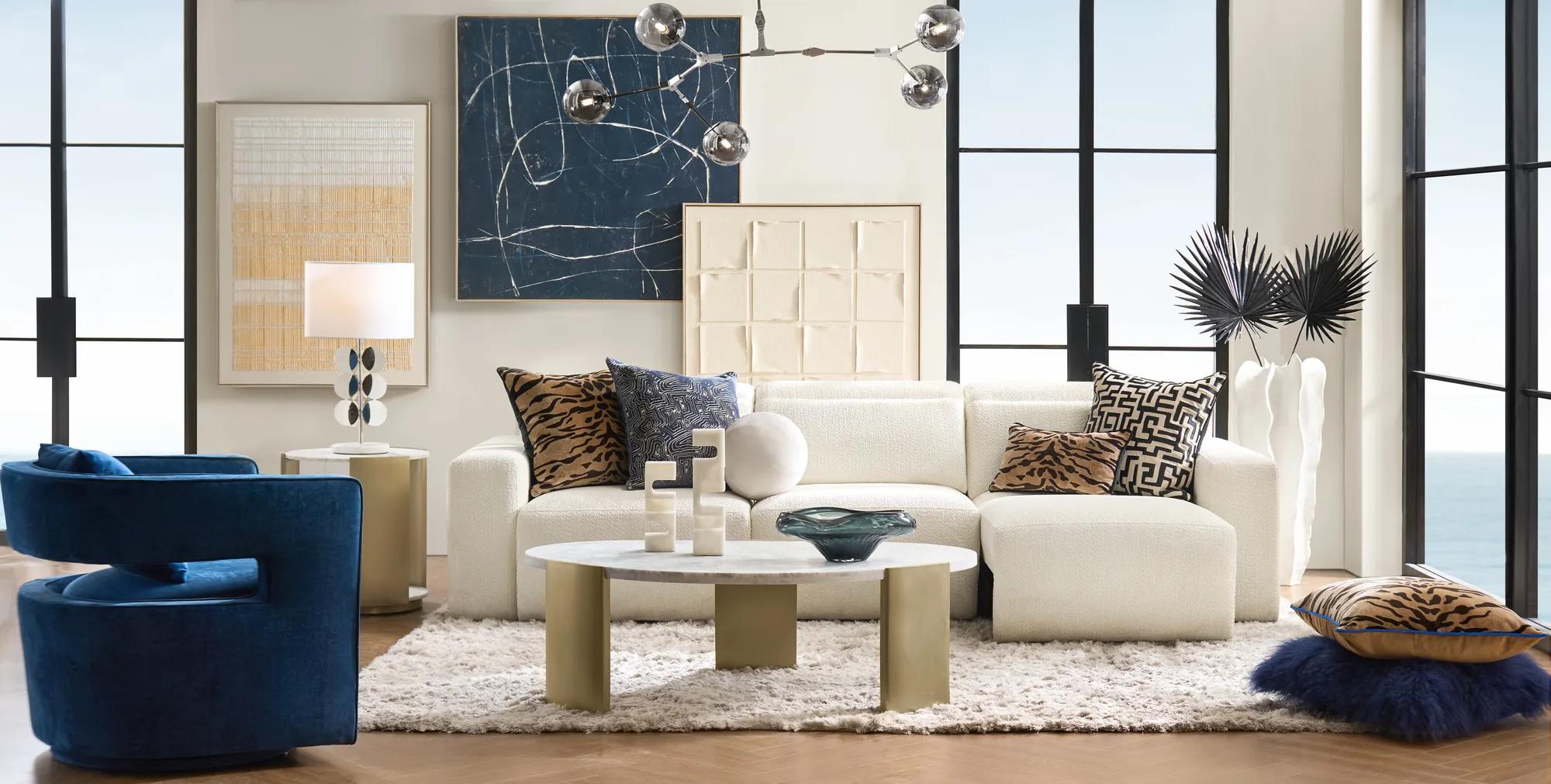 Axel Chandelier$499
A modern chandelier featuring polished nickel arms and smoked glass bulbs for striking, contemporary illumination.
Add To Cart -

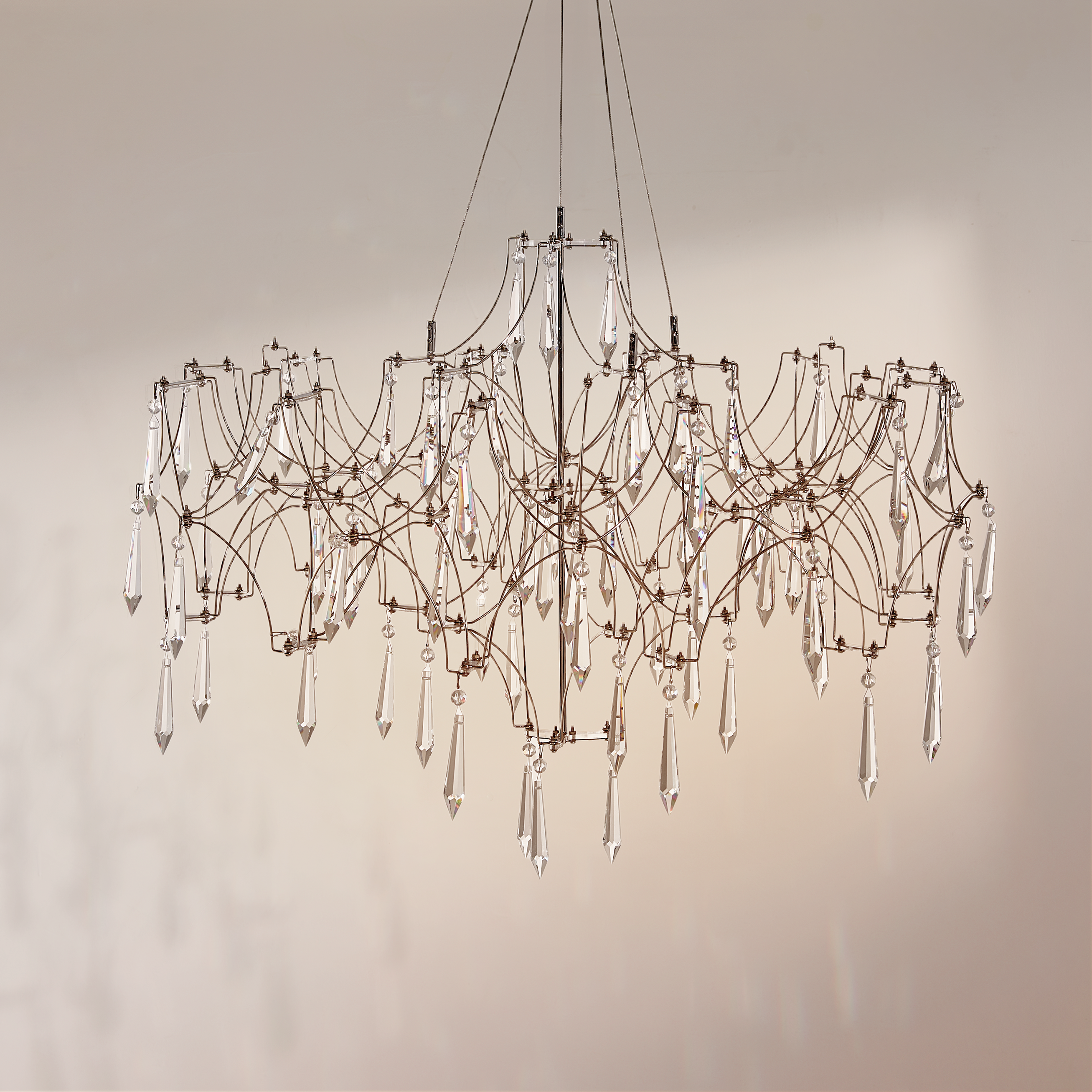 Moderne LED Clear Crystal Chandelier 24.5"W x 19.75"H$899
A clear crystal chandelier with faceted construction, polished nickel framing, and integrated warm LED illumination.
Add To Cart -

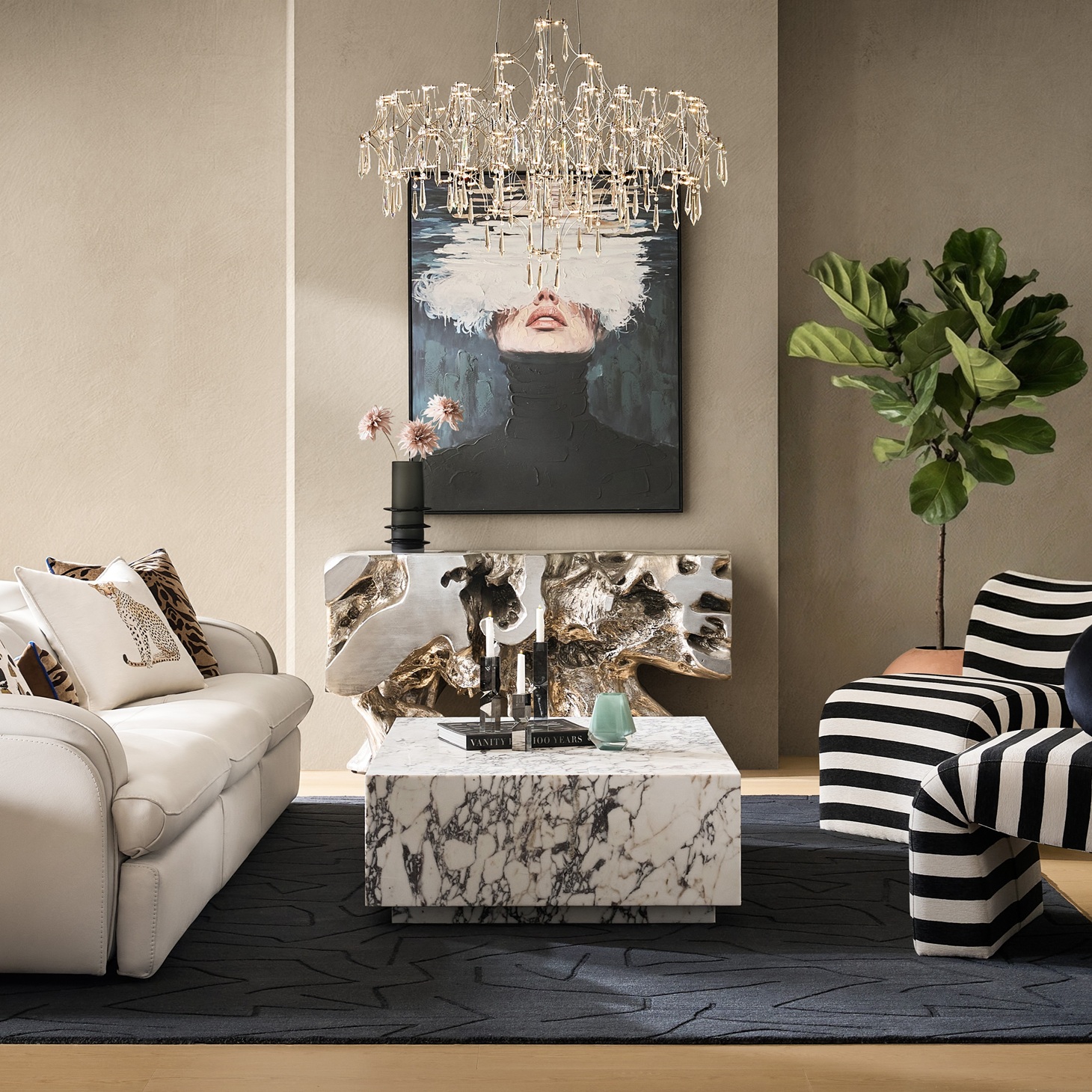 Moderne Grande LED Crystal Chandelier 35.75"W x 28.5"H$1899
A faceted crystal chandelier with polished nickel framing and integrated LED illumination for a modern glow.
Add To Cart -
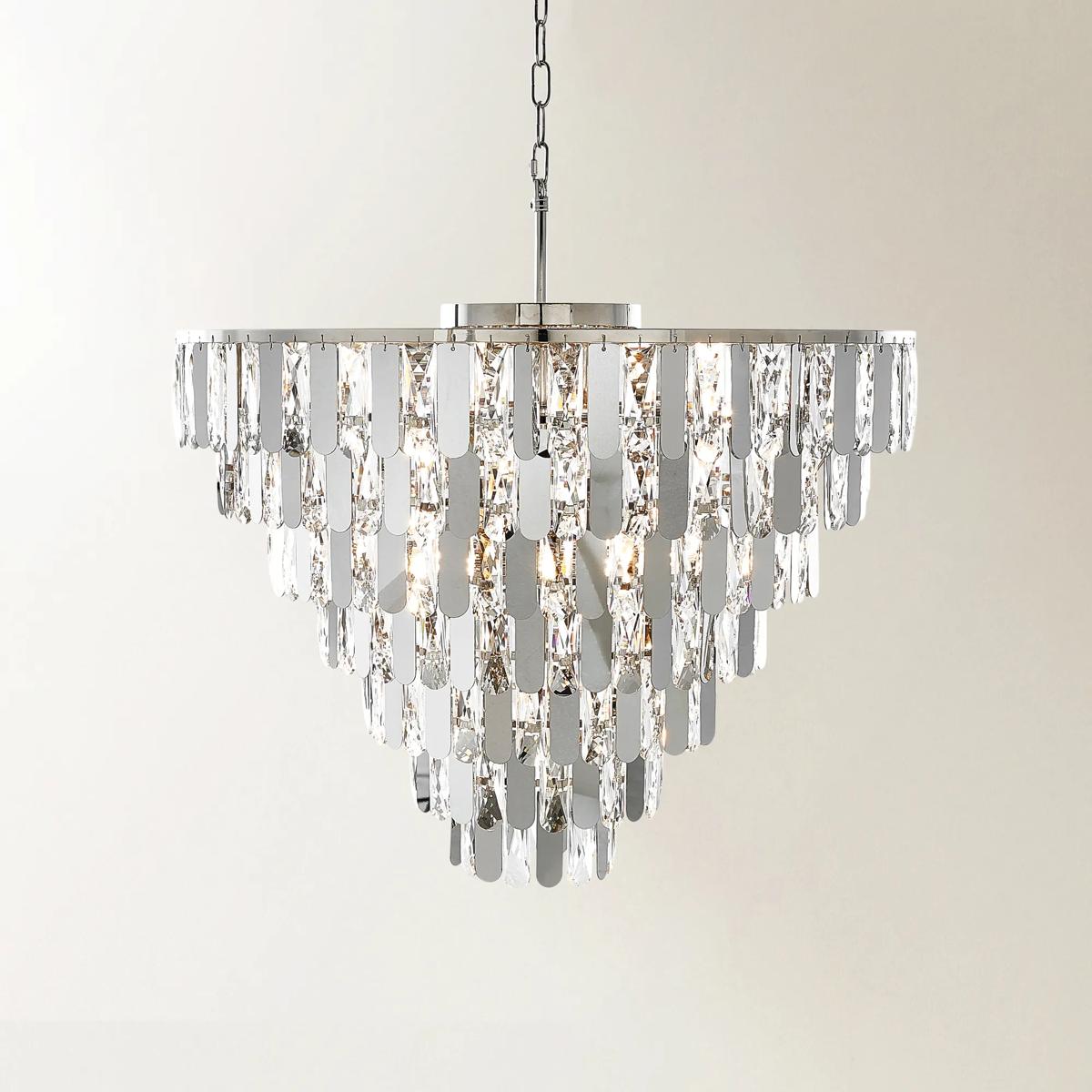
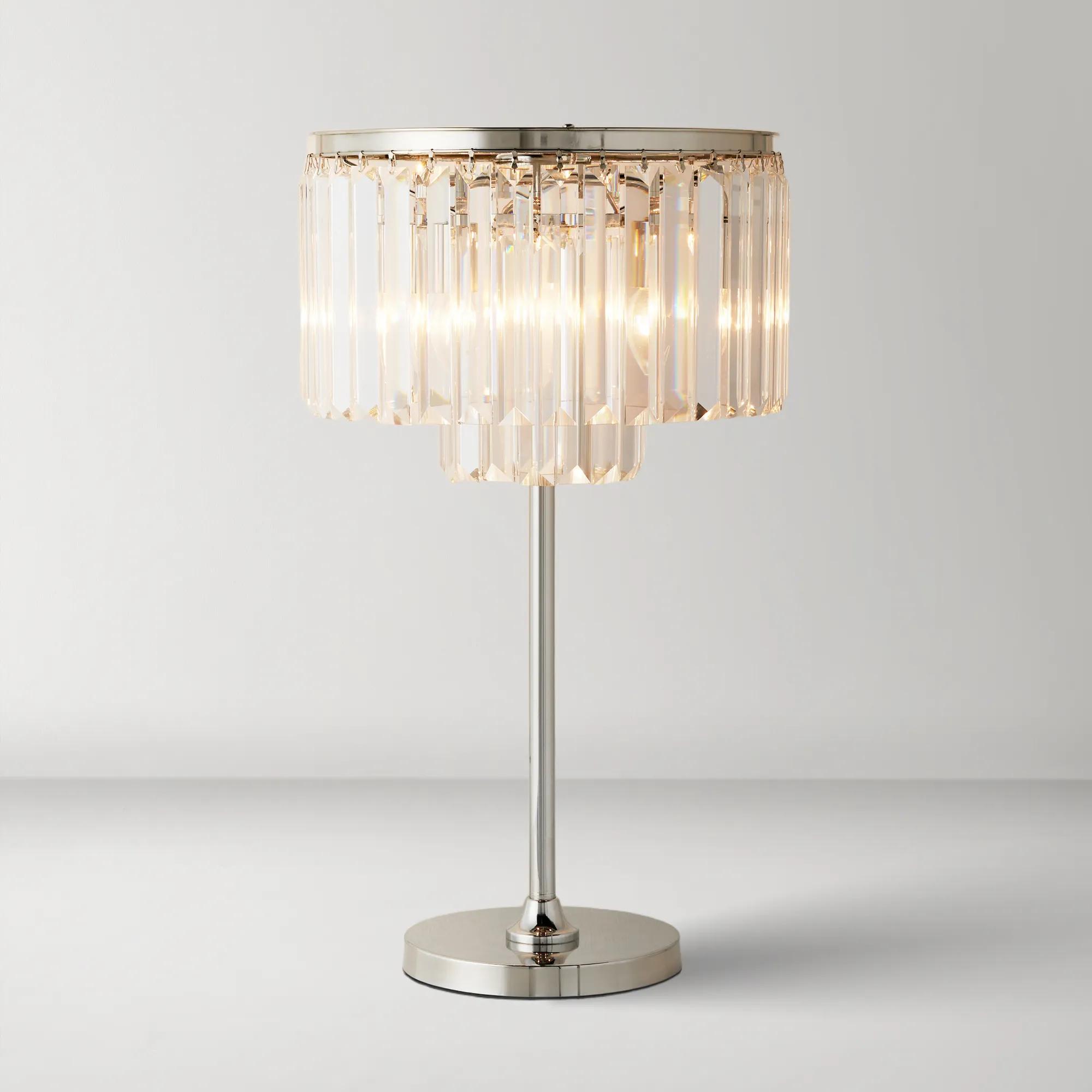
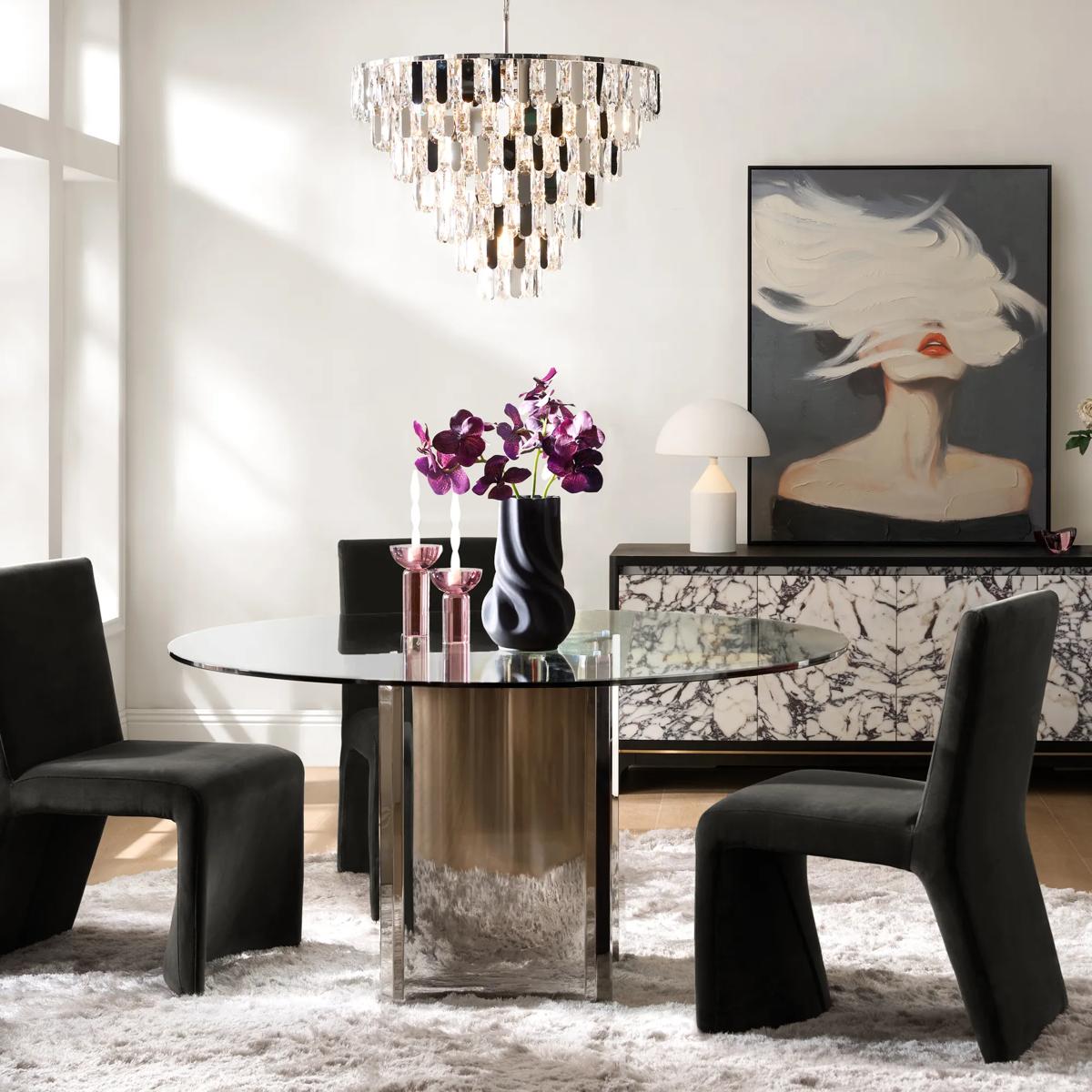 Avenue Crystal Chandelier 28.5"$999
A tiered chandelier crafted from eco-friendly K9 crystal and polished nickel for radiant, modern elegance.
Add To Cart -
 Sawin Chandelier$699
A sculptural brass-plated steel chandelier with frosted acrylic diffusers for a soft, ambient glow.
Add To Cart -

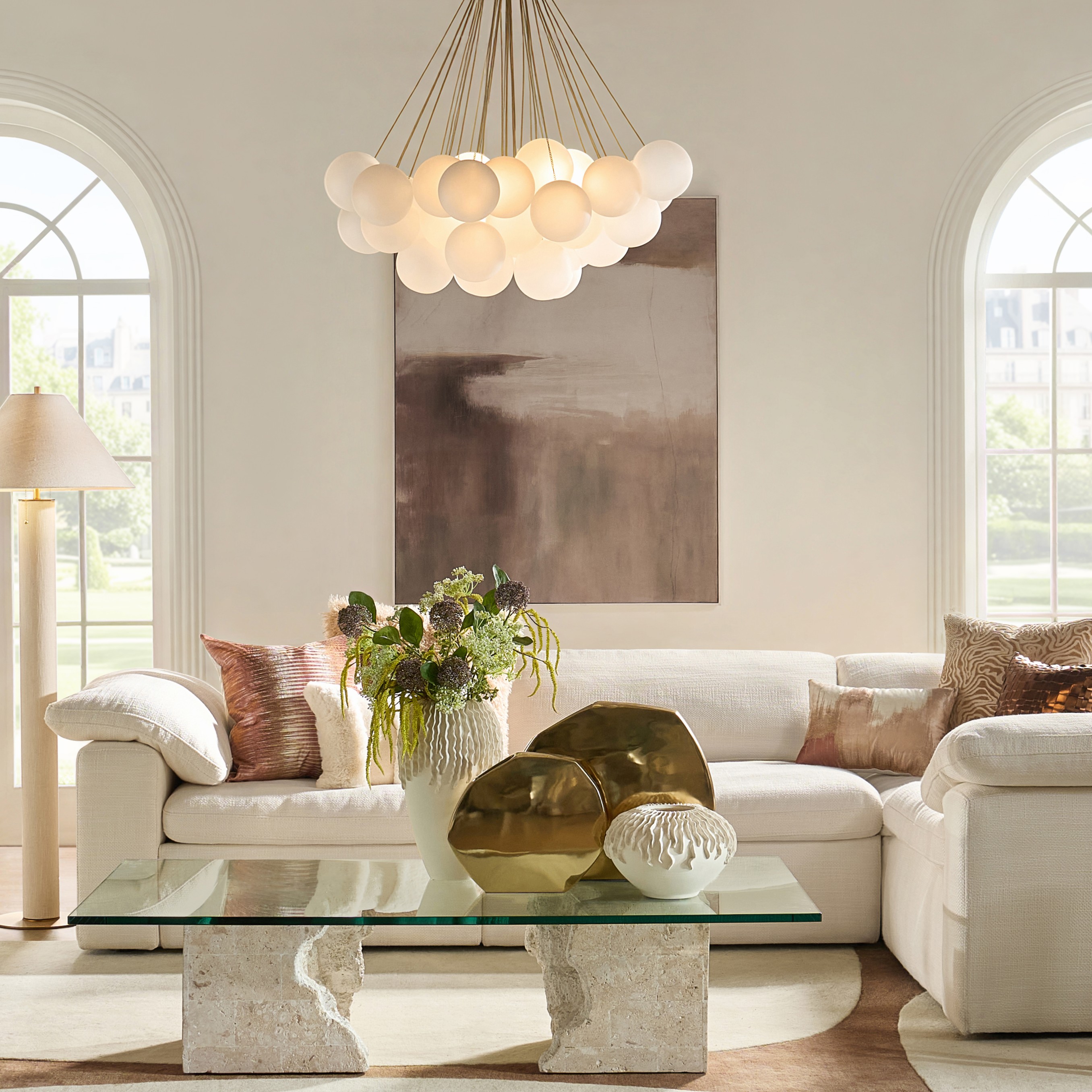 Sanela Frosted Glass Globe Chandelier 39.5"$899
A chandelier with frosted glass globes, an antique brass iron frame, dimmer compatibility, and slope-ceiling adaptability.
Add To Cart -
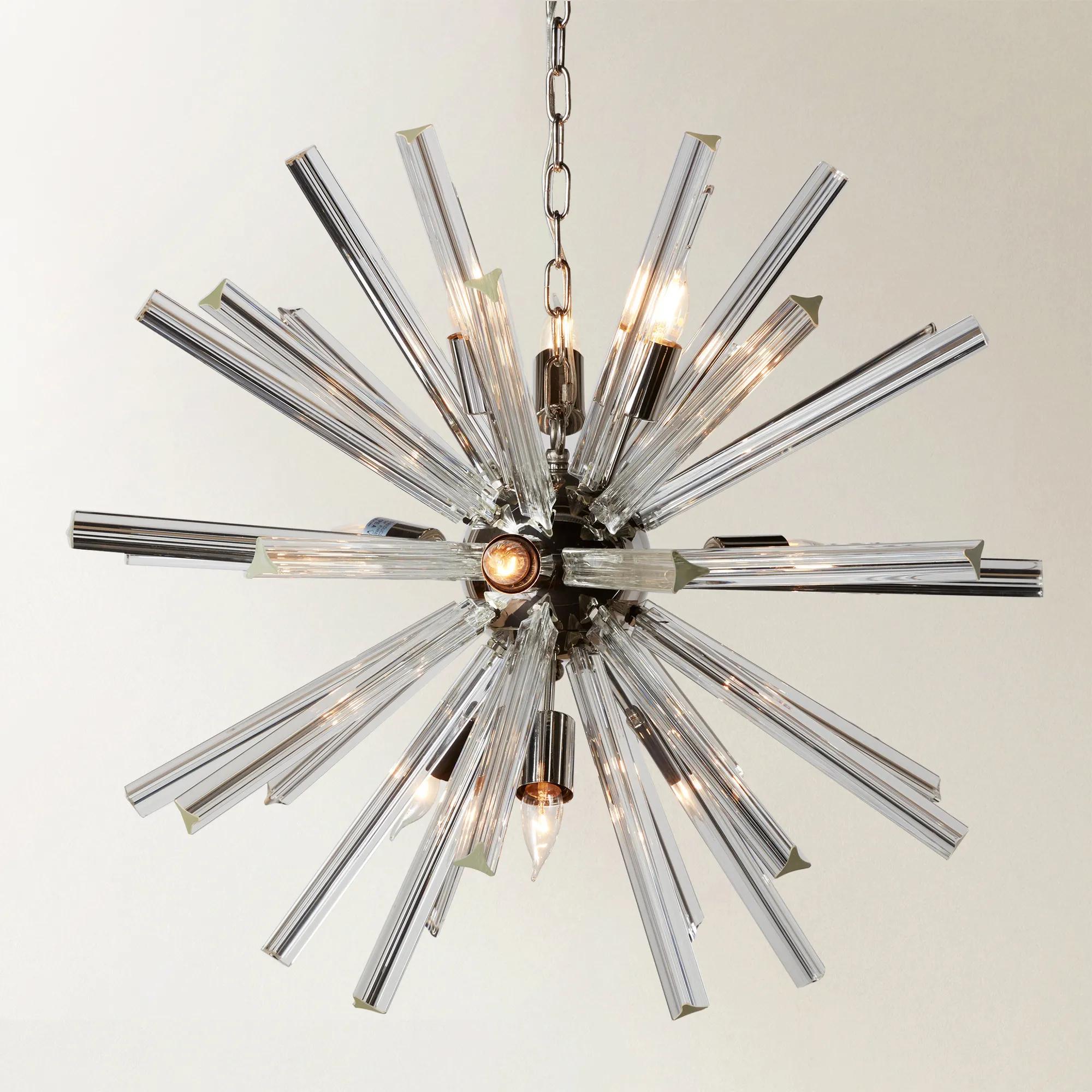
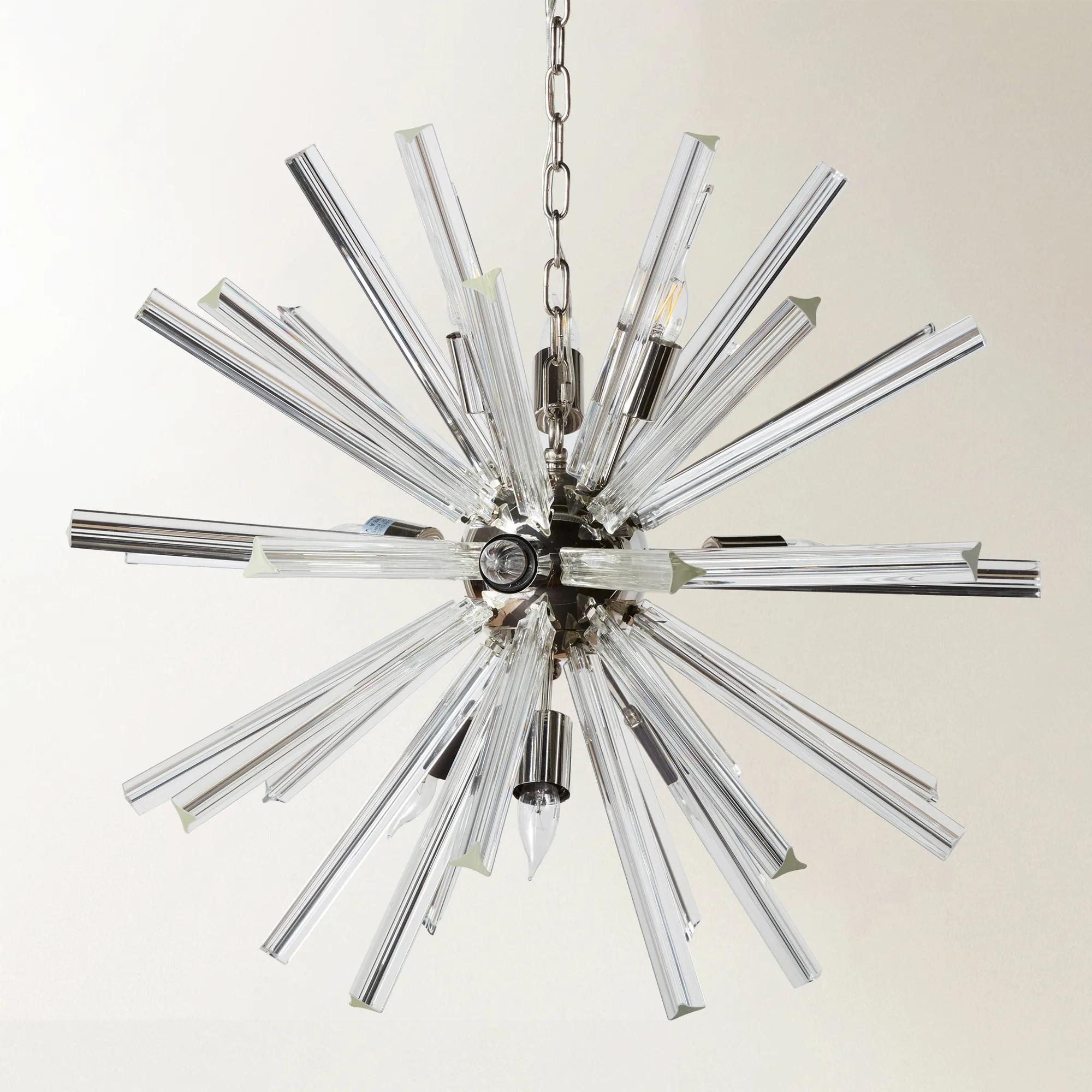 Axis Sputnik Clear Faceted Glass Chandelier 29.5"D$599
A clear glass and iron Sputnik chandelier featuring nine lights and faceted triangular rods.
Add To Cart -
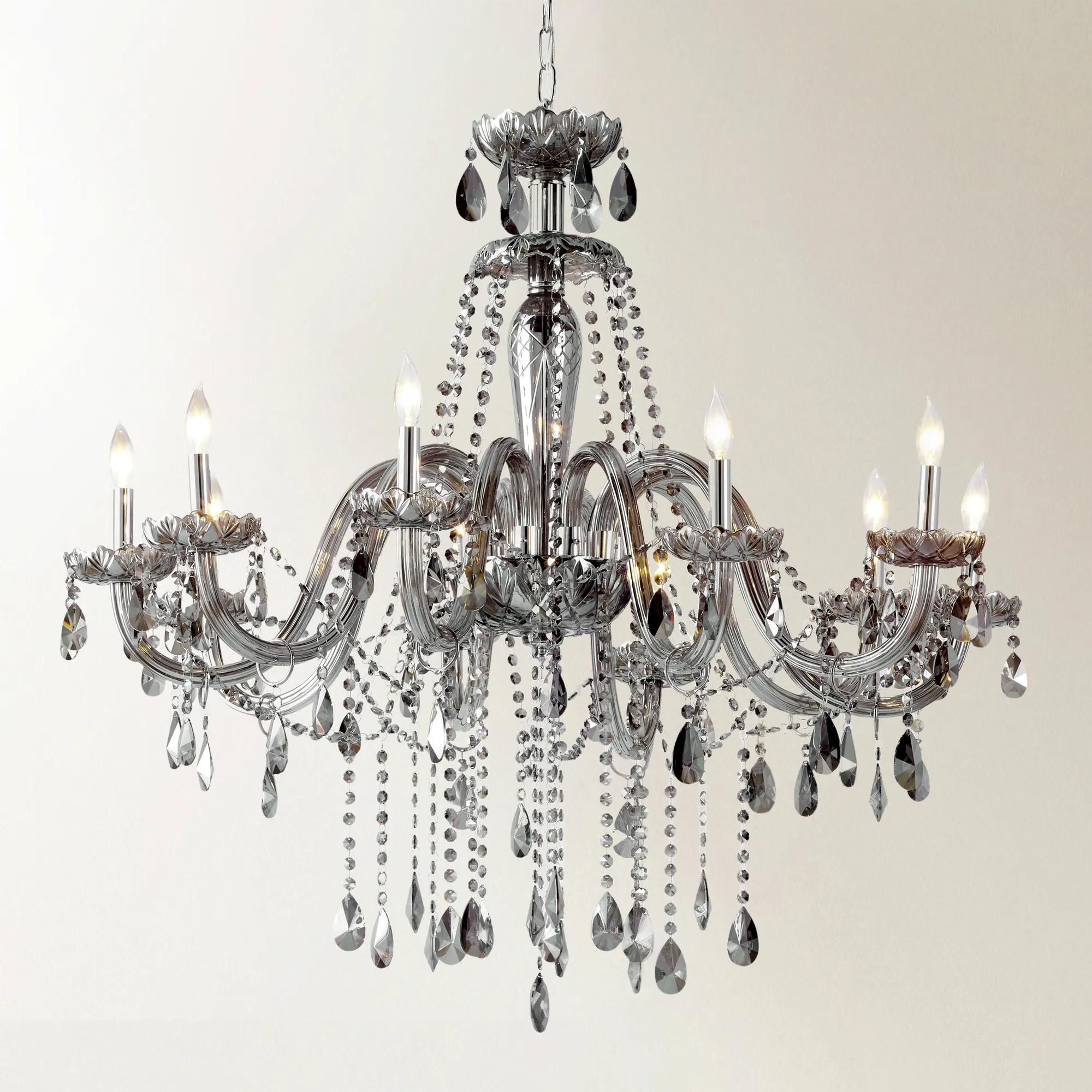
 Omni Chandelier 38.5" - Graphite$999
A dazzling chandelier featuring graphite faceted crystals and ten fluted glass arms with nickel hardware.
Add To Cart -
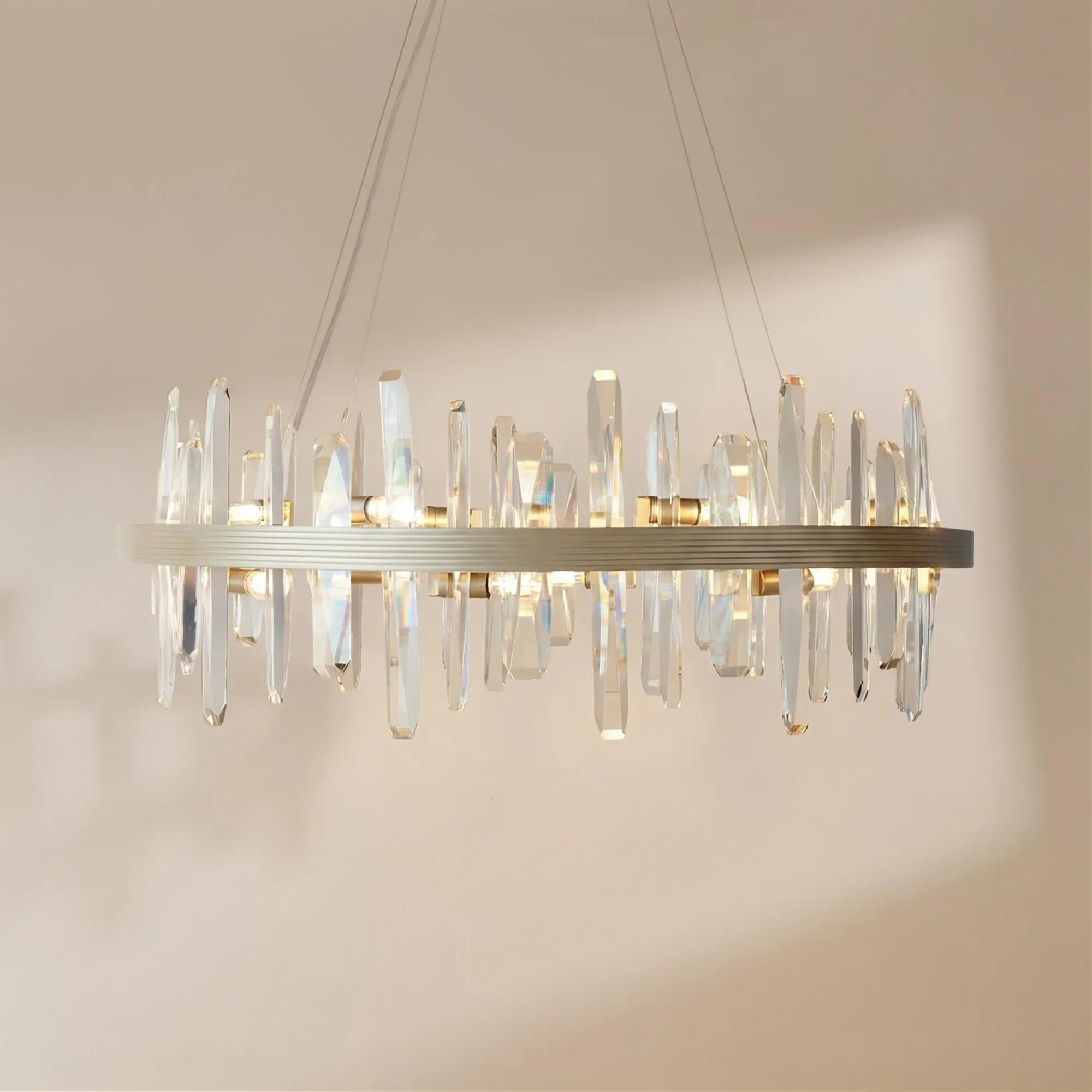
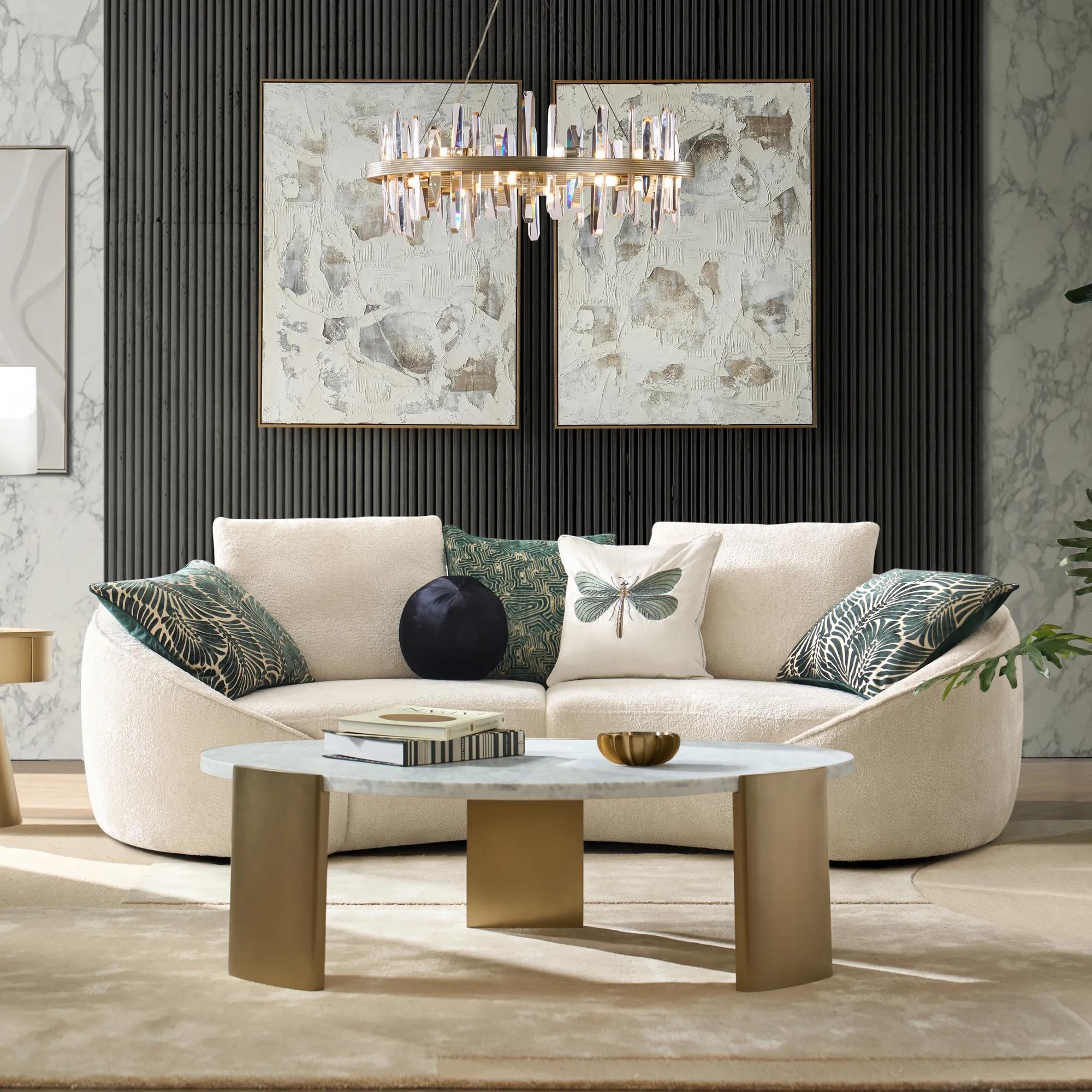 Lumi Clear Beveled Glass Chandelier 31.5"W$929
A chandelier with clear beveled glass, a champagne-finished iron frame, sixteen lights, and dimmable illumination.
Add To Cart -
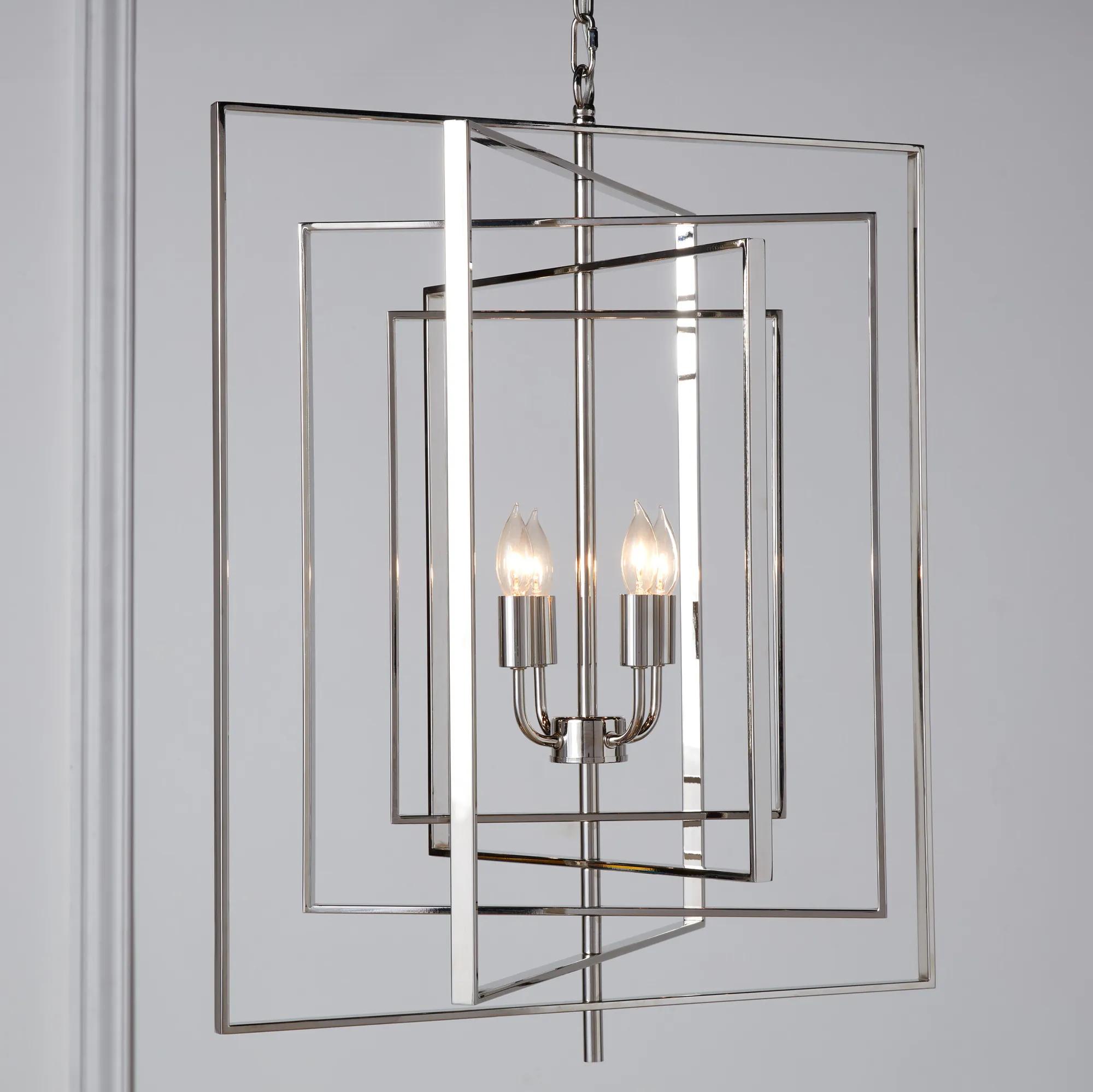
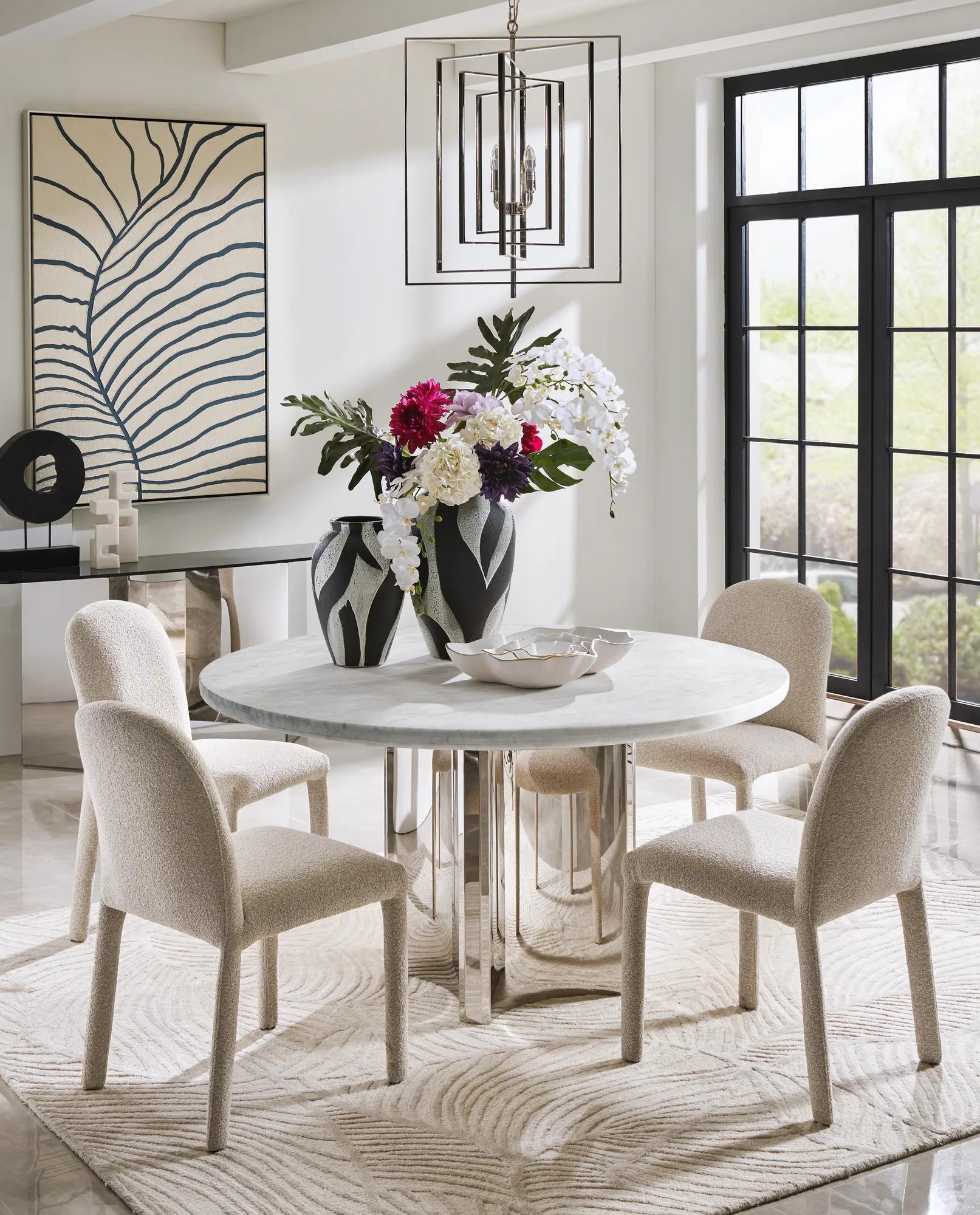 Hollis Chandelier$499
A polished nickel geometric chandelier with four lights, perfect for modern and minimal interiors.
Add To Cart -
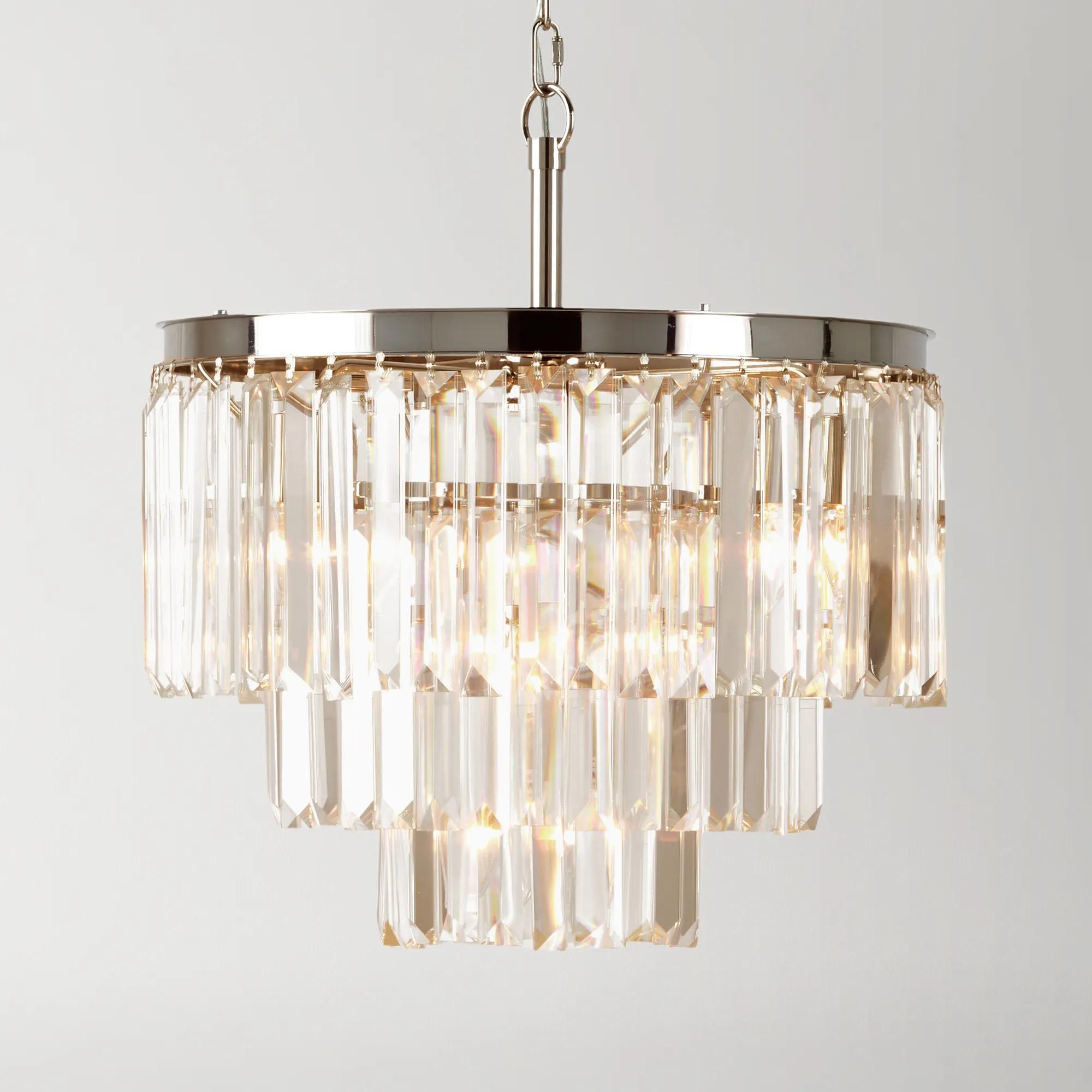
 Luxe Chandelier$799
A glamorous chandelier featuring a nickel-plated iron frame and three tiers of faceted crystal accents.
Add To Cart -
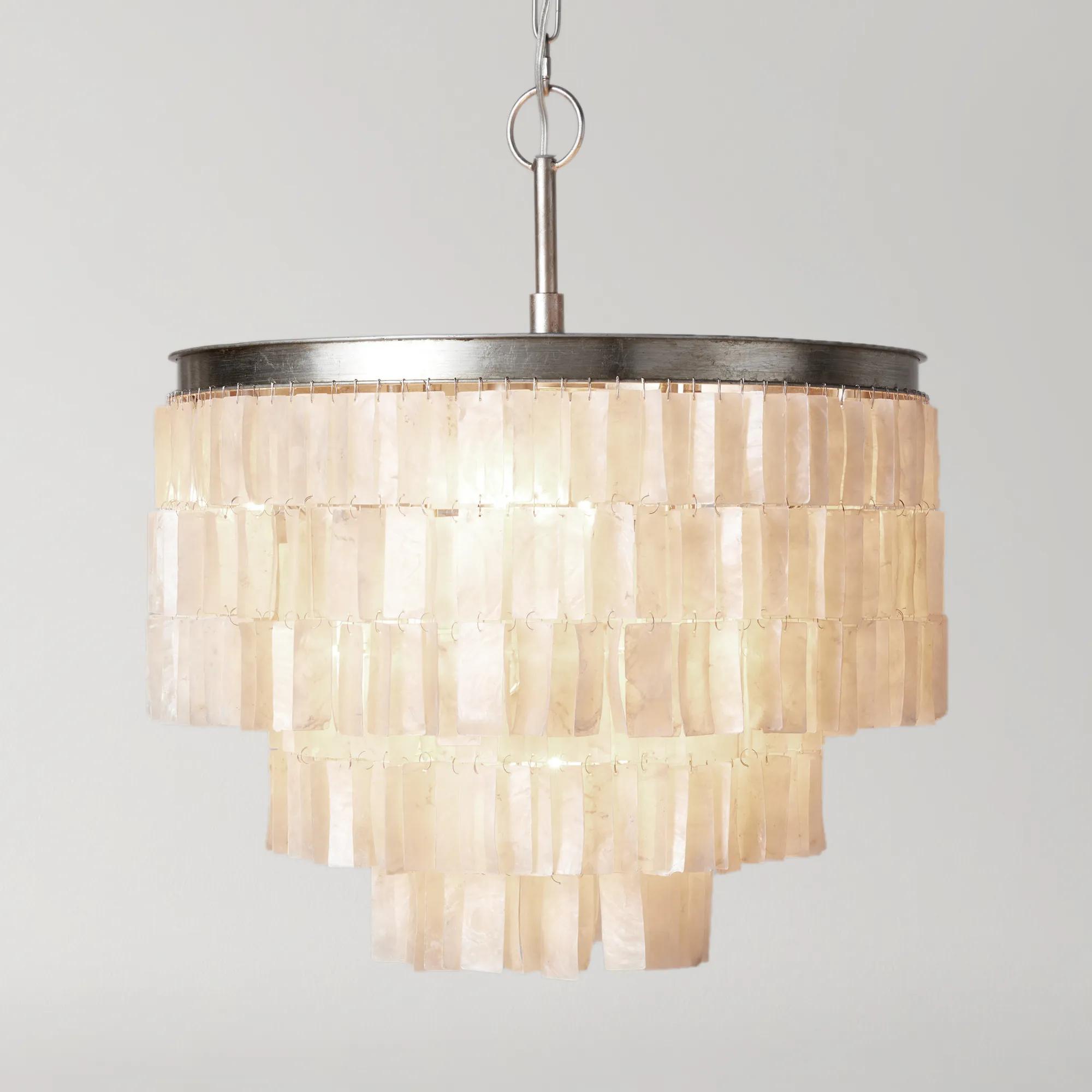 Capiz Chandelier$699
A cascading chandelier featuring over six hundred natural Capiz shells on a nickel-plated iron frame.
Add To Cart -
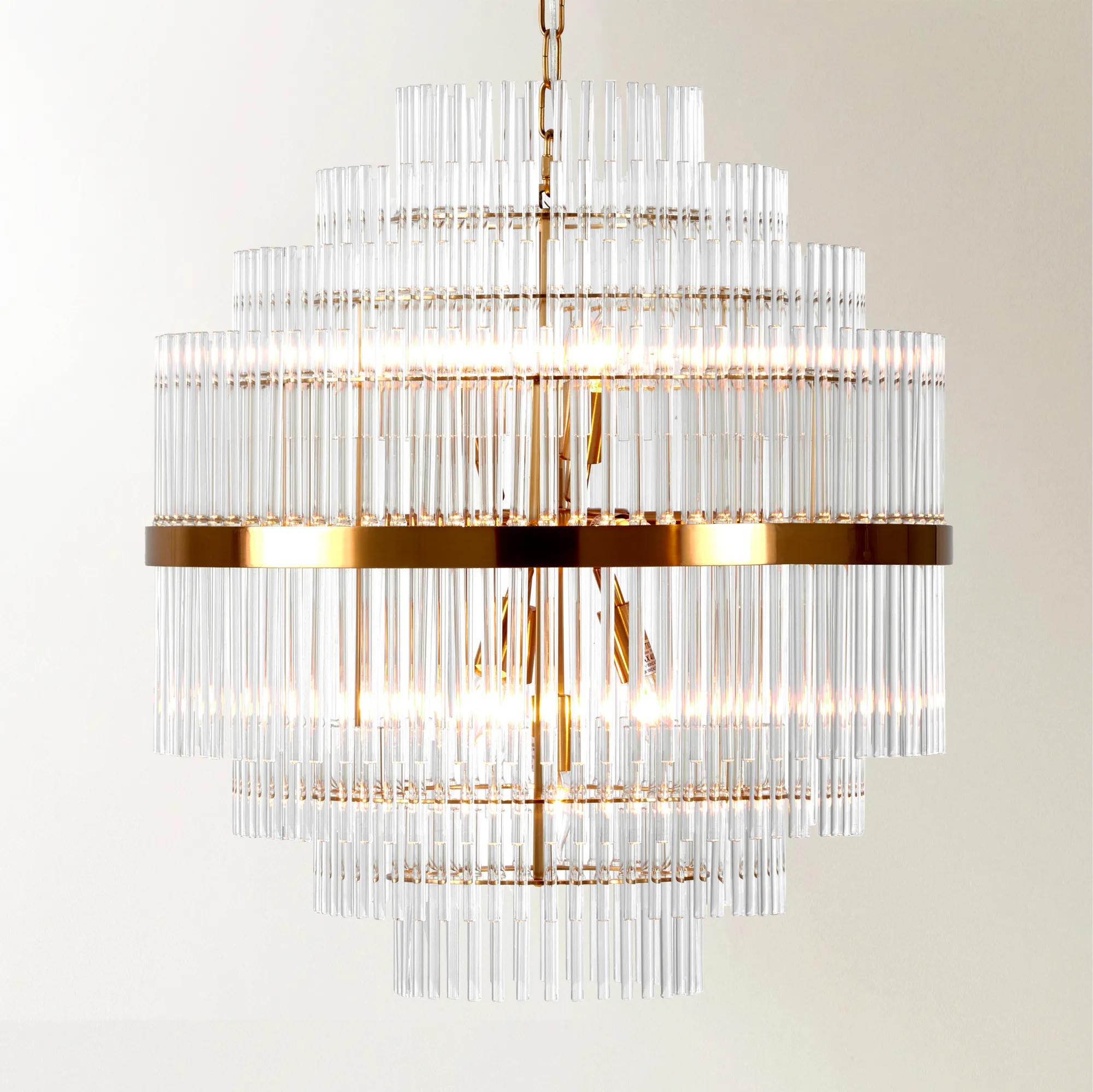
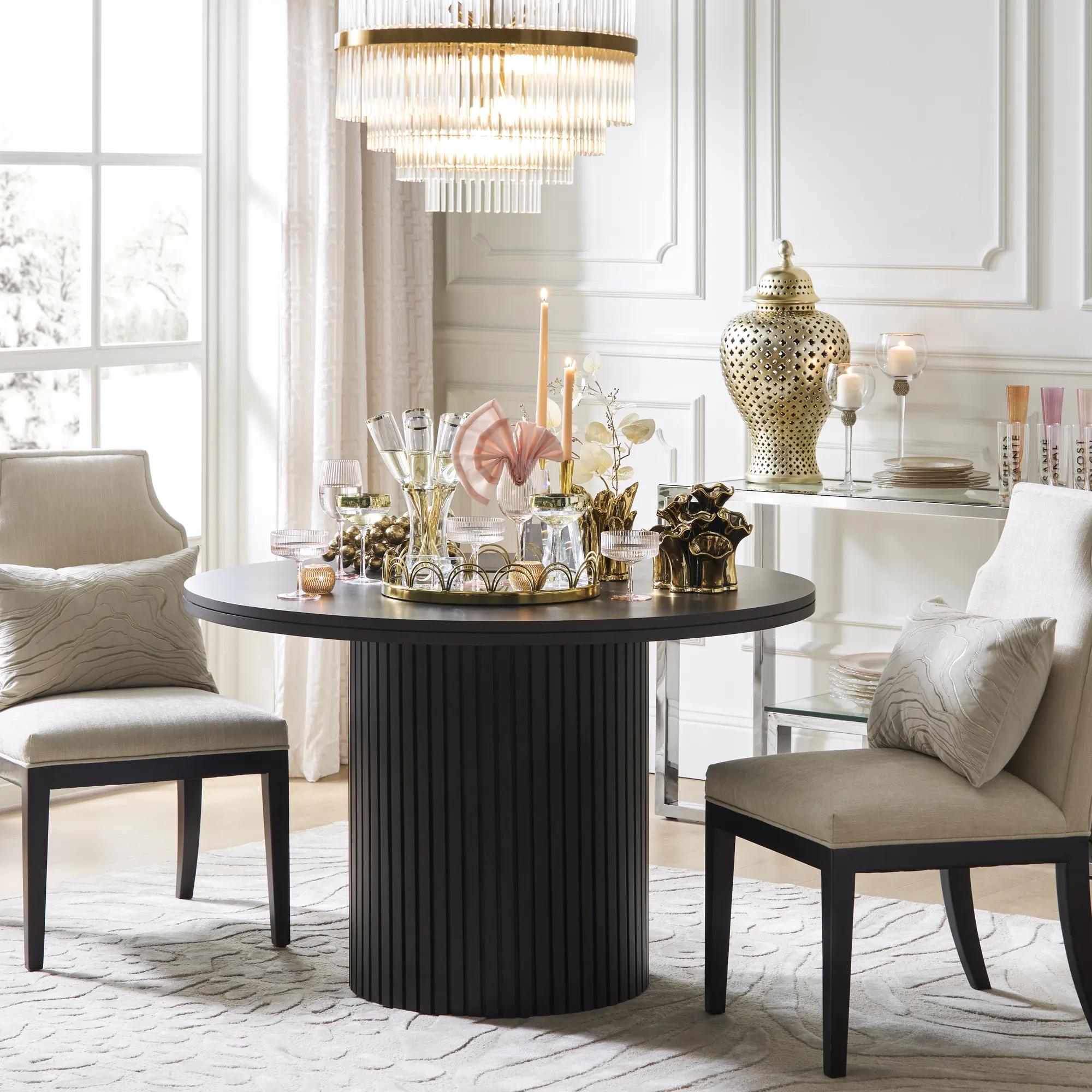 Renata Clear Glass Rod Grand Chandelier 23.6"D x 26.3"H$999
A clear glass rod chandelier with a polished gold iron frame and thirteen-light, dimmable illumination.
Add To Cart -
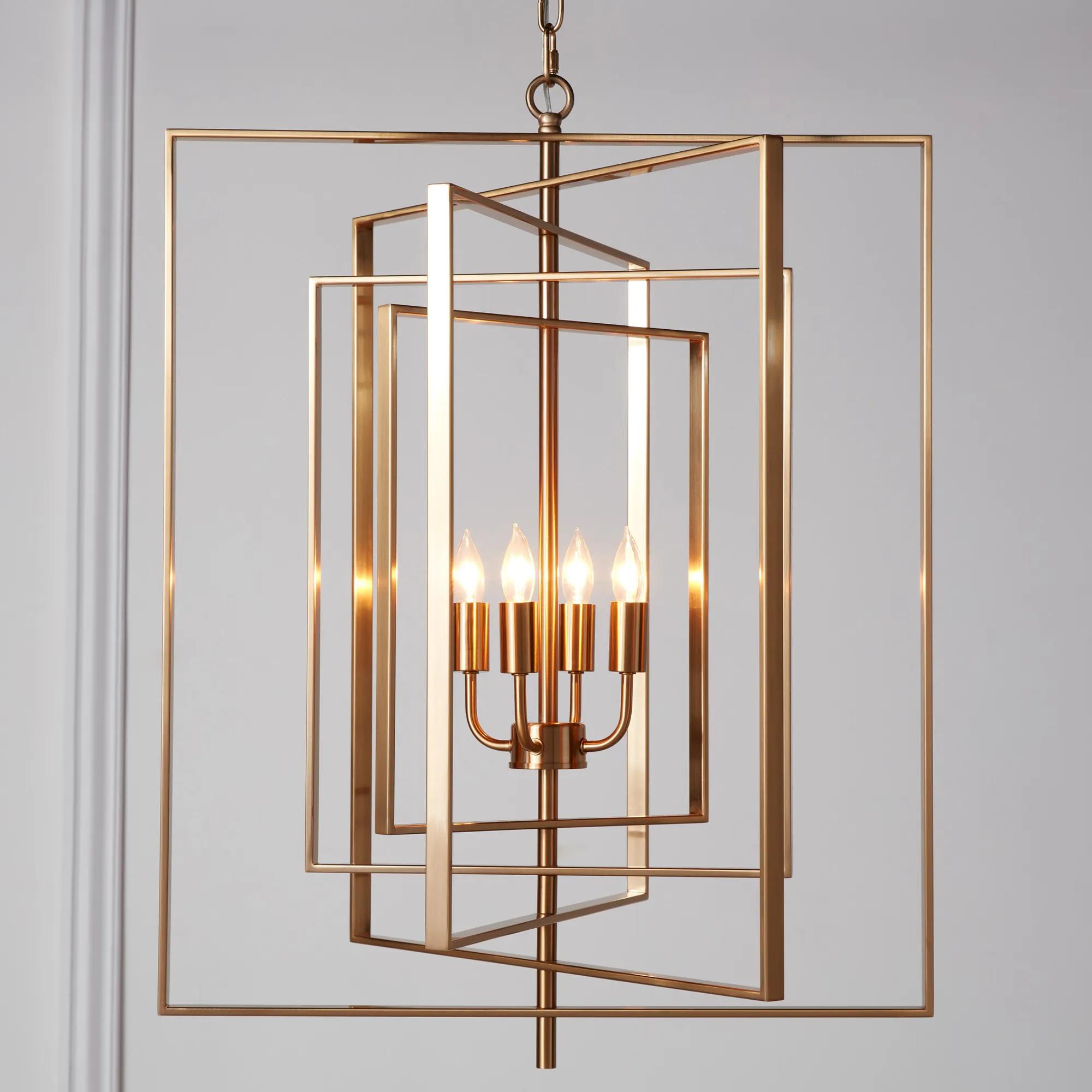 Hollis Chandelier$499
A geometric brass-finished iron chandelier with four lights, perfect for modern and minimal interiors.
Add To Cart -
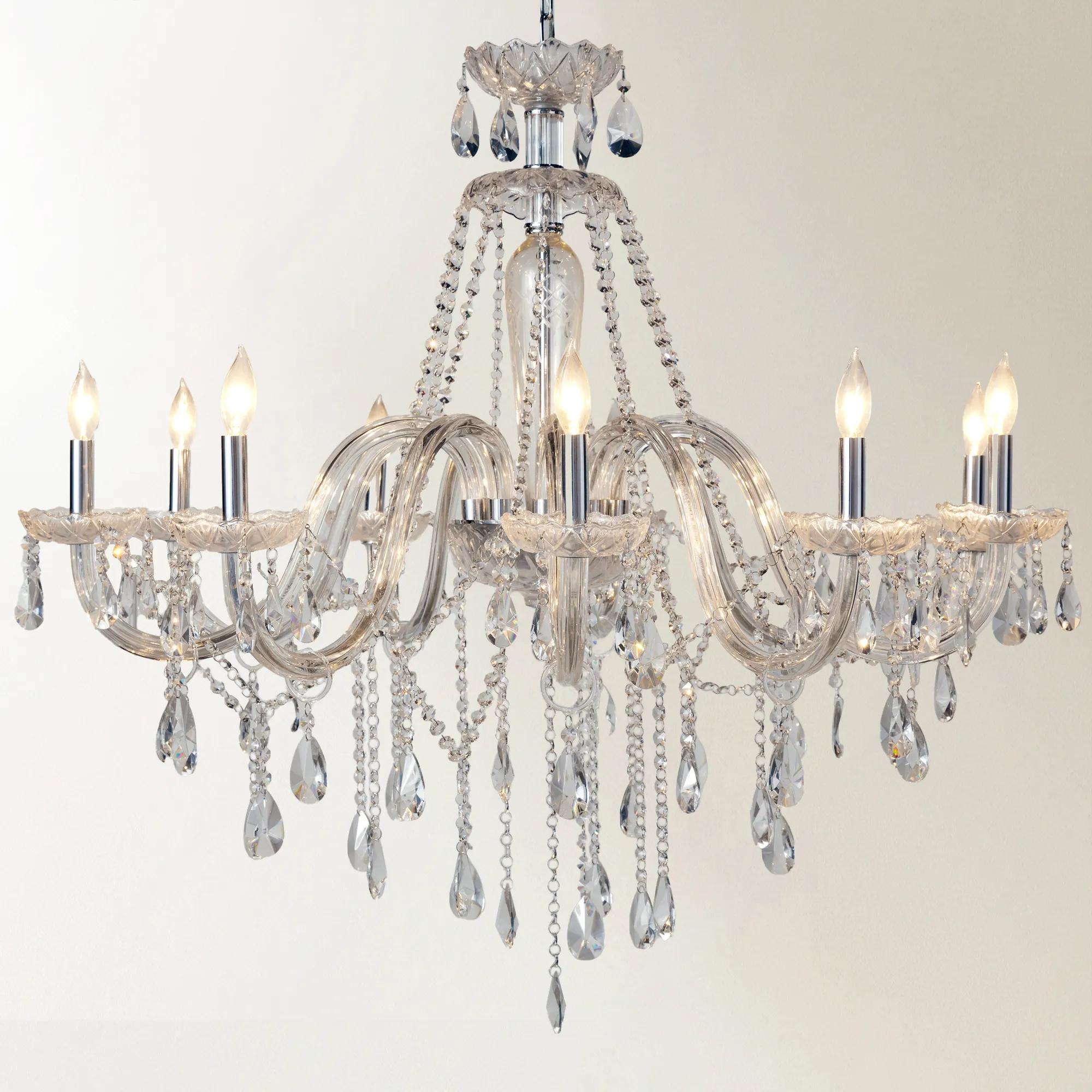
 Omni Chandelier 38.5" - Clear$999
A dazzling chandelier featuring hundreds of clear faceted crystals and ten fluted glass arms with nickel hardware.
Add To Cart -
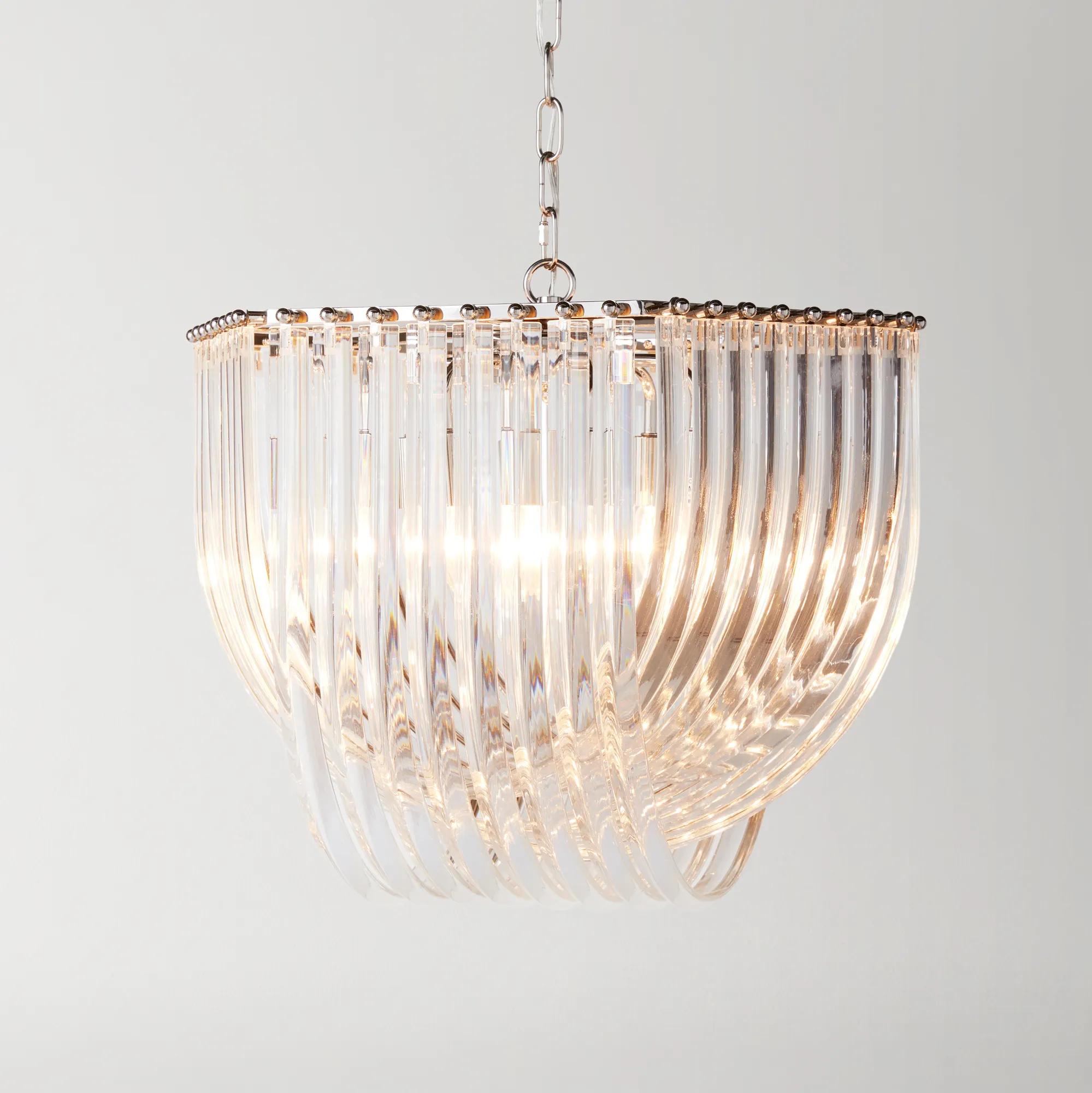 Laval Clear Curved Glass Chandelier 21"D x 18"H$799
A six-light chandelier with layered clear curved glass and a polished nickel frame.
Add To Cart -
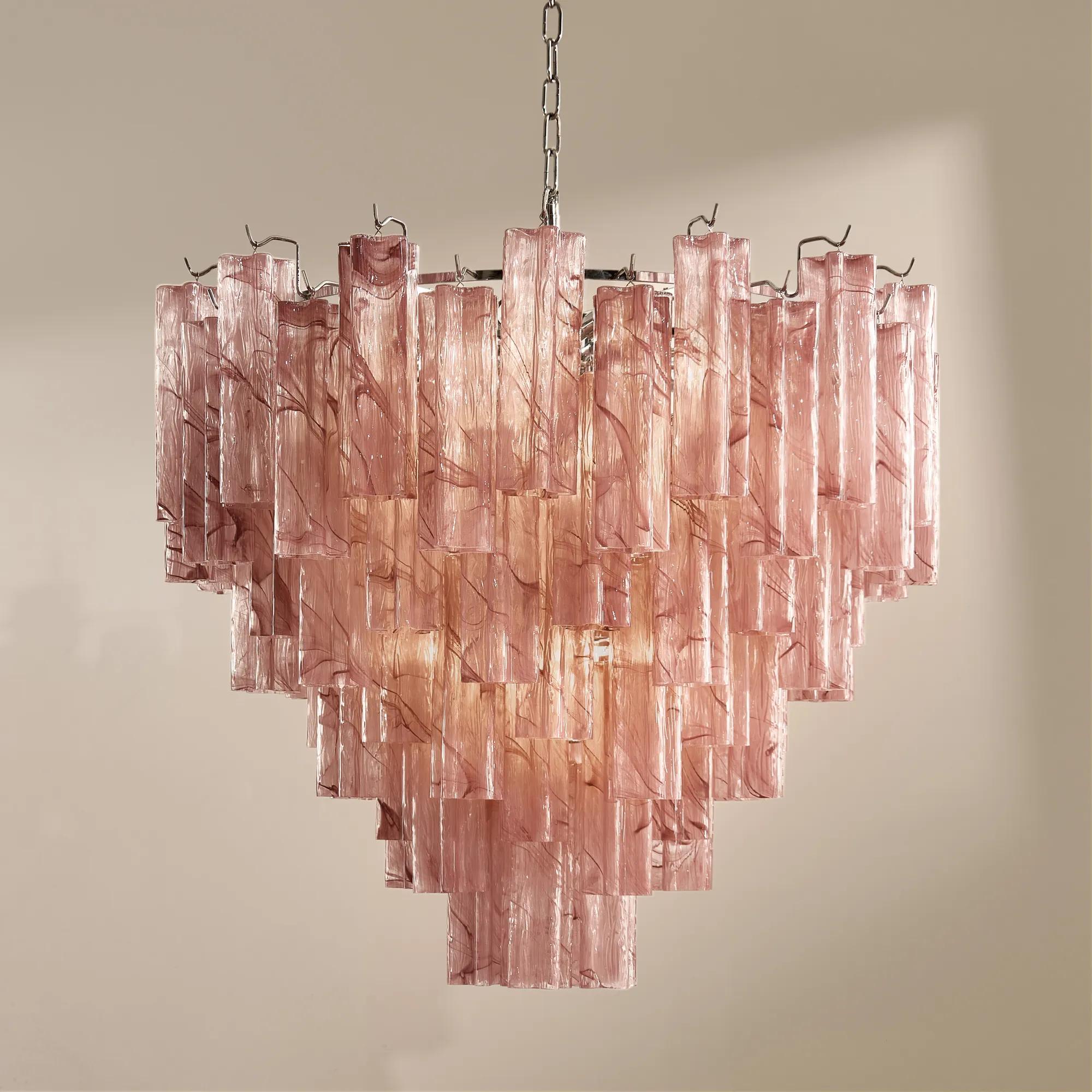 Elodie Rose Glass Chandelier 31.5"$1299
A handcrafted rose glass chandelier with swirled glass, polished chrome framing, and 21 dimmable candelabra lights.
Add To Cart -
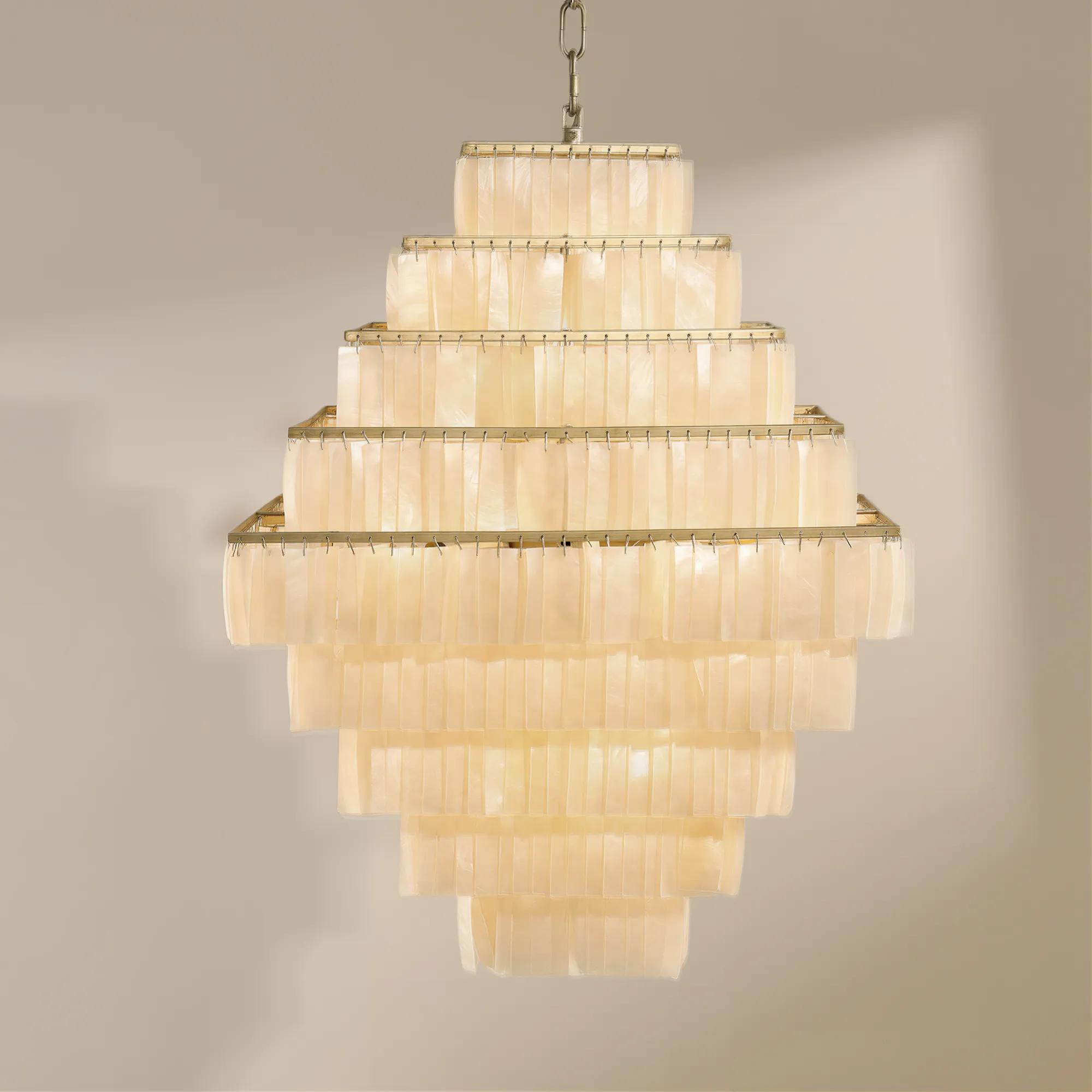 Soleil Capiz Shell Chandelier 25"$999
A modern capiz shell chandelier with 700 pearlescent shells, champagne-finished iron, and dimmable ambient lighting.
Add To Cart -
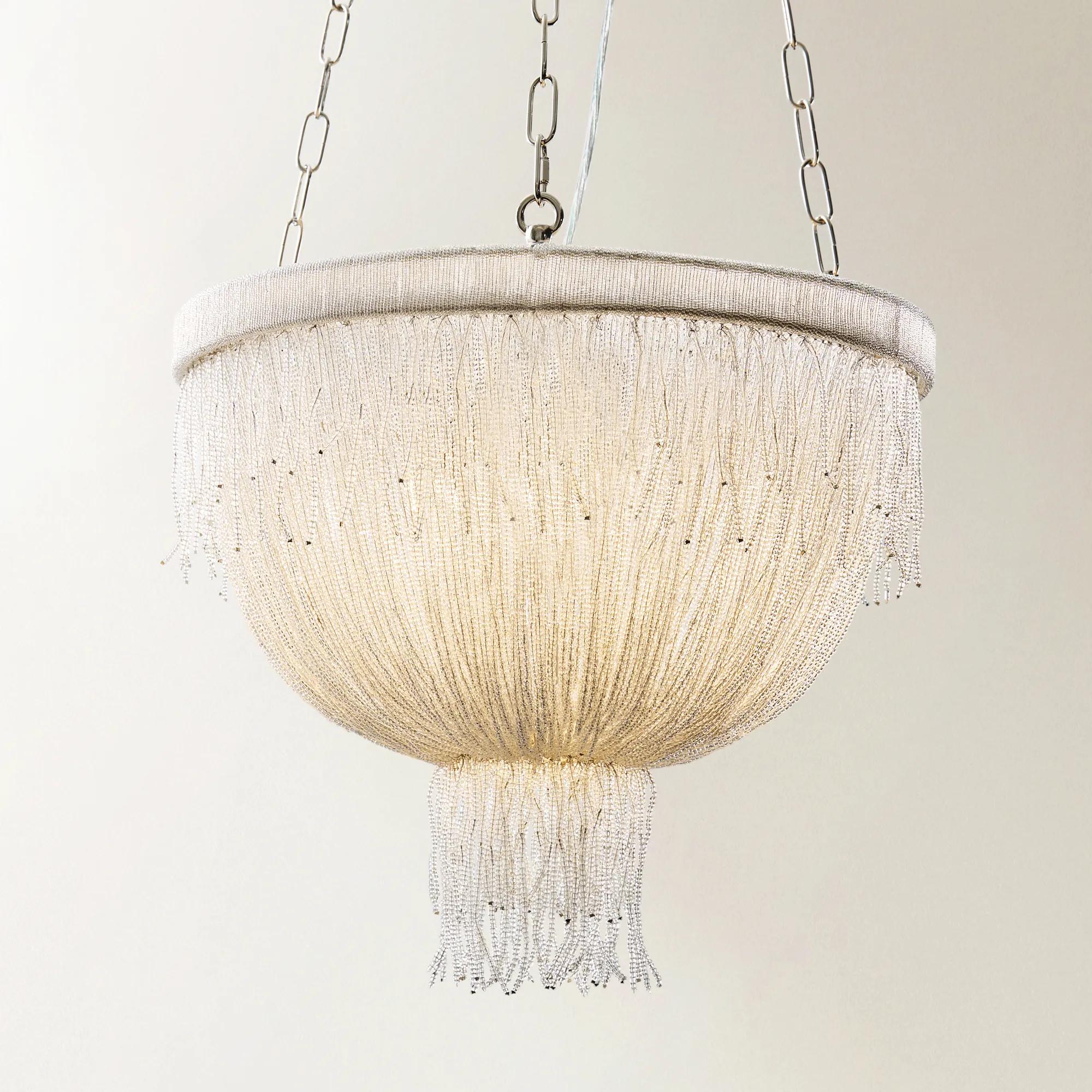 Selene Chandelier$899
A dazzling chandelier featuring cascading clear glass beads and a sleek nickel-finished iron frame.
Add To Cart

Large Modern Dining Room Chandeliers
Explore large modern dining room chandeliers that bring bold scale and a sculptural focal point to your dining space. When choosing statement lighting, consider your table’s size and shape, ceiling height, and hanging clearance to find a fixture that commands attention while keeping the room’s proportions balanced and sightlines open.
Large modern dining room chandeliers are statement ceiling fixtures that combine generous scale, architectural shapes, and expressive materials to illuminate the dining table and define the room around it. Linear frames, sculptural branches, luminous rings, and geometric arrangements bring a distinctly contemporary presence, while crystal, glass, and metal introduce depth through reflection, transparency, and sheen. Their impact comes from the relationship between form and light: a slender brass framework can trace a gleaming silhouette above a dark wood table, while cascading glass elements create a layered composition that feels almost suspended in air. These fixtures suit spacious dining rooms, open-plan interiors, and gathering spaces where the table deserves a clear visual center. Large does not have to mean visually heavy. An open metal frame can occupy a substantial footprint without obscuring artwork or interrupting views into an adjoining living area, while a denser arrangement of crystal or glass creates a more commanding focal point. Shape helps establish the mood as much as finish. A long, horizontal chandelier echoes the lines of a rectangular table, giving an extended dining arrangement a sense of cohesion. A round or radial silhouette creates a striking conversation with a circular table, drawing attention inward toward flowers, sculptural vessels, and beautifully set places. Brushed brass lends a warm, understated glow; polished nickel and chrome introduce crisp reflections; matte black gives luminous elements a dramatic outline. Clear glass emphasizes sparkle and visibility, while frosted or opal glass softens the appearance of the light source. Stone accents, including marble where used, bring natural veining and a grounded counterpoint to polished metal. The most compelling compositions balance these qualities rather than allowing every surface to compete. Against upholstered dining chairs and a richly textured rug, a chandelier with clean geometry adds definition. Above a streamlined table, a more elaborate fixture can become the room’s central work of art. For hosts who enjoy lingering dinners, design enthusiasts with a taste for sculptural objects, or households where the dining table serves many occasions, the right chandelier gives everyday gatherings a memorable setting.
Proportion gives a large dining room chandelier its confidence. The fixture needs enough presence to relate to the table without overwhelming the people seated beneath it, and the table is usually a more useful reference point than the room’s square footage alone. A common starting point is a chandelier approximately one-half to two-thirds the table’s width, with the final proportions shaped by the fixture’s silhouette, the room’s dimensions, and the ceiling height. An airy arrangement of slender arms may support a broader span than a visually dense design of the same dimensions. Over an elongated table, a linear chandelier can distribute light along the dining surface rather than concentrating the entire effect at its center. In a room with a standard eight-foot ceiling, the bottom of the fixture often sits about 30 to 36 inches above the tabletop; taller ceilings and unusually large fixtures may call for a different position. These measurements are starting points, not substitutes for assessing seated sightlines, head clearance, and the manufacturer’s installation requirements. A chandelier centered over the table creates a deliberate composition even when the table itself is not centered in the room. Adjustable rods or chains can help establish the intended drop, while sloped ceilings require compatible mounting hardware. Substantial fixtures also need appropriate structural support and electrical installation, best evaluated by a qualified electrician. Light quality deserves equal attention. Exposed bulbs contribute to the overall silhouette but can create glare, while shades, diffusers, and carefully positioned glass elements can make illumination more comfortable at eye level. Warm-white light, often around 2700K to 3000K, lends a welcoming character to dining spaces, though the effect also depends on finishes and surrounding colors. Dimming allows a brighter setting for arranging flowers or sharing a family meal and a softer glow for an intimate dinner. Bulbs, integrated LEDs, and dimmer controls must be compatible, with brightness considered alongside wattage. Wall sconces, lamps, or recessed lighting can supply supporting illumination, allowing the chandelier to remain the visual centerpiece without carrying every lighting task in the room.
Materials and construction shape how a modern chandelier looks over time as well as how it performs above the table. Glass and crystal can retain their clarity beautifully with appropriate care, but their facets and hanging elements reveal dust when illuminated. Metal finishes vary in their resistance to fingerprints, moisture, and cleaning products, so care should always follow the fixture manufacturer’s directions. A soft, dry microfiber cloth is often suitable for routine dusting; deeper cleaning may require a specifically approved method for the glass, crystal, or finish involved. Abrasive pads, harsh chemicals, and indiscriminate spraying can damage protective coatings or leave residue around electrical components. Power should be turned off and bulbs allowed to cool before cleaning, and a high or intricate installation may be better maintained by a professional than reached precariously across a dining table. Removable decorative elements require careful handling, and replacement bulbs must stay within the fixture’s stated specifications. For integrated LED designs, information about expected service life, warranty coverage, and whether components can be serviced helps clarify long-term ownership. Thoughtful care preserves the details that make a large fixture so expressive: the clean edge of a metal arm, the transparency of a glass shade, the precise rhythm of suspended crystals. That same attention to detail carries through the room. A chandelier need not match every metallic accent exactly; a repeated finish in a mirror frame or cabinet hardware can provide enough continuity, leaving room for contrast elsewhere. In interiors with a more ceremonial mood, Chandeliers For Formal Dining Rooms offers a related direction for bringing a distinguished focal point to the table. Whether the surrounding setting features tailored upholstery, dramatic artwork, or sculptural dining furniture, a large modern chandelier gives the composition a point of view. Its presence is felt in the gleam across glassware, the definition of the tabletop, and the atmosphere that invites guests to settle in.
FAQs
Large modern dining room chandeliers often take their cues from sculpture, with branching silhouettes, geometric compositions, or cascading forms. Linear designs offer architectural precision, while abstract arrangements bring expressive movement. Choose a silhouette that reflects your dining room’s personality, whether that means polished glamour, gallery-inspired drama, or a richly layered contemporary look.
Create a dialogue between the chandelier’s silhouette and your furniture’s defining lines. Curved seating can echo a sweeping fixture, while an angular dining table offers striking contrast to an organic composition. Let one element lead the visual story, then repeat a shape or finish elsewhere for a dining room that feels thoughtfully composed.
Coordinated does not have to mean identical. A chandelier can echo the warm or cool tones of your furniture accents, or introduce a contrasting finish with deliberate flair. Repeat that finish in a decorative object or artwork detail to give the contrast a sense of intention without making every element match.
Let the contrast become part of the room’s artistry. A sculptural modern chandelier creates a compelling counterpoint to ornate moldings, classic furniture, and decorative detailing. Connect the two aesthetics through a shared palette or recurring shape, then layer in expressive artwork for a dining room that feels collected rather than confined to one era.
Treat the tabletop as a continuation of the chandelier’s visual story. Echo its curves through decorative vessels, reflect its geometry in place settings, or draw out its tonal character with richly colored linens. Give each accent a distinct role so the setting feels opulent and intentional, with the chandelier presiding over the composition.