Large Crystal Chandeliers For Dining Rooms
Large Crystal Chandeliers For Dining Rooms
-

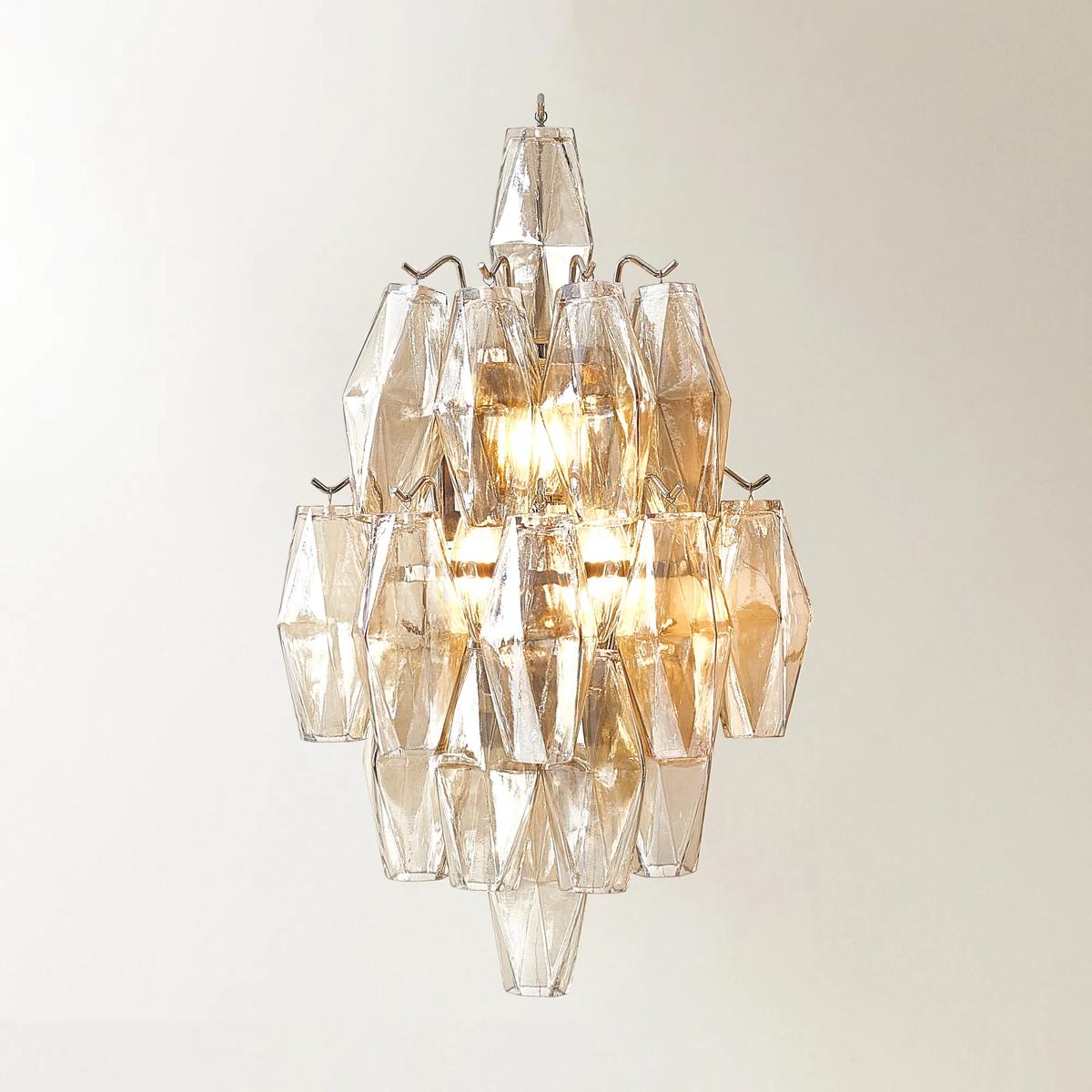
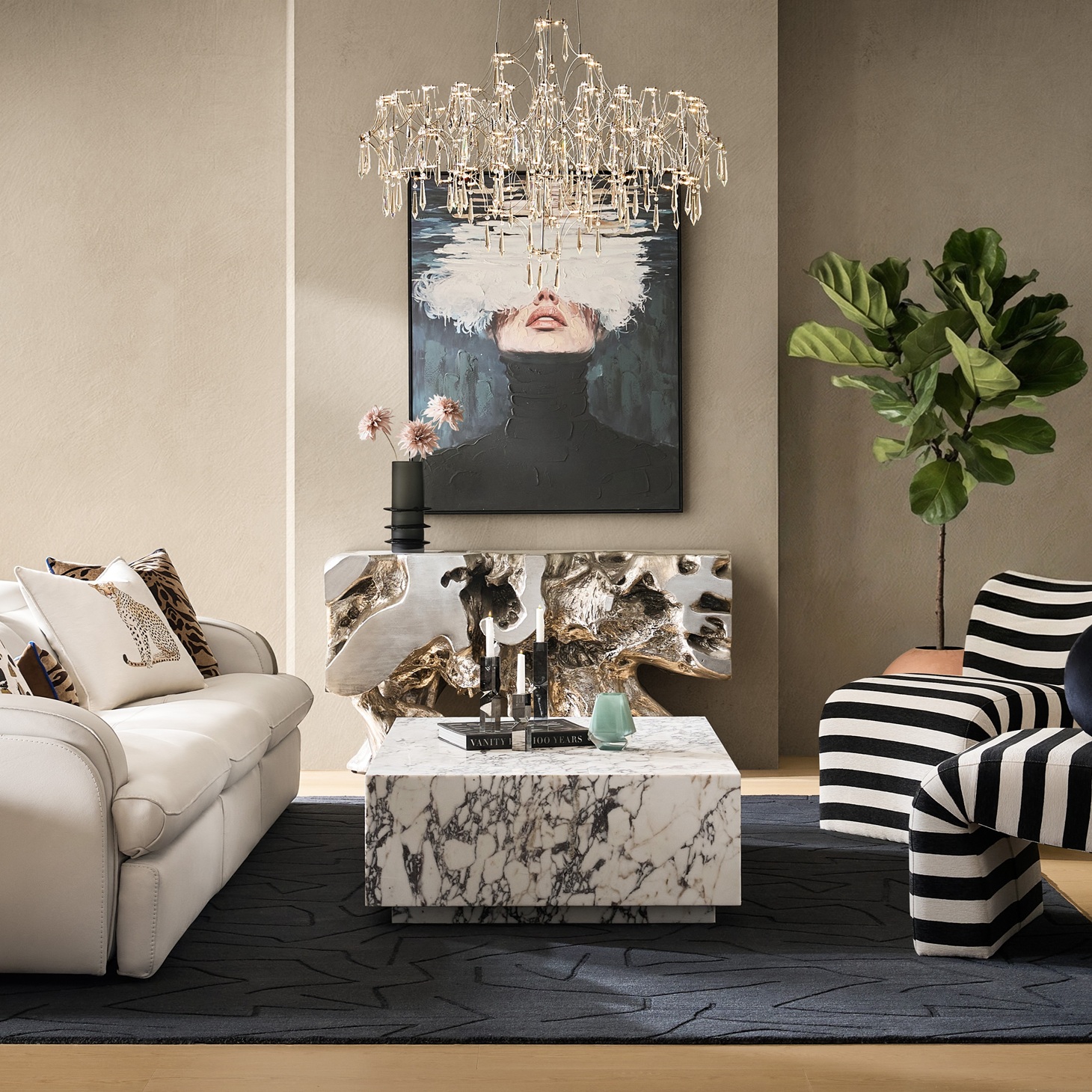 Moderne Grande LED Crystal Chandelier 35.75"W x 28.5"H$1899
A faceted crystal chandelier with polished nickel framing and integrated LED illumination for a modern glow.
Add To Cart -
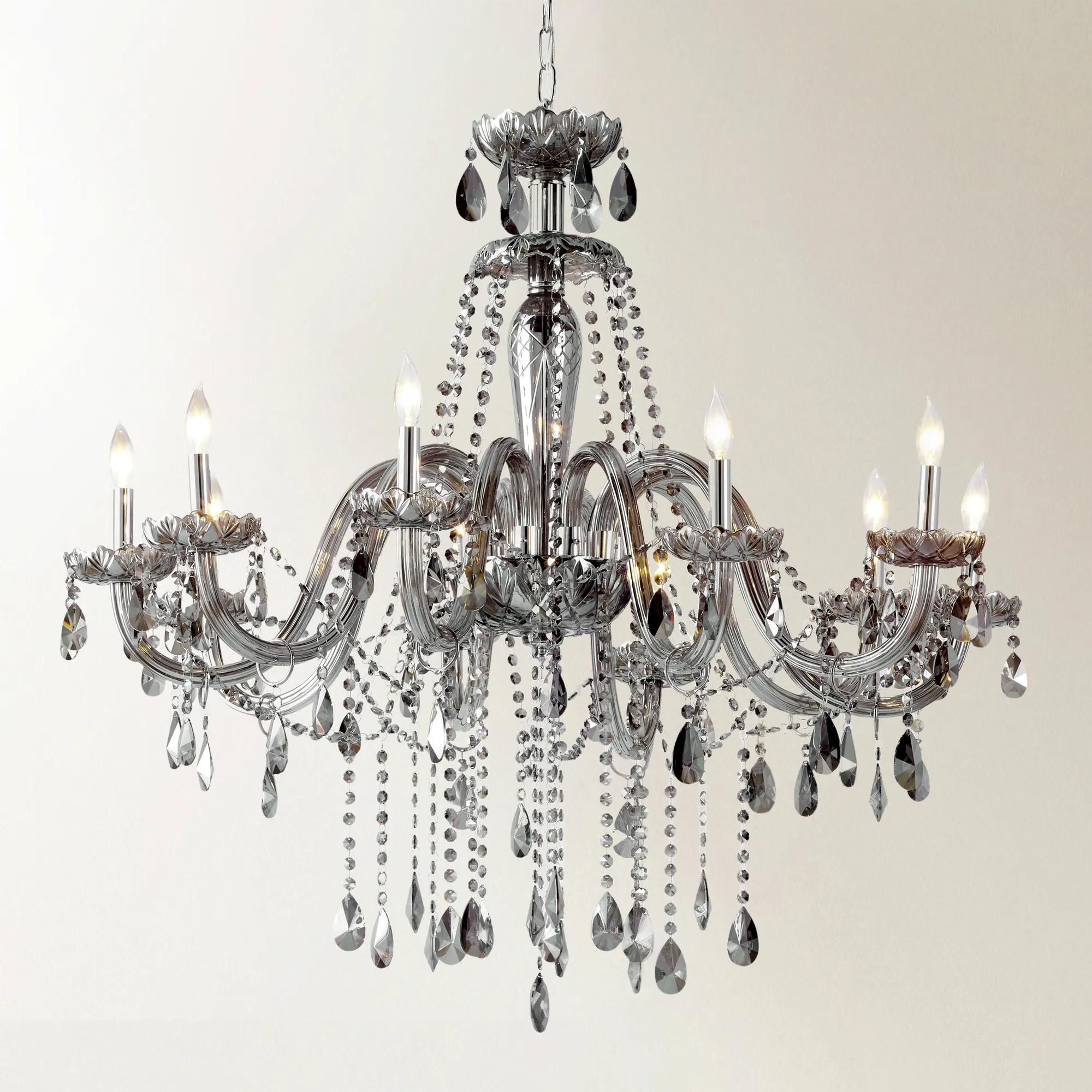
 Omni Chandelier 38.5" - Graphite$999
A dazzling chandelier featuring graphite faceted crystals and ten fluted glass arms with nickel hardware.
Add To Cart -
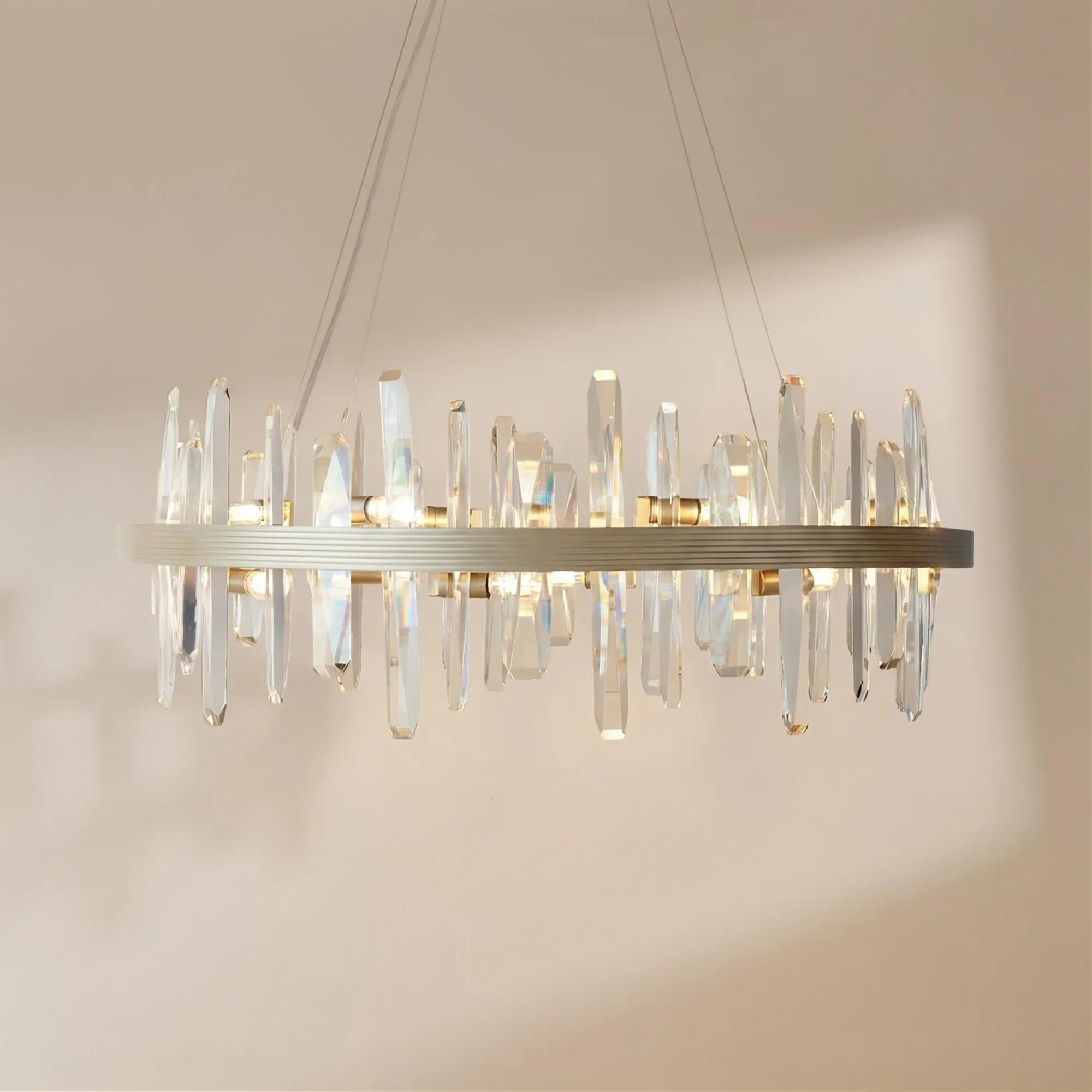
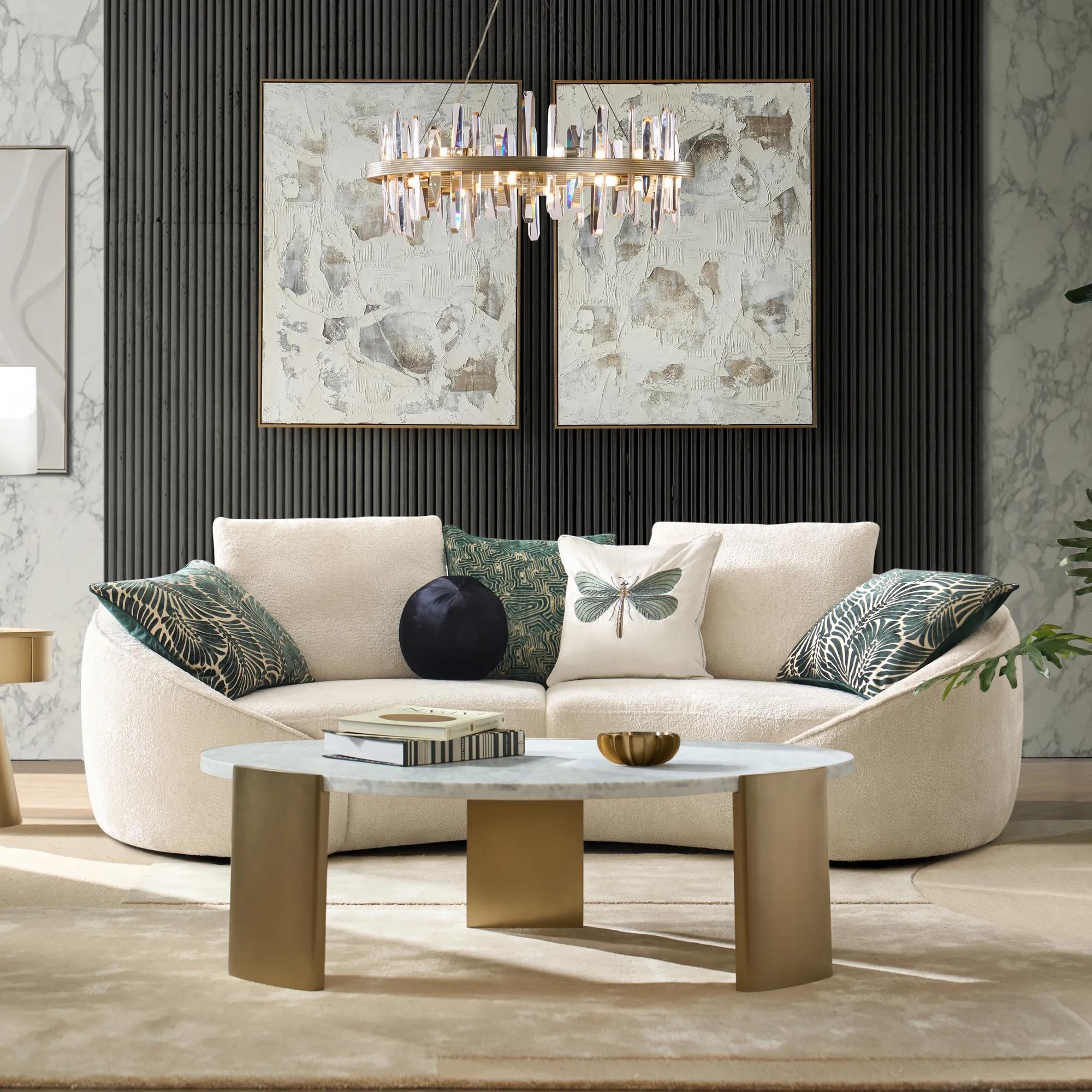 Lumi Clear Beveled Glass Chandelier 31.5"W$929
A chandelier with clear beveled glass, a champagne-finished iron frame, sixteen lights, and dimmable illumination.
Add To Cart -
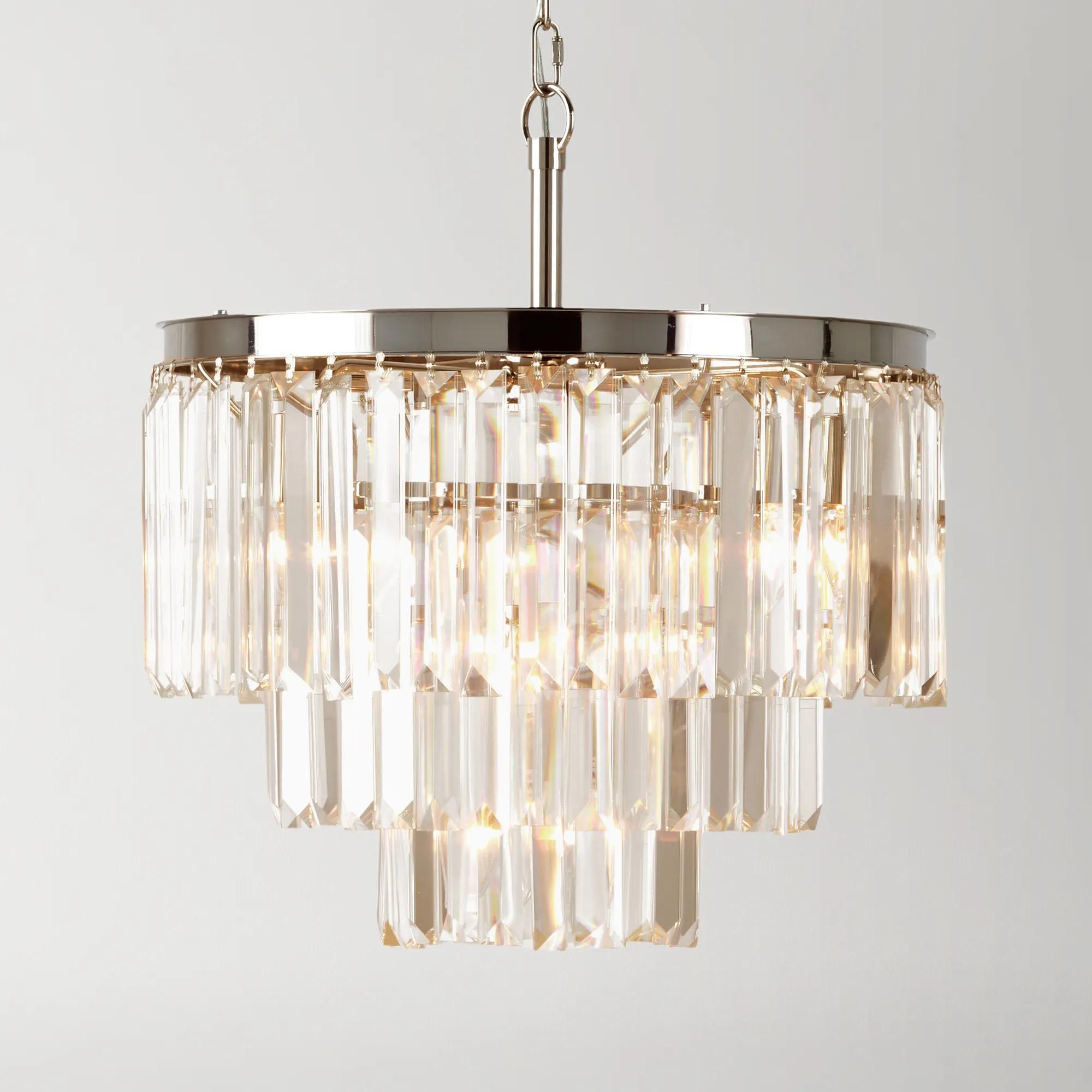
 Luxe Chandelier$799
A glamorous chandelier featuring a nickel-plated iron frame and three tiers of faceted crystal accents.
Add To Cart -
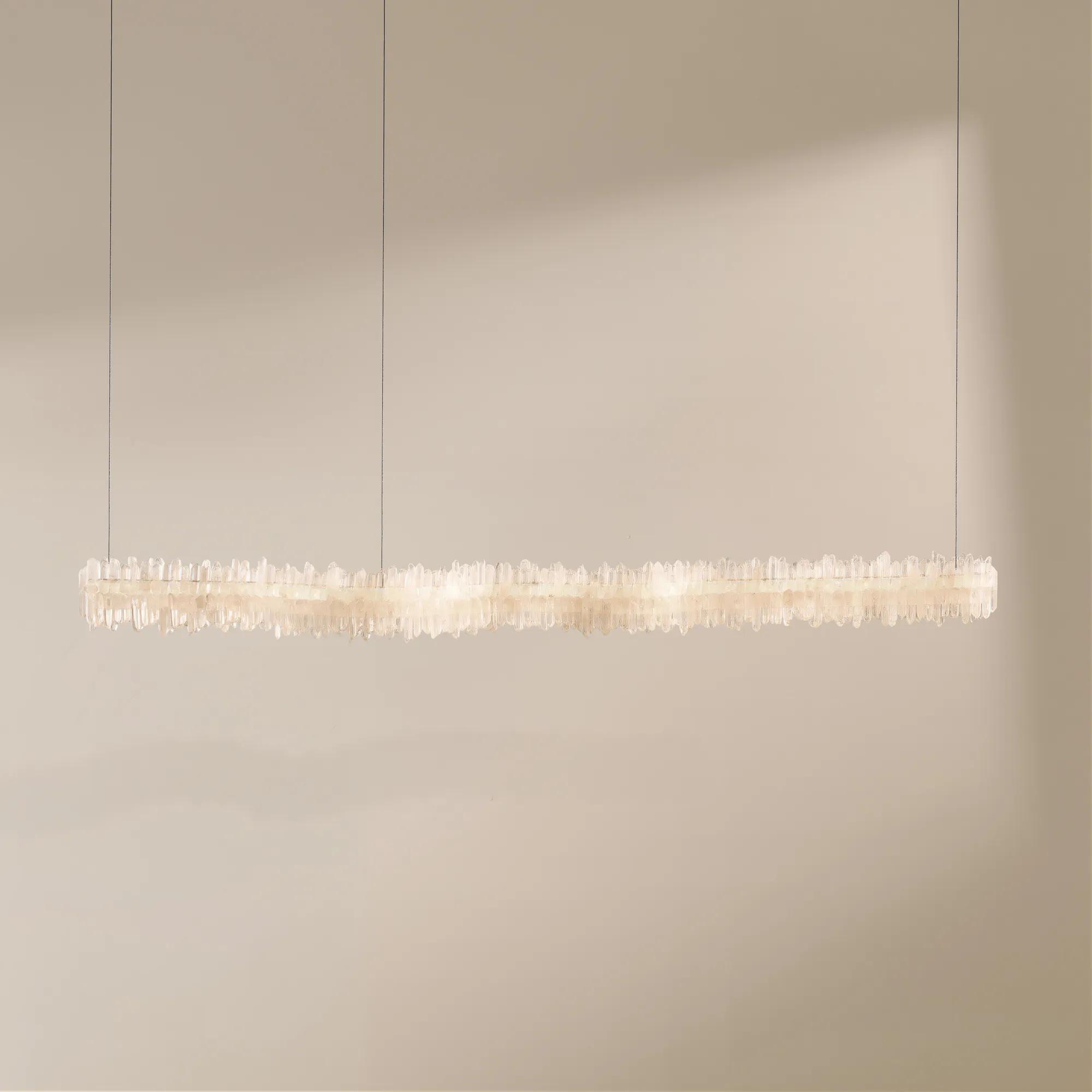 Stella Quartz Crystal LED Chandelier 47.25"$1899
A linear LED chandelier featuring natural raw quartz crystals and a polished rose gold metal frame.
Add To Cart -
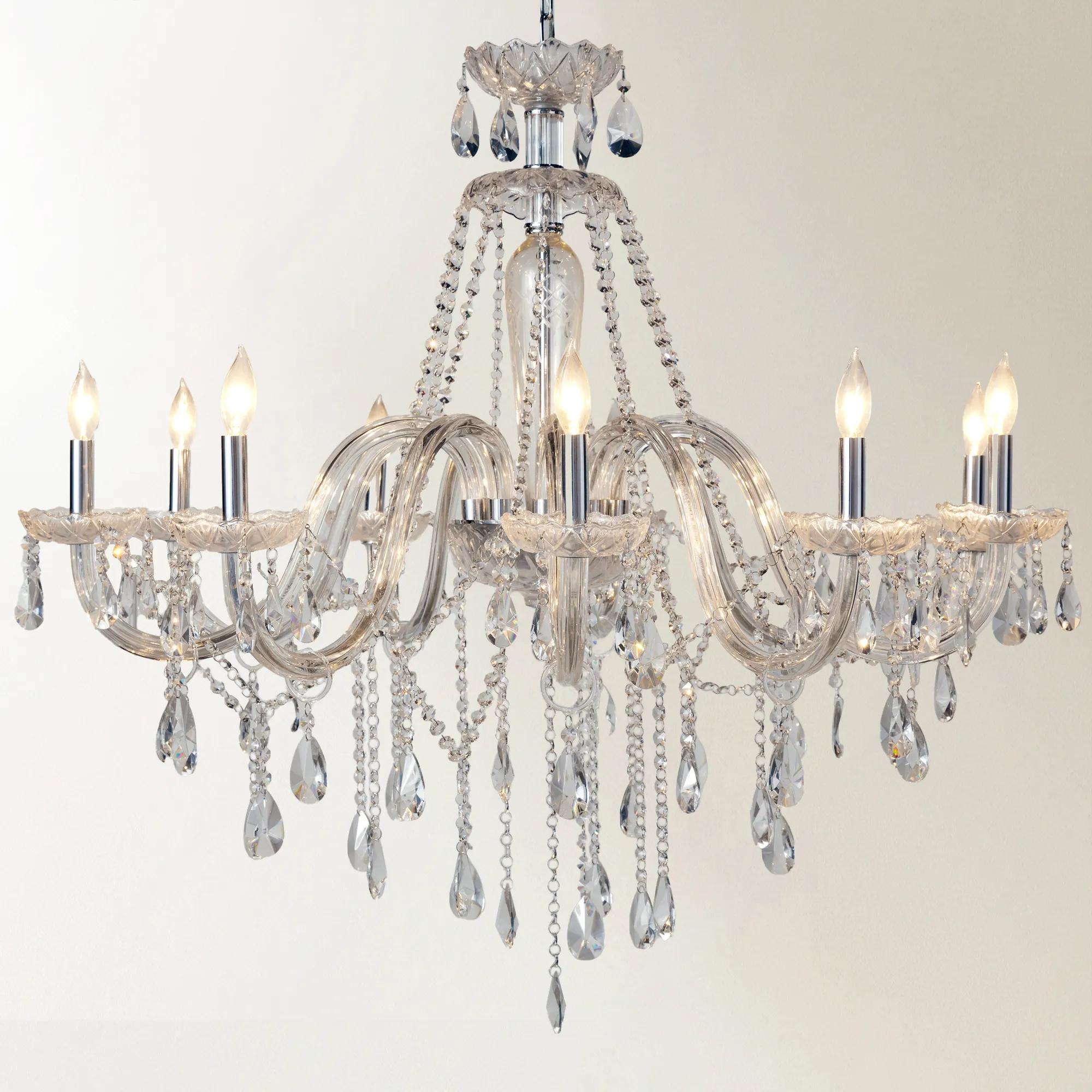
 Omni Chandelier 38.5" - Clear$999
A dazzling chandelier featuring hundreds of clear faceted crystals and ten fluted glass arms with nickel hardware.
Add To Cart -

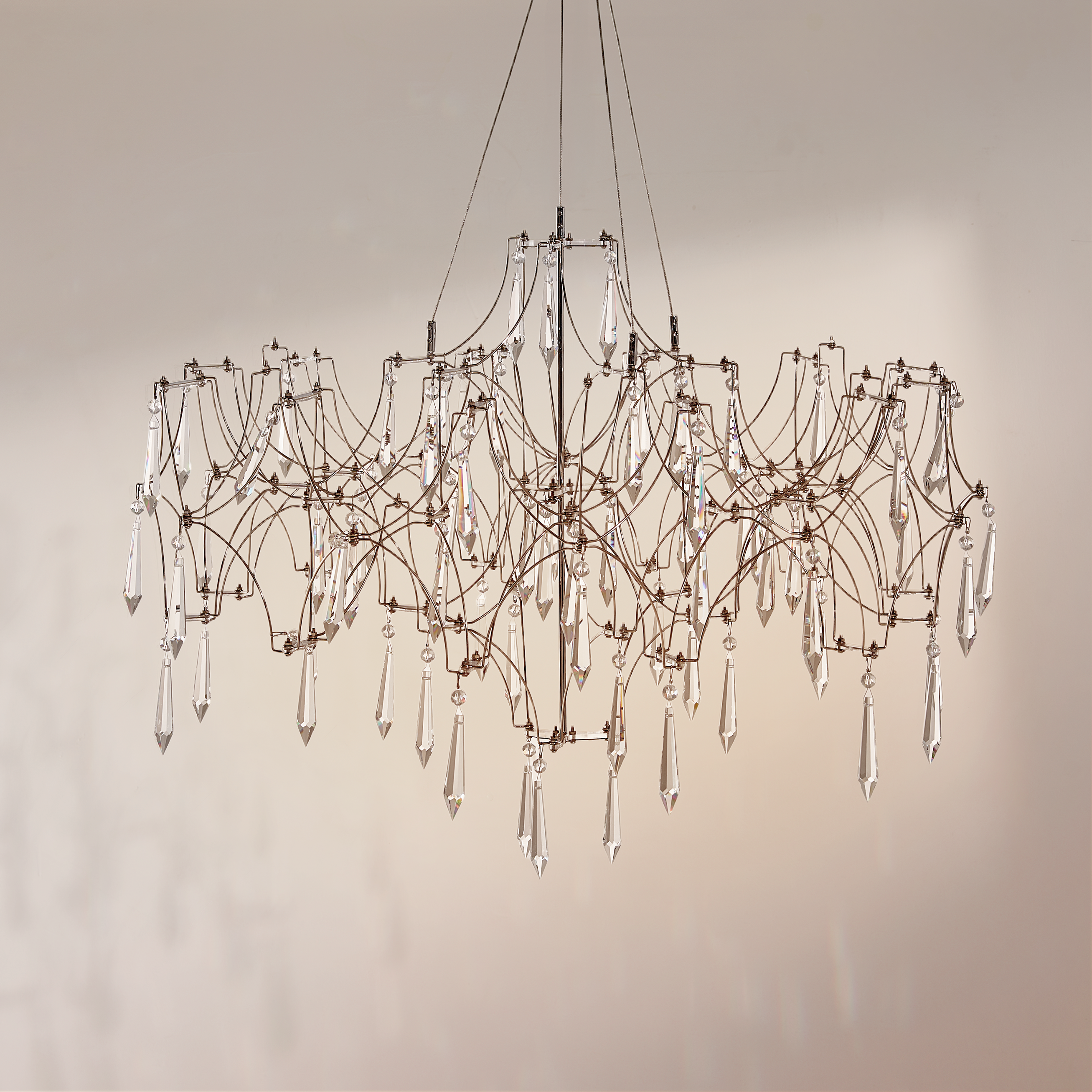 Moderne LED Clear Crystal Chandelier 24.5"W x 19.75"H$899
A clear crystal chandelier with faceted construction, polished nickel framing, and integrated warm LED illumination.
Add To Cart -
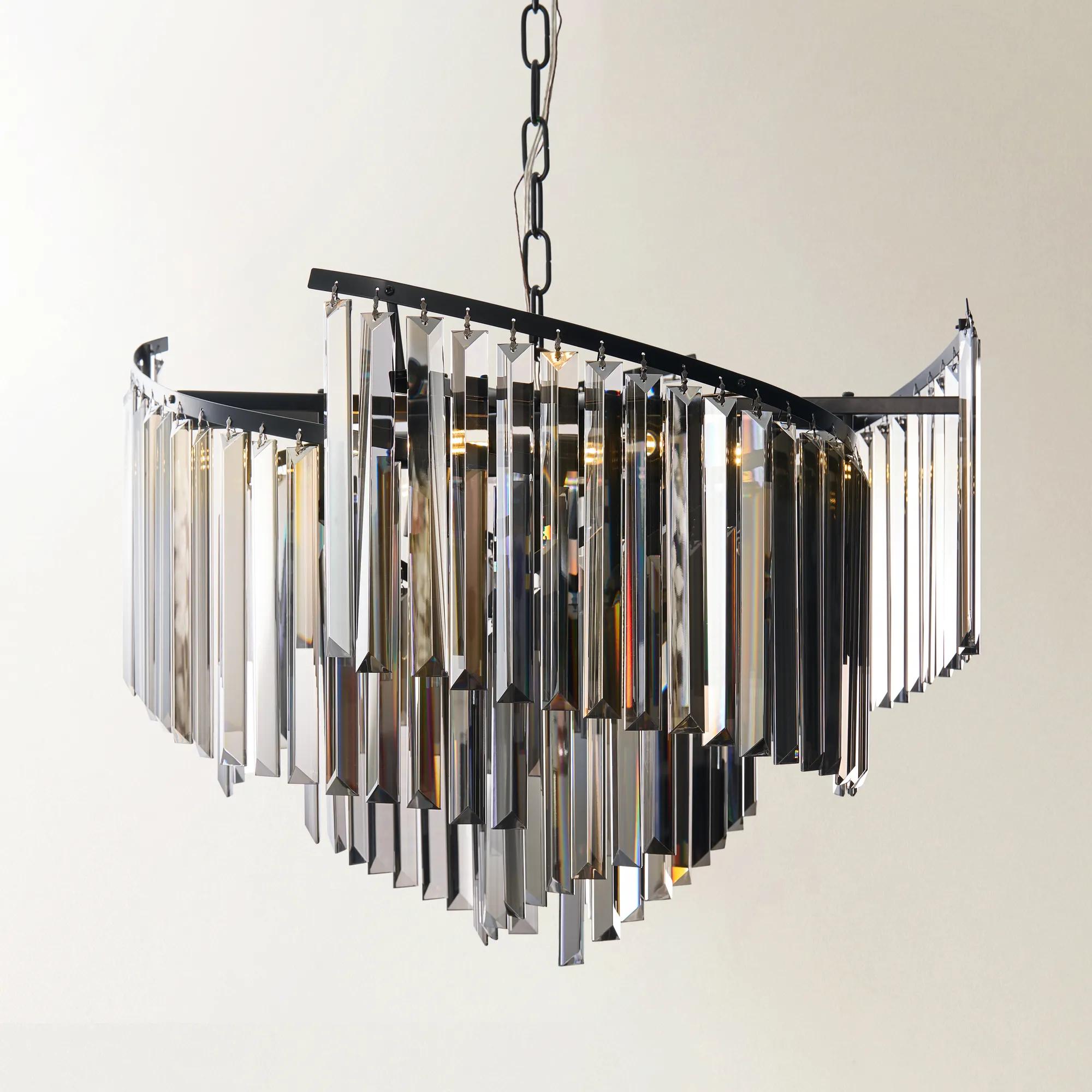 Luxe Spiral Chandelier - Graphite$999
A dramatic chandelier featuring graphite K9 crystals and a matte black iron frame for striking illumination.
Add To Cart -
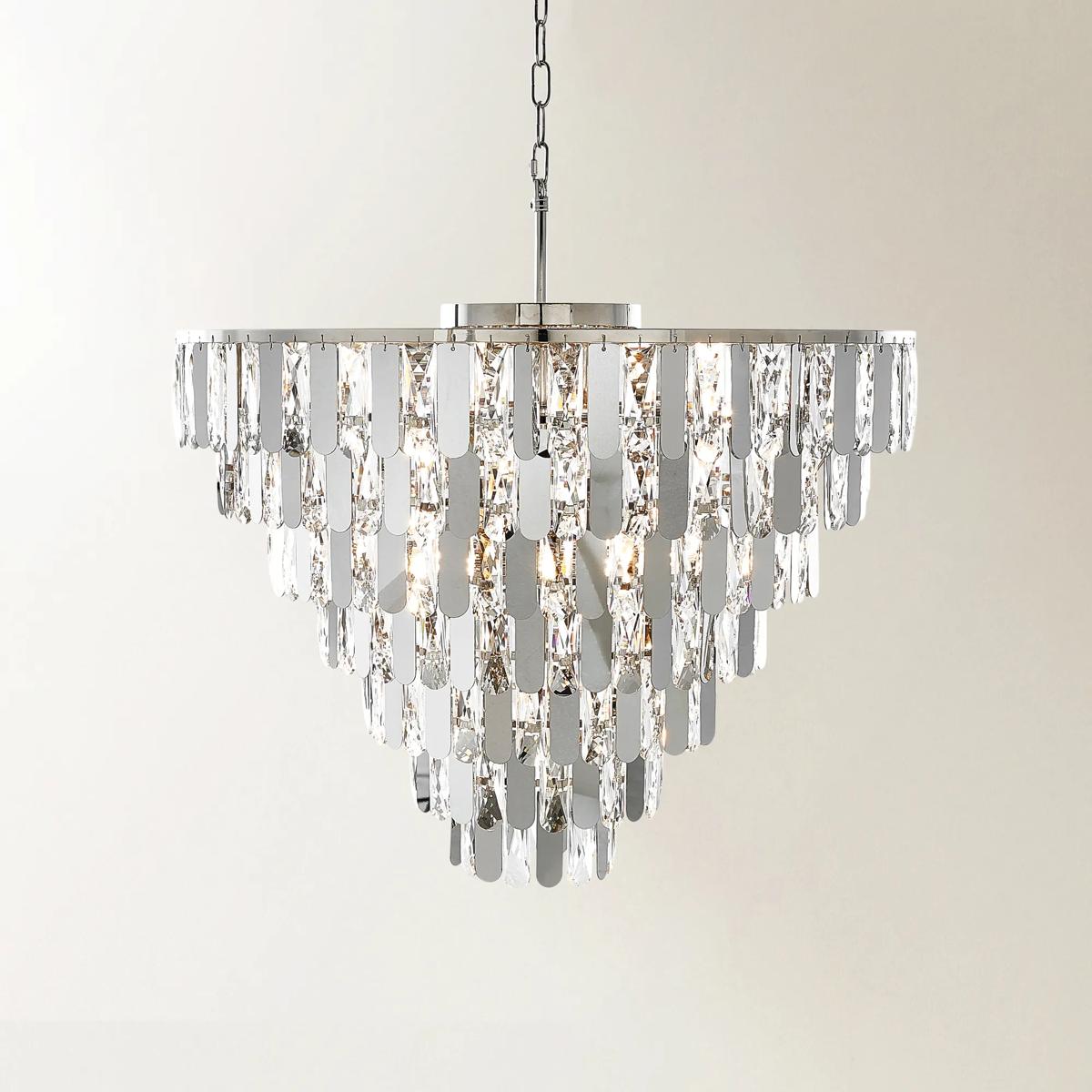
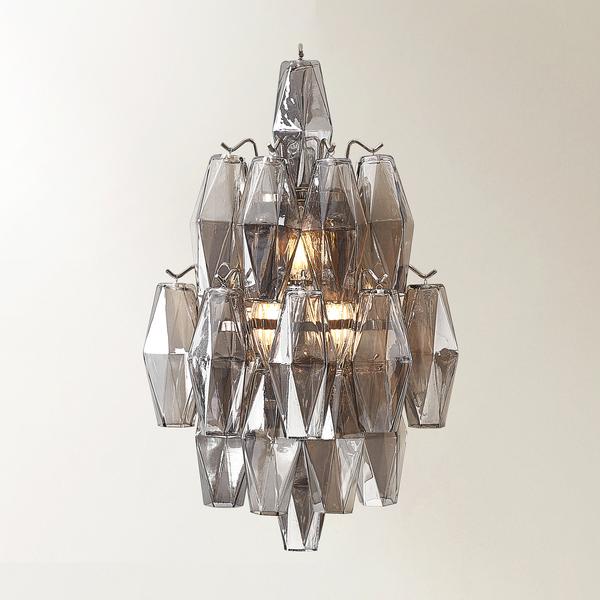
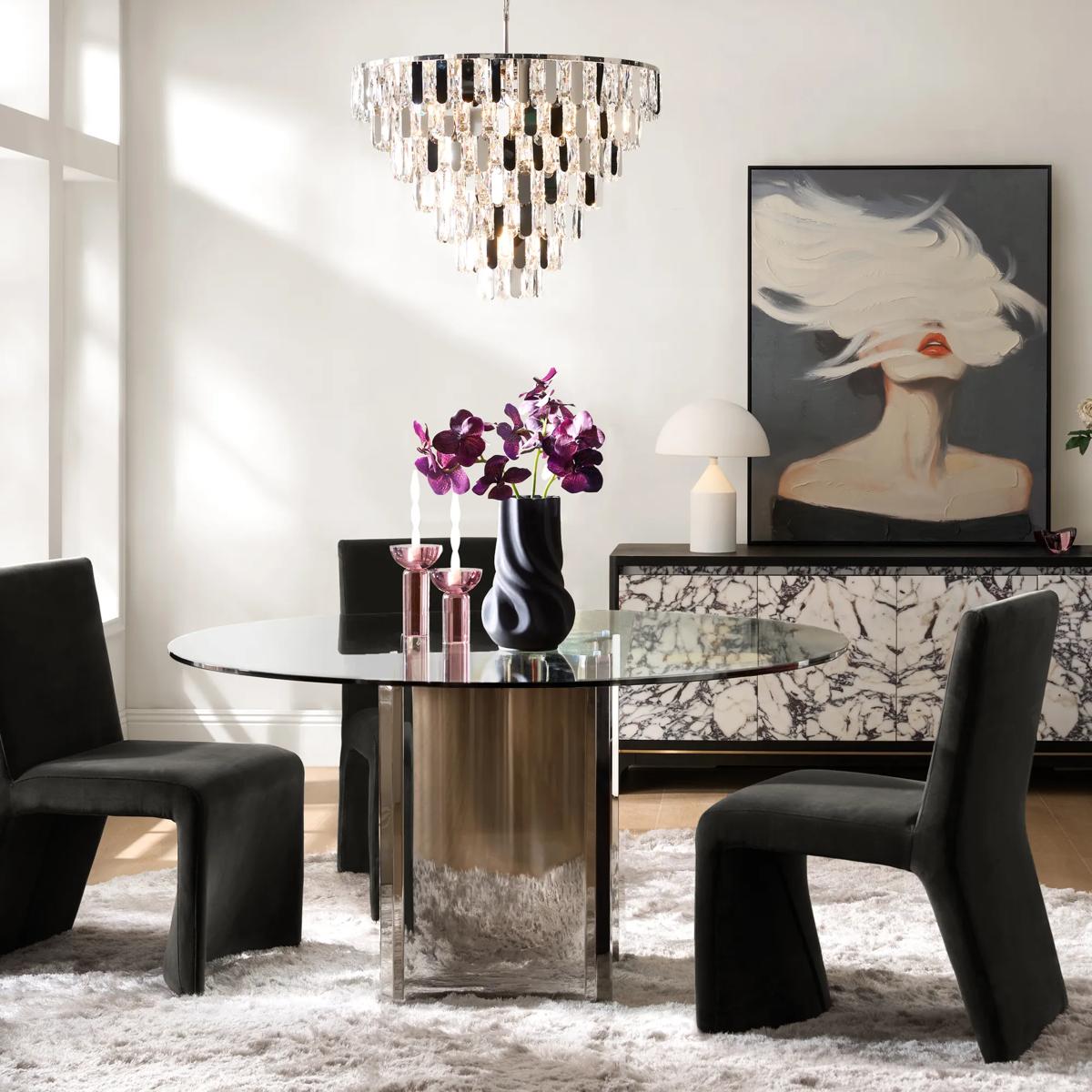 Avenue Crystal Chandelier 28.5"$999
A tiered chandelier crafted from eco-friendly K9 crystal and polished nickel for radiant, modern elegance.
Add To Cart -

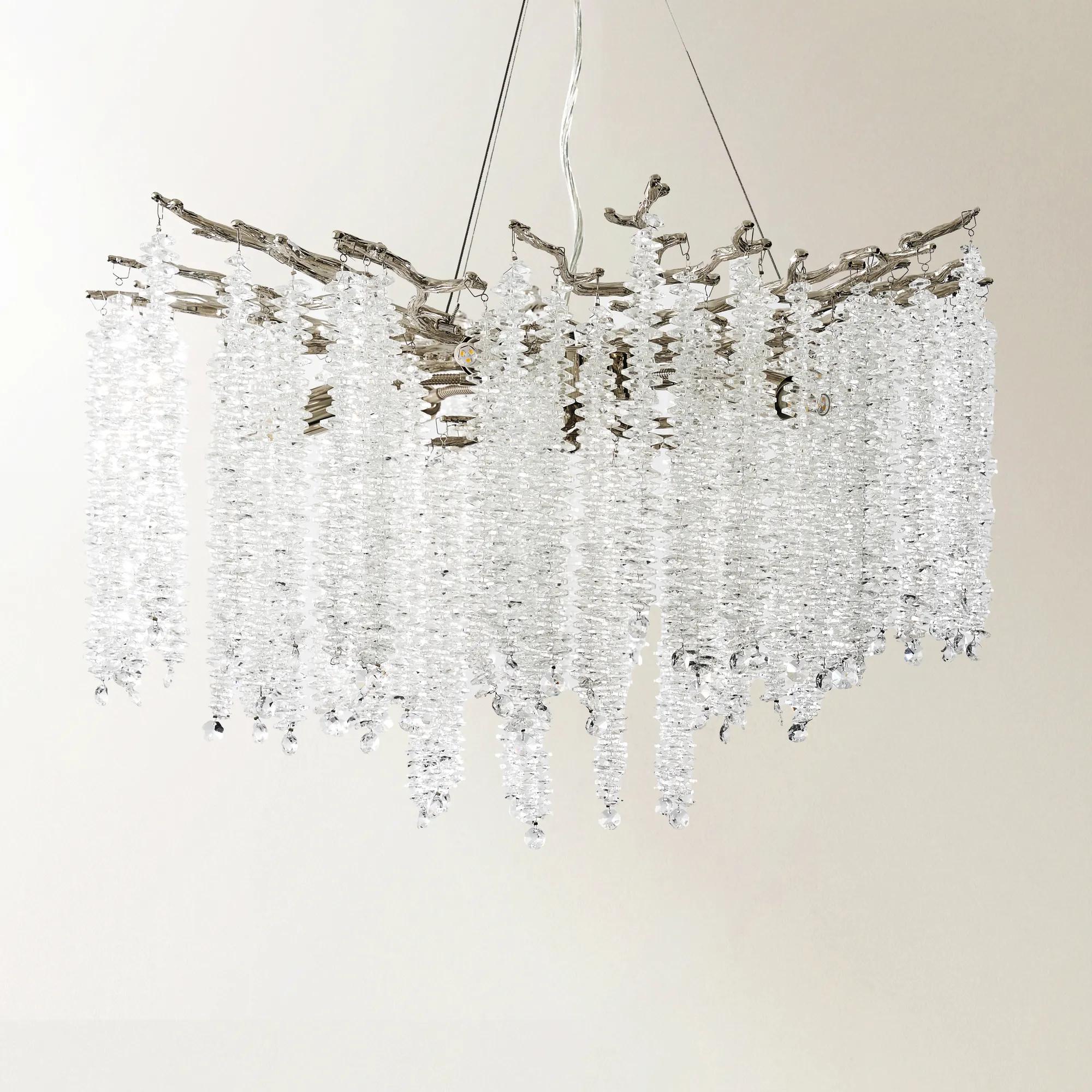 Cassia Clear Cut Crystal Chandelier 23.75"W x 13.75"H$599
A chandelier with cascading clear crystal beads, a nickel branch frame, six lights, and dimmable illumination.
Add To Cart -

 Luxe Spiral Chandelier - Nickel/Clear$999
A dazzling spiral chandelier featuring clear K9 crystal and a polished nickel frame for timeless glamour.
Add To Cart -
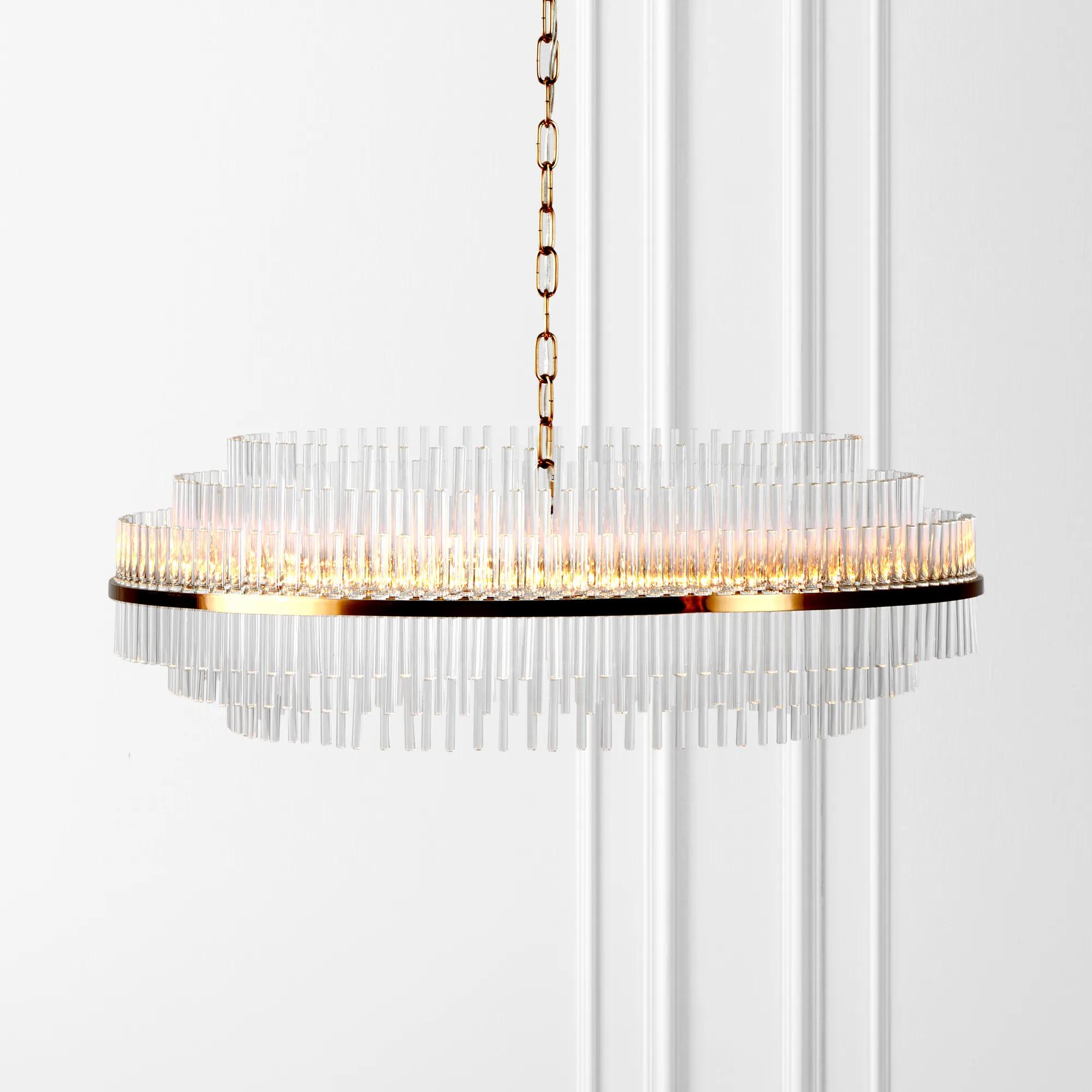
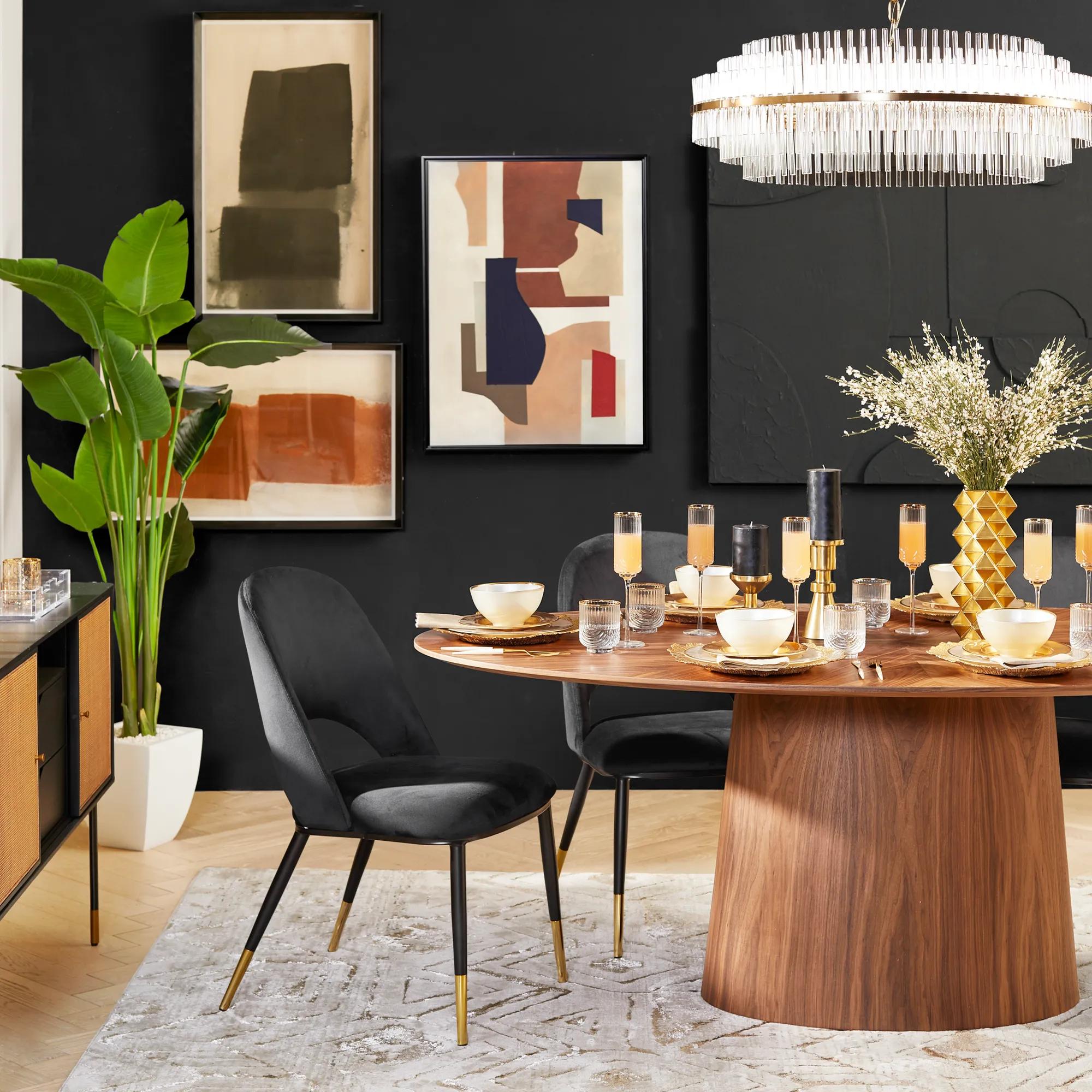 Renata Clear Glass Rod Chandelier 31"W x 10"H$799
A low-profile glass-rod chandelier with a brushed brass iron frame and eight dimmable candelabra lights.
Add To Cart -
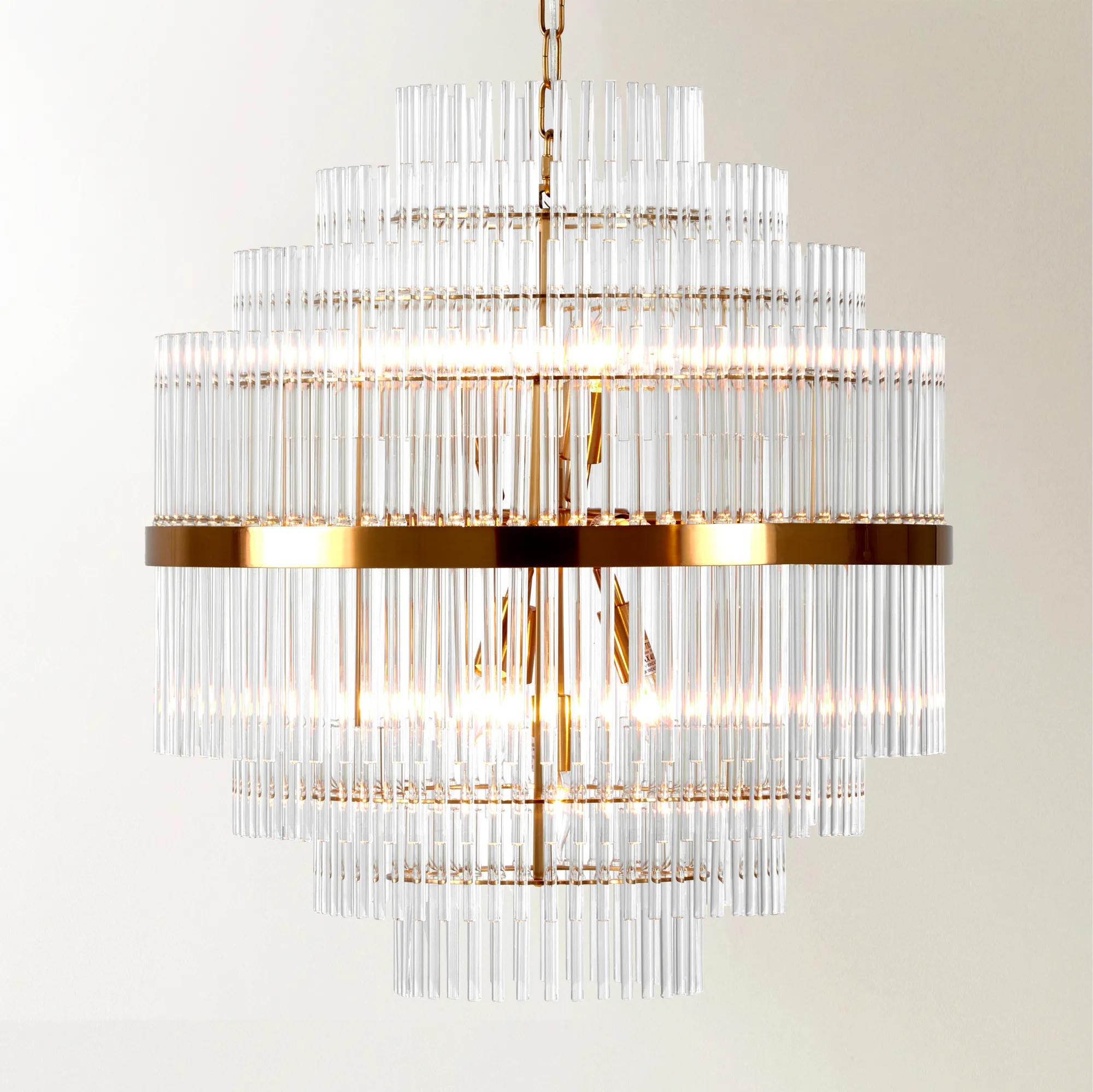
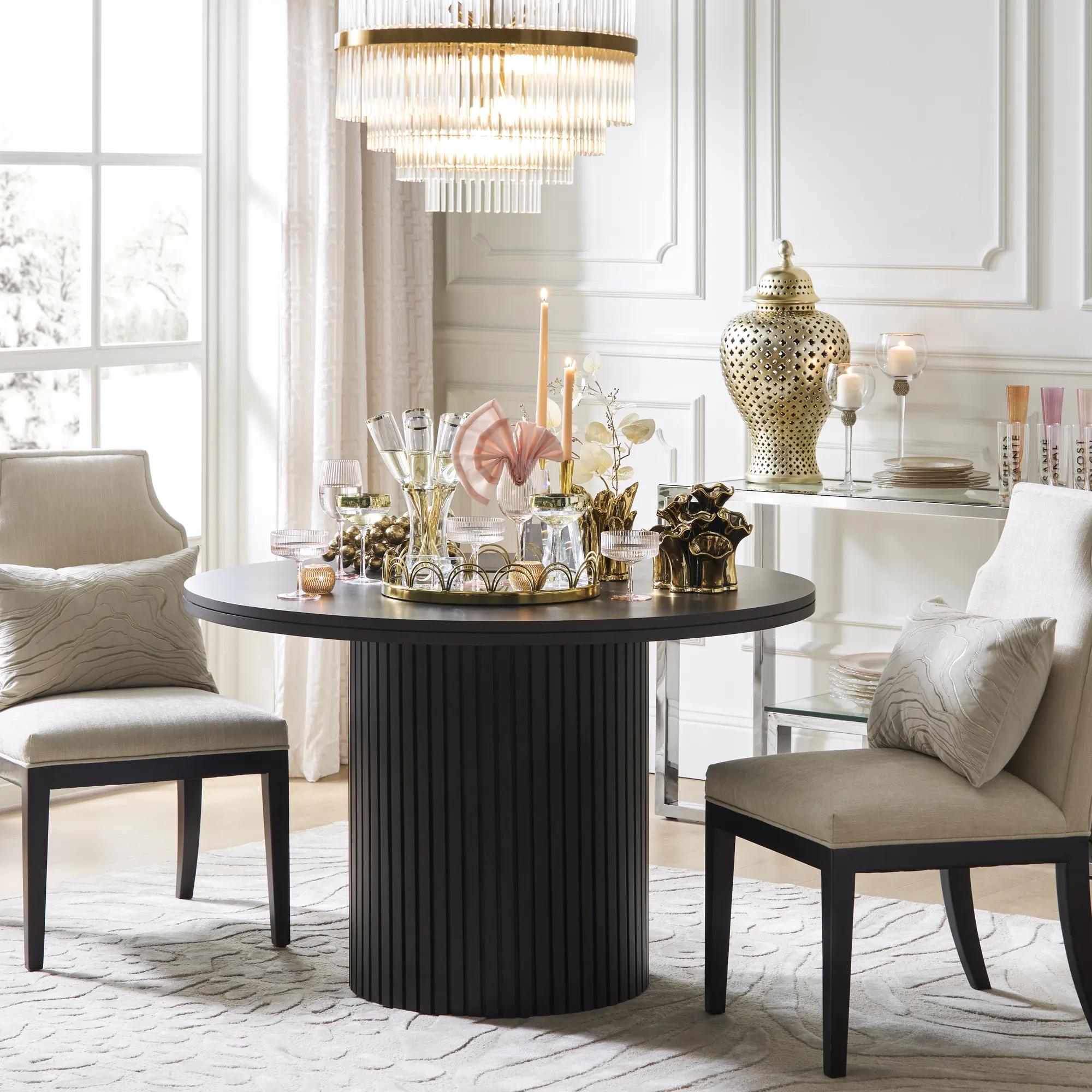 Renata Clear Glass Rod Grand Chandelier 23.6"D x 26.3"H$999
A clear glass rod chandelier with a polished gold iron frame and thirteen-light, dimmable illumination.
Add To Cart -
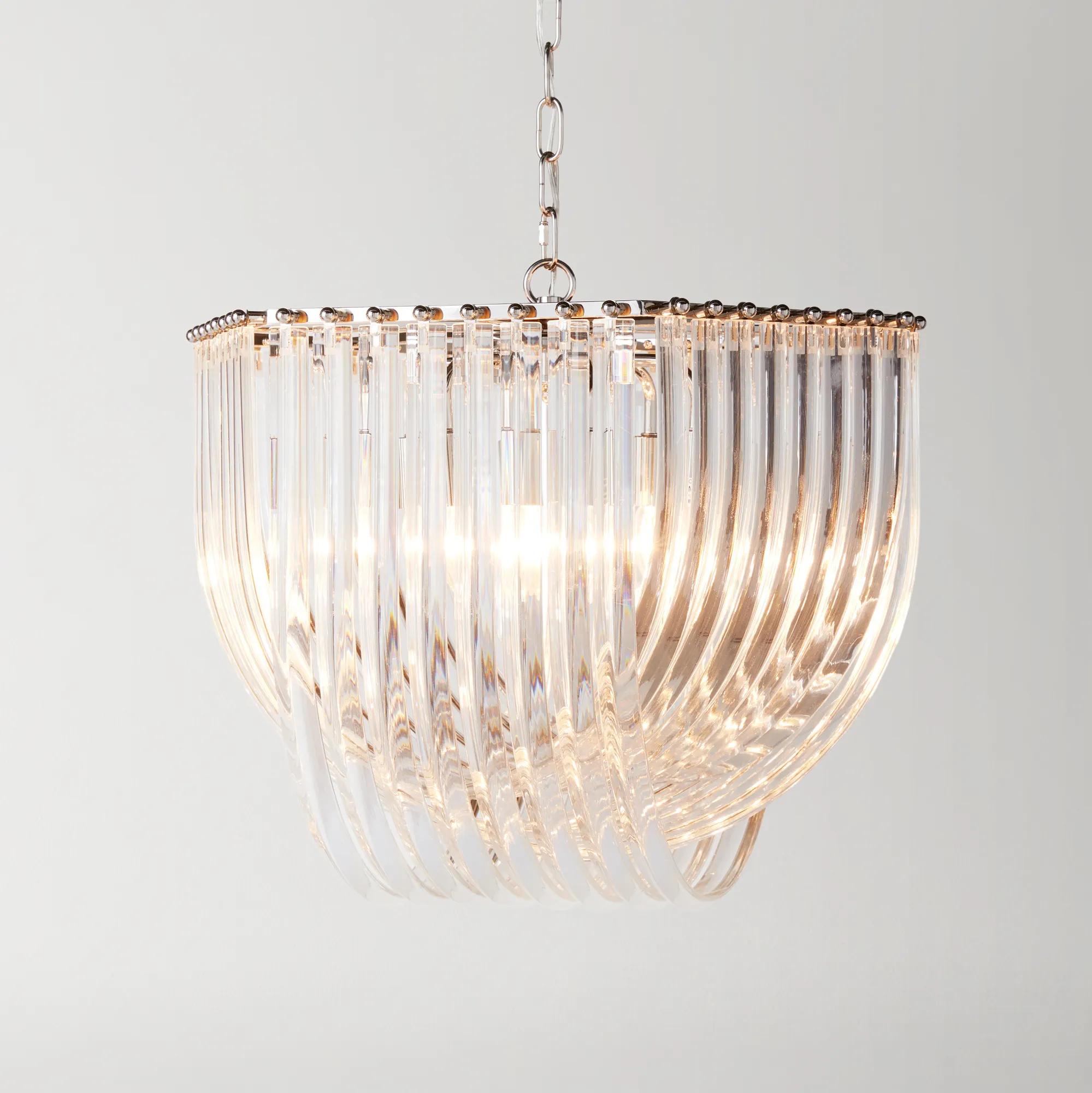 Laval Clear Curved Glass Chandelier 21"D x 18"H$799
A six-light chandelier with layered clear curved glass and a polished nickel frame.
Add To Cart -
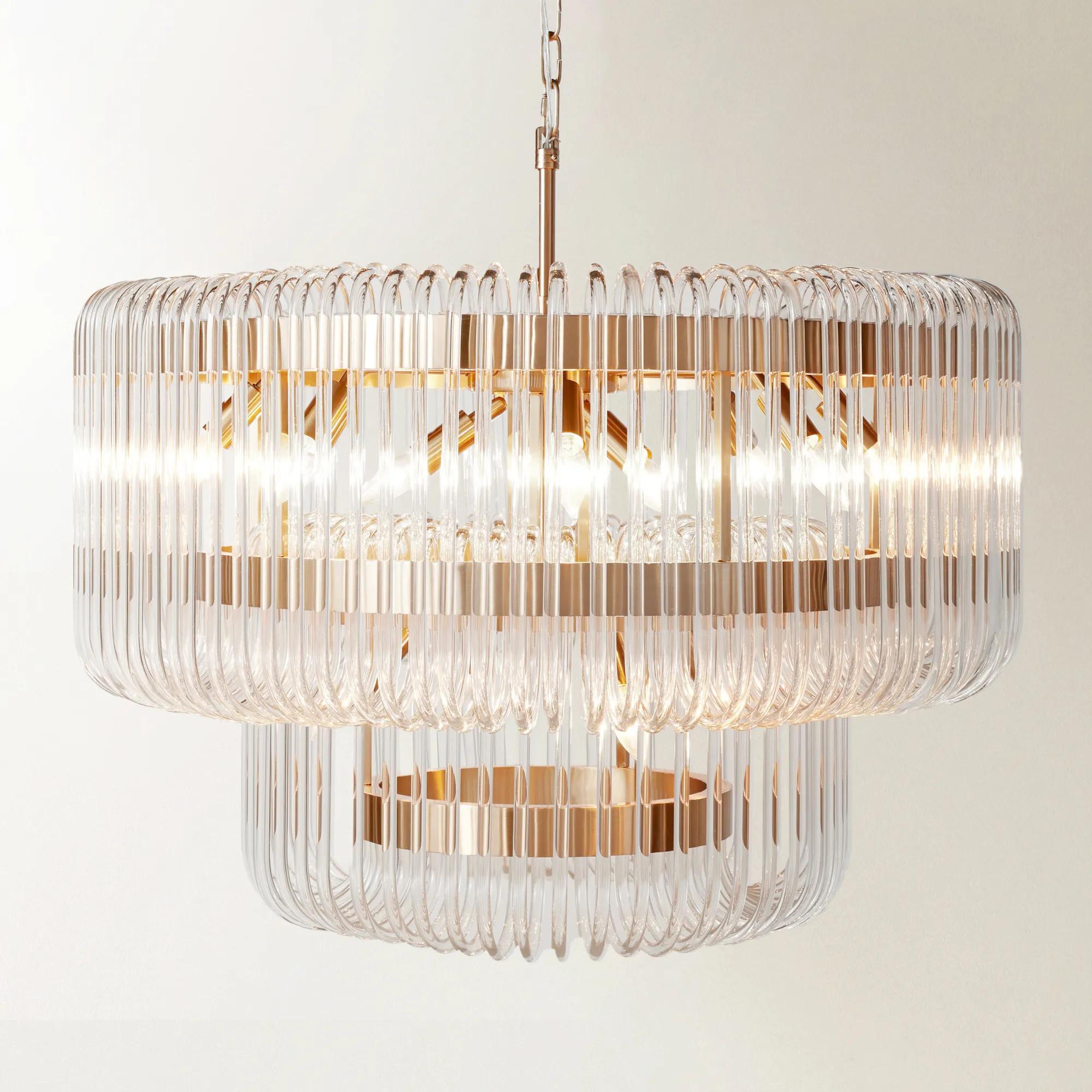 Allure Clear Curved Glass Chandelier 31.5"D x 27.75"H$1499
A chandelier featuring clear curved blown-glass rods, a brushed brass iron frame, and fifteen-light illumination.
Add To Cart -
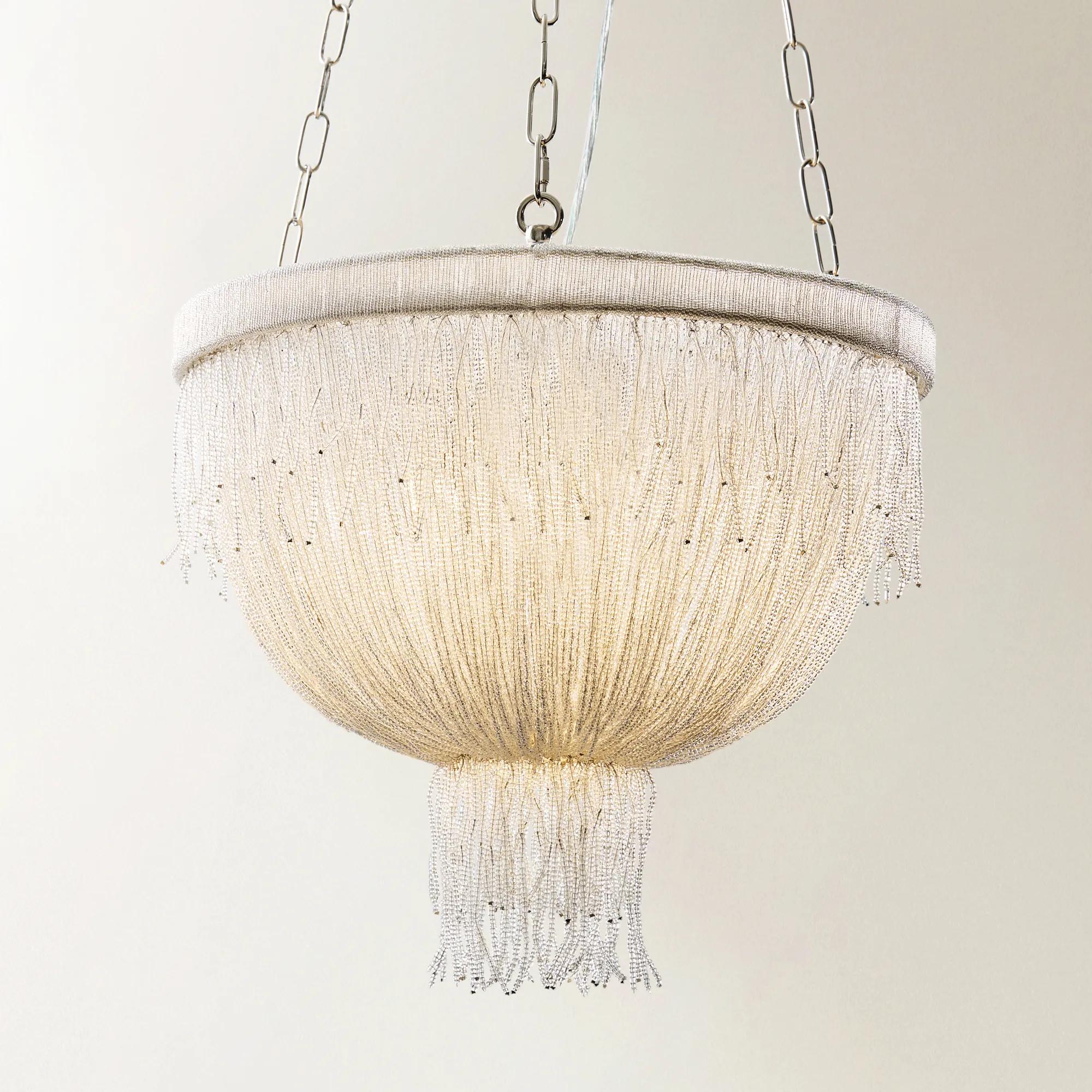 Selene Chandelier$899
A dazzling chandelier featuring cascading clear glass beads and a sleek nickel-finished iron frame.
Add To Cart

Large Crystal Chandeliers For Dining Rooms
Explore large crystal chandeliers for dining rooms to bring light-catching brilliance and a dramatic focal point above your table. This selection centers on generously scaled dining room lighting; compare fixture dimensions with your table size and ceiling height to find a chandelier that makes an expressive statement without overwhelming the space.
Large crystal chandeliers for dining rooms combine generous scale, light-catching crystal, and a sculptural silhouette to create a focal point above the table. Linear and rectangular designs complement long dining tables, while round, tiered, and cascading forms bring balance to circular tables and rooms with a strong central axis. The effect can be architectural or exuberant: a slender framework edged with faceted drops draws an elegant line through the room, while concentric tiers of crystal create a more enveloping canopy of shimmer. These fixtures do more than illuminate place settings. They establish the mood for conversation, lend ceremony to an ordinary dinner, and give the dining room a visual identity even when the lights are off. Crystal elements catch daylight as well as illumination from within the fixture, making their cut, clarity, spacing, and arrangement important parts of the overall design. Closely layered prisms create a richly textured surface; more open compositions allow the frame and surrounding architecture to remain visible. Materials vary, with cut crystal, decorative glass, and metal frameworks each contributing different qualities of reflection, weight, and structure. The distinction between crystal and other decorative glass is worth noting in the material description, since composition and finishing influence how individual pieces transmit and reflect light. Polished metal can amplify that brilliance, while warmer metallic finishes lend depth and a softer contrast against clear drops. Darker frames give the crystal a graphic outline, particularly against pale walls or a light ceiling. For a room built around expressive materials, luxury crystal chandeliers for dining rooms introduce another layer of artistry alongside veined stone, sumptuous upholstery, and gleaming decorative accents. The strongest compositions share a deliberate relationship between fixture, table, and room, allowing the chandelier to command attention without making everything beneath it feel secondary.
Scale is especially important with a large dining room chandelier because its presence extends beyond the width of its frame. Cascading crystal, projecting arms, and the space between tiers all affect how substantial a fixture appears. A densely dressed chandelier may feel more commanding than an open design with similar dimensions, while a long, low-profile fixture can anchor an expansive table without occupying as much vertical space. Table shape offers a useful starting point: an elongated chandelier distributes visual weight along a rectangular surface, whereas a circular arrangement gathers attention around a round or square table. The fixture generally looks most balanced when it remains comfortably within the tabletop’s outline, with enough room at the edges to avoid crowding seated guests. Ceiling height, table width, and the chandelier’s full assembled dimensions matter together; the decorative body measurement alone does not account for a canopy, chain, or downrod. In a dining room with an approximately eight-foot ceiling, a common starting point is to position the bottom of the chandelier about 30 to 36 inches above the tabletop, then assess sightlines and the manufacturer’s installation requirements. Taller ceilings and unusually deep fixtures may call for a different arrangement. Across a table set for a celebration, guests should still be able to see one another beneath the crystal, and serving pieces should have comfortable clearance. Centering the light over the table rather than automatically over the room can also make the dining area feel more intentional, particularly in an open floor plan. Weight deserves equal attention: substantial crystal and metal components may require a properly rated electrical box and structural support. A qualified electrician can evaluate the mounting conditions, wiring, and suspension system before installation. Adjustable hanging components offer flexibility only within their specified range, so the available drop should suit the space from the outset. These practical considerations protect the chandelier’s proportions as well as its function, preserving the sense of effortless grandeur that makes a large fixture so compelling.
Light quality brings the entire composition into focus. Clear crystal can produce crisp highlights and lively reflections, but the atmosphere at the table also depends on bulb placement, color temperature, and surrounding illumination. Warm-white light often complements wood, metallic finishes, and upholstered seating, creating an inviting setting without diminishing the crystal’s brilliance. Exposed bulbs contribute to the visual rhythm of an open chandelier, while concealed light sources allow the crystal itself to take the lead. Compatible dimming is particularly valuable in a dining room used for both everyday meals and more elaborate entertaining: brighter illumination supports arranging flowers or setting the table, while a lower level gives glassware, polished flatware, and crystal drops a more intimate glow. Bulb base, maximum wattage, dimmer compatibility, and whether LEDs are replaceable or integrated should be checked in the fixture specifications rather than assumed. Layered lighting from nearby sconces or lamps can soften contrast, allowing the chandelier to remain the centerpiece without becoming the room’s only source of light. Lasting beauty also depends on thoughtful care. Dust gradually softens the clarity of crystal, so gentle cleaning with a soft, lint-free cloth helps preserve its luminous appearance. Power should be switched off and bulbs allowed to cool before cleaning, with safe access arranged for fixtures suspended well above the floor. Cleaning products and methods should follow the manufacturer’s instructions, particularly where protective metal finishes, delicate connectors, or coated decorative elements are involved; spraying liquid directly onto an assembled fixture can expose electrical components and finishes to moisture. Crystal is durable in ordinary indoor use but remains vulnerable to impact, making careful handling essential when individual pieces are removable. Sound connections, secure suspension, and attention to care all support enduring performance. For homeowners who love to entertain, design enthusiasts shaping a memorable dining space, or couples establishing a shared home, a large crystal chandelier offers a lasting expression of personal style. Its drama belongs as much to a quiet dinner for two as to a table surrounded by guests.
FAQs
Large crystal chandeliers bring a striking contrast to modern dining rooms, pairing luminous detail with clean architectural lines. Choose an understated silhouette for a polished composition, or let an ornate design introduce a daring note of glamour against streamlined furnishings.
Create a dialogue between the chandelier’s silhouette and the table’s design. Angular forms complement crisp, sculptural tables, while cascading crystal offers an expressive counterpoint to simpler profiles. A shared curve or finish can connect the pieces without making the room feel overly matched.
Mixed metal finishes can give a dining room a richly layered character. Connect the chandelier’s metal accents with a detail elsewhere, such as a mirror frame or cabinet hardware, then introduce a contrasting finish through candlesticks or decorative objects for a deliberate, collected look.
Tiered crystal chandeliers emphasize cascading layers and a dramatic, jewelry-like presence. Linear silhouettes create a more architectural composition, bringing rhythm and definition above the dining table. Let the choice reflect whether your dining room leans toward opulent curves or tailored geometry.
Let the chandelier lead the room’s visual story, then build contrast through texture and tone. Sumptuous upholstery, expressive artwork, and a restrained tabletop arrangement give its intricate detailing room to shine. Echo a crystal motif or gleaming accent selectively for a composition that feels connected rather than repetitive.