Crystal Chandeliers For Large Rooms
Crystal Chandeliers For Large Rooms
-
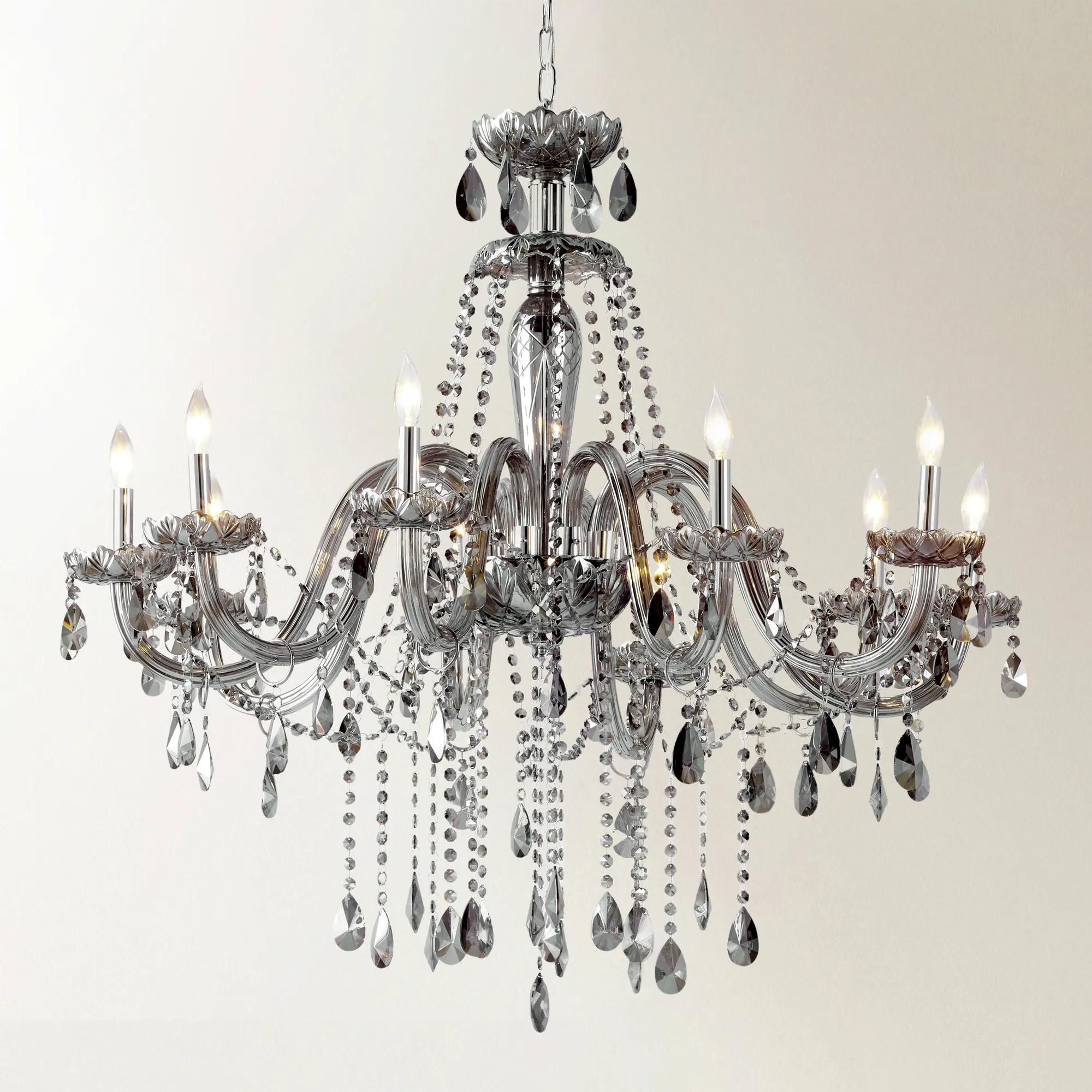
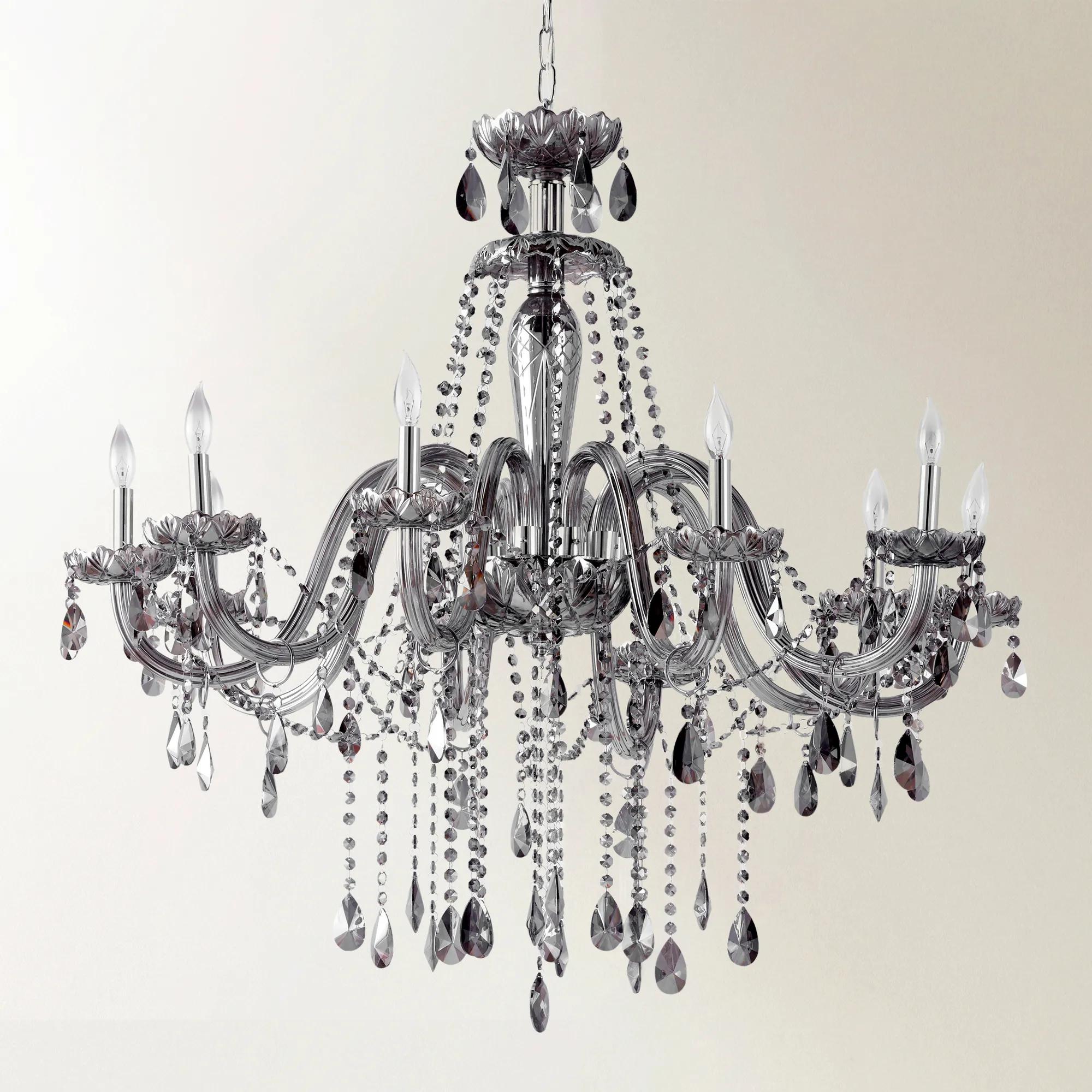 Omni Chandelier 38.5" - Graphite$999
A dazzling chandelier featuring graphite faceted crystals and ten fluted glass arms with nickel hardware.
Add To Cart -
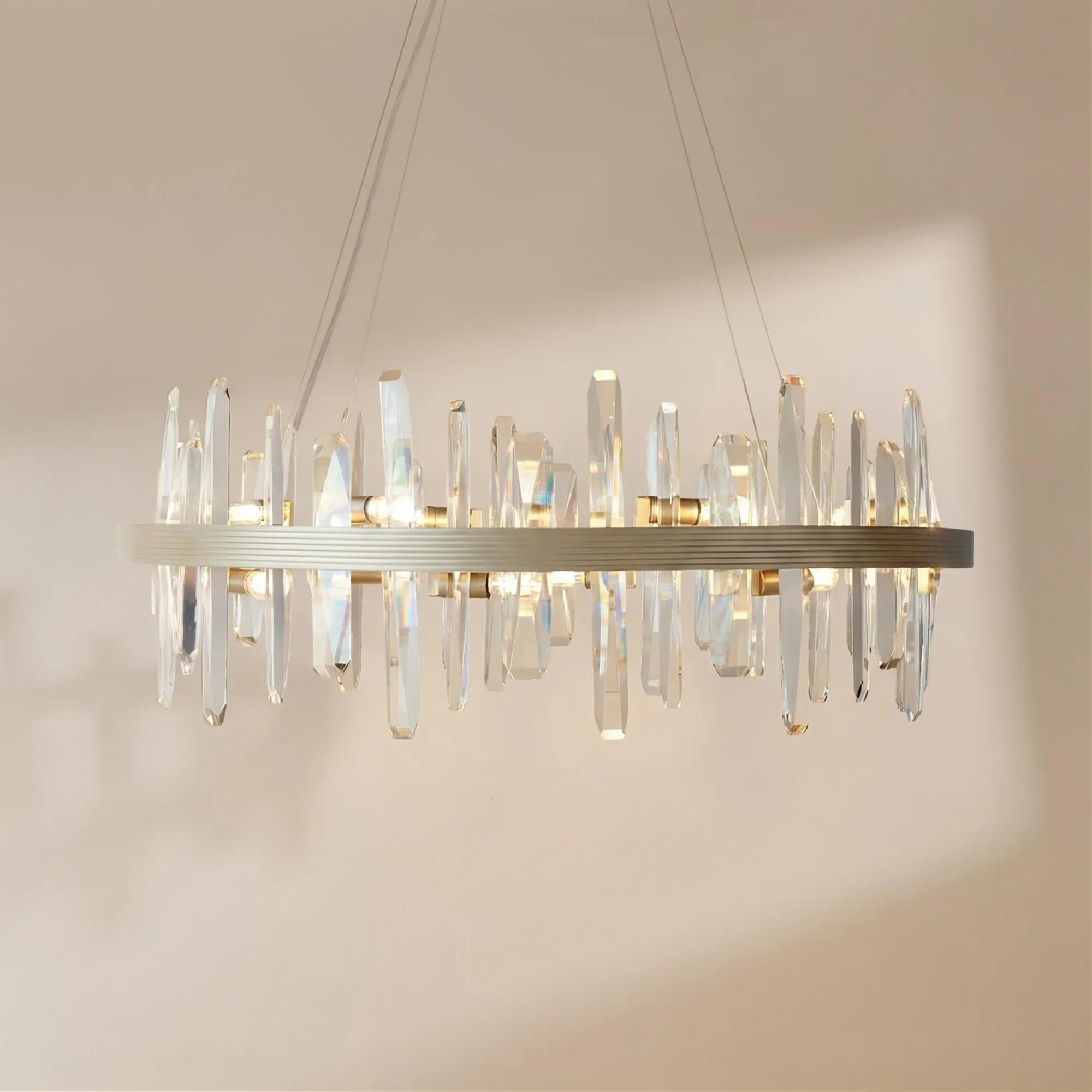
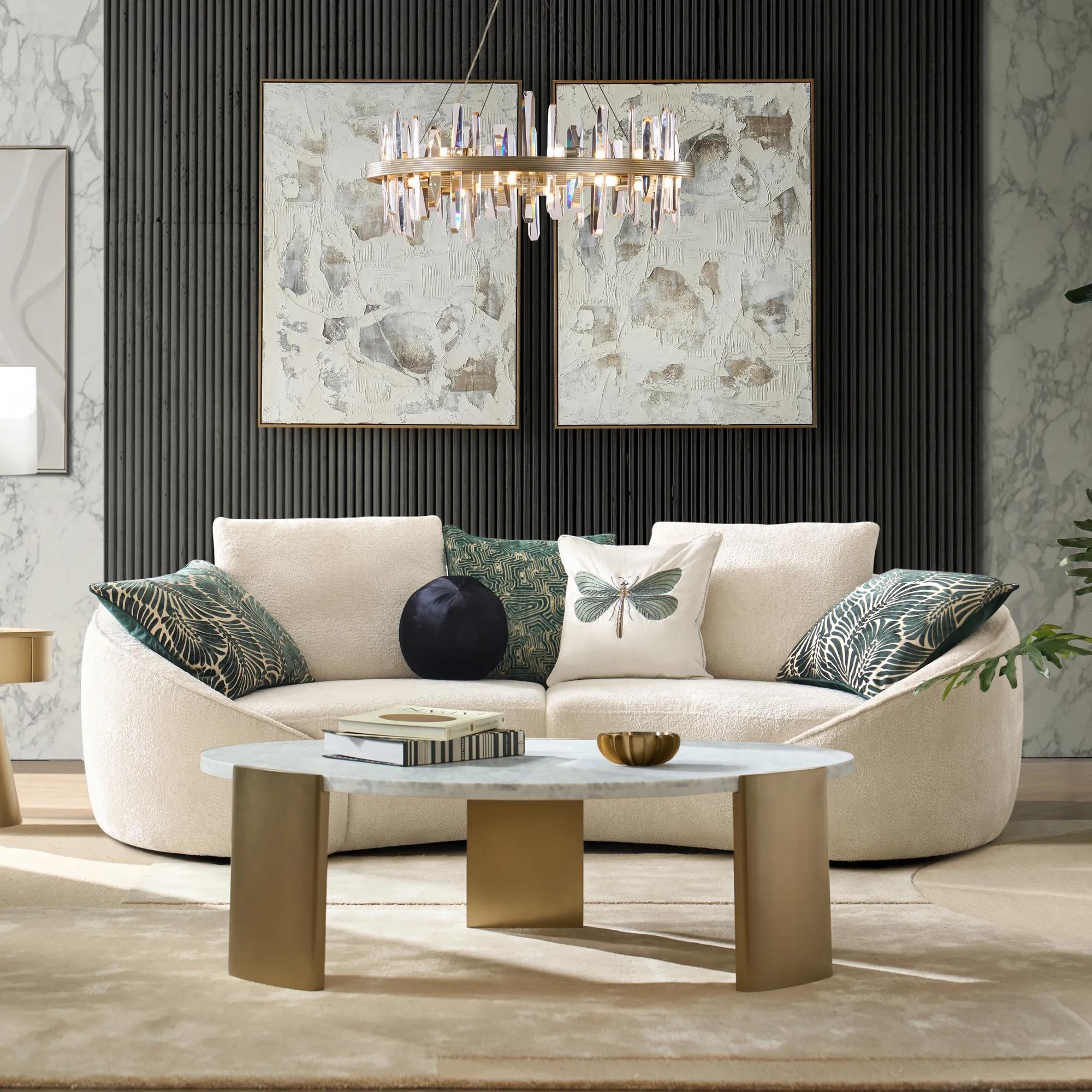 Lumi Clear Beveled Glass Chandelier 31.5"W$929
A deco-inspired chandelier with beveled glass daggers and a champagne-finished iron frame for radiant illumination.
Add To Cart -
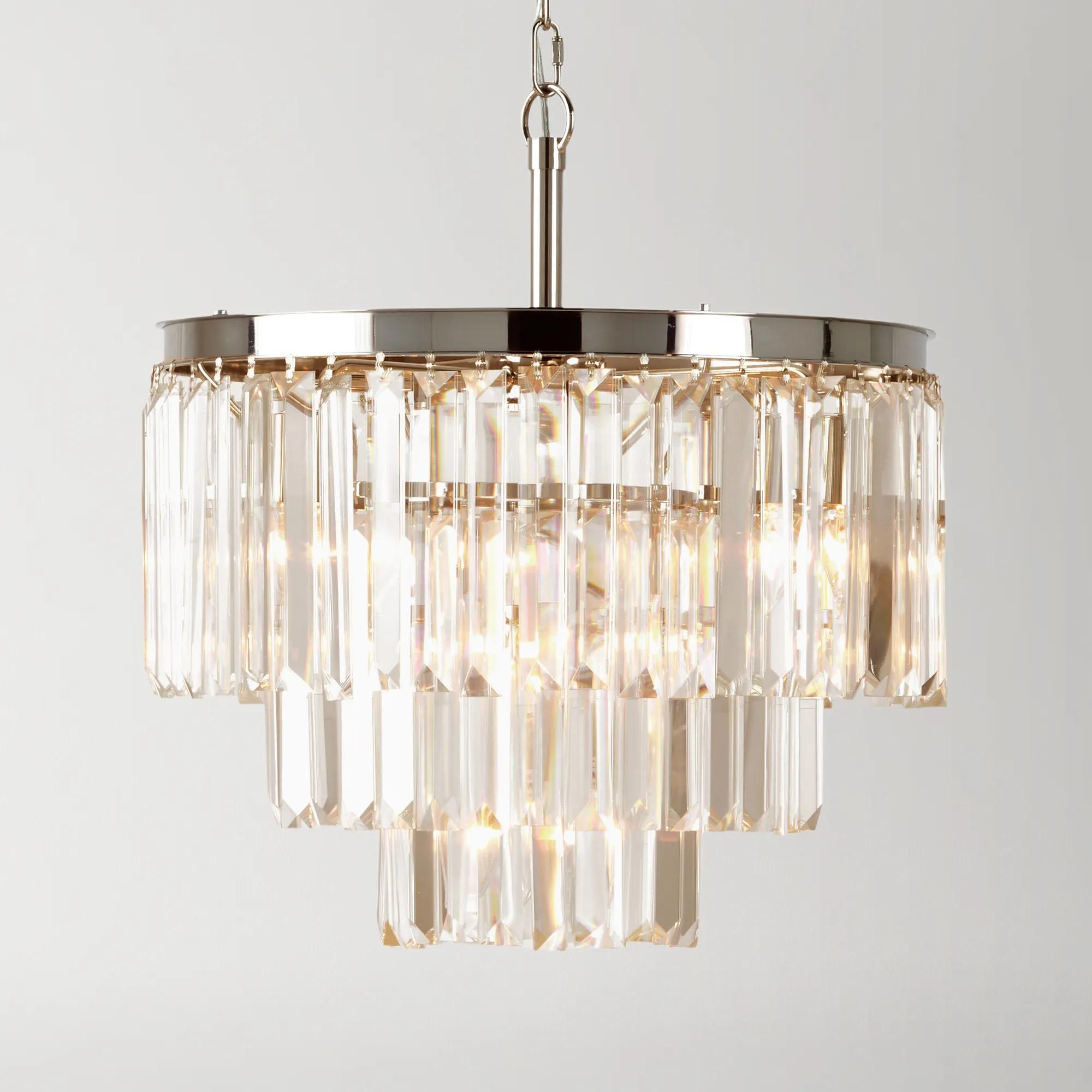 Luxe Chandelier$799
A glamorous chandelier featuring a nickel-plated iron frame and three tiers of faceted crystal accents.
Add To Cart -
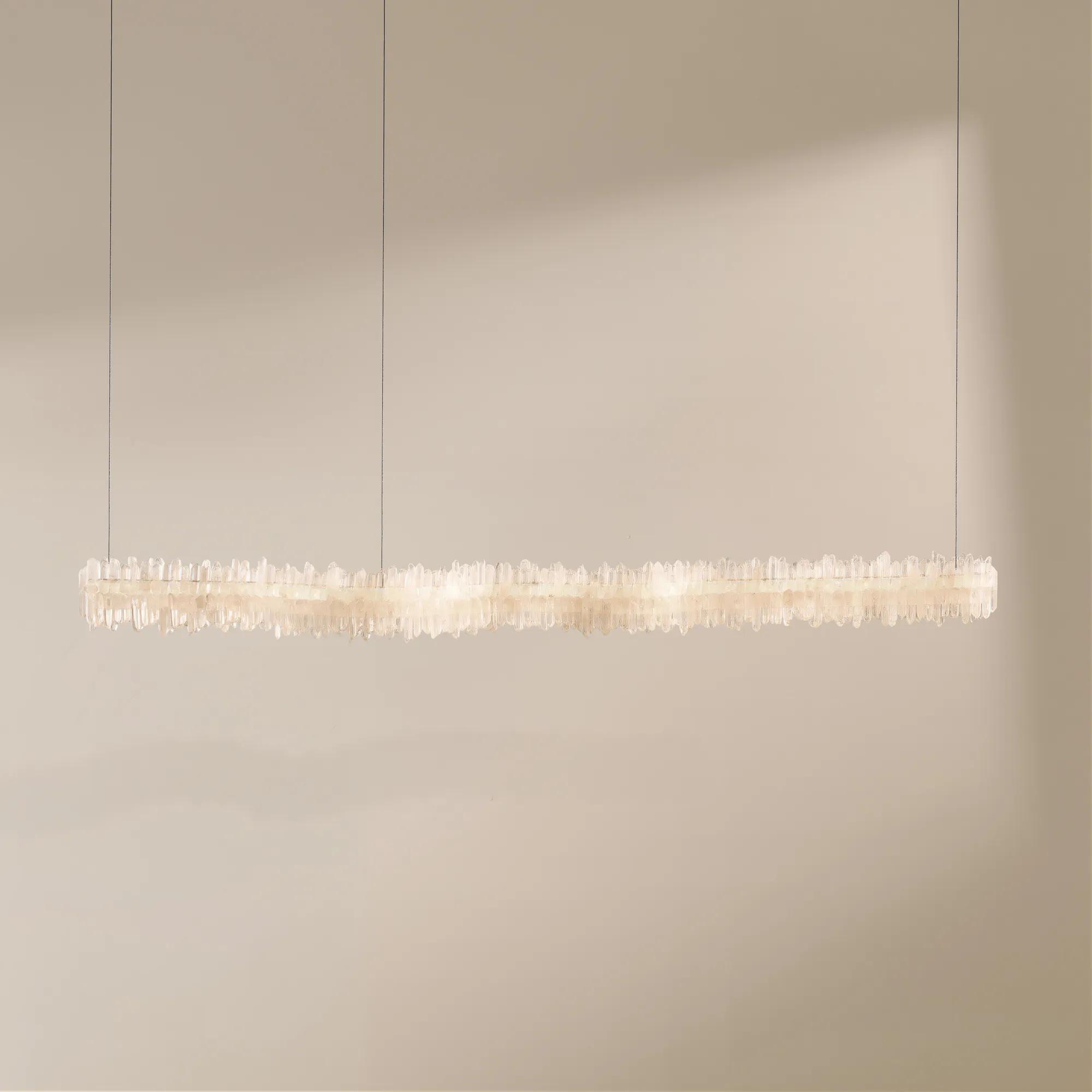 Stella Quartz Crystal LED Chandelier 47.25"$1899
A linear chandelier featuring raw quartz crystals and a rose gold frame with integrated warm LED lighting.
Add To Cart -
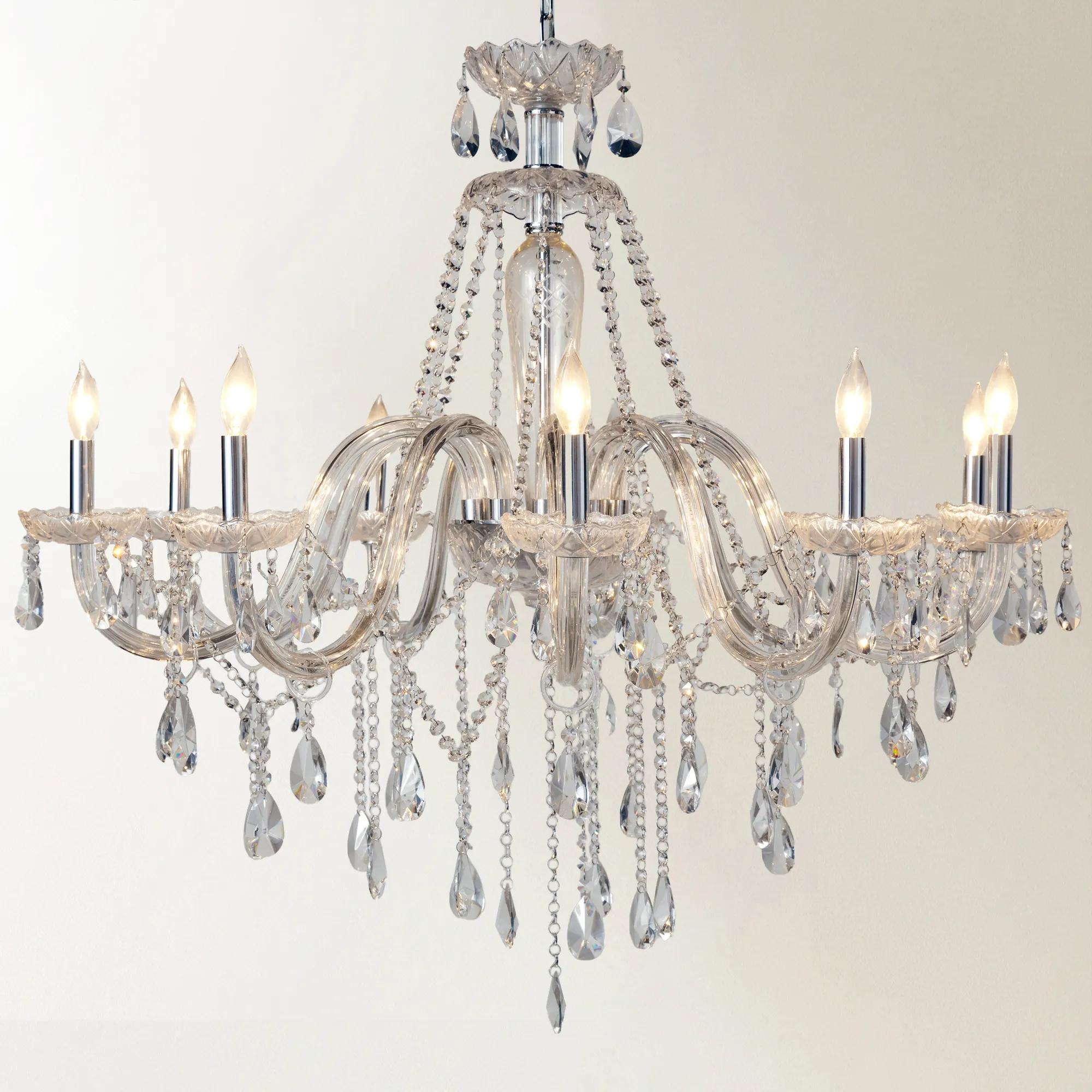
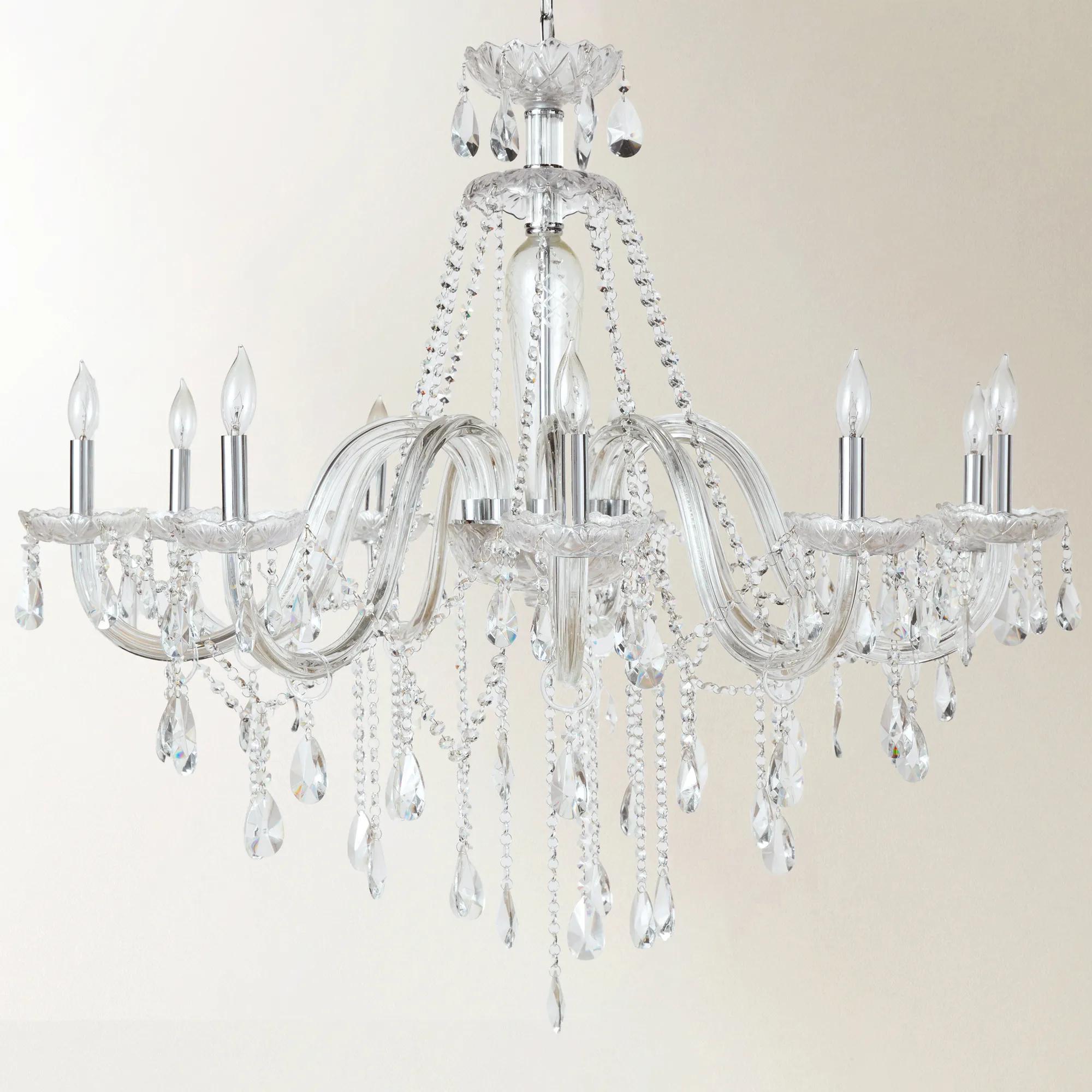 Omni Chandelier 38.5" - Clear$999
A dazzling chandelier featuring hundreds of clear faceted crystals and ten fluted glass arms with nickel hardware.
Add To Cart -

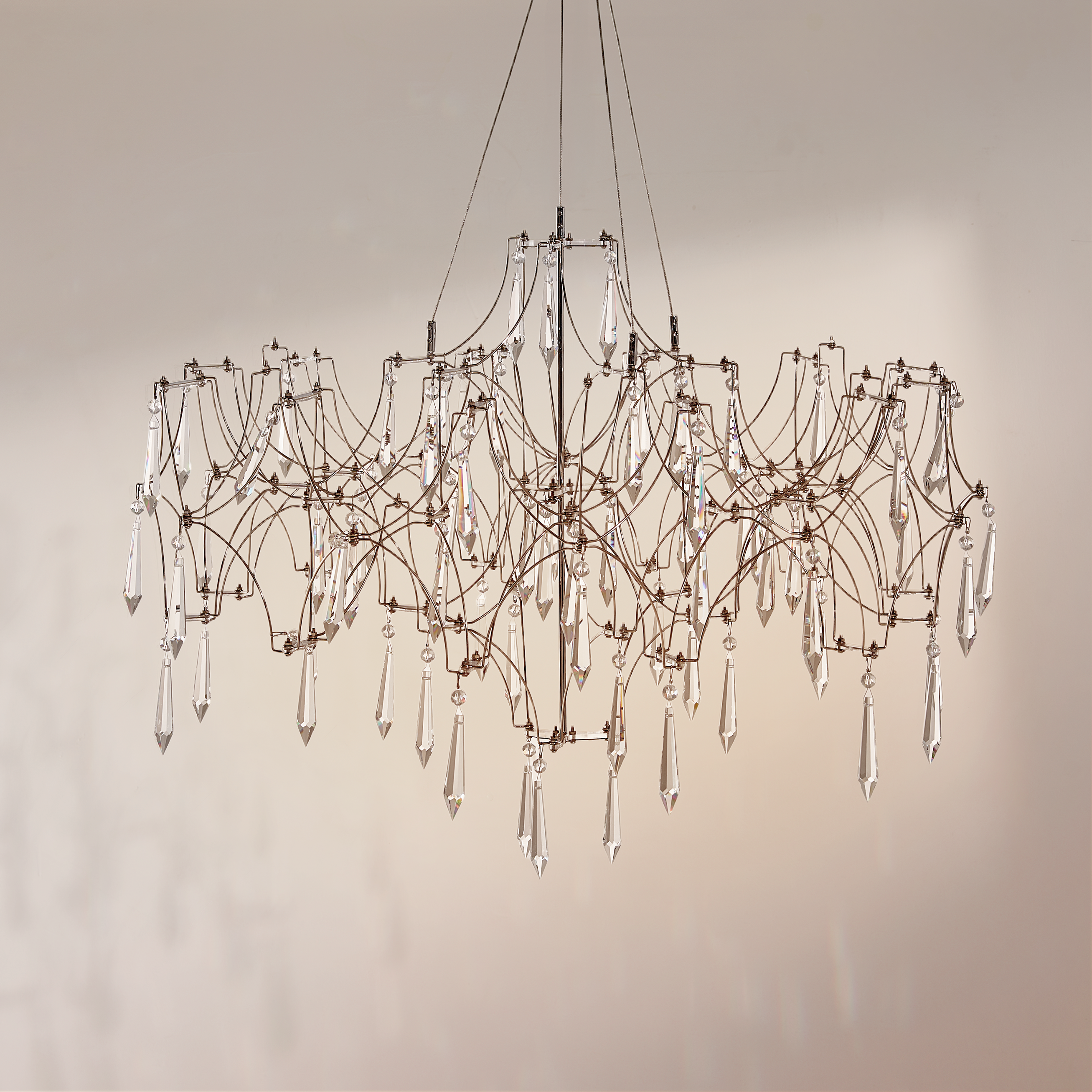 Moderne LED Clear Crystal Chandelier 24.5"W x 19.75"H$899
A faceted clear K9 crystal chandelier with polished nickel wiring and integrated warm LED illumination.
Add To Cart -

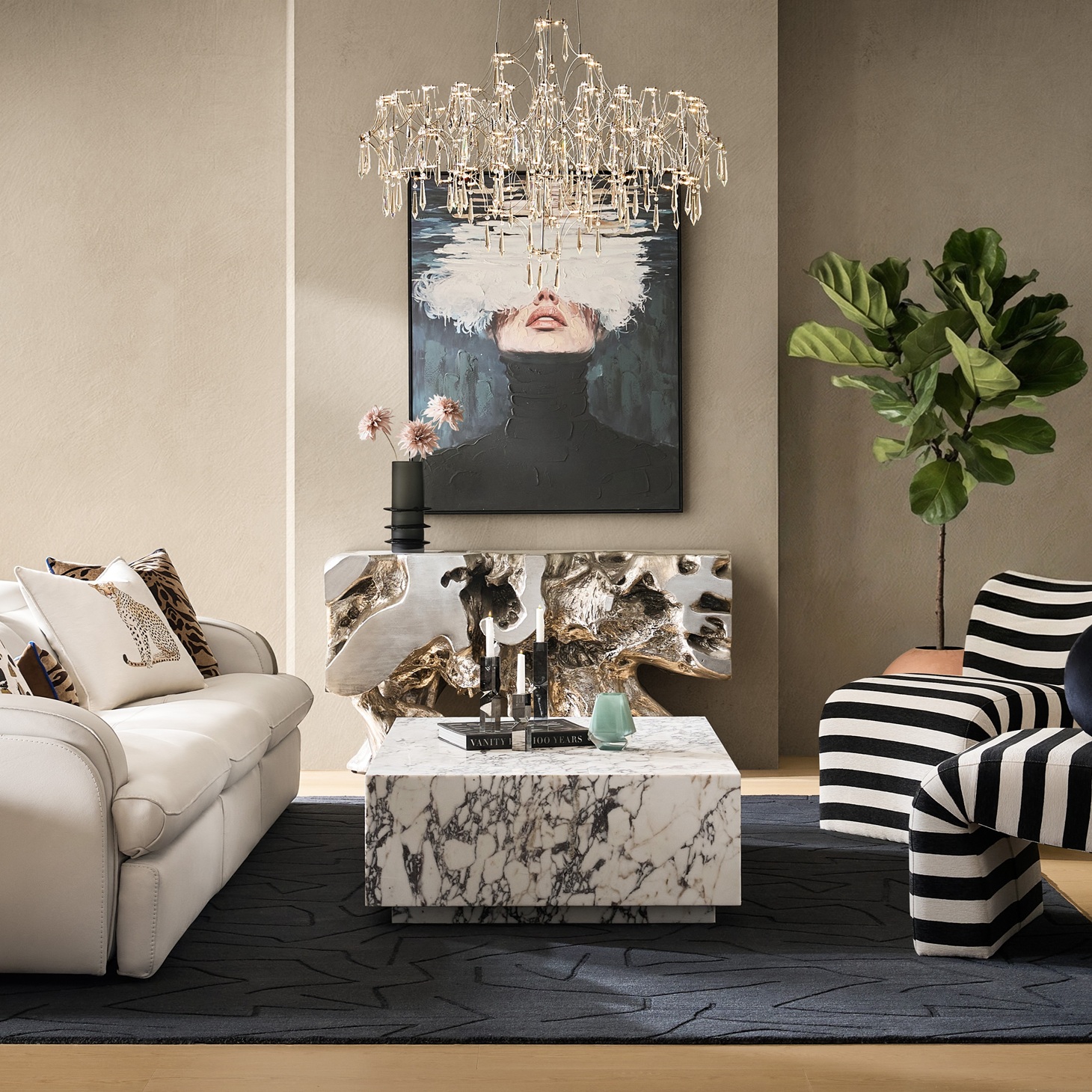 Moderne Grande LED Crystal Chandelier 35.75"W x 28.5"H$1899
A modern crystal chandelier featuring integrated LED lighting and an elegant, glamorous design.
Add To Cart -
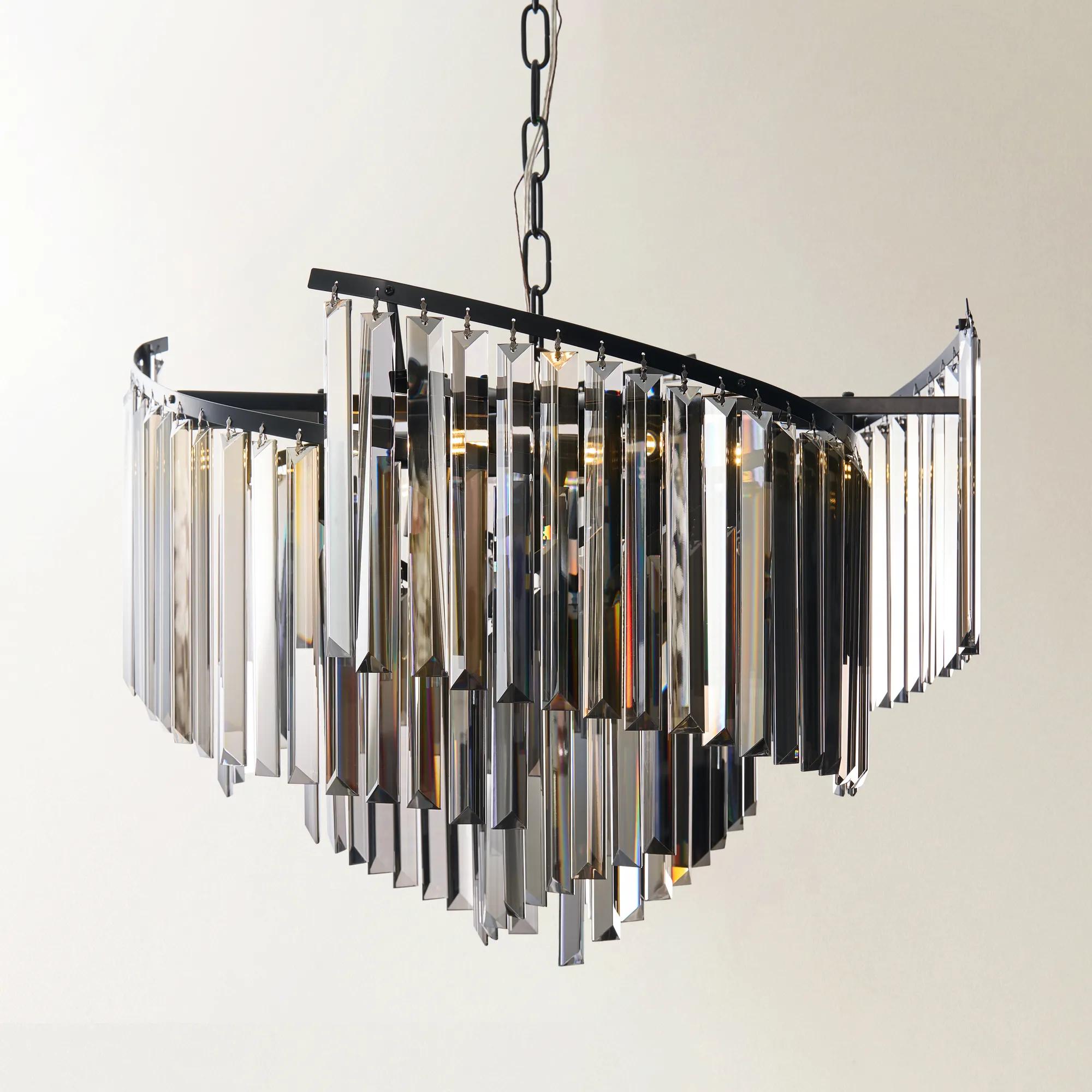 Luxe Spiral Chandelier - Graphite$999
A dramatic chandelier featuring graphite K9 crystals and a matte black iron frame for striking illumination.
Add To Cart -
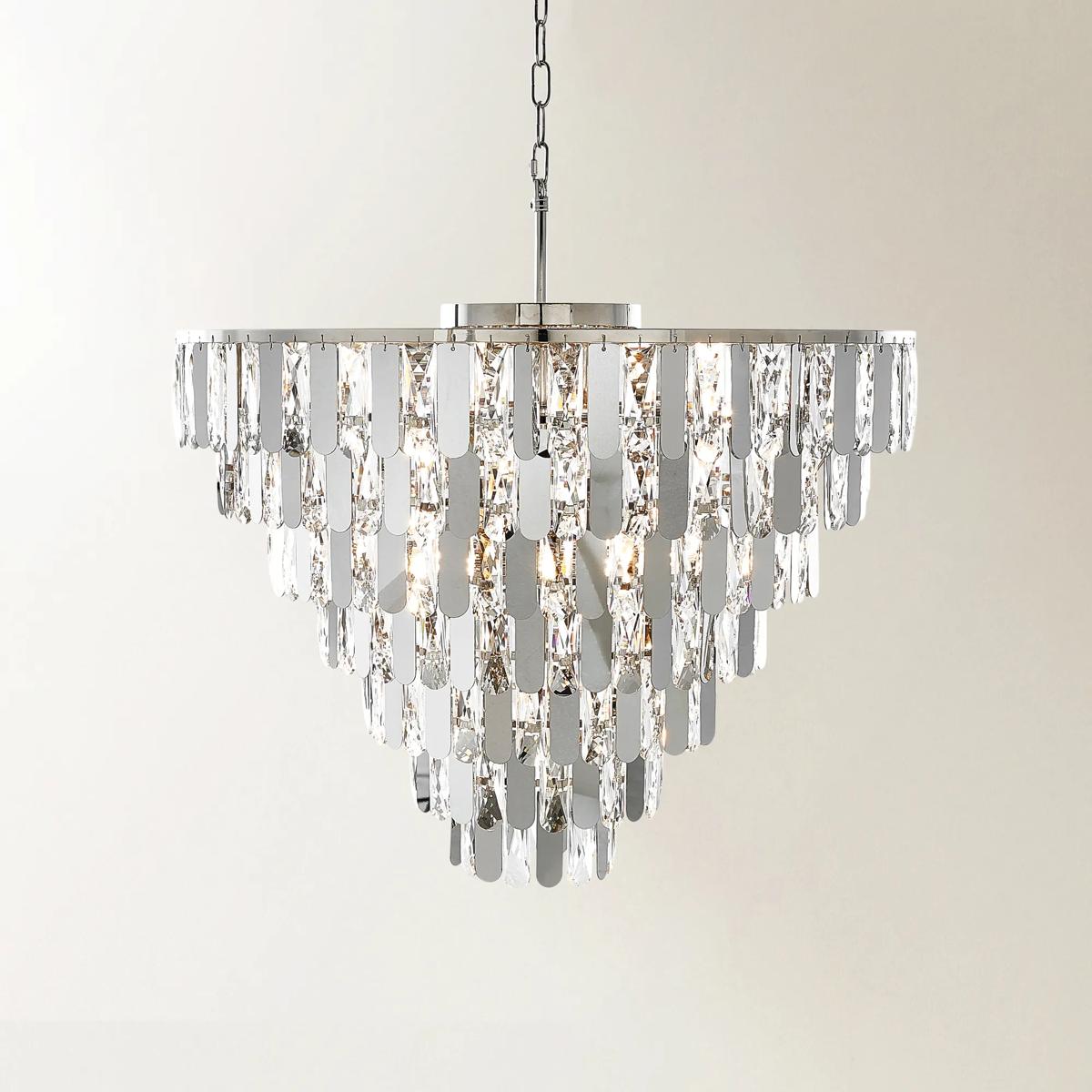
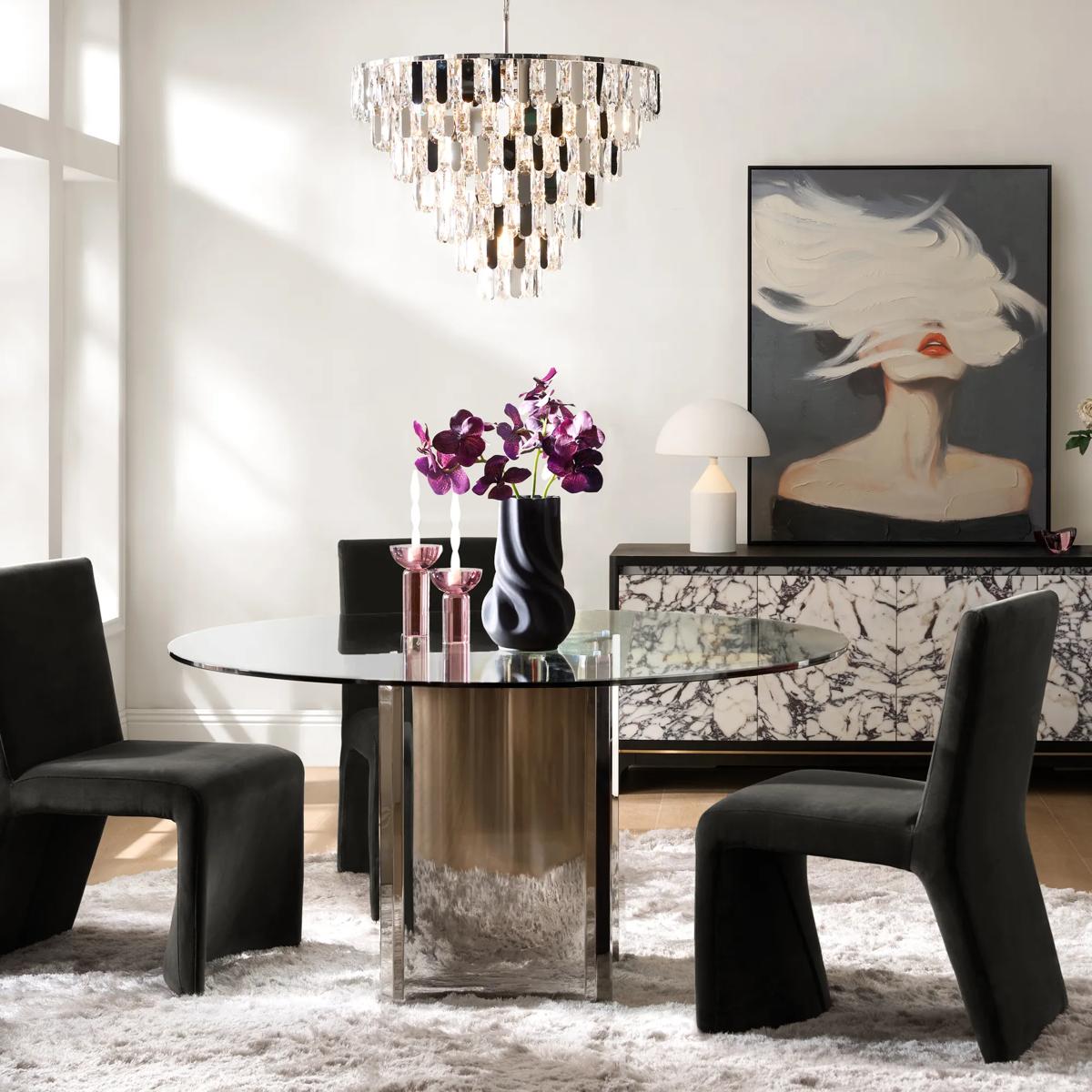 Avenue Crystal Chandelier 28.5"$999
A tiered chandelier crafted from eco-friendly K9 crystal and polished nickel for radiant, modern elegance.
Add To Cart -

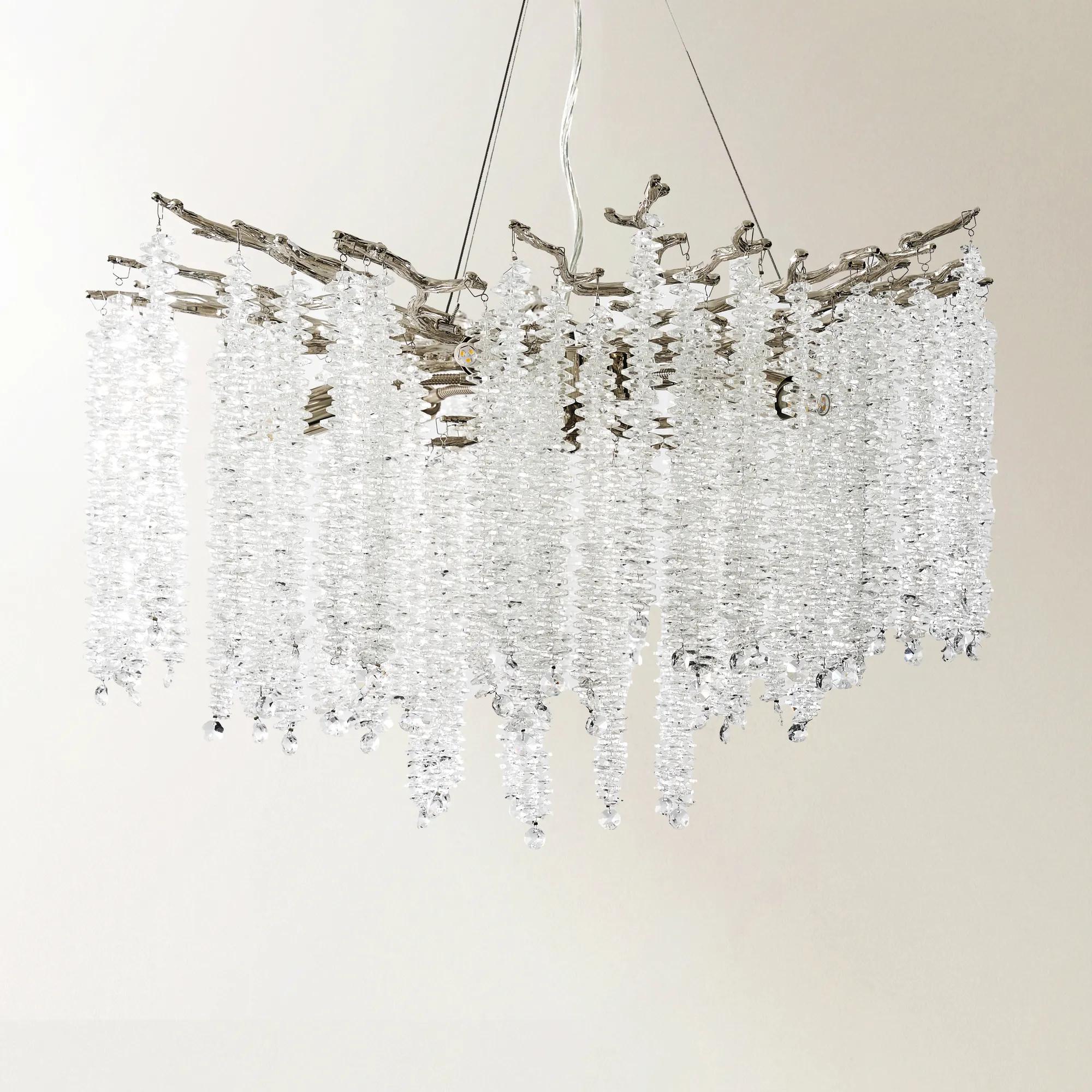 Cassia Clear Cut Crystal Chandelier 23.75"W x 13.75"H$599
A cascading waterfall of clear crystal beads and a nickel frame create a dazzling, contemporary lighting statement.
Add To Cart -

 Luxe Spiral Chandelier - Nickel/Clear$999
A dazzling spiral chandelier featuring clear K9 crystal and a polished nickel frame for timeless glamour.
Add To Cart -
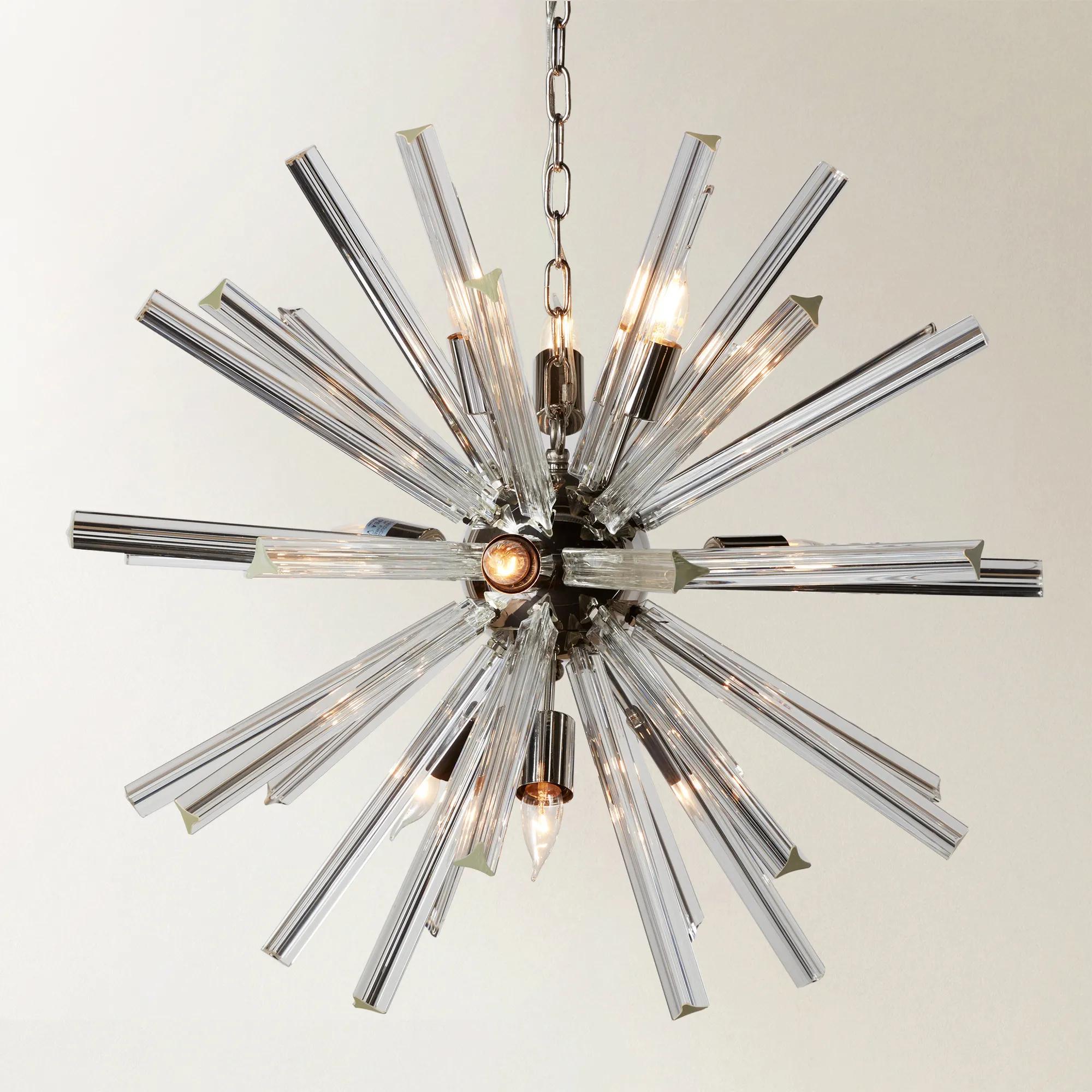
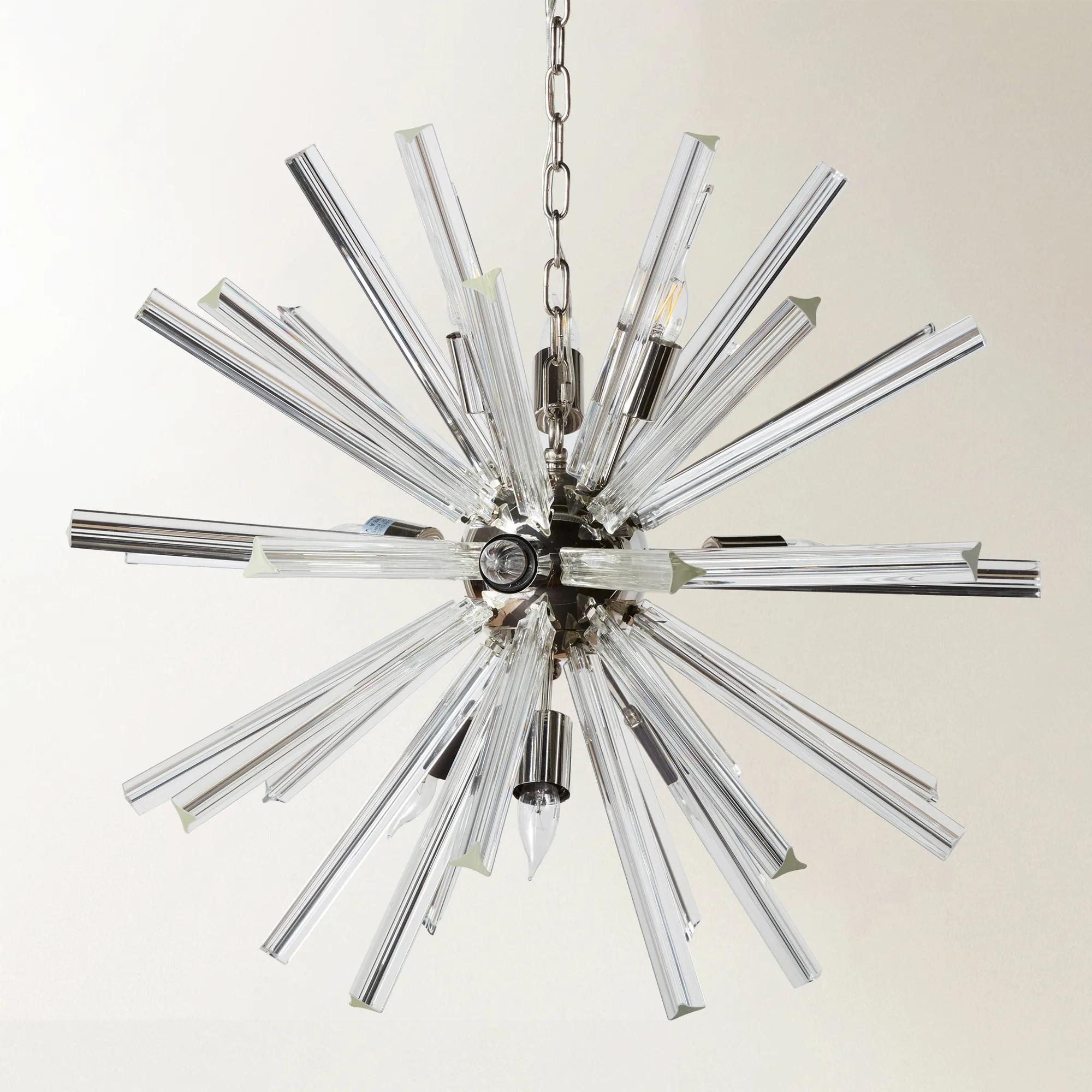 Axis Sputnik Clear Faceted Glass Chandelier 29.5"D$599
A modern chandelier featuring solid triangular glass spokes and iron accents for striking light reflection.
Add To Cart -
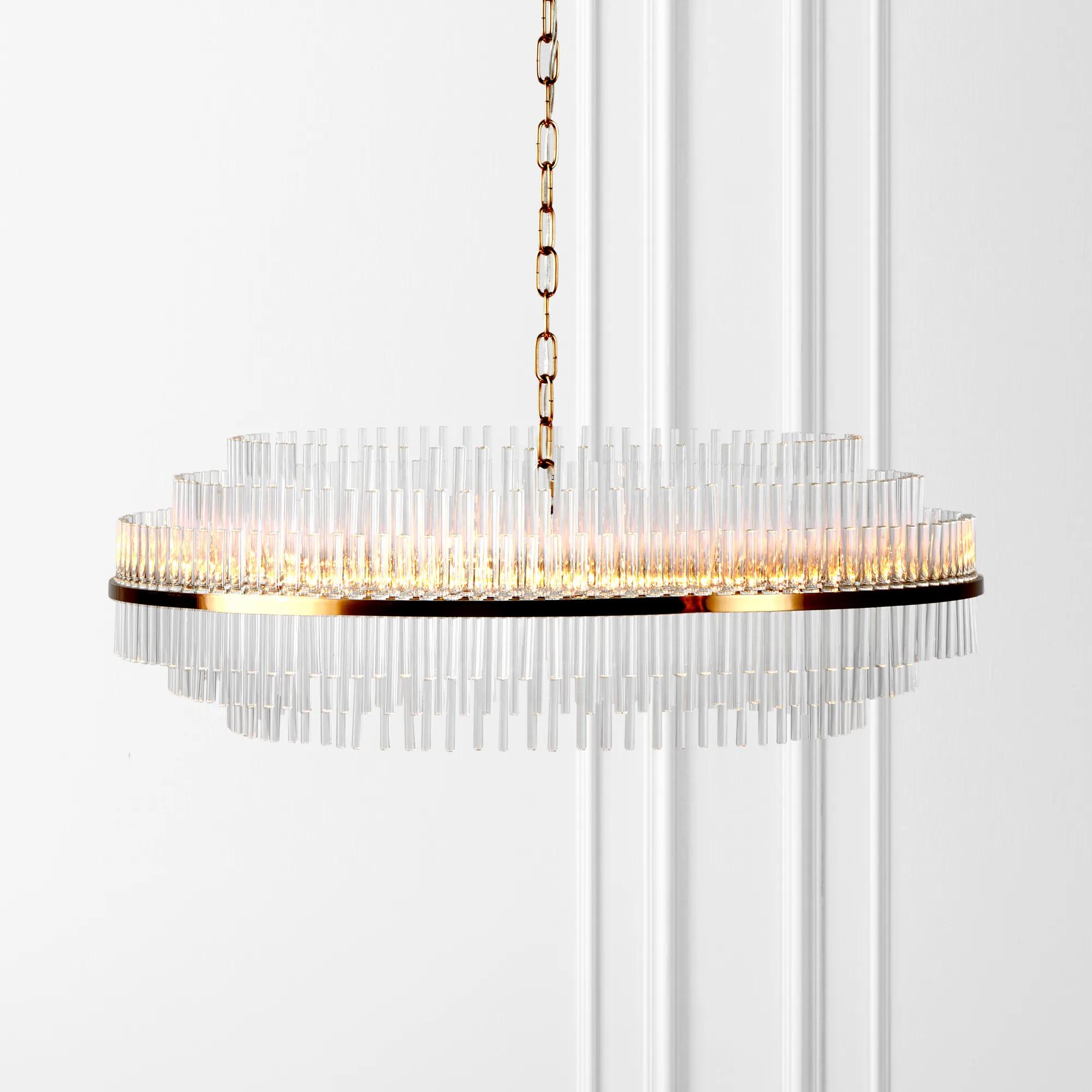
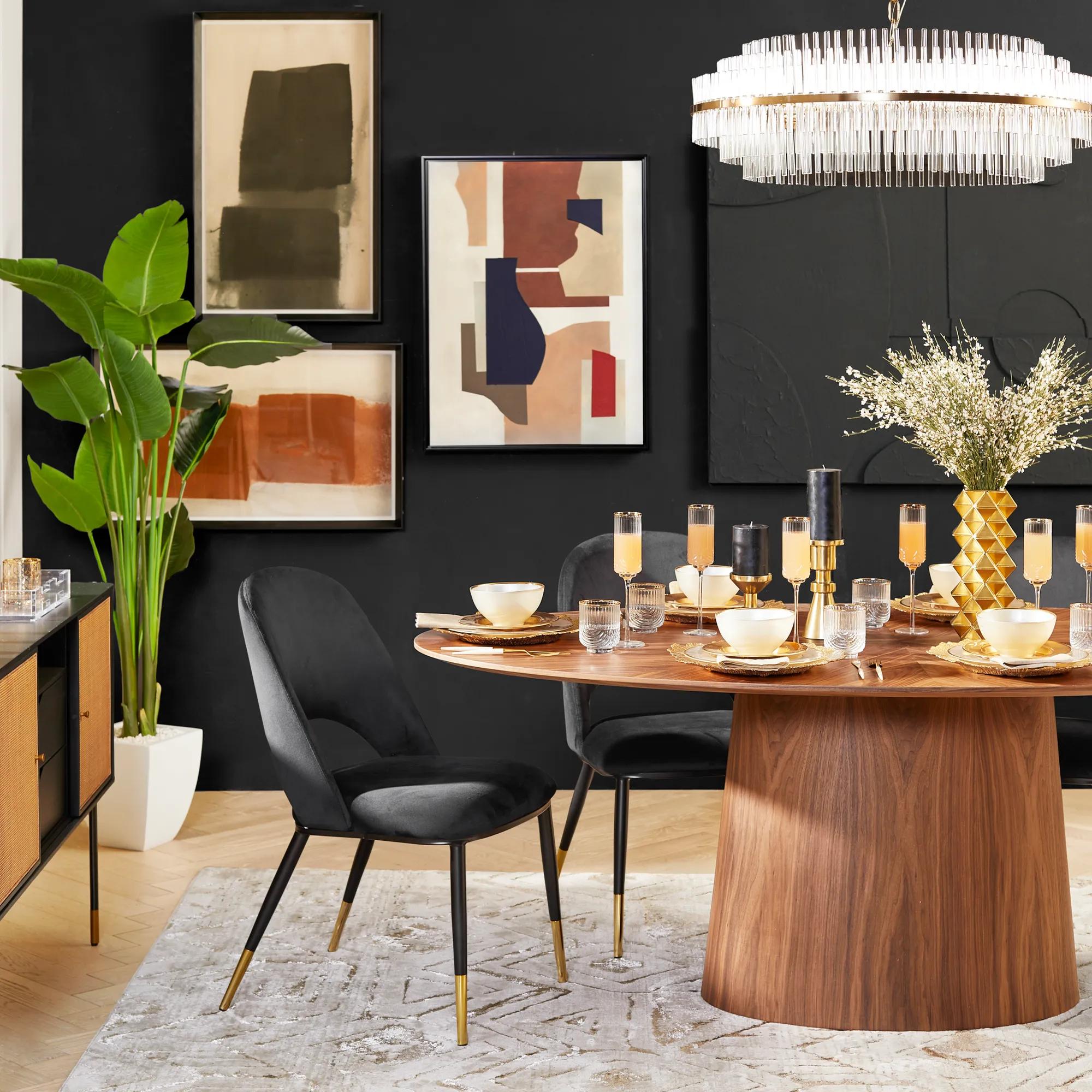 Renata Clear Glass Rod Chandelier 31"W x 10"H$799
A glamorous chandelier featuring glass rods and a brushed brass iron frame for a striking modern look.
Add To Cart -
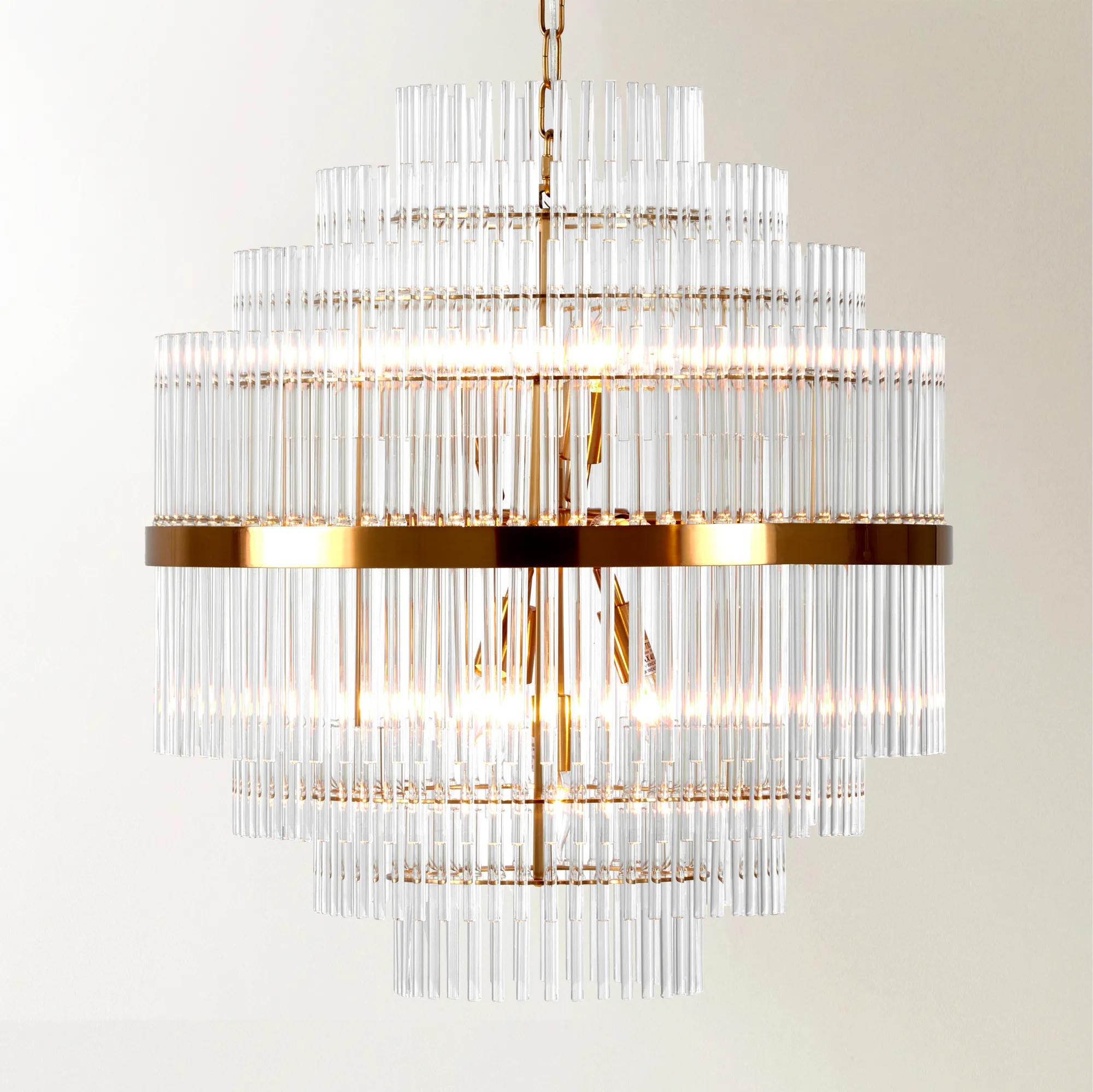
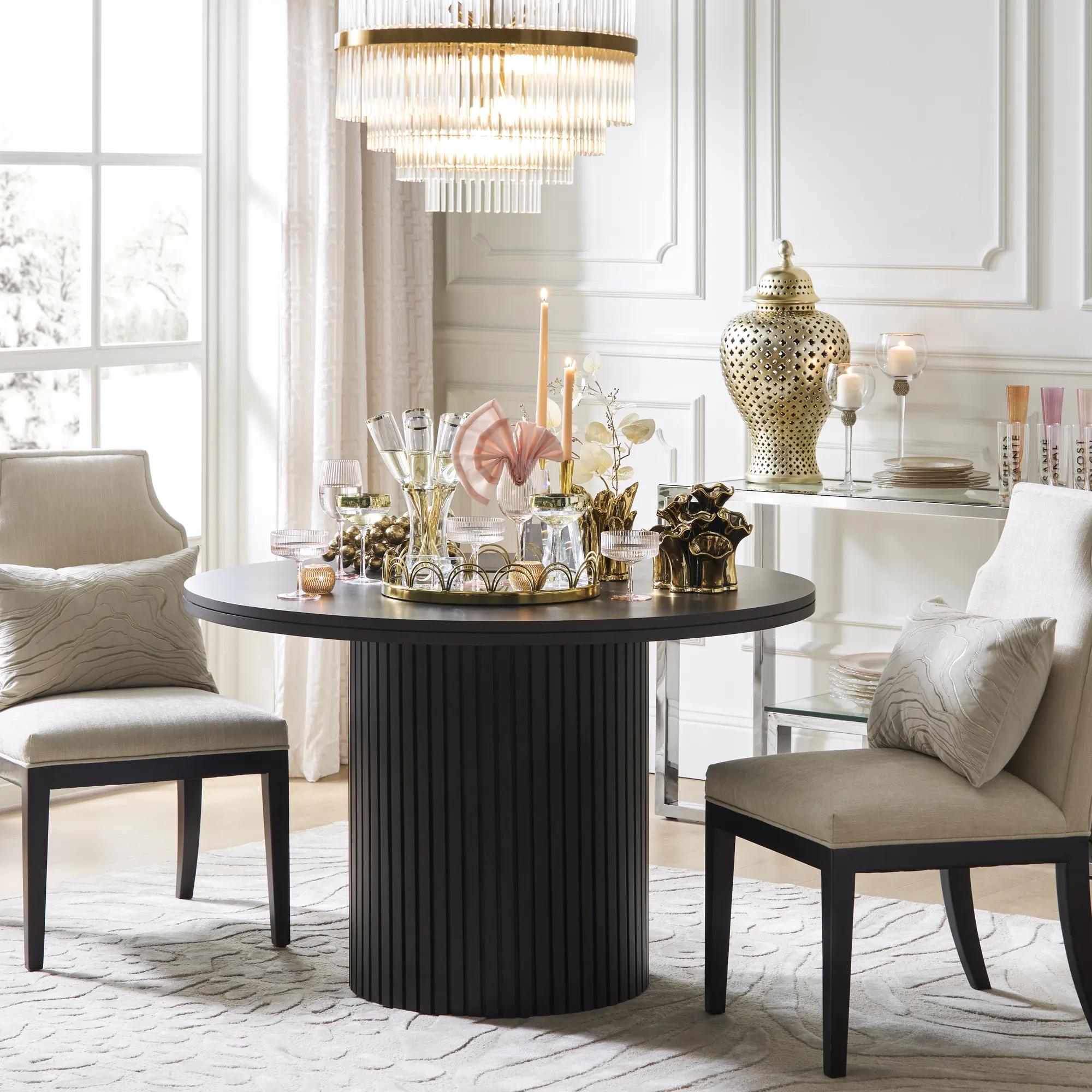 Renata Clear Glass Rod Grand Chandelier 23.6"D x 26.3"H$999
A dramatic chandelier featuring dozens of glass rods and a polished gold iron frame for sophisticated elegance.
Add To Cart -
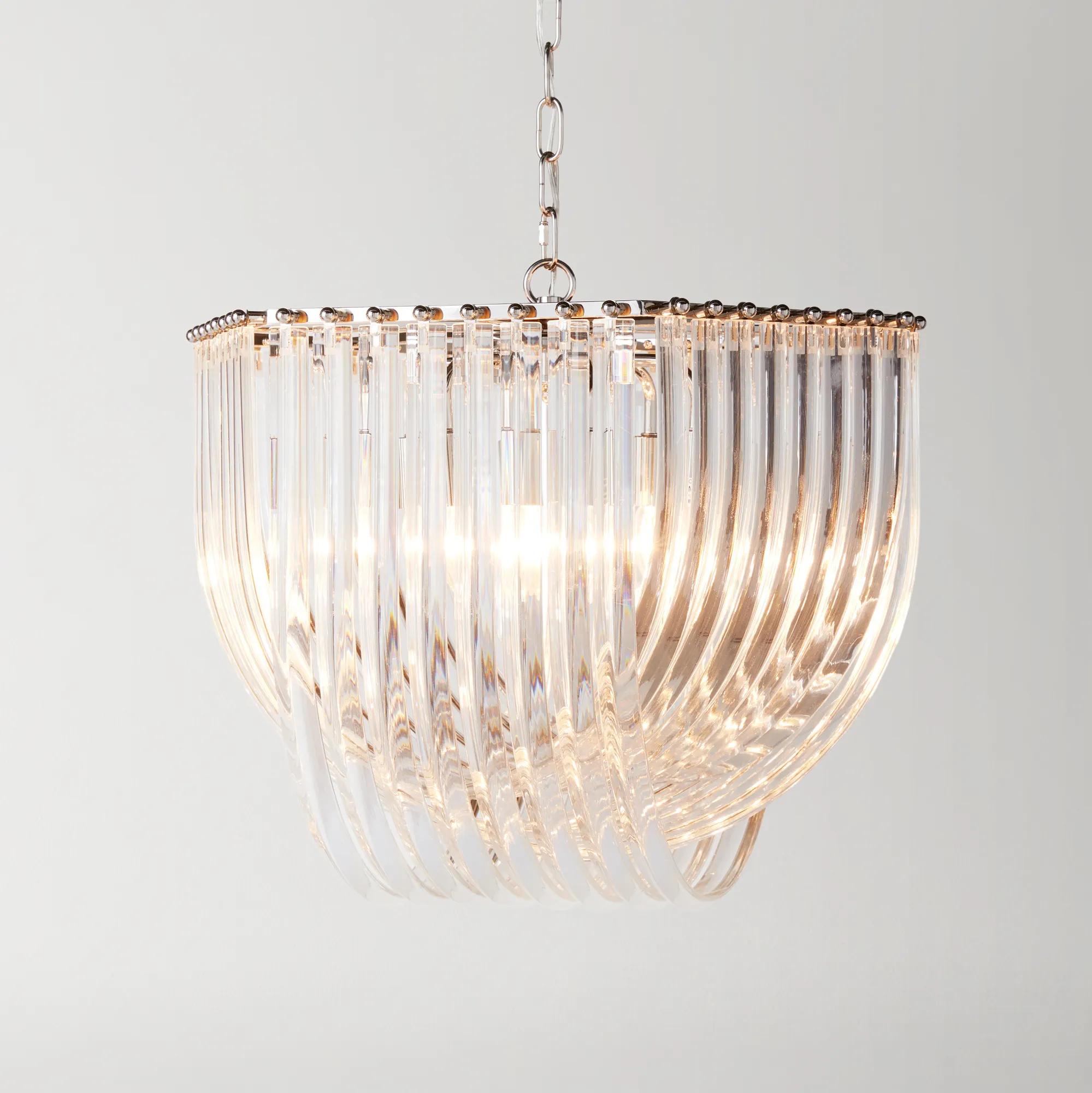 Laval Clear Curved Glass Chandelier 21"D x 18"H$799
A deco-inspired chandelier with crystal-clear curved glass and a polished nickel frame for ambient lighting.
Add To Cart -
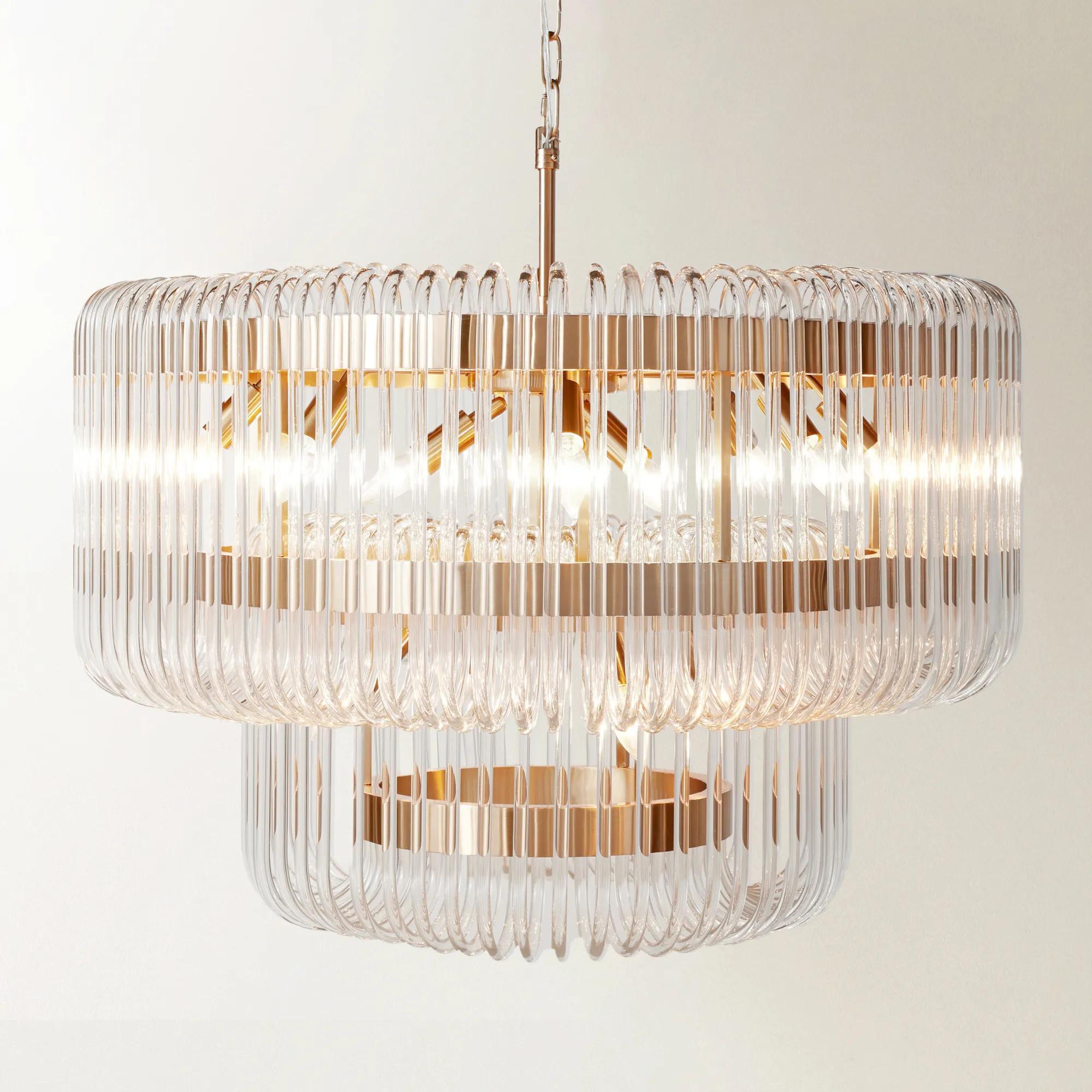 Allure Clear Curved Glass Chandelier 31.5"D x 27.75"H$1499
A dramatic chandelier featuring over 150 clear blown glass rods and brushed brass-finished iron rings.
Add To Cart -
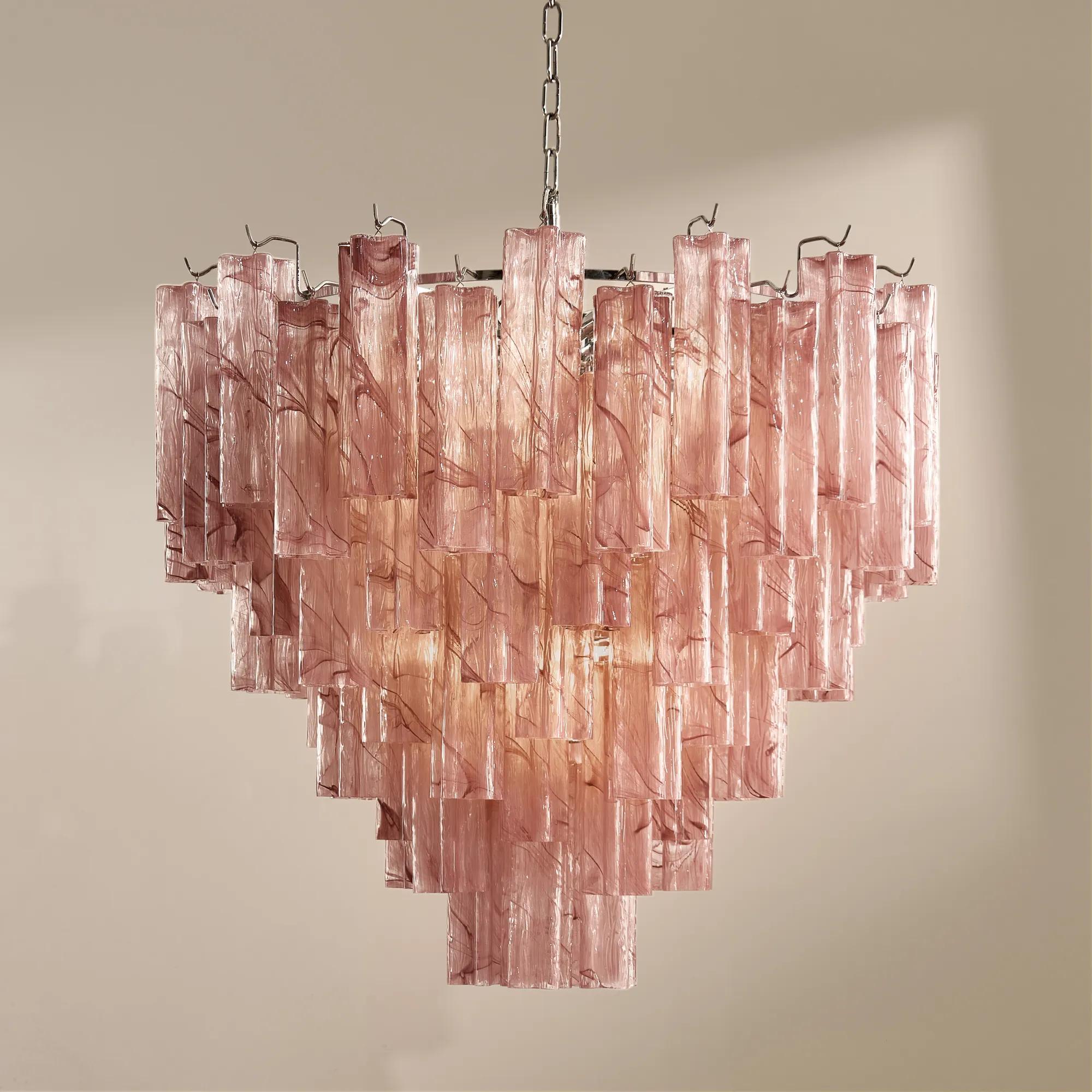 Elodie Rose Glass Chandelier 31.5"$1299
A handcrafted chandelier featuring rose-colored swirled glass and a polished chrome frame for modern elegance.
Add To Cart -
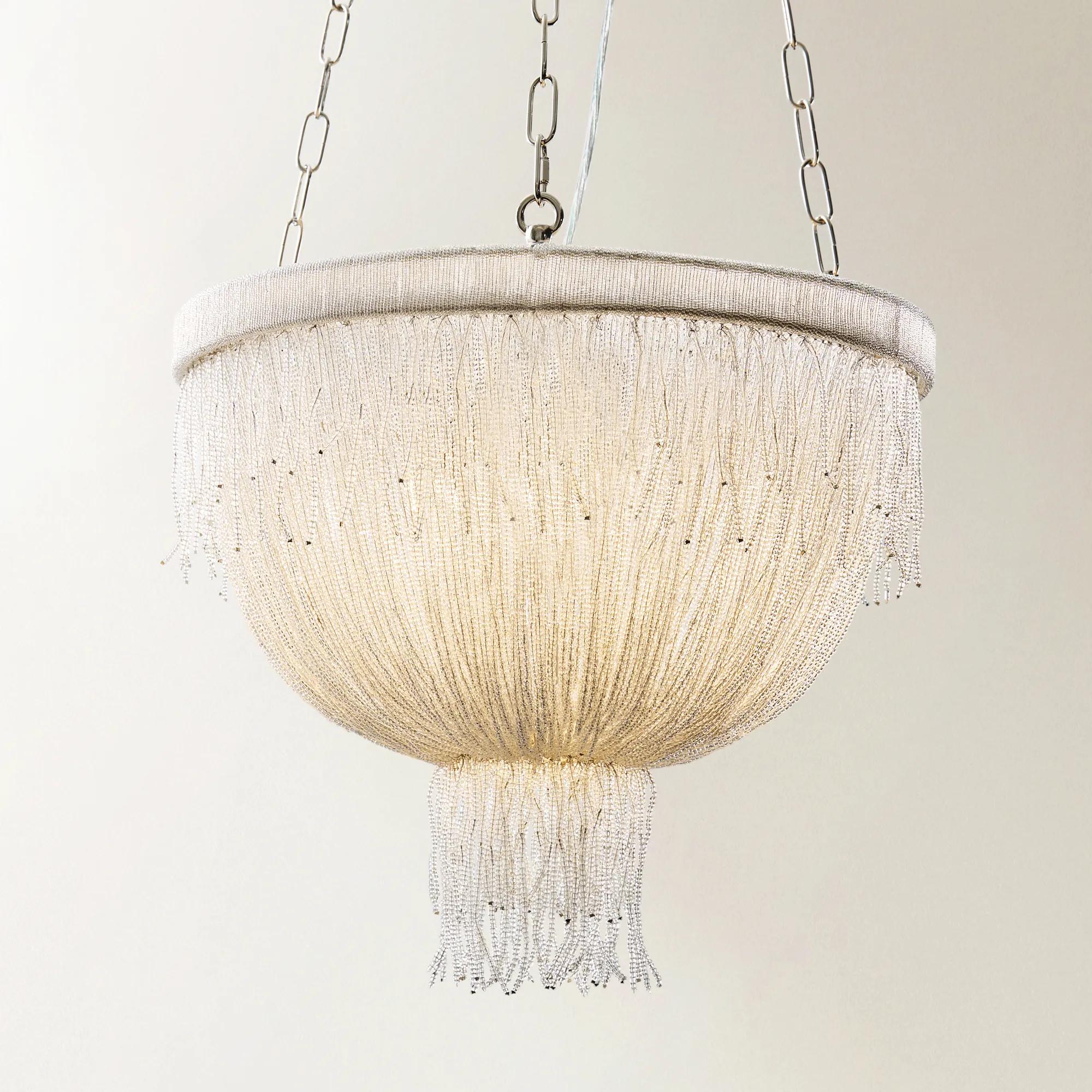 Selene Chandelier$899
A dazzling chandelier featuring cascading clear glass beads and a sleek nickel-finished iron frame.
Add To Cart -

 Radiante LED Globe Chandelier 36" - Polished Gold$899
A polished gold LED globe chandelier bringing sculptural illumination and modern glamour to contemporary interiors.
Add To Cart -
 Bolla LED Hand-Blown Glass Bubble Chandelier 60.25"$499
A linear chandelier featuring clear sculptural glass orbs and a matte gold steel frame for modern elegance.
Add To Cart -
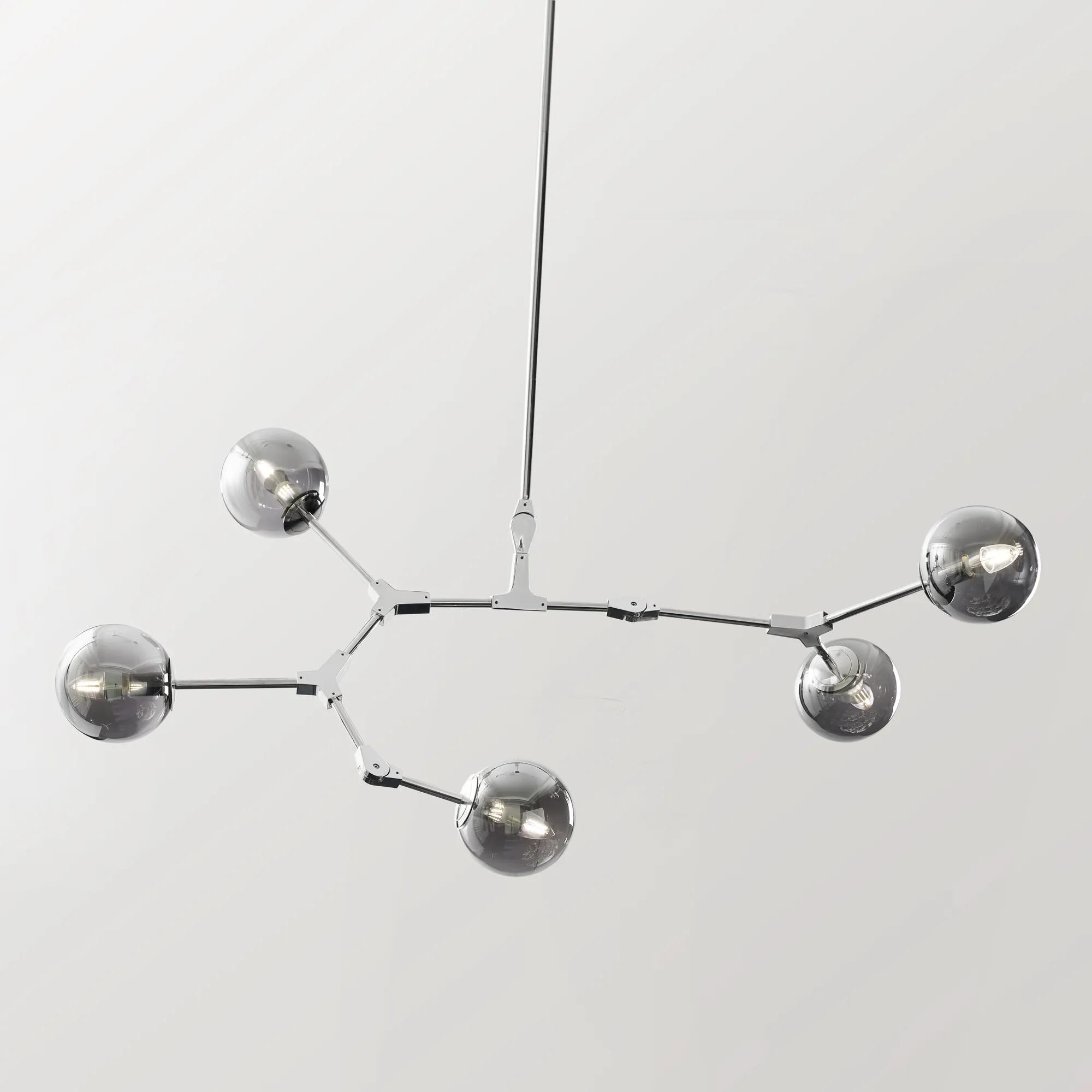
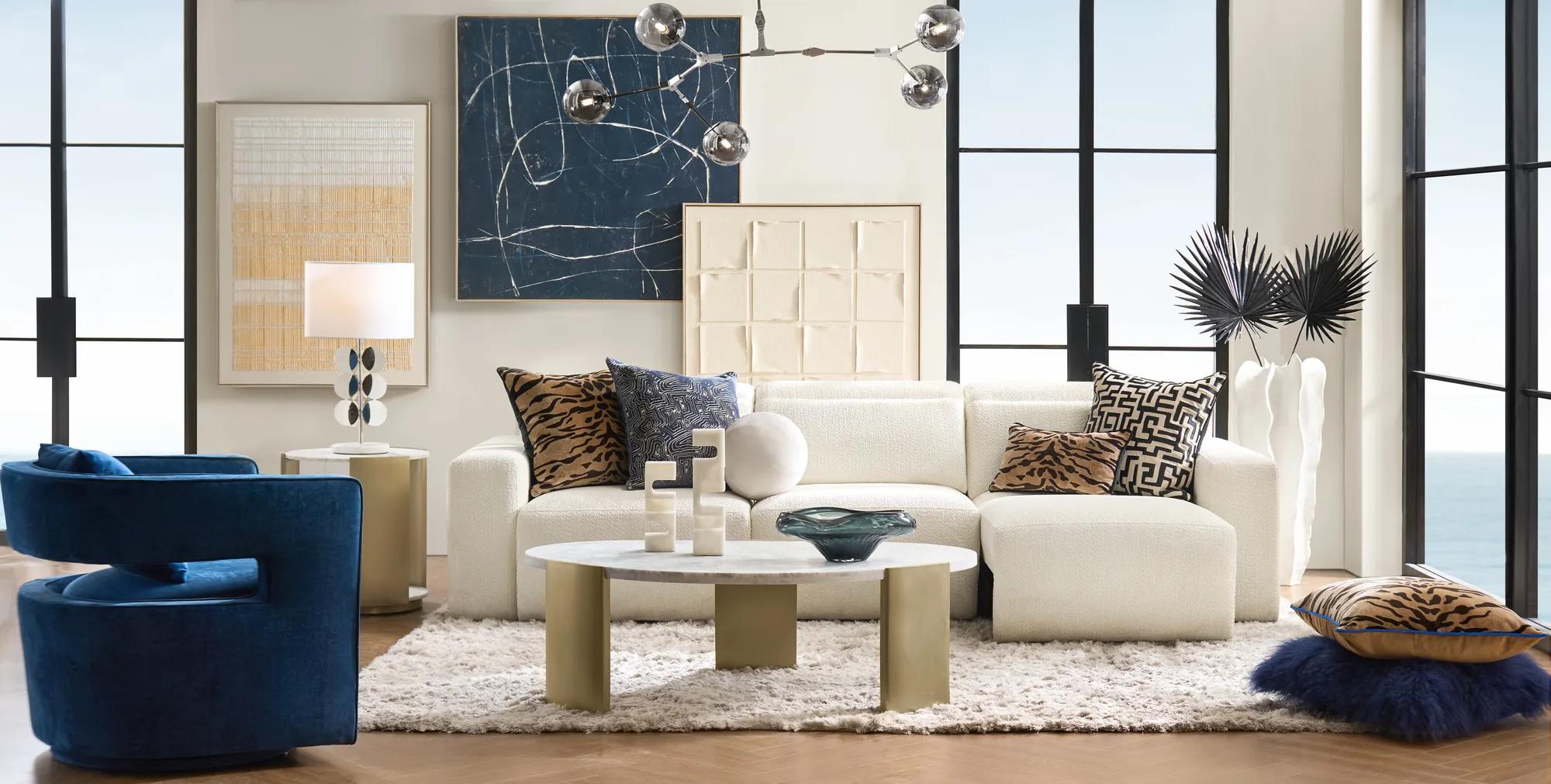 Axel Chandelier$499
A modern chandelier featuring polished nickel arms and smoked glass bulbs for striking, contemporary illumination.
Add To Cart -
 Glacier Clear and Frosted Glass Chandelier 24"$899
A modern chandelier crafted from clear and frosted glass creates an elegant, luminous centerpiece.
Add To Cart -

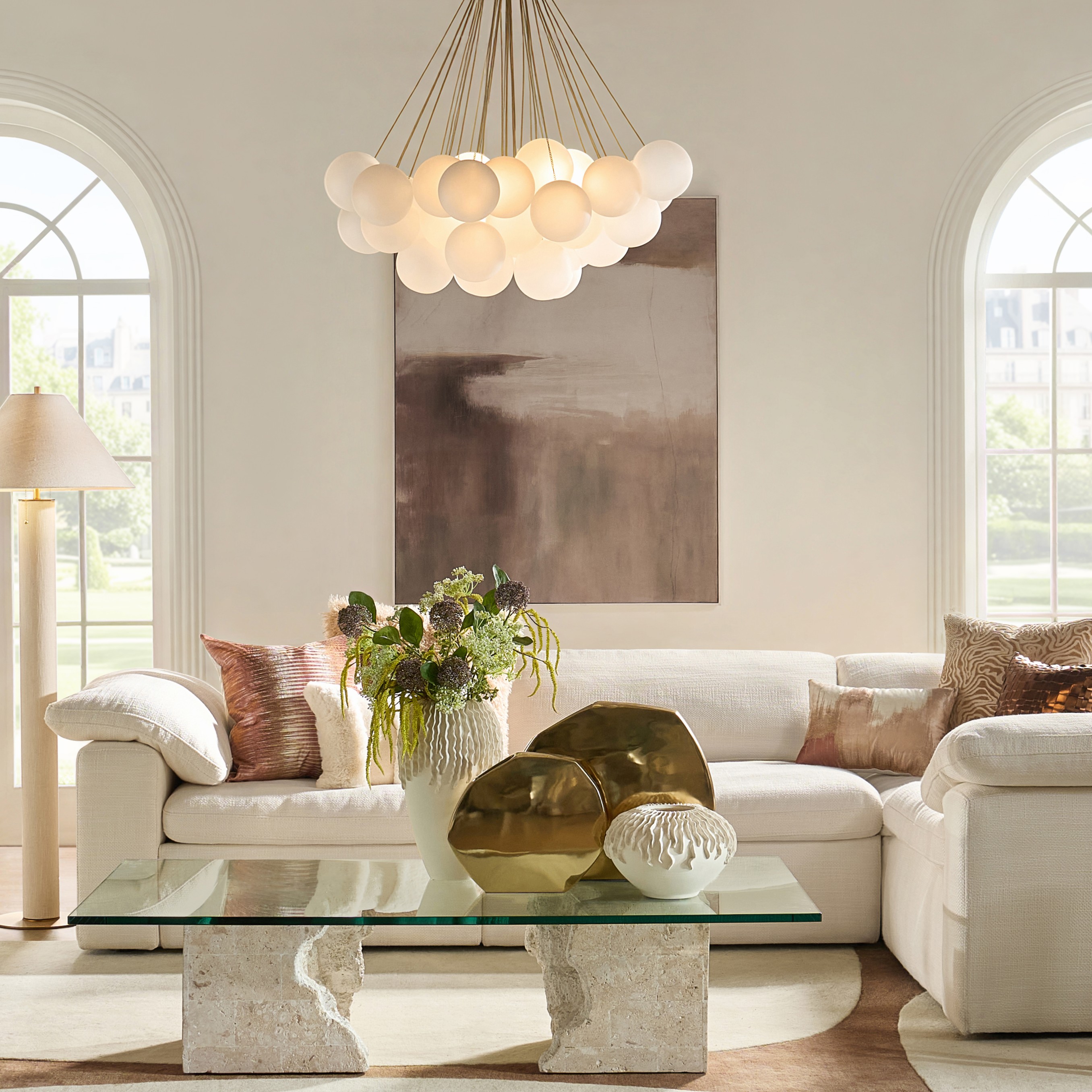 Sanela Frosted Glass Globe Chandelier 39.5"$899
A sculptural chandelier featuring frosted glass globes and an antique brass iron frame for diffused illumination.
Add To Cart -
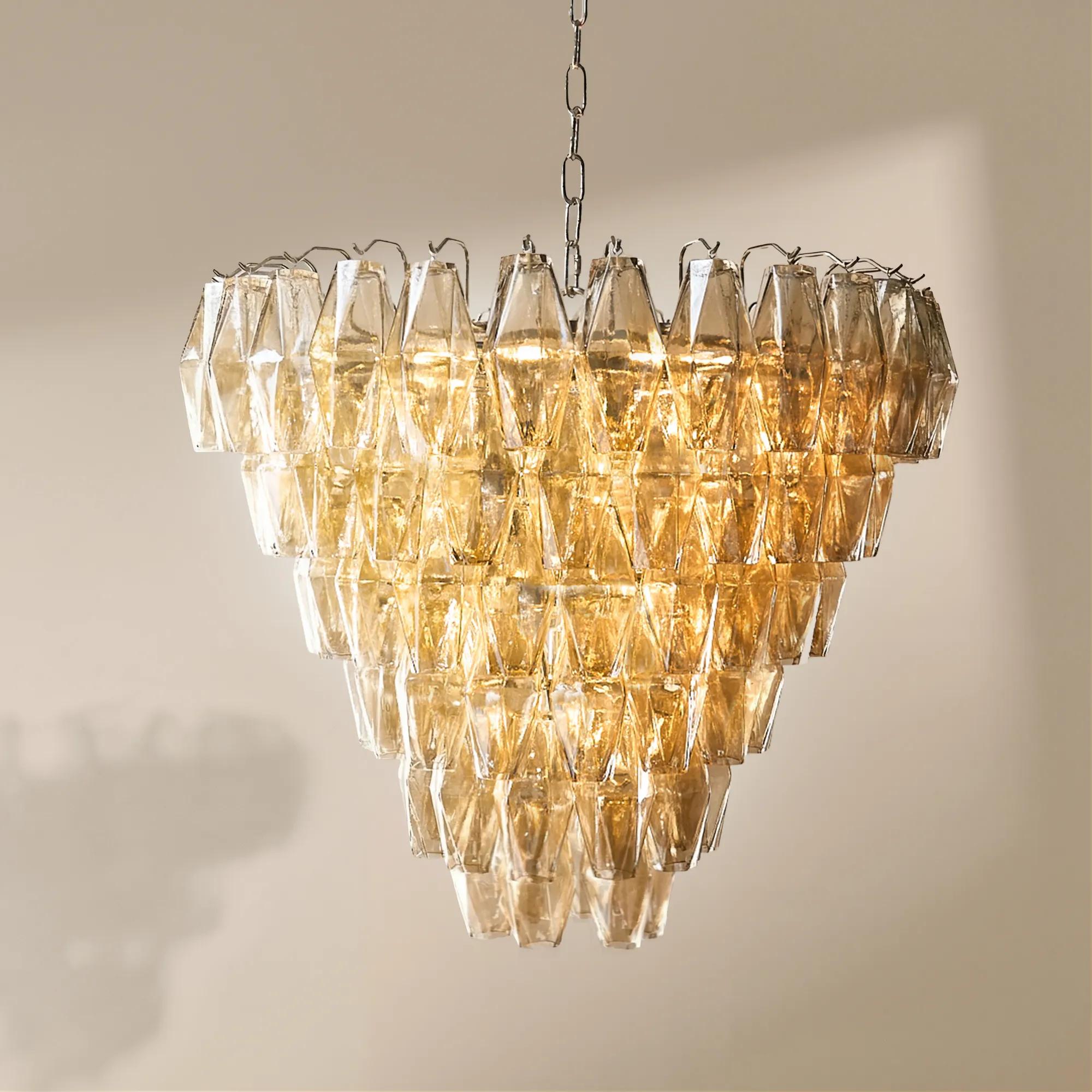
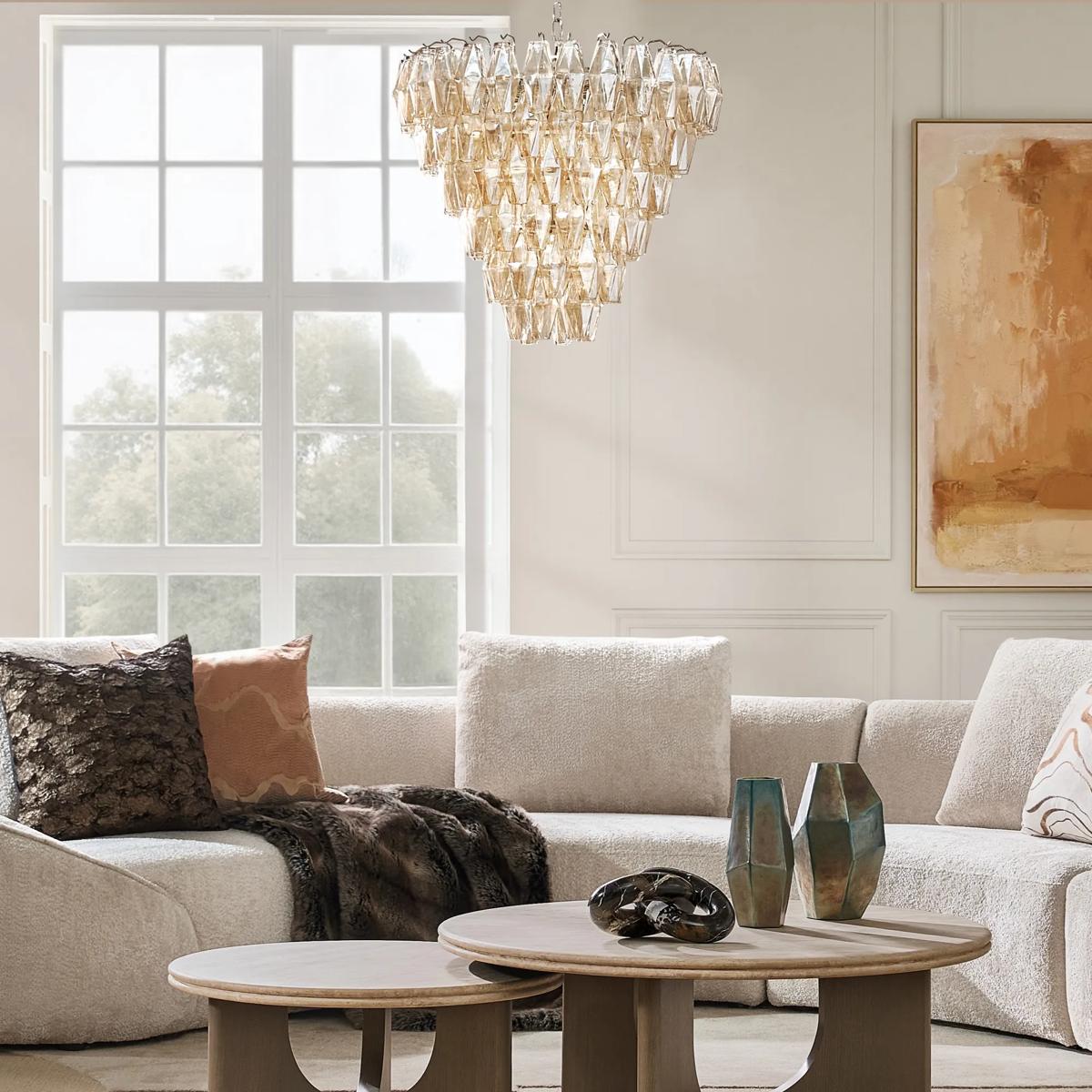 Cosima Champagne Blown Glass Chandelier 25.5"D x 23"H$1299
A sculptural chandelier featuring hand-blown champagne glass and a polished nickel frame for radiant, modern elegance.
Add To Cart

Crystal Chandeliers For Large Rooms
Explore crystal chandeliers for large rooms to create a light-catching focal point in a spacious living room, dining room, or grand entryway. This selection centers on statement lighting for generous interiors; consider fixture diameter, ceiling height, and hanging length to choose a chandelier that brings drama while staying in proportion with your space.
Crystal chandeliers for large rooms bring architecture and atmosphere into focus, turning expansive ceilings into a setting for light, reflection, and sculptural drama. In a generous living room, a cascading silhouette can draw the eye upward while giving the seating arrangement below a sense of intimacy. In a sweeping entryway, tiers of luminous crystal establish a striking first impression, with each suspended element adding depth to the space. The appeal extends beyond sparkle: a chandelier gives a large room a visual center, connecting furniture, artwork, and architectural details that might otherwise feel far apart. Different forms create distinctly different moods. A broad, open framework feels airy despite its impressive scale, while closely arranged crystal strands create a richer, more enveloping presence. Elongated designs emphasize the length of a room; rounded and tiered shapes encourage the eye to gather around a central point. Cut crystal can scatter light into delicate flashes, while smooth glass elements offer a gentler, more fluid reflection. Material descriptions matter, since crystal and decorative glass differ in composition, weight, optical character, and care requirements. Metal frameworks introduce another layer of expression, from polished surfaces that amplify surrounding reflections to brushed finishes that give the shimmer a quieter counterpoint. A luminous metallic finish can echo the legs of an accent table or the frame of a nearby mirror without requiring every detail to match. Against upholstered furniture, richly textured rugs, and substantial case pieces, crystal adds a deliberate contrast: delicate in appearance, commanding in effect. These fixtures suit homeowners who want their gathering spaces to feel expressive and composed, whether the room hosts lively celebrations or evenings spent beneath a softer glow. The most compelling arrangement allows the chandelier to command attention without competing with every other feature, giving its shape room to register from the doorway and its finer details a chance to reveal themselves up close. That balance makes grandeur feel personal rather than ceremonial, with a focal point that belongs as naturally to everyday living as it does to an occasion.
Scale is especially important when a chandelier occupies a large room, where a fixture that appears substantial in isolation can become visually slight beneath a tall ceiling. Width, overall height, and the density of the design all influence its presence. An open ring and a densely layered cascade may share similar dimensions yet feel entirely different once suspended. Ceiling height also changes the relationship: a double-height space can accommodate a longer vertical composition, while a broad room with a lower ceiling may call for a wider silhouette with less drop. The fixture’s listed dimensions should be considered alongside its adjustable suspension range, canopy size, and total installed height, rather than width alone. In living areas, placement often feels most intentional when it relates to the primary seating group, even if that arrangement does not sit at the exact center of the floor plan. In entertaining spaces, crystal chandeliers for dining rooms can establish a closer relationship between the lighting and the table, framing conversation with a more concentrated pool of illumination. A long tabletop may suit an elongated fixture or a carefully spaced pair, while a round table often welcomes a centered, circular form. In open-plan interiors, repeated finishes or related shapes can connect adjoining lighting without making every fixture identical. Sightlines deserve equal attention: a chandelier should enrich views across the room, not obscure a favorite painting or interrupt the exchange between seated guests. Over dining tables, approximately 30 to 36 inches between the tabletop and the bottom of the fixture is a common starting point for a standard-height ceiling, with adjustments for the fixture, ceiling, and room. Over walkways and beneath upper-level overlooks, appropriate clearance and local requirements take priority. Large crystal fixtures can be heavy, so a qualified electrician should confirm that the ceiling support, electrical box, and installation method are suitable for the actual fixture weight. Sloped ceilings, long suspension drops, and stairwell placements may also require compatible hardware and a more considered installation plan, preserving the intended silhouette while keeping the finished arrangement secure.
The quality of the light determines how beautifully a crystal chandelier serves the room after its initial entrance. A large fixture can provide an impressive decorative glow, but expansive living and entertaining spaces often benefit from additional layers of illumination. Table lamps bring light closer to conversation, wall lighting adds dimension to the perimeter, and focused accents allow artwork or architectural texture to remain visible beyond the chandelier’s reach. Together, these layers keep a grand room from feeling brightly lit overhead yet dim around its edges. Bulb selection shapes the effect as well: warmer light tends to flatter upholstery and create an inviting atmosphere, while the fixture’s specified bulb type, base, and maximum wattage must guide the choice. Compatible dimmable bulbs and controls offer flexibility, allowing the same chandelier to feel radiant for a gathering and more subdued for a quiet evening. Exposed bulbs also become part of the composition, making their shape and consistency worth considering. Crystal’s clarity is best preserved through regular, gentle care rather than infrequent, intensive cleaning. Once power is off and bulbs have cooled, accessible surfaces can be dusted carefully with a soft, lint-free cloth, following the manufacturer’s instructions for both the crystal and the frame. Cleaning solutions should never be assumed safe for every finish, and spraying a suspended fixture can expose electrical components or leave residue in places that are difficult to reach. Abrasive materials may scratch decorative surfaces, while pulling or twisting crystal strands can strain their connections. For tall ceilings or elaborate arrangements, professional cleaning offers a practical way to maintain the sparkle without awkward ladder work. Durable construction, secure connections, finish-appropriate care, and accessible replacement bulbs all contribute to lasting enjoyment. With the right proportions and thoughtful lighting, a crystal chandelier becomes more than an ornament overhead: it gives a large room rhythm, intimacy, and a luminous point of view, carrying its presence from the first step inside to the smallest reflection across the table.
FAQs
Crystal chandeliers bring expressive elegance to modern glam, Art Deco-inspired, and traditional interiors. A sculptural silhouette complements contemporary furniture, while an ornate design adds romance to classic surroundings. For a more unexpected composition, contrast a dramatic chandelier with streamlined furnishings and richly textured upholstery.
Treat the chandelier as the visual signature of a distinct living or dining area. Echo its design language throughout the surrounding space through curved furniture, reflective accents, or a recurring metallic finish. This creates a connected composition while allowing the chandelier to retain its dramatic presence.
Crystal chandeliers can anchor a sophisticated mix of metallic accents. Choose a dominant finish for the room, then introduce a contrasting tone through select decorative details. Repeating each finish in a few intentional places gives the arrangement cohesion without making every element match.
Ivory, champagne, and soft gray create an elegant backdrop for crystal’s luminous character. For a bolder expression, pair a chandelier with emerald, sapphire, or deep plum. Black-and-white interiors offer another striking direction, framing the chandelier with graphic contrast and a distinctly editorial mood.
Let the chandelier establish the mood, then select artwork and accents that echo its movement or geometry. Fluid abstract art can complement cascading forms, while geometric compositions suit more structured designs. Balance reflective details with tactile elements so the room feels layered rather than dominated by shine.