
Modern Dining Room Stools
Modern Dining Room Stools
-
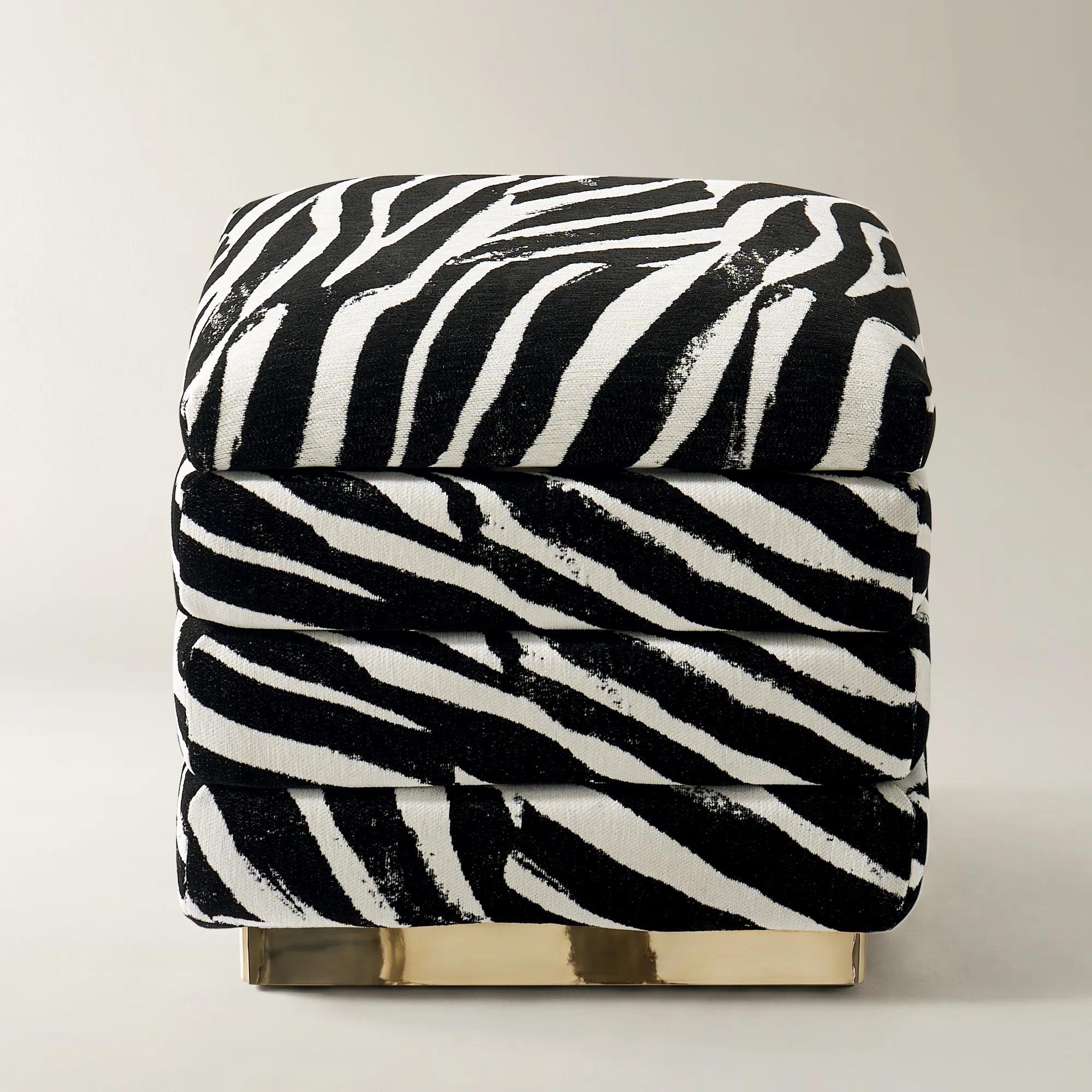
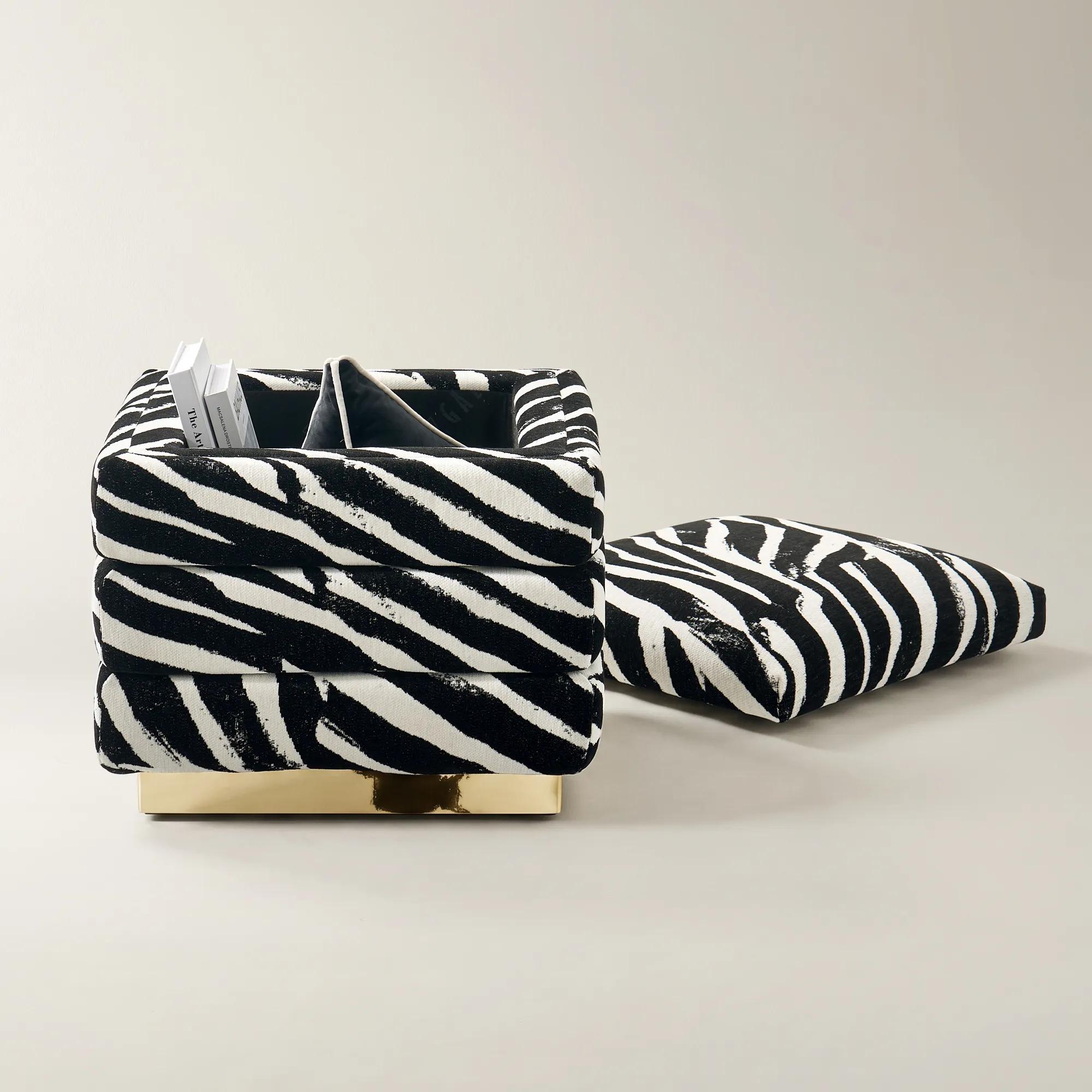 Gable White/Black Performance Chenille Stool$399
A plush white and black chenille stool with hidden storage and a polished gold stainless steel base.
Add To Cart -
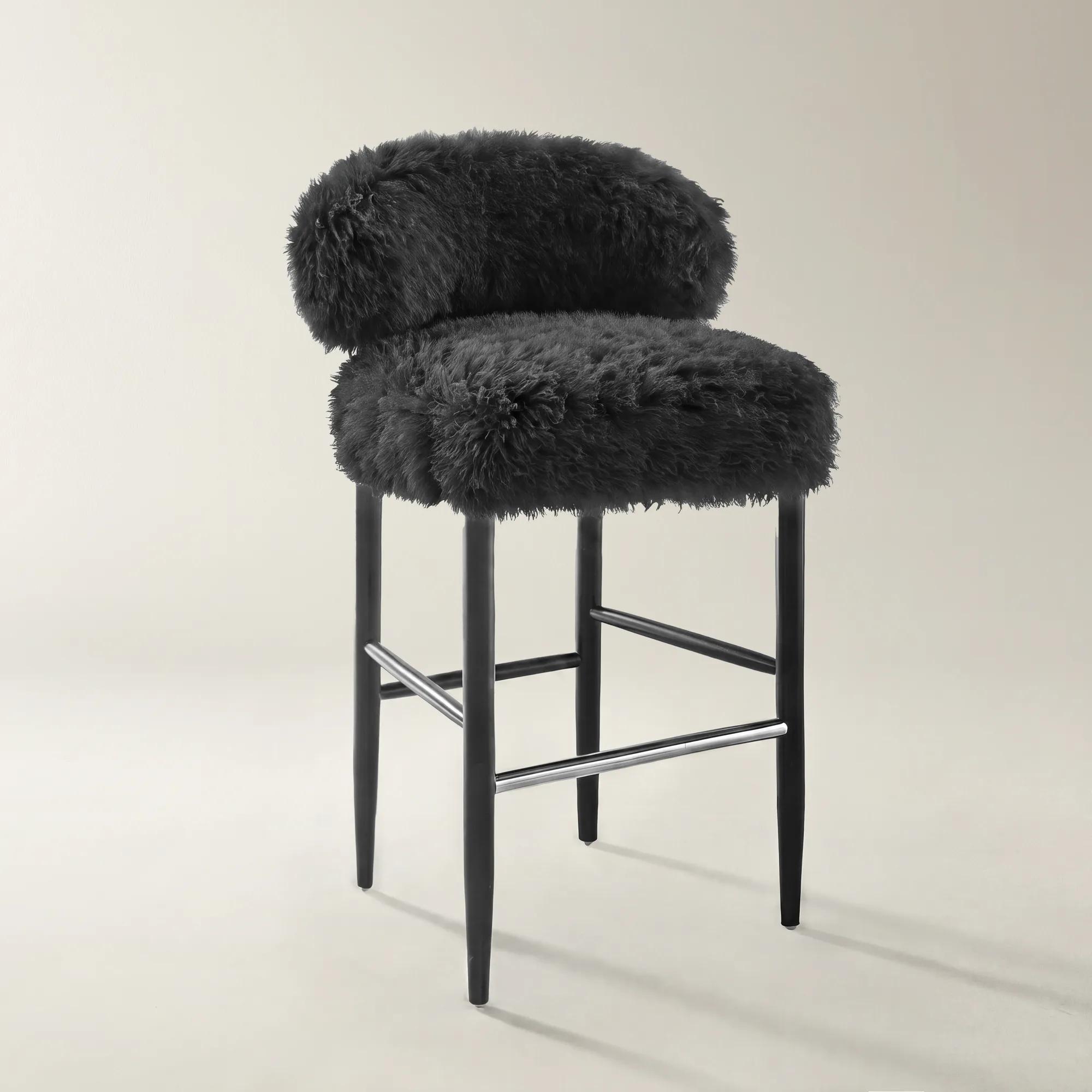 Anna Black Faux Fur Bar/Counter Stool$549
A black faux-fur bar stool with a sculpted back, padded seat, and solid rubberwood legs.
Add To Cart -
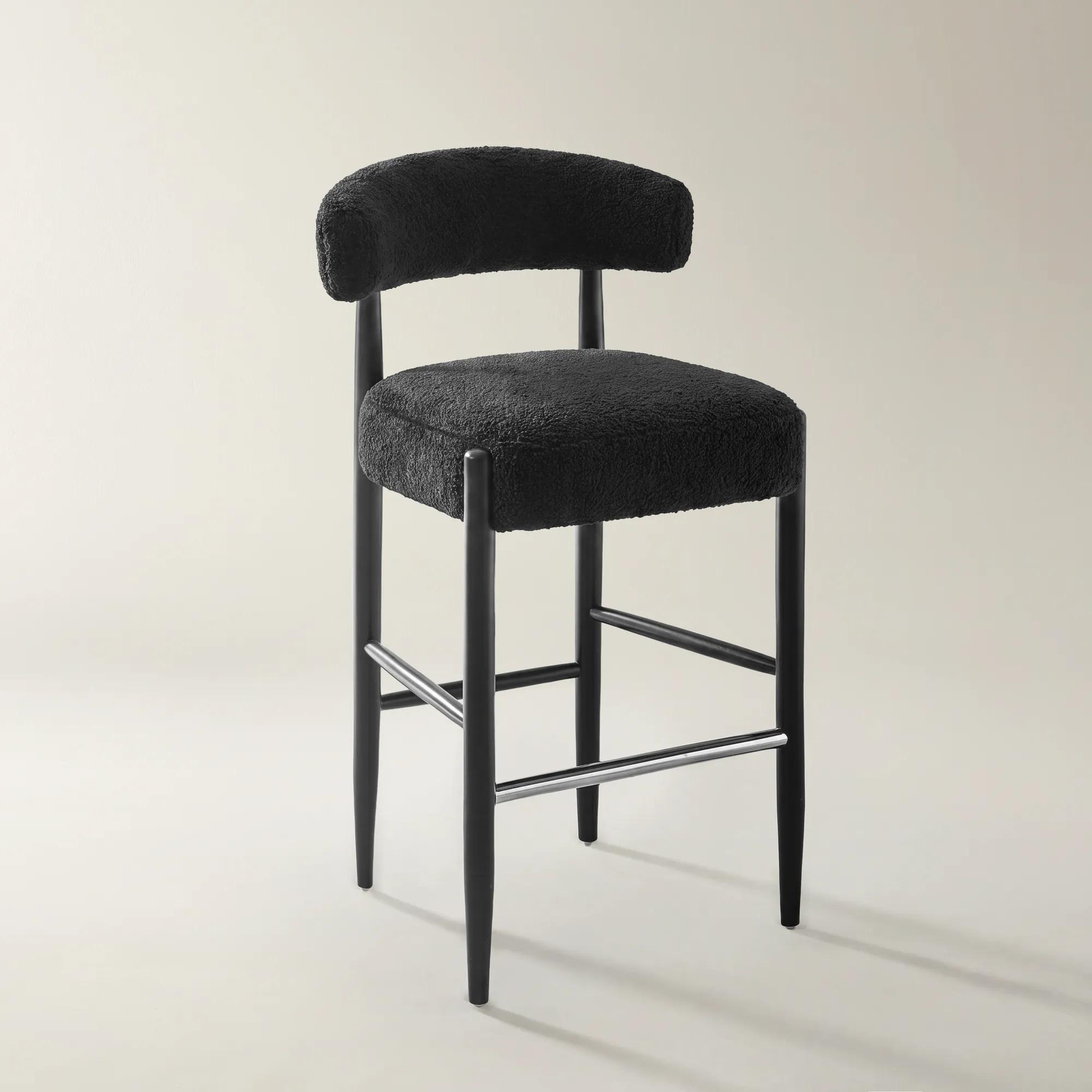 Anna Black Chenille Bar/Counter Stool$449
A black chenille counter stool with a sculpted padded seat and solid rubberwood legs.
Add To Cart -
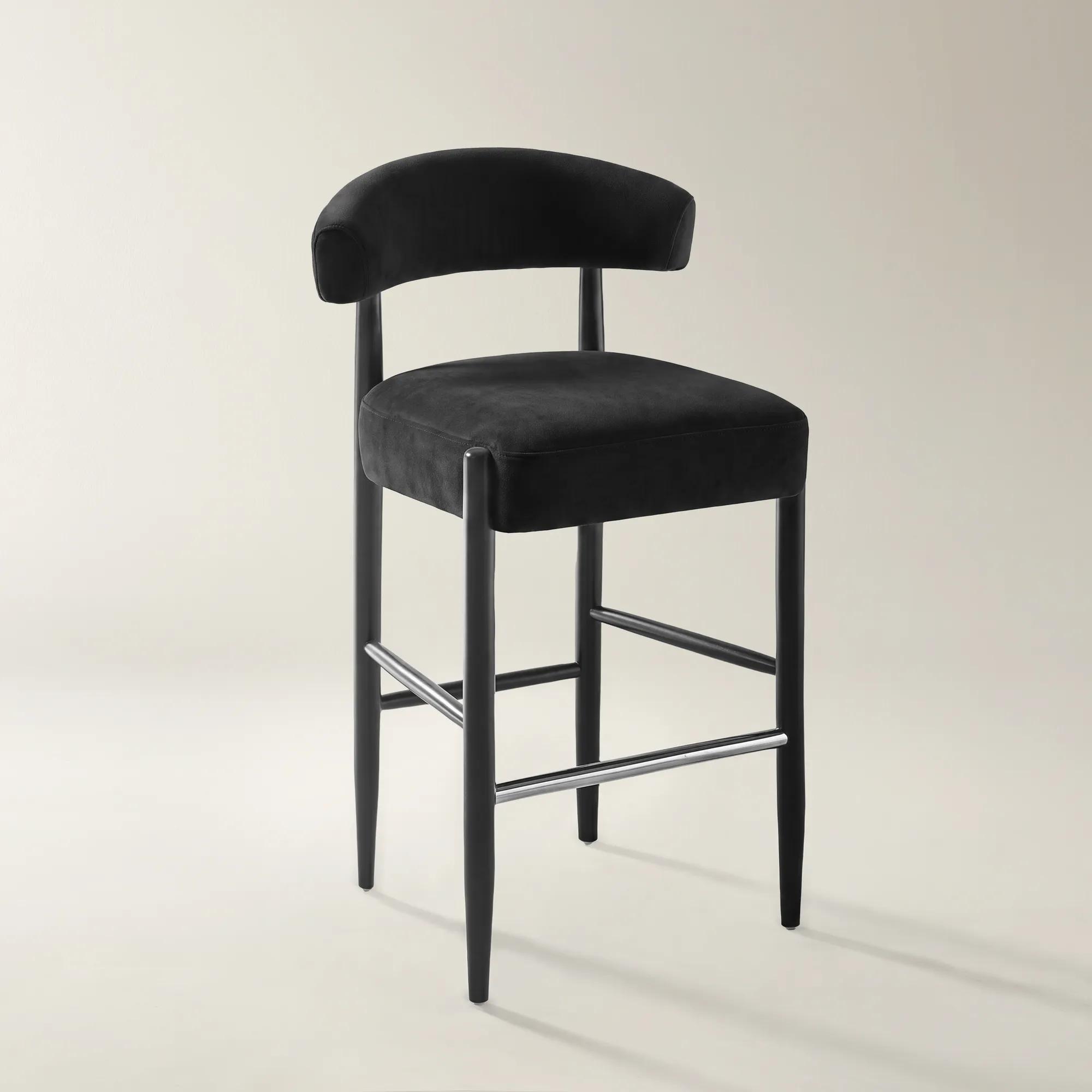 Anna Charcoal Velvet Bar/Counter Stool$449
A charcoal velvet bar stool with a sculpted padded seat and solid rubberwood legs.
Add To Cart -
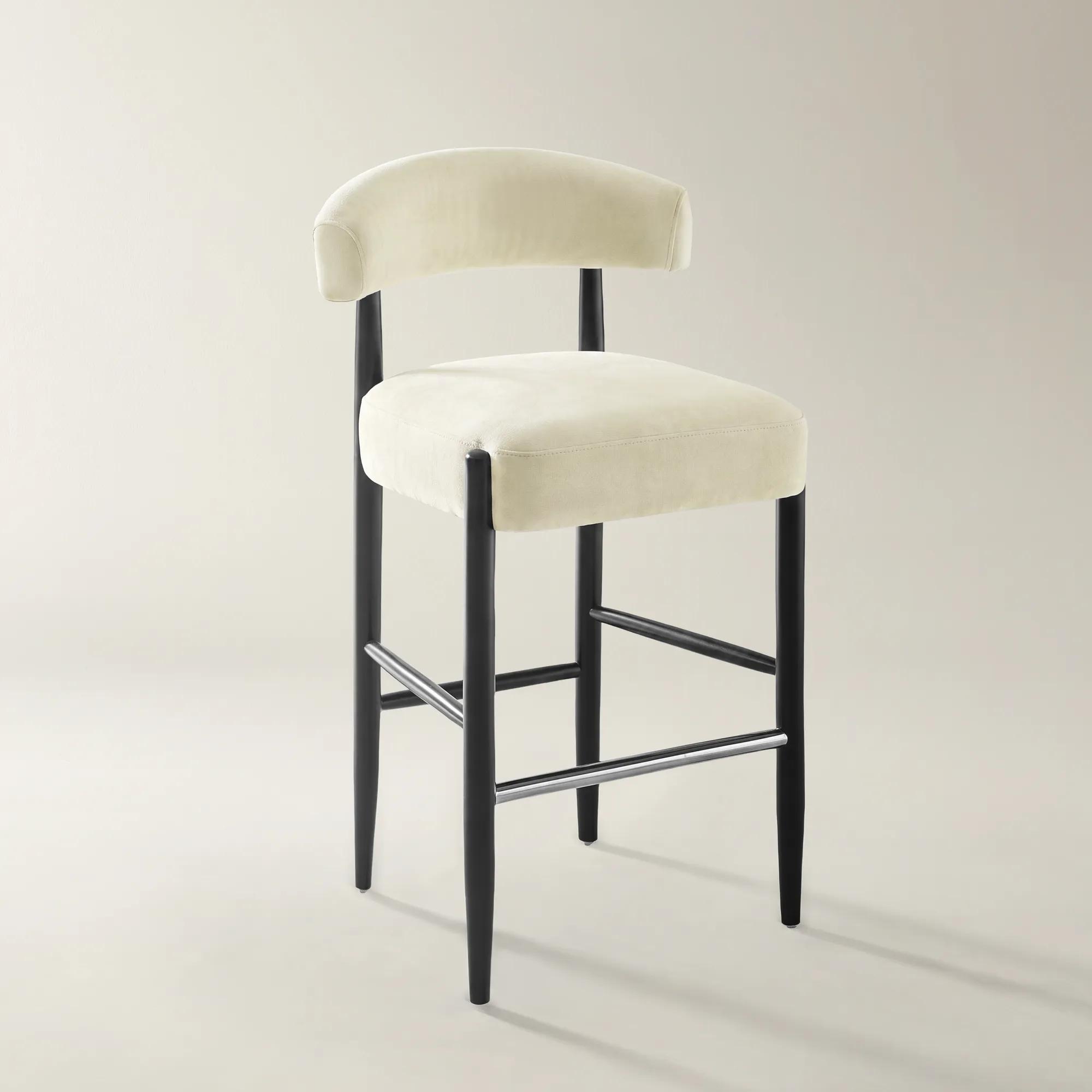 Anna Cloud Velvet Bar/Counter Stool$449
A cloud velvet counter stool with sculpted padded support and tapered solid-rubberwood legs.
Add To Cart -
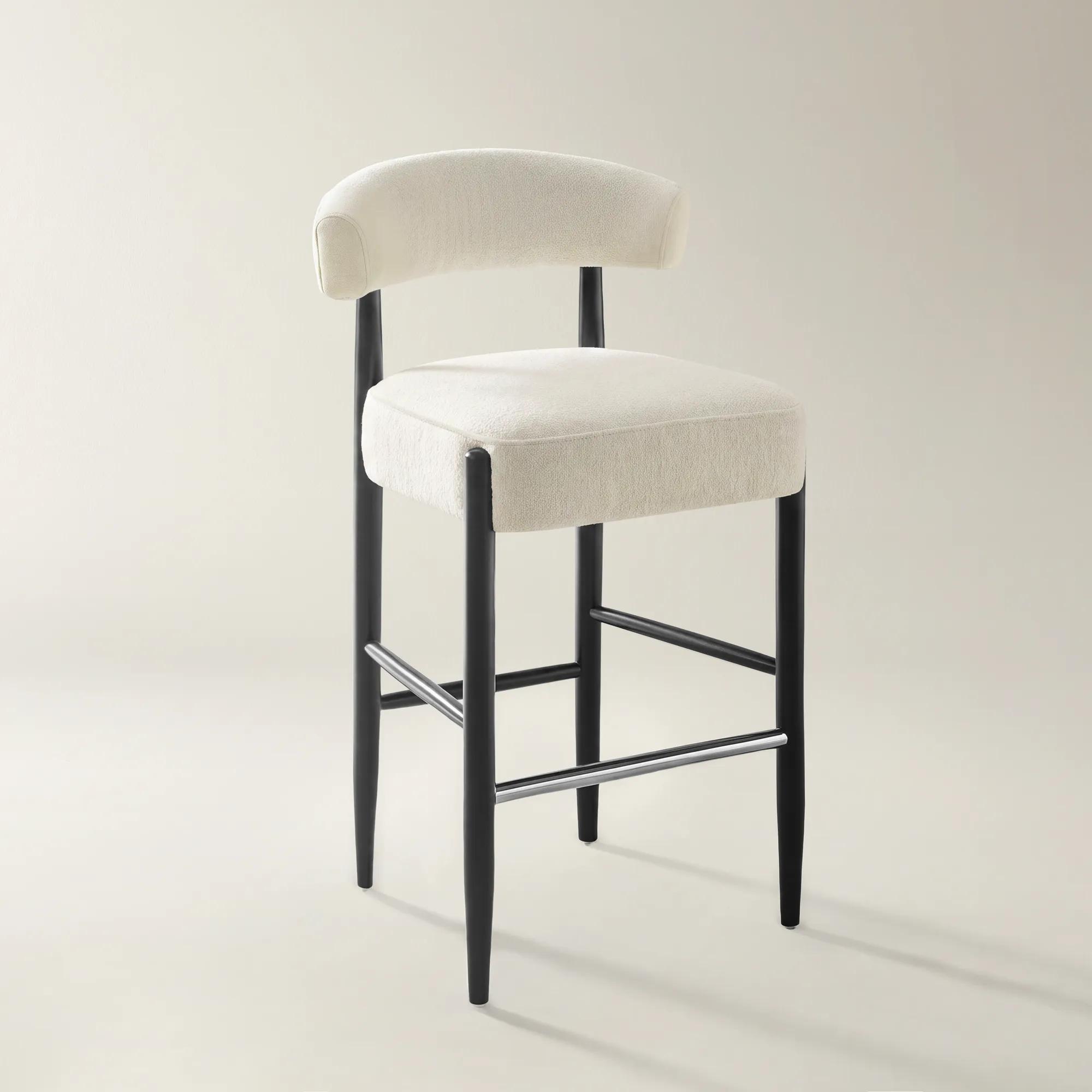 Anna Ivory Performance Chenille Bar/Counter Stool$449
An ivory performance-chenille bar stool with a sculpted back, padded seat, and tapered solid-rubberwood legs.
Add To Cart -
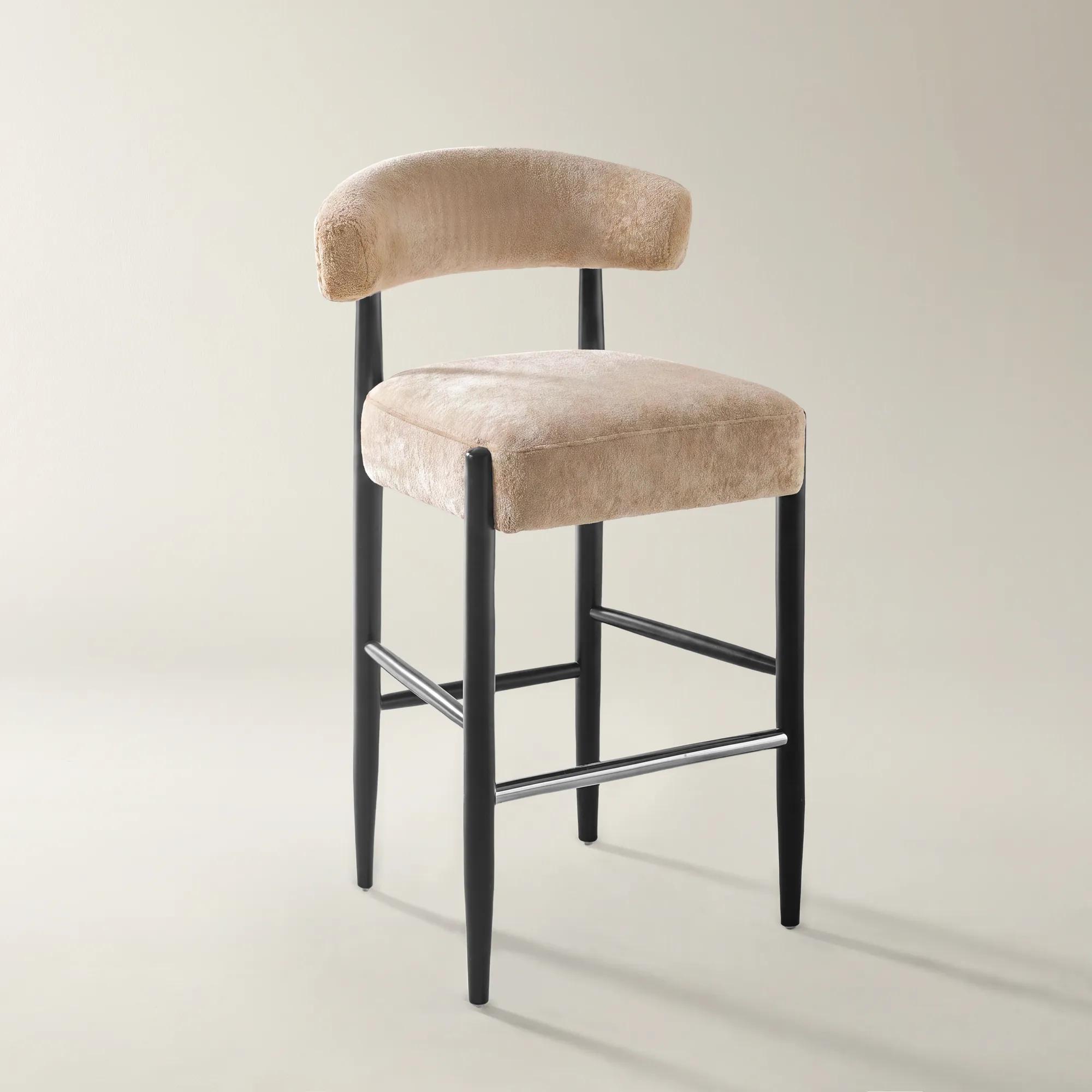 Anna Light Brown Chenille Bar/Counter Stool$449
A brown chenille counter stool with a sculpted back, padded seat, and tapered solid-rubberwood legs.
Add To Cart -
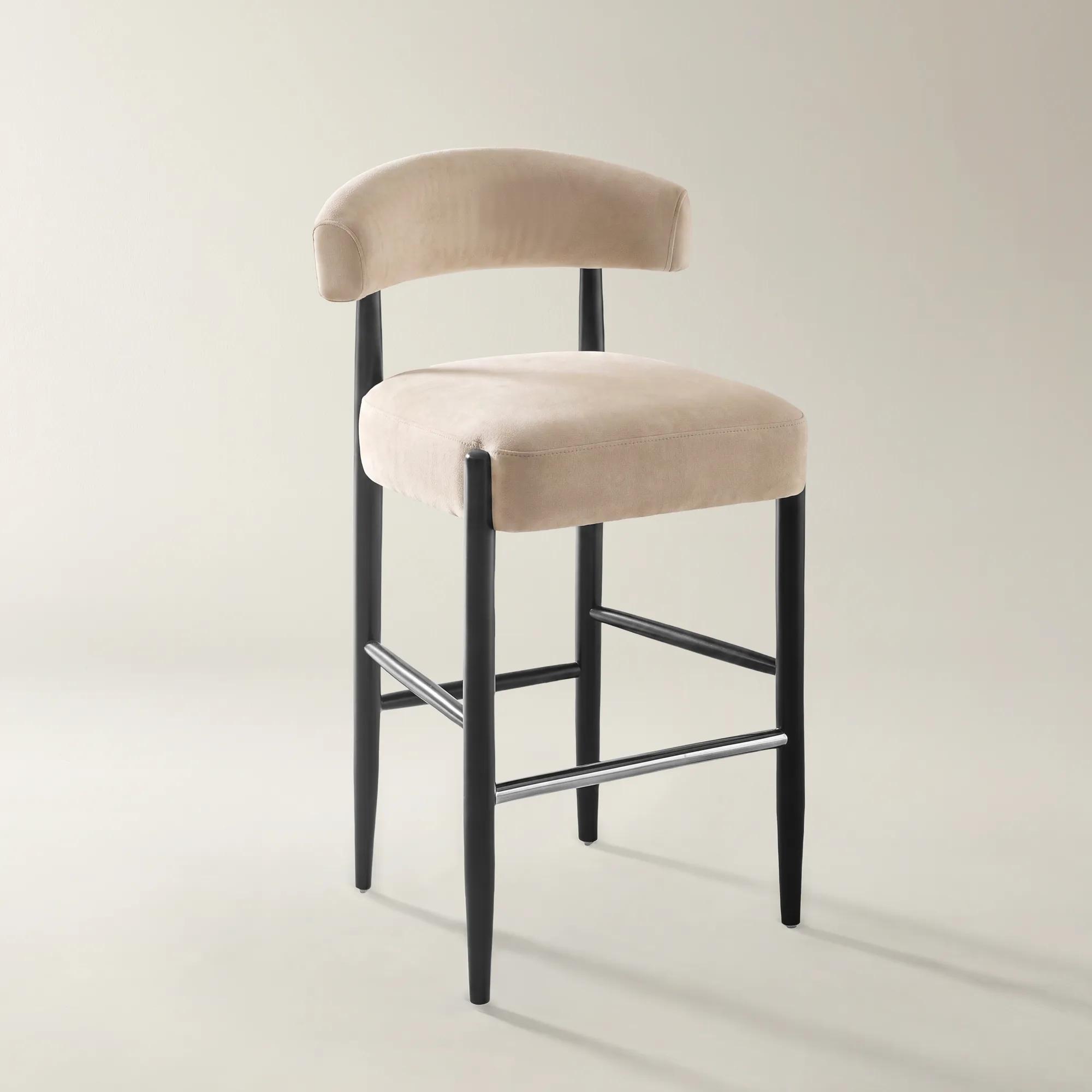 Anna Simply Taupe Velvet Bar/Counter Stool$449
A taupe velvet counter stool with a sculpted back, padded seat, and tapered solid-rubberwood base.
Add To Cart -
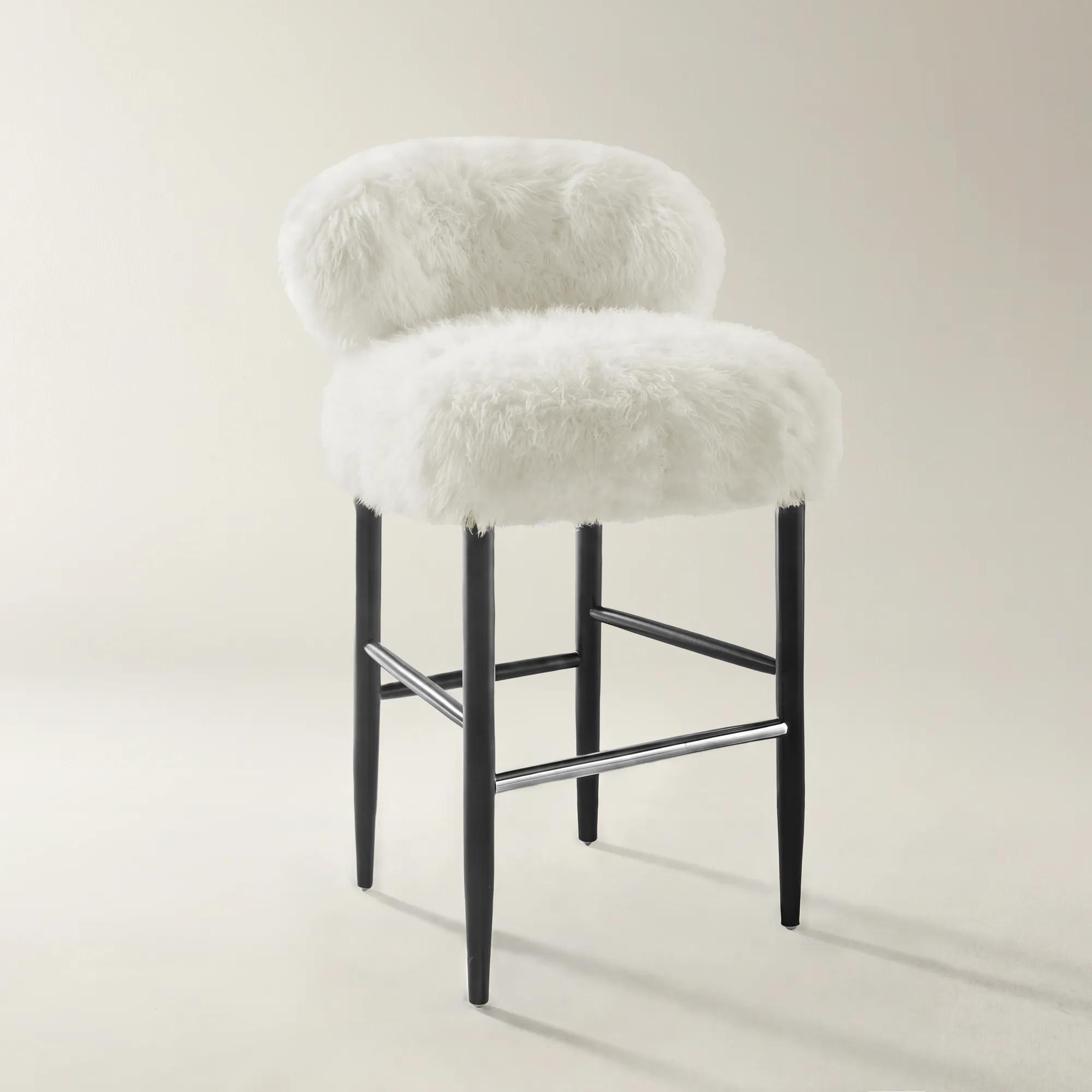 Anna Ivory Faux Fur Bar/Counter Stool$549
An ivory faux-fur counter stool with sculpted support, padded seating, and tapered solid-rubberwood legs.
Add To Cart -
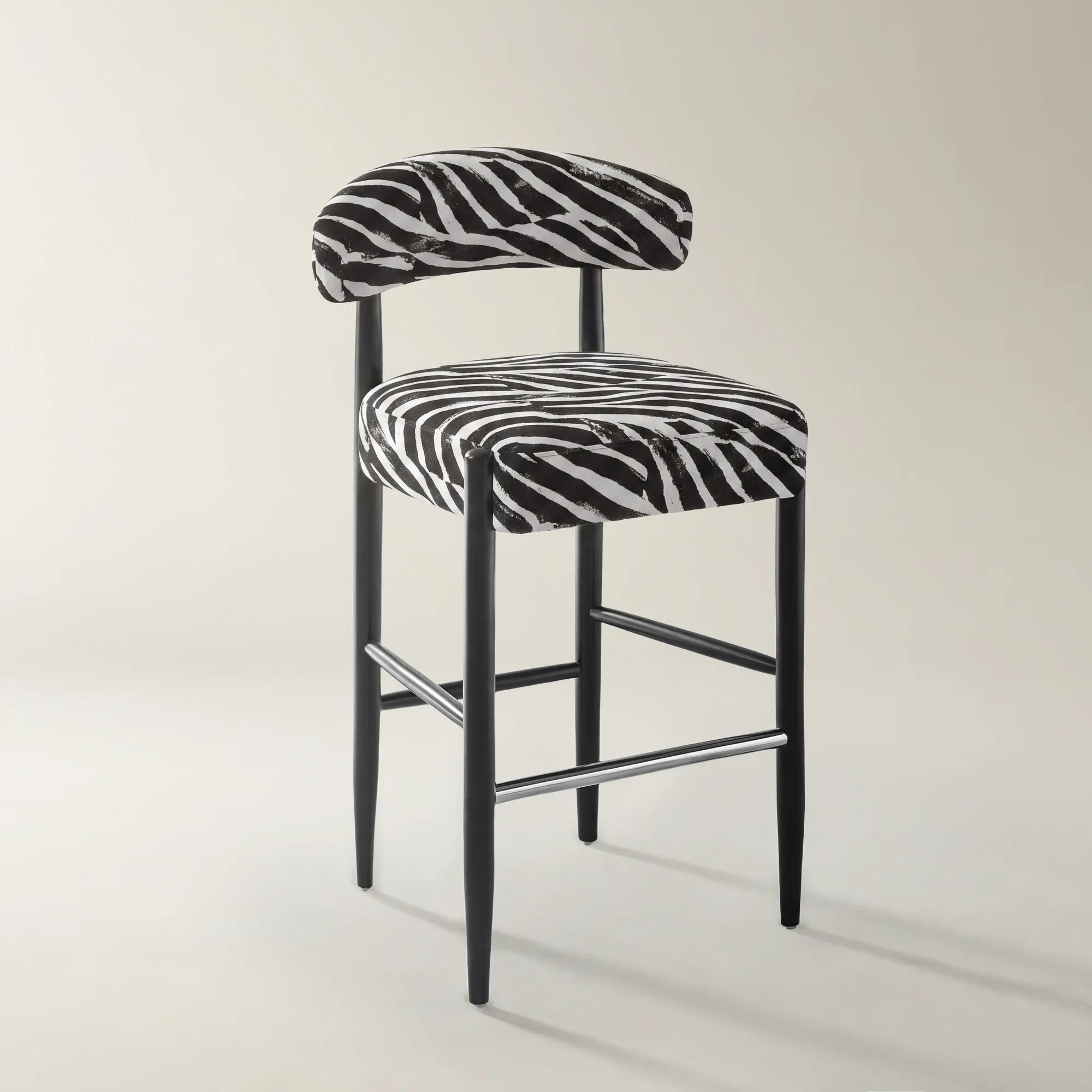 Anna White/Black Performance Chenille Bar/Counter Stool$449
A black-and-white chenille bar stool with a sculpted back, padded seat, and tapered solid rubberwood legs.
Add To Cart -
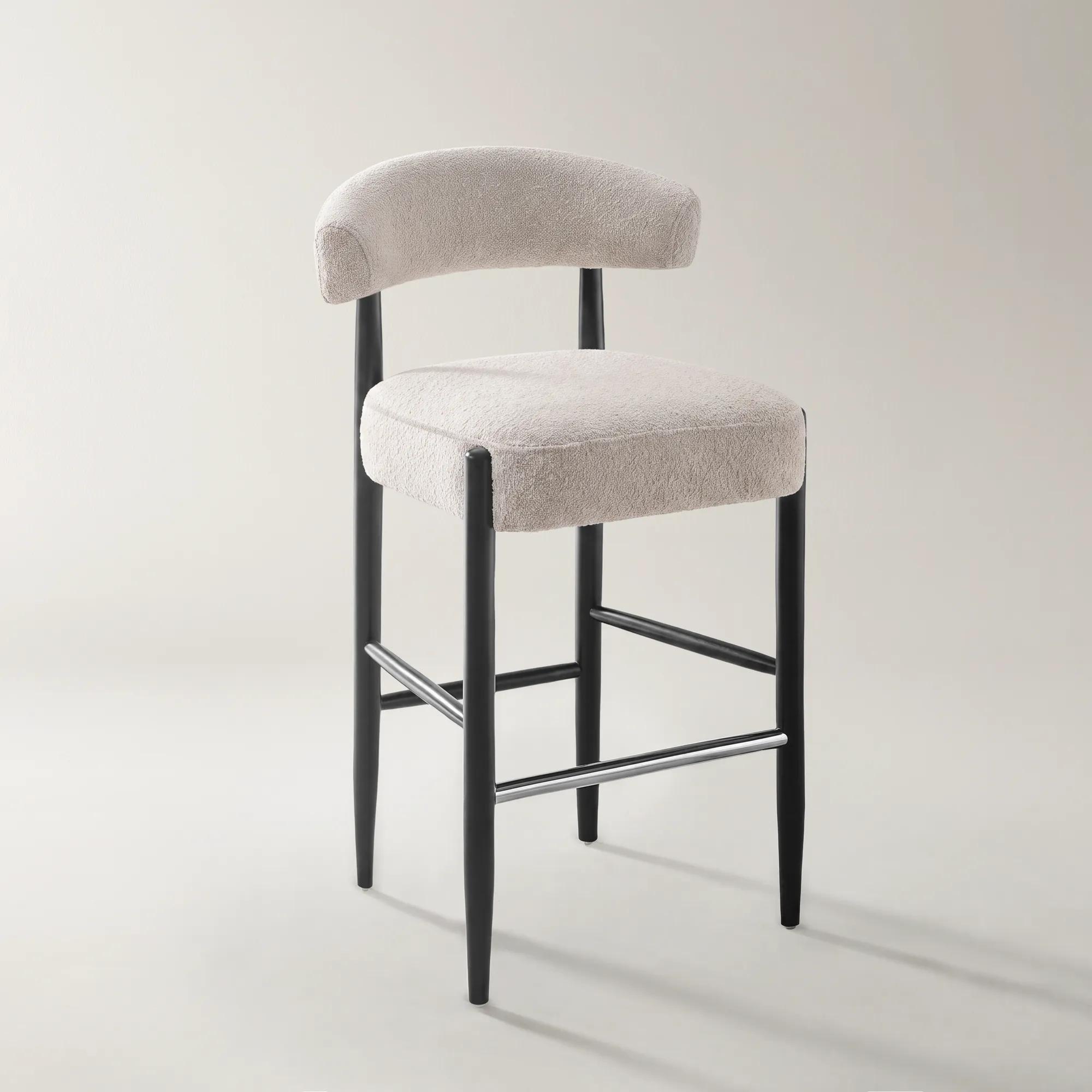 Anna Ivory Performance Boucle Bar/Counter Stool$449
An ivory performance-bouclé bar stool with sculpted padded support and tapered solid-rubberwood legs.
Add To Cart -
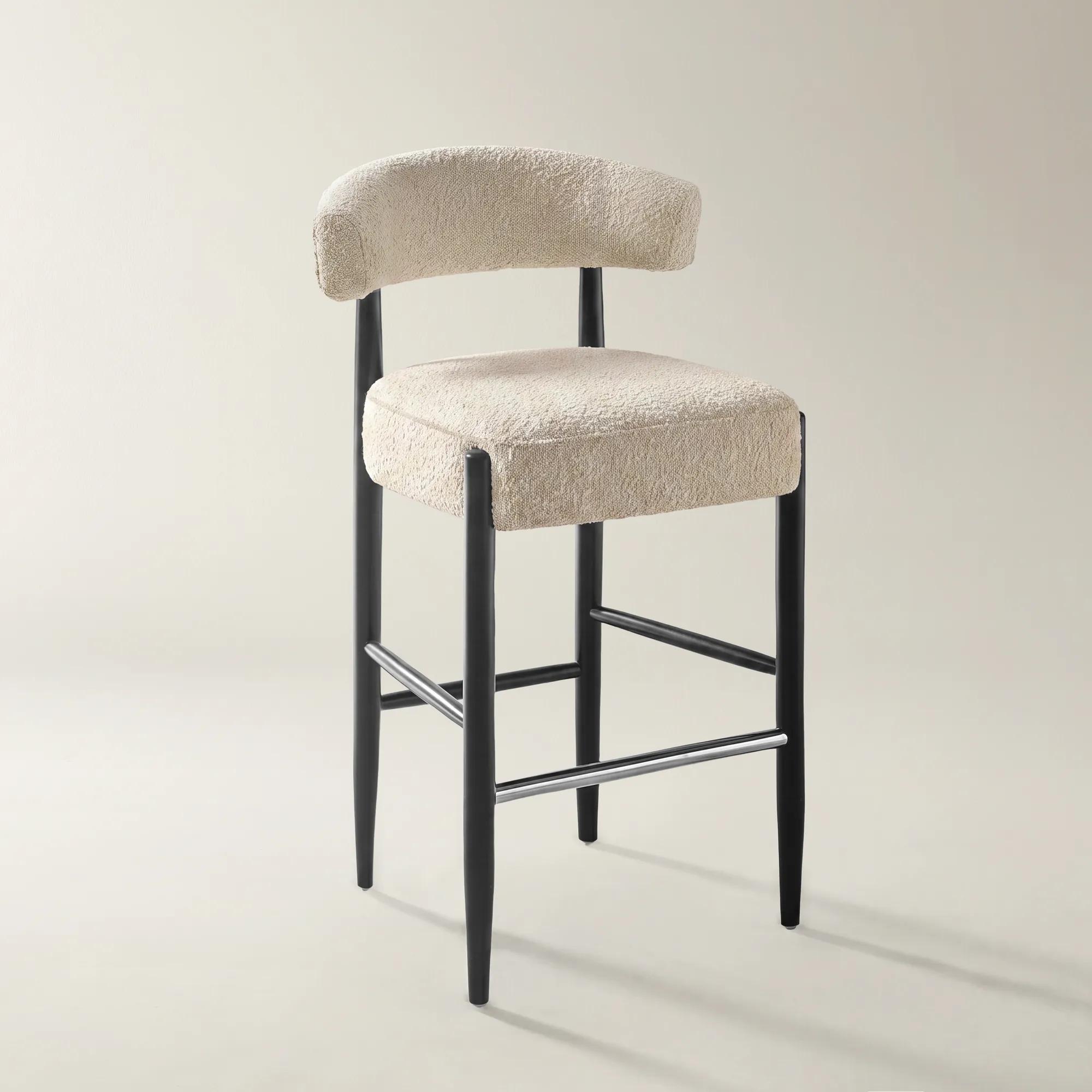 Anna Ivory Performance Boucle Bar/Counter Stool$449
A counter stool with ivory performance boucle upholstery, sculpted support, and tapered solid rubberwood legs.
Add To Cart -
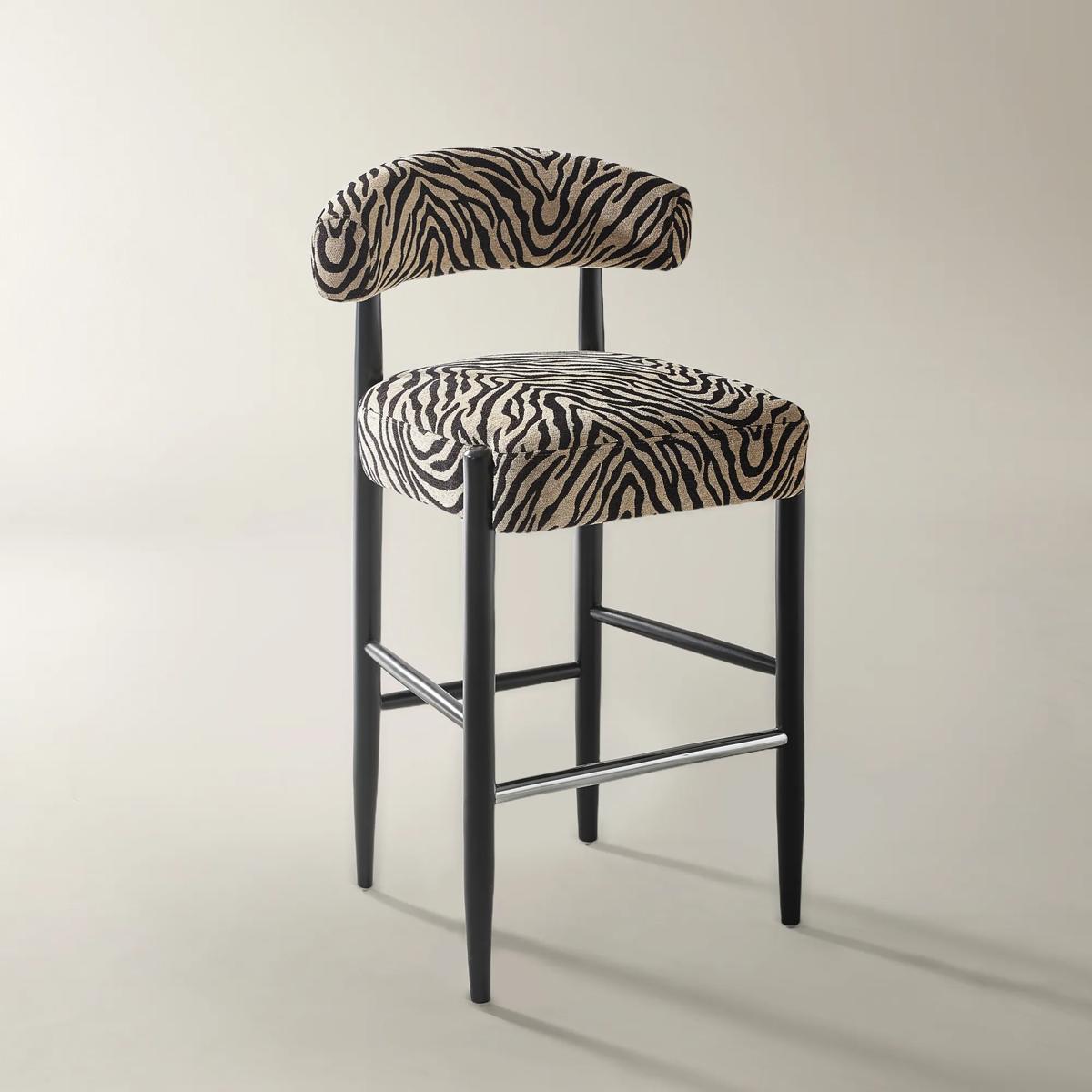
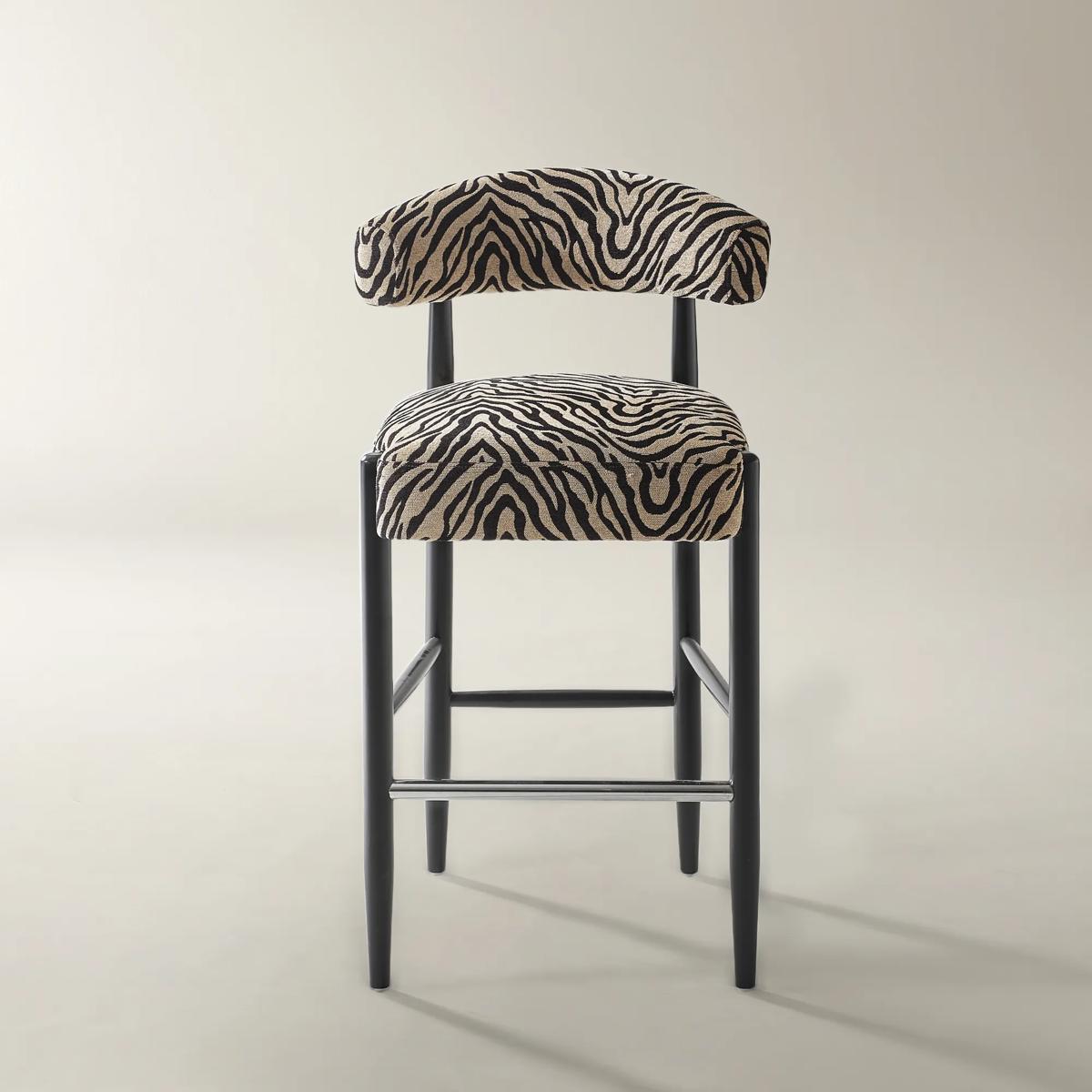 Anna Zebra Chenille Bar/Counter Stool$449
A bar stool with zebra-patterned chenille upholstery, sculpted padding, and tapered solid-rubberwood legs.
Add To Cart -
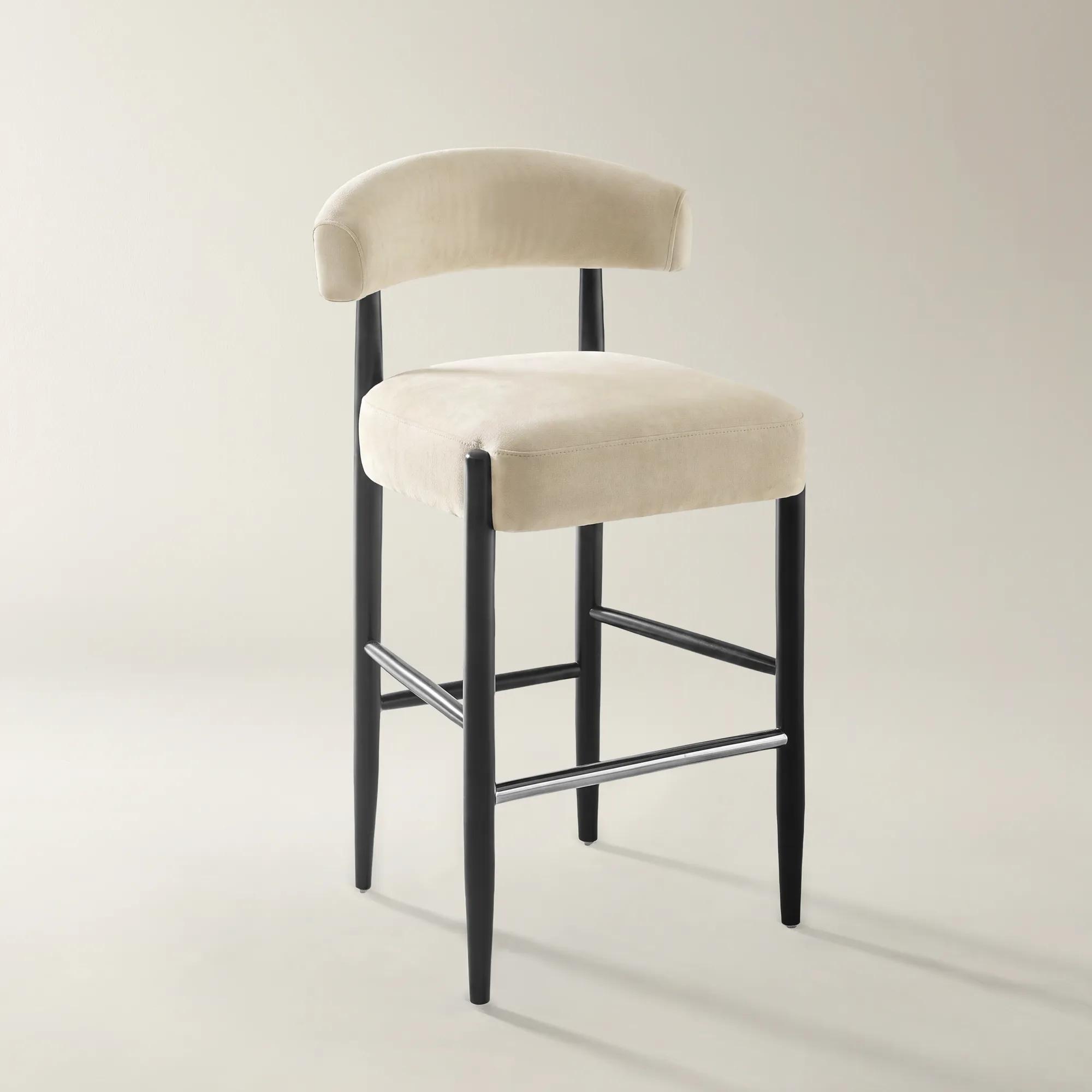 Anna Oatmeal Velvet Bar/Counter Stool$449
A counter stool with oatmeal velvet upholstery, sculpted back, padded seat, and solid rubberwood legs.
Add To Cart -
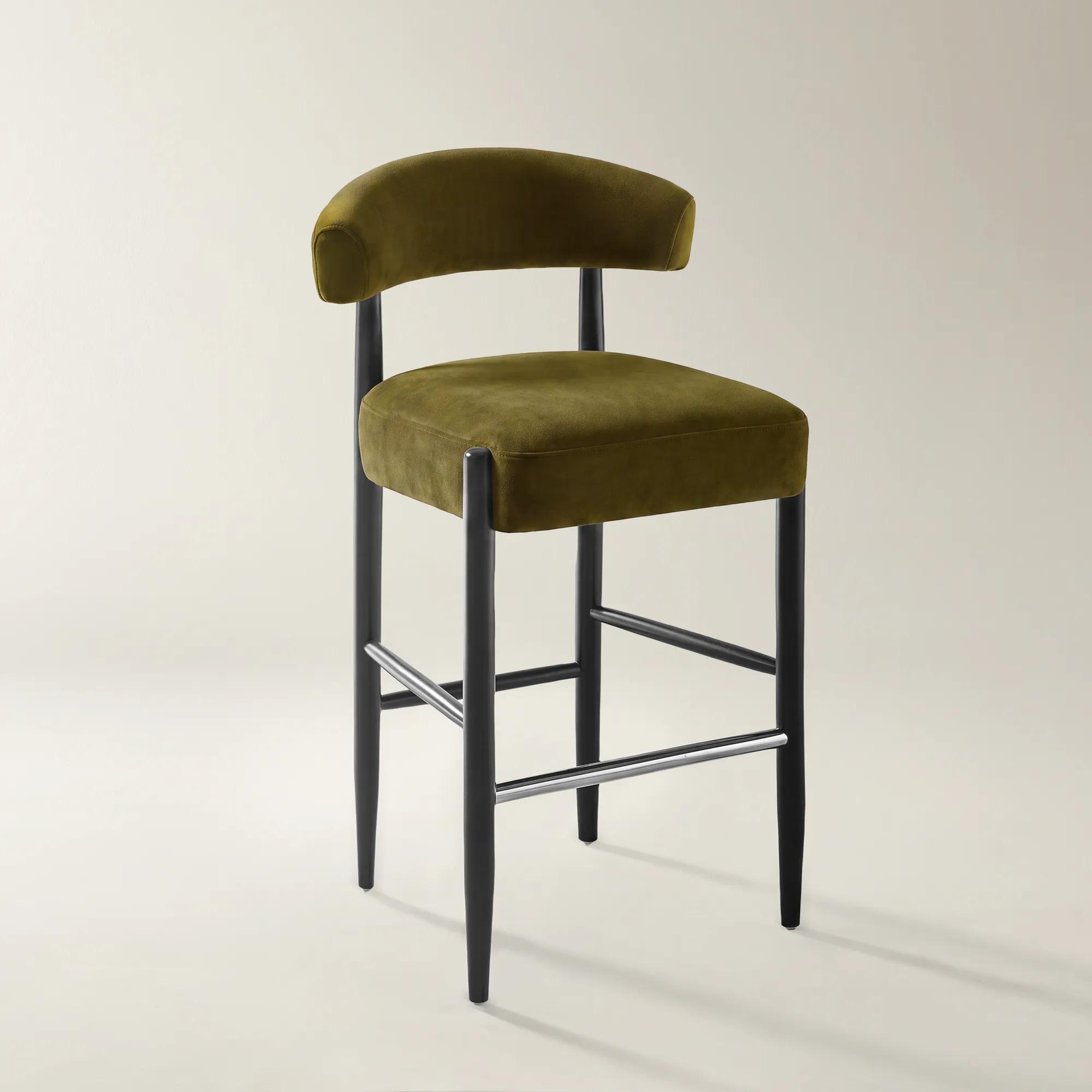 Anna Deep Olive Velvet Bar/Counter Stool$449
A green velvet bar stool with a sculpted padded seat, tailored upholstery, and tapered solid-rubberwood legs.
Add To Cart -
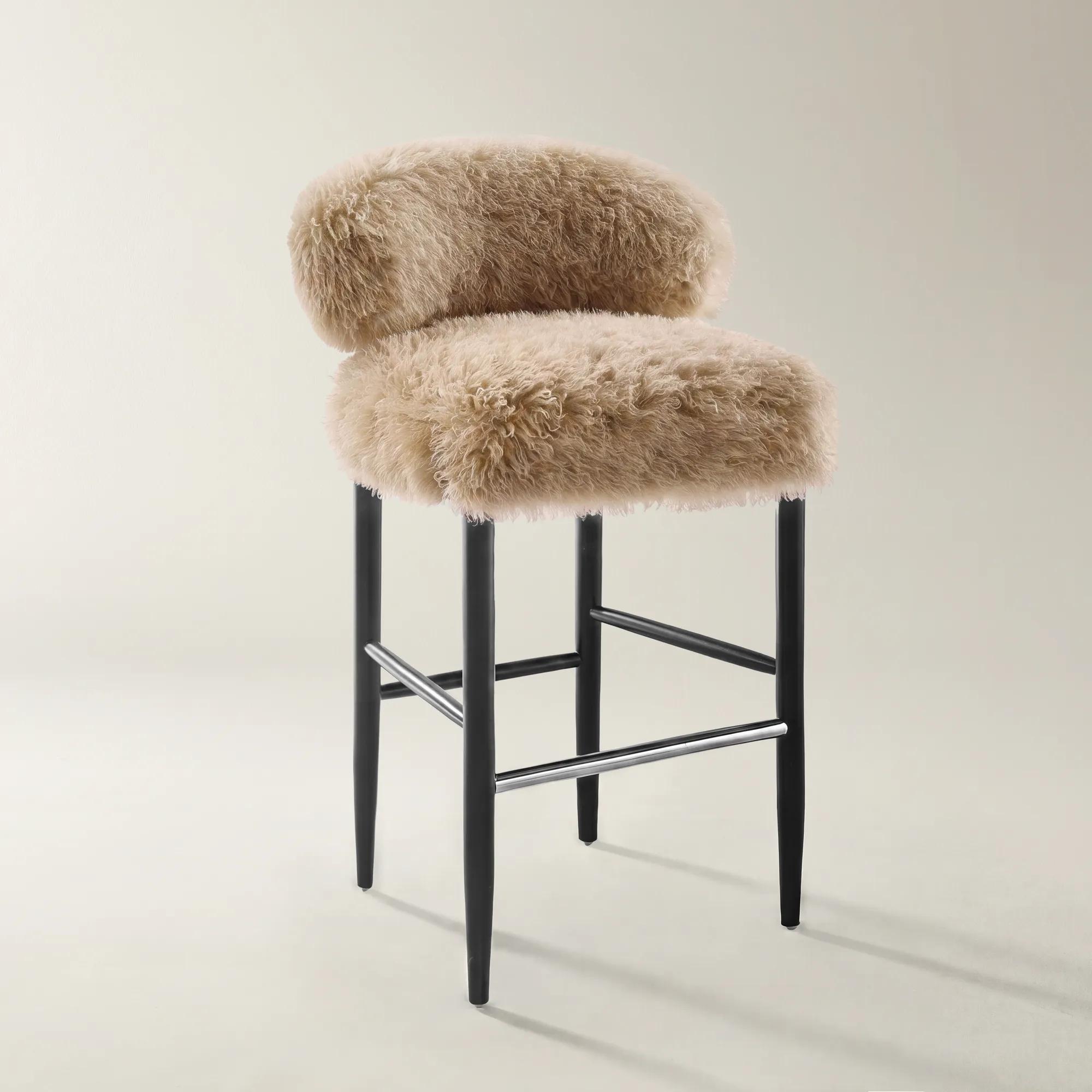 Anna Tan Faux Fur Bar/Counter Stool$549
A tan faux-fur bar stool with a sculpted padded seat and tapered solid-rubberwood legs.
Add To Cart -
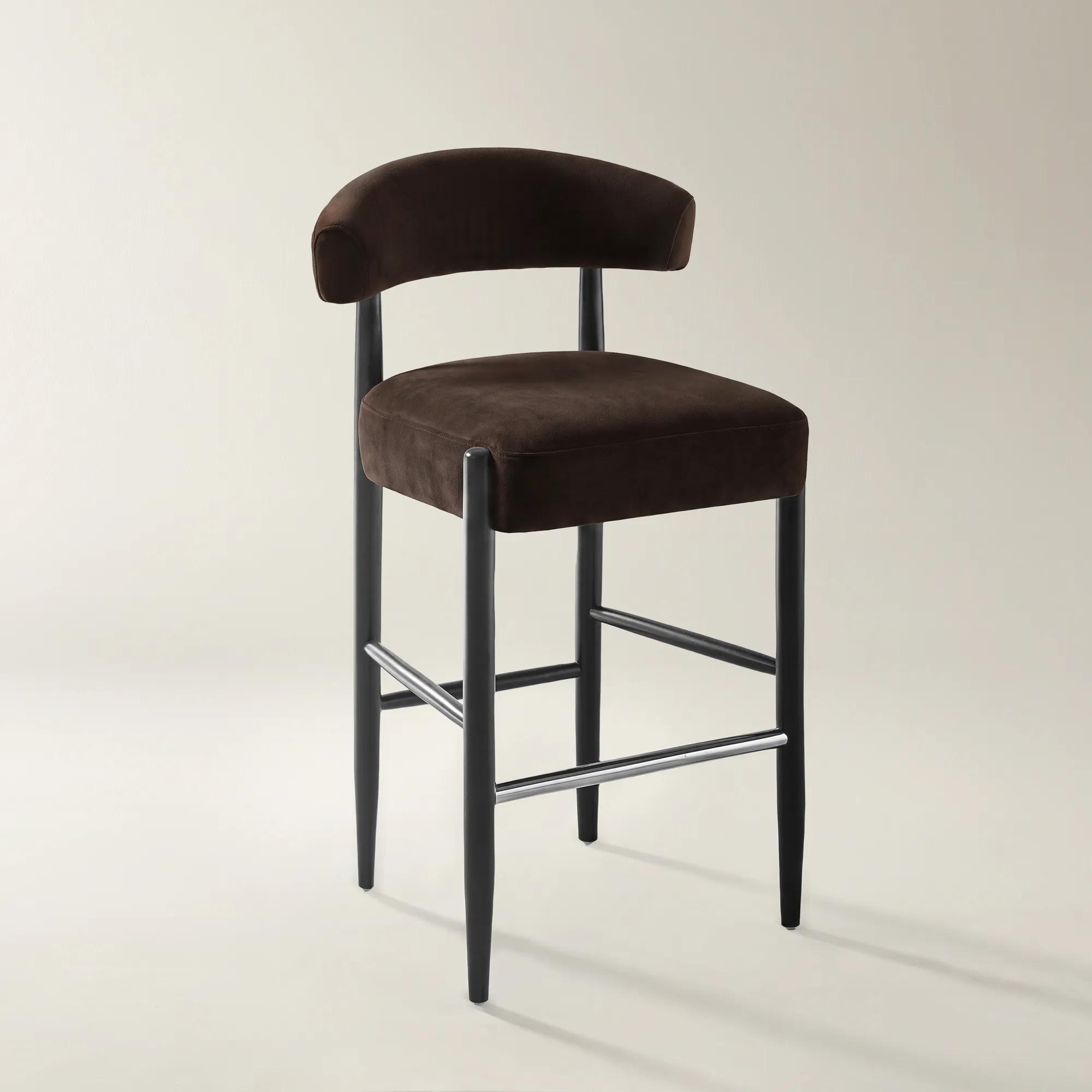 Anna Dark Chocolate Velvet Bar/Counter Stool$449
A dark chocolate velvet counter stool with a sculpted back, padded seat, and tapered solid-rubberwood legs.
Add To Cart -
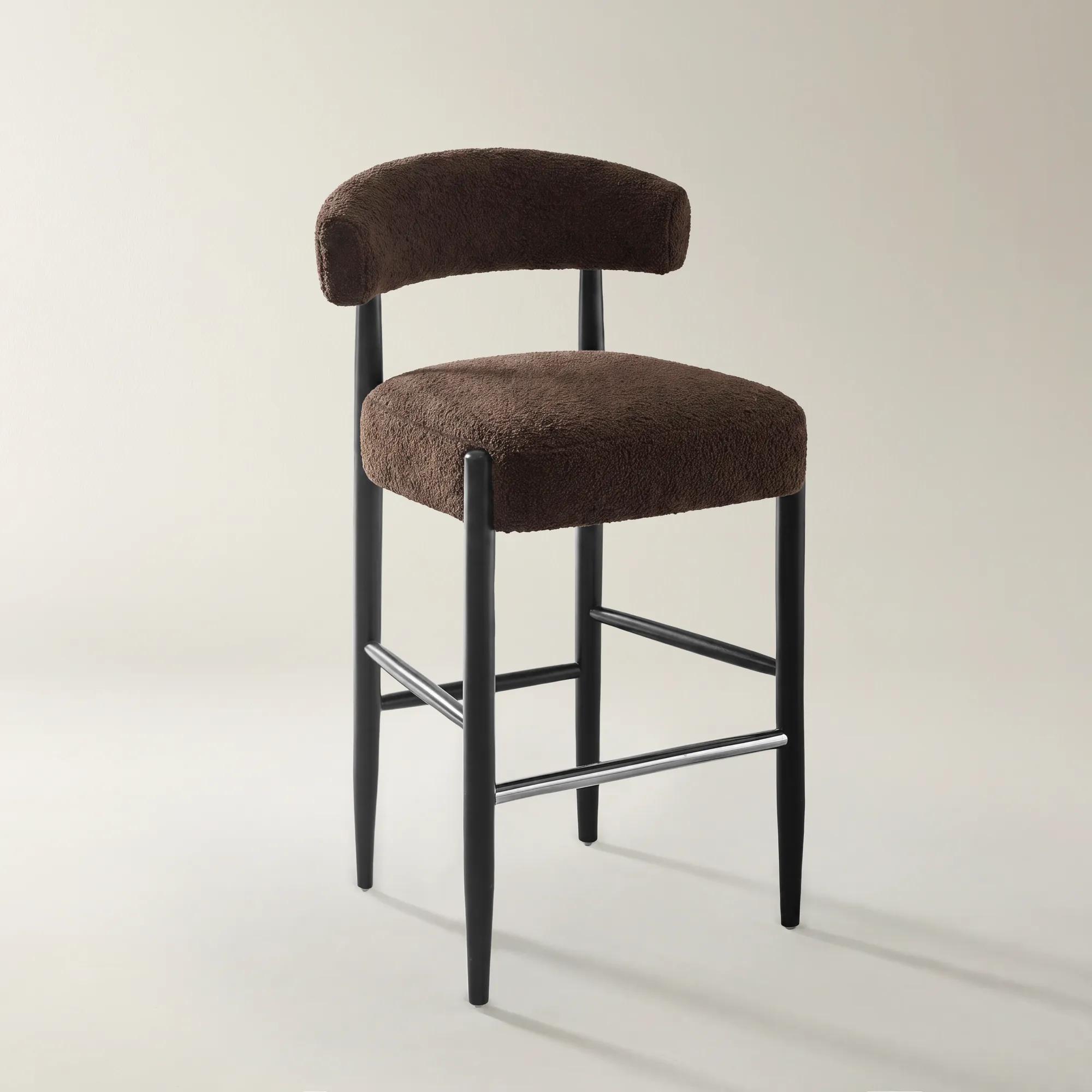 Anna Dark Chocolate Chenille Bar/Counter Stool$449
A dark chocolate chenille counter stool with a sculpted padded seat and solid rubberwood legs.
Add To Cart -
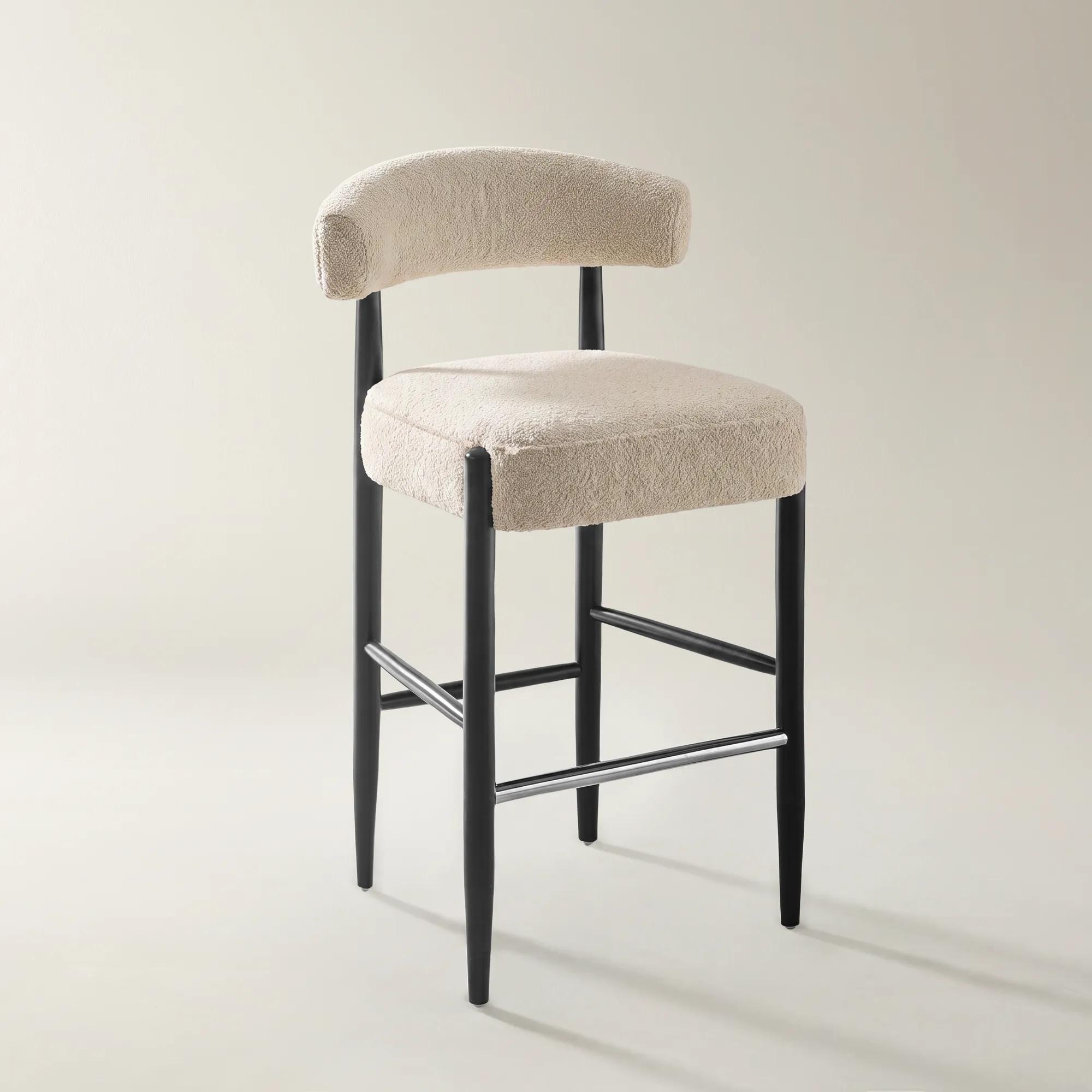 Anna Utopia Sand Chenille Bar/Counter Stool$449
A chenille bar stool with a sculpted padded seat, kiln-dried hardwood frame, and solid rubberwood legs.
Add To Cart -
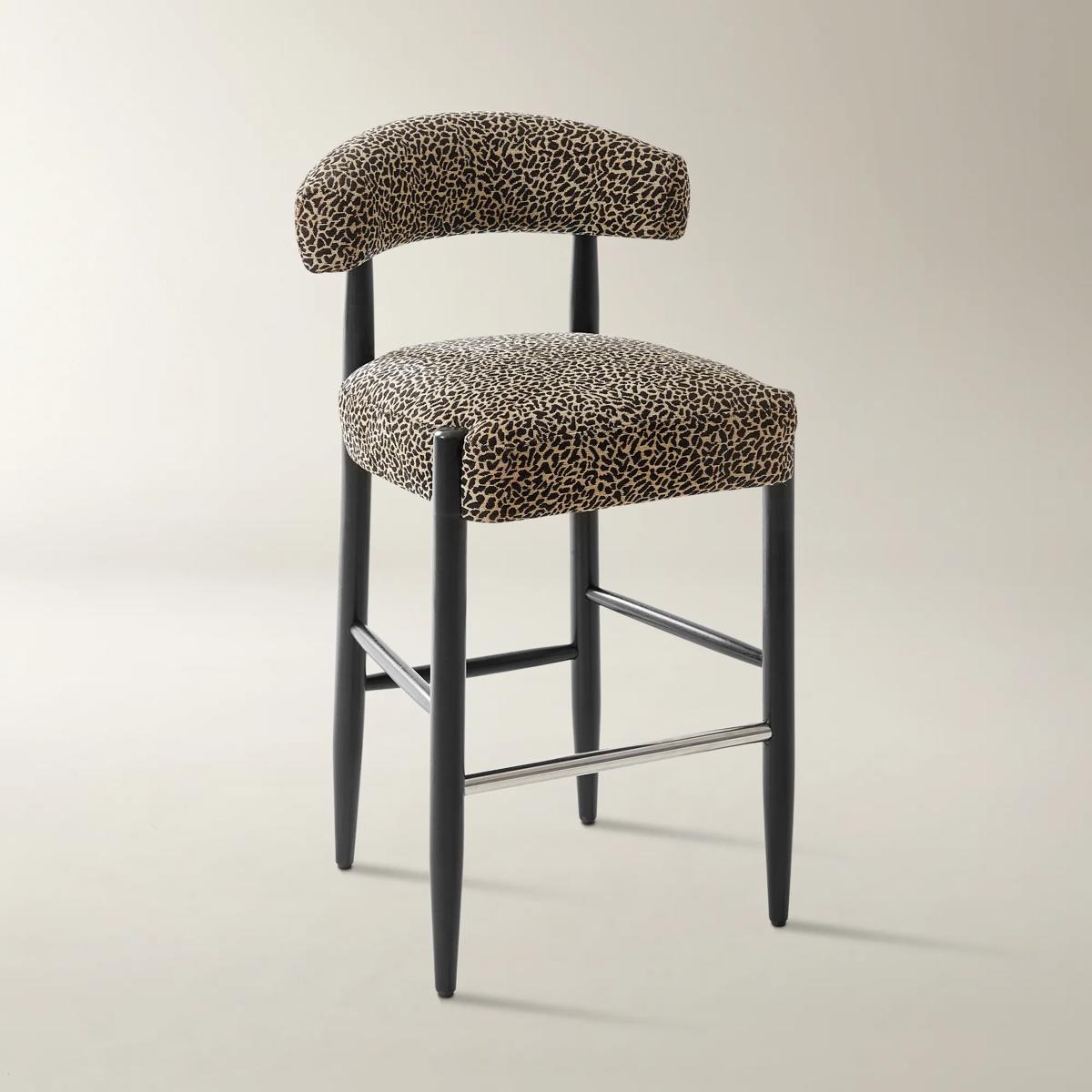
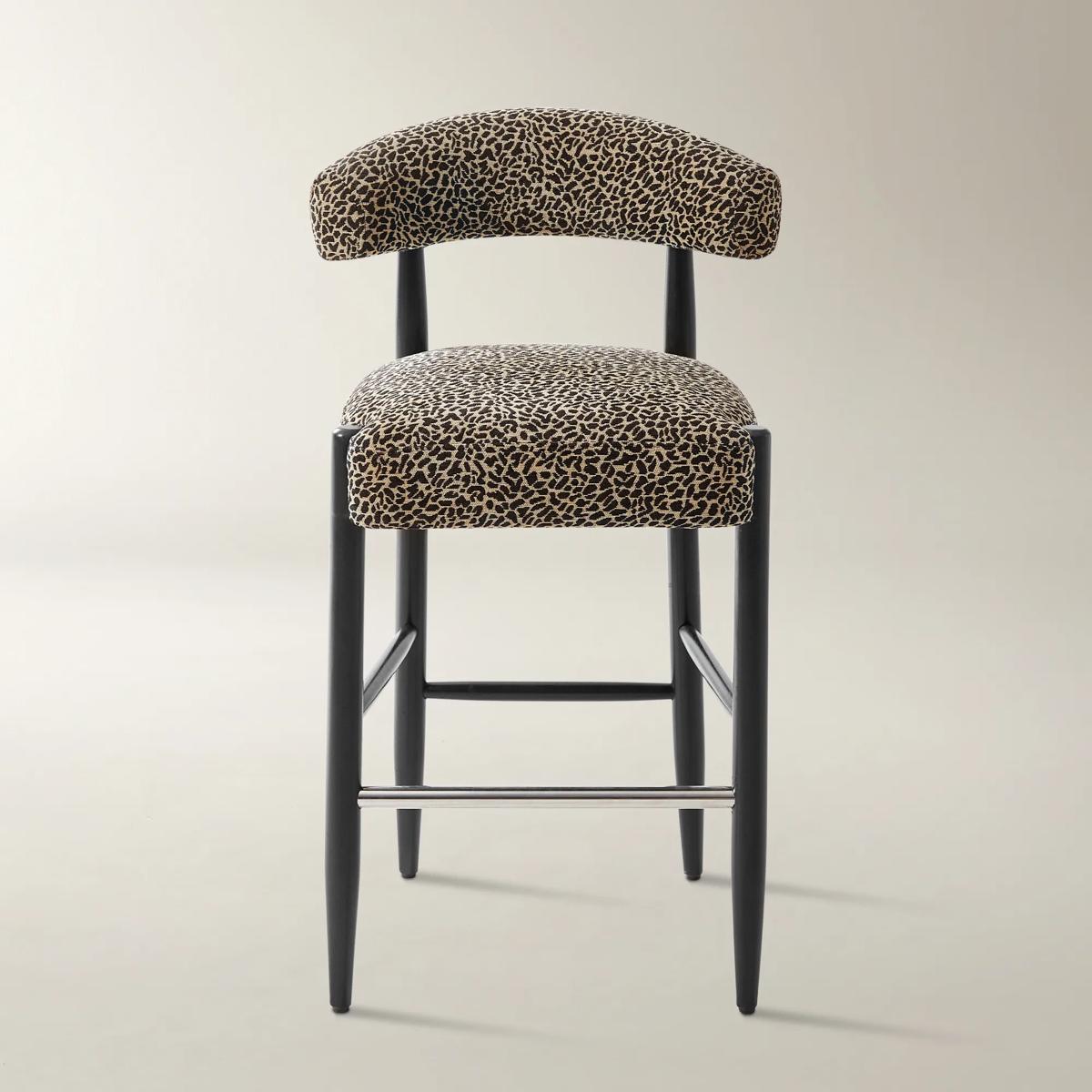 Anna Leopard Chenille Bar/Counter Stool$449
A leopard-patterned chenille bar stool with sculpted padded support and tapered solid rubberwood legs.
Add To Cart -
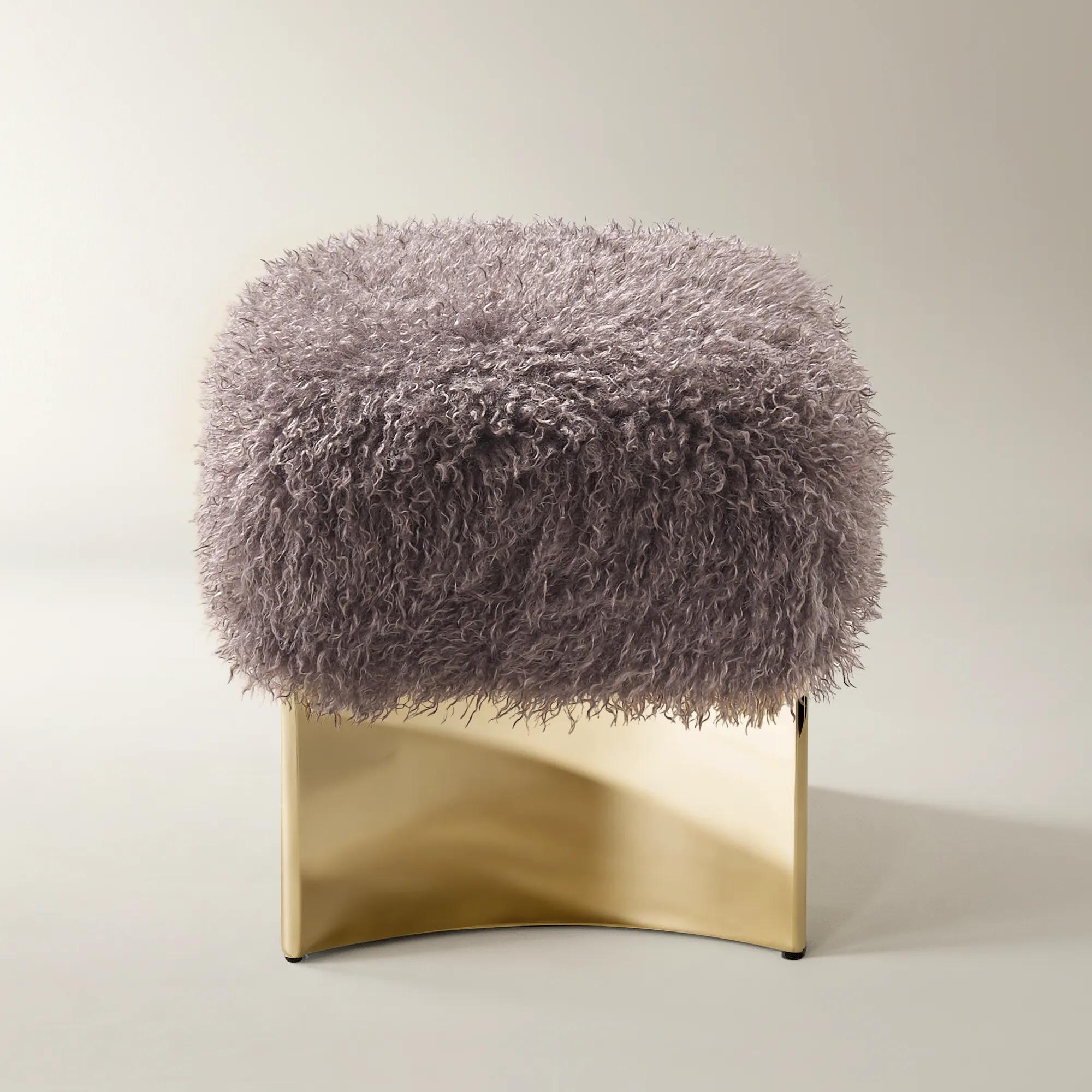 Lush Smoked Plum Faux Fur Stool$499
A sculptural smoked plum faux fur stool with a plush seat and polished gold stainless steel base.
Add To Cart -
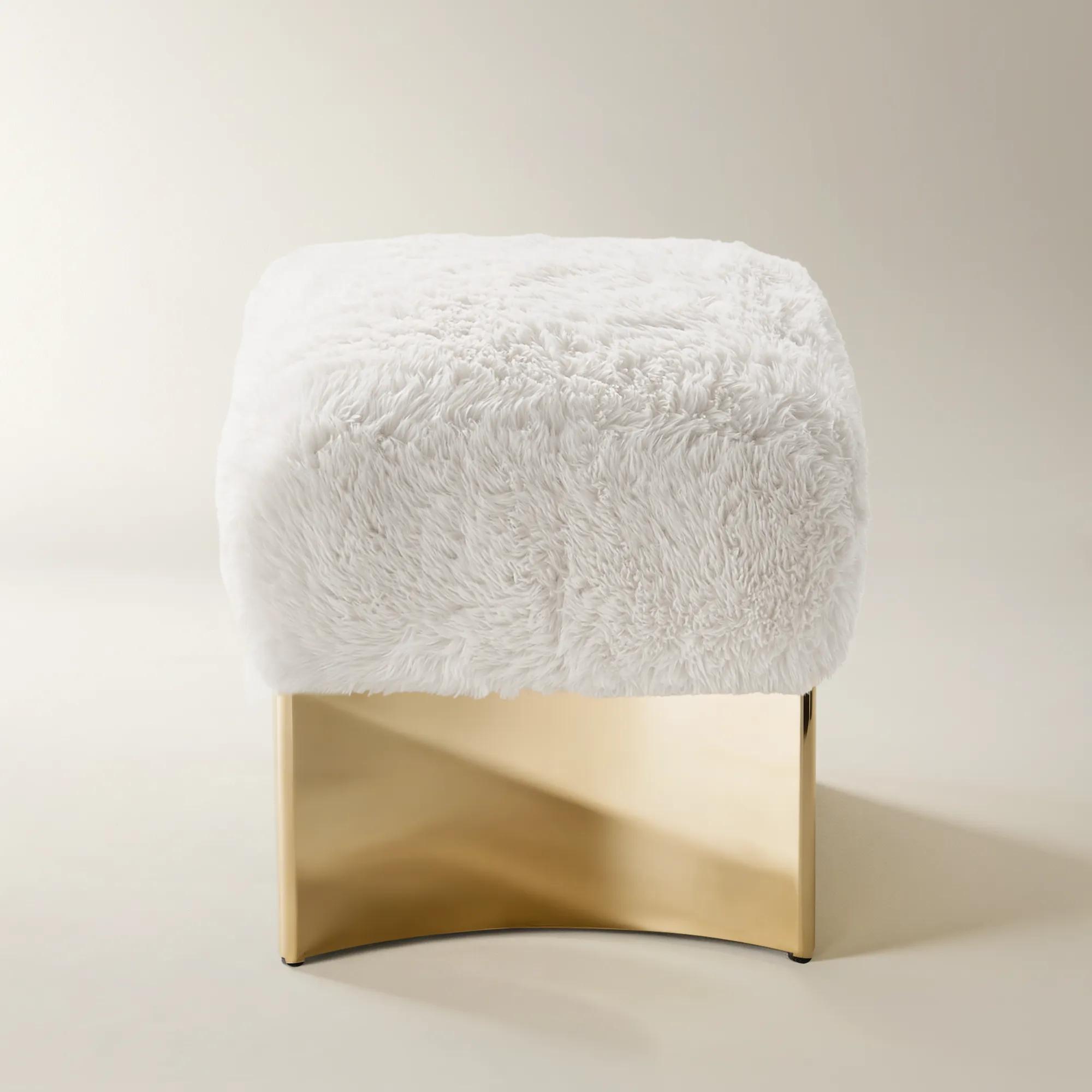 Lush White Faux Fur Stool$499
A sculptural white faux fur stool with a plush seat and polished gold stainless steel base.
Add To Cart -
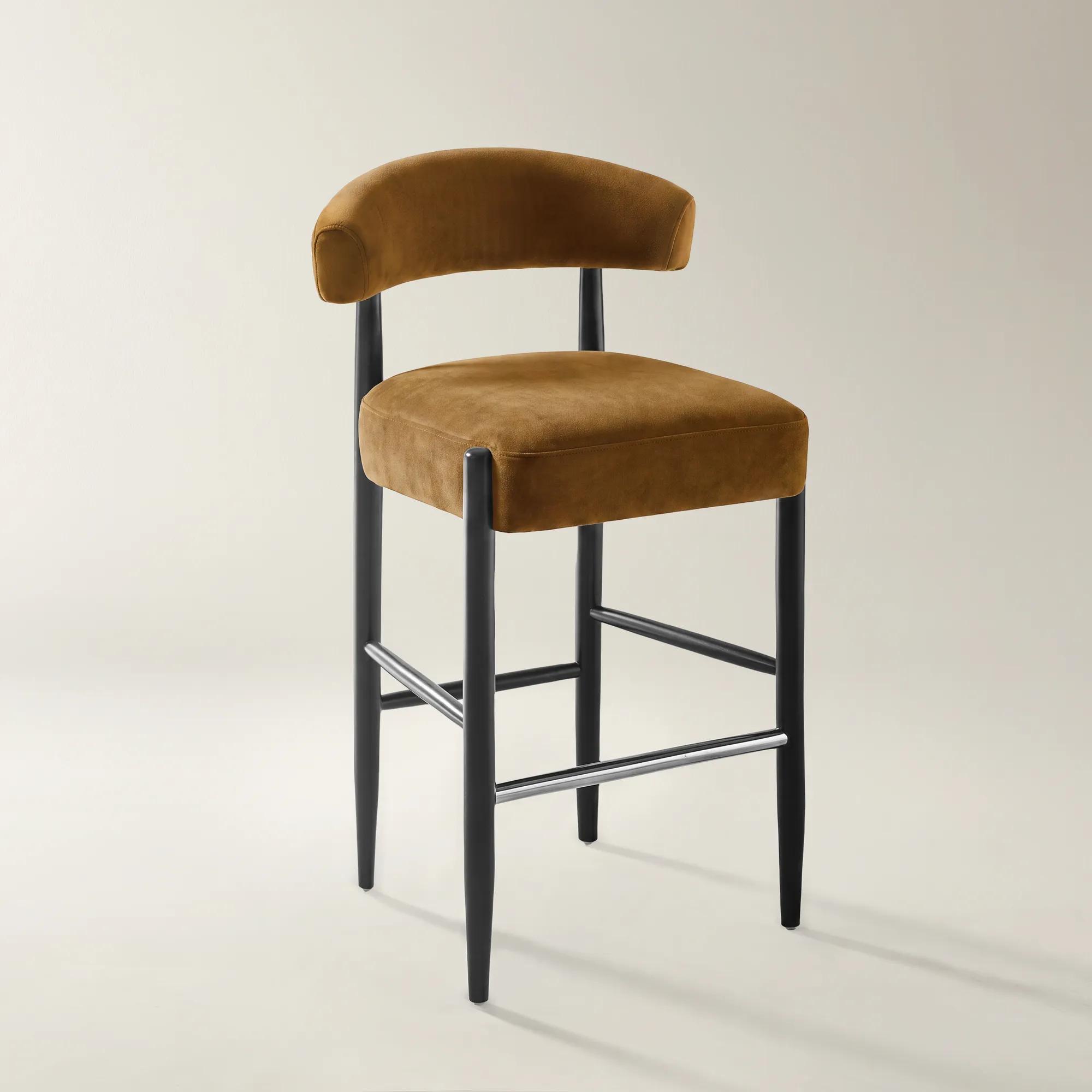 Anna Roasted Pecan Velvet Bar/Counter Stool$449
A roasted pecan velvet bar stool with a sculpted padded back, custom upholstery, and tapered solid-rubberwood legs.
Add To Cart -
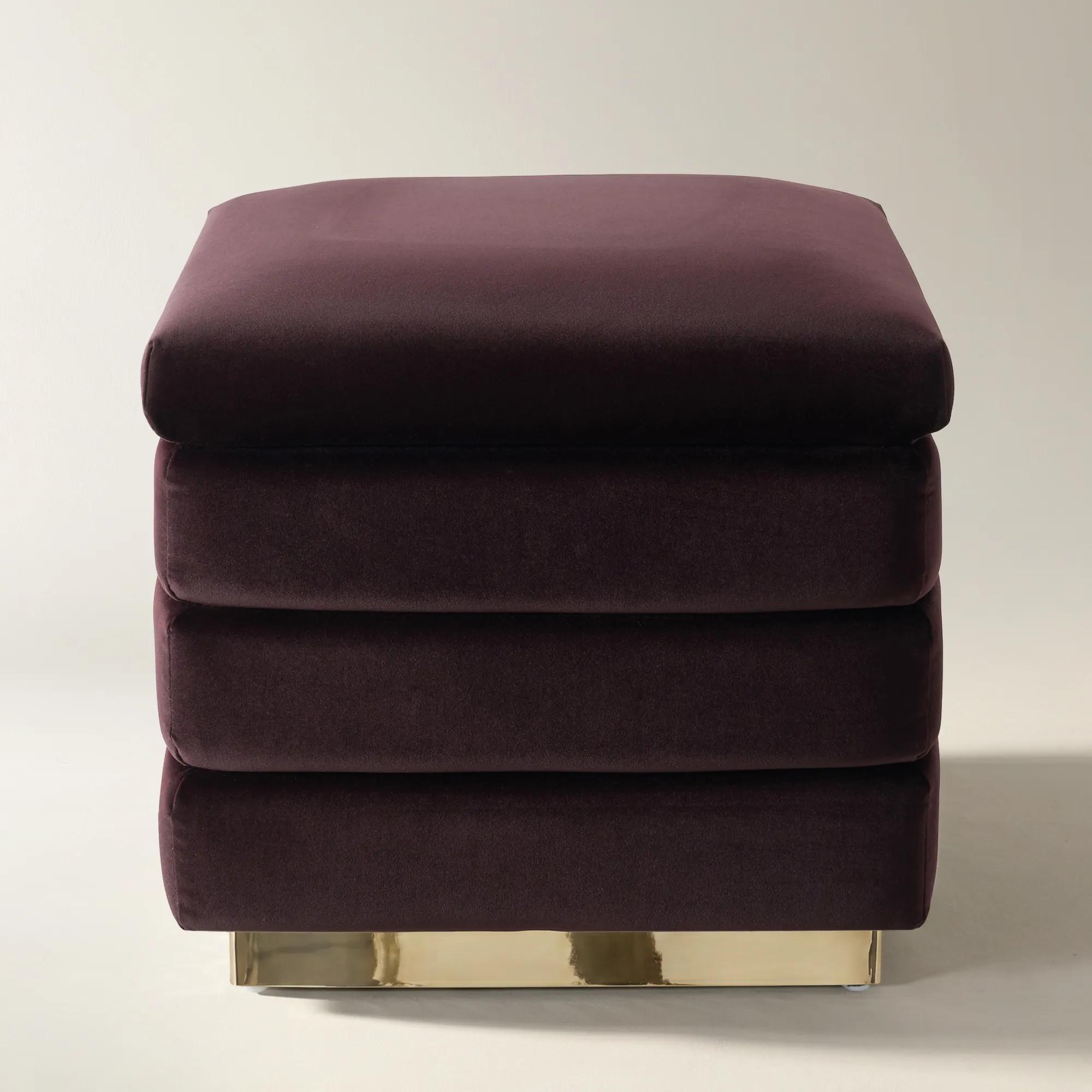
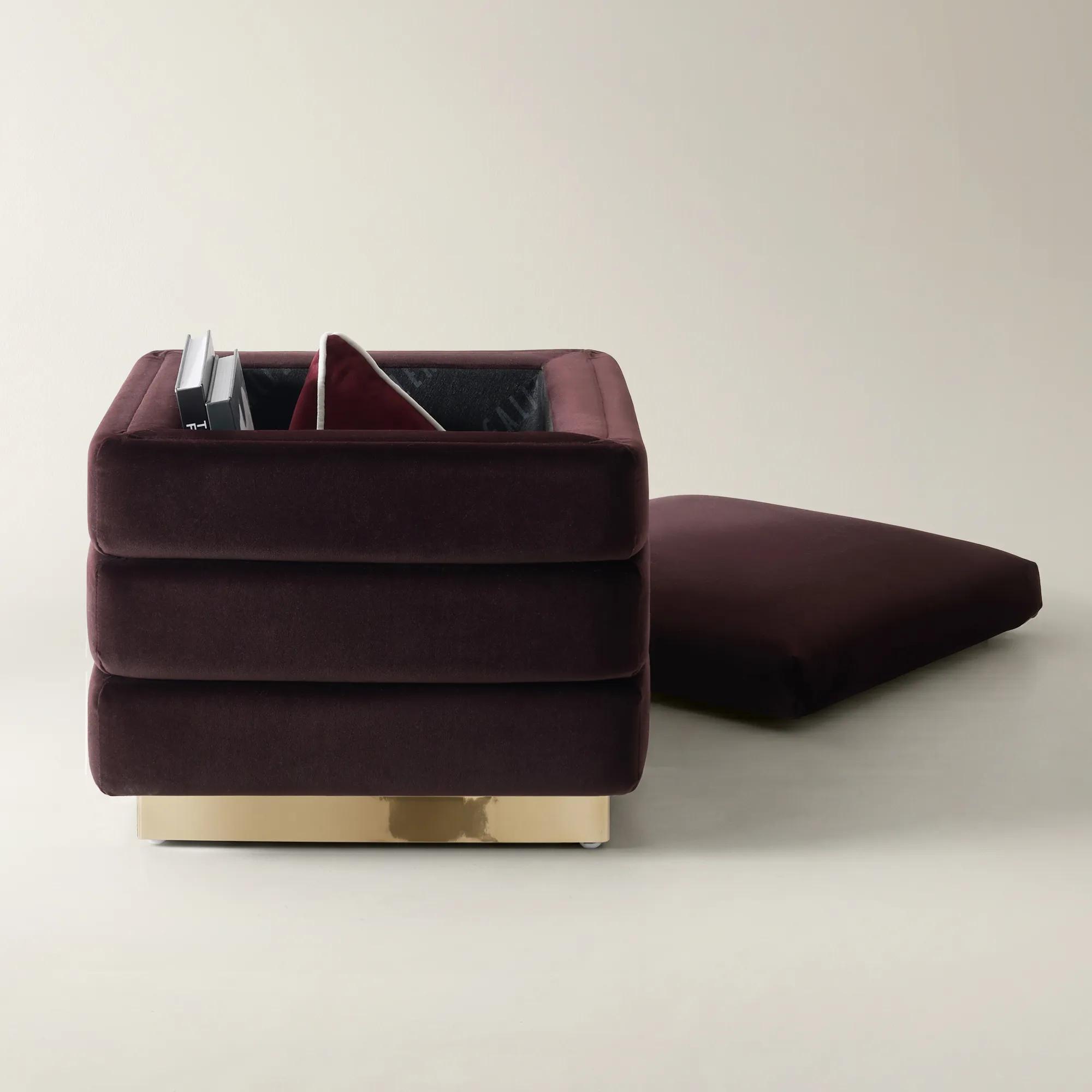 Gable Fig Chenille Storage Stool$399
A plush fig chenille stool with hidden storage, velvet upholstery, and a polished gold stainless steel base.
Add To Cart

Modern Dining Room Stools
Modern dining room stools are the secret ingredient for transforming everyday dining into an elevated affair. With striking silhouettes and artful finishes, these sculptural seats invite conversation and command attention—each one a statement of style and sophistication. Whether poised at a gleaming breakfast bar or gathered around a dramatic dining table, modern dining room stools infuse every meal with an air of curated luxury. Let your space rise to the occasion, where comfort meets couture and every detail is designed to dazzle.
Modern dining room stools bring a sculptural presence to the spaces where meals become conversation and an ordinary evening takes on a little ceremony. Their elevated proportions create a distinctive rhythm along a dining counter, while curved backs, luminous metalwork, and richly textured seats give the room another layer of expression. In an open-plan home, stools can also connect the kitchen and dining area visually, echoing the finish of a chandelier or the silhouette of nearby dining chairs without repeating every detail. The right scale makes that beauty comfortable to live with. Dining-height, counter-height, and bar-height stools serve different surfaces and are not interchangeable. A standard dining table measuring approximately 28 to 30 inches high generally pairs with a seat around 17 to 19 inches high. For a 36-inch counter, a seat height of about 24 to 26 inches is a common fit; a 42-inch bar-height table typically calls for a seat around 30 to 32 inches high. Actual measurements matter more than the category name, particularly with thick tabletops, decorative aprons, or substantial support rails. Approximately 10 to 12 inches between the seat and the top of the dining surface is a useful starting point, with adequate clearance beneath for knees and thighs. Around an island that doubles as a dining destination, modern dining counter stools offer proportions suited to counter-height surfaces rather than taller bar settings. Width deserves equal attention: approximately 26 to 30 inches of counter length per person is a practical planning range, though broad seats and upholstered arms may require more. A generous arrangement lets guests settle in without touching elbows, while enough space behind each stool allows someone to pass comfortably when the seat is occupied. Footrests, arm height, and the depth of the base all influence how gracefully the seating works within the room.
Material gives modern dining room stools much of their character, from the restrained sheen of brushed metal to the sumptuous depth of velvet. A polished metal frame catches surrounding light and brings definition to a softly upholstered seat, while a matte finish creates a quieter outline against a dramatic stone counter. Wood introduces grain, warmth, and variation that can soften a room filled with glass, lacquer, or metallic accents. Its appearance depends on the species, stain, finish, and construction, so natural variation is part of the appeal rather than a sign that every piece should look identical. Upholstery changes both the visual mood and the experience of sitting. Velvet lends depth to jewel tones and beautifully reveals the contours of a curved back; textured woven fabrics add dimension without relying on bold color. Leather can develop character with use, depending on its finish, while faux leather offers a different surface and care profile that should be evaluated on its own terms. Performance fabrics may be designed to resist certain spills or stains, but the designation does not make every fabric spill-proof or suitable for every cleaning method. For a dining counter used for daily breakfasts, homework, and evening conversation, the most compelling stool balances its expressive silhouette with practical comfort. A supportive back can make longer meals more inviting, and a well-positioned footrest helps prevent the suspended-leg feeling that sometimes accompanies elevated seating. Cushioning should feel supportive rather than simply deep; an exceptionally plush seat may compress enough to affect the sitting height. Swivel designs can make it easier to turn toward guests or leave the counter, provided nearby walls and neighboring seats allow room for movement. Backless profiles create a cleaner sightline and may tuck beneath a surface, while arms and taller backs give seating a more enveloping, chair-like presence.
A thoughtfully composed dining space allows stools to make a statement without competing with every surrounding finish. Against a richly veined counter, a streamlined frame and tonal upholstery can give the stone room to command attention. Beneath a sculptural pendant, a rounded seat or gently curved back can introduce a softer counterpoint. Repeating one element, such as a warm metal tone or a particular wood finish, creates continuity between the stools, dining table, and lighting; matching every surface can make the room feel less layered. Pale upholstery brings a luminous quality to dark cabinetry, while saturated color gives an otherwise neutral dining area a deliberate focal point. For homes with children, frequent guests, or shared dining counters, durability is as much about construction and maintenance as appearance. Secure joints, a stable base, upholstery suited to the expected level of use, and an appropriate stated weight capacity all deserve consideration. Residential seating should not be assumed suitable for commercial use unless it is specifically rated for that setting. Floor-compatible glides can help protect wood or tile, though they need periodic inspection because trapped grit can scratch a surface. Everyday care should follow the material and manufacturer’s instructions: a soft cloth may be appropriate for finished frames, while upholstery may call for gentle vacuuming or a specified spot-cleaning method. Spills are best addressed promptly by blotting rather than rubbing, and cleaners should be tested only as directed in an inconspicuous area. Abrasive products can dull gleaming finishes, and excessive moisture can harm wood or certain upholstered components. Direct sunlight may also alter some fabrics and finishes over time. These considerations preserve more than appearance; they help maintain the inviting comfort of seating used day after day. Whether framing an intimate dining ledge or anchoring a generous entertaining counter, modern stools bring architecture, texture, and personality to the place where people naturally gather.
FAQs
Modern dining room stools often showcase a harmonious blend of materials such as rich woods, gleaming metals, supple leathers, and plush upholstered fabrics. These materials are selected not only for their durability but also for their ability to evoke a sense of luxury and artistry, allowing you to create a dramatic focal point or a seamless complement to your existing décor.
Modern dining stools are remarkably versatile and can elevate a variety of spaces. Use them at kitchen islands for casual breakfasts, position them at home bars for sophisticated entertaining, or place them in entryways and living rooms as chic, impromptu seating. Their sculptural forms and expressive finishes make them a striking addition wherever you choose to showcase them.
Look for features such as contoured seats, plush cushioning, supportive backs, and swivel bases to enhance both comfort and usability. These thoughtful details ensure that your stools are not only visually stunning but also inviting for long conversations and leisurely dining experiences.
Absolutely. Modern dining stools make a memorable and practical gift for housewarmings, weddings, or milestone celebrations. Their bold design and versatile appeal allow recipients to infuse their home with personality and style, making every gathering feel special.
To achieve a cohesive aesthetic, consider echoing elements from your dining stools throughout your space—such as matching metal finishes, complementary upholstery hues, or repeating wood tones. Alternatively, embrace contrast by mixing materials and silhouettes for a curated, gallery-inspired effect that reflects your unique sense of style.


