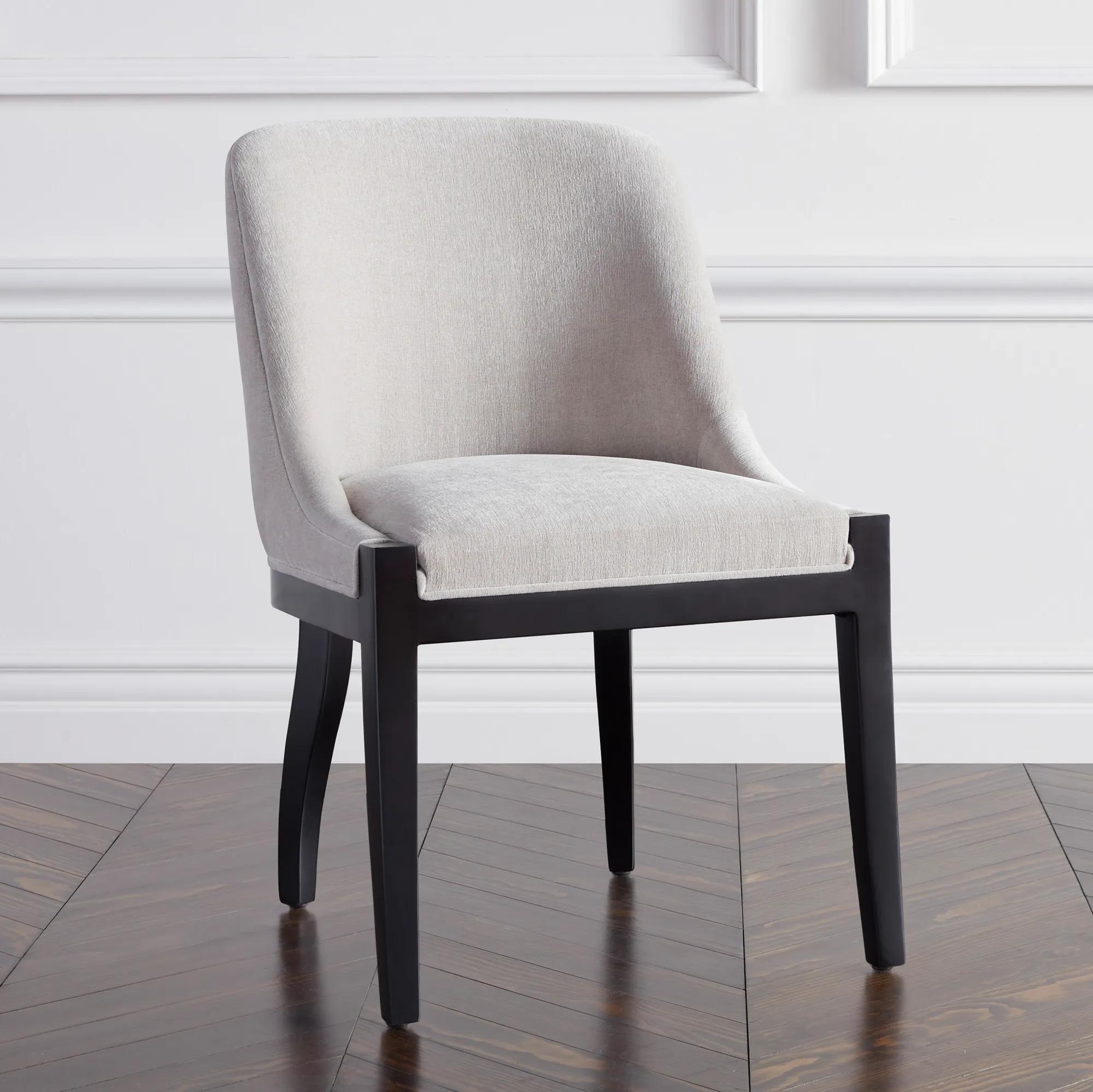
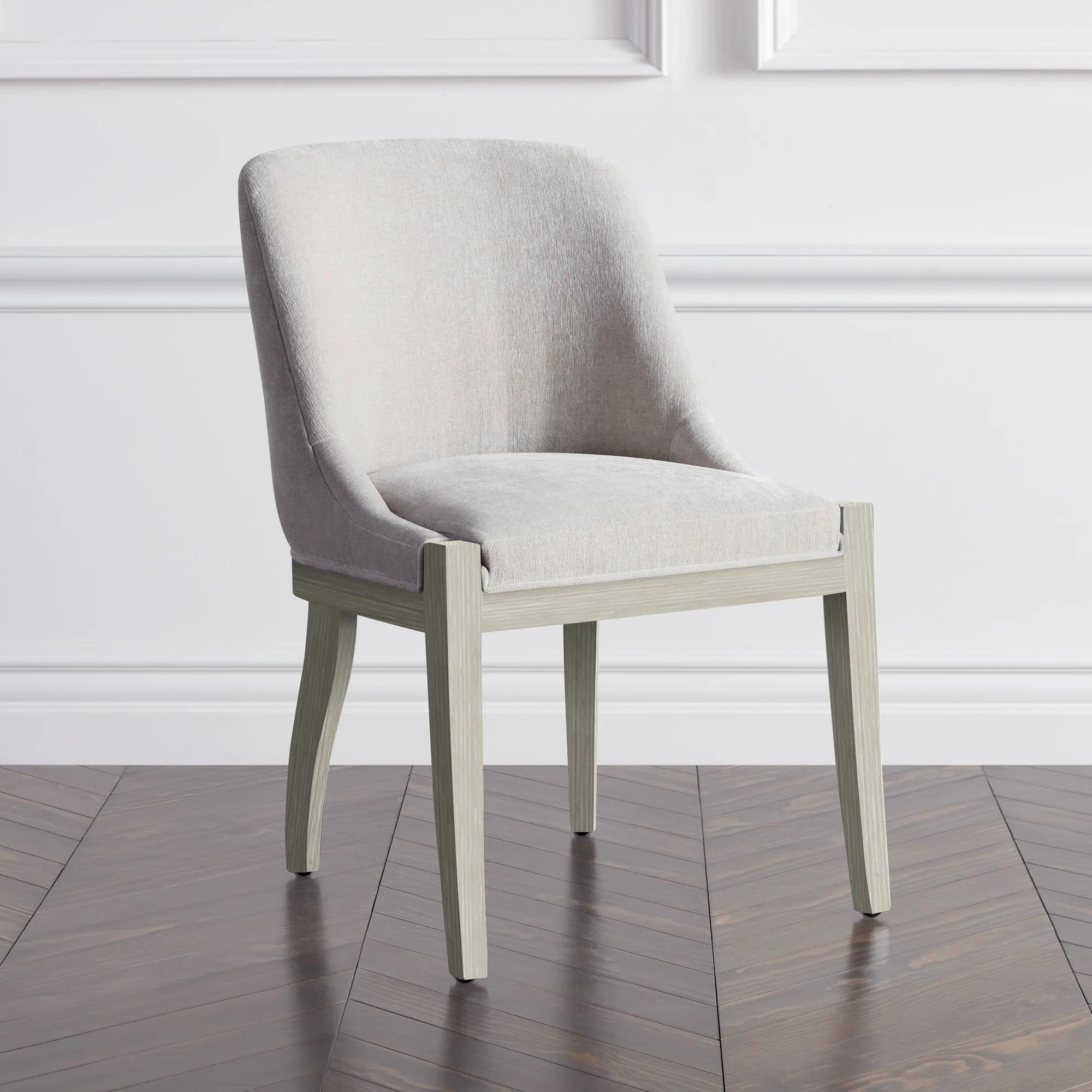
Modern Dining Room Bar Stools
Modern Dining Room Bar Stools
-
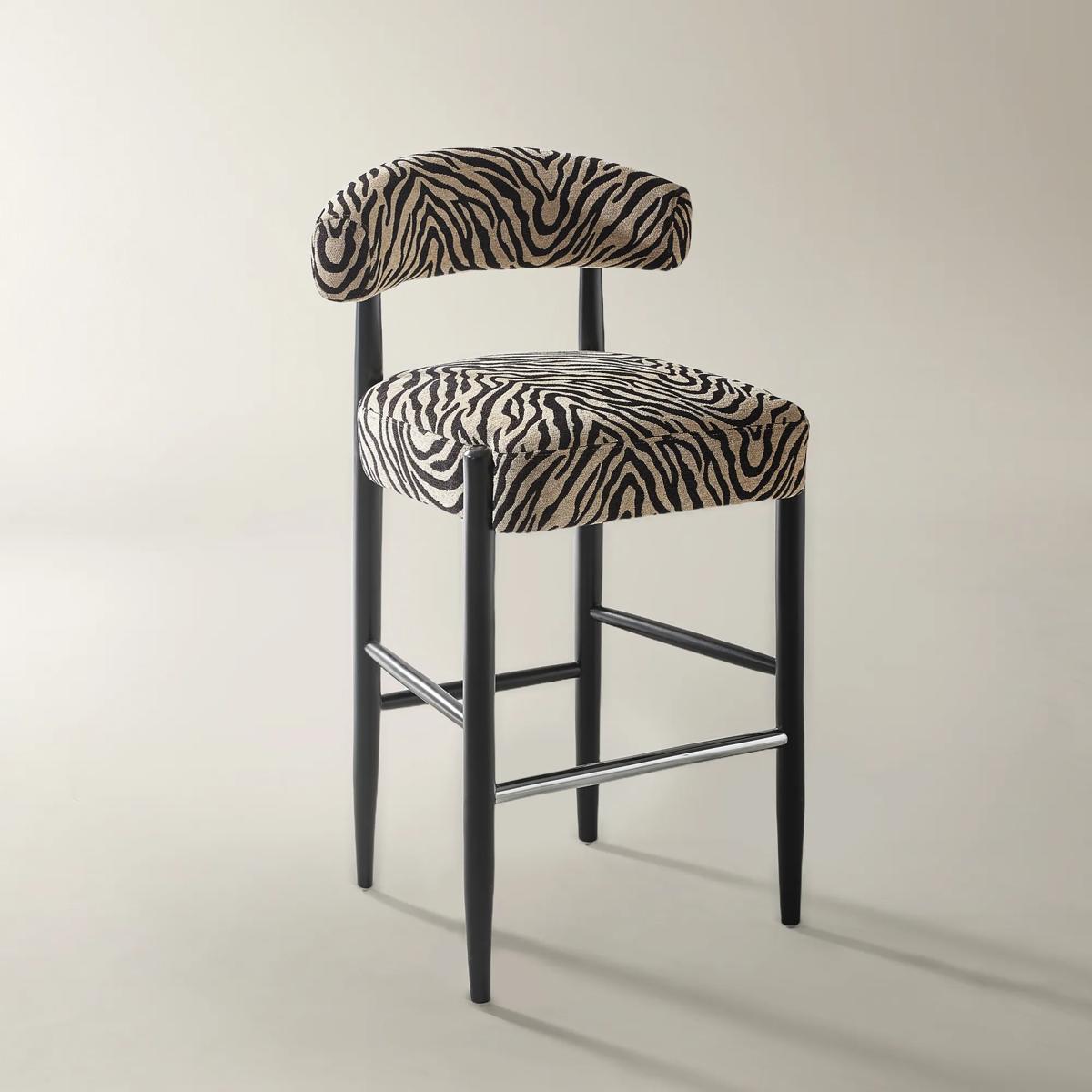
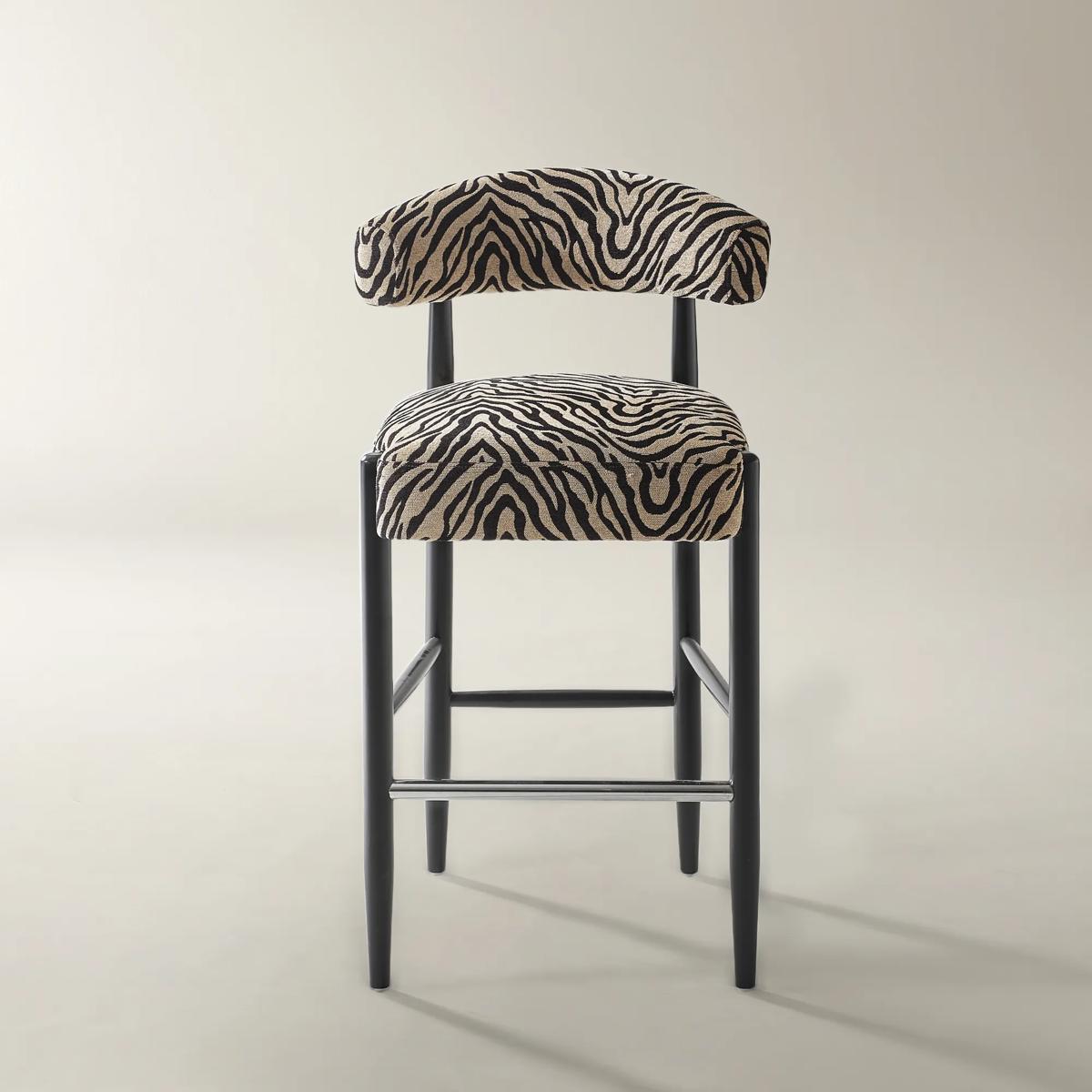 Anna Zebra Chenille Bar/Counter Stool$449
A bar stool with zebra-patterned chenille upholstery, sculpted padding, and tapered solid-rubberwood legs.
Add To Cart -
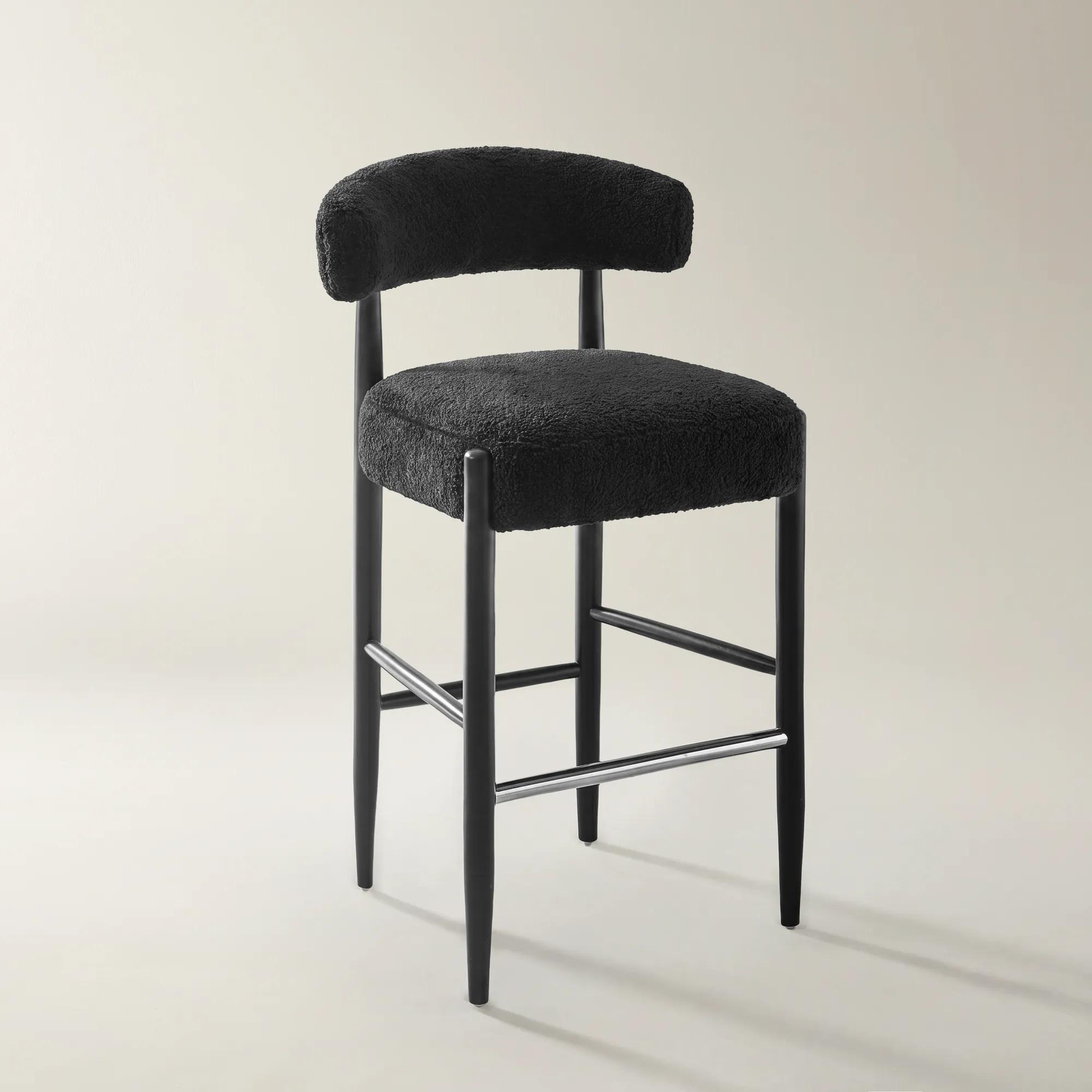 Anna Black Chenille Bar/Counter Stool$449
A black chenille counter stool with a sculpted padded seat and solid rubberwood legs.
Add To Cart -
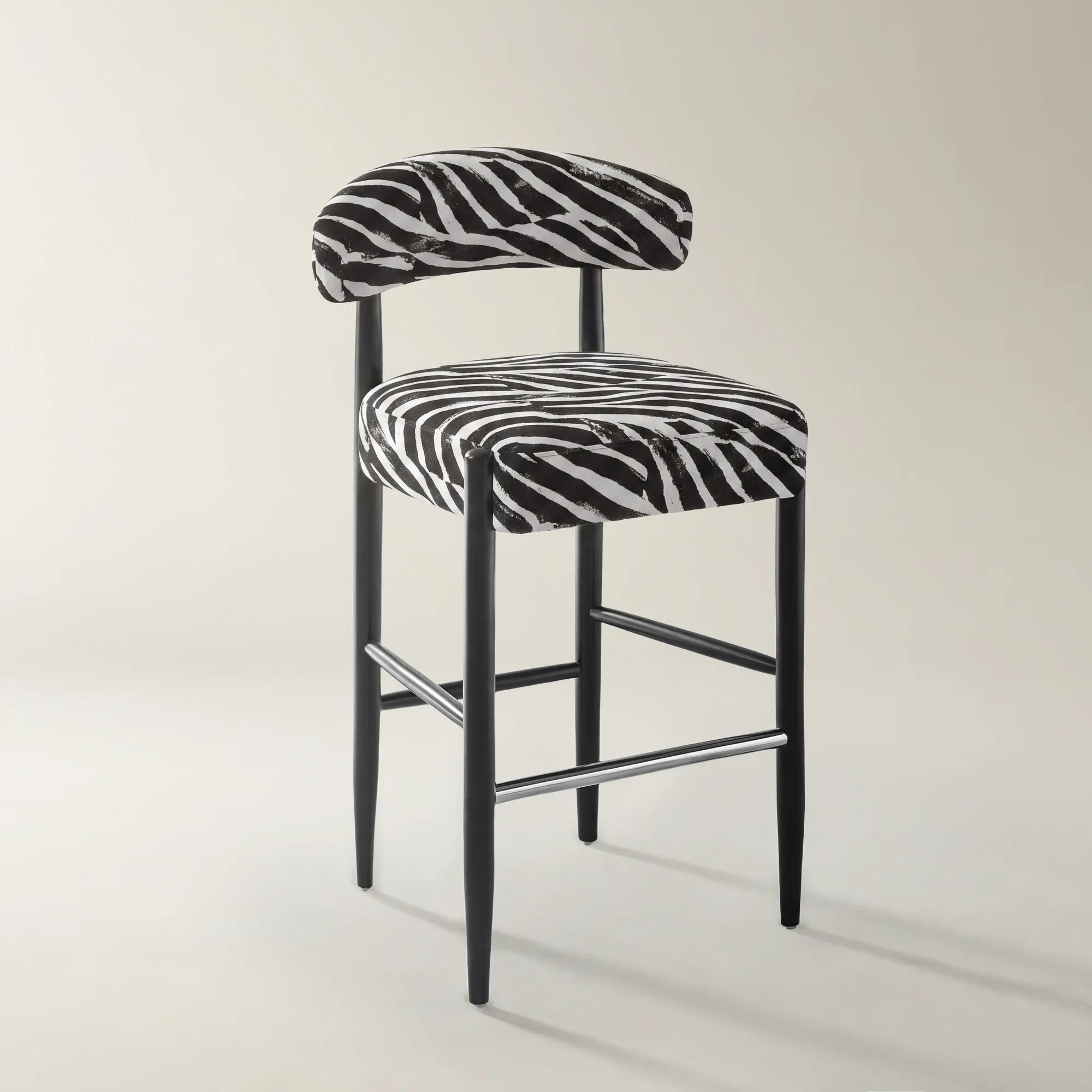 Anna White/Black Performance Chenille Bar/Counter Stool$449
A black-and-white chenille bar stool with a sculpted back, padded seat, and tapered solid rubberwood legs.
Add To Cart -
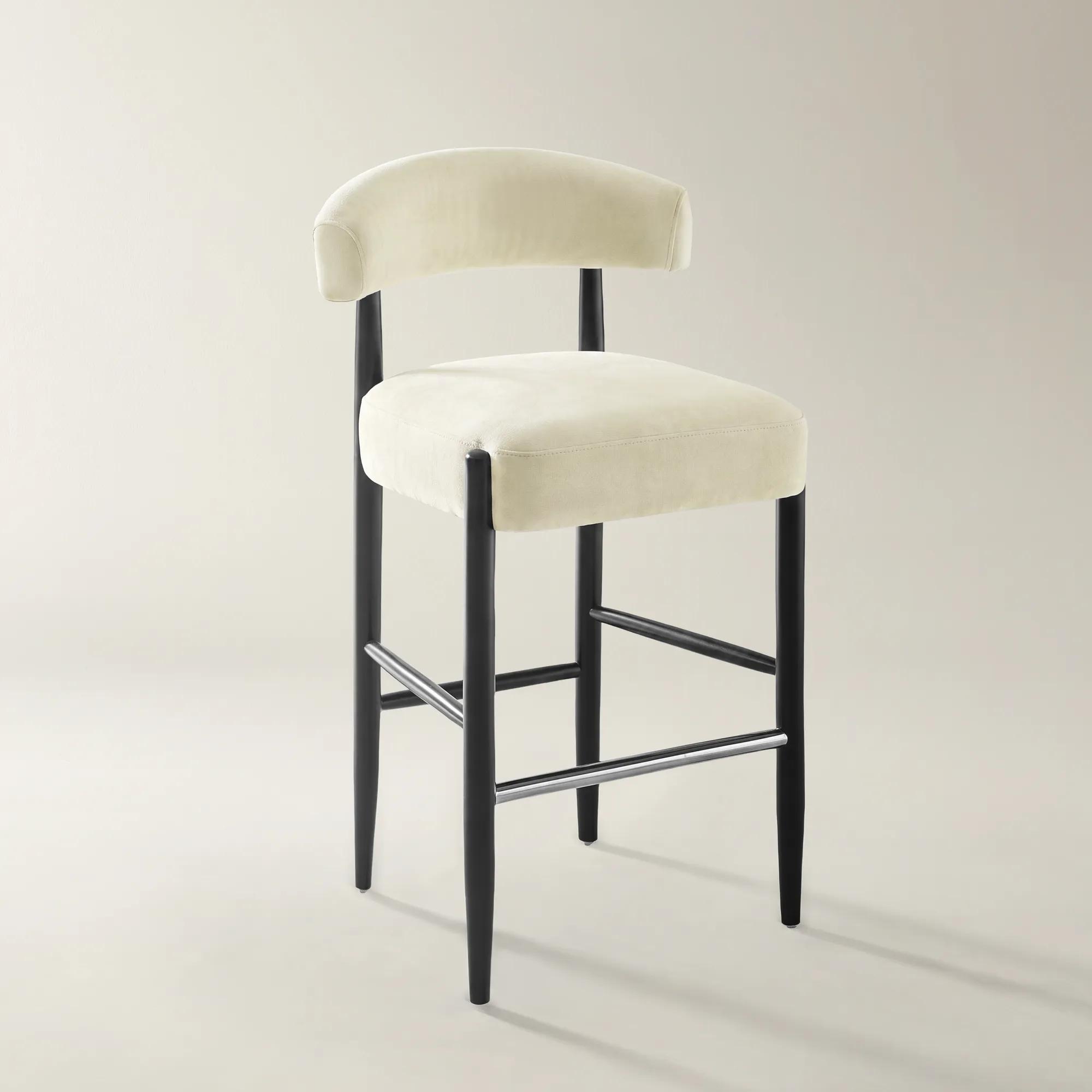 Anna Cloud Velvet Bar/Counter Stool$449
A cloud velvet counter stool with sculpted padded support and tapered solid-rubberwood legs.
Add To Cart -
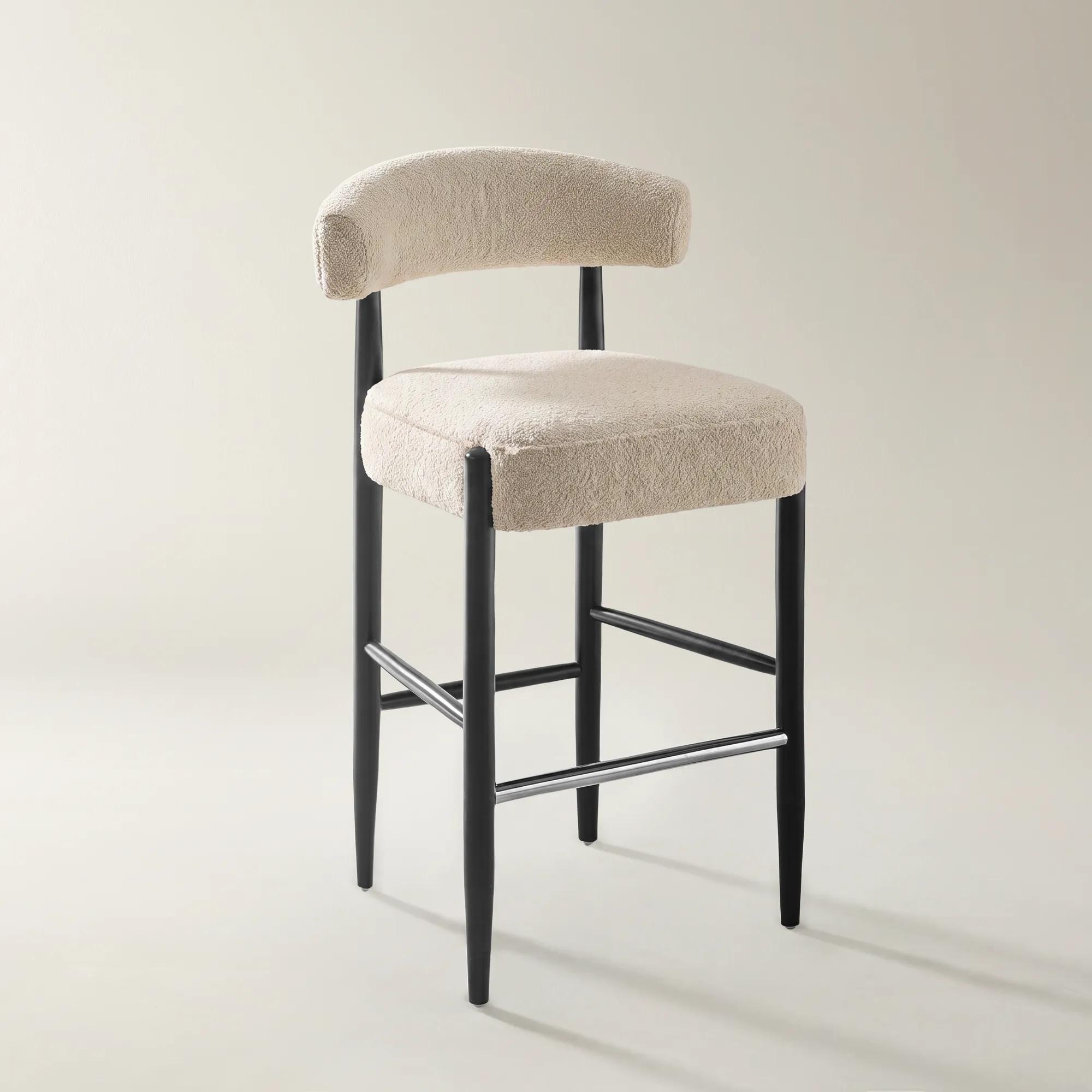 Anna Utopia Sand Chenille Bar/Counter Stool$449
A chenille bar stool with a sculpted padded seat, kiln-dried hardwood frame, and solid rubberwood legs.
Add To Cart -
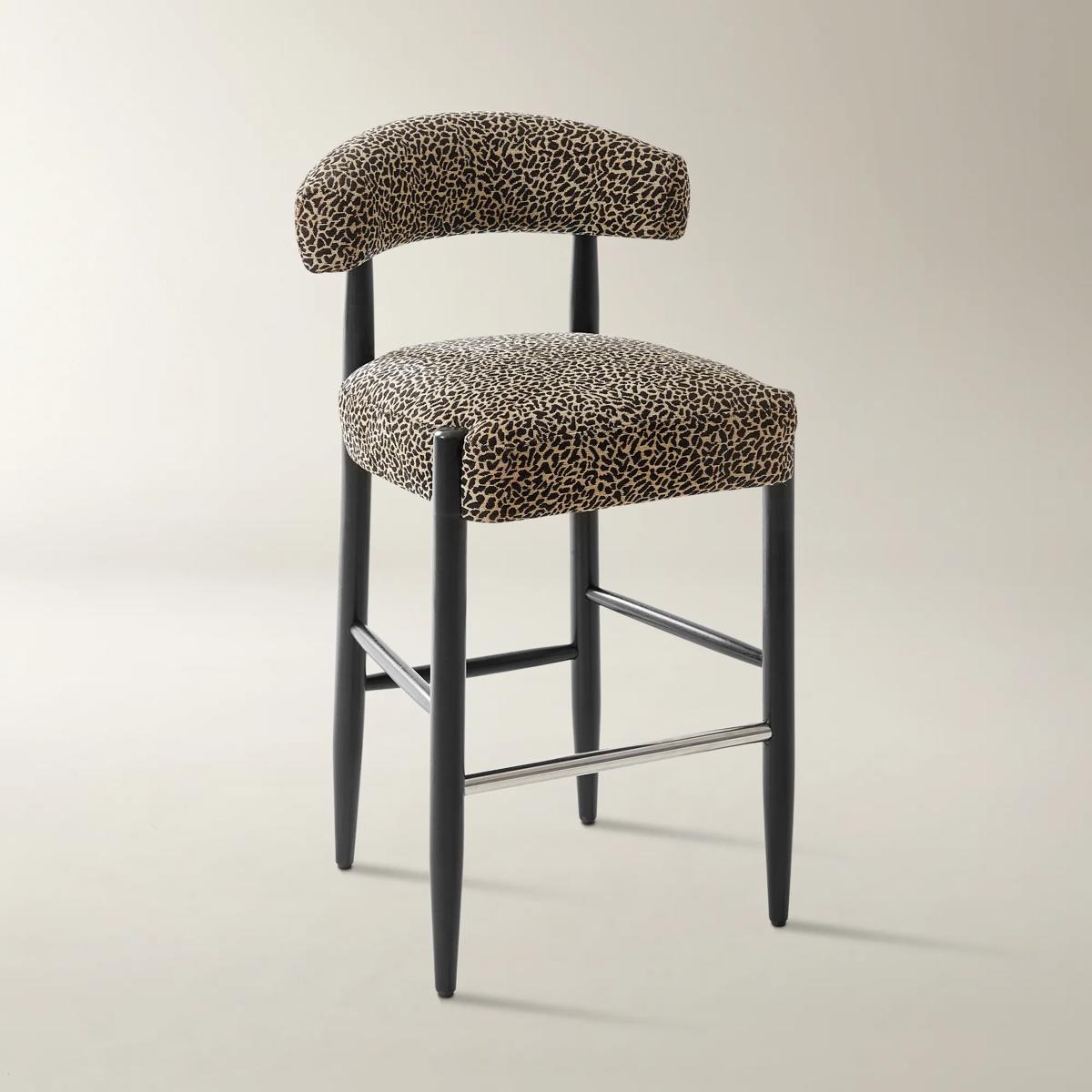
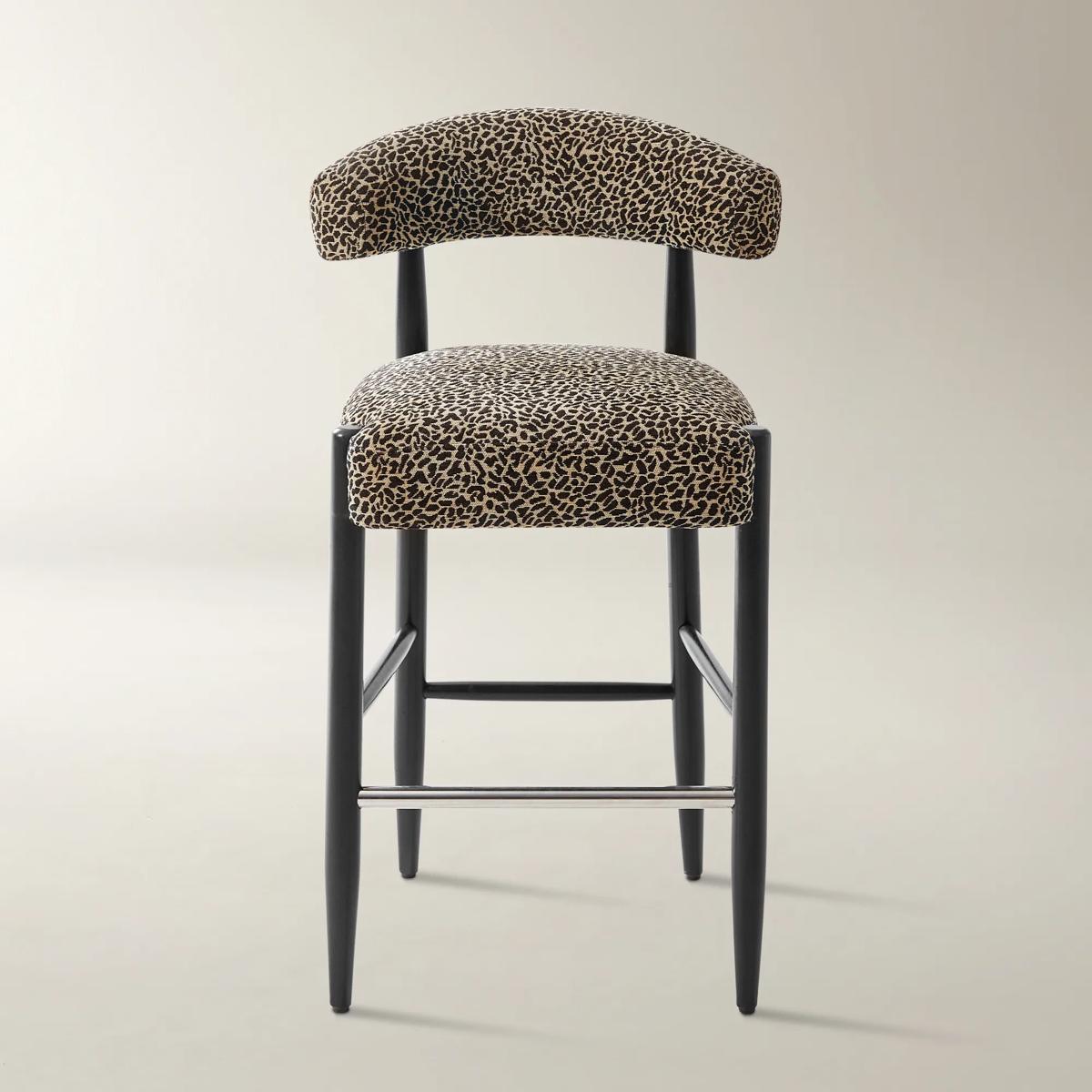 Anna Leopard Chenille Bar/Counter Stool$449
A leopard-patterned chenille bar stool with sculpted padded support and tapered solid rubberwood legs.
Add To Cart -
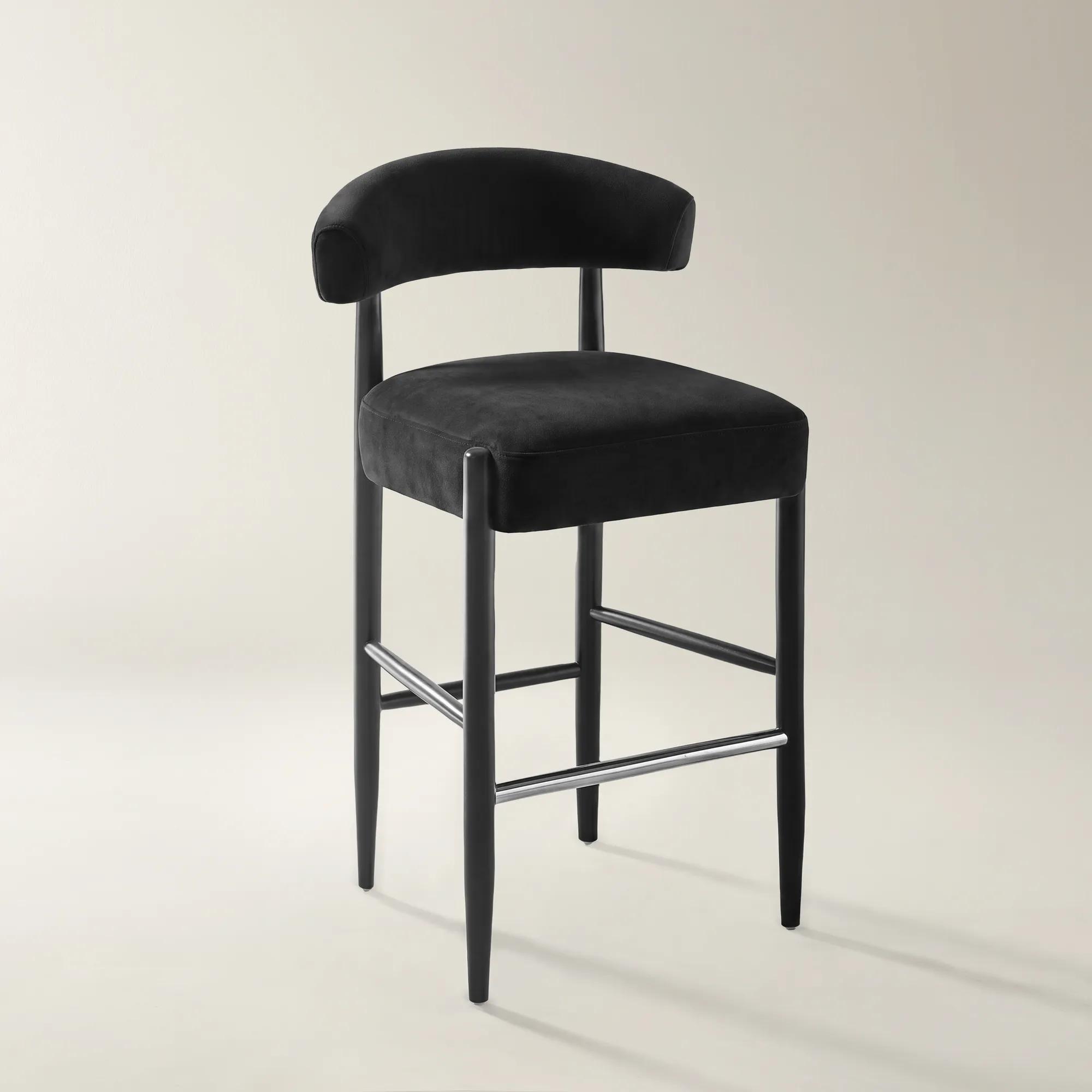 Anna Charcoal Velvet Bar/Counter Stool$449
A charcoal velvet bar stool with a sculpted padded seat and solid rubberwood legs.
Add To Cart -
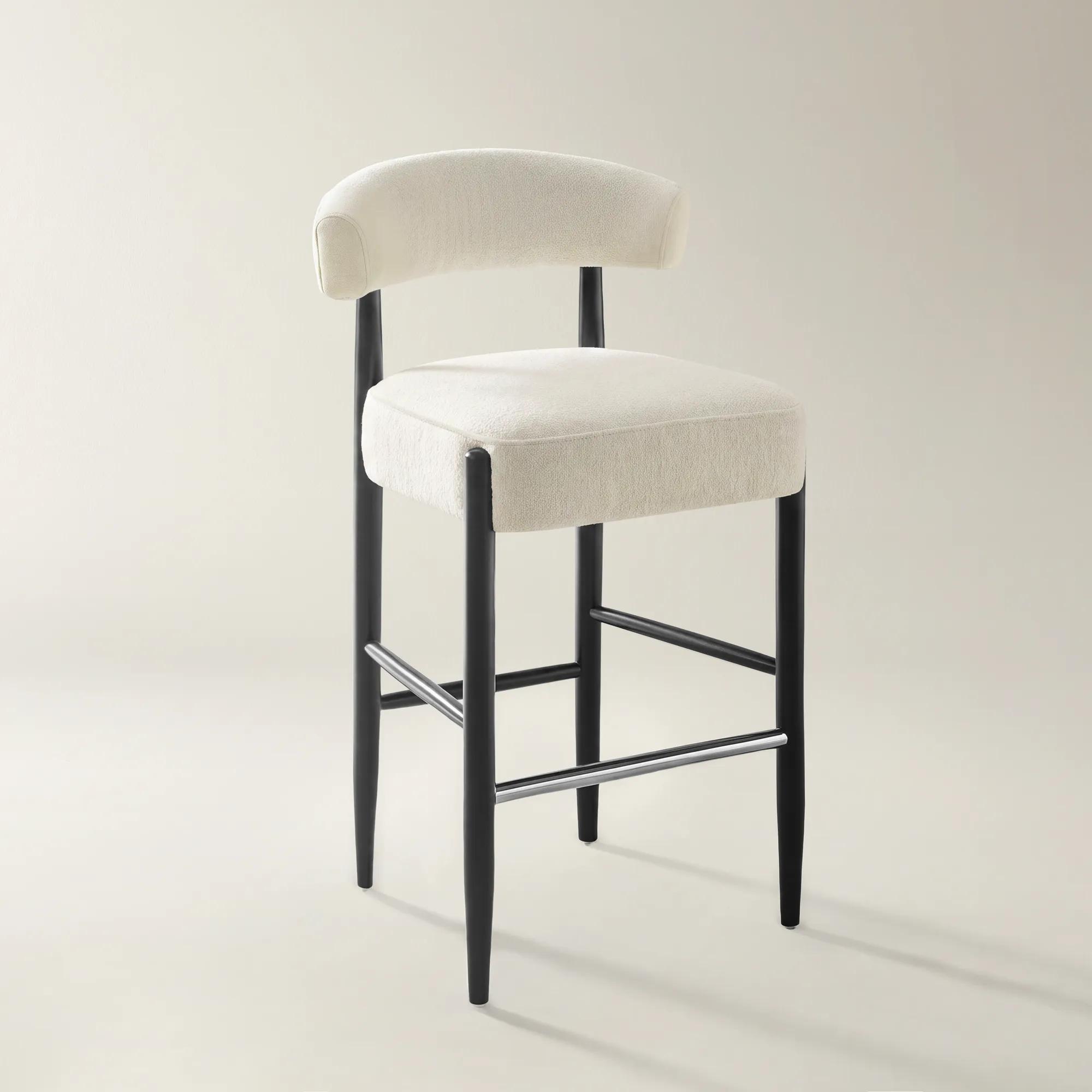 Anna Ivory Performance Chenille Bar/Counter Stool$449
An ivory performance-chenille bar stool with a sculpted back, padded seat, and tapered solid-rubberwood legs.
Add To Cart -
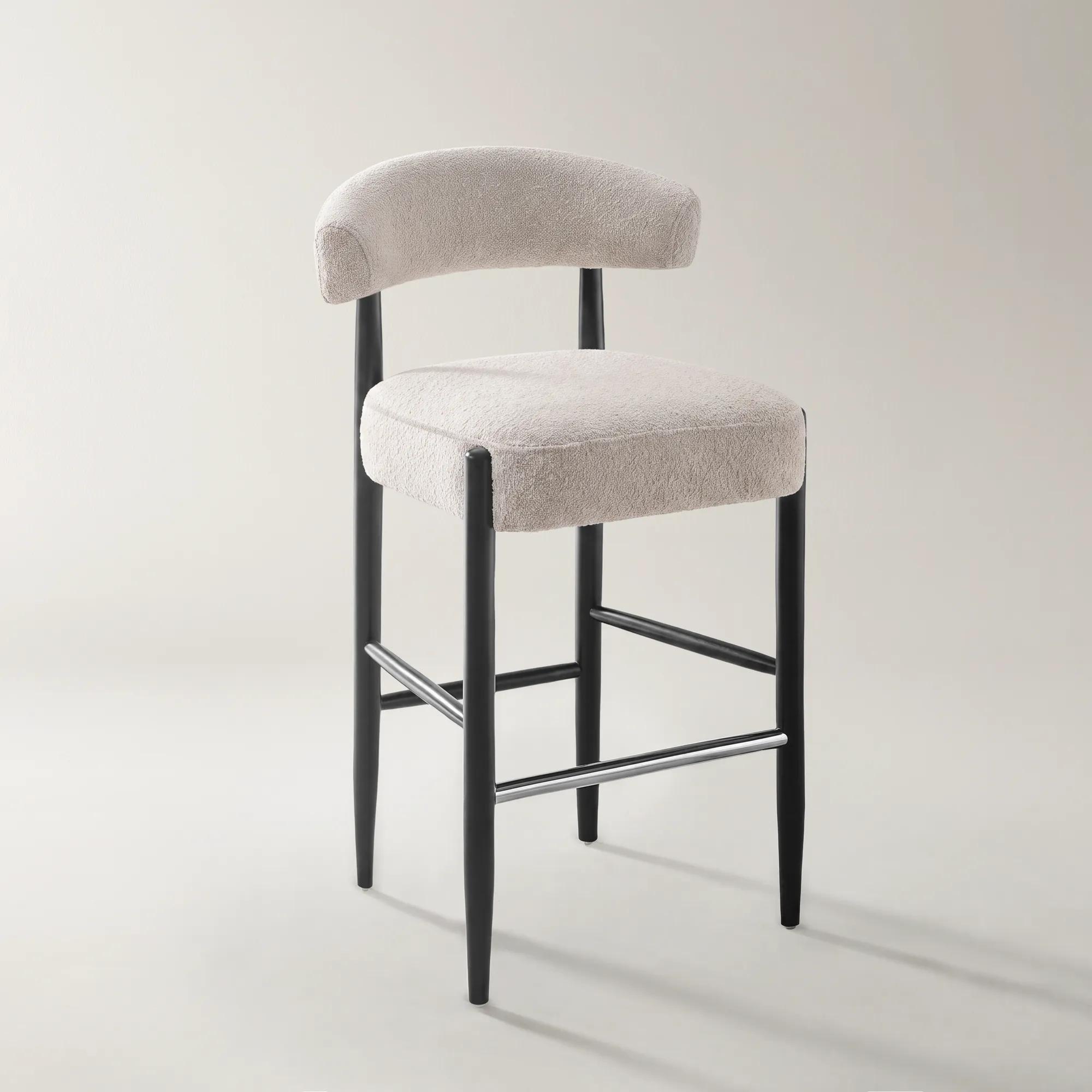 Anna Ivory Performance Boucle Bar/Counter Stool$449
An ivory performance-bouclé bar stool with sculpted padded support and tapered solid-rubberwood legs.
Add To Cart -
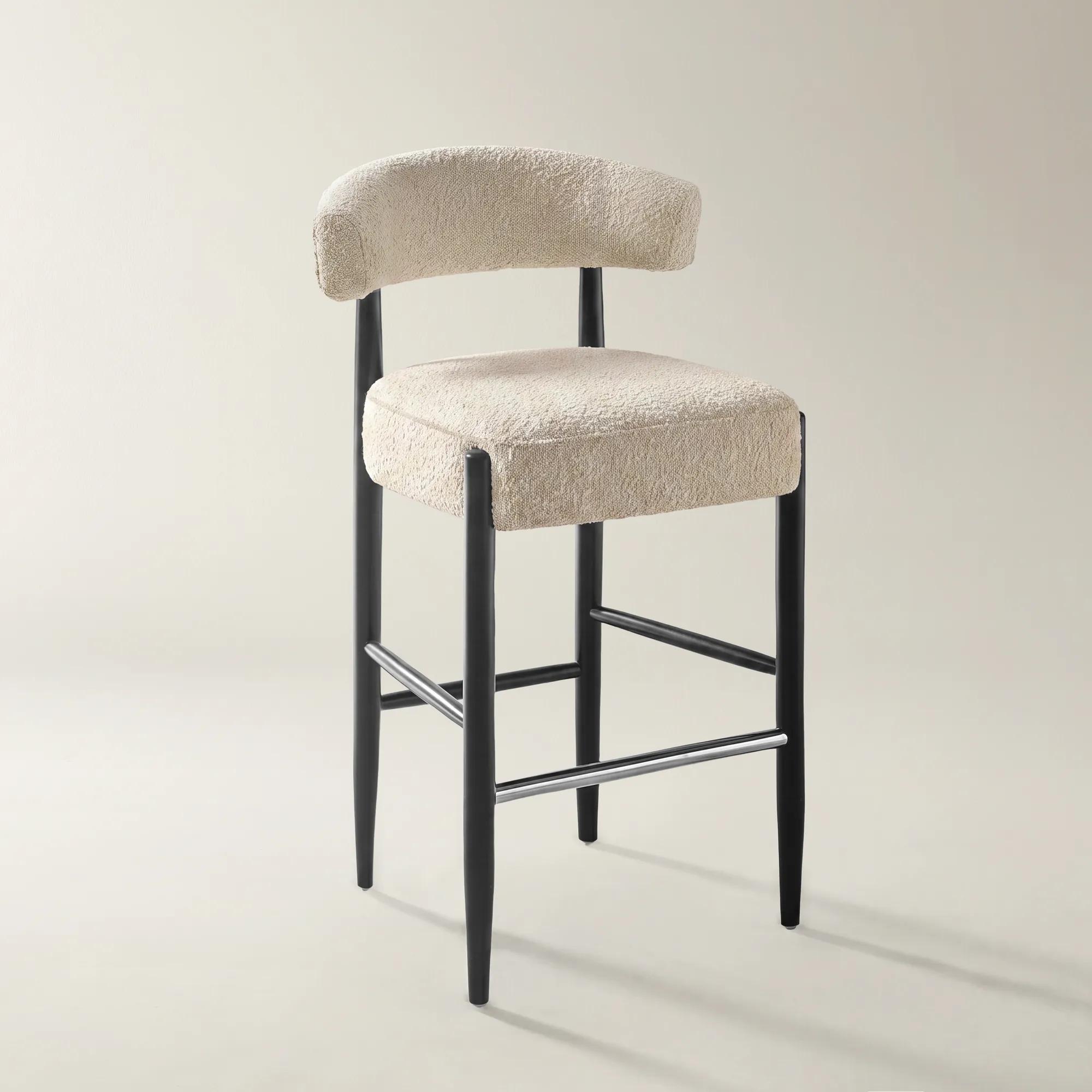 Anna Ivory Performance Boucle Bar/Counter Stool$449
A counter stool with ivory performance boucle upholstery, sculpted support, and tapered solid rubberwood legs.
Add To Cart -
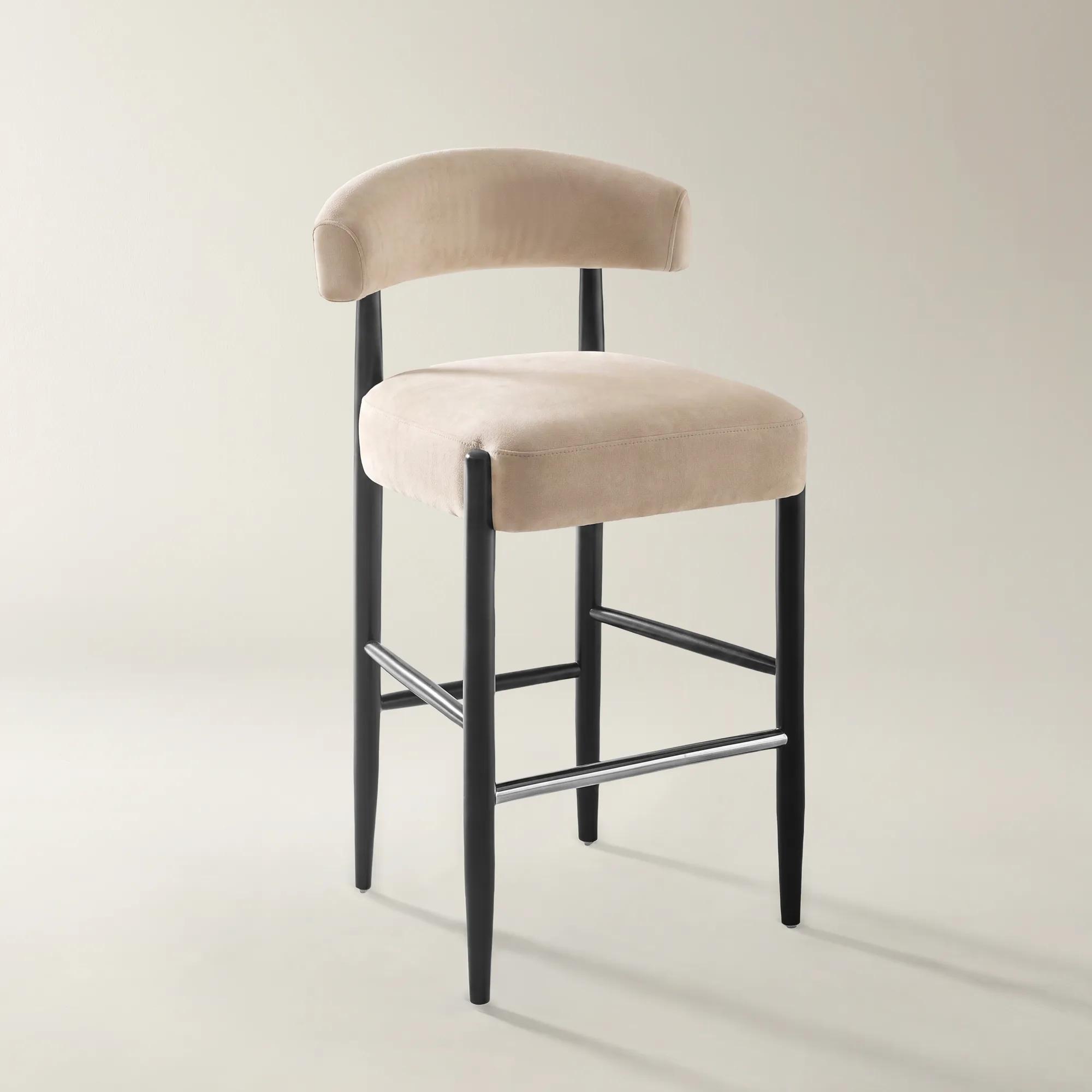 Anna Simply Taupe Velvet Bar/Counter Stool$449
A taupe velvet counter stool with a sculpted back, padded seat, and tapered solid-rubberwood base.
Add To Cart -
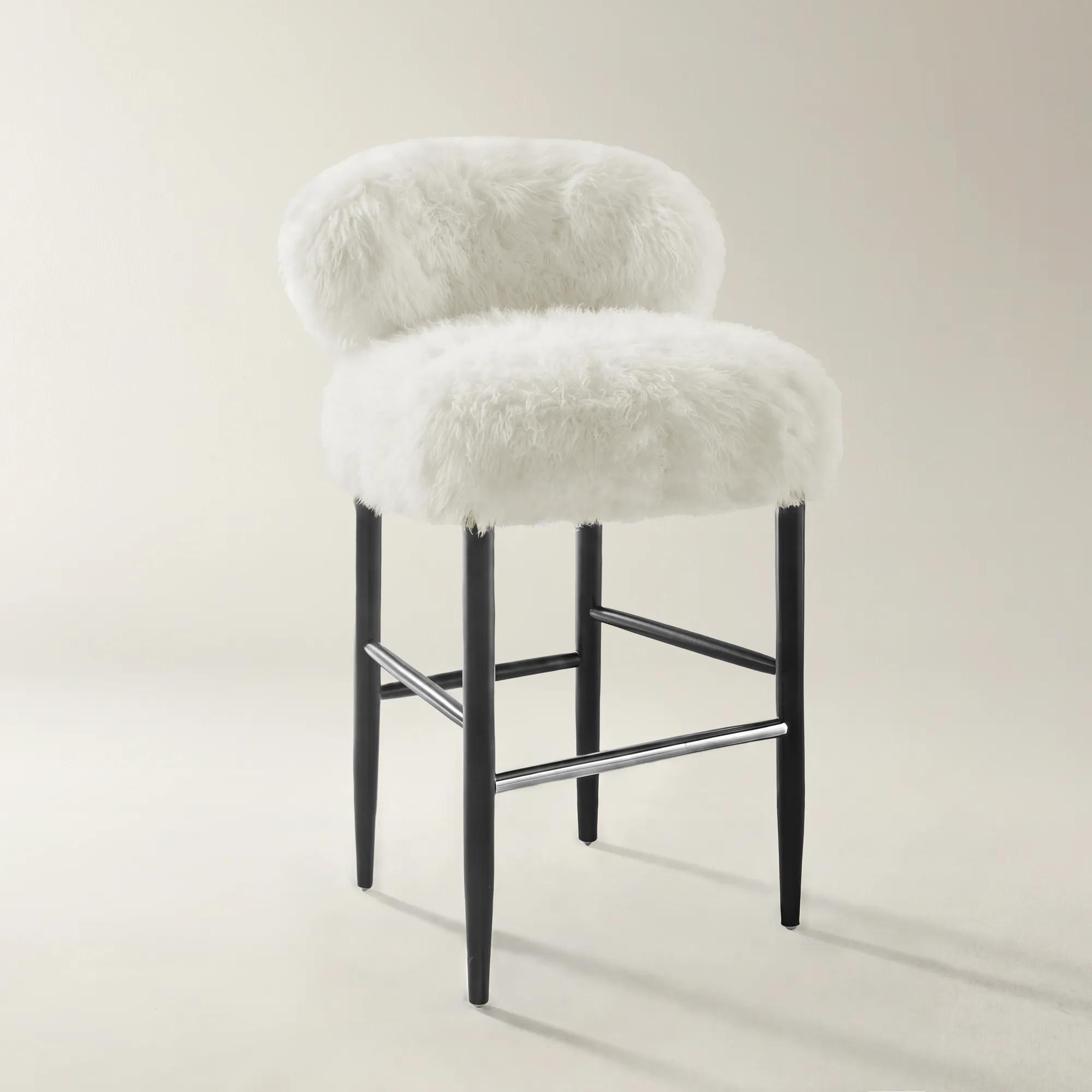 Anna Ivory Faux Fur Bar/Counter Stool$549
An ivory faux-fur counter stool with sculpted support, padded seating, and tapered solid-rubberwood legs.
Add To Cart -
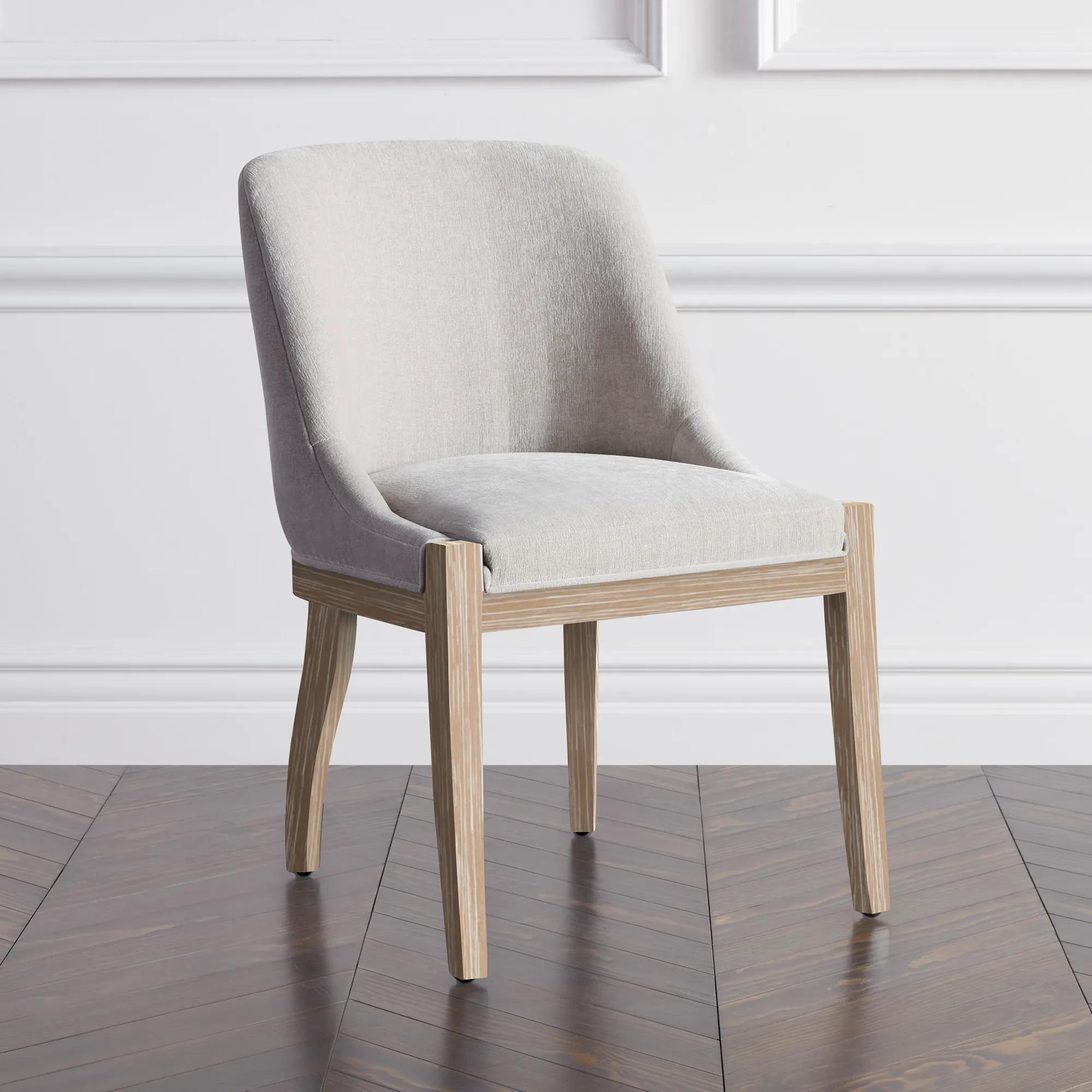
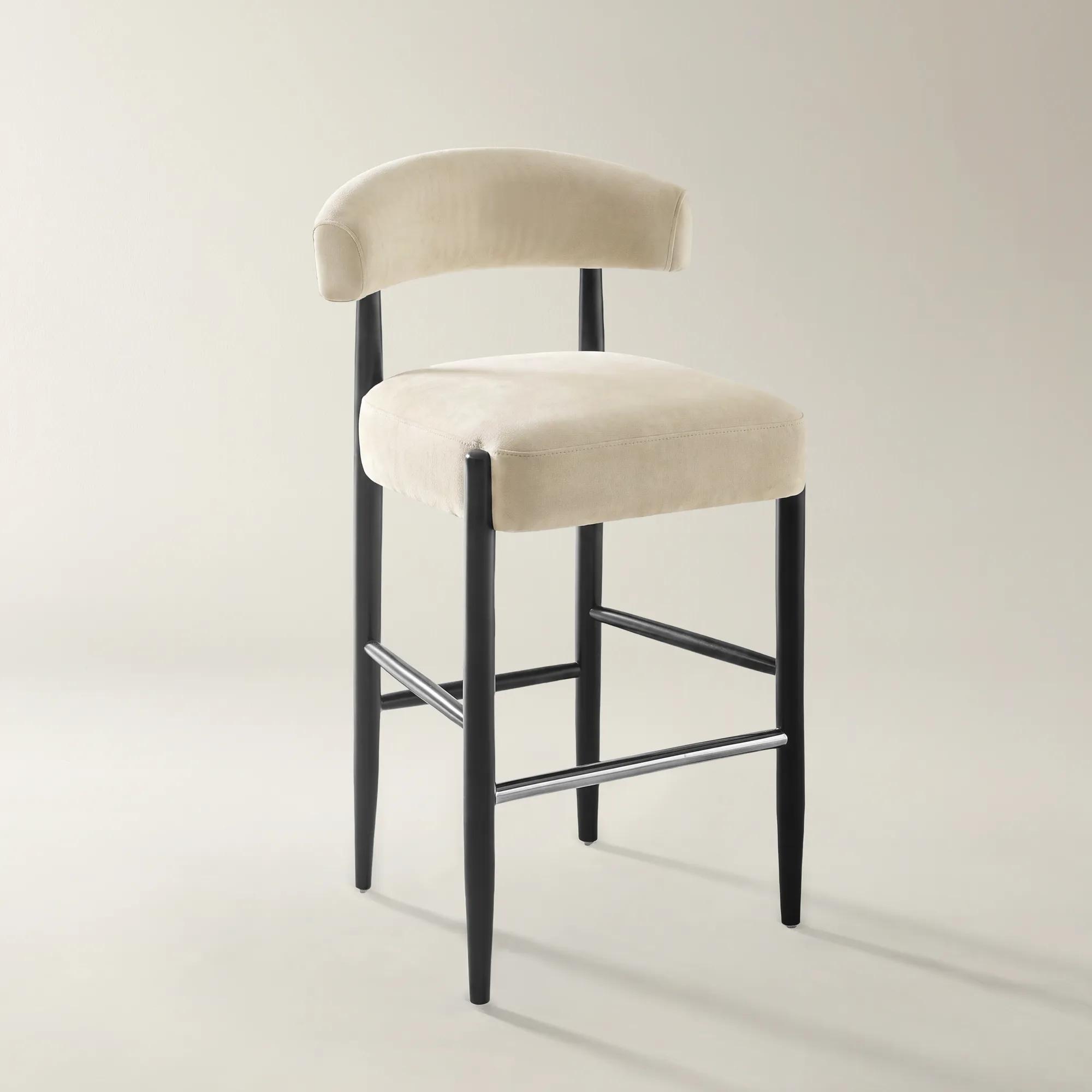 Anna Oatmeal Velvet Bar/Counter Stool$449
A counter stool with oatmeal velvet upholstery, sculpted back, padded seat, and solid rubberwood legs.
Add To Cart -
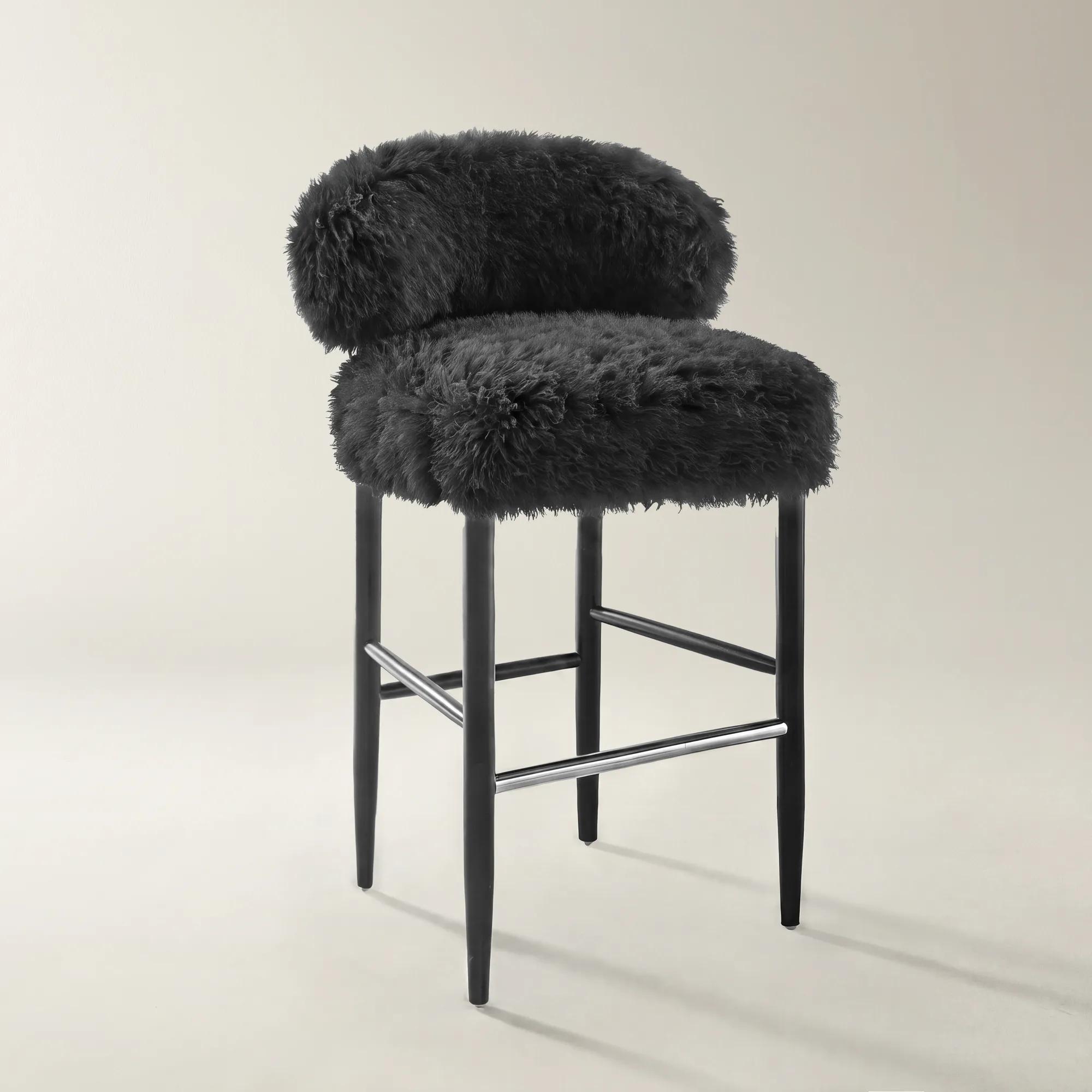 Anna Black Faux Fur Bar/Counter Stool$549
A black faux-fur bar stool with a sculpted back, padded seat, and solid rubberwood legs.
Add To Cart -
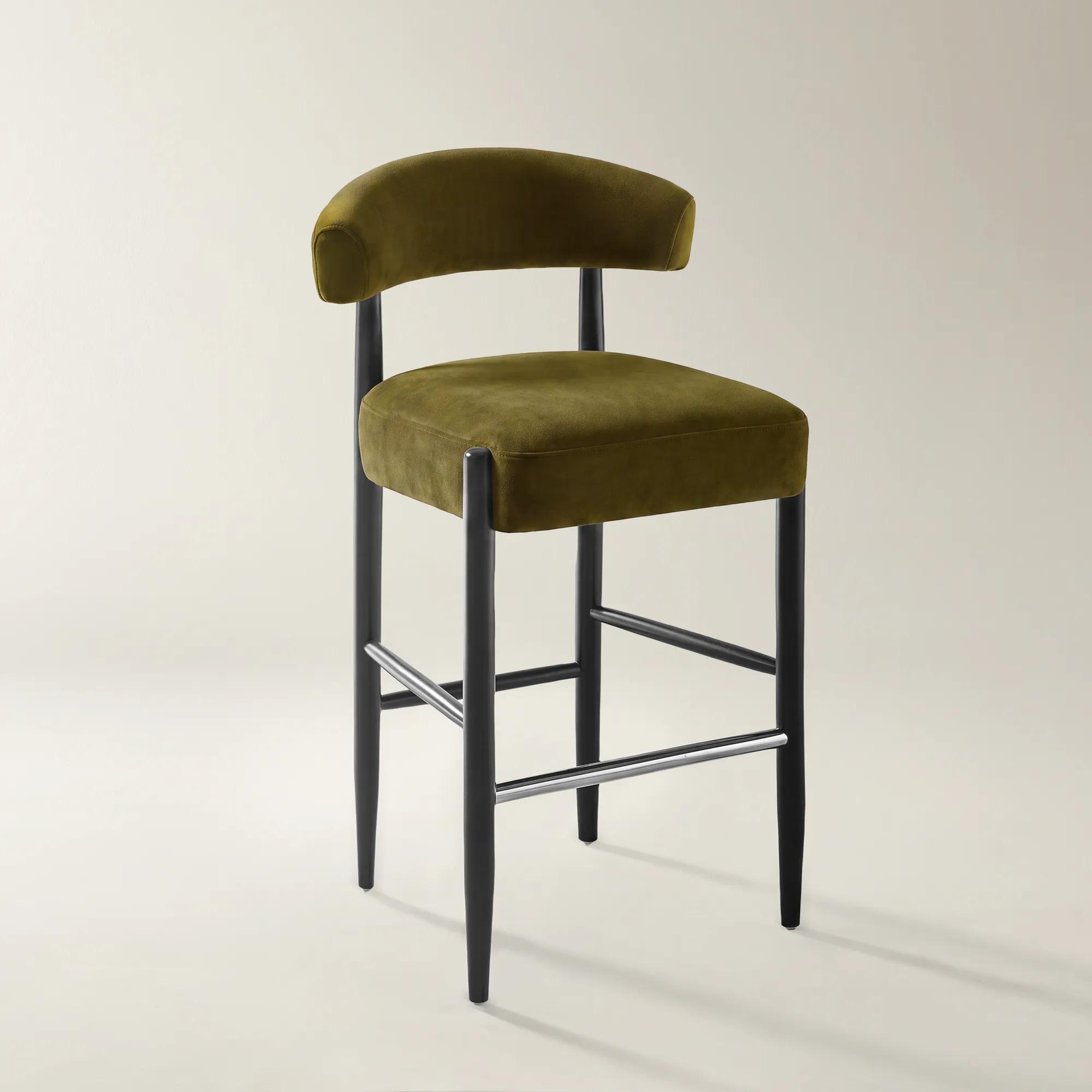 Anna Deep Olive Velvet Bar/Counter Stool$449
A green velvet bar stool with a sculpted padded seat, tailored upholstery, and tapered solid-rubberwood legs.
Add To Cart -
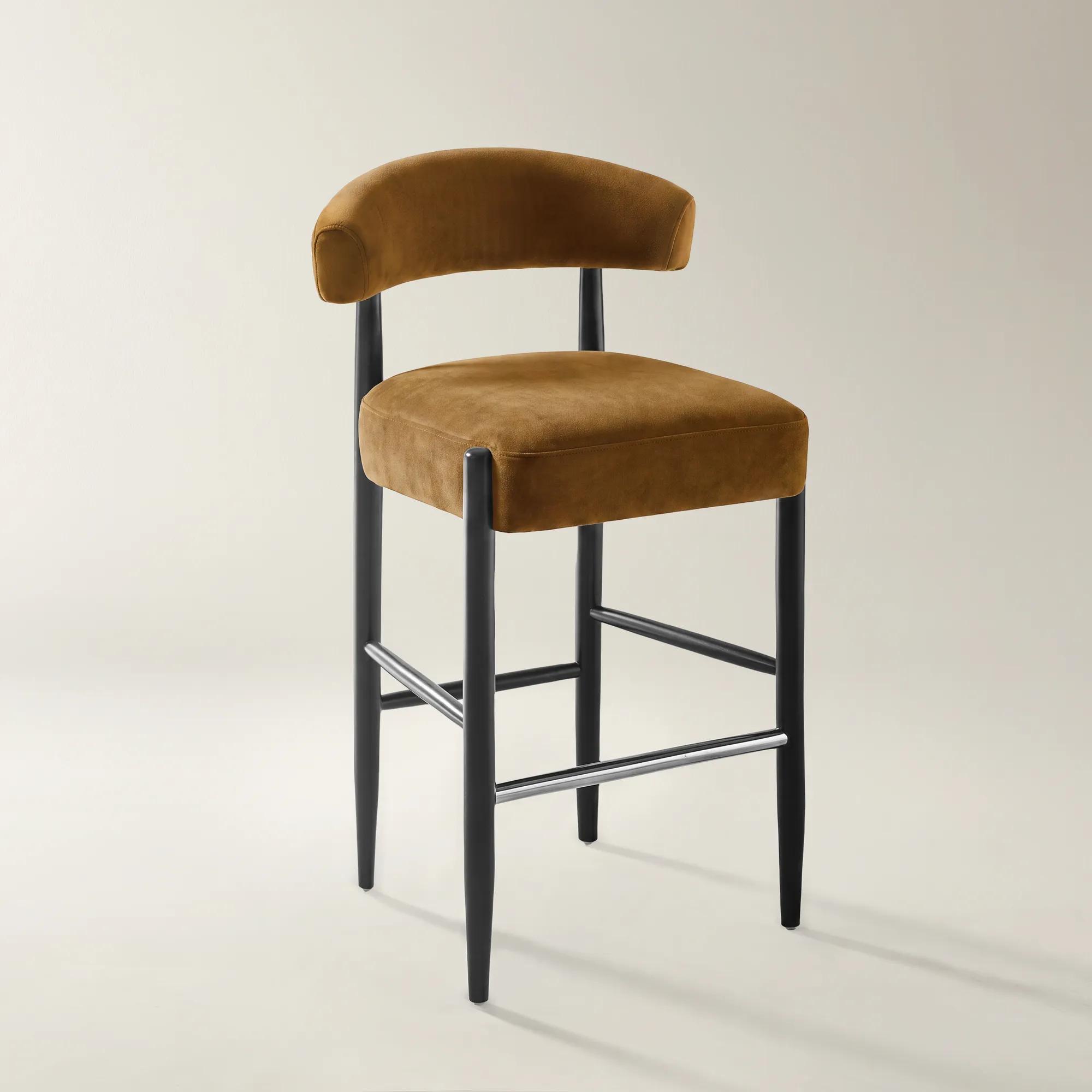 Anna Roasted Pecan Velvet Bar/Counter Stool$449
A roasted pecan velvet bar stool with a sculpted padded back, custom upholstery, and tapered solid-rubberwood legs.
Add To Cart -
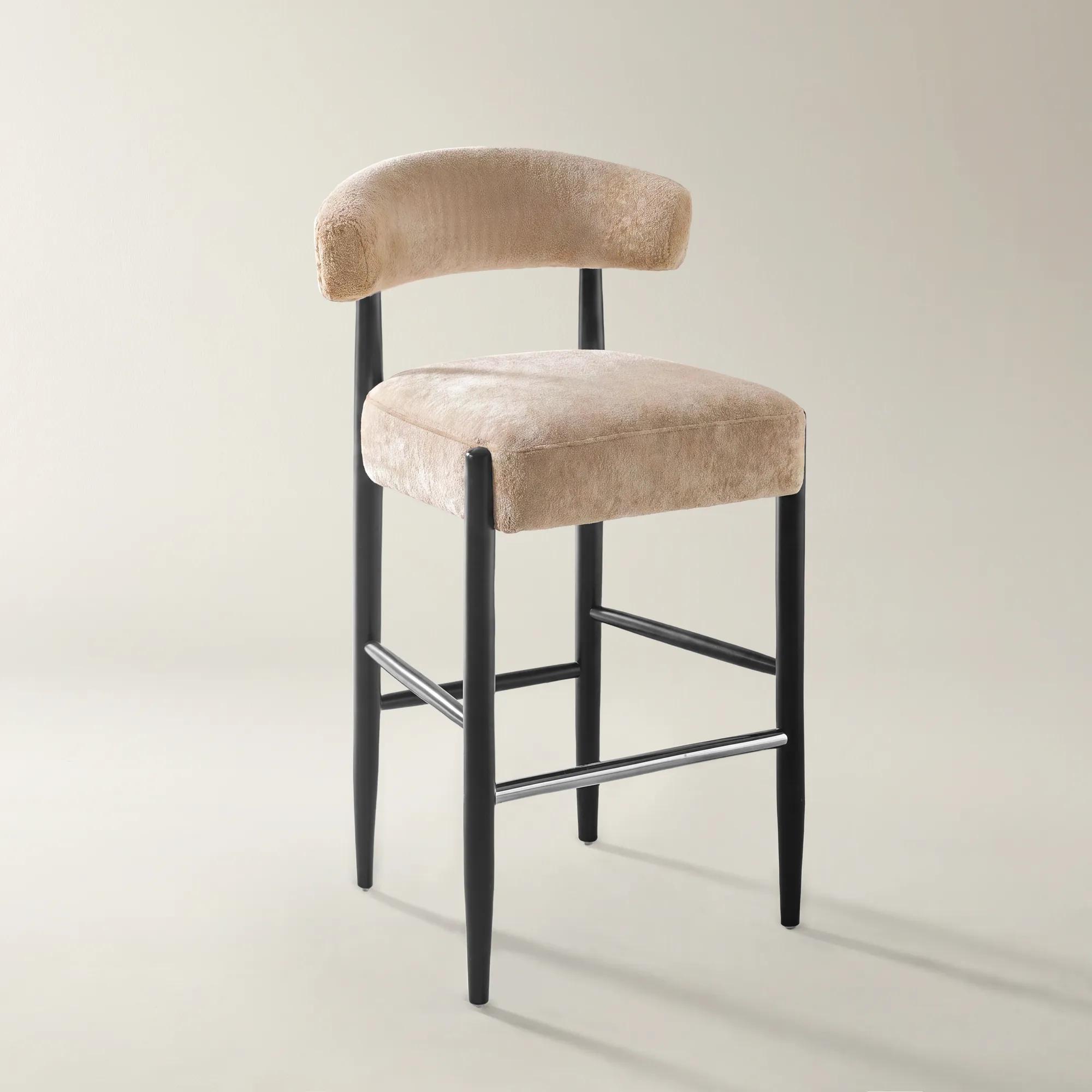 Anna Light Brown Chenille Bar/Counter Stool$449
A brown chenille counter stool with a sculpted back, padded seat, and tapered solid-rubberwood legs.
Add To Cart -
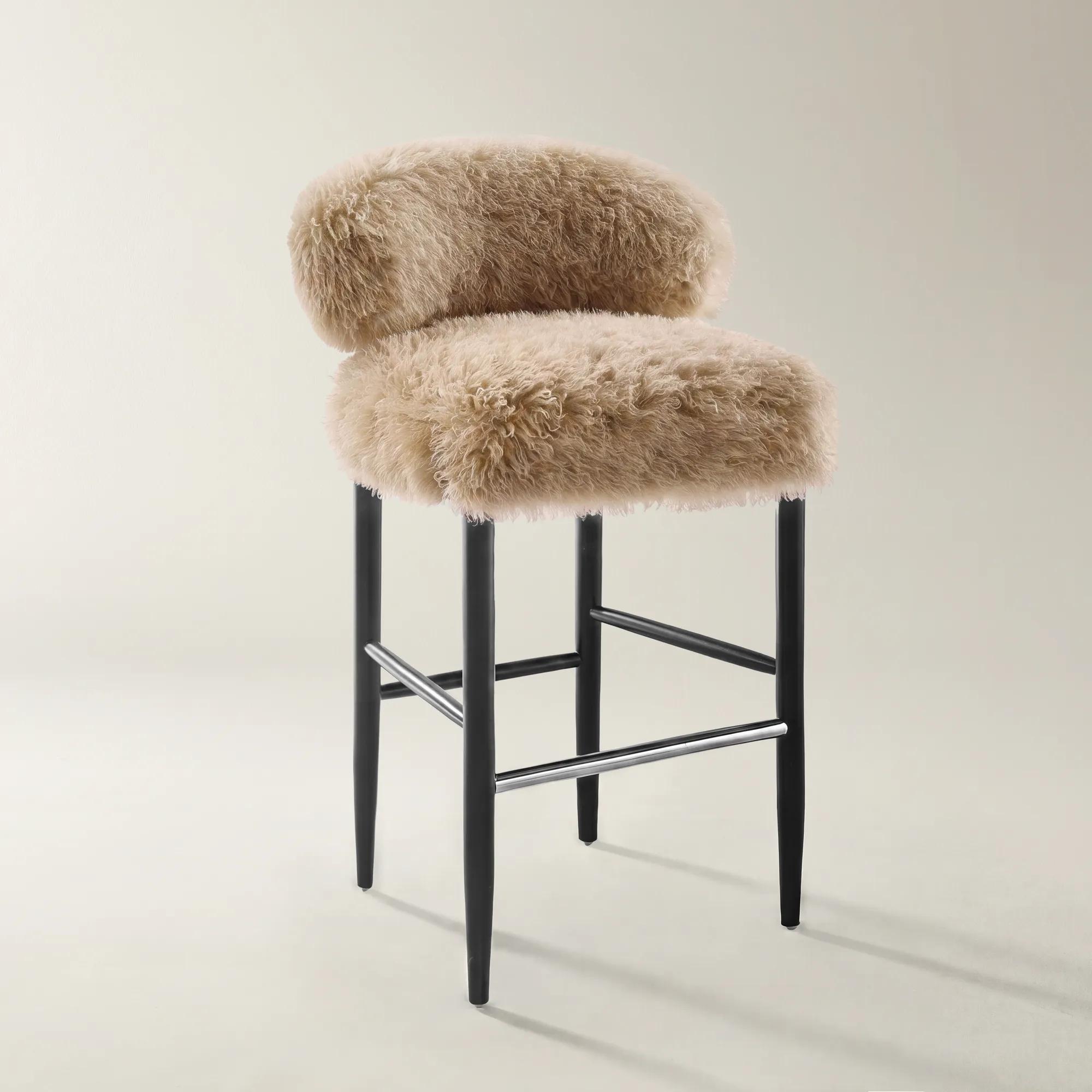 Anna Tan Faux Fur Bar/Counter Stool$549
A tan faux-fur bar stool with a sculpted padded seat and tapered solid-rubberwood legs.
Add To Cart -
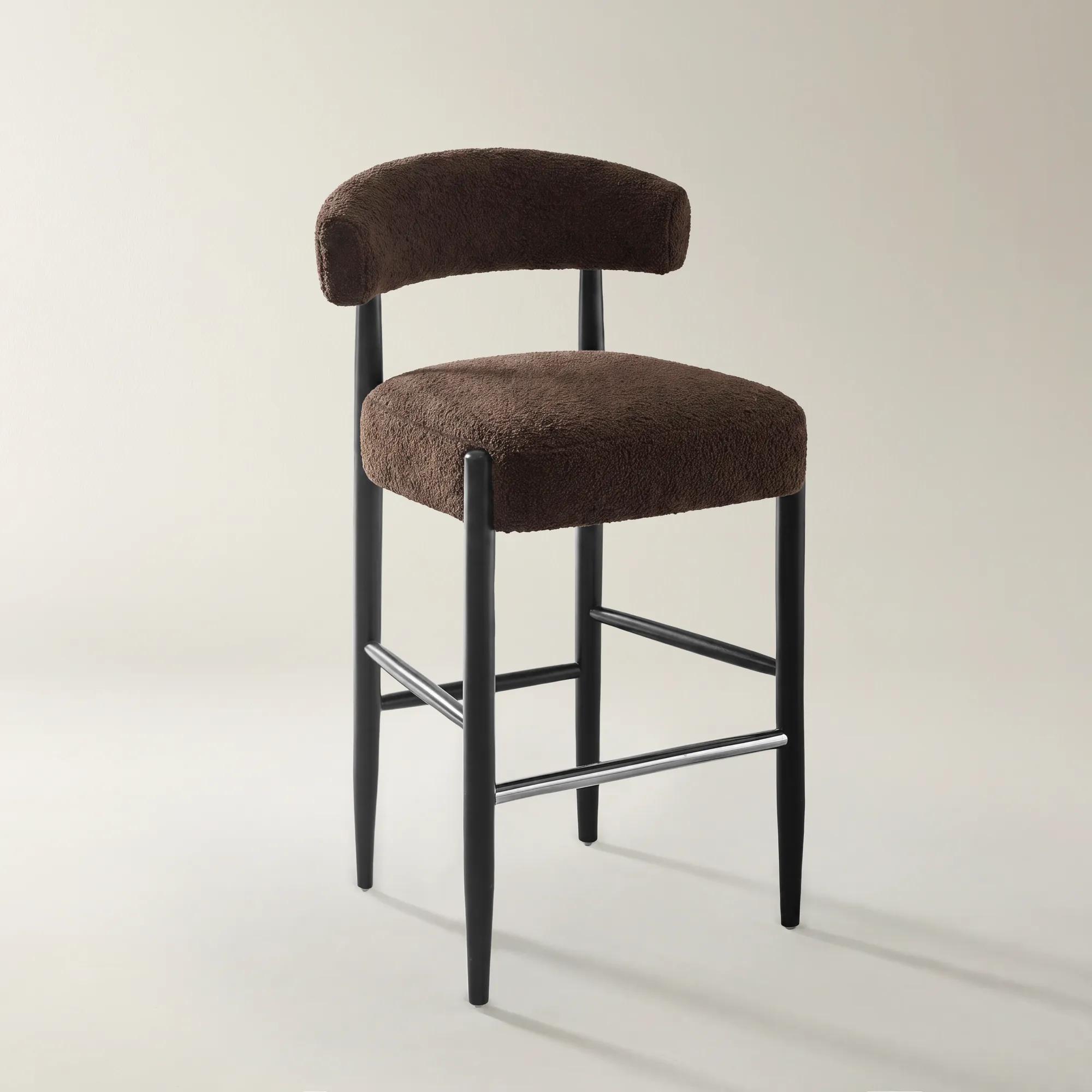 Anna Dark Chocolate Chenille Bar/Counter Stool$449
A dark chocolate chenille counter stool with a sculpted padded seat and solid rubberwood legs.
Add To Cart -
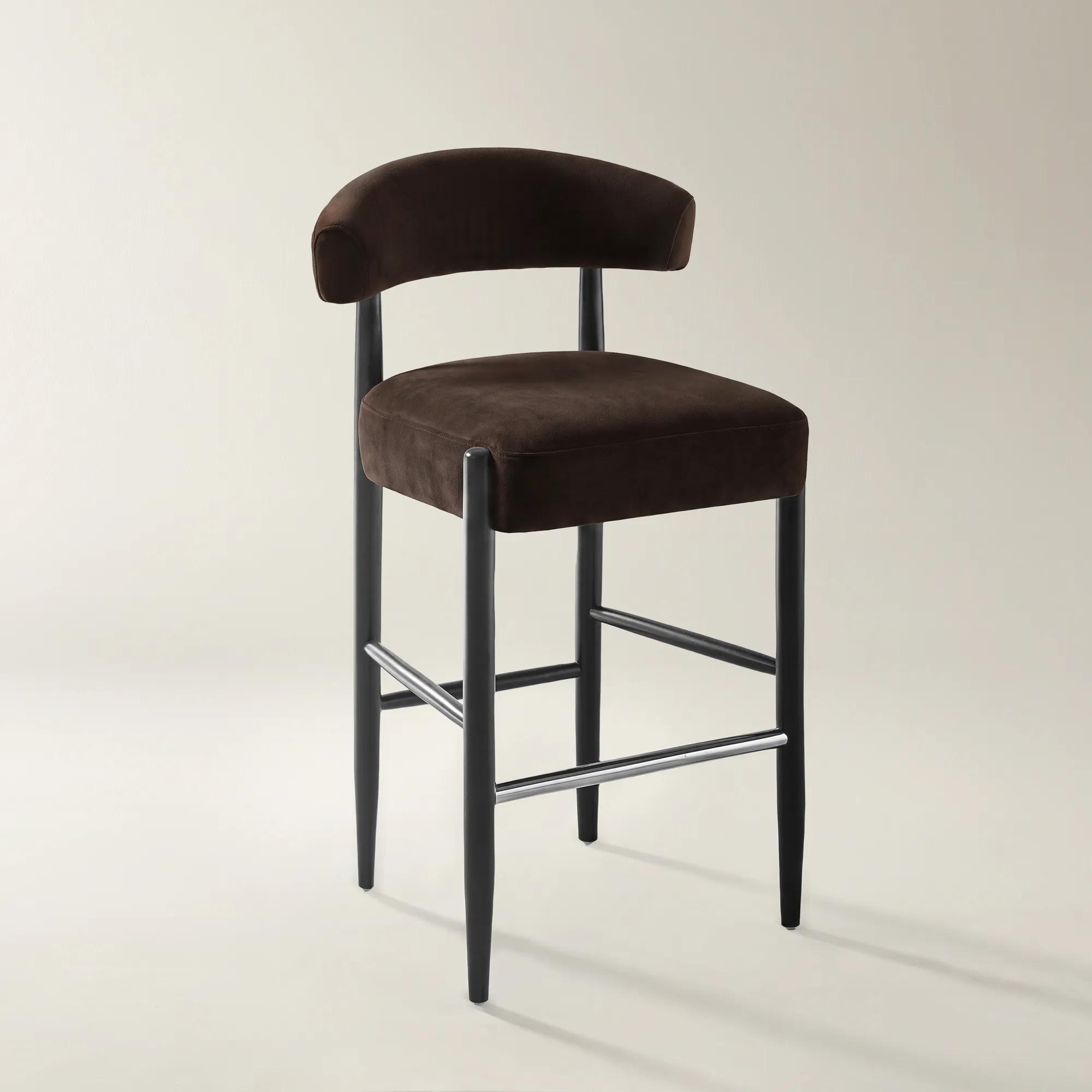 Anna Dark Chocolate Velvet Bar/Counter Stool$449
A dark chocolate velvet counter stool with a sculpted back, padded seat, and tapered solid-rubberwood legs.
Add To Cart -
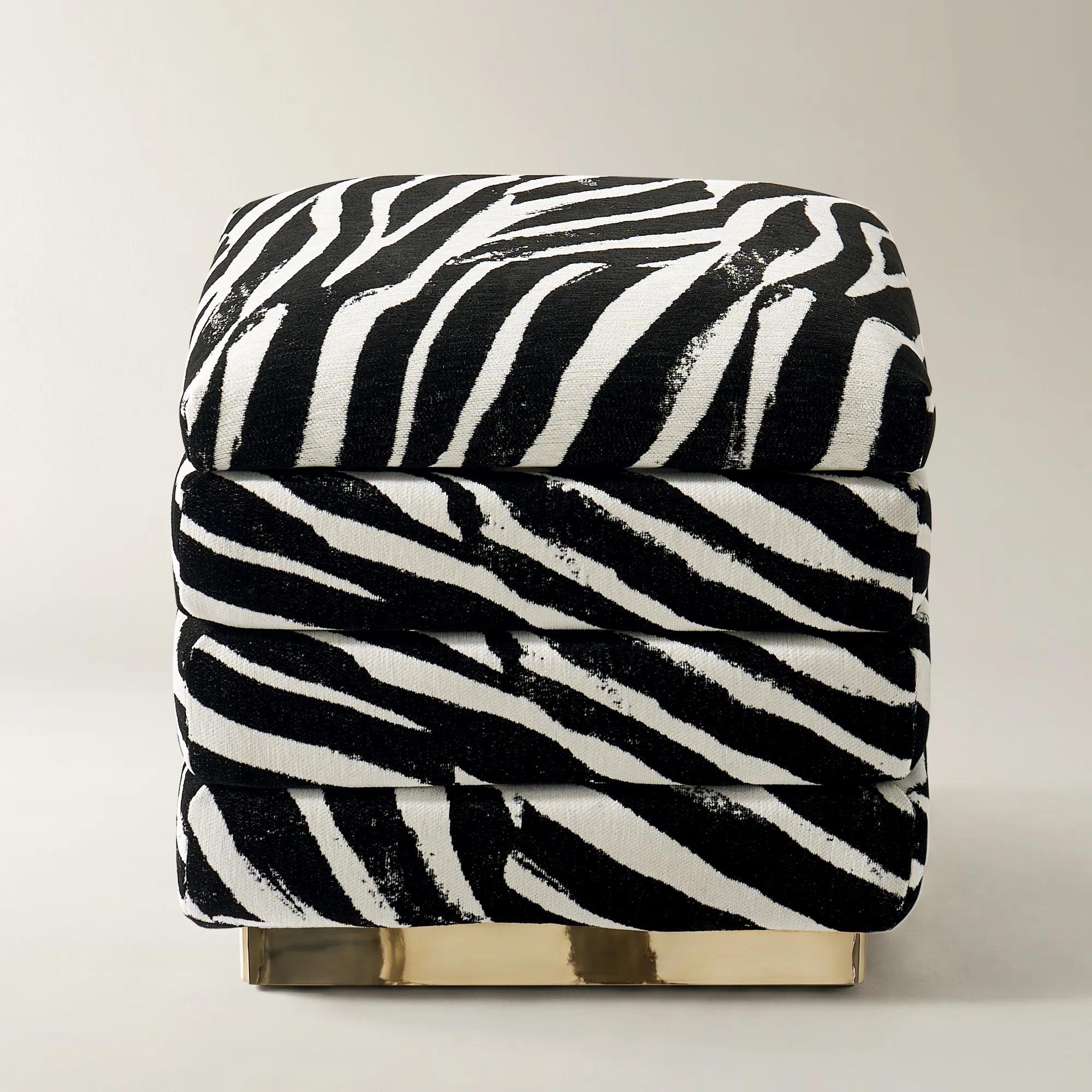
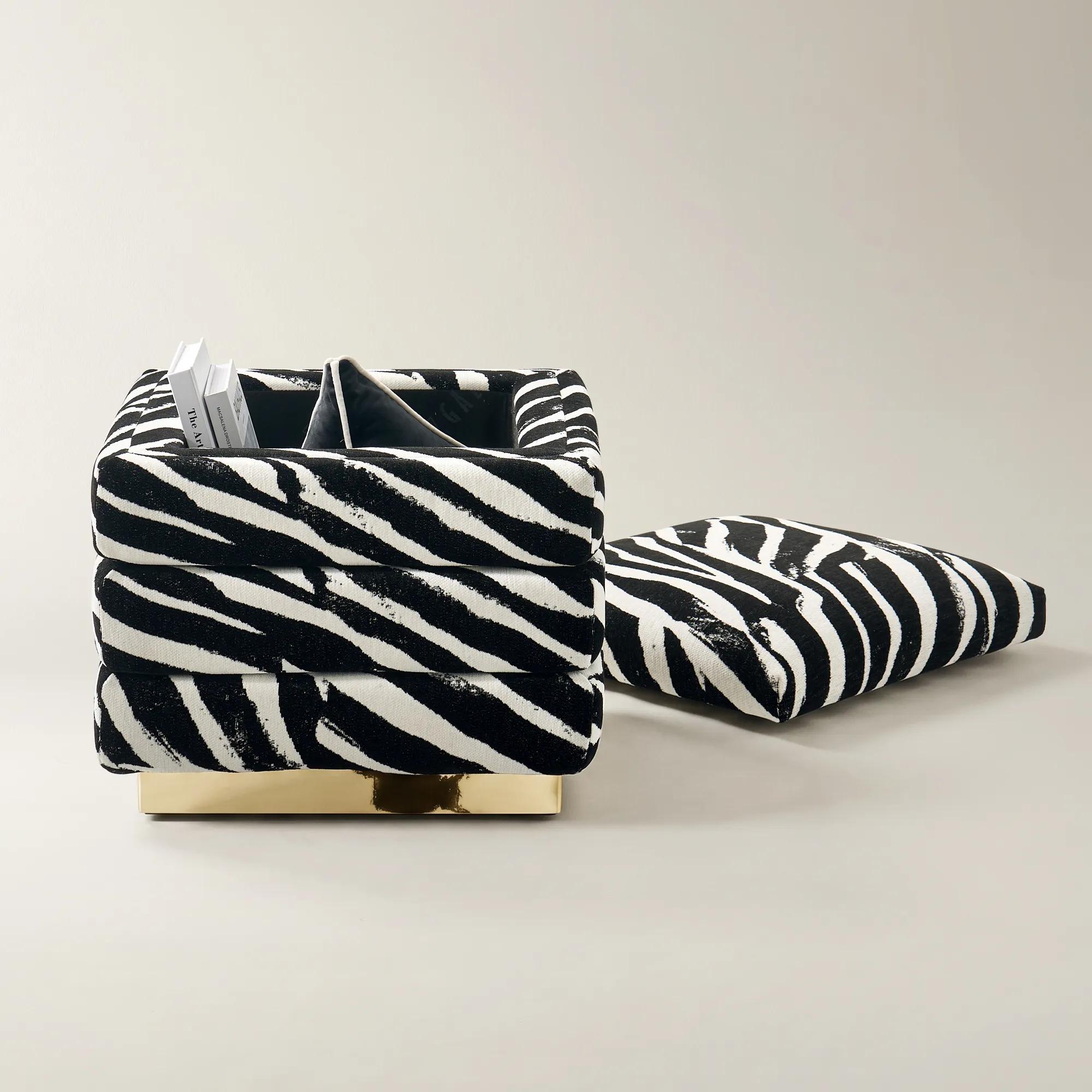 Gable White/Black Performance Chenille Stool$399
A plush white and black chenille stool with hidden storage and a polished gold stainless steel base.
Add To Cart

Modern Dining Room Bar Stools
Elevate your dining experience to dazzling new heights with modern dining room bar stools that blur the line between art and function. Each sculptural silhouette invites you to linger, transforming everyday gatherings into glamorous affairs. Whether perched at a marble-topped island or flanking a dramatic home bar, these statement seats command attention—infusing your space with bold personality and undeniable allure. Discover how modern dining room bar stools can redefine the heart of your home, creating a stage for unforgettable moments and expressive style.
Modern dining room bar stools bring elevated seating and sculptural presence to the places where conversation naturally gathers: a tall dining table, a bar-height peninsula, or a drinks counter beside the main dining area. Their proportions create a distinct social setting, keeping guests comfortably positioned for cocktails, shared plates, and unhurried conversation while giving the room a more expressive silhouette. Modern designs range from slender metal frames with tailored seats to generously upholstered forms with curved backs, allowing the seating to feel architectural, sumptuous, or somewhere beautifully between. The defining distinction is height. Bar stools typically have seats about 28 to 30 inches from the floor and suit surfaces approximately 40 to 42 inches high. Counter stools generally have seats around 24 to 26 inches high and suit surfaces approximately 34 to 36 inches high. These ranges are a starting point, not a substitute for measuring: allow approximately 10 to 12 inches between the seat and the underside of the surface, accounting for any apron or support that reduces legroom. A conventional dining table, usually about 28 to 30 inches tall, calls for dining chairs rather than bar stools. For seating at a lower island or counter-height dining surface, Modern Dining Counter Stools offer proportions suited to that setting. Width matters just as much as height, especially when several seats share one surface. Approximately 26 to 30 inches of counter length per stool is a useful planning allowance, with additional room for broad seats, arms, or swiveling movement. A trio of substantial upholstered stools can make a striking composition, but only when each person has space to sit, turn, and reach the table without brushing a neighboring chair. Generous circulation behind the seating preserves the room’s elegance in motion, allowing someone to pass while guests remain seated rather than requiring the entire gathering to shift.
Material and construction give modern bar stools their character, both in the room and through everyday use. Velvet upholstery introduces depth that changes with the direction of the pile, lending a curved back or cushioned seat an almost luminous quality. Woven fabrics offer a more textural expression, from tightly tailored surfaces to dimensional bouclé that softens an angular dining arrangement. Genuine leather can develop a distinctive patina, while faux leather offers a different combination of finish, feel, and maintenance requirements; neither should be assumed interchangeable in care or long-term wear. Performance upholstery may suit frequently used seating, although stain resistance, cleaning methods, and other capabilities depend on the particular fabric. Metal frames bring definition, with polished surfaces catching the light and brushed finishes creating a quieter gleam. Wood contributes warmth and visible grain, balancing glass, stone, or reflective accents without sacrificing sophistication. Durability depends on more than the outer finish: secure joints, supportive seat construction, stable legs, and an appropriate stated weight capacity all contribute to seating that feels composed beneath the person using it. A footrest is especially important at bar height, providing support when feet cannot rest on the floor. Its position should feel natural rather than forcing knees upward or leaving legs suspended. For lingering dinners, a shaped back and well-proportioned cushioning can make the difference between a perch and a genuinely inviting seat. Backless stools create an uninterrupted sightline and may tuck farther beneath a surface, but they offer less support for extended sitting. Arms add a more enveloping feel, provided their height clears the counter and their width leaves enough space between seats. Swivel mechanisms can make conversation and entry easier, particularly around a shared table, though the full turning radius needs clearance from nearby furniture and cabinetry. Adjustable-height designs offer flexibility within their stated range; the base, footrest, and seat should still feel stable at the intended setting.
The most compelling dining room seating feels connected to the surrounding interior without repeating every finish. A dark upholstered seat against a pale stone surface creates crisp definition, while a gleaming frame can echo a chandelier or cabinet pull in a measured, deliberate way. Curved backs introduce softness beside a rectangular table, and channeling or subtle seams bring rhythm without requiring additional ornament. In an open-plan room, the backs of the stools may be visible from the living area, making their rear silhouette as important as their profile beneath the counter. Taller backs establish a more pronounced visual boundary; lower backs preserve longer views across the room. A breakfast shared at a raised peninsula, an evening tasting with friends, and a quiet place to review a recipe each place different demands on the same seat. Frequent dining favors supportive proportions and surfaces suited to regular cleaning, while occasional entertaining may leave more room for dramatic upholstery or a distinctive sculptural frame. Care should follow the manufacturer’s directions for each material rather than a single routine applied to the entire stool. Vacuum upholstered seats with an appropriate attachment to lift crumbs from seams, and blot spills promptly with a clean, dry cloth instead of rubbing them into the fabric. Check the upholstery care code before introducing water, solvents, or a cleaning solution. Velvet may show changes in pile direction that are different from staining, and textured weaves benefit from gentle handling that avoids snagging. Dust wood and metal with a soft cloth, avoid abrasive cleaners, and use only treatments approved for the finish. Felt pads or suitable floor protectors can help reduce marking as stools move, while periodic checks of fasteners and glides help maintain a steady seat. Thoughtful proportions, tactile materials, and attentive care allow modern dining room bar stools to serve as more than an accent: they become an integral part of a room that welcomes company with confidence and makes everyday rituals feel beautifully considered.
FAQs
Modern dining room bar stools are remarkably versatile, complementing a range of interior styles from contemporary minimalism to Hollywood Regency glamour. Their sleek lines and bold materials work beautifully with open-concept spaces, mid-century modern aesthetics, and even eclectic, art-inspired rooms. Pair them with mirrored accents, sculptural lighting, or dramatic wall art to create a cohesive, expressive look.
Bar stools naturally encourage conversation and connection by bringing guests together at eye level around kitchen islands or bar-height tables. Arrange stools in small groups to foster intimacy, or line them along a counter for casual gatherings. Choose swivel or backless designs for flexibility, making it easy for guests to join the flow of the room and mingle freely during celebrations.
Absolutely. Modern dining stools make exceptional gifts for housewarmings, weddings, or milestone celebrations. Their blend of artistry and functionality appeals to design enthusiasts and hosts alike, offering a stylish way to elevate any home. Opt for timeless finishes or bold, statement-making designs to suit the recipient’s personal style.
The choice of materials and finishes can dramatically shape the ambiance of your dining area. Velvet or boucle upholstery adds warmth and opulence, while metallic frames in gold or chrome evoke a sense of glamour. Matte black or lacquered wood introduces modern edge, and mixed materials create visual intrigue, allowing you to craft a space that feels both curated and inviting.
Modern bar stools are not limited to the dining area—they can elevate home offices, reading nooks, or vanity stations with their sculptural presence. Place them at a high-top console for a chic workspace, or use them as unexpected accent seating in a living room vignette. Their bold silhouettes and luxe finishes make them versatile pieces for any space that craves a touch of drama.