Marble Decorative Objects | Z Gallerie
Marble Decorative Objects | Z Gallerie
-
 Marble Links Object - Brown$179
A sculptural accent featuring interlocking ovals carved from richly veined, one-of-a-kind brown marble.
Add To Cart -
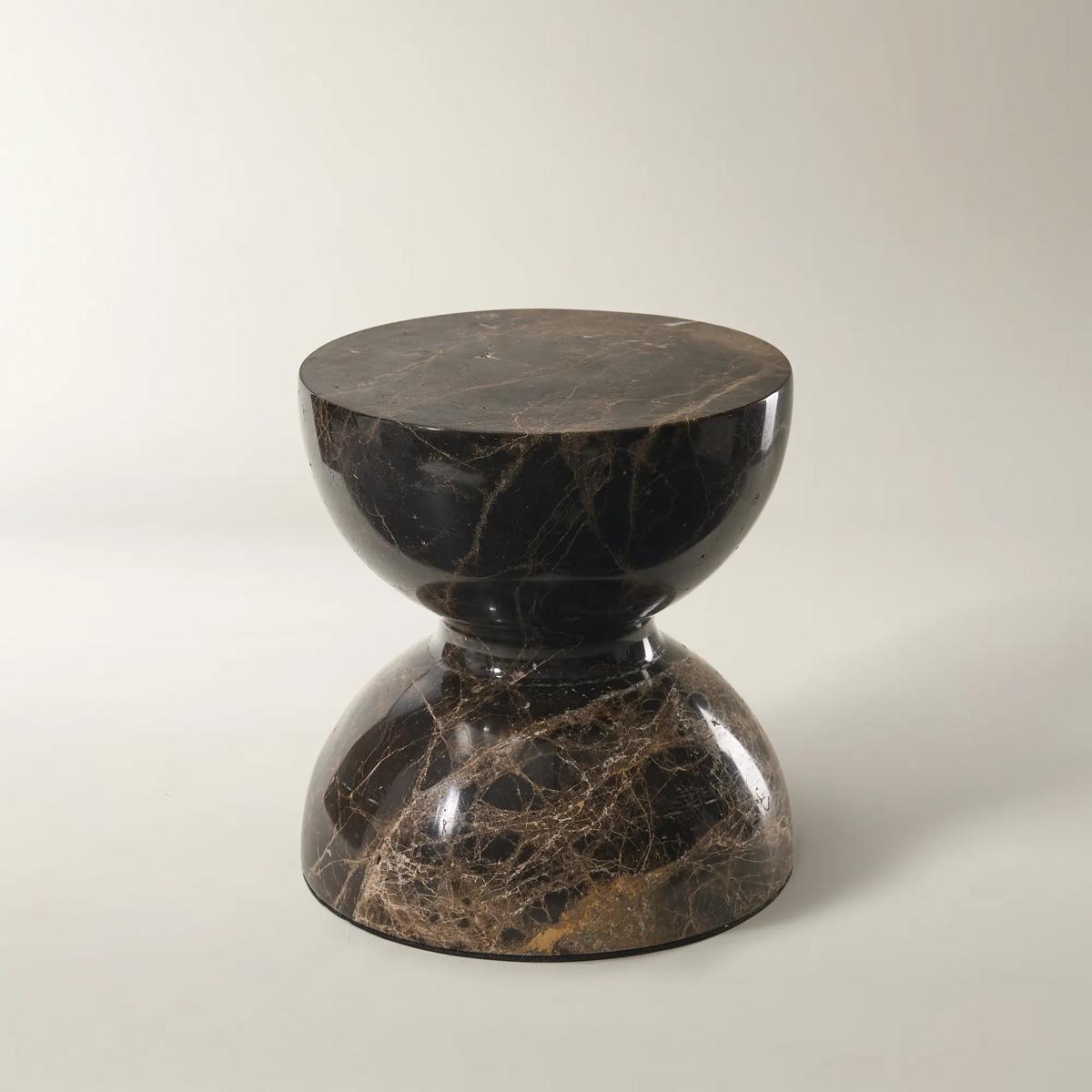
 Hourglass Marble Object - Brown$139
A sculptural hourglass accent hand-carved from deep espresso brown marble with unique natural veining.
Add To Cart -

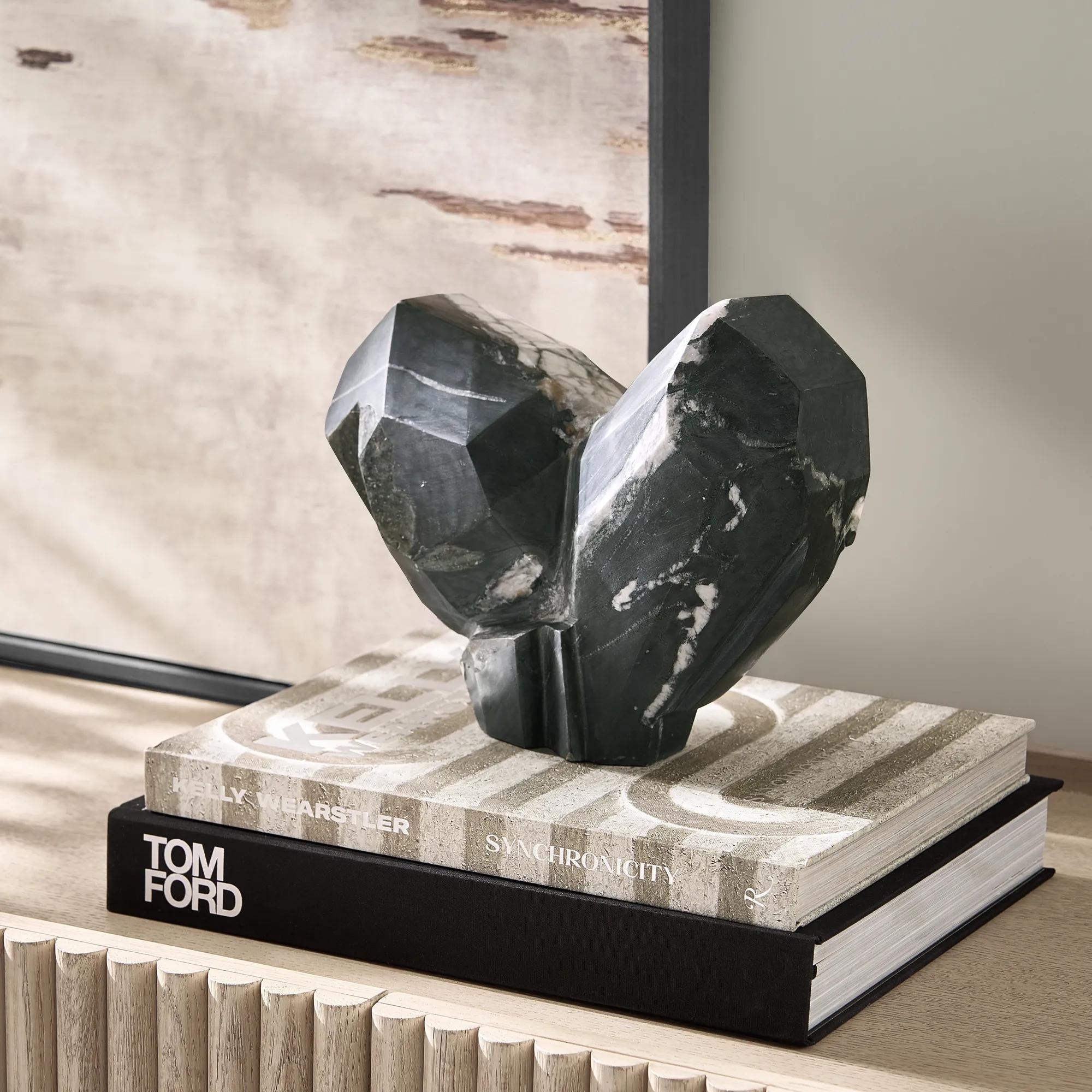 Stone Heart Black Marquino Marble Decorative Object 8"$199
A sculptural heart-shaped decorative object crafted from luxurious black Marquina marble.
Add To Cart

Marble Decorative Objects | Z Gallerie
Marble decorative objects bring sculptural drama and the expressive character of natural stone to tables and shelves. Discover accents chosen for their distinctive silhouettes, rich tones, and visual texture. Let one command attention on a console, compose an artful bookshelf vignette, or choose a thoughtful gift for someone making a new home.
Marble decorative objects bring natural stone into focus as art, pairing expressive veining with shapes that give a room presence. Formed from limestone transformed by heat and pressure, marble carries mineral patterns that can range from delicate threads to broad, dramatic ribbons. Those variations make the stone especially compelling in decorative accents: a simple curve becomes more expressive when a vein sweeps across its surface, while a substantial geometric silhouette gains depth from subtle changes in color. No two pieces of natural marble have precisely the same pattern, so differences in veining, shading, and mineral markings are part of the material’s character rather than a uniform printed effect. White and cream tones lend luminosity to a dark console; gray introduces a smoky sophistication; black creates a striking outline against pale upholstery or a reflective tabletop. Brown marble offers another kind of richness, with earthy color that feels particularly assured beside warm wood, bronze tones, and sumptuous fabrics. A polished finish emphasizes the stone’s pattern and catches highlights, while a honed surface has a softer, more muted appearance. The finish, proportions, and orientation of the veining all influence how an object reads within a room. Rounded forms can temper the crisp architecture of a bookcase, while angular shapes introduce definition among plush textiles and curved furniture. Marble also has a visual weight that sets it apart from lighter decorative materials, giving even a modest accent a sense of substance. Solid stone and designs that combine marble with metal or other materials offer different expressions, making the listed composition an important part of the selection. For interiors built around expressive details, these objects provide more than a finishing touch. They introduce a natural pattern that does not need to repeat elsewhere, creating a focal point with enough individuality to stand beside bold artwork, sculptural lighting, or a richly textured rug without disappearing into the arrangement.
Scale and placement give marble home accents their strongest effect. A low, broad form can anchor the center of a coffee table without interrupting conversation, while a taller silhouette gives an entry console the vertical emphasis it needs beneath a generous mirror. On a bookshelf, a single sculptural object placed beside a short row of books creates a deliberate pause between spines and framed photographs. Its outline remains visible, and the stone has room to reveal its pattern. The relationship between an object and the surface beneath it matters as much as its dimensions: dark marble against pale lacquer creates crisp contrast, while cream stone against dark wood draws attention through lightness. When marble sits on another patterned surface, differences in scale or color help keep the two materials distinct. A boldly veined accent can look especially assured on quiet wood grain, glass, or a solid-color tray rather than competing with an equally active stone tabletop. Generous spacing allows a dramatic shape to register as sculpture instead of becoming one more detail in a crowded grouping. For a layered console or shelf arrangement, black decorative boxes can introduce a tailored counterpoint to marble’s organic markings, with defined edges that balance softer curves. Texture brings another dimension: velvet, woven fabric, and brushed metal offer contrasts that make the stone’s surface more noticeable. Actual weight deserves consideration alongside visual balance, particularly on floating shelves, glass furniture, or narrow ledges. Dimensions and weight help establish whether a piece suits the intended location and whether the supporting furniture can accommodate it. A stable, level surface away from a busy edge protects both the object and the setting around it. In a home with children or pets, a secure position beyond easy reach is especially important. The result should feel composed rather than precious: an expressive accent that belongs to the room, with sufficient space and support to remain a lasting part of it.
Marble is substantial and enduring, but its beauty benefits from thoughtful handling and care. Natural stone can scratch, chip at an edge, or develop marks when exposed to substances that react with its surface. Acids such as vinegar and lemon juice can etch marble, dulling the finish rather than simply leaving a removable stain. Oils, colored liquids, and prolonged moisture may also affect porous stone, so decorative objects are best kept clear of spills, cooking splashes, and personal-care products. Routine dusting with a soft, dry cloth is a gentle starting point; any additional cleaning should follow the care instructions supplied with the piece. Abrasive pads, acidic cleaners, and harsh household chemicals can compromise the surface. Lift rather than slide a heavy object when rearranging a display, and check that its underside or protective pads will not scratch the furniture beneath it. Durability does not mean resistance to impact, so slender sections, projecting details, and edges deserve particular care when moving or storing a piece. Intended use is equally important. A decorative marble bowl is not necessarily suitable for serving food, and a vessel-shaped accent is not automatically watertight or designed to hold fresh flowers. Food contact, water use, and any protective treatment should be confirmed in the individual product details rather than assumed from the shape. For gifting, marble appeals to anyone drawn to architecture, art, natural materials, or a carefully composed home. A housewarming, wedding, or anniversary offers a meaningful occasion for an accent chosen around the recipient’s style: a restrained silhouette for someone who favors strong lines, or expressive veining for someone who loves pattern and drama. Manageable proportions make a gift easier to place across different rooms, while a considered color connects it to furnishings already loved. With appropriate placement and gentle care, marble decorative objects bring lasting material character to a space, allowing nature’s intricate markings and sculptural form to share the spotlight.
FAQs
Natural marble can vary in veining and tone, so pieces with the same design may not look identical. Those variations are part of the material’s expressive character, making the stone’s pattern an important consideration alongside its silhouette.
Check the product’s listed materials and description rather than relying on its photograph or color name. A marble-look pattern describes an appearance; an explicit marble material listing identifies the stone used in the piece.
Marble can hold its own among saturated colors, dramatic artwork, and richly textured furnishings. Choose whether the object should create contrast or echo the room’s palette, then give its sculptural form a clear place within the composition.
Different marble colors can create a layered, intentional look. Connect them through a shared undertone, related shapes, or a recurring accent color elsewhere in the room. Avoid making every surface compete; let one stone pattern lead while the others support it.
Begin with the recipient’s taste: the colors they gravitate toward, the art they enjoy, and whether their home feels restrained or theatrical. A choice that reflects their personal style feels more meaningful than one selected simply to match a decorating trend.