Luxury Tabletop Decorative Objects
Luxury Tabletop Decorative Objects
-
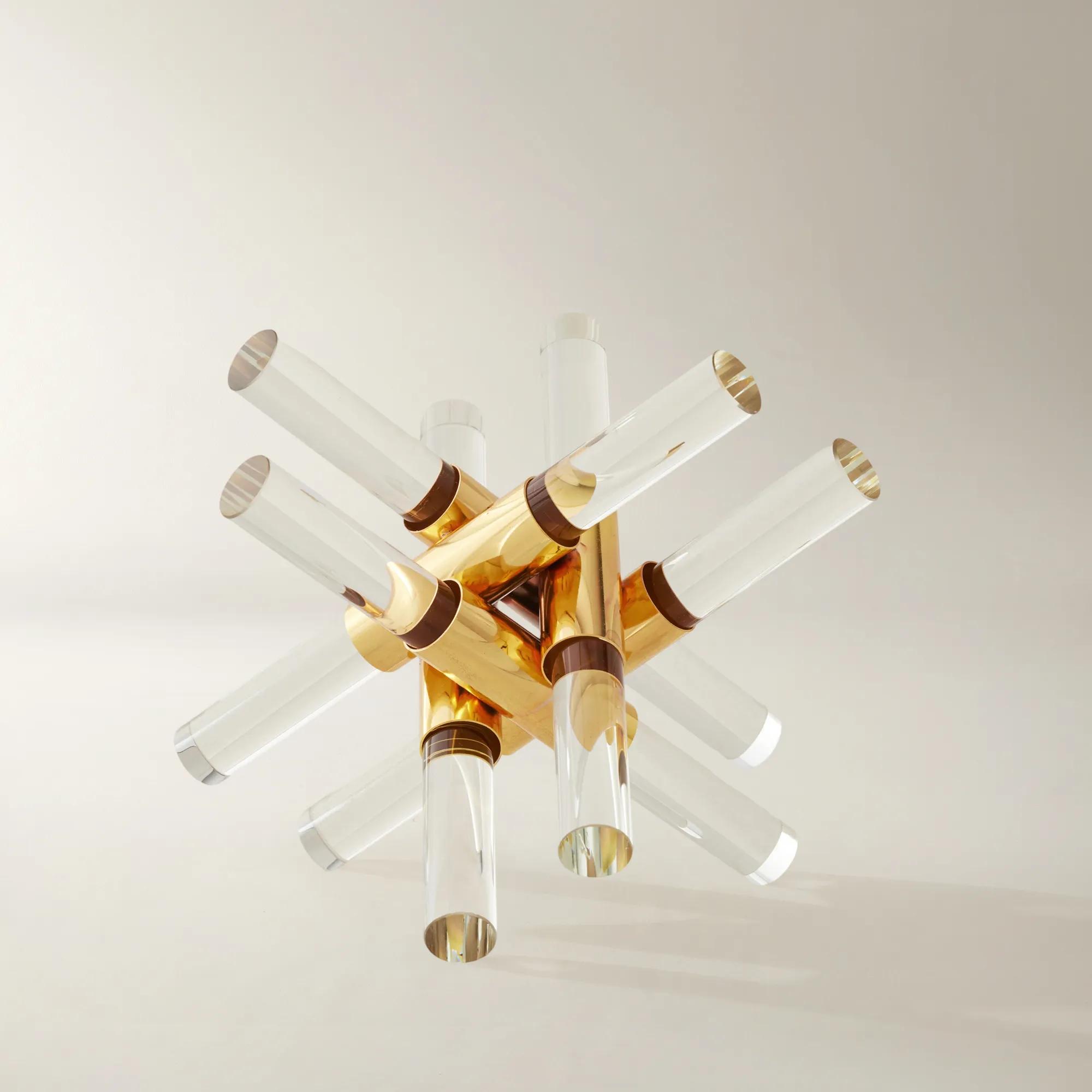
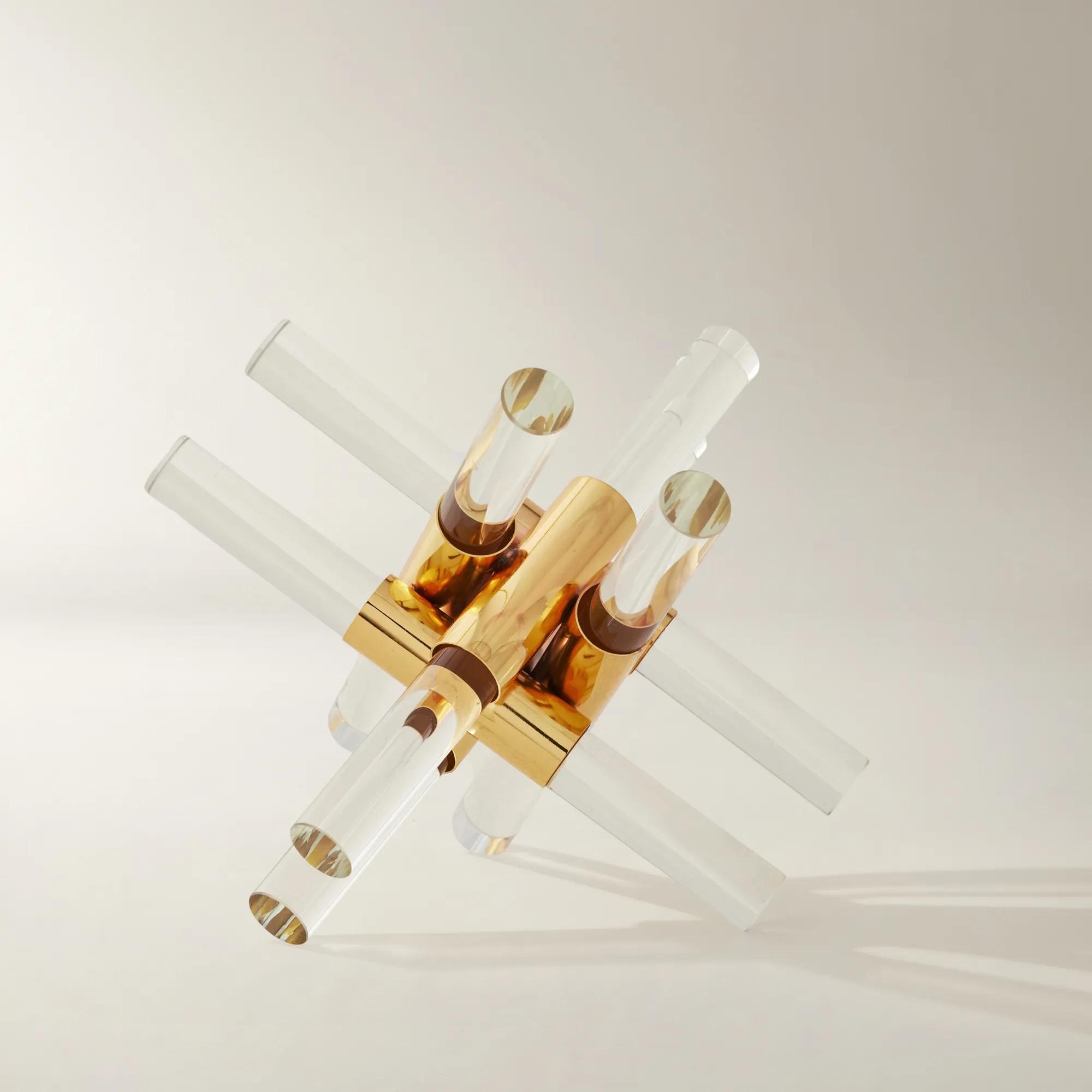 Crystal Glass And Gold Metal Decorative Object 8"$59
A striking decorative accent featuring clear glass rods and gold metal detailing for modern elegance.
Add To Cart -
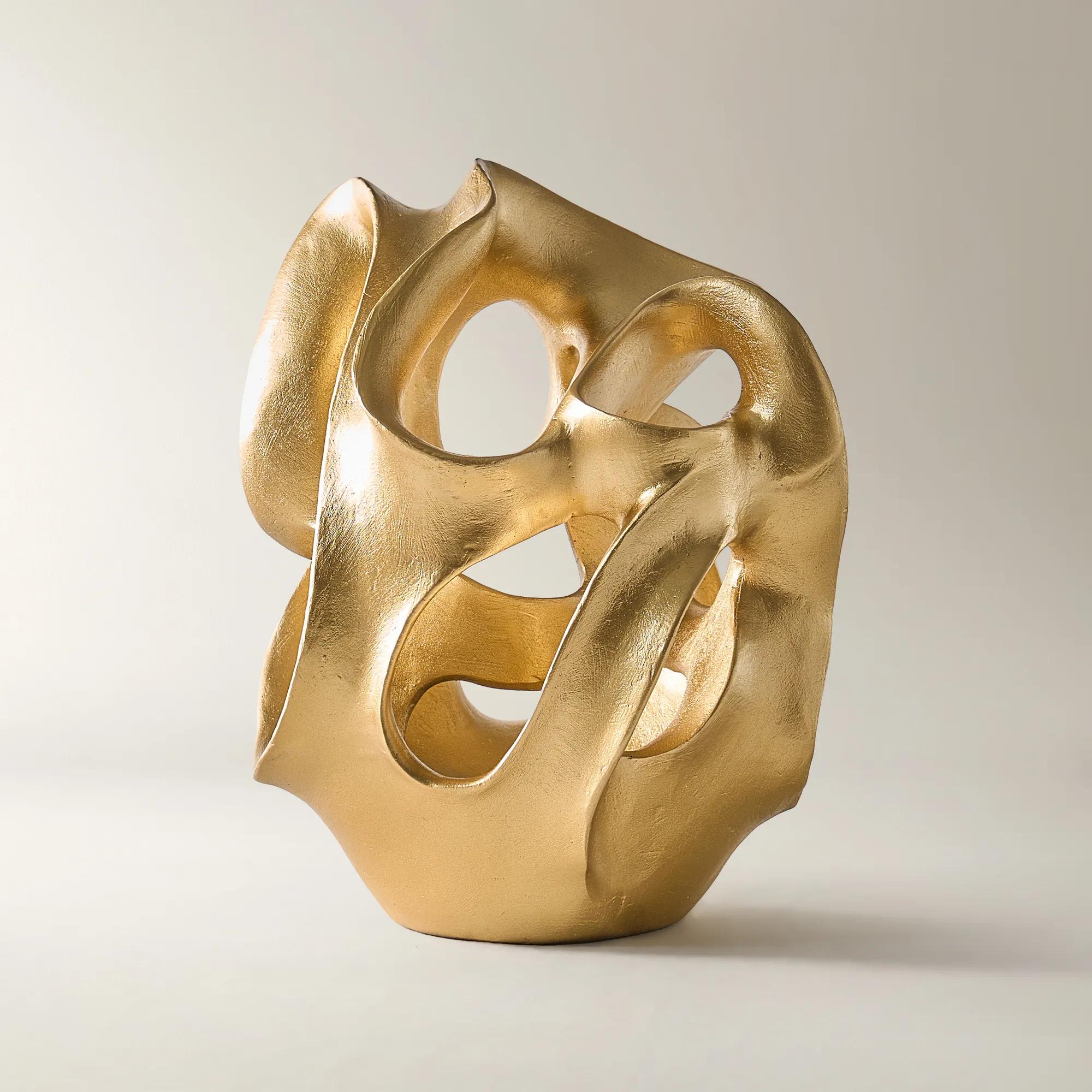
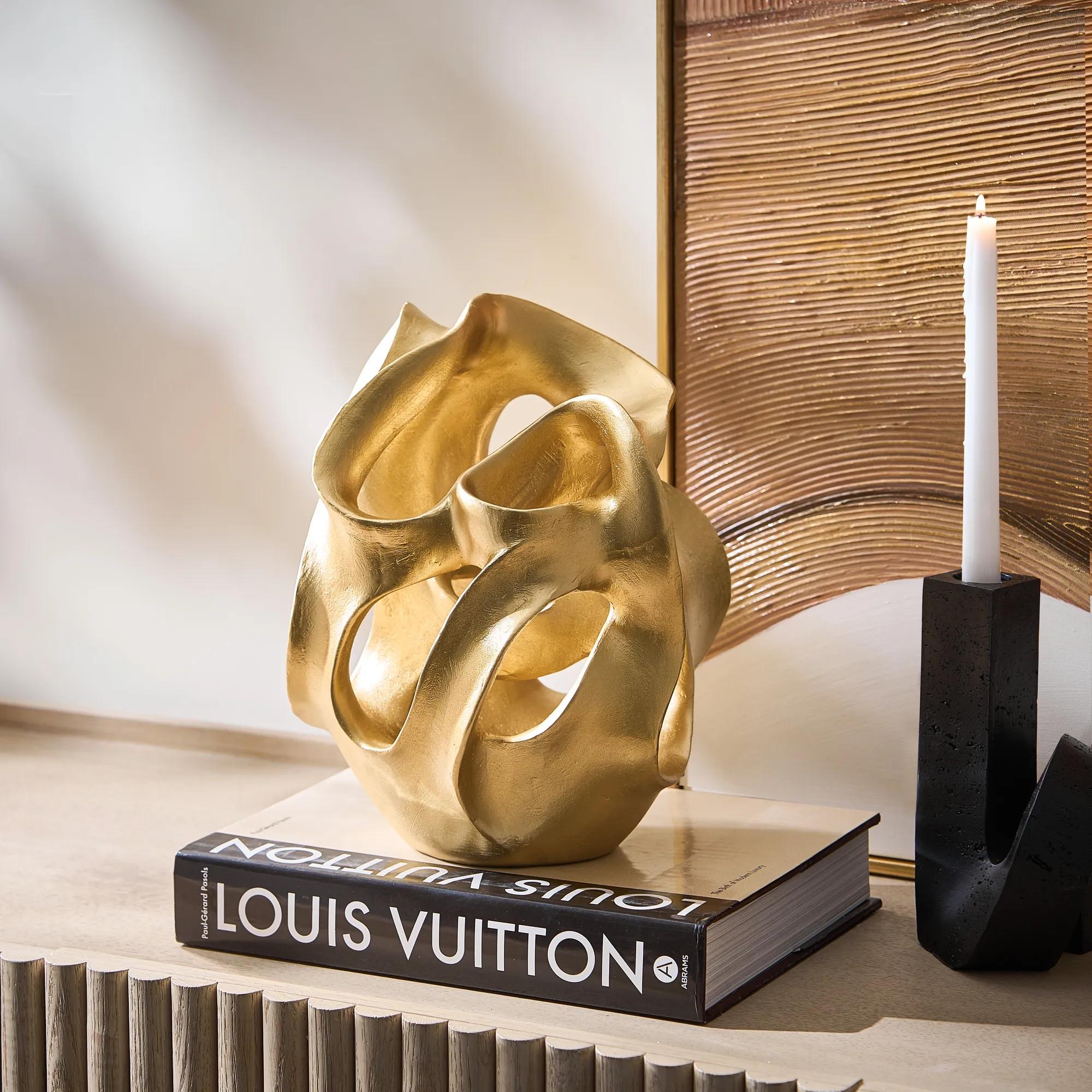 Payal Gold Resin Decorative Object 12"$99
A gold-finished resin sculpture with a fluid open silhouette adds architectural elegance and organic movement.
Add To Cart -
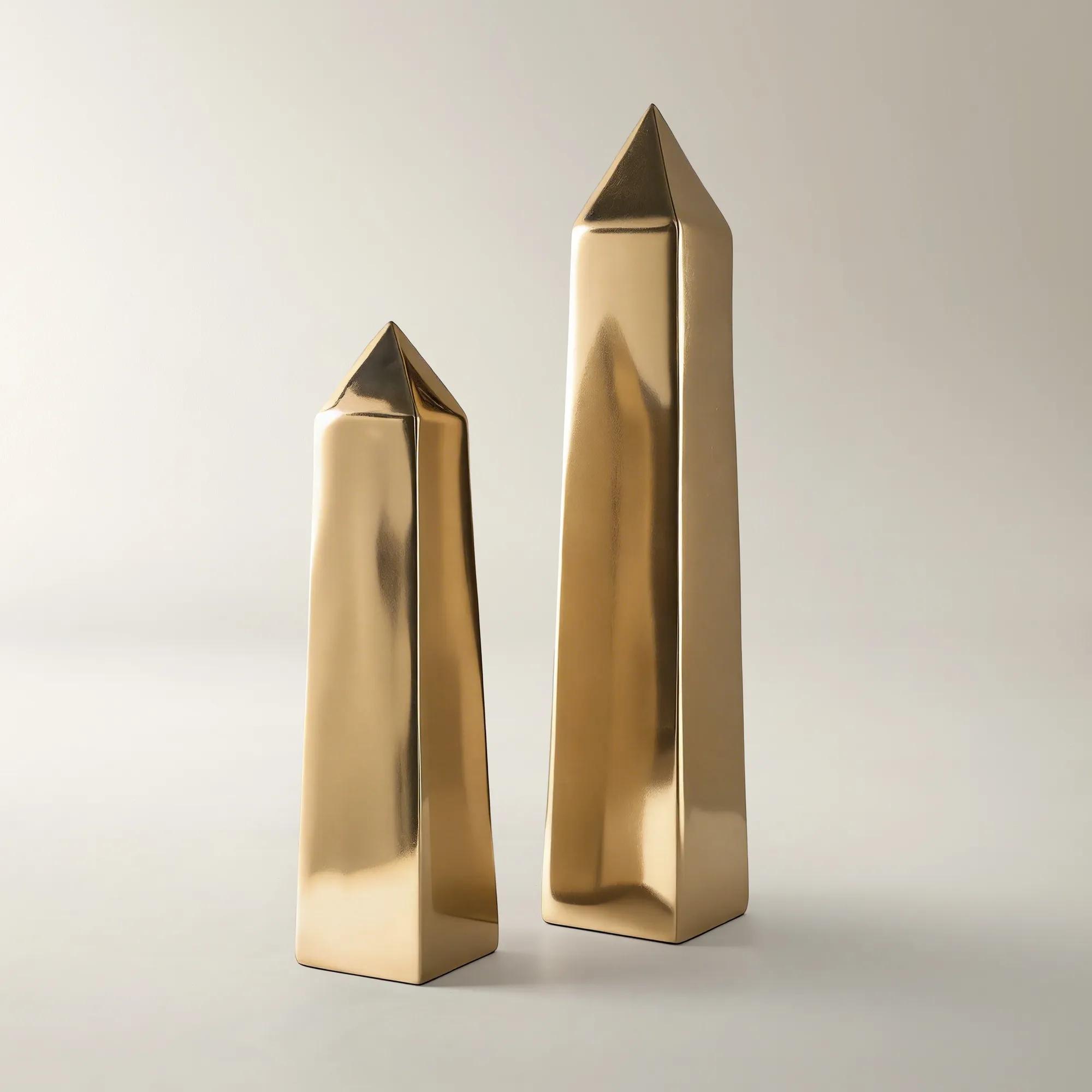
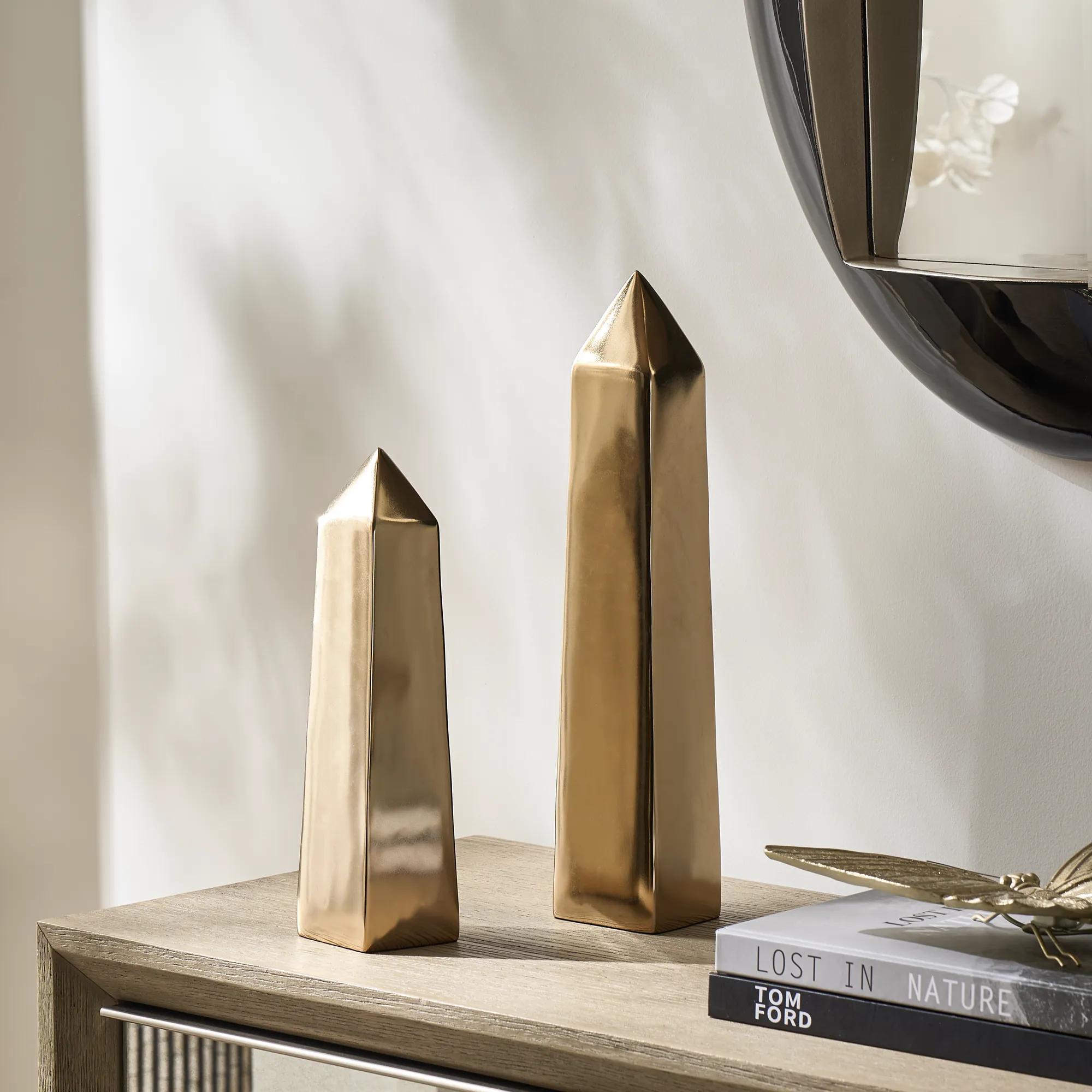 Golden Aluminum Obelisks$59
A sculptural aluminum accent in a soft gold finish that adds modern glamour and architectural drama.
Add To Cart -

 Oversized Cherries Black And Gold Resin Aluminum Decorative Object 17"$150
A striking gold and black aluminum accent piece that adds glamour and sophistication to any décor.
Add To Cart -
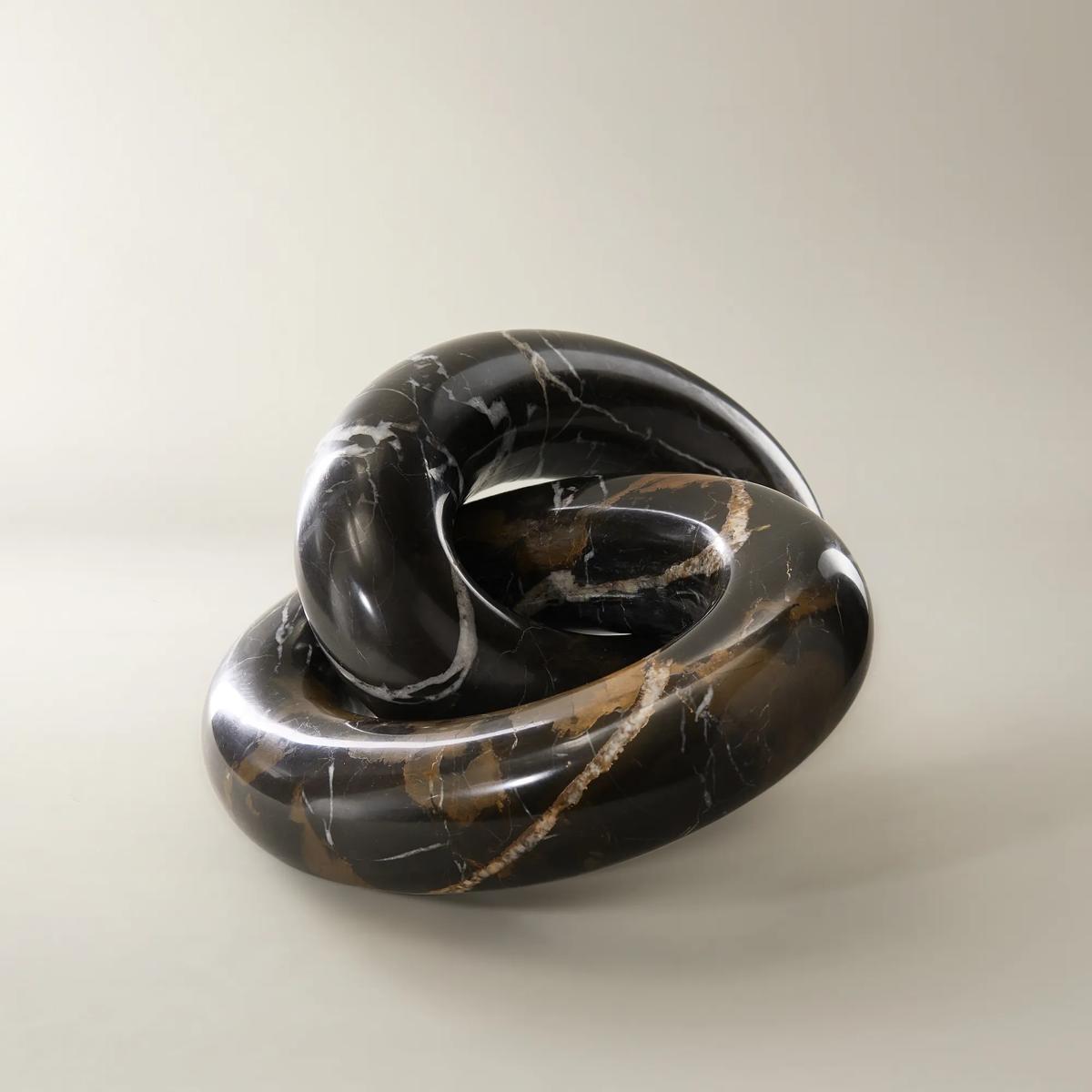 Marble Links Object - Brown$179
A sculptural accent featuring interlocking ovals carved from richly veined, one-of-a-kind brown marble.
Add To Cart -
 Dipped Berry Burgundy Soft Gold Resin Decorative Object$129
A whimsical resin accent featuring a bold strawberry silhouette in rich burgundy and soft gold tones.
Add To Cart -
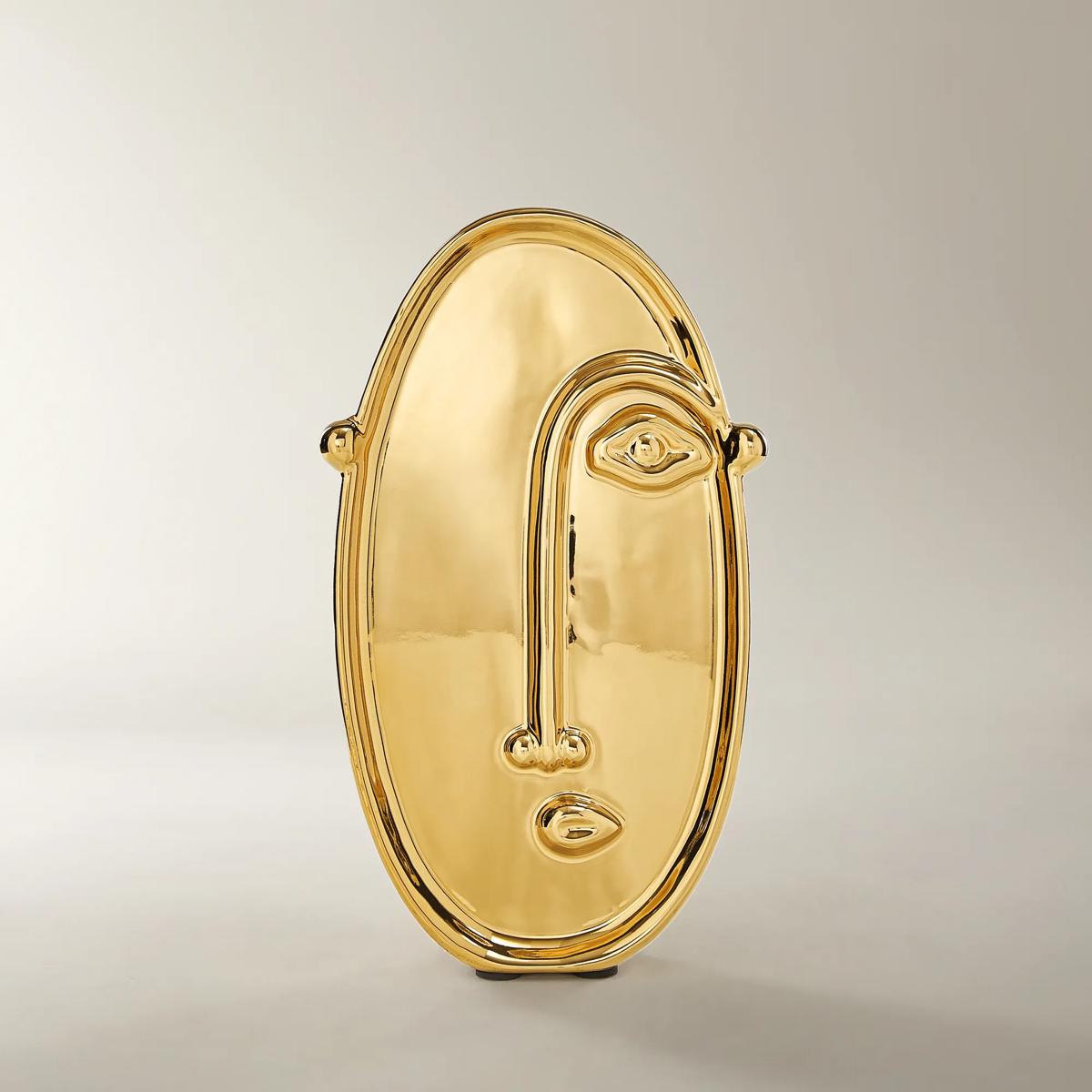
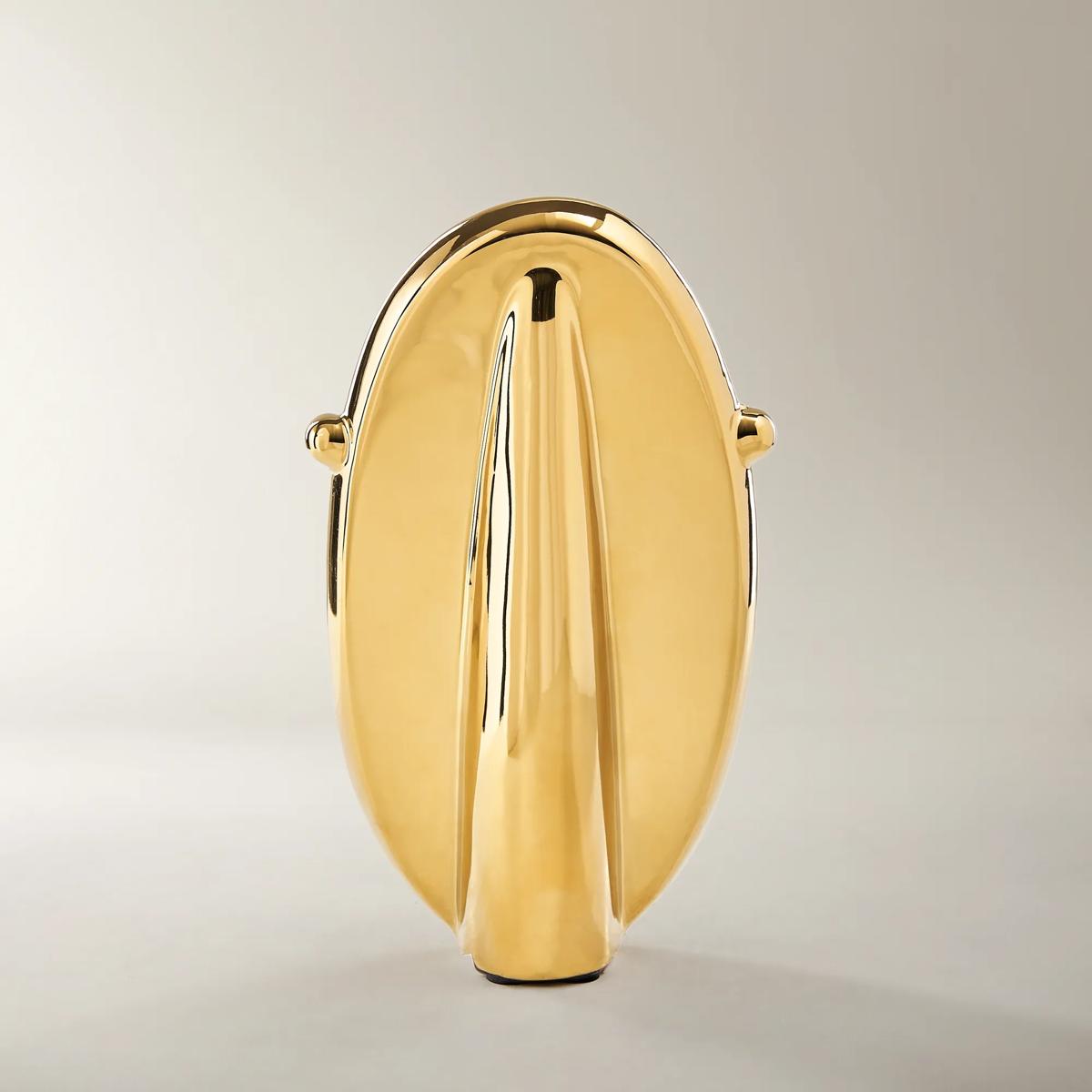 Golden Eye Ceramic Decorative Object 8"$39
A radiant gold ceramic sculpture featuring abstract, elongated facial details for a bold, modern accent.
Add To Cart -
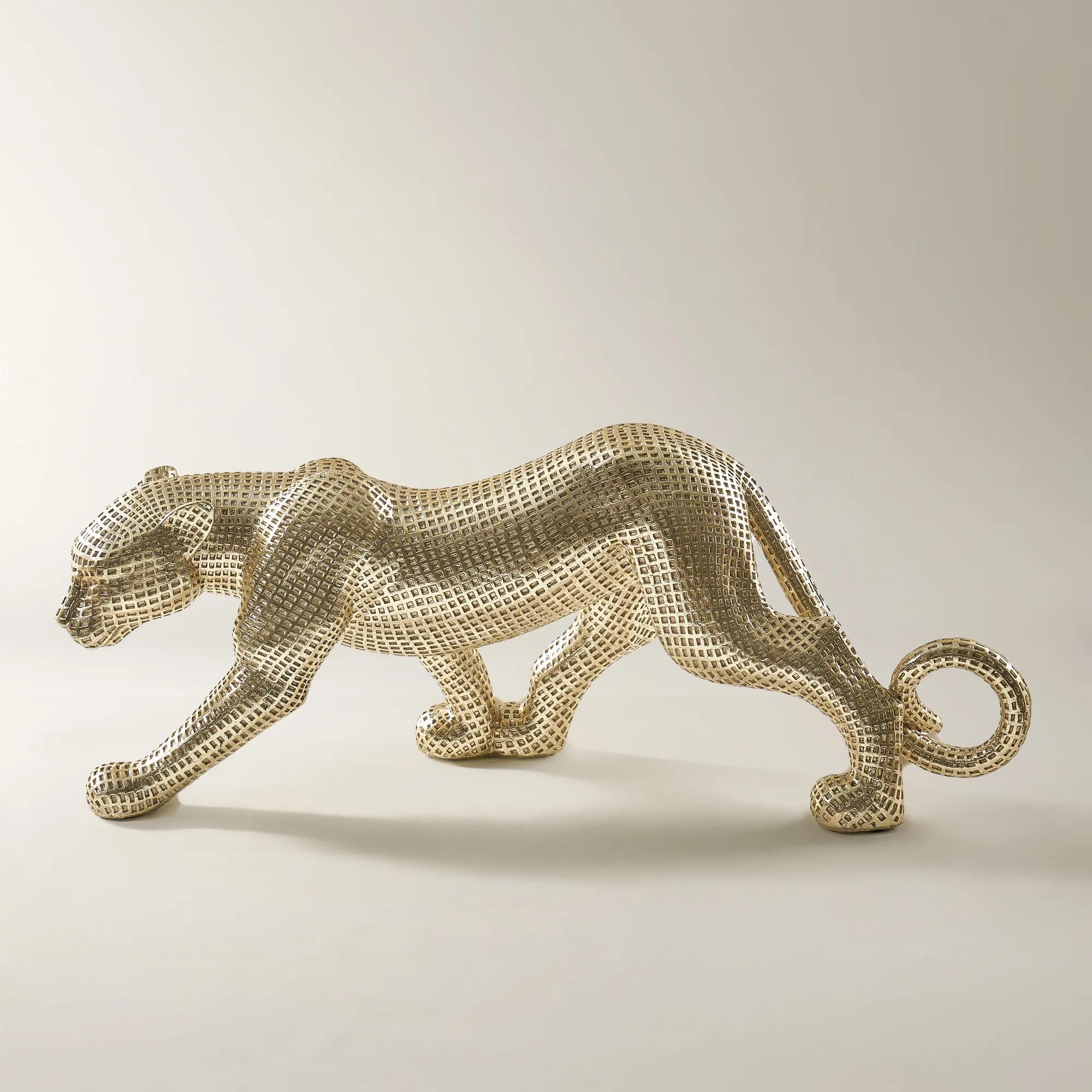
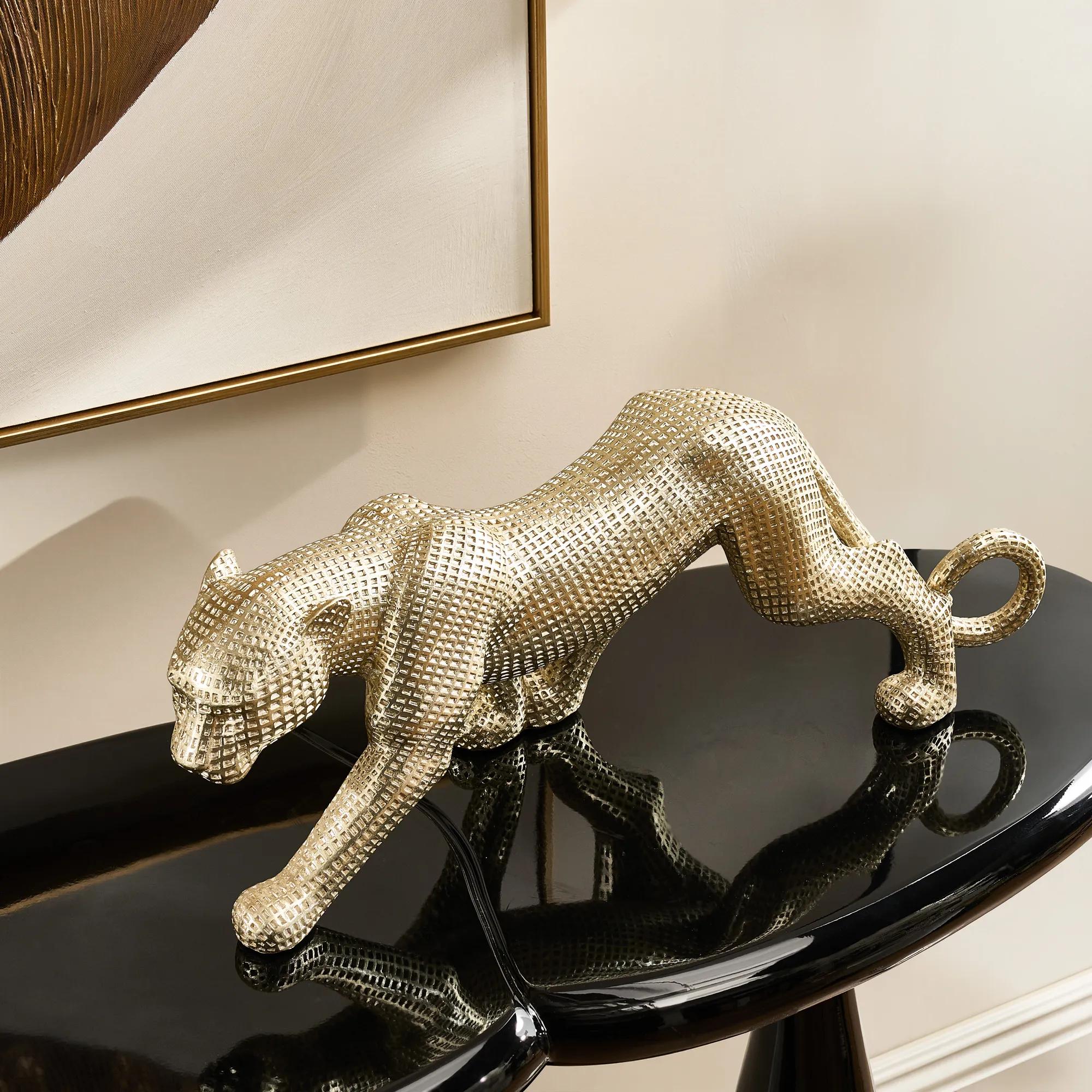 Pardus Champagne Resin Decorative Object 20.5" x 8"$79
A sculptural feline decor piece cast in champagne-finished resin with intricate grid texturing and sleek lines.
Add To Cart -
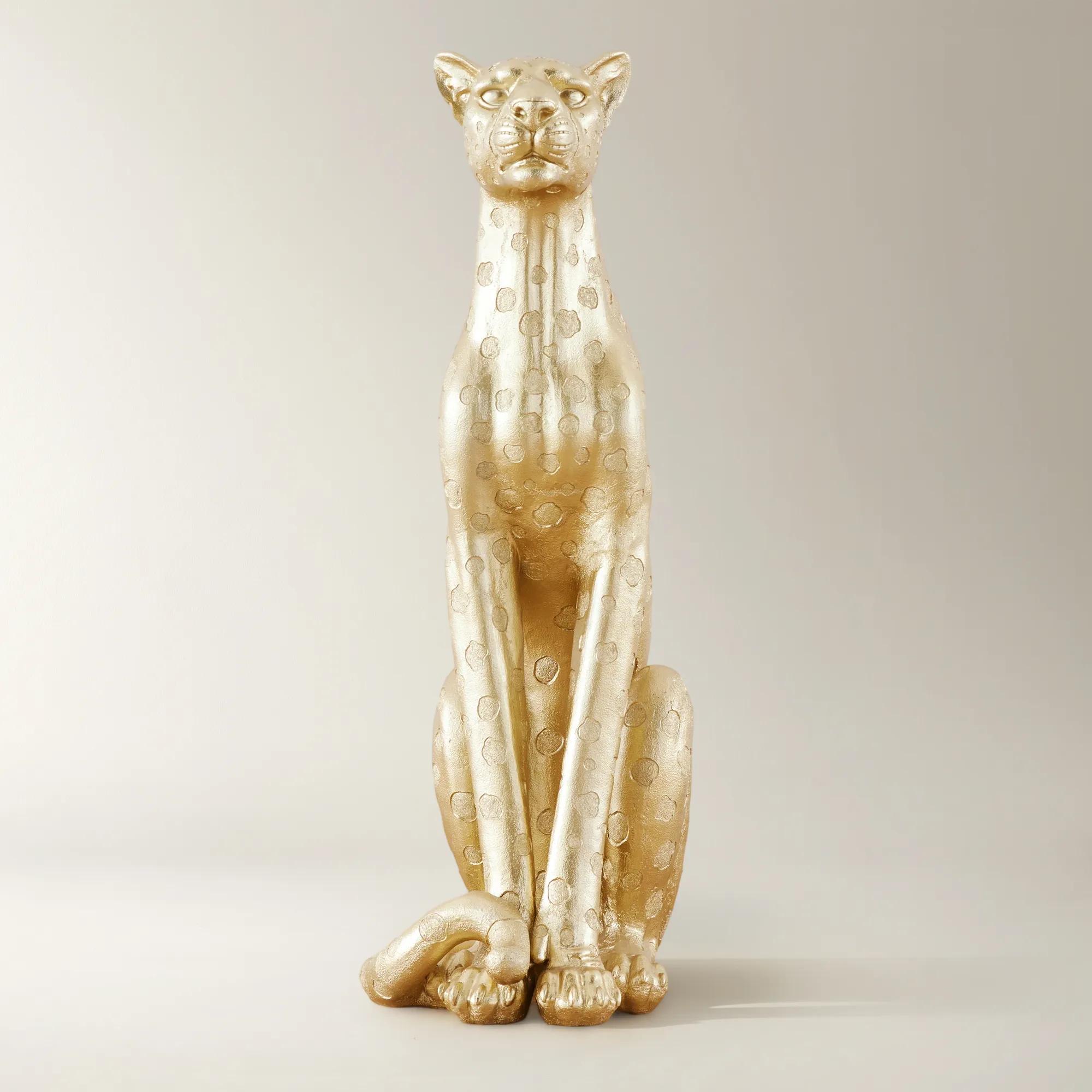 Leopardo Gold Resin Decorative Object 35"$329
A striking gold resin leopard statue that adds a touch of regal elegance to any space.
Add To Cart -
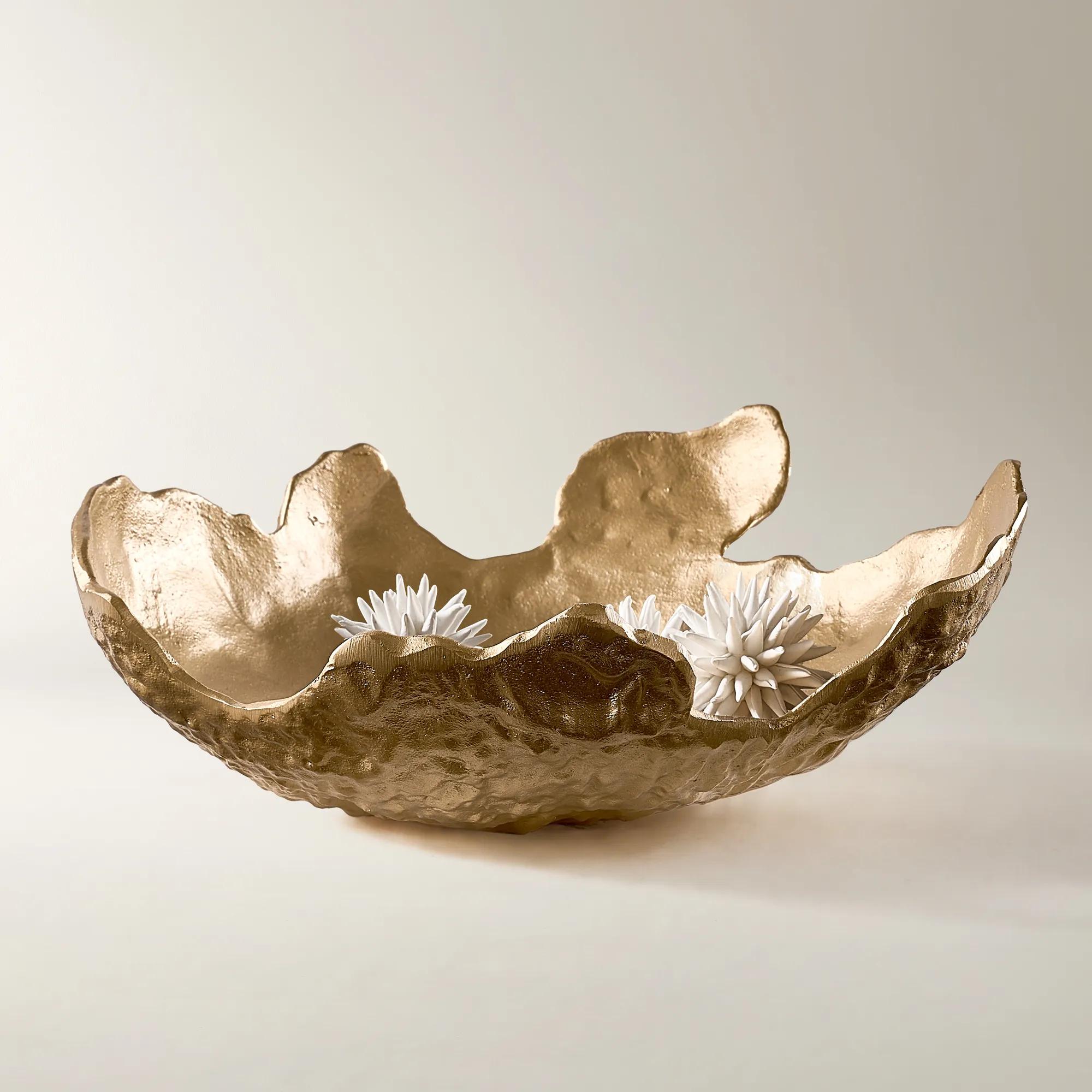 Crush Gold Aluminum Decorative Bowl 16" x 5.75"$169
A sculptural aluminum bowl with a soft gold finish and organic, crushed silhouette for modern decor.
Add To Cart -
 Cherry Mouth Blown Antique Mauve Glass Decorative Object 13.75"$99
A handblown glass cherry in antique mauve brings playful sculptural charm and romantic color to any space.
Add To Cart -
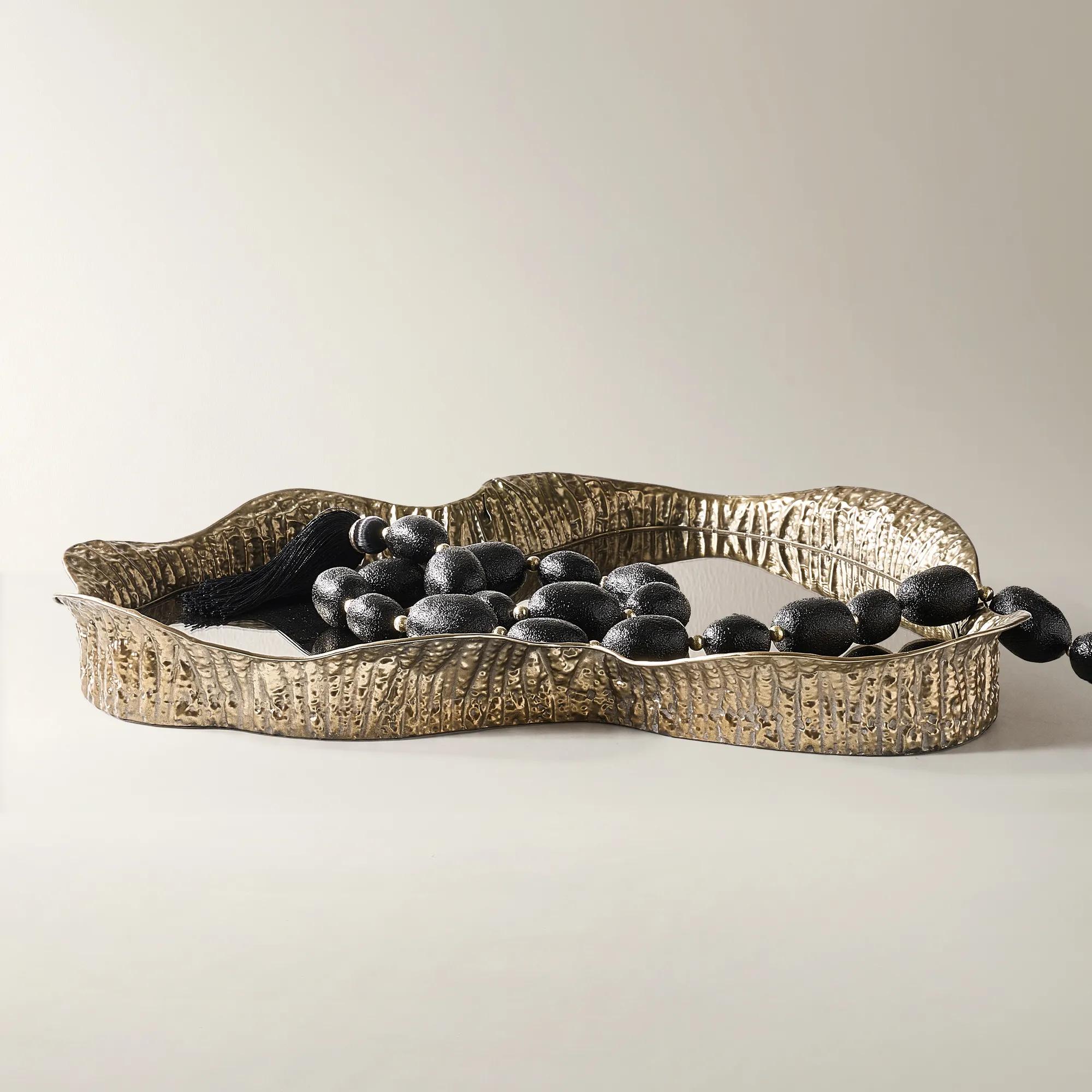 Cara Antique Gold Hand-Forged Iron Organic Shaped Amber Mirror Decorative Tray 21" x 23.5"$319
An antiqued gold iron tray with a bronze-tinted mirror surface for elegant, decorative display.
Add To Cart -
 Glossy Fig Stainless Steel Decorative Ball 7.75"$59
A glossy fig-hued stainless steel ball that adds modern warmth and sculptural shine to any display.
Add To Cart -

 Stone Heart Black Marquino Marble Decorative Object 8"$199
A sculptural heart-shaped decorative object crafted from luxurious black Marquina marble.
Add To Cart -
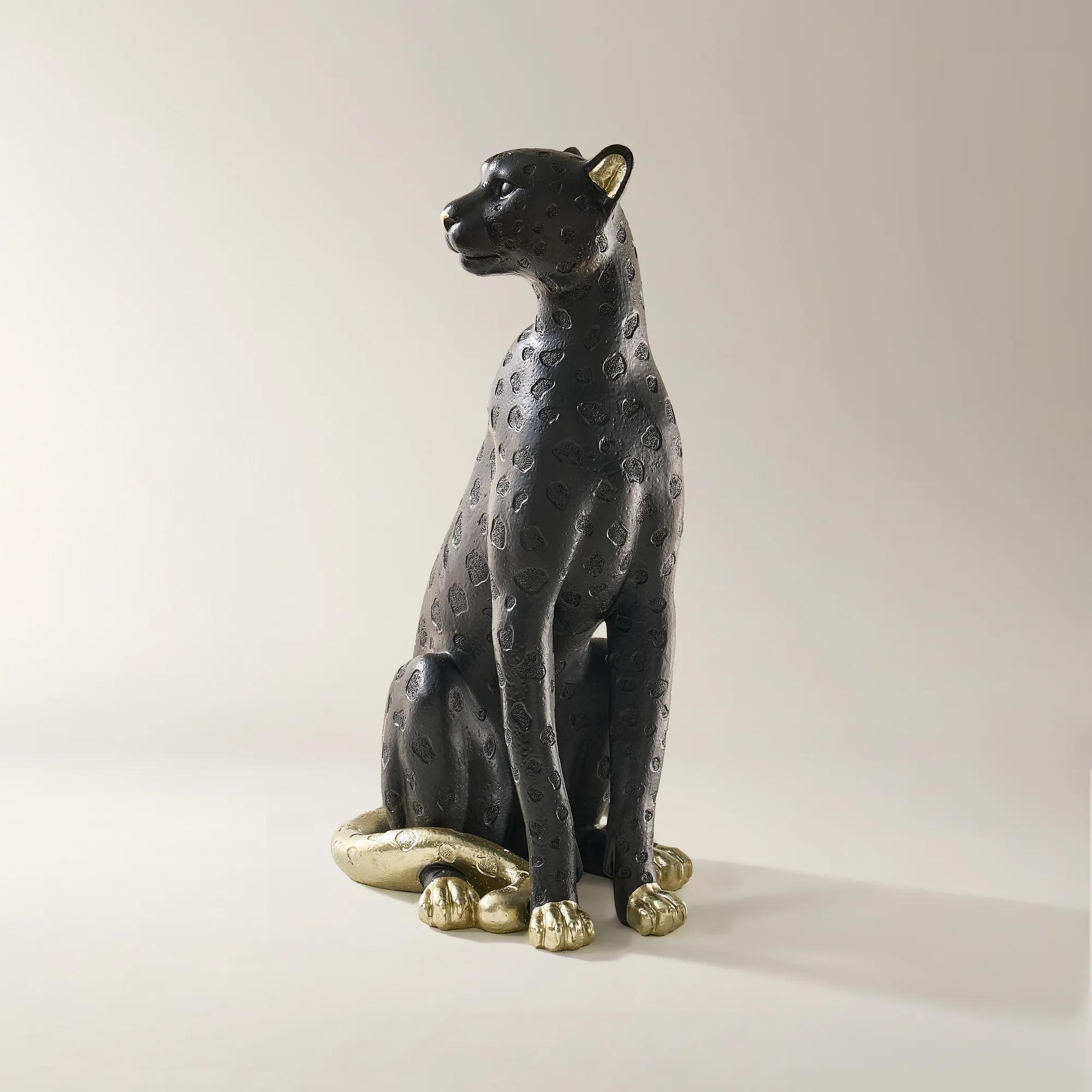
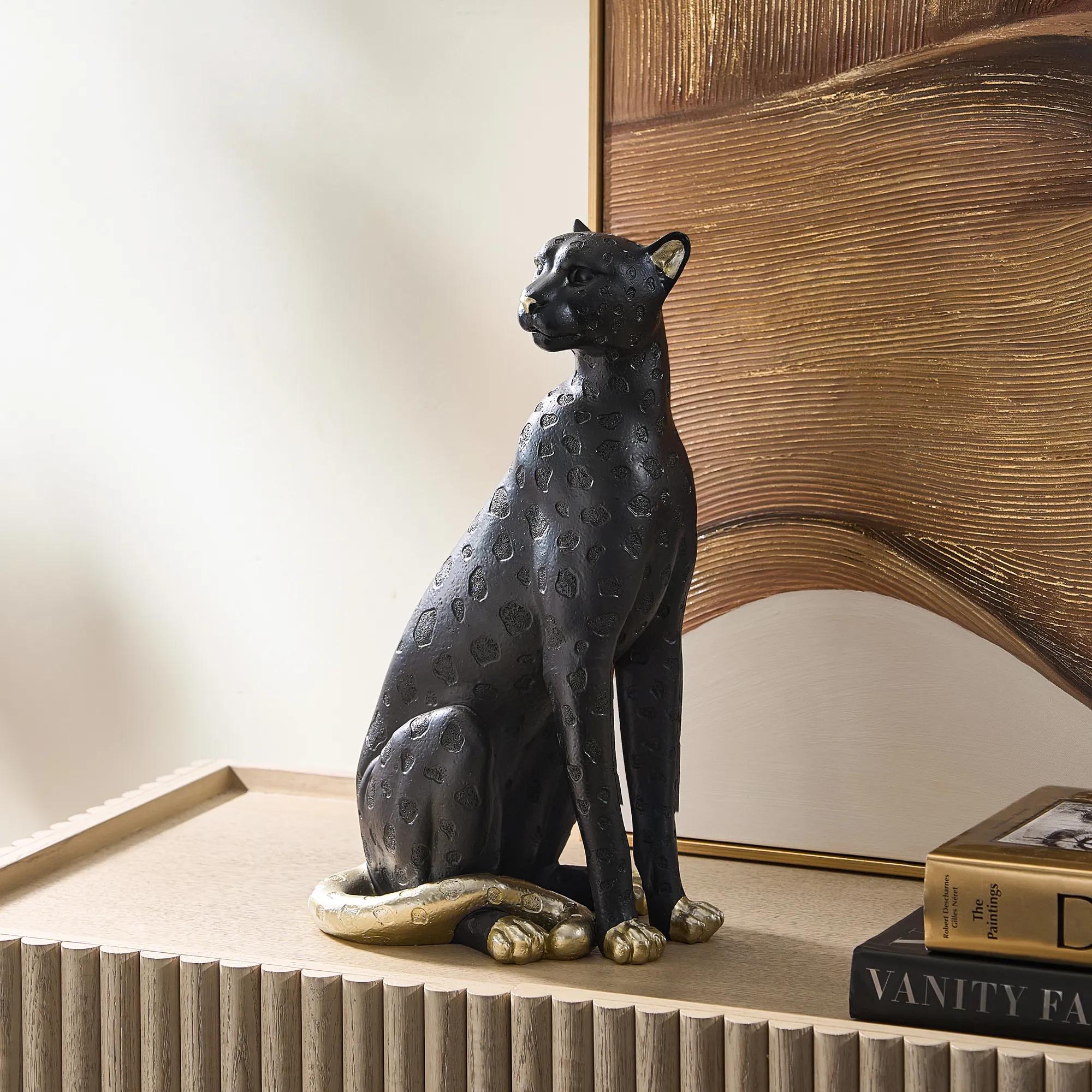 Midnight Leo Black And Gold Resin Object 17.75"$149
A sculpted black resin leopard with gilded gold accents adds bold, artistic glamour to any space.
Add To Cart -
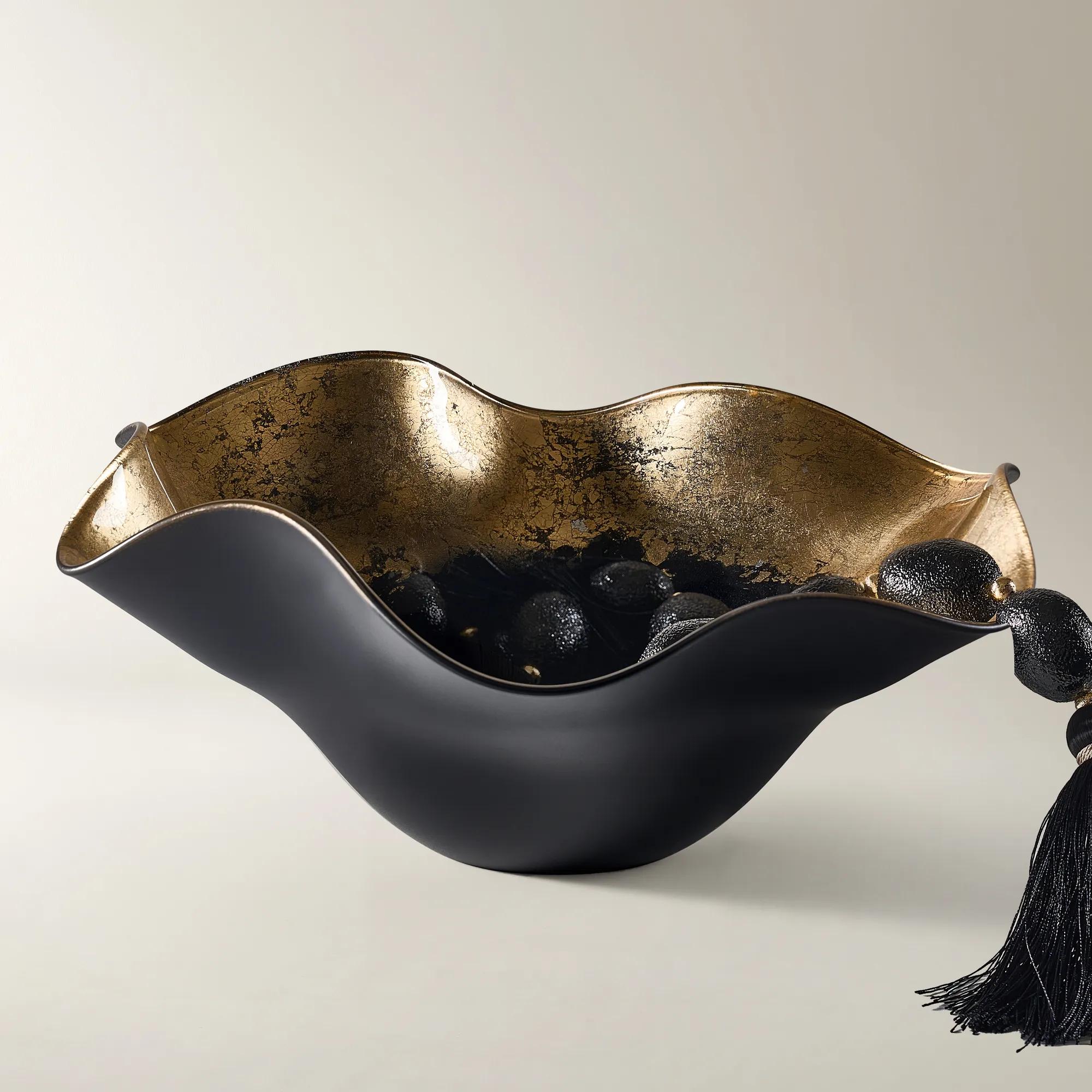
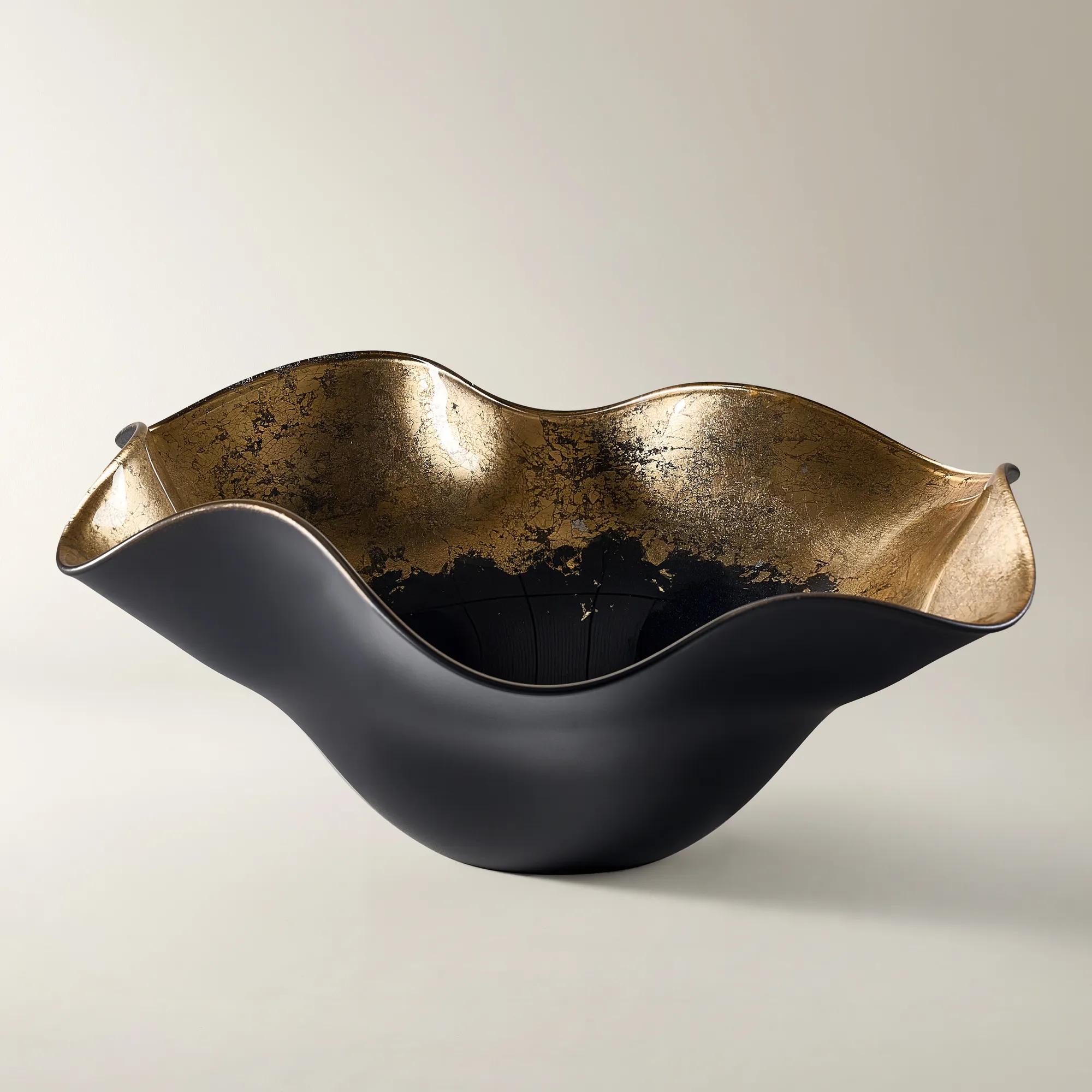 Goldie Mouth Blown Gold Black Glass Decorative Bowl 15.5" x 8.75"$199
A handblown glass bowl in soft gold and black with an organic, sculptural silhouette for modern decor.
Add To Cart -
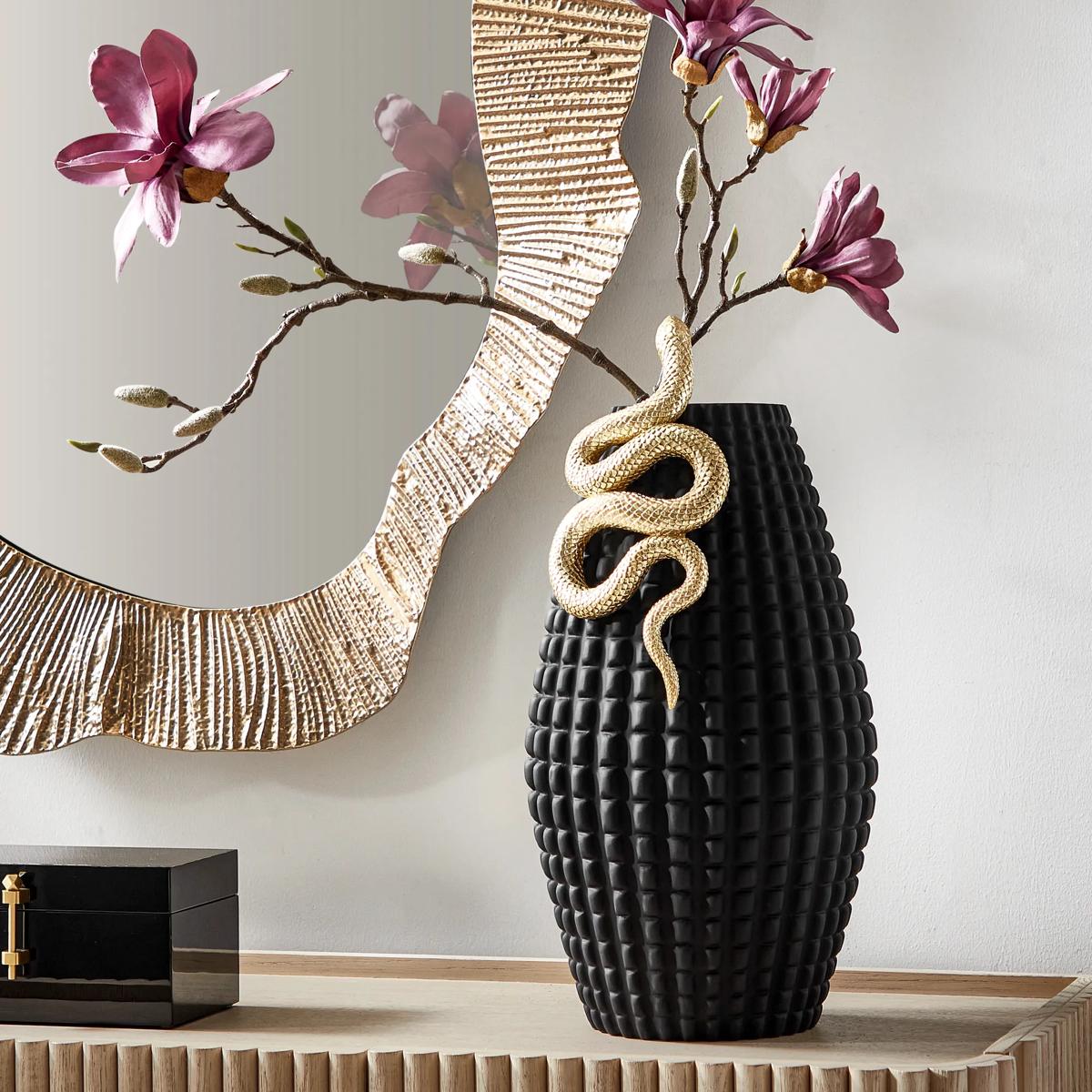
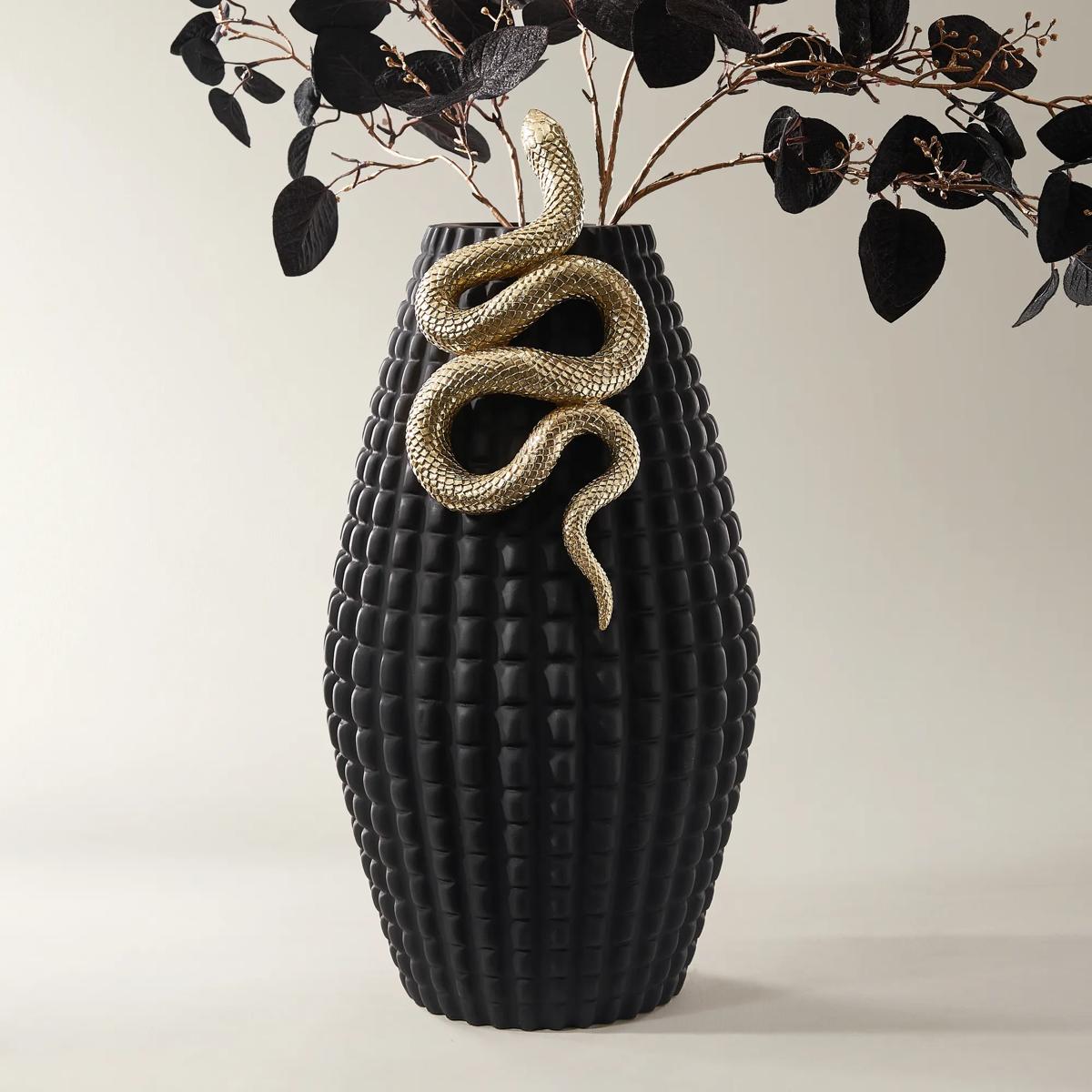 Serpent Vase$119
A matte black resin vase featuring a dramatic gold serpent and raised geometric pattern for bold elegance.
Add To Cart -
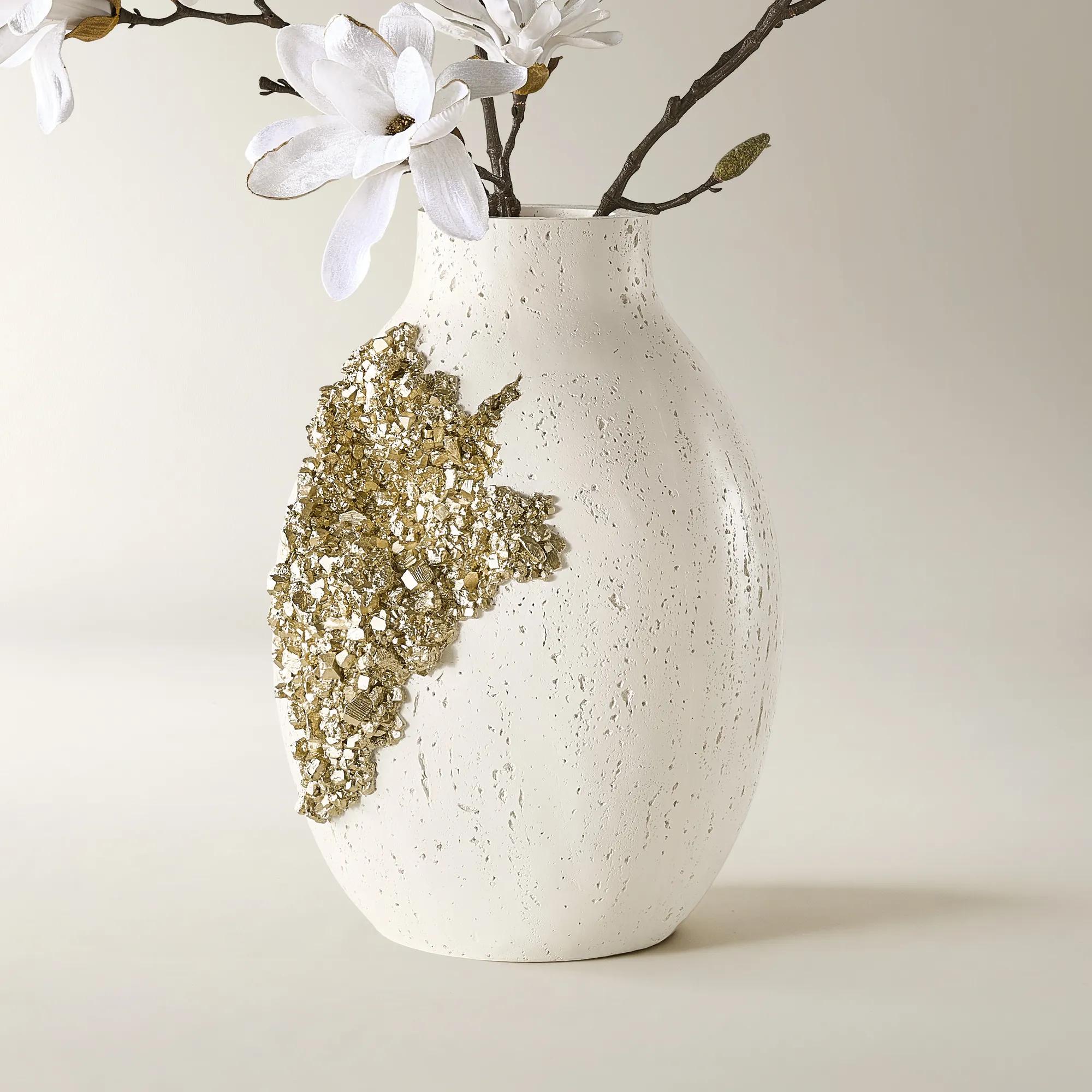 Delve Soft Gold Ivory Resin Vase 18.5"$199
A sculptural polyresin and stone vase in soft gold and white, adding modern glamour to any space.
Add To Cart -
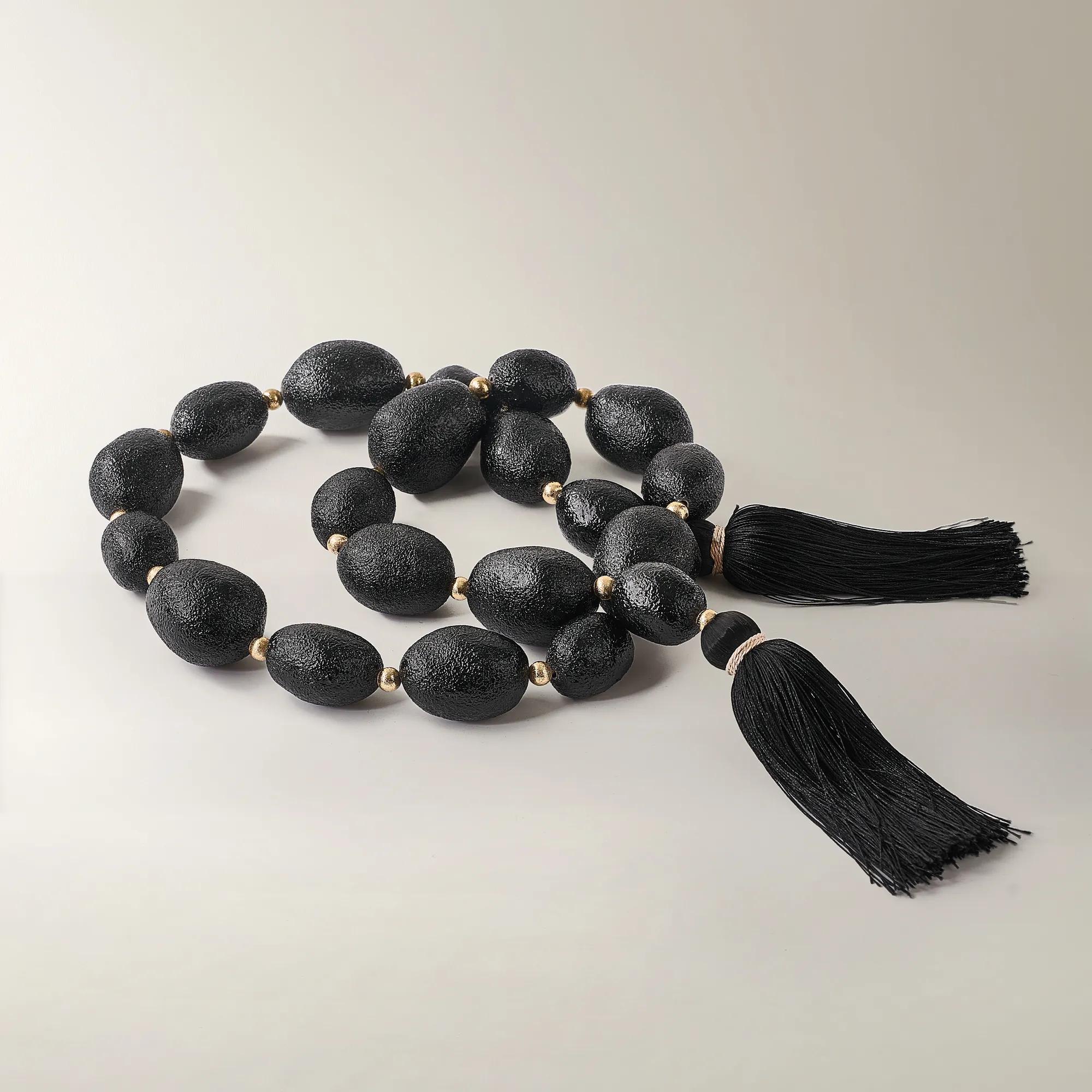 Black And Champagne Resin Decorative Beads 57"$79
A strand of rounded polyresin and stone beads in black and champagne adds modern glamour to any display.
Add To Cart -
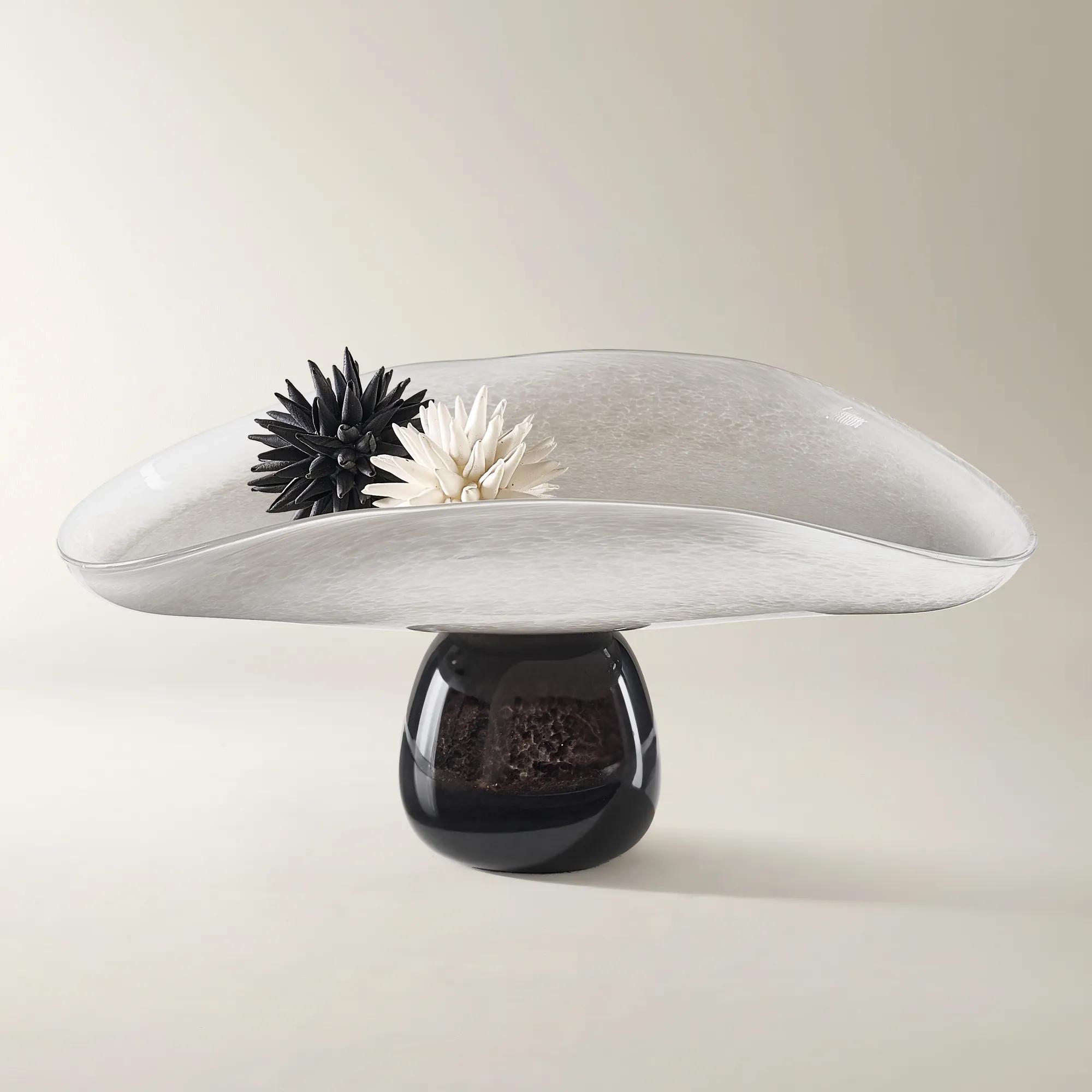 Elois Mouth Blown White Black Pedestal Bowl 14.5" x 7"$149
A handblown glass pedestal bowl featuring striking black and white contrast for a sculptural, modern accent.
Add To Cart -
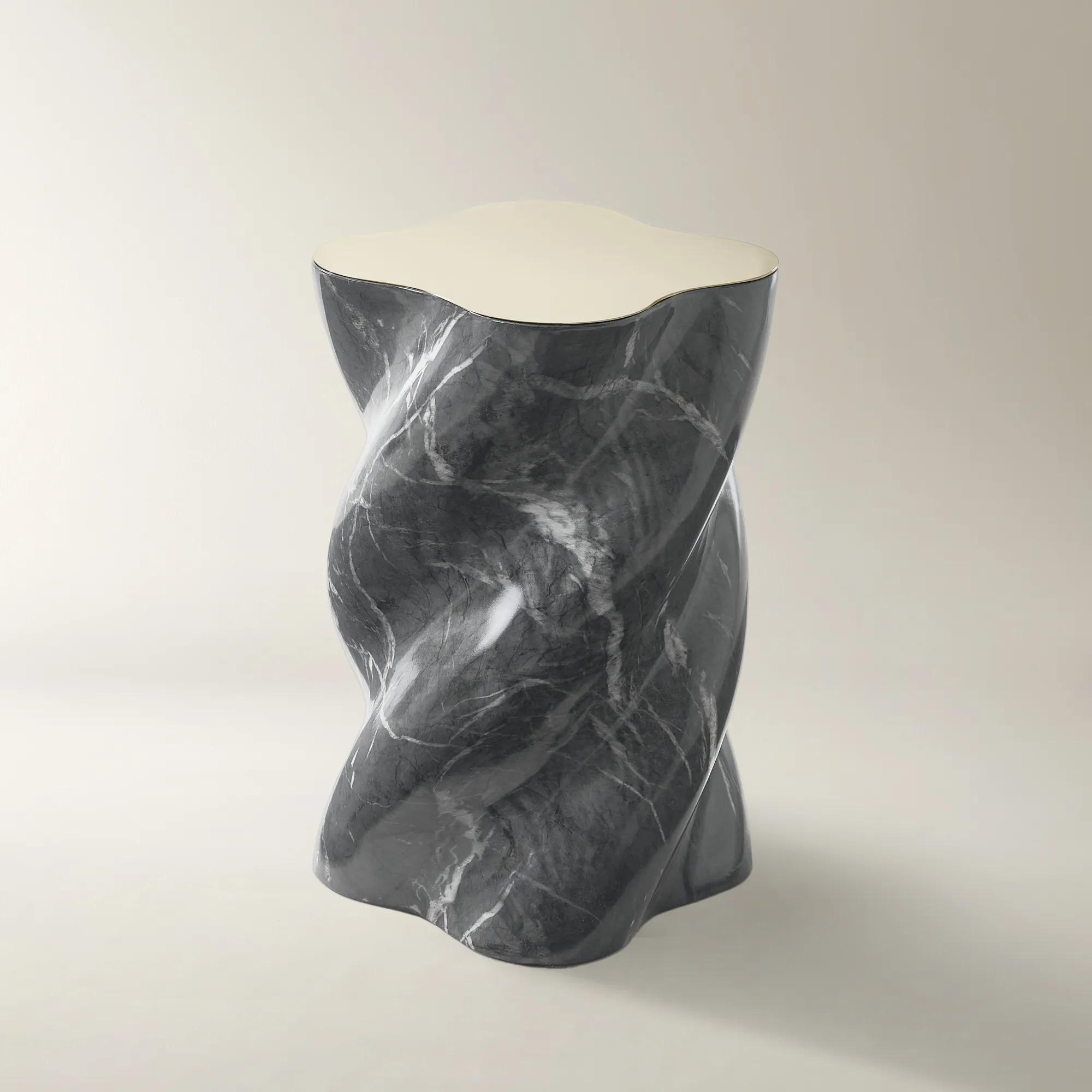 Vega Bvlgary Black Concrete Side Table With Stainless Steel Top (13.8")$459
A sculptural black side table featuring a marble-inspired fiber-concrete base and removable stainless steel top.
Add To Cart -
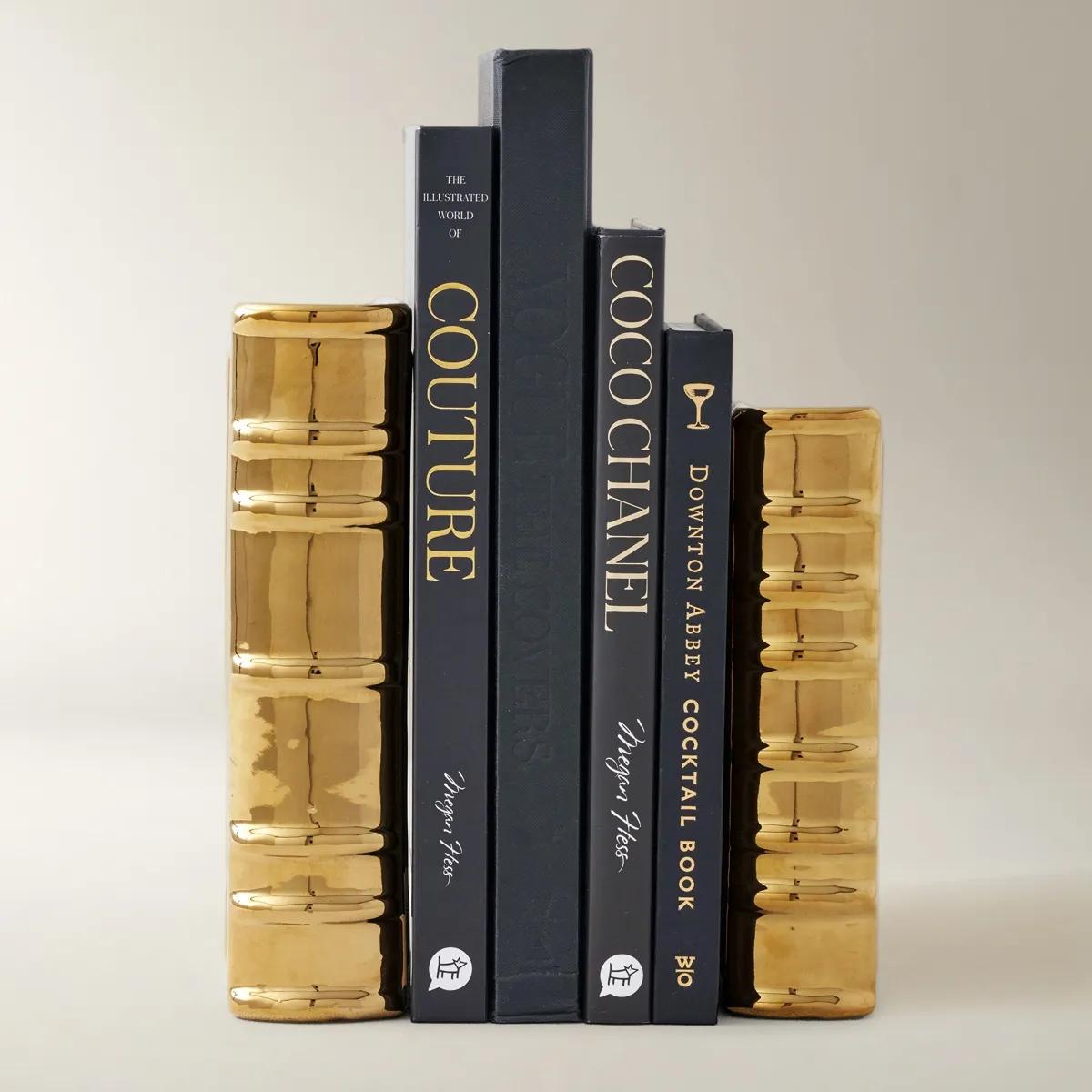 Gold Ceramic Bookends$49
A pair of gold ceramic book accents that double as sleek, modern bookends for any space.
Add To Cart -
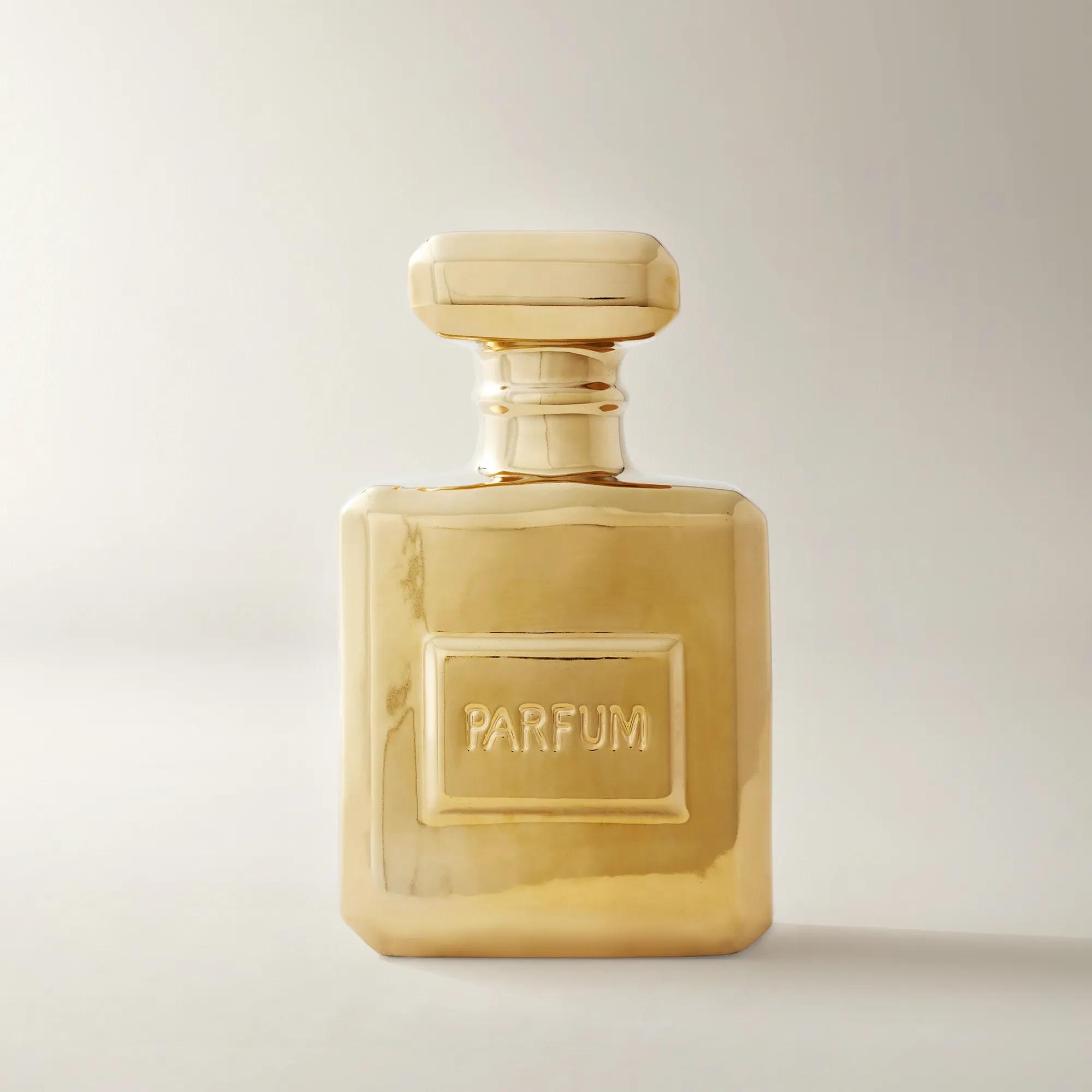 Parfum Bottle Gold Ceramic High Gloss Coin Bank$39
A chic ceramic coin bank in a metallic gold finish, styled like an elegant perfume bottle.
Add To Cart -
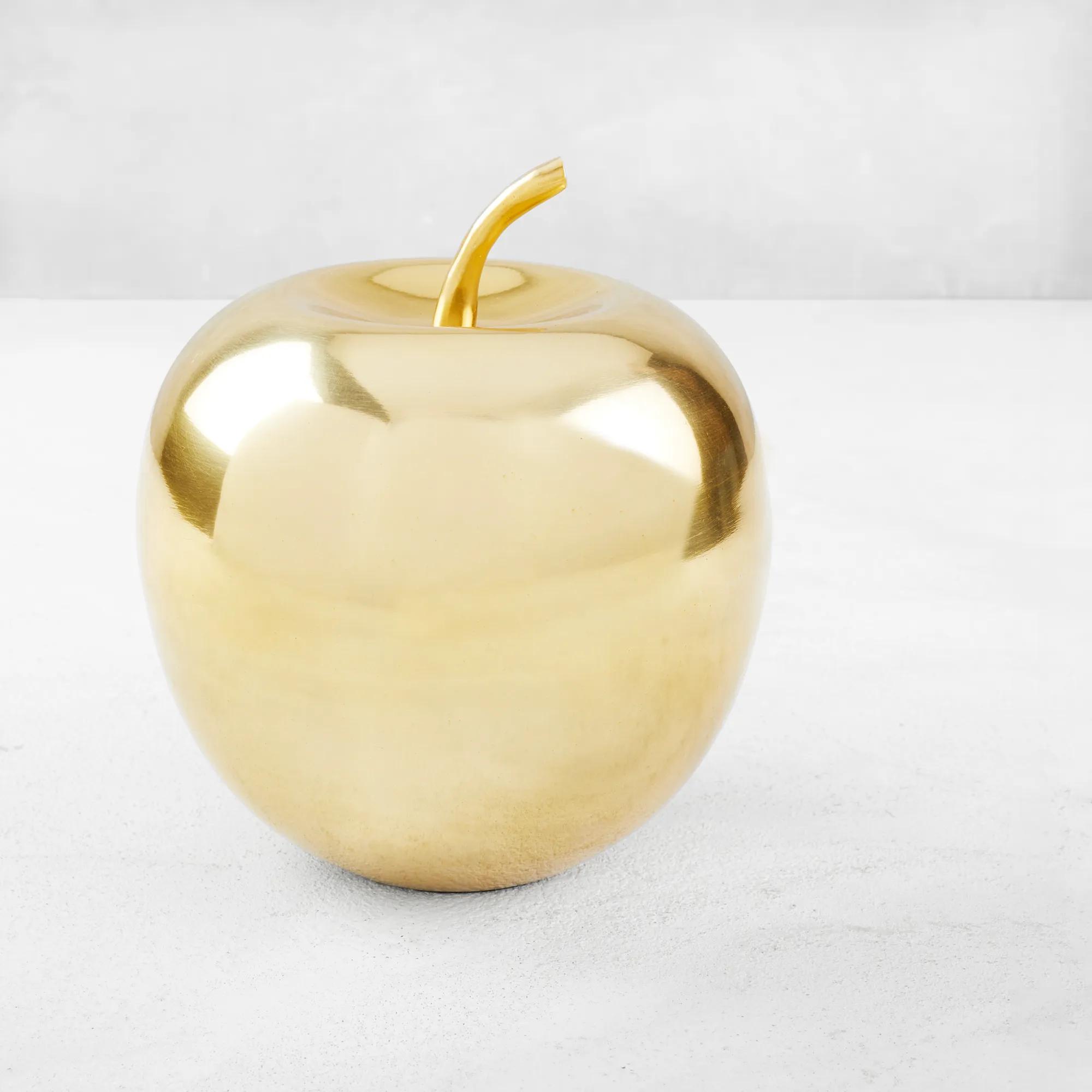
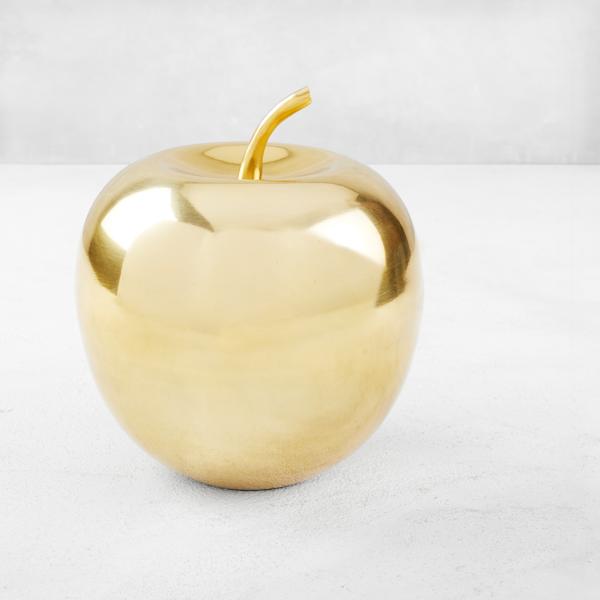 Gold Oversized Apple Aluminum Decorative Object 7.5"$69
A glamorous gold aluminum apple that adds a sophisticated statement to any décor.
Add To Cart

Luxury Tabletop Decorative Objects
Luxury tabletop decorative objects are the finishing flourish that transforms a surface into a stage—each piece an invitation to indulge in artistry and allure. Imagine sculptural forms catching the light, gleaming accents that spark conversation, and opulent textures that beckon a closer look. Whether poised atop a glamorous console or commanding attention at the center of your dining table, these curated treasures infuse every setting with drama and distinction. Elevate your décor and let your personality shimmer—because with luxury tabletop decorative objects, even the smallest details make a grand impression.
Luxury tabletop decorative objects are sculptural accents, decorative vessels, bowls, trays, and boxes that bring artistry, texture, and visual focus to coffee tables, consoles, dining tables, and other display surfaces. Their appeal lies in the relationship between material and form: the weight of polished stone, the luminous depth of glass, the crisp silhouette of cast metal, or the rich sheen of a lacquered finish. A sweeping curve can soften the geometry of a rectangular table, while an angular sculpture introduces tension against plush upholstery. These pieces give a room a distinct point of view without requiring a change to its larger furnishings. Materials shape that expression in different ways. Marble and other natural stones offer veining and tonal variation that make each surface visually individual; glass brings transparency, saturated color, or light-catching texture; ceramic can feel architectural or fluid, depending on its shape and glaze. Metal finishes range from softly brushed to highly reflective, creating anything from a restrained gleam to a brilliant focal point. Hand-blown glass, when identified as such, may reveal subtle variations in contour or small bubbles associated with its making, while hand-applied finishes can lend depth through deliberate irregularity. Such characteristics should be understood through the individual piece’s description rather than assumed from appearance alone. The distinction between a compelling accent and a purely ornamental addition often comes down to proportion, finish, and the way it interacts with its surroundings. On dark wood, a pale stone form creates a striking silhouette. Against a mirrored surface, textured ceramic offers relief from reflection. Clear or tinted glass can preserve a sense of openness on a narrow console while still giving the arrangement presence. Luxury table decor need not rely on elaborate ornament: a generous scale, a beautifully resolved edge, or an unexpected hollow at the center of a sculpture can command attention with remarkable confidence. The effect is expressive rather than crowded, allowing individual forms to register as art within the room.
Scale determines how comfortably decorative objects belong on a tabletop, both visually and in daily use. Width and depth matter as much as height, especially on a coffee table that also holds drinks, reading materials, and a serving tray when guests arrive. A broad, low centerpiece can anchor that surface without interrupting conversation, while a taller sculptural accent often feels more at home on a console with open wall space above it. On a dining table, an arrangement intended to remain in place during meals should leave room for place settings, serving dishes, and clear sightlines across the table. A substantial base helps an object feel visually grounded, but actual stability depends on its construction, balance, and the surface beneath it. Slender projections and overhanging edges deserve particular consideration in busy rooms, especially where children or pets can reach them. For a smaller side table, one expressive piece may deliver more impact than several accents competing with a lamp. On a long entry console, contrasting heights can create a deliberate rhythm: a rounded vessel, a low decorative box, and a sculptural form with open space around it. A limited palette gives those differences in shape room to shine. Ivory, charcoal, and a measured touch of metallic luster can feel richly layered without becoming visually restless, while jewel-toned glass introduces concentrated color against neutral furnishings. Decorative trays can frame a composition and, when designed for the purpose, gather small everyday essentials into an orderly arrangement. Lidded boxes offer discreet storage, though their interior dimensions and lining determine what they can comfortably hold. Pieces selected alongside complementary luxury decorative accessories can establish continuity through a repeated finish or curve rather than an exact match. That continuity is especially effective in connected living and dining spaces, where a shared material creates a visual thread while different silhouettes give each surface its own identity. The result feels collected, personal, and considered, with enough open tabletop to make the beauty livable.
Lasting enjoyment of tabletop decorative objects depends on matching their materials and intended use to the room. A decorative bowl is not necessarily food-safe, a vessel is not automatically watertight, and an ornamental tray may not be suitable for carrying drinks or serving food. Product specifications should establish those uses, along with any restrictions involving water, heat, or direct sunlight. A vessel intended only for dry display can still make a dramatic statement on its own or with suitable dried or faux stems. Glass and ceramic offer enduring visual appeal, but both can chip or break if struck; stone feels substantial yet may stain, scratch, or develop edge damage. Marble is particularly sensitive to acidic substances, making separation from beverages, citrus, and unsuitable cleaners important. Metal accents vary by composition and coating: some finishes are designed to retain a consistent appearance, while others may develop a patina. Lacquered and mirrored surfaces reward gentle handling, since grit beneath an object or an abrasive cloth can compromise their sheen. Routine care generally begins with a soft, clean cloth and the manufacturer’s instructions, with cleaning methods tailored to the actual material rather than its color or apparent finish. Dust caught in a deeply textured surface may call for a soft brush if the care guidance permits it. Lifting pieces instead of sliding them helps protect both the accent and the furniture, and compatible protective pads can reduce direct contact with delicate tabletops. Heavier objects also warrant attention to the table’s weight capacity, particularly when the surface is glass. These practical details preserve the pleasure of living with expressive design rather than treating it as untouchable. For a housewarming, wedding, or meaningful personal milestone, a thoughtfully chosen decorative object can become a lasting reminder of the occasion. The strongest choice reflects the recipient’s surroundings and taste: a compact, richly textured accent for an intimate apartment, a luminous glass form for someone drawn to color, or a generous sculptural centerpiece for an avid host. Whether given or personally selected, the piece earns its place through the character it brings to everyday rituals—a composed entryway, an inviting gathering space, a dining table with unmistakable presence.
FAQs
Begin by selecting a central theme or color palette that complements your existing decor. Layer objects of varying heights and textures—such as metallic sculptures, glass vases, and ceramic accents—to create visual interest. Group items in odd numbers for a curated, editorial feel, and use trays or mirrored surfaces to anchor your arrangement. Remember, negative space is just as important as the objects themselves; allow each piece to breathe and shine.
Luxury tabletop accents often feature opulent materials such as hand-blown glass, polished marble, gleaming metals like gold or silver, and richly glazed ceramics. You may also find pieces crafted from crystal, alabaster, or even semi-precious stones. These materials are chosen not only for their beauty but for the way they reflect light and elevate the ambiance of your space.
Absolutely—these objects make unforgettable gifts for housewarmings, weddings, birthdays, or holidays. A thoughtfully selected decorative accent can express personality and taste, making it a cherished keepsake. For a curated selection of gift-worthy options, explore our <a href="https://zgallerie.com/o/decorative-objects-for-gifting">Decorative Objects For Gifting</a> collection.
Incorporate objects that echo the season’s spirit—think shimmering candleholders, gilded bowls, or sculptural figurines. Arrange them alongside fresh greenery, elegant dinnerware, and sparkling glassware to create a layered, festive atmosphere. Play with reflective surfaces and metallic finishes to capture the glow of candlelight and add a sense of celebration to every gathering.
Yes, these versatile accents transcend style boundaries. In modern settings, opt for bold, abstract pieces or those with clean lines and metallic finishes. For traditional spaces, choose ornate objects, hand-painted ceramics, or classic crystal. The key is to select pieces that speak to your personal aesthetic while enhancing the overall mood of the room.