Marble Living Room Accessories
Marble Living Room Accessories
-
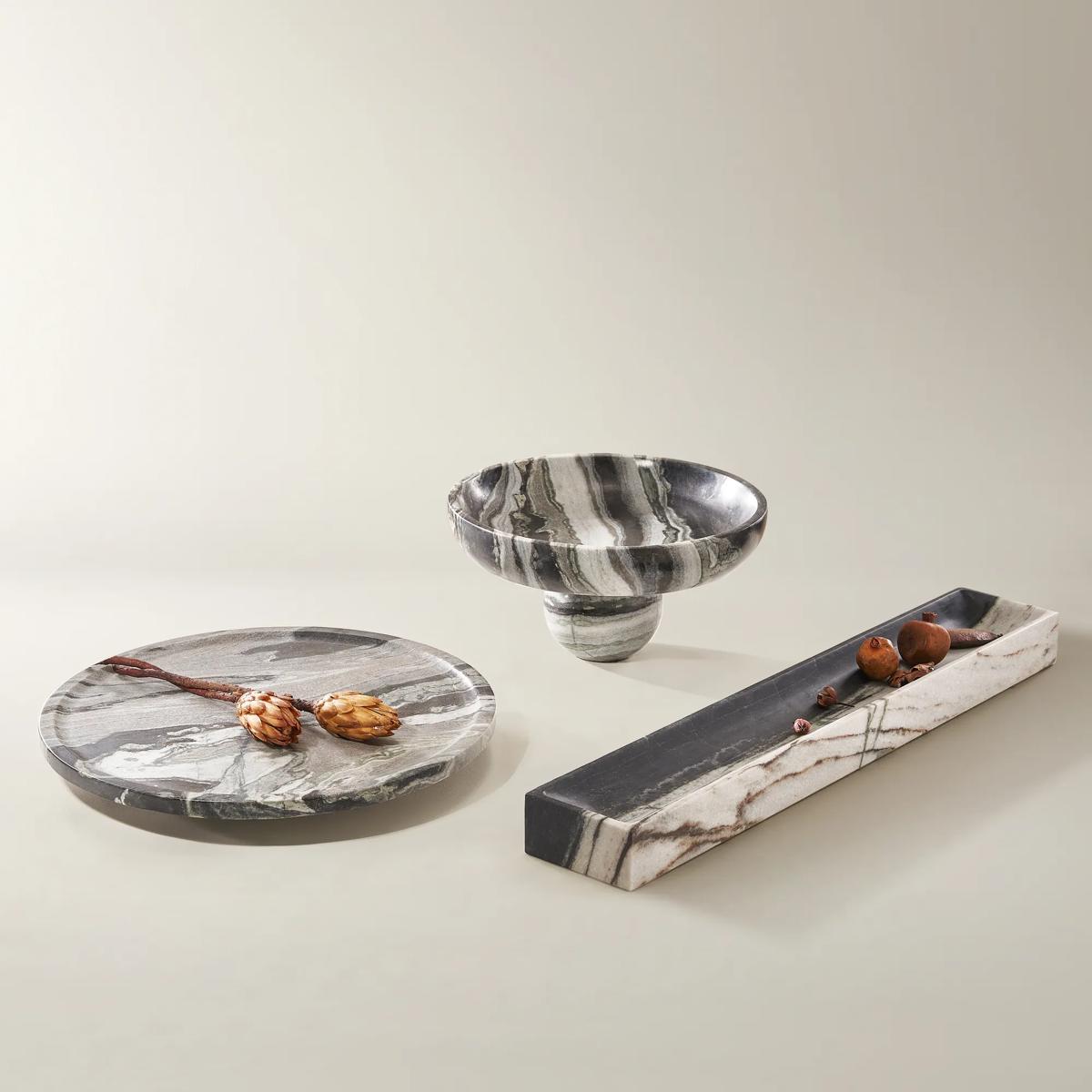
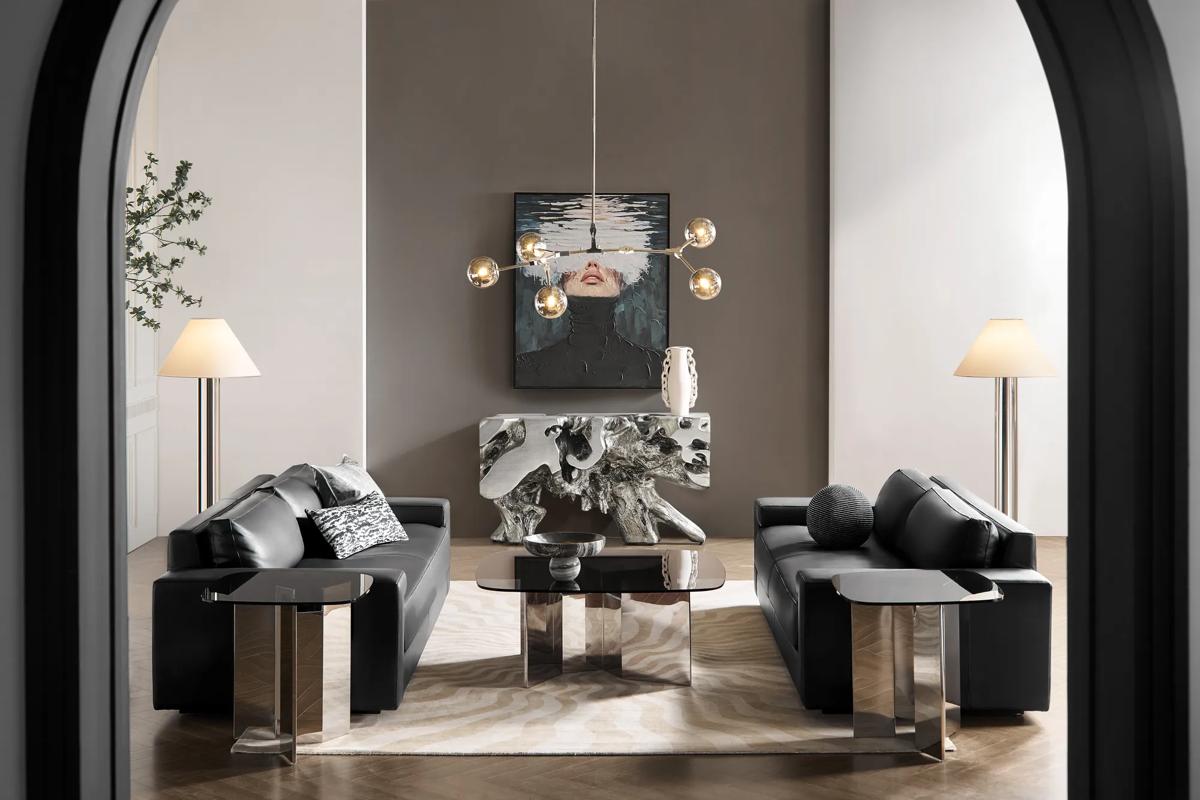 Luxe Marble Collection$149
A striking black marble decor collection featuring unique veining and elegant footed bowl, tray, and riser.
Add To Cart -
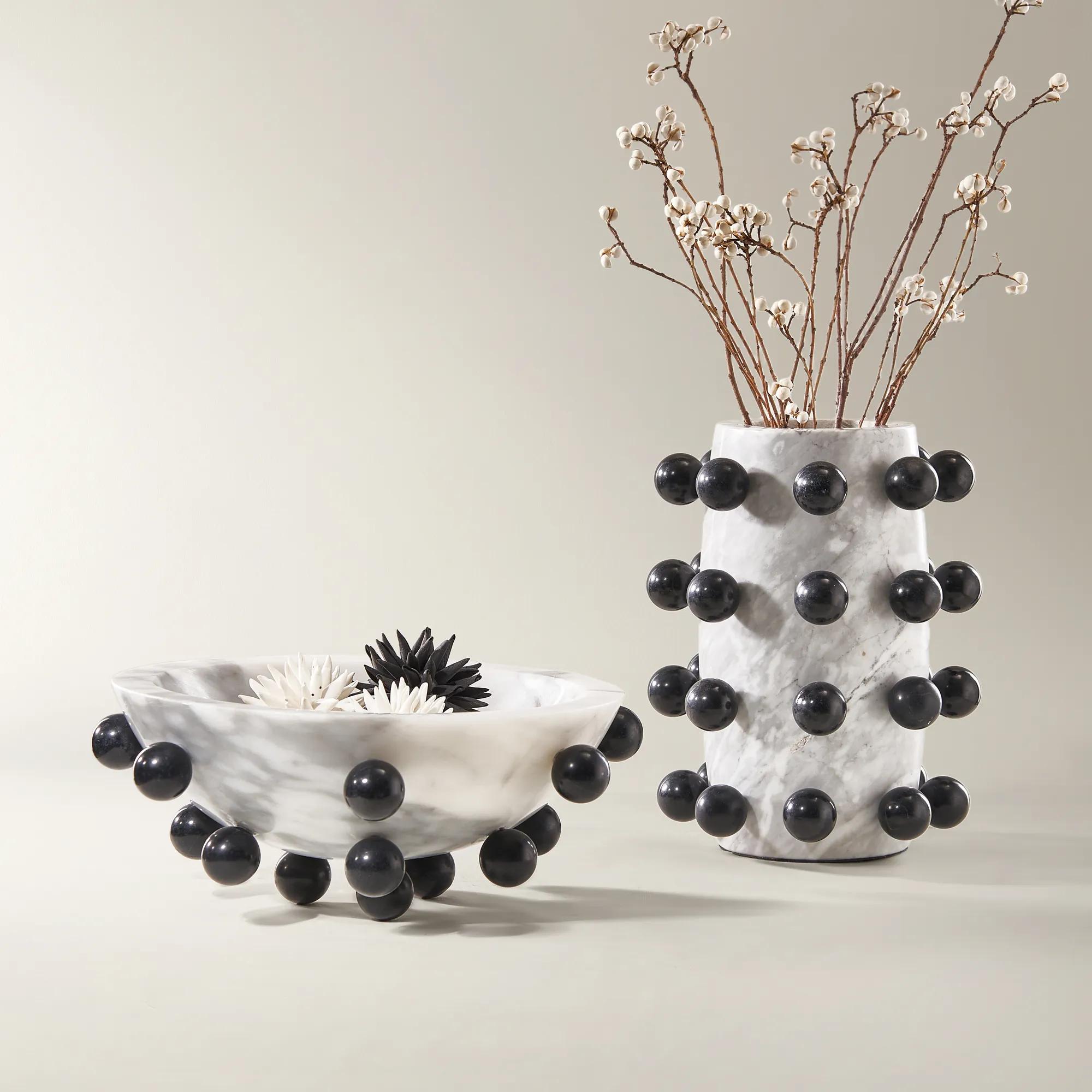 Borra Grey Black Marble Vase & Bowl$219
A sculptural grey marble accent featuring bold black orbs and unique natural veining for modern drama.
Add To Cart -
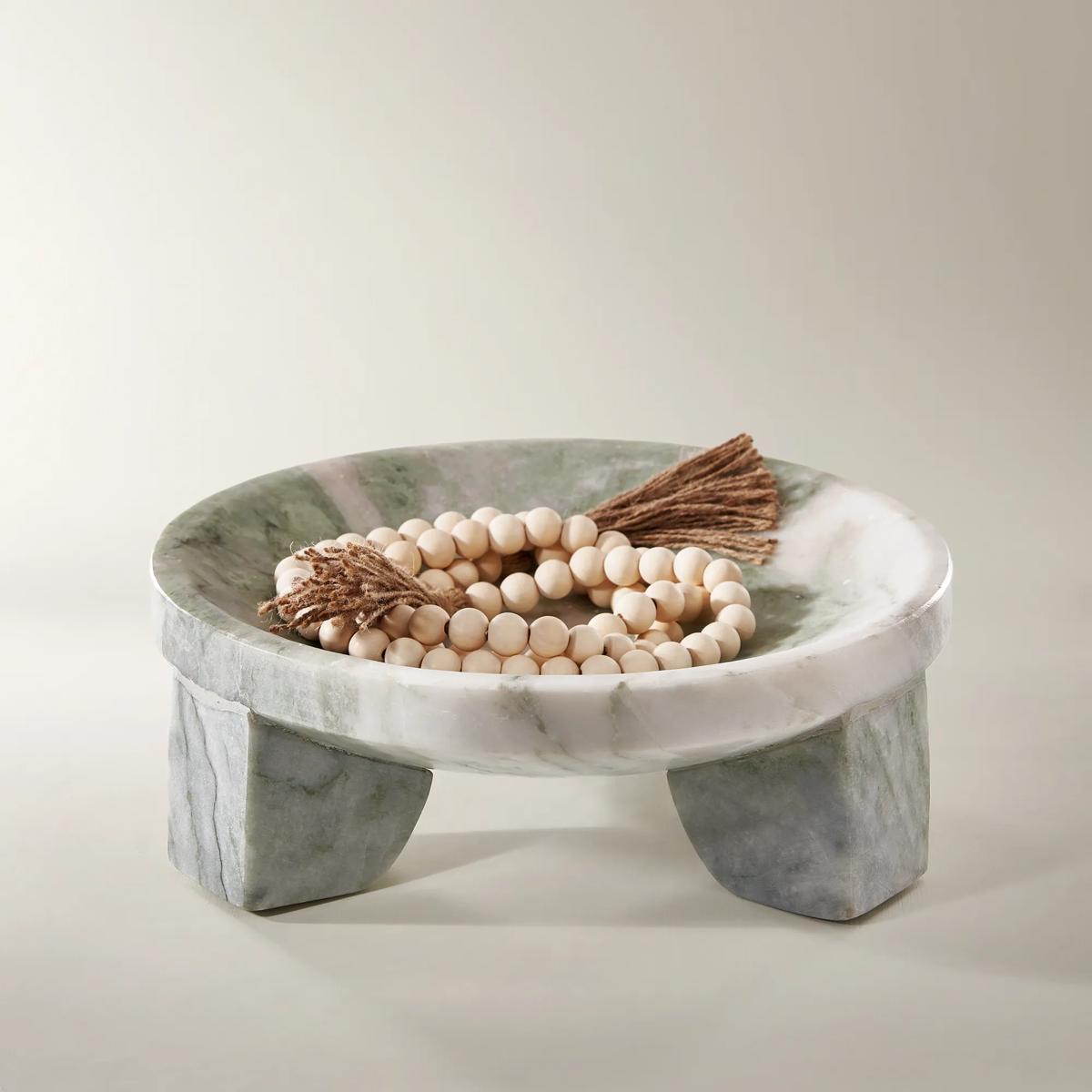
 Light Green Marble Footed Bowl$199
A hand-carved onyx bowl featuring soft green marbling and sculptural feet for organic elegance.
Add To Cart -
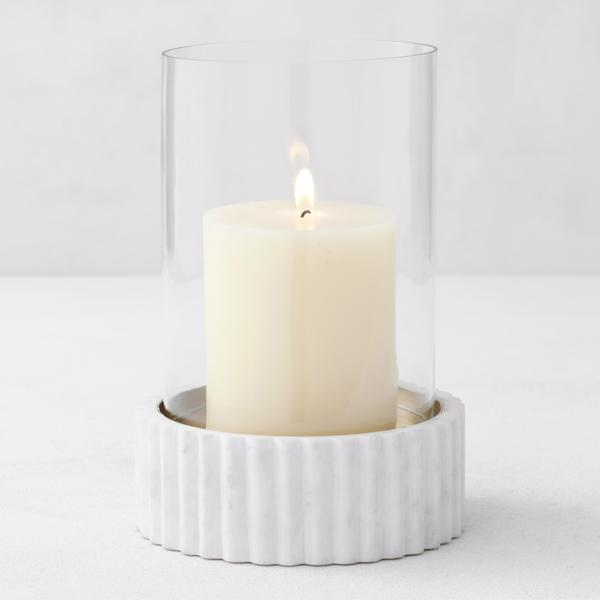
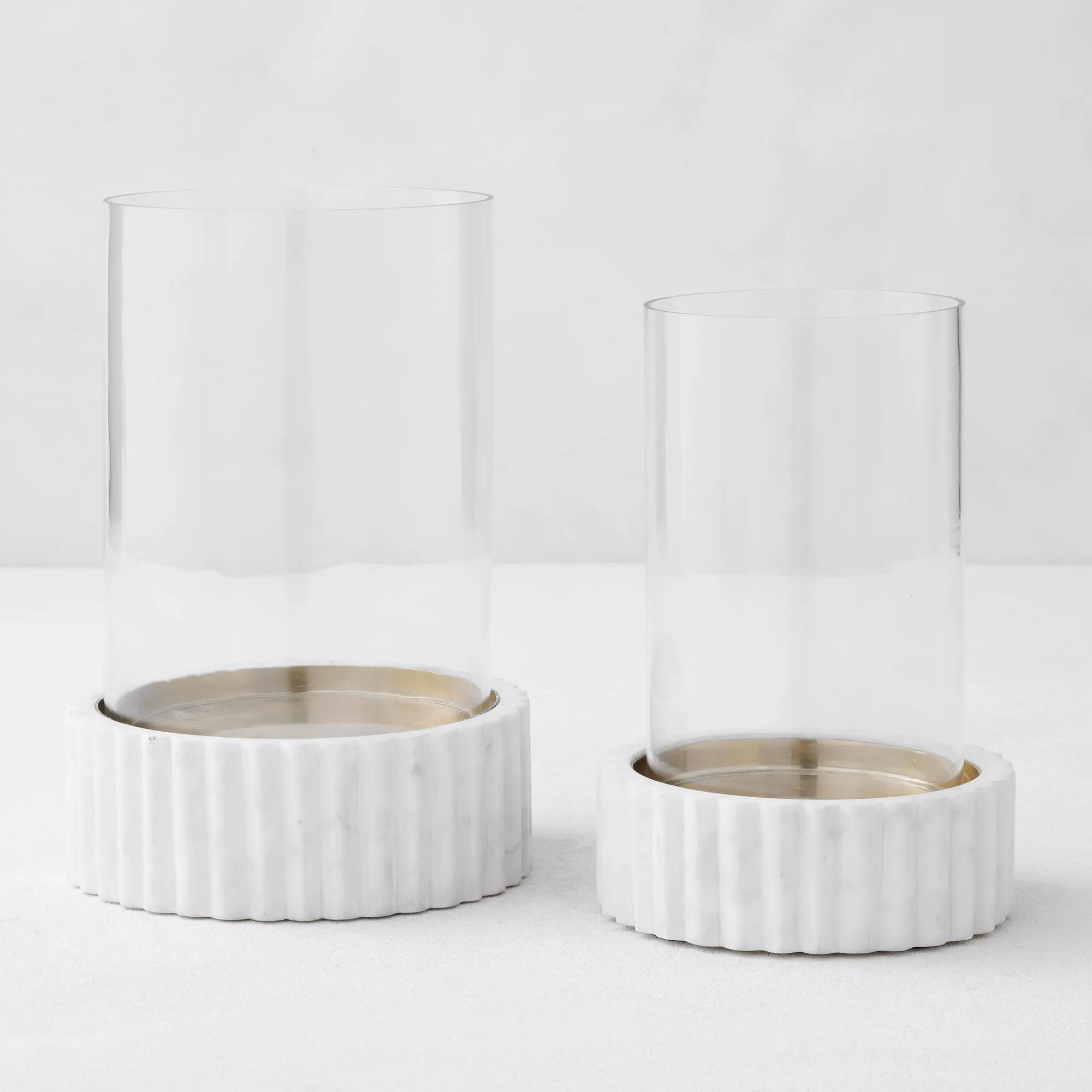 Marbella Hurricane$129
A hurricane candle holder featuring a carved white marble base and a gilded bottom for elegant illumination.
Add To Cart -
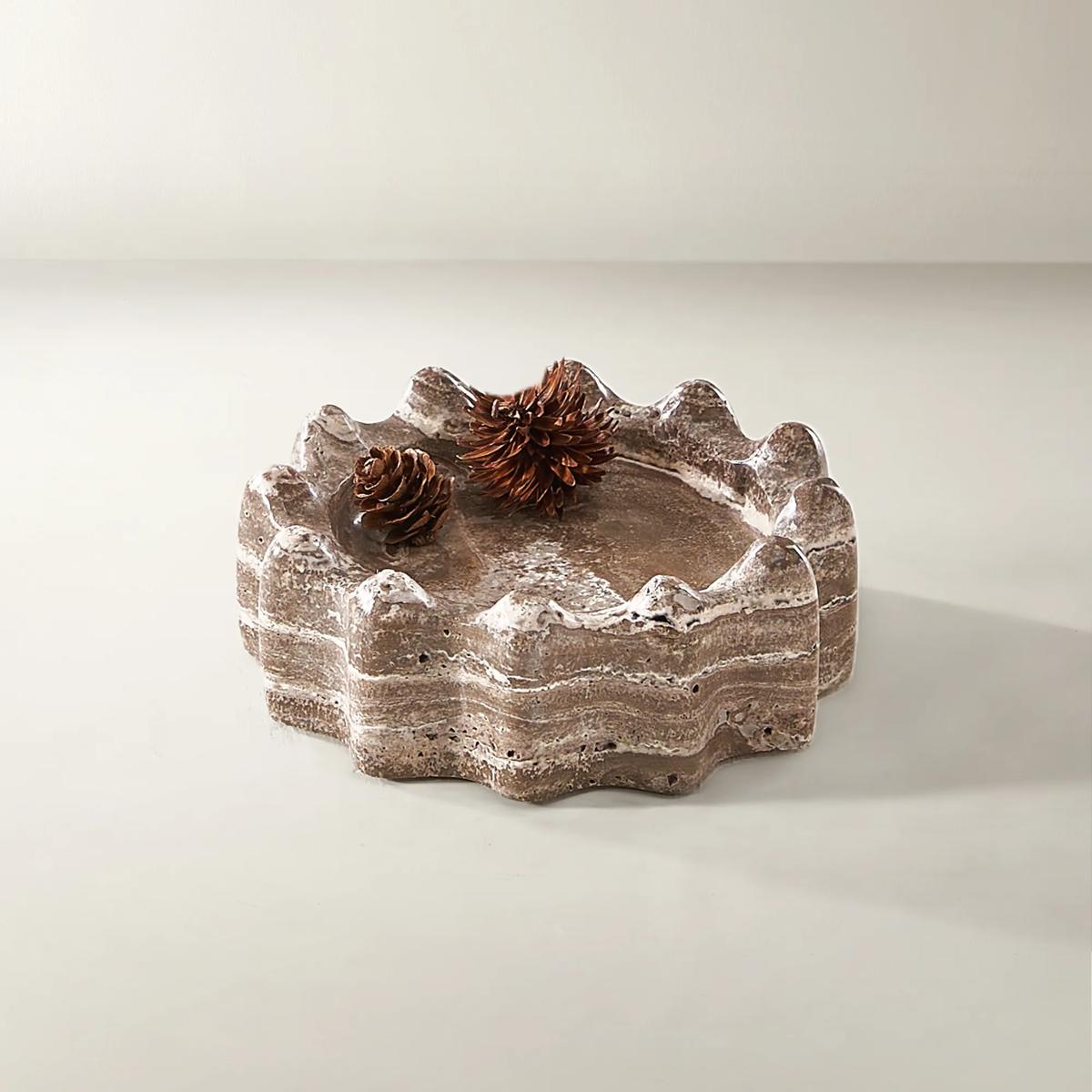 Flora Marble Catchall - Small$89
A hand-carved sand travertine catchall featuring unique veining and undulating, flower-inspired edges.
Add To Cart -
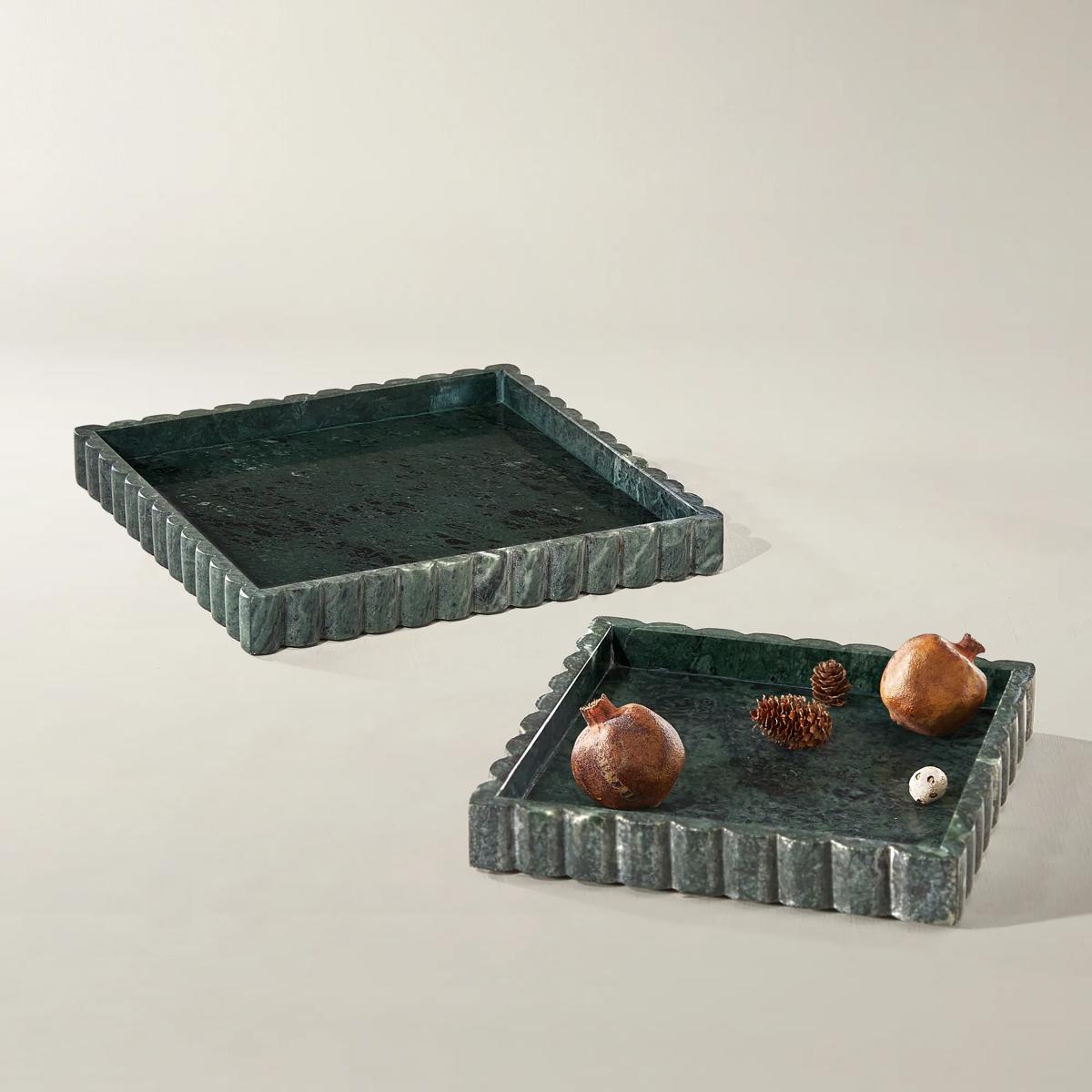
 Scallop Tray - Emerald Marble$59
A handcrafted emerald green marble tray featuring unique veining for elegant decorative display.
Add To Cart -
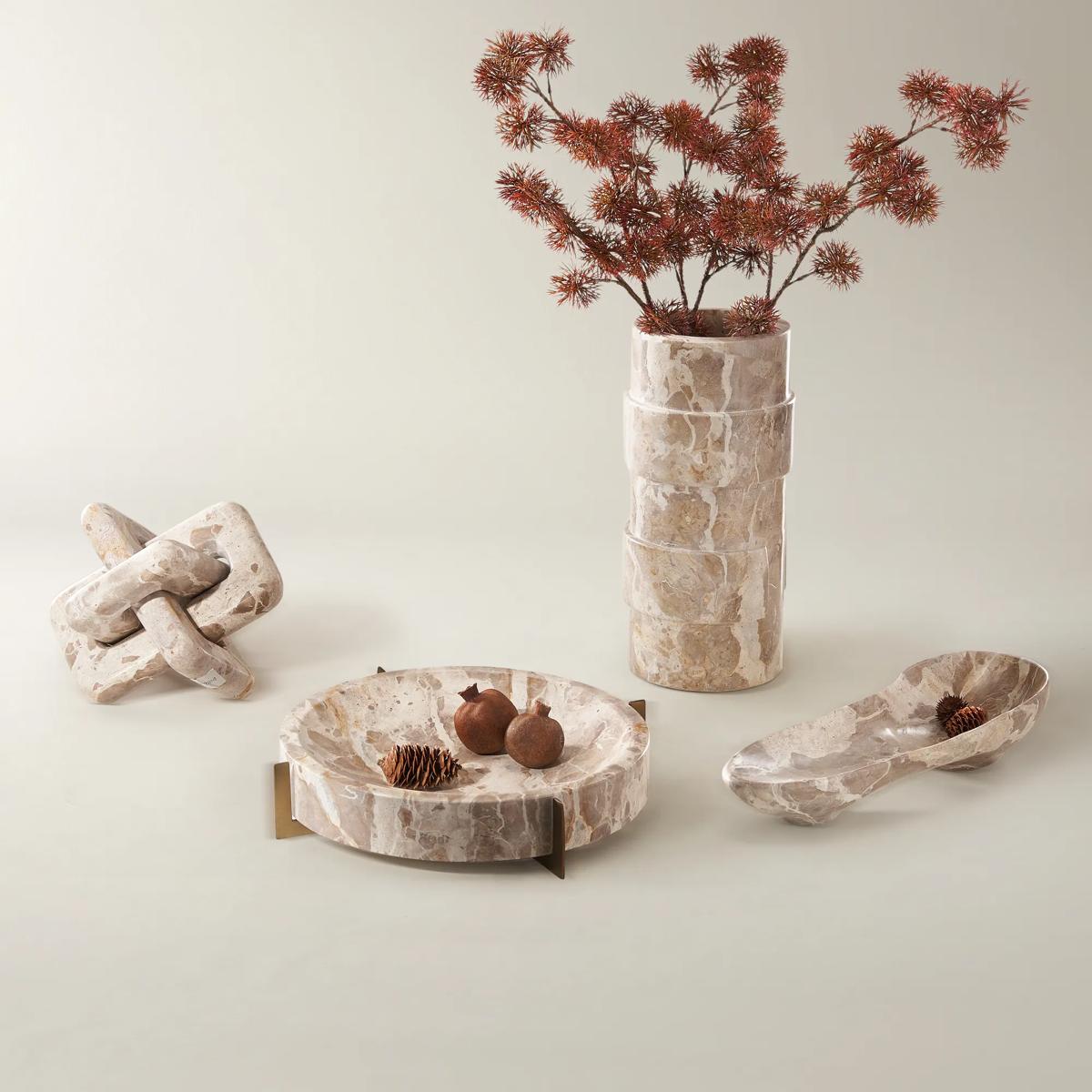
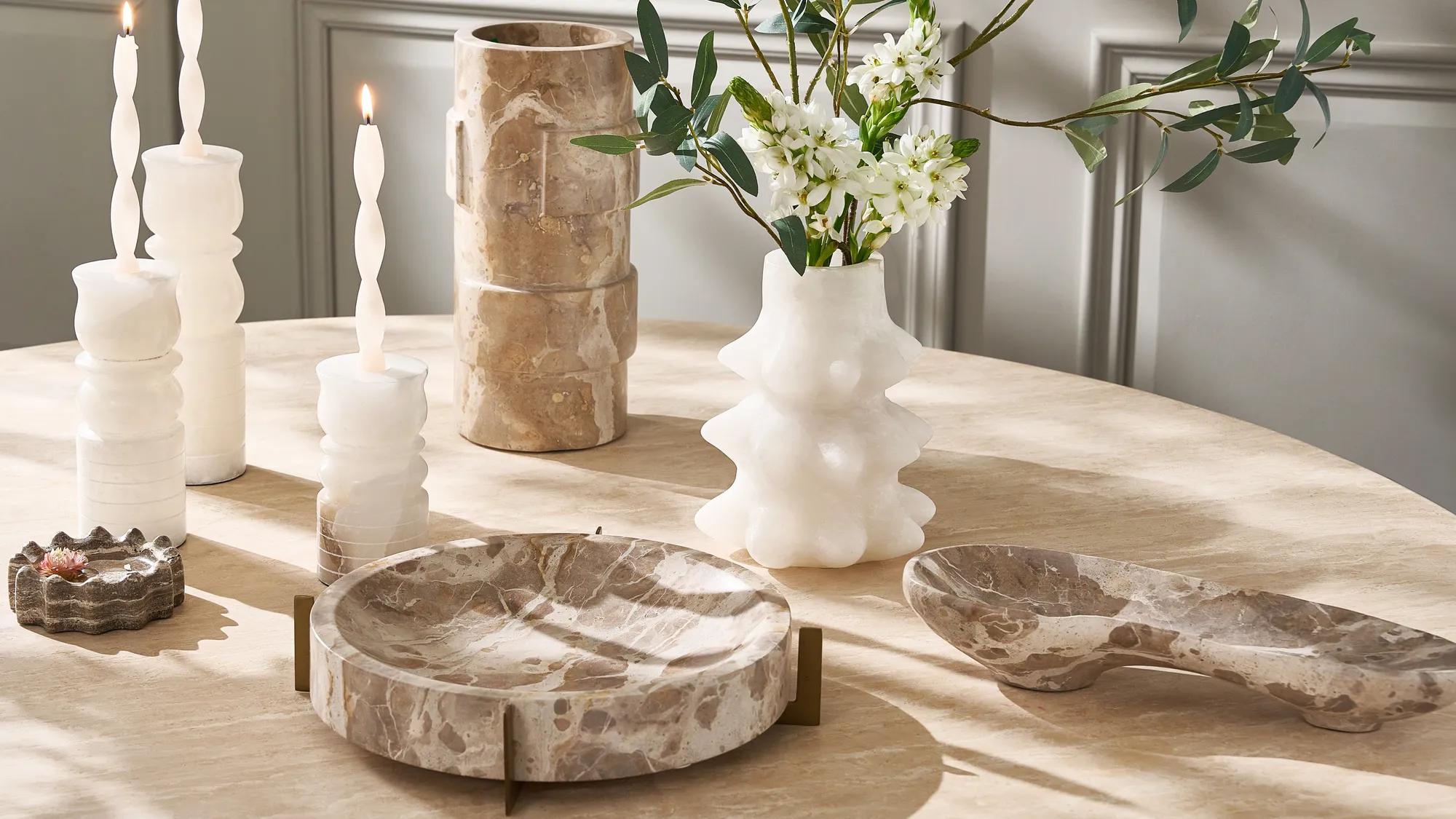 Neutral Marble Collection$159
A handcrafted marble decor collection featuring unique veining, natural neutral tones, and elegant metal accents.
Add To Cart -
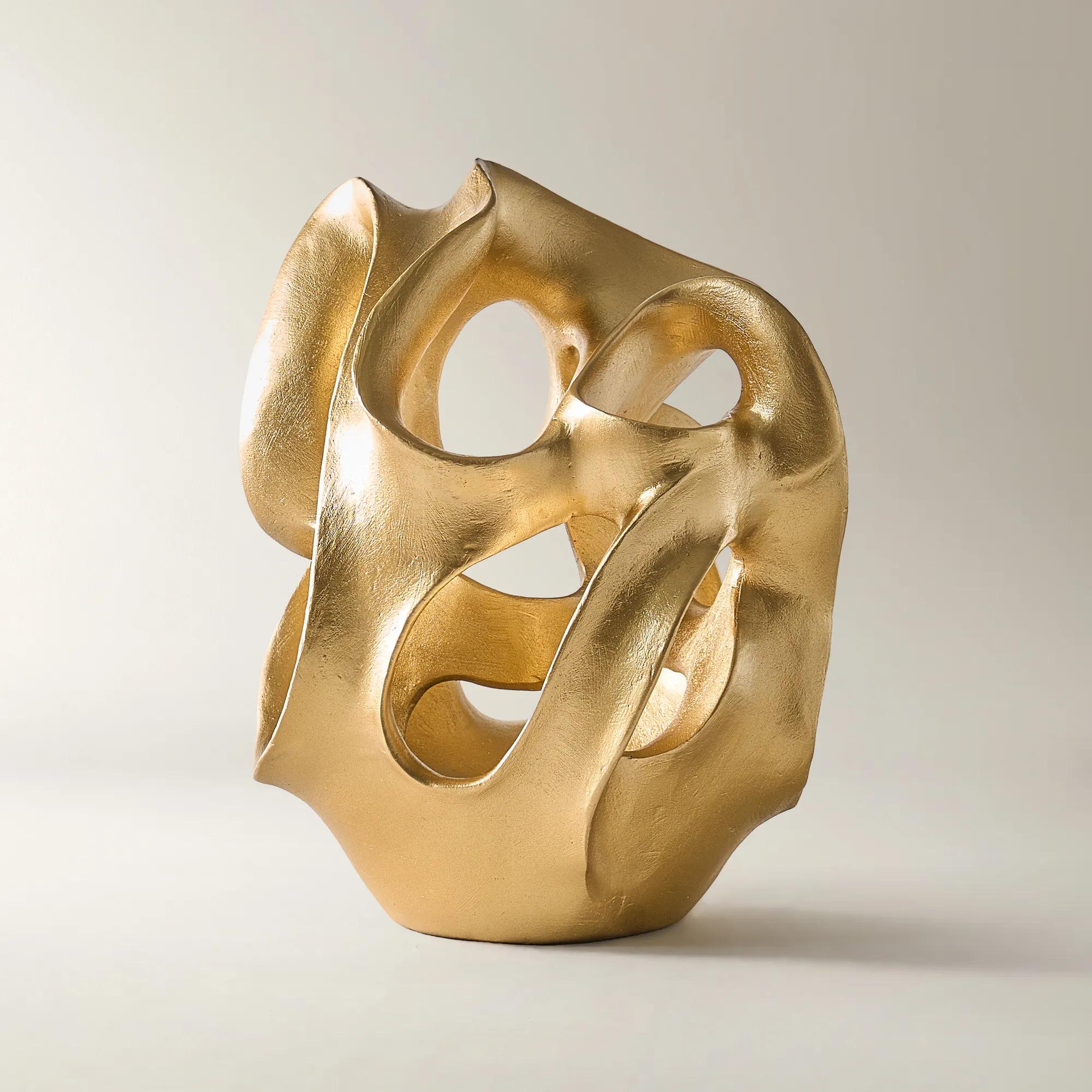
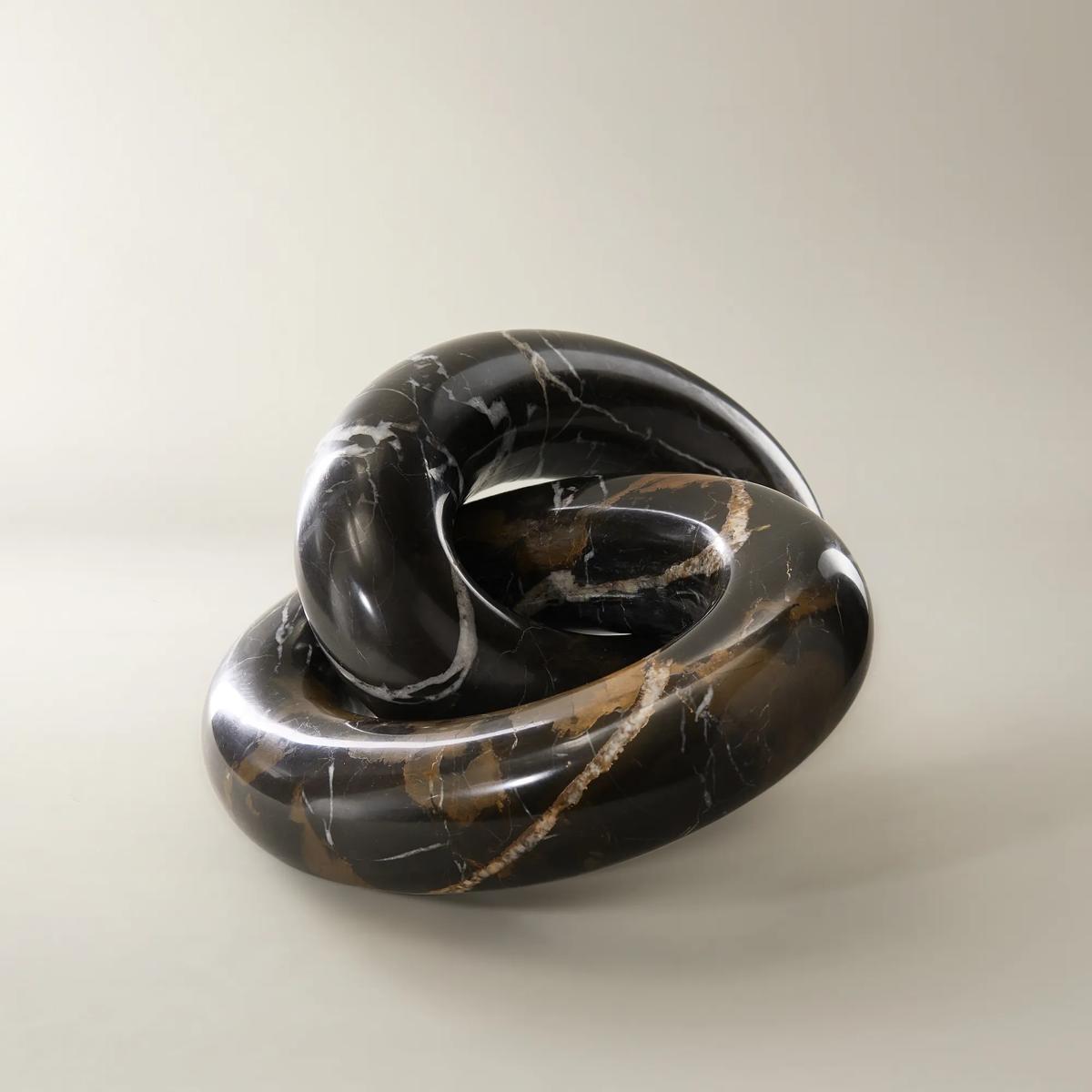 Marble Links Object - Brown$179
A sculptural accent featuring interlocking ovals carved from richly veined, one-of-a-kind brown marble.
Add To Cart -
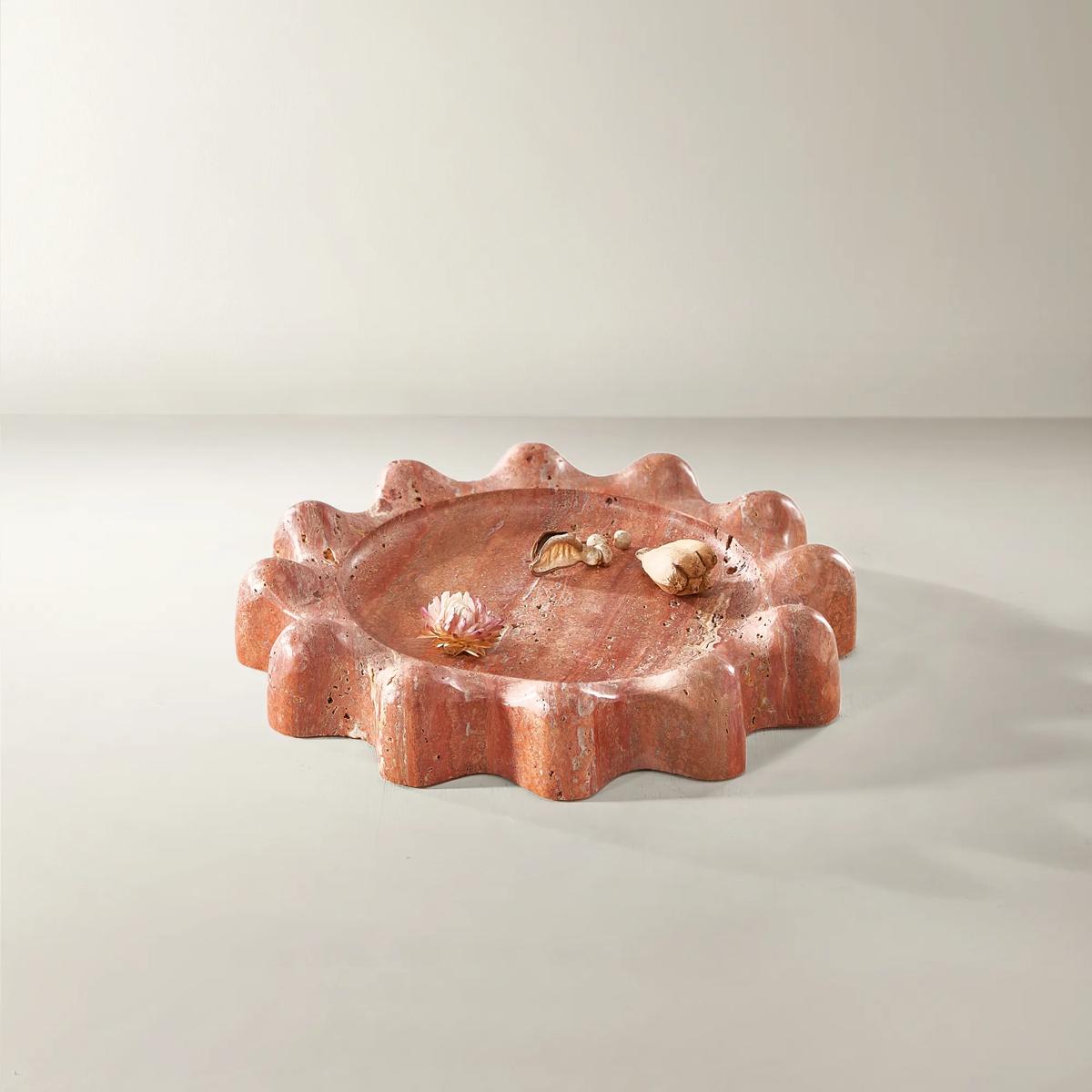 Flora Marble Catchall - Large$159
A hand-carved red travertine catchall with unique veining and undulating, flower-inspired edges.
Add To Cart -

 Hourglass Marble Object - Brown$139
A sculptural hourglass accent hand-carved from deep espresso brown marble with unique natural veining.
Add To Cart -

 Stone Heart Black Marquino Marble Decorative Object 8"$199
A sculptural heart-shaped decorative object crafted from luxurious black Marquina marble.
Add To Cart -
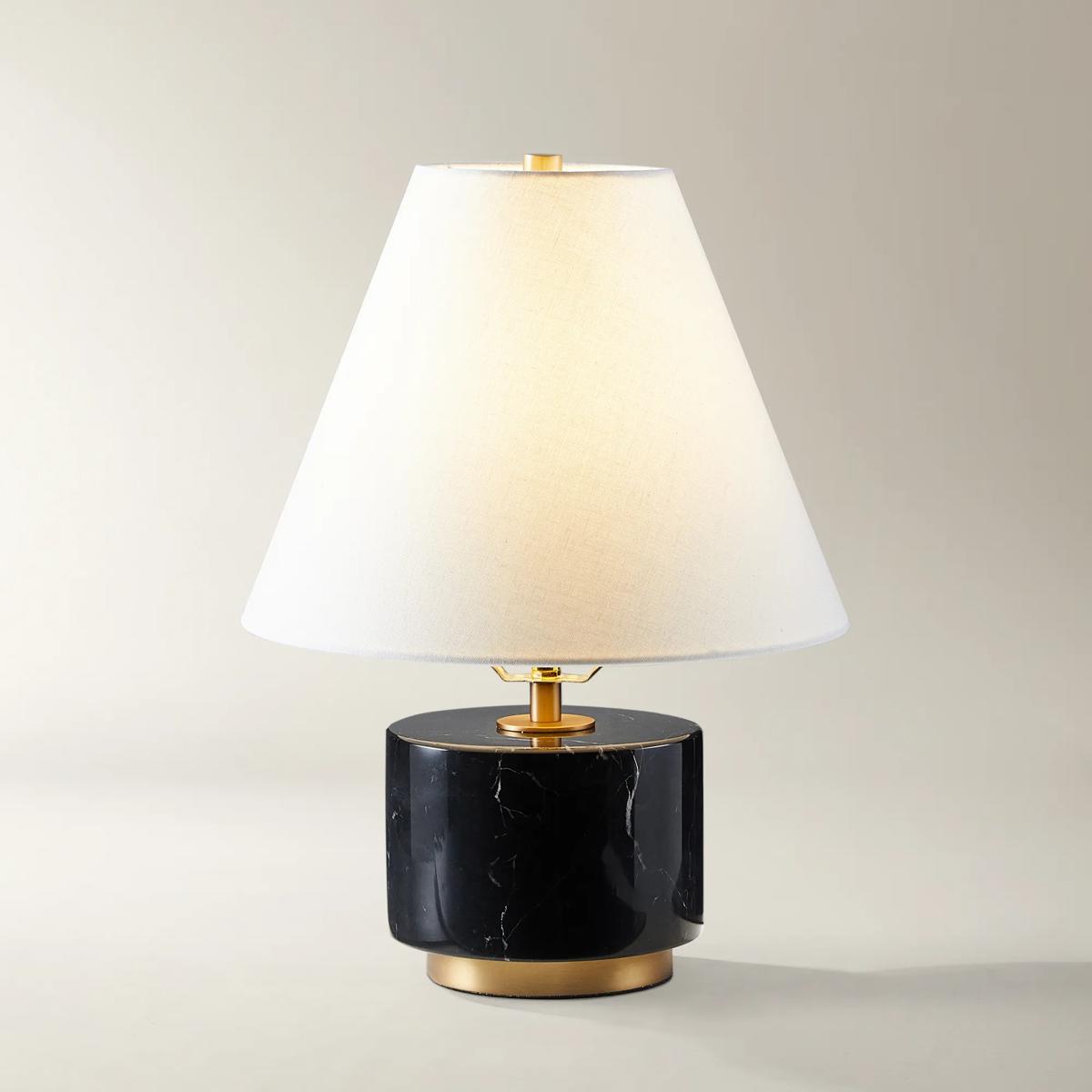
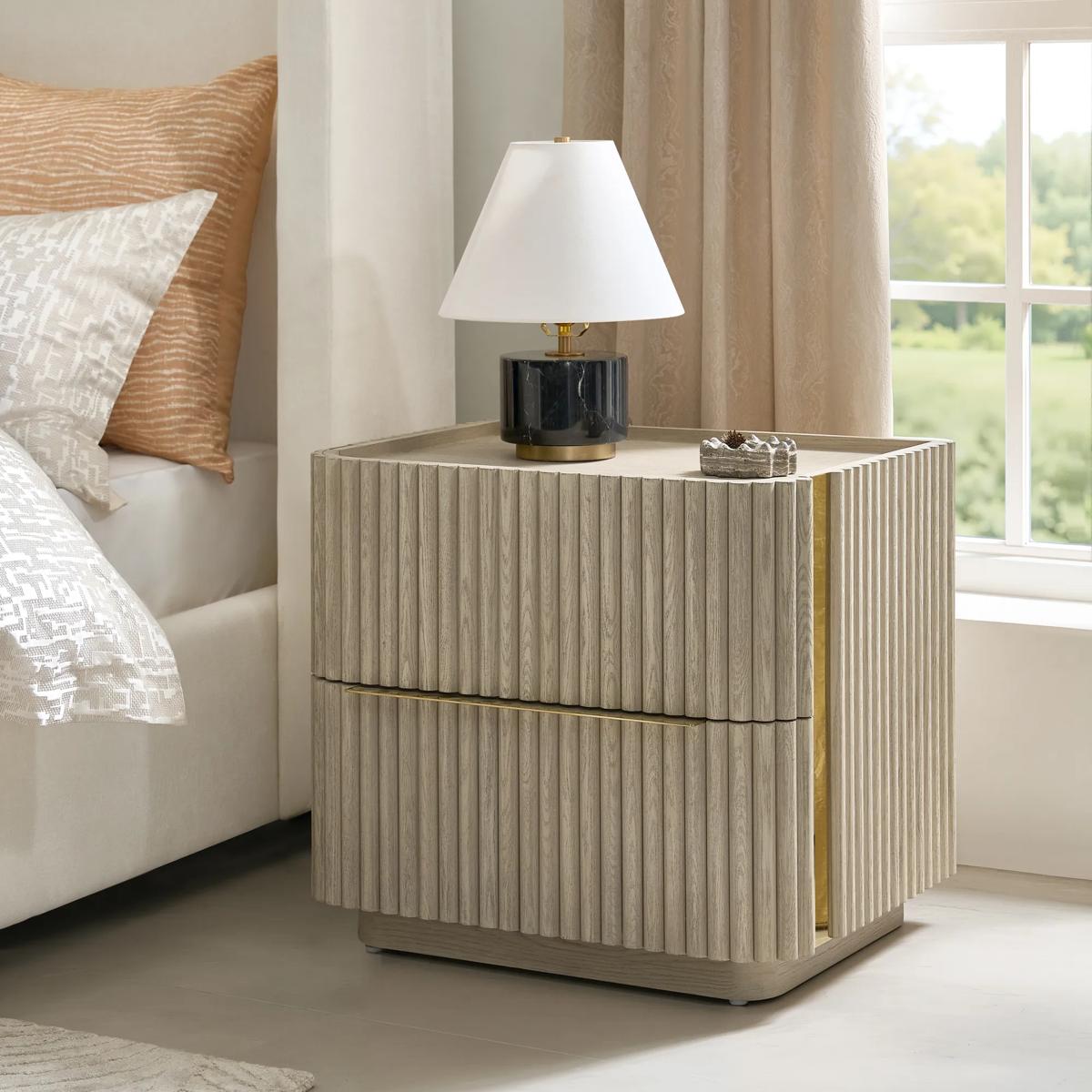 Arden Black Marble Table Lamp 14"$249
A sculptural black marble lamp with brushed brass accents and a warm white linen tapered shade.
Add To Cart -
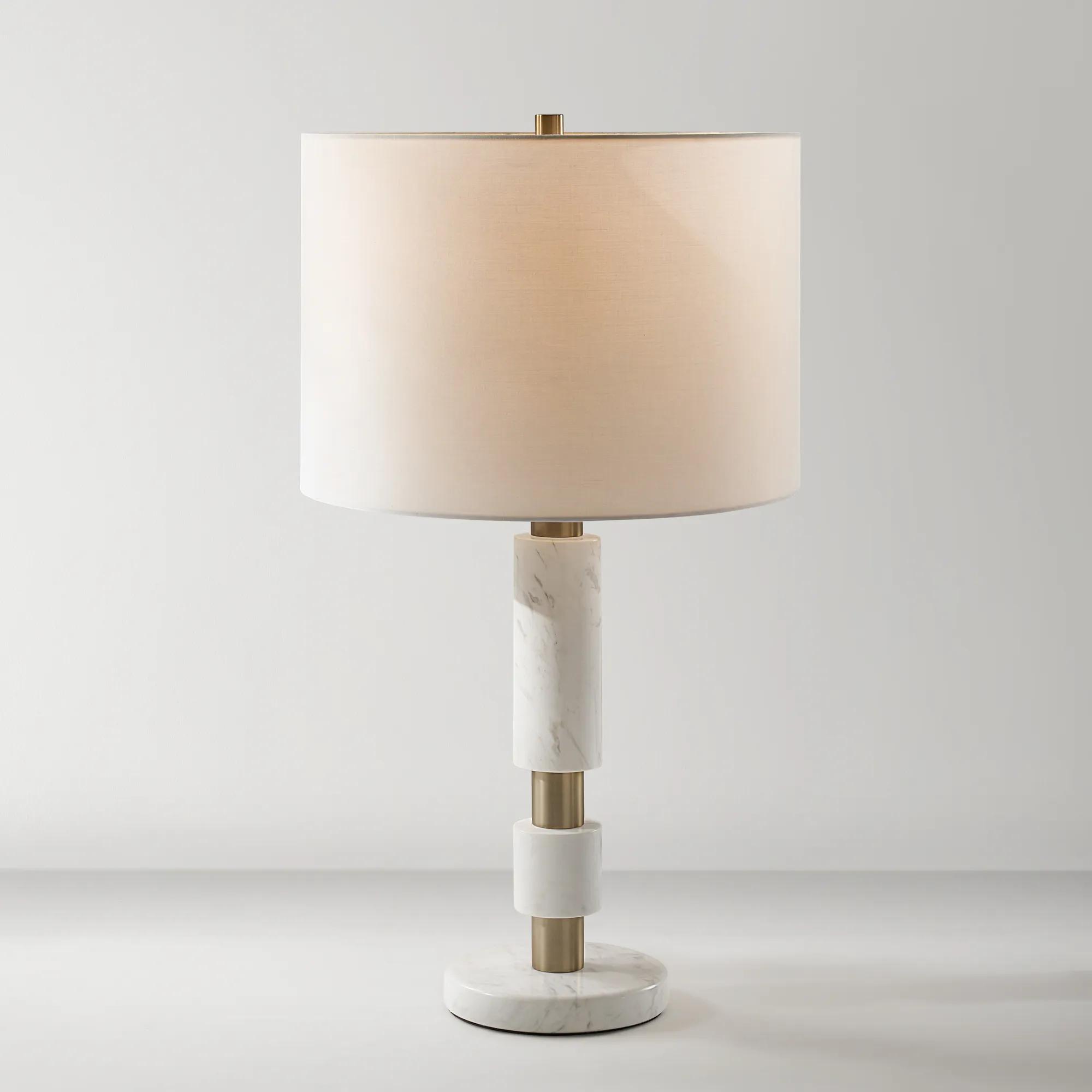 Thea Table Lamp$379
A luxurious table lamp featuring a white marble base, champagne metal accents, and a crisp cotton drum shade.
Add To Cart -
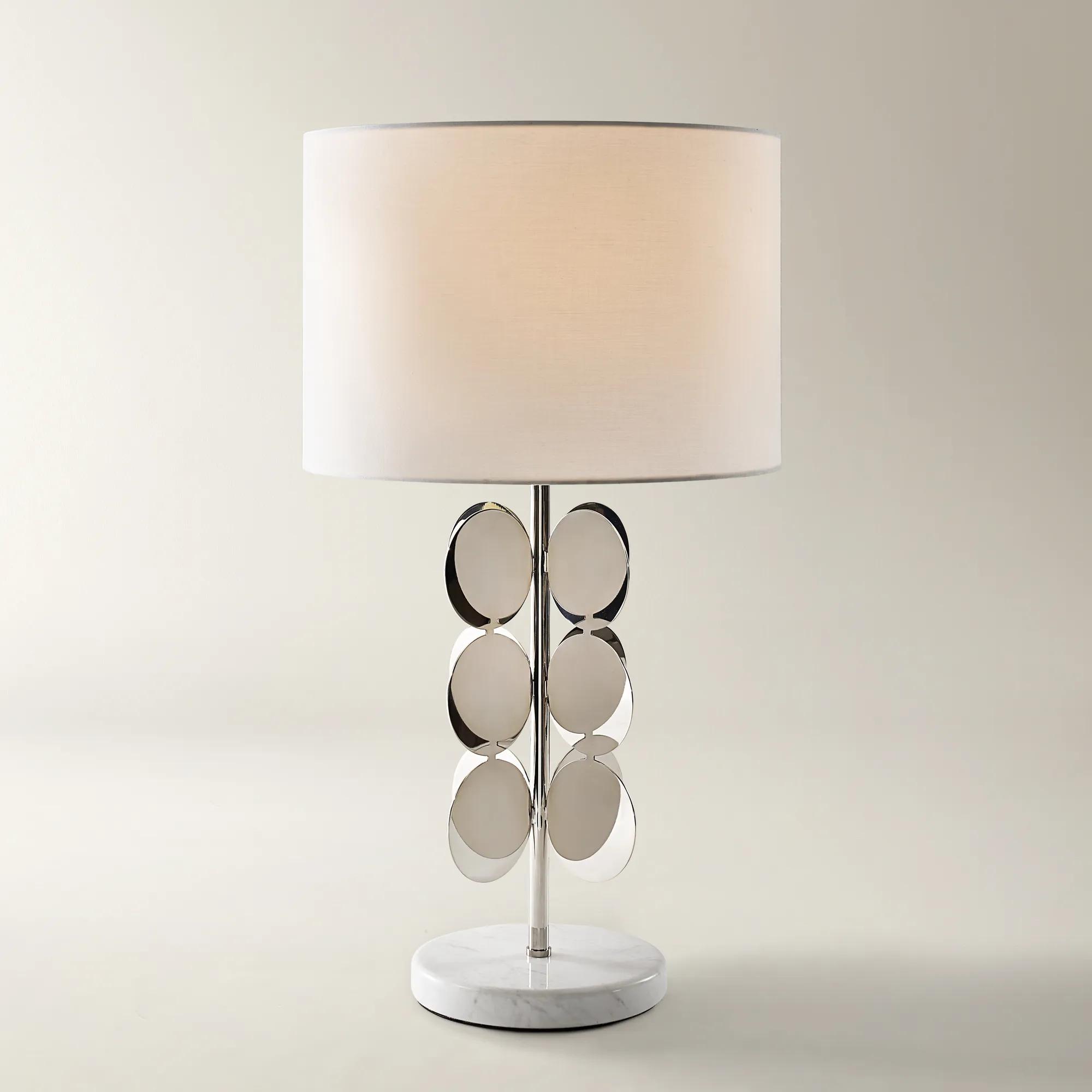 Orion Table Lamp$329
A polished nickel iron lamp with a white marble base and crisp white cotton drum shade.
Add To Cart -
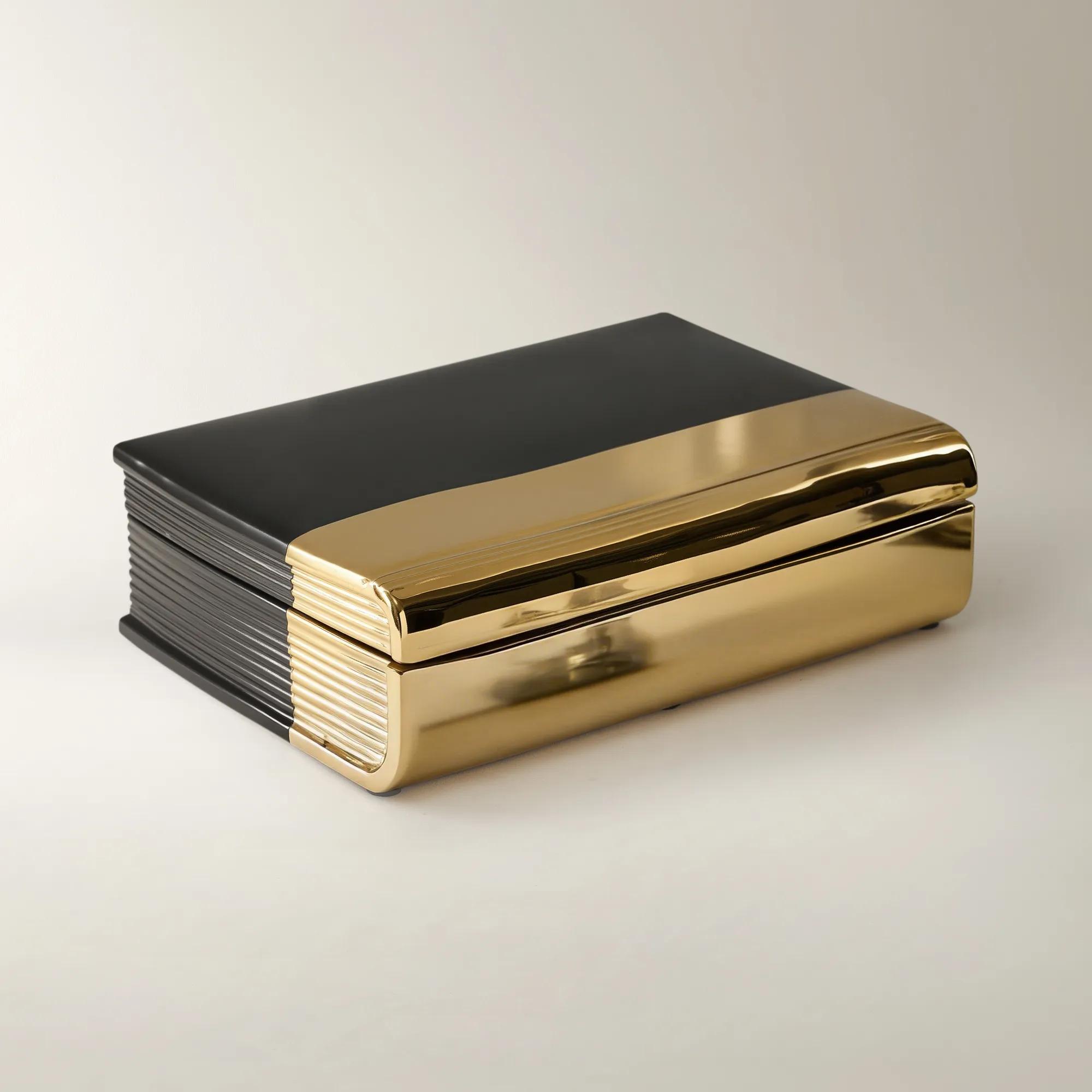
 Trove Soft Gold Marble Stainless Steel Decorative Box$129
A soft gold stainless steel and MDF box that adds modern glamour and artful storage to any space.
Add To Cart -
 Marble Chess Set$349
A hand-carved sandstone and faux marble chess set featuring a unique Crema Marfil marble board.
Add To Cart

Marble Living Room Accessories
Explore marble living room accessories to bring artful depth to coffee tables, consoles, and shelves. When choosing decorative accents, consider scale, color, and finish: a contrasting tone can create a dramatic focal point, while a complementary shade ties the arrangement to your furniture and surrounding decor.
Marble living room accessories bring natural veining, sculptural form, and a sense of permanence to coffee tables, consoles, bookshelves, and mantels. Their appeal lies in the contrast between a substantial material and the delicate movement within its surface: a charcoal ribbon crossing ivory stone, a pale cloud of gray, or a warm mineral trace that catches the light. These details give decorative accents a presence that painted surfaces cannot quite replicate. Formed through heat and pressure, natural marble carries variations in color and pattern, so pieces made from the same stone can have distinctly different personalities. A marble tray can lend definition to an upholstered ottoman, while a stone bowl introduces a generous curve among the straight lines of books and cabinetry. Sculptural objects and bookends offer another expression of the material, bringing an architectural note to the smaller compositions that make a living room feel considered. White and gray marble create luminous contrast against dark wood or saturated upholstery; black marble adds depth beside pale fabrics and gleaming metal. Warmer cream, rose, and brown tones can draw out the richness of walnut, bronze, and textured textiles. Finish matters as much as color. Polished marble reflects light and emphasizes the movement of its veining, while a honed surface has a softer sheen that allows shape and texture to take the lead. Neither finish changes the basic care needs of the stone. Material descriptions also distinguish solid marble from stone composites, marble veneers, and marble-look finishes, each of which may differ in weight, construction, and maintenance. For interiors built around expressive design, that distinction is part of the appeal: the right accent contributes not just a pattern, but a particular texture, proportion, and relationship to light. Marble feels especially compelling where plush fabrics, reflective finishes, and natural wood meet, creating a rich conversation between softness and structure.
Scale gives marble decor its most persuasive effect. A broad, low silhouette can anchor a generous coffee table without interrupting conversation, while a taller accent brings vertical movement to a console or an open shelf. The relationship to surrounding furniture matters more than size alone: a substantial stone form can look beautifully balanced on a wide surface yet feel crowded on a narrow side table. Measurements should account for the full footprint, including projecting edges, handles, and bases, as well as room for everyday movement around the arrangement. On a coffee table used for conversation and entertaining, open space for glasses, a book, or a serving tray helps decorative elements remain part of daily life rather than an obstacle to it. Marble’s weight can provide reassuring substance, but a heavy accessory still needs a level, stable surface and appropriate shelf support. Protective pads beneath the base help limit abrasion on lacquer, glass, and wood; on upholstered surfaces, a firm, even foundation is important. Intended use deserves equal attention. A decorative vessel is not necessarily watertight, a display tray is not automatically suitable for direct food contact, and a sculptural accent should not be treated as a candleholder unless it is designed for that purpose. Those distinctions preserve both the object and the surface beneath it. Within a broader collection of Luxury Living Room Accessories, marble offers a grounding counterpoint to crystal, mirrored surfaces, and metallic details. Brass brings warmth to white stone, polished nickel sharpens gray veining, and matte ceramics create a quieter contrast without diminishing the drama. A restrained repetition of color can connect separate accents across the room, while varied heights and silhouettes keep the composition from feeling uniform. Even in a richly layered interior, leaving some of the stone exposed allows its natural pattern to register. The result is a room with dimension: expressive enough to make an impression, yet comfortable enough for an evening of conversation.
Marble rewards thoughtful handling, particularly in a living room where drinks, flowers, and frequent use share the same surfaces. The stone is durable in many decorative applications, but it is neither scratchproof nor immune to chipping, especially along thin rims and sharp edges. Because marble is porous and sensitive to acids, wine, citrus, and some household cleaners can stain or etch its surface. Etching may appear as a dull mark rather than a change in color, and sealing does not make marble resistant to every spill or acidic substance. Care instructions for the individual material and finish remain essential, especially when an accessory combines stone with metal, adhesive joints, or another decorative surface. For many natural marble pieces, gentle dusting and cleaning with a soft cloth and a suitable pH-neutral stone cleaner help preserve the finish; abrasive pads, vinegar, and acidic cleaners are best avoided. Spills should be blotted promptly rather than left to settle into the surface. Coasters and protective liners can reduce contact with moisture, while an appropriate inner vessel keeps flower water away from decorative stone that is not intended to hold it. Lifting an accessory instead of sliding it helps protect both its base and the furniture beneath. These practical considerations make marble particularly appealing to people who appreciate natural materials and are comfortable giving them considered care. It can be a meaningful housewarming or wedding gift for someone establishing a distinctive living room, especially when the recipient’s palette, available space, and decorating preferences are known. A compact accent suits a more intimate arrangement, while a larger sculptural form belongs where it has space to be seen. The lasting attraction is not perfection or identical repetition, but individuality: the sweep of a vein, the weight of a form, and the way a carefully chosen detail gives an entire room greater depth.
FAQs
Give marble living room accessories a deliberate place in your composition: a focal point on a coffee table, an accent on a mantel, or a sculptural moment on a console. Leave visual breathing room around the arrangement so the veining becomes part of the room’s artistry.
Take your palette cues from the marble’s background and veining. Ivory, taupe, and charcoal create a tonal setting, while emerald, sapphire, or aubergine introduce sumptuous contrast. Repeat one of those hues elsewhere in the room to make the composition feel intentional.
Marble’s stone character makes an expressive counterpoint to plush velvet, textured upholstery, and warm wood. Metallic accents introduce a gleaming note, while glass adds transparency. Layer contrasting textures with restraint, allowing each surface to contribute its own richness.
Yes—treat marble veining as another pattern in the room. Pair expressive veining with quieter textiles, or let subtly patterned marble accompany a dramatic rug or upholstered piece. A shared color thread brings the layers together without making the space feel overly coordinated.
Natural marble develops its character through geological processes, with mineral content contributing to variations in color and veining. Those markings bring an organic, artful quality to living room decor. Rather than expecting perfect uniformity, embrace the variation as part of natural stone’s visual richness.