Living Room Decor Accessories
Living Room Decor Accessories
-
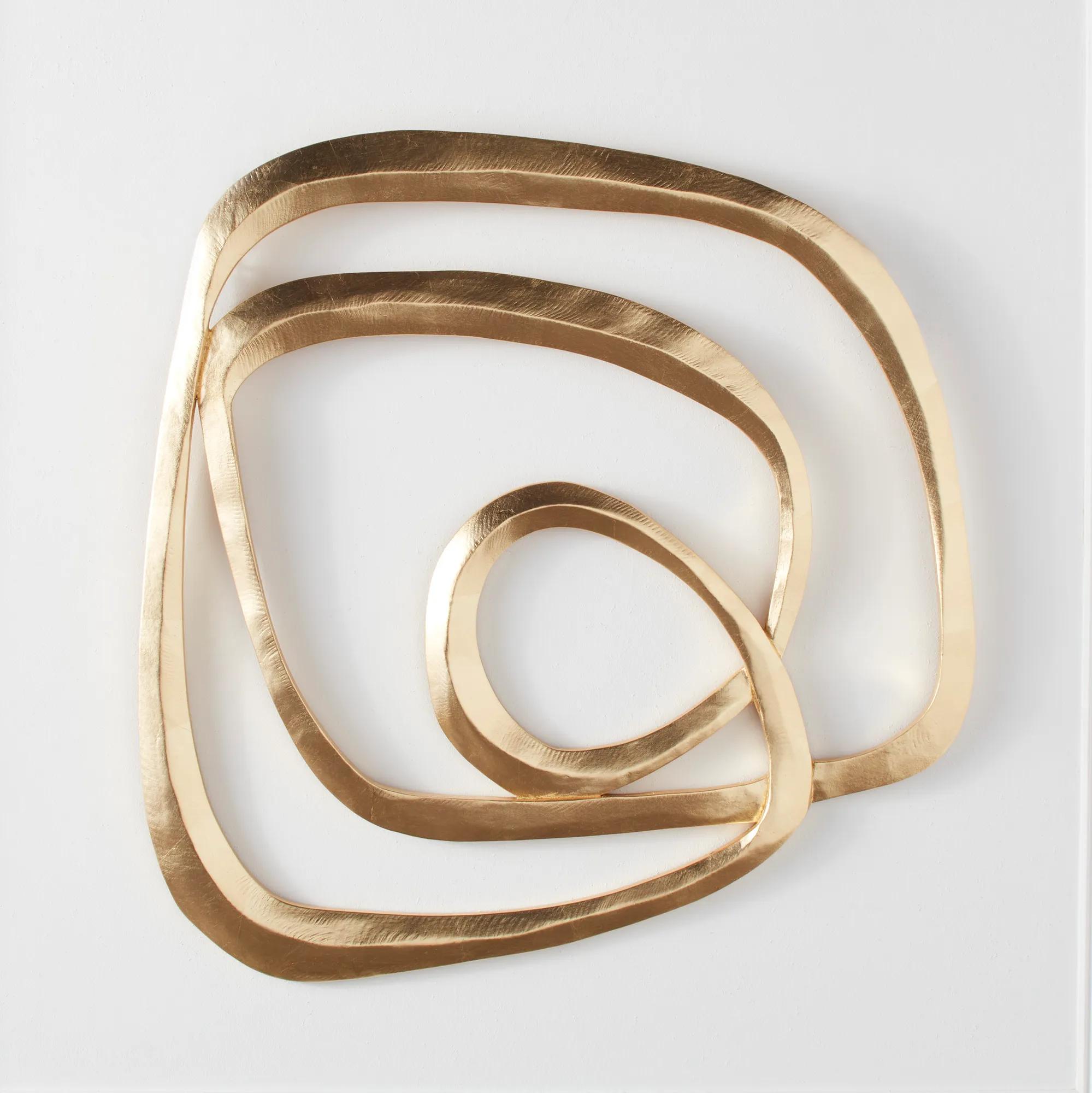 Infinity Gold Leaf Wood Wall Decor I 31.5" x 31.5"$299
A swirling wooden wall sculpture featuring a striking metallic gold finish for a bold decorative statement.
Add To Cart -
 Leopardo Gold Resin Decorative Object 35"$329
A striking gold resin leopard statue that adds a touch of regal elegance to any space.
Add To Cart -
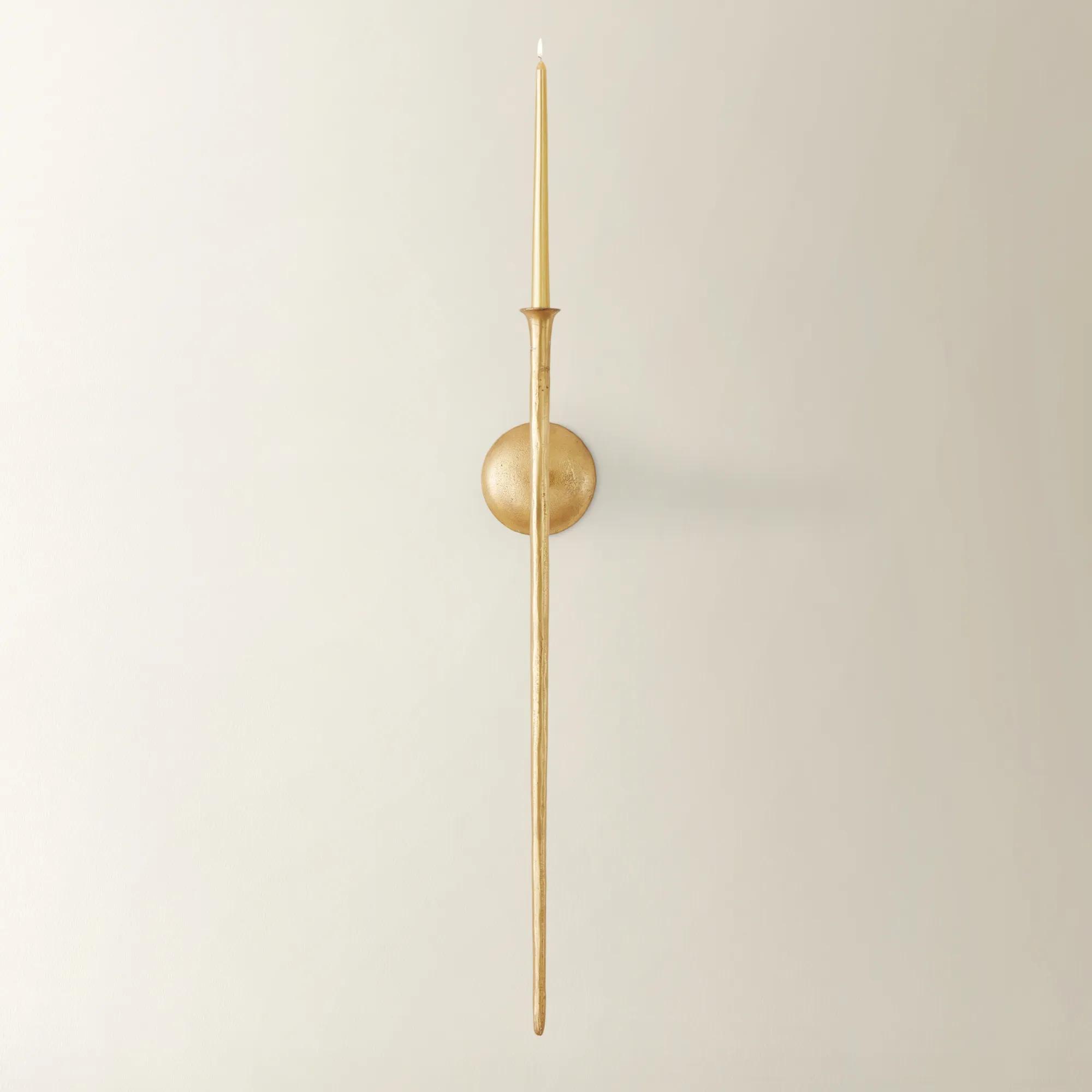 Aspar Gold Aluminum Candle Wall Sconce Large 33"$59
A slender metal wall sconce available in silver, gold, or black, perfect for displaying taper candles.
Add To Cart -
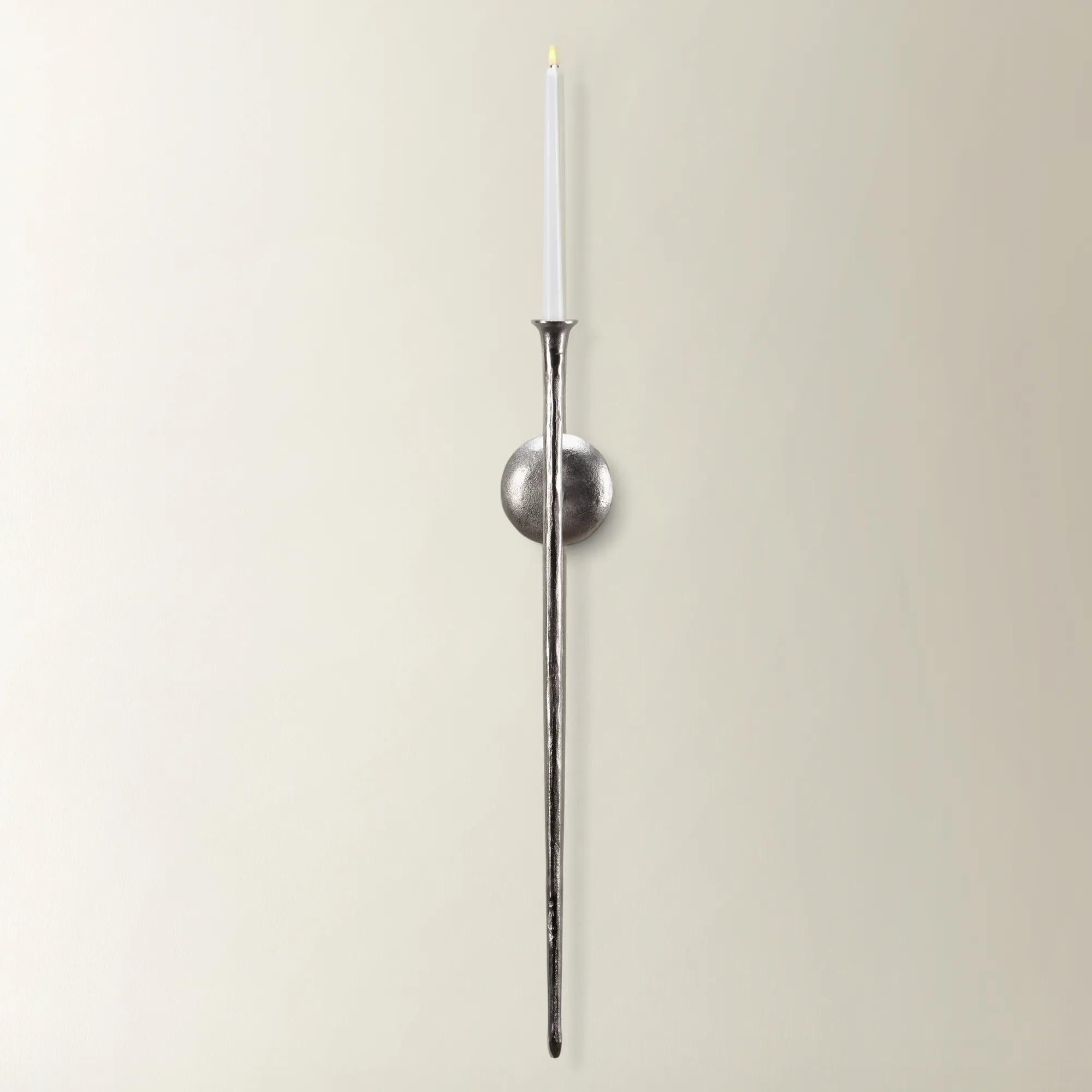
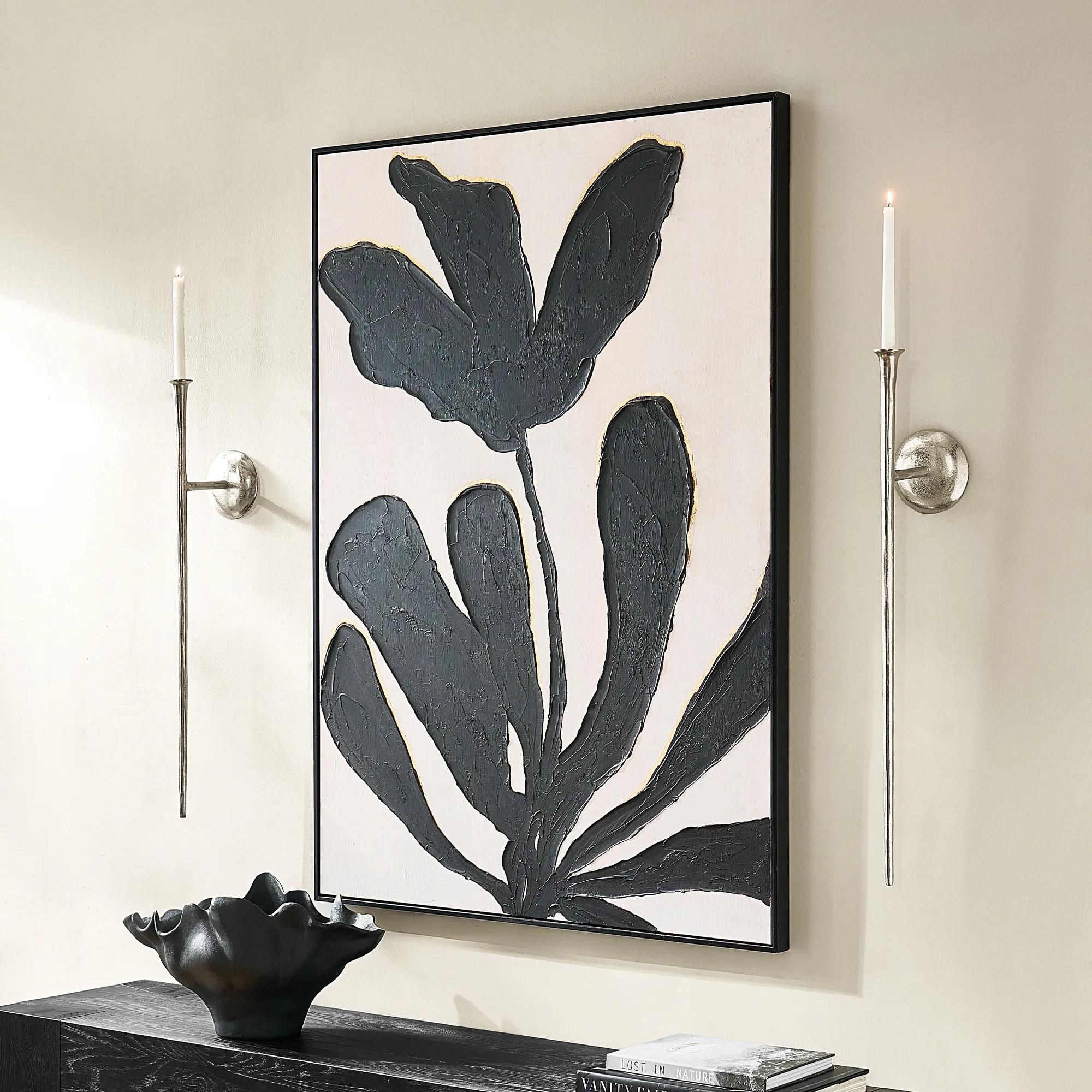 Aspar Silver Aluminum Candle Wall Sconce Large 33"$59
A slender metal wall sconce available in silver, gold, or black for elegant candlelit ambiance.
Add To Cart -
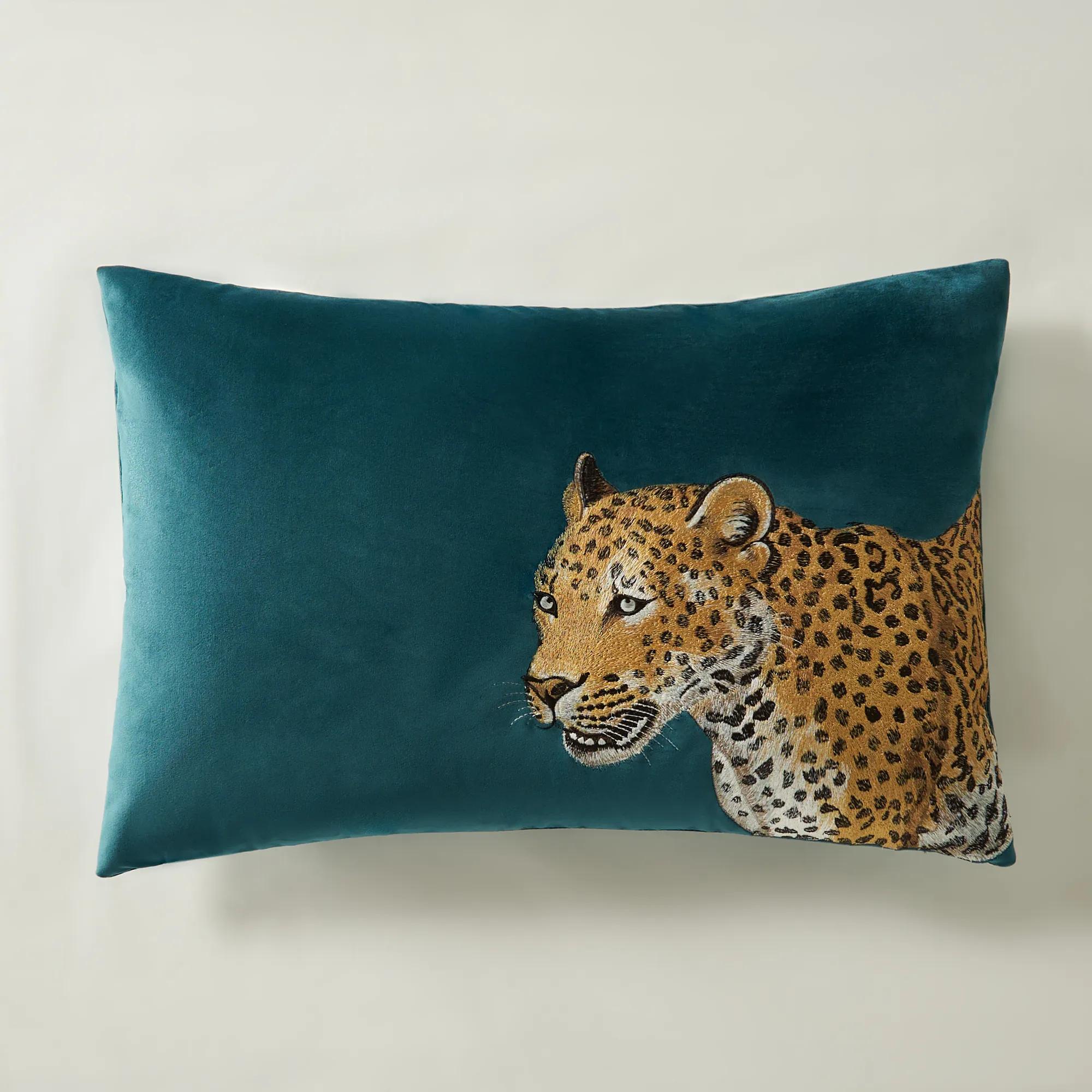
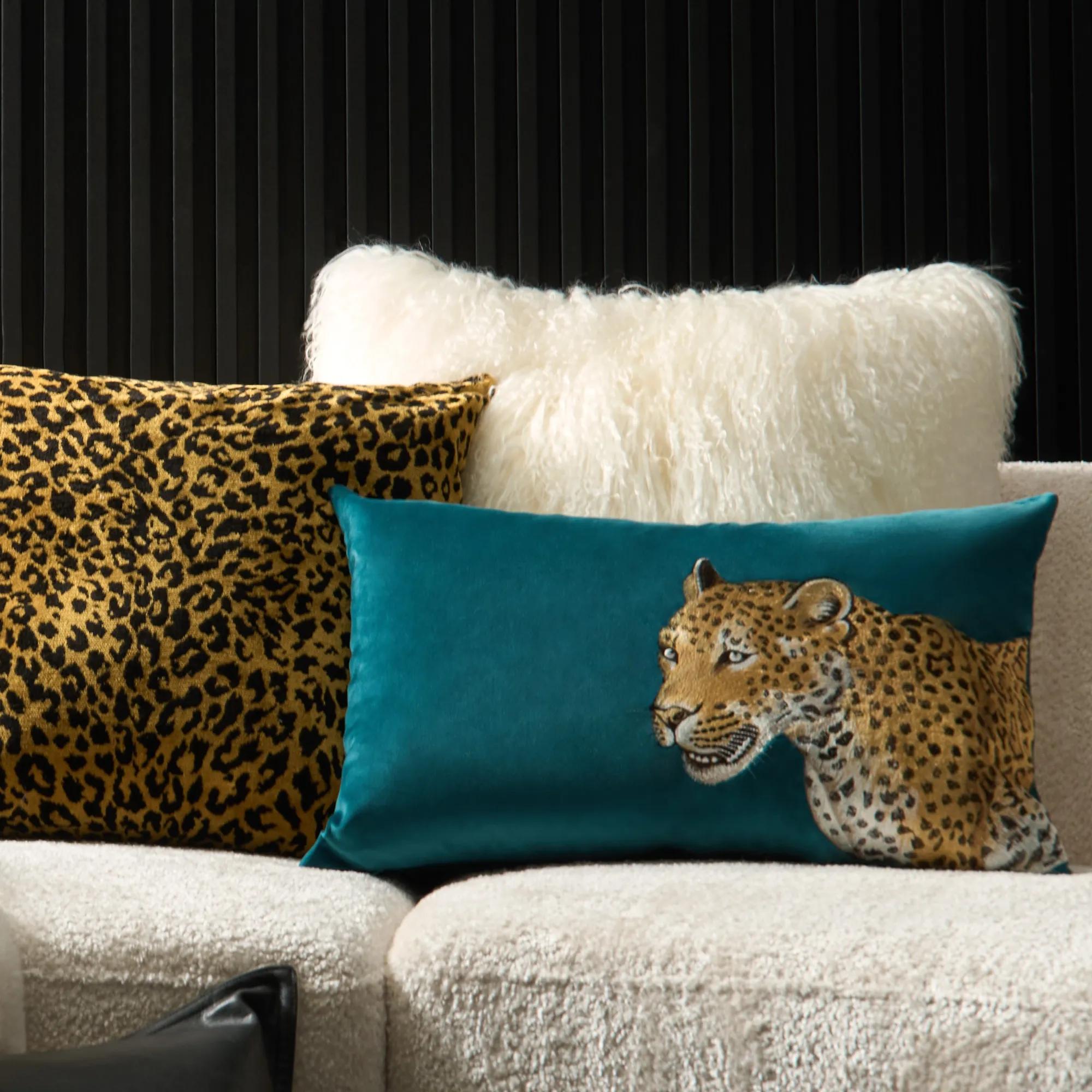 Leopard Embroidered Teal Velvet Lumbar Pillow 15" x 23"$69
A luxe dark teal velvet pillow featuring an embroidered leopard face and a plush feather-down insert.
Add To Cart -
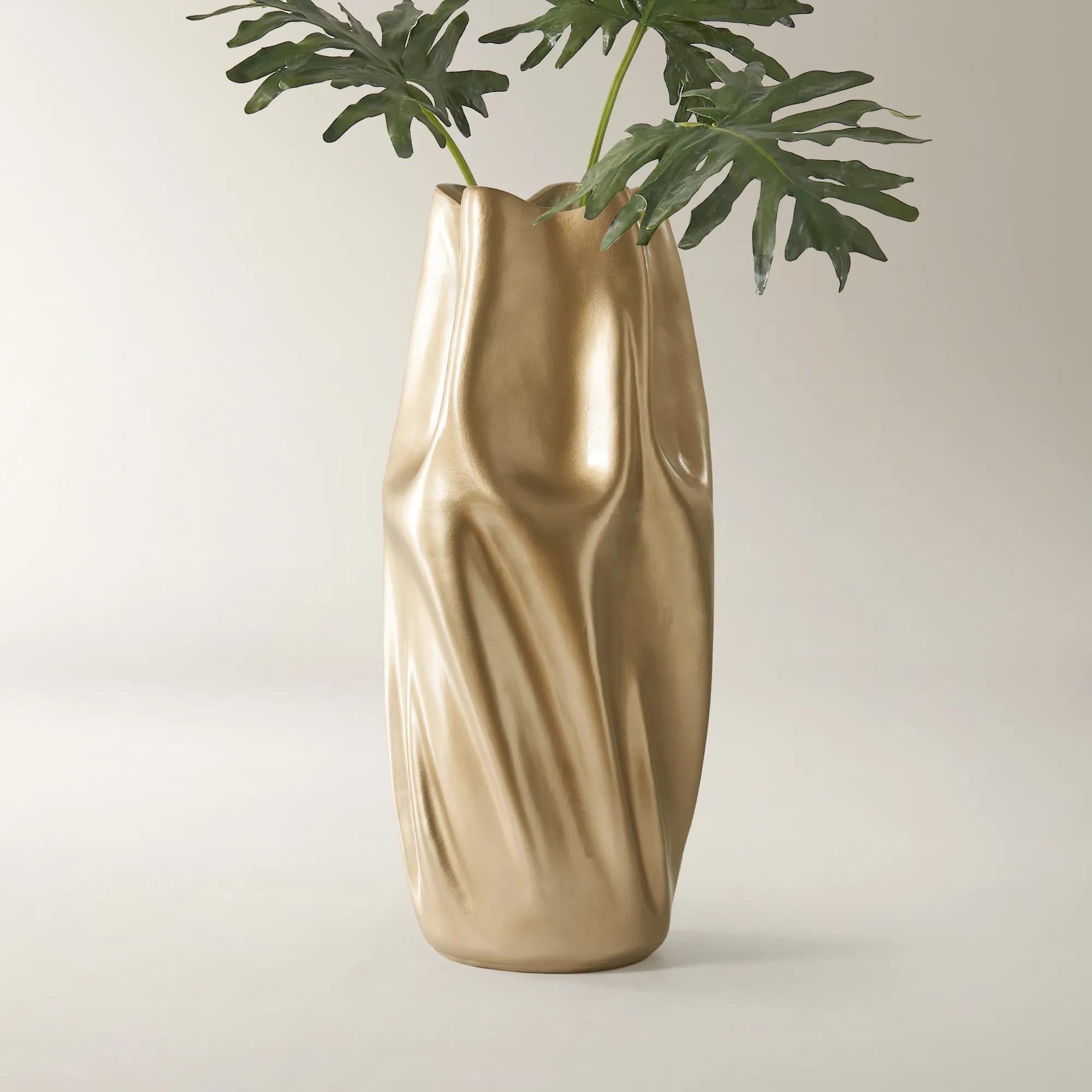
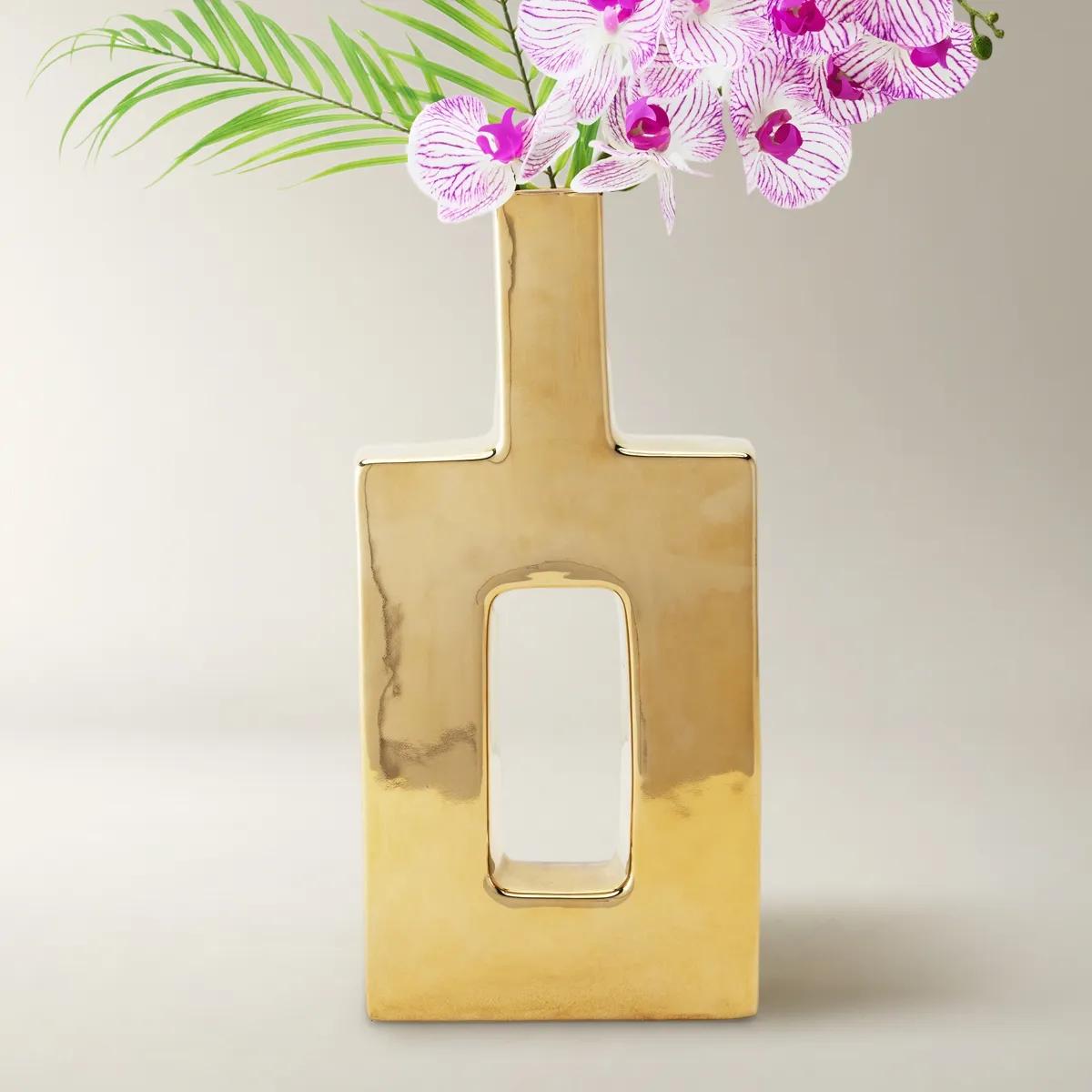 Miami Gold Ceramic High Gloss Vase 18.5"$69
A contemporary gold ceramic vase designed for decorative use or displaying faux foliage.
Add To Cart -
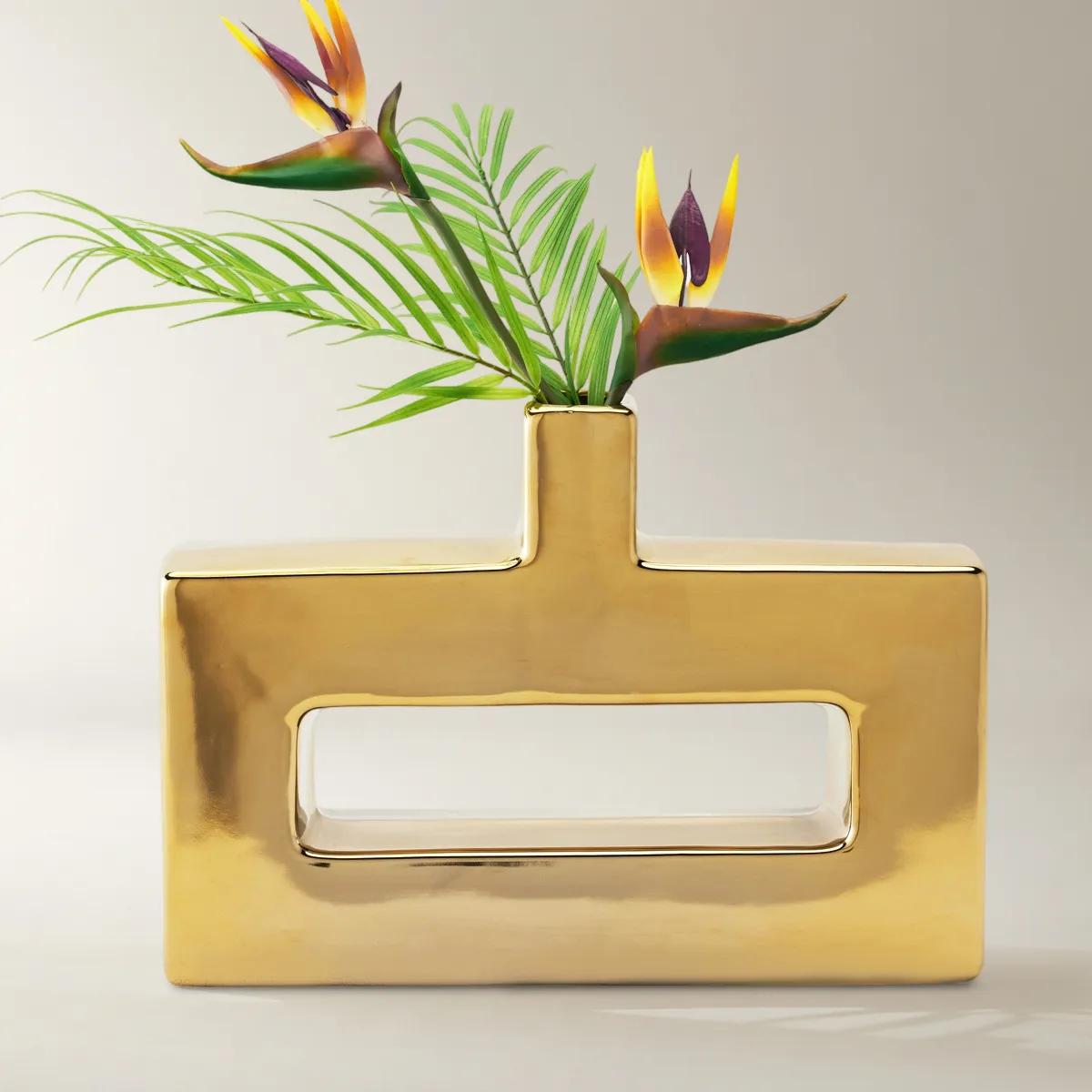 Miami Gold Ceramic High Gloss Vase 11.75"$69
A contemporary gold ceramic vase designed for decorative use as a sculptural accent or with foliage.
Add To Cart -
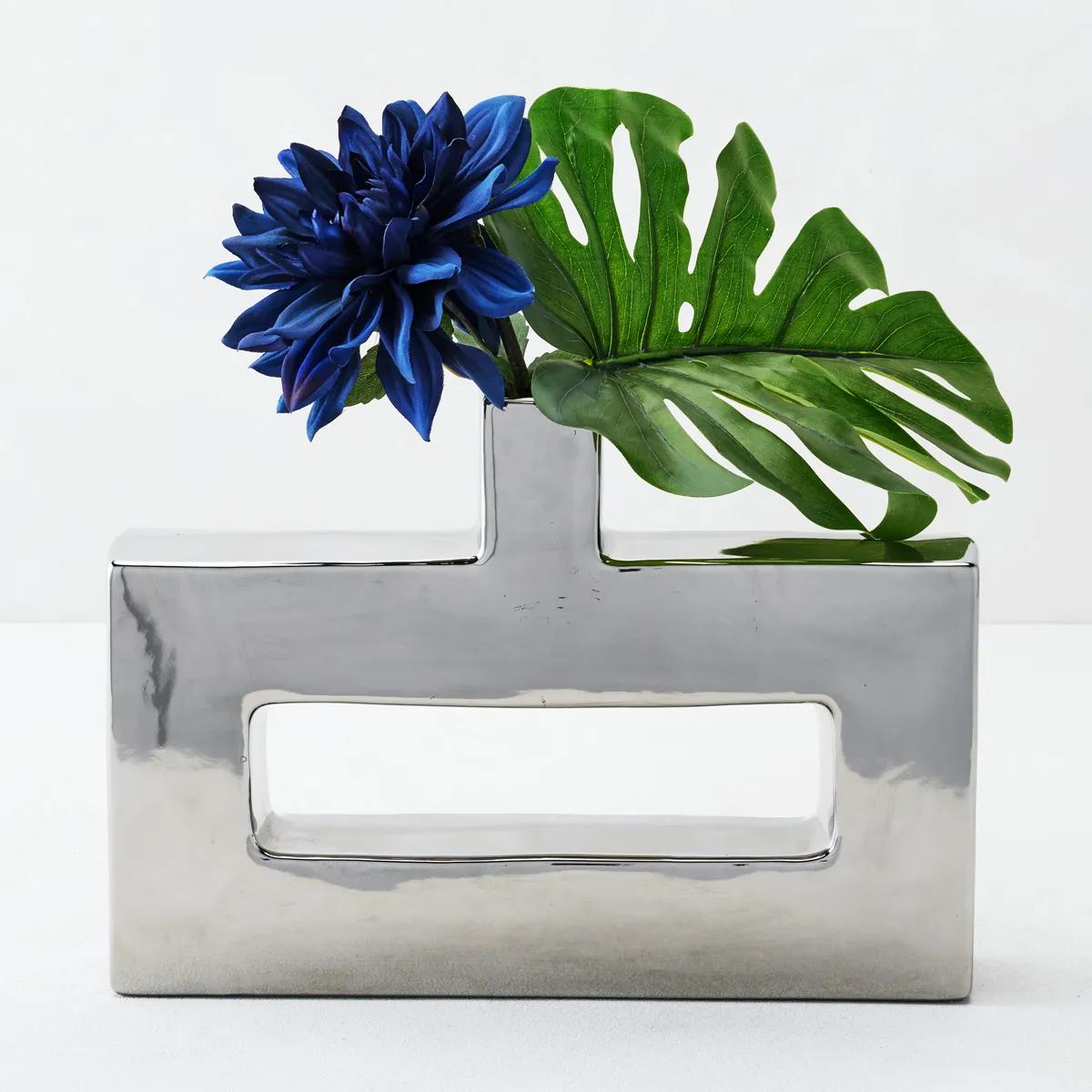 Miami Silver Ceramic High Gloss Vase 11.75"$69
A contemporary silver ceramic vase with a stylish gold glaze, perfect for decorative foliage or display.
Add To Cart -
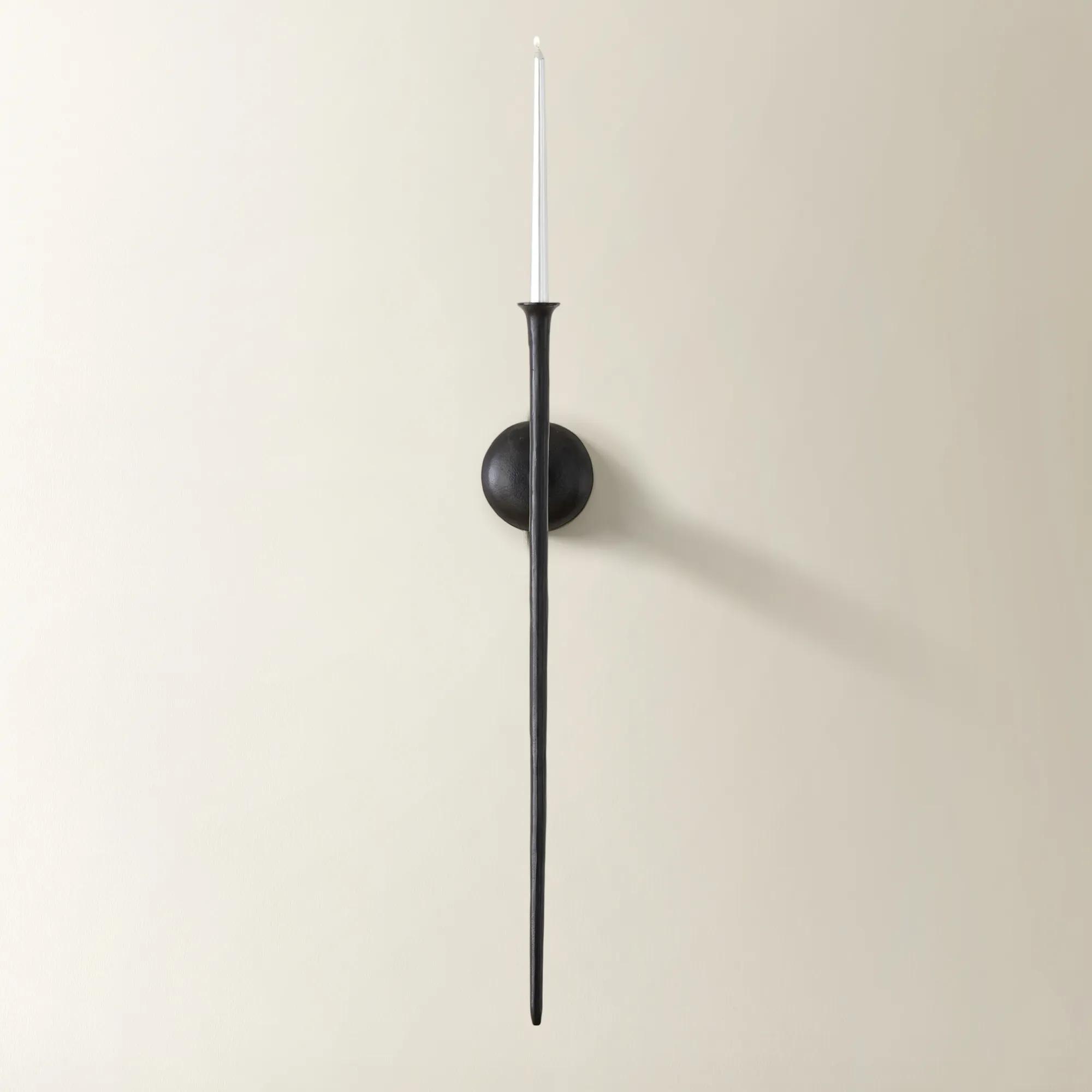 Aspar Black Aluminum Candle Wall Sconce Large 33"$59
A slender metal wall sconce available in silver, gold, or black, perfect for elegant candlelit ambiance.
Add To Cart -
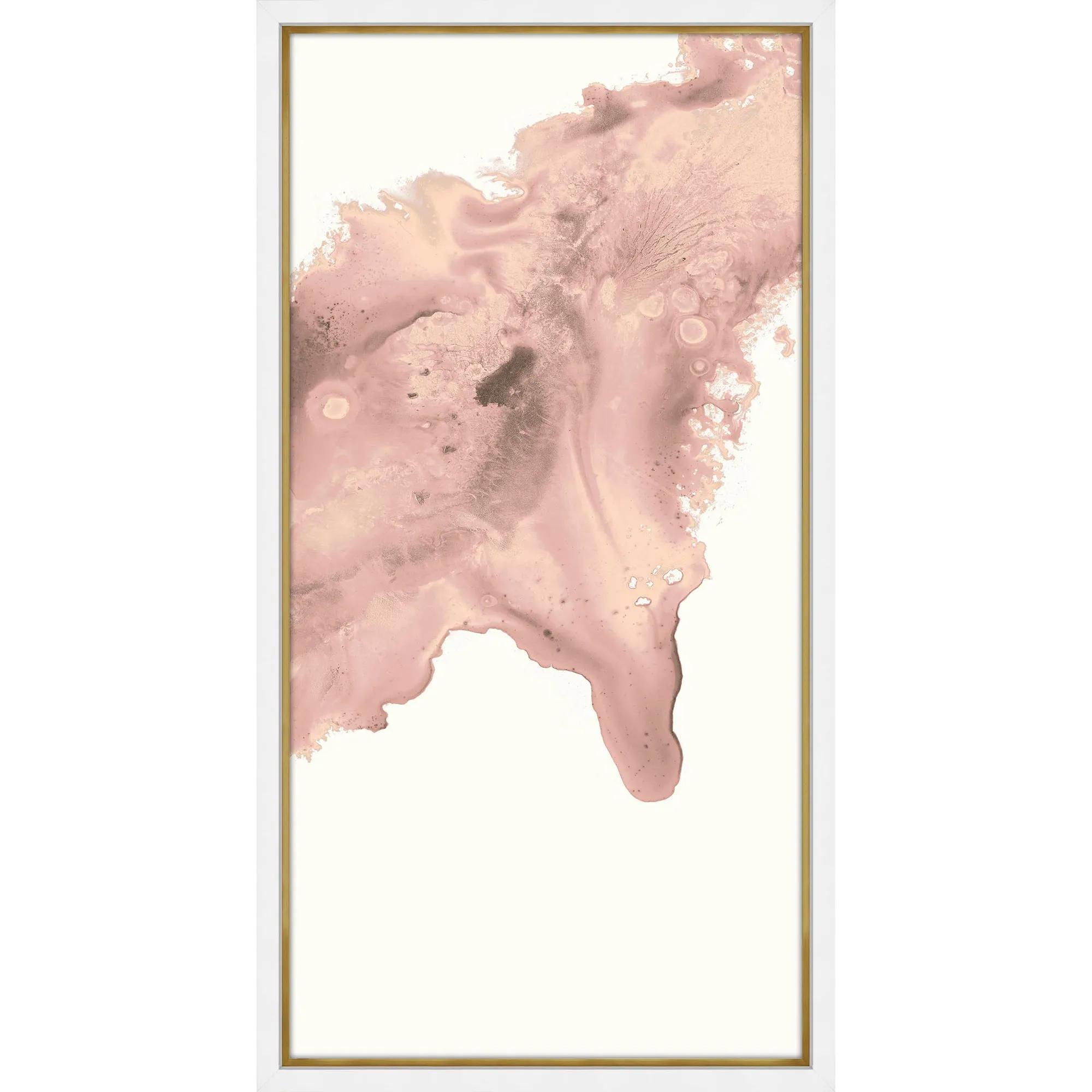
 Blush Conduit 2 Framed Wall Art 24" x 48"$849
A striking abstract print on pearl paper, elegantly framed in gold and matte white for modern appeal.
Add To Cart -
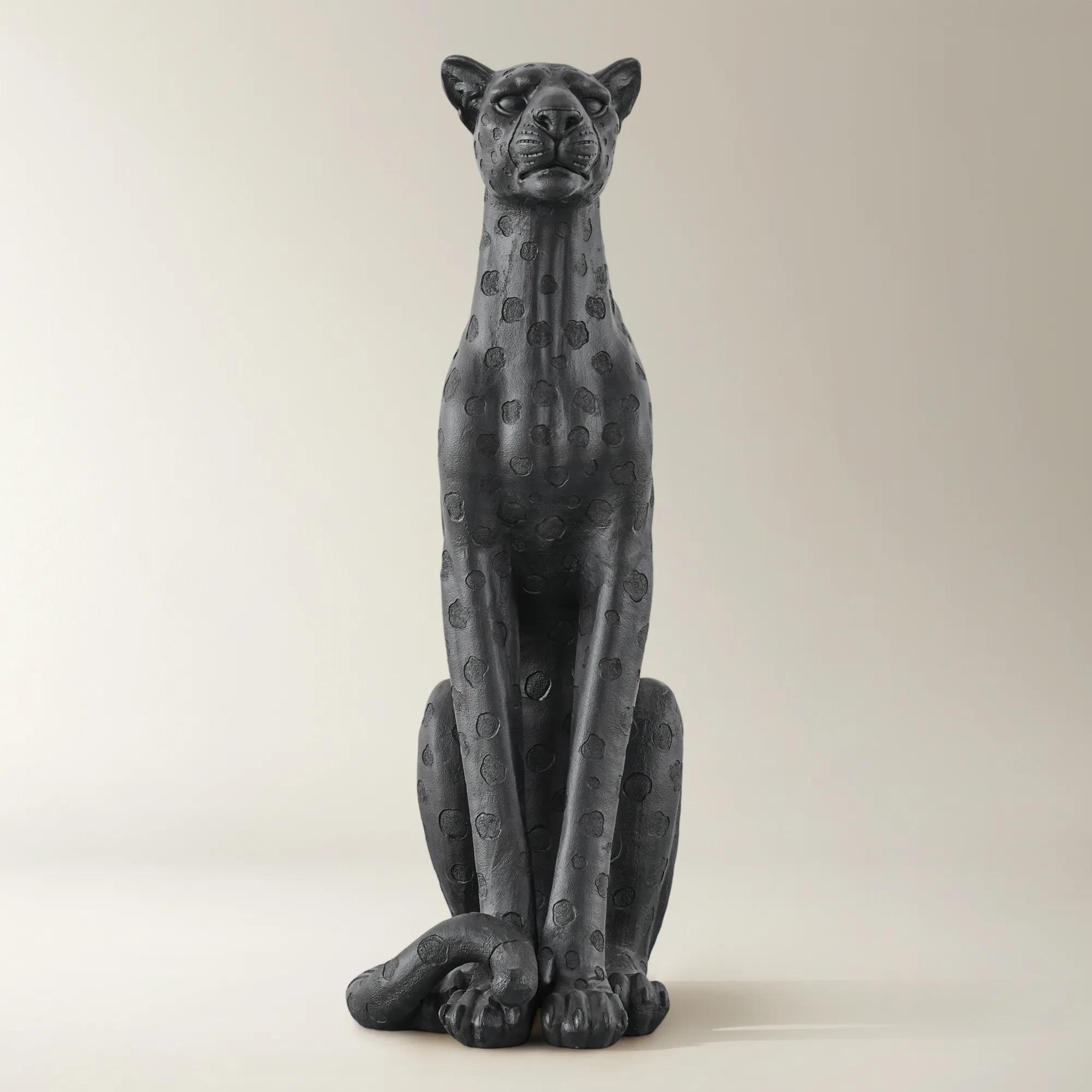
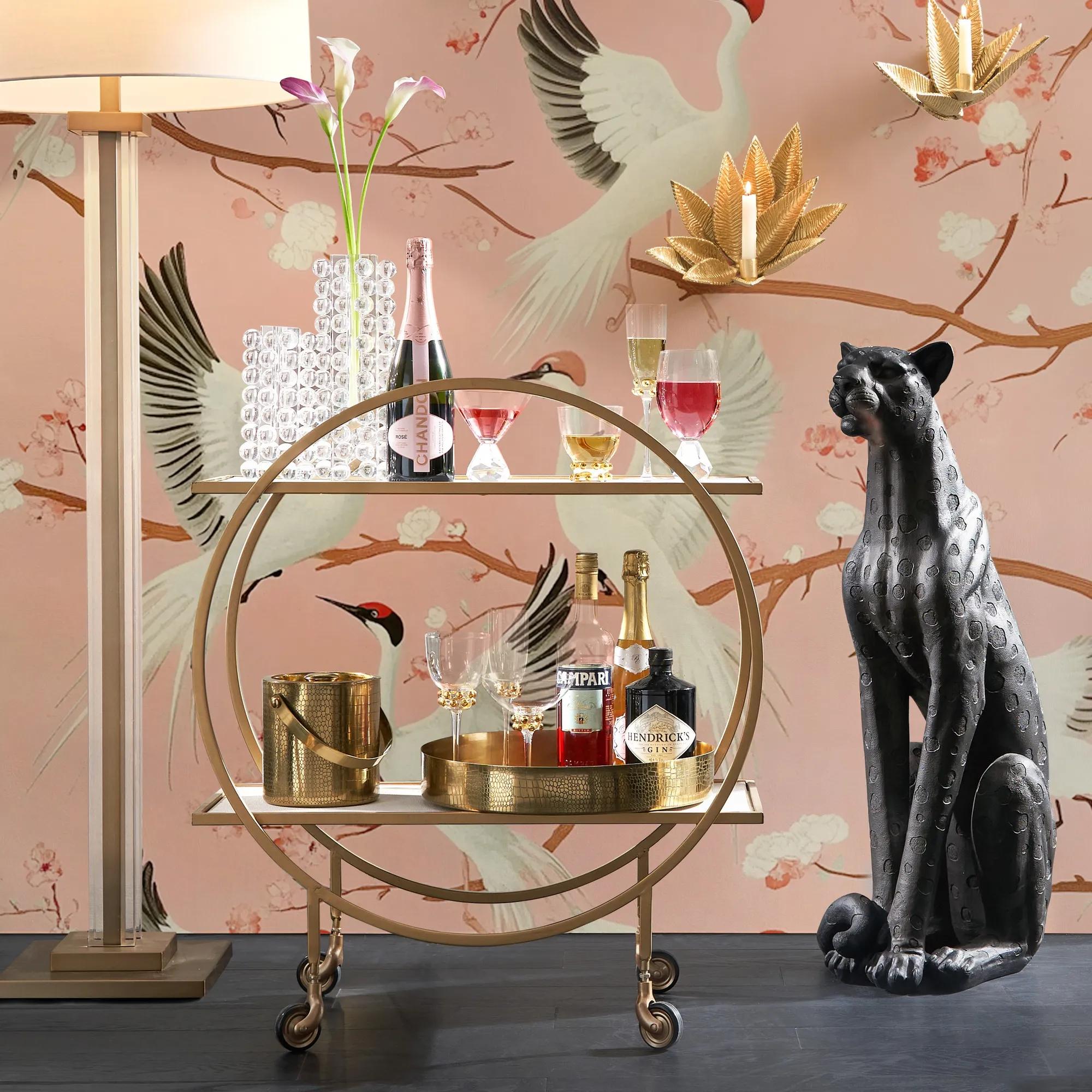 Leopardo Black Resin Decorative Object 35"$329
A striking black resin leopard statue finished in gold, perfect for adding a touch of elegance.
Add To Cart -
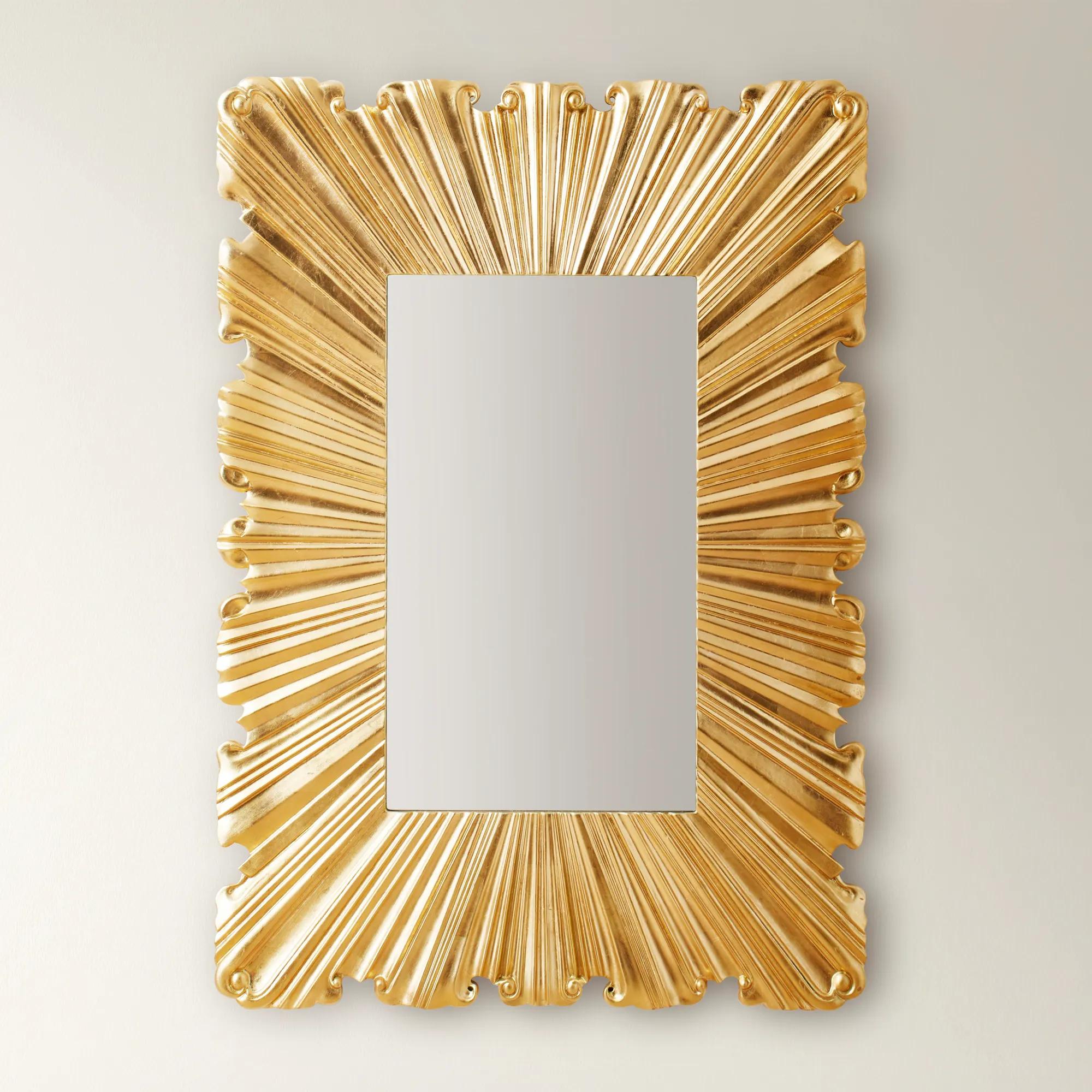 Metropolitan Gold Leaf Resin Rectangular Wall Mirror 27.5" x 39.5"$459
A sculptural wall mirror featuring a gold-finished polyurethane frame for a modern, elegant accent.
Add To Cart -
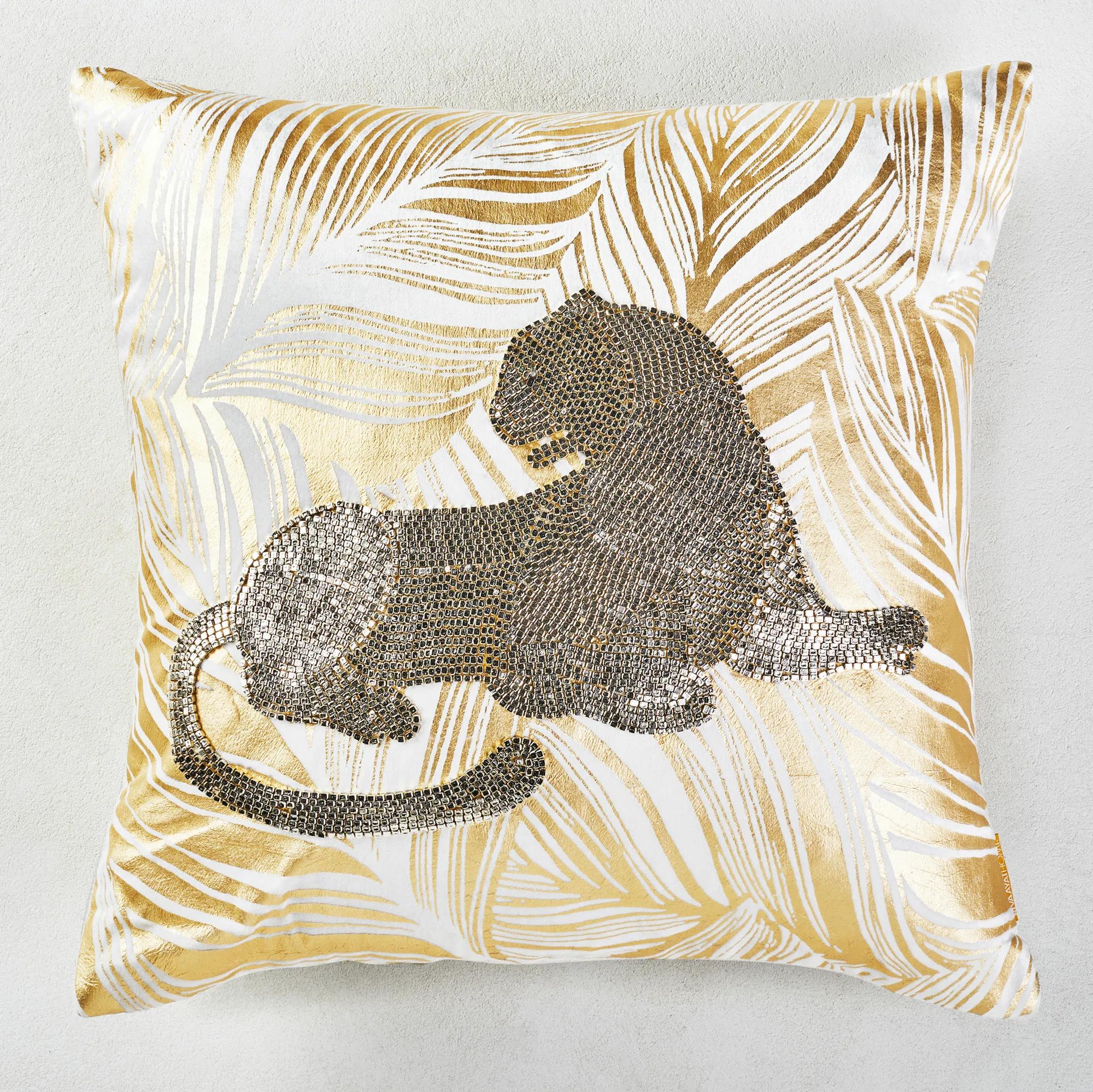 Mosaic Jaguar Pillow 20" - Gold$89
A gold and champagne pillow featuring hand-beaded jaguar detailing on a velvety cotton and polyester blend.
Add To Cart -
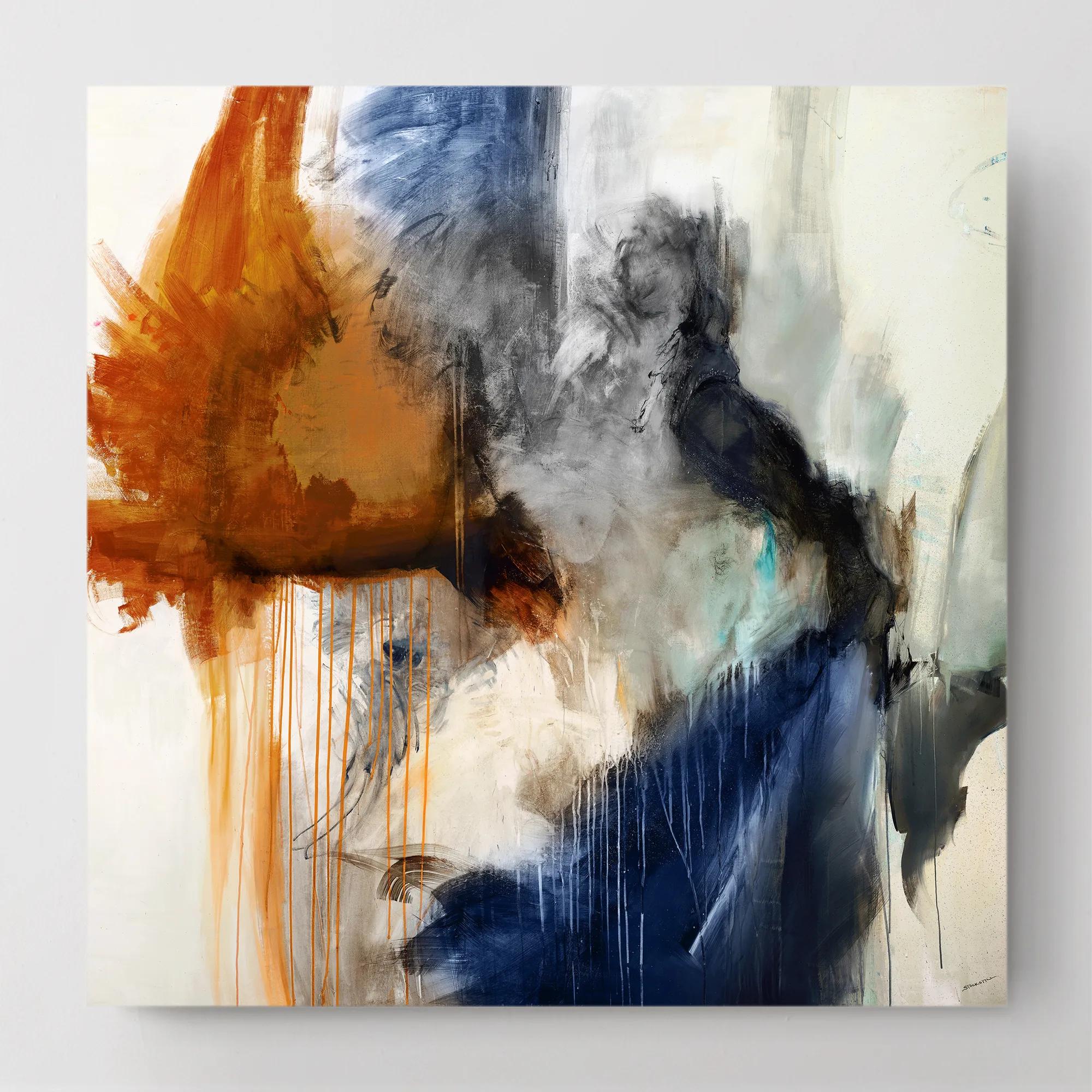
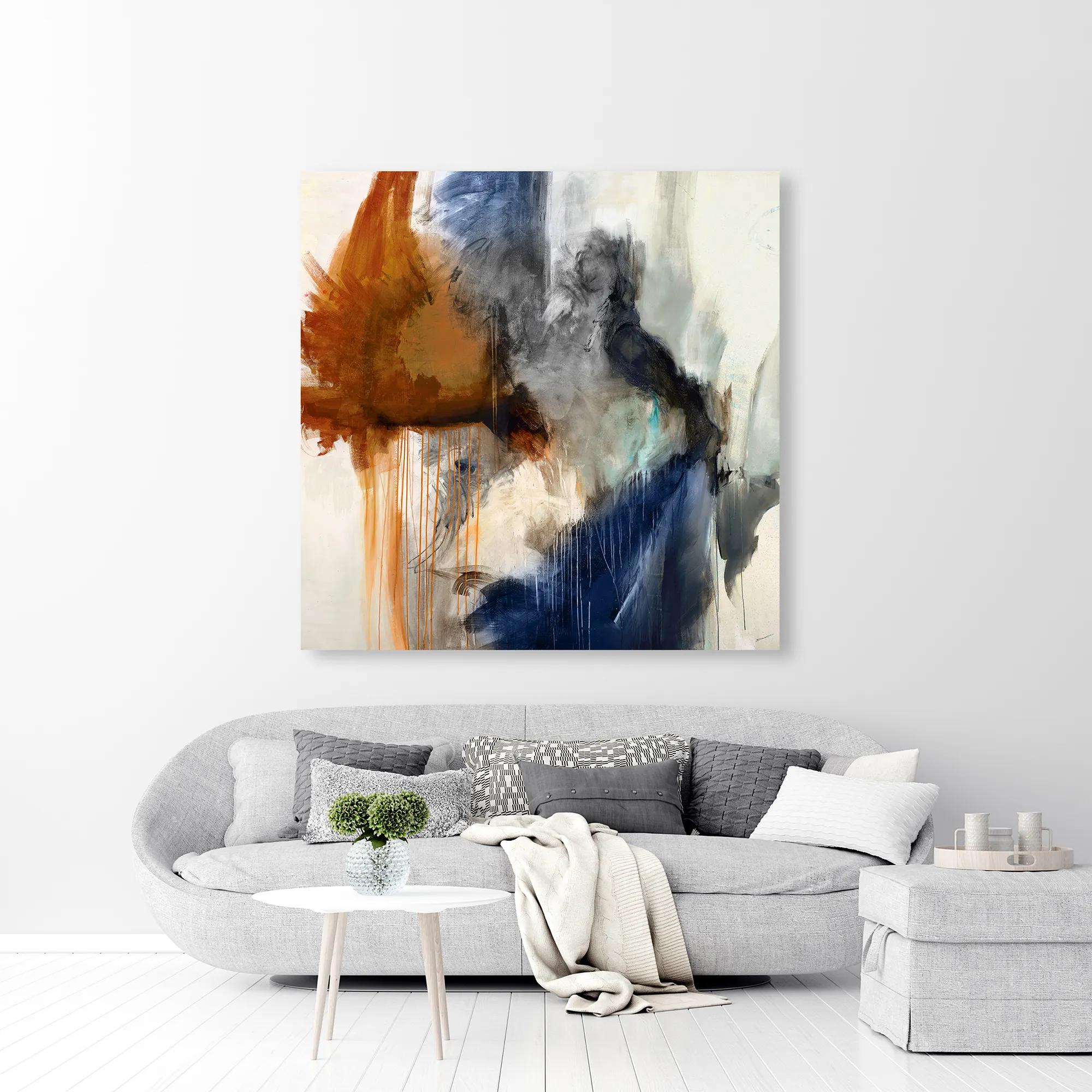 Swoon 6 Wall Art 54" x 54"$899
A gallery-wrapped canvas featuring a hand-applied image brush gel finish for a textured, artistic look.
Add To Cart -
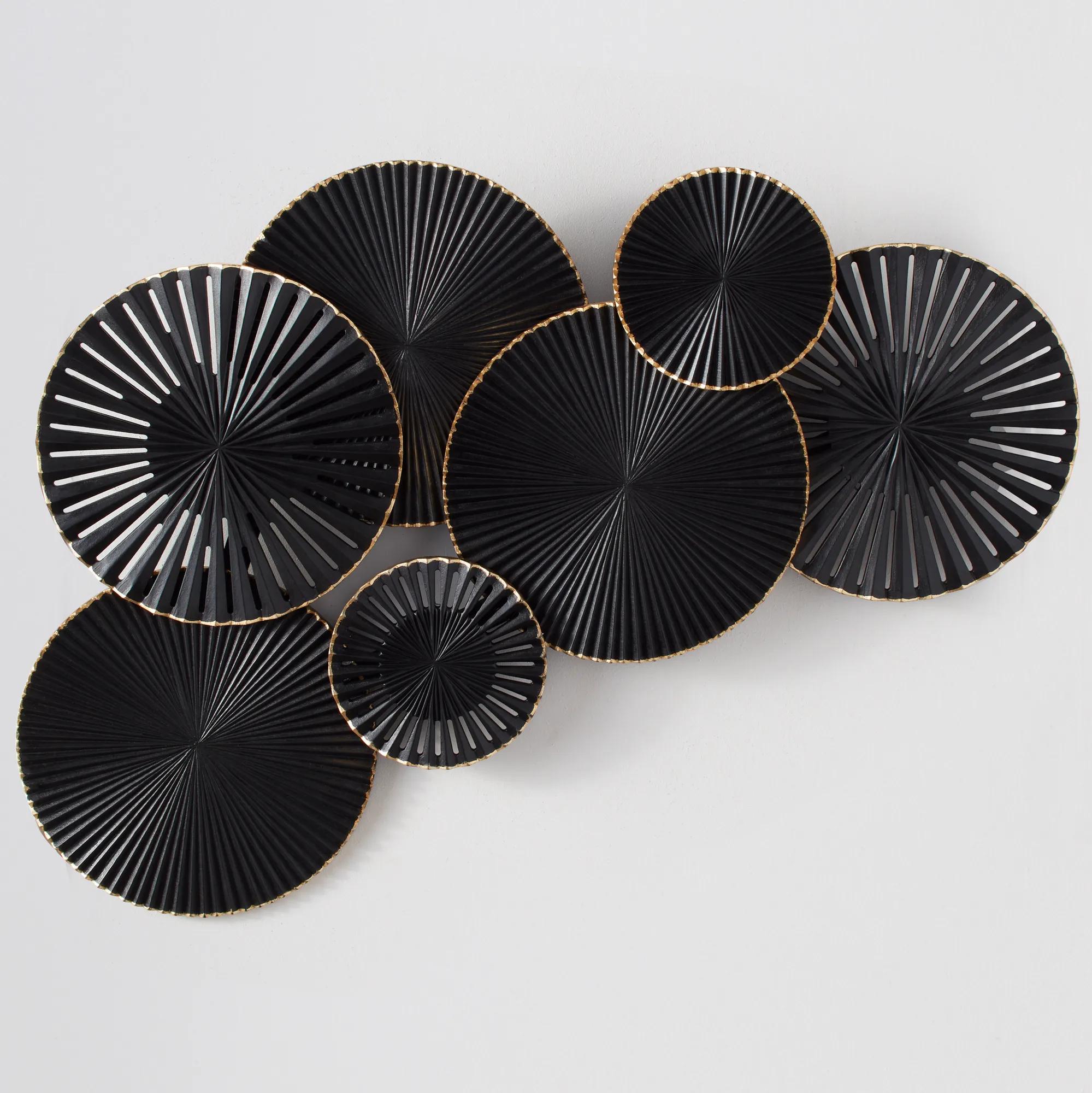
 Circa Black Carved Wood Dimensional Wall Panel 47.25" x 27.5"$499
A carved wood wall art panel in black and gold that adds abstract intrigue to any room.
Add To Cart -
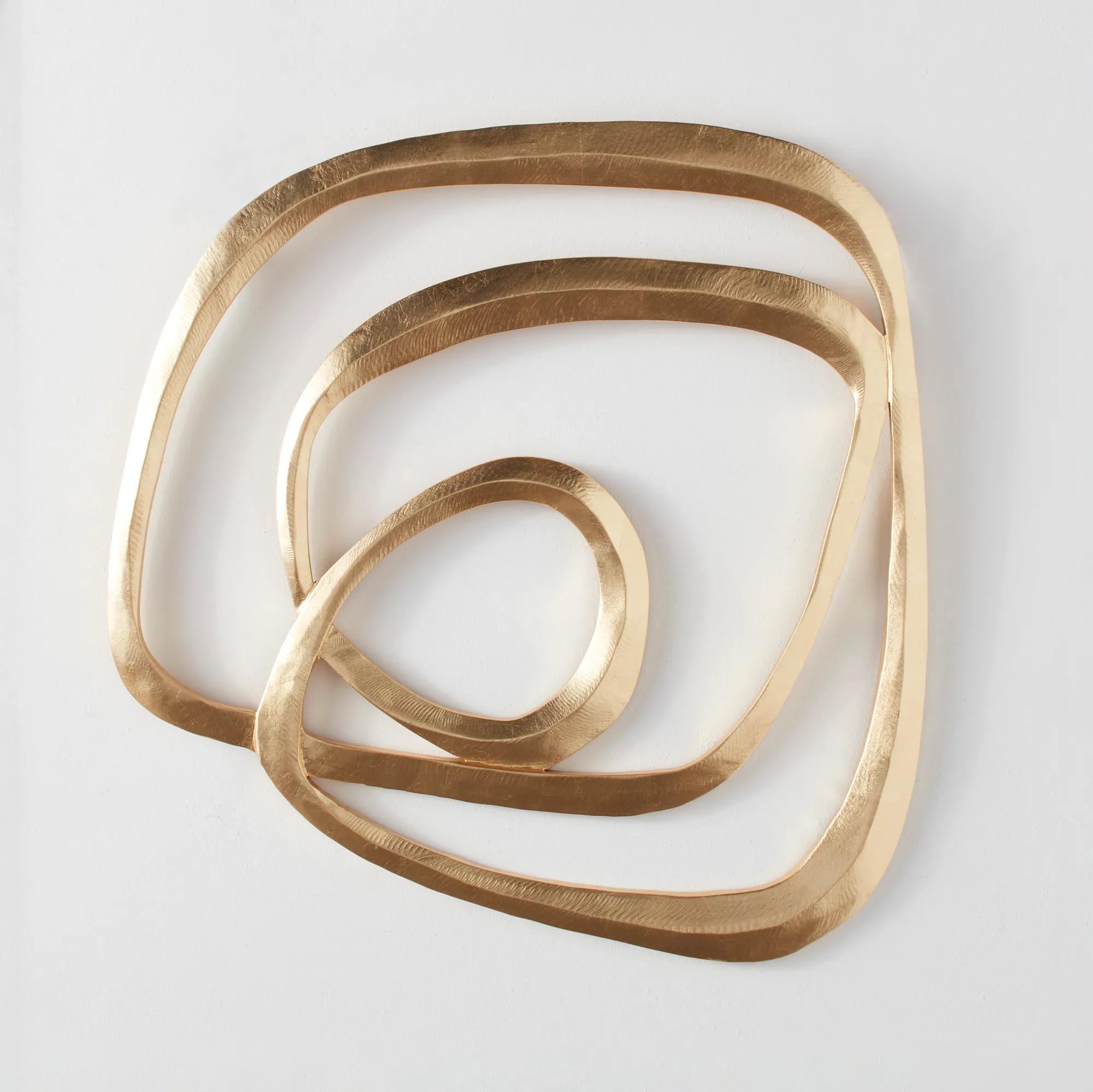 Infinity Gold Leaf Wood Wall Decor II 31.5" x 31.5"$299
A swirling wooden wall sculpture featuring a striking metallic gold finish for a modern statement.
Add To Cart -
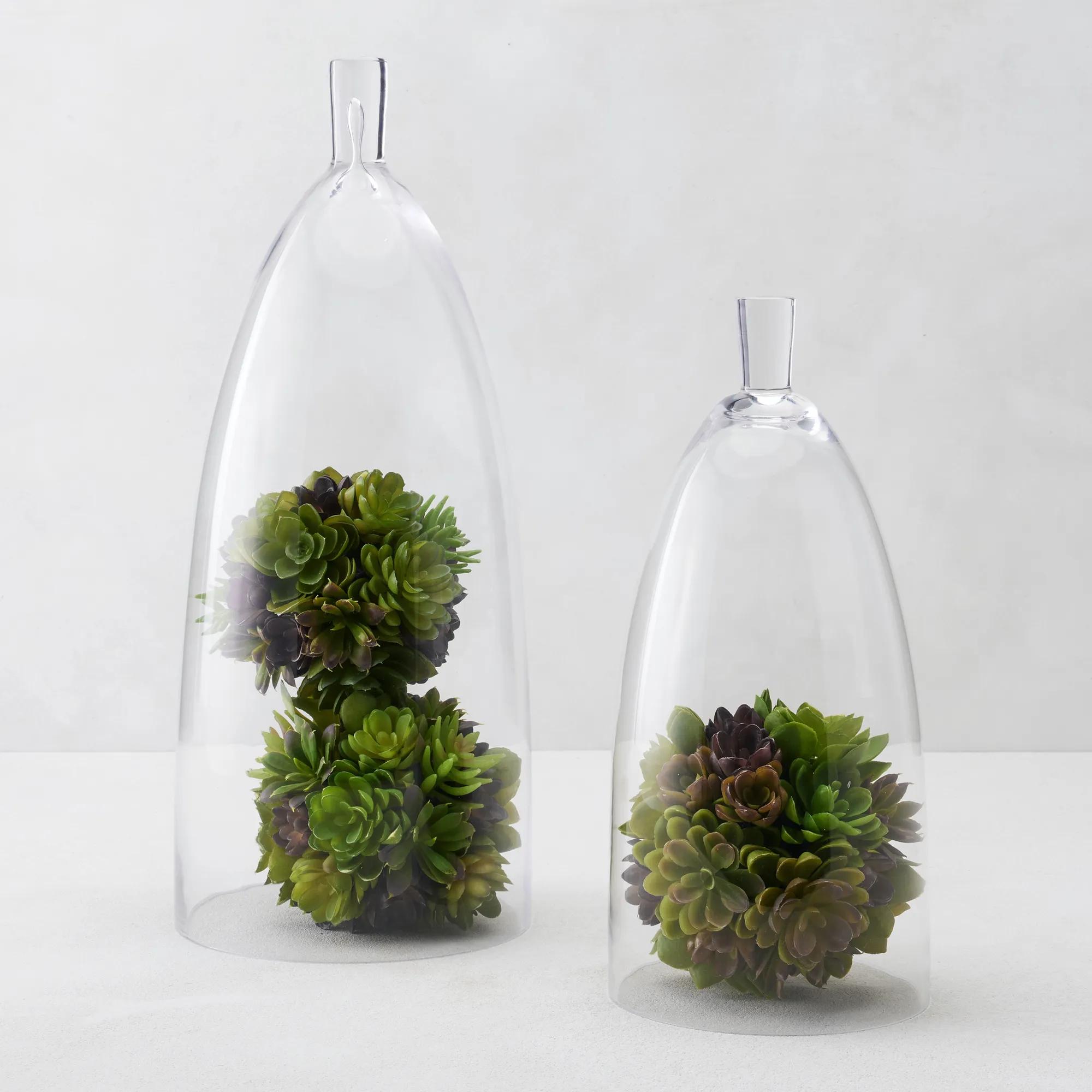 Jules Glass Decorative Cloches$59
A mouthblown glass terrarium perfect for showcasing cherished objects as unique decorative art.
Add To Cart -
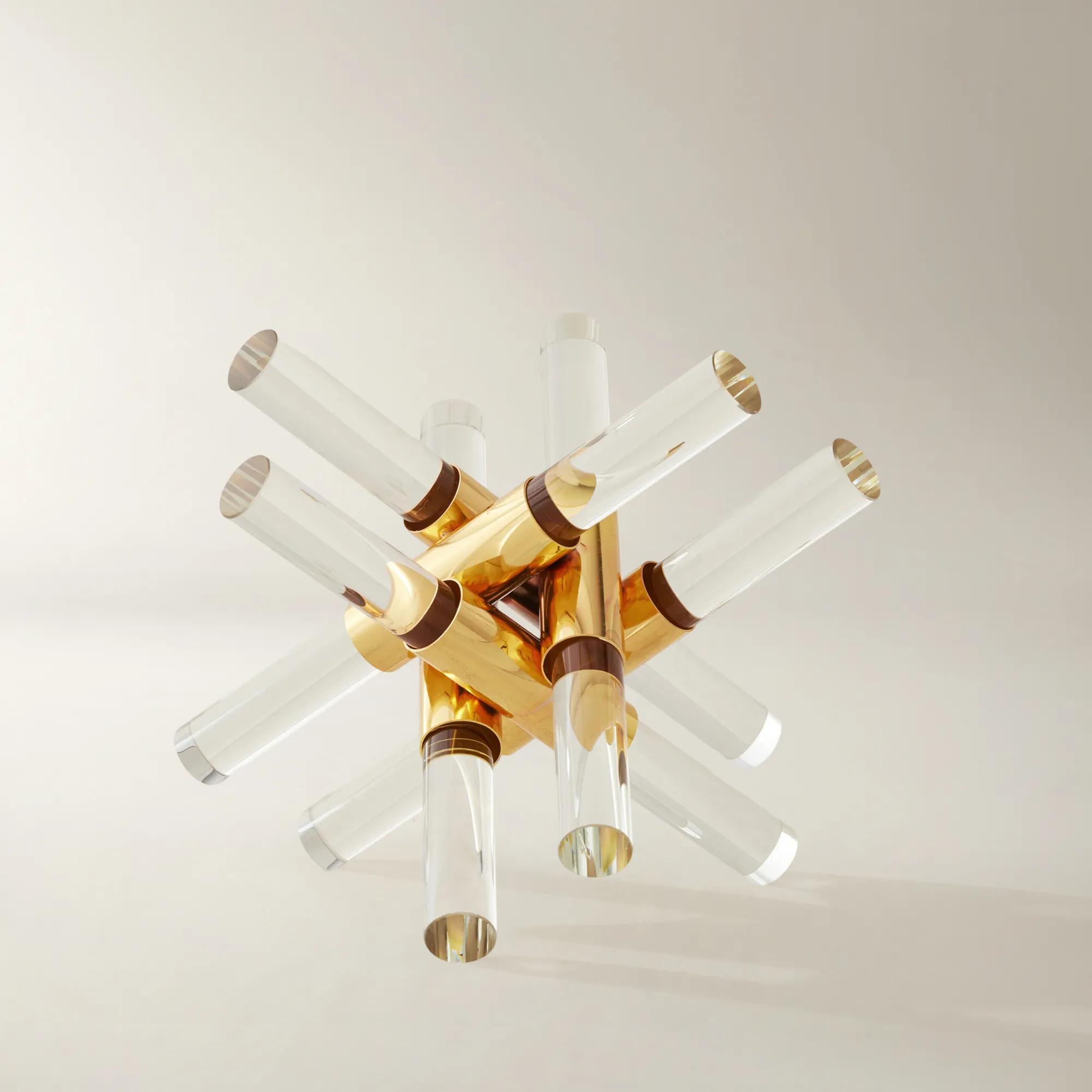
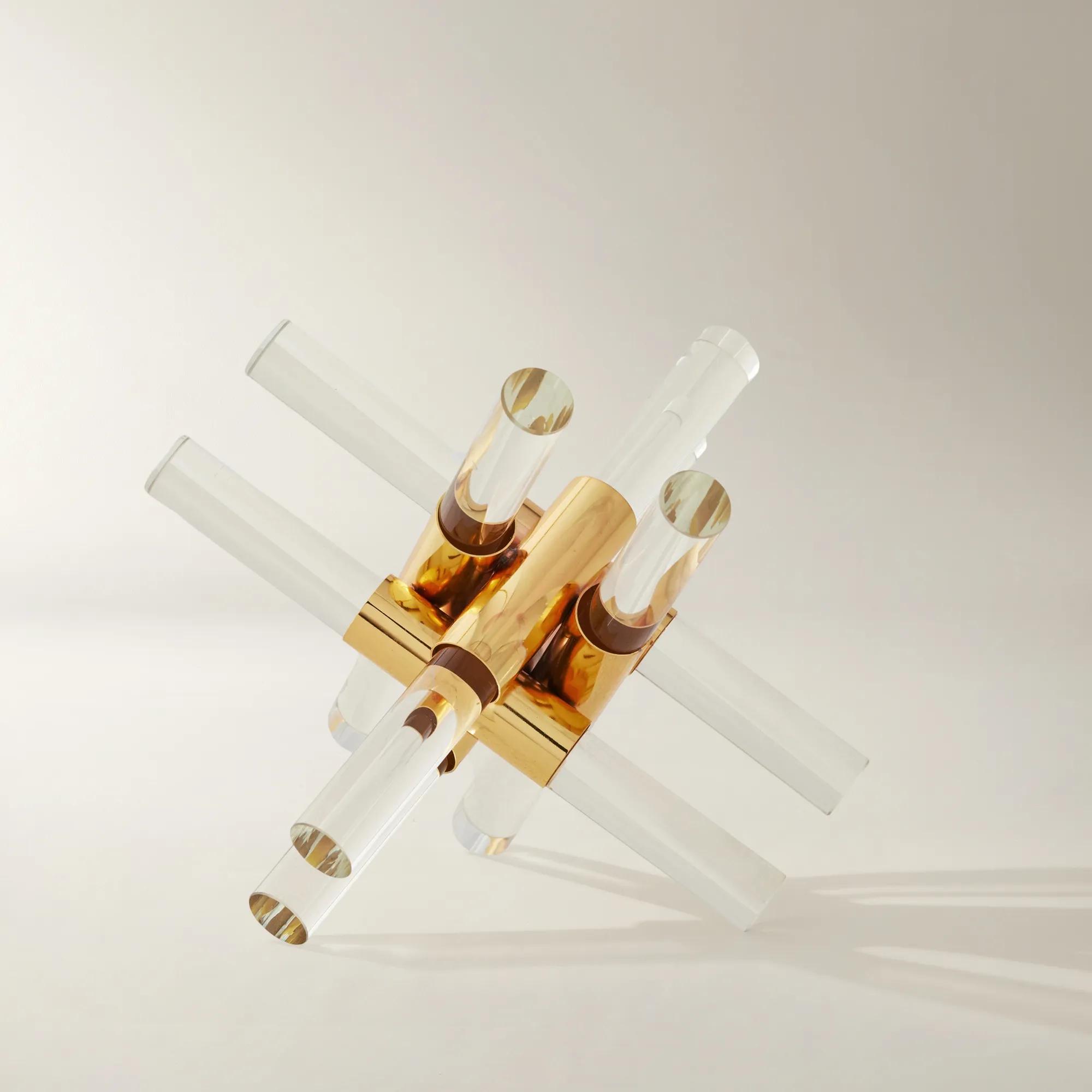 Crystal Glass And Gold Metal Decorative Object 8"$59
A striking decorative accent featuring clear glass rods and gold metal detailing for modern elegance.
Add To Cart -
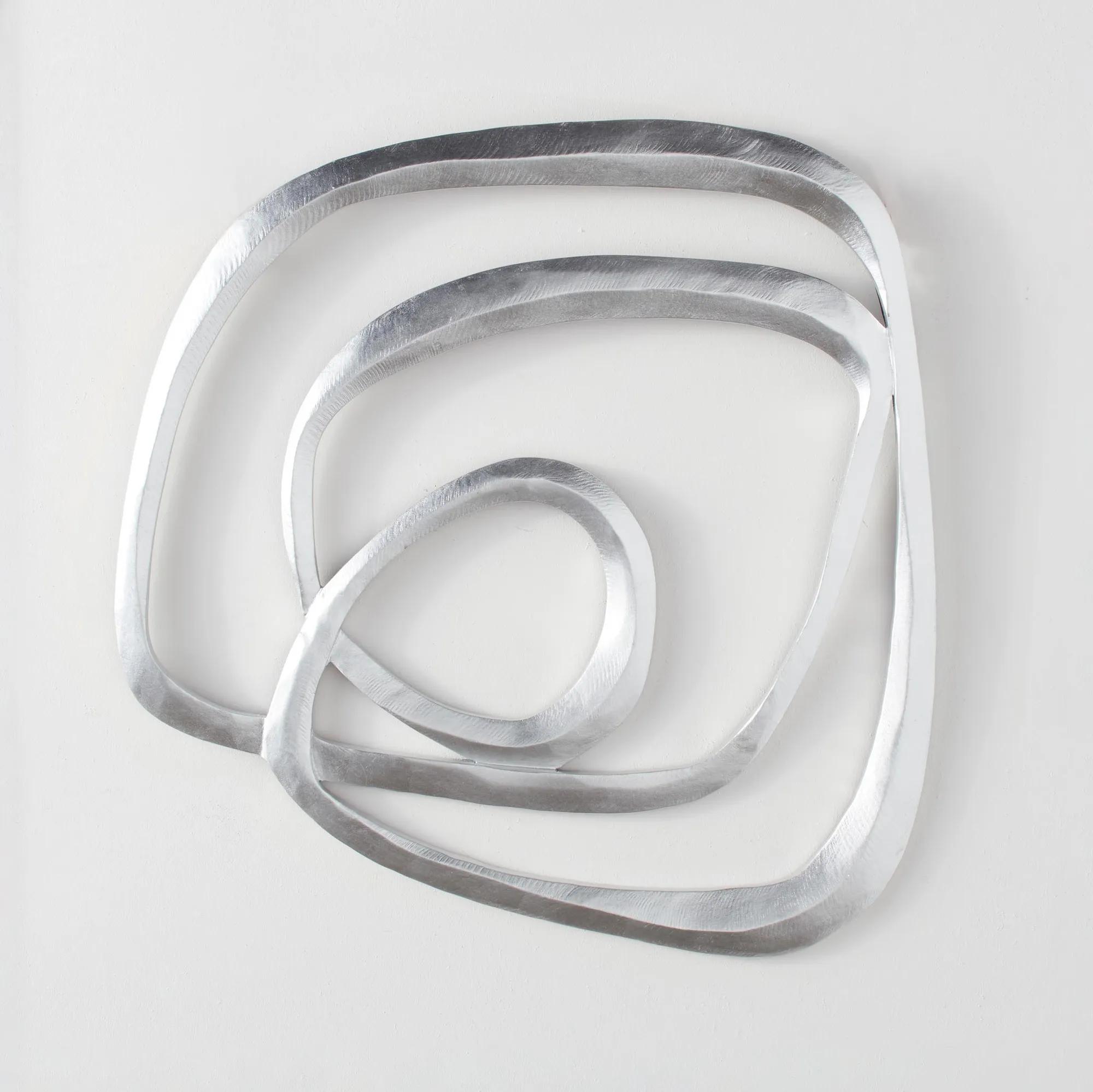 Infinity Silver Leaf Wood Wall Decor II 31.5" x 31.5"$299
A swirling wooden wall sculpture featuring a striking metallic silver finish for modern visual impact.
Add To Cart -
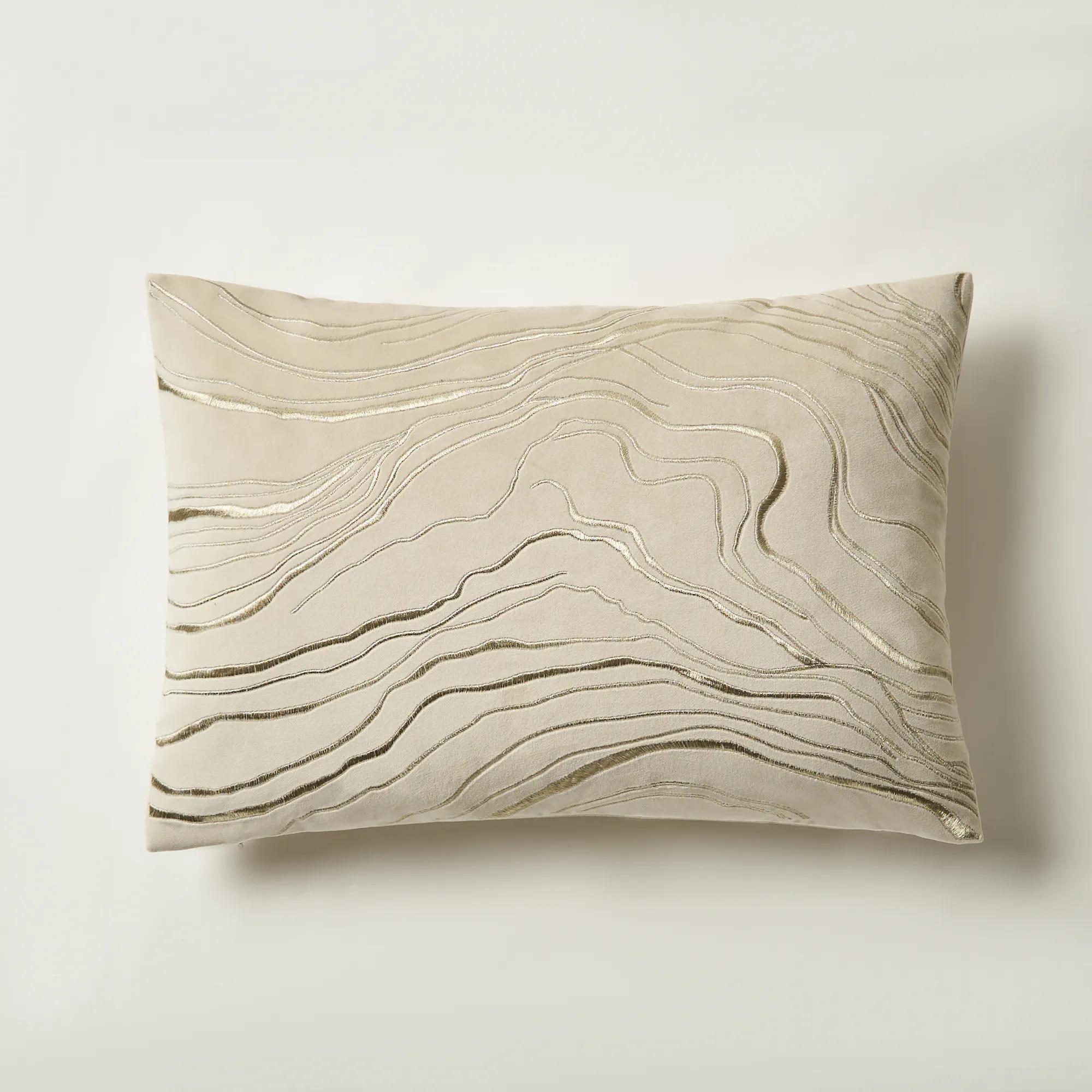
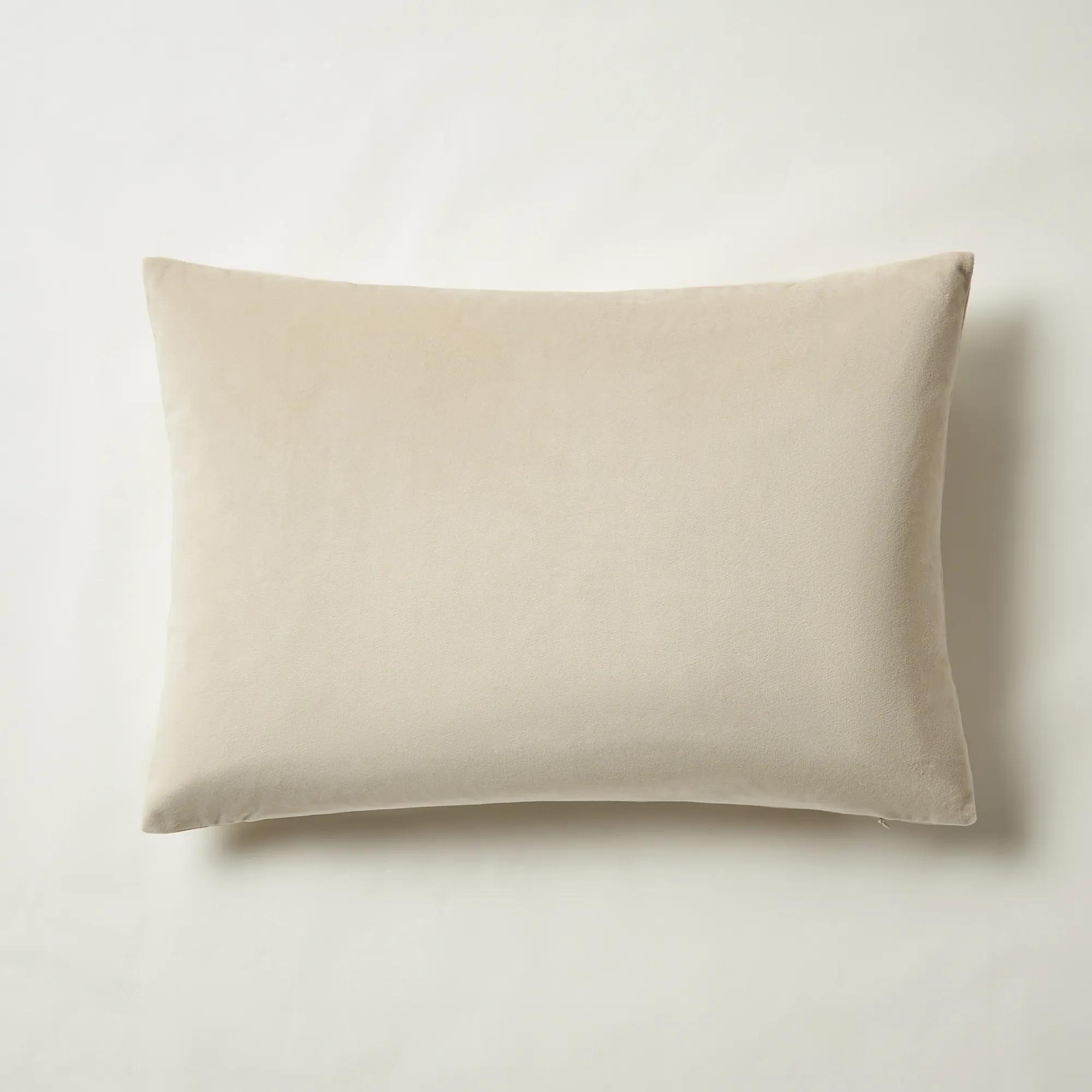 Swirl Embroidered Champagne/Taupe Velvet Lumbar Pillow 14" x 20"$59
A champagne velvet lumbar pillow with metallic embroidery and a plush feather-down insert.
Add To Cart -
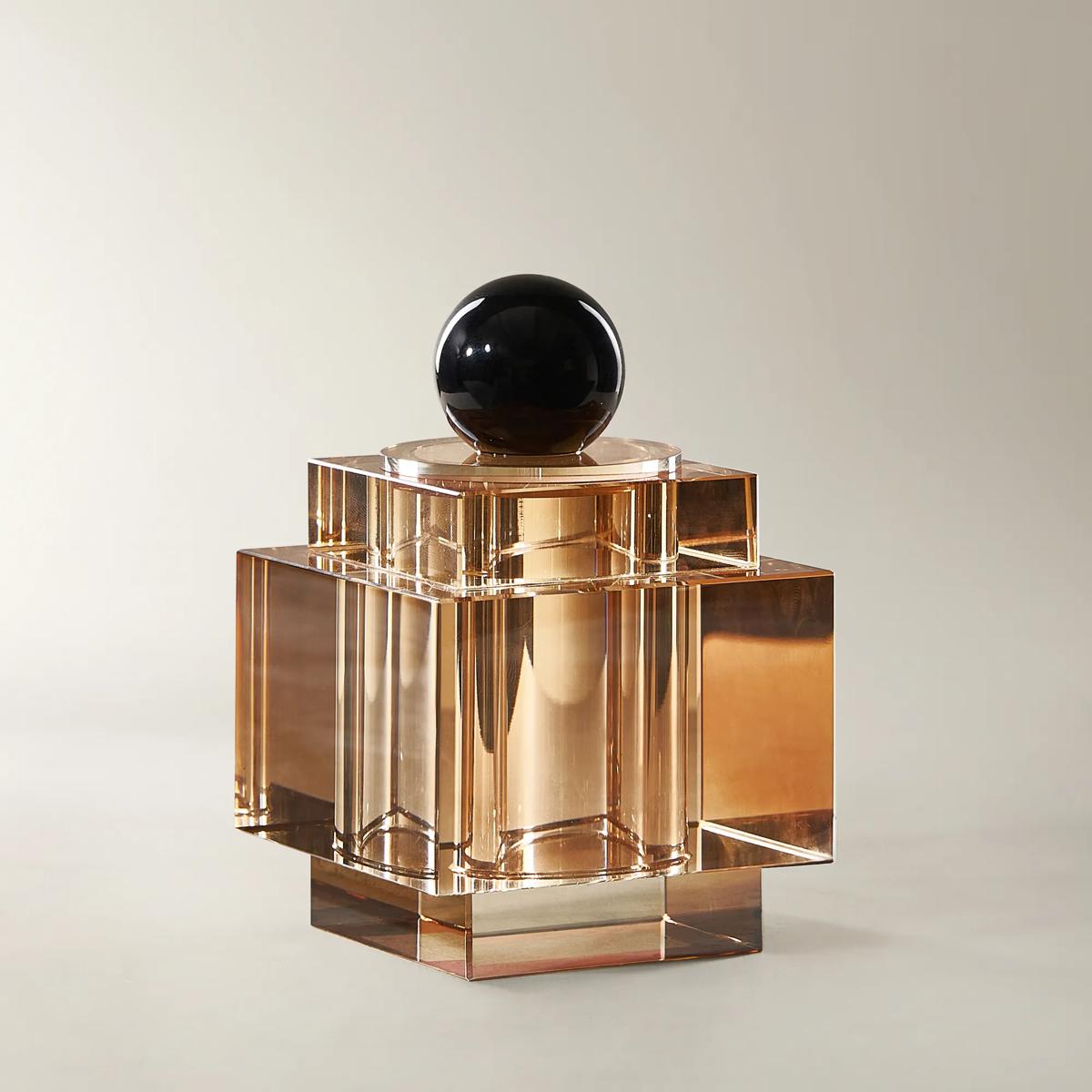
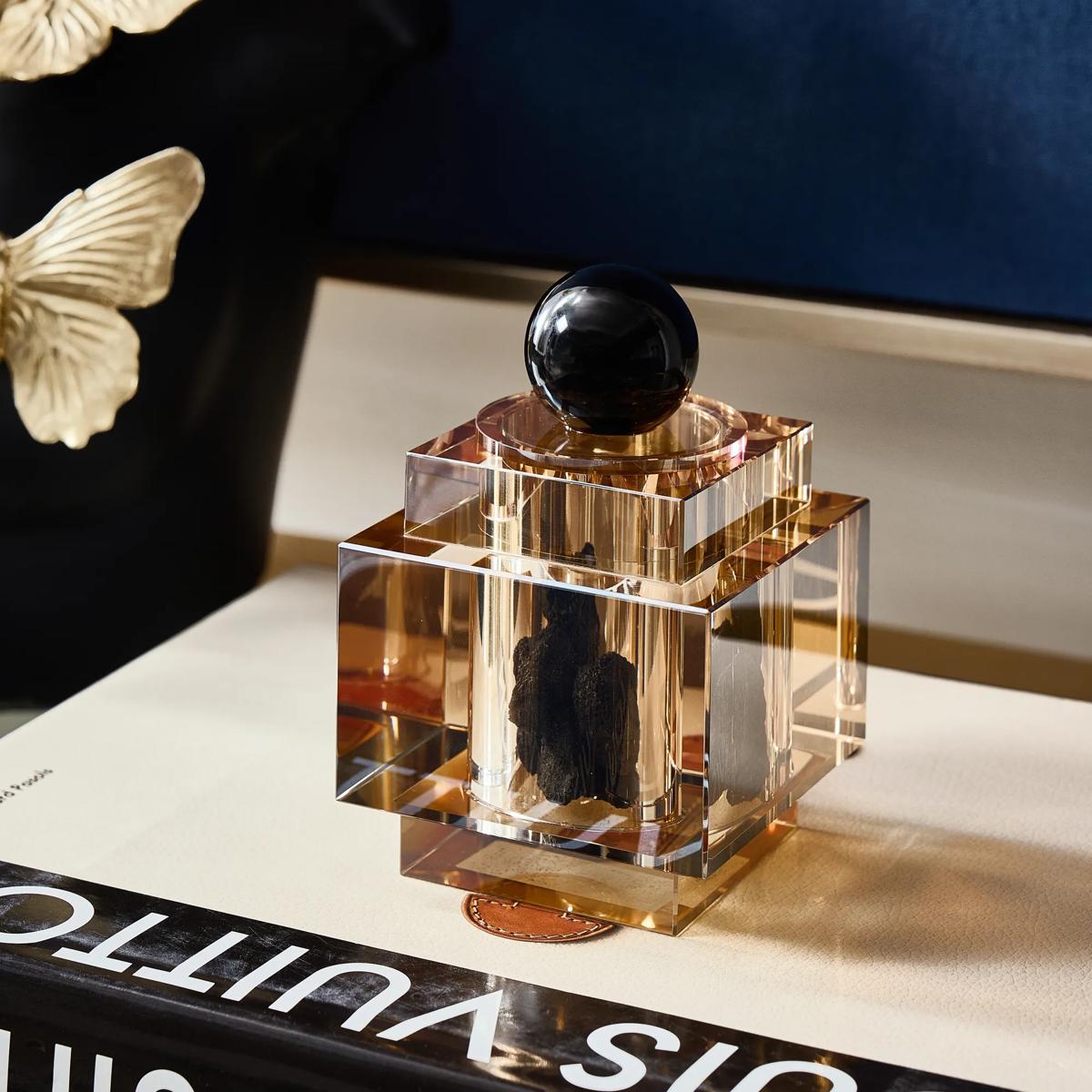 Deco Amber Crystal Glass Perfume Bottle$89
A faceted amber crystal glass accent topped with a glossy black sphere for vintage-inspired glamour.
Add To Cart -
.jpg?w=1200&h=1200) Calla Mouth Blown Blue Glass Decorative Bowl 15.35" x 5.7"$79
Calla Mouth Blown Blue Glass Decorative Bowl 15.35" x 5.7"$79A handblown blue glass bowl featuring unique curves and translucent artistry for striking decorative appeal.
Add To Cart -
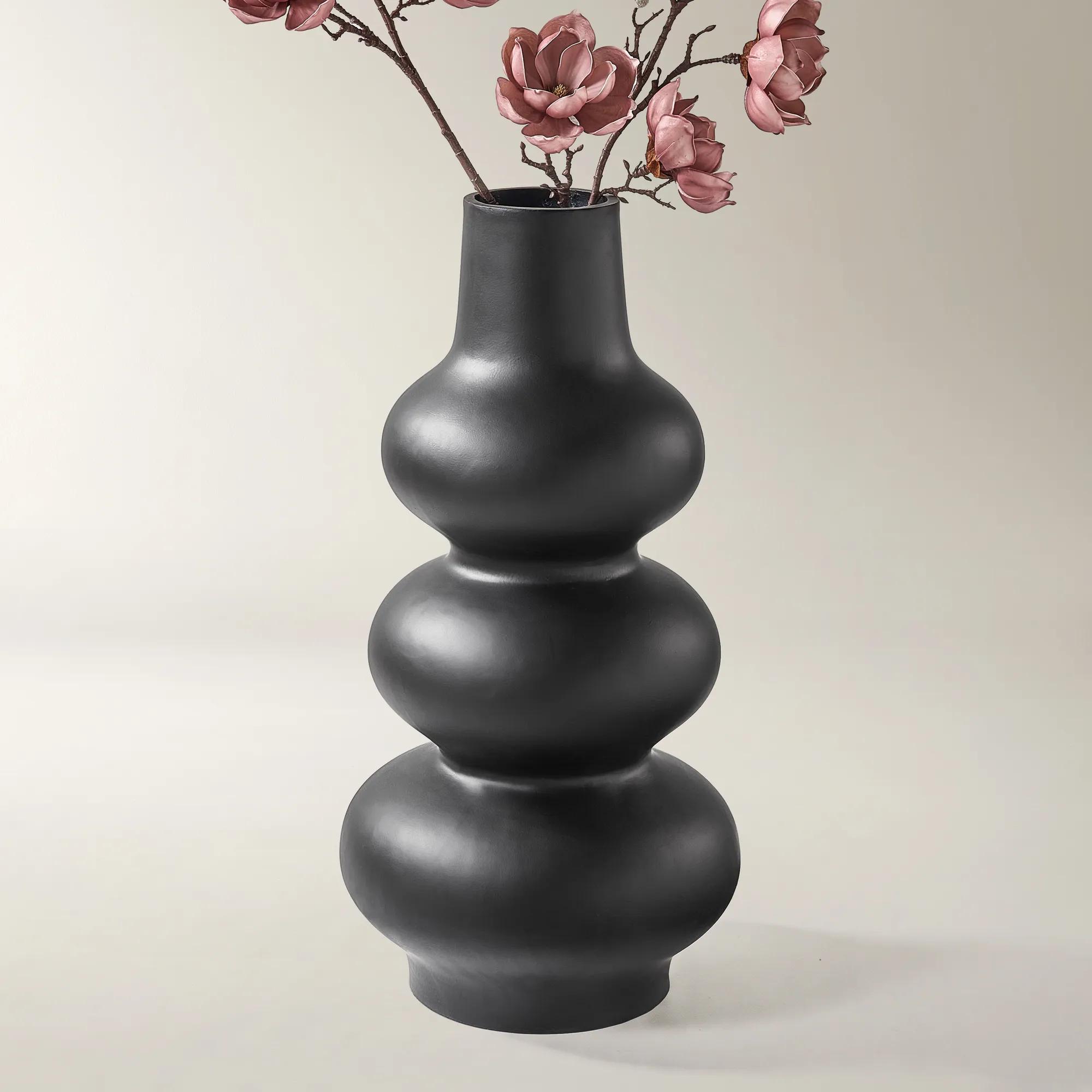 Naali Black Resin Floor Vase 31"$279
A bold black resin vase featuring a chunky, sculptural silhouette for striking modern decor.
Add To Cart -
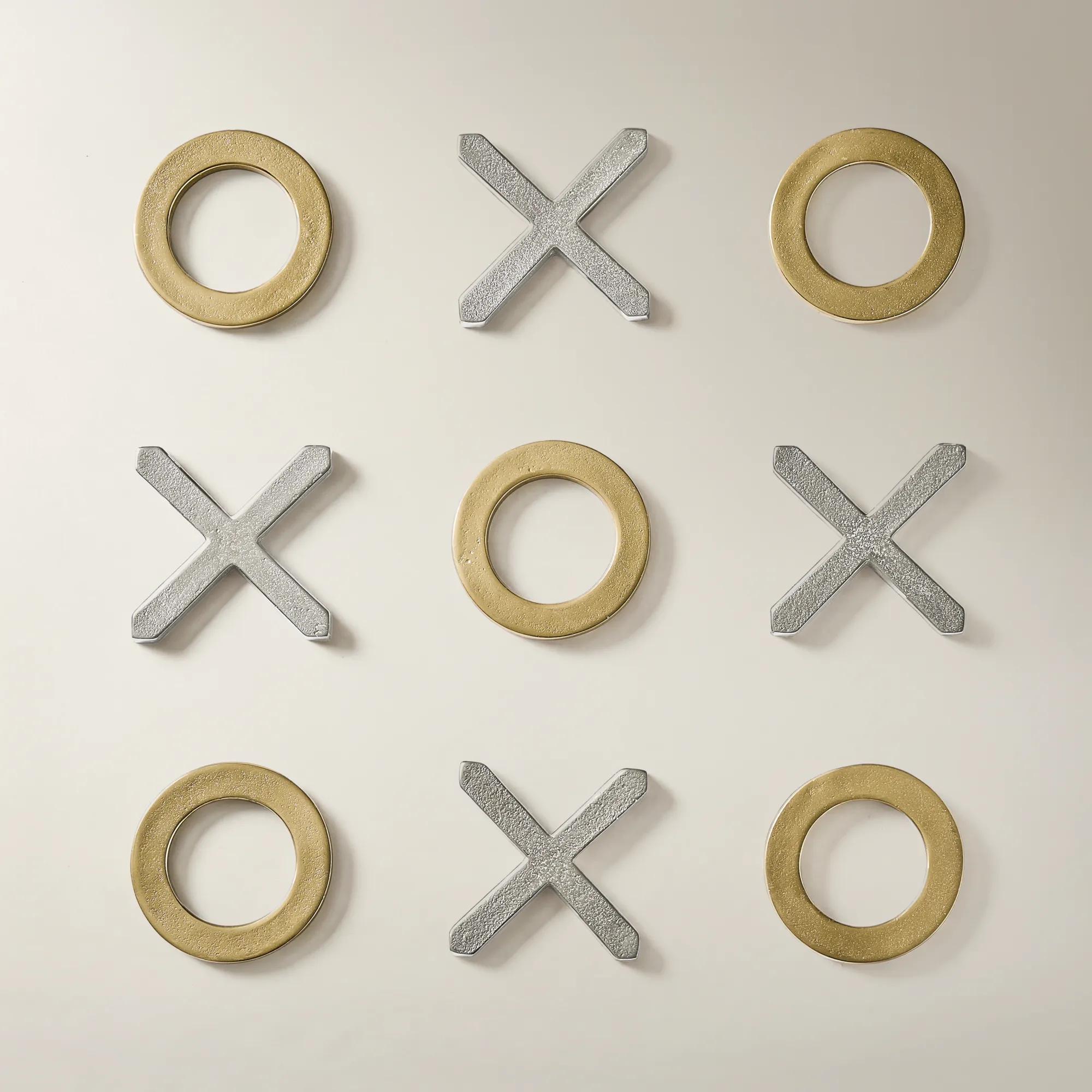 XOXO Gold Silver Aluminum Tic-Tac-Toe Game Pieces$69
A set of oversized gold and silver aluminum game pieces that adds playful, modern glamour to any space.
Add To Cart

Living Room Decor Accessories
Living Room Decor Accessories are the finishing touches that transform a space from merely inviting to utterly unforgettable. Every detail is an opportunity to express your personal style, whether you crave a whisper of glamour or a cascade of bold artistry. From gleaming metallic accents to sculptural objets d’art, these curated pieces infuse your living room with drama, depth, and undeniable allure. Let your imagination take center stage and craft a living space that dazzles at every glance—because in the world of Z Gallerie, every accessory is a brushstroke on the canvas of your home.
Living room decor accessories are the finishing elements that give a gathering space its character: decorative pillows, throws, vases, trays, sculptural objects, candleholders, and other accents that bring texture, color, and personality to furniture arrangements. They create the distinction between a room that is simply furnished and one that feels composed around the people who live there. A luminous vessel on a dark console can sharpen the entire vignette; a richly textured pillow can soften the geometry of a tailored sofa. These details let a living room express a point of view without requiring every piece of furniture to make a statement. For an interior with a glamorous sensibility, reflective surfaces, saturated color, and sculptural silhouettes introduce drama in measured layers. Glass catches the light, polished metal supplies a gleaming accent, and plush textiles invite a closer look and a longer stay. More restrained rooms can draw their richness from tonal contrasts: ivory against cream, matte ceramic beside clear glass, or a softly woven throw against smooth upholstery. Living room accents also help connect different parts of an open floor plan, repeating a finish or color from a seating area to a nearby console while allowing each arrangement its own identity. The broader collection of Home Decor Accessories extends that decorative language throughout the home, creating visual connections without making every surface look identical. The most expressive spaces often balance a few commanding forms with quieter supporting details. A generous bowl has presence on a broad coffee table, while a slender object can bring height to a shallow shelf without overwhelming it. Accessories offer room for personal history, too, framing treasured photographs, complementing collected art, and giving meaningful objects a place within the larger composition. Whether the setting hosts lively conversation or an evening spent reading, thoughtful accents establish an atmosphere that feels polished, individual, and genuinely lived in.
Material is central to both the visual effect and the everyday performance of living room accessories. Ceramic can feel earthy and architectural or sleek and lustrous, depending on its shape and glaze. Glass brings transparency and lightness to a dense furniture arrangement, while mirrored finishes amplify nearby color and movement. Metal accents range from softly brushed surfaces to highly polished finishes, each reflecting light differently. Natural stone lends visual weight and distinctive veining, although its heft and surface sensitivity deserve consideration when placed on delicate furniture. Wood introduces organic pattern and depth, particularly alongside glossy or metallic elements. Across these materials, variations in grain, veining, glaze, or finish may contribute to an object's character rather than suggest uniformity. Soft accessories bring a different kind of dimension. Velvet develops a subtle play of light across its pile, woven fabrics add visible structure, and embroidered or embellished surfaces create intricate focal points. Fiber content, construction, and care requirements matter as much as appearance, especially on a sofa used daily by children, guests, or pets. A densely textured fabric may feel substantial, but texture alone does not establish durability; seams, decorative details, and the recommended cleaning method also influence suitability. Scale is equally important. Pillows should complement the seat depth without leaving too little room to sit comfortably, and a throw should have enough length for its intended use rather than function only as a narrow decorative fold. On tables, a tray can gather smaller accents into a defined arrangement while preserving space for a drink or book. Tall pieces create an elegant vertical line on a console, but lower profiles generally suit surfaces between facing seats, where uninterrupted conversation matters. Shelf depth, the distance beneath artwork, and the clearance around lamps all affect how an accessory fits. In a compact apartment, one sculptural form with a distinctive silhouette can carry more visual impact than several small objects competing for attention. In a spacious living room, substantial proportions and repeated textures help accessories hold their presence against larger furnishings.
Beautiful living room decor also has to accommodate the rhythms of home. A coffee table used for entertaining benefits from accents that are easy to reposition, while a display shelf can support a more intricate composition that remains undisturbed. Decorative boxes can conceal small everyday necessities when their dimensions and construction suit the task, and trays can give frequently used objects a deliberate home. Intended use should always be clear: a decorative vessel is not necessarily watertight, a display bowl may not be food-safe, and an ornamental tray may not be designed to carry drinks. Product-specific care and use instructions help protect both the accessory and the furniture beneath it. Protective pads or a suitable barrier can reduce contact between hard bases and vulnerable surfaces, while careful placement keeps substantial or fragile accents away from edges and busy pathways. Many hard decorative surfaces benefit from gentle dusting with a soft cloth, but moisture, abrasives, and cleaning solutions can affect finishes differently. Porous stone, coated metals, mirrored surfaces, and embellished textiles each warrant particular attention rather than a single cleaning approach. Removable pillow covers are not automatically machine washable, and throws may need specialized care depending on their fibers and construction. Direct sunlight can also alter some textile colors and finishes over time. These practical distinctions allow expressive design to remain part of daily life rather than something reserved for display. For households that entertain often, tactile layers and thoughtfully spaced accents make the seating area feel welcoming without crowding guests. For someone furnishing a first apartment or refining an established home, decorative accessories offer a personal way to develop a room's identity around existing furniture. They can also make considered housewarming or wedding gifts when chosen with the recipient's palette, available space, and care preferences in mind. A versatile silhouette or richly textured accent often integrates more easily than a piece requiring a very particular setting. Ultimately, the appeal lies in the relationship between objects: the glow of glass beside a matte surface, the softness of fabric against a crisp frame, and the confidence of a single dramatic shape given enough space to be appreciated.
FAQs
To create a harmonious and visually striking living room, select accessories that share a unifying element—such as a color palette, material, or design motif. Layering textures like velvet, glass, and metallics adds depth, while repeating shapes or finishes throughout the space brings a sense of rhythm and balance. Don’t be afraid to mix bold statement pieces with subtle accents; the interplay of scale and detail is what gives a room its curated, gallery-worthy appeal.
Decorative trays, sculptural vases, luxe throw blankets, and elegant candleholders are all timeless gifts that suit a wide range of styles and occasions. These pieces not only enhance the recipient’s living space but also carry a sense of personal touch and artistry. Consider the recipient’s taste and the mood of their home, choosing accessories that will complement their existing decor or inspire a fresh new vignette.
Many design enthusiasts refresh their living room accessories seasonally, swapping out colors, textures, and motifs to reflect the mood of the moment. However, there are no strict rules—let your own sense of style and the desire for change be your guide. Even a single new accessory, such as a statement bowl or a dramatic piece of wall art, can reinvigorate the entire space.
Current trends celebrate a mix of opulent and organic materials—think gleaming metals, faceted glass, richly grained wood, and plush textiles. Marble and crystal continue to lend a sense of timeless elegance, while bold ceramics and sculptural resin pieces add a modern, artistic edge. Layering these materials creates a dynamic, multi-sensory experience that is both inviting and visually compelling.
Accessories are the secret ingredient to setting the perfect ambiance—think candleholders that bathe the room in a warm glow, trays that display hors d’oeuvres with panache, or artful vases filled with seasonal blooms. By thoughtfully arranging these pieces, you can instantly shift the mood from everyday relaxation to festive celebration, making each gathering feel unique and memorable.
.jpeg?w=3495&h=3495)