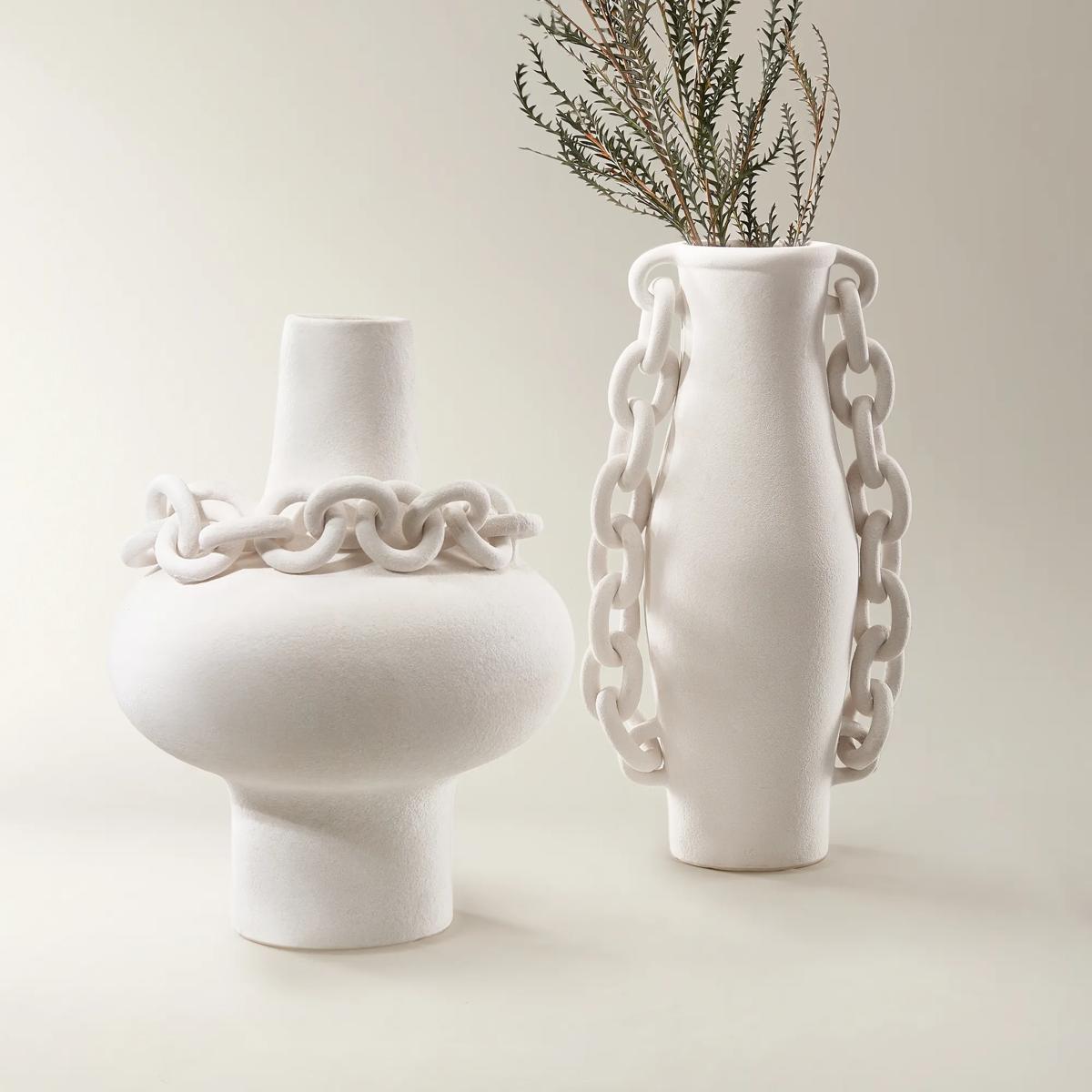
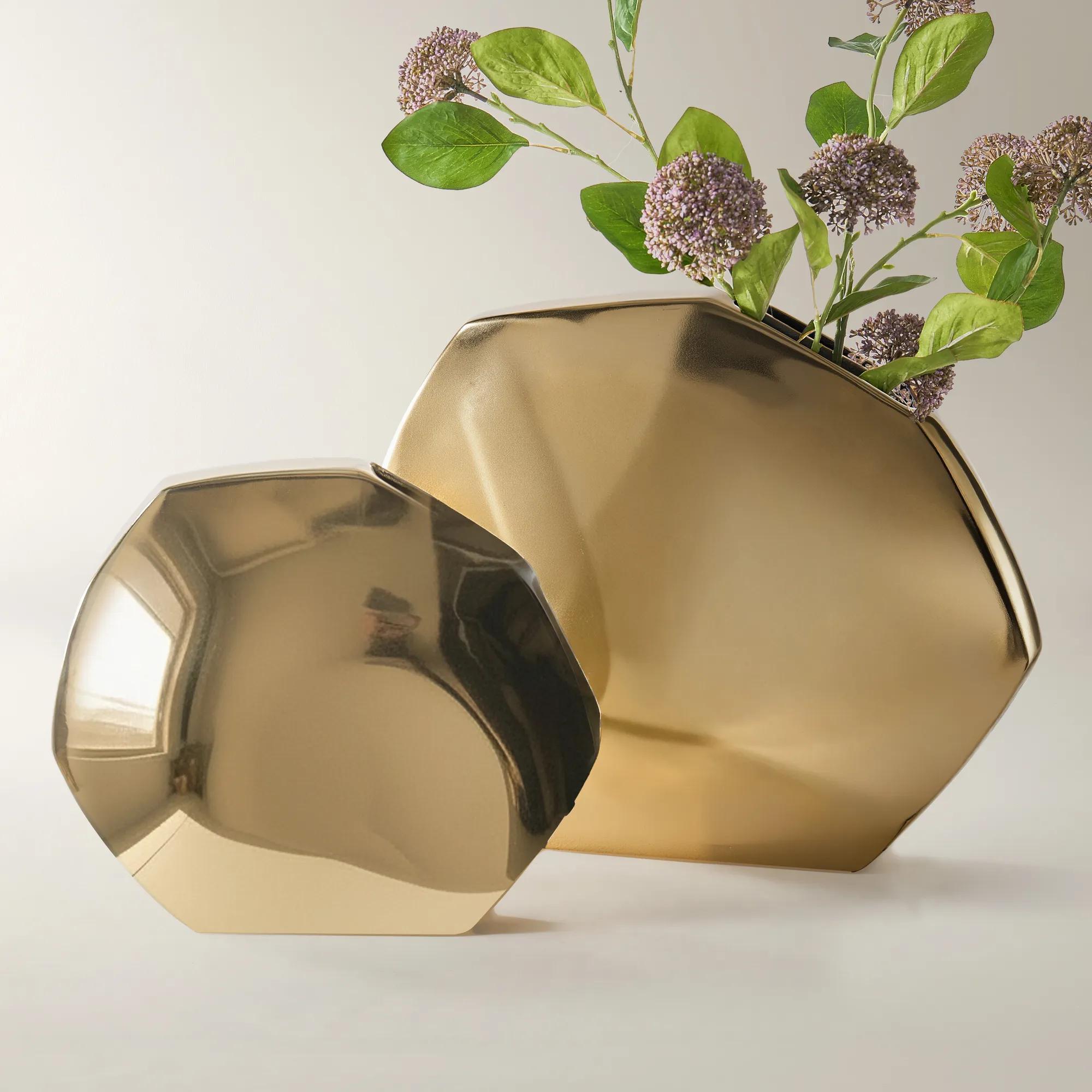
Living Room Vase Decor Ideas
Living Room Vase Decor Ideas
-
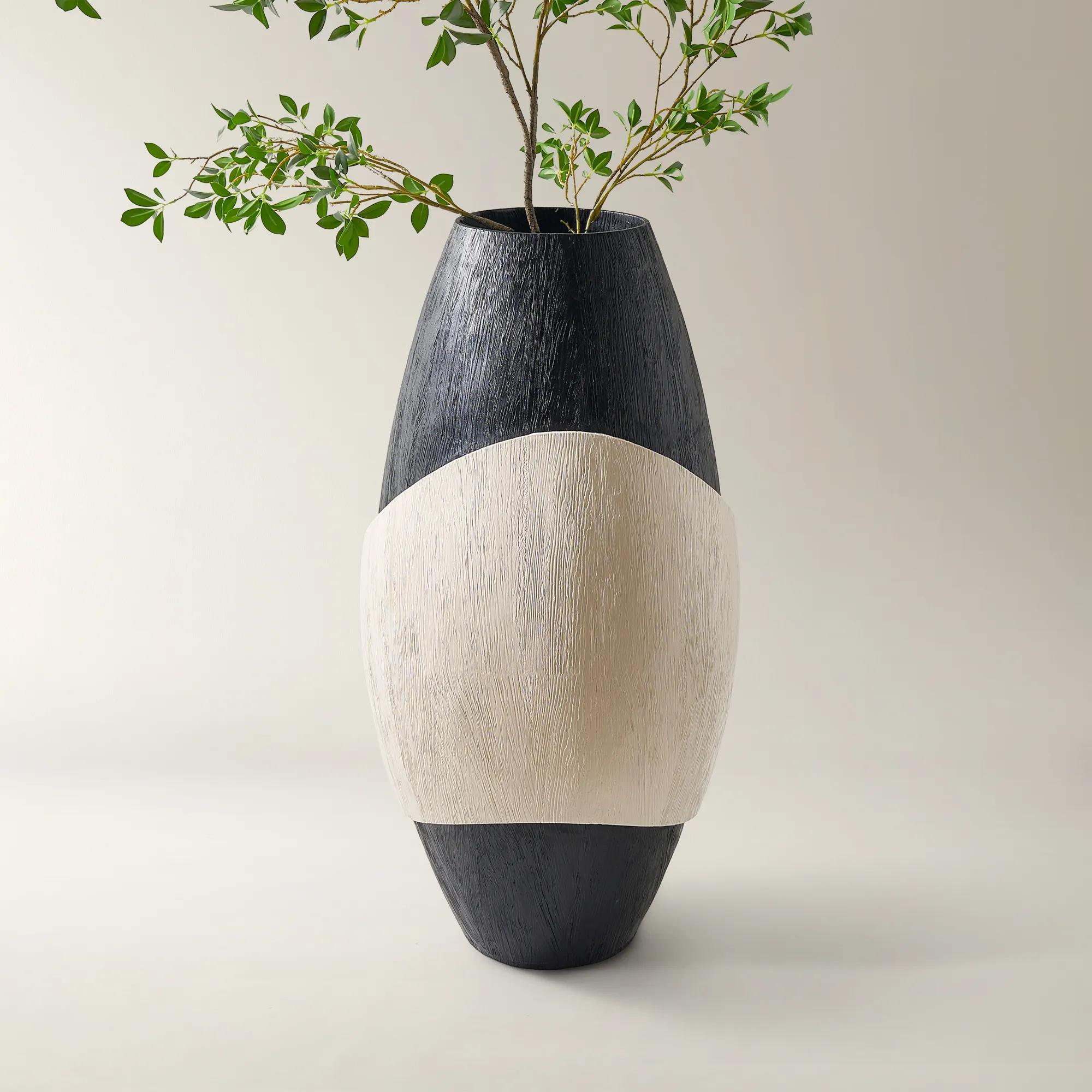
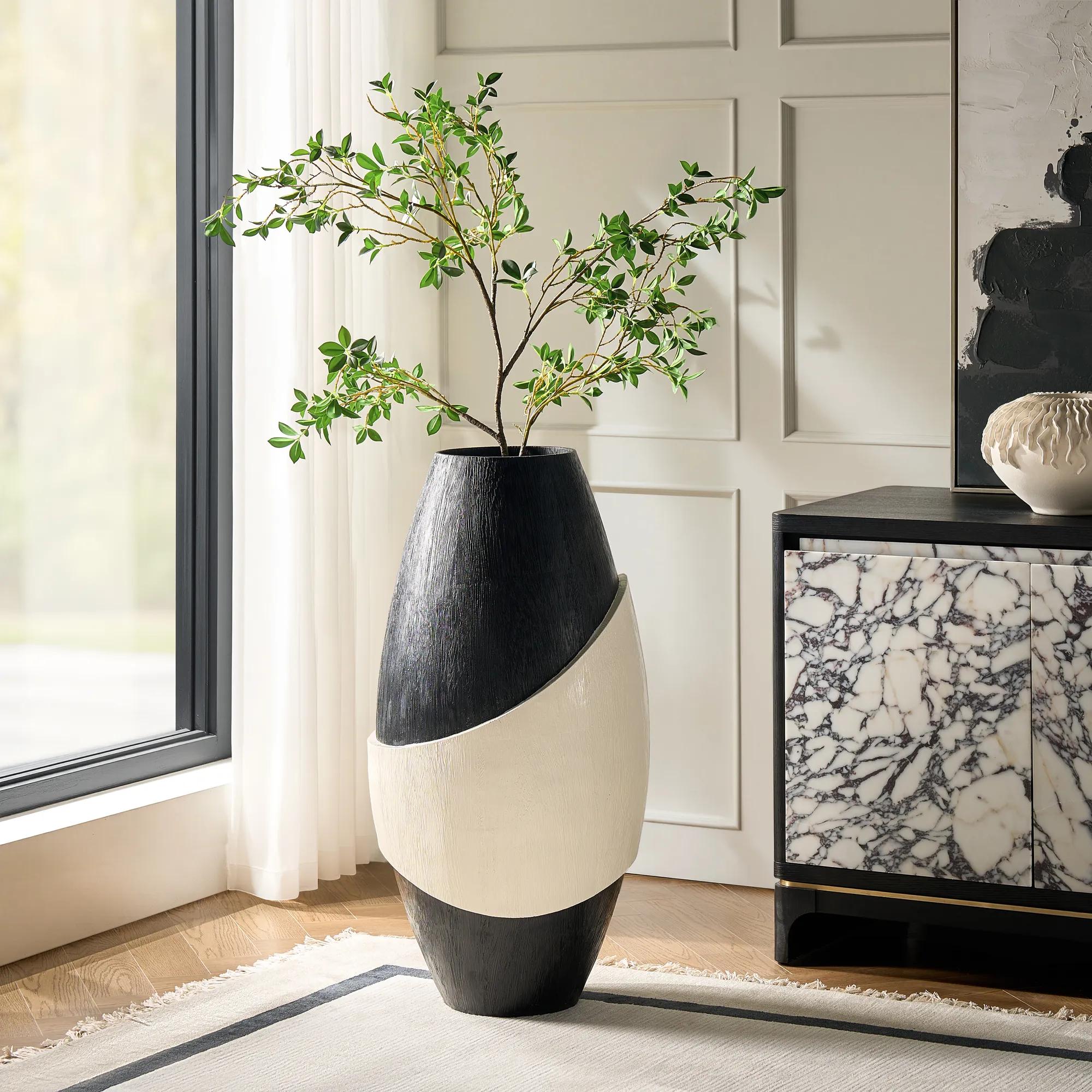 Domino Black And White Resin Floor Vase 35"$449
A modern decorative floor vase with a sculptural silhouette.
Add To Cart -
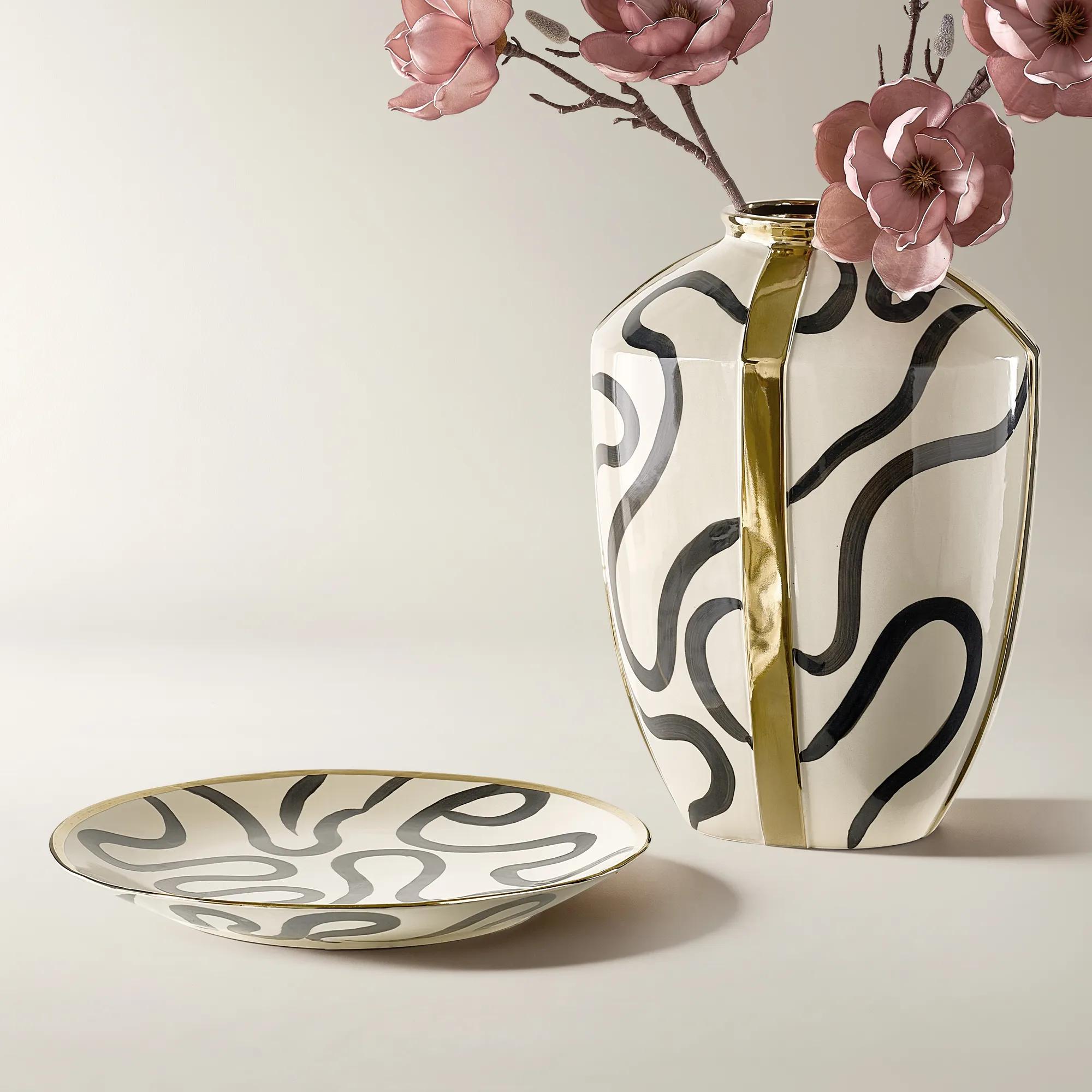
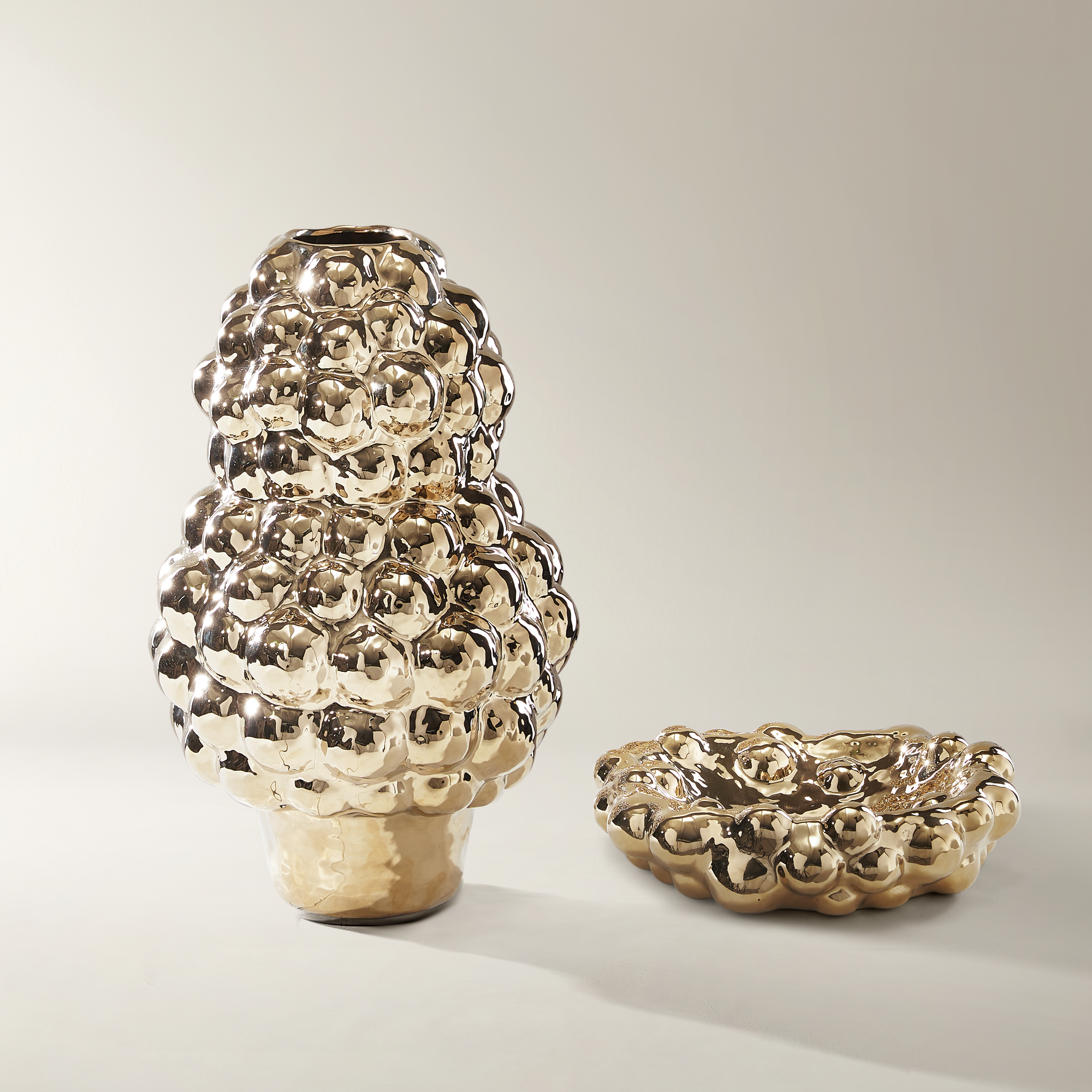
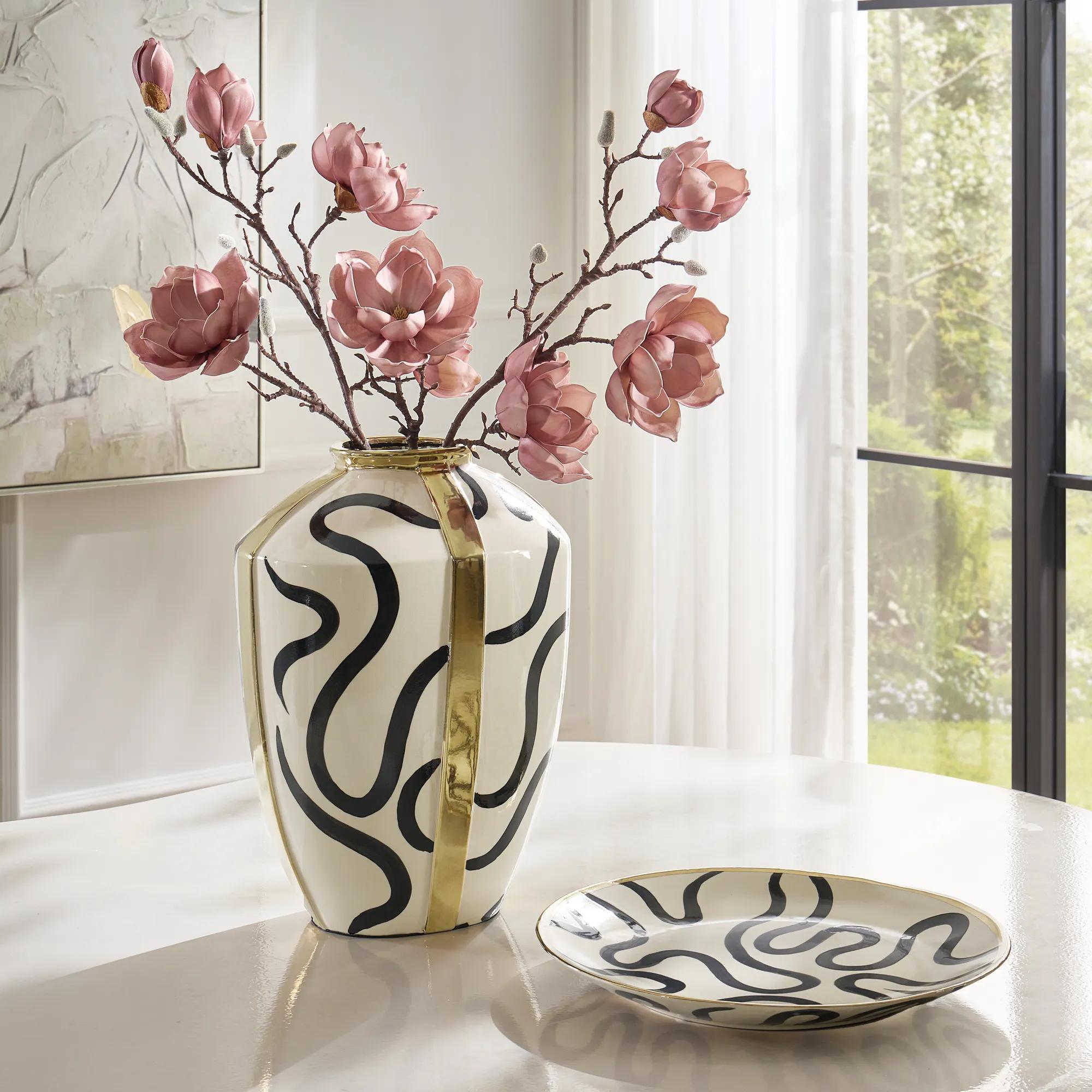 Sonder Soft Gold Black Ceramic Vase & Plate$149
A ceramic vase and plate set featuring sculptural wavy loops in soft gold, alabaster, and black.
Add To Cart -
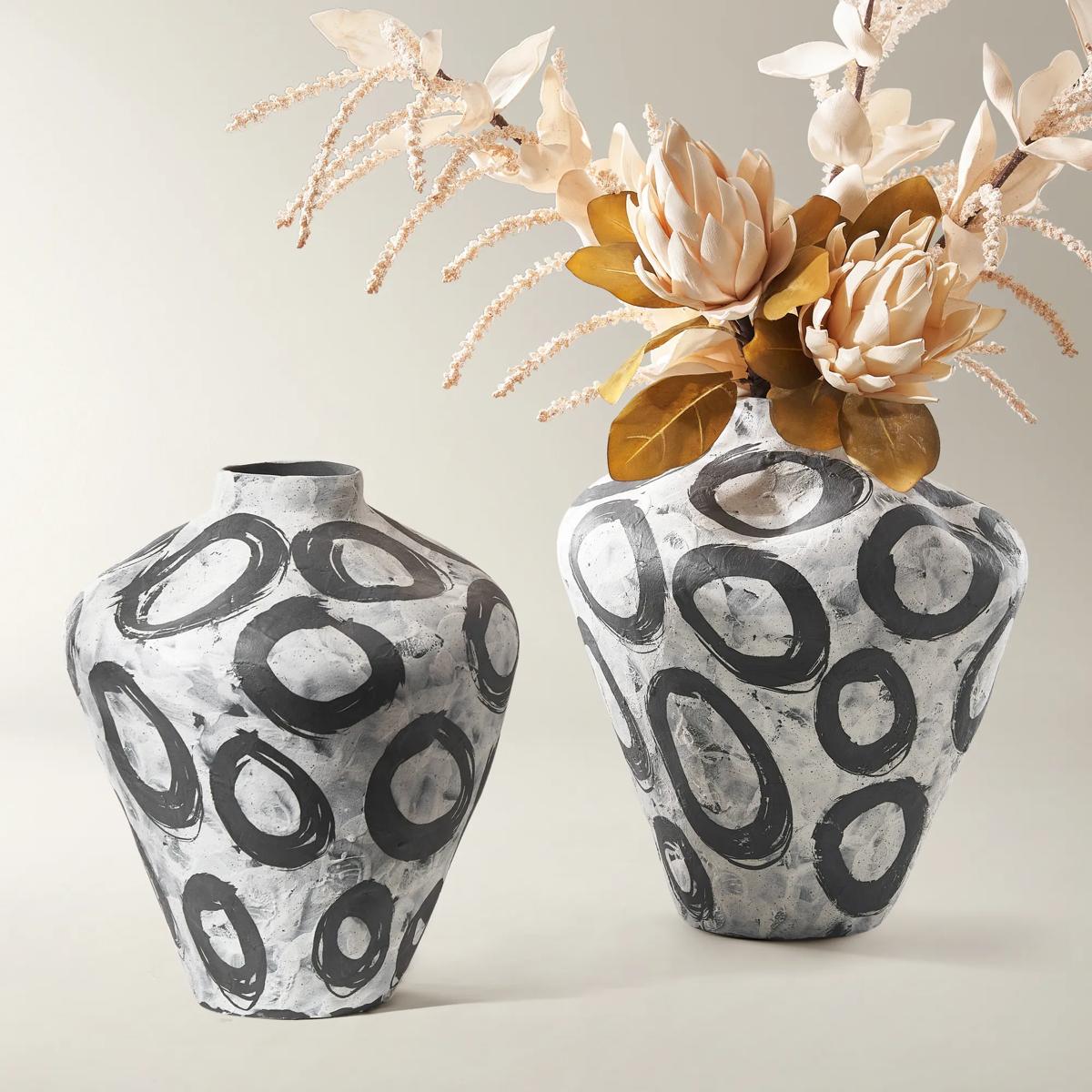
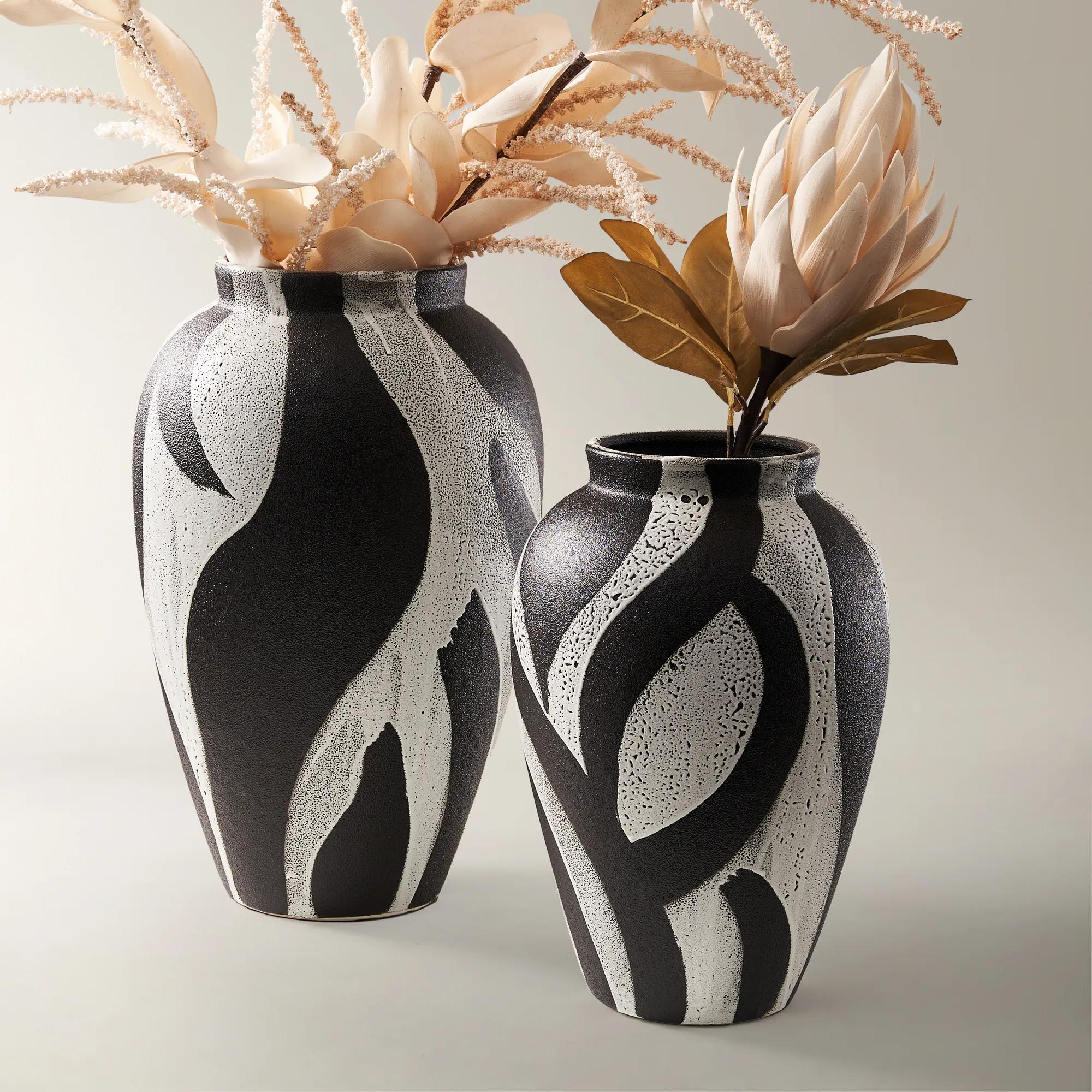 Montae Abstract Zebra Ceramic Vases$149
A ceramic vase featuring expressive black-and-white abstract zebra striping and a rounded, tapered silhouette.
Add To Cart -
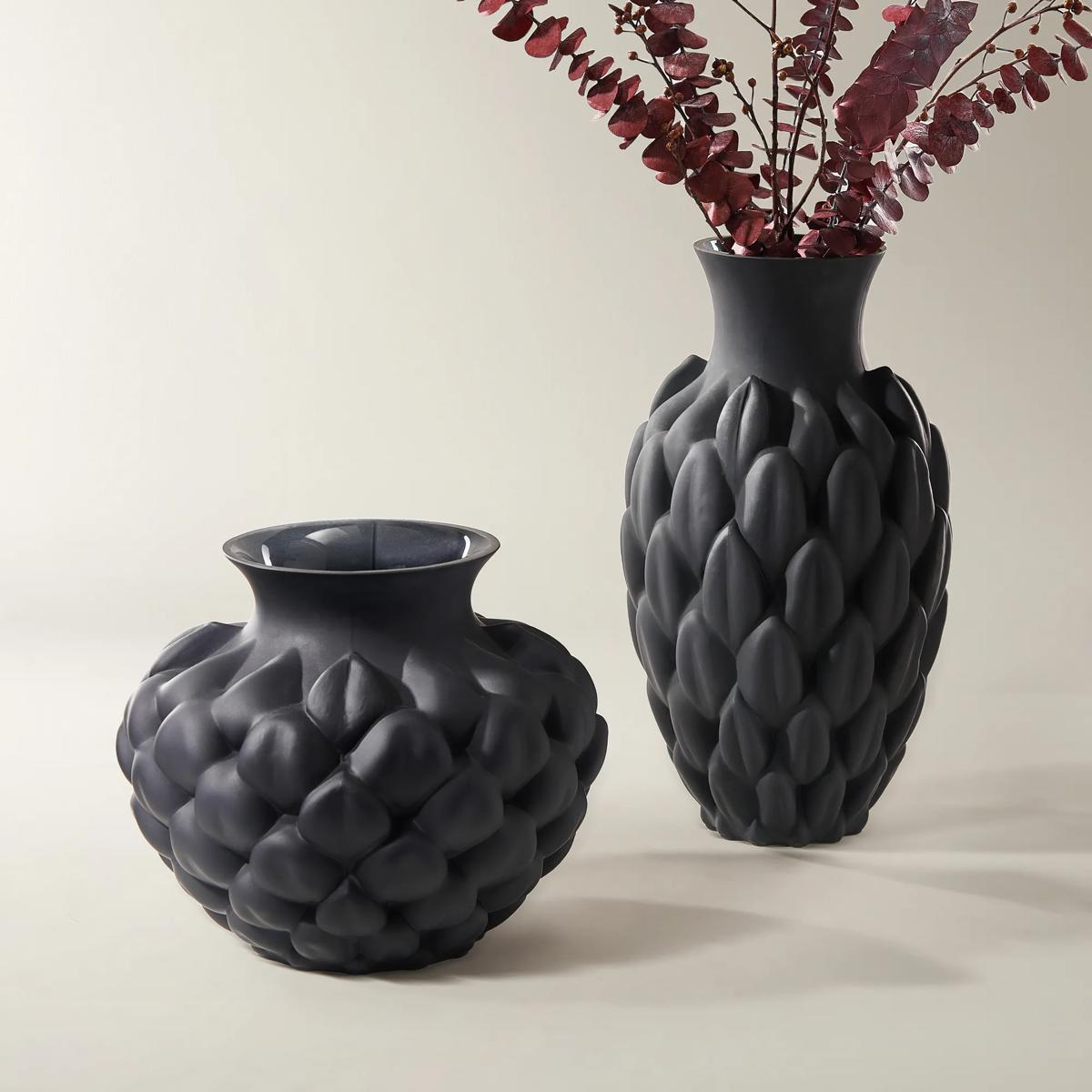
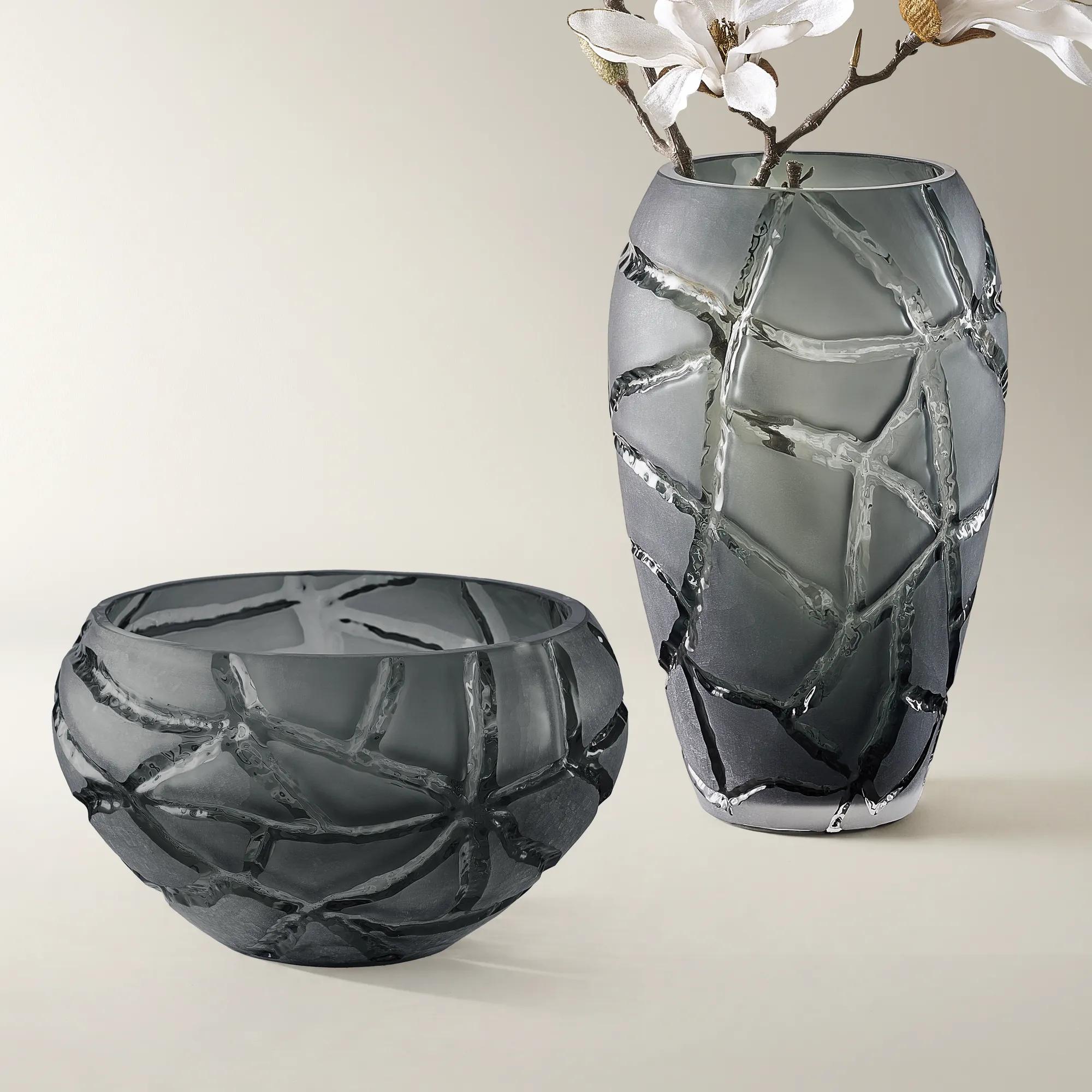 Rowen Mouth Blown Charcoal Glass Vase & Bowl$149
A handblown charcoal glass vase featuring a textured surface for moody sophistication and sculptural appeal.
Add To Cart -
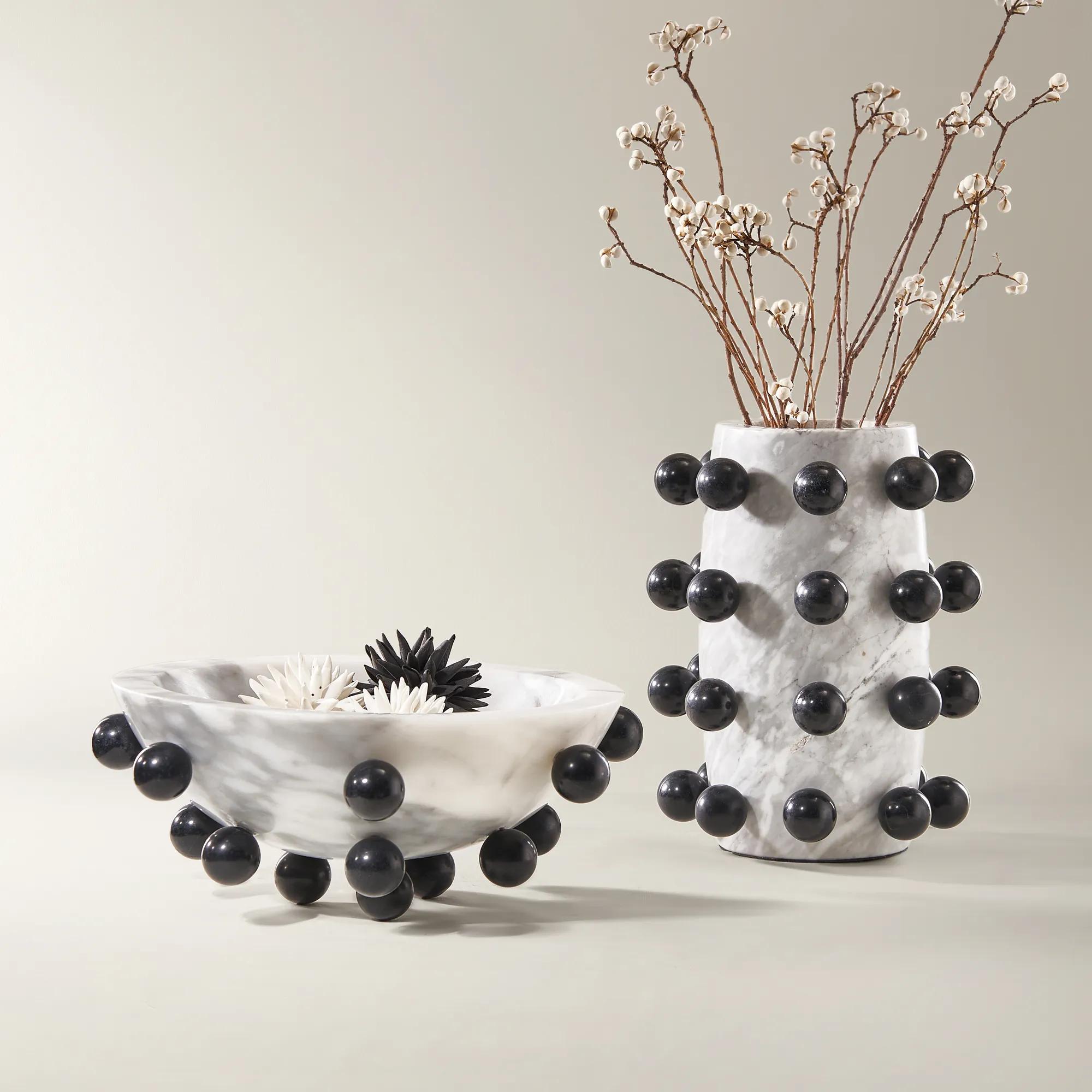 Borra Grey Black Marble Vase & Bowl$219
A sculptural grey marble accent featuring bold black orbs and unique natural veining for modern drama.
Add To Cart -
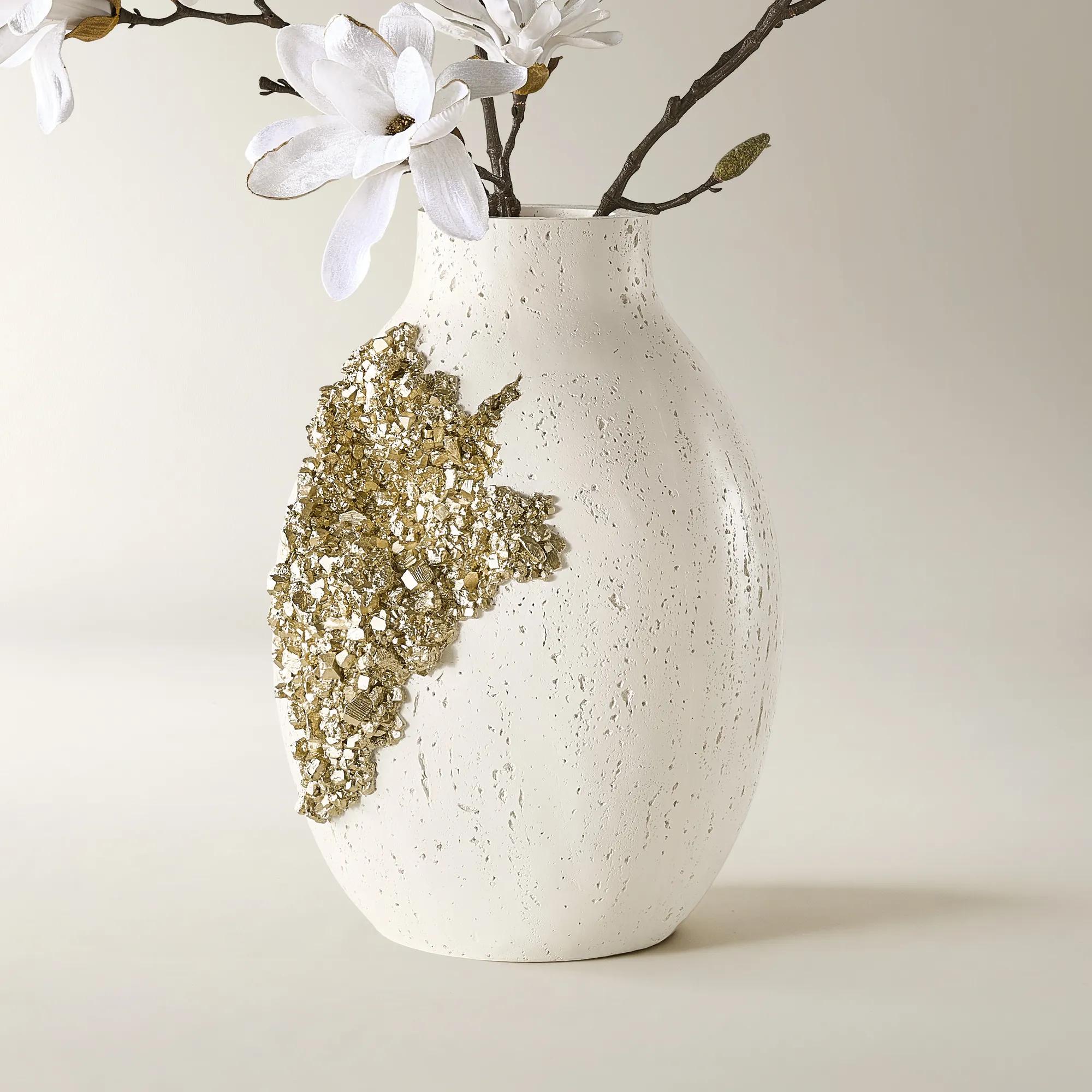 Delve Soft Gold Ivory Resin Vase 18.5"$199
A sculptural polyresin and stone vase in soft gold and white, adding modern glamour to any space.
Add To Cart -
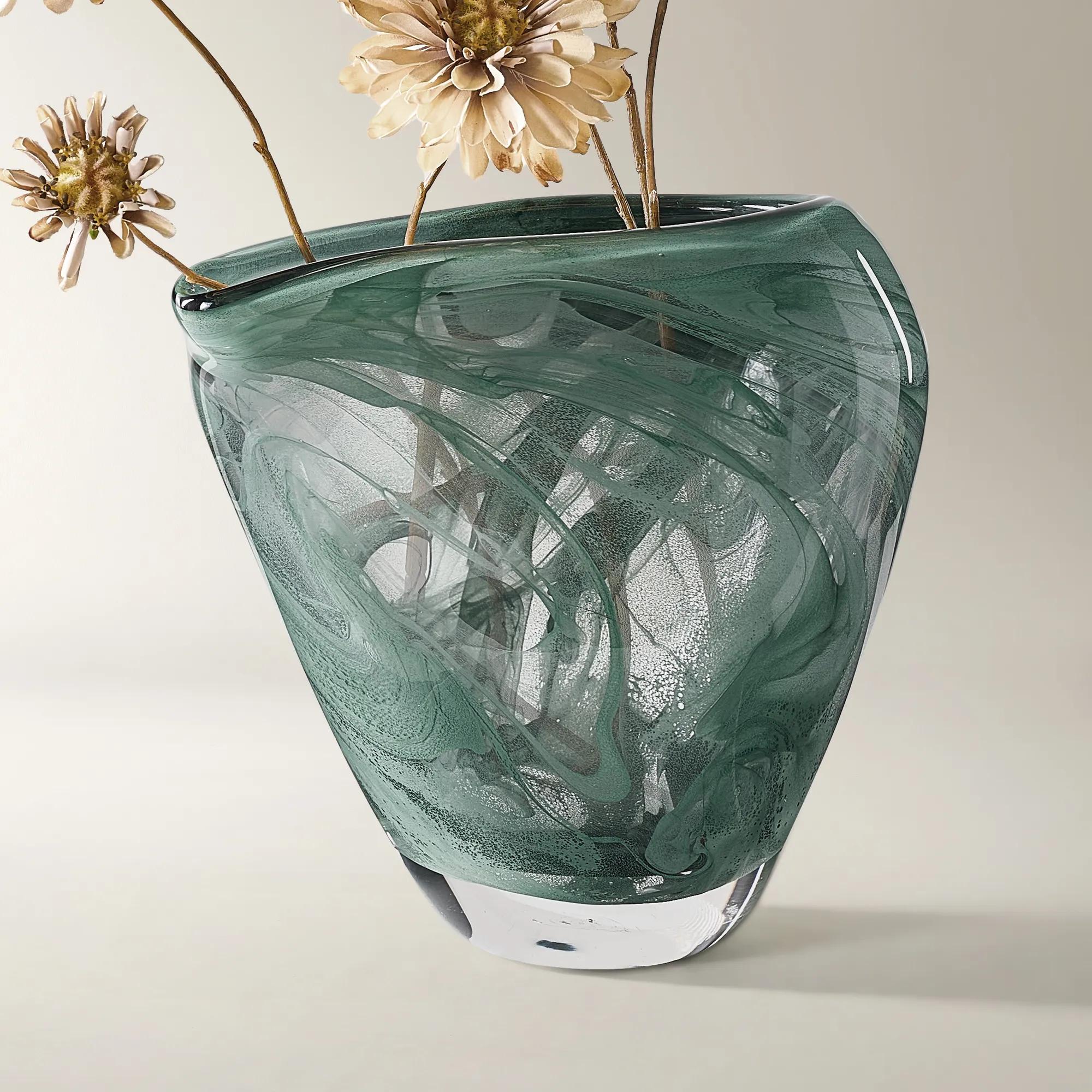 Flow Mouth Blown Sage Green Glass Vase 12.25"$199
A handblown glass vase in calming sage green with an organic, sculptural silhouette for modern decor.
Add To Cart -
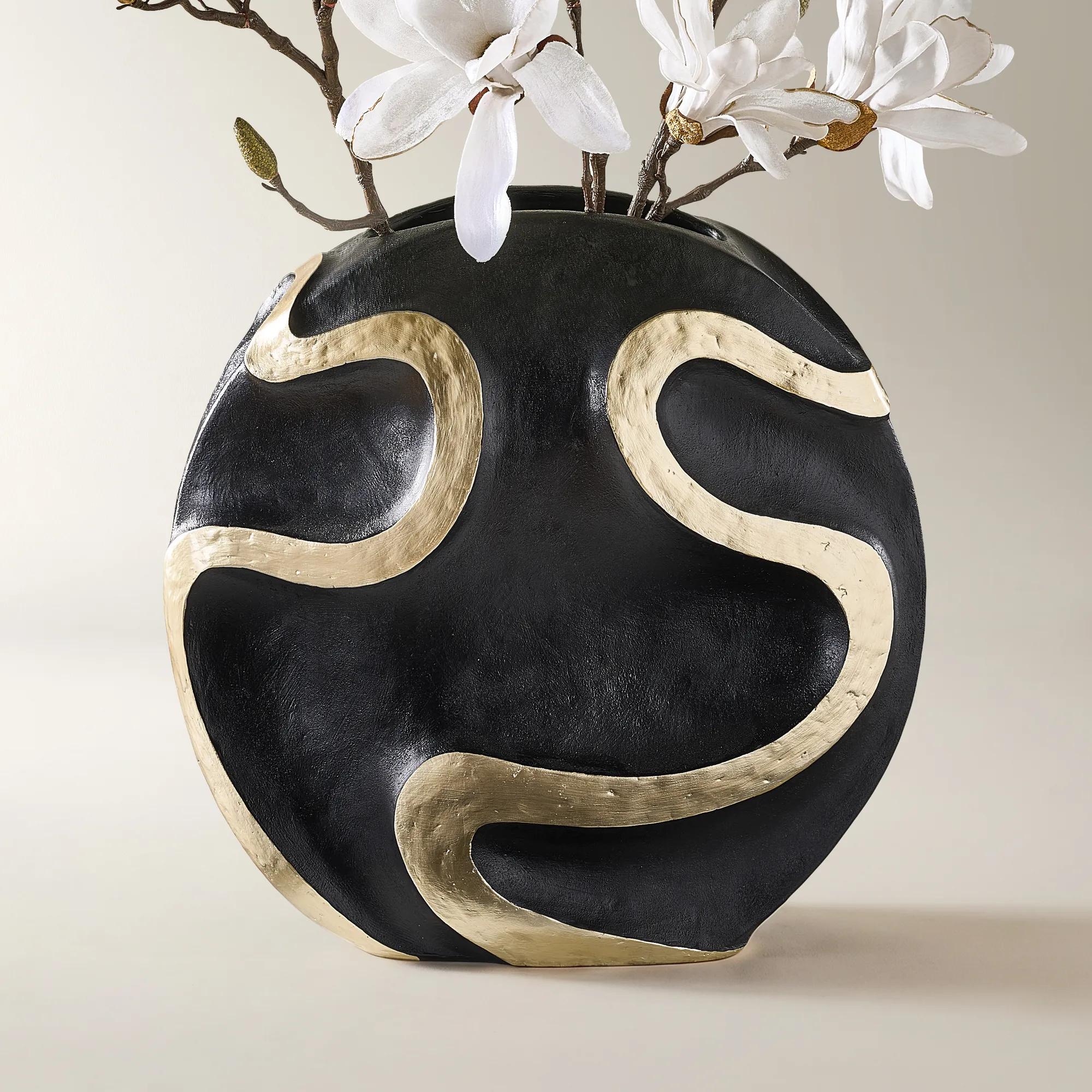 Seraphina Black Soft Gold Resin Vase 16.5"$179
A sculptural resin vase featuring interlacing wavy loops in soft gold and black for modern glamour.
Add To Cart -
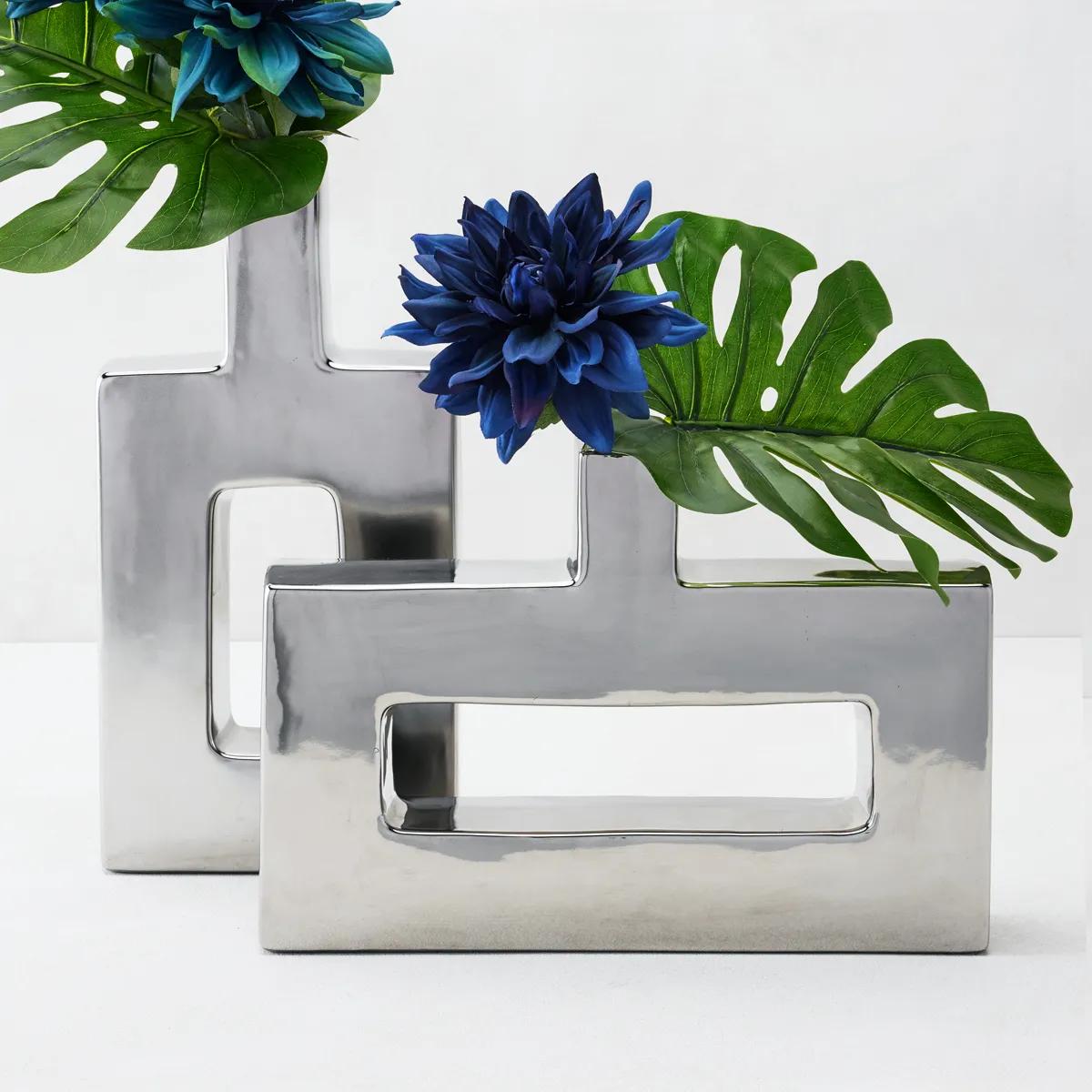 Miami Silver Ceramic High Gloss Vase 18.5"$69
A contemporary silver ceramic vase with a stylish gold glaze, perfect for decorative foliage or display.
Add To Cart -
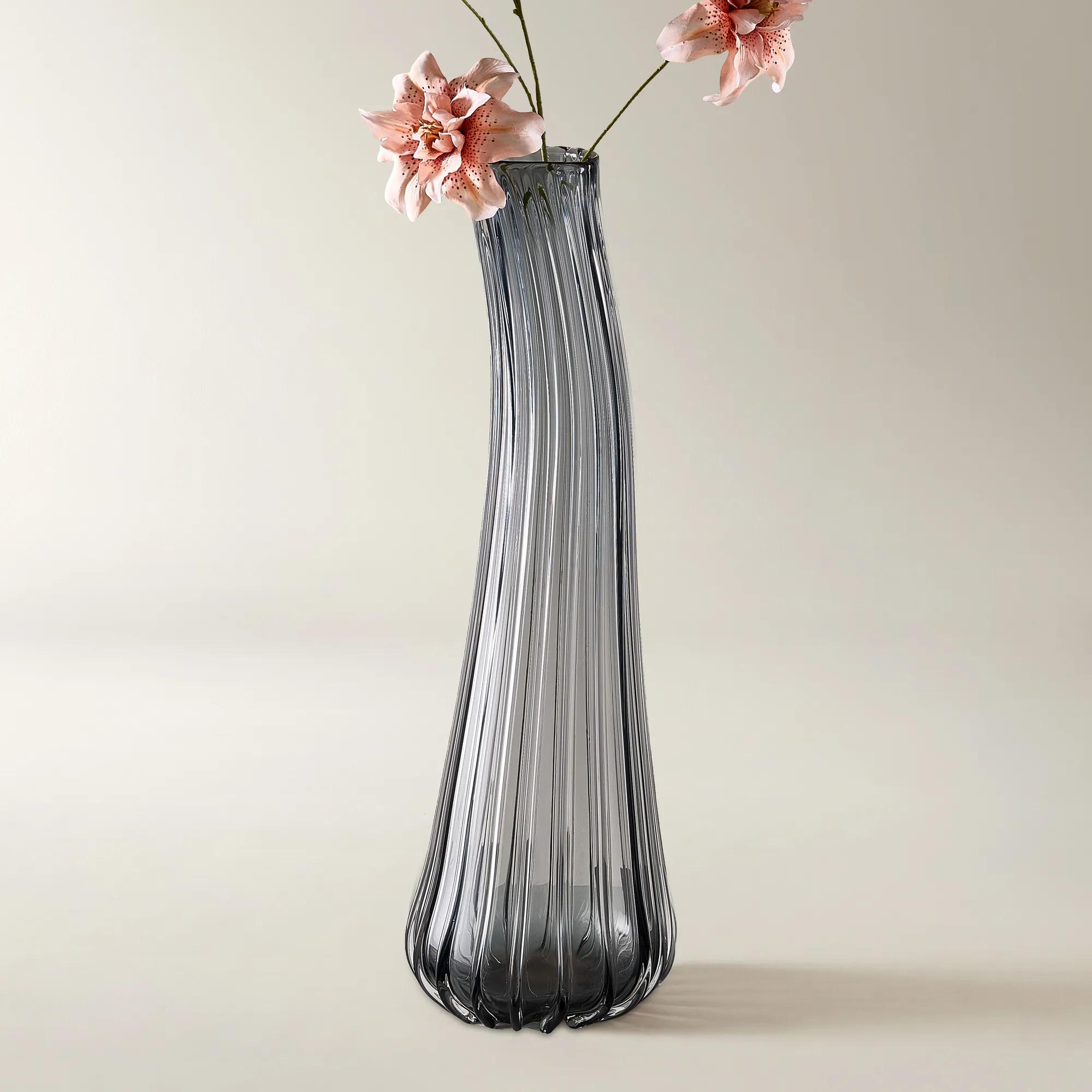 Tango Mouth Blown Smoked Pearl Vase 29"$199
A handblown glass vase in a smoked pearl finish with a textured surface for sculptural elegance.
Add To Cart -
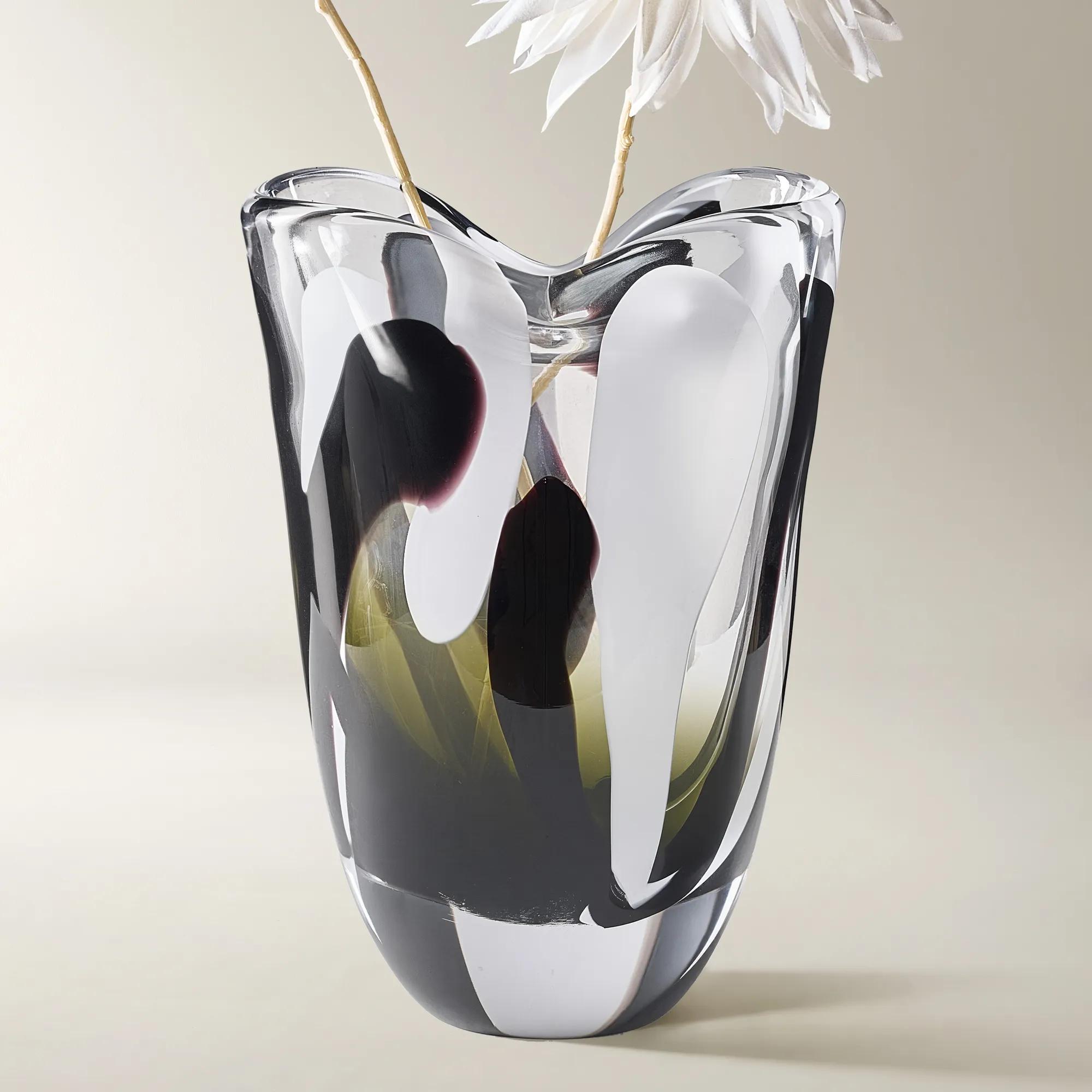 Melrose Mouth Blown Black White Glass Vase 11.25"$109
A handblown glass vase featuring a bold black and white abstract animal pattern for modern appeal.
Add To Cart -
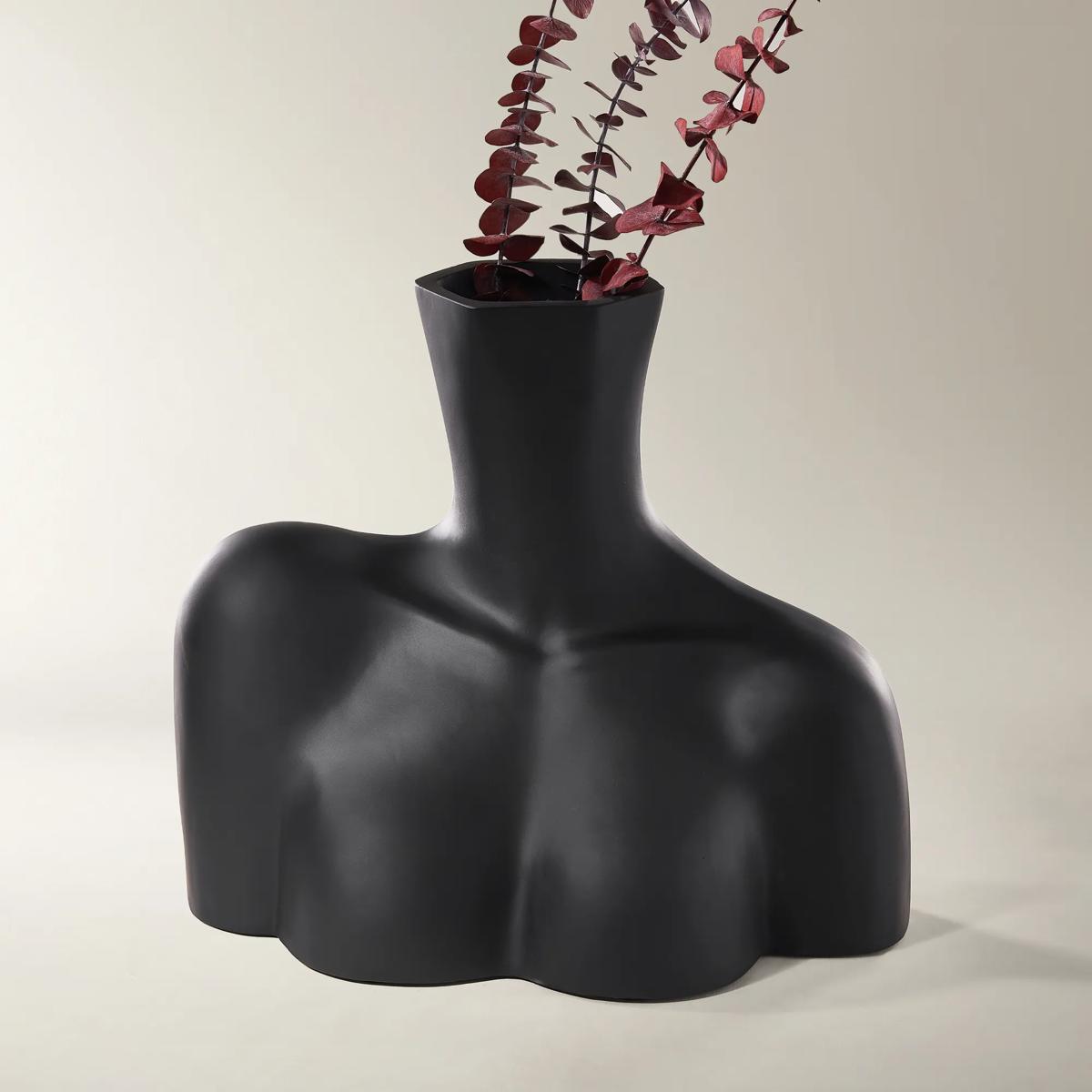 Figure Black Resin Vase 11.25"$79
A sculptural matte black resin vase that reimagines the human form as bold, modern decor.
Add To Cart -
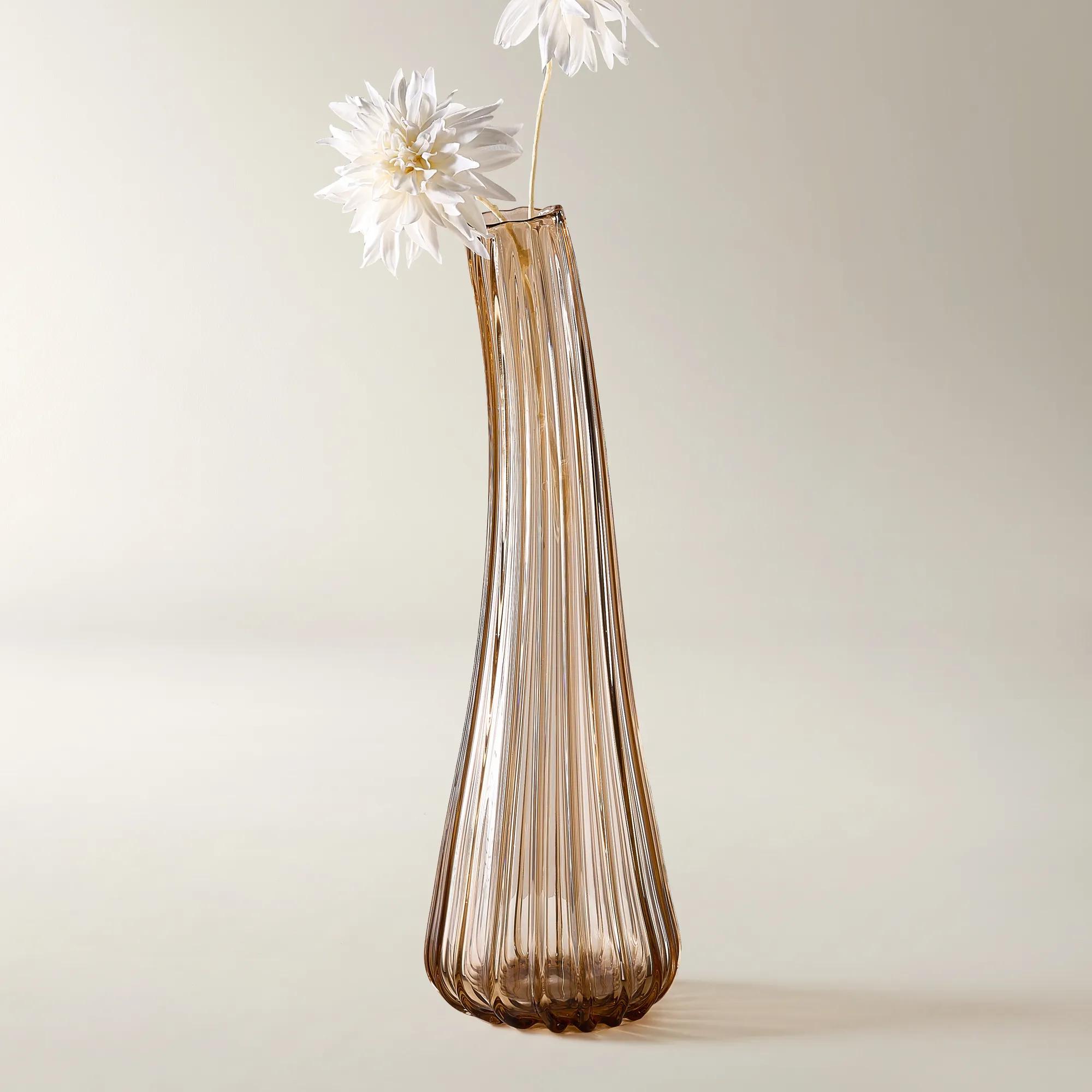
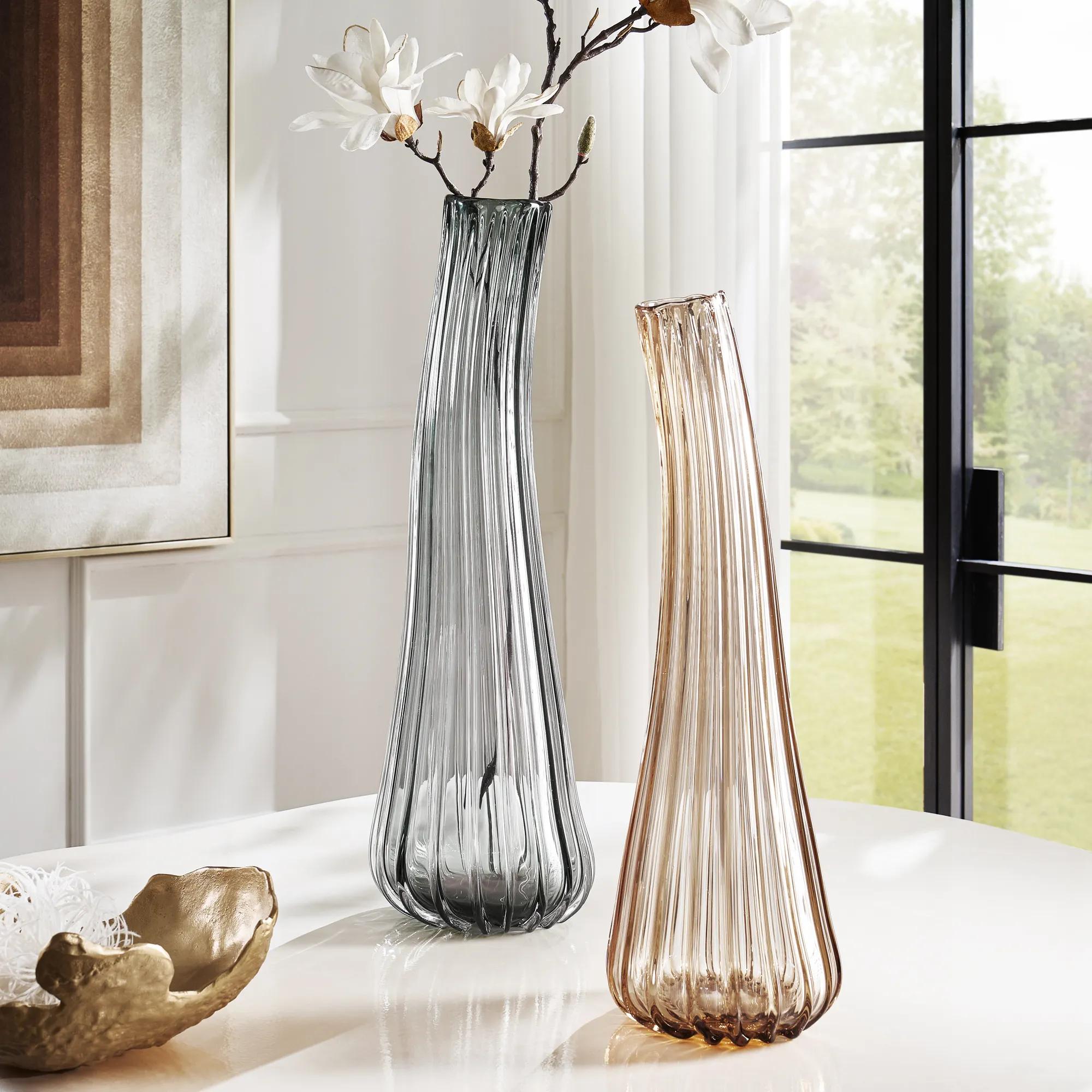 Tango Mouth Blown Soft Amber Vase 24.75"$179
A handblown glass vase in a soft amber finish with a textured, sculptural centerpiece design.
Add To Cart -
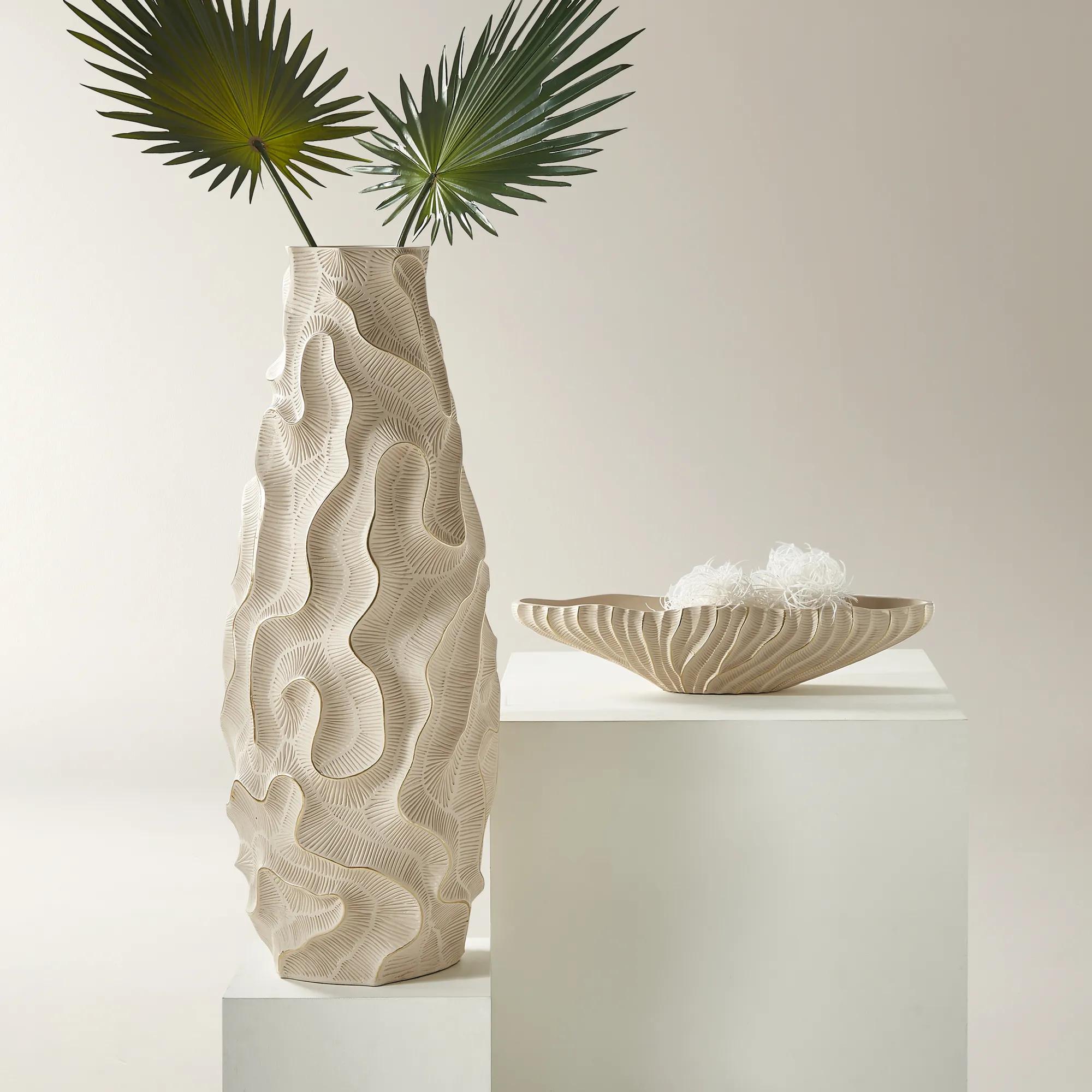
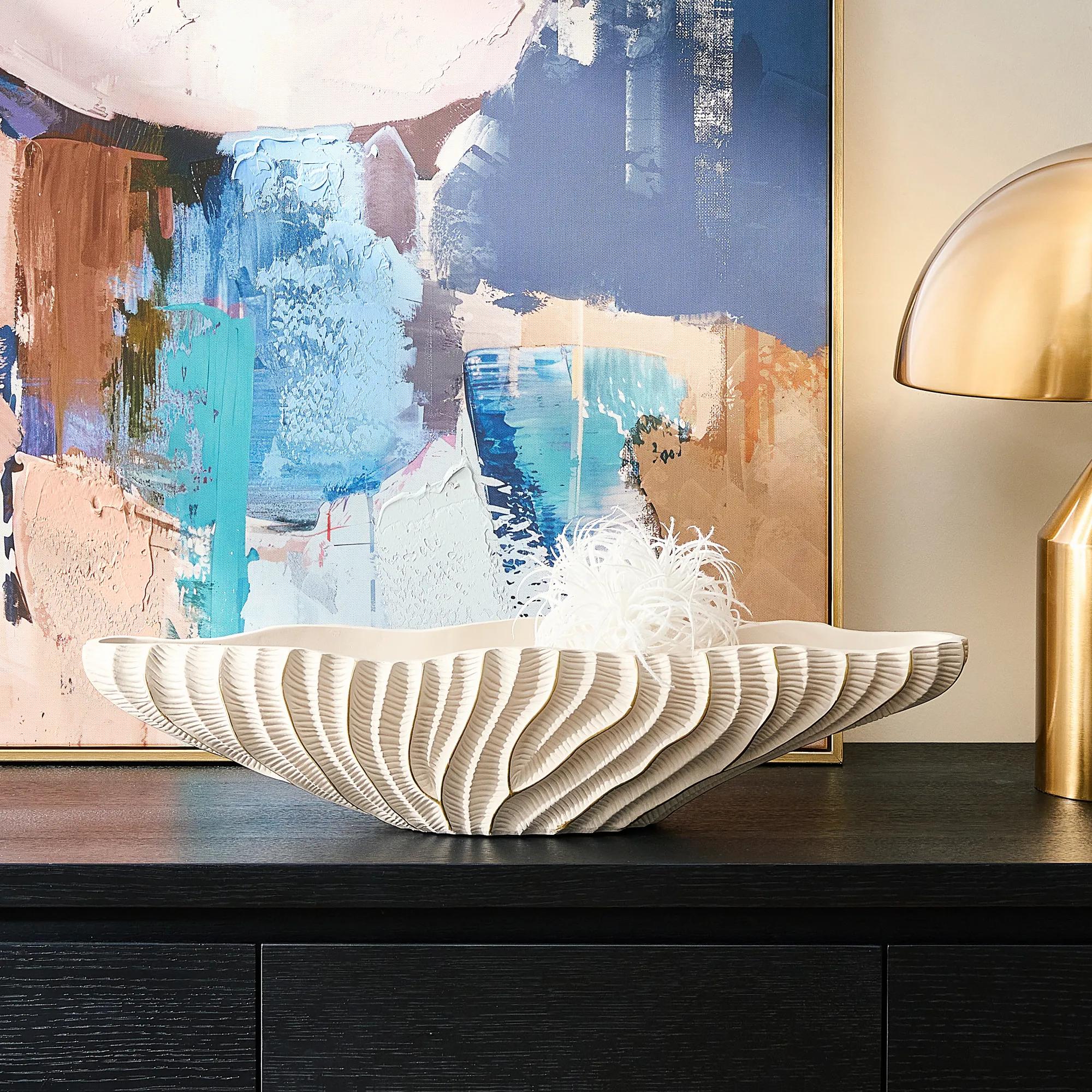 Rouche Ivory And Gold Etched Resin Floor Vase & Bowl$79
A decorative resin vase and bowl set with organic forms, ivory surfaces, and elegant gold etching.
Add To Cart -
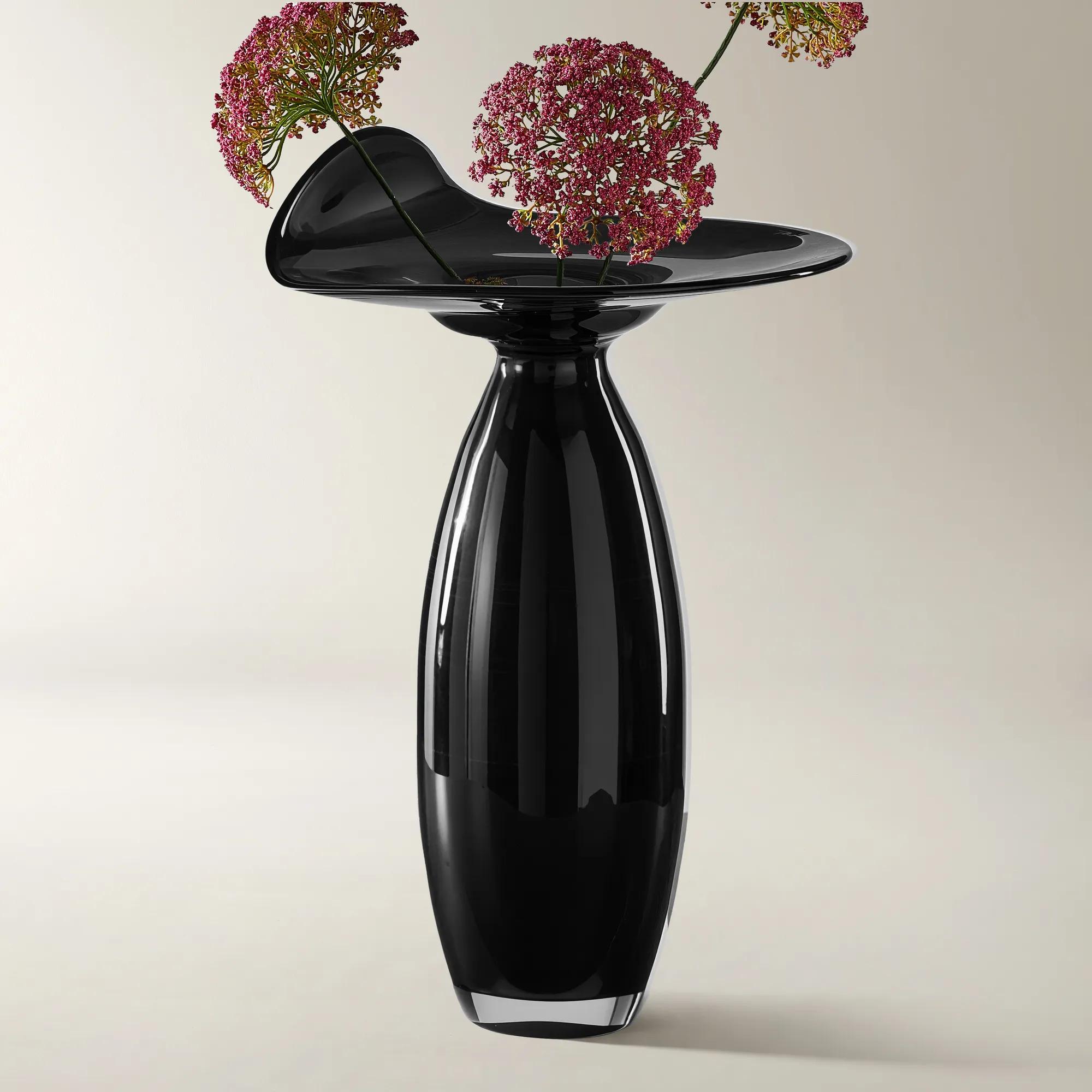 Folia Mouth Blown Glossy Black Glass Vase 22"$199
A handblown glass vase with a glossy black finish and organic sculptural silhouette for modern decor.
Add To Cart -

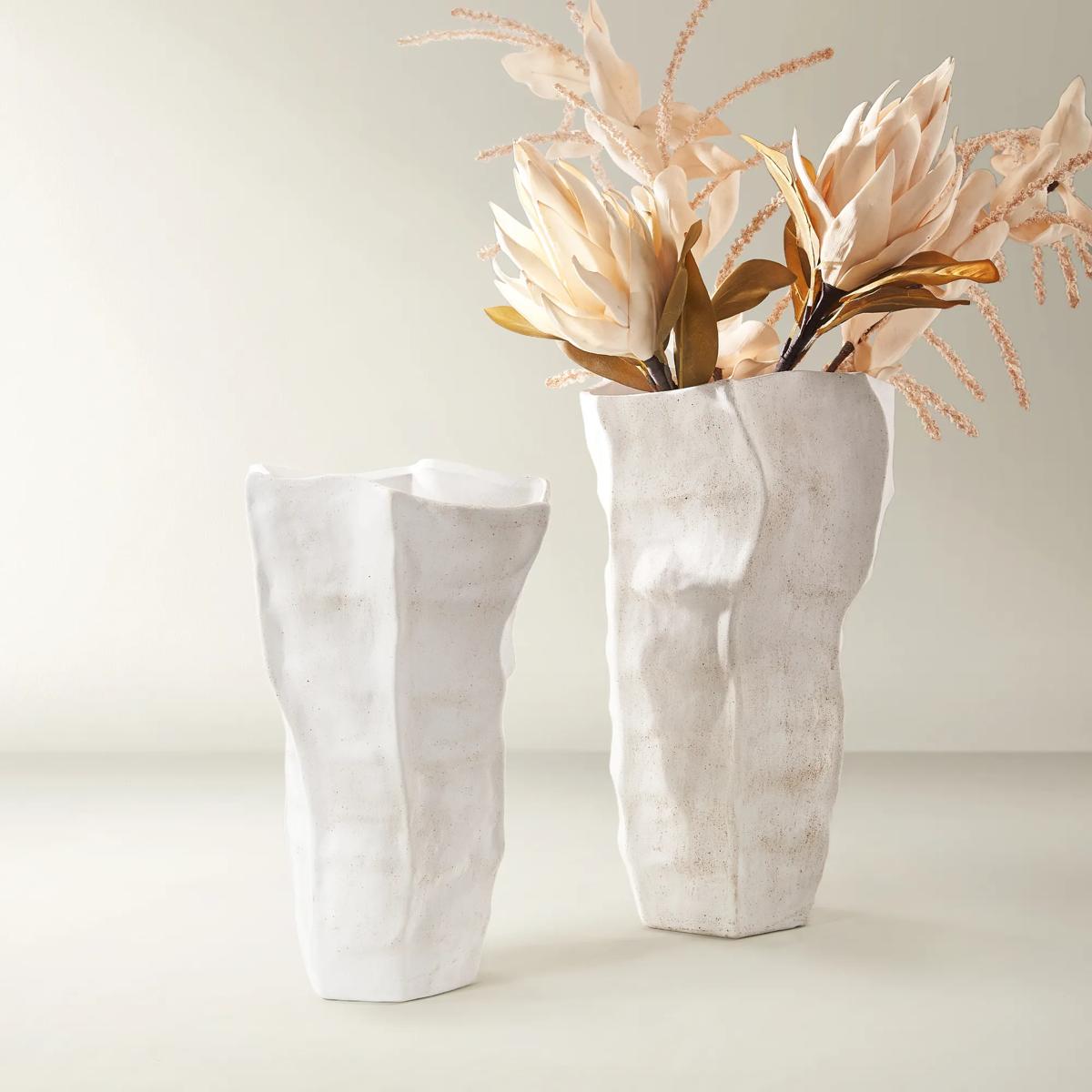
 Vanish Mouth Blown Frosted White Glass Vase 18.5"$159
A handblown frosted white glass vase with an ethereal, translucent finish and sculptural silhouette.
Add To Cart -
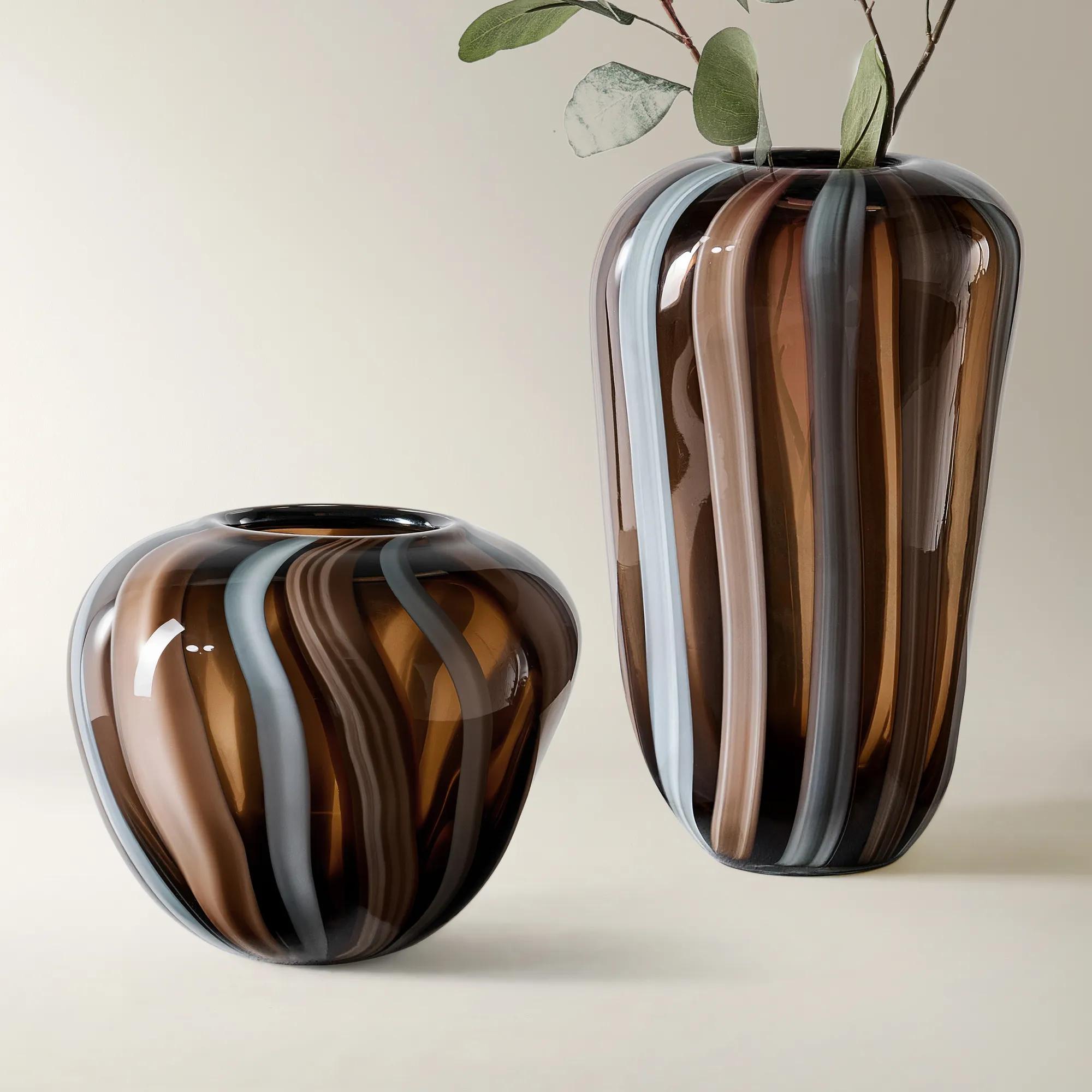
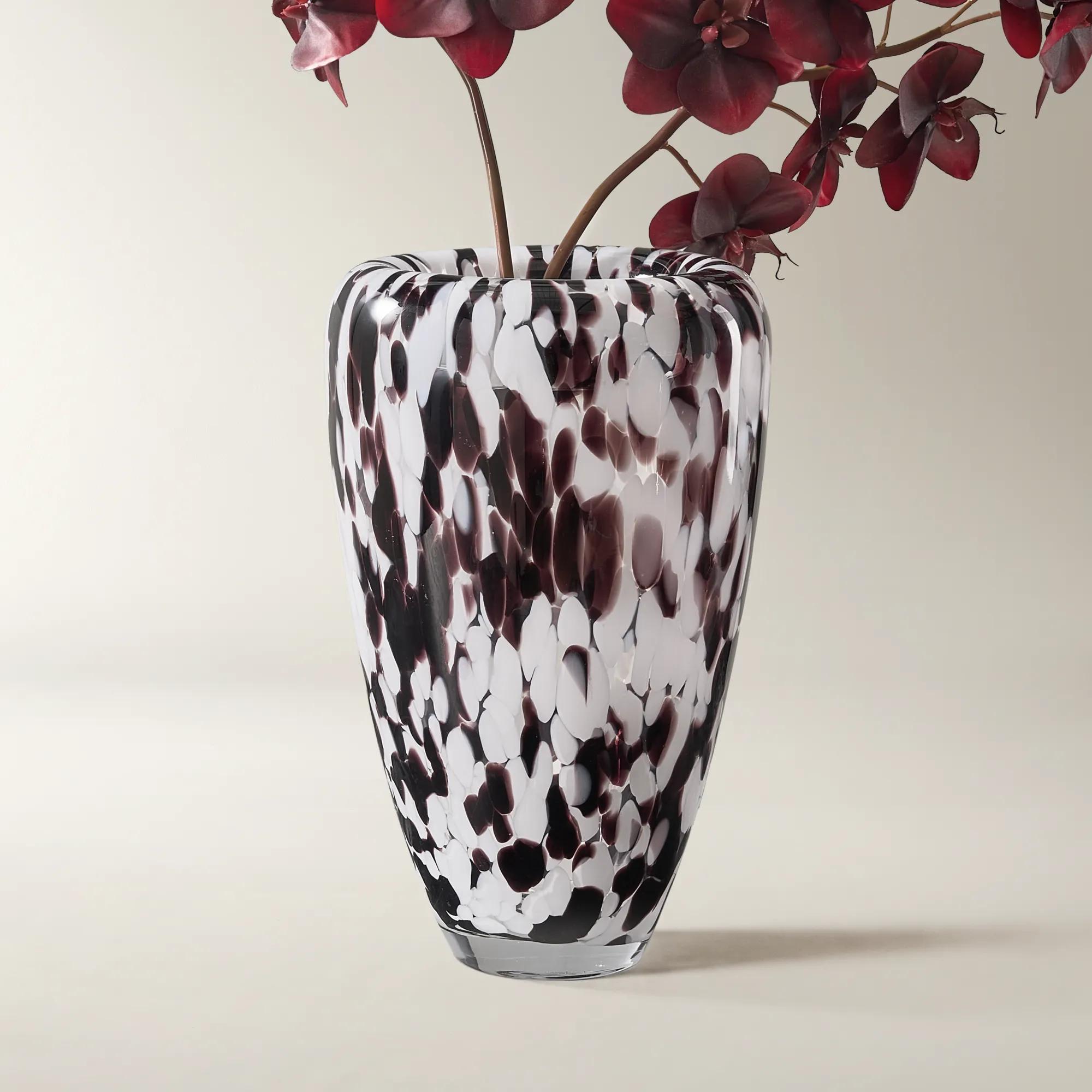 Speckled Mouth Blown Brown And White Glass Vase 14.75"$129
A handblown glass vase featuring a brown and white speckled pattern for modern, artful appeal.
Add To Cart -
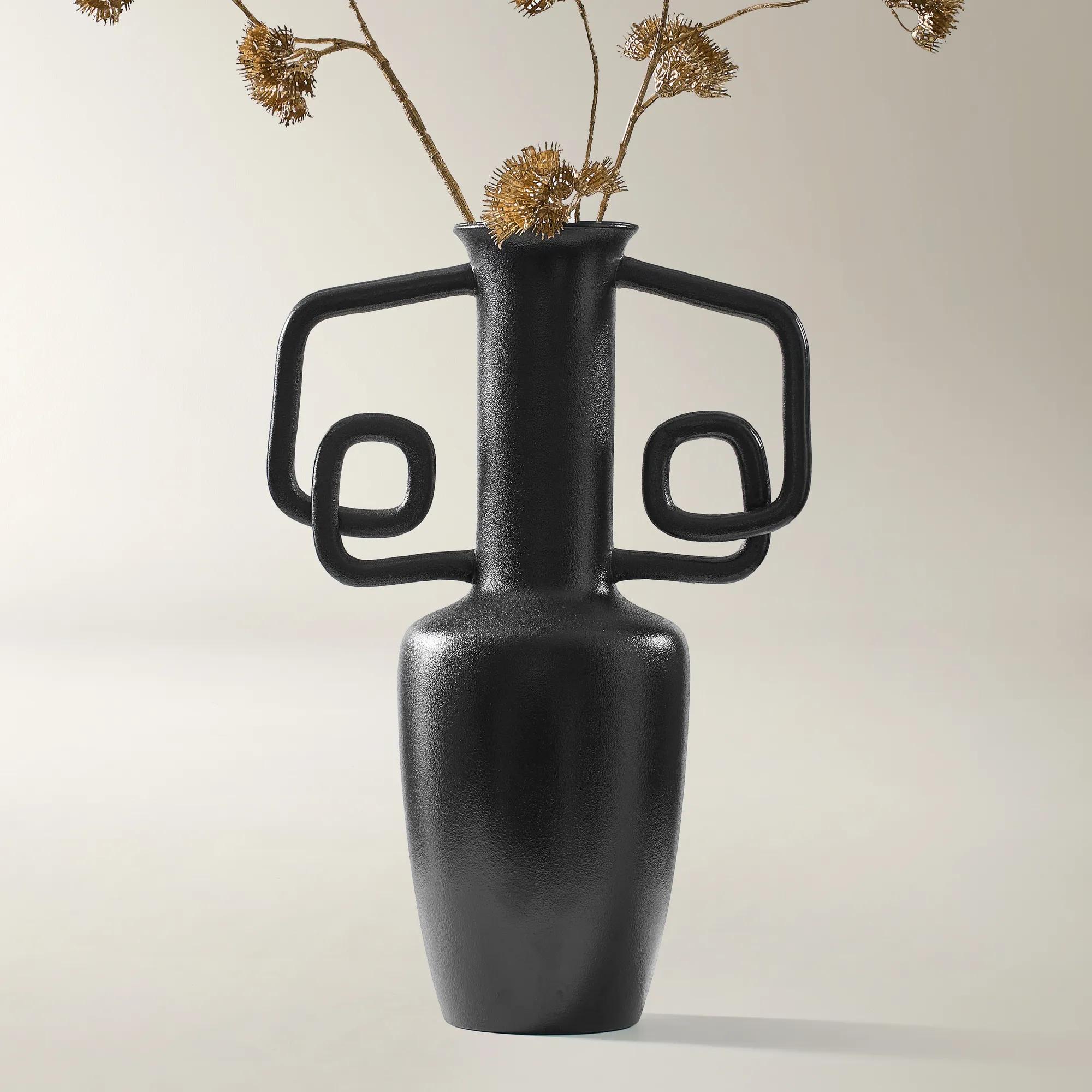 Cleo Handcrafted Black Porcelain Vase 19"$159
A sculptural black porcelain vase with exaggerated handles and a smooth, refined finish for modern decor.
Add To Cart -
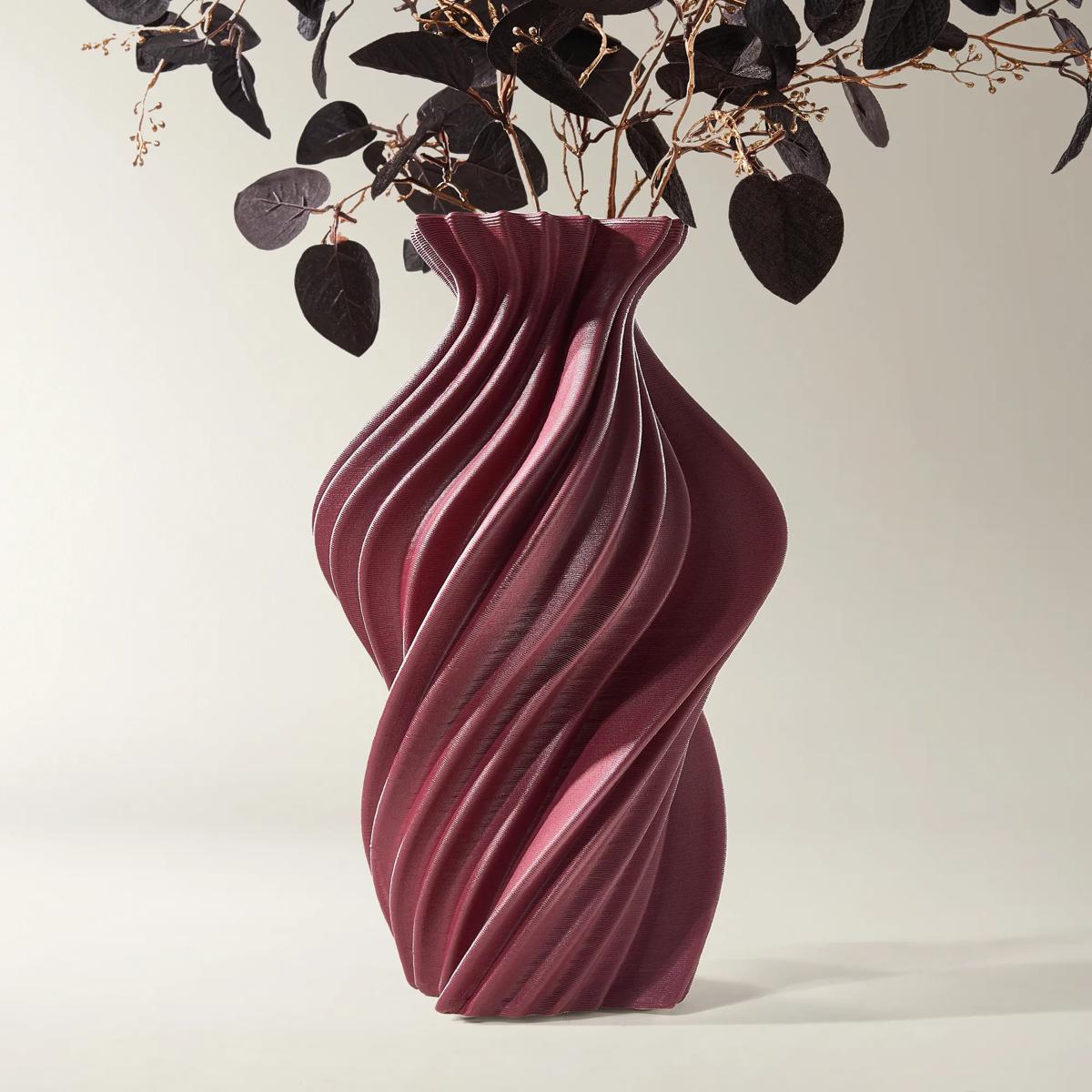
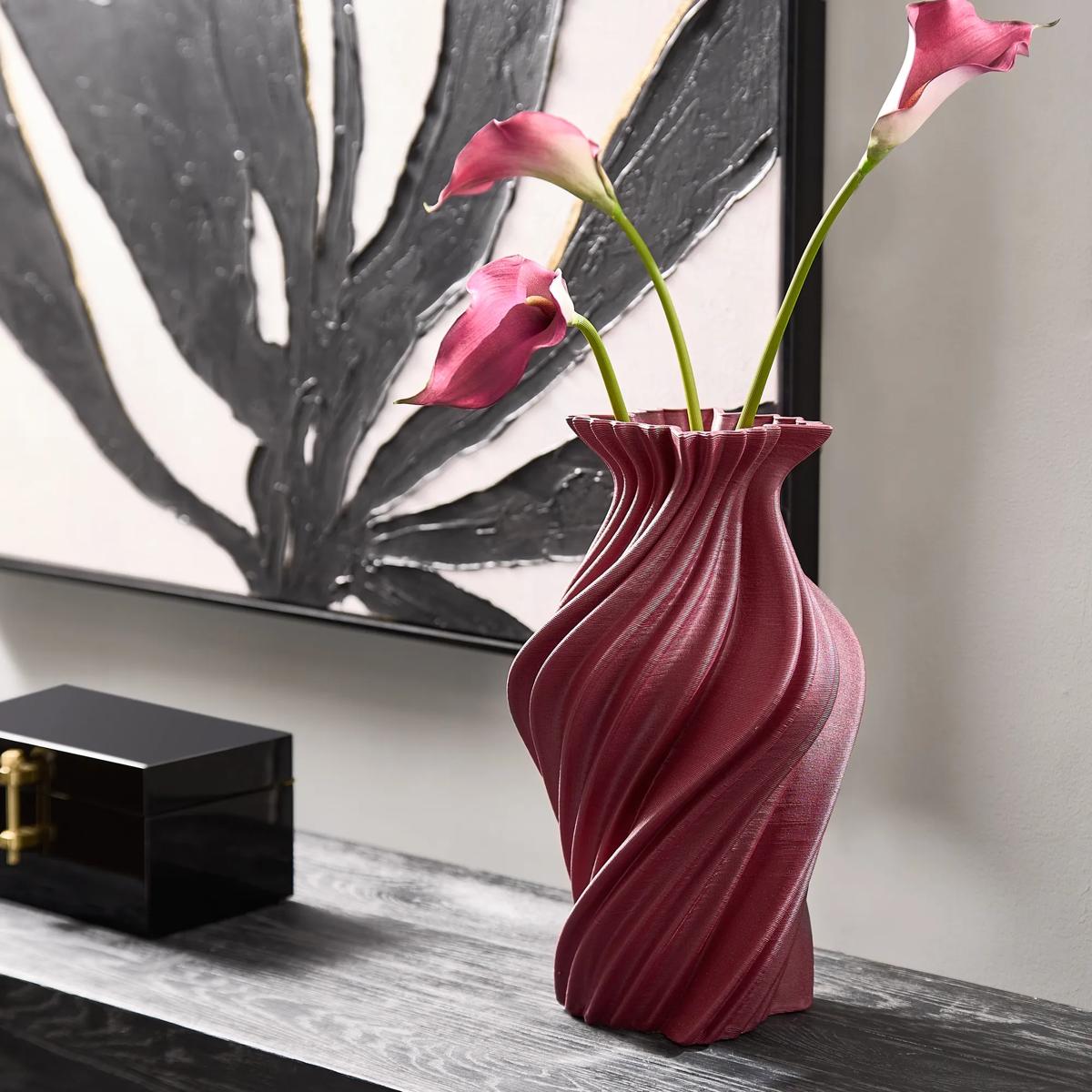 Flame Deep Red Porcelain Vase 16.25"$119
A sculptural porcelain vase in deep red with a dynamic, twisted silhouette inspired by flowing flames.
Add To Cart -
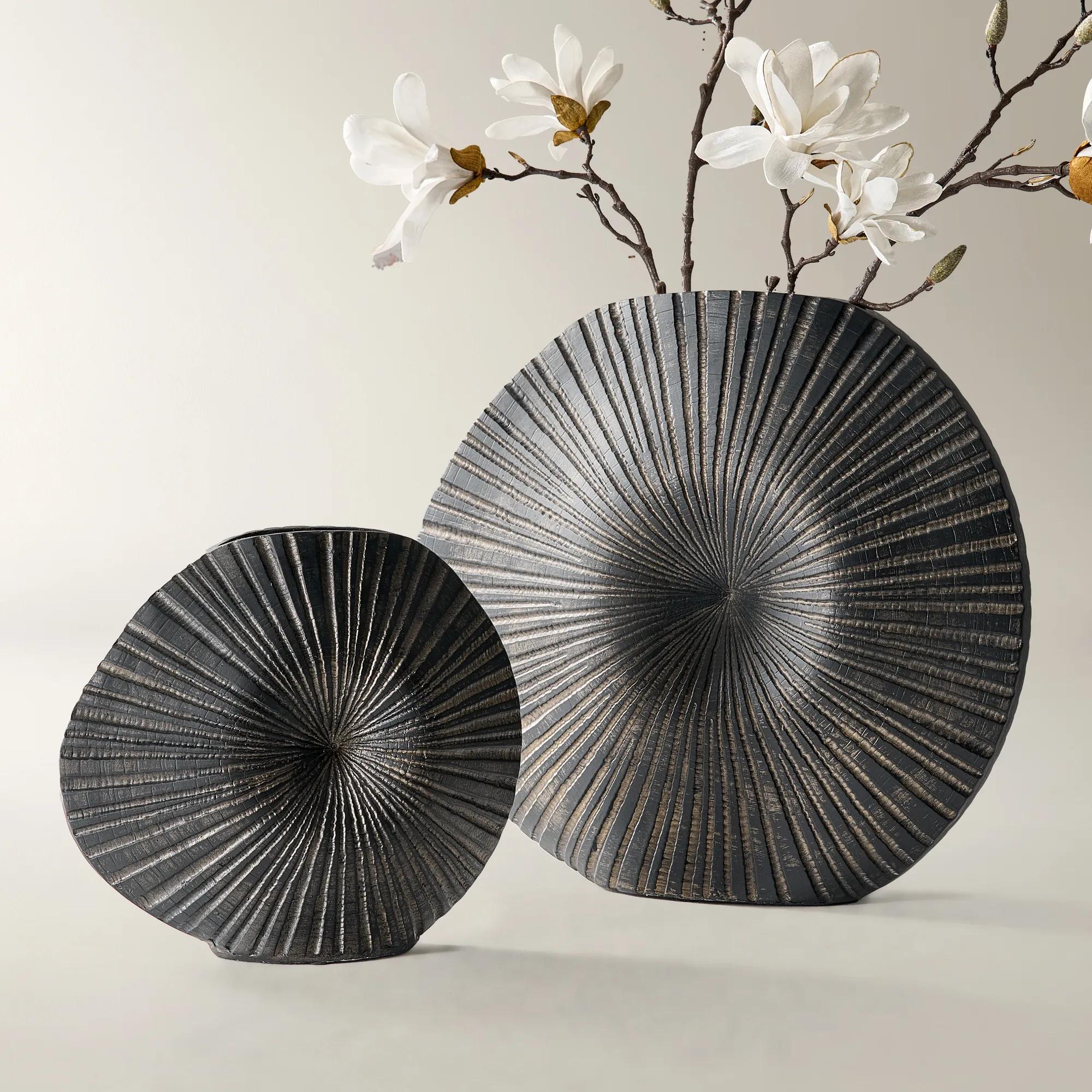
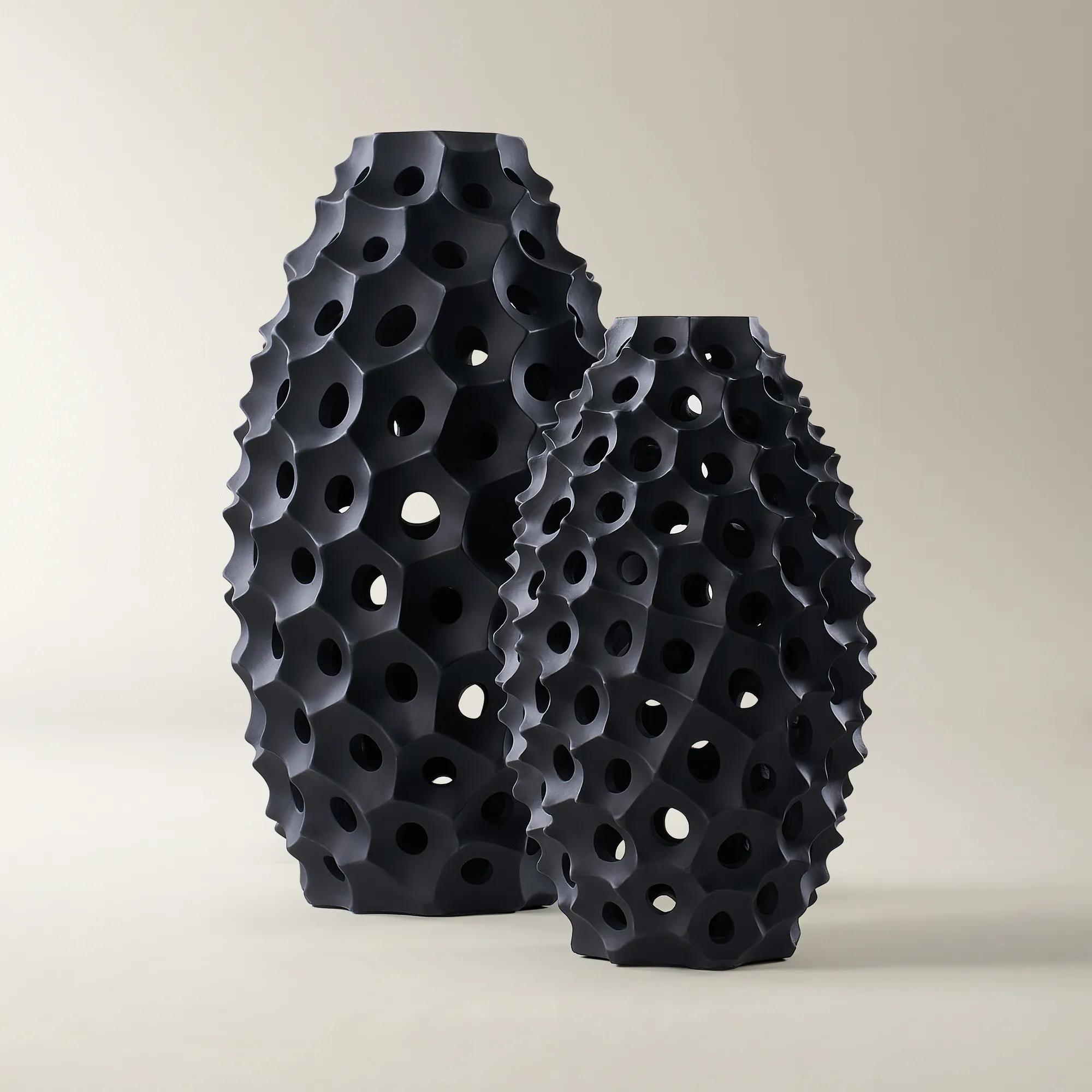
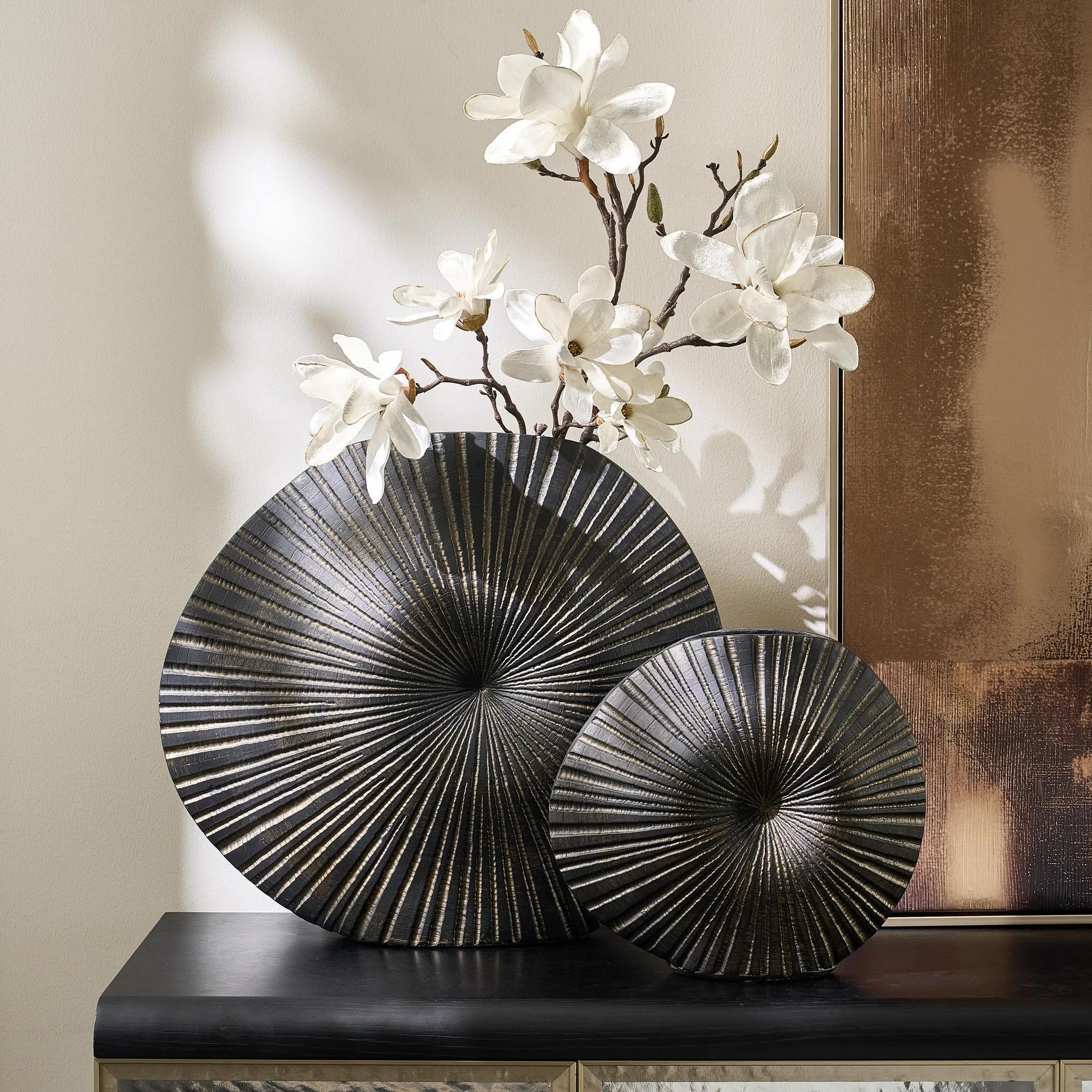 Stellar Black Champagne Resin Vases$169
A sculptural resin vase in black and champagne tones, offering modern glamour and artful visual depth.
Add To Cart -
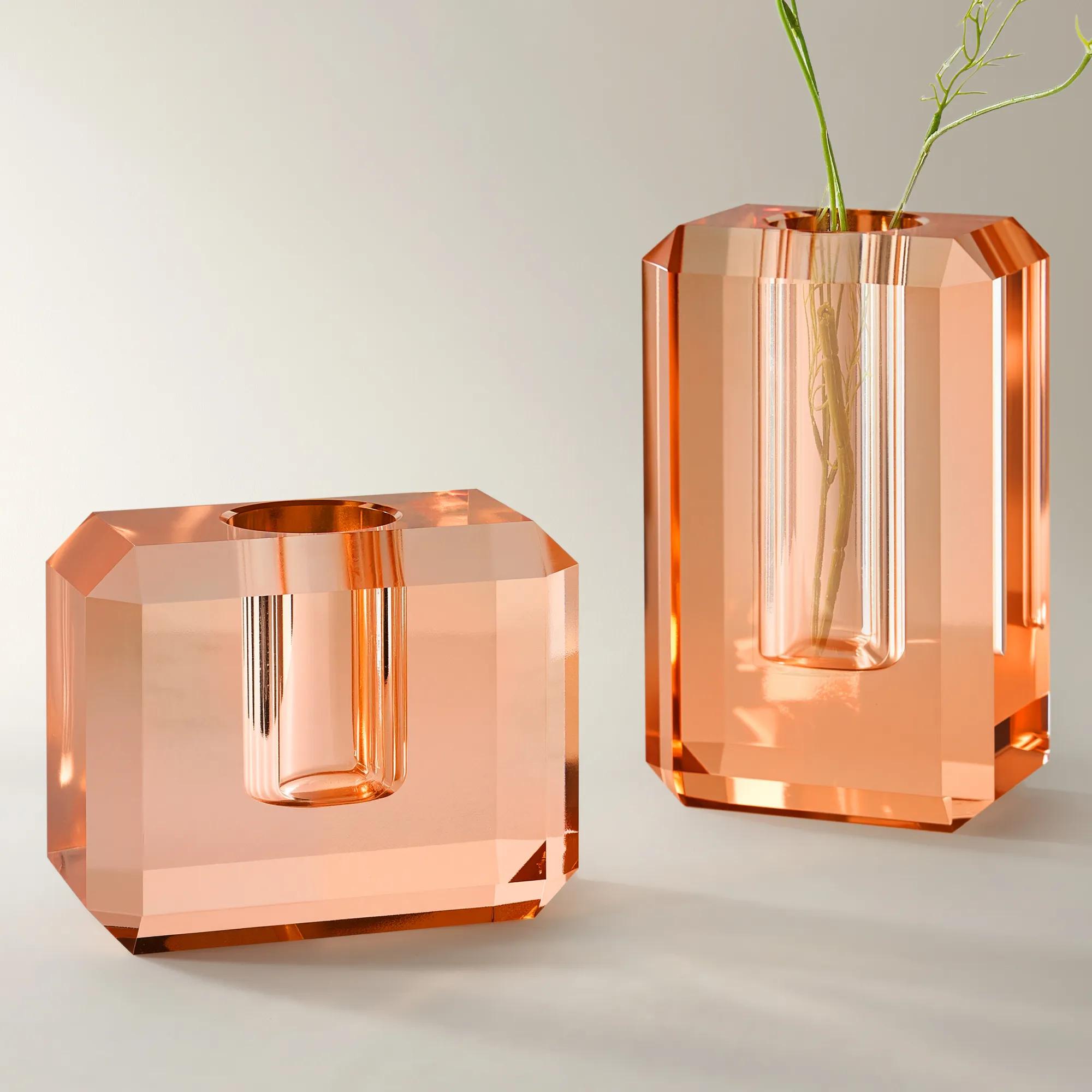
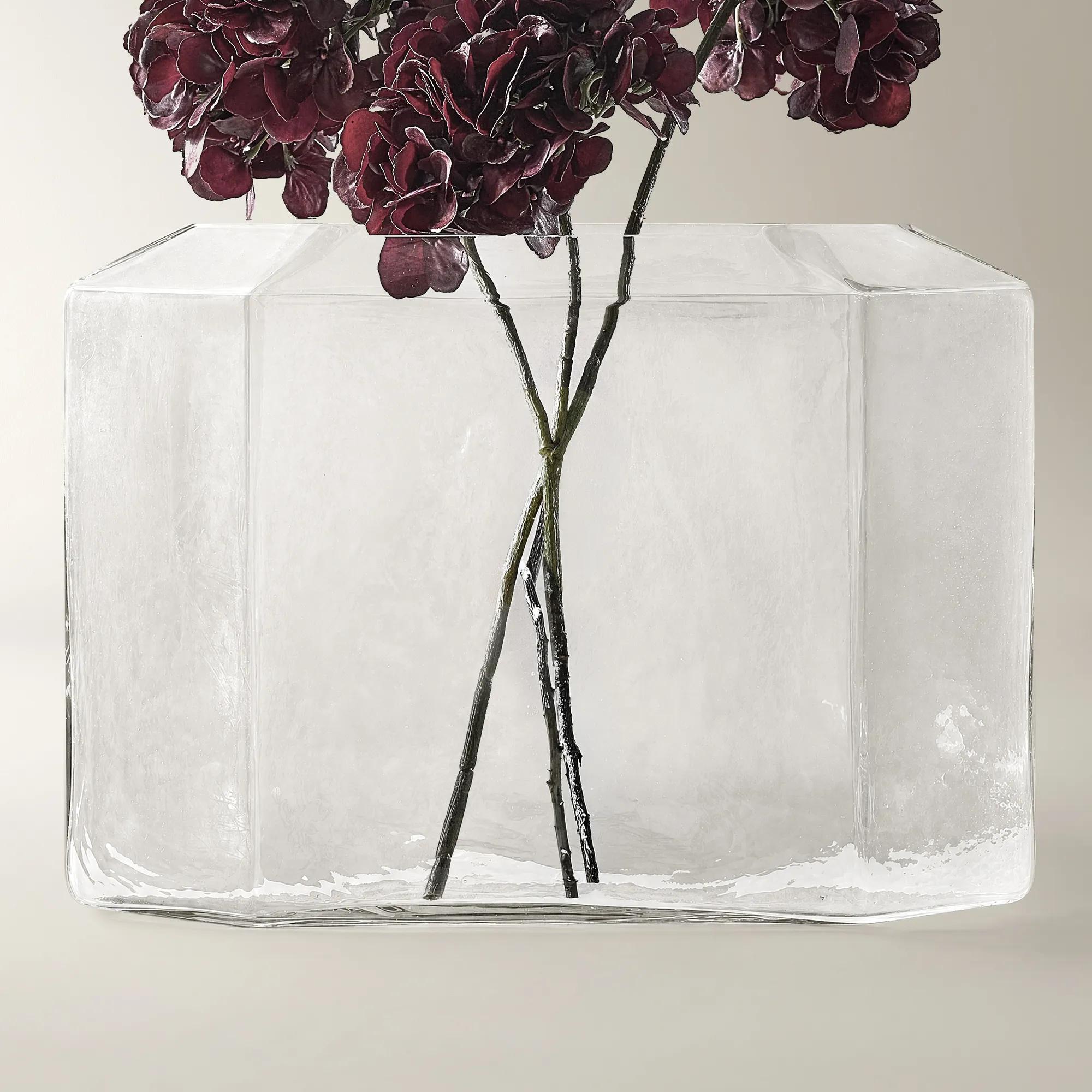 Studio Mouth Blown Clear Glass Vase 13.75"$199
A handblown clear glass vase with faceted detailing that beautifully reflects light for modern elegance.
Add To Cart -
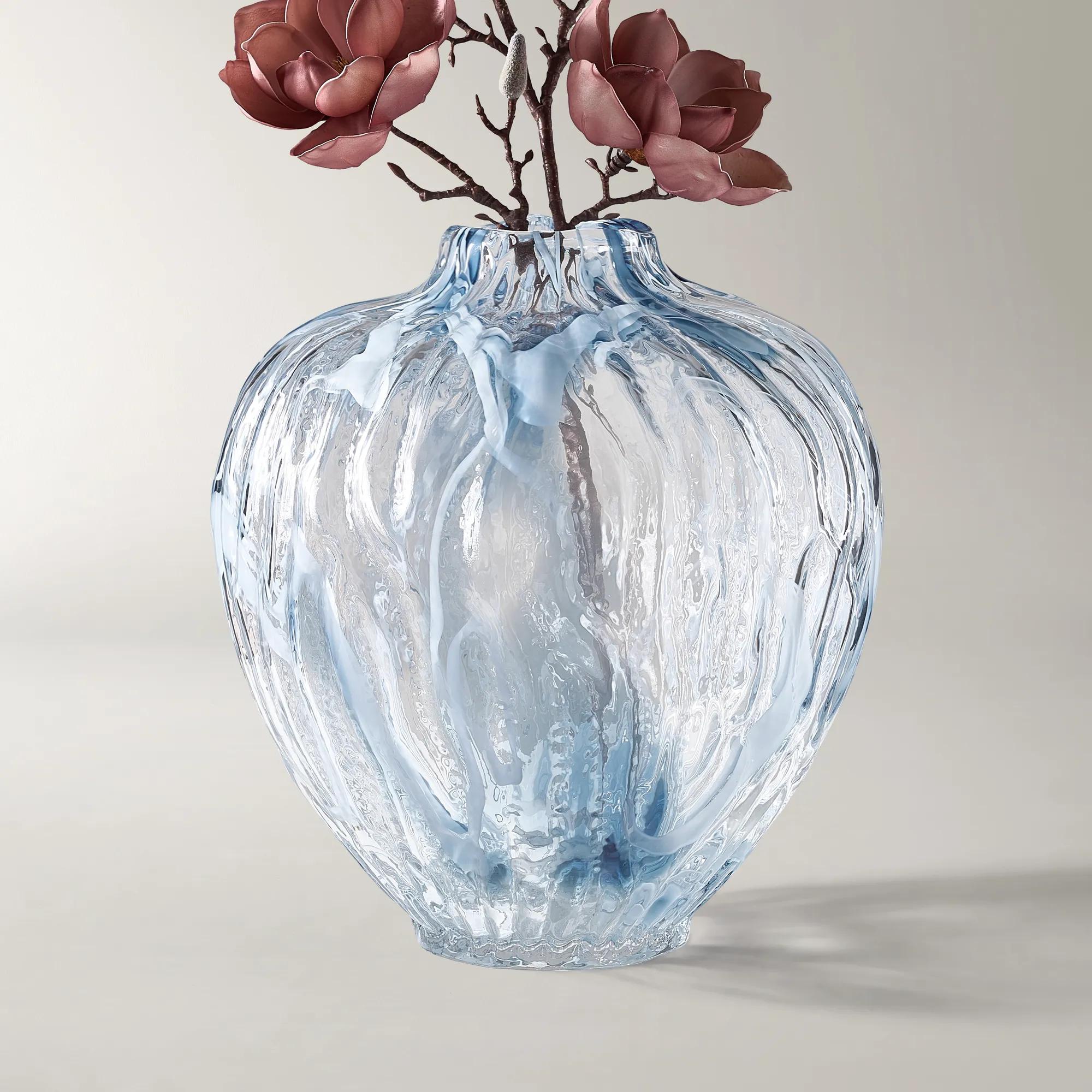 Cruz Mouth Blown Powder Blue Glass Vase 15.75"$169
A handblown glass vase in powder blue with a sculptural, light-catching surface for modern decor.
Add To Cart -
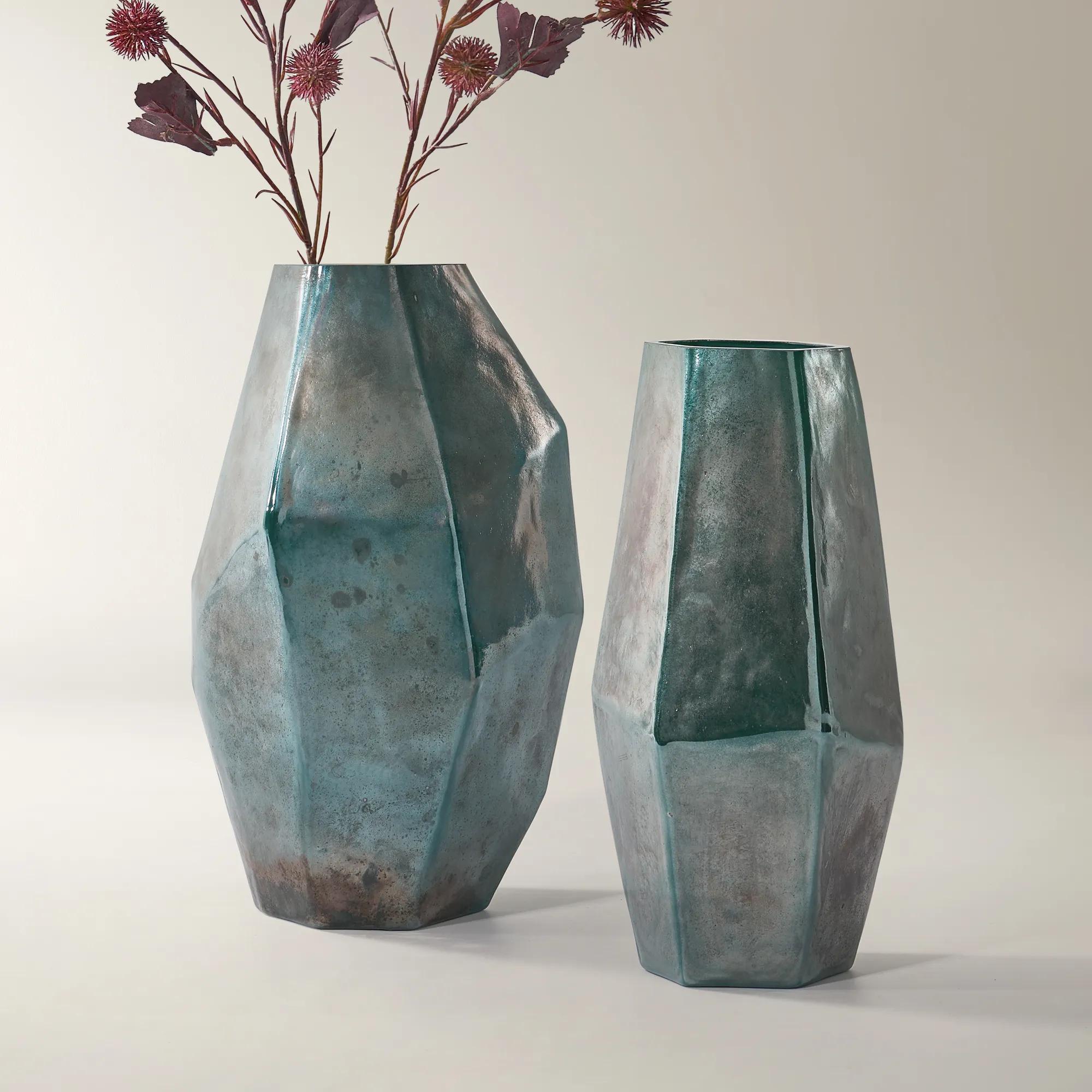
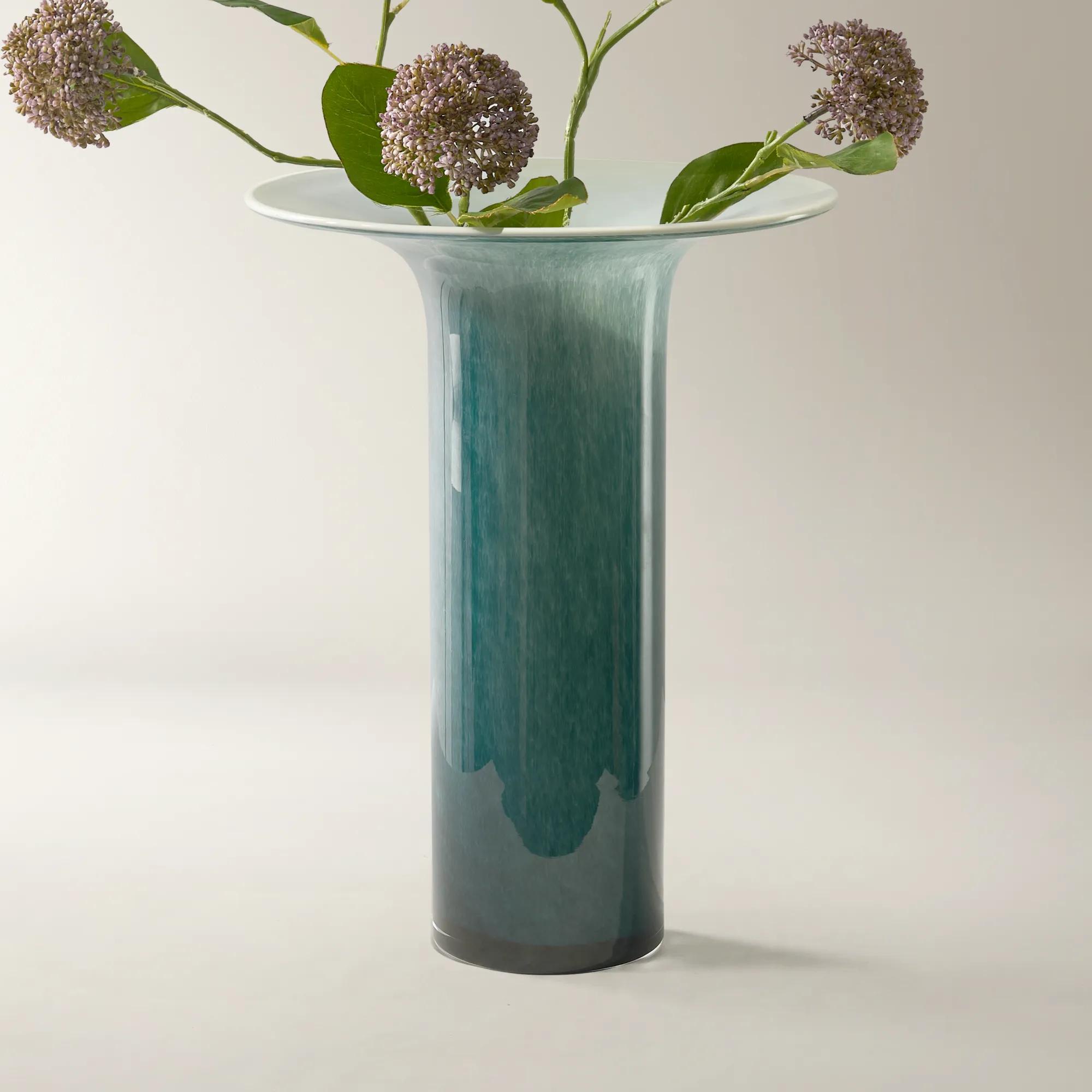 Loft Mouth Blown Deep Teal Glass Vase 15.75"$129
A handblown glass vase in deep teal with a sculptural column silhouette for bold, artful impact.
Add To Cart -
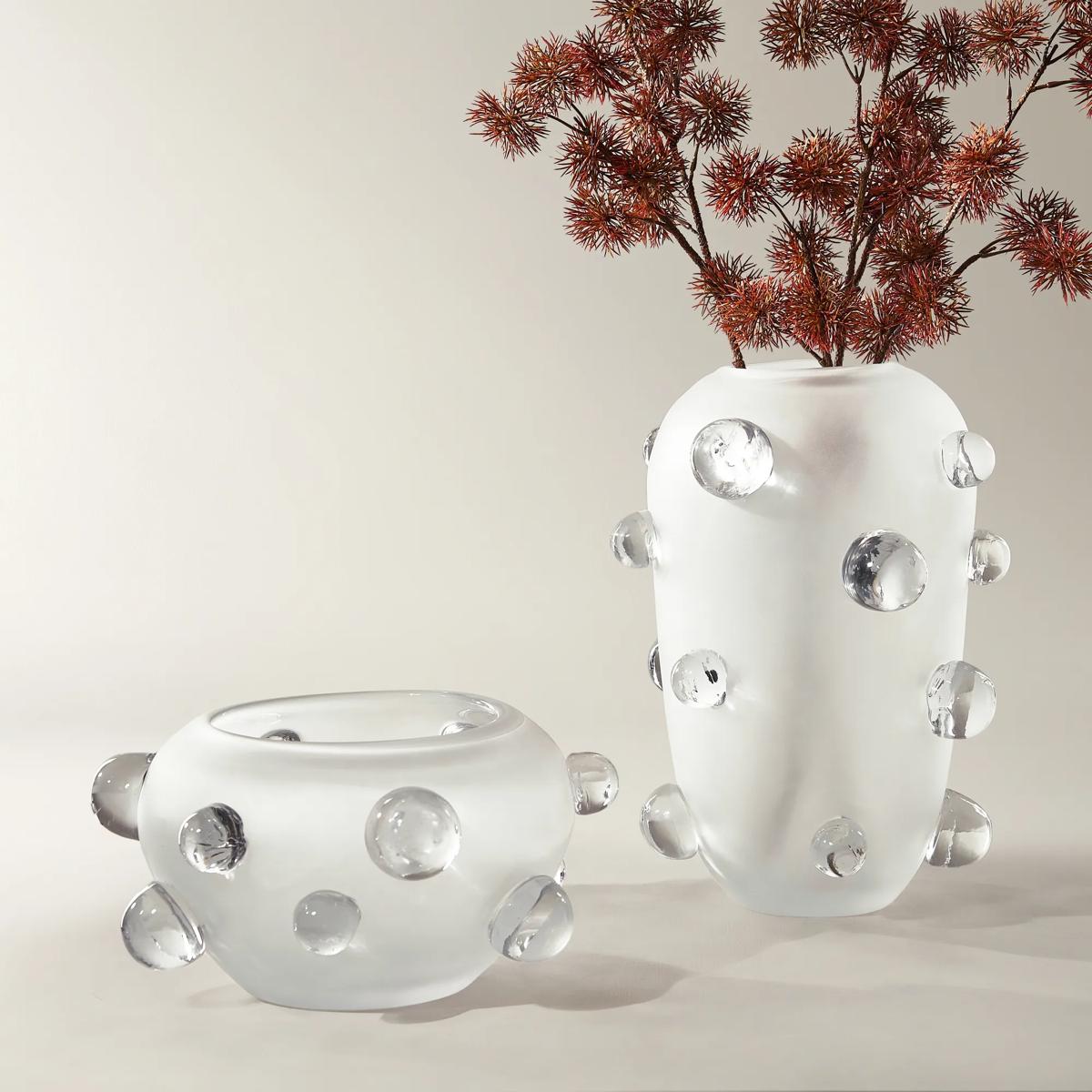 Cielo Clear Handblown Glass Vases$149
A hand-blown clear glass vase adorned with spherical orbs for a whimsical, modern decorative accent.
Add To Cart

Living Room Vase Decor Ideas
Living Room Vase Decor Ideas invite you to reimagine your space as a gallery of artistry and allure. Picture sculptural silhouettes catching the light, glossy finishes reflecting your unique style, and lush arrangements breathing life into every corner. Vases are more than vessels; they are statement pieces that infuse the room with drama, depth, and personality. Whether perched on a mantel or commanding attention atop a coffee table, each vase becomes an exclamation point in your living room’s story. Explore how inspired placement and daring design can transform the ordinary into the extraordinary, making every moment at home feel like an unveiling.
Living room vase decor adds height, texture, and color to coffee tables, consoles, mantels, and open corners, giving a space definition without requiring a complete redesign. A vase can be a vessel for flowers, a sculptural accent, or the element that connects furniture, artwork, and decorative objects. The most compelling living room vase decor ideas begin with proportion: a broad, low silhouette gives a coffee table presence without interrupting conversation, while an elongated form draws attention upward beside a console or substantial piece of art. Rounded vessels soften the lines of a tailored sofa; angular profiles introduce a sharper, architectural note. A single oversized vase can anchor a generous surface, while a grouping of smaller vessels creates a more collected composition. Differences in height make a grouping easier to read, especially when the pieces share a color, finish, or shape. On a long console, a tall vase at one end can balance a lamp at the other, leaving space between them for a shallow bowl or a stack of art books. On a compact side table, a narrow base preserves room for a glass and keeps the arrangement from feeling crowded. For spaces that call for a stronger vertical accent, Living Room Tall Vases introduce elongated silhouettes that complement high ceilings, generous furniture, and expansive walls. Placement matters as much as scale: a floor vase belongs where it can be appreciated without narrowing a walkway, and a mantel arrangement needs enough clearance beneath a mirror or framed artwork. The vase and its contents should feel proportionate together, rather than allowing long stems to overwhelm a delicate vessel. Viewed from the sofa, an accent chair, or the doorway, the arrangement should retain a clear outline. This attention to sightlines gives even an expressive display a sense of intention, with each curve and stem contributing to the room rather than competing for attention.
Material and finish determine how a decorative vase interacts with the rest of the living room. Clear glass keeps an arrangement visually open, revealing stems and water while allowing the wall color or surrounding furnishings to remain visible. Colored glass brings greater depth, especially where daylight can illuminate its surface, while opaque glass offers a more substantial block of color. Ceramic and porcelain vases can range from smooth, luminous finishes to richly textured surfaces that invite a closer look. A glossy vessel reflects nearby light and lends polish to a wood console; a matte finish brings a quieter contrast to mirrored furniture or metallic accessories. Metal vases introduce gleam and sculptural definition, although their suitability for fresh flowers depends on their construction and interior finish. Natural stone offers weight and distinctive veining, with variations that make the material itself part of the display. Color can connect these different surfaces without making the room feel overly coordinated. An ivory vase against dark shelving creates a crisp silhouette, a smoky glass vessel echoes charcoal upholstery, and a gold-toned accent can draw out warm details in a painting. Texture adds another layer: ribbing, fluting, or a gently irregular surface gives a neutral vase dimension without relying on a strong hue. Materials also deserve practical consideration. Glass and ceramic can chip or break when struck, metal finishes may scratch, and stone can be heavy enough to require careful lifting and a substantial supporting surface. A broad, stable base is particularly valuable for taller arrangements or homes with active pets and children. Protective pads beneath a vessel can help prevent scratches, provided they do not compromise its balance. These details allow beauty and everyday use to coexist, whether the desired effect is luminous and polished, richly tactile, or confidently sculptural.
The intended use of a vase is just as important as its appearance. A vessel selected for fresh flowers should be confirmed as watertight and suitable for holding water; a decorative vase is not necessarily designed for that purpose. Porous materials, unsealed interiors, and certain metal finishes may require a compatible liner if the care instructions permit one. Dried botanicals and artificial stems offer other possibilities, bringing height and movement to vessels intended only for dry display. A narrow opening supports a restrained arrangement of a few stems, while a wider mouth accommodates fuller compositions and may benefit from a removable floral support designed for the vessel. Branches create a dramatic outline, but their weight and spread should remain balanced over the base. An empty vase can be equally expressive, particularly when its form has a sweeping curve, an unusual opening, or a finish worth leaving unobstructed. For a household that entertains frequently, a low floral arrangement keeps faces visible across a seating area; for someone drawn to art and objects, an unfilled sculptural vessel can hold its own beside books and framed photography. Care should follow the material and finish rather than a single cleaning routine. Fresh-flower vessels benefit from regular water changes and gentle cleaning between arrangements, while dry decorative pieces usually need careful dusting with a soft cloth. Abrasive cleaners, prolonged soaking, and dishwasher cleaning should be avoided unless the manufacturer specifically permits them. Moisture should not remain trapped beneath a vase on wood or other sensitive surfaces. As gifts, decorative vases suit housewarmings, weddings, and hosts who appreciate expressive interiors, especially when the scale and palette reflect the recipient’s home. A thoughtfully chosen vase offers room for personal interpretation: filled with a favorite bloom, paired with a treasured object, or displayed alone, it gives the living room a distinctive focal point without prescribing how the entire space should look.
FAQs
To create a dramatic focal point, layer vases of varying heights, shapes, and finishes on a console or coffee table. Pair a tall, sculptural vase with smaller, complementary pieces, and experiment with bold botanicals or branches for added height and texture. Mixing materials—such as glass, ceramic, and metallics—adds depth and visual intrigue, transforming your arrangement into a captivating centerpiece.
In winter, opt for lush evergreens, dramatic branches, or dried florals like pampas grass and eucalyptus. These elements bring warmth and texture to your living room while lasting beautifully throughout the season. For a touch of color, consider early spring blooms such as tulips or ranunculus, which add freshness and anticipation for the coming season.
Absolutely—vases are timeless gifts that suit a range of occasions, from housewarmings and weddings to birthdays and anniversaries. Their versatility allows the recipient to use them year-round, whether filled with seasonal blooms or displayed as stand-alone art pieces. A thoughtfully chosen vase reflects both the giver's taste and the recipient's style, making it a truly memorable present.
For a modern living room, select tall, minimalist vases with sleek lines or bold geometric shapes. Place them in corners or beside furniture to draw the eye upward and add architectural interest. Fill with oversized branches or leave empty to highlight their sculptural form. Monochromatic palettes or metallic finishes can further amplify the contemporary vibe.
Vases can be styled with more than just flowers. Try filling them with decorative stones, glass beads, or even fairy lights for a whimsical glow. Display a collection of empty vases in varying heights and finishes for an artful, gallery-inspired look. Alternatively, use a statement vase as a standalone piece on a pedestal or mantel to showcase its unique design.