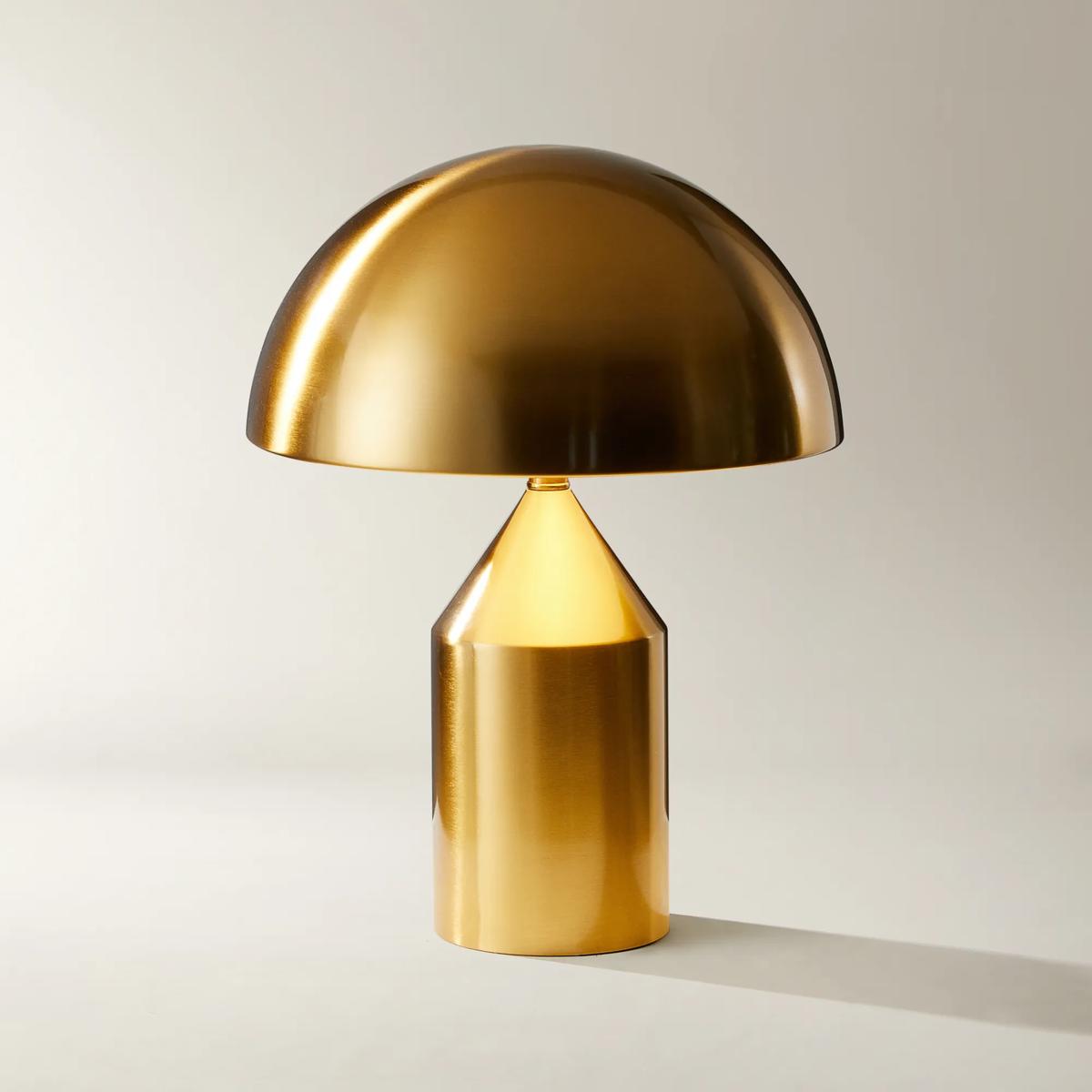
Lighting For Living Room Makeovers
Lighting For Living Room Makeovers
-
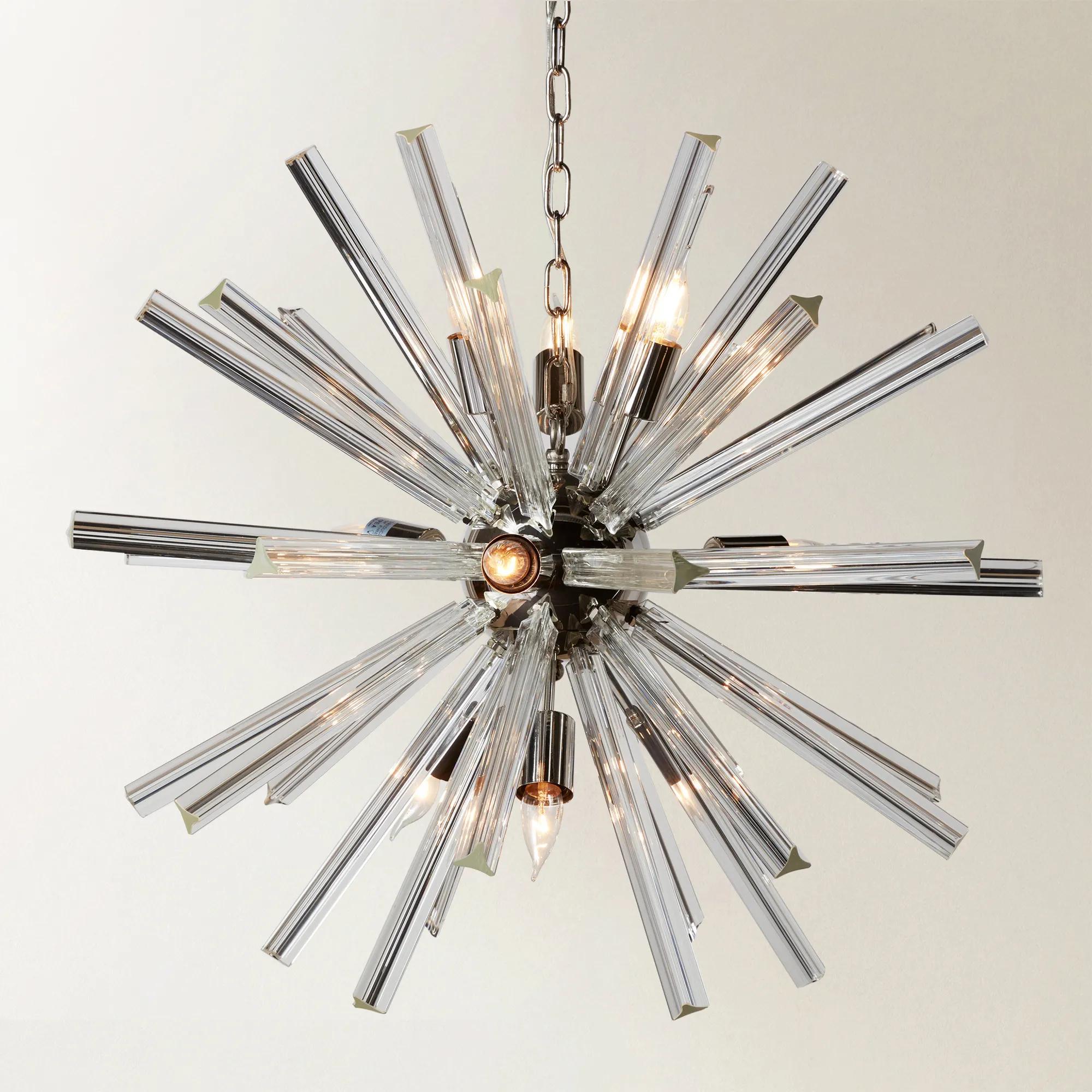
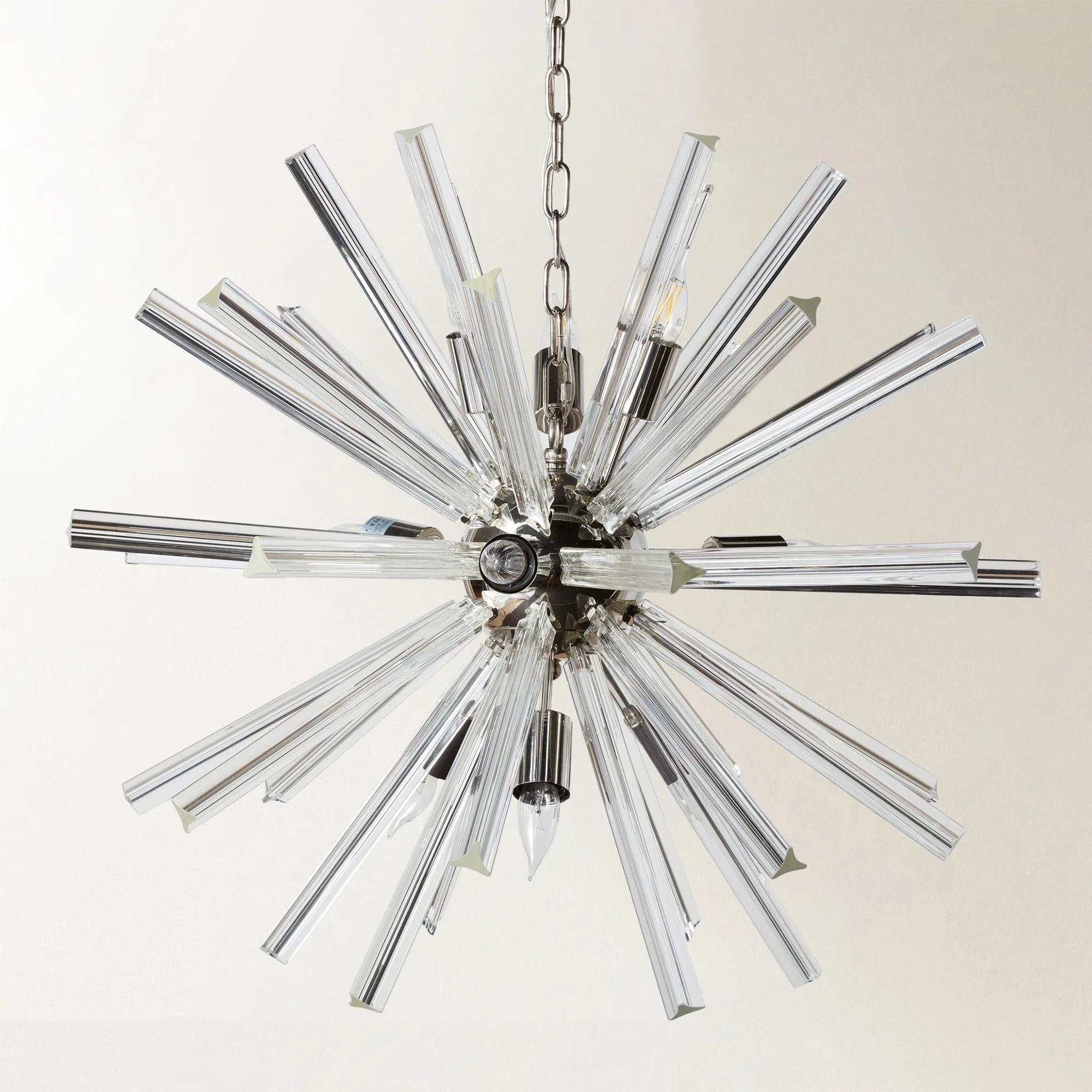 Axis Sputnik Clear Faceted Glass Chandelier 29.5"D$599
A modern chandelier featuring solid triangular glass spokes and iron accents for striking light reflection.
Add To Cart -
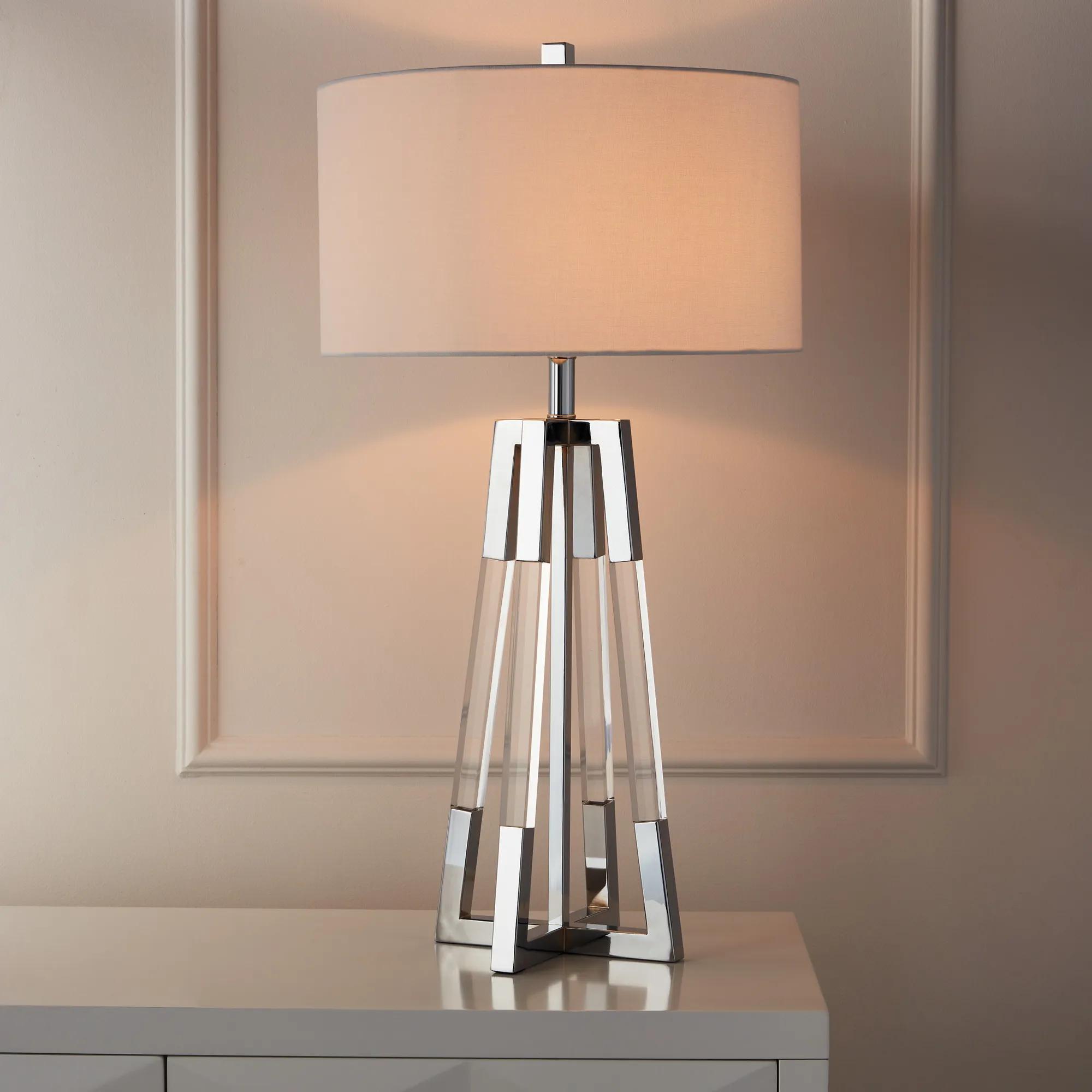 Rollins Table Lamp$439
A sophisticated table lamp featuring clear acrylic and polished nickel accents with a crisp white shade.
Add To Cart -
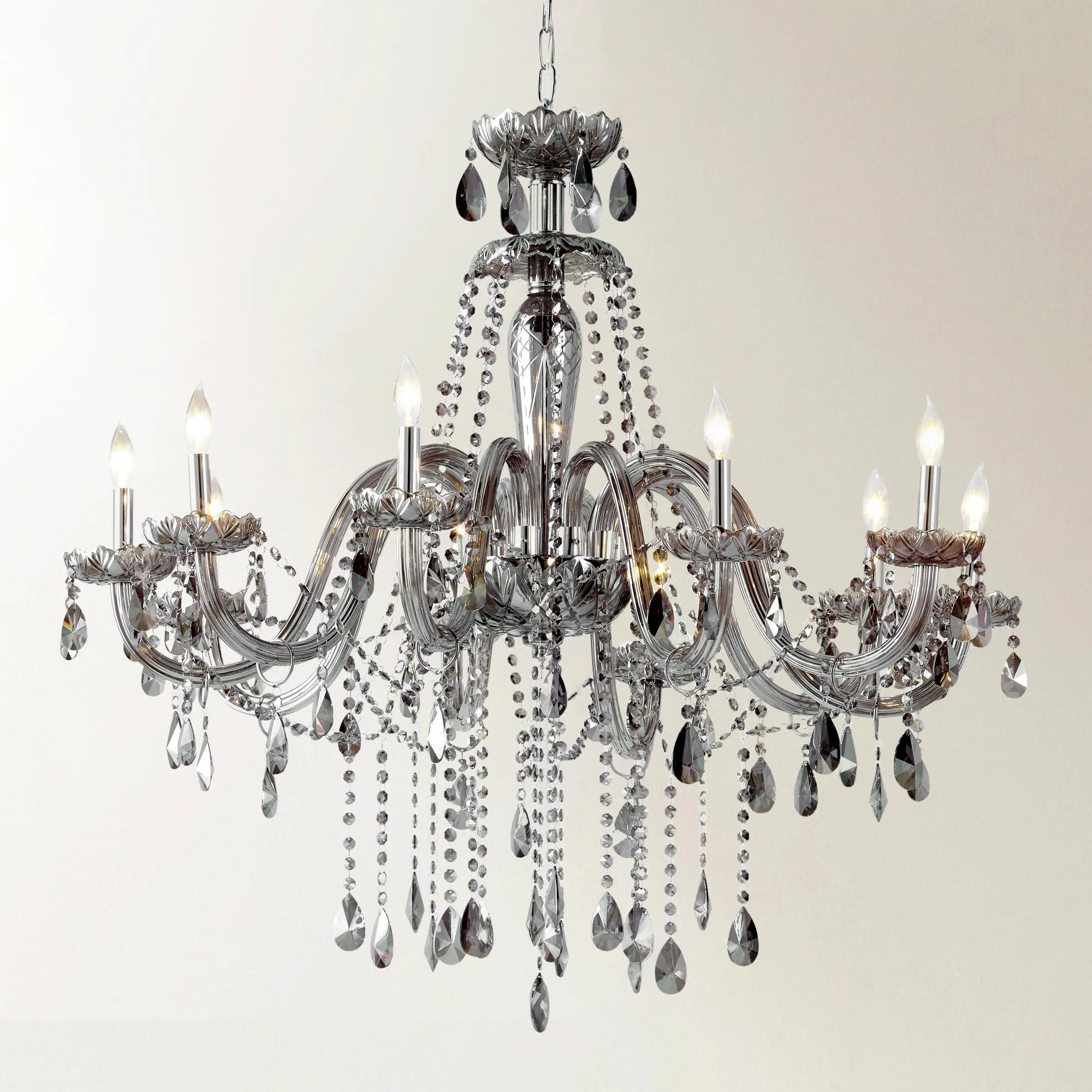
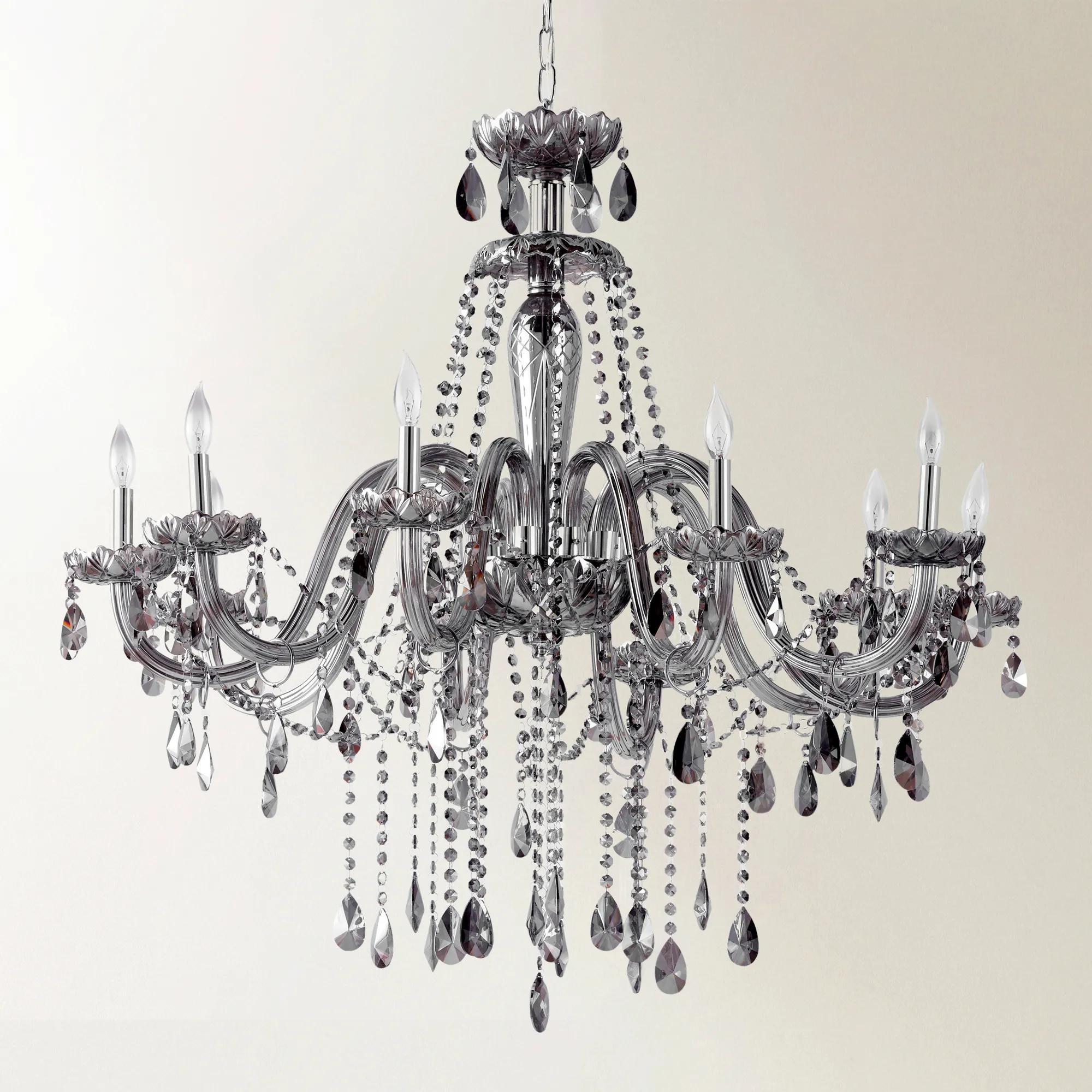 Omni Chandelier 38.5" - Graphite$999
A dazzling chandelier featuring graphite faceted crystals and ten fluted glass arms with nickel hardware.
Add To Cart -
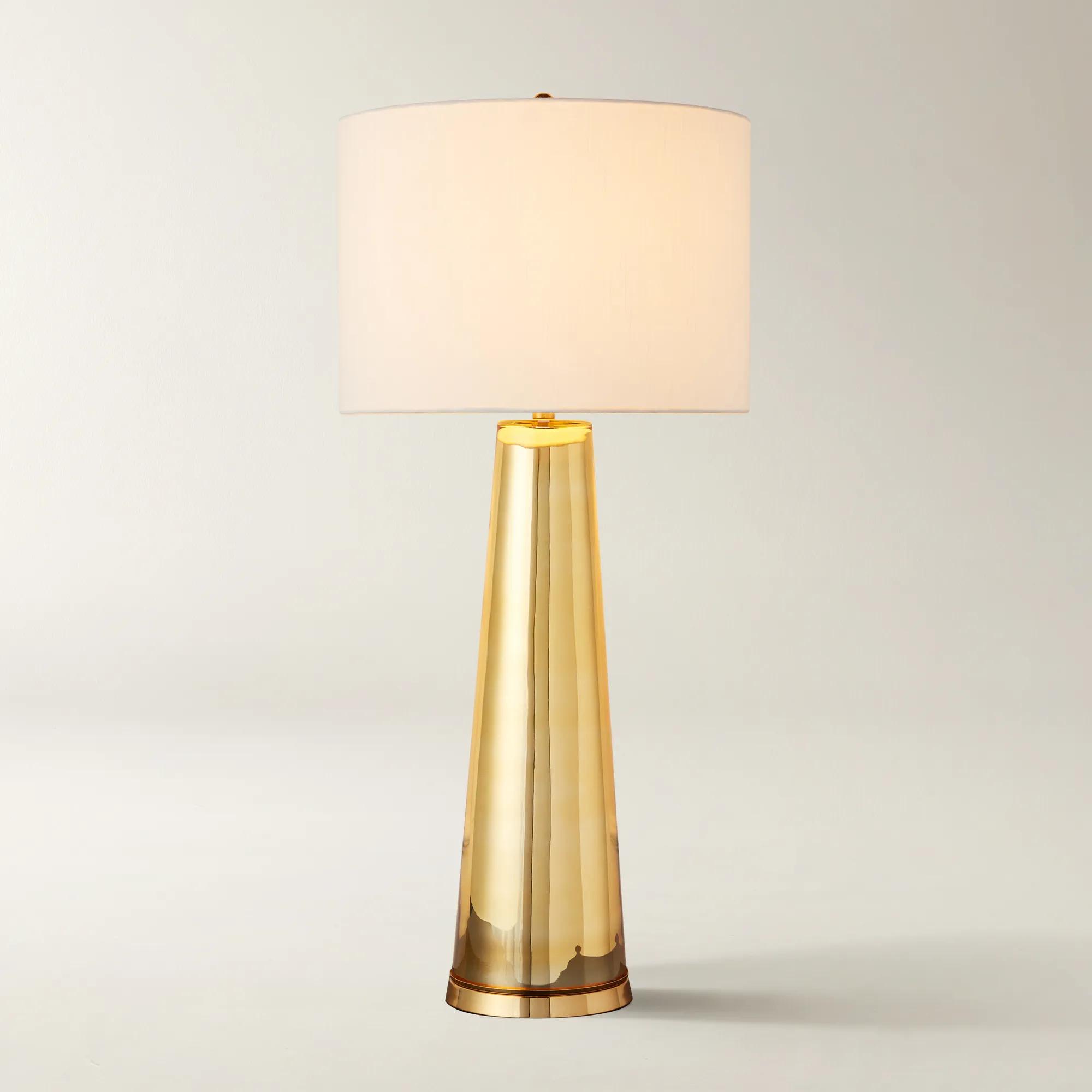
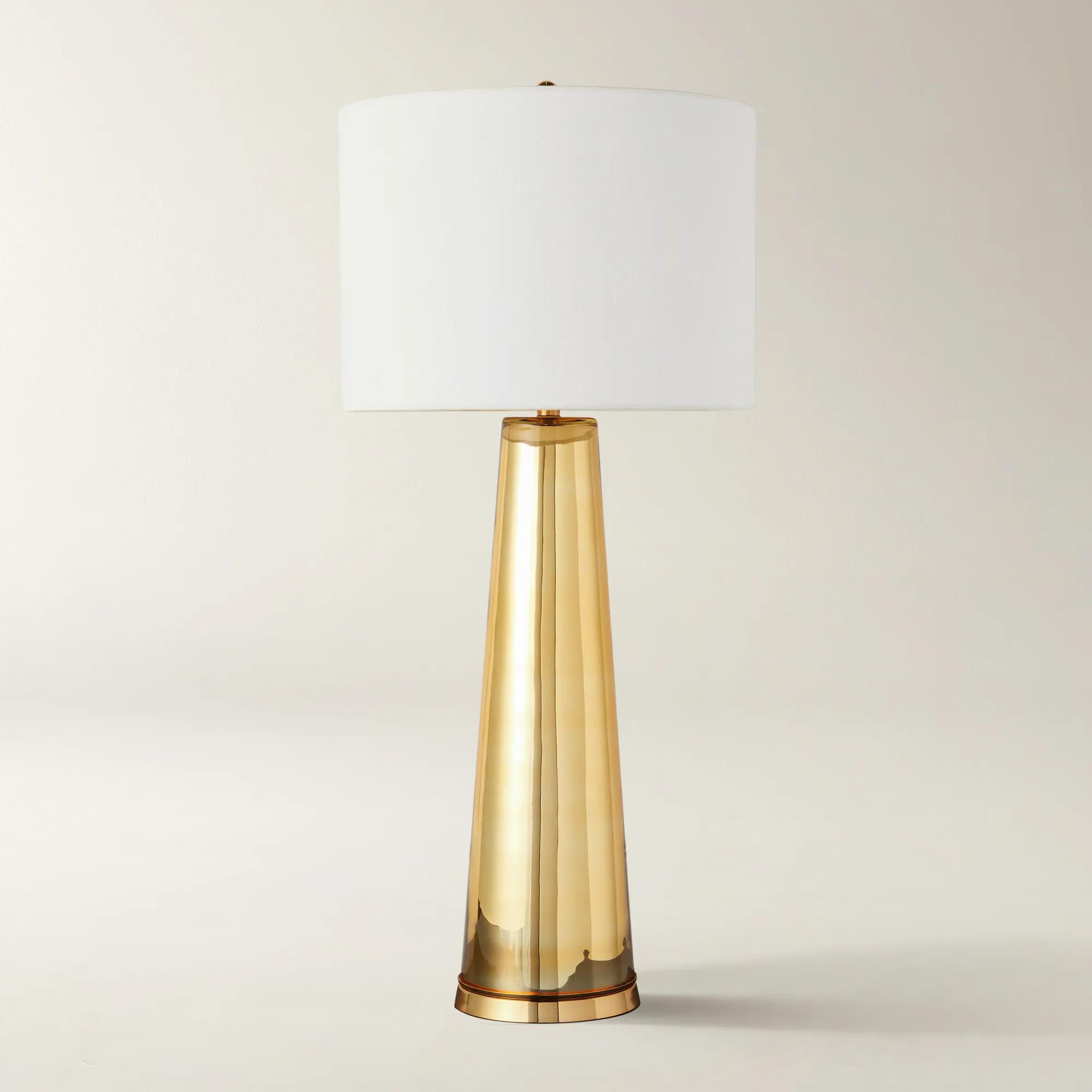 Century Gold Mirrored Glass Table Lamp 40"$299
A modern lamp featuring a mirrored glass base and white drum shade, accented with gold or silver details.
Add To Cart -
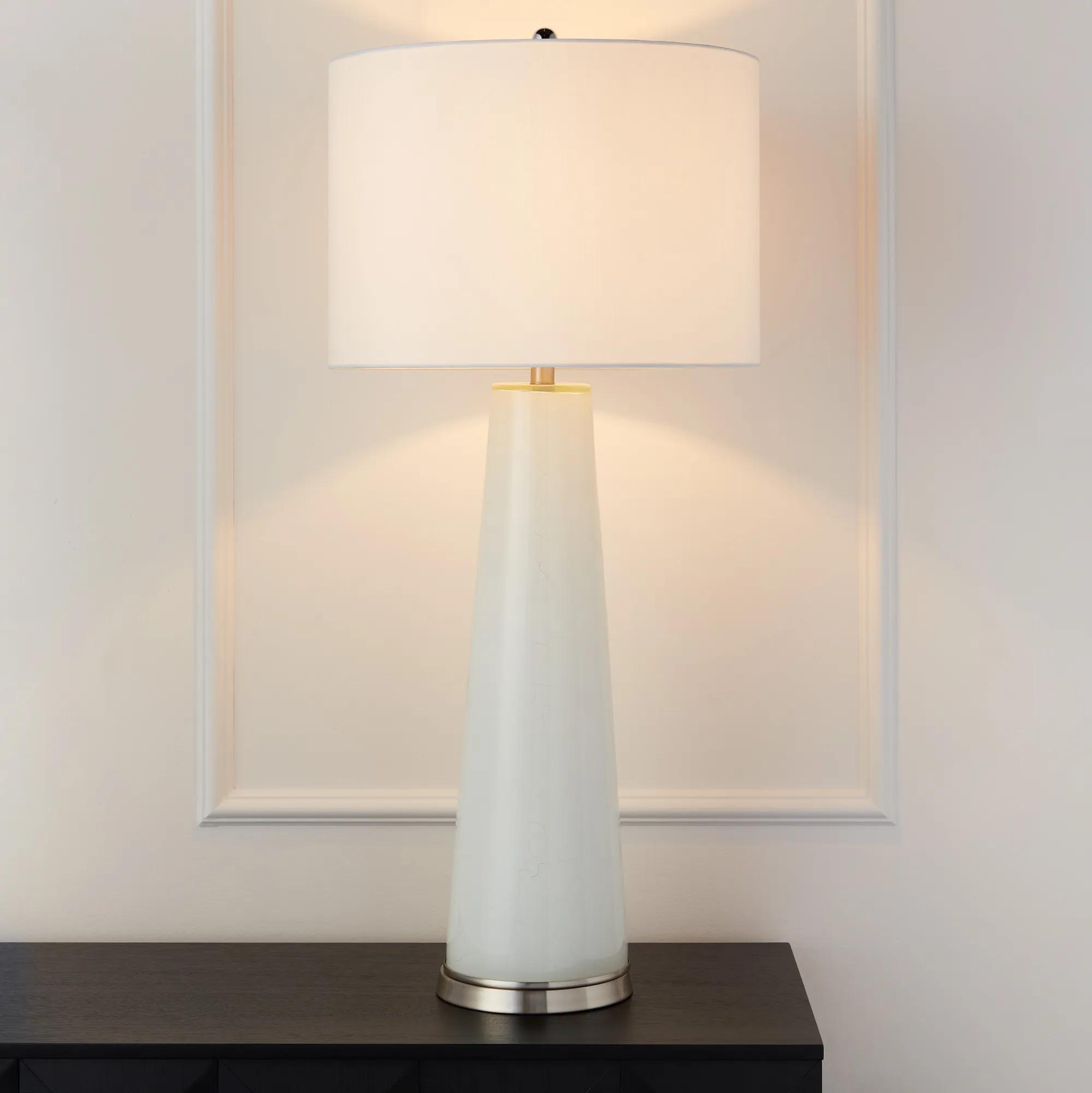 Century White Glass High Gloss Table Lamp 40"$299
A modern glass lamp with a high-gloss white interior and a crisp white drum shade.
Add To Cart -
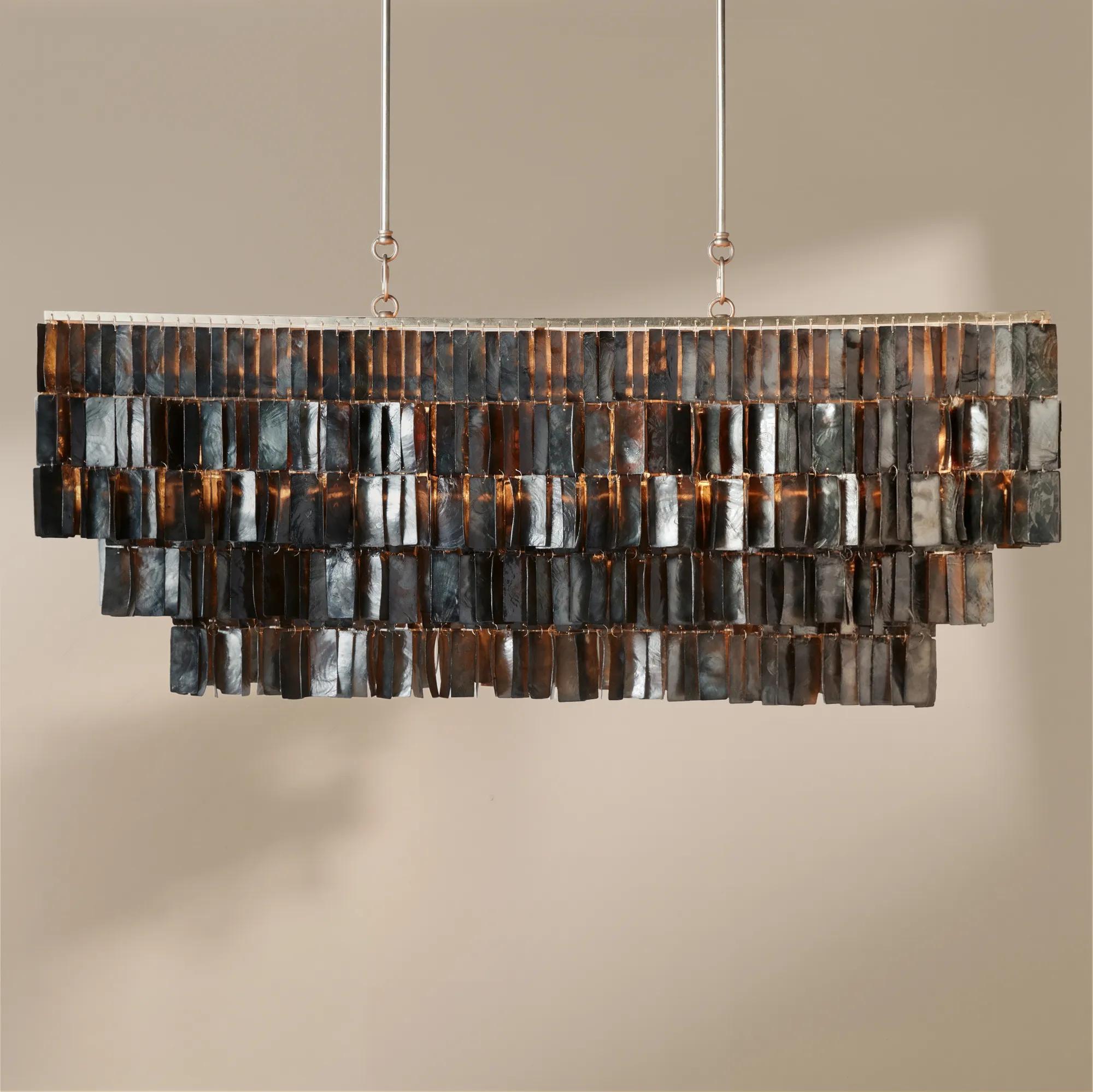
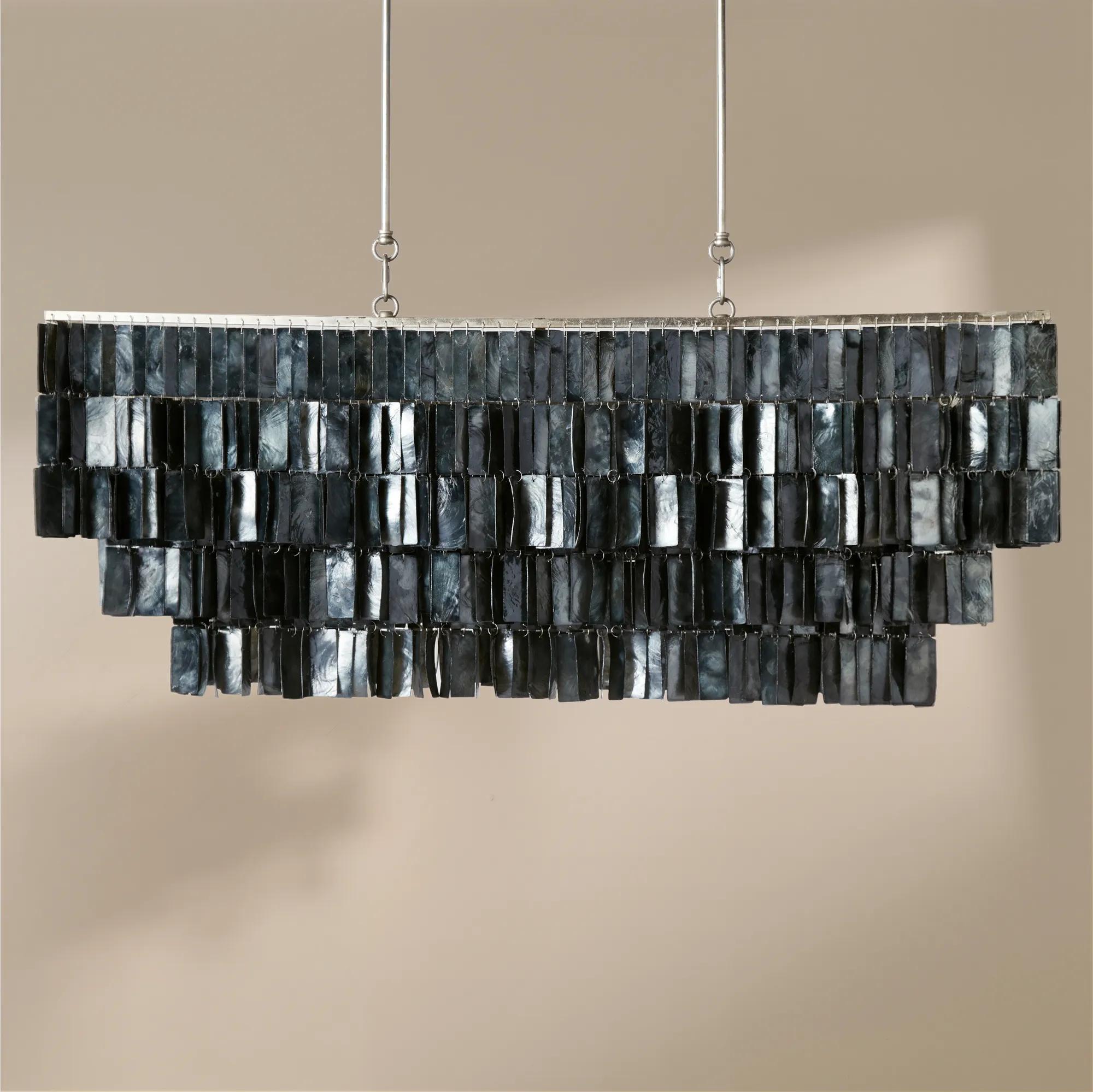 Capiz Shell Graphite Chandelier 39"$849
A naturally elegant chandelier featuring cascading charcoal capiz shells and a champagne-finished iron frame.
Add To Cart -
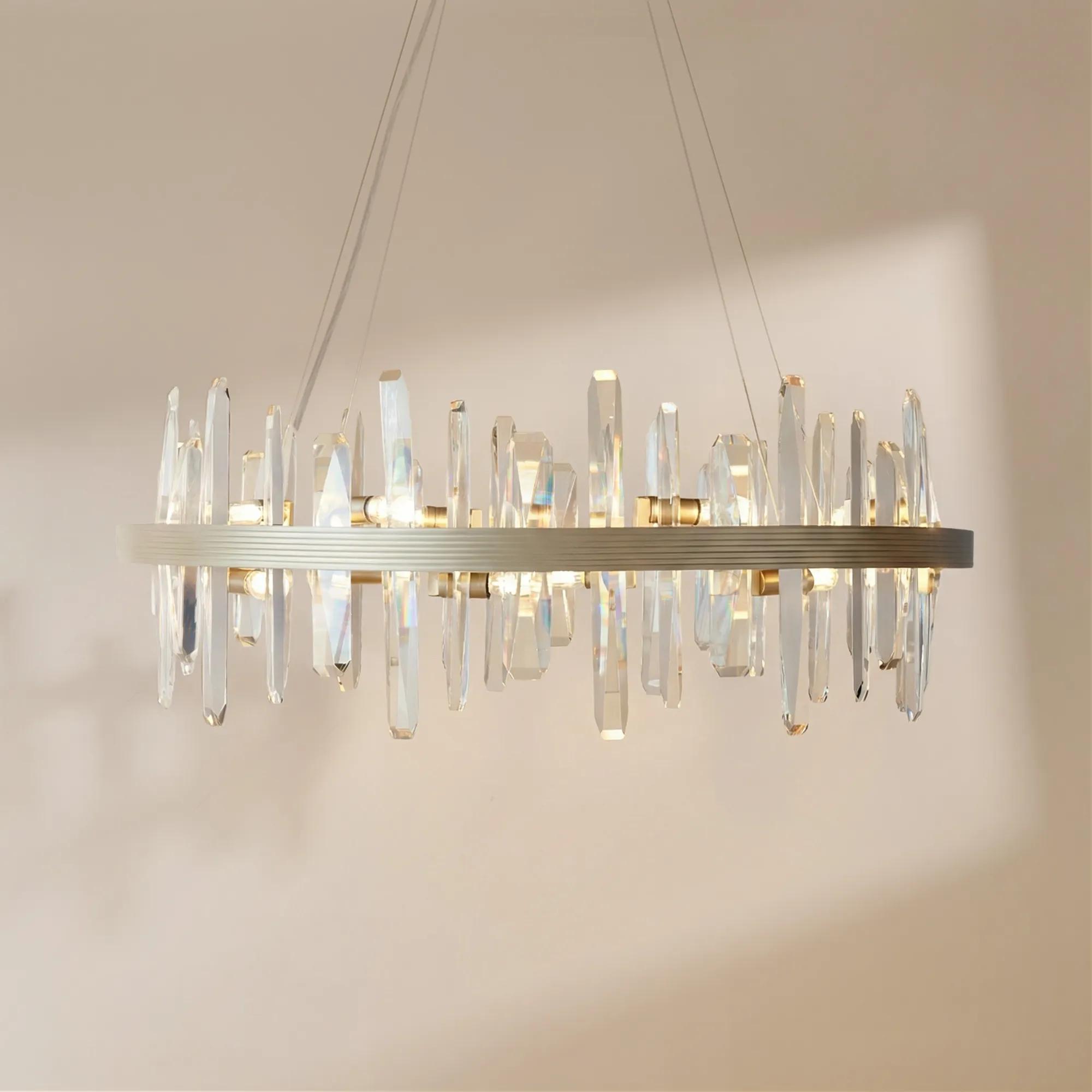
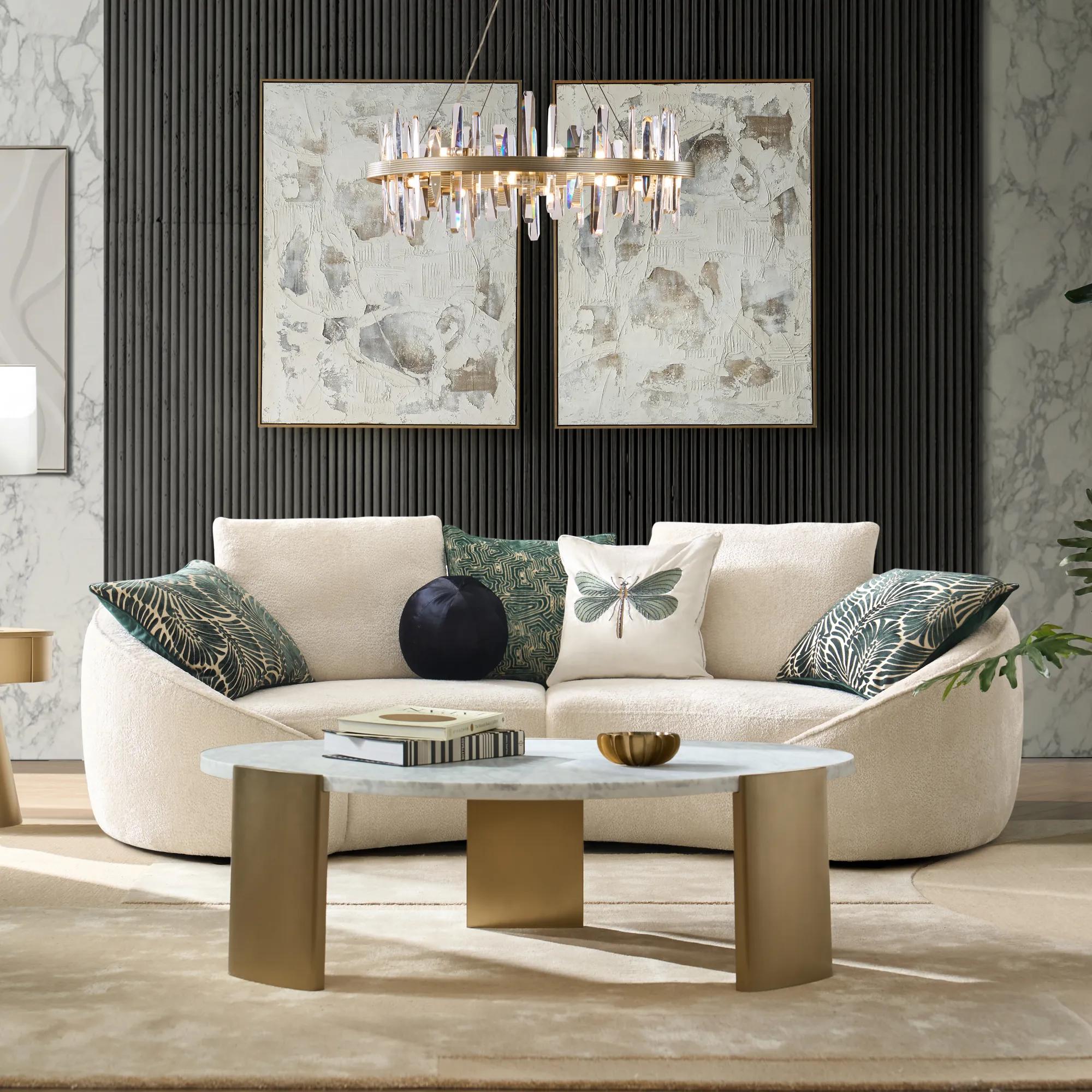 Lumi Clear Beveled Glass Chandelier 31.5"W$929
A deco-inspired chandelier with beveled glass daggers and a champagne-finished iron frame for radiant illumination.
Add To Cart -
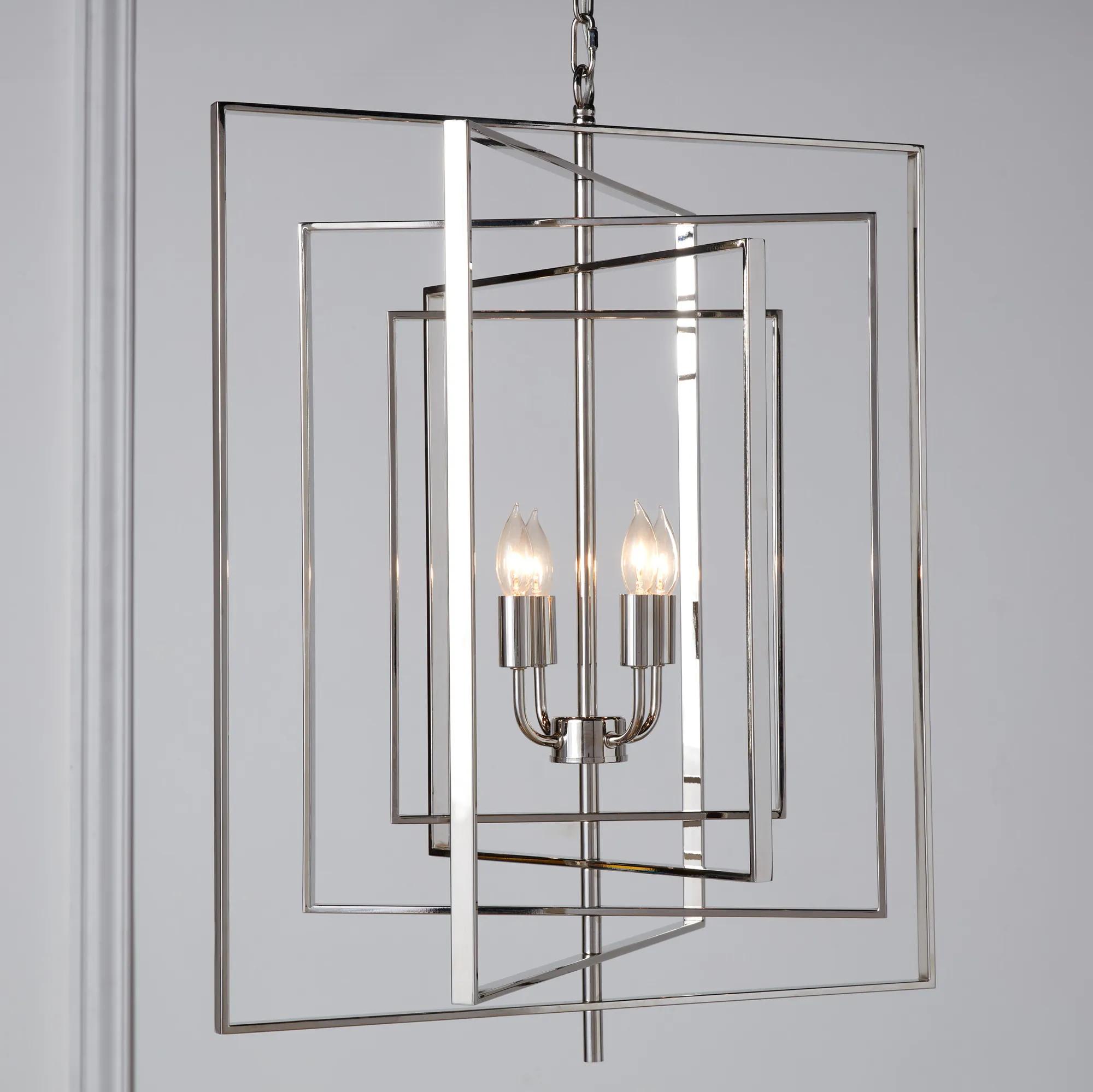
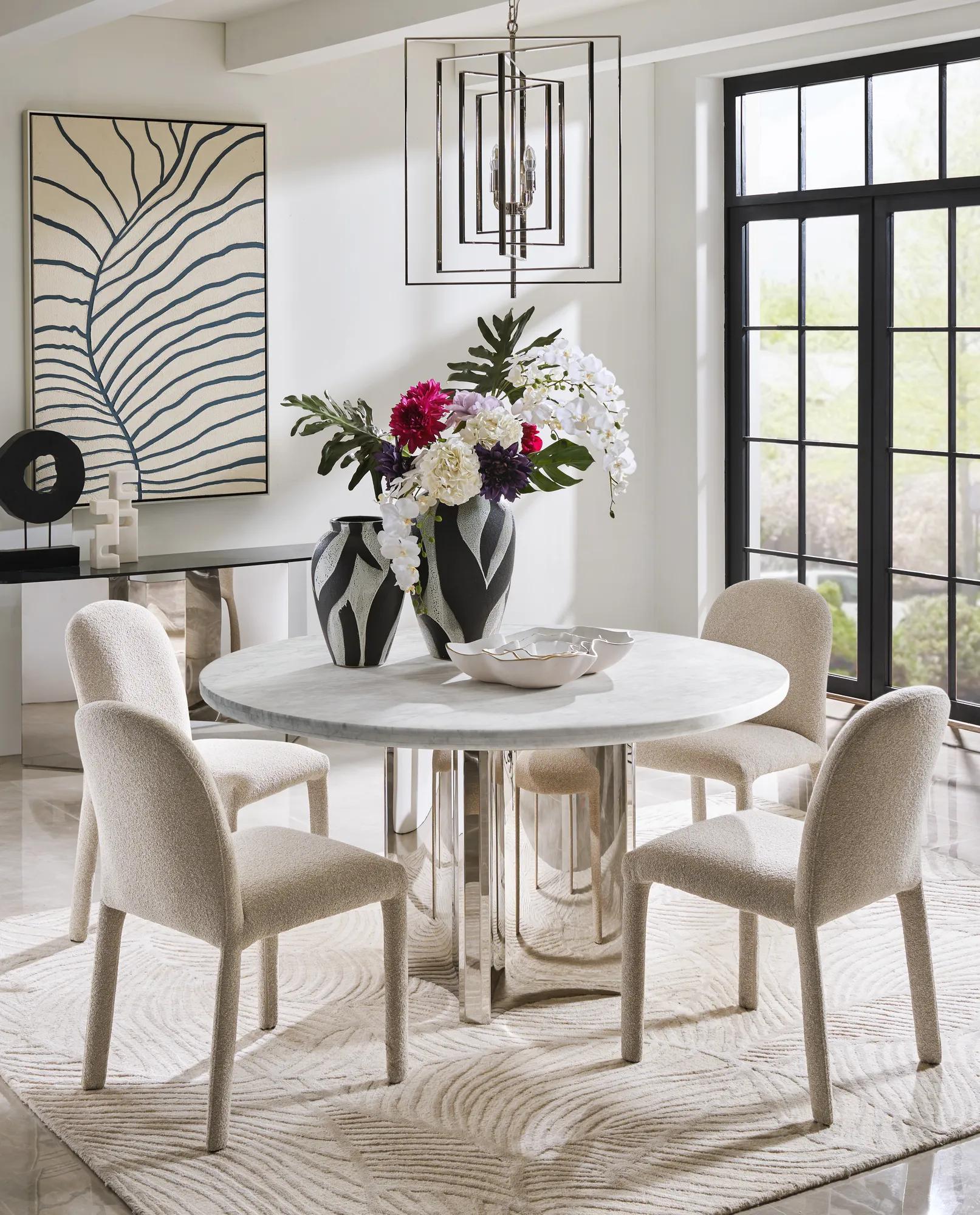 Hollis Chandelier$499
A polished nickel geometric chandelier with four lights, perfect for modern and minimal interiors.
Add To Cart -
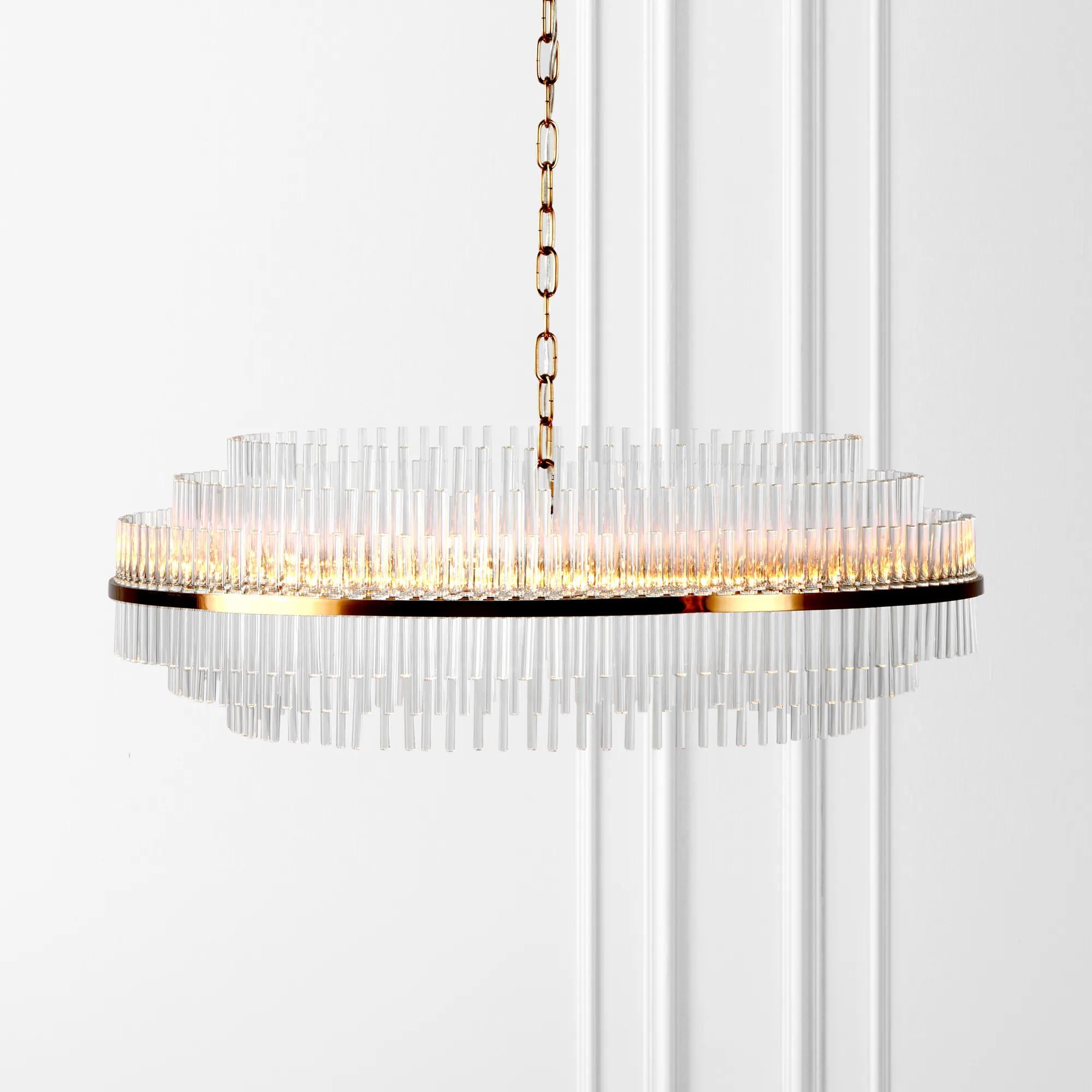
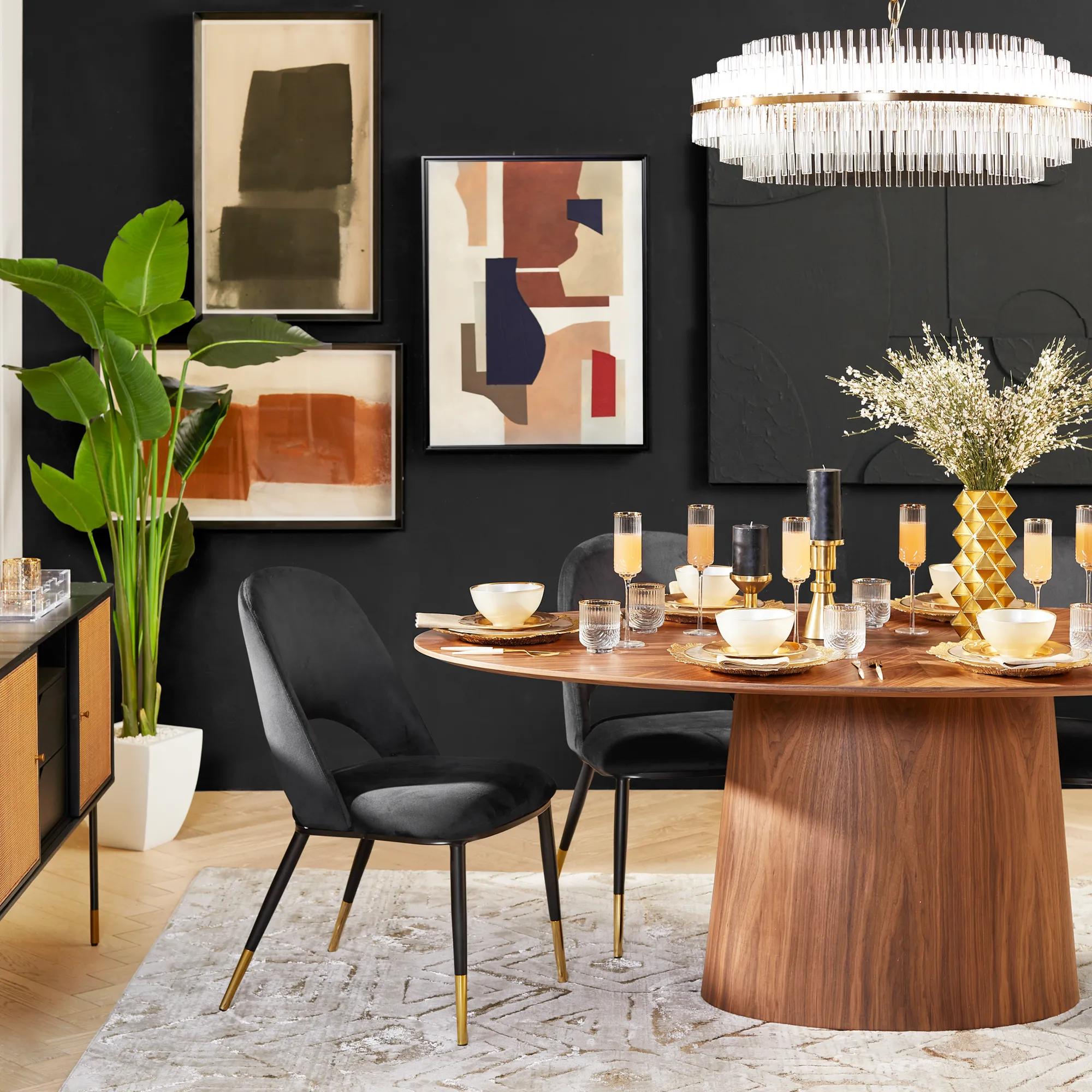 Renata Clear Glass Rod Chandelier 31"W x 10"H$799
A glamorous chandelier featuring glass rods and a brushed brass iron frame for a striking modern look.
Add To Cart -
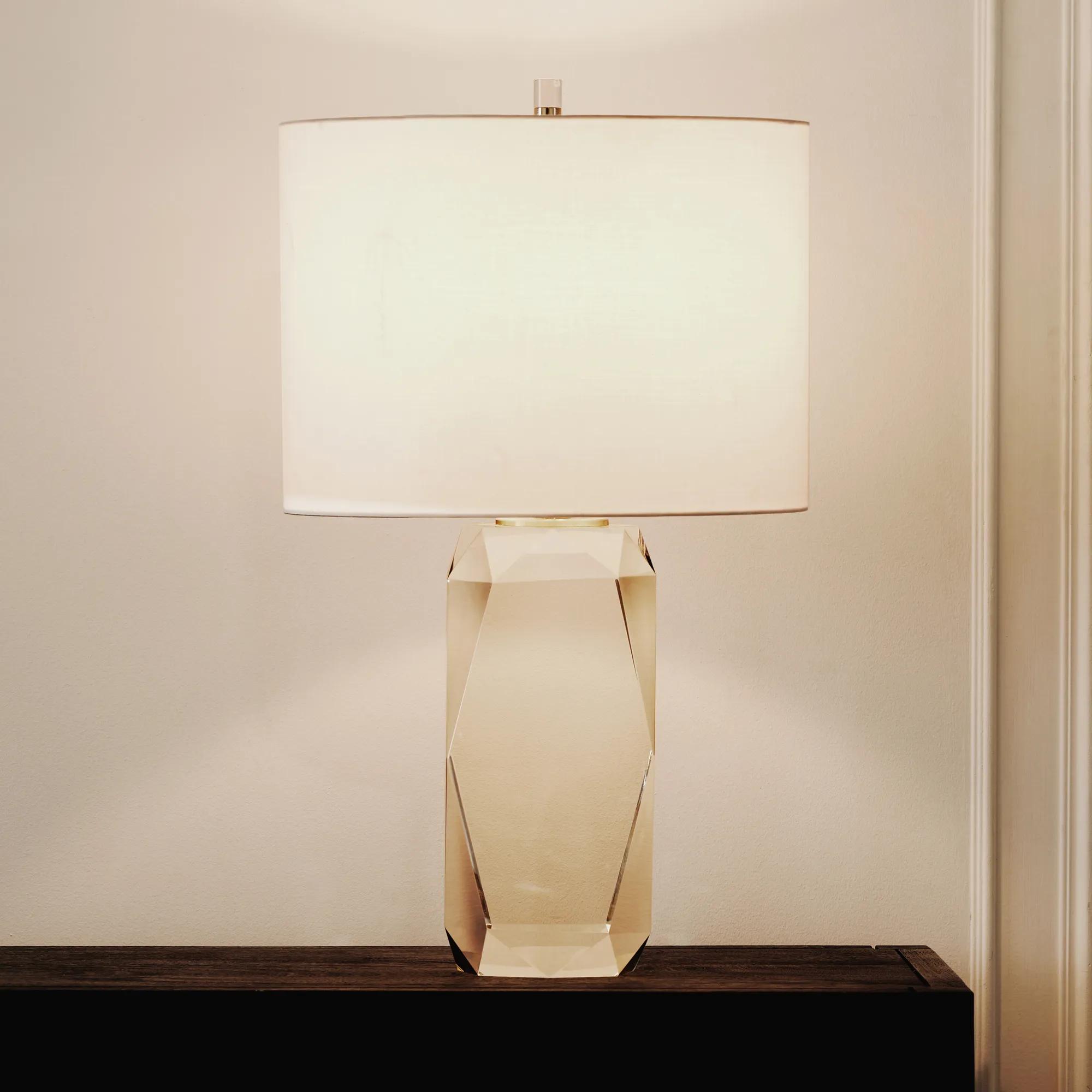 Bianca Faceted Clear K9 Crystal Table Lamp 24"H$499
A clear crystal table lamp with a white drum shade and soft brass hardware for elegant illumination.
Add To Cart -
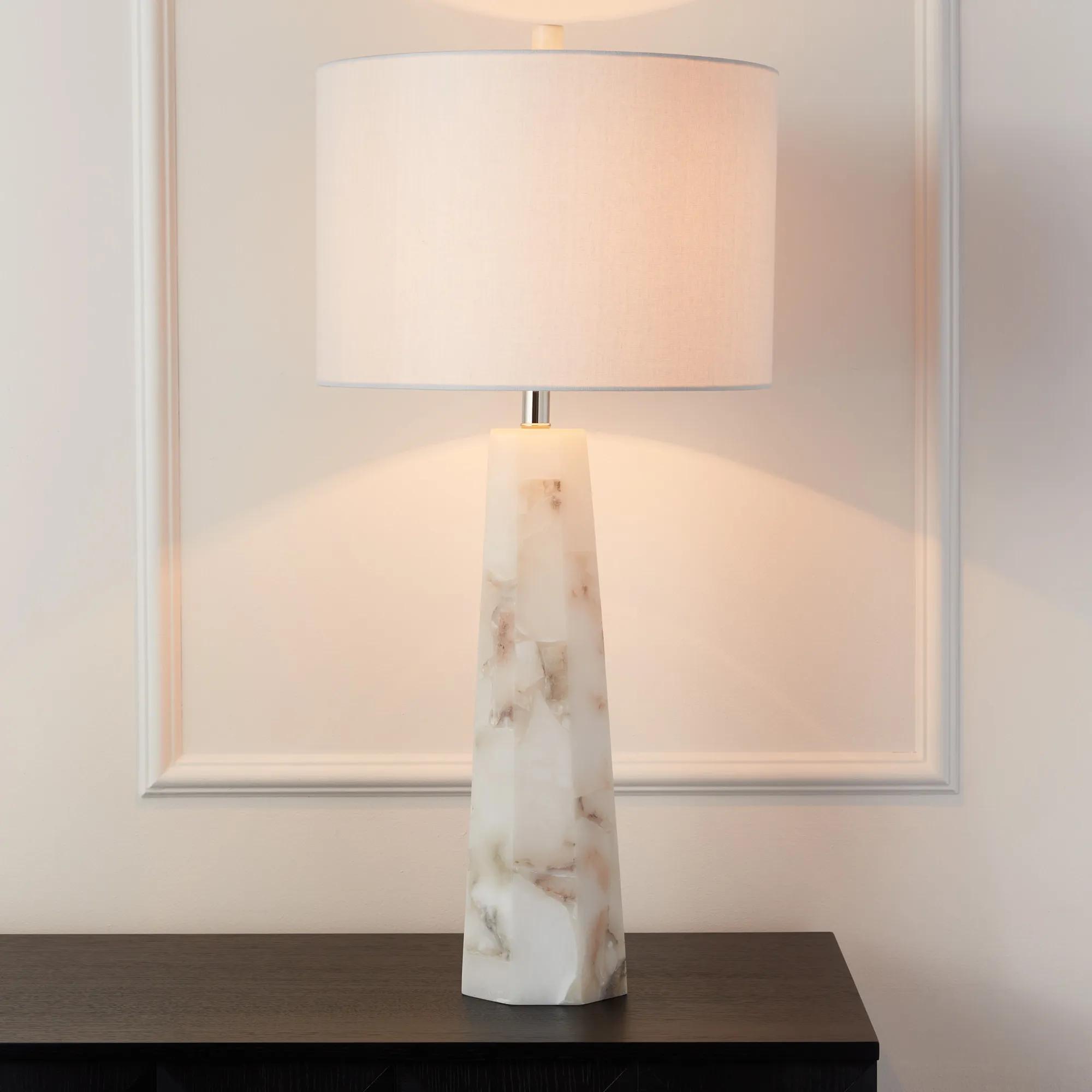 Aurora Alabaster Table Lamp 34"$499
An alabaster stone lamp with a tapered silhouette, white linen shade, and matching alabaster finial.
Add To Cart -
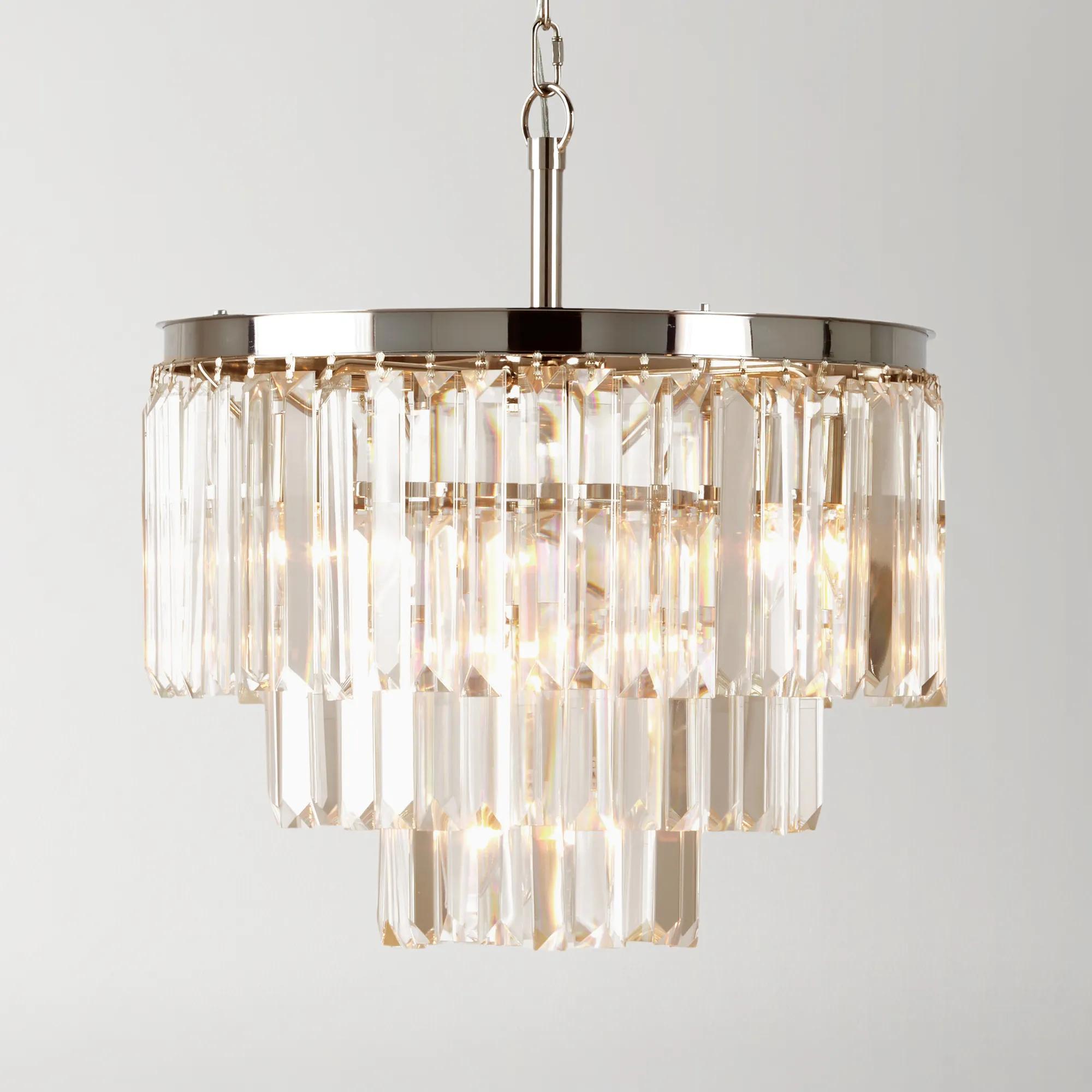 Luxe Chandelier$799
A glamorous chandelier featuring a nickel-plated iron frame and three tiers of faceted crystal accents.
Add To Cart -
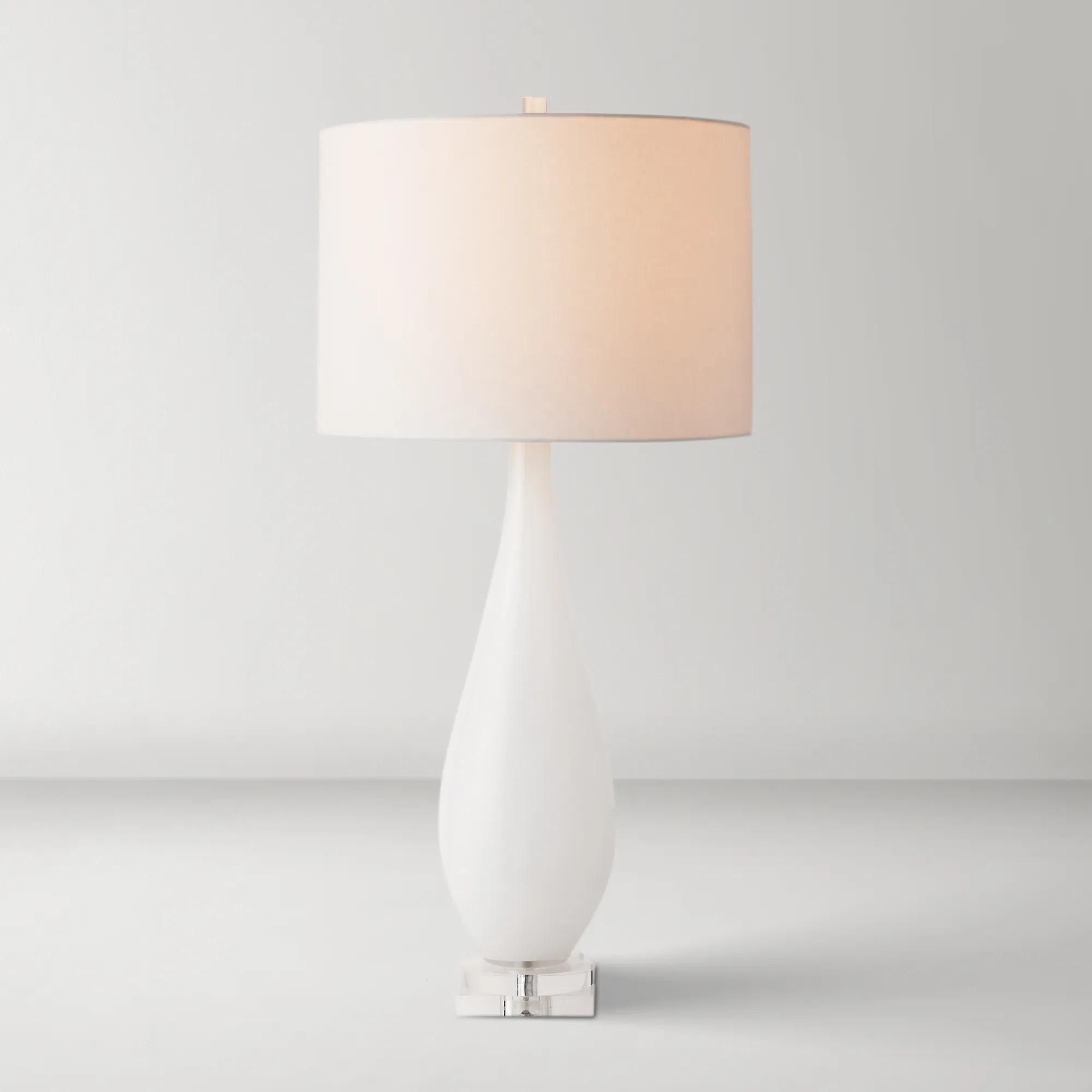
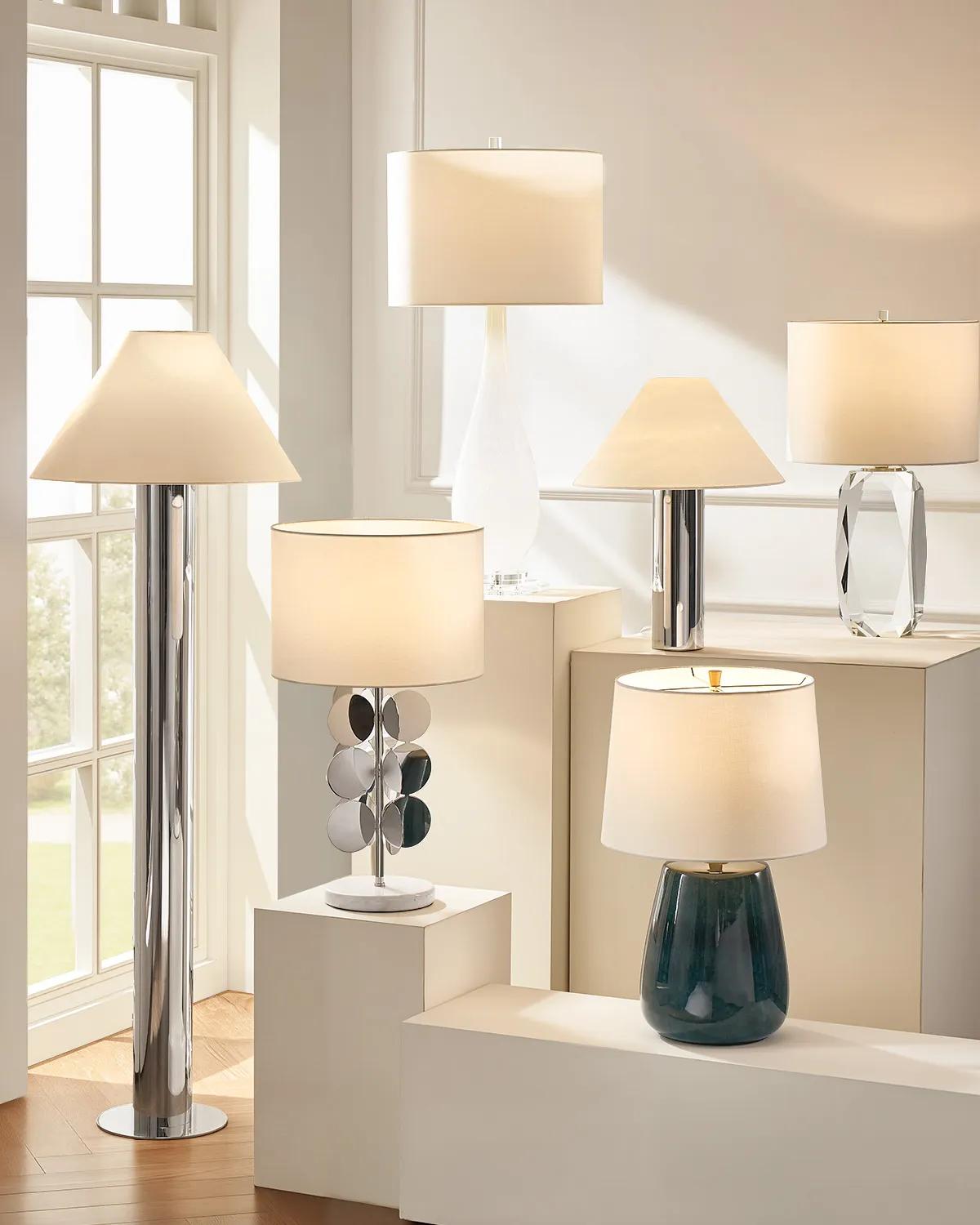 Serena Table Lamp$299
A chic table lamp featuring a handblown glass body, crystal base, and monochromatic white finish.
Add To Cart -
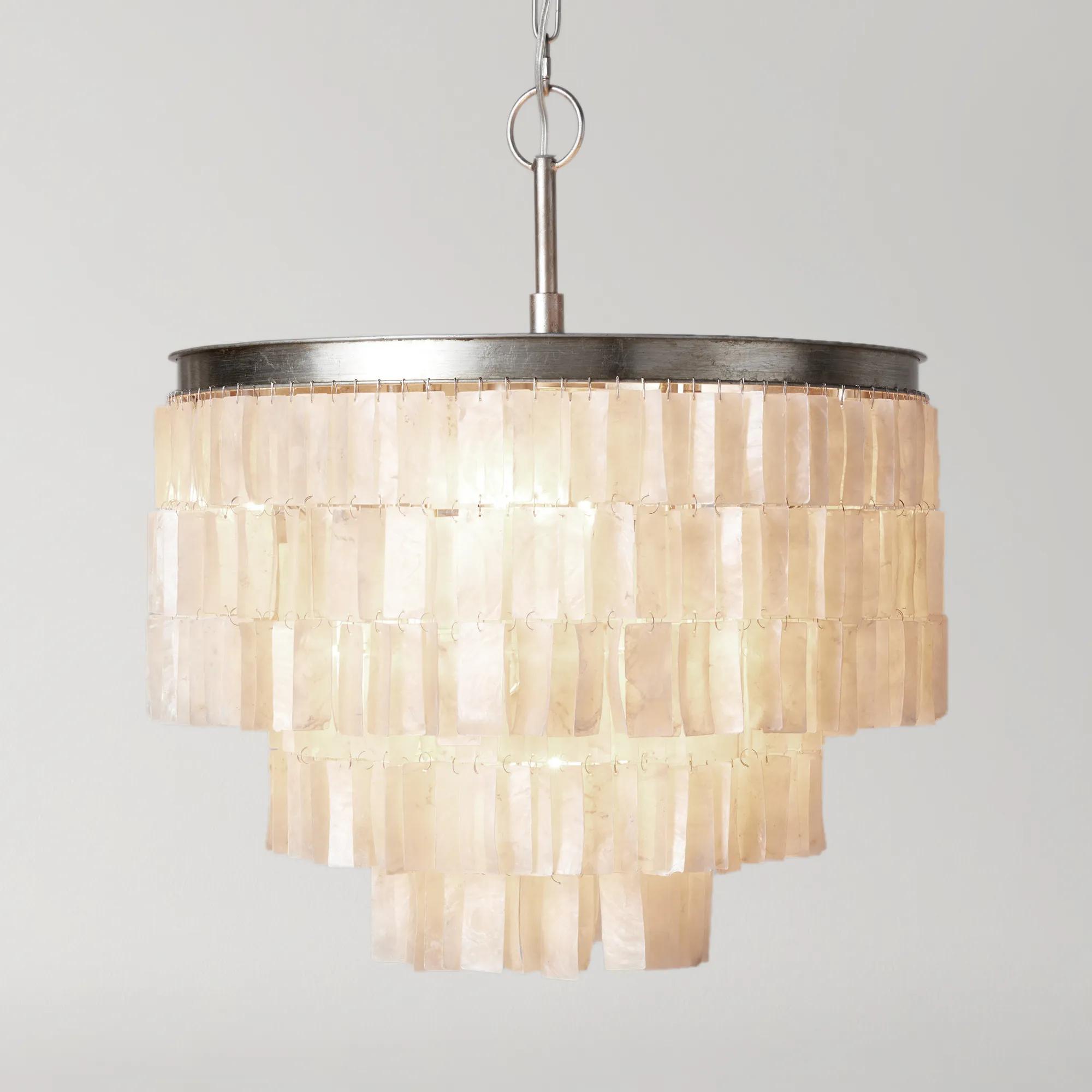
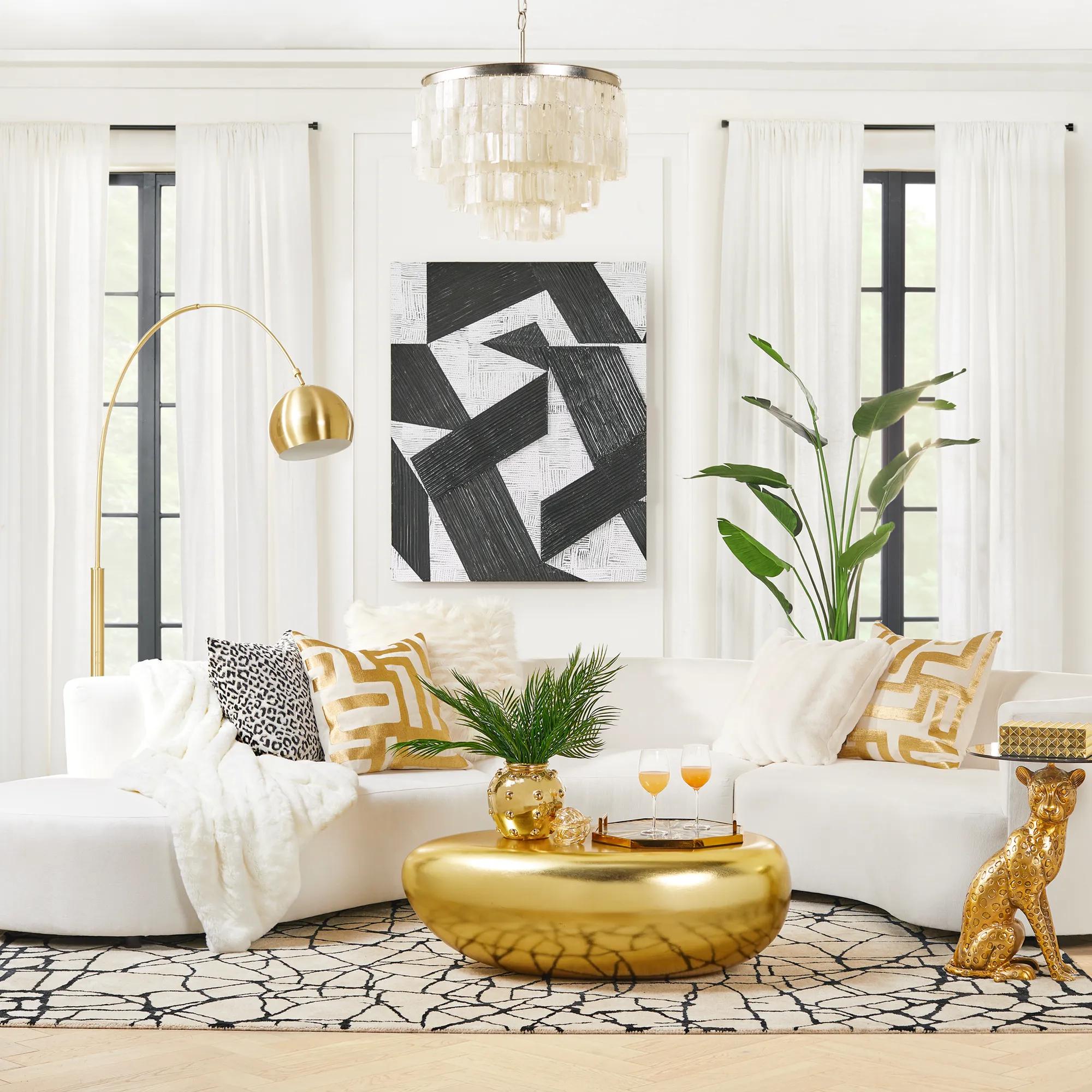 Capiz Chandelier$699
A cascading chandelier featuring over six hundred natural Capiz shells on a nickel-plated iron frame.
Add To Cart -
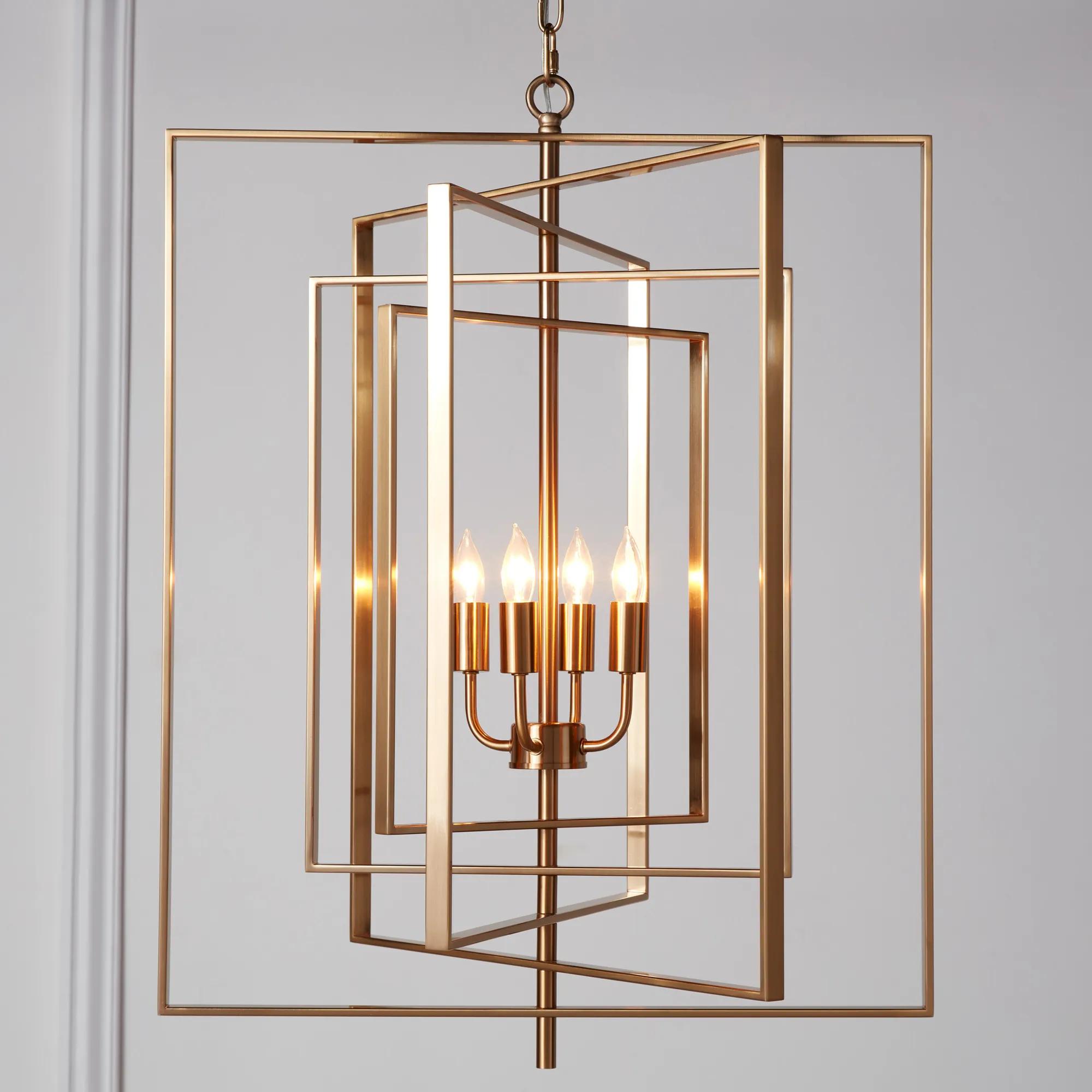 Hollis Chandelier$499
A geometric brass-finished iron chandelier with four lights, perfect for modern and minimal interiors.
Add To Cart -
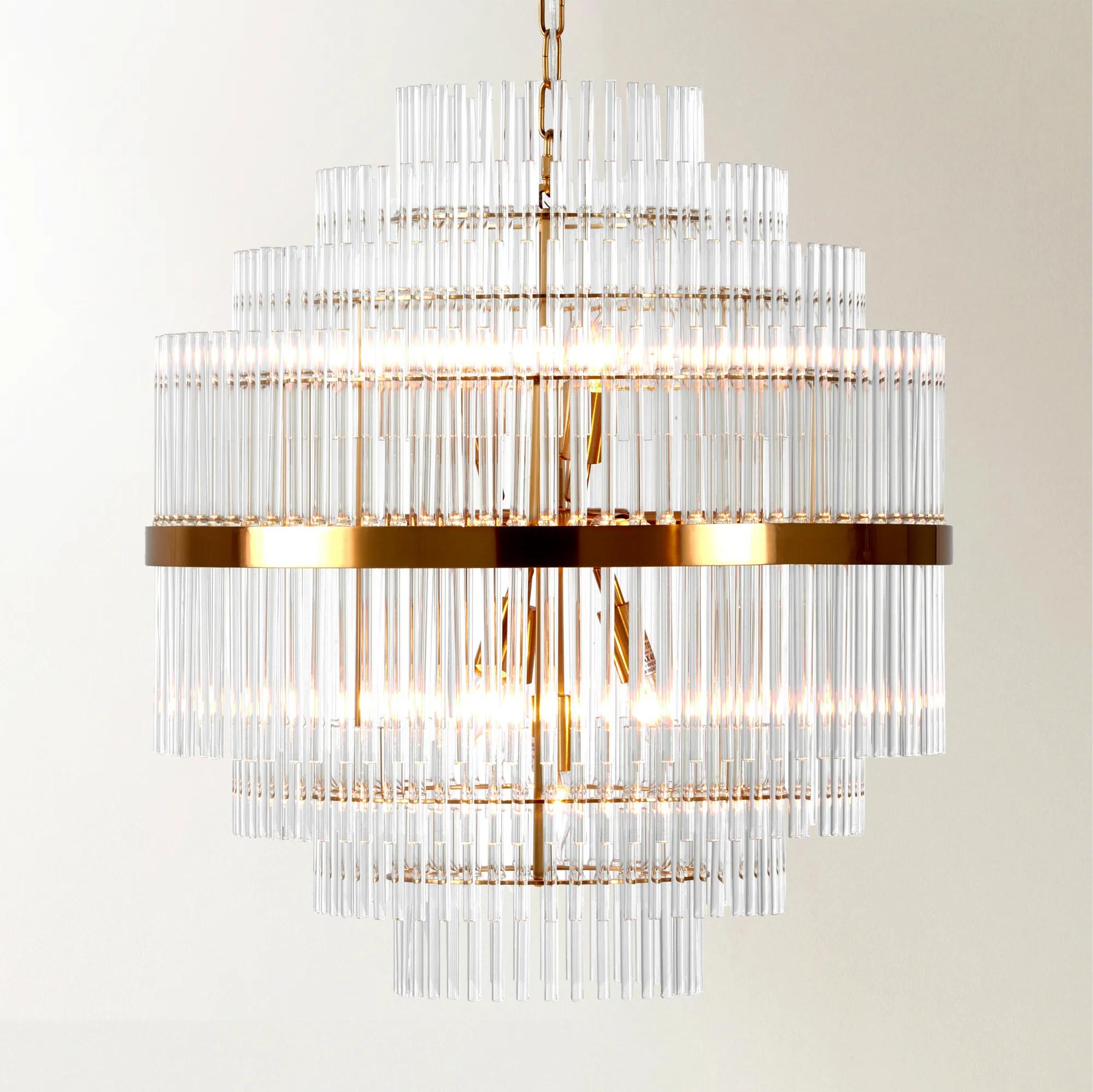
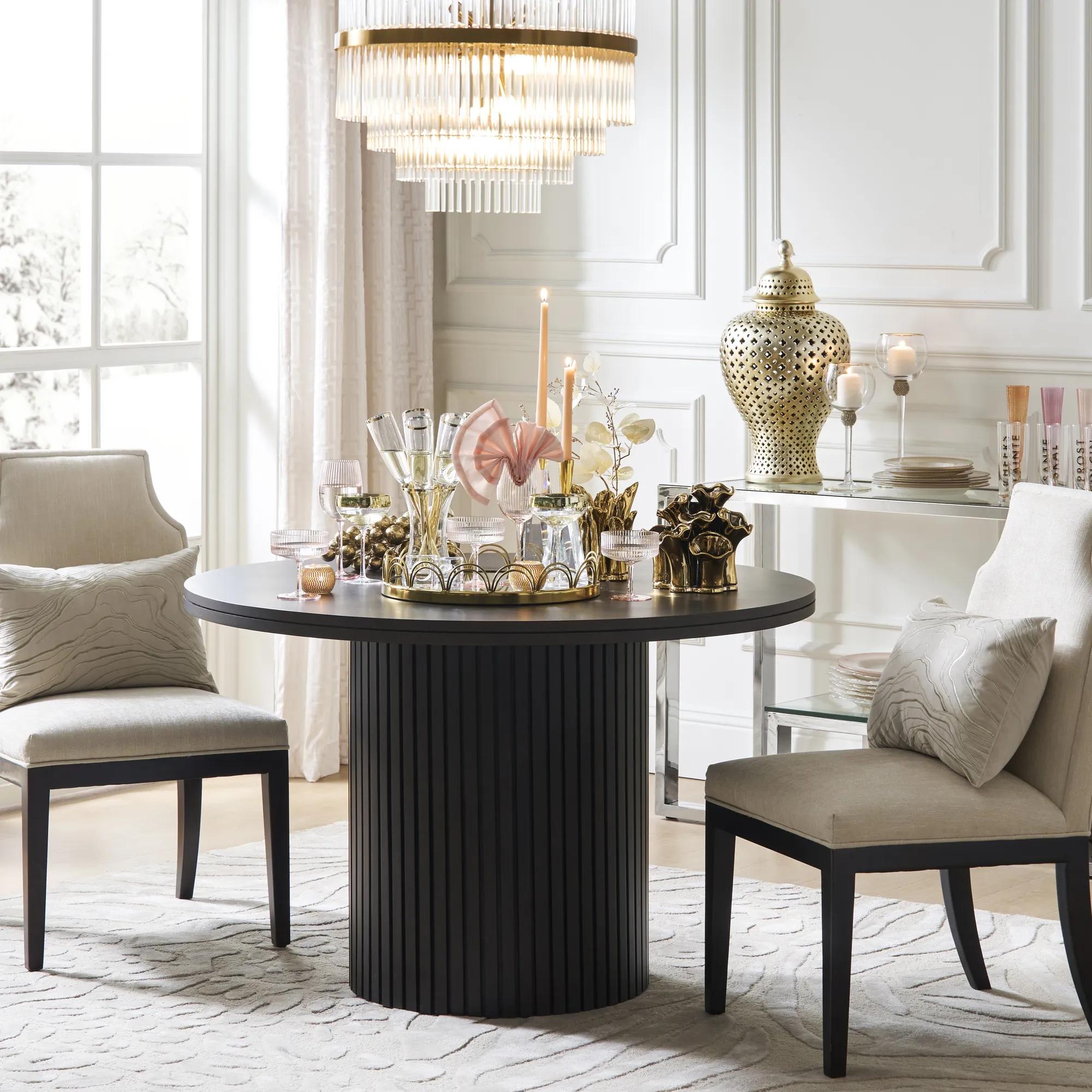 Renata Clear Glass Rod Grand Chandelier 23.6"D x 26.3"H$999
A dramatic chandelier featuring dozens of glass rods and a polished gold iron frame for sophisticated elegance.
Add To Cart -
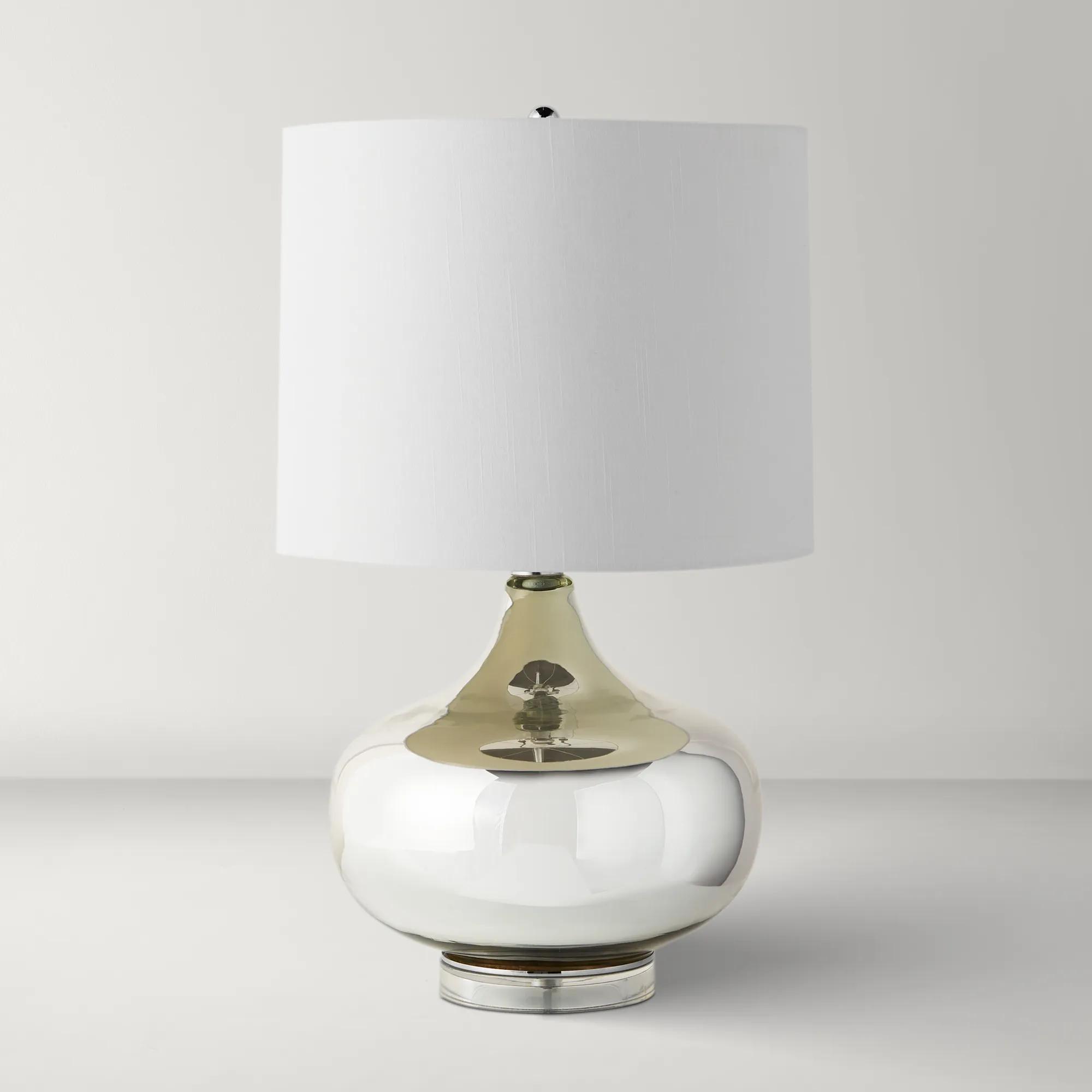 Sabrina Mirrored Silver Glass Table Lamp 27.5"$199
A contemporary lamp featuring a silver mirrored glass base, clear acrylic accents, and a white fabric shade.
Add To Cart -
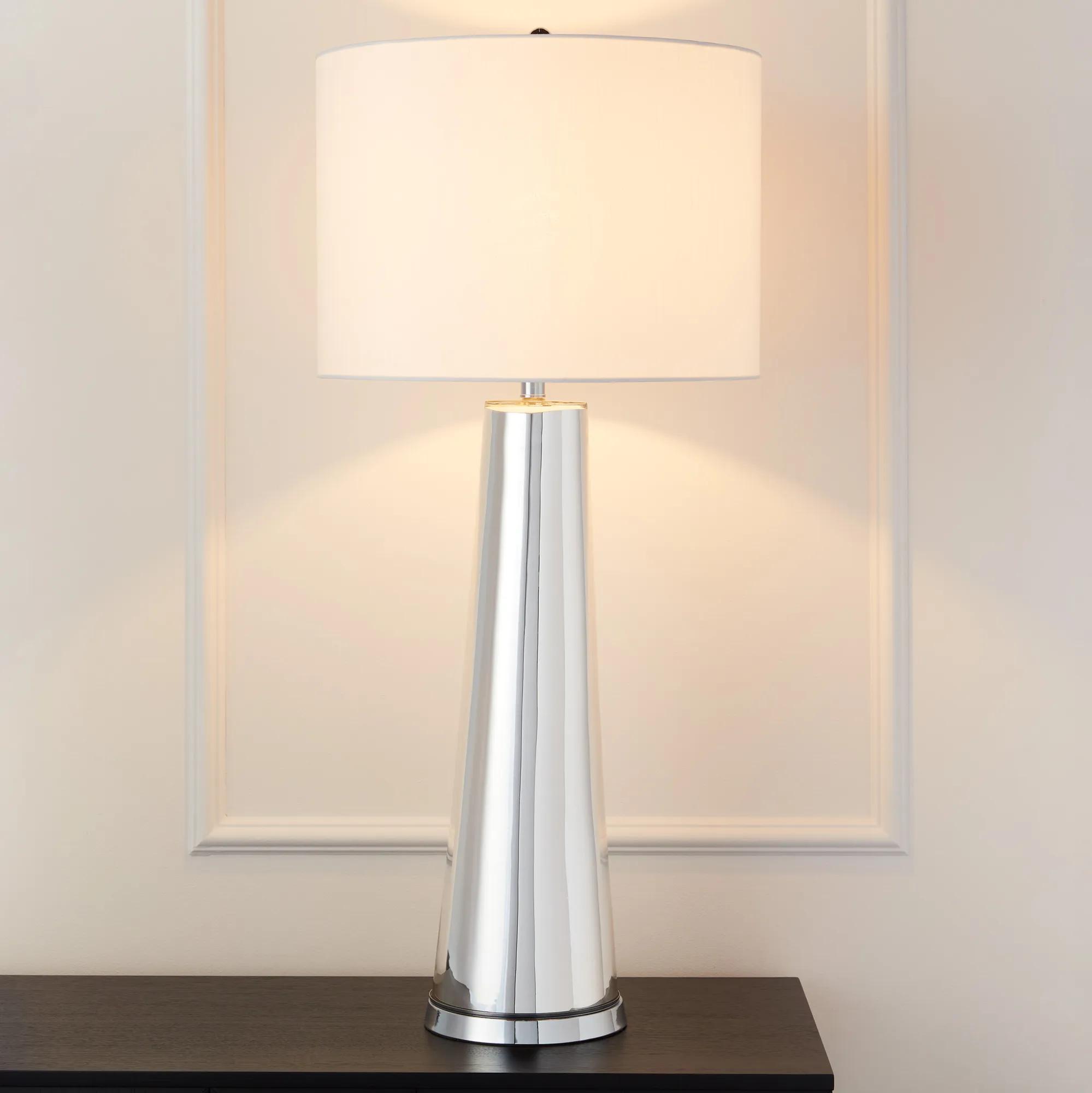 Century Silver Mirrored Glass Table Lamp 40"$299
A modern table lamp featuring a mirrored glass base and white drum shade with brushed chrome accents.
Add To Cart -
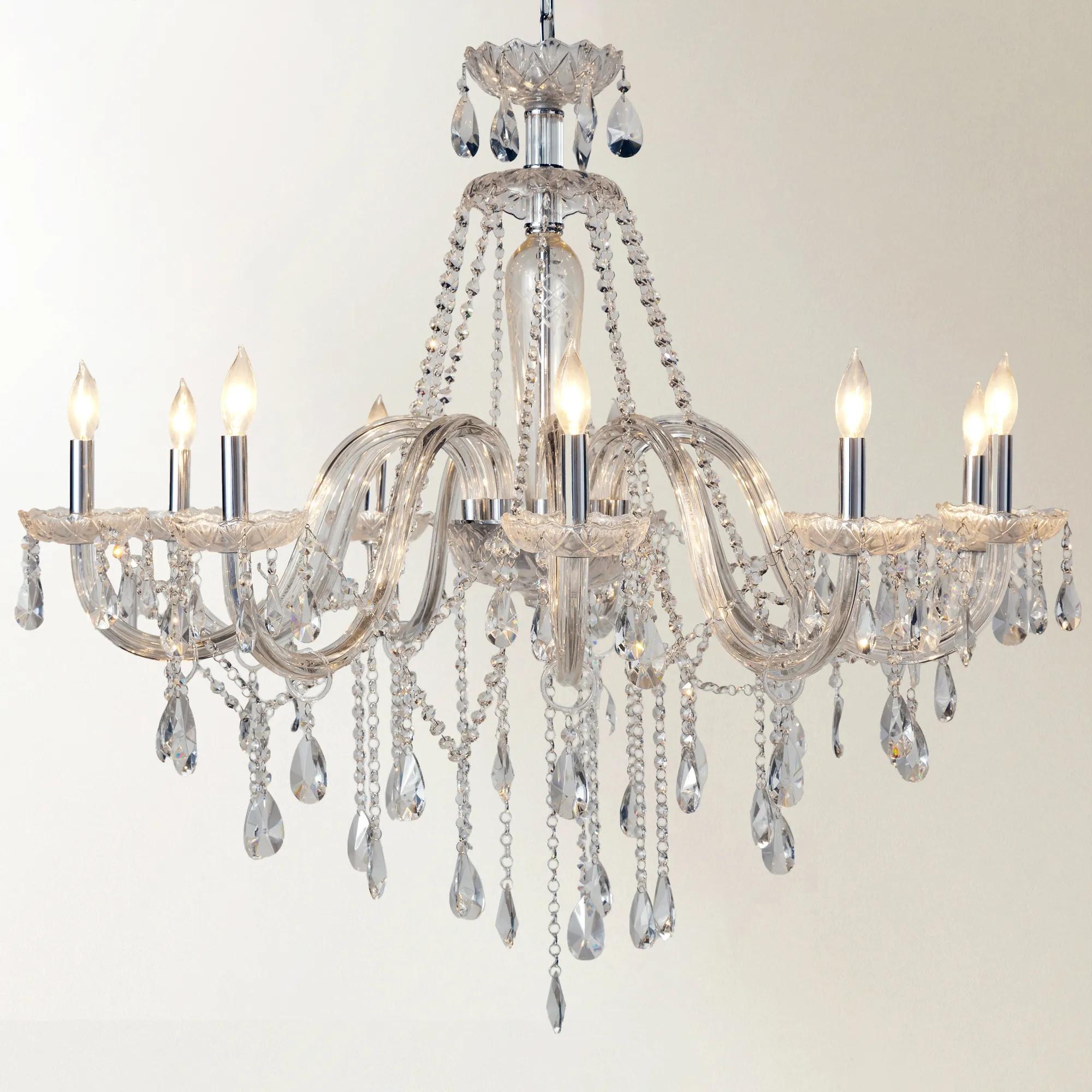
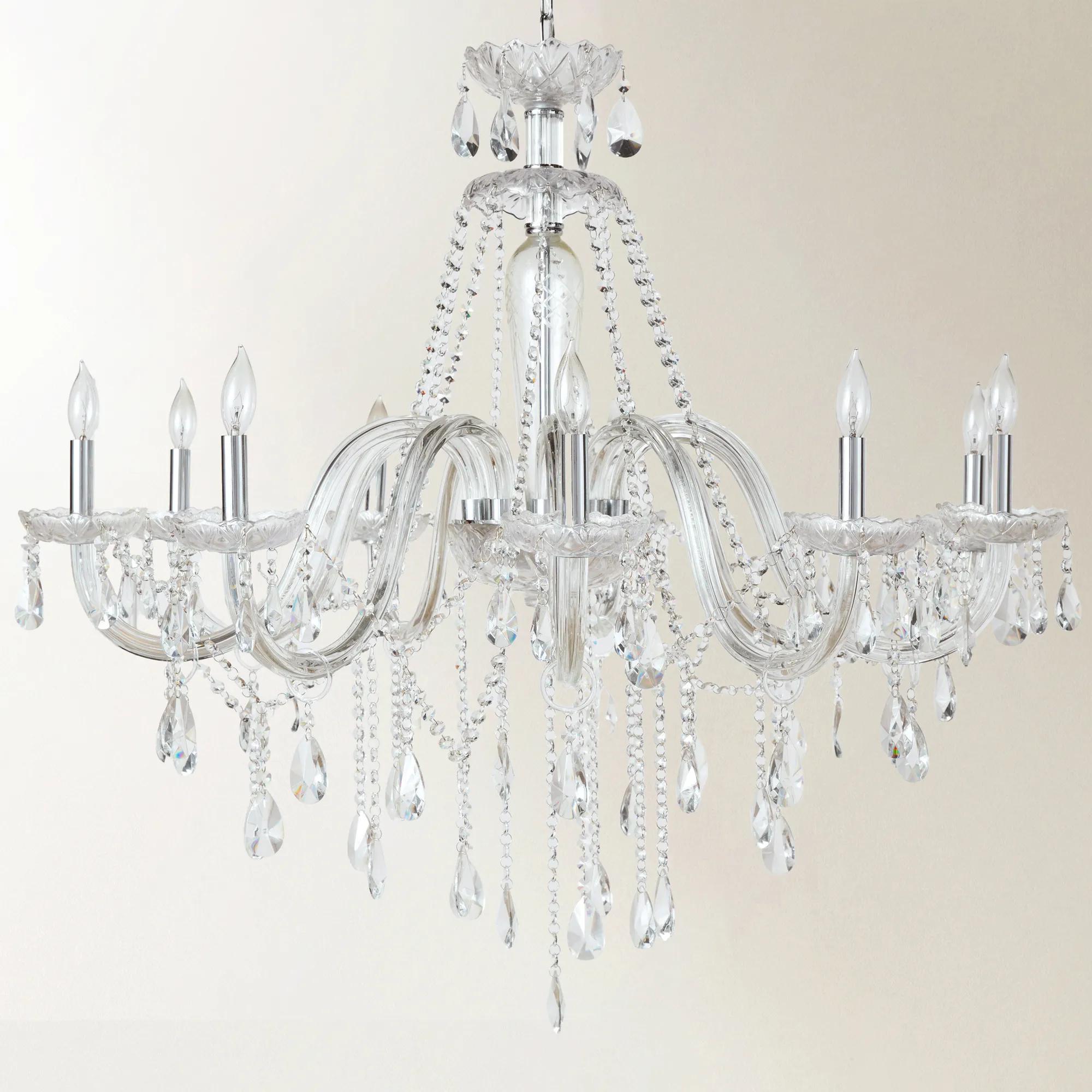 Omni Chandelier 38.5" - Clear$999
A dazzling chandelier featuring hundreds of clear faceted crystals and ten fluted glass arms with nickel hardware.
Add To Cart -
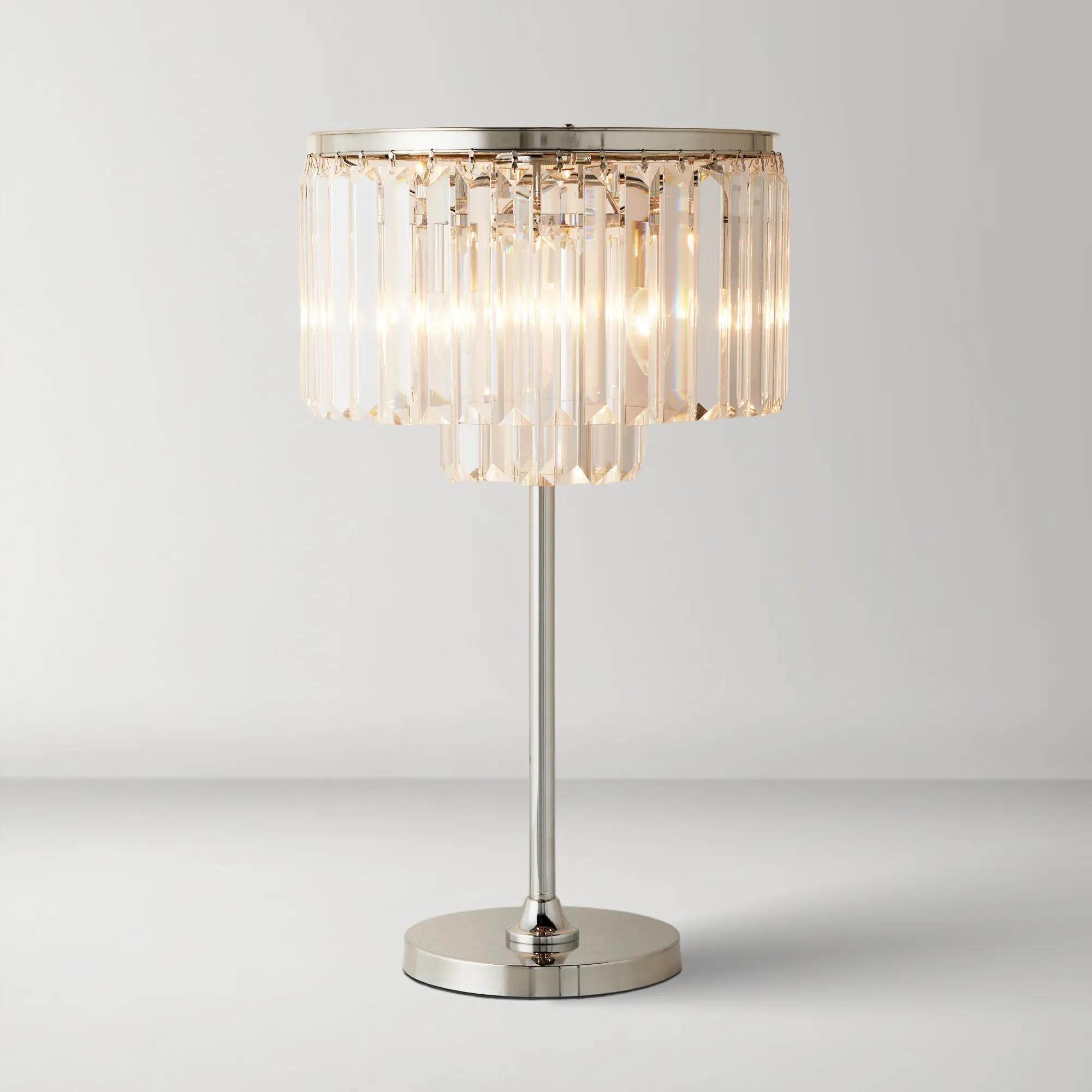
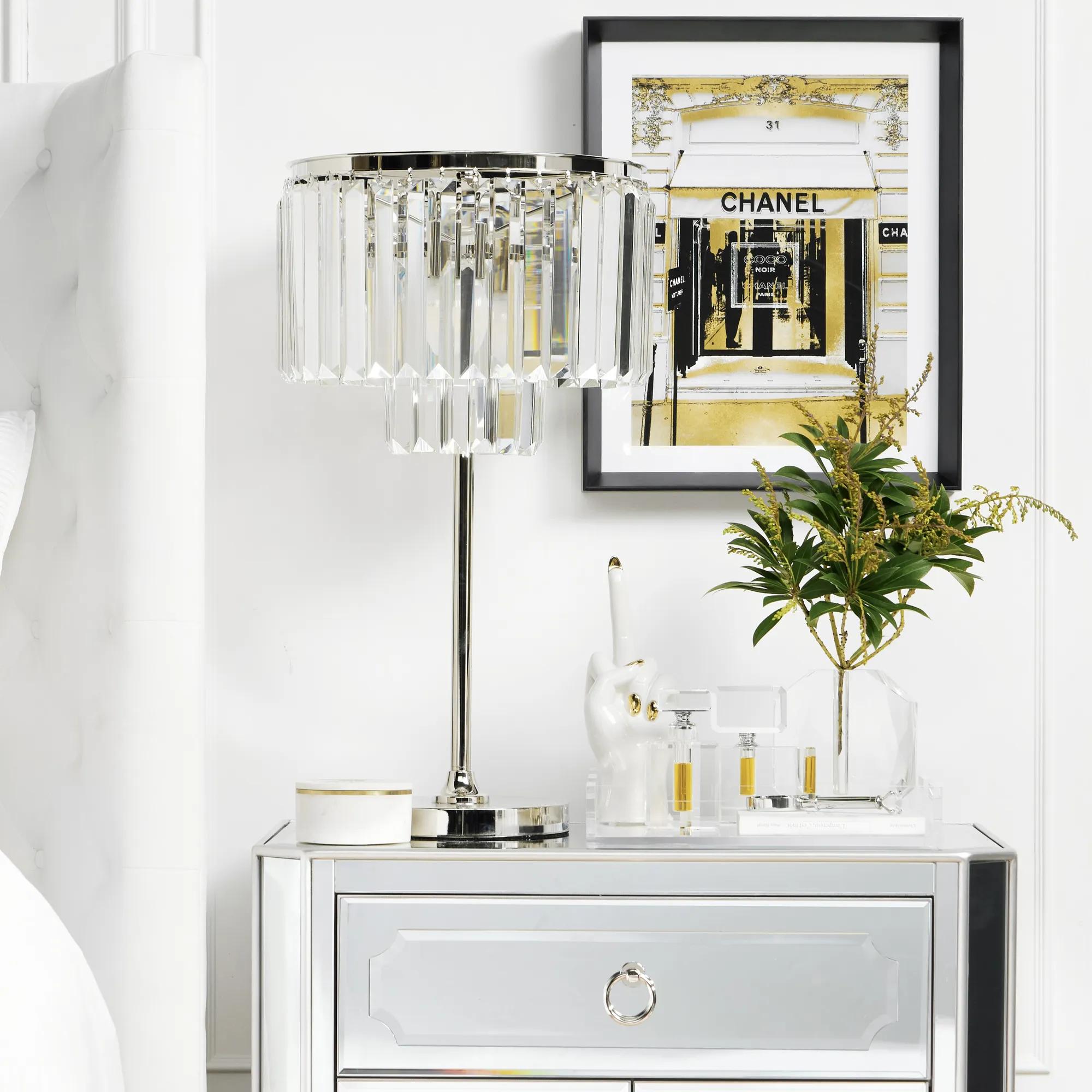 Luxe Table Lamp$499
A sophisticated table lamp featuring faceted ocular glass prisms and a nickel-plated iron frame.
Add To Cart -
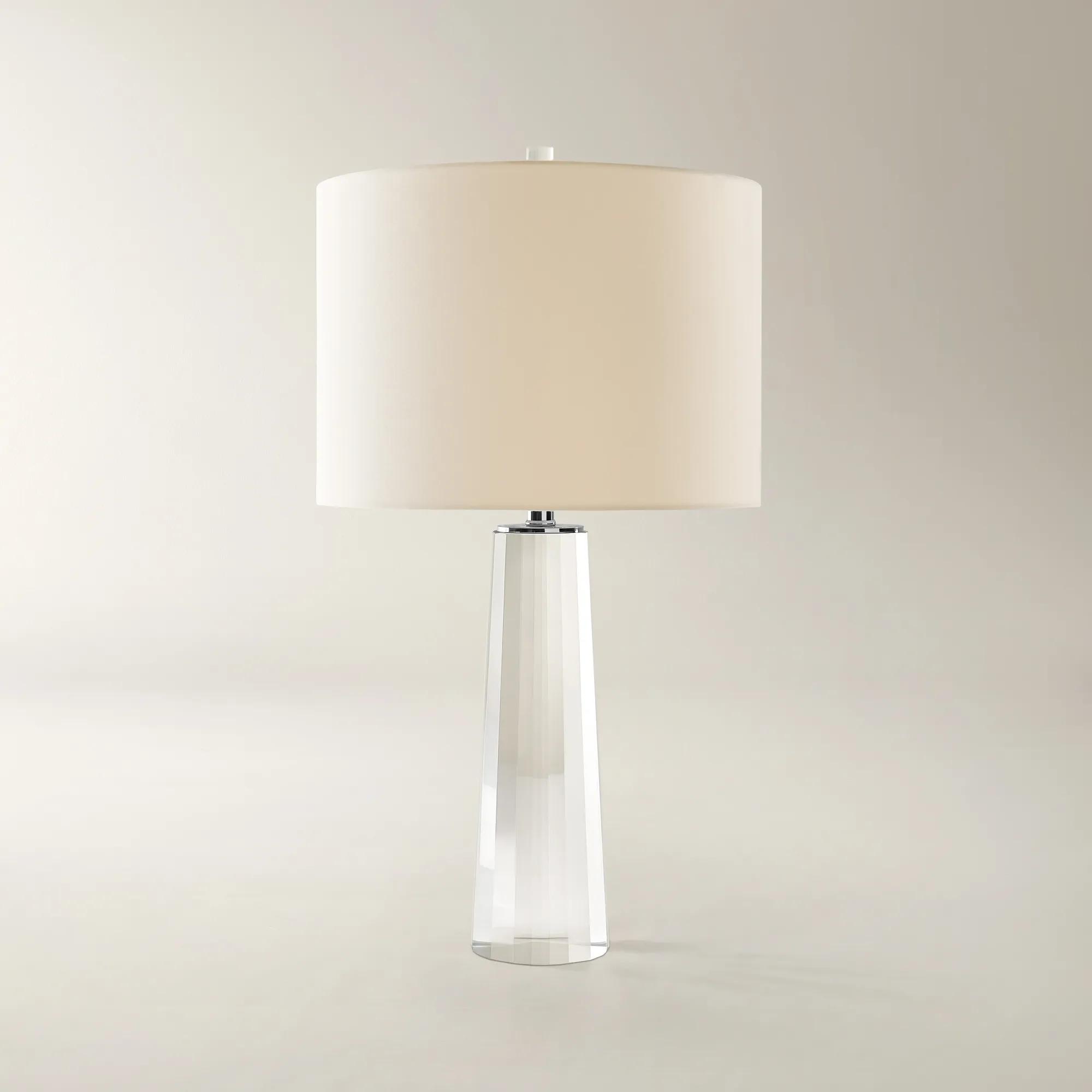
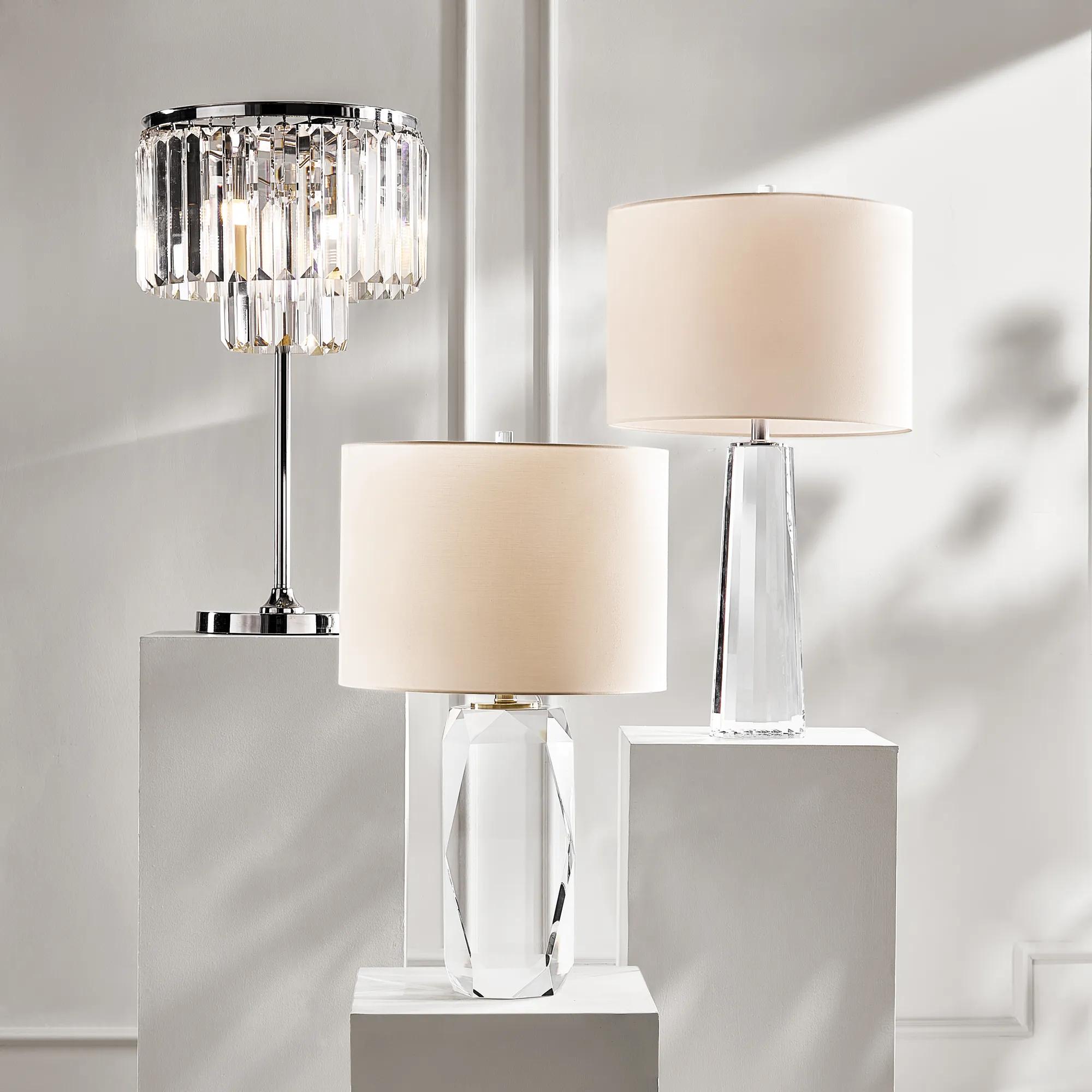 Sasha Faceted Clear K9 Crystal Table Lamp 28"$499
A refined table lamp featuring a clear crystal base, white drum shade, and polished nickel accents.
Add To Cart -
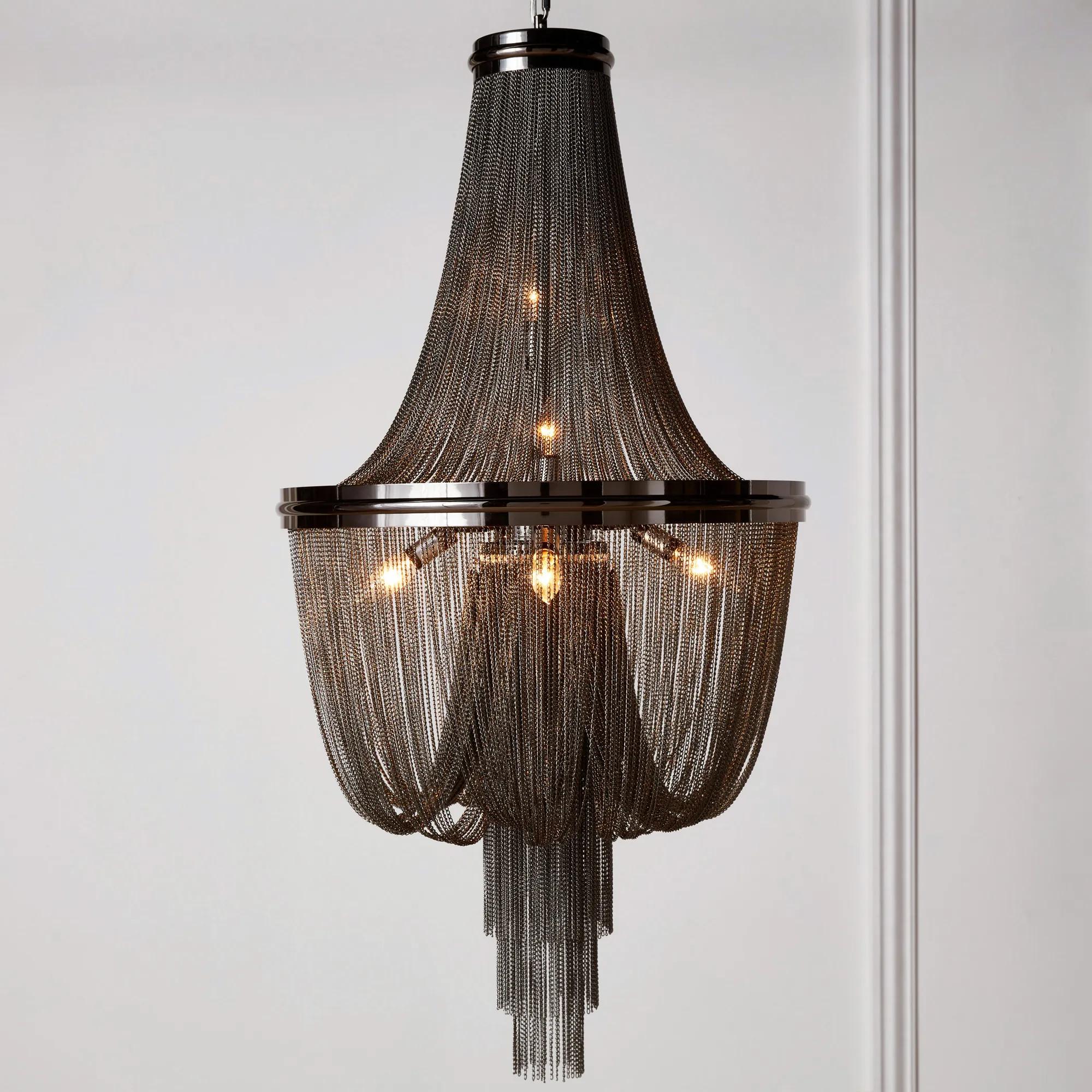 Rue Graphite Metal Tassel Chain Chandelier 41"$799
A striking chandelier featuring draped metal microchains and a polished graphite iron frame for modern elegance.
Add To Cart -
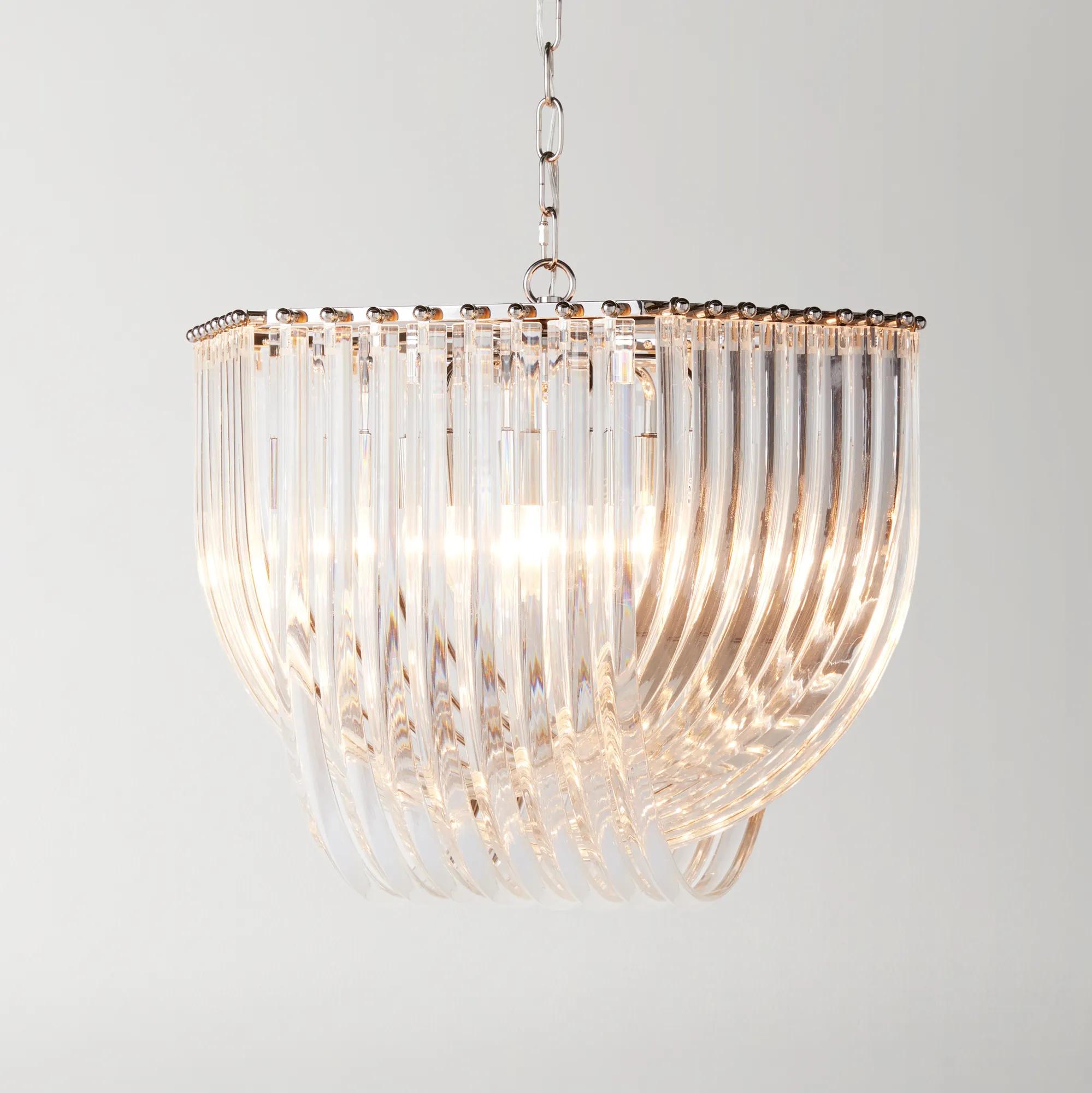 Laval Clear Curved Glass Chandelier 21"D x 18"H$799
A deco-inspired chandelier with crystal-clear curved glass and a polished nickel frame for ambient lighting.
Add To Cart -
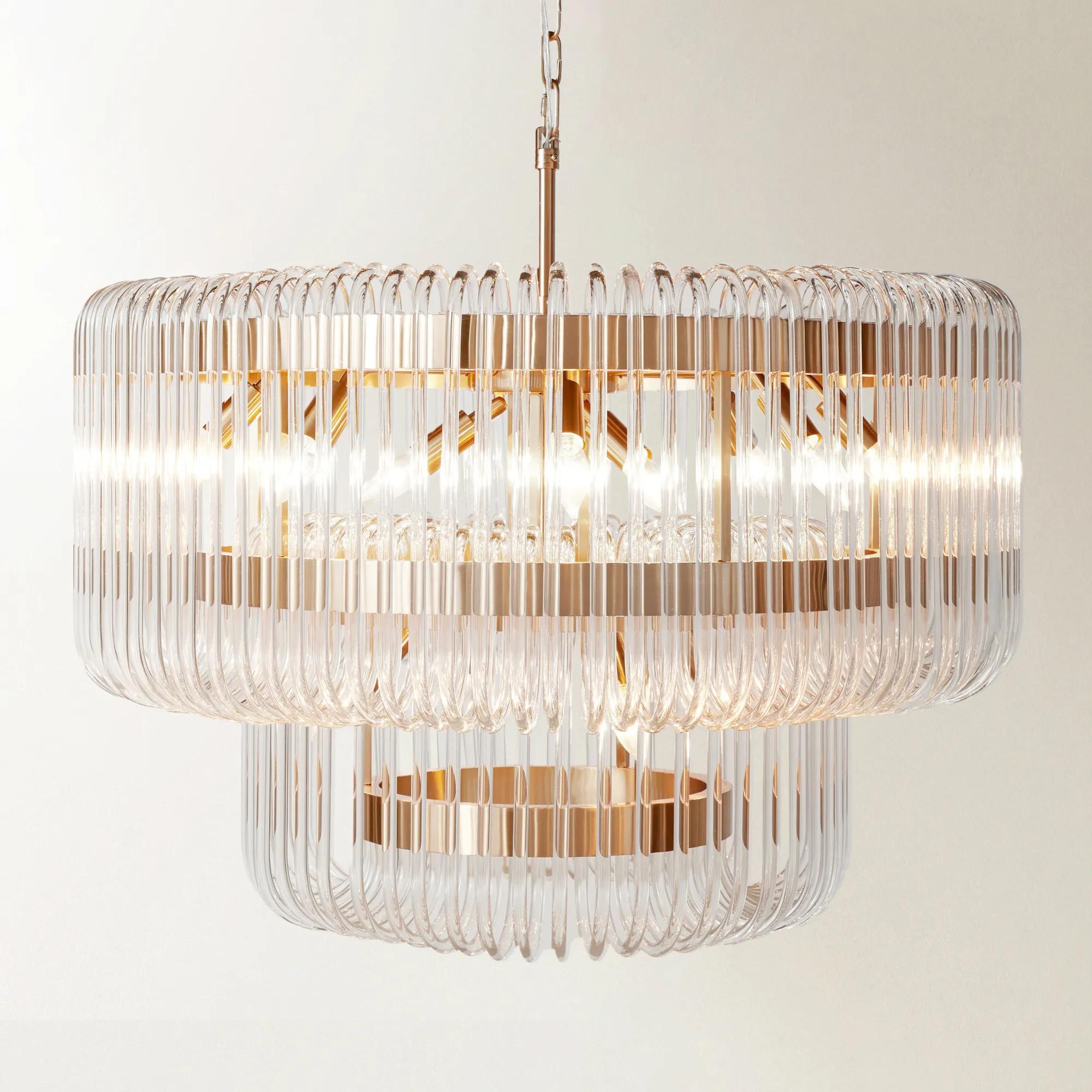 Allure Clear Curved Glass Chandelier 31.5"D x 27.75"H$1499
A dramatic chandelier featuring over 150 clear blown glass rods and brushed brass-finished iron rings.
Add To Cart

Lighting For Living Room Makeovers
Lighting for living room makeovers is the secret to transforming ordinary spaces into extraordinary sanctuaries of style and allure. Imagine your room awash in a golden cascade, every corner aglow with intrigue and elegance—each fixture not simply illuminating, but setting the stage for unforgettable moments. Whether you crave a touch of drama or a whisper of sophistication, lighting becomes the brushstroke that defines your living room’s story, sculpting ambiance and elevating every detail. Let artistry shine and discover how the right glow can turn your living space into a masterpiece of self-expression.
Lighting for living room makeovers brings a new sense of proportion, texture, and atmosphere to the space where daily life unfolds. A sculptural silhouette above the seating area can give familiar furniture a more dramatic presence, while a shaded lamp beside a sofa turns an overlooked corner into an inviting place to linger. The most versatile living room lighting combines three layers: ambient lighting for overall illumination, task lighting for focused activities, and accent lighting to emphasize artwork, architectural details, or a beautifully arranged shelf. Together, these layers create depth that a single ceiling fixture rarely delivers. Chandeliers, pendants, flush mounts, and semi-flush mounts establish the room’s broad wash of light; table lamps and floor lamps bring illumination closer to the people using it. Wall sconces can frame a fireplace or introduce a soft rhythm along a wall, leaving tabletops free for an expressive arrangement of objects. This balance matters as much in a compact apartment as it does in a generous gathering space. A living room used for reading, conversation, and movie nights needs light that changes character without making the room feel like three different places. Warm-white bulbs, generally between 2700K and 3000K, create a welcoming starting point for residential living areas, while compatible dimmers allow brightness to soften as the evening settles in. Color temperature describes the warmth or coolness of the light, not its brightness; lumens indicate light output. Keeping bulb color temperatures consistent across connected seating areas helps upholstery, wall colors, and decorative finishes feel visually cohesive. During the cooler months, when more of the evening unfolds indoors, these distinctions become especially noticeable. A broad pool of ambient light supports entertaining, a focused beam makes a favorite chair comfortable for reading, and a gentle accent glow lets a room retain its allure when the television becomes the center of attention. The result is an interior with presence, but also the flexibility to accommodate real life.
Materials and finishes give decorative lighting its daylight personality, long before a bulb is switched on. Clear glass can preserve an airy sightline above a seating arrangement, while ribbed or textured glass adds dimension and changes the way light moves through a shade. Crystal elements introduce sparkle and reflected highlights, lending a more jeweled quality to a room. Polished metal catches surrounding colors and movement; brushed finishes offer a quieter sheen that still feels richly considered. Ceramic lamp bases bring shape and glaze into the composition, and natural stone adds visual weight, with variations in veining that make each surface distinctive. Fabric shades soften illumination, although their color, thickness, and lining influence how much light reaches the room. A pale shade generally distributes more light than a dark, opaque shade, which can create a more concentrated pool above and below the lamp. These differences help define intended use: a luminous shade suits a conversation area, while a directional design can better support a dedicated reading chair. Scale is equally influential. An oversized lamp can look assured on a substantial console but leave little usable space on a narrow side table. A slender floor lamp may suit a tight corner, provided its base fits securely without encroaching on a walkway. Ceiling fixtures need proportions that complement both the room and the furniture beneath them, with adequate clearance for circulation and any manufacturer-specified spacing. In a room with lower ceilings, a flush or semi-flush design can introduce sculptural interest without the drop of a pendant. Taller rooms may accommodate a more expansive silhouette, but fixture weight, mounting requirements, and ceiling support still matter. Shade position deserves similar attention: from a seated position, a lamp should offer useful illumination without exposing an uncomfortable glare from the bulb. Near a television or glossy artwork, placement should account for reflections as well as appearance. Lighting feels most luxurious when its proportions look intentional and its glow falls exactly where it belongs.
A living room makeover also benefits from lighting chosen for the people who use the space, not simply the photograph it might create. For a household that gathers around a sectional, several smaller pools of light can serve different seats more comfortably than one brilliant source. A reader may appreciate an adjustable task lamp that directs light toward the page, while someone entertaining frequently may prefer shaded lamps and dimmable overhead lighting that transition gracefully from lively conversation to a quieter evening. The same attention to shared comfort carries through Living Room Makeovers For Families, where expressive interiors must accommodate movement, togetherness, and changing routines. In homes with children or pets, stable bases, secure placement, and cords kept out of circulation paths are important considerations; fragile glass and easily tipped silhouettes deserve particular thought. Plug-in lamps can offer flexibility in rental homes or rooms where furniture arrangements change, while hardwired fixtures call for suitable electrical connections and professional installation when needed. Long-term satisfaction also depends on construction, care, and the light source itself. Secure shade fittings, appropriate hardware, and finishes suited to the household’s maintenance habits are worth considering alongside the silhouette. Metal, glass, ceramic, stone, and fabric require different care, so manufacturer instructions should determine the cleaning method. Gentle dusting with a soft cloth often helps preserve a fixture’s appearance, while abrasive cleaners may damage delicate finishes. Power should be off and bulbs cool before cleaning or handling. Replacement bulbs must match the fixture’s socket, permitted bulb type, and stated limits; LED bulbs and dimmer switches also need to be compatible to dim properly. For integrated LED designs, rated life, warranty terms, and whether components can be serviced are useful details to review. A decorative lamp can make a thoughtful housewarming or wedding gift when the recipient’s style, space, and lighting needs are known. Whether chosen as a gift or as the defining element of a personal refresh, well-considered living room lighting brings artistry into everyday rituals: the gleam beside a treasured photograph, the glow over an open book, and the soft illumination that makes a gathering feel intimate.
FAQs
To create a dramatic focal point, select a statement fixture such as a sculptural chandelier or a bold pendant lamp. Position it above a central area—like a coffee table or seating arrangement—so it draws the eye and anchors the room’s design. Complement this with accent lighting, such as wall sconces or art lights, to highlight architectural features or treasured décor, enhancing the overall sense of drama and artistry.
Layering ambiance is all about combining different sources of light. Start with a central ceiling fixture for general illumination, then add table lamps and floor lamps to create pools of warmth and intimacy. Wall sconces and accent lights can be used to highlight artwork or architectural details, allowing you to adjust the mood and depth of your space throughout the day and into the evening.
Absolutely. Transitional lighting styles, which blend clean lines with elegant finishes, work beautifully in both modern and classic settings. Look for fixtures with metallic accents, glass elements, or sculptural forms—these details add a touch of glamour and sophistication while remaining versatile enough to enhance a variety of décor themes.
During winter, lighting plays a vital role in creating warmth and comfort. Opt for fixtures that offer a golden or soft-white glow to counteract the season’s cool, dim light. Dimmable lamps and layered lighting allow you to adjust brightness for cozy evenings, festive gatherings, or quiet moments of relaxation, turning your living room into a seasonal sanctuary.
Lighting makes a thoughtful and memorable gift for housewarmings, anniversaries, or milestone celebrations. A beautifully designed lamp or unique accent light not only adds style to a loved one’s home but also serves as a lasting reminder of your care and creativity. Choose pieces that reflect the recipient’s personality or complement their décor for a gift that truly illuminates their space.
-compressed.jpg?w=3614&h=3614)
.jpg?w=3614&h=3614)