Lighting Ideas For New Homes
Lighting Ideas For New Homes
-
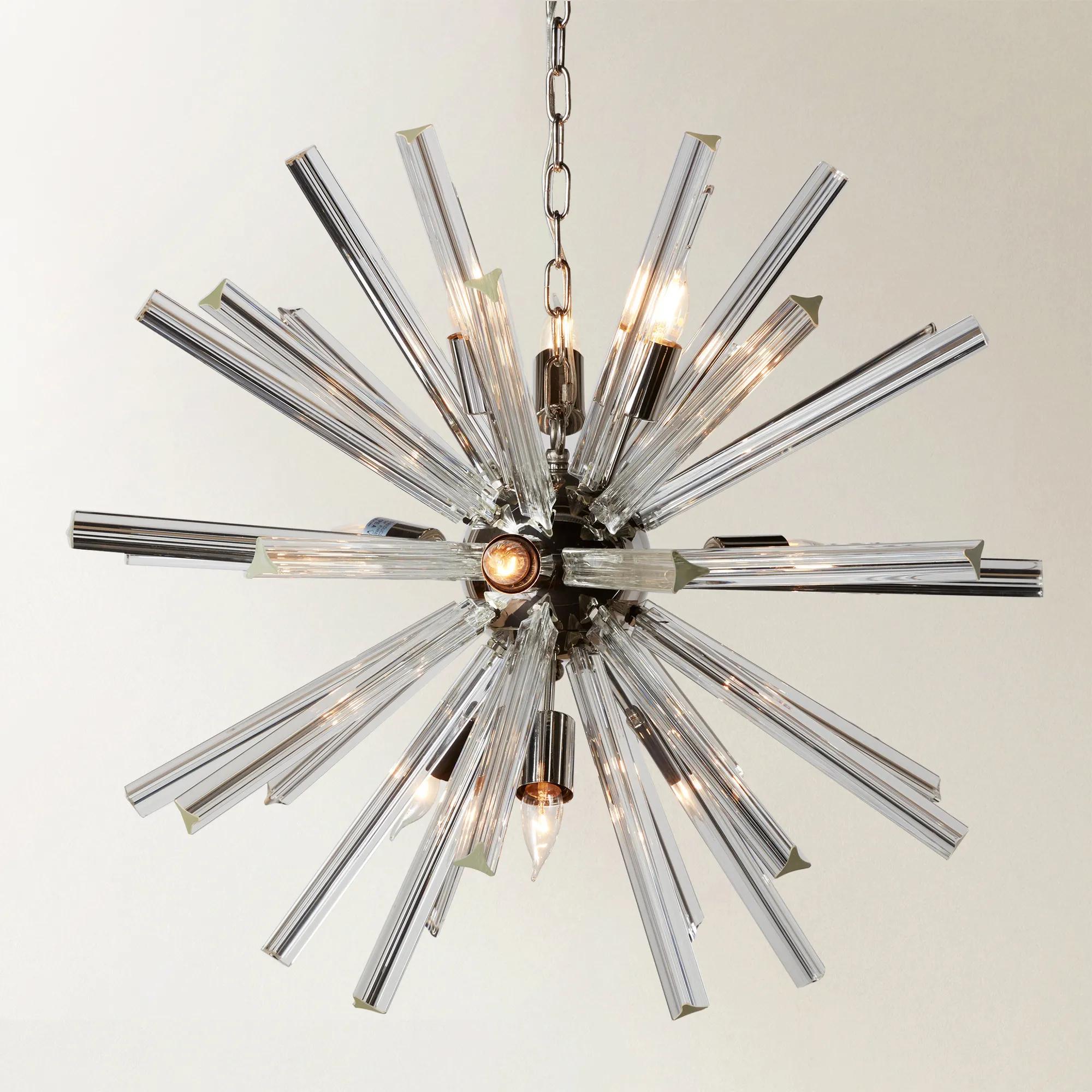
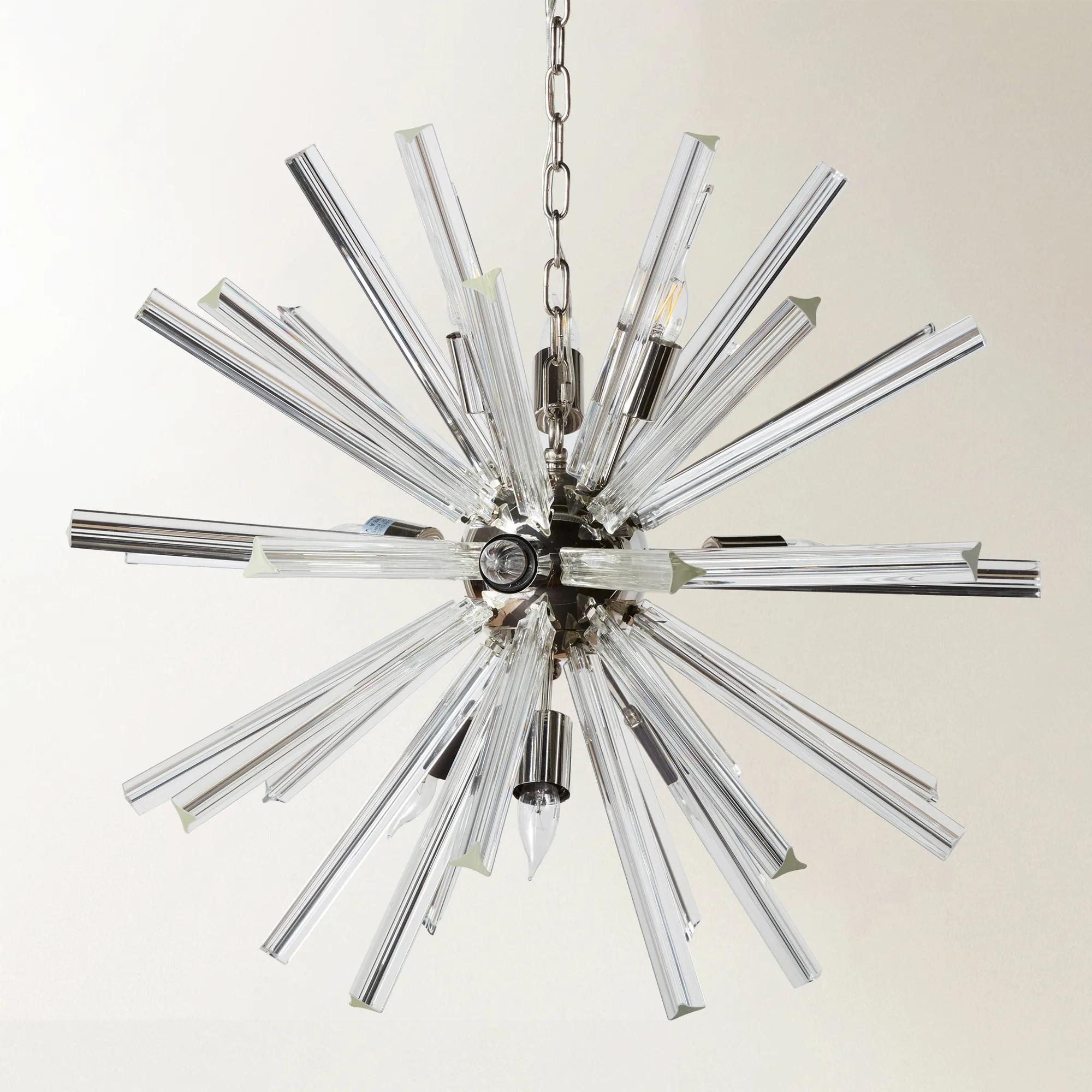 Axis Sputnik Clear Faceted Glass Chandelier 29.5"D$599
A clear glass and iron Sputnik chandelier featuring nine lights and faceted triangular rods.
Add To Cart -
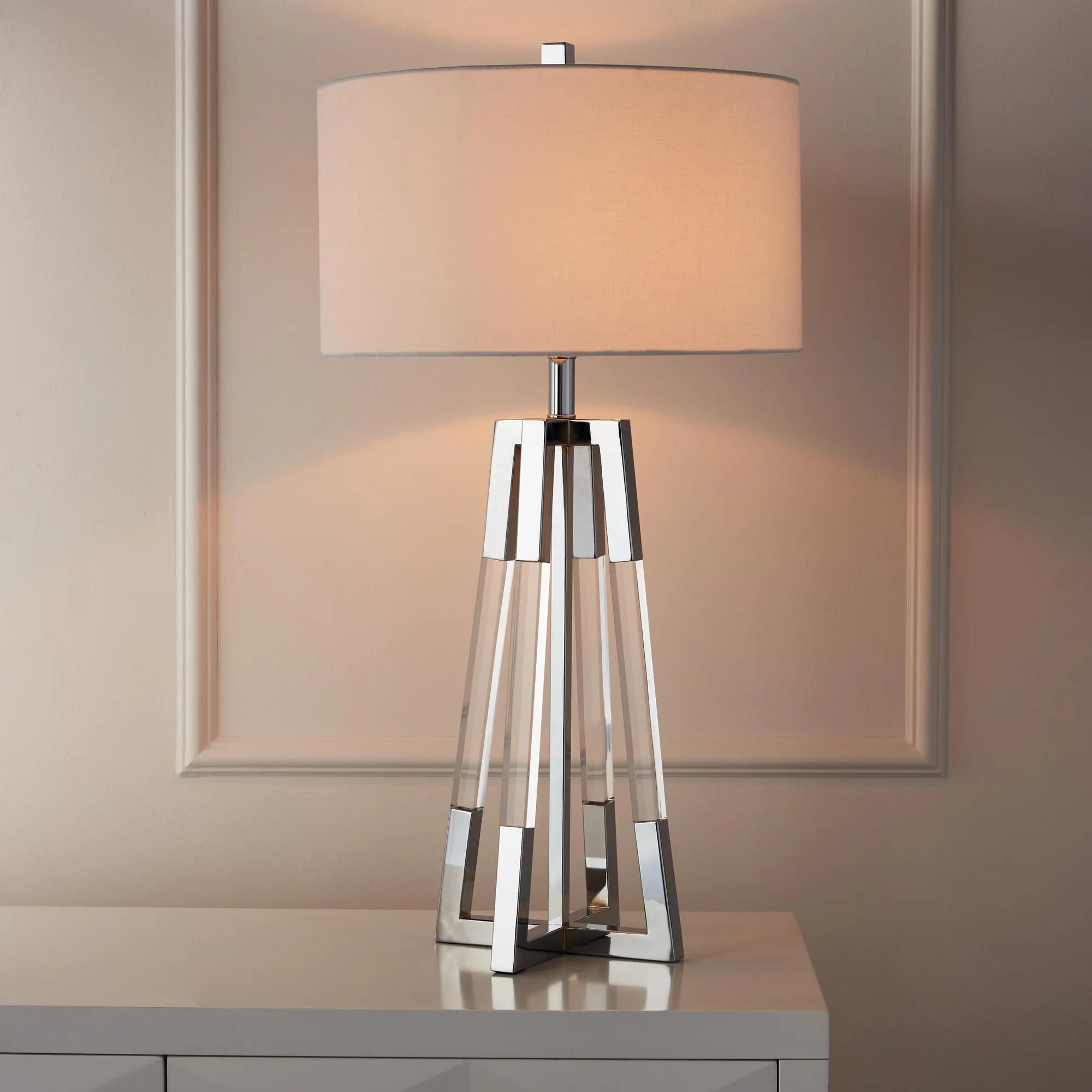 Rollins Table Lamp$439
A sophisticated table lamp featuring clear acrylic and polished nickel accents with a crisp white shade.
Add To Cart -
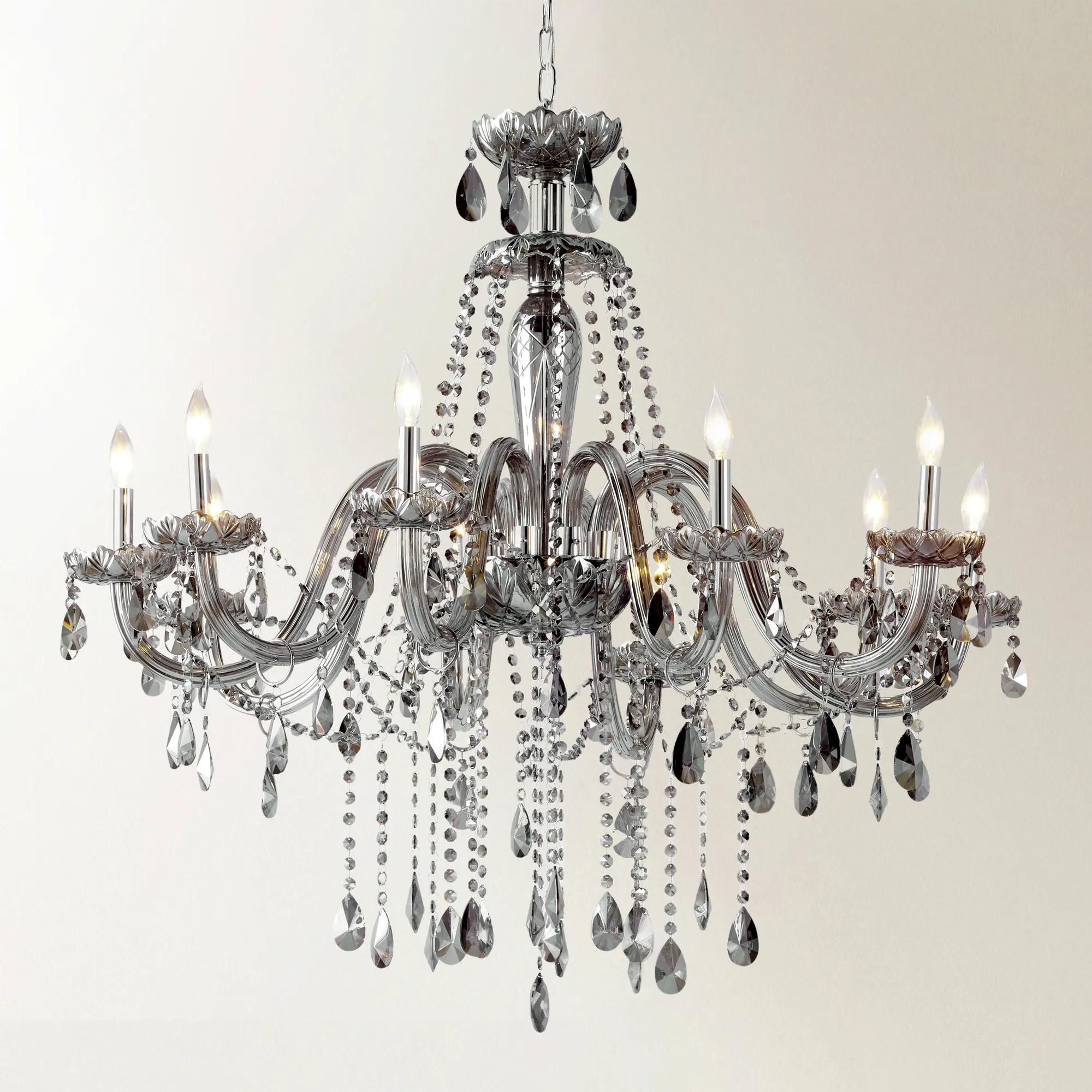
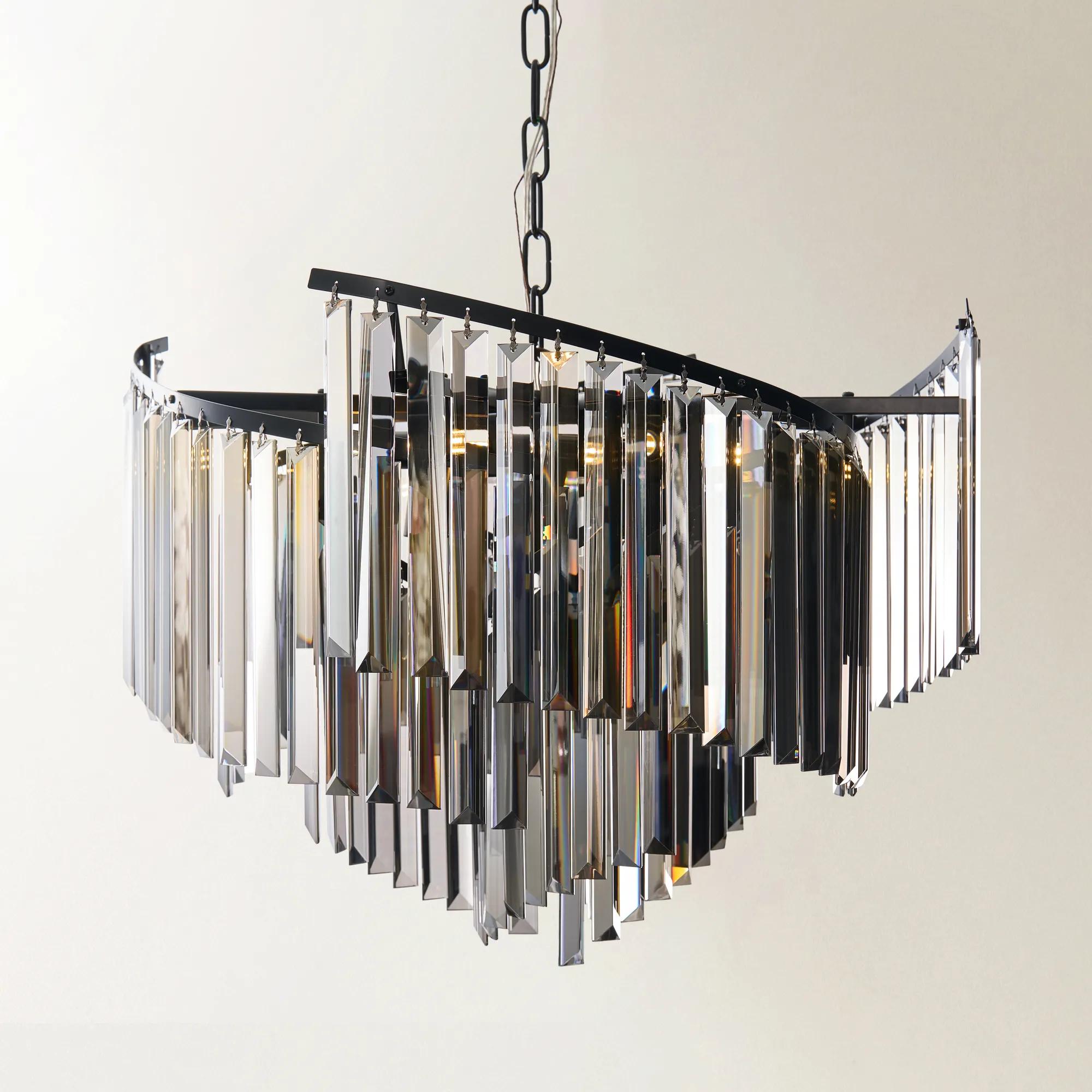
 Omni Chandelier 38.5" - Graphite$999
A dazzling chandelier featuring graphite faceted crystals and ten fluted glass arms with nickel hardware.
Add To Cart -
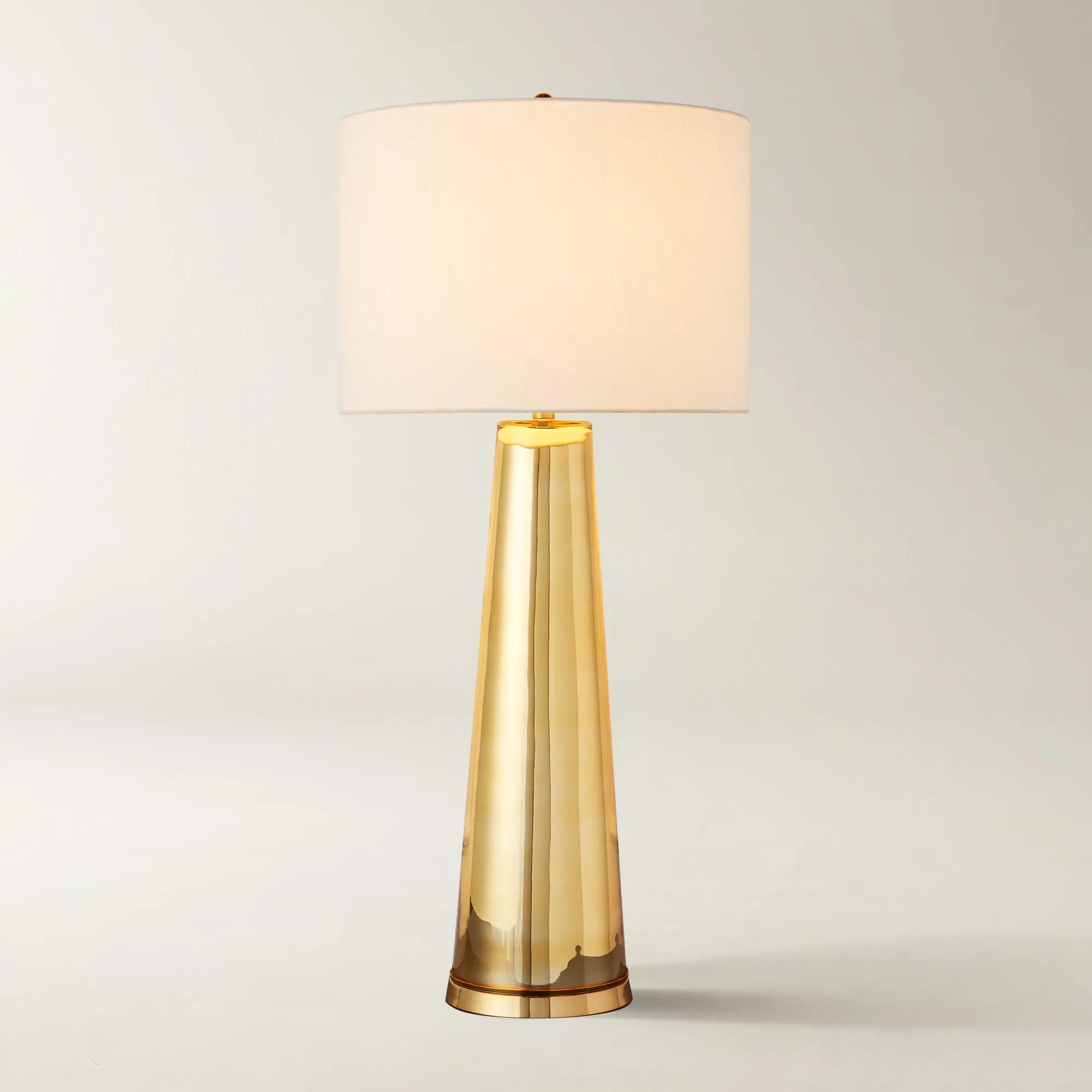
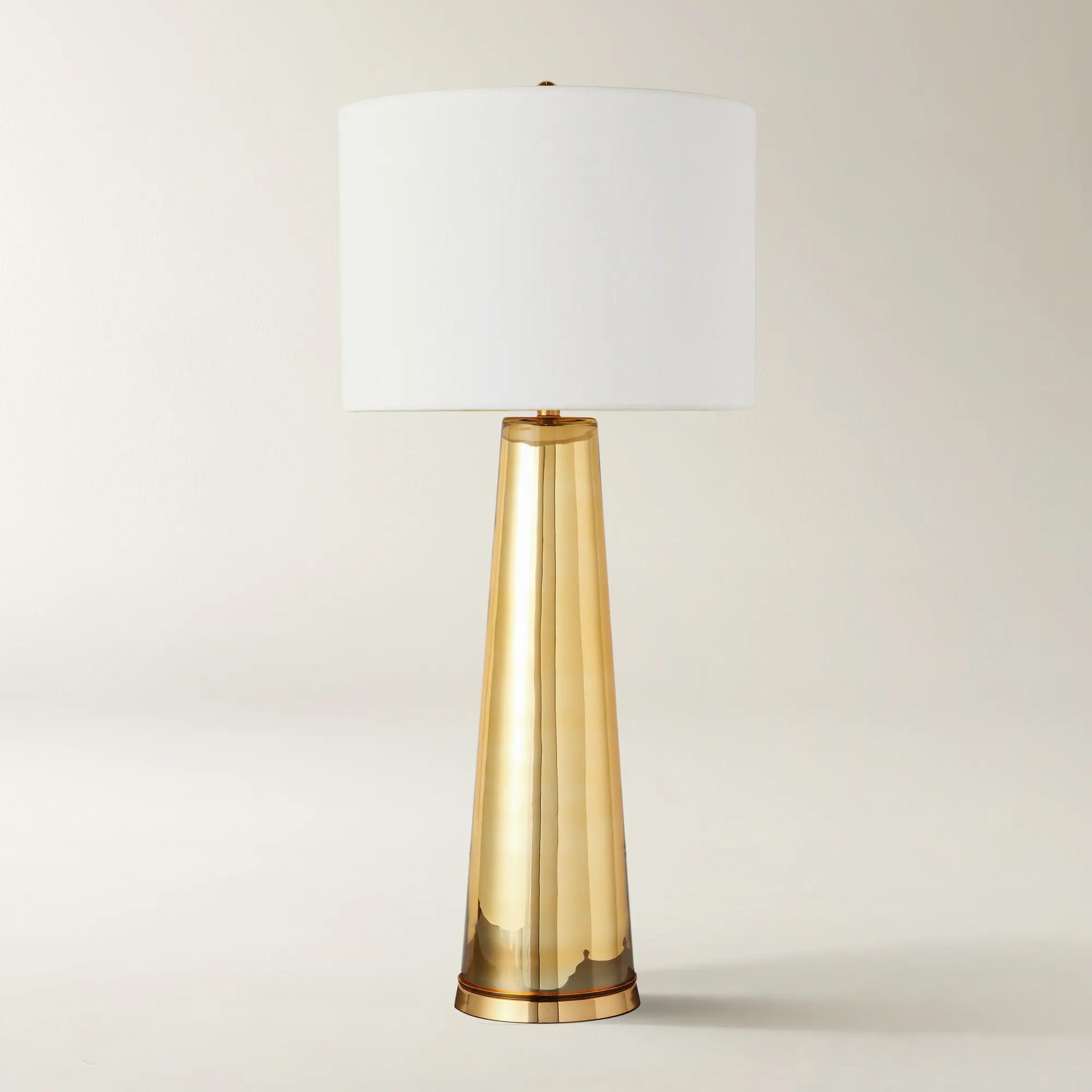 Century Gold Mirrored Glass Table Lamp 40"$299
A modern lamp featuring a mirrored glass base and white drum shade, accented with gold or silver details.
Add To Cart -
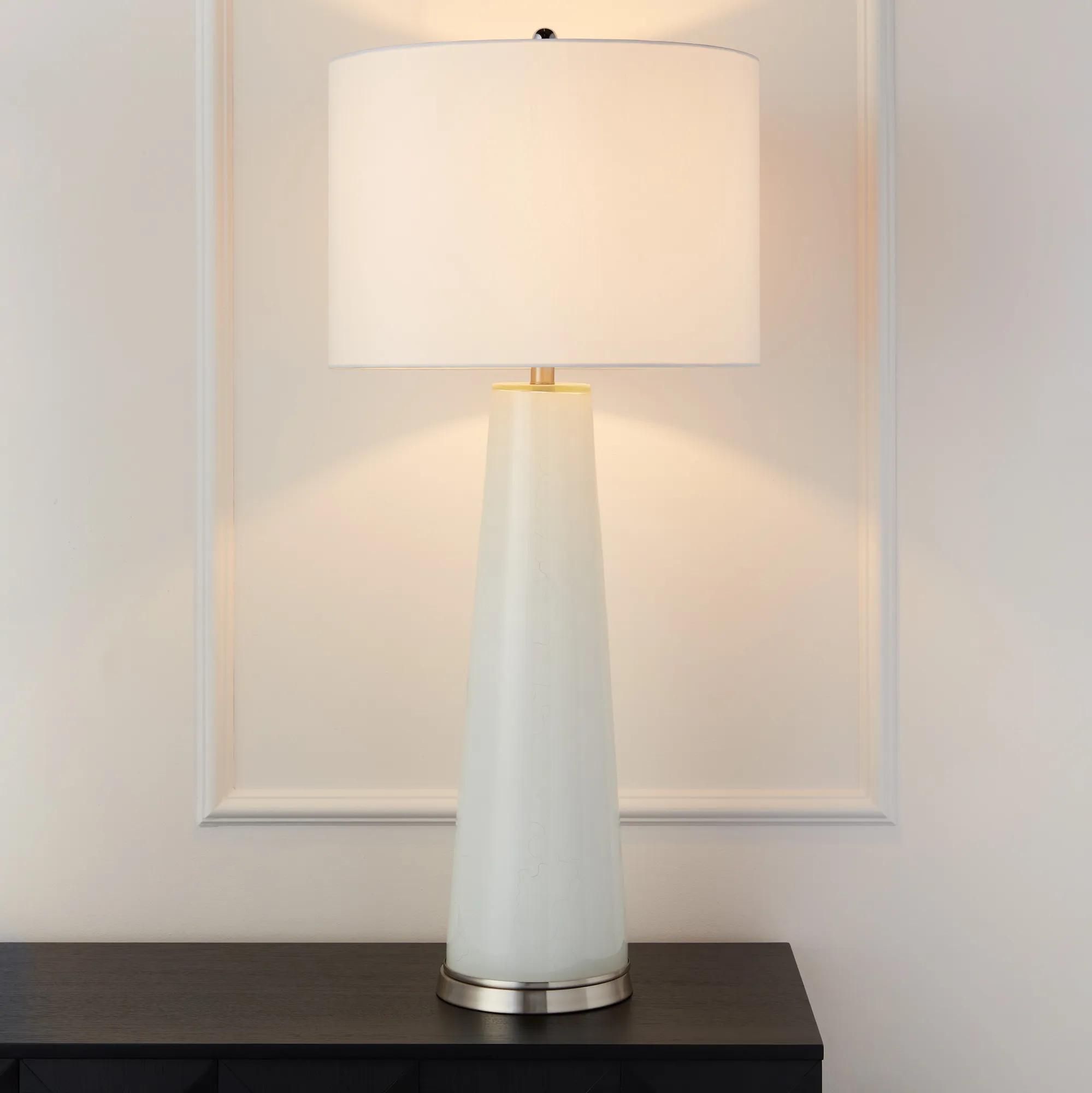 Century White Glass High Gloss Table Lamp 40"$299
A modern glass lamp with a high-gloss white interior and a crisp white drum shade.
Add To Cart -
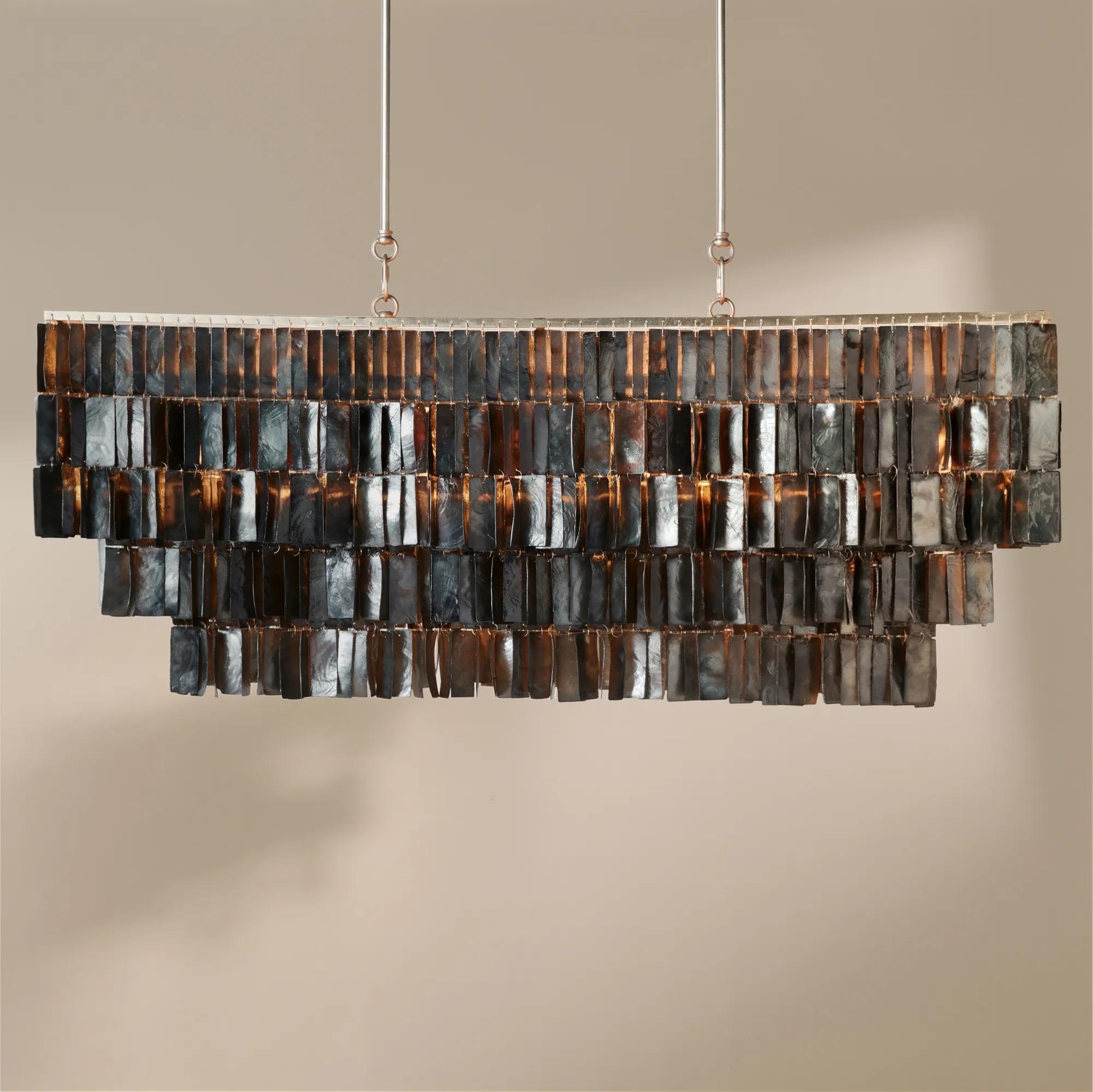
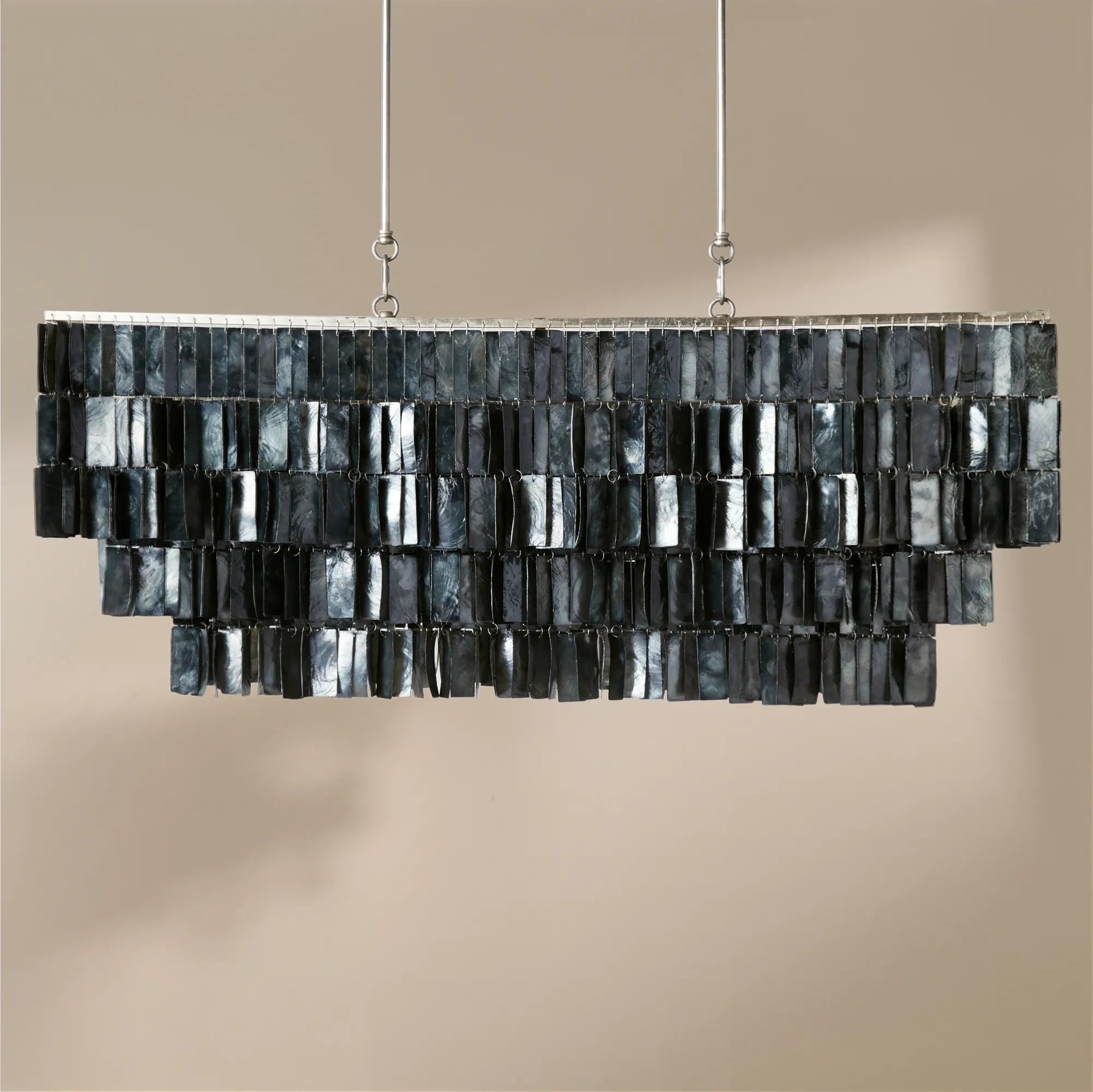 Capiz Shell Graphite Chandelier 39"$849
A chandelier with charcoal capiz shells, a champagne-finished iron frame, and seven dimmable candelabra sockets.
Add To Cart -
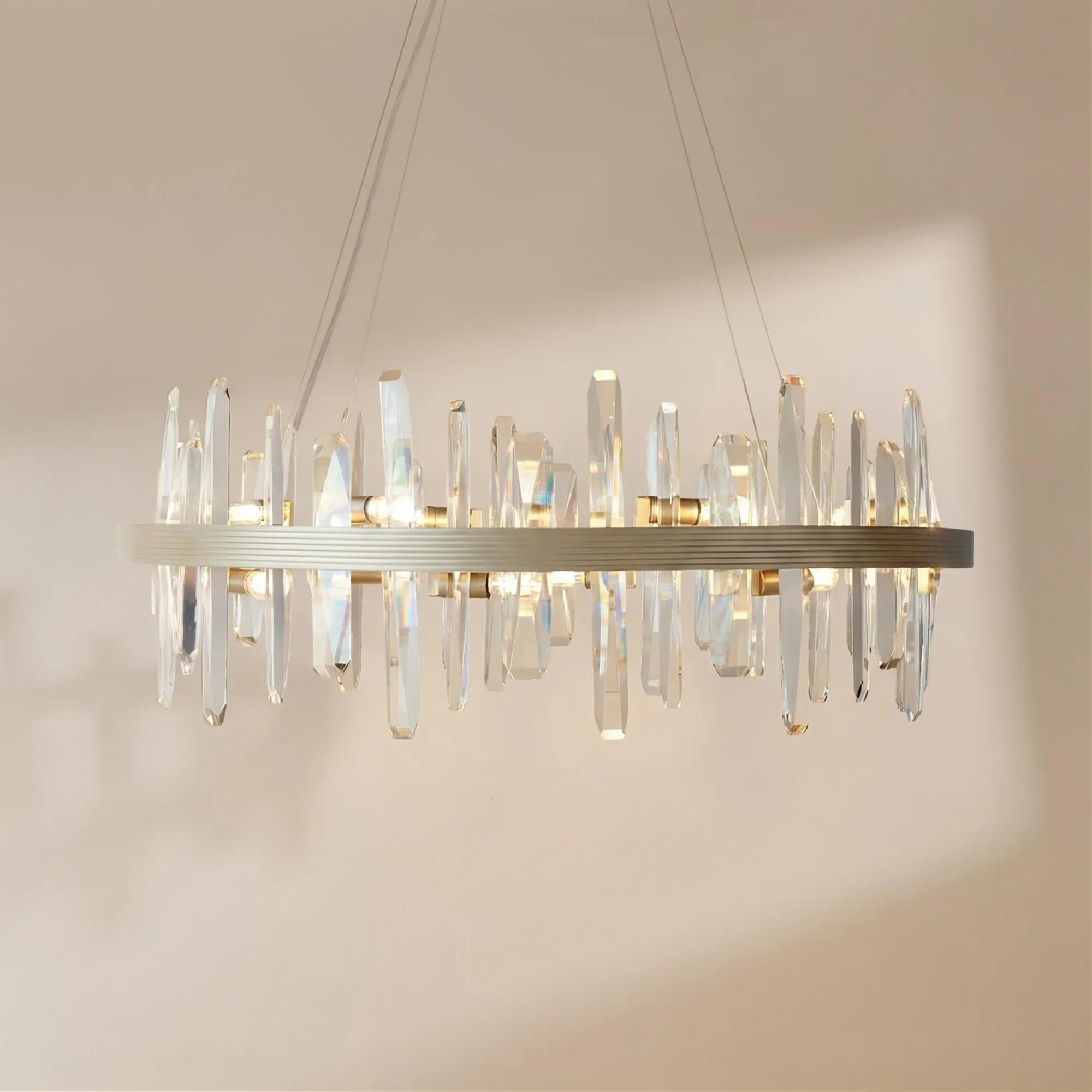
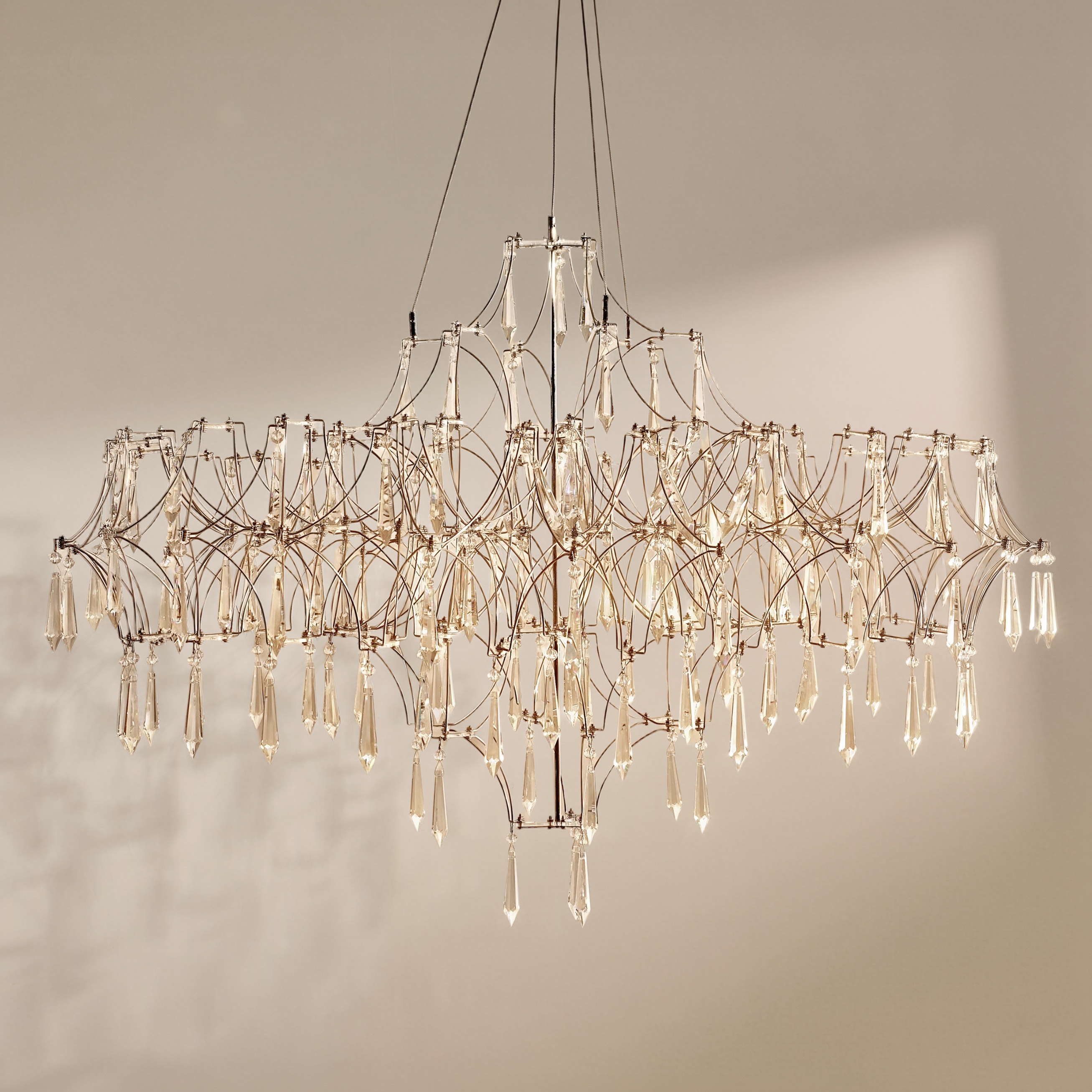
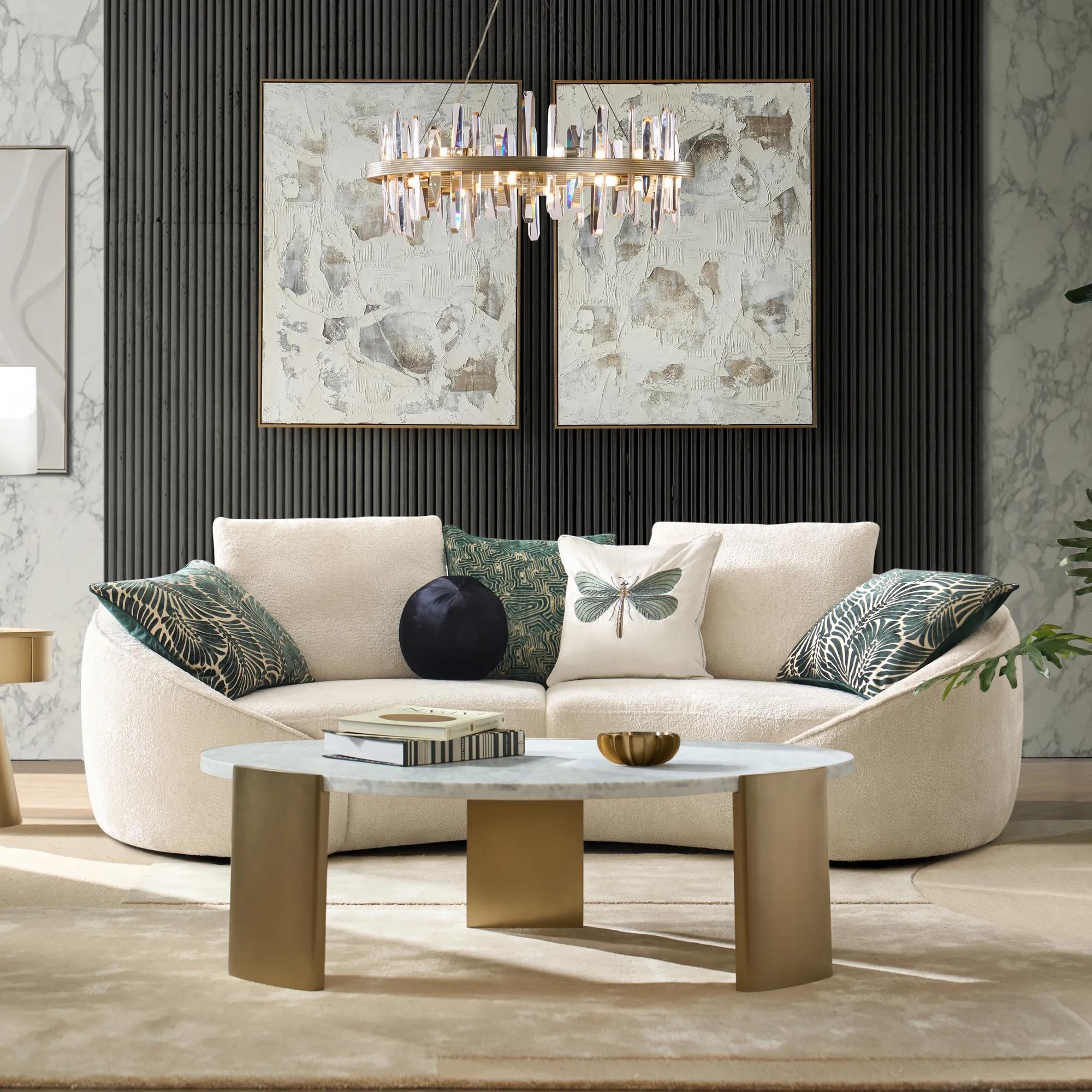 Lumi Clear Beveled Glass Chandelier 31.5"W$929
A chandelier with clear beveled glass, a champagne-finished iron frame, sixteen lights, and dimmable illumination.
Add To Cart -
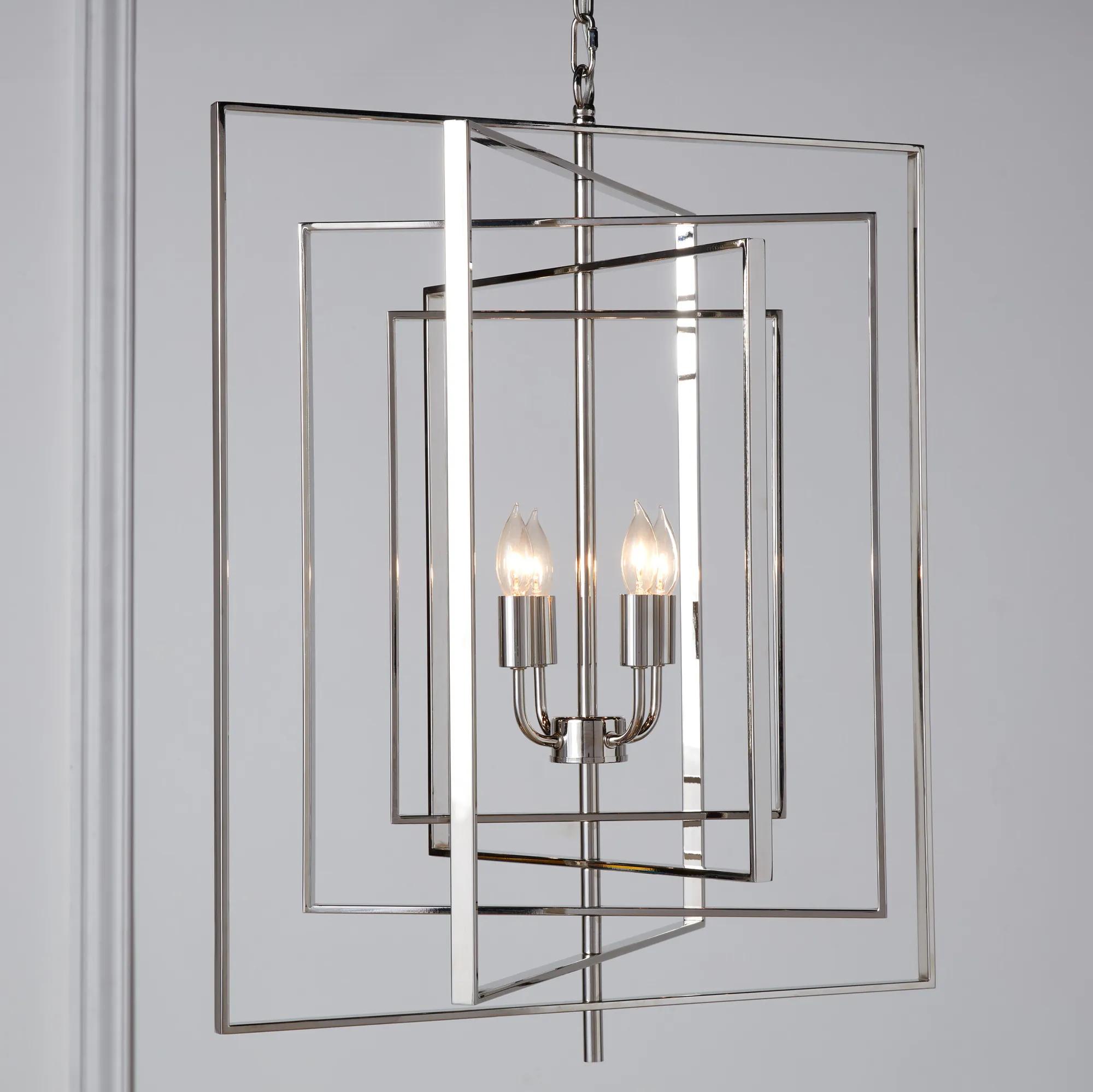
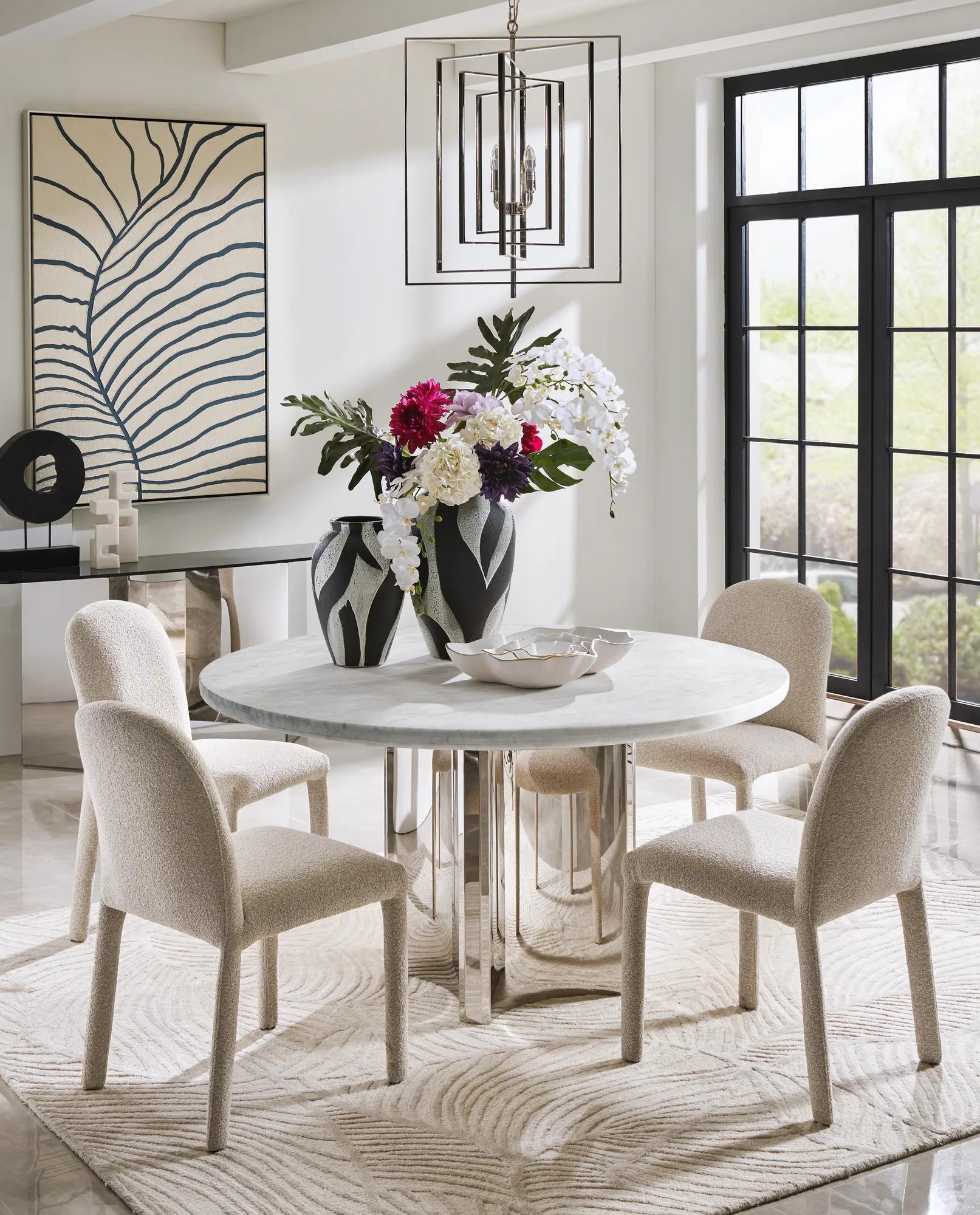 Hollis Chandelier$499
A polished nickel geometric chandelier with four lights, perfect for modern and minimal interiors.
Add To Cart -
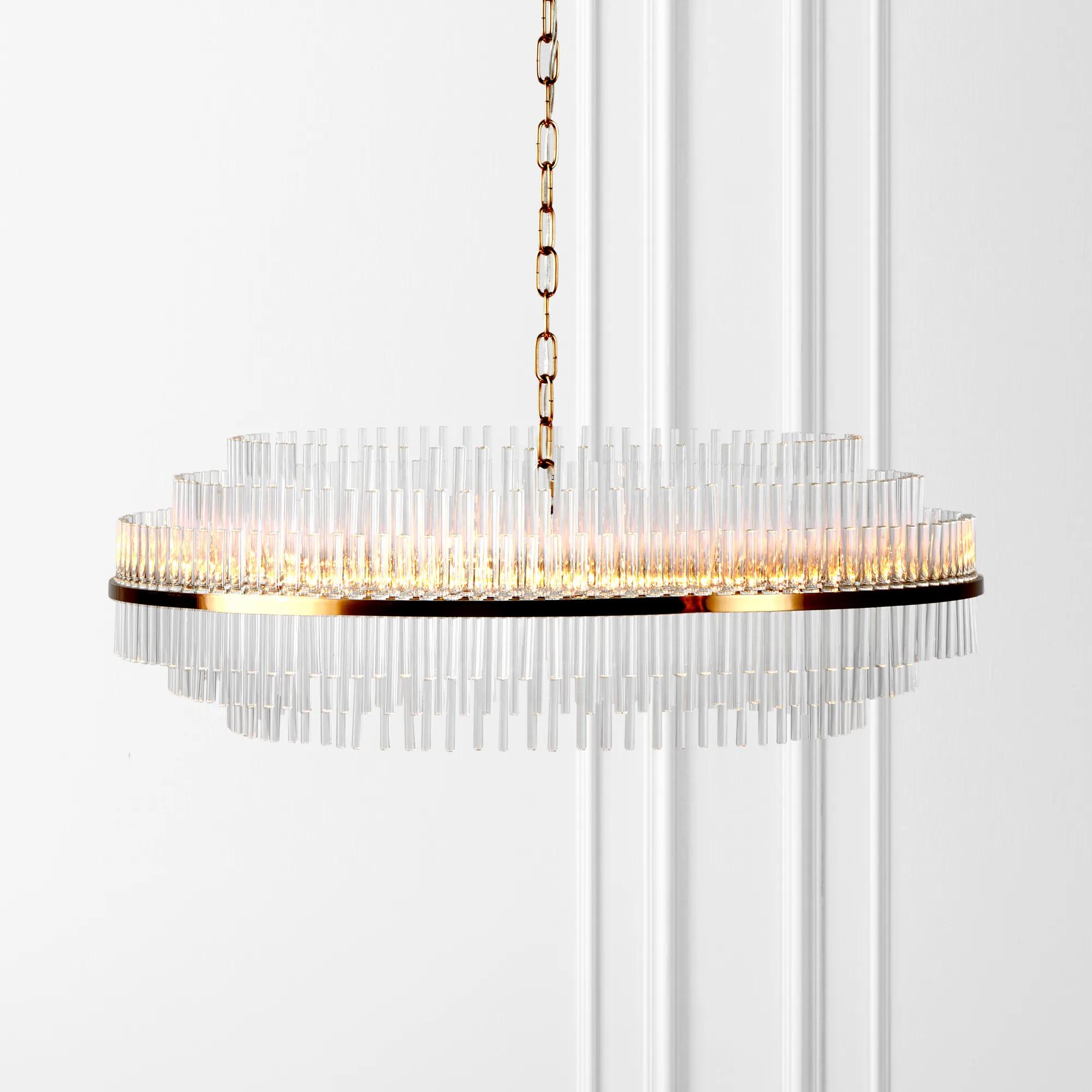
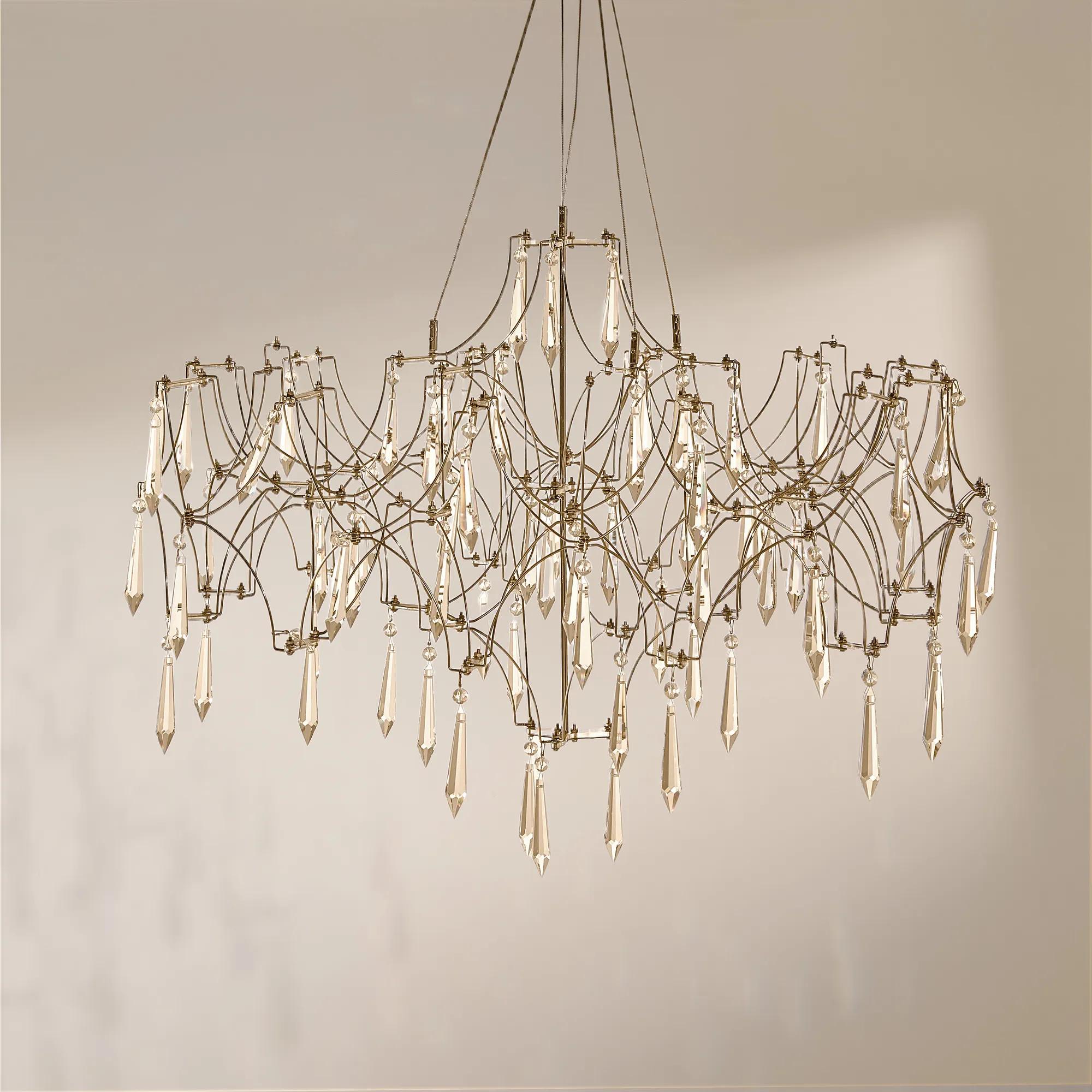
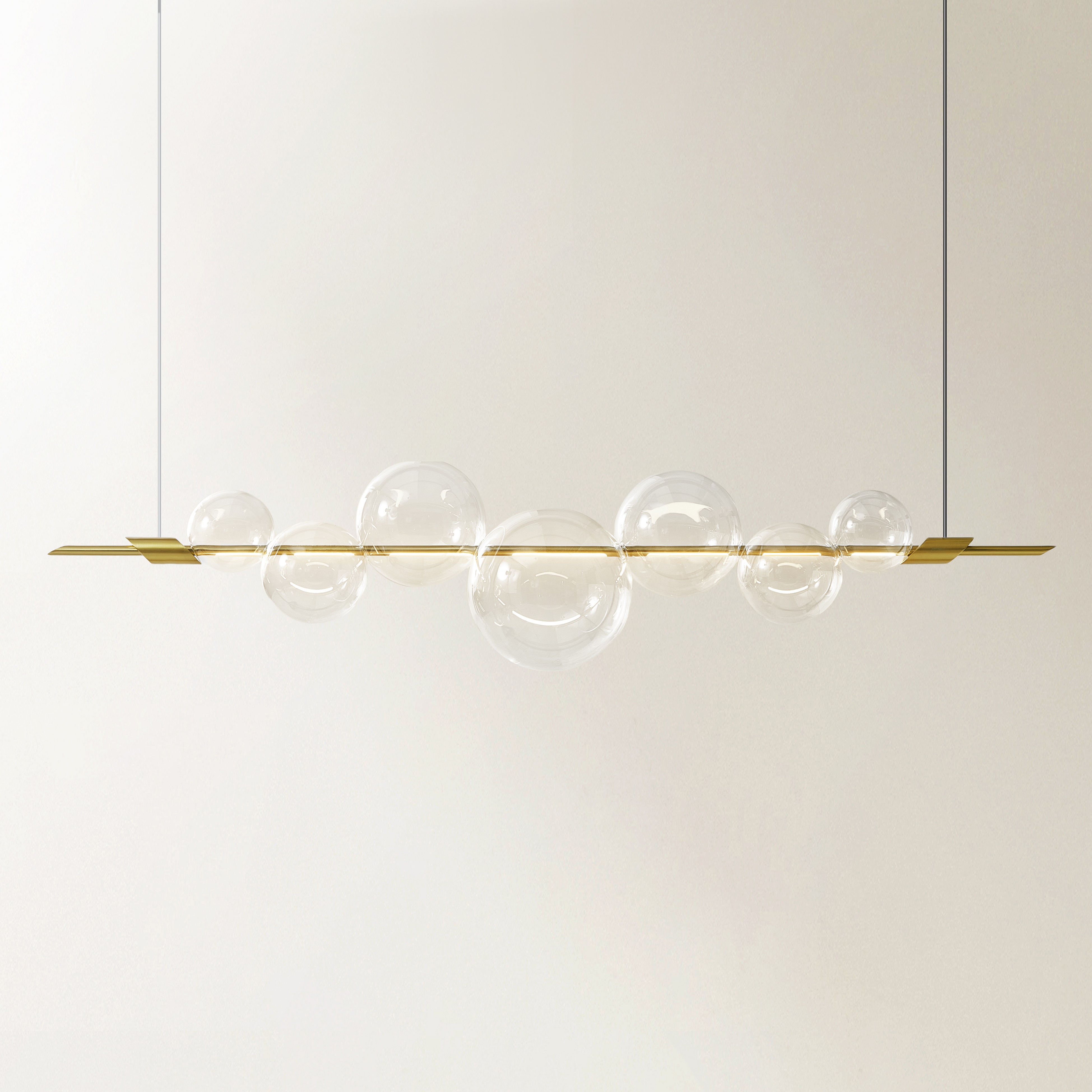
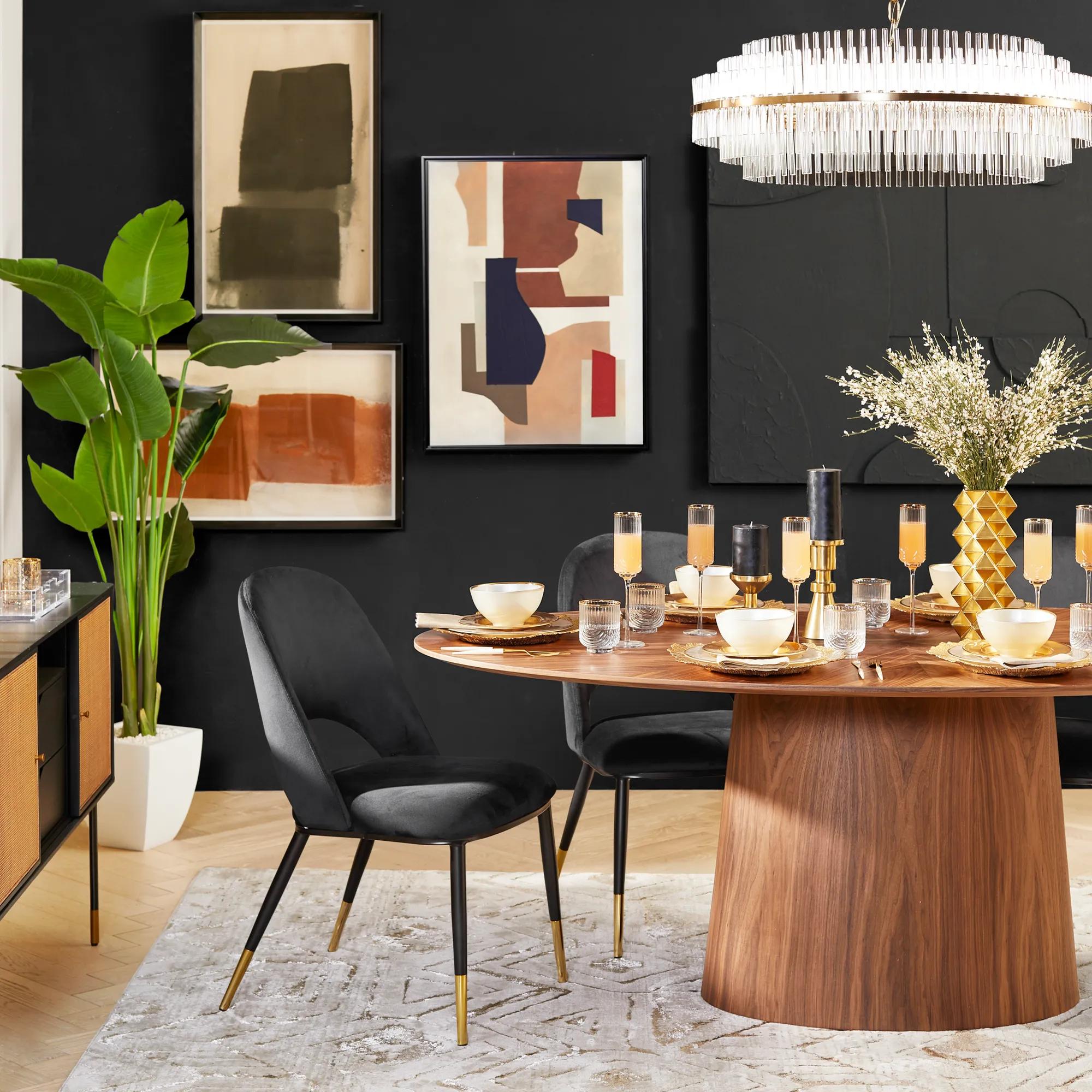 Renata Clear Glass Rod Chandelier 31"W x 10"H$799
A low-profile glass-rod chandelier with a brushed brass iron frame and eight dimmable candelabra lights.
Add To Cart -
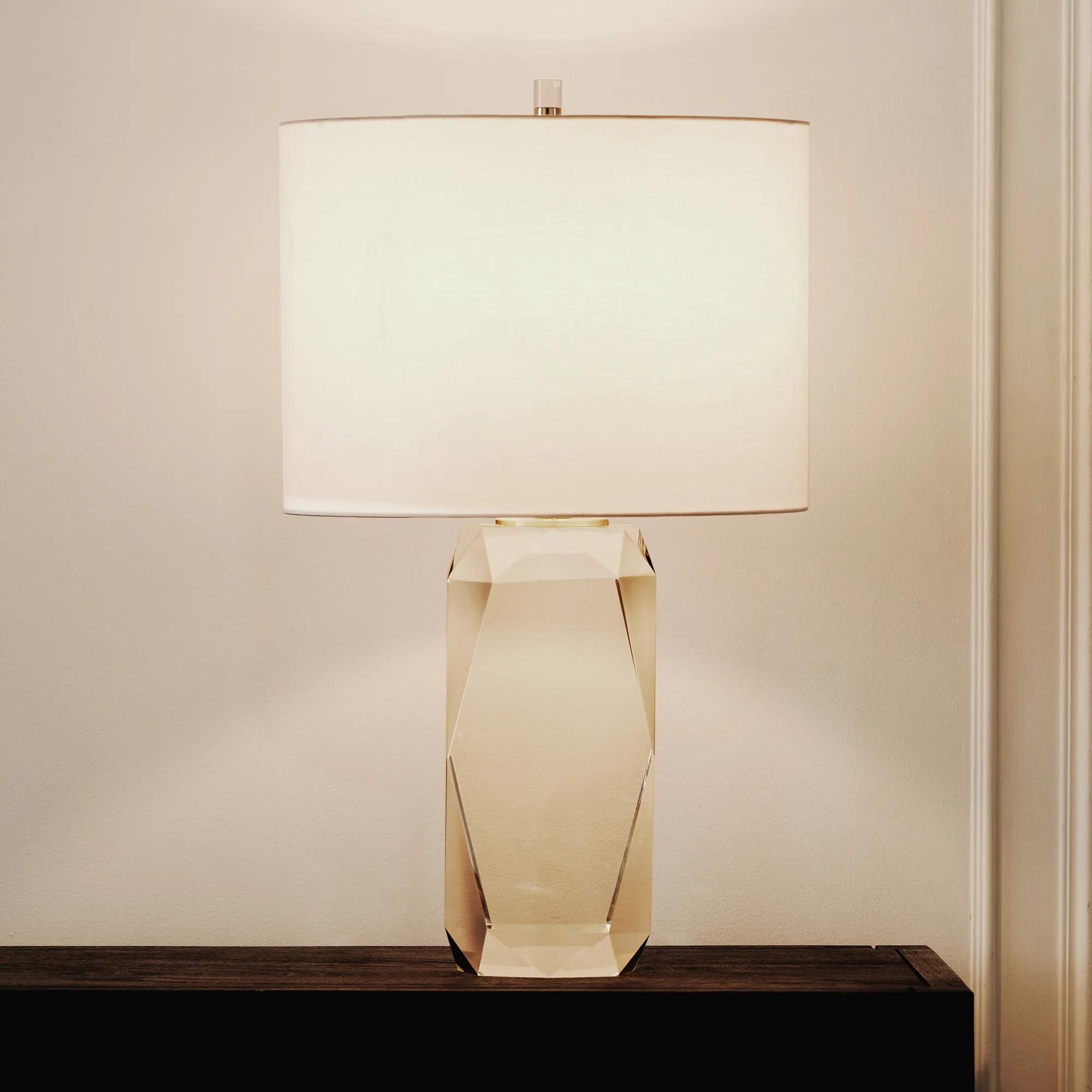 Bianca Faceted Clear K9 Crystal Table Lamp 24"H$499
A clear crystal table lamp with a white drum shade and soft brass hardware for elegant illumination.
Add To Cart -
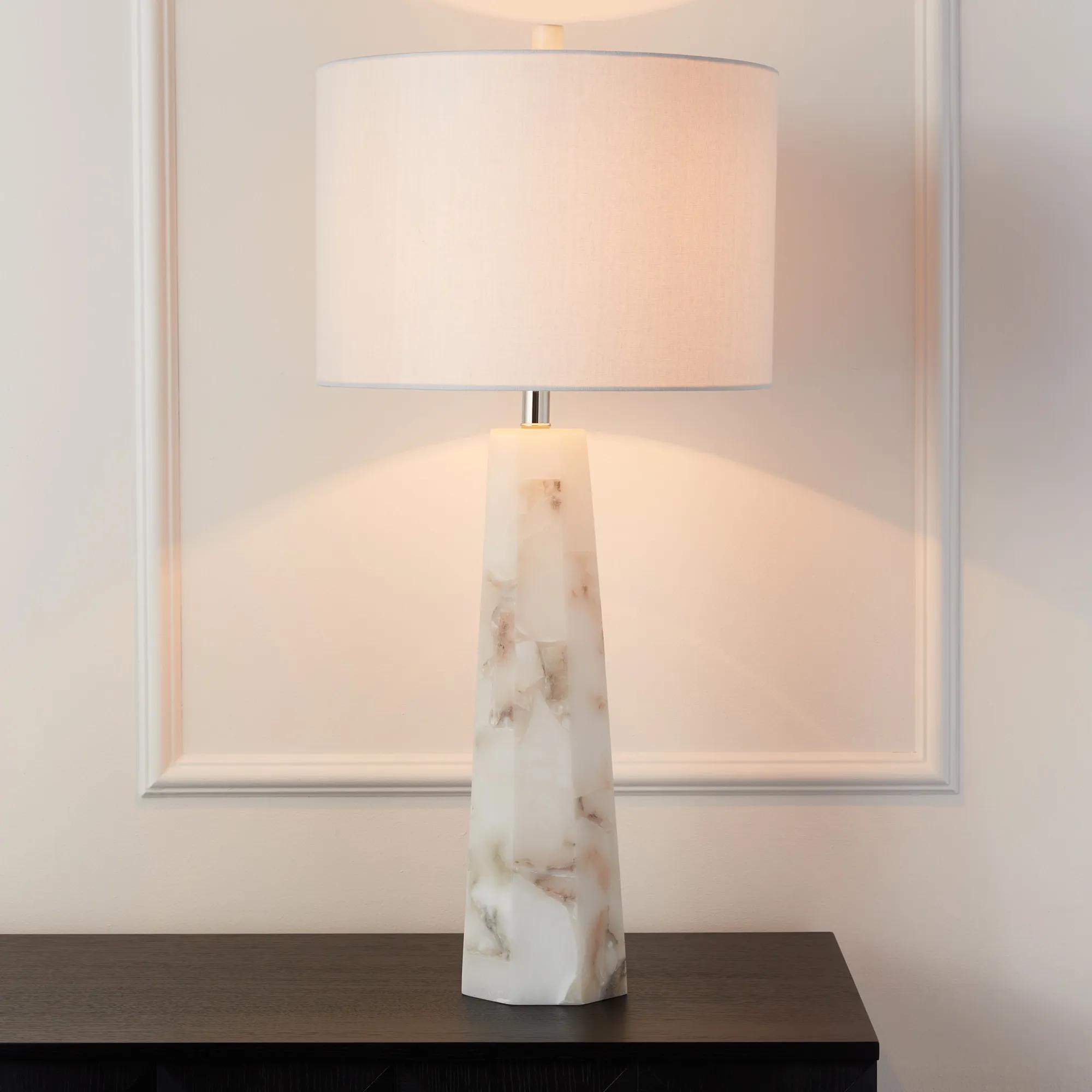 Aurora Alabaster Table Lamp 34"$499
An alabaster stone lamp with a tapered silhouette, white linen shade, and matching alabaster finial.
Add To Cart -
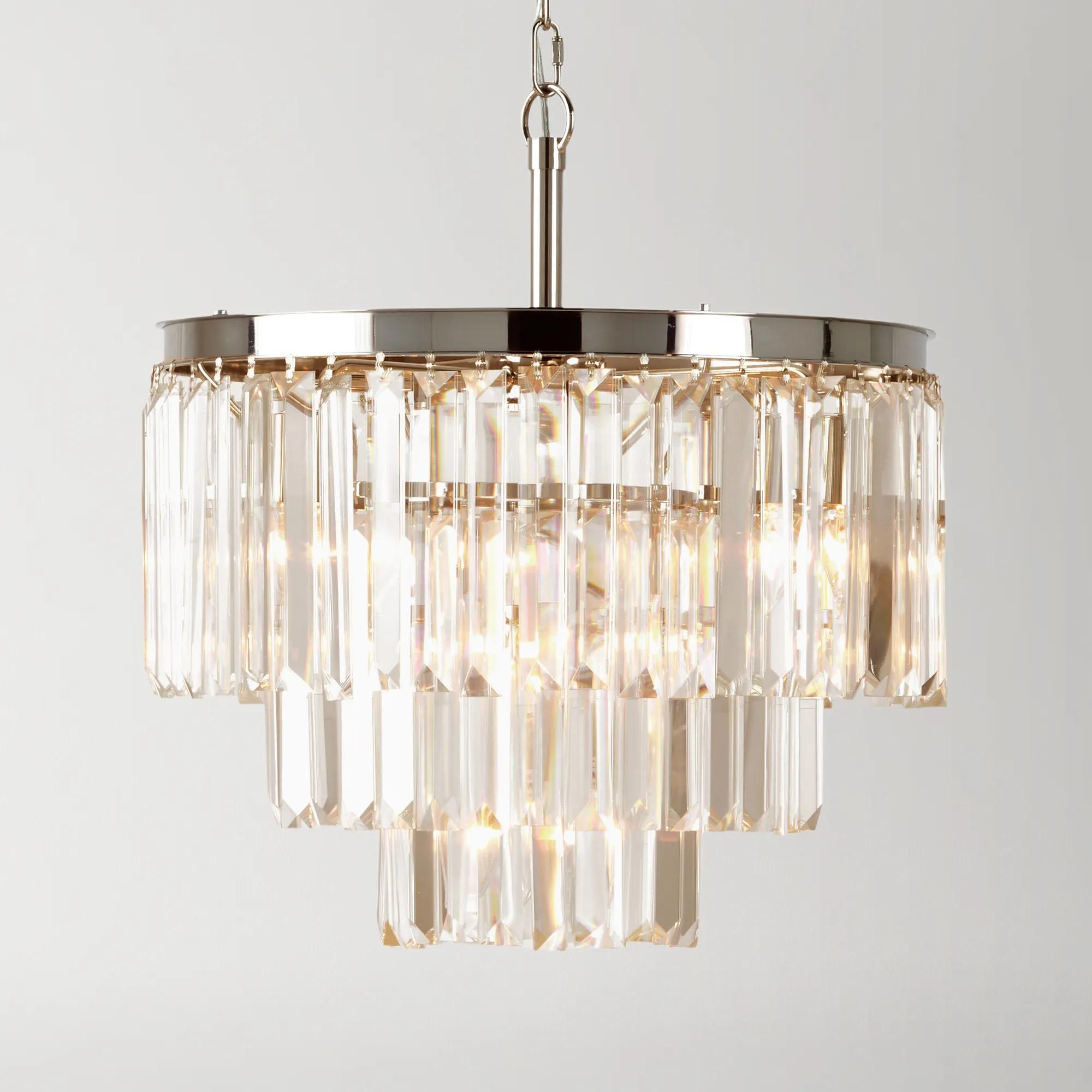
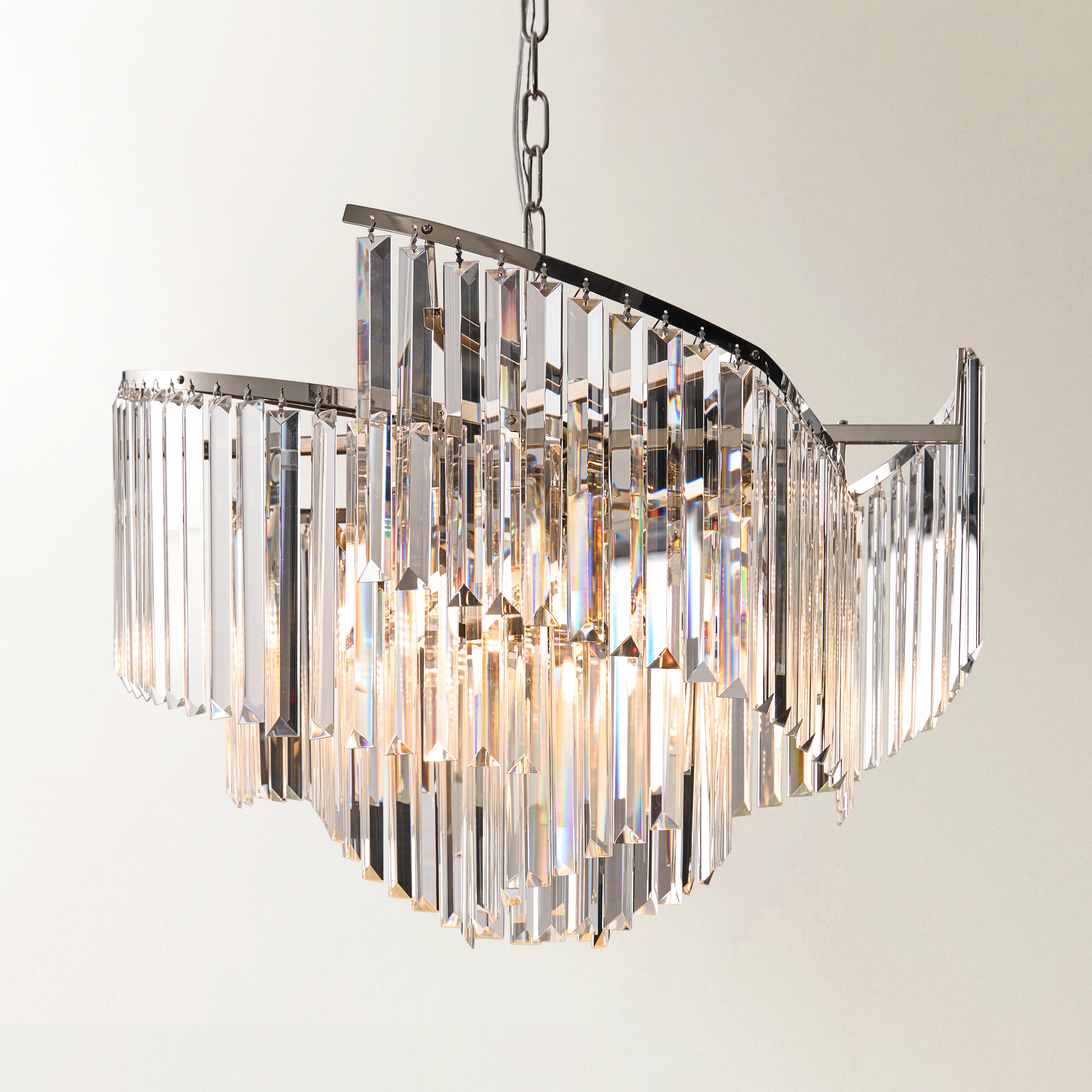
 Luxe Chandelier$799
A glamorous chandelier featuring a nickel-plated iron frame and three tiers of faceted crystal accents.
Add To Cart -
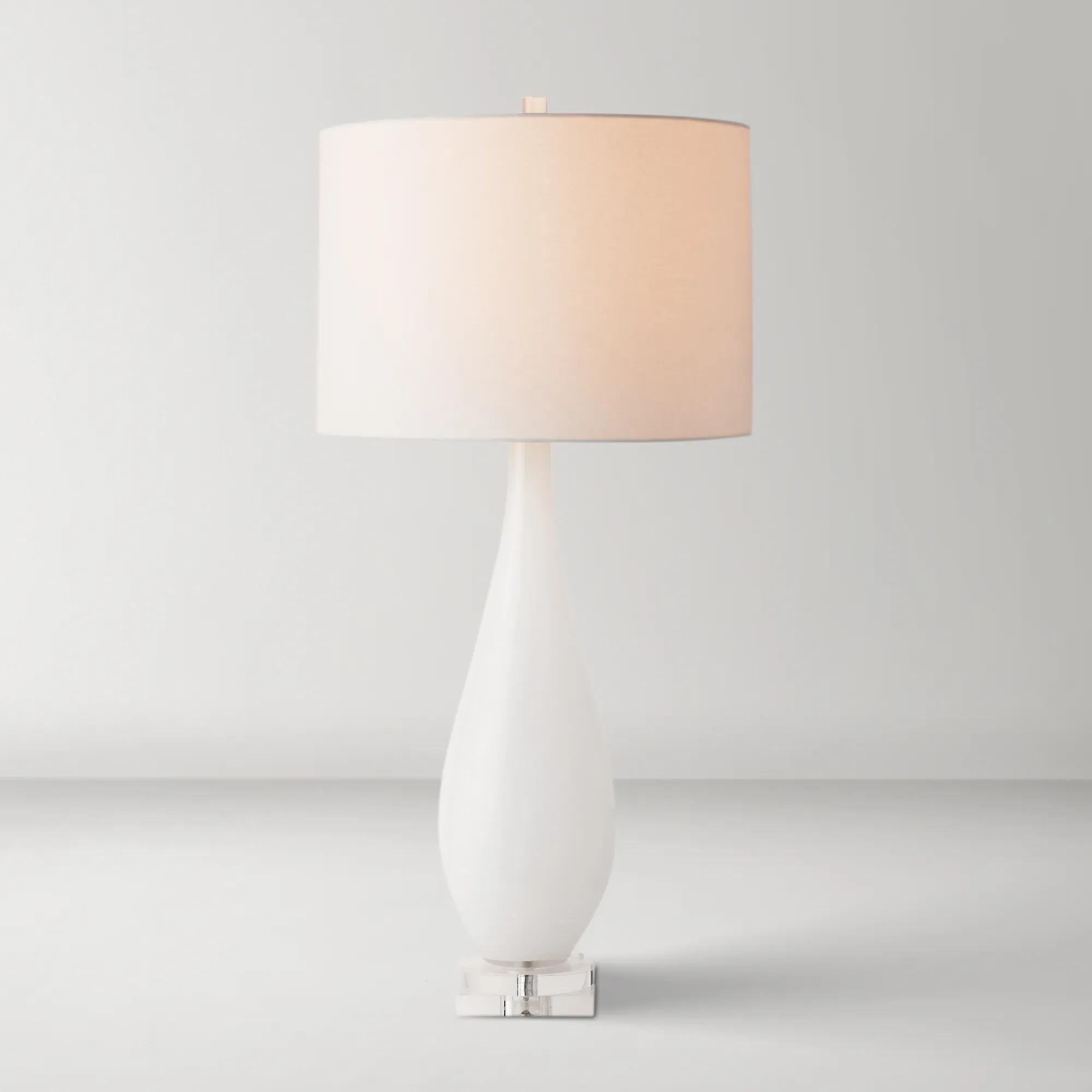
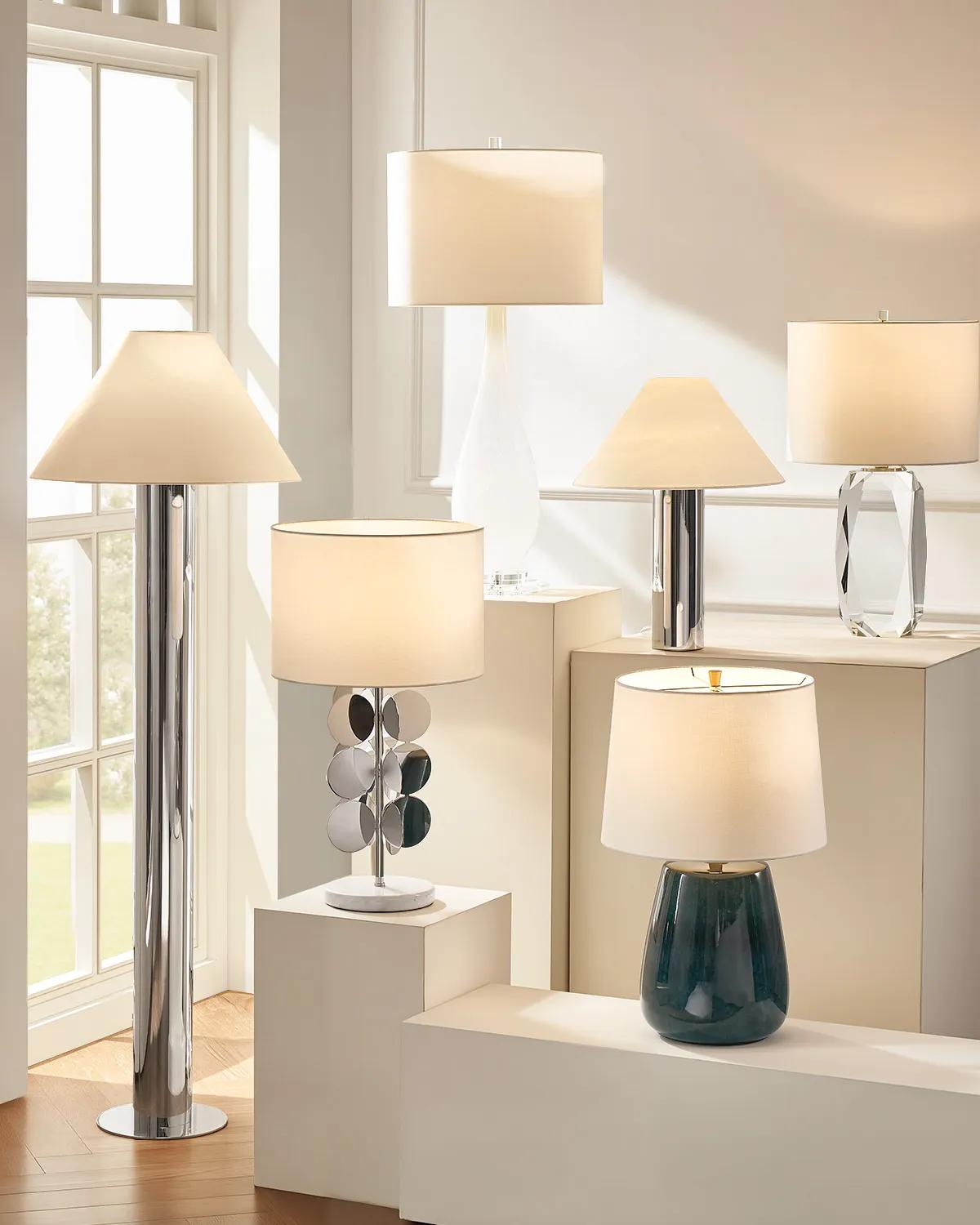 Serena Table Lamp$299
A chic table lamp featuring a handblown glass body, crystal base, and monochromatic white finish.
Add To Cart -
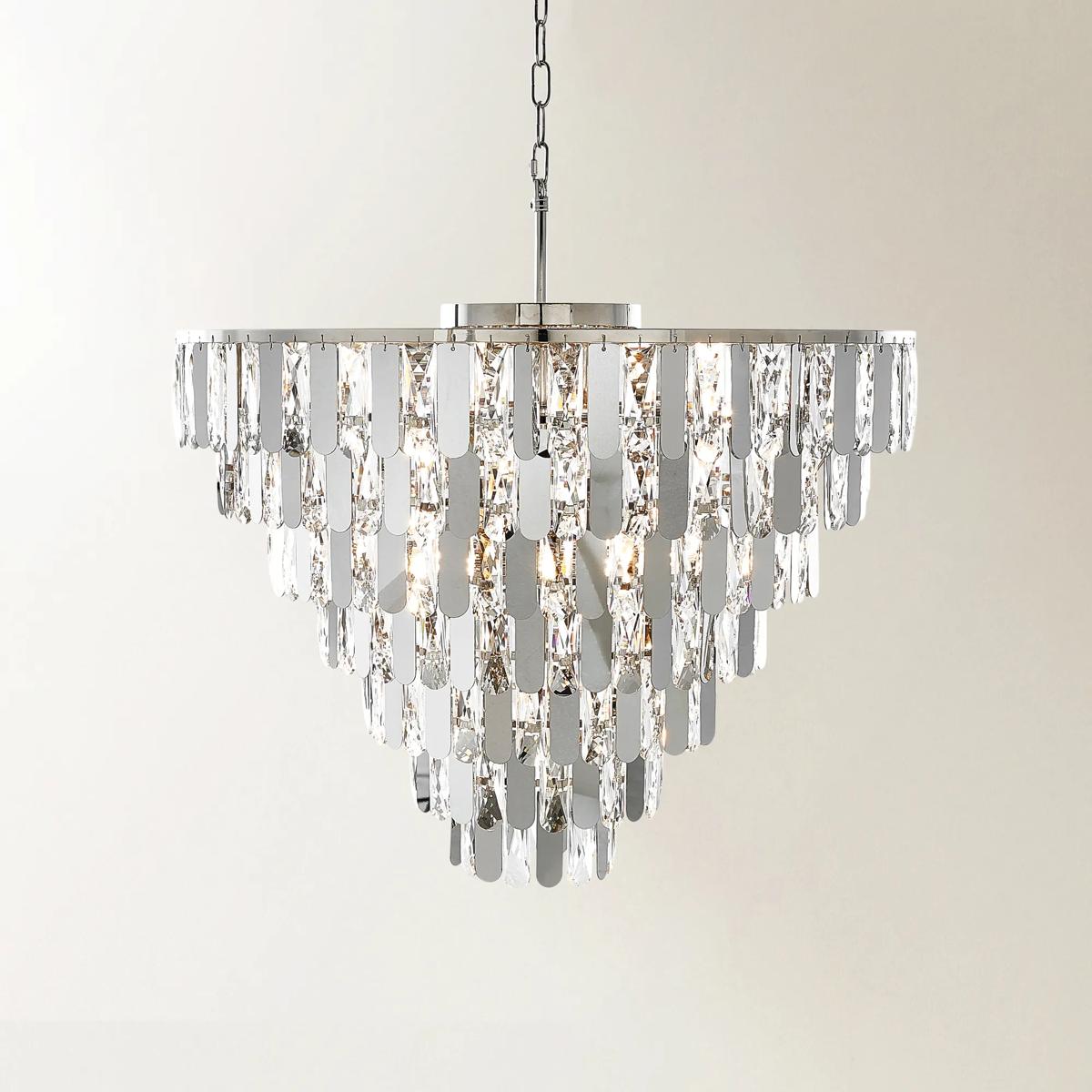
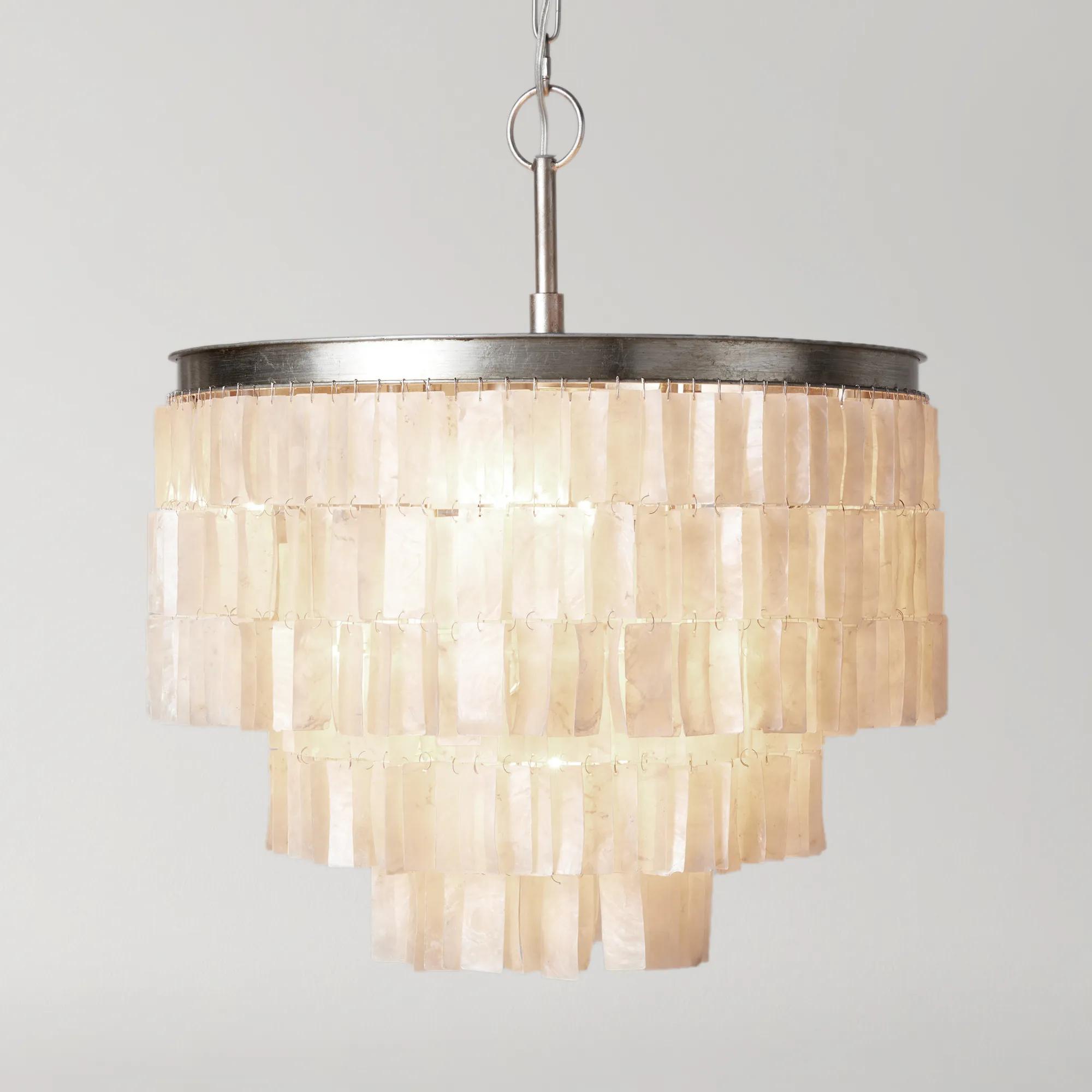 Capiz Chandelier$699
A cascading chandelier featuring over six hundred natural Capiz shells on a nickel-plated iron frame.
Add To Cart -
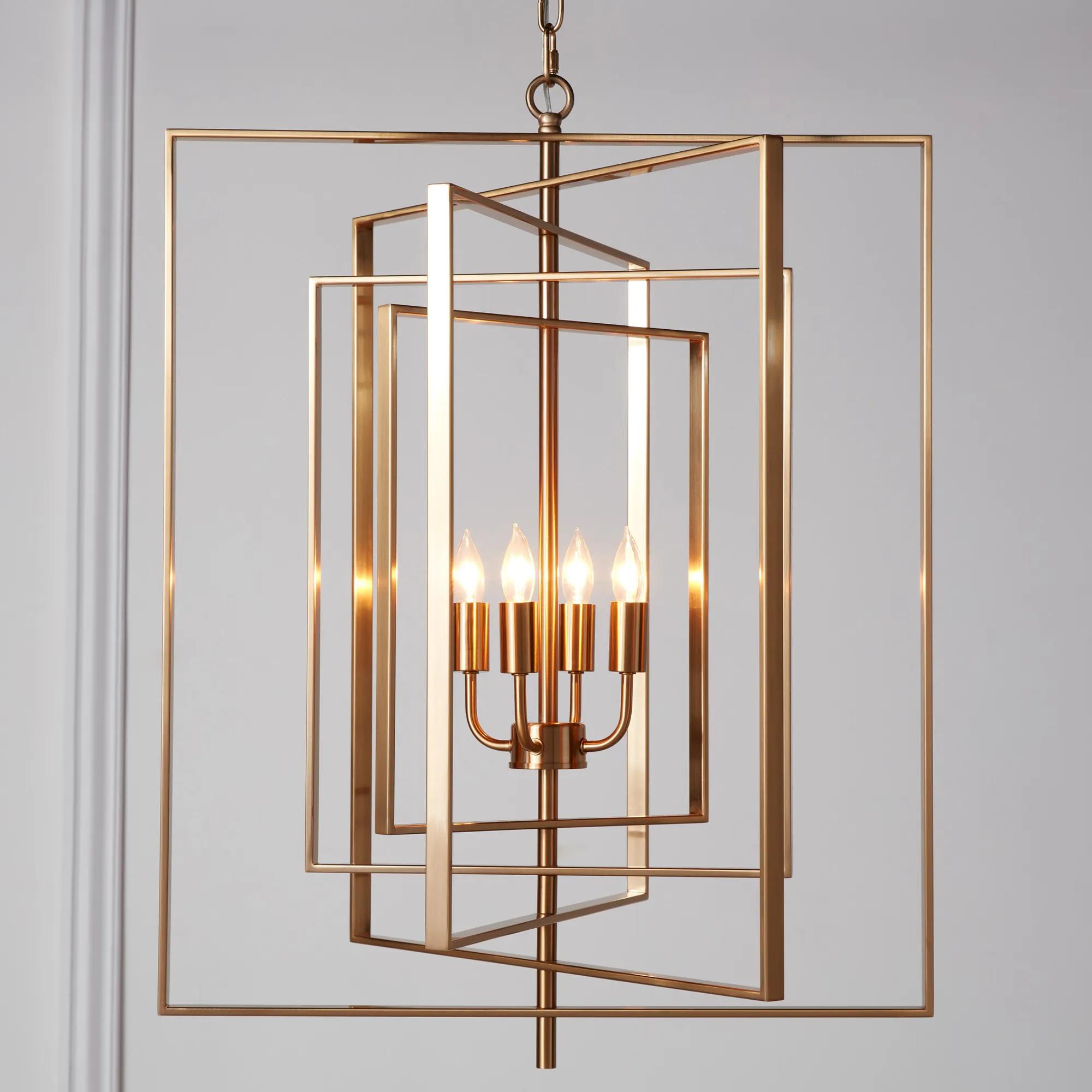 Hollis Chandelier$499
A geometric brass-finished iron chandelier with four lights, perfect for modern and minimal interiors.
Add To Cart -
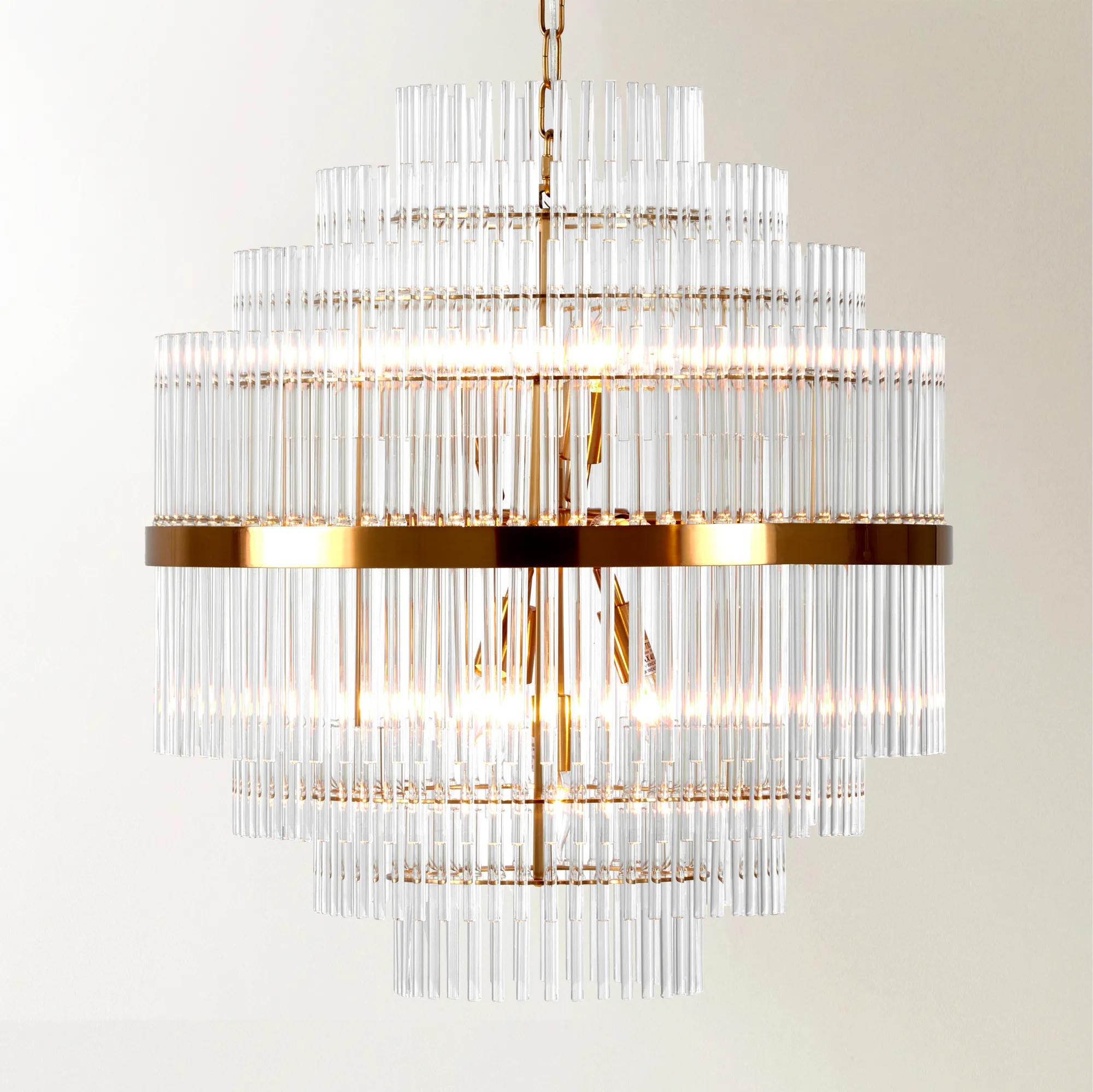
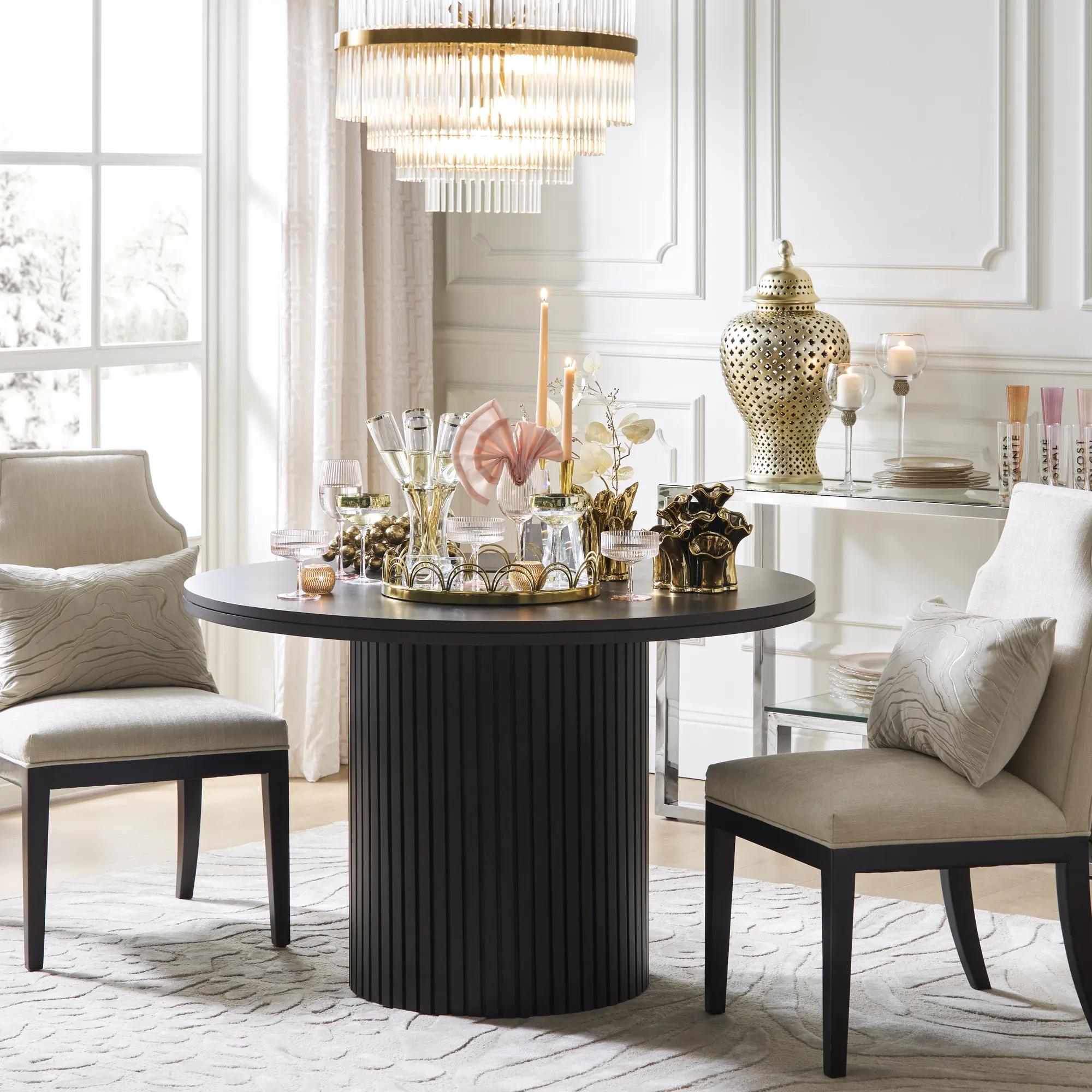 Renata Clear Glass Rod Grand Chandelier 23.6"D x 26.3"H$999
A clear glass rod chandelier with a polished gold iron frame and thirteen-light, dimmable illumination.
Add To Cart -
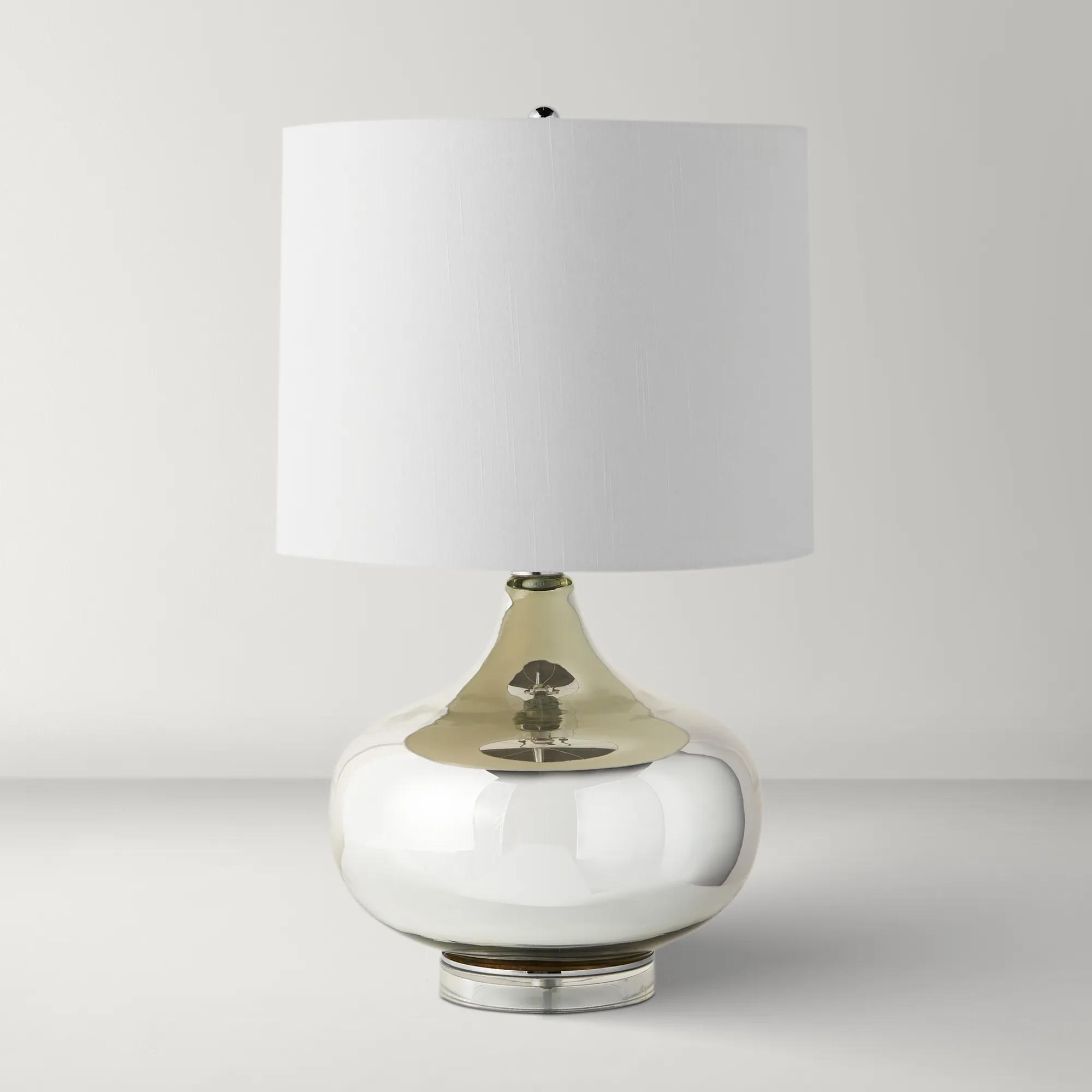 Sabrina Mirrored Silver Glass Table Lamp 27.5"$199
A contemporary lamp featuring a silver mirrored glass base, clear acrylic accents, and a white fabric shade.
Add To Cart -
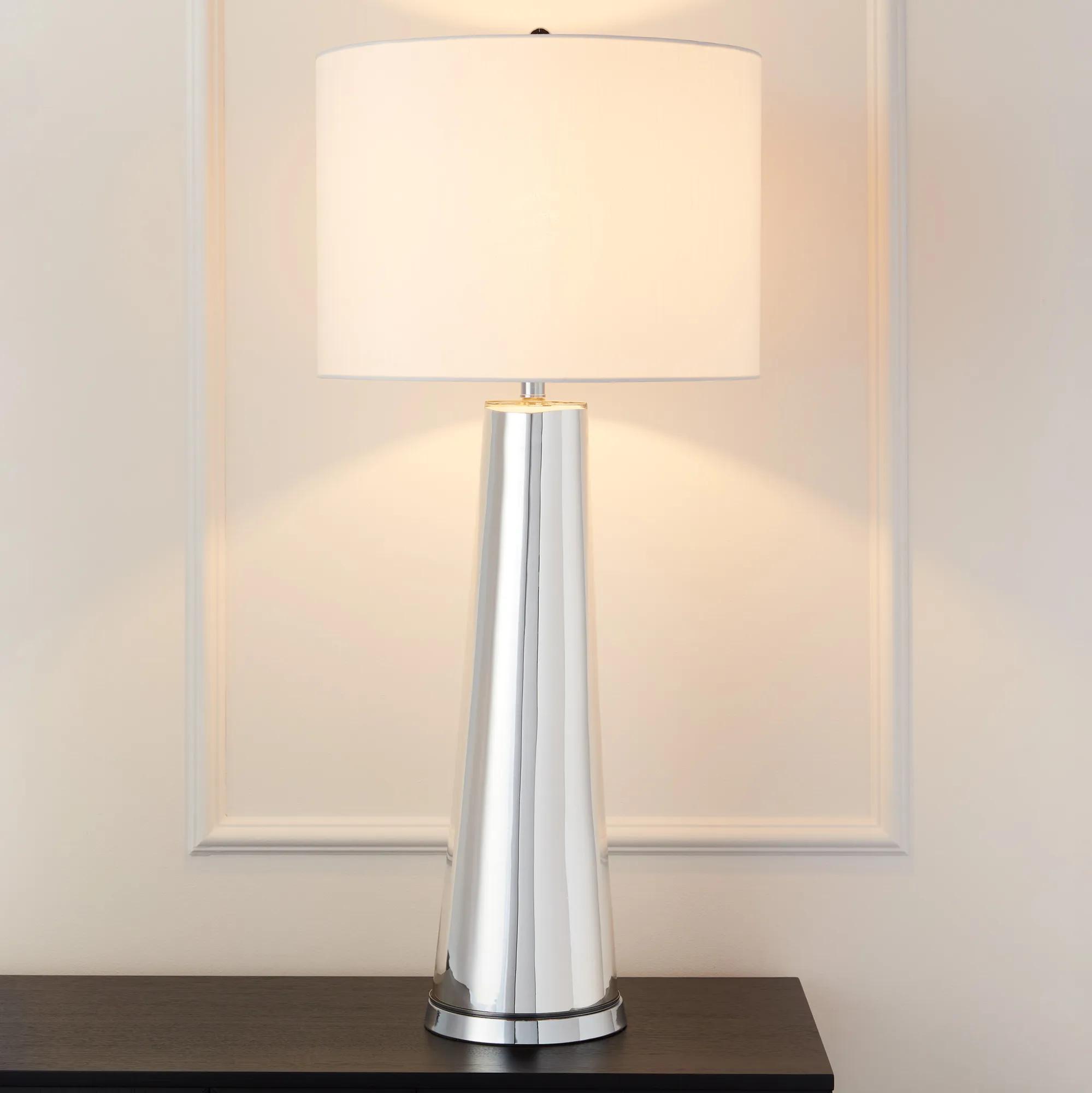 Century Silver Mirrored Glass Table Lamp 40"$299
A modern table lamp featuring a mirrored glass base and white drum shade with brushed chrome accents.
Add To Cart -
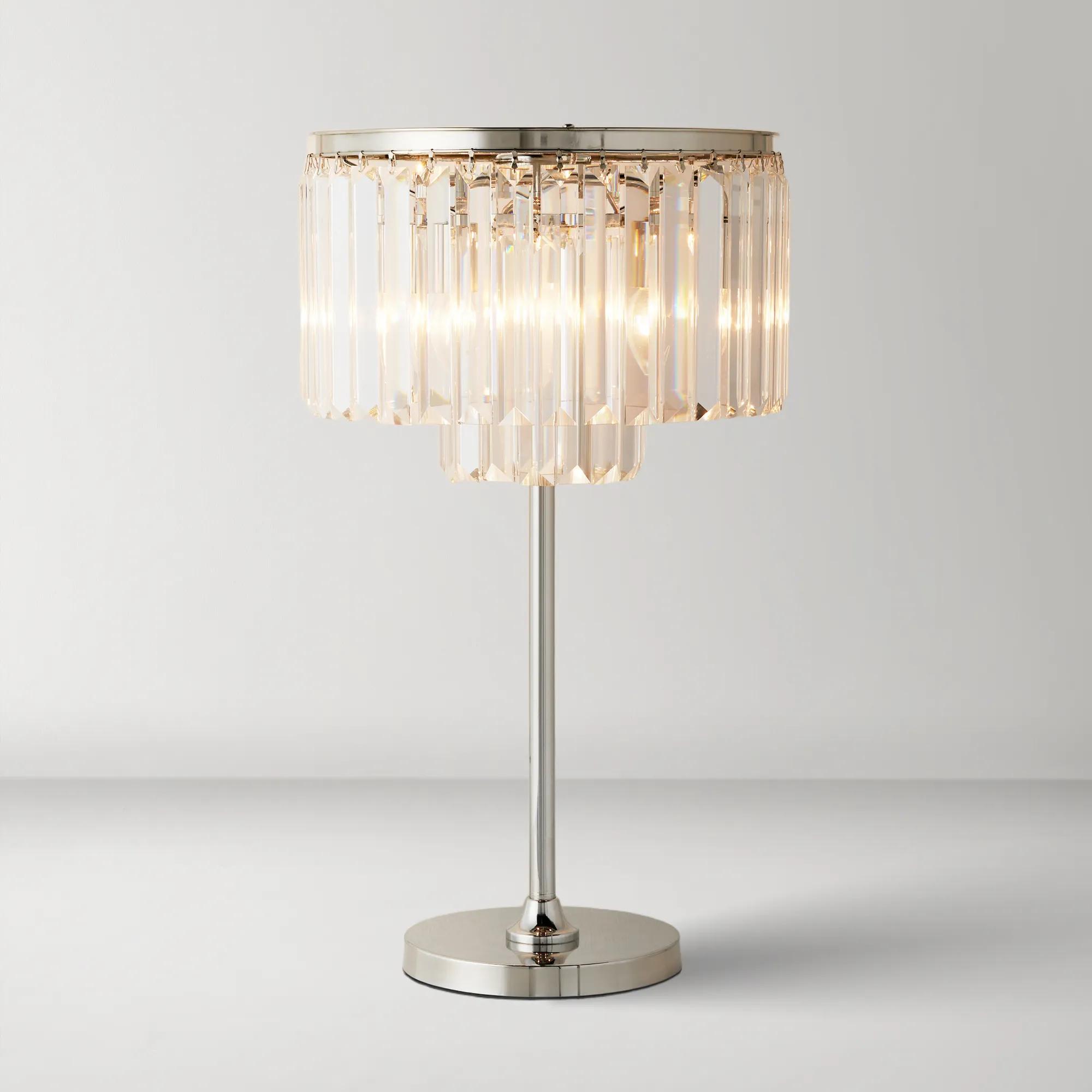
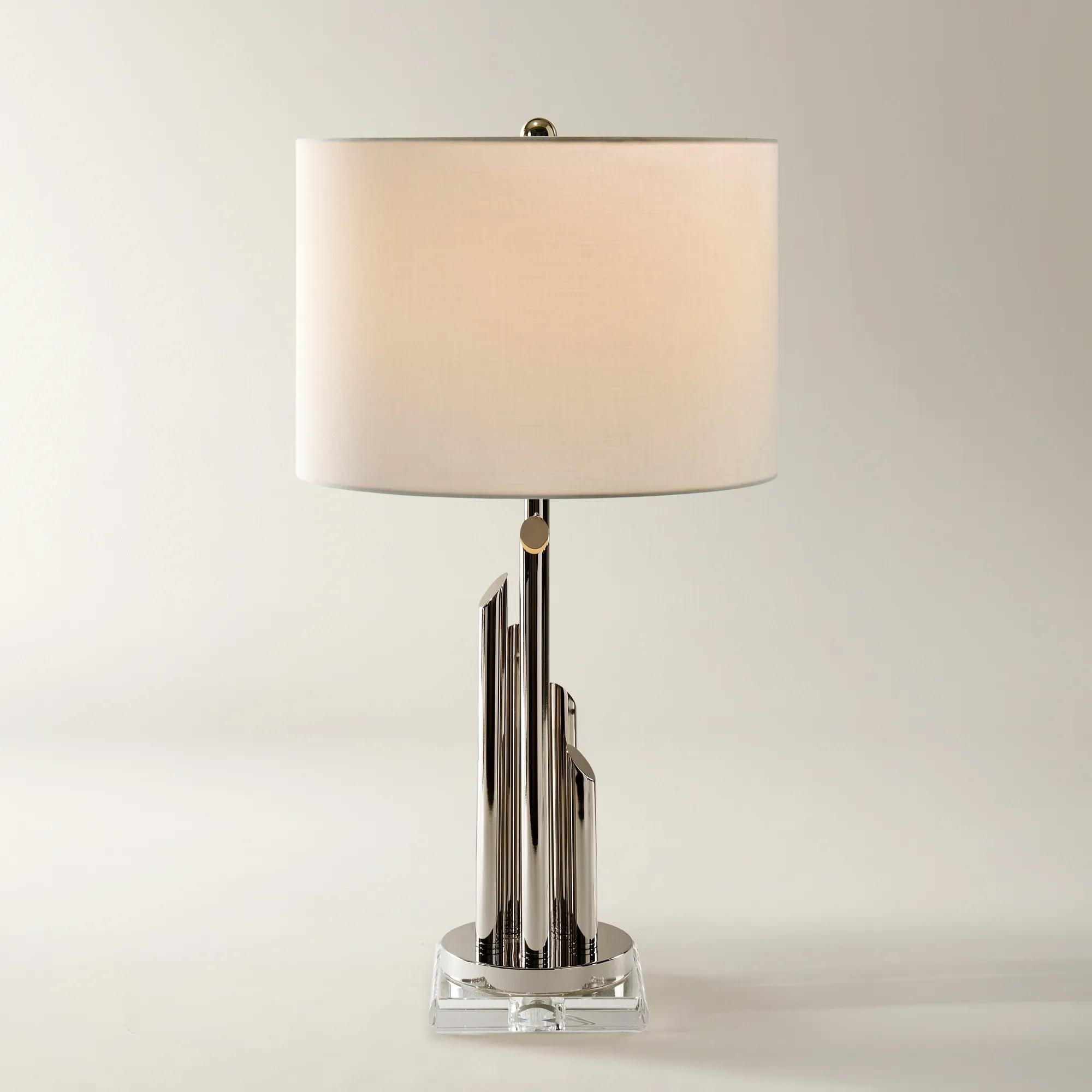
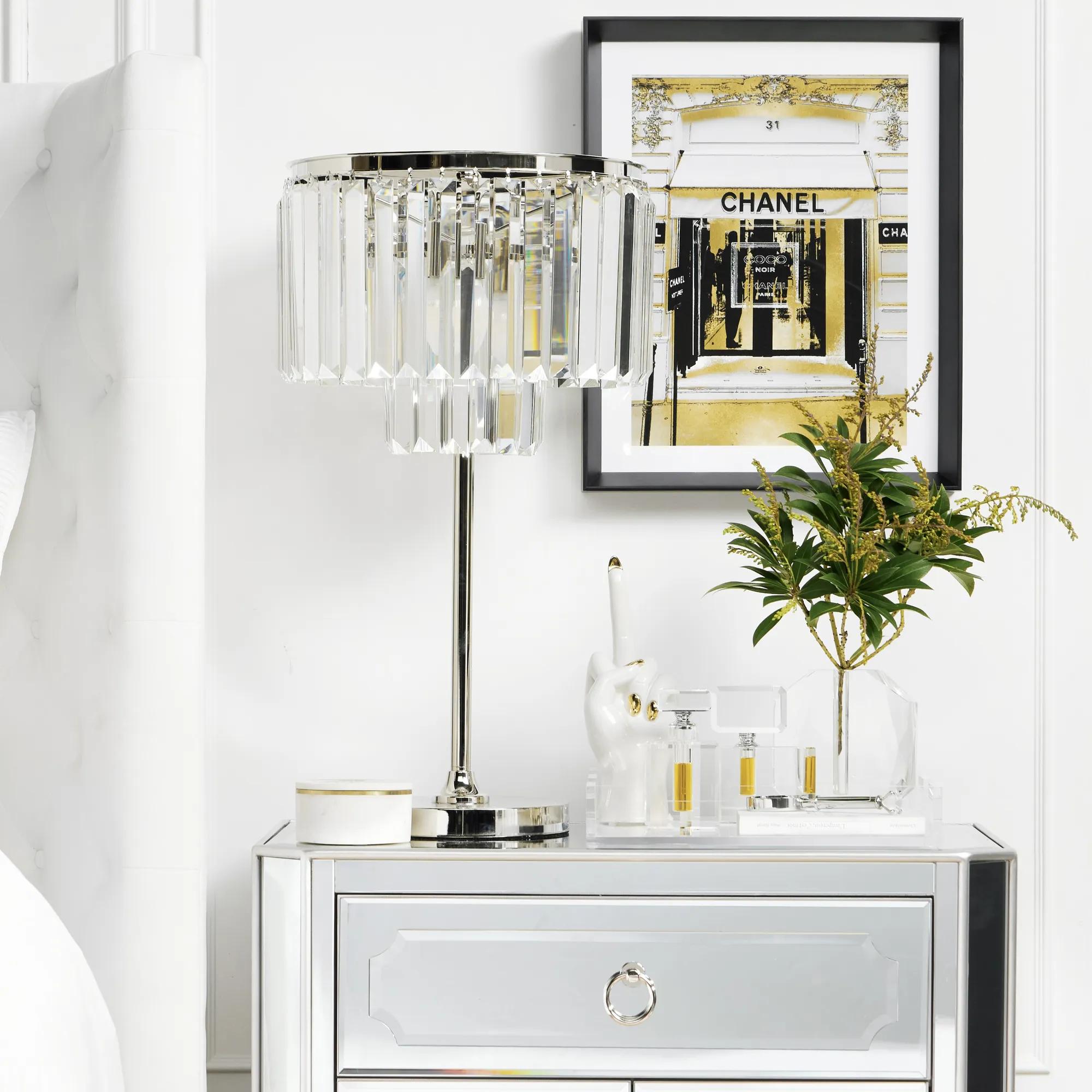 Luxe Table Lamp$499
A sophisticated table lamp featuring faceted ocular glass prisms and a nickel-plated iron frame.
Add To Cart -
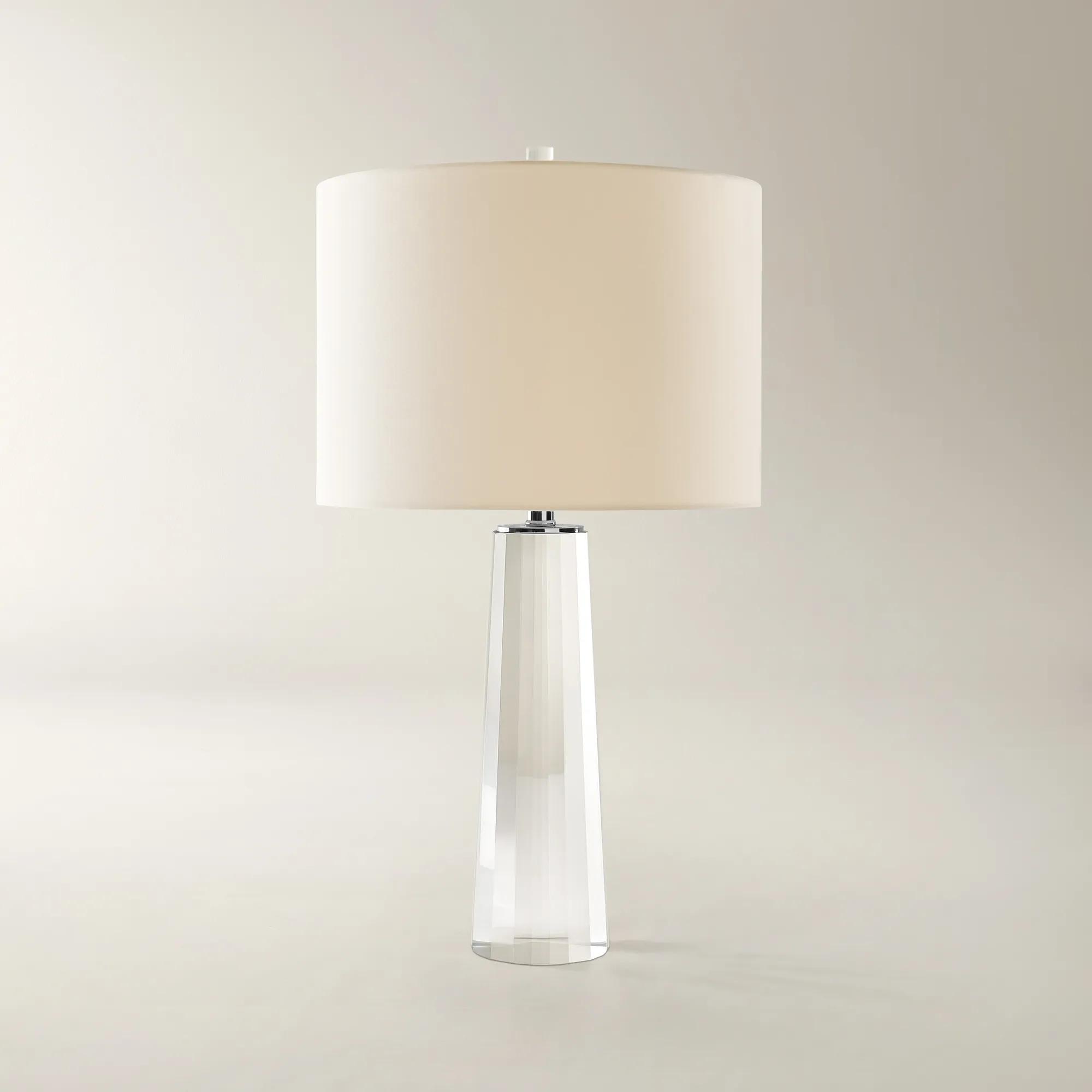
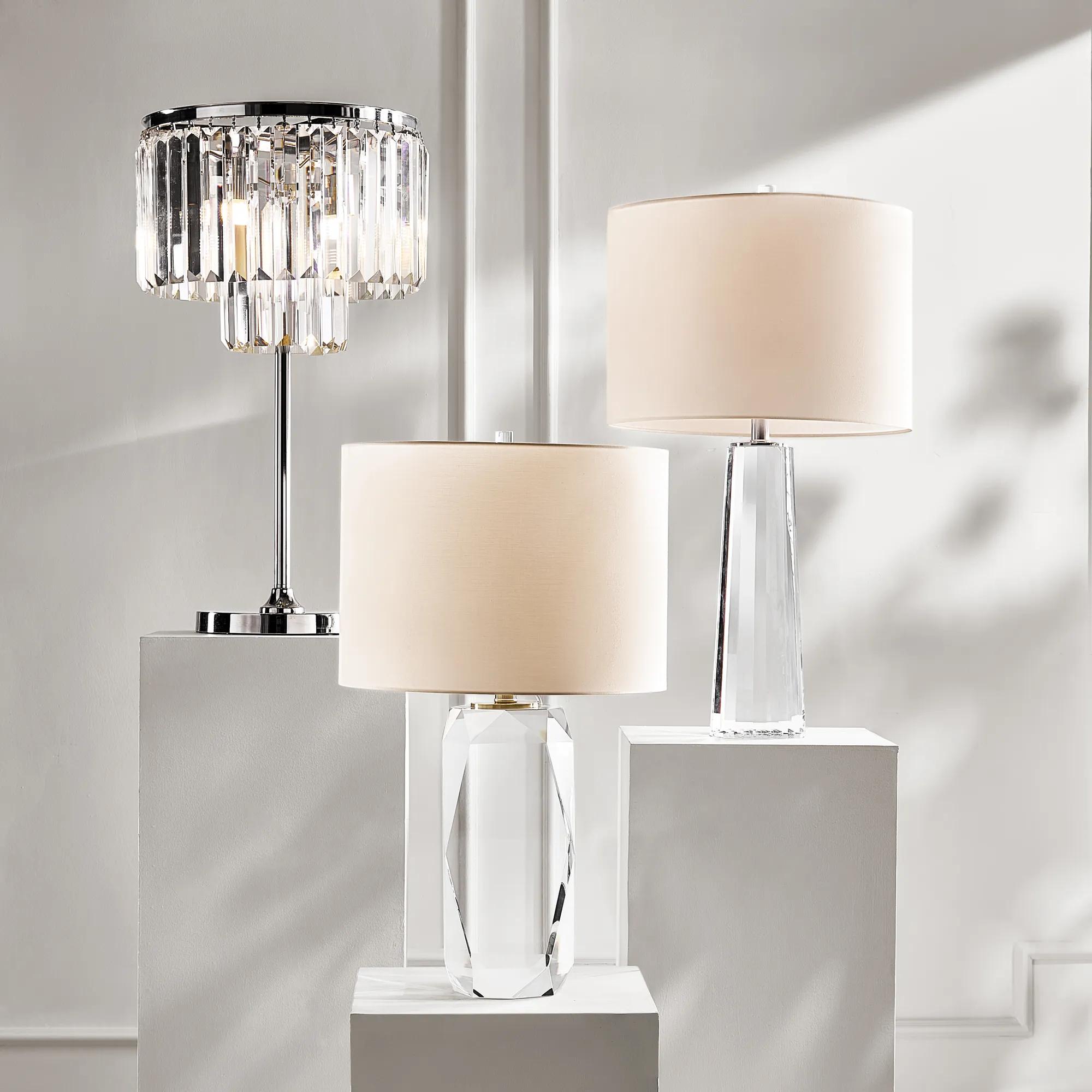 Sasha Faceted Clear K9 Crystal Table Lamp 28"$499
A refined table lamp featuring a clear crystal base, white drum shade, and polished nickel accents.
Add To Cart -
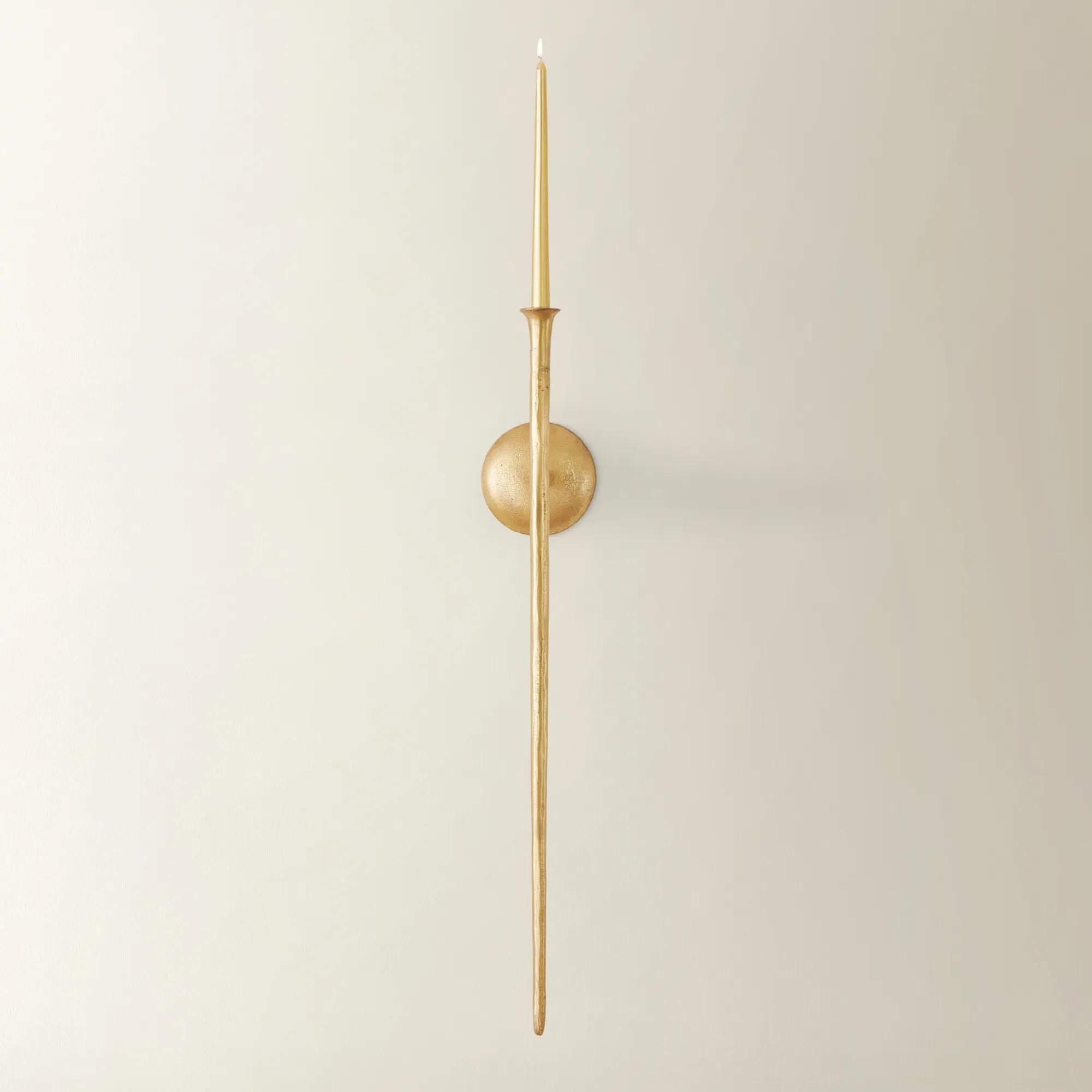 Aspar Gold Aluminum Candle Wall Sconce Large 33"$59
A slender metal wall sconce available in silver, gold, or black, perfect for displaying taper candles.
Add To Cart -
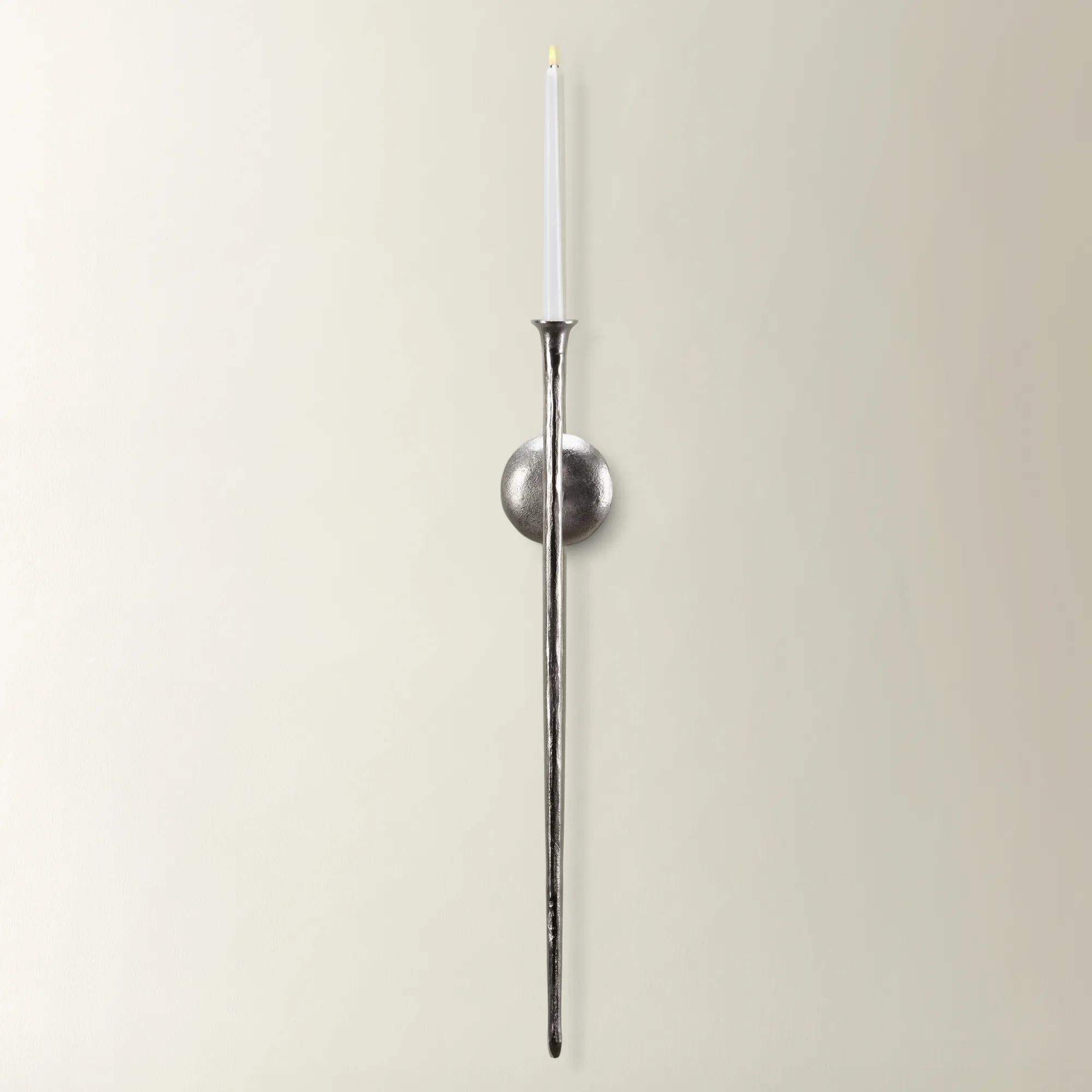
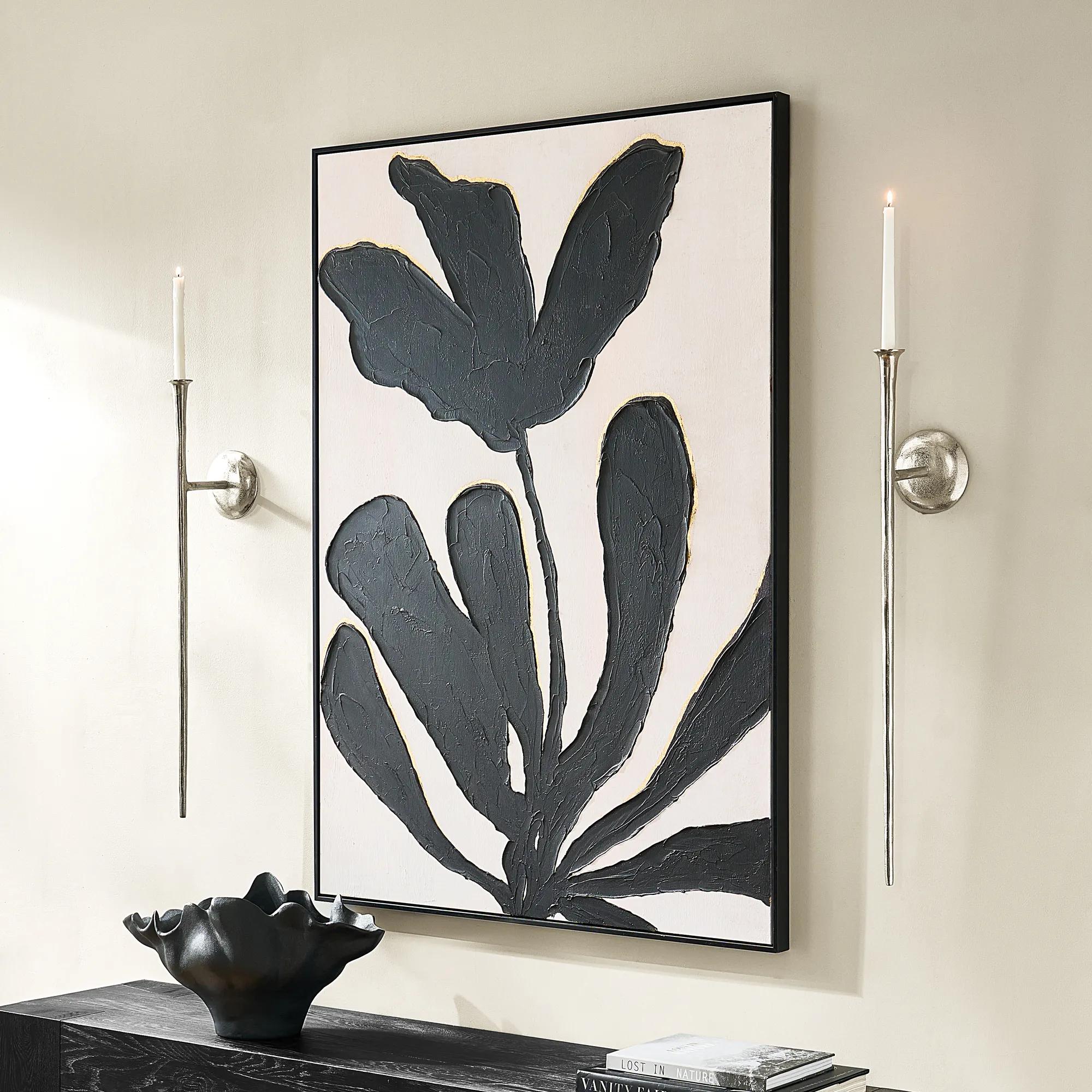 Aspar Silver Aluminum Candle Wall Sconce Large 33"$59
A slender metal wall sconce available in silver, gold, or black for elegant candlelit ambiance.
Add To Cart -
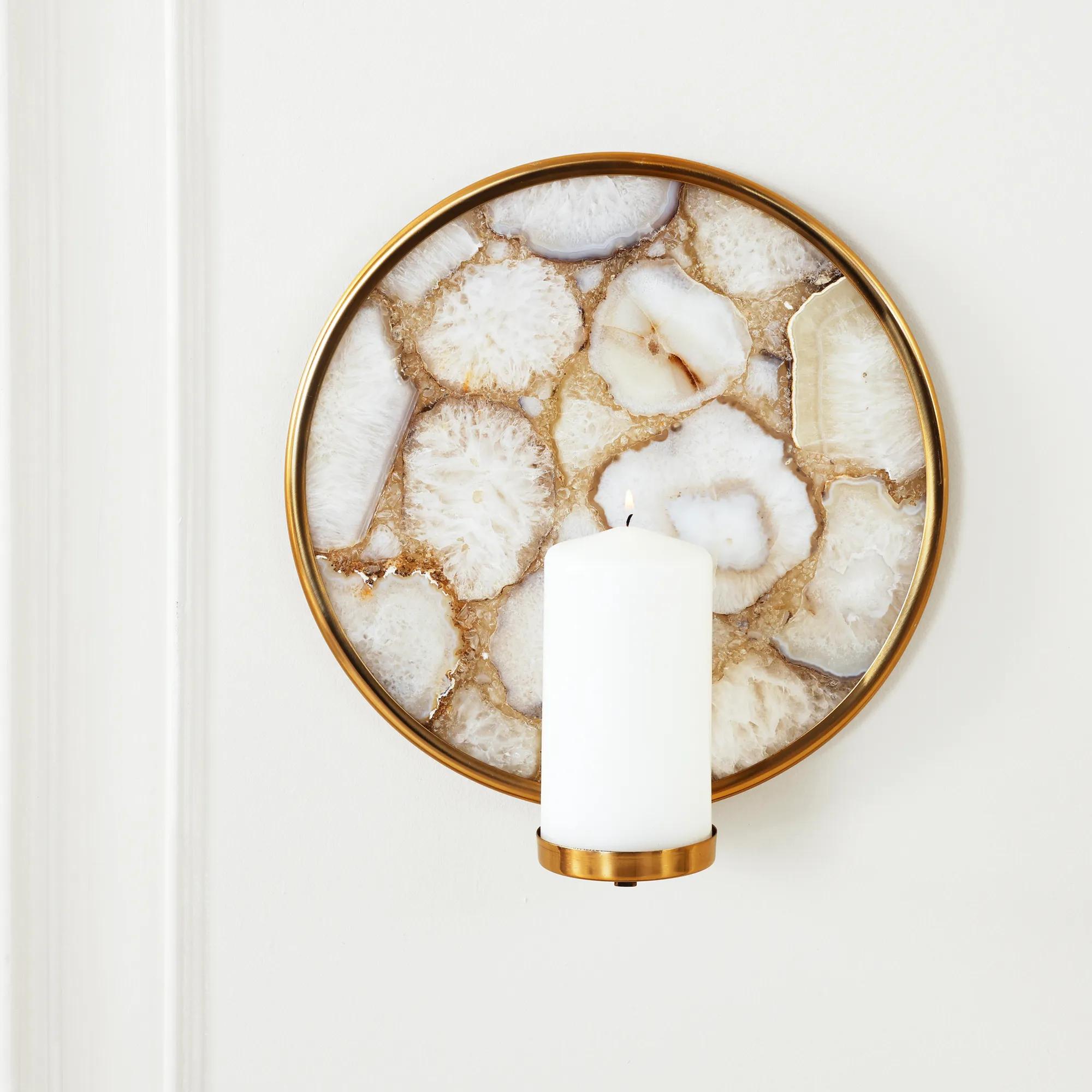 Diego Sconce$179
A neutral-toned agate sconce framed in gold, blending artistic elegance with functional lighting.
Add To Cart -
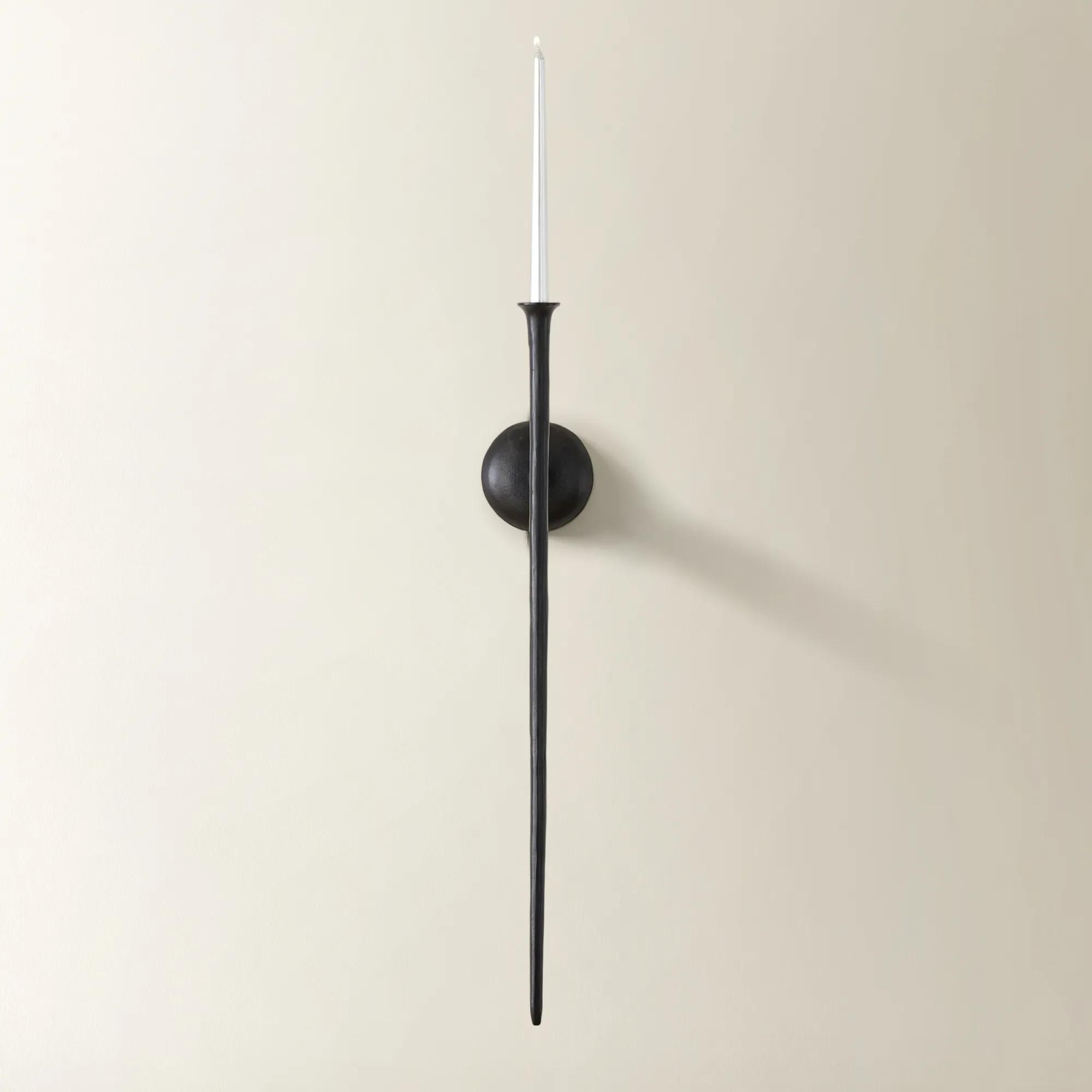 Aspar Black Aluminum Candle Wall Sconce Large 33"$59
A slender metal wall sconce available in silver, gold, or black, perfect for elegant candlelit ambiance.
Add To Cart

Lighting Ideas For New Homes
Explore lighting ideas for new homes with modern designs that balance everyday illumination and expressive style. Choose lighting to define gathering spaces, bring focus to reading areas, and give entryways a welcoming glow. Consider fixture scale and placement alongside ambient, task, and accent lighting to create layers of light that make each room feel thoughtfully composed.
Lighting for a new home establishes the atmosphere before the last piece of furniture finds its place. A sculptural chandelier can give an otherwise quiet room a dramatic center, while a shaded table lamp turns an unfamiliar corner into a place to settle in. The most versatile lighting ideas for new homes combine three complementary layers: ambient lighting for overall illumination, task lighting for focused activities, and accent lighting to emphasize artwork, architecture, or decorative objects. Ceiling fixtures provide the foundation; floor lamps, table lamps, and wall sconces bring the glow closer to where life happens. Together, these layers allow a living room to move comfortably from conversation to reading, or a dining area from everyday meals to a beautifully composed gathering. Warm white bulbs in the 2700K to 3000K range generally suit living rooms and bedrooms, offering an inviting glow that complements upholstery, wood grain, and metallic finishes. Lumens describe brightness, while Kelvin describes light color; considering both makes it easier to select illumination that feels generous without becoming harsh. Shade construction matters just as much. Translucent fabric diffuses light across a seating area, while an opaque shade directs it toward a book, desk, or tabletop. Clear glass and crystal can introduce sparkle, though exposed bulbs may call for lower brightness or dimming to keep glare comfortable. Scale gives these choices their presence. A substantial lamp can hold its own beside a deep sofa, while a slender silhouette leaves breathing room on a narrow console. In a newly furnished room, the relationship between the fixture, nearby furniture, and ceiling height matters more than the fixture’s dimensions alone. A lamp shade should feel balanced above its base without overwhelming the surface beneath it, and its bulb should remain comfortably out of direct view from the usual seated position. These details make expressive lighting feel considered rather than simply decorative.
Each room gives lighting a different role, and the strongest selections respond to the way that space will actually be used. In an entryway, an overhead statement fixture creates a memorable arrival, while a console lamp brings a welcoming pool of light to the spot where keys and mail land. A living room benefits from illumination at several heights: a ceiling fixture above, sconces along the walls, and a reading lamp beside a favorite chair. This arrangement brings depth to the room instead of leaving every surface equally bright. In a kitchen, pendants can define an island with sculptural rhythm, while under-cabinet lighting illuminates preparation surfaces that overhead fixtures may leave in shadow. Island pendants are often positioned approximately 30 to 36 inches above the countertop, although fixture proportions, ceiling height, sightlines, and manufacturer instructions should determine the final placement. Dining-room lighting needs a similar balance of presence and restraint, with a fixture centered over the table rather than automatically centered in the room. In connected spaces, lighting for open concept homes helps define distinct living, dining, and kitchen areas without introducing visual competition. Repeated metal finishes, related silhouettes, or a shared shade color can connect those areas while allowing one chandelier or pendant arrangement to take the lead. Bedrooms call for a softer composition, with bedside illumination that supports reading without flooding the entire room. A pair of lamps need not be identical to feel harmonious; comparable heights and a related material can create balance across different nightstands. At a bathroom mirror, light from both sides helps reduce facial shadows, complemented by overhead illumination appropriate to the space. Dimmers offer flexibility throughout the home, provided the bulbs, fixtures, and controls are compatible. Hardwired installations belong with a qualified electrician, and fixtures near moisture require the appropriate damp- or wet-location rating for their intended placement.
Materials give decorative lighting its character even when the switch is off. Polished metal introduces crisp reflections and a tailored edge, while brushed finishes offer a quieter luster that sits beautifully beside textured upholstery. Glass can feel airy and luminous; crystal adds facets that catch the light and animate surrounding surfaces. Ceramic bases bring color, sculptural volume, and a sense of artistry to a console or bedside table. Natural stone lends weight and distinctive veining, while linen and other fabric shades soften the transition between brilliant light and shadow. These differences influence care as well as appearance. A soft, dry microfiber cloth is often suitable for routine dusting, but the manufacturer’s care instructions should guide cleaning, especially for plated finishes, delicate fabrics, porous stone, and decorative coatings. Power should be switched off and bulbs allowed to cool before cleaning; moisture should never enter sockets or electrical components. Durable lighting also depends on thoughtful placement. A stable base is especially valuable beside an active seating area, and cords should stay clear of walkways rather than stretching across an open floor. Portable lamps offer flexibility as a new home takes shape, moving from a temporary reading corner to a finished guest room without changing the electrical layout. Before choosing a fixture, its dimensions, shade clearance, cord length, bulb requirements, and switch location deserve attention alongside its silhouette. A dramatic floor lamp loses some of its appeal if its switch is difficult to reach from the chair it serves. For a housewarming gift, a decorative table lamp can be a thoughtful choice when the recipient’s style, available surface space, and lighting needs are understood; hardwired fixtures require more planning and personal input. Whether selected for a first apartment, a newly built house, or a long-awaited move, lighting brings daily rituals into focus. A gleaming base, a beautifully proportioned shade, and a carefully directed glow can give an emerging interior the confidence and intimacy of a home that already feels distinctly personal.
FAQs
Treat lighting as a collection with a shared design language. Repeat an element such as warm metallic finishes, sculptural curves, or luminous glass across chandeliers, pendants, and lamps. Let each room express its own personality while those recurring details create an artful connection throughout your home.
Compose your living room with lighting at different visual levels: a statement chandelier overhead, table lamps beside seating, and a sculptural floor lamp near an accent chair. Combine diffused shades with gleaming glass or metallic details for a richly layered atmosphere that feels inviting without losing its drama.
Sculptural chandeliers, globe pendants, and architectural floor lamps bring expressive form to modern interiors. For a glamorous interpretation, explore crystal accents, polished metal, or smoked glass. Pair clean-lined furnishings with a more dramatic fixture to create contrast, allowing the lighting to read as a deliberate piece of art.
Mixing finishes creates a collected, expressive interior when the combinations feel intentional. Choose a leading finish, then introduce a contrasting accent, such as brass with black or polished nickel with clear glass. Echo those finishes in mirrors, furniture details, or decorative objects to give the composition a sense of continuity.
Choose bedroom lighting with the same attention you give upholstery or artwork. Ceramic table lamps introduce sculptural texture, crystal details lend luminous glamour, and tailored fabric shades soften the composition. Matching bedside lamps create a composed, symmetrical look, while complementary designs offer a more individual, collected expression.