Ideas For Furnishing New Homes
Ideas For Furnishing New Homes
-
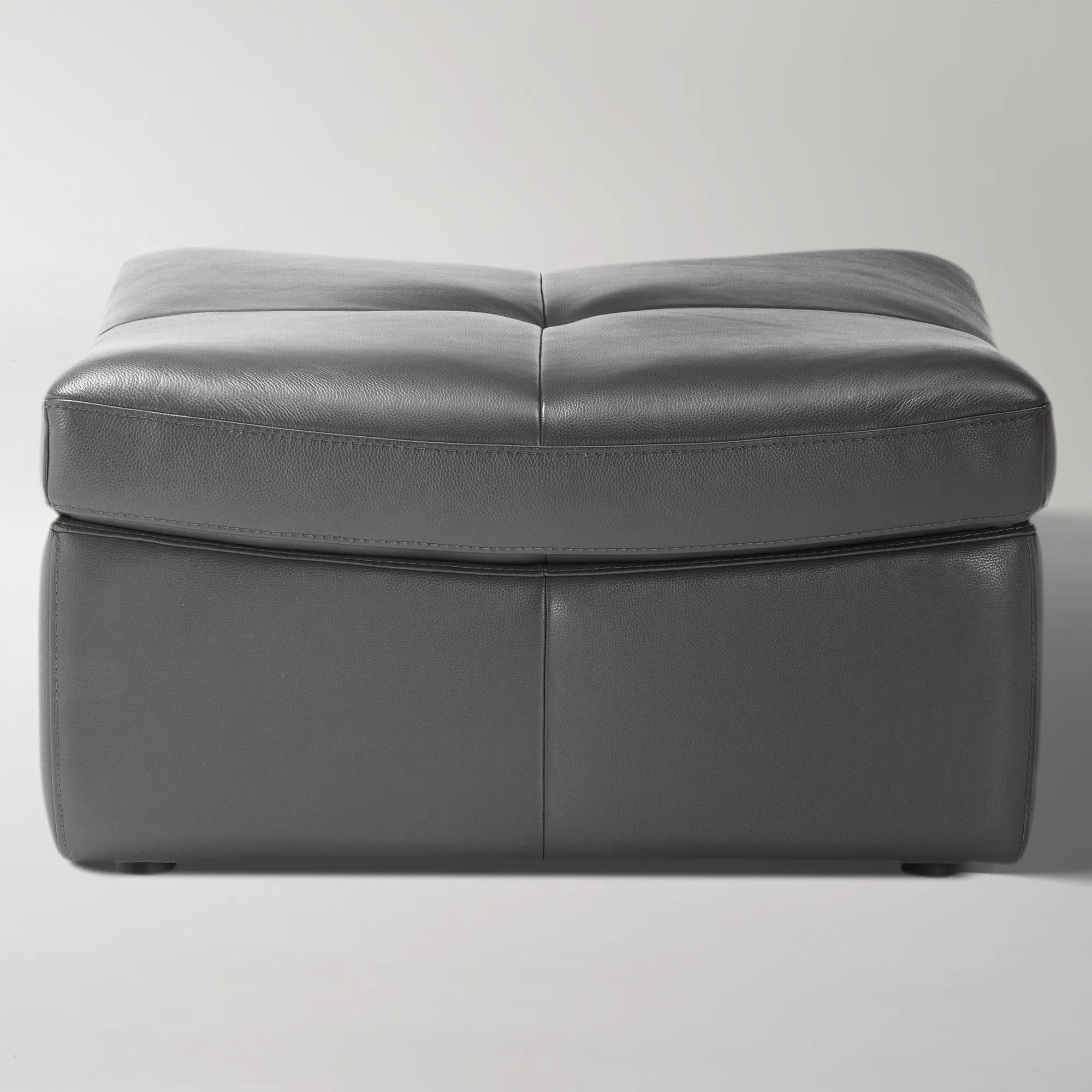 Convo Charcoal Leather Ottoman$849
A modular sectional in charcoal semi-aniline leather with kiln-dried hardwood frames and gently curved seats.
Add To Cart -
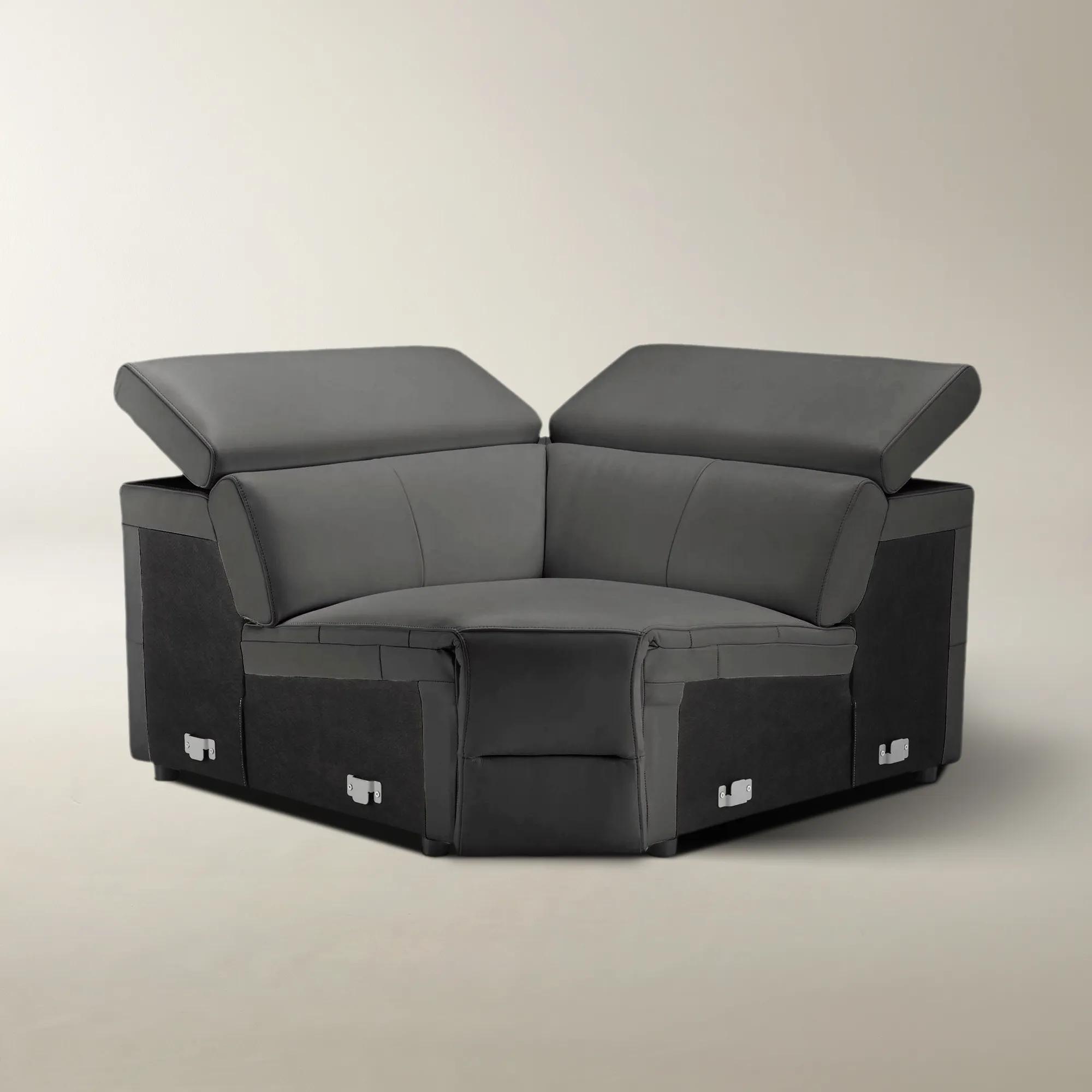
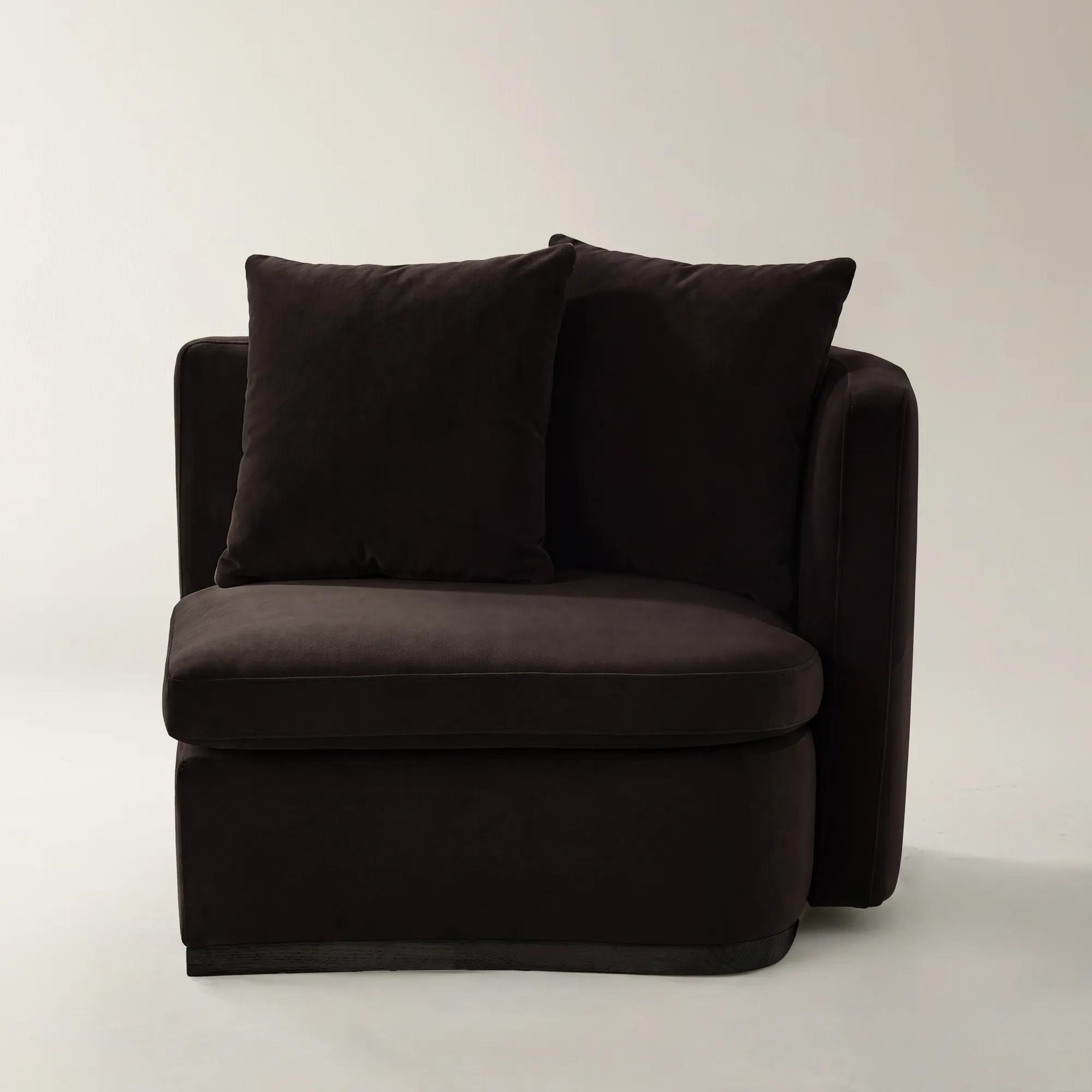
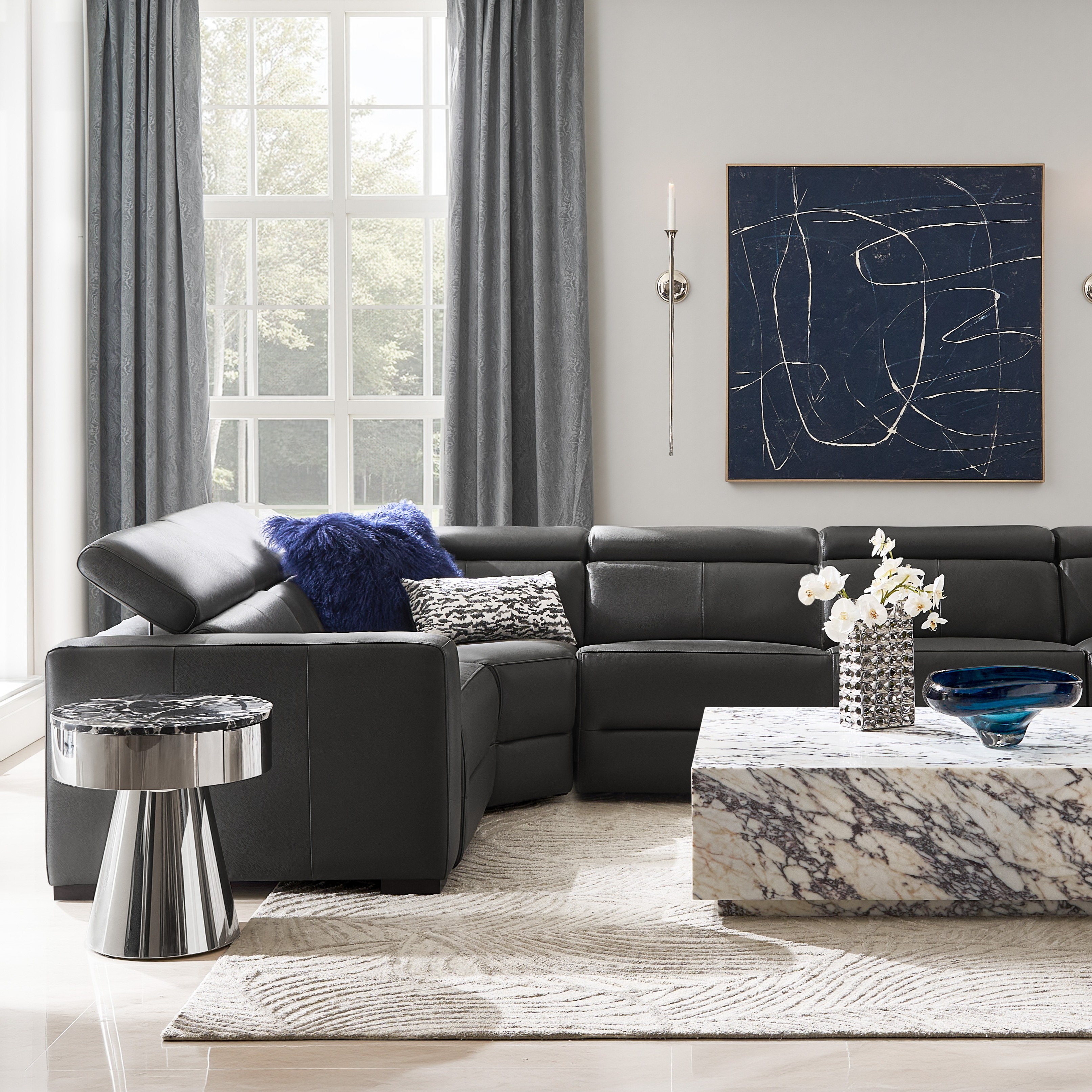 Verona Charcoal Leather Corner Chair With Power$1699
A modern charcoal sectional upholstered in supple semi-aniline leather with adjustable headrests and optional power recline.
Add To Cart -
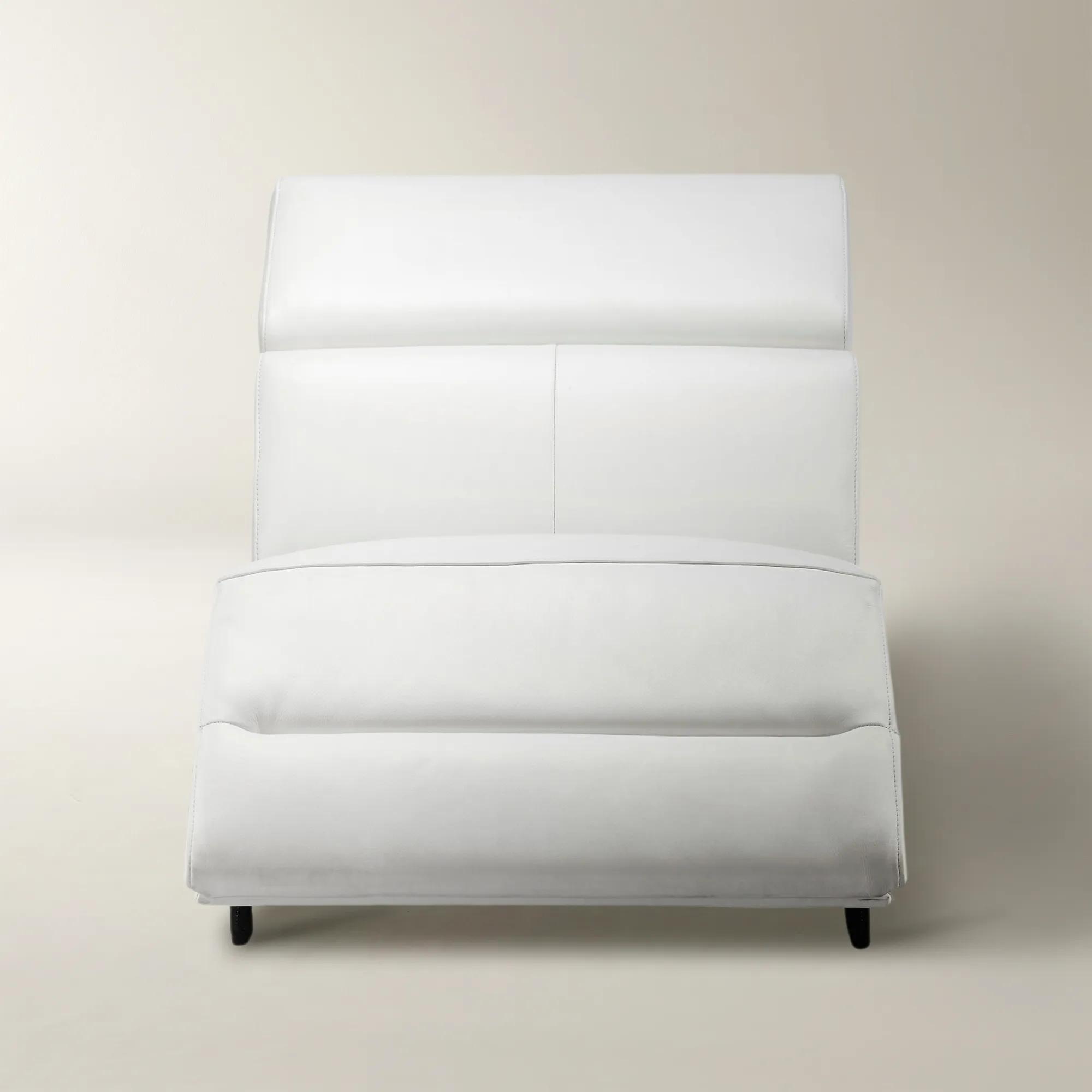
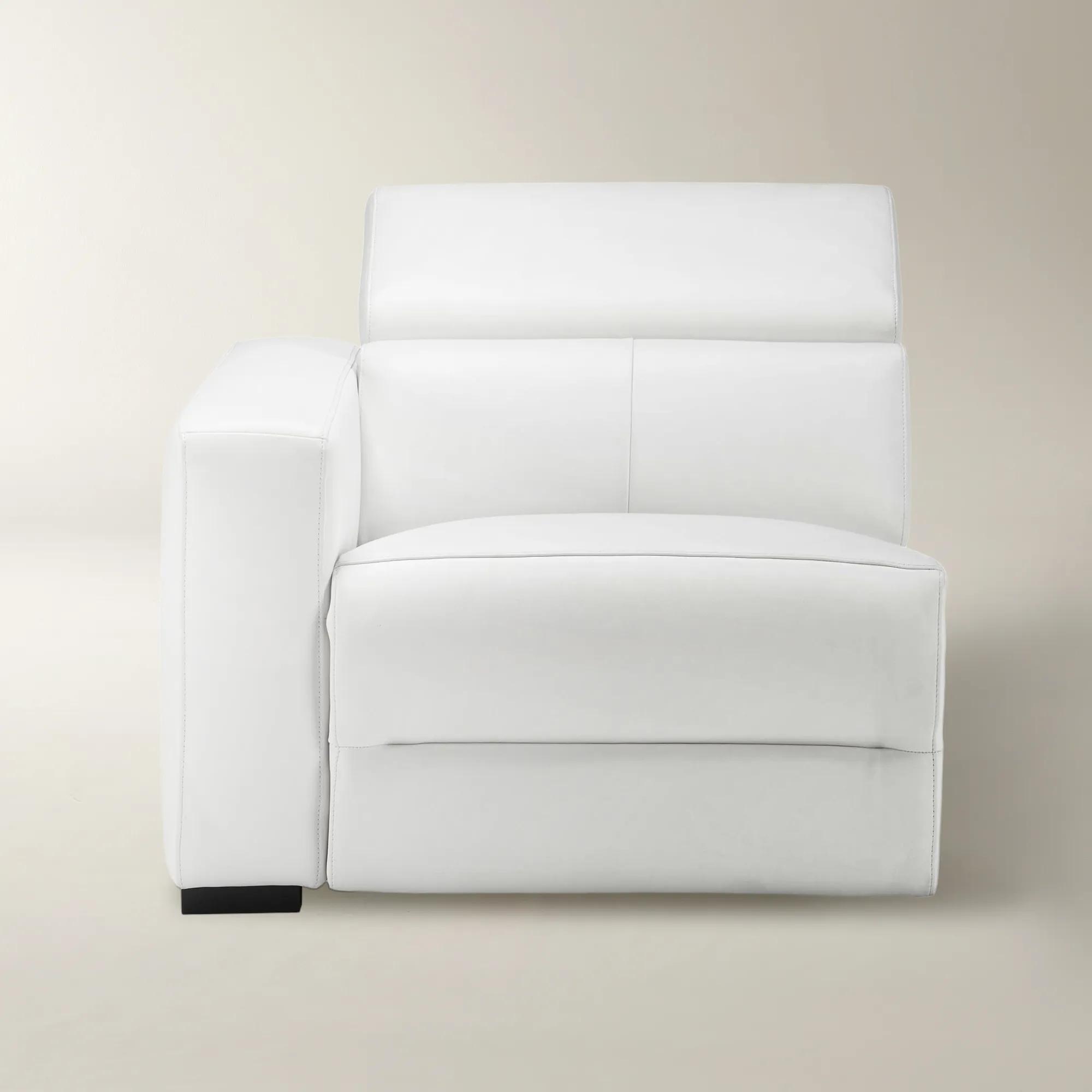
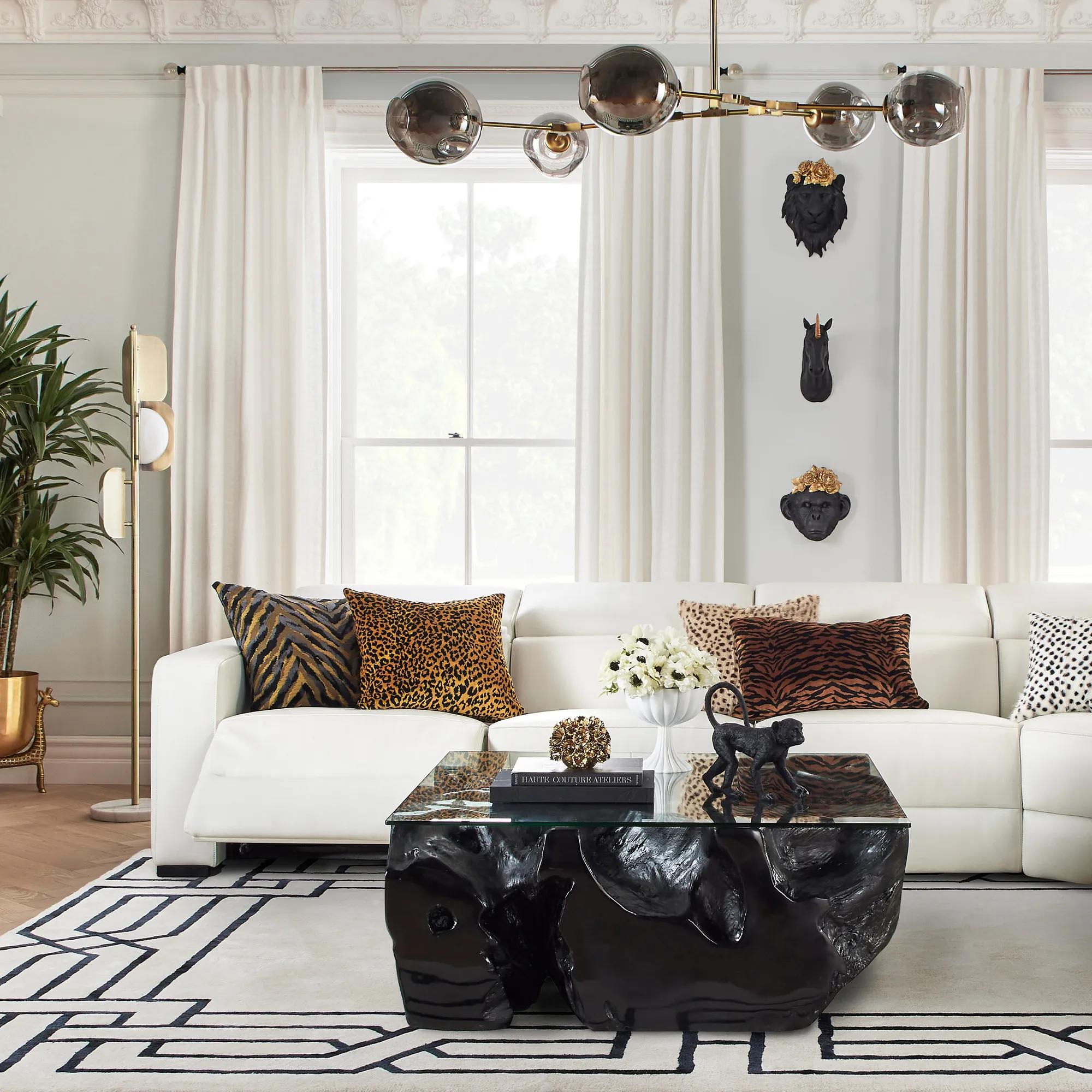 Verona Reclining White Leather Armless Chair With Power$1299
A modern white sectional upholstered in supple semi-aniline leather with adjustable headrests and power-reclining options.
Add To Cart -
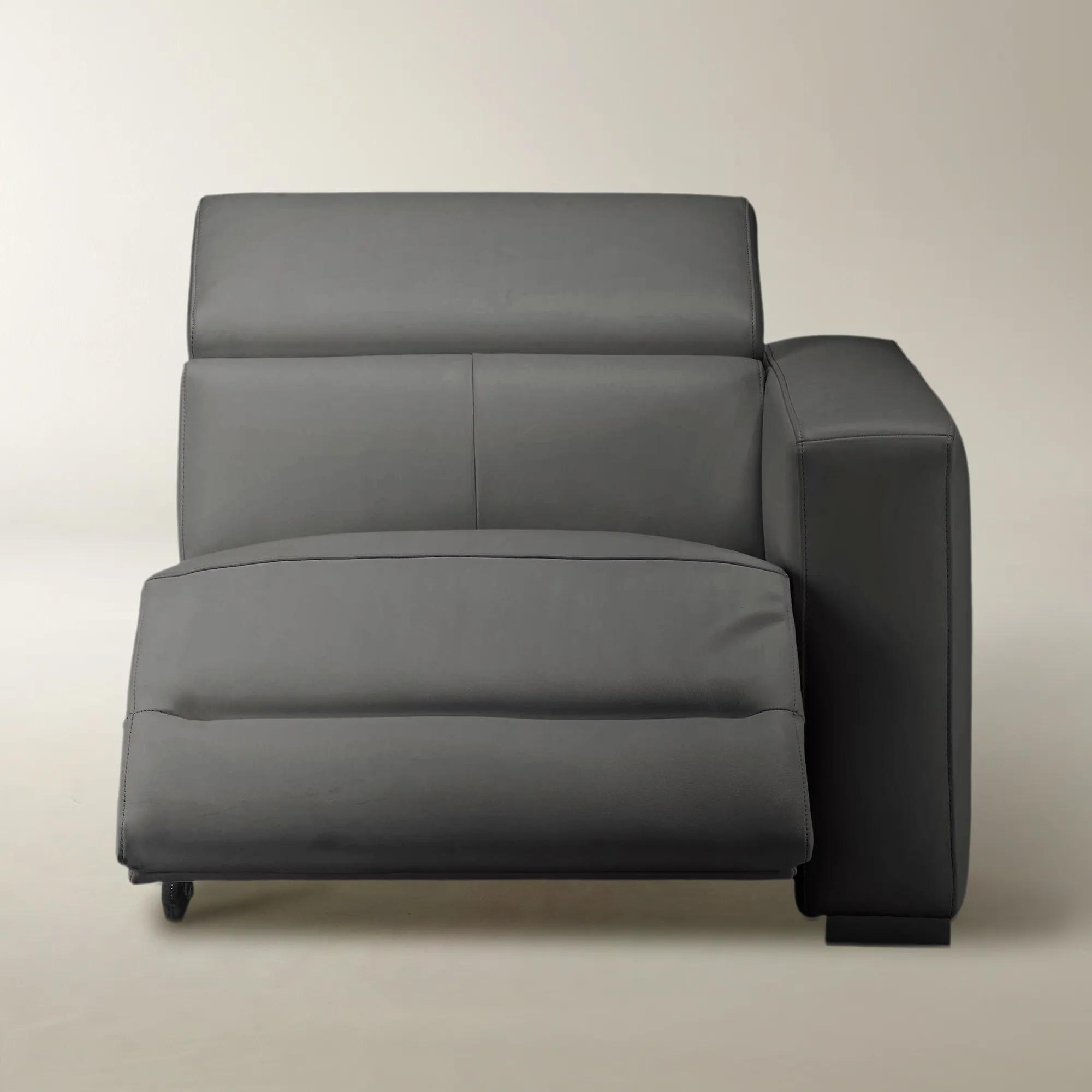
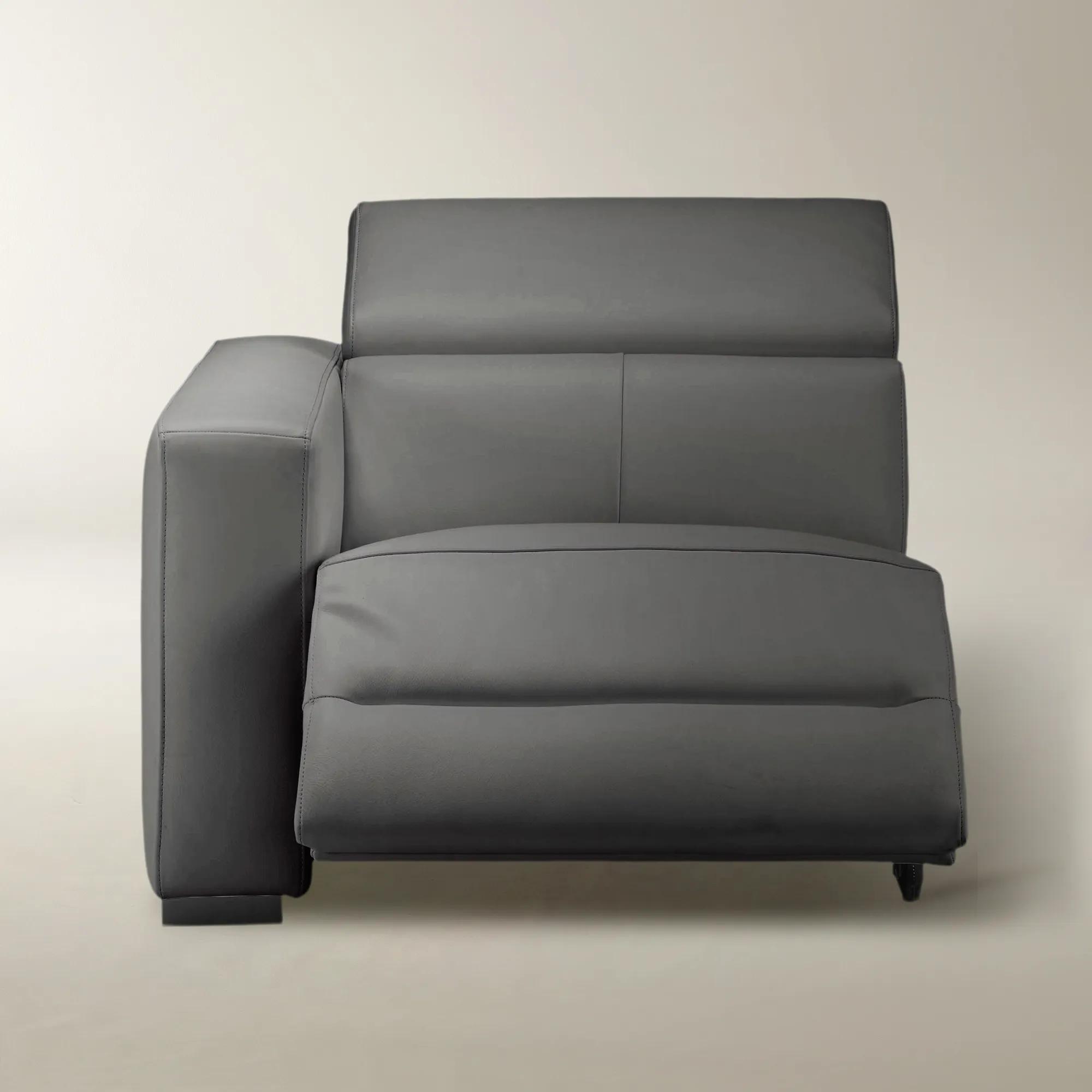 Verona Reclining Charcoal Leather Left Arm Chair With Power$1599
A charcoal semi-aniline leather sectional with adjustable headrests, power-reclining seats, and kiln-dried hardwood frame.
Add To Cart -
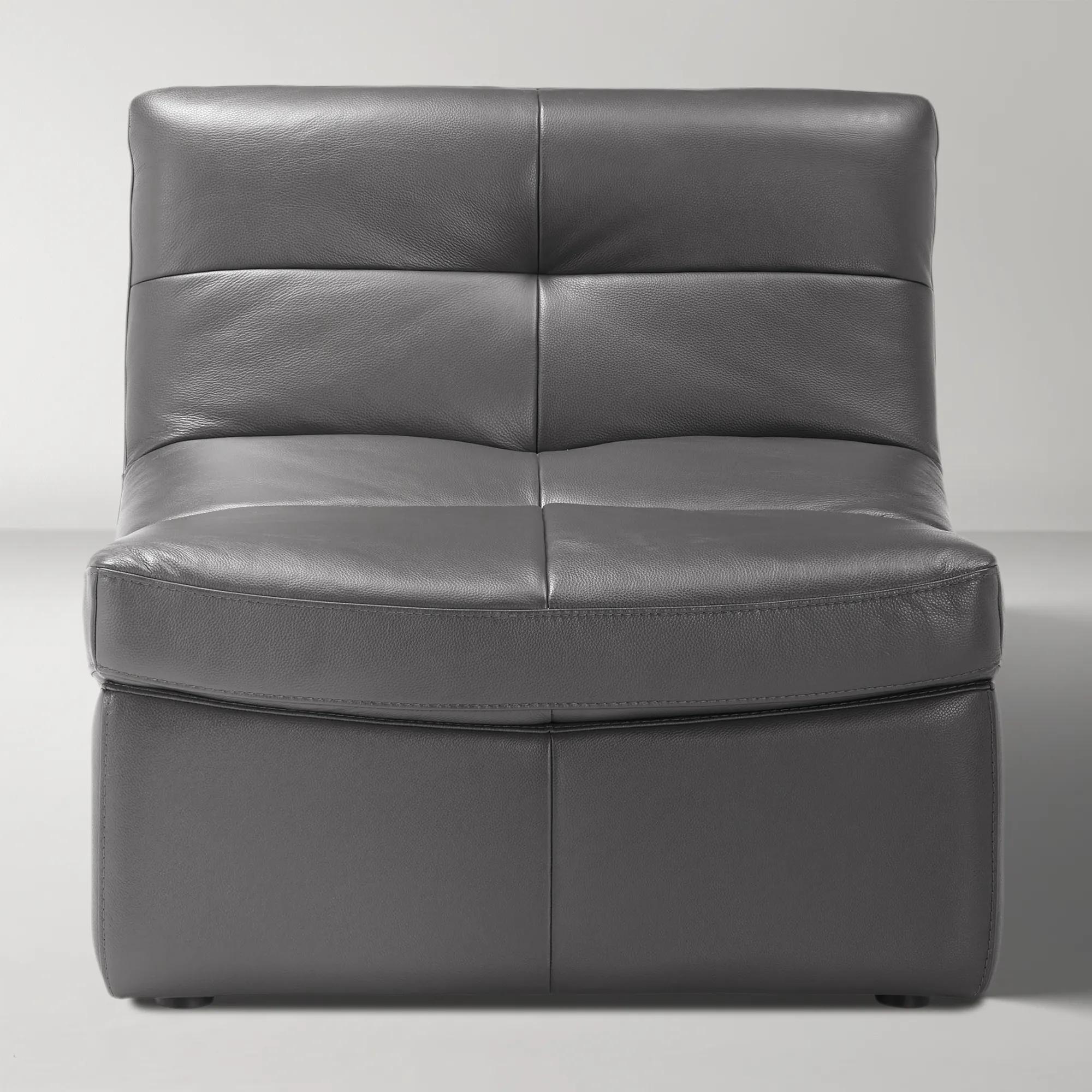
.jpg?w=1200&h=1200) Convo Charcoal Leather Armless Chair$1199
Convo Charcoal Leather Armless Chair$1199A modular sectional with kiln-dried hardwood frame and charcoal semi-aniline leather upholstery for modern versatility.
Add To Cart -
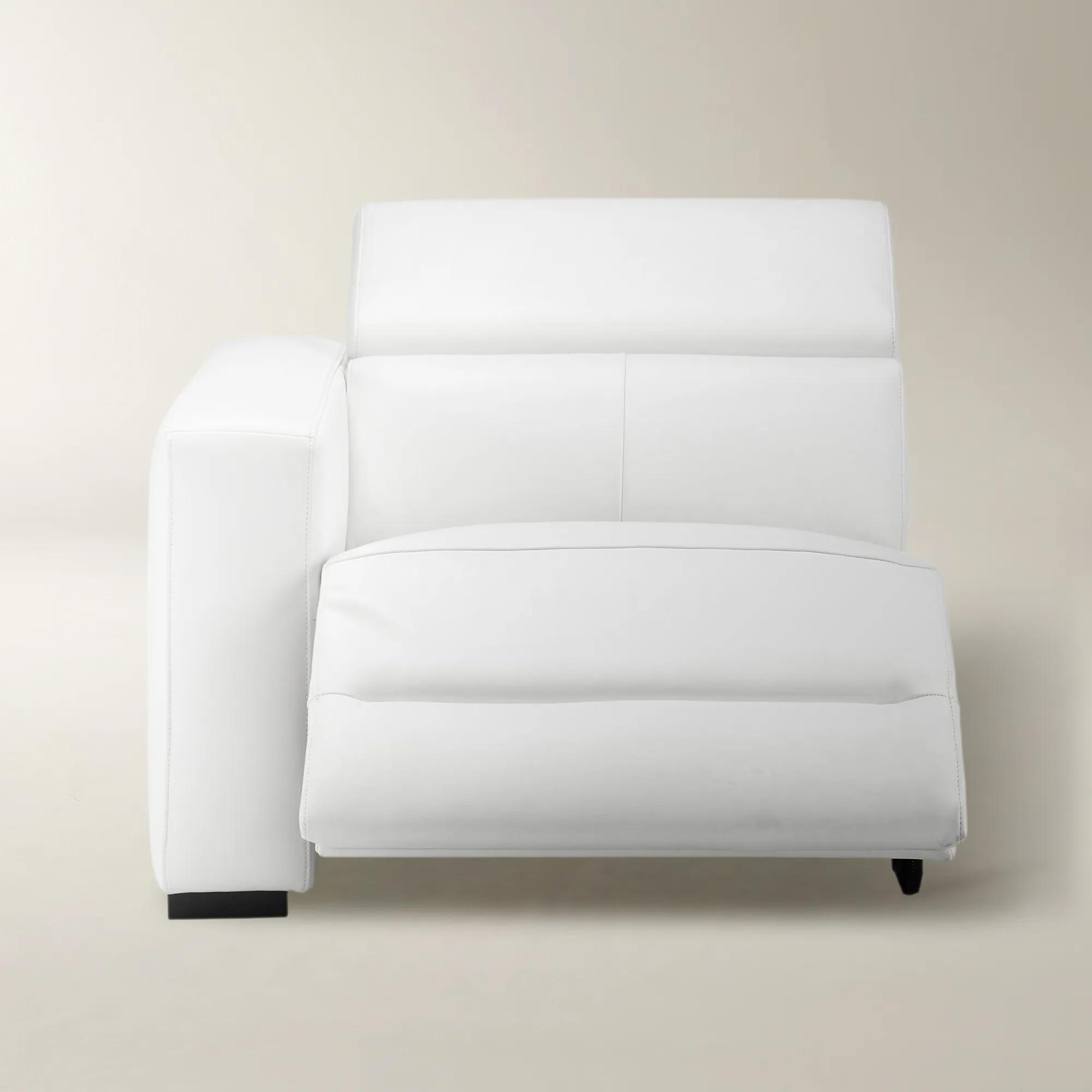 Verona Reclining White Leather Left Arm Chair With Power$1599
A modern white sectional upholstered in supple semi-aniline leather with adjustable headrests and power-reclining seats.
Add To Cart -
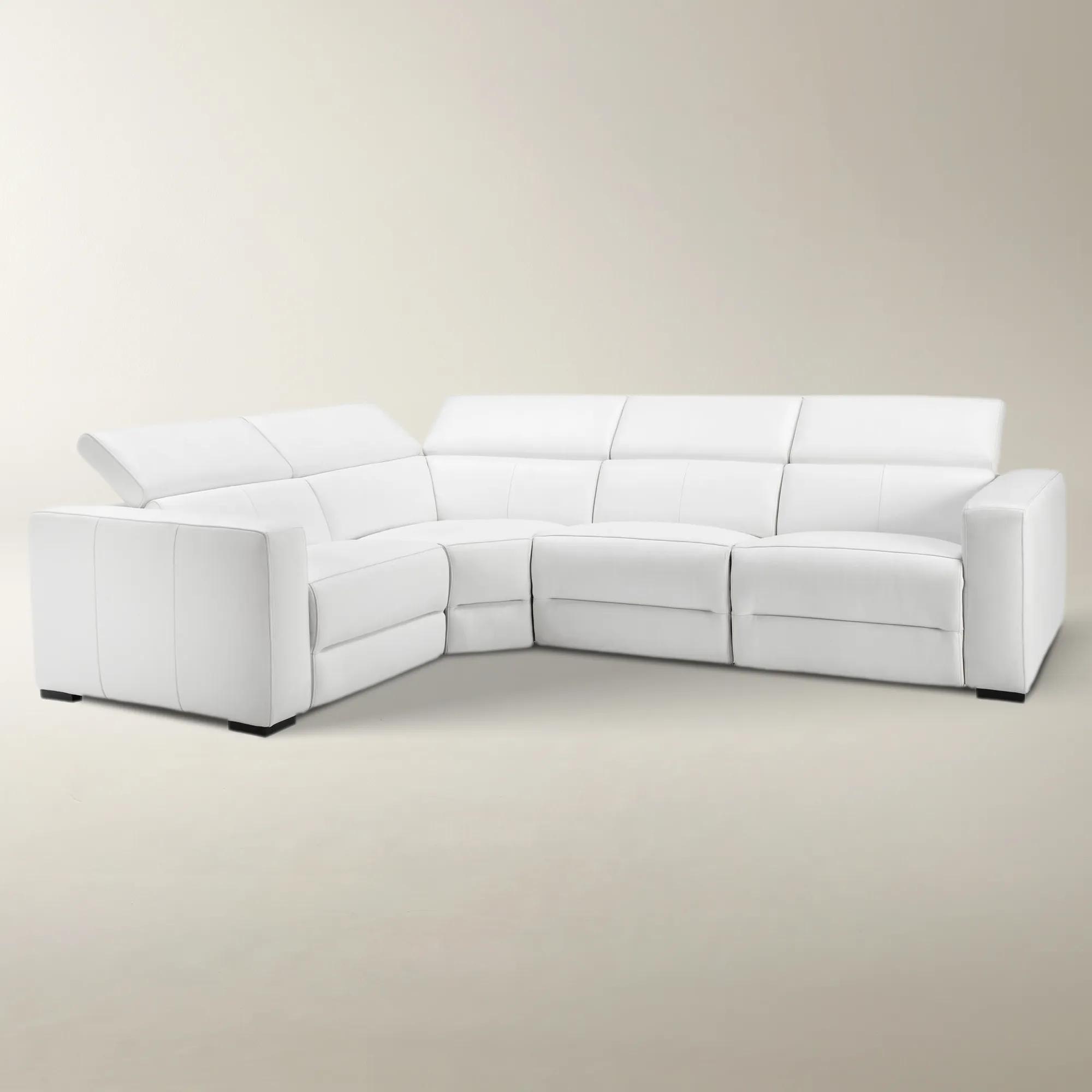 Verona 4-Piece L-Shaped Reclining White Leather Sectional Sofa With Left-Arm$5899
A modern sectional upholstered in supple white semi-aniline leather with adjustable headrests and power-reclining seats.
Add To Cart -
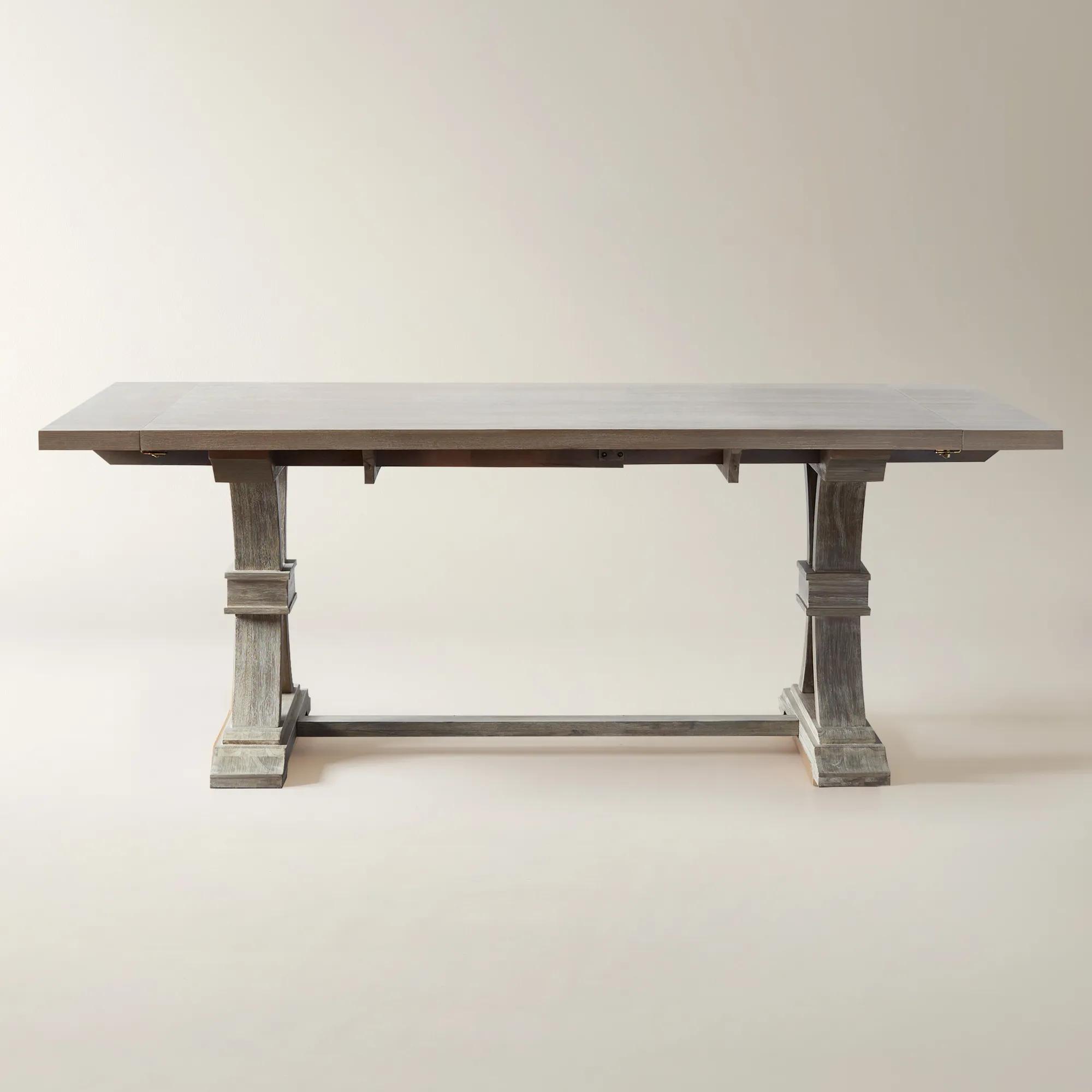 Archer Rectangular Grey Acacia Wood Extending Dining Table (78" - 110")$2499
A weathered grey acacia wood dining table with removable leaves and a kiln-dried hardwood frame.
Add To Cart -
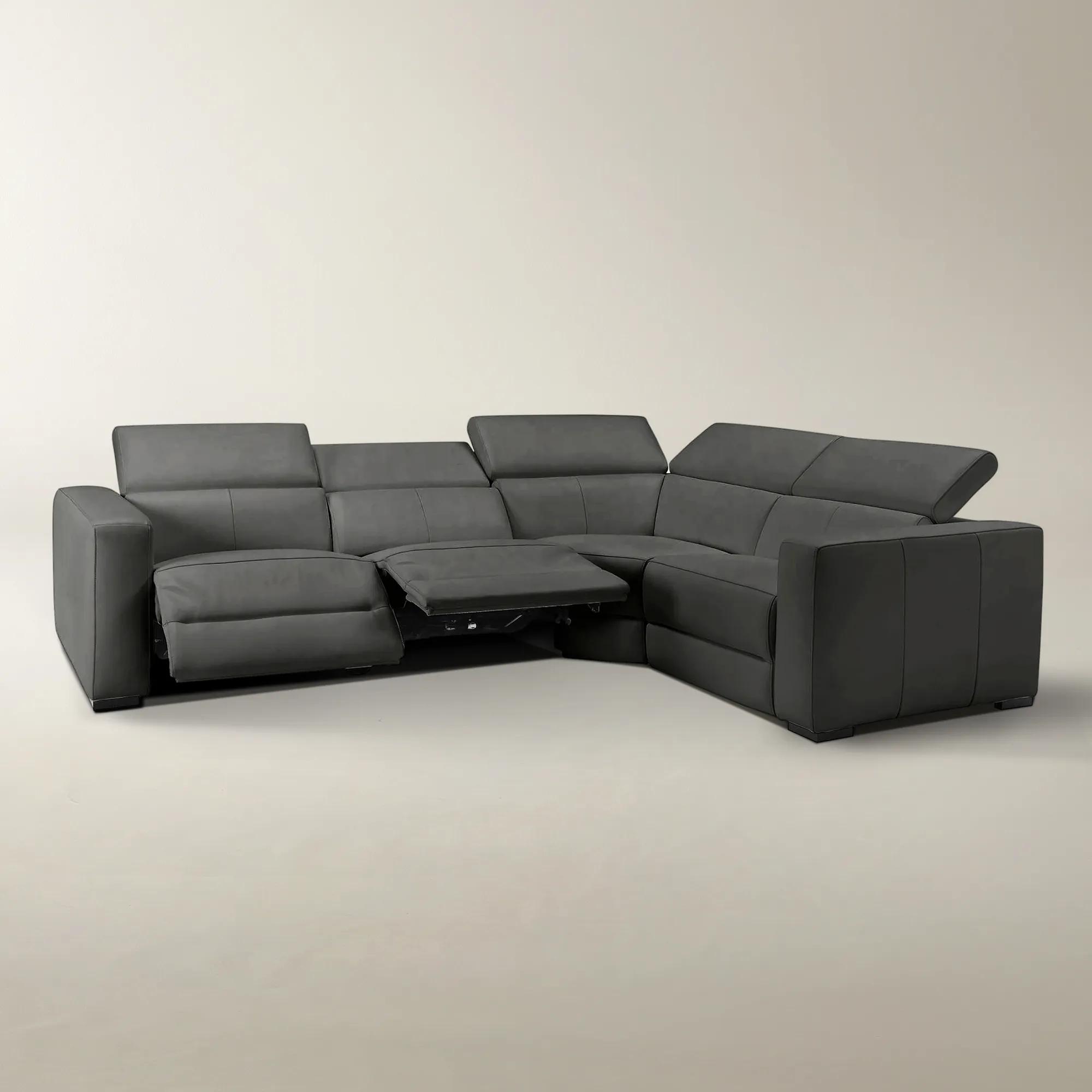
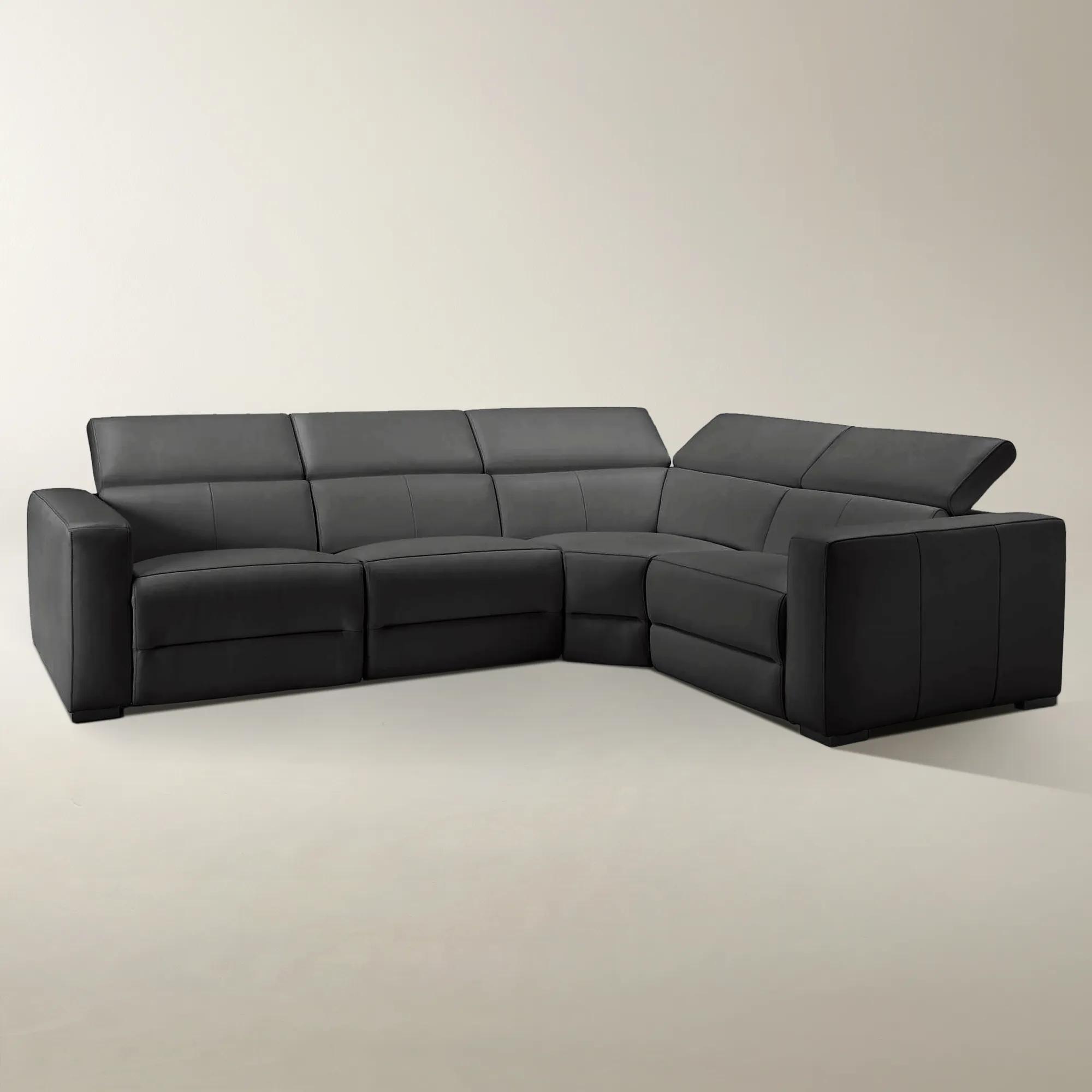 Verona 4-Piece L-Shaped Reclining Charcoal Leather Sectional Sofa With Right-Arm$5899
A charcoal semi-aniline leather sectional featuring adjustable headrests, power-reclining seats, and kiln-dried hardwood frame.
Add To Cart -
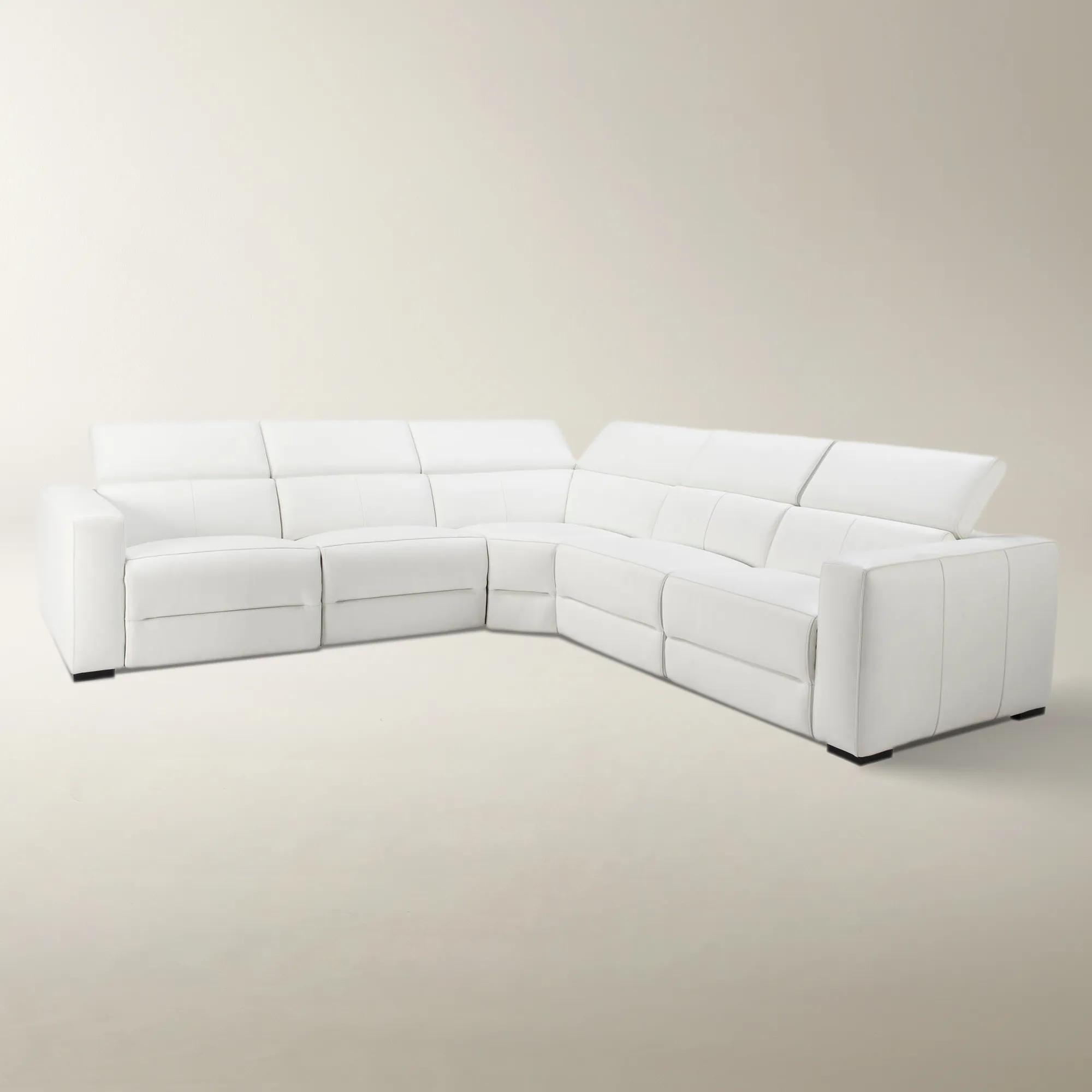
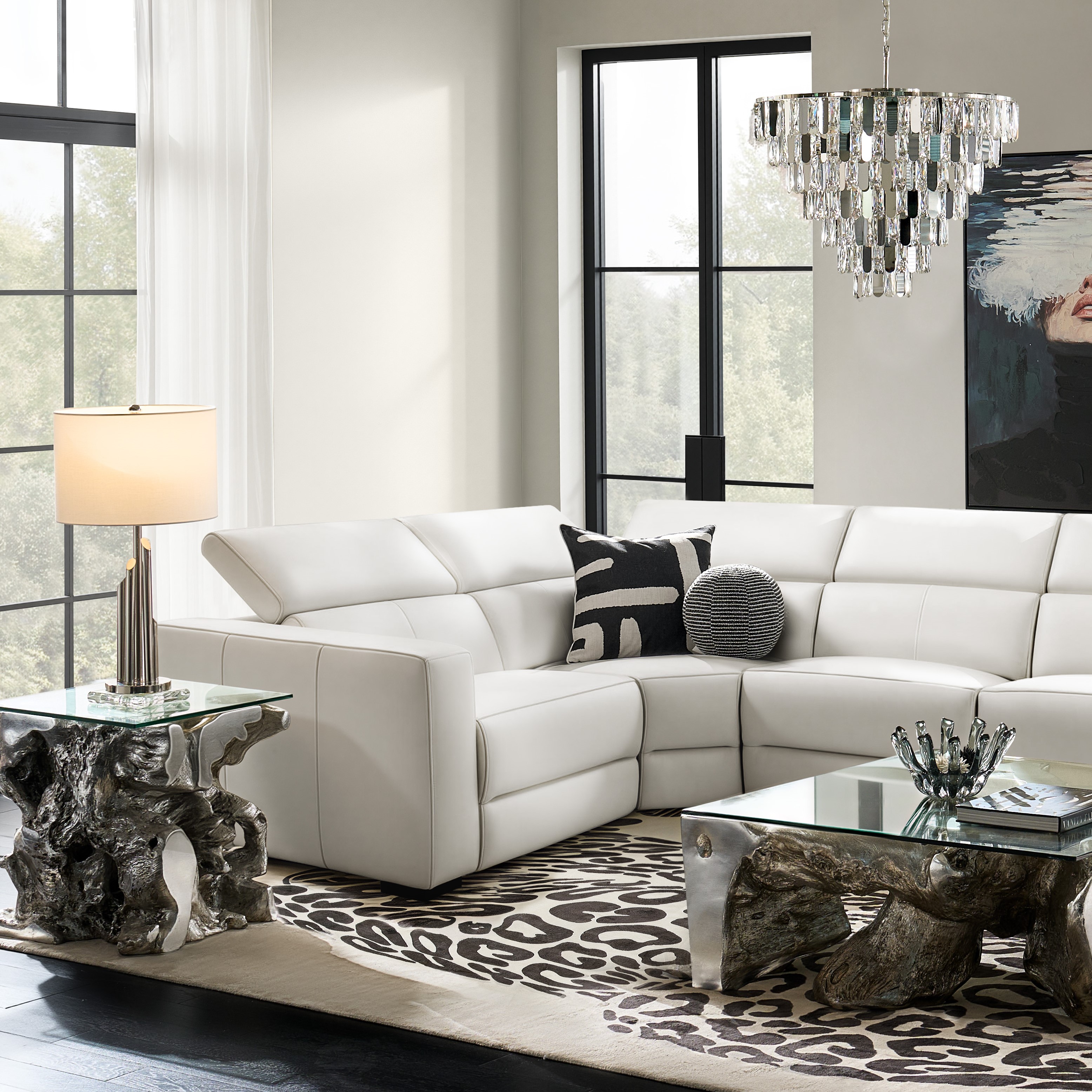 Verona 5-Piece Reclining White Leather Sectional Sofa$7199
A modern sectional upholstered in supple white semi-aniline leather with adjustable headrests and power-reclining seats.
Add To Cart -
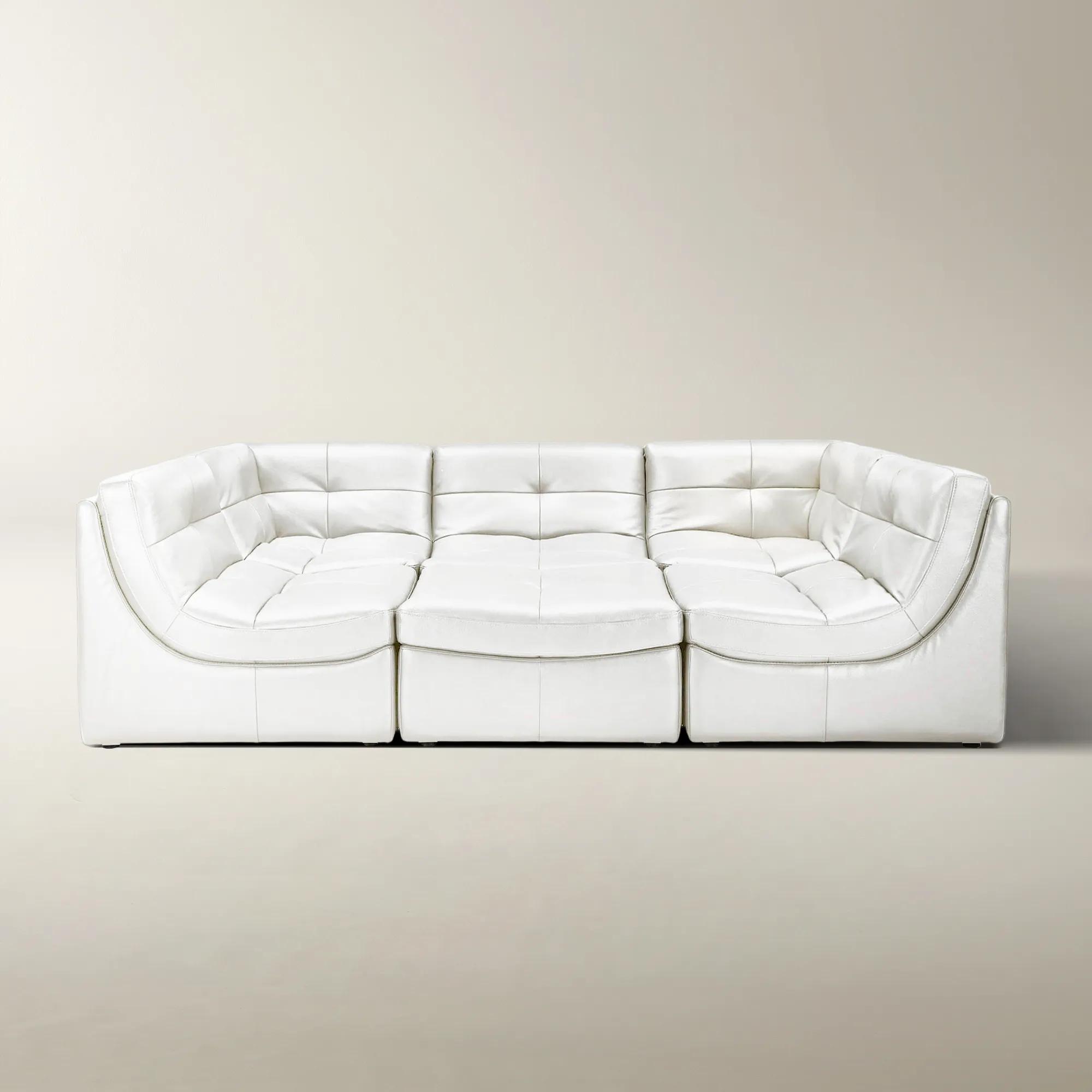 Convo 6-Piece White Leather Sectional Sofa$7249
A modular charcoal leather sectional with kiln-dried hardwood frame and gently curved, blind-tufted seats.
Add To Cart -
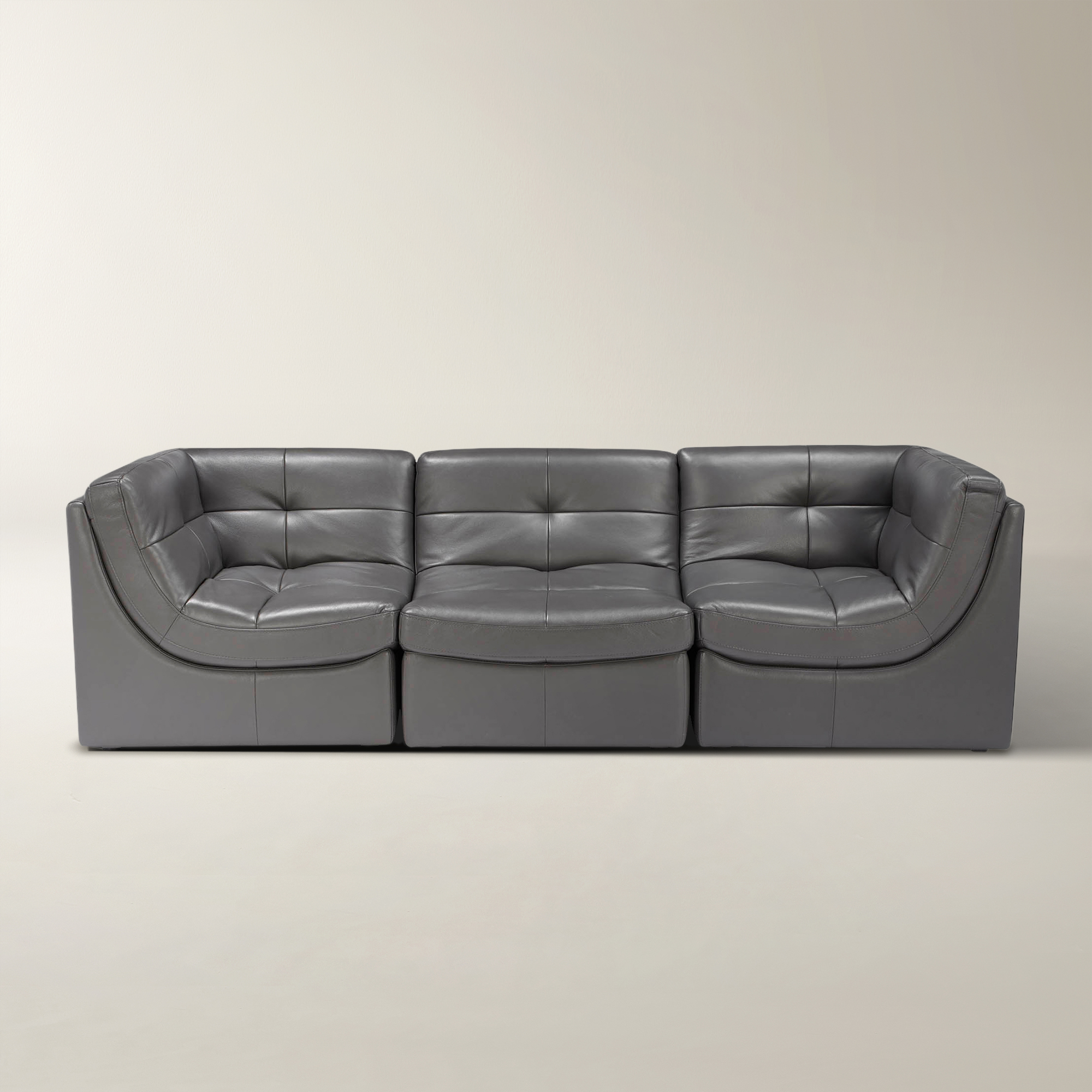 Convo 3-Piece Charcoal Leather Sectional Sofa$3999
A modular charcoal leather sofa with kiln-dried hardwood frame and gently curved, blind-tufted seats.
Add To Cart -
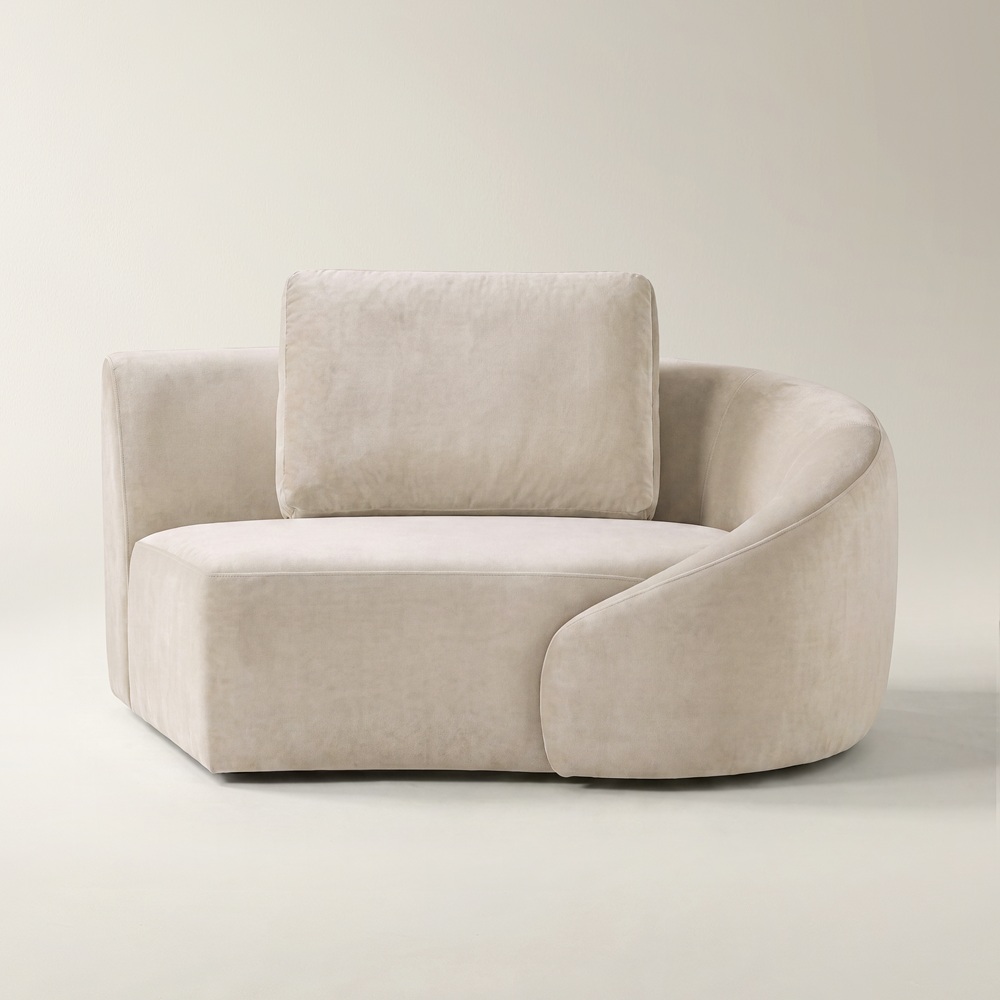
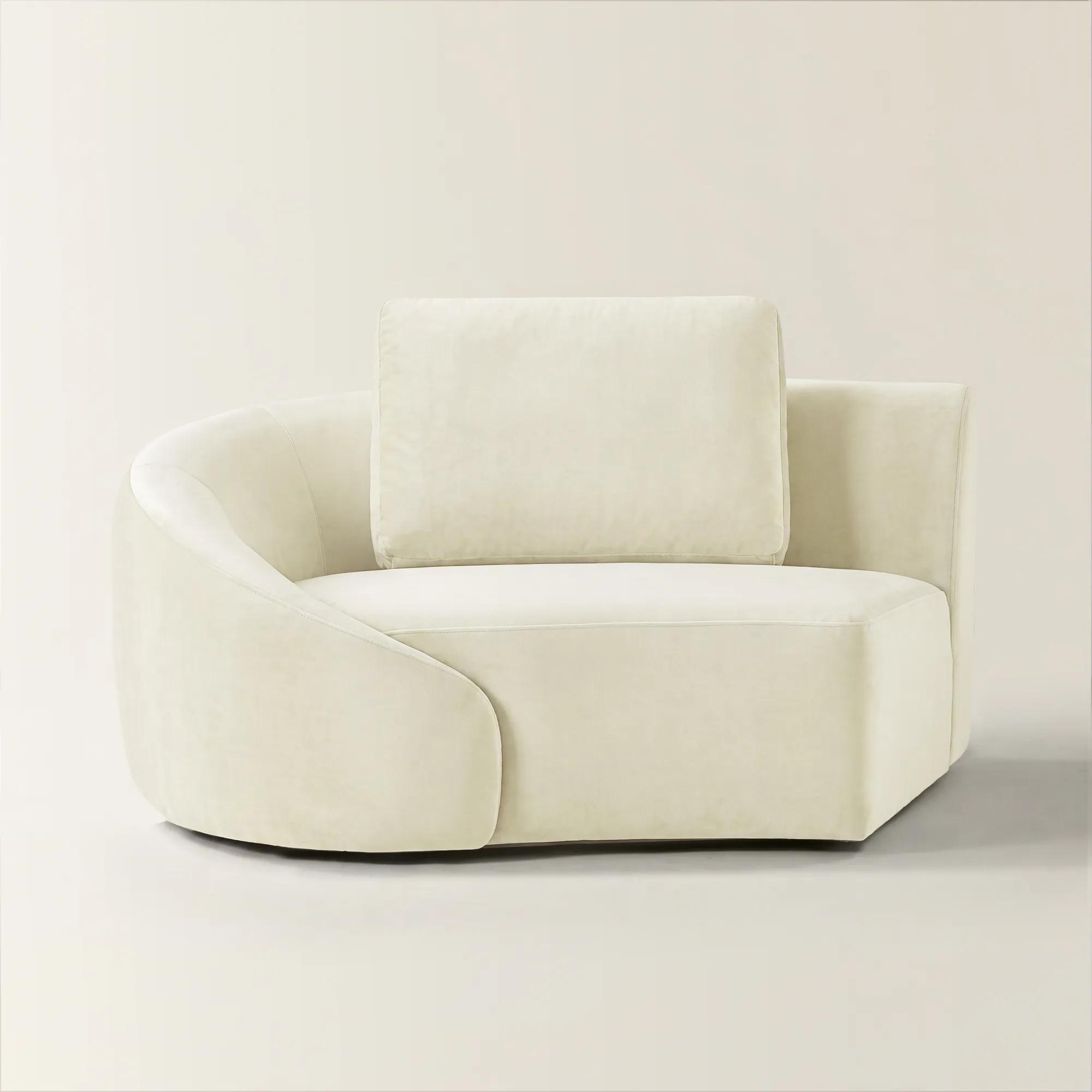
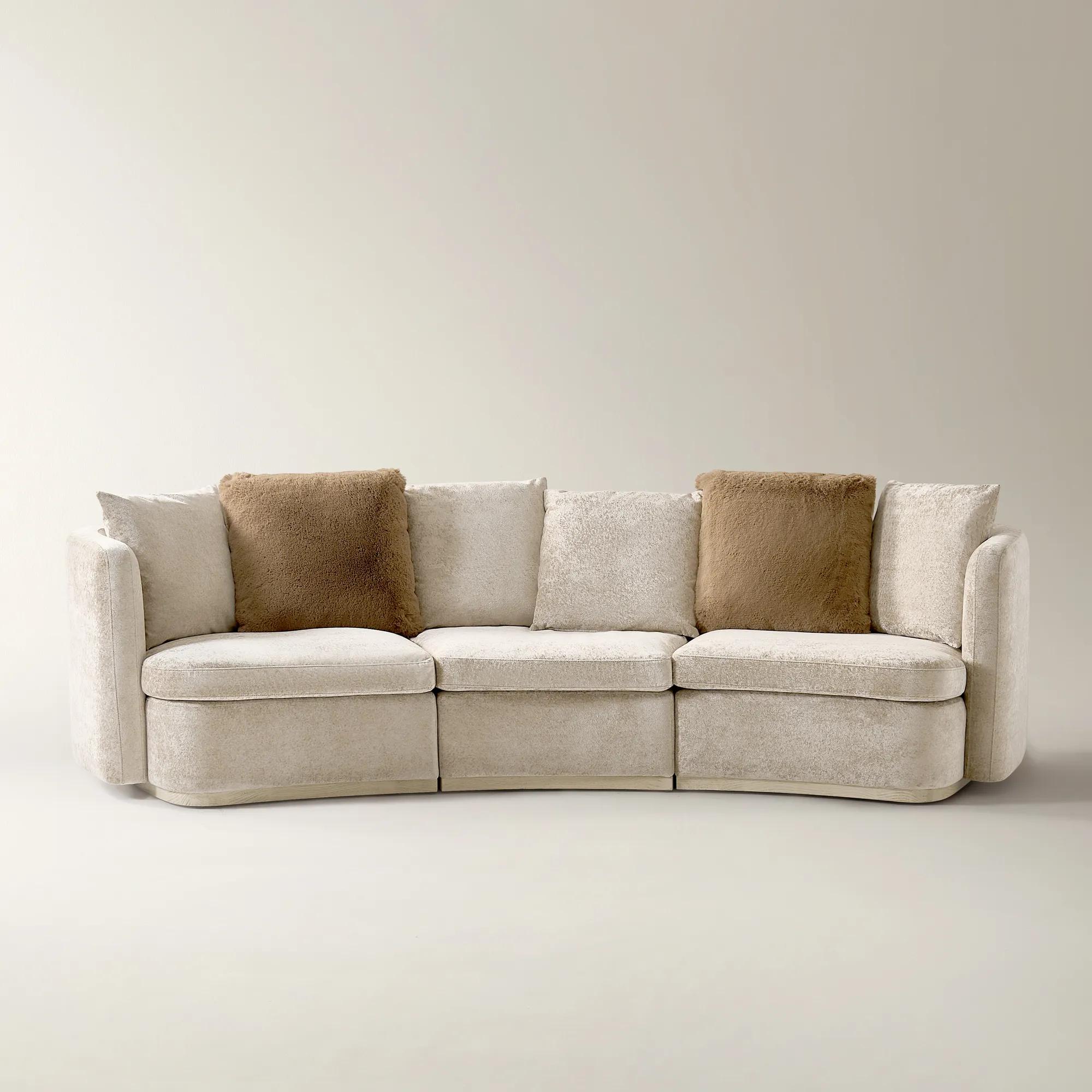
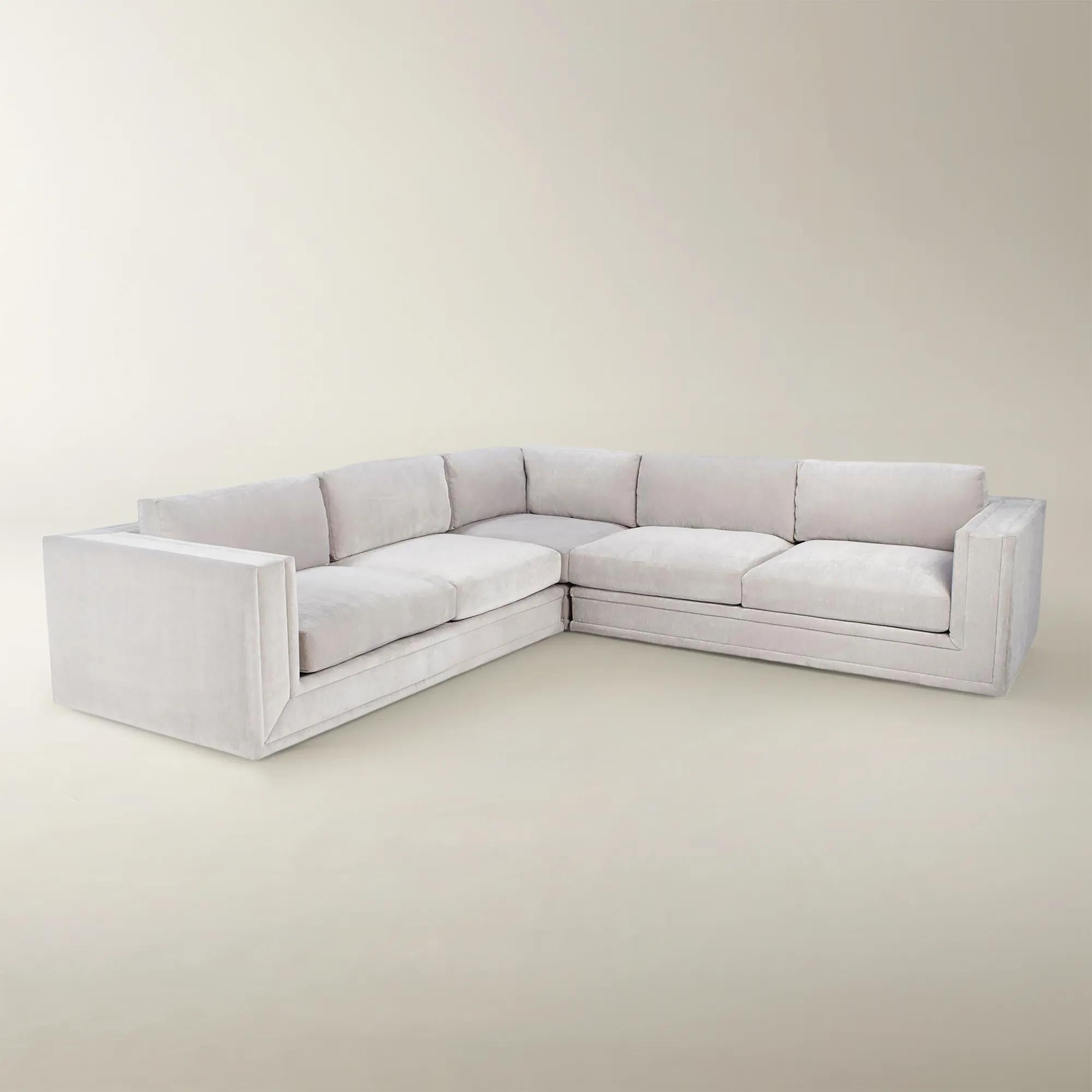 Luka 3-Piece Polar Chenille Sectional Sofa$4999
A modern corner sectional featuring deep seating, high-density foam cushions, and hand-upholstered opulent chenille fabric.
Add To Cart -
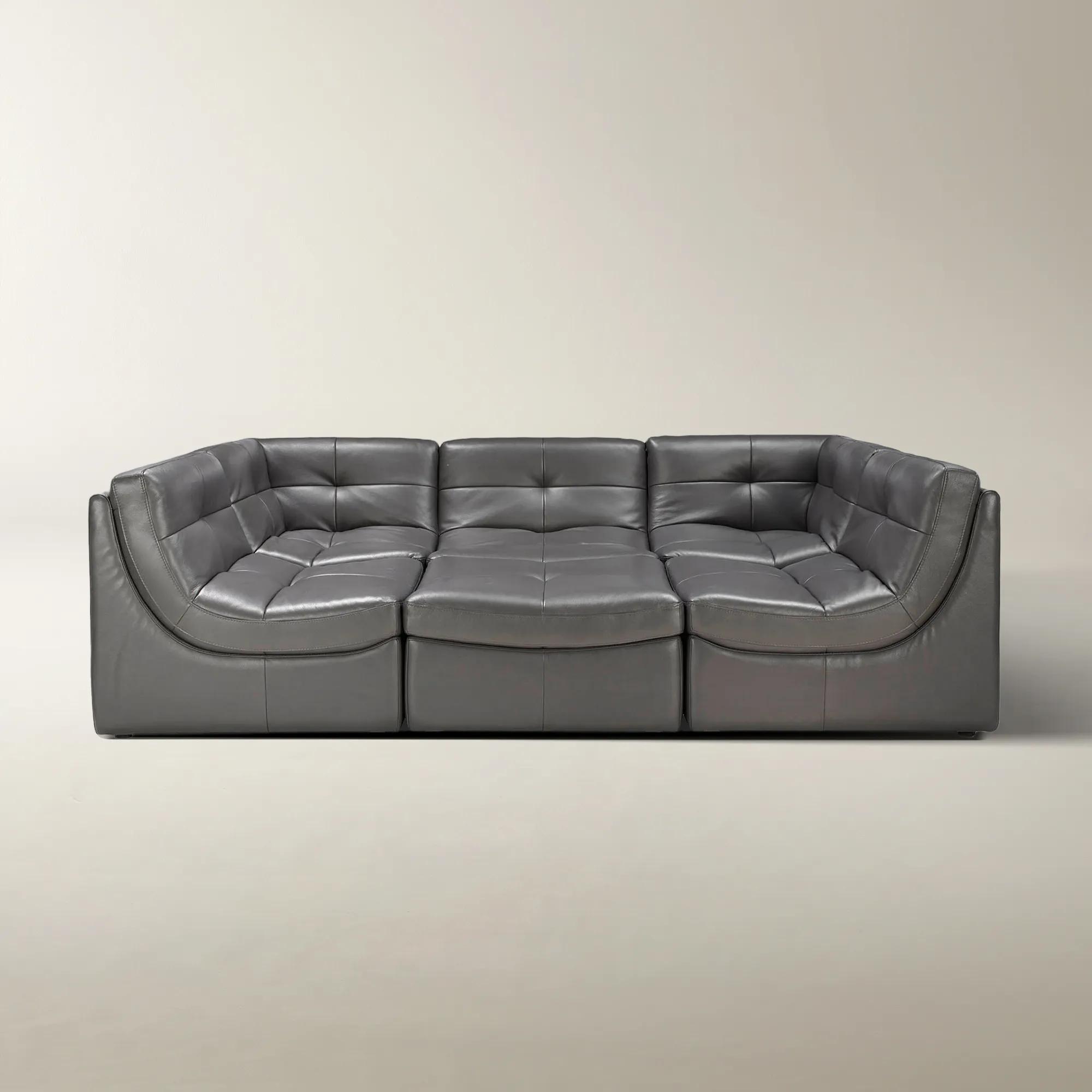
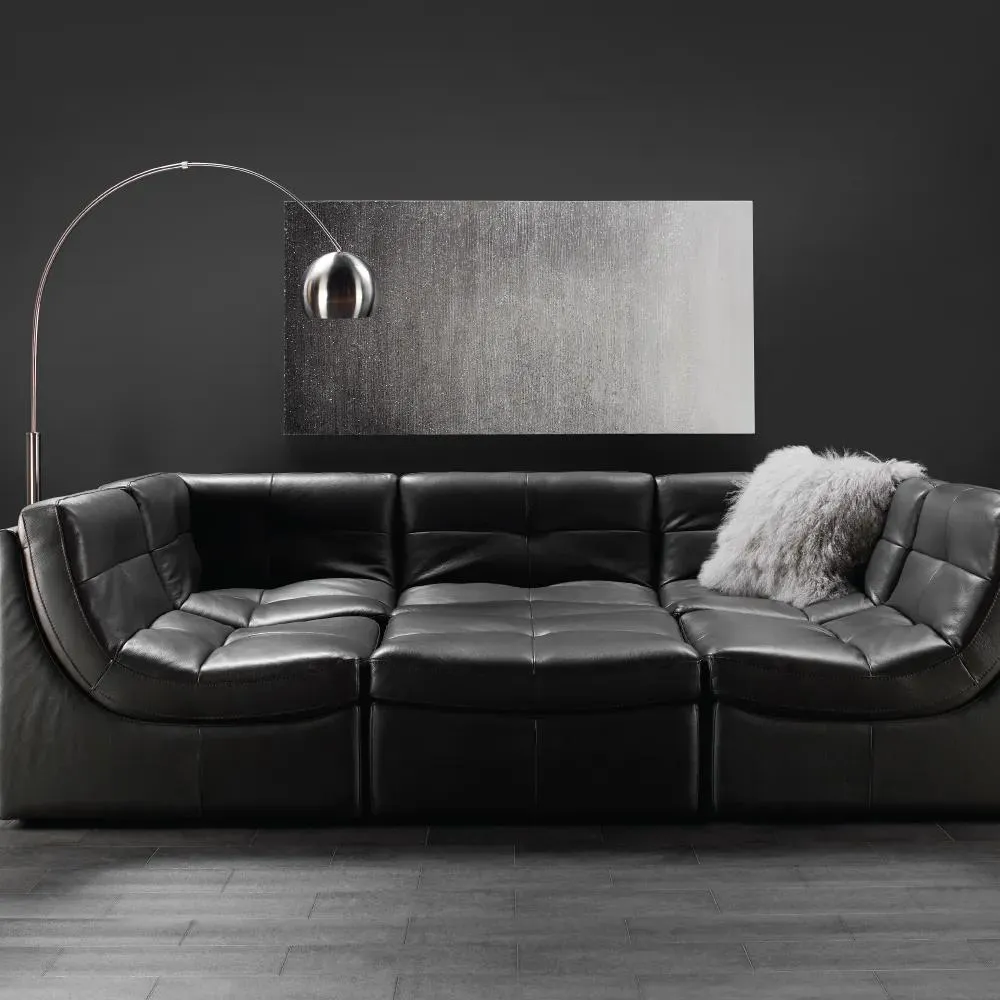 Convo 6-Piece Charcoal Leather Sectional Sofa$7249
A modular charcoal leather sectional with kiln-dried hardwood frame and blind-tufted, semi-aniline upholstery.
Add To Cart -
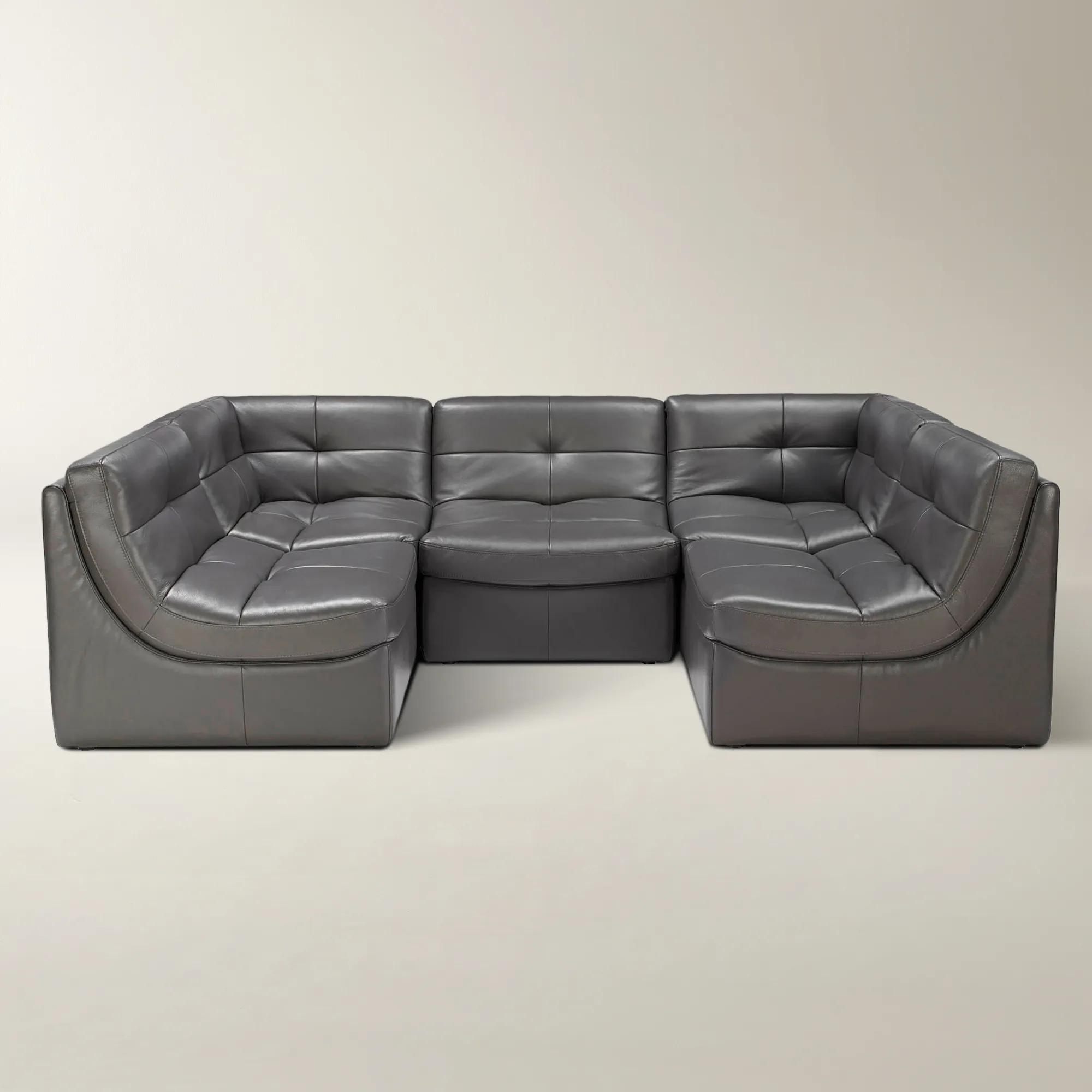 Convo 5-Piece U- Shaped Charcoal Leather Sectional Sofa$6399
A modular charcoal leather sectional with kiln-dried hardwood frame and blind-tufted, semi-aniline upholstery.
Add To Cart -
 Glimmer Set of 4 Bedroom$5296
A sophisticated bedroom set featuring an ivory or grey bed with coordinating nightstands and dresser.
Add To Cart -
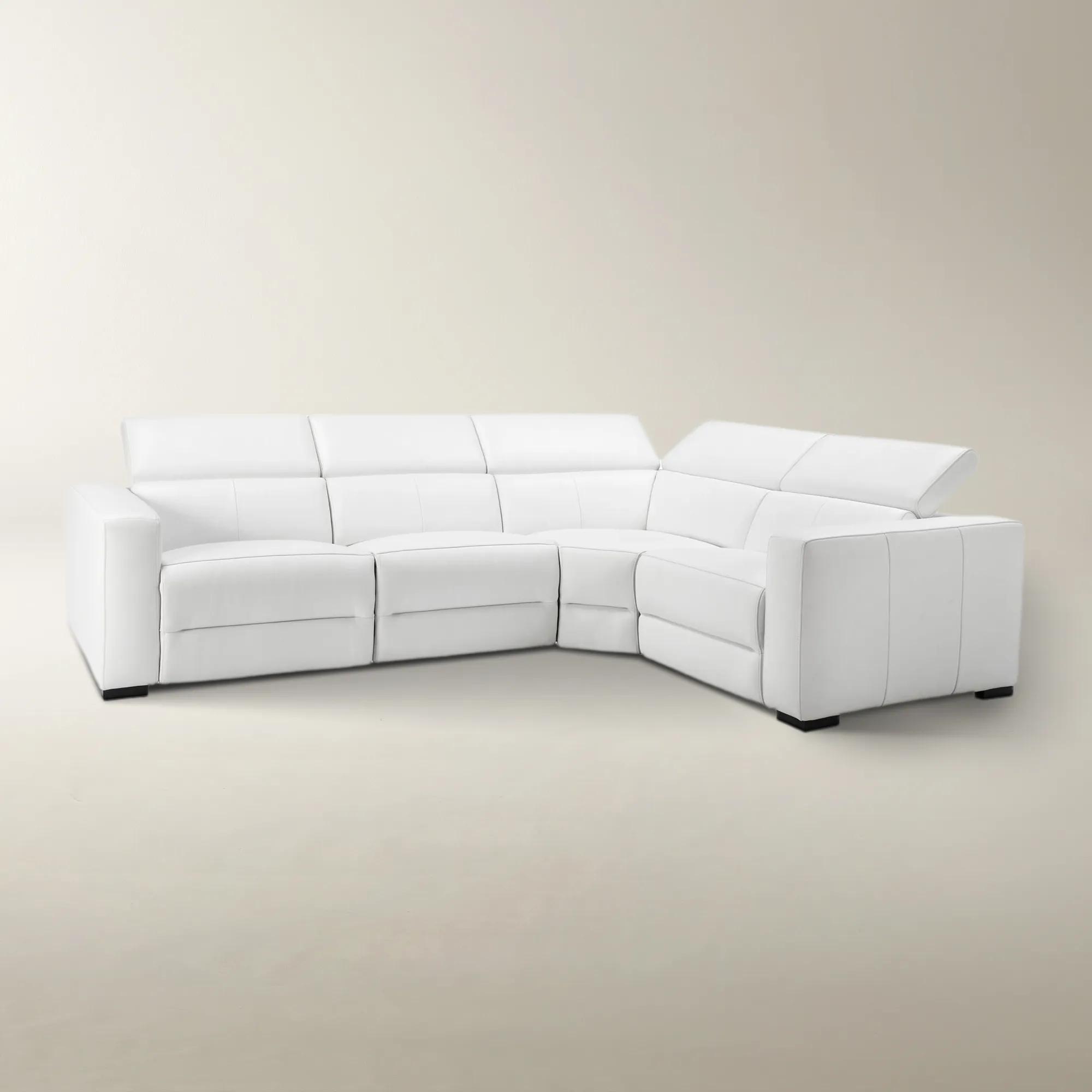 Verona 4-Piece L-Shaped Reclining White Leather Sectional Sofa With Right-Arm$5899
A modern sectional upholstered in supple white semi-aniline leather with adjustable headrests and power-reclining seats.
Add To Cart -
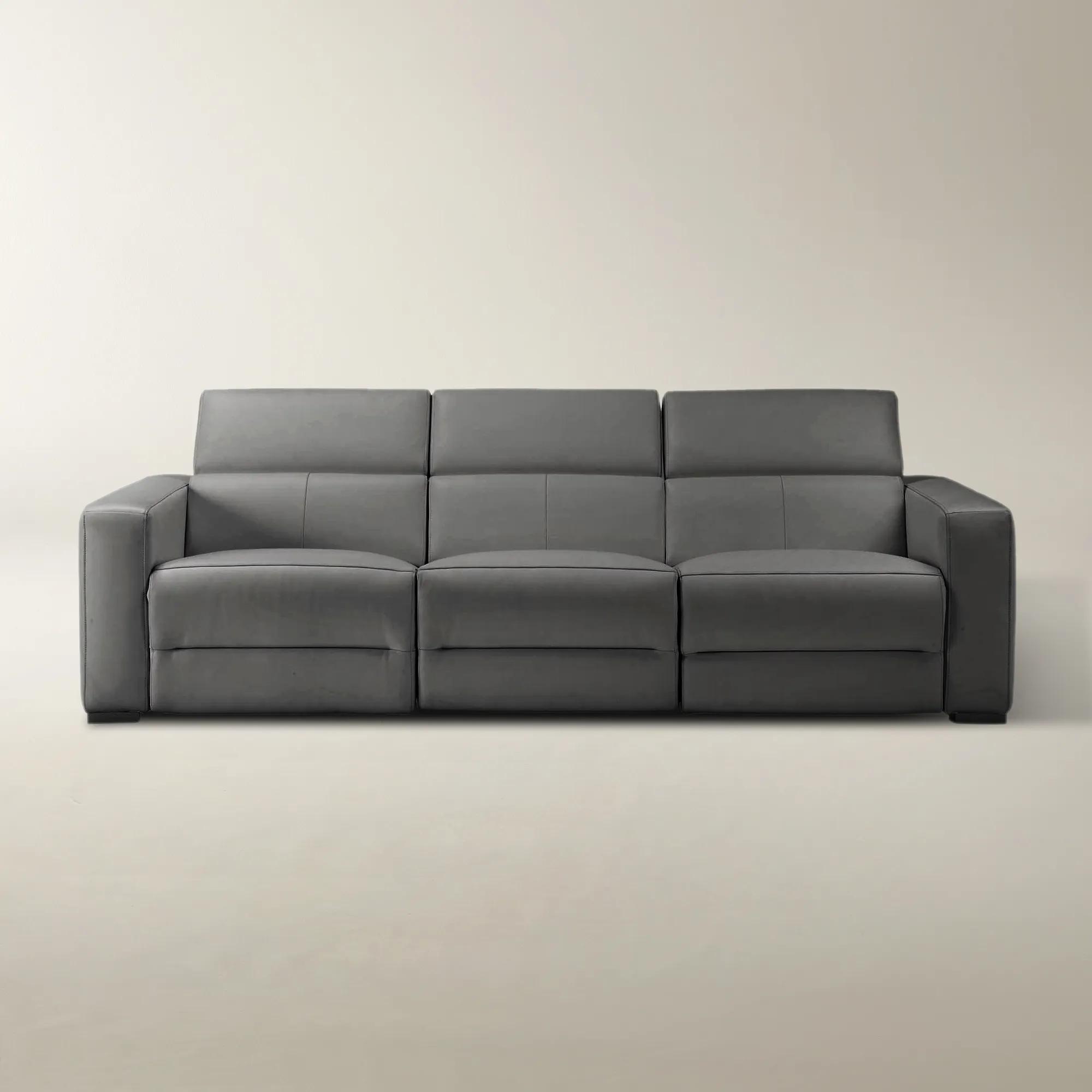 Verona 3-Piece Charcoal Leather Sectional Sofa$4399
A charcoal semi-aniline leather sectional featuring adjustable headrests, kiln-dried hardwood frame, and optional power recline.
Add To Cart -
 Glimmer Set of 3 Bedroom$3597
A refined bedroom furniture set pairing an ivory or grey bed with two coordinating nightstands.
Add To Cart -
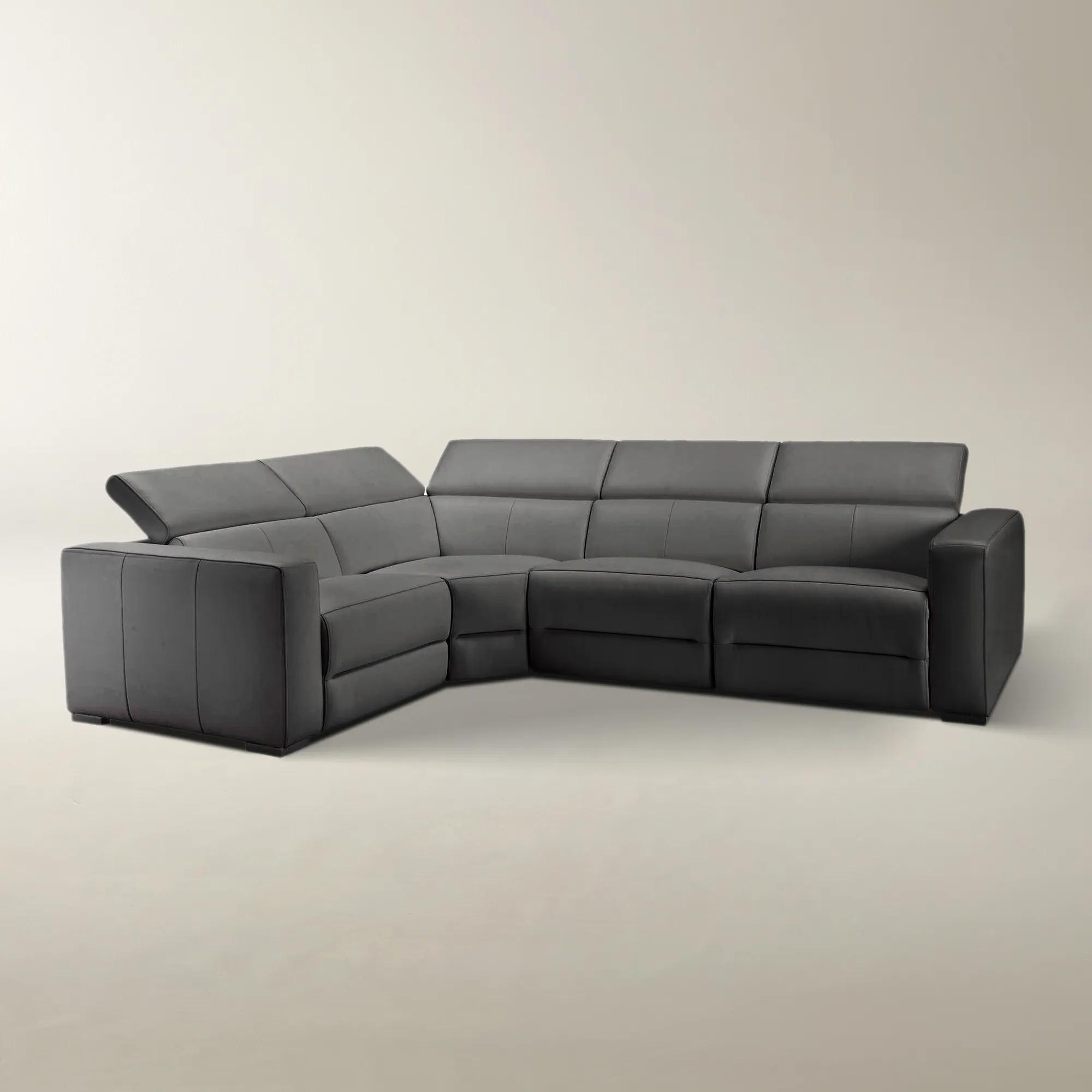 Verona 4-Piece L-Shaped Reclining Charcoal Leather Sectional Sofa With Left-Arm$5899
A charcoal semi-aniline leather sectional featuring adjustable headrests and optional power-reclining seats for comfort.
Add To Cart -
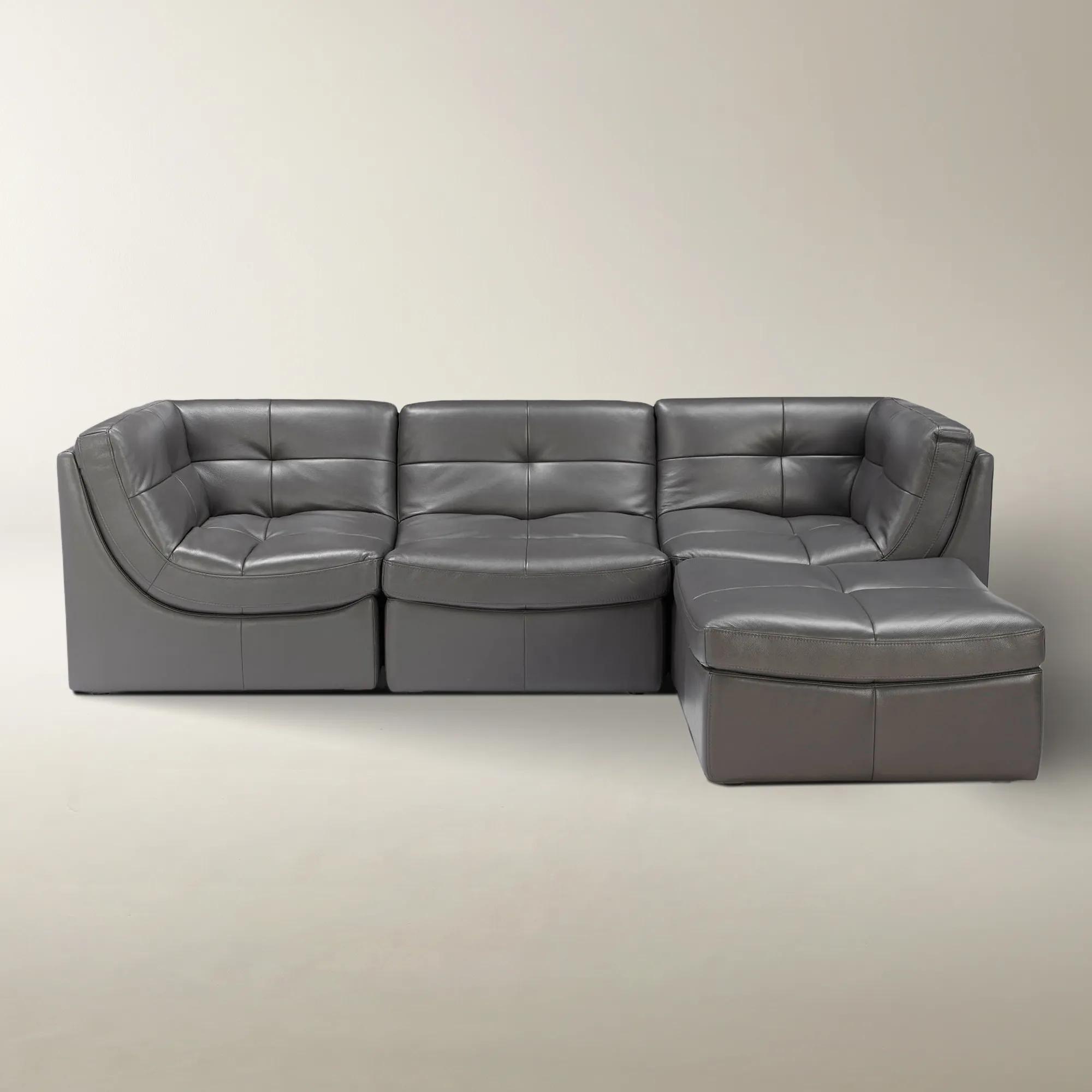 Convo 4-Piece L-Shaped Charcoal Leather Sectional Sofa With Ottoman$4849
A modular charcoal leather sectional with kiln-dried hardwood frame and gently curved, blind-tufted seats.
Add To Cart -
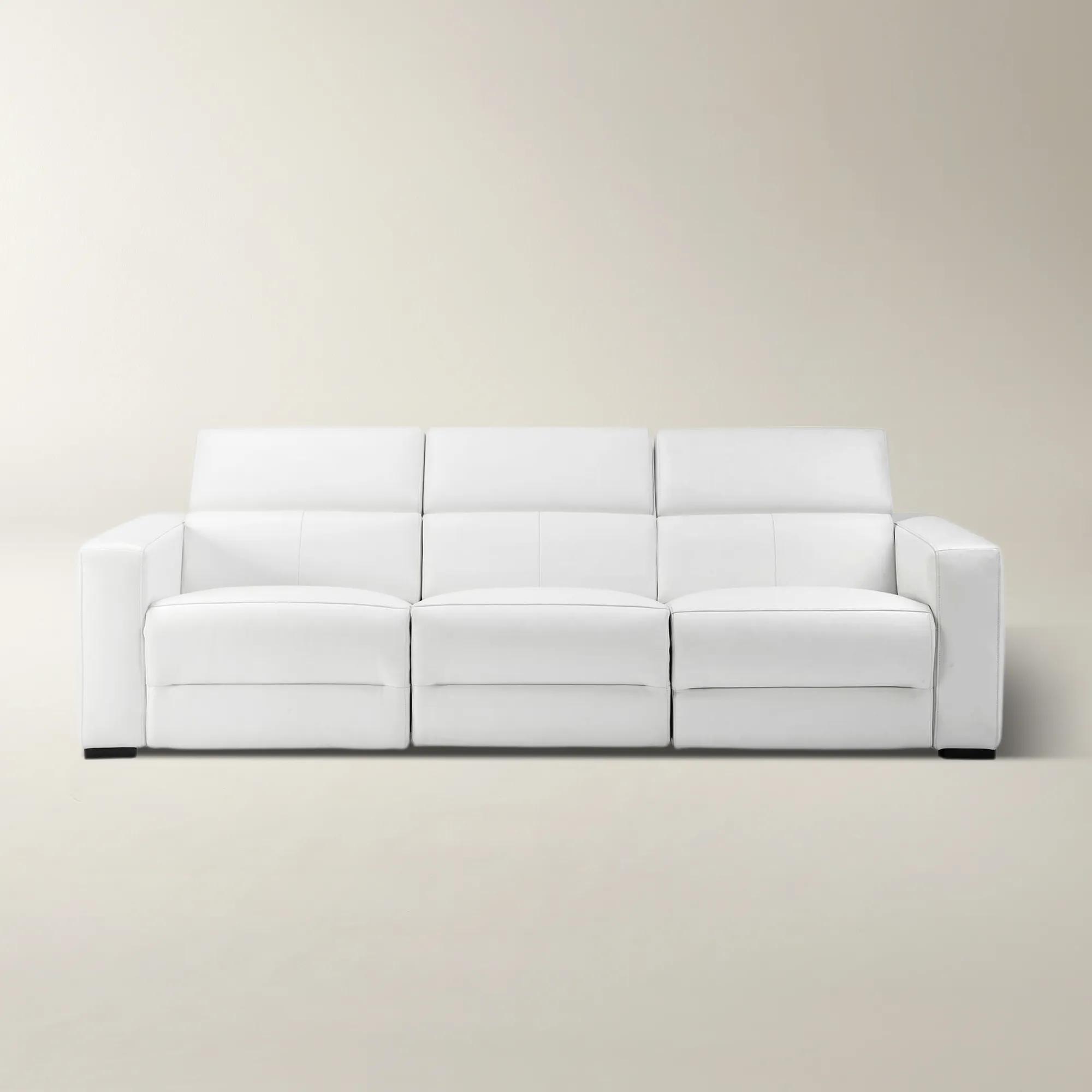 Verona 3-Piece White Leather Sectional Sofa$4399
A modern white sectional upholstered in supple semi-aniline leather with adjustable headrests and power-reclining seats.
Add To Cart -
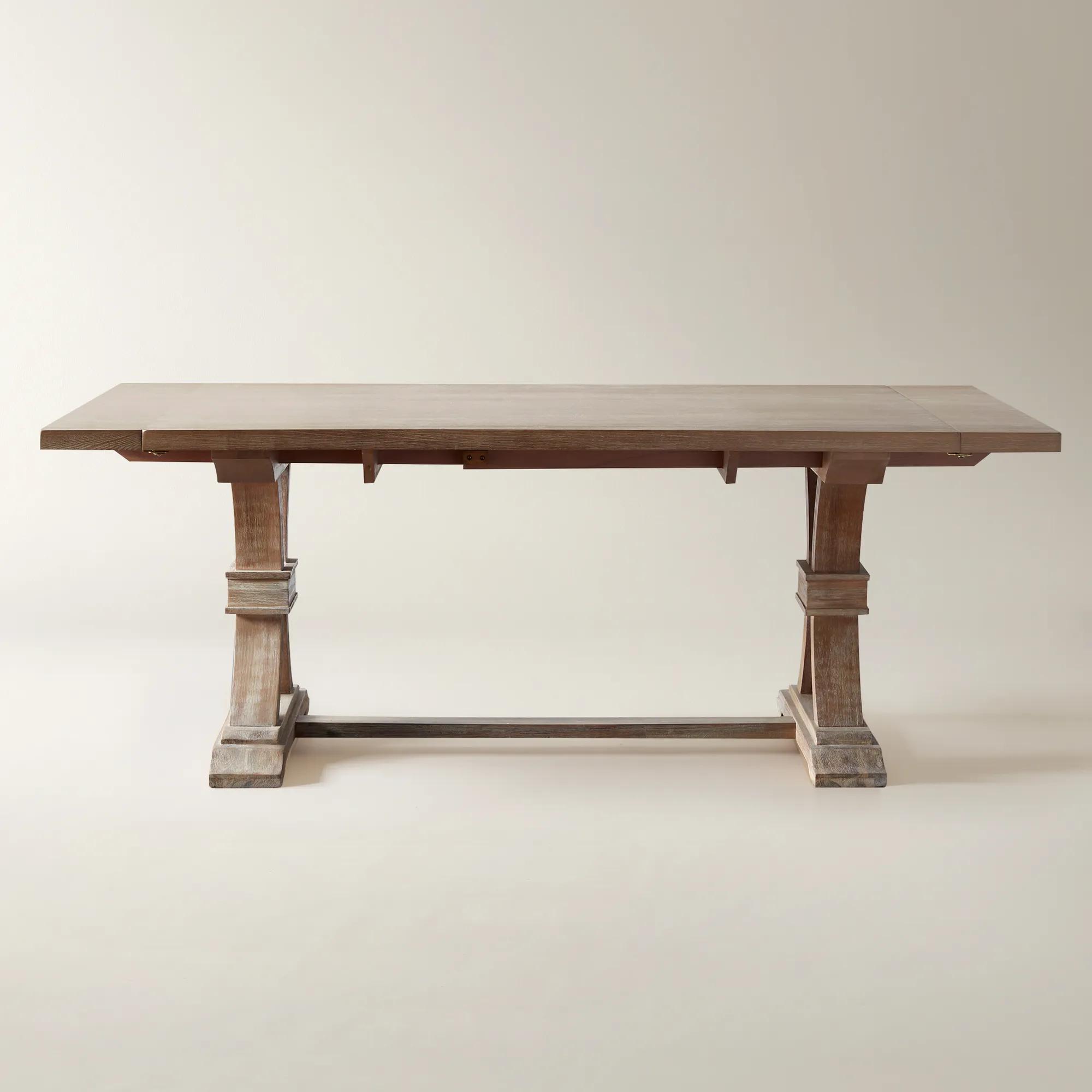 Archer Rectangular Whitewashed Acacia Wood Extending Dining Table (78" - 110")$2499
An extending dining table crafted from kiln-dried hardwood with a whitewashed oak finish and acacia veneer.
Add To Cart -
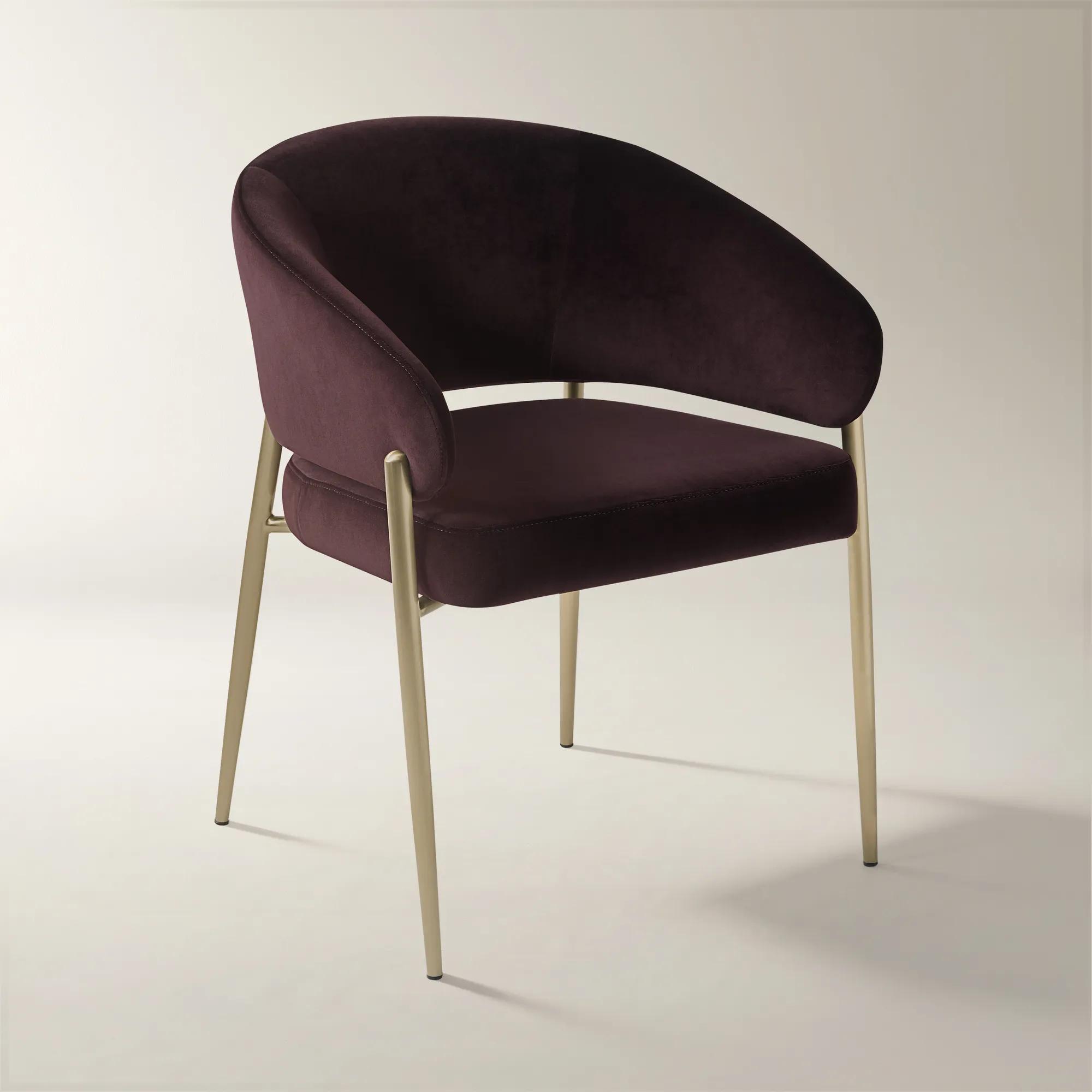 Nara Fig Velvet Dining Chair Set Of 2$599
A set of two dining chairs featuring plush fig velvet upholstery and brushed brass stainless-steel legs.
Add To Cart

Ideas For Furnishing New Homes
Ideas for Furnishing New Homes are an invitation to curate a world entirely your own—where every room becomes a stage for self-expression and every piece tells your story. Imagine sculptural silhouettes casting dramatic shadows, sumptuous textures that beg to be touched, and bold accents that transform the everyday into the extraordinary. Whether you’re dreaming of a serene retreat or a space dripping in glamour, each detail is an opportunity to indulge your creativity and set the mood for life’s grandest moments. Let artistry lead the way as you turn blank walls and open floorplans into a masterpiece of modern living.
Ideas for furnishing new homes begin with a balance of everyday comfort, thoughtful proportions, and a point of view that feels distinctly yours. The most successful spaces start with furniture for the rooms you use most, especially the living room and primary bedroom, then develop through layers of lighting, texture, and personal detail. A new address offers the rare pleasure of imagining life against a fresh backdrop: quiet mornings in a sunlit corner, lively evenings that stretch past dinner, and the welcome of a room that finally feels settled. Furniture and home decor give those moments their setting, but there is no need to complete every room before you understand how you live in it. A little time in a new home reveals where daylight lingers, which pathways everyone follows, and where guests naturally gather. Those observations make purchases more intentional. Start with the pieces that support daily routines, allowing less essential spaces to evolve rather than filling them simply because they are empty. For first-time homeowners, that may mean putting more of the budget toward comfortable, well-constructed seating and a restful bedroom. For a growing household, flexible arrangements and forgiving materials may matter most. For someone moving into a smaller home, fewer pieces with compelling silhouettes can create a more polished result than an abundance of undersized furnishings. Quality is especially important wherever furniture receives frequent use: compare construction details, support, upholstery composition, care requirements, and warranty information rather than judging by appearance alone. A sumptuous surface should feel as inviting as it looks, and a beautiful finish should suit the way the household actually functions. Establishing a budget by room also leaves space for the finishing layers that make interiors feel complete. The goal is not a house furnished all at once, but a home with substance, comfort, and enough visual confidence to make even an ordinary evening feel beautifully considered.
Scale and layout determine whether new home furniture feels generous or overwhelming. Before purchasing, measure the room, doorways, hallways, stair turns, and any elevator the delivery will need to use; a striking piece loses its appeal quickly if it cannot reach its intended place. Check the full dimensions, including depth and height, and confirm whether removable components change delivery clearance. Mapping furniture footprints on the floor with painter’s tape makes proportions easier to understand than measurements alone. It can reveal the difference between a room that looks spacious on paper and one that offers comfortable passage when drawers are open or seats are occupied. Leave breathing room around major pieces, preserve access to windows and doors, and consider the view from adjoining spaces. In larger rooms, furniture does not have to retreat to the perimeter. Bringing seating inward creates a more intimate conversation area, while generous textile layers can visually connect the arrangement. In smaller rooms, exposed legs, reflective surfaces, and carefully chosen profiles can keep the composition from feeling heavy without sacrificing glamour. Open layouts call for a particularly deliberate relationship between zones: repeat a finish, color, or curve so that neighboring areas feel connected, then vary texture and silhouette to give each one its own character. Furniture Ideas For Open Floor Plans offers another perspective on creating that sense of connection while preserving distinct places to gather, dine, and unwind. Cohesion does not require matching everything. A room often feels more expressive when a sculptural form sits beside something softly upholstered, or a gleaming accent interrupts a field of matte finishes. Choose a few consistent visual threads rather than making every purchase part of a coordinated set. Consider sightlines as well as floor space: low profiles may protect an architectural view, while taller forms can bring balance to a room with elevated ceilings. When the dimensions and relationships are right, the furniture looks as though it belongs to the architecture, and daily movement through the home feels effortless.
Materials, lighting, and decorative layers turn a workable arrangement into a home with atmosphere. A restrained color palette can still be richly expressive when it combines plush upholstery, tactile woven surfaces, luminous glass, and warm wood tones. Equally, saturated color feels deliberate when it appears in a few meaningful places rather than competing across every surface. Request material samples when available and look at them in the room throughout the day; a fabric that reads creamy under showroom lighting may appear cooler beside your own walls. For homes with children, pets, or frequent visitors, look beyond a general durability claim and review the manufacturer’s cleaning instructions, fabric specifications, and any restrictions on care products. Texture deserves a practical assessment, too: an open weave, deep pile, or highly polished finish each brings a different experience of upkeep. Lighting should support both activity and mood, combining overall illumination with focused light and softer accents instead of relying on a single bright source overhead. As the cooler months bring more evenings indoors, that layered glow makes new surroundings feel especially welcoming, catching the edge of a reflective finish and lending depth to darker corners. Soft furnishings add another kind of warmth, easing the visual severity of bare rooms and helping reduce the hollow feeling that often accompanies moving day. Decorative arrangements feel more personal when they include variation in height, shape, and surface, with enough open space for each element to register. A small grouping in odd numbers can establish an easy rhythm, but a meaningful composition matters more than following a formula. Leave room for the things that arrive with a history: an inherited object, a favorite photograph, or a piece collected on a memorable trip can keep a newly furnished interior from feeling anonymous. For housewarming gifts, smaller decorative accents and versatile textiles are often more considerate than large furnishings, particularly when the recipient is still discovering the home’s palette and layout. Their value lies in adding pleasure without dictating the room. Over time, those thoughtful additions create a layered interior that feels collected rather than assembled—polished enough for company, comfortable enough for everyday life, and unmistakably personal.
FAQs
Begin by envisioning the atmosphere you want to create in each room, then select foundational pieces that set the tone—such as a statement sofa or a dramatic dining table. Layer in texture and personality with accent chairs, rugs, lighting, and art. Focus on flow, comfort, and how each piece contributes to your overall narrative. Mixing finishes, fabrics, and silhouettes will give your home a collected, expressive feel.
Embrace layered lighting, plush textiles, and thoughtfully placed decor. Introduce tactile elements like velvet pillows, woven throws, and area rugs to add depth and warmth. Display meaningful objects—such as art, books, or heirlooms—to instantly infuse your new home with character and a sense of belonging.
Consider gifts that blend beauty with practicality, such as a decorative tray, a set of luxe glassware, or a sculptural vase. Artistic accent pieces, plush throws, and unique candleholders also make memorable gestures. If you’re seeking curated inspiration, explore the selection at <a href="https://zgallerie.com/o/furniture-gifts-for-newly-renovated-homes">Furniture Gifts for Newly Renovated Homes</a>.
Start by gathering inspiration—mood boards, color palettes, and favorite design motifs. Choose a few signature pieces that reflect your aesthetic, then build around them with complementary accents and textures. Don’t be afraid to blend eras or experiment with bold colors and finishes; your home should be a reflection of your individuality and creativity.
Establish a unifying color palette or recurring motif, then repeat it in subtle ways across different rooms. Use consistent finishes in hardware or lighting, and layer similar textures for harmony. Balance statement pieces with understated accents to maintain flow, and let each room tell a chapter of your home’s story while feeling connected to the whole.