New Home Decor Essentials
New Home Decor Essentials
-
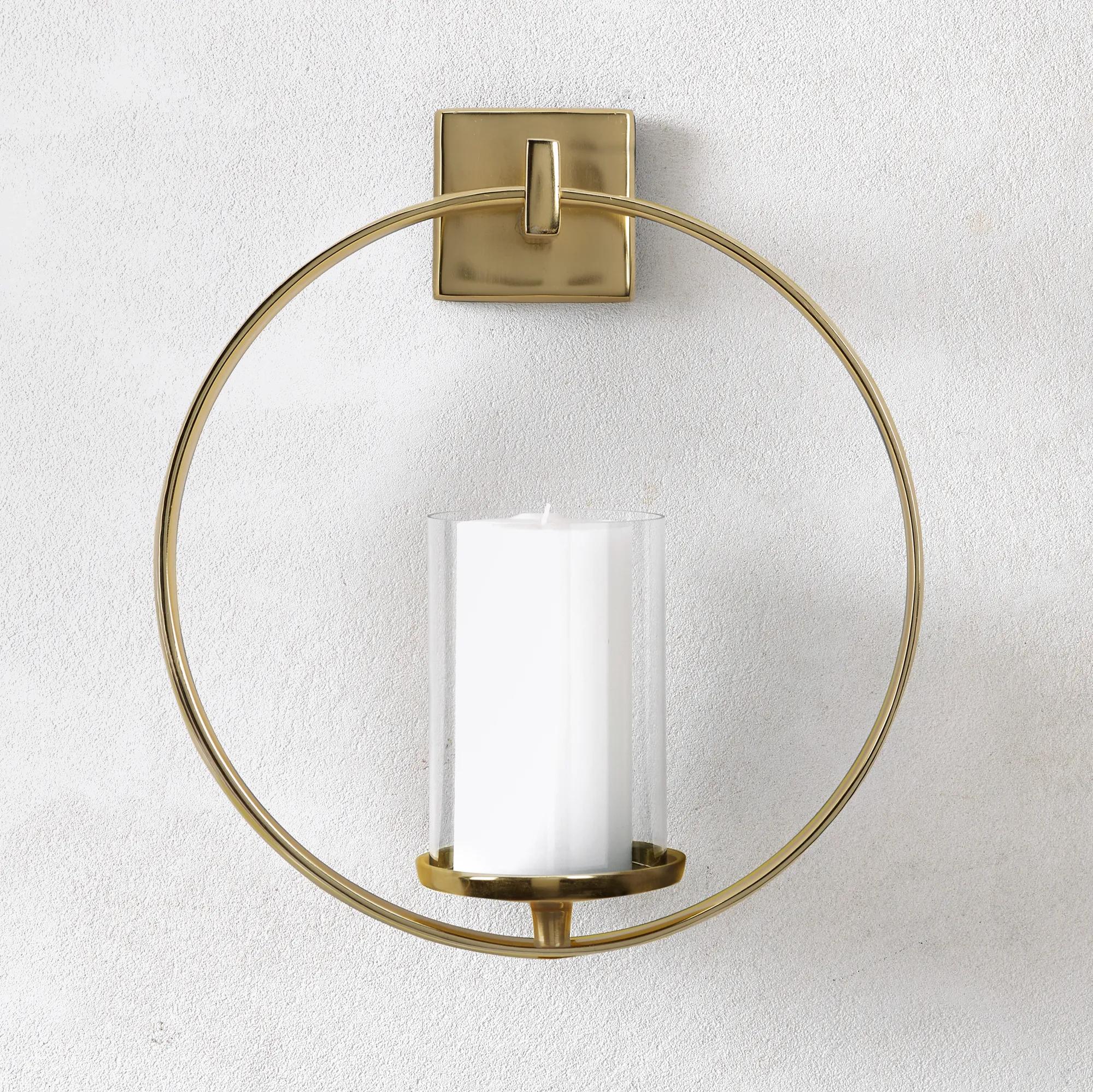
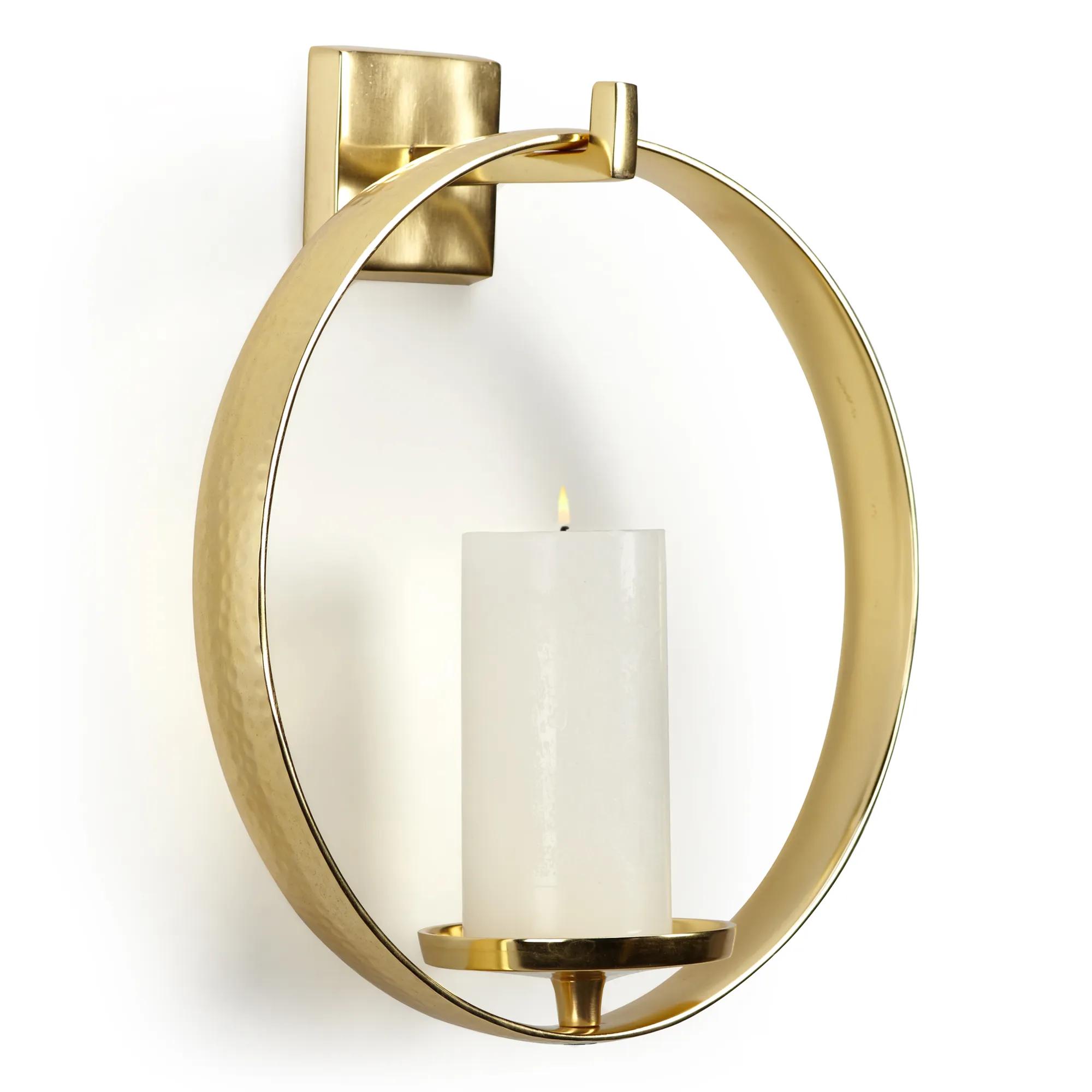 Cirque Hanging Sconce$79
A sleek aluminum wall sconce with a metallic finish, available in silver, gold, or black.
Add To Cart -
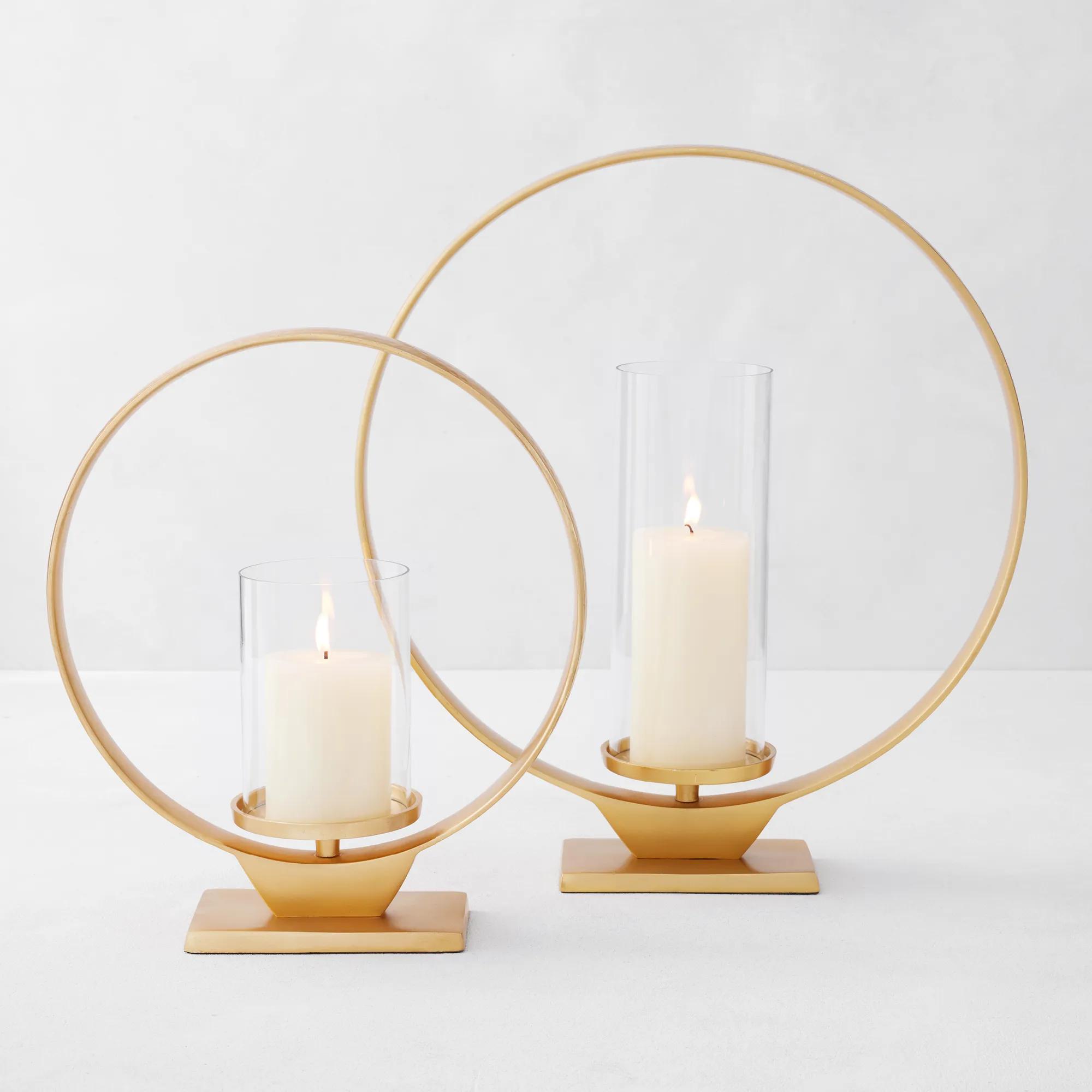
 Cirque Pillar Holder$99
A polished gold aluminum pillar holder featuring a hammered metal band and protective glass sleeve for candles.
Add To Cart -
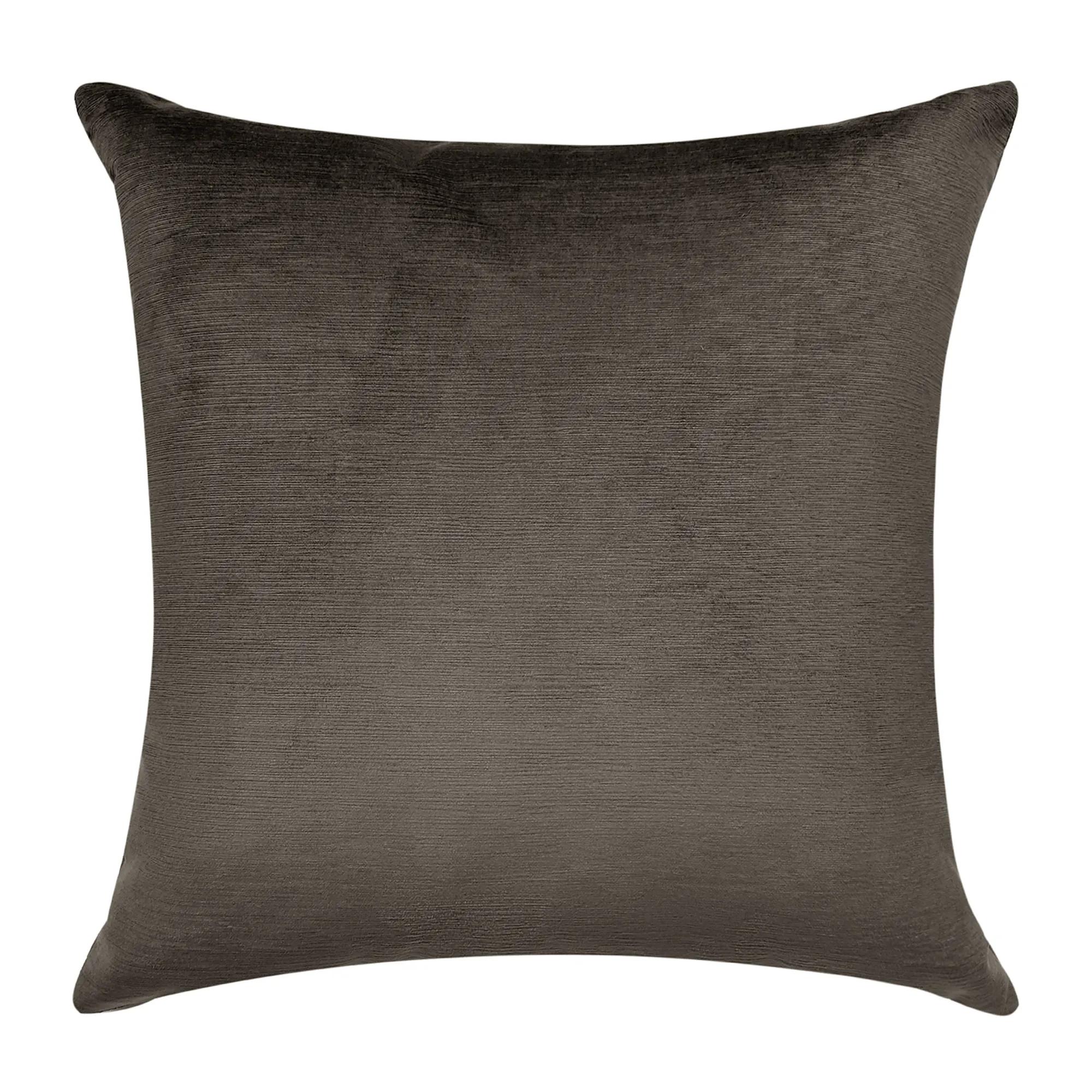
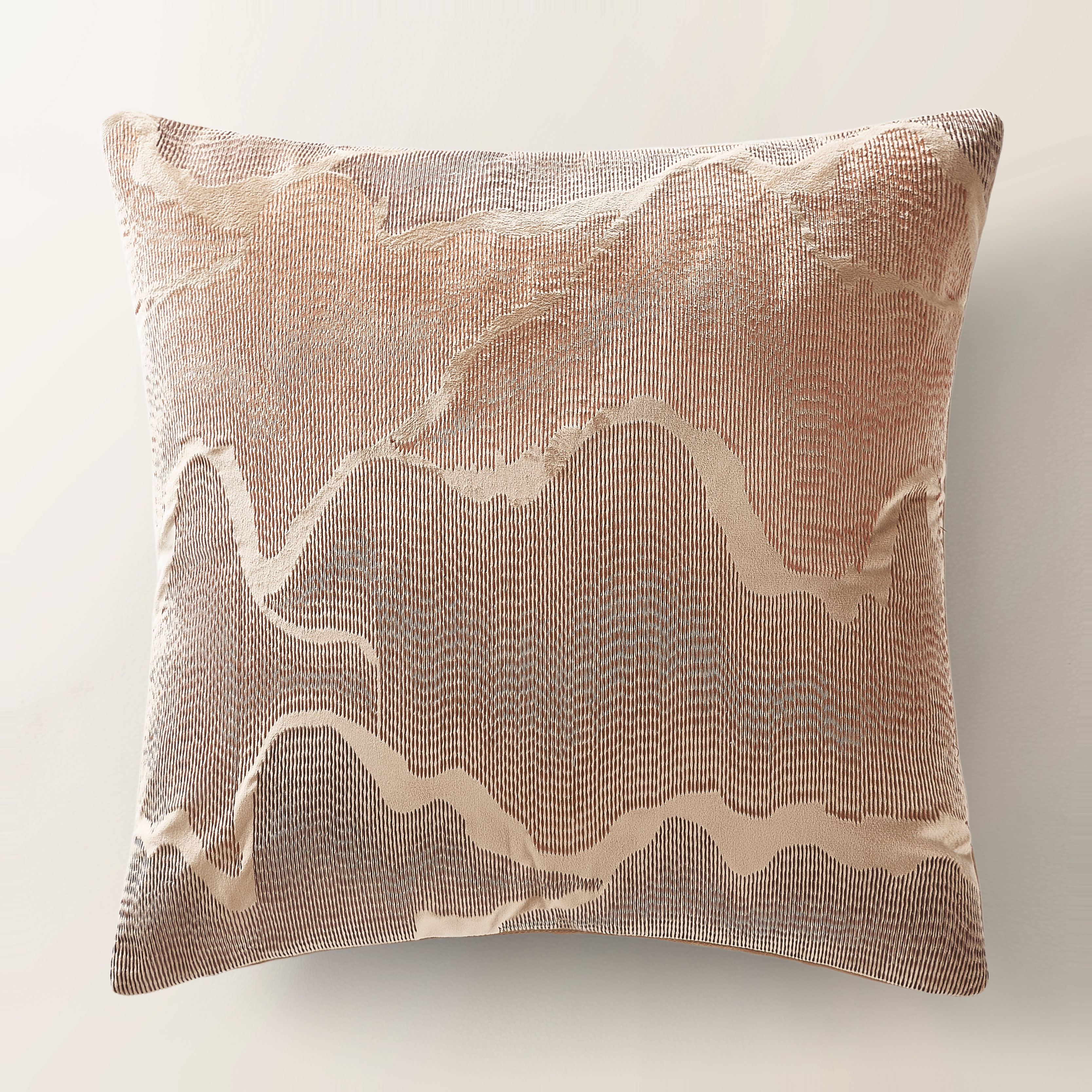
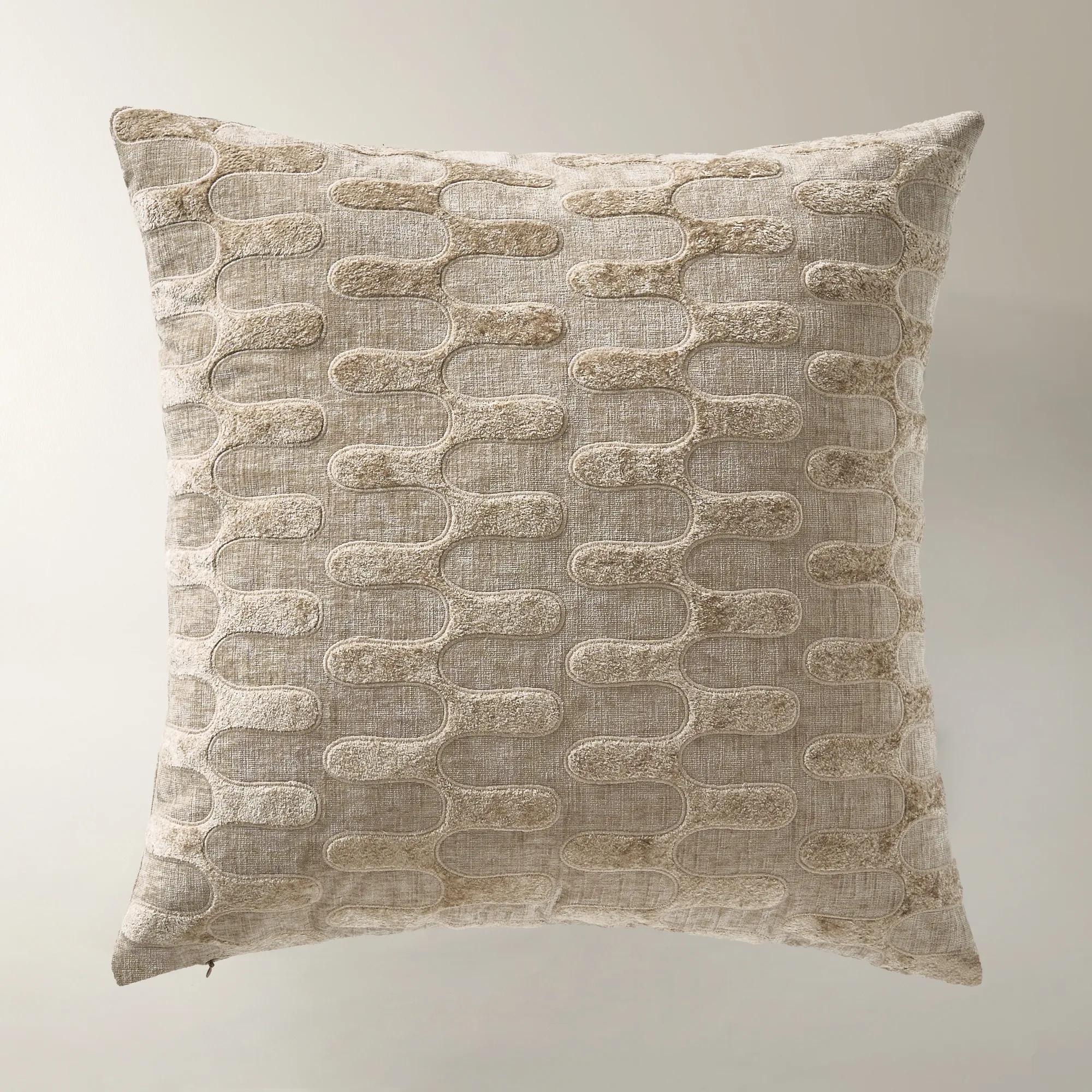 Reis Taupe Geometric Chenille Applique Pillow 22" x 22"$99
A taupe velvet chenille pillow featuring a raised geometric applique and a plush feather-down insert.
Add To Cart -
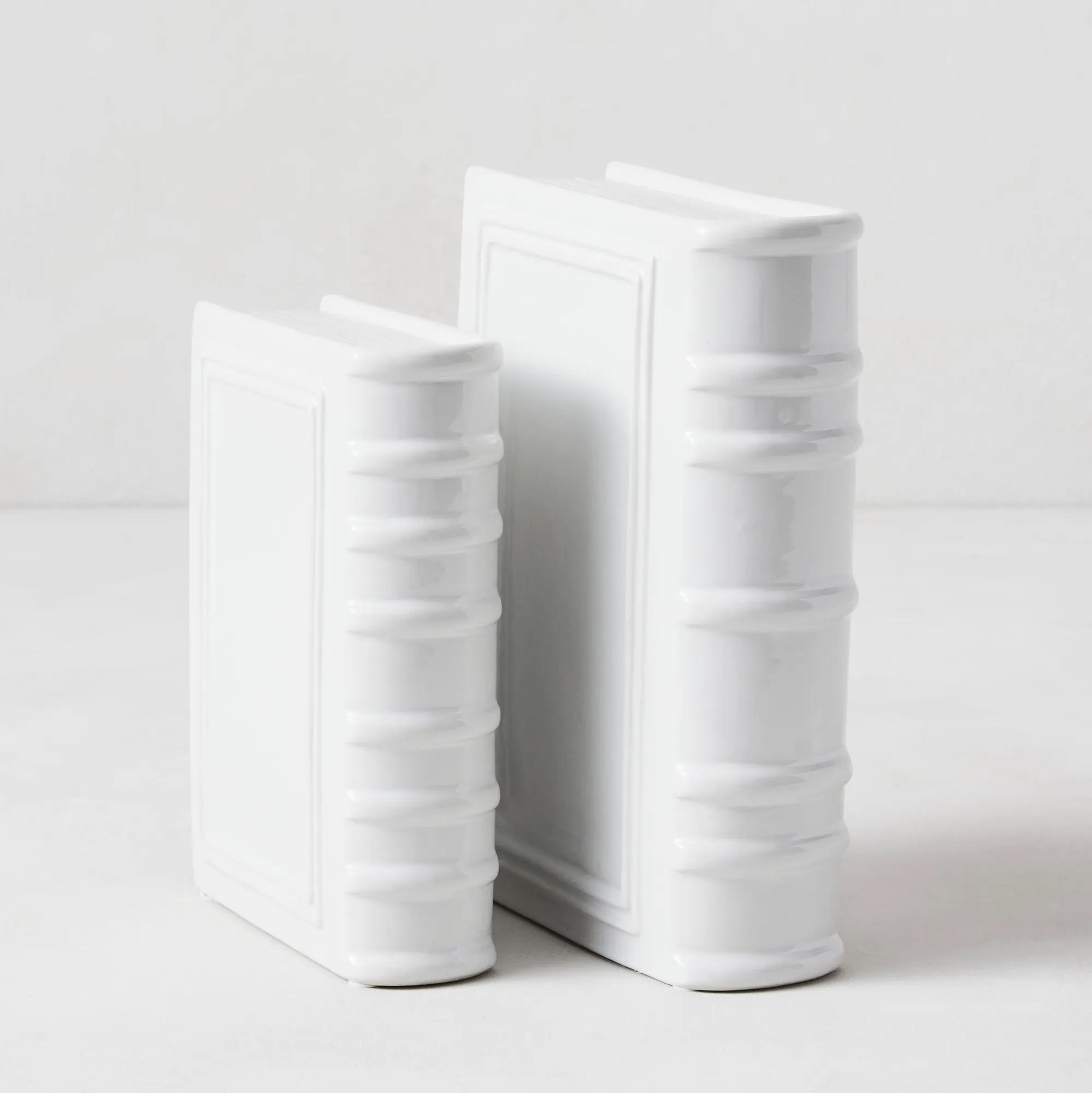
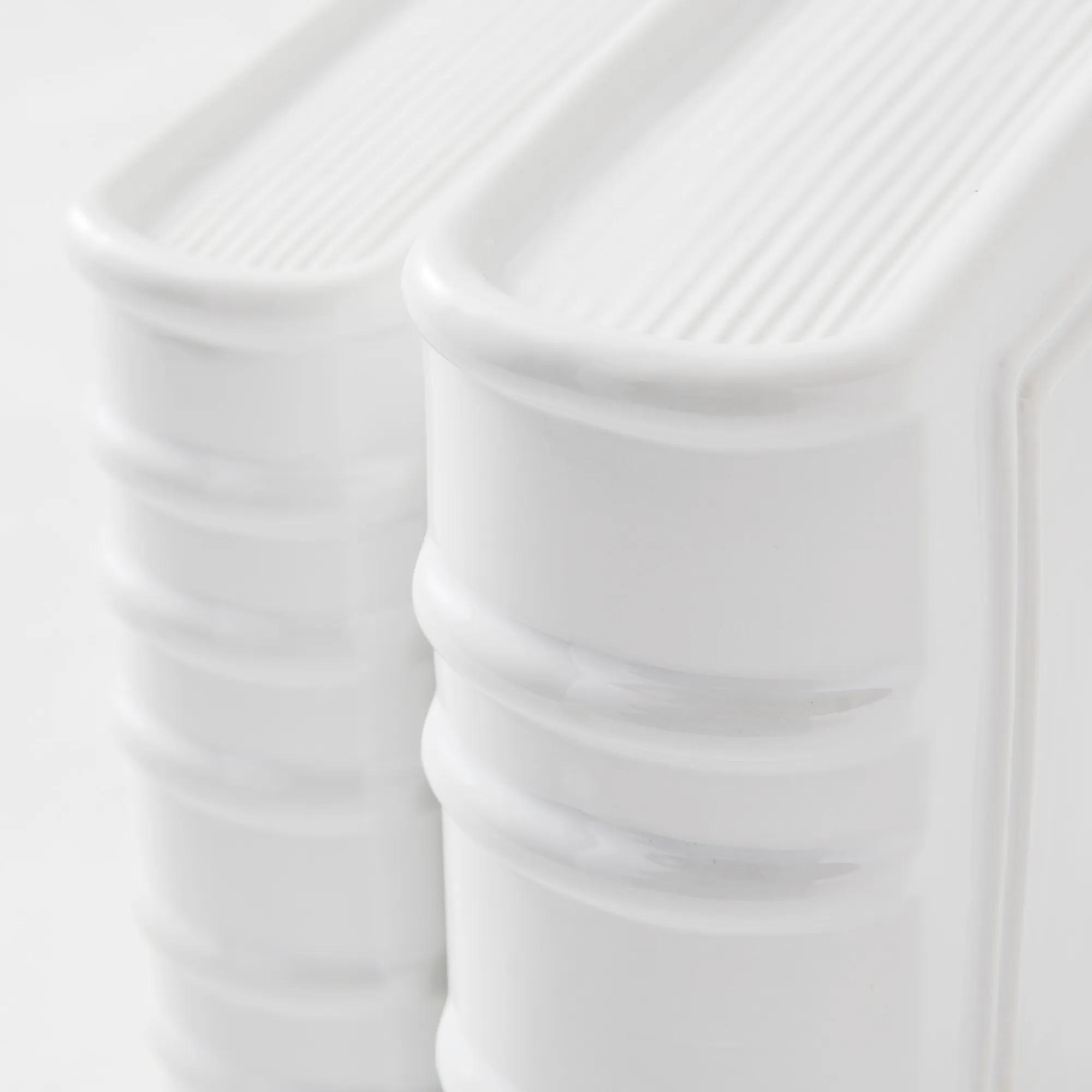 Ceramic Bookends - White$49
A pair of cream ceramic book accents that double as minimalist bookends or decorative console pieces.
Add To Cart -
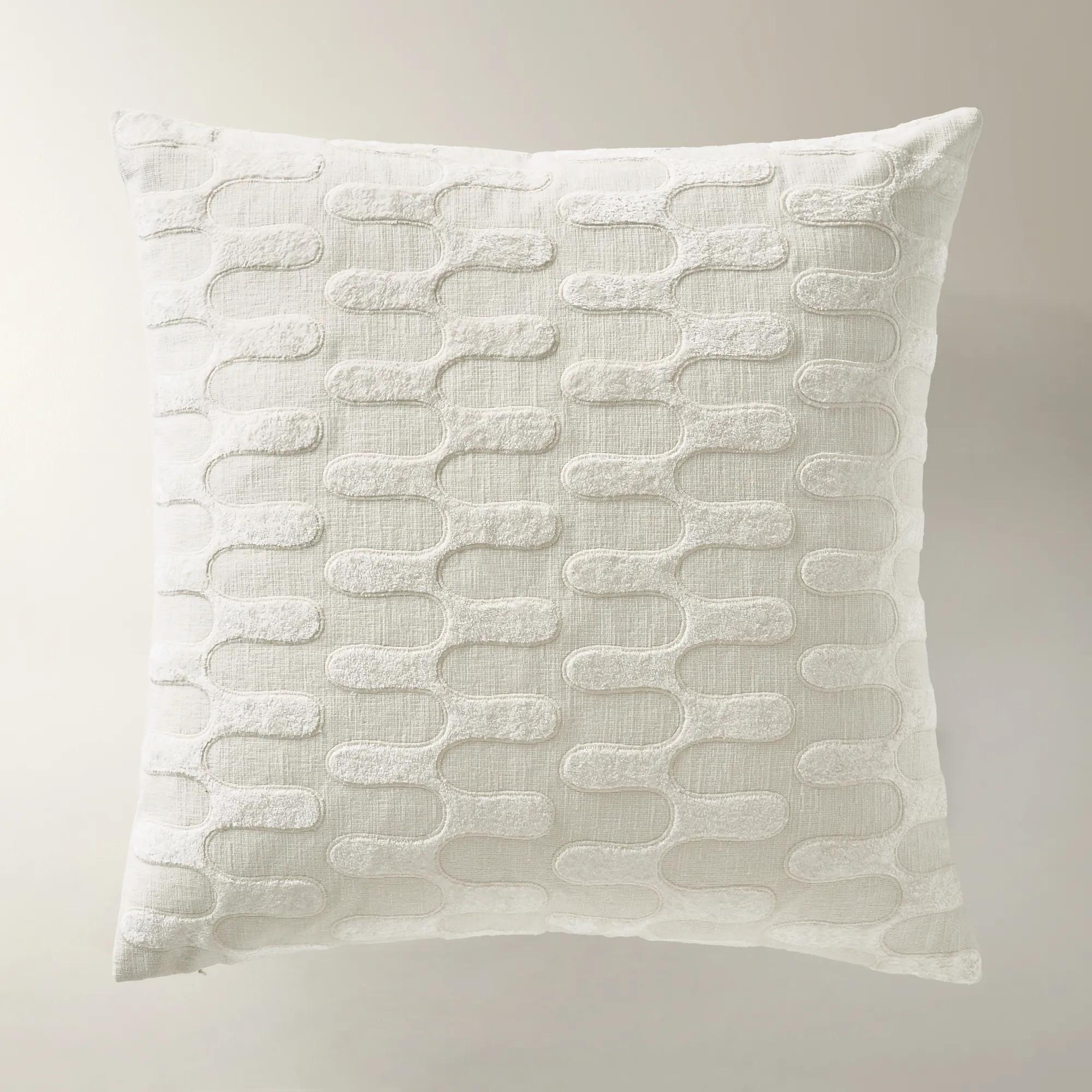 Reis White Geometric Chenille Applique Pillow 22" x 22"$99
A white velvet chenille pillow featuring a raised geometric applique and a plush feather-down insert.
Add To Cart -
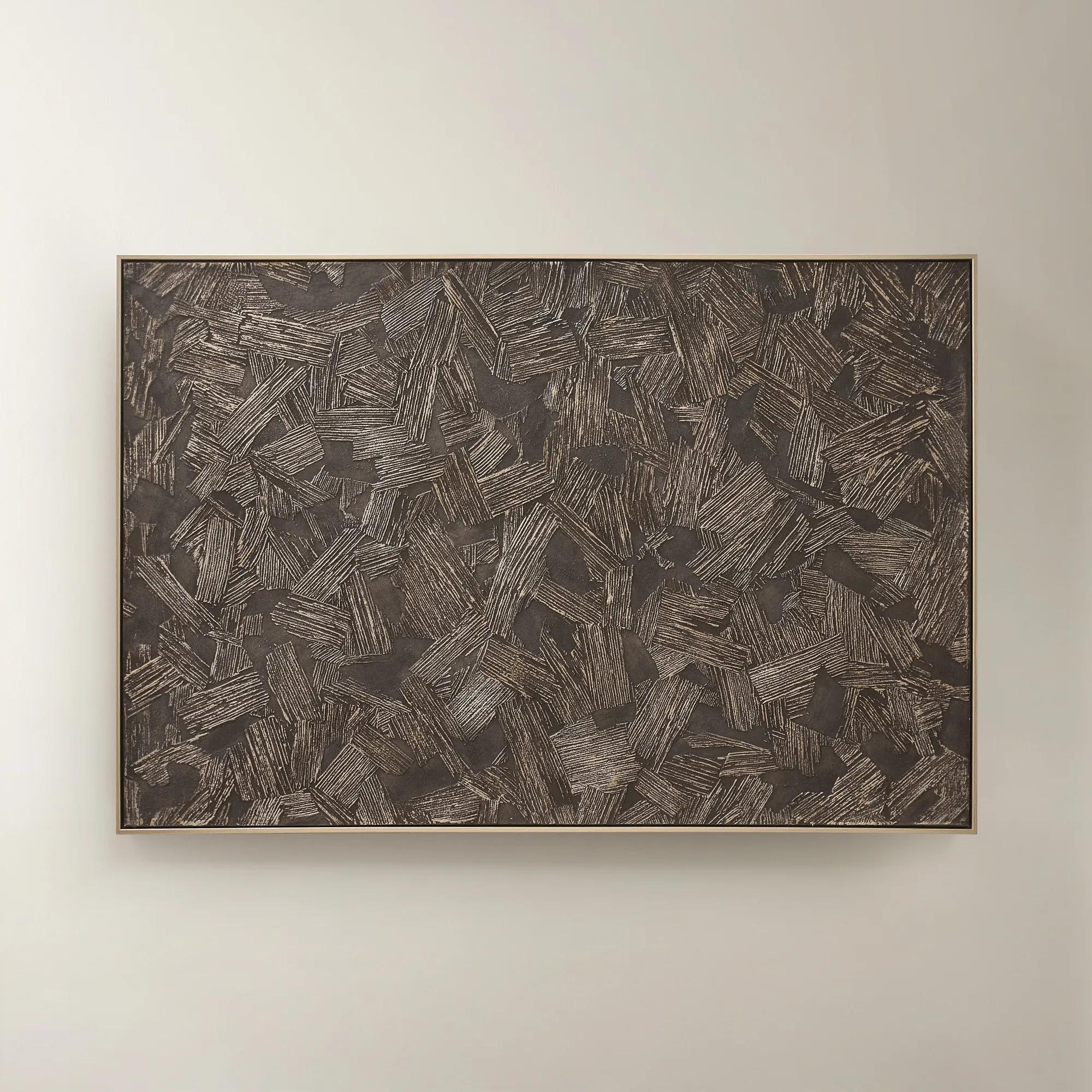
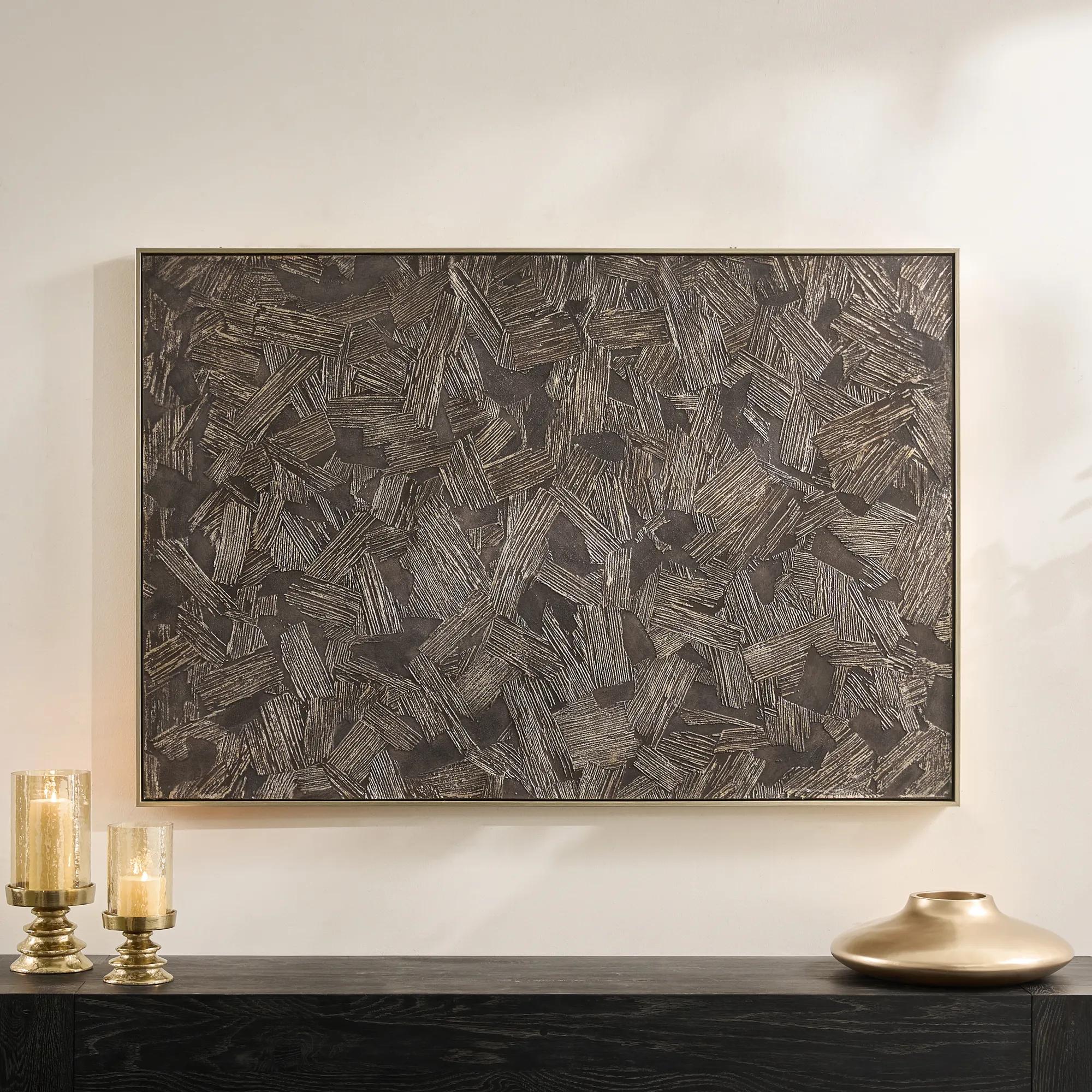 Etched in Darkness Dark Chocolate Wall Panel 53.5" x 36"$329
A hand-painted wrapped canvas features moody dark chocolate hues with champagne accents and a layered, textural finish.
Add To Cart -
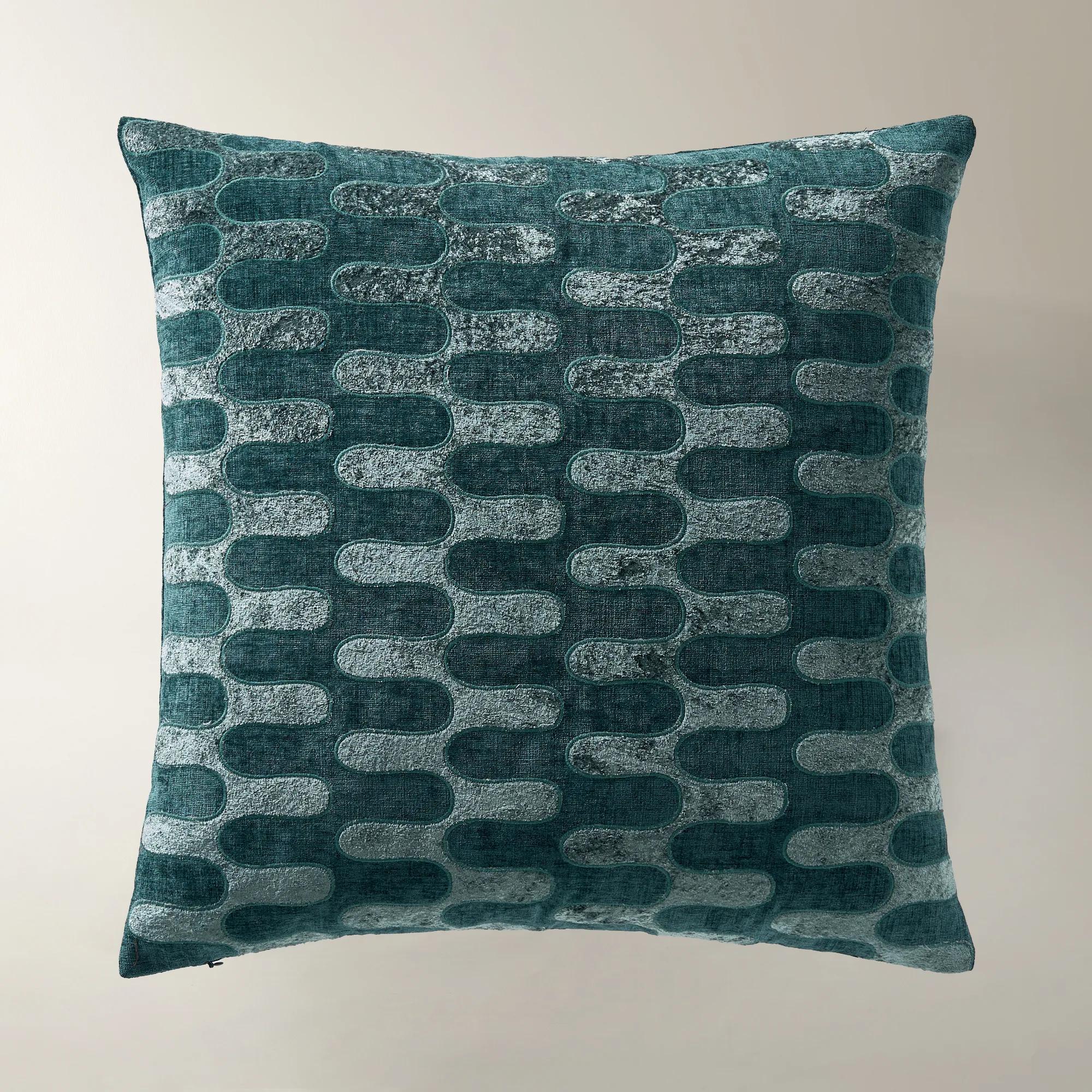 Reis Deep Teal Geometric Chenille Applique Pillow 22" x 22"$99
A deep teal velvet chenille pillow featuring raised geometric applique and a plush feather-down insert.
Add To Cart -

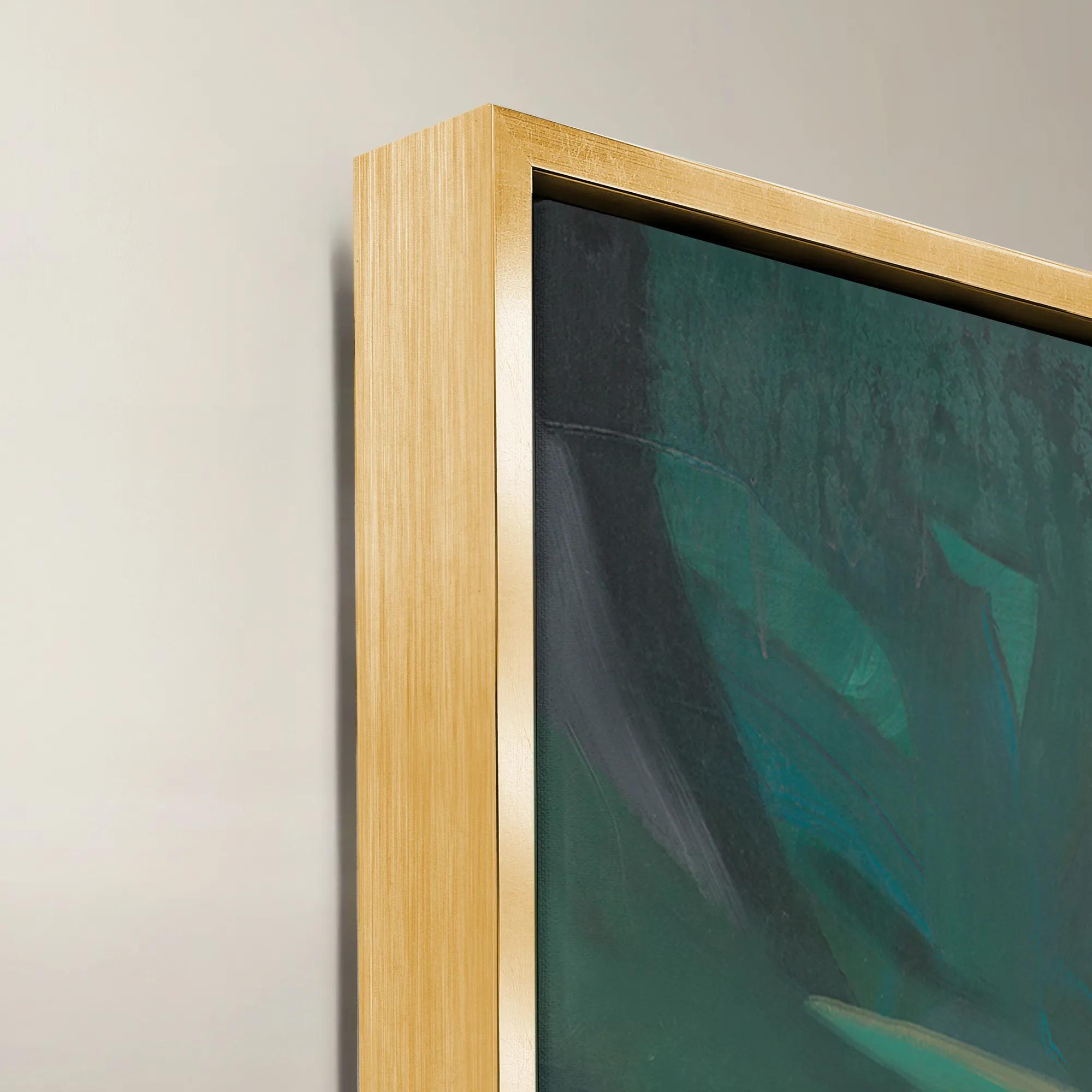 Fresh Places Framed Wall Art 47" x 47"$1199
A vibrant green canvas wall artwork with a sophisticated framed finish, bringing contemporary character to interiors.
Add To Cart -
 Grand Eye Ink Blue And Silver Resin Wall Decor 18" x 13.5"$79
An exaggerated eye motif in ink blue and silver brings playful, sculptural texture to any wall.
Add To Cart -
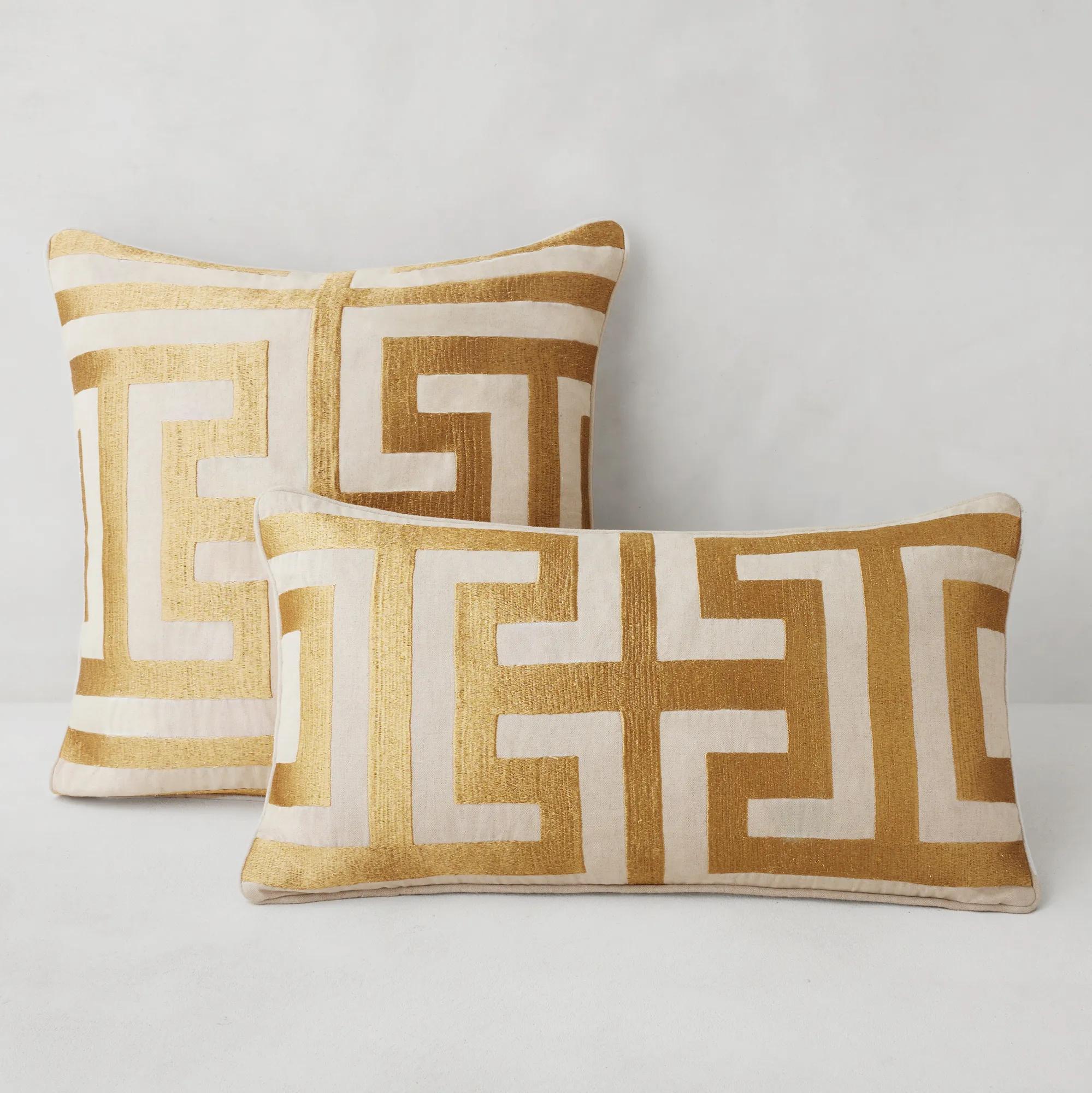
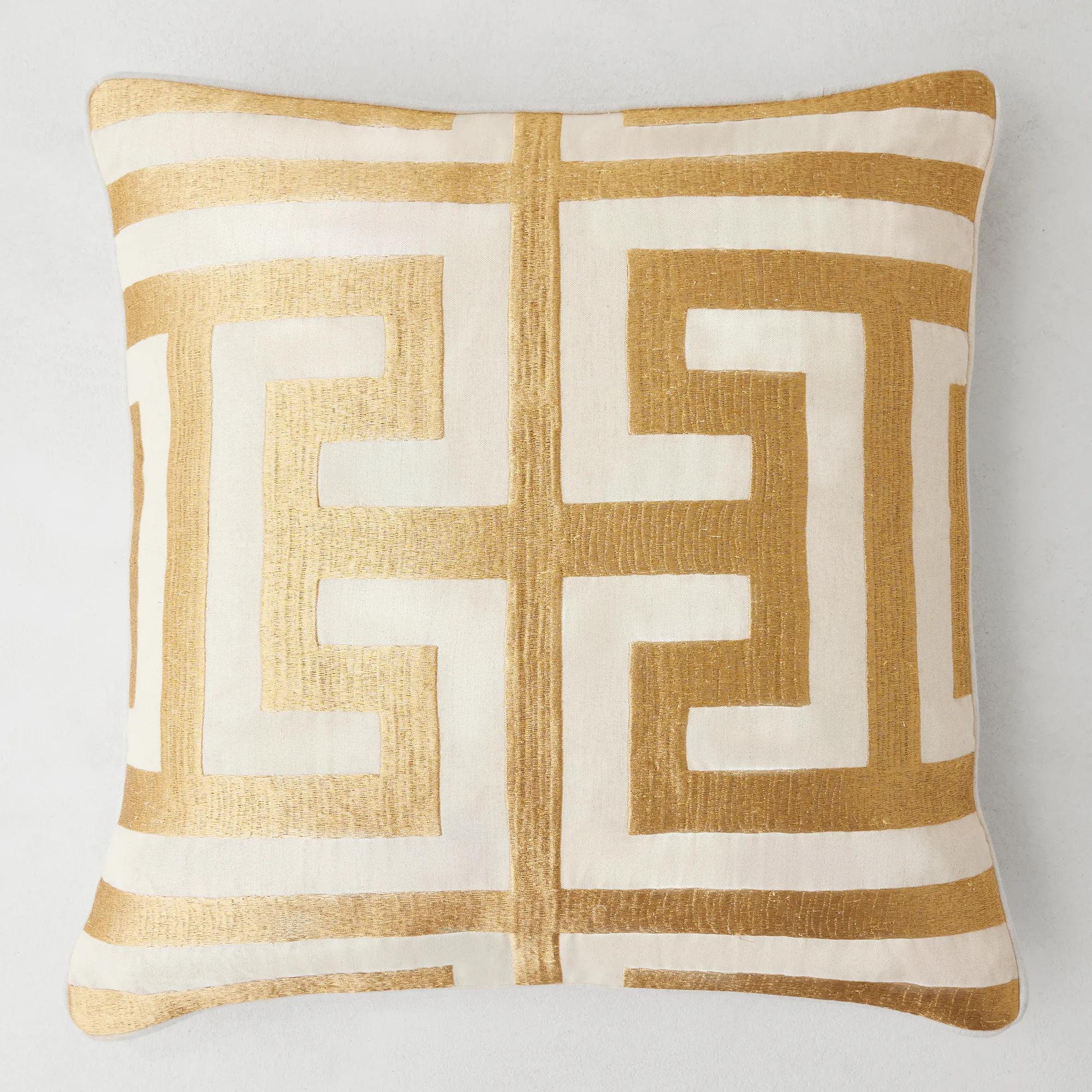 Cace Embroidered Gold/White Linen Pillow 22" x 22"$129
A gold cotton-linen pillow featuring metallic Greek key embroidery and a plush feather-down insert.
Add To Cart -
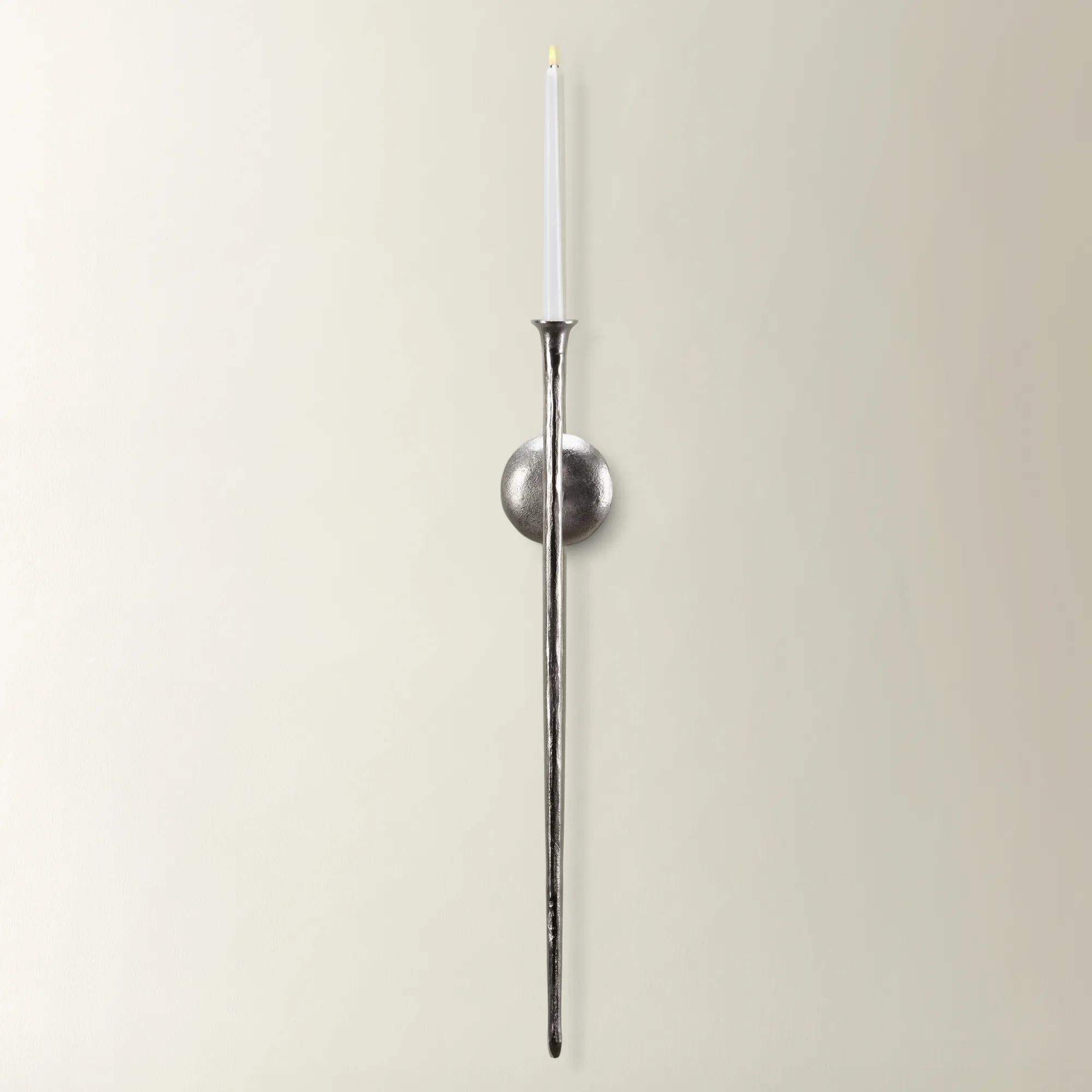
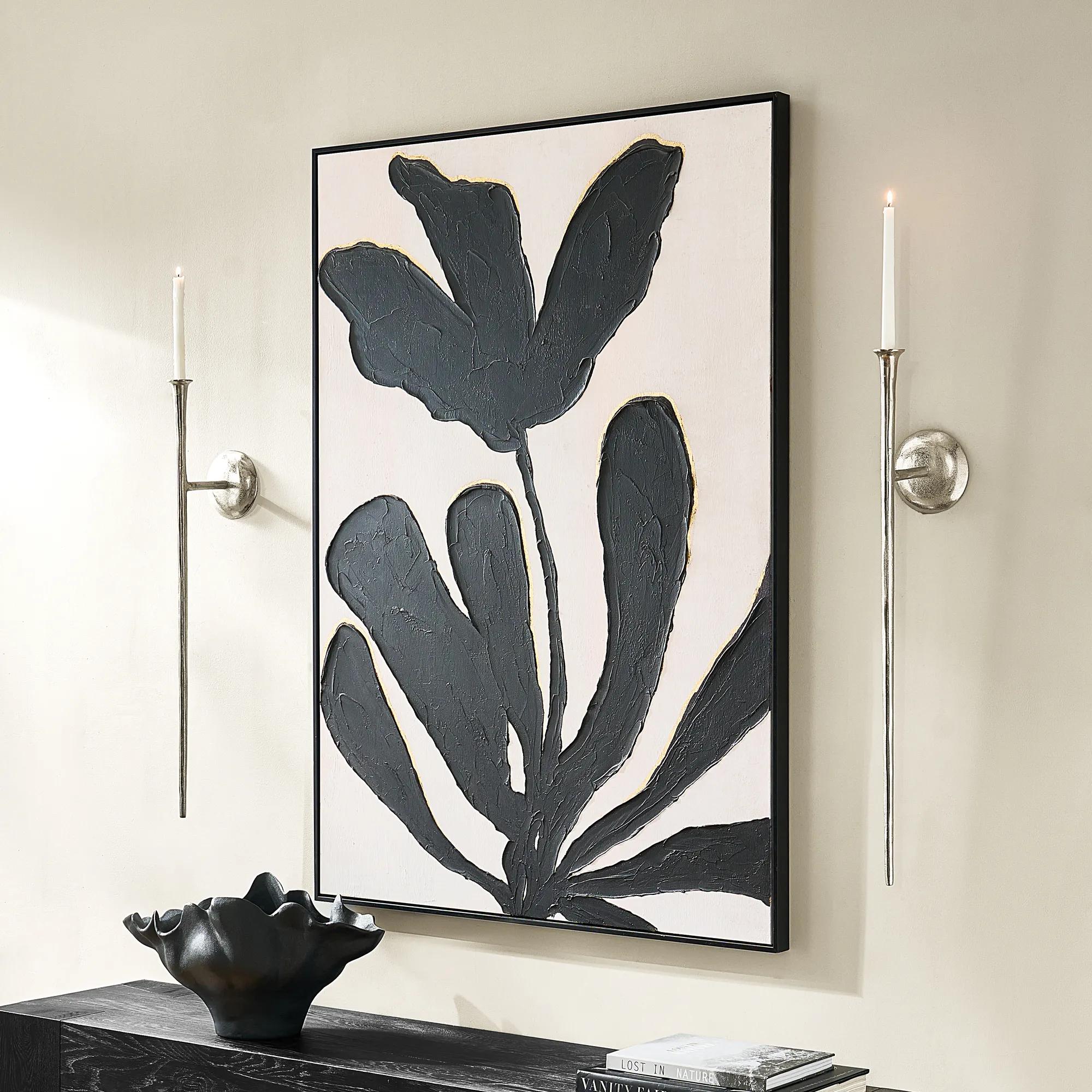 Aspar Silver Aluminum Candle Wall Sconce Large 33"$59
A slender metal wall sconce available in silver, gold, or black for elegant candlelit ambiance.
Add To Cart -
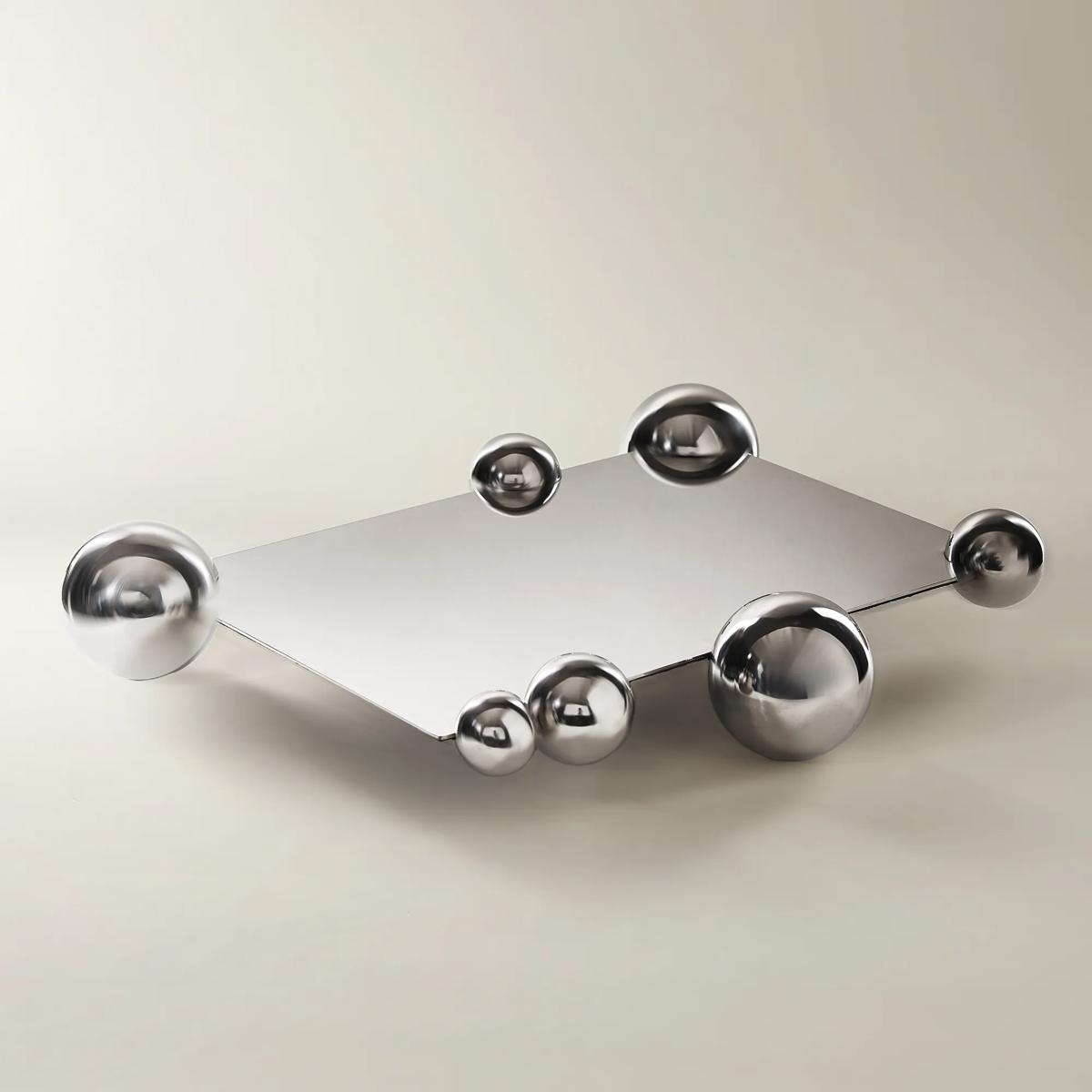 Chrome Bubble Silver Stainless Steel Serving Tray 13.25" x 3.25"$139
A polished stainless steel tray with sculptural bubble accents for a playful, modern entertaining statement.
Add To Cart -
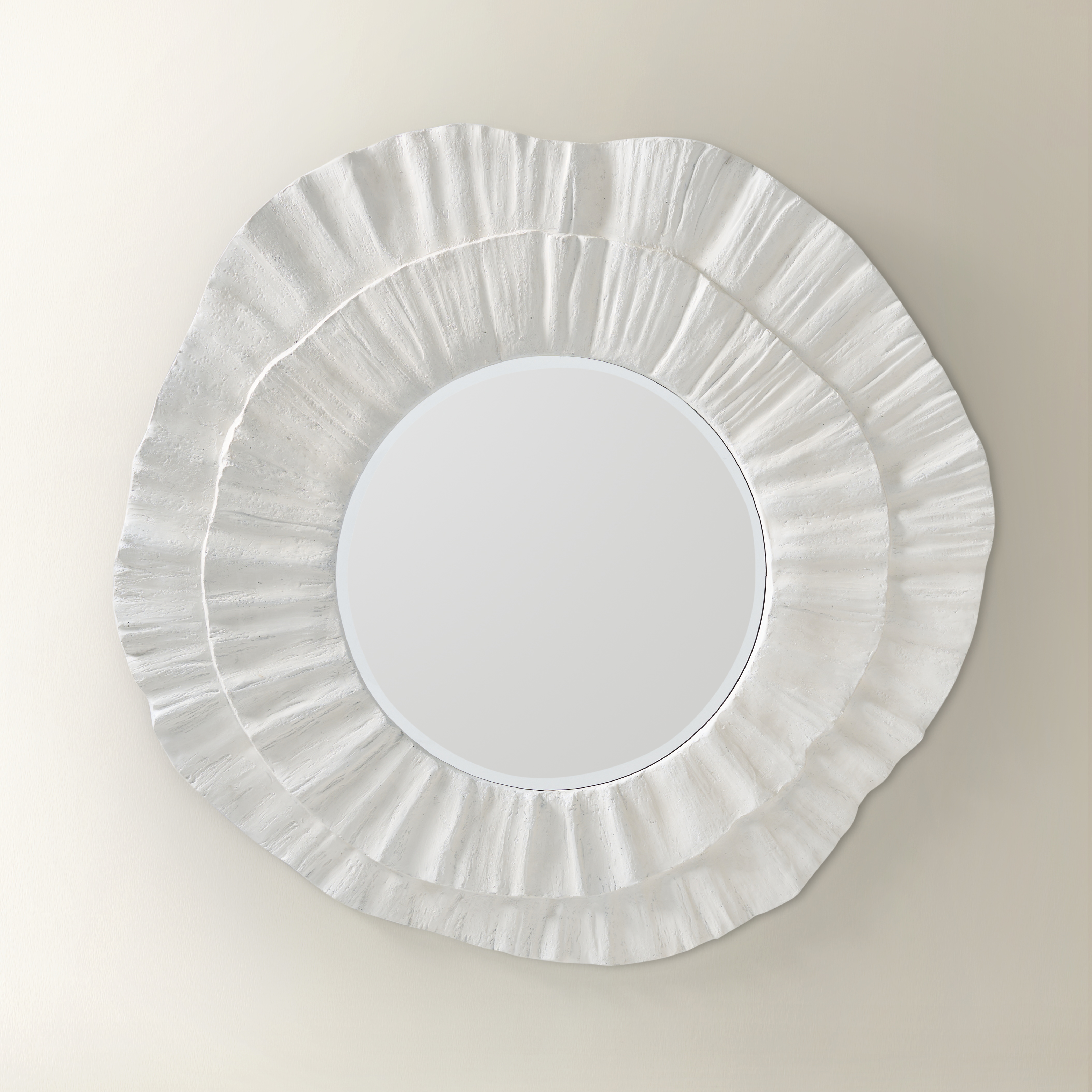 Oceano White Resin Round Wall Mirror 42.7" x 40.2"$699
A white wall mirror featuring an organic shape and sandy texture for a serene, coastal-inspired accent.
Add To Cart -
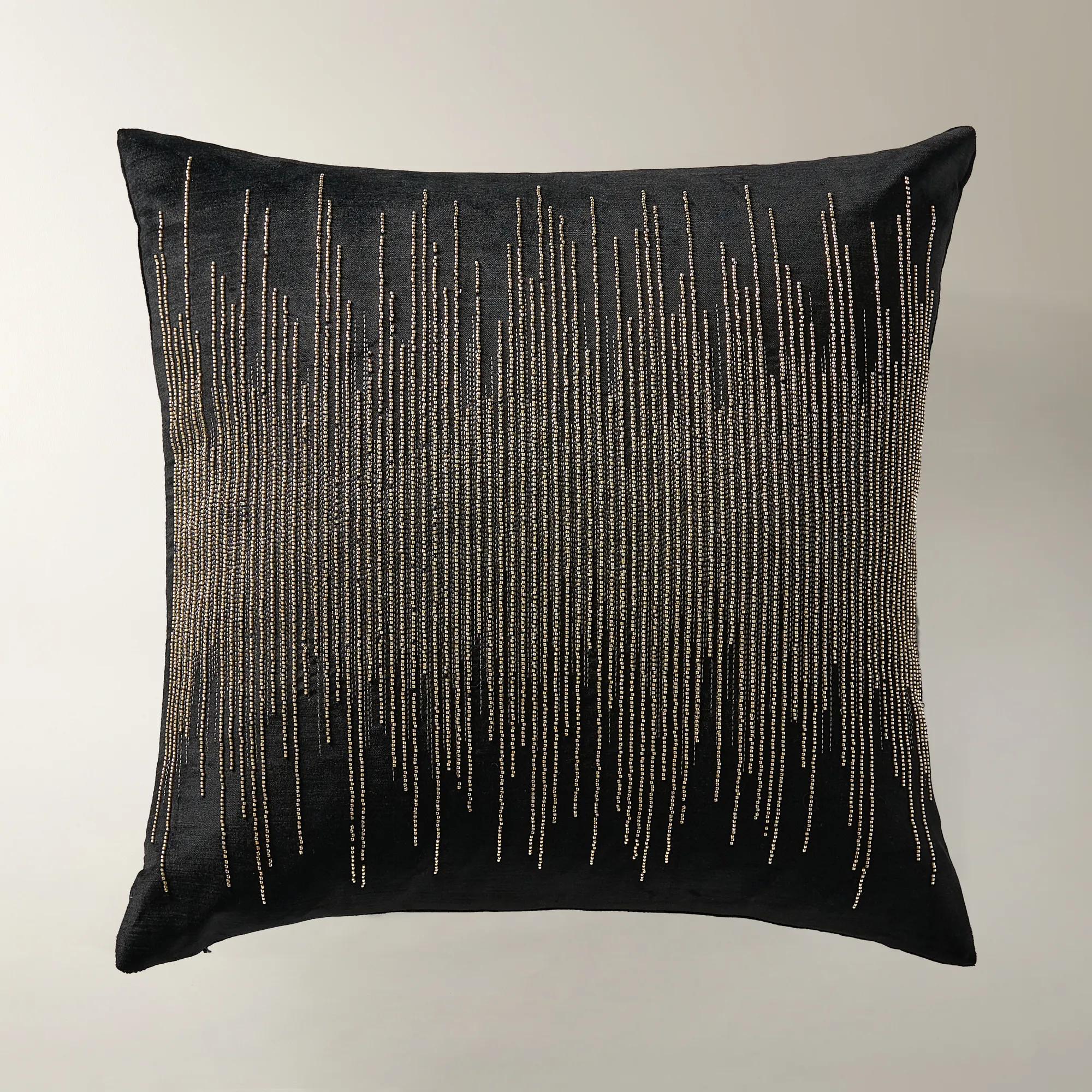
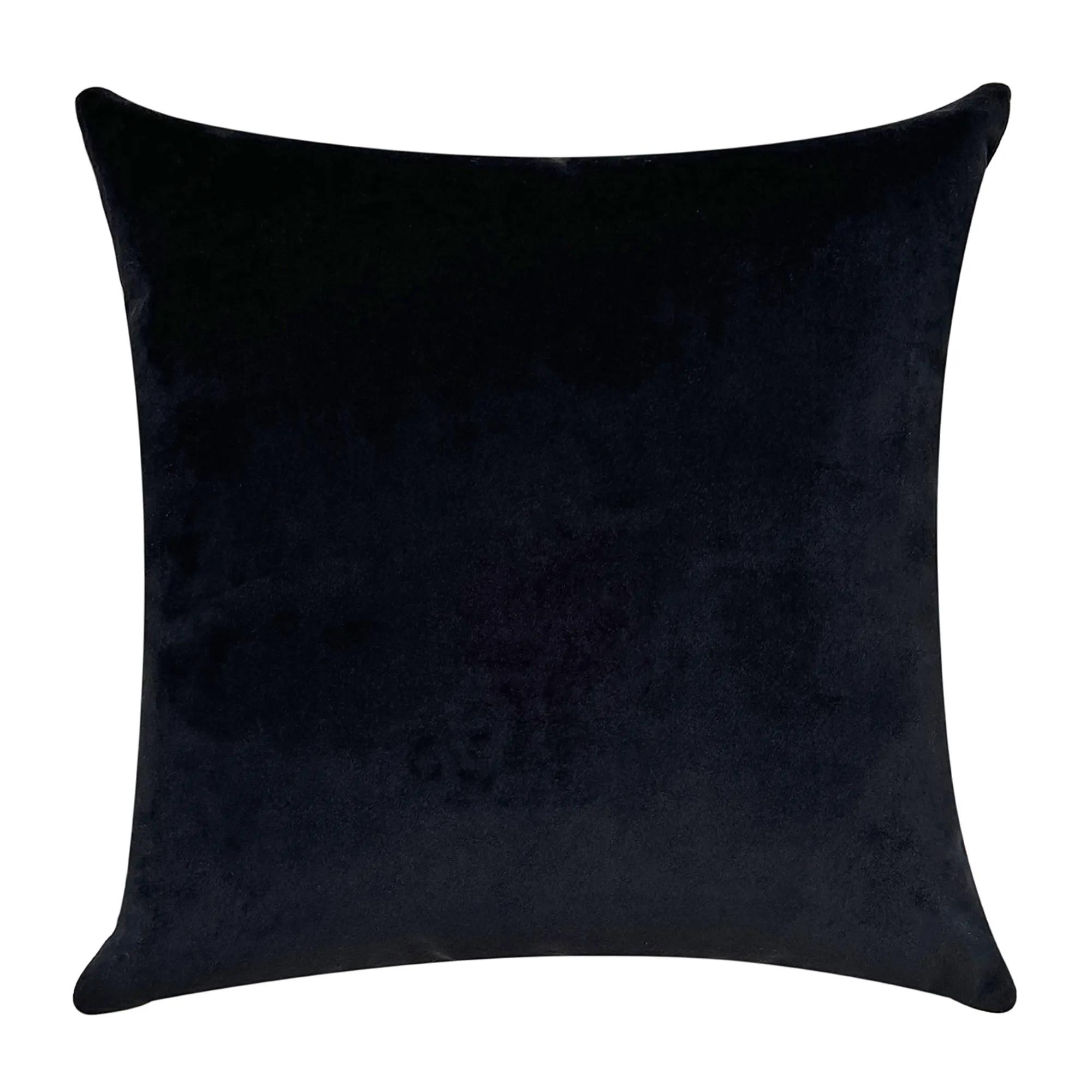
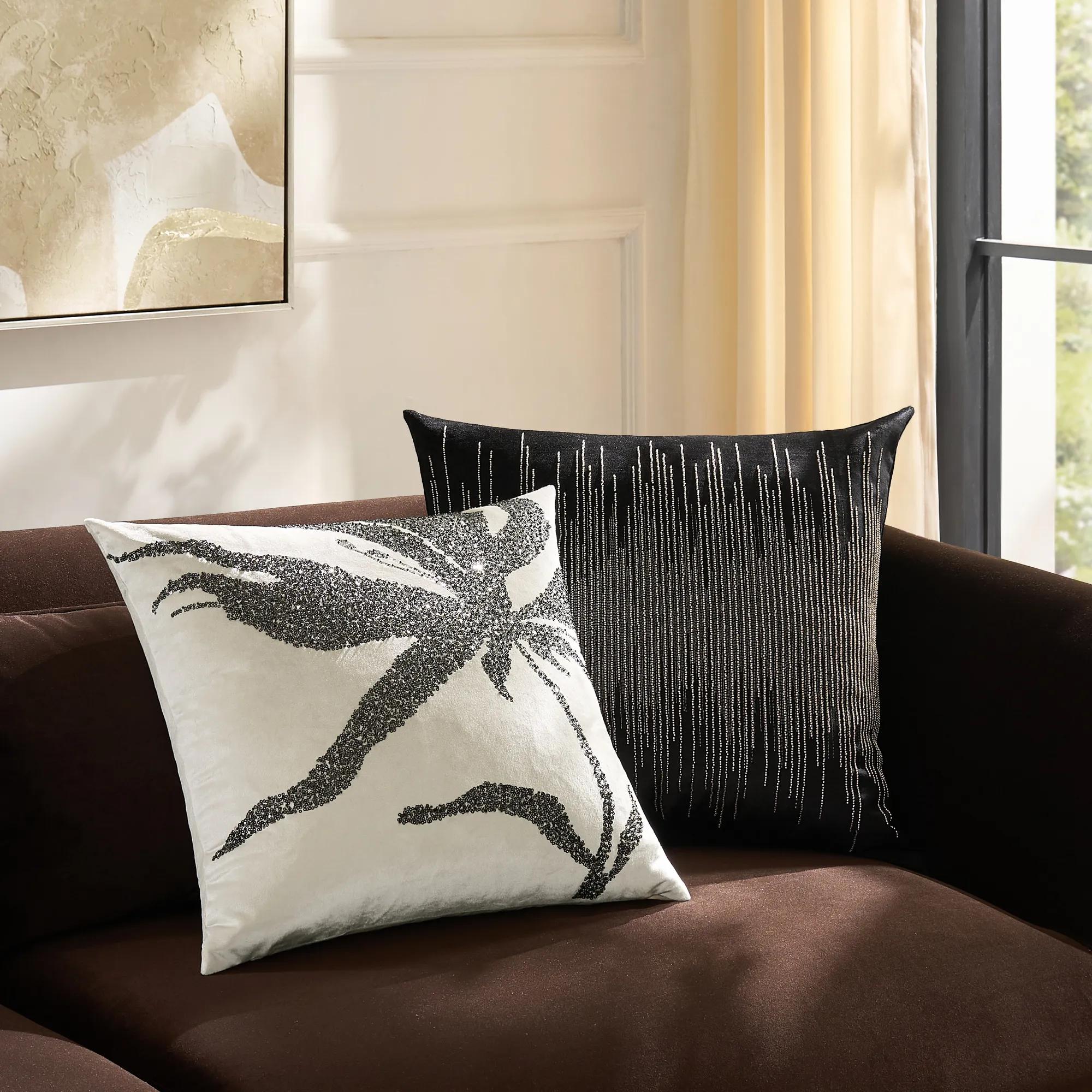 Voie Beaded Black/Champagne Velvet Pillow 22" x 22"$99
A black velvet pillow adorned with champagne beading and embroidery for a luxurious, dimensional shimmer.
Add To Cart -
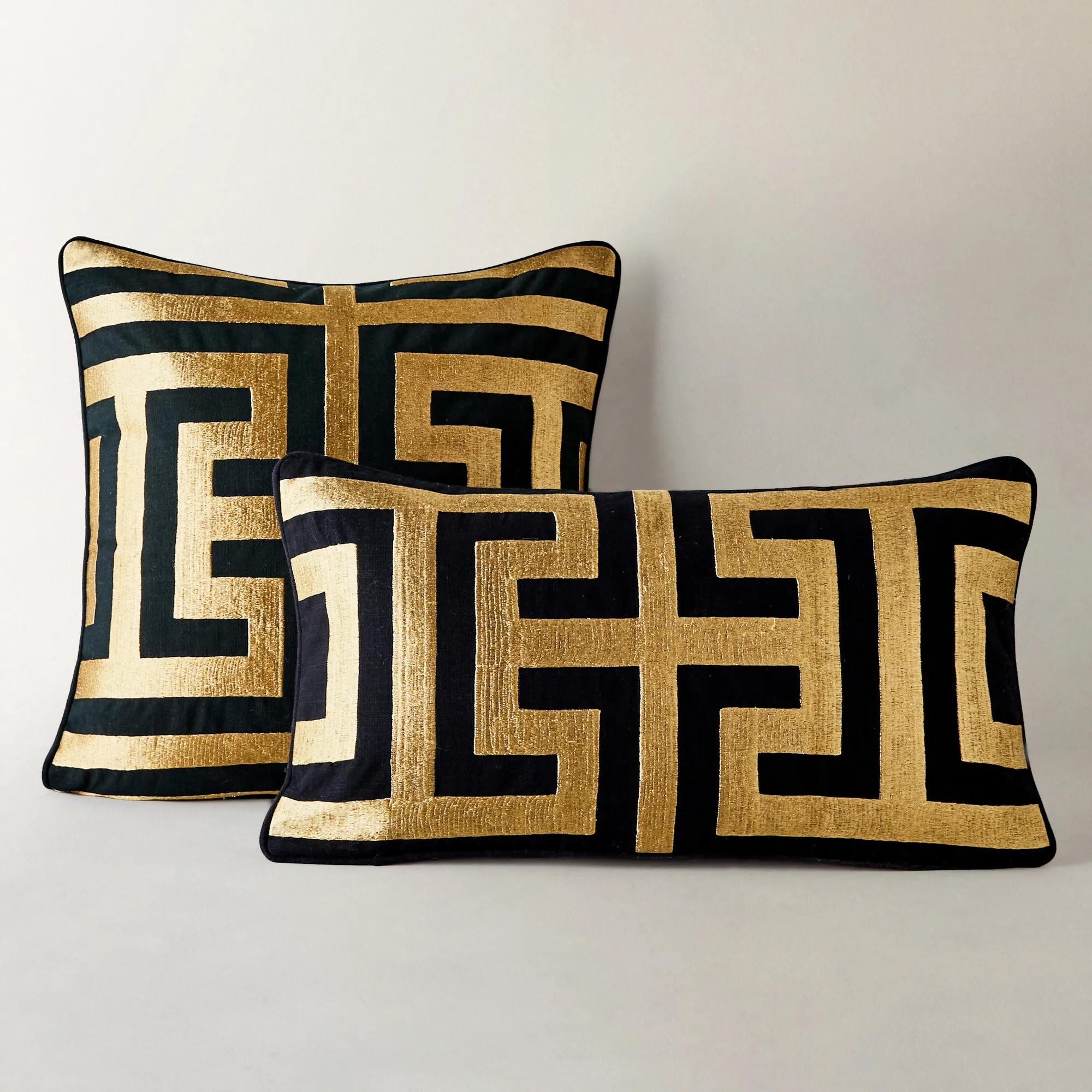 Cace Embroidered Gold/Black Linen Pillow 22" x 22"$129
A cotton-linen pillow in black and gold with metallic Greek key embroidery and feather-down insert.
Add To Cart -
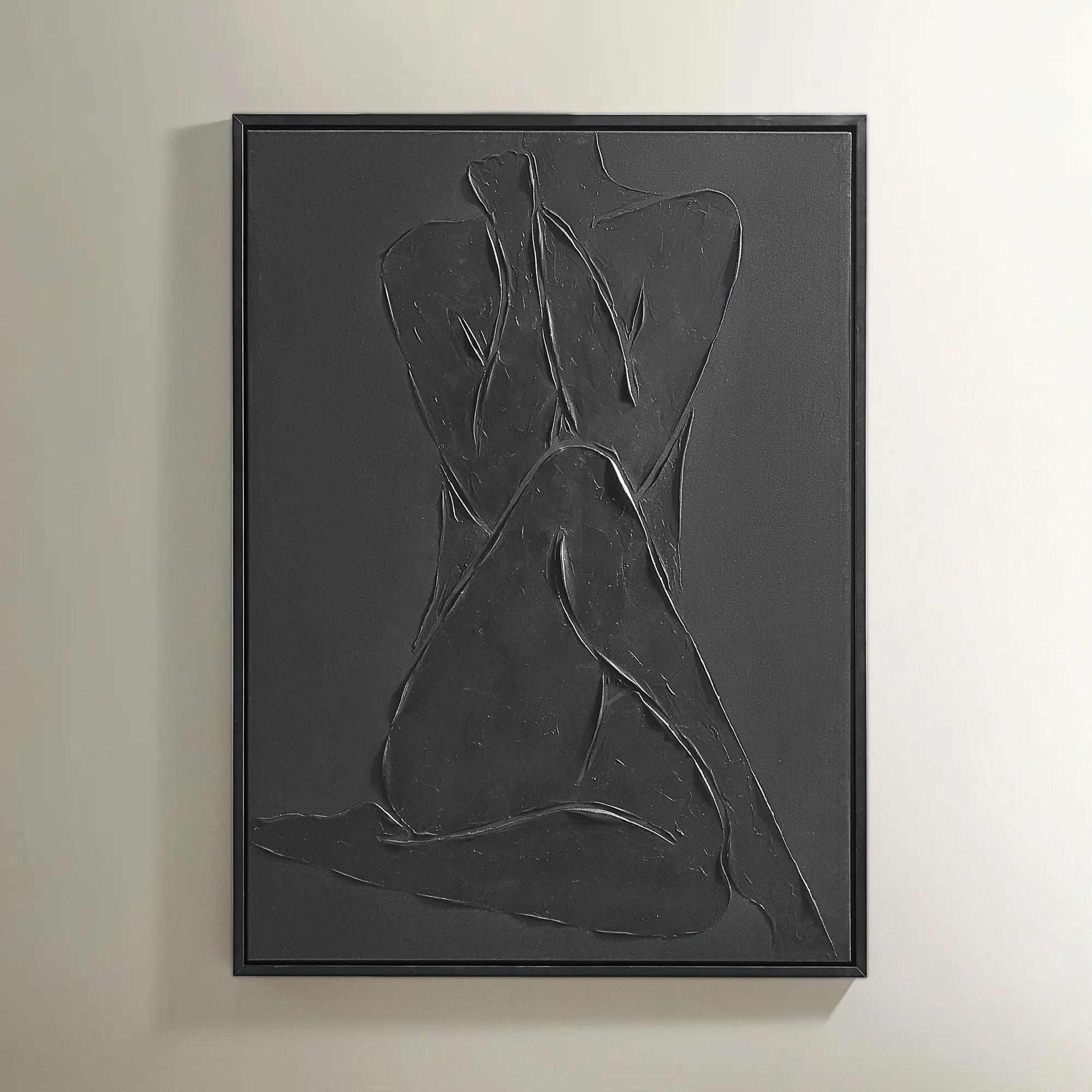 Modern Elegance Nude Black Framed Painted Wall Art 35.5" x 47.25"$599
A hand-embellished canvas artwork featuring textured strokes and vibrant hues in a black and gold Art Deco frame.
Add To Cart -
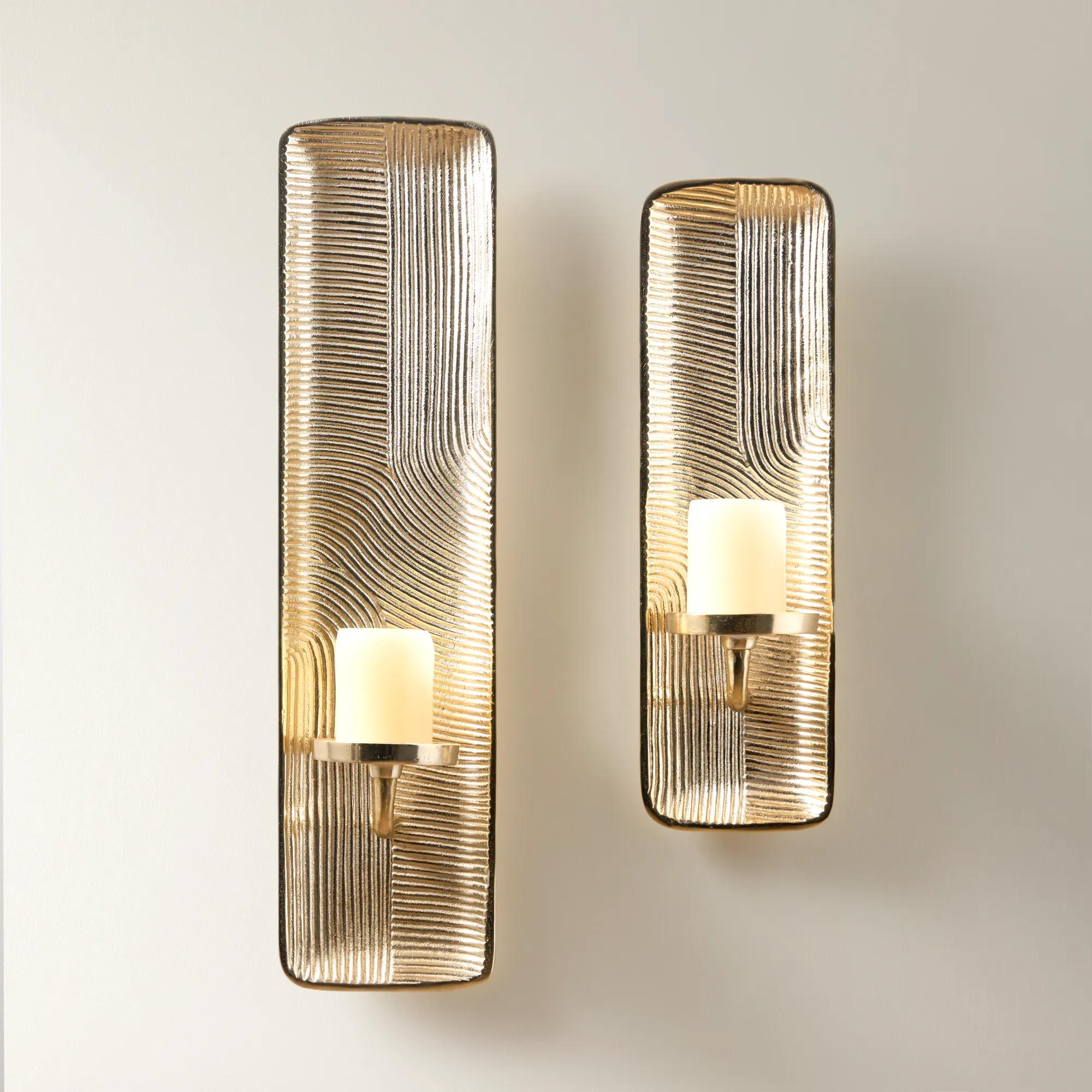
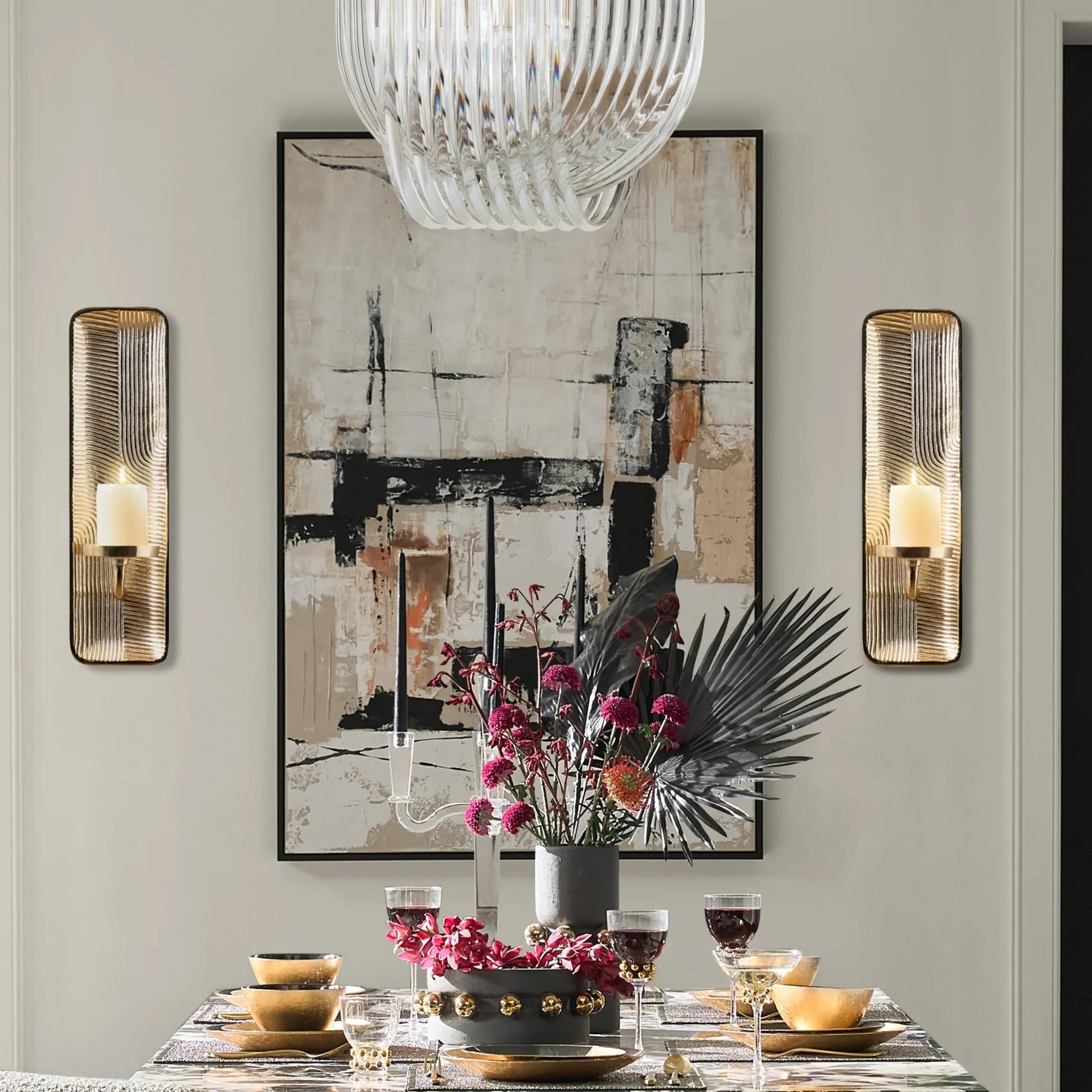 Ando Gold Aluminum Wall Sconces$99
A hand-wrought gold aluminum sconce that adds understated elegance and ambient candlelit glow to any space.
Add To Cart -
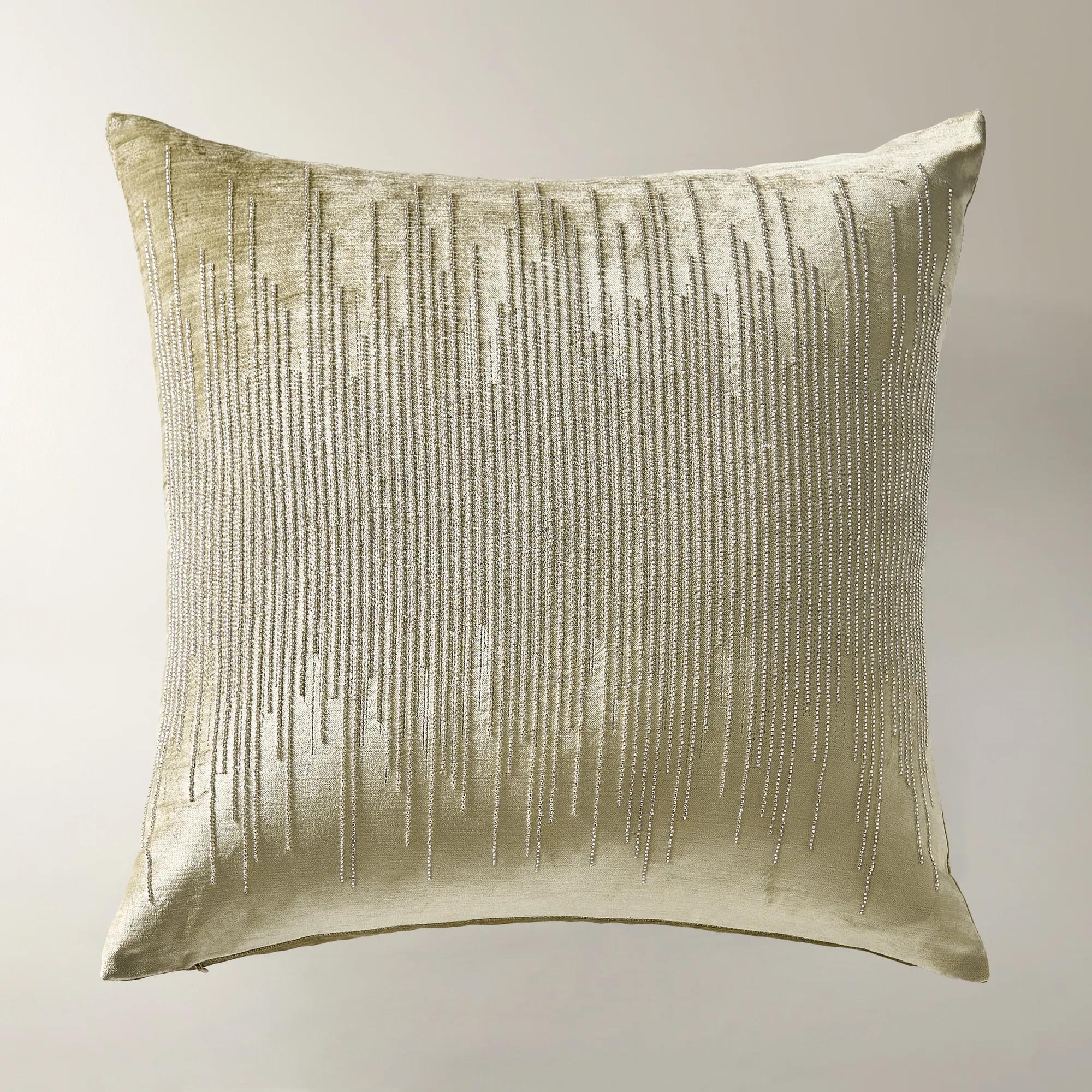 Voie Beaded Champagne Gold/Silver Velvet Pillow 22" x 22"$99
A champagne gold velvet pillow adorned with silver beading and embroidery for a luminous, festive accent.
Add To Cart -
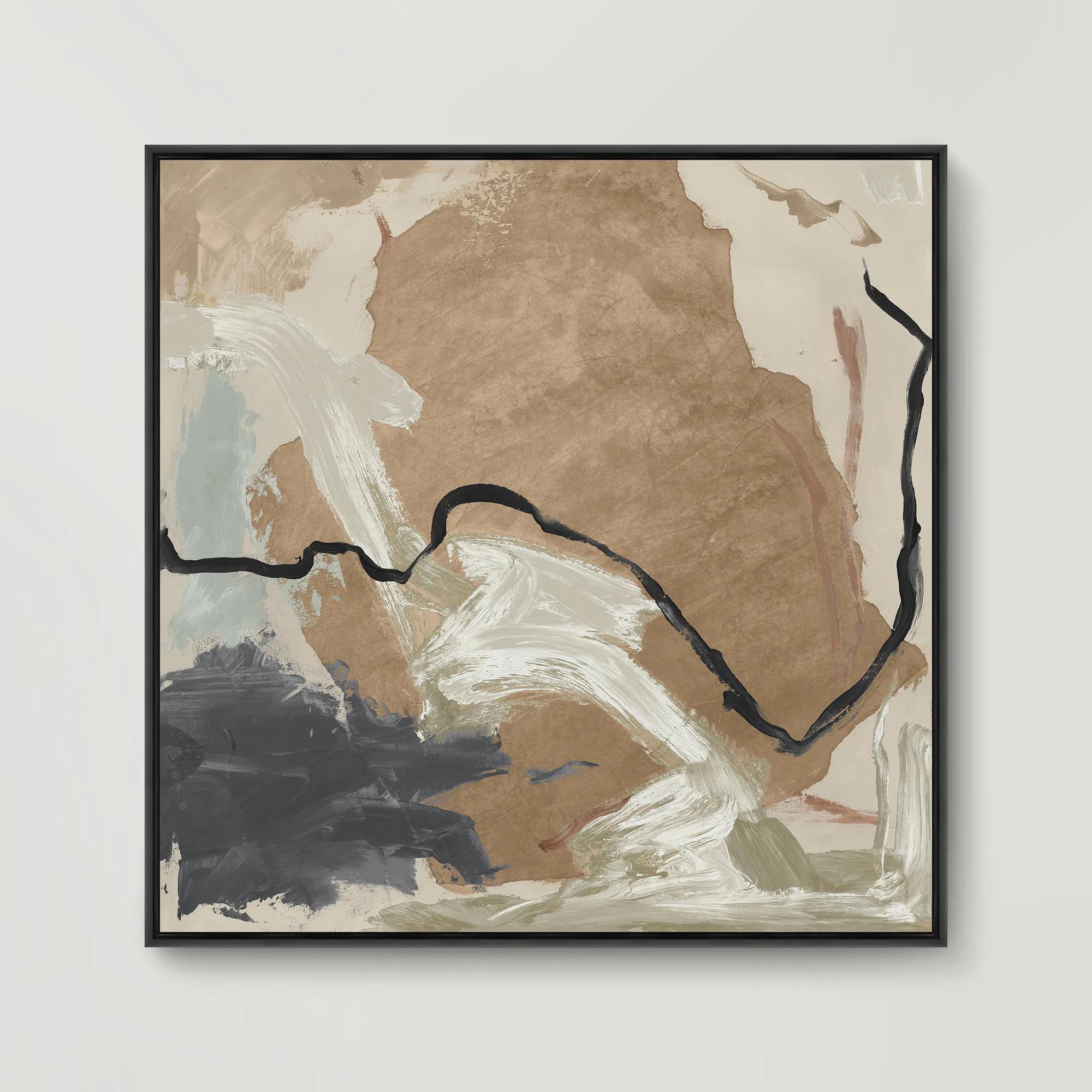 Borderlands III Framed Wall Art 31.5" x 31.5"$499
A gallery-wrapped canvas artwork with hand-applied brush gel finish, set in a sleek gray floater frame.
Add To Cart -
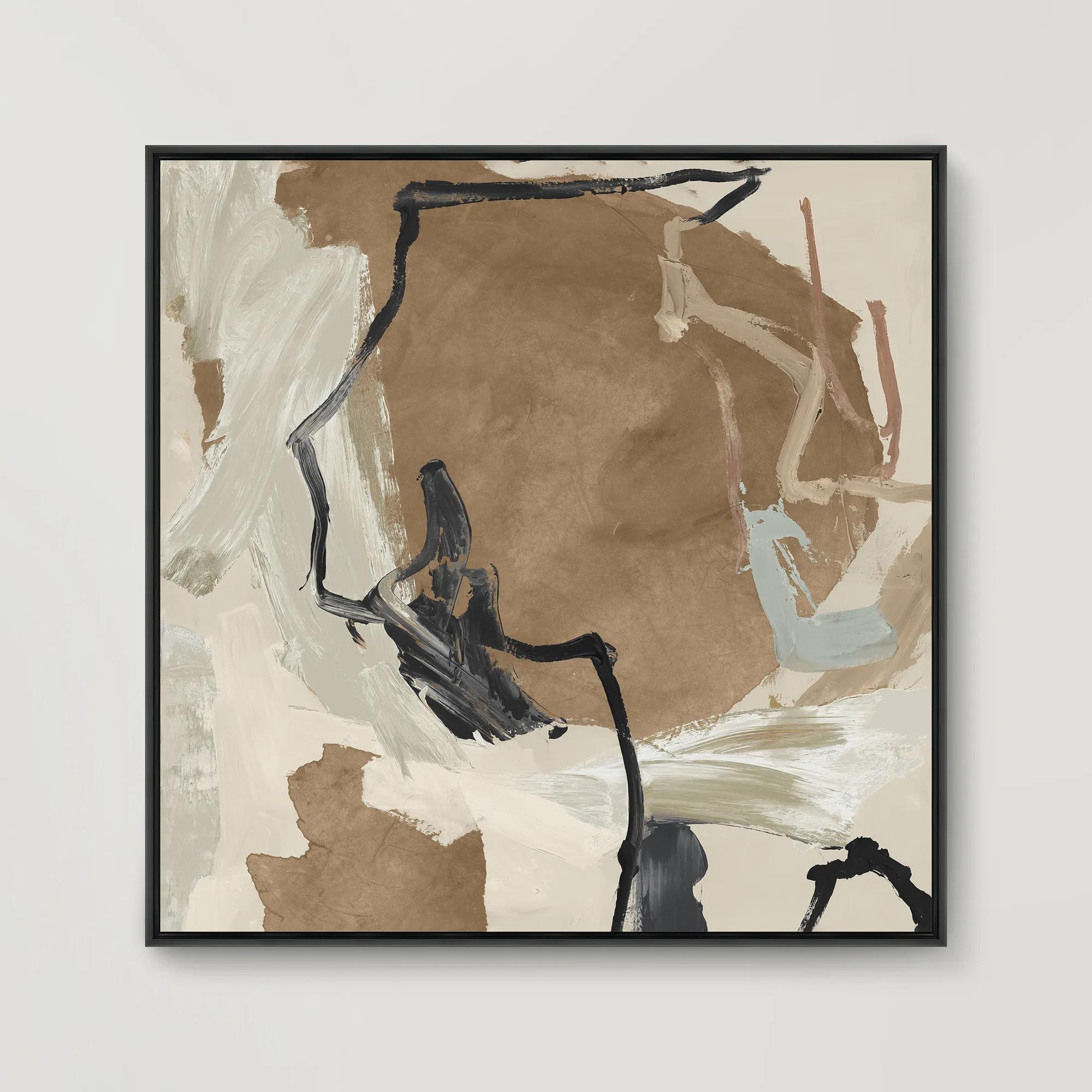
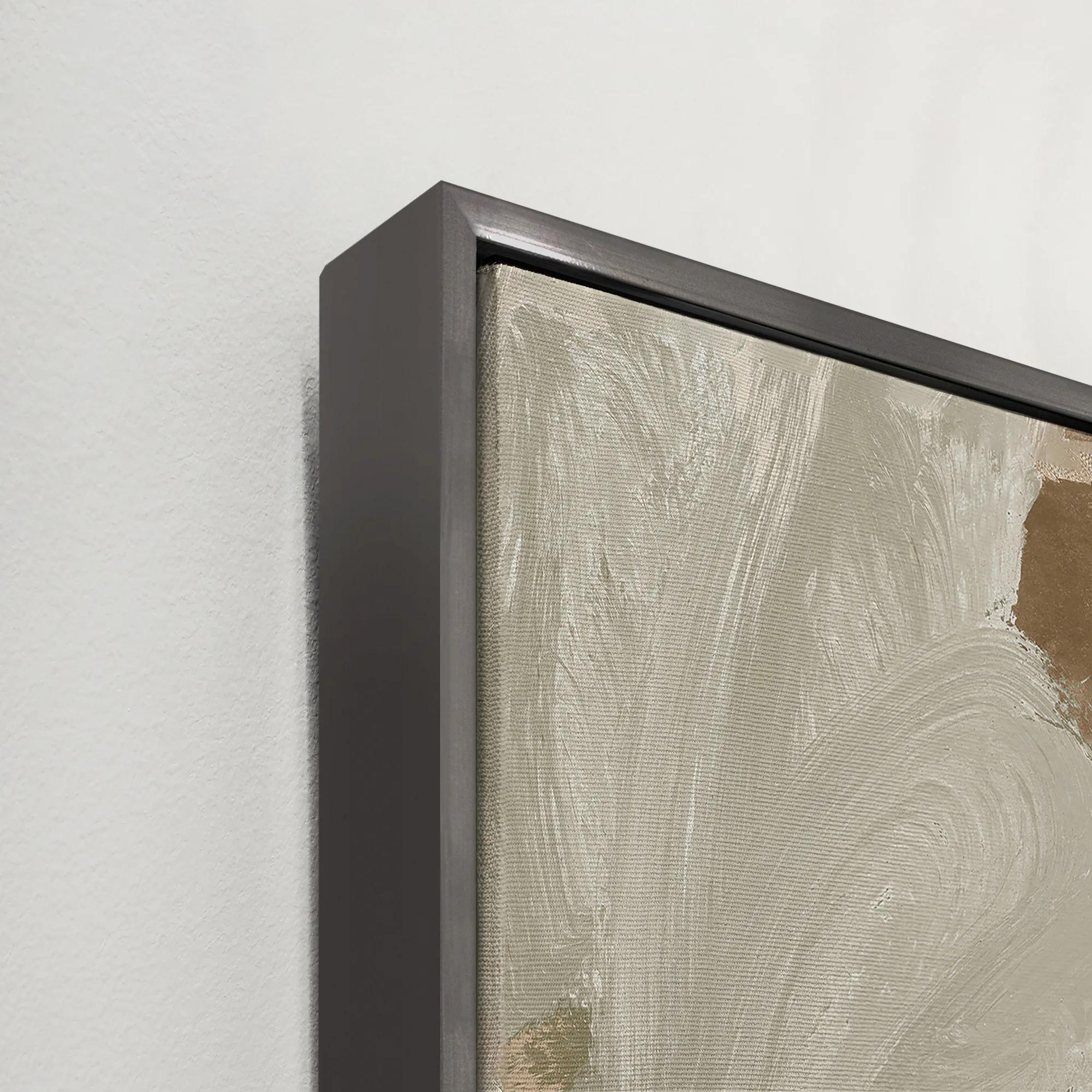 Borderlands IV Framed Wall Art 31.5" x 31.5"$499
A gallery-wrapped canvas artwork with a hand-applied brush gel finish in a sleek gray floater frame.
Add To Cart -

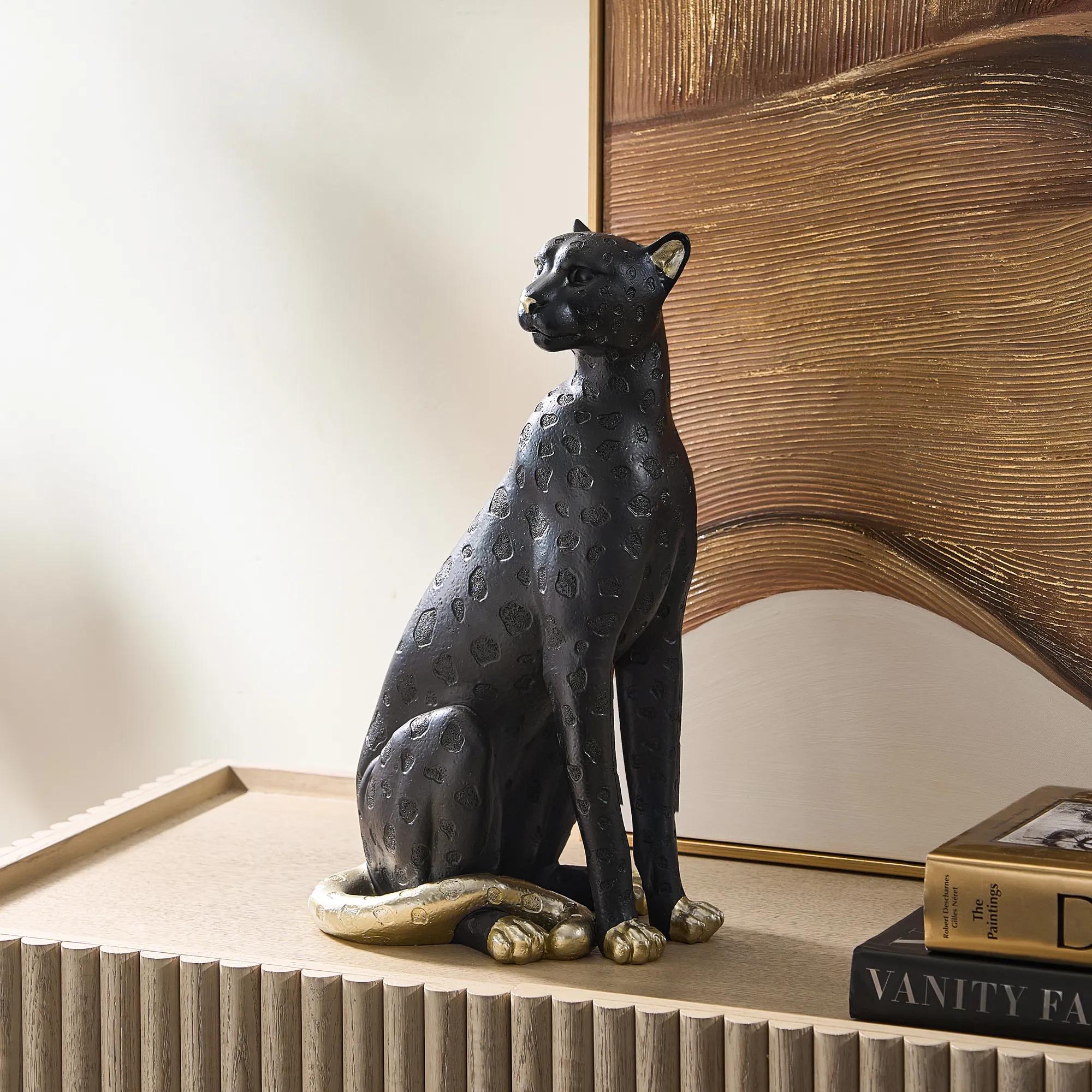 Midnight Leo Black And Gold Resin Object 17.75"$149
A sculpted black resin leopard with gilded gold accents adds bold, artistic glamour to any space.
Add To Cart -
 Gold Ceramic Bookends$49
A pair of gold ceramic book accents that double as sleek, modern bookends for any space.
Add To Cart -
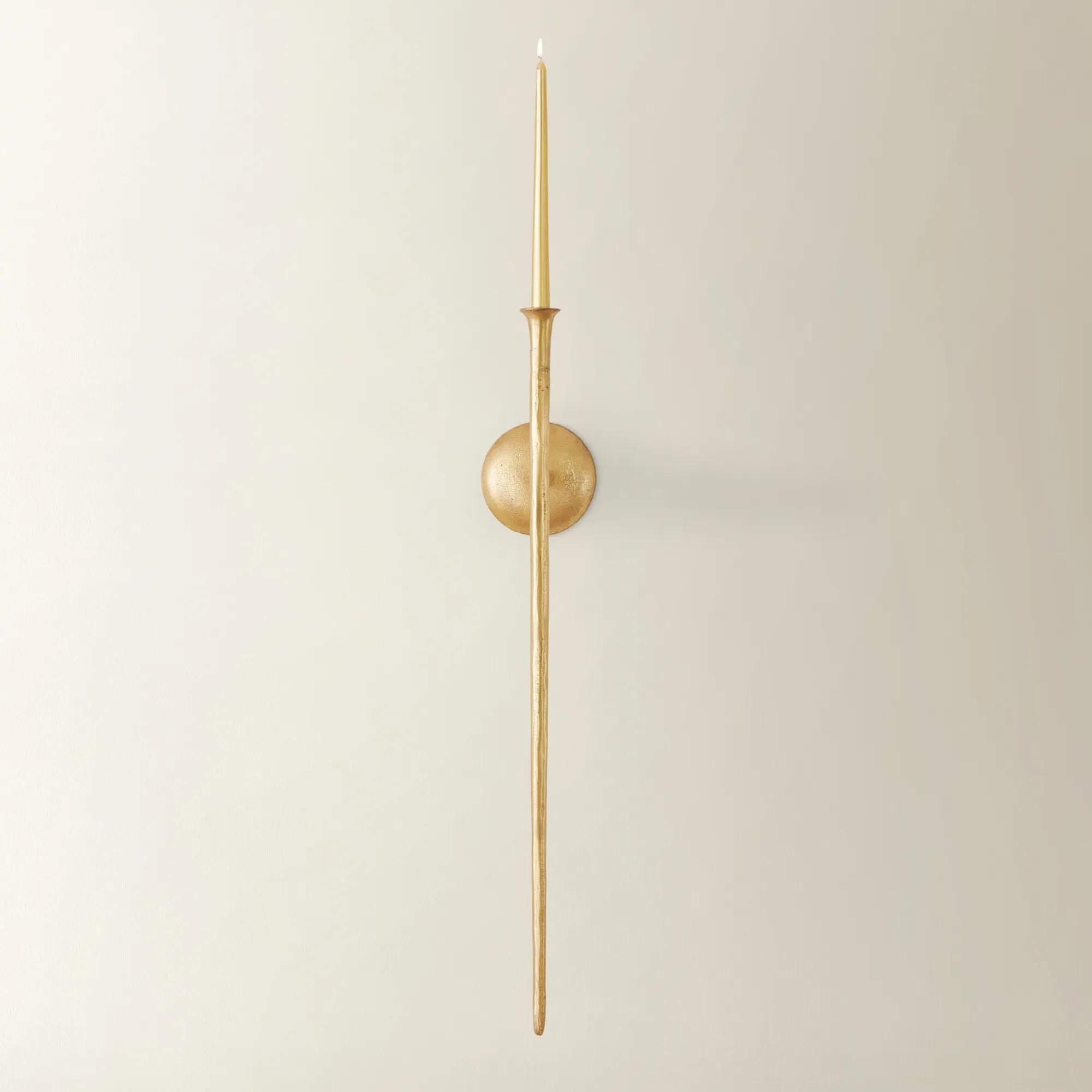 Aspar Gold Aluminum Candle Wall Sconce Large 33"$59
A slender metal wall sconce available in silver, gold, or black, perfect for displaying taper candles.
Add To Cart -
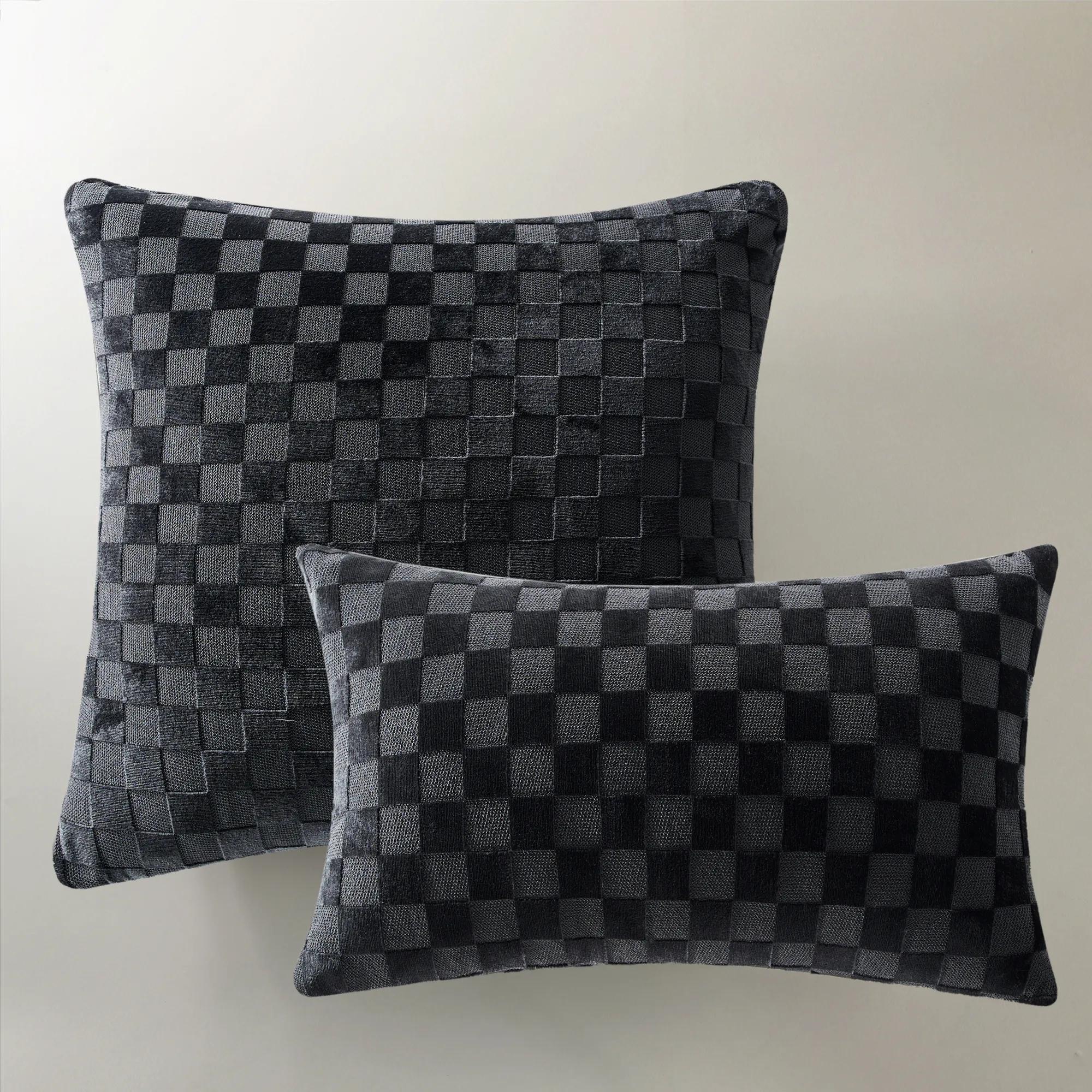
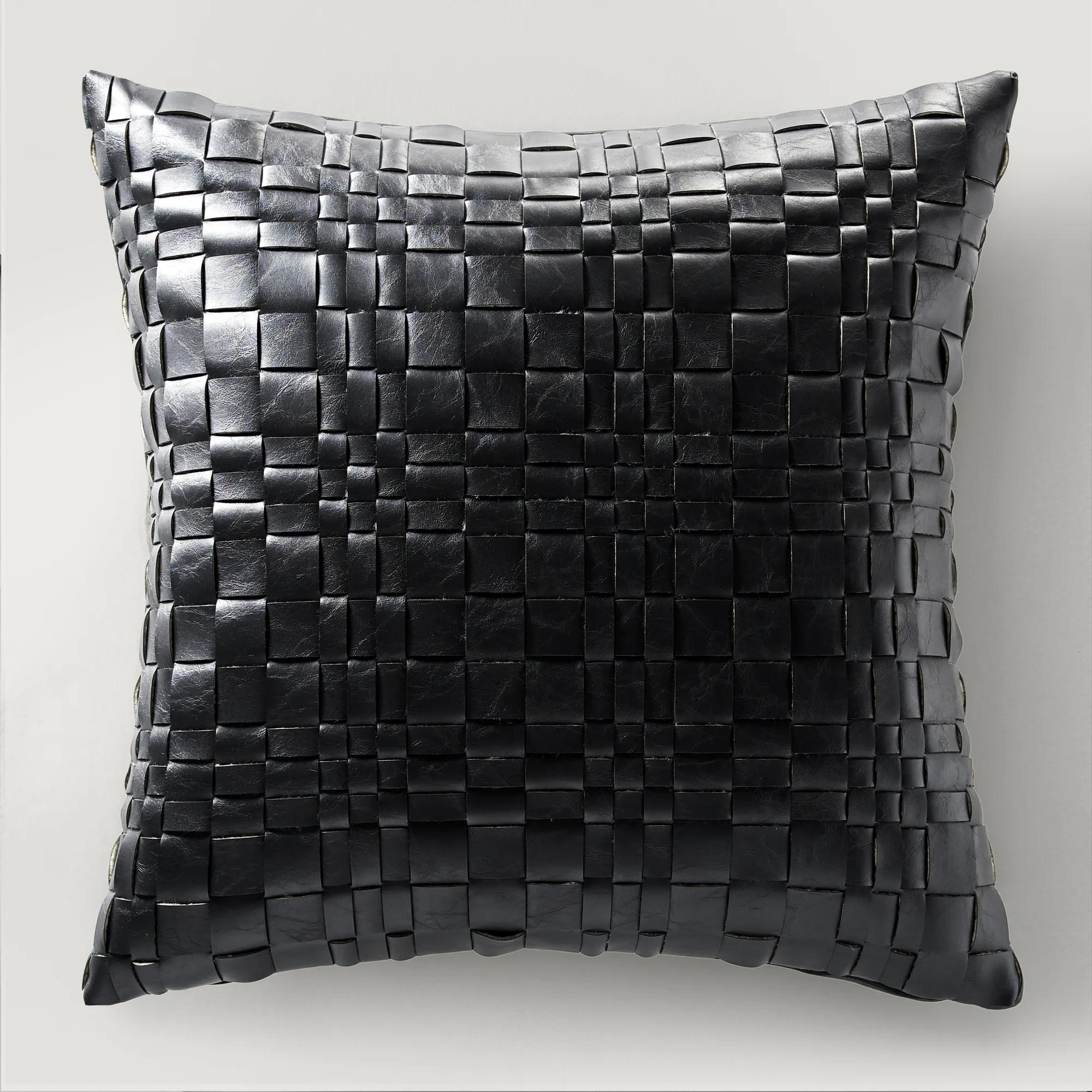 Wren Black Woven Pillow 20" x 20"$129
A handwoven black faux leather pillow featuring a sophisticated basketweave pattern and removable feather-down insert.
Add To Cart

New Home Decor Essentials
New Home Decor Essentials transform mere spaces into mesmerizing sanctuaries, where every detail becomes an invitation to indulge in artistry and ambiance. Here, the ordinary dissolves—each accent is a brushstroke, each piece a bold declaration of style. Whether you’re curating a grand entrance or reimagining your favorite nook, these essentials are designed to awaken your senses and ignite your imagination. Elevate your interiors with elements that shimmer, sculpt, and surprise—because your home deserves nothing less than extraordinary.
New home decor essentials bring together comfortable furniture, layered lighting, rugs, mirrors, artwork, and decorative accents to give a new space both purpose and personality. These are the elements that make an entry feel welcoming, a living room feel composed, and a bedroom feel distinctly personal. For first-time homeowners, renters, and anyone beginning again in a different space, the most compelling mix balances everyday utility with expressive design: generous seating beside a sculptural accent table, a richly textured rug beneath a clean-lined sofa, or an illuminated console that turns an overlooked wall into a striking arrival. Foundational furniture establishes how a room works, while decorative layers introduce color, softness, reflection, and visual depth. Scale matters as much as style. A substantial mirror can bring architectural presence to a narrow entry, but its proportions should complement the furniture beneath it rather than overwhelm the wall. A living room rug feels more connected to the seating arrangement when it extends beneath the front legs of the main pieces, while a dining rug needs enough room for chairs to remain on its surface when pulled out. Furniture dimensions, doorway clearances, and open walking paths all influence how comfortably these essentials settle into a home. Lighting contributes another layer of function and atmosphere. Table and floor lamps offer light for reading or conversation, while overhead fixtures provide broader illumination; used together, they create a more nuanced setting than a single bright source. Shade material, bulb compatibility, and the location of outlets deserve attention alongside silhouette and finish. Compact rooms benefit from pieces with a lighter visual footprint, such as slender bases, reflective surfaces, and furniture that combines display with storage. The related selection of Stylish Apartment Essentials explores this balance of expressive design and considered proportions. Whatever the square footage, new home decor feels most cohesive when the furniture supports daily routines and the finishing touches give those routines a more beautiful setting.
Materials bring much of that character into focus, shaping not only how home decor looks but also how it feels, wears, and responds to daily life. Velvet introduces a plush surface with depth that shifts in the light, while linen and cotton offer a more relaxed texture that sits beautifully beside polished metal or glass. Upholstery selection depends on use as well as appearance: a frequently occupied family room calls for different considerations than an occasional chair in a dressing area. Fabric composition, abrasion information when provided, and care instructions offer more useful clues to durability than appearance alone. Performance treatments may help with particular spills or stains, but their capabilities vary, and no fabric should be assumed to resist every mark. Removable cushion covers are not necessarily machine washable, making the care label especially important. Rugs also contribute distinct textures underfoot, from the dimensional surface of a tufted design to the tailored profile of a lower pile. Pile height affects door clearance, furniture stability, and ease of cleaning; a compatible rug pad can add cushioning and help reduce movement on an appropriate floor surface. Wood introduces warmth and grain, with natural variations that give furniture and accents individual character. Glass adds transparency and gleam, while stone brings weight, veining, and a sense of permanence. Natural stone may be porous or sensitive to acidic substances, and protective care should follow the material’s specific recommendations. Decorative metal finishes can also require gentle handling, since abrasive cleaners may scratch or dull their surfaces. Coasters, prompt attention to spills, and soft cleaning cloths help protect hardworking tables and display surfaces, while placement away from prolonged direct sunlight can help limit fading in susceptible textiles and finishes. These practical details allow luxurious materials to suit real homes rather than rooms reserved only for admiration. A palette of ivory, charcoal, and warm metallics can gain richness through contrasting textures, while saturated color becomes more compelling when balanced with quieter surfaces. Matching every finish is less important than creating a deliberate relationship among them.
The finishing layers make a new home feel inhabited rather than merely furnished. Artwork gives a room a point of view, whether through expansive abstract forms, architectural photography, or a grouping of smaller framed pieces that rewards a closer look. Proportion and placement help these pieces belong to the setting: art above a sofa should relate to the width of the seating, while a piece viewed from a dining chair may need a different position than one encountered in a hallway. Mirrors introduce another kind of dimension, reflecting the room beyond their frames; their placement is most effective when the reflection captures something worth emphasizing, such as artwork, an attractive light fixture, or an open view. Appropriate mounting hardware and attention to wall construction are essential for securely installing heavier decor. On consoles, shelves, and coffee tables, decorative objects create opportunities for a more personal composition. A tall vase can give an arrangement height, a low bowl can hold everyday belongings, and a tray can gather smaller accents into a defined display without consuming the entire surface. Leaving room for a drink, a book, or a place to set keys keeps the arrangement connected to its intended use. Pillows and throws soften the geometry of furniture and make seating more inviting, with varied weaves and restrained shifts in scale adding interest without requiring every piece to compete. For homes with children or pets, placement, stability, breakability, and textile care deserve particular consideration. New home decor also offers thoughtful housewarming and wedding gifts, especially when the recipient’s palette, available space, and daily habits are known. Decorative vessels, versatile trays, and tactile throws can feel personal without requiring the exact measurements involved in larger furnishings. The most enduring selections leave room for the household’s own art, keepsakes, and evolving tastes. Together, these essentials establish a home that is comfortable to live in, rewarding to look at, and expressive in the details that make it unmistakably individual.
FAQs
When styling a new home, start with foundational pieces that set the stage for comfort and self-expression. Focus on statement seating, versatile lighting, sumptuous rugs, and accent pieces like mirrors and art. Layer in tactile textiles—pillows, throws, and curtains—to add warmth and personality. These essentials create a welcoming atmosphere and allow you to build your unique style over time.
Mixing styles and textures is key to creating a space that feels curated and dynamic. Pair sleek metallics with plush velvets, or juxtapose contemporary silhouettes with organic, natural elements. Use a cohesive color palette as your anchor, then layer in contrasting materials—like glass, marble, or wood—for visual interest. The result is a sophisticated, lived-in look that reflects your personal taste.
Absolutely. Thoughtfully chosen decor essentials—such as elegant vases, luxurious throws, or sculptural candleholders—make meaningful gifts that combine beauty with utility. These pieces help new homeowners or newlyweds infuse their space with comfort and style, turning a house into a personalized sanctuary.
Accessories are the finishing touches that transform a room from functional to fabulous. A mirrored tray can organize and display treasured objects, while decorative bowls add sculptural flair to tablescapes. Candleholders infuse ambiance and warmth, especially when grouped in odd numbers for dramatic effect. These accents allow you to experiment with color, texture, and scale, completing your home’s story.
Strategic lighting is essential for setting the ambiance and spotlighting your favorite pieces. Layer different light sources—such as table lamps, floor lamps, and overhead fixtures—to create depth and drama. Use accent lighting to draw attention to art, mirrors, or vignettes, and opt for warm-toned bulbs to bathe your space in a golden, inviting glow. The right lighting enhances every detail and brings your decor to life.