New Home Furniture Essentials
New Home Furniture Essentials
-
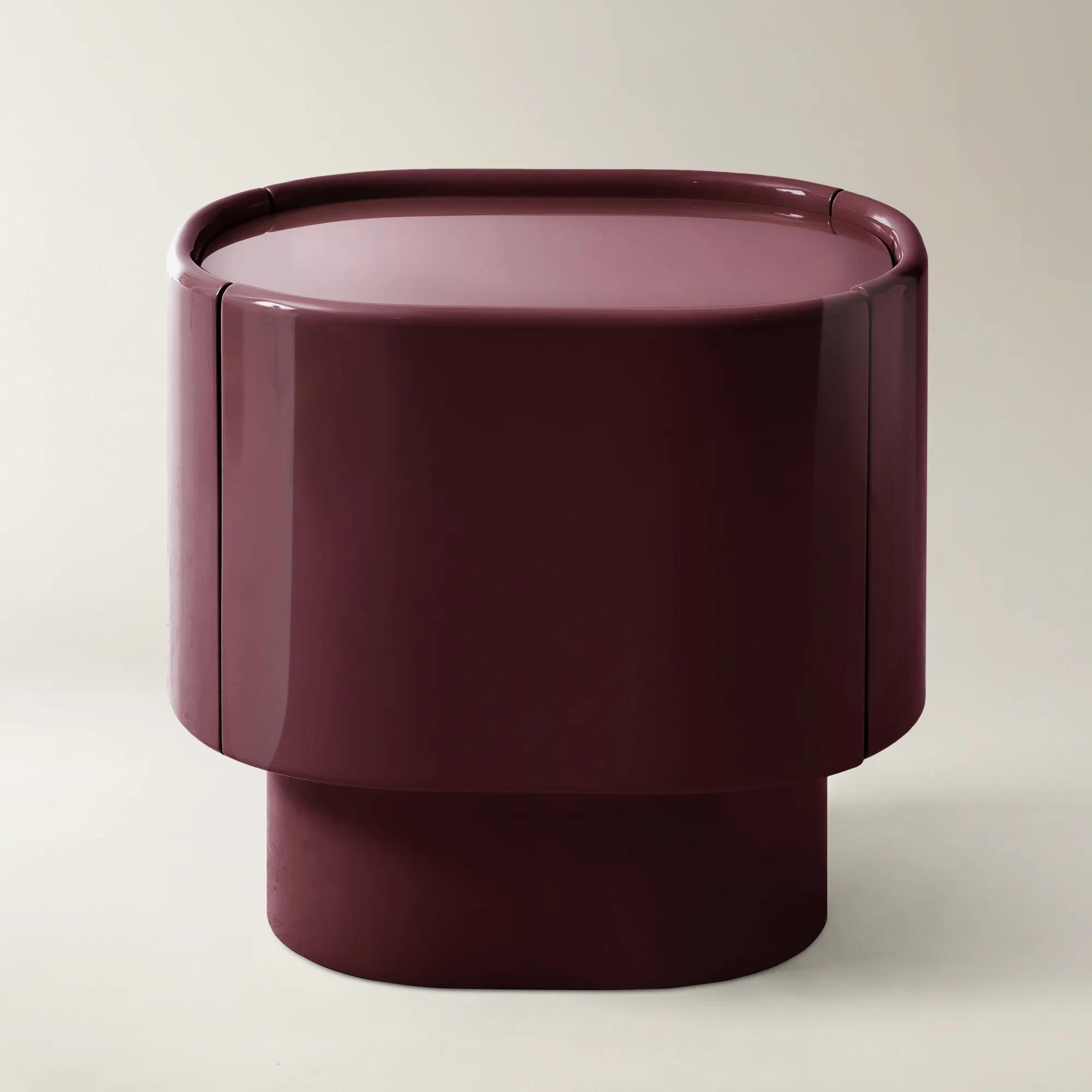 Velar Lacquered Ox Blood 1-Drawer Nightstand With Glass Top (24")$699
A sculptural ox blood nightstand featuring a high-gloss lacquer finish and a sleek glass top.
Add To Cart -
 Velar Lacquered Turtle Dove 1-Drawer Nightstand With Glass Top (24")$699
A sculptural nightstand in turtle dove lacquer with a tone-on-tone glass top and velvet-lined drawer.
Add To Cart -
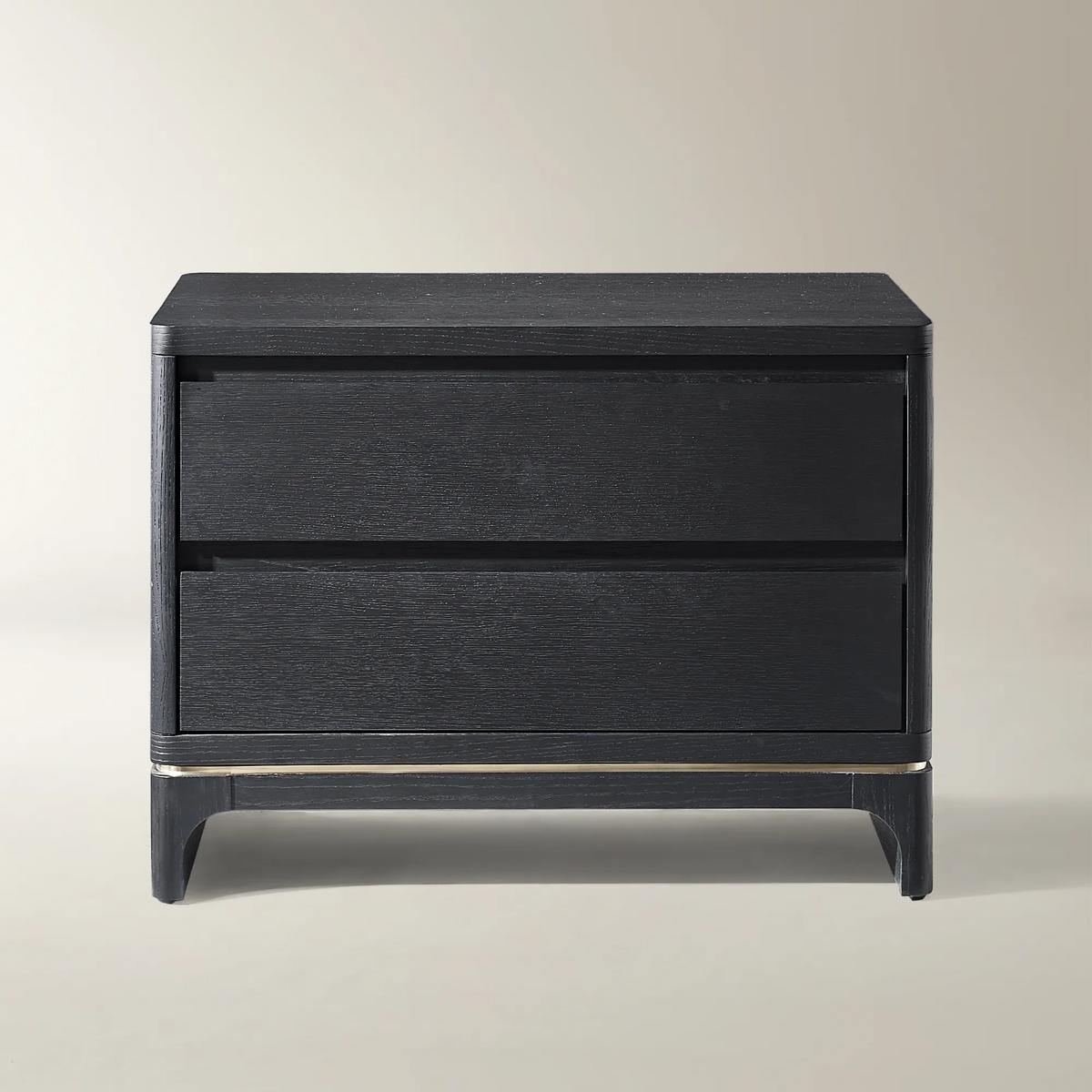
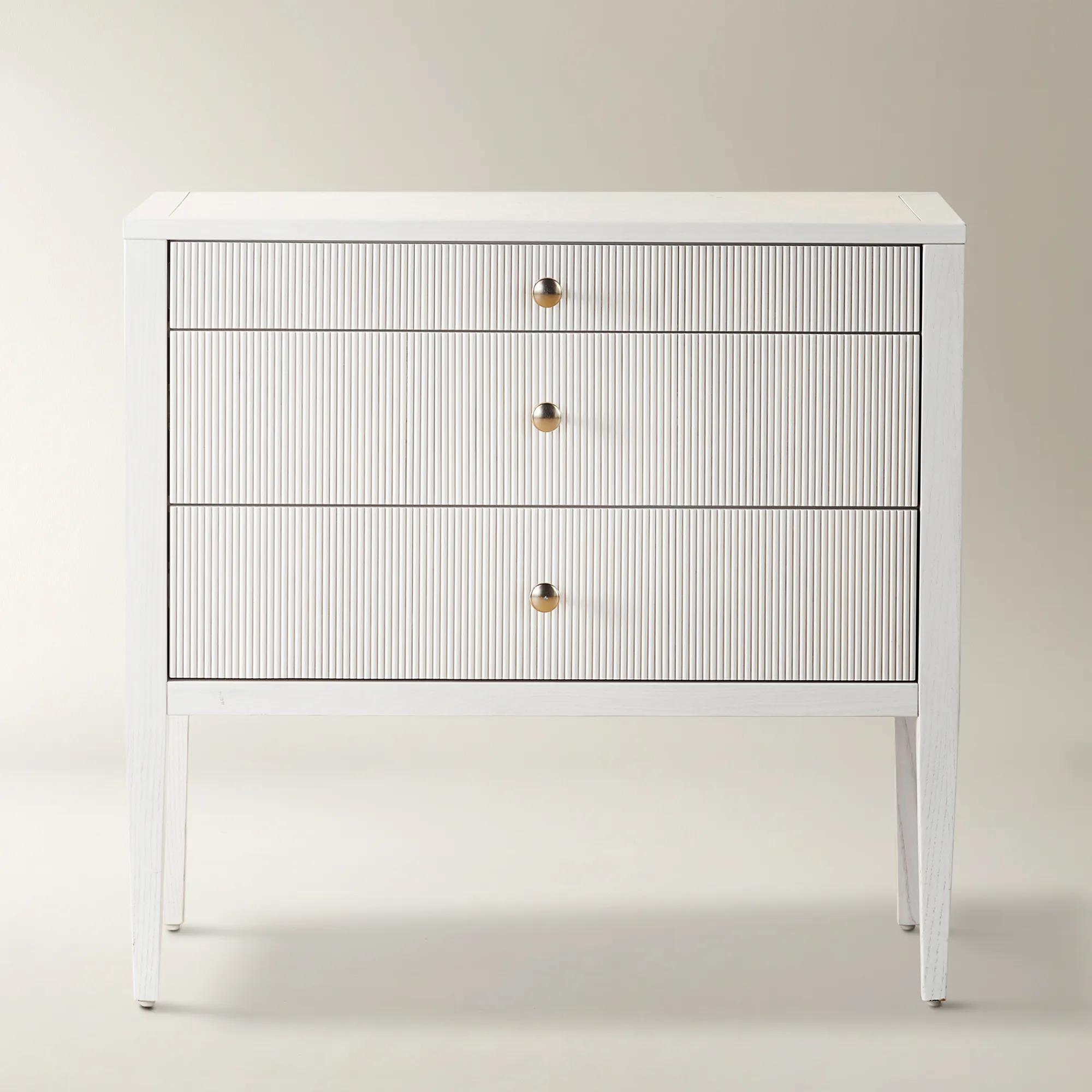
 Stria Reeded Black Oak 2-Drawer Nightstand (26")$999
A black oak nightstand featuring vertical reeded texture, soft gold accents, and soft-close velvet-lined drawers.
Add To Cart -
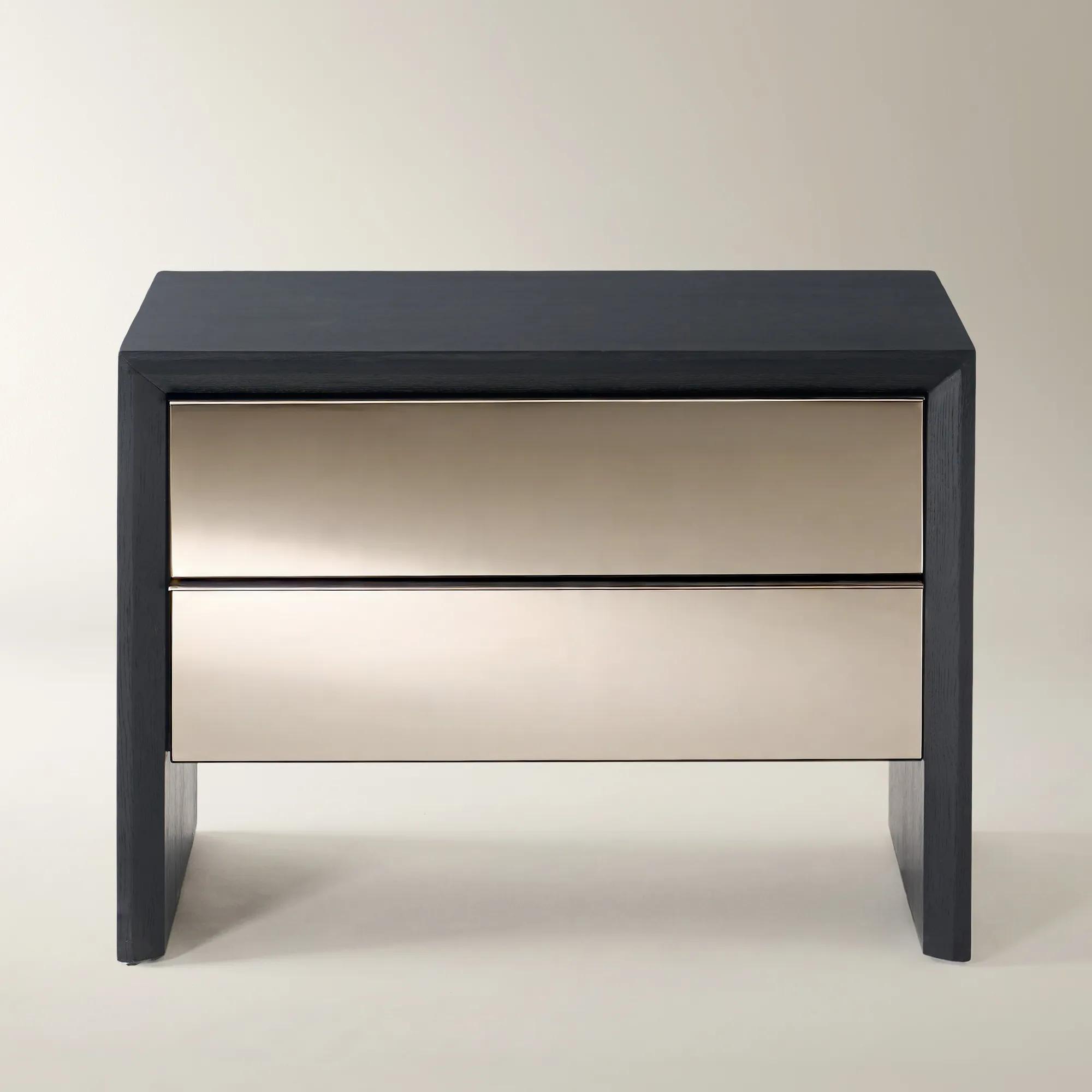
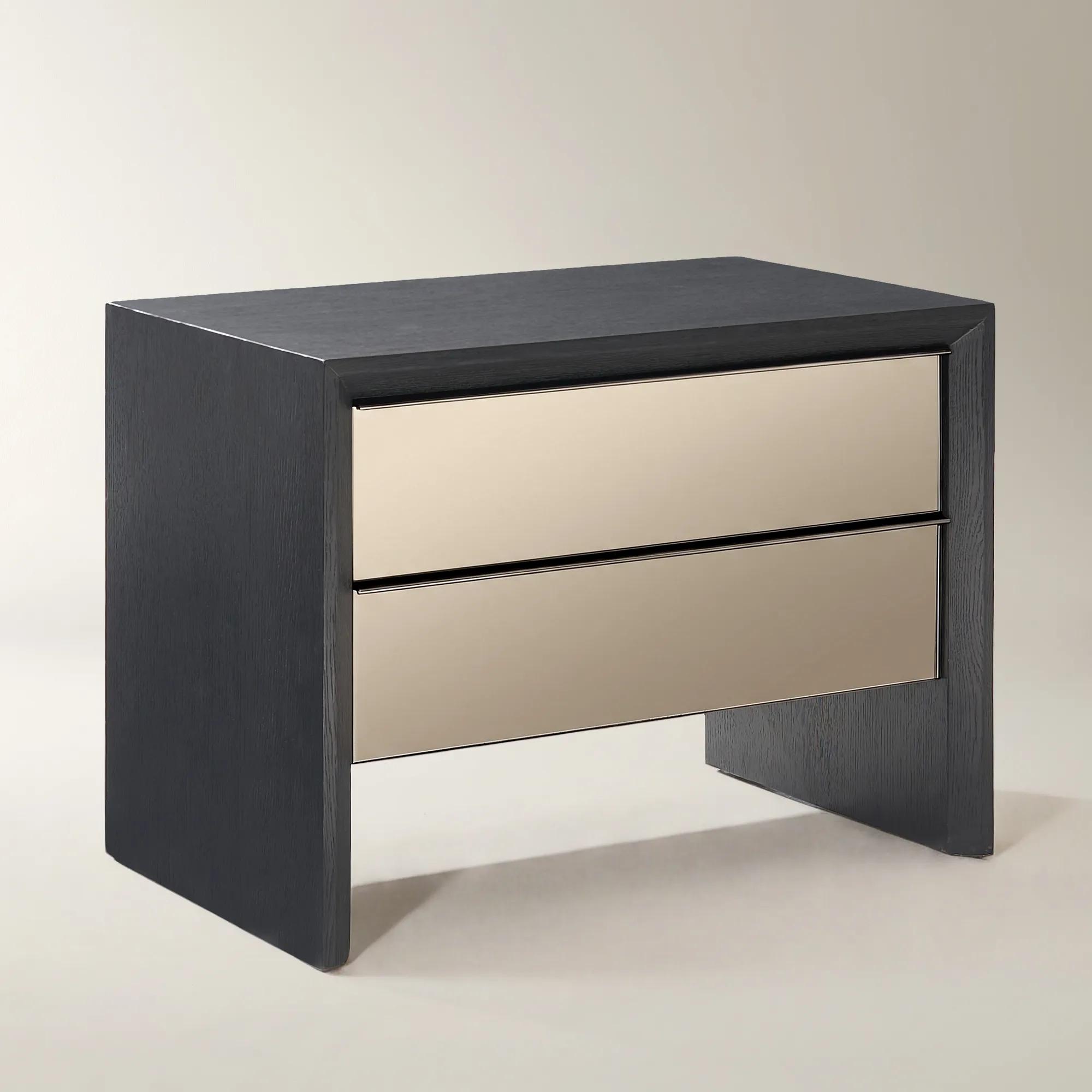 Glimmer Mirrored Black Oak 2-Drawer Nightstand (32")$799
A modern nightstand featuring black oak veneer, bronze mirrored drawer fronts, and soft-close velvet-lined drawers.
Add To Cart -
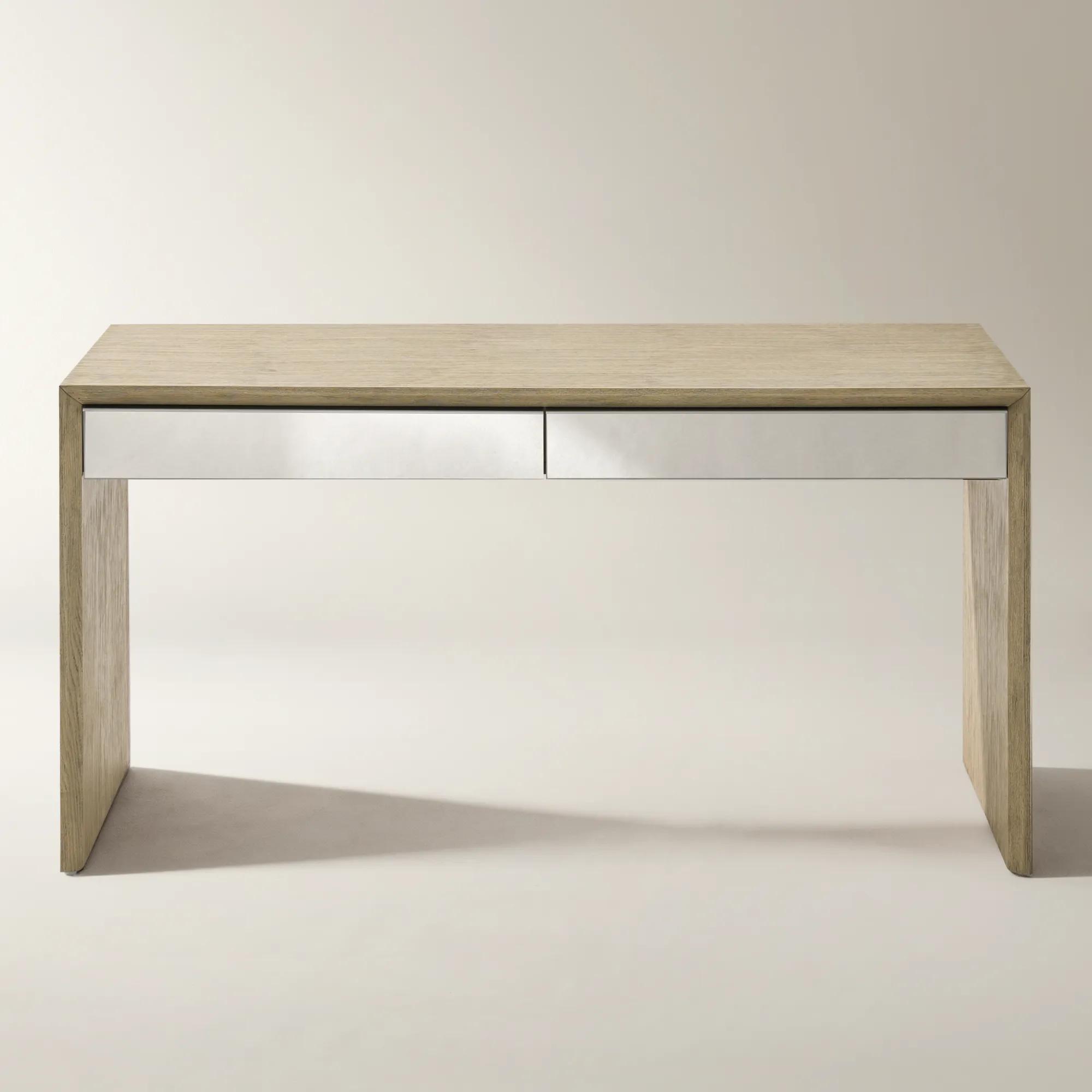 Glimmer Mirrored 2-Drawer Sea Drift Oak Desk (62")$1499
A two-tone oak veneer desk featuring antique mirrored soft-close drawers with velvet-lined interiors for refined style.
Add To Cart -
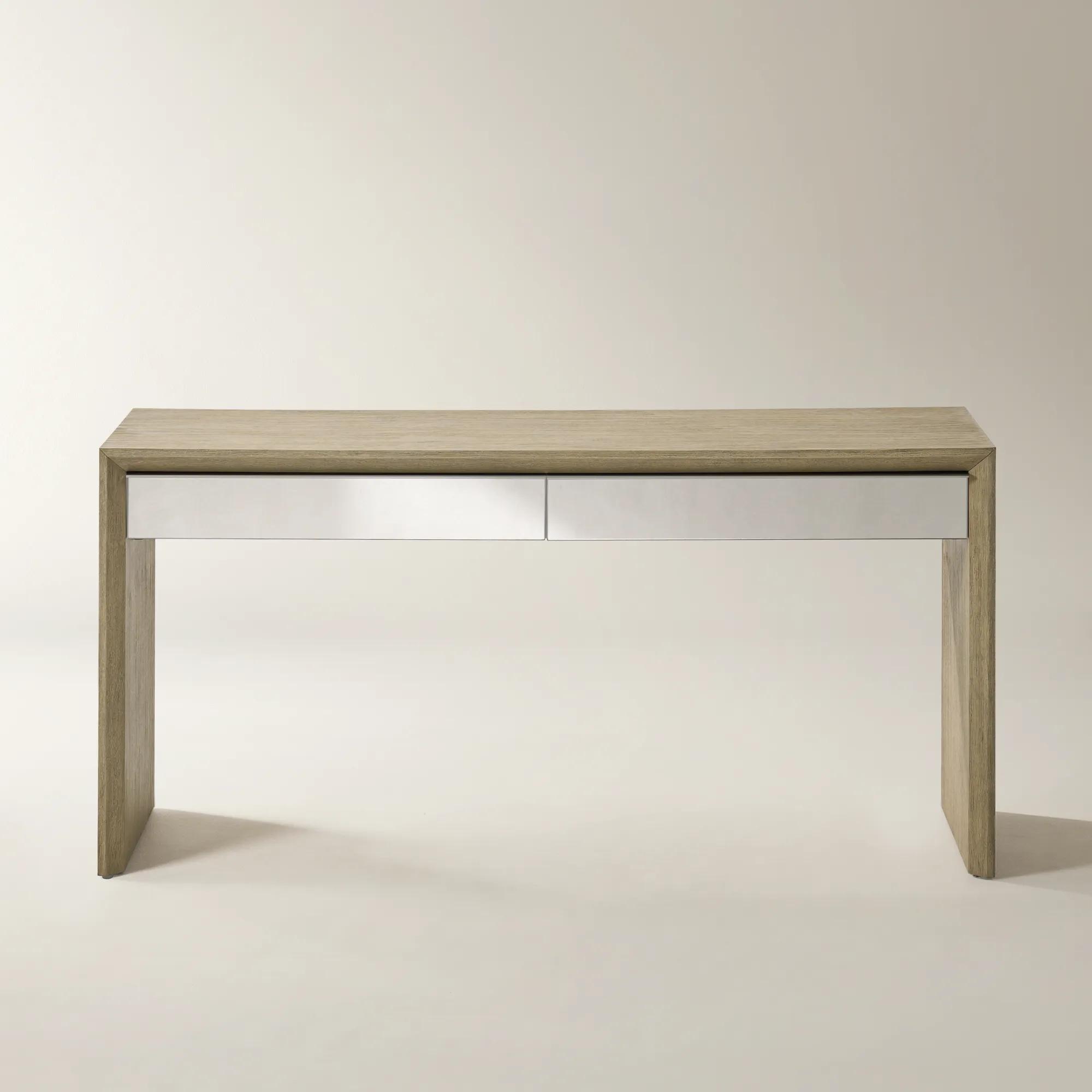 Glimmer Mirrored 2-Drawer Sea Drift Oak Console Table (62")$1299
A two-tone console table featuring warm oak veneer, antique mirrored drawers, and soft-close velvet-lined storage.
Add To Cart -
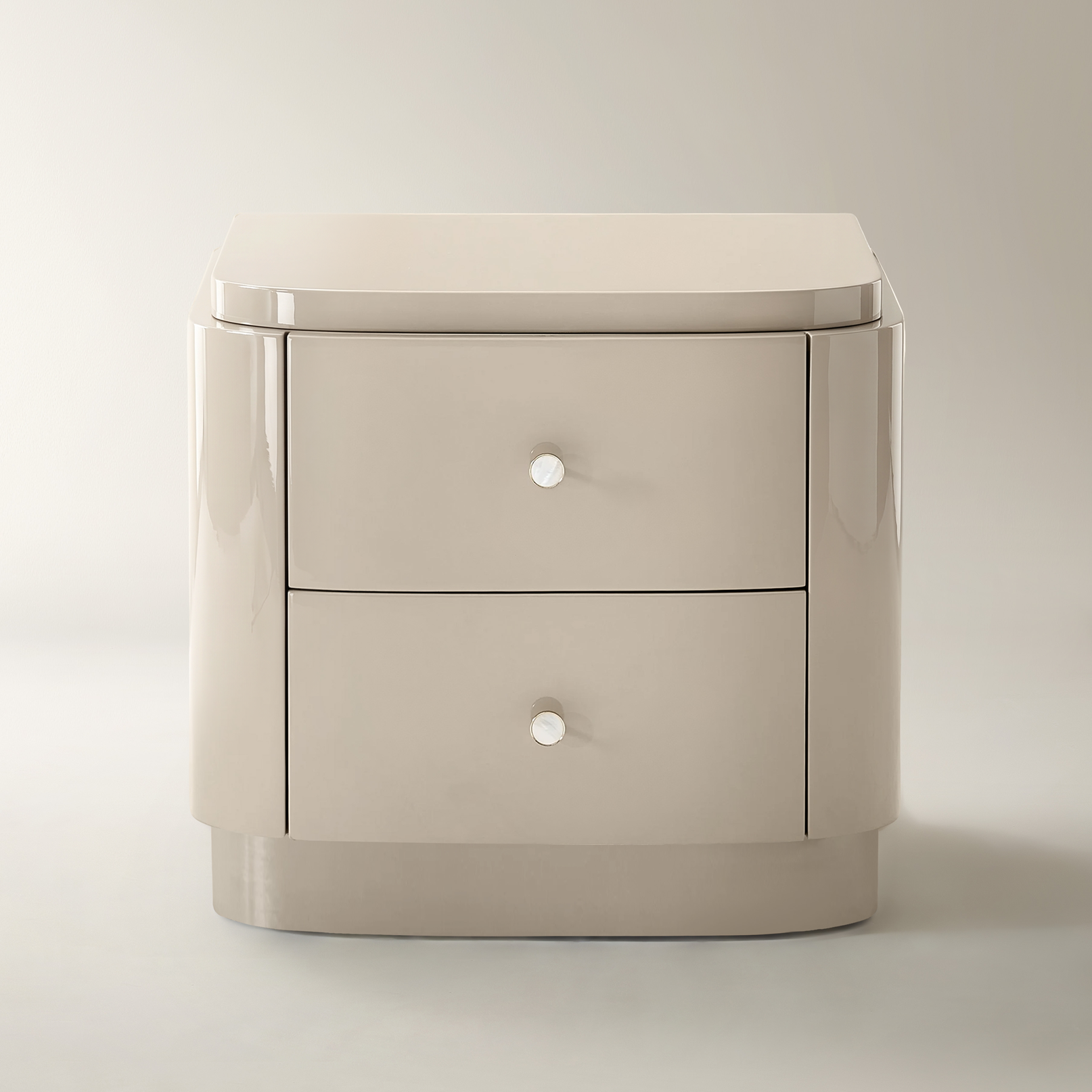
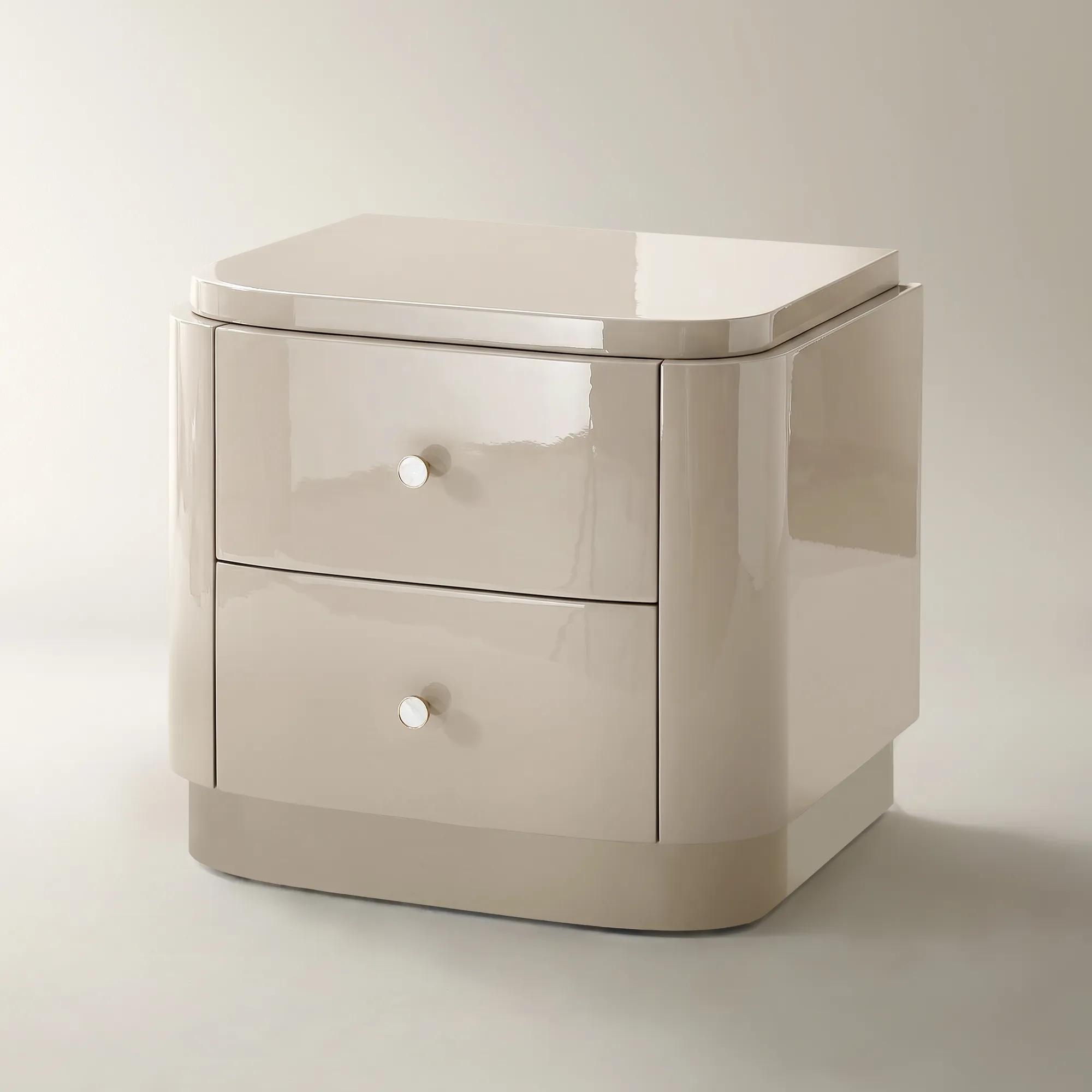 Nia Lacquered Turtle Dove 2-Drawer Nightstand (26")$599
A softly sculpted nightstand in turtle dove lacquer with pearlescent handles and two soft-close drawers.
Add To Cart -
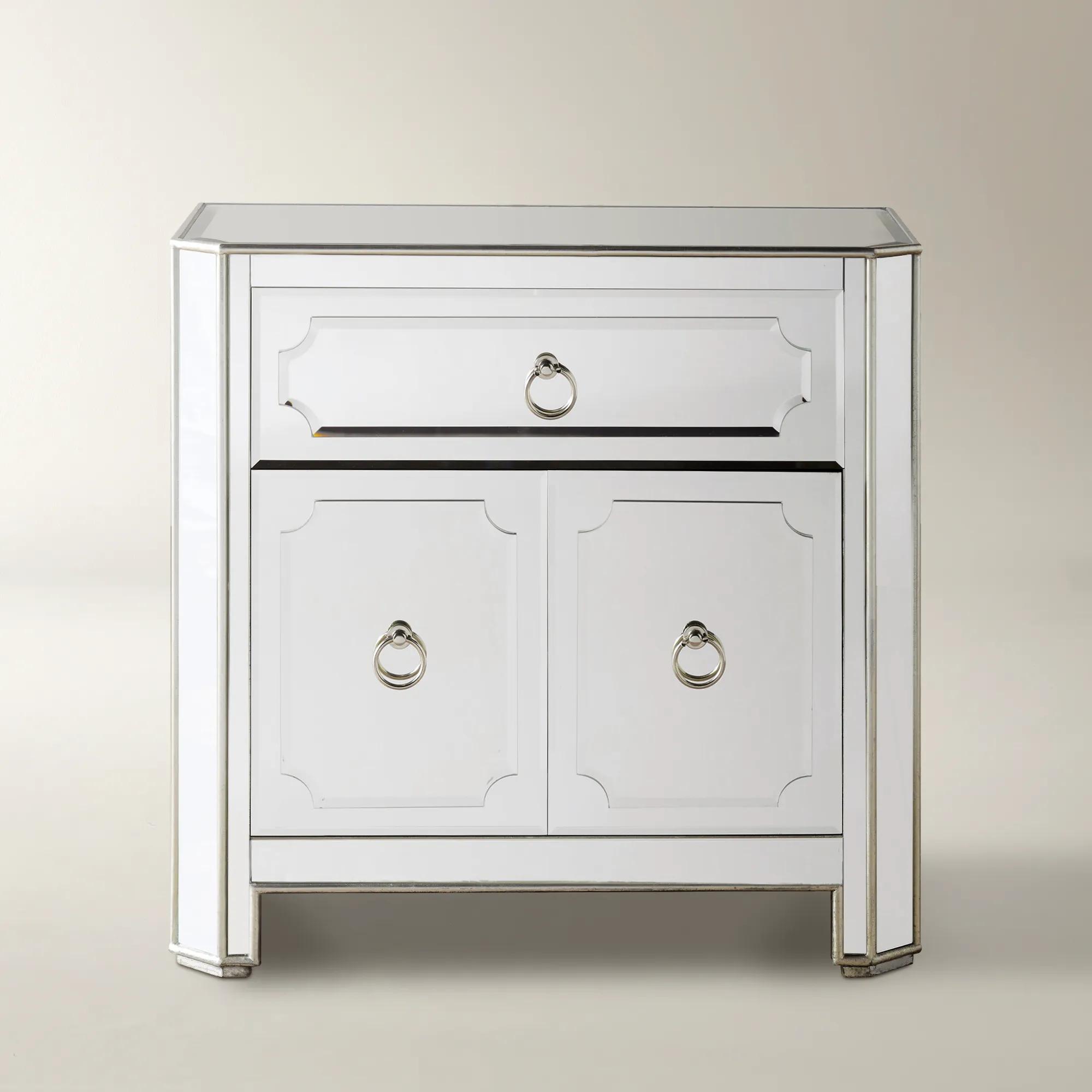
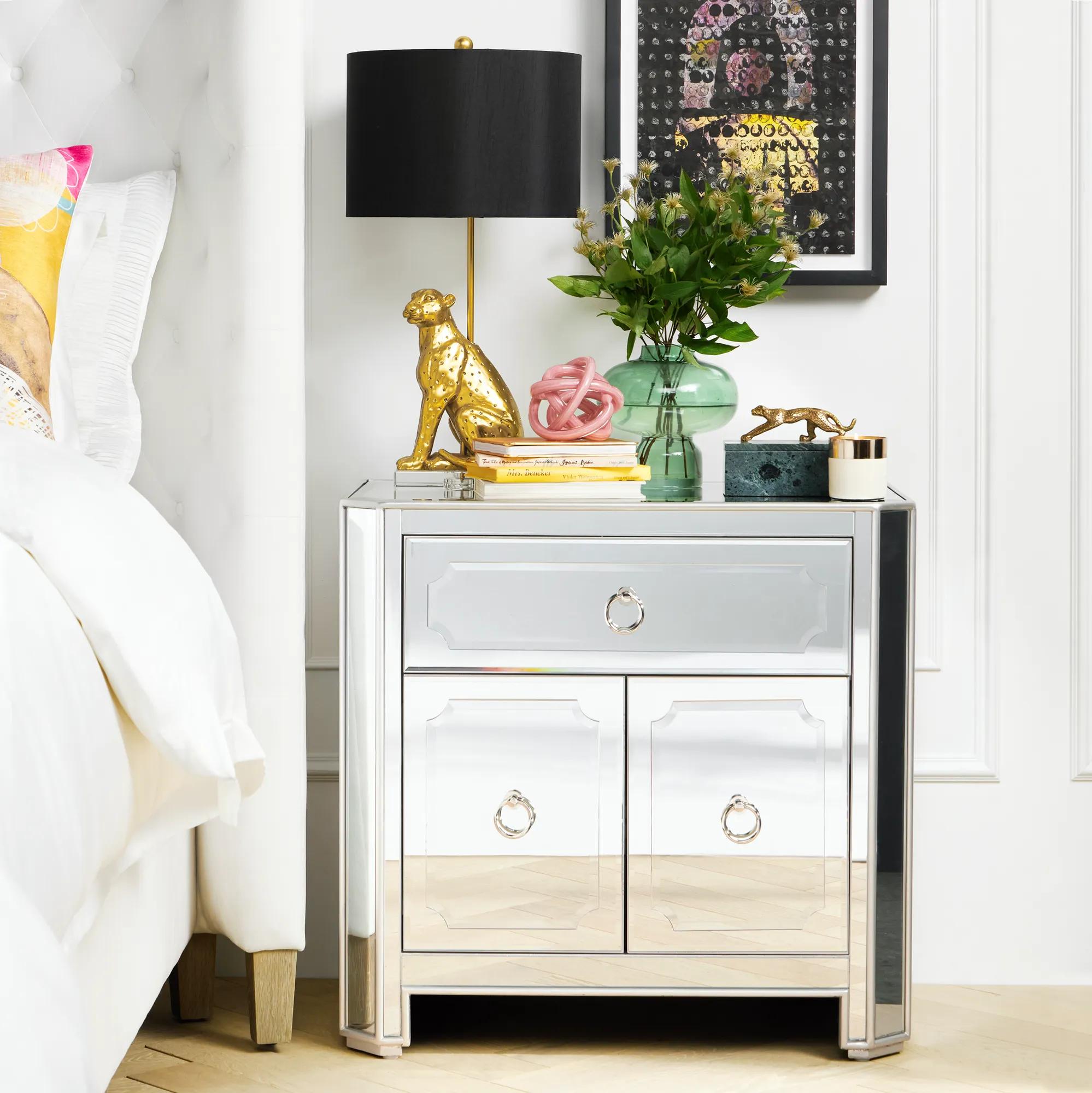 Simplicity Mirrored Silver 1-Drawer Nightstand (30")$899
A glamorous nightstand featuring beveled mirrored panels, hand-applied silver-leaf trim, and polished nickel hardware.
Add To Cart -
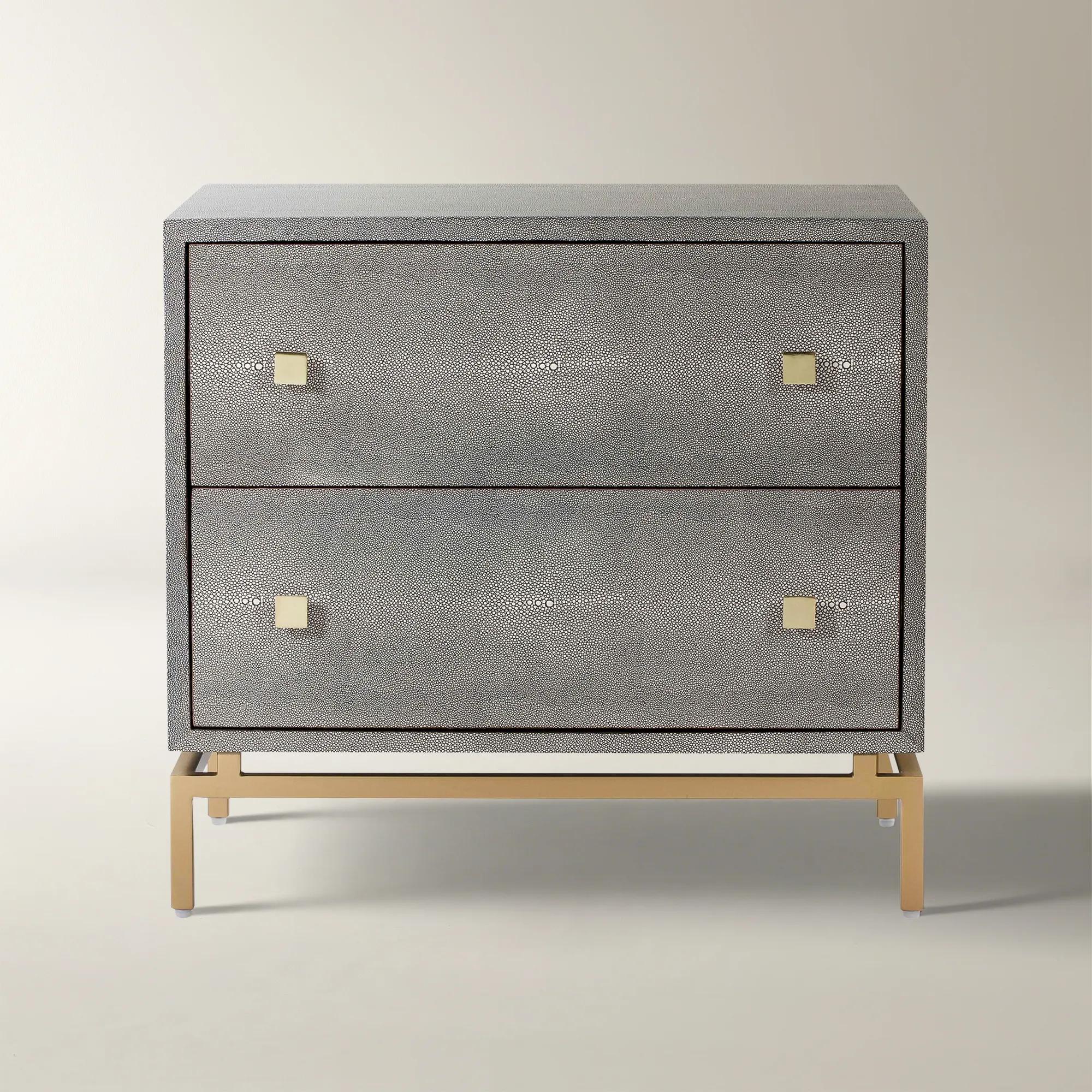
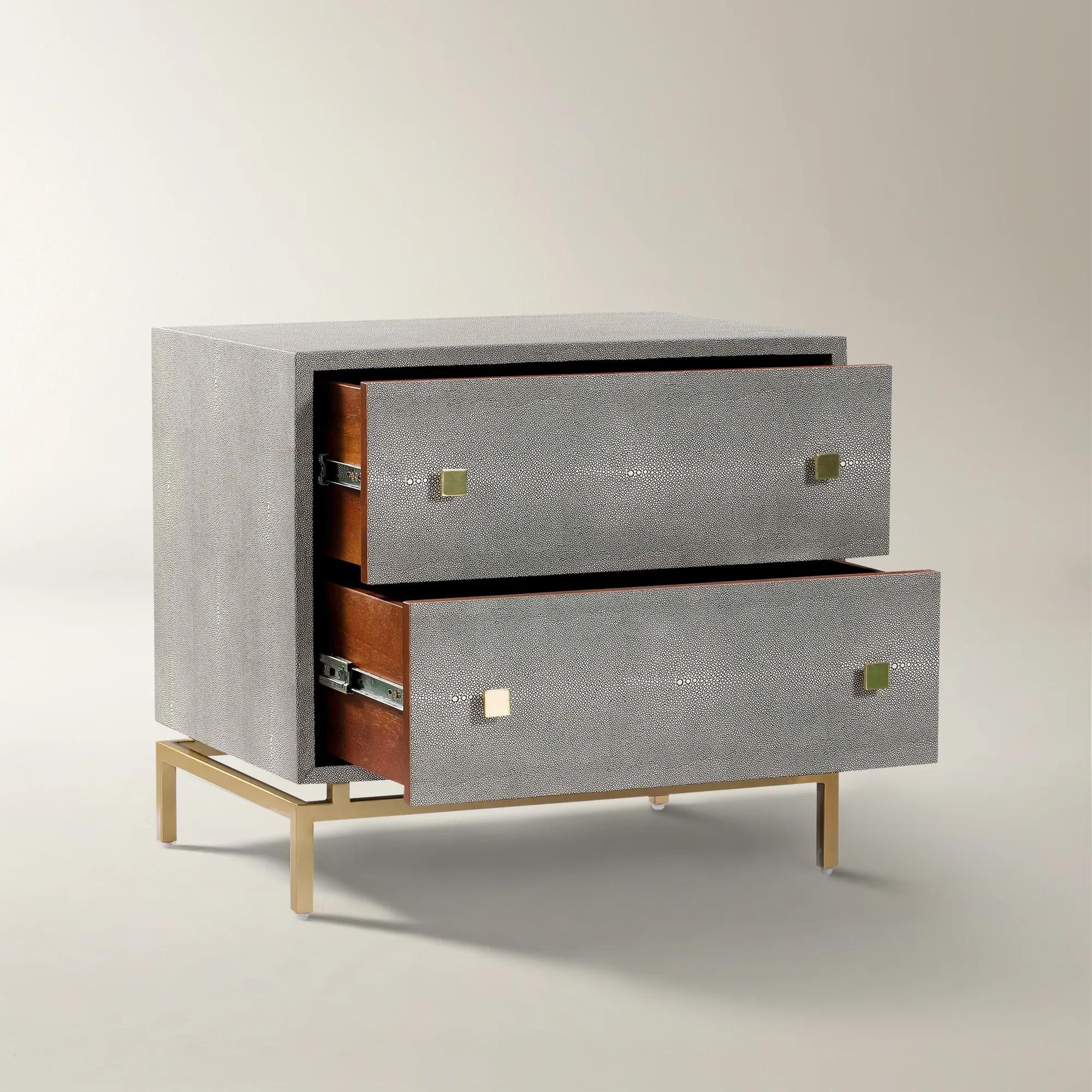 Misha Grey Shagreen 2-Drawer Nightstand (25")$749
A modern nightstand featuring faux shagreen texture, brass-finished base, and two cherry wood-lined drawers.
Add To Cart -
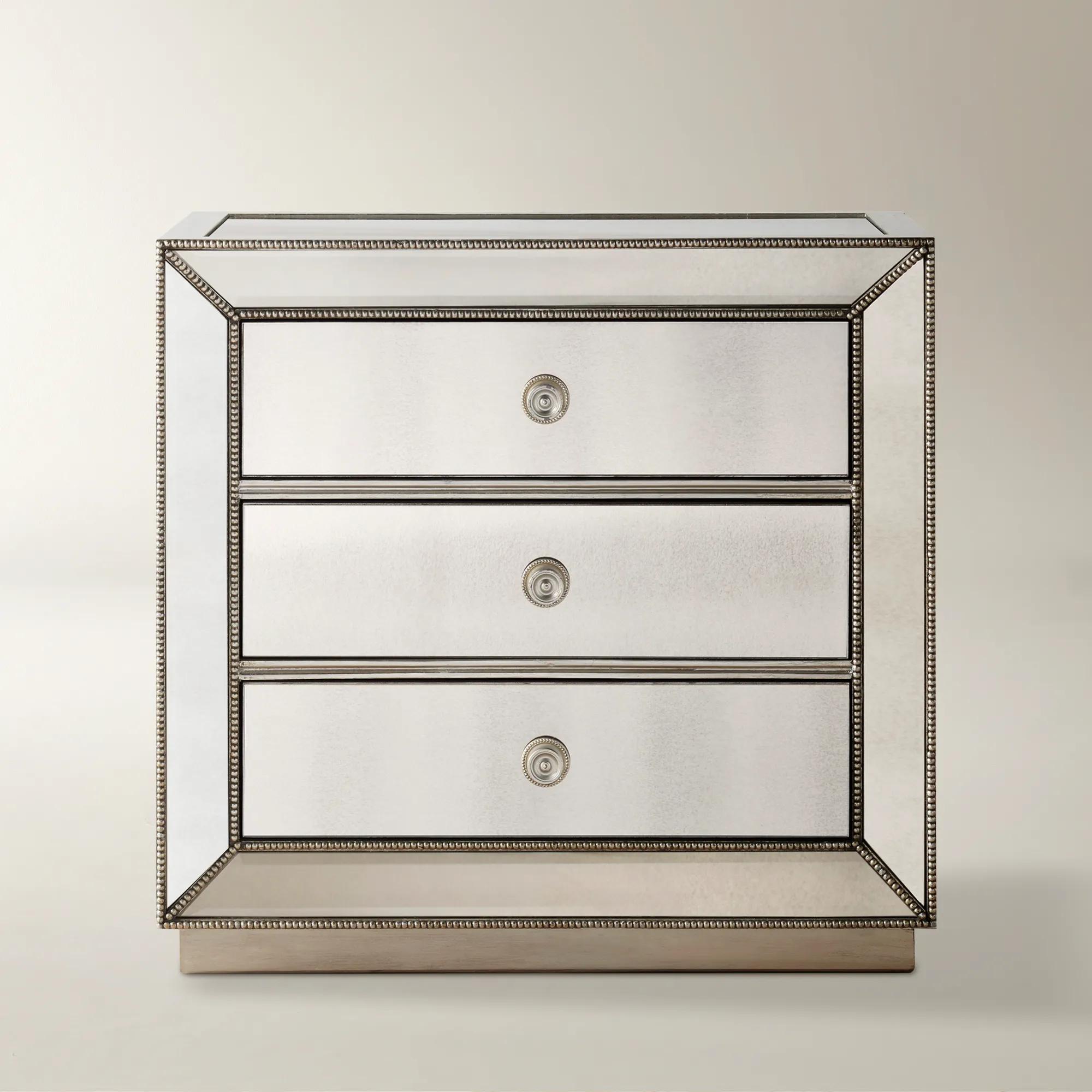
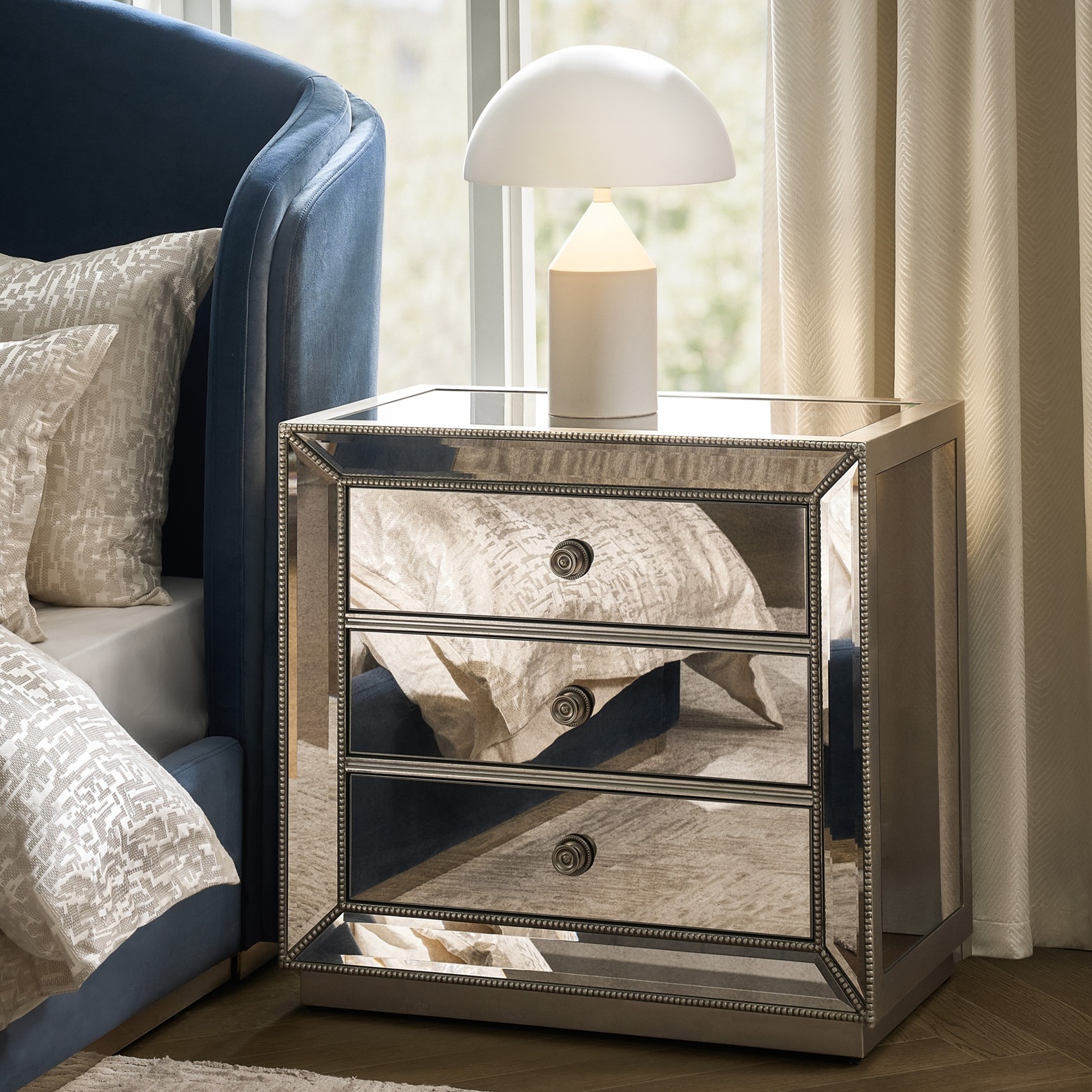 Omni Mirrored Silver 3-Drawer Nightstand (32")$1299
A glamorous chest featuring antiqued mirrored panels, hand-applied silver-leaf finish, and beaded trim.
Add To Cart -
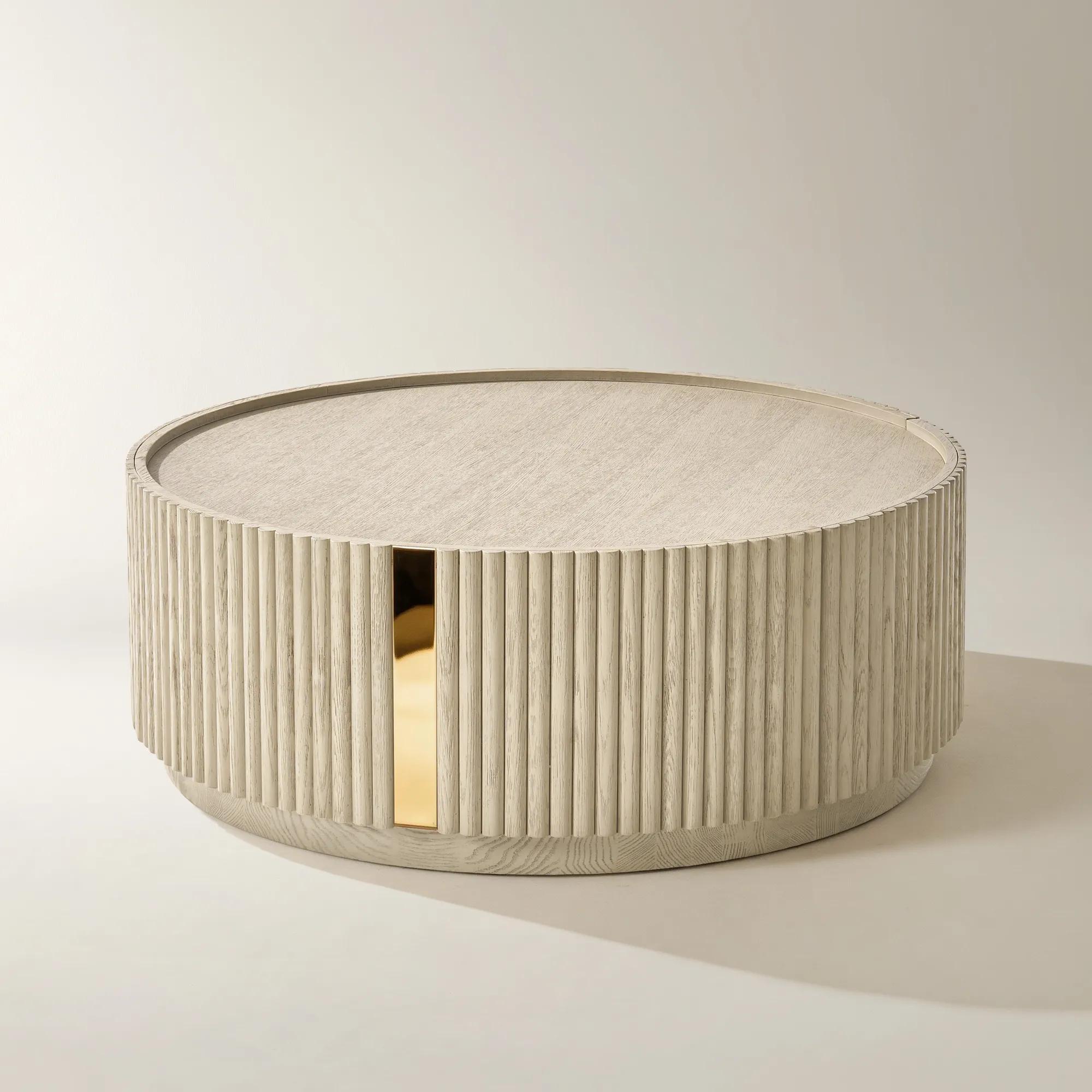 Stria Round Reeded White Oak Coffee Table with Drawer (42.3")$1499
A round coffee table featuring reeded white oak, soft gold metal trim, and a concealed soft-close drawer.
Add To Cart -
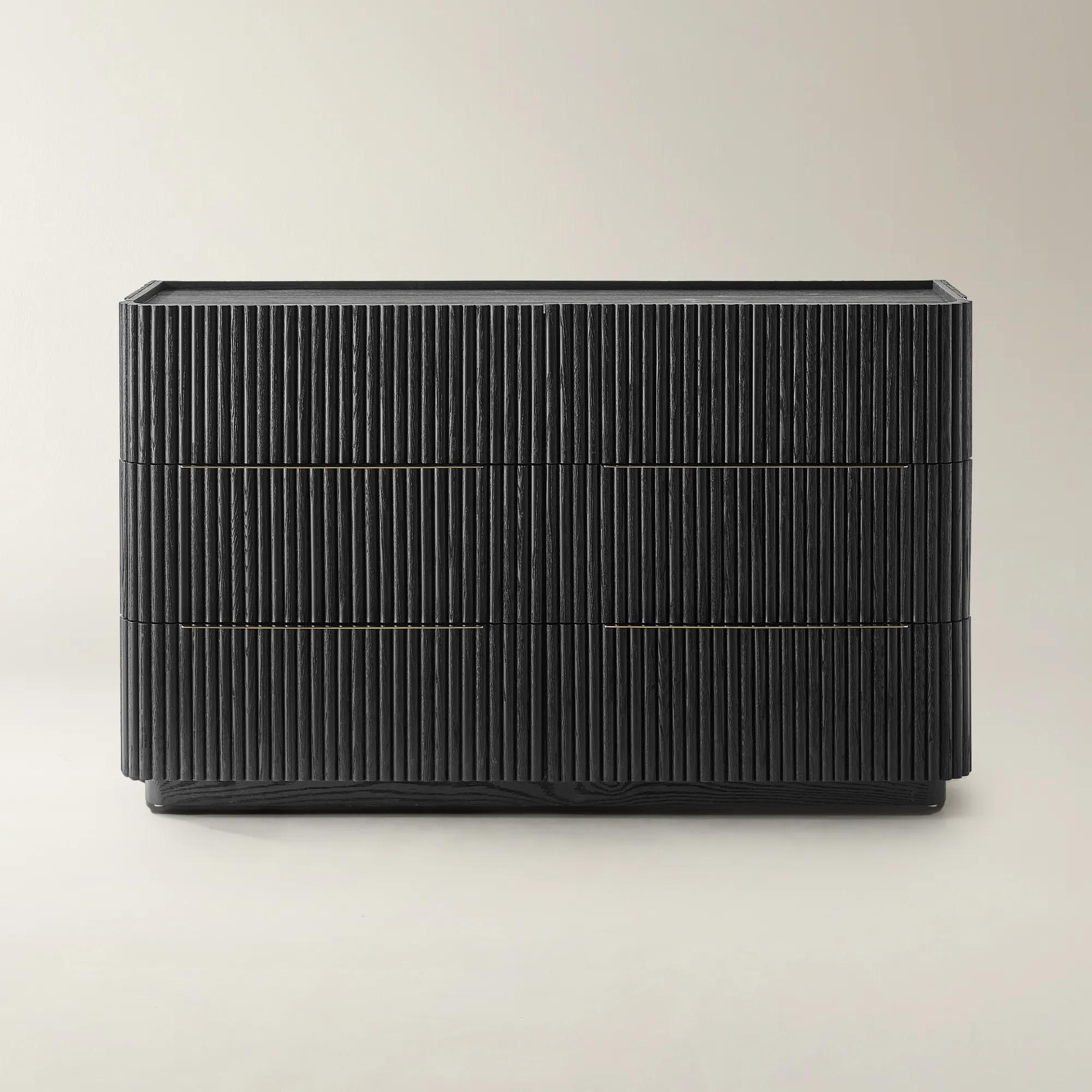 Stria Reeded Black Oak 6-Drawer Dresser (64.5")$2599
A black oak dresser featuring vertical reeded texture, soft gold accents, and six velvet-lined, soft-close drawers.
Add To Cart -
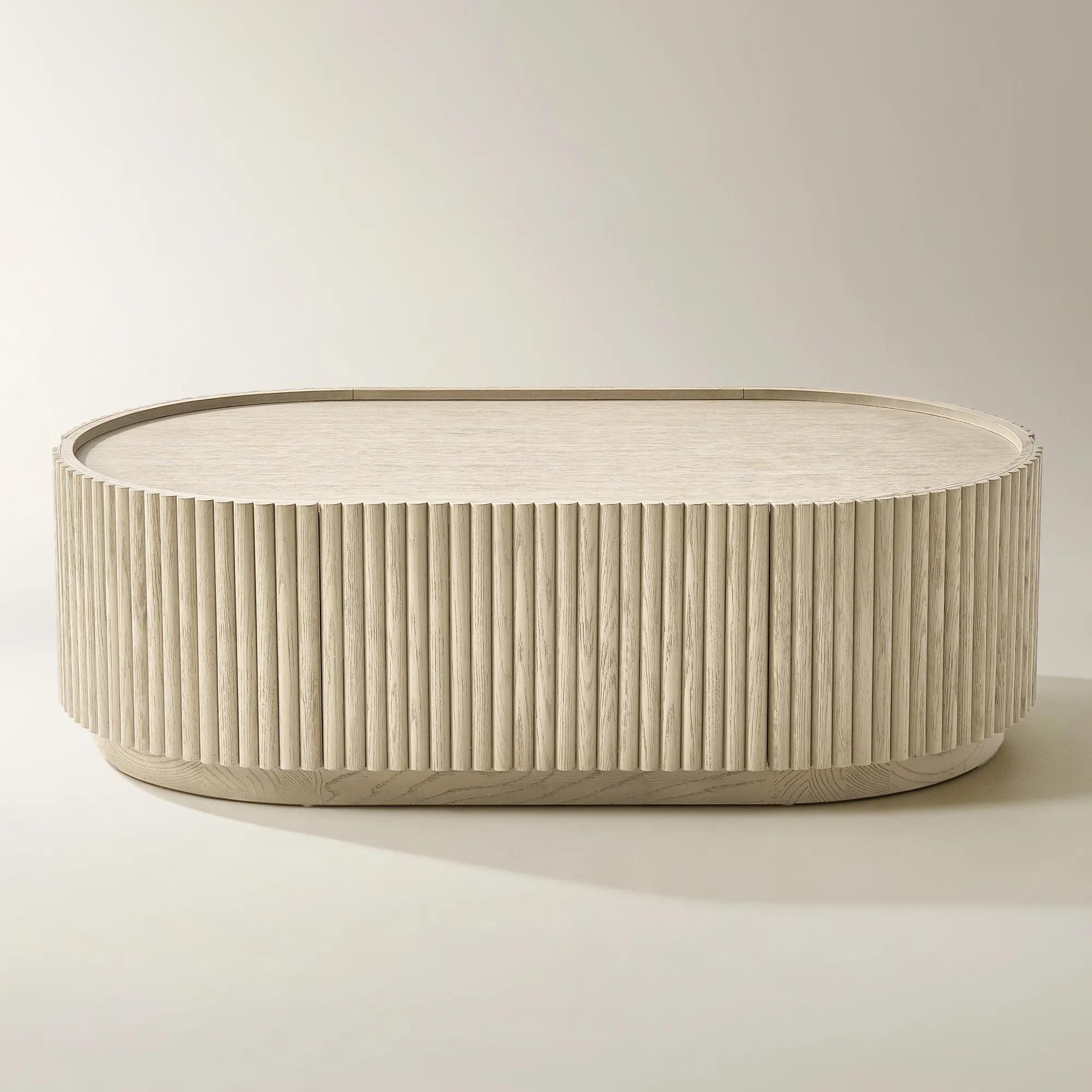
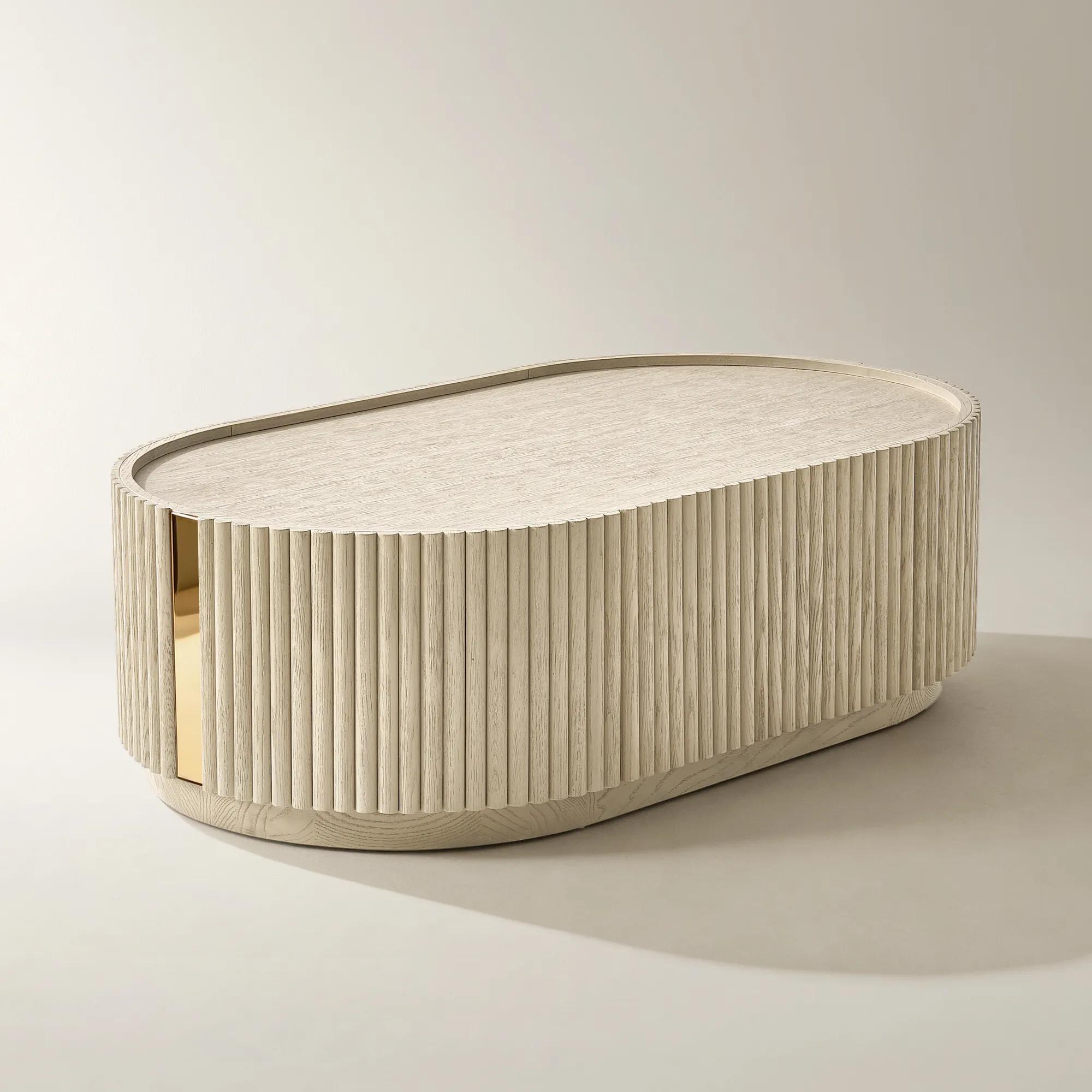 Stria Oval Reeded White Oak Coffee Table with Drawer (52")$1399
A reeded white oak coffee table with soft gold accents, recessed tabletop, and concealed soft-close drawer.
Add To Cart -
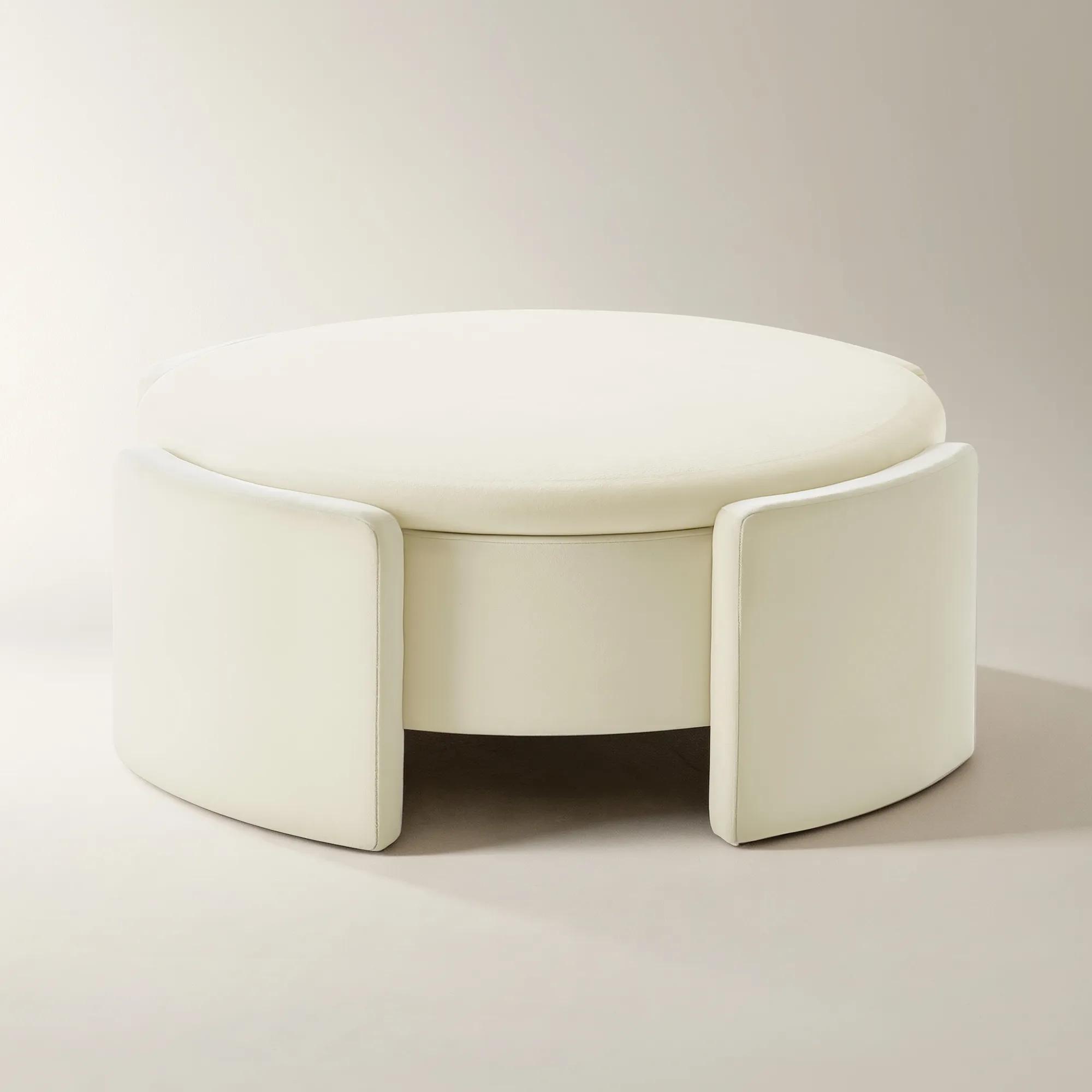
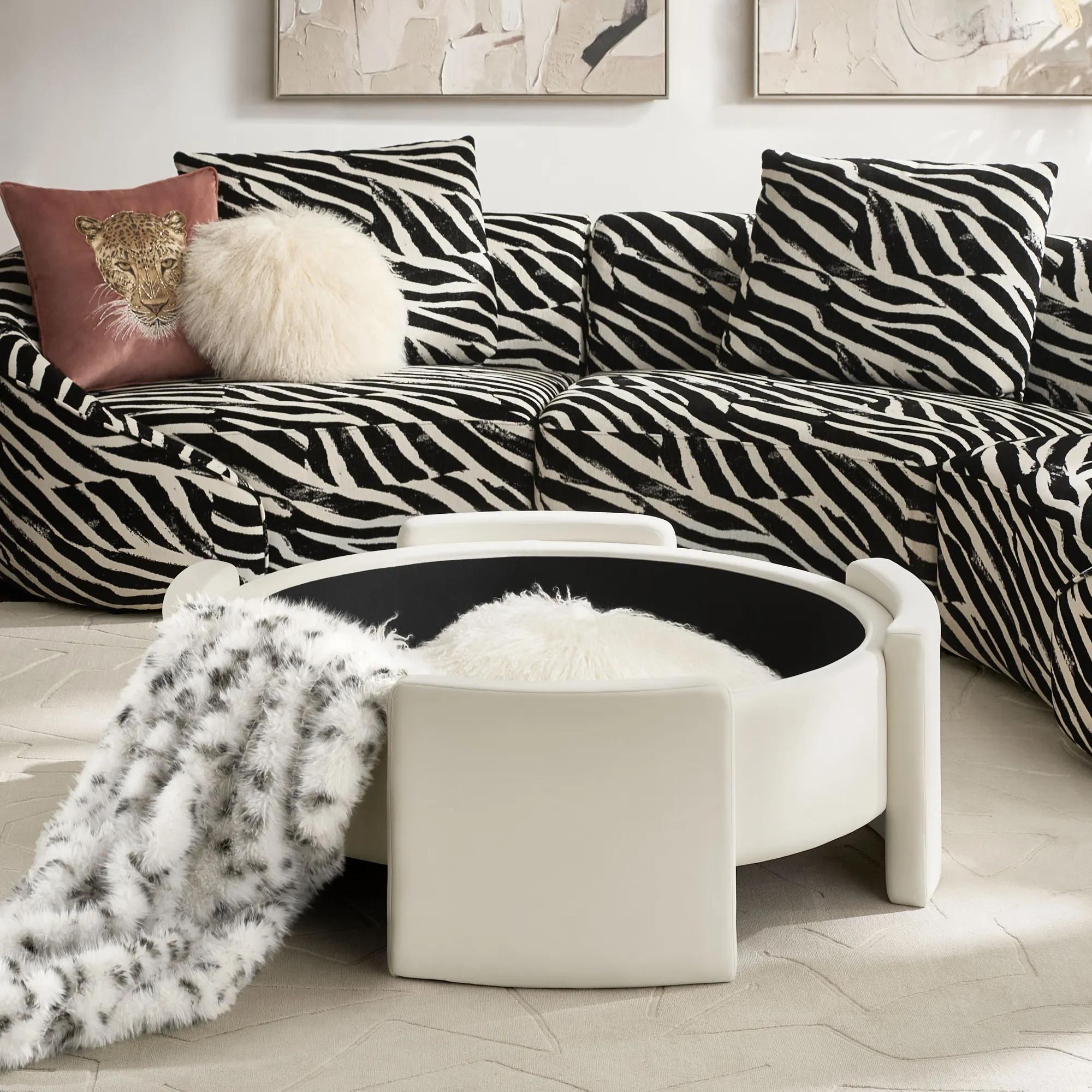 Jora Round Cloud Velvet Storage Coffee Table With Reversible Tabletop (47.7")$799
A round coffee table featuring plush velvet upholstery, reversible wood tabletop, and hidden interior storage.
Add To Cart -
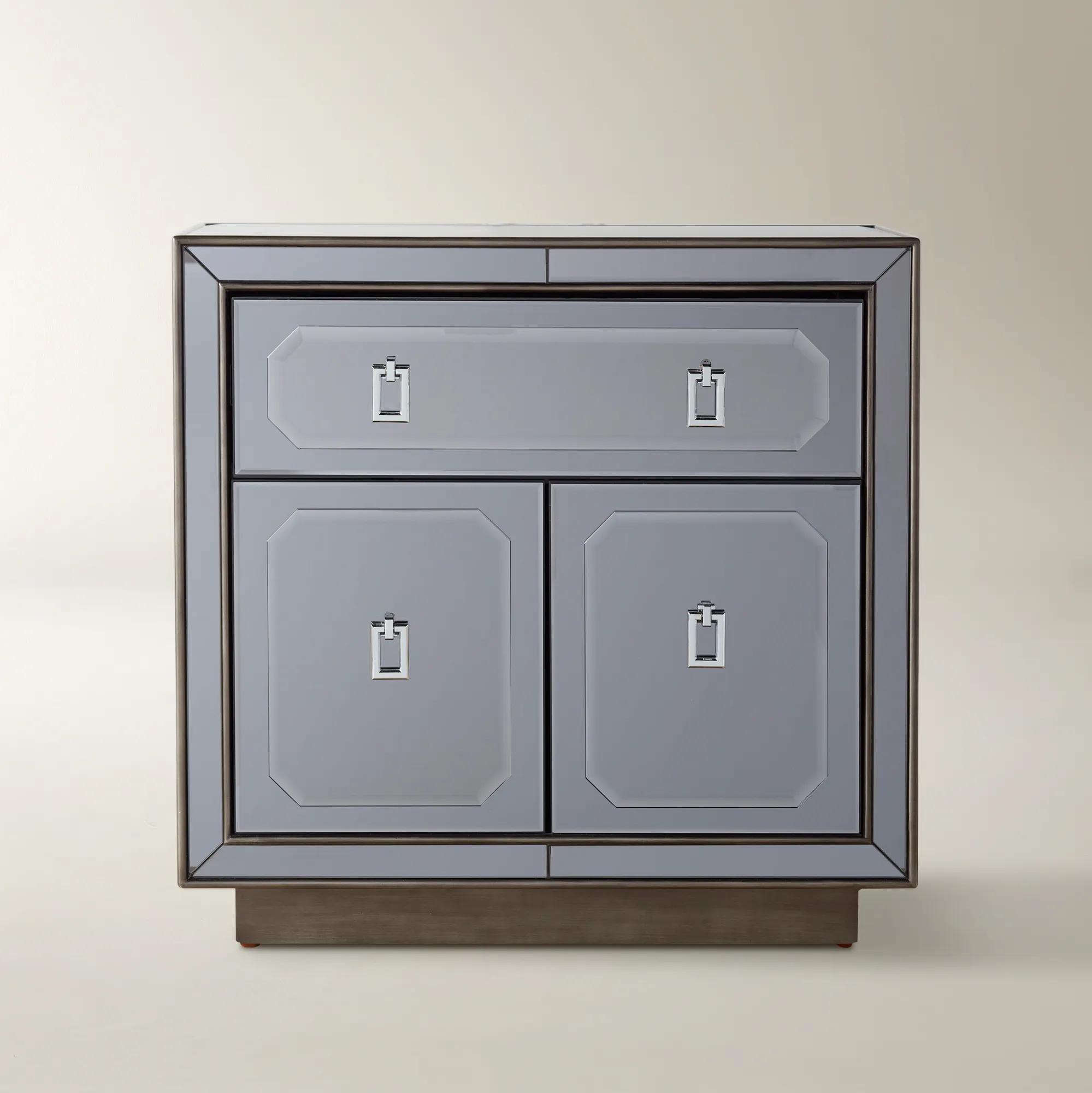
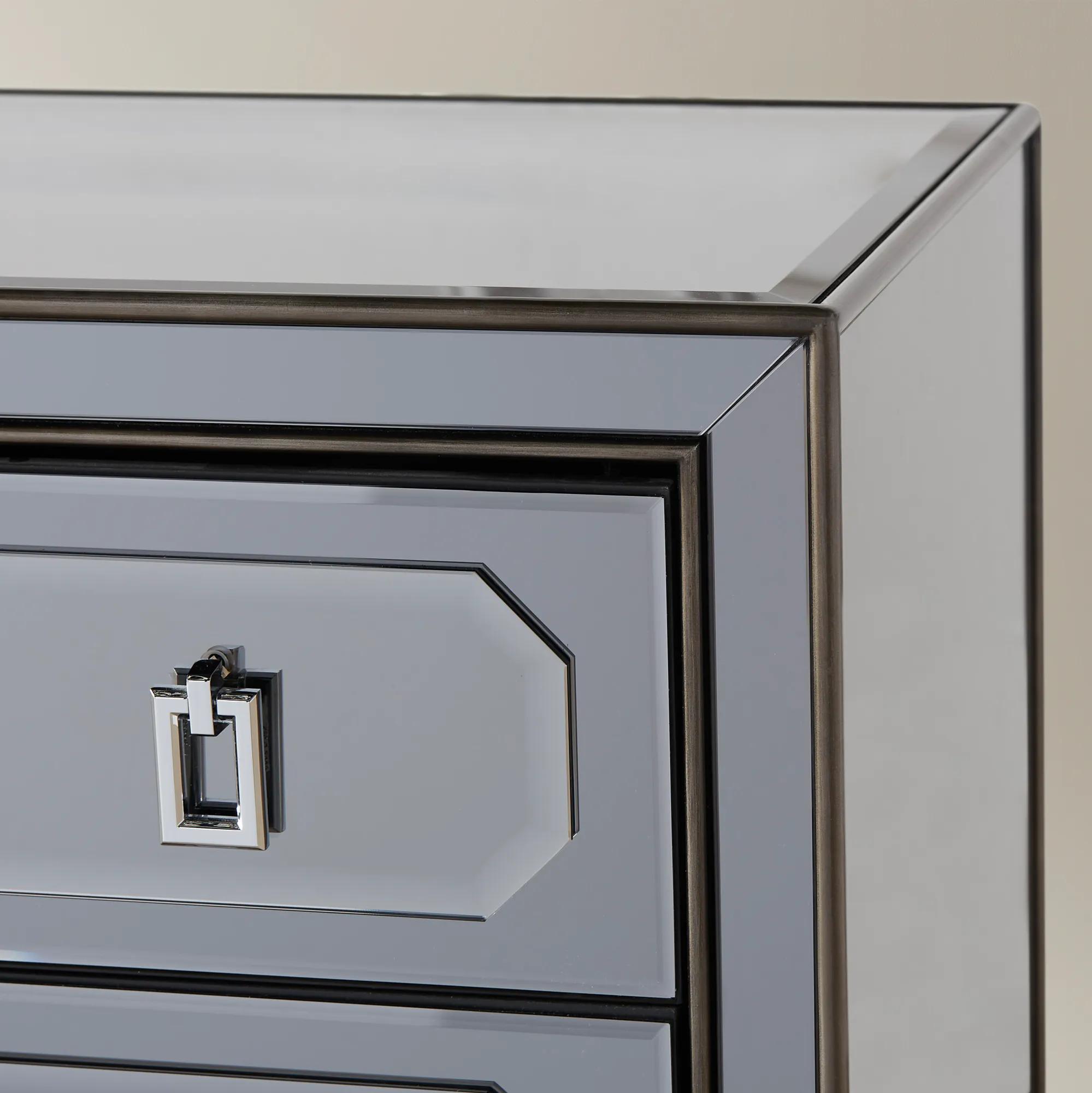 Maddox Mirrored Grey 1-Drawer Nightstand (30")$1099
A modern nightstand featuring beveled mirror paneling, graphite finish, and polished nickel hardware for a luxe touch.
Add To Cart -
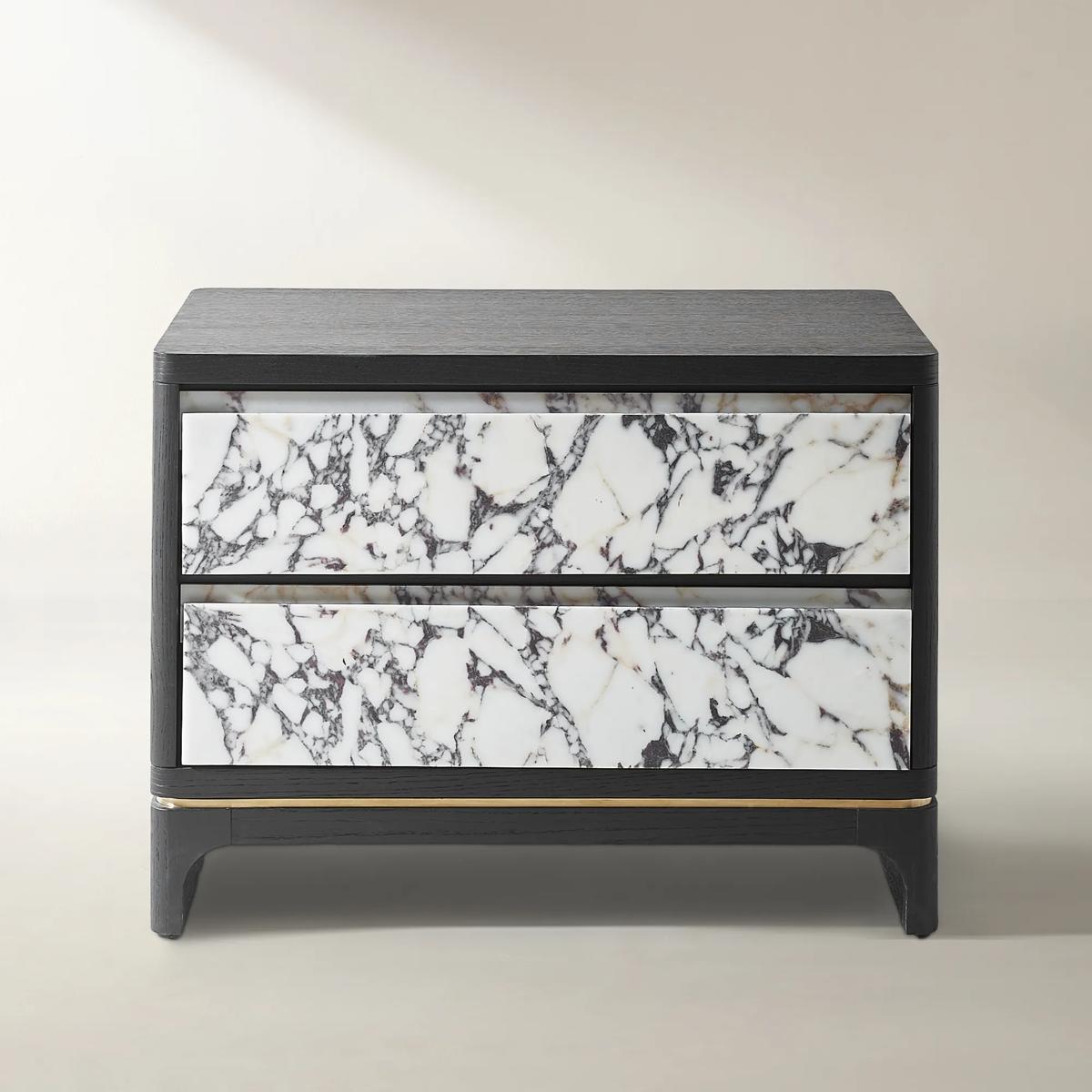 Vanta Black Oak And Calacatta Marble 2-Drawer Nightstand (32")$1099
A striking nightstand featuring genuine Calacatta Viola marble fronts and matte black oak veneer for bold elegance.
Add To Cart -
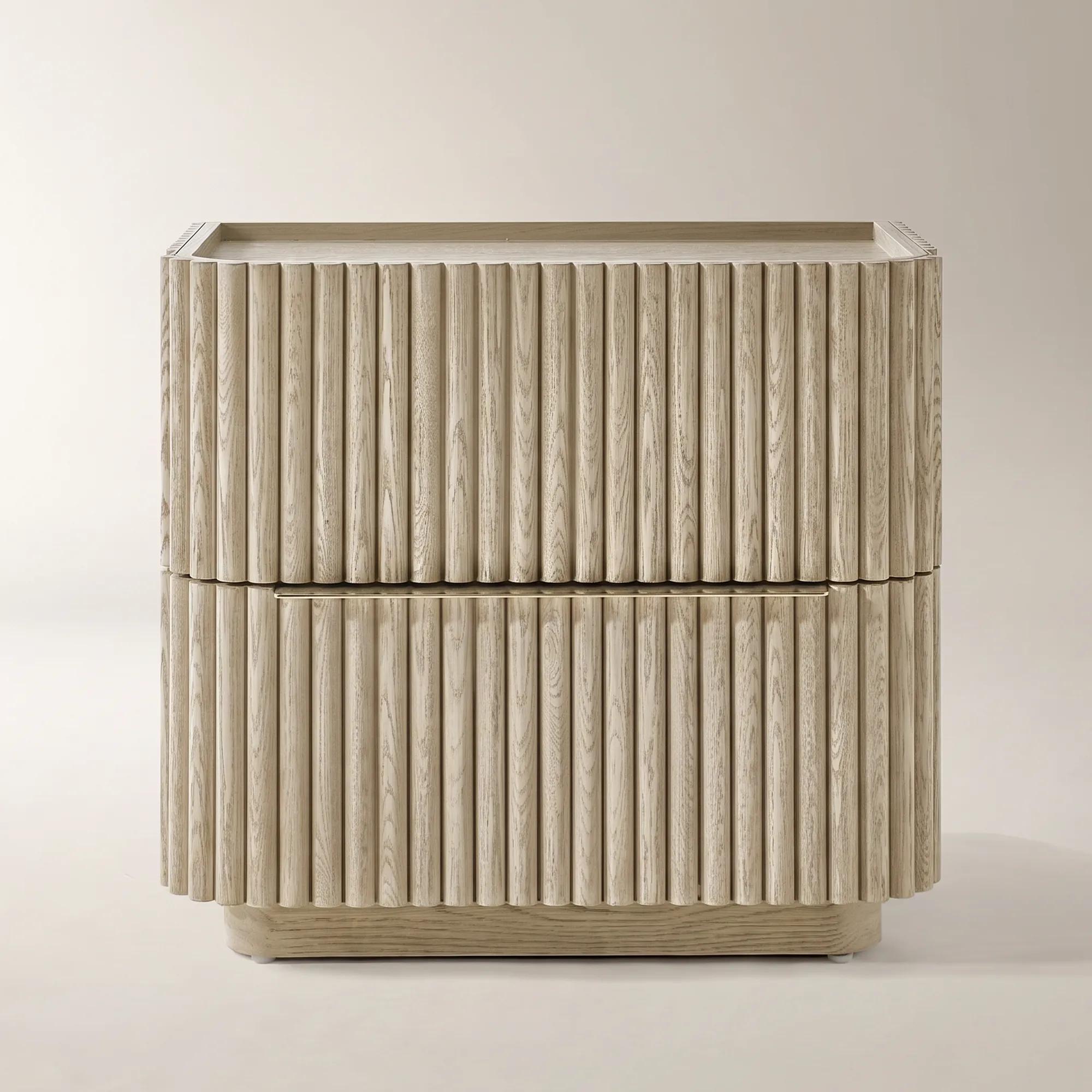
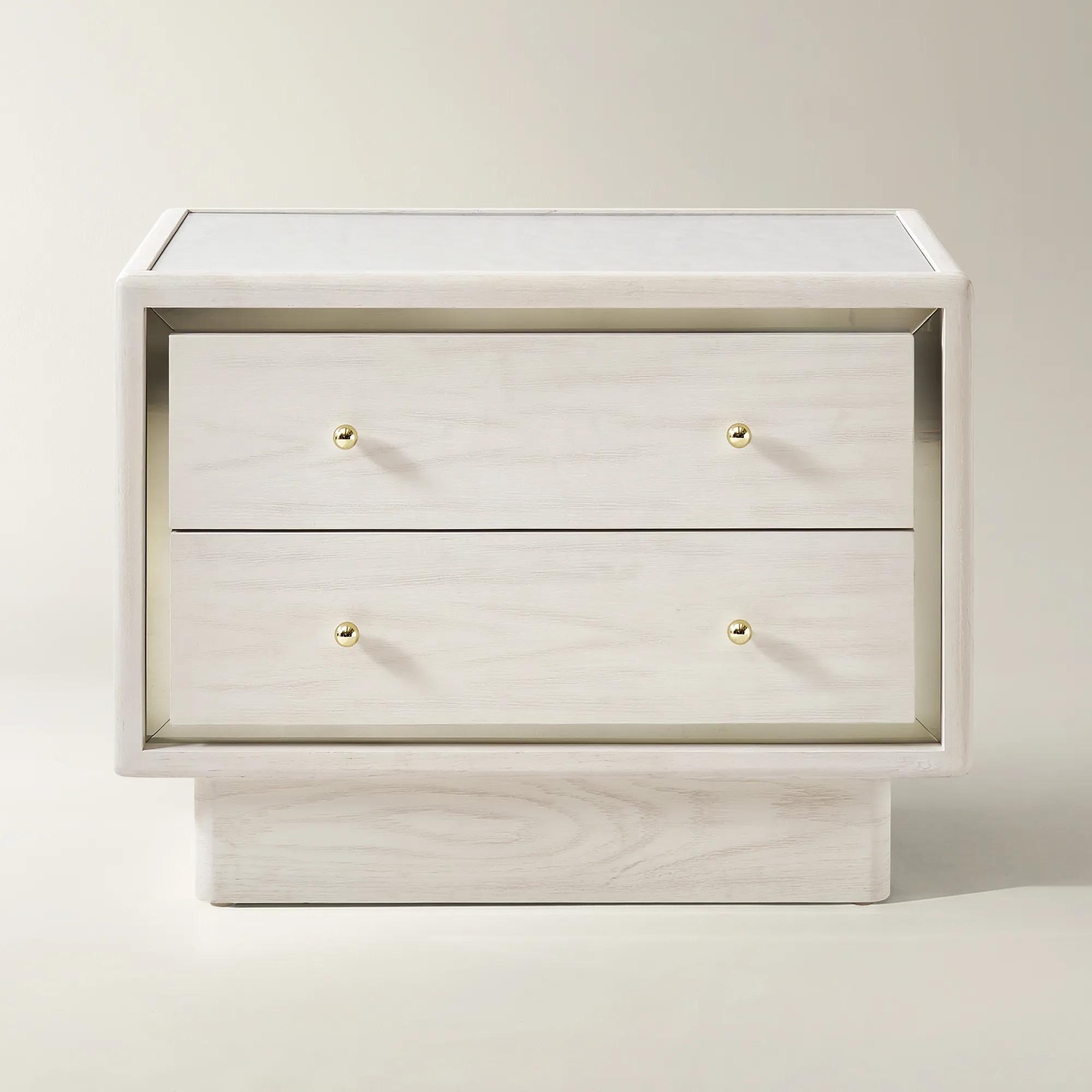
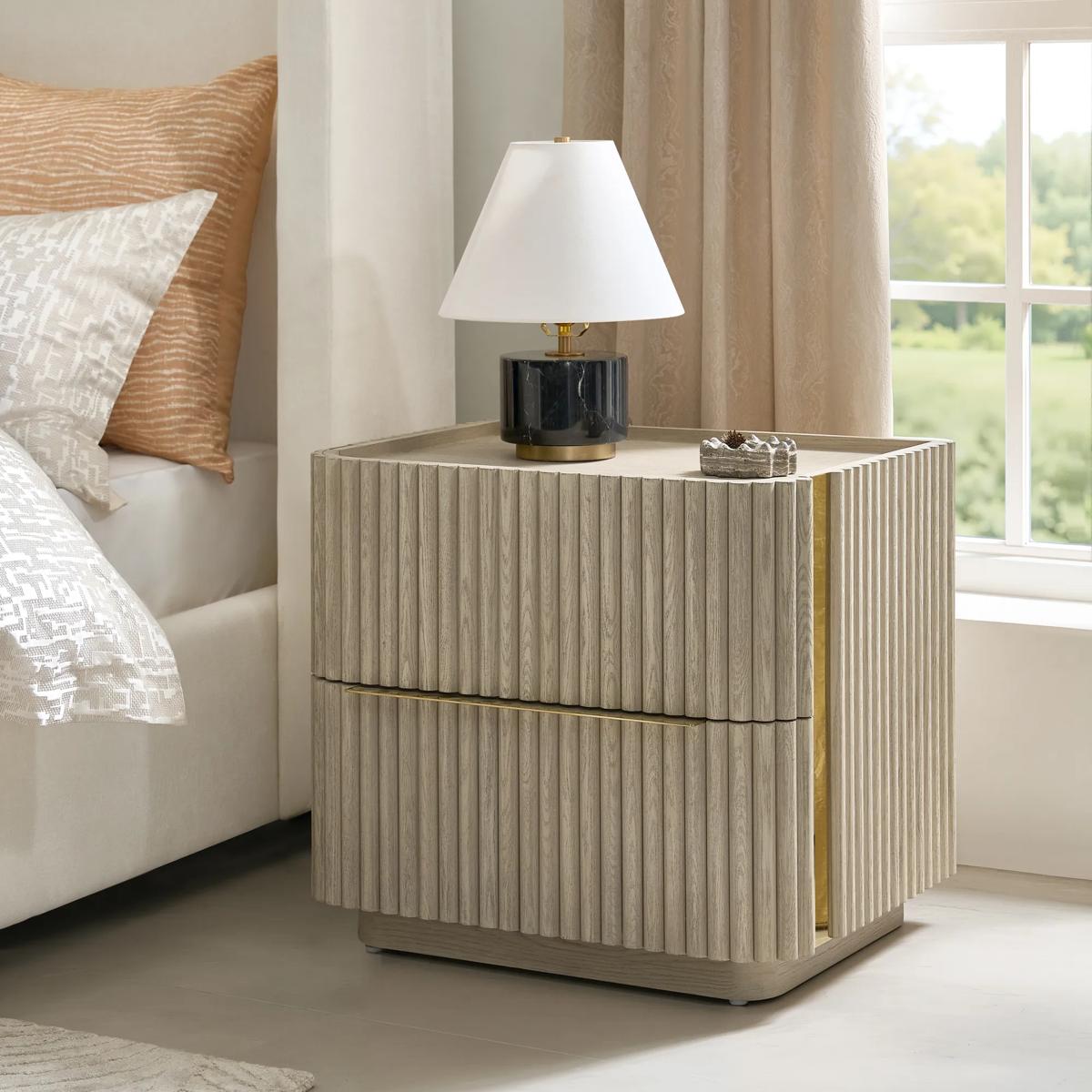 Stria Reeded White Oak 2-Drawer Nightstand (26")$999
A sculptural oak nightstand with reeded wood details, gold-plated trim, and soft-close felt-lined drawers.
Add To Cart -
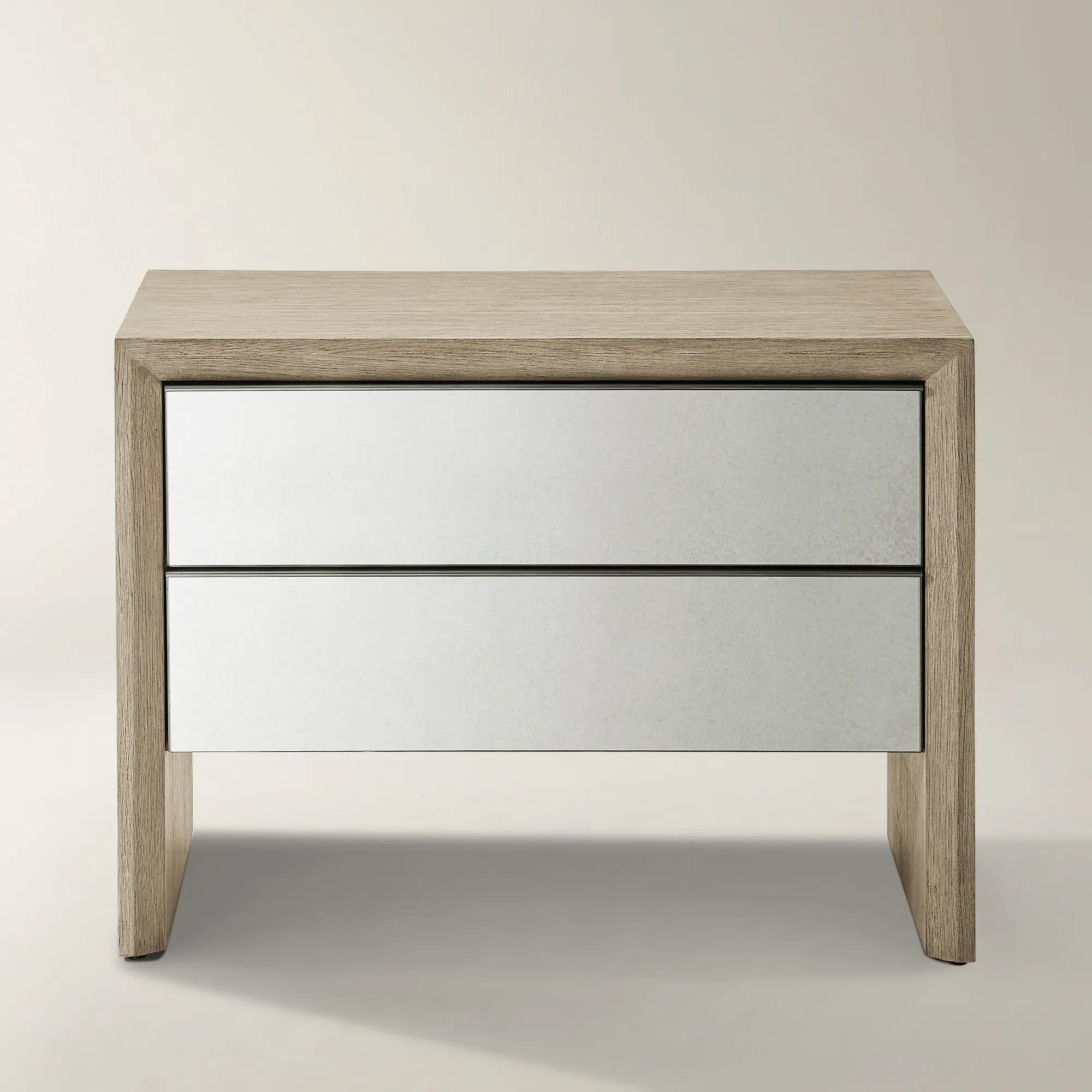
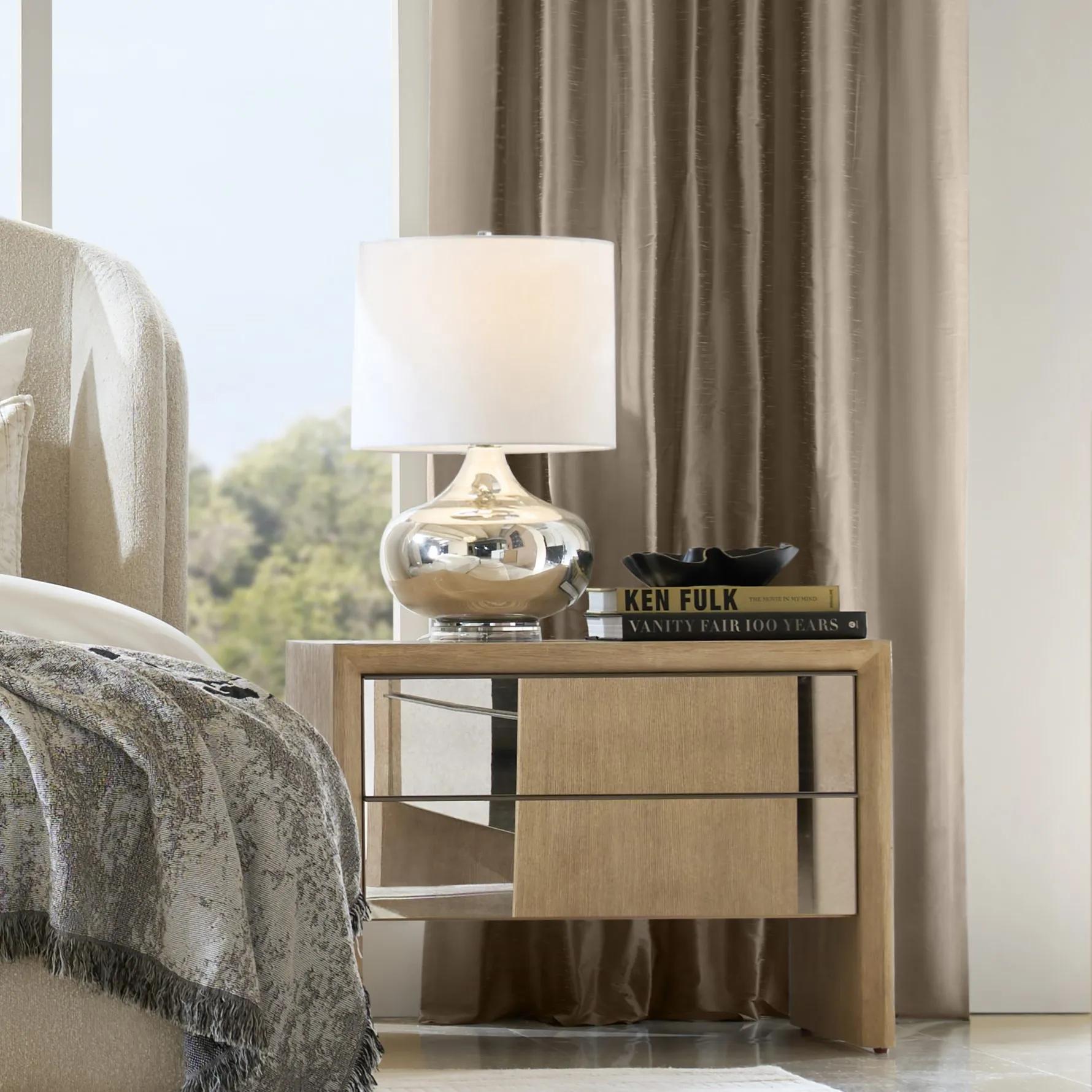 Glimmer Mirrored Seadrift Oak 2-Drawer Nightstand (32")$799
A glamorous nightstand featuring sea drift oak veneer, antique mirrored drawers, and soft-close storage.
Add To Cart -
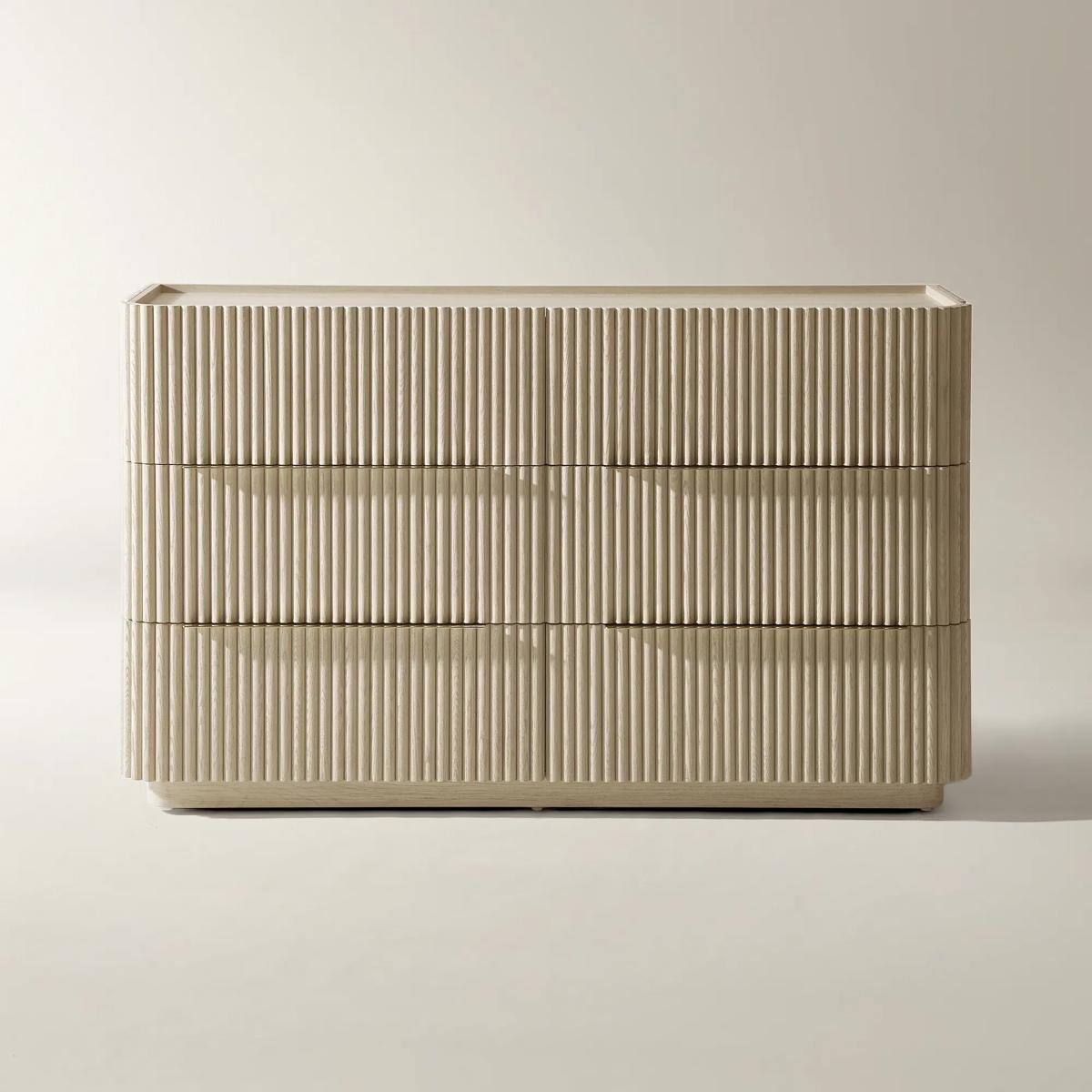
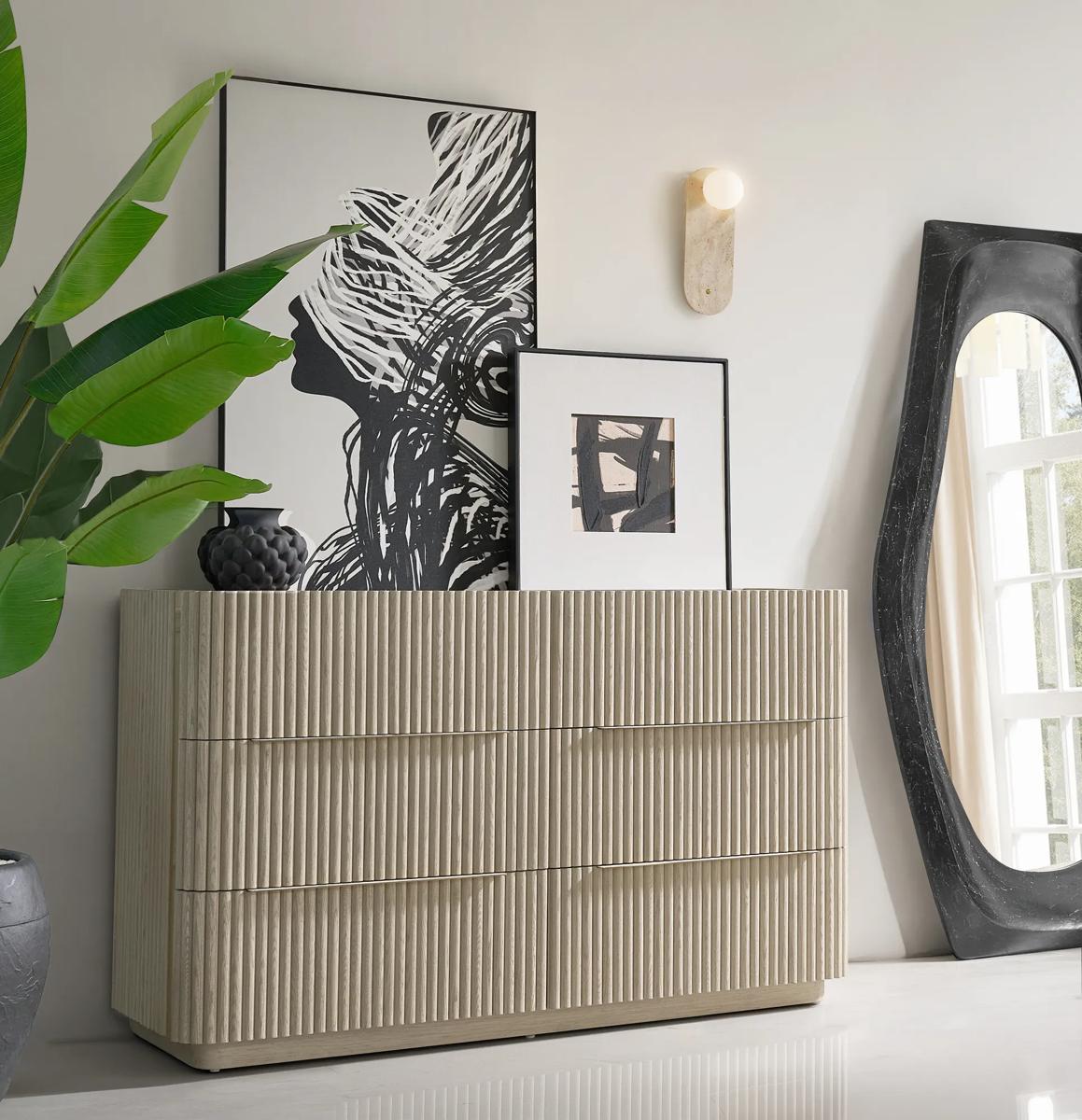 Stria Reeded White Oak 6-Drawer Dresser (64.5")$2599
A sculptural dresser crafted from solid oak with fluted detailing, gold-plated trim, and soft-close drawers.
Add To Cart -
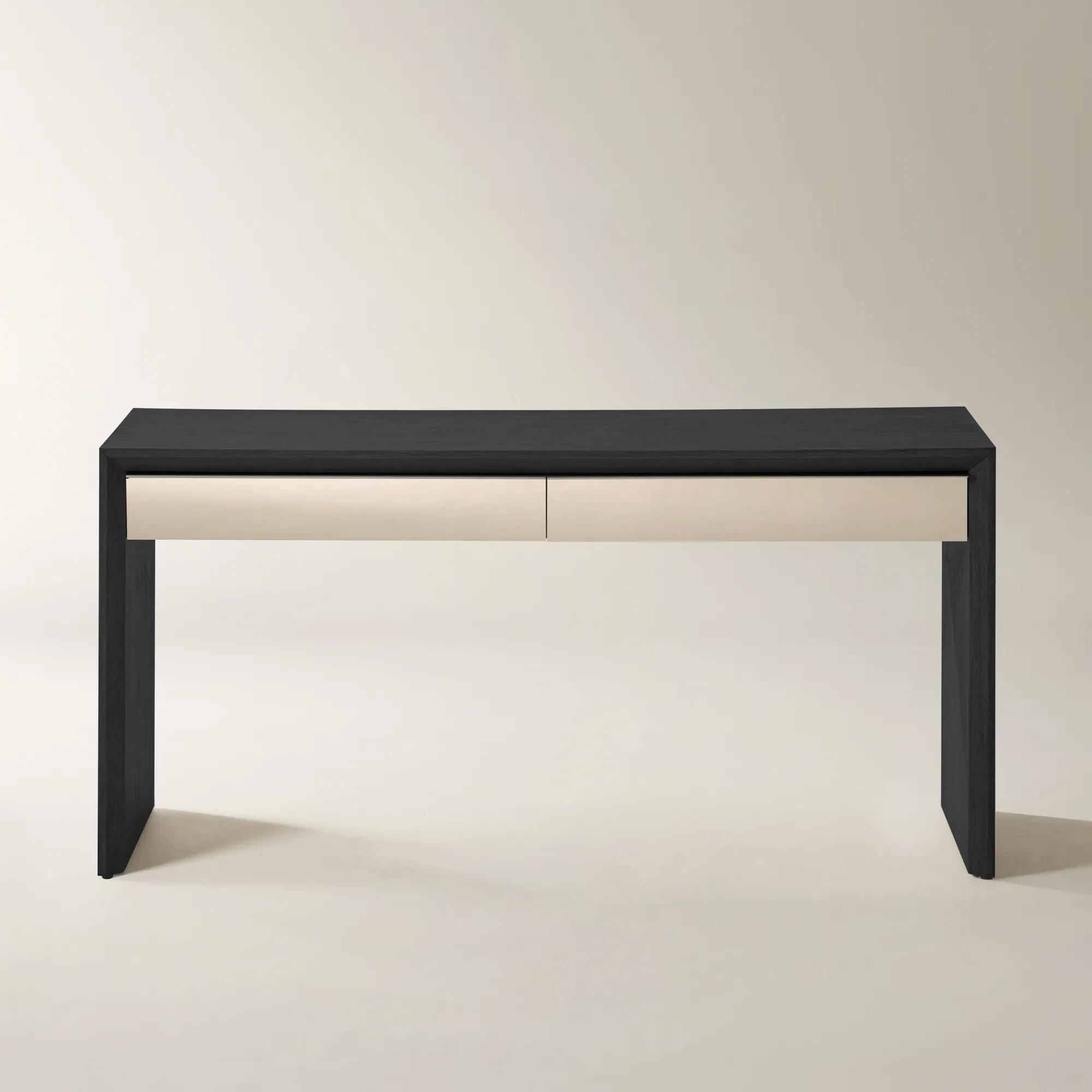
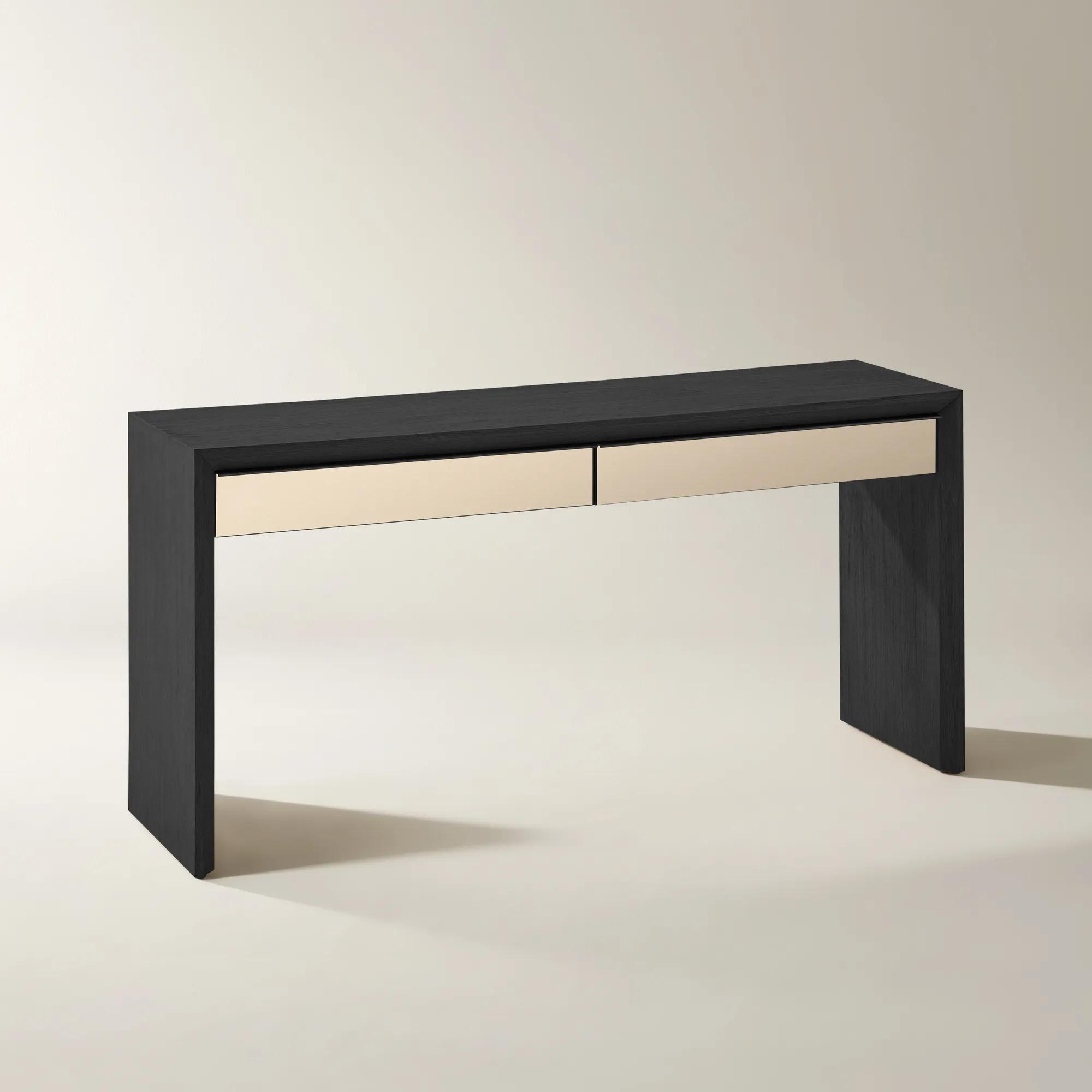 Glimmer Mirrored 2-Drawer Black Oak Console Table (62")$1299
A modern console table featuring black oak veneer, bronze mirrored drawer fronts, and soft-close velvet-lined drawers.
Add To Cart -
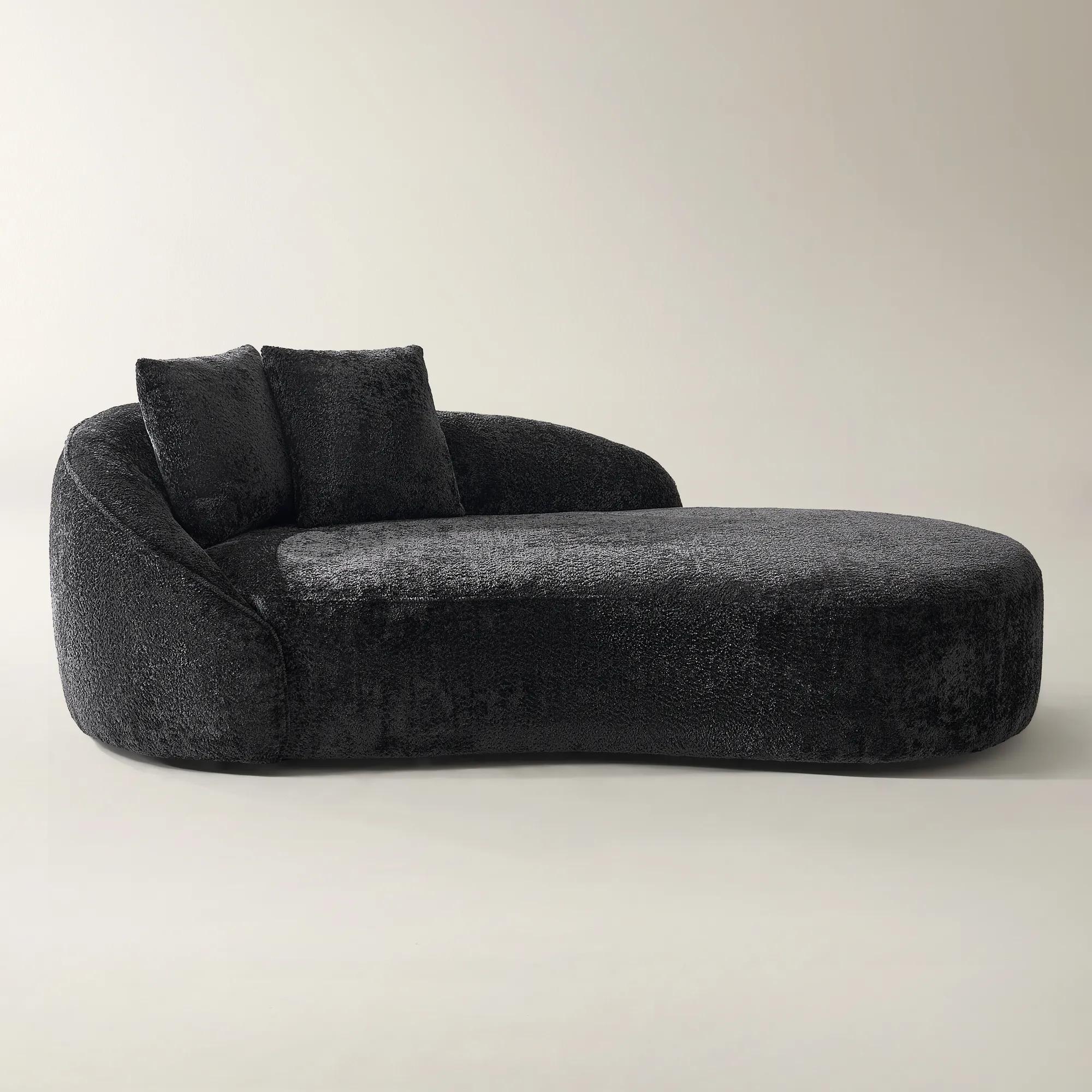 Irene Black Chenille Chaise$1899
A sculptural chaise in charcoal chenille with high-resiliency foam cushions and artisan hand-finished details.
Add To Cart -
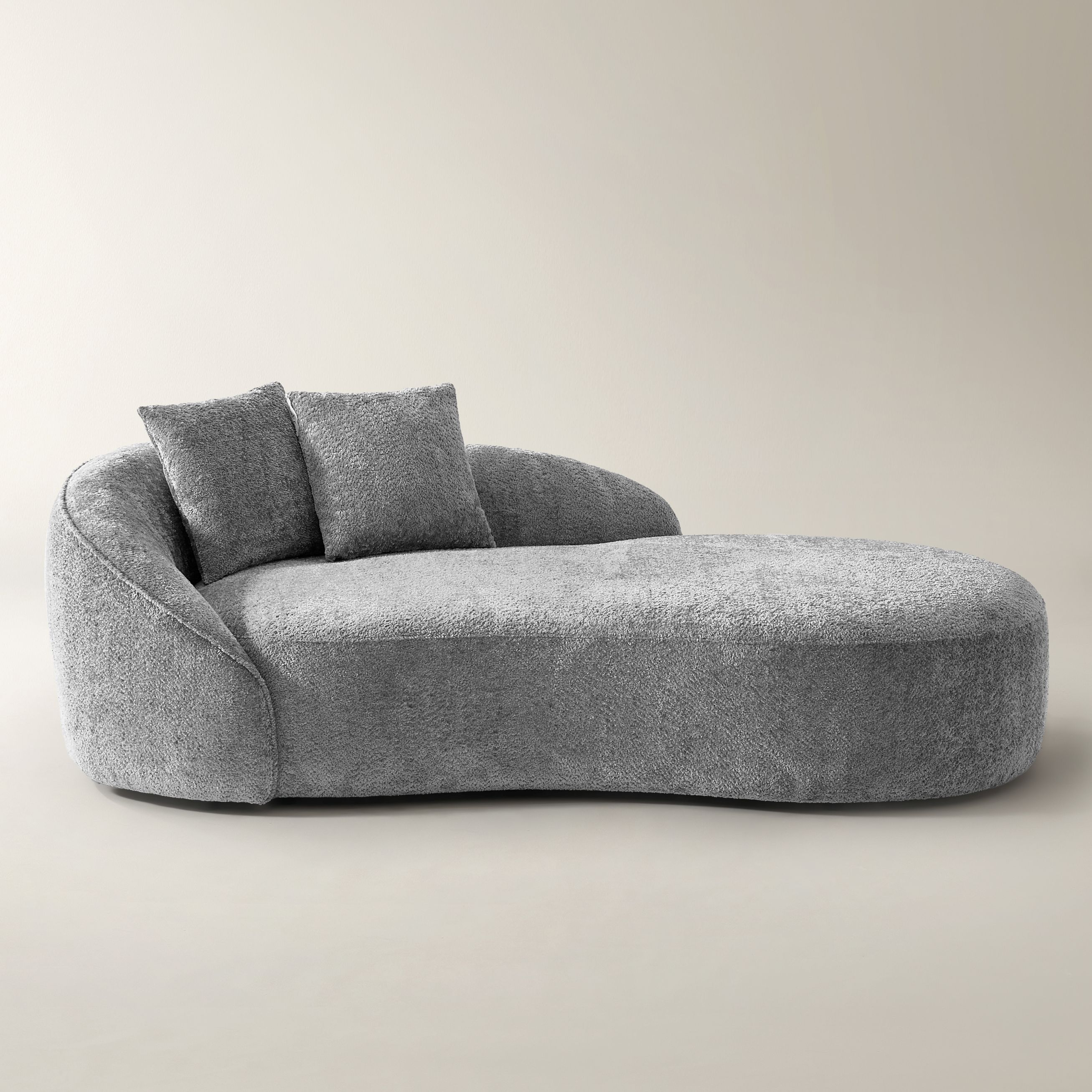 Irene Grey Chenille Chaise$1899
A sculptural chaise in light gray chenille with high-resiliency foam cushions and artisan hand-finished details.
Add To Cart -
 Glimmer Mirrored 2-Drawer Black Oak Desk (62")$1499
A modern black oak veneer desk featuring bronze mirrored soft-close drawers with velvet-lined interiors for elegant storage.
Add To Cart -
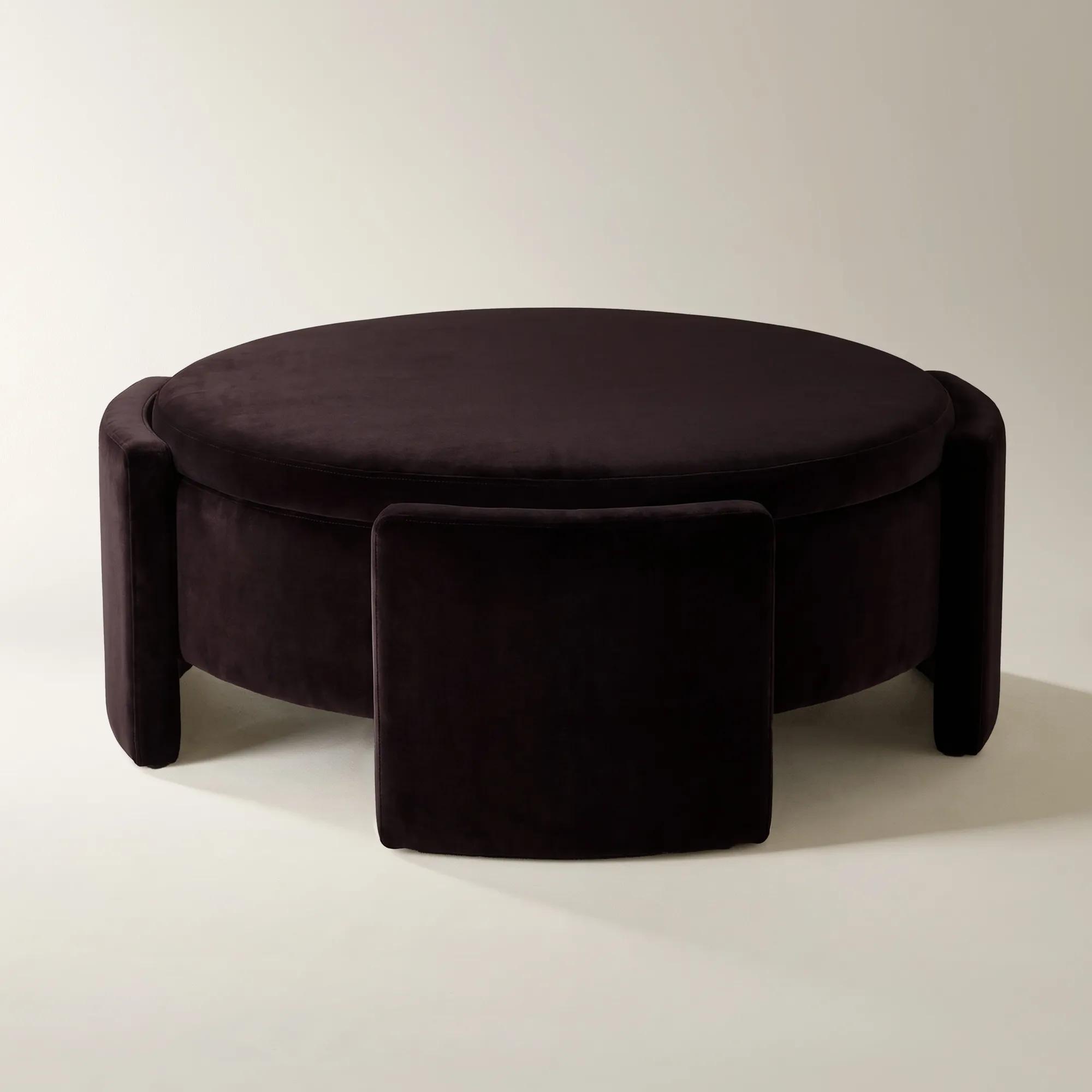
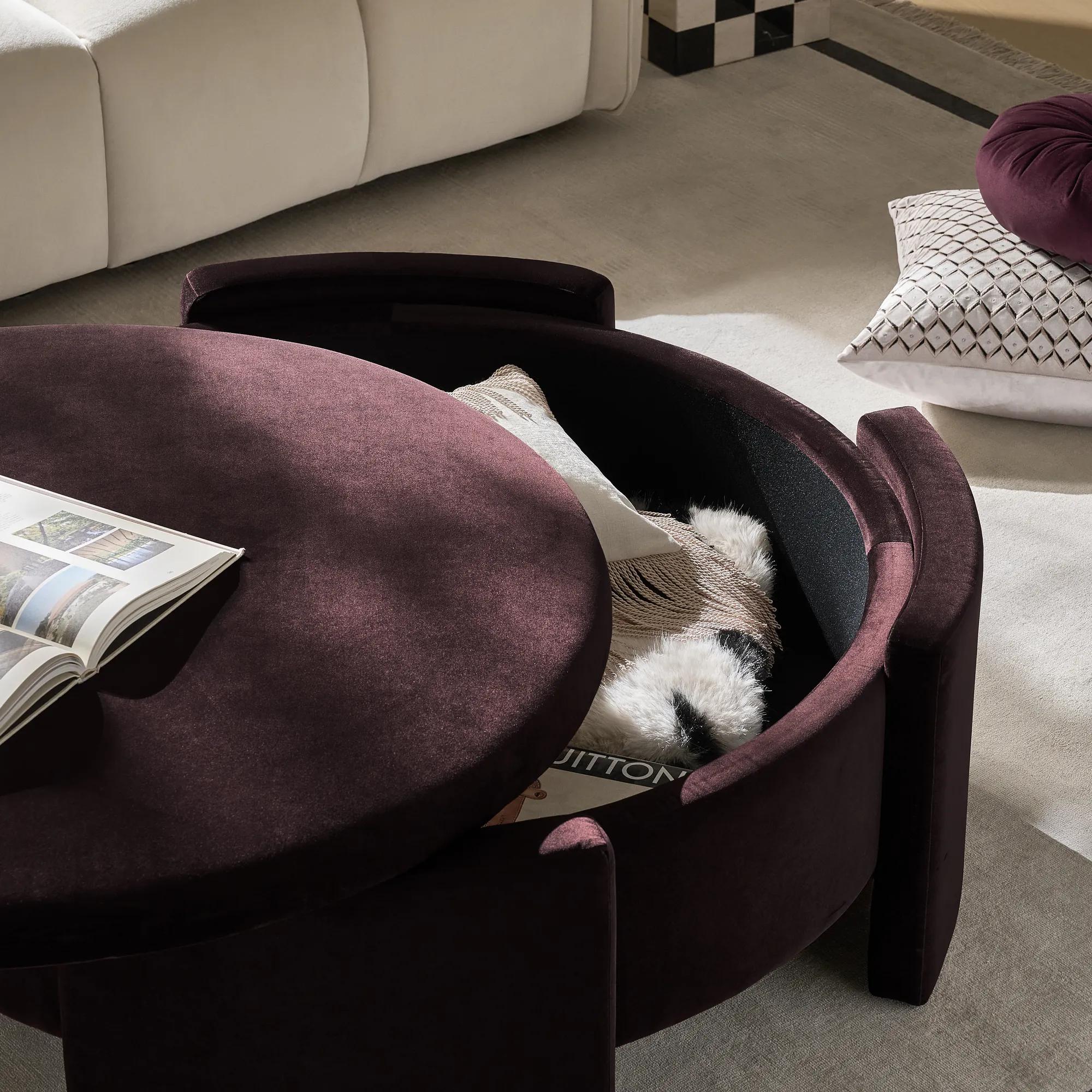 Jora Round Fig Velvet Storage Coffee Table With Reversible Tabletop (47.7")$799
A round fig velvet coffee table featuring a reversible wood tabletop and hidden interior storage.
Add To Cart

New Home Furniture Essentials
New Home Furniture Essentials transforms blank spaces into breathtaking statements, infusing every room with a sense of arrival and artistry. Here, each piece is curated to spark inspiration and set the stage for your most extraordinary moments—whether you’re hosting lavish soirées or savoring quiet indulgence. With silhouettes that command attention and finishes that shimmer in the light, these essentials invite you to craft a home that’s unapologetically bold and exquisitely yours. Discover how New Home Furniture Essentials can elevate your vision, turning every corner into a celebration of style and self-expression.
New home furniture essentials bring comfort, structure, and personal expression to an unfamiliar space: a supportive bed, inviting seating, a dining surface, and storage suited to everyday belongings. These foundational categories create places to sleep, gather, share meals, and keep rooms composed, whether the setting is a first apartment, a newly purchased house, or a home shared by a growing family. The most useful starting pieces serve daily routines; additional seating, accent tables, and display furniture can follow as the character of each room develops. In the living room, a sofa often establishes both the seating arrangement and the visual mood. Generous proportions and sumptuous upholstery invite lingering conversation, while a tailored silhouette can give a compact room presence without overwhelming it. A sectional suits households that gather in one expansive seating area; a sofa paired with accent chairs offers flexibility for conversation and future rearranging. Seat depth, back height, and cushion support matter as much as the outline: deeper seating encourages lounging, while a more upright profile can feel comfortable for reading or entertaining. Coffee tables and side tables complete the arrangement by placing drinks, books, and lighting within reach. Their height and footprint should relate to nearby seating, leaving enough clearance to move comfortably rather than turning every passage into a careful maneuver. About 36 inches along a main walkway is a useful planning allowance where the layout permits. Furniture dimensions also need to work beyond the room itself, including doorways, stair turns, elevators, and building entry points. A low-profile media console can anchor a wall with concealed storage, while a sculptural accent chair introduces a distinctive line against more substantial upholstery. The effect is most compelling when each piece has a purpose and the room still has space to breathe. In an open-plan home, the backs and sides of furniture deserve attention, too, since a sofa or console may be visible from several directions rather than resting against a wall.
Bedroom furniture brings a different kind of drama: a beautifully framed bed, balanced bedside surfaces, and storage that allows the room to feel settled rather than crowded. A bed frame establishes the focal point, but its practical details determine how comfortably it works from day to day. Mattress dimensions, required support, foundation compatibility, and overall frame size all deserve consideration; an upholstered or extended frame can occupy considerably more space than the mattress alone. Headboard height should feel proportionate to the room and any nearby windows, artwork, or architectural details. Upholstered designs introduce softness and texture, while wood and metal frames contribute distinct grain, sheen, and silhouette. For a more focused selection, Bedroom Furniture For New Homes centers the furnishings that shape a restful, expressive retreat. Nightstands offer a convenient landing place for a lamp, a book, and nighttime necessities, with drawers or shelves providing different degrees of concealment. A surface close to mattress height is generally easier to reach than one set dramatically above or below it. Dressers and chests add storage where closets fall short, but their placement needs to account for fully opened drawers, nearby doors, and a comfortable path around the bed. Taller storage pieces make use of vertical space, while wider dressers can create a composed horizontal line beneath a mirror or artwork. Storage beds can be especially useful in smaller homes, provided drawers have room to extend or lift mechanisms have the clearance specified by the manufacturer. Dressers and other furniture that require anchoring should be secured according to their instructions, an important consideration in any household and particularly where children are present. Guest rooms and shared bedrooms may call for more adaptable arrangements, including compact bedside tables or a desk that supports occasional work without dominating the sleeping area. A bench can add a graceful place to sit while dressing when the floor plan allows. These choices suit everyone from a couple establishing a first home to an individual shaping a private retreat, with comfort and daily habits guiding the final composition.
Dining furniture gives a new home a place for unhurried breakfasts, lively conversation, and meals that become part of its rhythm. Table size is best understood in relation to the whole room, not simply the number of seats: chairs need room to pull back, and people need to pass behind them without disturbing those already seated. Round tables can encourage an intimate arrangement, while rectangular designs often complement longer rooms and more defined dining areas. An extension table offers flexibility for larger gatherings, though its expanded footprint still needs to fit the space. Chair seat height, tabletop height, apron clearance, and arm placement all influence comfort, especially when chairs and tables are selected separately. Beyond proportion, materials shape both the atmosphere and the care a piece will require. Wood brings distinctive grain and warmth; wood veneers can create expressive surface patterns over an engineered core. Both benefit from protection against standing moisture and prolonged direct sunlight, with cleaning suited to the particular finish. Glass lends visual openness but reveals fingerprints, while stone introduces striking natural variation and may require sealing or protection from acidic spills, depending on its composition and finish. Gleaming metal adds definition through slender frames or bold architectural bases, with care requirements that vary by coating. Upholstery deserves equally close attention. Fiber content, weave, construction, and manufacturer care instructions provide more useful information than appearance alone, especially for seating used frequently by children, pets, or guests. Performance designations vary and should not be mistaken for stain-proof or damage-proof protection. Prompt spill care, appropriate cleaning methods, and cushion rotation where recommended help preserve an inviting appearance. Durability depends on the complete construction, including frames, joints, supports, and hardware, rather than a single material claim. Across living, dining, and bedroom spaces, recurring finishes or related shapes create cohesion without requiring every piece to match. A polished table beside textured upholstery, or a richly grained cabinet beneath a luminous mirror, gives essential furniture an expressive setting. The result is a home grounded in daily comfort, with enough individuality to make even its most practical corners feel considered.
FAQs
Begin with foundational pieces that offer both comfort and function. A quality mattress and supportive bed frame ensure restful nights, while a sofa or sectional anchors your living space for relaxation and entertaining. Add a dining table and chairs for shared meals, and incorporate storage solutions like dressers or shelving to keep your space organized. Thoughtful lighting and versatile accent tables complete the essentials, creating a harmonious blend of practicality and style.
Select pieces that evoke the mood and atmosphere you wish to create. Opt for materials, finishes, and silhouettes that resonate with your aesthetic—whether that’s bold and dramatic, serene and sophisticated, or eclectic and artistic. Layer in textures and colors that inspire you, and let each item tell a story. Remember, your home is your canvas; choose furniture that allows your personality to shine through every detail.
Absolutely. Multi-functional furniture, such as storage ottomans, expandable dining tables, or sleeper sofas, is ideal for maximizing utility without sacrificing style. These pieces adapt to your evolving needs and make the most of every square foot, offering hidden storage or flexible layouts that keep your new home both beautiful and efficient.
Accent and occasional tables are the unsung heroes of a well-appointed home. Beyond providing surfaces for drinks, books, or displays, they introduce sculptural interest, rich finishes, and a sense of balance to a room. Strategically placed, these tables add both function and artistry, elevating the everyday experience and tying together the overall design narrative.
Gifting furniture for a new home is both meaningful and memorable. Select timeless, versatile pieces—such as an elegant lamp, a chic accent chair, or a statement mirror—that will complement a variety of styles. These gifts not only offer practical use but also become cherished elements in the recipient’s new chapter, symbolizing warmth, welcome, and enduring connection.